AB 2358: Apprenticeships: discrimination: prohibition.
- Session Year: 2017-2018
- House: Assembly
- Latest Version Date: 2018-09-22
Existing law provides for apprenticeship programs within the Division of Apprenticeship Standards (division) within the Department of Industrial Relations, sponsored by specific entities and employers, and requires the Chief of the Division of Apprenticeship Standards to perform various functions with respect to apprenticeship programs and the welfare of apprentices.
Existing law also establishes the California Apprenticeship Council within the Division of Apprenticeship Standards, and requires the council to aid the director in formulating policies with respect to apprentice regulation.
Existing law prohibits discrimination and harassment in employment and apprenticeship training programs based on certain factors, including race, religious creed, gender, or sex.
This bill would expressly prohibit discrimination in any building and construction trades apprenticeship program on the basis of certain enumerated categories, including, race, sex, religious creed, or national origin, with regard to acceptance into, or participation in, the program, as specified. The bill, among other things, would require an apprenticeship program to designate one or more individuals to oversee the commitment to equal opportunity in the program and to maintain records regarding compliance with certain requirements, as specified. The bill would require the apprenticeship program to develop and implement procedures to ensure that its apprentices are not harassed or discriminated against. The bill would also require each apprenticeship program to include a specified equal opportunity pledge in its apprenticeship standards and other publications and would require a program to reach compliance with these provisions within a specified timeframe. The bill would authorize the council to issue rules and regulations as necessary to implement these provisions.
Existing law authorizes the Administrator of the Division of Apprenticeship Standards, upon receiving a complaint, or on his or her own initiative, to investigate to determine if there has been a violation of the terms of an apprenticeship agreement. Existing law prohibits a person from instituting court actions to enforce apprenticeship agreements unless the person has first exhausted all of his or her administrative remedies. This bill would make nonsubstantive changes to these provisions.Existing law authorizes the Administrator of the Division of Apprenticeship Standards, upon receiving a complaint, or on his or her own initiative, to investigate to determine if there has been a violation of the terms of an apprenticeship agreement. Existing law prohibits a person from instituting court actions to enforce apprenticeship agreements unless the person has first exhausted all of his or her administrative remedies.
This bill would make nonsubstantive changes to these provisions.
(a)No building and construction trades apprenticeship program shall discriminate against any apprentice or applicant for apprenticeship on the basis of race, religious creed, color, national origin, ancestry, physical disability, mental disability, medical condition, genetic information, marital status, sex, gender, gender identity, gender expression, age for individuals over forty years of age, military or veteran status, or sexual orientation with regard to all of the following:
(1)Recruitment, outreach, and selection procedures.
(2)Hiring or placement, upgrading, periodic advancement, promotion, demotion, transfer, layoff, termination, right of return from layoff, and rehiring.
(3)Rotation among work processes.
(4)Imposition of penalties or other disciplinary action.
(5)Rates of pay or any other form of compensation and changes in compensation.
(6)Conditions of work.
(7)Hours of work and hours of training provided.
(8)Job assignments.
(9)Leaves of absence, sick leave, or any other leave.
(10)Any other benefit, term, condition, or privilege associated with apprenticeship.
(b)In implementing this section, the division and the Administrator of Apprenticeship shall look to the legal standards, defenses, and exceptions applied under the Fair Employment and Housing Act, its implementing regulations, and any interpretive guidance issued by the Department of Fair Employment and Housing in determining whether a building and construction trades apprenticeship program has engaged in a practice prohibited by subdivision (a).
(c)Each building and construction trades apprenticeship program shall take affirmative steps to provide equal opportunity in apprenticeship, including:
(1)The apprenticeship program shall designate one or more individuals with appropriate authority under the program, such as an apprenticeship coordinator, to be responsible and accountable for overseeing the programs commitment to equal opportunity in apprenticeship. The designees shall have the resources of, support of, and access to, the apprenticeship program leadership, to ensure effective implementation. The designees will be responsible for all of the following:
(A)Monitoring all apprenticeship activity to ensure compliance with the nondiscrimination obligations required by this section.
(B)Maintaining records required under this section.
(C)Generating and submitting reports as may be required by the division.
(2)The apprenticeship program shall inform all applicants for apprenticeship, apprentices, instructors, and employees of the apprenticeship program of its commitment to equal opportunity. The apprenticeship program shall require that apprentices, instructors, and employees of the apprenticeship program take the necessary action to aid the apprenticeship program in meeting its nondiscrimination obligations under this section. The apprenticeship program, at a minimum, shall do all of the following:
(A)Publish its equal opportunity pledge set forth in subdivision (c) in the programs apprenticeship standards, and in appropriate publications, such as apprentice and employee handbooks, policy manuals, newsletters, or other documents disseminated by the apprenticeship program that otherwise describe the nature of the program.
(B)Post its equal opportunity pledge set forth in subdivision (c) on bulletin boards, including through electronic media, such that it is accessible to apprentices and applicants for apprenticeship.
(C)Conduct orientation and periodic information sessions for apprentices, instructors, and employees of the apprenticeship program to inform and remind such individuals of the apprenticeship programs equal employment opportunity policy, and to provide the training required by subparagraph (A) of paragraph (4).
(D)Provide annual notice to any contractor that employs apprentices of the apprenticeship programs commitment to equal opportunity and the contractors obligation to ensure that apprentices it employs are not harassed or discriminated against on any of the bases described in subdivision (a).
(E)Maintain records necessary to demonstrate compliance with these requirements, including records of complaints, and make them available to the Division of Apprenticeship Standards upon request.
(3)The apprenticeship program shall implement measures to ensure that its outreach and recruitment efforts for apprentices extend to all persons available for apprenticeship within the apprenticeship programs relevant recruitment area without regard to the characteristics described in subdivision (a).
(4)The apprenticeship program shall develop and implement procedures to ensure that its apprentices are not harassed or discriminated against on any of the bases described in subdivision (a), and to ensure that its apprenticeship program is free from intimidation and retaliation. To promote an environment in which all apprentices feel safe, welcomed, and treated fairly, the apprenticeship program shall ensure all of the following steps are taken:
(A)Providing antiharassment and antidiscrimination training to all apprentices, instructors, and employees of the apprenticeship program. This training shall not be a mere transmittal of information, but shall include participation by trainees, such as attending a training session in person or completing interactive training online. The training content shall include, at a minimum, communication of the following:
(i)That discriminatory or harassing conduct will not be tolerated.
(ii)The definition of discrimination and harassment and the types of conduct that constitute unlawful discrimination and harassment.
(iii)The complaint procedures established by the apprenticeship program as described in subparagraph (C).
(iv)The procedure for filing a complaint with the Administrator of Apprenticeship pursuant to Section 201 of Title 8 of the California Code of Regulations.
(B)Making all facilities and apprenticeship activities available without regard to the characteristics described in subdivision (a) of this section except that if the apprenticeship program provides restrooms or changing facilities, the apprenticeship program may provide separate or all-gender toilets and changing facilities, provided that all individuals have equal access to facilities consistent with their gender identity.
(C)Establishing and implementing procedures for handling and resolving internal complaints about harassment or discrimination, including, but not limited to, the following:
(i)Designation of an individual or individuals responsible to receive complaints by apprentices of harassment or discrimination.
(ii)Procedures for prompt, thorough, and impartial investigation of complaints.
(iii)Procedures to protect the confidentiality of complaints to the extent possible and consistent with law.
(iv)Policies for immediate and appropriate corrective action when the program determines that harassment or discrimination has occurred, including policies for denying the dispatch of apprentices to, or revoking the training certification of, contractors that have been found by the apprenticeship program to have engaged in or permitted harassment of or discrimination against apprentices.
(v)Protections against retaliation for apprentices who have reported instances of harassment or discrimination.
(d)Each building and construction trades apprenticeship program shall include in its apprenticeship standards the following equal opportunity pledge:
(1)[Name of program] will not discriminate against apprenticeship applicants or apprentices based on race, religious creed, color, national origin, ancestry, physical disability, mental disability, medical condition, genetic information, marital status, sex, gender, gender identity, gender expression, age for individuals over forty years of age, military or veteran status, or sexual orientation. [Name of program] will take affirmative steps to provide equal opportunity in apprenticeship.
(2)The nondiscrimination categories listed in this pledge may be broadened to conform to consistent federal, state, and local requirements. Programs may include additional protected categories, but may not exclude any of the categories protected by this section.
(e)The California Apprenticeship Council may issue rules and regulations as necessary to implement this section, including about what records apprenticeship programs shall maintain to demonstrate compliance with the requirements of this section. The division shall comply with the requirements of the Administrative Procedure Act (Chapter 3.5 (commencing with Section 11340) of Part 1 of Division 3 of Title 2 of the Government Code).
(f)(1)Existing registered building and construction trades apprenticeship programs shall comply with all obligations of this section within 180 days of the effective date of this act.
(2)A new building and construction trades apprenticeship program registering with the Division of Apprenticeship Standards after the effective date of this act shall comply with all obligations of this section upon registration or within 180 days after the effective date of this section, whichever is later.
(g)Failure to comply with the requirements of this section may be grounds for an audit in accordance with Section 3073.1, a complaint to the Administrator of Apprenticeship in accordance with Section 201 of Title 8 of the California Code of Regulations, or other actions in accordance with Section 212.4 of Title 8 of the California Code of Regulations. This section shall not create, or serve as the basis for, a private right of action, or limit any existing private right of action.
(a)No building and construction trades apprenticeship program shall discriminate against any apprentice or applicant for apprenticeship on the basis of race, religious creed, color, national origin, ancestry, physical disability, mental disability, medical condition, genetic information, marital status, sex, gender, gender identity, gender expression, age for individuals over forty years of age, military or veteran status, or sexual orientation with regard to all of the following:
(1)Recruitment, outreach, and selection procedures.
(2)Hiring or placement, upgrading, periodic advancement, promotion, demotion, transfer, layoff, termination, right of return from layoff, and rehiring.
(3)Rotation among work processes.
(4)Imposition of penalties or other disciplinary action.
(5)Rates of pay or any other form of compensation and changes in compensation.
(6)Conditions of work.
(7)Hours of work and hours of training provided.
(8)Job assignments.
(9)Leaves of absence, sick leave, or any other leave.
(10)Any other benefit, term, condition, or privilege associated with apprenticeship.
(b)In implementing this section, the division and the Administrator of Apprenticeship shall look to the legal standards, defenses, and exceptions applied under the Fair Employment and Housing Act, its implementing regulations, and any interpretive guidance issued by the Department of Fair Employment and Housing in determining whether a building and construction trades apprenticeship program has engaged in a practice prohibited by subdivision (a).
(c)Each building and construction trades apprenticeship program shall take affirmative steps to provide equal opportunity in apprenticeship, including:
(1)The apprenticeship program shall designate one or more individuals with appropriate authority under the program, such as an apprenticeship coordinator, to be responsible and accountable for overseeing the programs commitment to equal opportunity in apprenticeship. The designees shall have the resources of, support of, and access to, the apprenticeship program leadership, to ensure effective implementation. The designees will be responsible for all of the following:
(A)Monitoring all apprenticeship activity to ensure compliance with the nondiscrimination obligations required by this section.
(B)Maintaining records required under this section.
(C)Generating and submitting reports as may be required by the division.
(2)The apprenticeship program shall inform all applicants for apprenticeship, apprentices, instructors, and employees of the apprenticeship program of its commitment to equal opportunity. The apprenticeship program shall require that apprentices, instructors, and employees of the apprenticeship program take the necessary action to aid the apprenticeship program in meeting its nondiscrimination obligations under this section. The apprenticeship program, at a minimum, shall do all of the following:
(A)Publish its equal opportunity pledge set forth in subdivision (c) in the programs apprenticeship standards, and in appropriate publications, such as apprentice and employee handbooks, policy manuals, newsletters, or other documents disseminated by the apprenticeship program that otherwise describe the nature of the program.
(B)Post its equal opportunity pledge set forth in subdivision (c) on bulletin boards, including through electronic media, such that it is accessible to apprentices and applicants for apprenticeship.
(C)Conduct orientation and periodic information sessions for apprentices, instructors, and employees of the apprenticeship program to inform and remind such individuals of the apprenticeship programs equal employment opportunity policy, and to provide the training required by subparagraph (A) of paragraph (4).
(D)Provide annual notice to any contractor that employs apprentices of the apprenticeship programs commitment to equal opportunity and the contractors obligation to ensure that apprentices it employs are not harassed or discriminated against on any of the bases described in subdivision (a).
(E)Maintain records necessary to demonstrate compliance with these requirements, including records of complaints, and make them available to the Division of Apprenticeship Standards upon request.
(3)The apprenticeship program shall implement measures to ensure that its outreach and recruitment efforts for apprentices extend to all persons available for apprenticeship within the apprenticeship programs relevant recruitment area without regard to the characteristics described in subdivision (a).
(4)The apprenticeship program shall develop and implement procedures to ensure that its apprentices are not harassed or discriminated against on any of the bases described in subdivision (a), and to ensure that its apprenticeship program is free from intimidation and retaliation. To promote an environment in which all apprentices feel safe, welcomed, and treated fairly, the apprenticeship program shall ensure all of the following steps are taken:
(A)Providing antiharassment and antidiscrimination training to all apprentices, instructors, and employees of the apprenticeship program. This training shall not be a mere transmittal of information, but shall include participation by trainees, such as attending a training session in person or completing interactive training online. The training content shall include, at a minimum, communication of the following:
(i)That discriminatory or harassing conduct will not be tolerated.
(ii)The definition of discrimination and harassment and the types of conduct that constitute unlawful discrimination and harassment.
(iii)The complaint procedures established by the apprenticeship program as described in subparagraph (C).
(iv)The procedure for filing a complaint with the Administrator of Apprenticeship pursuant to Section 201 of Title 8 of the California Code of Regulations.
(B)Making all facilities and apprenticeship activities available without regard to the characteristics described in subdivision (a) of this section except that if the apprenticeship program provides restrooms or changing facilities, the apprenticeship program shall may provide separate or single-user restrooms and changing facilities to assure privacy between the sexes. all-gender toilets and changing facilities, provided that all individuals have equal access to facilities consistent with their gender identity.
(C)Establishing and implementing procedures for handling and resolving internal complaints about harassment or discrimination, including, but not limited to, the following:
(i)Designation of an individual or individuals responsible to receive complaints by apprentices of harassment or discrimination.
(ii)Procedures for prompt, thorough, and impartial investigation of complaints.
(iii)Procedures to protect the confidentiality of complaints to the extent possible and consistent with law.
(iv)Policies for immediate and appropriate corrective action when the program determines that harassment or discrimination has occurred, including policies for denying the dispatch of apprentices to, or revoking the training certification of, contractors that have been found by the apprenticeship program to have engaged in or permitted harassment of or discrimination against apprentices.
(v)Protections against retaliation for apprentices who have reported instances of harassment or discrimination.
(d)Each building and construction trades apprenticeship program shall include in its apprenticeship standards the following equal opportunity pledge:
(1)[Name of program] will not discriminate against apprenticeship applicants or apprentices based on race, religious creed, color, national origin, ancestry, physical disability, mental disability, medical condition, genetic information, marital status, sex, gender, gender identity, gender expression, age for individuals over forty years of age, military or veteran status, or sexual orientation. [Name of program] will take affirmative steps to provide equal opportunity in apprenticeship.
(2)The nondiscrimination categories listed in this pledge may be broadened to conform to consistent federal, state, and local requirements. Programs may include additional protected categories, but may not exclude any of the categories protected by this section.
(e)The California Apprenticeship Council may issue rules and regulations as necessary to implement this section, including about what records apprenticeship programs shall maintain to demonstrate compliance with the requirements of this section. The division shall comply with the requirements of the Administrative Procedure Act (Chapter 3.5 (commencing with Section 11340) of Part 1 of Division 3 of Title 2 of the Government Code).
(f)(1)Existing registered building and construction trades apprenticeship programs shall comply with all obligations of this section within 180 days of the effective date of this act.
(2)A new building and construction trades apprenticeship program registering with the Division of Apprenticeship Standards after the effective date of this act shall comply with all obligations of this section upon registration or within 180 days after the effective date of this section, whichever is later.
(g)(1)Failure to comply with the requirements of this section may be grounds for an audit in accordance with Section 3073.1, a complaint to the Administrator of Apprenticeship in accordance with Section 201 of Title 8 of the California Code of Regulations, or other actions in accordance with Section 212.4 of Title 8 of the California Code of Regulations. This section shall not be deemed to create create, or serve as the basis for, a private right of action, or limit any existing private right of action.
(2)The fact that this section requires a building and construction trades apprenticeship program to take affirmative steps to provide equal opportunity in apprenticeship as set forth in subdivision (c), or the fact that an apprenticeship program failed to take these affirmative steps, to the extent they go beyond the requirements of other laws, shall not be admissible in any private civil action as evidence of discrimination or of the failure to prevent discrimination or harassment.(a)No building and construction trades apprenticeship program shall discriminate against any apprentice or applicant for apprenticeship on the basis of race, religious creed, color, national origin, ancestry, physical disability, mental disability, medical condition, genetic information, marital status, sex, gender, gender identity, gender expression, age for individuals over forty years of age, military or veteran status, or sexual orientation with regard to all of the following:
(1)Recruitment, outreach, and selection procedures.
(2)Hiring or placement, upgrading, periodic advancement, promotion, demotion, transfer, layoff, termination, right of return from layoff, and rehiring.
(3)Rotation among work processes.
(4)Imposition of penalties or other disciplinary action.
(5)Rates of pay or any other form of compensation and changes in compensation.
(6)Conditions of work.
(7)Hours of work and hours of training provided.
(8)Job assignments.
(9)Leaves of absence, sick leave, or any other leave.
(10)Any other benefit, term, condition, or privilege associated with apprenticeship.
(b)In implementing this section, the division and the Administrator of Apprenticeship shall look to the legal standards, defenses, and exceptions applied under the Fair Employment and Housing Act, its implementing regulations, and any interpretive guidance issued by the Department of Fair Employment and Housing in determining whether a building and construction trades apprenticeship program has engaged in a practice prohibited by subdivision (a).
(b)(c)Each building and construction trades apprenticeship program shall take affirmative steps to provide equal opportunity in apprenticeship, including:
(1)The apprenticeship program shall designate one or more individuals with appropriate authority under the program, such as an apprenticeship coordinator, to be responsible and accountable for overseeing the programs commitment to equal opportunity in apprenticeship. The designees shall have the resources of, support of, and access to, the apprenticeship program leadership, to ensure effective implementation. The designees will be responsible for all of the following:
(A)Monitoring all apprenticeship activity to ensure compliance with the nondiscrimination obligations required by this section.
(B)Maintaining records required under this section.
(C)Generating and submitting reports as may be required by the division.
(2)The apprenticeship program shall inform all applicants for apprenticeship, apprentices, instructors, and employees of the apprenticeship program of its commitment to equal opportunity. The apprenticeship program shall require that apprentices, instructors, and employees of the apprenticeship program take the necessary action to aid the apprenticeship program in meeting its nondiscrimination obligations under this section. The apprenticeship program, at a minimum, shall do all of the following:
(A)Publish its equal opportunity pledge set forth in subdivision (c) in the programs apprenticeship standards, and in appropriate publications, such as apprentice and employee handbooks, policy manuals, newsletters, or other documents disseminated by the apprenticeship program that otherwise describe the nature of the program.
(B)Post its equal opportunity pledge set forth in subdivision (c) on bulletin boards, including through electronic media, such that it is accessible to apprentices and applicants for apprenticeship.
(C)Conduct orientation and periodic information sessions for apprentices, instructors, and employees of the apprenticeship program to inform and remind such individuals of the apprenticeship programs equal employment opportunity policy, and to provide the training required by subparagraph (A) of paragraph (4).
(D)Provide annual notice to any contractor that employs apprentices of the apprenticeship programs commitment to equal opportunity and the contractors obligation to ensure that apprentices it employs are not harassed or discriminated against on any of the bases described in subdivision (a).
(E)Maintain records necessary to demonstrate compliance with these requirements, including records of complaints, and make them available to the Division of Apprenticeship Standards upon request.
(3)The apprenticeship program shall implement measures to ensure that its outreach and recruitment efforts for apprentices extend to all persons available for apprenticeship within the apprenticeship programs relevant recruitment area without regard to the characteristics described in subdivision (a).
(4)The apprenticeship program shall develop and implement procedures to ensure that its apprentices are not harassed or discriminated against on any of the bases described in subdivision (a), and to ensure that its apprenticeship program is free from intimidation and retaliation. To promote an environment in which all apprentices feel safe, welcomed, and treated fairly, the apprenticeship program shall ensure all of the following steps are taken:
(A)Providing antiharassment and antidiscrimination training to all apprentices, instructors, and employees of the apprenticeship program. This training shall not be a mere transmittal of information, but shall include participation by trainees, such as attending a training session in person or completing interactive training online. The training content shall include, at a minimum, communication of the following:
(i)That discriminatory or harassing conduct will not be tolerated.
(ii)The definition of discrimination and harassment and the types of conduct that constitute unlawful discrimination and harassment.
(iii)The complaint procedures established by the apprenticeship program as described in subparagraph (C).
(iv)The procedure for filing a complaint with the Administrator of Apprenticeship pursuant to Section 201 of Title 8 of the California Code of Regulations.
(B)Making all facilities and apprenticeship activities available without regard to the characteristics described in subdivision (a) of this section except that if the apprenticeship program provides restrooms or changing facilities, the apprenticeship program shall provide separate or single-user restrooms and changing facilities to assure privacy between the sexes.
(C)Establishing and implementing procedures for handling and resolving internal complaints about harassment or discrimination, including, but not limited to, the following:
(i)Designation of an individual or individuals responsible to receive complaints by apprentices of harassment or discrimination.
(ii)Procedures for prompt, thorough, and impartial investigation of complaints.
(iii)Procedures to protect the confidentiality of complaints to the extent possible and consistent with law.
(iv)Policies for immediate and appropriate corrective action when the program determines that harassment or discrimination has occurred, including policies for denying the dispatch of apprentices to, or revoking the training certification of, contractors that have been found by the apprenticeship program to have engaged in or permitted harassment of or discrimination against apprentices.
(v)Protections against retaliation for apprentices who have reported instances of harassment or discrimination.
(c)(d)Each building and construction trades apprenticeship program shall include in its apprenticeship standards the following equal opportunity pledge:
(1)[Name of program] will not discriminate against apprenticeship applicants or apprentices based on race, religious creed, color, national origin, ancestry, physical disability, mental disability, medical condition, genetic information, marital status, sex, gender, gender identity, gender expression, age for individuals over forty years of age, military or veteran status, or sexual orientation. [Name of program] will take affirmative steps to provide equal opportunity in apprenticeship.
(2)The nondiscrimination categories listed in this pledge may be broadened to conform to consistent federal, state, and local requirements. Programs may include additional protected categories, but may not exclude any of the categories protected by this section.
(d)(e)The California Apprenticeship Council may issue rules and regulations as necessary to implement this section, including about what records apprenticeship programs shall maintain to demonstrate compliance with the requirements of this section. The division shall comply with the requirements of the Administrative Procedure Act (Chapter 3.5 (commencing with Section 11340) of Part 1 of Division 3 of Title 2 of the Government Code).
(e)(f)(1)Existing registered building and construction trades apprenticeship programs shall comply with all obligations of this section within 180 days of the effective date of this act.
(2)A new building and construction trades apprenticeship program registering with the Division of Apprenticeship Standards after the effective date of this act shall comply with all obligations of this section upon registration or within 180 days after the effective date of this section, whichever is later.
(f)(g)(1)Failure to comply with the requirements of this section may be grounds for an audit in accordance with Section 3073.1 3073.1, a complaint to the Administrator of Apprenticeship in accordance with Section 201 of Title 8 of the California Code of Regulations, or other actions in accordance with Section 212.4 of Title 8 of the California Code of Regulations. This section shall not be deemed to create a private right of action, or limit any existing private right of action. A building and construction trades apprenticeship programs failure to comply with the requirements of this section shall not be admissible as evidence in any civil action.
(2)The fact that this section requires a building and construction trades apprenticeship program to take affirmative steps to provide equal opportunity in apprenticeship as set forth in subdivision (c), or the fact that an apprenticeship program failed to take these affirmative steps, to the extent they go beyond the requirements of other laws, shall not be admissible in any private civil action as evidence of discrimination or of the failure to prevent discrimination or harassment.
REVISIONS: HeadingLine 2.(a)No building and construction trades apprenticeship program shall discriminate against any apprentice or applicant for apprenticeship on the basis of race, religious creed, color, national origin, ancestry, physical disability, mental disability, medical condition, genetic information, marital status, sex, gender, gender identity, gender expression, age for individuals over forty years of age, military or veteran status, or sexual orientation with regard to all of the following:
(1)Recruitment, outreach, and selection procedures.
(2)Hiring or placement, upgrading, periodic advancement, promotion, demotion, transfer, layoff, termination, right of return from layoff, and rehiring.
(3)Rotation among work processes.
(4)Imposition of penalties or other disciplinary action.
(5)Rates of pay or any other form of compensation and changes in compensation.
(6)Conditions of work.
(7)Hours of work and hours of training provided.
(8)Job assignments.
(9)Leaves of absence, sick leave, or any other leave.
(10)Any other benefit, term, condition, or privilege associated with apprenticeship.
(b)Each building and construction trades apprenticeship program shall take affirmative steps to provide equal opportunity in apprenticeship, including:
(1)The apprenticeship program shall designate one or more individuals with appropriate authority under the program, such as an apprenticeship coordinator, to be responsible and accountable for overseeing the programs commitment to equal opportunity in apprenticeship. The designees shall have the resources of, support of, and access to, the apprenticeship program leadership, to ensure effective implementation. The designees will be responsible for all of the following:
(A)Monitoring all apprenticeship activity to ensure compliance with the nondiscrimination obligations required by this section.
(B)Maintaining records required under this section.
(C)Generating and submitting reports as may be required by the division.
(2)The apprenticeship program shall inform all applicants for apprenticeship, apprentices, instructors, and employees of the apprenticeship program of its commitment to equal opportunity. The apprenticeship program shall require that apprentices, instructors, and employees of the apprenticeship program take the necessary action to aid the apprenticeship program in meeting its nondiscrimination obligations under this section. The apprenticeship program, at a minimum, shall do all of the following:
(A)Publish its equal opportunity pledge set forth in subdivision (c) in the programs apprenticeship standards, and in appropriate publications, such as apprentice and employee handbooks, policy manuals, newsletters, or other documents disseminated by the apprenticeship program that otherwise describe the nature of the program.
(B)Post its equal opportunity pledge set forth in subdivision (c) on bulletin boards, including through electronic media, such that it is accessible to apprentices and applicants for apprenticeship.
(C)Conduct orientation and periodic information sessions for apprentices, instructors, and employees of the apprenticeship program to inform and remind such individuals of the apprenticeship programs equal employment opportunity policy, and to provide the training required by subparagraph (A) of paragraph (4).
(D)Provide annual notice to any contractor that employs apprentices of the apprenticeship programs commitment to equal opportunity and the contractors obligation to ensure that apprentices it employs are not harassed or discriminated against on any of the bases described in subdivision (a).
(E)Maintain records necessary to demonstrate compliance with these requirements, including records of complaints, and make them available to the Division of Apprenticeship Standards upon request.
(3)The apprenticeship program shall implement measures to ensure that its outreach and recruitment efforts for apprentices extend to all persons available for apprenticeship within the apprenticeship programs relevant recruitment area without regard to the characteristics described in subdivision (a).
(4)The apprenticeship program shall develop and implement procedures to ensure that its apprentices are not harassed or discriminated against on any of the bases described in subdivision (a), and to ensure that its apprenticeship program is free from intimidation and retaliation. To promote an environment in which all apprentices feel safe, welcomed, and treated fairly, the apprenticeship program shall ensure all of the following steps are taken:
(A)Providing antiharassment and antidiscrimination training to all apprentices, instructors, and employees of the apprenticeship program. This training shall not be a mere transmittal of information, but shall include participation by trainees, such as attending a training session in person or completing interactive training online. The training content shall include, at a minimum, communication of the following:
(i)That discriminatory or harassing conduct will not be tolerated.
(ii)The definition of discrimination and harassment and the types of conduct that constitute unlawful discrimination and harassment.
(iii)The complaint procedures established by the apprenticeship program as described in subparagraph (C).
(B)Making all facilities and apprenticeship activities available without regard to the characteristics described in subdivision (a) of this section except that if the apprenticeship program provides restrooms or changing facilities, the apprenticeship program shall provide separate or single-user restrooms and changing facilities to assure privacy between the sexes.
(C)Establishing and implementing procedures for handling and resolving internal complaints about harassment or discrimination, including, but not limited to, the following:
(i)Designation of an individual or individuals responsible to receive complaints by apprentices of harassment or discrimination.
(ii)Procedures for prompt, thorough, and impartial investigation of complaints.
(iii)Procedures to protect the confidentiality of complaints to the extent possible and consistent with law.
(iv)Policies for immediate and appropriate corrective action when the program determines that harassment or discrimination has occurred, including policies for denying the dispatch of apprentices to, or revoking the training certification of, contractors that have been found by the apprenticeship program to have engaged in or permitted harassment of or discrimination against apprentices.
(v)Protections against retaliation for apprentices who have reported instances of harassment or discrimination.
(c)Each building and construction trades apprenticeship program shall include in its apprenticeship standards the following equal opportunity pledge:
(1)[Name of program] will not discriminate against apprenticeship applicants or apprentices based on race, religious creed, color, national origin, ancestry, physical disability, mental disability, medical condition, genetic information, marital status, sex, gender, gender identity, gender expression, age for individuals over forty years of age, military or veteran status, or sexual orientation. [Name of program] will take affirmative steps to provide equal opportunity in apprenticeship.
(2)The nondiscrimination categories listed in this pledge may be broadened to conform to consistent federal, state, and local requirements. Programs may include additional protected categories, but may not exclude any of the categories protected by this section.
(d)The California Apprenticeship Council may issue rules and regulations as necessary to implement this section, including about what records apprenticeship programs shall maintain to demonstrate compliance with the requirements of this section. The division shall comply with the requirements of the Administrative Procedure Act (Chapter 3.5 (commencing with Section 11340) of Part 1 of Division 3 of Title 2 of the Government Code).
(e)(1)Existing registered building and construction trades apprenticeship programs shall comply with all obligations of this section within 180 days of the effective date of this act.
(2)A new building and construction trades apprenticeship program registering with the Division of Apprenticeship Standards after the effective date of this act shall comply with all obligations of this section upon registration or within 180 days after the effective date of this section, whichever is later.
(f)Failure to comply with the requirements of this section may be grounds for an audit in accordance with Section 3073.1 or other actions in accordance with Section 212.4 of Title 8 of the California Code of Regulations. This section shall not be deemed to create a private right of action, or limit any existing private right of action. A building and construction trades apprenticeship programs failure to comply with the requirements of this section shall not be admissible as evidence in any civil action.
SECTION 1.Section 3081 of the Labor Code is amended to read:3081.Upon the complaint of an interested person or upon his or her own initiative, the administrator may investigate to determine if there has been a violation of the terms of an apprentice agreement, made under this chapter, and he or she may hold hearings, inquiries, and other proceedings necessary to such investigations and determinations. The parties to such agreement shall be given a fair and impartial hearing, after reasonable notice thereof. All such hearings, investigations and determinations shall be made under authority of reasonable rules and procedures prescribed by the California Apprenticeship Council.SEC. 2.Section 3085 of the Labor Code is amended to read:3085. A person shall not institute any action for the enforcement of any apprentice agreement, or damages for the breach of any apprentice agreement, made under this chapter, unless he or she shall first have exhausted all administrative remedies provided by this chapter.Upon the complaint of any an interested person or upon his or her own initiative, the administrator may investigate to determine if there has been a violation of the terms of an apprentice agreement, made under this chapter, and he or she may hold hearings, inquiries, and other proceedings necessary to such investigations and determinations. The parties to such agreement shall be given a fair and impartial hearing, after reasonable notice thereof. All such hearings, investigations and determinations shall be made under authority of reasonable rules and procedures prescribed by the California Apprenticeship Council.
SEC. 2.Section 3085 of the Labor Code is amended to read:3085.No A person shall not institute any action for the enforcement of any apprentice agreement, or damages for the breach of any apprentice agreement, made under this chapter, unless he or she shall first have exhausted all administrative remedies provided by this chapter.
|
Date
|
Status
|
|---|---|
| Sep 22, 2018 | Chaptered by Secretary of State - Chapter 675, Statutes of 2018. |
| Sep 22, 2018 | Approved by the Governor. |
| Sep 10, 2018 | Enrolled and presented to the Governor at 3:30 p.m. |
| Aug 30, 2018 | Senate amendments concurred in. To Engrossing and Enrolling. |
| Aug 29, 2018 | In Assembly. Concurrence in Senate amendments pending. |
| Aug 29, 2018 | Read third time. Passed. Ordered to the Assembly. |
| Aug 27, 2018 | Read second time. Ordered to third reading. |
| Aug 24, 2018 | Read third time and amended. Ordered to second reading. |
| Aug 17, 2018 | From committee: Do pass. (Ayes 7. Noes 0.) (August 16). |
| Aug 6, 2018 | In committee: Referred to APPR. suspense file. |
| Jul 3, 2018 | Read second time and amended. Re-referred to Com. on APPR. |
| Jul 2, 2018 | From committee: Amend, and do pass as amended and re-refer to Com. on APPR. (Ayes 7. Noes 0.) (June 26). |
| Jun 13, 2018 | From committee: Do pass and re-refer to Com. on JUD. (Ayes 5. Noes 0.) (June 13). Re-referred to Com. on JUD. |
| Jun 7, 2018 | Referred to Coms. on L. & I.R. and JUD. |
| May 30, 2018 | In Senate. Read first time. To Com. on RLS. for assignment. |
| May 29, 2018 | Read third time. Passed. Ordered to the Senate. |
| May 25, 2018 | Coauthors revised. |
| May 9, 2018 | In committee: Set, first hearing. Referred to APPR. suspense file. |
| Apr 26, 2018 | From committee: Do pass and re-refer to Com. on APPR. (Ayes 7. Noes 0.) (April 25). Re-referred to Com. on APPR. |
| Apr 17, 2018 | Re-referred to Com. on L. & E. |
| Apr 16, 2018 | From committee chair, with author's amendments: Amend, and re-refer to Com. on L. & E. Read second time and amended. |
| Apr 12, 2018 | In committee: Hearing postponed by committee. |
| Apr 2, 2018 | Re-referred to Com. on L. & E. |
| Mar 22, 2018 | Referred to Com. on L. & E. |
| Feb 14, 2018 | From printer. May be heard in committee March 16. |
| Feb 13, 2018 | Read first time. To print. |
|
Date
|
Description
|
Location
|
Votes
|
|
|---|---|---|---|---|
| Aug 30, 2018 | AB 2358 CARRILLO Concurrence in Senate Amendments | Assembly Floor |
Passed |
|
| Aug 29, 2018 | Assembly 3rd Reading AB2358 Carrillo et al. By Jackson | Senate Floor |
Passed |
|
| Aug 16, 2018 | Do pass | Senate Standing Committee on Appropriations |
Passed |
|
| Aug 6, 2018 | Placed on suspense file | Senate Standing Committee on Appropriations |
Passed |
|
| Jun 26, 2018 | Do pass as amended, but first amend, and re-refer to the Committee on [Appropriations] | Senate Standing Committee on Judiciary |
Passed |
|
| Jun 13, 2018 | Do pass, but first be re-referred to the Committee on [Judiciary] | Senate Standing Committee on Labor and Industrial Relations |
Passed |
|
| May 29, 2018 | AB 2358 CARRILLO Assembly Third Reading | Assembly Floor |
Passed |
|
| May 25, 2018 | Do pass. | Assembly Standing Committee on Appropriations |
Passed |
|
| Apr 25, 2018 | Do pass and be re-referred to the Committee on [Appropriations] | Assembly Standing Committee on Labor and Employment |
Passed |
This list shows positions taken on this bill by organizations on the date displayed, which is linked to the original source.
Positions by individuals are not included.
|
Organization
|
Position
|
Date
|
|---|---|---|
| California Employment Lawyers Association | * Support | Apr 25, 2018 |
| California Labor Federation | * Support | Apr 25, 2018 |
| California State Association Of Electrical Workers | ** Support | Aug 27, 2018 |
| California State Pipe Trades Council | ** Support | Aug 27, 2018 |
| California Teamsters Public Affairs Council | ** Support | Aug 27, 2018 |
| City & County of San Francisco | * Support | Jun 13, 2018 |
| District Council 16 Painters and Allied Trades | * Support | Jun 13, 2018 |
| District Council of Iron Workers | * Support | Jun 13, 2018 |
| International Union Of Elevator Contractors | ** Support | Apr 23, 2018 |
| San Diego Building Trades | * Support | Jun 13, 2018 |
| State Building and Construction Trades Council of California | ** Support | Aug 27, 2018 |
| Tradeswomen, Inc. | * Indeterminate | Jun 13, 2018 |
| Western States Council Of Sheet Metal Workers | ** Support | Aug 27, 2018 |
CONCURRENCE IN SENATE AMENDMENTS
CSA1 Bill Id:AB 2358
Author:(Carrillo)
As Amended Ver:August 24, 2018
Majority vote
ASSEMBLY: | 78-0 | (May 29, 2018) | SENATE: | 39-0 | (August 29, 2018) |
Original Committee Reference: L. & E.
SUMMARY: Prohibits discrimination in any building and construction trades apprenticeship program on the basis of certain enumerated categories with regards to acceptance into or participation in the program as specified. Specifically, this bill:
- Prohibits discrimination in any building and construction trades apprenticeship program on the basis of race, religious creed, color, national origin, ancestry, physical disability, mental disability, medical condition, genetic information, marital status, sex, gender, gender identity, gender expression, age for individuals over forty years of age, military or veteran status, or sexual orientation.
- Requires an apprenticeship program to designate one or more individuals to oversee the commitment to equal opportunity in the program and to maintain records regarding compliance with certain requirements, as specified.
- Requires the apprenticeship program to develop and implement procedures to ensure that its apprentices are not harassed or discriminated against.
- Requires each apprenticeship program to include a specified equal opportunity pledge in its apprenticeship standards and other publications and would require a program to reach compliance with these provisions within a specified timeframe.
- Authorizes the California Apprenticeship Council to issue rules and regulations as necessary to implement these provisions.
The Senate amendments:
- Eliminate the bar on admissibility of evidence regarding program compliance while underscoring that the bill would not, on its own, form the basis for a private right of action.
- Ensure that language regarding toilet and changing facilities are inclusive of transgender individuals in keeping with the overall intent of the bill.
EXISTING LAW:
- Prohibits, under federal law, discrimination in any building and construction trades apprenticeship program on the basis of race, color, religion, national origin, sex, sexual orientation, age (40 or older), genetic information, or disability.
- Prohibits, under the state Fair Employment and Housing Act (FEHA), discrimination against any person in the selection, termination, training, or other terms or treatment of that person in any apprenticeship training program, any other training program leading to employment, an unpaid internship, or another limited duration program to provide unpaid work experience for that person because of the race, religious creed, color, national origin, ancestry, physical disability, mental disability, medical condition, genetic information, marital status, sex, gender, gender identity, gender expression, age, sexual orientation, or military and veteran status of the person discriminated against.
- Prohibits, under FEHA, an apprenticeship training program or any training program leading to employment, because of race, religious creed, color, national origin, ancestry, physical disability, mental disability, medical condition, genetic information, marital status, sex, gender, gender identity, gender expression, age, sexual orientation, or military and veteran status, to harass an employee, an applicant, an unpaid intern or volunteer, or a person providing services pursuant to a contract.
FISCAL EFFECT: According to the Senate Appropriations Committee, "The Department of Industrial Relations (DIR) indicates that it would incur a first-year cost of $165,000, and $157,000 annually thereafter, to implement the provisions of the bill (special fund)."
COMMENTS: According to the Division of Apprenticeship Standards (DAS) 2016 Legislative Report, California continues to lead the nation in apprenticeship enrollment, with 74,441 apprentices registered in over 640 programs recognized by DAS. Minorities numbered 45,796, or 61.5% of all apprentices, and women apprentices numbered 4,683, or 6.3% of all apprentices.
This measure is substantially similar to federal Department of Labor regulation adopted in January of 2017. Pursuant to 29 Code of Federal Regulations 30.3, it is unlawful for a sponsor of a registered apprenticeship program to discriminate against an apprentice or applicant for apprenticeship on the basis of race, color, religion, national origin, sex, sexual orientation, age (40 or older), genetic information, or disability with regards to: recruitment, outreach, and selection procedures; hiring and/or placement, upgrading, periodic advancement, promotion, demotion, transfer, layoff, termination, right of return from layoff, and rehiring; rotation among work processes; imposition of penalties or other disciplinary action; rates of pay or any other form of compensation and changes in compensation; conditions of work; hours of work and hours of training provided; job assignments; leaves of absence, sick leave, or any other leave; and any other benefit, term, condition, or privilege associated with apprenticeship.
According to the author, "A career in construction can provide a family with sustaining wages, and also with retirement benefits and healthcare. This industry, while mostly male, will greatly benefit from an increase in the presence and retention of women. To aid in accomplishing this worth objective, California must provide a work environment that is free of harassment and discrimination."
The California State Association of Electrical Workers and others write, "This legislation, by Assembly Member Carrillo, seeks to provide a more welcome environment for women in the building trades apprenticeship programs."
There is no known opposition.
Analysis Prepared by: Jennifer Richard / L. & E. / (916) 319-2091 FN: 0004970
Office of Senate Floor Analyses (916) 651-1520 Fax: (916) 327-4478 | AB |
THIRD READING
Bill No: AB 2358
: 8/24/18
SENATE LABOR & IND. REL. COMMITTEE: 5-0, 6/13/18
AYES: Lara, Stone, Jackson, Mitchell, Wieckowski
SENATE JUDICIARY COMMITTEE: 7-0, 6/26/18
AYES: Jackson, Moorlach, Anderson, Hertzberg, Monning, Stern, Wieckowski
SENATE APPROPRIATIONS COMMITTEE: 7-0, 8/16/18
AYES: Portantino, Bates, Beall, Bradford, Hill, Nielsen, Wiener
ASSEMBLY FLOOR: 78-0, 5/29/18 - See last page for vote
SUBJECT: Apprenticeships: discrimination: prohibition
SOURCE: State Building and Construction Trades Council of California
DIGEST: This bill requires apprenticeship programs to develop and implement further anti-harassment and anti-discrimination policies and procedures.
Senate Floor Amendments of 8/24/18 change the code section being added to the Labor Code from 3073.4 to 3073.9 and add Assemblymember Gabriel as a coauthor.
Existing law:
- Establishes the Fair Employment and Housing Act (FEHA), which prohibits an employer from refusing to hire or employ a person, refusing to select a person for a training program leading to employment, barring or discharging a person from employment or from a training program leading to employment, or to discriminate against a person in compensation or in terms, conditions, or privileges of employment because of race, religious creed, color, national origin, ancestry, physical disability, mental disability, medical condition, genetic information, marital status, sex, gender, gender identity, gender expression, age, sexual orientation, or military and veteran status. (Government Code §12940)
- Allows an employer to discharge or refuse to hire an employee with a physical or mental disability without subjecting that employer to any legal liability if the employee is unable to perform that position’s essential duties even with reasonable accommodations, or cannot perform those duties in a manner that would not endanger the employee’s health or safety or the health or safety of others. (Government Code §12940)
- Prohibits the harassment of an employee, an applicant, an unpaid intern or volunteer, or a person providing services pursuant to a contract by an employee, other than an agent or supervisor, is unlawful if the entity, or its agents or supervisors, knows or should have known of this conduct and fails to take immediate and appropriate corrective action. (Government Code §12940)
- Establishes the California Apprenticeship Council within the Division of Apprenticeship Standards (DAS) to aid the Director of the Department of Industrial Relations (DIR) in formulating policies for the effective administration of regulations governing apprenticeships. (Labor Code §§3070-3098)
- Requires the Director of DAS to file a report with the Director of DIR that includes information on the number of individuals, including numbers of women and minorities, registered in apprenticeship programs in this state for the current year and in each of the previous five years, among other data on retention and participation of protected classes. (Labor Code §3073.5)
- Defines “apprentice” to mean a person at least 16 years of age who has entered into a written agreement, called an “apprentice agreement,” with an employer or program sponsor. The term of apprenticeship for each apprenticeable occupation shall be approved by the chief, and in no case shall provide for less than 2,000 hours of reasonably continuous employment for such person and for his or her participation in an approved program of training through employment and through education in related and supplemental subjects. (Labor Code §3077)
- Declares that every person who willfully discriminates in any recruitment or apprenticeship program on the basis of a protected category listed under FEHA is guilty of a misdemeanor punishable by a fine of not more than $1,000 or by imprisonment for not more than six months, or both. (Labor Code §3095)
- Establishes the process by which an employee can file a complaint with the Administrator of Apprenticeship, including requirements for the contents of the official, written complaint and procedures for resolution. (California Code of Regulations Title 8 § 201)
This bill:
- Prohibits building and construction trades apprenticeship programs from discriminating against any apprentice or applicant for apprenticeship on the basis of a protected class with regard to recruitment, outreach, selection procedures, hiring or placement, promotion or demotion, transfer, termination, penalties or other disciplinary action, rates of pay or any other form of compensation and changes in compensation, conditions of work, leaves of absence, sick leave, or any other leave or any other benefit, term, condition, or privilege associated with apprenticeship.
- Requires each building and construction trades apprenticeship program to include in its apprenticeship standards an equal opportunity pledge, as specified.
- Orders the DAS and the Administrator of Apprenticeship to look to the legal standards, defenses, and exceptions applied under FEHA, its implementing regulations, and any interpretive guidance issued by the Department of Fair Employment and Housing in determining whether a building and construction trades apprenticeship program has engaged in a practice prohibited by the provisions of this bill.
- Requires that apprenticeship programs provide anti-harassment and anti-discrimination training to all apprentices, instructors, and employees of the apprenticeship program. Stipulates that this training not be a mere transmittal of information, but also include participation by trainees, such as attending a training session in person or completing interactive training online.
- Requires each building and construction trades apprenticeship program to designate one or more individuals to be responsible and accountable for overseeing the program’s commitment to equal opportunity in apprenticeship, including the duty of maintaining records and generating and submitting reports as may be required by the division.
- Requires that the apprenticeship program develop and implement further procedures to ensure that its apprentices are not harassed or discriminated against on based on a protected category, and to ensure that its apprenticeship program is free from intimidation and retaliation, including, among other things:
- Making all facilities and apprenticeship activities available without regard to protected categories of this section except in the case of restrooms or changing facilities
- Designating an individual or individuals responsible to receive complaints by apprentices of harassment or discrimination.
- Implementing procedures for prompt, thorough, impartial and confidential investigation of complaints.
- Creating and implementing policies for immediate and appropriate corrective action when the program determines that harassment or discrimination has occurred.
- Enforcing protections against retaliation for apprentices who have reported instances of harassment or discrimination.
- States that failure to comply with the requirements of this section may be grounds for an audit of the noncompliant apprenticeship program.
- Requires that apprenticeship programs inform all applicants, apprentices, instructors, and employees of the program of their commitment to equal opportunity.
- Requires that existing building and trades apprenticeship programs comply with the above stipulations within 180 days of the effective date of AB 2358 and new programs must comply upon registration with DAS or within 180 days of the effective date of this bill, whichever is later.
Comments
- Need for this bill?
According to the author, “AB 2358 institutes an obligation on the part of building and construction trades apprenticeship programs to provide anti-harassment and anti-discrimination training to apprentices, instructors, and employees, to investigate complaints by apprentices of discrimination and harassment, as well as to intervene and potentially discontinue relationships with employers that do not provide a discrimination and harassment-free worksite. The bill will apply these comprehensive anti-discrimination/equal employment standards uniformly to all state approved building trades apprenticeship programs, both union and non-union.”
According to DAS’s 2016 Legislative Report, California continues to lead the nation in apprenticeship, with 74,441 apprentices registered in over 640 programs recognized by DAS. Minorities numbered 45,796, or 61.5% of all apprentices, and women apprentices numbered 4,683, or 6.3% of all apprentices.
- Senate Labor & Industrial Relations Committee Staff Comments
California remains firmly committed to ensuring that its workers and apprentices can seek to advance their careers and lives without fear of harassment or discrimination. This bill may help to alleviate some of the abysmal rates of female participation in the construction and building trades industries by increasing worker retention. However, as was pointed out in the Assembly Labor Committee, this bill is substantially similar to federal Department of Labor regulation adopted in January of 2017. Since this is only a small expansion of existing law, pairing it with other programs aiming to increase the number of women seeking a career in these fields may create more pronounced results.
FISCAL EFFECT: Appropriation: Fiscal Com.: Local:
According to the Senate Appropriations Committee, DIR indicates that it would incur a first-year cost of $165,000, and $157,000 annually thereafter, to implement the provisions of the bill (special fund).
State Building and Construction Trades Council of California (source)
California State Association of Electrical Workers
California State Pipe Trades Council
California Teamsters Public Affairs Council
Western States Council of Sheet metal Workers
OPPOSITION: (Verified 8/14/18)
None received
ARGUMENTS IN SUPPORT: Proponents argue that AB 2358 builds upon the Department of Labor regulations and goes beyond federal regulations for apprenticeship programs to an appropriate state scope, establishing a policy to ensure non-discrimination on all protected bases in construction trades state apprenticeship programs.
ASSEMBLY FLOOR: 78-0, 5/29/18
AYES: Acosta, Aguiar-Curry, Travis Allen, Arambula, Baker, Berman, Bigelow, Bloom, Bonta, Brough, Burke, Caballero, Calderon, Carrillo, Cervantes, Chau, Chávez, Chen, Chiu, Choi, Chu, Cooley, Cooper, Cunningham, Dahle, Daly, Eggman, Flora, Fong, Frazier, Friedman, Gallagher, Cristina Garcia, Eduardo Garcia, Gipson, Gloria, Gonzalez Fletcher, Gray, Grayson, Harper, Holden, Irwin, Jones-Sawyer, Kalra, Kamlager-Dove, Kiley, Lackey, Levine, Limón, Low, Maienschein, Mathis, Mayes, McCarty, Medina, Melendez, Mullin, Muratsuchi, Nazarian, Obernolte, O'Donnell, Patterson, Quirk, Quirk-Silva, Reyes, Rodriguez, Rubio, Salas, Santiago, Steinorth, Mark Stone, Thurmond, Ting, Voepel, Waldron, Weber, Wood, Rendon
8/27/18 19:47:24
Office of Senate Floor Analyses (916) 651-1520 Fax: (916) 327-4478 | AB |
THIRD READING
Bill No: AB 2358
:
SENATE LABOR & IND. REL. COMMITTEE: 5-0, 6/13/18
AYES: Lara, Stone, Jackson, Mitchell, Wieckowski
SENATE JUDICIARY COMMITTEE: 7-0, 6/26/18
AYES: Jackson, Moorlach, Anderson, Hertzberg, Monning, Stern, Wieckowski
SENATE APPROPRIATIONS COMMITTEE: 7-0, 8/16/18
AYES: Portantino, Bates, Beall, Bradford, Hill, Nielsen, Wiener
ASSEMBLY FLOOR: 78-0, 5/29/18 - See last page for vote
SOURCE: State Building and Construction Trades Council of California
DIGEST: This bill requires apprenticeship programs to develop and implement further anti-harassment and anti-discrimination policies and procedures.
Existing law:
- Establishes the Fair Employment and Housing Act (FEHA), which prohibits an employer from refusing to hire or employ a person, refusing to select a person for a training program leading to employment, barring or discharging a person from employment or from a training program leading to employment, or to discriminate against a person in compensation or in terms, conditions, or privileges of employment because of race, religious creed, color, national origin, ancestry, physical disability, mental disability, medical condition, genetic information, marital status, sex, gender, gender identity, gender expression, age, sexual orientation, or military and veteran status. (Government Code §12940)
- Allows an employer to discharge or refuse to hire an employee with a physical or mental disability without subjecting that employer to any legal liability if the employee is unable to perform that position’s essential duties even with reasonable accommodations, or cannot perform those duties in a manner that would not endanger the employee’s health or safety or the health or safety of others. (Government Code §12940)
- Prohibits the harassment of an employee, an applicant, an unpaid intern or volunteer, or a person providing services pursuant to a contract by an employee, other than an agent or supervisor, is unlawful if the entity, or its agents or supervisors, knows or should have known of this conduct and fails to take immediate and appropriate corrective action. (Government Code §12940)
- Establishes the California Apprenticeship Council within the Division of Apprenticeship Standards (DAS) to aid the Director of the Department of Industrial Relations (DIR) in formulating policies for the effective administration of regulations governing apprenticeships. (Labor Code §§3070-3098)
- Requires the Director of DAS to file a report with the Director of DIR that includes information on the number of individuals, including numbers of women and minorities, registered in apprenticeship programs in this state for the current year and in each of the previous five years, among other data on retention and participation of protected classes. (Labor Code §3073.5)
- Defines “apprentice” to mean a person at least 16 years of age who has entered into a written agreement, called an “apprentice agreement,” with an employer or program sponsor. The term of apprenticeship for each apprenticeable occupation shall be approved by the chief, and in no case shall provide for less than 2,000 hours of reasonably continuous employment for such person and for his or her participation in an approved program of training through employment and through education in related and supplemental subjects. (Labor Code §3077)
- Declares that every person who willfully discriminates in any recruitment or apprenticeship program on the basis of a protected category listed under FEHA is guilty of a misdemeanor punishable by a fine of not more than $1,000 or by imprisonment for not more than six months, or both. (Labor Code §3095)
- Establishes the process by which an employee can file a complaint with the Administrator of Apprenticeship, including requirements for the contents of the official, written complaint and procedures for resolution. (California Code of Regulations Title 8 § 201)
This bill:
- Prohibits building and construction trades apprenticeship programs from discriminating against any apprentice or applicant for apprenticeship on the basis of a protected class with regard to recruitment, outreach, selection procedures, hiring or placement, promotion or demotion, transfer, termination, penalties or other disciplinary action, rates of pay or any other form of compensation and changes in compensation, conditions of work, leaves of absence, sick leave, or any other leave or any other benefit, term, condition, or privilege associated with apprenticeship.
- Requires each building and construction trades apprenticeship program to include in its apprenticeship standards an equal opportunity pledge, as specified.
- Orders the DAS and the Administrator of Apprenticeship to look to the legal standards, defenses, and exceptions applied under FEHA, its implementing regulations, and any interpretive guidance issued by the Department of Fair Employment and Housing in determining whether a building and construction trades apprenticeship program has engaged in a practice prohibited by the provisions of this bill.
- Requires that apprenticeship programs provide anti-harassment and anti-discrimination training to all apprentices, instructors, and employees of the apprenticeship program. Stipulates that this training not be a mere transmittal of information, but also include participation by trainees, such as attending a training session in person or completing interactive training online.
- Requires each building and construction trades apprenticeship program to designate one or more individuals to be responsible and accountable for overseeing the program’s commitment to equal opportunity in apprenticeship, including the duty of maintaining records and generating and submitting reports as may be required by the division.
- Requires that the apprenticeship program develop and implement further procedures to ensure that its apprentices are not harassed or discriminated against on based on a protected category, and to ensure that its apprenticeship program is free from intimidation and retaliation, including, among other things:
- Making all facilities and apprenticeship activities available without regard to protected categories of this section except in the case of restrooms or changing facilities
- Designating an individual or individuals responsible to receive complaints by apprentices of harassment or discrimination.
- Implementing procedures for prompt, thorough, impartial and confidential investigation of complaints.
- Creating and implementing policies for immediate and appropriate corrective action when the program determines that harassment or discrimination has occurred.
- Enforcing protections against retaliation for apprentices who have reported instances of harassment or discrimination.
- States that failure to comply with the requirements of this section may be grounds for an audit of the noncompliant apprenticeship program.
- Requires that apprenticeship programs inform all applicants, apprentices, instructors, and employees of the program of their commitment to equal opportunity.
- Requires that existing building and trades apprenticeship programs comply with the above stipulations within 180 days of the effective date of AB 2358 and new programs must comply upon registration with DAS or within 180 days of the effective date of this bill, whichever is later.
Comments
- Need for this bill?
According to the author, “AB 2358 institutes an obligation on the part of building and construction trades apprenticeship programs to provide anti-harassment and anti-discrimination training to apprentices, instructors, and employees, to investigate complaints by apprentices of discrimination and harassment, as well as to intervene and potentially discontinue relationships with employers that do not provide a discrimination and harassment-free worksite. The bill will apply these comprehensive anti-discrimination/equal employment standards uniformly to all state approved building trades apprenticeship programs, both union and non-union.”
According to DAS’s 2016 Legislative Report, California continues to lead the nation in apprenticeship, with 74,441 apprentices registered in over 640 programs recognized by DAS. Minorities numbered 45,796, or 61.5% of all apprentices, and women apprentices numbered 4,683, or 6.3% of all apprentices.
- Senate Labor & Industrial Relations Committee Staff Comments
California remains firmly committed to ensuring that its workers and apprentices can seek to advance their careers and lives without fear of harassment or discrimination. This bill may help to alleviate some of the abysmal rates of female participation in the construction and building trades industries by increasing worker retention. However, as was pointed out in the Assembly Labor Committee, this bill is substantially similar to federal Department of Labor regulation adopted in January of 2017. Since this is only a small expansion of existing law, pairing it with other programs aiming to increase the number of women seeking a career in these fields may create more pronounced results.
FISCAL EFFECT: Appropriation: Fiscal Com.: Local:
According to the Senate Appropriations Committee, DIR indicates that it would incur a first-year cost of $165,000, and $157,000 annually thereafter, to implement the provisions of the bill (special fund).
State Building and Construction Trades Council of California (source)
California State Association of Electrical Workers
California State Pipe Trades Council
California Teamsters Public Affairs Council
Western States Council of Sheet metal Workers
OPPOSITION: (Verified 8/14/18)
None received
ARGUMENTS IN SUPPORT: Proponents argue that AB 2358 builds upon the Department of Labor regulations and goes beyond federal regulations for apprenticeship programs to an appropriate state scope, establishing a policy to ensure non-discrimination on all protected bases in construction trades state apprenticeship programs.
ASSEMBLY FLOOR: 78-0, 5/29/18
AYES: Acosta, Aguiar-Curry, Travis Allen, Arambula, Baker, Berman, Bigelow, Bloom, Bonta, Brough, Burke, Caballero, Calderon, Carrillo, Cervantes, Chau, Chávez, Chen, Chiu, Choi, Chu, Cooley, Cooper, Cunningham, Dahle, Daly, Eggman, Flora, Fong, Frazier, Friedman, Gallagher, Cristina Garcia, Eduardo Garcia, Gipson, Gloria, Gonzalez Fletcher, Gray, Grayson, Harper, Holden, Irwin, Jones-Sawyer, Kalra, Kamlager-Dove, Kiley, Lackey, Levine, Limón, Low, Maienschein, Mathis, Mayes, McCarty, Medina, Melendez, Mullin, Muratsuchi, Nazarian, Obernolte, O'Donnell, Patterson, Quirk, Quirk-Silva, Reyes, Rodriguez, Rubio, Salas, Santiago, Steinorth, Mark Stone, Thurmond, Ting, Voepel, Waldron, Weber, Wood, Rendon
8/18/18 13:52:21
SENATE COMMITTEE ON APPROPRIATIONS
Senator Anthony Portantino, Chair
2017 - 2018 Regular Session
AB 2358 (Carrillo) - Apprenticeships: discrimination: prohibition
Version: July 3, 2018 | Policy Vote: L. & I.R. 5 - 0, JUD. 7 - 0 |
Urgency: No | Mandate: No |
Hearing Date: August 6, 2018 | Consultant: Robert Ingenito |
This bill meets the criteria for referral to the Suspense File.
Bill Summary:
AB 2358 would require apprenticeship programs to develop and implement further anti-harassment and anti-discrimination policies and procedures.
Fiscal Impact:
The Department of Industrial Relations (DIR) indicates that it would incur a first-year cost of $165,000, and $157,000 annually thereafter, to implement the provisions of the bill (special fund).
Background:
The United States Department of Labor (DOL) estimates that women comprise about three percent of the seven million construction industry jobs nationwide. Additionally, DOL estimates that that nearly 800,000 construction jobs will be need to be filled by 2024, as the current workforce continues to age and the number of retirements increases.
DIR’s Division of Apprentice Standards (DAS) indicates that in 2016, California led the nation in apprenticeship. Specifically, 74,441 apprentices are registered in over 640 programs. Minorities numbered 45,796, or 62 percent of all apprentices, and women apprentices numbered 4,683, or 6 percent of all apprentices.
Proposed Law:
This bill would, among other things, do the following:
- Prohibit building and construction trades apprenticeship programs from discriminating against any apprentice or applicant for apprenticeship on the basis of a protected class with regard to recruitment, outreach, selection procedures, hiring or placement, promotion or demotion, transfer, termination, penalties or other disciplinary action, rates of pay or any other form of compensation and changes in compensation, conditions of work, leaves of absence, sick leave, or any other leave or any other benefit, term, condition, or privilege associated with apprenticeship.
- Require each building and construction trades apprenticeship program to include in its apprenticeship standards an equal opportunity pledge, as specified.
- Order the Division and the Administrator of Apprenticeship to look to the legal standards, defenses, and exceptions applied under the Fair Employment and Housing Act, its implementing regulations, and any interpretive guidance issued by the Department of Fair Employment and Housing in determining whether a building and construction trades apprenticeship program has engaged in a practice prohibited by the provisions of this bill.
- Require that apprenticeship programs provide anti-harassment and anti-discrimination training to all apprentices, instructors, and employees of the apprenticeship program. Stipulates that this training not be a mere transmittal of information, but also include participation by trainees, such as attending a training session in person or completing interactive training online.
- Require each building and construction trades apprenticeship program to designate one or more individuals to be responsible and accountable for overseeing the program’s commitment to equal opportunity in apprenticeship, including the duty of maintaining records and generating and submitting reports as may be required by the division.
- Require that the apprenticeship program develop and implement further procedures to ensure that its apprentices are not harassed or discriminated against on based on a protected category, and to ensure that its apprenticeship program is free from intimidation and retaliation, including the following:
- Making all facilities and apprenticeship activities available without regard to protected categories of this section except in the case of restrooms or changing facilities.
- Designating an individual or individuals responsible to receive complaints by apprentices of harassment or discrimination.
- Implementing procedures for prompt, thorough, impartial and confidential investigation of complaints.
- Creating and implementing policies for immediate and appropriate corrective action when the program determines that harassment or discrimination has occurred.
- Enforcing protections against retaliation for apprentices who have reported instances of harassment or discrimination.
- State that failure to comply with the requirements of this section may be grounds for an audit of the noncompliant apprenticeship program.
- Require that apprenticeship programs inform all applicants, apprentices, instructors, and employees of the program of their commitment to equal opportunity.
- Require that existing building and trades apprenticeship programs comply with the above stipulations within 180 days of the effective date of AB 2358 and new programs must comply upon registration with the Division of Apprenticeship Standards or within 180 days of the effective date of this bill, whichever is later.
Related Legislation:
SB 1223 (Galgiani) would require DLSE to create an industry-specific harassment and discrimination policy for the construction industry. The bill is currently pending in the Assembly Appropriations Committee.
Staff Comments:
DAS cannot estimate with certainty the number of complaints that may be filed as a result of this bill, but anticipates that it could be potentially significant. The resulting workload would require an additional staff resources totaling about $160,000 per year.
DOL adopted regulations in January 2017 that made it unlawful for a sponsor of a registered apprenticeship program to discriminate against an apprentice or applicant for apprenticeship on the basis of race, color, religion, national origin, sex, sexual orientation, age, genetic information, or disability. DOL states that the goals of these new regulations are to open more doors to apprenticeship for all workers, including women, minorities, and individuals with disabilities. This bill would implement similar policies.
-- END --
Senator Hannah-Beth Jackson, Chair
2017-2018 Regular Session
Bill No: AB 2358 (Author:Carrillo)
Version: April 16, 2018
Hearing Date: June 26, 2018
Fiscal: Yes
Urgency: No
Consultant: TSG
SUBJECT
Apprenticeships: discrimination: prohibition
DESCRIPTION
This bill would broadly ban discrimination in all aspects of the operation of a building and construction trades apprenticeship program. Additionally, it would require apprenticeship programs to undertake a series of steps to affirm and implement a commitment to equal opportunity in the operation of those programs.
BACKGROUND
According to the author of this bill, women make up just three percent of the total construction workforce in California. Our state’s apprenticeship programs, which provide classroom and on-the-job training to workers interested in joining the construction industry, could play a major role in helping to reduce the stark underrepresentation of women in the trades. According to the Division of Apprenticeship Standards, California currently has around 75,000 apprentices registered in over 640 recognized programs. However, of these, just 4,683, or 6.3 percent, were women.
Clearly, if women are to become a greater presence in the trades, both the trades themselves and the apprenticeship programs that feed into them will have to become more welcoming to women. This bill is intended to ensure such an environment. It would prohibit all forms of discrimination in all aspects of the operation of apprenticeship programs. That much is consistent with the programs’ existing duties under the Fair Employment and Housing Act.
The bill would go further, however, and also direct the apprenticeship programs to take affirmative steps to instill a culture and practices committed to providing equal opportunity. Such steps would include, among others, recruitment outreach; harassment and discrimination prevention training; the appointment of a point person at each apprenticeship program responsible for monitoring equal opportunity compliance; and the establishment of procedures for prompt, thorough, and impartial investigation of complaints about discrimination and harassment. While these provisions would apply universally, the author and sponsor’s hope is that, by creating a more welcoming and inclusive atmosphere for all, the apprenticeship programs will succeed in recruiting and retaining a higher percentage of women in the trades.
This bill passed out of the Senate Committee on Labor and Industrial Relations by a 5-0 vote.
CHANGES TO EXISTING LAW
Existing federal law prohibits discrimination in any building and construction trades apprenticeship program on the basis of race, color, religion, national origin, sex, sexual orientation, age (40 or older), genetic information, or disability. (29 C.F.R. 30.3.)
Existing state law, as part of the Fair Employment and Housing Act (FEHA), prohibits discrimination against any person in the selection, termination, training, or other terms or treatment of that person in any apprenticeship training program, any other training program leading to employment, an unpaid internship, or another limited duration program to provide unpaid work experience for that person because of the race, religious creed, color, national origin, ancestry, physical disability, mental disability, medical condition, genetic information, marital status, sex, gender, gender identity, gender expression, age, sexual orientation, or military and veteran status of the person discriminated against. (Gov. Code Sec. 12940(c).)
Existing state law prohibits an apprenticeship training program or any training program leading to employment, because of race, religious creed, color, national origin, ancestry, physical disability, mental disability, medical condition, genetic information, marital status, sex, gender, gender identity, gender expression, age, sexual orientation, or military and veteran status, to harass an employee, an applicant, an unpaid intern or volunteer, or a person providing services pursuant to a contract. (Gov. Code Sec. 12940(j)(1).)
Existing state law establishes the California Apprenticeship Council within the Division of Apprenticeship Standards to aid the Director of Industrial Relations in formulating policies for the effective administration of regulations governing apprenticeships. (Lab. Code Secs. 3070 to 3098.)
Existing state law requires the Director of Apprenticeship Standards to file a report with the Director of Industrial Relations that includes information on the number of individuals, including numbers of women and minorities, registered in apprenticeship programs in this state for the current year and in each of the previous five years, among other data on retention and participation of protected classes. (Lab. Code Sec. 3073.5.)
Existing state law defines “apprentice” to mean a person at least 16 years of age who has entered into a written agreement, called an “apprentice agreement,” with an employer or program sponsor. The term of apprenticeship for each apprenticeable occupation shall be approved by the chief, and in no case shall provide for less than 2,000 hours of reasonably continuous employment for such person and for his or her participation in an approved program of training through employment and through education in related and supplemental subjects. (Lab. Code Sec. 3077.)
Existing state law declares that every person who willfully discriminates in any recruitment or apprenticeship program on the basis of a protected category listed under FEHA is guilty of a misdemeanor punishable by a fine of not more than $1,000 or by imprisonment for not more than six months, or both. (Lab. Code Sec. 3095.)
This bill would prohibit building and construction trades apprenticeship programs from discriminating against any apprentice or applicant for apprenticeship on the basis of a protected class with regard to recruitment, outreach, selection procedures, hiring or placement, promotion or demotion, transfer, termination, penalties or other disciplinary action, rates of pay or any other form of compensation and changes in compensation, conditions of work, leaves of absence, sick leave, or any other leave or any other benefit, term, condition, or privilege associated with apprenticeship.
This bill would require each building and construction trades apprenticeship program to include in its apprenticeship standards an equal opportunity pledge, as specified.
This bill would direct the Division and the Administrator of Apprenticeship to look to the legal standards, defenses, and exceptions applied under the Fair Employment and Housing Act, its implementing regulations, and any interpretive guidance issued by the Department of Fair Employment and Housing in determining whether a building and construction trades apprenticeship program has engaged in a practice prohibited by the provisions of this bill.
This bill would require that apprenticeship programs inform all applicants, apprentices, instructors, and employees of the program of their commitment to equal opportunity.
This bill would require that apprenticeship programs provide anti-harassment and anti-discrimination training to all apprentices, instructors, and employees of the apprenticeship program. It would mandate that this training be more than a mere transmittal of information, but also include participation by trainees, such as attending a training session in person or completing interactive training online.
This bill would require each building and construction trades apprenticeship program to designate one or more individuals to be responsible and accountable for overseeing the program’s commitment to equal opportunity in apprenticeship, including the duty of maintaining records and generating and submitting reports as may be required by the division.
This bill would require that the apprenticeship program develop and implement further procedures to ensure that its apprentices are not harassed or discriminated against on based on a protected category, and to ensure that its apprenticeship program is free from intimidation and retaliation, including, among other things:
- making all facilities and apprenticeship activities available without regard to protected categories of this section except in the case of restrooms or changing facilities;
- designating an individual or individuals responsible to receive complaints by apprentices of harassment or discrimination;
- implementing procedures for prompt, thorough, impartial and confidential investigation of complaints;
- creating and implementing policies for immediate and appropriate corrective action when the program determines that harassment or discrimination has occurred; and
- enforcing protections against retaliation for apprentices who have reported instances of harassment or discrimination.
This bill would state that failure to comply with the requirements of this section may be grounds for an audit of the noncompliant apprenticeship program.
This bill would require that existing building and trades apprenticeship programs comply with its terms within 180 days of the effective date of enactment of the bill and new programs must comply upon registration with the Division of Apprenticeship Standards or within 180 days of the effective date of this bill, whichever is later.
COMMENT
1. Stated need for the bill
According to the author:
AB 2358 establishes a policy to ensure non-discrimination in all construction trades state apprenticeship programs. The bill provides the DIR’s Division of Apprenticeship Standards and its apprenticeship program sponsors the authority to oversee non-discrimination efforts directly. It also allows the DIR and apprenticeship sponsors to ensure expansive protections for women against harassment in broad aspects of apprenticeship programs including outreach, recruitment, selection hiring, job placement, conditions of work, and hours of training.
AB 2358 also obligates apprenticeship programs to intervene and potentially discontinue relationships with employers that do not provide a worksite shielded from discrimination and harassment. The bill will apply these comprehensive anti-discrimination/equal employment standards uniformly to all state-approved building trades’ apprenticeship programs, both union and non-union.
As sponsor of the bill, the State Building and Construction Trades Council writes:
Women have played an integral role in legislative, regulatory, and electoral victories that have led to strong labor laws that provide for safe workplaces and middle class prevailing wages. The women of the construction industry contribute greatly to California’s infrastructure, economy, and quality of life… Women have been at the forefront of the battle since the early 20th century to form unions to achieve better workplace conditions and enact women’s suffrage through the Women’s Trade Union League and other organizations. Unfortunately, despite this fight and the many victories it has led to, women are still treated unfairly on the jobsite in nearly every measurable category from wage disparity to sexual harassment. […]
[T]he industry is still mostly male and would greatly benefit from an increase in retention of women. To accomplish this objective the industry clearly needs to provide a harassment and discrimination-free environment. […]
We believe that protecting apprentices, who are the newest and often the most vulnerable workers on the jobsite, will help with ongoing demand for skilled and trained workers and will help more women look to construction as a career, from working with the tools, to supervising a project, to owning their own business.
2. Comparison to corresponding federal law
According to the author, this bill is modeled on federal regulations regarding discrimination in apprenticeship programs developed under the Obama Administration and which came into force in January 2017. While calling for many of the same actions to be taken by apprenticeship programs, this bill would cover a wider category of protected classes. The protected categories under this bill would be coextensive with those found in the Fair Employment and Housing Act, namely: race, religious creed, color, national origin, ancestry, physical disability, mental disability, medical condition, genetic information, marital status, sex, gender, gender identity, gender expression, age, sexual orientation, or military and veteran status. By contrast, the federal bill covers only: race, color, religion, national origin, sex, sexual orientation, age (40 or older), genetic information, or disability. (29 C.F.R. 30.3(a)(1).)
3. Looking to FEHA for guidance
This bill shares a purpose and many features with the Fair Employment and Housing Act (FEHA). (Gov. Code Sec. 12900 et seq.) In fact, arguably, many of this bill’s provisions are duplicative of protections contained in FEHA, since FEHA also states that it is an unlawful employment practice:
“[f]or any person to discriminate against any person in the selection, termination, training, or other terms or treatment of that person in any apprenticeship training program, any other training program leading to employment, an unpaid internship, or another limited duration program to provide unpaid work experience for that person because of the race, religious creed, color, national origin, ancestry, physical disability, mental disability, medical condition, genetic information, marital status, sex, gender, gender identity, gender expression, age, sexual orientation, or military and veteran status of the person discriminated against. (Gov. Code Sec. 12940(c). Emphasis added.)
Apprenticeship programs are also explicitly included in FEHA’s ban on harassment. (Gov. Code Sec. 12940(j)(1).) FEHA’s anti-retaliation provisions apply to anyone who opposing FEHA violations, so it would seem that those protections would apply to apprenticeship programs as well. It seems appropriate, therefore, that this bill explicitly instructs the Division of Apprenticeship Standards and the Administrator of Apprenticeship to look to FEHA, and legal interpretation thereof, for guidance in administering this bill’s provisions if it is enacted.
4. Options for enforcement
The bill is explicit that it would not create a private right of action for enforcement. Instead, it sets forth three avenues for addressing violations.
First, lack of compliance may trigger an audit by the Division of Apprenticeship Standards. (Lab. Code Sec. 3073.1.)
Second, an aggrieved party can make a complaint to the Administrator of Apprenticeship, thus setting an administrative investigation and hearing process in motion. (8 C.C.R. Sec. 201.) With regard to this administrative process, it is important to note that any complaint must include the name and address of the complainant, the name of the accused party, and a description of the events alleged, all under penalty of perjury, and a copy of the complaint must be sent to the accused party. In the context of sexual assault and harassment, procedures like these have sometimes been criticized for unnecessarily dissuading victims from coming forward. The bill does, however, call for the establishment of internal procedures within each apprenticeship program for handling complaints of harassment and discrimination that protect the confidentiality of complaints “to the extent possible and consistent with law.”
Finally, violations of the provisions proposed in the bill could also lead the Chief DAS to institute the protocol for de-registering an apprenticeship program. (8 C.C.R. 212.4.)
It may also bear noting that the bill explicitly states that it would not limit any existing private right of action. There are a number of other statutes that bear upon civil rights in the workplace, most notably the Fair Employment and Housing Act. (Gov. Code Sec. 12900 et seq.) Many of those laws would seem to apply fully to apprenticeships, and they include a private right of action, at least upon exhaustion of administrative remedies. (See, e.g., Civ. Code Sec. 51.9 and Gov. Code Sec. 12940.) It
5. Bar on admission of evidence
The final paragraph of the bill, (g)(2), creates a bar on the admission of certain evidence in any private civil action alleging discrimination or failure to prevent discrimination or harassment. Specifically, the bill would prohibit the introduction of evidence of the fact that the new section of law proposed by this bill requires a building and construction trades apprenticeship program to take affirmative steps to provide equal opportunity in apprenticeship or the fact that an apprenticeship program has failed to take these steps, unless those steps are required by other laws.
There are two aspects of this paragraph that the Committee may wish to consider closely. First, the language appears to suggest that evidence of the very existence of the law itself would be inadmissible in court. That seems problematic. Second, this Committee has historically been wary of barring any particular evidence in blanket fashion. Instead, the historical tendency of the Committee has been to trust the judicial branch to apply the rules of evidence appropriately, eliminating from consideration that evidence that is not relevant or otherwise inadmissible in accordance with the matter at hand. The state constitutional right to “Truth-in-Evidence,” which requires a two-thirds majority vote for any legislation that would exclude relevant evidence -- applies only to criminal proceedings. (Cal. Const., art. 1, Sec. 28(d).) Nonetheless, the spirit behind that right may be applicable to this situation: that sound public policy counsels against excluding evidence from consideration absent careful consideration and consensus that such exclusion is warranted.
6. Proposed Amendments
In order to address the issues set forth in the analysis, above, the author has offered to incorporate amendments into the bill that would:
- eliminate the bar on admissibility of evidence regarding program compliance by striking out paragraph (g)(2) while underscoring that the bill would not, on its own, form the basis for a private right of action;
- ensure that language regarding toilet and changing facilities are inclusive of transgender individuals in keeping with the overall intent of the bill
The specific amendments are as follows:
Amendment 1
On page 5, in line 15, strike out “shall” and insert:
may
Amendment 2
On page 5, in line 16, after “of” insert:
all-gender
Amendment 3
On page 5, in line 16, strike out “restrooms” and insert:
toilet
Amendment 4
On page 5, in line 16, strike out “facilities.” and insert:
facilities, provided that all individuals have equal access to facilities consistent with their gender identity.
Amendment 5
On page 5, strike out line 17
Amendment 6
On page 6, in line 30, strike out “(1)”
Amendment 7
On page 6, in line 35, strike out “be deemed to”
Amendment 8
On page 6, in line 35, after “create” insert:
or serve as the basis for
Amendment 9
On page 7, strike out lines 3 through 10 inclusive
Support: California Pipe Trades Council; California State Association of Electrical Workers; California Teamsters Public Affairs Council; International Union of Elevator Contractors; Western States Council of Sheet Metal Workers
Opposition: None known
HISTORY
Source: State Building and Construction Trades Council
Related Pending Legislation: SB 1223 (Galgiani, 2018) would require the Division of Labor Standards and Enforcement (DLSE) to develop an industry-specific harassment and discrimination prevention policy for use by employers in the construction industry. Specifically, SB 1223 establishes an advisory committee consisting of the DLSE, the Division of Occupational Safety and Health, the Department of Fair Employment and Housing, contractors, labor representatives, employers, and non-profit organizations representing women to develop an industry-specific anti-harassment and discrimination policy and training standard for use by construction employers. The advisory committee would provide recommendations to the Legislature for implementation. SB 1223 is currently pending consideration before the Assembly Committee on Appropriations.
Prior Legislation:
SB 1 (Beall, Ch. 5, Stats. 2017) increased several taxes and fees to pay for deferred maintenance on state highways, local streets and roads, and to improve the state’s trade corridors, transit, and active transportation facilities. Among other things, the bill required successful pre-apprenticeship development and training grant program applicants to the extent feasible to include a plan for outreach to and retention of women participants in the pre-apprenticeship program to help increase the representation of women in the building and construction trades.
AB 2288 (Burke, Ch. 692, Stats. 2016) required the California Workforce Development Board and each local board ensure, to the maximum extent feasible, that certain federal Workforce Innovation and Opportunity Act of 2014 funds go to programs and services that develop a plan for outreach and retention of women participants to help increase the representation of women in the building and construction trades.
Prior Vote:
Senate Labor and Industrial Relations Committee (Ayes 5, Noes 0)
Assembly Floor (Ayes 78, Noes 0)
Assembly Appropriations Committee (Ayes 16, Noes 0)
Assembly Labor and Employment Committee (Ayes 7, Noes 0)
**************
SENATE COMMITTEE ON LABOR AND INDUSTRIAL RELATIONS
Senator Ricardo Lara, Chair
2017 - 2018 Regular
Bill No: AB 2358 Hearing Date: June 13, 2018
Author: | Carrillo | ||
Version: | April 16, 2018 | ||
Urgency: | No | Fiscal: | Yes |
Consultant: | Jake Ferrera | ||
Subject: Apprenticeships: discrimination: prohibition.
KEY ISSUE
Should the Legislature require apprenticeship programs to develop and implement further anti-harassment and anti-discrimination policies and procedures?
ANALYSIS
Existing law
- Establishes the Fair Employment and Housing Act (FEHA), which prohibits an employer from refusing to hire or employ a person, refusing to select a person for a training program leading to employment, barring or discharging a person from employment or from a training program leading to employment, or to discriminate against a person in compensation or in terms, conditions, or privileges of employment because of race, religious creed, color, national origin, ancestry, physical disability, mental disability, medical condition, genetic information, marital status, sex, gender, gender identity, gender expression, age, sexual orientation, or military and veteran status.
(Government Code §12940)
- Allows an employer to discharge or refuse to hire an employee with a physical or mental disability without subjecting that employer to any legal liability if the employee is unable to perform that position’s essential duties even with reasonable accommodations, or cannot perform those duties in a manner that would not endanger the employee’s health or safety or the health or safety of others. (Government Code §12940)
- Prohibits the harassment of an employee, an applicant, an unpaid intern or volunteer, or a person providing services pursuant to a contract by an employee, other than an agent or supervisor, is unlawful if the entity, or its agents or supervisors, knows or should have known of this conduct and fails to take immediate and appropriate corrective action.
(Government Code §12940)
- Establishes the California Apprenticeship Council within the Division of Apprenticeship Standards to aid the Director of Industrial Relations in formulating policies for the effective administration of regulations governing apprenticeships. (Labor Code §§3070-3098)
- Requires the Director of Apprenticeship Standards to file a report with the Director of Industrial Relations that includes information on the number of individuals, including numbers of women and minorities, registered in apprenticeship programs in this state for the current year and in each of the previous five years, among other data on retention and participation of protected classes. (Labor Code §3073.5)
- Defines “apprentice” to mean a person at least 16 years of age who has entered into a written agreement, called an “apprentice agreement,” with an employer or program sponsor. The term of apprenticeship for each apprenticeable occupation shall be approved by the chief, and in no case shall provide for less than 2,000 hours of reasonably continuous employment for such person and for his or her participation in an approved program of training through employment and through education in related and supplemental subjects.
(Labor Code §3077)
- Declares that every person who willfully discriminates in any recruitment or apprenticeship program on the basis of a protected category listed under FEHA is guilty of a misdemeanor punishable by a fine of not more than $1,000 or by imprisonment for not more than six months, or both.
(Labor Code §3095)
- Establishes the process by which an employee can file a complaint with the Administrator of Apprenticeship, including requirements for the contents of the official, written complaint and procedures for resolution. (California Code of Regulations Title 8 § 201)
This Bill
- Prohibits building and construction trades apprenticeship programs from discriminating against any apprentice or applicant for apprenticeship on the basis of a protected class with regard to recruitment, outreach, selection procedures, hiring or placement, promotion or demotion, transfer, termination, penalties or other disciplinary action, rates of pay or any other form of compensation and changes in compensation, conditions of work, leaves of absence, sick leave, or any other leave or any other benefit, term, condition, or privilege associated with apprenticeship.
- Requires each building and construction trades apprenticeship program to include in its apprenticeship standards an equal opportunity pledge, as specified.
- Orders the Division and the Administrator of Apprenticeship to look to the legal standards, defenses, and exceptions applied under the Fair Employment and Housing Act, its implementing regulations, and any interpretive guidance issued by the Department of Fair Employment and Housing in determining whether a building and construction trades apprenticeship program has engaged in a practice prohibited by the provisions of this bill.
- Requires that apprenticeship programs provide anti-harassment and anti-discrimination training to all apprentices, instructors, and employees of the apprenticeship program. Stipulates that this training not be a mere transmittal of information, but also include participation by trainees, such as attending a training session in person or completing interactive training online.
- Requires each building and construction trades apprenticeship program to designate one or more individuals to be responsible and accountable for overseeing the program’s commitment to equal opportunity in apprenticeship, including the duty of maintaining records and generating and submitting reports as may be required by the division.
- Requires that the apprenticeship program develop and implement further procedures to ensure that its apprentices are not harassed or discriminated against on based on a protected category, and to ensure that its apprenticeship program is free from intimidation and retaliation, including, among other things:
- Making all facilities and apprenticeship activities available without regard to protected categories of this section except in the case of restrooms or changing facilities
- Designating an individual or individuals responsible to receive complaints by apprentices of harassment or discrimination.
- Implementing procedures for prompt, thorough, impartial and confidential investigation of complaints.
- Creating and implementing policies for immediate and appropriate corrective action when the program determines that harassment or discrimination has occurred.
- Enforcing protections against retaliation for apprentices who have reported instances of harassment or discrimination.
- States that failure to comply with the requirements of this section may be grounds for an audit of the noncompliant apprenticeship program.
- Requires that apprenticeship programs inform all applicants, apprentices, instructors, and employees of the program of their commitment to equal opportunity.
- Requires that existing building and trades apprenticeship programs comply with the above stipulations within 180 days of the effective date of AB 2358 and new programs must comply upon registration with the Division of Apprenticeship Standards or within 180 days of the effective date of this bill, whichever is later.
COMMENTS
1. Need for this bill?
According to the author:
“AB 2358 institutes an obligation on the part of building and construction trades apprenticeship programs to provide anti-harassment and anti-discrimination training to apprentices, instructors, and employees, to investigate complaints by apprentices of discrimination and harassment, as well as to intervene and potentially discontinue relationships with employers that do not provide a discrimination and harassment-free worksite. The bill will apply these comprehensive anti-discrimination/equal employment standards uniformly to all state approved building trades apprenticeship programs, both union and non-union.”
According to DAS’s 2016 Legislative Report, California continues to lead the nation in apprenticeship, with 74,441 apprentices registered in over 640 programs recognized by DAS. Minorities numbered 45,796, or 61.5% of all apprentices, and women apprentices numbered 4,683, or 6.3% of all apprentices.
2. Staff Comments
California remains firmly committed to ensuring that its workers and apprentices can seek to advance their careers and lives without fear of harassment or discrimination. This bill may help to alleviate some of the abysmal rates of female participation in the construction and building trades industries by increasing worker retention. However, as was pointed out in the Assembly Labor Committee, this measure is substantially similar to federal Department of Labor regulation adopted in January of 2017. Since this is only a small expansion of existing law, pairing it with other programs aiming to increase the number of women seeking a career in these fields may create more pronounced results.
3. Proponent Arguments:
Proponents argue that AB 2358 builds upon the Department of Labor regulations and goes beyond federal regulations for apprenticeship programs to an appropriate state scope, establishing a policy to ensure non-discrimination on all protected bases in construction trades state apprenticeship programs.
4. Opponent Arguments:
None on file.
5. Double Referral:
This bill has been double referred and, if approved by this committee, it will be sent to the Senate Judiciary Committee for a hearing.
6. Pending Legislation:
SB 1223 (Galgiani) Assembly Desk instructs the Division of Labor Standards Enforcement to create an industry-specific harassment and discrimination policy for the construction industry.
SUPPORT
State Building and Construction Trades Council of California (Sponsor)
California State Association of Electrical Workers
California State Pipe Trades Council
California Teamsters Public Affairs Council
Western States Council of Sheet metal Workers
OPPOSITION
None on file.
-- END --
ASSEMBLY THIRD READING
ATR Bill Id:AB 2358
Author:(Carrillo)
As Amended Ver:April 16, 2018
Majority vote
Committee | Votes | Ayes | Noes |
Labor | 7-0 | Thurmond, Flora, Gonzalez Fletcher, Jones-Sawyer, Kalra, McCarty, Melendez | |
Appropriations | 16-0 | Gonzalez Fletcher, Bigelow, Bloom, Bonta, Calderon, Carrillo, Chau, Eggman, Fong, Friedman, Gallagher, Eduardo Garcia, Nazarian, Obernolte, Quirk, Reyes |
|
SUMMARY: Expressly prohibits discrimination in any building and construction trades apprenticeship program on the basis of certain enumerated categories with regards to acceptance into or participation in the program as specified. Specifically, this bill:
- Prohibits discrimination in any building and construction trades apprenticeship program on the basis of race, religious creed, color, national origin, ancestry, physical disability, mental disability, medical condition, genetic information, marital status, sex, gender, gender identity, gender expression, age for individuals over forty years of age, military or veteran status, or sexual orientation.
- Requires an apprenticeship program to designate one or more individuals to oversee the commitment to equal opportunity in the program and to maintain records regarding compliance with certain requirements, as specified.
- Requires the apprenticeship program to develop and implement procedures to ensure that its apprentices are not harassed or discriminated against.
- Requires each apprenticeship program to include a specified equal opportunity pledge in its apprenticeship standards and other publications and would require a program to reach compliance with these provisions within a specified timeframe.
- Authorizes the California Apprenticeship Council to issue rules and regulations as necessary to implement these provisions.
FISCAL EFFECT: According to the Assembly Appropriations Committee, ongoing special fund costs in the range of $150,000 for the Division of Apprenticeship Standards (DAS) to implement the provisions of the bill and to respond to and address complaints.
COMMENTS: According to DAS's 2016 Legislative Report, California continues to lead the nation in apprenticeship enrollment, with 74,441 apprentices registered in over 640 programs recognized by DAS. Minorities numbered 45,796, or 61.5% of all apprentices, and women apprentices numbered 4,683, or 6.3% of all apprentices.
This measure is substantially similar to federal Department of Labor regulation adopted in January of 2017. Pursuant to 29 CFR 30.3, it is unlawful for a sponsor of a registered apprenticeship program to discriminate against an apprentice or applicant for apprenticeship on the basis of race, color, religion, national origin, sex, sexual orientation, age (40 or older), genetic information, or disability with regards to: recruitment, outreach, and selection procedures; hiring and/or placement, upgrading, periodic advancement, promotion, demotion, transfer, layoff, termination, right of return from layoff, and rehiring; rotation among work processes; imposition of penalties or other disciplinary action; rates of pay or any other form of compensation and changes in compensation; conditions of work; hours of work and hours of training provided; job assignments; leaves of absence, sick leave, or any other leave; and any other benefit, term, condition, or privilege associated with apprenticeship.
According to the author, "A career in construction can provide a family with sustaining wages, and also with retirement benefits and healthcare. This industry, while mostly male, will greatly benefit from an increase in the presence and retention of women. To aid in accomplishing this worth objective, California must provide a work environment that is free of harassment and discrimination."
The California State Association of Electrical Workers and others write, "This legislation, by Assembly Member Carrillo, seeks to provide a more welcome environment for women in the building trades apprenticeship programs."
There is no known opposition.
Analysis Prepared by: Jennifer Richard / L. & E. / (916) 319-2091 FN: 0003126
Date of Hearing: May 9, 2018
ASSEMBLY COMMITTEE ON APPROPRIATIONS
Lorena Gonzalez Fletcher, Chair
ABPCA Bill Id:AB 2358
Author:(Carrillo) – As Amended Ver:April 16, 2018
Policy Committee: | Labor and Employment | Vote: | 7 - 0 |
|
| ||
|
|
Urgency: No State Mandated Local Program: No Reimbursable: No
SUMMARY:
This bill expressly prohibits discrimination in any building and construction trades apprenticeship program on the basis of certain enumerated categories and authorizes the California Apprenticeship Council (CAC) to issue rules and regulations to implement the provisions of this bill, if necessary.
FISCAL EFFECT:
Ongoing special fund costs in the range of $150,000 for the Division of Apprenticeship Standards (DAS) to implement the provisions of the bill and to respond to and address complaints.
COMMENTS:
- Purpose. According to supporters, AB 2358 will provide a more welcome environment for women in building trades apprenticeship programs. The author argues that more needs to be done to ensure a workplace free of harassment and discrimination.
- Background. The federal Department of Labor (DOL) adopted regulations in January 2017 that made it unlawful for a sponsor of a registered apprenticeship program to discriminate against an apprentice or applicant for apprenticeship on the basis of race, color, religion, national origin, sex, sexual orientation, age, genetic information, or disability. DOL states that the goals of these new regulations are to open more doors to apprenticeship for all workers, including women, minorities, and individuals with disabilities. AB 2338 puts in places similar policies
- Related legislation. SB 1223 (Galgiani), of the 2017-18 Legislative Session, requires the Division of Labor Standards and Enforcement to develop an industry-specific harassment and discrimination policy for use by employers in the construction industry. SB 1223 is pending in the Senate Appropriations Committee.
Analysis Prepared by: Luke Reidenbach / APPR. / (916) 319-2081
Date of Hearing: April 25, 2018
ASSEMBLY COMMITTEE ON LABOR AND EMPLOYMENT
Tony Thurmond, Chair
ABPCA Bill Id:AB 2358 (
Author:Carrillo) – As Amended Ver:April 16, 2018
SUBJECT: Apprenticeships: discrimination: prohibition
SUMMARY: Expressly prohibits discrimination in any building and construction trades apprenticeship program on the basis of certain enumerated categories with regards to acceptance into or participation in the program as specified. Specifically, this bill:
- Prohibits discrimination in any building and construction trades apprenticeship program on the basis of race, religious creed, color, national origin, ancestry, physical disability, mental disability, medical condition, genetic information, marital status, sex, gender, gender identity, gender expression, age for individuals over forty years of age, military or veteran status, or sexual orientation.
- Requires an apprenticeship program to designate one or more individuals to oversee the commitment to equal opportunity in the program and to maintain records regarding compliance with certain requirements, as specified.
- Requires the apprenticeship program to develop and implement procedures to ensure that its apprentices are not harassed or discriminated against.
- Requires each apprenticeship program to include a specified equal opportunity pledge in its apprenticeship standards and other publications and would require a program to reach compliance with these provisions within a specified timeframe.
- Authorizes the California Apprenticeship Council (CAC) to issue rules and regulations as necessary to implement these provisions.
EXISTING LAW:
- Provides for apprenticeship programs within the Division of Apprenticeship Standards (DAS) within the Department of Industrial Relations (DIR), sponsored by specific entities and employers, and requires the Chief of the DAS to perform various functions with respect to apprenticeship programs and the welfare of apprentices.
- Establishes the CAC within the DAS, and requires the council to aid the director in formulating policies with respect to apprentice regulation.
- Prohibits discrimination and harassment in employment and apprenticeship training programs based on certain factors, including, but not limited to, race, religious creed, gender, or sex.
FISCAL EFFECT: Unknown
COMMENTS: According to the author, “A career in construction can provide a family with sustaining wages, and also with retirement benefits and healthcare. This industry, while mostly male, will greatly benefit from an increase in the presence and retention of women. To aid in accomplishing this worth objective, California must provide a work environment that is free of harassment and discrimination."
The California State Association of Electrical Workers and others write, “This legislation, by Assembly Member Carrillo, seeks to provide a more welcome environment for women in the building trades apprenticeship programs.”
About Apprenticeship Training in California
According to DIR,
“State-registered apprenticeship is a unique and important component of California’s workforce development system. Driven and funded by industry, apprenticeship programs are collaborations of industry, educational institutions, government, and the apprentice. The Division of Apprenticeship Standards (DAS) works closely with industry to develop apprenticeship programs that train apprentices to employers’ specific requirements.
Apprenticeship offers a valuable opportunity to apprentices. They learn the skills necessary for a career in a chosen field, in the culture and environment of a particular trade or profession, while studying the theory behind it. Without leaving the workforce, apprentices gain an education and become well-rounded and skilled craftspeople.
The apprenticeship model of skill development, earn-while-you-learn, has a proven track record that dates back centuries, yet remains timeless. In apprenticeship, all partners are winners. Employers win when they gain skilled workers trained exactly to their needs. Apprentices win when they are employed while acquiring the education and skills needed for a lifetime career. California wins too. As the skilled workforce grows, along with income levels, the tax base expands, and unemployment and the need for state services go down. The overall economy is also strengthened as employers locate or expand operations in the state.”
Diversity in Apprenticeship Programs
According to DAS’s 2016 Legislative Report, California continues to lead the nation in apprenticeship, with 74,441 apprentices registered in over 640 programs recognized by DAS. Minorities numbered 45,796, or 61.5% of all apprentices, and women apprentices numbered 4,683, or 6.3% of all apprentices.
Federal Regulations on Equal Opportunity Standards Applicable to All Sponsors of Apprenticeship Programs
This measure is substantially similar to federal Department of Labor regulation adopted in January of 2017. Pursuant to 29 CFR 30.3, it is unlawful for a sponsor of a registered apprenticeship program to discriminate against an apprentice or applicant for apprenticeship on the basis of race, color, religion, national origin, sex, sexual orientation, age (40 or older), genetic information, or disability with regards to: recruitment, outreach, and selection procedures; hiring and/or placement, upgrading, periodic advancement, promotion, demotion, transfer, layoff, termination, right of return from layoff, and rehiring; rotation among work processes; imposition of penalties or other disciplinary action; rates of pay or any other form of compensation and changes in compensation; conditions of work; hours of work and hours of training provided; job assignments; leaves of absence, sick leave, or any other leave; and any other benefit, term, condition, or privilege associated with apprenticeship.
Prior and Related Legislation
SB 1223 (Galgiani) of 2018. Would require the Division of Labor Standards and Enforcement (DLSE) to develop an industry-specific harassment and discrimination prevention policy for use by employers in the construction industry. Specifically, SB 1223 establishes an advisory committee consisting of the DLSE, the Division of Occupational Safety and Health, the Department of Fair Employment and Housing, contractors, labor representatives, employers, and non-profit organizations representing women to develop an industry-specific anti-harassment and discrimination policy and training standard for use by construction employers. The advisory committee would provide recommendations to the Legislature for implementation.
SB 1 (Beall) Chapter 5, Statutes of 2017. Increased several taxes and fees to raise the equivalent of roughly $52.4 billion over ten years in new transportation revenues and made adjustments for inflation every year; directed the funding to be used towards deferred maintenance on the state highways and local streets and roads, and to improve the state's trade corridors, transit, and active transportation facilities. Among other provisions, required successful preapprenticeship development and training grant program applicants to the extent feasible to include a plan for outreach to and retention of women participants in the preapprenticeship program to help increase the representation of women in the building and construction trades.
AB 2288 (Burke) Chapter 692, Statutes of 2016. Required the California Workforce Development Board and each local board ensure, to the maximum extent feasible, that federal Workforce Innovation and Opportunity Act of 2014 funds which are awarded for the purposes of preapprenticeship training in the building and construction trades fund program and services that 1) follow the Multi-Craft Core Curriculum implemented by the State Department of Education, as specified; and 2) develop a plan for outreach and retention for women participants to help increase the representation of women in the building and construction trades.
REGISTERED SUPPORT / OPPOSITION:
Support
California Pipe Trades Council
California State Association of Electrical Workers
California Teamsters Public Affairs Council
International Union of Elevator Contractors
State Building and Construction Trades Council (sponsor)
Western States Council of Sheet Metal Workers
Opposition
None on file.
Analysis Prepared by: Jennifer Richard / L. & E. /
Discussed in Hearing
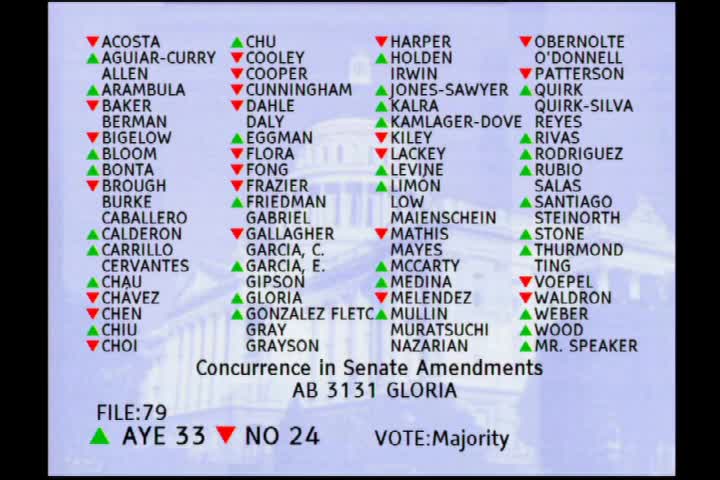 1MIN
Assembly Floor
 1MIN
Senate Floor
 1H
Senate Standing Committee on Appropriations
 9MIN
Senate Standing Committee on Labor and Industrial Relations
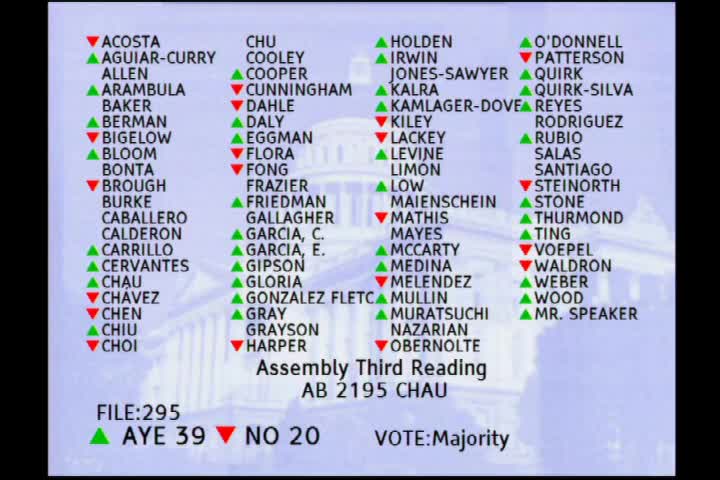 1MIN
Assembly Floor
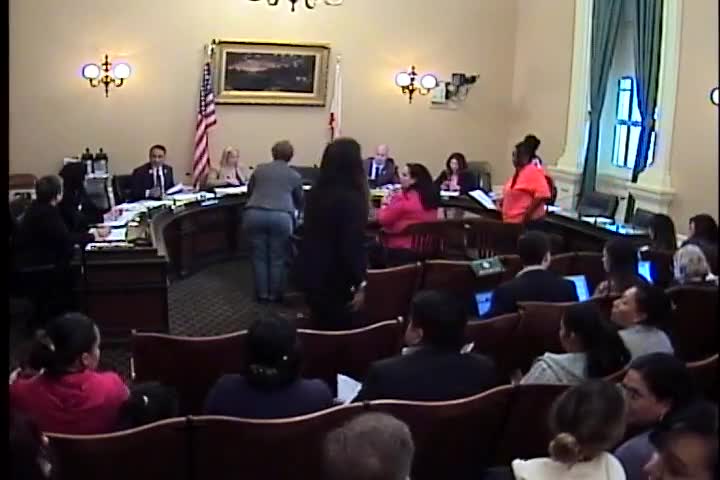 10MIN
Assembly Standing Committee on Labor and Employment
Bill Author