AB 2505: California State University: budget oversight policies.
- Session Year: 2017-2018
- House: Assembly
- Latest Version Date: 2018-09-19
Existing law establishes the California State University, under the administration of the Board of Trustees of the California State University, as one of the 3 segments of public postsecondary education in California. Existing law requires the trustees to appoint a chief executive officer, known as the Chancellor of the California State University.
This bill would require the Office of the Chancellor of the California State University to, on or before March 31, 2019, and on or before March 31 of each academic year thereafter, submit a systemwide report to the relevant fiscal and policy committees of the Legislature and the Department of Finance that includes a summary of current hiring practices for all California State University positions and compares hiring practices at the California State University to the best practices for hiring persons to similar positions at the University of California and the California Community Colleges.
Existing law establishes the California State University, under the administration of the Board of Trustees of the California State University, as one of the 3 segments of public postsecondary education in California. Existing law requires the trustees to appoint a chief executive officer, known as the Chancellor of the California State University.
This bill would require the Office of the Chancellor of the California State University to require each California State University campus to develop and implement budget oversight policies, as specified. The bill would require each campus to, on or before January 15, 2019, and on or before January 15 of each academic year thereafter, submit to the chancellors office a summary report of its expenditures of state appropriations received for the most recent academic year before the report. The bill would require the chancellors office to, on or before March 31, 2019, and on or before March 31 of each academic year thereafter, submit a statewide systemwide report to the relevant fiscal and policy committees of the Legislature and the Department of Finance based on these campus reports. that includes a summary of current hiring practices for all California State University positions and compares hiring practices at the California State University to the best practices for hiring persons to similar positions at the University of California and the California Community Colleges.
Existing law establishes the California State University, under the administration of the Board of Trustees of the California State University, as one of the 3 segments of public postsecondary education in California. Existing law requires the trustees to appoint a chief executive officer, known as the Chancellor of the California State University.
This bill would require the Office of the Chancellor of the California State University to require each California State University campus to develop and implement budget oversight policies, as specified. The bill would require each campus to, on or before January 15, 2019, and on or before January 15 of each academic year thereafter, submit to the chancellors office a summary report of its expenditures of state appropriations received for the most recent academic year before the report. The bill would require the chancellors office to, on or before March 31, 2019, and on or before March 31 of each academic year thereafter, submit a statewide report to the Legislature and the Department of Finance based on these campus reports.
Existing law establishes the California State University, under the administration of the Board of Trustees of the California State University, as one of the 3 segments of public postsecondary education in California. Existing law requires the trustees to appoint a chief executive officer, known as the Chancellor of the California State University.
This bill would require the Office of the Chancellor of the California State University to require each California State University campus to develop and implement budget oversight policies, as specified. The bill would require each campus to, on or before January 15, 2019, and on or before January 15 of each academic year thereafter, submit to the chancellors office a summary report of its expenditures of state appropriations received for the 201718 academic year. most recent academic year before the report. The bill would require the chancellors office to, on or before March 31, 2019, 2019, and on or before March 31 of each academic year thereafter, submit a statewide report to the Legislature and the Department of Finance based on these campus reports.
Existing law establishes the California State University, under the administration of the Board of Trustees of the California State University, as one of the 3 segments of public postsecondary education in California. Existing law requires the trustees to appoint a chief executive officer, known as the Chancellor of the California State University.
This bill would require the Office of the Chancellor of the California State University to require each California State University campus to develop and implement budget oversight policies, as specified. The bill would require each campus to, on or before January 15, 2019, submit to the chancellors office a summary report of its expenditures of state appropriations received for the 201718 academic year. The bill would require the chancellors office to, on or before March 31, 2019, submit a statewide report to the Legislature and the Department of Finance based on these campus reports. The bill would require the California State Auditor to, (1) on or before December 30, 2022, and every 3 years thereafter, audit the California State Universitys budget for the fiscal year preceding each audit, as specified, and (2) report the findings of each audit conducted pursuant to the bills provisions to the chairs of the Assembly and Senate budget committees and to the appropriate budget subcommittee chairs that oversee state funding of the California State University on or before March 31 of the year following the fiscal year that is the subject of the audit.
Existing law establishes the California State University, under the administration of the Board of Trustees of the California State University, as one of the 3 segments of public postsecondary education in California. Existing law requires the trustees to appoint a chief executive officer, known as the Chancellor of the California State University.
This bill would require the Office of the Chancellor of the California State University to require each California State University campus to develop and implement budget oversight policies, as specified. The bill would require each campus to, on or before January 15, 2019, submit to the chancellors office a summary report of its expenditures of state appropriations received for the 201718 academic year. The bill would require the chancellors office to, on or before March 31, 2019, submit a statewide report to the Legislature and the Department of Finance based on these campus reports. The bill would require the California State Auditor to, (1) on or before December 30, 2019, audit the California State Universitys budget for the 201718 fiscal year, as specified, (2) include, as part of the audit, a performance review of all complaints of discrimination, harassment, and retaliation connected to California State University executive orders 1096 and 1097, as the orders read on January 1, 2018, for the 201213 to 201718, inclusive, academic years, and the time it took the California State University to complete investigations of, and issue reports on, the complaints, (3) to, (1) on or before December 30, 2022, and every 3 years thereafter, audit the California State Universitys budget for the fiscal year preceding each audit, as specified, and (4) (2) report the findings of each audit conducted pursuant to the bills provisions to the chairs of the Assembly and Senate budget committees and to the appropriate budget subcommittee chairs that oversee state funding of the California State University on or before March 31 of the year proceeding following the fiscal year that is the subject of the audit.
Existing law establishes the California State University, under the administration of the Board of Trustees of the California State University, as one of the 3 segments of public postsecondary education in California. Existing law requires the trustees to appoint a chief executive officer, known as the Chancellor of the California State University.
This bill would require the Office of the Chancellor of the California State University to require each California State University campus to develop and implement budget oversight policies, as specified. The bill would require each campus to, on or before January 15, 2019, submit to the chancellors office a summary report of its expenditures of state appropriations received for the 201718 academic year. The bill would require the chancellors office to, on or before March 31, 2019, submit a statewide report to the Legislature and the Department of Finance based on these campus reports. The bill would require the California State Auditor to, (1) on or before December 30, 2019, audit the California State Universitys budget for the 201718 academic fiscal year, as specified, and would require the Auditor to, (2) include, as part of the audit, a performance review of all complaints of discrimination, harassment, and retaliation connected to California State University executive orders 1096 and 1097, as the orders read on January 1, 2018, for the 201213 to 201718, inclusive, academic years, and the time it took the California State University to complete investigations of, and issue reports on, the complaints, (3) on or before December 30, 2022, and every 3 years thereafter, audit the California State Universitys budget for the academic fiscal year preceding each audit, as specified. specified, and (4) report the findings of each audit conducted pursuant to the bills provisions to the chairs of the Assembly and Senate budget committees and to the appropriate budget subcommittee chairs that oversee state funding of the California State University on or before March 31 of the year proceeding the audit.
Existing law establishes the California State University, under the administration of the Board of Trustees of the California State University, as one of the 3 segments of public postsecondary education in California. Existing law requires the trustees to appoint a chief executive officer, known as the Chancellor of the California State University.
This bill would require the Office of the Chancellor of the California State University to require each California State University campus to develop and implement budget oversight policies, as specified. The bill would require each campus to, on or before January 15, 2019, submit to the chancellors office a summary report of its expenditures of state appropriations received for the 201718 academic year. The bill would require the chancellors office to, on or before March 31, 2019, submit a statewide report to the Legislature and the Department of Finance based on these campus reports. The bill would require the California State Auditor to, on or before December 30, 2019, audit the California State Universitys budget for the 201718 academic year, as specified, and would require the Auditor to, on or before December 30, 2022, and every 3 years thereafter, audit the California State Universitys budget for the academic year preceding each audit, as specified.
The Office of the Chancellor of the California State University shall prepare a systemwide report that includes a summary of current hiring practices for all California State University positions, including executive, management, faculty, and nonfaculty support staff positions. The systemwide report shall compare hiring practices at the California State University to the best practices for hiring persons to similar positions at the University of California and the California Community Colleges. The chancellors office shall submit the systemwide report to the relevant fiscal and policy committees of the Legislature, pursuant to Section 9795 of the Government Code, and the Department of Finance on or before March 31, 2019, and on or before March 31 of each academic year thereafter.
The Office of the Chancellor of the California State University shall prepare a systemwide report that includes a summary of current hiring practices for all California State University positions, including executive, management, faculty, and nonfaculty support staff positions. The systemwide report shall compare hiring practices at the California State University to the best practices for hiring persons to similar positions at the University of California and the California Community Colleges. The chancellors office shall submit the systemwide report to the relevant fiscal and policy committees of the Legislature, pursuant to Section 9795 of the Government Code, and the Department of Finance on or before March 31, 2019, and on or before March 31 of each academic year thereafter.
The Office of the Chancellor of the California State University shall prepare a systemwide report that includes a summary of current hiring practices for all California State University positions, including executive, management, faculty, and nonfaculty support staff positions. The systemwide report shall compare hiring practices at the California State University to the best practices for hiring persons to similar positions at the University of California and the California Community Colleges. The chancellors office shall submit the systemwide report to the relevant fiscal and policy committees of the Legislature, pursuant to Section 9795 of the Government Code, and the Department of Finance on or before March 31, 2019, and on or before March 31 of each academic year thereafter.
SECTION 1.Section 89291 is added to the Education Code, to read:89291.(a)The Office of the Chancellor of the California State University shall require each campus in the universitys system to develop and implement budget oversight policies, which shall include, but not be limited to, periodic comparisons of the campus budget to its actual spending levels. Each campus shall prepare a summary report of its expenditures of state appropriations received for the most recent academic year before the report and submit it to the chancellors office on or before January 15, 2019, and on or before January 15 of each academic year thereafter. The chancellors office shall compile each campus-based report on expenditures of state appropriations received for the most recent academic year before the report, prepare a systemwide report, and submit the systemwide report to the Legislature and the Department of Finance on or before March 31, 2019, and on or before March 31 of each academic year thereafter.(b)Each statewide report described in subdivision (a) shall include all of the following:(1)Executive to management, management to faculty, and management to nonfaculty support staff ratios.(2)Measures the Board of Trustees of the California State University has taken to adopt goals for increasing the number of California State University tenure track faculty and nonfaculty support staff and a description of how each campus would reach that goal.(3)A summary of current hiring practices for all California State University positions, including executive, management, faculty, and nonfaculty support staff positions. The statewide report shall compare hiring practices at the California State University to the best practices for hiring persons to similar positions at the University of California and the California Community Colleges.(4)Of applicants who were qualified for but denied admission to California State University campuses for the most recent academic year before the report, as determined pursuant to paragraph (2) of subdivision (c), data on the campuses in which these students applied and the gender, ethnicity, household income level, and counties of residence for these students.(5)Data on how the California State University has used moneys received from state appropriations for the most recent academic year before the report to improve student success.(c)Each campus report described in subdivision (a) shall include both of the following:(1)Data on how the campus has used moneys received from state appropriations for the most recent academic year before the report to improve student success.(2)Information on the number of applicants who qualified for admission at the campus, and how many of those applicants were denied admission to the campus, for the most recent academic year before the report.(a)The Office of the Chancellor of the California State University shall require each campus in the universitys system to develop and implement budget oversight policies, which shall include, but not be limited to, periodic comparisons of the campus budget to its actual spending levels. Each campus shall prepare a summary report of its expenditures of state appropriations received for the most recent academic year before the report and submit it to the chancellors office on or before January 15, 2019, and on or before January 15 of each academic year thereafter. The chancellors office shall compile each campus-based report on expenditures of state appropriations received for the most recent academic year before the report, prepare a systemwide report, and submit the systemwide report to the Legislature and the Department of Finance on or before March 31, 2019, and on or before March 31 of each academic year thereafter.
(b)Each statewide report described in subdivision (a) shall include all of the following:
(1)Executive to management, management to faculty, and management to nonfaculty support staff ratios.
(2)Measures the Board of Trustees of the California State University has taken to adopt goals for increasing the number of California State University tenure track faculty and nonfaculty support staff and a description of how each campus would reach that goal.
(3)A summary of current hiring practices for all California State University positions, including executive, management, faculty, and nonfaculty support staff positions. The statewide report shall compare hiring practices at the California State University to the best practices for hiring persons to similar positions at the University of California and the California Community Colleges. The statewide report shall include proposed changes to align hiring practices at the California State University to the best hiring practices at the University of California and the California Community Colleges.
(4)Of applicants who were qualified for but denied admission to California State University campuses for the most recent academic year before the report, as determined pursuant to paragraph (2) of subdivision (c), data on the campuses in which these students applied and the gender, ethnicity, household income level, and counties of residence for these students.
(5)Data on how the California State University has used moneys received from state appropriations for the most recent academic year before the report to improve student success.
(c)Each campus report described in subdivision (a) shall include both of the following:
(1)Data on how the campus has used moneys received from state appropriations for the most recent academic year before the report to improve student success.
(2)Information on the number of applicants who qualified for admission at the campus, and how many of those applicants were denied admission to the campus, for the most recent academic year before the report.
(a)The Office of the Chancellor of the California State University shall require each campus in the universitys system to develop and implement budget oversight policies, which shall include, but not be limited to, periodic comparisons of the campus budget to its actual spending levels. Each campus shall prepare a summary report of its expenditures of state appropriations received for the 201718 most recent academic year before the report and submit it to the chancellors office on or before January 15, 2019. 2019, and on or before January 15 of each academic year thereafter. The chancellors office shall compile each of these campus-based reports, campus-based report on expenditures of state appropriations received for the most recent academic year before the report, prepare a systemwide report, and submit the systemwide report to the Legislature and the Department of Finance on or before March 31, 2019. 2019, and on or before March 31 of each academic year thereafter.
(b)The Each statewide report described in subdivision (a) shall include all of the following:
(1)Executive to management, management to faculty, and management to nonfaculty support staff ratios.
(2)Measures the Board of Trustees of the California State University has taken to adopt goals for increasing the number of California State University tenure track faculty and nonfaculty support staff and a description of how each campus would reach that goal.
(3)A summary of current hiring practices for all California State University positions, including executive, management, faculty, and nonfaculty support staff positions. The statewide report shall compare hiring practices at the California State University to the best practices for hiring persons to similar positions at the University of California and the California Community Colleges. The statewide report shall include proposed changes to align hiring practices at the California State University to the best hiring practices at the University of California and the California Community Colleges.
(4)Of applicants who were qualified for but denied admission to California State University campuses for the 201718 academic year, most recent academic year before the report, as determined pursuant to paragraph (2) of subdivision (c), data on the campuses in which these students applied and the gender, ethnicity, household income level, and the counties of residence for these students.
(5)Data on how the California State University has used moneys received from state appropriations for the 201718 academic year most recent academic year before the report to improve student success.
(c)Each campus report described in subdivision (a) shall include both of the following:
(1)Data on how the campus has used moneys received from state appropriations for the 201718 academic year most recent academic year before the report to improve student success.
(2)Information on the number of applicants who qualified for admission at the campus, and how many of those applicants were denied admission to the campus, for the 201718 academic year. most recent academic year before the report.
(a)The Office of the Chancellor of the California State University shall require each campus in the universitys system to develop and implement budget oversight policies, which shall include, but not be limited to, periodic comparisons of the campus budget to its actual spending levels. Each campus shall prepare a summary report of its expenditures of state appropriations received for the 201718 academic year and submit it to the chancellors office on or before January 15, 2019. The chancellors office shall compile each of these campus-based reports, prepare a systemwide report, and submit the report to the Legislature and the Department of Finance on or before March 31, 2019.
(1)(b)The statewide report described in subdivision (a) shall include all of the following:
(A)(1)Executive to management, management to faculty, and management to nonfaculty support staff ratios.
(B)(2)Measures the Board of Trustees of the California State University has taken to adopt goals for increasing the number of California State University tenure track faculty and a description of how each campus would reach that goal.
(C)(3)A summary of current hiring practices for all California State University positions, including executive, management, faculty, and nonfaculty support staff positions. The statewide report shall compare hiring practices at the California State University to the best practices for hiring persons to similar positions at the University of California and the California Community Colleges. The statewide report shall include proposed changes to align hiring practices at the California State University to the best hiring practices at the University of California and the California Community Colleges.
(D)(4)Of applicants who were qualified but denied admission to California State University campuses for the 201718 academic year, as determined pursuant to subparagraph (B) of paragraph (3), paragraph (2) of subdivision (c), data on the campuses in which these students applied and the counties of residence for these students.
(E)(5)Data on how the California State University has used moneys received from state appropriations for the 201718 academic year to improve student success.
(2)(c)Each campus report described in subdivision (a) shall include both of the following:
(A)(1)Data on how the campus has used moneys received from state appropriations for the 201718 academic year to improve student success.
(B)(2)Information on the number of applicants who qualified for admission at the campus, and how many of those applicants were denied admission to the campus, for the 201718 academic year.
(b)(1)On or before December 30, 2022, and every three years thereafter, the California State Auditor shall conduct a financial audit of the California State Universitys budget for the fiscal year preceding the audit to determine whether budget oversight policies established pursuant to this section and systemwide are fiscally sound and whether state funding appropriated to the California State University for that academic year was spent efficiently and appropriately.(2)The California State Auditor shall submit a report on the findings of each audit described in paragraph (1) to the chairs of the Assembly and Senate budget committees and to the appropriate budget subcommittee chairs that oversee state funding of the California State University on or before March 31 of the year following the fiscal year that is the subject of the audit.(a)The Office of the Chancellor of the California State University shall require each campus in the universitys system to develop and implement budget oversight policies, which shall include, but not be limited to, periodic comparisons of the campus budget to its actual spending levels. Each campus shall prepare a summary report of its expenditures of state appropriations received for the 201718 academic year and submit it to the chancellors office on or before January 15, 2019. The chancellors office shall compile each of these campus-based reports, prepare a systemwide report, and submit the report to the Legislature and the Department of Finance on or before March 31, 2019.
(1)The statewide report described in subdivision (a) shall include all of the following:
(A)Executive to management, management to faculty, and management to nonfaculty support staff ratios.
(B)Measures the Board of Trustees of the California State University has taken to adopt goals for increasing the number of California State University tenure track faculty and a description of how each campus would reach that goal.
(C)A summary of current hiring practices for all California State University positions, including executive, management, faculty, and nonfaculty support staff positions. The statewide report shall compare hiring practices at the California State University to the best practices for hiring persons to similar positions at the University of California and the California Community Colleges. The statewide report shall include proposed changes to align hiring practices at the California State University to the best hiring practices at the University of California and the California Community Colleges.
(D)Of applicants who were qualified but denied admission to California State University campuses for the 201718 academic year, as determined pursuant to subparagraph (B) of paragraph (3), data on the campuses in which these students applied and the counties of residence for these students.
(E)Data on how the California State University has used moneys received from state appropriations for the 201718 academic year to improve student success.
(2)Each campus report described in subdivision (a) shall include both of the following:
(A)Data on how the campus has used moneys received from state appropriations for the 201718 academic year to improve student success.
(B)Information on the number of applicants who qualified for admission at the campus, and how many of those applicants were denied admission to the campus, for the 201718 academic year.
(b)(1)The California State Auditor shall audit the California State Universitys budget for the 201718 fiscal year to determine whether the budget policies in place for that fiscal year for each campus and systemwide were fiscally sound and whether state funding appropriated to the California State University for that academic year was spent efficiently and appropriately. The audit shall also include California State University accounts that exist outside of the State Treasury. The audit shall also include a performance review of all complaints of discrimination, harassment, and retaliation connected to California State University executive orders 1096 and 1097, as the orders read on January 1, 2018, for the 201213 to 201718, inclusive, academic years, and the time it took the California State University to complete investigations of, and issue reports on, the complaints. The audit shall be completed on or before December 30, 2019. On or before March 31, 2020, the California State Auditor shall submit a report on the findings of the audit to the chairs of the Assembly and Senate budget committees and to the appropriate budget subcommittee chairs that oversee state funding of the California State University.(2)(A)(b)(1)On or before December 30, 2022, and every three years thereafter, the California State Auditor shall conduct a financial audit of the California State Universitys budget for the fiscal year preceding the audit to determine whether budget oversight policies established pursuant to this section and systemwide are fiscally sound and whether state funding appropriated to the California State University for that academic year was spent efficiently and appropriately.
(B)(2)The California State Auditor shall submit a report on the findings of each audit described in subparagraph (A) paragraph (1) to the chairs of the Assembly and Senate budget committees and to the appropriate budget subcommittee chairs that oversee state funding of the California State University on or before March 31 of the year proceeding following the fiscal year that is the subject of the audit.
(a)The Office of the Chancellor of the California State University shall require each campus in the universitys system to develop and implement budget oversight policies, which shall include, but not be limited to, periodic comparisons of the campus budget to its actual spending levels. Each campus shall prepare a summary report of its expenditures of state appropriations received for the 201718 academic year and submit it to the chancellors office on or before January 15, 2019. The chancellors office shall compile each of these campus-based reports, prepare a systemwide report, and submit the report to the Legislature and the Department of Finance on or before March 31, 2019.
(1)The policies implemented by each campus pursuant to subdivision (a) shall include written justifications and analyses for its hiring of new employees, including executive and management personnel, faculty, and non-faculty support staff positions.(2)(1)The statewide report described in subdivision (a) shall include all of the following:
(A)Executive to management, management to faculty, and management to non-faculty nonfaculty support staff ratios.
(B)Measures the Board of Trustees of the California State University has taken to adopt goals for increasing the number of California State University tenure track faculty and a description of how each campus would reach that goal.
(C)A summary of current hiring practices for all California State University positions, including executive, management, faculty, and non-faculty nonfaculty support staff positions. The statewide report shall compare hiring practices at the California State University to the best practices for hiring persons to similar positions at the University of California and the California Community Colleges. The statewide report shall include proposed changes to align hiring practices at the California State University to the best hiring practices at the University of California and the California Community Colleges.
(D)Of applicants who were qualified but denied admission to California State University campuses for the 201718 academic year, as determined pursuant to subparagraph (B) of paragraph (3), data on the campuses in which these students applied and the counties of residence for these students.
(3)(2)Each campus report described in subdivision (a) shall include both of the following:
(A)Data on how the campus has used moneys received from state appropriations for the 201718 academic year to improve student success.
(B)Information on the number of applicants who qualified for admission at the campus, and how many of those applicants were denied admission to the campus, for the 201718 academic year.
(b)(1)The California State Auditor shall audit the California State Universitys budget for the 201718 academic fiscal year to determine whether the budget policies in place for that academic fiscal year for each campus and systemwide were fiscally sound and whether state funding appropriated to the California State University for that academic year was spent efficiently and appropriately. The audit shall also include California State University accounts that exist outside of the state treasury. State Treasury. The audit shall also include a performance review of all complaints of discrimination, harassment, and retaliation connected to California State University executive orders 1096 and 1097, as the orders read on January 1, 2018, for the 201213 to 201718, inclusive, academic years, and the time it took the California State University to complete investigations of, and issue reports on, the complaints. The audit shall be completed on or before December 30, 2019. On or before March 31, 2020, the California State Auditor shall submit a report on the findings of the audit to the chairs of the Assembly and Senate budget committees and to the appropriate budget subcommittee chairs that oversee state funding of the California State University.
(2)(A)On or before December 30, 2022, and every three years thereafter, the California State Auditor shall conduct a financial audit of the California State Universitys budget for the academic fiscal year preceding the audit to determine whether budget oversight policies established pursuant to this section and systemwide are fiscally sound and whether state funding appropriated to the California State University for that academic year was spent efficiently and appropriately.
(B)The California State Auditor shall submit a report on the findings of each audit described in subparagraph (A) to the chairs of the Assembly and Senate budget committees and to the appropriate budget subcommittee chairs that oversee state funding of the California State University on or before March 31 of the year proceeding the audit.
(a)The Office of the Chancellor of the California State University shall require each campus in the universitys system to develop and implement budget oversight policies, which shall include, but not be limited to, periodic comparisons of the campus budget to its actual spending levels. Each campus shall prepare a summary report of its expenditures of state appropriations received for the 201718 academic year and submit it to the chancellors office on or before January 15, 2019. The chancellors office shall compile each of these campus-based reports, prepare a systemwide report, and submit the report to the Legislature and the Department of Finance on or before March 31, 2019.
(1)The policies implemented by each campus pursuant to subdivision (a) shall include written justifications and analyses for its hiring of new employees, including executive and management personnel, faculty, and non-faculty support staff positions.
(2)The statewide report described in subdivision (a) shall include all of the following:
(A)Executive to management, management to faculty, and management to non-faculty support staff ratios.
(B)Measures the Board of Trustees of the California State University has taken to adopt goals for increasing the number of California State University tenure track faculty and a description of how each campus would reach that goal.
(C)A summary of current hiring practices for all California State University positions, including executive, management, faculty, and non-faculty support staff positions. The statewide report shall compare hiring practices at the California State University to the best practices for hiring persons to similar positions at the University of California and the California Community Colleges. The statewide report shall include proposed changes to align hiring practices at the California State University to the best hiring practices at the University of California and the California Community Colleges.
(D)Of applicants who were qualified but denied admission to California State University campuses for the 201718 academic year, as determined pursuant to subparagraph (B) of paragraph (3), data on the campuses in which these students applied and the counties of residence for these students.
(3)Each campus report described in subdivision (a) shall include both of the following:
(A)Data on how the campus has used moneys received from state appropriations for the 201718 academic year to improve student success.
(B)Information on the number of applicants who qualified for admission at the campus, and how many of those applicants were denied admission to the campus, for the 201718 academic year.
(b)(1)The California State Auditor shall audit the California State Universitys budget for the 201718 academic year to determine whether the budget policies in place for that academic year for each campus and systemwide were fiscally sound and whether state funding appropriated to the California State University for that academic year was spent efficiently and appropriately. The audit shall also include California State University accounts that exist outside of the state treasury. The audit shall be completed on or before December 30, 2019.
(2)On or before December 30, 2022, and every three years thereafter, the California State Auditor shall audit the California State Universitys budget for the academic year preceding the audit to determine whether budget oversight policies established pursuant to this section and systemwide are fiscally sound and whether state funding appropriated to the California State University for that academic year was spent efficiently and appropriately.
|
Date
|
Status
|
|---|---|
| Sep 19, 2018 | Chaptered by Secretary of State - Chapter 542, Statutes of 2018. |
| Sep 19, 2018 | Approved by the Governor. |
| Sep 7, 2018 | Enrolled and presented to the Governor at 2:30 p.m. |
| Aug 29, 2018 | Senate amendments concurred in. To Engrossing and Enrolling. |
| Aug 27, 2018 | In Assembly. Concurrence in Senate amendments pending. May be considered on or after August 29 pursuant to Assembly Rule 77. |
| Aug 27, 2018 | Read third time. Passed. Ordered to the Assembly. |
| Aug 20, 2018 | Read second time. Ordered to third reading. |
| Aug 17, 2018 | From committee: Amend, and do pass as amended. (Ayes 7. Noes 0.) (August 16). |
| Aug 6, 2018 | In committee: Referred to APPR. suspense file. |
| Jul 5, 2018 | Read second time and amended. Re-referred to Com. on APPR. |
| Jul 3, 2018 | From committee: Amend, and do pass as amended and re-refer to Com. on APPR. (Ayes 7. Noes 0.) (June 27). |
| Jun 18, 2018 | From committee chair, with author's amendments: Amend, and re-refer to committee. Read second time, amended, and re-referred to Com. on ED. |
| Jun 7, 2018 | Referred to Com. on ED. |
| May 31, 2018 | In Senate. Read first time. To Com. on RLS. for assignment. |
| May 30, 2018 | Read third time. Passed. Ordered to the Senate. |
| May 29, 2018 | Read second time. Ordered to third reading. |
| May 25, 2018 | From committee: Amend, and do pass as amended. (Ayes 12. Noes 0.) (May 25). |
| May 9, 2018 | In committee: Set, first hearing. Referred to APPR. suspense file. |
| Apr 23, 2018 | Re-referred to Com. on APPR. |
| Apr 19, 2018 | Read second time and amended. |
| Apr 18, 2018 | From committee: Amend, and do pass as amended and re-refer to Com. on APPR. (Ayes 12. Noes 0.) (April 17). |
| Apr 10, 2018 | Re-referred to Com. on HIGHER ED. |
| Apr 9, 2018 | From committee chair, with author's amendments: Amend, and re-refer to Com. on HIGHER ED. Read second time and amended. |
| Mar 5, 2018 | Referred to Com. on HIGHER ED. |
| Feb 15, 2018 | From printer. May be heard in committee March 17. |
| Feb 14, 2018 | Read first time. To print. |
|
Date
|
Description
|
Location
|
Votes
|
|
|---|---|---|---|---|
| Aug 29, 2018 | AB 2505 SANTIAGO Concurrence in Senate Amendments | Assembly Floor |
Passed |
|
| Aug 27, 2018 | Assembly 3rd Reading AB2505 Santiago By Pan | Senate Floor |
Passed |
|
| Aug 16, 2018 | Do pass as amended | Senate Standing Committee on Appropriations |
Passed |
|
| Aug 6, 2018 | Placed on suspense file | Senate Standing Committee on Appropriations |
Passed |
|
| Jun 27, 2018 | Do pass as amended, but first amend, and re-refer to the Committee on [Appropriations] | Senate Standing Committee on Education |
Passed |
|
| May 30, 2018 | AB 2505 SANTIAGO Assembly Third Reading | Assembly Floor |
Passed |
|
| May 25, 2018 | Do pass as amended. | Assembly Standing Committee on Appropriations |
Passed |
|
| Apr 17, 2018 | Do pass as amended and be re-referred to the Committee on [Appropriations] | Assembly Standing Committee on Higher Education |
Passed |
This list shows positions taken on this bill by organizations on the date displayed, which is linked to the original source.
Positions by individuals are not included.
|
Organization
|
Position
|
Date
|
|---|---|---|
| California Faculty Association | * Support | Jun 27, 2018 |
| California Labor Federation | * Support | Apr 17, 2018 |
| California State University | ** Against | Aug 19, 2018 |
| California State University Employees Union | * Support | Apr 17, 2018 |
| SEIU California | * Support | Apr 17, 2018 |
CONCURRENCE IN SENATE AMENDMENTS
CSA1 Bill Id:AB 2505
Author:(Santiago)
As Amended Ver:August 17, 2018
Majority vote
ASSEMBLY: | 71-0 | (May 30, 2018) | SENATE: | 39-0 | (August 27, 2018) |
Original Committee Reference: HIGHER ED.
SUMMARY: Requires the Office of the Chancellor of the California State University (CSU) prepare a systemwide report that includes a summary of current hiring practices for all CSU positions and submit a statewide report to the Legislature and the Department of Finance on or before March 31, 2019, and on or before March 31 of each academic year thereafter. Specifically, this bill:
The Senate amendments delete the Assembly version of this bill, and instead:
- Requires the Office of the Chancellor of the CSU prepare a systemwide report that includes a summary of current hiring practices for all CSU positions, including executive, management, faculty and non-faculty support staff positions.
- Provides that the systemwide report required by the bill compare hiring practices at the CSU to the best practices for hiring persons to similar positions at the University of California (UC) and the California Community Colleges.
- Requires the Chancellor’s office to submit the systemwide report to the relevant fiscal and policy committees of the Legislature and the Department of Finance on or before March 31, 2019, annually thereafter.
AS PASSED BY THE ASSEMBLY, this bill required the Office of the Chancellor of the CSU to require each CSU campus to develop and implement budget oversight policies, as specified, and submit a statewide report to the Legislature and the Department of Finance on or before March 31, 2019.
FISCAL EFFECT: According to the Senate Committee on Appropriations, this bill would result in one-time General Fund costs of between $120,000 and $180,000 to contract with an outside vendor to assess its hiring practices and compare them with the UC and community colleges.
COMMENTS: Need for the bill. According to the author, "…the State Auditor recently found that campuses do not adequately oversee their budgets. Specifically, campuses do not have written policies requiring periodic comparisons of spending levels to budget limits, and most campuses did not retain documentation demonstrating that they consistently performed such comparisons, which precludes accountability and transparency. AB 2505 will increase transparency in the spending of state funding by the California State University at the system level and by each campus."
Background. The California State Auditor (CSA) published Report 2016-122, titled "California State University - Stronger Oversight Is Needed for Hiring and Compensating Management Personnel and for Monitoring Campus Budgets," in April of 2017. The report, the result of a request to the CSA by the Joint Legislative Audit Committee (JLAC), looked at the levels of growth in the number of CSU management personnel, the oversight and accountability of CSU's budget, and increases in the compensation of CSU executives.
The report generally found that the growth in the number and compensation of management personnel significantly outpaced those of other employee types, including non-faculty support staff. The CSA also found that the six campuses visited for the audit could not justify the growth in the number of new management personnel and one campus granted raises to management personnel that were not supported by current written performance appraisals, as required by CSU policy. Specifically, California Polytechnic State University, San Luis Obispo, increased the pay for at least 70 management personnel in 2016 who either had no written performance evaluations on file or who had outdated evaluations on file.
The CSA also observed that campuses did not have written policies regarding the periodic comparison of spending levels to budget limits and most campuses did not retain documentation demonstrating that they consistently performed such reviews. Because of the absence of policies and the general lack of documentation for these reviews, the CSA questioned whether CSU's budget monitoring provides sufficient assurance that campuses actually adhere to their spending plans. Although the CSA did not identify instances of a campus exceeding its budget, they noted that when campuses do not have written budget monitoring policies and processes and do not document their periodic budget reviews, they reduce assurance that they spend state funding efficiently and appropriately, and they unnecessarily increase the risk that they may overspend their budgets.
The CSA also noted that state law exempts CSU from many budget oversight mechanisms applicable to other state agencies and requires CSU to periodically submit certain reports to the Legislature regarding its performance.
CSA report recommendations. The CSA recommended that that the Legislature should require CSU to submit an annual report that provides information on specific activities that CSU engaged in during the previous year to meet the State's goals for student success.
The several recommendations were also made specifically to the CSU Chancellor's Office, and a 60 day update was submitted to the JLAC and Assembly Higher Education Committees in August of 2017. The update shows that the CSU Chancellor's Office is taking action on all system-wide recommendations.
Related Budget activity. The 2018 Budget agreement currently includes $25 million General Fund one-time funding to hire full-time, tenure-track faculty at the CSU and includes reporting provisions related to how the funding allocated was spent to increase the number of tenure-track faculty. The Budget agreement additionally requires each CSU campus to annual report on student admissions and impaction policies, including on the number of applicants who were eligible for admission at a campus, and how many of those applicants were denied admission to the campus. Prior version of this bill were similar and in part duplicative to CSU reporting requirements outlined in the 2018 Budget agreement (SB 840 (Mitchell), Chapter 29), those provisions have since been removed from the bill.
Analysis Prepared by: Kevin J. Powers / HIGHER ED. / (916) 319-3960 FN: 0004587
Office of Senate Floor Analyses (916) 651-1520 Fax: (916) 327-4478 | AB |
THIRD READING
Bill No: AB 2505
:
SENATE EDUCATION COMMITTEE: 7-0, 6/27/18
AYES: Allen, Wilk, Galgiani, Leyva, McGuire, Pan, Vidak
SENATE APPROPRIATIONS COMMITTEE: 7-0, 8/16/18
AYES: Portantino, Bates, Beall, Bradford, Hill, Nielsen, Wiener
ASSEMBLY FLOOR: 71-0, 5/30/18 - See last page for vote
DIGEST:
This bill requires the Office of the Chancellor of the California State University (CSU) prepare a systemwide report that includes a summary of current hiring practices for all CSU positions and submit a statewide report to the Legislature and the Department of Finance on or before March 31, 2019.
Existing law:
- Establishes the CSU, under the administration of the Trustees of the CSU, as one of the public postsecondary educational institutions in the state. (Education Code § 66602)
- Outlines the authorities, responsibilities and requirements of the Trustees relative to personnel matters. (EC § 89500 et.seq.)
- Requires, the CSU to report, by March 15 of each year, on performance measures for the preceding academic year and goals for the three academic years immediately following, to inform budget and policy decisions and promote the effective and efficient use of available resources. (EC § 89295)
- Requires CSU, under the Budget Act of 2017, to report on specific activities undertaken, and spending for each activity undertaken, to meet the state’s goals for student success, including activities to close achievement gaps by improving outcomes for low-income students, first-generation college students, and students from underrepresented minority groups. (AB 97, Ting, Budget Act of 2017)
This bill:
- Requires the Office of the Chancellor of the CSU prepare a systemwide report that includes a summary of current hiring practices for all CSU positions, including executive, management, faculty and non-faculty support staff positions.
- Provides that the systemwide report required by the bill compare hiring practices at the CSU to the best practices for hiring persons to similar positions at the University of California (UC) and the California Community Colleges.
- Requires the Chancellor’s office to submit the systemwide report to the relevant fiscal and policy committees of the Legislature and the Department of Finance on or before March 31, 2019, annually thereafter.
Comments
- Related Audit. On April 20, 2017, the California State Auditor released a report of the CSU. The report lists as its key findings that stronger oversight is needed for hiring and compensating management personnel and for monitoring campus budgets. The report specifically cites that:
- Staffing levels and compensation for CSU management personnel have increased at a faster rate than for other employee groups. While staffing levels and compensation for CSU employees have grown over a nine-year period, the number and compensation of management personnel significantly outpaced those of other types of employees.
- Campuses do not adequately oversee their budgets, of the six campuses audited none had written policies in place that require periodic comparisons of spending levels to budget limits and only two documented the results for their budget oversight.
- State law exempts CSU from many of the budget oversight mechanisms that apply to other state agencies; CSU does not need authorization to establish new employee positions.
- CSU has recently granted minimal raises to its executives, but board policy does not cap reimbursements of relocation costs. CSU granted nominal raises to its executives who also receive substantial amounts of other compensation, such as car and housing allowances.
The report also makes the following recommendations:
- That the Legislature require the CSU to submit annual information that demonstrates how its activities meet the State’s goals for students.
- That the Chancellor’s Office take action to:
- Require that its departments and campuses prepare and maintain written justifications for any proposed new management positions.
- Ensure campus create, implement and adhere to written merit evaluation plans for management personnel.
- Work with the board to develop, approve, and implement an executive compensation policy.
- Require campuses to develop and implement budget oversight policies. According to the state Auditor, this recommendation has been fully implemented by CSU.
- CSU reporting. The bill requires CSU to provide a summary of current hiring practices for all positions, including executive, management, faculty, and nonfaculty support staff positions. Various reports produced by the CSU survey the hiring and recruitment of tenure-track faculty as well as offer salary data for part-time, full-time and tenure-track faculty.
- http://www.calstate.edu/hr/faculty-resources/research-analysis/documents/fac_salaries.pdf
- http://www.calstate.edu/hr/faculty-resources/research-analysis/documents/facrecsurvrep16.pdf
- Related Budget activity. The 2018 Budget agreement currently includes $25 million General Fund one-time funding to hire full-time, tenure-track faculty at the CSU and includes reporting provisions related to how the funding allocated was spent to increase the number of tenure-track faculty. The Budget agreement additionally requires each CSU campus to annual report on student admissions and impaction policies, including on the number of applicants who were eligible for admission at a campus, and how many of those applicants were denied admission to the campus. Prior version of this bill were similar and in part duplicative to CSU reporting requirements outlined in the 2018 Budget agreement (SB 840), those provisions have since been removed from the bill.
FISCAL EFFECT: Appropriation: Fiscal Com.: Local:
According to the Senate Appropriations Committee, this bill would result in one-time General Fund costs of between $120,000 and $180,000 to contract with an outside vendor to assess its hiring practices and compare them with the UC and community colleges.
None received
OPPOSITION: (Verified 8/17/18)
California State University
ASSEMBLY FLOOR: 71-0, 5/30/18
AYES: Acosta, Travis Allen, Arambula, Baker, Berman, Bigelow, Bloom, Bonta, Brough, Burke, Caballero, Calderon, Carrillo, Cervantes, Chau, Chávez, Chen, Chiu, Choi, Chu, Cooley, Cooper, Cunningham, Dahle, Daly, Eggman, Flora, Frazier, Friedman, Cristina Garcia, Eduardo Garcia, Gipson, Gloria, Gonzalez Fletcher, Gray, Grayson, Holden, Irwin, Jones-Sawyer, Kalra, Kamlager-Dove, Kiley, Lackey, Levine, Limón, Low, Maienschein, Mathis, Mayes, Medina, Melendez, Mullin, Muratsuchi, Nazarian, Obernolte, O'Donnell, Quirk, Quirk-Silva, Reyes, Rodriguez, Rubio, Salas, Santiago, Steinorth, Mark Stone, Thurmond, Ting, Waldron, Weber, Wood, Rendon
NO VOTE RECORDED: Aguiar-Curry, Fong, Gallagher, Harper, McCarty, Patterson, Voepel
8/19/18 13:26:09
**** END ****
SENATE COMMITTEE ON APPROPRIATIONS
Senator Anthony Portantino, Chair
2017 - 2018 Regular Session
AB 2505 (Santiago) - California State University: budget oversight policies
Version: July 5, 2018 | Policy Vote: ED. 7 - 0 |
Urgency: No | Mandate: No |
Hearing Date: August 16, 2018 | Consultant: Lenin Del Castillo |
Bill Summary:
This bill requires each California State University (CSU) campus to develop and implement budget oversight policies, as specified, and submit a statewide report on how CSU has used moneys received from the state.
*********** ANALYSIS ADDENDUM – SUSPENSE FILE ***********
The following information is revised to reflect amendments
adopted by the committee on August 16, 2018
Fiscal Impact:
This bill would result in one-time General Fund costs of between $120,000 and $180,000 to contract with an outside vendor to assess its hiring practices and compare them with the UC and community colleges.
Committee Amendments:
Modify the provisions to only include the requirement for CSU to report on its hiring practices, as specified.
-- END --
SENATE COMMITTEE ON
Senator Anthony Portantino, Chair
2017 - 2018 Regular Session
AB 2505 (Santiago) - California State University: budget oversight policies
Version: | Policy Vote: |
Urgency: | Mandate: |
Hearing Date: | Consultant: |
This bill meets the criteria for referral to the Suspense File.
Bill Summary:
This bill requires each California State University (CSU) campus to develop and implement budget oversight policies, as specified, and submit a statewide report on how CSU has used moneys received from the state.
Fiscal Impact:
- While some of the bill’s reporting components are duplicative of requirements included in the 2018 Budget Act, the CSU estimates one-time General Fund costs of between $1 million and $3 million for its 23 campuses to collect and compile information necessary for the Chancellor’s office to submit the required report by March 31, 2019. This estimate assumes that each campus would need a half to full time position to comply. The CSU also indicates a cost of $130,000 plus benefits and one position at the Chancellor’s office to complete the report.
- The CSU indicates one-time General Fund costs of between $120,000 and $180,000 to contract with an outside vendor to assess its hiring practices and compare them with the UC and community colleges.
- The CSU estimates an additional $240,000 in one-time General Fund for the system to work with campuses and develop protocols for reporting student success spending. This estimate assumes that the associated workload would require 10 percent of a person’s time at each campus and the Chancellor’s office.
Background:
Existing law establishes the CSU, under the administration of the Trustees of the CSU, as one of the public postsecondary educational institutions in the state, and outlines the authorities, responsibilities and requirements of the Trustees relative to personnel matters.
Existing law requires, the CSU to report, by March 15 of each year, on performance measures for the preceding academic year and goals for the three academic years immediately following, to inform budget and policy decisions and promote the effective and efficient use of available resources.
The Budget Act of 2017 required CSU to report on specific activities undertaken, and spending for each activity undertaken, to meet the state’s goals for student success, including activities to close achievement gaps by improving outcomes for low-income students, first-generation college students, and students from underrepresented minority groups.
Proposed Law:
This bill requires the Office of the Chancellor of the CSU to require each campus to develop and implement budget oversight policies that includes periodic comparisons of the campus’ budget to its actual spending levels. Each campus shall prepare a summary report of its expenditures of state appropriations received for the most recent academic year before the report and submit it to the chancellor’s office on or before January 15, 2019, and each year thereafter.
This bill also requires the CSU to compile each campus-based report on expenditures of state appropriations received for the most recent academic year before the report, prepare and submit the systemwide report to the Legislature and the Department of Finance on or before March 31, 2019, and each year thereafter.
This bill requires that each statewide report to include specified information, including executive to management, management to faculty, and management to nonfaculty support staff ratios, measures the Board of Trustees of the CSU has taken to adopt goals for increasing the number of CSU tenure track faculty and nonfaculty support staff and a description of how each campus would reach that goal, and a summary of current hiring practices for all CSU positions, including executive, management, faculty, and nonfaculty support staff positions.
This bill requires that each campus report include data on how the campus has used moneys received from state appropriations to improve student success, and information on the number of applicants who qualified for admission at campus, and how many of those applicants were denied admission to the campus.
-- END --
SENATE COMMITTEE ON EDUCATION
Senator Benjamin Allen, Chair
2017 - 2018 Regular
Bill No: AB 2505 Hearing Date: June 27, 2018
Author: | |||
Version: | June 18, 2018 | ||
Urgency: | No | Fiscal: | Yes |
Consultant: | Olgalilia Ramirez | ||
Subject: California State University: budget oversight policies.
SUMMARY
This bill requires the Office of the Chancellor of the California State University (CSU) to require each CSU campus to develop and implement budget oversight policies, as specified, and submit a statewide report to the Legislature and the Department of Finance on or before March 31, 2019.
BACKGROUND
Existing law:
1) Establishes the CSU, under the administration of the Trustees of the CSU, as
one of the public postsecondary educational institutions in the state. (Education Code § 66602)
2) Outlines the authorities, responsibilities and requirements of the Trustees relative
to personnel matters. (EC § 89500 et.seq.)
3) Requires, the CSU to report, by March 15 of each year, on
performance measures for the preceding academic year and goals for the three academic years immediately following, to inform budget and policy decisions and promote the effective and efficient use of available resources. (EC § 89295)
4) Under, the Budget Act of 2017 requires CSU to report on specific activities
undertaken, and spending for each activity undertaken, to meet the state’s goals for student success, including activities to close achievement gaps by improving outcomes for low-income students, first-generation college students, and students from underrepresented minority groups. (AB 97, Ting, Budget Act of 2017)
ANALYSIS
This bill:
- Requires the Office of the Chancellor of the CSU to require each campus to develop and implement budget oversight policies that includes periodic comparisons of the campus’ budget to its actual spending levels.
- Requires that each campus prepare a summary report of its expenditures of state appropriations received for the most recent academic year before the report and submit it to the chancellor’s office on or before January 15, 2019, and each year thereafter.
- Requires the California State University (CSU) to compile each campus-based report on expenditures of state appropriations received for the most recent academic year before the report, prepare and submit the systemwide report to the Legislature and the Department of Finance on or before March 31, 2019, and each year thereafter.
- Requires that each statewide report include all of the following:
- Executive to management, management to faculty, and management to
nonfaulty support staff ratios.
- Measures the Board of Trustees of the CSU has taken to adopt goals for increasing the number of CSU tenure track faculty and nonfaculty support staff and a description of how each campus would reach that goal.
- A summary of current hiring practices for all CSU positions, including executive, management, faculty, and nonfaculty support staff positions.
- Requires that the statewide report compare hiring practices at the CSU to
the best practices for hiring persons to similar positions at the University of California (UC) and California Community Colleges (CCCs).
- Requires the report to include proposed changes to align hiring practices
at the CSU to the best hiring practices at the UC and the CCCs.
- Of applicants who were qualified for but denied admission to the CSU
campuses, data on the campuses in which these students applied and the gender, ethnicity, household income level, and counties of residence for these students.
- Data on how the CSU has used moneys received from state
appropriations to improve student success.
- Requires that each campus report include both of the following:
- Data on how the campus has used moneys received from state
appropriations to improve student success.
- Information on the number of applicants who qualified for admission at
campus, and how many of those applicants were denied admission to the campus.
STAFF COMMENTS
- Need for the bill. According to the author, “The State grants the CSU significant budget discretion and flexibility. Unlike other state departments and agencies, the CSU is exempt from the authority of the director of the Department of Finance (DOF) to adjust budget allocations to reflect net savings, from being subject to DOF’s authority to determine how unused amounts allocated to CSU in the prior year will be used in the current year, and from budgeting for specific employee positions.
Under existing law, the CSU system is allocated funding annually through the state budget process. This funding is directed to the Chancellors Office and then it subsequently delegated to each campus. Executive Order 1000 issued in July 2007 by the CSU Chancellor’s office designated each campus president as the person responsible for ensuring the campus expenditures. However, the State Auditor recently found that campuses do not adequately oversee their budgets. Specifically, campuses do not have written policies requiring periodic comparisons of spending levels to budget limits, and most campuses did not retain documentation demonstrating that they consistently performed such comparisons, which precludes accountability and transparency.”
- Related Audit. On April 20, 2017, the California State Auditor released a report of the California State University (CSU). The report lists as its key findings that stronger oversight is needed for hiring and compensating management personnel and for monitoring campus budgets. The report specifically cites that:
- Staffing levels and compensation for CSU management personnel have increased at a faster rate than for other employee groups. While staffing levels and compensation for CSU employees have grown over a nine-year period, the number and compensation of management personnel significantly outpaced those of other types of employees.
- Campuses do not adequately oversee their budgets, of the six campuses audited none had written policies in place that require periodic comparisons of spending levels to budget limits and only two documented the results for their budget oversight.
- State law exempts CSU from many of the budget oversight mechanisms that apply to other state agencies; CSU does not need authorization to establish new employee positions.
- CSU has recently granted minimal raises to its executives, but board policy does not cap reimbursements of relocation costs. CSU granted nominal raises to its executives who also receive substantial amounts of other compensation, such as car and housing allowances.
The report also makes the following recommendations:
- That the Legislature require the CSU to submit annual information that demonstrates how its activities meet the State’s goals for students.
- That the Chancellor’s Office take action to:
- Require that its departments and campuses prepare and maintain written justifications for any proposed new management positions.
- Ensure campus create, implement and adhere to written merit evaluation plans for management personnel.
- Work with the board to develop, approve, and implement an executive compensation policy.
- Similar to this bill, require campuses to develop and implement budget oversight policies. According to the state Auditor, this recommendation has been fully implemented by CSU.
- California State University (CSU) reporting. This measure requires annual reporting on data on how the CSU has used moneys received from state appropriations to improve student success.
As noted in the background of this analysis, the Budget Act of 2017 and Budget Act of 2018 requires reporting nearly identical to that proposed in this bill. Unlike the Budget Act, this bill requires an annual report. This CSU reported the data in its Graduation Initiative 2025 report.
- http://www.calstate.edu/budget/fybudget/legislative-reports/State-Performance-Measures-16-17-Report.pdf
- http://www.calstate.edu/budget/fybudget/legislative-reports/GI2025-Cover-Report.pdf
The bill requires CSU to provide a summary of current hiring practices for all positions, including executive, management, faculty, and nonfaculty support staff positions. Various reports produced by the CSU survey the hiring and recruitment of tenure-track faculty as well as offer salary data for part-time, full-time and tenure-track faculty.
- http://www.calstate.edu/hr/faculty-resources/research-analysis/documents/fac_salaries.pdf
- http://www.calstate.edu/hr/faculty-resources/research-analysis/documents/facrecsurvrep16.pdf
- Related Budget activity. The 2018 Budget agreement currently includes $25 million General Fund one-time funding to hire full-time, tenure-track faculty at the California State University and includes reporting provisions related to how the funding allocated was spent to increase the number of tenure-track faculty. The Budget agreement additionally requires each CSU campus to annual report on student admissions and impaction policies, including on the number of applicants who were eligible for admission at a campus, and how many of those applicants were denied admission to the campus. This bill’s provisions are similar and in part duplicative to the Budget agreement (SB 840).
It’s unclear what additional information could be gained from the reporting requirement proposed by this bill that is not otherwise statutorily required or duplicative of existing publications.
- Amendment. This bill requires that the statewide report compare hiring practices at the California State University (CSU) to the best practices for hiring persons to similar positions at the University of California and California Community Colleges (CCCs). It additionally requires CSU to propose changes to align hiring practices at the CSU to University of California (UC) and CCC. It may be premature to anticipate the results of the report necessitate alignment of UC and CCC hiring practices. To the end, staff recommends the bill be amended to strike that provision as follows:
(3) A summary of current hiring practices for all California State University positions, including executive, management, faculty, and nonfaculty support staff positions. The statewide report shall compare hiring practices at the California State University to the best practices for hiring persons to similar positions at the University of California and the California Community Colleges. The statewide report shall include proposed changes to align hiring practices at the California State University to the best hiring practices at the University of California and the California Community Colleges.
SUPPORT
None received
OPPOSITION
California State University
-- END --
ASSEMBLY THIRD READING
ATR Bill Id:
Author:(Santiago)
As Amended Ver:May 25, 2018
Majority vote
Committee | Votes | Ayes | Noes |
Higher Education | 12-0 | Medina, Baker, Arambula, Bloom, Chávez, Irwin, Kiley, Levine, Low, Quirk-Silva, Santiago, Weber | |
Appropriations | 12-0 | Gonzalez Fletcher, Bloom, Bonta, Calderon, Carrillo, Chau, Eggman, Friedman, Eduardo Garcia, Nazarian, Quirk, Reyes |
|
SUMMARY: Requires the Office of the Chancellor of the California State University (CSU) to require each CSU campus to develop and implement budget oversight policies, as specified, and submit a statewide report to the Legislature and the Department of Finance on or before March 31, 2019.
FISCAL EFFECT:
- One-time General Fund (GF) cost pressures, potentially in the high hundreds of thousands of dollars, for each of CSU's 23 campuses to collect and compile information to submit a report to the chancellor's office by January 15, 2019.
- One-time GF cost pressures, potentially in the low hundreds of thousands of dollars, for the chancellor's office to compile campus information and report back on other details of its operations by March 31, 2019.
COMMENTS: Need for the bill. According to the author, "…the State Auditor recently found that campuses do not adequately oversee their budgets. Specifically, campuses do not have written policies requiring periodic comparisons of spending levels to budget limits, and most campuses did not retain documentation demonstrating that they consistently performed such comparisons, which precludes accountability and transparency. AB 2505 will increase transparency in the spending of state funding by the California State University at the system level and by each campus."
Background. The California State Auditor (CSA) published Report 2016-122, titled "California State University - Stronger Oversight Is Needed for Hiring and Compensating Management Personnel and for Monitoring Campus Budgets," in April of 2017. The report, the result of a request to the CSA by the Joint Legislative Audit Committee (JLAC), looked at the levels of growth in the number of CSU) management personnel, the oversight and accountability of CSU's budget, and increases in the compensation of CSU executives.
The report generally found that the growth in the number and compensation of management personnel significantly outpaced those of other employee types, including non-faculty support staff. The CSA also found that the six campuses visited for the audit could not justify the growth in the number of new management personnel and one campus granted raises to management personnel that were not supported by current written performance appraisals, as required by CSU policy. Specifically, California Polytechnic State University, San Luis Obispo, increased the pay for at least 70 management personnel in 2016 who either had no written performance evaluations on file or who had outdated evaluations on file.
The CSA also observed that campuses did not have written policies regarding the periodic comparison of spending levels to budget limits and most campuses did not retain documentation demonstrating that they consistently performed such reviews. Because of the absence of policies and the general lack of documentation for these reviews, the CSA questioned whether CSU's budget monitoring provides sufficient assurance that campuses actually adhere to their spending plans. Although the CSA did not identify instances of a campus exceeding its budget, they noted that when campuses do not have written budget monitoring policies and processes and do not document their periodic budget reviews, they reduce assurance that they spend state funding efficiently and appropriately, and they unnecessarily increase the risk that they may overspend their budgets.
The CSA also noted that state law exempts CSU from many budget oversight mechanisms applicable to other state agencies and requires CSU to periodically submit certain reports to the Legislature regarding its performance.
CSA report recommendations. The CSA recommended that that the Legislature should require CSU to submit an annual report that provides information on specific activities that CSU engaged in during the previous year to meet the State's goals for student success.
The several recommendations were also made specifically to the CSU Chancellor's Office, and a 60 day update was submitted to the JLAC and Assembly Higher Education Committees in August of 2017. The update shows that the CSU Chancellor's Office is taking action on all system-wide recommendations.
AB 2505 requires the Office of the Chancellor of the CSU to require each CSU campus to develop and implement budget oversight policies, which shall include, but not be limited to, periodic comparisons of the campus' budget to its actual spending levels, and submit a report to the Legislature and the Department of Finance on or before March 31, 2019.
Committee staff notes that the March 31, 2019 report is a one-time report. The CSA recommended that the Legislature should require CSU to submit an annual report. Moving forward, the author may wish to consider explicitly requiring the CSU to report to the Legislature on an annual basis regarding how funding is used to move towards student success.
Analysis Prepared by: Kevin J. Powers / HIGHER ED. / (916) 319-3960 FN: 0003394
Date of Hearing: May 9, 2018
ASSEMBLY COMMITTEE ON APPROPRIATIONS
Lorena Gonzalez Fletcher, Chair
ABPCA Bill Id:AB 2505
Author:(Santiago) – As Amended Ver:April 19, 2018
Policy Committee: | Higher Education | Vote: | 12 - 0 |
|
| ||
|
|
Urgency: No State Mandated Local Program: No Reimbursable: No
SUMMARY: The bill requires each California State University (CSU) campus to submit to the chancellor’s office, by January 15, 2019, a report of its expenditures of state appropriations received for the 2017-18 academic year and other information. The bill further requires the chancellor’s office to submit to the state, by March 31, 2019, a report with this campus information and other information about its operations and business practices, including information on how funding has been spent to support the state’s goals for student success. It also requires the California State Auditor (CSA) to audit the California State University’s budget every three years, with the first audit due December 30, and report the findings to the Legislature.
FISCAL EFFECT:
- One-time GF cost pressures, potentially in the high hundreds of thousands of dollars, for each of CSU’s 23 campuses to collect and compile information to submit a report to the chancellor’s office by January 15, 2019. (Assumes each campus devotes a portion of staff time in the 2018-19 fiscal year to meet this deadline.)
- One-time GF cost pressures, potentially in the low hundreds of thousands of dollars, for the chancellor’s office to compile campus information and report back on other details of its operations by March 31, 2019. (Assumes one full-time employee is hired in the 2018-19 fiscal year to work with campuses to meet the report deadline and some work is contracted out to fulfill reporting requirements regarding operations and business practices.)
- Ongoing GF cost pressures, likely in the tens of thousands of dollars, for CSU to work with CSA every three years. To the extent campuses are required to also work with CSA to complete the audits, there will be additional costs.
COMMENTS:
- CSA Report. The CSA published a report regarding CSU in April of 2017, which found growth in the number and compensation of management personnel significantly outpaced growth of those types for other employee types and that campuses could not justify the growth. The CSA also found campuses did not have written policies regarding the periodic comparison of spending levels to budget limits and most campuses did not retain documentation demonstrating that they consistently performed such reviews. The report made various associated recommendations to improve CSU’s practices. The chancellor’s office accepted the recommendations and is taking action on all system-wide recommendations.
The report also recommended the Legislature require CSU to submit an annual report that provides information on specific activities CSU engaged in during the previous year to meet the state’s goals for student success. The 2017 budget act required the CSU to submit a report in January 2018 on the use of funds to improve student success.
- Support. The California Faculty Association, the sponsor of AB 2505, writes, “AB 2505 will increase transparency of the spending of state funding by the CSU at the system wide level and on a campus-by-campus basis.”
- Opposition. The CSU is opposed to this legislation, and writes, “this bill is unnecessary as the Legislature already has significant oversight of the CSU’s budget and our use of state resources via the annual budget process. Through that process, and in response to specific Budget Act requirements, the CSU submits more than 20 mandated reports to the Legislature each year.”
Analysis Prepared by: Natasha Collins / APPR. / (916) 319-2081
Date of Hearing: April 17, 2018
ASSEMBLY COMMITTEE ON HIGHER EDUCATION
Jose Medina, Chair
ABPCA Bill Id:AB 2505 (
Author:Santiago) – As Amended Ver:April 9, 2018
SUBJECT: California State University: budget oversight policies
SUMMARY: Requires the Office of the Chancellor of the California State University (CSU) to require each CSU campus to develop and implement budget oversight policies, as specified, and require periodic audits. Specifically, this bill:
- Requires the Office of the Chancellor of the CSU to require each CSU campus to develop and implement budget oversight policies, which shall include, but not be limited to, periodic comparisons of the campus’ budget to its actual spending levels.
- Requires each CSU campus to, on or before January 15, 2019, submit to the chancellor’s office a summary report of its expenditures of state appropriations received for the 2017–18 academic year.
- Requires the chancellor’s office to, on or before March 31, 2019, submit a statewide report to the Legislature and the Department of Finance based on these campus reports.
- Requires the California State Auditor to,
- Audit, on or before December 30, 2019, the CSU budget for the 2017–18 fiscal year, as specified;
- Include, as part of the audit, a performance review of all complaints of discrimination, harassment, and retaliation connected to California State University executive orders 1096 and 1097, as the orders read on January 1, 2018, for the 2012–13 to 2017–18, inclusive, academic years, and the time it took the California State University to complete investigations of, and issue reports on, the complaints;
- Audit, on or before December 30, 2022, and every 3 years thereafter, the California State University’s budget for the fiscal year preceding each audit, as
- Report the findings of each audit conducted pursuant to the bill’s provisions to the chairs of the Assembly and Senate budget committees and to the appropriate budget subcommittee chairs that oversee state funding of the California State University on or before March 31 of the year preceding the audit.
EXISTING LAW:
- Establishes the CSU, under the administration of the Board of Trustees of the CSU, as one of the 3 segments of public postsecondary education in California. (Education Code (EDC) Section 66600)
- Existing law requires the trustees to appoint a chief executive officer, known as the Chancellor of the CSU. (EDC Section 66602)
FISCAL EFFECT: Unknown.
COMMENTS: Need for the bill. According to the author, “…the State Auditor recently found that campuses do not adequately oversee their budgets. Specifically, campuses do not have written policies requiring periodic comparisons of spending levels to budget limits, and most campuses did not retain documentation demonstrating that they consistently performed such comparisons, which precludes accountability and transparency.”
“AB 2505 will increase transparency in the spending of state funding by the California State University at the system level and by each campus. AB 2505 will ask the CSU to report to the Legislature on its budgeting practices in specific areas and it will require regular financial audits.
The report and financial audit called for in AB 2505 will help identify potential ways to reduce the CSU’s cost structure system-wide and at the campus by campus level to ensure that state funding is being on student success measures; appropriate hiring practices; and increasing enrollment.”
Background. The California State Auditor (CSA) published Report 2016-122, titled “California State University - Stronger Oversight Is Needed for Hiring and Compensating Management Personnel and for Monitoring Campus Budgets,” in April of 2017. The report, the result of a request to the CSA by the Joint Legislative Audit Committee (JLAC), looked at the levels of growth in the number of CSU) management personnel, the oversight and accountability of CSU’s budget, and increases in the compensation of CSU executives.
The report generally found that the growth in the number and compensation of management personnel significantly outpaced those of other employee types, including non-faculty support staff. The CSA also found that the six campuses visited for the audit could not justify the growth in the number of new management personnel and one campus granted raises to management personnel that were not supported by current written performance appraisals, as required by CSU policy. Specifically, California Polytechnic State University, San Luis Obispo, increased the pay for at least 70 management personnel in 2016 who either had no written performance evaluations on file or who had outdated evaluations on file.
The CSA also observed that campuses did not have written policies regarding the periodic comparison of spending levels to budget limits and most campuses did not retain documentation demonstrating that they consistently performed such reviews. Because of the absence of policies and the general lack of documentation for these reviews, the CSA questioned whether CSU’s budget monitoring provides sufficient assurance that campuses actually adhere to their spending plans. Although the CSA did not identify instances of a campus exceeding its budget, they noted that when campuses do not have written budget monitoring policies and processes and do not document their periodic budget reviews, they reduce assurance that they spend state funding efficiently and appropriately, and they unnecessarily increase the risk that they may overspend their budgets.
The CSA also noted that state law exempts CSU from many budget oversight mechanisms applicable to other state agencies and requires CSU to periodically submit certain reports to the Legislature regarding its performance.
CSA report recommendations. The CSA recommended that that the Legislature should require CSU to submit an annual report that provides information on specific activities that CSU engaged in during the previous year to meet the State’s goals for student success.
The several recommendations were also made specifically to the CSU Chancellor’s Office, and a 60 day update was submitted to the JLAC and Assembly Higher Education Committees in August of 2017. The update shows that the CSU Chancellor’s Office is taking action on all system-wide recommendations.
AB 2505 requires the Office of the Chancellor of the CSU to require each CSU campus to develop and implement budget oversight policies, which shall include, but not be limited to, periodic comparisons of the campus’ budget to its actual spending levels, and submit a report to the Legislature and the Department of Finance on or before March 31, 2019.
Arguments in support. The California Faculty Association, the sponsor of AB 2505, writes that, “…the State grants the CSU significant budget discretion and flexibility. Unlike other state departments and agencies, the CSU is exempt from the authority of the director of the Department of Finance (DOF) to adjust budget allocations to reflect net savings, from being subject to DOF’s authority to determine how unused amounts allocated to CSU in the prior year will be used in the current year, and from budgeting for specific employee positions.”
“AB 2505 will increase transparency of the spending of state funding by the CSU at the systemwide level and on a campus by campus basis. AB 2505 will ask the CSU to report to the Legislature on its budgeting practices in specific areas and will also require ongoing financial audits…the report and audit called for in AB 2505 will help identify potential ways to reduce the CSU‘s cost structure systemwide and at the individual campus level to ensure state funding is being spent on student success measures; appropriate hiring practices; and increasing enrollment.
Arguments in opposition. The CSU is opposed to this legislation, and writes that “…this bill is unnecessary as the Legislature already has significant oversight of the CSU’s budget and our use of state resources via the annual budget process. Through that process, and in response to specific Budget Act requirements, the CSU submits more than 20 mandated reports to the Legislature each year. For example, the Budget Act of 2017 required that the CSU submit a report in January 2018 on the use of funds to improve student success and close achievement gaps. The Budget Act also required, and we have provided, a Faculty Employment Report describing the CSU’s plan to increase faculty diversity. For 30 years the CSU has annually provided a “Report on Faculty Recruitment and Retention Survey” highlighting the hiring of faculty, each campuses’ tenure density, and the gender and ethnicity of our faculty. This bill would create duplicative reporting that ironically, would require that campuses redirect resources that could be used to support our instructional mission to hire management and administrative staff to comply with its requirements.”
CSU also writes that “…given the findings of the audit and the CSU’s responsiveness to the auditor’s recommendations, it is unclear why AB 2505 is necessary. Moreover, the Legislature has the ability to utilize the JLAC process to identify and prioritize those areas of greatest concern for purposes of audit, ensuring the ability of the Legislature to revisit this issue if necessary. Statutorily mandating ongoing audits of the CSU by the State Auditor is costly and unnecessary.”
Committee staff notes that, while campus reports are required to demonstrate how money received from state appropriations improves student success, the statewide report established in this bill makes no mention of student success goals – as recommended in the CSA audit.
Committee staff recommends, and the author has agreed, to add 89291(a)(1)(E) to the provisions of this legislation, to read:
(E) Data on how the California State University has used moneys received from state appropriations for the 2017–18 academic year to improve student success.
Committee staff also notes that the March 31, 2019 report is a one-time report. The CSA recommended that the Legislature should require CSU to submit an annual report. Moving forward, the author may wish to consider explicitly requiring the CSU to report to the Legislature on an annual basis regarding how funding is used to move towards student success.
Audits. AB 2505 requires the CSA to preform two different kinds of audits, a one-time performance audit and a financial to be conducted on or before December 30, 2022, and every three years thereafter. Performance audits typically fall under the purview of JLAC, and Joint Rule 37.4.(a) establishes that the “…Joint Legislative Audit Committee shall establish priorities and assign all work to be done by the Bureau of State Audits.”
Committee staff recommends, and the author has agreed, to strike Section 89291(b)(1) from the provisions this legislation.
REGISTERED SUPPORT / OPPOSITION:
Support
California Faculty Association
Opposition
California State University
Analysis Prepared by: Kevin J. Powers / HIGHER ED. / (916) 319-3960
Discussed in Hearing
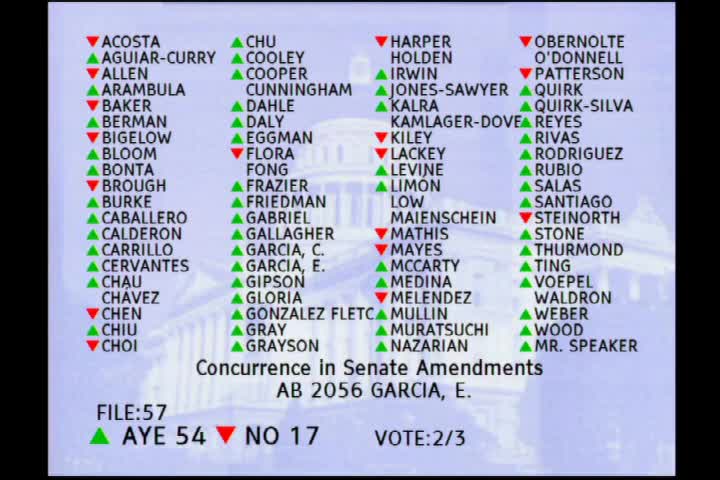 46SEC
Assembly Floor
 57SEC
Senate Floor
 1H
Senate Standing Committee on Appropriations
 12MIN
Senate Standing Committee on Education
 50SEC
Assembly Floor
 9MIN
Assembly Standing Committee on Higher Education
Bill Author

Bill Co-Author(s):