AB 265: Prescription drugs: prohibition on price discount.
- Session Year: 2017-2018
- House: Assembly
- Latest Version Date: 2017-10-09
Existing law regulates the packaging, labeling, and advertising of drugs and devices.
This bill would generally prohibit a person who manufactures a prescription drug from offering in California any discount, repayment, product voucher, or other reduction in an individuals out-of-pocket expenses associated with his or her health insurance, health care service plan, or other health coverage, including, but not limited to, a copayment, coinsurance, or deductible, for any prescription drug if a lower cost generic drug is covered under the individuals health insurance, health care service plan, or other health coverage on a lower cost-sharing tier that is designated as therapeutically equivalent to the prescription drug manufactured by that person or if the active ingredients of the drug are contained in products regulated by the federal Food and Drug Administration, are available without prescription at a lower cost, and are not otherwise contraindicated for the condition for which the prescription drug is approved. The bill would specify exceptions to these prohibitions, including, among other things, if the individual has completed any applicable step therapy or prior authorization for the prescription drug as mandated by the individuals health insurer, health care service plan, or other health coverage, or if a rebate is received by a state agency. The bill would also clarify that it does not prohibit an entity, including a manufacturer of prescription drugs, from offering a pharmaceutical product free of any cost, if the product is free of cost to both the patient and his or her health insurer, health care service plan, or other health coverage, that it does not affect a pharmacists ability to substitute a prescription drug, and that it does not prohibit or limit assistance to a patient provided by an independent charity patient assistance program, as defined.
Existing law regulates the packaging, labeling, and advertising of drugs and devices.
This bill would generally prohibit a person who manufactures a prescription drug from offering in California any discount, repayment, product voucher, or other reduction in an individuals out-of-pocket expenses associated with his or her health insurance or health care service plan insurance, health care service plan, or other health coverage, including, but not limited to, a copayment, coinsurance, or deductible, for any prescription drug if a lower cost generic drug is covered under the individuals health insurance or health care service plan insurance, health care service plan, or other health coverage on a lower cost-sharing tier that is designated as therapeutically equivalent to the prescription drug manufactured by that person or if the active ingredients of the drug are contained in products regulated by the federal Food and Drug Administration, are available without prescription at a lower cost, and are not otherwise contraindicated for the condition for which the prescription drug is approved. The bill would specify exceptions to these prohibitions, including, among other things, if the individual has completed any applicable step therapy or prior authorization for the prescription drug as mandated by the individuals health insurer or health care service plan insurer, health care service plan, or other health coverage, or if a rebate is received by a state agency. The bill would also clarify that it does not prohibit an entity, including a manufacturer of prescription drugs, from offering pharmaceutical products free of cost to patients, insurers, and health care service plans, a pharmaceutical product free of any cost, if the product is free of cost to both the patient and his or her health insurer, health care service plan, or other health coverage, that it does not affect a pharmacists ability to substitute a prescription drug, and that it does not prohibit or limit assistance to a patient provided by an independent charity patient assistance program, as defined.
Existing law regulates the packaging, labeling, and advertising of drugs and devices.
This bill would prohibit, except as provided, generally prohibit a person who manufactures a prescription drug from offering in California any discount, repayment, product voucher, or other reduction in an individuals out-of-pocket expenses associated with his or her insurance health insurance or health care service plan coverage, including, but not limited to, a copayment, coinsurance, or deductible, for any prescription drug if a lower cost generic drug is covered under the individuals health plan health insurance or health care service plan on a lower cost-sharing tier that is designated as therapeutically equivalent to, or interchangeable with, to the prescription drug manufactured by that person or if the active ingredients of the drug are contained in products regulated by the federal Food and Drug Administration, are available without prescription at a lower cost, and are not otherwise contraindicated for the condition for which the prescription drug is approved. The bill would specify exceptions to these prohibitions, including, among other things, if the individual has completed any applicable step therapy or prior authorization for the prescription drug as mandated by the individuals health insurer or health care service plan or if a rebate is received by a state agency. The bill would also clarify that it does not prohibit an entity, including a manufacturer of prescription drugs, from offering pharmaceutical products free of cost to patients, insurers, and health care service plans, that it does not affect a pharmacists ability to substitute a prescription drug, and that it does not prohibit or limit assistance to a patient provided by an independent charity patient assistance program, as defined.
(1)Existing
Existing law regulates the packaging, labeling, and advertising of drugs and devices.
This bill would prohibit, except as provided, a person who manufactures a prescription drug from offering in California any discount, repayment, product voucher, or other reduction in an individuals out-of-pocket expenses associated with his or her insurance coverage, including, but not limited to, a copayment, coinsurance, or deductible, for any prescription drug if a lower cost generic drug is covered under the individuals health plan on a lower cost-sharing tier that is designated as therapeutically equivalent to, or interchangeable with, the prescription drug manufactured by that person or if the active ingredients of the drug are regulated by the federal Food and Drug Administration, are available without prescription at a lower cost, and are not otherwise contraindicated for the condition for which the prescription drug is approved.
(2)Under existing law, it is unlawful for licensed healing arts practitioners, except as specified, to offer, deliver, receive, or accept any rebate, refund, commission, preference, patronage dividend, discount, or other consideration, in the form of money or otherwise, as compensation or inducement for referring patients, clients, or customers to any person. Existing law makes a violation of this provision a public offense punishable upon a first conviction by imprisonment, as specified, or a fine not exceeding $50,000, or by imprisonment and that fine.This bill would require a violation of the prohibitions against offering a discount, repayment, product voucher, or other reduction in an individuals out-of-pocket expenses described above to be treated as a violation of these provisions and subject to the same punishment for each separate violation. The bill would require enforcement of a violation of those prohibitions only upon receipt of a complaint that alleges that violation.By creating a new crime, this bill would impose a state-mandated local program.(3)The California Constitution requires the state to reimburse local agencies and school districts for certain costs mandated by the state. Statutory provisions establish procedures for making that reimbursement.This bill would provide that no reimbursement is required by this act for a specified reason.(1)The Sherman Food, Drug, and Cosmetic Law Existing law regulates the packaging, labeling, and advertising of drugs and devices, and is administered by the State Department of Public Health. The law makes a violation of its provisions a crime. devices.
This bill would expand the law to prohibit, except as provided, a person who manufactures a prescription drug from offering in California any discount, repayment, product voucher, or other reduction in an individuals out-of-pocket expenses associated with his or her insurance coverage, including, but not limited to, a copayment, coinsurance, or deductible, for any prescription drug if a lower cost generic drug is covered under the individuals health plan on a lower cost-sharing tier that is designated as therapeutically equivalent to, or interchangeable with, the prescription drug manufactured by that person or if the active ingredients of the drug are regulated by the federal Food and Drug Administration, are available without prescription at a lower cost cost, and are not otherwise contraindicated for the condition for which the prescription drug is approved. The bill would provide that the department shall enforce a violation of these provisions only upon receipt of a complaint that alleges the violation.
(2)Under existing law, it is unlawful for licensed healing arts practitioners, except as specified, to offer, deliver, receive, or accept any rebate, refund, commission, preference, patronage dividend, discount, or other consideration, in the form of money or otherwise, as compensation or inducement for referring patients, clients, or customers to any person. Existing law makes a violation of this provision a public offense punishable upon a first conviction by imprisonment, as specified, or a fine not exceeding $50,000, or by imprisonment and that fine.
This bill would require a violation of the prohibitions against offering a discount, repayment, product voucher, or other reduction in an individuals out-of-pocket expenses described above to be treated as a violation of these provisions and subject to the same punishment for each separate violation. The bill would require enforcement of a violation of those prohibitions only upon receipt of a complaint that alleges that violation.
By expanding the scope of a creating a new crime, this bill would impose a state-mandated local program.
(2)(3)The California Constitution requires the state to reimburse local agencies and school districts for certain costs mandated by the state. Statutory provisions establish procedures for making that reimbursement.
This bill would provide that no reimbursement is required by this act for a specified reason.
(1)The Sherman Food, Drug, and Cosmetic Law regulates the packaging, labeling, and advertising of drugs and devices, and is administered by the State Department of Public Health. The law makes a violation of its provisions a crime.
This bill would expand the law to prohibit, except as provided, a person who manufactures a prescription drug from offering in California any discount, repayment, product voucher, or other reduction in an individuals out-of-pocket expenses associated with his or her insurance coverage, including, but not limited to, a copayment, coinsurance, or deductible, for any prescription drug if a lower cost generic drug is covered under the individuals health plan on a lower cost-sharing tier that is designated as therapeutically equivalent to, or interchangeable with, the prescription drug manufactured by that person or if the active ingredients of the drug are available without prescription at a lower cost and are not otherwise contraindicated for the condition for which the prescription drug is approved. The bill would provide that the department shall enforce a violation of these provisions only upon receipt of a complaint that alleges the violation.
By expanding the scope of a crime, this bill would impose a state-mandated local program.
(2)The California Constitution requires the state to reimburse local agencies and school districts for certain costs mandated by the state. Statutory provisions establish procedures for making that reimbursement.
This bill would provide that no reimbursement is required by this act for a specified reason.
(1)The Sherman Food, Drug, and Cosmetic Law regulates the packaging, labeling, and advertising of drugs and devices, and is administered by the State Department of Public Health. The law makes a violation of its provisions a crime.
This bill would expand the law to prohibit, except as provided, a person who manufactures a prescription drug from offering in California any discount, repayment, product voucher, or other reduction in an individuals out-of-pocket expenses associated with his or her insurance coverage, including, but not limited to, a copayment, coinsurance, or deductible, for any prescription drug if a lower cost generic drug is covered under the individuals health plan on a lower cost-sharing tier that is designated as therapeutically equivalent to, or interchangeable with, the prescription drug manufactured by that person or if the active ingredients of the drug are available without prescription at a lower cost and are not otherwise contraindicated for the condition for which the prescription drug is approved.
By expanding the scope of a crime, this bill would impose a state-mandated local program.
(2)The California Constitution requires the state to reimburse local agencies and school districts for certain costs mandated by the state. Statutory provisions establish procedures for making that reimbursement.
This bill would provide that no reimbursement is required by this act for a specified reason.
(1)The Sherman Food, Drug, and Cosmetic Law regulates the packaging, labeling, and advertising of drugs and devices, and is administered by the State Department of Public Health. The law makes a violation of its provisions a crime.
This bill would expand the law to prohibit, except as provided, a person who manufactures a prescription drug from offering in California any discount, repayment, product voucher, or other reduction in an individuals out-of-pocket expenses associated with his or her insurance coverage, including, but not limited to, a copayment copayment, coinsurance, or deductible, for any prescription drug if a lower cost brand name or nonbrand name prescription drug is available generic drug is covered under the individuals health plan on a lower cost-sharing tier that is designated as therapeutically equivalent to, or interchangeable with, the prescription drug manufactured by that person or if the active ingredients of the drug are available without prescription at a lower cost and are not otherwise contraindicated for the condition for which the prescription drug is approved.
By expanding the scope of a crime, this bill would impose a state-mandated local program.
(2)The California Constitution requires the state to reimburse local agencies and school districts for certain costs mandated by the state. Statutory provisions establish procedures for making that reimbursement.
This bill would provide that no reimbursement is required by this act for a specified reason.
(1)The Sherman Food, Drug, and Cosmetic Law regulates the packaging, labeling, and advertising of drugs and devices, and is administered by the State Department of Public Health. The law makes a violation of its provisions a crime.
This bill would expand the law to prohibit, except as provided, a person who manufactures a prescription drug from offering in California any discount, rebate, repayment, product voucher, or other reduction in an individuals out-of-pocket expenses, expenses associated with his or her insurance coverage, including, but not limited to, a copayment or deductible, for any prescription drug if a lower cost brand name or nonbrand name prescription drug is available that is designated by the United States Food and Drug Administration as therapeutically equivalent to, or interchangeable with, the prescription drug manufactured by that person. person or if the active ingredients of the drug are available without prescription at a lower cost and are not otherwise contraindicated for the condition for which the prescription drug is approved.
By expanding the scope of a crime, this bill would impose a state-mandated local program.
(2)The California Constitution requires the state to reimburse local agencies and school districts for certain costs mandated by the state. Statutory provisions establish procedures for making that reimbursement.
This bill would provide that no reimbursement is required by this act for a specified reason.
(1)The Sherman Food, Drug, and Cosmetic Law regulates the packaging, labeling, and advertising of drugs and devices, and is administered by the State Department of Public Health. The law makes a violation of its provisions a crime.
This bill would expand the law to prohibit, except as provided, a person who manufactures a prescription drug from offering in California any discount, rebate, product voucher, or other reduction in an individuals out-of-pocket expenses, including, but not limited to, a copayment or deductible, for any prescription drug if a lower cost brand name or nonbrand name prescription drug is available that is designated by the United States Food and Drug Administration as therapeutically equivalent to, or interchangeable with, the prescription drug manufactured by that person.
By expanding the scope of a crime, this bill would impose a state-mandated local program.
(2)The California Constitution requires the state to reimburse local agencies and school districts for certain costs mandated by the state. Statutory provisions establish procedures for making that reimbursement.
This bill would provide that no reimbursement is required by this act for a specified reason.
(a)Except as provided in Section 132004, a person who manufactures a prescription drug shall not offer in the state a discount, repayment, product voucher, or other reduction in an individuals out-of-pocket expenses associated with his or her health insurance, health care service plan, or other health coverage, including, but not limited to, a copayment, coinsurance, or deductible, for a prescription drug if a lower cost generic drug is covered under the individuals health insurance, health care service plan, or other health coverage on a lower cost-sharing tier that is designated to be therapeutically equivalent as indicated by the United States Food and Drug Administrations Approved Drug Products with Therapeutic Equivalence Evaluations.
(b)The prohibition in subdivision (a) shall not apply to a branded prescription drug, until the time that the first drug designated in the United States Food and Drug Administrations Approved Drug Products with Therapeutic Equivalence Evaluations as therapeutically equivalent to that branded prescription drug has been nationally available for three calendar months.
132002.Except as provided in Section 132004, a person who manufactures a prescription drug shall not offer in the state a discount, repayment, product voucher, or other reduction in the individuals out-of-pocket expenses associated with his or her health insurance, health care service plan, or other health coverage, including, but not limited to, a copayment, coinsurance, or deductible, for a prescription drug if the active ingredients of the drug are contained in products regulated by the federal Food and Drug Administration, are available without prescription at a lower cost, and are not otherwise contraindicated for treatment of the condition for which the prescription drug is approved.
132004.The prohibitions in Sections 132000 and 132002 shall not apply to any of the following:
(a)A discount, repayment, product voucher, or other payment to a patient or another person on the patients behalf for a prescription drug required under a United States Food and Drug Administration Risk Evaluation and Mitigation Strategy for the purpose of monitoring or facilitating the use of that prescription drug in a manner consistent with the approved labeling of the prescription drug.
(b)A single-tablet drug regimen for treatment or prevention of human immunodeficiency virus (HIV) or acquired immune deficiency syndrome (AIDS) that is as effective as a multitablet regimen, unless, consistent with clinical guidelines and peer-reviewed scientific and medical literature, the multitablet regimen is clinically equally effective or more effective and is more likely to result in adherence to the drug regimen.
(c)The individual has completed any applicable step therapy or prior authorization requirements for the branded prescription drug as mandated by the individuals health insurer, health care service plan, or other health coverage.
(d)A discount, repayment, product voucher, or other reduction in an individuals out-of-pocket expenses is not associated with his or her health insurance, health care service plan, or other health coverage.
(e)Rebates received by a state agency.
132006.This division does not prohibit an entity, including an entity that manufactures prescription drugs or a patient assistance program that is solely funded by one or more manufacturers, from offering a pharmaceutical product free of any cost, if the product is free of cost to both the patient and his or her health insurer, health care service plan, or other health coverage.
132008.(a)This division shall not be deemed to affect a pharmacists ability to substitute a prescription drug pursuant to Section 4073 of the Business and Professions Code.
(b)(1)This division shall not prohibit or limit assistance to a patient provided by an independent charity patient assistance program.
(2)For purposes of this section, independent charity patient assistance program means a program that meets all of the following requirements:
(A)The program does not allow a pharmaceutical manufacturer or an affiliate of the manufacturer, including, but not limited to, an employee, agent, officer, shareholder, contractor, wholesaler, distributor, or pharmacy benefits manager, to exert any direct or indirect influence or control over the charity or subsidy program.
(B)Assistance is awarded in a truly independent manner that severs any link between a pharmaceutical manufacturers funding and the beneficiary.
(C)Assistance is awarded without regard to the pharmaceutical manufacturers interest and without regard to the beneficiarys choice of product, provider, practitioner, supplier, health insurance, health care service plan, or other health coverage.
(D)Assistance is awarded based upon a reasonable, verifiable, and uniform measure of financial need that is applied in a consistent manner.
(E)The pharmaceutical manufacturer does not solicit or receive data from the program that would facilitate the manufacturer in correlating the amount or frequency of its donations with the number of subsidized prescriptions for its products.
(a)Except as provided in Section 132004, a person who manufactures a prescription drug shall not offer in the state a discount, repayment, product voucher, or other reduction in an individuals out-of-pocket expenses associated with his or her health insurance or health care service plan insurance, health care service plan, or other health coverage, including, but not limited to, a copayment, coinsurance, or deductible, for a prescription drug if a lower cost generic drug is covered under the individuals health insurance or health care service plan insurance, health care service plan, or other health coverage on a lower cost-sharing tier that is designated to be therapeutically equivalent as indicated by the United States Food and Drug Administrations Approved Drug Products with Therapeutic Equivalence Evaluations.
(b)The prohibition in subdivision (a) shall not apply to a branded prescription drug, until the time that the first drug designated in the United States Food and Drug Administrations Approved Drug Products with Therapeutic Equivalence Evaluations as therapeutically equivalent to that branded prescription drug has been nationally available for three calendar months.
132002.Except as provided in Section 132004, a person who manufactures a prescription drug shall not offer in the state a discount, repayment, product voucher, or other reduction in the individuals out-of-pocket expenses associated with his or her health insurance or health care service plan insurance, health care service plan, or other health coverage, including, but not limited to, a copayment, coinsurance, or deductible, for a prescription drug if the active ingredients of the drug are contained in products regulated by the federal Food and Drug Administration, are available without prescription at a lower cost, and are not otherwise contraindicated for treatment of the condition for which the prescription drug is approved.
132004.The prohibitions in Sections 132000 and 132002 shall not apply to any of the following:
(a)A discount, repayment, product voucher, or other payment to a patient or another person on the patients behalf for a prescription drug required under a United States Food and Drug Administration Risk Evaluation and Mitigation Strategy for the purpose of monitoring or facilitating the use of that prescription drug in a manner consistent with the approved labeling of the prescription drug.
(b)A single-tablet drug regimen for treatment or prevention of human immunodeficiency virus (HIV) or acquired immune deficiency syndrome (AIDS) that is as effective as a multitablet regimen, unless, consistent with clinical guidelines and peer-reviewed scientific and medical literature, the multitablet regimen is clinically equally effective or more effective and is more likely to result in adherence to the drug regimen.
(c)The individual has completed any applicable step therapy or prior authorization requirements for the branded prescription drug as mandated by the individuals health insurer or health care service plan. insurer, health care service plan, or other health coverage.
(d)A discount, repayment, product voucher, or other reduction in an individuals out-of-pocket expenses is not associated with his or her health insurance or health care service plan insurance, health care service plan, or other health coverage.
(e)Rebates received by a state agency.
132006.This division does not prohibit an entity, including an entity that manufactures prescription drugs, from offering pharmaceutical products free of any cost to patients, health insurers, or health care service plans, including patient assistance programs that are solely funded by manufacturers. drugs or a patient assistance program that is solely funded by one or more manufacturers, from offering a pharmaceutical product free of any cost, if the product is free of cost to both the patient and his or her health insurer, health care service plan, or other health coverage.
132008.(a)This division shall not be deemed to affect a pharmacists ability to substitute a prescription drug pursuant to Section 4073 of the Business and Professions Code.
(b)(1)This division shall not prohibit or limit assistance to a patient provided by an independent charity patient assistance program.
(2)For purposes of this section, independent charity patient assistance program means a program that meets all of the following requirements:
(A)The program does not allow a pharmaceutical manufacturer or an affiliate of the manufacturer, including, but not limited to, an employee, agent, officer, shareholder, contractor, wholesaler, distributor, or pharmacy benefits manager, to exert any direct or indirect influence or control over the charity or subsidy program.
(B)Assistance is awarded in a truly independent manner that severs any link between a pharmaceutical manufacturers funding and the beneficiary.
(C)Assistance is awarded without regard to the pharmaceutical manufacturers interest and without regard to the beneficiarys choice of product, provider, practitioner, supplier, health insurance, or health care service plan. health care service plan, or other health coverage.
(D)Assistance is awarded based upon a reasonable, verifiable, and uniform measure of financial need that is applied in a consistent manner.
(E)The pharmaceutical manufacturer does not solicit or receive data from the program that would facilitate the manufacturer in correlating the amount or frequency of its donations with the number of subsidized prescriptions for its products.
(a)Except as provided in Section 132004, a person who manufactures a prescription drug shall not offer in the state a discount, repayment, product voucher, or other reduction in an individuals out-of-pocket expenses associated with his or her insurance health insurance or health care service plan coverage, including, but not limited to, a copayment, coinsurance, or deductible, for a prescription drug if a lower cost generic drug is covered under the individuals health plan health insurance or health care service plan on a lower cost-sharing tier that is designated to be therapeutically equivalent as indicated by the United States Food and Drug Administrations Approved Drug and Products with Therapeutic Equivalence Evaluations.
(b)The prohibition in subdivision (a) shall not apply to a branded prescription drug, until the time that the first drug designated in the United States Food and Drug Administrations Approved Drug Products with Therapeutic Equivalence Evaluations as therapeutically equivalent to that branded prescription drug has been nationally available for three calendar months.
132002.Except as provided in Section 132004, a person who manufactures a prescription drug shall not offer in the state a discount, repayment, product voucher, or other reduction in the individuals out-of-pocket expenses associated with his or her insurance health insurance or health care service plan coverage, including, but not limited to, a copayment, coinsurance, or deductible, for a prescription drug if the active ingredients of the drug are contained in products regulated by the federal Food and Drug Administration, are available without prescription at a lower cost, and are not otherwise contraindicated for treatment of the condition for which the prescription drug is approved.
132004.The prohibitions in Sections 132000 and 132002 shall not apply to any of the following:
(a)A discount, repayment, product voucher, or other payment to a patient or another person on the patients behalf for a prescription drug required under a United States Food and Drug Administration Risk Evaluation and Mitigation Strategy for the purpose of monitoring or facilitating the use of that prescription drug in a manner consistent with the approved labeling of the prescription drug.
(b)A single-tablet drug regimen for treatment or prevention of human immunodeficiency virus (HIV) or acquired immune deficiency syndrome (AIDS) that is as effective as a multitablet regimen, unless, consistent with clinical guidelines and peer-reviewed scientific and medical literature, the multitablet regimen is clinically equally effective or more effective and is more likely to result in adherence to the drug regimen.
(c)The individual has completed any applicable step therapy or prior authorization requirements for the branded prescription drug as mandated by the individuals health plan. health insurer or health care service plan.
(d)A discount, repayment, product voucher, or other reduction in an individuals out-of-pocket expenses is not associated with his or her insurance health insurance or health care service plan coverage.
(e)Rebates received by a state agency.
132006.This division does not prohibit an entity, including an entity that manufactures prescription drugs, from offering pharmaceutical products free of any cost to both patients and insurers. patients, health insurers, or health care service plans, including patient assistance programs that are solely funded by manufacturers.
132008.(a)This division shall not be deemed to affect a pharmacists ability to substitute a prescription drug pursuant to Section 4073 of the Business and Professions Code.
(b)(1)This division shall not prohibit or limit assistance to a patient provided by an independent charity patient assistance program.
(2)For purposes of this section, independent charity patient assistance program means a program that meets all of the following requirements:
(A)The program does not allow a pharmaceutical manufacturer or an affiliate of the manufacturer, including, but not limited to, an employee, agent, officer, shareholder, contractor, wholesaler, distributor, or pharmacy benefits manager, to exert any direct or indirect influence or control over the charity or subsidy program.
(B)Assistance is awarded in a truly independent manner that severs any link between a pharmaceutical manufacturers funding and the beneficiary.
(C)Assistance is awarded without regard to the pharmaceutical manufacturers interest and without regard to the beneficiarys choice of product, provider, practitioner, supplier, or insurance plan. health insurance, or health care service plan.
(D)Assistance is awarded based upon a reasonable, verifiable, and uniform measure of financial need that is applied in a consistent manner.
(E)The pharmaceutical manufacturer does not solicit or receive data from the program that would facilitate the manufacturer in correlating the amount or frequency of its donations with the number of subsidized prescriptions for its products.
Except as provided in Section 132004, a person who manufactures a prescription drug shall not offer in the state a discount, repayment, product voucher, or other reduction in an individuals out-of-pocket expenses associated with his or her insurance coverage, including, but not limited to, a copayment, coinsurance, or deductible, for a prescription drug if a lower cost generic drug is covered under the individuals health plan on a lower cost-sharing tier that is designated to be therapeutically equivalent as indicated by the United States Food and Drug Administrations Approved Drug and Products with Therapeutic Equivalence Evaluations.
132002.Except as provided in Section 132004, a person who manufactures a prescription drug shall not offer in the state a discount, repayment, product voucher, or other reduction in the individuals out-of-pocket expenses associated with his or her insurance coverage, including, but not limited to, a copayment, coinsurance, or deductible, for a prescription drug if the active ingredients of the drug are regulated by the federal Food and Drug Administration, are available without prescription at a lower cost, and are not otherwise contraindicated for treatment of the condition for which the prescription drug is approved.
132004.The prohibitions in Sections 132000 and 132002 shall not apply to any of the following:
(a)A discount, repayment, product voucher, or other payment to a patient or another person on the patients behalf for a prescription drug required under a United States Food and Drug Administration Risk Evaluation and Mitigation Strategy for the purpose of monitoring or facilitating the use of that prescription drug in a manner consistent with the approved labeling of the prescription drug.
(b)A single-tablet drug regimen for treatment or prevention of human immunodeficiency virus (HIV) or acquired immune deficiency syndrome (AIDS) that is as effective as a multitablet regimen, unless, consistent with clinical guidelines and peer-reviewed scientific and medical literature, the multitablet regimen is clinically equally effective or more effective and is more likely to result in adherence to the drug regimen.
(c)The individual has completed any applicable step therapy or prior authorization requirements for the branded prescription drug as mandated by the individuals health plan.
(d)A discount, repayment, product voucher, or other reduction in an individuals out-of-pocket expenses is not associated with his or her insurance coverage.
(e)Rebates received by a state agency.
132006.This division does not prohibit an entity, including an entity that manufactures prescription drugs, from offering pharmaceutical products free of any cost to both patients and insurers.
132008.(a)This division shall not be deemed to affect a pharmacists ability to substitute a prescription drug pursuant to Section 4073 of the Business and Professions Code.
(b)(1)This division shall not prohibit or limit assistance to a patient provided by an independent charity patient assistance program.
(2)For purposes of this section, independent charity patient assistance program means a program that meets all of the following requirements:
(A)The program does not allow a pharmaceutical manufacturer or an affiliate of the manufacturer, including, but not limited to, an employee, agent, officer, shareholder, contractor, wholesaler, distributor, or pharmacy benefits manager, to exert any direct or indirect influence or control over the charity or subsidy program.
(B)Assistance is awarded in a truly independent manner that severs any link between a pharmaceutical manufacturers funding and the beneficiary.
(C)Assistance is awarded without regard to the pharmaceutical manufacturers interest and without regard to the beneficiarys choice of product, provider, practitioner, supplier, or insurance plan.
(D)Assistance is awarded based upon a reasonable, verifiable, and uniform measure of financial need that is applied in a consistent manner.
(E)The pharmaceutical manufacturer does not solicit or receive data from the program that would facilitate the manufacturer in correlating the amount or frequency of its donations with the number of subsidized prescriptions for its products.
132010.(a)A violation of this division shall be considered a violation of Section 650 of the Business and Professions Code, and each separate violation shall be subject to the punishment set forth in subdivision (h) of Section 650 of the Business and Professions Code.(b)A violation of this division shall be enforced only upon receipt of a complaint that alleges that violation.SEC. 2.No reimbursement is required by this act pursuant to Section 6 of Article XIIIB of the California Constitution because the only costs that may be incurred by a local agency or school district will be incurred because this act creates a new crime or infraction, eliminates a crime or infraction, or changes the penalty for a crime or infraction, within the meaning of Section 17556 of the Government Code, or changes the definition of a crime within the meaning of Section 6 of Article XIIIB of the California Constitution.Except as provided in Section 111657.5, 132004, a person who manufactures a prescription drug shall not offer in the state a discount, repayment, product voucher, or other reduction in an individuals out-of-pocket expenses associated with his or her insurance coverage, including, but not limited to, a copayment, coinsurance, or deductible, for a prescription drug if a lower cost generic drug is covered under the individuals health plan on a lower cost-sharing tier that is designated to be therapeutically equivalent as indicated by the United States Food and Drug Administrations Approved Drug and Products with Therapeutic Equivalence Evaluations.
111657.1.132002.Except as provided in Section 111657.5, 132004, a person who manufactures a prescription drug shall not offer in the state a discount, repayment, product voucher, or other reduction in the individuals out-of-pocket expenses associated with his or her insurance coverage, including, but not limited to, a copayment, coinsurance, or deductible, for a prescription drug if the active ingredients of the drug are regulated by the federal Food and Drug Administration, are available without prescription at a lower cost cost, and are not otherwise contraindicated for treatment of the condition for which the prescription drug is approved.
111657.5.132004.The prohibitions in Sections 111657 and 111657.1 132000 and 132002 shall not apply to any of the following:
(a)A discount, repayment, product voucher, or other payment to a patient or another person on the patients behalf for a prescription drug required under a United States Food and Drug Administration Risk Evaluation and Mitigation Strategy for the purpose of monitoring or facilitating the use of that prescription drug in a manner consistent with the approved labeling of the prescription drug.
(b)A single-tablet drug regimen for treatment or prevention of human immunodeficiency virus (HIV) or acquired immune deficiency syndrome (AIDS) that is as effective as a multitablet regimen, unless, consistent with clinical guidelines and peer-reviewed scientific and medical literature, the multitablet regimen is clinically equally effective or more effective and is more likely to result in adherence to the drug regimen.
(c)The individual has completed any applicable step therapy or prior authorization requirements for the branded prescription drug as mandated by the individuals health plan.
(d)A discount, repayment, product voucher, or other reduction in an individuals out-of-pocket expenses is not associated with his or her insurance coverage.
(c)(e)Rebates received by a state agency.
111657.7.132006.This article division does not prohibit an entity, including an entity that manufactures prescription drugs, from offering pharmaceutical products free of any cost to both patients and insurers.
111657.10.132008.(a)This article division shall not be deemed to affect a pharmacists ability to substitute a prescription drug pursuant to Section 4073 of the Business and Professions Code.
(b)(1)This article division shall not prohibit or limit assistance to a patient provided by an independent charity patient assistance program.
(2)For purposes of this section, independent charity patient assistance program means a program that meets all of the following requirements:
(A)The program does not allow a pharmaceutical manufacturer or an affiliate of the manufacturer, including, but not limited to, an employee, agent, officer, shareholder, contractor, wholesaler, distributor, or pharmacy benefits manager, to exert any direct or indirect influence or control over the charity or subsidy program.
(B)Assistance is awarded in a truly independent manner that severs any link between a pharmaceutical manufacturers funding and the beneficiary.
(C)Assistance is awarded without regard to the pharmaceutical manufacturers interest and without regard to the beneficiarys choice of product, provider, practitioner, supplier, or insurance plan.
(D)Assistance is awarded based upon a reasonable, verifiable, and uniform measure of financial need that is applied in a consistent manner.
(E)The pharmaceutical manufacturer does not solicit or receive data from the program that would facilitate the manufacturer in correlating the amount or frequency of its donations with the number of subsidized prescriptions for its products.
111657.12.The department shall enforce a violation of this article only upon receipt of a complaint that alleges that violation.132010.(a)A violation of this division shall be considered a violation of Section 650 of the Business and Professions Code, and each separate violation shall be subject to the punishment set forth in subdivision (h) of Section 650 of the Business and Professions Code.
(b)A violation of this division shall be enforced only upon receipt of a complaint that alleges that violation.
SEC. 2.No reimbursement is required by this act pursuant to Section 6 of Article XIIIB of the California Constitution because the only costs that may be incurred by a local agency or school district will be incurred because this act creates a new crime or infraction, eliminates a crime or infraction, or changes the penalty for a crime or infraction, within the meaning of Section 17556 of the Government Code, or changes the definition of a crime within the meaning of Section 6 of Article XIIIB of the California Constitution.
Except as provided in Section 111657.5, a person who manufactures a prescription drug shall not offer in the state a discount, repayment, product voucher, or other reduction in an individuals out-of-pocket expenses associated with his or her insurance coverage, including, but not limited to, a copayment, coinsurance, or deductible, for a prescription drug if a lower cost generic drug is covered under the individuals health plan on a lower cost-sharing tier that is designated to be therapeutically equivalent as indicated by the United States Food and Drug Administrations Approved Drug and Products with Therapeutic Equivalence Evaluations.
111657.1.Except as provided in Section 111657.5, a person who manufactures a prescription drug shall not offer in the state a discount, repayment, product voucher, or other reduction in the individuals out-of-pocket expenses associated with his or her insurance coverage, including, but not limited to, a copayment, coinsurance, or deductible, for a prescription drug if the active ingredients of the drug are available without prescription at a lower cost and are not otherwise contraindicated for treatment of the condition for which the prescription drug is approved.
111657.5.The prohibitions in Sections 111657 and 111657.1 shall not apply to any of the following:
(a)A discount, repayment, product voucher, or other payment to a patient or another person on the patients behalf for a prescription drug required under a United States Food and Drug Administration Risk Evaluation and Mitigation Strategy for the purpose of monitoring or facilitating the use of that prescription drug in a manner consistent with the approved labeling of the prescription drug.
(b)A single-tablet drug regimen for treatment or prevention of human immunodeficiency virus (HIV) or acquired immune deficiency syndrome (AIDS) that is as effective as a multitablet regimen, unless, consistent with clinical guidelines and peer-reviewed scientific and medical literature, the multitablet regimen is clinically equally effective or more effective and is more likely to result in adherence to the drug regimen.
(c)Rebates received by a state agency.
111657.7.This article does not prohibit an entity, including an entity that manufactures prescription drugs, from offering pharmaceutical products free of any cost to both patients and insurers.
111657.10.(a)This article shall not be deemed to affect a pharmacists ability to substitute a prescription drug pursuant to Section 4073 of the Business and Professions Code.
(b)(1)This article shall not prohibit or limit assistance to a patient provided by an independent charity patient assistance program.
(2)For purposes of this section, independent charity patient assistance program means a program that meets all of the following requirements:
(A)The program does not allow a pharmaceutical manufacturer or an affiliate of the manufacturer, including, but not limited to, an employee, agent, officer, shareholder, contractor, wholesaler, distributor, or pharmacy benefits manager, to exert any direct or indirect influence or control over the charity or subsidy program.
(B)Assistance is awarded in a truly independent manner that severs any link between a pharmaceutical manufacturers funding and the beneficiary.
(C)Assistance is awarded without regard to the pharmaceutical manufacturers interest and without regard to the beneficiarys choice of product, provider, practitioner, supplier, or insurance plan.
(D)Assistance is awarded based upon a reasonable, verifiable, and uniform measure of financial need that is applied in a consistent manner.
(E)The pharmaceutical manufacturer does not solicit or receive data from the program that would facilitate the manufacturer in correlating the amount or frequency of its donations with the number of subsidized prescriptions for its products.
111657.12.The department shall enforce a violation of this article only upon receipt of a complaint that alleges that violation.
SEC. 2.No reimbursement is required by this act pursuant to Section 6 of Article XIIIB of the California Constitution because the only costs that may be incurred by a local agency or school district will be incurred because this act creates a new crime or infraction, eliminates a crime or infraction, or changes the penalty for a crime or infraction, within the meaning of Section 17556 of the Government Code, or changes the definition of a crime within the meaning of Section 6 of Article XIIIB of the California Constitution.
Except as provided in Section 111657.5, a person who manufactures a prescription drug shall not offer in the state a discount, repayment, product voucher, or other reduction in an individuals out-of-pocket expenses associated with his or her insurance coverage, including, but not limited to, a copayment, coinsurance, or deductible, for a prescription drug if a lower cost generic drug is covered under the individuals health plan on a lower cost-sharing tier that is designated to be therapeutically equivalent as indicated by the United States Food and Drug Administrations Approved Drug and Products with Therapeutic Equivalence Evaluations.
111657.1.Except as provided in Section 111657.5, a person who manufactures a prescription drug shall not offer in the state a discount, repayment, product voucher, or other reduction in the individuals out-of-pocket expenses associated with his or her insurance coverage, including, but not limited to, a copayment, coinsurance, or deductible, for a prescription drug if the active ingredients of the drug are available without prescription at a lower cost and are not otherwise contraindicated for treatment of the condition for which the prescription drug is approved.
111657.5.The prohibition prohibitions in Section Sections 111657 and 111657.1 shall not apply to a any of the following:
(a)A discount, repayment, product voucher, or other payment to a patient or another person on the patients behalf for a prescription drug required under a United States Food and Drug Administration Risk Evaluation and Mitigation Strategy for the purpose of monitoring or facilitating the use of that prescription drug in a manner consistent with the approved labeling of the prescription drug.
(b)A single-tablet drug regimen for treatment or prevention of human immunodeficiency virus (HIV) or acquired immune deficiency syndrome (AIDS) that is as effective as a multitablet regimen, unless, consistent with clinical guidelines and peer-reviewed scientific and medical literature, the multitablet regimen is clinically equally effective or more effective and is more likely to result in adherence to the drug regimen.
(c)Rebates received by a state agency.
111657.7.This article does not prohibit an entity, including an entity that manufactures prescription drugs, from offering pharmaceutical products free of any cost to both patients and insurers.
111657.10.(a)This article shall not be deemed to affect a pharmacists ability to substitute a prescription drug pursuant to Section 4073 of the Business and Professions Code.
(b)(1)This article shall not prohibit or limit assistance to a patient provided by an independent charity patient assistance program.
(2)For purposes of this section, independent charity patient assistance program means a program that meets all of the following requirements:
(A)The program does not allow a pharmaceutical manufacturer or an affiliate of the manufacturer, including, but not limited to, an employee, agent, officer, shareholder, contractor, wholesaler, distributor, or pharmacy benefits manager, to exert any direct or indirect influence or control over the charity or subsidy program.
(B)Assistance is awarded in a truly independent manner that severs any link between a pharmaceutical manufacturers funding and the beneficiary.
(C)Assistance is awarded without regard to the pharmaceutical manufacturers interest and without regard to the beneficiarys choice of product, provider, practitioner, supplier, or insurance plan.
(D)Assistance is awarded based upon a reasonable, verifiable, and uniform measure of financial need that is applied in a consistent manner.
(E)The pharmaceutical manufacturer does not solicit or receive data from the program that would facilitate the manufacturer in correlating the amount or frequency of its donations with the number of subsidized prescriptions for its products.
SEC. 2.No reimbursement is required by this act pursuant to Section 6 of Article XIIIB of the California Constitution because the only costs that may be incurred by a local agency or school district will be incurred because this act creates a new crime or infraction, eliminates a crime or infraction, or changes the penalty for a crime or infraction, within the meaning of Section 17556 of the Government Code, or changes the definition of a crime within the meaning of Section 6 of Article XIIIB of the California Constitution.
Except as provided in Section 111657.5, a person who manufactures a prescription drug shall not offer in the state a discount, repayment, product voucher, or other reduction in an individuals out-of-pocket expenses associated with his or her insurance coverage, including, but not limited to, a copayment copayment, coinsurance, or deductible, for a prescription drug if a lower cost brand name or nonbrand name prescription drug is available generic drug is covered under the individuals health plan on a lower cost-sharing tier that is designated to be therapeutically equivalent as indicated by the United States Food and Drug Administrations Approved Drug and Products with Therapeutic Equivalence Evaluations.
111657.1.Except as provided in Section 111657.5, a person who manufactures a prescription drug shall not offer in the state a discount, repayment, product voucher, or other reduction in the individuals out-of-pocket expenses associated with his or her insurance coverage, including, but not limited to, a copayment copayment, coinsurance, or deductible, for a prescription drug if the active ingredients of the drug are available without prescription at a lower cost and are not otherwise contraindicated for treatment of the condition for which the prescription drug is approved.
111657.5.The prohibition in Section 111657 shall not apply to a discount, repayment, product voucher, or other payment to a patient or another person on the patients behalf for a prescription drug required under a United States Food and Drug Administration Risk Evaluation and Mitigation Strategy for the purpose of monitoring or facilitating the use of that prescription drug in a manner consistent with the approved labeling of the prescription drug.
111657.10.(a)This article shall not be deemed to affect a pharmacists ability to substitute a prescription drug pursuant to Section 4073 of the Business and Professions Code or an alternative biological product pursuant to Section 4073.5 of the Business and Professions Code.
(b)This article shall not prohibit or limit assistance to a patient provided by an independent charity patient assistance program.
SEC. 2.No reimbursement is required by this act pursuant to Section 6 of Article XIIIB of the California Constitution because the only costs that may be incurred by a local agency or school district will be incurred because this act creates a new crime or infraction, eliminates a crime or infraction, or changes the penalty for a crime or infraction, within the meaning of Section 17556 of the Government Code, or changes the definition of a crime within the meaning of Section 6 of Article XIIIB of the California Constitution.
Except as provided in Section 111657.5, a person who manufactures a prescription drug shall not offer in the state any a discount, rebate, repayment, product voucher, or other reduction in an individuals out-of-pocket expenses, expenses associated with his or her insurance coverage, including, but not limited to, a copayment or deductible, for any a prescription drug if a lower cost brand name or nonbrand name prescription drug is available that is designated by the United States Food and Drug Administration as to be therapeutically equivalent to, or interchangeable with, the prescription drug manufactured by that person. as indicated by the United States Food and Drug Administrations Approved Drug and Products with Therapeutic Equivalence Evaluations.
111657.1.Except as provided in Section 111657.5, a person who manufactures a prescription drug shall not offer in the state a discount, repayment, product voucher, or other reduction in the individuals out-of-pocket expenses associated with his or her insurance coverage, including, but not limited to, a copayment or deductible, for a prescription drug if the active ingredients of the drug are available without prescription at a lower cost and are not otherwise contraindicated for treatment of the condition for which the prescription drug is approved.
111657.5.The prohibition in Section 111657 shall not apply to a discount, rebate, repayment, product voucher, or other payment to a patient or another person on the patients behalf for a prescription drug required under a United States Food and Drug Administration Risk Evaluation and Mitigation Strategy for the purpose of monitoring or facilitating the use of that prescription drug in a manner consistent with the approved labeling of the prescription drug.
111657.10.This article shall not be deemed to affect how a person distributes a prescription drug or a pharmacists ability to substitute a therapeutically equivalent prescription drug. prescription drug pursuant to Section 4073 of the Business and Professions Code or an alternative biological product pursuant to Section 4073.5 of the Business and Professions Code.
SEC. 2.No reimbursement is required by this act pursuant to Section 6 of Article XIIIB of the California Constitution because the only costs that may be incurred by a local agency or school district will be incurred because this act creates a new crime or infraction, eliminates a crime or infraction, or changes the penalty for a crime or infraction, within the meaning of Section 17556 of the Government Code, or changes the definition of a crime within the meaning of Section 6 of Article XIIIB of the California Constitution.
Except as provided in Section 111657.5, a person who manufactures a prescription drug shall not offer in the state any discount, rebate, product voucher, or other reduction in an individuals out-of-pocket expenses, including, but not limited to, a copayment or deductible, for any prescription drug if a lower cost brand name or nonbrand name prescription drug is available that is designated by the United States Food and Drug Administration as therapeutically equivalent to, or interchangeable with, the prescription drug manufactured by that person.
111657.5.The prohibition in Section 111657 shall not apply to a discount, rebate, product voucher, or other payment to a patient or another person on the patients behalf for a prescription drug required under a United States Food and Drug Administration Risk Evaluation and Mitigation Strategy for the purpose of monitoring or facilitating the use of that prescription drug in a manner consistent with the approved labeling of the prescription drug.
111657.10.This article shall not be deemed to affect how a person distributes a prescription drug or a pharmacists ability to substitute a therapeutically equivalent prescription drug.
SEC. 2.No reimbursement is required by this act pursuant to Section 6 of Article XIIIB of the California Constitution because the only costs that may be incurred by a local agency or school district will be incurred because this act creates a new crime or infraction, eliminates a crime or infraction, or changes the penalty for a crime or infraction, within the meaning of Section 17556 of the Government Code, or changes the definition of a crime within the meaning of Section 6 of Article XIIIB of the California Constitution.
REVISIONS: HeadingLine 2.|
Date
|
Status
|
|---|---|
| Oct 9, 2017 | Chaptered by Secretary of State - Chapter 611, Statutes of 2017. |
| Oct 9, 2017 | Approved by the Governor. |
| Sep 20, 2017 | Enrolled and presented to the Governor at 4:30 p.m. |
| Sep 13, 2017 | Assembly Rule 77(a) suspended. |
| Sep 13, 2017 | In Assembly. Concurrence in Senate amendments pending. May be considered on or after September 15 pursuant to Assembly Rule 77. |
| Sep 12, 2017 | Read third time. Passed. Ordered to the Assembly. |
| Sep 11, 2017 | Read second time. Ordered to third reading. |
| Sep 7, 2017 | Read third time and amended. Ordered to second reading. |
| Sep 1, 2017 | Read second time. Ordered to third reading. |
| Aug 31, 2017 | Read third time and amended. Ordered to second reading. |
| Jul 10, 2017 | Read second time. Ordered to third reading. |
| Jul 6, 2017 | From committee: Do pass. (Ayes 7. Noes 2.) (July 5). |
| Jun 27, 2017 | From committee chair, with author's amendments: Amend, and re-refer to committee. Read second time, amended, and re-referred to Com. on HEALTH. |
| Jun 26, 2017 | In committee: Set, first hearing. Hearing canceled at the request of author. |
| Jun 22, 2017 | From committee chair, with author's amendments: Amend, and re-refer to committee. Read second time, amended, and re-referred to Com. on HEALTH. |
| Jun 14, 2017 | Referred to Com. on HEALTH. |
| Jun 1, 2017 | In Senate. Read first time. To Com. on RLS. for assignment. |
| May 31, 2017 | Read third time. Passed. Ordered to the Senate. (Ayes 51. Noes 15. Page 1960.) |
| May 30, 2017 | Read second time and amended. Ordered returned to second reading. |
| May 26, 2017 | From committee: Amend, and do pass as amended. (Ayes 11. Noes 4.) (May 26). |
| May 17, 2017 | In committee: Set, first hearing. Referred to APPR. suspense file. |
| May 11, 2017 | Re-referred to Com. on APPR. |
| May 10, 2017 | From committee chair, with author's amendments: Amend, and re-refer to Com. on APPR. Read second time and amended. |
| Apr 27, 2017 | Re-referred to Com. on APPR. |
| Apr 26, 2017 | Read second time and amended. |
| Apr 25, 2017 | From committee: Amend, and do pass as amended and re-refer to Com. on APPR. (Ayes 9. Noes 2.) (April 18). |
| Mar 28, 2017 | Re-referred to Com. on HEALTH. |
| Mar 27, 2017 | From committee chair, with author's amendments: Amend, and re-refer to Com. on HEALTH. Read second time and amended. |
| Mar 9, 2017 | Coauthors revised. |
| Feb 13, 2017 | Referred to Com. on HEALTH. |
| Feb 1, 2017 | From printer. May be heard in committee March 3. |
| Jan 31, 2017 | Read first time. To print. |
|
Date
|
Description
|
Location
|
Votes
|
|
|---|---|---|---|---|
| Sep 13, 2017 | AB 265 Wood Concurrence in Senate Amendments | Assembly Floor |
Passed |
|
| Sep 12, 2017 | Assembly 3rd Reading AB265 Wood et al. By Hernandez | Senate Floor |
Passed |
|
| Jul 5, 2017 | Do pass | Senate Standing Committee on Health |
Passed |
|
| May 31, 2017 | AB 265 WOOD Assembly Third Reading | Assembly Floor |
Passed |
|
| May 26, 2017 | Do pass as amended. | Assembly Standing Committee on Appropriations |
Passed |
|
| Apr 18, 2017 | Do pass as amended and be re-referred to the Committee on [Appropriations] | Assembly Standing Committee on Health |
Passed |
This list shows positions taken on this bill by organizations on the date displayed, which is linked to the original source.
Positions by individuals are not included.
|
Organization
|
Position
|
Date
|
|---|---|---|
| 319-2081 | ** Against | May 15, 2017 |
| Aids Healthcare Foundation | ** Against | Sep 11, 2017 |
| Alliance for Patient Access | ** Against | Sep 11, 2017 |
| America'S Health Insurance Plans | ** Support | Apr 26, 2017 |
| American Cancer Society - Cancer Action Network | * Neutral | Apr 18, 2017 |
| American G.I Forum of California | ** Against | Sep 11, 2017 |
| American Legion Department of California | ** Against | Sep 11, 2017 |
| American Liver Foundation | * Against | Apr 18, 2017 |
| AmericaS Health Insurance Plans | ** Support | Apr 26, 2017 |
| AMVETS Department of California | ** Against | Sep 11, 2017 |
| Appr. | ** Against | May 15, 2017 |
| Biocom | ** Against | Sep 11, 2017 |
| Blue Shield Of California | ** Support | Apr 26, 2017 |
| Breast Cancer Action | ** Support | Sep 11, 2017 |
| Cal Perk | * Support | Jul 5, 2017 |
| California Access Coalition | ** Against | Sep 11, 2017 |
| California Alliance For Retired Americans | ** Support | Apr 26, 2017 |
| California Association Of County Veterans Service Officers | ** Against | Sep 11, 2017 |
| California Association Of Health Plans | ** Support | Apr 26, 2017 |
| California Association Of Joint Powers Authorities | ** Support | Sep 11, 2017 |
| California Chamber Of Commerce | ** Support | Apr 26, 2017 |
| California Council of Chapters | ** Against | Sep 11, 2017 |
| California Health Collaborative | * Against | Apr 18, 2017 |
| California Hepatitis C TasK Foce | * Against | Apr 18, 2017 |
| California Labor Federation | ** Support | Sep 11, 2017 |
| California Life Sciences Association | ** Against | Sep 11, 2017 |
| California Manufacturers & Technology | ** Against | Sep 11, 2017 |
| California Rheumatology Alliance | * Neutral | Apr 18, 2017 |
| California State Commanders Veterans Council | ** Against | Sep 11, 2017 |
| California State NAACP | * Against | Apr 18, 2017 |
| Chronic Care Coalition | ** Against | Sep 11, 2017 |
| Depression And Bipolar Support Alliance | ** Against | Sep 11, 2017 |
| Express Scripts | ** Support | Apr 26, 2017 |
| FAIR Foundation | ** Against | Sep 11, 2017 |
| Health Access California | ** Support | Sep 11, 2017 |
| Kaiser Permanente | ** Support | Apr 26, 2017 |
| Military Officers Association of America | ** Against | Sep 11, 2017 |
| Molina Healthcare, Inc. | * Support | Apr 18, 2017 |
| National Psoriasis Foundation | ** Against | Apr 26, 2017 |
| Pharmaceutical Care Management Association | ** Support | Apr 26, 2017 |
| Pharmaceutical Research And Manufacturers Of America | ** Against | Apr 26, 2017 |
| PhRMA | ** Against | Sep 11, 2017 |
| The Wall Las Memorias Project | ** Against | Apr 26, 2017 |
| United Food and Commercial Workers | ** Support | Sep 11, 2017 |
CONCURRENCE IN SENATE AMENDMENTS
CSA1 Bill Id:AB 265
Author:(Wood)
As Amended Ver:September 7, 2017
Majority vote
ASSEMBLY: | 51-15 | (May 31, 2017) | SENATE: | 23-15 | (September 12, 2017) |
Original Committee Reference: HEALTH
SUMMARY: Prohibits prescription drug manufacturers from offering discounts or other reduction in an individual's out-of-pocket expenses associated with his or her insurance coverage, if a lower cost therapeutically equivalent generic drug is available. Specifies a number of exceptions that allow discounts even if a lower cost therapeutically equivalent generic drug is available.
The Senate amendments:
- Remove the provisions of this bill from the Sherman Food, Drug and Cosmetic Law and place them in a new division of the Health and Safety Code.
- Add the following exceptions under which a discount could be offered even if a lower cost therapeutically equivalent generic drug is available:
- The individual has completed any applicable step therapy or prior authorization requirements for the branded prescription drug as mandated by the individual's health plan; and,
- A discount, repayment, product voucher, or other reduction in an individual's out-of-pocket expenses is not associated with his or her insurance coverage.
- Delete a provision of this bill that would have required the Department of Public Health to enforce a violation of this bill only upon receipt of a complaint.
- Replace the term "insurance coverage" with "health insurance, health care service plan or other health coverage."
- Make other technical and clarifying changes.
- Make this bill nonfiscal.
FISCAL EFFECT: None
COMMENTS: According to the author, in recent years there has been a proliferation of coupons offered by drug manufacturers that sound great, but two recent studies show that most of these coupons are a classic bait and switch. When drug companies offer a coupon for the brand-name version of a generically equivalent drug, patients often stay with the more expensive brand-name drug, despite increases in prices year after year, even though a low-cost generic equivalent is available. Generic drugs are required by the federal Food and Drug Administration to be biologically identical to their brand-name cousins, so the more expensive brand-name versions don't make patients any healthier. What those brand-name versions do is to markedly inflate drug company profits. Those increased profits translate into billions of dollars in costs to our health care system. The author emphasizes that the problem this bill aims to address is the use of coupons for drugs that have unnecessarily high prices – sometimes costing tens of thousands of dollars over the course of a patient's treatment – when lower cost generic alternatives are available. Encouraging patients to use a much higher priced drug than is necessary means higher health care premiums for all. The author emphasizes the importance of patients being aware that receiving the same therapeutic benefits from a less expensive drug keeps the cost of their health care, and everyone else's, down. Finally, the author stresses that if the only drug available to treat a disease or condition has no generic equivalent, coupons used for those drugs are not in any way prohibited by this bill.
The number of pharmaceutical coupon offers has increased in recent years, with manufacturers tendering coupons for more than 500 prescription drugs in 2014, compared with fewer than 100 in 2011. According to one study, coupons were used for about 8% of brand-name prescriptions in 2014, up from 3% in 2011. While manufacturer coupons may reduce or eliminate a consumer's out-of-pocket spending requirement, generally they do not reduce the price an insurer or government program is charged for a drug. Health care payers, such as commercial insurers, unions and employers, and government officials have complained that drug coupons mask the actual price of drugs and may prompt beneficiaries to choose more expensive drugs, even if cheaper, equally effective drugs are available, which drives up health care spending.
Manufacturers may use coupons as part of a marketing strategy to keep prices for brand-name drugs higher than they otherwise would be after a lower-cost generic substitute comes to market. In addition, coupon programs can generate data regarding patient income, age, and insurance status that can be used by a company to develop pricing, marketing, and other strategies. Manufacturers have countered that coupons are targeted primarily at higher-priced drugs for which there are few generic substitutes and that coupons, by improving adherence, help to hold down other associated health care costs, such as hospitalizations. However, a 2013 study looked at whether coupons were being offered for drugs for which either a generic substitute or a therapeutically equivalent product was available. According to the study, about 60% of the coupons examined were for drugs with lower-cost alternatives in the same drug class. The study estimated that the use of payment coupons would, over the ensuing five years, increase spending per drug in the range of $30 to $120 million and increase total spending for the study sample of 23 brand name and generic drugs by $700 million to $2.7 billion.
Under the federal anti-kickback law, coupon use is prohibited in conjunction with federal health programs including the Medicare Part D prescription drug benefit, Medicaid, Tricare, military health insurance, and the Veterans Health Administration programs.
In 2012, United Healthcare began to bar enrollees from using co-payment coupons for certain specialty drugs. Express Scripts, the nation's largest pharmacy benefit manager, dropped 48 drugs from its preferred formulary in 2014, basing its decision partly on the availability of manufacturer co-payment coupons for the drugs. In announcing its decision, Express Scripts noted that prices for the most commonly used generic medications had decreased by more than 40% during the previous five years, whereas prices for commonly used brand-name drugs had risen by more than 65%--meaning that choosing brand-name drugs over generics was imposing a growing cost on insurance plans.
Analysis Prepared by: John Gilman / HEALTH / (916) 319-2097 FN 0002164
Office of Senate Floor Analyses (916) 651-1520 Fax: (916) 327-4478 | AB |
THIRD READING
Bill No: AB 265
Amended: 9/7/17 in Senate
SENATE HEALTH COMMITTEE: 7-2, 7/5/17
AYES: Hernandez, Atkins, Leyva, Mitchell, Monning, Newman, Roth
NOES: Nguyen, Nielsen
ASSEMBLY FLOOR: 51-15, 5/31/17 - See last page for vote
DIGEST:
This bill prohibits prescription drug manufacturers from offering a discount, repayment, product voucher, or other reduction in an individual’s out-of-pocket expenses associated with insurance coverage, including, but not limited to, a copayment, coinsurance, or deductible, for a prescription drug if a lower cost generic or an over-the-counter drug are available at a lower cost.
Senate Floor Amendments of 9/7/17 clarify that this bill applies to patients in self-insured plans as well as those regulated by the Department of Insurance and the Department of Managed Health Care.
Senate Floor Amendments of 8/31/17 (1) exempt branded drugs from the coupon prohibition for three months after a generic equivalent is approved by the US Food and Drug Administration; (2) specify that this bill does not prohibit drug companies from offering patient assistance programs that are solely funded by a drug company; and (3) make technical, clarifying changes.
Existing law:
- Establishes the Sherman Food, Drug, and Cosmetic Law, administered by the Department of Public Health (DPH), that regulates the packaging, labeling, and advertising of drugs and devices, and makes a violation of its provisions a crime.
- Requires DPH to adopt regulations to establish the application form and set the fee for licensure and renewal of a drug or device license.
This bill:
- Prohibits prescription drug manufacturers from offering a discount, repayment, product voucher, or other reduction in an individual’s out-of-pocket expenses associated with his or her health coverage, including, but not limited to, a copayment, coinsurance, or deductible, for a prescription drug if:
- A lower cost generic drug is covered under the individual’s health coverage on a lower cost-sharing tier that is designated to be therapeutically equivalent as indicated by the United States Food and Drug Administration’s (FDA) “Approved Drug and Products with Therapeutic Equivalence Evaluations,” and at least one therapeutically equivalent generic drug has been nationally available for at least three months; or,
- The active ingredients of the drug are available without prescription at a lower cost and are not otherwise contraindicated for treatment of the condition for which the prescription drug is approved.
- Specifies that the prohibition in 1) above does not apply to any of the following:
- A discount, repayment, product voucher, or other payment to a patient or another person on the patient’s behalf for a prescription drug required under a FDA Risk Evaluation and Mitigation Strategy for the purpose of monitoring or facilitating the use of that prescription drug in a manner consistent with the approved labeling of the prescription drug;
- A single-tablet drug regimen for treatment or prevention of HIV/AIDS that is as effective as a multitablet regimen, unless, consistent with clinical guidelines and peer-reviewed scientific and medical literature, the multitablet regimen is clinically equally effective or more effective and is more likely to result in adherence to the drug regimen;
- In the event that an individual has completed any applicable step therapy or prior authorization requirements for the branded prescription drug as mandated by the individual’s health coverage;
- A discount, repayment, product voucher, or other reduction in an individual’s out-of-pocket expenses is not associated with his or her health coverage; and,
- Rebates received by a state agency.
- Specifies that this bill does not prohibit an entity, including an entity that manufactures prescription drugs or a patient assistance program that is soley funded by one or more manufacturers, from offering pharmaceutical products free of any cost to both patients and his or her health insurer, health care service plan, or other health coverage. Defines “independent charity patient assistance program” as a program that meets all of the following requirements:
- The program does not allow a pharmaceutical manufacturer or an affiliate of the manufacturer, including, but not limited to, an employee, agent, officer, shareholder, contractor, wholesaler, distributor, or pharmacy benefits manager (PBM), to exert any direct or indirect influence or control over the charity or subsidy program;
- Assistance is awarded in a truly independent manner that severs any link between a pharmaceutical manufacturer’s funding and the beneficiary;
- Assistance is awarded without regard to the pharmaceutical manufacturer’s interest and without regard to the beneficiary’s choice of product, provider, practitioner, supplier, or health coverage;
- Assistance is awarded based upon a reasonable, verifiable, and uniform measure of financial need that is applied in a consistent manner; and,
- The pharmaceutical manufacturer does not solicit or receive data from the program that would facilitate the manufacturer in correlating the amount or frequency of its donations with the number of subsidized prescriptions for its products.
- Prohibits this bill from being deemed to affect a pharmacist’s ability to substitute a prescription pursuant to existing law.
Comments
- Author’s statement. According to the author, in recent years there has been a proliferation of coupons offered by drug manufacturers that sound great, but two recent studies show that most of these coupons are a classic bait and switch. When drug companies offer a coupon for the brand-name version of a generically equivalent drug, patients often stay with the more expensive brand-name drug, despite increases in prices year after year, even though a low-cost generic equivalent is available. Researchers from Harvard, Northwestern and University of California, Los Angeles (UCLA) looked at brand-name drugs that also had generic equivalents. Altogether, they estimated that coupons for 23 such drugs with a generic alternative resulted in an extra $700 million to $2.7 billion in spending on just those drugs over five years. Generic drugs are required by the FDA to be biologically identical to their brand-name cousins, so the more expensive brand-name versions don’t make patients any healthier. What those brand-name versions do is to markedly inflate drug company profits. Those increased profits translate into billions of dollars in costs to our health care system. The author emphasizes that the problem this bill aims to address is the use of coupons for drugs that have unnecessarily high prices – sometimes costing tens of thousands of dollars over the course of a patient’s treatment – when lower cost generic alternatives are available. Encouraging patients to use a much higher priced drug than is necessary means higher health care premiums for all. The author emphasizes the importance of patients being aware that receiving the same therapeutic benefits from a less expensive drug keeps the cost of their health care, and everyone else’s, down. Finally, the author stresses that if the only drug available to treat a disease or condition has no generic equivalent, coupons used for those drugs are not in any way prohibited by this bill. The author is focused on making sure that patients have access to the medication that is best for them while not allowing drug company marketing practices to circumvent a system designed to provide for a patient’s medical needs but not at the cost of wasted and inflated dollars.
- Manufacturer coupons. Pharmaceutical manufacturers offer co-payment coupons which reduce or eliminate consumer cost sharing for brand-name drugs. According to a 2015 Congressional Research Service (CRS) report, drug makers offer coupons on corporate Web sites, in physician offices, and through television and other media to create a market for a newly introduced drug, to increase the likelihood that a patient will continue an existing prescription, or to bolster the market for brand-name drugs that have lost patent exclusivity and face competition from lower-priced, generic substitutes. Coupons can be especially important to individuals who have been prescribed expensive specialty drugs to treat cancer, hepatitis C, and other serious conditions. The number of pharmaceutical coupon offers has increased in recent years, with manufacturers tendering coupons for more than 500 prescription drugs in 2014, compared with fewer than 100 in 2011. According to one study, coupons were used for about 8% of brand-name prescriptions in 2014, up from 3% in 2011. According to the CRS report, while manufacturer coupons may reduce or eliminate a consumer’s out-of-pocket spending requirement, generally they do not reduce the price an insurer or government program is charged for a drug. Payers, such as commercial insurers, unions and employers, and government officials have complained that drug coupons mask the actual price of drugs and may prompt beneficiaries to choose more expensive drugs, even if cheaper, equally effective drugs are available, which can drive up health care spending. Although coupons reduce an individual consumer’s payments, they do not reduce the price of the drug to health payers. For that reason, coupon redemptions increase spending by commercial and government payers which result in increased premiums and taxes for everyone. Furthermore, when consumers are relieved of co-payment obligations, there may be less market constraint on overall drug prices.
- Coupon impact on consumer behavior. Manufacturers may use coupons as part of a marketing strategy to keep prices for brand-name drugs higher than they otherwise would be after a lower-cost generic substitute comes to market. In addition, coupon programs can generate data regarding patient income, age, and insurance status that can be used by a company to develop pricing, marketing, and other strategies. Manufacturers have countered that coupons are targeted primarily at higher-priced drugs for which there are few generic substitutes. However, a 2013 study looked at whether coupons were being offered for drugs for which either a generic substitute or a therapeutically equivalent product was available. According to that study, about 60% of the coupons examined were for drugs with lower-cost alternatives in the same drug class.
Studies have sought to quantify the impacts of coupon use on consumer behavior and payer spending. For example, a targeted study of consumers using statins to control cholesterol levels found the use of manufacturer coupons increased enrollee prescription adherence but at the cost of higher out-of-pocket spending for consumers and higher costs to their insurance plans than for those using generic drugs or brand-name drugs that did not offer coupons. Pharmaceutical manufacturers, which spend billions of dollars annually on coupons, see co-payment assistance as a necessary response to cost-control strategies by health care payers that can impose large enrollee out-of-pocket payments for some pharmaceuticals, thereby affecting volume and drug pricing. Many co-payment coupons are targeted at people with chronic conditions and can be particularly important in helping consumers afford new, expensive specialty drugs, most if not all without generic equivalents, that are used to treat conditions such as cancer, hepatitis C, and other serious ailments. Vendors that work with pharmaceutical companies to distribute pharmaceutical coupons say their internal data show that the programs increase prescription drug adherence and increase the duration of therapy.
- Effect of coupons on use of generics. A 2016 study of this title by Harvard, Kellogg, and UCLA Business Schools found that payment coupons reduced the sale of effective generic drugs and increased the use of brand name drugs by 60%. Essentially, payment coupons were moving large numbers of patients away from affordable, effective generics onto much more expensive drugs; drugs for which there was no evidence of an increase in clinical effectiveness or benefit to the patient. The study estimated that the use of payment coupons would, over the ensuing five years, increase spending per drug in the range of $30 to $120 million and increase total spending for the study sample by $700 million to $2.7 billion.
- Restrictions on coupon use. Coupon use is prohibited in conjunction with federal health programs such as the Medicare Part D prescription drug benefit. Federal statutes, including federal anti-kickback law, prohibit the knowing and willful offer or payment of remuneration to induce a person to buy an item or service that will be reimbursed by a federal health care program. Manufacturers may be liable under the statute if they offer coupons to induce consumers to purchase drugs under federal programs. In a September 2014 audit, the U.S. Department of Health and Human Services’ Office of Inspector General found that manufacturers did not have consistent controls in place to prevent Medicare enrollees from using prescription drug coupons in conjunction with their Part D benefits.
- Payer response to coupons. In 2012, United Healthcare began to bar enrollees from using co-payment coupons for certain specialty drugs. Express Scripts, the nation's largest PBM, dropped 48 drugs from its preferred formulary in 2014, basing its decision partly on the availability of manufacturer co-payment coupons for the drugs. In announcing its decision, Express Scripts noted that prices for the most commonly used generic medications had decreased by more than 40% during the previous five years, whereas prices for commonly used brand-name drugs had risen by more than 65%--meaning that choosing brand-name drugs over generics was imposing a growing cost on insurance plans.
FISCAL EFFECT: Appropriation: Fiscal Com.: Local:
American Federation of State, County and Municipal Employees, AFL-CIO
Breast Cancer Action
California Association of Joint Powers Authorities
California Labor Federation
Health Access California
United Food and Commercial Workers
AIDS HealthCare Foundation
Alliance for Patient Access
American G.I Forum of California
American Legion Department of California
AMVETS Department of California
Biocom
California Access Coalition
California Association of County Veterans Service Officers
California Council of Chapters
California Life Sciences Association
California Manufacturers & Technology
California State Commanders Veterans Council
Chronic Care Coalition
Depression and Bipolar Support Alliance
Fair Foundation
Military Officers Association of America
PhRMA
ASSEMBLY FLOOR: 51-15, 5/31/17
AYES: Acosta, Aguiar-Curry, Arambula, Bloom, Bocanegra, Bonta, Burke, Caballero, Calderon, Cervantes, Chau, Chiu, Chu, Cooley, Dababneh, Dahle, Daly, Friedman, Gallagher, Cristina Garcia, Eduardo Garcia, Gipson, Gomez, Gonzalez Fletcher, Harper, Holden, Irwin, Jones-Sawyer, Kalra, Levine, Limón, Low, Mathis, McCarty, Medina, Muratsuchi, Nazarian, O'Donnell, Quirk, Quirk-Silva, Reyes, Rodriguez, Rubio, Salas, Santiago, Mark Stone, Thurmond, Ting, Weber, Wood, Rendon
NOES: Travis Allen, Baker, Bigelow, Brough, Chávez, Cunningham, Flora, Gray, Kiley, Lackey, Obernolte, Patterson, Steinorth, Voepel, Waldron
NO VOTE RECORDED: Berman, Chen, Choi, Cooper, Eggman, Fong, Frazier, Gloria, Grayson, Maienschein, Mayes, Melendez, Mullin, Ridley-Thomas
9/11/17 18:20:00
**** END ****
Office of Senate Floor Analyses (916) 651-1520 Fax: (916) 327-4478 | AB |
THIRD READING
Bill No: AB 265
Amended: 8/31/17 in Senate
SENATE HEALTH COMMITTEE: 7-2, 7/5/17
AYES: Hernandez, Atkins, Leyva, Mitchell, Monning, Newman, Roth
NOES: Nguyen, Nielsen
ASSEMBLY FLOOR: 51-15, 5/31/17 - See last page for vote
DIGEST:
This bill prohibits prescription drug manufacturers from offering a discount, repayment, product voucher, or other reduction in an individual’s out-of-pocket expenses associated with insurance coverage, including, but not limited to, a copayment, coinsurance, or deductible, for a prescription drug if a lower cost generic or an over-the-counter drug are available at a lower cost.
Senate Floor Amendments of 8/31/17 (1) exempt branded drugs from the coupon prohibition for three months after a generic equivalent is approved by the US Food and Drug Administration; (2) specify that this bill does not prohibit drug companies from offering patient assistance programs that are solely funded by a drug company; and (3) make technical, clarifying changes.
Existing law:
- Establishes the Sherman Food, Drug, and Cosmetic Law, administered by the Department of Public Health (DPH), that regulates the packaging, labeling, and advertising of drugs and devices, and makes a violation of its provisions a crime.
- Requires DPH to adopt regulations to establish the application form and set the fee for licensure and renewal of a drug or device license.
This bill:
- Prohibits prescription drug manufacturers from offering a discount, repayment, product voucher, or other reduction in an individual’s out-of-pocket expenses associated with his or her insurance coverage, including, but not limited to, a copayment, coinsurance, or deductible, for a prescription drug if:
- A lower cost generic drug is covered under the individual’s health plan on a lower cost-sharing tier that is designated to be therapeutically equivalent as indicated by the United States Food and Drug Administration’s (FDA) “Approved Drug and Products with Therapeutic Equivalence Evaluations,” and at least one therapeutically equivalent generic drug has been nationally available for at least three months; or,
- The active ingredients of the drug are available without prescription at a lower cost and are not otherwise contraindicated for treatment of the condition for which the prescription drug is approved.
- Specifies that the prohibition in 1) above does not apply to any of the following:
- A discount, repayment, product voucher, or other payment to a patient or another person on the patient’s behalf for a prescription drug required under a FDA Risk Evaluation and Mitigation Strategy for the purpose of monitoring or facilitating the use of that prescription drug in a manner consistent with the approved labeling of the prescription drug;
- A single-tablet drug regimen for treatment or prevention of HIV/AIDS that is as effective as a multitablet regimen, unless, consistent with clinical guidelines and peer-reviewed scientific and medical literature, the multitablet regimen is clinically equally effective or more effective and is more likely to result in adherence to the drug regimen;
- In the event that an individual has completed any applicable step therapy or prior authorization requirements for the branded prescription drug as mandated by the individual’s health plan;
- A discount, repayment, product voucher, or other reduction in an individual’s out-of-pocket expenses is not associated with his or her insurance coverage; and,
- Rebates received by a state agency.
- Specifies that this bill does not prohibit an entity, including an entity that manufactures prescription drugs, from offering pharmaceutical products free of any cost to both patients and insurers, including patient assistance programs funded solely by the manufacturers, nor does it prohibit or limit assistance to a patient provided by an independent charity patient assistance program. Defines “independent charity patient assistance program” as a program that meets all of the following requirements:
- The program does not allow a pharmaceutical manufacturer or an affiliate of the manufacturer, including, but not limited to, an employee, agent, officer, shareholder, contractor, wholesaler, distributor, or pharmacy benefits manager, to exert any direct or indirect influence or control over the charity or subsidy program;
- Assistance is awarded in a truly independent manner that severs any link between a pharmaceutical manufacturer’s funding and the beneficiary;
- Assistance is awarded without regard to the pharmaceutical manufacturer’s interest and without regard to the beneficiary’s choice of product, provider, practitioner, supplier, or insurance plan;
- Assistance is awarded based upon a reasonable, verifiable, and uniform measure of financial need that is applied in a consistent manner; and,
- The pharmaceutical manufacturer does not solicit or receive data from the program that would facilitate the manufacturer in correlating the amount or frequency of its donations with the number of subsidized prescriptions for its products.
- Prohibits this bill from being deemed to affect a pharmacist’s ability to substitute a prescription pursuant to existing law.
Comments
- Author’s statement. According to the author, in recent years there has been a proliferation of coupons offered by drug manufacturers that sound great, but two recent studies show that most of these coupons are a classic bait and switch. When drug companies offer a coupon for the brand-name version of a generically equivalent drug, patients often stay with the more expensive brand-name drug, despite increases in prices year after year, even though a low-cost generic equivalent is available. Researchers from Harvard, Northwestern and UCLA looked at brand-name drugs that also had generic equivalents. Altogether, they estimated that coupons for 23 such drugs with a generic alternative resulted in an extra $700 million to $2.7 billion in spending on just those drugs over five years. Generic drugs are required by the FDA to be biologically identical to their brand-name cousins, so the more expensive brand-name versions don’t make patients any healthier. What those brand-name versions do is to markedly inflate drug company profits. Those increased profits translate into billions of dollars in costs to our health care system. The author emphasizes that the problem this bill aims to address is the use of coupons for drugs that have unnecessarily high prices – sometimes costing tens of thousands of dollars over the course of a patient’s treatment – when lower cost generic alternatives are available. Encouraging patients to use a much higher priced drug than is necessary means higher health care premiums for all. The author emphasizes the importance of patients being aware that receiving the same therapeutic benefits from a less expensive drug keeps the cost of their health care, and everyone else’s, down. Finally, the author stresses that if the only drug available to treat a disease or condition has no generic equivalent, coupons used for those drugs are not in any way prohibited by this bill. The author is focused on making sure that patients have access to the medication that is best for them while not allowing drug company marketing practices to circumvent a system designed to provide for a patient’s medical needs but not at the cost of wasted and inflated dollars.
- Manufacturer coupons. Pharmaceutical manufacturers offer co-payment coupons which reduce or eliminate consumer cost sharing for brand-name drugs. According to a 2015 Congressional Research Service (CRS) report, drug makers offer coupons on corporate Web sites, in physician offices, and through television and other media to create a market for a newly introduced drug, to increase the likelihood that a patient will continue an existing prescription, or to bolster the market for brand-name drugs that have lost patent exclusivity and face competition from lower-priced, generic substitutes. Coupons can be especially important to individuals who have been prescribed expensive specialty drugs to treat cancer, hepatitis C, and other serious conditions. The number of pharmaceutical coupon offers has increased in recent years, with manufacturers tendering coupons for more than 500 prescription drugs in 2014, compared with fewer than 100 in 2011. According to one study, coupons were used for about 8% of brand-name prescriptions in 2014, up from 3% in 2011. According to the CRS report, while manufacturer coupons may reduce or eliminate a consumer’s out-of-pocket spending requirement, generally they do not reduce the price an insurer or government program is charged for a drug. Payers, such as commercial insurers, unions and employers, and government officials have complained that drug coupons mask the actual price of drugs and may prompt beneficiaries to choose more expensive drugs, even if cheaper, equally effective drugs are available, which can drive up health care spending. Although coupons reduce an individual consumer’s payments, they do not reduce the price of the drug to health payers. For that reason, coupon redemptions increase spending by commercial and government payers which result in increased premiums and taxes for everyone. Furthermore, when consumers are relieved of co-payment obligations, there may be less market constraint on overall drug prices.
- Coupon impact on consumer behavior. Manufacturers may use coupons as part of a marketing strategy to keep prices for brand-name drugs higher than they otherwise would be after a lower-cost generic substitute comes to market. In addition, coupon programs can generate data regarding patient income, age, and insurance status that can be used by a company to develop pricing, marketing, and other strategies. Manufacturers have countered that coupons are targeted primarily at higher-priced drugs for which there are few generic substitutes. However, a 2013 study looked at whether coupons were being offered for drugs for which either a generic substitute or a therapeutically equivalent product was available. According to that study, about 60% of the coupons examined were for drugs with lower-cost alternatives in the same drug class.
Studies have sought to quantify the impacts of coupon use on consumer behavior and payer spending. For example, a targeted study of consumers using statins to control cholesterol levels found the use of manufacturer coupons increased enrollee prescription adherence but at the cost of higher out-of-pocket spending for consumers and higher costs to their insurance plans than for those using generic drugs or brand-name drugs that did not offer coupons. Pharmaceutical manufacturers, which spend billions of dollars annually on coupons, see co-payment assistance as a necessary response to cost-control strategies by health care payers that can impose large enrollee out-of-pocket payments for some pharmaceuticals, thereby affecting volume and drug pricing. Many co-payment coupons are targeted at people with chronic conditions and can be particularly important in helping consumers afford new, expensive specialty drugs, most if not all without generic equivalents, that are used to treat conditions such as cancer, hepatitis C, and other serious ailments. Vendors that work with pharmaceutical companies to distribute pharmaceutical coupons say their internal data show that the programs increase prescription drug adherence and increase the duration of therapy.
- Effect of coupons on use of generics. A 2016 study of this title by Harvard, Kellogg, and UCLA Business Schools found that payment coupons reduced the sale of effective generic drugs and increased the use of brand name drugs by 60%. Essentially, payment coupons were moving large numbers of patients away from affordable, effective generics onto much more expensive drugs; drugs for which there was no evidence of an increase in clinical effectiveness or benefit to the patient. The study estimated that the use of payment coupons would, over the ensuing five years, increase spending per drug in the range of $30 to $120 million and increase total spending for the study sample by $700 million to $2.7 billion.
- Restrictions on coupon use. Coupon use is prohibited in conjunction with federal health programs such as the Medicare Part D prescription drug benefit. Federal statutes, including federal anti-kickback law, prohibit the knowing and willful offer or payment of remuneration to induce a person to buy an item or service that will be reimbursed by a federal health care program. Manufacturers may be liable under the statute if they offer coupons to induce consumers to purchase drugs under federal programs. In a September 2014 audit, the U.S. Department of Health and Human Services’ Office of Inspector General found that manufacturers did not have consistent controls in place to prevent Medicare enrollees from using prescription drug coupons in conjunction with their Part D benefits.
- Payer response to coupons. In 2012, United Healthcare began to bar enrollees from using co-payment coupons for certain specialty drugs. Express Scripts, the nation's largest PBM, dropped 48 drugs from its preferred formulary in 2014, basing its decision partly on the availability of manufacturer co-payment coupons for the drugs. In announcing its decision, Express Scripts noted that prices for the most commonly used generic medications had decreased by more than 40% during the previous five years, whereas prices for commonly used brand-name drugs had risen by more than 65%--meaning that choosing brand-name drugs over generics was imposing a growing cost on insurance plans.
FISCAL EFFECT: Appropriation: Fiscal Com.: Local:
American Federation of State, County and Municipal Employees, AFL-CIO
California Labor Federation
Health Access California
United Food and Commercial Workers
Alliance for Patient Access
Biocom
California Access Coalition
California Life Sciences Association
California Manufacturers & Technology
Chronic Care Coalition
Depression and Bipolar Support Alliance
Fair Foundation
PhRMA
ASSEMBLY FLOOR: 51-15, 5/31/17
AYES: Acosta, Aguiar-Curry, Arambula, Bloom, Bocanegra, Bonta, Burke, Caballero, Calderon, Cervantes, Chau, Chiu, Chu, Cooley, Dababneh, Dahle, Daly, Friedman, Gallagher, Cristina Garcia, Eduardo Garcia, Gipson, Gomez, Gonzalez Fletcher, Harper, Holden, Irwin, Jones-Sawyer, Kalra, Levine, Limón, Low, Mathis, McCarty, Medina, Muratsuchi, Nazarian, O'Donnell, Quirk, Quirk-Silva, Reyes, Rodriguez, Rubio, Salas, Santiago, Mark Stone, Thurmond, Ting, Weber, Wood, Rendon
NOES: Travis Allen, Baker, Bigelow, Brough, Chávez, Cunningham, Flora, Gray, Kiley, Lackey, Obernolte, Patterson, Steinorth, Voepel, Waldron
NO VOTE RECORDED: Berman, Chen, Choi, Cooper, Eggman, Fong, Frazier, Gloria, Grayson, Maienschein, Mayes, Melendez, Mullin, Ridley-Thomas
9/1/17 16:34:52
**** END ****
Office of Senate Floor Analyses (916) 651-1520 Fax: (916) 327-4478 | AB |
THIRD READING
Bill No: AB 265
:
SENATE HEALTH COMMITTEE: 7-2, 7/5/17
AYES: Hernandez, Atkins, Leyva, Mitchell, Monning, Newman, Roth
NOES: Nguyen, Nielsen
ASSEMBLY FLOOR: 51-15, 5/31/17 - See last page for vote
DIGEST:
This bill prohibits prescription drug manufacturers from offering a discount, repayment, product voucher, or other reduction in an individual’s out-of-pocket expenses associated with insurance coverage, including, but not limited to, a copayment, coinsurance, or deductible, for a prescription drug if a lower cost generic or an over-the-counter drug are available at a lower cost.
Existing law:
- Establishes the Sherman Food, Drug, and Cosmetic Law, administered by the Department of Public Health (DPH), that regulates the packaging, labeling, and advertising of drugs and devices, and makes a violation of its provisions a crime.
- Requires DPH to adopt regulations to establish the application form and set the fee for licensure and renewal of a drug or device license.
This bill:
- Prohibits prescription drug manufacturers from offering a discount, repayment, product voucher, or other reduction in an individual’s out-of-pocket expenses associated with his or her insurance coverage, including, but not limited to, a copayment, coinsurance, or deductible, for a prescription drug if:
- A lower cost generic drug is covered under the individual’s health plan on a lower cost-sharing tier that is designated to be therapeutically equivalent as indicated by the United States Food and Drug Administration’s (FDA) “Approved Drug and Products with Therapeutic Equivalence Evaluations;” or,
- The active ingredients of the drug are available without prescription at a lower cost and are not otherwise contraindicated for treatment of the condition for which the prescription drug is approved.
- Specifies that the prohibition in 1) above do not apply to any of the following:
- A discount, repayment, product voucher, or other payment to a patient or another person on the patient’s behalf for a prescription drug required under a FDA Risk Evaluation and Mitigation Strategy for the purpose of monitoring or facilitating the use of that prescription drug in a manner consistent with the approved labeling of the prescription drug;
- A single-tablet drug regimen for treatment or prevention of HIV/AIDS that is as effective as a multitablet regimen, unless, consistent with clinical guidelines and peer-reviewed scientific and medical literature, the multitablet regimen is clinically equally effective or more effective and is more likely to result in adherence to the drug regimen;
- In the event that an individual has completed any applicable step therapy or prior authorization requirements for the branded prescription drug as mandated by the individual’s health plan;
- A discount, repayment, product voucher, or other reduction in an individual’s out-of-pocket expenses is not associated with his or her insurance coverage; and,
- Rebates received by a state agency.
- Specifies that this bill does not prohibit an entity, including an entity that manufactures prescription drugs, from offering pharmaceutical products free of any cost to both patients and insurers nor does it prohibit or limit assistance to a patient provided by an independent charity patient assistance program. Defines “independent charity patient assistance program” as a program that meets all of the following requirements:
- The program does not allow a pharmaceutical manufacturer or an affiliate of the manufacturer, including, but not limited to, an employee, agent, officer, shareholder, contractor, wholesaler, distributor, or pharmacy benefits manager, to exert any direct or indirect influence or control over the charity or subsidy program;
- Assistance is awarded in a truly independent manner that severs any link between a pharmaceutical manufacturer’s funding and the beneficiary;
- Assistance is awarded without regard to the pharmaceutical manufacturer’s interest and without regard to the beneficiary’s choice of product, provider, practitioner, supplier, or insurance plan;
- Assistance is awarded based upon a reasonable, verifiable, and uniform measure of financial need that is applied in a consistent manner; and,
- The pharmaceutical manufacturer does not solicit or receive data from the program that would facilitate the manufacturer in correlating the amount or frequency of its donations with the number of subsidized prescriptions for its products.
- Prohibits this bill from being deemed to affect a pharmacist’s ability to substitute a prescription pursuant to existing law.
Comments
- Author’s statement. According to the author, in recent years there has been a proliferation of coupons offered by drug manufacturers that sound great, but two recent studies show that most of these coupons are a classic bait and switch. When drug companies offer a coupon for the brand-name version of a generically equivalent drug, patients often stay with the more expensive brand-name drug, despite increases in prices year after year, even though a low-cost generic equivalent is available. Researchers from Harvard, Northwestern and UCLA looked at brand-name drugs that also had generic equivalents. Altogether, they estimated that coupons for 23 such drugs with a generic alternative resulted in an extra $700 million to $2.7 billion in spending on just those drugs over five years. Generic drugs are required by the FDA to be biologically identical to their brand-name cousins, so the more expensive brand-name versions don’t make patients any healthier. What those brand-name versions do is to markedly inflate drug company profits. Those increased profits translate into billions of dollars in costs to our health care system. The author emphasizes that the problem this bill aims to address is the use of coupons for drugs that have unnecessarily high prices – sometimes costing tens of thousands of dollars over the course of a patient’s treatment – when lower cost generic alternatives are available. Encouraging patients to use a much higher priced drug than is necessary means higher health care premiums for all. The author emphasizes the importance of patients being aware that receiving the same therapeutic benefits from a less expensive drug keeps the cost of their health care, and everyone else’s, down. Finally, the author stresses that if the only drug available to treat a disease or condition has no generic equivalent, coupons used for those drugs are not in any way prohibited by this bill. The author is focused on making sure that patients have access to the medication that is best for them while not allowing drug company marketing practices to circumvent a system designed to provide for a patient’s medical needs but not at the cost of wasted and inflated dollars.
- Manufacturer coupons. Pharmaceutical manufacturers offer co-payment coupons which reduce or eliminate consumer cost sharing for brand-name drugs. According to a 2015 Congressional Research Service (CRS) report, drug makers offer coupons on corporate Web sites, in physician offices, and through television and other media to create a market for a newly introduced drug, to increase the likelihood that a patient will continue an existing prescription, or to bolster the market for brand-name drugs that have lost patent exclusivity and face competition from lower-priced, generic substitutes. Coupons can be especially important to individuals who have been prescribed expensive specialty drugs to treat cancer, hepatitis C, and other serious conditions. The number of pharmaceutical coupon offers has increased in recent years, with manufacturers tendering coupons for more than 500 prescription drugs in 2014, compared with fewer than 100 in 2011. According to one study, coupons were used for about 8% of brand-name prescriptions in 2014, up from 3% in 2011. According to the CRS report, while manufacturer coupons may reduce or eliminate a consumer’s out-of-pocket spending requirement, generally they do not reduce the price an insurer or government program is charged for a drug. Payers, such as commercial insurers, unions and employers, and government officials have complained that drug coupons mask the actual price of drugs and may prompt beneficiaries to choose more expensive drugs, even if cheaper, equally effective drugs are available, which can drive up health care spending. Although coupons reduce an individual consumer’s payments, they do not reduce the price of the drug to health payers. For that reason, coupon redemptions increase spending by commercial and government payers which result in increased premiums and taxes for everyone. Furthermore, when consumers are relieved of co-payment obligations, there may be less market constraint on overall drug prices.
- Coupon impact on consumer behavior. Manufacturers may use coupons as part of a marketing strategy to keep prices for brand-name drugs higher than they otherwise would be after a lower-cost generic substitute comes to market. In addition, coupon programs can generate data regarding patient income, age, and insurance status that can be used by a company to develop pricing, marketing, and other strategies. Manufacturers have countered that coupons are targeted primarily at higher-priced drugs for which there are few generic substitutes. However, a 2013 study looked at whether coupons were being offered for drugs for which either a generic substitute or a therapeutically equivalent product was available. According to that study, about 60% of the coupons examined were for drugs with lower-cost alternatives in the same drug class.
Studies have sought to quantify the impacts of coupon use on consumer behavior and payer spending. For example, a targeted study of consumers using statins to control cholesterol levels found the use of manufacturer coupons increased enrollee prescription adherence but at the cost of higher out-of-pocket spending for consumers and higher costs to their insurance plans than for those using generic drugs or brand-name drugs that did not offer coupons. Pharmaceutical manufacturers, which spend billions of dollars annually on coupons, see co-payment assistance as a necessary response to cost-control strategies by health care payers that can impose large enrollee out-of-pocket payments for some pharmaceuticals, thereby affecting volume and drug pricing. Many co-payment coupons are targeted at people with chronic conditions and can be particularly important in helping consumers afford new, expensive specialty drugs, most if not all without generic equivalents, that are used to treat conditions such as cancer, hepatitis C, and other serious ailments. Vendors that work with pharmaceutical companies to distribute pharmaceutical coupons say their internal data show that the programs increase prescription drug adherence and increase the duration of therapy.
- Effect of coupons on use of generics. A 2016 study of this title by Harvard, Kellogg, and UCLA Business Schools found that payment coupons reduced the sale of effective generic drugs and increased the use of brand name drugs by 60%. Essentially, payment coupons were moving large numbers of patients away from affordable, effective generics onto much more expensive drugs; drugs for which there was no evidence of an increase in clinical effectiveness or benefit to the patient. The study estimated that the use of payment coupons would, over the ensuing five years, increase spending per drug in the range of $30 to $120 million and increase total spending for the study sample by $700 million to $2.7 billion.
- Restrictions on coupon use. Coupon use is prohibited in conjunction with federal health programs such as the Medicare Part D prescription drug benefit. Federal statutes, including federal anti-kickback law, prohibit the knowing and willful offer or payment of remuneration to induce a person to buy an item or service that will be reimbursed by a federal health care program. Manufacturers may be liable under the statute if they offer coupons to induce consumers to purchase drugs under federal programs. In a September 2014 audit, the U.S. Department of Health and Human Services’ Office of Inspector General found that manufacturers did not have consistent controls in place to prevent Medicare enrollees from using prescription drug coupons in conjunction with their Part D benefits.
- Payer response to coupons. In 2012, United Healthcare began to bar enrollees from using co-payment coupons for certain specialty drugs. Express Scripts, the nation's largest PBM, dropped 48 drugs from its preferred formulary in 2014, basing its decision partly on the availability of manufacturer co-payment coupons for the drugs. In announcing its decision, Express Scripts noted that prices for the most commonly used generic medications had decreased by more than 40% during the previous five years, whereas prices for commonly used brand-name drugs had risen by more than 65%--meaning that choosing brand-name drugs over generics was imposing a growing cost on insurance plans.
FISCAL EFFECT: Appropriation: Fiscal Com.: Local:
American Federation of State, County and Municipal Employees, AFL-CIO
California Labor Federation
Health Access California
United Food and Commercial Workers
OPPOSITION: (Verified 7/10/17)
Alliance for Patient Access
Biocom
California Access Coalition
California Life Sciences Association
California Manufacturers & Technology
Chronic Care Coalition
Depression and Bipolar Support Alliance
Fair Foundation
PhRMA
ASSEMBLY FLOOR: 51-15, 5/31/17
AYES: Acosta, Aguiar-Curry, Arambula, Bloom, Bocanegra, Bonta, Burke, Caballero, Calderon, Cervantes, Chau, Chiu, Chu, Cooley, Dababneh, Dahle, Daly, Friedman, Gallagher, Cristina Garcia, Eduardo Garcia, Gipson, Gomez, Gonzalez Fletcher, Harper, Holden, Irwin, Jones-Sawyer, Kalra, Levine, Limón, Low, Mathis, McCarty, Medina, Muratsuchi, Nazarian, O'Donnell, Quirk, Quirk-Silva, Reyes, Rodriguez, Rubio, Salas, Santiago, Mark Stone, Thurmond, Ting, Weber, Wood, Rendon
NOES: Travis Allen, Baker, Bigelow, Brough, Chávez, Cunningham, Flora, Gray, Kiley, Lackey, Obernolte, Patterson, Steinorth, Voepel, Waldron
NO VOTE RECORDED: Berman, Chen, Choi, Cooper, Eggman, Fong, Frazier, Gloria, Grayson, Maienschein, Mayes, Melendez, Mullin, Ridley-Thomas
7/12/17 11:56:54
**** END ****
SENATE COMMITTEE ON HEALTH
Senator Ed Hernandez, O.D., Chair
BILL NO: AB 265
AUTHOR: | Wood | ||
VERSION: | June 27, 2017 | ||
HEARING DATE: | July 5, 2017 | ||
CONSULTANT: | Melanie Moreno | ||
SUBJECT: Prescription drugs: prohibition on price discount
SUMMARY:
Prohibits prescription drug manufacturers from offering a discount, repayment, product voucher, or other reduction in an individual’s out-of-pocket expenses associated with insurance coverage, including, but not limited to, a copayment, coinsurance, or deductible, for a prescription drug if a lower cost generic or an over-the-counter drug are available at a lower cost.
Existing law: Establishes the Sherman Food, Drug, and Cosmetic Law, administered by the Department of Public Health (DPH), that regulates the packaging, labeling, and advertising of drugs and devices, and makes a violation of its provisions a crime. Requires DPH to adopt regulations to establish the application form and set the fee for licensure and renewal of a drug or device license.
This bill:
- Prohibits prescription drug manufacturers from offering a discount, repayment, product voucher, or other reduction in an individual’s out-of-pocket expenses associated with his or her insurance coverage, including, but not limited to, a copayment, coinsurance, or deductible, for a prescription drug if:
- A lower cost generic drug is covered under the individual’s health plan on a lower cost-sharing tier that is designated to be therapeutically equivalent as indicated by the FDA’s “Approved Drug and Products with Therapeutic Equivalence Evaluations;” or,
- The active ingredients of the drug are available without prescription at a lower cost and are not otherwise contraindicated for treatment of the condition for which the prescription drug is approved.
- Specifies that the prohibition in 1) above do not apply to any of the following:
- A discount, repayment, product voucher, or other payment to a patient or another person on the patient’s behalf for a prescription drug required under a United States Food and Drug Administration Risk Evaluation and Mitigation Strategy for the purpose of monitoring or facilitating the use of that prescription drug in a manner consistent with the approved labeling of the prescription drug;
- A single-tablet drug regimen for treatment or prevention of HIV/AIDS that is as effective as a multitablet regimen, unless, consistent with clinical guidelines and peer-reviewed scientific and medical literature, the multitablet regimen is clinically equally effective or more effective and is more likely to result in adherence to the drug regimen;
- In the event that an individual has completed any applicable step therapy or prior authorization requirements for the branded prescription drug as mandated by the individual’s health plan;
- A discount, repayment, product voucher, or other reduction in an individual’s out-of-pocket expenses is not associated with his or her insurance coverage; and,
- Rebates received by a state agency.
- Specifies that this bill does not prohibit an entity, including an entity that manufactures prescription drugs, from offering pharmaceutical products free of any cost to both patients and insurers nor does it prohibit or limit assistance to a patient provided by an independent charity patient assistance program. Defines “independent charity patient assistance program” as a program that meets all of the following requirements:
- The program does not allow a pharmaceutical manufacturer or an affiliate of the manufacturer, including, but not limited to, an employee, agent, officer, shareholder, contractor, wholesaler, distributor, or pharmacy benefits manager, to exert any direct or indirect influence or control over the charity or subsidy program;
- Assistance is awarded in a truly independent manner that severs any link between a pharmaceutical manufacturer’s funding and the beneficiary;
- Assistance is awarded without regard to the pharmaceutical manufacturer’s interest and without regard to the beneficiary’s choice of product, provider, practitioner, supplier, or insurance plan;
- Assistance is awarded based upon a reasonable, verifiable, and uniform measure of financial need that is applied in a consistent manner; and,
- The pharmaceutical manufacturer does not solicit or receive data from the program that would facilitate the manufacturer in correlating the amount or frequency of its donations with the number of subsidized prescriptions for its products.
- Prohibits this bill from being deemed to affect a pharmacist’s ability to substitute a prescription pursuant to existing law.
FISCAL EFFECT:
According to the Assembly Appropriations Committee:
- The fiscal impact of this bill is unknown, but potentially significant.
- The provisions fall under the Sherman Food and Drug Act. DPH does not interact with retail pharmacies, or have a ready mechanism they could adapt to enforce this law, but DPH would need to develop some type of enforcement mechanism. One-time costs at least in the low hundreds of thousands of dollars to develop an enforcement scheme, including legal and regulatory analysis, as well as development of an appropriate information technology solution, seem reasonable. Ongoing costs would likely be minor, but would depend on the number of complaints.
PRIOR VOTES:
Assembly Floor: | 51 - 15 |
Assembly Appropriations Committee: | 11 - 4 |
Assembly Health Committee: | 9 - 2 |
COMMENTS:
- Author’s statement. According to the author, in recent years there has been a proliferation of coupons offered by drug manufacturers that sound great, but two recent studies show that most of these coupons are a classic bait and switch. When drug companies offer a coupon for the brand-name version of a generically equivalent drug, patients often stay with the more expensive brand-name drug, despite increases in prices year after year, even though a low-cost generic equivalent is available. Researchers from Harvard, Northwestern and UCLA looked at brand-name drugs that also had generic equivalents. Altogether, they estimated that coupons for 23 such drugs with a generic alternative resulted in an extra $700 million to $2.7 billion in spending on just those drugs over five years. Generic drugs are required by the FDA to be biologically identical to their brand-name cousins, so the more expensive brand-name versions don’t make patients any healthier. What those brand-name versions do is to markedly inflate drug company profits. Those increased profits translate into billions of dollars in costs to our health care system. The author emphasizes that the problem this bill aims to address is the use of coupons for drugs that have unnecessarily high prices – sometimes costing tens of thousands of dollars over the course of a patient’s treatment – when lower cost generic alternatives are available. Encouraging patients to use a much higher priced drug than is necessary means higher health care premiums for all. The author emphasizes the importance of patients being aware that receiving the same therapeutic benefits from a less expensive drug keeps the cost of their health care, and everyone else’s, down. Finally, the author stresses that if the only drug available to treat a disease or condition has no generic equivalent, coupons used for those drugs are not in any way prohibited by this bill. The author is focused on making sure that patients have access to the medication that is best for them while not allowing drug company marketing practices to circumvent a system designed to provide for a patient’s medical needs but not at the cost of wasted and inflated dollars.
- Background. Pharmaceutical manufacturers offer co-payment coupons which reduce or eliminate consumer cost sharing for brand-name drugs. According to a 2015 Congressional Research Service (CRS) report, drug makers offer coupons on corporate Websites, in physician offices, and through television and other media to create a market for a newly introduced drug, to increase the likelihood that a patient will continue an existing prescription, or to bolster the market for brand-name drugs that have lost patent exclusivity and face competition from lower-priced, generic substitutes. Coupons can be especially important to individuals who have been prescribed expensive specialty drugs to treat cancer, hepatitis C, and other serious conditions. The number of pharmaceutical coupon offers has increased in recent years, with manufacturers tendering coupons for more than 500 prescription drugs in 2014, compared with fewer than 100 in 2011. According to one study, coupons were used for about 8% of brand-name prescriptions in 2014, up from 3% in 2011. According to the CRS report, while manufacturer coupons may reduce or eliminate a consumer’s out-of-pocket spending requirement, generally they do not reduce the price an insurer or government program is charged for a drug. Payers, such as commercial insurers, unions and employers, and government officials have complained that drug coupons mask the actual price of drugs and may prompt beneficiaries to choose more expensive drugs, even if cheaper, equally effective drugs are available, which can drive up health care spending. Although coupons reduce an individual consumer’s payments, they do not reduce the price of the drug to health payers. For that reason, coupon redemptions increase spending by commercial and government payers which result in increased premiums and taxes for everyone. Furthermore, when consumers are relieved of co-payment obligations, there may be less market constraint on overall drug prices.
- Coupon impact on consumer behavior. Manufacturers may use coupons as part of a marketing strategy to keep prices for brand-name drugs higher than they otherwise would be after a lower-cost generic substitute comes to market. In addition, coupon programs can generate data regarding patient income, age, and insurance status that can be used by a company to develop pricing, marketing, and other strategies. Manufacturers have countered that coupons are targeted primarily at higher-priced drugs for which there are few generic substitutes. However, a 2013 study looked at whether coupons were being offered for drugs for which either a generic substitute or a therapeutically equivalent product was available. According to that study, about 60% of the coupons examined were for drugs with lower-cost alternatives in the same drug class.
Studies have sought to quantify the impacts of coupon use on consumer behavior and payer spending. For example, a targeted study of consumers using statins to control cholesterol levels found the use of manufacturer coupons increased enrollee prescription adherence but at the cost of higher out-of-pocket spending for consumers and higher costs to their insurance plans than for those using generic drugs or brand-name drugs that did not offer coupons. Pharmaceutical manufacturers, which spend billions of dollars annually on coupons, see co-payment assistance as a necessary response to cost-control strategies by health care payers that can impose large enrollee out-of-pocket payments for some pharmaceuticals, thereby affecting volume and drug pricing. Many co-payment coupons are targeted at people with chronic conditions and can be particularly important in helping consumers afford new, expensive specialty drugs, most if not all without generic equivalents, that are used to treat conditions such as cancer, hepatitis C, and other serious ailments. Vendors that work with pharmaceutical companies to distribute pharmaceutical coupons say their internal data show that the programs increase prescription drug adherence and increase the duration of therapy.
- Effect of coupons on use of generics. A 2016 study of this title by Harvard, Kellogg, and UCLA Business Schools found that payment coupons reduced the sale of effective generic drugs and increased the use of brand name drugs by 60%. Essentially, payment coupons were moving large numbers of patients away from affordable, effective generics onto much more expensive drugs; drugs for which there was no evidence of an increase in clinical effectiveness or benefit to the patient. The study estimated that the use of payment coupons would, over the ensuing five years, increase spending per drug in the range of $30 to $120 million and increase total spending for the study sample by $700 million to $2.7 billion.
- Restrictions on coupon use. Coupon use is prohibited in conjunction with federal health programs such as the Medicare Part D prescription drug benefit. Federal statutes, including federal anti-kickback law, prohibit the knowing and willful offer or payment of remuneration to induce a person to buy an item or service that will be reimbursed by a federal health care program. Manufacturers may be liable under the statute if they offer coupons to induce consumers to purchase drugs under federal programs. In a September 2014 audit, the U.S. Department of Health and Human Services’ Office of Inspector General found that manufacturers did not have consistent controls in place to prevent Medicare enrollees from using prescription drug coupons in conjunction with their Part D benefits.
- Payer response to coupons. In 2012, United Healthcare began to bar enrollees from using co-payment coupons for certain specialty drugs. Express Scripts, the nation's largest PBM, dropped 48 drugs from its preferred formulary in 2014, basing its decision partly on the availability of manufacturer co-payment coupons for the drugs. In announcing its decision, Express Scripts noted that prices for the most commonly used generic medications had decreased by more than 40% during the previous five years, whereas prices for commonly used brand-name drugs had risen by more than 65%--meaning that choosing brand-name drugs over generics was imposing a growing cost on insurance plans.
- Related legislation. SB 17 (Hernandez) requires health plans and insurers that report rate information through the existing large and small group rate review process to also report specified information related to prescription drug pricing to Department of Managed Health Care (DMHC) and California Department of Insurance (CDI). Requires DMHC and CDI to create a report that demonstrates the overall impact of drug costs on health care premiums. Requires drug manufacturers to notify specified purchasers, at least 60 days prior to the planned effective date, if it is increasing the wholesale acquisition cost (WAC) of a prescription drug by specified amounts. Requires drug manufacturers to notify OSHPD within three days of commercial availability if it is introducing a new prescription drug to market at a WAC that exceeds the Medicare Part D specialty drug threshold. Requires drug manufacturers to provide specified information to OSHPD related to the drug’s price. SB 17 passed the Assembly Health Committee by a vote of 11-0 on June 27, 2017
SB 790 (McGuire) Prohibits or limits the offering or giving of gifts to a health care provider by a drug manufacturer. Permits a drug manufacturer to provide meals for a health care provider that do not exceed $250 per person per year in value. Requires drug company payments to health care providers for research and education to meet certain criteria. SB 790 passed the Assembly Health Committee by a vote of 8-3 on June 27, 2017.
AB 587 (Chiu) Requires the Department of General Services to convene the California Pharmaceutical Collaborative to address the rising cost of pharmaceutical drugs, as specified, to coordinate the efforts of state and local government entities to identify and implement opportunities for cost savings with regard to the purchase of pharmaceuticals, particularly pharmaceuticals that are considered high-cost drugs. AB 587 is set to be heard in the Senate Health Committee on July 5, 2017.
- Prior legislation. SB 1010 (Hernandez of 2016) was substantially similar to SB 17. SB 1010 was placed on the inactive file on the Assembly Floor.
AB 2115 (Wood of 2016) would have required health plans and insurers to inform an individual who unenrolled in coverage that additional information on low- or no-cost programs for health care and prescription medicines may be found on the Office of the Patient Advocate’s Internet Web site or the Internet Web site determined to be the most appropriate to contain this information, as specified. AB 2115 was vetoed by the Governor, who stated that current notification requirements are sufficient.
AB 2436 (Roger Hernández of 2016) would have required carriers to provide at the time that a prescription drug is delivered or within 30 days of purchase, specified information related to the cost of the prescription drug. AB 2436 failed passage on the Assembly Floor.
AB 2711 (Chiu of 2016) would have reinstated a previously repealed requirement for the Department of General Services to report to the Legislature on its prescription drug bulk purchasing program. AB 2711 was held on the Assembly Appropriations Committee suspense file.
AB 463 (Chiu of 2015) would have required pharmaceutical companies to file an annual report with OSHPD containing specified information regarding the development and pricing of prescription drugs. Hearing canceled at the request of author in the Assembly Health Committee.
- Support. American Federation of State, County and Municipal Employees, AFL-CIO (AFSCME), writes that this bill will not impact existing consumer protections, rather it will simply address this detrimental marketing strategy. AFSCME states that it is time for California to take concrete action to prevent this practice that raises health care prices for the sick, the elderly, and disadvantaged, and the state government itself. The North Bay Leadership Council states that this bill will help stem the rise in the use of coupons, which have grown from an estimated $1 billion in 2010 to $7 billion in 2015. Health Access California writes that the arcane world of prescription drug pricing is only made more complex by the efforts of pharmaceutical manufacturers to steer consumers away from lower costs medication to high cost therapeutic equivalents. The California Labor Federation (CLF) writes that one of the biggest challenges to cost containment is the proliferation of prescription drug payment coupons. CLF argues that drug companies use payment coupons as a marketing tool to entice patients to use their drug by reducing or eliminating any cost-sharing or co-pays. Drug companies promote these coupons as a benefit to patients to help them afford costly prescription drugs and to increase medication adherence. However, payment coupons are often a trap to substitute a high-priced brand name drug when a much cheaper and equally effective generic drug is available.
- Opposition. California Access Coalition writes that eliminating discount vouchers can eliminate competition and choice for consumers. California Manufacturers & Technology Association writes that drug producers rely on the recoupment of their investment allowed by copay coupons, patients’ health care outcomes improve when they have access to copay coupons, and this bill seeks to prohibit behavior that we should seek to encourage. The Depression and Bipolar Support Alliance writes that people with chronic mental illness take many medications for many related conditions, and many have reported that manufacturer discount coupons are important and valuable to them. Biocom writes that this bill is a solution in search of a problem because a recent IMS report on coupon use found that in situations where a generic equivalent was available, prescriptions for branded drug products in which a coupon was used less than 0.05% of those filled, and that coupons are used in less than 5% of multi-source brand prescriptions. The California Life Sciences Association has serious concerns about this bill’s potential negative impacts on patients, particularly when one considers that the prevalence of managed care in California and the state’s generic substitution laws are already steering patients to the medicines determined most appropriate by the prescriber and insurer, and this bill will increase the likelihood for abandonment or non-adherence to medicines and result in adverse health impacts.
SUPPORT AND OPPOSITION:
Support: American Federation of State, County and Municipal Employees, AFL-CIO
California Labor Federation
Health Access California
United Food and Commercial Workers
Oppose: Alliance for Patient Access
Biocom
California Access Coalition
California Life Sciences Association
California Manufacturers & Technology
Chronic Care Coalition
Depression and Bipolar Support Alliance
Fair Foundation
PhRMA
-- END --
ASSEMBLY THIRD READING
ATR Bill Id:AB 265
Author:(Wood)
As Amended Ver:May 30, 2017
Majority vote
Committee | Votes | Ayes | Noes |
Health | 9-2 | Wood, Bonta, Burke, Limón, McCarty, Nazarian, Rodriguez, Santiago, Thurmond | Patterson, Waldron |
Appropriations | 11-4 | Gonzalez Fletcher, Bloom, Bocanegra, Bonta, Calderon, McCarty, Quirk, Friedman, Eduardo Garcia, Muratsuchi, Reyes | Bigelow, Brough, Gray, Obernolte |
SUMMARY: Prohibits prescription drug manufacturers from offering discounts or other reduction in an individual's out-of-pocket expenses associated with his or her insurance coverage, if a lower cost therapeutically equivalent generic drug is available. Specifically, this bill:
- Prohibits a prescription drug manufacturer from offering a discount, repayment, product voucher, or other reduction in an individual's out-of-pocket expenses associated with his or her insurance coverage, including, but not limited to, a co-payment or deductible, for a prescription drug if either of the following are true:
- A lower cost generic drug is available that is designated to be therapeutically equivalent as indicated by the United States Food and Drug Administration's (FDA) "Approved Drug and Products with Therapeutic Equivalence Evaluations;" or,
- The active ingredients of the drug are available without prescription at a lower cost and are not otherwise contraindicated for treatment of the condition for which the prescription drug is approved.
- Provides that the prohibition in 1) above does not apply to any of the following:
- A discount to a patient for a prescription drug required under an FDA Risk Evaluation and Mitigation Strategy for the purpose of monitoring or facilitating the use of that prescription drug in a manner consistent with the approved labeling of the prescription drug;
- A single-tablet drug regimen for treatment or prevention of human immunodeficiency virus or acquired immune deficiency syndrome, as specified; or,
- Rebates received by a state agency.
- States that this bill does not prohibit a drug manufacturer or any other entity from offering pharmaceutical products free of any cost to both patients and insurers.
- States that this bill does not prohibit or limit assistance to a patient provided by an independent charity patient assistance program, as specified.
- Provides that the provisions of this bill shall not be deemed to affect a pharmacist's ability to substitute a prescription drug or an alternative biological product, as specified.
- Requires the Department of Public Health (DPH) to enforce a violation of any provision of this bill only upon receipt of a complaint that alleges that violation.
FISCAL EFFECT: According to the Assembly Appropriations Committee:
- The fiscal impact of this bill is unknown, but potentially significant.
- The provisions fall under the Sherman Food and Drug Act, which is enforced by the California Department of Public Health (CDPH). CDPH does not interact with retail pharmacies, or have a ready mechanism they could adapt to enforce this law, but the department would need to develop some type of enforcement mechanism. One-time costs at least in the low hundreds of thousands of dollars to develop an enforcement scheme, including legal and regulatory analysis, as well as development of an appropriate information technology solution, seem reasonable. Ongoing costs would likely be minor, but would depend on the number of complaints.
COMMENTS: According to the author, in recent years there has been a proliferation of coupons offered by drug manufacturers that sound great, but two recent studies show that most of these coupons are a classic bait and switch. When drug companies offer a coupon for the brand-name version of a generically equivalent drug, patients often stay with the more expensive brand-name drug, despite increases in prices year after year, even though a low-cost generic equivalent is available. Generic drugs are required by the FDA to be biologically identical to their brand-name cousins, so the more expensive brand-name versions don't make patients any healthier. What those brand-name versions do is to markedly inflate drug company profits. Those increased profits translate into billions of dollars in costs to our health care system.
The author emphasizes that the problem this bill aims to address is the use of coupons for drugs that have unnecessarily high prices – sometimes costing tens of thousands of dollars over the course of a patient's treatment – when lower cost generic alternatives are available. Encouraging patients to use a much higher priced drug than is necessary means higher health care premiums for all. The author emphasizes the importance of patients being aware that receiving the same therapeutic benefits from a less expensive drug keeps the cost of their health care, and everyone else's, down. Finally, the author stresses that if the only drug available to treat a disease or condition has no generic equivalent, coupons used for those drugs are not in any way prohibited by this bill.
The number of pharmaceutical coupon offers has increased in recent years, with manufacturers tendering coupons for more than 500 prescription drugs in 2014, compared with fewer than 100 in 2011. According to one study, coupons were used for about 8% of brand-name prescriptions in 2014, up from 3% in 2011. While manufacturer coupons may reduce or eliminate a consumer's out-of-pocket spending requirement, generally they do not reduce the price an insurer or government program is charged for a drug. Health care payers, such as commercial insurers, unions and employers, and government officials have complained that drug coupons mask the actual price of drugs and may prompt beneficiaries to choose more expensive drugs, even if cheaper, equally effective drugs are available, which drives up health care spending.
Manufacturers may use coupons as part of a marketing strategy to keep prices for brand-name drugs higher than they otherwise would be after a lower-cost generic substitute comes to market. In addition, coupon programs can generate data regarding patient income, age, and insurance status that can be used by a company to develop pricing, marketing, and other strategies. Manufacturers have countered that coupons are targeted primarily at higher-priced drugs for which there are few generic substitutes. However, a 2013 study looked at whether coupons were being offered for drugs for which either a generic substitute or a therapeutically equivalent product was available. According to that study, about 60% of the coupons examined were for drugs with lower-cost alternatives in the same drug class. By improving adherence, manufacturers say the coupons can help to hold down other associated health care costs, such as hospitalizations.
Studies have sought to quantify the impacts of coupon use on consumer behavior and payer spending. For example, a targeted study of consumers using statins to control cholesterol levels found the use of manufacturer coupons increased enrollee prescription adherence but at the cost of higher out-of-pocket spending for consumers and higher costs to their insurance plans than for those using generic drugs or brand-name drugs that did not offer coupons. Pharmaceutical manufacturers, which spend billions of dollars annually on coupons, see co-payment assistance as a necessary response to cost-control strategies by health care payers that can impose large enrollee out-of-pocket payments for some pharmaceuticals, thereby affecting volume and drug pricing. Many co-payment coupons are targeted at people with chronic conditions and can be particularly important in helping consumers afford new, expensive specialty drugs, most if not all without generic equivalents, that are used to treat conditions such as cancer, hepatitis C, and other serious ailments. Vendors that work with pharmaceutical companies to distribute pharmaceutical coupons say their internal data show that the programs increase prescription drug adherence and increase the duration of therapy.
Under the federal anti-kickback law, coupon use is prohibited in conjunction with federal health programs such as the Medicare Part D prescription drug benefit. Federal statutes, including federal anti-kickback law, prohibit the knowing and willful offer or payment of remuneration to induce a person to buy an item or service that will be reimbursed by a federal health care program. Manufacturers may be liable under the statute if they offer coupons to induce consumers to purchase drugs under federal programs.
A 2016 study from Harvard, Kellogg, and UCLA Business Schools found that payment coupons reduced the sale of effective generic drugs and increased the use of brand name drugs by 60%. Essentially, payment coupons were moving large numbers of patients away from affordable, effective generics onto much more expensive drugs; drugs for which there was no evidence of an increase in clinical effectiveness or benefit to the patient. The study estimated that the use of payment coupons would, over the ensuing five years, increase spending per drug in the range of $30 to $120 million and increase total spending for the study sample of 23 brand name drugs and their generic equivalents by $700 million to $2.7 billion.
In 2012, United Healthcare began to bar enrollees from using co-payment coupons for certain specialty drugs. Express Scripts, the nation's largest pharmacy benefit manager, dropped 48 drugs from its preferred formulary in 2014, basing its decision partly on the availability of manufacturer co-payment coupons for the drugs. In announcing its decision, Express Scripts noted that prices for the most commonly used generic medications had decreased by more than 40% during the previous five years, whereas prices for commonly used brand-name drugs had risen by more than 65% --meaning that choosing brand-name drugs over generics was imposing a growing cost on insurance plans.
Analysis Prepared by: John Gilman / HEALTH / (916) 319-2097 FN: 0000746
Date of Hearing: May 17, 2017
ASSEMBLY COMMITTEE ON APPROPRIATIONS
Lorena Gonzalez Fletcher, Chair
ABPCA Bill Id:AB 265
Author:(Wood) – As Amended Ver:May 10, 2017
Policy Committee: | Health | Vote: | 9 - 2 |
Urgency: No State Mandated Local Program: Yes Reimbursable: No
SUMMARY:
This bill, with specified exceptions, prohibits a prescription drug manufacturer from offering a discount, repayment, product voucher, or other reduction in an individual’s out-of-pocket expenses associated with his or her insurance coverage, for a prescription drug if a lower-cost, therapeutically equivalent generic drug is covered under the individual’s health plan on a lower cost-sharing tier. Exceptions include:
- Discounts for a single-tablet drug regimen for treatment or prevention of human immunodeficiency virus (HIV) or acquired immune deficiency syndrome (AIDS), as specified.
- Rebates received by a state agency.
- Discounts for a drug required under a United States Food and Drug Administration Risk Evaluation and Mitigation Strategy for the purpose of monitoring or facilitating the use of that prescription drug, in a manner consistent with the approved labeling of the prescription drug.
- Assistance to a patient provided by an independent charity patient assistance program, as specified.
FISCAL EFFECT:
The fiscal impact of this bill is unknown, but potentially significant.
The provisions fall under the Sherman Food and Drug Act, which is enforced by the California Department of Public Health (CDPH). CDPH does not interact with retail pharmacies, or have a ready mechanism they could adapt to enforce this law, but the department would need to develop some type of enforcement mechanism. One-time costs at least in the low hundreds of thousands of dollars to develop an enforcement scheme, including legal and regulatory analysis, as well as development of an appropriate information technology solution, seem reasonable. Ongoing costs would depend on the robustness of the enforcement effort and could range from relatively minor to significant. For example, inspections would be more costly than enforcement on a complaint basis.
COMMENTS:
- Purpose. This bill is intended to prohibit the use of drug manufacturer coupons, which the author indicates undermine the cost-effective provision of prescription drug benefits.
- Background. The Centers for Medicare and Medicaid Services notes many pharmaceutical manufacturers sponsor programs that provide financial assistance or donation of free product. Patients must generally meet some eligibility criteria, including income and insurance status. Some programs will assist with copayments for insured patients. For instance, a Sovaldi Co-pay Coupon Program is run by Gilead, the maker of Sovaldi, a breakthrough Hepatitis C medication. This program assists patients with commercial insurance to pay their share of cost for the drug. This program, for example, states it covers the out-of-pocket costs of prescriptions after the patient pays the first $5 per prescription fill.
Such programs are not without controversy. For instance, a 2014 "Perspective" in the New England Journal of Medicine entitled "Drug Companies’ Patient-Assistance Programs — Helping Patients or Profits?" notes, "Assistance programs are a triple boon for manufacturers. They increase demand, allow companies to charge higher prices, and provide public-relations benefits. Assistance programs are an especially attractive proposition for firms that sell particularly costly drugs. Faced with high out-of-pocket costs, some patients may decide against taking an expensive medication. Patient-assistance programs can convert such patients from nonusers to users."
For those who are uninsured, patient assistance programs can provide help to afford medication that would otherwise be unaffordable. But for insured patients, patient assistance programs change the economics of utilization management for plans and insurers, which can increase patient demand for more expensive drugs. For example, if there are two therapeutically equal drugs available, a cheap generic with a $20 co-payment and a pricey brand-name drug with a $100 co-payment, a plan can encourage utilization of the cheaper drug through offering the lower co-payment. But if a patient assistance program brings the co-payment for the brand-name drug to $10, utilization of the brand-name drug, which is far more costly to the plan, could go up. Under this scenario of two equally effective drugs, the plan might pay far more than the patient would save, for the same therapeutic benefit to the patient. This bill would prohibit the issuance of discount coupons in such a case, which would decrease sales of the higher-priced drug in favor of the lower-priced drug. This would tend to reduce pressure on prescription drug benefit costs if repeated widely.
- Support and Opposition. Pharmaceutical benefit managers and the California Labor Federation support this bill as amended May 10, 2017. Beyond this, the current support and opposition is unknown. Health plans and the California Chamber of Commerce supported a prior version of this bill, and some patient groups and pharmaceutical manufacturers opposed the prior version.
- Staff Comments. General CDPH enforcement authority under the Sherman Food and Drug Act is mainly related to ensuring safety and accurate labeling of food, drugs, and cosmetics, and may be inadequate or inefficient with respect to enforcement of this bill. The author may wish to provide authority specific to the activities the department would need to undertake to enforce this bill– for example, the types of documents the department would need to review or the types of entities that would need to provide information to the department.
Additionally, figuring out what is actually prohibited by the bill could prove challenging, as the discount can only legally be offered for prescription drugs for which there was no lower-cost generic drug covered under the individual’s health plan on a lower cost-sharing tier. To evaluate this, the entity offering the discount would need detailed information about an individual's specific prescription drug coverage. By the same token, an enforcement authority would need the same information to verify whether the discount was legally provided. Staff notes even high levels of complexity can be accommodated with sufficient resources, but the difficulty an enforcement entity might face in identifying whether a coupon was legally issued should be considered in the context of specifying an enforcement mechanism. Unfortunately, there does not appear to be an existing mechanism within state government that can easily capture the information necessary to enforce such a prohibition in a streamlined way.
Analysis Prepared by: Lisa Murawski / APPR. / (916) 319-2081
Date of Hearing: April 18, 2017
ASSEMBLY COMMITTEE ON HEALTH
Jim Wood, Chair
ABPCA Bill Id:AB 265
Author:(Wood) – As Amended Ver:March 27, 2017
SUBJECT: Prescription drugs: prohibition on price discount.
SUMMARY: Prohibits prescription drug manufacturers from offering discounts or other reduction in an individual’s out-of-pocket expenses associated with his or her insurance coverage, if a lower cost therapeutically equivalent brand or generic drug is available. Specifically, this bill:
- Prohibits a prescription drug manufacturer from offering a discount, repayment, product voucher, or other reduction in an individual’s out-of-pocket expenses associated with his or her insurance coverage, including, but not limited to, a co-payment or deductible, for a prescription drug if either of the following are true:
- A lower cost brand name or nonbrand name prescription drug is available that is designated to be therapeutically equivalent as indicated by the U.S. Food and Drug Administration’s (FDA) “Approved Drug and Products with Therapeutic Equivalence Evaluations;” or,
- The active ingredients of the drug are available without prescription at a lower cost and are not otherwise contraindicated for treatment of the condition for which the prescription drug is approved.
- A lower cost brand name or nonbrand name prescription drug is available that is designated to be therapeutically equivalent as indicated by the U.S. Food and Drug Administration’s (FDA) “Approved Drug and Products with Therapeutic Equivalence Evaluations;” or,
- Provides that the prohibition in 1) above will not apply to a discount, repayment, product voucher, or other payment to a patient or another person on the patient’s behalf for a prescription drug required under an FDA Risk Evaluation and Mitigation Strategy for the purpose of monitoring or facilitating the use of that prescription drug in a manner consistent with the approved labeling of the prescription drug.
- Provides that the provisions of this bill shall not be deemed to affect a pharmacist’s ability to substitute a prescription drug or an alternative biological product, as specified.
EXISTING LAW:
- Establishes the Sherman Food, Drug, and Cosmetic Law, administered by the Department of Public Health (DPH), that regulates the packaging, labeling, and advertising of drugs and devices, and makes a violation of its provisions a crime.
- Prohibits, under federal law, the knowing and willful offer or payment of remuneration to induce a person to buy an item or service that will be reimbursed by a federal health care program.
FISCAL EFFECT: This bill has not yet been analyzed by a fiscal committee.
COMMENTS:
- PURPOSE OF THIS BILL. According to the author, in recent years there has been a proliferation of coupons offered by drug manufacturers that sound great, but two recent studies show that most of these coupons are a classic bait and switch. When drug companies offer a coupon for the brand-name version of a generically equivalent drug, patients often stay with the more expensive brand-name drug, despite increases in prices year after year, even though a low-cost generic equivalent is available. Researchers from Harvard, Northwestern and UCLA looked at brand-name drugs that also had generic equivalents. Altogether, they estimated that coupons for 23 such drugs with a generic alternative resulted in an extra $700 million to $2.7 billion in spending on just those drugs over five years. Generic drugs are required by the FDA to be biologically identical to their brand-name cousins, so the more expensive brand-name versions don’t make patients any healthier. What those brand-name versions do is to markedly inflate drug company profits. Those increased profits translate into billions of dollars in costs to our health care system.
The author emphasizes that the problem this bill aims to address is the use of coupons for drugs that have unnecessarily high prices – sometimes costing tens of thousands of dollars over the course of a patient’s treatment – when lower cost generic alternatives are available. Encouraging patients to use a much higher priced drug than is necessary means higher health care premiums for all. The author emphasizes the importance of patients being aware that receiving the same therapeutic benefits from a less expensive drug keeps the cost of their health care, and everyone else’s, down. Finally, the author stresses that if the only drug available to treat a disease or condition has no generic equivalent, coupons used for those drugs are not in any way prohibited by this bill. The author is focused on making sure that patients have access to the medication that is best for them while not allowing drug company marketing practices to circumvent a system designed to provide for a patient’s medical needs but not at the cost of wasted and inflated dollars.
- BACKGROUND. Pharmaceutical manufacturers offer co-payment coupons which reduce or eliminate co-pays a consumer would otherwise pay for a brand-name drug. According to a 2015 report from the Congressional Research Service, a federal legislative branch agency, drug makers offer coupons on corporate Websites, in physician offices, and through television and other media to create a market for a newly introduced drug, to increase the likelihood that a patient will continue an existing prescription, or to bolster the market for brand-name drugs that have lost patent exclusivity and face competition from lower-priced, generic substitutes. Coupons can be especially important to individuals who have been prescribed expensive specialty drugs to treat cancer, hepatitis C, and other serious conditions.
The number of pharmaceutical coupon offers has increased in recent years, with manufacturers tendering coupons for more than 500 prescription drugs in 2014, compared with fewer than 100 in 2011. According to one study, coupons were used for about 8% of brand-name prescriptions in 2014, up from 3% in 2011. While manufacturer coupons may reduce or eliminate a consumer’s out-of-pocket spending requirement, generally they do not reduce the price an insurer or government program is charged for a drug. Health care payers, such as commercial insurers, unions and employers, and government officials have complained that drug coupons mask the actual price of drugs and may prompt beneficiaries to choose more expensive drugs, even if cheaper, equally effective drugs are available, which can drive up health care spending. Although coupons reduce an individual consumer’s payments, they do not reduce the price of the drug to health payers. For that reason, coupon redemptions increase spending by commercial and government payers which result in increased premiums and taxes for everyone. Furthermore, when consumers are relieved of co-payment obligations, there may be less market constraint on overall drug prices.
Manufacturers may use coupons as part of a marketing strategy to keep prices for brand-name drugs higher than they otherwise would be after a lower-cost generic substitute comes to market. In addition, coupon programs can generate data regarding patient income, age, and insurance status that can be used by a company to develop pricing, marketing, and other strategies. Manufacturers have countered that coupons are targeted primarily at higher-priced drugs for which there are few generic substitutes. However, a 2013 study looked at whether coupons were being offered for drugs for which either a generic substitute or a therapeutically equivalent product was available. According to that study, about 60% of the coupons examined were for drugs with lower-cost alternatives in the same drug class. By improving adherence, they say, the coupons can help to hold down other associated health care costs, such as hospitalizations.
Studies have sought to quantify the impacts of coupon use on consumer behavior and payer spending. For example, a targeted study of consumers using statins to control cholesterol levels found the use of manufacturer coupons increased enrollee prescription adherence but at the cost of higher out-of-pocket spending for consumers and higher costs to their insurance plans than for those using generic drugs or brand-name drugs that did not offer coupons. Pharmaceutical manufacturers, which spend billions of dollars annually on coupons, see co-payment assistance as a necessary response to cost-control strategies by health care payers that can impose large enrollee out-of-pocket payments for some pharmaceuticals, thereby affecting volume and drug pricing. Many co-payment coupons are targeted at people with chronic conditions and can be particularly important in helping consumers afford new, expensive specialty drugs, most if not all without generic equivalents, that are used to treat conditions such as cancer, hepatitis C, and other serious ailments. Vendors that work with pharmaceutical companies to distribute pharmaceutical coupons say their internal data show that the programs increase prescription drug adherence and increase the duration of therapy.
- Ederal Anti-Kickback Law. Coupon use is prohibited in conjunction with federal health programs such as the Medicare Part D prescription drug benefit. Federal statutes, including federal anti-kickback law, prohibit the knowing and willful offer or payment of remuneration to induce a person to buy an item or service that will be reimbursed by a federal health care program. Manufacturers may be liable under the statute if they offer coupons to induce consumers to purchase drugs under federal programs. In a September 2014 audit, the U.S. Department of Health and Human Services’ Office of Inspector General found that manufacturers did not have consistent controls in place to prevent Medicare enrollees from using prescription drug coupons in conjunction with their Part D benefits.
- When Discounts Raise Costs: The Effect of Co-Pay Coupons on Generic Utilization. A 2016 study of this title by Harvard, Kellogg, and UCLA Business Schools found that payment coupons reduced the sale of effective generic drugs and increased the use of brand name drugs by 60%. Essentially, payment coupons were moving large numbers of patients away from affordable, effective generics onto much more expensive drugs; drugs for which there was no evidence of an increase in clinical effectiveness or benefit to the patient. The study estimated that the use of payment coupons would, over the ensuing five years, increase spending per drug in the range of $30 to $120 million and increase total spending for the study sample by $700 million to $2.7 billion.
- Payer Response to Coupons. In 2012, United Healthcare began to bar enrollees from using co-payment coupons for certain specialty drugs. Express Scripts, the nation's largest PBM, dropped 48 drugs from its preferred formulary in 2014, basing its decision partly on the availability of manufacturer co-payment coupons for the drugs. In announcing its decision, Express Scripts noted that prices for the most commonly used generic medications had decreased by more than 40% during the previous five years, whereas prices for commonly used brand-name drugs had risen by more than 65%--meaning that choosing brand-name drugs over generics was imposing a growing cost on insurance plans.
- Ederal Anti-Kickback Law. Coupon use is prohibited in conjunction with federal health programs such as the Medicare Part D prescription drug benefit. Federal statutes, including federal anti-kickback law, prohibit the knowing and willful offer or payment of remuneration to induce a person to buy an item or service that will be reimbursed by a federal health care program. Manufacturers may be liable under the statute if they offer coupons to induce consumers to purchase drugs under federal programs. In a September 2014 audit, the U.S. Department of Health and Human Services’ Office of Inspector General found that manufacturers did not have consistent controls in place to prevent Medicare enrollees from using prescription drug coupons in conjunction with their Part D benefits.
- SUPPORT. The California Labor Federation (CLF) supports this bill because it balances the need for cost containment with the need for patient access to life saving drugs. CLF reports that prescription drugs account for 21% of spending in job-based coverage and is the fastest growing driver of health care costs for employers. One of the biggest challenges to cost containment is the proliferation of prescription drug payment coupons. CLF argues that drug companies use payment coupons as a marketing tool to entice patients to use their drug by reducing or eliminating any cost-sharing or co-pays. Drug companies promote these coupons as a benefit to patients to help them afford costly prescription drugs and to increase medication adherence. However, payment coupons are often a trap to substitute a high-priced brand name drug when a much cheaper and equally effective generic drug is available. Kaiser Permanente (KP) states in support that co-pay coupons undermine KPs efforts to obtain fair prices for the best drugs for its members. Coupons steer consumers to costly brand name drugs even when a more affordable, equivalent option is available with lower cost-sharing. KP argues that co-pay coupons are a win-win for brand name drug manufacturers. They are clever marketing tools used by manufacturers to deflect the public backlash from their controversial pricing practices. Furthermore, these programs actually exacerbate the impact of drugs as cost drivers and add to the already high burden drug prices place on payers and consumers. KP concludes by arguing that co-pay coupons wouldn't even be necessary if the manufacturers priced their products rationally in the first place.
- SUPPORT IF AMENDED. Health Access California would support this bill if it were amended to define “lower cost” to be a lower cost to the consumer.
- OPPOSITION. The Pharmaceutical Research and Manufacturers of America (PhRMA) argues in opposing this bill that drug manufacturers use co-pay coupons and other reductions to help patients afford their out-of-pocket prescription drug costs. PhRMA states that drug formularies are increasingly structured to steer patients toward the lowest cost drugs through the use of tiering systems. PhRMA argues that while therapeutically equivalent drugs have identical active ingredients, their non-active ingredients are different, that these differences can result in adverse reactions, and that this bill could prevent patients from being financially able to take the drug they need. Co-pay assistance programs reduce the out-of-pocket burden for patients, improve access to prescription medicines, and help patients stay on the medicines they need. The Alliance for Patient Access argues that co-pay assistance programs are a valuable resource for many commercially-insured patients, especially those who are struggling to afford the increasing out-of-pocket costs associated with insurance coverage for their medications. These co-pay assistance options reduce the out-of-pocket burden for these patients, improving access to prescription medicines, and helping patients stay on the medicines they need. The California Chronic Care Coalition (CCCC) believes that this bill will have unintended consequences for patients, especially those who cannot tolerate a generic version of a brand medication. CCCC argues that such patients, unable to access their branded drug because of cost, tend to end up in intensive care thus increasing health care costs for all.
- OPPOSE UNLESS AMENDED. The Lupus Foundation of Southern California opposes this bill unless it is amended to assure that patients with chronic diseases do not lose access to critical medications.
- CONCERN. The California National Association for the Advancement of Colored People expresses concern that this bill could negatively impact patient access to medicine.
- AMENDMENTS. The author proposes to take the following amendments in Committee:
- To clarify that coinsurance is included along with co-payments and deductibles: On page 2, line 12, after “co-payment” insert “coinsurance”
- Because brand name drugs are not therapeutic equivalents to other brand name drugs: On page 2, line 13, delete “brand-name or nonbrand name prescription” and insert “generic”
- To be sure a generic is covered under a lower cost-sharing tier: On page 2, line 13, delete ‘available” and insert “covered under the individual’s health plan on a lower cost-sharing tier”
- To clarify that this bill does not affect biologics, on page 3, lines 15-16, delete “or an alternative biologic product pursuant to Section 4073.5 of the Business and Professions Code.”
- To clarify that certain patient assistance programs are unaffected by this bill: On page 3, line 16, insert (b) Nothing in this article shall prohibit or limit assistance to a patient provided by an independent charity patient assistance program.”
- COMMENT. The author may wish to consider amending this bill to allow a manufacturer coupon if a payer has prior authorized a brand name drug or after a patient has completed a step therapy regimen.
REGISTERED SUPPORT / OPPOSITION:
Support
American Federation of State, County and Municipal Employees, AFL-CIO
America’s Health Insurance Plans
Blue Shield of California
Breast Cancer Action
California Alliance for Retired Americans
California Association of Health Plans
California Chamber of Commerce
California Labor Federation
Express Scripts
Kaiser Permanente
Pharmaceutical Care Management Association
Opposition
Alliance for Patient Access
Biocom
California Chronic Care Coalition
California Life Sciences Association
California Manufacturers & Technology Association
FAIR Foundation
National Psoriasis Foundation
Pharmaceutical Research and Manufacturers of America
The Wall Las Memorias Project
Analysis Prepared by: John Gilman / HEALTH / (916) 319-2097
Discussed in Hearing
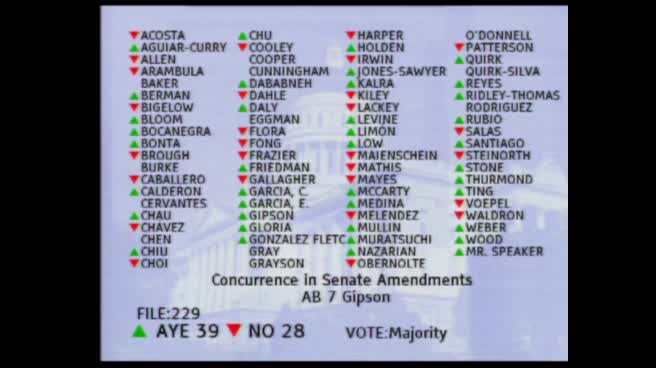 4MIN
Assembly Floor
 17MIN
Senate Floor
 17MIN
Senate Standing Committee on Health
 4MIN
Assembly Floor
 1H
Assembly Standing Committee on Appropriations
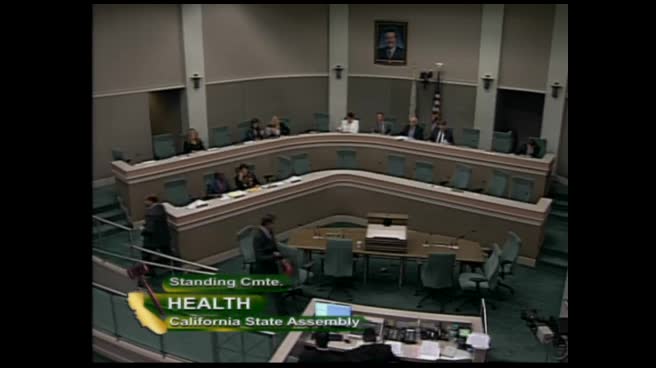 30MIN
Assembly Standing Committee on Health
Bill Author

Bill Co-Author(s):
