AB 2761: Yield: inoperative traffic signal.
- Session Year: 2017-2018
- House: Assembly
- Latest Version Date: 2018-02-16
Existing law establishes rules of the road governing stopping and right-of-way. Existing law requires the driver of a vehicle approaching an intersection that has official traffic control signals that are inoperative to stop at the intersection before proceeding with caution when it is safe to do so.
This bill would authorize the driver of a vehicle facing a traffic-actuated signal that displays a steady circular red indication or steady red arrow indication, and that subsequently fails to display a green indication within a reasonable period of time because of a signal malfunction or because the signal has failed to detect the presence of the driver or vehicle, to proceed with caution when it is safe to do so, after having stopped at the intersection, as specified.
(a)The driver of a vehicle approaching an intersection shall yield the right-of-way to any vehicle which a vehicle that has entered the intersection from a different highway.
(b)(1)When two vehicles enter an intersection from different highways at the same time, the driver of the vehicle on the left shall yield the right-of-way to the vehicle on his or her immediate right, except that the driver of any a vehicle on a terminating highway shall yield the right-of-way to any a vehicle on the intersecting continuing highway.
(2)For the purposes of this section, terminating highway means a highway which that intersects, but does not continue beyond the intersection, with another highway which that does continue beyond the intersection.
(c)When two vehicles enter an intersection from different highways at the same time and the intersection is controlled from all directions by stop signs, the driver of the vehicle on the left shall yield the right-of-way to the vehicle on his or her immediate right.
(d)(1)The driver of any a vehicle approaching an intersection which that has official traffic control signals that are inoperative shall stop at the intersection, and may proceed with caution when it is safe to do so.
(2)When two vehicles enter an intersection from different highways at the same time, and the official traffic control signals for the intersection are inoperative, the driver of the vehicle on the left shall yield the right-of-way to the vehicle on his or her immediate right, except that the driver of any a vehicle on a terminating highway shall yield the right-of-way to any a vehicle on the intersecting continuing highway.
(3)Notwithstanding subdivision (a) of Section 21453, the driver of a vehicle facing a traffic-actuated signal, as defined in Section 21450.5, that displays a steady circular red indication or steady red arrow indication, and that subsequently fails to display a green indication within a reasonable period of time because of a signal malfunction or because the signal has failed to detect the presence of the driver or vehicle, shall stop at the intersection and may then proceed with caution when it is safe to do so. A person in compliance with this paragraph is not in violation of subdivision (a) of Section 21453.
(e)This section does not apply to any of the following:
(1)Any An intersection controlled by an official traffic control signal or yield right-of-way sign.
(2)Any An intersection controlled by stop signs from less than all directions.
(3)When vehicles are approaching each other from opposite directions and the driver of one of the vehicles intends to make, or is making, a left turn.
|
Date
|
Status
|
|---|---|
| Apr 23, 2018 | In committee: Hearing for testimony only. |
| Apr 16, 2018 | In committee: Set, first hearing. Hearing canceled at the request of author. |
| Mar 8, 2018 | Referred to Com. on TRANS. |
| Feb 17, 2018 | From printer. May be heard in committee March 19. |
| Feb 16, 2018 | Read first time. To print. |
This list shows positions taken on this bill by organizations on the date displayed, which is linked to the original source.
Positions by individuals are not included.
|
Organization
|
Position
|
Date
|
|---|---|---|
| American Insurance Association | * Against | Apr 23, 2018 |
| American Motorcyclist Association | ** Support | Apr 20, 2018 |
| Beta California Motorcycle Riders Organization | * Support | Apr 23, 2018 |
| California Police Chiefs Association | ** Against | Apr 20, 2018 |
| National Association of Mutual Insurance Companies | ** Against | Apr 20, 2018 |
| Pacific Association Of Domestic Insurance Companies | ** Against | Apr 20, 2018 |
| Personal Insurance Federation | * Against | Apr 23, 2018 |
| Property Casualty Insurers | ** Against | Apr 20, 2018 |
Date of Hearing: April 23, 2018
ASSEMBLY COMMITTEE ON TRANSPORTATION
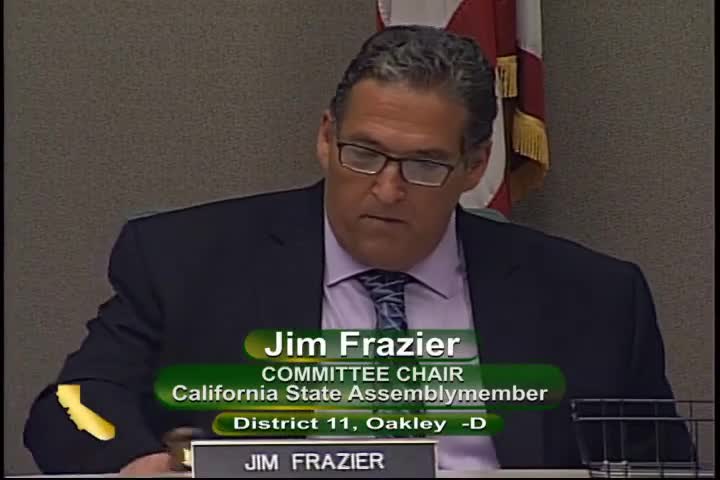
Jim Frazier, Chair
ABPCA Bill Id:AB 2761 (
Author:Obernolte) – As Introduced Ver:February 16, 2018
FOR TESTIMONY ONLY
SUBJECT: Yield: inoperative traffic signal
SUMMARY: Allows an individual to run a red light if they reasonably believe the light has been red too long, under certain conditions. Specifically, this bill allows an individual to run a red light if they have stopped at the intersection, and then proceeded with caution when safe to do so if the traffic-actuated signal displays a steady circular red indication or red arrow indication and then subsequently fails to display a green indication within a reasonable period of time because of a signal malfunction or because the signal has failed to detect the presence of the vehicle.
EXISTING LAW:
- Requires a driver facing a steady circular red signal to stop and to remain stopped until an indication to proceed is shown, except a driver may turn right, or turn left from a one-way street onto a one-way street.
- Requires a driver facing a steady red arrow signal to not enter the intersection to make the movement indicated by the arrow and, unless entering the intersection to make a movement permitted by another signal, shall stop and remain stopped until an indication to proceed is shown.
- Requires a driver of a vehicle approaching an intersection to yield the right-of-way to any vehicle which has entered the intersection from a different highway.
- Requires a driver to stop at an intersection when the traffic control signals are inoperative and allows the vehicles to proceed with caution when safe to do so.
- Defines driver as a person who drives or is in actual physical control of a vehicle. The term “driver” does not include the tillerman or other person who, in an auxiliary capacity, assists the driver in the steering or operation of any articulated firefighting apparatus.
- Defines a vehicle as a device by which any person or property may be propelled, moved, or drawn upon a highway, excepting a device moved exclusively by human power or used exclusively upon stationary rails or tracks.
- Subjects a person operating a bicycle or a pedicab on a highway to all the requirements in the vehicle code that are applicable to the driver of a vehicle.
FISCAL EFFECT: This bill is keyed non-fiscal by the Legislative Counsel.
COMMENTS:
Consequences of running a red light: According to the Federal Highway Administration (FHWA), 3,529 people were killed as a result of red light running between 2010 and 2014, or more than 1,000 more individuals than U.S. soldiers that have died in our 17 year conflict in Afghanistan. In fact, in the previous decade, nearly 9,000 individuals were killed as a result of red light running. An estimated 165,000 people are injured annually by red light runners. These accidents cost our economy $230 billion annually.
Legal defense for running a red light: FHWA reports that nearly 93% of drivers believe running a red light is unacceptable, yet 1 in 3 admit to doing so in the past 30 days. This bill provides drivers with a legal defense for running a red light.
Existing statute generally does not provide defenses for violations of the rules of the road. Under this bill, however, a driver is not in violation of running a red light if the signal displays a steady circular or red arrow indication, and that it subsequently fails to display a green indication within a reasonable period of time because of a signal malfunction or because the signal failed to detect the driver or vehicle.
By doing this, a driver could claim that they believed the light had been red for too long, and it must have malfunctioned and they decided to proceed through the intersection. This change could make it harder for prosecutors or city attorneys to prove a red light violation, as they may have a burden to show the signal did not malfunction or detect the presence of a driver.
The insurance industry, writing in opposition to this bill, argues that “Allowing individual drivers to make determinations of when it is ‘safe’ to violate traffic lights is fundamentally bad for highway safety and will lead to increased accidents and fatalities. AB 2761 would cause disruption on our roadways that would not only be detrimental to safety, it would also insert ambiguity into the very clear liability principles that insurers rely on for assessing fault when accidents occur at intersections.”
Detecting bicycles and motorcycles: Traffic-actuated signals change when they detect that a vehicle is waiting at the stop light rather than simply changing the signal on a pre-set interval. By doing this, traffic-actuated signals help maintain the flow of traffic and improve safety. Older-style traffic-actuated signals worked by using loop detectors that are imbedded in the pavement that detect the vehicle’s weight and prompt a signal change.
Because these detectors relied on the vehicles weight to close the loop and prompt a signal change, smaller vehicles such as motorcycles and bicycles go undetected by these systems. As a result, these vehicles must either wait until a vehicle approaches to trigger a signal change or ignore the light.
On August 27, 2009, Caltrans issued Traffic Operations Policy Directive 09-06, requiring the incorporation of devices used to detect the presence or passage of vehicles (including motorcycles), bicycles, or pedestrians at signals. This policy directive included specifications for the detection systems, established requirements for where detectors should be placed relative to the stop limit line and signal light intervals. These requirements and specifications were ultimately included in the California Manual on Uniform Traffic Control Devices.
Last year the Legislature approved and Governor Brown signed SB 672 (Fuller), Chapter 432, Statutes of 2017, which removed the sunset date on the requirement that cities and counties, when installing traffic-actuated signals, install and maintain systems that can detect bicycles and motorcycles.
Committee concerns: While motorcycles and bicycles may have trouble triggering some traffic signals, current law requires new traffic signals to be able to detect them. Further, unlike most states that have approved a similar law to this, this bill extends the red light running defense to all vehicles, not just bicycles and motorcycles. This bill further fails to define what a reasonable amount of time is, leaving it up to the driver.
When technological solutions exist, it is unclear why the Legislature should provide a legal defense to one of the most deadly violations of the rules of the road.
REGISTERED SUPPORT / OPPOSITION:
Support
American Motorcyclist Association
Opposition
American Insurance Association
California Police Chiefs Association
National Association of Mutual Insurance Companies
Pacific Association of Domestic Insurance Companies
Personal Insurance Federation of California
Property Casualty Insurers
Analysis Prepared by: David Sforza / TRANS. / (916) 319-2093
Date of Hearing: April 16, 2018
ASSEMBLY COMMITTEE ON TRANSPORTATION
Jim Frazier, Chair
ABPCA Bill Id:AB 2761 (
Author:Obernolte) – As Introduced Ver:February 16, 2018
SUBJECT: Yield: inoperative traffic signal
SUMMARY: Allows an individual to run a red light if they reasonably believe the light has been red too long, under certain conditions. Specifically, this bill allows an individual to run a red light if they have stopped at the intersection, and then proceeded with caution when safe to do so if the traffic-actuated signal displays a steady circular red indication or red arrow indication and then subsequently fails to display a green indication within a reasonable period of time because of a signal malfunction or because the signal has failed to detect the presence of the vehicle.
EXISTING LAW:
- Requires a driver facing a steady circular red signal to stop and to remain stopped until an indication to proceed is shown, except a driver may turn right, or turn left from a one-way street onto a one-way street.
- Requires a driver facing a steady red arrow signal to not enter the intersection to make the movement indicated by the arrow and, unless entering the intersection to make a movement permitted by another signal, shall stop and remain stopped until an indication to proceed is shown.
- Requires a driver of a vehicle approaching an intersection to yield the right-of-way to any vehicle which has entered the intersection from a different highway.
- Requires a driver to stop at an intersection when the traffic control signals are inoperative and allows the vehicles to proceed with caution when safe to do so.
- Defines driver as a person who drives or is in actual physical control of a vehicle. The term “driver” does not include the tillerman or other person who, in an auxiliary capacity, assists the driver in the steering or operation of any articulated firefighting apparatus.
- Defines a vehicle as a device by which any person or property may be propelled, moved, or drawn upon a highway, excepting a device moved exclusively by human power or used exclusively upon stationary rails or tracks.
- Subjects a person operating a bicycle or a pedicab on a highway to all the requirements in the vehicle code that are applicable to the driver of a vehicle.
FISCAL EFFECT: This bill is keyed non-fiscal by the Legislative Counsel.
COMMENTS:
Consequences of running a red light: According to the Federal Highway Administration (FHWA), 3,529 people were killed as a result of red light running between 2010 and 2014, or more than 1,000 more individuals than U.S. soldiers that have died in our 17 year conflict in Afghanistan. In fact, in the previous decade, nearly 9,000 individuals were killed as a result of red light running. An estimated 165,000 people are injured annually by red light runners. These accidents cost our economy $230 billion annually.
Legal defense for running a red light: FHWA reports that nearly 93% of drivers believe running a red light is unacceptable, yet 1 in 3 admit to doing so in the past 30 days. This bill provides drivers with a legal defense for running a red light.
Existing statute generally does not provide defenses for violations of the rules of the road. Under this bill, however, a driver is not in violation of running a red light if the signal displays a steady circular or red arrow indication, and that it subsequently fails to display a green indication within a reasonable period of time because of a signal malfunction or because the signal failed to detect the driver or vehicle.
By doing this, a driver could claim that they believed the light had been red for too long, and it must have malfunctioned and they decided to proceed through the intersection. This change could make it harder for prosecutors or city attorneys to prove a red light violation, as they may have a burden to show the signal did not malfunction or detect the presence of a driver.
The insurance industry, writing in opposition to this bill, argues that “Allowing individual drivers to make determinations of when it is ‘safe’ to violate traffic lights is fundamentally bad for highway safety and will lead to increased accidents and fatalities. AB 2761 would cause disruption on our roadways that would not only be detrimental to safety, it would also insert ambiguity into the very clear liability principles that insurers rely on for assessing fault when accidents occur at intersections.”
Detecting bicycles and motorcycles: Traffic-actuated signals change when they detect that a vehicle is waiting at the stop light rather than simply changing the signal on a pre-set interval. By doing this, traffic-actuated signals help maintain the flow of traffic and improve safety. Older-style traffic-actuated signals worked by using loop detectors that are imbedded in the pavement that detect the vehicle’s weight and prompt a signal change.
Because these detectors relied on the vehicles weight to close the loop and prompt a signal change, smaller vehicles such as motorcycles and bicycles go undetected by these systems. As a result, these vehicles must either wait until a vehicle approaches to trigger a signal change or ignore the light.
On August 27, 2009, Caltrans issued Traffic Operations Policy Directive 09-06, requiring the incorporation of devices used to detect the presence or passage of vehicles (including motorcycles), bicycles, or pedestrians at signals. This policy directive included specifications for the detection systems, established requirements for where detectors should be placed relative to the stop limit line and signal light intervals. These requirements and specifications were ultimately included in the California Manual on Uniform Traffic Control Devices.
Last year the Legislature approved and Governor Brown signed SB 672 (Fuller), Chapter 432, Statutes of 2017, which removed the sunset date on the requirement that cities and counties, when installing traffic-actuated signals, install and maintain systems that can detect bicycles and motorcycles.
Committee concerns: While motorcycles and bicycles may have trouble triggering some traffic signals, current law requires new traffic signals to be able to detect them. Further, unlike most states that have approved a similar law to this, this bill extends the red light running defense to all vehicles, not just bicycles and motorcycles. This bill further fails to define what a reasonable amount of time is, leaving it up to the driver.
When technological solutions exist, it is unclear why the Legislature should provide a legal defense to one of the most deadly violations of the rules of the road.
REGISTERED SUPPORT / OPPOSITION:
Support
American Motorcyclist Association
Opposition
American Insurance Association
California Police Chiefs Association
National Association of Mutual Insurance Companies
Pacific Association of Domestic Insurance Companies
Personal Insurance Federation of California
Property Casualty Insurers
Analysis Prepared by: David Sforza / TRANS. / (916) 319-2093
Discussed in Hearing
 9MIN
Assembly Standing Committee on Transportation
Bill Author

Bill Co-Author(s):