AB 285: Drug and alcohol free residences.
- Session Year: 2017-2018
- House: Assembly
- Latest Version Date: 2017-03-23
Existing law provides for the licensure and regulation of community care facilities by the State Department of Social Services. Existing law also provides for the licensure and regulation by the State Department of Health Care Services of adult alcoholism and drug abuse recovery and treatment facilities for adults.
This bill would, among other things, define a drug and alcohol free residence as a residential property that is operated as a cooperative living arrangement to provide an alcohol and drug free environment for persons recovering from alcoholism or drug abuse, or both, who seek a living environment that supports personal recovery. The bill would authorize a drug and alcohol free residence to demonstrate its commitment to providing a supportive recovery environment by applying and becoming certified by an approved certifying organization that is approved by the State Department of Health Care Services. The bill would provide that a residence housing persons who are committed to recovering from drug or alcohol addiction is presumed to be a drug and alcohol free residence if the residence has been certified by an approved certifying organization. The bill would require an approved certifying organization to, among other things, maintain an affiliation with a national organization recognized by the department, establish procedures to administer the application, certification, renewal, and disciplinary processes for a drug and alcohol free residence, and investigate and enforce violations by a residence of the organizations code of conduct, as provided. The bill would specify the information and documentation that an operator who seeks to have a residence certified is required to submit to an approved certifying organization.
This bill would require an approved certifying organization to maintain and post on its Internet Web site a registry containing specified information of a residence that has been certified pursuant to these provisions, and would require the department to maintain and post on its Internet Web site a registry that contains specified information regarding each residence and operator that has had its certification revoked. The bill would deem the activities of a certified drug and alcohol free residence a residential use of property under specified circumstances.
This bill would require, on and after January 1, 2020, a state agency, state-contracted vendor, county agency, or county-contracted vendor that directs substance abuse treatment, or a judge or parole board that sets terms and conditions for the release, parole, or discharge of a person from custody, if it requires that person to reside in a sober living environment, to only first refer that person to a residence listed as a certified drug and alcohol free residence on a registry posted by an approved certifying organization. organization, if there is availability in such a residence.
Existing law provides for the licensure and regulation of community care facilities by the State Department of Social Services. Existing law also provides for the licensure and regulation by the State Department of Health Care Services of adult alcoholism and drug abuse recovery and treatment facilities for adults.
This bill would, among other things, define a drug and alcohol free residence as a residential property that is operated as a cooperative living arrangement to provide an alcohol and drug free environment for persons recovering from alcoholism or drug abuse, or both, who seek a living environment that supports personal recovery. The bill would authorize a drug and alcohol free residence to demonstrate its commitment to providing a supportive recovery environment by applying and becoming certified by an approved certifying organization that is approved by the State Department of Health Care Services. The bill would provide that a residence housing persons who are committed to recovering from drug or alcohol addiction is presumed to be a drug and alcohol free residence if the residence has been certified by an approved certifying organization. The bill would require an approved certifying organization to, among other things, maintain an affiliation with a national organization recognized by the department, establish procedures to administer the application, certification, renewal, and disciplinary processes for a drug and alcohol free residence, and investigate and enforce violations by a residence of the organizations code of conduct, as provided. The bill would specify the information and documentation that an operator who seeks to have a residence certified is required to submit to an approved certifying organization.
This bill would require an approved certifying organization to maintain and post on its Internet Web site a registry containing specified information of a residence that has been certified pursuant to these provisions, and would require the department to maintain and post on its Internet Web site a registry that contains specified information regarding each residence and operator that has had its certification revoked. The bill would deem the activities of a certified drug and alcohol free residence a residential use of property under specified circumstances.
This bill would require, on and after January 1, 2020, a state agency, state-contracted vendor, county agency, or county-contracted vendor that directs substance abuse treatment, or a judge or parole board that sets terms and conditions for the release, parole, or discharge of a person from custody, if it requires that person to reside in a sober living environment, to only refer that person to a residence listed as a certified drug and alcohol free residence on a registry posted by an approved certifying organization.
The Legislature finds and declares all of the following:
(a)(1)Substance use disorder is ranked in the top five clinically preventable burdens on health care spending.
(2)The level of health care services used by addicts before receiving treatment is more than double that of nonaddicts. It has been shown that after 12 months of treatment of substance use disorders, the levels of health care services used return to almost average.
(3)There are an estimated 3.5 million persons with diagnosable substance use disorders in California and a limited number of available drug and alcohol free residences to effectively treat addiction in California.
(4)Substance use disorder can be treated in a cost-effective manner in its earliest stages in a private practice environment.
(5)The federal Patient Protection and Affordable Care Act (Public Law 111-148) mandates substance disorder treatment as an essential benefit.
(6)The need for competent substance disorder treatment will continue to rise throughout the next decade.
(b)Therefore, it is the intent of the Legislature, in enacting this act, to establish specialty certifications for proper substance abuse treatment so that all of the following may occur:
(1)Access to substance use treatment services can be expanded.
(2)Those seeking treatment for substance use disorders in California will find a coordinated system of care in which no wrong door is found in response to accessing this care.
(3)Professional services can be recognized for their valuable contributions to the continuum of care in addiction treatment and recovery.
SEC. 2.Section 11834.19 is added to the Health and Safety Code, to read:11834.19.(a)(1)For purposes of this section, drug and alcohol free residence means a residential property that is operated as a cooperative living arrangement to provide an alcohol and drug free environment for persons recovering from alcoholism or drug abuse, or both, who seek a living environment that supports personal recovery.
(2)A drug and alcohol free residence may demonstrate its commitment to providing a supportive recovery environment by applying and becoming certified by an approved certifying organization pursuant to subdivision (c).
(3)To use the designation certified drug and alcohol free residence the cooperative living arrangement shall satisfy all of the following requirements:
(A)Owners, managers, operators, and residents observe and promote a zero tolerance policy regarding the consumption or possession of alcohol or controlled substances or marijuana being used in any manner not consistent with a documented prescription.
(B)Residents actively participate in community or individual programs of recovery from substance use disorder, including, but not limited to, Alcoholics Anonymous or Narcotics Anonymous programs.
(C)Within the drug and alcohol free residence, a resident who has been referred to, and has access to, ongoing outpatient treatment, aftercare, or other recovery maintenance services commits to continue to use these services in accordance with a clinically managed system of care, if one exists for the resident.
(4)A residence that houses persons who are committed to recovering from drug and alcohol addiction shall be presumed to be a drug and alcohol free residence if the residence has been certified by an approved certifying organization.
(5)If a residence is certified pursuant to this section within 90 days of beginning its operations, the activities at that residence shall be deemed a residential use of property and a use of property by a single family, pursuant to Article 2 (commencing with Section 11834.20).
(b)For purposes of this section, the following definitions apply:
(1)Approved certifying organization means an organization approved by the department to certify a residence as a drug and alcohol free residence pursuant to this section.
(2)Approved national organization means a national organization, recognized by the department, the primary function of which is to improve access to, and the quality of, drug and alcohol recovery residences through standards, education, research, and advocacy.
(3)Recovery specialist training means training in recognizing addiction, dependence, abuse of alcohol or other drugs, and other symptoms that relate to substance use, and supporting recovery to address that addiction, dependence, or use.
(c)An approved certifying organization shall do all of the following:
(1)Maintain an office in the state.
(2)Maintain nonprofit status in the state.
(3)Be an affiliate of, and continuously maintain affiliation with, the approved national organization recognized by the department.
(4)Maintain the most current standards published by the approved national organization.
(5)Document that the organization actively develops and confers professional, residential, or organizational quality designations according to applicable nationally recognized standards.
(6)Demonstrate that it has established drug and alcohol free residence certification requirements.
(7)Demonstrate that it has procedures to administer the application, certification, renewal, and disciplinary processes for a drug and alcohol free residence.
(8)(A)Inspect, at least annually, a drug and alcohol free residence to ensure compliance with certification requirements.
(B)Conduct, at the discretion of the approved certifying organization, periodic reviews of a residence to determine whether the residence is in compliance with all applicable laws.
(C)Revoke the certification of a residence if the residence is not operating in compliance with certification requirements or applicable laws, and notify the department of the revocation.
(9)Submit to the department and the operator of a residence that the organization certifies a written code of conduct for a drug and alcohol free residence that incorporates national standards for legal and ethical conduct for recovery residences.
(10)Submit to the department and the operator of a drug and alcohol free residence disciplinary guidelines that include sanctions for first and subsequent violations of the organizations code of conduct that allows the drug and alcohol free residence notice and opportunity to correct a violation and requires the approved certifying organization to revoke the certification of the residence if the required corrective action is not completed within the specified time period. period and to notify the department of the revocation.
(11)Respond to and investigate suspected violations of the organizations code of conduct.
(12)Require an operator who seeks to have a residence certified to submit all of the following documents with the operators completed application and fee:
(A)Procedures and requirements for verifying that a resident is not using alcohol or drugs in a manner not consistent with a prescription or product labeling.
(B)A prohibition on the premises against alcohol, illegal drugs, or the use of prescribed medications by an individual except as prescribed by a physician and used in accordance with the prescription.
(C)Policies to support a residents recovery efforts.
(D)A good neighbor policy to address neighborhood concerns and complaints.
(E)A policy for informing local government officials and neighbors about the approved certification organizations complaint procedures, the contact number of the operator of the residence, and a contact number of a minimum of one resident assigned with the responsibility of mitigating a complaint.
(F)Rules for residents, copies of forms provided to residents, relapse policy, fee and refund policies, and eviction procedures and policies.
(G)Proof that the owner or operator of the residence has completed a minimum of 10 hours of alcohol and drug free program management education accepted by the approved certifying organization.
(H)Proof that at least one resident or an onsite staff member has completed or will complete a minimum of 10 hours of recovery specialist training accepted by the approved certifying organization. At least one resident or onsite staff member shall complete a minimum of 10 hours of this training each year.
(I)Proof that a minimum of one resident has received certification approved by the approved certifying organization. Certification shall include, at a minimum, all of the following subjects: ethics, health and safety topics related to addiction recovery and maintenance, and emergency planning procedures.
(13)Maintain and post on its Internet Web site a registry containing the street address and the name and contact telephone number of the operator of each residence that has been certified as a drug and alcohol free residence pursuant to this section.
(14)(A)Review the registry posted on the departments Internet Web site pursuant to subdivision (i) to determine whether the residence that the operator has applied to have certified has had a previous certification revoked or the operator submitting the application for certification has operated a residence for which a previous certification has been revoked.
(B)Deny an application for certification if the residence address or operator name in the application is listed on the registry and satisfies the conditions described in subparagraph (A), and send the applicant a written notice of denial of certification.
(d)The department shall adopt application procedures and standards of approval for an organization that seeks to be approved by the department as an approved certifying organization.
(e)The department shall adopt application procedures and standards of approval for an organization that seeks to be approved by the department as an approved national organization.
(f)(1)The department may conduct periodic reviews and inspect the records of an approved certifying organization organization, as necessary, to determine whether the organization is in compliance with all applicable laws.
(2)The department may revoke approval of an approved certifying organization if the organization does any of the following:
(A)Ceases to be affiliated with the approved national organization.
(B)Fails to perform any of the duties imposed by subdivision (c).
(C)Refuses to comply with sanctions imposed by the department.
(D)Discontinues certifying drug and alcohol free residences.
(g)(1)The department may investigate complaints it receives regarding a drug and alcohol free residence independently or in conjunction with the approved certifying organization.
(2)The department may impose sanctions and commence disciplinary actions, including revoking the certification of a residence as a drug and alcohol free residence.
(h)A city, county, city and county, or local law enforcement agency that suspects that a drug and alcohol residence is not operating in compliance with the residences code of conduct may request the department to revoke the certification of that residence.
(i)The department shall maintain and post on its Internet Web site a registry containing both of the following information:
(1)The street address of each residence that has had its certification revoked.
(2)The name of each operator of a residence that has had its certification revoked.
(j)Notwithstanding any other law, on and after January 1, 2020, a state agency, state-contracted vendor, county agency, or county-contracted vendor that directs substance abuse treatment, or a judge or parole board that sets terms and conditions for the release, parole, or discharge of a person from custody, if it requires a person to reside in a sober living environment, shall only first refer that person to a residence listed as a certified drug and alcohol free residence on a registry posted by an approved certifying organization organization, if there is availability in such a residence, to guarantee proper rehabilitation in accordance with the terms and conditions of the courts orders or terms of release as applicable, pursuant to subdivision (a) of Section 1170 of the Penal Code.
(k)Notwithstanding any other law, on and after January 1, 2020, a licensed or certified alcohol and drug treatment program shall only may refer its participants to a residence listed as a certified drug and alcohol free residence on a registry posted by an approved certifying organization.
The Legislature finds and declares all of the following:
(a)(1)Substance use disorder is ranked in the top five clinically preventable burdens on health care spending.
(2)The level of health care services used by addicts before receiving treatment is more than double that of nonaddicts. It has been shown that after 12 months of treatment of substance use disorders, the levels of health care services used return to almost average.
(3)There are an estimated 3.5 million persons with diagnosable substance use disorders in California and a limited number of available drug and alcohol free residences to effectively treat addiction in California.
(4)Substance use disorder can be treated in a cost-effective manner in its earliest stages in a private practice environment.
(5)The federal Patient Protection and Affordable Care Act (Public Law 111-148) mandates substance disorder treatment as an essential benefit.
(6)The need for competent substance disorder treatment will continue to rise throughout the next decade.
(b)Therefore, it is the intent of the Legislature, in enacting this act, to establish specialty certifications for proper substance abuse treatment so that all of the following may occur:
(1)Access to substance use treatment services can be expanded.
(2)Those seeking treatment for substance use disorders in California will find a coordinated system of care in which no wrong door is found in response to accessing this care.
(3)Professional services can be recognized for their valuable contributions to the continuum of care in addiction treatment and recovery.
SEC. 2.Section 11834.19 is added to the Health and Safety Code, to read:11834.19.(a)(1)For purposes of this section, drug and alcohol free residence means a residential property that is operated as a cooperative living arrangement to provide an alcohol and drug free environment for persons recovering from alcoholism or drug abuse, or both, who seek a living environment that supports personal recovery.
(2)A drug and alcohol free residence may demonstrate its commitment to providing a supportive recovery environment by applying and becoming certified by an approved certifying organization pursuant to subdivision (c).
(3)To use the designation certified drug and alcohol free residence the cooperative living arrangement shall satisfy all of the following requirements:
(A)Owners, managers, operators, and residents observe and promote a zero tolerance policy regarding the consumption or possession of alcohol or controlled substances or marijuana being used in any manner not consistent with a documented prescription.
(B)Residents actively participate in community or individual programs of recovery from substance use disorder, including, but not limited to, Alcoholics Anonymous or Narcotics Anonymous programs.
(C)Within the drug and alcohol free residence, a resident who has been referred to, and has access to, ongoing outpatient treatment, aftercare, or other recovery maintenance services commits to continue to use these services in accordance with a clinically managed system of care, if one exists for the resident.
(4)A residence that houses persons who are committed to recovering from drug and alcohol addiction shall be presumed to be a drug and alcohol free residence if the residence has been certified by an approved certifying organization.
(5)If a residence is certified pursuant to this section within 90 days of beginning its operations, the activities at that residence shall be deemed a residential use of property and a use of property by a single family, pursuant to Article 2 (commencing with Section 11834.20).
(b)For purposes of this section, the following definitions apply:
(1)Approved certifying organization means an organization approved by the department to certify a residence as a drug and alcohol free residence pursuant to this section.
(2)Approved national organization means a national organization, recognized by the department, the primary function of which is to improve access to, and the quality of, drug and alcohol recovery residences through standards, education, research, and advocacy.
(3)Recovery specialist training means training in recognizing addiction, dependence, abuse of alcohol or other drugs, and other symptoms that relate to substance use, and supporting recovery to address that addiction, dependence, or use.
(c)An approved certifying organization shall do all of the following:
(1)Maintain an office in the state.
(2)Maintain nonprofit status in the state.
(3)Be an affiliate of, and continuously maintain affiliation with, the national organization recognized by the department.
(4)Maintain the most current standards published by the approved national organization.
(5)Document that the organization actively develops and confers professional, residential, or organizational quality designations according to applicable nationally recognized standards.
(6)Demonstrate that it has established drug and alcohol free residence certification requirements.
(7)Demonstrate that it has procedures to administer the application, certification, renewal, and disciplinary processes for a drug and alcohol free residence.
(8)Inspect, at least annually, a drug and alcohol free residence to ensure compliance with certification requirements.
(9)Submit to the department and the operator of a residence that the organization certifies a written code of conduct for a drug and alcohol free residence that incorporates national standards for legal and ethical conduct for recovery residences.
(10)Submit to the department and the operator of a drug and alcohol free residence disciplinary guidelines that include sanctions for first and subsequent violations of the organizations code of conduct that allows the drug and alcohol free residence notice and opportunity to correct a violation and requires the approved certifying organization to revoke the certification of the residence if the required corrective action is not completed within the specified time period.
(11)Respond to and investigate suspected violations of the organizations code of conduct.
(12)Require an operator who seeks to have a residence certified to submit all of the following documents with the operators completed application and fee:
(A)Procedures and requirements for verifying that a resident is not using alcohol or drugs in a manner not consistent with a prescription or product labeling.
(B)A prohibition on the premises against alcohol, illegal drugs, or the use of prescribed medications by an individual except as prescribed by a physician and used in accordance with the prescription.
(C)Policies to support a residents recovery efforts.
(D)A good neighbor policy to address neighborhood concerns and complaints.
(E)A policy for informing local government officials and neighbors about the approved certification organizations complaint procedures, the contact number of the operator of the residence, and a contact number of a minimum of one resident assigned with the responsibility of mitigating a complaint.
(F)Rules for residents, copies of forms provided to residents, relapse policy, fee and refund policies, and eviction procedures and policies.
(G)Proof that the owner or operator of the residence has completed a minimum of 10 hours of alcohol and drug free program management education accepted by the approved certifying organization.
(H)Proof that at least one resident or an onsite staff member has completed or will complete a minimum of 10 hours of recovery specialist training accepted by the approved certifying organization. At least one resident or onsite staff member shall complete a minimum of 10 hours of this training each year.
(I)Proof that a minimum of one resident has received certification approved by the approved certifying organization. Certification shall include, at a minimum, all of the following subjects: ethics, health and safety topics related to addiction recovery and maintenance, and emergency planning procedures.
(13)Maintain and post on its Internet Web site a registry containing the street address and the name and contact telephone number of the operator of each residence that has been certified as a drug and alcohol free residence pursuant to this section.
(14)(A)Review the registry posted on the departments Internet Web site pursuant to subdivision (i) to determine whether the residence that the operator has applied to have certified has had a previous certification revoked or the operator submitting the application for certification has operated a residence for which a previous certification has been revoked.
(B)Deny an application for certification if the residence address or operator name in the application is listed on the registry and satisfies the conditions described in subparagraph (A), and send the applicant a written notice of denial of certification.
(d)The department shall adopt application procedures and standards of approval for an organization that seeks to be approved by the department as an approved certifying organization.
(e)The department shall adopt application procedures and standards of approval for an organization that seeks to be approved by the department as an approved national organization.
(f)(1)The department may conduct periodic reviews of an approved certifying organization to determine whether the organization is in compliance with all applicable laws.
(2)The department may revoke approval of an approved certifying organization if the organization does any of the following:
(A)Ceases to be affiliated with the approved national organization.
(B)Fails to perform any of the duties imposed by subdivision (c).
(C)Refuses to comply with sanctions imposed by the department.
(D)Discontinues certifying drug and alcohol free residences.
(g)(1)The department may investigate complaints it receives regarding a drug and alcohol free residence independently or in conjunction with the approved certifying organization.
(2)The department may impose sanctions and commence disciplinary actions, including revoking the certification of a residence as a drug and alcohol free residence.
(h)A city, county, city and county, or local law enforcement agency that suspects that a drug and alcohol residence is not operating in compliance with the residences code of conduct may request the department to revoke the certification of that residence.
(i)The department shall maintain and post on its Internet Web site a registry containing both of the following information:
(1)The street address of each residence that has had its certification revoked.
(2)The name of each operator of a residence that has had its certification revoked.
(j)Notwithstanding any other law, on and after January 1, 2020, a state agency, state-contracted vendor, county agency, or county-contracted vendor that directs substance abuse treatment, or a judge or parole board that sets terms and conditions for the release, parole, or discharge of a person from custody, if it requires a person to reside in a sober living environment, shall only refer that person to a residence listed as a certified drug and alcohol free residence on a registry posted by an approved certifying organization to guarantee proper rehabilitation in accordance with the terms and conditions of the courts orders or terms of release as applicable, pursuant to subdivision (a) of Section 1170 of the Penal Code.
(k)Notwithstanding any other law, on and after January 1, 2020, a licensed or certified alcohol and drug treatment program shall only refer its participants to a residence listed as a certified drug and alcohol free residence on a registry posted by an approved certifying organization.
|
Date
|
Status
|
|---|---|
| Feb 1, 2018 | From committee: Filed with the Chief Clerk pursuant to Joint Rule 56. |
| Jan 31, 2018 | Died pursuant to Art. IV, Sec. 10(c) of the Constitution. |
| May 26, 2017 | In committee: Held under submission. |
| Apr 26, 2017 | In committee: Set, first hearing. Referred to APPR. suspense file. |
| Mar 27, 2017 | Re-referred to Com. on APPR. |
| Mar 23, 2017 | Read second time and amended. |
| Mar 22, 2017 | From committee: Amend, and do pass as amended and re-refer to Com. on APPR. (Ayes 15. Noes 0.) (March 21). |
| Feb 13, 2017 | Referred to Com. on HEALTH. |
| Feb 3, 2017 | From printer. May be heard in committee March 5. |
| Feb 2, 2017 | Read first time. To print. |
|
Date
|
Description
|
Location
|
Votes
|
|
|---|---|---|---|---|
| Mar 21, 2017 | Do pass as amended and be re-referred to the Committee on [Appropriations] | Assembly Standing Committee on Health |
Passed |
This list shows positions taken on this bill by organizations on the date displayed, which is linked to the original source.
Positions by individuals are not included.
|
Organization
|
Position
|
Date
|
|---|---|---|
| About-Face Domestic Violence Intervention Project | * Indeterminate | Mar 21, 2017 |
| Advanced Recovery Solution | ** Support | Mar 17, 2017 |
| Alcerito, California | * Support | Mar 21, 2017 |
| Association of California Cities | * Support | Mar 21, 2017 |
| Azure Acres | * Support | Mar 21, 2017 |
| Benchmark Transitions | ** Support | Mar 17, 2017 |
| Benchmarks Transitions in Redlands | * Support | Mar 21, 2017 |
| BROWN MCMAHON & WEINRAUB | * Support | Mar 21, 2017 |
| Calaveras County Behavioral Health Sciences | * Against | Mar 21, 2017 |
| Calaveras County Behavioral Health Sciences | * Support | Mar 21, 2017 |
| California Consortium of Addiction Programs and Professionals | ** Support | Mar 17, 2017 |
| California Disability Rights | * Against | Mar 21, 2017 |
| California Police Chiefs Association | ** Support | Mar 17, 2017 |
| Camel Behavioral Health | * Indeterminate | Mar 21, 2017 |
| CCAP | * Support | Mar 21, 2017 |
| Cedar House Life Change Center | * Support | Mar 21, 2017 |
| Cedar Point Recovery | * Indeterminate | Mar 21, 2017 |
| Central Valley Recovery Services | * Indeterminate | Mar 21, 2017 |
| Century Center | * Indeterminate | Mar 21, 2017 |
| City of Lafayette, CA | * Support | Mar 21, 2017 |
| City of Marietta | * Support | Mar 21, 2017 |
| City of Murrieta | ** Support | Mar 17, 2017 |
| CMTE TO REELECT NYDIA M VELAZQUEZ | * Support | Mar 21, 2017 |
| COLONIE DEMOCRATIC CMTE | * Indeterminate | Mar 21, 2017 |
| Community Recovery Resources | * Support | Mar 21, 2017 |
| Community Social Model Advocates, Inc. | * Support | Mar 21, 2017 |
| Copperopolis The Lakes Treatment | * Support | Mar 21, 2017 |
| DA COLLINS CONSTRUCTION | * Indeterminate | Mar 21, 2017 |
| Elevate | ** Support | Mar 17, 2017 |
| Elevate Addiction Services | * Support | Mar 21, 2017 |
| Empire Recovery Center | ** Support | Mar 17, 2017 |
| Father Alfred Center | * Support | Mar 21, 2017 |
| Fellowship Center in Escondido | * Support | Mar 21, 2017 |
| Fresno County | * Support | Mar 21, 2017 |
| Guardian Family Care Provider | * Support | Mar 21, 2017 |
| Henry Ohlhoff House | * Support | Mar 21, 2017 |
| Hotel California by the Sea | ** Support | Mar 17, 2017 |
| Integrity Substance Abuse Services | * Support | Mar 21, 2017 |
| Kern County Mental Health | * Support | Mar 21, 2017 |
| Kings Care-a Safe Place, Inc. | ** Support | Mar 17, 2017 |
| League Of California Cities | ** Support | Mar 17, 2017 |
| Leed, California | * Support | Mar 21, 2017 |
| Madeira County | * Support | Mar 21, 2017 |
| Madeira County Behavioral Health | * Indeterminate | Mar 21, 2017 |
| Mental Health System | * Support | Mar 21, 2017 |
| Mountain Vista Farm | * Support | Mar 21, 2017 |
| Napa California | * Support | Mar 21, 2017 |
| New Day Recovery Home | * Support | Mar 21, 2017 |
| Newport Beach Recovery Center | * Support | Mar 21, 2017 |
| Northbound Treatment Services | * Support | Mar 21, 2017 |
| Polina Del Mar Sentry Centers | * Support | Mar 21, 2017 |
| Recovery Point Center | * Support | Mar 21, 2017 |
| Recovery Services Sun Street Center | * Support | Mar 21, 2017 |
| Sacramento | * Support | Mar 21, 2017 |
| Sacramento C-CAP | * Support | Mar 21, 2017 |
| Salvation Army in California | * Support | Mar 21, 2017 |
| San Diego | * Support | Mar 21, 2017 |
| Santa Rosa | * Support | Mar 21, 2017 |
| Sewers Pleasures | * Support | Mar 21, 2017 |
| Skyway House | * Support | Mar 21, 2017 |
| Social Moderate Recovery Systems | * Support | Mar 21, 2017 |
| Soroptimist House of Hope | * Support | Mar 21, 2017 |
| Substance Abuse Counselor | * Indeterminate | Mar 21, 2017 |
| Sun Street Centers | ** Support | Mar 17, 2017 |
| Sunrun Inc. | * Indeterminate | Mar 21, 2017 |
| The Lakes Treatment Center | * Support | Mar 21, 2017 |
| The Villa Center, Inc. | ** Support | Mar 17, 2017 |
| Tulare County | * Support | Mar 21, 2017 |
| Visalia, California | * Indeterminate | Mar 21, 2017 |
| Wellspace Health | * Support | Mar 21, 2017 |
Date of Hearing: April 26, 2017
ASSEMBLY COMMITTEE ON APPROPRIATIONS
Lorena Gonzalez Fletcher, Chair
ABPCA Bill Id:AB 285
Author:(Melendez) – As Amended Ver:March 23, 2017
Policy Committee: | Health | Vote: | 15 - 0 |
|
|
Urgency: No State Mandated Local Program: No Reimbursable: Yes
SUMMARY:
This bill establishes state oversight of “drug and alcohol-free residences" or sober living homes, which can then choose to be certified pursuant to this bill on a voluntary basis. Specifically, this bill:
- Requires the Department of Health Care Services (DHCS) to adopt procedures to approve third-party organizations that will certify compliance with enumerated standards (certifying organizations). Also requires DHCS to maintain on its web site a registry containing the name and street address of each residence that has had its certification revoked.
- Lists standards that drug and alcohol-free residences must meet in order to be certified, as well as requirements for the certifying organizations that verify compliance with the listed standards.
- Authorizes DHCS to review and inspect approved certifying organizations, revoke approval of certifying organizations, investigate complaints about certified drug and alcohol-free residences, and impose sanctions and commence disciplinary actions.
- Requires any state and local agencies and their vendors that direct substance use treatment, as well as judges, and parole boards that sets terms and conditions for release, parole, or discharge, to refer to a certified drug and alcohol-free residence, if available.
FISCAL EFFECT:
- Administrative costs to DHCS in the range of $2.5 million GF in the first year of implementation and ongoing. This cost estimate has been refined from last year's estimate of a similar bill based on an assumption of 2,400 residences, as well as staff to investigate complaints as authorized by the bill.
- Uncertain, potentially significant GF costs to the California Department of Corrections and Rehabilitation (CDCR) for oversight of parolees. This bill requires CDCR to refer parolees to certified homes. For eligible parolees, CDCR funds community reentry programs that offer varying levels of sober living housing. Sober living homes that become certified pursuant to this bill's standards are likely to incur costs to comply with the standards, as well as costs for the certification itself, which will be reflected in higher rents. Higher rents will, in turn, increase CDCR contract costs with sober living housing providers. Higher rents could also necessitate increased financial assistance, in the form of food or transportation vouchers, for parolees who pay their own rent. The state pays on behalf of approximately 3,275 offenders at any one time, or 39,000 months of sober living homes per year. If rents increase by $30/month on average as a result of this bill, state costs will increase by $1.2 million GF.
- $500,000 (GF) one-time costs to DHCS for information technology changes necessary to meet business needs for the approval of certifying organizations and registry of residences with revocations.
- One-time, likely minor, GF costs to CDCR for revising procedures and training staff about the new requirements, as well as ongoing costs to verify space in a certified facility.
- Local public safety agencies could also incur local costs, similar in type to costs as noted in (2) and (4), due to the requirement to refer to certified sober living homes. This bill requires county agencies or county-contracted vendors that direct substance abuse treatment to first refer to a certified home. These costs may be state-reimbursable. Although this bill requires a higher level of local government service through mandating local entities refer to certified sober living homes, it is unclear whether an exception may apply.
COMMENTS:
- Purpose. According to the author, thousands of facilities treat former alcoholics and drug abusers, who are very susceptible to relapse, without possessing any formal credentials. The author states this bill will help people stay sober and improve community safety.
- Background. DHCS, formerly the Department of Drug and Alcohol Programs, is the state oversight body for drug and alcohol treatment facilities and personnel. DHCS licenses substance use treatment facilities, which provide 24-hour residential nonmedical services to eligible adults who are recovering from problems related to alcohol or other drug (AOD) misuse or abuse. DHCS also offers a voluntary facility certification to both residential and nonresidential programs. Sober living homes are alcohol and drug-free living environments for individuals attempting to maintain abstinence from alcohol and drugs. In contrast to alcoholism and drug abuse recovery or treatment programs, because sober living homes are private residences and do not offer treatment services, they are not regulated by the state.
- Prior Legislation. A litany of bills has addressed the issue of sober living homes and related issues over the last decade. Most recently:
AB 2255 (Melendez), of the 2015-16 Legislative Session, was similar to this bill and was held Suspense File of this committee.
AB 2491 (Nestande), of the 2013-14 Legislative Session, also required sober living homes to meet specified requirements, among other provisions, and was held on the Suspense File of the Senate Appropriations Committee.
- Staff Comments. Most private entities seeking state licensure or approval are charged a fee to support state workload. This bill contains no such fee authority. As such, all administrative costs accrue to the General Fund.
Analysis Prepared by: Lisa Murawski / APPR. / (916) 319-2081
Date of Hearing: March 21, 2017
ASSEMBLY COMMITTEE ON HEALTH
Jim Wood, Chair
ABPCA Bill Id:AB 285
Author:(Melendez) – As Introduced Ver:February 2, 2017
SUBJECT: Drug and alcohol free residences.
SUMMARY: Establishes a voluntary certification process for drug and alcohol free residences (recovery residences) and defines "drug and alcohol free residence." Specifically, this bill:
- Defines a “drug and alcohol free residence” (recovery residence) as a residential property that is operated as a cooperative living arrangement to provide an alcohol and drug free environment for persons recovering from alcoholism or drug abuse, or both, who seek a living environment that supports personal recovery.
- Permits a recovery residence to demonstrate its commitment to providing a supportive recovery environment by applying and becoming certified by an approved certifying organization pursuant to 3) below.
- Establishes a certified recovery residence as a recovery residence that has been certified by an approved certifying organization and has satisfied the following requirements:
- Owners, managers, operators, and residents observe and promote a zero tolerance policy regarding the consumption or possession of alcohol or controlled substances or marijuana being used in any manner not consistent with a documented prescription;
- Residents actively participate in community or individual programs of recovery from substance use disorder, including, but not limited to, Alcoholics Anonymous or Narcotics Anonymous programs; and,
- Within the drug and alcohol free residence, a resident who has been referred to, and has access to, ongoing outpatient treatment, aftercare, or other recovery maintenance services commits to continue to use these services in accordance with a clinically managed system of care, if one exists for the resident.
- Provides that a residence that is certified within 90 days of beginning its operations, the activities at that residence shall be deemed a residential use of property and a use of property by a single family.
- Defines an approved certifying organization as an organization approved by the Department of Health Care Services (DHCS) to certify a residence as a recovery residence.
- Defines an approved national organization as a national organization, recognized by DHCS, the primary function of which is to improve access to, and the quality of, drug and alcohol recovery residences through standards, education, research, and advocacy. Requires an approved certifying organization do all of the following:
- Maintain an office in the state;
- Maintain nonprofit status in the state;
- Be an affiliate of, and continuously maintain affiliation with, an approved national organization;
- Maintain the most current standards published by the approved national organization;
- Document that the organization actively develops and confers professional, residential, or organizational quality designations according to applicable nationally recognized standards;
- Establish drug and alcohol free residence certification requirements;
- Establish procedures to administer the application, certification, renewal, and disciplinary processes for a drug and alcohol free residence;
- Inspect, at least annually, a drug and alcohol free residence to ensure compliance with certification requirements;
- Submit to DHCS and the operator of the certifying organization, a written code of conduct for a recovery residence that incorporates national standards for legal and ethical conduct for recovery residences;
- Submit to DHCS and the operator of a recovery residence disciplinary guidelines that include sanctions for first and subsequent violations of the organization’s code of conduct that allows the recovery residence notice and opportunity to correct a violation and requires the approved certifying organization to revoke the certification of the residence if the required corrective action is not completed within the specified time period;
- Respond to and investigate suspected violations of the organization’s code of conduct;
- Require an operator who seeks to have a residence certified to submit all of the following documents with the operator’s completed application and fee:
- Procedures and requirements for verifying that a resident remains drug and alcohol free;
- A prohibition on the premises against alcohol, illegal drugs, or the use of prescribed medications by an individual except as prescribed by a physician and used in accordance with the prescription;
- Policies to support a resident’s recovery efforts;
- A good neighbor policy to address neighborhood concerns and complaints;
- A policy for informing local government officials and neighbors about the approved certification organization’s complaint procedures, the contact number of the operator of the residence, and a contact number of a minimum of one resident assigned with the responsibility of mitigating a complaint;
- Rules for residents, copies of forms provided to a resident, relapse policy, fee and refund policies, and eviction procedures and policies;
- Proof that the operator of the residence has completed a minimum of 10 hours of alcohol and drug free program management education approved by the approved certifying organization;
- Proof that at least one resident or an onsite staff member has completed or will complete a minimum of 10 hours of recovery specialist training accepted by the approved certifying organization; and,
- Proof that a minimum of one resident has received certification approved by the approved certifying organization. Certification must include, at a minimum, the following subjects: ethics, health and safety topics related to addiction recovery and maintenance, and emergency planning procedures.
- Maintain and post on its Internet Website a registry containing the street address and the name and contact telephone number of the operator of each residence that has been certified as a recovery residence;
- Review the registry posted on DHCS’s Internet Website to determine whether the residence that the operator has applied to have certified has had a previous certification revoked or the operator submitting the application for certification has operated a residence for which a previous certification has been revoked; and,
- Deny an application for certification if the residence address or operator name in the application is listed on the registry and send the applicant a written notice of denial of certification.
- Requires DHCS to adopt application procedures and standards of approval for an organization that seeks to be approved by DHCS as an approved certifying organization or as an approved national organization.
- Permits DHCS to conduct periodic reviews of an approved certifying organization to determine whether the organization is in compliance with all applicable laws. Permits DHCS to revoke approval of an approved certifying organization if the organization does any of the following:
- Ceases to be affiliated with the approved national organization;
- Fails to perform any of the duties;
- Refuses to comply with imposed sanctions; or,
- Discontinues certifying drug and alcohol free residences.
- Permits DHCS to investigate complaints it receives regarding a recovery residence independently or in conjunction with the approved certifying organization and permits DHCS to impose sanctions and commence disciplinary actions, including revoking the certification of a residence as a drug and alcohol free residence.
- Permits a city, county, city and county, or local law enforcement agency that suspects that a recovery residence is not operating in compliance with the residence’s code of conduct to request DHCS to revoke the certification of that residence.
- Requires DHCS to maintain and post on its Internet Website a registry containing all of the following information:
- The street address, name, and contact telephone number of the operator of each residence that has been certified as a drug and alcohol free residence pursuant to this section;
- The street address of each residence that has had its certification revoked; and,
- The name of each operator of a residence that has had its certification revoked.
- Requires, on and after January 1, 2020, a state agency, state-contracted vendor, county agency, or county-contracted vendor that directs substance abuse treatment, or a judge or parole board that sets terms and conditions for the release, parole, or discharge of a person from custody, if it requires a person to reside in a sober living environment, to refer that person only to a residence listed as a certified drug and alcohol free residence on the registry posted on the DHCS’s Internet Website.
EXISTING LAW:
- Establishes DHCS to license adult alcoholism or drug abuse recovery or treatment facilities. Permits new licenses to be issued for a period of two years, and requires DHCS to conduct onsite program visits for compliance at least once during the two year licensing period.
- Defines “alcoholism or drug abuse recovery or treatment facility” (treatment facility) as any premise, place, or building that provides 24-hour residential nonmedical services to adults who are recovering from problems related to alcohol, drug, or alcohol and drug misuse or abuse, and who need alcohol, drug, or alcohol and drug recovery treatment or detoxification services.
- Establishes requirements for application to for licensure of a facility, requires DHCS to terminate licensure if these requirements are not met, and authorizes DHCS to deny a license of applicants that do not demonstrate an ability to comply with specified requirements.
- Requires, if an applicant intends to provide incidental medical services, such as obtaining medical histories, monitoring health status, testing associated with detoxification from alcohol or drugs, and overseeing patient self-administered medications, evidence of a valid license of a physician and surgeon who will provide or oversee those services, and any other information deemed appropriate by DHCS, as specified.
- Permits DHCS to issue single licenses to residential facilities and a facility where separate buildings or portions of a residential facility are integral components of a single treatment facility and all of the components of the facility are managed by the same licensee.
- Authorizes DHCS to assess civil penalties on facilities that provide alcoholism or drug abuse recovery, treatment, or detoxification services without a license.
- Requires a treatment facility that serves six or fewer persons to be considered a residential use of property whether or not unrelated persons are living together. Requires the residents and operators of the facility to be considered a family for the purposes of any law or zoning ordinance that relates to the residential use of property.
- Excludes, for the purposes of local ordinances, a treatment facility that serves six or fewer persons from the definition of a boarding house, rooming house, institution or home for the care of minors, the aged, or persons with mental health disorders, foster care home, guest home, rest home, community residence, or other similar term that implies that the alcoholism or drug abuse recovery, or treatment home is a business run for profit or differs in any other way from a single-family residence.
- Authorizes a city, county, or other local public entity from placing restrictions on building heights, setback, lot dimensions, or placement of signs of a treatment facility that serves six or fewer persons as long as the restrictions are identical to those applied to other single-family residences.
- Specifies that any local ordinance that deals with health and safety, building standards, environmental impact standards, or any other matter within the jurisdiction of a local public entity also applies to a treatment facility, however, local ordinances cannot distinguish treatment facilities that serve six or fewer persons from other single-family dwellings or distinguish residents of treatment facilities from persons who reside in other single-family dwellings.
- Prohibits a conditional use permit, zoning variance, or other zoning clearance from being required of an alcoholism or drug abuse recovery or treatment facility that serves six or fewer persons that is not required of a single-family residence in the same zone.
- Prohibits, under the California Fair Employment and Housing Act (FEHA), discrimination against any person in any housing accommodation on the basis of race, color, religion, sex, marital status, national origin, ancestry, familial status, or disability. Specifies that discriminatory land use regulations, zoning laws, and restrictive covenants are unlawful acts.
- Prohibits under the federal Americans with Disabilities Act of 1990 (ADA), discrimination by any public entity by reason of an individual’s disability. Makes it unlawful, under the federal Fair Housing Act, to make unavailable or deny, a dwelling to any buyer or renter because of a disability.
FISCAL EFFECT: This bill has not yet been analyzed by a fiscal committee.
COMMENTS:
- PURPOSE OF THIS BILL. According to the author, thousands of facilities treat former alcoholics and drug abusers, who are very susceptible to relapse, without possessing any formal credentials. Defining drug and alcohol free residences as a type of treatment facility will not only protect former abusers from relapsing, but will also increase the safety of our communities statewide.
- BACKGROUND. Alcoholism or drug abuse recovery or treatment facilities provide 24- hour non-medical care and specialize in providing services to chemically dependent adults who do not require treatment in an acute-care medical facility on an inpatient, intensive outpatient, outpatient, and partial hospitalization basis. These facilities range in size from six-bed facilities in residential neighborhoods to centers that accommodate more than 100 beds. The basic services provided by facilities include group, individual and educational sessions, alcoholism or drug abuse, recovery and treatment planning. Detoxification services are also provided and are defined by the DHCS as services to support and assist an individual in the alcohol and/or drug withdrawal process and to explore plans for continued treatment. These services can be provided by a variety of health care providers such as alcohol and drug counselors, mental health therapists, social workers, psychologists, nurses, and physicians.
- Recent substance use treatment reforms. On August 13, 2015, DHCS announced that CMS approved California's Drug Medi-Cal Organized Delivery System (DMC-ODS) Waiver. Counties participating in the DMC-ODS waiver program will administer, or arrange for, substance use disorder (SUD) treatment for Medi-Cal beneficiaries. The DMC-ODS demonstration will be elective for five years.
The DMC-ODS waiver provides a continuum of care modeled after the American Society of Addiction Medicine (ASAM) Criteria for SUD treatment services. As part of their participation in the DMC-ODS, CMS requires all residential providers to meet the ASAM requirements and obtain a DHCS-issued ASAM designation. The ASAM criterion is a nationally accepted set of treatment criteria for SUD care and is being adopted beyond Medi-Cal beneficiaries as the SUD industry standard. As of March 14, 2017, DHCS has designated 168 residential alcohol and/or other drug treatment facilities with the appropriate ASAM level of care. DHCS has initiated a phased-in implementation of the DMC-ODS waiver and established five regions throughout the state. DHCS determined the order of implementation based on location, population, and county and provider readiness, in five phases.
- ADA, Fair Housing, and Equal Protection (FHA). The FHA makes it illegal to engage in various discriminatory practices relating to the sale and rental of housing based on race, color, religion, sex, marital status, national origin, ancestry, familial status, or disability. FEHA also prohibits land use regulations, zoning ordinances, and restrictive covenants from discriminating in housing on the basis of the aforementioned categories. FEHA also states that groups of people with disabilities living together in a single dwelling unit are considered a family.
In addition, the ADA gives civil rights protection to individuals with disabilities, similar to the protections provided to individuals on the basis of race, sex, national origin, and religion. Under the ADA, an individual with a “disability” is someone who has a current “physical or mental impairment” that “substantially limits” one or more of that person’s “major life activities,” such as caring for one’s self, working, etc., or has a record of such a substantially limiting impairment, or is regarded as having such an impairment. The protections of the ADA apply to those who have successfully completed a drug rehabilitation program, or who are currently enrolled in such programs. - Pacific Shores Properties v. City of Newport Beach (Pacific Shores). In the late 1990s, the number of residential facilities for recovering drug and alcohol abusers began to increase in the City of Newport Beach. By April of 2007, 73 homes existed in the city, only 48 of which were licensed. Among these homes were Pacific Shores Properties LLC, Newport Coast Recovery LLC (NCR), and Yellowstone Women’s First Step House, Inc. (collectively, the “Group Homes”). Pacific Shores and Yellowstone were unlicensed, while NCR provided services to more than seven individuals at a time and was therefore a state-licensed facility. As a result of the increasing number of group homes, the City’s residents began voicing hostile complaints and concerns. In 2008, responding to resident discontent, the City of Newport Beach drafted an ordinance that subjected “residential care facilities” to strict zoning requirements and significantly limiting both the continued existence of group homes and the creation of new ones. These new restrictions had an almost immediate impact on residential treatment facilities, and by 2009, the number of group housing opportunities was reduced by 40% and altogether shutting down about one-third of group homes. In 2010, the Group Homes filed suit against the City alleging discrimination under the FHA, the ADA, the California Fair Employment and Housing Act (FEHA), and the Equal Protection Clause. While the district court ruled in favor of the City of Newport Beach, the Group Homes appealed this decision to the United States Court of Appeals for the Ninth Circuit. In 2013, the Ninth Circuit Court of Appeals reversed the district court’s decision and held that the ordinance enacted by the City of Newport discriminated against residential treatment facilities on the basis of disability, and that its enactment and enforcement harmed a protected class and was therefore in violation of federal law.
- Siting Difficulties. A report published by the U.S. Department of Health and Human Services (DHHS) entitled “Siting Drug and Alcohol Treatment Programs: Legal Challenges to the NIMBY Syndrome,” states that community opposition to alcohol and drug treatment programs also known as ‘not in my backyard (NIMBY), prevents or delays the siting of treatment programs, even when an already existing program tries to relocate. NIMBY is often targeted toward other types of health and social service facilities, like shelters for the homeless, group homes for the mentally ill, halfway houses for ex-offenders, and health-related facilities for those with AIDS. According to DHHS, many discriminatory zoning ordinances and practices may be unlawful under the FHA and the ADA. It is also noted that communities often fear the decline of property values and increased crime because of residential treatment facilities in the neighborhood. However, the DHHS document states that in almost every instance a community’s fears are unfounded, as residential treatment facilities pose no danger to the health and welfare of neighbors nor draw substance abusers or pushers to the area.
- Facility Accreditation. Two national organizations, the Joint Commission on Accreditation of Healthcare Organizations (JCAHO) and the Joint Commission on Accreditation of Rehabilitation Facilities (CARF), accredit facilities that provide behavioral health care services such as addiction treatment, opioid treatment and maintenance programs, crisis stabilization, case management and care coordination, employment services, and vocational rehabilitation. JCAHO and CARF each require facilities to demonstrate that their programs meet the accrediting organizations’ quality standards in order to obtain accreditation. These quality standards evaluate functions relating to client care and program management, including administrative requirements, financial management, personnel qualifications, client services, performance outcomes, client safety and information privacy, and security. JCAHO requires accredited organizations to reapply for accreditation every three years while CARF accreditation ranges from one to five years, depending on the type of facility.
- ADA, Fair Housing, and Equal Protection (FHA). The FHA makes it illegal to engage in various discriminatory practices relating to the sale and rental of housing based on race, color, religion, sex, marital status, national origin, ancestry, familial status, or disability. FEHA also prohibits land use regulations, zoning ordinances, and restrictive covenants from discriminating in housing on the basis of the aforementioned categories. FEHA also states that groups of people with disabilities living together in a single dwelling unit are considered a family.
The total number of adult recovery maintenance facilities, sober living homes, or similar entities in the state is not known. According to 2012 data that indicated the two private entities that register sober living homes had registered about 850 sober living homes in the state. However, these organizations indicated that they may be registering as few as one-third of the total number of sober living homes in the state.
- SUPPORT. The California Consortium of Addiction Programs and Professionals (CCAP) states in support of the bill that recovery residences are an important element to California's continuum of care for addiction treatment. Drug and alcohol free residences have been shown to improve outcomes, reduce recidivism, reunite families, and diminish homelessness. Recovery residences save lives and strengthen communities. Without quality "sober living" homes, in many cases, people vested in recovery from addiction would face uncertain futures and bleak prospects for continuing the road to productivity and abstinence. CCAP argues that this bill is necessary in order to allow quality recovery residences to continue their important mission, while ridding the system of "homes" what abuse residents and ruin neighborhoods. It will allow local governments to identify quality homes by certification status; register complaints with confidence they will be addressed; and, teach owners, operators and residents how to build a relationships with neighbors in positive ways.
The California Police Chiefs Association states that the bill, by providing standards and oversight, will reduce the number of people seeking treatment for substance abuse from being taken advantage of by fraudulent or unprofessional substance abuse recovery centers. Furthermore, by increasing training standards for employees, this bill will ensure that those seeking treatment are cared for by professionals trained in recovery and alcohol and drug free program management.
- RELATED LEGISLATION.
- AB 572 (Quirk-Silva) requires DHCS to establish a pilot program to locate an investigator within a participating county to investigate complaints against licensed adult alcoholism or drug abuse recovery or treatment facilities within County of Orange if the Orange County Board of Supervisors elects to participate in the pilot program. AB 572 is pending in the Assembly Health Committee.
- AB 1095 (Harper) defines drug abuse recovery or treatment "integral facilities" and exempt integral facilities that provide treatment and recovery services for seven or more persons from existing requirements that an alcoholism or drug abuse recovery or treatment facility that serves six or fewer persons to be considered a residential use of property, as specified. AB 1095 is pending in the Assembly Health Committee.
- PREVIOUS LEGISLATION.
- AB 2255 (Waldron) of 2016 was a substantially similar bill that would have established state oversight of “drug and alcohol free residences” or sober living homes. AB 2255 was held in the Assembly Appropriations Committee.
- AB 2403 (Bloom) of 2016 would have established a new definition of "integral facility" for licensure purposes, and a prohibition on licensure approval for facilities whose siting would result in overconcentration, as defined. AB 2403 was held in the Assembly Appropriations Committee.
- SB 1283 (Bates) of 2016 would have allowed a city, county, or city and county to adopt, by ordinance, health and safety standards and enforcement mechanisms for structured sober living homes, as defined. SB 1283 failed passage in the Senate Health Committee.
- AB 2491 (Nestande) of 2014 would have exempted sober living homes from licensure as an adult alcoholism or drug abuse recovery or treatment facility and required sober living homes to meet specified requirements, including the active participation of residents in legitimate recovery programs and the maintenance of records of meeting attendance. AB 2491 was held under submission in the Senate Appropriations Committee.
- AB 1983 (Mansoor) of 2012 would have defined integral alcohol and drug abuse treatment facilities for purposes of licensure by the Department of Alcohol and Drug Programs (DADP) and excluded integral facilities from being considered a residential use of property. AB 1983 failed passage in the Assembly Health Committee.
- AB 1284 (Huffman) of 2009 would have required DADP to notify the appropriate city or county planning agency of a proposed facility's application for licensure as a residential treatment facility if it operates as an integral component of an existing licensed facility managed by the same licensee and is located within 300 feet of the existing facility. AB 1284 died on the Assembly Appropriations Committee Suspense File.
- SB 1000 (Harman) of 2008 would have required applicants seeking a treatment facility license from DADP to certify that the facility is consistent with local zoning ordinances and would have required DADP to verify the certification. SB 1000 failed passage in the Senate Health Committee.
- SUGGESTED AMENDMENTS.
- DHCS Authority. This bill authorizes a certifying organization, as determined by DHCS, to approve certification of recovery residences but only gives authority for DHCS to revoke certification. The Committee may wish to consider the following amendments regarding DHCS' role in the certification process:
- Place the authority to revoke a recovery residence certification with the certifying organization;
- Give DHCS "good cause" authority to revoke a certification of a recovery residence when necessary;
- Require that when a certifying organization revokes a certification of a residency residence, it must also notify DHCS of the revoked certification; and
- Permit DHCS to inspect the records of certifying organizations, as necessary, as part of an established investigation.
- Existing need for treatment options. This bill requires, after January 1, 2020, a state agency, county agency, or a judge or parole board that sets terms and conditions for the release, parole, and other entities as specified, when requiring a person to reside in a sober living environment, to refer that person only to a residence listed as a certified drug and alcohol free residence on the registry posted on the DHCS’s Internet Website. Federal data on drug abuse patterns and trends, expanded efforts in the ACA, and a state overhaul of how alcohol and drug treatment services are administered are all indicators of an additional need for treatment facilities. The conditions imposed by this bill are too restrictive and may prevent those persons legitimately seeking treatment for a drug or alcohol problem from receiving such treatment when the treatment is available from a facility that is not certified. The Committee may wish to consider an amendment establishing a preference that individuals first be referred to certified recovery residences; however, if none are available they may be referred to non-certified homes.
- DHCS Authority. This bill authorizes a certifying organization, as determined by DHCS, to approve certification of recovery residences but only gives authority for DHCS to revoke certification. The Committee may wish to consider the following amendments regarding DHCS' role in the certification process:
REGISTERED SUPPORT / OPPOSITION:
Support
Advanced Recovery Solution
Association of California Cities – Orange County
Benchmark Transitions
California Consortium of Addiction Programs and Professionals
California Police Chiefs Association
Central Valley Recovery Services, Inc.
City of Murrieta
Community Recovery Resources
Community Social Model Advocates, Inc.
Elevate
Empire Recovery Center
Hotel California by the Sea
Kings Care-a Safe Place, Inc.
League of California Cities
Riverside County Latino Commission on Alcohol and Drug Abuse Services, Inc.
Soroptimist House of Hope, Inc.
Sun Street Centers
The Villa Center, Inc.
Opposition
None on file.
Analysis Prepared by: Paula Villescaz / HEALTH /
Discussed in Hearing
 1H
Assembly Standing Committee on Appropriations
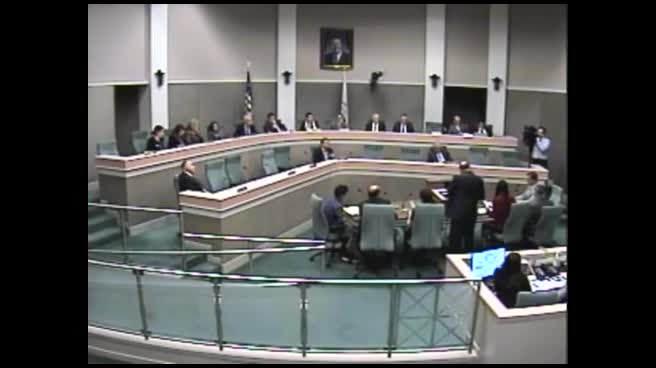 23MIN
Assembly Standing Committee on Health
Bill Author

Bill Co-Author(s):
