AB 2909: Poultry producers: small-scale producers and California Retail Food Code.
- Session Year: 2017-2018
- House: Assembly
- Latest Version Date: 2018-04-18
(1)Existing federal law, the Poultry Products Inspection Act, generally regulates the slaughtering, processing, and labeling of poultry products and exempts certain poultry producers that slaughter or process less than a specified amount of poultry from its provisions. Existing state law authorizes the Secretary of Food and Agriculture to adopt by regulation standards and requirements equal to those of the federal Poultry Products Inspection Act, including, but not limited to, standards and requirements for inspection, sanitation, reinspection, preparation, processing, buying, selling, transporting, storing, identification, recordkeeping, registration, and labeling.
Existing state law prohibits a person from operating a poultry plant unless the person has obtained a license from the secretary. Existing state law generally regulates the inspection of poultry plant sanitation and poultry products for wholesomeness. Existing state law prohibits poultry meat, which includes domesticated fowl and rabbit, from being packed, repacked, cut up, recut, or sold unless each container or each carcass is marked in a specified manner. Existing state law requires poultry meat inspectors to inspect and classify poultry meat, poultry meat product, and poultry meat food product as either wholesome, retained for further inspection, or condemned for human food.
This bill, on or before January 1, 2020, would require the Department of Food and Agriculture to create a registration system for small-scale producers, as defined, that are eligible for a specified exemption from the federal Poultry Products Inspection Act. Under the bill, a registered small-scale producer would be considered subject to alternative regulatory provisions, as specified, in lieu of the above-described generally applicable poultry plant sanitation and poultry product inspection provisions. The bill would require the registration system to include, at a minimum, a declaration by a small-scale producer, as a part of registration, to submit an affidavit, under penalty of perjury, declaring the producer regarding the producers eligibility for the federal exemption. knowledgeability and intention to slaughter or process poultry meat in accordance with good practices for poultry meat food products, and verification of that declaration by a licensed poultry meat inspector who is trained in humane methods of handling and slaughter of poultry. By creating a new crime, imposing new requirements, the violation of which would be a crime under existing law, this bill would impose a state-mandated local program. The bill would authorize the department to include in the registration system a registration fee, to be deposited into the Small-Scale Poultry Producer Account within the Department of Food and Agriculture Fund, which account would be created by the bill. Moneys in the account would be continuously appropriated to the department to implement, administer, and enforce these new regulatory provisions. The bill would also require the department to post on its Internet Web site information regarding humane methods of handling and slaughter of poultry and safety information for small-scale producers, as specified.
The bill would apply the federal exemption described above to a registered small-scale producer in the same manner as applied in the federal act and would authorize a registered small-scale producer to sell poultry meat within the state to the same entities permitted by the federal exemption, as specified. The bill would vest primary responsibility of enforcement with county agricultural commissioners. By imposing additional duties on local officials, this bill would impose a state-mandated local program.
(2)Existing law, the California Retail Food Code, establishes food safety requirements on retail food facilities, as defined, and requires food to be obtained from approved sources, as defined. Existing law provides for the enforcement of the California Retail Food Code by enforcement officers, as defined.
This bill would deem poultry meat received from a small-scale producer registered pursuant to the provisions described in paragraph (1) to be from an approved source. The bill would authorize enforcement officers to enter and inspect the premises of a registered small-scale producer in response to a public food safety complaint, and would authorize the enforcement officer to recover reasonable costs associated with that inspection from that producer.
(3)The California Constitution requires the state to reimburse local agencies and school districts for certain costs mandated by the state. Statutory provisions establish procedures for making that reimbursement.
This bill would provide that with regard to certain mandates no reimbursement is required by this act for a specified reason.
With regard to any other mandates, this bill would provide that, if the Commission on State Mandates determines that the bill contains costs so mandated by the state, reimbursement for those costs shall be made pursuant to the statutory provisions noted above.
(1)Existing law federal law, the Poultry Products Inspection Act, generally regulates the slaughtering, processing, and labeling of poultry products and exempts certain poultry producers that slaughter or process less than a specified amount of poultry from its provisions. Existing state law authorizes the Secretary of Food and Agriculture to adopt by regulation standards and requirements equal to those of the federal Poultry Products Inspection Act, including, but not limited to, standards and requirements for inspection, sanitation, reinspection, preparation, processing, buying, selling, transporting, storing, identification, recordkeeping, registration, and labeling.
Existing state law prohibits a person from operating a poultry plant unless the person has obtained a license from the secretary. Existing state law generally regulates the inspection of poultry plant sanitation and poultry products for wholesomeness. Existing state law prohibits poultry meat, which includes domesticated fowl and rabbit, from being packed, repacked, cut up, recut, or sold unless each container or each carcass is marked in a specified manner. Existing state law requires poultry meat inspectors to inspect and classify poultry meat, poultry meat product, and poultry meat food product as either wholesome, retained for further inspection, or condemned for human food.
This bill, on or before January 1, 2020, would require the Department of Food and Agriculture to create a registration system for small-scale producers, as defined, that are eligible for a specified exemption from the federal Poultry Products Inspection Act. Under the bill, a registered small-scale producer would be considered subject to alternative regulatory provisions, as specified, in lieu of the above-described generally applicable poultry plant sanitation and poultry product inspection provisions. The bill would require a small-scale producer, as a part of registration, to submit an affidavit, under penalty of perjury, declaring the producers eligibility for the federal exemption. By creating a new crime, this bill would impose a state-mandated local program. The bill would authorize the department to include in the registration system a registration fee, to be deposited into the Small-Scale Poultry Producer Account within the Department of Food and Agriculture Fund, which account would be created by the bill. Moneys in the account would be continuously appropriated to the department to implement, administer, and enforce these new regulatory provisions. The bill would also require the department to post on its Internet Web site safety information for small-scale producers, as specified.
The bill would apply the federal exemption described above to a registered small-scale producer in the same manner as applied in the federal act and would authorize a registered small-scale producer to sell poultry meat within the state directly to household consumers, restaurants, hotels, and boardinghouses, for use in the boardinghouses own dining rooms, or in the preparation of meals for sales direct to consumers. to the same entities permitted by the federal exemption, as specified. The bill would vest primary responsibility of enforcement with county agricultural commissioners. By imposing additional duties on local officials, this bill would impose a state-mandated local program.
(2)Existing law, the California Retail Food Code, establishes food safety requirements on retail food facilities, as defined, and requires food to be obtained from approved sources, as defined. Existing law provides for the enforcement of the California Retail Food Code by enforcement officers, as defined.
This bill would deem poultry meat received from a small-scale producer registered pursuant to the provisions described in paragraph (1) to be from an approved source. The bill would authorize enforcement officers to enter and inspect the premises of a registered small-scale producer in response to a public food safety complaint, and would authorize the enforcement officer to recover reasonable costs associated with that inspection from that producer.
(3)The California Constitution requires the state to reimburse local agencies and school districts for certain costs mandated by the state. Statutory provisions establish procedures for making that reimbursement.
This bill would provide that with regard to certain mandates no reimbursement is required by this act for a specified reason.
With regard to any other mandates, this bill would provide that, if the Commission on State Mandates determines that the bill contains costs so mandated by the state, reimbursement for those costs shall be made pursuant to the statutory provisions noted above.
(1)Existing law authorizes the Secretary of Food and Agriculture to adopt by regulation standards and requirements equal to those of the federal Poultry Products Inspection Act, including, but not limited to, standards and requirements for inspection, sanitation, reinspection, preparation, processing, buying, selling, transporting, storing, identification, recordkeeping, registration, and labeling.
Existing law prohibits a person from operating a poultry plant unless the person has obtained a license from the secretary. Existing law generally regulates the inspection of poultry plant sanitation and poultry products for wholesomeness. Existing law prohibits poultry meat, which includes domesticated fowl and rabbit, from being packed, repacked, cut up, recut, or sold unless each container or each carcass is marked in a specified manner. Existing law requires poultry meat inspectors to inspect and classify poultry meat, poultry meat product, and poultry meat food product as either wholesome, retained for further inspection, or condemned for human food. Existing law exempts from these provisions poultry meat that is derived from poultry that is produced on the premises where it is slaughtered if the poultry meat is sold by the producer at retail on the premise or at retail by the producer of the poultry meat off of the premises, direct to consumers, as specified.
This bill, on or before January 1, 2020, would require the Department of Food and Agriculture to create a registration system for small-scale producers, as defined, that are eligible for a specified exemption from the federal Poultry Products Inspection Act. Under the bill, a registered small-scale producer would be considered subject to alternative regulatory provisions, as specified, in lieu of the above-described generally applicable poultry plant sanitation and poultry product inspection provisions. The bill would require a small-scale producer, as a part of registration, to submit an affidavit, under penalty of perjury, declaring the producers eligibility for the federal exemption. By creating a new crime, this bill would impose a state-mandated local program. The bill would authorize the department to include in the registration system a registration fee, to be deposited into the Small-Scale Poultry Producer Account within the Department of Food and Agriculture Fund, which account would be created by the bill. Moneys in the account would be continuously appropriated to the department to implement, administer, and enforce these new regulatory provisions. The bill would also require the department to post on its Internet Web site safety information for small-scale producers, as specified.
The bill would authorize a registered small-scale producer to sell poultry meat within the state directly to household consumers, restaurants, hotels, and boardinghouses, for use in the boardinghouses own dining rooms, or in the preparation of meals for sales direct to consumers. The bill would vest primary responsibility of enforcement with county agricultural commissioners. By imposing additional duties on local officials, this bill would impose a state-mandated local program.
(2)Existing law, the California Retail Food Code, establishes food safety requirements on retail food facilities, as defined, and requires food to be obtained from approved sources, as defined. Existing law provides for the enforcement of the California Retail Food Code by enforcement officers, as defined.
This bill would deem poultry meat received from a small-scale producer registered pursuant to the provisions described in paragraph (1) to be from an approved source. The bill would authorize enforcement officers to enter and inspect the premises of a registered small-scale producer in response to a public food safety complaint, and would authorize the enforcement officer to recover reasonable costs associated with that inspection from that producer.
(3)The California Constitution requires the state to reimburse local agencies and school districts for certain costs mandated by the state. Statutory provisions establish procedures for making that reimbursement.
This bill would provide that with regard to certain mandates no reimbursement is required by this act for a specified reason.
With regard to any other mandates, this bill would provide that, if the Commission on State Mandates determines that the bill contains costs so mandated by the state, reimbursement for those costs shall be made pursuant to the statutory provisions noted above.
This bill would declare the intent of the Legislature to enact legislation relating to poultry producers.Existing law authorizes the Secretary of Food and Agriculture to adopt by regulation standards and requirements equal to those of the federal Poultry Products Inspection Act, including, but not limited to, standards and requirements for inspection, sanitation, reinspection, preparation, processing, buying, selling, transporting, storing, identification, recordkeeping, registration, and labeling.
Existing law generally regulates the inspection of poultry plant sanitation and poultry products for wholesomeness. Existing law prohibits poultry meat, which includes domesticated fowl and rabbit, from being packed, repacked, cut up, recut, or sold unless each container or each carcass is marked in a specified manner. Existing law requires poultry meat inspectors to inspect and classify poultry meat, poultry meat product, and poultry meat food product as either wholesome, retained for further inspection, or condemned for human food. Existing law exempts from these provisions poultry meat that is derived from poultry that is produced on the premises where it is slaughtered if the poultry meat is sold by the producer at retail on the premise or at retail by the producer of the poultry meat off of the premises, direct to consumers, as specified.
This bill would declare the intent of the Legislature to enact legislation relating to poultry producers.
Unless the context provides otherwise, the definitions of this article govern the construction of this chapter.
25201.Fowl includes chickens, turkeys, ducks, geese, and other domesticated birds.
25202.Growing poultry means feeding and caring for poultry.
25203.Poultry means domesticated fowl or domesticated rabbit that is intended for use for human food.
25204.Poultry meat means the carcass of poultry or any part of that carcass.
25205.Producer means any person that is engaged in the business of growing any poultry that is marketed as poultry meat for a period of three weeks or more for the purpose of increasing the size and weight of that poultry.
25206.Registered small-scale producer means a small-scale producer registered pursuant to Section 25221.
25207.Small-scale producer means a producer that slaughters or processes the products of 20,000 poultry or less in a calendar year.
2.General Provisions25210.On or before January 1, 2020, the department shall post on its Internet Web site, and update as appropriate, information regarding relevant the following:
(a)Humane methods of handling and slaughter of poultry.
(b)Relevant safety requirements of small-scale producers, including small-scale producers that are registered pursuant to Article 3 (commencing with Section 25220) and exempt from Chapter 2 (commencing with Section 24651) and Chapter 3 (commencing with Section 24951).
3.Registration25220.(a)On or before January 1, 2020, the department shall create a registration system by which a small-scale producer described in subdivision (a) of Section 25221 may register with the department for purposes of being considered subject to the provisions of this chapter in lieu of the provisions of Chapter 2 (commencing with Section 24651) and Chapter 3 (commencing with Section 24951). The registration system shall include at least all of the following:
(1)A declaration by the producer that he or she is knowledgeable and intends to slaughter or process poultry meat in accordance with good practices for poultry meat food products, as may be further defined by the department. A declaration made pursuant to this paragraph shall not be used to infer that the producer is not required to comply with any other state or federal laws relative to food safety and good practices for poultry meat food products.
(2)Submission of an affidavit, under penalty of perjury, declaring the producers eligibility for the federal exemption described in Section 381.10(a)(5) of Title 9 of the Code of Federal Regulations, as that section existed on January 1, 2019.(2)Verification of the declaration in paragraph (1) by a poultry meat inspector, as defined in Section 24959, who is licensed pursuant to Article 4 (commencing with Section 25051) of Chapter 3 and trained in humane methods of handling and slaughter of poultry.
(b)The department shall inform the respective county agricultural commissioner and enforcement officer, as defined in Section 113774 of the Health and Safety Code, of the jurisdiction in which a registered small-scale producer is located.
(c)The registration system may include a registration fee, not to exceed the reasonable costs of implementing this chapter, for each small-scale producer who registers with the department pursuant to Section 25221.
25221.(a)A small-scale producer that is exempt from the federal Poultry Products Inspection Act (21 U.S.C. Sec. 451 et seq.) pursuant to Section 381.10(a)(5) of Title 9 of the Code of Federal Regulations, as that section existed on January 1, 2019, may register with the department.
(b)A small-scale producer that is registered under subdivision (a) is exempt from the provisions of Chapter 2 (commencing with Section 24651) and Chapter 3 (commencing with Section 24951).
4.Sale of Poultry Meat25230.The exemption described in Section 381.10(a)(5) of Title 9 of the Code of Federal Regulations, as that section existed on January 1, 2019, shall apply to a registered small-scale producer in the same manner as applied in the federal Poultry Products Inspection Act (21 U.S.C. Sec. 451 et seq.) and shall authorize a registered small-scale producer to sell poultry meat within the state to the same entities as permitted by that federal exemption, as it existed on January 1, 2019.
25231.A registered small-scale producer shall comply with all labeling and identification requirements for poultry meat imposed by the federal Poultry Products Inspection Act (21 U.S.C. Sec. 451 et seq.).
5.Enforcement25240.(a)A county agricultural commissioner of each county shall have primary responsibility for enforcement of this chapter within his or her jurisdiction.
(b)An enforcement officer, as defined in Section 113774 of the Health and Safety Code, may enter into and inspect the premises of a small-scale producer registered pursuant to this chapter in response to a public food safety complaint. The enforcement officer may recover reasonable costs associated with that inspection from the registered small-scale producer operating the particular premises.
6.Small-Scale Poultry Producer Account25250.The Small-Scale Poultry Producer Account is hereby established within the Department of Food and Agriculture Fund. Registration fee moneys collected pursuant to Section 25220 shall be deposited into the Small-Scale Poultry Producer Account, to be continuously appropriated to the department for purposes of implementing, administering, and enforcing this chapter.
SEC. 2.Section 113735 of the Health and Safety Code is amended to read:113735.(a)Approved source means a food source allowed under Article 3 (commencing with Section 114021) of Chapter 4, or a producer, manufacturer, distributor, or food facility that is acceptable to the enforcement agency based on a determination of conformity with applicable laws, or, in the absence of applicable laws, with current public health principles and practices, and generally recognized industry standards that protect public health.
(b)Any whole uncut fruit or vegetable or unrefrigerated shell egg grown or produced in compliance with all applicable federal, state, or local laws, regulations, and food safety guidelines issued by a regulatory agency shall be deemed to be from an approved source.
(c)Any poultry meat, as defined in Section 25204 of the Food and Agricultural Code, received from a small-scale producer registered pursuant to Section 25221 of the Food and Agricultural Code shall be deemed to be from an approved source.
SEC. 3.No reimbursement is required by this act pursuant to Section 6 of Article XIIIB of the California Constitution for certain costs that may be incurred by a local agency or school district because, in that regard, this act creates a new crime or infraction, eliminates a crime or infraction, or changes the penalty for a crime or infraction, within the meaning of Section 17556 of the Government Code, or changes the definition of a crime within the meaning of Section 6 of Article XIIIB of the California Constitution.
However, if the Commission on State Mandates determines that this act contains other costs mandated by the state, reimbursement to local agencies and school districts for those costs shall be made pursuant to Part 7 (commencing with Section 17500) of Division 4 of Title 2 of the Government Code.
Unless the context provides otherwise, the definitions of this article govern the construction of this chapter.
25201.Fowl includes chickens, turkeys, ducks, geese, and other domesticated birds.
25202.Growing poultry means feeding and caring for poultry.
25203.Poultry means domesticated fowl or domesticated rabbit that is intended for use for human food.
25204.Poultry meat means the carcass of poultry or any part of that carcass.
25205.Producer means any person that is engaged in the business of growing any poultry that is marketed as poultry meat for a period of three weeks or more for the purpose of increasing the size and weight of that poultry.
25206.Registered small-scale producer means a small-scale producer registered pursuant to Section 25221.
25207.Small-scale producer means a producer that slaughters or processes the products of 20,000 poultry or less in a calendar year.
2.General Provisions25210.On or before January 1, 2020, the department shall post on its Internet Web site, and update as appropriate, information regarding relevant safety requirements of small-scale producers, including small-scale producers that are registered pursuant to Article 3 (commencing with Section 25220) and exempt from Chapter 2 (commencing with Section 24651) and Chapter 3 (commencing with Section 24951).
3.Registration25220.(a)On or before January 1, 2020, the department shall create a registration system by which a small-scale producer described in subdivision (a) of Section 25221 may register with the department for purposes of being considered subject to the provisions of this chapter in lieu of the provisions of Chapter 2 (commencing with Section 24651) and Chapter 3 (commencing with Section 24951). The registration system shall include at least all of the following:
(1)A declaration by the producer that he or she is knowledgeable and intends to slaughter or process poultry meat in accordance with good practices for poultry meat food products, as may be further defined by the department. A declaration made pursuant to this paragraph shall not be used to infer that the producer is not required to comply with any other state or federal laws relative to food safety and good practices for poultry meat food products.
(2)Submission of an affidavit, under penalty of perjury, declaring the producers eligibility for the federal exemption described in Section 381.10(a)(5) of Title 9 of the Code of Federal Regulations, as that section existed on January 1, 2019.
(b)The department shall inform the respective county agricultural commissioner and enforcement officer, as defined in Section 113774 of the Health and Safety Code, of the jurisdiction in which a registered small-scale producer is located.
(c)The registration system may include a registration fee, not to exceed the reasonable costs of implementing this chapter, for each small-scale producer who registers with the department pursuant to Section 25221.
25221.(a)A small-scale producer that is exempt from the federal Poultry Products Inspection Act (21 U.S.C. Sec. 451 et seq.) pursuant to Section 381.10(a)(5) of Title 9 of the Code of Federal Regulations, as that section existed on January 1, 2019, may register with the department.
(b)A small-scale producer that is registered under subdivision (a) is exempt from the provisions of Chapter 2 (commencing with Section 24651) and Chapter 3 (commencing with Section 24951).
4.Sale of Poultry Meat25230.A The exemption described in Section 381.10(a)(5) of Title 9 of the Code of Federal Regulations, as that section existed on January 1, 2019, shall apply to a registered small-scale producer may in the same manner as applied in the federal Poultry Products Inspection Act (21 U.S.C. Sec. 451 et seq.) and shall authorize a registered small-scale producer to sell poultry meat within the state directly to household consumers, restaurants, hotels, and boardinghouses, for use in the boardinghouses own dining rooms, or in the preparation of meals for sales direct to consumers. to the same entities as permitted by that federal exemption, as it existed on January 1, 2019.
25231.A registered small-scale producer shall comply with all labeling and identification requirements for poultry meat imposed by the federal Poultry Products Inspection Act (21 U.S.C. Sec. 451 et seq.).
5.Enforcement25240.(a)A county agricultural commissioner of each county shall have primary responsibility for enforcement of this chapter within his or her jurisdiction.
(b)An enforcement officer, as defined in Section 113774 of the Health and Safety Code, may enter into and inspect the premises of a small-scale producer registered pursuant to this chapter in response to a public food safety complaint. The enforcement officer may recover reasonable costs associated with that inspection from the registered small-scale producer operating the particular premises.
6.Small-Scale Poultry Producer Account25250.The Small-Scale Poultry Producer Account is hereby established within the Department of Food and Agriculture Fund. Registration fee moneys collected pursuant to Section 25220 shall be deposited into the Small-Scale Poultry Producer Account, to be continuously appropriated to the department for purposes of implementing, administering, and enforcing this chapter.
SEC. 2.Section 113735 of the Health and Safety Code is amended to read:113735.(a)Approved source means a food source allowed under Article 3 (commencing with Section 114021) of Chapter 4, or a producer, manufacturer, distributor, or food facility that is acceptable to the enforcement agency based on a determination of conformity with applicable laws, or, in the absence of applicable laws, with current public health principles and practices, and generally recognized industry standards that protect public health.
(b)Any whole uncut fruit or vegetable or unrefrigerated shell egg grown or produced in compliance with all applicable federal, state, or local laws, regulations, and food safety guidelines issued by a regulatory agency shall be deemed to be from an approved source.
(c)Any poultry meat, as defined in Section 25204 of the Food and Agricultural Code, received from a small-scale producer registered pursuant to Section 25221 of the Food and Agricultural Code shall be deemed to be from an approved source.
SEC. 3.No reimbursement is required by this act pursuant to Section 6 of Article XIIIB of the California Constitution for certain costs that may be incurred by a local agency or school district because, in that regard, this act creates a new crime or infraction, eliminates a crime or infraction, or changes the penalty for a crime or infraction, within the meaning of Section 17556 of the Government Code, or changes the definition of a crime within the meaning of Section 6 of Article XIIIB of the California Constitution.
However, if the Commission on State Mandates determines that this act contains other costs mandated by the state, reimbursement to local agencies and school districts for those costs shall be made pursuant to Part 7 (commencing with Section 17500) of Division 4 of Title 2 of the Government Code.
Unless the context provides otherwise, the definitions of this article govern the construction of this chapter.
25201.Fowl includes chickens, turkeys, ducks, geese, and other domesticated birds.
25202.Growing poultry means feeding and caring for poultry.
25203.Poultry means domesticated fowl or domesticated rabbit that is intended for use for human food.
25204.Poultry meat means the carcass of poultry or any part of that carcass.
25205.Producer means any person that is engaged in the business of growing any poultry that is marketed as poultry meat for a period of three weeks or more for the purpose of increasing the size and weight of that poultry.
25206.Registered small-scale producer means a small-scale producer registered pursuant to Section 25221.
25207.Small-scale producer means a producer that slaughters or processes the products of 20,000 poultry or less in a calendar year.
2.General Provisions25210.On or before January 1, 2020, the department shall post on its Internet Web site, and update as appropriate, information regarding relevant safety requirements of small-scale producers, including small-scale producers that are registered pursuant to Article 3 (commencing with Section 25220) and exempt from Chapter 2 (commencing with Section 24651) and Chapter 3 (commencing with Section 24951).
3.Registration25220.(a)On or before January 1, 2020, the department shall create a registration system by which a small-scale producer described in subdivision (a) of Section 25221 may register with the department for purposes of being considered subject to the provisions of this chapter in lieu of the provisions of Chapter 2 (commencing with Section 24651) and Chapter 3 (commencing with Section 24951). The registration system shall include at least all of the following:
(1)A declaration by the producer that he or she is knowledgeable and intends to slaughter or process poultry meat in accordance with good practices for poultry meat food products, as may be further defined by the department. A declaration made pursuant to this paragraph shall not be used to infer that the producer is not required to comply with any other state or federal laws relative to food safety and good practices for poultry meat food products.
(2)Submission of an affidavit, under penalty of perjury, declaring the producers eligibility for the federal exemption described in Section 381.10(a)(5) of Title 9 of the Code of Federal Regulations, as that section existed on January 1, 2019.
(b)The department shall inform the respective county agricultural commissioner and enforcement officer, as defined in Section 113774 of the Health and Safety Code, of the jurisdiction in which a registered small-scale producer is located.
(c)The registration system may include a registration fee, not to exceed the reasonable costs of implementing this chapter, for each small-scale producer who registers with the department pursuant to Section 25221.
25221.(a)A small-scale producer that is exempt from the federal Poultry Products Inspection Act (21 U.S.C. Sec. 451 et seq.) pursuant to Section 381.10(a)(5) of Title 9 of the Code of Federal Regulations, as that section existed on January 1, 2019, may register with the department.
(b)A small-scale producer that is registered under subdivision (a) is exempt from the provisions of Chapter 2 (commencing with Section 24651) and Chapter 3 (commencing with Section 24951).
4.Sale of Poultry Meat25230.A registered small-scale producer may sell poultry meat within the state directly to household consumers, restaurants, hotels, and boardinghouses, for use in the boardinghouses own dining rooms, or in the preparation of meals for sales direct to consumers.
25231.A registered small-scale producer shall comply with all labeling and identification requirements for poultry meat imposed by the federal Poultry Products Inspection Act (21 U.S.C. Sec. 451 et seq.).
5.Enforcement25240.(a)A county agricultural commissioner of each county shall have primary responsibility for enforcement of this chapter within his or her jurisdiction.
(b)An enforcement officer, as defined in Section 113774 of the Health and Safety Code, may enter into and inspect the premises of a small-scale producer registered pursuant to this chapter in response to a public food safety complaint. The enforcement officer may recover reasonable costs associated with that inspection from the registered small-scale producer operating the particular premises.
6.Small-Scale Poultry Producer Account25250.The Small-Scale Poultry Producer Account is hereby established within the Department of Food and Agriculture Fund. Registration fee moneys collected pursuant to Section 25220 shall be deposited into the Small-Scale Poultry Producer Account, to be continuously appropriated to the department for purposes of implementing, administering, and enforcing this chapter.
SEC. 2.Section 113735 of the Health and Safety Code is amended to read:113735.(a)Approved source means a food source allowed under Article 3 (commencing with Section 114021) of Chapter 4, or a producer, manufacturer, distributor, or food facility that is acceptable to the enforcement agency based on a determination of conformity with applicable laws, or, in the absence of applicable laws, with current public health principles and practices, and generally recognized industry standards that protect public health.
(b)Any whole uncut fruit or vegetable or unrefrigerated shell egg grown or produced in compliance with all applicable federal, state, or local laws, regulations, and food safety guidelines issued by a regulatory agency shall be deemed to be from an approved source.
(c)Any poultry meat, as defined in Section 25204 of the Food and Agricultural Code, received from a small-scale producer registered pursuant to Section 25221 of the Food and Agricultural Code shall be deemed to be from an approved source.
SEC. 3.No reimbursement is required by this act pursuant to Section 6 of Article XIIIB of the California Constitution for certain costs that may be incurred by a local agency or school district because, in that regard, this act creates a new crime or infraction, eliminates a crime or infraction, or changes the penalty for a crime or infraction, within the meaning of Section 17556 of the Government Code, or changes the definition of a crime within the meaning of Section 6 of Article XIIIB of the California Constitution.
However, if the Commission on State Mandates determines that this act contains other costs mandated by the state, reimbursement to local agencies and school districts for those costs shall be made pursuant to Part 7 (commencing with Section 17500) of Division 4 of Title 2 of the Government Code.
SECTION 1.It is the intent of the Legislature to enact legislation relating to poultry producers.It is the intent of the Legislature to enact legislation relating to poultry producers.
|
Date
|
Status
|
|---|---|
| May 25, 2018 | In committee: Held under submission. |
| May 9, 2018 | In committee: Set, first hearing. Referred to APPR. suspense file. |
| Apr 26, 2018 | From committee: Do pass and re-refer to Com. on APPR. (Ayes 9. Noes 0.) (April 25). Re-referred to Com. on APPR. |
| Apr 19, 2018 | Re-referred to Com. on AGRI. |
| Apr 18, 2018 | From committee chair, with author's amendments: Amend, and re-refer to Com. on AGRI. Read second time and amended. |
| Apr 3, 2018 | Re-referred to Com. on AGRI. |
| Apr 2, 2018 | From committee chair, with author's amendments: Amend, and re-refer to Com. on AGRI. Read second time and amended. |
| Mar 21, 2018 | Re-referred to Com. on AGRI. |
| Mar 20, 2018 | From committee chair, with author's amendments: Amend, and re-refer to Com. on AGRI. Read second time and amended. |
| Mar 19, 2018 | Referred to Com. on AGRI. |
| Feb 17, 2018 | From printer. May be heard in committee March 19. |
| Feb 16, 2018 | Read first time. To print. |
|
Date
|
Description
|
Location
|
Votes
|
|
|---|---|---|---|---|
| Apr 25, 2018 | Do pass and be re-referred to the Committee on [Appropriations] | Assembly Standing Committee on Agriculture |
Passed |
This list shows positions taken on this bill by organizations on the date displayed, which is linked to the original source.
Positions by individuals are not included.
|
Organization
|
Position
|
Date
|
|---|---|---|
| A4 Farms Pasture Raised Chicken | ** Support | Apr 24, 2018 |
| Agricultural Institute of Marin | ** Support | Apr 24, 2018 |
| Bi-Rite Market | ** Support | Apr 24, 2018 |
| Big Night Restaurants | ** Support | Apr 24, 2018 |
| Black Pig Meat Company | ** Support | Apr 24, 2018 |
| Border Grill | ** Support | Apr 24, 2018 |
| Boulettes Larder + Boulibar | ** Support | Apr 24, 2018 |
| Boulevard Restaurant | ** Support | Apr 24, 2018 |
| Brown Sugar Kitchen | ** Support | Apr 24, 2018 |
| Butchers Guild | ** Support | Apr 24, 2018 |
| Center for Land-Based Learning | ** Support | Apr 24, 2018 |
| Chez Panisse | ** Support | Apr 24, 2018 |
| Cinamechanic Poultry Liberty Ducks | * Support | Apr 25, 2018 |
| Community Alliance With Family Farmers | ** Support | Apr 24, 2018 |
| Davero Farms And Winery | ** Support | Apr 24, 2018 |
| Devils Gulch Ranch | ** Support | Apr 24, 2018 |
| Earthfirefamily Farms | ** Support | Apr 24, 2018 |
| Fogline Farm, Llc | ** Support | Apr 24, 2018 |
| Foreign Cinema | ** Support | Apr 24, 2018 |
| Green Star Farm | ** Support | Apr 24, 2018 |
| Healdsburg Shed | ** Support | Apr 24, 2018 |
| Humboldt Food Policy Council | ** Support | Apr 24, 2018 |
| Insalata'S Restaurant | ** Support | Apr 24, 2018 |
| Kitchen Table Consultants | ** Support | Apr 24, 2018 |
| Local Environmental Health Directors | * Support | Apr 25, 2018 |
| Magpie | ** Support | Apr 24, 2018 |
| Marin County | * Support | Apr 25, 2018 |
| Mulvaney'S B&L | ** Support | Apr 24, 2018 |
| Mulvaney's Restaurant | * Support | Apr 25, 2018 |
| Niche Meat Processor Assistance Network | * Support | Apr 25, 2018 |
| Old Grove Orange | ** Support | Apr 24, 2018 |
| Oz Family Farm | * Support | Apr 25, 2018 |
| Parkside Tavern | ** Support | Apr 24, 2018 |
| Passmore Ranch | ** Support | Apr 24, 2018 |
| Paula Leduc Fine Catering | ** Support | Apr 24, 2018 |
| Roots of Change | * Support | Apr 25, 2018 |
| San Diego Food System Alliance | ** Support | Apr 24, 2018 |
| Savory Cafe | ** Support | Apr 24, 2018 |
| Seaglass Restaurant | ** Support | Apr 24, 2018 |
| Sierra Harvest | ** Support | Apr 24, 2018 |
| Skyelark Ranch | ** Support | Apr 24, 2018 |
| Slow Food, Russian River Chapter | ** Support | Apr 24, 2018 |
| Slow Food, Sacramento | ** Support | Apr 24, 2018 |
| Slow Food, Sonoma County North | ** Support | Apr 24, 2018 |
| Sustainable Economies Law Center | ** Support | Apr 24, 2018 |
| The Local Butcher Shop | ** Support | Apr 24, 2018 |
| The Rockin R | ** Support | Apr 24, 2018 |
| Two individuals | ** Support | Apr 24, 2018 |
| V Miller Meats | ** Support | Apr 24, 2018 |
| V. Miller Meats | * Support | Apr 25, 2018 |
| Waterbar Restaurant | ** Support | Apr 24, 2018 |
| Wookie Ranch | * Support | Apr 25, 2018 |
| Zazu Kitchen + Farm | ** Support | Apr 24, 2018 |
| Zazu Kitchen and Farm and Black Pig Meat Co. | * Support | Apr 25, 2018 |
Date of Hearing: May 9, 2018
ASSEMBLY COMMITTEE ON APPROPRIATIONS
Lorena Gonzalez Fletcher, Chair
ABPCA Bill Id:AB 2909
Author:(Wood) – As Amended Ver:April 18, 2018
Policy Committee: | Agriculture | Vote: | 9 - 0 |
|
| ||
|
|
Urgency: No State Mandated Local Program: Yes Reimbursable: Yes
SUMMARY:
This bill requires the California Department of Food and Agriculture (CDFA) to create a registration system for certain small-scale poultry producers (producers). Specifically, this bill:
- Requires CDFA, by January 1, 2020, to post humane handling and slaughtering methods and relevant safety requirements for producers, and before January 1, 2020, to create a registration system for producers for the purpose of being subject to the requirements for this new program instead of existing programs related to plant sanitation and inspections.
- Requires CDFA to inform respective county agriculture commissioners and health enforcement officers where producers are located.
- Exempts registered producers from specified California laws related to poultry plant sanitation and poultry meat inspection.
- Allows registered producers to sell poultry meat within California to the same entities permitted by a specified federal regulation.
FISCAL EFFECT:
Significant one-time costs, possibly in excess of $500,000, for CDFA to implement the new registration system. While specific costs are unknown, it is likely that most exempted poultry producers and some licensed poultry producers who process fewer than 20,000 birds a year will register. This is likely to generate significant upfront costs. AB 2909 allows for a fee to pay for this new system, but that fee is not specified. Ongoing costs are also likely significant, but unknown without more information on the number of possible registrants.
COMMENTS:
- Current exemptions for small producers. Federal law exempts certain small-scale on-farm poultry producers who process fewer than 20,000 poultry per year from the requirement that poultry be processed at a federally inspected facility. California law also allows for certain exemptions from state inspections, registration, labeling, and sanitation requirements. A small facility with fewer than 1,000 poultry processed per year does not need to register with CDFA, while facilities with between 1,000 and 20,000 poultry processed per year must register with CDFA. These facilities may only sell direct to consumer and are not allowed to sell to restaurants, hotels, and retailers.
- Small producers with a CDFA license. A USDA exempt facility may still obtain a CDFA license, which grants them the ability to sell their product to hotels and restaurants. These facilities must comply with a range of additional sanitation and inspection requirements, including the need for a poultry meat inspector to be onsite during processing. There are approximately 50 licensed small producers operating in California today.
- Purpose. According to the author, current state regulations impede access to locally-sourced poultry. Supporters argue that the poultry producers who slaughter more than 1,000 birds but fewer than 20,000 are held to standards devised for large-scale poultry processing, and these standards are costly and unnecessary.
Analysis Prepared by: Luke Reidenbach / APPR. / (916) 319-2081
Date of Hearing: April 25, 2018
ASSEMBLY COMMITTEE ON AGRICULTURE
Anna Caballero, Chair
ABPCA Bill Id:AB 2909
Author:Wood – As Amended Ver:April 18, 2018
SUBJECT: Poultry producers: small-scale producers and California Retail Food Code.
SUMMARY: This bill would require the California Department of Food and Agriculture (CDFA) to create a registration system for small-scale poultry producers (SSPP) that are eligible for a specified exemption from the federal Poultry Products Inspection Act (PPIA). Specifically, this bill:
- Makes the following definitions, as specified;
- Fowl includes chickens, turkeys, ducks, geese, and other domesticated birds;
- Growing poultry means feeding and caring for poultry;
- Poultry means domesticated fowl or domesticated rabbit that is intended for use for human food;
- Poultry meat means the carcass of poultry or any part of that carcass;
- Producer means any person that is engaged in the business of growing any poultry that is marketed as poultry meat for a period of three weeks or more for the purpose of increasing the size and weight of that poultry;
- Registered small-scale producer means a small-scale producer registered, as specified; and,
- Small-scale producer means a producer that slaughters or processes the products of 20,000 poultry or less in a calendar year.
- Requires CDFA, by January 1, 2020, to post humane handling and slaughtering methods, and relevant safety requirements for SSPP, as specified.
- Requires CDFA, before January 1, 2020, to create a registration system for SSPP that include the following:
- A declaration by SSPP that they are knowledgeable and intend to slaughter or process poultry meat with good practices. Allows CDFA to further define to these practices; and,
- Varication of SSPP's declaration by a licensed poultry meat inspector, as specified.
- Requires CDFA to inform respective county agriculture commissioners and health enforcement officers where a SSPP is located.
- Allows the registration system to have a fee to cover the reasonable cost of SSPP program.
- Allows a SSPP that is exempt from PPIA to register with CDFA.
- Exempts a CDFA registered SSPP from specified California laws related to poultry plant sanitation and poultry meat inspection.
- Requires the federal exemption apply to SSPP in the same manner as the PPIA and allows registered SSPP to sell poultry meat to those allowed under the federal exemption, which includes restaurants, hotels and other businesses, as specified.
- Establishes that CACs have primary reasonability for enforcement of registered SSPPs in the CAC's county.
- Allows health and safety enforcement officer, as specified, to enter and inspect registered SSPPs in response to a public food safety complaint and is allowed to recover reasonable costs associated with inspection.
- Establishes the SSPP Account within the CDFA Fund, made up for registration fees in order to regulate and enforce SSPP laws.
- Adds poultry meat from registered SSPPs to the list of food from an approved source, for purposes of sale and public health.
EXISTING LAW:
Federal law establishes PPA to regulate the slaughtering, processing, and labeling of poultry products and exempts certain poultry producers that slaughter or process less than a specified amount of poultry from its provisions.
State law:
- Authorizes CDFA to adopt regulation standards and requirements equal to those of the federal PPIA, including, but not limited to, standards and requirements for inspection, sanitation, reinspection, preparation, processing, buying, selling, transporting, storing, identification, recordkeeping, registration, and labeling.
- Prohibits a person from operating a poultry plant unless the person has obtained a license from CDFA.
- Regulates the inspection of poultry plant sanitation and poultry products for wholesomeness.
- Prohibits poultry meat, which includes domesticated fowl and rabbit, from being packed, repacked, cut up, recut, or sold unless each container or each carcass is marked in a specified manner.
- Defines poultry meat inspector to mean a person who after examination and demonstration has been issued a license by CDFA to inspect poultry meat for wholesomeness.
- Requires poultry meat inspectors to inspect and classify poultry meat, poultry meat products, and poultry meat food products as wholesome, retained for further inspection, or condemned for human food.
- Establishes food safety requirements on retail food facilities, as defined, and requires food to be obtained from approved sources.
- Defines approved source as a food source allowed under current law, or a producer, manufacturer, distributor, or food facility that is acceptable to the enforcement agency based on conformity with applicable laws, or, in the absence of applicable laws, with current public health principles and practices, and generally recognized industry standards that protect public health.
FISCAL EFFECT: Unknown
COMMENTS: Under current California law, SSPPs that slaughter fewer than 20,000 poultry per year are exempt from many fees and inspections related to regulating poultry production. Three aspects that allow these exemption are 1) direct retail at the location, 2) retail direct to consumers via, direct to the consumers home, the producer having a farm stand or, the producer selling at a farmers market, and 3) the producer not having any employees except for family members, as specified. The SSPPs are not allowed to sell wholesale to restaurants, hotels, retail stores or several other facilities. According to the author, AB 2909 will create a pathway for small-scale poultry farmers to be considered an "approved source" for sales to hotels, restaurants, retailers, and institutions, if they a) register their operation with CDFA, b) maintain a tracking system so products can be quickly traced back to the source, and c) allow inspections by state environmental health officers if one is requested.
The author states that in the wake of California’s farm to fork movement, consumer demand for local, small-farm products has skyrocketed over the last decade. In response, farmers, chefs, food purchasers, and the state of California have sought out pathways to shorten the supply line between producer and consumer in an effort to increase the availability of fresh, locally grown food. It is felt by supporters that current state regulations impede access to locally-sourced poultry. The high-cost of acquiring the necessary licenses and compliance measures required for a producer to sell poultry to hotels, restaurants, and retailers creates a regulatory burden that prevents local poultry producers from successfully operating at a small-scale.
AB 2909 proposes a certification program in which poultry producers to follow sanitary standards, practices, and procedures that ensure poultry products are safe, clean, and fit for human consumption. Supporters state that by aligning state regulations with the existing, long-standing federal exemptions, this bill supports small-scale producers, increases access to locally-sourced poultry, and decreases the number of miles between farm and fork.
REGISTERED SUPPORT / OPPOSITION:
Support
Roots of Change (Sponsor)
A4 Farms Pasture Raised Chicken
Agricultural Institute of Marin
Big Night Restaurants
Bi-Rite Market
Border Grill
Boulettes Larder + Boulibar
Boulevard Restaurant
Brown Sugar Kitchen
Butchers Guild
Center for Land-Based Learning
Chez Panisse
Community Alliance with Family Farmers
DaVero Farms and Winery
Devils Gulch Ranch
EarthFireFamily Farms
Fogline Farm, LLC
Foreign Cinema
Green Star Farm
Healdsburg SHED
Humboldt Food Policy Council
Insalata's Restaurant
Kitchen Table Consultants
Marin County Board of Supervisors
Old Grove Orange
Oz Family Farm
Magpie
Mulvaney's B&L
Parkside Tavern
Passmore Ranch
Paula LeDuc Fine Catering
San Diego Food System Alliance
Savory Café
SEAGLASS Restaurant
Sierra Harvest
Skyelark Ranch
Slow Food, Russian River Chapter
Slow Food, Sacramento
Slow Food, Sonoma County North
Sustainable Economies Law Center
The Local Butcher Shop
The Rockin R
V Miller Meats
Waterbar Restaurant
Zazu Kitchen + Farm/Black Pig Meat Company
Two Individuals
Opposition
None on file
Analysis Prepared by: Victor Francovich / AGRI. / (916) 319-2084
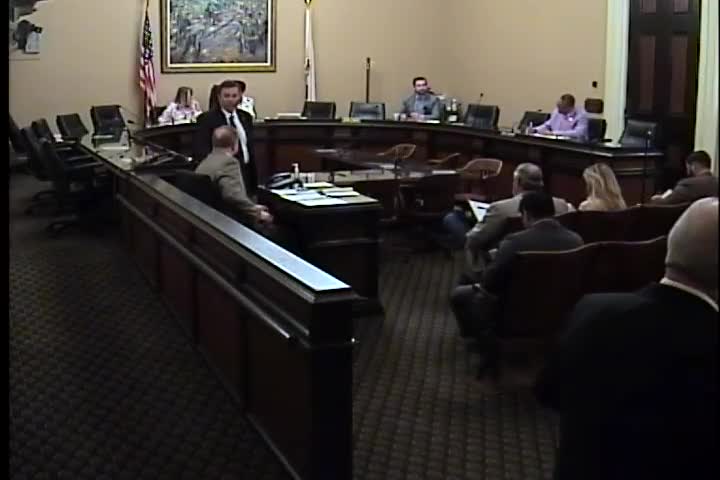
Discussed in Hearing
 12MIN
Assembly Standing Committee on Agriculture
Bill Author

Bill Co-Author(s):