AB 3032: Maternal mental health conditions.
- Session Year: 2017-2018
- House: Assembly
- Latest Version Date: 2018-09-26
Existing law establishes the State Department of Public Health and sets forth its powers and duties, including, but not limited to implementation and administration of a communitybased system of perinatal care for eligible women and infants.
Existing law requires the State Department of Public Health to license and regulate specified health facilities, including a general acute care hospital, a special hospital, and other types of specialized facilities. Existing law defines a perinatal unit as a maternity and newborn service of a hospital for the provision of care during pregnancy, labor, delivery, and postpartum and neonatal periods, as specified.
This bill would require a general acute care hospital or special hospital that has a perinatal unit to develop and implement, by January 1, 2020, a program relating to maternal mental health conditions including, but not limited to, postpartum depression. The bill would require the program to include, among other things, education and information about maternal mental health conditions for women, families, and hospital perinatal unit employees, as specified.
Existing law establishes the State Department of Public Health and sets forth its powers and duties, including, but not limited to implementation and administration of a communitybased system of perinatal care for eligible women and infants.
Existing law requires the State Department of Public Health to license and regulate specified health facilities, including a general acute care hospital, a special hospital, and other types of specialized facilities. Existing law defines a perinatal unit as a maternity and newborn service of a hospital for the provision of care during pregnancy, labor, delivery, and postpartum and neonatal periods, as specified.
This bill would require a general acute care hospital or special hospital that has a perinatal unit to develop and implement, by January 1, 2020, a quality management program relating to maternal mental health disorders conditions including, but not limited to, postpartum depression. The bill would require the quality management program to include include, among other things, education and information for women and families regarding the range of maternal mental health disorders and available local treatment resources, and any other service the hospital determines should be included in the program to provide optimal care to patients. about maternal mental health conditions for women, families, and hospital perinatal unit employees, as specified.
Existing law establishes the State Department of Public Health and sets forth its powers and duties, including, but not limited to implementation and administration of a communitybased system of perinatal care for eligible women and infants.
Existing law requires the State Department of Public Health to license and regulate specified health facilities, including a general acute care hospital, a special hospital, and other types of specialized facilities. Existing law defines a perinatal unit as a maternity and newborn service of a hospital for the provision of care during pregnancy, labor, delivery, and postpartum and neonatal periods, as specified.
This bill would require a general acute care hospital or special hospital that has a perinatal unit to develop and implement, by January 1, 2020, a quality management program relating to maternal mental health disorders including, but not limited to, postpartum depression. The bill would specify the components of require the quality management program which would include, but would not be limited to, clinician training and readiness, and public education and information, as specified. to include education and information for women and families regarding the range of maternal mental health disorders and available local treatment resources, and any other service the hospital determines should be included in the program to provide optimal care to patients.
Existing law establishes the State Department of Public Health and sets forth its powers and duties, including, but not limited to implementation and administration of a communitybased system of perinatal care for eligible women and infants.
Existing law requires the State Department of Public Health to license and regulate specified health facilities, including a general acute care hospital, a special hospital, and other types of specialized facilities. Existing law defines a perinatal unit as a maternity and newborn service of a hospital for the provision of care during pregnancy, labor, delivery, and postpartum and neonatal periods, as specified.
This bill would make a nonsubstantive change in those provisions. require a general acute care hospital or special hospital that has a perinatal unit to develop and implement, by January 1, 2020, a quality management program relating to maternal mental health disorders including, but not limited to, postpartum depression. The bill would specify the components of the quality management program which would include, but would not be limited to, clinician training and readiness, and public education and information, as specified.
Existing law establishes the State Department of Public Health and sets forth its powers and duties, including, but not limited to implementation and administration of a communitybased system of perinatal care for eligible women and infants.
This bill would make a nonsubstantive change in those provisions.
This article shall be known, and may be cited, as the Maternal Mental Health Conditions Education, Early Diagnosis, and Treatment Act.
123615.5.The Legislature hereby finds and declares all of the following:
(a)Maternal depression is a common complication of pregnancy. Maternal mental health disorders encompass a range of mental health conditions, such as depression, anxiety, and postpartum psychosis.
(b)Maternal mental health conditions affect one in five women during or after pregnancy, but all women are at risk of suffering from maternal mental health conditions.
(c)Untreated maternal mental health conditions significantly and negatively impact the short- and long-term health and wellbeing of affected women and their children.
(d)Untreated maternal mental health conditions cause adverse birth outcomes, impaired maternal-infant bonding, poor infant growth, childhood emotional and behavioral problems, and significant medical and economic costs, estimated to be $22,500 per mother.
(e)Lack of understanding and social stigma of mental health conditions prevent women and families from understanding the signs, symptoms, and risks involved with maternal mental health conditions and disproportionately affect women who lack access to social support networks.
(f)It is the intent of the Legislature to raise awareness of the risk factors, signs, symptoms, and treatment options for maternal mental health conditions among pregnant women and their families, the general public, primary health care providers, and health care providers who care for pregnant women, postpartum women, and newborn infants.
123616.For the purposes of this article, the following terms have the following meanings:
(a)Maternal mental health condition means a mental health condition that occurs during pregnancy or during the postpartum period and includes, but is not limited to, postpartum depression.
(b)Perinatal unit is a maternity and newborn service of a hospital for the provision of care during pregnancy, labor, delivery, and postpartum and neonatal periods with appropriate staff, space, equipment, and supplies.
123616.5.A general acute care hospital or special hospital, as defined in subdivisions (a) and (f) of Section 1250, that has a perinatal unit, in collaboration with medical staff, shall, by January 1, 2020, develop and implement a program to provide education and information to appropriate health care professionals and patients about maternal mental health conditions.
123617.The program developed pursuant to this article shall include all of the following:
(a)Education and information for postpartum women and families about maternal mental health conditions, posthospital treatment options, and community resources.
(b)Education and information for hospital employees regularly assigned to work in the perinatal unit, including, as appropriate, registered nurses and social workers, about maternal mental health conditions.
(c)Any other service the hospital determines should be included in the program to provide optimal patient care.
SECTION 1.Article 4.2 (commencing with Section 123615) is added to Chapter 2 of Part 2 of Division 106 of the Health and Safety Code, to read:4.2.Maternal Mental Health123615.A general acute care hospital or special hospital, as defined in subdivisions (a) and (f) of Section 1250, that has a perinatal unit shall, by January 1, 2020, develop and implement a quality management program relating to maternal mental health disorders including, but not limited to, postpartum depression. For purposes of this section, a perinatal unit is a maternity and newborn service of a hospital for the provision of care during pregnancy, labor, delivery, and postpartum and neonatal periods with appropriate staff, space, equipment, and supplies.123616.A maternal mental health quality management program developed under this article shall include education and information for women and families regarding the range of maternal mental health disorders and available local treatment resources, if any, and any other service the hospital determines should be included in the program in order to ensure the provision of optimal care to patients.A general acute care hospital or special hospital, as defined in subdivisions (a) and (f) of Section 1250, that has a perinatal unit shall, by January 1, 2020, develop and implement a quality management program relating to maternal mental health disorders including, but not limited to, postpartum depression. For purposes of this section, a perinatal unit is a maternity and newborn service of a hospital for the provision of care during pregnancy, labor, delivery, and postpartum and neonatal periods with appropriate staff, space, equipment, and supplies.
123616.A maternal mental health quality management program developed under this article shall include all of the following components:(a)Clinician training and readiness for nursing, social work, and medical doctor staff working in hospital settings and services including, but not limited to, emergency departments, patient education, lactation support, labor and delivery, high-risk maternity inpatient units, neonatal intensive care units, and psychiatric units.(b)Education and information for women and families regarding the range of maternal mental health disorders and available local treatment resources, if any.(c)Any other service the hospital determines should be included in the program in order to ensure the provision of optimal care to patients.123616.A maternal mental health quality management program developed under this article shall include education and information for women and families regarding the range of maternal mental health disorders and available local treatment resources, if any, and any other service the hospital determines should be included in the program in order to ensure the provision of optimal care to patients.
A general acute care hospital or special hospital, as defined in subdivisions (a) and (f) of Section 1250, that has a perinatal unit shall, by January 1, 2020, develop and implement a quality management program relating to maternal mental health disorders including, but not limited to, postpartum depression. For purposes of this section, a perinatal unit is a maternity and newborn service of a hospital for the provision of care during pregnancy, labor, delivery, and postpartum and neonatal periods with appropriate staff, space, equipment, and supplies.
123616.A maternal mental health quality management program developed under this article shall include all of the following components:
(a)Clinician training and readiness for nursing, social work, and medical doctor staff working in hospital settings and services including, but not limited to, emergency departments, patient education, lactation support, labor and delivery, high-risk maternity inpatient units, neonatal intensive care units, and psychiatric units.
(b)Education and information for women and families regarding the range of maternal mental health disorders and available local treatment resources, if any.
(c)Any other service the hospital determines should be included in the program in order to ensure the provision of optimal care to patients.
SECTION 1.Section 123485 of the Health and Safety Code is amended to read:123485.The following definitions shall govern this article:(a)Community-based comprehensive perinatal care means a range of prenatal, delivery, postpartum, infant, and pediatric care services delivered in an urban community or neighborhood, rural area, city or county clinic, city or county health department, freestanding birth center, or other health care provider facility by health care practitioners trained in methods of preventing complications and problems during and after pregnancy, and in methods of educating pregnant women of these preventive measures, and who provide a continuous range of services. The health care practitioners shall, through a system of established linkages to other levels of care in the community, consult with, and, when appropriate, refer to, specialists.(b)Low income means all persons of childbearing age eligible for Medi-Cal benefits under Chapter 7 (commencing with Section 14000) and all persons eligible for public social services for which federal reimbursement is available, including potential recipients. Potential recipients shall include the pregnant woman and her infant in a family where current social, economic and health conditions of the family indicate that the family would likely become a recipient of financial assistance within the next five years.(c)Prenatal care means care received from conception until the completion of labor and delivery.(d)Perinatal care means care received from the time of conception through the first year after birth.(e)Qualified organization means any nonprofit, not-for-profit, or for-profit corporation with demonstrated expertise in implementing the Nurse-Family Partnership program or similar programs in different local settings.(f)Qualified trainer means anyone who has been certified by the Nurse-Family Partnership to provide training.(g)Department means the State Department of Public Health, unless otherwise designated.The following definitions shall govern the construction of this article:
(a)Community-based comprehensive perinatal care means a range of prenatal, delivery, postpartum, infant, and pediatric care services delivered in an urban community or neighborhood, rural area, city or county clinic, city or county health department, freestanding birth center, or other health care provider facility by health care practitioners trained in methods of preventing complications and problems during and after pregnancy, and in methods of educating pregnant women of these preventive measures, and who provide a continuous range of services. The health care practitioners shall, through a system of established linkages to other levels of care in the community, consult with, and, when appropriate, refer to, specialists.
(b)Low income means all persons of childbearing age eligible for Medi-Cal benefits under Chapter 7 (commencing with Section 14000) and all persons eligible for public social services for which federal reimbursement is available, including potential recipients. Potential recipients shall include the pregnant woman and her infant in a family where current social, economic and health conditions of the family indicate that the family would likely become a recipient of financial assistance within the next five years.
(c)Prenatal care means care received from conception until the completion of labor and delivery.
(d)Perinatal care means care received from the time of conception through the first year after birth.
(e)Qualified organization means any nonprofit, not-for-profit, or for-profit corporation with demonstrated expertise in implementing the Nurse-Family Partnership program or similar programs in different local settings.
(f)Qualified trainer means anyone who has been certified by the Nurse-Family Partnership to provide training.
(g)Department means the State Department of Public Health, unless otherwise designated.
|
Date
|
Status
|
|---|---|
| Sep 26, 2018 | Chaptered by Secretary of State - Chapter 773, Statutes of 2018. |
| Sep 26, 2018 | Approved by the Governor. |
| Sep 7, 2018 | Enrolled and presented to the Governor at 2:30 p.m. |
| Aug 29, 2018 | Senate amendments concurred in. To Engrossing and Enrolling. |
| Aug 23, 2018 | In Assembly. Concurrence in Senate amendments pending. May be considered on or after August 25 pursuant to Assembly Rule 77. |
| Aug 23, 2018 | Read third time. Passed. Ordered to the Assembly. |
| Aug 7, 2018 | Read second time. Ordered to third reading. |
| Aug 6, 2018 | From committee: Be ordered to second reading pursuant to Senate Rule 28.8. |
| Jun 28, 2018 | From committee: Do pass and re-refer to Com. on APPR. (Ayes 9. Noes 0.) (June 27). Re-referred to Com. on APPR. |
| Jun 19, 2018 | From committee chair, with author's amendments: Amend, and re-refer to committee. Read second time, amended, and re-referred to Com. on HEALTH. |
| May 30, 2018 | Referred to Com. on HEALTH. |
| May 17, 2018 | In Senate. Read first time. To Com. on RLS. for assignment. |
| May 17, 2018 | Read third time. Passed. Ordered to the Senate. |
| May 10, 2018 | Read second time. Ordered to Consent Calendar. |
| May 9, 2018 | From committee: Do pass. To Consent Calendar. (Ayes 16. Noes 0.) (May 9). |
| Apr 30, 2018 | Re-referred to Com. on APPR. |
| Apr 26, 2018 | Read second time and amended. |
| Apr 25, 2018 | From committee: Amend, and do pass as amended and re-refer to Com. on APPR. (Ayes 15. Noes 0.) (April 24). |
| Apr 2, 2018 | Re-referred to Com. on HEALTH. |
| Mar 23, 2018 | From committee chair, with author's amendments: Amend, and re-refer to Com. on HEALTH. Read second time and amended. |
| Mar 22, 2018 | Referred to Com. on HEALTH. |
| Feb 17, 2018 | From printer. May be heard in committee March 19. |
| Feb 16, 2018 | Read first time. To print. |
|
Date
|
Description
|
Location
|
Votes
|
|
|---|---|---|---|---|
| Aug 29, 2018 | AB 3032 FRAZIER Concurrence in Senate Amendments | Assembly Floor |
Passed |
|
| Aug 23, 2018 | Assembly 3rd Reading AB3032 Frazier By Leyva | Senate Floor |
Passed |
|
| Jun 27, 2018 | Do pass, but first be re-referred to the Committee on [Appropriations] | Senate Standing Committee on Health |
Passed |
|
| May 17, 2018 | AB 3032 FRAZIER Consent Calendar Second Day Regular Session | Assembly Floor |
Passed |
|
| May 9, 2018 | Do pass. To Consent Calendar. | Assembly Standing Committee on Appropriations |
Passed |
|
| Apr 24, 2018 | Do pass as amended and be re-referred to the Committee on [Appropriations] | Assembly Standing Committee on Health |
Passed |
This list shows positions taken on this bill by organizations on the date displayed, which is linked to the original source.
Positions by individuals are not included.
|
Organization
|
Position
|
Date
|
|---|---|---|
| 2020 Mom | ** Support | Aug 7, 2018 |
| American College of Obstetricians and Gynecologists | ** Support | Aug 7, 2018 |
| Association For Women'S Health, Obstetric And Neonatal Nurses | ** Support | Aug 7, 2018 |
| California Access Coalition | ** Support | Aug 7, 2018 |
| California Council Of Community Behavioral Health Agencies | ** Support | Aug 7, 2018 |
| California Hospital Association | * Indeterminate | Apr 24, 2018 |
| Children Now | ** Support | Aug 7, 2018 |
| Citizens Commission on Human Rights | ** Against | Aug 7, 2018 |
| Depression And Bipolar Support Alliance | ** Support | Aug 7, 2018 |
| Disability Rights California | ** Support | Aug 7, 2018 |
| Every Mother Counts | ** Support | Aug 7, 2018 |
| Feminists In Action Los Angeles | ** Support | Aug 7, 2018 |
| HIVE | ** Support | Aug 7, 2018 |
| Inland Empire Maternal Mental Health Collaborative | ** Support | Aug 7, 2018 |
| Lamaze International | ** Support | Aug 7, 2018 |
| maternal mental health now | ** Support | Aug 7, 2018 |
| Momrising, Inc. | ** Support | Apr 20, 2018 |
| Mother Squad | ** Support | Apr 20, 2018 |
| Mother-Wise | * Support | Apr 24, 2018 |
| Mothers Squad, Inc. | ** Support | Aug 7, 2018 |
| Mothers Strong | ** Support | Aug 7, 2018 |
| National Association Of Nurse Practitioners In Women'S Health | ** Support | Aug 7, 2018 |
| Postpartum Health Alliance | ** Support | Aug 7, 2018 |
| Postpartum Support International | ** Support | Apr 20, 2018 |
| Prenatal Depression And Anxiety Support | ** Support | Aug 7, 2018 |
| Return To Zero Center For Healing | ** Support | Aug 7, 2018 |
| Return To Zero: H.O.P.E. | ** Support | Aug 7, 2018 |
| Saddleback Church | ** Support | Aug 7, 2018 |
| San Francisco General Hospital | * Support | Apr 24, 2018 |
| Solid Start Initiative | ** Support | Aug 7, 2018 |
| Thebluedotproject | ** Support | Aug 7, 2018 |
| Three individuals | ** Support | Aug 7, 2018 |
| Victor Community Support Services | ** Support | Aug 7, 2018 |
| Women's Foundation of California | ** Support | Aug 7, 2018 |
CONCURRENCE IN SENATE AMENDMENTS
CSA1 Bill Id:AB 3032
Author:(Frazier)
As Amended Ver:June 19, 2018
Majority vote
ASSEMBLY: | 73-0 | (May 17, 2018) | SENATE: | 39-0 | (August 23, 2018) |
Original Committee Reference: HEALTH
SUMMARY: Requires hospitals with perinatal units, by January 1, 2020, to develop and implement a quality management program relating to maternal mental health (MMH); defines a "perinatal unit" as a maternity and newborn service of a hospital for the provision of care during pregnancy, labor, delivery, and postpartum and neonatal periods with appropriate staff, space, equipment, and supplies; and, requires a MMH quality management program to include all of the following components:
- Clinician training and readiness for nursing, social work, and medical doctor staff working in hospital settings and services including, but not limited to: emergency departments; patient educations; lactations support; labor and delivery; high-risk maternity inpatient units; neonatal intensive care units; and, psychiatric units;
- Education and information for women and families regarding the range of maternal mental health disorders and available local treatment resources, if any; and,
- Any other service the hospital determines should be included in the program in order to ensure the provision of optimal care to patients.
The Senate amendments recast the provisions of this bill as the Maternal Mental Health Conditions Education, Early Diagnosis, and Treatment Act. Specifically, the amendments:
- Define "maternal mental health condition," as a mental health condition that occurs during pregnancy or during the postpartum period, including, but not limited to postpartum depression.
- Define "perinatal unit" as the maternity and newborn service of a hospital for the provision of care during pregnancy, labor, deliver, and postpartum and neonatal period with appropriate staff, space, equipment, and supplies.
- Require the program developed pursuant to this bill to include all of the following:
- Education and information for postpartum women and families about maternal mental health conditions, posthospital treatment options, and community resources;
- Education and information for hospital employees regularly assigned to work in the perinatal unit, including, as appropriate, registered nurses and social workers, about maternal mental health conditions; and,
- Any other service the hospital determines should be included in the program to provide optimal patient care.
FISCAL EFFECT: According to the Senate Appropriations Committee, pursuant to Senate Rule 28.8, negligible state costs.
COMMENTS: According to the author, up to one in five of new or expectant mothers will experience a mental health disorder during pregnancy or the first year following childbirth. The author notes that in California, 35 of 61 counties and local health jurisdictions identified MMH as a problem in their community during the statewide needs assessment conducted for the 2015 Title V Maternal and Child Health Block Grant. The author states that maternal depression and anxiety impact family stability, and are a strong risk factor for infant and childhood behavioral and developmental problems. The author concludes that this bill asks hospitals to develop a plan to address maternal mental health and requests that at a minimum the plan address hospital provider education and patient education.
ACR 148 (Lowenthal), Resolution Chapter 96, Statutes of 2014, sponsored by the California Legislative Women's Caucus, requested the formation of a MMH task force to study, review, and identify: 1) current barriers to screening and diagnosis; 2) current treatment options for both those who are privately insured and those who receive care through the public health system; and, 3) evidence based data on emerging treatment options that are scalable in public and private health settings. On March 1, 2017, the MMH task force released a white paper (March 2017 report) that identified gaps in the current effort to identify and treat MMH disorders and provides recommendations that address physician capacity, treatment shortages, screening and referral, an awareness campaign, and action steps for stakeholder groups. According to the March 2017 report, MMH disorders, including depression, anxiety, and the much more rare but serious, postpartum psychosis, affect one in five women (20%), during pregnancy or the first year following childbirth. Among those living in poverty, up to 50% may be affected. Maternal depression is the most common complication of pregnancy in the United States, surpassing gestational diabetes and preeclampsia combined. Maternal depression presents a significant early risk to proper child development, the mother-infant bond, and the family.
In May of 2015, the American Congress of Obstetricians and Gynecologists published Committee Opinion Number 630, recommending that clinicians screen patients at least once during the perinatal period for depression and anxiety symptoms using a standardized, validated tool. In January 2016, the U.S. Preventive Services Task Force (USPSTF) released a revised recommendation for depression screening of all adults, including pregnant and postpartum women. The USPSTF noted that screening should be implemented with adequate systems in place to ensure accurate diagnosis, effective treatment, and appropriate follow up. In February 2016, the National Council on Patient Safety in Women's Health Care issued the "Maternal Mental Health Bundle," providing high-level direction to health care providers in office and hospital settings on how to implement MMH screening and treatment, and the most recent American Academy of Pediatrics "Bright Futures Guidelines" recommends postpartum depression screening from the one-month through the six-month well-child visit.
Analysis Prepared by: Lara Flynn / HEALTH / (916) 319-2097 FN: 0003848
Office of Senate Floor Analyses (916) 651-1520 Fax: (916) 327-4478 | AB |
THIRD READING
Bill No: AB 3032
:
SENATE HEALTH COMMITTEE: 9-0, 6/27/18
AYES: Pan, Nguyen, Beall, Hernandez, Leyva, Mitchell, Monning, Nielsen, Roth
SENATE APPROPRIATIONS COMMITTEE: Senate Rule 28.8
ASSEMBLY FLOOR: 73-0, 5/17/18 (Consent) - See last page for vote
Maternal Mental Health NOW
DIGEST:
This bill establishes the Maternal Mental Health (MMH) Conditions Education, Early Diagnosis, and Treatment Act, and requires hospitals that have a perinatal unit to develop and implement a program to provide education and information to appropriate health care professionals and patients about MMH conditions.
Existing law:
- Establishes the Department of Public Health (DPH) to be vested with all the duties, powers, purposes, functions, responsibilities, and jurisdiction as they relate to public health, as specified. [HSC §131050]
- Requires DPH to license and regulate specified health facilities, including a general acute care hospital, a “special hospital,” as defined, and other types of specialized facilities. Defines “special hospital” as a health facility having a duly constituted governing body with overall administrative and professional responsibility and an organized medical or dental staff that provides inpatient or outpatient care in dentistry or maternity. [HSC §1250]
- Requires DPH to maintain a program that addresses the special needs of high-risk pregnant women and infants, as specified. Defines “high-risk pregnant woman” as a woman considered highly likely for any reason to suffer personal mortality or morbidity from her pregnancy, or to deliver a defective, disabled, high-risk, or stillborn infant. [HSC §123560 and 123565]
This bill:
- Establishes the MMH Conditions Education, Early Diagnosis, and Treatment Act, and requires, by January 1, 2020, a general acute care hospital or special hospital that has a perinatal unit, as defined, in collaboration with medical staff, to develop and implement a program to provide education and information to appropriate health care professionals and patients about MMH conditions. Defines “MMH condition” as a mental health condition that occurs during pregnancy or during the postpartum period and includes, but is not limited to, postpartum depression.
- Requires a MMH hospital program to include all of the following:
- Education and information for postpartum women and families about MMH conditions, post-hospital treatment options, and community resources;
- Education and information for hospital employees regularly assigned to work in the perinatal unit, including, as appropriate, registered nurses and social workers, about MMH conditions; and,
- Any other service the hospital determines should be included in the program to provide optimal patient care.
- Makes legislative findings and declarations about the prevalence of MMH conditions, the significant costs and negative impacts of untreated MMH conditions, and the importance of raising awareness among pregnant women and their families, the general public, and health care providers about MMH conditions.
Comments
- Author’s statement. According to the author, up to one in five of new or expectant mothers will experience a mental health disorder during pregnancy or the first year following childbirth. In California, 35 of 61 counties and local health jurisdictions identified MMH as a problem in their community during the statewide needs assessment conducted for the 2015 Title V Maternal and Child Health Block Grant. Maternal depression and anxiety impact family stability and are a strong risk factor for infant and childhood behavioral and developmental problems. This bill builds on the recommendation of the California’s Strategic Plan: A catalyst for shifting statewide systems to improve care across California and beyond by addressing the role of the maternity hospital. This bill asks hospitals to develop a plan to address MMH and requests that at a minimum the plan address hospital provider education and patient education. This bill ensures that families, no matter their income level, receive adequate care when meeting their child for the first time by providing much needed guidance.
- California Task Force report. According to an April 2017 report by the California Task Force on the Status of MMH Care (CTF report), ACR 148 (Lowenthal, Chapter 96, Statutes of 2014) requested the formation of a task force to study, review, and identify the following: current barriers to screening and diagnosis; current treatment options for both those who are privately insured and those who receive care through the public health system; evidence-based and emerging treatment options that are scalable in public and private health settings; the needs of both providers and patients in order to improve diagnosis and treatment. According to the CTF report, up to one in five (20%) of new or expectant mothers will experience a mental health disorder during pregnancy or the first year following childbirth, including depression, anxiety, and postpartum psychosis, which is less prevalent but the most severe. Depression affects more than 16 million adults each year, and maternal depression is the most common complication of pregnancy in the U.S. All women are at risk of maternal stress and MMH disorders, and the prevalence can soar up to 50% among those living in poverty, compared to 15% to 20% among the general population.
- Impacts of MMH in California. According to the CTF report, untreated MMH disorders significantly and negatively impact the short- and long-term health and well-being of affected mothers and their children, which can lead to adverse birth outcomes, impaired maternal-infant bonding, poor infant growth, childhood emotional and behavioral problems, and significant medical and economic costs. Even when MMH disorders are detected, treatment occurs in less than 15% of identified cases. MMH disorders encompass a range of mental health conditions, and can occur for the first time during the perinatal period or even exist before conception and continuing, or worsening, during the perinatal period. Women who have had prior episodes of depression or anxiety are especially vulnerable at any time during the perinatal period. The CTF report cites Maternal and Infant Health Assessment data that shows the highest prevalence of depressive symptoms during and after pregnancy was found among Black and Hispanic women, women of lower educational attainment, women who are Medi-Cal beneficiaries, and women in poverty. The large proportion of California’s birthing population (44%) with income levels at or below the federal poverty guideline (FPG) experience the highest prevalence of maternal depressive symptoms (28.4%) while symptoms decrease significantly (11.8%) among those with income exceeding 300% of FPG. Maternal depression contributes to the $210.5 billion economic burden the U.S. faces each year for major depressive disorders through absenteeism at work, lost productivity, direct treatment costs, and expenditures related to suicide. The CTF report states the annual cost of not treating a mother with depression is $7,200 in lost income and productivity, with an additional $15,300 attributed to the child, totaling $22,500. The CTF report states that MMH disorders cost California an estimated $2.25 billion each year.
- Screening recommendations. In May 2015, the American College of Obstetricians and Gynecologists (ACOG) issued Committee Opinion Number 630, “Screening for Perinatal Depression,” which recommends that clinicians screen patients at least once during the perinatal period for depression and anxiety symptoms with particularly close monitoring, evaluation, and assessment for women with current depression or anxiety, a history of perinatal mood disorders, or risk factors for perinatal mood disorders. ACOG’s opinion also states that screening by itself is insufficient and systems should be in place to ensure follow-up for diagnosis and treatment. The CTF report states that in January 2016, the U.S. Preventive Services Task Force released a revised recommendation, following ACOG’s opinion, for depression screening for all adults, including pregnant and postpartum women, along with adequate systems, similar to ACOG’s recommendation, to ensure accurate diagnosis, effective treatment, and appropriate follow-up. The American Academy of Pediatrics Bright Futures and Mental Health Task Force states that primary care pediatricians have a unique opportunity to identify maternal depression, and screening can be integrated into the well-child care schedule and included in the prenatal visit. The Bright Future Periodicity table suggests screening should occur by one month, and at two months, four months, and six months postpartum.
- 21st Century Cures Act. On December 13, 2016, President Obama signed the 21st Century Cures Act (Cures Act), which included several mental health provisions, including measures to require parity between insurance coverage for mental and physical health, programs to support early intervention for psychosis, and funds to address the opioid epidemic. The Cures Act also adopted language from the Bringing Postpartum Depression Out of the Shadows Act of 2015, which provides $5 million each fiscal year from 2018 to 2022 to a minimum of three states in the form of grants that support identification and treatment of maternal depression and other MMH disorders. Funds are to be used by states for training and information to health care providers, including obstetrician-gynecologists, pediatricians, psychiatrists, other mental health care providers, and adult primary care clinicians in screening, treatment, follow-up, and community referrals for maternal depression, and may include psychiatric consultations, the use of telehealth technologies, and the formation of linkages of community resources. Congress has made the appropriation for these purposes this year. Another bill currently before the Legislature, AB 1893 (Maienschein), requires DPH to apply for these grant funds, and passed the Senate Health Committee by a vote of 8-0 on June 6, 2018.
FISCAL EFFECT: Appropriation: Fiscal Com.: Local:
2020 Mom (co-source)
Maternal Mental Health NOW (co-source)
American College of Obstetricians and Gynecologists
Association for Women’s Health, Obstetric and Neonatal Nurses
California Access Coalition
California Council of Community Behavioral Health Agencies
Children Now
Depression and Bipolar Support Alliance
Disability Rights California
Every Mother Counts
Feminists in Action Los Angeles
HIVE
Inland Empire Maternal Mental Health Collaborative
Lamaze International
Mothers Squad, Inc.
Mothers Strong
National Association of Nurse Practitioners in Women’s Health
Postpartum Health Alliance
Prenatal Depression and Anxiety Support
Return to Zero Center for Healing
Return to Zero: H.O.P.E.
Saddleback Church
Solid Start Initiative
TheBlueDotProject
Victor Community Support Services
Women’s Foundation of California
Three individuals
Citizens Commission on Human Rights
ARGUMENTS IN SUPPORT: Maternal Mental Health NOW and 2020 Mom, the cosponsors of this bill, and other supporters that advocate for maternal health argue that there are no laws in the state to ensure that hospitals with perinatal units have a standard protocol to respond effectively and in a medically appropriate manner that would lead to proper identification, diagnosis, treatment, and follow-up for women with MMH conditions. Supporters state that MMH conditions form the most common complication of pregnancy, yet research suggests only 15% of women will receive some form of treatment. Supporters further state that because 99% of women deliver in a hospital setting, hospitals can quickly scale change and reinforce that MMH conditions are clinical in nature by training their providers and educating their patients. Supporters argue that every new and expectant mother deserves to receive quality maternal care, and this bill begins with the assurance that clinicians in perinatal units are prepared to respond to MMH conditions, and can lead to the de-stigmatization of MMH conditions by signaling that help is available and within reach.
ARGUMENTS IN OPPOSITION: The Citizens Commission on Human Rights (CCHR) argues that this bill fails to address the basic right of all citizens for informed consent for any and all mental health treatment. CCHR also argues that a mental health disorder diagnosis typically leads to treatment with psychotropic medications, which are linked to birth defects and most of which are not approved for administration to children under the age of 18, much less those still in the womb.
ASSEMBLY FLOOR: 73-0, 5/17/18
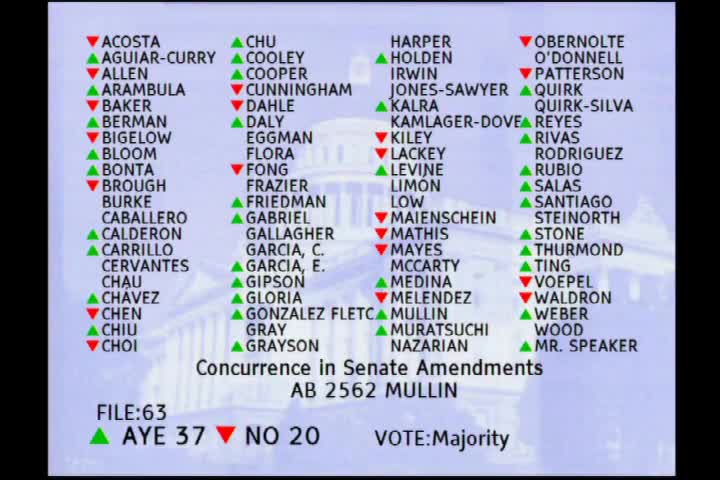
AYES: Acosta, Aguiar-Curry, Travis Allen, Arambula, Baker, Berman, Bigelow, Bloom, Bonta, Brough, Burke, Caballero, Calderon, Carrillo, Cervantes, Chau, Chávez, Chen, Chiu, Choi, Chu, Cooley, Cooper, Cunningham, Dahle, Daly, Eggman, Flora, Fong, Frazier, Friedman, Gallagher, Eduardo Garcia, Gipson, Gloria, Gonzalez Fletcher, Gray, Grayson, Harper, Holden, Irwin, Jones-Sawyer, Kalra, Kamlager-Dove, Kiley, Lackey, Levine, Limón, Low, Maienschein, Mathis, Mayes, McCarty, Medina, Mullin, Nazarian, Obernolte, O'Donnell, Patterson, Quirk, Quirk-Silva, Reyes, Rodriguez, Rubio, Salas, Mark Stone, Thurmond, Ting, Voepel, Waldron, Weber, Wood, Rendon
NO VOTE RECORDED: Cristina Garcia, Melendez, Muratsuchi, Santiago, Steinorth
8/7/18 17:18:39
**** END ****
SENATE COMMITTEE ON HEALTH
Senator Dr. Richard Pan, Chair
BILL NO: AB 3032
AUTHOR: | Frazier | ||
VERSION: | June 19, 2018 | ||
HEARING DATE: | June 27, 2018 | ||
CONSULTANT: | Reyes Diaz | ||
SUBJECT: Maternal mental health conditions.
SUMMARY:
Establishes the Maternal Mental Health (MMH) Conditions Education, Early Diagnosis, and Treatment Act, and requires, hospitals that have a perinatal unit to develop and implement a program to provide education and information to appropriate health care professionals and patients about MMH conditions.
Existing law:
- Establishes the Department of Public Health (DPH) to be vested with all the duties, powers, purposes, functions, responsibilities, and jurisdiction as they relate to public health, as specified. [HSC §131050]
- Requires DPH to license and regulate specified health facilities, including a general acute care hospital, a “special hospital,” as defined, and other types of specialized facilities. Defines “special hospital” as a health facility having a duly constituted governing body with overall administrative and professional responsibility and an organized medical or dental staff that provides inpatient or outpatient care in dentistry or maternity. [HSC §1250]
- Requires DPH to maintain a program that addresses the special needs of high-risk pregnant women and infants, as specified. Defines “high-risk pregnant woman” as a woman considered highly likely for any reason to suffer personal mortality or morbidity from her pregnancy, or to deliver a defective, disabled, high-risk, or stillborn infant. [HSC §123560 and 123565]
This bill:
- Establishes the MMH Conditions Education, Early Diagnosis, and Treatment Act, and requires, by January 1, 2020, a general acute care hospital or special hospital that has a perinatal unit, as defined, in collaboration with medical staff, to develop and implement a program to provide education and information to appropriate health care professionals and patients about MMH conditions. Defines “MMH condition” as a mental health condition that occurs during pregnancy or during the postpartum period and includes, but is not limited to, postpartum depression.
- Requires a MMH hospital program to include all of the following:
- Education and information for postpartum women and families about MMH conditions, post-hospital treatment options, and community resources;
- Education and information for hospital employees regularly assigned to work in the perinatal unit, including, as appropriate, registered nurses and social workers, about MMH conditions; and,
- Any other service the hospital determines should be included in the program to provide optimal patient care.
- Makes legislative findings and declarations about the prevalence of MMH conditions, the significant costs and negative impacts of untreated MMH conditions, and the importance of raising awareness among pregnant women and their families, the general public, and health care providers about MMH conditions.
FISCAL EFFECT:
According to the Assembly Appropriations Committee, this bill has negligible fiscal effect.
PRIOR VOTES:
Assembly Floor: | 73 - 0 |
Assembly Appropriations Committee: | 16 - 0 |
Assembly Health Committee: | 15 - 0 |
COMMENTS:
- Author’s statement. According to the author, up to one in five of new or expectant mothers will experience a mental health disorder during pregnancy or the first year following childbirth. In California, 35 of 61 counties and local health jurisdictions identified MMH as a problem in their community during the statewide needs assessment conducted for the 2015 Title V Maternal and Child Health Block Grant. Maternal depression and anxiety impact family stability and are a strong risk factor for infant and childhood behavioral and developmental problems. This bill builds on the recommendation of the California’s Strategic Plan: A catalyst for shifting statewide systems to improve care across California and beyond by addressing the role of the maternity hospital. The measure asks hospitals to develop a plan to address MMH and requests that at a minimum the plan address hospital provider education and patient education. This bill would ensure that families, no matter their income level, receive adequate care when meeting their child for the first time by providing much needed guidance.
- Background. According to an April 2017 report by the California Task Force on the Status of MMH Care (CTF report), ACR 148 (Lowenthal, Chapter 96, Statutes of 2014) requested the formation of a task force to study, review, and identify the following: current barriers to screening and diagnosis; current treatment options for both those who are privately insured and those who receive care through the public health system; evidence-based and emerging treatment options that are scalable in public and private health settings; the needs of both providers and patients in order to improve diagnosis and treatment. According to the CTF report, up to one in five (20%) of new or expectant mothers will experience a mental health disorder during pregnancy or the first year following childbirth, including depression, anxiety, and postpartum psychosis, which is less prevalent but the most severe. Depression affects more than 16 million adults each year, and maternal depression is the most common complication of pregnancy in the U.S. All women are at risk of maternal stress and MMH disorders, and the prevalence can soar up to 50% among those living in poverty, compared to 15% to 20% among the general population.
- Impacts of MMH in California. According to the CTF report, untreated MMH disorders significantly and negatively impact the short- and long-term health and well-being of affected mothers and their children, which can lead to adverse birth outcomes, impaired maternal-infant bonding, poor infant growth, childhood emotional and behavioral problems, and significant medical and economic costs. Even when MMH disorders are detected, treatment occurs in less than 15% of identified cases. MMH disorders encompass a range of mental health conditions, and can occur for the first time during the perinatal period or even exist before conception and continuing, or worsening, during the perinatal period. Women who have had prior episodes of depression or anxiety are especially vulnerable at any time during the perinatal period. The CTF report cites Maternal and Infant Health Assessment (MIHA) data that shows the highest prevalence of depressive symptoms during and after pregnancy was found among Black and Hispanic women, women of lower educational attainment, women who are Medi-Cal beneficiaries, and women in poverty. The large proportion of California’s birthing population (44%) with income levels at or below the federal poverty guideline (FPG) experience the highest prevalence of maternal depressive symptoms (28.4%) while symptoms decrease significantly (11.8%) among those with income exceeding 300% of FPG. Maternal depression contributes to the $210.5 billion economic burden the U.S. faces each year for major depressive disorders through absenteeism at work, lost productivity, direct treatment costs, and expenditures related to suicide. The CTF report states the annual cost of not treating a mother with depression is $7,200 in lost income and productivity, with an additional $15,300 attributed to the child, totaling $22,500. The CTF report states that MMH disorders cost California an estimated $2.25 billion each year.
- Screening recommendations. In May 2015, the American College of Obstetricians and Gynecologists (ACOG) issued Committee Opinion Number 630, “Screening for Perinatal Depression,” which recommends that clinicians screen patients at least once during the perinatal period for depression and anxiety symptoms with particularly close monitoring, evaluation, and assessment for women with current depression or anxiety, a history of perinatal mood disorders, or risk factors for perinatal mood disorders. ACOG’s opinion also states that screening by itself is insufficient and systems should be in place to ensure follow-up for diagnosis and treatment. The CTF report states that in January 2016, the U.S. Preventive Services Task Force released a revised recommendation, following ACOG’s opinion, for depression screening for all adults, including pregnant and postpartum women, along with adequate systems, similar to ACOG’s recommendation, to ensure accurate diagnosis, effective treatment, and appropriate follow-up. The American Academy of Pediatrics Bright Futures and Mental Health Task Force states that primary care pediatricians have a unique opportunity to identify maternal depression, and screening can be integrated into the well-child care schedule and included in the prenatal visit. The Bright Future Periodicity table suggests screening should occur by one month, and at two months, four months, and six months postpartum.
- 21st Century Cures Act. On December 13, 2016, President Obama signed the 21st Century Cures Act (Cures Act), which included several mental health provisions, including measures to require parity between insurance coverage for mental and physical health, programs to support early intervention for psychosis, and funds to address the opioid epidemic. The Cures Act also adopted language from the Bringing Postpartum Depression Out of the Shadows Act of 2015, which provides $5 million each fiscal year from 2018 to 2022 to a minimum of three states in the form of grants that support identification and treatment of maternal depression and other MMH disorders. Funds are to be used by states for training and information to health care providers, including obstetrician-gynecologists, pediatricians, psychiatrists, other mental health care providers, and adult primary care clinicians in screening, treatment, follow-up, and community referrals for maternal depression, and may include psychiatric consultations, the use of telehealth technologies, and the formation of linkages of community resources. Congress has made the appropriation for these purposes this year. Another bill currently before the Legislature, AB 1893 (Maienschein), requires DPH to apply for these grant funds, and passed this Committee by a vote of 8-0 on June 6, 2018.
- Related legislation. AB 1893 (Maienschein) requires DPH to investigate and apply for federal funding opportunities to support MMH, as specified. AB 1893 is set for hearing in the Senate Appropriations Committee on June 25, 2018.
AB 2193 (Maienschein) requires, among other things, health plans and health insurers to report information regarding MMH treatment and case management utilization to existing quality management programs to develop resources to ensure specified providers receive screening support. Requires specified health care providers to screen a mother for MMH conditions during pregnancy or during the postpartum period, or both, as specified. AB 2193 is set for hearing in this Committee on June 27, 2018.
- Prior legislation. ACR 180 (Waldron, Chapter 80, Statutes of 2018) dedicates the month of May 2018 as MMH Awareness Month.
AB 244 (Cervantes of 2017) would have created a pilot program in counties that elect to participate to increase the capacity of health providers that serve pregnant and postpartum women to prevent, identify, and manage postpartum depression and other MMH conditions. AB 244 was not heard in the Assembly Health Committee.
ACR 148 (Lowenthal, Chapter 96, Statutes of 2014) requests the California MMH Collaborative, a nonprofit organization, to establish a task force on the status of MMH care.
- Support. Maternal Mental Health NOW and 2020 Mom, the cosponsors of this bill, and other supporters that advocate for maternal health argue that there are no laws in the state to ensure that hospitals with perinatal units have a standard protocol to respond effectively and in a medically appropriate manner that would lead to proper identification, diagnosis, treatment, and follow-up for women with MMH conditions. Supporters state that MMH conditions form the most common complication of pregnancy, yet research suggests only 15% of women will receive some form of treatment. Supporters further state that because 99% of women deliver in a hospital setting, hospitals can quickly scale change and reinforce that MMH conditions are clinical in nature by training their providers and educating their patients. Supporters argue that every new and expectant mother deserves to receive quality maternal care, and this bill begins with the assurance that clinicians in perinatal units are prepared to respond to MMH conditions, and can lead to the de-stigmatization of MMH conditions by signaling that help is available and within reach.
- Opposition. The Citizens Commission on Human Rights (CCHR) argues that this bill fails to address the basic right of all citizens for informed consent for any and all mental health treatment. CCHR also argues that a mental health disorder diagnosis typically leads to treatment with psychotropic medications, which are linked to birth defects and most of which are not approved for administration to children under the age of 18, much less those still in the womb.
SUPPORT AND OPPOSITION:
Support: Maternal Mental Health NOW (cosponsor)
2020 Mom (cosponsor)
American College of Obstetricians and Gynecologists
Association for Women’s Health, Obstetric and Neonatal Nurses
TheBlueDotProject
California Access Coalition
California Council of Community Behavioral Health Agencies
Children Now
Depression and Bipolar Support Alliance
Disability Rights California
Every Mother Counts
Feminists in Action Los Angeles
HIVE
Inland Empire Maternal Mental Health Collaborative
Lamaze International
Mothers Squad, Inc.
Mothers Strong
National Association of Nurse Practitioners in Women’s Health
Postpartum Health Alliance
Prenatal Depression and Anxiety Support
Return to Zero Center for Healing
Return to Zero: H.O.P.E.
Saddleback Church
Solid Start Initiative
Victor Community Support Services
Women’s Foundation of California
One Individual
Oppose: Citizens Commission on Human Rights
-- END --
Date of Hearing: May 9, 2018
ASSEMBLY COMMITTEE ON APPROPRIATIONS
Lorena Gonzalez Fletcher, Chair
ABPCA Bill Id:AB 3032
Author:(Frazier) – As Amended Ver:April 26, 2018
Policy Committee: | Health | Vote: | 15 - 0 |
Urgency: No State Mandated Local Program: No Reimbursable: No
SUMMARY:
This bill requires a hospital that has a perinatal unit to develop and implement a quality management program relating to maternal mental health disorders by January 1, 2020.
It specifies the program must include, at a minimum, education and information for women and families regarding the range of maternal mental health disorders and available local treatment resources, if any.
FISCAL EFFECT:
Negligible.
COMMENTS:
- Purpose. This bill is intended to improve maternal mental health care during the perinatal period. It is sponsored by 2020 Mom and Maternal Mental Health Now and supported by numerous women's and women's health advocacy groups. It has no opposition.
- Background. Maternal mental health conditions, including post-partum depression, anxiety, and psychosis, affect about one in five mothers in California. Research shows these conditions are often undiagnosed and untreated. Pursuant to ACR 148 (Lowenthal), Resolution Chapter 96, Statutes of 2014, and with private funding support, the California Task Force on the Status of Maternal Mental Health Care was convened and released a white paper in 2017. This bill appears generally consistent with a recommendation from the white paper that hospitals implement education and training related to maternal mental health disorders.
- Related Legislation. AB 1893 (Maienschein), pending in the Senate Health Committee, requires DPH to investigate and apply for federal funding opportunities related to maternal mental health.
AB 2193 (Maienschein), pending in this committee, requires health plans and insurers to provide information about maternal mental health to existing quality management programs and requires obstetrician-gynecologists to screen women for maternal mental health conditions.
Analysis Prepared by: Lisa Murawski / APPR. / (916) 319-2081
Date of Hearing: April 24, 2018
ASSEMBLY COMMITTEE ON HEALTH
Jim Wood, Chair
ABPCA Bill Id:AB 3032
Author:(Frazier) – As Amended Ver:March 23, 2018
SUBJECT: Maternal mental health: quality management program.
SUMMARY: Requires hospitals with perinatal units, by January 1, 2020, to develop and implement a quality management program relating to maternal mental health (MMH). Specifically, this bill:
- Requires general acute care hospitals (GACHs) and special hospitals, as defined, with perinatal units, to develop and implement, by January 1, 2020, a quality management program relating to MMH disorders including, but not limited to, postpartum depression.
- Defines a "perinatal unit" as a maternity and newborn service of a hospital for the provision of care during pregnancy, labor, delivery, and postpartum and neonatal periods with appropriate staff, space, equipment, and supplies.
- Requires a MMH quality management program to include all of the following components:
- Clinician training and readiness for nursing, social work, and medical doctor staff working in hospital settings and services including, but not limited to: emergency departments; patient educations; lactations support; labor and delivery; high-risk maternity inpatient units; neonatal intensive care units; and, psychiatric units;
- Education and information for women and families regarding the range of maternal mental health disorders and available local treatment resources, if any; and,
- Any other service the hospital determines should be included in the program in order to ensure the provision of optimal care to patients.
EXISTING LAW:
- Establishes the Department of Public Health (DPH) to, among other functions, license and regulate hospitals, including GACHs and special hospitals. Permits hospitals, in addition to the basic services all hospitals are required to offer, to be approved by DPH to offer special services, including but not limited to the following: radiation therapy department; burn center; emergency center; hemodialysis center; psychiatric; intensive care newborn nursery; cardiac surgery; cardiac catheterization laboratory; renal transplant; and, other special services. Requires DPH to adopt standards and regulations for special services, as necessary.
- Establishes within DPH, the Maternal, Child and Adolescent Health Division to work with statewide and local partners to develop systems that protect and improve the health of California's reproductive-aged and pregnant women, infants, children, adolescents, and their families.
- Establishes the Medi-Cal program, administered by the Department of Health Care Services, which provides comprehensive health benefits to low-income children, their parents or caretaker relatives, pregnant women, elderly, blind or disabled persons, nursing home residents, and refugees who meet specified eligibility criteria.
- Establishes, under the terms of a federal Medicaid waiver, a managed care program providing Medi-Cal specialty mental health services for eligible low-income persons administered through local county Mental Health Plans under contract with the state.
FISCAL EFFECT: This bill has not yet been analyzed by a fiscal committee.
COMMENTS:
- PURPOSE OF THIS BILL. According to the author, up to one in five of new or expectant mothers will experience a mental health disorder during pregnancy or the first year following childbirth. The author notes that in California, 35 of 61 counties and local health jurisdictions identified MMH as a problem in their community during the statewide needs assessment conducted for the 2015 Title V Maternal and Child Health Block Grant. The author states that maternal depression and anxiety impact family stability, and are a strong risk factor for infant and childhood behavioral and developmental problems, and that this bill builds on the recommendation of the California’s Strategic Plan: A catalyst for shifting statewide systems to improve care across California and beyond by addressing the role of the maternity hospital. The author concludes that this bill asks hospitals to develop a plan to address maternal mental health and requests that at a minimum the plan address hospital provider education and patient education.
- BACKGROUND. ACR 148 (Lowenthal), Resolution Chapter 96, Statutes of 2014, sponsored by the California Legislative Women's Caucus, requested the formation of a MMH task force to study, review, and identify: a) current barriers to screening and diagnosis; b) current treatment options for both those who are privately insured and those who receive care through the public health system; and, c) evidence based data on emerging treatment options that are scalable in public and private health settings. The MMH Task Force Implementation Steering Committee was asked to identify the needs of both providers and patients in order to improve diagnosis and treatment. On March 1, 2017, the MMH task force released a white paper (March 2017 report) that identified gaps in the current effort to identify and treat MMH disorders and provides recommendations that address physician capacity, treatment shortages, screening and referral, an awareness campaign, and action steps for stakeholder groups.
- MMH. According to the March 2017 report, MMH disorders, including depression, anxiety, and the much more rare but serious, postpartum psychosis, affect one in five women (20%), during pregnancy or the first year following childbirth. Among those living in poverty, up to 50% may be affected. Maternal depression is the most common complication of pregnancy in the United States, surpassing gestational diabetes and preeclampsia combined. Maternal depression presents a significant early risk to proper child development, the mother-infant bond, and the family. Maternal depression screening and treatment is an important tool to protect the child from the potential adverse physical and developmental effects of maternal depression. According to the American Academy of Pediatrics (AAP), screening mothers for maternal depression is a best practice for primary care pediatricians and can be integrated into the well-child care schedule, as well as included in the prenatal visit.
- Clinical recommendations for screening. In May of 2015, the American Congress of Obstetricians and Gynecologists published Committee Opinion Number 630, recommending that clinicians screen patients at least once during the perinatal period for depression and anxiety symptoms using a standardized, validated tool. In January 2016, the U.S. Preventive Services Task Force (USPSTF) released a revised recommendation for depression screening of all adults, including pregnant and postpartum women. The USPSTF noted that screening should be implemented with adequate systems in place to ensure accurate diagnosis, effective treatment, and appropriate follow up. In February 2016, the National Council on Patient Safety in Women's Health Care issued the “Maternal Mental Health Bundle,” providing high-level direction to health care providers in office and hospital settings on how to implement MMH screening and treatment, and the most recent AAP “Bright Futures Guidelines” recommends postpartum depression screening from the one-month through the six-month well-child visit.
- Other states. In 2015, Minnesota's Department of Human Services received an Adult Medicaid Quality grant from the Centers for Medicare and Medicaid Services which facilitated a quality improvement program (QIP) on postpartum depression screening. Minnesota focused on addressing screening implementation issues during well-child checks because more mothers attend a two-month well-child visit (92% in Minnesota's Medicaid population in 2012) compared to postpartum visits. As of December 2015, providers participating in the project had completed 2,885 screens, with 203 out of the 341 positive screens referred. Even though the grant has concluded, Minnesota continues to run the postpartum depression QIP.
- Additionally, the Massachusetts Child Psychiatry Access Program (MCPAP) for Moms incorporates care coordination to link women to services in their community and telephonic access to perinatal psychiatric consultation. MCPAP for Moms successfully increased provider capacity to address MMH disorders and served more than 1,100 women in its' first 18 months.
- SUPPORT. 2020 Mom and Maternal Mental Health Now are the sponsors of this bill and state that currently, there are no laws in the state of California to ensure that hospitals with perinatal units have a standard protocol to respond effectively and in a medically-appropriate manner that would lead to proper identification, diagnosis, treatment, and follow up of MMH issues. The sponsors contend that this bill makes important strides towards establishing standards for patient education and information which can lead to the de-stigmatization of MMH disorders by signaling that help is available and within reach.
Mothers Strong supports this bill, noting that in Butte County, more than half of all births are covered by Medi-Cal and in the rural north, hospitals are the hub of scarce healthcare resources. Mothers Strong concludes that encouraging hospitals to add MMH to their area of priority focus will be an impactful and effective investment. - RELATED LEGISLATION.
- AB 1893 (Maienschein) requires DPH to investigate and apply for federal funding opportunities, including, but not limited to, the grant available pursuant to the federal 21st Century Cures Act, Section 1005 to support MMH, to the extent that programs are financed in whole, by federal funds; requires DPH to notify the Legislature on or before January 1, 2020, on DPH's efforts to secure and utilize the federal funding.
- AB 2193 (Maienschein) would require health care service plans and health insurers to develop, by July 1, 2019, a case management program that is available for enrollees and insureds and their treating providers when the provider determines that an enrollee or insured may have a MMH condition, as specified. AB 2193 is currently pending a hearing in the Assembly Health Committee.
- PREVIOUS LEGISLATION. AB 244 (Limon) would have created a pilot program in counties that elect to participate, including Riverside County, to increase the capacity of health providers that serve pregnant and postpartum women to prevent, identify, and manage postpartum depression and other mental health conditions. AB 244 was not heard in Assembly Health at the request of the author.
- SUGGESTED AMENDMENT. As currently drafted the provider training requirements are overly broad, as a woman is generally in the hospital for two days or less, and would be in the emergency department for only a short time. The Committee may wish to amend the bill to remove the provider training requirements.
REGISTERED SUPPORT / OPPOSITION:
Support
2020 Mom (cosponsor)
Maternal Mental Health Now (cosponsor)
Association for Women's Health, Obstetric and Neonatal Nurses
California Council of Community Behavioral Health Agencies
Children Now
Depression and Bipolar Support Alliance
Every Mother Counts
Feminists in Action – Los Angeles
HIVE
Lamaze International
MomRising, Inc.
Mothers Strong
Mother Squad
National Association of Nurse Practitioners in Women's Health
Postpartum Health Alliance
Postpartum Support International
Prenatal Depression and Anxiety Support
Return to Zero Center for Healing
Saddleback Church
Solid Start Initiative
Victor Community Support Services
Opposition
None on file.
Analysis Prepared by: Lara Flynn/ HEALTH 319-2097
Discussed in Hearing
 53SEC
Assembly Floor
 3MIN
Senate Floor
 8MIN
Senate Standing Committee on Health
 7MIN
Assembly Standing Committee on Health
Bill Author

Bill Co-Author(s):