AB 340: Early and Periodic Screening, Diagnosis, and Treatment Program: trauma screening.
- Session Year: 2017-2018
- House: Assembly
- Latest Version Date: 2017-10-12
Existing law provides for the Medi-Cal program, which is administered by the State Department of Health Care Services, under which qualified low-income individuals receive health care services, including early and periodic screening, diagnosis, and treatment (EPSDT) for any individual under 21 years of age who is covered under Medi-Cal consistent with the requirements under federal law. The Medi-Cal program is, in part, governed and funded by federal Medicaid program provisions.
Existing federal law provides that EPSDT services include periodic screening services, vision services, dental services, hearing services, and other necessary services to correct or ameliorate defects and physical and mental illnesses and conditions discovered by the screening services, whether or not the services are covered under the state plan. In addition to the required periodic screening services, existing federal law provides that Medicaid-eligible children are entitled to interperiodic screenings in order to identify a suspected illness or condition not present or discovered during the periodic examination.
This bill would require the department, in consultation with the State Department of Social Services and others, to convene, by May 1, 2018, an advisory working group to update, amend, or develop, if appropriate, tools and protocols for screening children for trauma as defined, within the EPSDT benefit, as specified. The bill would require this group to report its findings and recommendations, as well as any appropriations necessary to implement those recommendations, to the department and to the Legislatures budget subcommittees on health and human services no later than May 1, 2019, and would provide that this group would be disbanded on December 31, 2019. The bill would also require, on or before May 1, 2019, the department to identify an existing advisory working group to periodically review and consider the protocols for the screening of trauma in children at least once every 5 years, or upon the request of the department. The bill would authorize the department to implement, interpret, or make specific these provisions by means of all-county letters, plan letters, or plan or provider bulletins, as specified.
Existing law provides for the Medi-Cal program, which is administered by the State Department of Health Care Services, under which qualified low-income individuals receive health care services, including early and periodic screening, diagnosis, and treatment (EPSDT) for any individual under 21 years of age who is covered under Medi-Cal consistent with the requirements under federal law. The Medi-Cal program is, in part, governed and funded by federal Medicaid program provisions.
Existing federal law provides that EPSDT services include periodic screening services, vision services, dental services, hearing services, and other necessary services to correct or ameliorate defects and physical and mental illnesses and conditions discovered by the screening services, whether or not the services are covered under the state plan. In addition to the required periodic screening services, existing federal law provides that Medicaid-eligible children are entitled to interperiodic screenings in order to identify a suspected illness or condition not present or discovered during the periodic examination.
This bill would require the department, in consultation with the State Department of Social Services and others, to convene, by May 1, 2018, an advisory working group to update, amend, or develop, if appropriate, tools and protocols for screening children for trauma as defined, within the EPSDT benefit, as specified. The bill would require this group to report its findings and recommendations, as well as any appropriations necessary to implement those recommendations, to the department and to the Legislatures budget subcommittees on health and human services no later than May 1, 2019, and would provide that this group would be disbanded on December 31, 2019. The bill would also require, on or before May 1, 2019, the department to identify an existing advisory working group to periodically review and consider the protocols for the screening of trauma in children at least once every 5 years, or upon the request of the department. The bill would authorize the department to implement, interpret, or make specific these provisions by means of all-county letters, plan letters, or plan or provider bulletins, as specified.
Existing law provides for the Medi-Cal program, which is administered by the State Department of Health Care Services, under which qualified low-income individuals receive health care services, including early and periodic screening, diagnosis, and treatment (EPSDT) for any individual under 21 years of age who is covered under Medi-Cal consistent with the requirements under federal law. The Medi-Cal program is, in part, governed and funded by federal Medicaid program provisions.
Existing federal law provides that EPSDT services include periodic screening services, vision services, dental services, hearing services, and other necessary services to correct or ameliorate defects and physical and mental illnesses and conditions discovered by the screening services, whether or not the services are covered under the state plan. In addition to the required periodic screening services, existing federal law provides that Medicaid-eligible children are entitled to interperiodic screenings in order to identify a suspected illness or condition not present or discovered during the periodic examination.
The
This bill would require the department, in consultation with the State Department of Social Services and others, to convene, by September 15, May 1, 2018, an advisory working group to update, amend, or develop, if appropriate, tools and protocols for screening children for trauma as defined, within the EPSDT benefit, as specified. The bill would require this group to report its findings and recommendations, as well as any appropriations necessary to implement those recommendations, to the department and to the Legislatures budget subcommittees on health and human services no later than May 1, 2019, and would provide that this group would be disbanded on December 31, 2019. The bill would also require, on or before May 1, 2019, the department to identify an existing advisory working group to periodically review and consider the protocols for the screening of trauma in children at least once every 5 years, or upon the request of the department. The bill would authorize the department to implement, interpret, or make specific these provisions by means of all-county letters, plan letters, or plan or provider bulletins, as specified.
Existing law provides for the Medi-Cal program, which is administered by the State Department of Health Care Services, under which qualified low-income individuals receive health care services, including early and periodic screening, diagnosis, and treatment (EPSDT) for any individual under 21 years of age who is covered under Medi-Cal consistent with the requirements under federal law. The Medi-Cal program is, in part, governed and funded by federal Medicaid program provisions.
Existing federal law provides that EPSDT services include periodic screening services, vision services, dental services, hearing services, and other necessary services to correct or ameliorate defects and physical and mental illnesses and conditions discovered by the screening services, whether or not the services are covered under the state plan. In addition to the required periodic screening services, existing federal law provides that Medicaid-eligible children are entitled to interperiodic screenings in order to identify a suspected illness or condition not present or discovered during the periodic examination.
The bill would require, consistent with federal law, that screening services under the EPSDT program include screening for trauma, as defined by the bill and as specified. The bill also would require the department, in consultation with the State Department of Social Services and others, to adopt, employ, and develop, as convene, by September 15, 2018, an advisory working group to update, amend, or develop, if appropriate, tools and protocols for screening children for trauma and trauma as defined, within the EPSDT benefit, as specified. The bill would require this group to report its findings and recommendations, as well as any appropriations necessary to implement those recommendations, to the department and to the Legislatures budget subcommittees on health and human services no later than May 1, 2019, and would provide that this group would be disbanded on December 31, 2019. The bill would also require, on or before May 1, 2019, the department to identify an existing advisory working group to periodically review and consider the protocols for the screening of trauma in children at least once every 5 years, or upon the request of the department. The bill would authorize the department to implement, interpret, or make specific the screening tools and protocols these provisions by means of all-county letters, plan letters, or plan or provider bulletins, as specified.
Existing law provides for the Medi-Cal program, which is administered by the State Department of Health Care Services, under which qualified low-income individuals receive health care services, including early and periodic screening, diagnosis, and treatment for any individual under 21 years of age who is covered under Medi-Cal consistent with the requirements under federal law. The Medi-Cal program is, in part, governed and funded by federal Medicaid program provisions.
Existing federal law provides that EPSDT services include periodic screening services, vision services, dental services, hearing services, and other necessary services to correct or ameliorate defects and physical and mental illnesses and conditions discovered by the screening services, whether or not the services are covered under the state plan. In addition to the required periodic screening services, existing federal law provides that Medicaid-eligible children are entitled to interperiodic screenings in order to identify a suspected illness or condition not present or discovered during the periodic examination.
The bill would require, consistent with federal law, that screening services under the EPSDT program include screening for trauma, as defined by the bill and as specified. The bill also would require the department, in consultation with the State Department of Social Services and others, to adopt, employ, and develop, as appropriate, tools and protocols for screening children for trauma and would authorize the department to implement, interpret, or make specific the screening tools and protocols by means of all-county letters, plan letters, or plan or provider bulletins, as specified.
(a)(1)The department, in consultation with the State Department of Social Services, county mental health experts, managed care plan experts, behavioral health experts, child welfare experts, and stakeholders, shall convene an advisory working group to update, amend, or develop, if appropriate, tools and protocols for the screening of children for trauma, within the Early and Periodic Screening, Diagnosis, and Treatment (EPSDT) benefit, consistent with existing law and this section. The advisory working group shall consider both of the following:
(A)Existing screening tools used in the Medi-Cal program, including, but not limited to, the Staying Healthy Assessment developed by the department, the United States Preventive Services Task Force grade A or B recommendations, and the American Academy of Pediatrics Bright Futures periodicity schedule and anticipatory guidance.
(B)The efficacy and appropriateness of the types of providers authorized to administer screenings.
(2)The department shall convene the advisory working group by May 1, 2018. The advisory working group shall report its findings and recommendations, as well as any appropriations necessary to implement those recommendations, to the department and to the Legislatures budget subcommittees on health and human services no later than May 1, 2019. The advisory working group shall be disbanded on December 31, 2019.
(3)Findings or recommendations of the advisory working group that cannot be implemented without a subsequent appropriation by the Legislature, as determined by the department, shall not be implemented until the appropriation is made.
(4)On or before May 1, 2019, the department shall identify an existing advisory working group to periodically review and consider the protocols for the screening of trauma in children consistent with subparagraphs (A) and (B) of paragraph (1). The group created pursuant to this section may, as part of its work, recommend to the department an existing group appropriate to conduct this review. The advisory working group identified by department shall review and consider the protocols for the screening of trauma in children at least once every five years, or upon the request of the department.
(b)Notwithstanding Chapter 3.5 (commencing with Section 11340) of Part 1 of Division 3 of Title 2 of the Government Code, the department may implement, interpret, or make specific this section by means of all-county letters, plan letters, plan or provider bulletins, or similar instructions, without taking regulatory action.
(c)This section shall be implemented only if and to the extent that federal financial participation under Title XIX of the federal Social Security Act (42 U.S.C. Sec. 1396 et seq.) is not jeopardized and all necessary federal approvals have been obtained.
(d)Trauma, as used in this section, means the result of an event, series of events, or set of circumstances that is experienced by an individual as physically or emotionally harmful or threatening and that has lasting adverse effects on the individuals functioning and physical, social, emotional, or spiritual well-being.
(a)(1)The department, in consultation with the State Department of Social Services, county mental health experts, managed care plan experts, behavioral health experts, child welfare experts, and stakeholders, shall convene an advisory working group to update, amend, or develop, if appropriate, tools and protocols for the screening of children for trauma, within the Early and Periodic Screening, Diagnosis, and Treatment (EPSDT) benefit, consistent with existing law and this section. The advisory working group shall consider both of the following:
(A)Existing screening tools used in the Medi-Cal program, including, but not limited to, the Staying Healthy Assessment developed by the department, the United States Preventive Services Task Force grade A or B recommendations, and the American Academy of Pediatrics Bright Futures periodicity schedule and anticipatory guidance.
(B)The efficacy and appropriateness of the types of providers authorized to administer screenings.
(2)The department shall convene the advisory working group by May 1, 2018. The advisory working group shall report its findings and recommendations, as well as any appropriations necessary to implement those recommendations, to the department and to the Legislatures budget subcommittees on health and human services no later than May 1, 2019. The advisory working group shall be disbanded on December 31, 2019.
(3)Findings or recommendations of the advisory working group that cannot be implemented without a subsequent appropriation by the Legislature, as determined by the department, shall not be implemented until the appropriation is made.
(4)On or before May 1, 2019, the department shall identify an existing advisory working group to periodically review and consider the protocols for the screening of trauma in children consistent with subparagraphs (A) and (B) of paragraph (1). The group created pursuant to this section may, as part of its work, recommend to the department an existing group appropriate to conduct this review. The advisory working group identified by department shall review and consider the protocols for the screening of trauma in children at least once every five years, or upon the request of the department.
(b)Notwithstanding Chapter 3.5 (commencing with Section 11340) of Part 1 of Division 3 of Title 2 of the Government Code, the department may implement, interpret, or make specific this section by means of all-county letters, plan letters, plan or provider bulletins, or similar instructions, without taking regulatory action.
(c)This section shall be implemented only if and to the extent that federal financial participation under Title XIX of the federal Social Security Act (42 U.S.C. Sec. 1396 et seq.) is not jeopardized and all necessary federal approvals have been obtained.
(d)Trauma, as used in this section, means the result of an event, series of events, or set of circumstances that is experienced by an individual as physically or emotionally harmful or threatening and that has lasting adverse effects on the individuals functioning and physical, social, emotional, or spiritual well-being.
(a)(1)The department, in consultation with the State Department of Social Services, county mental health experts, managed care plan experts, behavioral health experts, child welfare experts, and stakeholders, shall convene an advisory working group to update, amend, or develop, if appropriate, tools and protocols for the screening of children for trauma, within the Early and Periodic Screening, Diagnosis, and Treatment (EPSDT) benefit, consistent with existing law and this section. The advisory working group shall consider both of the following:
(A)Existing screening tools used in the Medi-Cal program, including, but not limited to, the Staying Healthy Assessment developed by the department, the United States Preventive Services Task Force grade A or B recommendations recommendations, and the American Academy of Pediatrics Bright Futures periodicity schedule and anticipatory guidance.
(B)The efficacy and appropriateness of the types of providers authorized to administer screenings.
(2)The department shall convene the advisory working group by September 15, May 1, 2018. The advisory working group shall report its findings and recommendations, as well as any appropriations necessary to implement those recommendations, to the department and to the Legislatures budget subcommittees on health and human services no later than May 1, 2019. The advisory working group shall be disbanded on December 31, 2019.
(3)Findings or recommendations of the advisory working group that cannot be implemented without a subsequent appropriation by the Legislature, as determined by the department, shall not be implemented until the appropriation is made.
(4)On or before May 1, 2019, the department shall identify an existing advisory working group to periodically review and consider the protocols for the screening of trauma in children consistent with subparagraphs (A) and (B) of paragraph (1). The group created pursuant to this section may, as part of its work, recommend to the department an existing group appropriate to conduct this review. The advisory working group identified by department shall review and consider the protocols for the screening of trauma in children at least once every five years, or upon the request of the department.
(b)Notwithstanding Chapter 3.5 (commencing with Section 11340) of Part 1 of Division 3 of Title 2 of the Government Code, the department may implement, interpret, or make specific this section by means of all-county letters, plan letters, plan or provider bulletins, or similar instructions, without taking regulatory action.
(c)This section shall be implemented only if and to the extent that federal financial participation under Title XIX of the federal Social Security Act (42 U.S.C. Sec. 1396 et seq.) is not jeopardized and all necessary federal approvals have been obtained.
(d)Trauma, as used in this section, means the result of an event, series of events, or set of circumstances that is experienced by an individual as physically or emotionally harmful or threatening and that has lasting adverse effects on the individuals functioning and physical, social, emotional, or spiritual well-being.
(a)(1)The department, in consultation with the State Department of Social Services, county mental health experts, managed care plan experts, behavioral health experts, child welfare experts, and stakeholders, shall convene an advisory working group to update, amend, or develop, if appropriate, tools and protocols for the screening of children for trauma, within the Early and Periodic Screening, Diagnosis, and Treatment (EPSDT) benefit, consistent with existing law and this section. The advisory working group shall consider both of the following:
(A)Existing screening tools used in the Medi-Cal program, including, but not limited to, the United States Preventive Services Task Force grade A or B recommendations and the American Academy of Pediatrics Bright Futures periodicity schedule and anticipatory guidance.
(B)The efficacy and appropriateness of the types of providers authorized to administer screenings.
(2)The department shall convene the advisory working group by September 15, 2018. The advisory working group shall report its findings and recommendations, as well as any appropriations necessary to implement those recommendations, to the department and to the Legislatures budget subcommittees on health and human services no later than May 1, 2019. The advisory working group shall be disbanded on December 31, 2019.
(3)Findings or recommendations of the advisory working group that cannot be implemented without a subsequent appropriation by the Legislature, as determined by the department, shall not be implemented until the appropriation is made.
(4)On or before May 1, 2019, the department shall identify an existing advisory working group to periodically review and consider the protocols for the screening of trauma in children consistent with subparagraphs (A) and (B) of paragraph (1). The group created pursuant to this section may, as part of its work, recommend to the department an existing group appropriate to conduct this review. The advisory working group identified by department shall review and consider the protocols for the screening of trauma in children at least once every five years, or upon the request of the department.
(b)Notwithstanding Chapter 3.5 (commencing with Section 11340) of Part 1 of Division 3 of Title 2 of the Government Code, the department may implement, interpret, or make specific this section by means of all-county letters, plan letters, plan or provider bulletins, or similar instructions, without taking regulatory action.
(c)This section shall be implemented only if and to the extent that federal financial participation under Title XIX of the federal Social Security Act (42 U.S.C. Sec. 1396 et seq.) is not jeopardized and all necessary federal approvals have been obtained.
(d)Trauma, as used in this section, means the result of an event, series of events, or set of circumstances that is experienced by an individual as physically or emotionally harmful or threatening and that has lasting adverse effects on the individuals functioning and physical, social, emotional, or spiritual well-being.
(a)Consistent with federal law, screening services provided under the Early and Periodic Screening, Diagnosis, and Treatment (EPSDT) benefit pursuant to subdivision (v) of Section 14132 shall include screening for trauma consistent with the protocols the department develops pursuant to subdivision (c).
(b)Trauma, as used in this section, means the result of an event, series of events, or set of circumstances that is experienced by an individual as physically or emotionally harmful or threatening and that has lasting adverse effects on the individuals functioning and physical, social, emotional, or spiritual well-being.
(c)(1)The department, in consultation with the State Department of Social Services, behavioral health experts, child welfare experts, and stakeholders, shall adopt, employ, and develop, as appropriate, tools and protocols for the screening of children for trauma, consistent with existing law and this section.
(2)Notwithstanding Chapter 3.5 (commencing with Section 11340) of Part 1 of Division 3 of Title 2 of the Government Code, the department may implement, interpret, or make specific this subdivision by means of all-county letters, plan letters, plan or provider bulletins, or similar instructions, without taking regulatory action.
REVISIONS: HeadingLine 2.|
Date
|
Status
|
|---|---|
| Oct 12, 2017 | Chaptered by Secretary of State - Chapter 700, Statutes of 2017. |
| Oct 12, 2017 | Approved by the Governor. |
| Sep 25, 2017 | Enrolled and presented to the Governor at 12 p.m. |
| Sep 14, 2017 | Senate amendments concurred in. To Engrossing and Enrolling. |
| Sep 14, 2017 | In Assembly. Concurrence in Senate amendments pending. |
| Sep 14, 2017 | Read third time. Passed. Ordered to the Assembly. |
| Sep 12, 2017 | Ordered to special consent calendar. |
| Sep 11, 2017 | Read second time. Ordered to third reading. |
| Sep 7, 2017 | Read third time and amended. Ordered to second reading. |
| Sep 5, 2017 | Read second time. Ordered to third reading. |
| Sep 1, 2017 | From committee: Amend, and do pass as amended. (Ayes 7. Noes 0.) (September 1). |
| Aug 21, 2017 | In committee: Referred to APPR. suspense file. |
| Jun 29, 2017 | From committee: Do pass and re-refer to Com. on APPR. (Ayes 7. Noes 0.) (June 28). Re-referred to Com. on APPR. |
| Jun 8, 2017 | Referred to Com. on HEALTH. |
| May 30, 2017 | In Senate. Read first time. To Com. on RLS. for assignment. |
| May 30, 2017 | Read third time. Passed. Ordered to the Senate. (Ayes 77. Noes 0. Page 1783.) |
| May 26, 2017 | From committee: Do pass. (Ayes 17. Noes 0.) (May 26). |
| Apr 5, 2017 | In committee: Set, first hearing. Referred to APPR. suspense file. |
| Mar 22, 2017 | From committee: Do pass and re-refer to Com. on APPR. (Ayes 15. Noes 0.) (March 21). Re-referred to Com. on APPR. |
| Mar 20, 2017 | Coauthors revised. |
| Feb 21, 2017 | Referred to Com. on HEALTH. |
| Feb 8, 2017 | From printer. May be heard in committee March 10. |
| Feb 7, 2017 | Read first time. To print. |
|
Date
|
Description
|
Location
|
Votes
|
|
|---|---|---|---|---|
| Sep 14, 2017 | AB 340 Arambula Special Consent Calendar 1st Day Regular Session | Assembly Floor |
Passed |
|
| Sep 14, 2017 | Special Consent Calendar # AB340 | Senate Floor |
Passed |
|
| Sep 1, 2017 | Do pass as amended | Senate Standing Committee on Appropriations |
Passed |
|
| Aug 21, 2017 | Placed on suspense file | Senate Standing Committee on Appropriations |
Passed |
|
| Jun 28, 2017 | Do pass, but first be re-referred to the Committee on [Appropriations] | Senate Standing Committee on Health |
Passed |
|
| May 30, 2017 | AB 340 ARAMBULA Assembly Third Reading | Assembly Floor |
Passed |
|
| May 26, 2017 | Do pass. | Assembly Standing Committee on Appropriations |
Passed |
|
| Mar 21, 2017 | Do pass and be re-referred to the Committee on [Appropriations] | Assembly Standing Committee on Health |
Passed |
This list shows positions taken on this bill by organizations on the date displayed, which is linked to the original source.
Positions by individuals are not included.
|
Organization
|
Position
|
Date
|
|---|---|---|
| AdvoKids | ** Support | Sep 9, 2017 |
| Alliance for Boys & Men of Color | ** Support | Sep 9, 2017 |
| ASPIRANET | ** Support | Sep 9, 2017 |
| California Academy Of Family Physicians | * Support | Jun 28, 2017 |
| California Academy of Preventative Medicine | ** Support | Sep 9, 2017 |
| California Alliance | ** Support | Sep 9, 2017 |
| California Alliance Of Child And Family Services | * Support | Jun 28, 2017 |
| California Association Of Health Plans | ** Against | Sep 5, 2017 |
| California Catholic Conference | ** Support | Sep 9, 2017 |
| California Council Of Community Behavioral Health Agencies | ** Support | Sep 9, 2017 |
| California Coverage and Health Initiative | * Support | Mar 21, 2017 |
| California Pan-Ethnic Health Network | * Support | Jun 28, 2017 |
| California School Boards Association | * Support | Jun 28, 2017 |
| California State Council on Developmental Disabilities | ** Support | Sep 9, 2017 |
| California State PTA | ** Support | Sep 9, 2017 |
| Californians for Safety and Justice | ** Support | Sep 9, 2017 |
| Center For Youth Wellness | ** Support | Sep 9, 2017 |
| Children Now | ** Support | Sep 9, 2017 |
| Children'S Defense Fund | ** Support | Mar 17, 2017 |
| Children'S Specialty Care Coalition | ** Support | Sep 9, 2017 |
| Common Sense Kids Action | ** Support | Sep 9, 2017 |
| County Behavioral Health Directors Association | * Support | Jun 28, 2017 |
| County Behavioral Health Directors Association of California | ** Support | Sep 9, 2017 |
| County Health Executives Association Of California | ** Support | Sep 9, 2017 |
| County Welfare Directors of California | ** Support | Sep 9, 2017 |
| Friends Committee On Legislation Of California | ** Support | Sep 9, 2017 |
| Health Access California | ** Support | Sep 9, 2017 |
| Health Officers Association Of California | ** Support | Sep 9, 2017 |
| Hillsides | ** Support | Sep 9, 2017 |
| Human Impact Partners | ** Support | Sep 9, 2017 |
| John Burton Advocates for Youth | ** Support | Sep 9, 2017 |
| Latino Coalition for a Healthy California | ** Support | Sep 9, 2017 |
| Mental Health America of California | ** Support | Sep 9, 2017 |
| National Association Of Social Workers, California Chapter | ** Support | Sep 9, 2017 |
| National Health Law Program | ** Support | Sep 9, 2017 |
| Public Health Advocates | ** Support | Sep 9, 2017 |
| Social Justice Learning Institute | ** Support | Sep 9, 2017 |
| The Child Abuse Prevention Center | ** Support | Sep 9, 2017 |
| The Children's Partnership | ** Support | Mar 17, 2017 |
| United Ways Of California | ** Support | Sep 9, 2017 |
| western center on law and poverty | ** Support | Sep 9, 2017 |
| Youth Law Center | ** Support | Sep 9, 2017 |
CONCURRENCE IN SENATE AMENDMENTS
CSA1 Bill Id:AB 340
Author:(Arambula)
As Amended Ver:September 7, 2017
Majority vote
ASSEMBLY: | 77-0 | (May 30, 2017) | SENATE: | 40-0 | (September 14, 2017) |
Original Committee Reference: HEALTH
SUMMARY: Requires that screening services provided under the Early and Periodic Screening, Diagnosis, and Treatment (EPSDT) Program include screening for trauma, defines trauma for the purpose of screening, and requires the Department of Health Care Services (DHCS), in consultation with the Department of Social Services (DSS), behavioral health experts, child welfare experts, and stakeholders, to adopt, employ and develop tools and protocols for the screening of children for trauma, as specified.
The Senate amendments:
- Remove provisions requiring that screening services provided under the EPSDT Program include screening for trauma and instead require DHCS, in consultation with DSS, county mental health, managed care plan, behavioral health, and child welfare experts, and stakeholders, to convene an advisory working group (Workgroup) to update, amend, or develop tools and protocols for the screening of children for trauma, within the EPSDT benefit;
- Require the Workgroup to consider existing screening tools, as specified, and the efficacy and appropriateness of the types of providers authorized to administer screenings;
- Require DHCS to convene the Workgroup by May 1, 2018, require the Workgroup to report its findings and recommendations to DHCS and to the Legislature no later than May 1, 2019, and disband the Workgroup on December 31, 2019;
- Specify that any findings or recommendations of the Workgroup that require an appropriation by the Legislature will not be implemented until the appropriation is made.
- Require, on or before May 1, 2019, DHCS to identify an existing advisory working group to periodically review and consider the protocols for the screening of trauma in children, and require the advisory working group identified by DHCS to review and consider the protocols for the screening of trauma in children at least once every five years, or upon the request of DHCS; and,
- Require federal financial participation and all necessary federal approvals to be obtained prior to the implementation of this bill.
FISCAL EFFECT: According to the Senate Appropriations Committee, likely one-time costs in the hundreds of thousands for DHCS to consult with stakeholders and make any necessary revisions to screening tools used in Medi-Cal under the EPSDT benefit (General Fund and federal funds), and an unknown impact on Medi-Cal expenditures due to potential changes to screening tools currently used in Medi-Cal (General Fund and federal funds).
COMMENTS: According to the author, adverse childhood experiences (ACEs) are potentially traumatic events that can have negative, lasting effects on health and well-being. These experiences range from physical, emotional, or sexual abuse to parental divorce or the incarceration of a parent or guardian. A growing body of research has sought to quantify the prevalence of adverse childhood experiences and illuminate their connection with negative behavioral and health development and outcomes, such as obesity, alcoholism, and depression, later in life. Research clearly shows that nearly all children associated with Child Welfare systems have an underlying condition of complex trauma as a result of an adverse childhood experience. These underlying conditions contribute to poor social, educational, and health outcomes. This bill requires that existing screenings under EPSDT to include a trauma screen. Additionally, this bill includes child abuse and neglect and removal from the home by a child welfare agency as evidence of trauma.
Californians for Safety and Justice, the sponsors of the bill, state that ACEs are potentially traumatic events that can have negative, lasting effects on health and wellbeing. These experiences range from physical, emotional, or sexual abuse to parental divorce to the incarceration of a parent or guardian. Evaluating children for ACEs will help providers connect children to trauma-informed services that give them the best chance for a healthy future.
The County Welfare Directors Association of California writes that without appropriate services, including trauma-informed services, children who have experienced the trauma of abuse and neglect and removal from their parents are far less likely to move forward with their lives in a productive, health manner. This bill would help to remedy this by ensuring that screenings for children in EPSDT are cognizant of these critical issues.
There is no known opposition to this bill.
Analysis Prepared by: Paula Villescaz / HEALTH / (916) 319-2097 FN: 0002166
Office of Senate Floor Analyses (916) 651-1520 Fax: (916) 327-4478 | AB |
THIRD READING
Bill No: AB 340
Amended: 9/7/17 in Senate
SENATE HEALTH COMMITTEE: 7-0, 6/28/17
AYES: Hernandez, Nguyen, Atkins, Leyva, Newman, Nielsen, Roth
NO VOTE RECORDED: Mitchell, Monning
SENATE APPROPRIATIONS COMMITTEE: 7-0, 9/1/17
AYES: Lara, Bates, Beall, Bradford, Hill, Nielsen, Wiener
ASSEMBLY FLOOR: 77-0, 5/30/17 - See last page for vote
SUBJECT: Early and Periodic Screening, Diagnosis, and Treatment Program: trauma screening
SOURCE: Californians for Safety and Justice
DIGEST:
This bill requires the Department of Health Care Services to convene an advisory working group to update, amend or develop tools and protocols for the screening of children within the Early and Periodic Screening, Diagnosis, and Treatment Program benefit, consistent with existing law and this bill.
Senate Floor Amendments of 9/7/17 list, specifically, the existing screening tools used in Medi-Cal program as the “Staying Healthy Assessment” developed by DHCS that the advisory working group established by this bill must update, amend, or develop for the screening of children with trauma, and require the advisory working group in this bill to be convened earlier by moving the convening date from September 15, 2018 to May 1, 2018.
Existing law:
- Establishes the Medi-Cal program, administered by the Department of Health Care Services (DHCS), under which qualified low-income individuals receive health care services.
- Establishes a schedule of benefits under the Medi-Cal program, which includes Early and Periodic Screening, Diagnosis, and Treatment Program (EPSDT) for any individual under 21 years of age, consistent with federal Medicaid requirements. Defines, through regulation, “screening services” for purposes of EPSDT to mean:
- An initial, periodic, or additional health assessment of a Medi-Cal eligible individual under 21 years of age provided in accordance with the requirements of the Child Health and Disability Prevention (CHDP) program;
- A health assessment, examination, or evaluation of a Medi-Cal eligible individual under 21 years of age by a licensed health care professional acting within his or her scope of practice, at intervals other than the CHDP intervals, to determine the existence of physical or mental illnesses or conditions; or,
- Any other encounter with a licensed health care professional that results in the determination of the existence of a suspected illness or condition or a change or complication in a condition for a Medi-Cal eligible person under 21 years of age.
- Requires mental health plans to provide specialty mental health services to eligible Medi-Cal beneficiaries, including both adults and children. Includes EPSDT within the scope of specialty mental health services for eligible Medi-Cal beneficiaries under the age of 21 pursuant to federal Medicaid law.
This bill:
- Requires DHCS, in consultation with the Department of Social Services, county mental health experts, managed care plan experts, behavioral health experts, child welfare experts, and stakeholders, to convene an advisory working group by May 1, 2018 to update, amend, or develop, if appropriate, tools and protocols for the screening of children for trauma, within the EPSDT benefit, consistent with existing law and this bill.
- Requires the advisory working group to consider both of the following:
- Existing screening tools used in the Medi-Cal program, including, but not limited to, the Staying Healthy Assessment developed by DHCS, the United States Preventive Services Task Force grade "A" or "B" recommendations and the American Academy of Pediatrics Bright Futures periodicity schedule and anticipatory guidance; and,
- The efficacy and appropriateness of the types of providers authorized to administer screenings.
- Requires the advisory working group to report its findings and recommendations, as well as any appropriations necessary to implement those recommendations, to DHCS and to the Legislature's budget subcommittees on health and human services no later than May 1, 2019. Requires the advisory working group to be disbanded on December 31, 2019.
- Prohibits findings or recommendations of the advisory working group that cannot be implemented without a subsequent appropriation by the Legislature, as determined by DHCS, from being implemented until the appropriation is made.
- Requires DHCS, on or before May 1, 2019, to identify an existing advisory working group to periodically review and consider the protocols for the screening of trauma in children.
- Permits the group created pursuant to this bill may, as part of its work, to recommend to DHCS an existing group appropriate to conduct this review.
- Requires the advisory working group identified by DHCS to review and consider the protocols for the screening of trauma in children at least once every five years, or upon the request of DHCS.
- Defines "trauma," for purpose of this bill, to mean the result of an event, series of events, or set of circumstances that is experienced by an individual as physically or emotionally harmful or threatening and that has lasting adverse effects on the individual's functioning and physical, social, emotional, or spiritual well-being.
- Permits DHCS to implement, interpret, or make specific this bill by means of all-county letters, plan letters, plan or provider bulletins, or similar instructions, without taking regulatory action.
- Implements this bill only if and to the extent that federal financial participation under Title XIX of the federal Social Security Act is not jeopardized and all necessary federal approvals have been obtained.
Comments
- According to the author, adverse childhood experiences (ACEs) are potentially traumatic events that can have negative, lasting effects on health and well-being. These experiences range from physical, emotional, or sexual abuse to parental divorce or the incarceration of a parent or guardian. A growing body of research has sought to quantify the prevalence of adverse childhood experiences and illuminate their connection with negative behavioral and health development and outcomes, such as obesity, alcoholism, and depression, later in life. Research clearly shows that nearly all children associated with Child Welfare systems have an underlying condition of complex trauma as a result of an adverse childhood experience. These underlying conditions contribute to poor social, educational and health outcomes. This bill requires DHCS in consultation with the State Department of Social Services to update, amend or develop tools and protocols for screening children for trauma within the EPSDT benefit. This bill also requires the screening of trauma in children to be reviewed periodically in order to further update them with new research, if necessary.
- EPSDT. The EPSDT benefit provides comprehensive screening, diagnostic, treatment, and preventive health care services for children under age 21 who are enrolled in Medi-Cal, and is key to ensuring that children who are eligible for EPSDT services receive appropriate preventive, dental, mental health, developmental, and specialty services. Federal Medicaid law defines the EPSDT benefit to include a comprehensive array of preventive, diagnostic, and treatment services for low-income children under age 21. States are required to provide coverage of any services listed in a section of the federal Medicaid Act to children who are eligible for EPSDT services when the services are determined to be medically necessary to correct or ameliorate any physical or behavioral conditions. The EPSDT benefit is more robust than the Medi-Cal benefit package provided to adults and is designed to ensure that eligible children receive early detection and preventive care in addition to medically necessary treatment services, so that health problems are averted or diagnosed and treated as early as possible.
Medi-Cal managed care plans are required to cover and ensure the provision of screening, preventive, and medically necessary diagnostic and treatment services for individuals under the age of 21 (including EPSDT), except certain services are “carved out” of the plan. For individuals enrolled in Medi-Cal managed care, the Medi-Cal managed care plan is responsible for “mild to moderate” mental health coverage, while more severe mental health conditions are “carved out” and are the responsibility of the county specialty mental health plan.
DHCS indicates EPSDT services includes preventive care and screening for children recommended by the Health Resources and Service Administration’s Bright Futures program/project. That program’s recommendations includes an annual psychosocial/behavioral health assessment beginning at age 3.
FISCAL EFFECT: Appropriation: No Fiscal Com.: Yes Local: No
According to the Senate Appropriations Committee:
- Likely one-time costs in the hundreds of thousands for DHCS to consult with stakeholders and make any necessary revisions to screening tools used in Medi-Cal under the EPSDT benefit (General Fund and federal funds).
- Unknown impact on Medi-Cal expenditures due to potential changes to screening tools currently used in Medi-Cal (General Fund and federal funds). To the extent that DHCS revises or expands screening tools currently used on Medi-Cal enrollees, there could be increased costs. The extent to which that would occur is unknown.
Californians for Safety and Justice (source)
Advokids
Alliance for Boys & Men of Color
Aspiranet
California Academy of Preventative Medicine
California Alliance
California Catholic Conference
California Council of Community Behavioral Health Agencies
California State Council on Developmental Disabilities
California State PTA
Center for Youth Wellness
Children Now
Children’s Specialty Care Coalition
Common Sense Kids Action
County Behavioral Health Directors Association of California
County Health Executives Association of California
County Welfare Directors of California
Children’s Specialty Care Coalition
Friends Committee on Legislation of California
Health Access California
Health Officers Association of California
Hillsides
Human Impact Partners
John Burton Advocates for Youth
Latino Coalition for a Healthy California
Mental Health America of California
National Association of Social Workers, California Chapter
National Health Law Program
Public Health Advocates
Social Justice Learning Institute
The Child Abuse Prevention Center
United Ways of California
Western Center on Law and Poverty
Youth Law Center
None received
ARGUMENTS IN SUPPORT: This bill is sponsored by Californians for Safety and Justice (CSJ) to require DHCS to convene an advisory working group to update, amend, or develop, if appropriate, tools and protocols for the screening of children for trauma, within the EPSDT benefit. CSJ writes that professionals in the juvenile justice and child welfare systems consistently report that undiagnosed trauma results in too many youth suffering costly and sometimes lengthy stays in detention and/or foster care, at a significant human cost to the youth and fiscal cost to taxpayers.
ASSEMBLY FLOOR: 77-0, 5/30/17
AYES: Acosta, Aguiar-Curry, Travis Allen, Arambula, Baker, Berman, Bigelow, Bloom, Bocanegra, Bonta, Brough, Burke, Caballero, Calderon, Cervantes, Chávez, Chen, Chiu, Chu, Cooley, Cooper, Cunningham, Dababneh, Dahle, Daly, Flora, Fong, Frazier, Friedman, Gallagher, Cristina Garcia, Eduardo Garcia, Gipson, Gloria, Gomez, Gonzalez Fletcher, Gray, Grayson, Harper, Holden, Irwin, Jones-Sawyer, Kalra, Kiley, Lackey, Levine, Limón, Low, Maienschein, Mathis, Mayes, McCarty, Medina, Melendez, Mullin, Muratsuchi, Nazarian, Obernolte, O'Donnell, Patterson, Quirk, Quirk-Silva, Reyes, Ridley-Thomas, Rodriguez, Rubio, Salas, Santiago, Steinorth, Mark Stone, Thurmond, Ting, Voepel, Waldron, Weber, Wood, Rendon
NO VOTE RECORDED: Chau, Choi, Eggman
9/9/17 16:06:28
**** END ****
Office of Senate Floor Analyses (916) 651-1520 Fax: (916) 327-4478 | AB |
THIRD READING
Bill No: AB 340
Amended: 9/1/17 in Senate
SENATE HEALTH COMMITTEE: 7-0, 6/28/17
AYES: Hernandez, Nguyen, Atkins, Leyva, Newman, Nielsen, Roth
NO VOTE RECORDED: Mitchell, Monning
SENATE APPROPRIATIONS COMMITTEE: 7-0, 9/1/17
AYES: Lara, Bates, Beall, Bradford, Hill, Nielsen, Wiener
ASSEMBLY FLOOR: 77-0, 5/30/17 - See last page for vote
SUBJECT: Early and Periodic Screening, Diagnosis, and Treatment Program: trauma screening
SOURCE: Californians for Safety and Justice
DIGEST:
This bill requires the Department of Health Care Services to convene an advisory working group to update, amend or develop tools and protocols for the screening of children within the Early and Periodic Screening, Diagnosis, and Treatment Program benefit, consistent with existing law and this bill.
Existing law:
- Establishes the Medi-Cal program, administered by the Department of Health Care Services (DHCS), under which qualified low-income individuals receive health care services.
- Establishes a schedule of benefits under the Medi-Cal program, which includes Early and Periodic Screening, Diagnosis, and Treatment Program (EPSDT) for any individual under 21 years of age, consistent with federal Medicaid requirements. Defines, through regulation, “screening services” for purposes of EPSDT to mean:
- An initial, periodic, or additional health assessment of a Medi-Cal eligible individual under 21 years of age provided in accordance with the requirements of the Child Health and Disability Prevention (CHDP) program;
- A health assessment, examination, or evaluation of a Medi-Cal eligible individual under 21 years of age by a licensed health care professional acting within his or her scope of practice, at intervals other than the CHDP intervals, to determine the existence of physical or mental illnesses or conditions; or,
- Any other encounter with a licensed health care professional that results in the determination of the existence of a suspected illness or condition or a change or complication in a condition for a Medi-Cal eligible person under 21 years of age.
- Requires mental health plans to provide specialty mental health services to eligible Medi-Cal beneficiaries, including both adults and children. Includes EPSDT within the scope of specialty mental health services for eligible Medi-Cal beneficiaries under the age of 21 pursuant to federal Medicaid law.
This bill:
- Requires DHCS, in consultation with the Department of Social Services, county mental health experts, managed care plan experts, behavioral health experts, child welfare experts, and stakeholders, to convene an advisory working group by September 15, 2018 to update, amend, or develop, if appropriate, tools and protocols for the screening of children for trauma, within the EPSDT benefit, consistent with existing law and this bill.
- Requires the advisory working group to consider both of the following:
- Existing screening tools used in the Medi-Cal program, including, but not limited to, the United States Preventive Services Task Force grade "A" or "B" recommendations and the American Academy of Pediatrics Bright Futures periodicity schedule and anticipatory guidance; and,
- The efficacy and appropriateness of the types of providers authorized to administer screenings.
- Requires the advisory working group to report its findings and recommendations, as well as any appropriations necessary to implement those recommendations, to DHCS and to the Legislature's budget subcommittees on health and human services no later than May 1, 2019. Requires the advisory working group to be disbanded on December 31, 2019.
- Prohibits findings or recommendations of the advisory working group that cannot be implemented without a subsequent appropriation by the Legislature, as determined by DHCS, from being implemented until the appropriation is made.
- Requires DHCS, on or before May 1, 2019, to identify an existing advisory working group to periodically review and consider the protocols for the screening of trauma in children.
- Permits the group created pursuant to this bill may, as part of its work, to recommend to DHCS an existing group appropriate to conduct this review.
- Requires the advisory working group identified by DHCS to review and consider the protocols for the screening of trauma in children at least once every five years, or upon the request of DHCS.
- Defines "trauma," for purpose of this bill, to mean the result of an event, series of events, or set of circumstances that is experienced by an individual as physically or emotionally harmful or threatening and that has lasting adverse effects on the individual's functioning and physical, social, emotional, or spiritual well-being.
- Permits DHCS to implement, interpret, or make specific this bill by means of all-county letters, plan letters, plan or provider bulletins, or similar instructions, without taking regulatory action.
- Implements this bill only if and to the extent that federal financial participation under Title XIX of the federal Social Security Act is not jeopardized and all necessary federal approvals have been obtained.
Comments
- According to the author, adverse childhood experiences (ACEs) are potentially traumatic events that can have negative, lasting effects on health and well-being. These experiences range from physical, emotional, or sexual abuse to parental divorce or the incarceration of a parent or guardian. A growing body of research has sought to quantify the prevalence of adverse childhood experiences and illuminate their connection with negative behavioral and health development and outcomes, such as obesity, alcoholism, and depression, later in life. Research clearly shows that nearly all children associated with Child Welfare systems have an underlying condition of complex trauma as a result of an adverse childhood experience. These underlying conditions contribute to poor social, educational and health outcomes. This bill requires DHCS in consultation with the State Department of Social Services to update, amend or develop tools and protocols for screening children for trauma within the EPSDT benefit. This bill also requires the screening of trauma in children to be reviewed periodically in order to further update them with new research, if necessary.
- EPSDT. The EPSDT benefit provides comprehensive screening, diagnostic, treatment, and preventive health care services for children under age 21 who are enrolled in Medi-Cal, and is key to ensuring that children who are eligible for EPSDT services receive appropriate preventive, dental, mental health, developmental, and specialty services. Federal Medicaid law defines the EPSDT benefit to include a comprehensive array of preventive, diagnostic, and treatment services for low-income children under age 21. States are required to provide coverage of any services listed in a section of the federal Medicaid Act to children who are eligible for EPSDT services when the services are determined to be medically necessary to correct or ameliorate any physical or behavioral conditions. The EPSDT benefit is more robust than the Medi-Cal benefit package provided to adults and is designed to ensure that eligible children receive early detection and preventive care in addition to medically necessary treatment services, so that health problems are averted or diagnosed and treated as early as possible.
Medi-Cal managed care plans are required to cover and ensure the provision of screening, preventive, and medically necessary diagnostic and treatment services for individuals under the age of 21 (including EPSDT), except certain services are “carved out” of the plan. For individuals enrolled in Medi-Cal managed care, the Medi-Cal managed care plan is responsible for “mild to moderate” mental health coverage, while more severe mental health conditions are “carved out” and are the responsibility of the county specialty mental health plan.
DHCS indicates EPSDT services includes preventive care and screening for children recommended by the Health Resources and Service Administration’s Bright Futures program/project. That program’s recommendations includes an annual psychosocial/behavioral health assessment beginning at age 3.
FISCAL EFFECT: Appropriation: No Fiscal Com.: Yes Local: No
According to the Senate Appropriations Committee:
- Likely one-time costs in the hundreds of thousands for DHCS to consult with stakeholders and make any necessary revisions to screening tools used in Medi-Cal under the EPSDT benefit (General Fund and federal funds).
- Unknown impact on Medi-Cal expenditures due to potential changes to screening tools currently used in Medi-Cal (General Fund and federal funds). To the extent that DHCS revises or expands screening tools currently used on Medi-Cal enrollees, there could be increased costs. The extent to which that would occur is unknown.
Californians for Safety and Justice (source)
Advokids
Alliance for Boys & Men of Color
Aspiranet
California Academy of Preventative Medicine
California Alliance
California Catholic Conference
California Council of Community Behavioral Health Agencies
California State Council on Developmental Disabilities
California State PTA
Center for Youth Wellness
Children Now
Children’s Specialty Care Coalition
Common Sense Kids Action
County Behavioral Health Directors Association of California
County Health Executives Association of California
County Welfare Directors of California
Children’s Specialty Care Coalition
Friends Committee on Legislation of California
Health Access California
Health Officers Association of California
Hillsides
Human Impact Partners
John Burton Advocates for Youth
Latino Coalition for a Healthy California
Mental Health America of California
National Association of Social Workers, California Chapter
National Health Law Program
Public Health Advocates
Social Justice Learning Institute
The Child Abuse Prevention Center
United Ways of California
Western Center on Law and Poverty
Youth Law Center
California Association of Health Plans
ARGUMENTS IN SUPPORT: This bill is sponsored by Californians for Safety and Justice (CSJ) to require DHCS to convene an advisory working group to update, amend, or develop, if appropriate, tools and protocols for the screening of children for trauma, within the EPSDT benefit. CSJ writes that professionals in the juvenile justice and child welfare systems consistently report that undiagnosed trauma results in too many youth suffering costly and sometimes lengthy stays in detention and/or foster care, at a significant human cost to the youth and fiscal cost to taxpayers.
ARGUMENTS IN OPPOSITION: The California Association of Health Plans (CAHP) writes it is opposed to the previous version of this bill unless it was amended. CAHP requests amendments to this bill that: (1) specify the screening tool that is being updated; (2) establish a time frame for refining and implementing the tool; and (3) include Medi-Cal managed care plan representatives in the stakeholder group included in this bill.
ASSEMBLY FLOOR: 77-0, 5/30/17
AYES: Acosta, Aguiar-Curry, Travis Allen, Arambula, Baker, Berman, Bigelow, Bloom, Bocanegra, Bonta, Brough, Burke, Caballero, Calderon, Cervantes, Chávez, Chen, Chiu, Chu, Cooley, Cooper, Cunningham, Dababneh, Dahle, Daly, Flora, Fong, Frazier, Friedman, Gallagher, Cristina Garcia, Eduardo Garcia, Gipson, Gloria, Gomez, Gonzalez Fletcher, Gray, Grayson, Harper, Holden, Irwin, Jones-Sawyer, Kalra, Kiley, Lackey, Levine, Limón, Low, Maienschein, Mathis, Mayes, McCarty, Medina, Melendez, Mullin, Muratsuchi, Nazarian, Obernolte, O'Donnell, Patterson, Quirk, Quirk-Silva, Reyes, Ridley-Thomas, Rodriguez, Rubio, Salas, Santiago, Steinorth, Mark Stone, Thurmond, Ting, Voepel, Waldron, Weber, Wood, Rendon
NO VOTE RECORDED: Chau, Choi, Eggman
9/5/17 11:40:45
**** END ****
SENATE COMMITTEE ON
Senator Ricardo Lara, Chair
2017 - 2018 Regular Session
AB 340 (Arambula) - Early and Periodic Screening, Diagnosis, and Treatment Program: trauma screening
Version: | Policy Vote: |
Urgency: | Mandate: |
Hearing Date: | Consultant: |
Bill Summary:
AB 340 would require trauma screening to be included as a covered benefit for children in the Medi-Cal program.
*********** ANALYSIS ADDENDUM – SUSPENSE FILE ***********
The following information is revised to reflect amendments
adopted by the committee on September 1, 2017
Fiscal Impact:
- Likely one-time costs in the hundreds of thousands for the Department of Health Care Services to consult with stakeholders and make any necessary revisions to screening tools used in Medi-Cal under the Early and Periodic Screening, Diagnosis, and Treatment benefit (General Fund and federal funds).
- Unknown impact on Medi-Cal expenditures due to potential changes to screening tools currently used in Medi-Cal (General Fund and federal funds). To the extent that the Department revises or expands screening tools currently used on Medi-Cal enrollees, there could be increased costs. The extent to which that would occur is unknown.
Author Amendments:
Delete the contents of the bill and require the Department of Health Care Services to convene an advisory group to review the tools used to screen children enrolled in Medi-Cal for trauma.
-- END --
SENATE COMMITTEE ON
Senator Ricardo Lara, Chair
2017 - 2018 Regular Session
AB 340 (Arambula) - Early and Periodic Screening, Diagnosis, and Treatment Program: trauma screening
Version: | Policy Vote: |
Urgency: | Mandate: |
Hearing Date: | Consultant: |
This bill meets the criteria for referral to the Suspense File.
Bill Summary:
AB 340 would require trauma screening to be included as a covered benefit for children in the Medi-Cal program.
Fiscal Impact:
- Increased costs in the low millions per year for additional screening provided to Medi-Cal eligible children (General Fund and federal funds). Under current federal and state law, children enrolled in Medi-Cal are eligible for the Early and Periodic Screening, Diagnosis, and Treatment (EPSDT) benefit. This benefit covers screening for both physical and mental health issues. By specifically requiring screening for trauma, the bill is likely to increase the costs to provide screening services due to additional time spent by providers with eligible children. It is not clear to what extent children are already being screened for trauma. It is likely that the specific requirement in the bill will lead to increased focus on trauma during screening. For example, if the cost to provide trauma screening increased the overall cost of screening under EPSDT by 5%, the cost would be about $2 million per year.
- Likely increase in specialty mental health services in the hundreds of millions per year (General Fund and federal funds). Under the bill, about 6.5 million children are likely to get additional screening for trauma. Currently, there is a very low rate of utilization of specialty mental health services by Medi-Cal eligible children. It is likely that the requirement for additional screening in the bill will result in a significant number of children being referred for specialty mental health services who are not currently receiving those services. Currently, 4.4% of children receive specialty mental health services, at an average annual costs of $6,000. If 5% of the children who are likely to be found to have experienced trauma under the bill are subsequently found to be eligible for specialty mental health services, the cost would be about $500 million per year.
- Unknown potential future costs savings from avoided Medi-Cal services (General Fund, federal funds, local funds). Under the bill, it is likely that a significant number of Medi-Cal children will be determined to have experienced trauma and are in need of mental health services – over and above those who are currently being identified. By identifying those children, it is possible that early mental health interventions could improve those children’s long-term prognoses and reduce future costs, such as psychiatric hospitalizations and other health care costs associated with trauma (for example health care services related to alcohol or substance abuse). The extent of such cost savings is unknown.
Background:
Under state and federal law, the Department of Health Care Services operates the Medi-Cal program, which provides health care coverage to low income individuals, families, and children. Medi-Cal provides coverage to childless adults and parents with household income up to 138% of the federal poverty level and to children with household income up to 266% of the federal poverty level. The federal government provides matching funds that vary from 50% to 90% of expenditures depending on the category of beneficiary.
Federal law requires the state to provide Early and Periodic Screening, Diagnosis, and Treatment (EPSDT) to all Medi-Cal eligible children. EPSDT provides comprehensive preventative, diagnostic, and treatment services for Medi-Cal beneficiaries under age 21. The state is required to provide any services determined to be medically necessary to correct or ameliorate any physical or behavioral health condition.
Under current law, the provision of mental health services to Medi-Cal beneficiaries is divided between services for mild to moderate mental illness and services for severe mental illness. Mental health services for mild to moderate mental illness are provided by Medi-Cal managed care plans (for most beneficiaries) or Medi-Cal fee-for-service providers. Mental health services for severe mental illness are provided by county mental health plans.
Proposed Law:
AB 340 would require trauma screening to be included as a covered benefit for children in the Medi-Cal program.
Specific provisions of the bill would:
- Require screening services provided under the EPSDT benefit to include screening for trauma consistent with protocols determined by the Department of Health Care Services;
- Require the Department of Health Care Services, in consultation with the Department of Social Services and specified stakeholders, to adopt tools and protocols for screening children for trauma;
- Authorize the Department to implement the bill without adopting regulations.
Related Legislation:
AB 1466 (Mitchell, 2016) was substantially similar to this bill. That bill was vetoed by Governor Brown.
Staff Comments:
According to research compiled by the National Center for Children in Poverty, between 25% and 90% of children experience events that leave them traumatized. Children involved in the child welfare system, children involved in the juvenile justice system, and children who live in neighborhoods with high violent crime rates all have high levels of trauma.
Under current law, both EPSDT mental health services and specialty mental health have been realigned to the counties. Generally, this require counties to provide the non-federal share of program costs using realignment funds. However, Proposition 30 of 2012 provides that any legislation enacted after September 30, 2012 that has an overall effect of increasing the costs already borne by a local agency for realigned services applies to local agencies only to the extent that the State provides annual funding for the cost increase. Therefore, any additional costs experienced by the counties due to increased EPSDT screening and assessments for specialty mental health services, or provision of specialty mental health services under the bill would be a state responsibility.
-- END --
SENATE COMMITTEE ON HEALTH
Senator Ed Hernandez, O.D., Chair
BILL NO: AB 340
AUTHOR: | Arambula | ||
VERSION: | March 20, 2017 | ||
HEARING DATE: | June 28, 2017 | ||
CONSULTANT: | Scott Bain | ||
SUBJECT: Early and Periodic Screening, Diagnosis, and Treatment Program: trauma screening
SUMMARY:
Requires screening services provided under the Early and Periodic Screening, Diagnosis, and Treatment Program to include screening for trauma, consistent with federal law.
Existing law:
- Establishes the Medi-Cal program, administered by the Department of Health Care Services (DHCS), under which qualified low-income individuals receive health care services.
- Establishes a schedule of benefits under the Medi-Cal program, which includes Early and Periodic Screening, Diagnosis, and Treatment Program (EPSDT) for any individual under 21 years of age, consistent with federal Medicaid requirements. Defines, through regulation, “screening services” for purposes of EPSDT to mean:
- An initial, periodic, or additional health assessment of a Medi-Cal eligible individual under 21 years of age provided in accordance with the requirements of the Child Health and Disability Prevention (CHDP) program;
- A health assessment, examination, or evaluation of a Medi-Cal eligible individual under 21 years of age by a licensed health care professional acting within his or her scope of practice, at intervals other than the CHDP intervals, to determine the existence of physical or mental illnesses or conditions; or,
- Any other encounter with a licensed health care professional that results in the determination of the existence of a suspected illness or condition or a change or complication in a condition for a Medi-Cal eligible person under 21 years of age.
- Requires mental health plans to provide specialty mental health services to eligible Medi-Cal beneficiaries, including both adults and children. Includes EPSDT within the scope of specialty mental health services for eligible Medi-Cal beneficiaries under the age of 21 pursuant to federal Medicaid law.
This bill:
- Requires, consistent with federal law, screening services provided under the EPSDT benefit to include screening for trauma consistent with the protocols DHCS develops pursuant to 3) below.
- Defines “trauma,” for purposes of this bill as the result of an event, series of events, or set of circumstances that is experienced by an individual as physically or emotionally harmful or threatening and that has lasting adverse effects on the individual’s functioning and physical, social, emotional, or spiritual well-being.
- Requires DHCS, in consultation with the Department of Social Services, behavioral health experts, child welfare experts, and stakeholders, to adopt, employ, and develop, as appropriate, tools and protocols for the screening of children for trauma, consistent with existing law and this section.
- Permits DHCS to implement, interpret, or make specific this bill by means of all-county letters, plan letters, plan or provider bulletins, or similar instructions, without taking regulatory action.
FISCAL EFFECT:
According to the Assembly Appropriations Committee, it is unclear what effect this bill will have on screening, diagnosis, and treatment of trauma. Children are screened for bullying, violence, and abuse pursuant to a questionnaire required in Medi-Cal managed care delivery of the EPSDT screening benefit (in which the majority of children, about 5 million, are enrolled). Similar questions are likely administered to some children in the Medi-Cal fee-for service (FFS) delivery system as well.
- Assuming this bill slightly increases the average EPSDT screening costs (currently around $59) by $0.5 per child, costs in the Medi-Cal fee-for service (FFS) program for additional screening services of $300,000 (GF/federal) and $2 million in cost pressure on managed care rates (GF/federal). This is based on an assumption that 85% of children incur screening costs per year – given this proportion incurred such costs in the FFS system in 2016-17, according to the November 2016 Medi-Cal estimate – and that screening costs in managed care are similar to the FFS costs.
- To the extent this bill increased trauma screening, it would likely lead to more assessments and more mental health services. These costs could be moderate to substantial, depending upon how the screening protocol is defined and how many more children receive services.
- DHCS and Department of Social Services will incur minor staff costs to consult with stakeholders and provide guidance to operationalize the required trauma screening (GF/federal).
PRIOR VOTES:
Assembly Floor: | 77 - 0 |
Assembly Appropriations Committee: | 17 - 0 |
Assembly Health Committee: | 15 - 0 |
COMMENTS:
- Author’s statement. According to the author, adverse childhood experiences (ACEs) are potentially traumatic events that can have negative, lasting effects on health and well-being. These experiences range from physical, emotional, or sexual abuse to parental divorce or the incarceration of a parent or guardian. A growing body of research has sought to quantify the prevalence of adverse childhood experiences and illuminate their connection with negative behavioral and health development and outcomes, such as obesity, alcoholism, and depression, later in life. Research clearly shows that nearly all children associated with Child Welfare systems have an underlying condition of complex trauma as a result of an adverse childhood experience. These underlying conditions contribute to poor social, educational and health outcomes. This bill would require that existing screenings under EPSDT to include a trauma-informed screening. Additionally, the legislation includes child abuse and neglect and removal from the home by a child welfare agency as evidence of trauma.
- EPSDT. The EPSDT benefit provides comprehensive screening, diagnostic, treatment, and preventive health care services for children under age 21 who are enrolled in Medi-Cal, and is key to ensuring that children who are eligible for EPSDT services receive appropriate preventive, dental, mental health, developmental, and specialty services. Federal Medicaid law defines the EPSDT benefit to include a comprehensive array of preventive, diagnostic, and treatment services for low-income children under age 21. States are required to provide coverage of any services listed in a section of the federal Medicaid Act to children who are eligible for EPSDT services when the services are determined to be medically necessary to correct or ameliorate any physical or behavioral conditions. The EPSDT benefit is more robust than the Medi-Cal benefit package provided to adults and is designed to ensure that eligible children receive early detection and preventive care in addition to medically necessary treatment services, so that health problems are averted or diagnosed and treated as early as possible.
Medi-Cal managed care plans are required to cover and ensure the provision of screening, preventive, and medically necessary diagnostic and treatment services for individuals under the age of 21 (including EPSDT), except certain services are “carved out” of the plan. For individuals enrolled in Medi-Cal managed care, the Medi-Cal managed care plan is responsible for “mild to moderate” mental health coverage, while more severe mental health conditions are “carved out” and are the responsibility of the county specialty mental health plan (MHP).
DHCS indicates EPSDT services includes preventive care and screening for children recommended by the Health Resources and Service Administration’s Bright Futures program/project. That program’s recommendations includes an annual psychosocial/behavioral health assessment beginning at age 3.
- Specialty mental health “carve out.” The Medi-Cal Specialty Mental Health Services Program is “carved-out” of the broader Medi-Cal program and is administered by DHCS under a federal waiver approved by the Centers for Medicare and Medicaid Services (CMS). DHCS contracts with an MHP in 56 counties to provide or arrange for the provision of Medi-Cal specialty mental health services. All MHPs are county mental health departments. Specialty mental health services are a Medi-Cal entitlement services for adults and children that meet medical necessity criteria, which consist of having a specific covered diagnosis, functional impairment, and meeting intervention criteria. MHPs must certify that they incurred a cost before seeking federal reimbursement through claims to the State. MHPs are responsible for the non-federal share of Medi-Cal specialty mental health services. Mental health services for Medi-Cal beneficiaries who do not meet the criteria for specialty mental health services are provided under the broader Medi-Cal program either through managed care plans (by primary care providers within their scope of practice) or fee-for-service (for children exempt from mandatory enrollment in Medi-Cal managed care). Children’s specialty mental health services are provided under the federal requirements of EPSDT benefit, which is available to full-scope beneficiaries under age 21.
- Prior legislation. SB 1466 (Mitchell of 2016) was similar to this bill. SB 1466 was vetoed by Governor Brown, who states that Medi-Cal has grown from 8 million to 14 million beneficiaries since the implementation of the federal Affordable Care Act and provides coverage for over 5 million children. Given this dramatic expansion, the Governor indicated he was reluctant to create another entitlement as required by SB 1466.
SB 1009 (Committee on Budget and Fiscal Review, Chapter 34, Statutes of 2012) requires DHCS, in collaboration with the California Health and Human Services Agency, and in consultation with the Mental Health Services Oversight and Accountability Commission and a stakeholder advisory committee to develop a plan for a performance outcomes system for EPSDT specialty mental health services provided to eligible Medi-Cal beneficiaries under the age of 21. The purpose of the system is to improve beneficiary outcomes and inform decisions regarding the purchase of services.
- Support. This bill is sponsored by Californians for Safety and Justice (CSJ), which writes that this bill ensures that medical professionals conducting already mandated health screenings look for signs of trauma to ensure that children who have suffered trauma receive the care they need and are legally entitled to receive. CSJ writes that professionals in the juvenile justice and child welfare systems consistently report that undiagnosed trauma results in too many youth suffering costly and sometimes lengthy stays in detention and/or foster care, at a significant human cost to the youth and fiscal cost to taxpayers.
The County Behavioral Health Directors Association (CBHDA) writes in support that this bill will ensure youth will have screening for trauma and gain access to the most appropriate treatment early in life. Evidence shows that exposure to trauma increases entries into foster care and prisons and increases homelessness. CBHDA writes that trauma-informed care has been shown to be the most effective treatment approach to address trauma. CBHDA concludes that increased detection and treatment are among the reasons that it supports this bill.
- Oppose unless amended. The California Association of Health Plans (CAHP) writes it is opposed to the bill unless it is amended. CAHP argues this bill includes an unnecessarily broad expansion of early EPSDT requirements. CAHP states its Medi-Cal managed care plans currently cover EPSDT screenings and treatments to children in the Medi-Cal program, but its members have concerns about the expansion of EPSDT screening as contained in this bill. CAHP requests amendments to this bill that: (a) specify the screening tool that is being updated; (b) establish a time frame for refining and implementing the tool; and (c) include Medi-Cal managed care plan representatives in the stakeholder group included in this bill.
- Drafting and legislative intent. In discussions with the author’s office, bill sponsor, and supporters, the intent of this bill is not to mandate a higher level of service or impose a new mandate in EPSDT. Instead, this bill is intended to ensure the existing screening tools under the EPSDT benefit would be informed by the stakeholder committee required by this measure to ensure the screening tools used in EPSDT asks the appropriate questions related to trauma. The proponents of this measure have engaged in discussions with the Administration regarding clarifying the language in this bill to focus this bill on that intent. In addition, the ESPDT-related change would need to be delayed to provide the time for the stakeholder group to meet and arrive at appropriate updates to the existing tools.
SUPPORT AND OPPOSITION:
Support: Californians for Safety & Justice (sponsor)
Advokids
Alliance for Boys & Men of Color
Aspiranet
California Academy of Preventative Medicine
California Alliance
California Catholic Conference
California Council of Community Behavioral Health Agencies
California State Council on Developmental Disabilities
California State PTA
Center for Youth Wellness
Children Now
Children’s Specialty Care Coalition
Common Sense Kids Action
County Behavioral Health Directors Association of California
County Health Executives Association of California
County Welfare Directors of California
Children’s Specialty Care Coalition
Friends Committee on Legislation of California
Health Access California
Health Officers Association of California
Hillsides
Human Impact Partners
John Burton Advocates for Youth
Latino Coalition for a Healthy California
Mental Health America of California
National Association of Social Workers, California Chapter
National Health Law Program
Public Health Advocates
Social Justice Learning Institute
The Child Abuse Prevention Center
United Ways of California
Western Center on Law and Poverty
Youth Law Center
Oppose: California Association of Health Plans (unless amended)
-- END --
ASSEMBLY THIRD READING
ATR Bill Id:AB 340
Author:(Arambula)
As Introduced Ver:February 7, 2017
Majority vote
Committee | Votes | Ayes | Noes |
Health | 15-0 | Wood, Maienschein, Bonta, Burke, Gallagher, Limón, McCarty, Nazarian, Patterson, Quirk-Silva, Chiu, Rodriguez, Santiago, Thurmond, Waldron | |
Appropriations | 17-0 | Gonzalez Fletcher, Bigelow, Bloom, Bocanegra, Bonta, Brough, Calderon, McCarty, Quirk, Fong, Friedman, Gallagher, Eduardo Garcia, Gray, Muratsuchi, Obernolte, Reyes |
|
SUMMARY: Requires that screening services provided under the Early and Periodic Screening, Diagnosis, and Treatment (EPSDT) Program include screening for trauma, defines trauma for the purpose of screening, and requires the Department of Health Care Services (DHCS), in consultation with the Department of Social Services, behavioral health experts, child welfare experts, and stakeholders, to adopt, employ and develop tools and protocols for the screening of children for trauma, as specified.
FISCAL EFFECT: According to the Assembly Appropriations Committee, it is unclear what effect this bill will have on screening, diagnosis, and treatment of trauma. Children are screened for bullying, violence, and abuse pursuant to a questionnaire required in Medi-Cal managed care delivery of the EPSDT screening benefit (in which the majority of children, about 5 million, are enrolled). Similar questions are likely administered to some children in the Medi-Cal fee-for service (FFS) delivery system as well.
- Assuming this bill slightly increases the average EPSDT screening costs (currently around $59) by $0.5 per child, costs in the Medi-Cal fee-for service (FFS) program for additional screening services of $300,000 (GF/federal) and $2 million in cost pressure on managed care rates (GF/federal). This is based on an assumption that 85% of children incur screening costs per year – given this proportion incurred such costs in the FFS system in 2016-17, according to the November 2016 Medi-Cal estimate – and that screening costs in managed care are similar to the FFS costs.
- To the extent this bill increased trauma screening, it would likely lead to more assessments and more mental health services. These costs could be moderate to substantial, depending upon how the screening protocol is defined and how many more children receive services.
- DHCS and Department of Social Services will incur minor staff costs to consult with stakeholders and provide guidance to operationalize the required trauma screening (GF/federal).
COMMENTS: According to the author, adverse childhood experiences (ACEs) are potentially traumatic events that can have negative, lasting effects on health and well-being. These experiences range from physical, emotional, or sexual abuse to parental divorce or the incarceration of a parent or guardian. A growing body of research has sought to quantify the prevalence of adverse childhood experiences and illuminate their connection with negative behavioral and health development and outcomes, such as obesity, alcoholism, and depression, later in life. Research clearly shows that nearly all children associated with Child Welfare systems have an underlying condition of complex trauma as a result of an adverse childhood experience. These underlying conditions contribute to poor social, educational, and health outcomes. This bill requires that existing screenings under EPSDT to include a trauma screen. Additionally, this bill includes child abuse and neglect and removal from the home by a child welfare agency as evidence of trauma.
Californians for Safety and Justice, the sponsors of the bill, state that ACEs are potentially traumatic events that can have negative, lasting effects on health and wellbeing. These experiences range from physical, emotional, or sexual abuse to parental divorce to the incarceration of a parent or guardian. Evaluating children for ACEs will help providers connect children to trauma-informed services that give them the best chance for a healthy future.
The County Welfare Directors Association of California writes that without appropriate services, including trauma-informed services, children who have experienced the trauma of abuse and neglect and removal from their parents are far less likely to move forward with their lives in a productive, health manner. This bill would help to remedy this by ensuring that screenings for children in EPSDT are cognizant of these critical issues.
There is no known opposition to this bill.
Analysis Prepared by: Paula Villescaz / HEALTH / (916) 319-2097 FN: 0000665
Date of Hearing: April 5, 2017
ASSEMBLY COMMITTEE ON APPROPRIATIONS
Lorena Gonzalez Fletcher, Chair
ABPCA Bill Id:AB 340
Author:(Arambula) – As Introduced Ver:February 7, 2017
Policy Committee: | Health | Vote: | 15 - 0 |
Urgency: No State Mandated Local Program: No Reimbursable: No
SUMMARY:
This bill adds trauma screening to the list of benefits provided to children enrolled in Medi-Cal under the "Early and Periodic Screening, Diagnosis, and Treatment" (EPSDT) benefit. It also:
- Specifies trauma screening must be provided consistent with the protocols developed by the Department of Health Care Services (DHCS) and the Department of Social Services (DSS).
- Allows DHCS to issue such protocols through non-regulatory means such as letters or bulletins.
FISCAL EFFECT:
It is unclear what effect this bill will have on screening, diagnosis, and treatment of trauma. Children are screened for bullying, violence, and abuse pursuant to a questionnaire required in Medi-Cal managed care delivery of the EPSDT screening benefit (in which the majority of children, about 5 million, are enrolled). Similar questions are likely administered to some children in the Medi-Cal fee-for service (FFS) delivery system as well.
- Assuming this bill slightly increases the average EPSDT screening costs (currently around $59) by $0.5 per child, costs in the Medi-Cal fee-for service (FFS) program for additional screening services of $300,000 (GF/federal) and $2 million in cost pressure on managed care rates (GF/federal). This is based on an assumption that 85% of children incur screening costs per year—given this proportion incurred such costs in the FFS system in 2016-17, according to the November 2016 Medi-Cal estimate—and that screening costs in managed care are similar to the FFS costs.
- To the extent this bill increased trauma screening, it would likely lead to more assessments and more mental health services. These costs could be moderate to substantial, depending upon how the screening protocol is defined and how many more children receive services.
- Managed Care. The state could experience unknown cost pressure on managed care rates for provision of additional mental health services for mild to moderate diagnoses through Medi-Cal managed care plans (GF/federal).
- Specialty Mental Health Services. The state could experience unknown cost pressure for provision of additional assessments and specialty mental health services for children diagnosed as seriously emotionally disturbed through county specialty mental health plans. Staff assumes the state may be responsible for any nonfederal share of costs for EPSDT specialty mental health services under this bill based on the requirements of Article XIII, Section 36 of the California Constitution (Proposition 30), which states new legislation that increases costs already borne by a local agency for programs mandated for 2011 Realignment shall apply to local agencies only to the extent the state provides annual funding for the cost increase. EPSDT specialty mental health services were included in 2011 Realignment.
A trauma screening and treatment protocol could require funding for a cost increase, depending on how the protocol is defined and pursuant to interpretation. For every additional 1,000 children who receive specialty mental health services, costs would be $6.3 million (local/federal or GF/federal).
- DHCS and DSS will incur minor staff costs to consult with stakeholders and provide guidance to operationalize the required trauma screening (GF/federal).
COMMENTS:
- Purpose. According to the author, this bill is needed to ensure children are appropriately screened for trauma.
- ESPDT. EPSDT is a Medi-Cal benefit for individuals under the age of 21 who have full-scope Medi-Cal eligibility. It allows for periodic screenings to determine health care needs. Based upon the identified health care need and diagnosis, treatment services are provided. EPSDT services include a range of medical as well as mental health treatment services.
- Children's mental health services. Two separate systems are charged with providing children's mental health services under EPSDT: Medi-Cal managed care plans and county mental health plans. Medi-Cal managed care plans are responsible for a number of screening, diagnostic, and treatment services, as well as mental health treatment for “mild to moderate” diagnoses. A subset of EPSDT services, specialty mental health services for "seriously emotionally disturbed" children, are carved out of managed care, and delivered by county mental health plans under contract with the state. Pursuant to 2011 realignment, such specialty mental health services are locally funded.
- Trauma in Children. This bill defines trauma as "the result of an event, series of events, or set of circumstances that is experienced by an individual as physically or emotionally harmful or threatening and that has lasting adverse effects on the individual’s functioning and physical, social, emotional, or spiritual well-being." Childhood trauma can result from events or circumstances such as natural disasters, accidents, physical or sexual assault, abuse and neglect, or loss of a loved one. According to the American Psychological Association, although many children return to normal functioning with time and informal support, some children develop ongoing distress that may warrant clinical attention. Trauma is more common in certain subgroups of children. For instance, a 2013 letter to Medicaid state directors signed by three federal agencies encourages screening for complex trauma for children in foster care, and notes 90 percent among these children experience trauma.
- Prior Legislation. The final version of SB 1466 (Mitchell), of the 2015-16 Legislative Session, was similar to this bill. SB 1446 was vetoed by the Governor, who cited Medi-Cal's dramatic expansion in recent years and reluctance to "create another entitlement." The
- author cites ongoing dialogue with the Administration to address the veto message of SB 1466 and Department of Finance opposition to that bill.
Analysis Prepared by: Lisa Murawski / APPR. / (916) 319-2081
Date of Hearing: March 21, 2017
ASSEMBLY COMMITTEE ON HEALTH
Jim Wood, Chair
ABPCA Bill Id:AB 340
Author:(Arambula) – As Introduced Ver:February 7, 2017
SUBJECT: Early and Periodic Screening, Diagnosis, and Treatment Program: trauma screening.
SUMMARY: Requires that screening services provided under the Early and Periodic Screening, Diagnosis, and Treatment (EPSDT) Program include screening for trauma; defines trauma as the result of an event, series of events, or set of circumstances that is experienced by an individual as physically or emotionally harmful or threatening and that has lasting adverse effects on the individual's functioning and physical, social, emotional, or spiritual well-being; and, requires the Department of Health Care Services (DHCS), in consultation with the Department of Social Services, behavioral health experts, child welfare experts, and stakeholders, to adopt, employ and develop tools and protocols for the screening of children for trauma, as specified.
EXISTING STATE LAW:
- Establishes the Medi-Cal program, administered by DHCS, under which qualified low-income individuals receive health care services.
- Establishes a schedule of benefits under the Medi-Cal program, which includes EPSDT for any individual under 21 years of age, consistent with federal Medicaid requirements. Defines, through regulation, “screening services” for purposes of EPSDT to mean:
- An initial, periodic, or additional health assessment of a Medi-Cal eligible individual under 21 years of age provided in accordance with the requirements of the Child Health and Disability Prevention (CHDP) program;
- A health assessment, examination, or evaluation of a Medi-Cal eligible individual under 21 years of age by a licensed health care professional acting within his or her scope of practice, at intervals other than the CHDP intervals, to determine the existence of physical or mental illnesses or conditions; or,
- Any other encounter with a licensed health care professional that results in the determination of the existence of a suspected illness or condition or a change or complication in a condition for a Medi-Cal eligible person under 21 years of age.
- Requires mental health plans to provide specialty mental health services to eligible Medi-Cal beneficiaries, including both adults and children. Includes EPSDT within the scope of specialty mental health services for eligible Medi-Cal beneficiaries under 21 years of age pursuant to federal Medicaid law.
- Requires DHCS, in collaboration with the California Health and Human Services Agency (CHHSA), and in consultation with the Mental Health Services Oversight and Accountability Commission (MHSOAC), to create a plan for a performance outcome system for EPSDT mental health services provided to eligible Medi-Cal beneficiaries under 21 years of age.
FISCAL EFFECT: This bill has not yet been analyzed by a fiscal committee.
COMMENTS:
- PURPOSE OF THIS BILL. According to the author, adverse childhood experiences (ACEs) are potentially traumatic events that can have negative, lasting effects on health and well-being. These experiences range from physical, emotional, or sexual abuse to parental divorce or the incarceration of a parent or guardian. A growing body of research has sought to quantify the prevalence of adverse childhood experiences and illuminate their connection with negative behavioral and health development and outcomes, such as obesity, alcoholism, and depression, later in life. Research clearly shows that nearly all children associated with Child Welfare systems have an underlying condition of complex trauma as a result of an adverse childhood experience. These underlying conditions contribute to poor social, educational, and health outcomes. This bill requires that existing screenings under EPSDT to include a trauma screen. Additionally, this bill includes child abuse and neglect and removal from the home by a child welfare agency as evidence of trauma.
- BACKGROUND.
- ESPDT. EPSDT is a Medi-Cal benefit for individuals under 21 years of age who have full-scope Medi-Cal eligibility. This benefit allows for periodic screenings to determine health care needs and based upon the identified health care need and diagnosis, treatment services are provided. EPSDT services include all services otherwise covered by Medi-Cal and EPSDT beneficiaries can receive additional medically necessary services. EPSDT mental health services are Medi-Cal services that correct or improve mental health problems that have been determined by a physician, psychologist, counselor, social worker, or other health or social services provider. EPSDT provides eligible children access to a range of mental health services that include, but are not limited to:
- Mental health assessment;
- Collateral contracts;
- Therapy;
- Rehabilitation;
- Mental health services;
- Medication support services;
- Day rehabilitation; day treatment intensive;
- Crisis intervention/stabilization;
- Targeted case management; and,
- Therapeutic behavioral services.
- Section 1915(b) Medi-Cal Specialty Mental Health Services Waiver. Specialty Medi-Cal mental health services are provided under the terms of the federal Medicaid/Medi-Cal Specialty Mental Health Services Consolidation 1915(b) waiver program. The waiver established a managed care program for specialty mental health services separate from the overall Medi-Cal program. Medi-Cal beneficiaries must receive specialty mental health services through county-operated mental health plan (MHPs). County MHPs provide services directly or through contracts in the local community using a combination of county funds, realignment revenues, and Mental Health Services Act funds. Counties pay for services locally, incurring Certified Public Expenditures, which the state then uses as the state match to claim federal Medicaid reimbursement and the state, in turn, returns the federal funds to the county MHPs. The Medi-Cal Specialty Mental Health Services Consolidation waiver has been in place since the mid-1990s and was approved for a new five-year term, from July 1, 2015, through June 30, 2020. DHCS has reported data on the number of children and youth eligible to receive Medi-Cal services in 2013-14 as slightly over 6 million. Of these 6 million children, 262,318 or 4.4%, received specialty mental health services. The count of children and youth with five or more specialty mental health visits was 201,192 or 3.3%. The average per beneficiary expenditure for approved services in 2013-14 was $6,092.
- Federal Guidance. A 2013 letter from the U.S. Department of Health and Human Services encouraged state social services and Medicaid directors to use trauma-focused screening, assessments, and evidence-based practices. “Complex trauma is a common yet serious concern for children, especially those referred to child welfare services. Rates of trauma exposure are approximately 90% among children in foster care,” said the letter, which was signed by the directors of three key federal agencies. The letter drew a link between high rates of untreated, complex trauma and high prescribing rates of psychotropic medications for foster youth. The term “complex trauma” describes children’s exposure to multiple or prolonged traumatic events, which are often invasive and interpersonal in nature. Complex trauma exposure involves the simultaneous or sequential occurrence of child maltreatment, including psychological maltreatment, neglect, exposure to violence and physical and sexual abuse.
- ESPDT. EPSDT is a Medi-Cal benefit for individuals under 21 years of age who have full-scope Medi-Cal eligibility. This benefit allows for periodic screenings to determine health care needs and based upon the identified health care need and diagnosis, treatment services are provided. EPSDT services include all services otherwise covered by Medi-Cal and EPSDT beneficiaries can receive additional medically necessary services. EPSDT mental health services are Medi-Cal services that correct or improve mental health problems that have been determined by a physician, psychologist, counselor, social worker, or other health or social services provider. EPSDT provides eligible children access to a range of mental health services that include, but are not limited to:
- SUPPORT. Californians for Safety and Justice, the sponsors of the bill, state that ACEs are potentially traumatic events that can have negative, lasting effects on health and wellbeing. These experiences range from physical, emotional, or sexual abuse to parental divorce to the incarceration of a parent or guardian. Evaluating children for ACEs will help providers connect children to trauma-informed services that give them the best chance for a healthy future.
The County Welfare Directors Association of California writes that without appropriate services, including trauma-informed services, children who have experienced the trauma of abuse and neglect and removal from their parents are far less likely to move forward with their lives in a productive, health manner. This bill would help to remedy this by ensuring that screenings for children in EPSDT are cognizant of these critical issues.
- RELATED LEGISLATION.
- AB 254 (Thurmond) declares the intent of the Legislature to enact legislation that would increase services provided to Medi-Cal beneficiaries enrolled in schools in order to address their mental health needs. AB 254 is pending referral in the Assembly Rules Committee.
- SB 191 (Beall) authorizes a county, or a qualified provider operating as part of the county mental health plan network, and a local educational agency to enter into a partnership to create a program that includes, among other things, targeted interventions for pupils with identified social-emotional, behavioral, and academic needs as specified. SB 191 is pending in the Senate Education Committee.
- PREVIOUS LEGISLATION.
- SB 1466 (Mitchell) of 2016 would have required screening services provided under the EPSDT to include screening for trauma, as defined, at all screenings. SB 1446 was vetoed by the Governor. The Governor's veto message stated:
I am returning Senate Bill 1466 without my signature.
This bill establishes a new trauma screening entitlement for every child on Medi-Cal.
Medi-Cal has grown from 8 million to 14 million beneficiaries since our implementation of the federal Affordable Care Act and provides coverage for over 5 million children. Given this dramatic expansion, I am reluctant to create another entitlement as required by this bill.
- SB 1009 (Committee on Budget and Fiscal Review), Chapter 34, Statutes of 2012, requires DHCS, in collaboration with the CHHSA, and in consultation with the MHSOAC and a stakeholder advisory committee to develop a plan for a performance outcomes system for EPSDT specialty mental health services provided to eligible Medi-Cal beneficiaries under 21 years of age. The purpose of the system is to improve beneficiary outcomes and inform decisions regarding the purchase of services.
- POLICY COMMENTS. As discussed above, SB 1466 (Mitchell) of 2015 was a substantially similar measure, and was vetoed by the Governor. The Committee may wish to clarify how the author would address the concerns raised by the governor's veto of SB 1466.
REGISTERED SUPPORT / OPPOSITION:
Support
Californians for Safety and Justice (Sponsor)
California Coverage & Health Initiatives
Children Now
Children's Defense Fund
County Welfare Directors Association of California
County Health Executives Association of California
Health Access California
Health Officers Association of California
The Children's Partnership
United Ways of California
Western Center on Law and Poverty
Opposition
None on file.
Analysis Prepared by: Paula Villescaz / HEALTH / (916) 319-2097
Discussed in Hearing
 1H
Senate Standing Committee on Appropriations
 13MIN
Senate Standing Committee on Health
 2MIN
Assembly Floor
 1H
Assembly Standing Committee on Appropriations
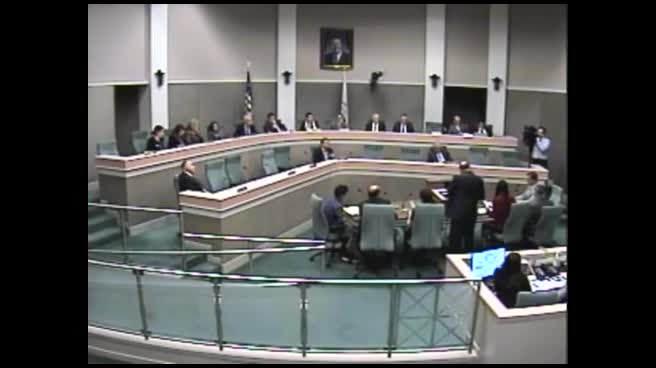 13MIN
Assembly Standing Committee on Health
Bill Author
Bill Co-Author(s):