AB 434: State Web accessibility: standard and reports.
- Session Year: 2017-2018
- House: Assembly
- Latest Version Date: 2017-10-14
Existing law establishes, within the Government Operations Agency, the Department of Technology under the supervision of the Director of Technology, who also serves as the State Chief Information Officer. Existing law provides that the department is generally responsible for the approval and oversight of information technology projects. Existing law requires the heads of state agencies and entities to appoint chief information officers, requires state agencies and entities to report certain information to the department, and further requires state agencies to take all necessary steps to achieve the targets set forth by the department in its information technology performance management framework and report their progress to the department on a quarterly basis.
This bill, before July 1, 2019, and before July 1 biennially thereafter, would require the director of each state agency or entity and the chief information officer of that state agency or entity to post on the home page of the agencys or entitys Internet Web site a signed certification that the agencys or entitys Internet Web site is in compliance with specified accessibility standards. The bill would require the director to create a standard form that each state agencys or state entitys chief information officer would be required to use to determine whether the state agencys or state entitys Internet Web site is in compliance with the specified accessibility standards.
Existing law establishes, within the Government Operations Agency, the Department of Technology under the supervision of the Director of Technology, who also serves as the State Chief Information Officer. Existing law provides that the department is generally responsible for the approval and oversight of information technology projects. Existing law requires the heads of state agencies and entities to appoint chief information officers, requires state agencies and entities to report certain information to the department, and further requires state agencies to take all necessary steps to achieve the targets set forth by the department in its information technology performance management framework and report their progress to the department on a quarterly basis.
This bill, before July 1, 2018, 2019, and before July 1 biennially thereafter, would require the director of each state agency or entity and the chief information officer of that state agency or entity to post on the front home page of the agencys or entitys Internet Web site a signed certification that the agencys or entitys Internet Web site is in compliance with specified accessibility standards. The bill would require the director to create a standard form that each state agencys or state entitys chief information officer shall use to determine whether the state agencys or state entitys Internet Web site is in compliance with the specified accessibility standards.
Existing law establishes, within the Government Operations Agency, the Department of Technology under the supervision of the Director of Technology, who also serves as the State Chief Information Officer. Existing law provides that the department is generally responsible for the approval and oversight of information technology projects. Existing law requires the heads of state agencies and entities to appoint chief information officers, requires state agencies and entities to report certain information to the department, and further requires state agencies to take all necessary steps to achieve the targets set forth by the department in its information technology performance management framework and report their progress to the department on a quarterly basis.
This bill, before July 1, 2018, and before July 1 biennially thereafter, would require a the director of each state agency or entity to submit a report to the department regarding the agencys or entitys Web accessibility testing and efforts to resolve identified accessibility issues and would require the report to include a signed certification from the agencys or entitys chief information officer, as specified. The bill, by December 31, 2018, would also require the department, in consultation with the Department of Rehabilitation, to adopt a state Web accessibility standard and submit a report to the Legislature that references the accessibility standard and describes how the department will continue to monitor accepted practices to ensure that the states policies and Internet Web sites remain current and within the guidelines of the accessibility standard or any future update to the standard. The bill would require the department to assess the sufficiency of the testing and efforts described in each state agency or entity report by determining whether the state agencys or entitys Internet Web sites meet the accessibility standard, publish the assessment on the departments Internet Web site, and ensure that each Internet Web site identified as not meeting the accessibility standard is updated to meet the accessibility standard. and the chief information officer of that state agency or entity to post on the front page of the agencys or entitys Internet Web site a signed certification that the agencys or entitys Internet Web site is in compliance with specified accessibility standards.
Existing law establishes, within the Government Operations Agency, the Department of Technology under the supervision of the Director of Technology, who also serves as the State Chief Information Officer. Existing law provides that the department is generally responsible for the approval and oversight of information technology projects. Existing law requires the heads of state agencies and entities to appoint chief information officers, requires state agencies and entities to report certain information to the department, and further requires state agencies to take all necessary steps to achieve the targets set forth by the department in its information technology performance management framework and report their progress to the department on a quarterly basis.
This bill, before July 1, 2018, and before July 1 biennially thereafter, would require a state agency or entity to submit a report to the department regarding the agencys or entitys Web accessibility testing and efforts to resolve identified accessibility issues and would require the report to include a signed certification from the agencys or entitys chief information officer, as specified. The bill, by December 31, 2018, would also require the department department, in consultation with the Department of Rehabilitation, to adopt a state Web accessibility standard and submit a report to the Legislature that references the accessibility standard and describes how the department will continue to monitor accepted practices to ensure that the states policies and Internet Web sites remain current and within the guidelines of the accessibility standard or any future update to the standard. The bill would require the department to assess the sufficiency of the testing and efforts described in each state agency or entity report by determining whether the state agencys or entitys Internet Web sites meet the accessibility standard, publish the assessment on the departments Internet Web site, and ensure that each Internet Web site identified as not meeting the accessibility standard is updated to meet the accessibility standard.
Existing law establishes, within the Government Operations Agency, the Department of Technology under the supervision of the Director of Technology, who also serves as the State Chief Information Officer. Existing law provides that the department is generally responsible for the approval and oversight of information technology projects. Existing law requires the heads of state agencies and entities to appoint chief information officers, requires state agencies and entities to report certain information to the department, and further requires state agencies to take all necessary steps to achieve the targets set forth by the department in its information technology performance management framework and report their progress to the department on a quarterly basis.
This bill, before July 1, 2018, and before July 1 biennially thereafter, would require a state agency or entity to submit a report to the department regarding the agencys or entitys Web accessibility testing and efforts to resolve identified accessibility issues and would require the report to include a signed certification from the agencys or entitys chief information officer, as specified. The bill, by December 31, 2018, would also require the department to adopt a state Web accessibility standard and submit a report to the Legislature that references the accessibility standard and describes how the department will continue to monitor accepted practices to ensure that the states policies and Internet Web sites remain current and within the guidelines of the accessibility standard. The bill would require the department to assess the sufficiency of the testing and efforts described in each state agency or entity report by determining whether the state agencys or entitys Internet Web sites meet the accessibility standard, publish the assessment on the departments Internet Web site, and ensure that each Internet Web site identified as not meeting the accessibility standard is updated to meet the accessibility standard.
Existing law authorizes the Governor to make, amend, and rescind orders and regulations necessary to carry out the California Emergency Services Act. Existing law gives those orders and regulations the force and effect of law. This bill would make a nonsubstantive change to that provision.Existing law authorizes the Governor to make, amend, and rescind orders and regulations necessary to carry out the California Emergency Services Act. Existing law gives those orders and regulations the force and effect of law.
This bill would make a nonsubstantive change to that provision.
(a)Before July 1, 2019, and before July 1 biennially thereafter, the director of each state agency or state entity, as defined in subdivision (e) of Section 11546.1, and each chief information officer appointed under Section 11546.1, shall post on the home page of the state agencys or state entitys Internet Web site a signed certification from the state agencys or state entitys director and chief information officer that they have determined that the Internet Web site is in compliance with Sections 7405 and 11135, and the Web Content Accessibility Guidelines 2.0, or a subsequent version, published by the Web Accessibility Initiative of the World Wide Web Consortium at a minimum Level AA success criteria.
(b)The Director of Technology shall create a standard form that each state agencys or state entitys chief information officer shall use to determine whether the state agencys or state entitys Internet Web site is in compliance with the accessibility standards specified in subdivision (a).
(a)Before July 1, 2018, 2019, and before July 1 biennially thereafter, the director of each state agency or state entity, as defined in subdivision (e) of Section 11546.1, and each chief information officer appointed under Section 11546.1, shall post on the front home page of the state agencys or state entitys Internet Web site a signed certification from the state agencys or state entitys director and chief information officer that they have determined that the Internet Web site is in compliance with Section 508 of the federal Rehabilitation Act of 1973 (29 U.S.C. Sec. 794d), Section Sections 7405 and 11135 of this code, 11135, and the Web Content Accessibility Guidelines 2.0, or a subsequent version, published by the Web Accessibility Initiative of the World Wide Web Consortium at a minimum Level AA success criteria.
(b)The Director of Technology shall create a standard form that each state agencys or state entitys chief information officer shall use to determine whether the state agencys or state entitys Internet Web site is in compliance with the accessibility standards specified in subdivision (a).
(a)Before July 1, 2018, and before July 1 biennially thereafter, a state agency or entity subject to Section 11546.1 shall submit a report to the Department of Technology regarding the frequency and method of the state agencys or entitys Web accessibility testing and the state agencys or entitys efforts to resolve accessibility issues it identifies. The report shall include a signed certification from the state agencys or entitys the director of each state agency or state entity, as defined in subdivision (e) of Section 11546.1, and each chief information officer appointed under Section 11546.1 that supports both the testing and the efforts described in the report. 11546.1, shall post on the front page of the state agencys or state entitys Internet Web site a signed certification from the state agencys or state entitys director and chief information officer that the Internet Web site is in compliance with Section 508 of the federal Rehabilitation Act of 1973 (29 U.S.C. Sec. 794d), Section 7405 and 11135 of this code, and the Web Content Accessibility Guidelines 2.0, or a subsequent version, published by the Web Accessibility Initiative of the World Wide Web Consortium at a minimum Level AA success criteria.
(b)(1)On or before December 31, 2018, the Department of Technology, in consultation with the Department of Rehabilitation, shall, after reviewing commonly accepted Web accessibility standards and reports received pursuant to subdivision (a), adopt a state Web accessibility standard and submit a report to the Legislature that references the adopted accessibility standard and describes how the department will continue to monitor accepted practices to ensure that the states policies and Internet Web sites remain current and within the guidelines of the accessibility standard or any future update to the standard. The department may consider utilizing the Web Content Accessibility Guidelines 2.0 standard as a means to determining whether the accessibility standard is being met. The report shall be submitted in compliance with Section 9795.(2)Pursuant to Section 10231.5, the requirement for submitting a report under this subdivision shall be inoperative on December 31, 2022.(c)The Department of Technology shall assess the sufficiency of the testing and efforts described in each report received pursuant to subdivision (a) by determining whether the state agencys or entitys Internet Web sites meet the accessibility standard adopted pursuant to subdivision (b) and shall publish the assessment on the departments Internet Web site. If the department determines that an Internet Web site does not meet the accessibility standard, the department shall ensure that the Internet Web site is updated to meet the accessibility standard.(a)Before July 1, 2018, and before July 1 biennially thereafter, a state agency or entity subject to Section 11546.1 shall submit a report to the Department of Technology regarding the frequency and method of the state agencys or entitys Web accessibility testing and the state agencys or entitys efforts to resolve accessibility issues it identifies. The report shall include a signed certification from the state agencys or entitys chief information officer appointed under Section 11546.1 that supports both the testing and the efforts described in the report.
(b)(1)On or before December 31, 2018, the Department of Technology Technology, in consultation with the Department of Rehabilitation, shall, after reviewing commonly accepted Web accessibility standards and reports received pursuant to subdivision (a), adopt a state Web accessibility standard and submit a report to the Legislature that references the adopted accessibility standard and describes how the department will continue to monitor accepted practices to ensure that the states policies and Internet Web sites remain current and within the guidelines of the accessibility standard or any future update to the standard. The department may consider utilizing the Web Content Accessibility Guidelines 2.0 standard as a means to determining whether the accessibility standard is being met. The report shall be submitted in compliance with Section 9795.
(2)Pursuant to Section 10231.5, the requirement for submitting a report under this subdivision shall be inoperative on December 31, 2022.
(c)The Department of Technology shall assess the sufficiency of the testing and efforts described in each report received pursuant to subdivision (a) by determining whether the state agencys or entitys Internet Web sites meet the accessibility standard adopted pursuant to subdivision (b) and shall publish the assessment on the departments Internet Web site. If the department determines that an Internet Web site does not meet the accessibility standard, the department shall ensure that the Internet Web site is updated to meet the accessibility standard.
(a)Before July 1, 2018, and before July 1 biennially thereafter, a state agency or entity subject to Section 11546.1 shall submit a report to the Department of Technology regarding the frequency and method of the state agencys or entitys Web accessibility testing and the state agencys or entitys efforts to resolve accessibility issues it identifies. The report shall include a signed certification from the state agencys or entitys chief information officer appointed under Section 11546.1 that supports both the testing and the efforts described in the report.
(b)(1)On or before December 31, 2018, the Department of Technology shall, after reviewing commonly accepted Web accessibility standards and reports received pursuant to subdivision (a), adopt a state Web accessibility standard and submit a report to the Legislature that references the adopted accessibility standard and describes how the department will continue to monitor accepted practices to ensure that the states policies and Internet Web sites remain current and within the guidelines of the accessibility standard. The department may consider utilizing the Web Content Accessibility Guidelines 2.0 standard as a means to determining whether the accessibility standard is being met. The report shall be submitted in compliance with Section 9795.
(2)Pursuant to Section 10231.5, the requirement for submitting a report under this subdivision shall be inoperative on December 31, 2022.
(c)The Department of Technology shall assess the sufficiency of the testing and efforts described in each report received pursuant to subdivision (a) by determining whether the state agencys or entitys Internet Web sites meet the accessibility standard adopted pursuant to subdivision (b) and shall publish the assessment on the departments Internet Web site. If the department determines that an Internet Web site does not meet the accessibility standard, the department shall ensure that the Internet Web site is updated to meet the accessibility standard.
SECTION 1.Section 8567 of the Government Code is amended to read:8567.(a)The Governor may make, amend, and rescind orders and regulations necessary to carry out the provisions of this chapter. The orders and regulations shall have the force and effect of law. Due consideration shall be given to the plans of the federal government in preparing the orders and regulations. The Governor shall cause widespread publicity and notice to be given to all of those orders and regulations, or amendments or rescissions thereof.(b)Orders and regulations, or amendments or rescissions thereof, issued during a state of war emergency or state of emergency shall be in writing and shall take effect immediately upon their issuance. Whenever the state of war emergency or state of emergency has been terminated, the orders and regulations shall be of no further force or effect.(c)All orders and regulations relating to the use of funds pursuant to Article 16 (commencing with Section 8645) shall be prepared in advance of any commitment or expenditure of the funds. Other orders and regulations needed to carry out the provisions of this chapter shall, whenever practicable, be prepared in advance of a state of war emergency or state of emergency.(d)All orders and regulations made in advance of a state of war emergency or state of emergency shall be in writing, shall be exempt from Chapter 3.5 (commencing with Section 11340) of Part 1 of Division 3 of Title 2. As soon thereafter as possible they shall be filed in the office of the Secretary of State and with the county clerk of each county. REVISIONS: HeadingLine 2.(a)The Governor may make, amend, and rescind orders and regulations necessary to carry out the provisions of this chapter. The orders and regulations shall have the force and effect of law. Due consideration shall be given to the plans of the federal government in preparing the orders and regulations. The Governor shall cause widespread publicity and notice to be given to all such of those orders and regulations, or amendments or rescissions thereof.
(b)Orders and regulations, or amendments or rescissions thereof, issued during a state of war emergency or state of emergency shall be in writing and shall take effect immediately upon their issuance. Whenever the state of war emergency or state of emergency has been terminated, the orders and regulations shall be of no further force or effect.
(c)All orders and regulations relating to the use of funds pursuant to Article 16 (commencing with Section 8645) shall be prepared in advance of any commitment or expenditure of the funds. Other orders and regulations needed to carry out the provisions of this chapter shall, whenever practicable, be prepared in advance of a state of war emergency or state of emergency.
(d)All orders and regulations made in advance of a state of war emergency or state of emergency shall be in writing, shall be exempt from Chapter 3.5 (commencing with Section 11340) of Part 1 of Division 3 of Title 2. As soon thereafter as possible they shall be filed in the office of the Secretary of State and with the county clerk of each county.
|
Date
|
Status
|
|---|---|
| Oct 14, 2017 | Chaptered by Secretary of State - Chapter 780, Statutes of 2017. |
| Oct 14, 2017 | Approved by the Governor. |
| Sep 20, 2017 | Enrolled and presented to the Governor at 4:30 p.m. |
| Sep 13, 2017 | Assembly Rule 77(a) suspended. |
| Sep 13, 2017 | In Assembly. Concurrence in Senate amendments pending. May be considered on or after September 15 pursuant to Assembly Rule 77. |
| Sep 12, 2017 | Read third time. Passed. Ordered to the Assembly. |
| Sep 11, 2017 | Read second time. Ordered to third reading. |
| Sep 8, 2017 | Read third time and amended. Ordered to second reading. |
| Aug 29, 2017 | Read second time. Ordered to third reading. |
| Aug 28, 2017 | From committee: Be ordered to second reading pursuant to Senate Rule 28.8. |
| Aug 21, 2017 | In committee: Hearing postponed by committee. |
| Aug 21, 2017 | From committee chair, with author's amendments: Amend, and re-refer to committee. Read second time, amended, and re-referred to Com. on APPR. |
| Jul 11, 2017 | From committee: Do pass and re-refer to Com. on APPR. (Ayes 13. Noes 0.) (July 11). Re-referred to Com. on APPR. |
| Jul 3, 2017 | From committee chair, with author's amendments: Amend, and re-refer to committee. Read second time, amended, and re-referred to Com. on G.O. |
| Jun 8, 2017 | Referred to Com. on G.O. |
| May 30, 2017 | In Senate. Read first time. To Com. on RLS. for assignment. |
| May 30, 2017 | Read third time. Passed. Ordered to the Senate. (Ayes 76. Noes 0. Page 1818.) |
| May 26, 2017 | From committee: Do pass. (Ayes 17. Noes 0.) (May 26). |
| May 10, 2017 | In committee: Set, first hearing. Referred to APPR. suspense file. |
| Apr 26, 2017 | From committee: Do pass and re-refer to Com. on APPR. with recommendation: To Consent Calendar. (Ayes 7. Noes 0.) (April 26). Re-referred to Com. on APPR. |
| Apr 19, 2017 | From committee: Do pass and re-refer to Com. on A. & A.R. with recommendation: To Consent Calendar. (Ayes 10. Noes 0.) (April 18). Re-referred to Com. on A. & A.R. |
| Mar 30, 2017 | Coauthors revised. |
| Mar 22, 2017 | Re-referred to Com. on P. & C.P. |
| Mar 21, 2017 | From committee chair, with author's amendments: Amend, and re-refer to Com. on P. & C.P. Read second time and amended. |
| Mar 20, 2017 | Referred to Coms. on P. & C.P. and A. & A.R. |
| Feb 14, 2017 | From printer. May be heard in committee March 16. |
| Feb 13, 2017 | Read first time. To print. |
|
Date
|
Description
|
Location
|
Votes
|
|
|---|---|---|---|---|
| Sep 13, 2017 | AB 434 Baker Concurrence in Senate Amendments | Assembly Floor |
Passed |
|
| Sep 12, 2017 | Assembly 3rd Reading AB434 Baker et al. By Hertzberg | Senate Floor |
Passed |
|
| Jul 11, 2017 | Do pass, but first be re-referred to the Committee on [Appropriations] | Senate Standing Committee on Governmental Organization |
Passed |
|
| May 30, 2017 | AB 434 BAKER Assembly Third Reading | Assembly Floor |
Passed |
|
| May 26, 2017 | Do pass. | Assembly Standing Committee on Appropriations |
Passed |
|
| Apr 26, 2017 | Do pass and be re-referred to the Committee on [Appropriations] with recommendation: To Consent Calendar | Assembly Standing Committee on Accountability and Administrative Review |
Passed |
|
| Apr 18, 2017 | Do pass and be re-referred to the Committee on [Accountability and Administrative Review] with recommendation: To Consent Calendar | Assembly Standing Committee on Privacy and Consumer Protection |
Passed |
This list shows positions taken on this bill by organizations on the date displayed, which is linked to the original source.
Positions by individuals are not included.
|
Organization
|
Position
|
Date
|
|---|---|---|
| Alameda County Board of Supervisors | ** Support | Sep 12, 2017 |
| Coalition of California Welfare Rights Organizations, Inc. | ** Support | Sep 12, 2017 |
| Disability Rights of California | ** Against | Jul 7, 2017 |
| East Bay Legislative Coalition | ** Support | Sep 12, 2017 |
| State Council on Developmental Disabilities | ** Support | Sep 12, 2017 |
CONCURRENCE IN SENATE AMENDMENTS
CSA1 Bill Id:AB 434
Author:(Baker)
As Amended Ver:September 8, 2017
Majority vote
ASSEMBLY: | 76-0 | (May 30, 2017) | SENATE: | 39-0 | (September 12, 2017) |
Original Committee Reference: P. & C.P.
SUMMARY: Requires the director and chief information officer of each state agency or state entity to post a signed certification on the front page of the state agency's Internet Web site that it is in compliance with specified accessibility standards.
The Senate amendments revise and recast the provisions of the bill and instead:
- Require before July 1, 2019, and before July 1 biennially thereafter, the director and chief information officer (CIO) of each state agency or state entity to post on the home page of the state agency's or state entity's Internet Web site a signed certification that the website is in compliance with specified accessibility standards.
- Require the Director of the California Department of Technology to create a standard form that each state agency's or state entity's CIO shall use to determine whether the state agency's or state entity's website is in compliance with the accessibility standards.
FISCAL EFFECT: According to Senate Rule 28.8, any additional state costs are not significant and do not and will not require the appropriation of additional state funds, and the bill will cause no significant reduction in revenues.
COMMENTS: According to the author's office, "the California State Auditor's office reviews the accessibility of key online services offered by four state departments. The State Auditor found that, despite the growing use of government services online and the State's accessibility requirements, the Internet Web sites reviewed are not fully accessible to persons with disabilities. Furthermore, some of the accessibility violations are so severe that, under certain circumstances, they may prevent persons with disabilities from accessing online services. Updated standards provided on a regular basis to the Legislature will help California agencies and departments make their Internet Web sites more accessible as required by state law."
According to a 2014 Bureau of State Audits (BSA) report on state government Internet Web site accessibility (2014-131), BSA found that the state websites they reviewed were "not fully accessible."47% of Californians report using the internet to access government services, yet despite the high levels of usage, BSA found violations of applicable accessibility standards on each department's website.
According to BSA, "[s]ome of the critical accessibility violations we identified are so severe that, under certain circumstances, they may prevent persons with disabilities from completing the core tasks necessary to access online services. These violations occurred at three departments and would affect users with a variety of disabilities, including motor disabilities and vision loss."
Furthermore, BSA points out that updated standards are available that could help California make its websites more accessible. "In 2008, shortly after California adopted the first version of the Web Content Accessibility Guidelines (WCAG) standards, WCAG 1.0, the World Wide Web Consortium (W3C) issued WCAG 2.0. When it did so, the W3C stated that the WCAG 2.0 standards apply more broadly to different types of web technologies and allow for more effective testing of websites' accessibility. However, California has not adopted these updated standards. In light of these improvements, it is important that the Legislature amend state law to require departments to meet the WCAG 2.0 standards."
The author contends that, "AB 434 will amend California state law to increase transparency and require state websites add whether the CIO has determined the website to be in compliance. This bill better enables the Legislature to provide more effective oversight and assurance that California agencies are fully accessible to all Californians."
Analysis Prepared by: Hank Dempsey / P. & C.P. / (916) 319-2200 FN: 0002327
Office of Senate Floor Analyses (916) 651-1520 Fax: (916) 327-4478 | AB |
THIRD READING
Bill No: AB 434
:
SENATE GOVERNMENTAL ORG. COMMITTEE: 13-0, 7/11/17
AYES: Dodd, Berryhill, Bradford, Cannella, Gaines, Galgiani, Glazer, Hill, Hueso, Lara, Mendoza, Portantino, Vidak
SENATE APPROPRIATIONS COMMITTEE: Senate Rule 28.8
ASSEMBLY FLOOR: 76-0, 5/30/17 - See last page for vote
SUBJECT: State Web accessibility: standard and reports
SOURCE: Coalition of California Welfare Rights Organizations, Inc.
DIGEST:
This bill requires the director and chief information officer (CIO) of each state agency, as defined, to post on the home page of the state agency’s Web site a signed certification that the agency’s Internet Web site is in compliance with specified accessibility standards.
Senate Floor Amendments of 9/8/17 delay the implementation of the bill from July 1, 2018, to July 1, 2019, and require the Director of the California Department of Technology (CDT) to create a standard form that each state agency’s CIO is required to use to determine if the state agency’s Web site is in compliance with the accessibility standards in this bill.
Existing law:
- Establishes the CDT, within the Government Operations Agency, and generally requires CDT to be responsible for the approval and oversight of information technology (IT) projects by, among other things, consulting with state agencies during initial project planning to ensure that project proposals are based on well-defined programmatic needs.
- Establishes the Office of Information Security, within CDT, which is responsible for ensuring the confidentiality, integrity, and availability of state systems and applications, and to promote and protect privacy to ensure the trust of residents of the State.
- Requires the heads of state agencies and entities to appoint CIOs and to report certain information to CDT, and further requires state agencies to take all necessary steps to achieve the targets set forth by CDT in its IT performance management framework and report their progress to CDT on a quarterly basis.
- Prohibits discrimination on the basis of disability and ensures access to the benefits of any program or activity that is conducted, or administered by, the state or any state agency.
- Requires state agencies when procuring, maintaining, or using electronic or IT to provide those with disabilities access to information that is comparable to access available to others.
This bill:
- Requires, before July 1, 2019, and biennially thereafter, the director and CIO of each state agency or state entity, as defined, to post on the home page of the state agency’s or state entity’s Internet Web site a signed certification that the agency’s or entity’s Internet Web site is in compliance with specified accessibility standards.
- Defines “state agency” to mean the Transportation Agency, Department of Corrections and Rehabilitation, Department of Veterans Affairs, Business, Consumer Services, and Housing Agency, Natural Resources Agency, California Health and Human Services Agency, California Environmental Protection Agency, Labor and Workforce Development Agency, and Department of Food Agriculture.
- Defines a “state entity” to mean an entity within the executive branch that is under the direct authority of the Governor, including, but not limited to, all departments, boards, bureaus, commission, councils, and offices that are not defined as a “state agency.”
- Requires the Director of CDT to create a standard form that each state agency’s or state entity’s CIO shall use to determine whether its Web site is in compliance with the accessibility standards specified in this bill.
Background
Purpose of the bill. According to the author’s office, “the California State Auditor’s office reviews the accessibility of key online services offered by four state departments. The State Auditor found that, despite the growing use of government services online and the State’s accessibility requirements, the Web sites reviewed are not fully accessible to persons with disabilities. Furthermore, some of the accessibility violations are so severe that, under certain circumstances, they may prevent persons with disabilities from accessing online services. Updated standards provided on a regular basis to the Legislature will help California agencies and departments make their Web sites more accessible as required by state law.”
The author further contends that, “AB 434 will amend California state law to increase transparency and require state websites add whether the CIO has determined the website to be in compliance. This bill better enable the Legislature to provide more effective oversight and assurance that California agencies are fully accessible to all Californians.”
State Auditor Report. In a 2014 report on state government accessibility, the State Auditor found many violations of accessibility standards that made it difficult for users with disabilities to navigate state government Web sites.
Furthermore, the report pointed out that “updated standards are available that could help California make its Web sites more accessible. In 2008, shortly after California adopted the first version of the Web Content Accessibility Guidelines (WCAG) standards, WCAG 1.0, the W3C issued WCAG 2.0. When it did so, the World Wide Web Consortium (W3C) stated that the WCAG 2.0 standards apply more broadly to different types of web technologies and allow for more effective testing of Web sites’ accessibility. However, California has not adopted these updated standards. In light of these improvements, it is important that the Legislature amend state law to require that departments to meet the WCAG 2.0 standards.”
WCAG 2.0. The WCAG 2.0 covers a wide range of recommendations for making Web content more accessible. The standards are established by the W3C, which is an international community that develops open standards with the goal of ensuring the long term growth of the Web.
The W3C states that following these guidelines will make content accessible to a wider range of people with disabilities, including blindness and low vision, deafness and hearing loss, learning disabilities, cognitive limitations, limited movement, speech disabilities, photosensitivity and combinations of these. The W3C also states that these guidelines will often make your Web content more usable to users in general.
American with Disabilities Act of 1990 (ADA). The ADA was enacted by the United States Congress in 1990. The ADA is a wide ranging civil rights law that prohibits discrimination based on disability. It affords similar protections against discrimination to Americans with disabilities as the Civil Rights Act of 1964, which made discrimination based on race, religion, sex, national origin, and other characteristics illegal. In addition, the ADA requires employers to provide reasonable accommodations to employees with disabilities, and imposes accessibility requirements on public accommodations. The ADA disabilities include both mental and physical medical conditions.
Rehabilitation Act of 1973. The Rehabilitation Act of 1973 prohibits discrimination on the basis of disability in programs conducted by federal agencies, in programs receiving federal financial assistance, in federal employment, and in the employment practices of federal contractors.
In 1998, Section 508 was added to the Act to establish requirements for electronic and information technology developed, maintained, procured, or used by the federal government. Section 508 requires federal electronic and information technology to be accessible to people with disabilities, including employees and members of the public.
FISCAL EFFECT: Appropriation: Fiscal Com.: Local:
Coalition of California Welfare Rights Organizations, Inc. (source)
Alameda County Board of Supervisors
East Bay Legislative Coalition
State Council on Developmental Disabilities
OPPOSITION: (Verified 9/11/17)
None received
ASSEMBLY FLOOR: 76-0, 5/30/17
AYES: Acosta, Aguiar-Curry, Travis Allen, Arambula, Baker, Berman, Bigelow, Bloom, Bocanegra, Bonta, Brough, Burke, Caballero, Calderon, Cervantes, Chávez, Chiu, Chu, Cooley, Cooper, Cunningham, Dababneh, Dahle, Daly, Flora, Fong, Frazier, Friedman, Gallagher, Cristina Garcia, Eduardo Garcia, Gipson, Gloria, Gomez, Gonzalez Fletcher, Gray, Grayson, Harper, Holden, Irwin, Jones-Sawyer, Kalra, Kiley, Lackey, Levine, Limón, Low, Maienschein, Mathis, Mayes, McCarty, Medina, Melendez, Mullin, Muratsuchi, Nazarian, Obernolte, O'Donnell, Patterson, Quirk, Quirk-Silva, Reyes, Ridley-Thomas, Rodriguez, Rubio, Salas, Santiago, Steinorth, Mark Stone, Thurmond, Ting, Voepel, Waldron, Weber, Wood, Rendon
NO VOTE RECORDED: Chau, Chen, Choi, Eggman
9/12/17 9:19:13
**** END ****
Office of Senate Floor Analyses (916) 651-1520 Fax: (916) 327-4478 | AB |
THIRD READING
Bill No: AB 434
:
SENATE GOVERNMENTAL ORG. COMMITTEE: 13-0, 7/11/17
AYES: Dodd, Berryhill, Bradford, Cannella, Gaines, Galgiani, Glazer, Hill, Hueso, Lara, Mendoza, Portantino, Vidak
SENATE APPROPRIATIONS COMMITTEE: Senate Rule 28.8
ASSEMBLY FLOOR: 76-0, 5/30/17 - See last page for vote
SOURCE: Coalition of California Welfare Rights Organizations, Inc.
DIGEST:
This bill requires the director and chief information officer (CIO) of each state agency, as defined, to post on the front page of the state agency’s Web site a signed certification that the agency’s Internet Web site is in compliance with specified accessibility standards.
Existing law:
- Establishes the California Department of Technology (CDT), within the Government Operations Agency, and generally requires CDT to be responsible for the approval and oversight of information technology (IT) projects by, among other things, consulting with state agencies during initial project planning to ensure that project proposals are based on well-defined programmatic needs.
- Establishes the Office of Information Security, within CDT, which is responsible for ensuring the confidentiality, integrity, and availability of state systems and applications, and to promote and protect privacy to ensure the trust of residents of the State.
- Requires the heads of state agencies and entities to appoint CIOs and to report certain information to CDT, and further requires state agencies to take all necessary steps to achieve the targets set forth by CDT in its IT performance management framework and report their progress to CDT on a quarterly basis.
- Prohibits discrimination on the basis of disability and ensures access to the benefits of any program or activity that is conducted, or administered by, the state or any state agency.
- Requires state agencies when procuring, maintaining, or using electronic or IT to provide those with disabilities access to information that is comparable to access available to others.
This bill:
- Requires, before July 1, 2018, and biennially thereafter, the director and CIO of each state agency or state entity, as defined, to post on the front page of the state agency’s or state entity’s Internet Web site a signed certification that the agency’s or entity’s Internet Web site is in compliance with specified accessibility standards.
- Defines “state agency” to mean the Transportation Agency, Department of Corrections and Rehabilitation, Department of Veterans Affairs, Business, Consumer Services, and Housing Agency, Natural Resources Agency, California Health and Human Services Agency, California Environmental Protection Agency, Labor and Workforce Development Agency, and Department of Food Agriculture.
- Defines a “state entity” to mean an entity within the executive branch that is under the direct authority of the Governor, including, but not limited to, all departments, boards, bureaus, commission, councils, and offices that are not defined as a “state agency.”
Background
Purpose of the bill. According to the author’s office, “the California State Auditor’s office reviews the accessibility of key online services offered by four state departments. The State Auditor found that, despite the growing use of government services online and the State’s accessibility requirements, the Web sites reviewed are not fully accessible to persons with disabilities. Furthermore, some of the accessibility violations are so severe that, under certain circumstances, they may prevent persons with disabilities from accessing online services. Updated standards provided on a regular basis to the Legislature will help California agencies and departments make their Web sites more accessible as required by state law.”
The author further contends that, “AB 434 will amend California state law to increase transparency and require state websites add whether the CIO has determined the website to be in compliance. This bill better enable the Legislature to provide more effective oversight and assurance that California agencies are fully accessible to all Californians.”
State Auditor Report. In a 2014 report on state government accessibility, the State Auditor found many violations of accessibility standards that made it difficult for users with disabilities to navigate state government Web sites.
Furthermore, the report pointed out that “updated standards are available that could help California make its Web sites more accessible. In 2008, shortly after California adopted the first version of the Web Content Accessibility Guidelines (WCAG) standards, WCAG 1.0, the W3C issued WCAG 2.0. When it did so, the World Wide Web Consortium (W3C) stated that the WCAG 2.0 standards apply more broadly to different types of web technologies and allow for more effective testing of Web sites’ accessibility. However, California has not adopted these updated standards. In light of these improvements, it is important that the Legislature amend state law to require that departments to meet the WCAG 2.0 standards.”
WCAG 2.0. The WCAG 2.0 covers a wide range of recommendations for making Web content more accessible. The standards are established by the W3C, which is an international community that develops open standards with the goal of ensuring the long term growth of the Web.
The W3C states that following these guidelines will make content accessible to a wider range of people with disabilities, including blindness and low vision, deafness and hearing loss, learning disabilities, cognitive limitations, limited movement, speech disabilities, photosensitivity and combinations of these. The W3C also states that these guidelines will often make your Web content more usable to users in general.
American with Disabilities Act of 1990 (ADA). The ADA was enacted by the United States Congress in 1990. The ADA is a wide ranging civil rights law that prohibits discrimination based on disability. It affords similar protections against discrimination to Americans with disabilities as the Civil Rights Act of 1964, which made discrimination based on race, religion, sex, national origin, and other characteristics illegal. In addition, the ADA requires employers to provide reasonable accommodations to employees with disabilities, and imposes accessibility requirements on public accommodations. The ADA disabilities include both mental and physical medical conditions.
Rehabilitation Act of 1973. The Rehabilitation Act of 1973 prohibits discrimination on the basis of disability in programs conducted by federal agencies, in programs receiving federal financial assistance, in federal employment, and in the employment practices of federal contractors.
In 1998, Section 508 was added to the Act to establish requirements for electronic and information technology developed, maintained, procured, or used by the federal government. Section 508 requires federal electronic and information technology to be accessible to people with disabilities, including employees and members of the public.
FISCAL EFFECT: Appropriation: Fiscal Com.: Local:
Coalition of California Welfare Rights Organizations, Inc. (source)
Alameda County Board of Supervisors
East Bay Legislative Coalition
State Council on Developmental Disabilities
OPPOSITION: (Verified 8/28/17)
None received
ASSEMBLY FLOOR: 76-0, 5/30/17
AYES: Acosta, Aguiar-Curry, Travis Allen, Arambula, Baker, Berman, Bigelow, Bloom, Bocanegra, Bonta, Brough, Burke, Caballero, Calderon, Cervantes, Chávez, Chiu, Chu, Cooley, Cooper, Cunningham, Dababneh, Dahle, Daly, Flora, Fong, Frazier, Friedman, Gallagher, Cristina Garcia, Eduardo Garcia, Gipson, Gloria, Gomez, Gonzalez Fletcher, Gray, Grayson, Harper, Holden, Irwin, Jones-Sawyer, Kalra, Kiley, Lackey, Levine, Limón, Low, Maienschein, Mathis, Mayes, McCarty, Medina, Melendez, Mullin, Muratsuchi, Nazarian, Obernolte, O'Donnell, Patterson, Quirk, Quirk-Silva, Reyes, Ridley-Thomas, Rodriguez, Rubio, Salas, Santiago, Steinorth, Mark Stone, Thurmond, Ting, Voepel, Waldron, Weber, Wood, Rendon
NO VOTE RECORDED: Chau, Chen, Choi, Eggman
8/29/17 15:17:15
**** END ****
SENATE COMMITTEE ON GOVERNMENTAL ORGANIZATION
Senator Bill Dodd
Chair
2017 - 2018 Regular
Bill No: 434 Hearing Date: 7/11/2017
Author: | |||
Version: | 7/3/2017 Amended | ||
Urgency: | No | Fiscal: | Yes |
Consultant: | Felipe Lopez | ||
SUBJECT: State Web accessibility: standard and reports
DIGEST: This bill requires state agencies and entities, as defined, to submit biennial reports on the accessibility testing of their Web sites to the California Department of Technology (CDT) and requires CDT, in consultation with the Department of Rehabilitation (DOR) to adopt a state Web accessibility standard, as specified.
ANALYSIS:
Existing law:
- Establishes CDT, within the Government Operations Agency, and generally requires CDT to be responsible for the approval and oversight of information technology (IT) projects by, among other things, consulting with state agencies during initial project planning to ensure that project proposals are based on well-defined programmatic needs.
- Establishes the Office of Information Security (OIS), within CDT, which is responsible for ensuring the confidentiality, integrity, and availability of state systems and applications, and to promote and protect privacy to ensure the trust of residents of the State.
- Requires the heads of state agencies and entities to appoint chief information officers and to report certain information to CDT, and further requires state agencies to take all necessary steps to achieve the targets set forth by CDT in its information technology performance management framework and report their progress to CDT on a quarterly basis.
- Prohibits discrimination on the basis of disability and ensures access to the benefits of any program or activity that is conducted, or administered by, the state or any state agency.
- Requires state agencies when procuring, maintaining, or using electronic or IT to provide those with disabilities access to information that is comparable to access available to others.
This bill:
- Requires state agencies, as defined, before July 1, 2018, and every two years thereafter, to submit a report to CDT regarding the frequency and method of the state agency’s or entity’s Web accessibility testing and the state agency’s efforts to resolve accessibility issues it identifies.
- Requires the report to include a signed certification from the state agency’s or entity’s chief information officer that supports both the testing and the efforts described in the report.
- Defines a “state agency” to mean any of the following:
- Transportation Agency.
- Department of Corrections and Rehabilitation.
- Department of Veteran Affairs.
- Business, Consumer Services, and Housing Agency.
- Natural Resources Agency.
- California Health and Human Services Agency.
- California Environmental Protection Agency.
- Labor and Workforce Development Agency.
- Department of Food and Agricultural.
- Defines a “state entity” to mean an entity within the executive branch that is under the direct authority of the Governor, including but not limited to, all departments, board, bureaus, commissions, councils, and offices.
- Requires CDT, in consultation with DOR, on or before December 31, 2018, and after reviewing the report, to adopt a state Web accessibility standard and report to the Legislature that references the adopted accessibility standard and describes how CDT will continue to monitor accepted practices to ensure that the state’s policies and Internet Web sites remain current and within the guidelines of the accessibility standard or any future update to the standard.
- Authorizes CDT to consider utilizing the Web Content Accessibility Guidelines 2.0 standard as a means to determining whether the accessibility standard.
- Requires CDT to assess the sufficiency of the testing and efforts described in each report submitted by a state agency or entity by determining whether the state agency’s or entity’s Internet Web sites meet the accessibility standard adopted by the provisions of this bill and shall publish the assessment on CDT’s Internet Web site.
- Provides that if CDT determines that an Internet Web site does not meet the accessibility standard, CDT shall ensure that the Internet Web site is updated to meet the accessibility standard.
Background
Purpose of the bill. According to the author’s office, “the California State Auditor’s office reviews the accessibility of key online services offered by four state departments. The State Auditor found that, despite the growing use of government services online and the State’s accessibility requirements, the Web sites reviewed are not fully accessible to persons with disabilities. Furthermore, some of the accessibility violations are so severe that, under certain circumstances, they may prevent persons with disabilities from accessing online services. Updated standards provided on a regular basis to the Legislature will help California agencies and departments make their Web sites more accessible as required by state law.”
In addition, the author’s office contends that, “to help ensure California’s standards remain current, AB 434 will amend state law to require CDT to monitor commonly accepted accessibility standards and appraise the Legislature of any changes to those standards that California should adopt. This will better enable the Legislature to provide more effective oversight and assurance that California agencies are fully accessible to all Californians.”
State Auditor Report. In a 2014 report on state government accessibility, the State Auditor found many violations of accessibility standards that made it difficult for users with disabilities to navigate state government Web sites.
Furthermore, the report pointed out that “updated standards are available that could help California make its Web sites more accessible. In 2008, shortly after California adopted the first version of the WCAG standards, WCAG 1.0, the W3C issued WCAG 2.0. When it did so, the W3C stated that the WCAG 2.0 standards apply more broadly to different types of web technologies and allow for more effective testing of Web sites’ accessibility. However, California has not adopted these updated standards. In light of these improvements, it is important that the Legislature amend state law to require that departments to meet the WCAG 2.0 standards."
Web Content Accessibility Guidelines 2.0. The Web Content Accessibility Guidelines (WCAG) 2.0 covers a wide range of recommendations for making Web content more accessible. The standards are established by the World Wide Web Consortium (W3C), which is an international community that develops open standards with the goal of ensuring the long term growth of the Web.
The W3C states that following these guidelines will make content accessible to a wider range of people with disabilities, including blindness and low vision, deafness and hearing loss, learning disabilities, cognitive limitations, limited movement, speech disabilities, photosensitivity and combinations of these. The W3C also states that these guidelines will often make your Web content more usable to users in general.
American with Disabilities Act of 1990 (ADA): The ADA was enacted by the United States Congress in 1990. The ADA is a wide ranging civil rights law that prohibits discrimination based on disability. It affords similar protections against discrimination to Americans with disabilities as the Civil Rights Act of 1964, which made discrimination based on race, religion, sex, national origin, and other characteristics illegal. In addition, the ADA requires employers to provide reasonable accommodations to employees with disabilities, and imposes accessibility requirements on public accommodations. The ADA disabilities include both mental and physical medical conditions.
Rehabilitation Act of 1973: The Rehabilitation Act of 1973 prohibits discrimination on the basis of disability in programs conducted by federal agencies, in programs receiving federal financial assistance, in federal employment, and in the employment practices of federal contractors.
In 1998, Section 508 was added to the Act to establish requirements for electronic and information technology developed, maintained, procured, or used by the federal government. Section 508 requires federal electronic and information technology to be accessible to people with disabilities, including employees and members of the public.
Prior/Related Legislation
AB 531 (Irwin, 2017) requires OIS, on or before January 1, 2019, to review information security technologies currently in place in state agencies to determine if there are sufficient policies, standards, and procedures in place to protect critical government information and prevent the compromise or unauthorized disclosure of sensitive digital content, as defined, inside or outside the firewall of state agencies. (Pending in Senate Appropriations Committee)
SB 199 (Hall, 2015) would have expanded the scope of services available under the In-Home Supportive Services program to include assistance in reading and completing financial and other documents for a recipient who is blind, when that assistance is necessary for the recipient to remain in his or her home, and limits the service to two hours per month. (Vetoed by Governor Brown)
SB 624 (Anderson, 2017) would have established the Office of Accessible Technology to monitor and facilitate compliance of state electronic and information technology with the requirements of certain state and federal laws relating to the accessibility of technology. (Held in Senate Appropriations Committee Suspense File)
AB 670 (Irwin, Chapter 518, Statutes of 2015) required OIS, in consultation with the California Office of Emergency Services, to require no fewer than 35 independent security assessments of state entities each year and determine basic standards of services to be performed as part of that assessment.
SB 105 (Burton, Chapter 1102, Statutes of 2002) established within DOR, a Division of Services for the Blind and Visually Impaired and the Deaf and hard of Hearing with the purpose of enlarging economic opportunities and enhancing the self-sufficiency of persons who are blind, visually impaired, deaf, and hard of hearing, and assisting them to gain competitive employment.
FISCAL EFFECT: Appropriation: Fiscal Com.: Local:
SUPPORT:
Coalition of California Welfare Rights Organizations, Inc. (Source)
Alameda County Board of Supervisors
OPPOSITION:
Disability Rights of California
ARGUMENTS IN SUPPORT: According to the Coalition of California Welfare Rights Organizations, Inc., “to help ensure California’s accessibility standards remain current, this bill will amend state law to require CDT to monitor commonly accepted accessibility standards and appraise the Legislature of any changes to those standards that California should adopt. This will better enable the Legislature to provide more effective oversight and assurance that California agencies are fully accessible to all Californians.”
According to the Alameda County Board of Supervisors, “most of us are quite dependent on the internet to access the goods, and services, and information we need. This is particularly true for people with disabilities, who can often be physically isolated and have difficulty accessing transportation. By requiring state agencies and entities to review their websites for accessibility and specifying CDT’s policy and oversight role, AB 434 will help make it easier for people with disabilities, in Alameda County and throughout the state, to access the essential services and information found on state web sites.”
ARGUMENTS IN OPPOSITION: According to Disability Rights of California, “we believe that the approach taken in the bill requiring CDT to accept a standard after reviewing commonly accepted standards to improve state Web site accessibility to persons with disabilities by requiring regular review and reporting on Web site accessibility standards would distract CDT from its more fundamental and important function of ensuring that state agencies are in compliance with existing state and federal law or are making progress toward compliance. The important focus of CDT should be ensuring that state agencies are in compliance with state and federal accessibility requirements, testing and certifying compliance, and reporting on compliance itself.”
ASSEMBLY THIRD READING
ATR Bill Id:AB 434
Author:(Baker)
As Amended Ver:March 21, 2017
Majority vote
Committee | Votes | Ayes | Noes |
Privacy | 10-0 | Chau, Kiley, Baker, Berman, Calderon, Dababneh, Irwin, Kalra, Obernolte, Reyes | |
Accountability | 7-0 | Eggman, Lackey, Burke, Flora, Frazier, Medina, Quirk-Silva | |
Appropriations | 17-0 | Gonzalez Fletcher, Bigelow, Bloom, Bocanegra, Bonta, Brough, Calderon, McCarty, Quirk, Fong, Friedman, Gallagher, Eduardo Garcia, Gray, Muratsuchi, Obernolte, Reyes |
|
SUMMARY: Requires state agencies and entities to submit biennial reports on the accessibility testing of their Web sites and remediation efforts, and requires the California Department of Technology (CDT) to adopt a Web site accessibility standard and measure the efforts of state agencies and entities against that standard. Specifically, this bill:
- Requires state agencies and entities, before July 1, 2018, and before July 1 biennially thereafter, to submit a signed and certified report to CDT regarding the frequency and method of the state agency's or entity's web accessibility testing and the state agency's or entity's efforts to resolve accessibility issues it identifies.
- Requires CDT, on or before December 31, 2018, to review commonly accepted web accessibility standards and reports submitted by state agencies, and adopt a state web accessibility standard.
- Authorizes CDT to consider utilizing the Web Content Accessibility Guidelines 2.0 standard as a means to determining whether the accessibility standard is being met.
- Requires CDT, on or before December 31, 2018, to submit a report to the Legislature that references the adopted accessibility standard and describes how CDT will continue to monitor accepted practices to ensure that the state's policies and Internet Web sites remain current and within the guidelines of the accessibility standard, as specified. This report requirement shall sunset on December 31, 2022.
- Requires CDT to assess the sufficiency of the testing and efforts described in each report received by determining whether the state agency's or entity's Internet Web sites meet the adopted accessibility standard.
- Requires CDT to publish the assessments on its Internet Web site.
- Requires CDT, if it determines that an Internet Web site does not meet the accessibility standard, to ensure that the Internet Web site is updated to meet the accessibility standard.
FISCAL EFFECT: According to the Assembly Appropriations Committee,
- Unknown costs, potentially in the millions of dollars General Fund (GF) and Special Funds to update Web sites to meet the standard.
- Unknown costs, potentially in the hundreds of thousands to low millions of dollars (GF) for CDT to establish the required standard, evaluate state agencies and report.
- Unknown costs, potentially in the hundreds of thousands of dollars (GF and Special Funds) for state agencies and entities to report to CDT.
COMMENTS:
- Purpose of this bill: This bill is intended to improve access by persons with disabilities to state resources online by requiring CDT to develop Web site accessibility standards, and requiring state agencies to report to CDT on their accessibility and remediation efforts as measured against those standards. This bill is author-sponsored.
- Author's statement: According to the author, "The California State Auditor's Office reviewed the accessibility of key online services offered by four State departments and the Auditor found that, despite the growing use of government services online and the State's accessibility requirements, the Web sites reviewed are not fully accessible to persons with disabilities. Furthermore, some of the accessibility violations are so severe that, under certain circumstances, they may prevent persons with disabilities from accessing online services. Updated standards provided on a regular basis to the Legislature will help California agencies and departments make their Web sites more accessible as required by State law."
- State auditor's findings: According to a 2014 Bureau of State Audits (BSA) report on state government Web site accessibility (2014-131), BSA found that the state Web sites they reviewed were "not fully accessible." 47% of Californians report using the Internet to access government services, yet despite the high levels of usage, BSA found violations of applicable accessibility standards on each department's Web site.
According to BSA, "[s]ome of the critical accessibility violations we identified are so severe that, under certain circumstances, they may prevent persons with disabilities from completing the core tasks necessary to access online services. These violations occurred at three departments and would affect users with a variety of disabilities, including motor disabilities and vision loss."
Furthermore, BSA points out that updated standards are available that could help California make its Web sites more accessible. "In 2008, shortly after California adopted the first version of the WCAG standards, WCAG 1.0, the W3C issued WCAG 2.0. When it did so, the W3C stated that the WCAG 2.0 standards apply more broadly to different types of web technologies and allow for more effective testing of Web sites' accessibility. However, California has not adopted these updated standards. In light of these improvements, it is important that the Legislature amend state law to require departments to meet the WCAG 2.0 standards."
Analysis Prepared by: Hank Dempsey / P. & C.P. / (916) 319-2200 FN: 0000700
Date of Hearing: May 10, 2017
ASSEMBLY COMMITTEE ON APPROPRIATIONS
Lorena Gonzalez Fletcher, Chair
ABPCA Bill Id:AB 434
Author:(Baker) – As Amended Ver:March 21, 2017
Policy Committee: | Privacy and Consumer Protection | Vote: | 10 - 0 |
Accountability and Administrative Review | 7 - 0 | ||
|
|
Urgency: No State Mandated Local Program: No Reimbursable: No
SUMMARY:
This bill requires state agencies and entities to evaluate and report on the accessibility of their websites and for the California Department of Technology (CDT) and requires CDT to establish a state web accessibility standard. Specifically, this bill:
- Requires CDT to adopt a state web accessibility standard after reviewing commonly accepted web accessibility standards. This bill also requires CDT to submit a report to the Legislature that references the adopted standard and includes a plan for the department to monitor accepted practices to ensure the state's policies and web sites remain current and within guidelines of the accessibility standard.
- Requires a state agency or entity to submit reports, as specified, to CDT regarding the frequency and method of its web accessibility testing and its efforts to resolve identified accessibility issues. CDT is required to assess the sufficiency of the testing and efforts in an agency or entity's report to determine if the entity met the state web accessibility standard, and to publish the assessment on its web site. Requires CDT, to ensure the website meets the standard.
- Specifies that a "state entity" means an entity within the executive branch that is under the direct authority of the Governor, including departments, boards, bureaus, commissions, councils, and offices.
FISCAL EFFECT:
- Unknown costs, potentially in the millions of dollars (GF and Special Funds) to update websites to meet the standard.
- Unknown costs, potentially in the hundreds of thousands to low millions of dollars (GF) for CDT to establish the required standard, evaluate state agencies and report.
- Unknown costs, potentially in the hundreds of thousands of dollars (GF and Special Funds) for state agencies and entities to report to CDT.
COMMENTS:
- Background. Existing law prohibits discrimination on the basis of disability and ensures access to the benefits of any program or activity that is conducted, operated, or administered by the state or any state agency. Existing law also requires state agencies when procuring, maintaining, or using electronic or information technology to provide those with disabilities public access to information that is comparable to access available to others.
- Purpose. According to the author, this bill is in response to a 2015 California State Auditor's report that reviewed accessibility of some state websites. The report found that some accessibility problems were so severe that, in some circumstances, they could prevent people with disabilities from accessing online services. Some potential access issues identified in the report include how web site users apply for state jobs, submit tax returns, and apply for college. Requiring state agencies and entities to review their websites for accessibility and specifying CDT's policy and oversight role could help make it easier for people with disabilities to access state web sites.
Analysis Prepared by: Jessica Peters / APPR. / (916) 319-2081
Date of Hearing: April 26, 2017
ASSEMBLY COMMITTEE ON ACCOUNTABILITY AND ADMINISTRATIVE REVIEW
Susan Talamantes Eggman, Chair
ABPCA Bill Id:AB 434 (
Author:Baker) – As Amended Ver:March 21, 2017
SUBJECT: State Web accessibility: standard and reports
SUMMARY: Requires state agencies and entities to evaluate and report on the accessibility of their websites and for the California Department of Technology (CDT) to establish a state web accessibility standard. Specifically, this bill:
- Requires a state agency or entity to submit reports, as specified, to CDT regarding the frequency and method of its web accessibility testing and its efforts to resolve identified accessibility issues.
- Specifies that a "state agency" means the Transportation Agency, Department of Corrections and Rehabilitation, Department of Veterans Affairs, the Business, Consumer Services, and Housing Agency, Natural Resources Agency, California Health and Human Services Agency, California Environmental Protection Agency, Labor and Workforce Development Agency, and the Department of Food and Agriculture.
- Specifies that a "state entity" means an entity within the executive branch that is under the direct authority of the Governor, including departments, boards, bureaus, commissions, councils, and offices.
- Requires CDT to adopt a state web accessibility standard after reviewing commonly accepted web accessibility standards.
- Requires CDT to submit a report to the Legislature that references the adopted standard and includes a plan for the department to monitor accepted practices to ensure the state's policies and web sites remain current and within guidelines of the accessibility standard.
- Requires CDT to assess the sufficiency of the testing and efforts in an agency or entity's report to determine if the entity met the state web accessibility standard, and to publish the assessment on its web site.
- Requires CDT, if it determines that a web site does not meet the accessibility standard, to ensure it is updated to meet the standard.
EXISTING LAW:
- Prohibits discrimination on the basis of disability and ensures access to the benefits of any program or activity that is conducted, operated, or administered by the state or any state agency.
- Requires state agencies when procuring, maintaining, or using electronic or information technology to provide those with disabilities public access to information that is comparable to access available to others.
FISCAL EFFECT: Unknown
COMMENTS: This bill requires a state agency or entity to submit a report before July 1, 2018 to CDT regarding the frequency and method of its web accessibility testing and its efforts to resolve accessibility issues. This bill requires future reports every other year after the initial report is submitted.
This bill also directs CDT to establish web accessibility standards by December 31, 2018, and to submit a report to the Legislature that describes how the department will monitor accepted practices to ensure state policy and web sites remain current and within guidelines of the accessibility standards. CDT must also assess agency and entity reports against the standards and resolve web site accessibility issues.
According to the author, this bill is in response to a 2015 California State Auditor's report that reviewed accessibility of some state websites. The report found that some accessibility problems were so severe that, in some circumstances, they could prevent people with disabilities from accessing online services. Some potential access issues identified in the report include how web site users apply for state jobs, submit tax returns, and apply for college.
Requiring state agencies and entities to review their websites for accessibility and specifying CDT's policy and oversight role could help make it easier for people with disabilities to access state web sites.
DOUBLE REFERRAL: This bill was heard in the Assembly Committee on Privacy and Consumer Protection on April 18, 2017, with a vote of 10-0.
REGISTERED SUPPORT / OPPOSITION:
Support
Coalition of California Welfare Rights Organizations
State Council on Developmental Disabilities
Opposition
None on file.
Analysis Prepared by: Scott Herbstman / A. & A.R. /
Date of Hearing: April 18, 2017
ASSEMBLY COMMITTEE ON PRIVACY AND CONSUMER PROTECTION
Ed Chau, Chair
ABPCA Bill Id:AB 434 (
Author:Baker) – As Amended Ver:March 21, 2017
SUBJECT: State Web accessibility: standard and reports
SUMMARY: Requires state agencies and entities to submit biennial reports on the accessibility testing of their websites and remediation efforts, and requires the California Department of Technology (CDT) to adopt a website accessibility standard and measure the efforts of state agencies and entities against that standard. Specifically, this bill:
- Requires state agencies and entities, before July 1, 2018, and before July 1 biennially thereafter, to submit a signed and certified report to CDT regarding the frequency and method of the state agency’s or entity’s web accessibility testing and the state agency’s or entity’s efforts to resolve accessibility issues it identifies.
- Requires CDT, on or before December 31, 2018, to review commonly accepted web accessibility standards and reports submitted by state agencies, and adopt a state web accessibility standard.
- Authorizes CDT to consider utilizing the Web Content Accessibility Guidelines 2.0 standard as a means to determining whether the accessibility standard is being met.
- Requires CDT, on or before December 31, 2018, to submit a report to the Legislature that references the adopted accessibility standard and describes how CDT will continue to monitor accepted practices to ensure that the state’s policies and Internet websites remain current and within the guidelines of the accessibility standard, as specified. This report requirement shall sunset on December 31, 2022.
- Requires CDT to assess the sufficiency of the testing and efforts described in each report received by determining whether the state agency’s or entity’s Internet websites meet the adopted accessibility standard.
- Requires CDT to publish the assessments on its Internet website.
- Requires CDT, if it determines that an Internet website does not meet the accessibility standard, to ensure that the Internet website is updated to meet the accessibility standard.
EXISTING LAW:
- Establishes within the Government Operations Agency CDT, under the supervision of the Director of Technology, also known as the State Chief Information Officer. (Government Code Section (GC) 11545(a))
- Requires the Director to, among other things, advise the Governor on the strategic management and direction of the state’s information technology resources and provide technology direction to agency and department chief information officers to ensure the integration of statewide technology initiatives. (GC 11545(b))
- Requires CDT to improve the governance and implementation of information technology by standardizing reporting relationships, roles, and responsibilities for setting information technology priorities. (GC 11546.1)
- Requires the heads of state agencies and entities to appoint chief information officers, requires state agencies and entities to report certain information to the department, and further requires state agencies to take all necessary steps to achieve the targets set forth by the department in its information technology performance management framework and report their progress to the department on a quarterly basis. (GC 11545)
FISCAL EFFECT: Unknown
COMMENTS:
- Purpose of this bill: This bill is intended to improve access by persons with disabilities to state resources online by requiring CDT to develop website accessibility standards, and requiring state agencies to report to CDT on their accessibility and remediation efforts as measured against those standards. AB 434 is author-sponsored.
- Author's statement: According to the author, "The California State Auditor’s Office reviewed the accessibility of key online services offered by four State departments and the Auditor found that, despite the growing use of government services online and the State’s accessibility requirements, the Web sites reviewed are not fully accessible to persons with disabilities. Furthermore, some of the accessibility violations are so severe that, under certain circumstances, they may prevent persons with disabilities from accessing online services. Updated standards provided on a regular basis to the Legislature will help California agencies and departments make their websites more accessible as required by State law."
"To help ensure California’s accessibility standards remain current, AB 434 will amend State law to require the California Department of Technology to monitor commonly accepted accessibility standards and apprise the Legislature of any changes to those standards that California should adopt. This will better enable the Legislature to provide more effective oversight and assurance that California agencies are fully accessible to all Californians."
- State auditor's findings: According to a 2014 Bureau of State Audits (BSA) report on state government website accessibility (2014-131), BSA found that the state websites they reviewed were "not fully accessible." Forty seven percent of Californians report using the Internet to access government services, yet despite the high levels of usage, BSA found violations of applicable accessibility standards on each department's website.
According to BSA, "[s]ome of the critical accessibility violations we identified are so severe that, under certain circumstances, they may prevent persons with disabilities from completing the core tasks necessary to access online services. These violations occurred at three departments and would affect users with a variety of disabilities, including motor disabilities and vision loss."
Furthermore, BSA points out that updated standards are available that could help California make its websites more accessible. "In 2008, shortly after California adopted the first version of the WCAG standards, WCAG 1.0, the W3C issued WCAG 2.0. When it did so, the W3C stated that the WCAG 2.0 standards apply more broadly to different types of web technologies and allow for more effective testing of websites’ accessibility. However, California has not adopted these updated standards. In light of these improvements, it is important that the Legislature amend state law to require departments to meet the WCAG 2.0 standards." - Related legislation: AB 1680 (Burke) would require CDT to establish and oversee the implementation of a training program for persons engaged in the procurement of complex information technology. AB 1680 is currently pending in this Committee.
- Double-referral: This bill is double-referred with the Assembly Accountability and Administrative Review Committee, where it will be heard if passed by this Committee.
REGISTERED SUPPORT / OPPOSITION:
Support
Coalition of California Welfare Rights Organization
Opposition
None on file
Analysis Prepared by: Hank Dempsey / P. & C.P. /

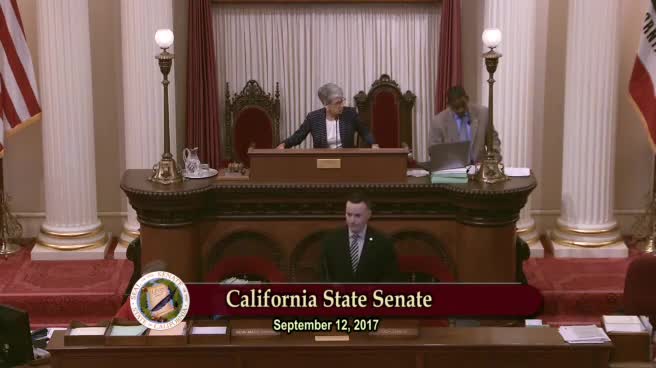
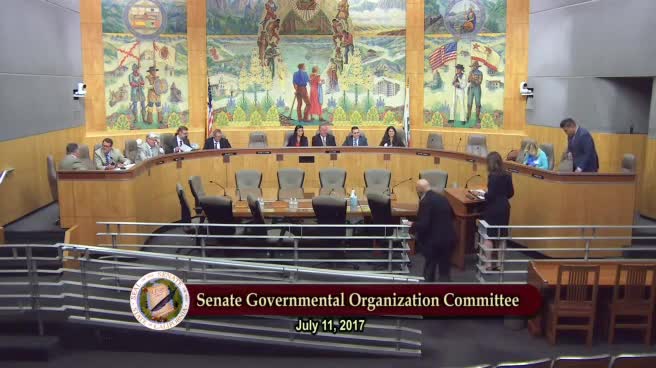
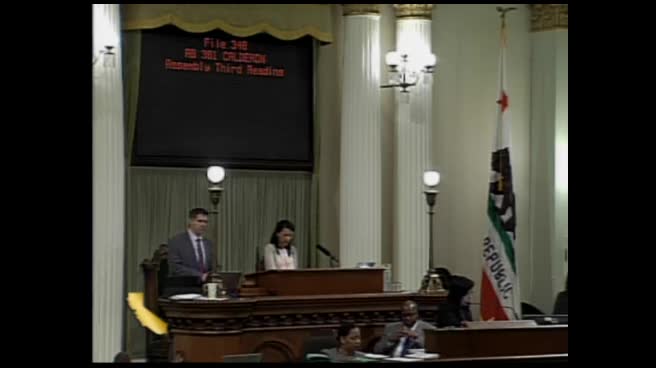
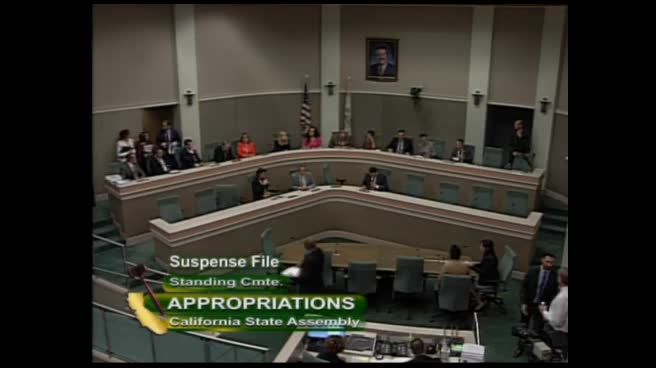
Bill Author



