AB 466: Upper Los Angeles River and Tributaries Working Group.
- Session Year: 2017-2018
- House: Assembly
- Latest Version Date: 2017-09-28
Existing law provides for the protection, enhancement, and restoration of rivers in this state. Existing law establishes the Santa Monica Mountains Conservancy and prescribes the membership and functions and duties of the conservancy with regard to the acquisition, preservation, and improvement of real property within the Santa Monica Mountains zone, as defined.
This bill would establish within the conservancy the Upper Los Angeles River and Tributaries Working Group. The bill would require the Secretary of the Natural Resources Agency, in consultation with the conservancy, and, to the extent they wish to consult, the Los Angeles County Board of Supervisors and the City of Los Angeles, to consider requests from specified local agency representatives to participate in the working group and would authorize them to appoint no more than 23 representatives to the working group. The bill would require, by March 1, 2019, the working group to develop, through watershed-based planning methods and community engagement, a revitalization plan for the Upper Los Angeles River, the tributaries of the Pacoima Wash, Tujunga Wash, and Verdugo Wash, and any additional tributary waterway that the working group determines to be necessary. The bill would require the revitalization plan to address the unique and diverse needs of the Upper Los Angeles River, Pacoima Wash, Tujunga Wash, and Verdugo Wash, and the communities through which they pass, and to include watershed education programs. The bill would require the conservancy to provide any necessary staffing to assist the working group. The bill would require the working group to submit the revitalization plan to the conservancy for approval. The bill would require the revitalization plan to be considered an amendment to the watershed and open space plan for the San Gabriel and Los Angeles Rivers upon adoption by the conservancy and, to the extent that the city or county wishes to consider the plan, would require the conservancy to submit the plan to the Los Angeles County Board of Supervisors and the Los Angeles City Council, as prescribed.
This bill would make legislative findings and declarations as to the necessity of a special statute for the Upper Los Angeles River and its tributaries.
Existing law provides for the protection, enhancement, and restoration of rivers in this state. Existing law establishes the Santa Monica Mountains Conservancy and prescribes the membership and functions and duties of the conservancy with regard to the acquisition, preservation, and improvement of real property within the Santa Monica Mountains zone, as defined.
This bill would establish within the conservancy the Upper Los Angeles River and Tributaries Working Group. The bill would require the Secretary of the Natural Resources Agency to appoint, Agency, in consultation with the conservancy, and, to the extent they wish to consult, the Los Angeles County Board of Supervisors to the extent the board wishes to consult, a local working group to develop a revitalization plan for the Los Angeles River tributaries and watershed, called the Los Angeles River Tributaries and Watershed Working Group. The bill would require the secretary and the City of Los Angeles, to consider requests from specified local agency representatives to participate in the working group and would authorize the working group to include specified representatives. group and would authorize them to appoint no more than 23 representatives to the working group. The bill would require, by March 1, 2019, the working group to develop, through watershed-based planning methods, methods and community engagement, a revitalization plan that addresses for the Upper Los Angeles River, the tributaries of the Pacoima Wash, Tujunga Wash, and Verdugo Wash, and any additional tributary waterway that the working group determines to be necessary. The bill would require the revitalization plan to address the unique and diverse needs of the Upper Los Angeles River, Pacoima Wash and Wash, Tujunga Wash, that is consistent with, enhances, and is authorized to be incorporated into the County of Los Angeles Master Plan, and that includes and Verdugo Wash, and the communities through which they pass, and to include watershed education programs. The bill would require the Santa Monica Mountains Conservancy conservancy to provide any necessary staffing to assist the working group. The bill would require the working group to submit the revitalization plan to the conservancy for approval. The bill would require the revitalization plan to be considered an amendment to the watershed and open space plan for the San Gabriel and Los Angeles Rivers upon adoption by the conservancy and, to the extent that the city or county wishes to consider the plan, would require the conservancy to submit the plan to the Los Angeles County Board of Supervisors and the Los Angeles City Council, as prescribed.
This bill would make legislative findings and declarations as to the necessity of a special statute for the Los Angeles River tributaries and watershed.This bill would make legislative findings and declarations as to the necessity of a special statute for the Upper Los Angeles River and its tributaries.
Existing law provides for the protection, enhancement, and restoration of rivers in this state. Existing law establishes the Santa Monica Mountains Conservancy and prescribes the membership and functions and duties of the conservancy with regard to the acquisition, preservation, and improvement of real property within the Santa Monica Mountains zone, as defined.
This bill would require the Secretary of the Natural Resources Agency to appoint, in consultation with the Los Angeles County Board of Supervisors to the extent the board wishes to consult, a local working group to develop a revitalization plan for the Los Angeles River tributaries and watershed, called the Los Angeles River Tributaries and Watershed Working Group. The bill would require the secretary to consider requests from local agency representatives to participate in the working group and would authorize the working group to include specified representatives. The bill would require, by March 1, 2019, the working group to develop, through watershed-based planning methods, a revitalization plan that addresses the unique and diverse needs of the Pacoima Wash and Tujunga Wash, that is consistent with, enhances, and is authorized to be incorporated into the County of Los Angeles Master Plan, and that includes watershed education programs. The bill would require the Santa Monica Mountains Conservancy to provide any necessary staffing to assist the working group.
This bill would make legislative findings and declarations as to the necessity of a special statute for the Los Angeles River tributaries and watershed.
(a)There shall be within the Santa Monica Mountains Conservancy an Upper Los Angeles River and Tributaries Working Group. The Secretary of the Natural Resources Agency, in consultation with the conservancy, and, to the extent that they wish to consult, the Los Angeles County Board of Supervisors and the City of Los Angeles, shall consider requests from local agency representatives to participate in the working group and may appoint no more than 23 representatives to the working group. The working group may include, but need not be limited to, representatives from the conservancy, the County of Los Angeles, the Cities of Burbank, Glendale, Los Angeles, and San Fernando, elected officials of the cities riparian to the Pacoima Wash and Tujunga Wash, and nonprofit organizations serving the Upper Los Angeles River, San Fernando Valley, Pacoima Wash, Tujunga Wash, and Verdugo Wash.
(b)On or before March 1, 2019, the working group shall develop, through watershed-based planning methods and community engagement, a revitalization plan for the Upper Los Angeles River, the tributaries of the Pacoima Wash, Tujunga Wash, and Verdugo Wash, and any additional tributary waterway that the working group determines to be necessary. The revitalization plan shall address the unique and diverse needs of the Upper Los Angeles River, Pacoima Wash, Tujunga Wash, and Verdugo Wash and the communities through which they pass. The plan shall be consistent with and enhance, and may be incorporated into plans that include, but are not limited to, the County of Los Angeles Master Plan. The plan shall include watershed education programs that help the Upper Los Angeles River, Pacoima Wash, Tujunga Wash, and Verdugo Wash communities recognize the value of the waterways and the importance of protecting the rivers watershed resources and its vitality to their communities. The revitalization plan shall require a master planning process that includes community engagement and a prioritization of disadvantaged communities, identified pursuant to Section 39711 of the Health and Safety Code.
(c)The conservancy shall provide any necessary staffing to the working group to assist in the development of the plan.
(d)The development and implementation of the revitalization plan may be eligible for funding from any public or private source, including, but not limited to, funding available pursuant to Section 79735 of the Water Code. Entities that are eligible to implement the revitalization plan include, but are not limited to, state agencies, local agencies, and nonprofit organizations, and may be eligible for state funding. An entity receiving funding to implement the revitalization plan shall submit progress reports to the conservancy that include the status of funding.
(e)The working group shall submit the revitalization plan to the conservancy for approval. Upon adoption by the conservancy, the revitalization plan shall be considered an amendment to the Watershed and Open Space Plan for the San Gabriel and Los Angeles Rivers. To the extent that the city or county wishes to consider the revitalization plan, the conservancy shall submit the plan for adoption to the Los Angeles County Board of Supervisors for inclusion in the Master Plan of the County of Los Angeles and to the Los Angeles City Council for inclusion into the Los Angeles River Revitalization Master Plan.
SEC. 2.The Legislature finds and declares that a special statute is necessary and that a general statute cannot be made applicable within the meaning of Section 16 of Article IV of the California Constitution because of the complex ecological and political history of the Upper Los Angeles River and its tributaries and the unique obstacles that local governments encounter when managing the river and its surrounding areas.
(a)There shall be within the Santa Monica Mountains Conservancy an Upper Los Angeles River and Tributaries Working Group. The secretary, Secretary of the Natural Resources Agency, in consultation with the conservancy, and, to the extent that they wish to consult, the Los Angeles County Board of Supervisors and the City of Los Angeles, shall consider requests from local agency representatives to participate in the working group and may appoint no more than 23 representatives to the working group. The working group may include, but need not be limited to, representatives from the conservancy, the County of Los Angeles, the Cities of Burbank, Glendale, Los Angeles, and San Fernando, elected officials of the cities riparian to the Pacoima Wash and Tujunga Wash, and nonprofit organizations serving the Upper Los Angeles River, San Fernando Valley, Pacoima Wash, Tujunga Wash, and Verdugo Wash.
(b)On or before March 1, 2019, the working group shall develop, through watershed-based planning methods and community engagement, a revitalization plan for the Upper Los Angeles River, the tributaries of the Pacoima Wash, Tujunga Wash, and Verdugo Wash, and any additional tributary waterway that the working group determines to be necessary. The revitalization plan shall address the unique and diverse needs of the Upper Los Angeles River, Pacoima Wash, Tujunga Wash, and Verdugo Wash and the communities through which they pass. The plan shall be consistent with and enhance, and may be incorporated into plans that include, but are not limited to, the County of Los Angeles Master Plan. The plan shall include watershed education programs that help the Upper Los Angeles River, Pacoima Wash, Tujunga Wash, and Verdugo Wash communities recognize the value of the waterways and the importance of protecting the rivers watershed resources and its vitality to their communities. The revitalization plan shall require a master planning process that includes community engagement and a prioritization of disadvantaged communities, identified pursuant to Section 39711 of the Health and Safety Code.
(c)The conservancy shall provide any necessary staffing to the working group to assist in the development of the plan.
(d)The development and implementation of the revitalization plan may be eligible for funding from any public or private source, including, but not limited to, funding available pursuant to Section 79735 of the Water Code. Entities that are eligible to implement the revitalization plan include, but are not limited to, state agencies, local agencies, and nonprofit organizations, and may be eligible for state funding. An entity receiving funding to implement the revitalization plan shall submit progress reports to the conservancy that include the status of funding.
(e)The working group shall submit the revitalization plan to the conservancy for approval. Upon adoption by the conservancy, the revitalization plan shall be considered an amendment to the Watershed and Open Space Plan for the San Gabriel and Los Angeles Rivers. To the extent that the city or county wishes to consider the revitalization plan, the conservancy shall submit the plan for adoption to the Los Angeles County Board of Supervisors for inclusion in the Master Plan of the County of Los Angeles and to the Los Angeles City Council for inclusion into the Los Angeles River Revitalization Master Plan.
SEC. 2.The Legislature finds and declares that a special statute is necessary and that a general statute cannot be made applicable within the meaning of Section 16 of Article IV of the California Constitution because of the complex ecological and political history of the Upper Los Angeles River and its tributaries and the unique obstacles that local governments encounter when managing the river and its surrounding areas.
(a)The Secretary of the Natural Resources Agency shall appoint, in consultation with the Los Angeles County Board of Supervisors to the extent that the board wishes to consult, a local working group to develop a revitalization plan for the tributaries and watershed of the Los Angeles River, called the Los Angeles River Tributaries and Watershed Working Group. The secretary There shall be within the Santa Monica Mountains Conservancy an Upper Los Angeles River and Tributaries Working Group. The secretary, in consultation with the conservancy, and, to the extent that they wish to consult, the Los Angeles County Board of Supervisors and the City of Los Angeles, shall consider requests from local agency representatives to participate in the working group. group and may appoint no more than 23 representatives to the working group. The working group may include, but need not be limited to, representatives from the conservancy, the County of Los Angeles, the Cities of Burbank, Glendale, Los Angeles, and San Fernando, elected officials of the cities riparian to the Pacoima Wash and Tujunga Wash, and nonprofit organizations serving the Upper Los Angeles River, San Fernando Valley, Pacoima Wash, and Tujunga Wash. Tujunga Wash, and Verdugo Wash.
(b)On or before March 1, 2019, the working group shall develop, through watershed-based planning methods, methods and community engagement, a revitalization plan that addresses for the Upper Los Angeles River, the tributaries of the Pacoima Wash, Tujunga Wash, and Verdugo Wash, and any additional tributary waterway that the working group determines to be necessary. The revitalization plan shall address the unique and diverse needs of the Pacoima Wash and Tujunga Wash Upper Los Angeles River, Pacoima Wash, Tujunga Wash, and Verdugo Wash and the communities through which they pass. The plan shall be consistent with and enhance, and may be incorporated into, into plans that include, but are not limited to, the County of Los Angeles Master Plan for the entire Los Angeles River. Plan. The plan shall include watershed education programs that help the Upper Los Angeles River, Pacoima Wash and Wash, Tujunga Wash Wash, and Verdugo Wash communities recognize the value of the waterways and the importance of protecting the rivers watershed resources and its vitality to their communities. The revitalization plan shall require a master planning process that includes community engagement and a prioritization of disadvantaged communities, identified pursuant to Section 39711 of the Health and Safety Code.
(c)The conservancy shall provide any necessary staffing to the working group to assist in the development of the plan.
(d)The development and implementation of the revitalization plan may be eligible for funding from any public or private source. source, including, but not limited to, funding available pursuant to Section 79735 of the Water Code. Entities that are eligible to implement the revitalization plan include, but are not limited to, state agencies, local agencies, and nonprofit organizations, and may be eligible for state funding. An entity receiving funding to implement the revitalization plan shall submit progress reports to the conservancy that include the status of funding.
(e)The working group shall submit the revitalization plan to the conservancy for approval. Upon adoption by the conservancy, the revitalization plan shall be considered an amendment to the Watershed and Open Space Plan for the San Gabriel and Los Angeles Rivers. To the extent that the city or county wishes to consider the revitalization plan, the conservancy shall submit the plan for adoption to the Los Angeles County Board of Supervisors for inclusion in the Master Plan of the County of Los Angeles and to the Los Angeles City Council for inclusion into the Los Angeles River Revitalization Master Plan.
SEC. 2.The Legislature finds and declares that a special law is necessary and that a general law cannot be made applicable within the meaning of Section 16 of Article IV of the California Constitution because of the complex ecological and political history of the Los Angeles River and its tributaries and watershed and the unique obstacles that local governments encounter when managing the river and its surrounding areas.SEC. 2.The Legislature finds and declares that a special statute is necessary and that a general statute cannot be made applicable within the meaning of Section 16 of Article IV of the California Constitution because of the complex ecological and political history of the Upper Los Angeles River and its tributaries and the unique obstacles that local governments encounter when managing the river and its surrounding areas.
(a)The Secretary of the Natural Resources Agency shall appoint, in consultation with the Los Angeles County Board of Supervisors to the extent that the board wishes to consult, a local working group to develop a revitalization plan for the tributaries and watershed of the Los Angeles River, called the Los Angeles River Tributaries and Watershed Working Group. The secretary shall consider requests from local agency representatives to participate in the working group. The working group may include, but need not be limited to, representatives from the conservancy, the County of Los Angeles, the Cities of Burbank, Glendale, Los Angeles, and San Fernando, elected officials of the cities riparian to the Pacoima Wash and Tujunga Wash, and nonprofit organizations serving the San Fernando Valley, Pacoima Wash, and Tujunga Wash.
(b)On or before March 1, 2019, the working group shall develop, through watershed-based planning methods, a revitalization plan that addresses the unique and diverse needs of the Pacoima Wash and Tujunga Wash and the communities through which they pass. The plan shall be consistent with and enhance, and may be incorporated into, the County of Los Angeles Master Plan for the entire Los Angeles River. The plan shall include watershed education programs that help the Pacoima Wash and Tujunga Wash communities recognize the value of the waterways and the importance of protecting the rivers watershed resources and its vitality to their communities.
(c)The conservancy shall provide any necessary staffing to the working group to assist in the development of the plan.
(d)The development and implementation of the revitalization plan may be eligible for funding from any public or private source. Entities that are eligible to implement the revitalization plan include, but are not limited to, state agencies, local agencies, and nonprofit organizations, and may be eligible for state funding.
SEC. 2.The Legislature finds and declares that a special law is necessary and that a general law cannot be made applicable within the meaning of Section 16 of Article IV of the California Constitution because of the complex ecological and political history of the Los Angeles River and its tributaries and watershed and the unique obstacles that local governments encounter when managing the river and its surrounding areas.
REVISIONS: HeadingLine 2.(a)The Secretary of the Natural Resources Agency shall appoint, in consultation with the Los Angeles County Board of Supervisors to the extent that the board wishes to consult, a local working group to develop a revitalization plan for the tributaries and watershed of the Los Angeles River, called the Los Angeles River Tributaries and Watershed Working Group. The secretary shall consider requests from local agency representatives to participate in the working group. The working group may include, but need not be limited to, representatives from the conservancy, the County of Los Angeles, the Cities of Burbank, Los Angeles, and San Fernando, elected officials of the cities riparian to the Pacoima Wash and Tujunga Wash, and nonprofit organizations serving the San Fernando Valley, Pacoima Wash, and Tujunga Wash.
(b)On or before March 1, 2019, the working group shall develop, through watershed-based planning methods, a revitalization plan that addresses the unique and diverse needs of the Pacoima Wash and Tujunga Wash and the communities through which they pass. The plan shall be consistent with and enhance, and may be incorporated into, the County of Los Angeles Master Plan for the entire Los Angeles River. The plan shall include watershed education programs that help the Pacoima Wash and Tujunga Wash communities recognize the value of the waterways and the importance of protecting the rivers watershed resources and its vitality to their communities.
(c)The conservancy shall provide any necessary staffing to the working group to assist in the development of the plan.
(d)The development and implementation of the revitalization plan may be eligible for funding from any public or private source. Entities that are eligible to implement the revitalization plan include, but are not limited to, state agencies, local agencies, and nonprofit organizations, and may be eligible for state funding.
SEC. 2.The Legislature finds and declares that a special law is necessary and that a general law cannot be made applicable within the meaning of Section 16 of Article IV of the California Constitution because of the complex ecological and political history of the Los Angeles River and its tributaries and watershed and the unique obstacles that local governments encounter when managing the river and its surrounding areas.
|
Date
|
Status
|
|---|---|
| Sep 28, 2017 | Chaptered by Secretary of State - Chapter 341, Statutes of 2017. |
| Sep 28, 2017 | Approved by the Governor. |
| Sep 18, 2017 | Enrolled and presented to the Governor at 4 p.m. |
| Sep 11, 2017 | Senate amendments concurred in. To Engrossing and Enrolling. |
| Sep 7, 2017 | In Assembly. Concurrence in Senate amendments pending. May be considered on or after September 9 pursuant to Assembly Rule 77. |
| Sep 7, 2017 | Read third time. Passed. Ordered to the Assembly. |
| Sep 5, 2017 | Read second time. Ordered to third reading. |
| Sep 1, 2017 | From committee: Amend, and do pass as amended. (Ayes 7. Noes 0.) (September 1). |
| Aug 21, 2017 | In committee: Referred to APPR. suspense file. |
| Jul 11, 2017 | From committee: Do pass and re-refer to Com. on APPR. (Ayes 9. Noes 0.) (July 11). Re-referred to Com. on APPR. |
| Jul 3, 2017 | From committee chair, with author's amendments: Amend, and re-refer to committee. Read second time, amended, and re-referred to Com. on N.R. & W. |
| Jun 20, 2017 | In committee: Set, first hearing. Hearing canceled at the request of author. |
| Jun 14, 2017 | Referred to Com. on N.R. & W. |
| Jun 1, 2017 | In Senate. Read first time. To Com. on RLS. for assignment. |
| May 31, 2017 | Read third time. Passed. Ordered to the Senate. (Ayes 75. Noes 1. Page 1906.) |
| May 30, 2017 | Read second time. Ordered to third reading. |
| May 26, 2017 | From committee: Do pass. (Ayes 15. Noes 2.) (May 26). |
| Apr 5, 2017 | In committee: Set, first hearing. Referred to suspense file. |
| Apr 5, 2017 | In committee: Set, first hearing. Referred to APPR. suspense file. |
| Mar 21, 2017 | From committee: Do pass and re-refer to Com. on APPR. (Ayes 13. Noes 0.) (March 21). Re-referred to Com. on APPR. |
| Mar 21, 2017 | Coauthors revised. |
| Mar 15, 2017 | Re-referred to Com. on W.,P., & W. |
| Mar 14, 2017 | From committee chair, with author's amendments: Amend, and re-refer to Com. on W.,P., & W. Read second time and amended. |
| Feb 27, 2017 | Referred to Com. on W.,P., & W. |
| Feb 14, 2017 | From printer. May be heard in committee March 16. |
| Feb 13, 2017 | Read first time. To print. |
|
Date
|
Description
|
Location
|
Votes
|
|
|---|---|---|---|---|
| Sep 11, 2017 | AB 466 BOCANEGRA Concurrence in Senate Amendments | Assembly Floor |
Passed |
|
| Sep 7, 2017 | Assembly 3rd Reading AB466 Bocanegra et al. By Hertzberg | Senate Floor |
Passed |
|
| Sep 1, 2017 | Do pass as amended | Senate Standing Committee on Appropriations |
Passed |
|
| Aug 21, 2017 | Placed on suspense file | Senate Standing Committee on Appropriations |
Passed |
|
| Jul 11, 2017 | Do pass, but first be re-referred to the Committee on [Appropriations] | Senate Standing Committee on Natural Resources and Water |
Passed |
|
| May 31, 2017 | AB 466 BOCANEGRA Assembly Third Reading | Assembly Floor |
Passed |
|
| May 26, 2017 | Do pass. | Assembly Standing Committee on Appropriations |
Passed |
|
| Mar 21, 2017 | Do pass and be re-referred to the Committee on [Appropriations] | Assembly Standing Committee on Water, Parks, and Wildlife |
Passed |
This list shows positions taken on this bill by organizations on the date displayed, which is linked to the original source.
Positions by individuals are not included.
|
Organization
|
Position
|
Date
|
|---|---|---|
| City Of Burbank | ** Support | Sep 4, 2017 |
| City of Glendale | ** Support | Sep 4, 2017 |
| City of San Fernando | ** Support | Sep 4, 2017 |
| Friends of the Los Angeles River | ** Support | Sep 4, 2017 |
| Indeck Energy Services, Inc | * Support | Mar 21, 2017 |
| Los Angeles City Council | ** Support | Sep 4, 2017 |
| Pacoima Beautiful | ** Support | Sep 4, 2017 |
| Water Replenishment District Of Southern California | ** Support | Sep 4, 2017 |
CONCURRENCE IN SENATE AMENDMENTS
CSA1 Bill Id:AB 466
Author:(Bocanegra)
As Amended Ver:September 1, 2017
Majority vote
ASSEMBLY: | 75-1 | (May 31, 2017) | SENATE: | 39-0 | (September 7, 2017) |
Original Committee Reference: W., P., & W.
SUMMARY: This bill establishes the Upper Los Angeles (LA) River and Tributaries Working Group within the Santa Monica Mountains Conservancy to develop a revitalization plan for the Upper Los Angeles River and certain of its tributaries, as prescribed.
The Senate amendments make various technical, clarifying and conforming changes including:
- Clarifies that the Upper Los Angeles River and Tributaries Working Group (working group) resides within the Santa Monica Mountains Conservancy (SMMC).
- Allows, rather than requires, the Secretary of the Natural Resources Agency, to consult with the Los Angeles County Board of Supervisors and City of Los Angeles.
- Allows the appointment of no more than 23 representatives, as specified, to the working group.
- Clarifies that the Verdugo Wash is included in the tributaries.
- Clarifies that the master plan process includes community engagement and a prioritization of disadvantaged communities.
- Requires the working group to submit the revitalization plan to the SMMC for approval and, if approved, the plan shall be an amendment to the Watershed and Open Space Plan.
EXISTING LAW:
- Establishes the Santa Monica Mountains Conservancy (SMMC) and the San Gabriel and Lower Los Angeles Rivers and Mountains Conservancy (RMC), with certain functions and duties, as defined, in the California Natural Resources Agency.
- Establishes the Lower Los Angeles River Working Group to develop revitalization plans for the lower Los Angeles River. The Lower Los Angeles River Working Group continues to meet regularly to achieve its goals.
FISCAL EFFECT: According to the Assembly Appropriations Committee:
- Increased one-time costs (Environmental License Plate Fund or other special fund) of up to $250,000 for the Santa Monica Mountains Conservancy to staff the Working Group and assist in the preparation of the revitalization plan.
- Negligible costs for the Natural Resources agency to appoint the members of the Working Group.
COMMENTS: Both the SMMC and RMC have been active participants in and funders of Los Angeles River revitalization efforts. The Legislature has considered numerous bills in recent years and provided financial support to assist LA River revitalization efforts. (A selection of recent bills is included below.) Given the update to the County Master Plan underway right now and the ongoing efforts of the Lower Los Angeles River Working Group, it may be an opportune time for an Upper Los Angeles River and tributaries planning effort.
Analysis Prepared by: Catherine Freeman / W., P., & W. / (916) 319-2096 FN: 0001785
SENATE COMMITTEE ON APPROPRIATIONS
Senator Ricardo Lara, Chair
2017 - 2018 Regular Session
AB 466 (Bocanegra) - Upper Los Angeles River and Tributaries Working Group
Version: September 1, 2017 | Policy Vote: N.R. & W. 9 - 0 |
Urgency: No | Mandate: No |
Hearing Date: September 1, 2017 | Consultant: Narisha Bonakdar |
Bill Summary:
AB 466 establishes the Upper Los Angeles River and Tributaries Working Group (working group) within the Santa Monica Mountains Conservancy (Conservancy) to develop a revitalization plan for the Upper Los Angeles River and certain of its tributaries.
*********** ANALYSIS ADDENDUM – SUSPENSE FILE ***********
The following information is revised to reflect amendments
adopted by the committee on September 1, 2017
Fiscal Impact:
Unknown, likely around $150,000 (various special funds, likely bond funds) for the staff and resources necessary to manage the working group and draft the required revitalization plan.
Author Amendments:
- Add coauthors.
- Make technical changes.
.
-- END --
Office of Senate Floor Analyses (916) 651-1520 Fax: (916) 327-4478 | AB |
THIRD READING
Bill No: AB 466
:
SENATE NATURAL RES. & WATER COMMITTEE: 9-0, 7/11/17
AYES: Hertzberg, Stone, Allen, Atkins, Hueso, Jackson, Monning, Stern, Vidak
SENATE APPROPRIATIONS COMMITTEE: 7-0, 9/1/17
AYES: Lara, Bates, Beall, Bradford, Hill, Nielsen, Wiener
ASSEMBLY FLOOR: 75-1, 5/31/17 - See last page for vote
DIGEST:
This bill establishes the Upper Los Angeles River and Tributaries Working Group within the Santa Monica Mountains Conservancy to develop a revitalization plan for the Upper Los Angeles River and certain of its tributaries, as prescribed.
Existing law:
- Establishes the Santa Monica Mountains Conservancy (SMMC) in the California Natural Resources Agency and prescribes the membership and functions and duties of the SMMC with regard to the acquisition, preservation, and improvement of real property within the Santa Monica Mountains zone, as defined.
- Establishes the San Gabriel and Lower Los Angeles Rivers and Mountains Conservancy (RMC) with certain functions and duties, as defined.
- Provides for the protection, enhancement, and restoration of rivers in this state.
- Establishes the Lower Los Angeles River Working Group to develop revitalization plans for the lower Los Angeles River. The Lower Los Angeles River Working Group continues to meet regularly to achieve its goals.
This bill:
- Establishes the Upper Los Angeles River and Tributaries Working Group (working group) within the SMMC to develop a revitalization plan for the Upper Los Angeles (LA) River and certain of its tributaries, as prescribed.
- Requires the Secretary of the Natural Resources Agency, in consultation with the SMMC, and the Los Angeles County Board of Supervisors and the City of Los Angeles to the extent that they wish to consult, to appoint no more than 23 local agency representatives to the working group.
- Local agencies eligible include local nonprofit organizations, the SMMC, the County of Los Angeles, the Cities of Burbank, Glendale, Los Angeles and San Fernando, and elected officials representing cities adjacent to certain tributaries, as specified.
- Requires the working group to develop its revitalization plan, as specified, on or before March 1, 2019.
- The Upper LA River, Pacoima Wash, the Tujunga Wash, and the Verdugo Wash shall be included in the planning as well as any additional tributary determined by the working group to be necessary.
- The plan shall include watershed education programs, as specified, utilize watershed-based planning methods and community engagement, and be part of a master planning process that prioritizes disadvantaged communities.
- The plan shall be consistent with and enhance and may be incorporated into the County of Los Angeles’ Master Plan for the revitalization of the LA River.
- Requires the SMMC to provide any necessary staffing for the development of the revitalization plan.
- Authorizes the use of public and private sources of funds for revitalization plan development and implementation, including the 2014 voter-approved “Water Bond” (Proposition 1).
- Designates eligible entities – including state and local agencies and nonprofit organizations – to receive funding, which may include state funding, to implement the revitalization plan, as specified.
- Requires entities that receive funding, as specified, to provide progress reports to the SMMC.
- Requires the working group to submit the revitalization plan to the SMMC for approval.
- If approved, the plan shall be an amendment to the Watershed and Open Space Plan.
- Requires the SMMC to submit the plan to the County and the City of Los Angeles for incorporation into their respective plans for the revitalization of the LA River, should those jurisdictions wish to consider it.
- Justifies the need for a special statute for this effort.
Background
The LA River
The LA River forms from its headwaters in the western San Fernando Valley and flows easterly across the Valley through Griffith Park where the river turns to the south, and passes through downtown Los Angeles and additional downstream cities en route to its estuary in Long Beach. The LA River is entirely within the County of Los Angeles. The approximately 32 miles of the LA River upstream of the City of Vernon is considered to be the upper LA River and is within the bounds of the City of Los Angeles. Multiple tributaries, including the Pacoima Wash, the Tujunga Wash and the Verdugo Wash, drain significant amounts of storm and other waters from the surrounding mountains into the upper LA River.
The SMMC generally has jurisdiction over the upper LA River and its watershed and the RMC has jurisdiction over the lower LA River and its watershed. Federal, state and local public and private stakeholders are all working to transform the LA River into a continuous recreational greenway composed of trails, parks and natural lands to provide new recreational opportunities with accompanying economic benefits.
LA River planning efforts
The areas surrounding the LA River are widely considered to have relatively few open space and park areas. Historical development along the LA River in many instances served to isolate the river from the surrounding communities.
In the early 1990s, community activism over turned a railyard adjacent to the LA River into open space coincided with the County of Los Angeles beginning a process that – after considerable input from stakeholders and community outreach – resulted in its Los Angeles River Master Plan (Master Plan) in 1996. The Master Plan described how economic growth could be spurred along the LA River in the County through zoning changes and the development of open space, recreational, cultural, artistic, educational and other opportunities. Ultimately over several decades, the LA River will be returned to a less-polluted, functioning riparian environment in as many reaches as possible, while still controlling flooding and providing recreational opportunities.
The City of Los Angeles’ Los Angeles River Revitalization Master Plan (Revitalization Master Plan) was released in 2007. Continuing the long-term goals of the County’s Master Plan, the Revitalization Master Plan also promoted the revitalization of the LA River as a multi-benefit solution to addressing and enhancing water quality and flood control while enabling safe access to the river and restoring a functional river ecosystem. The City’s Revitalization Master Plan focused on the upper LA River, but not tributaries outside of the City.
Both plans contain a list of LA River projects to be completed and seek to re-focus the surrounding neighborhoods on the river to help form a sense of identity, improve the quality of life and boost civic pride. Since the County’s Master Plan and City’s Revitalization Master Plan were developed, numerous LA River restoration efforts including the creation of habitat, pocket parks and bikeways have been undertaken, as well as guidelines established for signage and other features. In late 2016, the Los Angeles County Board of Supervisors voted to begin the process that will result in an update to the County’s Master Plan.
In 2001, both the SMMC and the RMC released and adopted their jointly developed Watershed and Open Space Plan for the San Gabriel and Lower Angeles Rivers. This plan is intended to “articulate a vision for the future of the San Gabriel and Los Angeles Rivers Watersheds” and to “provide a framework for future watershed and open space planning” in a coordinated manner.
In 2014, the U.S. Army Corps of Engineers recommended that the most extensive restoration alternative provided by its Los Angeles River Ecosystem Restoration Feasibility Report be undertaken at an estimated cost of over $1 billion. The area to be restored focuses on the 11 mile soft-bottomed stretch of the LA River from roughly Griffith Park to downtown called the ARBOR reach. There are also additional federal efforts underway to coordinate revitalization efforts along the LA River.
Comments
Ongoing state interest in the LA River. Both the SMMC and RMC have been active participants in and funders of LA River revitalization efforts. The Legislature has considered numerous bills in recent years and provided financial support to assist LA River revitalization efforts. (A selection of recent bills is included below.) Given the update to the County Master Plan underway right now and the ongoing efforts of the Lower LA River working group, it may be an opportune time for an Upper LA River planning effort.
Related/Prior Legislation
AB 1558 (C. Garcia, 2017) develops a plan to establish a river rangers program along the LA River. (The bill is on the Senate Floor)
AB 2534 (Nazarian, 2016) would have established the Los Angeles River San Fernando Valley Regional Access and Economic Sustainability Working Group with specified responsibilities. (The bill was held on the suspense file by the Senate Appropriations Committee).
AB 530 (Rendon, Chapter 684, Statutes of 2015) established the Lower Los Angeles River Working Group composed of numerous stakeholders to develop revitalization plans for the LA River south of the City of Los Angeles.
AB 1251 (Gomez, Chapter 639, Statutes of 2015), the Greenway Development and Sustainment Act, allowed for the creation of a greenway easement, which must be considered when assessing land values for the purposes of property taxation. The bill also explicitly allows the open-space element of a general plan to include greenways, as defined.
FISCAL EFFECT: Appropriation: Fiscal Com.: Local:
According to the Senate Appropriations Committee, unknown, likely around $150,000, (various special funds, likely bond funds) for staff and resources necessary to manage the working group and draft required revitalization plan.
City of Burbank
City of Glendale
City of San Fernando
Friends of the Los Angeles River
Los Angeles City Council
Pacoima Beautiful
Water Replenishment District of Southern California
None received
ARGUMENTS IN SUPPORT: According to the author, “[b]eginning in the Angeles National Forest, the Pacoima Wash and the Tujunga Wash are two of the largest tributaries to the LA River. These streams and the Verdugo Wash funnel a significant amount of the LA River watershed’s rainfall to the main [LA] River.
“Both the Tujunga and Pacoima Washes flow through several low-income and disadvantaged communities that are starving for healthy outdoor park and green space. In recent years, local non-profits and local agencies have started excellent work to improve these waterways through public planning processes and being awarded grants from the state.
“The Pacoima Wash, Tujunga Wash, and Verdugo Wash represent excellent opportunities to improve community access to parks and the LA River. The health of these streams ultimately improves the downstream health of the broader LA River and the communities that sit alongside it.
“Assembly Bill 466 is an opportunity to provide the planning and logistical resources needed to execute project proposals and to advocate for these important waterways in the Northeast San Fernando Valley.”
Additionally, the City of Burbank, among others writing in support, notes how important a regional asset the LA River is.
ASSEMBLY FLOOR: 75-1, 5/31/17
AYES: Acosta, Aguiar-Curry, Travis Allen, Arambula, Baker, Berman, Bloom, Bocanegra, Bonta, Brough, Burke, Caballero, Calderon, Cervantes, Chau, Chávez, Chen, Chiu, Chu, Cooley, Cooper, Cunningham, Dababneh, Dahle, Daly, Flora, Fong, Frazier, Friedman, Gallagher, Cristina Garcia, Eduardo Garcia, Gipson, Gloria, Gomez, Gonzalez Fletcher, Gray, Grayson, Holden, Irwin, Jones-Sawyer, Kalra, Kiley, Lackey, Levine, Limón, Low, Maienschein, Mathis, Mayes, McCarty, Medina, Mullin, Muratsuchi, Nazarian, Obernolte, O'Donnell, Patterson, Quirk, Quirk-Silva, Reyes, Ridley-Thomas, Rodriguez, Rubio, Salas, Santiago, Steinorth, Mark Stone, Thurmond, Ting, Voepel, Waldron, Weber, Wood, Rendon
NOES: Harper
NO VOTE RECORDED: Bigelow, Choi, Eggman, Melendez
9/4/17 12:33:30
**** END ****
SENATE COMMITTEE ON APPROPRIATIONS
Senator Ricardo Lara, Chair
2017 - 2018 Regular Session
AB 466 (Bocanegra) - Upper Los Angeles River and Tributaries Working Group
Version: July 3, 2017 | Policy Vote: N.R. & W. 9 - 0 |
Urgency: No | Mandate: No |
Hearing Date: August 21, 2017 | Consultant: Narisha Bonakdar |
This bill meets the criteria for referral to the Suspense File.
Bill Summary:
AB 466 establishes the Upper Los Angeles River and Tributaries Working Group (working group) within the conservancy to develop a revitalization plan for the Upper LA River and certain of its tributaries.
Fiscal Impact:
Unknown, likely around $150,000, (various special funds, likely bond funds) for staff and resources necessary to manage the working group and draft required revitalization plan
Background:
The Santa Monica Mountains Conservancy (conservancy). Existing law establishes the conservancy in the California Natural Resources Agency to “strategically buy back, preserve, protect, restore and enhance pieces of Southern California to form an interlinking system of urban, rural and river parks, open space, trails and wildlife habitats through direct action, alliances and partnerships.” The conservancy has helped to preserve over 73,000 acres of parkland in both wilderness and urban setting, among other things.
The Los Angeles River (LA River). The LA River forms from its headwaters in the western San Fernando Valley and flows easterly across the Valley through Griffith Park where the river turns to the south, and passes through downtown Los Angeles and additional downstream cities en route to its estuary in Long Beach. The LA River is entirely within the County of Los Angeles (County).
The approximately 32 miles of the LA River upstream of the City of Vernon is considered to be the upper LA River and is within the bounds of the City of Los Angeles (City). The areas surrounding the LA River are widely considered to have relatively few open space and park areas. Historical development along the LA River in many instances served to isolate the river from the surrounding communities. Multiple tributaries, including the Pacoima Wash, the Tujunga Wash and the Verdugo Wash, drain significant amounts of storm and other waters from the surrounding mountains into the Upper LA River.
In the early 1990s, community activism over turned a railyard adjacent to the LA River into open space coincided with the County beginning a process that—after considerable input from stakeholders and community outreach—resulted in the County’s Los Angeles River Master Plan (Master Plan) in 1996. The Master Plan described how economic growth could be spurred along the LA River in the County through zoning changes and the development of open space, recreational, cultural, artistic, educational and other opportunities. Ultimately over several decades, the LA River will be returned to a less-polluted, functioning riparian environment in as many reaches as possible, while still controlling flooding and providing recreational opportunities.
The City of Los Angeles’ Los Angeles River Revitalization Master Plan (Revitalization Master Plan) was released in 2007. Continuing the long-term goals of the County Master Plan, the Revitalization Master Plan also promoted the revitalization of the LA River as a multi-benefit solution to addressing and enhancing water quality and flood control while enabling safe access to the river and restoring a functional river ecosystem. The City’s Revitalization Master Plan focused on the upper LA River.
Both plans contain a list of LA River projects to be completed and seek to re-focus the surrounding neighborhoods on the river to help form a sense of identity, improve the quality of life and boost civic pride. Since the Master Plan and Revitalization Master Plan were developed, numerous LA River restoration efforts including the creation of habitat, pocket parks and bikeways have been undertaken, as well as guidelines established for signage and other features.
Additionally, in 2001 both the conservancy and the San Gabriel and Lower Los Angeles Rivers and Mountains Conservancy (RMC) released and adopted their jointly developed Watershed and Open Space Plan for the San Gabriel and Lower Angeles Rivers. This plan is intended to “articulate a vision for the future of the San Gabriel and Los Angeles Rivers Watersheds” and to “provide a framework for future watershed and open space planning” in a coordinated manner.
Federal, state and local public and private stakeholders are all working to transform the LA River into a continuous recreational greenway composed of trails, parks and natural lands to provide new recreational opportunities with accompanying economic benefits. The conservancy’s website notes several parks among its efforts to implement the LA River greenway project. Additionally, both City and County planning efforts include bikeways adjacent to virtually all reaches of the River and its tributaries. Several stretches have already been built.
In 2014 the U.S. Army Corps of Engineers recommended that the most extensive restoration alternative provided by its Los Angeles River Ecosystem Restoration Feasibility Report be undertaken at an estimated cost of over $1 billion. The area to be restored focuses on the 11 mile soft-bottomed stretch of the LA River from roughly Griffith Park to downtown called the ARBOR reach. There are also additional federal efforts underway to coordinate revitalization efforts along the LA River.
In 2015, AB 530 (Rendon, Chapter 684, Statutes of 2015) established the Lower Los Angeles River Working Group to develop revitalization plans for the lower River. The Working Group continues to meet regularly to achieve its goals.
In late 2016, the Los Angeles County Board of Supervisors voted to begin the process that will result in an update to the County Master Plan.
Proposed Law:
This bill would establish the Upper Los Angeles River and Tributaries Working Group (working group) within the conservancy to develop a revitalization plan for the Upper LA River and certain of its tributaries, as prescribed. Specifically, this bill would:
- Require the secretary of the Natural Resources Agency, in consultation with the conservancy, and the Los Angeles County Board of Supervisors and the City of Los Angeles to the extent that they wish to consult, to appoint no more than 23 local agency representatives to the working group.
- Local agencies eligible include local nonprofit organizations, the conservancy, the County of Los Angeles, the Cities of Burbank, Glendale, Los Angeles and San Fernando, and elected officials representing cities adjacent to certain tributaries, as specified.
- Require the working group to develop its revitalization plan, as specified, on or before March 1, 2019.
- The Upper LA River, Pacoima Wash, the Tujunga Wash, and the Verdugo Wash shall be included in the planning as well as any additional tributary determined by the working group to be necessary.
- The plan must include watershed education programs, as specified, utilize watershed-based planning methods and community engagement, and be part of a master planning process that prioritizes disadvantaged communities.
- The plan must be consistent with and enhance and may be incorporated into the County Master Plan.
- Require the conservancy to provide any necessary staffing for the development of the revitalization plan.
- Authorize the use of public and private sources of funds for revitalization plan development and implementation, including the 2014 voter-approved “Water Bond” (Proposition 1).
- Designate eligible entities – including state and local agencies and nonprofit organizations – to receive funding, which may include state funding, to implement the revitalization plan, as specified.
- Require entities that receive funding, as specified, to provide progress reports to the conservancy.
- Require the working group to submit the revitalization plan to the conservancy for approval.
- If approved, the plan shall be an amendment to the Watershed and Open Space Plan.
- Require the conservancy to submit the plan to the County and the City for incorporation into the County’s Master Plan or City’s River Revitalization plan should those jurisdictions wish to consider it.
- Justify the need for a special statute for this effort.
Related Legislation:
AB 1558 (C. Garcia, 2017) would develop a plan to establish a river rangers program along the LA River. Pending hearing in Senate Appropriations Committee.
AB 2534 (Nazarian, 2016) would have established the Los Angeles River San Fernando Valley Regional Access and Economic Sustainability Working Group with specified responsibilities. Held on the suspense file by the Senate Appropriations Committee.
AB 530 (Rendon, chapter 684, Statutes of 2015) established the Lower Los Angeles River Working Group composed of numerous stakeholders to develop revitalization plans for the River south of the City of Los Angeles.
AB 1251 (Gomez, Chapter 639, Statutes of 2015) is the Greenway Development and Sustainment Act. This bill allows for the creation of a greenway easement, which must be considered when assessing land values for the purposes of property taxation. This bill would also explicitly allow the open-space element of a general plan to include greenways, as defined.
-- END --
SENATE COMMITTEE ON NATURAL RESOURCES AND WATER
Senator Robert Hertzberg, Chair
2017 - 2018 Regular
Bill No: AB 466 Hearing Date: July 11, 2017
Author: | |||
Version: |
| ||
Urgency: | Fiscal: | ||
Consultant: | |||
Subject: Upper Los Angeles River and Tributaries Working Group
BACKGROUND AND EXISTING LAW
- Existing law establishes the Santa Monica Mountains Conservancy (conservancy) in the California Natural Resources Agency and prescribes the membership and functions and duties of the conservancy with regard to the acquisition, preservation, and improvement of real property within the Santa Monica Mountains zone, as defined.
- The conservancy has helped to preserve over 73,000 acres of parkland in both wilderness and urban setting, among other things.
- According to the conservancy, its mission is to “strategically buy back, preserve, protect, restore and enhance pieces of Southern California to form an interlinking system of urban, rural and river parks, open space, trails and wildlife habitats through direct action, alliances and partnerships.”
- Existing law provides for the protection, enhancement, and restoration of rivers in this state.
- The Los Angeles River (LA River) forms from its headwaters in the western San Fernando Valley and flows easterly across the Valley through Griffith Park where the river turns to the south, and passes through downtown Los Angeles and additional downstream cities en route to its estuary in Long Beach. The LA River is entirely within the County of Los Angeles (County).
- The approximately 32 miles of the LA River upstream of the City of Vernon is considered to be the upper LA River and is within the bounds of the City of Los Angeles (City).
- The areas surrounding the LA River are widely considered to have relatively few open space and park areas. Historical development along the LA River in many instances served to isolate the river from the surrounding communities.
- Multiple tributaries, including the Pacoima Wash, the Tujunga Wash and the Verdugo Wash, drain significant amounts of storm and other waters from the surrounding mountains into the Upper LA River.
- In the early 1990s, community activism over turned a railyard adjacent to the LA River into open space coincided with the County beginning a process that – after considerable input from stakeholders and community outreach – resulted in the County’s Los Angeles River Master Plan (Master Plan) in 1996. The Master Plan described how economic growth could be spurred along the LA River in the County through zoning changes and the development of open space, recreational, cultural, artistic, educational and other opportunities. Ultimately over several decades, the LA River will be returned to a less-polluted, functioning riparian environment in as many reaches as possible, while still controlling flooding and providing recreational opportunities.
- The City of Los Angeles’ Los Angeles River Revitalization Master Plan (Revitalization Master Plan) was released in 2007. Continuing the long-term goals of the County Master Plan, the Revitalization Master Plan also promoted the revitalization of the LA River as a multi-benefit solution to addressing and enhancing water quality and flood control while enabling safe access to the river and restoring a functional river ecosystem. The City’s Revitalization Master Plan focused on the upper LA River.
- Both plans contain a list of LA River projects to be completed and seek to re-focus the surrounding neighborhoods on the river to help form a sense of identity, improve the quality of life and boost civic pride. Since the Master Plan and Revitalization Master Plan were developed, numerous LA River restoration efforts including the creation of habitat, pocket parks and bikeways have been undertaken, as well as guidelines established for signage and other features.
- Additionally, in 2001 both the conservancy and the San Gabriel and Lower Los Angeles Rivers and Mountains Conservancy (RMC) released and adopted their jointly developed Watershed and Open Space Plan for the San Gabriel and Lower Angeles Rivers. This plan is intended to “articulate a vision for the future of the San Gabriel and Los Angeles Rivers Watersheds” and to “provide a framework for future watershed and open space planning” in a coordinated manner.
- Federal, state and local public and private stakeholders are all working to transform the LA River into a continuous recreational greenway composed of trails, parks and natural lands to provide new recreational opportunities with accompanying economic benefits. The conservancy’s website notes several parks among its efforts to implement the LA River greenway project. Additionally, both City and County planning efforts include bikeways adjacent to virtually all reaches of the River and its tributaries. Several stretches have already been built.
- In 2014 the U.S. Army Corps of Engineers recommended that the most extensive restoration alternative provided by its Los Angeles River Ecosystem Restoration Feasibility Report be undertaken at an estimated cost of over $1 billion. The area to be restored focuses on the 11 mile soft-bottomed stretch of the LA River from roughly Griffith Park to downtown called the ARBOR reach. There are also additional federal efforts underway to coordinate revitalization efforts along the LA River.
- In 2015, AB 530 (Rendon, c. 684, Statutes of 2015) established the Lower Los Angeles River Working Group to develop revitalization plans for the lower River. The Working Group continues to meet regularly to achieve its goals.
- In late 2016, the Los Angeles County Board of Supervisors voted to begin the process that will result in an update to the County Master Plan.
PROPOSED LAW
This bill would establish the Upper Los Angeles River and Tributaries Working Group (working group) within the conservancy to develop a revitalization plan for the Upper LA River and certain of its tributaries, as prescribed. Specifically, this bill would:
- Require the secretary of the Natural Resources Agency, in consultation with the conservancy, and the Los Angeles County Board of Supervisors and the City of Los Angeles to the extent that they wish to consult, to appoint no more than 23 local agency representatives to the working group.
- Local agencies eligible include local nonprofit organizations, the conservancy, the County of Los Angeles, the Cities of Burbank, Glendale, Los Angeles and San Fernando, and elected officials representing cities adjacent to certain tributaries, as specified.
- Require the working group to develop its revitalization plan, as specified, on or before March 1, 2019.
- The Upper LA River, Pacoima Wash, the Tujunga Wash, and the Verdugo Wash shall be included in the planning as well as any additional tributary determined by the working group to be necessary.
- The plan shall include watershed education programs, as specified, utilize watershed-based planning methods and community engagement, and be part of a master planning process that prioritizes disadvantaged communities.
- The plan shall be consistent with and enhance and may be incorporated into the County Master Plan.
- Require the conservancy to provide any necessary staffing for the development of the revitalization plan.
- Authorize the use of public and private sources of funds for revitalization plan development and implementation, including the 2014 voter-approved “Water Bond” (Proposition 1).
- Designate eligible entities – including state and local agencies and nonprofit organizations – to receive funding, which may include state funding, to implement the revitalization plan, as specified.
- Require entities that receive funding, as specified, to provide progress reports to the conservancy.
- Require the working group to submit the revitalization plan to the conservancy for approval.
- If approved, the plan shall be an amendment to the Watershed and Open Space Plan.
- Require the conservancy to submit the plan to the County and the City for incorporation into the County’s Master Plan or City’s River Revitalization plan should those jurisdictions wish to consider it.
- Justify the need for a special statute for this effort.
ARGUMENTS IN SUPPORT
According to the author, “[b]eginning in the Angeles National Forest, the Pacoima Wash and the Tujunga Wash are two of the largest tributaries to the LA River. These streams and the Verdugo Wash funnel a significant amount of the LA River watershed’s rainfall to the main [LA] River.”
“Both the Tujunga and Pacoima Washes flow through several low-income and disadvantaged communities that are starving for healthy outdoor park and green space. In recent years, local non-profits and local agencies have started excellent work to improve these waterways through public planning processes and being awarded grants from the state.”
“The Pacoima Wash, Tujunga Wash, and Verdugo Wash represent excellent opportunities to improve community access to parks and the LA River. The health of these streams ultimately improves the downstream health of the broader LA River and the communities that sit alongside it.”
“Assembly Bill 466 is an opportunity to provide the planning and logistical resources needed to execute project proposals and to advocate for these important waterways in the Northeast San Fernando Valley.”
Additionally, the City of Burbank, among others writing in support, notes how important a regional asset the LA River is.
ARGUMENTS IN OPPOSITION
None received
COMMENTS
Ongoing state interest in the LA River. Both the conservancy and RMC have been active participants in and funders of LA River revitalization efforts. The Legislature has considered numerous bills in recent years and provided financial support to assist LA River revitalization efforts. (A selection of recent bills is included below.) Given the update to the County Master Plan underway right now and the ongoing efforts of the Lower LA River working group, it may be an opportune time for an Upper LA River planning effort.
Numerous stakeholders for the LA River and its tributaries. There are multiple federal, state and local agencies with jurisdiction over one or more facets of the LA River, its tributaries and surroundings. While 23 members of the working group may seem like a large number, the City’s River Revitalization Plan acknowledges the participation in its development of dozens of federal, state and local agencies and elected officials, as well as dozens of non-profit organizations. The same is largely true of the County’s Master Plan’s acknowledgements. The recently-established Lower Los Angeles River working group lists approximately thirty-nine members from a range of agencies and organizations on its web-site.
Recent related legislation
AB 1558 (C. Garcia, 2017) would develop a plan to establish a river rangers program along the LA River. (This bill is pending before the Senate Appropriations Committee.)
AB 2534 (Nazarian, 2016) would have established the Los Angeles River San Fernando Valley Regional Access and Economic Sustainability Working Group with specified responsibilities. (This bill was held on the suspense file by the Senate Appropriations Committee.)
AB 530 (Rendon, c. 684, Statutes of 2015) established the Lower Los Angeles River Working Group composed of numerous stakeholders to develop revitalization plans for the River south of the City of Los Angeles.
AB 1251 (Gomez, c.639 , Statutes of 2015) is the Greenway Development and Sustainment Act. This bill allows for the creation of a greenway easement, which must be considered when assessing land values for the purposes of property taxation. This bill would also explicitly allow the open-space element of a general plan to include greenways, as defined.
SUPPORT
City of Burbank
Friends of the Los Angeles River
City of Glendale
Los Angeles City Council
Pacoima Beautiful
City of San Fernando
Water Replenishment District of Southern California
OPPOSITION
None Received
-- END --
ASSEMBLY THIRD READING
ATR Bill Id:AB 466
Author:(Bocanegra)
As Amended Ver:March 14, 2017
Majority vote
Committee | Votes | Ayes | Noes |
Water | 13-0 | Eduardo Garcia, Gallagher, Choi, Chu, Friedman, Gloria, Gomez, Harper, Levine, Mathis, Rubio, Salas, Wood | |
Appropriations | 15-2 | Gonzalez Fletcher, Bloom, Bocanegra, Bonta, Calderon, McCarty, Quirk, Fong, Friedman, Gallagher, Eduardo Garcia, Gray, Muratsuchi, Obernolte, Reyes | Bigelow, Brough |
SUMMARY: Creates a working group focused on the upper watershed tributaries of the Los Angeles River, including the Tujunga and Pacoima washes. Specifically, this bill:
- Requires the Secretary of the Natural Resources Agency to appoint a local working group to develop a revitalization plan for the tributaries and watershed of the Los Angeles River (LA River). The Secretary is required to:
- Consult with the Los Angeles County Board of Supervisors (to the extent they wish to consult).
- Consider requests from local agency representatives to participate in the working group.
- Include, but not be limited to, specified representatives of the local organizations and jurisdictions, including elected officials and nonprofit organizations representing the San Fernando Valley, City of Glendale, and Pacoima and Tujunga Washes.
- Requires the working group to develop, by March 1, 2019, a revitalization plan that:
- Focuses on the Pacoima Wash and Tujunga Wash (tributaries to the LA River), and the communities through which they pass.
- Is consistent with the County of Los Angeles' Master Plan for the entire LA River.
- Includes watershed education programs relative to the tributaries.
- Requires the Santa Monica Mountains Conservancy to provide any necessary staffing to the working group to assist in the development of the plan.
- Provides that the development and implementation of the plan may be eligible for both public and private funding.
EXISTING LAW:
- Establishes the Santa Monica Mountains Conservancy (Conservancy) within the Natural Resources Agency (CNRA) to acquire and protect lands within the Santa Monica Mountains Zone, which is an area of approximately 650,000 acres, generally encompassing the mountain areas of eastern Ventura County, western Los Angeles County, and the mountain areas surrounding the San Fernando, La Crescenta, and Santa Clarita Valleys.
- Establishes nine voting members on the Conservancy, three ex officio members, and six legislative members.
- Requires the secretary of the CNRA to appoint a local working group to develop a revitalization plan for the Lower Los Angeles River watershed, called the Lower Los Angeles River Working Group (LLA Working Group). Requires the LLA Working Group to develop, through watershed-based planning methods, a revitalization plan that addresses the unique and diverse needs of the Lower Los Angeles River. Requires the San Gabriel and Lower Los Angeles Rivers and Mountains Conservancy to provide any necessary staffing to assist the LLA Working Group.
FISCAL EFFECT: According to the Assembly Appropriations Committee:
- Increased one-time costs (Environmental License Plate Fund or other special fund) of up to $250,000 for the Santa Monica Mountains Conservancy to staff the Working Group and assist in the preparation of the revitalization plan.
- Negligible costs for the Natural Resources agency to appoint the members of the Working Group.
COMMENTS:
- Background. Beginning in the Angeles National Forest, the Pacoima Wash and the Tujunga Wash are two of the largest tributaries to the LA River. These streams funnel a significant amount of the LA River watershed's rainfall to the main River. Both the Tujunga and Pacoima Washes flow through several low-income and disadvantaged communities that lack healthy outdoor park and green space. In recent years, local non-profits and local agencies have started excellent work to improve these waterways through public planning processes and being awarded grants from the state.
- Santa Monica Mountains Conservancy. The Conservancy was established by the Legislature in 1980. Since that time, it has helped preserve over 73,000 acres of parkland in both wilderness and urban settings, and has improved more than 114 public recreational facilities throughout Southern California. The Conservancy's mission statement is:
Through direct action, alliances, partnerships, and joint powers authorities, the Conservancy's mission is to strategically buy back, preserve, protect, restore, and enhance treasured pieces of Southern California to form an interlinking system of urban, rural and river parks, open space, trails, and wildlife habitats that are easily accessible to the general public.
- LA River. The River begins in Canoga Park at the confluence of Bell Creek and the Arroyo Calabasas. It flows mostly east through the San Fernando Valley, where numerous tributaries join, to Burbank and Griffith Park. The River flows through 13 cities and is contained within the County of Los Angeles. It is now almost entirely lined in concrete, although there are three "soft-bottomed" sections in the Sepulveda Basin (San Fernando Valley), Griffith Park, and in Long Beach. Particularly along the lower portion of the River, industrial activity and railyards are immediately adjacent to the River and can effectively isolate it from the surrounding communities.
Although planners had envisioned greenbelts interconnecting parklands along the River as early as the 1930s, the more recent interest in the revitalization and promotion of the re-integration of the River and its tributaries into the adjacent neighborhoods began in the mid-to-late 1980s. There was growing recognition that compared to other large American cities, Los Angeles has relatively fewer parks, particularly in under-represented communities. In the early 1990s, community activism resulted in the County's Los Angeles River Master Plan (County Master Plan) in 1996.
The County Master Plan described how economic growth could be spurred along the River in the county through zoning changes and the development of open space, recreational, cultural, artistic, educational, and other opportunities. This River revitalization aimed to "achieve a better River environment for future generations in the Los Angeles basin." The Los Angeles City Council established its own ad hoc committee on the River in 2002, and the City's Master Plan was released in 2007. Continuing the long-term goals of the County Master Plan, the City Master Plan also promoted the revitalization of the River as a solution with many benefits including water quality and flood control while enabling safe access to the River and restoring a functional river ecosystem. This bill creates a workgroup to focus revitalization efforts from the headwaters of the Los Angeles River at the confluence of Bell and Calabasas Creeks to Griffith Park.
- Conservancy Participation. This bill requires the Conservancy to retain experts to conduct necessary studies and analyses requested by the LLA Working Group. This could drive up costs and change the scope of the LLA Working Group. The author may wish to consult with the conservancy to discuss amending the bill to allow the Conservancy to provide staff and experts, but not require it to do so.
- Prior Legislation. AB 530 (Rendon), Chapter 684, Statutes of 2015, requires the Secretary of the CNRA to appoint the LLA Working Group to develop a revitalization plan for the Lower Los Angeles River watershed. The bill requires the LLA Working Group to develop, through watershed-based planning methods, a revitalization plan that addresses the unique and diverse needs of the Lower Los Angeles River. The bill requires the San Gabriel and Lower Los Angeles Rivers and Mountains Conservancy to provide any necessary staffing to assist the LLA Working Group.
AB 2543 (Nazarian), of 2016, would have established the Los Angeles River (River) Regional Access and Economic Sustainability Working Group (Working Group) to advance the revitalization of the Los Angeles River in the San Fernando Valley. This bill died in the Senate Appropriations Committee.
Analysis Prepared by: Catherine Freeman / W., P., & W. / (916) 319-2096 FN: 0000571
Date of Hearing: March 21, 2017
ASSEMBLY COMMITTEE ON WATER, PARKS, AND WILDLIFE
Eduardo Garcia, Chair
ABPCA Bill Id:AB 466 (
Author:Bocanegra) – As Amended Ver:March 14, 2017
SUBJECT: Los Angeles River Tributaries and Watershed Working Group
SUMMARY: Creates a working group focused on the upper watershed tributaries of the Los Angeles River, including the Tujunga and Paicoma washes.
Specifically, this bill:
- Requires the Secretary of the Natural Resources Agency to appoint a local working group to develop a revitalization plan for the tributaries and watershed of the Los Angeles River (LA River). The Secretary is required to:
- Consult with the Los Angeles County Board of Supervisors (to the extent they wish to consult).
- Consider requests from local agency representatives to participate in the working group.
- Include, but not be limited to, specified representatives of the local organizations and jurisdictions, including elected officials and nonprofit organizations representing the San Fernando Valley and Pacoima and Tujunga Washes.
- Requires the working group to develop, by March 1, 2019, a revitalization plan that:
- Focuses on the Pacoima Wash and Tujunga Wash (tributaries to the LA River), and the communities through which they pass.
- Is consistent with the County of Los Angeles’ Master Plan for the entire LA River.
- Includes watershed education programs relative to the tributaries.
- Requires the Santa Monica Mountains Conservancy to provide any necessary staffing to the working group to assist in the development of the plan.
- Provides that the development and implementation of the plan may be eligible for both public and private funding.
EXISTING LAW:
- Establishes the Santa Monica Mountains Conservancy (Conservancy) within the Natural Resources Agency (CNRA) to acquire and protect lands within the Santa Monica Mountains Zone, which is an area of approximately 650,000 acres, generally encompassing the mountain areas of eastern Ventura County, western Los Angeles County, and the mountain areas surrounding the San Fernando, La Crescenta, and Santa Clarita Valleys.
- Establishes nine voting members on the Conservancy, three ex officio members, and six legislative members.
- Requires the secretary of the CNRA to appoint a local working group to develop a revitalization plan for the Lower Los Angeles River watershed, called the Lower Los Angeles River Working Group (LLA Working Group). Requires the LLA Working Group to develop, through watershed-based planning methods, a revitalization plan that addresses the unique and diverse needs of the Lower Los Angeles River. Requires the San Gabriel and Lower Los Angeles Rivers and Mountains Conservancy to provide any necessary staffing to assist the LLA Working Group.
FISCAL EFFECT: Unknown
COMMENTS:
- Author’s Statement:
Beginning in the Angeles National Forest, the Pacoima Wash and the Tujunga Wash are two of the largest tributaries to the LA River. These streams funnel a significant amount of the LA River watershed’s rainfall to the main River.
Both the Tujunga and Pacoima Washes flow through several low-income and disadvantaged communities that are starving for healthy outdoor park and green space. In recent years, local non-profits and local agencies have started excellent work to improve these waterways through public planning processes and being awarded grants from the state.
The Pacoima Wash and Tujunga Wash represent excellent opportunities to improve community access to parks and the LA River. The health of these streams ultimately improves the downstream health of the broader LA River and the communities that sit alongside it.
Assembly Bill 466 is an opportunity to provide the planning and logistical resources needed to execute project proposals and to advocate for these two important waterways in the Northeast San Fernando Valley.
- Santa Monica Mountains Conservancy. The Conservancy was established by the Legislature in 1980. Since that time, it has helped preserve over 73,000 acres of parkland in both wilderness and urban settings, and has improved more than 114 public recreational facilities throughout Southern California. The Conservancy’s mission statement is:
Through direct action, alliances, partnerships, and joint powers authorities, the Conservancy's mission is to strategically buy back, preserve, protect, restore, and enhance treasured pieces of Southern California to form an interlinking system of urban, rural and river parks, open space, trails, and wildlife habitats that are easily accessible to the general public.
- LA River. The River begins in Canoga Park at the confluence of Bell Creek and the Arroyo Calabasas. It flows mostly east through the San Fernando Valley, where numerous tributaries join, to Burbank and Griffith Park. The River flows through 13 cities and is contained within the County of Los Angeles. It is now almost entirely lined in concrete, although there are three “soft-bottomed” sections in the Sepulveda Basin (San Fernando Valley), Griffith Park, and in Long Beach. Particularly along the lower portion of the River, industrial activity and railyards are immediately adjacent to the River and can effectively isolate it from the surrounding communities.
Although planners had envisioned greenbelts interconnecting parklands along the River as early as the 1930s, the more recent interest in the revitalization and promotion of the re-integration of the River and its tributaries into the adjacent neighborhoods began in the mid-to-late 1980s. There was growing recognition that compared to other large American cities, Los Angeles has relatively fewer parks, particularly in under-represented communities. In the early 1990s, community activism resulted in the County’s Los Angeles River Master Plan (County Master Plan) in 1996.
The County Master Plan described how economic growth could be spurred along the River in the county through zoning changes and the development of open space, recreational, cultural, artistic, educational, and other opportunities. This River revitalization aimed to “achieve a better River environment for future generations in the Los Angeles basin.” The Los Angeles City Council established its own ad hoc committee on the River in 2002, and the City’s Master Plan was released in 2007. Continuing the long-term goals of the County Master Plan, the City Master Plan also promoted the revitalization of the River as a solution with many benefits including water quality and flood control while enabling safe access to the River and restoring a functional river ecosystem. This bill creates a workgroup to focus revitalization efforts from the headwaters of the Los Angeles River at the confluence of Bell and Calabasas Creeks to Griffith Park.
- Conservancy Participation. This bill requires the Conservancy to retain experts to conduct necessary studies and analyses requested by the LLA Working Group. This could drive up costs and change the scope of the LLA Working Group. The author may wish to consult with the conservancy to discuss amending the bill to allow the Conservancy to provide staff and experts, but not require it to do so.
- Prior Legislation. AB 530 (Rendon), Chapter 684, Statutes of 2015, requires the Secretary of the CNRA to appoint the LLA Working Group to develop a revitalization plan for the Lower Los Angeles River watershed. The bill requires the LLA Working Group to develop, through watershed-based planning methods, a revitalization plan that addresses the unique and diverse needs of the Lower Los Angeles River. The bill requires the San Gabriel and Lower Los Angeles Rivers and Mountains Conservancy to provide any necessary staffing to assist the LLA Working Group.
AB 2543 (Nazarian), 2016, would have established the Los Angeles River (River) Regional Access and Economic Sustainability Working Group (Working Group) to advance the revitalization of the Los Angeles River in the San Fernando Valley. This bill died in the Senate Appropriations Committee.
- Amendments. The author plans to amend the bill to add the City of Glendale to the working group.
REGISTERED SUPPORT / OPPOSITION:
Support
City of Glendale (Support if amended)
Pacoima Beautiful
Opposition
None received.
Analysis Prepared by: Catherine Freeman / W., P., & W. /
Date of Hearing: April 5, 2017
ASSEMBLY COMMITTEE ON APPROPRIATIONS
Lorena Gonzalez Fletcher, Chair
ABPCA Bill Id:AB 466
Author:(Bocanegra) – As Amended Ver:March 14, 2017
Policy Committee: | Water, Parks and Wildlife | Vote: | 13 - 0 |
|
| ||
|
|
Urgency: No State Mandated Local Program: No Reimbursable: No
SUMMARY:
This bill requires the Secretary of the Natural Resources Agency, in consultation with the Los Angeles County Board of Supervisors as specified, to appoint the Los Angeles Tributaries and Watershed Working Group (Working Group) to develop a revitalization plan for the tributaries and watershed of the Los Angeles River (LA River). Specifically, the bill:
- Allows the LA County Board of Supervisors to determine the extent to which they wish to consult, if any.
- Requires the Secretary to consider requests from local agency representatives to participate in the working group including, but not limited to, specified representatives of the local organizations and jurisdictions representing the San Fernando Valley and the Pacoima and Tujunga Washes.
- Requires the Working Group to develop a specified revitalization plan by March 1, 2019.
- Requires the Santa Monica Mountains Conservancy to provide any necessary staffing to assist in the development of the plan.
FISCAL EFFECT:
- Increased one-time costs (Environmental License Plate Fund or other special fund) of up to $250,000 for the Santa Monica Mountains Conservancy to staff the Working Group and assist in the preparation of the revitalization plan.
- Negligible costs for the Natural Resources agency to appoint the members of the Working Group.
COMMENTS:
- Purpose. According to the author, both the Tujunga and Pacoima Washes flow through several low-income and disadvantaged communities that are starving for healthy outdoor park and green space. The health of these streams ultimately improves the downstream health of the broader LA River and the communities that sit alongside it. This bill provides the planning and logistical resources needed to execute project proposals and to advocate for these two important waterways in the Northeast San Fernando Valley.
- Background. The LA River is 51 miles long, contained entirely within the County of Los Angeles, and passes through 13 cities, including 32 miles that stretch across the City of Los Angeles. The LA River begins in Canoga Park, at the confluence of Bell Creek and the Arroyo Calabasas, and then flows mostly east through the San Fernando Valley where it is joined by several tributaries. In Burbank, it enters and begins skirting Griffith Park, bending sharply southward as it does so. This stretch of the LA River, down to Elysian Park, is called the Glendale Narrows, and contains one of only three stretches of the river with an earthen bottom. After leaving the Glendale Narrows, the river continues southward through downtown Los Angeles until it eventually reaches Long Beach Harbor.
Although planners had envisioned greenbelts interconnecting parklands along the river as early as the 1930s, the more recent interest in the revitalization and promotion of the re-integration of the river and its tributaries into the adjacent neighborhoods began in the mid-to-late 1980s.
In September 2013, the Army Corps, in conjunction with the City of Los Angeles, announced the availability of a Draft Integrated Feasibility Report (Draft IFR) for the Los Angeles River Ecosystem Restoration Study. In May 2014, the Army Corps backed the $1 billion alternative in the study to restore an 11-mile stretch of the LA River from Griffith Park to downtown Los Angeles. This bill creates the Work Group to focus revitalization efforts from the headwaters of the Los Angeles River at the confluence of Bell and Calabasas Creeks to Griffith Park.
- Santa Monica Mountains Conservancy (SMMC). The SMMC was established by the Legislature in 1980. Since that time, it has helped preserve over 73,000 acres of parkland in both wilderness and urban settings, and has improved more than 114 public recreational facilities throughout Southern California.
- Related Legislation. AB 530 (Rendon), Chapter 684, Statutes of 2015, requires the Secretary of the Natural Resources Agency to appoint the Lower LAWorking Group to develop a revitalization plan for the Lower LA River watershed. The bill requires the Lower LA Working Group to develop, through watershed-based planning methods, a revitalization plan that addresses the unique and diverse needs of the Lower Los Angeles River. The bill requires the San Gabriel and Lower Los Angeles Rivers and Mountains Conservancy to provide any necessary staffing to assist the Working Group.
Analysis Prepared by: Jennifer Galehouse / APPR. / (916) 319-2081
Discussed in Hearing
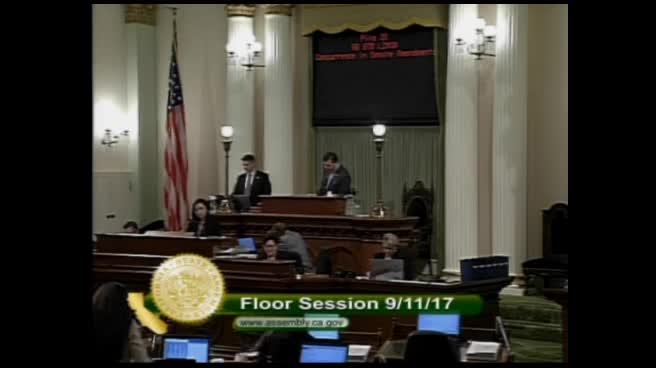 1MIN
Assembly Floor
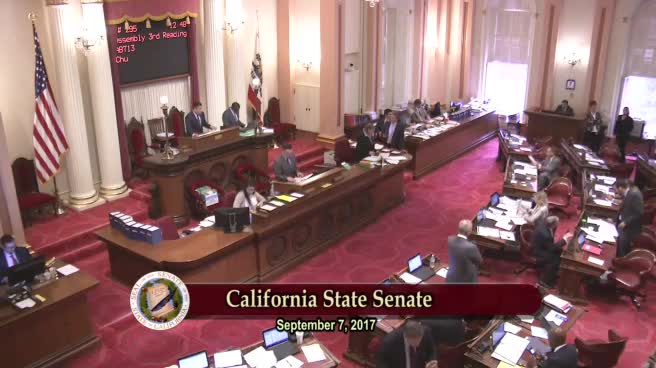 2MIN
Senate Floor
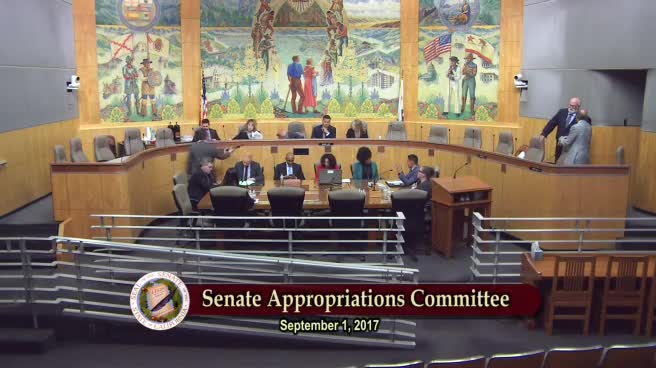 1H
Senate Standing Committee on Appropriations
 4MIN
Assembly Floor
 1H
Assembly Standing Committee on Appropriations
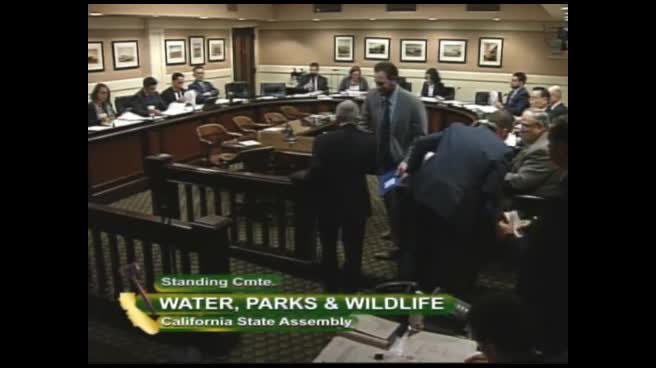 9MIN
Assembly Standing Committee on Water, Parks, and Wildlife
Bill Author