AB 490: Taxation: credits: College Access Tax Credit.
- Session Year: 2017-2018
- House: Assembly
- Latest Version Date: 2017-10-06
The law governing the taxation of insurers, the Personal Income Tax Law, and the Corporation Tax Law allow various credits against the taxes imposed by those laws, including a credit, for taxable years beginning on or after January 1, 2017, and before January 1, 2018, equal to 50% of a contribution to the College Access Tax Credit Fund, as provided. Those laws specify that the moneys in the College Access Tax Credit Fund shall be allocated first to the General Fund, then, upon appropriation, to specified agencies for administrative costs related to this credit, and lastly continuously appropriated to the Student Aid Commission for awarding Cal Grants, as provided.
This bill would extend the operation of the credit to taxable years beginning before January 1, 2023. By extending the operation of the credit and thus the appropriation in those provisions, the bill would make an appropriation.
The law governing the taxation of insurers, the Personal Income Tax Law, and the Corporation Tax Law allow various credits against the taxes imposed by those laws, including a credit, for taxable years beginning on or after January 1, 2017, and before January 1, 2018, equal to 50% of a contribution to the College Access Tax Credit Fund, as provided. Those laws specify that the moneys in the College Access Tax Credit Fund shall be allocated first to the General Fund, then, upon appropriation, to specified agencies for administrative costs related to this credit, and lastly continuously appropriated to the Student Aid Commission for awarding Cal Grants, as provided.
This bill would extend the operation of the credit to taxable years beginning before January 1, 2023. By extending the operation of the credit and thus the appropriation in those provisions, the bill would make an appropriation.
The Insurance Tax Law, the Personal Income Tax Law, and the Corporation Tax Law allow various credits against the taxes imposed by those laws, including a credit, for taxable years beginning on or after January 1, 2017, and before January 1, 2018, equal to 50% of a contribution to the College Access Tax Credit Fund, as provided. Those laws specify that the moneys in the College Access Tax Credit Fund shall be allocated first to the General Fund, then, upon appropriation, to specified agencies for administrative costs related to this credit, and lastly continuously appropriated the to Student Aid Commission for awarding Cal Grants, as provided.
This bill would extend the operation of the credit to taxable years beginning before January 1, 2023. By extending the operation of the credit and thus the appropriation in those provisions, the bill would make an appropriation.
The Insurance Tax Law, the Personal Income Tax Law, and the Corporation Tax Law allow various credits against the taxes imposed by those laws, including a credit, for taxable years beginning on or after January 1, 2017, and before January 1, 2018, equal to 50% of a contribution to the College Access Tax Credit Fund, as provided. Those laws specify that the moneys in the College Access Tax Credit Fund shall be allocated first to the General Fund, then, upon appropriation, to specified agencies for administrative costs related to this credit, and lastly continuously appropriated the to Student Aid Commission for awarding Cal Grants, as provided.
This bill would extend the operation of the credit to taxable years beginning before January 1, 2023. By extending the operation of the credit and thus the appropriation in those provisions, the bill would make an appropriation. This bill also would, upon appropriation by the Legislature, allocate moneys in the College Access Tax Credit Fund to the Franchise Tax Board for outreach purposes regarding the credit.
The Insurance Tax Law, the Personal Income Tax Law, and the Corporation Tax Law allow various credits against the taxes imposed by those laws, including a credit, for taxable years beginning on or after January 1, 2017, and before January 1, 2018, equal to 50% of a contribution to the College Access Tax Credit Fund, as provided. Those laws specify that the moneys in the College Access Tax Credit Fund shall be allocated first to the General Fund, then, upon appropriation, to specified agencies for administrative costs related to this credit, and lastly continuously appropriated the to Student Aid Commission for awarding Cal Grants, as provided.
This bill would delete the repeal date for this credit. extend the operation of the credit to taxable years beginning before January 1, 2023. By extending the operation of the credit and thus the appropriation in those provisions, the bill would make an appropriation. This bill also would, upon appropriation by the Legislature, allocate moneys in the College Access Tax Credit Fund to the Franchise Tax Board for outreach purposes regarding the credit.
The Insurance Tax Law, the Personal Income Tax Law, and the Corporation Tax Law allow various credits against the taxes imposed by those laws, including a credit, for taxable years beginning on or after January 1, 2017, and before January 1, 2018, equal to 50% of a contribution to the College Access Tax Credit Fund, as provided. Those laws specify that the moneys in the College Access Tax Credit Fund shall be allocated first to the General Fund, then, upon appropriation, to specified agencies for administrative costs related to this credit, and lastly continuously appropriated the to Student Aid Commission for awarding Cal Grants, as provided.
This bill would delete the repeal date for this credit. By extending the operation of the credit and thus the appropriation in those provisions, the bill would make an appropriation. This bill also would, upon appropriation by the Legislature, allocate moneys in the College Access Tax Credit Fund to the Franchise Tax Board for outreach purposes regarding the credit.
The Insurance Tax Law, the Personal Income Tax Law, and the Corporation Tax Law allow various credits against the taxes imposed by those laws, including a credit, for taxable years beginning on or after January 1, 2017, and before January 1, 2018, equal to 50% of a contribution to the College Access Tax Credit Fund, as provided. Those laws specify that the moneys in the College Access Tax Credit Fund shall be allocated first to the General Fund, then, upon appropriation, to specified agencies for administrative costs related to this credit, and lastly continuously appropriated the to Student Aid Commission for awarding Cal Grants, as provided.
This bill would delete the repeal date for this credit. By extending the operation of the credit and thus the appropriation in those provisions, the bill would make an appropriation.
(a)For the taxable years beginning on or after January 1, 2017, and before January 1, 2023, there shall be allowed as a credit against the tax, as described in Section 12202 or 12231, an amount equal to 50 percent of the amount contributed by the taxpayer for the taxable year to the College Access Tax Credit Fund, as allocated and certified by the California Educational Facilities Authority.
(b)(1)The aggregate amount of credit that may be allocated and certified pursuant to this section, Section 17053.87, and Section 23687 shall be an amount equal to five hundred million dollars ($500,000,000).
(2)(A)For the purposes of this section, the California Educational Facilities Authority shall do all of the following:
(i)On a first-come-first-served basis, allocate and certify tax credits to taxpayers under this section.
(ii)Establish a procedure for taxpayers to contribute to the College Access Tax Credit Fund and to obtain from the California Educational Facilities Authority a certification for the credit allowed by this section. The procedure shall require the California Educational Facilities Authority to certify the contribution amount eligible for credit within 45 days following receipt of the contribution.
(iii)Provide to the Department of Insurance a copy of each credit certificate issued for the calendar year by March 1 of the calendar year immediately following the year in which those certificates are issued.
(B)(i)The California Educational Facilities Authority shall adopt any regulations necessary or appropriate to implement this paragraph.
(ii)The Administrative Procedure Act (Chapter 3.5 (commencing with Section 11340) of Part 1 of Division 3 of Title 2 of the Government Code) shall not apply to any regulation adopted by the California Educational Facilities Authority pursuant to clause (i).
(c)In the case where the credit allowed by this section exceeds the tax, the excess may be carried over to reduce the tax in the following year, and succeeding five years if necessary, until the credit is exhausted.
(d)The tax credit allowed by subdivision (a), subdivision (a) of Section 17053.87, and subdivision (a) of Section 23687 for donations to the College Access Tax Credit Fund shall be known as the College Access Tax Credit.
(e)This section shall remain in effect only until December 1, 2023, and as of that date is repealed.
SEC. 2.Section 17053.87 of the Revenue and Taxation Code is amended to read:17053.87.(a)For the taxable years beginning on or after January 1, 2017, and before January 1, 2023, there shall be allowed as a credit against the net tax, as defined in Section 17039, an amount equal to 50 percent of the amount contributed by the taxpayer for the taxable year to the College Access Tax Credit Fund, as allocated and certified by the California Educational Facilities Authority.
(b)(1)The aggregate amount of credit that may be allocated and certified pursuant to this section, Section 12207, and Section 23687 shall be an amount equal to five hundred million dollars ($500,000,000).
(2)(A)For the purposes of this section, the California Educational Facilities Authority shall do all of the following:
(i)On a first-come-first-served basis, allocate and certify tax credits to taxpayers under this section.
(ii)Establish a procedure for taxpayers to contribute to the College Access Tax Credit Fund and to obtain from the California Educational Facilities Authority a certification for the credit allowed by this section. The procedure shall require the California Educational Facilities Authority to certify the contribution amount eligible for credit within 45 days following receipt of the contribution.
(iii)Provide to the Franchise Tax Board a copy of each credit certificate issued for the calendar year by March 1 of the calendar year immediately following the year in which those certificates are issued.
(B)(i)The California Educational Facilities Authority shall adopt any regulations necessary or appropriate to implement this paragraph.
(ii)The Administrative Procedure Act (Chapter 3.5 (commencing with Section 11340) of Part 1 of Division 3 of Title 2 of the Government Code) shall not apply to any regulation adopted by the California Educational Facilities Authority pursuant to clause (i).
(c)(1)In the case where the credit allowed by this section exceeds the net tax, the excess may be carried over to reduce the net tax in the following year, and succeeding five years if necessary, until the credit is exhausted.
(2)A deduction shall not be allowed under this part for amounts taken into account under this section in calculating the credit allowed by this section.
(d)(1)The College Access Tax Credit Fund is hereby created as a special fund in the State Treasury. All revenue in this special fund shall be allocated as follows:
(A)First to the General Fund in an amount equal to the aggregate amount of certified credits allowed pursuant to this section and Section 23687 for the taxable year. Funds allocated to the General Fund shall be considered General Fund revenues for purposes of Sections 8 and 8.5 of Article XVI of the California Constitution.
(B)Second, upon appropriation, to the Department of Insurance, the Franchise Tax Board, the California Educational Facilities Authority, the Controller, and the Student Aid Commission for reimbursement of all administrative costs incurred by those agencies in connection with their duties under this section, Section 12207, Section 23687, and Section 69431.7 of the Education Code.
(C)Third, notwithstanding Section 13340 of the Government Code, the remaining revenue shall be continuously appropriated to the Student Aid Commission for purposes of awarding Cal Grants to students subject to Section 69431.7 of the Education Code.
(2)The tax credit allowed by subdivision (a), subdivision (a) of Section 12207, and subdivision (a) of Section 23687 for donations to the College Access Tax Credit Fund shall be known as the College Access Tax Credit.
(e)This section shall remain in effect only until December 1, 2023, and as of that date is repealed.
SEC. 3.Section 23687 of the Revenue and Taxation Code is amended to read:23687.(a)For taxable years beginning on or after January 1, 2017, and before January 1, 2023, there shall be allowed as a credit against the tax, as defined in Section 23036, an amount equal to 50 percent of the amount contributed by the taxpayer for the taxable year to the College Access Tax Credit Fund, as allocated and certified by the California Educational Facilities Authority.
(b)(1)The aggregate amount of credit that may be allocated and certified pursuant to this section, Section 12207, and Section 17053.87 shall be an amount equal to five hundred million dollars ($500,000,000).
(2)(A)For the purposes of this section, the California Educational Facilities Authority shall do all of the following:
(i)On a first-come-first-served basis, allocate and certify tax credits to taxpayers under this section.
(ii)Establish a procedure for taxpayers to contribute to the College Access Tax Credit Fund and to obtain from the California Educational Facilities Authority a certification for the credit allowed by this section. The procedure shall require the California Educational Facilities Authority to certify the contribution amount eligible for credit within 45 days following receipt of the contribution.
(iii)Provide to the Franchise Tax Board a copy of each credit certificate issued for the calendar year by March 1 of the calendar year immediately following the year in which those certificates are issued.
(B)(i)The California Educational Facilities Authority shall adopt any regulations necessary or appropriate to implement this paragraph.
(ii)The Administrative Procedure Act (Chapter 3.5 (commencing with Section 11340) of Part 1 of Division 3 of Title 2 of the Government Code) shall not apply to any regulation adopted by the California Educational Facilities Authority pursuant to clause (i).
(c)(1)In the case where the credit allowed by this section exceeds the tax, the excess may be carried over to reduce the tax in the following year, and succeeding five years if necessary, until the credit is exhausted.
(2)A deduction shall not be allowed under this part for amounts taken into account under this section in calculating the credit allowed by this section.
(d)The tax credit allowed by subdivision (a), subdivision (a) of Section 12207, and subdivision (a) of Section 17053.87 for donations to the College Access Tax Credit Fund shall be known as the College Access Tax Credit.
(e)This section shall remain in effect only until December 1, 2023, and as of that date is repealed.
(a)For the taxable years beginning on or after January 1, 2017, and before January 1, 2023, there shall be allowed as a credit against the tax, as described in Section 12202 or 12231, an amount equal to 50 percent of the amount contributed by the taxpayer for the taxable year to the College Access Tax Credit Fund, as allocated and certified by the California Educational Facilities Authority.
(b)(1)The aggregate amount of credit that may be allocated and certified pursuant to this section, Section 17053.87, and Section 23687 shall be an amount equal to five hundred million dollars ($500,000,000).
(2)(A)For the purposes of this section, the California Educational Facilities Authority shall do all of the following:
(i)On a first-come-first-served basis, allocate and certify tax credits to taxpayers under this section.
(ii)Establish a procedure for taxpayers to contribute to the College Access Tax Credit Fund and to obtain from the California Educational Facilities Authority a certification for the credit allowed by this section. The procedure shall require the California Educational Facilities Authority to certify the contribution amount eligible for credit within 45 days following receipt of the contribution.
(iii)Provide to the Department of Insurance a copy of each credit certificate issued for the calendar year by March 1 of the calendar year immediately following the year in which those certificates are issued.
(B)(i)The California Educational Facilities Authority shall adopt any regulations necessary or appropriate to implement this paragraph.
(ii)The Administrative Procedure Act (Chapter 3.5 (commencing with Section 11340) of Part 1 of Division 3 of Title 2 of the Government Code) shall not apply to any regulation adopted by the California Educational Facilities Authority pursuant to clause (i).
(c)In the case where the credit allowed by this section exceeds the tax, the excess may be carried over to reduce the tax in the following year, and succeeding five years if necessary, until the credit is exhausted.
(d)The tax credit allowed by subdivision (a), subdivision (a) of Section 17053.87, and subdivision (a) of Section 23687 for donations to the College Access Tax Credit Fund shall be known as the College Access Tax Credit.
(e)This section shall remain in effect only until December 1, 2023, and as of that date is repealed.
SEC. 2.Section 17053.87 of the Revenue and Taxation Code is amended to read:17053.87.(a)For the taxable years beginning on or after January 1, 2017, and before January 1, 2023, there shall be allowed as a credit against the net tax, as defined in Section 17039, an amount equal to 50 percent of the amount contributed by the taxpayer for the taxable year to the College Access Tax Credit Fund, as allocated and certified by the California Educational Facilities Authority.
(b)(1)The aggregate amount of credit that may be allocated and certified pursuant to this section, Section 12207, and Section 23687 shall be an amount equal to five hundred million dollars ($500,000,000).
(2)(A)For the purposes of this section, the California Educational Facilities Authority shall do all of the following:
(i)On a first-come-first-served basis, allocate and certify tax credits to taxpayers under this section.
(ii)Establish a procedure for taxpayers to contribute to the College Access Tax Credit Fund and to obtain from the California Educational Facilities Authority a certification for the credit allowed by this section. The procedure shall require the California Educational Facilities Authority to certify the contribution amount eligible for credit within 45 days following receipt of the contribution.
(iii)Provide to the Franchise Tax Board a copy of each credit certificate issued for the calendar year by March 1 of the calendar year immediately following the year in which those certificates are issued.
(B)(i)The California Educational Facilities Authority shall adopt any regulations necessary or appropriate to implement this paragraph.
(ii)The Administrative Procedure Act (Chapter 3.5 (commencing with Section 11340) of Part 1 of Division 3 of Title 2 of the Government Code) shall not apply to any regulation adopted by the California Educational Facilities Authority pursuant to clause (i).
(c)(1)In the case where the credit allowed by this section exceeds the net tax, the excess may be carried over to reduce the net tax in the following year, and succeeding five years if necessary, until the credit is exhausted.
(2)A deduction shall not be allowed under this part for amounts taken into account under this section in calculating the credit allowed by this section.
(d)(1)The College Access Tax Credit Fund is hereby created as a special fund in the State Treasury. All revenue in this special fund shall be allocated as follows:
(A)First to the General Fund in an amount equal to the aggregate amount of certified credits allowed pursuant to this section and Section 23687 for the taxable year. Funds allocated to the General Fund shall be considered General Fund revenues for purposes of Sections 8 and 8.5 of Article XVI of the California Constitution.
(B)Second, upon appropriation, to the Department of Insurance, the Franchise Tax Board, the California Educational Facilities Authority, the Controller, and the Student Aid Commission for reimbursement of all administrative costs incurred by those agencies in connection with their duties under this section, Section 12207, Section 23687, and Section 69431.7 of the Education Code.
(C)Third, notwithstanding Section 13340 of the Government Code, the remaining revenue shall be continuously appropriated to the Student Aid Commission for purposes of awarding Cal Grants to students subject to Section 69431.7 of the Education Code.
(2)The tax credit allowed by subdivision (a), subdivision (a) of Section 12207, and subdivision (a) of Section 23687 for donations to the College Access Tax Credit Fund shall be known as the College Access Tax Credit.
(e)This section shall remain in effect only until December 1, 2023, and as of that date is repealed.
SEC. 3.Section 23687 of the Revenue and Taxation Code is amended to read:23687.(a)For taxable years beginning on or after January 1, 2017, and before January 1, 2023, there shall be allowed as a credit against the tax, as defined in Section 23036, an amount equal to 50 percent of the amount contributed by the taxpayer for the taxable year to the College Access Tax Credit Fund, as allocated and certified by the California Educational Facilities Authority.
(b)(1)The aggregate amount of credit that may be allocated and certified pursuant to this section, Section 12207, and Section 17053.87 shall be an amount equal to five hundred million dollars ($500,000,000).
(2)(A)For the purposes of this section, the California Educational Facilities Authority shall do all of the following:
(i)On a first-come-first-served basis, allocate and certify tax credits to taxpayers under this section.
(ii)Establish a procedure for taxpayers to contribute to the College Access Tax Credit Fund and to obtain from the California Educational Facilities Authority a certification for the credit allowed by this section. The procedure shall require the California Educational Facilities Authority to certify the contribution amount eligible for credit within 45 days following receipt of the contribution.
(iii)Provide to the Franchise Tax Board a copy of each credit certificate issued for the calendar year by March 1 of the calendar year immediately following the year in which those certificates are issued.
(B)(i)The California Educational Facilities Authority shall adopt any regulations necessary or appropriate to implement this paragraph.
(ii)The Administrative Procedure Act (Chapter 3.5 (commencing with Section 11340) of Part 1 of Division 3 of Title 2 of the Government Code) shall not apply to any regulation adopted by the California Educational Facilities Authority pursuant to clause (i).
(c)(1)In the case where the credit allowed by this section exceeds the tax, the excess may be carried over to reduce the tax in the following year, and succeeding five years if necessary, until the credit is exhausted.
(2)A deduction shall not be allowed under this part for amounts taken into account under this section in calculating the credit allowed by this section.
(d)The tax credit allowed by subdivision (a), subdivision (a) of Section 12207, and subdivision (a) of Section 17053.87 for donations to the College Access Tax Credit Fund shall be known as the College Access Tax Credit.
(e)This section shall remain in effect only until December 1, 2023, and as of that date is repealed.
(a)For the taxable years beginning on or after January 1, 2017, and before January 1, 2023, there shall be allowed as a credit against the tax, as described in Section 12202 or 12231, an amount equal to 50 percent of the amount contributed by the taxpayer during for the taxable year to the College Access Tax Credit Fund, as allocated and certified by the California Educational Facilities Authority.
(b)(1)The aggregate amount of credit that may be allocated and certified pursuant to this section, Section 17053.87, and Section 23687 shall be an amount equal to five hundred million dollars ($500,000,000).
(2)(A)For the purposes of this section, the California Educational Facilities Authority shall do all of the following:
(i)On a first-come-first-served basis, allocate and certify tax credits to taxpayers under this section.
(ii)Establish a procedure for taxpayers to contribute to the College Access Tax Credit Fund and to obtain from the California Educational Facilities Authority a certification for the credit allowed by this section. The procedure shall require the California Educational Facilities Authority to certify the contribution amount eligible for credit within 45 days following receipt of the contribution.
(iii)Provide to the Department of Insurance a copy of each credit certificate issued for the calendar year by March 1 of the calendar year immediately following the year in which those certificates are issued.
(B)(i)The California Educational Facilities Authority shall adopt any regulations necessary or appropriate to implement this paragraph.
(ii)The Administrative Procedure Act (Chapter 3.5 (commencing with Section 11340) of Part 1 of Division 3 of Title 2 of the Government Code) shall not apply to any regulation adopted by the California Educational Facilities Authority pursuant to clause (i).
(c)In the case where the credit allowed by this section exceeds the tax, the excess may be carried over to reduce the tax in the following year, and succeeding five years if necessary, until the credit is exhausted.
(d)The tax credit allowed by subdivision (a), subdivision (a) of Section 17053.87, and subdivision (a) of Section 23687 for donations to the College Access Tax Credit Fund shall be known as the College Access Tax Credit.
(e)This section shall remain in effect only until December 1, 2023, and as of that date is repealed.
SEC. 2.Section 17053.87 of the Revenue and Taxation Code is amended to read:17053.87.(a)For the taxable years beginning on or after January 1, 2017, and before January 1, 2023, there shall be allowed as a credit against the net tax, as defined in Section 17039, an amount equal to 50 percent of the amount contributed by the taxpayer during for the taxable year to the College Access Tax Credit Fund, as allocated and certified by the California Educational Facilities Authority.
(b)(1)The aggregate amount of credit that may be allocated and certified pursuant to this section, Section 12207, and Section 23687 shall be an amount equal to five hundred million dollars ($500,000,000).
(2)(A)For the purposes of this section, the California Educational Facilities Authority shall do all of the following:
(i)On a first-come-first-served basis, allocate and certify tax credits to taxpayers under this section.
(ii)Establish a procedure for taxpayers to contribute to the College Access Tax Credit Fund and to obtain from the California Educational Facilities Authority a certification for the credit allowed by this section. The procedure shall require the California Educational Facilities Authority to certify the contribution amount eligible for credit within 45 days following receipt of the contribution.
(iii)Provide to the Franchise Tax Board a copy of each credit certificate issued for the calendar year by March 1 of the calendar year immediately following the year in which those certificates are issued.
(B)(i)The California Educational Facilities Authority shall adopt any regulations necessary or appropriate to implement this paragraph.
(ii)The Administrative Procedure Act (Chapter 3.5 (commencing with Section 11340) of Part 1 of Division 3 of Title 2 of the Government Code) shall not apply to any regulation adopted by the California Educational Facilities Authority pursuant to clause (i).
(c)(1)In the case where the credit allowed by this section exceeds the net tax, the excess may be carried over to reduce the net tax in the following year, and succeeding five years if necessary, until the credit is exhausted.
(2)A deduction shall not be allowed under this part for amounts taken into account under this section in calculating the credit allowed by this section.
(d)(1)The College Access Tax Credit Fund is hereby created as a special fund in the State Treasury. All revenue in this special fund shall be allocated as follows:
(A)First to the General Fund in an amount equal to the aggregate amount of certified credits allowed pursuant to this section and Section 23687 for the taxable year. Funds allocated to the General Fund shall be considered General Fund revenues for purposes of Sections 8 and 8.5 of Article XVI of the California Constitution.
(B)Second, upon appropriation, to the Department of Insurance, the Franchise Tax Board, the California Educational Facilities Authority, the Controller, and the Student Aid Commission for reimbursement of all administrative costs incurred by those agencies in connection with their duties under this section, Section 12207, Section 23687, and Section 69431.7 of the Education Code.
(C)Third, notwithstanding Section 13340 of the Government Code, the remaining revenue shall be continuously appropriated to the Student Aid Commission for purposes of awarding Cal Grants to students subject to Section 69431.7 of the Education Code.
(2)The tax credit allowed by subdivision (a), subdivision (a) of Section 12207, and subdivision (a) of Section 23687 for donations to the College Access Tax Credit Fund shall be known as the College Access Tax Credit.
(e)This section shall remain in effect only until December 1, 2023, and as of that date is repealed.
SEC. 3.Section 23687 of the Revenue and Taxation Code is amended to read:23687.(a)For taxable years beginning on or after January 1, 2017, and before January 1, 2023, there shall be allowed as a credit against the tax, as defined in Section 23036, an amount equal to 50 percent of the amount contributed by the taxpayer during for the taxable year to the College Access Tax Credit Fund, as allocated and certified by the California Educational Facilities Authority.
(b)(1)The aggregate amount of credit that may be allocated and certified pursuant to this section, Section 12207, and Section 17053.87 shall be an amount equal to five hundred million dollars ($500,000,000).
(2)(A)For the purposes of this section, the California Educational Facilities Authority shall do all of the following:
(i)On a first-come-first-served basis, allocate and certify tax credits to taxpayers under this section.
(ii)Establish a procedure for taxpayers to contribute to the College Access Tax Credit Fund and to obtain from the California Educational Facilities Authority a certification for the credit allowed by this section. The procedure shall require the California Educational Facilities Authority to certify the contribution amount eligible for credit within 45 days following receipt of the contribution.
(iii)Provide to the Franchise Tax Board a copy of each credit certificate issued for the calendar year by March 1 of the calendar year immediately following the year in which those certificates are issued.
(B)(i)The California Educational Facilities Authority shall adopt any regulations necessary or appropriate to implement this paragraph.
(ii)The Administrative Procedure Act (Chapter 3.5 (commencing with Section 11340) of Part 1 of Division 3 of Title 2 of the Government Code) shall not apply to any regulation adopted by the California Educational Facilities Authority pursuant to clause (i).
(c)(1)In the case where the credit allowed by this section exceeds the tax, the excess may be carried over to reduce the tax in the following year, and succeeding five years if necessary, until the credit is exhausted.
(2)A deduction shall not be allowed under this part for amounts taken into account under this section in calculating the credit allowed by this section.
(d)The tax credit allowed by subdivision (a), subdivision (a) of Section 12207, and subdivision (a) of Section 17053.87 for donations to the College Access Tax Credit Fund shall be known as the College Access Tax Credit.
(e)This section shall remain in effect only until December 1, 2023, and as of that date is repealed.
(a)For the taxable years beginning on or after January 1, 2017, and before January 1, 2023, there shall be allowed as a credit against the tax, as described in Section 12202 or 12231, an amount equal to 50 percent of the amount contributed by the taxpayer during the taxable year to the College Access Tax Credit Fund, as allocated and certified by the California Educational Facilities Authority.
(b)(1)The aggregate amount of credit that may be allocated and certified pursuant to this section, Section 17053.87, and Section 23687 shall be an amount equal to five hundred million dollars ($500,000,000).
(2)(A)For the purposes of this section, the California Educational Facilities Authority shall do all of the following:
(i)On a first-come-first-served basis, allocate and certify tax credits to taxpayers under this section.
(ii)Establish a procedure for taxpayers to contribute to the College Access Tax Credit Fund and to obtain from the California Educational Facilities Authority a certification for the credit allowed by this section. The procedure shall require the California Educational Facilities Authority to certify the contribution amount eligible for credit within 45 days following receipt of the contribution.
(iii)Provide to the Department of Insurance a copy of each credit certificate issued for the calendar year by March 1 of the calendar year immediately following the year in which those certificates are issued.
(B)(i)The California Educational Facilities Authority shall adopt any regulations necessary or appropriate to implement this paragraph.
(ii)The Administrative Procedure Act (Chapter 3.5 (commencing with Section 11340) of Part 1 of Division 3 of Title 2 of the Government Code) shall not apply to any regulation adopted by the California Educational Facilities Authority pursuant to clause (i).
(c)In the case where the credit allowed by this section exceeds the tax, the excess may be carried over to reduce the tax in the following year, and succeeding five years if necessary, until the credit is exhausted.
(d)The tax credit allowed by subdivision (a), subdivision (a) of Section 17053.87, and subdivision (a) of Section 23687 for donations to the College Access Tax Credit Fund shall be known as the College Access Tax Credit.
(e)This section shall remain in effect only until December 1, 2023, and as of that date is repealed.
SEC. 2.Section 17053.87 of the Revenue and Taxation Code is amended to read:17053.87.(a)For the taxable years beginning on or after January 1, 2017, and before January 1, 2023, there shall be allowed as a credit against the net tax, as defined in Section 17039, an amount equal to 50 percent of the amount contributed by the taxpayer during the taxable year to the College Access Tax Credit Fund, as allocated and certified by the California Educational Facilities Authority.
(b)(1)The aggregate amount of credit that may be allocated and certified pursuant to this section, Section 12207, and Section 23687 shall be an amount equal to five hundred million dollars ($500,000,000).
(2)(A)For the purposes of this section, the California Educational Facilities Authority shall do all of the following:
(i)On a first-come-first-served basis, allocate and certify tax credits to taxpayers under this section.
(ii)Establish a procedure for taxpayers to contribute to the College Access Tax Credit Fund and to obtain from the California Educational Facilities Authority a certification for the credit allowed by this section. The procedure shall require the California Educational Facilities Authority to certify the contribution amount eligible for credit within 45 days following receipt of the contribution.
(iii)Provide to the Franchise Tax Board a copy of each credit certificate issued for the calendar year by March 1 of the calendar year immediately following the year in which those certificates are issued.
(B)(i)The California Educational Facilities Authority shall adopt any regulations necessary or appropriate to implement this paragraph.
(ii)The Administrative Procedure Act (Chapter 3.5 (commencing with Section 11340) of Part 1 of Division 3 of Title 2 of the Government Code) shall not apply to any regulation adopted by the California Educational Facilities Authority pursuant to clause (i).
(c)(1)In the case where the credit allowed by this section exceeds the net tax, the excess may be carried over to reduce the net tax in the following year, and succeeding five years if necessary, until the credit is exhausted.
(2)A deduction shall not be allowed under this part for amounts taken into account under this section in calculating the credit allowed by this section.
(d)(1)The College Access Tax Credit Fund is hereby created as a special fund in the State Treasury. All revenue in this special fund shall be allocated as follows:
(A)First to the General Fund in an amount equal to the aggregate amount of certified credits allowed pursuant to this section and Section 23687 for the taxable year. Funds allocated to the General Fund shall be considered General Fund revenues for purposes of Sections 8 and 8.5 of Article XVI of the California Constitution.
(B)Second, upon appropriation, to the Department of Insurance, the Franchise Tax Board, the California Educational Facilities Authority, the Controller, and the Student Aid Commission for reimbursement of all administrative costs incurred by those agencies in connection with their duties under this section, Section 12207, Section 23687, and Section 69431.7 of the Education Code.
(C)Third, upon appropriation, to the Franchise Tax Board for outreach purposes to inform taxpayers about the College Access Tax Credit Fund and the credits allowed by this section, Section 12207, and Section 23687. (D)Fourth,(C)Third, notwithstanding Section 13340 of the Government Code, the remaining revenue shall be continuously appropriated to the Student Aid Commission for purposes of awarding Cal Grants to students subject to Section 69431.7 of the Education Code.
(2)The tax credit allowed by subdivision (a), subdivision (a) of Section 12207, and subdivision (a) of Section 23687 for donations to the College Access Tax Credit Fund shall be known as the College Access Tax Credit.
(e)This section shall remain in effect only until December 1, 2023, and as of that date is repealed.
SEC. 3.Section 23687 of the Revenue and Taxation Code is amended to read:23687.(a)For taxable years beginning on or after January 1, 2017, and before January 1, 2023, there shall be allowed as a credit against the tax, as defined in Section 23036, an amount equal to 50 percent of the amount contributed by the taxpayer during the taxable year to the College Access Tax Credit Fund, as allocated and certified by the California Educational Facilities Authority.
(b)(1)The aggregate amount of credit that may be allocated and certified pursuant to this section, Section 12207, and Section 17053.87 shall be an amount equal to five hundred million dollars ($500,000,000).
(2)(A)For the purposes of this section, the California Educational Facilities Authority shall do all of the following:
(i)On a first-come-first-served basis, allocate and certify tax credits to taxpayers under this section.
(ii)Establish a procedure for taxpayers to contribute to the College Access Tax Credit Fund and to obtain from the California Educational Facilities Authority a certification for the credit allowed by this section. The procedure shall require the California Educational Facilities Authority to certify the contribution amount eligible for credit within 45 days following receipt of the contribution.
(iii)Provide to the Franchise Tax Board a copy of each credit certificate issued for the calendar year by March 1 of the calendar year immediately following the year in which those certificates are issued.
(B)(i)The California Educational Facilities Authority shall adopt any regulations necessary or appropriate to implement this paragraph.
(ii)The Administrative Procedure Act (Chapter 3.5 (commencing with Section 11340) of Part 1 of Division 3 of Title 2 of the Government Code) shall not apply to any regulation adopted by the California Educational Facilities Authority pursuant to clause (i).
(c)(1)In the case where the credit allowed by this section exceeds the tax, the excess may be carried over to reduce the tax in the following year, and succeeding five years if necessary, until the credit is exhausted.
(2)A deduction shall not be allowed under this part for amounts taken into account under this section in calculating the credit allowed by this section.
(d)The tax credit allowed by subdivision (a), subdivision (a) of Section 12207, and subdivision (a) of Section 17053.87 for donations to the College Access Tax Credit Fund shall be known as the College Access Tax Credit.
(e)This section shall remain in effect only until December 1, 2023, and as of that date is repealed.
(a)For the taxable years beginning on or after January 1, 2017, and before January 1, 2023, there shall be allowed as a credit against the tax, as described in Section 12202 or 12231, an amount equal to 50 percent of the amount contributed by the taxpayer during the taxable year to the College Access Tax Credit Fund, as allocated and certified by the California Educational Facilities Authority.
(b)(1)The aggregate amount of credit that may be allocated and certified pursuant to this section, Section 17053.87, and Section 23687 shall be an amount equal to five hundred million dollars ($500,000,000).
(2)(A)For the purposes of this section, the California Educational Facilities Authority shall do all of the following:
(i)On a first-come-first-served basis, allocate and certify tax credits to taxpayers under this section.
(ii)Establish a procedure for taxpayers to contribute to the College Access Tax Credit Fund and to obtain from the California Educational Facilities Authority a certification for the credit allowed by this section. The procedure shall require the California Educational Facilities Authority to certify the contribution amount eligible for credit within 45 days following receipt of the contribution.
(iii)Provide to the Department of Insurance a copy of each credit certificate issued for the calendar year by March 1 of the calendar year immediately following the year in which those certificates are issued.
(B)(i)The California Educational Facilities Authority shall adopt any regulations necessary or appropriate to implement this paragraph.
(ii)The Administrative Procedure Act (Chapter 3.5 (commencing with Section 11340) of Part 1 of Division 3 of Title 2 of the Government Code) shall not apply to any regulation adopted by the California Educational Facilities Authority pursuant to clause (i).
(c)In the case where the credit allowed by this section exceeds the tax, the excess may be carried over to reduce the tax in the following year, and succeeding five years if necessary, until the credit is exhausted.
(d)The tax credit allowed by subdivision (a), subdivision (a) of Section 17053.87, and subdivision (a) of Section 23687 for donations to the College Access Tax Credit Fund shall be known as the College Access Tax Credit.
(e)This section shall remain in effect only until December 1, 2023, and as of that date is repealed.
SEC. 2.Section 17053.87 of the Revenue and Taxation Code is amended to read:17053.87.(a)For the taxable years beginning on or after January 1, 2017, and before January 1, 2023, there shall be allowed as a credit against the net tax, as defined in Section 17039, an amount equal to 50 percent of the amount contributed by the taxpayer during the taxable year to the College Access Tax Credit Fund, as allocated and certified by the California Educational Facilities Authority.
(b)(1)The aggregate amount of credit that may be allocated and certified pursuant to this section, Section 12207, and Section 23687 shall be an amount equal to five hundred million dollars ($500,000,000).
(2)(A)For the purposes of this section, the California Educational Facilities Authority shall do all of the following:
(i)On a first-come-first-served basis, allocate and certify tax credits to taxpayers under this section.
(ii)Establish a procedure for taxpayers to contribute to the College Access Tax Credit Fund and to obtain from the California Educational Facilities Authority a certification for the credit allowed by this section. The procedure shall require the California Educational Facilities Authority to certify the contribution amount eligible for credit within 45 days following receipt of the contribution.
(iii)Provide to the Franchise Tax Board a copy of each credit certificate issued for the calendar year by March 1 of the calendar year immediately following the year in which those certificates are issued.
(B)(i)The California Educational Facilities Authority shall adopt any regulations necessary or appropriate to implement this paragraph.
(ii)The Administrative Procedure Act (Chapter 3.5 (commencing with Section 11340) of Part 1 of Division 3 of Title 2 of the Government Code) shall not apply to any regulation adopted by the California Educational Facilities Authority pursuant to clause (i).
(c)(1)In the case where the credit allowed by this section exceeds the net tax, the excess may be carried over to reduce the net tax in the following year, and succeeding five years if necessary, until the credit is exhausted.
(2)A deduction shall not be allowed under this part for amounts taken into account under this section in calculating the credit allowed by this section.
(d)(1)The College Access Tax Credit Fund is hereby created as a special fund in the State Treasury. All revenue in this special fund shall be allocated as follows:
(A)First to the General Fund in an amount equal to the aggregate amount of certified credits allowed pursuant to this section and Section 23687 for the taxable year. Funds allocated to the General Fund shall be considered General Fund revenues for purposes of Sections 8 and 8.5 of Article XVI of the California Constitution.
(B)Second, upon appropriation, to the Department of Insurance, the Franchise Tax Board, the California Educational Facilities Authority, the Controller, and the Student Aid Commission for reimbursement of all administrative costs incurred by those agencies in connection with their duties under this section, Section 12207, Section 23687, and Section 69431.7 of the Education Code.
(C)Third, upon appropriation, to the Franchise Tax Board for outreach purposes to inform taxpayers about the College Access Tax Credit Fund and the credits allowed by this section, Section 12207, and Section 23687.
(D)Fourth, notwithstanding Section 13340 of the Government Code, the remaining revenue shall be continuously appropriated to the Student Aid Commission for purposes of awarding Cal Grants to students subject to Section 69431.7 of the Education Code.
(2)The tax credit allowed by subdivision (a), subdivision (a) of Section 12207, and subdivision (a) of Section 23687 for donations to the College Access Tax Credit Fund shall be known as the College Access Tax Credit.
(e)This section shall remain in effect only until December 1, 2023, and as of that date is repealed.
SEC. 3.Section 23687 of the Revenue and Taxation Code is amended to read:23687.(a)For taxable years beginning on or after January 1, 2017, and before January 1, 2023, there shall be allowed as a credit against the tax, as defined in Section 23036, an amount equal to 50 percent of the amount contributed by the taxpayer during the taxable year to the College Access Tax Credit Fund, as allocated and certified by the California Educational Facilities Authority.
(b)(1)The aggregate amount of credit that may be allocated and certified pursuant to this section, Section 12207, and Section 17053.87 shall be an amount equal to five hundred million dollars ($500,000,000).
(2)(A)For the purposes of this section, the California Educational Facilities Authority shall do all of the following:
(i)On a first-come-first-served basis, allocate and certify tax credits to taxpayers under this section.
(ii)Establish a procedure for taxpayers to contribute to the College Access Tax Credit Fund and to obtain from the California Educational Facilities Authority a certification for the credit allowed by this section. The procedure shall require the California Educational Facilities Authority to certify the contribution amount eligible for credit within 45 days following receipt of the contribution.
(iii)Provide to the Franchise Tax Board a copy of each credit certificate issued for the calendar year by March 1 of the calendar year immediately following the year in which those certificates are issued.
(B)(i)The California Educational Facilities Authority shall adopt any regulations necessary or appropriate to implement this paragraph.
(ii)The Administrative Procedure Act (Chapter 3.5 (commencing with Section 11340) of Part 1 of Division 3 of Title 2 of the Government Code) shall not apply to any regulation adopted by the California Educational Facilities Authority pursuant to clause (i).
(c)(1)In the case where the credit allowed by this section exceeds the tax, the excess may be carried over to reduce the tax in the following year, and succeeding five years if necessary, until the credit is exhausted.
(2)A deduction shall not be allowed under this part for amounts taken into account under this section in calculating the credit allowed by this section.
(d)The tax credit allowed by subdivision (a), subdivision (a) of Section 12207, and subdivision (a) of Section 17053.87 for donations to the College Access Tax Credit Fund shall be known as the College Access Tax Credit.
(e)This section shall remain in effect only until December 1, 2023, and as of that date is repealed.
(a)For the taxable years beginning on or after January 1, 2017, there shall be allowed as a credit against the tax, as described in Section 12202 or 12231, an amount equal to 50 percent of the amount contributed by the taxpayer during the taxable year to the College Access Tax Credit Fund, as allocated and certified by the California Educational Facilities Authority.
(b)(1)The aggregate amount of credit that may be allocated and certified pursuant to this section, Section 17053.87, and Section 23687 shall be an amount equal to five hundred million dollars ($500,000,000).
(2)(A)For the purposes of this section, the California Educational Facilities Authority shall do all of the following:
(i)On a first-come-first-served basis, allocate and certify tax credits to taxpayers under this section.
(ii)Establish a procedure for taxpayers to contribute to the College Access Tax Credit Fund and to obtain from the California Educational Facilities Authority a certification for the credit allowed by this section. The procedure shall require the California Educational Facilities Authority to certify the contribution amount eligible for credit within 45 days following receipt of the contribution.
(iii)Provide to the Department of Insurance a copy of each credit certificate issued for the calendar year by March 1 of the calendar year immediately following the year in which those certificates are issued.
(B)(i)The California Educational Facilities Authority shall adopt any regulations necessary or appropriate to implement this paragraph.
(ii)The Administrative Procedure Act (Chapter 3.5 (commencing with Section 11340) of Part 1 of Division 3 of Title 2 of the Government Code) shall not apply to any regulation adopted by the California Educational Facilities Authority pursuant to clause (i).
(c)In the case where the credit allowed by this section exceeds the tax, the excess may be carried over to reduce the tax in the following year, and succeeding five years if necessary, until the credit is exhausted.
(d)The tax credit allowed by subdivision (a), subdivision (a) of Section 17053.87, and subdivision (a) of Section 23687 for donations to the College Access Tax Credit Fund shall be known as the College Access Tax Credit.
SEC. 2.Section 17053.87 of the Revenue and Taxation Code is amended to read:17053.87.(a)For the taxable years beginning on or after January 1, 2017, there shall be allowed as a credit against the net tax, as defined in Section 17039, an amount equal to 50 percent of the amount contributed by the taxpayer during the taxable year to the College Access Tax Credit Fund, as allocated and certified by the California Educational Facilities Authority.
(b)(1)The aggregate amount of credit that may be allocated and certified pursuant to this section, Section 12207, and Section 23687 shall be an amount equal to five hundred million dollars ($500,000,000).
(2)(A)For the purposes of this section, the California Educational Facilities Authority shall do all of the following:
(i)On a first-come-first-served basis, allocate and certify tax credits to taxpayers under this section.
(ii)Establish a procedure for taxpayers to contribute to the College Access Tax Credit Fund and to obtain from the California Educational Facilities Authority a certification for the credit allowed by this section. The procedure shall require the California Educational Facilities Authority to certify the contribution amount eligible for credit within 45 days following receipt of the contribution.
(iii)Provide to the Franchise Tax Board a copy of each credit certificate issued for the calendar year by March 1 of the calendar year immediately following the year in which those certificates are issued.
(B)(i)The California Educational Facilities Authority shall adopt any regulations necessary or appropriate to implement this paragraph.
(ii)The Administrative Procedure Act (Chapter 3.5 (commencing with Section 11340) of Part 1 of Division 3 of Title 2 of the Government Code) shall not apply to any regulation adopted by the California Educational Facilities Authority pursuant to clause (i).
(c)(1)In the case where the credit allowed by this section exceeds the net tax, the excess may be carried over to reduce the net tax in the following year, and succeeding five years if necessary, until the credit is exhausted.
(2)A deduction shall not be allowed under this part for amounts taken into account under this section in calculating the credit allowed by this section.
(d)(1)The College Access Tax Credit Fund is hereby created as a special fund in the State Treasury. All revenue in this special fund shall be allocated as follows:
(A)First to the General Fund in an amount equal to the aggregate amount of certified credits allowed pursuant to this section and Section 23687 for the taxable year. Funds allocated to the General Fund shall be considered General Fund revenues for purposes of Sections 8 and 8.5 of Article XVI of the California Constitution.
(B)Second, upon appropriation, to the Department of Insurance, the Franchise Tax Board, the California Educational Facilities Authority, the Controller, and the Student Aid Commission for reimbursement of all administrative costs incurred by those agencies in connection with their duties under this section, Section 12207, Section 23687, and Section 69431.7 of the Education Code.
(C)Third, upon appropriation, to the Franchise Tax Board for outreach purposes to inform taxpayers about the College Access Tax Credit Fund and the credits allowed by this section, Section 12207, and Section 23687.
(C)Third,(D)Fourth, notwithstanding Section 13340 of the Government Code, the remaining revenue shall be continuously appropriated to the Student Aid Commission for purposes of awarding Cal Grants to students subject to Section 69431.7 of the Education Code.
(2)The tax credit allowed by subdivision (a), subdivision (a) of Section 12207, and subdivision (a) of Section 23687 for donations to the College Access Tax Credit Fund shall be known as the College Access Tax Credit.
SEC. 3.Section 23687 of the Revenue and Taxation Code is amended to read:23687.(a)For taxable years beginning on or after January 1, 2017, there shall be allowed as a credit against the tax, as defined in Section 23036, an amount equal to 50 percent of the amount contributed by the taxpayer during the taxable year to the College Access Tax Credit Fund, as allocated and certified by the California Educational Facilities Authority.
(b)(1)The aggregate amount of credit that may be allocated and certified pursuant to this section, Section 12207, and Section 17053.87 shall be an amount equal to five hundred million dollars ($500,000,000).
(2)(A)For the purposes of this section, the California Educational Facilities Authority shall do all of the following:
(i)On a first-come-first-served basis, allocate and certify tax credits to taxpayers under this section.
(ii)Establish a procedure for taxpayers to contribute to the College Access Tax Credit Fund and to obtain from the California Educational Facilities Authority a certification for the credit allowed by this section. The procedure shall require the California Educational Facilities Authority to certify the contribution amount eligible for credit within 45 days following receipt of the contribution.
(iii)Provide to the Franchise Tax Board a copy of each credit certificate issued for the calendar year by March 1 of the calendar year immediately following the year in which those certificates are issued.
(B)(i)The California Educational Facilities Authority shall adopt any regulations necessary or appropriate to implement this paragraph.
(ii)The Administrative Procedure Act (Chapter 3.5 (commencing with Section 11340) of Part 1 of Division 3 of Title 2 of the Government Code) shall not apply to any regulation adopted by the California Educational Facilities Authority pursuant to clause (i).
(c)(1)In the case where the credit allowed by this section exceeds the tax, the excess may be carried over to reduce the tax in the following year, and succeeding five years if necessary, until the credit is exhausted.
(2)A deduction shall not be allowed under this part for amounts taken into account under this section in calculating the credit allowed by this section.
(d)The tax credit allowed by subdivision (a), subdivision (a) of Section 12207, and subdivision (a) of Section 17053.87 for donations to the College Access Tax Credit Fund shall be known as the College Access Tax Credit.
(a)For the taxable years beginning on or after January 1, 2017, and before January 1, 2018, there shall be allowed as a credit against the tax, as described in Section 12202 or 12231, an amount equal to 50 percent of the amount contributed by the taxpayer during the taxable year to the College Access Tax Credit Fund, as allocated and certified by the California Educational Facilities Authority.
(b)(1)The aggregate amount of credit that may be allocated and certified pursuant to this section, Section 17053.87, and Section 23687 shall be an amount equal to five hundred million dollars ($500,000,000).
(2)(A)For the purposes of this section, the California Educational Facilities Authority shall do all of the following:
(i)On a first-come-first-served basis, allocate and certify tax credits to taxpayers under this section.
(ii)Establish a procedure for taxpayers to contribute to the College Access Tax Credit Fund and to obtain from the California Educational Facilities Authority a certification for the credit allowed by this section. The procedure shall require the California Educational Facilities Authority to certify the contribution amount eligible for credit within 45 days following receipt of the contribution.
(iii)Provide to the Department of Insurance a copy of each credit certificate issued for the calendar year by March 1 of the calendar year immediately following the year in which those certificates are issued.
(B)(i)The California Educational Facilities Authority shall adopt any regulations necessary or appropriate to implement this paragraph.
(ii)The Administrative Procedure Act (Chapter 3.5 (commencing with Section 11340) of Part 1 of Division 3 of Title 2 of the Government Code) does shall not apply to any regulation adopted by the California Educational Facilities Authority pursuant to clause (i).
(c)In the case where the credit allowed by this section exceeds the tax, the excess may be carried over to reduce the tax in the following year, and succeeding five years if necessary, until the credit is exhausted.
(d)The tax credit allowed by subdivision (a), subdivision (a) of Section 17053.87, and subdivision (a) of Section 23687 for donations to the College Access Tax Credit Fund shall be known as the College Access Tax Credit.
(e)This section shall be repealed on December 1, 2018.SEC. 2.Section 17053.87 of the Revenue and Taxation Code is amended to read:17053.87.(a)For the taxable years beginning on or after January 1, 2017, and before January 1, 2018, there shall be allowed as a credit against the net tax, as defined in Section 17039, an amount equal to 50 percent of the amount contributed by the taxpayer during the taxable year to the College Access Tax Credit Fund, as allocated and certified by the California Educational Facilities Authority.
(b)(1)The aggregate amount of credit that may be allocated and certified pursuant to this section, Section 12207, and Section 23687 shall be an amount equal to five hundred million dollars ($500,000,000).
(2)(A)For the purposes of this section, the California Educational Facilities Authority shall do all of the following:
(i)On a first-come-first-served basis, allocate and certify tax credits to taxpayers under this section.
(ii)Establish a procedure for taxpayers to contribute to the College Access Tax Credit Fund and to obtain from the California Educational Facilities Authority a certification for the credit allowed by this section. The procedure shall require the California Educational Facilities Authority to certify the contribution amount eligible for credit within 45 days following receipt of the contribution.
(iii)Provide to the Franchise Tax Board a copy of each credit certificate issued for the calendar year by March 1 of the calendar year immediately following the year in which those certificates are issued.
(B)(i)The California Educational Facilities Authority shall adopt any regulations necessary or appropriate to implement this paragraph.
(ii)The Administrative Procedure Act (Chapter 3.5 (commencing with Section 11340) of Part 1 of Division 3 of Title 2 of the Government Code) does shall not apply to any regulation adopted by the California Educational Facilities Authority pursuant to clause (i).
(c)(1)In the case where the credit allowed by this section exceeds the net tax, the excess may be carried over to reduce the net tax in the following year, and succeeding five years if necessary, until the credit is exhausted.
(2)A deduction shall not be allowed under this part for amounts taken into account under this section in calculating the credit allowed by this section.
(d)(1)The College Access Tax Credit Fund is hereby created as a special fund in the State Treasury. All revenue in this special fund shall be allocated as follows:
(A)First to the General Fund in an amount equal to the aggregate amount of certified credits allowed pursuant to this section and Section 23687 for the taxable year. Funds allocated to the General Fund shall be considered General Fund revenues for purposes of Sections 8 and 8.5 of Article XVI of the California Constitution.
(B)Second, upon appropriation, to the Department of Insurance, the Franchise Tax Board, the California Educational Facilities Authority, the Controller, and the Student Aid Commission for reimbursement of all administrative costs incurred by those agencies in connection with their duties under this section, Section 12207, Section 23687, and Section 69431.7 of the Education Code.
(C)Third, notwithstanding Section 13340 of the Government Code, the remaining revenue shall be continuously appropriated to the Student Aid Commission for purposes of awarding Cal Grants to students subject to Section 69431.7 of the Education Code.
(2)The tax credit allowed by subdivision (a), subdivision (a) of Section 12207, and subdivision (a) of Section 23687 for donations to the College Access Tax Credit Fund shall be known as the College Access Tax Credit.
(e)This section shall be repealed on December 1, 2018.SEC. 3.Section 23687 of the Revenue and Taxation Code is amended to read:23687.(a)For taxable years beginning on or after January 1, 2017, and before January 1, 2018, there shall be allowed as a credit against the tax, as defined in Section 23036, an amount equal to 50 percent of the amount contributed by the taxpayer during the taxable year to the College Access Tax Credit Fund, as allocated and certified by the California Educational Facilities Authority.
(b)(1)The aggregate amount of credit that may be allocated and certified pursuant to this section, Section 12207, and Section 17053.87 shall be an amount equal to five hundred million dollars ($500,000,000).
(2)(A)For the purposes of this section, the California Educational Facilities Authority shall do all of the following:
(i)On a first-come-first-served basis, allocate and certify tax credits to taxpayers under this section.
(ii)Establish a procedure for taxpayers to contribute to the College Access Tax Credit Fund and to obtain from the California Educational Facilities Authority a certification for the credit allowed by this section. The procedure shall require the California Educational Facilities Authority to certify the contribution amount eligible for credit within 45 days following receipt of the contribution.
(iii)Provide to the Franchise Tax Board a copy of each credit certificate issued for the calendar year by March 1 of the calendar year immediately following the year in which those certificates are issued.
(B)(i)The California Educational Facilities Authority shall adopt any regulations necessary or appropriate to implement this paragraph.
(ii)The Administrative Procedure Act (Chapter 3.5 (commencing with Section 11340) of Part 1 of Division 3 of Title 2 of the Government Code) does shall not apply to any regulation adopted by the California Educational Facilities Authority pursuant to clause (i).
(c)(1)In the case where the credit allowed by this section exceeds the tax, the excess may be carried over to reduce the tax in the following year, and succeeding five years if necessary, until the credit is exhausted.
(2)A deduction shall not be allowed under this part for amounts taken into account under this section in calculating the credit allowed by this section.
(d)The tax credit allowed by subdivision (a), subdivision (a) of Section 12207, and subdivision (a) of Section 17053.87 for donations to the College Access Tax Credit Fund shall be known as the College Access Tax Credit.
(e)This section shall be repealed on December 1, 2018.|
Date
|
Status
|
|---|---|
| Oct 6, 2017 | Chaptered by Secretary of State - Chapter 527, Statutes of 2017. |
| Oct 6, 2017 | Approved by the Governor. |
| Sep 19, 2017 | Enrolled and presented to the Governor at 3 p.m. |
| Sep 11, 2017 | Senate amendments concurred in. To Engrossing and Enrolling. |
| Sep 6, 2017 | In Assembly. Concurrence in Senate amendments pending. May be considered on or after September 8 pursuant to Assembly Rule 77. |
| Sep 6, 2017 | Read third time. Passed. Ordered to the Assembly. |
| Sep 5, 2017 | Read second time. Ordered to third reading. |
| Sep 1, 2017 | From committee: Do pass. (Ayes 7. Noes 0.) (September 1). |
| Jul 10, 2017 | In committee: Referred to APPR. suspense file. |
| Jun 27, 2017 | Read second time and amended. Re-referred to Com. on APPR. |
| Jun 26, 2017 | From committee: Amend, and do pass as amended and re-refer to Com. on APPR. (Ayes 7. Noes 0.) (June 21). |
| Jun 14, 2017 | Referred to Com. on GOV. & F. |
| Jun 1, 2017 | In Senate. Read first time. To Com. on RLS. for assignment. |
| May 31, 2017 | Read third time. Passed. Ordered to the Senate. (Ayes 77. Noes 0. Page 1929.) |
| May 30, 2017 | Read second time. Ordered to third reading. |
| May 26, 2017 | From committee: Amend, and do pass as amended. (Ayes 16. Noes 0.) (May 26). |
| Apr 26, 2017 | In committee: Set, first hearing. Referred to APPR. suspense file. |
| Apr 17, 2017 | Re-referred to Com. on APPR. |
| Apr 6, 2017 | Read second time and amended. |
| Apr 5, 2017 | From committee: Amend, and do pass as amended and re-refer to Com. on APPR. with recommendation: To Consent Calendar. (Ayes 10. Noes 0.) (March 27). |
| Mar 21, 2017 | Re-referred to Com. on REV. & TAX. |
| Mar 20, 2017 | In committee: Set, first hearing. Hearing canceled at the request of author. |
| Feb 27, 2017 | Referred to Com. on REV. & TAX. |
| Feb 14, 2017 | From printer. May be heard in committee March 16. |
| Feb 13, 2017 | Read first time. To print. |
|
Date
|
Description
|
Location
|
Votes
|
|
|---|---|---|---|---|
| Sep 11, 2017 | AB 490 QUIRK-SILVA Concurrence in Senate Amendments | Assembly Floor |
Passed |
|
| Sep 6, 2017 | Assembly 3rd Reading AB490 Quirk-Silva By Leyva | Senate Floor |
Passed |
|
| Sep 1, 2017 | Do pass | Senate Standing Committee on Appropriations |
Passed |
|
| Jul 10, 2017 | Placed on suspense file | Senate Standing Committee on Appropriations |
Passed |
|
| Jun 21, 2017 | Do pass as amended, but first amend, and re-refer to the Committee on [Appropriations] | Senate Standing Committee on Governance and Finance |
Passed |
|
| May 31, 2017 | AB 490 QUIRK-SILVA Assembly Third Reading | Assembly Floor |
Passed |
|
| May 26, 2017 | Do pass as amended. | Assembly Standing Committee on Appropriations |
Passed |
|
| Mar 27, 2017 | Do pass as amended, and be re-referred to the Committee on [Appropriations] with recommendation: To Consent Calendar | Assembly Standing Committee on Revenue and Taxation |
Passed |
This list shows positions taken on this bill by organizations on the date displayed, which is linked to the original source.
Positions by individuals are not included.
|
Organization
|
Position
|
Date
|
|---|---|---|
| California Catholic Conference | ** Support | Sep 4, 2017 |
| California Community Colleges Chancellor's Office | ** Support | Sep 4, 2017 |
| California State Student Association | ** Support | Sep 4, 2017 |
| State Treasurer John Chiang | ** Support | Sep 4, 2017 |
| Unknown. | ** Against | Jun 21, 2017 |
CONCURRENCE IN SENATE AMENDMENTS
CSA1 Bill Id:AB 490
Author:(Quirk-Silva)
As Amended Ver:June 27, 2017
Majority vote
ASSEMBLY: | 77-0 | (May 31, 2017) | SENATE: | 39-0 | (September 6, 2017) |
Original Committee Reference: REV. & TAX.
SUMMARY: Extends for five years the sunset date for the College Access Tax Credit (CATC).
The Senate amendments specify that the tax credit amount is based on the amount contributed by the taxpayer for the taxable year (instead of during the taxable year) to the CATC Fund.
EXISTING LAW:
- Allows, for taxable years beginning on or after January 1, 2017, and before January 1, 2018, a CATC under the Insurance Tax (IT) Law, Personal Income Tax (PIT) Law, and Corporation Tax (CT) Law in an amount equal to 50% of the amount contributed by a taxpayer to the CATC Fund, as allocated and certified by the California Educational Facilities Authority (CEFA). The maximum aggregate amount of credit that may be allocated and certified by CEFA is $500 million. Any unused credits may be carried forward for up to six years. Taxpayers are not allowed a deduction under the PIT Law and CT Law for the amounts included in the calculation of the credit, but the CATC may reduce tax below the tentative minimum tax (TMT).
- Creates the CATC Fund as a special fund in the State Treasury, with revenues allocated as follows:
- First to the General Fund in an amount equal to the aggregate amount of certified credits allowed, as specified;
- Second, upon appropriation, to the Department of Insurance (DOI), Franchise Tax Board (FTB) , CEFA, State Controller, and California Student Aid Commission (CSAC) for reimbursement of all administrative costs incurred in connection with the CATC and CATC Fund; and,
- Third, continuous appropriation of remaining revenue to CSAC for purposes of awarding Cal Grants, as specified.
- Allows various other tax credits under the state IT Law, PIT Law, and CT Law, generally designed to encourage socially beneficial behavior or to provide relief to taxpayers who incur specified expenses.
- Applies performance measurement standards to any new tax credit under either the PIT Law or the CT Law if enacted by a bill introduced on or after January 1, 2015. Specifically, existing law requires all of the following:
- Specific goals, purposes, and objectives that the tax credit will achieve;
- Detailed performance indicators for the Legislature to use when measuring whether the tax credit meets the goals, purposes, and objectives stated in the bill; and,
- Data collection requirements to enable the Legislature to determine whether the tax credit is meeting, failing to meet, or exceeding those specific goals, purposes, and objectives, including a requirement to specify both of the following:
- The baseline data, to be collected and remitted in each year the credit is effective, for the Legislature to measure the change in performance indicators; and,
- The taxpayers, state agencies, or other entities required to collect and remit data.
- Treats contributions to a state government fund, like an education special fund, as charitable contributions. Charitable contributions may be deducted as itemized deductions under federal law and state law. However, state law limits corporate taxpayers from deducting more than 10% of the taxpayer's net income in charitable contributions. Contributions in excess of 10% may be carried forward to the following five succeeding taxable years.
- Establishes the Cal Grant programs administered by CSAC for eligible students attending qualifying institutions. Cal Grant A awards cover tuition and fees while Cal Grant B awards provide a living allowance in addition to tuition and fee assistance after the first year. Entitlement awards are guaranteed for all students who meet program eligibility requirements, with a limited number of competitive awards offered to students who do not receive an entitlement award.
AS PASSED BY THE ASSEMBLY, this bill:
- Extended the January 1, 2018 repeal date for the CATC allowed under the IT Law, PIT Law, and CT Law to January 1, 2023.
- Made an appropriation by extending operation of the credit and specified allocation of revenues from the CATC Fund.
FISCAL EFFECT: According to the Senate Appropriation Committee:
- The FTB estimates that the bill would result in General Fund (GF) revenue losses of $1.6 million in 2017-18, $3.5 million in 2018-19, and $4.5 million in 2019-20. The FTB would incur minor administration expenses.
- Additionally, this bill could result in unknown revenue losses resulting from CATC allocations under the IT Law. The CATC was expanded in 2015 to allow insurers to apply it to their annual tax on gross premiums beginning in 2017; consequently, utilization of the CATC through IT Law has yet to be determined.
- The GF is reimbursed from the CATC Fund for any revenue loss associated from the tax credit.
COMMENTS:
- Overview of the College Access Tax Credit: In 2013, Phillip Blackman, Associate Director of Development at the Penn State Dickinson School of Law, and Kirk Stark, Professor and Vice Dean at the UCLA School of Law, outlined a roadmap for states to capture federal money by creating a state tax credit for cash contributions to a state entity, with very little cost to the state.[1] The idea hinges on the current IRS view that charitable contributions to non-profits or to a state are eligible for the federal tax deduction if certain requirements are met. A transfer is not made with charitable intent if the transferor expects a direct or indirect return benefit, but a federal or state charitable contribution deduction is not regarded as a return benefit that negates charitable intent.
SB 798 (De Leon), Chapter 367, Statutes of 2014 created the CATC to encourage taxpayers to make charitable donations to the state's Cal Grant program which provides financial aid to low-income California students pursuing higher education. The original CATC was administered by CEFA, chaired by the State Treasurer, in collaboration with the FTB. Under the original credit program, taxpayers contributing to the CATC Fund would receive tax credits equal to 60% of their contribution to offset state tax obligations under the PIT Law and CT Law in tax year 2014, tax credits equal to 55% of their contribution in tax year 2015, and tax credits equal to 50% of their contribution in tax year 2016. For example, a taxpayer who made a $100 contribution to the CATC Fund in 2014 would receive $60 back from the state via the state tax credit. Furthermore, the taxpayer would be able to deduct $100 as a charitable contribution for federal income tax purposes (such a deduction is not allowed under the state PIT Law) which may have been worth as much as $28 depending on the taxpayer's federal tax rate. As a result, the $100 contribution would only cost the taxpayer $12. The remaining $40 from that specific contribution would then be used, upon appropriation, to reimburse appropriate state agencies for their duties in administering the credit and fund, with the remaining revenue appropriated to CSAC for awarding Cal Grants. This approach is intended to help the state raise significant revenues while the taxpayer only incurs a small net out-of-pocket expense once the state credit and federal deduction are accounted for.
SB 81 (Budget and Fiscal Review Committee), Chapter 22, Statutes of 2015, subsequently recast some provisions of the CATC and extended its operation to taxable years beginning on or after January 1, 2017, and before January 1, 2018. First, allowance of the CATC was expanded to the IT Law so insurers could apply the credit to their annual tax on gross premiums beginning in tax year 2017. Second, the CATC was allowed to reduce tax below the TMT under the PIT Law and CT Law (credits generally only reduce tax down to, but not below, the TMT). Third, revenues would be continuously appropriated from the CATC Fund to CSAC for purposes of awarding Cal Grants, rather than upon appropriation. Lastly, for tax year 2017, the amount of credit allowed was fixed at 50% of the amount contributed by the taxpayer, and the maximum aggregate amount of credit that could be allocated and certified by CEFA was set at $500 million. The previous maximum aggregate amount of credits that could be allocated and certified was $500 million each calendar year, in addition to the amount of any unallocated and uncertified credits from the previous year.
- Value of the CATC: The CATC is one of the most generous tax credits California has ever allowed. Under existing state law, taxpayers may claim a charitable deduction for contributions to qualified charitable organizations, but corporate taxpayers may not deduct more than 10% of net income as a charitable deduction. Although taxpayers are not allowed a deduction under the PIT Law and CT Law for the amounts included in the calculation of the credit, the CATC may reduce tax below the TMT, and they may still take the full charitable deduction allowed under federal law. As such, taxpayers may choose to take advantage of this tax credit in lieu of making other donations to non-profit organizations since the benefit is greater.
According to CEFA, nearly $3.8 million in tax credits for 355 taxpayers (from about $6.2 million in contributions) were allocated and certified for tax year 2014. As such, tax year 2015 began with approximately $996 million in available credits, with nearly $8.2 million in tax credits for 328 taxpayers (from about $13.8 million in contributions) allocated and certified over the tax year. Tax year 2016 began with approximately $1.4 billion in available tax credits, with nearly $5.4 million in tax credits for 213 taxpayers (from about $9.9 million in contributions) allocated and certified over the tax year.
According to CSAC, $1.9 million was appropriated by the Budget Act of 2015 from the CATC Fund to pay a supplemental award of $8 to any student who received a Cal Grant B Access Award in the 2015-16 award year. Figures indicate that 209,340 students received a Cal Grant B Access Award for 2015-16 and, thus, received the $8 supplemental payment. $5.1 million was appropriated by the Budget Act of 2016 from the CATC Fund to pay a supplemental award of $22 to any student who received a Cal Grant B Access Award in the 2016-17 award year. Although the 2016-17 year is not yet completed, CSAC estimates that about 210,000 students will receive a Cal Grant B Access Award and, thus, receive the $22 supplemental payment. Cal Grant B Access Awards are intended to defray living expenses and expenses and for transportation, supplies, and books, and include both entitlement and competitive awards.
- What Does This Bill Do? This bill extends by five years the sunset date for the CATC, making the credit operative for taxable years until January 1, 2023. The maximum aggregate amount of credit that could be allocated over the lifetime of the credit would remain unchanged at $500 million. While a few large contributions from taxpayers could quickly breach this lifetime cap, as there is no limit on the amount each taxpayer may claim, this does not seem likely given the current credit utilization rate.
- R&TC Section 41: SB 1335 (Leno), Chapter 845, Statutes of 2014 added R&TC Section 41, which recognized that the Legislature should apply the same level of review used for government spending programs to tax preference programs, including tax credits. Thus, Section 41 requires any bill that is introduced on or after January 1, 2015 and allows a new PIT or CT credit to contain specific goals, purposes, and objectives that the tax credit will achieve. In addition, Section 41 requires detailed performance indicators for the Legislature to use when measuring whether the tax credit meets the goals, purposes, and objectives so-identified. Although this bill is not subject to Section 41 because it extends an existing credit rather than creates a new credit, inclusion of specific goals, purposes, objectives, or performance measures may assist with future evaluation of the CATC.
Analysis Prepared by: Irene Ho / REV. & TAX. / (916) 319-2098 FN: 0002010
Phillip Blackman and Kirk Stark, Capturing Federal Dollars with State Charitable Tax Credits, 139 Tax Notes 53 (2013). The authors relied on an Internal Revenue Service (IRS) memo issued on October 27, 2010 in concluding that a state, by providing a tax credit for charitable contributions to a state fund, would be able to leverage federal dollars to generate new revenues for the fund, without a substantial increase in state costs. ↑
Office of Senate Floor Analyses (916) 651-1520 Fax: (916) 327-4478 | AB |
THIRD READING
Bill No: AB 490
:
SENATE GOVERNANCE & FIN. COMMITTEE: 7-0, 6/21/17
AYES: McGuire, Nguyen, Beall, Hernandez, Hertzberg, Lara, Moorlach
SENATE APPROPRIATIONS COMMITTEE: 7-0, 9/1/17
AYES: Lara, Bates, Beall, Bradford, Hill, Nielsen, Wiener
ASSEMBLY FLOOR: 77-0, 5/31/17 - See last page for vote
DIGEST:
This bill extends the College Access Tax Credit through the 2022 taxable year.
Existing law:
- Allows various income tax credits, deductions, and sales and use tax exemptions to provide incentives to compensate taxpayers that incur certain expenses, such as child adoption, or to influence behavior, including business practices and decisions, such as research and development credits.
- Enacts the College Access Tax Credit (CATC) Fund, which helps to fund the Cal Grant B High School Entitlement Program (SB 798, De Leon, Chapter 367, Statutes of 2014).
- Directs the California Educational Financing Authority (CEFA), housed in the Office of the State Treasurer, to administer the credit.
- Requires the California Student Aid Commission to administer the Cal Grant B High School Entitlement Program, which provides grants of up to $1,473 for books and living expenses for the first year and each year thereafter for up to four years (or equivalent of four full-time years). After the first year, the award also provides tuition fee funding at qualifying postsecondary institutions.
- Allows taxpayers to make cash contributions to CEFA, who then issues the taxpayer a credit certificate with a credit of 50% of the value of the contribution, which the taxpayer keeps after claiming the credit on his or her return.
- Directs CEFA to deposit contribution proceeds in the CATC Fund, which first offsets the foregone General Fund revenue resulting from the credit, and then are appropriated by the Legislature to the Franchise Tax Board (FTB), CEFA, the State Controller and the Student Aid Commission to reimburse any administrative costs. Any funds remaining are then continuously appropriated to the California Student Aid Commission to supplement other moneys funding Cal Grants.
- Allows CEFA to allocate up to a total of $500 million in credits each year on a first-come, first-served, basis.
This bill:
- Extends the College Access Tax Credit against the Gross Premiums, Personal Income and Corporation Taxes for taxable years ending before January 1, 2023.
- Makes conforming changes.
Background
The CATC implements a novel model that allows taxpayers to combine the value of the state tax credit and the charitable deduction at the federal level to make a contribution either mostly or fully offset by its tax benefits. For example, Jane contributes $10,000 to the CATC Fund, so CEFA gives her a certificate for a $5,000 credit reservation (50% × $10,000). Jane may then claim a $5,000 credit on her California tax return, and a $10,000 charitable contribution deduction on her federal return. However, she will not be able to claim a charitable contribution on her California return.
SB 798 initially applied only to the Personal Income and Corporation Taxes, and was set to expire after the 2016 taxable year. However, the Legislature extended the credit through the 2017 taxable year, provided a flat 50% credit percentage instead of the declining levels initially enacted, expanded the credit to apply against the Gross Premiums Tax, and allowed the credit to offset tax below the tentative minimum tax (SB 81, Committee on Budget and Fiscal Review, 2015).
CEFA can allocate up to $500 million annually in credits; however, CEFA has only awarded 355 contributions for a total of $3.7 million in credits for the 2014 taxable year, 328 contributions for $8.2 million in 2015, and 213 contributions for $5.3 million in 2016. With interest far below its authorization amount which is also declining each year, it’s unclear whether extending the credit is merited, and if so, whether any changes are necessary to increase interest.
FISCAL EFFECT: Appropriation: Fiscal Com.: Local:
According to the Senate Appropriations Committee, (1) FTB estimates that this bill would result in General Fund revenue losses of $1.6 million in 2017-18, $3.5 million in 2018-19, and $4.5 million in 2019-20. FTB would also incur minor administration expenses. (2) Additionally, this bill could result in unknown revenue losses resulting from credit allocations under the Insurance Tax (IT) Law. (3) The credit was expanded in 2015 to allow insurers to apply it to their annual tax on gross premiums beginning in 2017; consequently, utilization of the credit through IT Law has yet to be determined. The General Fund is reimbursed from the CATC Fund for any revenue loss associated from the tax credit.
State Treasurer John Chiang
California Catholic Conference
California Community Colleges Chancellor’s Office
California State Student Association
None received
ARGUMENTS IN SUPPORT: According to the author, “The College Access Tax Credit is an innovative program with a tangible return on investment. More than $8 million in tax credits have been awarded through the 2015 taxable year which in turn have helped over 200,000 students achieve their higher education goals through increased grant awards. AB 490 will make sure that we continue to help students while allowing individuals and businesses to get a maximum benefit from that investment.”
ASSEMBLY FLOOR: 77-0, 5/31/17
AYES: Acosta, Aguiar-Curry, Travis Allen, Arambula, Baker, Berman, Bigelow, Bloom, Bocanegra, Bonta, Brough, Burke, Caballero, Calderon, Cervantes, Chau, Chávez, Chen, Chiu, Chu, Cooley, Cooper, Cunningham, Dababneh, Dahle, Daly, Flora, Fong, Frazier, Friedman, Gallagher, Cristina Garcia, Eduardo Garcia, Gipson, Gloria, Gomez, Gonzalez Fletcher, Gray, Grayson, Harper, Holden, Irwin, Jones-Sawyer, Kalra, Kiley, Lackey, Levine, Limón, Low, Maienschein, Mathis, Mayes, McCarty, Medina, Mullin, Muratsuchi, Nazarian, Obernolte, O'Donnell, Patterson, Quirk, Quirk-Silva, Reyes, Ridley-Thomas, Rodriguez, Rubio, Salas, Santiago, Steinorth, Mark Stone, Thurmond, Ting, Voepel, Waldron, Weber, Wood, Rendon
NO VOTE RECORDED: Choi, Eggman, Melendez
9/4/17 13:02:56
**** END ****
SENATE COMMITTEE ON APPROPRIATIONS
Senator Ricardo Lara, Chair
2017 - 2018 Regular Session
AB 490 (Quirk-Silva) - Taxation: credits: College Access Tax Credit
Version: June 27, 2017 | Policy Vote: GOV. & F. 7 - 0 |
Urgency: No | Mandate: No |
Hearing Date: July 10, 2017 | Consultant: Robert Ingenito |
This bill meets the criteria for referral to the Suspense File.
Bill Summary:
AB 490 would extend the College Access Tax Credit (CATC) through 2022.
Fiscal Impact:
- The Franchise Tax Board (FTB) estimates that the bill would result in General Fund revenue losses of $1.6 million in 2017-18, $3.5 million in 2018-19, and $4.5 million in 2019-20. FTB would incur minor administration expenses.
- Additionally, the bill could result in unknown revenue losses resulting from CATC allocations under the Insurance Tax (IT) Law. The CATC was expanded in 2015 to allow insurers to apply it to their annual tax on gross premiums beginning in 2017; consequently, utilization of the CATC through IT Law has yet to be determined.
- The General Fund is reimbursed from the CATC Fund for any revenue loss associated from the tax credit.
Background:
California law allows various income tax credits, deductions, and exemptions to provide incentives to (1) compensate taxpayers that incur certain expenses (such as child adoption), or (2) influence behavior, including business practices and decisions (such as the film tax credit). These tax incentives are enacted to encourage taxpayers to do something they would not do on the natural. The Department of Finance estimates that the value of all so-called tax expenditures currently totals $57 billion per year.
In 2014, the Legislature enacted a new tax credit to induce taxpayers into contributing to the College Access Tax Credit Fund, which helps to fund the Cal Grant B High School Entitlement Program. Cal Grants are administered by the California Student Aid Commission, and they fund eligible low-income high school graduates who (1) have at least a 2.0 GPA on a four-point scale, and (2) apply within one year of graduation. The award generally provides up to $1,473 for books and living expenses for the first year and each year following for up to four years. After the first year, the award also provides tuition fee funding at qualifying postsecondary institutions.
The California Educational Facilities Authority (CEFA) administers the tax credit, which allows the taxpayer to combine the value of the state tax credit and the charitable deduction at the federal level to make a contribution either mostly or fully offset by its tax benefits. Taxpayers make cash contributions to CEFA, who then issues the taxpayer a credit certificate with a credit of 50 percent of the value of the contribution, which the taxpayer keeps after claiming the credit on his or her return. CEFA then deposits contribution proceeds in the CATC Fund. Fund proceeds first offset the foregone General Fund revenue resulting from the credit, and then are appropriated FTB, CEFA, the State Controller and the Student Aid Commission to reimburse any administrative costs. Any funds remaining are then continuously appropriated to the California Student Aid Commission to supplement other moneys funding Cal Grants. CEFA can allocate up to a total of $500 million in credits each year on a first-come, first-served, basis.
For example, a taxpayer who contributes $1,000 to the Cal Grant program gets a $500 tax credit and can deduct that $1,000 for additional federal tax savings, likely up to $280. Therefore, this taxpayer donates $1,000 at an actual cost of $220.The taxpayer cannot claim a deduction on the California return.
The CATC initially applied only to the Personal Income and Corporation Taxes, and was set to expire after the 2016 taxable year. However, the Legislature (1) extended the credit through the 2017 taxable year, (2) provided a flat 50 percent credit percentage instead of the declining levels initially enacted, (3) expanded the credit to apply against the Gross Premiums Tax, and (4) allowed the credit to offset tax below the tentative minimum tax
Proposed Law:
This bill would extend the College Access Tax Credit against the Gross Premiums, Personal Income and Corporation Taxes for taxable years ending before January 1, 2023.
Staff Comments:
In 2014, $3.8 million in tax credits were certified for 355 taxpayers, and in 2015, $8.2 million in tax credits for 328 taxpayers allocated and certified. In 2016, $5.4 million in tax credits for 213 taxpayers were allocated and certified.
Based on donation data from the California State Treasurer’s office, FTB calculates the three-year average of contributions to the CATC Fund is approximately $10 million. FTB then adjusted the figure to reflect changes in the economy over time, resulting in an estimated $11 million in contributions for tax year 2018. As noted above, the credit is 50 percent of the contributions, or $5.5 million for 2018.
Taxpayers would claim the credit in lieu of the charitable contributions deduction. The estimate is reduced by approximately $1 million to account for the offsetting tax effects of the proposed credit on the charitable contributions deduction. This would result in an estimated revenue loss of $4.5 million for the 2018 taxable year.
Although this credit could be used to reduce tax below tentative minimum tax, not all of the credit would be used in the year generated. FTB estimates that 60 percent would be used in the year generated and the remainder used over the subsequent two years.
-- END --
SENATE COMMITTEE ON GOVERNANCE AND FINANCE
Senator Mike McGuire, Chair
2017 - 2018 Regular
Bill No: | AB 490 | Hearing Date: | 6/21/17 |
Author: | Quirk-Silva | Tax Levy: | No |
Version: | 5/26/17 | Fiscal: | Yes |
Consultant: | Grinnell | ||
Taxation: credits: College Access Tax Credit
Extends the College Access Tax Credit through the 2022 taxable year.
Background
California law allows various income tax credits, deductions, and sales and use tax exemptions to provide incentives to compensate taxpayers that incur certain expenses, such as child adoption, or to influence behavior, including business practices and decisions, such as research and development credits. The Legislature typically enacts such tax incentives to encourage taxpayers to do something that but for the tax credit, they would not do. The Department of Finance is required to annually publish a list of tax expenditures, currently totaling around $57 billion per year.
In 2014, the Legislature enacted a new tax credit to induce taxpayers into contributing to the College Access Tax Credit Fund, which helps to fund the Cal Grant B High School Entitlement Program (SB 798, De Leon, 2014). Administered by the California Student Aid Commission, Cal Grants fund eligible low-income high school graduates who have at least a 2.0 GPA on a four-point scale, and apply within one year of graduation. The award provides up to $1,473 for books and living expenses for the first year and each year following for up to four years (or equivalent of four full-time years). After the first year, the award also provides tuition fee funding at qualifying postsecondary institutions.
The California Educational Facilities Authority (CEFA), housed in the Office of the State Treasurer, administers the tax credit, which implements a novel model that allows the taxpayer to combine the value of the state tax credit and the charitable deduction at the federal level to make a contribution either mostly or fully offset by its tax benefits. Taxpayers make cash contributions to CEFA, who then issues the taxpayer a credit certificate with a credit of 50% of the value of the contribution, which the taxpayer keeps after claiming the credit on his or her return. CEFA then deposits contribution proceeds in the College Access Tax Credit Fund. Fund proceeds first offset the foregone General Fund revenue resulting from the credit, and then are appropriated by the Legislature to the Franchise Tax Board (FTB), CEFA, the State Controller and the Student Aid Commission to reimburse any administrative costs. Any funds remaining are then continuously appropriated to the California Student Aid Commission to supplement other moneys funding Cal Grants. CEFA can allocate up to a total of $500 million in credits each year on a first-come, first-served, basis.
For example, Jane contributes $10,000 to the College Access Tax Credit Fund, so CEFA gives her a certificate for a $5,000 credit reservation (50% × $10,000). Jane may then claim a $5,000 credit on her California tax return, and a $10,000 charitable contribution deduction on her federal return. However, she will not be able to claim a charitable contribution on her California return.
SB 798 initially applied only to the Personal Income and Corporation Taxes, and was set to expire after the 2016 taxable year. However, the Legislature extended the credit through the 2017 taxable year, provided a flat 50% credit percentage instead of the declining levels initially enacted, expanded the credit to apply against the Gross Premiums Tax, and allowed the credit to offset tax below the tentative minimum tax (SB 81, Committee on Budget and Fiscal Review, 2015). With the credit due to sunset after this year, the author wants the Legislature to extend it through the 2022 taxable year.
Proposed Law
Assembly Bill 490 extends the College Access Tax Credit against the Gross Premiums, Personal Income and Corporation Taxes for taxable years ending before January 1, 2023. The measure also makes conforming changes.
State Revenue Impact
According to FTB, AB 490 results in revenue losses of $1.6 million in 2017-18, $3.5 million in 2018-19, and $4.5 million in 2019-20.
Comments
1. Purpose of the bill. According to the author, “The College Access Tax Credit is an innovative program with a tangible return on investment. More than $8 million in tax credits have been awarded through the 2015 taxable year which in turn have helped over 200,000 students achieve their higher education goals through increased grant awards. AB 490 will make sure that we continue to help students while allowing individuals and businesses to get a maximum benefit from that investment.”
2. Assessing performance. CEFA can allocate up to $500 million annually in credits; however, CEFA has only awarded 355 contributions for a total of $3.7 million in credits for the 2014 taxable year, 328 contributions for $8.2 million in 2015, and 213 contributions for $5.3 million in 2016. With interest far below its authorization amount which is also declining each year, the Committee may wish to consider whether extending the credit is merited, and if so, whether any changes are necessary to increase interest.
3. An innovative idea to capture federal dollars. This bill is based on a very creative idea of "capturing" federal dollars by enacting a state charitable tax credit. In 2013, Phillip Blackman, Associate Director of Development at the Penn State Dickinson School of Law, and Kirk Stark, Professor and Vice Dean at the UCLA School of Law, outlined a roadmap for states to capture federal moneys by creating a state tax credit for cash contributions to a state entity, with very little cost to the state (Capturing Federal Dollars with State Charitable Tax Credits, 139 Tax Notes 53, 2013). The authors relied on the Internal Revenue Service (IRS) memo issued on October 27, 2010 which concluded that a state can provide a tax credit for charitable contributions to a state fund, to generate new revenues. The idea hinges on the current IRS view that taxpayers can make deductible charitable contributions not only to non-profits, but also to a state, are eligible if certain requirements are met.
4. Generous Incentive. This bill extends one of the most generous tax credits ever allowed in California. Under existing law, taxpayers can claim deductions for contributions to charitable organizations, but tax credits can be much more valuable. While this bill limits the total aggregate amount of the credit, it does not place any limit on an amount that any one taxpayer may claim, so one single contribution could exhaust the total amount under the cap, thereby crowding out other taxpayers. Additionally, by extending such a generous credit, this bill could incentivize taxpayers to redirect charitable contributions to the Fund, thereby continuing a tax planning opportunity without necessarily increasing total corporate giving. However, neither crowding out other contributors nor charitable funding redirection appears to have occurred given the tepid interest in the program.
5. Suggested technical amendments. Committee staff recommends substituting “for” for “during” on P.2, L.7; P.3, L. 14; P. 5, L.1.
Assembly Actions
Assembly Revenue and Taxation Committee: 10-0
Assembly Appropriations Committee: 16-0
Assembly Floor: 77-0
Support and Opposition
(6/16/17)
Support: State Treasurer John Chiang, California Catholic Conference, California State Student Association.
Opposition: Unknown.
-- END --
ASSEMBLY THIRD READING
ATR Bill Id:
Author:(Quirk-Silva)
As Amended Ver:May 26, 2017
Majority vote
Committee | Votes | Ayes | Noes |
Revenue & Taxation | 10-0 | Ridley-Thomas, Brough, Travis Allen, Bocanegra, Burke, Chen, Dababneh, Gipson, Mullin, Quirk | |
Appropriations | 16-0 | Gonzalez Fletcher, Bigelow, Bloom, Bocanegra, Bonta, Brough, Calderon, McCarty, Quirk, Fong, Friedman, Gallagher, Eduardo Garcia, Gray, Muratsuchi, Reyes |
|
SUMMARY: Extends for five years the sunset date for the College Access Tax Credit (CATC). Specifically, this bill:
- Extends the January 1, 2018 repeal date for the CATC allowed under the Insurance Tax (IT) Law, Personal Income Tax (PIT) Law, and Corporation Tax (CT) Law to January 1, 2023.
- Makes an appropriation by extending operation of the credit and specified allocation of revenues from the CATC Fund.
EXISTING LAW:
- Allows, for taxable years beginning on or after January 1, 2017, and before January 1, 2018, a CATC under the IT Law, PIT Law, and CT Law in an amount equal to 50% of the amount contributed by a taxpayer to the CATC Fund, as allocated and certified by the California Educational Facilities Authority (CEFA). The maximum aggregate amount of credit that may be allocated and certified by CEFA is $500 million. Any unused credits may be carried forward for up to six years. Taxpayers are not allowed a deduction under the PIT Law and CT Law for the amounts included in the calculation of the credit, but the CATC may reduce tax below the tentative minimum tax (TMT).
- Creates the CATC Fund as a special fund in the State Treasury, with revenues allocated as follows:
- First to the General Fund in an amount equal to the aggregate amount of certified credits allowed, as specified;
- Second, upon appropriation, to the Department of Insurance (DOI), FTB, CEFA, State Controller, and California Student Aid Commission (CSAC) for reimbursement of all administrative costs incurred in connection with the CATC and CATC Fund; and,
- Third, continuous appropriation of remaining revenue to CSAC for purposes of awarding Cal Grants, as specified.
- Allows various other tax credits under the state IT Law, PIT Law, and CT Law, generally designed to encourage socially beneficial behavior or to provide relief to taxpayers who incur specified expenses.
- Applies performance measurement standards to any new tax credit under either the PIT Law or the CT Law if enacted by a bill introduced on or after January 1, 2015. Specifically, existing law requires all of the following:
- Specific goals, purposes, and objectives that the tax credit will achieve;
- Detailed performance indicators for the Legislature to use when measuring whether the tax credit meets the goals, purposes, and objectives stated in the bill; and,
- Data collection requirements to enable the Legislature to determine whether the tax credit is meeting, failing to meet, or exceeding those specific goals, purposes, and objectives, including a requirement to specify both of the following:
- The baseline data, to be collected and remitted in each year the credit is effective, for the Legislature to measure the change in performance indicators; and,
- The taxpayers, state agencies, or other entities required to collect and remit data.
- Treats contributions to a state government fund, like an education special fund, as charitable contributions. Charitable contributions may be deducted as itemized deductions under federal law and state law. However, state law limits corporate taxpayers from deducting more than 10% of the taxpayer's net income in charitable contributions. Contributions in excess of 10% may be carried forward to the following five succeeding taxable years.
- Establishes the Cal Grant programs administered by CSAC for eligible students attending qualifying institutions. Cal Grant A awards cover tuition and fees while Cal Grant B awards provide a living allowance in addition to tuition and fee assistance after the first year. Entitlement awards are guaranteed for all students who meet program eligibility requirements, with a limited number of competitive awards offered to students who do not receive an entitlement award.
FISCAL EFFECT: According to the Assembly Appropriation Committee:
- Revenue loss of $1.6 million in 2017-18, $3.5 million in 2018-19, and $4.5 million in 2019-20 as a result of CATC allocated under the PIT Law and the CT Law.
- Unknown additional revenue loss as a result of the CATC allocated under the IT Law.
COMMENTS:
- The author has provided the following statement in support of this bill:
The College Access Tax Credit will increase Cal Grant B Access Award amounts for California's lowest-income students in an effort to shorten the time it takes for students to graduate and to allow students to spend more time focusing on their studies.
- Overview of the College Access Tax Credit: In 2013, Phillip Blackman, Associate Director of Development at the Penn State Dickinson School of Law, and Kirk Stark, Professor and Vice Dean at the UCLA School of Law, outlined a roadmap for states to capture federal money by creating a state tax credit for cash contributions to a state entity, with very little cost to the state.[1] The idea hinges on the current IRS view that charitable contributions to non-profits or to a state are eligible for the federal tax deduction if certain requirements are met. A transfer is not made with charitable intent if the transferor expects a direct or indirect return benefit, but a federal or state charitable contribution deduction is not regarded as a return benefit that negates charitable intent.
SB 798 (De Leon), Chapter 367, Statutes of 2014 created the CATC to encourage taxpayers to make charitable donations to the state's Cal Grant program which provides financial aid to low-income California students pursuing higher education. The original CATC was administered by CEFA, chaired by the State Treasurer, in collaboration with the FTB. Under the original credit program, taxpayers contributing to the CATC Fund would receive tax credits equal to 60% of their contribution to offset state tax obligations under the PIT Law and CT Law in tax year 2014, tax credits equal to 55% of their contribution in tax year 2015, and tax credits equal to 50% of their contribution in tax year 2016. For example, a taxpayer who made a $100 contribution to the CATC Fund in 2014 would receive $60 back from the state via the state tax credit. Furthermore, the taxpayer would be able to deduct $100 as a charitable contribution for federal income tax purposes (such a deduction is not allowed under the state PIT Law) which may have been worth as much as $28 depending on the taxpayer's federal tax rate. As a result, the $100 contribution would only cost the taxpayer $12. The remaining $40 from that specific contribution would then be used, upon appropriation, to reimburse appropriate state agencies for their duties in administering the credit and fund, with the remaining revenue appropriated to CSAC for awarding Cal Grants. This approach is intended to help the state raise significant revenues while the taxpayer only incurs a small net out-of-pocket expense once the state credit and federal deduction are accounted for.
SB 81 (Budget and Fiscal Review Committee), Chapter 22, Statutes of 2015, subsequently recast some provisions of the CATC and extended its operation to taxable years beginning on or after January 1, 2017, and before January 1, 2018. First, allowance of the CATC was expanded to the IT Law so insurers could apply the credit to their annual tax on gross premiums beginning in tax year 2017. Second, the CATC was allowed to reduce tax below the TMT under the PIT Law and CT Law (credits generally only reduce tax down to, but not below, the TMT). Third, revenues would be continuously appropriated from the CATC Fund to CSAC for purposes of awarding Cal Grants, rather than upon appropriation. Lastly, for tax year 2017, the amount of credit allowed was fixed at 50% of the amount contributed by the taxpayer, and the maximum aggregate amount of credit that could be allocated and certified by CEFA was set at $500 million. The previous maximum aggregate amount of credits that could be allocated and certified was $500 million each calendar year, in addition to the amount of any unallocated and uncertified credits from the previous year.
- Value of the CATC: The CATC is one of the most generous tax credits California has ever allowed. Under existing state law, taxpayers may claim a charitable deduction for contributions to qualified charitable organizations, but corporate taxpayers may not deduct more than 10% of net income as a charitable deduction. Although taxpayers are not allowed a deduction under the PIT Law and CT Law for the amounts included in the calculation of the credit, the CATC may reduce tax below the TMT, and they may still take the full charitable deduction allowed under federal law. As such, taxpayers may choose to take advantage of this tax credit in lieu of making other donations to non-profit organizations since the benefit is greater.
According to CEFA, nearly $3.8 million in tax credits for 355 taxpayers (from about $6.2 million in contributions) were allocated and certified for tax year 2014. As such, tax year 2015 began with approximately $996 million in available credits, with nearly $8.2 million in tax credits for 328 taxpayers (from about $13.8 million in contributions) allocated and certified over the tax year. Tax year 2016 began with approximately $1.4 billion in available tax credits, with nearly $5.4 million in tax credits for 213 taxpayers (from about $9.9 million in contributions) allocated and certified over the tax year.
According to CSAC, $1.9 million was appropriated by the Budget Act of 2015 from the CATC Fund to pay a supplemental award of $8 to any student who received a Cal Grant B Access Award in the 2015-16 award year. Figures indicate that 209,340 students received a Cal Grant B Access Award for 2015-16 and, thus, received the $8 supplemental payment. $5.1 million was appropriated by the Budget Act of 2016 from the CATC Fund to pay a supplemental award of $22 to any student who received a Cal Grant B Access Award in the 2016-17 award year. Although the 2016-17 year is not yet completed, CSAC estimates that about 210,000 students will receive a Cal Grant B Access Award and, thus, receive the $22 supplemental payment. Cal Grant B Access Awards are intended to defray living expenses and expenses and for transportation, supplies, and books, and include both entitlement and competitive awards.
- What Does This Bill Do? This bill extends by five years the sunset date for the CATC, making the credit operative for taxable years until January 1, 2023. The maximum aggregate amount of credit that could be allocated over the lifetime of the credit would remain unchanged at $500 million. While a few large contributions from taxpayers could quickly breach this lifetime cap, as there is no limit on the amount each taxpayer may claim, this does not seem likely given the current credit utilization rate.
- R&TC Section 41: SB 1335 (Leno), Chapter 845, Statutes of 2014 added R&TC Section 41, which recognized that the Legislature should apply the same level of review used for government spending programs to tax preference programs, including tax credits. Thus, Section 41 requires any bill that is introduced on or after January 1, 2015 and allows a new PIT or CT credit to contain specific goals, purposes, and objectives that the tax credit will achieve. In addition, Section 41 requires detailed performance indicators for the Legislature to use when measuring whether the tax credit meets the goals, purposes, and objectives so-identified. Although this bill is not subject to Section 41 because it extends an existing credit rather than creates a new credit, inclusion of specific goals, purposes, objectives, or performance measures may assist with future evaluation of the CATC.
Analysis Prepared by: Irene Ho / REV. & TAX. / (916) 319-2098 FN: 0000855
Phillip Blackman and Kirk Stark, Capturing Federal Dollars with State Charitable Tax Credits, 139 Tax Notes 53 (2013). The authors relied on an Internal Revenue Service (IRS) memo issued on October 27, 2010 in concluding that a state, by providing a tax credit for charitable contributions to a state fund, would be able to leverage federal dollars to generate new revenues for the fund, without a substantial increase in state costs. ↑
Date of Hearing: April 26, 2017
ASSEMBLY COMMITTEE ON APPROPRIATIONS
Lorena Gonzalez Fletcher, Chair
ABPCA Bill Id:AB 490
Author:(Quirk-Silva) – As Amended Ver:April 6, 2017
Policy Committee: | Revenue and Taxation | Vote: | 10 - 0 |
|
| ||
|
|
Urgency: No State Mandated Local Program: No Reimbursable: No
SUMMARY:
This bill extends the sunset date for the College Access Tax Credit (CATC) from January 1, 2018, to January 1, 2023.
FISCAL EFFECT:
- Revenue loss of $1.6 million in 2017-18, $3.5 million in 2018-19, and $4.5 million in 2019-20 as a result of CATC allocated under the Personal Income Tax (PIT) Law and the Corporate Tax (CT) Law. The General Fund is reimbursed from the College Access Tax Credit Fund (CATC Fund) for any revenue loss associated from the tax credit.
- Unknown additional revenue loss as a result of the CATC allocated under the Insurance Tax (IT) Law. The CATC was expanded in 2015 to allow insurers to apply the CATC to their annual tax on gross premiums beginning in tax year 2017, so utilization of the CATC through IT Law is not yet known. The General Fund is reimbursed from the CATC Fund for any revenue loss associated from the tax credit.
COMMENTS:
- Purpose. According to supporters, AB 490 will support students and help them afford their education through inspiring increased philanthropic contributions toward the Cal Grant program.
- Background. Created in 2014, the CATC is designed to encourage taxpayers to make charitable donations to the state’s Cal Grant program. The idea behind the CATC hinges on the IRS view that contributions to the state are eligible for the federal tax deduction just like contributions to non-profits. The CATC provides a generous credit worth 50% of the contributions, which allows a taxpayer to make significant contributions to the Cal Grant program at little cost after taking the federal deduction as well. For example, a taxpayer who contributes $100 to the Cal Grant program gets a $50 tax credit and can deduct that $100 for additional federal tax savings, likely up to $28. Therefore, this taxpayer donates $100 at an actual cost of $22.
- Use of CATC so far. In 2014, $3.8 million in tax credits were certified for 355 taxpayers, and in 2015, $8.2 million in tax credits for 328 taxpayers allocated and certified. In 2016, $5.4 million in tax credits for 213 taxpayers were allocated and certified.
- The CATC Fund. Donations to the Cal Grant program for the purposes of receiving the CATC are deposited into the CATC Fund. The CATC Fund then reimburses the General Fund for the revenue losses associated with the credit and reimburses state agencies for the costs of administration and outreach. The CATC Fund then sends the remaining dollars to the Student Aid Commission for the purposes of awarding Cal Grants to eligible students.
Analysis Prepared by: Luke Reidenbach / APPR. / (916) 319-2081
Date of Hearing: March 27, 2017
ASSEMBLY COMMITTEE ON REVENUE AND TAXATION
Sebastian Ridley-Thomas, Chair
ABPCA Bill Id:AB 490 (
Author:Quirk-Silva) – As Amended Ver:March 20, 2017
Majority vote. Fiscal committee.
SUBJECT: Taxation: credits: College Access Tax Credit
SUMMARY: Eliminates the sunset date for the College Access Tax Credit (CATC) and sets aside funds for outreach efforts informing taxpayers about the CATC. Specifically, this bill:
- Deletes the January 1, 2018 repeal date for the CATC allowed under the Insurance Tax (IT) Law, Personal Income Tax (PIT) Law, and Corporation Tax (CT) Law.
- Makes an appropriation by extending operation of the credit, including allocation of revenues from the CATC Fund, as specified.
- Requires, upon appropriation, revenue in the CATC Fund to be allocated to the Franchise Tax Board (FTB) for outreach purposes to inform taxpayers about the CATC.
EXISTING LAW:
- Allows, for taxable years beginning on or after January 1, 2017, and before January 1, 2018, a CATC under the IT Law, PIT Law, and CT Law in an amount equal to 50% of the amount contributed by a taxpayer to the CATC Fund, as allocated and certified by the California Educational Facilities Authority (CEFA). The maximum aggregate amount of credit that may be allocated and certified by CEFA is $500 million. Any unused credits may be carried forward for up to six years. Taxpayers are not allowed a deduction under the PIT Law and CT Law for the amounts included in the calculation of the credit, but the CATC may reduce tax below the tentative minimum tax (TMT).
- Creates the CATC Fund as a special fund in the State Treasury, with revenues allocated as follows:
- First to the General Fund in an amount equal to the aggregate amount of certified credits allowed, as specified;
- Second, upon appropriation, to the Department of Insurance (DOI), FTB, CEFA, State Controller, and California Student Aid Commission (CSAC) for reimbursement of all administrative costs incurred in connection with the CATC and CATC Fund; and,
- Third, continuous appropriation of remaining revenue to CSAC for purposes of awarding Cal Grants, as specified.
- Allows various other tax credits under the state IT Law, PIT Law, and CT Law, generally designed to encourage socially beneficial behavior or to provide relief to taxpayers who incur specified expenses.
- Applies performance measurement standards to any new tax credit under either the PIT Law or the CT Law if enacted by a bill introduced on or after January 1, 2015. Specifically, existing law requires all of the following:
- Specific goals, purposes, and objectives that the tax credit will achieve;
- Detailed performance indicators for the Legislature to use when measuring whether the tax credit meets the goals, purposes, and objectives stated in the bill; and,
- Data collection requirements to enable the Legislature to determine whether the tax credit is meeting, failing to meet, or exceeding those specific goals, purposes, and objectives, including a requirement to specify both of the following:
- The baseline data, to be collected and remitted in each year the credit is effective, for the Legislature to measure the change in performance indicators; and,
- The taxpayers, state agencies, or other entities required to collect and remit data.
- Treats contributions to a state government fund, like an education special fund, as charitable contributions. Charitable contributions may be deducted as itemized deductions under federal law and state law. However, state law limits corporate taxpayers from deducting more than 10% of the taxpayer's net income in charitable contributions. Contributions in excess of 10% may be carried forward to the following five succeeding taxable years.
- Establishes the Cal Grant programs administered by CSAC for eligible students attending qualifying institutions. Cal Grant A awards cover tuition and fees while Cal Grant B awards provide a living allowance in addition to tuition and fee assistance after the first year. Entitlement awards are guaranteed for all students who meet program eligibility requirements, with a limited number of competitive awards offered to students who do not receive an entitlement award.
FISCAL EFFECT: The FTB estimates that elimination of the sunset date for the CATC would result in PIT Law and CT Law revenue losses of $1.6 million in fiscal year (FY) 2017-18, $3.5 million in FY 2018-19, and $4.5 million in FY 2019-20. However, this bill would also extend existing law that requires funds to be transferred from the CATC Fund to the General Fund so that the net impact of the CATC on the General Fund would be zero.
COMMENTS:
- The author has provided the following statement in support of this bill:
The College Access Tax Credit will increase Cal Grant B Access Award amounts for California's lowest-income students in an effort to shorten the time it takes for students to graduate and to allow students to spend more time focusing on their studies.
- The California Catholic Conference states that the CATC "helps make learning in all sectors of higher education affordable for financially deserving, academically qualified California students – those who attend public institutions as well as independent nonprofit colleges." Additionally, "inspiring increased philanthropic contributions toward education" is "even more critically important during lean economic times for low-income as well as working middle class families."
- Committee Staff Comments:
- Overview of the College Access Tax Credit: In 2013, Phillip Blackman, Associate Director of Development at the Penn State Dickinson School of Law, and Kirk Stark, Professor and Vice Dean at the UCLA School of Law, outlined a roadmap for states to capture federal money by creating a state tax credit for cash contributions to a state entity, with very little cost to the state.[1] The idea hinges on the current IRS view that charitable contributions to non-profits or to a state are eligible for the federal tax deduction if certain requirements are met. A transfer is not made with charitable intent if the transferor expects a direct or indirect return benefit, but a federal or state charitable contribution deduction is not regarded as a return benefit that negates charitable intent.
SB 798 (De Leon), Chapter 367, Statutes of 2014 created the CATC to encourage taxpayers to make charitable donations to the state's Cal Grant program which provides financial aid to low-income California students pursuing higher education. The original CATC was administered by CEFA, chaired by the State Treasurer, in collaboration with the FTB. Under the original credit program, taxpayers contributing to the CATC Fund would receive tax credits equal to 60% of their contribution to offset state tax obligations under the PIT Law and CT Law in tax year 2014, tax credits equal to 55% of their contribution in tax year 2015, and tax credits equal to 50% of their contribution in tax year 2016. For example, a taxpayer who made a $100 contribution to the CATC Fund in 2014 would receive $60 back from the state via the state tax credit. Furthermore, the taxpayer would be able to deduct $100 as a charitable contribution for federal income tax purposes (such a deduction is not allowed under the state PIT Law) which may have been worth as much as $28 depending on the taxpayer's federal tax rate. As a result, the $100 contribution would only cost the taxpayer $12. The remaining $40 from that specific contribution would then be used, upon appropriation, to reimburse appropriate state agencies for their duties in administering the credit and fund, with the remaining revenue appropriated to CSAC for awarding Cal Grants. This approach is intended to help the state raise significant revenues while the taxpayer only incurs a small net out-of-pocket expense once the credit and federal deduction are accounted for.
SB 81 (Committee on Budget and Fiscal Review), Chapter 22, Statutes of 2015, subsequently recast some provisions of the CATC and extended its operation to taxable years beginning on or after January 1, 2017, and before January 1, 2018. First, allowance of the CATC was expanded to the IT Law so insurers could apply the credit to their annual tax on gross premiums beginning in tax year 2017. Second, the CATC was allowed to reduce tax below the TMT under the PIT Law and CT Law (credits generally only reduce tax down to, but not below, the TMT). Third, revenues would be continuously appropriated from the CATC Fund to CSAC for purposes of awarding Cal Grants, rather than upon appropriation. Lastly, for tax year 2017, the amount of credit allowed was fixed at 50% of the amount contributed by the taxpayer, and the maximum aggregate amount of credit that could be allocated and certified by CEFA was set at $500 million. The previous maximum aggregate amount of credits that could be allocated and certified was $500 million each calendar year, in addition to the amount of any unallocated and uncertified credits from the previous year.
- Value of the CATC: The CATC is one of the most generous tax credits California has ever allowed. Under existing state law, taxpayers may claim a charitable deduction for contributions to qualified charitable organizations, but corporate taxpayers may not deduct more than 10% of net income as a charitable deduction. Although taxpayers are not allowed a deduction under the PIT Law and CT Law for the amounts included in the calculation of the credit, the CATC may reduce tax below the TMT, and they may still take the full charitable deduction allowed under federal law. As such, taxpayers may choose to take advantage of this tax credit in lieu of making other donations to non-profit organizations since the benefit is greater.
According to CEFA, nearly $3.8 million in tax credits for 355 taxpayers (from about $6.2 million in contributions) were allocated and certified for tax year 2014. As such, tax year 2015 began with approximately $996 million in available credits, with nearly $8.2 million in tax credits for 328 taxpayers (from about $13.8 million in contributions) allocated and certified over the tax year. Tax year 2016 began with approximately $1.4 billion in available tax credits, with nearly $5.4 million in tax credits for 213 taxpayers (from about $9.9 million in contributions) allocated and certified over the tax year.
According to CSAC, $1.9 million was appropriated by the Budget Act of 2015 from the CATC Fund to pay a supplemental award of $8 to any student who received a Cal Grant B Access Award in the 2015-16 award year. Figures indicate that 209,340 students received a Cal Grant B Access Award for 2015-16 and, thus, received the $8 supplemental payment. $5.1 million was appropriated by the Budget Act of 2016 from the CATC Fund to pay a supplemental award of $22 to any student who received a Cal Grant B Access Award in the 2016-17 award year. Although the 2016-17 year is not yet completed, CSAC estimates that about 210,000 students will receive a Cal Grant B Access Award and, thus, receive the $22 supplemental payment. Cal Grant B Access Awards are intended to defray living expenses and expenses and for transportation, supplies, and books, and include both entitlement and competitive awards.
- What Does This Bill Do? This bill eliminates the sunset date for the CATC, making the credit operative indefinitely for taxable years beginning on or after January 1, 2018. As such, the maximum aggregate amount of credit that could be allocated over the lifetime of the credit would remain unchanged at $500 million. While a few large contributions from taxpayers could quickly breach this lifetime cap, as there is no limit on the amount each taxpayer may claim, this does not seem likely given the current credit utilization rate. As such, this bill also requires, upon appropriation, that revenue in the CATC Fund be allocated to the FTB for outreach purposes to inform taxpayers about the CATC.[2]
- Tax Expenditure vs. Direct Expenditure: Existing law provides various credits, deductions, exclusions, and exemptions for particular taxpayer groups. In the late 1960s, United States Treasury officials began arguing that these features of the tax law should be referred to as "expenditures," since they are generally enacted to accomplish some governmental purpose and there is a determinable cost associated with each of them (in the form of forgone revenues).
As the Department of Finance notes in its annual Tax Expenditure Report, there are several key differences between tax expenditures and direct expenditures. First, tax expenditures are reviewed less frequently than direct expenditures once they are put in place. This can offer taxpayers greater certainty, but it can also result in tax expenditures remaining part of the tax code without demonstrating any public benefit. Second, there is generally no control over the amount of revenue losses associated with any given tax expenditure. Finally, it should also be noted that, once enacted, it takes a two-thirds vote to rescind an existing tax expenditure absent a sunset date.
This bill extends an existing tax expenditure in perpetuity by eliminating the sunset date for the CATC. While allowing the credit indefinitely may encourage taxpayers to invest in the credit, thereby allowing the CATC Fund to support more California students, elimination of the sunset date would also make proper legislative review of the benefits and costs of this tax expenditure more difficult in the future. Since the CATC is relatively new and data that can be used to evaluate its efficiency is still limited, the Committee may wish to consider extending the sunset date of the credit for another five years instead of fully repealing the sunset date.
- R&TC Section 41: SB 1335 (Leno), Chapter 845, Statutes of 2014 added R&TC Section 41, which recognized that the Legislature should apply the same level of review used for government spending programs to tax preference programs, including tax credits. Thus, Section 41 requires any bill that is introduced on or after January 1, 2015 and allows a new PIT or CT credit to contain specific goals, purposes, and objectives that the tax credit will achieve. In addition, Section 41 requires detailed performance indicators for the Legislature to use when measuring whether the tax credit meets the goals, purposes, and objectives so-identified. Although this bill is not subject to Section 41 because it extends an existing credit rather than creates a new credit, the Committee may wish to consider whether specific goals, purposes, objectives, or performance measures should be included to assist with future evaluation of the CATC.
REGISTERED SUPPORT / OPPOSITION:
Support
California Catholic Conference
Opposition
None on file
Analysis Prepared by: Irene Ho / REV. & TAX. / (916) 319-2098
Phillip Blackman and Kirk Stark, Capturing Federal Dollars with State Charitable Tax Credits, 139 Tax Notes 53 (2013). The authors relied on an Internal Revenue Service (IRS) memo issued on October 27, 2010 in concluding that a state, by providing a tax credit for charitable contributions to a state fund, would be able to leverage federal dollars to generate new revenues for the fund, without a substantial increase in state costs. ↑
The FTB administers taxes under the PIT Law and CT Law and taxes for non-admitted insurers, but insurance taxation is otherwise jointly administered by the State Board of Equalization, State Controller's office, and DOI. ↑
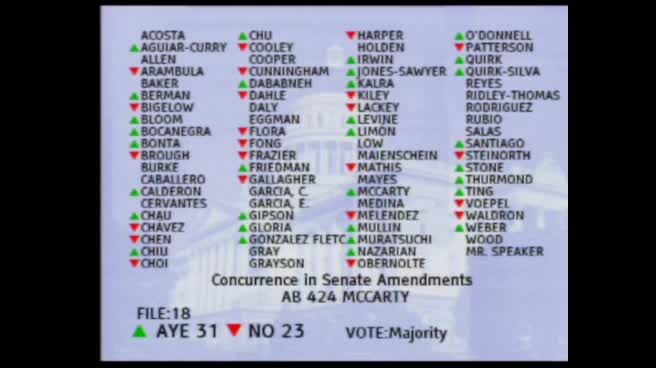
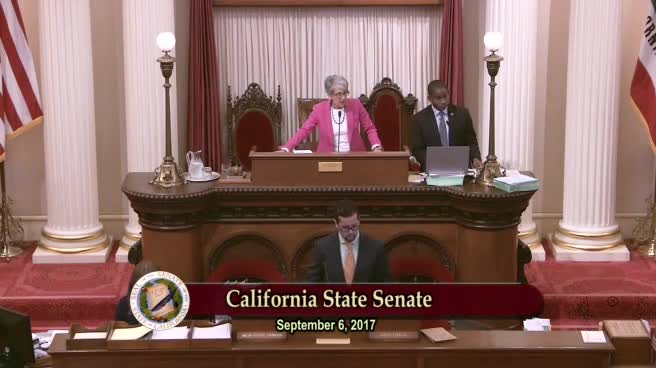
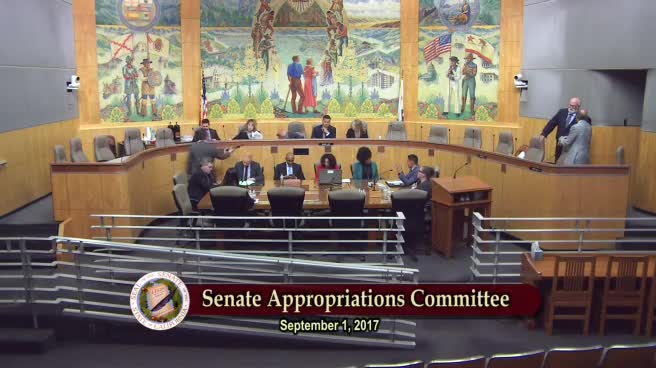
Bill Author

Bill Co-Author(s):