AB 511: California State University, Fresno: fire building protection standards.
- Session Year: 2017-2018
- House: Assembly
- Latest Version Date: 2018-06-18
Existing law requires the State Fire Marshal, in consultation with the Director of Forestry and Fire Protection and the Director of Housing and Community Development, to propose fire protection building standards for roofs, exterior walls, structure projections, and structure openings, as specified. Existing law requires the State Fire Marshal to enforce regulations adopted by him or her and building standards relating to fire and panic safety published in the California Building Standards Code in all state-owned buildings, state-occupied buildings, and state institutions throughout the state.
Existing law establishes the California State University, under the administration of the Trustees of the California State University, as one of the segments of public postsecondary education in this state. The California State University comprises 23 institutions of higher education, including California State University, Fresno, which is also known as Fresno State.
This bill would provide that the State Fire Marshal shall have no authority over, and that building standards and regulations adopted or enforced by him or her shall not apply to, any privately owned development of a building, including related improvements to that building, for the purpose of fire or life safety activities, other safety-related activities, plan checks, or inspections, located at Fresno States Campus Pointe. This provision would only apply if the owner of that building, or the owner of related improvements to that building, enters into an agreement with the City of Fresno for the citys fire department to perform fire and life safety activities, other safety-related activities, plan checks, and inspections of the development.
This bill would make legislative findings and declarations as to the necessity of a special statute for California State University, Fresno.
Existing law requires employees and volunteers of a heritage school to be in good health, as verified by a health screening, including a test for tuberculosis, as specified.This bill would instead require the health screening to include a tuberculosis risk assessment within the prior 60 days of initial employment or volunteer assignment, and every 4 years thereafter, and, if risk factors are present, an examination to determine that he or she is free of infectious tuberculosis.Existing law requires students attending specified schools for blind and deaf persons to be tested for exposure to tuberculosis at least every 2 years.This bill would repeal those provisions.Existing law requires a foster parent applicant and each adult residing in the applicants home to receive a test for communicable tuberculosis.This bill would instead require those individuals to receive a tuberculosis risk assessment, and, if risk factors are present, an examination to determine that he or she is free of infectious tuberculosis.Existing law requires a volunteer caregiver in a crisis nursery to be in good physical health and be tested for tuberculosis, not more than one year prior to, or 7 days after, initial presence in the facility.This bill would instead require those individuals to submit to a tuberculosis risk assessment, and, if risk factors are present, an examination to determine that he or she is free of infectious tuberculosis.Existing law requires an affiliated home care aide employed by a home care organization to demonstrate that he or she is free from tuberculosis, by submitting to an examination 90 days prior to, or 7 days after, employment, to determine that he or she is free of active tuberculosis. Under existing law, an affiliated home care aide whose test for tuberculosis infection is negative is required to undergo an examination at least once every 2 years.This bill would instead prohibit an affiliated home care aide from being initially employed by a home care organization unless he or she has submitted to a tuberculosis risk assessment within the prior 90 days, or within 7 days after employment, and, if risk factors are present, an examination, as specified. The bill would extend the required period for subsequent examinations to once every 4 years for affiliated home care aides with no identified tuberculosis risk, or a negative tuberculosis test.Existing law prohibits a person from being initially employed by a private or parochial elementary or secondary school, or a nursery school, unless that person produces or has on file with the school a certificate showing that he or she has submitted to a tuberculosis risk assessment, and, if risk factors are present, an examination to determine that he or she is free of infectious tuberculosis.This bill would replace obsolete references to nursery school in these provisions to refer instead to preschool for purposes of tuberculosis risk assessment.Existing law prohibits a person from being initially employed in connection with specified city or county public recreation areas and facilities unless that person produces or has on file with the city or county a certificate showing that within the prior 2 years he or she has been examined and found to be free of communicable tuberculosis. Existing law requires an employee with a negative skin test to repeat the test once every 4 years and, if a subsequent skin test is positive, to have an X-ray and a referral to the local health officer for followup care.This bill would instead require the employees to submit to a tuberculosis risk assessment, and, if risk factors are present, an examination to determine that he or she is free of infectious tuberculosis. Employees with a negative test or no identified risk factors would be required to repeat the test every 4 years and receive an examination and followup care if a subsequent test is positive, as specified. This bill would require the examination to consist of any test for tuberculosis infection recommended by the federal Centers for Disease Control and Prevention and licensed by the federal Food and Drug Administration.Existing law requires employees and volunteers of a heritage school to be in good health, as verified by a health screening, including a test for tuberculosis, as specified specified.
This bill would instead require the health screening to include a tuberculosis risk assessment within the prior 60 days of initial employment or volunteer assignment, and every 4 years thereafter, and, if risk factors are present, an examination to determine that he or she is free of infectious tuberculosis.
Existing law requires students attending specified schools for blind and deaf persons to be tested for exposure to tuberculosis at least every 2 years.
This bill would repeal those provisions.
Existing law requires a foster parent applicant and each adult residing in the applicants home to receive a test for communicable tuberculosis.
This bill would instead require those individuals to receive a tuberculosis risk assessment, and, if risk factors are present, an examination to determine that he or she is free of infectious tuberculosis.
Existing law requires an individual working in a primary care clinic to comply with specified requirements regarding health examinations and public health protections, including testing for tuberculosis.This bill would instead require those individuals to receive a tuberculosis risk assessment, and, if risk factors are present, an examination consisting of a test for tuberculosis infection. The bill would require a positive tuberculosis test to be followed by a chest X-ray to determine if the employee is free of infectious tuberculosis.Existing law requires a volunteer caregiver in a crisis nursery to be in good physical health and be tested for tuberculosis, not more than one year prior to, or 7 days after, initial presence in the facility.
This bill would instead require those individuals to submit to a tuberculosis risk assessment, and, if risk factors are present, an examination to determine that he or she is free of infectious tuberculosis.
Existing law requires an affiliated home care aide employed by a home care organization to demonstrate that he or she is free from tuberculosis, by submitting to an examination 90 days prior to, or 7 days after, employment, to determine that he or she is free of active tuberculosis. Under existing law, an affiliated home care aide whose test for tuberculosis infection is negative is required to undergo an examination at least once every 2 years.
This bill would instead prohibit an affiliated home care aide from being initially employed by a home care organization unless he or she has submitted to a tuberculosis risk assessment within the prior 90 days, or within 7 days after employment, and, if risk factors are present, an examination, as specified. The bill would extend the required period for subsequent examinations to once every 4 years for affiliated home care aides with no identified tuberculosis risk, or a negative tuberculosis test.
Existing law prohibits a person from being initially employed by a private or parochial elementary or secondary school, or a nursery school, unless that person produces or has on file with the school a certificate showing that he or she has submitted to a tuberculosis risk assessment, and, if risk factors are present, an examination to determine that he or she is free of infectious tuberculosis.
This bill would replace obsolete references to nursery school in these provisions to refer instead to preschool for purposes of tuberculosis risk assessment.
Existing law prohibits a person from being initially employed in connection with specified city or county public recreation areas and facilities unless that person produces or has on file with the city or county a certificate showing that within the prior 2 years he or she has been examined and found to be free of communicable tuberculosis. Existing law requires an employee with a negative skin test to repeat the test once every 4 years and, if a subsequent skin test is positive, to have an X-ray and a referral to the local health officer for followup care.
This bill would instead require the employees to submit to a tuberculosis risk assessment, and, if risk factors are present, an examination to determine that he or she is free of infectious tuberculosis. Employees with a negative test or no identified risk factors would be required to repeat the test every 4 years and receive an examination and followup care if a subsequent test is positive, as specified. This bill would require the examination to consist of any test for tuberculosis infection recommended by the federal Centers for Disease Control and Prevention and licensed by the federal Food and Drug Administration.
Existing law requires an employment agency that refers temporary certified nurse assistants or temporary licensed nursing staff to an employer who is a licensed long-term health care facility to provide the employer with verification that the individual has had tuberculosis screening within 90 days prior to employment and annually thereafter.
This bill would instead require the employment agency to verify that the individual has submitted to a tuberculosis risk assessment, developed by the State Department of Public Health and the California Tuberculosis Controllers Association, within 90 days prior to employment and annually thereafter, and, if risk factors are present, an examination to determine that he or she is free of infectious tuberculosis.
Existing law requires employees and volunteers of a heritage school to be in good health, as verified by a health screening, including a test for tuberculosis, as specified
This bill would instead require the health screening to include a tuberculosis risk assessment within the prior 60 days of initial employment or volunteer assignment, and every 4 years thereafter, and, if risk factors are present, an examination to determine that he or she is free of infectious tuberculosis.
Existing law requires students attending specified schools for blind and deaf persons to be tested for exposure to tuberculosis at least every 2 years.
This bill would repeal those provisions.
Existing law requires a foster parent applicant and each adult residing in the applicants home to receive a test for communicable tuberculosis.
This bill would instead require those individuals to receive a tuberculosis risk assessment, and, if risk factors are present, an examination to determine that he or she is free of infectious tuberculosis.
Existing law requires an individual working in a primary care clinic to comply with specified requirements regarding health examinations and public health protections, including testing for tuberculosis.
This bill would instead require those individuals to receive a tuberculosis risk assessment, and, if risk factors are present, an examination consisting of a test for tuberculosis infection. The bill would require a positive tuberculosis test to be followed by a chest X-ray to determine if the employee is free of infectious tuberculosis.
Existing law requires a volunteer caregiver in a crisis nursery to be in good physical health and be tested for tuberculosis, not more than one year prior to, or 7 days after, initial presence in the facility.
This bill would instead require those individuals to submit to a tuberculosis risk assessment, and, if risk factors are present, an examination to determine that he or she is free of infectious tuberculosis.
Existing law requires an affiliated home care aide employed by a home care organization to demonstrate that he or she is free from tuberculosis, by submitting to an examination 90 days prior to, or 7 days after, employment, to determine that he or she is free of active tuberculosis. Under existing law, an affiliated home care aide whose test for tuberculosis infection is negative is required to undergo an examination at least once every 2 years.
This bill would instead prohibit an affiliated home care aide from being initially employed by a home care organization unless he or she has submitted to a tuberculosis risk assessment within the prior 90 days, or within 7 days after employment, and, if risk factors are present, an examination, as specified. The bill would extend the required period for subsequent examinations to once every 4 years for affiliated home care aides with no identified tuberculosis risk, or a negative tuberculosis test.
Existing law prohibits a person from being initially employed by a private or parochial elementary or secondary school, or a nursery school, unless that person produces or has on file with the school a certificate showing that he or she has submitted to a tuberculosis risk assessment, and, if risk factors are present, an examination to determine that he or she is free of infectious tuberculosis.
This bill would replace obsolete references to nursery school in these provisions to refer instead to preschool for purposes of tuberculosis risk assessment.
Existing law prohibits a person from being initially employed in connection with specified city or county public recreation areas and facilities unless that person produces or has on file with the city or county a certificate showing that within the prior 2 years he or she has been examined and found to be free of communicable tuberculosis. Existing law requires an employee with a negative skin test to repeat the test once every 4 years and, if a subsequent skin test is positive, to have an X-ray and a referral to the local health officer for followup care.
This bill would instead require the employees to submit to a tuberculosis risk assessment, and, if risk factors are present, an examination to determine that he or she is free of infectious tuberculosis. Employees with a negative test or no identified risk factors would be required to repeat the test every 4 years and receive an examination and followup care if a subsequent test is positive, as specified. This bill would require the examination to consist of any test for tuberculosis infection recommended by the federal Centers for Disease Control and Prevention and licensed by the federal Food and Drug Administration.
(a)Notwithstanding subdivision (c) of Section 13108.5 of the Health and Safety Code or any other law relating to the duties of the State Fire Marshal, the State Fire Marshal shall have no authority over, and building standards and regulations adopted or enforced by him or her shall not apply to, any privately owned development of a building, including related improvements to that building, for the purpose of fire or life safety activities, other safety-related activities, plan checks, or inspections, located at California State University, Fresno, Campus Pointe.
(b)Subdivision (a) shall only apply if the owner of the building or the owner of related improvements to the building, described in subdivision (a), enters into an agreement with the City of Fresno for the citys fire department to perform fire and life safety activities, other safety-related activities, plan checks, and inspections of that development.
SEC. 2.The Legislature finds and declares that a special statute is necessary and that a general statute cannot be made applicable within the meaning of Section 16 of Article IV of the California Constitution because of the unique needs of California State University, Fresno.
All matter omitted in this version of the bill appears in the bill as amended in the Assembly, March 27, 2017. (JR11)(a)A director of a heritage school shall undergo at least 15 hours of health and safety training. The training shall include all of the following components:
(1)Pediatric first aid.
(2)Pediatric cardiopulmonary resuscitation (CPR).
(3)A preventive health practices course or courses that include instruction in the recognition, management, and prevention of infectious diseases, including immunizations, and prevention of childhood injuries.
(4)Training in pediatric first aid and CPR pursuant to paragraphs (1) and (2) shall be provided by a program approved by the American Red Cross, the American Heart Association, or the Emergency Medical Services Authority pursuant to Section 1797.191 of the Health and Safety Code.
(5)Training in preventive health practices pursuant to paragraph (3) shall be provided by a training program approved by the Emergency Medical Services Authority.
(6)In addition to the training programs specified in paragraphs (4) and (5), training programs or courses in pediatric first aid, pediatric CPR, and preventive health practices offered or approved by an accredited postsecondary educational institution are considered to be approved sources of training that may be used to satisfy the training requirements of paragraphs (1) to (3), inclusive.
(7)Persons who, prior to the effective date of this section, have completed a course or courses in preventive health practices as described in paragraph (3), and have a certificate of completion of a course or courses in preventive health practices, or certified copies of transcripts that identify the number of hours and the specific course or courses taken for training in preventive health practices, shall be deemed to have met the training requirement for preventive health practices pursuant to paragraph (3).
(b)All employees and volunteers of a heritage school shall be in good health, as verified by a health screening performed by, or under the supervision of, a licensed physician and surgeon. The screening shall include a tuberculosis risk assessment developed by the State Department of Public Health and the California Tuberculosis Controllers Association within the prior 60 days of initial employment or volunteer assignment and every four years thereafter, and, if risk factors are present, an examination to determine that he or she is free of infectious tuberculosis.
(c)Pupils attending heritage schools shall have access to working sinks, toilets, and drinking water.
(d)No pupil attending a heritage school shall have access to medication or cleaning supplies, except as otherwise provided by law.
(e)A heritage school, as defined in Section 33195.4, shall not be subject to licensure by the State Department of Social Services as a child day care center pursuant to Chapter 3.4 (commencing with Section 1596.70) or Chapter 3.5 (commencing with Section 1596.90) of Division 2 of the Health and Safety Code.
(f)Upon a pupils enrollment in a heritage school, the heritage school shall provide a notice to the pupils parent or guardian stating that the heritage school is exempt from child care licensure, and that attendance at a heritage school does not satisfy Californias compulsory education requirements pursuant to Section 48200.
SEC. 4.SEC. 2.Section 59150 of the Education Code is repealed.SEC. 5.SEC. 3.Section 8732 of the Family Code is amended to read:8732.A report of a medical examination of the foster parent with whom the child has lived for a minimum of six months or the relative caregiver who has had an ongoing and significant relationship with the child shall be included in the assessment of each applicant unless the department, county adoption agency, or licensed adoption agency determines that, based on other available information, this report is unnecessary. The assessment shall require certification that the applicant and each adult residing in the applicants home has received a tuberculosis risk assessment developed by the State Department of Public Health and the California Tuberculosis Controllers Association, and, if risk factors are present, an examination to determine that he or she is free of infectious tuberculosis.
SEC. 6.Section 1226.1 of the Health and Safety Code is amended to read:1226.1.(a)A primary care clinic shall comply with the following requirements regarding health examinations and other public health protections for individuals working in a primary care clinic:(1)An employee working in a primary care clinic who has direct contact with patients shall have a health examination within six months prior to employment or within 15 days after employment. Each examination shall include a medical history and physical evaluation. A written examination report, signed by the person performing the examination, shall verify that the employee is able to perform his or her assigned duties.(2)At the time of employment, an employee shall receive a tuberculosis risk assessment developed by the State Department of Public Health and the California Tuberculosis Controllers Association, and, if risk factors are present, an examination. The examination for tuberculosis shall consist of a test for tuberculosis infection recommended by the federal Centers for Disease Control and Prevention (CDC) and licensed by the federal Food and Drug Administration (FDA). If a test for tuberculosis is positive, the test shall be followed by an X-ray of the lungs and subsequently interpreted by a physician to determine if the employee is free of infectious tuberculosis. Annual examinations shall be performed only when medically indicated.(3)The clinic shall maintain a health record for each employee that includes reports of all employment-related health examinations. These records shall be kept for a minimum of three years following termination of employment.(4)An employee known to have or exhibiting signs or symptoms of a communicable disease shall not be permitted to work until he or she submits a physicians certification that the employee is sufficiently free of the communicable disease to return to his or her assigned duties.(b)Any regulation adopted before January 1, 2004, that imposes a standard on a primary care clinic that is more stringent than described in this section is void.SEC. 7.SEC. 4.Section 1526.8 of the Health and Safety Code is amended to read:1526.8.(a)It is the intent of the Legislature that the department develop modified staffing levels and requirements for crisis nurseries, provided that the health, safety, and well-being of the children in care are protected and maintained.
(1)All caregivers shall be certified in pediatric cardiopulmonary resuscitation (CPR) and pediatric first aid. Certification shall be demonstrated by current and valid pediatric CPR and pediatric first aid cards issued by the American Red Cross, the American Heart Association, by a training program that has been approved by the Emergency Medical Services Authority pursuant to Section 1797.191, or from an accredited college or university.
(2)The licensee shall develop, maintain, and implement a written staff training plan for the orientation, continuing education, on-the-job training and development, supervision, and evaluation of all lead caregivers, caregivers, and volunteers. The licensee shall incorporate the training plan in the crisis nursery plan of operation.
(3)The licensee shall designate at least one lead caregiver to be present at the crisis nursery at all times when children are present. The lead caregiver shall have one of the following education and experience qualifications:
(A)Completion of 12 postsecondary semester units or equivalent quarter units, with a passing grade, as determined by the institution, in classes with a focus on early childhood education, child development, or child health at an accredited college or university, as determined by the department, and six months of work experience in a licensed group home, licensed infant care center, or comparable group child care program or family day care. At least three semester units, or equivalent quarter units, or equivalent experience shall include coursework or experience in the care of infants.
(B)A current and valid Child Development Associate (CDA) credential, with the appropriate age level endorsement issued by the CDA National Credentialing Program, and at least six months of on-the-job training or work experience in a licensed child care center or comparable group child care program.
(C)A current and valid Child Development Associate Teacher Permit issued by the California Commission on Teacher Credentialing pursuant to Sections 80105 to 80116, inclusive, of Title 5 of the California Code of Regulations.
(4)Lead caregivers shall have a minimum of 24 hours of training and orientation before working with children. One year experience in a supervisory position in a child care or group care facility may substitute for 16 hours of training and orientation. The written staff training plan shall require the lead caregiver to receive and document a minimum of 20 hours of annual training directly related to the functions of his or her position.
(5)Caregiver staff shall complete a minimum of 24 hours of initial training within the first 90 days of employment. Eight hours of training shall be completed before the caregiver staff are responsible for children, left alone with children, and counted in the staff-to-child ratios described in subdivision (c). A maximum of four hours of training may be satisfied by job shadowing.
(b)The department shall allow the use of fully trained and qualified volunteers as caregivers in a crisis nursery, subject to the following conditions:
(1)Volunteers shall be fingerprinted for the purpose of conducting a criminal record review as specified in subdivision (b) of Section 1522.
(2)Volunteers shall complete a child abuse central index check as specified in Section 1522.1.
(3)Volunteers shall be in good physical health and shall submit to a tuberculosis risk assessment developed by the State Department of Public Health and the California Tuberculosis Controllers Association, and, if risk factors are present, an examination to determine that he or she is free of infectious tuberculosis, not more than one year prior to, or seven days after, initial presence in the facility.
(4)Volunteers shall complete a minimum of 16 hours of training as specified in paragraphs (5) and (6).
(5)Prior to assuming the duties and responsibilities of a crisis caregiver or being counted in the staff-to-child ratio, volunteers shall complete at least five hours of initial training divided as follows:
(A)Two hours of crisis nursery job shadowing.
(B)One hour of review of community care licensing regulations.
(C)Two hours of review of the crisis nursery program, including the facility mission statement, goals and objectives, child guidance techniques, and special needs of the client population they serve.
(6)Within 90 days, volunteers who are included in the staff-to-child ratios shall do both of the following:
(A)Acquire a certification in pediatric first aid and pediatric cardiopulmonary resuscitation.
(B)Complete at least 11 hours of training covering child care health and safety issues, trauma informed care, the importance of family and sibling relationships, temperaments of children, self-regulation skills and techniques, and program child guidance techniques.
(7)Volunteers who meet the requirements of paragraphs (1), (2), and (3), but who have not completed the training specified in paragraph (4), (5), or (6) may assist a fully trained and qualified staff person in performing child care duties. However, these volunteers shall not be left alone with children, shall always be under the direct supervision and observation of a fully trained and qualified staff person, and shall not be counted in meeting the minimum staff-to-child ratio requirements.
(c)The department shall allow the use of fully trained and qualified volunteers to be counted in the staff-to-child ratio in a crisis nursery subject to the following conditions:
(1)The volunteers have fulfilled the requirements in paragraphs (1) to (6), inclusive, of subdivision (b).
(2)There shall be at least one fully qualified and employed staff person on site at all times.
(3)(A)There shall be at least one employed staff person or volunteer caregiver for each group of six children, or fraction thereof, who are 18 months of age or older, and one employed staff person or volunteer caregiver for each group of three children, or fraction thereof, who are under 18 months of age from 7 a.m. to 7 p.m.
(B)There shall be at least one employed staff person or volunteer caregiver for each group of six children, or fraction thereof, who are 18 months of age or older, and one employed staff person or volunteer caregiver for each group of four children, or fraction thereof, who are under 18 months of age from 7 p.m. to 7 a.m.
(C)There shall be at least one employed staff person present for every volunteer caregiver used by the crisis nursery for the purpose of meeting the minimum caregiver staffing requirements.
(D)The crisis nurserys plan of operation shall address how it will deal with unexpected circumstances related to staffing and ensure that additional caregivers are available when needed.
(d)There shall be at least one staff person or volunteer caregiver awake at all times from 7 p.m. to 7 a.m.
(e)(1)When a child has a health condition that requires prescription medication, the licensee shall ensure that the caregiver does all of the following:
(A)Assists children with the taking of the medication as needed.
(B)Ensures that instructions are followed as outlined by the appropriate medical professional.
(C)Stores the medication in accordance with the label instructions in the original container with the original unaltered label in a locked and safe area that is not accessible to children.
(D)Administers the medication as directed on the label and prescribed by the physician in writing.
(i)The licensee shall obtain, in writing, approval and instructions from the childs authorized representative for administration of the prescription medication for the child. This documentation shall be kept in the childs record.
(ii)The licensee shall not administer prescription medication to a child in accordance with instructions from the childs authorized representative if the authorized representatives instructions conflict with the physicians written instructions or the label directions as prescribed by the childs physician.
(2)Nonprescription medications may be administered without approval or instructions from the childs physician if all of the following conditions are met:
(A)Nonprescription medications shall be administered in accordance with the product label directions on the nonprescription medication container or containers.
(B)(i)For each nonprescription medication, the licensee shall obtain, in writing, approval and instructions from the childs authorized representative for administration of the nonprescription medication to the child. This documentation shall be kept in the childs record.
(ii)The licensee shall not administer nonprescription medication to a child in accordance with instructions from the childs authorized representative if the authorized representatives instructions conflict with the product label directions on the nonprescription medication container or containers.
(3)The licensee shall develop and implement a written plan to record the administration of the prescription and nonprescription medications and to inform the childs authorized representative daily, for crisis day services, and upon discharge for overnight care, when the medications have been given.
(4)When no longer needed by the child, or when the child is removed or discharged from the crisis nursery, all medications shall be returned to the childs authorized representative or disposed of after an attempt to reach the authorized representative.
SEC. 8.SEC. 5.Section 1796.43 of the Health and Safety Code is amended to read:1796.43.(a)Home care organizations that employ affiliated home care aides shall ensure the affiliated home care aides are cleared on the home care aide registry before placing the individual in direct contact with clients. In addition, the home care organization shall do all of the following:
(1)Ensure any staff person, volunteer, or employee of a home care organization who has contact with clients, prospective clients, or confidential client information that may pose a risk to the clients health and safety has met the requirements of Sections 1796.23, 1796.24, 1796.25, 1796.26, and 1796.28 before there is contact with clients or prospective clients or access to confidential client information.
(2)Require home care aides to submit to a screening or examination for tuberculosis to determine that he or she is free of infectious tuberculosis, pursuant to Section 1796.45.
(3)Immediately notify the department when the home care organization no longer employs an individual as an affiliated home care aide.
(b)This section shall not prevent a licensee from requiring a criminal record clearance of any individual exempt from the requirements of this section, provided that the individual has client contact.
SEC. 9.SEC. 6.Section 1796.45 of the Health and Safety Code is amended to read:1796.45.(a)Affiliated home care aides shall not be initially employed by a home care organization unless the person has submitted to a tuberculosis risk assessment developed by the State Department of Public Health and the California Tuberculosis Controllers Association within the prior 90 days or within seven days after employment, and, if risk factors are present, an examination.
(b)For purposes of this section, examination means a test for tuberculosis infection that is recommended by the federal Centers for Disease Control and Prevention (CDC) and licensed by the federal Food and Drug Administration (FDA) and, if that test is positive, an X-ray of the lungs. The aide shall not work as an affiliated home care aide unless the licensee obtains documentation from a licensed medical professional that he or she is free of infectious tuberculosis.
(c)After submitting to an examination, an affiliated home care aide who has no identified tuberculosis risk factors or whose test for tuberculosis infection is negative shall be required to undergo an examination at least once every four years. Once an affiliated home care aide has a documented positive test for tuberculosis infection that has been followed by an X-ray, the examination is no longer required.
(d)After each examination, an affiliated home care aide shall submit, and the home care organization shall keep on file, a certificate from the examining practitioner showing that the affiliated home care aide was examined and found free from infectious tuberculosis disease.
(e)The examination is a condition of initial and continuing employment with the home care organization.
(f)An affiliated home care aide who transfers employment from one home care organization to another shall be deemed to meet the requirements of subdivision (a) or (c) if the affiliated home care aide can produce a certificate showing that he or she submitted to the examination within the past two years and was found to be free of active tuberculosis disease, or if it is verified by the home care organization previously employing him or her that it has a certificate on file that contains that showing and a copy of the certificate is provided to the new home care organization prior to the affiliated home care aide beginning employment.
SEC. 10.SEC. 7.Section 121525 of the Health and Safety Code is amended to read:121525.(a)Except as provided in Section 121555, a person shall not be initially employed, or employed under contract, by a private or parochial elementary or secondary school, or any preschool, unless that person produces or has on file with the school a certificate showing that within the last 60 days the person has submitted to a tuberculosis risk assessment and, if tuberculosis risk factors are identified, has been examined and has been found to be free of infectious tuberculosis. If no risk factors are identified, an examination is not required. A person who is subject to the requirements of this subdivision may submit to an examination that complies with the requirements of Section 121530 instead of submitting to a tuberculosis risk assessment.
(b)Thereafter, an employee who has no identified risk factors or who tests negative for the tuberculosis infection by either the tuberculin skin test or any other test for tuberculosis recommended by the federal Centers for Disease Control and Prevention (CDC) and licensed by the federal Food and Drug Administration (FDA), shall be required to undergo the foregoing tuberculosis risk assessment and, if risk factors are identified, the examination, at least once each four years, or more often if directed by the governing authority of the school upon recommendation of the local health officer. Once an employee has a documented positive test for the tuberculosis infection conducted pursuant to this subdivision, the tuberculosis risk assessment is no longer required. A referral shall be made within 30 days of completion of the examination to the local health officer to determine the need for followup care.
(c)At the discretion of the governing authority of a private school, this section shall not apply to employees who are employed for any period of time less than a school year whose functions do not require frequent or prolonged contact with pupils.
(d)The governing authority of a private school providing for the transportation of pupils under authorized contract shall require as a condition of the contract that every person transporting pupils produce a certificate showing that within the last 60 days the person has submitted to a tuberculosis risk assessment, and, if tuberculosis risk factors are identified, has been examined and has been found to be free of infectious tuberculosis. At the discretion of the governing authority of the school, this section shall not apply to a private contracted driver who transports pupils infrequently and without prolonged contact with the pupils.
(e)The examination attested to in the certificate required pursuant to subdivision (d) shall be made available without charge by the local health officer.
(f)Certificate, as used in this chapter, means a document signed by the examining physician and surgeon who is licensed under Chapter 5 (commencing with Section 2000) of Division 2 of the Business and Professions Code, or a notice from a public health agency that indicates freedom from infectious tuberculosis.
(g)Nothing in this section shall prevent the governing authority of a private, parochial, or preschool, upon recommendation of the local health officer, from establishing a rule requiring a more extensive or more frequent examination than required by this section.
(h)The State Department of Public Health, in consultation with the California Tuberculosis Controllers Association, shall develop a risk assessment questionnaire, to be used to conduct tuberculosis risk assessments pursuant to this section. The risk assessment questionnaire shall be administered by a health care provider, which shall be specified on the questionnaire. This risk assessment questionnaire shall be exempt from the rulemaking provisions of the Administrative Procedure Act (Chapter 3.5 (commencing with Section 11340) of Part 1 of Division 3 of Title 2 of the Government Code).
SEC. 11.SEC. 8.Section 5163 of the Public Resources Code is amended to read:5163.(a)No person shall initially be employed in connection with a park, playground, recreational center, or beach used for recreational purposes by a city or county in a position requiring contact with children, or as a food concessionaire or other licensed concessionaire in that area, unless the person submits to a tuberculosis risk assessment developed by the State Department of Public Health and the California Tuberculosis Controllers Association, and, if risk factors are present, an examination as described in Section 5163.1.
(b)Thereafter, those employees who do not have identified tuberculosis risk factors, or whose test for tuberculosis infection is negative shall be required to undergo the foregoing examination at least once each four years. Once an employee has a documented positive skin test which has been followed by an X-ray, and subsequently determined by a physician to be free of infectious tuberculosis, the foregoing examination is no longer required and a referral shall be made within 30 days of the examination to the local health officer to determine the need for followup care.
Certificate means a document signed by the examining physician and surgeon who is licensed under Chapter 5 (commencing with Section 2000) of Division 2 of the Business and Professions Code, or a notice from a public health agency or unit of the tuberculosis association which indicates freedom from infectious tuberculosis.
SEC. 12.SEC. 9.Section 5163.1 of the Public Resources Code is amended to read:5163.1.If tuberculosis risk factors are present, the employee shall be examined to determine that he or she is free of infectious tuberculosis. The examination shall consist of any test for tuberculosis infection that is recommended by the federal Centers for Disease Control and Prevention and licensed by the federal Food and Drug Administration, which, if positive, shall be followed by an X-ray of the lungs.
Sections 5163 to 5163.2, inclusive, do not prevent the governing body of any city or county, upon recommendation of the local health officer, from establishing a rule requiring a more extensive or more frequent examination than required by Section 5163 and this section.
Every employment agency that refers temporary certified nurse assistants to an employer that is a long-term health care facility shall provide the employer with all of the following:
(a)Written verification that the employment agency has verified that any certified nurse assistant referred by the agency is registered on the state registry of certified nurse assistants and is in good standing. The employment agency shall provide to the employer the certified nurse assistants professional certification number and date of expiration.
(b)A statement that the certified nurse assistant has at least six months of experience working in a long-term health care facility.
(c)A statement that the certified nurse assistant has had a health examination within 90 days prior to employment with the employment agency or seven days after employment with the employment agency and at least annually thereafter by a person lawfully authorized to perform that procedure. Each examination shall include a medical history and physical evaluation. The employment agency shall also provide verification that the individual has had tuberculosis screening within 90 days prior to employment and annually thereafter. submitted to a tuberculosis risk assessment developed by the State Department of Public Health and the California Tuberculosis Controllers Association within 90 days prior to employment and annually thereafter, and, if risk factors are present, an examination to determine that he or she is free of infectious tuberculosis.
(d)A statement that the certified nurse assistant will participate in the facilitys orientation program and any in-service training programs at the request of the long-term health care employer.
(e)A statement that a certified nurse assistant is in compliance with the in-service training requirements of paragraph (1) of subdivision (a) of Section 1337.6 of the Health and Safety Code.
SEC. 2.Section 1812.542 of the Civil Code is amended to read:1812.542.Every employment agency that refers temporary licensed nursing staff to an employer who is a licensed long-term health care facility shall provide the employer with all of the following:
(a)Written verification that the individual is in good standing with the Board of Registered Nursing or the Board of Vocational Nursing and Psychiatric Technicians, as applicable, and has successfully secured a criminal record clearance. The employment agency shall provide to the employer the individuals professional license and registration number and date of expiration.
(b)A statement that the licensed nursing staff person has had a health examination within 90 days prior to employment with the employment agency or seven days after employment with the employment agency and at least annually thereafter by a person lawfully authorized to perform that procedure. Each examination shall include a medical history and physical evaluation. The employment agency shall also provide verification that the individual has had tuberculosis screening within 90 days prior to employment and annually thereafter. submitted to a tuberculosis risk assessment developed by the State Department of Public Health and the California Tuberculosis Controllers Association within 90 days prior to employment and annually thereafter, and, if risk factors are present, an examination to determine that he or she is free of infectious tuberculosis.
SEC. 3.Section 33195.6 of the Education Code is amended to read:33195.6.(a)A director of a heritage school shall undergo at least 15 hours of health and safety training. The training shall include all of the following components:
(1)Pediatric first aid.
(2)Pediatric cardiopulmonary resuscitation (CPR).
(3)A preventive health practices course or courses that include instruction in the recognition, management, and prevention of infectious diseases, including immunizations, and prevention of childhood injuries.
(4)Training in pediatric first aid and CPR pursuant to paragraphs (1) and (2) shall be provided by a program approved by the American Red Cross, the American Heart Association, or the Emergency Medical Services Authority pursuant to Section 1797.191 of the Health and Safety Code.
(5)Training in preventive health practices pursuant to paragraph (3) shall be provided by a training program approved by the Emergency Medical Services Authority.
(6)In addition to the training programs specified in paragraphs (4) and (5), training programs or courses in pediatric first aid, pediatric CPR, and preventive health practices offered or approved by an accredited postsecondary educational institution are considered to be approved sources of training that may be used to satisfy the training requirements of paragraphs (1) to (3), inclusive.
(7)Persons who, prior to the effective date of this section, have completed a course or courses in preventive health practices as described in paragraph (3), and have a certificate of completion of a course or courses in preventive health practices, or certified copies of transcripts that identify the number of hours and the specific course or courses taken for training in preventive health practices, shall be deemed to have met the training requirement for preventive health practices pursuant to paragraph (3).
(b)All employees and volunteers of a heritage school shall be in good health, as verified by a health screening, including a test for tuberculosis, screening performed by, or under the supervision of, a licensed physician and surgeon. The screening shall include a tuberculosis risk assessment developed by the State Department of Public Health and the California Tuberculosis Controllers Association within the prior 60 days of initial employment or volunteer assignment and every four years thereafter, and, if risk factors are present, an examination to determine that he or she is free of infectious tuberculosis.
(c)Pupils attending heritage schools shall have access to working sinks, toilets, and drinking water.
(d)No pupil attending a heritage school shall have access to medication or cleaning supplies, except as otherwise provided by law.
(e)A heritage school, as defined in Section 33195.4, shall not be subject to licensure by the State Department of Social Services as a child day care center pursuant to Chapter 3.4 (commencing with Section 1596.70) or Chapter 3.5 (commencing with Section 1596.90) of Division 2 of the Health and Safety Code.
(f)Upon a pupils enrollment in a heritage school, the heritage school shall provide a notice to the pupils parent or guardian stating that the heritage school is exempt from child care licensure, and that attendance at a heritage school does not satisfy Californias compulsory education requirements pursuant to Section 48200.
SEC. 4.Section 59150 of the Education Code is repealed.59150.Students attending the California School for the Deaf, Northern California, California School for the Deaf, Southern California, and California School for the Blind shall be tested for exposure to tuberculosis at least once every two years. The results of these tests shall be provided to the director of the appropriate special school. The parent or guardian of the student shall be responsible for the cost, if any, of the test.SEC. 5.Section 8732 of the Family Code is amended to read:8732.A report of a medical examination of the foster parent with whom the child has lived for a minimum of six months or the relative caregiver who has had an ongoing and significant relationship with the child shall be included in the assessment of each applicant unless the department, county adoption agency, or licensed adoption agency determines that, based on other available information, this report is unnecessary. The assessment shall require certification that the applicant and each adult residing in the applicants home has received a test for communicable tuberculosis. tuberculosis risk assessment developed by the State Department of Public Health and the California Tuberculosis Controllers Association, and, if risk factors are present, an examination to determine that he or she is free of infectious tuberculosis.
SEC. 6.Section 1226.1 of the Health and Safety Code is amended to read:1226.1.(a)A primary care clinic shall comply with the following requirements regarding health examinations and other public health protections for individuals working in a primary care clinic:
(1)An employee working in a primary care clinic who has direct contact with patients shall have a health examination within six months prior to employment or within 15 days after employment. Each examination shall include a medical history and physical evaluation. A written examination report, signed by the person performing the examination, shall verify that the employee is able to perform his or her assigned duties.
(2)At the time of employment, testing for tuberculosis shall consist of a purified protein derivative intermediate strength intradermal skin test or any other an employee shall receive a tuberculosis risk assessment developed by the State Department of Public Health and the California Tuberculosis Controllers Association, and, if risk factors are present, an examination. The examination for tuberculosis shall consist of a test for tuberculosis infection recommended by the federal Centers for Disease Control and Prevention (CDC) and licensed by the federal Food and Drug Administration (FDA). If a positive reaction is obtained from the skin test, or any other If a test for tuberculosis infection recommended by the CDC and licensed by the FDA, the employee shall be referred to a physician to determine if a chest X-ray is necessary. is positive, the test shall be followed by an X-ray of the lungs and subsequently interpreted by a physician to determine if the employee is free of infectious tuberculosis. Annual examinations shall be performed only when medically indicated.
(3)The clinic shall maintain a health record for each employee that includes reports of all employment-related health examinations. These records shall be kept for a minimum of three years following termination of employment.
(4)An employee known to have or exhibiting signs or symptoms of a communicable disease shall not be permitted to work until he or she submits a physicians certification that the employee is sufficiently free of the communicable disease to return to his or her assigned duties.
(b)Any regulation adopted before January 1, 2004, that imposes a standard on a primary care clinic that is more stringent than described in this section is void.
SEC. 7.Section 1526.8 of the Health and Safety Code is amended to read:1526.8.(a)It is the intent of the Legislature that the department develop modified staffing levels and requirements for crisis nurseries, provided that the health, safety, and well-being of the children in care are protected and maintained.
(1)All caregivers shall be certified in pediatric cardiopulmonary resuscitation (CPR) and pediatric first aid. Certification shall be demonstrated by current and valid pediatric CPR and pediatric first aid cards issued by the American Red Cross, the American Heart Association, by a training program that has been approved by the Emergency Medical Services Authority pursuant to Section 1797.191, or from an accredited college or university.
(2)The licensee shall develop, maintain, and implement a written staff training plan for the orientation, continuing education, on-the-job training and development, supervision, and evaluation of all lead caregivers, caregivers, and volunteers. The licensee shall incorporate the training plan in the crisis nursery plan of operation.
(3)The licensee shall designate at least one lead caregiver to be present at the crisis nursery at all times when children are present. The lead caregiver shall have one of the following education and experience qualifications:
(A)Completion of 12 postsecondary semester units or equivalent quarter units, with a passing grade, as determined by the institution, in classes with a focus on early childhood education, child development, or child health at an accredited college or university, as determined by the department, and six months of work experience in a licensed group home, licensed infant care center, or comparable group child care program or family day care. At least three semester units, or equivalent quarter units, or equivalent experience shall include coursework or experience in the care of infants.
(B)A current and valid Child Development Associate (CDA) credential, with the appropriate age level endorsement issued by the CDA National Credentialing Program, and at least six months of on-the-job training or work experience in a licensed child care center or comparable group child care program.
(C)A current and valid Child Development Associate Teacher Permit issued by the California Commission on Teacher Credentialing pursuant to Sections 80105 to 80116, inclusive, of Title 5 of the California Code of Regulations.
(4)Lead caregivers shall have a minimum of 24 hours of training and orientation before working with children. One year experience in a supervisory position in a child care or group care facility may substitute for 16 hours of training and orientation. The written staff training plan shall require the lead caregiver to receive and document a minimum of 20 hours of annual training directly related to the functions of his or her position.
(5)Caregiver staff shall complete a minimum of 24 hours of initial training within the first 90 days of employment. Eight hours of training shall be completed before the caregiver staff are responsible for children, left alone with children, and counted in the staff-to-child ratios described in subdivision (c). A maximum of four hours of training may be satisfied by job shadowing.
(b)The department shall allow the use of fully trained and qualified volunteers as caregivers in a crisis nursery, subject to the following conditions:
(1)Volunteers shall be fingerprinted for the purpose of conducting a criminal record review as specified in subdivision (b) of Section 1522.
(2)Volunteers shall complete a child abuse central index check as specified in Section 1522.1.
(3)Volunteers shall be in good physical health and be tested for tuberculosis shall submit to a tuberculosis risk assessment developed by the State Department of Public Health and the California Tuberculosis Controllers Association, and, if risk factors are present, an examination to determine that he or she is free of infectious tuberculosis, not more than one year prior to, or seven days after, initial presence in the facility.
(4)Volunteers shall complete a minimum of 16 hours of training as specified in paragraphs (5) and (6).
(5)Prior to assuming the duties and responsibilities of a crisis caregiver or being counted in the staff-to-child ratio, volunteers shall complete at least five hours of initial training divided as follows:
(A)Two hours of crisis nursery job shadowing.
(B)One hour of review of community care licensing regulations.
(C)Two hours of review of the crisis nursery program, including the facility mission statement, goals and objectives, child guidance techniques, and special needs of the client population they serve.
(6)Within 90 days, volunteers who are included in the staff-to-child ratios shall do both of the following:
(A)Acquire a certification in pediatric first aid and pediatric cardiopulmonary resuscitation.
(B)Complete at least 11 hours of training covering child care health and safety issues, trauma informed care, the importance of family and sibling relationships, temperaments of children, self-regulation skills and techniques, and program child guidance techniques.
(7)Volunteers who meet the requirements of paragraphs (1), (2), and (3), but who have not completed the training specified in paragraph (4), (5), or (6) may assist a fully trained and qualified staff person in performing child care duties. However, these volunteers shall not be left alone with children, shall always be under the direct supervision and observation of a fully trained and qualified staff person, and shall not be counted in meeting the minimum staff-to-child ratio requirements.
(c)The department shall allow the use of fully trained and qualified volunteers to be counted in the staff-to-child ratio in a crisis nursery subject to the following conditions:
(1)The volunteers have fulfilled the requirements in paragraphs (1) to (6), inclusive, of subdivision (b).
(2)There shall be at least one fully qualified and employed staff person on site at all times.
(3)(A)There shall be at least one employed staff person or volunteer caregiver for each group of six children, or fraction thereof, who are 18 months of age or older, and one employed staff person or volunteer caregiver for each group of three children, or fraction thereof, who are under 18 months of age from 7 a.m. to 7 p.m.
(B)There shall be at least one employed staff person or volunteer caregiver for each group of six children, or fraction thereof, who are 18 months of age or older, and one employed staff person or volunteer caregiver for each group of four children, or fraction thereof, who are under 18 months of age from 7 p.m. to 7 a.m.
(C)There shall be at least one employed staff person present for every volunteer caregiver used by the crisis nursery for the purpose of meeting the minimum caregiver staffing requirements.
(D)The crisis nurserys plan of operation shall address how it will deal with unexpected circumstances related to staffing and ensure that additional caregivers are available when needed.
(d)There shall be at least one staff person or volunteer caregiver awake at all times from 7 p.m. to 7 a.m.
(e)(1)When a child has a health condition that requires prescription medication, the licensee shall ensure that the caregiver does all of the following:
(A)Assists children with the taking of the medication as needed.
(B)Ensures that instructions are followed as outlined by the appropriate medical professional.
(C)Stores the medication in accordance with the label instructions in the original container with the original unaltered label in a locked and safe area that is not accessible to children.
(D)Administers the medication as directed on the label and prescribed by the physician in writing.
(i)The licensee shall obtain, in writing, approval and instructions from the childs authorized representative for administration of the prescription medication for the child. This documentation shall be kept in the childs record.
(ii)The licensee shall not administer prescription medication to a child in accordance with instructions from the childs authorized representative if the authorized representatives instructions conflict with the physicians written instructions or the label directions as prescribed by the childs physician.
(2)Nonprescription medications may be administered without approval or instructions from the childs physician if all of the following conditions are met:
(A)Nonprescription medications shall be administered in accordance with the product label directions on the nonprescription medication container or containers.
(B)(i)For each nonprescription medication, the licensee shall obtain, in writing, approval and instructions from the childs authorized representative for administration of the nonprescription medication to the child. This documentation shall be kept in the childs record.
(ii)The licensee shall not administer nonprescription medication to a child in accordance with instructions from the childs authorized representative if the authorized representatives instructions conflict with the product label directions on the nonprescription medication container or containers.
(3)The licensee shall develop and implement a written plan to record the administration of the prescription and nonprescription medications and to inform the childs authorized representative daily, for crisis day services, and upon discharge for overnight care, when the medications have been given.
(4)When no longer needed by the child, or when the child is removed or discharged from the crisis nursery, all medications shall be returned to the childs authorized representative or disposed of after an attempt to reach the authorized representative.
SEC. 8.Section 1796.43 of the Health and Safety Code is amended to read:1796.43.(a)Home care organizations that employ affiliated home care aides shall ensure the affiliated home care aides are cleared on the home care aide registry before placing the individual in direct contact with clients. In addition, the home care organization shall do all of the following:
(1)Ensure any staff person, volunteer, or employee of a home care organization who has contact with clients, prospective clients, or confidential client information that may pose a risk to the clients health and safety has met the requirements of Sections 1796.23, 1796.24, 1796.25, 1796.26, and 1796.28 before there is contact with clients or prospective clients or access to confidential client information.
(2)Require home care aides to demonstrate that they are free of active tuberculosis disease, submit to a screening or examination for tuberculosis to determine that he or she is free of infectious tuberculosis, pursuant to Section 1796.45.
(3)Immediately notify the department when the home care organization no longer employs an individual as an affiliated home care aide.
(b)This section shall not prevent a licensee from requiring a criminal record clearance of any individual exempt from the requirements of this section, provided that the individual has client contact.
SEC. 9.Section 1796.45 of the Health and Safety Code is amended to read:1796.45.(a) Affiliated home care aides hired on or after January 1, 2016, shall submit to an examination 90 days prior to employment, or within seven days after employment, to determine that the individual is free of active tuberculosis disease. shall not be initially employed by a home care organization unless the person has submitted to a tuberculosis risk assessment developed by the State Department of Public Health and the California Tuberculosis Controllers Association within the prior 90 days or within seven days after employment, and, if risk factors are present, an examination.
(b)For purposes of this section, examination means a test for tuberculosis infection that is recommended by the federal Centers for Disease Control and Prevention (CDC) and licensed by the federal Food and Drug Administration (FDA) and, if that test is positive, an X-ray of the lungs. The aide shall not work as an affiliated home care aide unless the licensee obtains documentation from a licensed medical professional that there is no risk of spreading the disease. he or she is free of infectious tuberculosis.
(c)After submitting to an examination, an affiliated home care aide who has no identified tuberculosis risk factors or whose test for tuberculosis infection is negative shall be required to undergo an examination at least once every two four years. Once an affiliated home care aide has a documented positive test for tuberculosis infection that has been followed by an X-ray, the examination is no longer required.
(d)After each examination, an affiliated home care aide shall submit, and the home care organization shall keep on file, a certificate from the examining practitioner showing that the affiliated home care aide was examined and found free from active infectious tuberculosis disease.
(e)The examination is a condition of initial and continuing employment with the home care organization.
(f)An affiliated home care aide who transfers employment from one home care organization to another shall be deemed to meet the requirements of subdivision (a) or (c) if the affiliated home care aide can produce a certificate showing that he or she submitted to the examination within the past two years and was found to be free of active tuberculosis disease, or if it is verified by the home care organization previously employing him or her that it has a certificate on file that contains that showing and a copy of the certificate is provided to the new home care organization prior to the affiliated home care aide beginning employment.
SEC. 10.Section 121525 of the Health and Safety Code is amended to read:121525.(a)Except as provided in Section 121555, a person shall not be initially employed, or employed under contract, by a private or parochial elementary or secondary school, or any nursery school, preschool, unless that person produces or has on file with the school a certificate showing that within the last 60 days the person has submitted to a tuberculosis risk assessment and, if tuberculosis risk factors are identified, has been examined and has been found to be free of infectious tuberculosis. If no risk factors are identified, an examination is not required. A person who is subject to the requirements of this subdivision may submit to an examination that complies with the requirements of Section 121530 instead of submitting to a tuberculosis risk assessment.
(b)Thereafter, an employee who has no identified risk factors or who tests negative for the tuberculosis infection by either the tuberculin skin test or any other test for tuberculosis recommended by the federal Centers for Disease Control and Prevention (CDC) and licensed by the federal Food and Drug Administration (FDA), shall be required to undergo the foregoing tuberculosis risk assessment and, if risk factors are identified, the examination, at least once each four years, or more often if directed by the governing authority of the school upon recommendation of the local health officer. Once an employee has a documented positive test for the tuberculosis infection conducted pursuant to this subdivision, the tuberculosis risk assessment is no longer required. A referral shall be made within 30 days of completion of the examination to the local health officer to determine the need for followup care.
(c)At the discretion of the governing authority of a private school, this section shall not apply to employees who are employed for any period of time less than a school year whose functions do not require frequent or prolonged contact with pupils.
(d)The governing authority of a private school providing for the transportation of pupils under authorized contract shall require as a condition of the contract that every person transporting pupils produce a certificate showing that within the last 60 days the person has submitted to a tuberculosis risk assessment, and, if tuberculosis risk factors are identified, has been examined and has been found to be free of infectious tuberculosis. At the discretion of the governing authority of the school, this section shall not apply to a private contracted driver who transports pupils infrequently and without prolonged contact with the pupils.
(e)The examination attested to in the certificate required pursuant to subdivision (d) shall be made available without charge by the local health officer.
(f)Certificate, as used in this chapter, means a document signed by the examining physician and surgeon who is licensed under Chapter 5 (commencing with Section 2000) of Division 2 of the Business and Professions Code, or a notice from a public health agency that indicates freedom from infectious tuberculosis.
(g)Nothing in this section shall prevent the governing authority of a private, parochial, or nursery school, preschool, upon recommendation of the local health officer, from establishing a rule requiring a more extensive or more frequent examination than required by this section.
(h)The State Department of Public Health, in consultation with the California Tuberculosis Controllers Association, shall develop a risk assessment questionnaire, to be used to conduct tuberculosis risk assessments pursuant to this section. The risk assessment questionnaire shall be administered by a health care provider, which shall be specified on the questionnaire. This risk assessment questionnaire shall be exempt from the rulemaking provisions of the Administrative Procedure Act (Chapter 3.5 (commencing with Section 11340) of Part 1 of Division 3 of Title 2 of the Government Code).
SEC. 11.Section 5163 of the Public Resources Code is amended to read:5163.(a)No person shall initially be employed in connection with a park, playground, recreational center, or beach used for recreational purposes by a city or county in a position requiring contact with children, or as a food concessionaire or other licensed concessionaire in that area, unless the person produces or has on file with the city or county a certificate showing that within the last two years the person has been examined and has been found to be free of communicable tuberculosis. submits to a tuberculosis risk assessment developed by the State Department of Public Health and the California Tuberculosis Controllers Association, and, if risk factors are present, an examination as described in Section 5163.1.
(b)Thereafter, those employees who are skin test do not have identified tuberculosis risk factors, or whose test for tuberculosis infection is negative shall be required to undergo the foregoing examination at least once each four years for so long as the employee remains skin test negative. years. Once an employee has a documented positive skin test which has been followed by an X-ray, and subsequently determined by a physician to be free of infectious tuberculosis, the foregoing examination is no longer required and a referral shall be made within 30 days of the examination to the local health officer to determine the need for followup care.
Certificate means a document signed by the examining physician and surgeon who is licensed under Chapter 5 (commencing with Section 2000) of Division 2 of the Business and Professions Code, or a notice from a public health agency or unit of the tuberculosis association which indicates freedom from active infectious tuberculosis.
SEC. 12.Section 5163.1 of the Public Resources Code is amended to read:5163.1.The If tuberculosis risk factors are present, the employee shall be examined to determine that he or she is free of infectious tuberculosis. The examination shall consist of an approved intradermal tuberculosis test, any test for tuberculosis infection that is recommended by the federal Centers for Disease Control and Prevention and licensed by the federal Food and Drug Administration, which, if positive, shall be followed by an X-ray of the lungs.
Nothing in Sections
Sections 5163 to 5163.2, inclusive, shall do not prevent the governing body of any city or county, upon recommendation of the local health officer, from establishing a rule requiring a more extensive or more frequent examination than required by Section 5163 and this section.
|
Date
|
Status
|
|---|---|
| Jun 20, 2018 | Re-referred to Coms. on G.O. and ED. |
| Jun 19, 2018 | Withdrawn from committee. |
| Jun 18, 2018 | From committee chair, with author's amendments: Amend, and re-refer to committee. Read second time, amended, and re-referred to Com. on HEALTH. |
| Jun 21, 2017 | In committee: Set, first hearing. Testimony taken. Further hearing to be set. |
| May 24, 2017 | Referred to Com. on HEALTH. |
| May 11, 2017 | In Senate. Read first time. To Com. on RLS. for assignment. |
| May 11, 2017 | Read third time. Passed. Ordered to the Senate. (Ayes 62. Noes 0. Page 1474.) |
| May 4, 2017 | Read second time. Ordered to third reading. |
| May 3, 2017 | From committee: Do pass. (Ayes 14. Noes 0.) (May 3). |
| Apr 26, 2017 | In committee: Set, first hearing. Hearing canceled at the request of author. |
| Apr 5, 2017 | From committee: Do pass and re-refer to Com. on APPR. (Ayes 9. Noes 0.) (April 4). Re-referred to Com. on APPR. |
| Mar 28, 2017 | Re-referred to Com. on HEALTH. |
| Mar 27, 2017 | From committee chair, with author's amendments: Amend, and re-refer to Com. on HEALTH. Read second time and amended. |
| Feb 27, 2017 | Referred to Com. on HEALTH. |
| Feb 14, 2017 | From printer. May be heard in committee March 16. |
| Feb 13, 2017 | Read first time. To print. |
|
Date
|
Description
|
Location
|
Votes
|
|
|---|---|---|---|---|
| May 11, 2017 | AB 511 ARAMBULA Assembly Third Reading | Assembly Floor |
Passed |
|
| May 3, 2017 | Do pass. | Assembly Standing Committee on Appropriations |
Passed |
|
| Apr 4, 2017 | Do pass and be re-referred to the Committee on [Appropriations] | Assembly Standing Committee on Health |
Passed |
This list shows positions taken on this bill by organizations on the date displayed, which is linked to the original source.
Positions by individuals are not included.
|
Organization
|
Position
|
Date
|
|---|---|---|
| AHF Healthcare Foundation | * Indeterminate | Jun 21, 2017 |
| AHF Healthcare Foundation | * Against | Jun 21, 2017 |
| Aids Healthcare Foundation | ** Against | Jun 19, 2017 |
| Alameda County Board of Supervisors | * Support | Jun 21, 2017 |
| American Lung Association - California | * Support | Jun 21, 2017 |
| BERNIER CARR & ASSOCIATES | * Support | Apr 4, 2017 |
| California Academy Of Family Physicians | * Support | Jun 21, 2017 |
| California Association For Health Services At Home | * Support | Jun 21, 2017 |
| California Labor Federation, Afl-Cio | * Against | Jun 21, 2017 |
| California Medical Association | ** Support | Jun 19, 2017 |
| California Nurses Association | * Against | Jun 21, 2017 |
| California Nurses Association | * Indeterminate | Jun 21, 2017 |
| California Public Health Association-North | ** Support | Jun 19, 2017 |
| California Tuberculosis Controllers Association | * Support | Jun 21, 2017 |
| County Health Executives Association Of California | * Support | Jun 21, 2017 |
| Health Officers Association Of California | * Support | Jun 21, 2017 |
| National Nurses United | ** Against | Jun 19, 2017 |
| National United Nurses | ** Against | Mar 31, 2017 |
| Netflix | * Support | Apr 4, 2017 |
| Santa Clara Board of Supervisors | * Support | Jun 21, 2017 |
| Santa Clara County Board of Supervisors | ** Support | Jun 19, 2017 |
SENATE COMMITTEE ON HEALTH
Senator Ed Hernandez, O.D., Chair
BILL NO: AB 511
AUTHOR: | Arambula | ||
VERSION: | March 27, 2017 | ||
HEARING DATE: | June 21, 2017 | ||
CONSULTANT: | Melanie Moreno | ||
SUBJECT: Tuberculosis risk assessment and examination
SUMMARY:
Replaces current mandatory tuberculosis (TB) testing for specified individuals with a TB risk assessment developed by the Department of Public Health and the California Tuberculosis Controllers Association. Repeals the requirement that students attending the California School for the Deaf and the California School for the Blind be tested for exposure to TB.
Existing law:
- Requires all employees and volunteers of a heritage school to be in good health, as verified by a health screening, including a test for tuberculosis, performed by, or under the supervision of, a licensed physician and surgeon.
- Requires students attending the California School for the Deaf, Northern California, California School for the Deaf, Southern California, and California School for the Blind to be tested for exposure to tuberculosis at least once every two years. Requires the results of these tests to be provided to the director of the appropriate special school and the parent or guardian of the student to be responsible for the cost, if any, of the test.
- Requires an assessment of a relative foster parent applicant to require certification that the applicant and each adult residing in the applicant’s home has received a TB test.
- Requires crisis nursery volunteers to be in good physical health and be tested for TB.
- Requires home care organizations that employ home care aides to require those aides to demonstrate that they are free of active TB. Requires affiliated home care aides to submit to a TB exam, as defined, 90 days prior to employment, or within seven days after employment, to determine that the individual is free of active TB. Requires an affiliated home care aide whose TB test is negative to be required to undergo an examination at least once every two years.
- Prohibits a person from initially being employed in connection with a park, playground, recreational center, or beach used for recreational purposes by a city or county in a position requiring contact with children, or as a food concessionaire or other licensed concessionaire in that area, unless the person produces or has on file with the city or county a certificate showing that within the last two years the person has been examined and has been found to be free of communicable TB.
This bill:
- Requires, instead of an TB test, a TB risk assessment developed by the Department of Public Health (DPH) and the California Tuberculosis Controllers Association (CTCA), as specified, be completed for:
- Employees and volunteers of heritage schools;
- Applicants to be a relative foster parent;
- Home care aides; and,
- A person employed in connection with a park, playground, recreational center, or beach used for recreational purposes by a city or county in a position requiring contact with children, or as a food concessionaire or other licensed concessionaire in that area.
- Requires, if risk factors are present in any of the persons in 1) above, the administration of a TB exam to determine that he or she is free of infectious TB.
- Conforms existing law related to the testing of park, playground, recreational center, or beach employees to other related statute, which specifies that a TB test must be one recommended by the federal Centers for Disease Control and Prevention (CDC) and licensed by the federal Food and Drug Administration.
- Repeals the requirement that students attending the California School for the Deaf, Northern California, California School for the Deaf, Southern California, and California School for the Blind be tested for exposure TB at least once every two years.
- Makes other technical and conforming changes in connection with 1) and 2) above.
FISCAL EFFECT:
According to the Assembly Appropriations Committee, costs to DPH of approximately $110,000 per year for two years to modify regulations in order to comply with the revised requirements (General Fund or federal).
PRIOR VOTES:
Assembly Floor: | 62 - 0 |
Assembly Appropriations Committee: | 14 - 0 |
Assembly Health Committee: | 9 - 0 |
COMMENTS:
- Author’s statement. According to the author, this bill brings California’s outdated TB testing laws into the 21st century. This bill implements the recommendations of the CDC and numerous expert bodies by replacing mandated universal TB testing with risk assessment screening and testing only of high-risk individuals. This change is grounded in science. This bill will help avoid periodic shortages of TB testing antigens, will save medical resources for those who need them most, and will protect workers and volunteers from unnecessary testing and treatment.
- Background. According to the CDC, TB is a disease caused by germs that are spread from person to person through the air and usually affects the lungs, but it can also affect other parts of the body, such as the brain, the kidneys, or the spine. The general symptoms of TB disease include feelings of sickness or weakness, weight loss, fever, and night sweats. The symptoms of TB disease of the lungs also include coughing, chest pain, and the coughing up of blood. People with latent TB infection have TB germs in their bodies, but they are not sick because the germs are not active. These people do not have symptoms of TB disease, and they cannot spread the germs to others. However, they may develop TB disease in the future. They are often prescribed treatment to prevent them from developing TB disease. People with TB disease are sick from TB germs that are active, meaning that they are multiplying and destroying tissue in their body. These people usually have symptoms of TB disease and are capable of spreading germs to others. They are prescribed drugs that can treat TB disease.
- Report on TB in California. In September 2016, the TB Control Branch of DPH released a report on TB in California which stated that the steady decline of the disease that California had seen over the last 25 years halted in 2015. The number of TB cases and the TB rate were unchanged in 2015 (2,133 cases and a rate of 5.5 per 100,000 population) compared with 2014. In contrast, the number of TB cases reported nationwide increased by nearly 3%, to 9,563 cases (3 per 100,000). In 2015, California reported 20% of the nation’s cases. The cover letter to the report stated that although disease did not decline in California in 2015 compared to 2014, the report includes notable successes, including a decline in TB cases in very young children, and a steep decline in the rate of TB among African Americans. In 2015, nearly 2.5 million Californians were estimated to have latent TB infection (LTBI). Identifying and treating high risk populations with LTBI can prevent future cases of TB disease. With prevention in mind, the report included information to help identify subpopulations in which to focus TB prevention efforts, including:
- Asians and Pacific Islanders, who comprise more than half of California’s TB cases;
- Older populations, as the median age of TB cases born outside the United States increased to 57, while the median age of U.S.-born cases decreased to 34 in the past decade;
- Long-term foreign-born residents, among whom 63% were in the United States for more than 10 years at the time of TB diagnosis; and,
- Foreign-born persons with diabetes.
- Recommendations for testing. According to the CDC, TB tests are generally not needed for people with a low risk of infection with TB, however, certain people should be tested for TB infection because they are at higher risk for being infected with TB bacteria, including:
- People who have spent time with someone who has TB disease;
- People from a country where TB disease is common (most countries in Latin America, the Caribbean, Africa, Asia, Eastern Europe, and Russia);
- People who live or work in high-risk settings (for example: correctional facilities, long-term care facilities or nursing homes, and homeless shelters);
- Health-care workers who care for patients at increased risk for TB disease; and,
- Infants, children and adolescents exposed to adults who are at increased risk for infection.
- Prior legislation. SB 1038 (Allen, Chapter 51, Statutes of 2016) replaces mandatory TB testing for community college employees with a TB risk assessment developed by DPH and CTCA.
SB 792 (Mendoza, Chapter 807, Statutes of 2015) permits the requirement for TB clearance for preschool teachers and volunteers to be satisfied by a certificate showing that within the last 60 days the person has submitted to a TB risk assessment.
AB 1667 (Williams, Chapter 329, Statutes of 2014) replaces TB testing for K-12 school employees and volunteers with a TB risk assessment, as specified.
- Support. The Health Officers Association of California, the sponsor of this bill, and CTCA argue that the best scientific guidance suggests we should not test low-risk populations, but only high-risk individuals. To implement this guidance, this bill eliminates widespread TB testing requirements, and instead requires assessment of TB risk. Doing so will protect employees and others from unnecessary treatment. Proponents note, that like any test, TB testing has a certain number of false positives leading to unnecessary X-rays and drugs. Finally, TB tests can be costly to employers and the medical system. They require two visits to a health care provider, placing an unnecessary burden on the health care system. Instead, proponents argue that using a risk-assessment developed by DPH and CTCA, providers can personally and confidentially ask patients a series of three or four yes or no questions to assess their risk, with a "yes" response to any of those questions indicating that the respondent should be tested for TB.
- Opposition. The California Nurses Association/National United Nurses (CNA) argues in opposition that this bill threatens public health by modifying existing TB testing standards. According to CNA, healthcare workers continue to be at risk for TB, early detection of TB is critical, the current annual TB testing program is effective, and CDC guidelines, which recommend risk assessment over routine skin testing, are based on faulty assumptions.
SUPPORT AND OPPOSITION:
Support: Health Officers Association of California (sponsor)
Alameda County Board of Supervisors
California Academy of Family Physicians
California Association for Health Services at Home
California Medical Association
California Public Health Association-North
California Tuberculosis Controllers Association
County Health Executives Association of California
Santa Clara County Board of Supervisors
Oppose: AIDS Healthcare Foundation
California Nurses Association/National Nurses United
-- END -
ASSEMBLY THIRD READING
ATR Bill Id:AB 511
Author:(Arambula)
As Amended Ver:March 27, 2017
Majority vote
Committee | Votes | Ayes | Noes |
Health | 9-0 | Wood, Maienschein, Gallagher, McCarty, Nazarian, Patterson, Quirk-Silva, Ridley-Thomas, Waldron | |
Appropriations | 14-0 | Gonzalez Fletcher, Bigelow, Bloom, Bocanegra, Brough, Calderon, Eggman, Fong, Friedman, Gallagher, Eduardo Garcia, Muratsuchi, Obernolte, Reyes |
|
SUMMARY: Replaces current mandatory tuberculosis (TB) testing for specified individuals with a TB risk assessment developed by the Department of Public Health (DPH) and the California Tuberculosis Controllers Association (CTCA). Deletes the requirement that students attending the California School for the Deaf and the California School for the Blind be tested for exposure to TB. Specifically, this bill:
- Replaces the requirement for mandatory TB testing with a required TB risk assessment developed by DPH and CTCA for the following specified individuals:
- Employees and volunteers of a heritage school;
- Foster parents and certain relative caregivers;
- Volunteers in crisis nurseries;
- Affiliated home care aides employed by home care organizations; and,
- Employees of parks, playgrounds, recreational centers, and beaches used for recreational purposes by a city or county whose position requires contact with children. This proposed change in law also applies to food concessionaires and other licensed concessionaires working in those locations.
- Specifies when the initial TB risk assessment must be performed and at what intervals it must be repeated.
- Requires the performance of an examination, including skin testing, if risk factors for TB are present, to determine if the individual is free of infectious TB.
- Replaces obsolete references to "nursery school" with "preschool" in existing sections of law that require TB risk assessment.
FISCAL EFFECT: According to the Assembly Appropriations Committee, costs to DPH of approximately $110,000 per year for two years to modify regulations in order to comply with the revised requirements (General Fund or federal).
COMMENTS: According to the author, this bill brings California's outdated TB testing laws into the 21st century by implementing the recommendations of the U.S. Centers for Disease Control and Prevention (CDC) and other scientific organizations by replacing mandated universal TB testing with risk assessment screening and testing only of high-risk individuals. The author states that this bill will help avoid periodic shortages of TB testing antigens, save medical resources for those who need them most, and protect workers and volunteers from unnecessary testing and treatment.
According to DPH, in California there are more than 2,000 cases and 200 deaths from TB each year. Approximately 80% of TB cases occurring today in California result from TB exposures that happened many years ago. Californians who were born outside the U.S. comprise a high percentage of California's TB cases. Other populations vulnerable to TB include those with HIV and those taking medications that suppress their immune system. The good news is that the number of Californians with TB disease has dropped dramatically in the past two decades with intensive public health efforts.
According to the U.S. Preventive Services Task Force (USPSTF), an effective strategy for reducing the transmission, morbidity, and mortality of active TB disease is the identification and treatment of latent TB to prevent progression to active disease. The CDC, the American Academy of Family Physicians, the American Thoracic Society, the Infectious Diseases Society of America, and the World Health Organization all recommend routine testing for TB in high risk populations only.
The California TB Risk Assessment User Guide (Guide) states that routine testing of low risk populations is not recommended and may result in unnecessary evaluations and treatment because of falsely positive test results. According to the Guide, the USPSTF has recommended testing persons born in or former residents of a country with an elevated tuberculosis rate and persons who live in or have lived in high-risk congregate settings such as homeless shelters and correctional facilities. Because the increased risk of exposure to TB in congregate settings varies substantially by facility and local health jurisdiction, the Guide encourages clinicians to follow local recommendations when considering testing among persons from these congregate settings.
The Health Officers Association of California, the sponsor of this bill, and CTCA argue that the best scientific guidance suggests we should not test low-risk populations, but only high-risk individuals. Doing so will protect employees and others from unnecessary treatment. Proponents note, that like any test, TB testing has a certain number of false positives leading to unnecessary X-rays and drugs.
The California Nurses Association/National United Nurses (CNA) argues in opposition that this bill threatens public health by modifying existing TB testing standards. According to CNA, healthcare workers continue to be at risk for TB, early detection of TB is critical, the current annual TB testing program is effective, and CDC guidelines, which recommend risk assessment over routine skin testing, are based on faulty assumptions.
Analysis Prepared by: John Gilman / HEALTH / (916) 319-2097 FN: 0000252
Date of Hearing: May 3, 2017
ASSEMBLY COMMITTEE ON APPROPRIATIONS
Lorena Gonzalez Fletcher, Chair
ABPCA Bill Id:AB 511
Author:(Arambula) – As Amended Ver:March 27, 2017
Policy Committee: | Health | Vote: | 9 - 0 |
|
|
Urgency: No State Mandated Local Program: No Reimbursable: No
SUMMARY:
This bill replaces mandatory tuberculosis (TB) testing with targeted testing based on a risk assessment for specified individuals, including employees and volunteers of a heritage school, foster parents and certain relative caregivers, volunteers in crisis nurseries, and home care aides employed by home care organizations.
It also eliminates the requirement for students of schools serving blind and deaf children to be tested for TB, consistent with requirements for students in other schools.
FISCAL EFFECT:
Costs to the California Department of Public Health (CDPH) of approximately $110,000 per year for two years to modify regulations in order to comply with the revised requirements (GF or federal).
COMMENTS:
- Purpose. This bill implements an evidence-based best practice for risk-based TB screening, as mandatory blanket testing for low-risk populations is no longer recommended.
- Background. According to the federal Centers for Disease Control and Prevention (CDC), TB is a bacterial infection that usually infects the lungs. It can be spread through the air from one person to another. CDC notes unfocused population-based TB testing is not cost-effective or useful, and that TB testing activities should be conducted only among high-risk groups. False positives generated by blanket testing of low-risk populations can subject individuals without TB to potentially toxic treatment regimens. Pursuant to AB 1667 (Williams), Chapter 329, Statutes of 2014, which eliminated mandatory testing of school teachers and volunteers in favor of targeted risk-based testing, CDPH developed a TB risk assessment questionnaire which is administered by health care providers. The questionnaire requires TB testing if the individual has any TB risk factors, and otherwise does not require testing.
- Support. Local public health entities support this bill, including the Health Officers Association of California and the California Tuberculosis Controller's Association (public health professionals who develop and implement standards for the treatment and control of TB in California).
- Opposition. The California Nurses Association/National United Nurses (CNA) opposes this bill, arguing it threatens public health by modifying existing TB testing standards. According to CNA, healthcare workers continue to be at risk for TB and CDC guidelines, which recommend risk assessment over routine skin testing, are based on faulty assumptions.
- Prior Legislation. SB 1038 (Allen), Chapter 51, Statutes of 2016, replaced mandatory TB testing for community college employees with a TB risk assessment.
- Staff Comments. Subjecting specific groups of the public to mandatory disease testing of any kind carries risks, and it is reasonable to reassess such requirements based on current evidence. Public health experts indicate a targeted testing protocol for low-risk populations, based on a TB risk assessment, can achieve the health goal of controlling TB. Targeted testing can be done at a lower cost to the health system overall and at lower risk and inconvenience to the public than the current protocol. This bill is consistent with targeted testing established in state law for other low-risk populations.
Analysis Prepared by: Lisa Murawski / APPR. / (916) 319-2081
Date of Hearing: April 26, 2017
ASSEMBLY COMMITTEE ON APPROPRIATIONS
Lorena Gonzalez Fletcher, Chair
ABPCA Bill Id:AB 511
Author:(Arambula) – As Amended Ver:March 27, 2017
Policy Committee: | Health | Vote: | 9 - 0 |
|
|
Urgency: No State Mandated Local Program: No Reimbursable: No
SUMMARY:
This bill replaces mandatory tuberculosis (TB) testing with targeted testing based on a risk assessment for specified individuals, including employees and volunteers of a heritage school, foster parents and certain relative caregivers, volunteers in crisis nurseries, and home care aides employed by home care organizations.
It also eliminates the requirement for students of schools serving blind and deaf children to be tested for TB, consistent with requirements for students in other schools.
FISCAL EFFECT:
Costs to the California Department of Public Health (CDPH) of approximately $110,000 per year for two years to modify regulations in order to comply with the revised requirements (GF or federal).
COMMENTS:
- Purpose. This bill implements an evidence-based best practice for risk-based TB screening, as mandatory blanket testing for low-risk populations is no longer recommended.
- Background. According to the federal Centers for Disease Control and Prevention (CDC), TB is a bacterial infection that usually infects the lungs. It can be spread through the air from one person to another. CDC notes unfocused population-based TB testing is not cost-effective or useful, and that TB testing activities should be conducted only among high-risk groups. False positives generated by blanket testing of low-risk populations can subject individuals without TB to potentially toxic treatment regimens. Pursuant to AB 1667 (Williams), Chapter 329, Statutes of 2014, which eliminated mandatory testing of school teachers and volunteers in favor of targeted risk-based testing, CDPH developed a TB risk assessment questionnaire which is administered by health care providers. The questionnaire requires TB testing if the individual has any TB risk factors, and otherwise does not require testing.
- Support. Local public health entities support this bill, including the Health Officers Association of California and the California Tuberculosis Controller's Association (public health professionals who develop and implement standards for the treatment and control of TB in California).
- Opposition. The California Nurses Association/National United Nurses (CNA) opposes this bill, arguing it threatens public health by modifying existing TB testing standards. According to CNA, healthcare workers continue to be at risk for TB and CDC guidelines, which recommend risk assessment over routine skin testing, are based on faulty assumptions.
- Prior Legislation. SB 1038 (Allen), Chapter 51, Statutes of 2016, replaced mandatory TB testing for community college employees with a TB risk assessment.
- Staff Comments. Subjecting specific groups of the public to mandatory disease testing of any kind carries risks, and it is reasonable to reassess such requirements based on current evidence. Public health experts indicate a targeted testing protocol for low-risk populations, based on a TB risk assessment, can achieve the health goal of controlling TB. Targeted testing can be done at a lower cost to the health system overall and at lower risk and inconvenience to the public than the current protocol. This bill is consistent with targeted testing established in state law for other low-risk populations.
Analysis Prepared by: Lisa Murawski / APPR. / (916) 319-2081
Date of Hearing: April 4, 2017
ASSEMBLY COMMITTEE ON HEALTH
Jim Wood, Chair
ABPCA Bill Id:AB 511
Author:(Arambula) – As Amended Ver:March 27, 2017
SUBJECT: Tuberculosis risk assessment and examination.
SUMMARY: Replaces current mandatory tuberculosis (TB) testing for specified individuals with a TB risk assessment developed by the Department of Public Health (DPH) and the California Tuberculosis Controllers Association (CTCA). Deletes the requirement that students attending the California School for the Deaf and the California School for the Blind be tested for exposure to TB. Specifically, this bill:
- Replaces the requirement for mandatory TB testing with a required TB risk assessment developed by DPH and CTCA for the following specified individuals:
- Employees and volunteers of a heritage school;
- Foster parents and certain relative caregivers;
- Volunteers in crisis nurseries;
- Affiliated home care aides employed by home care organizations; and,
- Employees of parks, playgrounds, recreational centers, and beaches used for recreational purposes by a city or county whose position requires contact with children. This proposed change in law also applies to food concessionaires and other licensed concessionaires working in those locations.
- Employees and volunteers of a heritage school;
- Specifies when the initial TB risk assessment must be performed and at what intervals it must be repeated.
- Requires the performance of an examination, including skin testing, if risk factors for TB are present, to determine if the individual is free of infectious TB.
- Replaces obsolete references to “nursery school” with “preschool” in existing sections of law that require TB risk assessment.
EXISTING LAW:
- Prohibits a person from being initially employed in various capacities unless the person has had a TB test within a specified period of time prior to employment.
- Requires that students attending the California School for the Deaf and the California School for the Blind be tested for exposure to TB.
FISCAL EFFECT: This bill has not yet been analyzed by a fiscal committee.
COMMENTS:
- PURPOSE OF THIS BILL. According to the author, this bill brings California’s outdated TB testing laws into the 21st century by implementing the recommendations of the U.S. Centers for Disease Control and Prevention (CDC) and other scientific organizations by replacing mandated universal TB testing with risk assessment screening and testing only of high-risk individuals. The author states that this bill will help avoid periodic shortages of TB testing antigens, save medical resources for those who need them most, and protect workers and volunteers from unnecessary testing and treatment.
- BACKGROUND. According to DPH, TB is the number one infectious disease killer globally. Worldwide it causes 5,000 deaths each day, and 10 million people to become sick each year. In California there are more than 2,000 cases and 200 deaths from TB each year. Approximately 80% of TB cases occurring today in California result from TB exposures that happened many years ago. Californians who were born outside the U.S. comprise a high percentage of California’s TB cases. Other populations vulnerable to TB include those with HIV and those taking medications that suppress their immune system. The good news is that the number of Californians with TB disease has dropped dramatically in the past two decades with intensive public health efforts.
According to the U.S. Preventive Services Task Force (USPSTF), TB remains an important preventable disease in the United States. An effective strategy for reducing the transmission, morbidity, and mortality of active disease is the identification and treatment of latent TB to prevent progression to active disease. The CDC, the American Academy of Family Physicians, the American Thoracic Society, the Infectious Diseases Society of America, and the World Health Organization all recommend routine testing for TB in high risk populations only. - California TB Risk Assessment Tool and User Guide. The California TB Risk Assessment User Guide (Guide) states that routine testing of low risk populations is not recommended and may result in unnecessary evaluations and treatment because of falsely positive test results. According to the Guide, the USPSTF has recommended testing persons born in or former residents of a country with an elevated tuberculosis rate and persons who live in or have lived in high-risk congregate settings such as homeless shelters and correctional facilities. Because the increased risk of exposure to TB in congregate settings varies substantially by facility and local health jurisdiction, the Guide encourages clinicians to follow local recommendations when considering testing among persons from these congregate settings. The adult assessment tool includes three high risk categories: foreign-born person from a country with an elevated TB rate; immunosuppression (current or planned); or, close contact to someone with infectious TB at any time. For children, the same risk categories are included plus a fourth: foreign travel or residence of one month or more consecutively in a country with an elevated TB rate.
- SUPPORT. The Health Officers Association of California, the sponsor of this bill, and CTCA argue that the best scientific guidance suggests we should not test low-risk populations, but only high-risk individuals. To implement this guidance, this bill eliminates widespread TB testing requirements, and instead requires assessment of TB risk. Doing so will protect employees and others from unnecessary treatment. Proponents note, that like any test, TB testing has a certain number of false positives leading to unnecessary X-rays and drugs. Finally, TB tests can be costly to employers and the medical system. They require two visits to a health care provider, placing an unnecessary burden on the health care system. Instead, proponents argue that using a risk-assessment developed by DPH and CTCA, providers can personally and confidentially ask patients a series of three or four yes or no questions to assess their risk, with a "yes" response to any of those questions indicating that the respondent should be tested for TB.
- OPPOSITION. The California Nurses Association/National United Nurses (CNA) argues in opposition that this bill threatens public health by modifying existing TB testing standards. According to CNA, healthcare workers continue to be at risk for TB, early detection of TB is critical, the current annual TB testing program is effective, and CDC guidelines, which recommend risk assessment over routine skin testing, are based on faulty assumptions.
- PREVIOUS LEGISLATION. SB 1038 (Allen), Chapter 51, Statutes of 2016, replaced mandatory TB testing for community college employees with a TB risk assessment. AB 1667 (Williams), Chapter 329, Statutes of 2014, replaced mandatory TB testing for school employees and volunteers.
- COMMENT. The guide states that USPSTF recommends TB-testing persons born-in or former residents of a country with elevated TB rate. However, the adult risk assessment tool refers only to foreign-born, not former residents. In response to this concern, CTCA states:
In the development of the California Adult TB Risk Assessment, CDPH and CTCA conducted a pilot study involving public health and private sector health care providers. Risk factors were identified from the scientific literature and national and international guidelines. Each risk factor was assigned a testing and treatment priority (high, medium and low). Foreign travel and health care worker were in the low priority category. It was noted that foreign travel was in discordance with national and international guidelines. Pilot respondents found the California Adult TB Risk Assessment acceptable but reinforced the importance of simplicity and clarity for use in a busy clinical setting.
REGISTERED SUPPORT / OPPOSITION:
Support
Health Officers Association of California (sponsor)
American Lung Association in California
California Tuberculosis Controllers Association
County Health Executives Association of California
Opposition
California Nurses Association/National United Nurses
Analysis Prepared by: John Gilman / HEALTH / (916) 319-2097
Discussed in Hearing
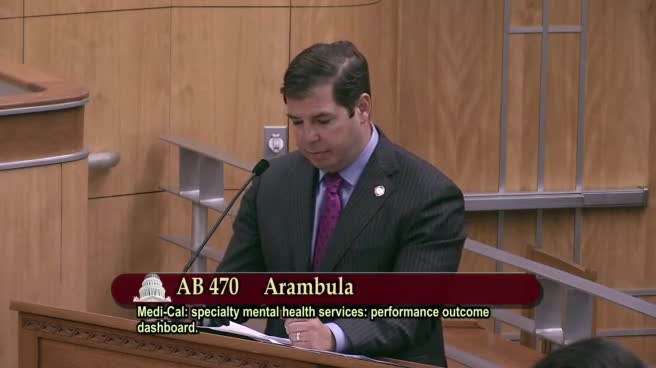 1H
Senate Standing Committee on Health
 3MIN
Assembly Floor
 7MIN
Assembly Standing Committee on Appropriations
 24MIN
Assembly Standing Committee on Health
Bill Author
Bill Co-Author(s):