AB 568: School and community college employees: paid maternity leave.
- Session Year: 2017-2018
- House: Assembly
- Latest Version Date: 2017-09-13
(1)Existing law requires the governing board of a school district, and the governing board of a community college district, to provide for a leave of absence from duty for a certificated employee, or an academic employee, of the district who is required to be absent from duties because of pregnancy, miscarriage, childbirth, and recovery therefrom.
Existing law, the Charter Schools Act of 1992, provides for the establishment and operation of charter schools, and exempts charter schools from the laws governing school districts, except as specified.
This bill would require the governing board of a school district, the governing body of a charter school, and the governing board of a community college district to provide at least 6 weeks of a leave of absence with full pay for a certificated employee, or an academic employee, of the district or charter school who is required to be absent from duties because of pregnancy, miscarriage, childbirth, and recovery therefrom. The bill would authorize the paid leave to begin before and continue after childbirth, provided that the employee is actually disabled by pregnancy, childbirth, or a related condition.
(2)Existing law authorizes the governing board of a school district, and the governing board of a community college district, to provide for such leave of absence from duty as it deems appropriate for a female employee in the classified service of the district who is required to absent herself from her duties because of pregnancy, miscarriage, childbirth, and recovery therefrom. Existing law authorizes the governing board of a school district, and the governing board of a community college district, to adopt rules and regulations prescribing the manner of proof of pregnancy, the time during pregnancy at which the leave of absence shall be taken, and the length of time for which the leave of absence shall continue after birth of the child. Existing law also authorizes the governing board of a school district, and the governing board of a community college district, to provide in the rules and regulations whether the leave granted shall be with or without pay, as provided.
This bill would instead require the governing board of a school district, the governing body of a charter school, and the governing board of a community college district to provide for such leave of absence from duty as it deems appropriate for a female employee in the classified service of the district or charter school who is required to absent herself from her duties because of pregnancy, miscarriage, childbirth, and recovery therefrom. The bill would require the governing board of a school district, the governing body of a charter school, and the governing board of a community college district to adopt rules and regulations prescribing the manner of proof of pregnancy and the duration of the leave of absence, provided that at least 6 weeks of the leave of absence shall be with full pay. The bill would also require the governing board of a school district, the governing body of a charter school, and the governing board of a community college district to provide in the rules and regulations that at least 6 weeks of the leave granted shall be with full pay.
(3)This bill would prohibit these provisions from diminishing the right of an employee of a school district, charter school, or community college district to take, or be compensated during, other leaves of absence, as provided.
(4)This bill would also make various nonsubstantive changes to these provisions.
(1)Existing law requires the governing board of a school district, and the governing board of a community college district, to provide for a leave of absence from duty for a certificated employee, or an academic employee, of the district who is required to be absent from duties because of pregnancy, miscarriage, childbirth, and recovery therefrom.
Existing law, the Charter Schools Act of 1992, provides for the establishment and operation of charter schools, and exempts charter schools from the laws governing school districts, except as specified.
This bill would require at least 6 weeks of the leave of absence to be with full pay. the governing board of a school district, the governing body of a charter school, and the governing board of a community college district to provide at least 6 weeks of a leave of absence with full pay for a certificated employee, or an academic employee, of the district or charter school who is required to be absent from duties because of pregnancy, miscarriage, childbirth, and recovery therefrom. The bill would authorize the paid leave to begin before and continue after childbirth, provided that the employee is actually disabled by pregnancy, childbirth, or a related condition.
(2)Existing law authorizes the governing board of a school district, and the governing board of a community college district, to provide for such leave of absence from duty as it deems appropriate for a female employee in the classified service of the district who is required to absent herself from her duties because of pregnancy or convalescence following childbirth pregnancy, miscarriage, childbirth, and recovery therefrom. Existing law authorizes the governing board of a school district, and the governing board of a community college district, to adopt rules and regulations prescribing the manner of proof of pregnancy, the time during pregnancy at which the leave of absence shall be taken, and the length of time for which the leave of absence shall continue after birth of the child. Existing law also authorizes the governing board of a school district, and the governing board of a community college district, to provide in the rules and regulations whether the leave granted shall be with or without pay, as provided.
This bill would instead require the governing board of a school district, the governing body of a charter school, and the governing board of a community college district, district to provide for such leave of absence from duty as it deems appropriate for a female employee in the classified service of the district or charter school who is required to absent herself from her duties because of pregnancy or convalescence following childbirth. pregnancy, miscarriage, childbirth, and recovery therefrom. The bill would require the governing board of a school district, the governing body of a charter school, and the governing board of a community college district, district to adopt rules and regulations prescribing the manner of proof of pregnancy and the duration of the leave of absence, provided that at least 6 weeks of the leave of absence shall be with full pay. The bill would also require the governing board of a school district, the governing body of a charter school, and the governing board of a community college district, district to provide in the rules and regulations that at least 6 weeks of the leave granted shall be with full pay.
(3)This bill would prohibit these provisions from diminishing the right of an employee of a school district district, charter school, or community college district to take, or be compensated during, other leaves of absence, as provided.
(4)This bill would also make various nonsubstantive changes to these provisions.
(1)Existing law requires the governing board of a school district, and the governing board of a community college district, to provide for a leave of absence from duty for an employee a certificated employee, or an academic employee, of the district who is required to be absent from duties because of pregnancy, miscarriage, childbirth, and recovery therefrom.
This bill would instead require the governing board of a school district, and the governing board of a community college district, to provide for a paid leave of absence for an employee of the district who is required to be absent for those reasons.This bill would require at least 6 weeks of the leave of absence to be with full pay. The bill would authorize the paid leave to begin before and continue after childbirth, provided that the employee is actually disabled by pregnancy, childbirth, or a related condition.
(2)Existing law authorizes the governing board of a school district, and the governing board of a community college district, to provide for such leave of absence from duty as it deems appropriate for a female employee in the classified service of the district who is required to absent herself from her duties because of pregnancy or convalescence following childbirth. Existing law authorizes the governing board of a school district, and the governing board of a community college district, to adopt rules and regulations prescribing the manner of proof of pregnancy, the time during pregnancy at which the leave of absence shall be taken, and the length of time for which the leave of absence shall continue after birth of the child. Existing law also authorizes the governing board of a school district, and the governing board of a community college district, to provide in the rules and regulations whether the leave granted shall be with or without pay, as provided.
This bill would instead require the governing board of a school district, and the governing board of a community college district, to provide for such leave of absence from duty as it deems appropriate for a female employee in the classified service of the district who is required to absent herself from her duties because of pregnancy or convalescence following childbirth. The bill would require the governing board of a school district, and the governing board of a community college district, to adopt rules and regulations prescribing the manner of proof of pregnancy and the length of time for which the leave of absence shall continue after birth of the child, provided that time is 6 weeks or longer. duration of the leave of absence, provided that at least 6 weeks of the leave of absence shall be with full pay. The bill would also require the governing board of a school district, and the governing board of a community college district, to provide in the rules and regulations that at least 6 weeks of the leave granted shall be with full pay.
(3)This bill would prohibit these provisions from diminishing the right of an employee of a school district or community college district to take, or be compensated during, other leaves of absence, as provided.
(3)(4)This bill would also make various nonsubstantive changes to these provisions.
(1)Existing law requires the governing board of a school district, and the governing board of a community college district, to provide for leave of absence from duty for an employee of the district who is required to be absent from duties because of pregnancy, miscarriage, childbirth, and recovery therefrom.
This bill would instead require the governing board of a school district, and the governing board of a community college district, to provide for a paid leave of absence for an employee of the district who is required to be absent for those reasons.
(2)Existing law authorizes the governing board of a school district, and the governing board of a community college district, to provide for such leave of absence from duty as it deems appropriate for a female employee in the classified service of the district who is required to absent herself from her duties because of pregnancy or convalescence following childbirth. Existing law authorizes the governing board of a school district, and the governing board of a community college district, to adopt rules and regulations prescribing the manner of proof of pregnancy, the time during pregnancy at which the leave of absence shall be taken, and the length of time for which the leave of absence shall continue after birth of the child. Existing law also authorizes the governing board of a school district, and the governing board of a community college district, to provide in the rules and regulations whether the leave granted shall be with or without pay, as provided.
This bill would instead require the governing board of a school district, and the governing board of a community college district, to provide for such leave of absence from duty as it deems appropriate for a female employee in the classified service of the district who is required to absent herself from her duties because of pregnancy or convalescence following childbirth. The bill would require the governing board of a school district, and the governing board of a community college district, to adopt rules and regulations prescribing the manner of proof of pregnancy and the length of time for which the leave of absence shall continue after birth of the child, provided that time is 6 weeks or longer. The bill would also require the governing board of a school district, and the governing board of a community college district, to provide in the rules and regulations that the leave granted shall be with pay.
(3)This bill would also make various nonsubstantive changes to these provisions.
(a)The governing board of a school district and the governing body of a charter school shall provide for a leave of absence from duty for a certificated employee of the school district or charter school who is required to be absent from duties because of pregnancy, miscarriage, childbirth, and recovery therefrom. The length of the leave of absence, including the date on which the leave shall commence and the date on which the employee shall resume duties, shall be determined by the employee and the employees physician. At least six weeks of the leave of absence shall be with full pay. The paid leave may begin before and continue after childbirth, provided that the employee is actually disabled by pregnancy, childbirth, or a related condition.
(b)Disabilities caused or contributed to by pregnancy, miscarriage, childbirth, and recovery therefrom are, for all job-related purposes, temporary disabilities and shall be treated as such under any health or temporary disability insurance or sick leave plan available in connection with employment by a school district.
(c)Except as provided herein, written and unwritten employment policies and practices of a school district shall be applied to disability due to pregnancy or childbirth on the same terms and conditions applied to other temporary disabilities.
(d)Paid leave taken under this section shall not diminish the employees right to take, or be compensated during, other leaves of absence, including, but not limited to, pregnancy disability leave pursuant to Section 11042 of Title 2 of the California Code of Regulations, disability leave, sick leave, bonding leave, and vacation leave, even when these other leaves of absence are taken due to illness or injury resulting from pregnancy, miscarriage, childbirth, or recovery therefrom.
SEC. 2.Section 45193 of the Education Code is amended to read:45193.(a)The governing board of a school district and the governing body of a charter school shall provide for such leave of absence from duty as it deems appropriate for a female employee in the classified service of the school district or charter school who is required to absent herself from her duties because of pregnancy, miscarriage, childbirth, and recovery therefrom, and shall adopt rules and regulations prescribing the manner of proof of pregnancy and the duration of the leave of absence, provided that at least six weeks of the leave of absence shall be with full pay. The paid leave may begin before and continue after childbirth, provided that the employee is actually disabled by pregnancy, childbirth, or a related condition. Nothing in this section or in the rules and regulations adopted by the governing board of a school district or the governing body of a charter school shall diminish an employees right to take up to four months of leave for a disability related to pregnancy, childbirth, or a related medical condition pursuant to Section 11042 of Title 2 of the California Code of Regulations, or an extended leave as a reasonable accommodation of a disability under the California Fair Employment and Housing Act (Part 2.8 (commencing with Section 12900) of Division 3 of Title 2 of the Government Code).
(b)The governing board of a school district and the governing body of a charter school shall also provide in the rules and regulations that at least six weeks of the leave granted under this section shall be with full pay.
(c)Paid leave taken under this section shall not diminish the employees right to take, or be compensated during, other leaves of absence, including, but not limited to, pregnancy disability leave pursuant to Section 11042 of Title 2 of the California Code of Regulations, disability leave, sick leave, bonding leave, and vacation leave, even when these other leaves of absence are taken due to illness or injury resulting from pregnancy, miscarriage, childbirth, or recovery therefrom.
(d)This section shall apply to school districts that have adopted the merit system in the same manner and effect as if it were a part of Article 6 (commencing with Section 45240).
SEC. 3.Section 87766 of the Education Code is amended to read:87766.(a)The governing board of a community college district shall provide for a leave of absence from duty for an academic employee of the community college district who is required to be absent from duties because of pregnancy, miscarriage, childbirth, and recovery therefrom. The length of the leave of absence, including the date on which the leave shall commence and the date on which the employee shall resume duties, shall be determined by the employee and the employees physician. At least six weeks of the leave of absence shall be with full pay. The paid leave may begin before and continue after childbirth, provided that the employee is actually disabled by pregnancy, childbirth, or a related condition.
(b)Disabilities caused or contributed to by pregnancy, miscarriage, childbirth, and recovery therefrom are, for all job-related purposes, temporary disabilities and shall be treated as such under any health or temporary disability insurance or sick leave plan available in connection with employment by a community college district.
(c)Except as provided herein, written and unwritten employment policies and practices of a community college district shall be applied to disability due to pregnancy or childbirth on the same terms and conditions applied to other temporary disabilities.
(d)Paid leave taken under this section shall not diminish the employees right to take, or be compensated during, other leaves of absence, including, but not limited to, pregnancy disability leave pursuant to Section 11042 of Title 2 of the California Code of Regulations, disability leave, sick leave, bonding leave, and vacation leave, even when these other leaves of absence are taken due to illness or injury resulting from pregnancy, miscarriage, childbirth, or recovery therefrom.
SEC. 4.Section 88193 of the Education Code is amended to read:88193.(a)The governing board of a community college district shall provide for such leave of absence from duty as it deems appropriate for a female employee in the classified service of the community college district who is required to absent herself from her duties because of pregnancy, miscarriage, childbirth, and recovery therefrom, and shall adopt rules and regulations prescribing the manner of proof of pregnancy and the duration of the leave of absence, provided that at least six weeks of the leave of absence shall be with full pay. The paid leave may begin before and continue after childbirth, provided that the employee is actually disabled by pregnancy, childbirth, or a related condition. Nothing in this section or in the rules and regulations adopted by the governing board of a community college district shall diminish an employees right to take up to four months of leave for a disability related to pregnancy, childbirth, or a related medical condition pursuant to Section 11042 of Title 2 of the California Code of Regulations, or an extended leave as a reasonable accommodation of a disability under the California Fair Employment and Housing Act (Part 2.8 (commencing with Section 12900) of Division 3 of Title 2 of the Government Code).
(b)The governing board of a community college district shall also provide in the rules and regulations that at least six weeks of the leave granted under this section shall be with full pay.
(c)Paid leave taken under this section shall not diminish the employees right to take, or be compensated during, other leaves of absence, including, but not limited to, pregnancy disability leave pursuant to Section 11042 of Title 2 of the California Code of Regulations, disability leave, sick leave, bonding leave, and vacation leave, even when these other leaves of absence are taken due to illness or injury resulting from pregnancy, miscarriage, childbirth, or recovery therefrom.
(d)This section shall apply to community college districts that have adopted the merit system in the same manner and effect as if it were a part of Article 3 (commencing with Section 88060).
(a)The governing board of a school district and the governing body of a charter school shall provide for a leave of absence from duty for a certificated employee of the school district or charter school who is required to be absent from duties because of pregnancy, miscarriage, childbirth, and recovery therefrom. The length of the leave of absence, including the date on which the leave shall commence and the date on which the employee shall resume duties, shall be determined by the employee and the employees physician. At least six weeks of the leave of absence shall be with full pay. The paid leave may begin before and continue after childbirth, provided that the employee is actually disabled by pregnancy, childbirth, or a related condition.
(b)Disabilities caused or contributed to by pregnancy, miscarriage, childbirth, and recovery therefrom are, for all job-related purposes, temporary disabilities and shall be treated as such under any health or temporary disability insurance or sick leave plan available in connection with employment by a school district.
(c)Except as provided herein, written and unwritten employment policies and practices of a school district shall be applied to disability due to pregnancy or childbirth on the same terms and conditions applied to other temporary disabilities.
(d)Paid leave taken under this section shall not diminish the employees right to take, or be compensated during, other leaves of absence, including, but not limited to, pregnancy disability leave pursuant to Section 11042 of Title 2 of the California Code of Regulations, disability leave, sick leave, bonding leave, and vacation leave, even when these other leaves of absence are taken due to illness or injury resulting from pregnancy, miscarriage, childbirth, or recovery therefrom.
SEC. 2.Section 45193 of the Education Code is amended to read:45193.(a)The governing board of a school district and the governing body of a charter school shall provide for such leave of absence from duty as it deems appropriate for a female employee in the classified service of the school district or charter school who is required to absent herself from her duties because of pregnancy, miscarriage, childbirth, and recovery therefrom, and shall adopt rules and regulations prescribing the manner of proof of pregnancy and the duration of the leave of absence, provided that at least six weeks of the leave of absence shall be with full pay. The paid leave may begin before and continue after childbirth, provided that the employee is actually disabled by pregnancy, childbirth, or a related condition. Nothing in this section or in the rules and regulations adopted by the governing board of a school district or the governing body of a charter school shall diminish an employees right to take up to four months of leave for a disability related to pregnancy, childbirth, or a related medical condition pursuant to Section 11042 of Title 2 of the California Code of Regulations, or an extended leave as a reasonable accommodation of a disability under the California Fair Employment and Housing Act (Part 2.8 (commencing with Section 12900) of Division 3 of Title 2 of the Government Code).
(b)The governing board of a school district and the governing body of a charter school shall also provide in the rules and regulations that at least six weeks of the leave granted under this section shall be with full pay.
(c)Paid leave taken under this section shall not diminish the employees right to take, or be compensated during, other leaves of absence, including, but not limited to, pregnancy disability leave pursuant to Section 11042 of Title 2 of the California Code of Regulations, disability leave, sick leave, bonding leave, and vacation leave, even when these other leaves of absence are taken due to illness or injury resulting from pregnancy, miscarriage, childbirth, or recovery therefrom.
(d)This section shall apply to school districts that have adopted the merit system in the same manner and effect as if it were a part of Article 6 (commencing with Section 45240) of this chapter. 45240).
SEC. 3.Section 87766 of the Education Code is amended to read:87766.(a)The governing board of a community college district shall provide for a leave of absence from duty for an academic employee of the community college district who is required to be absent from duties because of pregnancy, miscarriage, childbirth, and recovery therefrom. The length of the leave of absence, including the date on which the leave shall commence and the date on which the employee shall resume duties, shall be determined by the employee and the employees physician. At least six weeks of the leave of absence shall be with full pay. The paid leave may begin before and continue after childbirth, provided that the employee is actually disabled by pregnancy, childbirth, or a related condition.
(b)Disabilities caused or contributed to by pregnancy, miscarriage, childbirth, and recovery therefrom are, for all job-related purposes, temporary disabilities and shall be treated as such under any health or temporary disability insurance or sick leave plan available in connection with employment by a community college district.
(c)Except as provided herein, written and unwritten employment policies and practices of a community college district shall be applied to disability due to pregnancy or childbirth on the same terms and conditions applied to other temporary disabilities.
(d)Paid leave taken under this section shall not diminish the employees right to take, or be compensated during, other leaves of absence, including, but not limited to, pregnancy disability leave pursuant to Section 11042 of Title 2 of the California Code of Regulations, disability leave, sick leave, bonding leave, and vacation leave, even when these other leaves of absence are taken due to illness or injury resulting from pregnancy, miscarriage, childbirth, or recovery therefrom.
SEC. 4.Section 88193 of the Education Code is amended to read:88193.(a)The governing board of a community college district shall provide for such leave of absence from duty as it deems appropriate for a female employee in the classified service of the community college district who is required to absent herself from her duties because of pregnancy, miscarriage, childbirth, and recovery therefrom, and shall adopt rules and regulations prescribing the manner of proof of pregnancy and the duration of the leave of absence, provided that at least six weeks of the leave of absence shall be with full pay. The paid leave may begin before and continue after childbirth, provided that the employee is actually disabled by pregnancy, childbirth, or a related condition. Nothing in this section or in the rules and regulations adopted by the governing board of a community college district shall diminish an employees right to take up to four months of leave for a disability related to pregnancy, childbirth, or a related medical condition pursuant to Section 11042 of Title 2 of the California Code of Regulations, or an extended leave as a reasonable accommodation of a disability under the California Fair Employment and Housing Act (Part 2.8 (commencing with Section 12900) of Division 3 of Title 2 of the Government Code).
(b)The governing board of a community college district shall also provide in the rules and regulations that at least six weeks of the leave granted under this section shall be with full pay.
(c)Paid leave taken under this section shall not diminish the employees right to take, or be compensated during, other leaves of absence, including, but not limited to, pregnancy disability leave pursuant to Section 11042 of Title 2 of the California Code of Regulations, disability leave, sick leave, bonding leave, and vacation leave, even when these other leaves of absence are taken due to illness or injury resulting from pregnancy, miscarriage, childbirth, or recovery therefrom.
(d)This section shall apply to community college districts that have adopted the merit system in the same manner and effect as if it were a part of Article 3 (commencing with Section 88060) of this chapter. 88060).
(a)The governing board of a school district and the governing body of a charter school shall provide for a leave of absence from duty for a certificated employee of the school district or charter school who is required to be absent from duties because of pregnancy, miscarriage, childbirth, and recovery therefrom. The length of the leave of absence, including the date on which the leave shall commence and the date on which the employee shall resume duties, shall be determined by the employee and the employees physician. At least six weeks of the leave of absence shall be with full pay. The paid leave may begin before and continue after childbirth, provided that the employee is actually disabled by pregnancy, childbirth, or a related condition.
(b)Disabilities caused or contributed to by pregnancy, miscarriage, childbirth, and recovery therefrom are, for all job-related purposes, temporary disabilities and shall be treated as such under any health or temporary disability insurance or sick leave plan available in connection with employment by a school district.
(c)Except as provided herein, written and unwritten employment policies and practices of a school district shall be applied to disability due to pregnancy or childbirth on the same terms and conditions applied to other temporary disabilities.
(d)Paid leave taken under this section shall not diminish the employees right to take, or be compensated during, other leaves of absence, including, but not limited to, pregnancy disability leave pursuant to Section 11042 of Title 2 of the California Code of Regulations, disability leave, sick leave, bonding leave, and vacation leave, even when these other leaves of absence are taken due to illness or injury resulting from pregnancy, miscarriage, childbirth, or recovery therefrom.
SEC. 2.Section 45193 of the Education Code is amended to read:45193.(a)The governing board of a school district and the governing body of a charter school shall provide for such leave of absence from duty as it deems appropriate for a female employee in the classified service of the school district or charter school who is required to absent herself from her duties because of pregnancy or convalescence following childbirth, pregnancy, miscarriage, childbirth, and recovery therefrom, and shall adopt rules and regulations prescribing the manner of proof of pregnancy and the duration of the leave of absence, provided that at least six weeks of the leave of absence shall be with full pay. The paid leave may begin before and continue after childbirth, provided that the employee is actually disabled by pregnancy, childbirth, or a related condition. Nothing in this section or in the rules and regulations adopted by the governing board of a school district or the governing body of a charter school shall diminish an employees right to take up to four months of leave for a disability related to pregnancy, childbirth, or a related medical condition pursuant to Section 11042 of Title 2 of the California Code of Regulations, or an extended leave as a reasonable accommodation of a disability under the California Fair Employment and Housing Act (Part 2.8 (commencing with Section 12900) of Division 3 of Title 2 of the Government Code).
(b)The governing board of a school district and the governing body of a charter school shall also provide in the rules and regulations that at least six weeks of the leave granted under this section shall be with full pay.
(c)Paid leave taken under this section shall not diminish the employees right to take, or be compensated during, other leaves of absence, including, but not limited to, pregnancy disability leave pursuant to Section 11042 of Title 2 of the California Code of Regulations, disability leave, sick leave, bonding leave, and vacation leave, even when these other leaves of absence are taken due to illness or injury resulting from pregnancy, miscarriage, childbirth, or recovery therefrom.
(d)This section shall apply to school districts that have adopted the merit system in the same manner and effect as if it were a part of Article 6 (commencing with Section 45240) of this chapter.
SEC. 3.Section 87766 of the Education Code is amended to read:87766.(a)The governing board of a community college district shall provide for a leave of absence from duty for an academic employee of the community college district who is required to be absent from duties because of pregnancy, miscarriage, childbirth, and recovery therefrom. The length of the leave of absence, including the date on which the leave shall commence and the date on which the employee shall resume duties, shall be determined by the employee and the employees physician. At least six weeks of the leave of absence shall be with full pay. The paid leave may begin before and continue after childbirth, provided that the employee is actually disabled by pregnancy, childbirth, or a related condition.
(b)Disabilities caused or contributed to by pregnancy, miscarriage, childbirth, and recovery therefrom are, for all job-related purposes, temporary disabilities and shall be treated as such under any health or temporary disability insurance or sick leave plan available in connection with employment by a community college district.
(c)Except as provided herein, written and unwritten employment policies and practices of a community college district shall be applied to disability due to pregnancy or childbirth on the same terms and conditions applied to other temporary disabilities.
(d)Paid leave taken under this section shall not diminish the employees right to take, or be compensated during, other leaves of absence, including, but not limited to, pregnancy disability leave pursuant to Section 11042 of Title 2 of the California Code of Regulations, disability leave, sick leave, bonding leave, and vacation leave, even when these other leaves of absence are taken due to illness or injury resulting from pregnancy, miscarriage, childbirth, or recovery therefrom.
SEC. 4.Section 88193 of the Education Code is amended to read:88193.(a)The governing board of a community college district shall provide for such leave of absence from duty as it deems appropriate for a female employee in the classified service of the community college district who is required to absent herself from her duties because of pregnancy or convalescence following childbirth, pregnancy, miscarriage, childbirth, and recovery therefrom, and shall adopt rules and regulations prescribing the manner of proof of pregnancy and the duration of the leave of absence, provided that at least six weeks of the leave of absence shall be with full pay. The paid leave may begin before and continue after childbirth, provided that the employee is actually disabled by pregnancy, childbirth, or a related condition. Nothing in this section or in the rules and regulations adopted by the governing board of a community college district shall diminish an employees right to take up to four months of leave for a disability related to pregnancy, childbirth, or a related medical condition pursuant to Section 11042 of Title 2 of the California Code of Regulations, or an extended leave as a reasonable accommodation of a disability under the California Fair Employment and Housing Act (Part 2.8 (commencing with Section 12900) of Division 3 of Title 2 of the Government Code).
(b)The governing board of a community college district shall also provide in the rules and regulations that at least six weeks of the leave granted under this section shall be with full pay.
(c)Paid leave taken under this section shall not diminish the employees right to take, or be compensated during, other leaves of absence, including, but not limited to, pregnancy disability leave pursuant to Section 11042 of Title 2 of the California Code of Regulations, disability leave, sick leave, bonding leave, and vacation leave, even when these other leaves of absence are taken due to illness or injury resulting from pregnancy, miscarriage, childbirth, or recovery therefrom.
(d)This section shall apply to community college districts that have adopted the merit system in the same manner and effect as if it were a part of Article 3 (commencing with Section 88060) of this chapter.
(a)The governing board of a school district shall provide for a paid leave of absence from duty for a certificated employee of the school district who is required to be absent from duties because of pregnancy, miscarriage, childbirth, and recovery therefrom. The length of the leave of absence, including the date on which the leave shall commence and the date on which the employee shall resume duties, shall be determined by the employee and the employees physician. At least six weeks of the leave of absence shall be with full pay. The paid leave may begin before and continue after childbirth, provided that the employee is actually disabled by pregnancy, childbirth, or a related condition.
(b)Disabilities caused or contributed to by pregnancy, miscarriage, childbirth, and recovery therefrom are, for all job-related purposes, temporary disabilities and shall be treated as such under any health or temporary disability insurance or sick leave plan available in connection with employment by a school district.
(c)Except as provided herein, written and unwritten employment policies and practices of a school district shall be applied to disability due to pregnancy or childbirth on the same terms and conditions applied to other temporary disabilities.
(d)Paid leave taken under this section shall not diminish the employees right to take, or be compensated during, other leaves of absence, including, but not limited to, pregnancy disability leave pursuant to Section 11042 of Title 2 of the California Code of Regulations, disability leave, sick leave, bonding leave, and vacation leave, even when these other leaves of absence are taken due to illness or injury resulting from pregnancy, miscarriage, childbirth, or recovery therefrom.
SEC. 2.Section 45193 of the Education Code is amended to read:45193.(a)The governing board of a school district shall provide for such leave of absence from duty as it deems appropriate for a female employee in the classified service of the school district who is required to absent herself from her duties because of pregnancy or convalescence following childbirth, and shall adopt rules and regulations prescribing the manner of proof of pregnancy and the length of time for which the leave of absence shall continue after birth of the child, provided that time is six weeks or longer. duration of the leave of absence, provided that at least six weeks of the leave of absence shall be with full pay. The paid leave may begin before and continue after childbirth, provided that the employee is actually disabled by pregnancy, childbirth, or a related condition. Nothing in this section or in the rules and regulations adopted by the governing board of a school district shall diminish an employees right to take up to four months of leave for a disability related to pregnancy, childbirth, or a related medical condition pursuant to Section 11042 of Title 2 of the California Code of Regulations, or an extended leave as a reasonable accommodation of a disability under the California Fair Employment and Housing Act (Part 2.8 (commencing with Section 12900) of Division 3 of Title 2 of the Government Code).
(b)The governing board of a school district shall also provide in the rules and regulations that at least six weeks of the leave granted under this section shall be with full pay.
(c)Nothing in this section shall be construed so as to deprive any employee of sick leave rights under other sections of this code for absences due to illness or injury resulting from pregnancy.(c)Paid leave taken under this section shall not diminish the employees right to take, or be compensated during, other leaves of absence, including, but not limited to, pregnancy disability leave pursuant to Section 11042 of Title 2 of the California Code of Regulations, disability leave, sick leave, bonding leave, and vacation leave, even when these other leaves of absence are taken due to illness or injury resulting from pregnancy, miscarriage, childbirth, or recovery therefrom.
(d)This section shall apply to school districts that have adopted the merit system in the same manner and effect as if it were a part of Article 6 (commencing with Section 45240) of this chapter.
SEC. 3.Section 87766 of the Education Code is amended to read:87766.(a)The governing board of a community college district shall provide for a paid leave of absence from duty for an academic employee of the community college district who is required to be absent from duties because of pregnancy, miscarriage, childbirth, and recovery therefrom. The length of the leave of absence, including the date on which the leave shall commence and the date on which the employee shall resume duties, shall be determined by the employee and the employees physician. At least six weeks of the leave of absence shall be with full pay. The paid leave may begin before and continue after childbirth, provided that the employee is actually disabled by pregnancy, childbirth, or a related condition.
(b)Disabilities caused or contributed to by pregnancy, miscarriage, childbirth, and recovery therefrom are, for all job-related purposes, temporary disabilities and shall be treated as such under any health or temporary disability insurance or sick leave plan available in connection with employment by a community college district.
(c)Except as provided herein, written and unwritten employment policies and practices of a community college district shall be applied to disability due to pregnancy or childbirth on the same terms and conditions applied to other temporary disabilities.
(d)Paid leave taken under this section shall not diminish the employees right to take, or be compensated during, other leaves of absence, including, but not limited to, pregnancy disability leave pursuant to Section 11042 of Title 2 of the California Code of Regulations, disability leave, sick leave, bonding leave, and vacation leave, even when these other leaves of absence are taken due to illness or injury resulting from pregnancy, miscarriage, childbirth, or recovery therefrom.
SEC. 4.Section 88193 of the Education Code is amended to read:88193.(a)The governing board of a community college district shall provide for such leave of absence from duty as it deems appropriate for a female employee in the classified service of the community college district who is required to absent herself from her duties because of pregnancy or convalescence following childbirth, and shall adopt rules and regulations prescribing the manner of proof of pregnancy and the length of time for which the leave of absence shall continue after birth of the child, provided that time is six weeks or longer. duration of the leave of absence, provided that at least six weeks of the leave of absence shall be with full pay. The paid leave may begin before and continue after childbirth, provided that the employee is actually disabled by pregnancy, childbirth, or a related condition. Nothing in this section or in the rules and regulations adopted by the governing board of a community college district shall diminish an employees right to take up to four months of leave for a disability related to pregnancy, childbirth, or a related medical condition pursuant to Section 11042 of Title 2 of the California Code of Regulations, or an extended leave as a reasonable accommodation of a disability under the California Fair Employment and Housing Act (Part 2.8 (commencing with Section 12900) of Division 3 of Title 2 of the Government Code).
(b)The governing board of a community college district shall also provide in the rules and regulations that at least six weeks of the leave granted under this section shall be with full pay.
(c)Nothing in this section shall be construed so as to deprive any employee of sick leave rights under other sections of this code for absences due to illness or injury resulting from pregnancy.(c)Paid leave taken under this section shall not diminish the employees right to take, or be compensated during, other leaves of absence, including, but not limited to, pregnancy disability leave pursuant to Section 11042 of Title 2 of the California Code of Regulations, disability leave, sick leave, bonding leave, and vacation leave, even when these other leaves of absence are taken due to illness or injury resulting from pregnancy, miscarriage, childbirth, or recovery therefrom.
(d)This section shall apply to community college districts that have adopted the merit system in the same manner and effect as if it were a part of Article 3 (commencing with Section 88060) of this chapter.
(a)The governing board of any a school district shall provide for a paid leave of absence from duty for any a certificated employee of the school district who is required to be absent from duties because of pregnancy, miscarriage, childbirth, and recovery therefrom. The length of the leave of absence, including the date on which the leave shall commence and the date on which the employee shall resume duties, shall be determined by the employee and the employees physician.
Disabilities(b)Disabilities caused or contributed to by pregnancy, miscarriage, childbirth, and recovery therefrom are, for all job-related purposes, temporary disabilities and shall be treated as such under any health or temporary disability insurance or sick leave plan available in connection with employment by any a school district.
Except(c)Except as provided herein, written and unwritten employment policies and practices of any a school district shall be applied to disability due to pregnancy or childbirth on the same terms and conditions applied to other temporary disabilities.
This section shall be construed as requiring the governing board of a school district to grant leave with pay only when it is necessary to do so in order that leaves of absence for disabilities caused or contributed to by pregnancy, miscarriage, or childbirth be treated the same as leaves for illness, injury, or disability.SEC. 2.Section 45193 of the Education Code is amended to read:45193.(a)The governing board of any a school district may shall provide for such leave of absence from duty as it deems appropriate for any a female employee in the classified service of the school district who is required to absent herself from her duties because of pregnancy or convalescence following childbirth, and may shall adopt rules and regulations prescribing the manner of proof of pregnancy, the time during pregnancy at which the leave of absence shall be taken, pregnancy and the length of time for which the leave of absence shall continue after birth of the child. The child, provided that time is six weeks or longer.
(b)The governing board may of a school district shall also provide in the rules and regulations whether that the leave granted under this section shall be with or without pay and, if with pay, the amount, if any, to be deducted from the salary due the employee for the period in which the absence occurs. However, nothing pay.
(c)Nothing in this section shall be construed so as to deprive any employee of sick leave rights under other sections of this code for absences due to illness or injury resulting from pregnancy.
This(d)This section shall apply to school districts that have adopted the merit system in the same manner and effect as if it were a part of Article 6 (commencing with Section 45240) of this chapter.
SEC. 3.Section 87766 of the Education Code is amended to read:87766.(a)The governing board of a community college district shall provide for a paid leave of absence from duty for any an academic employee of the community college district who is required to be absent from duties because of pregnancy, miscarriage, childbirth, and recovery therefrom. The length of the leave of absence, including the date on which the leave shall commence and the date on which the employee shall resume duties, shall be determined by the employee and the employees physician.
Disabilities(b)Disabilities caused or contributed to by pregnancy, miscarriage, childbirth, and recovery therefrom are, for all job-related purposes, temporary disabilities and shall be treated as such under any health or temporary disability insurance or sick leave plan available in connection with employment by any school a community college district.
Except(c)Except as provided herein, written and unwritten employment policies and practices of a community college district shall be applied to disability due to pregnancy or childbirth on the same terms and conditions applied to other temporary disabilities.
This section shall be construed as requiring the governing board of a community college district to grant leave with pay only when it is necessary to do so in order that leaves of absence for disabilities caused or contributed to by pregnancy, miscarriage, or childbirth be treated the same as leaves for illness, injury, or disability.SEC. 4.Section 88193 of the Education Code is amended to read:88193.(a)The governing board of any a community college district may shall provide for such leave of absence from duty as it deems appropriate for any a female employee in the classified service of the community college district who is required to absent herself from her duties because of pregnancy or convalescence following childbirth, and may shall adopt rules and regulations prescribing the manner of proof of pregnancy, the time during pregnancy at which the leave of absence shall be taken, pregnancy and the length of time for which the leave of absence shall continue after birth of the child. The child, provided that time is six weeks or longer.
(b)The board may shall also provide in the rules and regulations whether that the leave granted under this section shall be with or without pay and, if with pay, the amount, if any, to be deducted from the salary due the employee for the period in which the absence occurs. However, nothing pay.
(c)Nothing in this section shall be construed so as to deprive any employee of sick leave rights under other sections of this code for absences due to illness or injury resulting from pregnancy.
This(d)This section shall apply to community college districts that have adopted the merit system in the same manner and effect as if it were a part of Article 3 (commencing with Section 88060) of this chapter.
|
Date
|
Status
|
|---|---|
| Jan 12, 2018 | Stricken from file. |
| Jan 3, 2018 | Consideration of Governor's veto pending. |
| Oct 15, 2017 | Vetoed by Governor. |
| Sep 19, 2017 | Enrolled and presented to the Governor at 3 p.m. |
| Sep 11, 2017 | Senate amendments concurred in. To Engrossing and Enrolling. |
| Sep 6, 2017 | In Assembly. Concurrence in Senate amendments pending. May be considered on or after September 8 pursuant to Assembly Rule 77. |
| Sep 6, 2017 | Read third time. Passed. Ordered to the Assembly. |
| Sep 5, 2017 | Read second time. Ordered to third reading. |
| Sep 1, 2017 | Read second time and amended. Ordered returned to second reading. |
| Jul 10, 2017 | In committee: Referred to APPR. suspense file. |
| Jun 21, 2017 | From committee: Do pass and re-refer to Com. on APPR. (Ayes 4. Noes 1.) (June 21). Re-referred to Com. on APPR. |
| Jun 1, 2017 | Referred to Coms. on ED. and APPR. |
| May 22, 2017 | In Senate. Read first time. To Com. on RLS. for assignment. |
| May 22, 2017 | Read third time. Passed. Ordered to the Senate. (Ayes 65. Noes 9. Page 1660.) |
| May 18, 2017 | Read second time. Ordered to third reading. |
| May 17, 2017 | Read second time and amended. Ordered returned to second reading. |
| May 16, 2017 | From committee: Amend, and do pass as amended. (Ayes 5. Noes 1.) (May 10). |
| Apr 26, 2017 | In committee: Hearing postponed by committee. |
| Apr 19, 2017 | From committee: Do pass and re-refer to Com. on ED. (Ayes 11. Noes 1.) (April 18). Re-referred to Com. on ED. |
| Mar 28, 2017 | Re-referred to Com. on HIGHER ED. |
| Mar 27, 2017 | From committee chair, with author's amendments: Amend, and re-refer to Com. on HIGHER ED. Read second time and amended. |
| Feb 27, 2017 | Referred to Coms. on HIGHER ED. and ED. |
| Feb 15, 2017 | From printer. May be heard in committee March 17. |
| Feb 14, 2017 | Read first time. To print. |
|
Date
|
Description
|
Location
|
Votes
|
|
|---|---|---|---|---|
| Sep 11, 2017 | AB 568 GONZALEZ FLETCHER Concurrence in Senate Amendments | Assembly Floor |
Passed |
|
| Sep 6, 2017 | Assembly 3rd Reading AB568 Gonzalez Fletcher By Mendoza | Senate Floor |
Passed |
|
| Sep 1, 2017 | Do pass as amended | Senate Standing Committee on Appropriations |
Passed |
|
| Jul 10, 2017 | Placed on suspense file | Senate Standing Committee on Appropriations |
Passed |
|
| Jun 21, 2017 | Do pass, but first be re-referred to the Committee on [Appropriations] | Senate Standing Committee on Education |
Passed |
|
| May 22, 2017 | AB 568 GONZALEZ FLETCHER Assembly Third Reading | Assembly Floor |
Passed |
|
| May 10, 2017 | Do pass as amended. | Assembly Standing Committee on Education |
Passed |
|
| Apr 18, 2017 | Do pass and be re-referred to the Committee on [Education] | Assembly Standing Committee on Higher Education |
Passed |
This list shows positions taken on this bill by organizations on the date displayed, which is linked to the original source.
Positions by individuals are not included.
|
Organization
|
Position
|
Date
|
|---|---|---|
| 65 individuals | ** Support | Apr 17, 2017 |
| American Civil Liberties Union of California | ** Support | Sep 2, 2017 |
| American Federation of State, County and Municipal Employees | ** Support | Sep 2, 2017 |
| Assembly Floor: 65-9, 5 | ** Against | Sep 2, 2017 |
| Association Of California Community College Administrators | ** Against | Sep 2, 2017 |
| California Association Of Joint Powers Authorities | ** Against | Sep 2, 2017 |
| California Association Of School Business Officials | ** Against | Sep 2, 2017 |
| California Employment Lawyers Association | ** Support | Sep 2, 2017 |
| California Federation Of Teachers | ** Support | Sep 2, 2017 |
| California Labor Federation | ** Support | Sep 2, 2017 |
| California Professional Firefighters | ** Support | Sep 2, 2017 |
| California School Employees Association | ** Support | Sep 2, 2017 |
| California Teachers Association | ** Support | Sep 2, 2017 |
| California Teamsters Public Affairs Council | ** Support | Sep 2, 2017 |
| Community College League of California | ** Against | Sep 2, 2017 |
| Edvoice | ** Support | Sep 2, 2017 |
| Faculty Association Of California Community Colleges | ** Support | Sep 2, 2017 |
| Legal Aid At Work | ** Support | Sep 2, 2017 |
| Numerous individuals | ** Support | Sep 2, 2017 |
| Orange County Department Of Education | ** Against | Sep 2, 2017 |
| Planned Parenthood Affiliates Of California | ** Support | Sep 2, 2017 |
| Riverside County Superintendent of Schools | ** Against | Sep 2, 2017 |
| School Employers Association Of California | ** Against | Sep 2, 2017 |
| Schools Excess Liability Fund | ** Against | Sep 2, 2017 |
| Service Employees International Union | ** Support | Sep 2, 2017 |
| United Professors of Marin | ** Support | Apr 17, 2017 |
GOVERNOR'S VETO
GV Bill Id:AB 568
Author:(Gonzalez Fletcher)
As Enrolled Ver:September 13, 2017
2/3 vote
ASSEMBLY: | 65-9 | (May 22, 2017) | SENATE: | 31-8 | (September 6, 2017) |
ASSEMBLY: | 63-13 | (September 11, 2017) |
Original Committee Reference: HIGHER ED.
SUMMARY: Requires that school districts, charter schools, and community colleges provide at least six weeks of full pay for pregnancy-related leaves of absence taken by certificated, academic, and classified employees.
The Senate amendments make technical and clarifying changes and add coauthors.
FISCAL EFFECT: According to the Senate Appropriations Committee, local district costs in the mid to high tens of millions of dollars each year for K-12 local education agencies (LEAs) and community college districts to provide the new employee benefit of six weeks of paid maternity leave. This estimate includes all statutory benefits and the costs associated with hiring substitute teachers. The exact cost will depend on the number of employees utilizing this benefit as well as the salary structure of the employees. While this bill does not appear to impose a reimbursable state mandate since the benefit would be a condition of employment, there could be cost pressure for the state to provide additional Proposition 98 of 1988 funds to LEAs and community college districts for this purpose.
COMMENTS: Paid Family Leave (PFL). The PFL program extends disability compensation to individuals (male or female) who take time off work to care for a seriously ill child, spouse, parent, domestic partner, or to bond with a new child, or a child in connection with adoption or foster care placement. The PFL program is a component of the State Disability Insurance (SDI) program and workers covered by the SDI program are also covered for this benefit. Employees may only be eligible for the PFL program if they are covered by the SDI program through a negotiated agreement with the State. If an employee does not pay into the SDI program, he or she would not be eligible to receive disability compensation under PFL.
Differential pay. The Moore-Brown-Roberti Family Rights Act (CFRA) is the state-law equivalent of the federal Family and Medical Leave Act (FMLA). Both acts provide for up to 12 weeks of unpaid family and medical leave for public and private employees. Current law requires that employees of school districts and community colleges be provided with differential pay during their FMLA leave. Differential pay is calculated by subtracting the cost of a substitute employee from the certificated employee's salary.
Disability Leave and FMLA. Typically, mothers are on pregnancy disability leave during the first six to eight weeks, or longer, after a baby's birth. They are also entitled, under the FMLA and state law, to take 12 weeks of additional leave for bonding. Under current law, during pregnancy disability leave district employees use any sick leave, and once it is exhausted are entitled to differential pay. During their subsequent FMLA leave they are also entitled to use sick leave and then receive differential pay. Differential pay may be no less than 50% of the employee's salary. The chart below provides a broad overview of current law and the effect of this measure on both school and community college district employees.
Pregnancy disability leave (~ 6 weeks) | FMLA leave (12 weeks) | |
Current law |
| Use any sick leave, then receive differential pay |
AB 568 | Full pay for at least six weeks | Use any sick leave, then receive differential pay |
What do districts currently provide for pregnancy-related leave? The pregnancy-leave compensation provided to school and community college district employees (beyond differential pay as required by law) varies considerably based on local bargaining agreements and participation in disability insurance programs. It is unclear how many districts participate in SDI, but some do, including the Los Angeles Unified School District. Some districts do not participate in SDI but contract for private disability insurance, and some do not provide any such benefit.
Arguments in support and opposition. According to the author, female K-14 employees not covered by SDI are forced to exhaust their sick leave for pregnancy and childbirth, which depletes their accrued leave and limits their ability to fully recuperate prior to returning to work. These employees are left with the decision to either "schedule" pregnancies based on the academic year calendar, or try to get by without pay. The author argues this bill will "help keep valued employees in the workforce after having children and will end the current discriminatory practice that forces only female employees to utilize their leave balances to bear children."
The California Association of School Business Officials, while agreeing with the author's intent to provide financial security and accommodation for specified time of leave, argues that the bill "adds to the school district's financial burden as a new liability to be absorbed within an already constrained fiscal environment."
This bill requires school districts, charter schools, and community colleges to provide at least six weeks of full pay for pregnancy related leaves of absence taken by certificated, academic and classified employees.
I have signed two previous bills, AB 2393 of 2016 and AB 375 of 2015, that allow these employees to receive differential pay for maternity and paternity leave. I believe further decisions regarding leave policies for school employees are best resolved through the collective bargaining process at the local level. I would also encourage districts to consider participating in the State Disability Insurance program that would allow these employees to receive pay in addition to what is already being provided.
Analysis Prepared by: Jeanice Warden / HIGHER ED. / (916) 319-3960 FN: 0002469
CONCURRENCE IN SENATE AMENDMENTS
CSA1 Bill Id:AB 568
Author:(Gonzalez Fletcher)
As Amended Ver:September 1, 2017
Majority vote
ASSEMBLY: | 65-9 | (May 22, 2017) | SENATE: | 31-8 | (September 6, 2017) |
Original Committee Reference: HIGHER ED.
SUMMARY: Requires that school districts, charter schools, and community colleges provide at least six weeks of full pay for pregnancy-related leaves of absence taken by certificated, academic, and classified employees.
The Senate amendments make technical and clarifying changes and add coauthors.
FISCAL EFFECT: According to the Senate Appropriations Committee, local district costs in the mid to high tens of millions of dollars each year for K-12 local education agencies (LEAs) and community college districts to provide the new employee benefit of six weeks of paid maternity leave. This estimate includes all statutory benefits and the costs associated with hiring substitute teachers. The exact cost will depend on the number of employees utilizing this benefit as well as the salary structure of the employees. While the bill does not appear to impose a reimbursable state mandate since the benefit would be a condition of employment, there could be cost pressure for the state to provide additional Proposition 98 of 1988 funds to LEAs and community college districts for this purpose.
COMMENTS: Paid Family Leave (PFL). The PFL program extends disability compensation to individuals (male or female) who take time off work to care for a seriously ill child, spouse, parent, domestic partner, or to bond with a new child, or a child in connection with adoption or foster care placement. The PFL program is a component of the State Disability Insurance (SDI) program and workers covered by the SDI program are also covered for this benefit. Employees may only be eligible for the PFL program if they are covered by the SDI program through a negotiated agreement with the State. If an employee does not pay into the SDI program, he or she would not be eligible to receive disability compensation under PFL.
Differential pay. The Moore-Brown-Roberti Family Rights Act (CFRA) is the state-law equivalent of the federal Family and Medical Leave Act (FMLA). Both acts provide for up to 12 weeks of unpaid family and medical leave for public and private employees. Current law requires that employees of school districts and community colleges be provided with differential pay during their FMLA leave. Differential pay is calculated by subtracting the cost of a substitute employee from the certificated employee's salary.
Disability Leave and FMLA. Typically, mothers are on pregnancy disability leave during the first six to eight weeks, or longer, after a baby's birth. They are also entitled, under the FMLA and state law, to take 12 weeks of additional leave for bonding. Under current law, during pregnancy disability leave district employees use any sick leave, and once it is exhausted are entitled to differential pay. During their subsequent FMLA leave they are also entitled to use sick leave and then receive differential pay. Differential pay may be no less than 50% of the employee's salary. The chart below provides a broad overview of current law and the effect of this measure on both school and community college district employees.
Pregnancy disability leave (~ 6 weeks) | FMLA leave (12 weeks) | |
Current law |
| Use any sick leave, then receive differential pay |
AB 568 | Full pay for at least six weeks | Use any sick leave, then receive differential pay |
What do districts currently provide for pregnancy-related leave? The pregnancy-leave compensation provided to school and community college district employees (beyond differential pay as required by law) varies considerably based on local bargaining agreements and participation in disability insurance programs. It is unclear how many districts participate in SDI, but some do, including the Los Angeles Unified School District. Some districts do not participate in SDI but contract for private disability insurance, and some do not provide any such benefit.
Arguments in support and opposition. According to the author, female K-14 employees not covered by SDI are forced to exhaust their sick leave for pregnancy and childbirth, which depletes their accrued leave and limits their ability to fully recuperate prior to returning to work. These employees are left with the decision to either "schedule" pregnancies based on the academic year calendar, or try to get by without pay. The author argues this bill will "help keep valued employees in the workforce after having children and will end the current discriminatory practice that forces only female employees to utilize their leave balances to bear children."
The California Association of School Business Officials, while agreeing with the author's intent to provide financial security and accommodation for specified time of leave, argues that the bill "adds to the school district's financial burden as a new liability to be absorbed within an already constrained fiscal environment."
Analysis Prepared by: Jeanice Warden / HIGHER ED. / (916) 319-3960 FN: 0001903
Office of Senate Floor Analyses (916) 651-1520 Fax: (916) 327-4478 | AB |
THIRD READING
Bill No: AB 568
Amended: 9/1/17 in Senate
SENATE EDUCATION COMMITTEE: 4-1, 6/21/17
AYES: Allen, Galgiani, Leyva, Mendoza
NOES: Vidak
NO VOTE RECORDED: Wilk, Pan
SENATE APPROPRIATIONS COMMITTEE: 5-1, 9/1/17
AYES: Lara, Beall, Bradford, Hill, Wiener
NOES: Nielsen
NO VOTE RECORDED: Bates
ASSEMBLY FLOOR: 65-9, 5/22/17 - See last page for vote
SOURCE: California Federation of Teachers
Service Employees International Union
DIGEST:
This bill requires that school districts, charter schools, and community colleges provide at least six weeks of full pay for pregnancy-related leave of absence taken by certificated, academic, and classified employees.
Existing law:
- Establishes the California Fair Employment and Housing Act (FEHA), under which it is an unlawful employment practice, unless based upon a bona fide occupational qualification, for an employer to refuse to allow a female employee disabled by pregnancy, childbirth, or a related medical condition to take a leave for a reasonable period of time not to exceed four months and thereafter return to work. The employee is entitled to utilize any accrued vacation leave during this period of time. Also under the FEHA, reasonable accommodation of a disability related to pregnancy can include an extended leave of absence.
- Establishes the California Family Rights Act (CFRA), providing certain employees up to 12 weeks of unpaid, job-protected leave per year for the purpose of bonding with a child, care for a parent, spouse, or child with a serious health condition, or due to an employee’s own serious health condition, and requires group health benefits to be maintained during the leave as if employees continued to work instead of taking leave.
- Requires school districts to provide for a leave of absence from duty for a certificated employee of the school district who is required to be absent from duties because of pregnancy, miscarriage, childbirth, and recovery therefrom. Requires that the length of the leave of absence be determined by the employee and the employee’s physician.
- Requires school districts to provide for a leave of absence from duty for a classified employee of the school district who is required to be absent from duties because of pregnancy, childbirth, and convalescence therefrom. Requires that the length of the leave of absence be determined by the employee and the employee’s physician.
- Specifies that during each school year, when a person employed in a position requiring certification qualifications has exhausted all available sick leave, including all accumulated sick leave, and continues to be absent from his or her duties on account of illness or accident for an additional period of five school months, the amount deducted from the salary due him or her for any of the additional five months in which the absence occurs shall not exceed the sum that is actually paid a substitute employee employed to fill his or her position during his or her absence or, if no substitute employee was employed, the amount that would have been paid to the substitute had he or she been employed. Specifies the following:
- The sick leave, including accumulated sick leave, and the five-month period run consecutively.
- Limits the benefit to one five-month period per illness or accident. However, if a school year terminates before the five-month period is exhausted, the employee may take the balance of the five-month period in a subsequent school year.
- Requires that certificated and classified employees that participate in the differential pay program receive no less than 50 percent of their regular salary during the period of such absence.
This bill:
- Requires that at least six weeks of a pregnancy and childbirth related leave of absence for certificated and classified employees of school districts and charter schools, and for academic or classified employees of community colleges, be with full pay.
- Stipulates that the paid leave may begin before and/or continue after childbirth, provided that the employee is disabled by pregnancy, childbirth, or a related condition.
- Stipulates that paid leave taken per the above shall not diminish the employee's right to take or be compensated for other leaves of absence, including disability leave, sick leave, bonding leave, vacation leave, and pregnancy leave under the FEHA, even when other leaves are taken due to illness or injury resulting from pregnancy, miscarriage, childbirth, or recovery therefrom.
Comments
- Need for the bill. According to the author, “California is facing a significant teacher shortage, with most districts this year reporting difficulty in filling positions, according to research by the Learning Policy Institute. Young individuals are simply not being attracted to the profession and obtaining the proper credentials at the rate needed to fully serve California’s students. One reason for this is a lack of incentives for young individuals to consider entering the profession and staying in it. For instance, teachers face a difficult job for typically low pay and may struggle to find housing. Schools have also struggled to retain teachers, which negatively impacts students and imposes additional costs on the districts.
Existing law provides that schools must allow their female employees to take unpaid leave for pregnancy, childbirth or related medical conditions, and that after having exhausted vacation (if applicable) or sick leave, the employee may receive differential pay―the remainder of their salary after the school’s costs of paying for a substitute―for a period of up to five months.
However, unpaid leave means female employees may be left struggling due to the loss of income, and not be able to afford to take the necessary time off during their pregnancies or after childbirth for recovery. Being able to take this time off is important for the health of the mother and the child, as it has been linked to healthier birth weights, decreased premature births and decreased infant mortality rates.
Paid leave benefits have been shown to help increase worker retention and reduce turnover, particularly for women. This bill will help keep valued school employees in the workforce after having children, and will end the current discriminatory practice that forces female employees to utilize their sick leave in order to bear children.”
- Pregnancy disability leave. Existing law provides that it is unlawful to refuse to allow a female employee disabled by pregnancy, childbirth, or a related medical condition to take leave not to exceed four months. The employee is entitled to use vacation leave during this time. Once the vacation time is exhausted, the employee can receive differential pay for the remaining time, for up to five months.
- Protected leave. Existing law also prohibits, except under certain circumstances, the refusal to grant a request by any employee with a certain amount of service to take up to a total of 12 workweeks in a 12 month period for family care and medical leave. The employer is required to provide the employee a guarantee of employment in the same or comparable position upon the termination of the leave. The law specifies that this protected leave is separate and distinct from the pregnancy disability leave. Once an employee is cleared to return to work by a physician, the employee may take this protected leave.
The federal Family Medical Leave Act (FMLA) and the CFRA provide certain employees up to 12 weeks of unpaid, job-protected leave a year for the purpose of bonding with a child, care for a parent, spouse, or child with a serious health condition, or due to an employee’s own serious health condition, and requires group health benefits to be maintained during the leave as if employees continued to work instead of taking leave. But there is no pay associated with the FMLA and the CFRA, other than what the employee has earned in other accrued leaves that may apply. The FMLA and CFRA are only employment protected leaves.
- Paid Family Leave (PFL). The PFL program extends disability compensation to individuals (male or female) who take time off work to care for a seriously ill child, spouse, parent, domestic partner, or to bond with a new child, or a child in connection with adoption or foster care placement. The PFL program is a component of the State Disability Insurance (SDI) program and workers covered by the SDI program are also covered for this benefit. The maximum benefit is six times the weekly benefit amount, with no more than six weeks of PFL benefits paid within any 12-month period. Employees may only be eligible for the PFL program if they are covered by the SDI program through a negotiated agreement with the State of California. If an employee does not pay into the SDI program, he or she would not be eligible to receive disability compensation under PFL. In this scenario and assuming the employee is on leave for bonding time, the employee would need to use vacation time, sick leave, or personal necessity to receive compensation or elect to take leave without pay.
FISCAL EFFECT: Appropriation: Fiscal Com.: Local:
According to the Senate Appropriations Committee: Local district costs in the mid to high tens of millions of dollars each year for K-12 local education agencies (LEAs) and community college districts to provide the new employee benefit of six weeks of paid maternity leave. This estimate includes all statutory benefits and the costs associated with hiring substitute teachers. The exact cost will depend on the number of employees utilizing this benefit as well as the salary structure of the employees. While the bill does not appear to impose a reimbursable state mandate since the benefit would be a condition of employment, there could be cost pressure for the state to provide additional Proposition 98 funds to LEAs and community college districts for this purpose.
California Federation of Teachers (co-source)
Service Employees International Union (co-source)
American Civil Liberties Union of California
American Federation of State, County and Municipal Employees
California Employment Lawyers Association
California Labor Federation
California Professional Firefighters
California School Employees Association
California Teachers Association
California Teamsters Public Affairs Council
EdVoice
Faculty Association of California Community Colleges
Legal Aid at Work
Planned Parenthood Affiliates of California
Numerous individuals
OPPOSITION: (Verified 8/31/17)
Association of California Community College Administrators
California Association of Joint Powers Authorities
California Association of School Business Officials
Community College League of California
Orange County Department of Education
Riverside County Superintendent of Schools
School Employers Association of California
Schools Excess Liability Fund
ASSEMBLY FLOOR: 65-9, 5/22/17
AYES: Acosta, Aguiar-Curry, Arambula, Baker, Berman, Bloom, Bocanegra, Burke, Caballero, Calderon, Cervantes, Chau, Chávez, Chiu, Chu, Cooley, Cooper, Cunningham, Dababneh, Daly, Eggman, Flora, Fong, Frazier, Friedman, Cristina Garcia, Eduardo Garcia, Gipson, Gloria, Gomez, Gonzalez Fletcher, Gray, Grayson, Holden, Irwin, Jones-Sawyer, Kalra, Lackey, Levine, Limón, Low, Maienschein, Mathis, McCarty, Medina, Mullin, Muratsuchi, O'Donnell, Quirk, Quirk-Silva, Reyes, Ridley-Thomas, Rodriguez, Rubio, Salas, Santiago, Steinorth, Mark Stone, Thurmond, Ting, Voepel, Waldron, Weber, Wood, Rendon
NOES: Travis Allen, Bigelow, Brough, Dahle, Gallagher, Harper, Kiley, Obernolte, Patterson
NO VOTE RECORDED: Bonta, Chen, Choi, Mayes, Melendez, Nazarian
9/2/17 13:37:33
SENATE COMMITTEE ON APPROPRIATIONS
Senator Ricardo Lara, Chair
2017 - 2018 Regular Session
AB 568 (Gonzalez Fletcher) - School and community college employees: paid maternity leave
Version: May 17, 2017 | Policy Vote: ED. 4 - 1 |
Urgency: No | Mandate: No |
Hearing Date: September 1, 2017 | Consultant: Lenin Del Castillo |
Bill Summary:
This bill requires that school districts, charter schools, and community colleges provide at least six weeks of full pay for pregnancy-related leave of absence taken by certificated, academic, and classified employees.
*********** ANALYSIS ADDENDUM – SUSPENSE FILE ***********
The following information is revised to reflect amendments
adopted by the committee on September 1, 2017
Fiscal Impact:
Local district costs in the mid to high tens of millions of dollars each year for K-12 local education agencies (LEAs) and community college districts to provide the new employee benefit of six weeks of paid maternity leave. This estimate includes all statutory benefits and the costs associated with hiring substitute teachers. The exact cost will depend on the number of employees utilizing this benefit as well as the salary structure of the employees. While the bill does not appear to impose a reimbursable state mandate since the benefit would be a condition of employment, there could be cost pressure for the state to provide additional Proposition 98 funds to LEAs and community college districts for this purpose.
Author Amendments: Make technical and clarifying changes and add coauthors.
-- END --
SENATE COMMITTEE ON
Senator Ricardo Lara, Chair
2017 - 2018 Regular Session
AB 568 (Gonzalez Fletcher) - School and community college employees: paid maternity leave
Version: | Policy Vote: |
Urgency: | Mandate: |
Hearing Date: | Consultant: |
This bill meets the criteria for referral to the Suspense File.
Bill Summary:
This bill requires that school districts, charter schools, and community colleges provide at least six weeks of full pay for pregnancy-related leave of absence taken by certificated, academic, and classified employees.
Fiscal Impact:
Local district costs in the mid to high tens of millions of dollars each year for K-12 local education agencies (LEAs) and community college districts to provide the new employee benefit of six weeks of paid maternity leave. This estimate includes all statutory benefits and the costs associated with hiring substitute teachers. The exact cost will depend on the number of employees utilizing this benefit as well as the salary structure of the employees. While the bill does not appear to impose a reimbursable state mandate since the benefit would be a condition of employment, there could be cost pressure for the state to provide additional Proposition 98 funds to LEAs and community college districts for this purpose.
Background:
Existing law establishes the California Family Rights Act (CFRA), which provides certain employees up to 12 weeks of unpaid, job-protected leave per year for the purpose of bonding with a child, care for a parent, spouse, or child with a serious health condition, or due to an employee’s own serious health condition, and requires group health benefits to be maintained during the leave as if employees continued to work instead of taking leave. Further, existing law requires school districts to provide for a leave of absence from duty for a certificated employee of the school district who is required to be absent from duties because of pregnancy, miscarriage, childbirth, and recovery therefrom. Requires that the length of the leave of absence be determined by the employee and the employee’s physician.
School districts are required to provide for a leave of absence from duty for a classified employee of the school district who is required to be absent from duties because of pregnancy, childbirth, and convalescence therefrom, and the length of the leave of absence shall be determined by the employee and the employee’s physician.
Existing law specifies that during each school year, when a person employed in a position requiring certification qualifications has exhausted all available sick leave, including all accumulated sick leave, and continues to be absent from his or her duties on account of illness or accident for an additional period of five school months, the amount deducted from the salary due him or her for any of the additional five months in which the absence occurs shall not exceed the sum that is actually paid a substitute employee employed to fill his or her position during his or her absence or, if no substitute employee was employed, the amount that would have been paid to the substitute had he or she been employed. The sick leave, including accumulated sick leave, and the five-month period shall run consecutively and the benefit is limited to one five-month period per illness or accident. Certificated and classified employees that participate in the differential pay program shall receive no less than 50 percent of their regular salary during the period of such absence.
Proposed Law:
This bill requires that at least six weeks of a pregnancy and childbirth related leave of absence for certificated and classified employees of school districts and charter schools, and for academic or classified employees of community colleges, be with full pay. The paid leave may begin before and/or continue after childbirth, provided that the employee is disabled by pregnancy, childbirth, or a related condition. This bill provides that the paid leave taken shall not diminish the employee's right to take or be compensated for other leaves of absence, including disability leave, sick leave, bonding leave, vacation leave, and pregnancy leave under the California Fair Employment and Housing Act, even when other leaves are taken due to illness or injury resulting from pregnancy, miscarriage, childbirth, or recovery therefrom.
Related Legislation:
AB 375 (Campos, Chapter 400, Statutes of 2015) expands the instances in which differential pay is provided for purposes of maternity and paternity leave to include the 12 workweek protected leave.
AB 625 (Fong, Chapter 204, Statutes of 2014) allows a community college faculty member to count a leave of absence, including maternity and paternity leave, to his/her second, third, or fourth contract year, as is required in a local bargaining agreement.
AB 1606 (Chavez, Chapter 56, Statutes of 2014) allows community college academic and classified employees to use up to 30 days of leave, as specified, for the purpose of bonding with a new child.
-- END --
SENATE COMMITTEE ON EDUCATION
Senator Benjamin Allen, Chair
2017 - 2018 Regular
Bill No: Hearing Date: June 21, 2017
Author: | |||
Version: |
| ||
Urgency: | Fiscal: | ||
Consultant: | |||
Subject:
NOTE: This bill has been referred to the Committees on Education and Appropriations. A "do pass" motion should include referral to the Committee on Appropriations.
SUMMARY
This bill requires that school districts, charter schools, and community colleges provide at least six weeks of full pay for pregnancy-related leave of absence taken by certificated, academic, and classified employees.
BACKGROUND
Existing law:
- Establishes the California Fair Employment and Housing Act (FEHA), under which it is an unlawful employment practice, unless based upon a bona fide occupational qualification, for an employer to refuse to allow a female employee disabled by pregnancy, childbirth, or a related medical condition to take a leave for a reasonable period of time not to exceed four months and thereafter return to work. The employee is entitled to utilize any accrued vacation leave during this period of time. Also under the FEHA, reasonable accommodation of a disability related to pregnancy can include an extended leave of absence.
- Establishes the California Family Rights Act (CFRA), providing certain employees up to 12 weeks of unpaid, job-protected leave per year for the purpose of bonding with a child, care for a parent, spouse, or child with a serious health condition, or due to an employee’s own serious health condition, and requires group health benefits to be maintained during the leave as if employees continued to work instead of taking leave.
- Requires school districts to provide for a leave of absence from duty for a certificated employee of the school district who is required to be absent from duties because of pregnancy, miscarriage, childbirth, and recovery therefrom. Requires that the length of the leave of absence be determined by the employee and the employee’s physician.
- Requires school districts to provide for a leave of absence from duty for a classified employee of the school district who is required to be absent from duties because of pregnancy, childbirth, and convalescence therefrom. Requires that the length of the leave of absence be determined by the employee and the employee’s physician.
- Specifies that during each school year, when a person employed in a position requiring certification qualifications has exhausted all available sick leave, including all accumulated sick leave, and continues to be absent from his or her duties on account of illness or accident for an additional period of five school months, the amount deducted from the salary due him or her for any of the additional five months in which the absence occurs shall not exceed the sum that is actually paid a substitute employee employed to fill his or her position during his or her absence or, if no substitute employee was employed, the amount that would have been paid to the substitute had he or she been employed. Specifies the following:
- The sick leave, including accumulated sick leave, and the five-month period run consecutively.
- Limits the benefit to one five-month period per illness or accident. However, if a school year terminates before the five-month period is exhausted, the employee may take the balance of the five-month period in a subsequent school year.
- Requires that certificated and classified employees that participate in the differential pay program receive no less than 50 percent of their regular salary during the period of such absence.
ANALYSIS
This bill:
- Requires that at least six weeks of a pregnancy and childbirth related leave of absence for certificated and classified employees of school districts and charter schools, and for academic or classified employees of community colleges, be with full pay.
- Stipulates that the paid leave may begin before and/or continue after childbirth, provided that the employee is disabled by pregnancy, childbirth, or a related condition.
- Stipulates that paid leave taken per the above shall not diminish the employee's right to take or be compensated for other leaves of absence, including disability leave, sick leave, bonding leave, vacation leave, and pregnancy leave under the California Fair Employment and Housing Act, even when other leaves are taken due to illness or injury resulting from pregnancy, miscarriage, childbirth, or recovery therefrom.
STAFF COMMENTS
- Need for the bill. According to the author, “California is facing a significant teacher shortage, with most districts this year reporting difficulty in filling positions, according to research by the Learning Policy Institute. Young individuals are simply not being attracted to the profession and obtaining the proper credentials at the rate needed to fully serve California’s students. One reason for this is a lack of incentives for young individuals to consider entering the profession and staying in it. For instance, teachers face a difficult job for typically low pay and may struggle to find housing. Schools have also struggled to retain teachers, which negatively impacts students and imposes additional costs on the districts.
Existing law provides that schools must allow their female employees to take unpaid leave for pregnancy, childbirth or related medical conditions, and that after having exhausted vacation (if applicable) or sick leave, the employee may receive differential pay―the remainder of their salary after the school’s costs of paying for a substitute―for a period of up to five months.
However, unpaid leave means female employees may be left struggling due to the loss of income, and not be able to afford to take the necessary time off during their pregnancies or after childbirth for recovery. Being able to take this time off is important for the health of the mother and the child, as it has been linked to healthier birth weights, decreased premature births and decreased infant mortality rates.
Paid leave benefits have been shown to help increase worker retention and reduce turnover, particularly for women. This bill will help keep valued school employees in the workforce after having children, and will end the current discriminatory practice that forces female employees to utilize their sick leave in order to bear children.”
- Pregnancy disability leave. Existing law provides that it is unlawful to refuse to allow a female employee disabled by pregnancy, childbirth, or a related medical condition to take leave not to exceed four months. The employee is entitled to use vacation leave during this time. Once the vacation time is exhausted, the employee can receive differential pay for the remaining time, for up to five months.
- Protected leave. Existing law also prohibits, except under certain circumstances, the refusal to grant a request by any employee with a certain amount of service to take up to a total of 12 workweeks in a 12 month period for family care and medical leave. The employer is required to provide the employee a guarantee of employment in the same or comparable position upon the termination of the leave. The law specifies that this protected leave is separate and distinct from the pregnancy disability leave. Once an employee is cleared to return to work by a physician, the employee may take this protected leave.
The federal Family Medical Leave Act (FMLA) and the California Family Rights Act (CFRA) provide certain employees up to 12 weeks of unpaid, job-protected leave a year for the purpose of bonding with a child, care for a parent, spouse, or child with a serious health condition, or due to an employee’s own serious health condition, and requires group health benefits to be maintained during the leave as if employees continued to work instead of taking leave. But there is no pay associated with the Family Medical Leave Act (FMLA) and the California Family Rights Act (CFRA), other than what the employee has earned in other accrued leaves that may apply. The FMLA and CFRA are only employment protected leaves.
- Paid Family Leave (PFL). The PFL program extends disability compensation to individuals (male or female) who take time off work to care for a seriously ill child, spouse, parent, domestic partner, or to bond with a new child, or a child in connection with adoption or foster care placement. The PFL program is a component of the State Disability Insurance (SDI) program and workers covered by the SDI program are also covered for this benefit. The maximum benefit is six times the weekly benefit amount, with no more than six weeks of PFL benefits paid within any 12-month period. Employees may only be eligible for the PFL program if they are covered by the SDI program through a negotiated agreement with the State of California. If an employee does not pay into the SDI program, he or she would not be eligible to receive disability compensation under PFL. In this scenario and assuming the employee is on leave for bonding time, the employee would need to use vacation time, sick leave, or personal necessity to receive compensation or elect to take leave without pay.
- Arguments in support. The California Federation of Teachers writes: “Many school employees are not covered by the state disability insurance (SDI) and thus do not receive any type of paid leave under that program, unlike private employees. This means female employees are forced to exhaust their sick or vacation days for pregnancy and childbirth, which depletes their accrued leave and limits their ability to fully recuperate prior to returning to work. Female school employees are left with the decision to either “schedule” pregnancies based on the school calendar, or try to get by without pay. This current practice discriminates against women as only they are required to deplete their leave balances in order to bear children.”
- Arguments in opposition. The California Association of School Business Officials (CASBO) writes: “CASBO agrees with the intent of the author to provide financial security and accommodation for specified time of leave to school employees. However, establishing a new benefit with a minimum of 6 weeks paid leave and no cap provided, makes it difficult for school districts to budget for a new benefit leave program, including the cost for a substitute teacher or classified staff. Without a direct state funding source, this adds to the school district’s financial burden as a new liability to be absorbed within an already constrained fiscal environment.”
SUPPORT
California Federation of Teachers (co-sponsor)
Service Employees International Union (co-sponsor)
American Civil Liberties Union of California
American Federation of State, County and Municipal Employees
California Employment Lawyers Association
California Labor Federation
California Professional Firefighters
California School Employees Association
California Teachers Association
California Teamsters Public Affairs Council
EdVoice
Faculty Association of California Community Colleges
Legal Aid at Work
Numerous individuals
Planned Parenthood Affiliates of California
OPPOSITION
Association of California Community College Administrators
California Association of Joint Powers Authorities
California Association of School Business Officials
Community College League of California
Orange County Department of Education
Riverside County Superintendent of Schools
School Employers Association of California
Schools Excess Liability Fund
-- END --
ASSEMBLY THIRD READING
ATR Bill Id:AB 568
Author:(Gonzalez Fletcher)
As Amended Ver:May 17, 2017
Majority vote
Committee | Votes | Ayes | Noes |
Higher Education | 11-1 | Medina, Baker, Arambula, Bloom, Chávez, Irwin, Levine, Low, Quirk-Silva, Santiago, Weber | Kiley |
Education | 5-1 | O'Donnell, Chávez, Gloria, Thurmond, Weber | Kiley |
SUMMARY: Requires that school districts, charter schools, and community colleges provide at least six weeks of full pay for pregnancy-related leaves of absence taken by certificated, academic, and classified employees. Specifically, this bill:
- Requires that at least six weeks of a pregnancy and childbirth related leave of absence for certificated and classified employees of school districts and charter schools, and for academic or classified employees of community colleges, be with full pay.
- Stipulates that the paid leave may begin before and/or continue after childbirth, provided that the employee is disabled by pregnancy, childbirth, or a related condition.
- Stipulates that paid leave taken per the above shall not diminish the employee's right to take or be compensated for other leaves of absence, including disability leave, sick leave, bonding leave, vacation leave, and pregnancy leave under the California Fair Employment and Housing Act (FEHA), even when other leaves are taken due to illness or injury resulting from pregnancy, miscarriage, childbirth, or recovery therefrom.
FISCAL EFFECT: Unknown but potential costs to community college districts not currently providing paid leave in conformance with this bill. As this bill addresses conditions of employment, and does not require a higher level of service to the general public, it does not create a new state mandated local program, thus no state reimbursement of any additional district costs would be required.
COMMENTS:
Paid Family Leave (PFL). The PFL program extends disability compensation to individuals (male or female) who take time off work to care for a seriously ill child, spouse, parent, domestic partner, or to bond with a new child, or a child in connection with adoption or foster care placement. The PFL program is a component of the State Disability Insurance (SDI) program and workers covered by the SDI program are also covered for this benefit. Employees may only be eligible for the PFL program if they are covered by the SDI program through a negotiated agreement with the State. If an employee does not pay into the SDI program, he or she would not be eligible to receive disability compensation under PFL.
Differential pay. The Moore-Brown-Roberti Family Rights Act (CFRA) is the state-law equivalent of the federal Family and Medical Leave Act (FMLA). Both acts provide for up to 12 weeks of unpaid family and medical leave for public and private employees. Current law requires that employees of school districts and community colleges be provided with differential pay during their FMLA leave. Differential pay is calculated by subtracting the cost of a substitute employee from the certificated employee's salary.
Disability Leave and FMLA. Typically, mothers are on pregnancy disability leave during the first six to eight weeks, or longer, after a baby's birth. They are also entitled, under the FMLA and state law, to take 12 weeks of additional leave for bonding. Under current law, during pregnancy disability leave district employees use any sick leave, and once it is exhausted are entitled to differential pay. During their subsequent FMLA leave they are also entitled to use sick leave and then receive differential pay. Differential pay may be no less than 50% of the employee's salary. The chart below provides a broad overview of current law and the effect of this measure on both school and community college district employees.
Pregnancy disability leave (~ 6 weeks) | FMLA leave (12 weeks) | |
Current law |
| Use any sick leave, then receive differential pay |
AB 568 | Full pay for at least six weeks | Use any sick leave, then receive differential pay |
What do districts currently provide for pregnancy-related leave? The pregnancy-leave compensation provided to school and community college district employees (beyond differential pay as required by law) varies considerably based on local bargaining agreements and participation in disability insurance programs. It is unclear how many districts participate in SDI, but some do, including the Los Angeles Unified School District. Some districts do not participate in SDI but contract for private disability insurance, and some do not provide any such benefit.
Arguments in support and opposition. According to the author, female K-14 employees not covered by SDI are forced to exhaust their sick leave for pregnancy and childbirth, which depletes their accrued leave and limits their ability to fully recuperate prior to returning to work. These employees are left with the decision to either "schedule" pregnancies based on the academic year calendar, or try to get by without pay. The author argues this bill will "help keep valued employees in the workforce after having children and will end the current discriminatory practice that forces only female employees to utilize their leave balances to bear children."
The California Association of School Business Officials (CASBO), while agreeing with the author's intent to provide financial security and accommodation for specified time of leave, argues that the bill "adds to the school district's financial burden as a new liability to be absorbed within an already constrained fiscal environment."
Analysis Prepared by: Chuck Nicol / HIGHER ED. / (916) 319-3960 FN: 0000458
Date of Hearing: May 10, 2017
ASSEMBLY COMMITTEE ON EDUCATION
Patrick O'Donnell, Chair
ABPCA Bill Id:AB 568 (
Author:Gonzalez Fletcher) – As Amended Ver:March 27, 2017
[Note: This bill was double-referred to the Assembly Committee on Higher Education and was heard by that committee as it related to issues under its jurisdiction.]
SUBJECT: School and community college employees: paid maternity leave
SUMMARY: Requires that school districts and community colleges provide at least six weeks of full pay for pregnancy-related leaves of absence taken by certificated, academic, and classified employees. Specifically, this bill:
- Requires that at least six weeks of a pregnancy and childbirth related leave of absence for certificated and classified employees of school districts, and for academic or classified employees of community colleges, be with full pay.
- Stipulates that the paid leave may begin before and/or continue after childbirth, provided that the employee is disabled by pregnancy, childbirth, or a related condition.
- Stipulates that paid leave taken per the above shall not diminish the employee's right to take or be compensated for other leaves of absence, including disability leave, sick leave, bonding leave, vacation leave, and pregnancy leave under the California Fair Employment and Housing Act (FEHA), even when other leaves are taken due to illness or injury resulting from pregnancy, miscarriage, childbirth, or recovery therefrom.
EXISTING LAW:
- Under FEHA and associated regulations, it is an unlawful employment practice, unless based upon a bona fide occupational qualification, for an employer to refuse to allow a female employee disabled by pregnancy, childbirth, or a related medical condition to take a leave for a reasonable period of time not to exceed four months and thereafter return to work. The employee is entitled to utilize any accrued vacation leave during this period of time. (GC 12945) Also under the FEHA, reasonable accommodation of a disability related to pregnancy can include an extended leave of absence.
- The California Family Rights Act (CFRA) provides certain employees up to 12 weeks of unpaid, job-protected leave a year for the purpose of bonding with a child, care for a parent, spouse, or child with a serious health condition, or due to an employee’s own serious health condition, and requires group health benefits to be maintained during the leave as if employees continued to work instead of taking leave. (GC 12945.2)
- Requires that school districts provide for a leave of absence from duty for a certificated employee of the school district who is required to be absent from duties because of pregnancy, miscarriage, childbirth, and recovery therefrom. Requires that the length of the leave of absence be determined by the employee and the employee’s physician. (EC 44965)
- Requires that school districts provide for a leave of absence from duty for a classified employee of the school district who is required to be absent from duties because of pregnancy, childbirth, and convalescence therefrom. Requires that the length of the leave of absence be determined by the employee and the employee’s physician. (EC 45193)
- Specifies that during each school year, when a person employed in a position requiring certification qualifications has exhausted all available sick leave, including all accumulated sick leave, and continues to be absent from his or her duties on account of illness or accident for an additional period of five school months, the amount deducted from the salary due him or her for any of the additional five months in which the absence occurs shall not exceed the sum that is actually paid a substitute employee employed to fill his or her position during his or her absence or, if no substitute employee was employed, the amount that would have been paid to the substitute had he or she been employed. Specifies the following:
- The sick leave, including accumulated sick leave, and the five-month period run consecutively.
- Limits the benefit to one five-month period per illness or accident. However, if a school year terminates before the five-month period is exhausted, the employee may take the balance of the five-month period in a subsequent school year. (EC 44977)
- Requires that certificated and classified employees which participate in the differential pay program receive no less than 50 percent of their regular salary during the period of such absence. (EC 44983)
FISCAL EFFECT: This bill has been keyed non-fiscal by the Office of Legislative Counsel.
COMMENTS:
Need for the bill. The author’s office states: “California is facing a significant teacher shortage, with most districts this year reporting difficulty in filling positions, according to research by the Learning Policy Institute. Young individuals are simply not being attracted to the profession and obtaining the proper credentials at the rate needed to fully serve California’s students. One reason for this is a lack of incentives for young individuals to consider entering the profession and staying in it. For instance, teachers face a difficult job for typically low pay and may struggle to find housing. Schools have also struggled to retain teachers, which negatively impacts students and imposes additional costs on the districts.
Existing law provides that schools must allow their female employees to take unpaid leave for pregnancy, childbirth or related medical conditions, and that after having exhausted vacation (if applicable) or sick leave, the employee may receive differential pay― the remainder of their salary after the school’s costs of paying for a substitute― for a period of up to five months.
However, unpaid leave means female employees may be left struggling due to the loss of income, and not be able to afford to take the necessary time off during their pregnancies or after childbirth for recovery. Being able to take this time off is important for the health of the mother and the child, as it has been linked to healthier birth weights, decreased premature births and decreased infant mortality rates.
Paid leave benefits have been shown to help increase worker retention and reduce turnover, particularly for women. This bill will help keep valued school employees in the workforce after having children, and will end the current discriminatory practice that forces female employees to utilize their sick leave in order to bear children.”
Paid Family Leave (PFL). The PFL program extends disability compensation to individuals (male or female) who take time off work to care for a seriously ill child, spouse, parent, domestic partner, or to bond with a new child, or a child in connection with adoption or foster care placement. The PFL program is a component of the State Disability Insurance (SDI) program and workers covered by the SDI program are also covered for this benefit. Employees may only be eligible for the PFL program if they are covered by the SDI program through a negotiated agreement with the State. If an employee does not pay into the SDI program, he or she would not be eligible to receive disability compensation under PFL.
Differential pay. The Moore-Brown-Roberti Family Rights Act (CFRA) is the state-law equivalent of the federal Family and Medical Leave Act (FMLA). Both acts provide for up to 12 weeks of unpaid family and medical leave for public and private employees. Current law requires that certificated employees of school districts be provided with differential pay during their FMLA leave.
Differential pay is calculated by subtracting the cost of a substitute employee from the certificated employee's salary. As an example, if the certificated employee made $50,000 and the substitute cost $35,000, then the certificated employee would be paid the difference of $15,000 during maternity or paternity leave, after exhausting all accrued sick time.
Disability Leave and FMLA: Typically, mothers are on pregnancy disability leave during the first 6-8 weeks, or longer, after a baby's birth. They are also entitled, under the FMLA and state law, to take 12 weeks of additional leave for bonding.
Under current law, during pregnancy disability leave certificated school district employees use any sick leave, and once it is exhausted are entitled to differential pay (as described above). During their subsequent FMLA leave they are also entitled to use sick leave and then receive differential pay. Differential pay may be no less than 50% of the employee’s salary.
The chart below provides an overview of current law and the effect of this measure on both certificated and classified employees. It is important to note that 1) it is a broad summary and does not reflect all requirements and options, and 2) local practice may vary significantly, since some of these benefits can be modified by collective bargaining agreements.
Disability leave (~ 6 weeks) | FMLA leave (12 weeks) | |
Current law |
| Use any sick leave, then receive differential pay |
AB 568 | Full pay | Use any sick leave, then receive differential pay |
What do school districts currently provide for pregnancy-related leave? The pregnancy-leave compensation provided to school district employees (beyond differential pay as required by law) varies considerably based on local bargaining agreements and participation in disability insurance programs.
It is unclear how many school districts participate in SDI, but some, including the Los Angeles Unified School District, do. Some districts do not participate in SDI but contract for private disability insurance, and some do not provide any such benefit. At least two school districts, the Grossmont Union High School District and the Palm Springs Unified School District, recently agreed through collective bargaining to provide six weeks of paid maternity leave.
Parental leave in the United States and other countries. A 2010 study by the International Labor Organization of the United Nations found that out of 167 countries studied, 97 percent provide paid maternity leave for women. Only four out of the 167 countries studied did not: Lesotho, Papua New Guinea, Swaziland, and the United States. Australia was also listed in this study as not providing paid maternity leave, but their policy recently changed and parents there currently receive 18 weeks of paid leave. The U.S. is the only industrialized nation that doesn't mandate that parents of newborns get paid leave.
Examples of countries with progressive paid maternity/paternity leave laws include Ireland with 6.5 months of paid leave, Italy with five months of paid leave, England with nearly 10 months of paid leave, and Sweden with nearly 16 months of paid leave.
Arguments in support. The California Federation of Teachers writes: “Many school employees are not covered by the state disability insurance (SDI) and thus do not receive any type of paid leave under that program, unlike private employees. This means female employees are forced to exhaust their sick or vacation days for pregnancy and childbirth, which depletes their accrued leave and limits their ability to fully recuperate prior to returning to work. Female school employees are left with the decision to either “schedule” pregnancies based on the school calendar, or try to get by without pay. This current practice discriminates against women as only they are required to deplete their leave balances in order to bear children.”
Arguments in opposition. The California Association of School Business Officials (CASBO) writes: “CASBO agrees with the intent of the author to provide financial security and accommodation for specified time of leave to school employees. However, establishing a new benefit with a minimum of 6 weeks paid leave and no cap provided, makes it difficult for school districts to budget for a new benefit leave program, including the cost for a substitute teacher or classified staff. Without a direct state funding source, this adds to the school district’s financial burden as a new liability to be absorbed within an already constrained fiscal environment.”
Recommended amendments. Staff recommends that this bill be amended as follows:
- Make the description of the conditions necessitating a pregnancy-related disability leave consistent between certificated and classified employees in both the school district and community college section.
- In order to provide equal rights to paid maternity leave to employees of charter schools, extend the requirements to provide six weeks of paid leave to charter schools.
Prior legislation. AB 375 (Campos) Chapter 400, Statutes of 2015 requires certificated school employees on maternity or paternity leave to receive differential pay after exhausting accrued sick leave.
AB 2393 (Campos), Chapter 883, Statutes of 2016, allowed school district classified employees and community college academic and classified to receive differential pay.
REGISTERED SUPPORT / OPPOSITION:
Support
California Federation of Teachers (co-sponsor)
Service Employees International Union (co-sponsor)
American Civil Liberties Union of California
American Federation of State, County and Municipal Employees
California Employment Lawyers Association
California Labor Federation
California School Employees Association
California Teachers Association
California Teamsters Public Affairs Council
EdVoice
Faculty Association of California Community Colleges
Legal Aid at Work
Numerous individuals
Opposition
California Association of Joint Powers Authorities
California Association of School Business Officials
Schools Excess Liability Fund
Analysis Prepared by: Tanya Lieberman / ED. / (916) 319-2087
Date of Hearing: April 18, 2017
ASSEMBLY COMMITTEE ON HIGHER EDUCATION
Jose Medina, Chair
ABPCA Bill Id:AB 568 (
Author:Gonzalez Fletcher) – As Amended Ver:March 27, 2017
[Note: This bill is double-referred to the Assembly Committee on Education and will be heard by that committee as it relates to issues under its jurisdiction.]
SUBJECT: School and community college employees: paid maternity leave
SUMMARY: Requires a leave of absence for pregnancy, as currently granted to a community college employee, to be a paid leave. Specifically, this bill:
- Requires that at least six weeks of a leave of absence—for pregnancy, miscarriage, childbirth and recovery therefrom—for an academic or classified female community college employee be with full pay.
- Stipulates that the paid leave may begin before and/or continue after childbirth if the academic or classified employee is disabled by pregnancy, childbirth, or related condition.
- Stipulates that paid leave taken per the above shall not diminish the academic or classified employee's right to take or be compensated for other leaves of absence, including disability leave, sick leave, bonding leave, vacation leave, and pregnancy leave under the California Fair Employment and Housing Act (FEHA), even when other leaves are taken due to illness or injury resulting from pregnancy, miscarriage, childbirth, or recovery therefrom.
- For classified employees, requires rather than authorizes the governing board of the community college district to adopt regulations prescribing the manner of proof of pregnancy and the duration of time for which the leave of absence shall continue.
- Stipulates that the rules and regulations adopted by the board shall not diminish a classified employee's existing right to take up to four months of leave for a disability related to pregnancy, childbirth or a related medical condition under the FEHA, or an extended leave as a reasonable accommodation of a disability under the Act.
- Makes technical and conforming changes.
EXISTING LAW:
- Under FEHA and associated regulations, it is an unlawful employment practice, unless based upon a bona fide occupational qualification, for an employer to refuse to allow a female employee disabled by pregnancy, childbirth, or a related medical condition to take a leave for a reasonable period of time not to exceed four months and thereafter return to work. The employee shall be entitled to utilize any accrued vacation leave during this period of time. (Government Code (GC) Section 12945.) Also under the FEHA, reasonable accommodation of a disability related to pregnancy can include an extended leave of absence.
- The California Family Rights Act (CFRA) provides certain employees up to 12 weeks of unpaid, job-protected leave a year for the purpose of bonding with a child, care for a parent, spouse, or child with a serious health condition, or due to an employee’s own serious health condition, and requires group health benefits to be maintained during the leave as if employees continued to work instead of taking leave. (GC Sect. 12945.2.)
- Provides that when an academic or classified community college employee is absent for up to five months due to illness or accident, the amount deducted from the salary due him or her during the absence shall not exceed the sum that is actually paid a substitute employee. (Education Code (EC) Sections. 87780 and 88196.)
- Authorizes an academic or classified community college employee to use up to 12 weeks of his or her sick leave each school year for purposes of parental leave, including for the birth of a child, and when the employee has exhausted all available sick leave and continues to be absent due to parental leave, the amount deducted from the salary due him or her for any of the remaining portion of the 12 week period in which the absence occurs shall not exceed the sum that is actually paid a substitute employee. (EC Sects. 87780.1 and 88196.1.)
- Authorizes the governing board of a community college district to provide a leave of absence for any academic employee required to be absent due to pregnancy, miscarriage childbirth, and recovery therefrom. Stipulates that the length and time frame of the absence are determined by the employee and the employee's physician. (EC Sect. 87766(a).)
- Stipulates that the above shall be construed as requiring the board to grant leave with pay only when necessary so that leaves of absence for disabilities caused by pregnancy, miscarriage or childbirth be treated the same as leaves for illness, injury, or disability. (EC Sect. 87766(d).)
- Authorizes the governing board of a community college district to provide a leave of absence, as it deems appropriate, for any female classified employee due to pregnancy or convalescence following childbirth, and to adopt rules and regulations prescribing the manner of proof of pregnancy, the time during pregnancy at which the leave shall be taken, and the length of time for which the leave of absence shall continue after the birth of the child. (EC Sect. 88193(a).)
- Authorizes the board to provide in the above rules and regulations whether the leave shall be with or without pay, and if with pay, the amount, if any to be deducted from the classified employee's salary during the leave. (EC Sect. 88193(b).)
FISCAL EFFECT: Unknown but potential costs to community college districts not currently providing paid leave in conformance with this bill. As this bill addresses conditions of employment, and does not require a higher level of service to the general public, it does not create a new state mandated local program, thus no state reimbursement of any additional district costs would be required.
COMMENTS:
Paid Family Leave (PFL). The PFL program extends disability compensation to individuals (male or female) who take time off work to care for a seriously ill child, spouse, parent, domestic partner, or to bond with a new child, or a child in connection with adoption or foster care placement. The PFL program is a component of the State Disability Insurance (SDI) program and workers covered by the SDI program are also covered for this benefit. Employees may only be eligible for the PFL program if they are covered by the SDI program through a negotiated agreement with the State. If an employee does not pay into the SDI program, he or she would not be eligible to receive disability compensation under PFL.
Purpose. According to the author, unlike private-sector employees, many public employees are not covered by SDI and thus do not receive any type of paid leave under the PFL program. This means female employees are forced to exhaust their sick leave for pregnancy and childbirth, which depletes their accrued leave and limits their ability to fully recuperate prior to returning to work. Female community college employees are left with the decision to either “schedule” pregnancies based on the academic year calendar, or try to get by without pay. The author argues that the current practice discriminates against women as only they are required to deplete their leave balances in order to bear children.
AB 568 requires community college districts to provide academic and classified employees a paid leave when an employee is required to be absent for a time to be determined between the employee and their doctor, but for a minimum of six weeks for pregnancy, miscarriage, childbirth and recovery. The author asserts this bill will "help keep valued employees in the workforce after having children and will end the current discriminatory practice that forces only female employees to utilize their leave balances to bear children."
Prior Legislation. AB 2393 (Campos),Chapter 883, Statutes of 2016, allowed an academic or classified community college employee to use up to 12 weeks each school year for parental leave, including for the birth of a child, and provided that, after the sick leave has been exhausted, to receive differential pay, i.e the difference between that employee's pay and a substitute employee's pay, for the remainder of the 12-week period.
REGISTERED SUPPORT / OPPOSITION:
Support
American Federation of State, County and Municipal Employees, AFL-CIO (AFSCME)
California Federation of Teachers (sponsor)
California Labor Federation
California School Employees Association
California Teamsters Public Affairs Council
EdVoice
Faculty Association of California Community Colleges
Legal Aid At Work
United Professors of Marin
65 individuals
Opposition
California Association of School Business Officials
Community College League of California (oppose unless amended)
Analysis Prepared by: Chuck Nicol / HIGHER ED. / (916) 319-3960
Discussed in Hearing
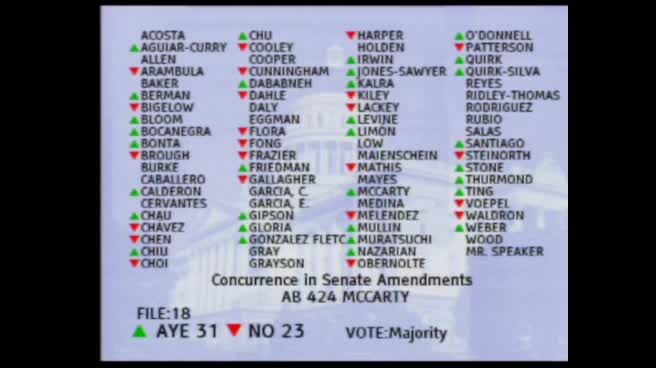 1MIN
Assembly Floor
 3MIN
Senate Floor
 1H
Senate Standing Committee on Appropriations
 17MIN
Senate Standing Committee on Education
 2MIN
Assembly Floor
 11MIN
Assembly Standing Committee on Education
 12MIN
Assembly Standing Committee on Higher Education
Bill Author



