AB 586: Personal income taxes: deductions: qualified teacher: professional development expenses.
- Session Year: 2017-2018
- House: Assembly
- Latest Version Date: 2017-04-20
The Personal Income Tax Law, in modified conformity with federal income tax laws, allows various deductions from gross income in computing adjusted gross income under that law, including deductions for payments to individual retirement accounts, alimony payments, and interest on educational loans. That law also allows an itemized deduction for unreimbursed employee expenses, including those of a teacher, that exceed 2% of adjusted gross income.
This bill, for each taxable year beginning on or after January 1, 2017, 2018, and before January 1, 2022, 2023, would allow as a deduction from gross income an amount equal to the amount paid or incurred, up to $2,500, for teacher professional development expenses by a qualified taxpayer during the taxable year as provided. for no more than 3 taxable years. The bill also would require the Legislature to review the deduction before January 1, 2023.
(3)This bill would allow a qualified taxpayer either the credit or the deduction, as described above, but not both, for no more than 3 taxable years.(4)ThisThis bill would take effect immediately as a tax levy.
(1)The Personal Income Tax Law allows various credits against the taxes imposed by that law. Existing law requires any bill authorizing a new personal income tax credit to contain, among other things, specific goals, purposes, and objectives that the tax credit will achieve, detailed performance indicators, and data collection requirements, as provided.
This bill, for each taxable year beginning on or after January 1, 2017, and before January 1, 2022, would allow as a credit an amount equal to 50% of teacher professional development expenses paid or incurred, up to $500, by a qualified taxpayer during the taxable year, for no more than 3 taxable years. as provided. The bill also would include that additional information required for any bill authorizing a new personal income tax credit.
This bill would require the Commission on Teacher Credentialing and the Franchise Tax Board to make specified reports to the Legislature regarding the tax credit. The bill would limit the amount available for the allowed credit, as specified, and would require the Franchise Tax Board to allocate the credits on a first-come-first-served basis. The bill would also require the Legislature to review the credit and deduction, described below, before January 1, 2022.
(2)The Personal Income Tax Law, in modified conformity with federal income tax laws, allows various deductions from gross income in computing adjusted gross income under that law, including deductions for payments to individual retirement accounts, alimony payments, and interest on educational loans. That law also allows an itemized deduction for unreimbursed employee expenses, including those of a teacher, that exceed 2% of adjusted gross income.
This bill, for each taxable year beginning on or after January 1, 2017, and before January 1, 2022, would allow as a deduction from gross income an amount equal to the amount paid or incurred, up to $2,500, for teacher professional development expenses by a qualified taxpayer during the taxable year for no more than 3 years. as provided.
(3)This bill would allow a qualified taxpayer either the credit or the deduction, as described above, but not both. both, for no more than 3 taxable years.
(4)This bill would take effect immediately as a tax levy.
(1)The Personal Income Tax Law allows various credits against the taxes imposed by that law. Existing law requires any bill authorizing a new personal income tax credit to contain, among other things, specific goals, purposes, and objectives that the tax credit will achieve, detailed performance indicators, and data collection requirements, as provided.
This bill, for each taxable year beginning on or after January 1, 2017, and before January 1, 2022, would allow as a credit an amount equal to 50% of teacher professional development expenses paid or incurred, up to $500, by a qualified taxpayer during the taxable year, for no more than 3 taxable years. The bill also would include that additional information required for any bill authorizing a new personal income tax credit.
This bill would require the State Department of Education, the Commission on Teacher Credentialing, and the Franchise Tax Board to make specified reports to the Legislature regarding the tax credit. The bill would also require the Legislature to review the credit and deduction deduction, described below, before January 1, 2022.
(2)The Personal Income Tax Law, in modified conformity with federal income tax laws, allows various deductions from gross income in computing adjusted gross income under that law, including deductions for payments to individual retirement accounts, alimony payments, and interest on educational loans. That law also allows an itemized deduction for unreimbursed employee expenses, including those of a teacher, that exceed 2% of adjusted gross income.
This bill, for each taxable year beginning on or after January 1, 2017, and before January 1, 2022, would allow as a deduction from gross income an amount equal to the amount paid or incurred, up to $2,500, for teacher professional development expenses by a qualified taxpayer during the taxable year for no more than 3 years.
(3)This bill would allow a qualified taxpayer either the credit or the deduction, as described above, but not both.
(4)This bill would take effect immediately as a tax levy.
(1)The Personal Income Tax Law allows various credits against the taxes imposed by that law. Existing law requires any bill authorizing a new personal income tax credit to contain, among other things, specific goals, purposes, and objectives that the tax credit will achieve, detailed performance indicators, and data collection requirements, as provided.
This bill, for each taxable year beginning on or after January 1, 2017, and before January 1, 2022, would allow as a credit an amount equal to 50% of teacher professional development expenses paid or incurred, up to $500, by a qualified taxpayer during the taxable year, for no more than 3 taxable years. The bill also would include that additional information required for any bill authorizing a new personal income tax credit.
This bill would require the State Department of Education, the Commission on Teacher Credentialing, and the Franchise Tax Board to make specified reports to the Legislature regarding the tax credit. The bill would also require the Legislature to review the credit and deduction before January 1, 2022.
(2)The Personal Income Tax Law, in modified conformity with federal income tax laws, allows various deductions from gross income in computing adjusted gross income under that law, including deductions for payments to individual retirement accounts, alimony payments, and interest on educational loans. That law also allows an itemized deduction for unreimbursed employee expenses, including those of a teacher, that exceed 2% of adjusted gross income.
This bill, for each taxable year beginning on or after January 1, 2017, and before January 1, 2022, would allow as a deduction from gross income an amount equal to the amount paid or incurred, up to $2,500, for teacher professional development expenses by a qualified taxpayer during the taxable year for no more than 3 years.
(3)This bill would allow a qualified taxpayer either the credit or the deduction, as described above, but not both.
(4)This bill would take effect immediately as a tax levy.
(a)Section 62 of the Internal Revenue Code, relating to adjusted gross income defined, shall apply, except as otherwise provided.
(b)Section 62(a)(2)(D) of the Internal Revenue Code, relating to certain expenses of elementary and secondary school teachers, shall not apply.
(c)Section 62(a)(21) of the Internal Revenue Code, relating to attorneys fees relating to awards to whistleblowers, shall not apply.
(d)Section 62(a) of the Internal Revenue Code is modified to provide that the deduction under Section 17208 shall be allowed in determining adjusted gross income.
SEC. 3.SEC. 2.Section 17208 is added to the Revenue and Taxation Code, to read:17208.(a)(1)For each taxable year beginning on or after January 1, 2017, 2018, and before January 1, 2022, 2023, there shall be allowed as a deduction an amount equal to the amount paid or incurred, not to exceed two thousand five hundred dollars ($2,500), for teacher professional development expenses by a qualified taxpayer during the taxable year.
(2)A credit pursuant to this section or a deduction pursuant to Section 17053.51, or both, this section may be allowed in the aggregate for no more than three taxable years.
(b)For purposes of this section:
(1)Qualified taxpayer means a taxpayer who meets all of the following requirements:
(A)Completed a teacher preparation program or fulfilled the requirements of the early completion option described in Section 44468 of the Education Code and is in possession of a preliminary general education (multiple or single subject) teaching credential or a preliminary special education teaching credential.
(B)Enrolled in a program, approved by the Commission on Teacher Credentialing, in order to earn a general education clear credential or an education specialist instruction clear credential.
(C)Is not otherwise reimbursed for the teacher professional development expenses.
(2)Teacher professional development expenses means enrollment fees associated with the completion of a second tier teaching credential program, including, but not limited to, general education induction, general education clear, and clear education specialist induction, approved by the Commission on Teacher Credentialing.
(c)(1)A deduction shall not be allowed under any other provision of this article for any amount paid or incurred for expenses allowed pursuant to subdivision (a).
(2)A credit shall not be allowed under Section 17053.51 for any amount paid or incurred if a deduction is allowed pursuant to this section.(d)(1)The Franchise Tax Board may issue regulations necessary or appropriate to carry out the purposes of this section.
(2)The Administrative Procedure Act (Chapter 3.5 (commencing with Section 11340) of Part 1 of Division 3 of Title 2 of the Government Code) shall not apply to any rule, standard, criterion, guideline, procedure, determination, or notice established or issued by the Franchise Tax Board pursuant to this section.
(e)This section shall remain in effect only until December 1, 2022, 2023, and as of that date is repealed.
SEC. 4.(a)For purposes of complying with Section 41 of the Revenue and Taxation Code, the Legislature finds and declares as follows:(1)The specified goal of the personal income tax credit described in Section 17053.51 of the Revenue and Taxation Code is to strengthen the professional preparation of Californias elementary and secondary school educators by supporting new teachers who are already pursuing a clear credential at personal costs and by encouraging more clear credentialed teachers.(2)The effectiveness of the teacher tax credit shall be measured by the number of new teachers claiming the credit. The Commission on Teacher Credentialing shall report to the Legislature the number of California teachers with preliminary credentials who are enrolled in commission-approved programs to clear their credential. The Franchise Tax Board shall annually report to the Legislature the number of taxpayers allowed the credit described in Section 17053.51 of the Revenue and Taxation Code. These reports shall be submitted pursuant to Section 9795 of the Government Code.(b)TheSEC. 3.The Legislature shall review the credit described in Section 17053.51 of, and the deduction described in Section 17208 of, of the Revenue and Taxation Code, Code before January 1, 2022. 2023.
SEC. 5.SEC. 4.This act provides for a tax levy within the meaning of Article IV of the California Constitution and shall go into immediate effect.
(a)(1)For each taxable year beginning on or after January 1, 2017, and before January 1, 2022, there shall be allowed as a credit against the net tax, as defined in Section 17039, an amount equal to 50 percent of teacher professional development expenses paid or incurred, not to exceed five hundred dollars ($500) by a qualified taxpayer during the taxable year.
(2)A credit pursuant to this section or a deduction pursuant to Section 17208, or both, may be allowed in the aggregate for no more than three taxable years.
(b)For purposes of this section:
(1)Qualified taxpayer means a taxpayer who meets all of the following requirements:
(A)Completed a teacher preparation program or fulfilled the requirements of the early completion option described in Section 44468 of the Education Code and is in possession of a preliminary general education (multiple or single subject) teaching credential or a preliminary special education teaching credential.
(B)Enrolled in a program, approved by the Commission on Teacher Credentialing, in order to earn a general education clear credential or an education specialist instruction clear credential.
(C)Is not otherwise reimbursed for the teacher professional development expenses.
(D)Has not claimed the credit pursuant to this section for more than three taxable years.(2)(A)Teacher professional development expenses means all of the following: enrollment fees associated with the completion of a second tier teaching credential program, including, but not limited to, general education induction, general education clear, and clear education specialist induction, approved by the Commission on Teacher Credentialing.
(i)Enrollment fees associated with the completion of an induction program sponsored by, or in partnership with, the employing school district or county office of education.(ii)Enrollment fees associated with the completion of an induction program that is offered by a college or university.(iii)Enrollment fees associated with the completion of an induction program sponsored by a neighboring district or county office of education if the program accepts participants who are not employed by a partner district.(B)All of these programs shall be approved by the Commission on Teacher Credentialing.(c)In the case of a married couple or domestic partnership spouses filing a joint return, the maximum amount of five hundred dollars ($500) described in subdivision (a) shall instead be one thousand dollars ($1,000) if both individuals are qualified taxpayers.
(d)A deduction shall not be allowed under Article 6 (commencing with Section 17201) of Chapter 3 of Part 10 for any amount paid or incurred for expenses allowed pursuant to subdivision (a).(d)The total aggregate amount of the credit that may be allowed to all qualified taxpayers pursuant to this section shall not exceed the following:
(1)Two million dollars ($2,000,000) for fiscal year 201718.
(2)Three million dollars ($3,000,000) for fiscal year 201819.
(3)Five million dollars ($5,000,000) for each of fiscal year 201920, 202021, and 202122.
(e)(1)The Franchise Tax Board shall allocate the credit to the qualified taxpayers on a first-come-first-served basis, determined by the date the qualified taxpayers timely filed original tax return is received by the Franchise Tax Board.
(2)Any disallowance of a credit claimed due to the limitations specified in this subdivision shall be treated as a mathematical error appearing on the return. Any amount of tax resulting from that disallowance may be assessed by the Franchise Tax Board in the same manner as provided in Section 19051.
(f)The credit allowed under this section must be claimed on a timely filed original return.
(e)(g)In the case where the credit allowed by this section exceeds the net tax, the excess may be carried over to reduce the net tax in the following taxable year, and succeeding five years if necessary, until the credit is exhausted.
(f)(h)(1) The Franchise Tax Board may prescribe rules, standards, criteria, guidelines, procedures, determinations, or notices issue regulations necessary or appropriate to carry out the purposes of this section.
(2)The Administrative Procedure Act (Chapter 3.5 (commencing with Section 11340) of Part 1 of Division 3 of Title 2 of the Government Code) shall not apply to any rule, standard, criterion, guideline, procedure, determination, or notice established or issued by the Franchise Tax Board pursuant to this section.
(i)(1)A deduction shall not be allowed under Section 17208 if a credit is allowed under this section.
(2)A deduction shall not be allowed under any other provision of Article 6 (commencing with Section 17201) of Chapter 3 for any amount paid or incurred for expenses allowed pursuant to subdivision (a).
(g)(j)This section shall remain in effect only until December 1, 2022, and as of that date is repealed.
SEC. 2.Section 17072 of the Revenue and Taxation Code is amended to read:17072.(a)Section 62 of the Internal Revenue Code, relating to adjusted gross income defined, shall apply, except as otherwise provided.
(b)Section 62(a)(2)(D) of the Internal Revenue Code, relating to certain expenses of elementary and secondary school teachers, shall not apply.
(c)Section 62(a)(21) of the Internal Revenue Code, relating to attorneys fees relating to awards to whistleblowers, shall not apply.
(d)Section 62(a) of the Internal Revenue Code is modified to provide that the deduction under Section 17208 shall be allowed in determining adjusted gross income.
SEC. 3.Section 17208 is added to the Revenue and Taxation Code, to read:17208.(a)(1)For each taxable year beginning on or after January 1, 2017, and before January 1, 2022, there shall be allowed as a deduction an amount equal to the amount paid or incurred, not to exceed two thousand five hundred dollars ($2,500), for teacher professional development expenses by a qualified taxpayer during the taxable year.
(2)A credit pursuant to this section or a deduction pursuant to Section 17053.51, or both, may be allowed in the aggregate for no more than three taxable years.
(b)For purposes of this section:
(1)Qualified taxpayer means a taxpayer who meets all of the following requirements:
(A)Completed a teacher preparation program or fulfilled the requirements of the early completion option described in Section 44468 of the Education Code and is in possession of a preliminary general education (multiple or single subject) teaching credential or a preliminary special education teaching credential.
(B)Enrolled in a program, approved by the Commission on Teacher Credentialing, in order to earn a general education clear credential or an education specialist instruction clear credential.
(C)Is not otherwise reimbursed for the teacher professional development expenses.
(D)Has not claimed the deduction pursuant to this section for more than three taxable years.(2)(A)Teacher professional development expenses means all of the following: enrollment fees associated with the completion of a second tier teaching credential program, including, but not limited to, general education induction, general education clear, and clear education specialist induction, approved by the Commission on Teacher Credentialing.
(i)Enrollment fees associated with the completion of an induction program sponsored by, or in partnership with, the employing school district or county office of education.(ii)Enrollment fees associated with the completion of an induction program that is offered by a college or university.(iii)Enrollment fees associated with the completion of an induction program sponsored by a neighboring district or county office of education if the program accepts participants who are not employed by a partner district.(B)All of these programs shall be approved by the Commission on Teacher Credentialing.(c)(1)A deduction shall not be allowed under any other provision under Article 6 (commencing with Section 17201) of Chapter 3 of Part 10 of this article for any amount paid or incurred for expenses allowed pursuant to subdivision (a).
(2)A credit shall not be allowed under Section 17053.51 for any amount paid or incurred for expenses allowed pursuant to subdivision (a). if a deduction is allowed pursuant to this section.
(d)(1)The Franchise Tax Board may prescribe rules, standards, criteria, guidelines, procedures, determinations, or notices issue regulations necessary or appropriate to carry out the purposes of this section.
(2)The Administrative Procedure Act (Chapter 3.5 (commencing with Section 11340) of Part 1 of Division 3 of Title 2 of the Government Code) shall not apply to any rule, standard, criterion, guideline, procedure, determination, or notice established or issued by the Franchise Tax Board pursuant to this section.
(e)This section shall remain in effect only until December 1, 2022, and as of that date is repealed.
SEC. 4.(a)For purposes of complying with Section 41 of the Revenue and Taxation Code, the Legislature finds and declares as follows:
(1)The specified goal of the personal income tax credit described in Section 17053.51 of the Revenue and Taxation Code is to strengthen the professional preparation of Californias elementary and secondary school educators by supporting new teachers who are already pursuing a clear credential at personal costs and by encouraging more clear credentialed teachers.
(2)The effectiveness of the teacher tax credit shall be measured by the number of new teachers claiming the credit. The Commission on Teacher Credentialing shall report to the Legislature the number of California teachers with preliminary credentials who are enrolled in commission-approved programs to clear their credential. The Franchise Tax Board shall annually report to the Legislature the number of taxpayers allowed the credit described in Section 17053.51 of the Revenue and Taxation Code. These reports shall be submitted pursuant to Section 9795 of the Government Code.
(3)The Commission on Teacher Credentialing reports that in 201516 there were 20,209 teachers with preliminary credentials enrolled in commission-approved programs to clear their credential. If 4,000 eligible teachers claim the tax credit in the first year, 6,000 in the second year, and 10,000 in the third year, then the credit will have effectively reduced the personal cost for professional development expenses incurred by new teachers to earn a California clear multiple or single subject credential by an estimated ten million dollars ($10,000,000).(4)The estimated impact shall be measured against the actual number of claims for the personal income tax credit filed with the Franchise Tax Board. The support to the new teachers will be considered a success if at least 40 percent of the estimated number of eligible teachers are supported by the credit.(b)The Legislature shall review the credit described in Section 17053.51 of, and the deduction described in Section 17208 of, the Revenue and Taxation Code, before January 1, 2022.
SEC. 5.This act provides for a tax levy within the meaning of Article IV of the California Constitution and shall go into immediate effect.
(a)For each taxable year beginning on or after January 1, 2017, and before January 1, 2022, there shall be allowed as a credit against the net tax, as defined in Section 17039, an amount equal to 50 percent of teacher professional development expenses paid or incurred, not to exceed to $500, five hundred dollars ($500) by a qualified taxpayer during the taxable year.
(b)For purposes of this section:
(1)Qualified taxpayer means a taxpayer who meets all of the following requirements:
(A)Completed a teacher preparation program or fulfilled the requirements of the early completion option described in Section 44468 of the Education Code and is in possession of a preliminary general education (multiple or single subject) teaching credential or a preliminary special education teaching credential.
(B)Enrolled in a program, approved by the Commission on Teacher Credentialing, in order to earn a general education clear credential or an education specialist instruction clear credential.
(C)Is not otherwise reimbursed for the teacher professional development expenses.
(D)Has not claimed the credit pursuant to this section for more than three taxable years.
(2)(A)Teacher professional development expenses means all of the following:
(i)Enrollment fees associated with the completion of an induction program sponsored by, or in partnership with, the employing school district or county office of education.
(ii)Enrollment fees associated with the completion of an induction program that is offered by a college or university.
(iii)Enrollment fees associated with the completion of an induction program sponsored by a neighboring district or county office of education if the program accepts participants who are not employed by a partner district.
(iv)Enrollment fees associated with the completion of an online induction program.(v)Enrollment fees associated with the completion of a general education clear credential or an education specialist instruction credential program sponsored by a college or university.(B)All of these programs shall be approved by the Commission on Teacher Credentialing.
(c)In the case of a married couple or domestic partnership filing a joint return, the maximum amount of $500 five hundred dollars ($500) described in subdivision (a) shall instead be $1,000 one thousand dollars ($1,000) if both individuals are qualified taxpayers.
(d)A deduction shall not be allowed under Article 6 (commencing with Section 17201) of Chapter 3 of Part 10 for any amount paid or incurred for expenses allowed pursuant to subdivision (a).
(e) In the case where the credit allowed by this section exceeds the net tax, the excess may be carried over to reduce the net tax in the following taxable year, and succeeding five years if necessary, until the credit is exhausted.
(f)(1) The Franchise Tax Board may prescribe rules, standards, criteria, guidelines, procedures, determinations, or notices necessary or appropriate to carry out the purposes of this section.
(2)The Administrative Procedure Act (Chapter 3.5 (commencing with Section 11340) of Part 1 of Division 3 of Title 2 of the Government Code) shall not apply to any rule, standard, criterion, guideline, procedure, determination, or notice established or issued by the Franchise Tax Board pursuant to this section.
(g)This section shall remain in effect only until December 1, 2022, and as of that date is repealed.
SEC. 2.Section 17072 of the Revenue and Taxation Code is amended to read:17072.(a)Section 62 of the Internal Revenue Code, relating to adjusted gross income defined, shall apply, except as otherwise provided.
(b)Section 62(a)(2)(D) of the Internal Revenue Code, relating to certain expenses of elementary and secondary school teachers, shall not apply.
(c)Section 62(a)(21) of the Internal Revenue Code, relating to attorneys fees relating to awards to whistleblowers, shall not apply.
(d)Section 62(a) of the Internal Revenue Code is modified to provide that the deduction under Section 17208 shall be allowed in determining adjusted gross income.
SEC. 3.Section 17208 is added to the Revenue and Taxation Code, to read:17208.(a)For each taxable year beginning on or after January 1, 2017, and before January 1, 2022, there shall be allowed as a deduction an amount equal to the amount paid or incurred, not to exceed two thousand five hundred dollars ($2,500), for teacher professional development expenses by a qualified taxpayer during the taxable year.
(b)For purposes of this section:
(1)Qualified taxpayer means a taxpayer who meets all of the following requirements:
(A)Completed a teacher preparation program or fulfilled the requirements of the early completion option described in Section 44468 of the Education Code and is in possession of a preliminary general education (multiple or single subject) teaching credential or a preliminary special education teaching credential.
(B)Enrolled in a program, approved by the Commission on Teacher Credentialing, in order to earn a general education clear credential or an education specialist instruction clear credential.
(C)Is not otherwise reimbursed for the teacher professional development expenses.
(D)Has not claimed the deduction pursuant to this section for more than three taxable years.
(2)(A)Teacher professional development expenses means all of the following:
(i)Enrollment fees associated with the completion of an induction program sponsored by, or in partnership with, the employing school district or county office of education.
(ii)Enrollment fees associated with the completion of an induction program that is offered by a college or university.
(iii)Enrollment fees associated with the completion of an induction program sponsored by a neighboring district or county office of education if the program accepts participants who are not employed by a partner district.
(iv)Enrollment fees associated with the completion of an online induction program.(v)Enrollment fees associated with the completion of a general education clear credential or an education specialist instruction credential program sponsored by a college or university.(B)All of these programs shall be approved by the Commission on Teacher Credentialing.
(c)(1)A deduction shall not be allowed under any other provision under Article 6 (commencing with Section 17201) of Chapter 3 of Part 10 for any amount paid or incurred for expenses allowed pursuant to subdivision (a).
(2)A credit shall not be allowed under Section 17053.51 for any amount paid or incurred for expenses allowed pursuant to subdivision (a).
(d)(1)The Franchise Tax Board may prescribe rules, standards, criteria, guidelines, procedures, determinations, or notices necessary or appropriate to carry out the purposes of this section.
(2)The Administrative Procedure Act (Chapter 3.5 (commencing with Section 11340) of Part 1 of Division 3 of Title 2 of the Government Code) shall not apply to any rule, standard, criterion, guideline, procedure, determination, or notice established or issued by the Franchise Tax Board pursuant to this section.
(e)This section shall remain in effect only until December 1, 2022, and as of that date is repealed.
SEC. 4.(a)For purposes of complying with Section 41 of the Revenue and Taxation Code, the Legislature finds and declares as follows:
(1)The specified goal of the personal income tax credit described in Section 17053.51 of the Revenue and Taxation Code is to strengthen the professional preparation of Californias elementary and secondary school educators by supporting new teachers who are already pursuing a clear credential at personal costs and by encouraging more clear credentialed teachers.
(2)The effectiveness of the teacher tax credit shall be measured by the number of new teachers claiming the credit. The State Department of Education and the Commission on Teacher Credentialing shall report to the Legislature the number of California teachers with preliminary credentials who are enrolled in commission-approved programs to clear their credential. The Franchise Tax Board shall annually report to the Legislature the number of taxpayers claiming allowed the credit described in Section 17053.51 of the Revenue and Taxation Code. These reports shall be submitted pursuant to Section 9795 of the Government Code.
(3)The Commission on Teacher Credentialing reports that in 201516 there were 20,209 teachers with preliminary credentials enrolled in commission-approved programs to clear their credential. If 4,000 eligible teachers claim the tax credit in the first year, 6,000 in the second year, and 10,000 in the third year, then the credit will have effectively reduced the personal cost for professional development expenses incurred by new teachers to earn a California clear multiple or single subject credential by an estimated $10 million. ten million dollars ($10,000,000).
(4)The estimated impact shall be measured against the actual number of claims for the personal income tax credit filed with the Franchise Tax Board. The support to the new teachers will be considered a success if at least 40 percent of the estimated number of eligible teachers are supported by the credit.
(b)The Legislature shall review the credit described in Section 17053.51 of, and the deduction described in Section 17208 of, the Revenue and Taxation Code, before January 1, 2022.
SEC. 5.This act provides for a tax levy within the meaning of Article IV of the California Constitution and shall go into immediate effect.
(a)For each taxable year beginning on or after January 1, 2017, and before January 1, 2022, there shall be allowed as a credit against the net tax, as defined in Section 17039, an amount equal to 50 percent of teacher professional development expenses paid or incurred, not to exceed to $500, by a qualified taxpayer during the taxable year.
(b)For purposes of this section:
(1)Qualified taxpayer means a taxpayer who meets all of the following requirements:
(A)Completed a teacher preparation program and is in possession of a preliminary general education (multiple or single subject) teaching credential or a preliminary special education teaching credential.
(B)Enrolled in a program, approved by the Commission on Teacher Credentialing, in order to earn a general education clear credential or an education specialist instruction credential.
(C)Is not otherwise reimbursed for the teacher professional development expenses.
(D)Has not claimed the credit pursuant to this section for more than three taxable years.
(2)(A)Teacher professional development expenses means all of the following:
(i)Enrollment fees associated with the completion of an induction program sponsored by, or in partnership with, the employing school district or county office of education.
(ii)Enrollment fees associated with the completion of an induction program that is offered by a college or university.
(iii)Enrollment fees associated with the completion of an induction program sponsored by a neighboring district or county office of education if the program accepts participants who are not employed by a partner district.
(iv)Enrollment fees associated with the completion of an online induction program.
(v)Enrollment fees associated with the completion of a general education clear credential or an education specialist instruction credential program sponsored by a college or university.
(B)All of these programs shall be approved by the Commission on Teacher Credentialing.
(c)In the case of a married couple or domestic partnership filing a joint return, the maximum amount of $500 described in subdivision (a) shall instead be $1,000 if both individuals are qualified taxpayers.
(d)A deduction shall not be allowed under Article 6 (commencing with Section 17201) of Chapter 3 of Part 10 for any amount paid or incurred for expenses allowed pursuant to subdivision (a).
(e) In the case where the credit allowed by this section exceeds the net tax, the excess may be carried over to reduce the net tax in the following taxable year, and succeeding five years if necessary, until the credit is exhausted.
(f)(1) The Franchise Tax Board may prescribe rules, standards, criteria, guidelines, procedures, determinations, or notices necessary or appropriate to carry out the purposes of this section.
(2)The Administrative Procedure Act (Chapter 3.5 (commencing with Section 11340) of Part 1 of Division 3 of Title 2 of the Government Code) shall not apply to any rule, standard, criterion, guideline, procedure, determination, or notice established or issued by the Franchise Tax Board pursuant to this section.
(g)This section shall remain in effect only until December 1, 2022, and as of that date is repealed.
SEC. 2.Section 17072 of the Revenue and Taxation Code is amended to read:17072.(a)Section 62 of the Internal Revenue Code, relating to adjusted gross income defined, shall apply, except as otherwise provided.
(b)Section 62(a)(2)(D) of the Internal Revenue Code, relating to certain expenses of elementary and secondary school teachers, shall not apply.
(c)Section 62(a)(21) of the Internal Revenue Code, relating to attorneys fees relating to awards to whistleblowers, shall not apply.
(d)Section 62(a) of the Internal Revenue Code is modified to provide that the deduction under Section 17208 shall be allowed in determining adjusted gross income.
SEC. 3.Section 17208 is added to the Revenue and Taxation Code, to read:17208.(a)For each taxable year beginning on or after January 1, 2017, and before January 1, 2022, there shall be allowed as a deduction an amount equal to the amount paid or incurred, not to exceed two thousand five hundred dollars ($2,500), for teacher professional development expenses by a qualified taxpayer during the taxable year.
(b)For purposes of this section:
(1)Qualified taxpayer means a taxpayer who meets all of the following requirements:
(A)Completed a teacher preparation program and is in possession of a preliminary general education (multiple or single subject) teaching credential or a preliminary special education teaching credential.
(B)Enrolled in a program, approved by the Commission on Teacher Credentialing, in order to earn a general education clear credential or an education specialist instruction credential.
(C)Is not otherwise reimbursed for the teacher professional development expenses.
(D)Has not claimed the deduction pursuant to this section for more than three taxable years.
(2)(A)Teacher professional development expenses means all of the following:
(i)Enrollment fees associated with the completion of an induction program sponsored by, or in partnership with, the employing school district or county office of education.
(ii)Enrollment fees associated with the completion of an induction program that is offered by a college or university.
(iii)Enrollment fees associated with the completion of an induction program sponsored by a neighboring district or county office of education if the program accepts participants who are not employed by a partner district.
(iv)Enrollment fees associated with the completion of an online induction program.
(v)Enrollment fees associated with the completion of a general education clear credential or an education specialist instruction credential program sponsored by a college or university.
(B)All of these programs shall be approved by the Commission on Teacher Credentialing.
(c)(1)A deduction shall not be allowed under any other provision under Article 6 (commencing with Section 17201) of Chapter 3 of Part 10 for any amount paid or incurred for expenses allowed pursuant to subdivision (a).
(2)A credit shall not be allowed under Section 17053.51 for any amount paid or incurred for expenses allowed pursuant to subdivision (a).
(d)(1)The Franchise Tax Board may prescribe rules, standards, criteria, guidelines, procedures, determinations, or notices necessary or appropriate to carry out the purposes of this section.
(2)The Administrative Procedure Act (Chapter 3.5 (commencing with Section 11340) of Part 1 of Division 3 of Title 2 of the Government Code) shall not apply to any rule, standard, criterion, guideline, procedure, determination, or notice established or issued by the Franchise Tax Board pursuant to this section.
(e)This section shall remain in effect only until December 1, 2022, and as of that date is repealed.
SEC. 4.(a)For purposes of complying with Section 41 of the Revenue and Taxation Code, the Legislature finds and declares as follows:
(1)The specified goal of the personal income tax credit described in Section 17053.51 of the Revenue and Taxation Code is to strengthen the professional preparation of Californias elementary and secondary school educators by supporting new teachers who are already pursuing a clear credential at personal costs and by encouraging more clear credentialed teachers.
(2)The effectiveness of the teacher tax credit shall be measured by the number of new teachers claiming the credit. The State Department of Education and the Commission on Teacher Credentialing shall report to the Legislature the number of California teachers with preliminary credentials who are enrolled in commission-approved programs to clear their credential. The Franchise Tax Board shall annually report to the Legislature the number of taxpayers claiming the credit described in Section 17053.51 of the Revenue and Taxation Code. These reports shall be submitted pursuant to Section 9795 of the Government Code.
(3)The Commission on Teacher Credentialing reports that in 201516 there were 20,209 teachers with preliminary credentials enrolled in commission-approved programs to clear their credential. If 4,000 eligible teachers claim the tax credit in the first year, 6,000 in the second year, and 10,000 in the third year, then the credit will have effectively reduced the personal cost for professional development expenses incurred by new teachers to earn a California clear multiple or single subject credential by an estimated $10 million.
(4)The estimated impact shall be measured against the actual number of claims for the personal income tax credit filed with the Franchise Tax Board. The support to the new teachers will be considered a success if at least 40 percent of the estimated number of eligible teachers are supported by the credit.
(b)The Legislature shall review the credit described in Section 17053.51 of, and the deduction described in Section 17208 of, the Revenue and Taxation Code, before January 1, 2022.
SEC. 5.This act provides for a tax levy within the meaning of Article IV of the California Constitution and shall go into immediate effect.
|
Date
|
Status
|
|---|---|
| Feb 1, 2018 | From committee: Filed with the Chief Clerk pursuant to Joint Rule 56. |
| Jan 31, 2018 | Died pursuant to Art. IV, Sec. 10(c) of the Constitution. |
| May 26, 2017 | In committee: Held under submission. |
| May 17, 2017 | In committee: Set, first hearing. Referred to APPR. suspense file. |
| Apr 20, 2017 | Read second time and amended. |
| Apr 19, 2017 | From committee: Amend, and do pass as amended and re-refer to Com. on ED. (Ayes 9. Noes 1.) (April 17). |
| Mar 20, 2017 | In committee: Hearing postponed by committee. |
| Mar 15, 2017 | Re-referred to Com. on REV. & TAX. |
| Mar 14, 2017 | From committee chair, with author's amendments: Amend, and re-refer to Com. on REV. & TAX. Read second time and amended. |
| Mar 9, 2017 | Re-referred to Com. on REV. & TAX. |
| Mar 8, 2017 | From committee chair, with author's amendments: Amend, and re-refer to Com. on REV. & TAX. Read second time and amended. |
| Feb 27, 2017 | Referred to Coms. on REV. & TAX. and ED. |
| Feb 15, 2017 | From printer. May be heard in committee March 17. |
| Feb 14, 2017 | Read first time. To print. |
|
Date
|
Description
|
Location
|
Votes
|
|
|---|---|---|---|---|
| Apr 17, 2017 | Do pass as amended and be re-referred to the Committee on [Education] | Assembly Standing Committee on Revenue and Taxation |
Passed |
This list shows positions taken on this bill by organizations on the date displayed, which is linked to the original source.
Positions by individuals are not included.
|
Organization
|
Position
|
Date
|
|---|---|---|
| AchieveKids | ** Support | Apr 14, 2017 |
| California Association Of Private School Organizations | ** Support | Apr 14, 2017 |
| California Catholic Conference | ** Support | Apr 14, 2017 |
| California Teachers Association | ** Against | Apr 14, 2017 |
| Claremont Unified School District | ** Support | Apr 14, 2017 |
| EdVoice Board of Directors | ** Support | Apr 14, 2017 |
| Institute for the Redesign of Learning | ** Support | Apr 14, 2017 |
| Los Angeles Unified School District | ** Support | Apr 14, 2017 |
| Monrovia Unified School District Vice President | ** Support | Apr 14, 2017 |
| South Pasadena Unified School District | ** Support | Apr 14, 2017 |
| The Education Trust - West | ** Support | Apr 14, 2017 |
Date of Hearing: May 17, 2017
ASSEMBLY COMMITTEE ON APPROPRIATIONS
Lorena Gonzalez Fletcher, Chair
ABPCA Bill Id:AB 586
Author:(Holden) – As Amended Ver:April 20, 2017
Policy Committee: | Revenue and Taxation | Vote: | 9 - 1 |
|
| ||
|
|
Urgency: No State Mandated Local Program: No Reimbursable: No
SUMMARY:
This bill allows a Personal Income Tax (PIT) deduction for teacher development expenses. Specifically, this bill:
- Allows a PIT deduction equal to the amount paid or incurred by a qualified teacher, not to exceed $2,500, for the enrollment fees associated with certain second tier credential programs, as defined
- Allows the deduction for taxable years 2018 through 2022.
FISCAL EFFECT:
Annual General Fund (GF) revenue loss of $100,000 in 2017-18, $200,000 in 2018-19, and $200,000 in 2019-20.
COMMENTS:
- Background and Purpose. California has a two-tier credential structure. A five-year preliminary credential is the first credential issued after an individual meets basic credential requirements. A clear credential is issued when all credential requirements have been completed. According to the author, AB 586 will support new teachers by helping them fulfill the requirements for receiving their clear credential. This bill provides both public school and private school teachers with preliminary credentials a tax deduction for fees associated with this process.
- Fiscal implications of tax expenditures. Existing law provides various credits, deductions, exclusions, and exemptions for particular taxpayer groups. These features of tax law are referred to as "expenditures" since they are generally enacted to accomplish some governmental purpose and there is a determinable cost associated with each (in the form of foregone revenues). One ongoing concern about tax expenditures is the lack of control over revenue losses, since the number of taxpayers taking advantage of any given tax expenditure can vary each year. This bill enacts a new tax expenditure program, in the form of a PIT deduction to relieve the costs of teacher credentialing.
- Above-the-Line Deductions. AB 586 creates an “above-the-line” deduction, which is a deduction that reduces adjusted gross income (AGI) and can be claimed by all taxpayers, regardless of whether or not they itemize their deductions or use the standard deduction. Examples of other above-the-line deductions include deductions for moving expenses, payments to individual retirement accounts, and paid interest on student loans. In contrast, a “below-the-line” deduction allows taxpayers to adjust their taxable income once AGI is calculated. Examples include the standard deduction and itemized deductions such as the mortgage interest deduction.
Analysis Prepared by: Luke Reidenbach / APPR. / (916) 319-2081
Date of Hearing: April 17, 2017
ASSEMBLY COMMITTEE ON REVENUE AND TAXATION
Sebastian Ridley-Thomas, Chair
ABPCA Bill Id:AB 586 (
Author:Holden) – As Amended Ver:March 14, 2017
Majority vote. Tax levy. Fiscal committee.
SUBJECT: Personal income taxes: credits: deductions: qualified teacher: professional development expenses
SUMMARY: Allows a new credit or "above-the-line" deduction for specified teacher professional development expenses. Specifically, this bill:
- Allows a credit under the Personal Income Tax (PIT) Law equal to 50% of "teacher professional development expenses" paid or incurred, not to exceed $500, by a "qualified taxpayer" during the taxable year.
- Allows the credit for taxable years beginning on or after January 1, 2017, and before January 1, 2022.
- Defines "teacher professional development expenses" as enrollment fees associated with the completion of a second tier teaching credential program, including, but not limited to, general education induction, general education clear, and clear education specialist induction, approved by the Commission on Teacher Credentialing.
- Defines a "qualified taxpayer" as a taxpayer meeting all the following requirements:
- Completed a teacher preparation program or fulfilled the requirements of the early completion option described in Education Code Section 44468 and is in possession of a preliminary general education (multiple or single subject) teaching credential or a preliminary special education teaching credential;
- Enrolled in a program, approved by the Commission on Teacher Credentialing, in order to earn a general education clear credential or an education specialist instruction clear credential; and,
- Is not otherwise reimbursed for the teacher professional development expenses.
- Provides that in the case of spouses filing a joint return, the maximum amount of $500 shall instead be $1,000 if both individuals are qualified taxpayers.
- Limits the total aggregate amount of the credit that may be allowed to all qualified taxpayers to the following:
- $2 million for fiscal year (FY) 2017-18;
- $3 million for FY 2018-19; and,
- $5 million for FYs 2019-20, 2020-21, and 2021-22.
- Requires the Franchise Tax Board (FTB) to allocate the credit to qualified taxpayers on a first-come-first-served basis, determined by the date the qualified taxpayer's timely filed original tax return is received.
- Provides that any disallowance of a credit claimed due to the cap shall be treated as a mathematical error appearing on the return. Any amount of tax resulting from that disallowance may be assessed by the FTB in the same manner as provided in Revenue and Taxation Code (R&TC) Section 19051.
- Requires that the credit be claimed on a timely filed original return.
- Provides that in cases where the credit amount exceeds the taxpayer's tax liability, the excess credit amount may be carried over to the following taxable year, and succeeding five years if necessary, until the credit is exhausted.
- Authorizes the FTB to issue regulations necessary or appropriate to carry out administration of the credit.
- Provides that the Administrative Procedure Act shall not apply to any rule, standard, criterion, guideline, procedure, determination, or notice established or issued by the FTB for the credit.
- Disallows a deduction for any amount paid or incurred for expenses allowed a credit.
- Repeals the credit provisions on December 1, 2022.
- Allows, for taxable years beginning on or after January 1, 2017, and before January 1, 2022, a deduction equal to the amount paid or incurred, not to exceed $2,500, for "teacher professional development expenses" by a "qualified taxpayer" during the taxable year.
- Provides that the deduction shall be allowed in determining adjusted gross income (AGI).
- Provides definitions for "teacher professional development expenses" and "qualified taxpayer" mirroring those included in the bill's tax credit provisions.
- Disallows a deduction under any other provision of the PIT Law for any amount paid or incurred for expenses allowed as a deduction under this bill.
- Provides that this bill's credit shall not be allowed for any amount paid or incurred if a deduction is allowed.
- Authorizes the FTB to issue regulations necessary or appropriate to carry out administration of the deduction.
- Provides that the Administrative Procedure Act shall not apply to any rule, standard, criterion, guideline, procedure, determination, or notice established or issued by the FTB for the deduction.
- Repeals the deduction provisions on December 1, 2022.
- Provides that a credit or a deduction, or both, may be allowed in the aggregate for no more than three taxable years.
- Provides that, for purposes of complying with R&TC Section 41, the Legislature finds and declares the following:
- The specified goal of the PIT credit is to strengthen the professional preparation of California's elementary and secondary school educators by supporting new teachers who are already pursuing a clear credential at personal costs and by encouraging more clear credentialed teachers; and,
- The effectiveness of the teacher tax credit shall be measured by the number of new teachers claiming the credit. The Commission on Teacher Credentialing shall report to the Legislature the number of California teachers with preliminary credentials who are enrolled in commission-approved programs to clear their credential. The FTB shall annually report to the Legislature the number of taxpayers allowed the credit. These reports shall be submitted pursuant to Government Code Section 9795.
- Requires the Legislature to review the credit and the deduction before January 1, 2022.
- Takes immediate effect as a tax levy.
EXISTING LAW:
- Allows various tax credits under the PIT Law. These credits are generally designed to encourage socially beneficial behavior or to provide relief to taxpayers who incur specified expenses.
- Requires any bill authorizing a new credit to contain all of the following:
- Specific goals, purposes, and objectives that the tax credit will achieve;
- Detailed performance indicators for the Legislature to use when measuring whether the tax credit meets the goals, purposes, and objectives stated in the bill; and,
- Data collection requirements to enable the Legislature to determine whether the tax credit is meeting, failing to meet, or exceeding those specific goals, purposes, and objectives. The requirements shall include the specific data and baseline measurements to be collected and remitted in each year the credit is in effect, for the Legislature to measure the change in performance indicators, and the specific taxpayers, state agencies, or other entities required to collect and remit data. (R&TC Section 41.)
- Allows, in modified conformity with federal income tax laws, various deductions from gross income in computing AGI under the PIT Law, including deductions for payments to individual retirement accounts, alimony payments, and interest on educational loans.
- Allows an itemized deduction for unreimbursed employee expenses, including those of a teacher, that exceed 2% of AGI.
FISCAL EFFECT: The FTB notes that a revenue estimate cannot be completed until the implementation concerns identified in its staff analysis are resolved.
COMMENTS:
- The author has provided the following statement in support of this bill:
This measure would support and strengthen teachers for successful careers in their noble profession. In so doing, AB 586 would meaningfully increase California's supply of qualified and fully prepared educators. AB 586 will greatly benefit 10,000 to 20,000 classroom teachers and their students with modest cost to the state.
AB 586 would allow newly-credentialed, beginning teachers either an individual tax credit or deduction for professional development expenses to fulfill the requirements for a California Clear Multiple, Single Subjects Credential or Special Education (Education Specialist Instruction) Credential. Under this bill, teachers with preliminary credentials may claim either up to a $500 credit or $2,500 deduction on their personal state income taxes for fees incurred toward the completion of an Induction Program approved by the Commission on Teacher Credentialing.
As tax relief AB 586 would SUPPORT new teachers who are already pursuing a clear credential at personal cost. As a tax incentive it would ENCOURAGE more clear credentialed teachers. Such a teacher professional development tax credit/deduction would increase the likelihood that new teachers will remain in the profession.
- This bill is supported by the California Association of Private School Organizations, which notes the following:
Although California law does not require private school teachers to hold state-issued teaching credentials, a number of private schools opt to make their possession a requirement for employment. Moreover, because teachers frequently move between the private and public sectors, legislation that has the effect of increasing the supply of credentialed teachers employed in California's private schools is also beneficial to the state's public education system.
- This bill is opposed by the California Teachers Association, which notes the following:
CTA believes adequate funding for public funding of public education is a necessity. CTA opposes any reduction in revenue to the State's General Fund which would reduce Proposition 98 funding. The granting of tax credits, even for our educators' benefit, reduces revenue to the State's General Fund, which in turn reduces Proposition 98 funding.
- The FTB raises numerous implementation concerns in its staff analysis of this bill, including the following:
- "The bill's language allowing both a credit and a deduction for no more than three taxable years is inconsistent with the language that prohibits both a credit and a deduction in the same taxable year. If the author intends to prevent both a credit and a deduction being reported for the same dollar of expense (often referred to as ‘double-dipping’) while still allowing both the credit and deduction in the same taxable year, this bill should be amended."
- "Currently, the bill would require this credit to be allocated on a first-come-first-served basis as returns are filed. Taxpayers would lack certainty that they would be allocated the credit, even if they file timely. It appears that the intent of the bill is to allocate the credit before the taxpayer files a return; however, the bill lacks language to require the taxpayer to request a ‘reservation’ of the credit before the return is filed. If it is the author's intent that the credit be reserved before the taxpayer file their return, the bill should be amended to clarify this process."
- "This bill would require that the credit must be claimed on a timely filed original return, however the deduction does not have the same requirement. Taxpayers who are denied the credit on the original return could file an amended return to claim the deduction, thereby creating an extra burden on the taxpayers and the department. Additionally, it is unclear how the FTB would allocate the credit if returns of two or more taxpayers are received on the same day and the remaining amount of credit to be allocated is insufficient to be allocated to each fully. For ease of administration, it is recommended that the bill be amended."
- "It is unclear whether the $500 limitation refers to the maximum amount of credit or the 50 percent of the teacher professional development expenses. For example, the bill could be interpreted to mean that the teacher professional expenses cannot exceed $500 for a credit of $250 or that the expenses cannot exceed $1,000 for a credit of $500. Further, the limitation of the credit to $1,000 for spouses filing a joint return may be interpreted to allow each spouse to claim $1,000 for the maximum credit, if the spouses file a joint return. If this is contrary to the author's intent, this bill should be amended."
- Committee staff comments:
- What is a "tax expenditure"? Existing law provides various credits, deductions, exclusions, and exemptions for particular taxpayer groups. In the late 1960s, U.S. Treasury officials began arguing that these features of the tax law should be referred to as "expenditures" since they are generally enacted to accomplish some governmental purpose and there is a determinable cost associated with each (in the form of foregone revenues).
- How is a tax expenditure different from a direct expenditure? As the Department of Finance notes in its annual Tax Expenditure Report, there are several key differences between tax expenditures and direct expenditures. First, tax expenditures are reviewed less frequently than direct expenditures once they are put in place. While this affords taxpayers greater financial predictability, it can also result in tax expenditures remaining a part of the tax code without demonstrating any public benefit. Second, there is generally no control over the amount of revenue losses associated with any given tax expenditure. Finally, it should also be noted that, once enacted, it takes a two-thirds vote to rescind an existing tax expenditure absent a sunset date, effectively resulting in a "one-way ratchet" whereby tax expenditures can be conferred by majority vote, but cannot be rescinded, irrespective of their cost or efficacy, without a supermajority vote.
- What is a "tax expenditure"? Existing law provides various credits, deductions, exclusions, and exemptions for particular taxpayer groups. In the late 1960s, U.S. Treasury officials began arguing that these features of the tax law should be referred to as "expenditures" since they are generally enacted to accomplish some governmental purpose and there is a determinable cost associated with each (in the form of foregone revenues).
This bill, in turn, would enact two new tax expenditure programs. Specifically, this bill would allow a new tax credit and a new above-the-line deduction for specified teacher professional development expenses. According to the author, these proposed tax expenditures are designed to strengthen the professional preparation of California's elementary and secondary school educators by supporting individuals who are, or will be, pursuing a clear teaching credential.
- Retroactive incentives: As a tax levy, this bill would be effective immediately upon enactment and specifically operative for taxable years beginning on or after January 1, 2017, and before January 1, 2022. As noted above, tax expenditure programs are typically enacted to encourage behavior that may not take place absent a financial incentive. Because this bill applies to taxable years beginning on January 1, 2017, however, this bill would cover expenses incurred and decisions made prior to the bill's enactment. As such, the author may wish to make this bill prospective by allowing the credit and deduction for taxable years beginning on or after January 1, 2018.
- What is an above-the-line deduction? State law allows for the deduction of certain expenses from gross income when calculating a taxpayer's AGI, such as alimony payments and interest on education loans. Thus, all taxpayers with these types of expenses receive the benefit of the deduction regardless of whether the taxpayer itemizes deductions or uses the standard deduction. These are commonly referred to as "above-the-line" deductions.
- Subsidizing private school teachers: It would appear that the tax expenditure benefits conferred by this bill would be available to both public and private school teachers. Advocates of providing a credit or deduction for public and private school teachers alike might argue that all new teachers should receive encouragement as they begin work in an inherently noble profession. Critics, however, might question why scarce General Fund moneys are being used to subsidize the training of teachers at private schools, especially given that tax expenditure programs tend to decrease the amount of funds available for public education in the first instance.
- Administrative expertise: The FTB lacks expertise in the teacher credentialing process. Typically, credits involving areas for which the FTB lacks expertise are certified by another agency possessing the relevant expertise (e.g., the Commission on Teacher Credentialing). The certification language, in turn, specifies the responsibilities of both the certifying agency and the taxpayer.
- Suggested technical amendments: Committee staff suggests adoption of the following technical amendments:
- On page 5, line 24, strike "credit" and insert "deduction"; and,
- On page 5, line 24, strike "deduction" and insert "credit".
REGISTERED SUPPORT / OPPOSITION:
Support
California Catholic Conference (Sponsor)
AchieveKids
California Association of Private School Organizations
Claremont Unified School District
EdVoice Board of Directors
Institute for the Redesign of Learning
Los Angeles Unified School District
Monrovia Unified School District Vice President
South Pasadena Unified School District
The Education Trust - West
Opposition
California Teachers Association
Analysis Prepared by: M. David Ruff / REV. & TAX. / (916) 319-2098
Discussed in Hearing
 1H
Assembly Standing Committee on Appropriations
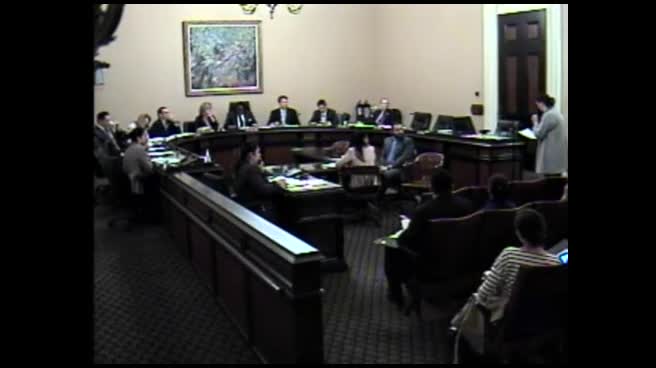 11MIN
Assembly Standing Committee on Revenue and Taxation
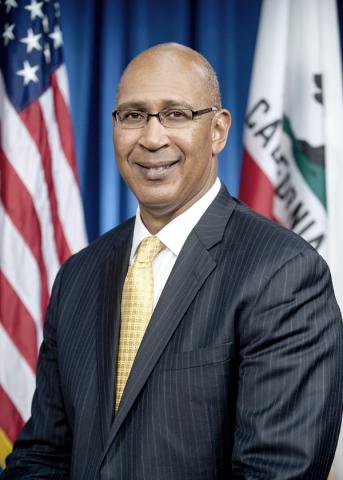
Bill Author
Bill Co-Author(s):