AB 693: Firearms.
- Session Year: 2017-2018
- House: Assembly
- Latest Version Date: 2017-10-14
Existing law generally requires that a firearms transaction be conducted through a licensed firearms dealer and prohibits the transfer of a firearm unless the person has been issued a firearms license. Existing law provides various exceptions to this requirement, including for firearms sold or transferred to an authorized law enforcement representative for use by the law enforcement agency.
This bill would exempt the loan of a firearm from the requirement that the transaction be conducted through a dealer or by a dealer if the loan is made to a person enrolled in the course of basic training prescribed by the Commission on Peace Officer Standards and Training, or any other course certified by the commission, for purposes of participation in the course.
Existing law, as amended by the Safety for All Act of 2016, approved by voters as Proposition 63 at the November 8, 2016, statewide general election, generally prohibits the possession of a large-capacity magazine regardless of the date the magazine was acquired. Existing law makes this prohibition inapplicable to the possession of a large-capacity magazine by a sworn peace officer or federal law enforcement officer who is authorized to carry a firearm in the course and scope of his or her duties. The Safety for All Act of 2016 also requires, commencing January 1, 2018, the sale of ammunition to be conducted by or processed through a licensed ammunition vendor. Existing law exempts the sale, delivery, or transfer of ammunition to specified individuals, including a sworn peace officer or sworn federal law enforcement officer who is authorized to carry a firearm in the course and scope of the officers duties. A violation of this provision is a misdemeanor. Proposition 63 allows its provisions to be amended by a vote of 55% of the Legislature so long as the amendments are consistent with and further the intent of the act.
This bill would make the prohibition on large-capacity magazines inapplicable to the sale, gift, or loan of a large-capacity magazine to a person enrolled in the course of basic training prescribed by the Commission on Peace Officer Standards and Training, or any other course certified by the commission, or to the possession of, or purchase by, the person, for purposes of participation in the course during his or her period of enrollment. The bill would exempt from the above-described ammunition purchasing requirement a person in the basic training academy for peace officers or any other course certified by the Commission on Peace Officer Standards and Training, an instructor of the academy or course, or a staff member of the academy or entity providing the course, who is purchasing the ammunition for the purpose of participation or use in the course. The bill would amend the proposition by adding these new exemptions to the prohibition on large-capacity magazines and the requirement of buying ammunition through a licensed vendor.
This bill would declare that it is to take effect immediately as an urgency statute.
Existing law generally requires that a firearms transaction be conducted through a licensed firearms dealer and prohibits the transfer of a firearm unless the person has been issued a firearms license. Existing law provides various exceptions to this requirement, including for firearms sold or transferred to an authorized law enforcement representative for use by the law enforcement agency.
This bill would exempt the loan of a firearm from the requirement that the transaction be conducted through a dealer or by a dealer if the loan is made to a person enrolled in the course of basic training prescribed by the Commission on Peace Officer Standards and Training, or any other course certified by the commission, for purposes of participation in the course.
Existing law, as amended by the Safety for All Act of 2016, approved by voters as Proposition 63 at the November 8, 2016, statewide general election, generally prohibits the possession of a large-capacity magazine regardless of the date the magazine was acquired. Existing law makes this prohibition inapplicable to the possession of a large-capacity magazine by a sworn peace officer or federal law enforcement officer who is authorized to carry a firearm in the course and scope of his or her duties. The Safety for All Act of 2016 also requires, commencing January 1, 2018, the sale of ammunition to be conducted by or processed through a licensed ammunition vendor. Existing law exempts the sale, delivery, or transfer of ammunition to specified individuals, including a sworn peace officer or sworn federal law enforcement officer who is authorized to carry a firearm in the course and scope of the officers duties. A violation of this provision is a misdemeanor. Proposition 63 allows its provisions to be amended by a vote of 55% of the Legislature so long as the amendments are consistent with and further the intent of the act.
This bill would make the prohibition on large-capacity magazines inapplicable to the sale, gift, or loan of a large-capacity magazine to a person enrolled in the course of basic training prescribed by the Commission on Peace Officer Standards and Training, or any other course certified by the commission, or to the possession of, or purchase by, the person, for purposes of participation in the course during his or her period of enrollment. The bill would exempt from the above-described ammunition purchasing requirement a person in the basic training academy for peace officers or any other course certified by the Commission on Peace Officer Standards and Training, an instructor of the academy or course, or a staff member of the commission, academy or entity providing the course, who is purchasing the ammunition for the purpose of participation or use in the course. The bill would amend the proposition by adding these new exemptions to the prohibition on large-capacity magazines and the requirement of buying ammunition through a licensed vendor.
This bill would declare that it is to take effect immediately as an urgency statute.
Existing law generally requires that a firearms transaction be conducted through a licensed firearms dealer and prohibits the transfer of a firearm unless the person has been issued a firearms license. Existing law provides various exceptions to this requirement, including for firearms sold or transferred to an authorized law enforcement representative for use by the law enforcement agency.
This bill would exempt the loan of a firearm from the requirement that the transaction be conducted through a dealer or by a dealer if the loan is made to a person enrolled in the course of basic training prescribed by the Commission on Peace Officer Standards and Training, or any other course certified by the commission, for purposes of participation in the course.
Existing law, as amended by the Safety for All Act of 2016, approved by voters as Proposition 63 at the November 8, 2016, statewide general election, generally prohibits the possession of a large-capacity magazine regardless of the date the magazine was acquired. Existing law makes this prohibition inapplicable to the possession of a large-capacity magazine by a sworn peace officer or federal law enforcement officer who is authorized to carry a firearm in the course and scope of his or her duties. The Safety for All Act of 2016 also requires, commencing January 1, 2018, the sale of ammunition to be conducted by or processed through a licensed ammunition vendor. Existing law exempts the sale, delivery, or transfer of ammunition to specified individuals, including a sworn peace officer or sworn federal law enforcement officer who is authorized to carry a firearm in the course and scope of the officers duties. A violation of this provision is a misdemeanor. Proposition 63 allows its provisions to be amended by a vote of 55% of the Legislature so long as the amendments are consistent with and further the intent of the act.
This bill would make the prohibition on large-capacity magazines inapplicable to the sale, gift, or loan of a large-capacity magazine to a person enrolled in the course of basic training prescribed by the Commission on Peace Officer Standards and Training, or any other course certified by the commission, or to the possession of, or purchase by, the person, for purposes of participation in the course during his or her period of enrollment. The bill would exempt from the above-described ammunition purchasing requirement a person in the basic training academy for peace officers or any other course certified by the Commission on Peace Officer Standards and Training Training, an instructor of the course, or a staff member of the commission, who is purchasing the ammunition for the purpose of participation or use in the course. The bill would amend the proposition by adding these new exemptions to the prohibition on large-capacity magazines and the requirement of buying ammunition through a licensed vendor.
This bill would declare that it is to take effect immediately as an urgency statute.
Existing law generally requires that a firearms transaction be conducted through a licensed firearms dealer and prohibits the transfer of a firearm unless the person has been issued a firearms license. Existing law provides various exceptions to this requirement, including for firearms sold or transferred to an authorized law enforcement representative for use by the law enforcement agency.
This bill would exempt the loan of a firearm from the requirement that the transaction be conducted through a dealer or by a dealer if the loan is made to a person enrolled in the course of basic training prescribed by the Commission on Peace Officer Standards and Training, or any other course certified by the commission, for purposes of participation in the course.
Existing law, as amended by the Safety for All Act of 2016, approved by voters as Proposition 63 at the November 8, 2016, statewide general election, generally prohibits the possession of a large-capacity magazine regardless of the date the magazine was acquired. Existing law makes this prohibition inapplicable to the possession of a large-capacity magazine by a sworn peace officer or federal law enforcement officer who is authorized to carry a firearm in the course and scope of his or her duties. The Safety for All Act of 2016 also requires, commencing January 1, 2018, the sale of ammunition to be conducted by or processed through a licensed ammunition vendor. Existing law exempts the sale, delivery, or transfer of ammunition to specified individuals, including a sworn peace officer or sworn federal law enforcement officer who is authorized to carry a firearm in the course and scope of the officers duties. A violation of this provision is a misdemeanor. Proposition 63 allows its provisions to be amended by a vote of 55% of the Legislature so long as the amendments are consistent with and further the intent of the act.
This bill would make the prohibition on large-capacity magazines inapplicable to the sale, gift, or loan of a large-capacity magazine to a person enrolled in the course of basic training prescribed by the Commission on Peace Officer Standards and Training, or any other course certified by the commission, or to the possession of, or purchase by, the person, for purposes of participation in the course during his or her period of enrollment. The bill would exempt from the above-described ammunition purchasing requirement a person in the basic training academy for peace officers or any other course certified by the Commission on Peace Officer Standards and Training who is purchasing the ammunition for the purpose of participation in the course. The bill would amend the proposition by adding these new exemptions to the prohibition on large-capacity magazines and the requirement of buying ammunition through a licensed vendor.
This bill would declare that it is to take effect immediately as an urgency statute.
Existing law generally requires that a firearms transaction be conducted through a licensed firearms dealer and prohibits the transfer of a firearm unless the person has been issued a firearms license. Existing law provides various exceptions to this requirement, including for firearms sold or transferred to an authorized law enforcement representative for use by the law enforcement agency.
This bill would exempt the loan of a firearm from the requirement that the transaction be conducted through a dealer or by a dealer if the loan is made to a student person enrolled in the course of basic training prescribed by the Commission on Peace Officer Standards and Training, or any other course certified by the commission, for purposes of participation in the course.
Existing law, as amended by the Safety for All Act of 2016, approved by voters as Proposition 63 at the November 8, 2016, statewide general election, generally prohibits the possession of a large-capacity magazine regardless of the date the magazine was acquired. Existing law makes this prohibition inapplicable to the possession of a large-capacity magazine by a sworn peace officer or federal law enforcement officer who is authorized to carry a firearm in the course and scope of his or her duties. The Safety for All Act of 2016 also requires, commencing January 1, 2018, the sale of ammunition to be conducted by or processed through a licensed ammunition vendor. Existing law exempts the sale, delivery, or transfer of ammunition to specified individuals, including a sworn peace officer or sworn federal law enforcement officer who is authorized to carry a firearm in the course and scope of the officers duties. A violation of this provision is a misdemeanor. Proposition 63 allows its provisions to be amended by a vote of 55% of the Legislature so long as the amendments are consistent with and further the intent of the act.
This bill would make the prohibition on large-capacity magazines inapplicable to the sale, gift, or loan of a large-capacity magazine to a student person enrolled in the course of basic training prescribed by the Commission on Peace Officer Standards and Training, or any other course certified by the commission, nor or to the possession of, or purchase by, the student, person, for purposes of participation in the course during his or her period of enrollment. The bill would exempt from the above-ammunition above-described ammunition purchasing requirement a student person in the basic training academy for peace officers or any other course certified by the Commission on Peace Officer Standards and Training who is purchasing the ammunition for the purpose of participation in the course. The bill would amend the proposition by adding these new exemptions to the prohibition on large-capacity magazines and the requirement of buying ammunition through a licensed vendor.
Existing law generally requires that a firearms transaction be conducted through a licensed firearms dealer. dealer and prohibits the transfer of a firearm unless the person has been issued a firearms license. Existing law provides various exceptions to this requirement, including for firearms sold or transferred to an authorized law enforcement representative for use by the law enforcement agency.
This bill would exempt the loan of a firearm from the requirement that the transaction be conducted through a dealer or by a dealer if the loan is made to a student enrolled in the course of basic training prescribed by the Commission on Peace Officer Standards and Training, or any other course certified by the commission, for purposes of participation in the course.
Existing law, as amended by the Safety for All Act of 2016, approved by voters as Proposition 63 at the November 8, 2016, statewide general election, generally prohibits the possession of a large-capacity magazine regardless of the date the magazine was acquired. Existing law makes this prohibition inapplicable to the possession of a large-capacity magazine by a sworn peace officer or federal law enforcement officer who is authorized to carry a firearm in the course and scope of his or her duties. The Safety for All Act of 2016 also requires, commencing January 1, 2018, the sale of ammunition to be conducted by or processed through a licensed ammunition vendor. Existing law exempts the sale, delivery, or transfer of ammunition to specified individuals, including a sworn peace officer or sworn federal law enforcement officer who is authorized to carry a firearm in the course and scope of the officers duties. A violation of this provision is a misdemeanor. Proposition 63 allows its provisions to be amended by a vote of 55% of the Legislature so long as the amendments are consistent with and further the intent of the act.
This bill would make the prohibition on large-capacity magazines inapplicable to the sale, gift, or loan of a large-capacity magazine to a student enrolled in the course of basic training prescribed by the Commission on Peace Officer Standards and Training, or any other course certified by the commission, nor to the possession of, or purchase by, the student, for purposes of participation in the course during his or her period of enrollment. The bill would exempt from the above-ammunition purchasing requirement a student in the basic training academy for peace officers or any other course certified by the Commission on Peace Officer Standards and Training who is purchasing the ammunition for the purpose of participation in the course. The bill would amend the proposition by adding these new exemptions to the prohibition on large-capacity magazines and the requirement of buying ammunition through a licensed vendor.
Existing law generally requires that a firearms transaction be conducted through a licensed firearms dealer. Existing law provides various exceptions to this requirement, including for firearms sold or transferred to an authorized law enforcement representative for use by the law enforcement agency.
This bill would exempt the loan of a firearm from the requirement that the transaction be conducted through a dealer if the loan is made to a student enrolled in the course of basic training prescribed by the Commission on Peace Officer Standards and Training, or any other course certified by the commission, for purposes of participation in the course.
Existing law, as amended by the Safety for All Act of 2016, approved by voters as Proposition 63 at the November 8, 2016, statewide general election, generally prohibits the possession of a large-capacity magazine regardless of the date the magazine was acquired. Existing law makes this prohibition inapplicable to the possession of a large-capacity magazine by a sworn peace officer or federal law enforcement officer who is authorized to carry a firearm in the course and scope of his or her duties. Proposition 63 allows its provisions to be amended by a vote of 55% of the Legislature so long as the amendments are consistent with and further the intent of the act.
This bill would make the prohibition on large-capacity magazines inapplicable to the sale, gift, or loan of a large-capacity magazine to a student enrolled in the course of basic training prescribed by the Commission on Peace Officer Standards and Training, or any other course certified by the commission, nor to the possession of, or purchase by, the student, for purposes of participation in the course during his or her period of enrollment.
Section 26500 does not apply to the loan of a firearm if the loan of the firearm is to a person enrolled in the course of basic training prescribed by the Commission on Peace Officer Standards and Training, or any other course certified by the commission, for purposes of participation in the course.
SEC. 2.Section 27970 is added to the Penal Code, to read:27970.Section 27545 does not apply to the loan of a firearm if the loan of the firearm is to a person enrolled in the course of basic training prescribed by the Commission on Peace Officer Standards and Training, or any other course certified by the commission, for purposes of participation in the course.
SEC. 3.Section 30312 of the Penal Code is amended to read:30312.(a)(1)Commencing January 1, 2018, the sale of ammunition by any party shall be conducted by or processed through a licensed ammunition vendor.
(2)When neither party to an ammunition sale is a licensed ammunition vendor, the seller shall deliver the ammunition to a vendor to process the transaction. The ammunition vendor shall promptly and properly deliver the ammunition to the purchaser, if the sale is not prohibited, as if the ammunition were the vendors own merchandise. If the ammunition vendor cannot legally deliver the ammunition to the purchaser, the vendor shall forthwith return the ammunition to the seller. The ammunition vendor may charge the purchaser an administrative fee to process the transaction, in an amount to be set by the Department of Justice, in addition to any applicable fees that may be charged pursuant to the provisions of this title.
(b)Commencing January 1, 2018, the sale, delivery, or transfer of ownership of ammunition by any party may only occur in a face-to-face transaction with the seller, deliverer, or transferor, provided, however, that ammunition may be purchased or acquired over the Internet or through other means of remote ordering if a licensed ammunition vendor initially receives the ammunition and processes the transaction in compliance with this section and Article 3 (commencing with Section 30342) of Chapter 1 of Division 10 of Title 4 of this part.
(c)Subdivisions (a) and (b) shall not apply to the sale, delivery, or transfer of ammunition to any of the following:
(1)An authorized law enforcement representative of a city, county, city and county, or state or federal government, if the sale, delivery, or transfer is for exclusive use by that government agency and, prior to the sale, delivery, or transfer of the ammunition, written authorization from the head of the agency employing the purchaser or transferee is obtained, identifying the employee as an individual authorized to conduct the transaction, and authorizing the transaction for the exclusive use of the agency employing the individual.
(2)A sworn peace officer, as defined in Chapter 4.5 (commencing with Section 830) of Title 3 of Part 2, or sworn federal law enforcement officer, who is authorized to carry a firearm in the course and scope of the officers duties.
(3)An importer or manufacturer of ammunition or firearms who is licensed to engage in business pursuant to Chapter 44 (commencing with Section 921) of Title 18 of the United States Code and the regulations issued pursuant thereto.
(4)A person who is on the centralized list of exempted federal firearms licensees maintained by the Department of Justice pursuant to Article 6 (commencing with Section 28450) of Chapter 6 of Division 6 of this title.
(5)A person whose licensed premises are outside this state and who is licensed as a dealer or collector of firearms pursuant to Chapter 44 (commencing with Section 921) of Title 18 of the United States Code and the regulations issued pursuant thereto.
(6)A person who is licensed as a collector of firearms pursuant to Chapter 44 (commencing with Section 921) of Title 18 of the United States Code and the regulations issued pursuant thereto, whose licensed premises are within this state, and who has a current certificate of eligibility issued by the Department of Justice pursuant to Section 26710.
(7)An ammunition vendor.
(8)A consultant-evaluator.
(9)A person who purchases or receives ammunition at a target facility holding a business or other regulatory license, provided that the ammunition is at all times kept within the facilitys premises.
(10)A person who purchases or receives ammunition from a spouse, registered domestic partner, or immediate family member as defined in Section 16720.
(11)A person enrolled in the basic training academy for peace officers or any other course certified by the Commission on Peace Officer Standards and Training, an instructor of the academy or course, or a staff member of the academy or entity providing the course, who is purchasing the ammunition for the purpose of participation or use in the course.
(d)A violation of this section is a misdemeanor.
SEC. 4.Section 32455 is added to the Penal Code, to read:32455.Section 32310 does not apply to the sale, gift, or loan of a large-capacity magazine to a person enrolled in the course of basic training prescribed by the Commission on Peace Officer Standards and Training, or any other course certified by the commission, nor to the possession of, or purchase by, the person, for purposes of participation in the course during his or her period of enrollment. Upon completion of the course the large-capacity magazine shall be removed from the state, sold to a licensed firearms dealer, or surrendered to a law enforcement agency, unless another exemption to Section 32310 applies.
SEC. 5.This act is an urgency statute necessary for the immediate preservation of the public peace, health, or safety within the meaning of Article IV of the California Constitution and shall go into immediate effect. The facts constituting the necessity are:
To preserve public safety, persons training to be peace officers must be trained to use the same equipment they will be using in the field and therefore must have reasonable access to that equipment during training.
Section 26500 does not apply to the loan of a firearm if the loan of the firearm is to a person enrolled in the course of basic training prescribed by the Commission on Peace Officer Standards and Training, or any other course certified by the commission, for purposes of participation in the course.
SEC. 2.Section 27970 is added to the Penal Code, to read:27970.Section 27545 does not apply to the loan of a firearm if the loan of the firearm is to a person enrolled in the course of basic training prescribed by the Commission on Peace Officer Standards and Training, or any other course certified by the commission, for purposes of participation in the course.
SEC. 3.Section 30312 of the Penal Code is amended to read:30312.(a)(1)Commencing January 1, 2018, the sale of ammunition by any party shall be conducted by or processed through a licensed ammunition vendor.
(2)When neither party to an ammunition sale is a licensed ammunition vendor, the seller shall deliver the ammunition to a vendor to process the transaction. The ammunition vendor shall promptly and properly deliver the ammunition to the purchaser, if the sale is not prohibited, as if the ammunition were the vendors own merchandise. If the ammunition vendor cannot legally deliver the ammunition to the purchaser, the vendor shall forthwith return the ammunition to the seller. The ammunition vendor may charge the purchaser an administrative fee to process the transaction, in an amount to be set by the Department of Justice, in addition to any applicable fees that may be charged pursuant to the provisions of this title.
(b)Commencing January 1, 2018, the sale, delivery, or transfer of ownership of ammunition by any party may only occur in a face-to-face transaction with the seller, deliverer, or transferor, provided, however, that ammunition may be purchased or acquired over the Internet or through other means of remote ordering if a licensed ammunition vendor initially receives the ammunition and processes the transaction in compliance with this section and Article 3 (commencing with Section 30342) of Chapter 1 of Division 10 of Title 4 of this part.
(c)Subdivisions (a) and (b) shall not apply to the sale, delivery, or transfer of ammunition to any of the following:
(1)An authorized law enforcement representative of a city, county, city and county, or state or federal government, if the sale, delivery, or transfer is for exclusive use by that government agency and, prior to the sale, delivery, or transfer of the ammunition, written authorization from the head of the agency employing the purchaser or transferee is obtained, identifying the employee as an individual authorized to conduct the transaction, and authorizing the transaction for the exclusive use of the agency employing the individual.
(2)A sworn peace officer, as defined in Chapter 4.5 (commencing with Section 830) of Title 3 of Part 2, or sworn federal law enforcement officer, who is authorized to carry a firearm in the course and scope of the officers duties.
(3)An importer or manufacturer of ammunition or firearms who is licensed to engage in business pursuant to Chapter 44 (commencing with Section 921) of Title 18 of the United States Code and the regulations issued pursuant thereto.
(4)A person who is on the centralized list of exempted federal firearms licensees maintained by the Department of Justice pursuant to Article 6 (commencing with Section 28450) of Chapter 6 of Division 6 of this title.
(5)A person whose licensed premises are outside this state and who is licensed as a dealer or collector of firearms pursuant to Chapter 44 (commencing with Section 921) of Title 18 of the United States Code and the regulations issued pursuant thereto.
(6)A person who is licensed as a collector of firearms pursuant to Chapter 44 (commencing with Section 921) of Title 18 of the United States Code and the regulations issued pursuant thereto, whose licensed premises are within this state, and who has a current certificate of eligibility issued by the Department of Justice pursuant to Section 26710.
(7)An ammunition vendor.
(8)A consultant-evaluator.
(9)A person who purchases or receives ammunition at a target facility holding a business or other regulatory license, provided that the ammunition is at all times kept within the facilitys premises.
(10)A person who purchases or receives ammunition from a spouse, registered domestic partner, or immediate family member as defined in Section 16720.
(11)A person enrolled in the basic training academy for peace officers or any other course certified by the Commission on Peace Officer Standards and Training, an instructor of the academy or course, or a staff member of the commission, academy or entity providing the course, who is purchasing the ammunition for the purpose of participation or use in the course.
(d)A violation of this section is a misdemeanor.
SEC. 4.Section 32455 is added to the Penal Code, to read:32455.Section 32310 does not apply to the sale, gift, or loan of a large-capacity magazine to a person enrolled in the course of basic training prescribed by the Commission on Peace Officer Standards and Training, or any other course certified by the commission, nor to the possession of, or purchase by, the person, for purposes of participation in the course during his or her period of enrollment. Upon completion of the course the large-capacity magazine shall be removed from the state, sold to a licensed firearms dealer, or surrendered to a law enforcement agency, unless another exemption to Section 32310 applies.
SEC. 5.This act is an urgency statute necessary for the immediate preservation of the public peace, health, or safety within the meaning of Article IV of the California Constitution and shall go into immediate effect. The facts constituting the necessity are:
To preserve public safety, persons training to be peace officers must be trained to use the same equipment they will be using in the field and therefore must have reasonable access to that equipment during training.
Section 26500 does not apply to the loan of a firearm if the loan of the firearm is to a person enrolled in the course of basic training prescribed by the Commission on Peace Officer Standards and Training, or any other course certified by the commission, for purposes of participation in the course.
SEC. 2.Section 27970 is added to the Penal Code, to read:27970.Section 27545 does not apply to the loan of a firearm if the loan of the firearm is to a person enrolled in the course of basic training prescribed by the Commission on Peace Officer Standards and Training, or any other course certified by the commission, for purposes of participation in the course.
SEC. 3.Section 30312 of the Penal Code is amended to read:30312.(a)(1)Commencing January 1, 2018, the sale of ammunition by any party shall be conducted by or processed through a licensed ammunition vendor.
(2)When neither party to an ammunition sale is a licensed ammunition vendor, the seller shall deliver the ammunition to a vendor to process the transaction. The ammunition vendor shall promptly and properly deliver the ammunition to the purchaser, if the sale is not prohibited, as if the ammunition were the vendors own merchandise. If the ammunition vendor cannot legally deliver the ammunition to the purchaser, the vendor shall forthwith return the ammunition to the seller. The ammunition vendor may charge the purchaser an administrative fee to process the transaction, in an amount to be set by the Department of Justice, in addition to any applicable fees that may be charged pursuant to the provisions of this title.
(b)Commencing January 1, 2018, the sale, delivery, or transfer of ownership of ammunition by any party may only occur in a face-to-face transaction with the seller, deliverer, or transferor, provided, however, that ammunition may be purchased or acquired over the Internet or through other means of remote ordering if a licensed ammunition vendor initially receives the ammunition and processes the transaction in compliance with this section and Article 3 (commencing with Section 30342) of Chapter 1 of Division 10 of Title 4 of this part.
(c)Subdivisions (a) and (b) shall not apply to the sale, delivery, or transfer of ammunition to any of the following:
(1)An authorized law enforcement representative of a city, county, city and county, or state or federal government, if the sale, delivery, or transfer is for exclusive use by that government agency and, prior to the sale, delivery, or transfer of the ammunition, written authorization from the head of the agency employing the purchaser or transferee is obtained, identifying the employee as an individual authorized to conduct the transaction, and authorizing the transaction for the exclusive use of the agency employing the individual.
(2)A sworn peace officer, as defined in Chapter 4.5 (commencing with Section 830) of Title 3 of Part 2, or sworn federal law enforcement officer, who is authorized to carry a firearm in the course and scope of the officers duties.
(3)An importer or manufacturer of ammunition or firearms who is licensed to engage in business pursuant to Chapter 44 (commencing with Section 921) of Title 18 of the United States Code and the regulations issued pursuant thereto.
(4)A person who is on the centralized list of exempted federal firearms licensees maintained by the Department of Justice pursuant to Article 6 (commencing with Section 28450) of Chapter 6 of Division 6 of this title.
(5)A person whose licensed premises are outside this state and who is licensed as a dealer or collector of firearms pursuant to Chapter 44 (commencing with Section 921) of Title 18 of the United States Code and the regulations issued pursuant thereto.
(6)A person who is licensed as a collector of firearms pursuant to Chapter 44 (commencing with Section 921) of Title 18 of the United States Code and the regulations issued pursuant thereto, whose licensed premises are within this state, and who has a current certificate of eligibility issued by the Department of Justice pursuant to Section 26710.
(7)An ammunition vendor.
(8)A consultant-evaluator.
(9)A person who purchases or receives ammunition at a target facility holding a business or other regulatory license, provided that the ammunition is at all times kept within the facilitys premises.
(10)A person who purchases or receives ammunition from a spouse, registered domestic partner, or immediate family member as defined in Section 16720.
(11)A person enrolled in the basic training academy for peace officers or any other course certified by the Commission on Peace Officer Standards and Training Training, an instructor of the course, or a staff member of the commission, who is purchasing the ammunition for the purpose of participation or use in the course.
(d)A violation of this section is a misdemeanor.
SEC. 4.Section 32455 is added to the Penal Code, to read:32455.Section 32310 does not apply to the sale, gift, or loan of a large-capacity magazine to a person enrolled in the course of basic training prescribed by the Commission on Peace Officer Standards and Training, or any other course certified by the commission, nor to the possession of, or purchase by, the person, for purposes of participation in the course during his or her period of enrollment. Upon completion of the course the large-capacity magazine shall be removed from the state, sold to a licensed firearms dealer, or surrendered to a law enforcement agency, unless another exemption to Section 32310 applies.
SEC. 5.This act is an urgency statute necessary for the immediate preservation of the public peace, health, or safety within the meaning of Article IV of the California Constitution and shall go into immediate effect. The facts constituting the necessity are:
To preserve public safety, persons training to be peace officers must be trained to use the same equipment they will be using in the field and therefore must have reasonable access to that equipment during training.
CORRECTIONS: HeadingLast amended date.Section 26500 does not apply to the loan of a firearm if the loan of the firearm is to a person enrolled in the course of basic training prescribed by the Commission on Peace Officer Standards and Training, or any other course certified by the commission, for purposes of participation in the course.
SEC. 2.Section 27970 is added to the Penal Code, to read:27970.Section 27545 does not apply to the loan of a firearm if the loan of the firearm is to a person enrolled in the course of basic training prescribed by the Commission on Peace Officer Standards and Training, or any other course certified by the commission, for purposes of participation in the course.
SEC. 3.Section 30312 of the Penal Code is amended to read:30312.(a)(1)Commencing January 1, 2018, the sale of ammunition by any party shall be conducted by or processed through a licensed ammunition vendor.
(2)When neither party to an ammunition sale is a licensed ammunition vendor, the seller shall deliver the ammunition to a vendor to process the transaction. The ammunition vendor shall promptly and properly deliver the ammunition to the purchaser, if the sale is not prohibited, as if the ammunition were the vendors own merchandise. If the ammunition vendor cannot legally deliver the ammunition to the purchaser, the vendor shall forthwith return the ammunition to the seller. The ammunition vendor may charge the purchaser an administrative fee to process the transaction, in an amount to be set by the Department of Justice, in addition to any applicable fees that may be charged pursuant to the provisions of this title.
(b)Commencing January 1, 2018, the sale, delivery delivery, or transfer of ownership of ammunition by any party may only occur in a face-to-face transaction with the seller, deliverer, or transferor, provided, however, that ammunition may be purchased or acquired over the Internet or through other means of remote ordering if a licensed ammunition vendor initially receives the ammunition and processes the transaction in compliance with this section and Article 3 (commencing with Section 30342) of Chapter 1 of Division 10 of Title 4 of this part.
(c)Subdivisions (a) and (b) shall not apply to the sale, delivery, or transfer of ammunition to any of the following:
(1)An authorized law enforcement representative of a city, county, city and county, or state or federal government, if the sale, delivery, or transfer is for exclusive use by that government agency and, prior to the sale, delivery, or transfer of the ammunition, written authorization from the head of the agency employing the purchaser or transferee is obtained, identifying the employee as an individual authorized to conduct the transaction, and authorizing the transaction for the exclusive use of the agency employing the individual.
(2)A sworn peace officer, as defined in Chapter 4.5 (commencing with Section 830) of Title 3 of Part 2, or sworn federal law enforcement officer, who is authorized to carry a firearm in the course and scope of the officers duties.
(3)An importer or manufacturer of ammunition or firearms who is licensed to engage in business pursuant to Chapter 44 (commencing with Section 921) of Title 18 of the United States Code and the regulations issued pursuant thereto.
(4)A person who is on the centralized list of exempted federal firearms licensees maintained by the Department of Justice pursuant to Article 6 (commencing with Section 28450) of Chapter 6 of Division 6 of this title.
(5)A person whose licensed premises are outside this state and who is licensed as a dealer or collector of firearms pursuant to Chapter 44 (commencing with Section 921) of Title 18 of the United States Code and the regulations issued pursuant thereto.
(6)A person who is licensed as a collector of firearms pursuant to Chapter 44 (commencing with Section 921) of Title 18 of the United States Code and the regulations issued pursuant thereto, whose licensed premises are within this state, and who has a current certificate of eligibility issued by the Department of Justice pursuant to Section 26710.
(7)An ammunition vendor.
(8)A consultant-evaluator.
(9)A person who purchases or receives ammunition at a target facility holding a business or other regulatory license, provided that the ammunition is at all times kept within the facilitys premises.
(10)A person who purchases or receives ammunition from a spouse, registered domestic partner, or immediate family member as defined in Section 16720.
(11)A person enrolled in the basic training academy for peace officers or any other course certified by the Commission on Peace Officer Standards and Training who is purchasing the ammunition for the purpose of participation in the course.
(d)A violation of this section is a misdemeanor.
SEC. 4.Section 32455 is added to the Penal Code, to read:32455.Section 32310 does not apply to the sale, gift, or loan of a large-capacity magazine to a person enrolled in the course of basic training prescribed by the Commission on Peace Officer Standards and Training, or any other course certified by the commission, nor to the possession of, or purchase by, the person, for purposes of participation in the course during his or her period of enrollment. Upon completion of the course the large-capacity magazine shall be removed from the state, sold to a licensed firearms dealer, or surrendered to a law enforcement agency, unless another exemption to Section 32310 applies.
SEC. 5.This act is an urgency statute necessary for the immediate preservation of the public peace, health, or safety within the meaning of Article IV of the California Constitution and shall go into immediate effect. The facts constituting the necessity are:
To preserve public safety, persons training to be peace officers must be trained to use the same equipment they will be using in the field and therefore must have reasonable access to that equipment during training.
Section 26500 does not apply to the loan of a firearm if the loan of the firearm is to a student person enrolled in the course of basic training prescribed by the Commission on Peace Officer Standards and Training, or any other course certified by the commission, for purposes of participation in the course.
SEC. 2.Section 27970 is added to the Penal Code, to read:27970.Section 27545 does not apply to the loan of a firearm if the loan of the firearm is to a student person enrolled in the course of basic training prescribed by the Commission on Peace Officer Standards and Training, or any other course certified by the commission, for purposes of participation in the course.
SEC. 3.Section 30312 of the Penal Code is amended to read:30312.(a)(1)Commencing January 1, 2018, the sale of ammunition by any party shall be conducted by or processed through a licensed ammunition vendor.
(2)When neither party to an ammunition sale is a licensed ammunition vendor, the seller shall deliver the ammunition to a vendor to process the transaction. The ammunition vendor shall promptly and properly deliver the ammunition to the purchaser, if the sale is not prohibited, as if the ammunition were the vendors own merchandise. If the ammunition vendor cannot legally deliver the ammunition to the purchaser, the vendor shall forthwith return the ammunition to the seller. The ammunition vendor may charge the purchaser an administrative fee to process the transaction, in an amount to be set by the Department of Justice, in addition to any applicable fees that may be charged pursuant to the provisions of this title.
(b)Commencing January 1, 2018, the sale, delivery or transfer of ownership of ammunition by any party may only occur in a face-to-face transaction with the seller, deliverer, or transferor, provided, however, that ammunition may be purchased or acquired over the Internet or through other means of remote ordering if a licensed ammunition vendor initially receives the ammunition and processes the transaction in compliance with this section and Article 3 (commencing with Section 30342) of Chapter 1 of Division 10 of Title 4 of this part.
(c)Subdivisions (a) and (b) shall not apply to the sale, delivery, or transfer of ammunition to any of the following:
(1)An authorized law enforcement representative of a city, county, city and county, or state or federal government, if the sale, delivery, or transfer is for exclusive use by that government agency and, prior to the sale, delivery, or transfer of the ammunition, written authorization from the head of the agency employing the purchaser or transferee is obtained, identifying the employee as an individual authorized to conduct the transaction, and authorizing the transaction for the exclusive use of the agency employing the individual.
(2)A sworn peace officer, as defined in Chapter 4.5 (commencing with Section 830) of Title 3 of Part 2, or sworn federal law enforcement officer, who is authorized to carry a firearm in the course and scope of the officers duties.
(3)An importer or manufacturer of ammunition or firearms who is licensed to engage in business pursuant to Chapter 44 (commencing with Section 921) of Title 18 of the United States Code and the regulations issued pursuant thereto.
(4)A person who is on the centralized list of exempted federal firearms licensees maintained by the Department of Justice pursuant to Article 6 (commencing with Section 28450) of Chapter 6 of Division 6 of this title.
(5)A person whose licensed premises are outside this state and who is licensed as a dealer or collector of firearms pursuant to Chapter 44 (commencing with Section 921) of Title 18 of the United States Code and the regulations issued pursuant thereto.
(6)A person who is licensed as a collector of firearms pursuant to Chapter 44 (commencing with Section 921) of Title 18 of the United States Code and the regulations issued pursuant thereto, whose licensed premises are within this state, and who has a current certificate of eligibility issued by the Department of Justice pursuant to Section 26710.
(7)An ammunition vendor.
(8)A consultant-evaluator.
(9)A person who purchases or receives ammunition at a target facility holding a business or other regulatory license, provided that the ammunition is at all times kept within the facilitys premises.
(10)A person who purchases or receives ammunition from a spouse, registered domestic partner, or immediate family member as defined in Section 16720.
(11)A student person enrolled in the basic training academy for peace officers or any other course certified by the Commission on Peace Officer Standards and Training who is purchasing the ammunition for the purpose of participation in the course.
(d)A violation of this section is a misdemeanor.
SEC. 4.Section 32455 is added to the Penal Code, to read:32455.Section 32310 does not apply to the sale, gift, or loan of a large-capacity magazine to a student person enrolled in the course of basic training prescribed by the Commission on Peace Officer Standards and Training, or any other course certified by the commission, nor to the possession of, or purchase by, the student, person, for purposes of participation in the course during his or her period of enrollment. Upon completion of the course the large-capacity magazine shall be disposed of pursuant to subdivision (d) of Section 32310 removed from the state, sold to a licensed firearms dealer, or surrendered to a law enforcement agency, unless another exemption to Section 32310 applies.
Section 26500 does not apply to the loan of a firearm if the loan of the firearm is to a student enrolled in the course of basic training prescribed by the Commission on Peace Officer Standards and Training, or any other course certified by the commission, for purposes of participation in the course.
SECTION 1.SEC. 2.Section 27970 is added to the Penal Code, to read:27970.Section 27545 does not apply to the loan of a firearm if the loan of the firearm is to a student enrolled in the course of basic training prescribed by the Commission on Peace Officer Standards and Training, or any other course certified by the commission, for purposes of participation in the course.
SEC. 3.Section 30312 of the Penal Code is amended to read:30312.(a)(1)Commencing January 1, 2018, the sale of ammunition by any party shall be conducted by or processed through a licensed ammunition vendor.
(2)When neither party to an ammunition sale is a licensed ammunition vendor, the seller shall deliver the ammunition to a vendor to process the transaction. The ammunition vendor shall then promptly and properly deliver the ammunition to the purchaser, if the sale is not prohibited, as if the ammunition were the vendors own merchandise. If the ammunition vendor cannot legally deliver the ammunition to the purchaser, the vendor shall forthwith return the ammunition to the seller. The ammunition vendor may charge the purchaser an administrative fee to process the transaction, in an amount to be set by the Department of Justice, in addition to any applicable fees that may be charged pursuant to the provisions of this title.
(b)Commencing January 1, 2018, the sale, delivery or transfer of ownership of ammunition by any party may only occur in a face-to-face transaction with the seller, deliverer, or transferor, provided, however, that ammunition may be purchased or acquired over the Internet or through other means of remote ordering if a licensed ammunition vendor initially receives the ammunition and processes the transaction in compliance with this section and Article 3 (commencing with Section 30342) of Chapter 1 of Division 10 of Title 4 of this part.
(c)Subdivisions (a) and (b) shall not apply to the sale, delivery, or transfer of ammunition to any of the following:
(1)An authorized law enforcement representative of a city, county, city and county, or state or federal government, if the sale, delivery, or transfer is for exclusive use by that government agency and, prior to the sale, delivery, or transfer of the ammunition, written authorization from the head of the agency employing the purchaser or transferee is obtained, identifying the employee as an individual authorized to conduct the transaction, and authorizing the transaction for the exclusive use of the agency employing the individual.
(2)A sworn peace officer, as defined in Chapter 4.5 (commencing with Section 830) of Title 3 of Part 2, or sworn federal law enforcement officer, who is authorized to carry a firearm in the course and scope of the officers duties.
(3)An importer or manufacturer of ammunition or firearms who is licensed to engage in business pursuant to Chapter 44 (commencing with Section 921) of Title 18 of the United States Code and the regulations issued pursuant thereto.
(4)A person who is on the centralized list of exempted federal firearms licensees maintained by the Department of Justice pursuant to Article 6 (commencing with Section 28450) of Chapter 6 of Division 6 of this title.
(5)A person whose licensed premises are outside this state and who is licensed as a dealer or collector of firearms pursuant to Chapter 44 (commencing with Section 921) of Title 18 of the United States Code and the regulations issued pursuant thereto.
(6)A person who is licensed as a collector of firearms pursuant to Chapter 44 (commencing with Section 921) of Title 18 of the United States Code and the regulations issued pursuant thereto, whose licensed premises are within this state, and who has a current certificate of eligibility issued by the Department of Justice pursuant to Section 26710.
(7)An ammunition vendor.
(8)A consultant-evaluator.
(9)A person who purchases or receives ammunition at a target facility holding a business or other regulatory license, provided that the ammunition is at all times kept within the facilitys premises.
(10)A person who purchases or receives ammunition from a spouse, registered domestic partner, or immediate family member as defined in Section 16720.
(11)A student in the basic training academy for peace officers or any other course certified by the Commission on Peace Officer Standards and Training who is purchasing the ammunition for the purpose of participation in the course.
(d)A violation of this section is a misdemeanor.
SEC. 2.SEC. 4.Section 32455 is added to the Penal Code, to read:32455.Section 32310 does not apply to the sale, gift, or loan of a large-capacity magazine to a student enrolled in the course of basic training prescribed by the Commission on Peace Officer Standards and Training, or any other course certified by the commission, nor to the possession of, or purchase by, the student, for purposes of participation in the course during his or her period of enrollment. Upon completion of the course the large-capacity magazine shall be disposed of pursuant to subdivision (d) of Section 32310 unless another exemption to Section 32310 applies.
Section 27545 does not apply to the loan of a firearm if the loan of the firearm is to a student enrolled in the course of basic training prescribed by the Commission on Peace Officer Standards and Training, or any other course certified by the commission, for purposes of participation in the course.
SEC. 2.Section 32455 is added to the Penal Code, to read:32455.Section 32310 does not apply to the sale, gift, or loan of a large-capacity magazine to a student enrolled in the course of basic training prescribed by the Commission on Peace Officer Standards and Training, or any other course certified by the commission, nor to the possession of, or purchase by, the student, for purposes of participation in the course during his or her period of enrollment. Upon completion of the course the large-capacity magazine shall be disposed of pursuant to subdivision (d) of Section 32310 unless another exemption to Section 32310 applies.
|
Date
|
Status
|
|---|---|
| Oct 14, 2017 | Chaptered by Secretary of State - Chapter 783, Statutes of 2017. |
| Oct 14, 2017 | Approved by the Governor. |
| Sep 12, 2017 | Enrolled and presented to the Governor at 2:30 p.m. |
| Sep 5, 2017 | Urgency clause adopted. Senate amendments concurred in. To Engrossing and Enrolling. (Ayes 77. Noes 0.). |
| Aug 31, 2017 | In Assembly. Concurrence in Senate amendments pending. May be considered on or after September 2 pursuant to Assembly Rule 77. |
| Aug 31, 2017 | Read third time. Urgency clause adopted. Passed. Ordered to the Assembly. |
| Jul 17, 2017 | Read second time. Ordered to third reading. |
| Jul 13, 2017 | Read third time and amended. Ordered to second reading. |
| Jun 22, 2017 | From Consent Calendar. |
| Jun 21, 2017 | Read second time. Ordered to Consent Calendar. |
| Jun 20, 2017 | From committee: Do pass. To Consent Calendar. (Ayes 7. Noes 0.) (June 20). |
| Jun 14, 2017 | Measure version as amended on June 12 corrected. |
| Jun 12, 2017 | From committee chair, with author's amendments: Amend, and re-refer to committee. Read second time, amended, and re-referred to Com. on PUB. S. |
| Jun 8, 2017 | From committee chair, with author's amendments: Amend, and re-refer to committee. Read second time, amended, and re-referred to Com. on PUB. S. |
| May 18, 2017 | Referred to Com. on PUB. S. |
| May 4, 2017 | In Senate. Read first time. To Com. on RLS. for assignment. |
| May 4, 2017 | Read third time. Passed. Ordered to the Senate. (Ayes 76. Noes 0. Page 1391.) |
| Apr 27, 2017 | Read second time. Ordered to Consent Calendar. |
| Apr 26, 2017 | From committee: Do pass. To Consent Calendar. (Ayes 16. Noes 0.) (April 26). |
| Mar 29, 2017 | Re-referred to Com. on APPR. |
| Mar 28, 2017 | Read second time and amended. |
| Mar 27, 2017 | From committee: Amend, and do pass as amended and re-refer to Com. on APPR. with recommendation: To Consent Calendar. (Ayes 7. Noes 0.) (March 21). |
| Mar 16, 2017 | Re-referred to Com. on PUB. S. |
| Mar 15, 2017 | From committee chair, with author's amendments: Amend, and re-refer to Com. on PUB. S. Read second time and amended. |
| Mar 2, 2017 | Referred to Com. on PUB. S. |
| Feb 16, 2017 | From printer. May be heard in committee March 18. |
| Feb 15, 2017 | Read first time. To print. |
|
Date
|
Description
|
Location
|
Votes
|
|
|---|---|---|---|---|
| Sep 5, 2017 | AB 693 IRWIN Concurrence - Urgency Added | Assembly Floor |
Passed |
|
| Aug 31, 2017 | Assembly 3rd Reading AB693 Irwin By Stern Urgency Clause | Senate Floor |
Passed |
|
| Jun 20, 2017 | Do pass and be ordered to the Consent Calendar | Senate Standing Committee on Public Safety |
Passed |
|
| May 4, 2017 | AB 693 IRWIN Consent Calendar Second Day Regular Session | Assembly Floor |
Passed |
|
| Apr 26, 2017 | Do pass. To Consent Calendar. | Assembly Standing Committee on Appropriations |
Passed |
|
| Mar 21, 2017 | Do pass as amended, and be re-referred to the Committee on [Appropriations] with recommendation: To Consent Calendar | Assembly Standing Committee on Public Safety |
Passed |
This list shows positions taken on this bill by organizations on the date displayed, which is linked to the original source.
Positions by individuals are not included.
|
Organization
|
Position
|
Date
|
|---|---|---|
| California State Sheriffs' Association | ** Support | Jul 19, 2017 |
| Chief Probation Officers Of California | ** Support | Jun 19, 2017 |
CONCURRENCE IN SENATE AMENDMENTS
CSA1 Bill Id:AB 693
Author:(Irwin)
As Amended Ver:July 13, 2017
2/3 vote. Urgency
ASSEMBLY: | 76-0 | (May 4, 2017) | SENATE: | 39-0 | (August 31, 2017) |
Original Committee Reference: PUB. S.
SUMMARY: Exempts persons enrolled in the course of basic training prescribed by the Commission on Peace Officers Standards and Training (POST) from specified prohibitions related to firearms, ammunition, and large-capacity magazines.
The Senate amendments:
- Exempt an instructor of the course, or a POST staff member from the ammunition prohibition related to the sale of ammunition through a licensed ammunition vendor.
- Add an urgency clause
EXISTING LAW:
- Defines a "large-capacity magazine" as any ammunition feeding device with the capacity to accept more than 10 rounds, but shall not be construed to include any of the following:
- A feeding device that has been permanently altered so that it cannot accommodate more than 10 rounds;
- A .22 caliber tube ammunition feeding device; or,
- A tubular magazine that is contained in a lever-action firearm.
- States, except as provided, any person in California who manufactures or causes to be manufactured, imports into the state, keeps for sale, or offers or exposes for sale, or who gives, or lends, any large-capacity magazine is punishable by imprisonment in the county jail for either a misdemeanor or a felony.
- States, except as provided, commencing July 1, 2017, any person in this state who possesses any large-capacity magazine, regardless of the date the magazine was acquired, is guilty of an infraction punishable by a fine not to exceed $100 upon the first offense, by a fine not exceeding $250 upon the second offense, and by a fine not to exceed $500 upon the third or subsequent offense.
- Provides that a person legally possessing a large-capacity magazine prior to July 1, 2017, shall dispose of the magazine by any of the following means:
- Remove the large-capacity magazine from the state;
- Prior to July 1, 2017, sell the large-capacity magazine to a licensed firearms dealer;
- Destroy the large-capacity magazine; and,
- Surrender the large-capacity magazine to a law enforcement agency for destruction.
- Provides the following exceptions to the prohibition against manufacturing or causing to be manufactured, importing into the state, keeping for sale, or offering or exposing for sale, or giving, or lending, any large-capacity magazine:
- Government agency charged with law enforcement;
- Sworn peace officer who is authorized to carry a firearm in the course and scope of that officer's duties;
- Sale or purchase by a licensed person;
- Loan under specified circumstances;
- Importation by a person in legal possession prior to January 1, 2000;
- Delivery to a gun smith;
- Person with permit to sell to an out-of-state client;
- Entity that operates armored vehicle business;
- Manufacture for government agency or military;
- Use as a prop; or,
- Holder of a special weapons permit for specified purposes.
- Requires all peace officers to complete an introductory course of training prescribed by POST, demonstrated by passage of an appropriate examination developed by POST.
- Establishes POST
- Empowers POST to develop and implement programs to increase the effectiveness of law enforcement.
- Authorizes POST, for the purpose of raising the level of competence of local law enforcement officers, to adopt rules establishing minimum standards related to physical, mental and moral fitness and training that shall govern the recruitment of any peace officers in California.
- Requires POST to conduct research concerning job-related educational standards and job-related selection standards to include vision, hearing, physical ability, and emotional stability and adopt standards supported by this research.
- Requires POST to establish a certification program for peace officers, which shall be considered professional certificates.
AS PASSED BY THE ASSEMBLY, this bill:
- Provided that a person enrolled in the course of basic training prescribed by POST or any course certified by the commission for purposes of participation in the course are exempt from the requirement that the loan of a firearm be conducted through a licensed firearms dealer.
- Made the prohibition against the possession, sale, purchase, gift, or loan of large-capacity magazines inapplicable to a person enrolled in the course of basic training prescribed by POST or any course certified by the commission, for purposes of participation in the course. Upon completion of the course the large-capacity magazine shall be removed from the state, sold to a licensed firearms dealer, or surrendered to a law enforcement agency for destruction.
- Provided that a person enrolled in the course of basic training prescribed by POST or any course certified by the commission who is purchasing ammunition for the purpose of participation in the course is exempt from the requirement that ammunition be purchased through a licensed ammunition vendor.
FISCAL EFFECT: Unknown. This bill is keyed non-fiscal by the Legislative Counsel.
COMMENTS: According to the author, "In 2016, the voters approved Proposition 63, which adopted a number of gun control measures in California. Prop. 63 exempts sworn peace officers from a number of its provisions, however individuals who are enrolled in a training program to become sworn peace officers (cadets) are not necessarily exempt. This is problematic because it does not allow cadets to receive adequate training. Currently, cadets lawfully may not train with large-capacity magazines and other firearms that they may be expected to use as officers. Proposition 63 permits amendments that are "consistent with and further the intent" of the Act. Because law enforcement officers are already exempt from some of Proposition 63's provision, it is both important and consistent with the intent of the Proposition that cadets are also exempt so that they may be adequately trained for the job."
Analysis Prepared by: Gregory Pagan / PUB. S. / (916) 319-3744 FN: 0001188
Office of Senate Floor Analyses (916) 651-1520 Fax: (916) 327-4478 | AB |
THIRD READING
Bill No: AB 693
Amended: 7/13/17 in Senate
SENATE PUBLIC SAFETY COMMITTEE: 7-0, 6/20/17
AYES: Skinner, Anderson, Bradford, Jackson, Mitchell, Stone, Wiener
ASSEMBLY FLOOR: 76-0, 5/4/17 (Consent) - See last page for vote
SOURCE: California State Sheriffs’ Association
DIGEST:
This bill provides that a person enrolled in the course of basic training prescribed by the Commission on Peace Officers Standards and Training (POST) or any course certified by POST for purposes of participation in the course are exempt from specified prohibitions related to firearms.
Senate Floor Amendments of 7/13/17 clarify that the exemptions apply to the staff and instructors of the academy.
Existing law:
- Defines a "large-capacity magazine" as any ammunition feeding device with the capacity to accept more than 10 rounds, but shall not be construed to include any of the following:
- A feeding device that has been permanently altered so that it cannot accommodate more than 10 rounds;
- .22 caliber tube ammunition feeding device; or,
- A tubular magazine that is contained in a lever-action firearm. (Pen. Code, § 16740.)
- States, except as provided, any person in California who manufactures or causes to be manufactured, imports into the state, keeps for sale, or offers or exposes for sale, or who gives, or lends, any large-capacity magazine is punishable by imprisonment in the county jail for either a misdemeanor or a felony. (Pen. Code, § 32310, subd. (a).)
- States, except as provided, commencing July 1, 2017, any person in this state who possesses any large-capacity magazine, regardless of the date the magazine was acquired, is guilty of an infraction punishable by a fine not to exceed $100 upon the first offense, by a fine not exceeding $250 upon the second offense, and by a fine not to exceed $500 upon the third or subsequent offense. (Pen. Code, § 32310, subd. (b).)
- Provides that a person legally possessing a large-capacity magazine prior to July 1, 2017, shall dispose of the magazine by any of the following means:
- Remove the large-capacity magazine from the state;
- Prior to July 1, 2017, sell the large-capacity magazine to a licensed firearms dealer;
- Destroy the large-capacity magazine; and,
- Surrender the large-capacity magazine to a law enforcement agency for destruction. (Pen. Code, § 32310, subd. (c).)
- Provides the following exceptions to the prohibition against manufacturing or causing to be manufactured, importing into the state, keeping for sale, or offering or exposing for sale, or giving, or lending, any large-capacity magazine:
- Government agency charged with law enforcement (Pen. Code, § 32400);
- Sworn peace officer who is authorized to carry a firearm in the course and scope of that officer's duties (Pen. Code, § 32405);
- Sale or purchase by a licensed person (Pen. Code, § 32410);
- Loan under specified circumstances (Pen. Code, § 32415);
- Importation by a person in legal possession prior to January 1, 2000 (Pen. Code, § 32420);
- Delivery to a gun smith (Pen. Code, § 32425);
- Person with permit to sell to an out-of-state client (Pen. Code, § 32430);
- Entity that operates armored vehicle business (Pen. Code, § 32435);
- Manufacture for government agency or military (Pen. Code, § 32440);
- Use as a prop (Pen. Code, § 32445); or,
- Holder of a special weapons permit for specified purposes (Pen. Code, § 32450).
- Requires all peace officers to complete an introductory course of training prescribed by POST, demonstrated by passage of an appropriate examination developed by POST. (Pen. Code, § 832, subd. (a).)
- Establishes POST. (Pen. Code, § 13500.)
- Empowers POST to develop and implement programs to increase the effectiveness of law enforcement. (Pen. Code, § 13503.)
- Authorizes POST, for the purpose of raising the level of competence of local law enforcement officers, to adopt rules establishing minimum standards related to physical, mental and moral fitness and training that shall govern the recruitment of any peace officers in California. (Pen. Code, § 13510, subd. (a).)
- Requires POST to conduct research concerning job-related educational standards and job-related selection standards to include vision, hearing, physical ability, and emotional stability and adopt standards supported by this research. (Pen. Code, § 13510, subd. (b).)
- Requires POST to establish a certification program for peace officers, which shall be considered professional certificates. (Pen. Code, § 13510.1, subd. (a).)
This bill:
- Specifies that the prohibition on large-capacity magazines inapplicable to the sale, gift, or loan of a large-capacity magazine to a person enrolled in the course of basic training prescribed by POST, or any other course certified by POST.
- Provides that the prohibition additionally does not apply to the possession of, or purchase by, the person, for purposes of participation in the course during his or her period of enrollment.
- Exempts from the above-described ammunition purchasing requirement a person in the basic training academy for peace officers or any other course certified by POST, an instructor of the academy or course, or a staff member of the academy or entity providing the course, who is purchasing the ammunition for the purpose of participation or use in the course.
- Amends the proposition by adding these new exemptions to the prohibition on large-capacity magazines and the requirement of buying ammunition through a licensed vendor.
Background
Under current law, the provisions of Proposition 63 (Prop 63), regulate the transfer of firearms, restrict the use of large-capacity magazines, and regulate the sale of ammunition. Prop 63 exempts sworn peace officers from a number of its provisions, however individuals who are enrolled in a training program to become sworn peace officers (cadets) are not necessarily exempt.
As law enforcement officers are already exempt from some of Prop 63’s provision, it is consistent with the provisions of the Proposition that cadets are may also be exempt so that they may be adequately trained for the job. AB 693 makes it legal for cadets to borrow firearms and practice with large-capacity magazines, and purchase ammunition at a firing range.
FISCAL EFFECT: Appropriation: Fiscal Com.: Local:
California State Sheriffs’ Association (source)
OPPOSITION: (Verified 7/17/17)
None received
ASSEMBLY FLOOR: 76-0, 5/4/17
AYES: Acosta, Aguiar-Curry, Arambula, Baker, Berman, Bloom, Bocanegra, Bonta, Brough, Burke, Caballero, Calderon, Cervantes, Chau, Chávez, Chen, Chiu, Choi, Chu, Cooley, Cooper, Cunningham, Dababneh, Dahle, Daly, Eggman, Flora, Fong, Frazier, Friedman, Gallagher, Eduardo Garcia, Gipson, Gloria, Gomez, Gonzalez Fletcher, Gray, Grayson, Harper, Holden, Irwin, Jones-Sawyer, Kalra, Kiley, Lackey, Levine, Limón, Low, Maienschein, Mathis, Mayes, McCarty, Medina, Melendez, Mullin, Muratsuchi, Nazarian, Obernolte, O'Donnell, Quirk, Quirk-Silva, Reyes, Ridley-Thomas, Rodriguez, Rubio, Salas, Santiago, Steinorth, Mark Stone, Thurmond, Ting, Voepel, Waldron, Weber, Wood, Rendon
NO VOTE RECORDED: Travis Allen, Bigelow, Cristina Garcia, Patterson
7/19/17 15:20:01
**** END ****
Office of Senate Floor Analyses (916) 651-1520 Fax: (916) 327-4478 | AB |
THIRD READING
Bill No: AB 693
:
SENATE PUBLIC SAFETY COMMITTEE: 7-0, 6/20/17
AYES: Skinner, Anderson, Bradford, Jackson, Mitchell, Stone, Wiener
ASSEMBLY FLOOR: 76-0, 5/4/17 (Consent) - See last page for vote
SOURCE: California State Sheriffs’ Association
DIGEST:
This bill provides that a person enrolled in the court of basic training prescribed by the Commission on Peace Officers Standards and Training (POST) or any course certified by POST for purposes of participation in the course are exempt from specified prohibitions related to firearms.
Existing law:
- Defines a "large-capacity magazine" as any ammunition feeding device with the capacity to accept more than 10 rounds, but shall not be construed to include any of the following:
- A feeding device that has been permanently altered so that it cannot accommodate more than 10 rounds;
- A .22 caliber tube ammunition feeding device; or,
- A tubular magazine that is contained in a lever-action firearm. (Pen. Code, § 16740.)
- States, except as provided, any person in California who manufactures or causes to be manufactured, imports into the state, keeps for sale, or offers or exposes for sale, or who gives, or lends, any large-capacity magazine is punishable by imprisonment in the county jail for either a misdemeanor or a felony. (Pen. Code, § 32310, subd. (a).)
- States, except as provided, commencing July 1, 2017, any person in this state who possesses any large-capacity magazine, regardless of the date the magazine was acquired, is guilty of an infraction punishable by a fine not to exceed one hundred dollars ($100) upon the first offense, by a fine not exceeding two hundred fifty dollars ($250) upon the second offense, and by a fine not to exceed five hundred dollars ($500) upon the third or subsequent offense. (Pen. Code, § 32310, subd. (b).)
- Provides that a person legally possessing a large-capacity magazine prior to July 1, 2017, shall dispose of the magazine by any of the following means:
- Remove the large-capacity magazine from the state;
- Prior to July 1, 2017, sell the large-capacity magazine to a licensed firearms dealer;
- Destroy the large-capacity magazine; and,
- Surrender the large-capacity magazine to a law enforcement agency for destruction. (Pen. Code, § 32310, subd. (c).)
- Provides the following exceptions to the prohibition against manufacturing or causing to be manufactured, importing into the state, keeping for sale, or offering or exposing for sale, or giving, or lending, any large-capacity magazine:
- Government agency charged with law enforcement (Pen. Code, § 32400);
- Sworn peace officer who is authorized to carry a firearm in the course and scope of that officer's duties (Pen. Code, § 32405);
- Sale or purchase by a licensed person (Pen. Code, § 32410);
- Loan under specified circumstances (Pen. Code, § 32415);
- Importation by a person in legal possession prior to January 1, 2000 (Pen. Code, § 32420);
- Delivery to a gun smith (Pen. Code, § 32425);
- Person with permit to sell to an out-of-state client (Pen. Code, § 32430);
- Entity that operates armored vehicle business (Pen. Code, § 32435);
- Manufacture for government agency or military (Pen. Code, § 32440);
- Use as a prop (Pen. Code, § 32445); or,
- Holder of a special weapons permit for specified purposes (Pen. Code, § 32450).
- Requires all peace officers to complete an introductory course of training prescribed by POST, demonstrated by passage of an appropriate examination developed by POST. (Pen. Code, § 832, subd. (a).)
- Empowers POST to develop and implement programs to increase the effectiveness of law enforcement. (Pen. Code, § 13503.)
- Authorizes POST, for the purpose of raising the level of competence of local law enforcement officers, to adopt rules establishing minimum standards related to physical, mental and moral fitness and training that shall govern the recruitment of any peace officers in California. (Pen. Code, § 13510, subd. (a).)
This bill provides that a person enrolled in the course of basic training prescribed by POST or any course certified by POST for purposes of participation in the course are exempt from:
- the requirement that the loan of a firearm be conducted through a licensed firearms dealer;
- the prohibition against the possession, sale, purchase, gift or loan of large-capacity magazines; and
- the requirement that ammunition be purchased through a licensed ammunition vendor.
Background
Proposition 63 (Prop 63) was a ballot initiative that passed on the November 8, 2016 California ballot. The following provisions were included in Prop 63:
- Requires background checks and California Department of Justice (DOJ) authorization to purchase ammunition.
- Prohibits possession of large-capacity magazines.
- Establishes procedures for enforcing laws prohibiting firearm possession by specified persons.
- Requires DOJ’s participation in the federal National Instant Criminal Justice Background Check System.
Under current law, the provisions of Prop 63, regulate the transfer of firearms, restrict the use of large-capacity magazines, and regulate the sale of ammunition. Prop. 63 exempts sworn peace officers from a number of its provisions, however individuals who are enrolled in a training program to become sworn peace officers (cadets) are not necessarily exempt.
As law enforcement officers are already exempt from some of Proposition 63’s provision, it is consistent with the provisions of the Proposition that cadets are may also be exempt so that they may be adequately trained for the job. AB 693 makes it legal for cadets to borrow firearms and practice with large-capacity magazines, and purchase ammunition at a firing range.
FISCAL EFFECT: Appropriation: Fiscal Com.: Local:
California State Sheriffs’ Association (source)
OPPOSITION: (Verified 6/20/17)
None received
ASSEMBLY FLOOR: 76-0, 5/4/17
AYES: Acosta, Aguiar-Curry, Arambula, Baker, Berman, Bloom, Bocanegra, Bonta, Brough, Burke, Caballero, Calderon, Cervantes, Chau, Chávez, Chen, Chiu, Choi, Chu, Cooley, Cooper, Cunningham, Dababneh, Dahle, Daly, Eggman, Flora, Fong, Frazier, Friedman, Gallagher, Eduardo Garcia, Gipson, Gloria, Gomez, Gonzalez Fletcher, Gray, Grayson, Harper, Holden, Irwin, Jones-Sawyer, Kalra, Kiley, Lackey, Levine, Limón, Low, Maienschein, Mathis, Mayes, McCarty, Medina, Melendez, Mullin, Muratsuchi, Nazarian, Obernolte, O'Donnell, Quirk, Quirk-Silva, Reyes, Ridley-Thomas, Rodriguez, Rubio, Salas, Santiago, Steinorth, Mark Stone, Thurmond, Ting, Voepel, Waldron, Weber, Wood, Rendon
NO VOTE RECORDED: Travis Allen, Bigelow, Cristina Garcia, Patterson
Prepared by: Gabe Caswell / PUB. S. /
6/23/17 10:35:19
**** END ****
SENATE COMMITTEE ON PUBLIC SAFETY
Senator Nancy Skinner, Chair
2017 - 2018 Regular
Bill No: AB 693 Hearing Date: June 20, 2017
Author: | Irwin | ||
Version: | June 12, 2017 | ||
Urgency: | Yes | Fiscal: | No |
Consultant: | GC | ||
Subject: Firearms
HISTORY
Source: California State Sheriffs’ Association
Prior Legislation: None
Support: Chief Probation Officers of California
Opposition: None known
Assembly Floor Vote: 76 - 0
PURPOSE
The purpose of this bill is provide that a person enrolled in the course of basic training prescribed by the Commission on Peace Officers Standards and Training (POST) or any course certified by POST for purposes of participation in the course are exempt from specified prohibitions related to firearms.
Existing law defines a "large-capacity magazine" as any ammunition feeding device with the capacity to accept more than 10 rounds, but shall not be construed to include any of the following:
- A feeding device that has been permanently altered so that it cannot accommodate more than 10 rounds;
- A .22 caliber tube ammunition feeding device; or,
- A tubular magazine that is contained in a lever-action firearm. (Pen. Code, § 16740.)
Existing law states, except as provided, any person in California who manufactures or causes to be manufactured, imports into the state, keeps for sale, or offers or exposes for sale, or who gives, or lends, any large-capacity magazine is punishable by imprisonment in the county jail for either a misdemeanor or a felony. (Pen. Code, § 32310, subd. (a).)
Existing law states, except as provided, commencing July 1, 2017, any person in this state who possesses any large-capacity magazine, regardless of the date the magazine was acquired, is guilty of an infraction punishable by a fine not to exceed one hundred dollars ($100) upon the first offense, by a fine not exceeding two hundred fifty dollars ($250) upon the second offense, and by a fine not to exceed five hundred dollars ($500) upon the third or subsequent offense. (Pen. Code, § 32310, subd. (b).)
Existing law provides that a person legally possessing a large-capacity magazine prior to July 1, 2017, shall dispose of the magazine by any of the following means:
- Remove the large-capacity magazine from the state;
- Prior to July 1, 2017, sell the large-capacity magazine to a licensed firearms dealer;
- Destroy the large-capacity magazine; and,
- Surrender the large-capacity magazine to a law enforcement agency for destruction. (Pen. Code, § 32310, subd. (c).)
Existing law provides the following exceptions to the prohibition against manufacturing or causing to be manufactured, importing into the state, keeping for sale, or offering or exposing for sale, or giving, or lending, any large-capacity magazine:
- Government agency charged with law enforcement (Pen. Code, § 32400);
- Sworn peace officer who is authorized to carry a firearm in the course and scope of that officer's duties (Pen. Code, § 32405);
- Sale or purchase by a licensed person (Pen. Code, § 32410);
- Loan under specified circumstances (Pen. Code, § 32415);
- Importation by a person in legal possession prior to January 1, 2000 (Pen. Code, § 32420);
- Delivery to a gun smith (Pen. Code, § 32425);
- Person with permit to sell to an out-of-state client (Pen. Code, § 32430);
- Entity that operates armored vehicle business (Pen. Code, § 32435);
- Manufacture for government agency or military (Pen. Code, § 32440);
- Use as a prop (Pen. Code, § 32445); or,
- Holder of a special weapons permit for specified purposes (Pen. Code, § 32450).
Existing law requires all peace officers to complete an introductory course of training prescribed by POST, demonstrated by passage of an appropriate examination developed by POST. (Pen. Code, § 832, subd. (a).)
Existing law establishes POST. (Pen. Code, § 13500.)
Existing law empowers POST to develop and implement programs to increase the effectiveness of law enforcement. (Pen. Code, § 13503.)
Existing law authorizes POST, for the purpose of raising the level of competence of local law enforcement officers, to adopt rules establishing minimum standards related to physical, mental and moral fitness and training that shall govern the recruitment of any peace officers in California. (Pen. Code, § 13510, subd. (a).)
Existing law requires POST to conduct research concerning job-related educational standards and job-related selection standards to include vision, hearing, physical ability, and emotional stability and adopt standards supported by this research. (Pen. Code, § 13510, subd. (b).)
Existing law requires POST to establish a certification program for peace officers, which shall be considered professional certificates. (Pen. Code, § 13510.1, subd. (a).)
This bill provides that a person enrolled in the course of basic training prescribed by the Commission on Peace Officers Standards and Training (POST) or any course certified by POST for purposes of participation in the course are exempt from:
- The requirement that the loan of a firearm be conducted through a licensed firearms dealer;
- The prohibition against the possession, sale, purchase, gift or loan of large-capacity magazines; and
- The requirement that ammunition be purchased through a licensed ammunition vendor.
COMMENTS
1. Need for This Bill
According to the author:
In 2016, the voters approved Proposition 63, which adopted a number of gun control measures in California. Prop. 63 exempts sworn peace officers from a number of its provisions, however individuals who are enrolled in a training program to become sworn peace officers (cadets) are not necessarily exempt. This is problematic because it does not allow cadets to receive adequate training. Currently, cadets lawfully may not train with large-capacity magazines and other firearms that they may be expected to use as officers. Proposition 63 permits amendments that are “consistent with and further the intent” of the Act. Because law enforcement officers are already exempt from some of Proposition 63’s provision, it is both important and consistent with the intent of the Proposition that cadets are also exempt so that they may be adequately trained for the job.
2. Proposition 63
Proposition 63 (Prop 63) was a ballot initiative that passed on the November 8, 2016 California ballot. The following provisions were included in Prop 63:
- Requires background checks and California Department of Justice (DOJ) authorization to purchase ammunition.
- Prohibits possession of large-capacity magazines.
- Establishes procedures for enforcing laws prohibiting firearm possession by specified persons.
- Requires DOJ’s participation in the federal National Instant Criminal Justice Background Check System.
3. Impacts of Proposition 63 on the Training of Law Enforcement Officers
Under current law, the provisions of Prop 63, regulate the transfer of firearms, restrict the use of large-capacity magazines, and regulate the sale of ammunition. Prop. 63 exempts sworn peace officers from a number of its provisions, however individuals who are enrolled in a training program to become sworn peace officers (cadets) are not necessarily exempt.
As law enforcement officers are already exempt from some of Proposition 63’s provision, it is consistent with the provisions of the Proposition that cadets are may also be exempt so that they may be adequately trained for the job. AB 693 makes it legal for cadets to borrow firearms and practice with large-capacity magazines, and purchase ammunition at a firing range.
-- END –
Date of Hearing: April 26, 2017
ASSEMBLY COMMITTEE ON APPROPRIATIONS
Lorena Gonzalez Fletcher, Chair
ABPCA Bill Id:AB 693
Author:(Irwin) – As Amended Ver:March 28, 2017
Policy Committee: | Public Safety | Vote: | 7 - 0 |
|
| ||
|
|
Urgency: No State Mandated Local Program: No Reimbursable: No
SUMMARY:
This bill provides that a person enrolled in the course of basic training prescribed by the Commission on Peace Officers Standards and Training (POST) or any course certified by POST for purposes of participation in the course are exempt from:
- the requirement that the loan of a firearm be conducted through a licensed firearms dealer;
- the prohibition against the possession, sale, purchase, gift or loan of large-capacity magazines; and
- the requirement that ammunition be purchased through a licensed ammunition vendor.
FISCAL EFFECT:
No fiscal impact.
COMMENTS:
Background and Purpose. Current law, provisions of Proposition 63 (Prop 63.), regulates the transfer of firearms, restricts the use of large-capacity magazines, and regulates the sale of ammunition. Prop. 63 exempts sworn peace officers from a number of its provisions, however individuals who are enrolled in a training program to become sworn peace officers (cadets) are not necessarily exempt.
Because law enforcement officers are already exempt from some of Proposition 63’s provision, it is both important and consistent with the intent of the Proposition that cadets are also exempt so that they may be adequately trained for the job. AB 693 makes it legal for cadets to borrow firearms and practice with large-capacity magazines, and purchase ammunition at a firing range.
Analysis Prepared by: Pedro Reyes / APPR. / (916) 319-2081
Date of Hearing:
Chief Counsel: Gregory Pagan
ASSEMBLY COMMITTEE ON PUBLIC SAFETY
Reginald Byron Jones-Sawyer, Sr., Chair
ABPCA Bill Id:AB 693
Author:(Irwin) – As Amended Ver:March 15, 2017
As Proposed to be Amended in Committee
SUMMARY:
Exempts persons enrolled in the course of basic training prescribed by the Commission on Peace Officers Standards and Training (POST) from specified prohibitions related to firearms, ammunition, and large-capacity magazines. Specifically, this bill:
- Provides that a person enrolled in the course of basic training prescribed by POST or any course certified by the commission for purposes of participation in the course are exempt from the requirement that the loan of a firearm be conducted through a licensed firearms dealer.
- Makes the prohibition against the possession, sale, purchase, gift, or loan of large-capacity magazines inapplicable to a person enrolled in the course of basic training prescribed by POST or any course certified by the commission, for purposes of participation in the course. Upon completion of the course the large-capacity magazine shall be removed from the state, sold to a licensed firearms dealer, or surrendered to a law enforcement agency for destruction.
- Provides that a person enrolled in the course of basic training prescribed by POST or any course certified by the commission who is purchasing ammunition for the purpose of participation in the course is exempt from the requirement that ammunition be purchased through a licensed ammunition vendor.
EXISTING LAW:
- Defines a "large-capacity magazine" as any ammunition feeding device with the capacity to accept more than 10 rounds, but shall not be construed to include any of the following:
- A feeding device that has been permanently altered so that it cannot accommodate more than 10 rounds;
- A .22 caliber tube ammunition feeding device; or,
- A tubular magazine that is contained in a lever-action firearm. (Pen. Code, § 16740.)
- A feeding device that has been permanently altered so that it cannot accommodate more than 10 rounds;
- States, except as provided, any person in California who manufactures or causes to be manufactured, imports into the state, keeps for sale, or offers or exposes for sale, or who gives, or lends, any large-capacity magazine is punishable by imprisonment in the county jail for either a misdemeanor or a felony. (Pen. Code, § 32310, subd. (a).)
- States, except as provided, commencing July 1, 2017, any person in this state who possesses any large-capacity magazine, regardless of the date the magazine was acquired, is guilty of an infraction punishable by a fine not to exceed one hundred dollars ($100) upon the first offense, by a fine not exceeding two hundred fifty dollars ($250) upon the second offense, and by a fine not to exceed five hundred dollars ($500) upon the third or subsequent offense. (Pen. Code, § 32310, subd. (b).)
- Provides that a person legally possesseing a large-capacity magazine prior to July 1, 2017, shall dispose of the magazine by any of the following means:
- Remove the large-capacity magazine from the state;
- Prior to July 1, 2017, sell the large-capacity magazine to a licensed firearms dealer;
- Destroy the large-capacity magazine; and,
- Surrender the large-capacity magazine to a law enforcement agency for destruction. (Pen. Code, § 32310, subd. (c).)
- Remove the large-capacity magazine from the state;
- Provides the following exceptions to the prohibition against manufacturing or causing to be manufactured, importing into the state, keeping for sale, or offering or exposing for sale, or giving, or lending, any large-capacity magazine:
- Government agency charged with law enforcement (Pen. Code, § 32400);
- Sworn peace officer who is authorized to carry a firearm in the course and scope of that officer's duties (Pen. Code, § 32405);
- Sale or purchase by a licensed person (Pen. Code, § 32410);
- Loan under specified circumstances (Pen. Code, § 32415);
- Importation by a person in legal possession prior to January 1, 2000 (Pen. Code, § 32420);
- Delivery to a gun smith (Pen. Code, § 32425);
- Person with permit to sell to an out-of-state client (Pen. Code, § 32430);
- Entity that operates armored vehicle business (Pen. Code, § 32435);
- Manufacture for government agency or military (Pen. Code, § 32440);
- Use as a prop (Pen. Code, § 32445); or,
- Holder of a special weapons permit for specified purposes (Pen. Code, § 32450).
- Government agency charged with law enforcement (Pen. Code, § 32400);
- Requires all peace officers to complete an introductory course of training prescribed by POST, demonstrated by passage of an appropriate examination developed by POST. (Pen. Code, § 832, subd. (a).)
- Establishes POST. (Pen. Code, § 13500.)
- Empowers POST to develop and implement programs to increase the effectiveness of law enforcement. (Pen. Code, § 13503.)
- Authorizes POST, for the purpose of raising the level of competence of local law enforcement officers, to adopt rules establishing minimum standards related to physical, mental and moral fitness and training that shall govern the recruitment of any peace officers in California. (Pen. Code, § 13510, subd. (a).)
- Requires POST to conduct research concerning job-related educational standards and job-related selection standards to include vision, hearing, physical ability, and emotional stability and adopt standards supported by this research. (Pen. Code, § 13510, subd. (b).)
- Requires POST to establish a certification program for peace officers, which shall be considered professional certificates. (Pen. Code, § 13510.1, subd. (a).)
FISCAL EFFECT:
Unknown
COMMENTS:
- Author's Statement: According to the author, "In 2016, the voters approved Proposition 63, which adopted a number of gun control measures in California. Prop. 63 exempts sworn peace officers from a number of its provisions, however individuals who are enrolled in a training program to become sworn peace officers (cadets) are not necessarily exempt. This is problematic because it does not allow cadets to receive adequate training. Currently, cadets lawfully may not train with large-capacity magazines and other firearms that they may be expected to use as officers. Proposition 63 permits amendments that are “consistent with and further the intent” of the Act. Because law enforcement officers are already exempt from some of Proposition 63’s provision, it is both important and consistent with the intent of the Proposition that cadets are also exempt so that they may be adequately trained for the job."
REGISTERED SUPPORT / OPPOSITION:
Support
California State Sheriff's Association
Opposition
None
Analysis Prepared by:
Gregory Pagan / PUB. S. /
Discussed in Hearing
View Older Hearings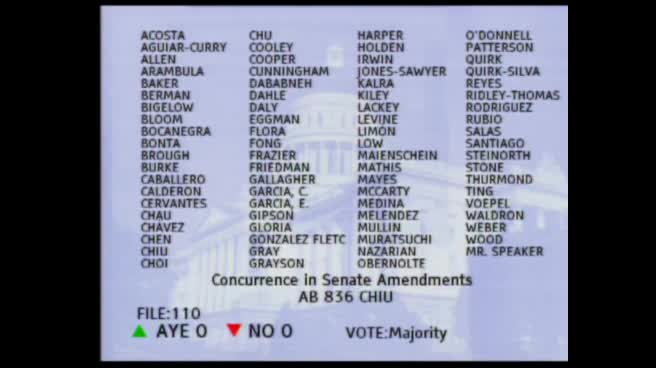
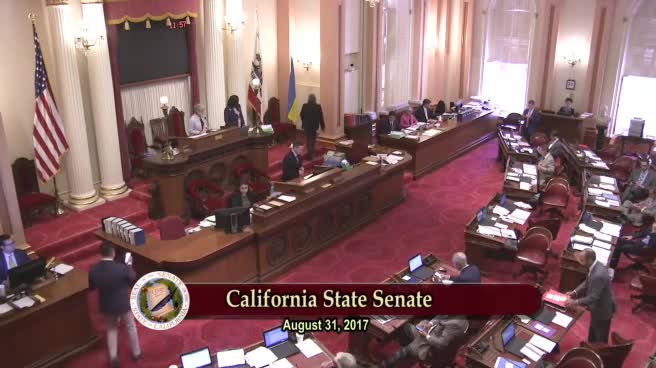
Bill Author

Bill Co-Author(s):