AB 697: Tolls: exemption for privately owned emergency ambulances.
- Session Year: 2017-2018
- House: Assembly
- Latest Version Date: 2018-08-29
Existing law provides for the exemption of authorized emergency vehicles, as defined, from the payment of a toll or charge on a vehicular crossing, toll highway, or high-occupancy toll (HOT) lane and any related fines, when the authorized emergency vehicle is being driven under specified conditions, including, among others, the vehicle is displaying public agency identification and driven while responding to or returning from an urgent or emergency call. Existing law provides procedures for an operator of a toll facility and a public agency to resolve certain disputes relating to the nonpayment of tolls. Existing law allows for agreements between the owner or operator of a toll facility and a local emergency service provider that establish terms for the use of the toll facility by the emergency service provider. Existing law prohibits a person from operating a privately owned emergency ambulance unless licensed by the Department of the California Highway Patrol.
This bill would generally modify the exemption to apply to the use of a toll facility, as defined, and would expand the exemption, dispute resolution procedures, and agreement provisions to include a privately owned emergency ambulance licensed by the Department of the California Highway Patrol. The bill would also make technical changes to these provisions.
Existing law provides for the exemption of authorized emergency vehicles, as defined, from the payment of a toll or charge on a vehicular crossing, toll highway, or high-occupancy toll (HOT) lane and any related fines, when the authorized emergency vehicle is being driven under specified conditions, including, among others, the vehicle is displaying public agency identification and driven while responding to or returning from an urgent or emergency call. Existing law provides procedures for an operator of a toll facility and a public agency to resolve certain disputes relating to the nonpayment of tolls. Existing law allows for agreements between the owner or operator of a toll facility and a local emergency service provider that establish terms for the use of the toll facility by the emergency service provider. Existing law prohibits a person from operating a privately owned emergency ambulance unless licensed by the Department of the California Highway Patrol.
This bill would generally modify the exemption to be for apply to the use of a toll facility, as defined, and would expand the exemption and exemption, dispute resolution procedures procedures, and agreement provisions to include a privately owned emergency ambulance licensed by the Department of the California Highway Patrol. The bill would also make technical changes to these provisions.
Existing law provides for the exemption of authorized emergency vehicles, as defined, from the payment of a toll or charge on a vehicular crossing, toll highway, or high-occupancy toll (HOT) lane and any related fines, when the authorized emergency vehicle is being driven under specified conditions, including, among others, the vehicle is displaying public agency identification and driven while responding to or returning from an urgent or emergency call, engaged in an urgent or emergency response, or engaging in a fire station coverage assignment directly related to an emergency response. Existing law requires a toll operator to accept, in lieu of payment of a bill for an authorized emergency vehicle using a toll facility, a letter from a fire chief, police chief, county sheriff, head of a public agency, or his or her designee certifying that the use of the authorized emergency vehicle was exempt from the payment of the toll or other charge. Existing law further requires, upon written request and information and belief of the toll operator that the use of an authorized emergency vehicle was not in compliance with this section, a fire chief, police chief, county sheriff, head of the public agency, or his or her designee, to provide or otherwise make accessible to the toll operator the dispatch records or log books relevant to the time period when the authorized emergency vehicle was in use on the toll highway, vehicular crossing, or high-occupancy toll (HOT) lane. call. Existing law provides procedures for an operator of a toll facility and a public agency to resolve certain disputes relating to the nonpayment of tolls. Existing law prohibits a person from operating a privately owned emergency ambulance unless licensed by the Department of the California Highway Patrol.
This bill would generally modify the exemption to be for the use of a toll facility, as defined, and expand the exemption from the payment of a toll or charge on a vehicular crossing, toll highway, or high-occupancy toll (HOT) lane and any related fines under these conditions and dispute resolution procedures to include a privately owned emergency ambulance licensed by the Department of the California Highway Patrol. The bill would also make technical changes to these provisions.
Existing law provides for the exemption of authorized emergency vehicles, as defined, from the payment of a toll or charge on a vehicular crossing, toll highway, or high-occupancy toll (HOT) lane and any related fines, when the authorized emergency vehicle is being driven while responding to or returning from an urgent or emergency call, engaged in an urgent or emergency response, or engaging in a fire station coverage assignment directly related to an emergency response. Existing law requires a toll operator to accept, in lieu of payment of a bill for an authorized emergency vehicle using a toll facility, a letter from a fire chief, police chief, county sheriff, head of a public agency, or his or her designee certifying that the use of the authorized emergency vehicle was exempt from the payment of the toll or other charge. Existing law further requires, upon written request and information and belief of the toll operator that the use of an authorized emergency vehicle was not in compliance with this section, a fire chief, police chief, county sheriff, head of the public agency, or his or her designee, to provide or otherwise make accessible to the toll operator the dispatch records or log books relevant to the time period when the authorized emergency vehicle was in use on the toll highway, vehicular crossing, or high-occupancy toll (HOT) lane. Existing law prohibits a person from operating a privately owned emergency ambulance unless licensed by the California Highway Patrol.
This bill would expand the exemption from the payment of a toll or charge on a vehicular crossing, toll highway, or high-occupancy toll (HOT) lane and any related fines under these conditions to include a privately owned emergency ambulance licensed by the California Highway Patrol.
(a)An authorized emergency vehicle or a private ambulance is exempt from any requirement to pay a toll or other charge for the use of a toll facility, as defined in subdivision (f), and the requirements of Section 23301, if all of the following conditions are satisfied, as applicable to an authorized emergency vehicle or a private ambulance:
(1)(A)The authorized emergency vehicle is properly displaying an exempt California license plate, and is properly identified or marked as an authorized emergency vehicle, including, but not limited to, displaying an external surface-mounted red warning light, blue warning light, or both, and displaying public agency identification, including, but not limited to, Fire Department, Sheriff, or Police.
(B)The private ambulance is properly displaying a valid California license plate and identification as the operator of a private ambulance.
(2)(A)The authorized emergency vehicle or private ambulance is being driven while responding to or returning from an urgent or emergency call, engaged in an urgent or emergency response, or engaging in a fire station coverage assignment directly related to an emergency response.
(B)For purposes of this paragraph, an urgent response or call means an incident or circumstance that requires an immediate response to a public safety-related incident, but does not warrant the use of emergency warning lights. Urgent does not include any personal use, commuting, training, or administrative uses.
(C)Notwithstanding subparagraph (A), an authorized emergency vehicle or private ambulance, when returning from an urgent or emergency call, from being engaged in an urgent or emergency response, or from engaging in a fire station coverage assignment directly related to an emergency response, is not exempt from any requirement to pay a toll or other charge imposed while traveling on a high-occupancy toll (HOT) lane.
(3)The driver of the authorized emergency vehicle or private ambulance determines that the use of the toll facility shall likely improve the availability or response and arrival time of the authorized emergency vehicle or private ambulance and its delivery of essential public safety services.
(b)If the operator of a toll facility elects to send a bill, notice, or invoice to the public agency for the use of the toll facility by an authorized emergency vehicle or to the private ambulance operator for the use of the toll facility by a private ambulance exempt pursuant to subdivision (a), the fire chief, police chief, county sheriff, head of the public agency, the designee of the foregoing, or the private ambulance operator is authorized to certify in writing that the authorized emergency vehicle or private ambulance was responding to or returning from an emergency call or response and is exempt from the payment of the toll or other charge in accordance with this section. The letter shall be accepted by the toll operator in lieu of payment and shall be a public document.
(c)An authorized emergency vehicle or a private ambulance that does not comply with this section is not exempt from the requirement to pay a toll or other charge for use of a toll facility. Upon information and belief of the toll operator that an authorized emergency vehicle or private ambulance is not in compliance with this section, the fire chief, police chief, county sheriff, head of the public agency, the designee of the foregoing, or the private ambulance operator, upon the request of the owner or operator of the toll facility, shall provide or otherwise make accessible to the toll operator the dispatch records or log books relevant to the time period when the authorized emergency vehicle or private ambulance was in use at the toll facility.
(d)This section shall not prohibit or amend an agreement entered into between the owner or operator of a toll facility and a local emergency service provider or private ambulance operator that establishes mutually agreed upon terms for the use of the toll facility by the emergency service provider or private ambulance operator. This section shall not prohibit the owner or operator of a toll facility from having a policy that meets or exceeds this section. If at any time an emergency service provider or private ambulance operator, or the owner or operator of a toll facility opts to terminate an agreement regarding the payment and processing of tolls or other charges, this section shall apply to the emergency service provider or private ambulance operator and the toll facility. An agreement between an emergency service provider or private ambulance operator and the owner or operator of a toll facility does not exempt other emergency service providers or private ambulance operators not named in the original agreement and the toll facility from the requirements of this section when those other emergency service providers or private ambulance operators use a toll facility in the jurisdiction of the owner or operator of the toll facility.
(e)Sections 23302 and 23302.5 shall not apply to authorized emergency vehicles exempt pursuant to this section.
(f)As used in this section, toll facility includes a toll road, high-occupancy toll (HOT) lane, toll bridge, toll highway, a vehicular crossing for which payment of a toll or charge is required, or any other toll facility.
(g)For purposes of this section, private ambulance operator shall mean a privately owned emergency ambulance operator licensed pursuant to Section 2501.
(a)An authorized emergency vehicle or a private ambulance is exempt from any requirement to pay a toll or other charge for the use of a toll facility, including, but not limited to, a vehicular crossing, toll bridge or highway, or high-occupancy toll (HOT) lane, as defined in subdivision (f), and the requirements of Section 23301, if all of the following conditions are satisfied, as applicable to an authorized emergency vehicle or a private ambulance:
(1)(A)The authorized emergency vehicle is properly displaying an exempt California license plate, and is properly identified or marked as an authorized emergency vehicle, including, but not limited to, displaying an external surface-mounted red warning light, blue warning light, or both, and displaying public agency identification, including, but not limited to, Fire Department, Sheriff, or Police.
(B)The private ambulance is properly displaying a valid California license plate and identification as the operator of a private ambulance.
(2)(A)The authorized emergency vehicle or private ambulance is being driven while responding to or returning from an urgent or emergency call, engaged in an urgent or emergency response, or engaging in a fire station coverage assignment directly related to an emergency response.
(B)For purposes of this paragraph, an urgent response or call means an incident or circumstance that requires an immediate response to a public safety-related incident, but does not warrant the use of emergency warning lights. Urgent shall does not include any personal use, commuting, training, or administrative uses.
(C)Notwithstanding subparagraph (A), an authorized emergency vehicle or private ambulance, when returning from an urgent or emergency call, or from being engaged in an urgent or emergency response, or from engaging in a fire station coverage assignment directly related to an emergency response, shall not be is not exempt from any requirement to pay a toll or other charge imposed while traveling on a high-occupancy toll (HOT) lane.
(3)The driver of the authorized emergency vehicle or private ambulance determines that the use of the toll facility shall likely improve the availability or response and arrival time of the authorized emergency vehicle or private ambulance and its delivery of essential public safety services.
(b)If the operator of a toll facility elects to send a bill, notice, or invoice to the public agency for the use of the toll facility by an authorized emergency vehicle or to the operator of a private ambulance private ambulance operator for the use of the toll facility by a private ambulance exempt pursuant to subdivision (a), the fire chief, police chief, county sheriff, head of the public agency, the designee of the foregoing, or the operator of the private ambulance operator is authorized to certify in writing that the authorized emergency vehicle or private ambulance was responding to or returning from an emergency call or response and is exempt from the payment of the toll or other charge in accordance with this section. The letter shall be accepted by the toll operator in lieu of payment and shall be a public document.
(c)An authorized emergency vehicle or a private ambulance that does not comply with this section is not exempt from the requirement to pay a toll or other charge for use of a toll facility, including, but not limited to, a toll bridge or highway, vehicular crossing, or high-occupancy toll (HOT) lane. facility. Upon information and belief of the toll operator that an authorized emergency vehicle or private ambulance is not in compliance with this section, the fire chief, police chief, county sheriff, head of the public agency, the designee of the foregoing, or the operator of a private ambulance, private ambulance operator, upon the written request of the owner or operator of the toll facility, shall provide or otherwise make accessible to the toll operator the dispatch records or log books relevant to the time period when the authorized emergency vehicle or private ambulance was in use at the toll facility, including, but not limited to, a toll bridge or highway, vehicular crossing, or high-occupancy toll (HOT) lane. facility.
(d)This section shall not prohibit or amend an agreement entered into between the owner or operator of a toll facility and a local emergency service provider or private ambulance operator that establishes mutually agreed upon terms for the use of the toll facility by the emergency service provider. provider or private ambulance operator. This section shall not prohibit the owner or operator of a toll facility from having a policy that meets or exceeds this section. If at any time an emergency service provider or private ambulance operator, or the owner or operator of a toll facility opts to terminate an agreement regarding the payment and processing of tolls or other charges, this section shall apply to the emergency service provider or private ambulance operator and the toll facility. An agreement between an emergency service provider or private ambulance operator and the owner or operator of a toll facility does not exempt other emergency service providers or private ambulance operators not named in the original agreement and the toll facility from the requirements of this section when those other emergency service providers or private ambulance operators use a toll facility in the jurisdiction of the owner or operator of the toll facility.
(e)Sections 23302 and 23302.5 shall not apply to authorized emergency vehicles exempt pursuant to this section.
(f)As used in this section, toll facility includes a toll road, high-occupancy toll (HOT) lane, toll bridge, toll highway, a vehicular crossing for which payment of a toll or charge is required, or any other toll facility.
(g)For purposes of this section, private ambulance ambulance operator shall mean a privately owned emergency ambulance operator licensed pursuant to Section 2510. 2501.
(a)An authorized emergency vehicle or a private ambulance is exempt from any requirement to pay a toll or other charge on for the use of a toll facility, including, but not limited to, a vehicular crossing, toll bridge or highway, or high-occupancy toll (HOT) lane, including and the requirements of Section 23301, if all of the following conditions are satisfied: satisfied, as applicable to an authorized emergency vehicle or a private ambulance:
(1)(A)The authorized emergency vehicle is properly displaying an exempt California license plate, and is properly identified or marked as an authorized emergency vehicle, including, but not limited to, displaying an external surface-mounted red warning light, blue warning light, or both, and displaying public agency identification, including, but not limited to, Fire Department, Sheriff, or Police.
(B)The private ambulance is properly displaying a valid California license plate and identification as the operator of a private ambulance.
(2)(A)The authorized emergency vehicle or private ambulance is being driven while responding to or returning from an urgent or emergency call, engaged in an urgent or emergency response, or engaging in a fire station coverage assignment directly related to an emergency response.
(B)For purposes of this paragraph, an urgent response or call means an incident or circumstance that requires an immediate response to a public safety-related incident, but does not warrant the use of emergency warning lights. Urgent does shall not include any personal use, commuting, training, or administrative uses.
(C)Notwithstanding subparagraph (A), an authorized emergency vehicle, vehicle or private ambulance, when returning from an urgent or emergency call, or from being engaged in an urgent or emergency response, or from engaging in a fire station coverage assignment directly related to an emergency response, shall not be exempt from any requirement to pay a toll or other charge imposed while traveling on a high-occupancy toll (HOT) lane.
(3)The driver of the authorized emergency vehicle or private ambulance determines that the use of the toll facility shall likely improve the availability or response and arrival time of the authorized emergency vehicle or private ambulance and its delivery of essential public safety services.
(b)If the operator of a toll facility elects to send a bill bill, notice, or invoice to the public agency for the use of the toll facility by an authorized emergency vehicle, vehicle or to the operator of a private ambulance for the use of the toll facility by a private ambulance exempt pursuant to subdivision (a), the fire chief, police chief, county sheriff, head of the public agency, or his or her designee, the designee of the foregoing, or the operator of the private ambulance is authorized to certify in writing that the authorized emergency vehicle or private ambulance was responding to or returning from an emergency call or response and is exempt from the payment of the toll or other charge in accordance with this section. The letter shall be accepted by the toll operator in lieu of payment and is shall be a public document.
(c)An authorized emergency vehicle or a private ambulance that does not comply with this section is not exempt from the requirement to pay a toll or other charge on for use of a toll facility, including, but not limited to, a toll bridge or highway, vehicular crossing, or high-occupancy toll (HOT) lane. Upon information and belief of the toll operator that an authorized emergency vehicle or private ambulance is not in compliance with this section, the fire chief, police chief, county sheriff, head of the public agency, or his or her designee, the designee of the foregoing, or the operator of a private ambulance, upon the written request of the owner or operator of the toll facility, shall provide or otherwise make accessible to the toll operator the dispatch records or log books relevant to the time period when the authorized emergency vehicle or private ambulance was in use on at the toll facility, including, but not limited to, a toll bridge or highway, vehicular crossing, or high-occupancy toll (HOT) lane.
(d)Nothing in this This section shall not prohibit or amend an agreement entered into between the owner or operator of a toll facility and a local emergency service provider that establishes mutually agreed upon terms for the use of the toll facility by the emergency service provider. This section shall not prohibit the owner or operator of a toll facility from having a policy that meets or exceeds this section. If at any time an emergency service provider or the owner or operator of a toll facility opts to terminate an agreement regarding the payment and processing of tolls or other charges, this section shall apply to the emergency service provider and the toll facility. An agreement between an emergency service provider and the owner or operator of a toll facility does not exempt other emergency service providers not named in the original agreement and the toll facility from the requirements of this section when those other emergency service providers use a toll facility in the jurisdiction of the owner or operator of the toll facility.
(e)Sections 23302 and 23302.5 do shall not apply to authorized emergency vehicles exempt pursuant to this section.
(f)As used in this section, toll facility includes a toll road, high-occupancy toll (HOT) lane, toll bridge, toll highway, a vehicular crossing for which payment of a toll or charge is required, or any other toll facility.
(g)For purposes of this section, private ambulance shall mean a privately owned emergency ambulance licensed pursuant to Section 2510.
SECTION 1.Section 23301.6 is added to the Vehicle Code, to read:23301.6.(a)A private ambulance is exempt from any requirement to pay a toll or other charge on a vehicular crossing, toll highway, or high-occupancy toll (HOT) lane, including the requirements of Section 23301, if all of the following conditions are satisfied:(1)The private ambulance is properly displaying a valid California license plate, and is properly identified or marked as a private ambulance, including, but not limited to, displaying an external surface-mounted red warning light, blue warning light, or both, and displaying identification as a private ambulance.(2)(A) The private ambulance is being driven while responding to or returning from an urgent or emergency call, engaged in an urgent or emergency response, or engaging in a fire station coverage assignment directly related to an emergency response.(B)For purposes of this paragraph, an urgent response or call means an incident or circumstance that requires an immediate response to a public safety-related incident, but does not warrant the use of emergency warning lights. Urgent does not include any personal use, commuting, training, or administrative uses.(C)Notwithstanding subparagraph (A), a private ambulance, when returning from an urgent or emergency call, or from being engaged in an urgent or emergency response, or from engaging in a fire station coverage assignment directly related to an emergency response, shall not be exempt from any requirement to pay a toll or other charge imposed while traveling on a high-occupancy toll (HOT) lane.(3)The driver of the private ambulance determines that the use of the toll facility shall likely improve the availability or response and arrival time of the authorized emergency vehicle and its delivery of essential public safety services.(b)If the operator of a toll facility elects to send a bill or invoice to the private ambulance operator for the use of the toll facility by a private ambulance exempt pursuant to subdivision (a), the private ambulance operator is authorized to certify in writing that the private ambulance was responding to or returning from an urgent or emergency call or response and is exempt from the payment of the toll or other charge in accordance with this section. The letter shall be accepted by the toll operator in lieu of payment and is a public document.(c)A private ambulance that does not comply with this section is not exempt from the requirement to pay a toll or other charge on a toll highway, vehicular crossing, or high-occupancy toll (HOT) lane. Upon information and belief of the toll operator that a private ambulance is not in compliance with this section, the private ambulance operator, upon the written request of the owner or operator of the toll facility, shall provide or otherwise make accessible to the toll operator the dispatch records or log books relevant to the time period when the private ambulance was in use on the toll highway, vehicular crossing, or high-occupancy toll (HOT) lane.(d)Nothing in this section shall prohibit or amend an agreement entered into between the owner or operator of a toll facility and a local emergency service provider that establishes mutually agreed upon terms for the use of the toll facility by the emergency service provider. This section shall not prohibit the owner or operator of a toll facility from having a policy that meets or exceeds this section. If at any time an emergency service provider or the owner or operator of a toll facility opts to terminate an agreement regarding the payment and processing of tolls or other charges, this section shall apply to the emergency service provider and the toll facility. An agreement between an emergency service provider and the owner or operator of a toll facility does not exempt other emergency service providers not named in the original agreement and the toll facility from the requirements of this section when those other emergency service providers use a toll facility in the jurisdiction of the owner or operator of the toll facility.(e)Sections 23302 and 23302.5 do not apply to a private ambulance exempt pursuant to this section.(f)As used in this section, toll facility includes a toll road, high-occupancy toll (HOT) lane, toll bridge, toll highway, a vehicular crossing for which payment of a toll or charge is required, or any other toll facility.(g)For purposes of this section, private ambulance shall mean a privately owned emergency ambulance licensed pursuant to Section 2510.(a)A private ambulance is exempt from any requirement to pay a toll or other charge on a vehicular crossing, toll highway, or high-occupancy toll (HOT) lane, including the requirements of Section 23301, if all of the following conditions are satisfied:
(1)The private ambulance is properly displaying a valid California license plate, and is properly identified or marked as a private ambulance, including, but not limited to, displaying an external surface-mounted red warning light, blue warning light, or both, and displaying identification as a private ambulance.
(2)(A) The private ambulance is being driven while responding to or returning from an urgent or emergency call, engaged in an urgent or emergency response, or engaging in a fire station coverage assignment directly related to an emergency response.
(B)For purposes of this paragraph, an urgent response or call means an incident or circumstance that requires an immediate response to a public safety-related incident, but does not warrant the use of emergency warning lights. Urgent does not include any personal use, commuting, training, or administrative uses.
(C)Notwithstanding subparagraph (A), a private ambulance, when returning from an urgent or emergency call, or from being engaged in an urgent or emergency response, or from engaging in a fire station coverage assignment directly related to an emergency response, shall not be exempt from any requirement to pay a toll or other charge imposed while traveling on a high-occupancy toll (HOT) lane.
(3)The driver of the private ambulance determines that the use of the toll facility shall likely improve the availability or response and arrival time of the authorized emergency vehicle and its delivery of essential public safety services.
(b)If the operator of a toll facility elects to send a bill or invoice to the private ambulance operator for the use of the toll facility by a private ambulance exempt pursuant to subdivision (a), the private ambulance operator is authorized to certify in writing that the private ambulance was responding to or returning from an urgent or emergency call or response and is exempt from the payment of the toll or other charge in accordance with this section. The letter shall be accepted by the toll operator in lieu of payment and is a public document.
(c)A private ambulance that does not comply with this section is not exempt from the requirement to pay a toll or other charge on a toll highway, vehicular crossing, or high-occupancy toll (HOT) lane. Upon information and belief of the toll operator that a private ambulance is not in compliance with this section, the private ambulance operator, upon the written request of the owner or operator of the toll facility, shall provide or otherwise make accessible to the toll operator the dispatch records or log books relevant to the time period when the private ambulance was in use on the toll highway, vehicular crossing, or high-occupancy toll (HOT) lane.
(d)Nothing in this section shall prohibit or amend an agreement entered into between the owner or operator of a toll facility and a local emergency service provider that establishes mutually agreed upon terms for the use of the toll facility by the emergency service provider. This section shall not prohibit the owner or operator of a toll facility from having a policy that meets or exceeds this section. If at any time an emergency service provider or the owner or operator of a toll facility opts to terminate an agreement regarding the payment and processing of tolls or other charges, this section shall apply to the emergency service provider and the toll facility. An agreement between an emergency service provider and the owner or operator of a toll facility does not exempt other emergency service providers not named in the original agreement and the toll facility from the requirements of this section when those other emergency service providers use a toll facility in the jurisdiction of the owner or operator of the toll facility.
(e)Sections 23302 and 23302.5 do not apply to a private ambulance exempt pursuant to this section.
(f)As used in this section, toll facility includes a toll road, high-occupancy toll (HOT) lane, toll bridge, toll highway, a vehicular crossing for which payment of a toll or charge is required, or any other toll facility.
(g)For purposes of this section, private ambulance shall mean a privately owned emergency ambulance licensed pursuant to Section 2510.
|
Date
|
Status
|
|---|---|
| Sep 10, 2018 | Vetoed by Governor. |
| Sep 4, 2018 | Enrolled and presented to the Governor at 3 p.m. |
| Aug 27, 2018 | Senate amendments concurred in. To Engrossing and Enrolling. |
| Aug 22, 2018 | In Assembly. Concurrence in Senate amendments pending. May be considered on or after August 24 pursuant to Assembly Rule 77. |
| Aug 22, 2018 | Read third time. Passed. Ordered to the Assembly. |
| Aug 21, 2018 | Read second time. Ordered to third reading. |
| Aug 20, 2018 | From inactive file. |
| Sep 16, 2017 | Ordered to inactive file at the request of Senator McGuire. |
| Jul 11, 2017 | Read second time. Ordered to third reading. |
| Jul 10, 2017 | From committee: Be ordered to second reading pursuant to Senate Rule 28.8. |
| Jun 28, 2017 | From committee: Do pass and re-refer to Com. on APPR. (Ayes 11. Noes 0.) (June 27). Re-referred to Com. on APPR. |
| Jun 12, 2017 | From committee chair, with author's amendments: Amend, and re-refer to committee. Read second time, amended, and re-referred to Com. on T. & H. |
| Jun 8, 2017 | In committee: Hearing postponed by committee. |
| May 30, 2017 | From committee chair, with author's amendments: Amend, and re-refer to committee. Read second time, amended, and re-referred to Com. on T. & H. |
| May 18, 2017 | Referred to Com. on T. & H. |
| May 4, 2017 | In Senate. Read first time. To Com. on RLS. for assignment. |
| May 4, 2017 | Read third time. Passed. Ordered to the Senate. (Ayes 76. Noes 0. Page 1391.) |
| Apr 27, 2017 | Read second time. Ordered to Consent Calendar. |
| Apr 26, 2017 | From committee: Do pass. To Consent Calendar. (Ayes 16. Noes 0.) (April 26). |
| Mar 28, 2017 | From committee: Do pass and re-refer to Com. on APPR. (Ayes 12. Noes 0.) (March 27). Re-referred to Com. on APPR. |
| Mar 2, 2017 | Referred to Com. on TRANS. |
| Feb 16, 2017 | From printer. May be heard in committee March 18. |
| Feb 15, 2017 | Read first time. To print. |
|
Date
|
Description
|
Location
|
Votes
|
|
|---|---|---|---|---|
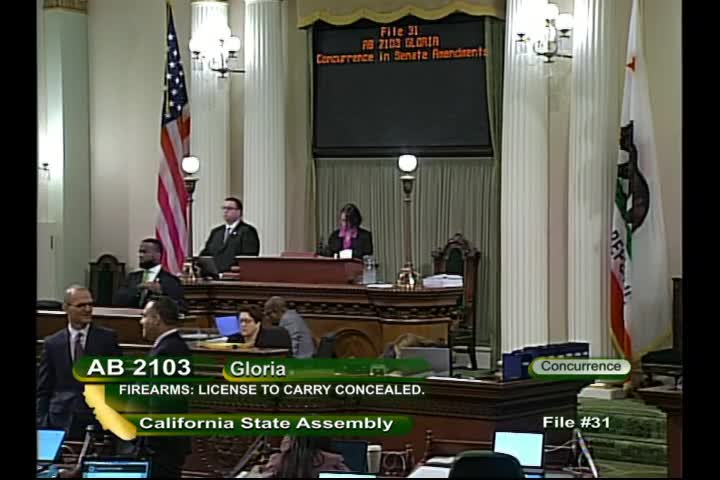
| Aug 27, 2018 | AB 697 FONG Concurrence in Senate Amendments | Assembly Floor |
Passed |
|
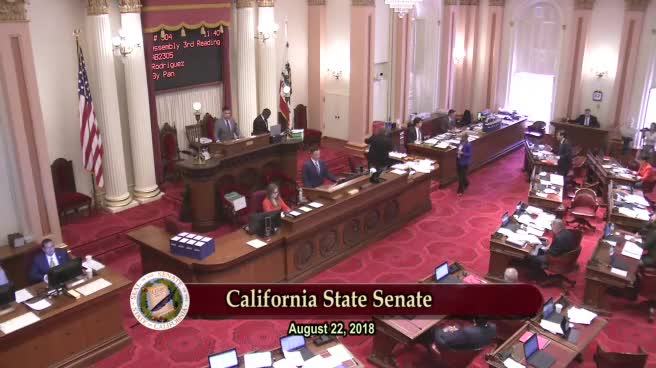
| Aug 22, 2018 | Assembly 3rd Reading AB697 Fong By Beall | Senate Floor |
Passed |
|
| Jun 27, 2017 | Do pass, but first be re-referred to the Committee on [Appropriations] | Senate Standing Committee on Transportation and Housing |
Passed |
|
| May 4, 2017 | AB 697 FONG Consent Calendar Second Day Regular Session | Assembly Floor |
Passed |
|
| Apr 26, 2017 | Do pass. To Consent Calendar. | Assembly Standing Committee on Appropriations |
Passed |
|
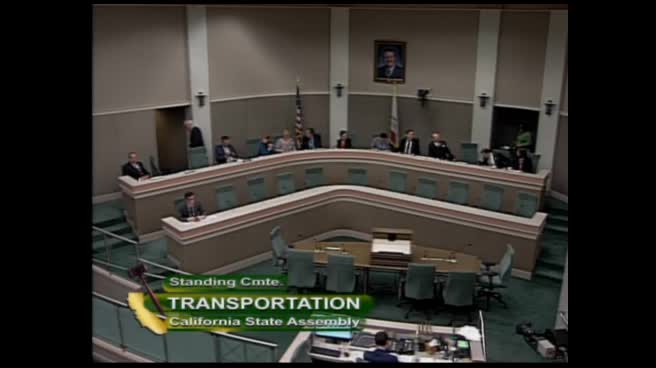
| Mar 27, 2017 | Do pass and be re-referred to the Committee on [Appropriations] | Assembly Standing Committee on Transportation |
Passed |
This list shows positions taken on this bill by organizations on the date displayed, which is linked to the original source.
Positions by individuals are not included.
|
Organization
|
Position
|
Date
|
|---|---|---|
| American Medical Response | ** Support | Jul 12, 2017 |
| California Ambulance Association | ** Support | Jul 12, 2017 |
| California Professional Firefighters | ** Against | Jul 12, 2017 |
| transportation corridors agencies | ** Support | Jul 12, 2017 |
GOVERNOR'S VETO
GV Bill Id:AB 697
Author:(Fong)
As Enrolled Ver:September 4, 2018
2/3 vote
ASSEMBLY: | 76-0 | (May 4, 2018) | SENATE: | 39-0 | (August 22, 2018) |
ASSEMBLY: | 79-0 | (August 27, 2018) |
Original Committee Reference: TRANS.
SUMMARY: Exempts privately owned emergency ambulances, as defined, from requirements to pay tolls, under conditions similar to exemptions already granted for authorized emergency vehicles; defines "private ambulance" to mean a privately owned emergency ambulance licensed by the California Highway Patrol (CHP).
The Senate amendments restructure provisions of the bill without altering the effect - that is, to grant privately owned emergency ambulances access to toll facilities free of charge, under certain circumstances.
EXISTING LAW:
- Makes it unlawful for any person to refuse to pay tolls or other charges on any vehicular crossing or toll highway. Entering any vehicular crossing without either lawful money or other electronic toll payment device associated with a valid automatic vehicle identification account (and a balance sufficient to pay the tolls) is prima facie evidence of a toll evasion violation.
- Exempts authorized emergency vehicles from requirements to pay tolls, under certain conditions, including:
- The authorized emergency vehicle is properly displaying an exempt California license plate, and is properly identified or marked as an authorized emergency vehicle, including, but not limited to, displaying an external surface-mounted red warning light, blue warning light, or both, and displaying public agency identification, including, but not limited to, "Fire Department," "Sheriff," or "Police;" and,
- The vehicle is being driven while responding to or returning from an urgent or emergency call (as defined), engaging in an urgent or emergency response, or engaging in a fire station coverage assignment directly related to an emergency response. However, authorized emergency vehicles are not exempt from paying tolls on high-occupancy toll lanes when returning from an urgent or emergency call.
- Prescribes a process whereby heads of public agencies can satisfy a toll bill or invoice by justifying an urgent or emergency response.
- Specifically stipulates that an authorized emergency vehicle is not exempt from the requirement to pay tolls if it does not comply with the prescribed conditions warranting an exemption.
- Authorizes toll facility operators to enter into agreements with emergency service providers to set forth mutually agreed upon terms for the providers' use of the toll facility.
- Prohibits any person from operating a privately owned emergency ambulance until licensed by the CHP.
FISCAL EFFECT: According to the Senate Appropriations Committee, pursuant to Senate Rule 28.8, negligible state costs.
COMMENTS: AB 254 (Jeffries), Chapter 425, Statutes of 2009, originally exempted authorized emergency vehicles from requirements to pay tolls. AB 254 addressed a situation that arose when fire fighters from across the state traveled to Southern California to battle wildfires and were charged tolls. Local fire departments generally had agreements with the toll operators that alleviated the need for them to pay tolls but the agreements did not apply to fire departments from other areas of the state.
The author introduced this bill, on behalf of the California Ambulance Association (CAA), to provide uniformity in the way both public agency ambulances and privately owned ambulances are subject to toll charges. The author asserts that most ambulances in California are owned and operated by private companies that offer life-saving service at far less cost than government entities. Consequently, he believes privately owned ambulances should receive the same exemptions from toll charges so they can continue to use the most effective routes without being penalized. Furthermore, while toll operators already have the authority to enter into agreements with local ambulance companies, these agreements do not generally apply to ambulance companies from outside the area.
Writing in support of this bill, CAA asserts that this bill will ensure private ambulance companies are not encumbered with the toll costs when using the most efficient routes on emergency calls.
The manner in which toll operators in California address the use of their facilities by privately owned ambulances varies. For example, the Transportation Corridor Agencies, the operator of an expansive network of toll roads in Orange County, suggests that this bill would not have any impact on its operations because it already applies the existing exemption for emergency vehicles to privately owned ambulances. The Riverside County Transportation Commission, on the other hand, only grants exemptions to California Highway Patrol and local fire departments.
According to the CHP, it licenses about 4,000 ambulances (operated by 148 privately owned ambulance companies) in California. CAA reports that, collectively, tolls costs these companies about $2.5 million annually.
Please see the policy committee analysis for full discussion of this bill.
This bill exempts privately owned emergency ambulances from tolls when engaged in an urgent or emergency response.
Under existing law, the exemption sought by this bill can be granted by toll facility authorities and no evidence has been presented to show why the state should now step in.
Analysis Prepared by: Eric Thronson / TRANS. / (916) 319-2093 FN: 0005232
CONCURRENCE IN SENATE AMENDMENTS
CSA1 Bill Id:AB 697
Author:(Fong)
As Amended Ver:June 12, 2017
Majority vote
ASSEMBLY: | 76-0 | (May 4, 2018) | SENATE: | 39-0 | (August 22, 2018) |
Original Committee Reference: TRANS.
SUMMARY: Exempts privately owned emergency ambulances, as defined, from requirements to pay tolls, under conditions similar to exemptions already granted for authorized emergency vehicles; defines "private ambulance" to mean a privately owned emergency ambulance licensed by the California Highway Patrol (CHP).
The Senate amendments restructure provisions of the bill without altering the effect - that is, to grant privately owned emergency ambulances access to toll facilities free of charge, under certain circumstances.
EXISTING LAW:
- Makes it unlawful for any person to refuse to pay tolls or other charges on any vehicular crossing or toll highway. Entering any vehicular crossing without either lawful money or other electronic toll payment device associated with a valid automatic vehicle identification account (and a balance sufficient to pay the tolls) is prima facie evidence of a toll evasion violation.
- Exempts authorized emergency vehicles from requirements to pay tolls, under certain conditions, including:
- The authorized emergency vehicle is properly displaying an exempt California license plate, and is properly identified or marked as an authorized emergency vehicle, including, but not limited to, displaying an external surface-mounted red warning light, blue warning light, or both, and displaying public agency identification, including, but not limited to, "Fire Department," "Sheriff," or "Police;" and,
- The vehicle is being driven while responding to or returning from an urgent or emergency call (as defined), engaging in an urgent or emergency response, or engaging in a fire station coverage assignment directly related to an emergency response. However, authorized emergency vehicles are not exempt from paying tolls on high-occupancy toll lanes when returning from an urgent or emergency call.
- Prescribes a process whereby heads of public agencies can satisfy a toll bill or invoice by justifying an urgent or emergency response.
- Specifically stipulates that an authorized emergency vehicle is not exempt from the requirement to pay tolls if it does not comply with the prescribed conditions warranting an exemption.
- Authorizes toll facility operators to enter into agreements with emergency service providers to set forth mutually agreed upon terms for the providers' use of the toll facility.
- Prohibits any person from operating a privately owned emergency ambulance until licensed by the CHP.
FISCAL EFFECT: According to the Senate Appropriations Committee, pursuant to Senate Rule 28.8, negligible state costs.
COMMENTS: AB 254 (Jeffries), Chapter 425, Statutes of 2009, originally exempted authorized emergency vehicles from requirements to pay tolls. AB 254 addressed a situation that arose when fire fighters from across the state traveled to Southern California to battle wildfires and were charged tolls. Local fire departments generally had agreements with the toll operators that alleviated the need for them to pay tolls but the agreements did not apply to fire departments from other areas of the state.
The author introduced this bill, on behalf of the California Ambulance Association (CAA), to provide uniformity in the way both public agency ambulances and privately owned ambulances are subject to toll charges. The author asserts that most ambulances in California are owned and operated by private companies that offer life-saving service at far less cost than government entities. Consequently, he believes privately owned ambulances should receive the same exemptions from toll charges so they can continue to use the most effective routes without being penalized. Furthermore, while toll operators already have the authority to enter into agreements with local ambulance companies, these agreements do not generally apply to ambulance companies from outside the area.
Writing in support of this bill, CAA asserts that AB 697 will ensure private ambulance companies are not encumbered with the toll costs when using the most efficient routes on emergency calls.
The manner in which toll operators in California address the use of their facilities by privately owned ambulances varies. For example, the Transportation Corridor Agencies, the operator of an expansive network of toll roads in Orange County, suggests that this bill would not have any impact on its operations because it already applies the existing exemption for emergency vehicles to privately owned ambulances. The Riverside County Transportation Commission, on the other hand, only grants exemptions to California Highway Patrol and local fire departments.
According to the CHP, it licenses about 4,000 ambulances (operated by 148 privately owned ambulance companies) in California. CAA reports that, collectively, tolls costs these companies about $2.5 million annually.
Please see the policy committee analysis for full discussion of this bill.
Analysis Prepared by: Janet Dawson / TRANS. / (916) 319-2093 FN: 0002376
Office of Senate Floor Analyses (916) 651-1520 Fax: (916) 327-4478 | AB |
THIRD READING
Bill No: AB 697
:
SENATE TRANS. & HOUSING COMMITTEE: 11-0, 6/27/17
AYES: Beall, Cannella, Allen, Atkins, Bates, Gaines, Mendoza, Morrell, Roth, Skinner, Wiener
NO VOTE RECORDED: McGuire, Wieckowski
SENATE APPROPRIATIONS COMMITTEE: Senate Rule 28.8
ASSEMBLY FLOOR: 76-0, 5/4/17 (Consent) - See last page for vote
SOURCE: California Ambulance Association
DIGEST:
This bill exempts privately owned emergency ambulances from tolls.
Existing law:
- Exempts an authorized emergency vehicle from any requirement to pay a toll or other charge on a toll bridge, toll highway, or high-occupancy toll (HOT) lane, if all the following conditions are satisfied:
- The vehicle properly displays an exempt California license plate and is properly identified or marked as an authorized emergency vehicle, including but not limited to display of an external surface-mounted red warning light, blue warning light, or both, and display of public agency identification including but not limited to “Fire Department,” “Sheriff,” or “Police.”
- The vehicle is being driven while responding to or returning from an urgent or emergency call, engaging in an urgent or emergency response, or engaging in a fire station coverage assignment directly related to an emergency response.
- Provides that an authorized emergency vehicle being used for personal use, training, or administrative purposes, is not exempt from any tolls.
- Prescribes a process whereby heads of public agencies can satisfy a toll bill or invoice by justifying an urgent or emergency response.
- Authorizes toll facility operators to enter into agreements with emergency services providers in relation to providers’ use of the toll facility.
This bill includes privately owned emergency ambulances in the toll exemption for authorized emergency vehicles.
Comments
- Purpose. The author states that existing law, which requires ambulances operated by private companies to pay tolls, increases the cost of emergency response. This bill will provide uniform applicability of toll exemptions for all emergency response vehicles, including ambulances operated by private companies. The author states that ultimately, this bill is about helping to save lives and what is best for the public. All emergency responders, whether public or private, should be able to use the best and most efficient route to serve the public during emergencies.
- Existing HOV and HOT lane exemptions. Existing law allows authorized emergency vehicles to use high-occupancy vehicle (HOV) lanes (e.g., carpool lanes) when responding to or returning from an emergency call. Privately owned ambulances that are licensed by the California Highway Patrol (CHP) to operate as authorized emergency vehicles are included in this exemption, but privately owned ambulances that simply transport patients to facilities and treatment are not.
Existing law exempts authorized emergency vehicles from toll bridges, toll highways, and HOT lanes; however, no private ambulances are included in this exemption. Although this bill expands the toll exemption only to private ambulances that are responding to or returning from an emergency call, it does not explicitly exclude private ambulances that are not licensed by the CHP as authorized emergency vehicles. Because it could be difficult for an officer or toll authority to know whether a vehicle is responding to or returning from an emergency without actually pulling them over to ask, this bill would likely result in all private ambulances being exempted from tolls.
- Why aren’t private ambulances already exempted from tolls? AB 254 (Jeffries, Chapter 425, Statutes of 2009) established toll exemptions for authorized emergency vehicles. The intent of this bill was to help firefighters who traveled to Southern California to battle wildfires and were charged tolls. Although local fire departments generally had agreements with toll operators that exempted them from tolls, the agreements did not apply to fire departments from other parts of the state. The California Ambulance Association (CAA), sponsor of this bill, states that similarly, local toll agreements do not tend to include privately owned ambulances.
- Who pays? The CAA states that if this bill passes, “private ambulance companies will not be encumbered with toll costs that are unreimbursed.” CAA further states that “granting toll exemptions to emergency responding private ambulances is an insignificant impact on the toll facilities,” reporting that tolls cost these companies a total of about $2.5 million annually. Different toll agencies treat private ambulances differently. The Transportation Corridor Agencies (TCA), operator of the toll road network in Orange County, already exempts privately owned ambulances from tolls, so this bill would not impact TCA’s toll revenues. The Riverside County Transportation Commission (RCTC), on the other hand, only exempts CHP and local fire department from its tolls and therefore would be impacted by this bill. RCTC was initially opposed to this bill, but removed its opposition based on the June 12th amendments, which provide more flexibility to toll operators in how to communicate with private ambulance operators.
Related/Prior Legislation
SB 406 (Leyva, 2017) allows blood transport vehicles to use HOV lanes, regardless of occupancy, while in the process of transporting blood products. The bill is pending on the Assembly Floor.
AB 497 (Block, 2009) would have allowed physicians, when traveling in response to an emergency call, to access HOV lanes, regardless of occupancy. The bill failed passage in the Senate Transportation and Housing Committee.
AB 670 (B. Berryhill, 2009) would have permitted a veteran or active duty member of the United States Armed Forces to use HOV lanes, regardless of occupancy. The bill failed passage in the Assembly Transportation Committee.
AB 254 (Jeffries, Chapter 425, Statutes of 2009) exempted authorized emergency vehicles from requirements to pay tolls.
FISCAL EFFECT: Appropriation: Fiscal Com.: Local:
California Ambulance Association (source)
American Medical Response
Transportation Corridors Agencies
OPPOSITION: (Verified 7/10/17)
California Professional Firefighters
ARGUMENTS IN SUPPORT: The California Ambulance Association, sponsor of this bill, states that the private ambulance industry is unfairly burdened with additional and unreimbursed costs of using certain roadways in the course of providing essential life-saving first responder services, and that this bill will provide uniform applicability of exemptions from toll roads, bridges, and HOT lanes for all emergency responder vehicles.
ARGUMENTS IN OPPOSITION: The California Professional Firefighters, writing in opposition to this bill, states that the current toll exemption is extended under limited circumstances to authorized public agency personnel who are ultimately accountable to the taxpayer, and that this bill looks past the public interest in favor of a privatized ambulance company’s bottom financial line.
ASSEMBLY FLOOR: 76-0, 5/4/17
AYES: Acosta, Aguiar-Curry, Arambula, Baker, Berman, Bloom, Bocanegra, Bonta, Brough, Burke, Caballero, Calderon, Cervantes, Chau, Chávez, Chen, Chiu, Choi, Chu, Cooley, Cooper, Cunningham, Dababneh, Dahle, Daly, Eggman, Flora, Fong, Frazier, Friedman, Gallagher, Eduardo Garcia, Gipson, Gloria, Gomez, Gonzalez Fletcher, Gray, Grayson, Harper, Holden, Irwin, Jones-Sawyer, Kalra, Kiley, Lackey, Levine, Limón, Low, Maienschein, Mathis, Mayes, McCarty, Medina, Melendez, Mullin, Muratsuchi, Nazarian, Obernolte, O'Donnell, Quirk, Quirk-Silva, Reyes, Ridley-Thomas, Rodriguez, Rubio, Salas, Santiago, Steinorth, Mark Stone, Thurmond, Ting, Voepel, Waldron, Weber, Wood, Rendon
NO VOTE RECORDED: Travis Allen, Bigelow, Cristina Garcia, Patterson
7/12/17 11:12:07
**** END ****
SENATE COMMITTEE ON TRANSPORTATION AND HOUSING
Senator Jim Beall, Chair
2017 - 2018 Regular
Bill No: AB 697 Hearing Date: 6/27/2017
Author: | Fong | ||
Version: | 6/12/2017 | ||
Urgency: | No | Fiscal: | Yes |
Consultant: | Erin Riches | ||
SUBJECT: Tolls: exemption for privately owned emergency ambulances.
DIGEST: This bill exempts privately owned emergency ambulances from tolls.
ANALYSIS:
Existing law:
- Exempts an authorized emergency vehicle from any requirement to pay a toll or other charge on a toll bridge, toll highway, or high-occupancy toll (HOT) lane, if all the following conditions are satisfied:
- The vehicle properly displays an exempt California license plate and is properly identified or marked as an authorized emergency vehicle, including but not limited to display of an external surface-mounted red warning light, blue warning light, or both, and display of public agency identification including but not limited to “Fire Department,” “Sheriff,” or “Police.”
- The vehicle is being driven while responding to or returning from an urgent or emergency call, engaging in an urgent or emergency response, or engaging in a fire station coverage assignment directly related to an emergency response.
- Provides that an authorized emergency vehicle being used for personal use, training, or administrative purposes, is not exempt from any tolls.
- Prescribes a process whereby heads of public agencies can satisfy a toll bill or invoice by justifying an urgent or emergency response.
- Authorizes toll facility operators to enter into agreements with emergency services providers in relation to providers’ use of the toll facility.
This bill includes privately owned emergency ambulances in the toll exemption for authorized emergency vehicles.
COMMENTS:
- Purpose. The author states that existing law, which requires ambulances operated by private companies to pay tolls, increases the cost of emergency response. This bill will provide uniform applicability of toll exemptions for all emergency response vehicles, including ambulances operated by private companies. The author states that ultimately, this bill is about helping to save lives and what is best for the public. All emergency responders, whether public or private, should be able to use the best and most efficient route to serve the public during emergencies.
- Existing HOV and HOT lane exemptions. Existing law allows authorized emergency vehicles to use high-occupancy vehicle (HOV) lanes (e.g., carpool lanes) when responding to or returning from an emergency call. Privately owned ambulances that are licensed by the California Highway Patrol (CHP) to operate as authorized emergency vehicles are included in this exemption, but privately owned ambulances that simply transport patients to facilities and treatment are not.
Existing law exempts authorized emergency vehicles from toll bridges, toll highways, and HOT lanes; however, no private ambulances are included in this exemption. Although this bill expands the toll exemption only to private ambulances that are responding to or returning from an emergency call, it does not explicitly exclude private ambulances that are not licensed by the CHP as authorized emergency vehicles. Because it could be difficult for an officer or toll authority to know whether a vehicle is responding to or returning from an emergency without actually pulling them over to ask, this bill would likely result in all private ambulances being exempted from tolls.
- Why aren’t private ambulances already exempted from tolls? AB 254 (Jeffries, 2009) established toll exemptions for authorized emergency vehicles. The intent of this bill was to help firefighters who traveled to Southern California to battle wildfires and were charged tolls. Although local fire departments generally had agreements with toll operators that exempted them from tolls, the agreements did not apply to fire departments from other parts of the state. The California Ambulance Association (CAA), sponsor of this bill, states that similarly, local toll agreements do not tend to include privately owned ambulances.
- Who pays? The CAA states that if this bill passes, “private ambulance companies will not be encumbered with toll costs that are unreimbursed.” CAA further states that “granting toll exemptions to emergency responding private ambulances is an insignificant impact on the toll facilities,” reporting that tolls cost these companies a total of about $2.5 million annually. Different toll agencies treat private ambulances differently. The Transportation Corridor Agencies (TCA), operator of the toll road network in Orange County, already exempts privately owned ambulances from tolls, so this bill would not impact TCA’s toll revenues. The Riverside County Transportation Commission (RCTC), on the other hand, only exempts CHP and local fire department from its tolls and therefore would be impacted by this bill. RCTC was initially opposed to this bill, but removed its opposition based on the June 12th amendments, which provide more flexibility to toll operators in how to communicate with private ambulance operators.
Related Legislation:
SB 406 (Leyva, 2017) — would allow blood transport vehicles to use HOV lanes, regardless of occupancy, while in the process of transporting blood products. This bill is scheduled to be heard on June 26th in the Assembly Transportation Committee.
AB 497 (Block, 2009) — would have allowed physicians, when traveling in response to an emergency call, to access HOV lanes, regardless of occupancy. This bill failed passage in the Senate Transportation and Housing Committee.
AB 670 (B. Berryhill, 2009) — would have permitted a veteran or active duty member of the United States Armed Forces to use HOV lanes, regardless of occupancy. This bill failed passage in the Assembly Transportation Committee.
AB 254 (Jeffries, Chapter 425, Statutes of 2009) — exempted authorized emergency vehicles from requirements to pay tolls.
Assembly Votes:
Floor: 76-0
Appr: 16-0
Trans: 12-0
FISCAL EFFECT: Appropriation: Fiscal Com.: Local:
POSITIONS: (Communicated to the committee before noon on Wednesday,
June 21, 2017.)
SUPPORT:
California Ambulance Association (sponsor)
American Medical Response
OPPOSITION:
None received.
-- END --
Date of Hearing: April 26, 2017
ASSEMBLY COMMITTEE ON APPROPRIATIONS
Lorena Gonzalez Fletcher, Chair
ABPCA Bill Id:AB 697
Author:(Fong) – As Introduced Ver:February 15, 2017
Policy Committee: | Transportation | Vote: | 12 - 0 |
|
| ||
|
|
Urgency: No State Mandated Local Program: No Reimbursable: No
SUMMARY:
This bill exempts privately owned emergency ambulances licensed by the California Highway Patrol from requirements to pay tolls, under conditions similar to exemptions already granted for authorized public agency emergency vehicles.
FISCAL EFFECT:
- No fiscal effect to the state, because revenue from toll bridges and highways goes to local agencies.
- Revenue loss to local agencies that operate toll facilities likely in the low millions of dollars annually. For example, the California Ambulance Association reports that private ambulance operators pay about $2.5 million annually in tolls. Depending on the magnitude of the revenue losses, it is possible that toll facility operators would compensate for the loss of revenue by increasing toll rates for other drivers.
COMMENTS:
- Background. Existing law makes it unlawful for any person to refuse to pay tolls or other charges on any vehicular crossing or toll highway. Existing law also exempts authorized public agency emergency vehicles from the requirement to pay tolls, under certain conditions. However, ambulances operated by private companies are not currently exempted from paying tolls even when they are operating under the same conditions as a public agency emergency vehicle that would qualify for the exemption.
- Purpose. According to the author, “AB 697 will provide uniform applicability of exemptions from toll roads, bridges, and HOT lanes for all emergency response vehicles, including ambulances operated by private companies.”
Analysis Prepared by: Jessica Peters / APPR. / (916) 319-2081
Date of Hearing: March 27, 2017
ASSEMBLY COMMITTEE ON TRANSPORTATION
Jim Frazier, Chair
ABPCA Bill Id:AB 697 (
Author:Fong) – As Introduced Ver:February 15, 2017
SUBJECT: Tolls: exemption for privately owned emergency ambulances
SUMMARY: Exempts privately owned emergency ambulances, as defined, from requirements to pay tolls, under conditions similar to exemptions already granted for authorized emergency vehicles; defines "private ambulance" to mean a privately owned emergency ambulance licensed by the California Highway Patrol (CHP).
EXISTING LAW:
- Makes it unlawful for any person to refuse to pay tolls or other charges on any vehicular crossing or toll highway. Entering any vehicular crossing without either lawful money or other electronic toll payment device associated with a valid automatic vehicle identification account (and a balance sufficient to pay the tolls) is prima facie evidence of a toll evasion violation.
- Exempts authorized emergency vehicles from requirements to pay tolls, under certain conditions, including:
- The authorized emergency vehicle is properly displaying an exempt California license plate, and is properly identified or marked as an authorized emergency vehicle, including, but not limited to, displaying an external surface-mounted red warning light, blue warning light, or both, and displaying public agency identification, including, but not limited to, “Fire Department,” “Sheriff,” or “Police;” and,
- The vehicle is being driven while responding to or returning from an urgent or emergency call (as defined), engaging in an urgent or emergency response, or engaging in a fire station coverage assignment directly related to an emergency response. However, authorized emergency vehicles are not exempt from paying tolls on high-occupancy toll lanes when returning from an urgent or emergency call.
- Prescribes a process whereby heads of public agencies can satisfy a toll bill or invoice by justifying an urgent or emergency response.
- Specifically stipulates that an authorized emergency vehicle is not exempt from the requirement to pay tolls if it does not comply with the prescribed conditions warranting an exemption.
- Authorizes toll facility operators to enter into agreements with emergency service providers to set forth mutually agreed upon terms for the providers' use of the toll facility.
- Prohibits any person from operating a privately owned emergency ambulance until licensed by the CHP.
FISCAL EFFECT: Unknown
COMMENTS: AB 254 (Jeffries), Chapter 425, Statutes of 2009, originally exempted authorized emergency vehicles from requirements to pay tolls. AB 254 addressed a situation that arose when fire fighters from across the state traveled to Southern California to battle wildfires and were charged tolls. Local fire departments generally had agreements with the toll operators that alleviated the need for them to pay tolls but the agreements did not apply to fire departments from other areas of the state.
The author introduced this bill, on behalf of the California Ambulance Association (CAA), to provide uniformity in the way both public agency ambulances and privately owned ambulances are subject to toll charges. The author asserts that most ambulances in California are owned and operated by private companies that offer life-saving service at far less cost than government entities. Consequently, he believes privately owned ambulances should receive the same exemptions from toll charges so they can continue to use the most effective routes without being penalized. Furthermore, while toll operators already have the authority to enter into agreements with local ambulance companies, these agreements do not generally apply to ambulance companies from outside the area.
Writing in support of this bill, CCA asserts that AB 697 will ensure private ambulance companies are not encumbered with the toll costs when using the most efficient routes on emergency calls.
The manner in which toll operators in California address the use of their facilities by privately owned ambulances varies. For example, the Transportation Corridor Agencies, the operator of an expansive network of toll roads in Orange County, suggests that this bill would not have any impact on its operations because it already applies the existing exemption for emergency vehicles to privately owned ambulances. The Riverside County Transportation Commission, on the other hand, only grants exemptions to California Highway Patrol and local fire departments.
According to the CHP, it licenses about 4,000 ambulances (operated by 148 privately owned ambulance companies) in California. CAA reports that, collectively, tolls costs these companies about $2.5 million annually.
Committee concerns:
- The burden of providing an exemption for privately owned ambulances will be shifted to other toll paying customers.
- While this bill could arguably reduce costs for privately owned ambulances, the bill does not require the companies to pass on the savings to customers, for instance, by way of reduced rates.
Previous legislation: AB 254 (Jeffries), Chapter 425, Statutes of 2009, exempted authorized emergency vehicles from requirements to pay tolls.
REGISTERED SUPPORT / OPPOSITION:
Support
California Ambulance Association
Opposition
None on file
Analysis Prepared by: Janet Dawson / TRANS. /
Discussed in Hearing
 57SEC
Assembly Floor
 1MIN
Senate Floor
 2MIN
Senate Standing Committee on Transportation and Housing
 19MIN
Assembly Standing Committee on Transportation
Bill Author

Bill Co-Author(s):