AB 715: Workgroup review of opioid pain reliever use and abuse.
- Session Year: 2017-2018
- House: Assembly
- Latest Version Date: 2017-09-13
Existing law creates the State Department of Public Health and vests it with duties, powers, functions, jurisdiction, and responsibilities with regard to the advancement of public health.
This bill would require the department to convene a workgroup, comprised of members selected by the department, to review existing prescription guidelines and develop a recommended statewide guideline addressing best practices for prescribing opioid pain relievers. The bill would require the department, on or before March 1, 2019, to report the workgroups conclusions and recommendations to the Legislature. The bill would repeal its provisions on January 1, 2020.
Existing law creates the State Department of Public Health and vests it with duties, powers, functions, jurisdiction, and responsibilities with regard to the advancement of public health.
This bill would require the department to convene a workgroup, comprised of members selected by the department, to review existing prescription guidelines and develop a recommended statewide guideline addressing best practices for prescribing opioid pain relievers. The bill would require the department, on or before March 1, 2019, to report the workgroups conclusions and recommendations to the Legislature. The bill would repeal its provisions on January 1, 2020.
Existing law creates the State Department of Public Health and vests it with duties, powers, functions, jurisdiction, and responsibilities with regard to the advancement of public health.
This bill would require the department to convene a workgroup, comprised of members selected by the department, to review existing prescription guidelines and develop a recommended statewide guideline addressing best practices for prescribing opioid pain relievers. The bill would require the department, on or before March 1, 2019, to report the workgroups conclusions and recommendations to the Legislature. The bill would repeal its provisions on January 1, 2020.
Existing law creates the State Department of Public Health and vests it with duties, powers, functions, jurisdiction, and responsibilities with regard to the advancement of public health.
This bill would require the department to convene a workgroup, comprised of members selected by the department, to review existing prescription guidelines and develop a recommended statewide guideline addressing best practices for prescribing opioid pain relievers. The bill would require the department, on or before March 1, 2019, to report the workgroups conclusions and recommendations to the Legislature. The bill would repeal its provisions on January 1, 2020.
The Legislature finds and declares all of the following:
(a)Opioid abuse is a serious problem that affects the health, social, and economic welfare of the state.
(b)After alcohol, prescription drugs are the most commonly abused substances by Americans over 12 years of age.
(c)Almost 2 million people in the United States suffer from substance use disorders related to prescription opioid pain relievers.
(d)Deaths involving prescription opioid pain relievers represent the largest portion of drug overdose deaths involving heroin or cocaine.
(e)The number of unintentional overdose deaths involving prescription opioid pain relievers has more than quadrupled since 1999.
(f)The federal Centers for Disease Control and Prevention recommends that healthcare providers should only use opioid pain relievers in carefully screened and monitored patients when nonopioid treatments are insufficient to manage pain.
(g)Long-lasting, nonnarcotic, local anesthetic, and multimodal alternatives for managing postsurgical acute pain have reduced, and in some instances, eliminated the need for patient dependency on opioid pain relievers.
SEC. 2.Part 6.3 (commencing with Section 1179.90) is added to Division 1 of the Health and Safety Code, to read:6.3Workgroup Review of Opioid Pain Reliever Use and Abuse1179.90.(a)The State Department of Public Health shall convene a workgroup to do all of the following:
(1)Review existing prescription guidelines, including, but not limited to, guidelines developed by the federal Centers for Disease Control and Prevention and the Medical Board of California.
(2)Develop a recommended statewide guideline addressing best practices for prescribing opioid pain relievers for instances of acute, short-term pain. In developing the statewide guideline, the workgroup may consider, among other things, evidence-based, peer-reviewed research, lessons learned from demonstration pilot projects, the effectiveness of long-lasting, nonnarcotic, local anesthetic alternatives for managing postsurgical acute pain, or other policies that have been successful in reducing opioid use and abuse. The guidelines shall include, but not be limited to, the appropriateness of limiting initial prescription duration and the appropriateness of a differing prescribing protocol for individuals under 21 years of age, and pregnant or lactating women.
(b)The State Department of Public Health shall determine the membership of the workgroup, ensuring an open and inclusive process. Members of the workgroup shall include, but not be limited to, family practitioners, emergency room physicians, osteopathic physicians, dentists, surgeons, pain management experts, and experts in the field of substance abuse prevention and treatment.
1179.91.On or before March 1, 2019, the State Department of Public Health shall submit to the Legislature a report of the workgroups conclusions and recommendations pursuant to paragraphs (1) and (2) of subdivision (a) of Section 1179.90 and any other recommendations made by the workgroup. The report shall be submitted in compliance with Section 9795 of the Government Code.
1179.92.This part shall remain in effect only until January 1, 2020, and as of that date is repealed.
The Legislature finds and declares all of the following:
(a)Opioid abuse is a serious problem that affects the health, social, and economic welfare of the state.
(b)After alcohol, prescription drugs are the most commonly abused substances by Americans over 12 years of age.
(c)Almost 2 million people in the United States suffer from substance use disorders related to prescription opioid pain relievers.
(d)Deaths involving prescription opioid pain relievers represent the largest portion of drug overdose deaths involving heroin or cocaine.
(e)The number of unintentional overdose deaths involving prescription opioid pain relievers has more than quadrupled since 1999.
(f)The federal Centers for Disease Control and Prevention recommends that healthcare providers should only use opioid pain relievers in carefully screened and monitored patients when nonopioid treatments are insufficient to manage pain.
(g)Long-lasting, nonnarcotic, local anesthetic, and multimodal alternatives for managing postsurgical acute pain have reduced, and in some instances, eliminated the need for patient dependency on opioid pain relievers.
SEC. 2.Part 6.3 (commencing with Section 1179.90) is added to Division 1 of the Health and Safety Code, to read:6.3Workgroup Review of Opioid Pain Reliever Use and Abuse1179.90.(a)The State Department of Public Health shall convene a workgroup to do all of the following:
(1)Review existing prescription guidelines, including, but not limited to, guidelines developed by the federal Centers for Disease Control and Prevention and the Medical Board of California.
(2)Develop a recommended statewide guideline addressing best practices for prescribing opioid pain relievers for instances of acute, short-term pain. In developing the statewide guideline, the workgroup may consider, among other things, evidence-based, peer-reviewed research, lessons learned from demonstration pilot projects, the effectiveness of long-lasting, nonnarcotic, local anesthetic alternatives for managing postsurgical acute pain, or other policies that have been successful in reducing opioid use and abuse. The guidelines shall include, but not be limited to, the appropriateness of limiting initial prescription duration and the appropriateness of a differing prescribing protocol for individuals under 21 years of age. age, and pregnant or lactating women.
(b)The State Department of Public Health shall determine the membership of the workgroup, ensuring an open and inclusive process. Members of the workgroup shall include, but not be limited to, family practitioners, emergency room physicians, osteopathic physicians, dentists, surgeons, pain management experts, and experts in the field of substance abuse prevention and treatment.
1179.91.On or before March 1, 2019, the State Department of Public Health shall submit to the Legislature a report of the workgroups conclusions and recommendations pursuant to paragraphs (1) and (2) of subdivision (a) of Section 1179.90 and any other recommendations made by the workgroup. The report shall be submitted in compliance with Section 9795 of the Government Code.
1179.92.This part shall remain in effect only until January 1, 2020, and as of that date is repealed.
The Legislature finds and declares all of the following:
(a)Opioid abuse is a serious problem that affects the health, social, and economic welfare of the state.
(b)After alcohol, prescription drugs are the most commonly abused substances by Americans over 12 years of age.
(c)Almost 2 million people in the United States suffer from substance use disorders related to prescription opioid pain relievers.
(d)Deaths involving prescription opioid pain relievers represent the largest portion of drug overdose deaths involving heroin or cocaine.
(e)The number of unintentional overdose deaths involving prescription opioid pain relievers has more than quadrupled since 1999.
SEC. 2.Part 6.3 (commencing with Section 1179.90) is added to Division 1 of the Health and Safety Code, to read:6.3Workgroup Review of Opioid Pain Reliever Use and Abuse1179.90.(a)The State Department of Public Health shall convene a workgroup to do all of the following:
(1)Review existing prescription guidelines, including, but not limited to, guidelines developed by the federal Centers for Disease Control and Prevention and the Medical Board of California.
(2)Develop a recommended statewide guideline addressing best practices for prescribing opioid pain relievers. relievers for instances of acute, short-term pain. In developing the statewide guideline, the workgroup may consider, among other things, evidence-based, peer-reviewed research, lessons learned from demonstration pilot projects, or other policies that have been successful in reducing opioid use and abuse. The guidelines shall include, but not be limited to, the appropriateness of limiting initial prescription duration and the appropriateness of a differing prescribing protocol for individuals under 21 years of age.
(b)The State Department of Public Health shall determine the membership of the workgroup. workgroup, ensuring an open and inclusive process. Members of the workgroup may include multidisciplinary experts from the fields of pain management and substance abuse prevention and treatment. shall include, but not be limited to, family practitioners, emergency room physicians, dentists, surgeons, pain management experts, and experts in the field of substance abuse prevention and treatment.
1179.91.On or before March 1, 2019, the State Department of Public Health shall submit to the Legislature a report of the workgroups conclusions and recommendations pursuant to paragraphs (1) and (2) of subdivision (a) of Section 1179.90 and any other recommendations made by the workgroup. The report shall be submitted in compliance with Section 9795 of the Government Code.
1179.92.This part shall remain in effect only until January 1, 2020, and as of that date is repealed.
The Legislature finds and declares all of the following:
(a)Opioid abuse is a serious problem that affects the health, social, and economic welfare of the state.
(b)After alcohol, prescription drugs are the most commonly abused substances by Americans over 12 years of age.
(c)Almost 2 million people in the United States suffer from substance use disorders related to prescription opioid pain relievers.
(d)Deaths involving prescription opioid pain relievers represent the largest portion of drug overdose deaths involving heroin or cocaine.
(e)The number of unintentional overdose deaths involving prescription opioid pain relievers has more than quadrupled since 1999.
SEC. 2.Part 6.3 (commencing with Section 1179.90) is added to Division 1 of the Health and Safety Code, to read:6.3Workgroup Review of Opioid Pain Reliever Use and Abuse1179.90.(a)The State Department of Public Health shall convene a workgroup to do all of the following:
(1)Review existing prescription guidelines, including, but not limited to, guidelines developed by the federal Centers for Disease Control and Prevention and the Medical Board of California.
(2)Develop a recommended statewide guideline addressing best practices for prescribing opioid pain relievers. In developing the statewide guideline, the workgroup may consider, among other things, evidence-based, peer-reviewed research, lessons learned from demonstration pilot projects, or other policies that have been successful in reducing opioid use and abuse.
(b)The State Department of Public Health shall determine the membership of the workgroup. Members of the workgroup may include multidisciplinary experts from the fields of pain management and substance abuse prevention and treatment.
1179.91.On or before March 1, 2019, the State Department of Public Health shall submit to the Legislature a report of the workgroups conclusions and recommendations pursuant to paragraphs (1) and (2) of subdivision (a) of Section 1179.90 and any other recommendations made by the workgroup. The report shall be submitted in compliance with Section 9795 of the Government Code.
1179.92.This part shall remain in effect only until January 1, 2020, and as of that date is repealed.
|
Date
|
Status
|
|---|---|
| Jan 12, 2018 | Stricken from file. |
| Jan 3, 2018 | Consideration of Governor's veto pending. |
| Oct 9, 2017 | Vetoed by Governor. |
| Sep 19, 2017 | Enrolled and presented to the Governor at 3 p.m. |
| Sep 11, 2017 | Senate amendments concurred in. To Engrossing and Enrolling. |
| Sep 6, 2017 | In Assembly. Concurrence in Senate amendments pending. May be considered on or after September 8 pursuant to Assembly Rule 77. |
| Sep 6, 2017 | Read third time. Passed. Ordered to the Assembly. |
| Sep 5, 2017 | Read second time. Ordered to third reading. |
| Sep 1, 2017 | From committee: Do pass. (Ayes 7. Noes 0.) (September 1). |
| Jul 10, 2017 | In committee: Referred to APPR. suspense file. |
| Jun 22, 2017 | From committee: Do pass and re-refer to Com. on APPR. (Ayes 9. Noes 0.) (June 21). Re-referred to Com. on APPR. |
| Jun 8, 2017 | From committee chair, with author's amendments: Amend, and re-refer to committee. Read second time, amended, and re-referred to Com. on HEALTH. |
| May 30, 2017 | In Senate. Read first time. To Com. on RLS. for assignment. |
| May 30, 2017 | Read third time. Passed. Ordered to the Senate. (Ayes 77. Noes 0. Page 1826.) |
| May 26, 2017 | From committee: Do pass. (Ayes 17. Noes 0.) (May 26). |
| Apr 26, 2017 | In committee: Set, first hearing. Referred to APPR. suspense file. |
| Apr 19, 2017 | Re-referred to Com. on APPR. |
| Apr 18, 2017 | From committee chair, with author's amendments: Amend, and re-refer to Com. on APPR. Read second time and amended. |
| Apr 5, 2017 | From committee: Do pass and re-refer to Com. on APPR. with recommendation: To Consent Calendar. (Ayes 14. Noes 0.) (April 4). Re-referred to Com. on APPR. |
| Mar 2, 2017 | Referred to Com. on HEALTH. |
| Feb 16, 2017 | From printer. May be heard in committee March 18. |
| Feb 15, 2017 | Read first time. To print. |
|
Date
|
Description
|
Location
|
Votes
|
|
|---|---|---|---|---|
| Sep 11, 2017 | AB 715 WOOD Concurrence in Senate Amendments | Assembly Floor |
Passed |
|
| Sep 6, 2017 | Assembly 3rd Reading AB715 Wood By Pan | Senate Floor |
Passed |
|
| Sep 1, 2017 | Do pass | Senate Standing Committee on Appropriations |
Passed |
|
| Jul 10, 2017 | Placed on suspense file | Senate Standing Committee on Appropriations |
Passed |
|
| Jun 21, 2017 | Do pass, but first be re-referred to the Committee on [Appropriations] | Senate Standing Committee on Health |
Passed |
|
| May 30, 2017 | AB 715 WOOD Assembly Third Reading | Assembly Floor |
Passed |
|
| May 26, 2017 | Do pass. | Assembly Standing Committee on Appropriations |
Passed |
|
| Apr 4, 2017 | Do pass and be re-referred to the Committee on [Appropriations] with recommendation: To Consent Calendar | Assembly Standing Committee on Health |
Passed |
This list shows positions taken on this bill by organizations on the date displayed, which is linked to the original source.
Positions by individuals are not included.
|
Organization
|
Position
|
Date
|
|---|---|---|
| American Cancer Society Cancer Action Network | ** Support | Sep 4, 2017 |
| California Access Coalition | ** Support | Sep 4, 2017 |
| California Council Of Community Behavioral Health Agencies | ** Support | Sep 4, 2017 |
| California Dental Association | ** Support | Sep 4, 2017 |
| California State Sheriffs' Association | ** Support | Sep 4, 2017 |
| CaliforniaHealth + Advocates | ** Support | Sep 4, 2017 |
| Department Of Finance | ** Against | Sep 4, 2017 |
| Department of Public Health | ** Against | Sep 4, 2017 |
| McKesson Corporation | ** Support | Sep 4, 2017 |
| Osteopathic Physicians & Surgeons Of California | ** Support | Sep 4, 2017 |
| pacira pharmaceuticals | ** Support | Sep 4, 2017 |
| Pharmaceutical Research And Manufacturers Of America | ** Support | Sep 4, 2017 |
GOVERNOR'S VETO
GV Bill Id:AB 715
Author:(Wood)
As Enrolled Ver:September 13, 2017
2/3 vote
ASSEMBLY: | 77-0 | (May 30, 2017) | SENATE: | 40-0 | (September 6, 2017) |
ASSEMBLY: | 77-0 | (September 11, 2017) |
Original Committee Reference: HEALTH
SUMMARY: Makes various findings and recommendations regarding opioid abuse. Requires the Department of Public Health (DPH) to convene a workgroup to review existing prescription guidelines and develop a recommended statewide guideline addressing best practices for prescribing opioid pain relievers.
The Senate amendments:
- Add the following to be considered in developing the statewide guideline:
- The effectiveness of long-lasting, nonnarcotic, local anesthetic alternatives for managing postsurgical acute pain; and,
- The appropriateness of differing prescribing protocols for pregnant and lactating women.
- Require the workgroup to include osteopathic physicians.
FISCAL EFFECT: According to the Senate Appropriations Committee, one-time costs of about $150,000 for DPH to contract with an outside entity to facilitate the workgroup and develop the required guideline (General Fund).
COMMENTS: According to the author, it is clear that the escalating misuse of prescriptions opioids in California has reached epidemic proportion. The crisis is particularly acute among youth and young adults. Almost 1.5 million Californians (age 12 and over) are estimated to have abused painkillers each year. Rates of nonmedical use of opioids are highest among 18-25 year olds. It is the author's belief that while several multi-agency efforts are underway related to public education, safe storage, and opioid misuse treatment, the response to the crisis has not been sufficiently aggressive in efforts to intervene and change existing prescribing practice related to the appropriateness of use (based on the source of pain and the age of patient), and initial dosage of opioid prescriptions (both in terms of dosage strength and number of pills prescribed). Although there have been numerous guidelines and recommendations developed for prescribing opioid pain relievers, many of these efforts have focused on chronic, long-term pain, palliative care, and end-of-life considerations. The author believes insufficient attention has been given to opioid prescription guidelines for acute, short-term pain. Thus, the author believes it is prudent to form a task force inclusive of various healthcare practitioners, emergency room physicians, pain management specialists, opioid addiction specialists, and other credible stakeholders in order to develop a single set of recommendations for practitioners to use in prescribing opioids especially related to acute, short- term pain. This development of a standard set of guidelines for California should include an extensive review of related literature, evidence-based studies, and peer-reviewed articles.
Supporters of this bill, including the American Cancer Society Cancer Action Network, California Council of Community Behavioral Health Agencies, California Dental Association, California State Sheriffs' Association, Osteopathic Physicians & Surgeons of California, and Pharmaceutical Research and Manufacturers of America, state that opioid use for non-chronic conditions has increased significantly, which has led to an increase in heroin addiction and death, as many individuals first become dependent on opioids from prescriptions from their doctors and that this bill takes steps to address the epidemic in a balanced way by involving stakeholders and other partners that have experience with existing prescribing guidelines.
In opposition, DPH argues that this bill is unnecessary and duplicative of California's past and current work on opioid prescribing guidelines, citing both the Medical Board of California's updated guidelines in 2014 and the federal Centers for Disease Control and Prevention's guidelines from 2016. DPH states that it does not have the authority, expertise, or resources to develop and validate new medical practice guidelines or prescribing protocols.
This bill requires the Department of Public Health to convene a workgroup to develop a statewide guideline for prescribing opioids for acute, short term pain.
Opioid misuse and addiction is a national epidemic that has been devastating for many California communities. Since 2014, the Department of Public Health has lead the Prescription Opioid Misuse and Overdose Prevention Workgroup which is comprised of state and local agencies as well as medical and patient organizations committed to reducing opioid overdose rates in California. Furthermore, both the California Medical Board and the federal Centers for Disease Control have published updated guidelines for prescribing controlled substances for pain including opioids. For these reasons, this bill is unnecessary.
Analysis Prepared by: John Gilman / HEALTH / (916) 319-2097 FN: 0002453
CONCURRENCE IN SENATE AMENDMENTS
CSA1 Bill Id:AB 715
Author:(Wood)
As Amended Ver:June 8, 2017
Majority vote
ASSEMBLY: | 77-0 | (May 30, 2017) | SENATE: | 40-0 | (September 6, 2017) |
Original Committee Reference: HEALTH
SUMMARY: Makes various findings and recommendations regarding opioid abuse. Requires the Department of Public Health (DPH) to convene a workgroup to review existing prescription guidelines and develop a recommended statewide guideline addressing best practices for prescribing opioid pain relievers.
The Senate amendments:
- Add the following to be considered in developing the statewide guideline:
- The effectiveness of long-lasting, nonnarcotic, local anesthetic alternatives for managing postsurgical acute pain; and,
- The appropriateness of differing prescribing protocols for pregnant and lactating women.
- Require the workgroup to include osteopathic physicians.
FISCAL EFFECT: According to the Senate Appropriations Committee, one-time costs of about $150,000 for DPH to contract with an outside entity to facilitate the workgroup and develop the required guideline (General Fund).
COMMENTS: According to the author, it is clear that the escalating misuse of prescriptions opioids in California has reached epidemic proportion. The crisis is particularly acute among youth and young adults. Almost 1.5 million Californians (age 12 and over) are estimated to have abused painkillers each year. Rates of nonmedical use of opioids are highest among 18-25 year olds. It is the author's belief that while several multi-agency efforts are underway related to public education, safe storage, and opioid misuse treatment, the response to the crisis has not been sufficiently aggressive in efforts to intervene and change existing prescribing practice related to the appropriateness of use (based on the source of pain and the age of patient), and initial dosage of opioid prescriptions (both in terms of dosage strength and number of pills prescribed). Although there have been numerous guidelines and recommendations developed for prescribing opioid pain relievers, many of these efforts have focused on chronic, long-term pain, palliative care, and end-of-life considerations. The author believes insufficient attention has been given to opioid prescription guidelines for acute, short-term pain. Thus, the author believes it is prudent to form a task force inclusive of various healthcare practitioners, emergency room physicians, pain management specialists, opioid addiction specialists, and other credible stakeholders in order to develop a single set of recommendations for practitioners to use in prescribing opioids especially related to acute, short- term pain. This development of a standard set of guidelines for California should include an extensive review of related literature, evidence-based studies, and peer-reviewed articles.
Supporters of this bill, including the American Cancer Society Cancer Action Network, California Council of Community Behavioral Health Agencies, California Dental Association, California State Sheriffs' Association, Osteopathic Physicians & Surgeons of California, and Pharmaceutical Research and Manufacturers of America, state that opioid use for non-chronic conditions has increased significantly, which has led to an increase in heroin addiction and death, as many individuals first become dependent on opioids from prescriptions from their doctors and that this bill takes steps to address the epidemic in a balanced way by involving stakeholders and other partners that have experience with existing prescribing guidelines.
In opposition, DPH argues that this bill is unnecessary and duplicative of California's past and current work on opioid prescribing guidelines, citing both the Medical Board of California's updated guidelines in 2014 and the federal Centers for Disease Control and Prevention's guidelines from 2016. DPH states that it does not have the authority, expertise, or resources to develop and validate new medical practice guidelines or prescribing protocols.
Analysis Prepared by: John Gilman / HEALTH / (916) 319-2097 FN: 0001828
Office of Senate Floor Analyses (916) 651-1520 Fax: (916) 327-4478 | AB |
THIRD READING
Bill No: AB 715
:
SENATE HEALTH COMMITTEE: 9-0, 6/21/17
AYES: Hernandez, Nguyen, Atkins, Leyva, Mitchell, Monning, Newman, Nielsen, Roth
SENATE APPROPRIATIONS COMMITTEE: 7-0, 9/1/17
AYES: Lara, Bates, Beall, Bradford, Hill, Nielsen, Wiener
ASSEMBLY FLOOR: 77-0, 5/30/17 - See last page for vote
DIGEST:
This bill requires the Department of Public Health (DPH) to convene a workgroup for the purpose of reviewing existing guidelines and developing a recommended statewide guideline regarding the prescribing of opioid pain relievers for instances of acute, short-term pain, as specified. This bill requires DPH to report to the Legislature on or before March 1, 2019, as specified, and requires the provisions in this bill to remain in effect only until January 1, 2020.
Existing law:
- Establishes DPH to protect and improve the health of communities through education, promotion of healthy lifestyles, and research for disease and injury prevention.
- Provides DPH with the authority to perform activities that protect, preserve, and advance public health, including studies and dissemination of information.
This bill:
- Requires DPH to convene a workgroup to review existing prescription guidelines, including, but not limited to, those developed by the federal Centers for Disease Control and Prevention (CDC) and the Medical Board of California (MBC) and to develop a recommended statewide guideline addressing best practices for prescribing opioid pain relievers for instances of acute, short-term pain.
- Allows the workgroup, in developing guidelines, to consider evidence-based, peer-reviewed research; lessons learned from demonstration pilot projects; the effectiveness of long-lasting, nonnarcotic, local anesthetic alternatives for managing postsurgical acute pain; or other policies that have been successful in reducing opioid use and abuse.
- Requires the guidelines to include, but not be limited to, the appropriateness of limiting initial prescription duration and the appropriateness of a differing prescribing protocol for individuals under 21 years of age, and pregnant or lactating women.
- Requires DPH to determine the membership of the workgroup, ensuring an open and inclusive process. Requires workgroup members to include, but not be limited to, family practitioners, emergency room physicians, osteopathic physicians, dentists, surgeons, pain management experts, and experts in substance abuse prevention and treatment.
- Requires, on or before March 1, 2019, DPH to submit a report to the Legislature of the workgroup’s conclusions and recommendations regarding existing guidelines and the guidelines recommended by the workgroup, and any other recommendations by the workgroup.
- Requires the provisions in this bill to remain in effect only until January 1, 2020.
Comments
- Author’s statement. According to the author, the escalating misuse of prescription opioids in California has reached epidemic proportion. The crisis is particularly acute among youth and young adults. Almost 1.5 million Californians (age 12 and over) are estimated to have abused painkillers in a year. Rates of nonmedical use of opioids are highest among 18-25 year olds. Additionally, we are seeing increased rates of Neonatal Abstinence Syndrome in newborn babies as a result of opioid use among pregnant women. While several multi-agency efforts are underway related to public education, safe storage, and opioid misuse treatment, the response to the crisis has not been sufficiently aggressive in efforts to intervene and change the existing patterns of practice related to the appropriateness of use (source of pain, age of patient) and initial dosage of prescription both in terms of dosage strength and sheer number of pills. Although there have been numerous guidelines and recommendations developed for prescribing opioid pain relievers, many of these efforts have focused on chronic, long-term pain, palliative care, and end-of-life considerations. Insufficient attention has been given to acute, short-term pain. Thus, it is prudent to form a task force inclusive of various health care practitioners, emergency room physicians, pain management specialists, opioid addiction specialists, and other credible stakeholders in order to develop a single set of recommendations for practitioners to use in prescribing opioids especially related to acute, short-term pain.
- Opioids and their abuse. Opioids are a class of narcotic drugs that include medications such as hydrocodone, oxycodone, morphine, codeine. Taken as prescribed, opioids can be used to manage pain safely and effectively. However, opioids may also produce other effects, and according to the National Institute on Drug Abuse (NIDA), some individuals experience a euphoric response to opioid medications since these drugs affect the regions of the brain involving reward response. NIDA states that those who abuse opioids may seek to intensify their experience by taking the drug in ways other than those prescribed. For example, OxyContin is an oral medication used to treat moderate to severe pain through a slow, steady release of the opioid. However, NIDA states people may crush or dissolve the drug in order to snort or inject it, thereby increasing their risk for serious medical complications, including overdose. According to a March 2015 federal Department of Health and Human Services issue brief on opioid abuse, mortality data show that there was a 6% increase in drug overdose deaths between 2012 and 2013. Approximately 37% (16,235) of overdose deaths involved prescription opioids, a number essentially unchanged from 2012. Deaths from heroin overdoses increased by 39% from 2012 to 2013 alone and were approximately 19% (8,257) of all drug overdose deaths in 2013. According to DPH, in the past, opioids were prescribed to relieve acute, short-term pain. Today, they are increasingly being used for long-term, chronic pain management. According to DPH, in 2015, there were 1,966 opioid-related overdose deaths in the state. Some of the counties most affected are northern and large urban counties, including Lake, Shasta, San Francisco, Orange, and San Diego. For example, Lake and Shasta counties have prescription opioid-related death rates that are two to three times higher than the national average while San Francisco, Orange, and San Diego counties have higher than state average rates, accounting for a greater total number of deaths. Prescription opioid misuse can lead to long-term health consequences, including limitations in daily activity, impaired driving, mental health problems, trouble breathing, overdose and death.
- DPH’s efforts. DPH and several state partners convened the Prescription Opioid Misuse and Overdose Prevention (POMOP) Workgroup in the spring of 2014. This workgroup has since expanded and is currently exploring opportunities to improve collaboration and expand joint efforts among state entities and other partners working to address the overdose epidemic. Initial workgroup discussions have focused on information sharing about existing efforts and roles, identification of challenges, and potential opportunities for partnership. Participants in the workgroup include: DPH, California Health and Human Services Agency, Department of Education, California Conference of Local Health Officers, California HealthCare Foundation, County Health Executives Association of California, Department of Health Care Services, Emergency Medical Services Authority, Department of Motor Vehicles, Department of Corrections and Rehabilitation, Covered California, Department of Justice, Department of Managed Health Care, Division of Workers Compensation, CalPERS, the Office of Statewide Health Planning and Development, UC Davis Medical Center, United States Health and Human Services Agency, Drug Enforcement Administration, California Board of Nursing, Board of Pharmacy, Dental Board of California, and the MBC.
In March 2017, DPH sent a letter to health care providers/prescribers to offer resources in addressing the issue with patients, including strategies for assisting high-risk patients, local addiction recovery resources, and opioid prescribing guidelines. DPH recommended that providers work with patients who may already be showing signs of addiction. Some recommendations included weaning patients off higher opioid doses and maintaining communication with them. DPH also recommended referring patients to treatment programs and considering treatment options other than opioids for pain. These recommendations are similar to guidelines recommended by the CDC and the MBC, which participates in the POMOP workgroup.
- MBC guidelines. MBC released these revised guidelines in November 2014. Although primarily intended to address the use of opioids in the long-term treatment of chronic pain, the guidelines briefly discussed opioid use for acute pain, stating that opioid medications should only be used for treatment of acute pain when the severity of the pain warrants that choice and after determining that other non-opioid pain medications or therapies likely will not provide adequate pain relief. When opioid medications are prescribed for treatment of acute pain, the number dispensed should be for a short duration and no more than the number of doses needed based on the usual duration of pain severe enough to require opioids for that condition. Long and intermediate duration-of-action opioids or extended-release/long-acting opioids should not be used for treatment of acute pain, including post-operative pain, except in situations where monitoring and assessment for adverse effects can be conducted. The MBC guidelines also referenced the American College of Emergency Physicians recommendations that emergency department patients with acute back pain or chronic non-cancer pain should only be given opioids when indicated and in the lowest practical does for a limited duration (generally less than a week), and that the prescriber should consider the patient’s risk for opioid misuse, abuse, or diversion.
- CDC guidelines. In its 2016 guidelines for prescribing opioids for chronic pain, the CDC reports that an estimated 20% of patients presenting to physician offices with non-cancer pain symptoms or pain-related diagnoses (including acute and chronic pain) receive an opioid prescription. In 2012, health care providers wrote 259 million prescriptions for opioid pain medication, enough for every adult in the U.S. to have a bottle of pills. The CDC states that rates of opioid prescribing vary greatly across states in ways that cannot be explained by the underlying health status of the population, highlighting the lack of consensus among clinicians on how to use opioid pain medication. These guidelines highlight scientific research that has identified high-risk prescribing practices that have contributed to the overdose epidemic, such as high-dose prescribing, overlapping opioid and benzodiazepines, and extended-release/long-acting opioids for acute pain. Similar to DPH’s letter to providers/prescribers, the CDC guidelines recommend when opioids are used for acute pain, clinicians should prescribe the lowest effective dose of immediate-release opioids and should prescribe no greater quantity than needed for the expected duration of pain severe enough to require opioids. The guidelines suggest that three days or less will often be sufficient, and that more than seven days will rarely be needed. The CDC guidelines also suggest that clinicians should incorporate into the management plan strategies to mitigate risk, including considering offering naloxone when factors that increase risk for opioid overdose are present, such as history of overdose, history of substance use disorder, higher opioid doses, and concurrent benzodiazepine use. For pregnant women, the guidelines suggest that clinicians and patients together carefully weigh risks and benefits when initiating opioid therapy for chronic pain during pregnancy.
FISCAL EFFECT: Appropriation: Fiscal Com.: Local:
According to the Senate Appropriations Committee, one-time costs of about $150,000 for DPH to contract with an outside entity to facilitate the workgroup and develop the required guideline (General Fund).
American Cancer Society Cancer Action Network
California Access Coalition
California Council of Community Behavioral Health Agencies
California Dental Association
California State Sheriffs’ Association
CaliforniaHealth + Advocates
McKesson Corporation
Osteopathic Physicians & Surgeons of California
Pacira Pharmaceuticals
Pharmaceutical Research and Manufacturers of America
OPPOSITION: (Verified 8/30/17)
Department of Finance
Department of Public Health
ARGUMENTS IN SUPPORT: Supporters of this bill state that California and the nation face a growing opioid epidemic. Supporters state that opioid use for non-chronic conditions has increased significantly, which has led to an increase in heroin addiction and death, as many individuals first become dependent on opioids from prescriptions from their doctors. Supporters argue that this bill takes steps to address the epidemic in a balanced way by involving stakeholders and other partners that have experience with existing prescribing guidelines.
ARGUMENTS IN OPPOSITION: DPH argues that this bill is unnecessary and duplicative of California’s past and current work on opioid prescribing guidelines, citing both the MBC’s updated guidelines in 2014 and the CDC’s guidelines from 2016. DPH states that it does not have the authority, expertise, or resources to develop and validate new medical practice guidelines or prescribing protocols.
ASSEMBLY FLOOR: 77-0, 5/30/17
AYES: Acosta, Aguiar-Curry, Travis Allen, Arambula, Baker, Berman, Bigelow, Bloom, Bocanegra, Bonta, Brough, Burke, Caballero, Calderon, Cervantes, Chávez, Chen, Chiu, Chu, Cooley, Cooper, Cunningham, Dababneh, Dahle, Daly, Flora, Fong, Frazier, Friedman, Gallagher, Cristina Garcia, Eduardo Garcia, Gipson, Gloria, Gomez, Gonzalez Fletcher, Gray, Grayson, Harper, Holden, Irwin, Jones-Sawyer, Kalra, Kiley, Lackey, Levine, Limón, Low, Maienschein, Mathis, Mayes, McCarty, Medina, Melendez, Mullin, Muratsuchi, Nazarian, Obernolte, O'Donnell, Patterson, Quirk, Quirk-Silva, Reyes, Ridley-Thomas, Rodriguez, Rubio, Salas, Santiago, Steinorth, Mark Stone, Thurmond, Ting, Voepel, Waldron, Weber, Wood, Rendon
NO VOTE RECORDED: Chau, Choi, Eggman
9/4/17 13:03:01
**** END ****
SENATE COMMITTEE ON
Senator Ricardo Lara, Chair
2017 - 2018 Regular Session
AB 715 (Wood) - Workgroup review of opioid pain reliever use and abuse
Version: | Policy Vote: |
Urgency: | Mandate: |
Hearing Date: | Consultant: |
This bill meets the criteria for referral to the Suspense File.
Bill Summary:
AB 715 would require the Department of Public Health to convene a workgroup to develop a recommended statewide guideline for prescribing opioid pain relievers for short-term pain.
Fiscal Impact:
One-time costs of about $150,000 for the Department of Public Health to contract with an outside entity to facilitate the workgroup and develop the required guideline (General Fund).
Background:
Under current law, health care providers are licensed and regulated by a number of state licensing entities, primarily within the Department of Consumer Affairs. A number of licensed health care provider types may prescribe medications, including physicians, dentists, and nurse practitioners (in certain circumstances). The Medical Board of California, which licenses physicians, released guidelines for physicians prescribing opioid pain relievers in 2014. Those guidelines focus primarily on the use of opioid pain relievers for the treatment of chronic pain.
In 2016, the federal Centers for Disease Control and Prevention released guidelines for prescribing opioid pain relievers for chronic pain.
Beginning in 2014, the Department of Public Health convened a workgroup including other state agencies, federal agencies, and local health departments, to coordinate efforts to address the epidemic of opioid use and overdose. In 2017, the Department sent a letter to health care providers to offer resources for providers to use when prescribing opioid pain relievers, particularly for patients at high risk of opioid abuse.
Proposed Law:
AB 715 would require the Department of Public Health to convene a workgroup to develop a recommended statewide guideline for prescribing opioid pain relievers for short-term pain.
The bill would allow the Department to determine the membership of the workgroup.
The bill would require the Department to report to the Legislature by March 1, 2019 on the workgroup’s conclusions and recommendations.
Related Legislation:
- AB 182 (Waldron) would require the Department of Public Health to create a public awareness campaign relating to opioid abuse. That bill will be heard in this committee.
- AB 1977 (Wood, 2016) would have created a non-state task force relating to the abuse of opioid pain medications. That bill was amended to address a different subject.
Staff Comments:
The Department of Public Health has an existing workgroup that has focused on efforts to coordinate state and local responses to the opioid epidemic. To some extent, the requirements of this bill could be addressed by that workgroup.
To date, the Department of Public Health has never develop practice guidelines for health care providers. That responsibility has historically rested with licensing boards or professional societies.
-- END --
SENATE COMMITTEE ON HEALTH
Senator Ed Hernandez, O.D., Chair
BILL NO: AB 715
AUTHOR: | Wood | ||
VERSION: | June 8, 2017 | ||
HEARING DATE: | June 21, 2017 | ||
CONSULTANT: | Reyes Diaz | ||
SUBJECT: Workgroup review of opioid pain reliever use and abuse
SUMMARY:
Requires the Department of Public Health (DPH) to convene a workgroup for the purpose of reviewing existing guidelines and developing a recommended statewide guideline regarding the prescribing of opioid pain relievers for instances of acute, short-term pain, as specified. Requires DPH to report to the Legislature on or before March 1, 2019, as specified, and requires the provisions in this bill to remain in effect only until January 1, 2020.
Existing law:
- Establishes DPH to protect and improve the health of communities through education, promotion of healthy lifestyles, and research for disease and injury prevention.
- Provides DPH with the authority to perform activities that protect, preserve, and advance public health, including studies and dissemination of information.
This bill:
- Requires DPH to convene a workgroup to review existing prescription guidelines, including, but not limited to, those developed by the federal Centers for Disease Control and Prevention (CDC) and the Medical Board of California (MBC) and to develop a recommended statewide guideline addressing best practices for prescribing opioid pain relievers for instances of acute, short-term pain.
- Allows the workgroup, in developing guidelines, to consider evidence-based, peer-reviewed research; lessons learned from demonstration pilot projects; the effectiveness of long-lasting, nonnarcotic, local anesthetic alternatives for managing postsurgical acute pain; or other policies that have been successful in reducing opioid use and abuse.
- Requires the guidelines to include, but not be limited to, the appropriateness of limiting initial prescription duration and the appropriateness of a differing prescribing protocol for individuals under 21 years of age, and pregnant or lactating women.
- Requires DPH to determine the membership of the workgroup, ensuring an open and inclusive process. Requires workgroup members to include, but not be limited to, family practitioners, emergency room physicians, osteopathic physicians, dentists, surgeons, pain management experts, and experts in substance abuse prevention and treatment.
- Requires, on or before March 1, 2019, DPH to submit a report to the Legislature of the workgroup’s conclusions and recommendations regarding existing guidelines and the guidelines recommended by the workgroup, and any other recommendations by the workgroup.
- Requires the provisions in this bill to remain in effect only until January 1, 2020.
FISCAL EFFECT:
According to the Assembly Appropriations Committee:
- Estimated costs of $100,000 to $150,000 to DPH (general fund, or federal funds, if this activity can be construed as an allowable use of federal grant funds).
- Other state entities, such as the Board of Pharmacy, MBC, Department of Health Care Services (DHCS), California Correctional Health Care Services, and the California Health and Human Services Agency (CHHSA) may incur minor costs to the extent they participate in the workgroup. DPH is authorized to determine workgroup membership.
PRIOR VOTES:
Assembly Floor: | 77 - 0 |
Assembly Appropriations Committee: | 17 - 0 |
Assembly Health Committee: | 14 - 0 |
COMMENTS:
- Author’s statement. According to the author, the escalating misuse of prescription opioids in California has reached epidemic proportion. The crisis is particularly acute among youth and young adults. Almost 1.5 million Californians (age 12 and over) are estimated to have abused painkillers in a year. Rates of nonmedical use of opioids are highest among 18-25 year olds. Additionally, we are seeing increased rates of Neonatal Abstinence Syndrome (NAS) in newborn babies as a result of opioid use among pregnant women. While several multi-agency efforts are underway related to public education, safe storage, and opioid misuse treatment, the response to the crisis has not been sufficiently aggressive in efforts to intervene and change the existing patterns of practice related to the appropriateness of use (source of pain, age of patient) and initial dosage of prescription both in terms of dosage strength and sheer number of pills. Although there have been numerous guidelines and recommendations developed for prescribing opioid pain relievers, many of these efforts have focused on chronic, long-term pain, palliative care, and end-of-life considerations. Insufficient attention has been given to acute, short-term pain. Thus, it is prudent to form a task force inclusive of various health care practitioners, emergency room physicians, pain management specialists, opioid addiction specialists, and other credible stakeholders in order to develop a single set of recommendations for practitioners to use in prescribing opioids especially related to acute, short- term pain.
- Opioids and their abuse. Opioids are a class of narcotic drugs that include medications such as hydrocodone, oxycodone, morphine, codeine. Taken as prescribed, opioids can be used to manage pain safely and effectively. However, opioids may also produce other effects, and according to the National Institute on Drug Abuse (NIDA), some individuals experience a euphoric response to opioid medications since these drugs affect the regions of the brain involving reward response. NIDA states that those who abuse opioids may seek to intensify their experience by taking the drug in ways other than those prescribed. For example, OxyContin is an oral medication used to treat moderate to severe pain through a slow, steady release of the opioid. However, NIDA states people may crush or dissolve the drug in order to snort or inject it, thereby increasing their risk for serious medical complications, including overdose. According to a March 2015 federal Department of Health and Human Services issue brief on opioid abuse, mortality data show that there was a 6% increase in drug overdose deaths between 2012 and 2013. Approximately 37% (16,235) of overdose deaths involved prescription opioids, a number essentially unchanged from 2012. Deaths from heroin overdoses increased by 39% from 2012 to 2013 alone and were approximately 19% (8,257) of all drug overdose deaths in 2013. According to DPH, in the past, opioids were prescribed to relieve acute, short-term pain. Today, they are increasingly being used for long-term, chronic pain management. According to DPH, in 2015, there were 1,966 opioid-related overdose deaths in the state. Some of the counties most affected are northern and large urban counties, including Lake, Shasta, San Francisco, Orange, and San Diego. For example, Lake and Shasta counties have prescription opioid-related death rates that are two to three times higher than the national average while San Francisco, Orange, and San Diego counties have higher than state average rates, accounting for a greater total number of deaths. Prescription opioid misuse can lead to long-term health consequences, including limitations in daily activity, impaired driving, mental health problems, trouble breathing, overdose and death.
- DPH’s efforts. DPH and several state partners convened the Prescription Opioid Misuse and Overdose Prevention (POMOP) Workgroup in the spring of 2014. This workgroup has since expanded and is currently exploring opportunities to improve collaboration and expand joint efforts among state entities and other partners working to address the overdose epidemic. Initial workgroup discussions have focused on information sharing about existing efforts and roles, identification of challenges, and potential opportunities for partnership. Participants in the workgroup include: DPH, CHHSA, Department of Education, California Conference of Local Health Officers, California HealthCare Foundation, County Health Executives Association of California, DHCS, Emergency Medical Services Authority, Department of Motor Vehicles, Department of Corrections and Rehabilitation, Covered California, Department of Justice, Department of Managed Health Care, Division of Workers Compensation, CalPERS, the Office of Statewide Health Planning and Development, UC Davis Medical Center, United States Health and Human Services Agency, Drug Enforcement Administration, California Board of Nursing, Board of Pharmacy, Dental Board of California, and the MBC.
In March 2017, DPH sent a letter to health care providers/prescribers to offer resources in addressing the issue with patients, including strategies for assisting high-risk patients, local addiction recovery resources, and opioid prescribing guidelines. DPH recommended that providers work with patients who may already be showing signs of addiction. Some recommendations included weaning patients off higher opioid doses and maintaining communication with them. DPH also recommended referring patients to treatment programs and considering treatment options other than opioids for pain. These recommendations are similar to guidelines recommended by the CDC and the MBC, which participates in the POMOP workgroup.
- MBC guidelines. MBC released these revised guidelines in November 2014. Although primarily intended to address the use of opioids in the long-term treatment of chronic pain, the guidelines briefly discussed opioid use for acute pain, stating that opioid medications should only be used for treatment of acute pain when the severity of the pain warrants that choice and after determining that other non-opioid pain medications or therapies likely will not provide adequate pain relief. When opioid medications are prescribed for treatment of acute pain, the number dispensed should be for a short duration and no more than the number of doses needed based on the usual duration of pain severe enough to require opioids for that condition. Long and intermediate duration-of-action opioids or extended-release/long-acting opioids should not be used for treatment of acute pain, including post-operative pain, except in situations where monitoring and assessment for adverse effects can be conducted. The MBC guidelines also referenced the American College of Emergency Physicians recommendations that emergency department patients with acute back pain or chronic non-cancer pain should only be given opioids when indicated and in the lowest practical does for a limited duration (generally less than a week), and that the prescriber should consider the patient’s risk for opioid misuse, abuse, or diversion.
- CDC guidelines. In its 2016 guidelines for prescribing opioids for chronic pain, the CDC reports that an estimated 20% of patients presenting to physician offices with non-cancer pain symptoms or pain-related diagnoses (including acute and chronic pain) receive an opioid prescription. In 2012, health care providers wrote 259 million prescriptions for opioid pain medication, enough for every adult in the U.S. to have a bottle of pills. The CDC states that rates of opioid prescribing vary greatly across states in ways that cannot be explained by the underlying health status of the population, highlighting the lack of consensus among clinicians on how to use opioid pain medication. These guidelines highlight scientific research that has identified high-risk prescribing practices that have contributed to the overdose epidemic, such as high-dose prescribing, overlapping opioid and benzodiazepines, and extended-release/long-acting opioids for acute pain. Similar to DPH’s letter to providers/prescribers, the CDC guidelines recommend when opioids are used for acute pain, clinicians should prescribe the lowest effective dose of immediate-release opioids and should prescribe no greater quantity than needed for the expected duration of pain severe enough to require opioids. The guidelines suggest that three days or less will often be sufficient, and that more than seven days will rarely be needed. The CDC guidelines also suggest that clinicians should incorporate into the management plan strategies to mitigate risk, including considering offering naloxone when factors that increase risk for opioid overdose are present, such as history of overdose, history of substance use disorder, higher opioid doses, and concurrent benzodiazepine use. For pregnant women, the guidelines suggest that clinicians and patients together carefully weigh risks and benefits when initiating opioid therapy for chronic pain during pregnancy.
- Related legislation. AB 182 (Waldron) would require DPH to develop, coordinate, implement, and oversee a public awareness campaign, as specified, using state and federal funds, to educate targeted audiences about the growing heroin use and opioid medication abuse epidemic, as well as the importance and availability of services to avert addiction and to treat substance use disorders. AB 182 is set to be heard on June 28, 2017, in this committee.
- Prior legislation. AB 2592 (Cooper of 2016) would have created within DPH a pilot program that would award grants to eligible pharmacies for the purpose of supplying medicine locking closure packages to patients with prescriptions for opioids. AB 2592 was held on the Assembly Appropriations Committee suspense file.
AB 1977 (Wood of 2016) would have established the Opioid Abuse Task Force to develop recommendations to the Legislature regarding the abuse and misuse of opioids in California. AB 1977 passed out of this committee by a vote of 8-0 on June 29, 2016, and was later amended to a new purpose on the Senate Floor.
AB 623 (Wood of 2015) would have prohibited health care service plans or health insurers from requiring the use of opioids that have no abuse-deterrent properties; required pharmacists to provide patients receiving an opioid product information about proper storage and disposal; and authorized providers to prescribe less than 30-day supplies of opioids. AB 623 was held on the Assembly Appropriations Committee suspense file.
AB 831 (Bloom of 2013) would have required the CHHSA to convene a temporary working group to develop a state plan to reduce the rate of fatal drug overdoses and would have appropriated $500,000 from the General Fund to CHHSA to provide grants to local agencies to implement drug overdose prevention and response programs. AB 831 was held on the Assembly Appropriations Committee suspense file.
- Support. Supporters of this bill state that California and the nation face a growing opioid epidemic. Supporters state that opioid use for non-chronic conditions has increased significantly, which has led to an increase in heroin addiction and death, as many individuals first become dependent on opioids from prescriptions from their doctors. Supporters argue that this bill would take steps to address the epidemic in a balanced way by involving stakeholders and other partners that have experience with existing prescribing guidelines.
- Opposition. DPH argues that this bill is unnecessary and duplicative of California’s past and current work on opioid prescribing guidelines, citing both the MBC’s updated guidelines in 2014 and the CDC’s guidelines from 2016. DPH states that it does not have the authority, expertise, or resources to develop and validate new medical practice guidelines or prescribing protocols.
- Policy comment. DPH currently convenes the POMOP workgroup, which is aimed at addressing the opioid epidemic and includes various state and federal entities. The Committee may wish to consider if taking advantage of this current workgroup to assist in updating MBC’s guidelines is more efficient than requiring DPH to convene a workgroup to develop another set of guidelines.
SUPPORT AND OPPOSITION:
Support: American Cancer Society Cancer Action Network
California Access Coalition
California Council of Community Behavioral Health Agencies
CaliforniaHealth + Advocates
California State Sheriffs’ Association
McKesson Corporation
Pacira Pharmaceuticals
Pharmaceutical Research and Manufacturers of America (PhRMA)
Oppose: Department of Public Health
-- END --
ASSEMBLY THIRD READING
ATR Bill Id:AB 715
Author:(Wood)
As Amended Ver:
Majority vote
Committee | Votes | Ayes | Noes |
Health | 14-0 | Wood, Maienschein, Bonta, Burke, Gallagher, Limón, McCarty, Nazarian, Patterson, Quirk-Silva, Rodriguez, Santiago, Thurmond, Waldron | |
Appropriations | 17-0 | Gonzalez Fletcher, Bigelow, Bloom, Bocanegra, Bonta, Brough, Calderon, McCarty, Quirk, Fong, Friedman, Gallagher, Eduardo Garcia, Gray, Muratsuchi, Obernolte, Reyes |
|
SUMMARY: Makes various findings and recommendations regarding opioid abuse. Requires the Department of Public Health (DPH) to convene a workgroup to review existing prescription guidelines and develop a recommended statewide guideline addressing best practices for prescribing opioid pain relievers.
FISCAL EFFECT: According to the Assembly Appropriations Committee:
- Estimated costs of $100,000 to $150,000 to DPH (General Fund, or federal funds, if this activity can be construed as an allowable use of federal grant funds).
- Other state entities, such as the Board of Pharmacy, Medical Board, Department of Health Care Services, California Correctional Health Care Services, and the California Health and Human Services Agency may incur minor costs to the extent they participate in the workgroup. DPH is authorized to determine workgroup membership.
COMMENTS: According to the author, it is clear that the escalating misuse of prescriptions opioids in California has reached epidemic proportion. The crisis is particularly acute among youth and young adults. Almost 1.5 million Californians (age 12 and over) are estimated to have abused painkillers each year. Rates of nonmedical use of opioids are highest among 18-25 year olds. It is the author's belief that while several multi-agency efforts are underway related to public education, safe storage, and opioid misuse treatment, the response to the crisis has not been sufficiently aggressive in efforts to intervene and change existing prescribing practice related to the appropriateness of use (based on the source of pain and the age of patient), and initial dosage of opioid prescriptions (both in terms of dosage strength and number of pills prescribed). Although there have been numerous guidelines and recommendations developed for prescribing opioid pain relievers, many of these efforts have focused on chronic, long-term pain, palliative care, and end-of-life considerations. The author believes insufficient attention has been given to opioid prescription guidelines for acute, short-term pain. Thus, the author believes it is prudent to form a task force inclusive of various healthcare practitioners, emergency room physicians, pain management specialists, opioid addiction specialists, and other credible stakeholders in order to develop a single set of recommendations for practitioners to use in prescribing opioids especially related to acute, short- term pain. This development of a standard set of guidelines for California should include an extensive review of related literature, evidence-based studies, and peer-reviewed articles.
Opioids are a class of narcotic drugs that include medications such as hydrocodone, oxycodone, morphine, codeine, and other related drugs. Taken as prescribed, opioids can be used to manage pain safely and effectively. However, opioids may also produce other effects, and according to the National Institute on Drug Abuse (NIDA), some individuals experience a euphoric response to opioid medications since these drugs affect the regions of the brain involving reward response. NIDA states that those who abuse opioids may seek to intensify their experience by taking the drug in ways other than those prescribed. For example, OxyContin is an oral medication used to treat moderate to severe pain through a slow, steady release of the opioid. However, NIDA states that people who abuse the drug may crush or dissolve the drug in order to snort or inject it, thereby increasing their risk for serious medical complications, including overdose. NIDA states that when abused, even a single large dose of opioids can cause severe respiratory depression and death.
According to DPH in the past, prescription opioids were prescribed for relieving short-term (acute) pain. Today, they are increasingly being used for long-term (chronic) pain management. As a result, sales of opioid pain relievers quadrupled in the past 10 years. By 2010, enough opioid pain relievers were sold in the United States to medicate every American adult every four hours for an entire month. Drug overdose is now the leading cause of accidental death, exceeding deaths due to motor vehicle accidents. In California, deaths involving opioid prescription medications have increased 21% since 2006. In 2013, there were more than 1,400 deaths from prescription opioids. In 2014, over 9,000 emergency department (ED) visits were related to prescription opioids, more than double the number in 2006. The highest rates of death and ED visits are found in several northern California rural counties. For example, Plumas and Lake counties have age adjusted death rates more than seven times the state average.
The American Cancer Society Cancer Action Network, the California State Sheriffs' Association, the California Access Coalition, and the California Council of Community Behavioral Health Agencies support this bill because the opioid crisis is a challenging problem of balancing legitimate use of pain medications against the potential for abuse and drug addiction and a workgroup to develop best practices seems like a logical step forward in addressing this crisis. There is no known opposition to this bill.
Analysis Prepared by: John Gilman / HEALTH / (916) 319-2097 FN: 0000683
Date of Hearing: April 26, 2017
ASSEMBLY COMMITTEE ON APPROPRIATIONS
Lorena Gonzalez Fletcher, Chair
ABPCA Bill Id:AB 715
Author:(Wood) – As Amended Ver:April 18, 2017
Policy Committee: | Health | Vote: | 14 - 0 |
|
|
Urgency: No State Mandated Local Program: No Reimbursable: No
SUMMARY:
This bill requires the California Department of Public Health (CDPH) to convene an expert workgroup to develop a statewide guideline on best practices for prescribing opioid pain relievers for acute, short-term pain, and to submit a report to the Legislature by March 1, 2019.
FISCAL EFFECT:
- Estimated costs of $100,000 to $150,000 to CDPH (GF, or federal funds, if this activity can be construed as an allowable use of federal grant funds).
- Other state entities, such as the Board of Pharmacy, Medical Board, Department of Health Care Services, California Correctional Health Care Services, and the California Health and Human Services Agency may incur minor costs to the extent they participate in the workgroup. CDPH is authorized to determine workgroup membership.
COMMENTS:
- Purpose and Background. Although CDPH has convened an interagency workgroup and has made some progress in identifying steps to combat the state’s opioid abuse crisis, the author indicates the response has not been sufficiently aggressive with respect to intervening to change existing prescribing practices. Numerous guidelines exist and the author believes the state should develop a standard set of guidelines based on an extensive expert review.
- Background. Opioids are narcotic medications prescribed for pain management. Opioid prescriptions and opioid abuse have both skyrocketed over the last decade, and prescription opioids account for nearly 40% of drug overdose deaths. CDPH and its state partners, including the Board of Pharmacy and Medical Board, convened a Prescription Opioid Misuse and Overdose Prevention Workgroup in 2014. This workgroup is exploring opportunities to improve collaboration and expand joint efforts among state departments working to address this epidemic.
- Prior Legislation. AB 1977 (Wood) was similar to this bill with broader requirements for the workgroup, and was amended in the Senate to a different subject matter.
Analysis Prepared by: Lisa Murawski / APPR. / (916) 319-2081
Date of Hearing: April 4, 2017
ASSEMBLY COMMITTEE ON HEALTH
Jim Wood, Chair
ABPCA Bill Id:AB 715
Author:(Wood) – As Introduced Ver:February 15, 2017
SUBJECT: Workgroup review of opioid pain reliever use and abuse.
SUMMARY: Requires the Department of Public Health (DPH) to convene a workgroup to review existing prescription guidelines and develop a recommended statewide guideline addressing best practices for prescribing opioid pain relievers. Specifically, this bill:
- Requires DPH to convene a workgroup to do all of the following:
- Review existing prescription guidelines, including, but not limited to, guidelines developed by the federal Centers for Disease Control and Prevention (CDC) and the Medical Board of California (MBC).
- Develop a recommended statewide guideline addressing best practices for prescribing opioid pain relievers. Permits the workgroup, in developing the guidelines, to consider, among other things, evidence-based, peer-reviewed research, lessons learned from demonstration pilot projects, and other policies that have been successful in reducing opioid use and abuse.
- Review existing prescription guidelines, including, but not limited to, guidelines developed by the federal Centers for Disease Control and Prevention (CDC) and the Medical Board of California (MBC).
- Requires DPH to determine the membership of the workgroup. Permits members of the workgroup to include multidisciplinary experts from the fields of pain management and substance abuse prevention and treatment.
- Requires DPH, on or before March 1, 2019, to submit to the Legislature a report of the workgroup’s conclusions and recommendations.
- Sunsets the provisions of this bill on January 1, 2020.
- Makes various finding and recommendations regarding opioid abuse.
EXISTING LAW:
- Establishes DPH to protect and improve the health of communities through education, promotion of healthy lifestyles, and research for disease and injury prevention.
- Provides DPH with the authority to perform activities that protect, preserve, and advance public health, including studies and dissemination of information.
FISCAL EFFECT: This bill has not yet been analyzed by a fiscal committee.
COMMENTS:
- PURPOSE OF THIS BILL. According to the author, it is clear that the escalating misuse of prescriptions opioids in California has reached epidemic proportion. The crisis is particularly acute among youth and young adults. Almost 1.5 million Californians (age 12 and over) are estimated to have abused painkillers each year. Rates of nonmedical use of opioids are highest among 18-25 year olds. It is the author’s belief that while several multi-agency efforts are underway related to public education, safe storage, and opioid misuse treatment, the response to the crisis has not been sufficiently aggressive in efforts to intervene and change existing prescribing practice related to the appropriateness of use (based on the source of pain and the age of patient), and initial dosage of opioid prescriptions (both in terms of dosage strength and number of pills prescribed). Although there have been numerous guidelines and recommendations developed for prescribing opioid pain relievers, many of these efforts have focused on chronic, long-term pain, palliative care, and end-of-life considerations. The author believes insufficient attention has been given to opioid prescription guidelines for acute, short-term pain. Thus, the author believes it is prudent to form a task force inclusive of various healthcare practitioners, emergency room physicians, pain management specialists, opioid addiction specialists, and other credible stakeholders in order to develop a single set of recommendations for practitioners to use in prescribing opioids especially related to acute, short- term pain. This development of a standard set of guidelines for California should include an extensive review of related literature, evidence-based studies, and peer-reviewed articles.
- BACKGROUND.
- Opioids. Opioids are a class of narcotic drugs that include medications such as hydrocodone, oxycodone, morphine, codeine, and other related drugs. Taken as prescribed, opioids can be used to manage pain safely and effectively. However, opioids may also produce other effects, and according to the National Institute on Drug Abuse (NIDA), some individuals experience a euphoric response to opioid medications since these drugs affect the regions of the brain involving reward response. NIDA states that those who abuse opioids may seek to intensify their experience by taking the drug in ways other than those prescribed. For example, OxyContin is an oral medication used to treat moderate to severe pain through a slow, steady release of the opioid. However, NIDA states that people who abuse the drug may crush or dissolve the drug in order to snort or inject it, thereby increasing their risk for serious medical complications, including overdose. NIDA states that when abused, even a single large dose of opioids can cause severe respiratory depression and death.
- Controlled Substances Act. Certain drugs are classified under the federal Controlled Substances Act of 1970 (CSA) into one of five schedules. Placement in a given schedule depends on whether a drug has a currently accepted medical use, its relative abuse potential, and its likelihood of causing either addiction or physical dependency when abused. Most opioid analgesics are schedule II drugs, in that they have a recognized medical use, but also have a high potential for abuse that may lead to severe psychological dependence or severe physical dependence. The CSA places a number of restrictions on prescribers and pharmacies that dispense controlled substances like opioids. For example, refills are not permitted and a new written prescription must be presented each time the drug is dispensed.
- Opioid Use and Consequences. According to DPH in the past, prescription opioids were prescribed for relieving short-term (acute) pain. Today, they are increasingly being used for long-term (chronic) pain management. As a result, sales of opioid pain relievers quadrupled in the past 10 years. By 2010, enough opioid pain relievers were sold in the U.S. to medicate every American adult every four hours for an entire month. Drug overdose is now the leading cause of accidental death, exceeding deaths due to motor vehicle accidents. In California, deaths involving opioid prescription medications have increased 21% since 2006. In 2013, there were more than 1,400 deaths from prescription opioids. In 2014, over 9,000 emergency department (ED) visits were related to prescription opioids, more than double the number in 2006. The highest rates of death and ED visits are found in several northern California rural counties. For example, Plumas and Lake counties have age adjusted death rates more than seven times the state average.
- CURRENT WORKGROUPS AND GUIDELINES.
- Prescription Opioid Misuse and Overdose Prevention Workgroup (POMOP). In response to the national epidemic of prescription medication misuse and overdose, DPH and its state partners, including the Board of Pharmacy and MBC, convened the POMOP in 2014. This workgroup is exploring opportunities to improve collaboration and expand joint efforts among state departments working to address this epidemic. It initially identified two priorities: expansion and strengthening of prevention strategies and improvement of monitoring and surveillance.
In 2015, DPH received a CDC Prescription Drug Overdose Prevention for States grant to advance and evaluate comprehensive drug overuse, misuse, abuse, and overdose, particularly the misuse of inappropriate prescribing of opioid pain relievers. In 2016, POMOP expanded its outreach activities, involving new partners. On March 21, 2017, the Director of DPH in a letter to health care providers/prescribers offered resources to assist them in addressing the overuse of prescription opioids, including; opioid prescribing guidelines and information about California’s prescription drug monitoring program, the Controlled Substance Utilization Review and Evaluation System. In 2016, DPH made available a comparison between CDC and MBC opioid prescribing guidelines, both of which primarily address the use of prescription opioids for chronic pain. - Opioid Safety Coalitions Network. The California HealthCare Foundation (CHCF) is currently providing technical assistance to 16 Opioid Safety Coalitions in 24 counties across California. Opioid Safety Coalitions throughout the state bring together a broad group of stakeholders committed to decreasing opioid overuse and overdose deaths. CHCF requested that the Opioid Safety Coalitions identify and implement collective actions to reduce the opioid overuse epidemic through at least one intervention in each of the following federal priority areas: supporting safe prescribing practices; expanding access to medication-assisted addiction treatment; and, increasing naloxone access
- MBC Guidelines for Prescribing Controlled Substances for Pain. MBC released these revised guidelines in November 2014. Although primarily intended to address the use of opioids in the long-term treatment of chronic pain, the guidelines briefly discussed opioid use for acute pain and stated:
- Prescription Opioid Misuse and Overdose Prevention Workgroup (POMOP). In response to the national epidemic of prescription medication misuse and overdose, DPH and its state partners, including the Board of Pharmacy and MBC, convened the POMOP in 2014. This workgroup is exploring opportunities to improve collaboration and expand joint efforts among state departments working to address this epidemic. It initially identified two priorities: expansion and strengthening of prevention strategies and improvement of monitoring and surveillance.
“Opioid medications should only be used for treatment of acute pain when the severity of the pain warrants that choice and after determining that other non-opioid pain medications or therapies likely will not provide adequate pain relief. When opioid medications are prescribed for treatment of acute pain, the number dispensed should be for a short duration and no more than the number of doses needed based on the usual duration of pain severe enough to require opioids for that condition. Long and intermediate duration-of-action opioids or extended-release/long-acting opioids should not be used for treatment of acute pain, including post-operative pain, except in situations where monitoring and assessment for adverse effects can be conducted.”
The MBC guidelines also referenced the American College of Emergency Physicians recommendations that ED patients with acute back pain or chronic non-cancer pain should only be given opioids when indicated and in the lowest practical does for a limited duration (generally less than a week) and that the prescriber should consider the patient’s risk for opioid misuse, abuse, or diversion.
- CDC Guidelines for Prescribing Opioids for Chronic Pain, 2016. In its recently released guidelines, CDC reports that an estimated 20% of patients presenting to physician offices with non-cancer pain symptoms or pain-related diagnoses (including acute and chronic pain) receive an opioid prescription. In 2012, health care providers wrote 259 million prescriptions for opioid pain medication, enough for every adult in the United States to have a bottle of pills. Opioid prescriptions per capita increased 7.3% from 2007 to 2012, with opioid prescribing rates increasing more for family practice, general practice, and internal medicine compared with other specialties. Rates of opioid prescribing vary greatly across states in ways that cannot be explained by the underlying health status of the population, highlighting the lack of consensus among clinicians on how to use opioid pain medication. In the past decade, while the death rates for the leading causes of death such as heart disease and cancer have decreased substantially, the death rate associated with opioid pain medication has increased markedly. Sales of opioid pain medication have increased in parallel with opioid-related overdose deaths.
- Kaiser Permanente Southern California (KP). KP reports that it started its work on safe opioid prescribing in 2010, emphasizing provider re-education around the latest science of pain management and facilitating collaboration between primary care, pain management, addiction medicine, physical medicine, psychiatry and neurology. According to KP, the program has demonstrated significant reduction in the prescribing of opioid medications that pose the highest risk for abuse and diversion into the community. From 2010 to 2016, KP reports its clinicians reduced prescribing the highest risk, long-acting opioid medications (e.g., OxyContin, Opana) for non-cancer, non-hospice patients by over 72%; and reduced high-volume prescriptions of short-acting opioids (e.g., Vicodin, Norco, Percocet) by 98%.
- SUPPORT. The California State Sheriffs’ Association supports this bill because it addresses the problem that in many prescription drug abuse cases, individuals first become dependent on an opioid prescribed by his or her doctor.
- RELATED LEGISLATION. AB 182 (Waldron) requires the Department of Health Care Services, in consultation with the Coalition for a Drug Free California and the federal Drug Enforcement Administration, to develop, coordinate, implement, and oversee a comprehensive multicultural public awareness campaign, known as the Heroin and Opioid Public Education Program, to combat the growing heroin and opioid medication epidemic in the state. AB 182 passed the Assembly Health Committee and is currently before the Assembly Appropriations Committee.
- PREVIOUS LEGISLATION.
- AB 1977 (Wood) of 2016 would have established the Opioid Abuse Task Force to develop recommendations to the Legislature regarding the abuse and misuse of opioids in California. AB 1977 was gutted and amended in the Senate.
- AB 623 (Wood) of 2015 would have prohibited health care service plans or health insurers from requiring the use of opioids that have no abuse-deterrent properties; required pharmacists to provide patients receiving an opioid product information about proper storage and disposal; and, authorized providers to prescribe less than 30-day supplies of opioids. AB 623 was held in the Assembly Appropriations Committee.
- AB 831 (Bloom) of 2013 would have required the California Health and Human Services Agency (CHHSA) to convene a temporary working group to develop a state plan to reduce the rate of fatal drug overdoses and would have appropriated $500,000 from the General Fund to CHHSA to provide grants to local agencies to implement drug overdose prevention and response programs. AB 831 was held in the Assembly Appropriations Committee.
REGISTERED SUPPORT / OPPOSITION:
Support
California State Sheriffs’ Association
Opposition
None on file.
Analysis Prepared by: John Gilman / HEALTH / (916) 319-2097
Discussed in Hearing
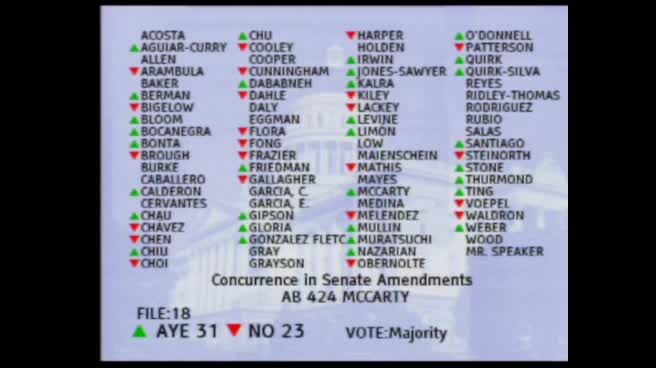 1MIN
Assembly Floor
 3MIN
Senate Floor
 1H
Senate Standing Committee on Appropriations
 4MIN
Senate Standing Committee on Health
 2MIN
Assembly Floor
 1H
Assembly Standing Committee on Appropriations
Bill Author

Bill Co-Author(s):