AB 747: State Water Resources Control Board: Administrative Hearings Office.
- Session Year: 2017-2018
- House: Assembly
- Latest Version Date: 2018-09-22
Existing law declares that the diversion or use of water other than as authorized by specified provisions of law is a trespass. Existing law authorizes the executive director of the State Water Resources Control Board to issue a complaint to a person who violates certain use and diversion of water provisions and subjects the violator to administrative civil liability. Existing law also authorizes the board to issue an order to a person to cease and desist from violating, or threatening to violate, certain requirements relating to water use, including diverting or using water, other than as authorized.
This bill, operative July 1, 2019, would create within the board an Administrative Hearings Office composed of attorneys qualified to act as hearing officers in adjudicative proceedings involving water rights matters. The bill would require the office to preside over hearings on the following matters: a complaint subjecting a violator of certain water use and diversion provisions to administrative civil liability, a proposed cease and desist order for violating, or threatening to violate, certain requirements relating to water use, and a revocation of a permit or license to appropriate water. The bill would exclude from the offices purview a hearing that includes, in addition to any of those enumerated matters, consideration of a matter not enumerated. The bill would authorize the board to assign additional work to the office, as specified. The bill would prescribe procedures for hearings presided over by the office, including the adoption of a final order by the office for certain matters imposing administrative civil liability, and the preparation of a proposed order to be submitted for final review by the board for all other matters presided over by the office.
Existing law declares that the diversion or use of water other than as authorized by specified provisions of law is a trespass. Existing law authorizes the executive director of the State Water Resources Control Board to issue a complaint to a person who violates certain use and diversion of water provisions and subjects the violator to administrative civil liability. Existing law also authorizes the board to issue an order to a person to cease and desist from violating, or threatening to violate, certain requirements relating to water use, including diverting or using water, other than as authorized.
This bill, operative July 1, 2019, would create within the board an Administrative Hearings Office composed of attorneys qualified to act as hearing officers in adjudicative proceedings involving water rights matters. The bill would require the office to preside over hearings on the following matters: a complaint subjecting a violator of certain water use and diversion provisions to administrative civil liability, a proposed cease and desist order for violating, or threatening to violate, certain requirements relating to water use, and a revocation of a permit or license to appropriate water. The bill would exclude from the offices purview a hearing that includes, in addition to any of those enumerated matters, consideration of a matter not enumerated. The bill would authorize the board to assign additional work to the office, as specified. The bill would prescribe procedures for hearings presided over by the office, including the adoption of a final order by the office for certain matters imposing administrative civil liability, and the preparation of a proposed order to be submitted for final review by the board for all other matters presided over by the office.
Existing law declares that the diversion or use of water other than as authorized by specified provisions of law is a trespass. Existing law authorizes the executive director of the State Water Resources Control Board to issue a complaint to a person who violates certain use and diversion of water provisions and subjects the violator to administrative civil liability. Existing law also authorizes the board to issue an order to a person to cease and desist from violating, or threatening to violate, certain requirements relating to water use, including diverting or using water, other than as authorized.
This bill, operative July 1, 2019, would create within the board an Administrative Hearings Office composed of attorneys qualified to act as hearing officers in adjudicative proceedings involving water rights matters. The bill would require the office to preside over hearings on the following matters: a complaint subjecting a violator of certain water use and diversion provisions to administrative civil liability, a proposed cease and desist order for violating, or threatening to violate, certain requirements relating to water use, and a revocation of a permit or license to appropriate water. The bill would exclude from the offices purview a hearing that includes, in addition to any of those enumerated matters, consideration of a matter not enumerated. The bill would authorize the board to assign additional work to the office, as specified. The bill would prescribe procedures for hearings presided over by the office, including the adoption of a final order by the office for certain matters imposing administrative civil liability, and the preparation of a proposed order to be submitted for final review by the board for all other matters presided over by the office.
Existing law declares that the diversion or use of water other than as authorized by specified provisions of law is a trespass. Existing law authorizes the executive director of the State Water Resources Control Board to issue a complaint to a person who violates certain use and diversion of water provisions and subjects the violator to administrative civil liability. Existing law also authorizes the board to issue an order to a person to cease and desist from violating, or threatening to violate, certain requirements relating to water use, including diverting or using water, other than as authorized.
This bill would create within the board an Administrative Hearings Office composed of attorneys qualified to act as hearing officers in adjudicative proceedings involving water rights matters. The bill would require the office to preside over hearings on the following matters: a complaint subjecting a violator of certain water use and diversion provisions to administrative civil liability, a proposed cease and desist order for violating, or threatening to violate, certain requirements relating to water use, and a revocation of a permit or license to appropriate water. The bill would exclude from the offices purview a hearing that includes, in addition to any of those enumerated matters, consideration of a matter not enumerated. The bill would authorize the board to assign additional work to the office, as specified. The bill would prescribe procedures for hearings presided over by the office, including the adoption of a final order by the office for certain matters imposing administrative civil liability, and the preparation of a proposed order to be submitted for final review by the board for all other matters presided over by the office.
Existing law authorizes counties, cities, and other local agencies to impose various taxes and fees in connection with activity or property within those jurisdictions.This bill would authorize the County of Monterey to impose a special tax or assessment until January 1, 2029, or until a statute creating a statewide program for the purpose of addressing water quality issues associated with groundwater-sourced drinking water is enacted, whichever is earlier, on the application, for any commercial purpose, of fertilizers containing any form or compound of nitrogen, if the board of supervisors of the county adopts an ordinance proposing the tax or assessment and the ordinance proposing the tax or assessment is approved by the voters, subject to applicable voter approval requirements, as specified. The bill would require that the tax or assessment be for the purposes of creating a short-term pilot program to provide replacement drinking water and, if a statute creating the statewide program is enacted, to cover implementation costs associated with the countys participation in that program.This bill would make legislative findings and declarations as to the necessity of a special statute for the County of Monterey.Existing law authorizes counties, cities, and other local agencies to impose various taxes and fees in connection with activity or property within those jurisdictions.
This bill would authorize the County of Monterey to impose a special tax or assessment until January 1, 2029, or until a statute creating a statewide program for the purpose of addressing water quality issues associated with groundwater-sourced drinking water is enacted, whichever is earlier, on the application, for any commercial purpose, of fertilizers containing any form or compound of nitrogen, if the board of supervisors of the county adopts an ordinance proposing the tax or assessment and the ordinance proposing the tax or assessment is approved by the voters, subject to applicable voter approval requirements, as specified. The bill would require that the tax or assessment be for the purposes of creating a short-term pilot program to provide replacement drinking water and, if a statute creating the statewide program is enacted, to cover implementation costs associated with the countys participation in that program.
This bill would make legislative findings and declarations as to the necessity of a special statute for the County of Monterey.
Existing law authorizes a county, until January 1, 2018, with approval of the board of supervisors, to utilize construction manager at-risk construction contracts for the erection, construction, alteration, repair, or improvement of any building owned or leased by the county.This bill would also similarly authorize the City of San Diego, until January 1, 2023, with the approval of the city council, to utilize construction manager at-risk construction contracts for the erection, construction, alteration, repair, or improvement of any building owned or leased by the city, for projects in excess of $1,000,000, as specified. This bill would make legislative findings and declarations as to the necessity of a special statute for the City of San Diego.Existing law authorizes a county, until January 1, 2018, with approval of the board of supervisors, to utilize construction manager at-risk construction contracts for the erection, construction, alteration, repair, or improvement of any building owned or leased by the county.
This bill would also similarly authorize the City of San Diego, until January 1, 2023, with the approval of the city council, to utilize construction manager at-risk construction contracts for the erection, construction, alteration, repair, or improvement of any building owned or leased by the city, for projects in excess of $1,000,000, as specified.
This bill would make legislative findings and declarations as to the necessity of a special statute for the City of San Diego.
Existing property tax law prescribes the mediums of payment for property taxes. Existing property tax law authorizes the tax collector for any city, county, or city and county, in his or her discretion, to require any taxpayer, who makes an aggregate payment of $50,000 or more on the 2 most recent regular installments on the secured roll or on the one installment of the most recent unsecured tax roll, to make subsequent payments by electronic funds transfer.This bill would additionally authorize the tax collector to require a taxpayer who makes an aggregate payment of $50,000 or more, as specified above, to make payments through an electronic payment process. The bill would define electronic payment process for these purposes as any transfer of funds, including a transfer made by credit card, which is initiated through an online, Internet Web-based, or other electronic system. The bill would also make conforming changes.Existing property tax law prescribes the mediums of payment for property taxes. Existing property tax law authorizes the tax collector for any city, county, or city and county, in his or her discretion, to require any taxpayer, who makes an aggregate payment of $50,000 or more on the 2 most recent regular installments on the secured roll or on the one installment of the most recent unsecured tax roll, to make subsequent payments by electronic funds transfer.
This bill would additionally authorize the tax collector to require a taxpayer who makes an aggregate payment of $50,000 or more, as specified above, to make payments through an electronic payment process. The bill would define electronic payment process for these purposes as any transfer of funds, including a transfer made by credit card, which is initiated through an online, Internet Web-based, or other electronic system. The bill would also make conforming changes.
This bill would authorize the tax collector for the County of San Diego to require a taxpayer who makes an aggregate payment of $5,000 or more to make payments through an electronic funds transfer or an electronic payment process. The bill would authorize the tax collector for the County of San Diego to provide exceptions from a mandatory electronic funds transfer or electronic payment process for taxpayers who have shown an inability to pay electronically. The bill, if the tax collector for the County of San Diego implements a mandatory electronic funds transfer or electronic payment process pursuant to these provisions, would require that he or she submit a report by January 1, 2023, to the Assembly Committee on Revenue and Taxation and the Senate Committee on Governance and Finance on the implementation of that electronic funds transfer or electronic payment process. The bill would repeal this specific authorization for the County of San Diego on January 1, 2023.This bill would make legislative findings and declarations as to the necessity of a special statute for the County of San Diego.Existing property tax law prescribes the mediums of payment for property taxes. Existing property tax law authorizes the tax collector for any city, county, or city and county, in his or her discretion, to require any taxpayer, who makes an aggregate payment of $50,000 or more on the 2 most recent regular installments on the secured roll or on the one installment of the most recent unsecured tax roll, to make subsequent payments by electronic funds transfer.
This bill would instead additionally authorize the tax collector to require a taxpayer who makes an aggregate payment of $5,000, $50,000 or more, as specified above, to make payments through an electronic payment process. The bill would authorize the tax collector to provide exceptions from a mandatory electronic payment process for taxpayers who have shown an inability to pay electronically. The bill would define electronic payment process for these purposes as any transfer of funds funds, including a transfer made by credit card, which is initiated through an online, Internet Web-based, or other electronic system. The bill would also make conforming changes.
This bill would authorize the tax collector for the County of San Diego to require a taxpayer who makes an aggregate payment of $5,000 or more to make payments through an electronic funds transfer or an electronic payment process. The bill would authorize the tax collector for the County of San Diego to provide exceptions from a mandatory electronic funds transfer or electronic payment process for taxpayers who have shown an inability to pay electronically. The bill, if the tax collector for the County of San Diego implements a mandatory electronic funds transfer or electronic payment process pursuant to these provisions, would require that he or she submit a report by January 1, 2023, to the Assembly Committee on Revenue and Taxation and the Senate Committee on Governance and Finance on the implementation of that electronic funds transfer or electronic payment process. The bill would repeal this specific authorization for the County of San Diego on January 1, 2023.
This bill would make legislative findings and declarations as to the necessity of a special statute for the County of San Diego.
Existing property tax law prescribes the mediums of payment for property taxes. Existing property tax law authorizes the tax collector for any city, county, or city and county, in his or her discretion, to require any taxpayer, who makes an aggregate payment of $50,000 or more on the 2 most recent regular installments on the secured roll or on the one installment of the most recent unsecured tax roll, to make subsequent payments by electronic funds transfer.
This bill would instead authorize the tax collector to require a taxpayer who makes an aggregate payment of $5,000, as specified above, to make payments through an electronic payment process. The bill would authorize the tax collector to provide exceptions from a mandatory electronic payment process for taxpayers who have shown an inability to pay electronically. The bill would define electronic payment process for these purposes as any transfer of funds which is initiated through an online, Internet Web-based, or other electronic system. The bill would also make conforming changes.
(a)There is within the board an Administrative Hearings Office. The board shall administer the Administrative Hearings Office as an independent organizational unit consistent with the role of the Administrative Hearings Office as a neutral, fair, and efficient forum for adjudications. The Administrative Hearings Office shall be overseen by a presiding hearing officer.
(b)The purpose of the Administrative Hearings Office is to provide qualified, impartial hearing officers, to ensure that water rights matters, including water-related cannabis enforcement matters, are resolved in a timely manner, and to provide the board flexibility to assign hearing officers to other matters, such as those involving water right change petitions and other matters concerning water right permits and licenses.
(c)The Administrative Hearings Office shall conduct adjudicative hearings pursuant to this chapter in accordance with Chapter 4.5 (commencing with Section 11400) of Part 1 of Division 3 of Title 2 of the Government Code. Except as otherwise provided in Section 1113 or the regulations of the board, this section does not limit the discretion of the board where Chapter 4.5 (commencing with Section 11400) of Part 1 of Division 3 of Title 2 of the Government Code makes the applicability of a procedure or requirement discretionary.
1111.(a)The Administrative Hearings Office shall include attorneys qualified to act as hearing officers in adjudicative proceedings involving water right matters. The hearing officers shall have qualifications equivalent to those of administrative law judges and knowledge and experience in water law.
(b)The board shall designate a hearing officer to serve as the presiding hearing officer.
(c)The presiding hearing officer shall have authority to supervise the Administrative Hearings Office, including, but not limited to, the authority to do all of the following:
(1)Hire personnel, including technical experts.
(2)Assign matters to hearing officers.
(3)Reassign matters as convenience and necessity require.
(4)Serve as a hearing officer.
1112.(a)Except as provided in subdivision (b), a hearing officer from the Administrative Hearings Office shall preside over a hearing in any of the following matters:
(1)A complaint issued under Section 1055.
(2)A notice of a proposed cease and desist order issued under Section 1834.
(3)A notice of a revocation of a permit issued under Section 1410 or revocation of a license issued under Section 1675.
(b)Subdivision (a) does not apply if the hearing notice includes, in addition to a proceeding under subdivision (a), consideration of a decision or order on a matter not subject to subdivision (a).
(c)In an adjudicative hearing presided over by the board or a board member, all of the following shall apply:
(1)Upon request by the board, a hearing officer from the Administrative Hearings Office shall assist the board or board member in conducting the hearing.
(2)The board may assign an adjudicative hearing, in whole or in part, to the Administrative Hearings Office.
(3)A hearing officer may perform additional work requested by the board, including, but not limited to, presiding over hearings on nonadjudicative matters, mediations, and overseeing investigations.
(d)A hearing officer may only perform the work specified in subdivision (c) if the additional work does not conflict with the officers primary responsibility to serve as a hearing officer for matters listed in subdivision (a) and to resolve those matters in a timely manner.
1113.In accordance with subdivision (c) of Section 1110, the Administrative Adjudication Code of Ethics (Article 16 (commencing with Section 11475) of Chapter 4.5 of Part 1 of Division 3 of Title 2 of the Government Code) shall apply to hearing officers of the Administrative Hearings Office.
1114.(a)Proposed and final orders in an adjudicative proceeding presided over by a hearing officer from the Administrative Hearings Office shall be prepared in accordance with this section.
(b)In a proceeding presided over by a hearing officer for administrative civil liability under Section 1847 or 5107, both of the following shall apply:
(1)Within 90 days after the matter is submitted, the hearing officer shall adopt a final order that meets the requirements of Section 11425.50 of the Government Code. If the hearing officer finds that a delay is required by special circumstances, the hearing officer shall issue an order delaying the final order for no more than 30 days and specifying the reasons for the delay. Failure of the hearing officer to adopt a final order within the time required shall not prejudice the rights of any party in the case.
(2)A final order adopted under this subdivision is subject to review as provided in Chapter 4 (commencing with Section 1120).
(c)In a proceeding presided over by a hearing officer other than a proceeding under subdivision (b), all of the following apply:
(1)Within 90 days after the matter is submitted, the hearing officer shall prepare a proposed order in a form that meets the requirements of Section 11425.50 of the Government Code and may be adopted by the board as the final order in the case. If the hearing officer finds that a delay is required by special circumstances, the hearing officer shall issue an order delaying the proposed order for no more than 30 days and specifying the reasons for the delay. Failure of the hearing officer to deliver a proposed order within the time required shall not prejudice the rights of any party in the case. A copy of the proposed order shall be served on all parties to the proceeding and posted on the boards Internet Web site on the same day that it is provided to the board.
(2)Within 90 days after receipt of the hearing officers proposed order, the board may do any of the following:
(A)Adopt the proposed order in its entirety.
(B)Reduce or otherwise mitigate the proposed administrative civil liability and adopt the balance of the proposed order.
(C)Make technical or other minor changes in the proposed order and adopt it as the boards order. Action under this subparagraph is limited to a clarifying change or a change of a similar nature that does not materially change the factual or legal basis of the proposed order.
(D)Reject the proposed order and remand the case to the same hearing officer if reasonably available, otherwise to another hearing officer from the Administrative Hearings Office, for further proceedings. If the board remands the matter to a hearing officer pursuant to this subparagraph, the hearing officer shall prepare a revised proposed order, as provided in paragraph (1), based upon the record of the prior hearing and any additional evidence admitted in the proceeding. A copy of the revised proposed order shall be served on all parties to the proceeding and posted on the boards Internet Web site on the same day it is provided to the board. The board may remand a proceeding pursuant to this subparagraph only once.
(E)Reject the proposed order, and decide the case upon the record, including the transcript, or upon an agreed statement of the parties, with or without taking additional evidence. By stipulation of the parties, the board may decide the case upon the record without including the transcript. If the board acts pursuant to this subparagraph, all of the following provisions apply:
(i)The board shall make available a copy of the record to the parties and may require payment of fees covering only the direct costs of making the copy.
(ii)The board shall afford the parties the opportunity to present either oral or written argument before the board.
(iii)The authority of the board to decide a case pursuant to this subparagraph includes the authority to adopt portions of the hearing officers recommended order, as provided in subparagraphs (A) to (C), inclusive, while deciding for itself the remaining issues in the case.
(iv)If the board elects to proceed under this subparagraph, the board shall issue its final order no later than 90 days after rejection of the proposed order, or no later than 90 days after its receipt of the transcript if the board has ordered a transcript of the proceedings before the hearing officer.
(v)If the board finds that further delay is required by special circumstances, the board shall issue an order delaying the issuance of its final order by no more than 30 days and specifying the reasons for that delay.
(3)After 90 days following receipt of the proposed order, if the board fails to act as prescribed in paragraph (2) or fails to issue a rejection under subparagraph (E) of paragraph (2), the proposed order shall be deemed adopted by the board.
(4)Within 30 days of receipt of the hearing officers proposed order, any interested party may submit a written request to the board describing which of the actions authorized by paragraph (2) the party requests the board to take, including an explanation of the reasons for the partys request. The board shall consider all requests submitted pursuant to this paragraph when it acts on the hearing officers proposed order.
(d)(1)The time limits for issuance of a proposed order and board action under this section do not apply to a proceeding that the hearing officer determines to be complex because it involves any of the following:
(A)Novel and difficult legal or factual issues.
(B)A large number of parties.
(C)Numerous witnesses.
(D)A large amount of documentary evidence.
(E)Coordination with related proceedings.
(2)A proceeding is deemed to be complex if it is a reference from a court under Section 2000 or a statutory adjudication under Section 2525.
(3)If a hearing officer determines a proceeding to be complex, or a proceeding is deemed to be complex pursuant to paragraph (2), the hearing officer shall establish a hearing management plan and monitor the proceeding to ensure timely disposition.
SEC. 2.This act shall become operative on July 1, 2019.
(a)There is within the board an Administrative Hearings Office. The board shall administer the Administrative Hearings Office as an independent organizational unit consistent with the role of the Administrative Hearings Office as a neutral, fair, and efficient forum for adjudications. The Administrative Hearings Office shall be overseen by a presiding hearing officer.
(b)The purpose of the Administrative Hearings Office is to provide qualified, impartial hearing officers, to ensure that water rights matters, including water-related cannabis enforcement matters, are resolved in a timely manner, and to provide the board flexibility to assign hearing officers to other matters, such as those involving water right change petitions and other matters concerning water right permits and licenses.
(c)The Administrative Hearings Office shall conduct adjudicative hearings pursuant to this chapter in accordance with Chapter 4.5 (commencing with Section 11400) of Part 1 of Division 3 of Title 2 of the Government Code. Except as otherwise provided in Section 1113 or the regulations of the board, this section does not limit the discretion of the board where Chapter 4.5 (commencing with Section 11400) of Part 1 of Division 3 of Title 2 of the Government Code makes the applicability of a procedure or requirement discretionary.
1111.(a)The Administrative Hearings Office shall include attorneys qualified to act as hearing officers in adjudicative proceedings involving water right matters. The hearing officers shall have qualifications equivalent to those of administrative law judges and knowledge and experience in water law.
(b)The board shall designate a hearing officer to serve as the presiding hearing officer.
(c)The presiding hearing officer shall have authority to supervise the Administrative Hearings Office, including, but not limited to, the authority to do all of the following:
(1)Hire personnel, including technical experts.
(2)Assign matters to hearing officers.
(3)Reassign matters as convenience and necessity require.
(4)Serve as a hearing officer.
1112.(a)Except as provided in subdivision (b), a hearing officer from the Administrative Hearings Office shall preside over a hearing in any of the following matters:
(1)A complaint issued under Section 1055.
(2)A notice of a proposed cease and desist order issued under Section 1834.
(3)A notice of a revocation of a permit issued under Section 1410 or revocation of a license issued under Section 1675.
(b)Subdivision (a) does not apply if the hearing notice includes, in addition to a proceeding under subdivision (a), consideration of a decision or order on a matter not subject to subdivision (a).
(c)In an adjudicative hearing presided over by the board or a board member, all of the following shall apply:
(1)Upon request by the board, a hearing officer from the Administrative Hearings Office shall assist the board or board member in conducting the hearing.
(2)The board may assign an adjudicative hearing, in whole or in part, to the Administrative Hearings Office.
(3)A hearing officer may perform additional work requested by the board, including, but not limited to, presiding over hearings on nonadjudicative matters, mediations, and overseeing investigations.
(d)A hearing officer may only perform the work specified in subdivision (c) if the additional work does not conflict with the officers primary responsibility to serve as a hearing officer for matters listed in subdivision (a) and to resolve those matters in a timely manner.
1113.In accordance with subdivision (c) of Section 1110, the Administrative Adjudication Code of Ethics (Article 16 (commencing with Section 11475) of Chapter 4.5 of Part 1 of Division 3 of Title 2 of the Government Code) shall apply to hearing officers of the Administrative Hearings Office.
1114.(a)Proposed and final orders in an adjudicative proceeding presided over by a hearing officer from the Administrative Hearings Office shall be prepared in accordance with this section.
(b)In a proceeding presided over by a hearing officer for administrative civil liability under Section 1847 or 5107, both of the following shall apply:
(1)Within 90 days after the matter is submitted, the hearing officer shall adopt a final order that meets the requirements of Section 11425.50 of the Government Code. If the hearing officer finds that a delay is required by special circumstances, the hearing officer shall issue an order delaying the final order for no more than 30 days and specifying the reasons for the delay. Failure of the hearing officer to adopt a final order within the time required shall not prejudice the rights of any party in the case.
(2)A final order adopted under this subdivision is subject to review as provided in Chapter 4 (commencing with Section 1120).
(c)In a proceeding presided over by a hearing officer other than a proceeding under subdivision (b), all of the following apply:
(1)Within 90 days after the matter is submitted, the hearing officer shall prepare a proposed order in a form that meets the requirements of Section 11425.50 of the Government Code and may be adopted by the board as the final order in the case. If the hearing officer finds that a delay is required by special circumstances, the hearing officer shall issue an order delaying the proposed order for no more than 30 days and specifying the reasons for the delay. Failure of the hearing officer to deliver a proposed order within the time required shall not prejudice the rights of any party in the case. A copy of the proposed order shall be served on all parties to the proceeding and posted on the boards Internet Web site on the same day that it is provided to the board.
(2)Within 90 days after receipt of the hearing officers proposed order, the board may do any of the following:
(A)Adopt the proposed order in its entirety.
(B)Reduce or otherwise mitigate the proposed administrative civil liability and adopt the balance of the proposed order.
(C)Make technical or other minor changes in the proposed order and adopt it as the boards order. Action under this subparagraph is limited to a clarifying change or a change of a similar nature that does not materially change the factual or legal basis of the proposed order.
(D)Reject the proposed order and remand the case to the same hearing officer if reasonably available, otherwise to another hearing officer from the Administrative Hearings Office, for further proceedings. If the board remands the matter to a hearing officer pursuant to this subparagraph, the hearing officer shall prepare a revised proposed order, as provided in paragraph (1), based upon the record of the prior hearing and any additional evidence admitted in the proceeding. A copy of the revised proposed order shall be served on all parties to the proceeding and posted on the boards Internet Web site on the same day it is provided to the board. The board may remand a proceeding pursuant to this subparagraph only once.
(E)Reject the proposed order, and decide the case upon the record, including the transcript, or upon an agreed statement of the parties, with or without taking additional evidence. By stipulation of the parties, the board may decide the case upon the record without including the transcript. If the board acts pursuant to this subparagraph, all of the following provisions apply:
(i)The board shall make available a copy of the record to the parties and may require payment of fees covering only the direct costs of making the copy.
(ii)The board shall afford the parties the opportunity to present either oral or written argument before the board.
(iii)The authority of the board to decide a case pursuant to this subparagraph includes the authority to adopt portions of the hearing officers recommended order, as provided in subparagraphs (A) to (C), inclusive, while deciding for itself the remaining issues in the case.
(iv)If the board elects to proceed under this subparagraph, the board shall issue its final order no later than 90 days after rejection of the proposed order, or no later than 90 days after its receipt of the transcript if the board has ordered a transcript of the proceedings before the hearing officer.
(v)If the board finds that further delay is required by special circumstances, the board shall issue an order delaying the issuance of its final order by no more than 30 days and specifying the reasons for that delay.
(3)After 90 days following receipt of the proposed order, if the board fails to act as prescribed in paragraph (2) or fails to issue a rejection under subparagraph (E) of paragraph (2), the proposed order shall be deemed adopted by the board.
(4)Within 30 days of receipt of the hearing officers proposed order, any interested party may submit a written request to the board describing which of the actions authorized by paragraph (2) the party requests the board to take, including an explanation of the reasons for the partys request. The board shall consider all requests submitted pursuant to this paragraph when it acts on the hearing officers proposed order.
(d)(1)The time limits for issuance of a proposed order and board action under this section do not apply to a proceeding that the hearing officer determines to be complex because it involves any of the following:
(A)Novel and difficult legal or factual issues.
(B)A large number of parties.
(C)Numerous witnesses.
(D)A large amount of documentary evidence.
(E)Coordination with related proceedings.
(2)A proceeding is deemed to be complex if it is a reference from a court under Section 2000 or a statutory adjudication under Section 2525.
(3)If a hearing officer determines a proceeding to be complex, or a proceeding is deemed to be complex pursuant to paragraph (2), the hearing officer shall establish a hearing management plan and monitor the proceeding to ensure timely disposition.
SEC. 2.This act shall become operative on July 1, 2019.
(a)There is within the board an Administrative Hearings Office. The board shall administer the Administrative Hearings Office as an independent organizational unit consistent with the role of the Administrative Hearings Office as a neutral, fair, and efficient forum for adjudications. The Administrative Hearings Office shall be overseen by a presiding hearing officer.
(b)The purpose of the Administrative Hearings Office is to provide qualified, impartial hearing officers, to ensure that water rights matters, including water-related cannabis enforcement matters, are resolved in a timely manner, and to provide the board flexibility to assign hearing officers to other matters, such as those involving water right change petitions and other matters concerning water right permits and licenses.
(c)The Administrative Hearings Office shall conduct adjudicative hearings pursuant to this chapter in accordance with Chapter 4.5 (commencing with Section 11400) of Part 1 of Division 3 of Title 2 of the Government Code. Except as otherwise provided in Section 1113 or the regulations of the board, this section does not limit the discretion of the board where Chapter 4.5 (commencing with Section 11400) of Part 1 of Division 3 of Title 2 of the Government Code makes the applicability of a procedure or requirement discretionary.
1111.(a)The Administrative Hearings Office shall include attorneys qualified to act as hearing officers in adjudicative proceedings involving water right matters. The hearing officers shall have qualifications equivalent to those of administrative law judges and knowledge and experience in water law.
(b)The board shall designate a hearing officer to serve as the presiding hearing officer.
(c)The presiding hearing officer shall have authority to supervise the Administrative Hearings Office, including, but not limited to, the authority to do all of the following:
(1)Hire personnel, including technical experts.
(2)Assign matters to hearing officers.
(3)Reassign matters as convenience and necessity require.
(4)Serve as a hearing officer.
1112.(a)Except as provided in subdivision (b), a hearing officer from the Administrative Hearings Office shall preside over a hearing in any of the following matters:
(1)A complaint issued under Section 1055.
(2)A notice of a proposed cease and desist order issued under Section 1834.
(3)A notice of a revocation of a permit issued under Section 1410 or revocation of a license issued under Section 1675.
(b)Subdivision (a) does not apply if the hearing notice includes, in addition to a proceeding under subdivision (a), consideration of a decision or order on a matter not subject to subdivision (a).
(c)In an adjudicative hearing presided over by the board or a board member, all of the following shall apply:
(1)Upon request by the board, a hearing officer from the Administrative Hearings Office shall assist the board or board member in conducting the hearing.
(2)The board may assign an adjudicative hearing, in whole or in part, to the Administrative Hearings Office.
(3)A hearing officer may perform additional work requested by the board, including, but not limited to, presiding over hearings on nonadjudicative matters, mediations, and overseeing investigations.
(d)A hearing officer may only perform the work specified in subdivision (c) if the additional work does not conflict with the officers primary responsibility to serve as a hearing officer for matters listed in subdivision (a) and to resolve those matters in a timely manner.
1113.In accordance with subdivision (c) of Section 1110, the Administrative Adjudication Code of Ethics (Article 16 (commencing with Section 11475) of Chapter 4.5 of Part 1 of Division 3 of Title 2 of the Government Code) shall apply to hearing officers of the Administrative Hearings Office.
1114.(a)Proposed and final orders in an adjudicative proceeding presided over by a hearing officer from the Administrative Hearings Office shall be prepared in accordance with this section.
(b)In a proceeding presided over by a hearing officer for administrative civil liability under Section 1847 or 5107, both of the following shall apply:
(1)Within 90 days after the matter is submitted, the hearing officer shall adopt a final order that meets the requirements of Section 11425.50 of the Government Code. If the hearing officer finds that a delay is required by special circumstances, the hearing officer shall issue an order delaying the final order for no more than 30 days and specifying the reasons for the delay. Failure of the hearing officer to adopt a final order within the time required shall not prejudice the rights of any party in the case.
(2)A final order adopted under this subdivision is subject to review as provided in Chapter 4 (commencing with Section 1120).
(c)In a proceeding presided over by a hearing officer other than a proceeding under subdivision (b), all of the following apply:
(1)Within 90 days after the matter is submitted, the hearing officer shall prepare a proposed order in a form that meets the requirements of Section 11425.50 of the Government Code and may be adopted by the board as the final order in the case. If the hearing officer finds that a delay is required by special circumstances, the hearing officer shall issue an order delaying the proposed order for no more than 30 days and specifying the reasons for the delay. Failure of the hearing officer to deliver a proposed order within the time required shall not prejudice the rights of any party in the case. A copy of the proposed order shall be served on all parties to the proceeding and posted on the boards Internet Web site on the same day that it is provided to the board.
(2)Within 90 days after receipt of the hearing officers proposed order, the board may do any of the following:
(A)Adopt the proposed order in its entirety.
(B)Reduce or otherwise mitigate the proposed administrative civil liability and adopt the balance of the proposed order.
(C)Make technical or other minor changes in the proposed order and adopt it as the boards order. Action under this subparagraph is limited to a clarifying change or a change of a similar nature that does not materially change the factual or legal basis of the proposed order.
(D)Reject the proposed order and remand the case to the same hearing officer if reasonably available, otherwise to another hearing officer from the Administrative Hearings Office, for further proceedings. If the board remands the matter to a hearing officer pursuant to this subparagraph, the hearing officer shall prepare a revised proposed order, as provided in paragraph (1), based upon the record of the prior hearing and any additional evidence admitted in the proceeding. A copy of the revised proposed order shall be served on all parties to the proceeding and posted on the boards Internet Web site on the same day it is provided to the board. The board may remand a proceeding pursuant to this subparagraph only once.
(E)Reject the proposed order, and decide the case upon the record, including the transcript, or upon an agreed statement of the parties, with or without taking additional evidence. By stipulation of the parties, the board may decide the case upon the record without including the transcript. If the board acts pursuant to this subparagraph, all of the following provisions apply:
(i)The board shall make available a copy of the record to the parties and may require payment of fees covering only the direct costs of making the copy.
(ii)The board shall afford the parties the opportunity to present either oral or written argument before the board.
(iii)The authority of the board to decide a case pursuant to this subparagraph includes the authority to adopt portions of the hearing officers recommended order, as provided in subparagraphs (A) to (C), inclusive, while deciding for itself the remaining issues in the case.
(iv)If the board elects to proceed under this subparagraph, the board shall issue its final order no later than 90 days after rejection of the proposed order, or no later than 90 days after its receipt of the transcript if the board has ordered a transcript of the proceedings before the hearing officer.
(v)If the board finds that further delay is required by special circumstances, the board shall issue an order delaying the issuance of its final order by no more than 30 days and specifying the reasons for that delay.
(3)After 90 days following receipt of the proposed order, if the board fails to act as prescribed in paragraph (2) or fails to issue a rejection under subparagraph (E) of paragraph (2), the proposed order shall be deemed adopted by the board.
(4)Within 30 days of receipt of the hearing officers proposed order, any interested party may submit a written request to the board describing which of the actions authorized by paragraph (2) the party requests the board to take, including an explanation of the reasons for the partys request. The board shall consider all requests submitted pursuant to this paragraph when it acts on the hearing officers proposed order.
(d)(1)The time limits for issuance of a proposed order and board action under this section do not apply to a proceeding that the hearing officer determines to be complex because it involves any of the following:
(A)Novel and difficult legal or factual issues.
(B)A large number of parties.
(C)Numerous witnesses.
(D)A large amount of documentary evidence.
(E)Coordination with related proceedings.
(2)A proceeding is deemed to be complex if it is a reference from a court under Section 2000 or a statutory adjudication under Section 2525.
(3)If a hearing officer determines a proceeding to be complex, or a proceeding is deemed to be complex pursuant to paragraph (2), the hearing officer shall establish a hearing management plan and monitor the proceeding to ensure timely disposition.
SEC. 2.This act shall become operative on July 1, 2019.
(a)There is within the board an Administrative Hearings Office. The board shall administer the Administrative Hearings Office as an independent organizational unit consistent with the role of the Administrative Hearings Office as a neutral, fair, and efficient forum for adjudications. The Administrative Hearings Office shall be overseen by a presiding hearing officer.
(b)The purpose of the Administrative Hearings Office is to provide qualified, impartial hearing officers, to ensure that water rights matters, including water-related cannabis enforcement matters, are resolved in a timely manner, and to provide the board flexibility to assign hearing officers to other matters, such as those involving water right change petitions and other matters concerning water right permits and licenses.
(c)The Administrative Hearings Office shall conduct adjudicative hearings pursuant to this chapter in accordance with Chapter 4.5 (commencing with Section 11400) of Part 1 of Division 3 of Title 2 of the Government Code. Except as otherwise provided in Section 1113 or the regulations of the board, this section does not limit the discretion of the board where Chapter 4.5 (commencing with Section 11400) of Part 1 of Division 3 of Title 2 of the Government Code makes the applicability of a procedure or requirement discretionary.
1111.(a)The Administrative Hearings Office shall include attorneys qualified to act as hearing officers in adjudicative proceedings involving water right matters. The hearing officers shall have qualifications equivalent to those of administrative law judges and knowledge and experience in water law.
(b)The board shall designate a hearing officer to serve as the presiding hearing officer.
(c)The presiding hearing officer shall have authority to supervise the Administrative Hearings Office, including, but not limited to, the authority to do all of the following:
(1)Hire personnel, including technical experts.
(2)Assign matters to hearing officers.
(3)Reassign matters as convenience and necessity require.
(4)Serve as a hearing officer.
1112.(a)Except as provided in subdivision (b), a hearing officer from the Administrative Hearings Office shall preside over a hearing in any of the following matters:
(1)A complaint issued under Section 1055.
(2)A notice of a proposed cease and desist order issued under Section 1834.
(3)A notice of a revocation of a permit issued under Section 1410 or revocation of a license issued under Section 1675.
(b)Subdivision (a) does not apply if the hearing notice includes, in addition to a proceeding under subdivision (a), consideration of a decision or order on a matter not subject to subdivision (a).
(c)In an adjudicative hearing presided over by the board or a board member, all of the following shall apply:
(1)Upon request by the board, a hearing officer from the Administrative Hearings Office shall assist the board or board member in conducting the hearing.
(2)The board may assign an adjudicative hearing, in whole or in part, to the Administrative Hearings Office.
(3)A hearing officer may perform additional work requested by the board, including, but not limited to, presiding over hearings on nonadjudicative matters, mediations, and overseeing investigations.
(d)A hearing officer may only perform the work specified in subdivision (c) if the additional work does not conflict with the officers primary responsibility to serve as a hearing officer for matters listed in subdivision (a) and to resolve those matters in a timely manner.
1113.In accordance with subdivision (c) of Section 1110, the Administrative Adjudication Code of Ethics (Article 16 (commencing with Section 11475) of Chapter 4.5 of Part 1 of Division 3 of Title 2 of the Government Code) shall apply to hearing officers of the Administrative Hearings Office.
1114.(a)Proposed and final orders in an adjudicative proceeding presided over by a hearing officer from the Administrative Hearings Office shall be prepared in accordance with this section.
(b)In a proceeding presided over by a hearing officer for administrative civil liability under Section 1847 or 5107, both of the following shall apply:
(1)Within 90 days after the matter is submitted, the hearing officer shall adopt a final order that meets the requirements of Section 11425.50 of the Government Code. If the hearing officer finds that a delay is required by special circumstances, the hearing officer shall issue an order delaying the final order for no more than 30 days and specifying the reasons for the delay. Failure of the hearing officer to adopt a final order within the time required shall not prejudice the rights of any party in the case.
(2)A final order adopted under this subdivision is subject to review as provided in Chapter 4 (commencing with Section 1120).
(c)In a proceeding presided over by a hearing officer other than a proceeding under subdivision (b), all of the following apply:
(1)Within 90 days after the matter is submitted, the hearing officer shall prepare a proposed order in a form that meets the requirements of Section 11425.50 of the Government Code and may be adopted by the board as the final order in the case. If the hearing officer finds that a delay is required by special circumstances, the hearing officer shall issue an order delaying the proposed order for no more than 30 days and specifying the reasons for the delay. Failure of the hearing officer to deliver a proposed order within the time required shall not prejudice the rights of any party in the case. A copy of the proposed order shall be served on all parties to the proceeding and posted on the boards Internet Web site on the same day that it is provided to the board.
(2)Within 90 days after receipt of the hearing officers proposed order, the board may do any of the following:
(A)Adopt the proposed order in its entirety.
(B)Reduce or otherwise mitigate the proposed administrative civil liability and adopt the balance of the proposed order.
(C)Make technical or other minor changes in the proposed order and adopt it as the boards order. Action under this subparagraph is limited to a clarifying change or a change of a similar nature that does not materially change the factual or legal basis of the proposed order.
(D)Reject the proposed order and remand the case to the same hearing officer if reasonably available, otherwise to another hearing officer from the Administrative Hearings Office, for further proceedings. If the board remands the matter to a hearing officer pursuant to this subparagraph, the hearing officer shall prepare a revised proposed order, as provided in paragraph (1), based upon the record of the prior hearing and any additional evidence admitted in the proceeding. A copy of the revised proposed order shall be served on all parties to the proceeding and posted on the boards Internet Web site on the same day it is provided to the board. The board may remand a proceeding pursuant to this subparagraph only once.
(E)Reject the proposed order, and decide the case upon the record, including the transcript, or upon an agreed statement of the parties, with or without taking additional evidence. By stipulation of the parties, the board may decide the case upon the record without including the transcript. If the board acts pursuant to this subparagraph, all of the following provisions apply:
(i)The board shall make available a copy of the record to the parties and may require payment of fees covering only the direct costs of making the copy.
(ii)The board shall afford the parties the opportunity to present either oral or written argument before the board.
(iii)The authority of the board to decide a case pursuant to this subparagraph includes the authority to adopt portions of the hearing officers recommended order, as provided in subparagraphs (A) to (C), inclusive, while deciding for itself the remaining issues in the case.
(iv)If the board elects to proceed under this subparagraph, the board shall issue its final order no later than 90 days after rejection of the proposed order, or no later than 90 days after its receipt of the transcript if the board has ordered a transcript of the proceedings before the hearing officer.
(v)If the board finds that further delay is required by special circumstances, the board shall issue an order delaying the issuance of its final order by no more than 30 days and specifying the reasons for that delay.
(3)After 90 days following receipt of the proposed order, if the board fails to act as prescribed in paragraph (2) or fails to issue a rejection under subparagraph (E) of paragraph (2), the proposed order shall be deemed adopted by the board.
(4)Within 30 days of receipt of the hearing officers proposed order, any interested party may submit a written request to the board describing which of the actions authorized by paragraph (2) the party requests the board to take, including an explanation of the reasons for the partys request. The board shall consider all requests submitted pursuant to this paragraph when it acts on the hearing officers proposed order.
(d)(1)The time limits for issuance of a proposed order and board action under this section do not apply to a proceeding that the hearing officer determines to be complex because it involves any of the following:
(A)Novel and difficult legal or factual issues.
(B)A large number of parties.
(C)Numerous witnesses.
(D)A large amount of documentary evidence.
(E)Coordination with related proceedings.
(2)A proceeding is deemed to be complex if it is a reference from a court under Section 2000 or a statutory adjudication under Section 2525.
(3)If a hearing officer determines a proceeding to be complex, or a proceeding is deemed to be complex pursuant to paragraph (2), the hearing officer shall establish a hearing management plan and monitor the proceeding to ensure timely disposition.
SECTION 1.Chapter 3.2 (commencing with Section 7287.20) is added to Part 1.7 of Division 2 of the Revenue and Taxation Code, to read:3.2.County of Monterey Nitrogen-Based Fertilizer Application Tax7287.20.(a)Notwithstanding any other law, in order to address the deleterious effects of nitrate contamination on groundwater sourced drinking water, the County of Monterey may, by ordinance, impose a special tax or assessment until January 1, 2029, on the application, for any commercial purpose, of fertilizers containing any form or compound of nitrogen if both of the following requirements are met:(1)Upon approval by the Board of Supervisors of the County of Monterey, the ordinance proposing the special tax or assessment is subsequently submitted for review to the Secretary of the Department of Food and Agriculture, who shall determine its consistency with this chapter by no later than 14 calendar days upon receipt of the approved ordinance.(2)The approved ordinance is submitted to the voters for approval in accordance with Article XIIIC of the California Constitution by no later than December 31, 2018.(b)The purposes of the special tax or assessment shall be as follows:(1)Creating a short-term pilot program to provide replacement drinking water to certain drinking water systems and to individual wells located in agricultural production areas that are impacted with nitrate levels above the maximum contaminant level. Replacement water may be provided by bottled water or a water treatment device that complies with Article 3 (commencing with Section 116825) of Chapter 5 of Part 12 of Division 104 of the Health and Safety Code.(2)Covering implementation costs associated with the countys participation in the statewide program described in subdivision (f), if the statute creating the program is enacted as described in subdivision (f).(c)The county may use proceeds from the special tax or assessment, not to exceed 10 percent of the total amount collected, for reasonable costs associated with the support, administration, and collection of the special tax or assessment and the implementation of the pilot program.(d)Proceeds from the special tax or assessment in excess of amounts needed to satisfy the obligations specified in subdivisions (b) and (c) may be used to identify and assess the technological, regulatory, and economic feasibility of alternatives for long-term replacement water for nitrate-impacted drinking water sources in the Salinas basin.(e)If the ordinance proposing the special tax or assessment is not approved as required in accordance with this chapter, then this chapter shall be repealed as of January 1, 2019.(f)Notwithstanding subdivision (a), if a statute that is enacted on or after the effective date of this section, and before January 1, 2029, creates a statewide program and funding source for the purpose of addressing water quality issues associated with groundwater-sourced drinking water, then the special tax or assessment authorized by this chapter shall not be collected on or after the effective date of that statute.(g)After collection of the special tax or assessment concludes, the county may continue to expend the remaining unused proceeds of the special tax or assessment, until the proceeds are exhausted, for either of the following:(1)The purposes specified pursuant to paragraph (1) of subdivision (b) until the pilot program is dissolved and wound up and all obligations paid in full in accordance with the ordinance.(2)The purposes described in paragraph (2) of subdivision (b).SEC. 2.The Legislature finds and declares that a special statute is necessary and that a general statute cannot be made applicable within the meaning of Section 16 of Article IV of the California Constitution because of the necessity for the County of Monterey to have the statutory authority to place before its voters a local initiative for the purpose of creating the necessary infrastructure and initial funding for a temporary clean drinking water distribution program at the county level to begin delivering safe water to individual Salinas Valley water users whose drinking water contains high levels of nitrates.(a)Notwithstanding any other law, in order to address the deleterious effects of nitrate contamination on groundwater sourced drinking water, the County of Monterey may, by ordinance, impose a special tax or assessment until January 1, 2029, on the application, for any commercial purpose, of fertilizers containing any form or compound of nitrogen if both of the following requirements are met:
(1)Upon approval by the Board of Supervisors of the County of Monterey, the ordinance proposing the special tax or assessment is subsequently submitted for review to the Secretary of the Department of Food and Agriculture, who shall determine its consistency with this chapter by no later than 14 calendar days upon receipt of the approved ordinance.
(2)The approved ordinance is submitted to the voters for approval in accordance with Article XIIIC of the California Constitution by no later than December 31, 2018.
(b)The purposes of the special tax or assessment shall be as follows:
(1)Creating a short-term pilot program to provide replacement drinking water to certain drinking water systems and to individual wells located in agricultural production areas that are impacted with nitrate levels above the maximum contaminant level. Replacement water may be provided by bottled water or a water treatment device that complies with Article 3 (commencing with Section 116825) of Chapter 5 of Part 12 of Division 104 of the Health and Safety Code.
(2)Covering implementation costs associated with the countys participation in the statewide program described in subdivision (f), if the statute creating the program is enacted as described in subdivision (f).
(c)The county may use proceeds from the special tax or assessment, not to exceed 10 percent of the total amount collected, for reasonable costs associated with the support, administration, and collection of the special tax or assessment and the implementation of the pilot program.
(d)Proceeds from the special tax or assessment in excess of amounts needed to satisfy the obligations specified in subdivisions (b) and (c) may be used to identify and assess the technological, regulatory, and economic feasibility of alternatives for long-term replacement water for nitrate-impacted drinking water sources in the Salinas basin.
(e)If the ordinance proposing the special tax or assessment is not approved as required in accordance with this chapter, then this chapter shall be repealed as of January 1, 2019.
(f)Notwithstanding subdivision (a), if a statute that is enacted on or after the effective date of this section, and before January 1, 2029, creates a statewide program and funding source for the purpose of addressing water quality issues associated with groundwater-sourced drinking water, then the special tax or assessment authorized by this chapter shall not be collected on or after the effective date of that statute.
(g)After collection of the special tax or assessment concludes, the county may continue to expend the remaining unused proceeds of the special tax or assessment, until the proceeds are exhausted, for either of the following:
(1)The purposes specified pursuant to paragraph (1) of subdivision (b) until the pilot program is dissolved and wound up and all obligations paid in full in accordance with the ordinance.
(2)The purposes described in paragraph (2) of subdivision (b).
SEC. 2.The Legislature finds and declares that a special statute is necessary and that a general statute cannot be made applicable within the meaning of Section 16 of Article IV of the California Constitution because of the necessity for the County of Monterey to have the statutory authority to place before its voters a local initiative for the purpose of creating the necessary infrastructure and initial funding for a temporary clean drinking water distribution program at the county level to begin delivering safe water to individual Salinas Valley water users whose drinking water contains high levels of nitrates.
SECTION 1.Section 20175 is added to the Public Contract Code, to read:20175.(a)Notwithstanding any other law, the City of San Diego, with approval of the city council, may utilize construction manager at-risk construction contracts for the erection, construction, alteration, repair, or improvement of any building owned or leased by the city. A construction manager at-risk construction contract may be used only for projects in the city in excess of one million dollars ($1,000,000) and may be awarded using either the lowest responsible bidder or best value method to a construction manager at-risk entity that possesses or that obtains sufficient bonding to cover the contract amount for construction services and risk and liability insurance as may be required by the city. Any payment or performance bond written for the purposes of this section shall be written using a bond form developed by the city.(b)For purposes of this section, the following definitions apply: (1)Best value means a value determined by objective criteria related to the experience of the entity and project personnel, project plan, financial strength of the entity, safety record of the entity, and price. (2)Construction manager at-risk contract means one or a successive combination of competitively procured contracts entered into by the City of San Diego with an individual, partnership, joint venture, corporation, or other recognized legal entity, that is appropriately licensed in this state, including holding a contractors license issued by the Contractors State License Board, and that guarantees the cost of a project and furnishes construction management services, including, but not limited to, preparation and coordination of bid packages, scheduling, cost control, value engineering, evaluation, preconstruction services, and construction administration. (c)(1)A construction manager at-risk entity shall not be prequalified or shortlisted or awarded a contract unless the entity provides an enforceable commitment to the City of San Diego that the entity and its subcontractors at every tier will use a skilled and trained workforce to perform all work on the project or contract that falls within an apprenticeable occupation in the building and construction trades, in accordance with Chapter 2.9 (commencing with Section 2600) of Part 1. (2)This subdivision shall not apply if any of the following conditions are met: (A)The City of San Diego has entered into a project labor agreement that will bind all contractors and subcontractors performing work on the project or contract to use a skilled and trained workforce, and the entity agrees to be bound by that project labor agreement. (B)The project or contract is being performed under the extension or renewal of a project labor agreement that was entered into by the City of San Diego before January 1, 2018. (C)The City of San Diego has entered into a project labor agreement that will bind the entity and all its subcontractors at every tier performing the project or contract to use a skilled and trained workforce. (3)For purposes of this subdivision, project labor agreement has the same meaning as in paragraph (1) of subdivision (b) of Section 2500. (d)Subcontractors that were not listed by a construction manager at-risk entity as partners, general partners, or association members in a partnership, limited partnership, or association in the entitys construction manager at-risk bid submission shall be awarded by the construction manager at-risk entity in accordance with the process set forth by the City of San Diego. All subcontractors bidding on contracts pursuant to this section shall be afforded the protections contained in Chapter 4 (commencing with Section 4100) of Part 1. The construction manager at-risk entity shall do both of the following: (1)Provide public notice of the availability of work to be subcontracted in accordance with the publication requirements applicable to the competitive bidding process of the City of San Diego. (2)Provide a fixed date and time on which the subcontracted work will be awarded in accordance with the procedure established pursuant to this section.(e)If the City of San Diego elects to proceed under this section and uses a construction manager at-risk contract for a building project, it shall make a copy of the contract available for public inspection on its Internet Web site and notify the appropriate policy committees of the Legislature with instructions on finding and accessing the stored contract. (f)(1)If the City of San Diego elects to award a project pursuant to this section, retention proceeds withheld by the city from the construction manager at-risk entity shall not exceed 5 percent if a performance and payment bond issued by an admitted surety insurer is required in the solicitation of bids. (2)In a contract between the construction manager at-risk entity and any subcontractor, and in a contract between a subcontractor and any subcontractor thereunder, the percentage of the retention proceeds withheld shall not exceed the percentage specified in the contract between the City of San Diego and the construction manager at-risk entity. If the construction manager at-risk entity provides written notice to any subcontractor that is not a member of the construction manager at-risk entity, before or at the time the bid is requested, that a bond may be required, and the subcontractor subsequently is unable or refuses to furnish a bond to the construction manager at-risk entity, then the construction manager at-risk entity may withhold retention proceeds in excess of the percentage specified in the contract between the city and the construction manager at-risk entity from any payment made by the construction manager at-risk entity to the subcontractor. (g)If the City of San Diego elects to award a project pursuant to this section, the contract between the city and construction manager at-risk entity shall be subject to the provisions of subdivision (b) of Section 2782 of the Civil Code. Any contract between the construction manager at-risk entity and a contractor or subcontractor shall be subject to Section 2782.05 of the Civil Code. (h)The City of San Diego may award separate contracts to the construction manager at-risk entity for preconstruction services and construction services, or award a single contract for preconstruction services and construction services with an intervening city approval of the guaranteed maximum price.(i)This section shall remain in effect only until January 1, 2023, and as of that date is repealed, unless a later enacted statute, that is enacted before January 1, 2023, deletes or extends that date. SEC. 2.The Legislature finds and declares that a special statute is necessary and that a general statute cannot be made applicable within the meaning of Section 16 of Article IV of the California Constitution because of the unique conditions in the City of San Diego that make it necessary to grant the city the authority to utilize the contracting methods described in this act.(a)Notwithstanding any other law, the City of San Diego, with approval of the city council, may utilize construction manager at-risk construction contracts for the erection, construction, alteration, repair, or improvement of any building owned or leased by the city. A construction manager at-risk construction contract may be used only for projects in the city in excess of one million dollars ($1,000,000) and may be awarded using either the lowest responsible bidder or best value method to a construction manager at-risk entity that possesses or that obtains sufficient bonding to cover the contract amount for construction services and risk and liability insurance as may be required by the city. Any payment or performance bond written for the purposes of this section shall be written using a bond form developed by the city.
(b)For purposes of this section, the following definitions apply:
(1)Best value means a value determined by objective criteria related to the experience of the entity and project personnel, project plan, financial strength of the entity, safety record of the entity, and price.
(2)Construction manager at-risk contract means one or a successive combination of competitively procured contracts entered into by the City of San Diego with an individual, partnership, joint venture, corporation, or other recognized legal entity, that is appropriately licensed in this state, including holding a contractors license issued by the Contractors State License Board, and that guarantees the cost of a project and furnishes construction management services, including, but not limited to, preparation and coordination of bid packages, scheduling, cost control, value engineering, evaluation, preconstruction services, and construction administration.
(c)(1)A construction manager at-risk entity shall not be prequalified or shortlisted or awarded a contract unless the entity provides an enforceable commitment to the City of San Diego that the entity and its subcontractors at every tier will use a skilled and trained workforce to perform all work on the project or contract that falls within an apprenticeable occupation in the building and construction trades, in accordance with Chapter 2.9 (commencing with Section 2600) of Part 1.
(2)This subdivision shall not apply if any of the following conditions are met:
(A)The City of San Diego has entered into a project labor agreement that will bind all contractors and subcontractors performing work on the project or contract to use a skilled and trained workforce, and the entity agrees to be bound by that project labor agreement.
(B)The project or contract is being performed under the extension or renewal of a project labor agreement that was entered into by the City of San Diego before January 1, 2018.
(C)The City of San Diego has entered into a project labor agreement that will bind the entity and all its subcontractors at every tier performing the project or contract to use a skilled and trained workforce.
(3)For purposes of this subdivision, project labor agreement has the same meaning as in paragraph (1) of subdivision (b) of Section 2500.
(d)Subcontractors that were not listed by a construction manager at-risk entity as partners, general partners, or association members in a partnership, limited partnership, or association in the entitys construction manager at-risk bid submission shall be awarded by the construction manager at-risk entity in accordance with the process set forth by the City of San Diego. All subcontractors bidding on contracts pursuant to this section shall be afforded the protections contained in Chapter 4 (commencing with Section 4100) of Part 1. The construction manager at-risk entity shall do both of the following:
(1)Provide public notice of the availability of work to be subcontracted in accordance with the publication requirements applicable to the competitive bidding process of the City of San Diego.
(2)Provide a fixed date and time on which the subcontracted work will be awarded in accordance with the procedure established pursuant to this section.
(e)If the City of San Diego elects to proceed under this section and uses a construction manager at-risk contract for a building project, it shall make a copy of the contract available for public inspection on its Internet Web site and notify the appropriate policy committees of the Legislature with instructions on finding and accessing the stored contract.
(f)(1)If the City of San Diego elects to award a project pursuant to this section, retention proceeds withheld by the city from the construction manager at-risk entity shall not exceed 5 percent if a performance and payment bond issued by an admitted surety insurer is required in the solicitation of bids.
(2)In a contract between the construction manager at-risk entity and any subcontractor, and in a contract between a subcontractor and any subcontractor thereunder, the percentage of the retention proceeds withheld shall not exceed the percentage specified in the contract between the City of San Diego and the construction manager at-risk entity. If the construction manager at-risk entity provides written notice to any subcontractor that is not a member of the construction manager at-risk entity, before or at the time the bid is requested, that a bond may be required, and the subcontractor subsequently is unable or refuses to furnish a bond to the construction manager at-risk entity, then the construction manager at-risk entity may withhold retention proceeds in excess of the percentage specified in the contract between the city and the construction manager at-risk entity from any payment made by the construction manager at-risk entity to the subcontractor.
(g)If the City of San Diego elects to award a project pursuant to this section, the contract between the city and construction manager at-risk entity shall be subject to the provisions of subdivision (b) of Section 2782 of the Civil Code. Any contract between the construction manager at-risk entity and a contractor or subcontractor shall be subject to Section 2782.05 of the Civil Code.
(h)The City of San Diego may award separate contracts to the construction manager at-risk entity for preconstruction services and construction services, or award a single contract for preconstruction services and construction services with an intervening city approval of the guaranteed maximum price.
(i)This section shall remain in effect only until January 1, 2023, and as of that date is repealed, unless a later enacted statute, that is enacted before January 1, 2023, deletes or extends that date.
SEC. 2.The Legislature finds and declares that a special statute is necessary and that a general statute cannot be made applicable within the meaning of Section 16 of Article IV of the California Constitution because of the unique conditions in the City of San Diego that make it necessary to grant the city the authority to utilize the contracting methods described in this act.
SECTION 1.Section 2503.1 of the Revenue and Taxation Code is amended to read:2503.1.As used in this division, the following definitions shall apply:(a)Electronic funds transfer means any transfer of funds, other than a transaction originated by check, draft, or similar paper instrument, which is initiated through an electronic terminal, telephonic instrument, or computer or magnetic tape so as to order, instruct, or authorize a financial institution to credit or debit an account.(b)Electronic payment process means any transfer of funds, including, but not limited to, a transfer made by credit card, which is initiated through an online, Internet Web-based, or other electronic system.SEC. 2.Section 2503.2 of the Revenue and Taxation Code is amended to read:2503.2.(a)The tax collector for any city, county, or city and county may, in his or her discretion, accept electronic funds transfers in payment for a purchase at a tax sale, of any tax, assessment, or on a redemption.(b)The tax collector for any city, county, or city and county may, in his or her discretion, require any taxpayer, or any paying agent of a taxpayer or taxpayers, who makes an aggregate payment of fifty thousand dollars ($50,000) or more on the two most recent regular installments on the secured roll or on the one installment of the most recent unsecured tax roll, to make subsequent payments by either an electronic funds transfer or an electronic payment process.(c)Any taxpayer or paying agent making payment by electronic funds transfer or other electronic payment process shall provide any supporting documentation and electronic information as requested by the tax collector. An electronic funds transfer or other electronic payment process made pursuant to this section shall be made to the bank account designated by the tax collector.(d)Any costs incurred by the tax collector as a result of the acceptance of electronic funds transfers or other electronic payment processes pursuant to this section shall be considered administrative costs of tax collection, except that if for any reason the electronic funds transfer or other electronic payment process is not completed, those costs shall be recovered as provided in subdivision (g).(e)The acceptance of an electronic funds transfer or other electronic payment process shall constitute payment of a tax, assessment, or redemption as of the date of acceptance when, but not before, the transfer has been completed. An electronic funds transfer or other electronic payment process is completed by acceptance by the bank designated by the tax collector of the payment specified by the originators payment order.(f)If an electronic funds transfer or other electronic payment process is not accepted for any reason, any record of payment entered on any official record indicating the acceptance of that transfer shall be canceled, and the tax or assessment shall be a lien as if no payment has been attempted. When a cancellation of a record of payment or other electronic payment process is made, the canceling officer shall record the cancellation on the record that contained the notation of payment, and immediately shall cause a written notice of cancellation to be sent to the person attempting the electronic funds transfer or other electronic payment process.(g)Upon notice of nonacceptance of an electronic funds transfer or other electronic payment process, the tax collector may charge the person who attempted the electronic funds transfer or other electronic payment process a fee not to exceed the costs of processing the transfer, providing notice of nonacceptance to that person, and making required cancellations on the tax roll. The amount of any fee charged pursuant to this subdivision shall be set by the governing body of the relevant city, county, or city and county, and may be added to the tax bill and collected in the same manner as costs recovered pursuant to Section 2621.SEC. 3.Section 2512 of the Revenue and Taxation Code is amended to read:2512.(a)If a remittance to cover a payment required by law to be made to a taxing agency prior to a specified date and hour is (1) deposited in the United States mail in a sealed envelope, properly addressed with the required postage prepaid, or (2) deposited for shipment with an independent delivery service that is an Internal Revenue Service designated delivery service or has been approved by the tax collector, in a sealed envelope or package, properly addressed with the required fee prepaid, delivery of which shall not be later than 5 p.m. on the next business day after the effective delinquent date, the remittance shall be deemed received on the date shown by the post office cancellation mark stamped upon the envelope containing the remittance, or the independent delivery service shipment date shown on the packing slip or air bill attached to the outside of the envelope or package containing the remittance, or on the date it was mailed if proof satisfactory to the tax collector establishes that the mailing occurred on an earlier date. The taxing agency is not required to accept a payment actually received in the mail if it is received more than 30 days after the date and time set by law for the payment.(b)If a remittance to cover a payment, required by law to be made to a taxing agency prior to a specified date and hour, is made by an electronic payment option, such as wire transfer, telephoned credit card, or electronic Internet means, the remittance shall be deemed received on the date the transaction was completed by the taxpayer, if the remittance was made on the taxing agencys authorized Internet Web site or via the taxing agencys authorized telephone number. Proof of completion of the transaction in the form of a confirmation number or other convincing evidence shall be presented by the taxpayer to the satisfaction of the tax collector. This subdivision does not apply to payments by electronic funds transfer or other electronic payment process as provided in Sections 2503.1 and 2503.2.(c)This section does not, for purposes of applying subdivision (a) of Section 3707, apply to a remittance sent by mail, by independent delivery service, or by electronic payment option for the redemption of tax-defaulted property.As used in this division, the following definitions shall apply:
(a)Electronic funds transfer means any transfer of funds, other than a transaction originated by check, draft, or similar paper instrument, which is initiated through an electronic terminal, telephonic instrument, or computer or magnetic tape so as to order, instruct, or authorize a financial institution to credit or debit an account.
(b)Electronic payment process means any transfer of funds, including, but not limited to, a transfer made by credit card, which is initiated through an online, Internet Web-based, or other electronic system.
SEC. 2.Section 2503.2 of the Revenue and Taxation Code is amended to read:2503.2.(a)The tax collector for any city, county, or city and county may, in his or her discretion, accept electronic funds transfers in payment for a purchase at a tax sale, of any tax, assessment, or on a redemption.
(b)Except as provided in Section 2503.3, the The tax collector for any city, county, or city and county may, in his or her discretion, require any taxpayer, or any paying agent of a taxpayer or taxpayers, who makes an aggregate payment of fifty thousand dollars ($50,000) or more on the two most recent regular installments on the secured roll or on the one installment of the most recent unsecured tax roll, to make subsequent payments by either an electronic funds transfer or an electronic payment process.
(c)Any taxpayer or paying agent making payment by electronic funds transfer or other electronic payment process shall provide any supporting documentation and electronic information as requested by the tax collector. An electronic funds transfer or other electronic payment process made pursuant to this section shall be made to the bank account designated by the tax collector.
(d)Any costs incurred by the tax collector as a result of the acceptance of electronic funds transfers or other electronic payment processes pursuant to this section shall be considered administrative costs of tax collection, except that if for any reason the electronic funds transfer or other electronic payment process is not completed, those costs shall be recovered as provided in subdivision (g).
(e)The acceptance of an electronic funds transfer or other electronic payment process shall constitute payment of a tax, assessment, or redemption as of the date of acceptance when, but not before, the transfer has been completed. An electronic funds transfer or other electronic payment process is completed by acceptance by the bank designated by the tax collector of the payment specified by the originators payment order.
(f)If an electronic funds transfer or other electronic payment process is not accepted for any reason, any record of payment entered on any official record indicating the acceptance of that transfer shall be canceled, and the tax or assessment shall be a lien as if no payment has been attempted. When a cancellation of a record of payment or other electronic payment process is made, the canceling officer shall record the cancellation on the record that contained the notation of payment, and immediately shall cause a written notice of cancellation to be sent to the person attempting the electronic funds transfer or other electronic payment process.
(g)Upon notice of nonacceptance of an electronic funds transfer or other electronic payment process, the tax collector may charge the person who attempted the electronic funds transfer or other electronic payment process a fee not to exceed the costs of processing the transfer, providing notice of nonacceptance to that person, and making required cancellations on the tax roll. The amount of any fee charged pursuant to this subdivision shall be set by the governing body of the relevant city, county, or city and county, and may be added to the tax bill and collected in the same manner as costs recovered pursuant to Section 2621.
SEC. 3.Section 2503.3 is added to the Revenue and Taxation Code, to read:2503.3.(a)(1)Notwithstanding subdivision (b) of Section 2503.2, the tax collector for the County of San Diego may, in his or her discretion and in accordance with the applicable requirements of Section 2503.2 other than subdivision (b) of that section, require any taxpayer, or any paying agent of a taxpayer or taxpayers, who makes an aggregate payment of five thousand dollars ($5,000) or more on the two most recent regular installments on the secured roll or on the one installment of the most recent unsecured tax roll, to make payments by either an electronic funds transfer or an electronic payment process.(2)The tax collector for the County of San Diego may, in his or her discretion, provide exceptions from a mandatory electronic funds transfer or electronic payment process implemented pursuant to this section for taxpayers who have shown an inability to pay electronically.(b)(1)If the tax collector for the County of San Diego implements a mandatory electronic funds transfer or electronic payment process pursuant to this section, he or she shall submit a report by January 1, 2023, to the Assembly Committee on Revenue and Taxation and the Senate Committee on Governance and Finance on the implementation of the mandatory electronic funds transfer or an electronic payment process.(2)The report required to be submitted by this subdivision shall be submitted in compliance with Section 9795 of the Government Code.(c)This section shall be repealed on January 1, 2023.SEC. 4.SEC. 3.Section 2512 of the Revenue and Taxation Code is amended to read:2512.(a)If a remittance to cover a payment required by law to be made to a taxing agency prior to a specified date and hour is (1) deposited in the United States mail in a sealed envelope, properly addressed with the required postage prepaid, or (2) deposited for shipment with an independent delivery service that is an Internal Revenue Service designated delivery service or has been approved by the tax collector, in a sealed envelope or package, properly addressed with the required fee prepaid, delivery of which shall not be later than 5 p.m. on the next business day after the effective delinquent date, the remittance shall be deemed received on the date shown by the post office cancellation mark stamped upon the envelope containing the remittance, or the independent delivery service shipment date shown on the packing slip or air bill attached to the outside of the envelope or package containing the remittance, or on the date it was mailed if proof satisfactory to the tax collector establishes that the mailing occurred on an earlier date. The taxing agency is not required to accept a payment actually received in the mail if it is received more than 30 days after the date and time set by law for the payment.
(b)If a remittance to cover a payment, required by law to be made to a taxing agency prior to a specified date and hour, is made by an electronic payment option, such as wire transfer, telephoned credit card, or electronic Internet means, the remittance shall be deemed received on the date the transaction was completed by the taxpayer, if the remittance was made on the taxing agencys authorized Internet Web site or via the taxing agencys authorized telephone number. Proof of completion of the transaction in the form of a confirmation number or other convincing evidence shall be presented by the taxpayer to the satisfaction of the tax collector. This subdivision does not apply to payments by electronic funds transfer or other electronic payment process as provided in Sections 2503.1, 2503.2, and 2503.3. 2503.1 and 2503.2.
(c)This section does not, for purposes of applying subdivision (a) of Section 3707, apply to a remittance sent by mail, by independent delivery service, or by electronic payment option for the redemption of tax-defaulted property.
SEC. 5.The Legislature finds and declares that a special statute is necessary and that a general statute cannot be made applicable within the meaning of Section 16 of Article IV of the California Constitution because of the unique characteristics of the County of San Diego that make it an ideal area to determine the effectiveness of implementing an electronic payment process for property tax payments.As used in this division, the following definitions shall apply:
(a)Electronic funds transfer means any transfer of funds, other than a transaction originated by check, draft, or similar paper instrument, which is initiated through an electronic terminal, telephonic instrument, or computer or magnetic tape so as to order, instruct, or authorize a financial institution to credit or debit an account.
(b)Electronic payment process means any transfer of funds funds, including, but not limited to, a transfer made by credit card, which is initiated through an online, Internet Web-based, or other electronic system.
SEC. 2.Section 2503.2 of the Revenue and Taxation Code is amended to read:2503.2.(a)The tax collector for any city, county, or city and county may, in his or her discretion, accept electronic funds transfers in payment for a purchase at a tax sale, of any tax, assessment, or on a redemption.
(b)(1)The Except as provided in Section 2503.3, the tax collector for any city, county, or city and county may, in his or her discretion, require any taxpayer, or any paying agent of a taxpayer or taxpayers, who makes an aggregate payment of five fifty thousand dollars ($5,000) ($50,000) or more on the two most recent regular installments on the secured roll or on the one installment of the most recent unsecured tax roll, to make subsequent payments through by either an electronic funds transfer or an electronic payment process.
(2)The tax collector for any city, county, or city and county may, in his or her discretion, provide exceptions from a mandatory electronic payment process implemented pursuant to this subdivision for taxpayers who have shown an inability to pay electronically.(c)Any taxpayer or paying agent making payment by electronic funds transfer or other electronic payment process shall provide any supporting documentation and electronic information as requested by the tax collector. An electronic funds transfer or other electronic payment process made pursuant to this section shall be made to the bank account designated by the tax collector.
(d)Any costs incurred by the tax collector as a result of the acceptance of electronic funds transfers or other electronic payment processes pursuant to this section shall be considered administrative costs of tax collection, except that if for any reason the electronic funds transfer or other electronic payment process is not completed, those costs shall be recovered as provided in subdivision (g).
(e)The acceptance of an electronic funds transfer or other electronic payment process shall constitute payment of a tax, assessment, or redemption as of the date of acceptance when, but not before, the transfer has been completed. An electronic funds transfer or other electronic payment process is completed by acceptance by the bank designated by the tax collector of the payment specified by the originators payment order.
(f)If an electronic funds transfer or other electronic payment process is not accepted for any reason, any record of payment entered on any official record indicating the acceptance of that transfer shall be canceled, and the tax or assessment shall be a lien as if no payment has been attempted. When a cancellation of a record of payment or other electronic payment process is made, the canceling officer shall record the cancellation on the record that contained the notation of payment, and immediately shall cause a written notice of cancellation to be sent to the person attempting the electronic funds transfer or other electronic payment process.
(g)Upon notice of nonacceptance of an electronic funds transfer or other electronic payment process, the tax collector may charge the person who attempted the electronic funds transfer or other electronic payment process a fee not to exceed the costs of processing the transfer, providing notice of nonacceptance to that person, and making required cancellations on the tax roll. The amount of any fee charged pursuant to this subdivision shall be set by the governing body of the relevant city, county, or city and county, and may be added to the tax bill and collected in the same manner as costs recovered pursuant to Section 2621.
SEC. 3.Section 2503.3 is added to the Revenue and Taxation Code, to read:2503.3.(a)(1)Notwithstanding subdivision (b) of Section 2503.2, the tax collector for the County of San Diego may, in his or her discretion and in accordance with the applicable requirements of Section 2503.2 other than subdivision (b) of that section, require any taxpayer, or any paying agent of a taxpayer or taxpayers, who makes an aggregate payment of five thousand dollars ($5,000) or more on the two most recent regular installments on the secured roll or on the one installment of the most recent unsecured tax roll, to make payments by either an electronic funds transfer or an electronic payment process.
(2)The tax collector for the County of San Diego may, in his or her discretion, provide exceptions from a mandatory electronic funds transfer or electronic payment process implemented pursuant to this section for taxpayers who have shown an inability to pay electronically.
(b)(1)If the tax collector for the County of San Diego implements a mandatory electronic funds transfer or electronic payment process pursuant to this section, he or she shall submit a report by January 1, 2023, to the Assembly Committee on Revenue and Taxation and the Senate Committee on Governance and Finance on the implementation of the mandatory electronic funds transfer or an electronic payment process.
(2)The report required to be submitted by this subdivision shall be submitted in compliance with Section 9795 of the Government Code.
(c)This section shall be repealed on January 1, 2023.
SEC. 3.SEC. 4.Section 2512 of the Revenue and Taxation Code is amended to read:2512.(a)If a remittance to cover a payment required by law to be made to a taxing agency prior to a specified date and hour is (1) deposited in the United States mail in a sealed envelope, properly addressed with the required postage prepaid, or (2) deposited for shipment with an independent delivery service that is an Internal Revenue Service designated delivery service or has been approved by the tax collector, in a sealed envelope or package, properly addressed with the required fee prepaid, delivery of which shall not be later than 5 p.m. on the next business day after the effective delinquent date, the remittance shall be deemed received on the date shown by the post office cancellation mark stamped upon the envelope containing the remittance, or the independent delivery service shipment date shown on the packing slip or air bill attached to the outside of the envelope or package containing the remittance, or on the date it was mailed if proof satisfactory to the tax collector establishes that the mailing occurred on an earlier date. The taxing agency is not required to accept a payment actually received in the mail if it is received more than 30 days after the date and time set by law for the payment.
(b)If a remittance to cover a payment, required by law to be made to a taxing agency prior to a specified date and hour, is made by an electronic payment option, such as wire transfer, telephoned credit card, or electronic Internet means, the remittance shall be deemed received on the date the transaction was completed by the taxpayer, if the remittance was made on the taxing agencys authorized Internet Web site or via the taxing agencys authorized telephone number. Proof of completion of the transaction in the form of a confirmation number or other convincing evidence shall be presented by the taxpayer to the satisfaction of the tax collector. This subdivision does not apply to payments by electronic funds transfer or other electronic payment process as provided in Sections 2503.1 and 2503.2. 2503.1, 2503.2, and 2503.3.
(c)This section does not, for purposes of applying subdivision (a) of Section 3707, apply to a remittance sent by mail, by independent delivery service, or by electronic payment option for the redemption of tax-defaulted property.
SEC. 5.The Legislature finds and declares that a special statute is necessary and that a general statute cannot be made applicable within the meaning of Section 16 of Article IV of the California Constitution because of the unique characteristics of the County of San Diego that make it an ideal area to determine the effectiveness of implementing an electronic payment process for property tax payments.
As used in this division, electronic the following definitions shall apply:
(a)Electronic funds transfer means any transfer of funds, other than a transaction originated by check, draft, or similar paper instrument, which is initiated through an electronic terminal, telephonic instrument, or computer or magnetic tape so as to order, instruct, or authorize a financial institution to credit or debit an account.
(b)Electronic payment process means any transfer of funds which is initiated through an online, Internet Web-based, or other electronic system.
SEC. 2.Section 2503.2 of the Revenue and Taxation Code is amended to read:2503.2.(a)The tax collector for any city, county, or city and county may, in his or her discretion, accept electronic funds transfers in payment for a purchase at a tax sale, of any tax, assessment, or on a redemption.
(b)(1)The tax collector for any city, county, or city and county may, in his or her discretion, require any taxpayer, or any paying agent of a taxpayer or taxpayers, who makes an aggregate payment of fifty five thousand dollars ($50,000) ($5,000) or more on the two most recent regular installments on the secured roll or on the one installment of the most recent unsecured tax roll, to make subsequent payments by through an electronic funds transfer. payment process.
(2)The tax collector for any city, county, or city and county may, in his or her discretion, provide exceptions from a mandatory electronic payment process implemented pursuant to this subdivision for taxpayers who have shown an inability to pay electronically.
(c)Any taxpayer or paying agent making payment by electronic funds transfer or other electronic payment process shall provide any supporting documentation and electronic information as requested by the tax collector. An electronic funds transfer made pursuant to this section shall be made to the bank account designated by the tax collector.
(d)Any costs incurred by the tax collector as a result of the acceptance of electronic funds transfers or other electronic payment processes pursuant to this section shall be considered administrative costs of tax collection, except that if for any reason the electronic funds transfer or other electronic payment process is not completed, those costs shall be recovered as provided in subdivision (g).
(e)The acceptance of an electronic funds transfer or other electronic payment process shall constitute payment of a tax, assessment, or redemption as of the date of acceptance when, but not before, the transfer has been completed. An electronic funds transfer or other electronic payment process is completed by acceptance by the bank designated by the tax collector of the payment specified by the originators payment order.
(f)If an electronic funds transfer or other electronic payment process is not accepted for any reason, any record of payment entered on any official record indicating the acceptance of that transfer shall be canceled, and the tax or assessment shall be a lien as if no payment has been attempted. When a cancellation of a record of payment or other electronic payment process is made, the canceling officer shall record the cancellation on the record that contained the notation of payment, and immediately shall cause a written notice of cancellation to be sent to the person attempting the electronic funds transfer. transfer or other electronic payment process.
(g)Upon notice of nonacceptance of an electronic funds transfer, transfer or other electronic payment process, the tax collector may charge the person who attempted the electronic funds transfer or other electronic payment process a fee not to exceed the costs of processing the transfer, providing notice of nonacceptance to that person, and making required cancellations on the tax roll. The amount of any fee charged pursuant to this subdivision shall be set by the governing body of the relevant city, county, or city and county, and may be added to the tax bill and collected in the same manner as costs recovered pursuant to Section 2621.
SEC. 3.Section 2512 of the Revenue and Taxation Code is amended to read:2512.(a)If a remittance to cover a payment required by law to be made to a taxing agency prior to a specified date and hour is (a) (1) deposited in the United States mail in a sealed envelope, properly addressed with the required postage prepaid, or (b) (2) deposited for shipment with an independent delivery service that is an Internal Revenue Service designated delivery service or has been approved by the tax collector, in a sealed envelope or package, properly addressed with the required fee prepaid, delivery of which shall not be later than 5 p.m. on the next business day after the effective delinquent date, the remittance shall be deemed received on the date shown by the post office cancellation mark stamped upon the envelope containing the remittance, or the independent delivery service shipment date shown on the packing slip or air bill attached to the outside of the envelope or package containing the remittance, or on the date it was mailed if proof satisfactory to the tax collector establishes that the mailing occurred on an earlier date. The taxing agency is not required to accept a payment actually received in the mail if it is received more than 30 days after the date and time set by law for the payment.
(b)If a remittance to cover a payment, required by law to be made to a taxing agency prior to a specified date and hour, is made by an electronic payment option, such as wire transfer, telephoned credit card, or electronic Internet means, the remittance shall be deemed received on the date the transaction was completed by the taxpayer, if the remittance was made on the taxing agencys authorized Internet Web site or via the taxing agencys authorized telephone number. Proof of completion of the transaction in the form of a confirmation number or other convincing evidence shall be presented by the taxpayer to the satisfaction of the tax collector. This subdivision does not apply to payments by electronic fund funds transfer or other electronic payment process as provided in Sections 2503.1 and 2503.2.
(c)This section does not, for purposes of applying subdivision (a) of Section 3707, apply to a remittance sent by mail, by independent delivery service, or by electronic payment option for the redemption of tax-defaulted property.
|
Date
|
Status
|
|---|---|
| Sep 22, 2018 | Chaptered by Secretary of State - Chapter 668, Statutes of 2018. |
| Sep 22, 2018 | Approved by the Governor. |
| Sep 11, 2018 | Enrolled and presented to the Governor at 4:30 p.m. |
| Aug 31, 2018 | Joint Rule 62(a), file notice suspended. |
| Aug 31, 2018 | Read third time. Passed. Ordered to the Assembly. |
| Aug 30, 2018 | Read second time. Ordered to third reading. |
| Aug 29, 2018 | From committee: Do pass. (Ayes 6. Noes 0.) (August 29). |
| Aug 29, 2018 | From committee: Do pass and re-refer to Com. on APPR. (Ayes 8. Noes 0.) (August 29). Re-referred to Com. on APPR. |
| Aug 28, 2018 | Senate Rule 29.3(b) suspended. (Ayes 28. Noes 11.) |
| Aug 27, 2018 | Joint Rule 61 suspended. (Ayes 28. Noes 10.) |
| Aug 20, 2018 | From committee chair, with author's amendments: Amend, and re-refer to committee. Read second time, amended, and re-referred to Com. on RLS. |
| Sep 8, 2017 | From committee chair, with author's amendments: Amend, and re-refer to committee. Read second time, amended, and re-referred to Com. on RLS. |
| Aug 31, 2017 | Re-referred to Com. on RLS. pursuant to Senate Rule 29.10(c). |
| Aug 30, 2017 | Read second time. Ordered to third reading. |
| Aug 29, 2017 | Read third time and amended. Ordered to second reading. |
| Jul 10, 2017 | From Consent Calendar. |
| Jul 6, 2017 | Read second time. Ordered to Consent Calendar. |
| Jul 5, 2017 | From committee: Do pass. To Consent Calendar. (Ayes 7. Noes 0.) (July 5). |
| Jun 8, 2017 | Referred to Com. on GOV. & F. |
| May 26, 2017 | In Senate. Read first time. To Com. on RLS. for assignment. |
| May 26, 2017 | Read third time. Passed. Ordered to the Senate. (Ayes 61. Noes 11. Page 1711.) |
| May 16, 2017 | Read second time. Ordered to third reading. |
| May 15, 2017 | Read second time and amended. Ordered returned to second reading. |
| May 11, 2017 | From committee: Amend, and do pass as amended. (Ayes 6. Noes 2.) (May 8). |
| May 4, 2017 | From committee: Do pass and re-refer to Com. on REV. & TAX. (Ayes 7. Noes 1.) (May 3). Re-referred to Com. on REV. & TAX. |
| Apr 27, 2017 | Re-referred to Coms. on L. GOV. and REV. & TAX. pursuant to Assembly Rule 96. |
| Apr 25, 2017 | Re-referred to Com. on REV. & TAX. |
| Apr 24, 2017 | From committee chair, with author's amendments: Amend, and re-refer to Com. on REV. & TAX. Read second time and amended. |
| Mar 27, 2017 | In committee: Set, first hearing. Hearing canceled at the request of author. |
| Mar 2, 2017 | Referred to Coms. on REV. & TAX. and L. GOV. |
| Feb 16, 2017 | From printer. May be heard in committee March 18. |
| Feb 15, 2017 | Read first time. To print. |
|
Date
|
Description
|
Location
|
Votes
|
|
|---|---|---|---|---|
| Aug 31, 2018 | AB 747 Caballero Concurrence in Senate Amendments | Assembly Floor |
Passed |
|
| Aug 31, 2018 | Assembly 3rd Reading AB747 Caballero By Hertzberg | Senate Floor |
Passed |
|
| Aug 31, 2018 | With recommendation: That Senate amendments be concurred in. | Assembly Standing Committee on Water, Parks, and Wildlife |
Passed |
|
| Aug 29, 2018 | Do pass, but first be re-referred to the Committee on [Appropriations] | Senate Standing Committee on Natural Resources and Water |
Passed |
|
| Aug 29, 2018 | Do pass | Senate Standing Committee on Appropriations |
Passed |
|
| Jul 5, 2017 | Do pass and be ordered to the Consent Calendar | Senate Standing Committee on Governance and Finance |
Passed |
|
| May 26, 2017 | AB 747 GLORIA Assembly Third Reading | Assembly Floor |
Passed |
|
| May 8, 2017 | Do pass as amended. | Assembly Standing Committee on Revenue and Taxation |
Passed |
|
| May 3, 2017 | Do pass and be re-referred to the Committee on [Revenue and Taxation] | Assembly Standing Committee on Local Government |
Passed |
This list shows positions taken on this bill by organizations on the date displayed, which is linked to the original source.
Positions by individuals are not included.
|
Organization
|
Position
|
Date
|
|---|---|---|
| Byron-Bethany Irrigation District | ** Support | Aug 30, 2018 |
| california association of county treasurers-tax collectors | ** Support | Jul 11, 2017 |
| California State Association Of Counties | ** Support | Jul 11, 2017 |
| County Of San Diego | ** Against | May 5, 2017 |
| Kp Public Affairs | * Support | Aug 29, 2018 |
| Metropolitan Water District Of Southern California | ** Support | Aug 30, 2018 |
| Northern California Water Association | * Support | Aug 29, 2018 |
| The Nature Conservancy | ** Support | Aug 30, 2018 |
| Unknown. | ** Against | Jun 30, 2017 |
| Western Growers Association | * Support | Aug 29, 2018 |
| Westlands Water District | ** Support | Aug 29, 2018 |
CONCURRENCE IN SENATE AMENDMENTS
CSA2 Bill Id:AB 747
Author:(Caballero)
As Amended Ver:August 28, 2018
Majority vote
ASSEMBLY: |
| (May 26, 2018) | SENATE: | 39-0 | (August 31, 2018) |
(vote not relevant)
COMMITTEE VOTE: | 12-0 | (August 31, 2018) | RECOMMENDATION: | concur |
(W., P., W.)
Original Committee Reference: W., P., & W.
SUMMARY: This bill establishes within the State Water Resources Control Board (State Water Board) an Administrative Hearings Office to preside over certain water rights proceedings. Specifically, this bill:
- Establishes, within the State Water Board, the Administrative Hearings Office (office) as an independent unit for adjudication of water rights matters, including certain water-related cannabis enforcement matters.
- Would include attorneys in the office qualified to act as hearing officers. The board would designate a hearing officer to preside over the office, and to manage the functions of the office and hearings.
- Requires hearings assigned to the office to include water rights, including those with administrative civil penalties.
- Requires a hearing to be conducted within 90 days after the matter is submitted, but may be delayed by up to 30 days after a reason has been given.
- Requires that, within 90 days of receipt of the hearing officer's proposed order, the State Water Board may do any of the following:
- Adopt the proposed order in its entirety;
- Reduce or otherwise mitigate the proposed administrative civil penalty;
- Make technical and clarifying changes to the order;
- Reject the order and decide the case, subject to certain restrictions.
- Requires that within 30 days of receipt of the proposed order by the State Water Board, any interested party may request the board take action pursuant to 5) for the board to consider when it acts on the proposed order.
- Requires that if a hearing officer determines the proceeding to be complex, as defined, the officer may establish a hearing management plan and monitor the proceeding to ensure timely disposition.
- Would subject the office to open meetings laws.
- Makes this bill operative on July 1, 2019.
The Senate amendments remove the original contents of the bill and replace with the current version relating to an Administrative Hearings Office.
EXISTING LAW:
- Provides that all water within the state is the property of the people of the state.
- Provides that the people of the state have a paramount interest in the use of all the water of the state.
- Provides that the protection of the public interest in the development of the water resources of the state is of vital concern to the people.
- Establishes the State Water Board consisting of five members appointed by the Governor and subject to confirmation by the Senate. One of the members appointed shall be an attorney admitted to practice law in this state who is qualified in the fields of water supply and water rights, one shall be a registered civil engineer under the laws of this state who is qualified in the fields of water supply and water rights, one shall be a registered professional engineer under the laws of this state who is experienced in sanitary engineering and who is qualified in the field of water quality. One of the above-appointed persons, in addition to having the specified qualifications, shall be qualified in the field of water supply and water quality relating to irrigated agriculture. One member shall not be required to have specialized experience.
- Provides for the establishment of a water rights system administered by the State Water Board that entitles a water right holder to use water for beneficial purposes that are non-wasteful.
- Recognizes two primary forms of water rights:
- Riparian rights, which are based on applying water from a stream or watercourse to adjoining land; and,
- Appropriative water rights, which attach when an entity, whether or not it borders a water course, is the first in time to divert the water and use it in a way that is both reasonable and beneficial.
- Gives the State Water Board authority under emergency conditions when there is prolonged water shortages and/or drought and where water is not available under a diverter's priority, to curtail diversions.
- Authorizes the executive director of the State Water Board to issue a complaint to a person who violates certain use and diversion of water provisions.
- Subjects water rights violators to administrative civil liability.
- Authorizes the State Water Board to adopt an order setting administrative civil liability based on allegations set forth in the complaint without a hearing, unless a written request for a hearing is received by the board within 20 days after the complaint.
FISCAL EFFECT: Unknown—this bill in its current form is keyed fiscal.
COMMENTS:
Background. Many Entities are Involved in Administering Water Rights. Three main state entities are involved in administering water rights. These three entities cover water quantity and water quality, as both are integrally related to ability to use water successfully. Groundwater is mainly regulated at the local level, with various roles to be played by the state. The three are:
- State Water Board: Permits and enforces surface water rights and can declare watercourses fully appropriated. Regulates surface and groundwater quality.
- Department of Water Resources: Administers the Watermaster Program to ensure that water is allocated according to established water rights for certain court-adjudicated areas. Holds water rights on behalf of the state and manages certain drought-related activities including banking and water transfers.
- Department of Fish and Wildlife: Recommends the amounts of water necessary for instream flows, wetlands, and fish and wildlife resources for water rights proceedings.
Water Rights Program Overview. The State Water Board's water rights program is responsible for 1) issuing new water rights for water bodies that have not already been fully "allocated" to water rights holders, 2) approving changes to existing water rights (this may be to facilitate a water transfer), and 3) conducting ongoing enforcement and compliance monitoring of water rights under its jurisdiction.
Water Rights Permitting Process. The water rights permits issued by the board specify the purpose of use, point of diversion, quantity, and other conditions that protect prior water rights holders, the public interest, and the environment. As part of the permit issuance process, the board publicly notices the permit application, allows for public comment, and conducts various environmental reviews as required by statute, including the California Environmental Quality Act (CEQA). Other state agencies, including the Department of Fish and Game (DFG), may also be involved in the environmental review process for water rights.
Water Rights Licensing and Ongoing Enforcement Activities. After a water right has been granted, and the terms of the permit have been established, the board will inspect the water project. Before a project can be licensed, all of the terms of the permit must be met and the largest volume of water under the permit must be put to beneficial use. This license represents the final confirmation of the water right and remains effective as long as its conditions are fulfilled and the water diverted continues to be used for a beneficial non-wasteful purpose. The board has authority to enforce the conditions of permits and licenses, and it does so by conducting inspections and investigating complaints about the water use behavior of water rights holders. This enforcement authority may be used during times of curtailment, as in the recent drought.
Little Hoover Commission Report (2010). In 2010, the Little Hoover Commission (LHC) issued a report that focused on the governance structure related to the state's water management, and the number of entities that regulate water. They spent time looking at the interaction between water supply and water rights, ultimately recommending that a new Department of Water Management be responsible for the accounting and administration of water rights, including enforcement and regulation. They argued that this new entity would provide a better platform for planning, tracking progress on water conservation and efficiency, and would improve the state's ability to develop incentives to change the way water is used in the state. This follows a recommendation of the LHC in 1965 to consolidate certain functions of the State Water Quality Control Board into the California Water Commission (then and still a unit of the Department of Water Resources). Ultimately the Legislature considered this proposal flawed because it did not afford the appropriate level of weight to water quality in consideration of water rights. For example, with instream flow requirements, water quality impacts of upstream users would have major implications to downstream users—both for environmental and for water supply. The original proposal also did not consider the implications of the state's ownership of the State Water Project and the challenge of regulating the state's largest water holding under the same department.
AB 313 (Gray) of 2017. The Legislature passed a similar bill (AB 313 (Gray)) of 2017 that was vetoed by the Governor. This bill would have shifted water rights hearings, where an administrative civil penalty is proposed, from the State Water Board to the Department of General Services (DGS) Office of Administrative Hearings (OAH). The bill would have allowed for a final arbiter, the State Water Board, to determine if the recommendations of the OAH are acceptable. As is the norm in water quality and water rights cases, final appeal to the superior court would be expressly allowed. Funding for the program would have been provided by the Water Rights Fund which is funded by fees on water rights holders.
AB 313 (Gray) Governor's Veto Message:
This bill would transfer the responsibility for conducting adjudicative hearings of certain water rights enforcement actions from the State Water Resources Control Board to a new Water Rights Division in the Office of Administrative Hearings.
While I acknowledge the author's intent to increase fairness and transparency in enforcement actions taken by the Board, the bill would not work as intended. It would be difficult to recruit and retain qualified water lawyers to meet the rigid requirements of the bill. The bill creates a new division that would only conduct limited types of water right hearings, which may further complicate the process. The costs would be borne only by some water right holders but not others, regardless of who benefits.
I recognize, however, that administrative law judges can be effective in complex adjudicative matters, as evidenced in other state agencies. Therefore, I am directing the Secretary of the Environmental Protection Agency to evaluate the potential role for administrative law judges and provide a recommendation on improvements to the Board's hearing process by January 1, 2018.
Analysis Prepared by: Catherine Freeman / W., P., & W. / (916) 319-2096 FN: 0005223
Office of Senate Floor Analyses (916) 651-1520 Fax: (916) 327-4478 | AB |
THIRD READING
Bill No: AB 747
:
PRIOR VOTES NOT RELEVANT
SENATE NATURAL RES. & WATER COMMITTEE: 8-0, 8/29/18 (Pursuant to Senate Rule 29.10)
AYES: Hertzberg, Allen, Hueso, Jackson, McGuire, Monning, Stern, Vidak
NO VOTE RECORDED: Stone
SENATE APPROPRIATIONS COMMITTEE: 6-0, 8/29/18
AYES: Portantino, Bates, Beall, Hill, Nielsen, Wiener
NO VOTE RECORDED: Bradford
DIGEST:
This bill creates within the State Water Resources Control Board an Administrative Hearings Office, effective July 1, 2019, to ensure that water rights matters are resolved in a timely manner.
Existing law:
- Establishes the State Water Resources Control Board (State Water Board), consisting of five members appointed by the Governor, subject to Senate confirmation.
- Authorizes the State Water Board to hire an executive director, who, among other things, manages the day to day operation of the organization, including overseeing the State Water Board’s water rights program.
- Declares the Legislature’s intent that the state should take vigorous action to enforce the terms and conditions of permits licenses, certifications, and registrations to appropriate water, to enforce State Water Board orders and decisions, and to prevent the unlawful diversion of water.
- Authorizes the executive director of the State Water Board to issue a complaint notifying an alleged violator of the State Water Board’s intent to impose civil liability for the diversion or use of water other than as authorized in the water code.
- Authorizes the State Water Board to issue draft cease and desist orders for unauthorized, or threatened unauthorized diversion of water, and violations of permit terms, conditions, or an order.
- Requires the complaint to inform the party that:
- The party may request a hearing; and
- The State Water Board may adopt an order setting administrative civil liability or cease and desist order based on the allegations set forth in the complaint without a hearing if the party does not request a hearing.
- Requires that if the party requests a hearing, the hearing is held before the board or a member of the State Water Board.
- Requires administrative hearings to be conducted in accordance with specified procedures as set forth in the administrative adjudication provisions of the Administrative Procedure Act.
- Prohibits administrative personnel acting in a prosecutorial capacity from having ex parte communications with the person or entity responsible for ruling on the matter regarding substantive issues and controversial procedural issues within the scope of this proceeding.
This bill:
- Creates within the State Water Board an Administrative Hearings Office (office) effective July 1, 2019.
- The purpose of the office would be to provide qualified, impartial hearing officers, to ensure that water rights matters, including water-related cannabis enforcement matters, are resolved in a timely manner, and to provide the board flexibility to assign hearing officers to other matters, such as those involving water right change petitions and other matters concerning water right permits and licenses.
- The hearing officers would be required to have qualifications equivalent to those of administrative law judges and knowledge and experience in water law.
- The State Water Board would be required to designate a hearing officer to serve as the presiding hearing officer.
- Requires the office to preside over hearings on the following matters: a complaint subjecting a violator of certain water use and diversion provisions to administrative civil liability, a proposed cease and desist order for violating, or threatening to violate, certain requirements relating to water use, and a revocation of a permit or license to appropriate water.
- Excludes from the office’s purview a hearing that includes consideration of a matter not enumerated in 2) (above).
- Prescribes procedures for hearings presided over by the office, including:
- Processes for proceedings determined by the hearing officer to be complex.
- Adoption of a final order by the office for certain matters imposing administrative civil liability.
- Preparation of a proposed order to be submitted for final review by the board for all other matters presided over by the office.
Comments
Comparison To Other State Administrative Agencies. A number of state agencies use in-house administrative law judges similar to that proposed in this bill. Such agencies include the Public Utilities Commission, Department of Insurance, State Personnel Board, Alcohol Beverage Control, Department of Health Care Services, and California Energy Commission.
Similar to Proposed TBL. This last May, the Department of Financed proposed trailer bill language similar to that proposed in this bill. The budget committees in both houses rejected the trailer bill “without prejudice”.
What is the Funding Source? The bill is silent on how the office will be funded. Often the funding source for State Water Board activities is more controversial than the activities themselves. Indeed, the Northern California Water Association’s Support If Amended position is predicated on clarifying that the funding source would be the General Fund.
Could Be Addressed In Next Year’s Budget. As this bill would not take effect until July 1, 2019, another alternative would be to defer action this year and take it up as part of the budget process next year. That way it the funding source would be resolved as a part of the approval process for the new office.
FISCAL EFFECT: Appropriation: Fiscal Com.: Local:
According to the Senate Appropriations Committee, “ongoing costs of approximately $2.3 million annually (Water Rights Fund and General Fund) for the SWRCB to establish a new unit as well as contract for court reporter services and external expertise.”
Byron-Bethany Irrigation District
Metropolitan Water District of Southern California
The Nature Conservancy
OPPOSITION: (Verified 8/29/18)
None received
ARGUMENTS IN SUPPORT: According to the author, “Since the [State Water Board] acquired enforcement power, the agency has acted as the prosecutor and the judge in its semi-adjudicatory hearings against water users. Water users can seek review of adverse Water Board decisions in state court; however, state courts follow a judicial doctrine of granting deference to agency decisions that is very difficult to overcome, even under the best facts. Thus, it is critical to ensure fair and unbiased decision-making at the administrative level. Most state agencies send their enforcement actions to the state’s Office of Administrative Hearings, allowing neutral third-party judge to hear and decide the enforcement actions in a fair and unbiased tribunal. This process makes common sense, and reflects the checks and balances that are essential to our political system.”
“Unsurprisingly, the Water Board decided in favor of its staff in all enforcement actions until 2016, when a few small Central Valley irrigation and water districts successfully proved to the Water Board that the Water Board’s staff had made significant errors in allegations levied against the districts. This rare victory required unprecedented effort, resources, and collaboration among the water community, and made clear that the Water Board’s hearing process is severely flawed. Creating an administrative hearings office with protections ensuring unbiased decision-makers and a fair tribunal will bolster confidence in the process, and is critical to ensuring fairness in decisions involving California water, especially as important issues like drought, cannabis legalization, and competing water uses continue to define California’s unique physical and legal landscape.”
The Nature Conservancy makes a different argument in support. “The Conservancy is very concerned about the effects of marijuana cultivation on instream flows and water quality, imperiling aquatic species and wildlife which rely on healthy streams to survive and flourish. During the height of the growing season, cannabis cultivation in California consumes around 60 million gallons of water a day, siphoning water from some of the state’s most sensitive rivers and watersheds. We believe that this legislation can help expedite enforcement actions in vulnerable watersheds related to illegal diversions and the extraction of water used to fuel California’s burgeoning cannabis industry.”
ASSEMBLY FLOOR: 61-11, 5/26/17
AYES: Aguiar-Curry, Arambula, Baker, Berman, Bloom, Bocanegra, Bonta, Burke, Caballero, Calderon, Chávez, Chiu, Choi, Chu, Cooley, Cooper, Dababneh, Dahle, Daly, Frazier, Friedman, Gallagher, Cristina Garcia, Eduardo Garcia, Gipson, Gloria, Gomez, Gonzalez Fletcher, Gray, Grayson, Irwin, Jones-Sawyer, Kalra, Levine, Limón, Low, Maienschein, Mathis, Mayes, McCarty, Medina, Melendez, Mullin, Muratsuchi, Nazarian, O'Donnell, Quirk, Quirk-Silva, Reyes, Ridley-Thomas, Rodriguez, Rubio, Salas, Santiago, Mark Stone, Thurmond, Ting, Voepel, Weber, Wood, Rendon
NOES: Acosta, Travis Allen, Bigelow, Brough, Cervantes, Cunningham, Fong, Harper, Kiley, Lackey, Obernolte
NO VOTE RECORDED: Chau, Chen, Eggman, Flora, Holden, Patterson, Steinorth, Waldron
8/30/18 18:24:36
**** END ****
SENATE COMMITTEE ON APPROPRIATIONS
Senator Anthony Portantino, Chair
2017 - 2018 Regular Session
AB 747 (Cabellero) - State Water Resources Control Board: Administrative Hearings Office.
Version: August 28, 2018 | Policy Vote: > |
Urgency: No | Mandate: No |
Hearing Date: August 29, 2018 | Consultant: Ashley Ames |
This bill meets the criteria for referral to the Suspense File.
Bill Summary:
This bill would create an Administrative Hearings Office within the State Water Resources Control Board (SWRCB) to preside over hearings related to water use and diversion.
Fiscal Impact:
Ongoing costs of approximately $2.3 million annually (Water Rights Fund and General Fund) for the SWRCB to establish a new unit as well as contract for court reporter services and external expertise.
Background:
Existing law declares that unauthorized diversion or use of water is a trespass, and authorizes the SWRCB to issue a complaint to a person in violation of those water provisions. The violator is subject to administrative civil liability. The SWRCB can also issue an order to a person to cease and desist from violating, or threatening to violate, certain requirements relating to water use.
Parties that receive complaints or orders can request a hearing. Currently, the SWRCB acts as both prosecutor and judge in water use and diversion hearings.
A number of state agencies have established independent administrative law judges within their agency similar to that proposed in this bill. Such agencies include the Public Utilities Commission, Department of Insurance, State Personnel Board, Alcohol Beverage Control, Department of Health Care Services, and California Energy Commission.
Proposed Law:
This bill would:
- Create an Administrative Hearings Office within the SWRCB, effective July 1, 2019.
- Require the Administrative Hearings Office to preside over hearings on (1) a complaint subjecting a violator of certain water use and diversion provisions to administrative civil liability, (2) a proposed cease and desist order for violating, or threatening to violate, certain requirements relating to water use, and (3) a revocation of a permit or license to appropriate water.
Staff Comments:
As part of the Governor’s May budget revision, the Department of Finance proposed trailer bill language similar to this bill. The budget committees in both houses rejected that proposal without prejudice. This bill would not take effect until July 1, 2019. Therefore, it could potentially be taken up as part of next year’s budget process.
-- END --
SENATE COMMITTEE ON NATURAL RESOURCES AND WATER
Senator Robert Hertzberg, Chair
2017 - 2018 Regular
Bill No: AB 747 Hearing Date: August 29, 2018
Author: | |||
Version: |
| ||
Urgency: | Fiscal: | ||
Consultant: | |||
Subject: State Water Resources Control Board: Administrative Hearings Office
BACKGROUND AND EXISTING LAW
Existing law:
- Establishes the State Water Resources Control Board (State Water Board), consisting of five members appointed by the Governor, subject to Senate confirmation.
- Authorizes the State Water Board to hire an executive director, who, among other things, manages the day to day operation of the organization, including overseeing the State Water Board’s water rights program.
- Declares the Legislature’s intent that the state should take vigorous action to enforce the terms and conditions of permits licenses, certifications, and registrations to appropriate water, to enforce State Water Board orders and decisions, and to prevent the unlawful diversion of water.
- Authorizes the executive director of the State Water Board to issue a complaint notifying an alleged violator of the State Water Board’s intent to impose civil liability for the diversion or use of water other than as authorized in the water code.
- Authorizes the State Water Board to issue draft cease and desist orders for unauthorized, or threatened unauthorized diversion of water, and violations of permit terms, conditions, or an order.
- Requires the complaint to inform the party that:
- The party may request a hearing; and
- The State Water Board may adopt an order setting administrative civil liability or cease and desist order based on the allegations set forth in the complaint without a hearing if the party does not request a hearing.
- Requires that if the party requests a hearing, the hearing is held before the board or a member of the State Water Board.
- Requires administrative hearings to be conducted in accordance with specified procedures as set forth in the administrative adjudication provisions of the Administrative Procedure Act.
- Prohibits administrative personnel acting in a prosecutorial capacity from having ex parte communications with the person or entity responsible for ruling on the matter regarding substantive issues and controversial procedural issues within the scope of this proceeding.
PROPOSED LAW
This bill would:
- Create within the State Water Board an Administrative Hearings Office (office) effective July 1, 2019.
- The purpose of the office would be to provide qualified, impartial hearing officers, to ensure that water rights matters, including water-related cannabis enforcement matters, are resolved in a timely manner, and to provide the board flexibility to assign hearing officers to other matters, such as those involving water right change petitions and other matters concerning water right permits and licenses.
- The hearing officers would be required to have qualifications equivalent to those of administrative law judges and knowledge and experience in water law.
- The State Water Board would be required to designate a hearing officer to serve as the presiding hearing officer.
- Require the office to preside over hearings on the following matters: a complaint subjecting a violator of certain water use and diversion provisions to administrative civil liability, a proposed cease and desist order for violating, or threatening to violate, certain requirements relating to water use, and a revocation of a permit or license to appropriate water.
- Exclude from the office’s purview a hearing that includes consideration of a matter not enumerated in 2) (above).
- Prescribe procedures for hearings presided over by the office, including:
- Processes for proceedings determined by the hearing officer to be complex.
- Adoption of a final order by the office for certain matters imposing administrative civil liability.
- Preparation of a proposed order to be submitted for final review by the board for all other matters presided over by the office.
ARGUMENTS IN SUPPORT
According to the author, “Since the [State Water Board] acquired enforcement power, the agency has acted as the prosecutor and the judge in its semi-adjudicatory hearings against water users. Water users can seek review of adverse Water Board decisions in state court; however, state courts follow a judicial doctrine of granting deference to agency decisions that is very difficult to overcome, even under the best facts. Thus, it is critical to ensure fair and unbiased decision-making at the administrative level. Most state agencies send their enforcement actions to the state’s Office of Administrative Hearings, allowing neutral third-party judge to hear and decide the enforcement actions in a fair and unbiased tribunal. This process makes common sense, and reflects the checks and balances that are essential to our political system.”
“Unsurprisingly, the Water Board decided in favor of its staff in all enforcement actions until 2016, when a few small Central Valley irrigation and water districts successfully proved to the Water Board that the Water Board’s staff had made significant errors in allegations levied against the districts. This rare victory required unprecedented effort, resources, and collaboration among the water community, and made clear that the Water Board’s hearing process is severely flawed. Creating an administrative hearings office with protections ensuring unbiased decision-makers and a fair tribunal will bolster confidence in the process, and is critical to ensuring fairness in decisions involving California water, especially as important issues like drought, cannabis legalization, and competing water uses continue to define California’s unique physical and legal landscape.”
The Nature Conservancy makes a different argument in support. “The Conservancy is very concerned about the effects of marijuana cultivation on instream flows and water quality, imperiling aquatic species and wildlife which rely on healthy streams to survive and flourish. During the height of the growing season, cannabis cultivation in California consumes around 60 million gallons of water a day, siphoning water from some of the state’s most sensitive rivers and watersheds. We believe that this legislation can help expedite enforcement actions in vulnerable watersheds related to illegal diversions and the extraction of water used to fuel California’s burgeoning cannabis industry.”
ARGUMENTS IN OPPOSITION: None Received
COMMENTS
Comparison To Other State Administrative Agencies. A number of state agencies use in-house administrative law judges similar to that proposed in this bill. Such agencies include the Public Utilities Commission, Department of Insurance, State Personnel Board, Alcohol Beverage Control, Department of Health Care Services, and California Energy Commission.
Similar to proposed TBL. This last May, the Department of Financed proposed trailer bill language similar to that proposed in this bill. The budget committees in both houses rejected the trailer bill “without prejudice”.
What is the Funding Source? The bill is silent on how the office will be funded. Often the funding source for State Water Board activities is more controversial than the activities themselves. Indeed, the Northern California Water Association’s Support If Amended position is predicated on clarifying that the funding source would be the General Fund.
Could Be Addressed In Next Year’s Budget. As this bill would not take effect until July 1, 2019, another alternative would be to defer action this year and take it up as part of the budget process next year. That way it the funding source would be resolved as a part of the approval process for the new office.
SUGGESTED AMENDMENTS: None
SUPPORT
Byron-Bethany Irrigation District
Metropolitan Water District of Southern California
Northern California Water Association (If amended)
The Nature Conservancy
OPPOSITION
None Received
-- END --
Office of Senate Floor Analyses (916) 651-1520 Fax: (916) 327-4478 | AB |
THIRD READING
Bill No: AB 747
:
SENATE GOVERNANCE & FIN. COMMITTEE: 7-0, 7/5/17
AYES: McGuire, Nguyen, Beall, Hernandez, Hertzberg, Lara, Moorlach
ASSEMBLY FLOOR: 61-11, 5/26/17 - See last page for vote
SOURCE: California Association of County Treasurers-Tax Collectors
DIGEST:
This bill allows for electronic payment processes to pay property taxes.
Existing law:
- Provides that all property is taxable unless explicitly exempted by the Constitution or federal law (California Constitution, Article XIII).
- Limits the maximum amount of any ad valorem tax on real property at 1% of full cash value, plus any locally-authorized bonded indebtedness, and provides that assessors can only reappraise property whenever it is purchased, newly constructed, or when ownership changes (California Constitution, Article XIIIA).
- Sets January 1st of each year as the “lien date,” or the date upon which the assessor values property and property taxes are imposed on its owner in the form of a lien against the property.
- Requires taxpayers to pay their property tax bills on real property in two installments: the first on November 1st, which becomes delinquent December 10th, and the second on February 1st, with delinquency occurring on April 10th.
- Imposes a 10% penalty on each delinquent amount, and allows counties to also apply administrative charges.
- Provides that a property becomes tax defaulted if taxes remain unpaid as of June 30th, triggering redemption penalties of 1.5% a month until the full amount is paid. After five years, the tax collector with approval by the Board of Supervisors can sell a tax defaulted residential property to satisfy back taxes, penalties, costs, and other liens; for commercial property, the tax collector can do so after three years.
- Allows counties to accept payment of any tax or assessment funds remitted by “electronic funds transfer,” defined as “any transfer of funds, other than a transaction originated by check, draft, or similar paper instrument, which is initiated through an electronic terminal, telephonic instrument, or computer or magnetic tape so as to order, instruct, or authorize a financial institution to credit or debit an account.”
- Allows the tax collector to require any taxpayer who makes an aggregate payment of $50,000 or more on the two most recent installments on the secured roll, or $100,000 or more for one installment on the unsecured roll, to pay by electronic funds transfer.
- Allows payment for properties purchased at tax sale to be made by electronic funds transfer.
This bill:
- Adds references to “electronic payment process” to sections of property tax law that:
- Allow the tax collector to require taxpayers with payments above specified amounts to pay electronically,
- Require taxpayers to provide sufficient documentation upon request of the tax collector when paying electronically,
- Direct the tax collector to route an electronic payment to an account maintained by the tax collector,
- Consider costs resulting from electronic payment administrative costs,
- Allow the tax collector to charge a fee for accepting payment electronically, or for nonacceptance of an electronic payment,
- State that acceptance of an electronic payment of a tax, assessment, or redemption as of the date the payment is completed,
- Provide that the payment is deemed complete when the bank designated by the tax collector accepts it,
- Cancel any official record of payment when an electronic payment is not accepted,
- Cause a written notice of cancellation of an electronic payment to be made when an electronic payment is cancelled, and
- Remove the requirement that the payment is deemed received on the date the transaction was made on the tax collector’s Web site.
- Defines “electronic payment process” as “any transfer of funds, including, but not limited to, a transfer made by credit card, which is initiated through an online, Internet Web-based, or other electronic system.”
FISCAL EFFECT: Appropriation: Fiscal Com.: Local:
California Association of County Treasurers-Tax Collectors (source)
California State Association of Counties
None received
ARGUMENTS IN SUPPORT: According to the author, “According to the author, “Advancements in technology have generated significant increases in electronic commerce. With electronic commerce, governments have been able to achieve greater efficiencies and provide new services and conveniences to meet the demands of residents. Unfortunately, California law has not been updated since 1997 when the Legislature allowed tax collectors to require electronic funds transfers for aggregate payments of $50,000 or more. This bill brings California up to speed by allowing tax collectors to require payments of $50,000 or more to be made through an electronic payment process, which includes transfers made by credit card or other web-based systems.”
ASSEMBLY FLOOR: 61-11, 5/26/17
AYES: Aguiar-Curry, Arambula, Baker, Berman, Bloom, Bocanegra, Bonta, Burke, Caballero, Calderon, Chávez, Chiu, Choi, Chu, Cooley, Cooper, Dababneh, Dahle, Daly, Frazier, Friedman, Gallagher, Cristina Garcia, Eduardo Garcia, Gipson, Gloria, Gomez, Gonzalez Fletcher, Gray, Grayson, Irwin, Jones-Sawyer, Kalra, Levine, Limón, Low, Maienschein, Mathis, Mayes, McCarty, Medina, Melendez, Mullin, Muratsuchi, Nazarian, O'Donnell, Quirk, Quirk-Silva, Reyes, Ridley-Thomas, Rodriguez, Rubio, Salas, Santiago, Mark Stone, Thurmond, Ting, Voepel, Weber, Wood, Rendon
NOES: Acosta, Travis Allen, Bigelow, Brough, Cervantes, Cunningham, Fong, Harper, Kiley, Lackey, Obernolte
NO VOTE RECORDED: Chau, Chen, Eggman, Flora, Holden, Patterson, Steinorth, Waldron
7/11/17 9:34:11
**** END ****
SENATE COMMITTEE ON GOVERNANCE AND FINANCE
Senator Mike McGuire, Chair
2017 - 2018 Regular
Bill No: | AB 747 | Hearing Date: | 7/5/17 |
Author: | Gloria | Tax Levy: | No |
Version: | 5/15/17 | Fiscal: | No |
Consultant: | Grinnell | ||
Property taxation: collections: electronic payment process
Allows for electronic payment processes to pay property taxes.
Background
Article XIII of the California Constitution provides that all property is taxable unless explicitly exempted by the Constitution or federal law. The Constitution limits the maximum amount of any ad valorem tax on real property at 1% of full cash value. Assessors reappraise property whenever it is purchased, newly constructed, or when ownership changes.
State law sets January 1st of each year as the “lien date,” or the date upon which the assessor values property, and property taxes are imposed on its owner in the form of a lien against the property. Taxpayers must pay their property tax bills on real property in two installments: the first on November 1st, which becomes delinquent December 10th, and the second on February 1st, with delinquency occurring on April 10th. When taxes become delinquent, state law imposes a 10% penalty on each amount, and counties can also apply administrative charges. The property becomes tax defaulted if taxes remain unpaid as of June 30th, triggering redemption penalties of 1.5% a month until the full amount is paid. After five years, the tax collector with approval by the Board of Supervisors can sell a tax defaulted residential property to satisfy back taxes, penalties, costs, and other liens; for commercial property, the tax collector can do so after three years.
As part of an omnibus bill, the Legislature allowed counties to accept payment of any tax or assessment funds remitted by “electronic funds transfer,” defined as “any transfer of funds, other than a transaction originated by check, draft, or similar paper instrument, which is initiated through an electronic terminal, telephonic instrument, or computer or magnetic tape so as to order, instruct, or authorize a financial institution to credit or debit an account” (SB 1064, Deddeh, 1991). The next year, the Legislature allowed the tax collector to require any taxpayer who makes an aggregate payment of $100,000 or more on the two most recent installments on the secured roll to make subsequent payments by electronic funds transfer (SB 1780, Deddeh, 1992). The Legislature subsequently allowed tax collectors to impose the requirement for taxpayers with a payment of $100,000 or more for one installment on the unsecured roll (SB 716, Committee on Revenue and Taxation, 1995), and then lowered the threshold for the secured roll to taxpayers with installments above $50,000 (SB 1107, Committee on Revenue and Taxation, 1997). The Legislature also allowed payment for properties purchased at tax sale to be made by electronic funds transfer (SB 1832, Cedillo, 2004).
With advancing technology, the current definition for electronic funds transfer doesn’t account for many forms of electronic commerce. To achieve greater efficiencies and provide new
services and conveniences to meet the demands of consumers, the California Association of County Treasurer-Tax Collectors wants to allow taxpayers who are currently allowed to pay by electronic funds transfer to also pay by electronic payment process.
Proposed Law
Assembly Bill 747 adds references to “electronic payment process” to sections of property tax law that:
- Allow the tax collector to require taxpayers with payments above specified amounts to pay electronically,
- Require taxpayers to provide sufficient documentation upon request of the tax collector when paying electronically,
- Direct the tax collector to route an electronic payment to an account maintained by the tax collector,
- Consider costs resulting from electronic payment administrative costs,
- Allow the tax collector to charge a fee for accepting payment electronically, or for nonacceptance of an electronic payment,
- State that acceptance of an electronic payment of a tax, assessment, or redemption as of the date the payment is completed,
- Provide that the payment is deemed complete when the bank designated by the tax collector accepts it,
- Cancel any official record of payment when an electronic payment is not accepted,
- Cause a written notice of cancellation of an electronic payment to be made when an electronic payment is cancelled, and
- Remove the requirement that the payment is deemed received on the date the transaction was made on the tax collector’s website.
The measure also defines “electronic payment process” as “any transfer of funds, including, but not limited to, a transfer made by credit card, which is initiated through an online, Internet Web-based, or other electronic system.”
State Revenue Impact
No estimate.
Comments
1. Purpose of the bill. According to the author, “Advancements in technology have generated significant increases in electronic commerce. With electronic commerce, governments have been able to achieve greater efficiencies and provide new services and conveniences to meet the demands of residents. Unfortunately, California law has not been updated since 1997 when the Legislature allowed tax collectors to require electronic funds transfers for aggregate payments of $50,000 or more. This bill brings California up to speed by allowing tax collectors to require payments of $50,000 or more to be made through an electronic payment process, which includes transfers made by credit card or other web-based systems.”
Assembly Actions
Assembly Local Government: 7-1
Assembly Revenue and Taxation: 6-2
Assembly Floor: 61-11
Support and Opposition
(6/30/17)
Support: California Association of County Treasurer-Tax Collectors, California State Association of Counties.
Opposition: Unknown.
-- END --
ASSEMBLY THIRD READING
ATR Bill Id:AB 747
Author:(Gloria)
As Amended Ver:May 15, 2017
Majority vote
Committee | Votes | Ayes | Noes |
Local Government | 7-1 | Aguiar-Curry, Bloom, Caballero, Gonzalez Fletcher, Grayson, Ridley-Thomas, Voepel | Lackey |
Revenue & Taxation | 6-2 | Ridley-Thomas, Bocanegra, Burke, Dababneh, Mullin, Quirk | Brough, Travis Allen |
SUMMARY: Defines, for purposes of property tax law, "electronic payment process" as any transfer of funds, including, but not limited to, a transfer made by credit card, which is initiated through an online, Internet Web-based, or other electronic system. Specifically, this bill:
- Authorizes the tax collector for any city, county, or city and county, to require a taxpayer who makes an aggregate payment of $50,000 or more, as specified, to make payments through an electronic payment process.
- Makes other conforming changes.
EXISTING LAW:
- Prescribes the mediums of payment for property taxes.
- Authorizes the tax collector for any city, county, or city and county to require any taxpayer who makes an aggregate payment of $50,000 or more on the two most recent regular installments on the secured roll or on the one installment of the most recent unsecured tax roll, to make subsequent payments by "electronic funds transfer".
- Defines, for purposes of property tax law, an "electronic funds transfer" as any transfer of funds, other than a transaction originated by check, draft, or similar paper instrument, which is initiated through an electronic terminal, telephonic instrument, or computer or magnetic tape so as to order, instruct, or authorize a financial institution to credit or debit an account.
FISCAL EFFECT: Unknown. This bill is keyed non-fiscal by the Legislative Counsel.
COMMENTS:
- The author has provided the following statement in support of this bill:
AB 747 updates California law to reflect the improvements in our electronic payments systems [. . .]
- Committee staff comments:
- Background on existing law: Existing law authorizes any tax collector, in his or her discretion, to require specified taxpayers to make property tax payments by electronic funds transfer. Specifically, this requirement may be imposed on any taxpayer who makes an aggregate payment of $50,000 or more, either on the two most recent regular installments on the secured roll or on the one installment of the most recent unsecured tax roll. Given that existing law generally limits ad valorem taxes on real property to 1% of the property's full cash value, the electronic payment requirements apply to taxpayers owning property valued at $5 million or more for assessment purposes.
- This bill: This bill would update the property tax law to provide a definition for an "electronic payment process" and would authorize county tax collectors to mandate the use of such a process for taxpayers making aggregate payments of $50,000 or more.
Analysis Prepared by: M. David Ruff / REV. & TAX. / (916) 319-2098 FN: 0000429
Date of Hearing: May 8, 2017
ASSEMBLY COMMITTEE ON REVENUE AND TAXATION
Sebastian Ridley-Thomas, Chair
ABPCA Bill Id:AB 747 (
Author:Gloria) – As Amended Ver:April 24, 2017
Majority vote.
SUBJECT: Property taxation: collections: electronic payment process
SUMMARY: Provides that, notwithstanding existing law, the tax collector for San Diego County may, in his or her discretion, require specified taxpayers to make payments by either an electronic funds transfer or an "electronic payment process". Specifically, this bill:
- Makes this requirement potentially applicable to any taxpayer who makes an aggregate payment of $5,000 or more on the two most recent regular installments on the secured roll or on the one installment of the most recent unsecured tax roll.
- Authorizes the tax collector for San Diego County, in his or her discretion, to provide exceptions from a mandatory electronic funds transfer or "electronic payment process" for taxpayers who have shown an inability to pay electronically.
- Defines, for purposes of property tax law, "electronic payment process" as any transfer of funds, including, but not limited to, a transfer made by credit card, which is initiated through an online, Internet Web-based, or other electronic system.
- Provides that, if the tax collector for San Diego County implements a mandatory electronic funds transfer or electronic payment process, he or she shall submit a report by January 1, 2023, to the Assembly Committee on Revenue and Taxation and the Senate Committee on Governance and Finance on the implementation of the program.
- Sunsets the statutory provisions authorizing the program for San Diego County on January 1, 2023.
- Contains legislative findings that a special statute is necessary and that a general statute cannot be made applicable within the meaning of the California Constitution because of the unique characteristics of San Diego County that make it an ideal area to determine the effectiveness of implementing an electronic payment process for property tax payments.
- Authorizes the tax collector for any city, county, or city and county, to require a taxpayer who makes an aggregate payment of $50,000 or more, as specified, to make payments through an electronic payment process.
EXISTING LAW:
- Prescribes the mediums of payment for property taxes.
- Authorizes the tax collector for any city, county, or city and county to require any taxpayer who makes an aggregate payment of $50,000 or more on the two most recent regular installments on the secured roll or on the one installment of the most recent unsecured tax roll, to make subsequent payments by "electronic funds transfer".
- Defines, for purposes of property tax law, an "electronic funds transfer" as any transfer of funds, other than a transaction originated by check, draft, or similar paper instrument, which is initiated through an electronic terminal, telephonic instrument, or computer or magnetic tape so as to order, instruct, or authorize a financial institution to credit or debit an account.
FISCAL EFFECT: Unknown
COMMENTS:
- The author has provided the following statement in support of this bill:
AB 747 updates California law to reflect the improvements in our electronic payments systems and allows for a pilot project in San Diego County to more efficiently collect large tax payments. Current law only allows a tax collector to institute an obligatory electronic payment program for properties valued at more than $5 million dollars, excluding the vast majority of Californians. AB 747 allows for a San Diego pilot project to help our tax collectors be smarter with our tax dollars by collecting more payments electronically.
- This bill is sponsored by the California Association of County Treasurers and Tax Collectors, which notes the following:
Generally, property taxes are about 1% of the assessed value of the property, meaning if a tax bill is $5,000, the assessed value of the property is about $500,000. Due to Proposition 13 limitations, it is fairly unlikely that older Californians who have owned their homes for a long time will be impacted by AB 747 (Gloria), as their assessed values will likely fall below the $500,000 benchmark. The measure will capture the younger and more affluent homeowners who have purchased homes in recent years and move them to electronic payments. The measure defines the "electronic payment process" as any transfer of funds, including credit card transfers, which are initiated through an online or electronic system.
Electronic payments make local governments more efficient and reduce staff time – goals that local governments strive to meet in order to maximize the use of local dollars. Furthermore, when a large cash payment is made in person to a tax collector, it can be very disruptive to the operations of the tax collectors' office, which can then impact other taxpayers waiting their turn at the office to make payments.
- Committee staff comments:
- Background on existing law: Existing law authorizes any tax collector, in his or her discretion, to require specified taxpayers to make property tax payments by electronic funds transfer. Specifically, this requirement may be imposed on any taxpayer who makes an aggregate payment of $50,000 or more, either on the two most recent regular installments on the secured roll or on the one installment of the most recent unsecured tax roll. Given that existing law generally limits ad valorem taxes on real property to 1% of the property's full cash value, the electronic payment requirements apply to taxpayers owning property valued at $5 million or more for assessment purposes.
- This bill: This bill would authorize the tax collector of San Diego County to implement a "pilot" program requiring electronic payments for a larger universe of taxpayers. This pilot program would potentially apply to any taxpayer who makes an aggregate payment of $5,000 or more, as specified. Such taxpayers could be required to make payments either via an electronic funds transfer or through an "electronic payment process", defined as any transfer of funds, including a transfer made by credit card, which is initiated through an online, Internet Web-based, or other electronic system.
- Potential implications: From the perspective of certain tax collectors, mandating the use of electronic payments promotes efficiency and timeliness. Obviously, it is easier for a tax collector to process a payment electronically than via cash or check. That said, this bill significantly expands the universe of people in San Diego County who could potentially become subject to mandatory electronic payments. By lowering the threshold to aggregate payments of $5,000 or more, this program could apply to taxpayers with property assessed at roughly $500,000 or more (instead of $5 million or more per existing law).
One may assume that most taxpayers who own property assessed at $5 million or more are either relatively sophisticated or in a position to employ professionals to submit their tax payments electronically. This is not necessarily the case for taxpayers with property assessed at $500,000 or more, especially in a county like San Diego where the median home price reportedly reached $515,000 this past March. Many of the property owners covered by this bill may not have access to online banking services, or feel comfortable submitting payments online. Others may prefer not to pay by credit card. While Committee staff appreciates that this bill is designed as a temporary pilot program in only one county, the Committee may wish to consider whether it is fair to impose a mandatory electronic payment obligation on taxpayers who have always paid their property taxes by check and may wish to continue doing so. Alternatively, the Committee may wish to consider whether the aggregate payment threshold of $5,000 should be increased to reduce the number of taxpayers potentially impacted.
This bill does authorize the San Diego County tax collector to provide exceptions from the mandatory electronic payment requirements for taxpayers "who have shown an inability to pay electronically". Nevertheless, this authorization is purely discretionary. Moreover, it is not entirely clear to Committee staff what is meant by an "inability to pay". Would this include taxpayers operating in the marijuana industry who may lack access to traditional banking services? Would it cover a senior taxpayer who has never used online banking? The author may wish to provide greater guidance regarding the types of taxpayers that could potentially be excused from the obligation to pay electronically.
- What about late payments? If San Diego County were to implement this program, it is not clear to Committee staff what would happen if a taxpayer brought in a check for their property taxes the day before the delinquency date. Would the tax collector refuse the payment? If so, would the taxpayer incur late payment penalties for paying after the deadline? Committee staff is available to work with the author's office to address these and any other issues subsequently identified.
- Double referral: This bill was heard by the Assembly Committee on Local Government on May 3, 2017, and passed that committee on a vote of 7 to 1. For additional discussion of this bill's provisions, please refer to the analysis prepared by the Committee on Local Government.
REGISTERED SUPPORT / OPPOSITION:
Support
California Association of County Treasurers and Tax Collectors
Opposition
County of San Diego
Analysis Prepared by: M. David Ruff / REV. & TAX. / (916) 319-2098
Date of Hearing: May 3, 2017
ASSEMBLY COMMITTEE ON LOCAL GOVERNMENT
Cecilia Aguiar-Curry, Chair
ABPCA Bill Id:AB 747 (
Author:Gloria) – As Amended Ver:April 24, 2017
SUBJECT: Property taxation: collections: electronic payment process.
SUMMARY: Authorizes the San Diego County tax collector, until January 1, 2023, to require specified taxpayers to make property tax bill payments through an electronic funds transfer or an electronic payment process. Specifically, this bill:
- Authorizes, until January 1, 2023, the San Diego County tax collector, at his or her discretion, and in accordance with requirements in existing law for electronic funds transfers, to require any taxpayer, or any paying agent of a taxpayer or taxpayers, who makes an aggregate payment of $5,000 or more on the two most recent regular installments on the secured tax roll or on the one installment of the most recent unsecured tax roll, to make payments by either an electronic funds transfer or an electronic payment process.
- Defines "electronic payment process" to mean "any transfer of funds, including, but not limited to, a transfer made by credit card, which is initiated through an online, Internet Web-based, or other electronic system."
- Authorizes the San Diego County tax collector, at his or her discretion, to provide exceptions from a mandatory electronic funds transfer or electronic payment process implemented, pursuant to this bill, for taxpayers who have shown an inability to pay electronically.
- Requires the San Diego County tax collector, if he or she implements a mandatory electronic funds transfer or payment process, pursuant to this bill, to submit a report by January 1, 2023, to the Assembly Committee on Revenue and Taxation and the Senate Committee on Governance and Finance on the implementation of the mandatory electronic funds transfer or electronic payment process.
- Requires the report to be submitted, pursuant to existing law, which governs reports to the Legislature.
- Makes changes to existing law, which authorizes any tax collector to require taxpayers who make an aggregate payment of $50,000 or more, as specified, to make subsequent payments by either electronic funds transfers or electronic payment process.
- Makes technical and conforming changes.
- Makes legislative findings and declarations that a special statute is necessary and that a general statute cannot be made applicable within the meaning provided by the California Constitution because of the unique characteristics of San Diego County that make it an ideal area to determine the effectiveness of implementing an electronic payment process for property tax payments.
EXISTING LAW:
- Authorizes the tax collector for any city, county, or city and county, to accept, at his or her discretion, electronic funds transfers for a purchase at a tax sale, of any tax, assessment, or on a redemption.
- Defines "electronic funds transfer" to mean "any transfer of funds, other than a transaction originated by check, draft, or similar paper instrument, which is initiated through an electronic terminal, telephonic instrument, or computer or magnetic tape as to order, instruct, or authorize a financial institution to credit or debit an account."
- Authorizes a tax collector to require, at her or his discretion, any taxpayer who makes an aggregate payment of $50,000 or more on two most recent regular installments on the secured roll or on the one installment of the most recent unsecured tax roll, to make subsequent payments by electronic funds transfer.
- Requires any taxpayer or paying agent that makes payments by electronic funds transfer to provide any supporting documentation and electronic information as requested by the tax collector. Requires an electronic funds transfer to be made to the bank account designated by the tax collector.
- Provides that any costs incurred by the tax collector, as a result of the acceptance of electronic funds transfers, are considered administrative costs of tax collection, except as specified.
- Requires the acceptance of an electronic funds transfer to constitute payment of a tax, assessment, or redemption as of the date of acceptance when, but not before, the transfer has been completed.
- Provides for the nonacceptance of an electronic funds transfer and subsequent notice and fees.
FISCAL EFFECT: None
COMMENTS:
- Property Tax. County tax collectors administer the property tax collection, billing, and tax sale process. State law sets January 1st of each year as the “lien date,” or the date upon which the assessor values property, and property taxes are imposed on its owner in the form of a lien against the property. For property on the secured roll, which generally includes real property such as land and buildings, tax collectors must send bills to taxpayers by November 1st. Taxpayers must pay their bills in two installments: the first on November 1st, and the second on February 1st. Taxpayers with mortgages who pay property taxes through impound accounts collected as part of monthly mortgage payments do not pay according to this schedule; they receive informational copies of tax bills instead. Many other locally-imposed charges, fees, taxes, and assessments, such as Mello-Roos taxes, benefit assessments, and parcel taxes, are also collected as part of the secured property tax bill. Unsecured property taxes are not secured by real property (like land) so it is considered personal property tax issued on an unsecured tax bill. Examples of personal property include boats, aircraft, and business personal property. Unsecured tax bill are mailed annually on or before July 31.
Existing law authorizes a tax collector, at their discretion, to require a taxpayer to pay by electronic funds transfer if the aggregate payment amount is $50,000 or more on the two most recent regular installments on the secured tax roll or on one installment of the most recent unsecured tax roll. The Legislature granted this authority to tax collectors in 1992 with a higher threshold amount of $100,000, which was later lowered to the current $50,000 threshold in 1997.
- Bill Summary. This bill defines electronic payment process to explicitly include, but not be limited to, transfers made by credit card that are initiated through an online, internet based, or other electronic system. This bill adds the term "electronic payment process" to the statutes in existing law, which govern the use of electronic funds transfer payments made by taxpayers to pay property tax bills.
This bill also establishes a pilot program, which is limited to San Diego County and sunsets January 1, 2023. This bill authorizes the San Diego County tax collector, until January 1, 2023, to require taxpayers to pay by electronic funds transfer or by electronic payment process if the aggregate payment amount is $5,000 (a lower threshold than the $50,000 amount in existing law) or more on the two most recent installments on the secured tax roll or on the one most recent installment of the unsecured tax roll. Under this bill, the San Diego tax collector would also have the authority to provide exemptions to mandatory electronic payment for taxpayers who have shown an inability to pay electronically. If the San Diego tax collector does utilize the authority granted by this bill to require electronic payments he or she must submit a report to the Legislature by January 1, 2023. This bill is sponsored by the California Association of County Treasurers and Tax Collectors.
- Author's Statement. According to the author, "Advances in technology have generated significant increases in electronic commerce. With electronic commerce, governments have been able to achieve greater efficiencies and provide new services and conveniences to meet the demands of residents. Unfortunately, California law has not been updated since 1997 when the Legislature allowed tax collectors to require electronic funds transfers for aggregate payments of $50,000 or more. Current law only allows a tax collector to institute an obligatory electronic payment program for properties valued at more than $5 million dollars, excluding the vast majority of Californians. In the last twenty years, the ease of electronic payments and ability to improve efficiency and reduce costs through the use of electronic payment systems has multiplied. AB 747 allows for the San Diego tax collector to initiate a pilot project to modernize the property tax collection methods of the county."
According to the author, in San Diego County approximately 53% of property tax bills are currently being paid electronically (impounds and online), and approximately 47% continue to be paid by mail or in-person. In San Diego County, for secured tax bills: 6,117 bills were $50,000 and over; 15,098 bills were $25,000 and over; 61,651 bills were $10,000 and over; 246,279 bills were $5,000 and over; and, 814,854 bills were $1,000 and over.
- Related Legislation. SB 703 (Skinner), pending in the Senate Governance and Finance Committee, would remove the $50,000 threshold in existing law to authorize any tax collector, at their discretion, to require any taxpayer to make property tax payments through an electronic payment process. SB 703 (Skinner) defines "electronic payment process" to mean any transfer of funds, which is initiated through an online, internet based, or other electronic system.
- Arguments in Support. The California Association of County Treasurers and Tax Collectors write, "Generally, property taxes are 1% of the assessed value of a property, meaning if a tax bill is $5,000, the assessed value of the property is about $500,000. Due to Proposition 13 limitations, it is fairly unlikely that older Californians who have owned their homes for a long time will be impacted by AB 747 (Gloria), as their assessed values will likely fall below the $500,000 benchmark. The measure will capture younger and more affluent homeowners who have purchased homes in recent years and move them to electronic payments. Electronic payments make local governments more efficient and reduce staff time – goals that local governments strive to meet in order to maximize the use of local dollars. Furthermore, when a large cash payment is made in person to a tax collector, it can be very disruptive to the operations of the tax collectors' office, which can then impact other taxpayers waiting their turn at the office to make payments."
- Arguments in Opposition. None on file.
- Double-referral. This bill is double-referred to the Revenue and Taxation Committee, where it will be heard next, should the bill pass out of this Committee.
REGISTERED SUPPORT / OPPOSITION:
Support
California Association of County Treasurers and Tax Collectors [SPONSOR]
Opposition
None on file
Analysis Prepared by: Misa Lennox / L. GOV. / (916) 319-3958
Discussed in Hearing
 2MIN
Assembly Standing Committee on Water, Parks, and Wildlife
 4MIN
Senate Floor
 59SEC
Assembly Floor
 5MIN
Senate Standing Committee on Natural Resources and Water
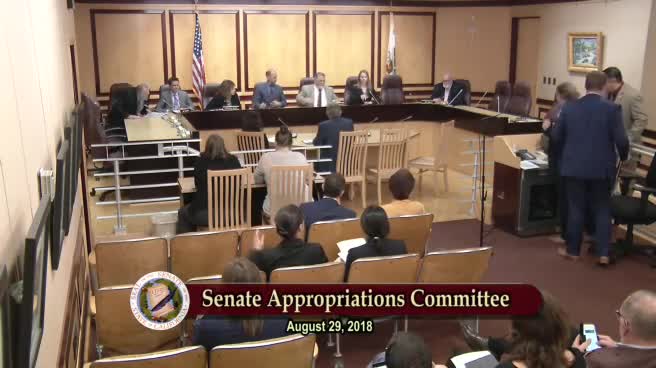 1MIN
Senate Standing Committee on Appropriations
 8SEC
Senate Floor
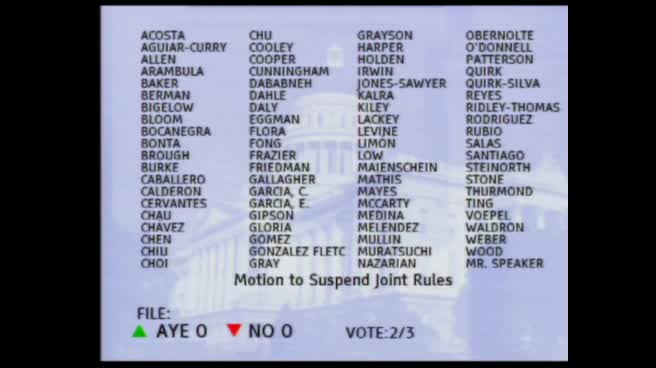 1MIN
Assembly Floor
 12MIN
Assembly Standing Committee on Revenue and Taxation
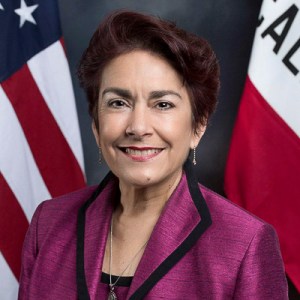
Bill Co-Author(s):