AB 823: Edible cannabis products: labeling.
- Session Year: 2017-2018
- House: Assembly
- Latest Version Date: 2017-07-06
Existing law, the Control, Regulate and Tax Adult Use of Marijuana Act (AUMA), enacted by an initiative statute at the November 8, 2016, statewide general election, regulates the cultivation, distribution, and use of marijuana cannabis for nonmedical purposes by people 21 years of age and older, including edible marijuana cannabis products. Existing law requires an edible marijuana product that is in solid form to be delineated or scored into standardized serving sizes if the marijuana product contains more than one serving. places requirements on edible cannabis products, including that the cannabis product be marked with a universal symbol, as determined by the State Department of Public Health.
This bill would amend the act by requiring each single serving of chocolate, soft confections, hard confections and lozenges, consolidated baked goods, and pressed pills and capsules that include marijuana or marijuana products to be stamped, marked, or otherwise imprinted directly on the product with a cannabis product symbol, to be designed by the State Department of Public Health. The bill would specify the required size and visibility of the cannabis product symbol. requiring the universal symbol required to be on edible cannabis product not sold as a liquid, loose bulk good, or powder to meet specified requirements, including that the symbol be placed directly on at least one side of each serving so as to be distinguishable and easily recognizable as well as size and placement requirements.
AUMA authorizes the Legislature to amend, by a 2/3 vote, certain provisions of the act, provided that the amendments are consistent with and further the purposes and intent of the act.
This bill would declare that its provisions further the purposes and the intent of the act.
Existing law, the Control, Regulate and Tax Adult Use of Marijuana Act (AUMA), enacted by an initiative statute at the November 8, 2016, statewide general election, regulates the cultivation, distribution, and use of marijuana for nonmedical purposes by people 21 years of age and older, including edible marijuana products. Existing law requires an edible marijuana product that is in solid form to be delineated or scored into standardized serving sizes if the marijuana product contains more than one serving.
This bill would amend the act by requiring each single serving of chocolate, soft confections, hard confections and lozenges, consolidated baked goods, and pressed pills and capsules that include marijuana or marijuana products to be stamped, marked, or otherwise imprinted directly on the product with a cannabis product symbol, to be designed by the State Department of Public Health. The bill would specify the required size and visibility of the cannabis product symbol.
AUMA authorizes the Legislature to amend, by a 2/3 vote, certain provisions of the act, provided that the amendments are consistent with and further the purposes and intent of the act.
This bill would declare that its provisions further the purposes and the intent of the act.
Existing law, the Control, Regulate and Tax Adult Use of Marijuana Act (AUMA), enacted by an initiative statute at the November 8, 2016, statewide general election, regulates the cultivation, distribution, and use of marijuana for nonmedical purposes by people 21 years of age and older, including edible marijuana products. Existing law requires an edible marijuana product that is in solid form to be delineated or scored into standardized serving sizes if the marijuana product contains more than one serving.
This bill would require amend the act by requiring each single serving of an edible marijuana product chocolate, soft confections, hard confections and lozenges, consolidated baked goods, and pressed pills and capsules that include marijuana or marijuana products to be stamped, marked, or otherwise imprinted directly on the product with a cannabis product symbol, to be designed by the State Department of Public Health. The bill would specify the required size and visibility of the cannabis product symbol.
AUMA authorizes the Legislature to amend, by a 2/3 vote, certain provisions of the act, provided that the amendments are consistent with and further the purposes and intent of the act.
This bill would declare that its provisions further the purposes and the intent of the act.
Existing law, the Control, Regulate and Tax Adult Use of Marijuana Act (AUMA), enacted by an initiative statute at the November 8, 2016, statewide general election, regulates the cultivation, distribution, and use of marijuana for nonmedical purposes by people 21 years of age and older, including edible marijuana products. Existing law requires an edible marijuana product that is in solid form to be delineated or scored into standardized serving sizes if the marijuana product contains more than one serving.
This bill would require each single serving of an edible marijuana product to be stamped, marked, or otherwise imprinted directly on the product with a universal cannabis product symbol, to be designed by the Bureau of Marijuana Control. State Department of Public Health. The bill would specify the required size and visibility of the universal cannabis product symbol.
AUMA authorizes the Legislature to amend, by a 2/3 vote, certain provisions of the act, provided that the amendments are consistent with and further the purposes and intent of the act.
This bill would declare that its provisions further specified the purposes and the intent of the act.
Existing law, the Control, Regulate and Tax Adult Use of Marijuana Act (AUMA), enacted by an initiative statute at the November 8, 2016, statewide general election, regulates the cultivation, distribution, and use of marijuana for nonmedical purposes by people 21 years of age and older, including edible marijuana products. Existing law requires an edible marijuana product that is in solid form to be delineated or scored into standardized serving sizes if the marijuana product contains more than one serving.
This bill would require each single serving of an edible marijuana product to be stamped, marked, or otherwise imprinted directly on the product with a universal symbol, to be designed by the Bureau of Marijuana Control. The bill would specify the required size and visibility of the universal symbol.
AUMA authorizes the Legislature to amend, by a 2/3 vote, certain provisions of the act, provided that the amendments are consistent with and further the purposes and intent of the act.
This bill would declare that its provisions further specified purposes and the intent of the act.
Existing law provides for the regulation of commercial weighing and measuring devices by the Department of Food and Agriculture, and provides for the enforcement of those provisions by the State Sealer and by county sealers of weights and measures in each county. Existing law requires a person who engages in the business of repairing commercial weighing and measuring devices to be registered as a service agency, and requires a person who is employed by a service agency to repair those devices to be licensed as a service agent. Existing law requires a service agency or service agent to report to the county sealer within 24 hours if a weighing or measuring device has been altered in such a way as to facilitate fraud, and to surrender the device or component of the device, as specified, to the county sealer or local law enforcement within 24 hours of discovering that the device has been altered. This bill would require a service agency or service agent to surrender the device or component of the device, as specified, to the county sealer or local law enforcement within 24 hours of receiving the device or component of the device instead of within 24 hours of discovering that the device has been altered.Existing law provides for the regulation of commercial weighing and measuring devices by the Department of Food and Agriculture, and provides for the enforcement of those provisions by the State Sealer and by county sealers of weights and measures in each county. Existing law requires a person who engages in the business of repairing commercial weighing and measuring devices to be registered as a service agency, and requires a person who is employed by a service agency to repair those devices to be licensed as a service agent. Existing law requires a service agency or service agent to report to the county sealer within 24 hours if a weighing or measuring device has been altered in such a way as to facilitate fraud, and to surrender the device or component of the device, as specified, to the county sealer or local law enforcement within 24 hours of discovering that the device has been altered.
This bill would require a service agency or service agent to surrender the device or component of the device, as specified, to the county sealer or local law enforcement within 24 hours of receiving the device or component of the device instead of within 24 hours of discovering that the device has been altered.
(a)The State Department of Public Health shall promulgate regulations governing the licensing of cannabis manufacturers and standards for the manufacturing, packaging, and labeling of all manufactured cannabis products. Licenses to be issued are as follows:
(1)Manufacturing Level 1, for sites that manufacture cannabis products using nonvolatile solvents, or no solvents. A Manufacturing Level 1 M-Type 6 licensee shall only manufacture cannabis products for sale by a retailer with an M-Type 10 license.
(2)Manufacturing Level 2, for sites that manufacture cannabis products using volatile solvents. A Manufacturing Level 2 M-Type 7 licensee shall only manufacture cannabis products for sale by a retailer with an M-Type 10 license.
(b)For purposes of this section, volatile solvents shall have the same meaning as in paragraph (3) of subdivision (d) of Section 11362.3 of the Health and Safety Code, unless otherwise provided by law or regulation.
(c)Edible cannabis products shall be:
(1)Not designed to be appealing to children or easily confused with commercially sold candy or foods that do not contain cannabis.
(2)Produced and sold with a standardized concentration of cannabinoids not to exceed ten (10) milligrams tetrahydrocannabinol (THC) per serving.
(3)Delineated or scored into standardized serving sizes if the cannabis product contains more than one serving and is an edible cannabis product in solid form.
(4)Homogenized to ensure uniform disbursement of cannabinoids throughout the product.
(5)Manufactured and sold under sanitation standards established by the State Department of Public Health, in consultation with the bureau, that are similar to the standards for preparation, storage, handling, and sale of food products.
(6)Provided to customers with sufficient information to enable the informed consumption of the product, including the potential effects of the cannabis product and directions as to how to consume the cannabis product, as necessary.
(7)(A)Marked with a universal symbol, as determined by the State Department of Public Health through regulation.
(B)For edible cannabis products that are not sold as liquids, loose bulk goods, or powders, the symbol required by this paragraph shall meet both of the following requirements:
(i)The symbol shall be placed directly on at least one side of each edible cannabis product serving so as to be distinguishable and easily recognizable.
(ii)The symbol shall be centered either horizontally or vertically on the single serving. If centered horizontally, the height and width of the symbol shall be at least 25 percent of the servings width, but not less than one-quarter inch square. If centered vertically, the height and width of the symbol shall be at least 25 percent of the servings height, but not less than one-quarter inch square. If the product is one-quarter inch square or smaller, the symbol shall be at least 25 percent of the servings height or width and centered either horizontally or vertically.
(d)Cannabis, including concentrated cannabis, included in a cannabis product manufactured in compliance with law is not considered an adulterant under state law.
SECTION 1.Section 26130 of the Business and Professions Code is amended to read:26130.(a)Marijuana products shall be:(1)Not designed to be appealing to children or easily confused with commercially sold candy or foods that do not contain marijuana.(2)Produced and sold with a standardized dosage of cannabinoids not to exceed 10 milligrams of tetrahydrocannabinol (THC) per serving.(3)Delineated or scored into standardized serving sizes if the marijuana product contains more than one serving and is an edible marijuana product in solid form. (4)Homogenized to ensure uniform disbursement of cannabinoids throughout the product.(5)Manufactured and sold under sanitation standards established by the State Department of Public Health, in consultation with the bureau, for preparation, storage, handling, and sale of food products.(6)Provided to customers with sufficient information to enable the informed consumption of the product, including the potential effects of the marijuana product and directions as to how to consume the marijuana product, as necessary.(b)(1)Chocolate, soft confections, hard confections and lozenges, consolidated baked goods, and pressed pills and capsules that include marijuana or marijuana products shall be stamped, marked, or otherwise imprinted on each single serving with a cannabis product symbol, designed by the State Department of Public Health. The symbol shall be placed directly on at least one side of each edible marijuana product serving so as to be distinguishable and easily recognizable.(2)The cannabis product symbol shall be centered either horizontally or vertically on the single serving. If centered horizontally, the height and width of the symbol shall be at least 25 percent of the servings width, but not less than one-quarter inch square. If centered vertically, the height and width of the symbol shall be at least 25 percent of the servings height, but not less than one-quarter inch square. If the product is one-quarter inch square or smaller, the cannabis product symbol shall be at least 25 percent of the servings height or width and centered either horizontally or vertically.(3)For purposes of this subdivision, consolidated baked goods includes, but is not limited to, cookies, brownies, cupcakes, and granola bars.(4)This subdivision does not apply to marijuana products that are liquids, loose bulk goods, or powders. (c)Marijuana, including concentrated cannabis, included in a marijuana product manufactured in compliance with law is not an adulterant under state law.SEC. 2.The Legislature finds and declares that this act is consistent with, and furthers the purposes of, the Control, Regulate and Tax Adult Use of Marijuana Act.
(a)Marijuana products shall be:
(1)Not designed to be appealing to children or easily confused with commercially sold candy or foods that do not contain marijuana.
(2)Produced and sold with a standardized dosage of cannabinoids not to exceed ten (10) 10 milligrams of tetrahydrocannabinol (THC) per serving.
(3)Delineated or scored into standardized serving sizes if the marijuana product contains more than one serving and is an edible marijuana product in solid form.
(4)Homogenized to ensure uniform disbursement of cannabinoids throughout the product.
(5)Manufactured and sold under sanitation standards established by the State Department of Public Health, in consultation with the bureau, for preparation, storage, handling, and sale of food products.
(6)Provided to customers with sufficient information to enable the informed consumption of the product, including the potential effects of the marijuana product and directions as to how to consume the marijuana product, as necessary.
(b)(1)Chocolate, soft confections, hard confections and lozenges, consolidated baked goods, and pressed pills and capsules that include marijuana or marijuana products shall be stamped, marked, or otherwise imprinted on each single serving with a cannabis product symbol, designed by the State Department of Public Health. The symbol shall be placed directly on at least one side of each edible marijuana product serving so as to be distinguishable and easily recognizable.
(2)The cannabis product symbol shall be centered either horizontally or vertically on the single serving. If centered horizontally, the height and width of the symbol shall be at least 25 percent of the servings width, but not less than one-quarter inch square. If centered vertically, the height and width of the symbol shall be at least 25 percent of the servings height, but not less than one-quarter inch square. If the product is one-quarter inch square or smaller, the cannabis product symbol shall be at least 25 percent of the servings height or width and centered either horizontally or vertically.
(3)For purposes of this subdivision, consolidated baked goods includes, but is not limited to, cookies, brownies, cupcakes, and granola bars.
(4)This subdivision does not apply to marijuana products that are liquids, loose bulk goods, or powders.
(c)Marijuana, including concentrated cannabis, included in a marijuana product manufactured in compliance with law is not an adulterant under state law.
SEC. 2.The Legislature finds and declares that this act is consistent with, and furthers the purposes of, the Control, Regulate and Tax Adult Use of Marijuana Act.
(a)Marijuana products shall be:
(1)Not designed to be appealing to children or easily confused with commercially sold candy or foods that do not contain marijuana.
(2)Produced and sold with a standardized dosage of cannabinoids not to exceed ten (10) milligrams tetrahydrocannabinol (THC) per serving.
(3)Delineated or scored into standardized serving sizes if the marijuana product contains more than one serving and is an edible marijuana product in solid form.
(4)(A)Stamped, marked, or otherwise imprinted on each single serving with a cannabis product symbol, designed by the State Department of Public Health. The symbol shall be placed directly on at least one side of each edible marijuana product serving so as to be distinguishable and easily recognizable.(B)The cannabis product symbol shall be centered either horizontally or vertically on the single serving. If centered horizontally, the height and width of the symbol shall be at least 25 percent of the servings width, but not less than one-quarter inch square. If centered vertically, the height and width of the symbol shall be at least 25 percent of the servings height, but not less than one-quarter inch square. (5)(4)Homogenized to ensure uniform disbursement of cannabinoids throughout the product.
(6)(5)Manufactured and sold under sanitation standards established by the State Department of Public Health, in consultation with the bureau, for preparation, storage, handling, and sale of food products.
(7)(6)Provided to customers with sufficient information to enable the informed consumption of the product, including the potential effects of the marijuana product and directions as to how to consume the marijuana product, as necessary.
(b)(1)Chocolate, soft confections, hard confections and lozenges, consolidated baked goods, and pressed pills and capsules that include marijuana or marijuana products shall be stamped, marked, or otherwise imprinted on each single serving with a cannabis product symbol, designed by the State Department of Public Health. The symbol shall be placed directly on at least one side of each edible marijuana product serving so as to be distinguishable and easily recognizable.
(2)The cannabis product symbol shall be centered either horizontally or vertically on the single serving. If centered horizontally, the height and width of the symbol shall be at least 25 percent of the servings width, but not less than one-quarter inch square. If centered vertically, the height and width of the symbol shall be at least 25 percent of the servings height, but not less than one-quarter inch square.
(3)For purposes of this subdivision, consolidated baked goods includes, but is not limited to, cookies, brownies, cupcakes, and granola bars.
(4)This subdivision does not apply to marijuana products that are liquids, loose bulk goods, or powders.
(b)(c)Marijuana, including concentrated cannabis, included in a marijuana product manufactured in compliance with law is not considered an adulterant under state law.
SEC. 2.The Legislature finds and declares that this act is consistent with, and furthers the purposes of, the Control, Regulate and Tax Adult Use of Marijuana Act.
(a)Marijuana products shall be:
(1)Not designed to be appealing to children or easily confused with commercially sold candy or foods that do not contain marijuana.
(2)Produced and sold with a standardized dosage of cannabinoids not to exceed ten (10) milligrams tetrahydrocannabinol (THC) per serving.
(3)Delineated or scored into standardized serving sizes if the marijuana product contains more than one serving and is an edible marijuana product in solid form.
(4)(A)Stamped, marked, or otherwise imprinted on each single serving with a universal cannabis product symbol, which shall be designed by the bureau. State Department of Public Health. The symbol shall be placed directly on at least one side of each edible marijuana product serving so as to be distinguishable and easily recognizable.
(B)The universal cannabis product symbol shall be centered either horizontally or vertically on the single serving. If centered horizontally, the height and width of the symbol shall be at least 25 percent of the servings width, but not less than one-quarter inch square. If centered vertically, the height and width of the symbol shall be at least 25 percent of the servings height, but not less than one-quarter inch square.
(5)Homogenized to ensure uniform disbursement of cannabinoids throughout the product.
(6)Manufactured and sold under sanitation standards established by the State Department of Public Health, in consultation with the bureau, for preparation, storage, handling handling, and sale of food products.
(7)Provided to customers with sufficient information to enable the informed consumption of such the product, including the potential effects of the marijuana product and directions as to how to consume the marijuana product, as necessary.
(b)Marijuana, including concentrated cannabis, included in a marijuana product manufactured in compliance with law is not considered an adulterant under state law.
SEC. 2.The Legislature finds and declares that this act is consistent with, and furthers the purposes of, the Control, Regulate and Tax Adult Use of Marijuana Act.
(a)Marijuana products shall be:
(1)Not designed to be appealing to children or easily confused with commercially sold candy or foods that do not contain marijuana.
(2)Produced and sold with a standardized dosage of cannabinoids not to exceed ten (10) milligrams tetrahydrocannabinol (THC) per serving.
(3)Delineated or scored into standardized serving sizes if the marijuana product contains more than one serving and is an edible marijuana product in solid form.
(4)(A)Stamped, marked, or otherwise imprinted on each single serving with a universal symbol, which shall be designed by the bureau. The symbol shall be placed directly on at least one side of each edible marijuana product serving so as to be distinguishable and easily recognizable.
(B)The universal symbol shall be centered either horizontally or vertically on the single serving. If centered horizontally, the height and width of the symbol shall be at least 25 percent of the servings width, but not less than one-quarter inch square. If centered vertically, the height and width of the symbol shall be at least 25 percent of the servings height, but not less than one-quarter inch square.
(4)(5)Homogenized to ensure uniform disbursement of cannabinoids throughout the product.
(5)(6)Manufactured and sold under sanitation standards established by the State Department of Public Health, in consultation with the bureau, for preparation, storage, handling and sale of food products.
(6)(7)Provided to customers with sufficient information to enable the informed consumption of such product, including the potential effects of the marijuana product and directions as to how to consume the marijuana product, as necessary.
(b)Marijuana, including concentrated cannabis, included in a marijuana product manufactured in compliance with law is not considered an adulterant under state law.
SEC. 2.The Legislature finds and declares that this act is consistent with, and furthers the purposes of, the Control, Regulate and Tax Adult Use of Marijuana Act.
SECTION 1.Section 12532 of the Business and Professions Code is amended to read:12532.(a)No person shall engage in business as a service agency unless the person is registered by secretary pursuant to this chapter and unless the current registration fee and any penalty has been paid.(b)Applications for registration shall be in writing on a form prescribed by the department, and shall be accompanied by the required fee.(c)A service agency shall forward to the department the name or names of service agents employed by them, with the appropriate fees required by Section 12535.(d)A device may only be placed in service by a sealer or a service agency. A device used by a public utility in connection with measuring gas, electricity, water, steam, or communication service subject to the jurisdiction of the Public Utilities Commission is exempt from the requirements of this chapter.(e)Except as provided in subdivision (f), no person who repairs a device is required to be registered if the device is placed into service by a sealer or service agency.(f)Vapor measuring devices operating at greater than 11 inches water column shall be installed by a service agency.(g)In the event of any change in the legal status of a registered service agency, the new legal entity shall obtain a new registration before operating as a service agency.(h)A service agency may employ or designate a licensed service agent to act for the service agency and shall be responsible for all acts of that person.(i)If a device has been altered in such a way as to facilitate fraud, a service agency or service agent shall report it to the county sealer within 24 hours of discovering that the device has been altered. If the service agency or service agent has possession of the device or any mechanism, component, software, or other device attached to or used in conjunction with the device that serves to facilitate fraud, the service agency or service agent shall surrender the device, mechanism, component, software, or other device to the county sealer or local law enforcement within 24 hours of receiving the device, mechanism, component, software, or other device. REVISIONS: HeadingLine 2.(a)No person shall engage in business as a service agency unless the person is registered by the Secretary of Food and Agriculture secretary pursuant to this chapter and unless the current registration fee and any penalty has been paid.
(b)Applications for registration shall be in writing on a form prescribed by the department, and shall be accompanied by the required fee.
(c)A service agency shall forward to the department the name or names of service agents employed by them, with the appropriate fees required by Section 12535.
(d)A device may only be placed in service by a sealer or a service agency. A device used by a public utility in connection with measuring gas, electricity, water, steam, or communication service subject to the jurisdiction of the Public Utility Utilities Commission is exempt from the requirements of this chapter.
(e)Except as provided in subdivision (f), no person who repairs a device is required to be registered if the device is placed into service by a sealer or service agency.
(f)Vapor measuring devices operating at greater than 11 inches water column shall be installed by a service agency.
(g)In the event of any change in the legal status of a registered service agency, the new legal entity shall obtain a new registration before operating as a service agency.
(h)A service agency may employ or designate a licensed service agent to act for the service agency and shall be responsible for all acts of that person.
(i)If a device has been altered in such a way as to facilitate fraud, a service agency or service agent shall report it to the county sealer within 24 hours of discovering that the device has been altered. If the service agency or service agent has possession of the device or any mechanism, component, software, or other device attached to or used in conjunction with the device that serves to facilitate fraud, the service agency or service agent shall surrender the device, mechanism, component, software, or other device to the county sealer or local law enforcement within 24 hours of discovering that the device has been altered. receiving the device, mechanism, component, software, or other device.
|
Date
|
Status
|
|---|---|
| Sep 1, 2017 | In committee: Held under submission. |
| Aug 21, 2017 | In committee: Referred to APPR. suspense file. |
| Jul 6, 2017 | From committee chair, with author's amendments: Amend, and re-refer to committee. Read second time, amended, and re-referred to Com. on APPR. |
| Jun 19, 2017 | From committee: Do pass and re-refer to Com. on APPR. (Ayes 9. Noes 0.) (June 19). Re-referred to Com. on APPR. |
| Jun 12, 2017 | From committee chair, with author's amendments: Amend, and re-refer to committee. Read second time, amended, and re-referred to Com. on B., P. & E.D. |
| Jun 6, 2017 | From committee chair, with author's amendments: Amend, and re-refer to committee. Read second time, amended, and re-referred to Com. on B., P. & E.D. |
| May 26, 2017 | From committee chair, with author's amendments: Amend, and re-refer to committee. Read second time, amended, and re-referred to Com. on B., P. & E.D. |
| May 24, 2017 | Referred to Com. on B., P. & E.D. |
| May 11, 2017 | In Senate. Read first time. To Com. on RLS. for assignment. |
| May 11, 2017 | Read third time. Passed. Ordered to the Senate. (Ayes 77. Noes 0. Page 1488.) |
| May 4, 2017 | Read second time. Ordered to Consent Calendar. |
| May 3, 2017 | From committee: Do pass. To Consent Calendar. (Ayes 16. Noes 0.) (May 3). |
| Apr 26, 2017 | Coauthors revised. |
| Mar 27, 2017 | From committee: Be re-referred to Com. on HEALTH. Re-referred. (Ayes 11. Noes 0.) (March 27). Re-referred to Com. on HEALTH. |
| Mar 20, 2017 | Re-referred to Com. on RLS. pursuant to Assembly Rule 96. |
| Mar 16, 2017 | Re-referred to Com. on P. & C.P. |
| Mar 15, 2017 | From committee chair, with author's amendments: Amend, and re-refer to Com. on P. & C.P. Read second time and amended. |
| Mar 2, 2017 | Referred to Com. on P. & C.P. |
| Feb 17, 2017 | From printer. May be heard in committee March 19. |
| Feb 16, 2017 | Read first time. To print. |
|
Date
|
Description
|
Location
|
Votes
|
|
|---|---|---|---|---|
| Aug 21, 2017 | Placed on suspense file | Senate Standing Committee on Appropriations |
Passed |
|
| Jun 19, 2017 | Do pass, but first be re-referred to the Committee on [Appropriations] | Senate Standing Committee on Business, Professions and Economic Development |
Passed |
|
| May 11, 2017 | AB 823 CHAU Consent Calendar Second Day Regular Session | Assembly Floor |
Passed |
|
| May 3, 2017 | Do pass. To Consent Calendar. | Assembly Standing Committee on Appropriations |
Passed |
|
| Apr 25, 2017 | Do pass and be re-referred to the Committee on [Appropriations] | Assembly Standing Committee on Health |
Passed |
|
| Mar 27, 2017 | Be re-referred to the Committee on [Health] | Assembly Standing Committee on Rules |
Passed |
This list shows positions taken on this bill by organizations on the date displayed, which is linked to the original source.
Positions by individuals are not included.
|
Organization
|
Position
|
Date
|
|---|---|---|
| American Academy Of Pediatrics, California | ** Support | Jun 22, 2017 |
| California Police Chiefs Association, Inc. | ** Support | Jun 22, 2017 |
| California State PTA | ** Support | Jun 22, 2017 |
| Gatekeeper Innovation | ** Support | Jun 22, 2017 |
| Nurse-Family Partnership | ** Support | Jun 22, 2017 |
SENATE COMMITTEE ON APPROPRIATIONS
Senator Ricardo Lara, Chair
2017 - 2018 Regular Session
AB 823 (Chau) - Edible cannabis products: labeling
Version: July 6, 2017 | Policy Vote: B., P. & E.D. 9 - 0 |
Urgency: No | Mandate: No |
Hearing Date: August 21, 2017 | Consultant: Brendan McCarthy |
This bill does not meet the criteria for referral to the Suspense File.
Bill Summary:
AB 823 would specify the requirements for marking edible cannabis products.
Fiscal Impact:
- No significant costs are anticipated by the Department of Public Health. Current law requires the Department to develop a universal symbol to mark edible cannabis products. The Department indicates that it can include the specific requirements of this bill in the development of that regulation. Any enforcement costs are anticipated by be minor.
- No significant enforcement costs are anticipated by the Bureau of Cannabis Control.
Background:
The Medical Cannabis Regulation and Safety Act (MCRSA) was enacted by the legislature to regulate the production and sale of medical cannabis. The MCRSA created a regulatory structure and licensing requirements for a variety of entities involved in the production, distribution, and sale of medical cannabis.
The Control, Regulate, and Tax Adult Use of Marijuana Act (AUMA, Proposition 64 of 2016) legalized the sale, possession, and use of marijuana for individuals over the age of 21. The AUMA created a regulatory structure for the recreational marijuana industry, similar to that created under the MCRSA, but with some differences in licensing requirements.
SB 94 (Committee on Budget and Fiscal Review, Statutes of 2017) consolidated and harmonized the requirements of the two bodies of law relating to both medicinal and recreational cannabis (and changed the official terminology to cannabis).
SB 94 requires edible cannabis products (with some exceptions) to be marked with a universal symbol and requires the Department of Public Health to develop that symbol through regulation.
Proposed Law:
AB 823 would specify the requirements for marking edible cannabis products. This bill would require that universal symbol to be placed directly on at least one side of the product, to be centered, and to meet specified size requirements.
Related Legislation:
- SB 794 (Stern) is substantially similar to the original version of this bill. That bill was held in the Assembly Health Committee.
- There are a number of other bills that generally relate to cannabis and its regulation that will be heard in this committee.
-- END --
SENATE COMMITTEE ON
BUSINESS, PROFESSIONS AND ECONOMIC DEVELOPMENT
Senator Jerry Hill, Chair
2017 - 2018 Regular
Bill No: Hearing Date: June 19, 2017
Author: | |||
Version: |
| ||
Urgency: | Fiscal: | ||
Consultant: | |||
Subject:
SUMMARY:
Requires each single serving of specified nonmedical edible marijuana products to be stamped, marked, or otherwise imprinted directly on the product with a universal symbol designed by the Bureau of Marijuana Control.
Existing law:
- Establishes the Bureau of Medical Cannabis Regulation in the Department of Consumer Affairs to regulate medical cannabis. (Business and Professions Code (BPC) § 19302)
- Renames the Bureau of Medical Marijuana Regulation as the Bureau of Marijuana Control (Bureau) with the power, duty, purpose, responsibility, and jurisdiction to regulate commercial medical and nonmedical marijuana. (BPC §§ 26010(a), 26010(c))
- Requires medical marijuana products to be: (BPC § 26130(a))
- Not designed to be appealing to children or easily confused with commercially sold candy or foods that do not contain marijuana.
- Produced and sold with a standardized dosage of cannabinoids not to exceed ten milligrams tetrahydrocannabinol (THC) per serving.
- Delineated or scored into standardized serving sizes if the marijuana product contains more than one serving and is an edible marijuana product in solid form.
- Homogenized to ensure uniform disbursement of cannabinoids throughout the product.
- Manufactured and sold under sanitation standards established by the State Department of Public Health (DPH), in consultation with the Bureau, for preparation, storage, handling and sale of food products.
- Provided to customers with sufficient information to enable the informed consumption of such product, including the potential effects of the marijuana product and directions as to how to consume the marijuana product, as necessary.
- Requires that prior to delivery or sale at a retailer, nonmedical marijuana and marijuana products shall be labeled and placed in a resealable, child resistant package. (BPC § 26120 (a))
- Prohibits packages and labels from being made attractive to children. (BPC §§ 26120 (b),19347(a)(1))
- Requires all medical and nonmedical marijuana and marijuana product labels and inserts to include specified information prominently displayed in a clear and legible fashion in accordance with the requirements, including font size, prescribed by the Bureau or the DPH. (BPC §§ 19347(a)(2), 26120 (c))
- Prohibits any licensee from giving away any amount of marijuana or marijuana products, or any marijuana accessories, as part of a business promotion or other commercial activity. (BPC § 26153)
This bill:
- Requires each serving of cannabis infused chocolate, soft confections, hard confections, lozenges, consolidated baked goods, pressed pills and capsules to be stamped, marked, or otherwise imprinted on each single serving with a cannabis product symbol (symbol), which shall be designed by DPH.
- Requires the symbol to be placed directly on at least one side of each edible marijuana product serving so as to be distinguishable and easily recognizable.
- Requires the symbol to be centered either horizontally or vertically on the single serving. If centered horizontally, the height and width of the symbol must be at least 25 percent of the serving’s width, but not less than one-quarter inch square. If centered vertically, the height and width of the symbol must be at least 25 percent of the serving’s height, but not less than one-quarter inch square.
- Requires, if a product is a quarter inch square or smaller, the symbol to be at least
25 percent of the serving’s height and width, and centered either horizontally or vertically. - Defines “consolidated baked goods” to include, but is not limited to, cookies, brownies, cupcakes, and granola bars.
- Exempts the provisions of this bill from marijuana products that are liquids, loose bulk goods, or powders.
- Makes Legislative findings and declarations that this bill is consistent with, and furthers the purposes of, the Control, Regulate and Tax Adult Use of Marijuana Act.
FISCAL EFFECT:
According to the Assembly Appropriations Committee analysis dated May 3, 2017, costs of this bill to the Bureau are expected to be minor and absorbable (Marijuana Control Fund).
COMMENTS:
- Purpose. The Author is the sponsor of this bill. According to the Author’s office, “Existing law, Prop 64, The Control, Regulate and Tax Adult Use of Marijuana Act (AUMA) legalized the cultivation, distribution and use of recreational marijuana for non-medical purposes by people 21 years of age or older. While the law is strong in its intent to keep marijuana out of the hands of children and those under 21, outside of the packaging and labeling requirements, there is no way to distinguish whether a product contains marijuana once it is out of its package. This bill would seek to protect children, and adults from accidental ingestion by requiring that each single serving of marijuana edible products be stamped, marked, other otherwise imprinted with a universal symbol. By doing this, we can avoid confusion among adults whom don’t wish to consume marijuana, and educate our youth to stay away from products containing the symbol.”
- Colorado. Colorado is presently the only state that requires marijuana products themselves to be marked. Other states, such as Oregon, require a universal symbol on the product label or packaging, but have not directly addressed the individual products.
Colorado’s laws also anticipate that edibles may be placed on display at dispensaries, but that such products must be placed in an opaque, resealable, and child-resistant package upon sale.
Colorado limits the categories of products that must be directly labeled, however, to the following categories:
- Chocolate
- Soft confections
- Hard confections or lozenges
- Consolidated baked goods (e.g. cookie, brownie, cupcake, granola bar)
- Pressed pills and capsules
Topical products, tinctures, and other marijuana-infused products that are liquids, loose bulk goods (e.g. granola, cereals, popcorn), or powders, are exempt from the marking requirements, as long as they comply with other packaging requirements.
This bill largely tracks Colorado’s requirements.
- Related Legislation This Year. SB 663 (Nielsen) specifies that a package or label of marijuana or marijuana products is deemed to be attractive to children if the package or label has specific characteristics, including, among others, resembling any candy, snack food, baked good, or beverage commercially sold without marijuana. (Status: This bill is pending at the Assembly Desk.)
SB 794 (Stern) requires each single serving of an edible marijuana product to be stamped, marked, or otherwise imprinted directly on the product with a universal symbol, as specified. Requires edible products to be sold in packaging that is tamper-proof, child resistant, and, if the product contains more than one serving, resealable. (Status: This bill is pending at the Assembly Desk.)
AB 110 (Ting) requires edible cannabis products to be marked with a universal symbol, as determined by DPH. (Status: This bill is pending in the Senate Committee on Budget and Fiscal Review.)
AB 175 (Chau) requires the Bureau to approve the package and label of an edible marijuana product, as specified. (Status: This bill is pending in the Senate Committee on Business, Professions and Economic Development.)
AB 350 (Salas) prohibits marijuana products from being made in the shape of a person, animal, insect, or fruit. (Status: This bill is pending on the Senate floor.)
- Prior Related Legislation. The Control, Regulate and Tax Adult Use of Marijuana Act (Proposition 64) of 2016, regulated nonmedical cannabis and prohibits nonmedical marijuana products from being designed to be attractive to children or easily confused with commercially sold candy or foods that do not contain marijuana.
SB 837 (Budget, Chapter 32, Statutes of 2016) defined “misbranding” of a medical cannabis product to include false or misleading labeling, and made it unlawful to manufacture, sell, deliver, hold, or offer for sale a misbranded medical cannabis product.
SB 643 (McGuire, Chapter 719, Statutes of 2015) set standards for the licensed cultivation and physician prescription of medical cannabis; establishes a track and trace program for the transportation of medical cannabis; and authorizes counties to impose a tax on medical cannabis.
AB 266 (Bonta, Chapter 689, Statutes of 2015) among other mandates, prohibited medical cannabis packages and labels from being made to be attractive to children.
AB 243 (Wood, Chapter 688, Statutes of 2015) requires the California Department of Food and Agriculture, Department of Pesticide Regulation, DPH, the Department of Fish and Wildlife, and the State Water Resources Control Board to promulgate regulations or standards relating to medical cannabis and its cultivation, as specified. This bill also established licensing fees, fines, and penalties.
AB 266 (Bonta et al., Chapter 689, Statutes of 2015) established the Medical Cannabis Regulation and Safety Act for the licensure and regulation of medical cannabis and establishes the Bureau of Medical Cannabis Regulation within the DCA.
- Arguments in Support. Nurse-Family Partnership and Gatekeeper Innovation Inc. write to voice their support for this bill, citing a quote from Colorado Governor John Hickenlooper. In response to the dramatic increase of emergency room visits paid by children in Colorado for purposes of remedying the side effects caused by accidental marijuana ingestion, Hickenlooper is quoted as saying: “[Colorado] didn’t regulate edibles strongly enough at first.” Both associations agree that this measure is a critical and common sense based step towards educating the public on principles in responsible cannabis product handling and consumption.
SUPPORT AND OPPOSITION:
Support:
American Academy of Pediatrics, California
California Police Chiefs Association, Inc.
California State PTA
Gatekeeper Innovation
Nurse-Family Partnership
Opposition:
None on file as of June 13, 2017.
-- END --
Date of Hearing: May 3, 2017
ASSEMBLY COMMITTEE ON APPROPRIATIONS
Lorena Gonzalez Fletcher, Chair
ABPCA Bill Id:AB 823
Author:(Chau) – As Amended Ver:March 15, 2017
Policy Committee: | Health | Vote: | 14 - 0 |
|
| ||
|
|
Urgency: No State Mandated Local Program: No Reimbursable: No
SUMMARY:
This bill requires the Bureau of Marijuana Control to design a distinguishable and easily recognizable universal symbol for labeling of edible marijuana products, and requires labeling of edible products to be marked with the symbol.
FISCAL EFFECT:
Costs to the Bureau of Marijuana Control are expected to be minor and absorbable (Marijuana Control Fund).
COMMENTS:
- Purpose. This bill is intended to allow consumers to easily discern an edible marijuana product to prevent accidental ingestion.
- Background. Pursuant to voter propositions, medical and non-medical use of marijuana (also called cannabis) is now legal in the state. Beginning on January 1, 2018, the state is to issue licenses for cultivation, manufacturing, retail sale, transportation, storage, delivery and testing of medical and non-medical marijuana. This bill applies to non-medical marijuana, legalized in November 2016 through Proposition 64. Colorado, which also legalized marijuana, required medical and recreational marijuana edibles and other products to include a stamp with a universal diamond-shaped symbol.
- Related Legislation. A large number of cannabis-related bills have been introduced this year. The following bills address some aspect of cannabis labeling: AB 175 (Chau), AB 1606 (Cooper), SB 175 (McGuire), SB 663 (Nielsen), and SB 794 (Stern).
SB 794 (Stern) is similar to this bill, and is pending in Senate Appropriations Committee.
Analysis Prepared by: Lisa Murawski / APPR. / (916) 319-2081
Date of Hearing: April 25, 2017
ASSEMBLY COMMITTEE ON HEALTH
Jim Wood, Chair
ABPCA Bill Id:AB 823
Author:(Chau) – As Amended Ver:March 15, 2017
SUBJECT: Edible marijuana products: labeling.
SUMMARY: Requires a serving of edible marijuana product to include a stamp, mark, or an imprint on each single serving with a universal symbol, to be designed by the Bureau of Marijuana Control (Bureau). Specifically, this bill:
- Requires marijuana products to be stamped, marked or otherwise imprinted on each single serving with a universal symbol, as designed by the bureau.
- Requires the symbol to be placed directly on at least one side of each edible marijuana product serving so as to be distinguishable and easily recognizable.
- Requires the universal symbol to be centered either horizontally or vertically on the single serving. If centered horizontally, the height and weight and width of the symbol to be at least 25% of the serving’s width, but not less than one-quarter inch square. Provides that if centered vertically, the height and width of the symbol to be at least 25% of the serving’s height, but not less than one-quarter inch square.
EXISTING LAW:
- Establishes Proposition 215, referred to as the Compassionate Care Act, which legalized the possession and cultivation of marijuana for personal medical use upon recommendation of a physician and ensures that patients and their primary caregivers are not subject to criminal prosecution or sanction. Creates within the Department of Public Health (DPH), a voluntary Medical Marijuana Identification Card program for the registration of patients using medical marijuana and their primary caregivers.
- Enacts the Medical Cannabis Regulation and Safety Act to regulate numerous aspects of medical cannabis in California, including cultivation, transportation, storage, testing, labeling, manufacturing and sale codified pursuant to AB 243 (Wood), Chapter 688, Statutes of 2015; AB 266 (Bonta), Chapter 689, Statutes of 2015; and, SB 643 (McGuire), Chapter 719, Statutes of 2015.
- Establishes within the Department of Consumer Affairs the Bureau of Medical Cannabis Regulation (Bureau) for the licensure and regulation of medical cannabis.
- Establishes, through the voter initiative process, Proposition 64 or the Adult Use of Marijuana Act of 2016 (AUMA) which permits adults 21 years of age or older to legally grow, possess, and use cannabis for non-medical purposes, as specified. Authorizes, beginning January 1, 2018, the sale and distribution of cannabis through a regulated business.
- Renames the Bureau of Medical Marijuana Regulation (now referred to as the Bureau of Medical Cannabis Regulation) as the Bureau of Marijuana Control.
- Specifies packaging and labeling requirements for marijuana and marijuana products.
- Requires DPH to promulgate regulations governing the licensing of marijuana manufacturers and testing laboratories. Requires DPH to develop procedures to ensure that testing of marijuana and marijuana products occurs prior to distribution as specified; specify how often licensees shall test marijuana and marijuana products, as specified; and, require the destruction of harvested batches whose testing samples indicate noncompliance with health and safety standards developed by DPH, as specified.
FISCAL EFFECT: This bill has not yet been analyzed by a fiscal committee.
COMMENTS:
- PURPOSE OF THIS BILL. According to the author, with marijuana now being legal to consume in the state, the potential for accidental ingestion of marijuana products appears to be higher than ever. By establishing a universal symbol to be imprinted on all edible marijuana products, this bill seeks to give peace of mind, and act as an educational tool for parents and adults to assist children to readily identify products containing marijuana and for adults who don’t wish to or are unable to safely consume marijuana. Whether it is an adult who accidentally grabbed the wrong product, has an allergic reaction, ingested contrary to religious beliefs, or a child who has not been taught about the potential danger of consuming marijuana, a standardized symbol can mean the difference between a normal afternoon snack and a trip to the emergency room.
- BACKGROUND.
- Labeling Requirements. AUMA requires that prior to the delivery or sale of marijuana and marijuana products, they must be labeled and placed in a resealable, child resistant package, and must not be made attractive to children. The inserts must also be prominently displayed in a clear and legible fashion the following information, as prescribed by the Bureau or DPH: i) manufacture date and source; ii) for packages containing only dried flower, the net weight of marijuana in the package; iii) identification of the source and date of cultivation, the type of marijuana or marijuana product and the date of manufacturing and packaging; iv) the appellation of origin, if any; v) list of pharmacologically active ingredients, as specified; vi) for marijuana products, a list of all ingredients and disclosure of nutritional information, as specified; vii) a list of any solvents, nonorganic pesticides, herbicides, and fertilizers that were used, as specified; viii) a warning if nuts or other known allergens are used; ix) information associated with the unique identifier issued by the Department of Food and Agriculture; and, x) and the following statements, in bold print:
For marijuana:
“GOVERNMENT WARNING: THIS PACKAGE CONTAINS MARIJUANA, A SCHEDULE I CONTROLLED SUBSTANCE. KEEP OUT OF REACH OF CHILDREN AND ANIMALS. MARIJUANA MAY ONLY BE POSSESSED OR CONSUMED BY PERSONS 21 YEARS OF AGE OR OLDER UNLESS THE PERSON IS A QUALIFIED PATIENT. MARIJUANA USE WHILE PREGNANT OR BREASTFEEDING MAY BE HARMFUL. CONSUMPTION OF MARIJUANA IMPAIRS YOUR ABILITY TO DRIVE AND OPERATE MACHINERY. PLEASE USE EXTREME CAUTION.”
- Labeling Requirements. AUMA requires that prior to the delivery or sale of marijuana and marijuana products, they must be labeled and placed in a resealable, child resistant package, and must not be made attractive to children. The inserts must also be prominently displayed in a clear and legible fashion the following information, as prescribed by the Bureau or DPH: i) manufacture date and source; ii) for packages containing only dried flower, the net weight of marijuana in the package; iii) identification of the source and date of cultivation, the type of marijuana or marijuana product and the date of manufacturing and packaging; iv) the appellation of origin, if any; v) list of pharmacologically active ingredients, as specified; vi) for marijuana products, a list of all ingredients and disclosure of nutritional information, as specified; vii) a list of any solvents, nonorganic pesticides, herbicides, and fertilizers that were used, as specified; viii) a warning if nuts or other known allergens are used; ix) information associated with the unique identifier issued by the Department of Food and Agriculture; and, x) and the following statements, in bold print:
For marijuana products:
“GOVERNMENT WARNING: THIS PRODUCT CONTAINS MARIJUANA, A SCHEDULE I CONTROLLED SUBSTANCE. KEEP OUT OF REACH OF CHILDREN AND ANIMALS. MARIJUANA PRODUCTS MAY ONLY BE POSSESSED OR CONSUMED BY PERSONS 21 YEARS OF AGE OR OLDER UNLESS THE PERSON IS A QUALIFIED PATIENT. THE INTOXICATING EFFECTS OF MARIJUANA PRODUCTS MAY BE DELAYED UP TO TWO HOURS. MARIJUANA USE WHILE PREGNANT OR BREASTFEEDING MAY BE HARMFUL. CONSUMPTION OF MARIJUANA PRODUCTS IMPAIRS YOUR ABILITY TO DRIVE AND OPERATE MACHINERY. PLEASE USE EXTREME CAUTION.”
Additionally, AUMA requires that marijuana products shall not be designed to be appealing to children or easily confused with commercially sold candy or foods that do not contain marijuana; must be produced and sold with a standardized dosage of cannabinoids not to exceed ten (10) milligrams tetrahydrocannabinol (THC) per serving; delineated or scored into standardized serving sizes if the marijuana product contains more than one serving and is an edible marijuana product in solid form; homogenized to ensure uniform disbursement of cannabinoids throughout the product; manufactured and sold under sanitation standards established by DPH, in consultation with the Bureau, for preparation, storage, handling and sale of food products; and, provided to customers with sufficient information to enable the informed consumption of such product, including the potential effects of the marijuana product and directions as to how to consume the marijuana product, as necessary.
- Colorado requirements. On October 1, 2016, in an effort to raise public safety awareness, Colorado required medical and recreational marijuana edibles and other cannabis products to include a stamp. The universal symbol is a diamond enclosing the notations “!THC” or “!THC M.” The universal symbol must be on the front, and every single standardized serving of an edible marijuana product must be individually marked, stamped or imprinted with the new universal symbol. When impractical to mark an edible retail marijuana product with the universal symbol, as in the case of bulk goods and powders, these products must be packaged in a single serving, child-resistant container. If an edible retail marijuana product contains multiple services, each standardized serving must be marked, stamped or imprinted with the universal symbol. Products that are liquids, loose bulk goods (granola, cereals, popcorn), or powders, are exempt from the universal marking requirements if they comply with labeling and child-resistant container packaging requirements. The provisions of this bill mirror Colorado’s requirements except the exemptions for liquids or bulk foods.
- Governor’s Budget Trailer Proposal. With the passage of AUMA, many inconsistencies were created between implementation of MCRSA and AUMA. The Governor, through proposed budget trailer bill language (TBL), is recommending several proposals to address the differences between MCRSA and AUMA. Among other provisions, the TBL provides for: i) maintenance of local autonomy of zoning and planning decisions while providing state regulators with local compliance information; ii) adoption of AUMA’s vertical integrated licensing structure for both adult use and medicinal cannabis licensees; iii) maintenance of AUMA’s open distribution model allowing for a business to hold multiple licenses; iv) limitations on the number of Type 3 (medium size) cultivation licenses consistent with MCRSA; v) amendment of AUMA to include the same environmental protection requirements as MCRSA; and, vi) moving licensure of testing laboratories from the DPH to the Bureau. Specifically, this TBL also states that a cannabis product is misbranded if its labeling is false or misleading in any particular, or its labeling or packaging does not conform to specified requirements.
- SUPPORT. The California Police Chiefs Association indicates that since the legalization of marijuana in Washington state and Colorado, one of the main issues that both states have faced is the accidental ingestion and child exposure to marijuana-infused edible products, and requiring the use of a universal symbol to indicate that an edible product contains marijuana is an important step in properly educating the public at large. Gatekeeper Innovation states that this bill ensures that marijuana legalization is implemented in a sage and responsible way.
- RELATED LEGISLATION.
- AB 175 (Chau) requires a manufacturer, prior to introducing an edible marijuana product into commerce in California, to submit the packaging and labeling to the Bureau for approval and would require the Bureau to determine whether the packaging and labeling are in compliance with the requirements of prescribed provisions of AUMA, including the requirements that the packaging be child resistant and not attractive to children. AB 175 is pending in Assembly Health Committee.
- AB 1606 (Cooper) requires a certified testing service, in addition to tests required under existing law, to determine, using a representative sample, the uniform disbursement of cannabinoids throughout a marijuana product and the accuracy of the labeled dosage. AB 1606 is pending in Assembly Business and Professions Committee.
- SB 794 (Stern) requires each single serving of an edible marijuana product to be stamped, marked, or otherwise imprinted directly on the product with a universal symbol, as specified. Requires edible marijuana products to be sold in packaging that is tamper-proof, child resistant, and, if the product contains more than one serving, resealable. SB 794 is pending in Senate Business, Professions and Economic Development Committee.
- AB 175 (Chau) requires a manufacturer, prior to introducing an edible marijuana product into commerce in California, to submit the packaging and labeling to the Bureau for approval and would require the Bureau to determine whether the packaging and labeling are in compliance with the requirements of prescribed provisions of AUMA, including the requirements that the packaging be child resistant and not attractive to children. AB 175 is pending in Assembly Health Committee.
REGISTERED SUPPORT / OPPOSITION:
Support
California Police Chiefs Association
Gatekeeper Innovation
Opposition
None on file.
Analysis Prepared by: Rosielyn Pulmano / HEALTH / (916) 319-2097
Discussed in Hearing
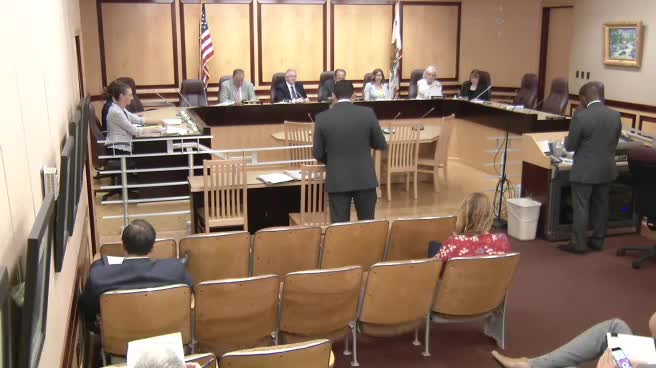 5MIN
Senate Standing Committee on Business, Professions and Economic Development
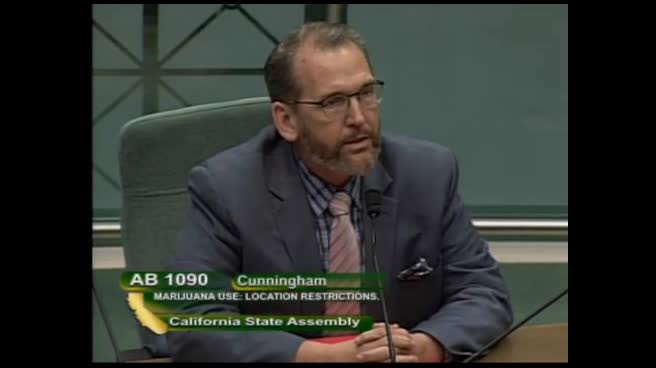 4MIN
Assembly Standing Committee on Health
Bill Author

Bill Co-Author(s):
