SB 1191: Crimes: elder and dependent adult abuse: investigations.
- Session Year: 2017-2018
- House: Senate
- Latest Version Date: 2018-09-18
Existing law makes it a crime for a person entrusted with the care or custody of any elder or dependent adult to willfully cause him or her to be injured or permit him or her to be placed in a situation in which his or her person or health is endangered. Existing law also authorizes county adult protective services agencies and local long-term care ombudsman programs to investigate elder and dependent adult abuse, but grants law enforcement agencies the exclusive responsibility for criminal investigations.
This bill would require local law enforcement agencies, as defined, and long-term care ombudsman programs to revise or include in their policy manuals, as defined, specified information regarding elder and dependent adult abuse.
By requiring local agencies to revise their policy manuals, this bill would impose a state-mandated local program.
The California Constitution requires the state to reimburse local agencies and school districts for certain costs mandated by the state. Statutory provisions establish procedures for making that reimbursement.
This bill would provide that, if the Commission on State Mandates determines that the bill contains costs mandated by the state, reimbursement for those costs shall be made pursuant to the statutory provisions noted above.
Existing law makes it a crime for a person entrusted with the care or custody of any elder or dependent adult to willfully cause him or her to be injured or permit him or her to be placed in a situation in which his or her person or health is endangered. Existing law also authorizes county adult protective services agencies and local long-term care ombudsman programs to investigate elder and dependent adult abuse, but grants law enforcement agencies the exclusive responsibility for criminal investigations.
This bill would require local law enforcement agencies, as defined, and adult protective services agencies and long-term care ombudsman programs to revise or include in their policy manuals, as defined, specified information regarding elder and dependent adult abuse.
By requiring local agencies to revise their policy manuals, this bill would impose a state-mandated local program.
The California Constitution requires the state to reimburse local agencies and school districts for certain costs mandated by the state. Statutory provisions establish procedures for making that reimbursement.
This bill would provide that, if the Commission on State Mandates determines that the bill contains costs mandated by the state, reimbursement for those costs shall be made pursuant to the statutory provisions noted above.
(a)Local law enforcement agencies and state law enforcement agencies with jurisdiction shall have concurrent jurisdiction to investigate elder and dependent adult abuse and all other crimes against elder victims and victims with disabilities.
(b)Adult protective services agencies and local long-term care ombudsman programs also have jurisdiction within their statutory authority to investigate elder and dependent adult abuse and criminal neglect, and may assist local law enforcement agencies in criminal investigations at the law enforcement agencies request; however, law enforcement agencies retain exclusive responsibility for criminal investigations, notwithstanding any law to the contrary.
(c)(1)Every local law enforcement agency and long-term care ombudsman program shall, when the agency or program next undertakes the policy revision process, revise or include in the portion of its policy manual relating to elder and dependent adult abuse, if that policy manual exists, the following information:
(A)The elements of the offense specified in subdivision (c) of Section 368.
(B)The elements of the offense specified in subdivision (f) of Section 368.
(C)The requirement, pursuant to subdivisions (a) and (b), that law enforcement agencies have the responsibility for criminal investigations of elder and dependent adult abuse and criminal neglect, however, adult protective services agencies and long-term care ombudsman programs have authority to investigate incidents of elder and dependent adult abuse and neglect and may, if requested, assist law enforcement agencies with criminal investigations.
(D)As a guideline to investigators and first responders, the definition of elder and dependent adult abuse provided by the Department of Justice in its policy and procedures manual, dated March 2015, which defines elder and dependent adult abuse as physical abuse, neglect, financial abuse, abandonment, isolation, abduction, or other treatment with resulting physical harm or pain or mental suffering; or the deprivation by a care custodian of goods or services that are necessary to avoid physical harm or mental suffering.
(2)This subdivision does not require a long-term care ombudsman program that does not have a policy manual to create or adopt a policy manual.
(3)As used in this subdivision, the following terms have the following meanings:
(A)Local law enforcement agency means every municipal police department and county sheriffs department.
(B)Policy manual means any general orders, patrol manual, duty manual, or other written document or collection of documents that provides field or investigative personnel with policies, procedures, or guidelines for responding to or investigating crimes, complaints, or incidents.
SEC. 2.If the Commission on State Mandates determines that this act contains costs mandated by the state, reimbursement to local agencies and school districts for those costs shall be made pursuant to Part 7 (commencing with Section 17500) of Division 4 of Title 2 of the Government Code.
(a)Local law enforcement agencies and state law enforcement agencies with jurisdiction shall have concurrent jurisdiction to investigate elder and dependent adult abuse and all other crimes against elder victims and victims with disabilities.
(b)Adult protective services agencies and local long-term care ombudsman programs also have jurisdiction within their statutory authority to investigate elder and dependent adult abuse and criminal neglect, and may assist local law enforcement agencies in criminal investigations at the law enforcement agencies request; however, law enforcement agencies retain exclusive responsibility for criminal investigations, notwithstanding any law to the contrary.
(c)(1)Every local law enforcement agency, adult protective services agency, agency and long-term care ombudsman program shall, when the agency or program next undertakes the policy revision process, revise or include in the portion of its policy manual relating to elder and dependent adult abuse, if such a that policy manual exists, the following information:
(A)The elements of the offense specified in subdivision (c) of Section 368.
(B)The element elements of the offense specified in subdivision (f) of Section 368.
(C)The requirement, pursuant to subdivisions (a) and (b), that law enforcement agencies have the responsibility for criminal investigations of elder and dependent adult abuse and criminal neglect, however, adult protective services agencies and long-term care ombudsman programs have authority to investigate incidents of elder and dependent adult abuse and neglect and may, if requested, assist law enforcement agencies with criminal investigations.
(D)As a guideline to investigators and first responders, the definition of elder and dependent adult abuse provided by the Department of Justice in its policy and procedures manual, dated March 2015, which reads as follows: Physical abuse, defines elder and dependent adult abuse as physical abuse, neglect, financial abuse, abandonment, isolation, abduction, or other treatment with resulting physical harm or pain or mental suffering; or the deprivation by a care custodian of goods or services that are necessary to avoid physical harm or mental suffering.
(2)This subdivision does not require an adult protective services agency or a long-term care ombudsman program that does not have a policy manual to create or adopt a policy manual.
(3)As used in this subdivision, the following terms have the following meanings:
(A)Local law enforcement agency means every municipal police department and county sheriffs department.
(B)Policy manual means any general orders, patrol manual, duty manual, or other written document or collection of documents that provides field or investigative personnel with policies, procedures, or guidelines for responding to or investigating crimes, complaints, or incidents.
SEC. 2.If the Commission on State Mandates determines that this act contains costs mandated by the state, reimbursement to local agencies and school districts for those costs shall be made pursuant to Part 7 (commencing with Section 17500) of Division 4 of Title 2 of the Government Code.
(a)Local law enforcement agencies and state law enforcement agencies with jurisdiction shall have concurrent jurisdiction to investigate elder and dependent adult abuse and all other crimes against elder victims and victims with disabilities.
(b)Adult protective services agencies and local long-term care ombudsman programs also have jurisdiction within their statutory authority to investigate elder and dependent adult abuse and criminal neglect, and may assist local law enforcement agencies in criminal investigations at the law enforcement agencies request, provided, however, that law enforcement agencies shall retain exclusive responsibility for criminal investigations, any provision of law to the contrary notwithstanding. request; however, law enforcement agencies retain exclusive responsibility for criminal investigations, notwithstanding any law to the contrary.
(c)(1)Every local law enforcement agency, adult protective services agency, and long-term care ombudsman program shall, on or before July 1, 2019, when the agency next undertakes the policy revision process, revise or include in the portion of its policy manual relating to elder and dependent adult abuse, if such a policy manual exists, the following information:
(A)The elements of the offense specified in subdivision (c) of Section 368.
(B)The element of the offense specified in subdivision (f) of Section 368.
(C)The requirement, pursuant to subdivisions (a) and (b), that law enforcement agencies have the responsibility for criminal investigations of elder and dependent adult abuse and criminal neglect, however, adult protective services agencies and long-term care ombudsman programs have authority to investigate incidents of elder and dependent adult abuse and neglect and may, if requested, assist law enforcement agencies with criminal investigations.
(D)As a guideline to investigators and first responders, the definition of elder and dependent adult abuse provided by the Department of Justice in its policy and procedures manual, which reads as follows: Physical abuse, neglect, financial abuse, abandonment, isolation, abduction, or other treatment with resulting physical harm or pain or mental suffering; or the deprivation by a care custodian of goods or services that are necessary to avoid physical harm or mental suffering.
(2)This subdivision shall not be construed to does not require an adult protective services agency or long-term care ombudsman program that does not have a policy manual to create or adopt a policy manual.
(3)As used in this subdivision, the following terms have the following meanings:
(A)Local law enforcement agency means every municipal police department and county sheriffs department.
(B)Policy manual means any general orders, patrol manual, duty manual, or other written document or collection of documents that provides field or investigative personnel with policies, procedures, or guidelines for responding to or investigating crimes, complaints, or incidents.
SEC. 2.If the Commission on State Mandates determines that this act contains costs mandated by the state, reimbursement to local agencies and school districts for those costs shall be made pursuant to Part 7 (commencing with Section 17500) of Division 4 of Title 2 of the Government Code.
(a)Local law enforcement agencies and state law enforcement agencies with jurisdiction shall have concurrent jurisdiction to investigate elder and dependent adult abuse and all other crimes against elder victims and victims with disabilities.
(b)Adult protective services agencies and local long-term care ombudsman programs also have jurisdiction within their statutory authority to investigate elder and dependent adult abuse and criminal neglect, and may assist local law enforcement agencies in criminal investigations at the law enforcement agencies request, provided, however, that law enforcement agencies shall retain exclusive responsibility for criminal investigations, any provision of law to the contrary notwithstanding.
(c)(1)Every local law enforcement agency, adult protective services agency, and long-term care ombudsman program shall, on or before July 1, 2019, revise or include in the portion of its policy manual relating to elder and dependent adult abuse, if such a policy manual exists, the following information:
(A)The elements of the offense specified in subdivision (c) of Section 368.
(B)The element of the offense specified in subdivision (f) of Section 368.
(C)The requirement, pursuant to subdivisions (a) and (b), that law enforcement agencies have the responsibility for criminal investigations of elder and dependent adult abuse and criminal neglect, however, adult protective services agencies and long-term care ombudsman programs have authority to investigate incidents of elder and dependent adult abuse and neglect and may, if requested, assist law enforcement agencies with criminal investigations.
(D)As a guideline to investigators and first-responders, first responders, the definition of elder and dependent adult abuse provided by the Department of Justice in its policy and procedures manual, which reads as follows: Physical abuse, neglect, financial abuse, abandonment, isolation, abduction, or other treatment with resulting physical harm or pain or mental suffering; or the deprivation by a care custodian of goods or services that are necessary to avoid physical harm or mental suffering.
(2)This subdivision shall not be construed to require an adult protective agency or long-term care ombudsman program that does not have a policy manual to create or adopt a policy manual.
(2)(3)As used in this subdivision, the following terms have the following meanings:
(A)Local law enforcement agency means every municipal police department and county sheriffs department.
(B)Policy manual means any general orders, patrol manual, duty manual, or other written document or collection of documents that provides field or investigative personnel with policies, procedures, or guidelines for responding to or investigating crimes, complaints, or incidents.
SEC. 2.If the Commission on State Mandates determines that this act contains costs mandated by the state, reimbursement to local agencies and school districts for those costs shall be made pursuant to Part 7 (commencing with Section 17500) of Division 4 of Title 2 of the Government Code.
(a)Local law enforcement agencies and state law enforcement agencies with jurisdiction shall have concurrent jurisdiction to investigate elder and dependent adult abuse and all other crimes against elder victims and victims with disabilities.
(b)Adult protective services agencies and local long-term care ombudsman programs also have jurisdiction within their statutory authority to investigate elder and dependent adult abuse and criminal neglect, and may assist local law enforcement agencies in criminal investigations at the law enforcement agencies request, provided, however, that law enforcement agencies shall retain exclusive responsibility for criminal investigations, any provision of law to the contrary notwithstanding.
(c)(1)Every local law enforcement agency, adult protective services agency, and long-term care ombudsman program shall, on or before July 1, 2019, revise or include in the portion of its policy manual relating to elder and dependent adult abuse, the following information:
(A)The elements of the offense specified in subdivision (c) of Section 368.
(B)The element of the offense specified in subdivision (f) of Section 368.
(C)The requirement, pursuant to subdivision (b), that law enforcement agencies, not adult protective services agencies or long-term care ombudsman programs, have exclusive responsibility for criminal investigations of elder and dependent adult abuse. subdivisions (a) and (b), that law enforcement agencies have the responsibility for criminal investigations of elder and dependent adult abuse and criminal neglect, however, adult protective services agencies and long-term care ombudsman programs have authority to investigate incidents of elder and dependent adult abuse and neglect and may, if requested, assist law enforcement agencies with criminal investigations.
(D)As a guideline to investigators and first-responders, the definition of elder and dependent adult abuse provided by the Department of Justice in its policy and procedures manual, which reads as follows: Physical abuse, neglect, financial abuse, abandonment, isolation, abduction, or other treatment with resulting physical harm or pain or mental suffering; or the deprivation by a care custodian of goods or services that are necessary to avoid physical harm or mental suffering.
(2)As used in this subdivision, the following terms have the following meanings:
(A)Local law enforcement agency means every municipal police department and county sheriffs department.
(B)Policy manual means any general orders, patrol manual, duty manual, or other written document or collection of documents that provides field or investigative personnel with policies, procedures, or guidelines for responding to or investigating crimes, complaints, or incidents.
SEC. 2.If the Commission on State Mandates determines that this act contains costs mandated by the state, reimbursement to local agencies and school districts for those costs shall be made pursuant to Part 7 (commencing with Section 17500) of Division 4 of Title 2 of the Government Code.
(a)Local law enforcement agencies and state law enforcement agencies with jurisdiction shall have concurrent jurisdiction to investigate elder and dependent adult abuse and all other crimes against elder victims and victims with disabilities.
(b)Adult protective services agencies and local long-term care ombudsman programs also have jurisdiction within their statutory authority to investigate elder and dependent adult abuse and criminal neglect, and may assist local law enforcement agencies in criminal investigations at the law enforcement agencies request, provided, however, that law enforcement agencies shall retain exclusive responsibility for criminal investigations, any provision of law to the contrary notwithstanding.
(c)(1)Every local law enforcement agency, adult protective services agency, and long-term care ombudsman program shall, on or before July 1, 2019, revise or include in the portion of its policy manual relating to elder and dependent adult abuse, the following information:
(A)The elements of the offense specified in subdivision (c) of Section 368.
(B)The element of the offense specified in subdivision (f) of Section 368.
(C)The requirement, pursuant to subdivision (b), that law enforcement agencies, not adult protective services agencies or long-term care ombudsman programs, have exclusive responsibility for criminal investigations of elder and dependent adult abuse.
(D)As a guideline to investigators and first-responders, the definition of elder and dependent adult abuse provided by the Department of Justice in its policy and procedures manual, which reads as follows: Physical abuse, neglect, financial abuse, abandonment, isolation, abduction, or other treatment with resulting physical harm or pain or mental suffering; or the deprivation by a care custodian of goods or services that are necessary to avoid physical harm or mental suffering.
(2)As used in this subdivision, the following terms have the following meanings:
(A)Local law enforcement agency means every municipal police department and county sheriffs department.
(B)Policy manual means any general orders, patrol manual, duty manual, or other written document or collection of documents that provides field or investigative personnel with policies, procedures, or guidelines for responding to or investigating crimes, complaints, or incidents.
SEC. 2.If the Commission on State Mandates determines that this act contains costs mandated by the state, reimbursement to local agencies and school districts for those costs shall be made pursuant to Part 7 (commencing with Section 17500) of Division 4 of Title 2 of the Government Code.
|
Date
|
Status
|
|---|---|
| Sep 18, 2018 | Chaptered by Secretary of State. Chapter 513, Statutes of 2018. |
| Sep 18, 2018 | Approved by the Governor. |
| Sep 12, 2018 | Enrolled and presented to the Governor at 5 p.m. |
| Aug 31, 2018 | Assembly amendments concurred in. (Ayes 39. Noes 0.) Ordered to engrossing and enrolling. |
| Aug 31, 2018 | Ordered to special consent calendar. |
| Aug 30, 2018 | In Senate. Concurrence in Assembly amendments pending. |
| Aug 30, 2018 | Read third time. Passed. Ordered to the Senate. |
| Aug 23, 2018 | From consent calendar. |
| Aug 16, 2018 | Read second time. Ordered to consent calendar. |
| Aug 15, 2018 | From committee: Do pass. Ordered to consent calendar. (Ayes 17. Noes 0.) (August 15). |
| Aug 6, 2018 | From committee with author's amendments. Read second time and amended. Re-referred to Com. on APPR. |
| Jul 5, 2018 | From committee with author's amendments. Read second time and amended. Re-referred to Com. on APPR. |
| Jun 26, 2018 | From committee: Do pass and re-refer to Com. on APPR. with recommendation: To consent calendar. (Ayes 7. Noes 0.) (June 26). Re-referred to Com. on APPR. |
| Jun 20, 2018 | From committee: Do pass and re-refer to Com. on PUB. S. (Ayes 6. Noes 0.) (June 19). Re-referred to Com. on PUB. S. |
| May 24, 2018 | From committee with author's amendments. Read second time and amended. Re-referred to Com. on AGING & L.T.C. |
| May 3, 2018 | Referred to Coms. on AGING & L.T.C. and PUB. S. |
| Apr 23, 2018 | In Assembly. Read first time. Held at Desk. |
| Apr 23, 2018 | Read third time. Passed. (Ayes 38. Noes 0.) Ordered to the Assembly. |
| Apr 17, 2018 | Read second time. Ordered to consent calendar. |
| Apr 16, 2018 | From committee: Be ordered to second reading pursuant to Senate Rule 28.8 and ordered to consent calendar. |
| Apr 9, 2018 | Set for hearing April 16. |
| Apr 4, 2018 | Read second time and amended. Re-referred to Com. on APPR. |
| Apr 3, 2018 | From committee: Do pass as amended and re-refer to Com. on APPR. with recommendation: To consent calendar. (Ayes 6. Noes 0.) (April 3). |
| Mar 13, 2018 | Set for hearing April 3. |
| Mar 12, 2018 | March 20 hearing postponed by committee. |
| Mar 6, 2018 | Set for hearing March 20. |
| Mar 1, 2018 | Referred to Com. on PUB. S. |
| Feb 16, 2018 | From printer. May be acted upon on or after March 18. |
| Feb 15, 2018 | Introduced. Read first time. To Com. on RLS. for assignment. To print. |
|
Date
|
Description
|
Location
|
Votes
|
|
|---|---|---|---|---|
| Aug 31, 2018 | Unfinished Business SB1191 Hueso et al. Concurrence | Senate Floor |
Passed |
|
| Aug 30, 2018 | SB 1191 Hueso Senate Third Reading By KALRA | Assembly Floor |
Passed |
|
| Aug 15, 2018 | Do pass. To Consent Calendar. | Assembly Standing Committee on Appropriations |
Passed |
|
| Jun 26, 2018 | Do pass and be re-referred to the Committee on [Appropriations] with recommendation: To Consent Calendar | Assembly Standing Committee on Public Safety |
Passed |
|
| Jun 19, 2018 | Do pass and be re-referred to the Committee on [Public Safety] | Assembly Standing Committee on Aging and Long-Term Care |
Passed |
|
| Apr 23, 2018 | Consent Calendar SB1191 | Senate Floor |
Passed |
|
| Apr 3, 2018 | Do pass as amended, but first amend, and re-refer to the Committee on [Appropriations] with the recommendation: To Consent Calendar | Senate Standing Committee on Public Safety |
Passed |
This list shows positions taken on this bill by organizations on the date displayed, which is linked to the original source.
Positions by individuals are not included.
|
Organization
|
Position
|
Date
|
|---|---|---|
| 7 Individuals | ** Support | Apr 18, 2018 |
| Arc And United Cerebal Palsy California Collaboration | ** Support | Jun 25, 2018 |
| Arc and United Cerebral Palsy California Collaboration | ** Support | Aug 30, 2018 |
| California Advocates for Nursing Home Reform | ** Support | Aug 30, 2018 |
| California Alliance For Retired Americans | * Support | Jun 19, 2018 |
| California Association For Health Services At Home | ** Support | Aug 30, 2018 |
| California Retired Teachers Association | ** Support | Jun 14, 2018 |
| California Retired Teachers Association; Disability Rights California | ** Support | Aug 30, 2018 |
| California Senior Legislature | ** Support | Aug 30, 2018 |
| Californians for Disability Rights | * Support | Jun 19, 2018 |
| Coalition For Elder And Disability Rights | ** Support | Aug 30, 2018 |
| Coalition of Elder and Dependent Adult Rights | * Support | Jun 19, 2018 |
| Conservatorship Reform Project | ** Support | Jun 25, 2018 |
| Crime Victims United Of California | ** Support | Jun 25, 2018 |
| Disability Rights California | ** Support | Jun 14, 2018 |
| Eight Individuals | ** Support | Aug 30, 2018 |
| Nine Individuals. | ** Support | Jun 14, 2018 |
| Older Women's League | * Support | Jun 19, 2018 |
| Probate Court Reform Movement | ** Support | Aug 30, 2018 |
| Riverside Sheriffs' Association | ** Support | Jun 25, 2018 |
| San Jose Police Department | * Support | Jun 19, 2018 |
| self | * Support | Jun 19, 2018 |
| Spectrum Institute | ** Support | Jun 25, 2018 |
Office of Senate Floor Analyses (916) 651-1520 Fax: (916) 327-4478 | SB |
UNFINISHED BUSINESS
Bill No: SB 1191
:
SENATE PUBLIC SAFETY COMMITTEE: 6-0, 4/3/18
AYES: Skinner, Bradford, Jackson, Mitchell, Stone, Wiener
NO VOTE RECORDED: Anderson
SENATE APPROPRIATIONS COMMITTEE: Senate Rule 28.8
SENATE FLOOR: 38-0, 4/23/18 (Consent)
AYES: Allen, Anderson, Atkins, Bates, Beall, Berryhill, Bradford, Cannella, De León, Dodd, Fuller, Gaines, Galgiani, Glazer, Hernandez, Hertzberg, Hill, Hueso, Jackson, Lara, Leyva, McGuire, Mitchell, Monning, Moorlach, Newman, Nguyen, Nielsen, Pan, Portantino, Roth, Skinner, Stern, Stone, Vidak, Wieckowski, Wiener, Wilk
NO VOTE RECORDED: Morrell
ASSEMBLY FLOOR: 80-0, 8/30/18 - See last page for vote
SOURCE: Coalition for Elder and Disability Rights
DIGEST:
This bill requires local law enforcement and long-term care ombudsman programs to revise their policy manuals to include references to existing elder and dependent adult abuse laws.
Assembly Amendments
remove adult protective service agencies from the requirements for revising and including elder abuse in their manuals and add technical changes.
Existing law:
- Makes it a crime for a person, entrusted with the care of custody of any elder or dependent adult, to willfully cause the elder to be injured or permit them to be placed in a situation endangering their health. (Pen. Code § 368, subd. (b)(1).)
- States that local and state law enforcement agencies with jurisdiction shall have concurrent jurisdiction to investigate elder and dependent adult abuse and all other crimes against elders and victims with disabilities. (Pen. Code § 368.5, subd. (a).)
- States that local long-term care ombudsman programs also have jurisdiction within their statutory authority to investigate elder and dependent adult abuse and criminal neglect, and may assist local law enforcement agencies in criminal investigations at the law enforcement agencies’ request, provided, however, that law enforcement agencies shall retain exclusive responsibility for criminal investigations, any provision of the law to the contrary notwithstanding. (Pen. Code § 368.5, subd. (b).)
This bill requires every local law enforcement agency and long-term care ombudsman program, on or before July 1, 2019, to revise or include in the portion of its policy manual relating to elder and dependent adult abuse, the following information:
- That any person who knows that a person is an elder or dependent adult and who willfully causes or permit any elder or dependent adult to suffer, or inflicts unjustifiable physical pain or mental suffering, is guilty of a misdemeanor. A second or subsequent violation of this subdivision is punishable by a fine not to exceed $2,000 or imprisonment in a county jail not to exceed one year, or both that fine and imprisonment pursuant to Penal Code Section 368, subdivision (c);
- That any person who commits the false imprisonment of an elder or a dependent adult by the use of violence, menace, fraud, or deceit is punishable by imprisonment for two, three, or four years pursuant to Penal Code Section 368, subdivision (f);
- That law enforcement agencies, have the responsibility for criminal investigations of elder and dependent adult abuse and criminal neglect, however, adult protective services and long-term care ombudsman programs have authority to investigate incidents of elder and dependent adult abuse and neglect and may, if requested, assist law enforcement agencies with criminal investigations pursuant to Penal Code Section 368.5, subdivision (b); and,
- The Department of Justice’s definition of elder and dependent adult abuse: “Physical abuse, neglect, financial abuse, abandonment, isolation, abduction, or other treatment with resulting physical harm or pain or mental suffering; or the deprivation by a care custodian of goods or services that are necessary to avoid physical harm or mental suffering.”
Comments
The author states: “Senate Bill 1191 mandates that all law enforcement training and policy manuals include references to California Penal Codes 368 and 368.5 in order to help ensure that law enforcement jurisdictions enforce existing elder abuse laws. This would allow officers to better identify instances of elder abuse as crimes. This issue arises as a result of the frequent outsourcing of the task of writing officer policy manuals to private organizations such as Lexipol, LLC; that are contracted by law enforcement to draft training policies and manuals. Often these private organizations omit the above mentioned California Penal Codes entirely from law enforcement training and policy manuals; these omissions undermine the legislature’s intent.”
Third party organizations provide state-specific, public safety policy content and training. Their services are provided to police, including airport, municipal, campus, port, and tribal officers, sheriff’s departments, custody officers, detention center officers, district attorney offices, probation offices, state and federal agencies, and more. Lexipol is California’s leading officer training manual provider. The Lexipol system allows departments and agencies to customize policy manuals to update, change, and delete content. Lexipol also recommends that a person must allocate 50 to 60 hours for review and editing. The size and scope of departments and agencies which use Lexipol often varies.
In 2014, Pan authored AB 2623 requiring police officers and deputy sheriffs to be trained in the legal rights and remedies available to victims of elder or dependent adult abuse, such as protective orders, simultaneous move-out orders, and temporary restraining orders. (Pen. Code § 13515, subd. (a).) The legislation also requires Peace Officers Standards and Training Council (POST) to consult with local adult protective services offices and the Office of State Long-Term Care Ombudsman when producing new or updated training materials. (Pen. Code § 13515, subd. (b)(1)-(3).)
In 2014-2015, Santa Clara County Grand Jury received a complaint regarding law enforcement’s failure to apply California Penal Code Section 368 in investigating false imprisonment and forced isolation of elderly residents in San Jose. The San Jose Police Department reported, “It does not appear to me that this is a situation of criminal neglect matter”. A Santa Clara County Deputy District Attorney concurred stating, “This is a civil issue”. However, existing law states that any person who willfully causes or permit any elder or dependent adult to suffer, or inflicts thereon unjustifiable physical pain or mental suffering, is guilty of a misdemeanor. (Pen. Code § 368, subd. (c).) Additionally, any person who commits the false imprisonment of an elder or a dependent adult by the use of violence, menace, fraud, or deceit is punishable by imprisonment for two, three, or four years. (Pen. Code § 368, subd. (f).)
The Grand Jury reviewed law enforcement manuals, training materials, and the County’s Elder Abuse Protocol. Out of 12 law enforcement agencies, only one policy and sheriff’s department manuals specifically referenced California Penal Code Section 368. The study showed that, across 12 counties, officer training manuals were inconsistent in their references to California Penal Code Sections 368 and 368.5.
FISCAL EFFECT: Appropriation: No Fiscal Com.: Yes Local: Yes
According to the Assembly Appropriations Committee, cost is negligible. This bill does not impose a state-mandated local program because it is at the local agency's discretion to produce a policy manual. In any case, costs to comply are likely to be low.
Coalition for Elder and Disability Rights (source)
Arc and United Cerebral Palsy California Collaboration
California Advocates for Nursing Home Reform
California Association for Health Services at Home
California Retired teachers Association; Disability Rights California
California Senior Legislature
Probate Court Reform Movement
Eight individuals
OPPOSITION: (Verified 8/27/18)
None received
ASSEMBLY FLOOR: 80-0, 8/30/18
AYES: Acosta, Aguiar-Curry, Travis Allen, Arambula, Baker, Berman, Bigelow, Bloom, Bonta, Brough, Burke, Caballero, Calderon, Carrillo, Cervantes, Chau, Chávez, Chen, Chiu, Choi, Chu, Cooley, Cooper, Cunningham, Dahle, Daly, Eggman, Flora, Fong, Frazier, Friedman, Gabriel, Gallagher, Cristina Garcia, Eduardo Garcia, Gipson, Gloria, Gonzalez Fletcher, Gray, Grayson, Harper, Holden, Irwin, Jones-Sawyer, Kalra, Kamlager-Dove, Kiley, Lackey, Levine, Limón, Low, Maienschein, Mathis, Mayes, McCarty, Medina, Melendez, Mullin, Muratsuchi, Nazarian, Obernolte, O'Donnell, Patterson, Quirk, Quirk-Silva, Reyes, Rivas, Rodriguez, Rubio, Salas, Santiago, Steinorth, Mark Stone, Thurmond, Ting, Voepel, Waldron, Weber, Wood, Rendon
8/30/18 20:45:50
**** END ****
SENATE THIRD READING
STR Bill Id:SB 1191
Author:(Hueso)
As Amended Ver:August 6, 2018
Majority vote
SENATE VOTE: 38-0
Committee | Votes | Ayes | Noes |
Aging | 6-0 | Kalra, Voepel, Caballero, Gloria, Kamlager-Dove, Rubio | |
Public Safety | 7-0 | Jones-Sawyer, Lackey, Carrillo, Kamlager-Dove, Kiley, Quirk, Santiago |
|
Appropriations | 17-0 | Gonzalez Fletcher, Bigelow, Bloom, Bonta, Brough, Calderon, Carrillo, Chau, Eggman, Fong, Friedman, Gallagher, Eduardo Garcia, Nazarian, Obernolte, Quirk, Reyes |
|
SUMMARY: Requires local law enforcement and long-term care ombudsman programs to revise their policy manuals to include references to existing elder and dependent adult abuse laws. Specifically, this bill:
Requires every local law enforcement agency and long-term care ombudsman program, when they next revise their policy manuals, to include in the portion relating to elder and dependent adult abuse, the following information:
- That any person who knows that a person is an elder or dependent adult and who willfully causes or permits any elder or dependent adult to suffer, or inflicts unjustifiable physical pain or mental suffering, is guilty of a misdemeanor. A second or subsequent violation of this subdivision is punishable by a fine not to exceed $2,000 or imprisonment in a county jail not to exceed one year, or both the fine and imprisonment;
- That any person who commits the false imprisonment of an elder or a dependent adult by the use of violence, menace, fraud, or deceit is punishable by imprisonment for two, three, or four years;
- That adult protective services agencies and local long-term care ombudsman programs also have jurisdiction within their statutory authority to investigate elder and dependent adult abuse and criminal neglect, and may assist local law enforcement agencies in criminal investigations at the law enforcement agencies' request, however, law enforcement agencies retain exclusive responsibility for criminal investigations, notwithstanding any law to the contrary; and,
- To include, as a guideline to investigators, the Department of Justice's definition of elder and dependent adult abuse which is: "Physical abuse, neglect, financial abuse, abandonment, isolation, abduction, or other treatment with resulting physical harm or pain or mental suffering; or the deprivation by a care custodian of goods or services that are necessary to avoid physical harm or mental suffering."
EXISTING LAW:
- Makes it a crime for a person, entrusted with the care of custody of any elder or dependent adult, to willfully cause the elder to be injured or permit them to be placed in a situation endangering their health.
- States that local and state law enforcement agencies with jurisdiction, shall have concurrent jurisdiction to investigate elder and dependent adult abuse and all other crimes against elders and victims with disabilities.
- Authorizes county adult protective services agencies and local long-term care ombudsman programs to investigate elder and dependent adult abuse, but grants law enforcement agencies the exclusive responsibility for criminal investigations.
FISCAL EFFECT: According to the Assembly Appropriations Committee, cost is negligible. This bill does not impose a state-mandated local program because it is at the local agency's discretion to produce a policy manual. In any case, costs to comply are likely to be low.
COMMENTS:
According to the author, "Senate Bill 1191 mandates that all law enforcement training and policy manuals include references to California Penal Codes 368 and 368.5 in order to help ensure that law enforcement jurisdictions enforce existing elder abuse laws. This would allow officers to better identify instances of elder abuse as crimes. This issue arises as a result of the frequent outsourcing of the task of writing officer policy manuals to private organizations such as Lexipol, LLC; that are contracted by law enforcement to draft training policies and manuals. Often these private organizations omit the above mentioned California Penal Codes entirely from law enforcement training and policy manuals; these omissions undermine the legislature's intent."
Third Party Training Manuals and Training
Third party organizations provide state-specific, public safety policy content and training. Their services are provided to police, including airport, municipal, campus, port, and tribal officers, sheriff's departments, custody officers, detention center officers, district attorney offices, probation offices, state and federal agencies, and more. Lexipol is California's leading officer training manual provider. The Lexipol system allows departments and agencies to customize policy manuals to update, change, and delete content. Lexipol also recommends that a person must allocate 50 to 60 hours for review and editing. The size and scope of departments and agencies which use Lexipol often varies.
Case Study on Elder Abuse and Training Manuals
In 2014-2015, Santa Clara County Grand Jury received a complaint regarding law enforcement's failure to apply California Penal Code 368 in investigating false imprisonment and forced isolation of elderly residents in San Jose. The San Jose Police Department reported, "It does not appear to me that this is a situation of criminal neglect matter". A Santa Clara County Deputy DA concurred stating, "This is a civil issue".
However, existing law states that any person who willfully causes or permit any elder or dependent adult to suffer, or inflicts thereon unjustifiable physical pain or mental suffering, is guilty of a misdemeanor. (Penal Code Section 368, subdivision (c).) Additionally, any person who commits the false imprisonment of an elder or a dependent adult by the use of violence, menace, fraud, or deceit is punishable by imprisonment for two, three, or four years. (Penal Code Section 368, subdivision (f).)
The Grand Jury reviewed law enforcement manuals, training materials, and the county's Elder Abuse Protocol. Out of twelve law enforcement agencies, only one policy and sheriff's department manuals specifically referenced California Penal Code 368. The study showed that, across 12 counties, officer training manuals were inconsistent in their references to California Penal Code 368 and 368.5.
Argument in Support: The Riverside Sheriffs' Association states in their letter that the author had noted, "Most law enforcement jurisdictions have elder abuse policies that do not contain or reference California Penal Codes 368 and 368.5. As a result, police officers and other law enforcement officials usually lack training on how to handle cases of elder abuse and lack the ability to recognize when false imprisonment and forced isolation are taking place against elder dependent adults."
Their letter also states, "SB 1191 proposes to address this problem by requiring that all law enforcement training manuals and policies include the reference California Penal Codes 368 and 368.5 in order to better ensure that law enforcement jurisdictions are better equipped to enforce elder abuse laws."
Argument in Opposition: None.
Analysis Prepared by: Barry Brewer / AGING & L.T.C. / (916) 319-3990 FN: 0004723
Date of Hearing: August 15, 2018
ASSEMBLY COMMITTEE ON APPROPRIATIONS
Lorena Gonzalez Fletcher, Chair
SBPCA Bill Id:SB 1191
Author:(Hueso) – As Amended Ver:August 6, 2018
Policy Committee: | Aging and Long Term Care | Vote: | 6 - 0 |
Public Safety | 7 - 0 |
Urgency: No State Mandated Local Program: Yes Reimbursable: No
SUMMARY:
This bill requires local law enforcement agencies and long-term-care ombudsman programs to, when the agency or program next undertakes the policy revision process, revise or include in the portion of its policy manual relating to elder and dependent adult abuse, if that policy manual exists, information about elder and dependent adult abuse.
FISCAL EFFECT:
Negligible. This bill does not impose a state-mandated local program because it is at the local agency's discretion to produce a policy manual. In any case, costs to comply are likely to be low.
COMMENTS:
Purpose. According to the Conservatorship Reform Project, the sponsor of this bill, there are numerous reports of conservators illegally preventing friends and family from visiting conservatees even when there is no court order restricting visitation. The author notes elder abuse is a silent problem that impacts nearly 5 million older Americans each year. Elder abuse is characterized as a silent problem because victims are often unwilling to seek assistance, because they believe their cries for help will go unanswered and they fear retaliation from their abusers.
This bill mandates all law enforcement jurisdiction policies and training manuals contain and include references to existing law related elements of the crime of elder/dependent adult abuse to minimize confusion about what types of abuse constitute a criminal case.
Analysis Prepared by: Lisa Murawski / APPR. / (916) 319-2081
Date of Hearing: June 26, 2018
Counsel: Matthew Fleming
ASSEMBLY COMMITTEE ON PUBLIC SAFETY
Reginald Byron Jones-Sawyer, Sr., Chair
SBPCA Bill Id:SB 1191
Author:(Hueso) – As Amended Ver:May 24, 2018
SUMMARY: Requires local law enforcement to revise their training policies in regards to the crimes of elder and dependent adult abuse. Specifically, this bill:
- Requires every local law enforcement agency, adult protective services agency, and long-term care ombudsman to revise or include the following information in its policy manual relating to elder and dependent adult abuse prior to July 1, 2019:
- The elements of the crime of elder/dependent adult abuse;
- The elements of the crime of false imprisonment of an elder or dependent adult;
- The requirement that law enforcement agencies have the exclusive responsibility for criminal investigations of elder and dependent adult abuse and criminal neglect, however, adult protective services and long-term care ombudsman programs have authority to investigate incidents of elder and dependent adult abuse and neglect and may, if requested, assist law enforcement agencies with criminal investigations;
- The Department of Justice’s definition of elder and dependent adult abuse: “Physical abuse, neglect, financial abuse, abandonment, isolation, abduction, or other treatment with resulting physical harm or pain or mental suffering; or the deprivation by a care custodian of goods or services that are necessary to avoid physical harm or mental suffering.”
- The elements of the crime of elder/dependent adult abuse;
- Specifies that these provisions do not require an adult protective agency or long term care ombudsman that does not have a policy manual to create or adopt one.
- Defines certain terms for the purposes of these provisions as follows:
- “Local law enforcement agency” means “every municipal police department and county sheriffs’ department.”
- “Policy manual” means “any general orders, patrol manual, duty manual, or other written document or collection of documents that provides field or investigative personnel with policies, procedures, or guidelines for responding to or investigating crimes, complaints, or incidents.”
- “Local law enforcement agency” means “every municipal police department and county sheriffs’ department.”
EXISTING LAW:
- Makes it a misdemeanor for any person any person who knows or reasonably should know that a person is an elder or dependent adult and who, under circumstances or conditions other than those likely to produce great bodily harm or death, to willfully cause or permit any elder or dependent adult to suffer, or to inflict thereon unjustifiable physical pain or mental suffering, or having the care or custody of any elder or dependent adult, willfully cause or permit the person or health of the elder or dependent adult to be injured or willfully cause or permit the elder or dependent adult to be placed in a situation in which his or her person or health may be endangered. (Pen. Code, § 368, subd. (c).)
- Makes a second conviction of elder/dependent adult abuse, as described above, an alternate felony misdemeanor. (Ibid.)
- Defines false imprisonment as the unlawful violation of the personal liberty of another. (Pen. Code, § 236.)
- Punishes false imprisonment as an alternate misdemeanor/felony. (Pen. Code, § 237, subd. (a).)
- Punishes false imprisonment of an elder or a dependent adult by the use of violence, menace, fraud, or deceit, as a felony with imprisonment for two, three, or four years. ((Pen. Code, § 368, subd. (f); Pen. Code, § 237, subd. (b).)
- States that local and state law enforcement agencies with jurisdiction shall have concurrent jurisdiction to investigate elder and dependent adult abuse and all other crimes against elders and victims with disabilities. (Pen. Code § 368.5, subd. (a).)
- States that adult protective services agencies and local long-term care ombudsman programs have jurisdiction within their statutory authority to investigate elder and dependent adult abuse and criminal neglect, and may assist local law enforcement agencies in criminal investigations at the law enforcement agencies’ request, provided, however, that law enforcement agencies shall retain exclusive responsibility for criminal investigations, any provision of the law to the contrary notwithstanding. (Pen. Code § 368.5, subd. (b).)
FISCAL EFFECT: Unknown.
COMMENTS:
- Author's Statement: According to the author, “Elder abuse is a silent problem that impacts nearly 5 million older Americans each year. Elder abuse is characterized as a silent societal problem because victims are often unwilling to seek assistance because they unfortunately believe their cries for help will go unanswered and they fear retaliation from their abusers.
“Senate Bill 1191 mandates that all law enforcement jurisdictions in the State of California have policies and training manuals that contain and include reference to California Penal Code 368 and 368.5. The inclusion of California Penal Code 368 and 368.5 will allow officers to properly identify instances of elder abuse crimes.”
- Elder Abuse Training in Santa Clara County: The author cites the County of Santa Clara as an example of how this bill may make a positive impact on the rights and safety of the elderly and the disabled. In Santa Clara, a civil grand jury received a complaint concerning failure of law enforcement to apply California Penal Code 368 to an investigation of false imprisonment and forced isolation of elderly residents in a San Jose, CA assisted living facility. San Jose Police Department reported, “it does not appear to me that this situation is a criminal neglect matter…” A Santa Clara County Deputy DA stated “this is a civil issue.” (Robert Fettgather et al., “Elder Abuse as an Emerging Public Health Concern: Identifying Deficiencies in Law Enforcement Policy,” Coalition for Elder & Dependent Adult Rights, 2015.)
In response to the complaint, the Grand Jury reviewed law enforcement duty manuals, training materials, and the county’s Elder Abuse Protocol. (Id.) Numerous individuals throughout the county were interviewed. (Id.) The grand found that only 2 out of the 12 police departments in Santa Clara County included training on Penal Code Section 368, which is the elder abuse offense. (Id.)
The San Jose Police Department (SJPD) was one of the departments who did not include Section 368 in their training. SJPD introduced reference to Penal Code Section 368 in 2015. Since then, the number of elder abuse incidents documented by the police has risen each year. The increase in reports of elder abuse incidents correlates with the increased attention to training on elder abuse. It is reasonable to believe that the training resulted in a positive impact on public safety, at least with respect to some of the most vulnerable members of the community: the elderly and the disabled.
- Argument in Support: According to the Conservatorship Reform Project: “[W]e hear report after report of Conservators illegally preventing friends and family from visiting Conservatees even when there is no court order restricting visitation. We hear heart wrenching reports of Conservatees who have died alone in hospital rooms— with local family trying to visit but barred by the hospital at the direction of the Conservator. In spite of what the law says, Conservators sometimes take it upon themselves to instruct hospitals not only to prohibit visits to Conservatees, but also to withhold the most basic information about Conservatees— i.e. whether they are a patient in the hospital and still alive. Often the staff of Nursing Homes or Assisted Living Facilities will defer to the (illegal) instructions of a Conservator and prevent a Conservatee from receiving visits, phone calls or mail from friends and family. When Police respond to calls of isolation of an elder, they not only tell friends and family that visitation is a civil matter, they also tell friends and family that an elder able to move freely within a locked facility is not being isolated, even if the staff is actively preventing the elder from visiting with friends, family or advocates.
“‘Isolation’ as defined in Welfare and Institutions Code 15610.43(a)(1) includes: ‘Acts
intentionally committed for the purpose of preventing, and that do serve to prevent, an elder or dependent adult from receiving his or her mail or telephone calls.’ The rest of 15610.43
prohibits physical restraint of an elder to prevent the elder from meeting with visitors and telling a visitor that an elder is not present or does not wish to meet or talk with them where the statement is false. Unfortunately, the full range of strategies employed by Hospitals, Assisted Living Facilities, Nursing Homes and private caregivers to prevent Conservatees from meeting with visitors has more variations than the law currently contemplates. For example, one Assisted Living Facility Assistant Director simply told a daughter that she would not be allowed to visit her mother (a Conservatee) until the Conservator authorized the visit, physically pushed the daughter away from the mother, used her body to block the daughter from approaching the mother, and then had a huddle of four caregivers lead the mother away. The mother was overmedicated with psychotropic drugs to the point of being too docile to protest. The Police were called and (erroneously) told the daughter the issue was a civil matter. The Police (erroneously) stated that the mother was not being isolated because the mother was allowed to walk around the locked facility and wasn’t ‘locked in a closet’ even though she was being prevented from visiting with her daughter.”
- Related Legislation: SB 416 (Anderson), of the 2017–2018 Legislative Session, would have included repeated isolation as a way in which a prosecutor could prove “mental suffering” for purposes of the offense of elder abuse. SB 416 was held in the Senate Appropriations Committee.
- Prior Legislation:
- AB 2623 (Pan), Chaptered 823, Statutes of 2014, expanded the elder and dependent adult abuse training curriculum requirements mandatory for specified peace officers and required the Commission on Peace Officer Standards and Training (POST) to consult with local protective services offices and the Office of the State Long-Term Care Ombudsman when creating new or updated training materials.
- SB 338 (Morrell), of the 2015-2016 Legislative Session, would have created an alternate felony-misdemeanor offense for causing substantial mental suffering in an elder or dependent adult. SB 338 died in the Senate Public Safety Committee.
- AB 441 (Wilk), of the 2015-2016 Legislative Session, would have created a sentencing enhancement of two additional years of imprisonment for any person convicted of identity theft if the victim was 65 years of age or older at the time of the offense. AB 441 failed passage in the Assembly Public Safety Committee.
- SB 110 (Liu), Chapter 617, Statutes of 2010, authorized every local law enforcement agency that participates in the Peace Officer Standards and Training (POST) program to provide training to its peace officers using a telecourse related to crime victims with disabilities each time that telecourse is update.
- AB 1819 (Shelley), Chapter 559, Statutes of 2000, required peace officer elder abuse training to include the subjects of physical and psychological abuse of elders and dependent adults.
- AB 2623 (Pan), Chaptered 823, Statutes of 2014, expanded the elder and dependent adult abuse training curriculum requirements mandatory for specified peace officers and required the Commission on Peace Officer Standards and Training (POST) to consult with local protective services offices and the Office of the State Long-Term Care Ombudsman when creating new or updated training materials.
REGISTERED SUPPORT / OPPOSITION:
Support
Arc and United Cerebal Palsy California Collaboration
California Senior Legislature
Coalition for Elder and Disability Rights
Conservatorship Reform Project
Crime Victims United of California
Riverside Sheriffs’ Association
Spectrum Institute
3 private individuals
Opposition
None
Analysis Prepared by: Matthew Fleming / PUB. S. / (916) 319-3744
Date of Hearing: June 19, 2018
ASSEMBLY COMMITTEE ON AGING AND LONG-TERM CARE
Ash Kalra, Chair
SBPCA Bill Id:SB 1191
Author:(Hueso) – As Amended Ver:May 24, 2018
SENATE VOTE: 38-0
SUBJECT: Crimes: elder and dependent adult abuse: investigations.
SUMMARY: Requires local law enforcement, adult protective service agencies, and long-term care ombudsman programs to revise their policy manuals to include references to existing elder and dependent adult abuse laws. Specifically, this bill:
Requires every local law enforcement agency, adult protective services agency, and long-term care ombudsman program, on or before July 1, 2019, to revise or include in the portion of its policy manual relating to elder and dependent adult abuse, if such a policy manual exist, the following information:
- That any person who knows that a person is an elder or dependent adult and who willfully causes or permit any elder or dependent adult to suffer, or inflicts unjustifiable physical pain or mental suffering, is guilty of a misdemeanor. A second or subsequent violation of this subdivision is punishable by a fine not to exceed $2,000 or imprisonment in a county jail not to exceed one year, or both that fine and imprisonment pursuant to Penal Code section 368, subdivision (c);
- That any person who commits the false imprisonment of an elder or a dependent adult by the use of violence, menace, fraud, or deceit is punishable by imprisonment for two, three, or four years pursuant to Penal Code section 368, subdivision (f);
- That law enforcement agencies, have the responsibility for criminal investigations of elder and dependent adult abuse and criminal neglect, however, adult protective services and long-term care ombudsman programs have authority to investigate incidents of elder and dependent adult abuse and neglect and may, if requested, assist law enforcement agencies with criminal investigations pursuant to Penal Code section 368.5, subdivision (b); and,
- The Department of Justice’s definition of elder and dependent adult abuse: “Physical abuse, neglect, financial abuse, abandonment, isolation, abduction, or other treatment with resulting physical harm or pain or mental suffering; or the deprivation by a care custodian of goods or services that are necessary to avoid physical harm or mental suffering.”
EXISTING LAW:
- Makes it a crime for a person, entrusted with the care of custody of any elder or dependent adult, to willfully cause the elder to be injured or permit them to be placed in a situation endangering their health.
- States that local and state law enforcement agencies with jurisdiction, shall have concurrent jurisdiction to investigate elder and dependent adult abuse and all other crimes against elders and victims with disabilities.
- Authorizes county adult protective services agencies and local long-term care ombudsman programs to investigate elder and dependent adult abuse, but grants law enforcement agencies the exclusive responsibility for criminal investigations.
FISCAL EFFECT: Pursuant to Senate Rule 28.8, this bill was not heard in Senate Appropriations Committee, it was ordered to the Consent Calendar.
COMMENTS:
According to the author, “Senate Bill 1191 mandates that all law enforcement training and policy manuals include references to California Penal Codes 368 and 368.5 in order to help ensure that law enforcement jurisdictions enforce existing elder abuse laws. This would allow officers to better identify instances of elder abuse as crimes. This issue arises as a result of the frequent outsourcing of the task of writing officer policy manuals to private organizations such as Lexipol, LLC; that are contracted by law enforcement to draft training policies and manuals. Often these private organizations omit the above mentioned California Penal Codes entirely from law enforcement training and policy manuals; these omissions undermine the legislature’s intent.”
Third Party Training Manuals and Training
Third party organizations provide state-specific, public safety policy content and training. Their services are provided to police, including airport, municipal, campus, port, and tribal officers, sheriff’s departments, custody officers, detention center officers, district attorney offices, probation offices, state and federal agencies, and more. Lexipol is California’s leading officer training manual provider. The Lexipol system allows departments and agencies to customize policy manuals to update, change, and delete content. Lexipol also recommends that a person must allocate 50 to 60 hours for review and editing. The size and scope of departments and agencies which use Lexipol often varies.
Case Study on Elder Abuse and Training Manuals
In 2014-2015, Santa Clara County Grand Jury received a complaint regarding law enforcement’s failure to apply California Penal Code 368 in investigating false imprisonment and forced isolation of elderly residents in San Jose. The San Jose Police Department reported, “It does not appear to me that this is a situation of criminal neglect matter”. A Santa Clara County Deputy DA concurred stating, “This is a civil issue”.
However, existing law states that any person who willfully causes or permit any elder or dependent adult to suffer, or inflicts thereon unjustifiable physical pain or mental suffering, is guilty of a misdemeanor. (Pen. Code § 368, subd. (c).) Additionally, any person who commits the false imprisonment of an elder or a dependent adult by the use of violence, menace, fraud, or deceit is punishable by imprisonment for two, three, or four years. (Pen. Code § 368, subd. (f).)
The Grand Jury reviewed law enforcement manuals, training materials, and the county’s Elder Abuse Protocol. Out of twelve law enforcement agencies, only one policy and sheriff’s department manuals specifically referenced California Penal Code 368. The study showed that, across 12 counties, officer training manuals were inconsistent in their references to California Penal Code 368 and 368.5.
Argument in Support: The Riverside Sheriffs’ Association states in their letter that the author had noted, “Most law enforcement jurisdictions have elder abuse policies that do not contain or reference California Penal Codes 368 and 368.5. As a result, police officers and other law enforcement officials usually lack training on how to handle cases of elder abuse and lack the ability to recognize when false imprisonment and forced isolation are taking place against elder dependent adults.”
Their letter also states, “SB 1191 proposes to address this problem by requiring that all law enforcement training manuals and policies include the reference California Penal Codes 368 and 368.5 in order to better ensure that law enforcement jurisdictions are better equipped to enforce elder abuse laws.”
Argument in Opposition: None.
REGISTERED SUPPORT / OPPOSITION:
Support
The Arc and United Cerebral Palsy California Collaboration
California Association for Health Services at Home (CAHSAH)
California Retired Teachers Association (CalRTA)
California Senior Legislature
Coalition for Elder & Disability Rights (CEDAR)
Crime Victims United of California
Disability Rights California (DRC)
Riverside Sheriffs’ Association
Spectrum Institute
Nine individuals.
Opposition
None on file.
Analysis Prepared by: Barry Brewer / AGING & L.T.C. / (916) 319-3990
Office of Senate Floor Analyses (916) 651-1520 Fax: (916) 327-4478 | SB |
CONSENT
Bill No: SB 1191
:
SENATE PUBLIC SAFETY COMMITTEE: 6-0, 4/3/18
AYES: Skinner, Bradford, Jackson, Mitchell, Stone, Wiener
NO VOTE RECORDED: Anderson
SENATE APPROPRIATIONS COMMITTEE: Senate Rule 28.8
SOURCE: Coalition for Elder and Disability Rights
DIGEST: This bill requires local law enforcement, adult protective service agencies, and long-term care ombudsman programs to revise their policy manuals to include references to existing elder and dependent adult abuse laws.
Existing law:
- Makes it a crime for a person, entrusted with the care of custody of any elder or dependent adult, to willfully cause the elder to be injured or permit them to be placed in a situation endangering their health. (Pen. Code § 368, subd. (b)(1).)
- States that local and state law enforcement agencies with jurisdiction shall have concurrent jurisdiction to investigate elder and dependent adult abuse and all other crimes against elders and victims with disabilities. (Pen. Code § 368.5, subd. (a).)
- States that adult protective services agencies and local long-term care ombudsman programs also have jurisdiction within their statutory authority to investigate elder and dependent adult abuse and criminal neglect, and may assist local law enforcement agencies in criminal investigations at the law enforcement agencies’ request, provided, however, that law enforcement agencies shall retain exclusive responsibility for criminal investigations, any provision of the law to the contrary notwithstanding. (Pen. Code § 368.5, subd. (b).)
This bill:
- Requires every local law enforcement agency, adult protective services agency, and long-term care ombudsman program, on or before July 1, 2019, to revise or include in the portion of its policy manual relating to elder and dependent adult abuse, the following information:
- That any person who knows that a person is an elder or dependent adult and who willfully causes or permit any elder or dependent adult to suffer, or inflicts unjustifiable physical pain or mental suffering, is guilty of a misdemeanor. A second or subsequent violation of this subdivision is punishable by a fine not to exceed $2,000 or imprisonment in a county jail not to exceed one year, or both that fine and imprisonment pursuant to Penal Code section 368, subdivision (c);
- That any person who commits the false imprisonment of an elder or a dependent adult by the use of violence, menace, fraud, or deceit is punishable by imprisonment for two, three, or four years pursuant to Penal Code section 368, subdivision (f);
- That law enforcement agencies, have the responsibility for criminal investigations of elder and dependent adult abuse and criminal neglect, however, adult protective services and long-term care ombudsman programs have authority to investigate incidents of elder and dependent adult abuse and neglect and may, if requested, assist law enforcement agencies with criminal investigations pursuant to Penal Code section 368.5, subdivision (b); and,
- The Department of Justice’s definition of elder and dependent adult abuse: “Physical abuse, neglect, financial abuse, abandonment, isolation, abduction, or other treatment with resulting physical harm or pain or mental suffering; or the deprivation by a care custodian of goods or services that are necessary to avoid physical harm or mental suffering.”
Background
Third party organizations provide state-specific, public safety policy content and training. Their services are provided to police, including airport, municipal, campus, port, and tribal officers, sheriff’s departments, custody officers, detention center officers, district attorney offices, probation offices, state and federal agencies, and more. Lexipol is California’s leading officer training manual provider. The Lexipol system allows departments and agencies to customize policy manuals to update, change, and delete content. Lexipol also recommends that a person must allocate 50 to 60 hours for review and editing. The size and scope of departments and agencies which use Lexipol often varies.
In 2014, Pan authored AB 2623 (Chapter 823, Statutes of 2014) requiring police officers and deputy sheriffs to be trained in the legal rights and remedies available to victims of elder or dependent adult abuse, such as protective orders, simultaneous move-out orders, and temporary restraining orders. (Pen. Code § 13515, subd. (a).) The legislation also requires Peace Officers Standards and Training Council (POST) to consult with local adult protective services offices and the Office of State Long-Term Care Ombudsman when producing new or updated training materials. (Pen. Code § 13515, subd. (b)(1)-(3).)
In 2014-2015, Santa Clara County Grand Jury received a complaint regarding law enforcement’s failure to apply California Penal Code 368 in investigating false imprisonment and forced isolation of elderly residents in San Jose. The San Jose Police Department reported, “It does not appear to me that this is a situation of criminal neglect matter”. A Santa Clara County Deputy DA concurred stating, “This is a civil issue”. However, existing law states that any person who willfully causes or permit any elder or dependent adult to suffer, or inflicts thereon unjustifiable physical pain or mental suffering, is guilty of a misdemeanor. (Pen. Code § 368, subd. (c).) Additionally, any person who commits the false imprisonment of an elder or a dependent adult by the use of violence, menace, fraud, or deceit is punishable by imprisonment for two, three, or four years. (Pen. Code § 368, subd. (f).)
The Grand Jury reviewed law enforcement manuals, training materials, and the county’s Elder Abuse Protocol. Out of twelve law enforcement agencies, only one policy and sheriff’s department manuals specifically referenced California Penal Code 368. The study showed that, across 12 counties, officer training manuals were inconsistent in their references to California Penal Code 368 and 368.5.
FISCAL EFFECT: Appropriation: Fiscal Com.: Local:
Coalition for Elder and Disability Rights (source)
Arc and United Cerebral Palsy California Collaboration
California Advocates for Nursing Home Reform
California Association for Health Services at Home
California Retired Teachers Association
California Senior Legislature
Disability Rights California
Probate Court Reform Movement
7 Individuals
OPPOSITION: (Verified 4/16/18)
None received
4/18/18 11:38:34
**** END ****
SENATE COMMITTEE ON PUBLIC SAFETY
Senator Nancy Skinner, Chair
2017 - 2018 Regular
Bill No: SB 1191 Hearing Date: April 3, 2018
Author: | Hueso | ||
Version: | February 15, 2018 | ||
Urgency: | No | Fiscal: | Yes |
Consultant: | EC | ||
Subject: Crimes: Elder and Dependent Adult Abuse: Investigations
HISTORY
Source: Coalition for Elder and Disability Rights
Prior Legislation: AB 2623 (Pan), Chaptered 823, Statutes of 2014
SB 110 (Liu), Chaptered 617, Statutes of 2010
AB 1819 (Shelley), Chaptered 559, Statutes of 2000
Support: Arc and United Cerebral Palsy California Collaboration; California Advocates for Nursing Home Reform; California Association for Health Services at Home; California Retired teachers Association; Disability Rights California; 2 Individuals
Opposition: None known
PURPOSE
The purpose of this bill is to require local law enforcement, adult protective service agencies, and long-term care ombudsman programs to revise their policy manuals to include references to existing elder and dependent adult abuse laws.
Existing law makes it a crime for a person, entrusted with the care of custody of any elder or dependent adult, to willfully cause the elder to be injured or permit them to be placed in a situation endangering their health. (Pen. Code § 368, subd. (b)(1).)
Existing law states that local and state law enforcement agencies with jurisdiction shall have concurrent jurisdiction to investigate elder and dependent adult abuse and all other crimes against elders and victims with disabilities. (Pen. Code § 368.5, subd. (a).)
Existing law states that adult protective services agencies and local long-term care ombudsman programs also have jurisdiction within their statutory authority to investigate elder and dependent adult abuse and criminal neglect, and may assist local law enforcement agencies in criminal investigations at the law enforcement agencies’ request, provided, however, that law enforcement agencies shall retain exclusive responsibility for criminal investigations, any provision of the law to the contrary notwithstanding. (Pen. Code § 368.5, subd. (b).)
This bill requires every local law enforcement agency, adult protective services agency, and long-term care ombudsman program, on or before July 1, 2019, to revise or include in the portion of its policy manual relating to elder and dependent adult abuse, the following information:
- That any person who knows that a person is an elder or dependent adult and who willfully causes or permit any elder or dependent adult to suffer, or inflicts unjustifiable physical pain or mental suffering, is guilty of a misdemeanor. A second or subsequent violation of this subdivision is punishable by a fine not to exceed $2,000 or imprisonment in a county jail not to exceed one year, or both that fine and imprisonment pursuant to Penal Code section 368, subdivision (c);
- That any person who commits the false imprisonment of an elder or a dependent adult by the use of violence, menace, fraud, or deceit is punishable by imprisonment for two, three, or four years pursuant to Penal Code section 368, subdivision (f);
- That law enforcement agencies, have the responsibility for criminal investigations of elder and dependent adult abuse and criminal neglect, however, adult protective services and long-term care ombudsman programs have authority to investigate incidents of elder and dependent adult abuse and neglect and may, if requested, assist law enforcement agencies with criminal investigations pursuant to Penal Code section 368.5, subdivision (b); and,
- The Department of Justice’s definition of elder and dependent adult abuse: “Physical abuse, neglect, financial abuse, abandonment, isolation, abduction, or other treatment with resulting physical harm or pain or mental suffering; or the deprivation by a care custodian of goods or services that are necessary to avoid physical harm or mental suffering.”
COMMENTS
1. Need for this Bill
The author states:
Senate Bill 1191 mandates that all law enforcement training and policy manuals include references to California Penal Codes 368 and 368.5 in order to help ensure that law enforcement jurisdictions enforce existing elder abuse laws. This would allow officers to better identify instances of elder abuse as crimes. This issue arises as a result of the frequent outsourcing of the task of writing officer policy manuals to private organizations such as Lexipol, LLC; that are contracted by law enforcement to draft training policies and manuals. Often these private organizations omit the above mentioned California Penal Codes entirely from law enforcement training and policy manuals; these omissions undermine the legislature’s intent.
2. Third Party Training Manuals and Training
Third party organizations provide state-specific, public safety policy content and training. Their services are provided to police, including airport, municipal, campus, port, and tribal officers, sheriff’s departments, custody officers, detention center officers, district attorney offices, probation offices, state and federal agencies, and more.[1] Lexipol is California’s leading officer training manual provider. The Lexipol system allows departments and agencies to customize policy manuals to update, change, and delete content. Lexipol also recommends that a person must allocate 50 to 60 hours for review and editing. The size and scope of departments and agencies which use Lexipol often varies.[2]
In 2014, Pan authored AB 2623 requiring police officers and deputy sheriffs to be trained in the legal rights and remedies available to victims of elder or dependent adult abuse, such as protective orders, simultaneous move-out orders, and temporary restraining orders. (Pen. Code § 13515, subd. (a).) The legislation also requires Peace Officers Standards and Training Council (POST) to consult with local adult protective services offices and the Office of State Long-Term Care Ombudsman when producing new or updated training materials. (Pen. Code § 13515, subd. (b)(1)-(3).)
3. Case Study on Elder Abuse and Training Manuals
In 2014-2015, Santa Clara County Grand Jury received a complaint regarding law enforcement’s failure to apply California Penal Code 368 in investigating false imprisonment and forced isolation of elderly residents in San Jose. The San Jose Police Department reported, “It does not appear to me that this is a situation of criminal neglect matter”. A Santa Clara County Deputy DA concurred stating, “This is a civil issue”. [3] However, existing law states that any person who willfully causes or permit any elder or dependent adult to suffer, or inflicts thereon unjustifiable physical pain or mental suffering, is guilty of a misdemeanor. (Pen. Code § 368, subd. (c).) Additionally, any person who commits the false imprisonment of an elder or a dependent adult by the use of violence, menace, fraud, or deceit is punishable by imprisonment for two, three, or four years. (Pen. Code § 368, subd. (f).)
The Grand Jury reviewed law enforcement manuals, training materials, and the county’s Elder Abuse Protocol. Out of twelve law enforcement agencies, only one policy and sheriff’s department manuals specifically referenced California Penal Code 368. The study showed that, across 12 counties, officer training manuals were inconsistent in their references to California Penal Code 368 and 368.5.
4. Argument in Support
According to the Coalition on Elder and Disability Rights:
Law enforcement officials typically lack policy on how to handle cases of the most common forms of elder and/or dependent adult abuse, which are isolation and/or false imprisonment, that are currently taking place throughout California. When families, friends, associates, and/or advocates report abuse of elders and/or dependent adults, law enforcement often incorrectly responds that the abuse is a civil matter. Law enforcement’s frequently response is “Sorry ma’am, this is a civil matter. You will have to hire an attorney and go to court.” Courts consistently rule families don’t have legal standing for civil remedies, during the victim’s lifetime. The result is on-going and often escalating abuse until the victim dies. Upon death family can finally file civil remedies limited to monetary compensation. Family is never able to stop the abuse that was their primary goal.
-- END –
“Law Enforcement - FAQs,” Lexipol (blog), accessed March 5, 2018, http://www.lexipol.com/law-enforcement/law-enforcement-faqs/. ↑
“Law Enforcement - Case Studies - Lexipol,” accessed March 5, 2018, http://www.lexipol.com/law-enforcement/law-enforcement-case-studies/. ↑
Robert Fettgather et al., “Elder Abuse as an Emerging Public Health Concern: Identifying Deficiencies in Law Enforcement Policy” (Coalition for Elder & Dependent Adult Rights, 2015). ↑
Discussed in Hearing
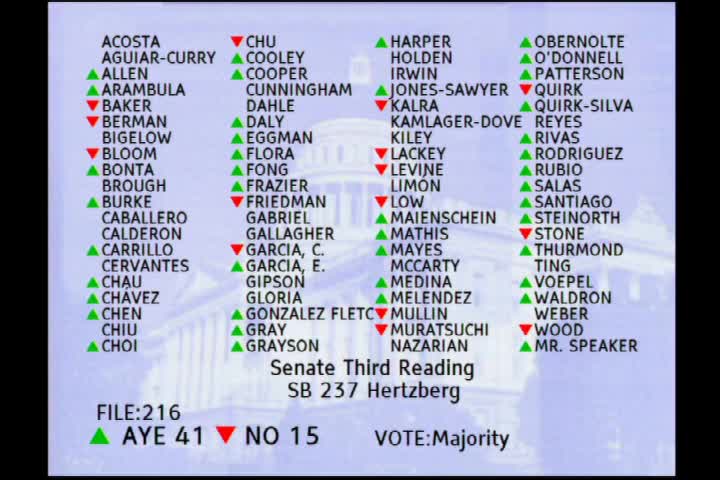 1MIN
Assembly Floor
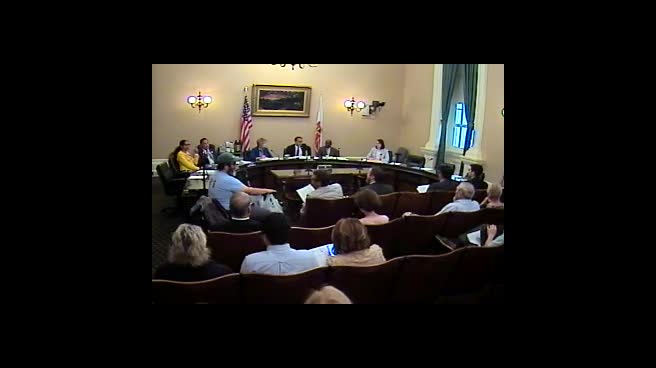 8MIN

