SB 1245: Covered California.
- Session Year: 2017-2018
- House: Senate
- Latest Version Date: 2018-09-14
Existing federal law, the federal Patient Protection and Affordable Care Act (PPACA), enacts various health care coverage market reforms that took effect January 1, 2014. Among other things, PPACA required each state to establish an American Health Benefit Exchange to facilitate the purchase of qualified health plans by qualified individuals and qualified small employers. Existing state law establishes the California Health Benefit Exchange, also known as Covered California, within state government. Existing law specifies the powers and duties of the board to implement Covered California. Existing law generally authorizes the board to adopt any necessary rules and regulations as emergency regulations until January 1, 2017, and to adopt regulations to implement the eligibility, enrollment, and appeals processes for the individual and small business exchanges, changes to the small business exchange, and other specified provisions as emergency regulations, until January 1, 2019. Existing law authorizes the Office of Administrative Law, until January 1, 2020, to approve more than 2 readoptions of the emergency regulations adopted by the board.
This bill instead would authorize the board to adopt necessary rules and regulations by emergency regulations until January 1, 2022, with the exception of regulations implementing specified existing provisions relating to criminal background history checks for persons with access to confidential, personal, or financial information. The bill would extend the authority of the Office of Administrative Law to approve more than 2 readoptions of emergency regulations until January 1, 2027. The bill would require the board to discuss a proposed rule or regulation at a properly noticed meeting prior to the adoption of the rule or regulation, as specified. The time extensions provided for in the bill also would apply to any regulation adopted prior to January 1, 2019, as specified.
Existing law authorizes the board to standardize products offered through the California Health Benefit Exchange. Existing law requires any products standardized by the board to be discussed by the board during at least one properly noticed board meeting prior to the board meeting at which the board adopts the standardized products to be offered through the Exchange.
This bill would require the board to discuss a proposed rule or regulation standardizing those products at a properly noticed meeting prior to the adoption of the rule or regulation, as specified.
Existing federal law, the federal Patient Protection and Affordable Care Act (PPACA), enacts various health care coverage market reforms that took effect January 1, 2014. Among other things, PPACA required each state to establish an American Health Benefit Exchange to facilitate the purchase of qualified health plans by qualified individuals and qualified small employers. Existing state law establishes the California Health Benefit Exchange, also known as Covered California, within state government. Existing law specifies the powers and duties of the board to implement Covered California. Existing law generally authorizes the board to adopt any necessary rules and regulations as emergency regulations until January 1, 2017, and to adopt regulations to implement the eligibility, enrollment, and appeals processes for the individual and small business exchanges, changes to the small business exchange, and other specified provisions as emergency regulations, until January 1, 2019. Existing law authorizes the Office of Administrative Law, until January 1, 2020, to approve more than 2 readoptions of the emergency regulations adopted by the board.
This bill instead would authorize the board to adopt necessary rules and regulations by emergency regulations until January 1, 2022, with the exception of regulations implementing specified existing provisions relating to criminal background history checks for persons with access to confidential, personal, or financial information. The bill would extend the authority of the Office of Administrative Law to approve more than 2 readoptions of emergency regulations until January 1, 2027. The bill would require the board to discuss a proposed rule or regulation at a properly noticed meeting prior to the adoption of the rule or regulation, as specified. The time extensions provided for in the bill also would apply to any regulation adopted prior to January 1, 2019, as specified.
Existing law authorizes the board to standardize products offered through the California Health Benefit Exchange. Existing law requires any products standardized by the board to be discussed by the board during at least one properly noticed board meeting prior to the board meeting at which the board adopts the standardized products to be offered through the Exchange.
This bill would require the board to discuss a proposed rule or regulation standardizing those products at a properly noticed meeting prior to the adoption of the rule or regulation, as specified.
Existing federal law, the federal Patient Protection and Affordable Care Act (PPACA), enacts various health care coverage market reforms that took effect January 1, 2014. Among other things, PPACA required each state to establish an American Health Benefit Exchange to facilitate the purchase of qualified health plans by qualified individuals and qualified small employers. Existing state law establishes the California Health Benefit Exchange, also known as Covered California, within state government. Existing law specifies the powers and duties of the board to implement Covered California. Existing law generally authorizes the board to adopt any necessary rules and regulations as emergency regulations until January 1, 2017, and to adopt regulations to implement the eligibility, enrollment, and appeals processes for the individual and small business exchanges, changes to the small business exchange, and other specified provisions as emergency regulations, until January 1, 2019. Existing law authorizes the Office of Administrative Law, until January 1, 2020, to approve more than 2 readoptions of the emergency regulations adopted by the board.
This bill instead would authorize the board to adopt necessary rules and regulations by emergency regulations until January 1, 2022, with the exception of regulations implementing specified existing provisions relating to criminal background history checks for persons with access to confidential, personal, or financial information. The bill would extend the authority of the Office of Administrative Law to approve more than 2 readoptions of emergency regulations until January 1, 2027. The bill would require the board to discuss a proposed rule or regulation at a properly noticed meeting prior to the adoption of the rule or regulation, as specified. The time extensions provided for in the bill also would apply to any regulation adopted prior to January 1, 2019, as specified.
Existing law authorizes the board to standardize products offered through the California Health Benefit Exchange. Existing law requires any products standardized by the board to be discussed by the board during at least one properly noticed board meeting prior to the board meeting at which the board adopts the standardized products to be offered through the Exchange.
This bill would require the board to discuss a proposed rule or regulation standardizing those products at a properly noticed meeting prior to the adoption of the rule or regulation, as specified.
Existing federal law, the federal Patient Protection and Affordable Care Act (PPACA), enacts various health care coverage market reforms that took effect January 1, 2014. Among other things, PPACA required each state to establish an American Health Benefit Exchange to facilitate the purchase of qualified health plans by qualified individuals and qualified small employers. Existing state law establishes the California Health Benefit Exchange, also known as Covered California, within state government. Existing law specifies the powers and duties of the board to implement Covered California. Existing law generally authorizes the board to adopt any necessary rules and regulations as emergency regulations until January 1, 2017, and to adopt regulations to implement the eligibility, enrollment, and appeals processes for the individual and small business exchanges, changes to the small business exchange, and other specified provisions as emergency regulations, until January 1, 2019. Existing law authorizes the Office of Administrative Law, until January 1, 2020, to approve more than 2 readoptions of the emergency regulations adopted by the board.
This bill instead would make technical, nonsubstantive changes to those provisions. authorize the board to adopt necessary rules and regulations by emergency regulations until January 1, 2022, with the exception of regulations implementing specified existing provisions relating to criminal background history checks for persons with access to confidential, personal, or financial information. The bill would extend the authority of the Office of Administrative Law to approve more than 2 readoptions of emergency regulations until January 1, 2027. The time extensions provided for in the bill also would apply to any regulation adopted prior to January 1, 2019, as specified.
Existing federal law, the federal Patient Protection and Affordable Care Act (PPACA), enacts various health care coverage market reforms that took effect January 1, 2014. Among other things, PPACA required each state to establish an American Health Benefit Exchange to facilitate the purchase of qualified health plans by qualified individuals and qualified small employers. Existing state law establishes the California Health Benefit Exchange, also known as Covered California, within state government. Existing law specifies the powers and duties of the board to implement Covered California.
This bill would make technical, nonsubstantive changes to those provisions.
(a)The board may do the following:
(1)With respect to individual coverage made available in the Exchange, collect premiums and assist in the administration of subsidies.
(2)Enter into contracts.
(3)Sue and be sued.
(4)Receive and accept gifts, grants, or donations of moneys from any agency of the United States, any agency of the state, and any municipality, county, or other political subdivision of the state.
(5)Receive and accept gifts, grants, or donations from individuals, associations, private foundations, and corporations, in compliance with the conflict of interest provisions to be adopted by the board at a public meeting.
(6)(A)Adopt rules and regulations, as necessary. Until January 1, 2022, any necessary rules and regulations, except those implementing Section 1043, may be adopted as emergency regulations in accordance with the Administrative Procedure Act (Chapter 3.5 (commencing with Section 11340) of Part 1 of Division 3 of Title 2). The adoption of emergency regulations pursuant to this section shall be deemed to be an emergency and necessary for the immediate preservation of the public peace, health and safety, or general welfare. Notwithstanding Chapter 3.5 (commencing with Section 11340) of Part 1 of Division 3 of Title 2, including subdivisions (e) and (h) of Section 11346.1, any emergency regulation adopted pursuant to this section shall be repealed by operation of law unless the adoption, amendment, or repeal of the regulation is promulgated by the board pursuant to Chapter 3.5 (commencing with Section 11340) of Part 1 of Division 3 of Title 2 of the Government Code within five years of the initial adoption of the emergency regulation. Any rule or regulation adopted pursuant to this section shall be discussed by the board during at least one properly noticed board meeting prior to the board meeting at which the board adopts the rule or regulation. Notwithstanding subdivision (h) of Section 11346.1, until January 1, 2027, the Office of Administrative Law may approve more than two readoptions of an emergency regulation adopted pursuant to this section.
(B)The amendments made to this paragraph by the act that added this subparagraph also shall apply to any regulation adopted pursuant to this section prior to January 1, 2019.
(7)Collaborate with the State Department of Health Care Services and the Managed Risk Medical Insurance Board, to the extent possible, to allow an individual the option to remain enrolled with his or her carrier and provider network in the event the individual experiences a loss of eligibility of premium tax credits and becomes eligible for the Medi-Cal program or the Healthy Families Program, or loses eligibility for the Medi-Cal program or the Healthy Families Program and becomes eligible for premium tax credits through the Exchange.
(8)Share information with relevant state departments, consistent with the confidentiality provisions in Section 1411 of the federal act, necessary for the administration of the Exchange.
(9)Require carriers participating in the Exchange to make available to the Exchange and regularly update an electronic directory of contracting health care providers so that individuals seeking coverage through the Exchange can search by health care provider name to determine which health plans in the Exchange include that health care provider in their network. The board may also require a carrier to provide regularly updated information to the Exchange as to whether a health care provider is accepting new patients for a particular health plan. The Exchange may provide an integrated and uniform consumer directory of health care providers indicating which carriers the providers contract with and whether the providers are currently accepting new patients. The Exchange may also establish methods by which health care providers may transmit relevant information directly to the Exchange, rather than through a carrier.
(10)Make available supplemental coverage for enrollees of the Exchange to the extent permitted by the federal act, provided that no General Fund money is used to pay the cost of that coverage. Any supplemental coverage offered in the Exchange shall be subject to the charge imposed under subdivision (n) of Section 100503.
(b)The Exchange shall only collect information from individuals or designees of individuals necessary to administer the Exchange and consistent with the federal act.
(c)(1)The board shall have the authority to standardize products to be offered through the Exchange. Any products standardized by the board pursuant to this subdivision shall be discussed by the board during at least one properly noticed board meeting prior to the board meeting at which the board adopts the standardized products to be offered through the Exchange.
(2)The adoption, amendment, or repeal of a regulation by the board to implement this subdivision is exempt from the rulemaking provisions of the Administrative Procedure Act (Chapter 3.5 (commencing with Section 11340) of Part 1 of Division 3 of Title 2).
(a)The board may do the following:
(1)With respect to individual coverage made available in the Exchange, collect premiums and assist in the administration of subsidies.
(2)Enter into contracts.
(3)Sue and be sued.
(4)Receive and accept gifts, grants, or donations of moneys from any agency of the United States, any agency of the state, and any municipality, county, or other political subdivision of the state.
(5)Receive and accept gifts, grants, or donations from individuals, associations, private foundations, and corporations, in compliance with the conflict of interest provisions to be adopted by the board at a public meeting.
(6)(A)Adopt rules and regulations, as necessary. Until January 1, 2022, any necessary rules and regulations, except those implementing Section 1043, may be adopted as emergency regulations in accordance with the Administrative Procedure Act (Chapter 3.5 (commencing with Section 11340) of Part 1 of Division 3 of Title 2). The adoption of emergency regulations pursuant to this section shall be deemed to be an emergency and necessary for the immediate preservation of the public peace, health and safety, or general welfare. Notwithstanding Chapter 3.5 (commencing with Section 11340) of Part 1 of Division 3 of Title 2, including subdivisions (e) and (h) of Section 11346.1, any emergency regulation adopted pursuant to this section shall be repealed by operation of law unless the adoption, amendment, or repeal of the regulation is promulgated by the board pursuant to Chapter 3.5 (commencing with Section 11340) of Part 1 of Division 3 of Title 2 of the Government Code within five years of the initial adoption of the emergency regulation. Any rule or regulation adopted pursuant to this section shall be discussed by the board during at least one properly noticed board meeting prior to the board meeting at which the board adopts the rule or regulation. Notwithstanding subdivision (h) of Section 11346.1, until January 1, 2027, the Office of Administrative Law may approve more than two readoptions of an emergency regulation adopted pursuant to this section.
(B)The amendments made to this paragraph by the act that added this subparagraph also shall apply to any regulation adopted pursuant to this section prior to January 1, 2019.
(7)Collaborate with the State Department of Health Care Services and the Managed Risk Medical Insurance Board, to the extent possible, to allow an individual the option to remain enrolled with his or her carrier and provider network in the event the individual experiences a loss of eligibility of premium tax credits and becomes eligible for the Medi-Cal program or the Healthy Families Program, or loses eligibility for the Medi-Cal program or the Healthy Families Program and becomes eligible for premium tax credits through the Exchange.
(8)Share information with relevant state departments, consistent with the confidentiality provisions in Section 1411 of the federal act, necessary for the administration of the Exchange.
(9)Require carriers participating in the Exchange to make available to the Exchange and regularly update an electronic directory of contracting health care providers so that individuals seeking coverage through the Exchange can search by health care provider name to determine which health plans in the Exchange include that health care provider in their network. The board may also require a carrier to provide regularly updated information to the Exchange as to whether a health care provider is accepting new patients for a particular health plan. The Exchange may provide an integrated and uniform consumer directory of health care providers indicating which carriers the providers contract with and whether the providers are currently accepting new patients. The Exchange may also establish methods by which health care providers may transmit relevant information directly to the Exchange, rather than through a carrier.
(10)Make available supplemental coverage for enrollees of the Exchange to the extent permitted by the federal act, provided that no General Fund money is used to pay the cost of that coverage. Any supplemental coverage offered in the Exchange shall be subject to the charge imposed under subdivision (n) of Section 100503.
(b)The Exchange shall only collect information from individuals or designees of individuals necessary to administer the Exchange and consistent with the federal act.
(c)(1)The board shall have the authority to standardize products to be offered through the Exchange. Any products standardized by the board pursuant to this subdivision shall be discussed by the board during at least one properly noticed board meeting prior to the board meeting at which the board adopts the standardized products to be offered through the Exchange.
(2)The adoption, amendment, or repeal of a regulation by the board to implement this subdivision is exempt from the rulemaking provisions of the Administrative Procedure Act (Chapter 3.5 (commencing with Section 11340) of Part 1 of Division 3 of Title 2).
(a)The board may do the following:
(1)With respect to individual coverage made available in the Exchange, collect premiums and assist in the administration of subsidies.
(2)Enter into contracts.
(3)Sue and be sued.
(4)Receive and accept gifts, grants, or donations of moneys from any agency of the United States, any agency of the state, and any municipality, county, or other political subdivision of the state.
(5)Receive and accept gifts, grants, or donations from individuals, associations, private foundations, and corporations, in compliance with the conflict of interest provisions to be adopted by the board at a public meeting.
(6)(A)Adopt rules and regulations, as necessary. Until January 1, 2022, any necessary rules and regulations, except those implementing Section 1043, may be adopted as emergency regulations in accordance with the Administrative Procedure Act (Chapter 3.5 (commencing with Section 11340) of Part 1 of Division 3 of Title 2). The adoption of emergency regulations pursuant to this section shall be deemed to be an emergency and necessary for the immediate preservation of the public peace, health and safety, or general welfare. Notwithstanding Chapter 3.5 (commencing with Section 11340) of Part 1 of Division 3 of Title 2, including subdivisions (e) and (h) of Section 11346.1, any emergency regulation adopted pursuant to this section shall be repealed by operation of law unless the adoption, amendment, or repeal of the regulation is promulgated by the board pursuant to Chapter 3.5 (commencing with Section 11340) of Part 1 of Division 3 of Title 2 of the Government Code within five years of the initial adoption of the emergency regulation. Any rule or regulation adopted pursuant to this section shall be discussed by the board during at least one properly noticed board meeting prior to the board meeting at which the board adopts the rule or regulation. Notwithstanding subdivision (h) of Section 11346.1, until January 1, 2027, the Office of Administrative Law may approve more than two readoptions of an emergency regulation adopted pursuant to this section.
(B)The amendments made to this paragraph by the act that added this subparagraph also shall apply to any regulation adopted pursuant to this section prior to January 1, 2019.
(7)Collaborate with the State Department of Health Care Services and the Managed Risk Medical Insurance Board, to the extent possible, to allow an individual the option to remain enrolled with his or her carrier and provider network in the event the individual experiences a loss of eligibility of premium tax credits and becomes eligible for the Medi-Cal program or the Healthy Families Program, or loses eligibility for the Medi-Cal program or the Healthy Families Program and becomes eligible for premium tax credits through the Exchange.
(8)Share information with relevant state departments, consistent with the confidentiality provisions in Section 1411 of the federal act, necessary for the administration of the Exchange.
(9)Require carriers participating in the Exchange to make available to the Exchange and regularly update an electronic directory of contracting health care providers so that individuals seeking coverage through the Exchange can search by health care provider name to determine which health plans in the Exchange include that health care provider in their network. The board may also require a carrier to provide regularly updated information to the Exchange as to whether a health care provider is accepting new patients for a particular health plan. The Exchange may provide an integrated and uniform consumer directory of health care providers indicating which carriers the providers contract with and whether the providers are currently accepting new patients. The Exchange may also establish methods by which health care providers may transmit relevant information directly to the Exchange, rather than through a carrier.
(10)Make available supplemental coverage for enrollees of the Exchange to the extent permitted by the federal act, provided that no General Fund money is used to pay the cost of that coverage. Any supplemental coverage offered in the Exchange shall be subject to the charge imposed under subdivision (n) of Section 100503.
(b)The Exchange shall only collect information from individuals or designees of individuals necessary to administer the Exchange and consistent with the federal act.
(c)(1)The board shall have the authority to standardize products to be offered through the Exchange. Any products standardized by the board pursuant to this subdivision shall be discussed by the board during at least one properly noticed board meeting prior to the board meeting at which the board adopts the standardized products to be offered through the Exchange.
(2)The adoption, amendment, or repeal of a regulation by the board to implement this subdivision is exempt from the rulemaking provisions of the Administrative Procedure Act (Chapter 3.5 (commencing with Section 11340) of Part 1 of Division 3 of Title 2).
(a)The board may do the following:
(1)With respect to individual coverage made available in the Exchange, collect premiums and assist in the administration of subsidies.
(2)Enter into contracts.
(3)Sue and be sued.
(4)Receive and accept gifts, grants, or donations of moneys from any agency of the United States, any agency of the state, and any municipality, county, or other political subdivision of the state.
(5)Receive and accept gifts, grants, or donations from individuals, associations, private foundations, and corporations, in compliance with the conflict of interest provisions to be adopted by the board at a public meeting.
(6)(A)Adopt rules and regulations, as necessary. Until January 1, 2017, 2022, any necessary rules and regulations regulations, except those implementing Section 1043, may be adopted as emergency regulations in accordance with the Administrative Procedure Act (Chapter 3.5 (commencing with Section 11340) of Part 1 of Division 3 of Title 2). Until January 1, 2019, any necessary rules and regulations to implement the eligibility, enrollment, and appeals processes for the individual and small business exchanges, changes to the small business exchange, or any act in effect that amends this title that is operative on or before December 31, 2016, may be adopted as emergency regulations in accordance with the Administrative Procedure Act (Chapter 3.5 (commencing with Section 11340) of Part 1 of Division 3 of Title 2). The adoption of emergency regulations pursuant to this section shall be deemed to be an emergency and necessary for the immediate preservation of the public peace, health and safety, or general welfare. Notwithstanding Chapter 3.5 (commencing with Section 11340) of Part 1 of Division 3 of Title 2, including subdivisions (e) and (h) of Section 11346.1, any emergency regulation adopted pursuant to this section shall be repealed by operation of law unless the adoption, amendment, or repeal of the regulation is promulgated by the board pursuant to Chapter 3.5 (commencing with Section 11340) of Part 1 of Division 3 of Title 2 of the Government Code within five years of the initial adoption of the emergency regulation. Notwithstanding subdivision (h) of Section 11346.1, until January 1, 2020, 2027, the Office of Administrative Law may approve more than two readoptions of an emergency regulation adopted pursuant to this section. The amendments made to this paragraph by the act adding this sentence shall apply to any emergency regulation adopted pursuant to this section prior to the effective date of the Budget Act of 2015.
(B)The amendments made to this paragraph by the act that added this subparagraph also shall apply to any regulation adopted pursuant to this section prior to January 1, 2019.
(7)Collaborate with the State Department of Health Care Services and the Managed Risk Medical Insurance Board, to the extent possible, to allow an individual the option to remain enrolled with his or her carrier and provider network in the event the individual experiences a loss of eligibility of premium tax credits and becomes eligible for the Medi-Cal program or the Healthy Families Program, or loses eligibility for the Medi-Cal program or the Healthy Families Program and becomes eligible for premium tax credits through the Exchange.
(8)Share information with relevant state departments, consistent with the confidentiality provisions in Section 1411 of the federal act, necessary for the administration of the Exchange.
(9)Require carriers participating in the Exchange to make available to the Exchange and regularly update an electronic directory of contracting health care providers so that individuals seeking coverage through the Exchange can search by health care provider name to determine which health plans in the Exchange include that health care provider in their network. The board may also require a carrier to provide regularly updated information to the Exchange as to whether a health care provider is accepting new patients for a particular health plan. The Exchange may provide an integrated and uniform consumer directory of health care providers indicating which carriers the providers contract with and whether the providers are currently accepting new patients. The Exchange may also establish methods by which health care providers may transmit relevant information directly to the Exchange, rather than through a carrier.
(10)Make available supplemental coverage for enrollees of the Exchange to the extent permitted by the federal act, provided that no General Fund money is used to pay the cost of that coverage. Any supplemental coverage offered in the Exchange shall be subject to the charge imposed under subdivision (n) of Section 100503.
(b)The Exchange shall only collect information from individuals or designees of individuals necessary to administer the Exchange and consistent with the federal act.
(c)(1)The board shall have the authority to standardize products to be offered through the Exchange. Any products standardized by the board pursuant to this subdivision shall be discussed by the board during at least one properly noticed board meeting prior to the board meeting at which the board adopts the standardized products to be offered through the Exchange.
(2)The adoption, amendment, or repeal of a regulation by the board to implement this subdivision is exempt from the rulemaking provisions of the Administrative Procedure Act (Chapter 3.5 (commencing with Section 11340) of Part 1 of Division 3 of Title 2).
SECTION 1.Section 100502 of the Government Code is amended to read:100502.The board shall, at a minimum, do all of the following to implement Section 1311 of the federal act:(a)Implement procedures for the certification, recertification, and decertification, consistent with guidelines established by the United States Secretary of Health and Human Services, of health plans as qualified health plans. The board shall require health plans seeking certification as qualified health plans to do all of the following:(1)Submit a justification for any premium increase prior to implementation of the increase. The plans shall prominently post that information on their Internet Web sites. The board shall take this information, and the information and the recommendations provided to the board by the Department of Insurance or the Department of Managed Health Care under paragraph (1) of subdivision (b) of Section 2794 of the federal Public Health Service Act, into consideration when determining whether to make the health plan available through Covered California. The board shall take into account any excess of premium growth outside Covered California as compared to the rate of that growth inside Covered California, including information reported by the Department of Insurance and the Department of Managed Health Care.(2)(A)Make available to the public and submit to the board, the United States Secretary of Health and Human Services, and the Insurance Commissioner or the Department of Managed Health Care, as applicable, accurate and timely disclosure of the following information:(i)Claims payment policies and practices.(ii)Periodic financial disclosures.(iii)Data on enrollment.(iv)Data on disenrollment.(v)Data on the number of claims that are denied.(vi)Data on rating practices.(vii)Information on cost sharing and payments with respect to any out-of-network coverage.(viii)Information on enrollee and participant rights under Title I of the federal act.(ix)Other information as determined appropriate by the United States Secretary of Health and Human Services.(B)The information required under subparagraph (A) shall be provided in plain language, as defined in subparagraph (B) of paragraph (3) of subdivision (e) of Section 1311 of the federal act.(3)Permit individuals to learn, in a timely manner upon the request of the individual, the amount of cost sharing, including, but not limited to, deductibles, copayments, and coinsurance, under the individuals plan or coverage that the individual would be responsible for paying with respect to the furnishing of a specific item or service by a participating provider. At a minimum, this information shall be made available to the individual through an Internet Web site and through other means for individuals without access to the Internet.(b)Provide for the operation of a toll-free telephone hotline to respond to requests for assistance.(c)Maintain an Internet Web site through which enrollees and prospective enrollees of qualified health plans may obtain standardized comparative information on those plans.(d)Assign a rating to each qualified health plan offered throughCovered California in accordance with the criteria developed by the United States Secretary of Health and Human Services.(e)Utilize a standardized format for presenting health benefits plan options in Covered California, including the use of the uniform outline of coverage established under Section 2715 of the federal Public Health Service Act.(f)Inform individuals of eligibility requirements for the Medi-Cal program, the Healthy Families Program, or any applicable state or local public program and, if, through screening of the application by Covered California, Covered California determines that an individual is eligible for a program, enroll that individual in the program.(g)Establish and make available by electronic means a calculator to determine the actual cost of coverage after the application of any premium tax credit under Section 36B of the Internal Revenue Code of 1986 and any cost-sharing reduction under Section 1402 of the federal act.(h)Grant a certification attesting that, for purposes of the individual responsibility penalty under Section 5000A of the Internal Revenue Code of 1986, an individual is exempt from the individual requirement or from the penalty imposed by that section because of either of the following:(1)There is no affordable qualified health plan available throughCovered California or the individuals employer covering the individual.(2)The individual meets the requirements for any other exemption from the individual responsibility requirement or penalty.(i)Transfer to the Secretary of the Treasury all of the following:(1)A list of the individuals who are issued a certification under subdivision (h), including the name and taxpayer identification number of each individual.(2)The name and taxpayer identification number of each individual who was an employee of an employer but who was determined to be eligible for the premium tax credit under Section 36B of the Internal Revenue Code of 1986 because of either of the following:(A)The employer did not provide minimum essential coverage.(B)The employer provided the minimum essential coverage but it was determined under subparagraph (C) of paragraph (2) of subsection (c) of Section 36B of the Internal Revenue Code of 1986 to either be unaffordable to the employee or not provide the required minimum actuarial value.(3)The name and taxpayer identification number of each individual who notifies Covered California under paragraph (4) of subsection (b) of Section 1411 of the federal act that they have changed employers and of each individual who ceases coverage under a qualified health plan during a plan year and the effective date of that cessation.(j)Provide to each employer the name of each employee of the employer described in paragraph (2) of subdivision (i) who ceases coverage under a qualified health plan during a plan year and the effective date of that cessation.(k)Perform duties required of, or delegated to, Covered California by the United States Secretary of Health and Human Services or the Secretary of the Treasury related to determining eligibility for premium tax credits, reduced cost sharing, or individual responsibility exemptions.(l)Establish the navigator program in accordance with subdivision (i) of Section 1311 of the federal act. Any entity chosen byCovered California as a navigator shall do all of the following:(1)Conduct public education activities to raise awareness of the availability of qualified health plans.(2)Distribute fair and impartial information concerning enrollment in qualified health plans, and the availability of premium tax credits under Section 36B of the Internal Revenue Code of 1986 and cost-sharing reductions under Section 1402 of the federal act.(3)Facilitate enrollment in qualified health plans.(4)Provide referrals to any applicable office of health insurance consumer assistance or health insurance ombudsman established under Section 2793 of the federal Public Health Service Act, or any other appropriate state agency or agencies, for any enrollee with a grievance, complaint, or question regarding his or her health plan, coverage, or a determination under that plan or coverage.(5)Provide information in a manner that is culturally and linguistically appropriate to the needs of the population being served by Covered California.(m)Establish the Small Business Health Options Program, separate from the activities of the board related to the individual market, to assist qualified small employers in facilitating the enrollment of their employees in qualified health plans offered through Covered California in the small employer market in a manner consistent with paragraph (2) of subdivision (a) of Section 1312 of the federal act.The board shall, at a minimum, do all of the following to implement Section 1311 of the federal act:
(a)Implement procedures for the certification, recertification, and decertification, consistent with guidelines established by the United States Secretary of Health and Human Services, of health plans as qualified health plans. The board shall require health plans seeking certification as qualified health plans to do all of the following:
(1)Submit a justification for any premium increase prior to implementation of the increase. The plans shall prominently post that information on their Internet Web sites. The board shall take this information, and the information and the recommendations provided to the board by the Department of Insurance or the Department of Managed Health Care under paragraph (1) of subdivision (b) of Section 2794 of the federal Public Health Service Act, into consideration when determining whether to make the health plan available through the Exchange. Covered California. The board shall take into account any excess of premium growth outside the Exchange Covered California as compared to the rate of that growth inside the Exchange, Covered California, including information reported by the Department of Insurance and the Department of Managed Health Care.
(2)(A)Make available to the public and submit to the board, the United States Secretary of Health and Human Services, and the Insurance Commissioner or the Department of Managed Health Care, as applicable, accurate and timely disclosure of the following information:
(i)Claims payment policies and practices.
(ii)Periodic financial disclosures.
(iii)Data on enrollment.
(iv)Data on disenrollment.
(v)Data on the number of claims that are denied.
(vi)Data on rating practices.
(vii)Information on cost sharing and payments with respect to any out-of-network coverage.
(viii)Information on enrollee and participant rights under Title I of the federal act.
(ix)Other information as determined appropriate by the United States Secretary of Health and Human Services.
(B)The information required under subparagraph (A) shall be provided in plain language, as defined in subparagraph (B) of paragraph (3) of subdivision (e) of Section 1311 of the federal act.
(3)Permit individuals to learn, in a timely manner upon the request of the individual, the amount of cost sharing, including, but not limited to, deductibles, copayments, and coinsurance, under the individuals plan or coverage that the individual would be responsible for paying with respect to the furnishing of a specific item or service by a participating provider. At a minimum, this information shall be made available to the individual through an Internet Web site and through other means for individuals without access to the Internet.
(b)Provide for the operation of a toll-free telephone hotline to respond to requests for assistance.
(c)Maintain an Internet Web site through which enrollees and prospective enrollees of qualified health plans may obtain standardized comparative information on those plans.
(d)Assign a rating to each qualified health plan offered through the ExchangeCovered California in accordance with the criteria developed by the United States Secretary of Health and Human Services.
(e)Utilize a standardized format for presenting health benefits plan options in the Exchange, Covered California, including the use of the uniform outline of coverage established under Section 2715 of the federal Public Health Service Act.
(f)Inform individuals of eligibility requirements for the Medi-Cal program, the Healthy Families Program, or any applicable state or local public program and, if, through screening of the application by the Exchange, the Exchange Covered California, Covered California determines that an individual is eligible for any such a program, enroll that individual in the program.
(g)Establish and make available by electronic means a calculator to determine the actual cost of coverage after the application of any premium tax credit under Section 36B of the Internal Revenue Code of 1986 and any cost-sharing reduction under Section 1402 of the federal act.
(h)Grant a certification attesting that, for purposes of the individual responsibility penalty under Section 5000A of the Internal Revenue Code of 1986, an individual is exempt from the individual requirement or from the penalty imposed by that section because of either of the following:
(1)There is no affordable qualified health plan available through the ExchangeCovered California or the individuals employer covering the individual.
(2)The individual meets the requirements for any other exemption from the individual responsibility requirement or penalty.
(i)Transfer to the Secretary of the Treasury all of the following:
(1)A list of the individuals who are issued a certification under subdivision (h), including the name and taxpayer identification number of each individual.
(2)The name and taxpayer identification number of each individual who was an employee of an employer but who was determined to be eligible for the premium tax credit under Section 36B of the Internal Revenue Code of 1986 because of either of the following:
(A)The employer did not provide minimum essential coverage.
(B)The employer provided the minimum essential coverage but it was determined under subparagraph (C) of paragraph (2) of subsection (c) of Section 36B of the Internal Revenue Code of 1986 to either be unaffordable to the employee or not provide the required minimum actuarial value.
(3)The name and taxpayer identification number of each individual who notifies the ExchangeCovered California under paragraph (4) of subsection (b) of Section 1411 of the federal act that they have changed employers and of each individual who ceases coverage under a qualified health plan during a plan year and the effective date of that cessation.
(j)Provide to each employer the name of each employee of the employer described in paragraph (2) of subdivision (i) who ceases coverage under a qualified health plan during a plan year and the effective date of that cessation.
(k)Perform duties required of, or delegated to, the Exchange Covered California by the United States Secretary of Health and Human Services or the Secretary of the Treasury related to determining eligibility for premium tax credits, reduced cost sharing, or individual responsibility exemptions.
(l)Establish the navigator program in accordance with subdivision (i) of Section 1311 of the federal act. Any entity chosen by the ExchangeCovered California as a navigator shall do all of the following:
(1)Conduct public education activities to raise awareness of the availability of qualified health plans.
(2)Distribute fair and impartial information concerning enrollment in qualified health plans, and the availability of premium tax credits under Section 36B of the Internal Revenue Code of 1986 and cost-sharing reductions under Section 1402 of the federal act.
(3)Facilitate enrollment in qualified health plans.
(4)Provide referrals to any applicable office of health insurance consumer assistance or health insurance ombudsman established under Section 2793 of the federal Public Health Service Act, or any other appropriate state agency or agencies, for any enrollee with a grievance, complaint, or question regarding his or her health plan, coverage, or a determination under that plan or coverage.
(5)Provide information in a manner that is culturally and linguistically appropriate to the needs of the population being served by the Exchange. Covered California.
(m)Establish the Small Business Health Options Program, separate from the activities of the board related to the individual market, to assist qualified small employers in facilitating the enrollment of their employees in qualified health plans offered through the Exchange Covered California in the small employer market in a manner consistent with paragraph (2) of subdivision (a) of Section 1312 of the federal act.
|
Date
|
Status
|
|---|---|
| Sep 14, 2018 | Chaptered by Secretary of State. Chapter 417, Statutes of 2018. |
| Sep 14, 2018 | Approved by the Governor. |
| Aug 28, 2018 | Enrolled and presented to the Governor at 3:30 p.m. |
| Aug 21, 2018 | In Senate. Ordered to engrossing and enrolling. |
| Aug 20, 2018 | Read third time. Passed. Ordered to the Senate. |
| Jun 28, 2018 | Read second time. Ordered to third reading. |
| Jun 27, 2018 | From committee: Do pass. (Ayes 12. Noes 4.) (June 27). |
| Jun 20, 2018 | From committee: Do pass and re-refer to Com. on APPR. (Ayes 12. Noes 3.) (June 19). Re-referred to Com. on APPR. |
| May 31, 2018 | Referred to Com. on HEALTH. |
| May 21, 2018 | In Assembly. Read first time. Held at Desk. |
| May 21, 2018 | Read third time. Passed. (Ayes 28. Noes 10.) Ordered to the Assembly. |
| May 15, 2018 | Read second time. Ordered to third reading. |
| May 14, 2018 | From committee: Be ordered to second reading pursuant to Senate Rule 28.8. |
| May 9, 2018 | Set for hearing May 14. |
| Apr 19, 2018 | From committee: Do pass and re-refer to Com. on APPR. (Ayes 8. Noes 1.) (April 18). Re-referred to Com. on APPR. |
| Apr 9, 2018 | From committee with author's amendments. Read second time and amended. Re-referred to Com. on HEALTH. |
| Apr 6, 2018 | Set for hearing April 18. |
| Apr 4, 2018 | Re-referred to Com. on HEALTH. |
| Mar 19, 2018 | From committee with author's amendments. Read second time and amended. Re-referred to Com. on RLS. |
| Mar 1, 2018 | Referred to Com. on RLS. |
| Feb 16, 2018 | From printer. May be acted upon on or after March 18. |
| Feb 15, 2018 | Introduced. Read first time. To Com. on RLS. for assignment. To print. |
|
Date
|
Description
|
Location
|
Votes
|
|
|---|---|---|---|---|
| Aug 20, 2018 | SB 1245 Leyva Senate Third Reading By LIMÓN | Assembly Floor |
Passed |
|
| Jun 27, 2018 | Do pass. | Assembly Standing Committee on Appropriations |
Passed |
|
| Jun 19, 2018 | Do pass and be re-referred to the Committee on [Appropriations] | Assembly Standing Committee on Health |
Passed |
|
| May 21, 2018 | Senate 3rd Reading SB1245 Leyva | Senate Floor |
Passed |
|
| Apr 18, 2018 | Do pass, but first be re-referred to the Committee on [Appropriations] | Senate Standing Committee on Health |
Passed |
This list shows positions taken on this bill by organizations on the date displayed, which is linked to the original source.
Positions by individuals are not included.
|
Organization
|
Position
|
Date
|
|---|---|---|
| California Pan-Ethnic Health Network | * Support | Jun 19, 2018 |
| Consumers Union | ** Support | Jun 15, 2018 |
| Health Access California | * Support | Jun 27, 2018 |
| Health Access California Consumer Union | ** Support | Apr 16, 2018 |
| Western Center On Law And Poverty Inc. | * Support | Jun 19, 2018 |
SENATE THIRD READING
STR Bill Id:SB 1245
Author:(Leyva)
As Amended Ver:April 9, 2018
Majority vote
SENATE VOTE: 28-10
Committee | Votes | Ayes | Noes |
Health | 12-3 | Wood, Aguiar-Curry, Bonta, Burke, Carrillo, Limón, McCarty, Nazarian, Rodriguez, Santiago, Thurmond, Waldron | Mayes, Bigelow, Flora |
Appropriations | 12-4 | Gonzalez Fletcher, Bloom, Bonta, Calderon, Carrillo, Chau, Eggman, Friedman, Eduardo Garcia, Nazarian, Quirk, Reyes | Bigelow, Fong, Gallagher, Obernolte |
SUMMARY: Extends the emergency regulatory authority of the board governing California's Health Benefits Exchange (Exchange), also known as Covered California, until January 1, 2022, with two readoptions until January 1, 2027. Requires the board governing the Exchange to discuss the regulations during at least one properly noticed board meeting prior to its adoption by Covered California. Specifically, this bill:
- Authorizes the Covered California board to adopt emergency regulations, except those implementing staff and contractor fingerprinting requirements, as specified, until January 1, 2022, and authorizes the Office of Administrative Law (OAL) to approve more than two readoptions of an emergency regulation until January 1, 2027.
- Requires any rule or regulation adopted pursuant to 1) above to be discussed by the Covered California board during at least one properly noticed board meeting prior to the board meeting at which the board adopts the rule or regulation.
- Applies the amendments of this bill to any regulations adopted prior to January 1, 2019.
FISCAL EFFECT: According to the Assembly Appropriations Committee, negligible state costs.
COMMENTS: According to the author, since Covered California began offering coverage in 2014, it has served more than 3 million consumers. Over the past few months, the fate of the Patient Protection and Affordable Care Act (ACA) has been under an extreme amount of uncertainty and it is unknown what regulatory changes could occur in the future. The author believes that, "It is our duty to ensure that the health care system we have here in California, specifically Covered California, has the ability to adapt and respond to these federal changes as quickly and efficiently as possible." Without this emergency rulemaking authority, Covered California regulations could conflict with federal law, which has the potential to harm its ability to properly serve their consumers.
- ACA. Enacted in March 2010, the ACA provides the framework, policies, regulations and guidelines for the implementation of comprehensive health care reform by the states. The ACA expands access to quality, affordable insurance and health care. As of January 1, 2014, insurers are no longer able to deny coverage or charge higher premiums based on preexisting conditions. These aspects of the ACA, along with tax credits for low and middle income people buying insurance on their own in new health benefit exchanges, make it easier for people with preexisting conditions to gain insurance coverage.
The ACA required exchanges, also known as Marketplaces, to be established in every state by January 1, 2014, otherwise the federal government will establish one in the state. The central purpose of these new Marketplaces is to enable low and moderate income individuals, and small employers to obtain affordable health coverage. Individuals and small businesses are able to purchase private health insurance through a variety of insurance Marketplace models throughout the United States. Each state electing to establish a new Marketplace must adopt the federal standards in law and rule, and have in effect a state law or regulation that implements these standards. If a state elects not to establish a Marketplace, the ACA requires the federal Department of Health and Human Services to establish and operate one in that state. The new Marketplaces are required to carry out a number of different functions, including determining eligibility and enrolling individuals in appropriate plans; conducting plan management activities; assisting consumers; ensuring plan accountability; and providing financial management.
- Covered California. California was the first state in the nation to enact legislation creating an Exchange under the ACA. Covered California is currently authorized to adopt emergency regulations in the area of eligibility and enrollment for the individual and small business markets until January 1, 2019. Current federal policy discussions regarding the ACA indicate the potential for significant changes to rules governing Exchanges.
Consumers Union states in support that the need for Covered California to maintain the flexibility to exercise emergency rulemaking power is important to its operations and the continued stability of the individual market. Health Access California, also in support, states that a minimum review and comment period will provide some level of transparency and accountability on Covered California board actions.
There is no known opposition to this bill.
Analysis Prepared by: Kristene Mapile / HEALTH / (916) 319-2097 FN: 0003662
Date of Hearing: June 27, 2018
ASSEMBLY COMMITTEE ON APPROPRIATIONS
Lorena Gonzalez Fletcher, Chair
SBPCA Bill Id:SB 1245
Author:(Leyva) – As Amended Ver:April 9, 2018
Policy Committee: | Health | Vote: | 12 - 3 |
Urgency: No State Mandated Local Program: No Reimbursable: No
SUMMARY:
This bill extends Covered California's emergency rulemaking authority until 2022 and authorizes the Office of Administrative Law to approve more than two readoptions of such emergency regulations until 2027.
It also requires regulations to be discussed by the Covered California board during at least one properly noticed board meeting prior to the board meeting at which the board adopts the rule or regulation.
FISCAL EFFECT:
Negligible.
COMMENTS:
- Purpose. According to the author, since Covered California began offering coverage in 2014, it has served more than 3 million consumers. Over the past few months, the fate of the federal Affordable Care Act (ACA) has been uncertain, and future federal regulatory changes could occur. The author believes this bill will provide Covered California authority to adapt and respond to these federal changes quickly and efficiently. Without this emergency rulemaking authority, Covered California regulations could conflict with federal law, which has the potential to harm its ability to properly serve its consumers. This bill is supported by health advocates and has no opposition.
- Covered California. The federal ACA subsidizes health insurance premiums for individuals without access to affordable health care. Subsidies are available through health insurance marketplaces with standardized rules, called exchanges. California created Covered California as the state's exchange, making it the first state to enact legislation creating an exchange under the ACA. Emergency rulemaking authority was provided at that time to assist the Covered California's ACA implementation.
Covered California is authorized to adopt emergency regulations in the area of eligibility and enrollment for the individual and small business markets until January 1, 2019. Current federal policy discussions regarding the ACA indicate the potential for significant changes to rules governing exchanges.
Analysis Prepared by: Lisa Murawski / APPR. / (916) 319-2081
Date of Hearing: June 19, 2018
ASSEMBLY COMMITTEE ON HEALTH
Jim Wood, Chair
SBPCA Bill Id:SB 1245
Author:(Leyva) – As Amended Ver:April 9, 2018
SENATE VOTE: 28-10
SUBJECT: Covered California.
SUMMARY: Extends the emergency regulatory authority of the board governing California’s Health Benefits Exchange (Exchange), also known as Covered California, until January 1, 2022, with two readoptions until January 1, 2027. Requires the board governing the Exchange to discuss the regulations during at least one properly noticed board meeting prior to its adoption by Covered California. Specifically, this bill:
- Authorizes the Covered California board to adopt emergency regulations, except those implementing staff and contractor fingerprinting requirements, as specified, until January 1, 2022, and authorizes the Office of Administrative Law (OAL) to approve more than two readoptions of an emergency regulation until January 1, 2027.
- Requires any rule or regulation adopted pursuant to 1) above to be discussed by the Covered California board during at least one properly noticed board meeting prior to the board meeting at which the board adopts the rule or regulation.
- Applies the amendments of this bill to any regulations adopted prior to January 1, 2019.
EXISTING LAW:
- Establishes the federal Patient Protection and Affordable Care Act (ACA), which enacts various health care coverage market reforms including the availability of health insurance exchanges.
- Establishes, in state government, the Exchange, as an independent public entity not affiliated with an agency or department, and requires the Exchange to compare and make available through selective contracting health insurance for individual and small business purchasers as authorized under the ACA. Specifies the powers and duties of the Covered California board governing the Exchange, and requires the board to facilitate the purchase of qualified health plans though the Exchange by qualified individuals and small employers.
- Authorizes the Covered California board, with respect to individual coverage made available through Covered California, to collect premiums and assist in the administration of subsidies.
- Authorizes, until January 1, 2019, any necessary rules and regulations to implement the eligibility, enrollment, and appeals processes for individual and small business, changes to small business, or any act in effect that is operative on or before December 31, 2016, to be adopted as emergency regulations in accordance with the Administrative Procedure Act, as specified.
- Requires any emergency regulation adopted pursuant to 4) above to be repealed by operation of law unless the adoption, amendment, or repeal of the regulation is promulgated by the Covered California board, as specified, within five years of the initial adoption of the emergency regulation. Authorizes, until January 1, 2020, the OAL to approve more than two readoptions of an emergency regulation adopted pursuant to 4) above.
- Authorizes the Covered California board to standardize products offered through the Exchange. Requires any products standardized by the board to be discussed by the board during at least one properly noticed board meeting prior to the board meeting at which the board adopts the standardized products to be offered through the Exchange.
FISCAL EFFECT: According to the Senate Appropriations Committee, pursuant to Senate Rule 28.8, negligible state costs.
COMMENTS:
- PURPOSE OF THIS BILL. According to the author, since Covered California began offering coverage in 2014, it has served more than 3 million consumers. Over the past few months, the fate of the ACA has been under an extreme amount of uncertainty and it is unknown what regulatory changes could occur in the future. The author believes that, “It is our duty to ensure that the health care system we have here in California, specifically Covered California, has the ability to adapt and respond to these federal changes as quickly and efficiently as possible.” Without this emergency rulemaking authority, Covered California regulations could conflict with federal law, which has the potential to harm its ability to properly serve their consumers.
- BACKGROUND.
- ACA. Enacted in March 2010, the ACA provides the framework, policies, regulations and guidelines for the implementation of comprehensive health care reform by the states. The ACA expands access to quality, affordable insurance and health care. As of January 1, 2014, insurers are no longer able to deny coverage or charge higher premiums based on preexisting conditions. These aspects of the ACA, along with tax credits for low and middle income people buying insurance on their own in new health benefit exchanges, make it easier for people with preexisting conditions to gain insurance coverage.
The ACA required exchanges, also known as Marketplaces, to be established in every state by January 1, 2014, otherwise the federal government will establish one in the state. The central purpose of these new Marketplaces is to enable low and moderate income individuals, and small employers to obtain affordable health coverage. Individuals and small businesses are able to purchase private health insurance through a variety of insurance Marketplace models throughout the United States. Each state electing to establish a new Marketplace must adopt the federal standards in law and rule, and have in effect a state law or regulation that implements these standards. If a state elects not to establish a Marketplace, the ACA requires the federal Department of Health and Human Services (HHS) to establish and operate one in that state. The new Marketplaces are required to carry out a number of different functions, including determining eligibility and enrolling individuals in appropriate plans; conducting plan management activities; assisting consumers; ensuring plan accountability; and providing financial management.
- Covered California. California was the first state in the nation to enact legislation creating an Exchange under the ACA. Covered California is currently authorized to adopt emergency regulations in the area of eligibility and enrollment for the individual and small business markets until January 1, 2019. Current federal policy discussions regarding the ACA indicate the potential for significant changes to rules governing Exchanges.
- SUPPORT. Consumers Union states that the need for Covered California to maintain the flexibility to exercise emergency rulemaking power is important to its operations and the continued stability of the individual market. Health Access California states that a minimum review and comment period will provide some level of transparency and accountability on Covered California board actions.
- PREVIOUS LEGISLATION.
- SB 833 (Committee on Budget & Fiscal Review), Chapter 30, Statues of 2016, extends the emergency regulation authority for Covered California until January 1, 2019, to implement the eligibility, enrollment and appeals processes for the individual and small business exchanges, and changes to the small business exchange, or legislation, that is enacted prior to December 31, 2016.
- AB X1 2 (Pan), Chapter 1, Statutes of 2013-14 First Extraordinary Session and SB X1 2 (Hernandez), Chapter 2, Statutes of 2013-14 First Extraordinary Session, establish health insurance market reforms contained in the ACA specific to individual purchasers, such as prohibiting insurers from denying coverage based on preexisting conditions; and, make conforming changes to small employer health insurance laws resulting from final federal regulations.
- SB 961 (Hernandez) and AB 1461 (Monning) of 2012 were identical bills that would have reformed California’s individual market similar to the provisions in SBX1 2. SB 961 and AB 1461 were vetoed by Governor Brown who indicated that without the strong foundation that federal law provides, a state-level mandate on insurers alone could encourage healthy people to wait until they got sick or injured before purchasing coverage and would lead to skyrocketing premiums, making coverage more unaffordable.
- AB 1083 (Monning), Chapter 854, Statutes of 2012, establishes reforms in the small group health insurance market to implement the ACA.
- AB 1602 (John A Pérez), Chapter 655, Statutes of 2010, and SB 900 (Alquist), Chapter 659, Statutes of 2010, establishes the Exchange in California and its powers and duties.
- SB 833 (Committee on Budget & Fiscal Review), Chapter 30, Statues of 2016, extends the emergency regulation authority for Covered California until January 1, 2019, to implement the eligibility, enrollment and appeals processes for the individual and small business exchanges, and changes to the small business exchange, or legislation, that is enacted prior to December 31, 2016.
REGISTERED SUPPORT / OPPOSITION:
Support
California Pan-Ethnic Health Network
Consumers Union
Health Access California
Western Center on Law and Poverty
Opposition
None on file.
Analysis Prepared by: Kristene Mapile / HEALTH / (916) 319-2097
Office of Senate Floor Analyses (916) 651-1520 Fax: (916) 327-4478 | SB 1245 |
THIRD READING
Bill No: SB 1245
Amended: 4/9/18
SENATE HEALTH COMMITTEE: 8-1, 4/18/18
AYES: Hernandez, Nguyen, Leyva, Mitchell, Monning, Newman, Pan, Roth
NOES: Nielsen
SENATE APPROPRIATIONS COMMITTEE: Senate Rule 28.8
DIGEST:
This bill extends the Covered California Executive Board emergency regulation authority until January 1, 2022, with two readoptions until January 1, 2027, and requires the rule or regulation to be discussed by the Covered California Executive Board during at least one properly noticed board meeting prior to the board meeting at which the board adopts the rule or regulation.
Existing law:
- Establishes Covered California as an independent entity in state government not affiliated with any state agency or department, governed by a five-member board. Requires the Covered California Executive Board to establish and use a competitive process to select participating carriers and other contractors. [GOV §100500 -100522]
- Authorizes the Covered California Executive Board, with respect to individual coverage made available through Covered California, to collect premiums and assist in administration of subsidies. [GOV §100504]
- Authorizes the Covered California Executive Board to adopt necessary rules and regulations, as necessary, and until January 1, 2017, as emergency regulations in accordance with the Administrative Procedures Act, as specified. [GOV §100504]
- Authorizes, until January 1, 2019, any necessary rules and regulations to implement the eligibility, enrollment, and appeals processes for the individual and small business exchanges, changes to the small business exchange, or any act in effect that is operative on or before December 31, 2016, to be adopted as emergency regulations in accordance with the Administrative Procedure Act, as specified. Requires the adoption of emergency regulations to be deemed to be an emergency and necessary for the immediate preservation of the public peace, health and safety, or general welfare. [GOV §100504]
- Requires any emergency regulation adopted pursuant to 4), above, to be repealed by operation of law unless the adoption, amendment, or repeal of the regulation is promulgated by the Covered California Executive Board, as specified, within five years of the initial adoption of the emergency regulation. Authorizes, until January 1, 2020, the Office of Administrative Law to approve more than two readoptions of an emergency regulation adopted pursuant to 4), above. [GOV§100504]
This bill:
- Authorizes the Covered California Executive Board, until January 1, 2022, to adopt emergency regulations, except those implementing staff and contractor fingerprinting requirements, as specified, and until January 1, 2027, authorizes the Office of Administrative Law to approve more than two readoptions of an emergency regulation pursuant to this bill.
- Requires any rule or regulation adopted pursuant to 1), above, to be discussed by the Covered California Executive Board during at least one properly noticed board meeting prior to the board meeting at which the board adopts the rule or regulation.
- Requires the amendments made pursuant to this bill to also apply to any regulations adopted prior to January 1, 2019.
Comments
- Author’s statement. According to the author, since it began offering coverage in 2014, Covered California has served more than three million consumers. Over the past few months, the fate of the Affordable Care Act (ACA) has been under an extreme amount of uncertainty and it is unknown what regulatory changes could occur in the future. It is our duty to ensure that the health care system we have here in California, specifically Covered California, has the ability to adapt and respond to these federal changes as quickly and efficiently as possible. Without this emergency rulemaking authority, Covered California regulations could conflict with federal law, which has the potential to harm its ability to properly serve their more than three million consumers.
- Implementation of the ACA. Under the ACA, most people are required by law to have health insurance or pay a tax penalty. The ACA also established a federal health benefit exchange and authorized states to establish state based health benefit exchanges where Americans can purchase individual and small group health insurance. Qualified individuals can also obtain premium subsidies and cost sharing reductions to help offset the expense of health insurance purchased through an exchange. California created a state based health insurance exchange, called Covered California. An individual is exempt from the ACA insurance penalty if he or she lacks access to affordable coverage (defined as costing less than 8.16% of household income in 2018). In 2018, the penalty is $695/adult, $347.50/child under 18 (up to $2,085/family) or 2.5% of annual household income over an individual’s tax filing threshold, whichever is higher. The 2017 federal tax overhaul law makes the tax penalty zero beginning in 2019. Covered California recently released a report on premium hike projections that indicates that 378,000 Californians could drop coverage without the penalty which would create at least a seven percent increase in premiums in 2019. Other federal policy changes propose to allow less comprehensive coverage options that would not be available for all (guaranteed issue) as are current ACA policies. In total, California could see rates increase in 2019 in the range of 12% to 32%.
- Federal financial assistance. To be eligible for premium assistance a person must be a citizen or lawfully present, must have qualifying income (between 138% and 400% of the federal poverty level (FPL), which is approximately $34,948 and $98,400 for a family of four), and not be eligible for government programs or have affordable coverage through an employer (which is considered affordable if the premium for the employee only, not including dependents, is less than 9.5% of the employee’s household income). Premium assistance is a tax credit (formally called the Advanced Premium Tax Credit, or APTC) to reduce a person’s monthly premium cost. This subsidy works to cap the amount people who receive this subsidy pay for their premiums to an amount that can be no more than 9.56% of household income. The government either pays the tax credit directly to an insurance company each month, and the insurer bills the individual for the rest of the premium cost; or, an individual can choose to pay the full price of the health insurance premium payment each month and then receive the entire premium assistance amount in the form of a tax refund when the individual’s tax return is completed for the year. Cost-sharing reductions are subsidies to reduce an individual’s out-of-pocket costs (copays, coinsurance, deductible and out-of-pocket maximum). An individual is eligible if he or she has an annual household income up to 250% FPL ($61,500 for a family of four) and chooses a “silver” level plan (silver refers to the actuarial value level of the plan). The cost sharing subsidies are automatically applied. Cost-sharing reductions are required to be applied under the ACA and were funded by the federal government until 2018. Many states (including California) have developed work-arounds to limit the impacts of this policy change on premium increases for most enrollees.
Related/Prior Legislation
SB 833 (Committee on Budget and Fiscal Review, Chapter 30, Statues of 2016) extended the emergency regulation authority for Covered California until January 1, 2019, to implement the eligibility, enrollment and appeals processes for the individual and small business exchanges, changes to the small business exchange, or legislation, that amends the Title that established the California Health Benefit Exchange, that is enacted prior to December 31, 2016.
SB 900 (Alquist, Chapter 659, Statutes of 2010) and AB 1602 (Perez, Chapter 655, Statutes of 2010) established Covered California.
FISCAL EFFECT: Appropriation: No Fiscal Com.: Yes Local: No
Consumers Union
Health Access California
Western Center on Law and Poverty
OPPOSITION: (Verified 5/15/18)
None received
ARGUMENTS IN SUPPORT: Health Access California writes that since its creation, Covered California has sought emergency rulemaking authority and received such authority to meet and act on immediate federal actions related to ACA implementation. The early days and years of the ACA necessitated such authority which made Covered California adaptive and proactive in promulgating rules for implementation, which Health Access also supported. Given federal uncertainty and ongoing federal actions that sabotages our ACA implementation and threatens our overall health care system, Covered California seeks emergency rule-making authority until 2022 in order respond to such federal actions. This will provide at least some public review and comment period for proposed changes.
Western Center on Law and Poverty writes that the Trump administration has caused considerable chaos for Covered California by continually shifting course, refusing to pay cost-sharing reductions, and redoing previously existing ACA regulations. As a result, Covered California has been forced to continually revisit its own regulations in order to comply with federal law and protect consumers to the greatest extent possible. Instead of being in an era when Covered California should be finalizing its existing regulations, many issues have been reopened.
5/16/18 10:58:21
**** END ****
SENATE COMMITTEE ON HEALTH
Senator Ed Hernandez, O.D., Chair
BILL NO: SB 1245
AUTHOR: | Leyva | ||
VERSION: | April 9, 2018 | ||
HEARING DATE: | April 18, 2018 | ||
CONSULTANT: | Teri Boughton | ||
SUBJECT: Covered California
SUMMARY:
Extends the Covered California Executive Board emergency regulation authority until January 1, 2022, with two readoptions until January 1, 2027, and requires the rule or regulation to be discussed by the Covered California Executive Board during at least one properly noticed board meeting prior to the board meeting at which the board adopts the rule or regulation.
Existing law:
- Establishes Covered California as an independent entity in state government not affiliated with any state agency or department, governed by a five member board. Requires the Covered California Executive Board to establish and use a competitive process to select participating carriers and other contractors. [GC §100500 -100522]
- Authorizes the Covered California Executive Board, with respect to individual coverage made available through Covered California, to collect premiums and assist in administration of subsidies. [GC §100504]
- Authorizes the Covered California Executive Board to adopt necessary rules and regulations, as necessary, and until January 1, 2017, as emergency regulations in accordance with the Administrative Procedures Act, as specified. [GC §100504]
- Authorizes, until January 1, 2019, any necessary rules and regulations to implement the eligibility, enrollment, and appeals processes for the individual and small business exchanges, changes to the small business exchange, or any act in effect that is operative on or before December 31, 2016, to be adopted as emergency regulations in accordance with the Administrative Procedure Act, as specified. Requires the adoption of emergency regulations to be deemed to be an emergency and necessary for the immediate preservation of the public peace, health and safety, or general welfare. [GC §100504]
- Requires any emergency regulation adopted pursuant to 4) above to be repealed by operation of law unless the adoption, amendment, or repeal of the regulation is promulgated by the Covered California Executive Board, as specified, within five years of the initial adoption of the emergency regulation. Authorizes, until January 1, 2020, the Office of Administrative Law to approve more than two readoptions of an emergency regulation adopted pursuant to 4) above. [GC §100504]
This bill:
- Authorizes the Covered California Executive Board, until January 1, 2022 to adopt emergency regulations, except those implementing staff and contractor fingerprinting requirements, as specified, and until January 1, 2027, authorizes the Office of Administrative Law to approve more than two readoptions of an emergency regulation pursuant to this bill.
- Requires any rule or regulation adopted pursuant to 1) above to be discussed by the Covered California Executive Board during at least one properly noticed board meeting prior to the board meeting at which the board adopts the rule or regulation.
- Requires the amendments made pursuant to this bill to also apply to any regulations adopted prior to January 1, 2019.
FISCAL EFFECT:
This bill has not been analyzed by a fiscal committee.
COMMENTS:
- Author’s statement. According to the author, since it began offering coverage in 2014, Covered California has served more than three million consumers. Over the past few months, the fate of the Affordable Care Act (ACA) has been under an extreme amount of uncertainty and it is unknown what regulatory changes could occur in the future. It is our duty to ensure that the health care system we have here in California, specifically Covered California, has the ability to adapt and respond to these federal changes as quickly and efficiently as possible. Without this emergency rulemaking authority, Covered California regulations could conflict with federal law, which has the potential to harm its ability to properly serve their more than three million consumers.
- Implementation of the ACA. Under the ACA, most people are required by law to have health insurance or pay a tax penalty. The ACA also established a federal health benefit exchange and authorized states to establish state based health benefit exchanges where Americans can purchase individual and small group health insurance. Qualified individuals can also obtain premium subsidies and cost sharing reductions to help offset the expense of health insurance purchased through an exchange. California created a state based health insurance exchange, called Covered California. An individual is exempt from the ACA insurance penalty if he or she lacks access to affordable coverage (defined as costing less than 8.16% of household income in 2018). In 2018, the penalty is $695/adult, $347.50/child under 18 (up to $2,085/family) or 2.5% of annual household income over an individual’s tax filing threshold, whichever is higher. The 2017 federal tax overhaul law makes the tax penalty zero beginning in 2019. Covered California recently released a report on premium hike projections that indicates that 378,000 Californians could drop coverage without the penalty which would create at least a seven percent increase in premiums in 2019. Other federal policy changes propose to allow less comprehensive coverage options that would not be available for all (guaranteed issue) as are current ACA policies. In total, California could see rates increase in 2019 in the range of 12% to 32%.
- Federal financial assistance. To be eligible for premium assistance a person must be a citizen or lawfully present, must have qualifying income (between 138% and 400% of the federal poverty level (FPL), which is approximately $34,948 and $98,400 for a family of four), and not be eligible for government programs or have affordable coverage through an employer (which is considered affordable if the premium for the employee only, not including dependents, is less than 9.5% of the employee’s household income). Premium assistance is a tax credit (formally called the Advanced Premium Tax Credit, or APTC) to reduce a person’s monthly premium cost. This subsidy works to cap the amount people who receive this subsidy pay for their premiums to an amount that can be no more than 9.56% of household income. The government either pays the tax credit directly to an insurance company each month, and the insurer bills the individual for the rest of the premium cost; or, an individual can choose to pay the full price of the health insurance premium payment each month and then receive the entire premium assistance amount in the form of a tax refund when the individual’s tax return is completed for the year. Cost-sharing reductions are subsidies to reduce an individual’s out-of-pocket costs (copays, coinsurance, deductible and out-of-pocket maximum). An individuals is eligible if he or she has an annual household income up to 250% FPL ($61,500 for a family of four) and chooses a “silver” level plan (silver refers to the actuarial value level of the plan). The cost sharing subsidies are automatically applied. Cost-sharing reductions are required to be applied under the ACA and were funded by the federal government until 2018. Many states (including California) have developed work-arounds to limit the impacts of this policy change on premium increases for most enrollees.
- Prior legislation. SB 833 (Committee on Budget & Fiscal Review, Chapter 30, Statues of 2016) extends the emergency regulation authority for Covered California until January 1, 2019, to implement the eligibility, enrollment and appeals processes for the individual and small business exchanges, changes to the small business exchange, or legislation, that amends the Title that established the California Health Benefit Exchange, that is enacted prior to December 31, 2016.
- SB 900 (Alquist, Chapter 659, Statutes of 2010) and AB 1602 (Perez, Chapter 655, Statutes of 2010) establishes Covered California.
- Support. Health Access California writes that since its creation, Covered California has sought emergency rulemaking authority and received such authority to meet and act on immediate federal actions related to ACA implementation. The early days and years of the ACA necessitated such authority which made Covered California adaptive and proactive in promulgating rules for implementation, which Health Access also supported. Given federal uncertainty and ongoing federal actions that sabotages our ACA implementation and threatens our overall health care system, Covered California seeks emergency rule-making authority until 2022 in order respond to such federal actions. This will provide at least some public review and comment period for proposed changes. Western Center on Law and Poverty writes that the Trump administration has caused considerable chaos for Covered California by continually shifting course, refusing to pay cost-sharing reductions, and redoing previously existing Affordable Care Act regulations. As a result, Covered California has been forced to continually revisit its own regulations in order to comply with federal law and protect consumers to the greatest extent possible. Instead of being in an era when Covered California should be finalizing its existing regulations, many issues have been reopened.
SUPPORT AND OPPOSITION:
Support: Health Access California
Consumer Union (if amended)
Western Center on Law and Poverty
Oppose: None received
-- END --
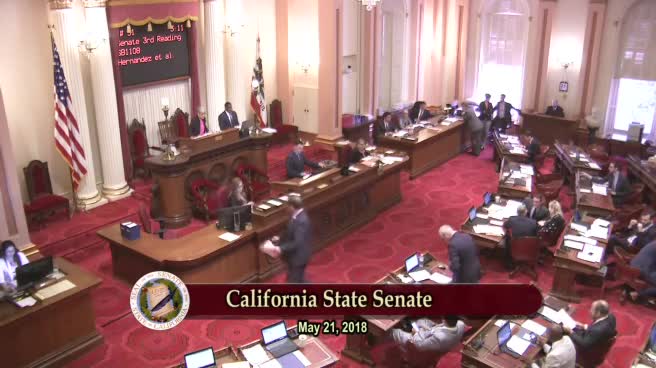
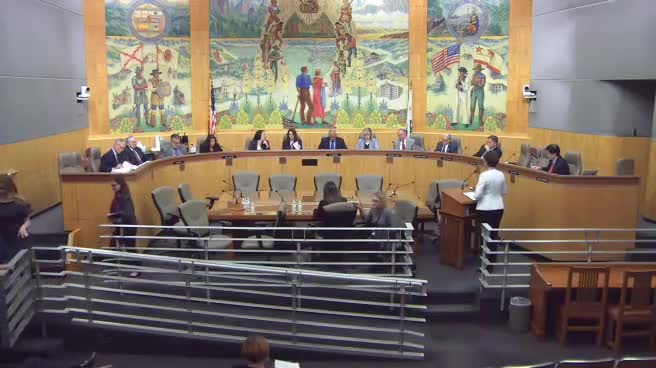
Bill Author

Bill Co-Author(s):