SB 1252: Wages: records: inspection and copying.
- Session Year: 2017-2018
- House: Senate
- Latest Version Date: 2018-09-17
Existing law requires an employer, semimonthly or at the time of payment of wages, to furnish an employee, an accurate, itemized, written statement containing specified information regarding the amounts earned, hours worked, and the employees identity, among other things, subject to certain variations. Existing law grants current and former employees of employers who are required to keep this information the right to inspect or copy records pertaining to their employment, upon reasonable request. Existing law requires an employer to respond to these requests within a specified time and prescribes a penalty of $750 for an employers failure to permit a current or former employee to inspect or copy records within that time, to be recovered by the employee or the Labor Commissioner.
This bill would provide that employees have the right to receive a copy of the employment records described above and apply the associated time requirements and penalty provisions in this context. The bill would state that it is declaratory of existing law.
Existing law requires an employer, semimonthly or at the time of payment of wages, to furnish an employee, an accurate, itemized, written statement containing specified information regarding the amounts earned, hours worked, and the employees identity, among other things, subject to certain variations. Existing law grants current and former employees of employers who are required to keep this information the right to inspect or copy records pertaining to their employment, upon reasonable request. Existing law requires an employer to respond to these requests within a specified time and prescribes a penalty of $750 for an employers failure to permit a current or former employee to inspect or copy records within that time, to be recovered by the employee or the Labor Commissioner.
This bill provide that employees have the right to receive a copy of the employment records described above and apply the associated time requirements and penalty provisions in this context. The bill would state that it is declaratory of existing law.
(a)An employer, semimonthly or at the time of each payment of wages, shall furnish to his or her employee, either as a detachable part of the check, draft, or voucher paying the employees wages, or separately if wages are paid by personal check or cash, an accurate itemized statement in writing showing (1) gross wages earned, (2) total hours worked by the employee, except as provided in subdivision (j), (3) the number of piece-rate units earned and any applicable piece rate if the employee is paid on a piece-rate basis, (4) all deductions, provided that all deductions made on written orders of the employee may be aggregated and shown as one item, (5) net wages earned, (6) the inclusive dates of the period for which the employee is paid, (7) the name of the employee and only the last four digits of his or her social security number or an employee identification number other than a social security number, (8) the name and address of the legal entity that is the employer and, if the employer is a farm labor contractor, as defined in subdivision (b) of Section 1682, the name and address of the legal entity that secured the services of the employer, and (9) all applicable hourly rates in effect during the pay period and the corresponding number of hours worked at each hourly rate by the employee and, beginning July 1, 2013, if the employer is a temporary services employer as defined in Section 201.3, the rate of pay and the total hours worked for each temporary services assignment. The deductions made from payment of wages shall be recorded in ink or other indelible form, properly dated, showing the month, day, and year, and a copy of the statement and the record of the deductions shall be kept on file by the employer for at least three years at the place of employment or at a central location within the State of California. For purposes of this subdivision, copy includes a duplicate of the itemized statement provided to an employee or a computer-generated record that accurately shows all of the information required by this subdivision.
(b)An employer that is required by this code or any regulation adopted pursuant to this code to keep the information required by subdivision (a) shall afford current and former employees the right to inspect or receive a copy of records pertaining to their employment, upon reasonable request to the employer. The employer may take reasonable steps to ensure the identity of a current or former employee. If the employer provides copies of the records, the actual cost of reproduction may be charged to the current or former employee.
(c)An employer who receives a written or oral request to inspect or receive a copy of records pursuant to subdivision (b) pertaining to a current or former employee shall comply with the request as soon as practicable, but no later than 21 calendar days from the date of the request. A violation of this subdivision is an infraction. Impossibility of performance, not caused by or a result of a violation of law, shall be an affirmative defense for an employer in any action alleging a violation of this subdivision. An employer may designate the person to whom a request under this subdivision will be made.
(d)This section does not apply to any employer of a person employed by the owner or occupant of a residential dwelling whose duties are incidental to the ownership, maintenance, or use of the dwelling, including the care and supervision of children, or whose duties are personal and not in the course of the trade, business, profession, or occupation of the owner or occupant.
(e)(1)An employee suffering injury as a result of a knowing and intentional failure by an employer to comply with subdivision (a) is entitled to recover the greater of all actual damages or fifty dollars ($50) for the initial pay period in which a violation occurs and one hundred dollars ($100) per employee for each violation in a subsequent pay period, not to exceed an aggregate penalty of four thousand dollars ($4,000), and is entitled to an award of costs and reasonable attorneys fees.
(2)(A)An employee is deemed to suffer injury for purposes of this subdivision if the employer fails to provide a wage statement.
(B)An employee is deemed to suffer injury for purposes of this subdivision if the employer fails to provide accurate and complete information as required by any one or more of items (1) to (9), inclusive, of subdivision (a) and the employee cannot promptly and easily determine from the wage statement alone one or more of the following:
(i)The amount of the gross wages or net wages paid to the employee during the pay period or any of the other information required to be provided on the itemized wage statement pursuant to items (2) to (4), inclusive, (6), and (9) of subdivision (a).
(ii)Which deductions the employer made from gross wages to determine the net wages paid to the employee during the pay period. Nothing in this subdivision alters the ability of the employer to aggregate deductions consistent with the requirements of item (4) of subdivision (a).
(iii)The name and address of the employer and, if the employer is a farm labor contractor, as defined in subdivision (b) of Section 1682, the name and address of the legal entity that secured the services of the employer during the pay period.
(iv)The name of the employee and only the last four digits of his or her social security number or an employee identification number other than a social security number.
(C)For purposes of this paragraph, promptly and easily determine means a reasonable person would be able to readily ascertain the information without reference to other documents or information.
(3)For purposes of this subdivision, a knowing and intentional failure does not include an isolated and unintentional payroll error due to a clerical or inadvertent mistake. In reviewing for compliance with this section, the factfinder may consider as a relevant factor whether the employer, prior to an alleged violation, has adopted and is in compliance with a set of policies, procedures, and practices that fully comply with this section.
(f)A failure by an employer to permit a current or former employee to inspect or receive a copy of records within the time set forth in subdivision (c) entitles the current or former employee or the Labor Commissioner to recover a seven-hundred-fifty-dollar ($750) penalty from the employer.
(g)The listing by an employer of the name and address of the legal entity that secured the services of the employer in the itemized statement required by subdivision (a) shall not create any liability on the part of that legal entity.
(h)An employee may also bring an action for injunctive relief to ensure compliance with this section, and is entitled to an award of costs and reasonable attorneys fees.
(i)This section does not apply to the state, to any city, county, city and county, district, or to any other governmental entity, except that if the state or a city, county, city and county, district, or other governmental entity furnishes its employees with a check, draft, or voucher paying the employees wages, the state or a city, county, city and county, district, or other governmental entity shall use no more than the last four digits of the employees social security number or shall use an employee identification number other than the social security number on the itemized statement provided with the check, draft, or voucher.
(j)An itemized wage statement furnished by an employer pursuant to subdivision (a) shall not be required to show total hours worked by the employee if any of the following apply:
(1)The employees compensation is solely based on salary and the employee is exempt from payment of overtime under subdivision (a) of Section 515 or any applicable order of the Industrial Welfare Commission.
(2)The employee is exempt from the payment of minimum wage and overtime under any of the following:
(A)The exemption for persons employed in an executive, administrative, or professional capacity provided in any applicable order of the Industrial Welfare Commission.
(B)The exemption for outside salespersons provided in any applicable order of the Industrial Welfare Commission.
(C)The overtime exemption for computer software professionals paid on a salaried basis provided in Section 515.5.
(D)The exemption for individuals who are the parent, spouse, child, or legally adopted child of the employer provided in any applicable order of the Industrial Welfare Commission.
(E)The exemption for participants, director, and staff of a live-in alternative to incarceration rehabilitation program with special focus on substance abusers provided in Section 8002 of the Penal Code.
(F)The exemption for any crew member employed on a commercial passenger fishing boat licensed pursuant to Article 5 (commencing with Section 7920) of Chapter 1 of Part 3 of Division 6 of the Fish and Game Code provided in any applicable order of the Industrial Welfare Commission.
(G)The exemption for any individual participating in a national service program provided in any applicable order of the Industrial Welfare Commission.
SEC. 2.The amendment of Section 226 of the Labor Code made by this act does not constitute a change in, but is declaratory of, existing law.
(a)An employer, semimonthly or at the time of each payment of wages, shall furnish to his or her employee, either as a detachable part of the check, draft, or voucher paying the employees wages, or separately if wages are paid by personal check or cash, an accurate itemized statement in writing showing (1) gross wages earned, (2) total hours worked by the employee, except as provided in subdivision (j), (3) the number of piece-rate units earned and any applicable piece rate if the employee is paid on a piece-rate basis, (4) all deductions, provided that all deductions made on written orders of the employee may be aggregated and shown as one item, (5) net wages earned, (6) the inclusive dates of the period for which the employee is paid, (7) the name of the employee and only the last four digits of his or her social security number or an employee identification number other than a social security number, (8) the name and address of the legal entity that is the employer and, if the employer is a farm labor contractor, as defined in subdivision (b) of Section 1682, the name and address of the legal entity that secured the services of the employer, and (9) all applicable hourly rates in effect during the pay period and the corresponding number of hours worked at each hourly rate by the employee and, beginning July 1, 2013, if the employer is a temporary services employer as defined in Section 201.3, the rate of pay and the total hours worked for each temporary services assignment. The deductions made from payment of wages shall be recorded in ink or other indelible form, properly dated, showing the month, day, and year, and a copy of the statement and the record of the deductions shall be kept on file by the employer for at least three years at the place of employment or at a central location within the State of California. For purposes of this subdivision, copy includes a duplicate of the itemized statement provided to an employee or a computer-generated record that accurately shows all of the information required by this subdivision.
(b)An employer that is required by this code or any regulation adopted pursuant to this code to keep the information required by subdivision (a) shall afford current and former employees the right to inspect or receive a copy of records pertaining to their employment, upon reasonable request to the employer. The employer may take reasonable steps to ensure the identity of a current or former employee. If the employer provides copies of the records, the actual cost of reproduction may be charged to the current or former employee.
(c)An employer who receives a written or oral request to inspect or receive a copy of records pursuant to subdivision (b) pertaining to a current or former employee shall comply with the request as soon as practicable, but no later than 21 calendar days from the date of the request. A violation of this subdivision is an infraction. Impossibility of performance, not caused by or a result of a violation of law, shall be an affirmative defense for an employer in any action alleging a violation of this subdivision. An employer may designate the person to whom a request under this subdivision will be made.
(d)This section does not apply to any employer of any a person employed by the owner or occupant of a residential dwelling whose duties are incidental to the ownership, maintenance, or use of the dwelling, including the care and supervision of children, or whose duties are personal and not in the course of the trade, business, profession, or occupation of the owner or occupant.
(e)(1)An employee suffering injury as a result of a knowing and intentional failure by an employer to comply with subdivision (a) is entitled to recover the greater of all actual damages or fifty dollars ($50) for the initial pay period in which a violation occurs and one hundred dollars ($100) per employee for each violation in a subsequent pay period, not to exceed an aggregate penalty of four thousand dollars ($4,000), and is entitled to an award of costs and reasonable attorneys fees.
(2)(A)An employee is deemed to suffer injury for purposes of this subdivision if the employer fails to provide a wage statement.
(B)An employee is deemed to suffer injury for purposes of this subdivision if the employer fails to provide accurate and complete information as required by any one or more of items (1) to (9), inclusive, of subdivision (a) and the employee cannot promptly and easily determine from the wage statement alone one or more of the following:
(i)The amount of the gross wages or net wages paid to the employee during the pay period or any of the other information required to be provided on the itemized wage statement pursuant to items (2) to (4), inclusive, (6), and (9) of subdivision (a).
(ii)Which deductions the employer made from gross wages to determine the net wages paid to the employee during the pay period. Nothing in this subdivision alters the ability of the employer to aggregate deductions consistent with the requirements of item (4) of subdivision (a).
(iii)The name and address of the employer and, if the employer is a farm labor contractor, as defined in subdivision (b) of Section 1682, the name and address of the legal entity that secured the services of the employer during the pay period.
(iv)The name of the employee and only the last four digits of his or her social security number or an employee identification number other than a social security number.
(C)For purposes of this paragraph, promptly and easily determine means a reasonable person would be able to readily ascertain the information without reference to other documents or information.
(3)For purposes of this subdivision, a knowing and intentional failure does not include an isolated and unintentional payroll error due to a clerical or inadvertent mistake. In reviewing for compliance with this section, the factfinder may consider as a relevant factor whether the employer, prior to an alleged violation, has adopted and is in compliance with a set of policies, procedures, and practices that fully comply with this section.
(f)A failure by an employer to permit a current or former employee to inspect or receive a copy of records within the time set forth in subdivision (c) entitles the current or former employee or the Labor Commissioner to recover a seven-hundred-fifty-dollar ($750) penalty from the employer.
(g)The listing by an employer of the name and address of the legal entity that secured the services of the employer in the itemized statement required by subdivision (a) shall not create any liability on the part of that legal entity.
(h)An employee may also bring an action for injunctive relief to ensure compliance with this section, and is entitled to an award of costs and reasonable attorneys fees.
(i)This section does not apply to the state, to any city, county, city and county, district, or to any other governmental entity, except that if the state or a city, county, city and county, district, or other governmental entity furnishes its employees with a check, draft, or voucher paying the employees wages, the state or a city, county, city and county, district, or other governmental entity shall use no more than the last four digits of the employees social security number or shall use an employee identification number other than the social security number on the itemized statement provided with the check, draft, or voucher.
(j)An itemized wage statement furnished by an employer pursuant to subdivision (a) shall not be required to show total hours worked by the employee if any of the following apply:
(1)The employees compensation is solely based on salary and the employee is exempt from payment of overtime under subdivision (a) of Section 515 or any applicable order of the Industrial Welfare Commission.
(2)The employee is exempt from the payment of minimum wage and overtime under any of the following:
(A)The exemption for persons employed in an executive, administrative, or professional capacity provided in any applicable order of the Industrial Welfare Commission.
(B)The exemption for outside salespersons provided in any applicable order of the Industrial Welfare Commission.
(C)The overtime exemption for computer software professionals paid on a salaried basis provided in Section 515.5.
(D)The exemption for individuals who are the parent, spouse, child, or legally adopted child of the employer provided in any applicable order of the Industrial Welfare Commission.
(E)The exemption for participants, director, and staff of a live-in alternative to incarceration rehabilitation program with special focus on substance abusers provided in Section 8002 of the Penal Code.
(F)The exemption for any crew member employed on a commercial passenger fishing boat licensed pursuant to Article 5 (commencing with Section 7920) of Chapter 1 of Part 3 of Division 6 of the Fish and Game Code provided in any applicable order of the Industrial Welfare Commission.
(G)The exemption for any individual participating in a national service program provided in any applicable order of the Industrial Welfare Commission.
SEC. 2.The amendment of Section 226 of the Labor Code made by this act does not constitute a change in, but is declaratory of, existing law.
(a)An employer, semimonthly or at the time of each payment of wages, shall furnish to his or her employee, either as a detachable part of the check, draft, or voucher paying the employees wages, or separately if wages are paid by personal check or cash, an accurate itemized statement in writing showing (1) gross wages earned, (2) total hours worked by the employee, except as provided in subdivision (j), (3) the number of piece-rate units earned and any applicable piece rate if the employee is paid on a piece-rate basis, (4) all deductions, provided that all deductions made on written orders of the employee may be aggregated and shown as one item, (5) net wages earned, (6) the inclusive dates of the period for which the employee is paid, (7) the name of the employee and only the last four digits of his or her social security number or an employee identification number other than a social security number, (8) the name and address of the legal entity that is the employer and, if the employer is a farm labor contractor, as defined in subdivision (b) of Section 1682, the name and address of the legal entity that secured the services of the employer, and (9) all applicable hourly rates in effect during the pay period and the corresponding number of hours worked at each hourly rate by the employee and, beginning July 1, 2013, if the employer is a temporary services employer as defined in Section 201.3, the rate of pay and the total hours worked for each temporary services assignment. The deductions made from payment of wages shall be recorded in ink or other indelible form, properly dated, showing the month, day, and year, and a copy of the statement and the record of the deductions shall be kept on file by the employer for at least three years at the place of employment or at a central location within the State of California. For purposes of this subdivision, copy includes a duplicate of the itemized statement provided to an employee or a computer-generated record that accurately shows all of the information required by this subdivision.
(b)An employer that is required by this code or any regulation adopted pursuant to this code to keep the information required by subdivision (a) shall afford current and former employees the right to inspect or receive a copy of records pertaining to their employment, upon reasonable request to the employer. The employer may take reasonable steps to ensure the identity of a current or former employee. If the employer provides copies of the records, the actual cost of reproduction may be charged to the current or former employee.
(c)An employer who receives a written or oral request to inspect or receive a copy of records pursuant to subdivision (b) pertaining to a current or former employee shall comply with the request as soon as practicable, but no later than 21 calendar days from the date of the request. A violation of this subdivision is an infraction. Impossibility of performance, not caused by or a result of a violation of law, shall be an affirmative defense for an employer in any action alleging a violation of this subdivision. An employer may designate the person to whom a request under this subdivision will be made.
(d)This section does not apply to any employer of any person employed by the owner or occupant of a residential dwelling whose duties are incidental to the ownership, maintenance, or use of the dwelling, including the care and supervision of children, or whose duties are personal and not in the course of the trade, business, profession, or occupation of the owner or occupant.
(e)(1)An employee suffering injury as a result of a knowing and intentional failure by an employer to comply with subdivision (a) is entitled to recover the greater of all actual damages or fifty dollars ($50) for the initial pay period in which a violation occurs and one hundred dollars ($100) per employee for each violation in a subsequent pay period, not to exceed an aggregate penalty of four thousand dollars ($4,000), and is entitled to an award of costs and reasonable attorneys fees.
(2)(A)An employee is deemed to suffer injury for purposes of this subdivision if the employer fails to provide a wage statement.
(B)An employee is deemed to suffer injury for purposes of this subdivision if the employer fails to provide accurate and complete information as required by any one or more of items (1) to (9), inclusive, of subdivision (a) and the employee cannot promptly and easily determine from the wage statement alone one or more of the following:
(i)The amount of the gross wages or net wages paid to the employee during the pay period or any of the other information required to be provided on the itemized wage statement pursuant to items (2) to (4), inclusive, (6), and (9) of subdivision (a).
(ii)Which deductions the employer made from gross wages to determine the net wages paid to the employee during the pay period. Nothing in this subdivision alters the ability of the employer to aggregate deductions consistent with the requirements of item (4) of subdivision (a).
(iii)The name and address of the employer and, if the employer is a farm labor contractor, as defined in subdivision (b) of Section 1682, the name and address of the legal entity that secured the services of the employer during the pay period.
(iv)The name of the employee and only the last four digits of his or her social security number or an employee identification number other than a social security number.
(C)For purposes of this paragraph, promptly and easily determine means a reasonable person would be able to readily ascertain the information without reference to other documents or information.
(3)For purposes of this subdivision, a knowing and intentional failure does not include an isolated and unintentional payroll error due to a clerical or inadvertent mistake. In reviewing for compliance with this section, the factfinder may consider as a relevant factor whether the employer, prior to an alleged violation, has adopted and is in compliance with a set of policies, procedures, and practices that fully comply with this section.
(f)A failure by an employer to permit a current or former employee to inspect or receive a copy of records within the time set forth in subdivision (c) entitles the current or former employee or the Labor Commissioner to recover a seven-hundred-fifty-dollar ($750) penalty from the employer.
(g)The listing by an employer of the name and address of the legal entity that secured the services of the employer in the itemized statement required by subdivision (a) shall not create any liability on the part of that legal entity.
(h)An employee may also bring an action for injunctive relief to ensure compliance with this section, and is entitled to an award of costs and reasonable attorneys fees.
(i)This section does not apply to the state, to any city, county, city and county, district, or to any other governmental entity, except that if the state or a city, county, city and county, district, or other governmental entity furnishes its employees with a check, draft, or voucher paying the employees wages, the state or a city, county, city and county, district, or other governmental entity shall use no more than the last four digits of the employees social security number or shall use an employee identification number other than the social security number on the itemized statement provided with the check, draft, or voucher.
(j)An itemized wage statement furnished by an employer pursuant to subdivision (a) shall not be required to show total hours worked by the employee if any of the following apply:
(1)The employees compensation is solely based on salary and the employee is exempt from payment of overtime under subdivision (a) of Section 515 or any applicable order of the Industrial Welfare Commission.
(2)The employee is exempt from the payment of minimum wage and overtime under any of the following:
(A)The exemption for persons employed in an executive, administrative, or professional capacity provided in any applicable order of the Industrial Welfare Commission.
(B)The exemption for outside salespersons provided in any applicable order of the Industrial Welfare Commission.
(C)The overtime exemption for computer software professionals paid on a salaried basis provided in Section 515.5.
(D)The exemption for individuals who are the parent, spouse, child, or legally adopted child of the employer provided in any applicable order of the Industrial Welfare Commission.
(E)The exemption for participants, director, and staff of a live-in alternative to incarceration rehabilitation program with special focus on substance abusers provided in Section 8002 of the Penal Code.
(F)The exemption for any crew member employed on a commercial passenger fishing boat licensed pursuant to Article 5 (commencing with Section 7920) of Chapter 1 of Part 3 of Division 6 of the Fish and Game Code provided in any applicable order of the Industrial Welfare Commission.
(G)The exemption for any individual participating in a national service program provided in any applicable order of the Industrial Welfare Commission.
SEC. 2.The amendment of Section 226 of the Labor Code made by this act does not constitute a change in, but is declaratory of, existing law.
|
Date
|
Status
|
|---|---|
| Sep 17, 2018 | Chaptered by Secretary of State. Chapter 464, Statutes of 2018. |
| Sep 17, 2018 | Approved by the Governor. |
| Aug 31, 2018 | Enrolled and presented to the Governor at 6 p.m. |
| Aug 23, 2018 | In Senate. Ordered to engrossing and enrolling. |
| Aug 23, 2018 | Read third time. Passed. Ordered to the Senate. |
| Aug 9, 2018 | Read second time. Ordered to third reading. |
| Aug 8, 2018 | From committee: Do pass. (Ayes 15. Noes 0.) (August 8). |
| Jun 21, 2018 | From committee: Do pass and re-refer to Com. on APPR. (Ayes 5. Noes 0.) (June 20). Re-referred to Com. on APPR. |
| May 31, 2018 | June 6 hearing postponed by committee. |
| May 10, 2018 | Referred to Com. on L. & E. |
| May 3, 2018 | In Assembly. Read first time. Held at Desk. |
| May 3, 2018 | Read third time. Passed. (Ayes 35. Noes 0.) Ordered to the Assembly. |
| Apr 24, 2018 | Read second time. Ordered to third reading. |
| Apr 23, 2018 | From committee: Be ordered to second reading pursuant to Senate Rule 28.8. |
| Apr 17, 2018 | Set for hearing April 23. |
| Apr 16, 2018 | Read second time and amended. Re-referred to Com. on APPR. |
| Apr 12, 2018 | From committee: Do pass as amended and re-refer to Com. on APPR. (Ayes 5. Noes 0.) (April 11). |
| Mar 16, 2018 | Set for hearing April 11. |
| Mar 1, 2018 | Referred to Com. on L. & I.R. |
| Feb 16, 2018 | From printer. May be acted upon on or after March 18. |
| Feb 15, 2018 | Introduced. Read first time. To Com. on RLS. for assignment. To print. |
|
Date
|
Description
|
Location
|
Votes
|
|
|---|---|---|---|---|
| Aug 23, 2018 | SB 1252 Pan Senate Third Reading By THURMOND | Assembly Floor |
Passed |
|
| Aug 8, 2018 | Do pass. | Assembly Standing Committee on Appropriations |
Passed |
|
| Jun 20, 2018 | Do pass and be re-referred to the Committee on [Appropriations] | Assembly Standing Committee on Labor and Employment |
Passed |
|
| May 3, 2018 | Senate 3rd Reading SB1252 Pan | Senate Floor |
Passed |
|
| Apr 11, 2018 | Do pass as amended, but first amend, and re-refer to the Committee on [Appropriations] | Senate Standing Committee on Labor and Industrial Relations |
Passed |
This list shows positions taken on this bill by organizations on the date displayed, which is linked to the original source.
Positions by individuals are not included.
|
Organization
|
Position
|
Date
|
|---|---|---|
| CA Conference Board of the Amalgamated Transit Union | ** Support | Jun 18, 2018 |
| CA Conference of Machinists | ** Support | Jun 18, 2018 |
| California Employment Lawyers Association | ** Support | Apr 25, 2018 |
| California Rural Legal Assistance Foundation | * Support | Aug 8, 2018 |
| California Teamsters Public Affairs Council | ** Support | Jun 18, 2018 |
| Centro Legal de la Raza | ** Support | Apr 25, 2018 |
| Engineers and Scientists of CA, Local 20 | ** Support | Jun 18, 2018 |
| Equal Rights Advocates | ** Support | Apr 25, 2018 |
| International Longshore & Warehouse Union | ** Support | Jun 18, 2018 |
| Koreatown Immigrant Workers Alliance | ** Support | Apr 25, 2018 |
| Professional and Technical Engineers, Local 21 | ** Support | Jun 18, 2018 |
| the united farm workers | ** Support | Apr 25, 2018 |
| Unite Here | * Support | Aug 8, 2018 |
| Utility Workers of America | ** Support | Jun 18, 2018 |
| Worksafe | ** Support | Apr 25, 2018 |
SENATE THIRD READING
STR Bill Id:SB 1252
Author:(Pan)
As Amended Ver:April 16, 2018
Majority vote
SENATE VOTE: 35-0
Committee | Votes | Ayes | Noes |
Labor | 5-0 | Thurmond, Gonzalez Fletcher, Jones-Sawyer, Kalra, Rivas | |
Appropriations | 15-0 | Gonzalez Fletcher, Bigelow, Bloom, Bonta, Calderon, Carrillo, Chau, Eggman, Friedman, Gallagher, Eduardo Garcia, Nazarian, Obernolte, Quirk, Reyes |
|
SUMMARY: Clarifies that when an employee asserts his or her right to inspect and copy employment records, the employer is required to make the copies.
EXISTING LAW:
- Requires an employer, semimonthly or at the time of payment of wages, to furnish an employee, an accurate, itemized, written statement containing specified information regarding gross and net wages earned, hours worked, and the employee's identity, among other things, subject to certain variations.
- Provides that current and former employees of employers who are required to keep records related to the payment of wages have the right to inspect and copy these records, upon reasonable request, and may be charged for the cost of the reproduction.
- Requires an employer to respond to requests to inspect and copy wage related records within a specified time and prescribes a penalty of $750 for an employer's failure to permit a current or former employee to inspect or copy records within that period of time, to be recovered by the employee or the Labor Commissioner.
FISCAL EFFECT: According to the Assembly Appropriations Committee, negligible state costs.
COMMENTS: According to the bill sponsor, the California Rural Legal Assistance Foundation (CRLAF), SB 1252 "clarifies that a worker's right under the Labor Code to 'inspect or copy' his/her paystubs means a right to 'inspect or receive a copy.' The bill states that this technical change is declaratory of existing law."
The CRLAF believes this clarification is needed because "over the past 30 years since a worker's right to obtain a copy of their paystubs was enacted, some unscrupulous employers have persisted in telling workers that the 'or copy' language in the Labor Code means they must bring a copying device into the employers' offices and make the copy themselves."
Prior Legislation
AB 2412 (Diaz) Chapter 933, Statutes of 2002 required employers to comply with requests from current or former employees to inspect or copy payment records within 21 calendar days from the date of the request.
SB 2155 (Petris) Chapter 827, Statutes of 1988 gave workers the right to obtain a copy of their paystubs, in order to address problems workers were having in applying for legalization under the 1986 Immigration Reform and Control Act (IRCA).
Analysis Prepared by: Megan Lane / L. & E. / (916) 319-2091 FN: 0003793
Date of Hearing: August 8, 2018
ASSEMBLY COMMITTEE ON APPROPRIATIONS
Lorena Gonzalez Fletcher, Chair
SBPCA Bill Id:SB 1252
Author:(Pan) – As Amended Ver:April 16, 2018
Policy Committee: | Labor and Employment | Vote: | 5 - 0 |
|
| ||
|
|
Urgency: No State Mandated Local Program: No Reimbursable: No
SUMMARY:
This bill clarifies that when an employee asserts their right to inspect and copy employment records, the employee has a right to receive copies of those records.
FISCAL EFFECT:
Negligible state costs.
COMMENTS:
Background and purpose. Existing law requires an employer to respond to requests to inspect and copy wage-related records within a specified time and prescribes a penalty of $750 for an employer’s failure to permit a current or former employee to inspect or copy records. According to the California Rural Legal Assistance Foundation (CRLAF), SB 1252’s sponsor, in some instances employers have told workers that they must bring a copying device into the employers’ offices and make the copy themselves. SB 1252 clarifies that existing law means that a worker’s right is to receive a copy of wage-related documents such as paystubs.
Analysis Prepared by: Luke Reidenbach / APPR. / (916) 319-2081
Date of Hearing: June 20, 2018
ASSEMBLY COMMITTEE ON LABOR AND EMPLOYMENT
Tony Thurmond, Chair
SBPCA Bill Id:SB 1252
Author:(Pan) – As Amended Ver:April 16, 2018
SENATE VOTE: 35-0
SUBJECT: Wages: records: inspection and copying
SUMMARY: Clarifies that when an employee asserts his or her right to inspect and copy employment records, the employer is required to make the copies.
EXISTING LAW:
- Requires an employer, semimonthly or at the time of payment of wages, to furnish an employee, an accurate, itemized, written statement containing specified information regarding gross and net wages earned, hours worked, and the employee’s identity, among other things, subject to certain variations.
- Provides that current and former employees of employers who are required to keep records related to the payment of wages have the right to inspect and copy these records, upon reasonable request, and may be charged for the cost of the reproduction.
- Requires an employer to respond to requests to inspect and copy wage related records within a specified time and prescribes a penalty of $750 for an employer’s failure to permit a current or former employee to inspect or copy records within that period of time, to be recovered by the employee or the Labor Commissioner.
FISCAL EFFECT: According to the Senate Appropriations Committee, pursuant to Senate Rule 28.8, negligible state costs.
COMMENTS: According to the bill sponsor, the California Rural Legal Assistance Foundation (CRLAF), SB 1252 “clarifies that a worker’s right under the Labor Code to ‘inspect or copy’ his/her paystubs means a right to ‘inspect or receive a copy.’ The bill states that this technical change is declaratory of existing law.”
The CRLAF believes this clarification is needed because “over the past 30 years since a worker’s right to obtain a copy of their paystubs was enacted, some unscrupulous employers have persisted in telling workers that the ‘or copy’ language in the Labor Code means they must bring a copying device into the employers’ offices and make the copy themselves.”
Prior Legislation
AB 2412 (Diaz) Chapter 933, Statutes of 2002 required employers to comply with requests from current or former employees to inspect or copy payment records within 21 calendar days from the date of the request.
SB 2155 (Petris) Chapter 827, Statutes of 1988 gave workers the right to obtain a copy of their paystubs, in order to address problems workers were having in applying for legalization under the 1986 Immigration Reform and Control Act (IRCA).
REGISTERED SUPPORT / OPPOSITION:
Support
CA Conference Board of the Amalgamated Transit Union
CA Conference of Machinists
California Rural Legal Assistance Foundation (sponsor)
California Teamsters Public Affairs Council
Engineers and Scientists of CA, Local 20
International Longshore & Warehouse Union
Professional and Technical Engineers, Local 21
UNITE-HERE
Utility Workers of America
Opposition
None on file.
Analysis Prepared by: Megan Lane / L. & E. /
Office of Senate Floor Analyses (916) 651-1520 Fax: (916) 327-4478 | SB |
THIRD READING
Bill No: SB 1252
:
SENATE LABOR & IND. REL. COMMITTEE: 5-0, 4/11/18
AYES: Pan, Stone, Jackson, Mitchell, Wieckowski
SENATE APPROPRIATIONS COMMITTEE: Senate Rule 28.8
SOURCE: California Rural Legal Assistance Foundation
DIGEST:
This bill updates existing law by giving workers the right to inspect or receive a copy of the payment information records kept by their employers.
Existing law:
- Requires all employers to prepare and provide their employees with an accurate itemized statement in writing showing gross wages earned, total hours worked by the employee, all deductions, net wages earned, the period for which the employee is paid, all applicable hourly rates in effect during the pay period and the corresponding number of hours worked, the name of the employee and only the last four digits of his or her social security number or an employee identification number other than a social security number and the name and address of the legal entity that is the employer. (Labor Code §226)
- Requires employers to afford current and former employees the right to inspect or copy records pertaining to their employment, upon reasonable request to the employer. If the employer provides copies of the records, the actual cost of reproduction may be charged to the current or former employee. (Labor Code §226)
This bill updates existing law by giving workers the right to inspect or receive a copy of the payment information records kept by their employers.
Comments
Need for this bill? Existing law ensures that current and former employees have the right to inspect or copy employer-kept payment records. Despite this already being a part of existing law, some employers have been reported denying employees access to their payment records unless they obtain their own means of copying the records. This practice is not consistent with the language of the law or with the legislative intent as described when the law was first passed in the 1980s. A vast majority of employers are in compliance with the law as intended, which leaves only unscrupulous actors who are selectively reading the law to deny their workers access to payment.
FISCAL EFFECT: Appropriation: Fiscal Com.: Local:
California Rural Legal Assistance Foundation (source)
California Employment Lawyers Association
Centro Legal de la Raza
Equal Rights Advocates
Koreatown Immigrant Workers Alliance
The United Farm Workers
Worksafe
OPPOSITION: (Verified 4/24/18)
None received
ARGUMENTS IN SUPPORT: Proponents argue that existing law and legislative intent is clear on the subject, that employees were intended to be able to request and receive copies of their payment information from employers. They contend that a law written in the 1980s could not have anticipated scanner or smart phone technology and therefore it is unreasonable to suggest that the law intended workers to take time out of their work day making copies by themselves.
4/25/18 13:56:56
SENATE COMMITTEE ON LABOR AND INDUSTRIAL RELATIONS
Senator Richard Pan, Chair
2017 - 2018 Regular
Bill No: SB 1252 Hearing Date: April 11, 2018
Author: | Bradford | ||
Version: | February 15, 2018 | ||
Urgency: | No | Fiscal: | Yes |
Consultant: | Jake Ferrera | ||
Subject: Wages: records: inspection and copying
KEY ISSUE
Should the Legislature clarify existing law concerning an employee’s right to copy employer-held payment records to ensure they can exercise this right?
ANALYSIS
Existing law
- Requires all employers to prepare and provide their employees with an accurate itemized statement in writing showing gross wages earned, total hours worked by the employee, all deductions, net wages earned, the period for which the employee is paid, all applicable hourly rates in effect during the pay period and the corresponding number of hours worked, the name of the employee and only the last four digits of his or her social security number or an employee identification number other than a social security number and the name and address of the legal entity that is the employer.
(Labor Code §226)
- Requires employers to afford current and former employees the right to inspect or copy records pertaining to their employment, upon reasonable request to the employer. If the employer provides copies of the records, the actual cost of reproduction may be charged to the current or former employee. (Labor Code §226)
This Bill
- Updates existing law by giving workers to the right inspect or receive a copy of the payment information records kept by their employers.
COMMENTS
1. Need for this bill?
Existing law ensures that current and former employees have the right to inspect or copy employer-kept payment records. Despite this already being a part of existing law, some employers have been reported denying employees access to their payment records unless they obtain their own means of copying the records. This practice is not consistent with the language of the law or with the legislative intent as described when the law was first passed in the 1980s. A vast majority of employers are in compliance with the law as intended, which leaves only unscrupulous actors who are selectively reading the law to deny their workers access to payment
2. Proponent Arguments:
Proponents argue that existing law and legislative intent is clear on the subject, that employees were intended to be able to request and receive copies of their payment information from employers. They contend that a law written in the 1980s could not have anticipated scanner or smart phone technology and therefore it is unreasonable to suggest that the law intended workers to take time out of their work day making copies by themselves.
3. Opponent Arguments:
None on file.
4. Authorship Change
At the request of the current author, authorship will be transferred to the new chair of the Labor Committee, Senator Pan. Committee staff recommend amendments to reflect this change.
5. Prior Legislation:
SB 2155 (Petris) Chapter 827, Statutes of 1988 amended Labor Code Section 226 to allow workers to copy payment records, in order to address problems workers were having in applying for legalization under the 1986 Immigration Control and Reform Act (IRCA).
SUPPORT
California Rural Legal Assistance Foundation (Sponsor)
California Employment Lawyers Association
Centro Legal de la Raza
Equal Rights Advocates
Koreatown Immigrant Workers Alliance
The United Farm Workers
Worksafe
OPPOSITION
None on file.
-- END --
SENATE COMMITTEE ON LABOR AND INDUSTRIAL RELATIONS
Senator Richard Pan, Chair
2017 - 2018 Regular
Bill No: SB 1252 Hearing Date: April 11, 2018
Author: | Bradford | ||
Version: | February 15, 2018 | ||
Urgency: | No | Fiscal: | Yes |
Consultant: | Jake Ferrera | ||
Subject: Wages: records: inspection and copying
KEY ISSUE
Should the Legislature clarify existing law concerning an employee’s right to copy employer-held payment records to ensure they can exercise this right?
ANALYSIS
Existing law
- Requires all employers to prepare and provide their employees with an accurate itemized statement in writing showing gross wages earned, total hours worked by the employee, all deductions, net wages earned, the period for which the employee is paid, all applicable hourly rates in effect during the pay period and the corresponding number of hours worked, the name of the employee and only the last four digits of his or her social security number or an employee identification number other than a social security number and the name and address of the legal entity that is the employer.
(Labor Code §226)
- Requires employers to afford current and former employees the right to inspect or copy records pertaining to their employment, upon reasonable request to the employer. If the employer provides copies of the records, the actual cost of reproduction may be charged to the current or former employee. (Labor Code §226)
This Bill
- Updates existing law by giving workers to the right inspect or receive a copy of the payment information records kept by their employers.
COMMENTS
1. Need for this bill?
Existing law ensures that current and former employees have the right to inspect or copy employer-kept payment records. Despite this already being a part of existing law, some employers have been reported denying employees access to their payment records unless they obtain their own means of copying the records. This practice is not consistent with the language of the law or with the legislative intent as described when the law was first passed in the 1980s. A vast majority of employers are in compliance with the law as intended, which leaves only unscrupulous actors who are selectively reading the law to deny their workers access to payment
2. Proponent Arguments:
Proponents argue that existing law and legislative intent is clear on the subject, that employees were intended to be able to request and receive copies of their payment information from employers. They contend that a law written in the 1980s could not have anticipated scanner or smart phone technology and therefore it is unreasonable to suggest that the law intended workers to take time out of their work day making copies by themselves.
3. Opponent Arguments:
None on file.
4. Authorship Change
At the request of the current author, authorship will be transferred to the new chair of the Labor Committee, Senator Pan. Committee staff recommend amendments to reflect this change.
5. Prior Legislation:
SB 2155 (Petris) Chapter 827, Statutes of 1988 amended Labor Code Section 226 to allow workers to copy payment records, in order to address problems workers were having in applying for legalization under the 1986 Immigration Control and Reform Act (IRCA).
SUPPORT
California Employment lawyers Association
Centro Legal de la Raza
Equal Rights Advocates
Koreatown Immigrant Workers Alliance
The United Farm Workers
Worksafe
OPPOSITION
None on file.
-- END --
Discussed in Hearing
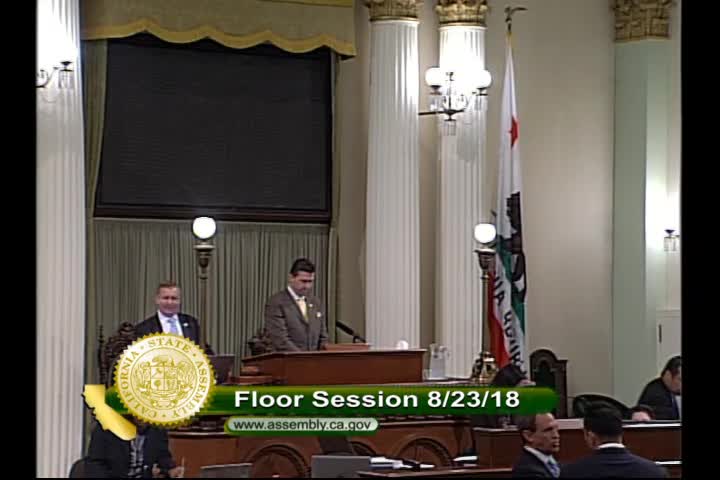 54SEC
Assembly Floor
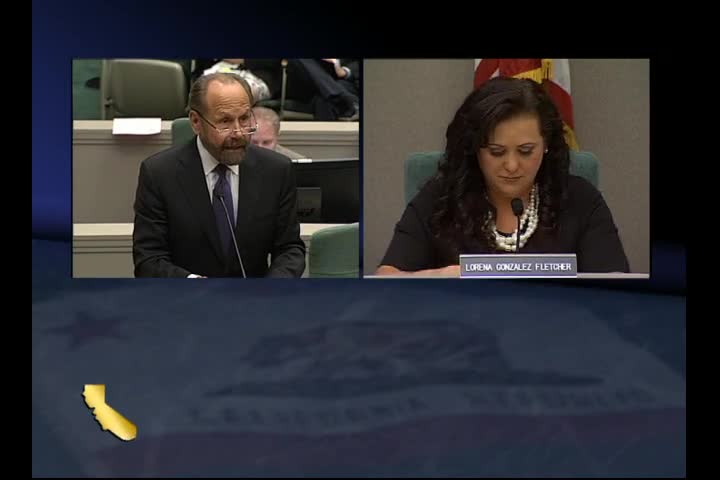 1MIN
Assembly Standing Committee on Appropriations
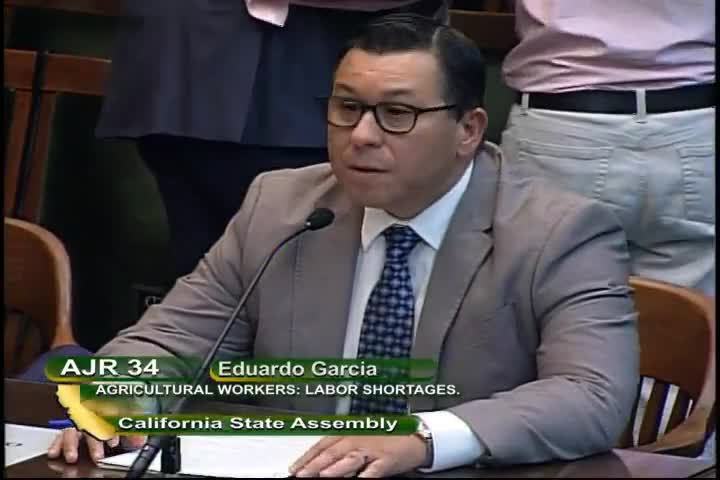 3MIN
Assembly Standing Committee on Labor and Employment
 2MIN
Senate Floor
 2MIN
Senate Standing Committee on Labor and Industrial Relations


Bill Co-Author(s):