SB 1408: Cigarettes: seizure.
- Session Year: 2017-2018
- House: Senate
- Latest Version Date: 2018-09-20
Existing law, the California Cigarette Fire Safety and Firefighter Protection Act, prohibits a person from selling, offering, or possessing for sale in this state cigarettes that are not in compliance with certain requirements, including the requirement that the cigarettes are tested by the manufacturer in accordance with prescribed testing methods. Existing law provides an exception to the above prohibition for a person or entity that manufactures or sells cigarettes if the cigarettes are or will be stamped or metered for sale in another state or are packaged for sale outside of the United States.
This bill would delete the above exception to the prohibition.
The act provides that any cigarettes that have been sold or offered for sale that do not comply with a certain performance standard shall be deemed contraband and subject to seizure and disposal by the California Department of Tax and Fee Administration or a law enforcement agency.
This bill would instead provide that any cigarettes that have been sold or offered for sale that do not comply with a certain performance standard shall be deemed contraband per se and subject to seizure and disposal by the department or a law enforcement agency.
The act provides that, upon discovery by the department or a law enforcement agency that a person offers or possesses for sale, or has made a sale of, cigarettes in violation of specified provisions of the act, the department or that law enforcement agency may seize those cigarettes.
This bill would instead provide that, upon discovery by the department or a law enforcement agency that a person offers or possesses for sale, or has made a sale of, cigarettes in violation of specified provisions of the act, the department or that law enforcement agency may seize and dispose of those cigarettes as contraband per se.
This bill would make various conforming and nonsubstantive changes.
Existing law, the California Cigarette Fire Safety and Firefighter Protection Act, prohibits a person from selling, offering, or possessing for sale in this state cigarettes that are not in compliance with certain requirements, including the requirement that the cigarettes are tested by the manufacturer in accordance with prescribed testing methods. Existing law provides that an exception to the above prohibition does not prohibit for a person or entity from manufacturing or selling that manufacturers or sells cigarettes if the cigarettes are or will be stamped or metered for sale in another state or are packaged for sale outside of the United States.
This bill would instead provide that the above prohibition does not prohibit a person or entity from manufacturing or selling cigarettes if the cigarettes are or will be shipped to a licensed California cigarette distributor for sale in another state or are packaged for sale outside of the United States. delete the above exception to the prohibition.
The act provides that any cigarettes that have been sold or offered for sale that do not comply with a certain performance standard shall be deemed contraband and subject to seizure and disposal by the California Department of Tax and Fee Administration or a law enforcement agency.
This bill would instead provide that any cigarettes that have been sold or offered for sale that do not comply with a certain performance standard shall be deemed contraband per se and subject to seizure and disposal by the department or a law enforcement agency.
The act provides that, upon discovery by the department or a law enforcement agency that a person offers or possesses for sale, or has made a sale of, cigarettes in violation of specified provisions of the act, the department or that law enforcement agency may seize those cigarettes.
This bill would instead provide that, upon discovery by the department or a law enforcement agency that a person offers or possesses for sale, or has made a sale of, cigarettes in violation of specified provisions of the act, the department or that law enforcement agency may seize and dispose of those cigarettes as contraband per se.
This bill would make various conforming and nonsubstantive changes.
Existing law, the California Cigarette Fire Safety and Firefighter Protection Act, prohibits a person from selling, offering, or possessing for sale in this state cigarettes that are not in compliance with certain requirements, including the requirement that the cigarettes are tested by the manufacturer in accordance with prescribed testing methods. Existing law provides that the above prohibition does not prohibit a person or entity from manufacturing or selling cigarettes if the cigarettes are or will be stamped or metered for sale in another state or are packaged for sale outside of the United States.
This bill would instead provide that the above prohibition does not prohibit a person or entity from manufacturing or selling cigarettes if the cigarettes are or will be shipped to a licensed California cigarette distributor for sale in another state or are packaged for sale outside of the United States.
The act provides that any cigarettes that have been sold or offered for sale that do not comply with a certain performance standard shall be deemed contraband and subject to seizure and disposal by the California Department of Tax and Fee Administration or a law enforcement agency.
This bill would instead provide that any cigarettes that have been sold or offered for sale that do not comply with a certain performance standard shall be deemed contraband per se and subject to seizure and disposal by the department or a law enforcement agency.
The act provides that, upon discovery by the department or a law enforcement agency that a person offers or possesses for sale, or has made a sale of, cigarettes in violation of specified provisions of the act, the department or that law enforcement agency may seize those cigarettes.
This bill would instead provide that, upon discovery by the department or a law enforcement agency that a person offers or possesses for sale, or has made a sale of, cigarettes in violation of specified provisions of the act, the department or that law enforcement agency may seize and dispose of those cigarettes as contraband per se.
Existing law generally prohibits the operation of an outpatient setting, as defined, where anesthesia is used in doses that have the probability of placing a patient at risk for loss of the patients life-preserving protective reflexes, except in specified settings, including an accredited outpatient setting.Existing law requires the Medical Board of California to adopt standards for accreditation and for approval of accreditation agencies.This bill would make a nonsubstantive change in those provisions.Existing law generally prohibits the operation of an outpatient setting, as defined, where anesthesia is used in doses that have the probability of placing a patient at risk for loss of the patients life-preserving protective reflexes, except in specified settings, including an accredited outpatient setting.
Existing law requires the Medical Board of California to adopt standards for accreditation and for approval of accreditation agencies.
This bill would make a nonsubstantive change in those provisions.
(a)This part shall be known, and may be cited, as the California Cigarette Fire Safety and Firefighter Protection Act.
(b)As used in this part, the following terms have the following meanings:
(1)Cigarette means a cigarette as defined in Section 30003 of the Revenue and Taxation Code, but does not include a little cigar. Little cigar means any roll of tobacco wrapped in a leaf of tobacco or any substance containing tobacco and weighing not more than three pounds per thousand.
(2)Department means the California Department of Tax and Fee Administration.
(3)Distributor means a distributor as defined in Section 30011 of the Revenue and Taxation Code.
(4)Manufacturer means any of the following:
(A)An entity that manufactures or otherwise produces cigarettes or causes cigarettes to be manufactured or produced anywhere that the manufacturer intends to be sold in the state, including cigarettes intended to be sold in the United States through an importer.
(B)The first purchaser anywhere that intends to resell in the United States cigarettes manufactured anywhere that the original manufacturer or maker does not intend to be sold in the United States.
(C)An entity that becomes a successor of an entity described in subparagraph (A) or (B).
(5)Offer to sell means to offer or agree to sell.
(6)Package means package as defined in Section 30015 of the Revenue and Taxation Code.
(7)Quality control and quality assurance program means the laboratory procedures implemented to ensure that operator bias, systematic and nonsystematic methodological errors, and equipment-related problems do not affect the results of the testing. This program ensures that the testing repeatability remains within the required repeatability values stated in paragraph (5) of subdivision (a) of Section 14952 for all test trials used to certify cigarettes in accordance with this part.
(8)Repeatability means the range of values within which the repeat results of cigarette test trials from a single laboratory will fall 95 percent of the time.
(9)Retailer means a person who engages in the sale of cigarettes, but not for the purpose of resale.
(10)Sale or sell means any transfer, exchange, or barter, in any manner or by any means whatever, or any agreement for these purposes. The giving of cigarettes as samples, prizes, or gifts, and the exchanging of cigarettes for any consideration other than money are considered sales.
(11)Stamp and meter impression means stamp and meter impression as defined in Section 30018 of the Revenue and Taxation Code.
(12)Wholesaler means a wholesaler as defined in Section 30016 of the Revenue and Taxation Code.
SEC. 2.Section 14951 of the Health and Safety Code is amended to read:14951.(a)A person shall not sell, offer, or possess for sale in this state cigarettes not in compliance with the following requirements:
(1)The cigarettes are tested by the manufacturer in accordance with the test method prescribed in subdivision (a) of Section 14952.
(2)The cigarettes meet the performance standard specified in subdivision (b) of Section 14952.
(3)The cigarettes meet the marking requirement of Section 14954.
(4)A written certification is filed by the manufacturer with the State Fire Marshal in accordance with Section 14953.
(b)This section does not prohibit distributors, wholesalers, or retailers from selling their inventory of cigarettes existing on January 1, 2007, if both of the following conditions are met:
(1)The distributors, wholesalers, or retailers can establish that California tax stamps or meter impressions were affixed to the cigarettes pursuant to Section 30163 of the Revenue and Taxation Code before January 31, 2007.
(2)The distributors, wholesalers, or retailers can establish that the inventory was purchased before January 1, 2007, in comparable quantity to the inventory purchased during the same period of 2005.
SEC. 3.Section 14955 of the Health and Safety Code is amended to read:14955.(a)A manufacturer or any other person or entity that knowingly sells or offers to sell cigarettes other than through retail sale in violation of this part is subject to a civil penalty not to exceed ten thousand dollars ($10,000) for each sale.
(b)A retailer, distributor, or wholesaler that knowingly sells or offers to sell cigarettes in violation of this part shall be subject to the following:
(1)A civil penalty not to exceed five hundred dollars ($500) for each sale or offer for sale in which the total number of cigarettes sold or offered for sale does not exceed 50 packages of cigarettes.
(2)A civil penalty not to exceed one thousand dollars ($1,000) for each sale or offer for sale in which the total number of cigarettes sold or offered for sale exceeds 50 packages of cigarettes.
(c)The civil penalties imposed pursuant to subdivisions (a) and (b) shall be deposited in the Cigarette Fire Safety and Firefighter Protection Fund.
(d)In addition to any other penalty prescribed by law, any corporation, partnership, sole proprietor, limited partnership, or association engaged in the manufacture of cigarettes that knowingly makes a false certification pursuant to Section 14953 shall be subject to a civil penalty not to exceed ten thousand dollars ($10,000) for each false certification.
(e)A person who violates any other provision in this part shall be subject to a civil penalty not to exceed one thousand dollars ($1,000) for each violation. Any cigarettes that have been sold or offered for sale that do not comply with the performance standard required by Section 14952 shall be deemed contraband per se and subject to seizure and disposal by the department or a law enforcement agency.
(f)The Attorney General may bring an action on behalf of the people of the state to restrain further violations of this part and for any other relief that may be appropriate. In any action by the Attorney General to enforce this act, the Attorney General shall be entitled to recover costs of investigation, expert witness fees, costs of the action, and reasonable attorneys fees.
(g)It shall be a defense in any action for civil penalties, that a distributor, wholesaler, retailer, or a person in the stream of commerce relied in good faith on the manufacturers certificate or marking that the cigarettes comply with this part.
SEC. 4.Section 14956 of the Health and Safety Code is amended to read:14956.(a)Inspections may be made at any place where cigarettes are sold, offered for sale, or stored or at any site where there is evidence of a violation of subdivision (a) of Section 14951.
(b)Manufacturers, distributors, wholesalers, and retailers shall permit an employee of the department, upon presentation of the appropriate identification and credentials, to enter into, and to conduct an inspection of, any building, facility, site, or place described in subdivision (a).
(c)Any person that refuses to allow an inspection authorized under this section is subject to the penalty imposed by Section 14958.
SEC. 5.Section 14957 of the Health and Safety Code is amended to read:14957.Upon discovery by the department or a law enforcement agency that a person offers or possesses for sale, or has made a sale of, cigarettes in violation of subdivision (a) of Section 14951, the department or that law enforcement agency may seize and dispose of those cigarettes possessed in violation of this part as contraband per se.
SEC. 6.Section 14958 of the Health and Safety Code is amended to read:14958.Any person who knowingly fails or refuses to allow an inspection by the department, pursuant to Section 14956, is subject to a civil penalty not to exceed one thousand dollars ($1,000) for each failure or refusal.
SEC. 7.Section 14960 of the Health and Safety Code is repealed.(a)This part shall be known, and may be cited, as the California Cigarette Fire Safety and Firefighter Protection Act.
(b)As used in this part, the following terms have the following meanings:
(1)Cigarette means a cigarette as defined in Section 30003 of the Revenue and Taxation Code, but does not include a little cigar. Little cigar means any roll of tobacco wrapped in a leaf of tobacco or any substance containing tobacco and weighing not more than three pounds per thousand.
(2)Department means the California Department of Tax and Fee Administration.
(3)Distributor means a distributor as defined in Section 30011 of the Revenue and Taxation Code.
(4)Manufacturer means any of the following:
(A)An entity that manufactures or otherwise produces cigarettes or causes cigarettes to be manufactured or produced anywhere that the manufacturer intends to be sold in the state, including cigarettes intended to be sold in the United States through an importer.
(B)The first purchaser anywhere that intends to resell in the United States cigarettes manufactured anywhere that the original manufacturer or maker does not intend to be sold in the United States.
(C)An entity that becomes a successor of an entity described in subparagraph (A) or (B).
(5)Offer to sell means to offer or agree to sell.
(6)Package means package as defined in Section 30015 of the Revenue and Taxation Code.
(7)Quality control and quality assurance program means the laboratory procedures implemented to ensure that operator bias, systematic and nonsystematic methodological errors, and equipment-related problems do not affect the results of the testing. This program ensures that the testing repeatability remains within the required repeatability values stated in paragraph (5) of subdivision (a) of Section 14952 for all test trials used to certify cigarettes in accordance with this part.
(8)Repeatability means the range of values within which the repeat results of cigarette test trials from a single laboratory will fall 95 percent of the time.
(9)Retailer means a person who engages in the sale of cigarettes, but not for the purpose of resale.
(10)Sale or sell means any transfer, exchange, or barter, in any manner or by any means whatever, or any agreement for these purposes. The giving of cigarettes as samples, prizes, or gifts, and the exchanging of cigarettes for any consideration other than money are considered sales.
(11)Stamp and meter impression means stamp and meter impression as defined in Section 30018 of the Revenue and Taxation Code.
(12)Wholesaler means a wholesaler as defined in Section 30016 of the Revenue and Taxation Code.
SEC. 2.Section 14951 of the Health and Safety Code is amended to read:14951.(a)A person shall not sell, offer, or possess for sale in this state cigarettes not in compliance with the following requirements:
(1)The cigarettes are tested by the manufacturer in accordance with the test method prescribed in subdivision (a) of Section 14952.
(2)The cigarettes meet the performance standard specified in subdivision (b) of Section 14952.
(3)The cigarettes meet the marking requirement of Section 14954.
(4)A written certification is filed by the manufacturer with the State Fire Marshal in accordance with Section 14953.
(b)This section does not prohibit distributors, wholesalers, or retailers from selling their inventory of cigarettes existing on January 1, 2007, if both of the following conditions are met:
(1)The distributors, wholesalers, or retailers can establish that California tax stamps or meter impressions were affixed to the cigarettes pursuant to Section 30163 of the Revenue and Taxation Code before January 31, 2007.
(2)The distributors, wholesalers, or retailers can establish that the inventory was purchased before January 1, 2007, in comparable quantity to the inventory purchased during the same period of 2005.
SEC. 3.Section 14955 of the Health and Safety Code is amended to read:14955.(a)A manufacturer or any other person or entity that knowingly sells or offers to sell cigarettes other than through retail sale in violation of this part is subject to a civil penalty not to exceed ten thousand dollars ($10,000) for each sale.
(b)A retailer, distributor, or wholesaler that knowingly sells or offers to sell cigarettes in violation of this part shall be subject to the following:
(1)A civil penalty not to exceed five hundred dollars ($500) for each sale or offer for sale in which the total number of cigarettes sold or offered for sale does not exceed 50 packages of cigarettes.
(2)A civil penalty not to exceed one thousand dollars ($1,000) for each sale or offer for sale in which the total number of cigarettes sold or offered for sale exceeds 50 packages of cigarettes.
(c)The civil penalties imposed pursuant to subdivisions (a) and (b) shall be deposited in the Cigarette Fire Safety and Firefighter Protection Fund.
(d)In addition to any other penalty prescribed by law, any corporation, partnership, sole proprietor, limited partnership, or association engaged in the manufacture of cigarettes that knowingly makes a false certification pursuant to Section 14953 shall be subject to a civil penalty not to exceed ten thousand dollars ($10,000) for each false certification.
(e)A person who violates any other provision in this part shall be subject to a civil penalty not to exceed one thousand dollars ($1,000) for each violation. Any cigarettes that have been sold or offered for sale that do not comply with the performance standard required by Section 14952 shall be deemed contraband per se and subject to seizure and disposal by the department or a law enforcement agency.
(f)The Attorney General may bring an action on behalf of the people of the state to restrain further violations of this part and for any other relief that may be appropriate. In any action by the Attorney General to enforce this act, the Attorney General shall be entitled to recover costs of investigation, expert witness fees, costs of the action, and reasonable attorneys fees.
(g)It shall be a defense in any action for civil penalties, that a distributor, wholesaler, retailer, or a person in the stream of commerce relied in good faith on the manufacturers certificate or marking that the cigarettes comply with this part.
SEC. 4.Section 14956 of the Health and Safety Code is amended to read:14956.(a)Inspections may be made at any place where cigarettes are sold, offered for sale, or stored or at any site where there is evidence of a violation of subdivision (a) of Section 14951.
(b)Manufacturers, distributors, wholesalers, and retailers shall permit an employee of the department, upon presentation of the appropriate identification and credentials, to enter into, and to conduct an inspection of, any building, facility, site, or place described in subdivision (a).
(c)Any person that refuses to allow an inspection authorized under this section is subject to the penalty imposed by Section 14958.
SEC. 5.Section 14957 of the Health and Safety Code is amended to read:14957.Upon discovery by the department or a law enforcement agency that a person offers or possesses for sale, or has made a sale of, cigarettes in violation of subdivision (a) of Section 14951, the department or that law enforcement agency may seize and dispose of those cigarettes possessed in violation of this part as contraband per se.
SEC. 6.Section 14958 of the Health and Safety Code is amended to read:14958.Any person who knowingly fails or refuses to allow an inspection by the department, pursuant to Section 14956, is subject to a civil penalty not to exceed one thousand dollars ($1,000) for each failure or refusal.
SEC. 7.Section 14960 of the Health and Safety Code is repealed.(a)This part shall be known known, and may be cited cited, as the California Cigarette Fire Safety and Firefighter Protection Act.
(b)As used in this part, the following terms have the following meanings:
(1)Board means the State Board of Equalization.(2)(1)Cigarette means a cigarette as defined in Section 30003 of the Revenue and Taxation Code, but does not include a little cigar. Little cigar means any roll of tobacco wrapped in a leaf of tobacco or any substance containing tobacco and weighing not more than three pounds per thousand.
(2)Department means the California Department of Tax and Fee Administration.
(3)Distributor means a distributor as defined in Section 30011 of the Revenue and Taxation Code.
(4)Manufacturer means any of the following:
(A)An entity that manufactures or otherwise produces cigarettes or causes cigarettes to be manufactured or produced anywhere that the manufacturer intends to be sold in the state, including cigarettes intended to be sold in the United States through an importer.
(B)The first purchaser anywhere that intends to resell in the United States cigarettes manufactured anywhere that the original manufacturer or maker does not intend to be sold in the United States.
(C)An entity that becomes a successor of an entity described in subparagraph (A) or (B).
(5)Offer to sell means to offer or agree to sell.
(6)Package means package as defined in Section 30015 of the Revenue and Taxation Code.
(7)Quality control and quality assurance program means the laboratory procedures implemented to ensure that operator bias, systematic and nonsystematic methodological errors, and equipment-related problems do not affect the results of the testing. This program ensures that the testing repeatability remains within the required repeatability values stated in paragraph (5) of subdivision (a) of Section 14952 for all test trials used to certify cigarettes in accordance with this part.
(8)Repeatability means the range of values within which the repeat results of cigarette test trials from a single laboratory will fall 95 percent of the time.
(9)Retailer means a person who engages in the sale of cigarettes, but not for the purpose of resale.
(10)Sale or sell means any transfer, exchange, or barter, in any manner or by any means whatever, or any agreement for these purposes. The giving of cigarettes as samples, prizes, or gifts, and the exchanging of cigarettes for any consideration other than money are considered sales.
(11)Stamp and meter impression means stamp and meter impression as defined in Section 30018 of the Revenue and Taxation Code.
(12)Wholesaler means a wholesaler as defined in Section 30016 of the Revenue and Taxation Code.
SECTION 1.SEC. 2.Section 14951 of the Health and Safety Code is amended to read:14951.(a)A person shall not sell, offer, or possess for sale in this state cigarettes not in compliance with the following requirements:
(1)The cigarettes are tested by the manufacturer in accordance with the test method prescribed in subdivision (a) of Section 14952.
(2)The cigarettes meet the performance standard specified in subdivision (b) of Section 14952.
(3)The cigarettes meet the marking requirement of Section 14954.
(4)A written certification is filed by the manufacturer with the State Fire Marshal in accordance with Section 14953.
(b)This section does not prohibit distributors, wholesalers, or retailers from selling their inventory of cigarettes existing on January 1, 2007, if both of the following conditions are met:
(1)The distributors, wholesalers, or retailers can establish that California tax stamps or meter impressions were affixed to the cigarettes pursuant to Section 30163 of the Revenue and Taxation Code before January 31, 2007.
(2)The distributors, wholesalers, or retailers can establish that the inventory was purchased before January 1, 2007, in comparable quantity to the inventory purchased during the same period of 2005.
(c)This section does not prohibit a person or entity from manufacturing or selling cigarettes that do not meet the requirements of subdivision (a) if the cigarettes are or will be shipped to a licensed California cigarette distributor, licensed pursuant to Section 22975 of the Business and Professions Code and Section 30140 of the Revenue and Taxation Code, for sale in another state or are packaged for sale outside the United States.SEC. 2.SEC. 3.Section 14955 of the Health and Safety Code is amended to read:14955.(a)A manufacturer or any other person or entity that knowingly sells or offers to sell cigarettes other than through retail sale in violation of this part is subject to a civil penalty not to exceed ten thousand dollars ($10,000) for each sale.
(b)A retailer, distributor, or wholesaler that knowingly sells or offers to sell cigarettes in violation of this part shall be subject to the following:
(1)A civil penalty not to exceed five hundred dollars ($500) for each sale or offer for sale in which the total number of cigarettes sold or offered for sale does not exceed 50 packages of cigarettes.
(2)A civil penalty not to exceed one thousand dollars ($1,000) for each sale or offer for sale in which the total number of cigarettes sold or offered for sale exceeds 50 packages of cigarettes.
(c)The civil penalties imposed pursuant to subdivisions (a) and (b) shall be deposited in the Cigarette Fire Safety and Firefighter Protection Fund.
(d)In addition to any other penalty prescribed by law, any corporation, partnership, sole proprietor, limited partnership, or association engaged in the manufacture of cigarettes that knowingly makes a false certification pursuant to Section 14953 shall be subject to a civil penalty not to exceed ten thousand dollars ($10,000) for each false certification.
(e)A person who violates any other provision in this part shall be subject to a civil penalty not to exceed one thousand dollars ($1,000) for each violation. Any cigarettes that have been sold or offered for sale that do not comply with the performance standard required by Section 14952 shall be deemed contraband per se and subject to seizure and disposal by the California Department of Tax and Fee Administration department or a law enforcement agency.
(f)The Attorney General may bring an action on behalf of the people of the state to restrain further violations of this part and for any other relief that may be appropriate. In any action by the Attorney General to enforce this act, the Attorney General shall be entitled to recover costs of investigation, expert witness fees, costs of the action, and reasonable attorneys fees.
(g)It shall be a defense in any action for civil penalties, that a distributor, wholesaler, retailer, or a person in the stream of commerce relied in good faith on the manufacturers certificate or marking that the cigarettes comply with this part.
SEC. 4.Section 14956 of the Health and Safety Code is amended to read:14956.(a)Inspections may be made at any place where cigarettes are sold, offered for sale, or stored or at any site where there is evidence of a violation of subdivision (a) of Section 14951.
(b)Manufacturers, distributors, wholesalers, and retailers shall permit an employee of the board, department, upon presentation of the appropriate identification and credentials, to enter into, and to conduct an inspection of, any building, facility, site, or place described in subdivision (a).
(c)Any person that refuses to allow an inspection authorized under this section is subject to the penalty imposed by Section 14958.
SEC. 3.SEC. 5.Section 14957 of the Health and Safety Code is amended to read:14957.Upon discovery by the California Department of Tax and Fee Administration department or a law enforcement agency that a person offers or possesses for sale, or has made a sale of, cigarettes in violation of subdivision (a) of Section 14951, the California Department of Tax and Fee Administration department or that law enforcement agency may seize and dispose of those cigarettes possessed in violation of this part as contraband per se.
SEC. 6.Section 14958 of the Health and Safety Code is amended to read:14958.Any person who knowingly fails or refuses to allow an inspection by the board, department, pursuant to Section 14956, is subject to a civil penalty not to exceed one thousand dollars ($1,000) for each failure or refusal.
SEC. 7.Section 14960 of the Health and Safety Code is repealed.14960.This part shall become operative on January 1, 2007.(a)A person shall not sell, offer, or possess for sale in this state cigarettes not in compliance with the following requirements:
(1)The cigarettes are tested by the manufacturer in accordance with the test method prescribed in subdivision (a) of Section 14952.
(2)The cigarettes meet the performance standard specified in subdivision (b) of Section 14952.
(3)The cigarettes meet the marking requirement of Section 14954.
(4)A written certification is filed by the manufacturer with the State Fire Marshal in accordance with Section 14953.
(b)This section does not prohibit distributors, wholesalers, or retailers from selling their inventory of cigarettes existing on January 1, 2007, if both of the following conditions are met:
(1)The distributors, wholesalers, or retailers can establish that California tax stamps or meter impressions were affixed to the cigarettes pursuant to Section 30163 of the Revenue and Taxation Code before January 31, 2007.
(2)The distributors, wholesalers, or retailers can establish that the inventory was purchased before January 1, 2007, in comparable quantity to the inventory purchased during the same period of 2005.
(c)This section does not prohibit a person or entity from manufacturing or selling cigarettes that do not meet the requirements of subdivision (a) if the cigarettes are or will be stamped or metered shipped to a licensed California cigarette distributor, licensed pursuant to Section 22975 of the Business and Professions Code and Section 30140 of the Revenue and Taxation Code, for sale in another state or are packaged for sale outside the United States.
SEC. 2.Section 14955 of the Health and Safety Code is amended to read:14955.(a)Any A manufacturer or any other person or entity that knowingly sells or offers to sell cigarettes other than through retail sale in violation of this part is subject to a civil penalty not to exceed ten thousand dollars ($10,000) for each sale.
(b)Any A retailer, distributor, or wholesaler that knowingly sells or offers to sell cigarettes in violation of this part shall be subject to the following:
(1)A civil penalty not to exceed five hundred dollars ($500) for each sale or offer for sale in which the total number of cigarettes sold or offered for sale does not exceed 50 packages of cigarettes.
(2)A civil penalty not to exceed one thousand dollars ($1,000) for each sale or offer for sale in which the total number of cigarettes sold or offered for sale exceeds 50 packages of cigarettes.
(c)The civil penalties imposed pursuant to subdivisions (a) and (b) of this section shall be deposited in the Cigarette Fire Safety and Firefighter Protection Fund.
(d)In addition to any other penalty prescribed by law, any corporation, partnership, sole proprietor, limited partnership, or association engaged in the manufacture of cigarettes that knowingly makes a false certification pursuant to Section 14953 shall be subject to a civil penalty not to exceed ten thousand dollars ($10,000) for each false certification.
(e)Any A person violating who violates any other provision in this part shall be subject to a civil penalty not to exceed one thousand dollars ($1,000) for each violation. Any cigarettes that have been sold or offered for sale that do not comply with the performance standard required by Section 14952 shall be deemed contraband per se and subject to seizure and disposal by the board California Department of Tax and Fee Administration or a law enforcement agency.
(f)The Attorney General may bring an action on behalf of the people of the state to restrain further violations of this part and for any other relief that may be appropriate. In any action by the Attorney General to enforce this act, the Attorney General shall be entitled to recover costs of investigation, expert witness fees, costs of the action, and reasonable attorneys fees.
(g)It shall be a defense in any action for civil penalties, that a distributor, wholesaler, retailer, or any a person in the stream of commerce relied in good faith on the manufacturers certificate or marking that the cigarettes comply with the requirements of this part.
SEC. 3.Section 14957 of the Health and Safety Code is amended to read:14957.Upon discovery by the board California Department of Tax and Fee Administration or a law enforcement agency that any a person offers or possesses for sale, or has made a sale of, cigarettes in violation of subdivision (a) of Section 14951, the board California Department of Tax and Fee Administration or that law enforcement agency may seize and dispose of those cigarettes possessed in violation of this part. as contraband per se.
SECTION 1.Section 1248.15 of the Health and Safety Code is amended to read:1248.15.(a)The board shall adopt standards for accreditation and, in approving accreditation agencies to perform accreditation of outpatient settings, shall ensure that the certification program shall, at a minimum, include standards for all of the following aspects of the settings operations:(1)Outpatient setting allied health staff shall be licensed or certified to the extent required by state or federal law.(2)(A)Outpatient settings shall have a system for facility safety and emergency training requirements.(B)There shall be onsite equipment, medication, and trained personnel to facilitate handling of services sought or provided and to facilitate handling of any medical emergency that may arise in connection with services sought or provided.(C)In order for procedures to be performed in an outpatient setting as defined in Section 1248, the outpatient setting shall do one of the following:(i)Have a written transfer agreement with a local accredited or licensed acute care hospital, approved by the facilitys medical staff.(ii)Permit surgery only by a licensee who has admitting privileges at a local accredited or licensed acute care hospital, with the exception that licensees who may be precluded from having admitting privileges by their professional classification or other administrative limitations, shall have a written transfer agreement with licensees who have admitting privileges at local accredited or licensed acute care hospitals.(iii)Submit for approval by an accrediting agency a detailed procedural plan for handling medical emergencies that shall be reviewed at the time of accreditation. No reasonable plan shall be disapproved by the accrediting agency.(D)The outpatient setting shall submit for approval by an accreditation agency at the time of accreditation a detailed plan, standardized procedures, and protocols to be followed in the event of serious complications or side effects from surgery that would place a patient at high risk for injury or harm or to govern emergency and urgent care situations. The plan shall include, at a minimum, that if a patient is being transferred to a local accredited or licensed acute care hospital, the outpatient setting shall do all of the following:(i)Notify the individual designated by the patient to be notified in case of an emergency.(ii)Ensure that the mode of transfer is consistent with the patients medical condition.(iii)Ensure that all relevant clinical information is documented and accompanies the patient at the time of transfer.(iv)Continue to provide appropriate care to the patient until the transfer is effectuated.(E)All physicians and surgeons transferring patients from an outpatient setting shall agree to cooperate with the medical staff peer review process on the transferred case, the results of which shall be referred back to the outpatient setting, if deemed appropriate by the medical staff peer review committee. If the medical staff of the acute care facility determines that inappropriate care was delivered at the outpatient setting, the acute care facilitys peer review outcome shall be reported, as appropriate, to the accrediting body or in accordance with existing law.(3)The outpatient setting shall permit surgery by a dentist acting within his or her scope of practice under Chapter 4 (commencing with Section 1600) of Division 2 of the Business and Professions Code or physician and surgeon, osteopathic physician and surgeon, or podiatrist acting within his or her scope of practice under Chapter 5 (commencing with Section 2000) of Division 2 of the Business and Professions Code or the Osteopathic Initiative Act. The outpatient setting may, in its discretion, permit anesthesia service by a certified registered nurse anesthetist acting within his or her scope of practice under Article 7 (commencing with Section 2825) of Chapter 6 of Division 2 of the Business and Professions Code.(4)Outpatient settings shall have a system for maintaining clinical records.(5)Outpatient settings shall have a system for patient care and monitoring procedures.(6)(A)Outpatient settings shall have a system for quality assessment and improvement.(B)(i)Members of the medical staff and other practitioners who are granted clinical privileges shall be professionally qualified and appropriately credentialed for the performance of privileges granted. The outpatient setting shall grant privileges in accordance with recommendations from qualified health professionals, and credentialing standards established by the outpatient setting.(ii)Each licensee who performs procedures in an outpatient setting that requires the outpatient setting to be accredited shall be, at least every two years, peer reviewed, which shall be a process in which the basic qualifications, staff privileges, employment, medical outcomes, or professional conduct of a licensee is reviewed to make recommendations for quality improvement and education, if necessary, including when the outpatient setting has only one licensee. The peer review shall be performed by licensees who are qualified by education and experience to perform the same types of, or similar, procedures. The findings of the peer review shall be reported to the governing body, which shall determine if the licensee continues to meet the requirements described in clause (i). The process that resulted in the findings of the peer review shall be reviewed by the accrediting agency at the next survey to determine if the outpatient setting meets applicable accreditation standards pursuant to this section.(C)Clinical privileges shall be periodically reappraised by the outpatient setting. The scope of procedures performed in the outpatient setting shall be periodically reviewed and amended as appropriate.(7)Outpatient settings regulated by this chapter that have multiple service locations shall have all of the sites inspected.(8)Outpatient settings shall post the certificate of accreditation in a location readily visible to patients and staff.(9)Outpatient settings shall post the name and telephone number of the accrediting agency with instructions on the submission of complaints in a location readily visible to patients and staff.(10)Outpatient settings shall have a written discharge criteria.(b)Outpatient settings shall have a minimum of two staff persons on the premises, one of whom shall either be a licensed physician and surgeon or a licensed health care professional with current certification in advanced cardiac life support (ACLS), as long as a patient is present who has not been discharged from supervised care. Transfer to an unlicensed setting of a patient who does not meet the discharge criteria adopted pursuant to paragraph (10) of subdivision (a) shall constitute unprofessional conduct.(c)An accreditation agency may include additional standards in its determination to accredit outpatient settings if these are approved by the board to protect the public health and safety.(d)No accreditation standard adopted or approved by the board, and no standard included in any certification program of any accreditation agency approved by the board, shall serve to limit the ability of any allied health care practitioner to provide services within his or her full scope of practice. Notwithstanding this or any other provision of law, each outpatient setting may limit the privileges, or determine the privileges, within the appropriate scope of practice, that will be afforded to physicians and allied health care practitioners who practice at the facility, in accordance with credentialing standards established by the outpatient setting in compliance with this chapter. Privileges may not be arbitrarily restricted based on category of licensure.(e)The board shall adopt standards that it deems necessary for outpatient settings that offer in vitro fertilization.(f)The board may adopt regulations it deems necessary to specify procedures that should be performed in an accredited outpatient setting for facilities or clinics that are outside the definition of outpatient setting as specified in Section 1248.(g)As part of the accreditation process, the accrediting agency shall conduct a reasonable investigation of the prior history of the outpatient setting, including all licensed physicians and surgeons who have an ownership interest therein, to determine whether there have been any adverse accreditation decisions rendered against them. For the purposes of this section, conducting a reasonable investigation means querying the Medical Board of California and the Osteopathic Medical Board of California to ascertain if either the outpatient setting has, or, if its owners are licensed physicians and surgeons, if those physicians and surgeons have, been subject to an adverse accreditation decision.(a)The board shall adopt standards for accreditation and, in approving accreditation agencies to perform accreditation of outpatient settings, shall ensure that the certification program shall, at a minimum, include standards for all of the following aspects of the settings operations:
(1)Outpatient setting allied health staff shall be licensed or certified to the extent required by state or federal law.
(2)(A)Outpatient settings shall have a system for facility safety and emergency training requirements.
(B)There shall be onsite equipment, medication, and trained personnel to facilitate handling of services sought or provided and to facilitate handling of any medical emergency that may arise in connection with services sought or provided.
(C)In order for procedures to be performed in an outpatient setting as defined in Section 1248, the outpatient setting shall do one of the following:
(i)Have a written transfer agreement with a local accredited or licensed acute care hospital, approved by the facilitys medical staff.
(ii)Permit surgery only by a licensee who has admitting privileges at a local accredited or licensed acute care hospital, with the exception that licensees who may be precluded from having admitting privileges by their professional classification or other administrative limitations, shall have a written transfer agreement with licensees who have admitting privileges at local accredited or licensed acute care hospitals.
(iii)Submit for approval by an accrediting agency a detailed procedural plan for handling medical emergencies that shall be reviewed at the time of accreditation. No reasonable plan shall be disapproved by the accrediting agency.
(D)The outpatient setting shall submit for approval by an accreditation agency at the time of accreditation a detailed plan, standardized procedures, and protocols to be followed in the event of serious complications or side effects from surgery that would place a patient at high risk for injury or harm or to govern emergency and urgent care situations. The plan shall include, at a minimum, that if a patient is being transferred to a local accredited or licensed acute care hospital, the outpatient setting shall do all of the following:
(i)Notify the individual designated by the patient to be notified in case of an emergency.
(ii)Ensure that the mode of transfer is consistent with the patients medical condition.
(iii)Ensure that all relevant clinical information is documented and accompanies the patient at the time of transfer.
(iv)Continue to provide appropriate care to the patient until the transfer is effectuated.
(E)All physicians and surgeons transferring patients from an outpatient setting shall agree to cooperate with the medical staff peer review process on the transferred case, the results of which shall be referred back to the outpatient setting, if deemed appropriate by the medical staff peer review committee. If the medical staff of the acute care facility determines that inappropriate care was delivered at the outpatient setting, the acute care facilitys peer review outcome shall be reported, as appropriate, to the accrediting body or in accordance with existing law.
(3)The outpatient setting shall permit surgery by a dentist acting within his or her scope of practice under Chapter 4 (commencing with Section 1600) of Division 2 of the Business and Professions Code or physician and surgeon, osteopathic physician and surgeon, or podiatrist acting within his or her scope of practice under Chapter 5 (commencing with Section 2000) of Division 2 of the Business and Professions Code or the Osteopathic Initiative Act. The outpatient setting may, in its discretion, permit anesthesia service by a certified registered nurse anesthetist acting within his or her scope of practice under Article 7 (commencing with Section 2825) of Chapter 6 of Division 2 of the Business and Professions Code.
(4)Outpatient settings shall have a system for maintaining clinical records.
(5)Outpatient settings shall have a system for patient care and monitoring procedures.
(6)(A)Outpatient settings shall have a system for quality assessment and improvement.
(B)(i)Members of the medical staff and other practitioners who are granted clinical privileges shall be professionally qualified and appropriately credentialed for the performance of privileges granted. The outpatient setting shall grant privileges in accordance with recommendations from qualified health professionals, and credentialing standards established by the outpatient setting.
(ii)Each licensee who performs procedures in an outpatient setting that requires the outpatient setting to be accredited shall be, at least every two years, peer reviewed, which shall be a process in which the basic qualifications, staff privileges, employment, medical outcomes, or professional conduct of a licensee is reviewed to make recommendations for quality improvement and education, if necessary, including when the outpatient setting has only one licensee. The peer review shall be performed by licensees who are qualified by education and experience to perform the same types of, or similar, procedures. The findings of the peer review shall be reported to the governing body, which shall determine if the licensee continues to meet the requirements described in clause (i). The process that resulted in the findings of the peer review shall be reviewed by the accrediting agency at the next survey to determine if the outpatient setting meets applicable accreditation standards pursuant to this section.
(C)Clinical privileges shall be periodically reappraised by the outpatient setting. The scope of procedures performed in the outpatient setting shall be periodically reviewed and amended as appropriate.
(7)Outpatient settings regulated by this chapter that have multiple service locations shall have all of the sites inspected.
(8)Outpatient settings shall post the certificate of accreditation in a location readily visible to patients and staff.
(9)Outpatient settings shall post the name and telephone number of the accrediting agency with instructions on the submission of complaints in a location readily visible to patients and staff.
(10)Outpatient settings shall have a written discharge criteria.
(b)Outpatient settings shall have a minimum of two staff persons on the premises, one of whom shall either be a licensed physician and surgeon or a licensed health care professional with current certification in advanced cardiac life support (ACLS), as long as a patient is present who has not been discharged from supervised care. Transfer to an unlicensed setting of a patient who does not meet the discharge criteria adopted pursuant to paragraph (10) of subdivision (a) shall constitute unprofessional conduct.
(c)An accreditation agency may include additional standards in its determination to accredit outpatient settings if these are approved by the board to protect the public health and safety.
(d)No accreditation standard adopted or approved by the board, and no standard included in any certification program of any accreditation agency approved by the board, shall serve to limit the ability of any allied health care practitioner to provide services within his or her full scope of practice. Notwithstanding this or any other provision of law, each outpatient setting may limit the privileges, or determine the privileges, within the appropriate scope of practice, that will be afforded to physicians and allied health care practitioners who practice at the facility, in accordance with credentialing standards established by the outpatient setting in compliance with this chapter. Privileges may not be arbitrarily restricted based on category of licensure.
(e)The board shall adopt standards that it deems necessary for outpatient settings that offer in vitro fertilization.
(f)The board may adopt regulations it deems necessary to specify procedures that should be performed in an accredited outpatient setting for facilities or clinics that are outside the definition of outpatient setting as specified in Section 1248.
(g)As part of the accreditation process, the accrediting agency shall conduct a reasonable investigation of the prior history of the outpatient setting, including all licensed physicians and surgeons who have an ownership interest therein, to determine whether there have been any adverse accreditation decisions rendered against them. For the purposes of this section, conducting a reasonable investigation means querying the Medical Board of California and the Osteopathic Medical Board of California to ascertain if either the outpatient setting has, or, if its owners are licensed physicians and surgeons, if those physicians and surgeons have, been subject to an adverse accreditation decision.
|
Date
|
Status
|
|---|---|
| Sep 20, 2018 | Chaptered by Secretary of State. Chapter 613, Statutes of 2018. |
| Sep 20, 2018 | Approved by the Governor. |
| Aug 31, 2018 | Enrolled and presented to the Governor at 6 p.m. |
| Aug 23, 2018 | In Senate. Ordered to engrossing and enrolling. |
| Aug 23, 2018 | Read third time. Passed. Ordered to the Senate. |
| Aug 9, 2018 | Read second time. Ordered to third reading. |
| Aug 8, 2018 | From committee: Do pass. (Ayes 15. Noes 2.) (August 8). |
| Jul 2, 2018 | From committee: Do pass and re-refer to Com. on APPR. (Ayes 19. Noes 1.) (June 28). Re-referred to Com. on APPR. |
| Jun 14, 2018 | Referred to Com. on G.O. |
| May 21, 2018 | In Assembly. Read first time. Held at Desk. |
| May 21, 2018 | Read third time. Passed. (Ayes 35. Noes 2.) Ordered to the Assembly. |
| May 15, 2018 | Read second time. Ordered to third reading. |
| May 14, 2018 | From committee: Be ordered to second reading pursuant to Senate Rule 28.8. |
| May 9, 2018 | Set for hearing May 14. |
| Apr 17, 2018 | From committee: Do pass and re-refer to Com. on APPR. (Ayes 9. Noes 0.) (April 16). Re-referred to Com. on APPR. |
| Apr 12, 2018 | From committee with author's amendments. Read second time and amended. Re-referred to Com. on B., P. & E.D. |
| Apr 6, 2018 | Set for hearing April 16. |
| Apr 4, 2018 | Re-referred to Com. on B., P. & E.D. |
| Mar 22, 2018 | From committee with author's amendments. Read second time and amended. Re-referred to Com. on RLS. |
| Mar 8, 2018 | Referred to Com. on RLS. |
| Feb 20, 2018 | From printer. May be acted upon on or after March 22. |
| Feb 16, 2018 | Introduced. Read first time. To Com. on RLS. for assignment. To print. |
|
Date
|
Description
|
Location
|
Votes
|
|
|---|---|---|---|---|
| Aug 23, 2018 | SB 1408 Pan Senate Third Reading By WOOD | Assembly Floor |
Passed |
|
| Aug 8, 2018 | Do pass. | Assembly Standing Committee on Appropriations |
Passed |
|
| Jun 28, 2018 | Do pass and be re-referred to the Committee on [Appropriations] | Assembly Standing Committee on Governmental Organization |
Passed |
|
| May 21, 2018 | Senate 3rd Reading SB1408 Pan | Senate Floor |
Passed |
|
| Apr 16, 2018 | Do pass, but first be re-referred to the Committee on [Appropriations] | Senate Standing Committee on Business, Professions and Economic Development |
Passed |
This list shows positions taken on this bill by organizations on the date displayed, which is linked to the original source.
Positions by individuals are not included.
|
Organization
|
Position
|
Date
|
|---|---|---|
| California Professional Firefighters | ** Support | Jun 27, 2018 |
| Office of the Attorney General | ** Support | May 16, 2018 |
| Xavier Becerra, Attorney General, State Of California | ** Support | Jun 27, 2018 |
SENATE THIRD READING
STR Bill Id:SB 1408
Author:(Pan)
As Amended Ver:April 12, 2018
Majority vote
SENATE VOTE: 35-2
Committee | Votes | Ayes | Noes |
Governmental Organization | 19-1 | Gray, Bigelow, Acosta, Aguiar-Curry, Berman, Bonta, Cooley, Cooper, Daly, Gallagher, Eduardo Garcia, Gipson, Gloria, Jones-Sawyer, Lackey, Levine, Low, Rubio, Salas | Kiley |
Appropriations | 15-2 | Gonzalez Fletcher, Bigelow, Bloom, Bonta, Calderon, Carrillo, Chau, Eggman, Fong, Friedman, Gallagher, Eduardo Garcia, Nazarian, Quirk, Reyes | Brough, Obernolte |
SUMMARY: Revises the legal characterization of cigarettes found to be in violation of the California Cigarette Fire Safety and Firefighter Protection Act (Act). Specifically, this bill:
- Deletes the exemption authorizing a person or entity to manufacture or sell cigarettes that do not meet California fire safety standards if the cigarettes are or will be stamped or metered for sale in another state, or are packaged for sale outside the United States.
- Revises the definition of cigarettes in violation of the Act as contraband per se.
- Authorizes California Department of Tax and Fee Administration (CDTFA) or law enforcement to dispose of cigarettes discovered to be in violation of the Act.
- Makes technical changes.
EXISTING LAW:
- Establishes the CDTFA within the Government Operations Agency as a successor to the Board of Equalization (BOE), as specified.
- Requires, with certain exceptions, any reference to BOE with respect to any of the functions transferred to CDTFA be deemed to refer to CDTFA.
- Establishes burn safety criteria for cigarettes under the Act.
- Allows a person or entity to manufacture or sell cigarettes that do not meet California fire safety standards if the cigarettes are or will be stamped or metered for sale in another state, or are packaged for sale outside the United States.
- Authorizes CDTFA or a law enforcement agency to seize cigarettes that any person offers or possesses for sale, or has made a sale of, that are in violation of the Act, as specified.
- Deems cigarettes in violation of the Act standards to be contraband.
FISCAL EFFECT: According to the Assembly Appropriations Committee, minor state costs.
COMMENTS:
Purpose of the bill: This bill is sponsored by the Office of the Attorney General. According to the author's office, "Since the 2005 passage of the California Cigarette Fire Safety and Firefighter Protection Act, cigarettes sold in our state have been required to meet certain ignition standards. Cigarettes meeting these standards, known as reduced ignition strength or "fire safe" cigarettes are designed to extinguish when not being actively smoked. The passage of state laws prohibiting non-fire safe cigarettes is believed to be one of the principal reasons for the 30% decline in smoking-related fire deaths we saw nationwide from 2003-2011. However, two loopholes have remained which have hindered our ability to keep non-fire safe cigarettes from being distributed in California. SB 1408 will make a technical change by deeming non-fire safe cigarettes as "contraband per se." This change will allow law enforcement officials to immediately seize these unsafe products when they are brought into the state. SB 1408 will also eliminate an exception that currently exists in the law, which allowed non-fire safe cigarettes into California just so long as the manufacturer claimed they were intended for sale in another state. This provision might have made sense when many states still allowed the sale of these products. Now that these products are banned across the country, we can eliminate this loophole that allowed manufacturers to introduce their unsafe products into California."
Background: The California Cigarette Fire Safety and Firefighter Protection Act, which became effective January 1, 2007, provides industry regulation by requiring cigarette manufacturers to certify that a cigarette variety has been tested and meets the fire safety standard as having reduced ignition propensity. The law is designed to save lives by reducing the risk that cigarettes will ignite upholstered furniture, mattresses, household furnishings and other combustible material. According to the nationwide statistics from the National Fire Protection Association, roughly one in four fire-related deaths are caused by smoking materials.
According to the Office of the State Fire Marshall (OSFM), under the Act, cigarettes sold in California must meet the following criteria:
- The cigarettes must satisfy American Society of Testing and Materials (ASTM) Standard, "Standard Test Method for Measuring the Ignition Strength of Cigarettes."
- The cigarettes must be sold in packaging marked with the letters "FSC" for Fire Standards Compliant" and approved by the State Fire Marshal.
- A certification must be submitted by the manufacturer to the OSFM certifying that each cigarette listed was tested and satisfies the performance requirements of ASTM.
As noted above, the Act allows a person or entity to manufacture or sell cigarettes that do not meet California fire safety standards if the cigarettes are for sale in another state, or are packaged for sale outside the United States. This bill eliminates this exemption. The Author and sponsor note that all states have adopted cigarette fire safety standards similar to California's, so this bill merely eliminates the exemption for cigarettes packaged for sale outside the United States.
Contraband vs. Contraband Per Se: This bill replaces the characterization of cigarettes that are in violation of certain provisions of the Act to be "contraband per se," instead merely "contraband." According to US Legal, a legal information site, "contraband" refers to property that is illegal to possess or transport, but is not intrinsically unlawful – a court must determine whether it is unlawful because of its use in an unlawful activity or manner, or the circumstances of the person who acquires or possesses it. Adding "per se" characterizes the cigarettes as inherently illegal, and thus a notice and hearing are not necessary in order for the CDTFA or law enforcement to seize or dispose of them.
Support: The Attorney General's office writes in support, "The Fire Safety Act, as written, did not give law enforcement authorities the power to seize and destroy non-compliant cigarettes, without first providing notice and hearing, because the Act did not classify these products as contraband per se. This bill modifies the Health and Safety Code section by making non-compliant cigarettes inherently illegal; in other words, classifying these cigarettes as contraband per se. This change will allow law enforcement authorities to constitutionally seize and destroy non-compliant cigarettes that sold, offered for sale, or possessed for sale in California."
Prior/Related Legislation: AB 178 (Koretz), Chapter 633, Statutes of 2005. Established the Act, which prohibited the sale of cigarettes that do not meet specified fire safety standards beginning January 1, 2007, established fire safety certification requirements, and establishes new civil penalties for violations.
Analysis Prepared by: Kenton Stanhope / G.O. / (916) 319-2531 FN: 0003940
Date of Hearing: August 8, 2018
ASSEMBLY COMMITTEE ON APPROPRIATIONS
Lorena Gonzalez Fletcher, Chair
SBPCA Bill Id:SB 1408
Author:(Pan) – As Amended Ver:April 12, 2018
Policy Committee: | Governmental Organization | Vote: | 19 - 1 |
|
| ||
|
|
Urgency: No State Mandated Local Program: No Reimbursable: No
SUMMARY:
This bill revises the legal characterization of cigarettes found in violation of certain fire safety standards from “contraband” to “contraband per se.” The bill also deletes the exemption authorizing a person or entity to manufacture or sell cigarettes that do not meet California fire safety standards if the cigarettes are or will be stamped or metered for sale in another state, or are packaged for sale outside the United States.
FISCAL EFFECT:
Minor state costs.
COMMENTS:
- Background. The California Cigarette Fire Safety and Firefighter Protection Act requires cigarette manufacturers to certify that a cigarette variety has been tested and meets certain fire safety standards. These requirements are designed to save lives by reducing the risk that cigarettes will ignite upholstered furniture, mattresses, household furnishing, and other combustible material.
- Out-of-state sales. Existing law allows manufactures to sell cigarettes that do not meet the fire safe standards described above if they are sold in another state or are packaged for sale outside the United States. However, as the Office of the Attorney General, who is SB 1408’s sponsor, notes, this provision is outdated because such products are banned across the country.
- Contraband per se. SB 1408 replaces the characterization of cigarettes that are in violation of certain provisions of the Cigarette Fire Safety and Firefighter Protection Act to be “contraband per se” instead of “contraband.” As the Assembly Committee on Governmental Organization notes in its analysis, this change means that such cigarettes are inherently illegal and CDTFA or law enforcement may seize or dispose of them without notice and a hearing.
- Purpose. According to the author, SB 1408 will update current law to allow law enforcement officials to immediately seize unsafe cigarette products when they are brought into California. The author also notes that existing law provides a loophole where a manufacturer could claim that a non-fire safe cigarette was intended for sale in another state.
Analysis Prepared by: Luke Reidenbach / APPR. / (916) 319-2081
Date of Hearing: June 28, 2018
ASSEMBLY COMMITTEE ON GOVERNMENTAL ORGANIZATION
Adam Gray, Chair
SBPCA Bill Id:SB 1408
Author:(Pan) – As Amended Ver:April 12, 2018
SENATE VOTE: 35-2
SUBJECT: Cigarettes: seizure
SUMMARY: Revises the legal characterization of cigarettes found to be in violation of the California Cigarette Fire Safety and Firefighter Protection Act (Act). Specifically, this bill:
- Deletes the exemption authorizing a person or entity to manufacture or sell cigarettes that do not meet California fire safety standards if the cigarettes are or will be stamped or metered for sale in another state, or are packaged for sale outside the United States.
- Revises the definition of cigarettes in violation of the Act as contraband per se.
- Authorizes California Department of Tax and Fee Administration (CDTFA) or law enforcement to dispose of cigarettes discovered to be in violation of the Act.
- Makes technical changes.
EXISTING LAW:
- Establishes the CDTFA within the Government Operations Agency as a successor to the Board of Equalization (BOE), as specified.
- Requires, with certain exceptions, any reference to BOE with respect to any of the functions transferred to CDTFA be deemed to refer to CDTFA.
- Establishes burn safety criteria for cigarettes under the Act.
- Allows a person or entity to manufacture or sell cigarettes that do not meet California fire safety standards if the cigarettes are or will be stamped or metered for sale in another state, or are packaged for sale outside the United States.
- Authorizes CDTFA or a law enforcement agency to seize cigarettes that any person offers or possesses for sale, or has made a sale of, that are in violation of the Act, as specified.
- Deems cigarettes in violation of the Act standards to be contraband.
FISCAL EFFECT: According to the Senate Appropriations Committee, pursuant to Senate Rule 28.8, negligible state costs.
COMMENTS:
Purpose of the bill: This bill is sponsored by the Office of the Attorney General. According to the author’s office, “Since the 2005 passage of the California Cigarette Fire Safety and Firefighter Protection Act, cigarettes sold in our state have been required to meet certain ignition standards. Cigarettes meeting these standards, known as reduced ignition strength or “fire safe” cigarettes are designed to extinguish when not being actively smoked. The passage of state laws prohibiting non-fire safe cigarettes is believed to be one of the principal reasons for the 30% decline in smoking-related fire deaths we saw nationwide from 2003-2011. However, two loopholes have remained which have hindered our ability to keep non-fire safe cigarettes from being distributed in California. SB 1408 will make a technical change by deeming non-fire safe cigarettes as “contraband per se.” This change will allow law enforcement officials to immediately seize these unsafe products when they are brought into the state. SB 1408 will also eliminate an exception that currently exists in the law which allowed non-fire safe cigarettes into California just so long as the manufacturer claimed they were intended for sale in another state. This provision might have made sense when many states still allowed the sale of these products. Now that these products are banned across the country, we can eliminate this loophole that allowed manufacturers to introduce their unsafe products into California.”
Background: The California Cigarette Fire Safety and Firefighter Protection Act, which became effective January 1, 2007, provides industry regulation by requiring cigarette manufacturers to certify that a cigarette variety has been tested and meets the fire safety standard as having reduced ignition propensity. The law is designed to save lives by reducing the risk that cigarettes will ignite upholstered furniture, mattresses, household furnishings and other combustible material. According to the nationwide statistics from the National Fire Protection Association, roughly one in four fire-related deaths are caused by smoking materials.
According to the Office of the State Fire Marshall (OSFM), under the Act, cigarettes sold in California must meet the following criteria:
- The cigarettes must satisfy American Society of Testing and Materials (ASTM) Standard, "Standard Test Method for Measuring the Ignition Strength of Cigarettes."
- The cigarettes must be sold in packaging marked with the letters "FSC" for Fire Standards Compliant" and approved by the State Fire Marshal.
- A certification must be submitted by the manufacturer to the OSFM certifying that each cigarette listed was tested and satisfies the performance requirements of ASTM.
As noted above, the Act allows a person or entity to manufacture or sell cigarettes that do not meet California fire safety standards if the cigarettes are for sale in another state, or are packaged for sale outside the United States. This bill eliminates this exemption. The Author and sponsor note that all states have adopted cigarette fire safety standards similar to California’s, so this bill merely eliminates the exemption for cigarettes packaged for sale outside the United States.
Contraband vs. Contraband Per Se: This bill replaces the characterization of cigarettes that are in violation of certain provisions of the Act to be “contraband per se,” instead merely “contraband.” According to US Legal, a legal information site, “contraband” refers to property that is illegal to possess or transport, but is not intrinsically unlawful – a court must determine whether it is unlawful because of its use in an unlawful activity or manner, or the circumstances of the person who acquires or possesses it. Adding “per se” characterizes the cigarettes as inherently illegal, and thus a notice and hearing are not necessary in order for the CDTFA or law enforcement to seize or dispose of them.
Support: The Attorney General’s office writes in support, “The Fire Safety Act, as written, did not give law enforcement authorities the power to seize and destroy non-compliant cigarettes, without first providing notice and hearing, because the Act did not classify these products as contraband per se. This bill modifies the Health and Safety Code section by making non-compliant cigarettes inherently illegal; in other words, classifying these cigarettes as contraband per se. This change will allow law enforcement authorities to constitutionally seize and destroy non-compliant cigarettes that sold, offered for sale, or possessed for sale in California.”
Prior/Related Legislation: AB 178 (Koretz), Chapter 633, Statutes of 2005. Established the Act, which prohibited the sale of cigarettes that do not meet specified fire safety standards beginning January 1, 2007, established fire safety certification requirements, and establishes new civil penalties for violations.
REGISTERED SUPPORT / OPPOSITION:
Support
Xavier Becerra, Attorney General, State of California (Sponsor)
California Professional Firefighters
Opposition
None on file
Analysis Prepared by: Kenton Stanhope / G.O. / (916) 319-2531
Office of Senate Floor Analyses (916) 651-1520 Fax: (916) 327-4478 | SB |
THIRD READING
Bill No: SB 1408
:
SENATE BUS., PROF. & ECON. DEV. COMMITTEE: 9-0, 4/16/18
AYES: Hill, Fuller, Dodd, Galgiani, Glazer, Hernandez, Newman, Pan, Wilk
SENATE APPROPRIATIONS COMMITTEE: Senate Rule 28.8
SOURCE: Office of the Attorney General
DIGEST:
This bill (1) revises the legal characterization of cigarettes found to be in violation of the California Cigarette Fire Safety and Firefighter Protection Act (Act); (2) authorizes the California Department of Tax and Fee Administration or law enforcement to dispose of those cigarettes; and (3) eliminates an exemption in the Act allowing a person or entity to manufacture or sell cigarettes that do not meet California fire safety standards if the cigarettes are, or will be, stamped or metered for sale in another state, or are packaged for sale outside the United States.
Existing law:
- Establishes the California Department of Tax and Fee Administration (CDTFA) within the Government Operations Agency as a successor to the Board of Equalization (BOE), as specified. (Government Code (GOV) §§ 15570, 15570.22)
- Requires, with certain exceptions, any reference to BOE with respect to any of the functions transferred to CDTFA be deemed to refer to CDTFA. (GOV § 15570.24)
- Establishes burn safety criteria for cigarettes under the Act. (Health and Safety Code (HSC) §§ 14950 – 14960)
- Allows a person or entity to manufacture or sell cigarettes that do not meet California fire safety standards if the cigarettes are, or will be, stamped or metered for sale in another state, or are packaged for sale outside the United States. (HSC § 14951 (c))
- Authorizes CDTFA or a law enforcement agency to seize cigarettes that any person offers or possesses for sale, or has made a sale of, that are in violation of the Act, as specified. (HSC § 14957)
- Deems cigarettes in violation of the Act’s standards to be contraband. (HSC § 14955)
This bill:
- Deletes the exemption authorizing a person or entity to manufacture or sell cigarettes that do not meet California fire safety standards if the cigarettes are or will be stamped or metered for sale in another state, or are packaged for sale outside the United States.
- Revises the definition of cigarettes in violation of the Act as contraband per se.
- Authorizes CDTFA or law enforcement to dispose of cigarettes discovered to be in violation of the Act.
- Makes technical changes.
Background
This bill replaces the characterization of cigarettes that are in violation of certain provisions of the Act to be “contraband per se,” instead merely “contraband.” According to US Legal, a legal information site, “contraband” refers to property that is illegal to possess or transport, but is not intrinsically unlawful – a court must determine whether it is unlawful because of its use in an unlawful activity or manner, or the circumstances of the person who acquires or possesses it. Adding “per se” characterizes the cigarettes as inherently illegal, and thus a notice and hearing are not necessary in order for the CDTFA or law enforcement to seize or dispose of them.
This bill eliminates the exemption, allowing a person or entity to manufacture or sell cigarettes that do not meet California fire safety standards if the cigarettes are meant for sale in another state or packaged for sale outside the United States. The author’s office notes that all states have adopted cigarette fire safety standards similar to California’s, so this bill merely eliminates the exemption for cigarettes packaged for sale outside the United States.
FISCAL EFFECT: Appropriation: Fiscal Com.: Local:
Office of the Attorney General (source)
OPPOSITION: (Verified 5/15/18)
None received
5/16/18 16:02:16
**** END ****
SENATE COMMITTEE ON
BUSINESS, PROFESSIONS AND ECONOMIC DEVELOPMENT
Senator Jerry Hill, Chair
2017 - 2018 Regular
Bill No: Hearing Date: April 16, 2018
Author: | |||
Version: | April 12, 2018 | ||
Urgency: | No | Fiscal: | Yes |
Consultant: | Sarah Huchel | ||
Subject:
SUMMARY:
Revises the legal characterization of cigarettes found to be in violation of the California Cigarette Fire Safety and Firefighter Protection Act; authorizes the California Department of Tax and Fee Administration or law enforcement to dispose of those cigarettes; and eliminates an exemption in the Act allowing a person or entity to manufacture or sell cigarettes that do not meet California fire safety standards if the cigarettes are, or will be, stamped or metered for sale in another state, or are packaged for sale outside the United States.
Existing law:
- Establishes the California Department of Tax and Fee Administration (CDTFA) within the Government Operations Agency as a successor to the Board of Equalization (BOE), as specified. (Government Code (GOV) §§ 15570, 15570.22)
- Requires, with certain exceptions, any reference to BOE with respect to any of the functions transferred to CDTFA be deemed to refer to CDTFA. (GOV § 15570.24)
- Establishes burn safety criteria for cigarettes under the Act. (Health and Safety Code (HSC) §§ 14950 – 14960)
- Allows a person or entity to manufacture or sell cigarettes that do not meet California fire safety standards if the cigarettes are or will be stamped or metered for sale in another state, or are packaged for sale outside the United States. (HSC§ 14951 (c))
- Authorizes CDTFA or a law enforcement agency to seize cigarettes that any person offers or possesses for sale, or has made a sale of, that are in violation of the Act, as specified. (HSC § 14957)
- Deems cigarettes in violation of the California Cigarette Fire Safety and Firefighter Protection Act’s (Act) standards to be contraband. (HSC § 14955)
This bill:
- Deletes the exemption authorizing a person or entity to manufacture or sell cigarettes that do not meet California fire safety standards if the cigarettes are or will be stamped or metered for sale in another state, or are packaged for sale outside the United States.
- Revises the definition of cigarettes in violation of the Act as contraband per se.
- Authorizes CDTFA or law enforcement to dispose of cigarettes discovered to be in violation of the Act.
- Makes technical changes.
FISCAL EFFECT:
Unknown. This bill is keyed “fiscal” by the Legislative Counsel.
COMMENTS:
- Purpose. This bill is sponsored by the Office of the Attorney General. According to the Author’s office, establishing that noncompliant cigarettes are ‘contraband per se,’ will “[eliminate] the need to provide for notice and a hearing and allowing law enforcement to constitutionally seize and forfeit non-fire safe cigarettes sold, offered, or possessed for sale in California.”
- Contraband versus contraband per se. This bill replaces the characterization of cigarettes that are in violation of certain provisions of the Act to be “contraband per se,” instead merely “contraband.” According to US Legal, a legal information site, “contraband” refers to property that is illegal to possess or transport, but is not intrinsically unlawful – a court must determine whether it is unlawful because of its use in an unlawful activity or manner, or the circumstances of the person who acquires or possesses it. Adding “per se” characterizes the cigarettes as inherently illegal, and thus a notice and hearing are not necessary in order for the CDTFA or law enforcement to seize or dispose of them.
- Noncompliant cigarettes for out-of-state sale. This bill eliminates the exemption allowing a person or entity to manufacture or sell cigarettes that do not meet California fire safety standards if the cigarettes are meant for sale in another state or packaged for sale outside the United States. The Author’s office notes that all states have adopted cigarette fire safety standards similar to California’s, so this bill merely eliminates the exemption for cigarettes packaged for sale outside the United States.
- Prior Related Legislation. AB 178 (Koretz, Chapter 633, Statutes of 2005) established the Act, which prohibited the sale of cigarettes that do not meet specified fire safety standards beginning January 1, 2007, established fire safety certification requirements, and establishes new civil penalties for violations.
SUPPORT AND OPPOSITION:
Support:
None on file as of April 10, 2018.
Opposition:
None on file as of April 10, 2018.
-- END --
Discussed in Hearing
 2MIN
Assembly Floor
 1MIN
Assembly Standing Committee on Appropriations
 3MIN
Senate Floor
 5MIN
Senate Standing Committee on Business, Professions and Economic Development
Bill Author
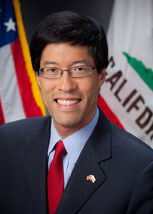
Bill Co-Author(s):