SB 147: Mobilehome parks: residency.
- Session Year: 2017-2018
- House: Senate
- Latest Version Date: 2017-10-13
The Mobilehome Residency Law governs residency in mobilehome parks and includes provisions that are applicable to those who have an ownership interest in a subdivision, cooperative, or condominium for mobilehomes, or a resident-owned mobilehome park, as specified. Among other things, these provisions set forth the rights of residents and homeowners regarding the use of the property. Existing law authorizes a homeowner who lives alone to share his or her mobilehome with one guest at a time whose stay does not exceed specified time limits without being required to register with the management and without the imposition of a fee by management for that person, and requires that person to comply with the rules and regulations of the mobilehome park.
This bill would authorize any homeowner who lives alone to designate one other person per calendar year to share his or her mobilehome on an ongoing basis, except as specified, and would prohibit the imposition of a fee by management for that person.
Existing law authorizes a homeowner to share the mobilehome with a person over 18 years of age if that person provides live-in health care or live-in supportive care to the homeowner pursuant to a written treatment plan prepared by the homeowners physician. Existing law also authorizes a senior homeowner in an age limited mobilehome park to share the mobilehome with specified persons if the senior homeowner requires live-in health care, live-in supportive care, or supervision pursuant to a written treatment plan prepared by a physician and surgeon. A person staying in the mobilehome of a homeowner under these provisions has no rights of tenancy in the mobilehome park and is required to comply with the rules and regulations of the park.
This bill would permit park management to require written confirmation from a licensed health care professional of the homeowners need for the care or supervision, if the need is not readily apparent or already known to management.
The bill would provide that these provisions do not grant any guest, companion, live-in caregiver, or family member under the care of a senior homeowner, rights of tenancy in the park and would make any violation of the rules and regulations of the park by any of these persons subject to enforcement by park management, as specified. The bill would also provide that these provisions do not create a duty on the part of park management to manage, supervise, or provide care for a homeowners guest, companion, live-in caregiver, or family member under the care of a senior homeowner, during that persons stay in the mobilehome park.
The Mobilehome Residency Law governs residency in mobilehome parks and includes provisions that are applicable to those who have an ownership interest in a subdivision, cooperative, or condominium for mobilehomes, or a resident-owned mobilehome park, as specified. Among other things, these provisions set forth the rights of residents and homeowners regarding the use of the property. Existing law authorizes a homeowner who lives alone to share his or her mobilehome with one guest at a time whose stay does not exceed specified time limits without being required to register with the management and without the imposition of a fee by management for that person, and requires that person to comply with the rules and regulations of the mobilehome park.
This bill would authorize any homeowner who lives alone to designate one other person per calendar year to share his or her mobilehome on an ongoing basis, except as specified, and would prohibit the imposition of a fee by management for that person.
Existing law authorizes a homeowner to share the mobilehome with a person over 18 years of age if that person provides live-in health care or live-in supportive care to the homeowner pursuant to a written treatment plan prepared by the homeowners physician. Existing law also authorizes a senior homeowner in an age limited mobilehome park to share the mobilehome with specified persons if the senior homeowner requires live-in health care, live-in supportive care, or supervision pursuant to a written treatment plan prepared by a physician and surgeon. A person staying in the mobilehome of a homeowner under these provisions has no rights of tenancy in the mobilehome park and is required to comply with the rules and regulations of the park.
This bill would permit park management to require written confirmation from a licensed health care professional of the homeowners need for the care, care or supervision, if the need is not readily apparent or already known to management.
The bill would provide that these provisions do not grant any guest, companion, live-in caregiver, or family member under the care of a senior homeowner, rights of tenancy in the park and would make any violation of the rules and regulations of the park by any of these persons subject to enforcement by park management, as specified. The bill would also provide that these provisions do not create a duty on the part of park management to manage, supervise, or provide care for a homeowners guest, companion, live-in caregiver, or family member under the care of a senior homeowner, during that persons stay in the mobilehome park.
The Mobilehome Residency Law governs residency in mobilehome parks and includes provisions that are applicable to those who have an ownership interest in a subdivision, cooperative, or condominium for mobilehomes, or a resident-owned mobilehome park, as specified. Among other things, these provisions set forth the rights of residents and homeowners regarding the use of the property. Existing law authorizes a homeowner who lives alone to share his or her mobilehome with one guest, as described, guest at a time whose stay does not exceed specified time limits without being required to register with the management and without the imposition of a fee by management for that person, and requires that person to comply with the rules and regulations of the mobilehome park.
This bill would authorize any homeowner who lives alone to designate one other person per calendar year to share his or her mobilehome and associated expenses with not more than one other person, on an ongoing basis, except as specified, and would prohibit the imposition of a fee by management for that person.
Existing law authorizes a homeowner to share the mobilehome with a person over 18 years of age if that person provides live-in health care or live-in supportive care to the homeowner pursuant to a written treatment plan prepared by the homeowners physician. Existing law also authorizes a senior homeowner in an age limited mobilehome park to share the mobilehome with specified persons if the senior homeowner requires live-in health care, live-in supportive care, or supervision pursuant to a written treatment plan prepared by a physician and surgeon. A person staying in the mobilehome of a homeowner under these provisions has no rights of tenancy in the mobilehome park and is required to comply with the rules and regulations of the park.
This bill would permit park management to require written confirmation from a licensed health care professional of the homeowners need for the care, if the need is not readily apparent or already known to management.
The bill would provide that these provisions do not grant any guest, companion, live-in caregiver, or family member under the care of a senior homeowner, rights of tenancy in the park and would make any violation of the rules and regulations of the park by any of these persons subject to enforcement by park management, as specified. The bill would also provide that these provisions do not create a duty on the part of park management to manage, supervise, or provide care for a homeowners guest, companion, live-in caregiver, or family member under the care of a senior homeowner, during that persons stay in the mobilehome park.
The Mobilehome Residency Law governs residency in mobilehome parks and includes provisions that are applicable to those who have an ownership interest in a subdivision, cooperative, or condominium for mobilehomes, or a resident-owned mobilehome park, as specified. Among other things, these provisions set forth the rights of residents and homeowners regarding the use of the property. Existing law authorizes a homeowner who lives alone to share his or her mobilehome with one guest, as described, without the imposition of a fee by management for that person person, and requires that person to comply with the rules and regulations of the mobilehome park.
This bill would authorize any homeowner who lives alone to share his or her mobilehome and associated expenses with not more than one other person, who is not an immediate family member and would be considered a cohabitant of the homeowner, without regard to any sublet restrictions in the homeowners lease or as specified, and would prohibit the imposition of a fee by management for that person.
Existing law authorizes a homeowner to share the mobilehome with a person over 18 years of age if that person provides live-in health care or live-in supportive care to the homeowner pursuant to a written treatment plan prepared by the homeowners physician. Existing law also authorizes a senior homeowner in an age limited mobilehome park to share the mobilehome with specified persons if the senior homeowner requires live-in health care, live-in supportive care, or supervision pursuant to a written treatment plan prepared by a physician and surgeon. A person staying in the mobilehome of a homeowner under these provisions has no rights of tenancy in the mobilehome park and is required to comply with the rules and regulations of the park.
This bill would require written confirmation of the need for the live-in care or supervision from the homeowners physician or other licensed health care provider. permit park management to require written confirmation from a licensed health care professional of the homeowners need for the care, if the need is not readily apparent or already known to management.
The bill would provide that these provisions do not grant any guest, companion, live-in caregiver, or family member under the care of a senior homeowner, rights of tenancy in the park and would make any violation of the rules and regulations of the park by any of these persons subject to enforcement by park management, as specified. The bill would also provide that these provisions do not create a duty on the part of park management to manage, supervise, or provide care for a homeowners guest, companion, live-in caregiver, or family member under the care of a senior homeowner, during that persons stay in the mobilehome park.
The Mobilehome Residency Law governs residency in mobilehome parks and includes provisions that are applicable to those who have an ownership interest in a subdivision, cooperative, or condominium for mobilehomes, or a resident-owned mobilehome park, as specified. Among other things, these provisions set forth the rights of residents and homeowners regarding the use of the property. Existing law authorizes a homeowner who lives alone to share his or her mobilehome with one guest, as described, without the imposition of a fee by management for that person.
This bill would authorize any homeowner who lives alone to share his or her mobilehome with not more than two guest one other person, who is not an immediate family member and would be considered a cohabitant of the homeowner, without regard to any sublet restrictions in the homeowners lease or the imposition of a fee by management.
Existing law authorizes a homeowner to share the mobilehome with a person over 18 years of age if that person provides live-in health care or live-in supportive care to the homeowner pursuant to a written treatment plan prepared by the homeowners physician. Existing law also authorizes a senior homeowner in an age limited mobilehome park to share the mobilehome with specified persons if the senior homeowner requires live-in health care, live-in supportive care, or supervision pursuant to a written treatment plan prepared by a physician and surgeon.
This bill would repeal the written treatment plan requirement. require written confirmation of the need for the live-in care or supervision from the homeowners physician or other licensed health care provider.
The Mobilehome Residency Law governs residency in mobilehome parks and includes provisions that are applicable to those who have an ownership interest in a subdivision, cooperative, or condominium for mobilehomes, or a resident-owned mobilehome park, as specified. Among other things, these provisions set forth the rights of residents and homeowners regarding the use of the property. Existing law authorizes a homeowner who lives alone to share his or her mobilehome with one guest, as described, without the imposition of a fee by management for that person.
This bill would authorize any homeowner to share his or her mobilehome with not more than two guest without the imposition of a fee by management.
Existing law authorizes a homeowner to share the mobilehome with a person over 18 years of age if that person provides live-in health care or live-in supportive care to the homeowner pursuant to a written treatment plan prepared by the homeowners physician. Existing law also authorizes a senior homeowner in an age limited mobilehome park to share the mobilehome with specified persons if the senior homeowner requires live-in health care, live-in supportive care, or supervision pursuant to a written treatment plan prepared by a physician and surgeon.
This bill would repeal the written treatment plan requirement.
(a)A homeowner shall not be charged a fee for a guest who does not stay with him or her for more than a total of 20 consecutive days or a total of 30 days in a calendar year. A person who is a guest, as described in this subdivision, shall not be required to register with the management.
(b)A homeowner who is living alone in the mobilehome and who wishes to share occupancy of his or her mobilehome with one other person may do so, and a fee shall not be imposed by management for that person. For purposes of this subdivision, a homeowner may only designate one person as his or her companion per calendar year, except in the case of the companions death. Park management may refuse to allow a homeowner to share his or her mobilehome with a companion under this subdivision if park residency is subject to age restrictions and the proposed companion is unable or unwilling to provide documentation that the proposed companion meets those age restrictions.
(c)A homeowner may share his or her mobilehome with any person over 18 years of age if that person is providing live-in health care, live-in supportive care, or supervision to the homeowner. Management shall not charge a fee for the live-in caregiver but may require written confirmation from a licensed health care professional of the homeowners need for the care or supervision, if the need is not readily apparent or already known to management.
(d)A senior homeowner who resides in a mobilehome park that has implemented rules or regulations limiting residency based on age requirements for housing for older persons, pursuant to Section 798.76, may share his or her mobilehome with any person over 18 years of age if this person is a parent, sibling, child, or grandchild of the senior homeowner and requires live-in health care, live-in supportive care, or supervision. Management shall not charge a fee for this parent, sibling, child, or grandchild, but may require written confirmation from a licensed health care professional of the need for the care or supervision, if the need is not readily apparent or already known to management. As used in this section, senior homeowner means a homeowner who is 55 years of age or older.
(e)A guest, companion, live-in caregiver, or family member under the care of a senior homeowner, as they are described in this section, shall have no rights of tenancy in the park, and any agreement between the homeowner and the guest, companion, live-in caregiver, or family member under the care of a senior homeowner shall not change the terms and conditions of the rental agreement between management and the homeowner.
(f)A violation of the mobilehome park rules and regulations by a guest, companion, live-in caregiver, or family member under the care of a senior homeowner, as they are described in this section, shall be deemed a violation of the rules and regulations by the homeowner and subject to subdivision (d) of Section 798.56.
(g)Nothing in this section shall be interpreted to create a duty on the part of park management to manage, supervise, or provide care for a homeowners guest, companion, live-in caregiver, or family member under the care of a senior homeowner, during that persons stay in the mobilehome park.
SEC. 2.Section 799.9 of the Civil Code is amended to read:799.9.(a)A homeowner may share his or her mobilehome with any person 18 years of age or older if that person is providing live-in health care, live-in supportive care, or supervision to the homeowner. Management shall not charge a fee for the live-in caregiver, but may require written confirmation from a licensed health care professional of the need for the care or supervision, if the need is not readily apparent or already known to management. That person shall have no rights of tenancy in, and shall comply with the rules and regulations of, the subdivision, cooperative, or condominium for mobilehomes, or resident-owned mobilehome park.
(b)A senior homeowner who resides in a subdivision, cooperative, or condominium for mobilehomes, or a resident-owned mobilehome park, that has implemented rules or regulations limiting residency based on age requirements for housing for older persons, pursuant to Section 799.5, may share his or her mobilehome with any person 18 years of age or older if this person is a parent, sibling, child, or grandchild of the senior homeowner and requires live-in health care, live-in supportive care, or supervision. Management shall not charge a fee for this parent, sibling, child, or grandchild, but may require written confirmation from a licensed health care professional of the need for the care or supervision, if the need is not readily apparent or already known to management. Unless otherwise agreed upon, the management shall not be required to manage, supervise, or provide for this persons care during his or her stay in the subdivision, cooperative, or condominium for mobilehomes, or resident-owned mobilehome park. That person shall have no rights of tenancy in, and shall comply with the rules and regulations of, the subdivision, cooperative, or condominium for mobilehomes, or resident-owned mobilehome park. As used in this subdivision, senior homeowner means a homeowner or resident who is 55 years of age or older.
(a)A homeowner shall not be charged a fee for a guest who does not stay with him or her for more than a total of 20 consecutive days or a total of 30 days in a calendar year. A person who is a guest guest, as described in this subdivision, shall not be required to register with the management.
(b)A homeowner who is living alone in the mobilehome and who wishes to share occupancy of his or her mobilehome with one other person may do so, and a fee shall not be imposed by management for that person. For purposes of this subdivision, a homeowner may only designate one person as his or her companion per calendar year, except in the case of the companions death. Park management may refuse to allow a homeowner to share his or her mobilehome with a companion under this subdivision if park residency is subject to age restrictions and the proposed companion is unable or unwilling to provide documentation that the proposed companion meets those age restrictions.
(c)A homeowner may share his or her mobilehome with any person over 18 years of age if that person is providing live-in health care, live-in supportive care, or supervision to the homeowner. Management shall not charge a fee for the live-in caregiver but may require written confirmation from a licensed health care professional of the homeowners need for the care or supervision, if the need is not readily apparent or already known to management.
(d)A senior homeowner who resides in a mobilehome park that has implemented rules or regulations limiting residency based on age requirements for housing for older persons, pursuant to Section 798.76, may share his or her mobilehome with any person over 18 years of age if this person is a parent, sibling, child, or grandchild of the senior homeowner and requires live-in health care, live-in supportive care, or supervision. Management shall not charge a fee for this parent, sibling, child, or grandchild, but may require written confirmation from a licensed health care professional of the need for the care or supervision, if the need is not readily apparent or already known to management. As used in this section, senior homeowner means a homeowner who is 55 years of age or older.
(e)A guest, companion, live-in caregiver, or family member under the care of a senior homeowner, as they are described in this section, shall have no rights of tenancy in the park, and any agreement between the homeowner and the guest, companion, live-in caregiver, or family member under the care of a senior homeowner shall not change the terms and conditions of the rental agreement between management and the homeowner.
(f)A violation of the mobilehome park rules and regulations by a guest, companion, live-in caregiver, or family member under the care of a senior homeowner, as they are described in this section, shall be deemed a violation of the rules and regulations by the homeowner and subject to subdivision (d) of Section 798.56.
(g)Nothing in this section shall be interpreted to create a duty on the part of park management to manage, supervise, or provide care for a homeowners guest, companion, live-in caregiver, or family member under the care of a senior homeowner, during that persons stay in the mobilehome park.
SEC. 2.Section 799.9 of the Civil Code is amended to read:799.9.(a)A homeowner may share his or her mobilehome with any person 18 years of age or older if that person is providing live-in health care, live-in supportive care, or supervision to the homeowner. Management shall not charge a fee for the live-in caregiver, but may require written confirmation from a licensed health care professional of the need for the care or supervision, if the need is not readily apparent or already known to management. That person shall have no rights of tenancy in, and shall comply with the rules and regulations of, the subdivision, cooperative, or condominium for mobilehomes, or resident-owned mobilehome park.
(b)A senior homeowner who resides in a subdivision, cooperative, or condominium for mobilehomes, or a resident-owned mobilehome park, that has implemented rules or regulations limiting residency based on age requirements for housing for older persons, pursuant to Section 799.5, may share his or her mobilehome with any person 18 years of age or older if this person is a parent, sibling, child, or grandchild of the senior homeowner and requires live-in health care, live-in supportive care, or supervision. Management shall not charge a fee for this parent, sibling, child, or grandchild, but may require written confirmation from a licensed health care professional of the need for the care or supervision, if the need is not readily apparent or already known to management. Unless otherwise agreed upon, the management shall not be required to manage, supervise, or provide for this persons care during his or her stay in the subdivision, cooperative, or condominium for mobilehomes, or resident-owned mobilehome park. That person shall have no rights of tenancy in, and shall comply with the rules and regulations of, the subdivision, cooperative, or condominium for mobilehomes, or resident-owned mobilehome park. As used in this subdivision, senior homeowner means a homeowner or resident who is 55 years of age or older.
(a)A homeowner shall not be charged a fee for a guest who does not stay with him or her for more than a total of 20 consecutive days or a total of 30 days in a calendar year. A person who is a guest shall not be required to register with the management.
(b)A homeowner who is living alone in the mobilehome and who wishes to share occupancy of his or her mobilehome with one other person may do so, and a fee shall not be imposed by management for that person. For purposes of this subdivision, a homeowner may only designate one person as his or her companion per calendar year, except in the case of the companions death. Park management may refuse to allow a homeowner to share his or her mobilehome with a companion under this subdivision if park residency is subject to age restrictions and the proposed companion is unable or unwilling to provide documentation that the proposed companion meets those age restrictions.
(c)A homeowner may share his or her mobilehome with any person over 18 years of age if that person is providing live-in health care or care, live-in supportive care care, or supervision to the homeowner. Management shall not charge a fee for the live-in caregiver but may require written confirmation from a licensed health care professional of the homeowners need for the care, care or supervision, if the need is not readily apparent or already known to management.
(d)A senior homeowner who resides in a mobilehome park that has implemented rules or regulations limiting residency based on age requirements for housing for older persons, pursuant to Section 798.76, may share his or her mobilehome with any person over 18 years of age if this person is a parent, sibling, child, or grandchild of the senior homeowner and requires live-in health care, live-in supportive care, or supervision. Management shall not charge a fee for this parent, sibling, child, or grandchild, but may require written confirmation from a licensed health care professional of the need for the care or supervision, if the need is not readily apparent or already known to management. As used in this subdivision, section, senior homeowner means a homeowner who is 55 years of age or older.
(e)A guest, companion, live-in caregiver, or family member under the care of a senior homeowner, as they are described in this section, shall have no rights of tenancy in the park, and any agreement between the homeowner and the guest, companion, live-in caregiver, or family member under the care of a senior homeowner shall not change the terms and conditions of the rental agreement between management and the homeowner.
(f)A violation of the mobilehome park rules and regulations by a guest, companion, live-in caregiver, or family member under the care of a senior homeowner, as they are described in this section, shall be deemed a violation of the rules and regulations by the homeowner and subject to subdivision (d) of Section 798.56.
(g)Nothing in this section shall be interpreted to create a duty on the part of park management to manage, supervise, or provide care for a homeowners guest, companion, live-in caregiver, or family member under the care of a senior homeowner, during that persons stay in the mobilehome park.
SEC. 2.Section 799.9 of the Civil Code is amended to read:799.9.(a)A homeowner may share his or her mobilehome with any person 18 years of age or older if that person is providing live-in health care, live-in supportive care, or supervision to the homeowner pursuant to a written treatment plan prepared by a physician and surgeon. A fee shall not be charged by management for that person. homeowner. Management shall not charge a fee for the live-in caregiver, but may require written confirmation from a licensed health care professional of the need for the care or supervision, if the need is not readily apparent or already known to management. That person shall have no rights of tenancy in, and shall comply with the rules and regulations of, the subdivision, cooperative, or condominium for mobilehomes, or resident-owned mobilehome park.
(b)A senior homeowner who resides in a subdivision, cooperative, or condominium for mobilehomes, or a resident-owned mobilehome park, that has implemented rules or regulations limiting residency based on age requirements for housing for older persons, pursuant to Section 799.5, may share his or her mobilehome with any person 18 years of age or older if this person is a parent, sibling, child, or grandchild of the senior homeowner and requires live-in health care, live-in supportive care, or supervision pursuant to a written treatment plan prepared by a physician and surgeon. A fee shall not be charged by management for that person. supervision. Management shall not charge a fee for this parent, sibling, child, or grandchild, but may require written confirmation from a licensed health care professional of the need for the care or supervision, if the need is not readily apparent or already known to management. Unless otherwise agreed upon, the management shall not be required to manage, supervise, or provide for this persons care during his or her stay in the subdivision, cooperative, or condominium for mobilehomes, or resident-owned mobilehome park. That person shall have no rights of tenancy in, and shall comply with the rules and regulations of, the subdivision, cooperative, or condominium for mobilehomes, or resident-owned mobilehome park. As used in this subdivision, senior homeowner means a homeowner or resident who is 55 years of age or older.
(a)A homeowner shall not be charged a fee for a guest who does not stay with him or her for more than a total of 20 consecutive days or a total of 30 days in a calendar year. A person who is a guest shall not be required to register with the management.
(b)A homeowner who is living alone in the mobilehome and who wishes to share occupancy of his or her mobilehome and associated expenses with one other person may do so indefinitely, so, and a fee shall not be imposed by management for that person. For purposes of this subdivision, a homeowner may only designate one person as his or her companion per calendar year, except in the case of the companions death. Park management may refuse to allow a homeowner to share his or her mobilehome with a companion under this subdivision if park residency is subject to age restrictions and the proposed companion is unable or unwilling to provide documentation that the proposed companion meets those age restrictions.
(c)A homeowner may share his or her mobilehome with any person over 18 years of age if that person is providing live-in health care or live-in supportive care to the homeowner. Management shall not charge a fee for the live-in caregiver but may require written confirmation from a licensed health care professional of the homeowners need for the care, if the need is not readily apparent or already known to management.
(d)A senior homeowner who resides in a mobilehome park that has implemented rules or regulations limiting residency based on age requirements for housing for older persons, pursuant to Section 798.76, may share his or her mobilehome with any person over 18 years of age if this person is a parent, sibling, child, or grandchild of the senior homeowner and requires live-in health care, live-in supportive care, or supervision. Management shall not charge a fee for this parent, sibling, child, or grandchild, but may require written confirmation from a licensed health care professional of the need for the care or supervision, if the need is not readily apparent or already known to management. As used in this subdivision, senior homeowner means a homeowner who is 55 years of age or older.
(e)A guest, companion, live-in caregiver, or family member under the care of a senior homeowner, as they are described in this section, shall have no rights of tenancy in the park, and any agreement between the homeowner and the guest, companion, live-in caregiver, or family member under the care of a senior homeowner shall not change the terms and conditions of the rental agreement between management and the homeowner.
(f)A violation of the mobilehome park rules and regulations by a guest, companion, live-in caregiver, or family member under the care of a senior homeowner, as they are described in this section, shall be deemed a violation of the rules and regulations by the homeowner and subject to subdivision (d) of Section 798.56.
(g)Nothing in this section shall be interpreted to create a duty on the part of park management to manage, supervise, or provide care for a homeowners guest, companion, live-in caregiver, or family member under the care of a senior homeowner, during that persons stay in the mobilehome park.
(a)A homeowner shall not be charged a fee for a guest who does not stay with him or her for more than a total of 20 consecutive days or a total of 30 days in a calendar year. A person who is a guest shall not be required to register with the management. Once a person stays more than a total of 20 consecutive days or 30 days in a calendar year, he or she may be required to register with the park and reasonable guest fees may be imposed if provided for in the parks rental agreement.
(b)A homeowner who lives alone may share the occupancy of his or her mobilehome with one additional person not described in Section 798.35 before management may impose a fee for additional occupancy. The additional person shall be considered a cohabitant of the homeowner. The cohabitant shall be allowed regardless of any sublet restrictions in the homeowners lease. The mobilehome park shall not charge a fee for the cohabitant.(b)A homeowner who is living alone in the mobilehome and who wishes to share occupancy of his or her mobilehome and associated expenses with one other person may do so indefinitely, and a fee shall not be imposed by management for that person. For purposes of this subdivision, a homeowner may only designate one person as his or her companion per calendar year, except in the case of the companions death. Park management may refuse to allow a homeowner to share his or her mobilehome with a companion under this subdivision if park residency is subject to age restrictions and the proposed companion is unable or unwilling to provide documentation that the proposed companion meets those age restrictions.
(c)A homeowner may share his or her mobilehome with any person over 18 years of age if that person is providing live-in health care or live-in supportive care to the homeowner pursuant to a written confirmation of the need for such care prepared by the homeowners physician or other licensed health care provider. A fee shall not be charged by management for that person. That person shall have no rights of tenancy in the park, and any agreement between the homeowner and the person shall not change the terms and conditions of the rental agreement between management and the homeowner. That person shall comply with the rules and regulations of the mobilehome park. homeowner. Management shall not charge a fee for the live-in caregiver but may require written confirmation from a licensed health care professional of the homeowners need for the care, if the need is not readily apparent or already known to management.
(d)A senior homeowner who resides in a mobilehome park that has implemented rules or regulations limiting residency based on age requirements for housing for older persons, pursuant to Section 798.76, may share his or her mobilehome with any person over 18 years of age if this person is a parent, sibling, child, or grandchild of the senior homeowner and provides requires live-in health care or care, live-in supportive care to the homeowner pursuant to a written confirmation of the need for such care prepared by the homeowners physician or other licensed health care provider. Management may care, or supervision. Management shall not charge a fee for this person. Any agreement between the senior homeowner and this person shall not change the terms and conditions of the rental agreement between management and the senior homeowner. Unless otherwise agreed upon, park management shall not be required to manage, supervise, or provide for this persons care during his or her stay in the mobilehome park. This person shall have no rights of tenancy in the park, but shall comply with the rules and regulations of the mobilehome park. A violation of the mobilehome park rules and regulations by this person shall be deemed a violation of the rules and regulations by the homeowner pursuant to subdivision (d) of Section 798.56. As used in this subdivision, senior homeowner means a homeowner who is 55 years of age or older. parent, sibling, child, or grandchild, but may require written confirmation from a licensed health care professional of the need for the care or supervision, if the need is not readily apparent or already known to management. As used in this subdivision, senior homeowner means a homeowner who is 55 years of age or older.
(e)A guest, companion, live-in caregiver, or family member under the care of a senior homeowner, as they are described in this section, shall have no rights of tenancy in the park, and any agreement between the homeowner and the guest, companion, live-in caregiver, or family member under the care of a senior homeowner shall not change the terms and conditions of the rental agreement between management and the homeowner.
(f)A violation of the mobilehome park rules and regulations by a guest, companion, live-in caregiver, or family member under the care of a senior homeowner, as they are described in this section, shall be deemed a violation of the rules and regulations by the homeowner and subject to subdivision (d) of Section 798.56.
(g)Nothing in this section shall be interpreted to create a duty on the part of park management to manage, supervise, or provide care for a homeowners guest, companion, live-in caregiver, or family member under the care of a senior homeowner, during that persons stay in the mobilehome park.
(a)A homeowner shall not be charged a fee for a guest who does not stay with him or her for more than a total of 20 consecutive days or a total of 30 days in a calendar year. A person who is a guest, as described in this subdivision, guest shall not be required to register with the management. Once a person stays more than a total of 20 consecutive days or 30 days in a calendar year, he or she may be required to register with the park and reasonable guest fees may be imposed if provided for in the parks rental agreement.
(b)A homeowner who wishes to share his or her mobilehome with not more than two persons may do so, and a fee shall not be imposed by management for those persons. The person shall be considered a guest of the homeowner and any agreement between the homeowner and the person shall not change the terms and conditions of the rental agreement between management and the homeowner. The guest shall comply with the rules and regulations of the mobilehome park.(b)A homeowner who lives alone may share the occupancy of his or her mobilehome with one additional person not described in Section 798.35 before management may impose a fee for additional occupancy. The additional person shall be considered a cohabitant of the homeowner. The cohabitant shall be allowed regardless of any sublet restrictions in the homeowners lease. The mobilehome park shall not charge a fee for the cohabitant.
(c)A homeowner may share his or her mobilehome with any person over 18 years of age if that person is providing live-in health care or live-in supportive care to the homeowner. homeowner pursuant to a written confirmation of the need for such care prepared by the homeowners physician or other licensed health care provider. A fee shall not be charged by management for that person. That person shall have no rights of tenancy in the park, and any agreement between the homeowner and the person shall not change the terms and conditions of the rental agreement between management and the homeowner. That person shall comply with the rules and regulations of the mobilehome park.
(d)A senior homeowner who resides in a mobilehome park that has implemented rules or regulations limiting residency based on age requirements for housing for older persons, pursuant to Section 798.76, may share his or her mobilehome with any person over 18 years of age if this person is a parent, sibling, child, or grandchild of the senior homeowner and requires provides live-in health care, care or live-in supportive care, or supervision. care to the homeowner pursuant to a written confirmation of the need for such care prepared by the homeowners physician or other licensed health care provider. Management may not charge a fee for this person. Any agreement between the senior homeowner and this person shall not change the terms and conditions of the rental agreement between management and the senior homeowner. Unless otherwise agreed upon, park management shall not be required to manage, supervise, or provide for this persons care during his or her stay in the mobilehome park. This person shall have no rights of tenancy in the park, but shall comply with the rules and regulations of the mobilehome park. A violation of the mobilehome park rules and regulations by this person shall be deemed a violation of the rules and regulations by the homeowner pursuant to subdivision (d) of Section 798.56. As used in this subdivision, senior homeowner means a homeowner who is 55 years of age or older.
(a)A homeowner shall not be charged a fee for a guest who does not stay with him or her for more than a total of 20 consecutive days or a total of 30 days in a calendar year. A person who is a guest, as described in this subdivision, shall not be required to register with the management.
(b)A homeowner who is living alone and who wishes to share his or her mobilehome with one person not more than two persons may do so, and a fee shall not be imposed by management for that person. those persons. The person shall be considered a guest of the homeowner and any agreement between the homeowner and the person shall not change the terms and conditions of the rental agreement between management and the homeowner. The guest shall comply with the provisions of the rules and regulations of the mobilehome park.
(c)A homeowner may share his or her mobilehome with any person over 18 years of age if that person is providing live-in health care or live-in supportive care to the homeowner pursuant to a written treatment plan prepared by the homeowners physician. homeowner. A fee shall not be charged by management for that person. That person shall have no rights of tenancy in the park, and any agreement between the homeowner and the person shall not change the terms and conditions of the rental agreement between management and the homeowner. That person shall comply with the rules and regulations of the mobilehome park.
(d)A senior homeowner who resides in a mobilehome park that has implemented rules or regulations limiting residency based on age requirements for housing for older persons, pursuant to Section 798.76, may share his or her mobilehome with any person over 18 years of age if this person is a parent, sibling, child, or grandchild of the senior homeowner and requires live-in health care, live-in supportive care, or supervision pursuant to a written treatment plan prepared by a physician and surgeon. supervision. Management may not charge a fee for this person. Any agreement between the senior homeowner and this person shall not change the terms and conditions of the rental agreement between management and the senior homeowner. Unless otherwise agreed upon, park management shall not be required to manage, supervise, or provide for this persons care during his or her stay in the mobilehome park. This person shall have no rights of tenancy in the park, but shall comply with the rules and regulations of the mobilehome park. A violation of the mobilehome park rules and regulations by this person shall be deemed a violation of the rules and regulations by the homeowner pursuant to subdivision (d) of Section 798.56. As used in this subdivision, senior homeowner means a homeowner who is 55 years of age or older.
|
Date
|
Status
|
|---|---|
| Oct 13, 2017 | Chaptered by Secretary of State. Chapter 767, Statutes of 2017. |
| Oct 13, 2017 | Approved by the Governor. |
| Sep 11, 2017 | Enrolled and presented to the Governor at 4 p.m. |
| Sep 5, 2017 | Assembly amendments concurred in. (Ayes 40. Noes 0.) Ordered to engrossing and enrolling. |
| Aug 31, 2017 | In Senate. Concurrence in Assembly amendments pending. |
| Aug 31, 2017 | Read third time. Passed. Ordered to the Senate. |
| Aug 24, 2017 | Read third time and amended. |
| Jul 17, 2017 | Read second time. Ordered to third reading. |
| Jul 13, 2017 | Read second time and amended. Ordered to second reading. |
| Jul 12, 2017 | From committee: Do pass as amended. (Ayes 4. Noes 2.) (July 12). |
| Jul 3, 2017 | From committee with author's amendments. Read second time and amended. Re-referred to Com. on H. & C.D. |
| Jun 1, 2017 | Referred to Com. on H. & C.D. |
| May 23, 2017 | In Assembly. Read first time. Held at Desk. |
| May 22, 2017 | Read third time. Passed. (Ayes 25. Noes 6. Page 1143.) Ordered to the Assembly. |
| May 9, 2017 | Read second time and amended. Ordered to third reading. |
| May 8, 2017 | From committee: Do pass as amended. (Ayes 5. Noes 1. Page 945.) (May 2). |
| Apr 17, 2017 | From committee with author's amendments. Read second time and amended. Re-referred to Com. on JUD. |
| Apr 13, 2017 | Set for hearing May 2. |
| Jan 26, 2017 | Referred to Com. on JUD. |
| Jan 18, 2017 | From printer. May be acted upon on or after February 17. |
| Jan 17, 2017 | Introduced. Read first time. To Com. on RLS. for assignment. To print. |
|
Date
|
Description
|
Location
|
Votes
|
|
|---|---|---|---|---|
| Sep 5, 2017 | Unfinished Business SB147 Dodd Concurrence | Senate Floor |
Passed |
|
| Aug 31, 2017 | SB 147 Dodd Senate Third Reading By KALRA | Assembly Floor |
Passed |
|
| Jul 12, 2017 | Do pass as amended. | Assembly Standing Committee on Housing and Community Development |
Passed |
|
| May 22, 2017 | Senate 3rd Reading SB147 Dodd | Senate Floor |
Passed |
|
| May 2, 2017 | Do pass as amended | Senate Standing Committee on Judiciary |
Passed |
This list shows positions taken on this bill by organizations on the date displayed, which is linked to the original source.
Positions by individuals are not included.
|
Organization
|
Position
|
Date
|
|---|---|---|
| area agency on aging, napa and solano | ** Support | Jul 10, 2017 |
| Association Of Regional Center Agencies | ** Support | Aug 31, 2017 |
| california mobilehome parkowner's alliance | ** Against | Aug 31, 2017 |
| City of Calistoga | ** Support | Jul 10, 2017 |
| collabria care | ** Support | Jul 10, 2017 |
| County of Ventura | ** Support | Jul 10, 2017 |
| Golden State Manufactured Home Owners League | ** Support | Aug 31, 2017 |
| mentis | ** Support | Jul 10, 2017 |
| molly's angels | ** Support | Jul 10, 2017 |
| napa county commission on aging | ** Support | Jul 10, 2017 |
| napa county supervisor diane dillon, district 3 | ** Support | Jul 10, 2017 |
| rianda house | ** Support | Jul 10, 2017 |
| share the care | ** Support | Jul 10, 2017 |
| The Arc and United Cerebral Palsy California Collaboration | ** Support | Aug 31, 2017 |
| The Up-Valley Senior Collaborative | ** Support | Aug 31, 2017 |
| upvalley family centers | ** Support | Jul 10, 2017 |
| Western Manufactured Housing Communities Association | ** Against | Jul 10, 2017 |
Office of Senate Floor Analyses (916) 651-1520 Fax: (916) 327-4478 | SB |
UNFINISHED BUSINESS
Bill No: SB 147
:
SENATE JUDICIARY COMMITTEE: 5-1, 5/2/17
AYES: Jackson, Hertzberg, Monning, Stern, Wieckowski
NOES: Anderson
NO VOTE RECORDED: Moorlach
SENATE FLOOR: 25-6, 5/22/17
AYES: Allen, Atkins, Beall, Bradford, De León, Dodd, Galgiani, Glazer, Hertzberg, Hill, Hueso, Jackson, Lara, Leyva, McGuire, Mendoza, Mitchell, Monning, Newman, Portantino, Roth, Skinner, Stern, Wieckowski, Wiener
NOES: Bates, Gaines, Moorlach, Morrell, Nielsen, Vidak
NO VOTE RECORDED: Anderson, Berryhill, Cannella, Fuller, Hernandez, Nguyen, Pan, Stone, Wilk
ASSEMBLY FLOOR: 73-0, 8/31/17 - See last page for vote
DIGEST:
This bill clarifies the law governing guests, companions, and live-in caregivers in the mobilehome context and modifies those laws to conform with disability accommodation law.
Assembly Amendments (1) remove a reference to shared expenses, leaving the bill silent on that point; (2) make conforming amendments to Civil Code Section 799.9; and (3) include “supervision” of a person requiring it as a basis for shared occupancy.
Existing law:
- Prevents mobile home park managers from charging homeowners to have guests stay with them for up to 20 consecutive days or a total of 30 days in a calendar year. Management may not require such a guest to register. (Civ. Code Sec. 798.34 (a).)
- Allows mobilehome homeowners who live alone to share their mobilehomes with one other person free of charge from the park. (Civ. Code Sec. 798.34 (b).)
- Prevents mobile home park managers from charging homeowners a fee for sharing their mobile home with an adult, live-in caretaker, provided that the care is being provided pursuant to a written treatment plan prepared by the homeowner’s physician. (Civ. Code Secs. 798.34 (c) and 799.9(a).)
- Permits senior homeowners living in age-restricted parks to share their mobile home with a parent, sibling, child, or grandchild of the homeowner who does not meet the age restriction but is over 18 years of age, if the homeowner is providing care to that family member pursuant to a written treatment plan prepared by a physician and surgeon. When these prerequisites are met, park management may not charge the homeowner a fee for the family member’s presence. (Civ. Code Secs. 798.34 (d) and 799.9(b).)
- Is silent or inconsistent about how mobilehome guests, companions, live-in caregivers, and family members under the care of a senior homeowner are to be treated in terms of tenancy and obligation to abide by park rules.
This bill:
- Clarifies that a homeowner living alone may share occupancy with one companion and management shall not impose a fee for that person. The homeowner may only designate one companion per year, except if the companion dies.
- Allows park management to refuse to allow a homeowner to share his or her mobilehome with a companion if park residency is subject to age restrictions and the proposed companion is unable or unwilling to provide documentation that the proposed companion meets those age restrictions.
- Eliminates the requirement that live-in care or supervision of a homeowner must be provided pursuant to a written treatment plan by a physician and replaces that requirement with a clause allowing parks to require written verification of the need for the care or supervision from a licensed healthcare professional, if the need is not readily apparent or already known to the park.
- Eliminates the requirement that live-in care or supervision provided by a senior mobilehome owner to a parent, sibling, child, or grandchild must be provided pursuant to a written treatment plan from both the person's physician and surgeon, replacing it instead with a clause allowing parks to require written confirmation from a licensed healthcare professional of the need for the care or supervision, if that need is not readily apparent or already known to the park.
- Clarifies that a guest, companion, live-in caregiver, or family member under the care of a senior homeowner shall have no rights of tenancy in the park, and any agreement between the homeowner and the guest, companion, live-in caregiver, or family member under the care of a senior homeowner shall not change the terms and conditions of the rental agreement between management and the homeowner.
- Clarifies that a violation of the mobilehome park rules and regulations by a guest, companion, live-in caregiver, or family member under the care of a senior homeowner be deemed a violation of the rules and regulations by the homeowner and subject to the corresponding remedies.
- Provides that nothing in this bill shall be interpreted to create a duty on the part of park management to manage, supervise, or provide care for a homeowner's guest, companion, live-in caregiver, or family member under the care of a senior homeowner, during that person's stay in the mobilehome park.
- Makes technical, clarifying changes.
Background
Enacted in 1978, the Mobilehome Residency Law (Civ. Code Secs. 798 to 799.11) governs the relationship between park owners or managers and the residents of the more than 4,800 mobilehome parks and manufactured housing communities in California. In most of those parks, residents own their home but lease the land on which their home is installed. Although they have historically been called “mobilehomes,” it is actually very difficult, if not impossible, to move a mobilehome once it has been installed in a park.
Civil Code Sections 798.34 and 799.9 set forth the rules regarding mobilehome guests, companions, and live-in caretakers. Though it has been amended from time to time, the statutes are much the same as they read on enactment. Arguably, the provisions relating to accommodation of disabled residents needing live-in care or supervision are out of date with modern disability law. Moreover, for something as common as visits from guests, the statute as it stands is surprisingly unclear. This bill attempts to resolve some of those problems.
Comments
- Clarifying the rules for companions
The existing law surrounding human companions for mobilehome homeowners who live alone is unclear. First, the existing law states that a mobilehome owner who lives alone may share his or her mobilehome with another person. (Civ. Code Sec. 798.34(b).) The language as written strongly implies that the homeowner is entitled to have such a companion. It would also seem to suggest that, as to that one companion for the person who lives alone, the statute supersedes anything in the rental agreement that would otherwise prohibit the homeowner from renting a room to that companion or in other ways sharing the expenses associated with occupancy. However, the statute does not say so explicitly.
The existing subdivision (b) of the statute refers to this companion as a “guest,” resulting in further confusion. If the companion is a “guest,” then arguably management could charge the homeowner for this companion after the companion’s 20th consecutive day at the mobilehome, pursuant to the terms of subdivision (a). Yet subdivision (b) says that management shall not charge for a companion.
Finally, the existing statute seems to imply that the companion may stay indefinitely, but it does not say so explicitly and, again, the reference to the companion as a “guest” confuses the issue.
This bill resolves these confusing and internally-inconsistent aspects of the statute by referring to the additional person as a companion and removing the reference to “guest,” thus indicating a longer-term presence that is unaffected by the provisions governing guests.
- Changing the rules for live-in caregivers to better conform to disability law
The existing law allows homeowners to have a live-in caregiver or to themselves be a live-in caregiver of a parent, sibling, child, or grandchild, but to qualify, the care must be pursuant to a written treatment plan. In some cases, the care must be pursuant to two written treatment plans.
Understandably, mobilehome parks may wish to verify that the care in question is truly needed. However, the current requirements are unnecessarily burdensome to the homeowner and invasive of medical privacy. Today, disability law allows a housing provider to request confirmation of the disability, and the need for the requested accommodation, from an authoritative source, such as a licensed healthcare professional, though generally such a request should not be made where the need for care is readily apparent or already known to the provider.[1] Where confirmation is requested, confirmation alone is sufficient; the housing provider is not entitled to a diagnosis of what exactly the disability is, since that would be invasive of privacy.[2]
This bill incorporates that concept into the law relating to live-in care at mobilehome parks, thus better balancing the park’s legitimate desire to confirm the need for care with the homeowner’s right to privacy.
Related/Prior Legislation
SB 1107 (Correa, Chapter 170, Statutes of 2008) extended the provision allowing live-in care takers, when needed by the homeowner, to homeowners of any age. Previously, the provision had been limited to senior homeowners.
SB 484 (Craven, Chapter 72, Statutes of 1997) clarified that the senior live-in caregiver provision also applies to resident-owned mobile home parks.
SB 2547 (Keene, Chapter 881, Statutes of 1990) added the senior live-in caregiver provision to the Mobilehome residency law.
FISCAL EFFECT: Appropriation: Fiscal Com.: Local:
Association of Regional Center Agencies
Golden State Manufactured Home Owners League
The Arc and United Cerebral Palsy California Collaboration
The Up-Valley Senior Collaborative
OPPOSITION: (Verified 8/31/17)
California Mobilehome Parkowner’s Alliance
ARGUMENTS IN SUPPORT: According to the author:
The goal of the bill is to make it easier for homeowners to rent out a room in their mobile homes and to make it easier for mobile home residents to have a person live in their home to help them with a disability.
In support, the Association of Regional Center Agencies writes:
People with developmental disabilities have unique needs. For over 50 years the state of California has committed to meeting those needs through a community-based regional center service system.
With the passage of time, people’s needs, the best ways to meet those needs, and our understanding of the philosophies that guide our system have continued to evolve. This bill is, therefore, part of a long history of changes, refinements, and reforms that both directly and indirectly impact our service system. It will help improve the lives of people with developmental disabilities, and by virtue of benefiting them, it will strengthen our service system.
In further support, the Golden State Manufactured Home Owners League writes:
SB 147, as proposed to be amended, updates Mobilehome Residency Law (MRL) Section 798.34 by allowing a mobilehome owner, who lives alone, to share their home and associated expenses with another companion without being charged a fee. The bill also updates the MRL Section to improve alignment with existing disability law when a homeowner is in need to care or seeks to give care.
At a time when the state is facing an increase in homelessness and scarce affordable housing, SB 147 helps to preserve the basic principles of a home we can afford, the dignity it represents, and, living in a community we can call our own.
ARGUMENTS IN OPPOSITION: In opposition to the bill, the California Mobilehome Parkowner’s Alliance writes:
Unfortunately, while SB 147 allows homeowners to share expenses with an occupant, it does not limit those expenses to those actually paid by the homeowner. This would allow a mobilehome owner to effectively charge their fellow occupants far more than they actually pay in rent and any other expenses associated with their home. This would be especially problematic in instances when a park is subject to rent control. Were SB 147 to pass, a resident could simultaneously benefit from living in a rent controlled space while charging a fellow occupant market rates to share the mobilehome.
ASSEMBLY FLOOR: 73-0, 8/31/17
AYES: Acosta, Aguiar-Curry, Travis Allen, Arambula, Baker, Berman, Bigelow, Bloom, Bocanegra, Bonta, Burke, Caballero, Calderon, Chau, Chávez, Chen, Chiu, Choi, Chu, Cooley, Cooper, Cunningham, Dababneh, Daly, Eggman, Flora, Fong, Frazier, Friedman, Gallagher, Eduardo Garcia, Gipson, Gloria, Gonzalez Fletcher, Gray, Grayson, Harper, Holden, Irwin, Jones-Sawyer, Kalra, Kiley, Lackey, Levine, Limón, Low, Maienschein, Mathis, Mayes, McCarty, Medina, Melendez, Mullin, Muratsuchi, Nazarian, Obernolte, O'Donnell, Patterson, Quirk, Reyes, Rodriguez, Rubio, Salas, Santiago, Steinorth, Mark Stone, Thurmond, Ting, Voepel, Waldron, Weber, Wood, Rendon
NO VOTE RECORDED: Brough, Cervantes, Dahle, Cristina Garcia, Quirk-Silva, Ridley-Thomas
8/31/17 18:31:29
**** END ****
Joint Statement of the U.S. Dept. of Housing & Urban Development and U.S. Dept. of Justice, “Reasonable Accommodations Under the Fair Housing Act” (May 14, 2004) pp. 12-23 <https://www.hud.gov/offices/fheo/ library/huddojstatement.pdf> (as of Apr. 28.2017). The same rule is also contained in draft Department of Fair Employment and Housing regulations currently pending final approval. See Attachment D: Text of Fair Employment and Housing Act Housing Regulations (Draft), Fair Employment & Housing Council, p. 27 <http://www.dfeh.ca.gov/files/2016/09/AttachmentDHousingRegs 20141230.pdf?la=en> (as of Apr. 30, 2017). ↑
Ibid. ↑
SENATE THIRD READING
STR Bill Id:SB 147
Author:(Dodd)
As Amended Ver:August 24, 2017
Majority vote
SENATE VOTE: 25-6
Committee | Votes | Ayes | Noes |
Housing | 4-2 | Chiu, Chau, Kalra, Limón | Choi, Lackey |
SUMMARY: Clarifies and modifies mobilehome law governing guests, companions, and live-in caregivers. Specifically, this bill:
- Clarifies that a homeowner living alone may share occupancy with one companion and management shall not impose a fee for that person. The homeowner may only designate one companion per year, except if the companion dies.
- Allows park management to refuse to allow a homeowner to share his or her mobilehome with a companion if park residency is subject to age restrictions and the proposed companion is unable or unwilling to provide documentation that the proposed companion meets those age restrictions.
- Eliminates the requirement that live-in care or supervision of a homeowner must be provided pursuant to a written treatment plan by a physician and replaces that requirement with a clause allowing parks to require written verification of the need for the care or supervision from a licensed healthcare professional, if the need is not readily apparent or already known to the park.
- Eliminates the requirement that live-in care or supervision provided by a senior mobilehome owner to a parent, sibling, child, or grandchild must be provided pursuant to a written treatment plan from both the person's physician and surgeon, replacing it instead with a clause allowing parks to require written confirmation from a licensed healthcare professional of the need for the care or supervision, if that need is not readily apparent or already known to the park.
- Clarifies that a guest, companion, live-in caregiver, or family member under the care of a senior homeowner shall have no rights of tenancy in the park, and any agreement between the homeowner and the guest, companion, live-in caregiver, or family member under the care of a senior homeowner shall not change the terms and conditions of the rental agreement between management and the homeowner.
- Clarifies that a violation of the mobilehome park rules and regulations by a guest, companion, live-in caregiver, or family member under the care of a senior homeowner be deemed a violation of the rules and regulations by the homeowner and subject to the corresponding remedies.
- Provides that nothing in this section shall be interpreted to create a duty on the part of park management to manage, supervise, or provide care for a homeowner's guest, companion, live-in caregiver, or family member under the care of a senior homeowner, during that person's stay in the mobilehome park.
- Makes technical, clarifying changes.
FISCAL EFFECT: None
COMMENTS:
Background: The Mobilehome Residency Law (MRL) extensively regulates the relationship between landlords and residents who occupy a mobilehome park. More than 700,000 people live in California's approximately 4,700 mobilehome parks. Mobilehomes are not truly mobile, in that it is often cost prohibitive to relocate them. The cost to move a mobilehome ranges from $2,000 to upwards of $20,000 depending on the size of the home and the distance traveled. A mobilehome owner whose home is located in a mobilehome park does not own the land the unit sits on, and he or she must pay rent and fees for the land and any community spaces.
Need for the bill: According to the author, "the effect of the Baby Boom population on housing needs is exacerbating the scarcity of affordable housing in California. Statewide the number of impoverished residents aged 65 and older increased by 85%, to roughly 520,000 between 1999 and 2014, more than double the rate of population growth among the elderly (Sacramento Bee: Poverty Rate Jumps Among California Seniors-March 26, 2016). For low-income seniors on fixed incomes, a lack of affordable housing can lead to loss of independence and higher costs to the public due to increased need for emergency healthcare or placement in nursing homes (California Housing Partnership Corporations: Update on California's Affordable Housing Crisis-April 2015). This bill makes it easier for a person living alone to share their mobilehome with one other person."
Companions vs. guests: Existing law relating to the rights of mobilehome owners to share their homes is unclear and contradictory. First, existing law (Civil Code Section 798.34(a)) prevents mobile home park managers from charging homeowners to have a guest stay with them for up to 20 consecutive days or a total of 30 days in a calendar year. Management must not require such a guest to register. However, in Civil Code Section 798.34(b), existing law states that a mobilehome owner who lives alone may share his or her mobilehome with another person, and management must not charge a fee for this person. This subdivision refers to this additional person as a "guest," resulting in further confusion. If this person is a "guest," then arguably management could charge the homeowner for this person pursuant to the terms of subdivision (a). Yet subdivision (b) says that management shall not charge for this person. Subdivision (b) also does not prohibit park management from requiring this additional person to register, unlike guests in subdivision (a).
This bill resolves these contradictory aspects of existing law by clarifying that subdivisions (a) and (b) apply to two different scenarios- a short-term guest and a potentially long-term living arrangement. In the case of a short-term guest under subdivision (a), existing law stays the same- park management must not require the guest to register, and may charge a resident for this guest if he or she has stayed in the home for up to 20 consecutive days or a total of 30 days in a calendar year. In subdivision (b), the bill removes the reference to "guest" and instead refers to the additional person as a "companion," which differentiates this person from a short-term guest. The bill provides that a homeowner living alone may only designate one person as his or her companion per calendar year, except in the case of the companion's death. Park management must not impose a fee for the companion, but may refuse to allow a homeowner to share his or her mobilehome with a companion if park residency is subject to age restrictions and the proposed companion is unable or unwilling to provide documentation that he or she meets those age restrictions. Since it applies to a potentially long-term living arrangement (as opposed to a short-term guest), subdivision (b) does not prohibit a park from requiring a companion to register with the management.
In-home caregivers: Existing law prohibits mobilehome park managers from charging homeowners a fee for sharing their mobile home with an adult, live-in caretaker, provided that the care or supervision is being provided pursuant to a written treatment plan prepared by the homeowner's physician. Existing law also permits senior (55 years of age or older) homeowners living in age-restricted parks to share their mobile home with a parent, sibling, child, or grandchild of the homeowner who does not meet the age restriction but is over 18 years of age, if the homeowner is providing care or supervision to that family member pursuant to a written treatment plan prepared by a physician and surgeon.
Current disability law allows a housing provider to request confirmation of a resident's disability, and the need for the requested accommodation, from an authoritative source, such as a licensed healthcare professional, though generally such a request should not be made where the need for care or supervision is readily apparent or already known to the provider. Where confirmation is requested, confirmation alone is sufficient; the housing provider is not entitled to a diagnosis of what exactly the disability is, since that would be invasive of privacy.
This bill incorporates that concept into the law relating to live-in care at mobilehome parks. It streamlines the process for a mobilehome resident to have a live-in caregiver, or to become a live-in caregiver, by allowing documentation for such need to be in the form of written confirmation, as opposed to a written treatment plan, and allows it from a broader range of health care professionals.
Rights and responsibilities: This bill also maintains and clarifies existing law regarding the parties' rights and responsibilities when a homeowner is sharing his or her home. A guest, companion, live-in caregiver, or family member under the care of a senior homeowner does not have any rights of tenancy in the park and any agreement between the homeowner and this person does not change the terms and conditions of the rental agreement between management and the homeowner. If a guest, companion, live-in caregiver, or family member under the care of a senior homeowner violates the park rules and regulations, it will be deemed a violation of the rules and regulations by the homeowner and subject to corresponding remedies. Additionally, nothing in the section of law amended by this bill shall be interpreted to create a duty on the part of park management to manage, supervise, or provide care for a homeowner's guest, companion, live-in caregiver, or family member under the care of a senior homeowner during that person's stay in the mobilehome park.
Related legislation:
SB 1107 (Correa), Chapter 170, Statutes of 2008: Extended the provision allowing live-in care takers, when needed by the homeowner, to homeowners of any age. Previously, the provision had been limited to senior homeowners.
SB 1624 (Craven), Chapter 157, Statutes of 1996: Allowed a mobilehome owner over age 55 who resides within a senior-only mobilehome park to share his or her mobilehome with a relative who is under the age of 55, and requires medical or supportive care under a physician's written treatment plan.
SB 2547 (Keene), Chapter 881, Statutes of 1990: Added the senior live-in caregiver provision to the MRL.
AB 1370 (Moorhead), Chapter 128, Statutes of 1983: Authorized a mobilehome owner who is living alone to share the home with one person, who would be considered a guest. Prohibited management from charging a fee for this person. Provided that any agreement between this person and the homeowner would not change the terms and conditions of the rental agreement between the homeowner and management.
Analysis Prepared by: Rebecca Rabovsky / H. & C.D. / (916) 319-2085 FN: 0001348
SENATE THIRD READING
STR Bill Id:
Author:(Dodd)
As Amended Ver:
Majority vote
SENATE VOTE: 25-6
Committee | Votes | Ayes | Noes |
Housing | 4-2 | Chiu, Chau, Kalra, Limón | Choi, Lackey |
SUMMARY: Clarifies and modifies mobilehome law governing guests, companions, and live-in caregivers. Specifically, this bill:
- Clarifies that a homeowner living alone may share occupancy with one companion and management shall not impose a fee for that person. The homeowner may only designate one companion per year, except if the companion dies.
- Allows park management to refuse to allow a homeowner to share his or her mobilehome with a companion if park residency is subject to age restrictions and the proposed companion is unable or unwilling to provide documentation that the proposed companion meets those age restrictions.
- Eliminates the requirement that live-in care or supervision of a homeowner must be provided pursuant to a written treatment plan by a physician and replaces that requirement with a clause allowing parks to require written verification of the need for the care or supervision from a licensed healthcare professional, if the need is not readily apparent or already known to the park.
- Eliminates the requirement that live-in care or supervision provided by a senior mobilehome owner to a parent, sibling, child, or grandchild must be provided pursuant to a written treatment plan from both the person's physician and surgeon, replacing it instead with a clause allowing parks to require written confirmation from a licensed healthcare professional of the need for the care or supervision, if that need is not readily apparent or already known to the park.
- Clarifies that a guest, companion, live-in caregiver, or family member under the care of a senior homeowner shall have no rights of tenancy in the park, and any agreement between the homeowner and the guest, companion, live-in caregiver, or family member under the care of a senior homeowner shall not change the terms and conditions of the rental agreement between management and the homeowner.
- Clarifies that a violation of the mobilehome park rules and regulations by a guest, companion, live-in caregiver, or family member under the care of a senior homeowner be deemed a violation of the rules and regulations by the homeowner and subject to the corresponding remedies.
- Provides that nothing in this section shall be interpreted to create a duty on the part of park management to manage, supervise, or provide care for a homeowner's guest, companion, live-in caregiver, or family member under the care of a senior homeowner, during that person's stay in the mobilehome park.
- Makes technical, clarifying changes.
FISCAL EFFECT: None
COMMENTS:
Background: The Mobilehome Residency Law (MRL) extensively regulates the relationship between landlords and residents who occupy a mobilehome park. More than 700,000 people live in California's approximately 4,700 mobilehome parks. Mobilehomes are not truly mobile, in that it is often cost prohibitive to relocate them. The cost to move a mobilehome ranges from $2,000 to upwards of $20,000 depending on the size of the home and the distance traveled. A mobilehome owner whose home is located in a mobilehome park does not own the land the unit sits on, and he or she must pay rent and fees for the land and any community spaces.
Need for the bill: According to the author, "the effect of the Baby Boom population on housing needs is exacerbating the scarcity of affordable housing in California. Statewide the number of impoverished residents aged 65 and older increased by 85%, to roughly 520,000 between 1999 and 2014, more than double the rate of population growth among the elderly (Sacramento Bee: Poverty Rate Jumps Among California Seniors-March 26, 2016). For low-income seniors on fixed incomes, a lack of affordable housing can lead to loss of independence and higher costs to the public due to increased need for emergency healthcare or placement in nursing homes (California Housing Partnership Corporations: Update on California's Affordable Housing Crisis-April 2015). This bill makes it easier for a person living alone to share their mobilehome with one other person."
Companions vs. guests: Existing law relating to the rights of mobilehome owners to share their homes is unclear and contradictory. First, existing law (Civil Code Section 798.34(a)), prevents mobile home park managers from charging homeowners to have a guest stay with them for up to 20 consecutive days or a total of 30 days in a calendar year. Management may also not require such a guest to register. However, in Civil Code Section 798.34(b), existing law states that a mobilehome owner who lives alone may share his or her mobilehome with another person, and management must not charge a fee for this person. This subdivision refers to this additional person as a "guest," resulting in further confusion. If this person is a "guest," then arguably management could charge the homeowner for this person pursuant to the terms of subdivision (a). Yet subdivision (b) says that management shall not charge for this person. Subdivision (b) also does not prohibit park management from requiring this additional person to register, unlike guests in subdivision (a).
This bill resolves these contradictory aspects of existing law by clarifying that subdivisions (a) and (b) apply to two different scenarios- a short-term guest and a potentially long-term living arrangement. In the case of a short-term guest under subdivision (a), existing law stays the same-park management may not require the guest to register, and may charge a resident for this guest if he or she has stayed in the home for up to 20 consecutive days or a total of 30 days in a calendar year. In subdivision (b), the bill removes the reference to "guest" and instead refers to the additional person as a "companion," which differentiates this person from a short-term guest. The bill provides that a homeowner living alone may only designate one person as his or her companion per calendar year, except in the case of the companion's death. Park management must not impose a fee for the companion, but may refuse to allow a homeowner to share his or her mobilehome with a companion if park residency is subject to age restrictions and the proposed companion is unable or unwilling to provide documentation that he or she meets those age restrictions. Since it applies to a potentially long-term living arrangement (as opposed to a short-term guest), subdivision (b) does not prohibit a park from requiring a companion to register with the management.
In-home caregivers: Existing law prohibits mobilehome park managers from charging homeowners a fee for sharing their mobile home with an adult, live-in caretaker, provided that the care or supervision is being provided pursuant to a written treatment plan prepared by the homeowner's physician. Existing law also permits senior (55 years of age or older) homeowners living in age-restricted parks to share their mobile home with a parent, sibling, child, or grandchild of the homeowner who does not meet the age restriction but is over 18 years of age, if the homeowner is providing care or supervision to that family member pursuant to a written treatment plan prepared by a physician and surgeon.
Current disability law allows a housing provider to request confirmation of a resident's disability, and the need for the requested accommodation, from an authoritative source, such as a licensed healthcare professional, though generally such a request should not be made where the need for care or supervision is readily apparent or already known to the provider. Where confirmation is requested, confirmation alone is sufficient; the housing provider is not entitled to a diagnosis of what exactly the disability is, since that would be invasive of privacy.
This bill incorporates that concept into the law relating to live-in care at mobilehome parks. It streamlines the process for a mobilehome resident to have a live-in caregiver, or to become a live-in caregiver, by allowing documentation for such need to be in the form of written confirmation, as opposed to a written treatment plan, and allows it from a broader range of health care professionals.
Rights and responsibilities: This bill also maintains and clarifies existing law regarding the parties' rights and responsibilities when a homeowner is sharing his or her home. A guest, companion, live-in caregiver, or family member under the care of a senior homeowner does not have any rights of tenancy in the park and any agreement between the homeowner and this person does not change the terms and conditions of the rental agreement between management and the homeowner. If a guest, companion, live-in caregiver, or family member under the care of a senior homeowner violates the park rules and regulations, it will be deemed a violation of the rules and regulations by the homeowner and subject to corresponding remedies. Additionally, nothing in the section of law amended by this bill shall be interpreted to create a duty on the part of park management to manage, supervise, or provide care for a homeowner's guest, companion, live-in caregiver, or family member under the care of a senior homeowner during that person's stay in the mobilehome park.
Related legislation:
SB 1107 (Correa), Chapter 170, Statutes of 2008: Extended the provision allowing live-in care takers, when needed by the homeowner, to homeowners of any age. Previously, the provision had been limited to senior homeowners.
SB 1624 (Craven), Chapter 157, Statutes of 1996: Allowed a mobilehome owner over age 55 who resides within a senior-only mobilehome park to share his or her mobilehome with a relative who is under the age of 55, and requires medical or supportive care under a physician's written treatment plan.
SB 2547 (Keene), Chapter 881, Statutes of 1990: Added the senior live-in caregiver provision to the MRL.
AB 1370 (Moorhead), Chapter 128, Statutes of 1983: Authorized a mobilehome owner who is living alone to share the home with one person, who would be considered a guest. Prohibited management from charging a fee for this person. Provided that any agreement between this person and the homeowner would not change the terms and conditions of the rental agreement between the homeowner and management.
Analysis Prepared by: Rebecca Rabovsky / H. & C.D. / (916) 319-2085 FN: 0001186
Date of Hearing: July 12, 2017
ASSEMBLY COMMITTEE ON HOUSING AND COMMUNITY DEVELOPMENT
David Chiu, Chair
SBPCA Bill Id:SB 147
Author:(Dodd) – As Amended Ver:July 3, 2017
SENATE VOTE: 25-6
SUBJECT: Mobilehome parks: residency
SUMMARY: Clarifies and modifies mobilehome law governing guests, companions, and live-in caregivers. Specifically, this bill:
- Clarifies that a homeowner living alone may share occupancy with one companion and management shall not impose a fee for that person. The homeowner may only designate one companion per year, except if the companion dies.
- Allows park management to refuse to allow a homeowner to share his or her mobilehome with a companion if park residency is subject to age restrictions and the proposed companion is unable or unwilling to provide documentation that the proposed companion meets those age restrictions.
- Eliminates the requirement that live-in care to a homeowner must be provided pursuant to a written treatment plan by a physician and replaces that requirement with a clause allowing parks to require written verification of the need for the care from a licensed healthcare professional, if the need is not readily apparent or already known to the park.
- Eliminates the requirement that live-in care or supervision provided by a senior mobilehome owner to a parent, sibling, child, or grandchild must be provided pursuant to a written treatment plan from both the person’s physician and surgeon, replacing it instead with a clause allowing parks to require written confirmation from a licensed healthcare professional of the need for the care or supervision, if that need is not readily apparent or already known to the park.
- Clarifies that a guest, companion, live-in caregiver, or family member under the care of a senior homeowner shall have no rights of tenancy in the park, and any agreement between the homeowner and the guest, companion, live-in caregiver, or family member under the care of a senior homeowner shall not change the terms and conditions of the rental agreement between management and the homeowner.
- Clarifies that a violation of the mobilehome park rules and regulations by a guest, companion, live-in caregiver, or family member under the care of a senior homeowner be deemed a violation of the rules and regulations by the homeowner and subject to the corresponding remedies.
- Provides that nothing in this section shall be interpreted to create a duty on the part of park management to manage, supervise, or provide care for a homeowner’s guest, companion, live-in caregiver, or family member under the care of a senior homeowner, during that person’s stay in the mobilehome park.
EXISTING LAW:
- Prohibits mobilehome park managers from charging homeowners to have guests stay with them for up to 20 consecutive days or a total of 30 days in a calendar year. Management may not require such a guest to register.
- Allows mobilehome homeowners who live alone to share their mobilehomes with one other person free of charge from the park. The person shall be considered a guest of the homeowner. The following requirements apply:
- Any agreement between the homeowner and the person shall not change the terms and conditions of the rental agreement between management and the homeowner; and
- The guest shall comply with the provisions of the rules and regulations of the park.
- Prohibits mobilehome park managers from charging homeowners a fee for sharing their mobilehome with an adult, live-in caretaker, so long as the care is being provided pursuant to a written treatment plan prepared by the homeowner’s physician. The following requirements apply:
- The caretaker shall have no rights of tenancy in the park, and any agreement between the homeowner and the person shall not change the terms and conditions of the rental agreement between management and the homeowner; and
- The caretaker must comply with the rules and regulations of the park.
- Permits senior (55 years of age or older) homeowners living in age-restricted parks to share their mobilehome with a parent, sibling, child, or grandchild of the homeowner who does not meet the age restriction but is over 18 years of age, if the homeowner is providing care to that family member pursuant to a written treatment plan prepared by a physician and surgeon. The following requirements apply:
- Park management shall not charge the homeowner a fee for this person's presence;
- Any agreement between the senior homeowner and this person shall not change the terms and conditions of the rental agreement between management and the senior homeowner;
- Unless otherwise agreed upon, park management shall not be required to manage, supervise, or provide for this person's care during his or her stay in the mobilehome park; and
- This person shall have no rights of tenancy in the park, but shall comply with the rules and regulations of the mobilehome park. A violation of the mobilehome park rules and regulations by this person shall be deemed a violation of the rules and regulations by the homeowner.
(Civ. Code Sec. 798.34)
FISCAL EFFECT: None
COMMENTS:
Background: The Mobilehome Residency Law (MRL) extensively regulates the relationship between landlords and residents who occupy a mobilehome park. More than 700,000 people live in California’s approximately 4,700 mobilehome parks. Mobilehomes are not truly mobile, in that it is often cost prohibitive to relocate them. The cost to move a mobilehome ranges from $2,000 to upwards of $20,000 depending on the size of the home and the distance traveled. A mobilehome owner whose home is located in a mobilehome park does not own the land the unit sits on, and he or she must pay rent and fees for the land and any community spaces.
Need for the bill: According to the author, "the effect of the Baby Boom population on housing needs is exacerbating the scarcity of affordable housing in California. Statewide the number of impoverished residents aged 65 and older increased by 85 percent, to roughly 520,000 between 1999 and 2014, more than double the rate of population growth among the elderly (Sacramento Bee: Poverty Rate Jumps Among California Seniors-March 26, 2016). For low-income seniors on fixed incomes, a lack of affordable housing can lead to loss of independence and higher costs to the public due to increased need for emergency healthcare or placement in nursing homes (California Housing Partnership Corporations: Update on California’s Affordable Housing Crisis-April 2015). This bill makes it easier for a person living alone to share their mobilehome with one other person."
Companions vs. guests: Existing law relating to the rights of mobilehome owners to share their homes is unclear and contradictory. First, existing law (Civil Code Section 798.34(a)), prevents mobile home park managers from charging homeowners to have a guest stay with them for up to 20 consecutive days or a total of 30 days in a calendar year. Management may also not require such a guest to register. However, in Civil Code Section 798.34(b), existing law states that a mobilehome owner who lives alone may share his or her mobilehome with another person, and management must not charge a fee for this person. This subdivision refers to this additional person as a “guest,” resulting in further confusion. If this person is a “guest,” then arguably management could charge the homeowner for this person pursuant to the terms of subdivision (a). Yet subdivision (b) says that management shall not charge for this person. Subdivision (b) also does not prohibit park management from requiring this additional person to register, unlike guests in subdivision (a).
This bill resolves these contradictory aspects of existing law by clarifying that subdivisions (a) and (b) apply to two different scenarios- a short-term guest and a potentially long-term living arrangement. In the case of a short-term guest under subdivision (a), existing law stays the same- park management may not require the guest to register, and may charge a resident for this guest if he or she has stayed in the home for up to 20 consecutive days or a total of 30 days in a calendar year. In subdivision (b), the bill removes the reference to "guest" and instead refers to the additional person as a "companion," which differentiates this person from a short-term guest. The bill provides that a homeowner living alone may only designate one person as his or her companion per calendar year, except in the case of the companion’s death. Park management must not impose a fee for the companion, but may refuse to allow a homeowner to share his or her mobilehome with a companion if park residency is subject to age restrictions and the proposed companion is unable or unwilling to provide documentation that he or she meets those age restrictions. Since it applies to a potentially long-term living arrangement (as opposed to a short-term guest), subdivision (b) does not prohibit a park from requiring a companion to register with the management.
In-home caregivers: Existing law prohibits mobilehome park managers from charging homeowners a fee for sharing their mobile home with an adult, live-in caretaker, provided that the care is being provided pursuant to a written treatment plan prepared by the homeowner’s physician. Existing law also permits senior (55 years of age or older) homeowners living in age-restricted parks to share their mobile home with a parent, sibling, child, or grandchild of the homeowner who does not meet the age restriction but is over 18 years of age, if the homeowner is providing care to that family member pursuant to a written treatment plan prepared by a physician and surgeon.
Current disability law allows a housing provider to request confirmation of a resident's disability, and the need for the requested accommodation, from an authoritative source, such as a licensed healthcare professional, though generally such a request should not be made where the need for care is readily apparent or already known to the provider. Where confirmation is requested, confirmation alone is sufficient; the housing provider is not entitled to a diagnosis of what exactly the disability is, since that would be invasive of privacy.
This bill incorporates that concept into the law relating to live-in care at mobilehome parks. It streamlines the process for a mobilehome resident to have a live-in caregiver, or to become a live-in caregiver, by allowing documentation for such need to be in the form of written confirmation, as opposed to a written treatment plan, and allows it from a broader range of health care professionals.
Rights and responsibilities: This bill also maintains and clarifies existing law regarding the parties' rights and responsibilities when a homeowner is sharing his or her home. A guest, companion, live-in caregiver, or family member under the care of a senior homeowner does not have any rights of tenancy in the park and any agreement between the homeowner and this person does not change the terms and conditions of the rental agreement between management and the homeowner. If a guest, companion, live-in caregiver, or family member under the care of a senior homeowner violates the park rules and regulations, it will be deemed a violation of the rules and regulations by the homeowner and subject to corresponding remedies. Additionally, nothing in the section of law amended by this bill shall be interpreted to create a duty on the part of park management to manage, supervise, or provide care for a homeowner’s guest, companion, live-in caregiver, or family member under the care of a senior homeowner during that person’s stay in the mobilehome park.
Arguments in support: Supporters contend that mobilehome living is one of the few affordable housing options left, particularly for low-income seniors on a fixed income. Clarifying existing law and updating the MRL to conform to existing disability law will help homeowners.
Arguments in opposition: Opponents take issue with the term "companion", as it is not a term currently used in the MRL and would "require every single lease, contract, and rules and regulations in every park in the state to be rewritten, not an easy endeavor."
Committee amendments:
The Committee may wish to consider the below amendments to the MRL, which ensure that the live-in caregiver provisions in this bill also apply to residents in a subdivision, cooperative, or condominium for mobilehomes, or a resident-owned mobilehome park. The amendments also make technical, clarifying changes.
The Committee amendments are as follows:
1. On page 3, in line 12, strike "or" and add a comma
2. On page 3, in line 12 after "supportive care" add
,or supervision
3. On page 3, in line 15 after "care" add
or supervision
4. On page 3, in line 28, strike "subdivision" and replace it with:
section
5. On page 4, add the following section to the bill:
SECTION 2. Civil Code Section 799.9 is amended to read:
(a) A homeowner may share his or her mobilehome with any person 18 years of age or older if that person is providing live-in health care, live-in supportive care, or supervision to the homeowner. pursuant to a written treatment plan prepared by a physician and surgeon. A fee shall not be charged by management for that person , Management shall not charge a fee for the live-in caregiver, but may require written confirmation from a licensed health care professional of the homeowner’s need for the care or supervision, if the need is not readily apparent or already known to management. That person shall have no rights of tenancy in, and shall comply with the rules and regulations of, the subdivision, cooperative, or condominium for mobilehomes, or resident-owned mobilehome park.
(b) A senior homeowner who resides in a subdivision, cooperative, or condominium for mobilehomes, or a resident-owned mobilehome park, that has implemented rules or regulations limiting residency based on age requirements for housing for older persons, pursuant to Section 799.5, may share his or her mobilehome with any person 18 years of age or older if this person is a parent, sibling, child, or grandchild of the senior homeowner and requires live-in health care, live-in supportive care, or supervision. pursuant to a written treatment plan prepared by a physician and surgeon. A fee shall not be charged by management for that person. Management shall not charge a fee for this parent, sibling, child, or grandchild, but may require written confirmation from a licensed health care professional of the need for the care or supervision, if the need is not readily apparent or already known to management. Unless otherwise agreed upon, the management shall not be required to manage, supervise, or provide for this person’s care during his or her stay in the subdivision, cooperative, or condominium for mobilehomes, or resident-owned mobilehome park. That person shall have no rights of tenancy in, and shall comply with the rules and regulations of, the subdivision, cooperative, or condominium for mobilehomes, or resident-owned mobilehome park. As used in this subdivision, “senior homeowner” means a homeowner or resident who is 55 years of age or older.
Related legislation:
SB 1107 (Correa), Chapter 170, Statutes of 2008: Extended the provision allowing live-in care takers, when needed by the homeowner, to homeowners of any age. Previously, the provision had been limited to senior homeowners.
SB 1624 (Craven), Chapter 157, Statutes of 1996: Allowed a mobilehome owner over age 55 who resides within a senior-only mobilehome park to share his or her mobilehome with a relative who is under the age of 55, and requires medical or supportive care under a physician's written treatment plan.
SB 2547 (Keene), Chapter 881, Statutes of 1990: Added the senior live-in caregiver provision to the MRL.
AB 1370 (Moorhead), Chapter 128, Statutes of 1983: Authorized a mobilehome owner who is living alone to share the home with one person, who would be considered a guest. Prohibited management from charging a fee for this person. Provided that any agreement between this person and the homeowner would not change the terms and conditions of the rental agreement between the homeowner and management.
REGISTERED SUPPORT / OPPOSITION:
Support
Area Agency on Aging, Napa and Solano
City of Calistoga
Collabria Care
County of Ventura
Golden State Manufactured Home Owners League
Mentis
Molly's Angels
Napa County Commission on Aging
Napa County Supervisor Diane Dillon, District 3
Rianda House
Share the Care
The Arc and United Cerebral Palsy California Collaboration
UpValley Family Centers
Opposition
California Mobilehome Parkowner's Alliance
Western Manufactured Housing Communities Association
Analysis Prepared by: Rebecca Rabovsky / H. & C.D. / (916) 319-2085
Office of Senate Floor Analyses (916) 651-1520 Fax: (916) 327-4478 | SB |
THIRD READING
Bill No: SB 147
: 5/9/17
SENATE JUDICIARY COMMITTEE: 5-1, 5/2/17
AYES: Jackson, Hertzberg, Monning, Stern, Wieckowski
NOES: Anderson
NO VOTE RECORDED: Moorlach
DIGEST:
This bill clarifies, modifies, and modernizes the law governing guests, companions, and live-in caregivers in the mobilehome context. Currently, a mobilehome resident who lives alone may “share” the mobilehome with one other person, but it is not clear if that additional person is a guest (for whom a fee could be charged after a specified time), or something else for which the park cannot charge. This bill refers to such a person as a “companion” to distinguish the person from a guest and clarifies the terms under which the companion may stay: the mobilehome owner must share occupancy with the companion (in other words, the mobilehome owner must also be living in the mobilehome); the mobilehome owner and the companion may share expenses (such as rent, utilities, and groceries) associated with occupancy; a mobilehome owner may only designate one “companion” per calendar year; the companion has no rights to tenancy in the park; the companion must obey park rules; and the park cannot charge for the companion. This bill aligns the requirements for documenting the need for live-in care with disability accommodation law in the housing context: a park would have the option of requiring written confirmation from a licensed medical professional of the need for live-in care, if the need for care is not readily apparent or already known to the park.
Existing law:
- Prevents mobile home park managers from charging homeowners to have guests stay with them for up to 20 consecutive days or a total of 30 days in a calendar year. Management may not require such a guest to register. (Civ. Code Sec. 798.34 (a).)
- Allows mobilehome homeowners who live alone to share their mobilehomes with one other person free of charge from the park. (Civ. Code Sec. 798.34 (b).)
- Prevents mobile home park managers from charging homeowners a fee for sharing their mobile home with an adult, live-in caretaker, provided that the care is being provided pursuant to a written treatment plan prepared by the homeowner’s physician. (Civ. Code Sec. 798.34 (c).)
- Permits senior homeowners living in age-restricted parks to share their mobile home with a parent, sibling, child, or grandchild of the homeowner who does not meet the age restriction but is over 18 years of age, if the homeowner is providing care to that family member pursuant to a written treatment plan prepared by a physician and surgeon. When these prerequisites are met, park management may not charge the homeowner a fee for the family member’s presence. (Civ. Code Sec. 798.34 (d).)
- Is silent or inconsistent about how mobilehome guests, companions, live-in caregivers, and family members under the care of a senior homeowner are to be treated in terms of tenancy and obligation to abide by park rules.
This bill:
- Clarifies that a homeowner living alone may share occupancy and associated expenses with a companion may indefinitely, but that the homeowner may only designate one companion per year, except if the companion dies.
- Eliminates the requirement that live-in care to a homeowner is being provided pursuant to a written treatment plan and replaces that requirement with a clause allowing parks to require written verification of the need for the care from a licensed healthcare professional, if the need is not readily apparent or already known to the park.
- Eliminates the requirement that live-in care or supervision provided by a senior mobilehome owner to a parent, sibling, child, or grandchild is being provided pursuant to written treatment plans from both the person’s physician and surgeon, replacing it instead with a clause allowing parks to require written confirmation from a licensed healthcare professional of the need for the care or supervision, if that need is not readily apparent or already known to the park.
- Establishes that all mobilehome guests, companions, live-in caregivers, and family members under the care of a senior homeowner do not have a right to tenancy and are obligated to follow the park’s rules and regulations.
- Establishes that a violation of the park’s rules and regulations by a guest, companion, live-in caretaker, or family member under the care of a senior homeowner are deemed to be violations by the homeowner and subject to the corresponding remedies.
Background
Enacted in 1978, the Mobilehome Residency Law (Civ. Code Secs. 798 to 799.11) governs the relationship between park owners or managers and the residents of the more than 4,800 mobilehome parks and manufactured housing communities in California. In most of those parks, residents own their home but lease the land on which their home is installed. Although they have historically been called “mobilehomes,” it is actually very difficult, if not impossible, to move a mobilehome once it has been installed in a park.
Civil Code Section 798.34 sets forth the rules regarding mobilehome guests, companions, and live-in caretakers. Though it has been amended from time to time, the statute is much the same as it read on enactment. Arguably, its provisions relating to accommodation of disabled residents needing live-in care are out of date with modern disability law. Moreover, for something as common as visits from guests, the statute as it stands is surprisingly unclear. This bill attempts to resolve those problems.
Comments
- Clarifying the rules for companions
The existing law surrounding human companions for mobilehome homeowners who live alone is unclear. First, the existing law states that a mobilehome owner who lives alone may share his or her mobilehome with another person. (Civ. Code Sec. 798.34(b).) The language as written strongly implies that the homeowner is entitled to have such a companion. It would also seem to suggest that, as to that one companion for the person who lives alone, the statute supersedes anything in the rental agreement that would otherwise prohibit the homeowner from renting a room to that companion or in other ways sharing the expenses associated with occupancy. However, the statute does not say so explicitly.
The existing subdivision (b) of the statute refers to this companion as a “guest,” resulting in further confusion. If the companion is a “guest,” then arguably management could charge the homeowner for this companion after the companion’s 20th consecutive day at the mobilehome, pursuant to the terms of subdivision (a). Yet subdivision (b) says that management shall not charge for a companion.
Finally, the existing statute seems to imply that the companion may stay indefinitely, but it does not say so explicitly and, again, the reference to the companion as a “guest” confuses the issue.
This bill resolves these confusing and internally-inconsistent aspects of the statute by: referring to the additional person as a companion; removing the reference to “guest;” clarifying that the companion may stay indefinitely; and making it clear that the homeowner and companion may share the expenses associated with the occupancy, such as rent, utilities, groceries, and the like.
- Changing the rules for live-in caregivers to better conform to disability law
The existing law allows homeowners to have a live-in caregiver or to themselves be a live-in caregiver of a parent, sibling, child, or grandchild, but to qualify, the care must be pursuant to a written treatment plan. In some cases, the care must be pursuant to two written treatment plans.
Understandably, mobilehome parks may wish to verify that the care in question is truly needed. However, the current requirements are unnecessarily burdensome to the homeowner and invasive of medical privacy. Today, disability law allows a housing provider to request confirmation of the disability, and the need for the requested accommodation, from an authoritative source, such as a licensed healthcare professional, though generally such a request should not be made where the need for care is readily apparent or already known to the provider.[1] Where confirmation is requested, confirmation alone is sufficient; the housing provider is not entitled to a diagnosis of what exactly the disability is, since that would be invasive of privacy.[2]
This bill incorporates that concept into the law relating to live-in care at mobilehome parks, thus better balancing the park’s legitimate desire to confirm the need for care with the homeowner’s right to privacy.
Related/Prior Legislation
SB 1107 (Correa, Chapter 170, Statutes of 2008) extended the provision allowing live-in care takers, when needed by the homeowner, to homeowners of any age. Previously, the provision had been limited to senior homeowners.
SB 484 (Craven, Chapter 72, Statutes of 1997) clarified that the senior live-in caregiver provision also applies to resident-owned mobile home parks.
SB 2547 (Keene, Chapter 881, Statutes of 1990), added the senior live-in caregiver provision to the Mobilehome residency law.
FISCAL EFFECT: Appropriation: Fiscal Com.: Local:
Association of Regional Center Agencies
Golden State Manufactured Home Owners League
Western Manufactured Housing Communities Association
ARGUMENTS IN SUPPORT: According to the author:
The goal of the bill is to make it easier for homeowners to rent out a room in their mobile homes and to make it easier for mobile home residents to have a person live in their home to help them with a disability.
In support, the Association of Regional Center Agencies writes:
People with developmental disabilities have unique needs. For over 50 years the state of California has committed to meeting those needs through a community-based regional center service system.
With the passage of time, people’s needs, the best ways to meet those needs, and our understanding of the philosophies that guide our system have continued to evolve. This bill is, therefore, part of a long history of changes, refinements, and reforms that both directly and indirectly impact our service system. It will help improve the lives of people with developmental disabilities, and by virtue of benefiting them, it will strengthen our service system.
In further support, the Golden State Manufactured Home Owners League writes:
SB 147, as proposed to be amended, updates Mobilehome Residency Law (MRL) Section 798.34 by allowing a mobilehome owner, who lives alone, to share their home and associated expenses with another companion without being charged a fee. The bill also updates the MRL Section to improve alignment with existing disability law when a homeowner is in need to care or seeks to give care.
At a time when the state is facing an increase in homelessness and scarce affordable housing, SB 147 helps to preserve the
basic principles of a home we can afford, the dignity it represents, and, living in a community we can call our own.
Prepared by: Timothy Griffiths / JUD. / (916) 651-4113
5/17/17 16:57:48
**** END ****
Joint Statement of the U.S. Dept. of Housing & Urban Development and U.S. Dept. of Justice, “Reasonable Accommodations Under the Fair Housing Act” (May 14, 2004) pp. 12-23 <https://www.hud.gov/offices/fheo/ library/huddojstatement.pdf> (as of Apr. 28.2017). The same rule is also contained in draft Department of Fair Employment and Housing regulations currently pending final approval. See Attachment D: Text of Fair Employment and Housing Act Housing Regulations (Draft), Fair Employment & Housing Council, p. 27 <http://www.dfeh.ca.gov/files/2016/09/AttachmentDHousingRegs 20141230.pdf?la=en> (as of Apr. 30, 2017). ↑
Ibid. ↑
Senator Hannah-Beth Jackson, Chair
2017-2018 Regular Session
Bill No: SB 147 (Author:Dodd)
Version: April 17, 2017
Hearing Date: May 2, 2017
Fiscal: No
Urgency: No
Consultant: TSG
SUBJECT
Mobilehome parks: residency
DESCRIPTION
This bill would clarify, modify, and modernize the law governing guests, companions, and live-in caregivers in the mobilehome context.
Currently, a mobilehome resident who lives alone may “share” the mobilehome with one other person, but it is not clear if that additional person is a guest (for whom a fee could be charged after a specified time), or something else for which the park cannot charge. This bill refers to such a person as a “companion” to distinguish the person from a guest and clarifies the terms under which the companion may stay: the mobilehome owner must share occupancy with the companion (in other words, the mobilehome owner must also be living in the mobilehome); the mobilehome owner and the companion may share expenses (such as rent, utilities, and groceries) associated with occupancy; a mobilehome owner may only designate one “companion” per calendar year; the companion has no rights to tenancy in the park; the companion must obey park rules; and the park cannot charge for the companion.
Currently, a mobilehome resident can have a live-in caregiver, or be a live-in caregiver for specified family members, free of charge, but the resident has to provide documentation of a treatment plan, a requirement that is both burdensome and invasive of medical privacy. This bill would align the requirements for documenting the need for live-in care with disability accommodation law in the housing context: a park would have the option of requiring written confirmation from a licensed medical professional of the need for live-in care, if the need for care is not readily apparent or already known to the park.
[Committee Staff Note: This analysis reflects amendments to be offered in Committee. See comment 2 for details on the amendments.]
BACKGROUND
Enacted in 1978, the Mobilehome Residency Law (Civ. Code Secs. 798 to 799.11) governs the relationship between park owners or managers and the residents of the more than 4,800 mobilehome parks and manufactured housing communities in California. In most of those parks, residents own their home but lease the land on which their home is installed. Although they have historically been called “mobilehomes,” it is actually very difficult, if not impossible, to move a mobilehome once it has been installed in a park.
Civil Code Section 798.34 sets forth the rules regarding mobilehome guests, companions, and live-in caretakers. Though it has been amended from time to time, the statute is much the same as it read on enactment. Arguably, its provisions relating to accommodation of disabled residents needing live-in care are out of date with modern disability law. Moreover, for something as common as visits from guests, the statute as it stands is surprisingly unclear. This bill attempts to resolve those problems.
CHANGES TO EXISTING LAW
1. Existing law prevents mobile home park managers from charging homeowners to have guests stay with them for up to 20 consecutive days or a total of 30 days in a calendar year. Management may not require such a guest to register. (Civ. Code Sec. 798.34 (a).)
2. Existing law allows mobilehome homeowners who live alone to share their mobilehomes with one other person free of charge from the park. (Civ. Code Sec. 798.34 (b).)
This bill would refer to the additional person as a “companion” and clarify that such a companion may share occupancy and associated expenses with the homeowner indefinitely, but that the homeowner may only designate one companion per year, except if the companion dies.
3. Existing law prevents mobile home park managers from charging homeowners a fee for sharing their mobile home with an adult, live-in caretaker, provided that the care is being provided pursuant to a written treatment plan prepared by the homeowner’s physician. (Civ. Code Sec. 798.34 (c).)
This bill would eliminate the requirement that such care is being provided pursuant to a written treatment plan and replace it with a clause allowing parks to require written verification of the need for the care from a licensed healthcare professional, if the need is not readily apparent or already known to the park.
4. Existing law permits senior homeowners living in age-restricted parks to share their mobile home with a parent, sibling, child, or grandchild of the homeowner who does not meet the age restriction but is over 18 years of age, if the homeowner is providing care to that family member pursuant to a written treatment plan prepared by a physician and surgeon. When these prerequisites are met, park management may not charge the homeowner a fee for the family member’s presence. (Civ. Code Sec. 798.34 (d).)
This bill would eliminate the requirement that the care is being provided pursuant to written treatment plans from both the person’s physician and surgeon, replacing it instead with a clause allowing parks to require written confirmation from a licensed healthcare professional of the need for the care or supervision, if that need is not readily apparent or already known to the park.
5. Existing law is silent or inconsistent about how mobilehome guests, companions, live-in caregivers, and family members under the care of a senior homeowner are to be treated in terms of tenancy and obligation to abide by park rules.
This bill would establish that all mobilehome guests, companions, live-in caregivers, and family members under the care of a senior homeowner do not have a right to tenancy and are obligated to follow the park’s rules and regulations.
This bill would establish that a violation of the park’s rules and regulations by a guest, companion, live-in caretaker, or family member under the care of a senior homeowner would be deemed to be violations by the homeowner and subject to the corresponding remedies.
COMMENT
1. Stated need for the bill
According to the author:
The goal of the bill is to make it easier for homeowners to rent out a room in their mobile homes and to make it easier for mobile home residents to have a person live in their home to help them with a disability.
In support, the Association of Regional Center Agencies writes:
People with developmental disabilities have unique needs. For over 50 years the state of California has committed to meeting those needs through a community-based regional center service system.
With the passage of time, people’s needs, the best ways to meet those needs, and our understanding of the philosophies that guide our system have continued to evolve. This bill is, therefore, part of a long history of changes, refinements, and reforms that both directly and indirectly impact our service system. It will help improve the lives of people with developmental disabilities, and by virtue of benefiting them, it will strengthen our service system.
In further support, the Golden State Manufactured Home Owners League writes:
SB 147, as proposed to be amended, updates Mobilehome Residency Law (MRL) Section 798.34 by allowing a mobilehome owner, who lives alone, to share their home and associated expenses with another companion without being charged a fee. The bill also updates the MRL Section to improve alignment with existing disability law when a homeowner is in need to care or seeks to give care.
At a time when the state is facing an increase in homelessness and scarce affordable housing, SB 147 helps to preserve the basic principles of a home we can afford, the dignity it represents, and, living in a community we can call our own.
2. Amendments
In order to strengthen the bill and ensure that it achieves its purpose, the author offers amendments to the bill in print so that the amended bill will read as follows:
Section 798.34 of the Civil Code is amended to read:
(a) Guest. A homeowner shall not be charged a fee for any guest who does not stay with him or her for more than a total of 20 consecutive days or a total of 30 days in a calendar year, and such a guest shall not be required to register with the management.
(b) Companion. A homeowner who is living alone in the mobilehome and who wishes to share occupancy of his or her mobilehome and associated expenses with one other person may do so indefinitely, and a fee shall not be imposed by management for that person. For purposes of this subdivision, a homeowner may only designate one person as his or her companion per calendar year, except in the case of the companion’s death. Park management may refuse to allow a homeowner to share his or her mobilehome with a companion under this subdivision if park residency is subject to age restrictions and the proposed companion is unable or unwilling to provide documentation that the proposed companion meets those age restrictions.
(c) Live-In Caregiver for Homeowner. A homeowner may share his or her mobilehome with any person over 18 years of age if that person is providing live-in health care or live-in supportive care to the homeowner. Management shall not charge a fee for the live-in caregiver but may require written confirmation from a licensed healthcare professional of the homeowner’s need for the care, if the need is not readily apparent or already known to management.
(d) Senior Homeowner Serving as Live-In Caregiver for Family Member. A senior homeowner who resides in a mobilehome park that has implemented rules or regulations limiting residency based on age requirements for housing for older persons, pursuant to Section 798.76, may share his or her mobilehome with any person over 18 years of age if this person is a parent, sibling, child, or grandchild of the senior homeowner and requires live-in health care, live-in supportive care, or supervision. Management shall not charge a fee for this parent, sibling, child, or grandchild, but may require written confirmation from a licensed healthcare professional of the need for the care or supervision, if the need is not readily apparent or already known to management. As used in this subdivision, “senior homeowner” means a homeowner who is 55 years of age or older.
(e) A guest, companion, live-in caregiver, or family member under the care of a senior homeowner, as they are described in this section, shall have no rights of tenancy in the park, and any agreement between the homeowner and the guest, companion, live-in caregiver, or family member under the care of a senior homeowner shall not change the terms and conditions of the rental agreement between management and the homeowner.
(f) A violation of the mobilehome park rules and regulations by a guest, companion, live-in caregiver, or family member under the care of a senior homeowner, as they are described in this section, shall be deemed a violation of the rules and regulations by the homeowner and subject to subdivision (d) of Section 798.56.
(g) Nothing in this Section shall be interpreted to create a duty on the part of park management to manage, supervise, or provide care for a homeowner’s guest, companion, live-in caregiver, or family member under care of a senior homeowner, during that person’s stay in the mobilehome park.
3. Clarifying the rules for companions
The existing law surrounding human companions for mobilehome homeowners who live alone is unclear. First, the existing law states that a mobilehome owner who lives alone may share his or her mobilehome with another person. (Civ. Code Sec. 798.34(b).) The language as written strongly implies that the homeowner is entitled to have such a companion. It would also seem to suggest that, as to that one companion for the person who lives alone, the statute supersedes anything in the rental agreement that would otherwise prohibit the homeowner from renting a room to that companion or in other ways sharing the expenses associated with occupancy. However, the statute does not say so explicitly.
The existing subdivision (b) of the statute refers to this companion as a “guest,” resulting in further confusion. If the companion is a “guest,” then arguably management could charge the homeowner for this companion after the companion’s 20th consecutive day at the mobilehome, pursuant to the terms of subdivision (a). Yet subdivision (b) says that management shall not charge for a companion.
Finally, the existing statute seems to imply that the companion may stay indefinitely, but it does not say so explicitly and, again, the reference to the companion as a “guest” confuses the issue.
This bill resolves these confusing and internally-inconsistent aspects of the statute by: referring to the additional person as a companion; removing the reference to “guest;” clarifying that the companion may stay indefinitely; and making it clear that the homeowner and companion may share the expenses associated with the occupancy, such as rent, utilities, groceries, and the like.
4. Changing the rules for live-in caregivers to better conform to disability law
The existing law allows homeowners to have a live-in caregiver or to themselves be a live-in caregiver of a parent, sibling, child, or grandchild, but to qualify, the care must be pursuant to a written treatment plan. In some cases, the care must be pursuant to two written treatment plans.
Understandably, mobilehome parks may wish to verify that the care in question is truly needed. However, the current requirements are unnecessarily burdensome to the homeowner and invasive of medical privacy. Today, disability law allows a housing provider to request confirmation of the disability, and the need for the requested accommodation, from an authoritative source, such as a licensed healthcare professional, though generally such a request should not be made where the need for care is readily apparent or already known to the provider.[1] Where confirmation is requested, confirmation alone is sufficient; the housing provider is not entitled to a diagnosis of what exactly the disability is, since that would be invasive of privacy.[2]
This bill incorporates that concept into the law relating to live-in care at mobilehome parks, thus better balancing the park’s legitimate desire to confirm the need for care with the homeowner’s right to privacy.
Support: Association of Regional Center Agencies; Golden State Manufactured Home Owners League
Opposition: Western Manufactured Housing Communities Association
HISTORY
Source: The Senior Legislature
Related Pending Legislation: None known
Prior Legislation:
SB 1107 (Correa, Chapter 170, Statutes of 2008) extended the provision allowing live-in care takers, when needed by the homeowner, to homeowners of any age. Previously, the provision had been limited to senior homeowners.
SB 484 (Craven, Chapter 72, Statutes of 1997) clarified that the senior live-in caregiver provision also applies to resident-owned mobile home parks.
SB 2547 (Keene, Chapter 881, Statutes of 1990), added the senior live-in caregiver provision to the Mobilehome residency law.
**************
Joint Statement of the U.S. Dept. of Housing & Urban Development and U.S. Dept. of Justice, “Reasonable Accommodations Under the Fair Housing Act” (May 14, 2004) pp. 12-23 <https://www.hud.gov/offices/fheo/library/huddojstatement.pdf> (as of Apr. 28.2017). The same rule is also contained in draft Department of Fair Employment and Housing regulations currently pending final approval. See Attachment D: Text of Fair Employment and Housing Act Housing Regulations (Draft), Fair Employment & Housing Council, p. 27 <http://www.dfeh.ca.gov/files/2016/09/AttachmentDHousingRegs
20141230.pdf?la=en> (as of Apr. 30, 2017). ↑
Ibid. ↑
Discussed in Hearing
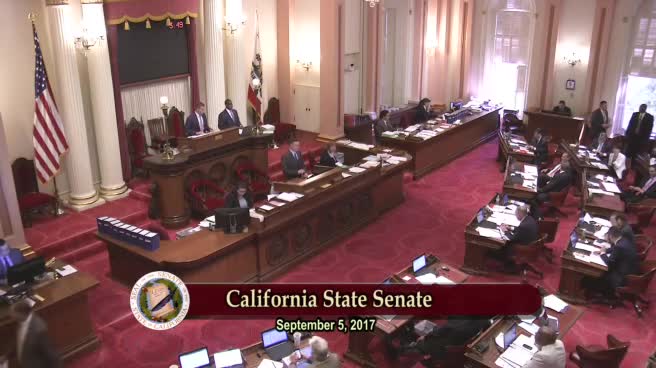 1MIN
Senate Floor
 1MIN
Assembly Floor
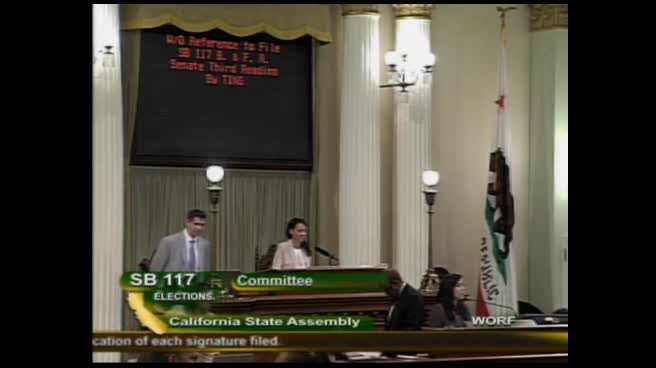 45SEC
Assembly Floor
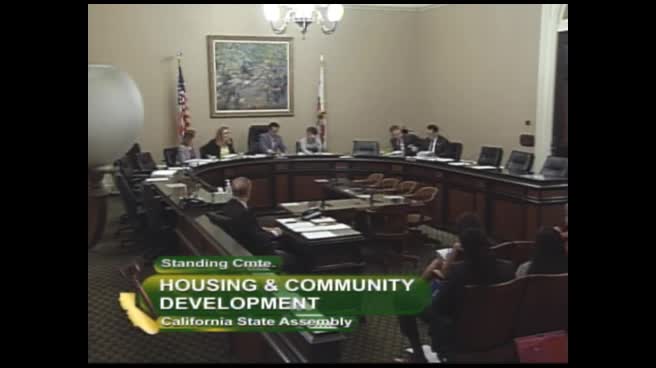 24MIN
Assembly Standing Committee on Housing and Community Development
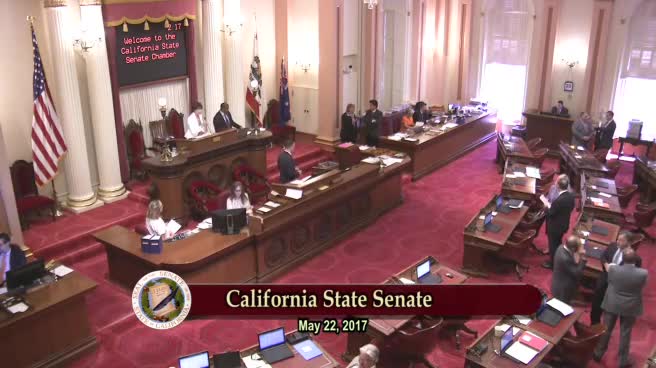 7MIN
Senate Floor
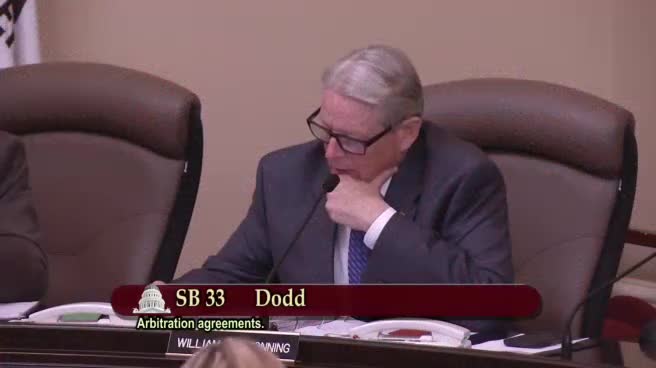 10MIN
Senate Standing Committee on Judiciary
Bill Author

Bill Co-Author(s):