SB 23: Public health: umbilical cord blood collection.
- Session Year: 2017-2018
- House: Senate
- Latest Version Date: 2017-04-17
Existing law requests the University of California to establish and administer the Umbilical Cord Blood Collection Program, until January 1, 2018, for the purpose of collecting units of umbilical cord blood for public use, as defined, in transplantation and providing nonclinical units for specified research.
This bill would extend the provisions of the program until January 1, 2025.
Until January 1, 2018, existing law requires an applicant to pay an $18 fee for a certified copy of a birth certificate, except as specified. Existing law requires $2 of the $18 fee to be paid to the Umbilical Cord Blood Collection Program Fund. Moneys in the fund are available, upon appropriation by the Legislature, for purposes of the Umbilical Cord Blood Collection Program.
This bill would, until January 1, 2025, instead require the collection of a $19 fee for a certified copy of a birth certificate. The bill would also, until January 1, 2025, require $3 of that $19 fee to be paid to the Umbilical Cord Blood Collection Program Fund. The bill would make conforming changes to related provisions.
This bill would declare that it is to take effect immediately as an urgency statute.
(a)(1)The University of California is requested to continue administering the Umbilical Cord Blood Collection Program for the purpose of collecting units of umbilical cord blood for public use in transplantation and providing nonclinical units for research pertaining to biology and new clinical utilization of stem cells derived from the blood and tissue of the placenta and umbilical cord. The program shall conclude no later than January 1, 2025.
(2)For purposes of this article, public use means both of the following:
(A)The collection of umbilical cord blood units from genetically diverse donors that will be owned by the University of California. This inventory shall be accessible by the National Registry and by qualified California-based and other United States and international registries and transplant centers to increase the likelihood of providing suitably matched donor cord blood units to patients or research participants who are in need of a transplant.
(B)Cord blood units with a lower number of cells than deemed necessary for clinical transplantation and units that meet clinical requirements, but for other reasons are unsuitable, unlikely to be transplanted, or otherwise unnecessary for clinical use, may be made available for research.
(b)(1)In order to implement the collection goals of this program, the University of California may, commensurate with available funds appropriated to the University of California for this program, contract with one or more selected applicant entities that have demonstrated the competence to collect and ship cord blood units in compliance with federal guidelines and regulations.
(2)It is the intent of the Legislature that, if the University of California contracts with another entity pursuant to this subdivision, the following shall apply:
(A)The University of California may use a competitive process to identify the best proposals submitted by applicant entities to administer the collection and research objectives of the program, to the extent that the University of California chooses not to undertake these activities itself.
(B)In order to qualify for selection under this section to receive, process, cryopreserve, or bank cord blood units, the entity shall, at a minimum, have obtained an investigational new drug (IND) exemption from the FDA or a biologic license from the FDA, as appropriate, to manufacture clinical grade cord blood stem cell units for clinical indications.
(C)In order to qualify to receive appropriate cord blood units and placental tissue to advance the research goals of this program, an entity shall, at a minimum, be a laboratory recognized as having performed peer-reviewed research on stem and progenitor cells, including those derived from placental or umbilical cord blood and postnatal tissue.
(3)A medical provider or research facility shall comply with, and shall be subject to, existing penalties for violations of all applicable state and federal laws with respect to the protection of any medical information, as defined in Section 56.05 of the Civil Code, and any personally identifiable information contained in the umbilical cord blood inventory.
(c)The University of California is encouraged to make every effort to avoid duplication or conflicts with existing and ongoing programs and to leverage existing resources.
(d)(1)All information collected pursuant to the program shall be confidential, and shall be used solely for the purposes of the program, including research. Access to confidential information shall be limited to authorized persons who are bound by appropriate institutional policies or who otherwise agree, in writing, to maintain the confidentiality of that information.
(2)Any person who, in violation of applicable institutional policies or a written agreement to maintain confidentiality, discloses any information provided pursuant to this section, or who uses information provided pursuant to this section in a manner other than as approved pursuant to this section, may be denied further access to any confidential information maintained by the University of California, and shall be subject to a civil penalty not exceeding one thousand dollars ($1,000). The penalty provided for in this section shall not be construed to limit or otherwise restrict any remedy, provisional or otherwise, provided by law for the benefit of the University of California or any other person covered by this section.
(3)Notwithstanding the restrictions of this section, an individual to whom the confidential information pertains shall have access to his or her own personal information.
(e)It is the intent of the Legislature that the plan and implementation of the program provide for both of the following:
(1)Limit fees for access to cord blood units to the reasonable and actual costs of storage, handling, and providing units, as well as for related services such as donor matching and testing of cord blood and other programs and services typically provided by cord blood banks and public use programs.
(2)The submittal of the plan developed pursuant to subdivision (a) to the health and fiscal committees of the Legislature.
(f)It is additionally the intent of the Legislature that the plan and implementation of the program attempt to provide for all of the following:
(1)Development of a strategy to increase voluntary participation by hospitals in the collection and storage of umbilical cord blood and identify funding sources to offset the financial impact on hospitals.
(2)Consideration of a medical contingency response program to prepare for and respond effectively to biological, chemical, or radiological attacks, accidents, and other public health emergencies where victims potentially benefit from treatment.
(3)Exploration of the feasibility of operating the program as a self-funding program, including the potential for charging users a reimbursement fee.
SEC. 2.Section 1630 of the Health and Safety Code is amended to read:1630.This article shall remain in effect only until January 1, 2025, and as of that date is repealed, unless a later enacted statute, that is enacted before January 1, 2025, deletes or extends that date.
SEC. 3.Section 102247 of the Health and Safety Code, as amended by Section 169 of Chapter 296 of the Statutes of 2011, is amended to read:102247.(a)There is hereby created in the State Treasury the Health Statistics Special Fund. The fund shall consist of revenues, including, but not limited to, all of the following:
(1)Fees or charges remitted to the State Registrar for record search or issuance of certificates, permits, registrations, or other documents pursuant to Chapter 3 (commencing with Section 26801) of Part 3 of Division 2 of Title 3 of the Government Code, and Chapter 4 (commencing with Section 102525), Chapter 5 (commencing with Section 102625), Chapter 8 (commencing with Section 103050), and Chapter 15 (commencing with Section 103600) of Part 1 of Division 102 of this code.
(2)Funds remitted to the State Registrar by the federal Social Security Administration for participation in the enumeration at birth program.
(3)Funds remitted to the State Registrar by the National Center for Health Statistics pursuant to the federal Vital Statistics Cooperative Program.
(4)Any other funds collected by the State Registrar, except Childrens Trust Fund fees collected pursuant to Section 18966 of the Welfare and Institutions Code, Umbilical Cord Blood Collection Program Fund fees collected pursuant to Section 103625, 103625 of this code, and fees allocated to the Judicial Council pursuant to Section 1852 of the Family Code, all of which shall be deposited into the General Fund.
(b)Moneys in the Health Statistics Special Fund shall be expended by the State Registrar for the purpose of funding its existing programs and programs that may become necessary to carry out its mission, upon appropriation by the Legislature.
(c)Health Statistics Special Fund moneys shall be expended only for the purposes set forth in this section and Section 102249, and shall not be expended for any other purpose or for any other state program.
(d)It is the intent of the Legislature that the Health Statistics Special Fund provide for the following:
(1)Registration and preservation of vital event records and dissemination of vital event information to the public.
(2)Data analysis of vital statistics for population projections, health trends and patterns, epidemiologic research, and development of information to support new health policies.
(3)Development of uniform health data systems that are integrated, accessible, and useful in the collection of information on health status.
(e)This section shall remain in effect only until January 1, 2025, and as of that date is repealed, unless a later enacted statute, that is enacted before January 1, 2025, deletes or extends that date.
SEC. 4.Section 102247 of the Health and Safety Code, as amended by Section 170 of Chapter 296 of the Statutes of 2011, is amended to read:102247.(a)There is hereby created in the State Treasury the Health Statistics Special Fund. The fund shall consist of revenues, including, but not limited to, all of the following:
(1)Fees or charges remitted to the State Registrar for record search or issuance of certificates, permits, registrations, or other documents pursuant to Chapter 3 (commencing with Section 26801) of Part 3 of Division 2 of Title 3 of the Government Code, and Chapter 4 (commencing with Section 102525), Chapter 5 (commencing with Section 102625), Chapter 8 (commencing with Section 103050), and Chapter 15 (commencing with Section 103600) of Part 1 of Division 102 of this code.
(2)Funds remitted to the State Registrar by the federal Social Security Administration for participation in the enumeration at birth program.
(3)Funds remitted to the State Registrar by the National Center for Health Statistics pursuant to the federal Vital Statistics Cooperative Program.
(4)Any other funds collected by the State Registrar, except Childrens Trust Fund fees collected pursuant to Section 18966 of the Welfare and Institutions Code and fees allocated to the Judicial Council pursuant to Section 1852 of the Family Code, all of which shall be deposited into the General Fund.
(b)Moneys in the Health Statistics Special Fund shall be expended by the State Registrar for the purpose of funding its existing programs and programs that may become necessary to carry out its mission, upon appropriation by the Legislature.
(c)Health Statistics Special Fund moneys shall be expended only for the purposes set forth in this section and Section 102249, and shall not be expended for any other purpose or for any other state program.
(d)It is the intent of the Legislature that the Health Statistics Special Fund provide for the following:
(1)Registration and preservation of vital event records and dissemination of vital event information to the public.
(2)Data analysis of vital statistics for population projections, health trends and patterns, epidemiologic research, and development of information to support new health policies.
(3)Development of uniform health data systems that are integrated, accessible, and useful in the collection of information on health status.
(e)This section shall become operative on January 1, 2025.
SEC. 5.Section 103605 of the Health and Safety Code, as amended by Section 171 of Chapter 296 of the Statutes of 2011, is amended to read:103605.(a)The moneys collected by the State Registrar shall be deposited with the Treasurer for credit to the Health Statistics Special Fund, except for the Childrens Trust Fund fees collected pursuant to Section 18966 of the Welfare and Institutions Code, the Umbilical Cord Blood Collection Program Fund fees collected pursuant to Section 103625, 103625 of this code, and the fees allocated to the Judicial Council pursuant to Section 1852 of the Family Code, all of which shall be deposited in the General Fund.
(b)This section shall remain in effect only until January 1, 2025, and as of that date is repealed, unless a later enacted statute, that is enacted before January 1, 2025, deletes or extends that date.
SEC. 6.Section 103605 of the Health and Safety Code, as amended by Section 172 of Chapter 296 of the Statutes of 2011, is amended to read:103605.(a)The moneys collected by the State Registrar shall be deposited with the Treasurer for credit to the Health Statistics Special Fund, except for the Childrens Trust Fund fees collected pursuant to Section 18966 of the Welfare and Institutions Code and the fees allocated to the Judicial Council pursuant to Section 1852 of the Family Code, all of which shall be deposited in the General Fund.
(b)This section shall become operative on January 1, 2025.
SEC. 7.Section 103625 of the Health and Safety Code, as amended by Section 5 of Chapter 402 of the Statutes of 2011, is amended to read:103625.(a)A fee of twelve dollars ($12) shall be paid by the applicant for a certified copy of a fetal death or death record.
(b)(1)A fee of twelve dollars ($12) shall be paid by a public agency or licensed private adoption agency applicant for a certified copy of a birth certificate that the agency is required to obtain in the ordinary course of business. A fee of nineteen dollars ($19) shall be paid by any other applicant for a certified copy of a birth certificate. Four dollars ($4) of any nineteen-dollar ($19) fee is exempt from subdivision (e) and shall be paid either to a county childrens trust fund or to the State Childrens Trust Fund, in conformity with Article 5 (commencing with Section 18965) of Chapter 11 of Part 6 of Division 9 of the Welfare and Institutions Code. Three dollars ($3) of any nineteen-dollar ($19) fee is exempt from subdivision (e) and shall be paid to the Umbilical Cord Blood Collection Program Fund in conformity with Section 1628.
(2)The board of supervisors of any county that has established a county childrens trust fund may increase the fee for a certified copy of a birth certificate by up to three dollars ($3) for deposit in the county childrens trust fund in conformity with Article 5 (commencing with Section 18965) of Chapter 11 of Part 6 of Division 9 of the Welfare and Institutions Code.
(c)A fee of three dollars ($3) shall be paid by a public agency applicant for a certified copy of a marriage record, that has been filed with the county recorder or county clerk, that the agency is required to obtain in the ordinary course of business. A fee of six dollars ($6) shall be paid by any other applicant for a certified copy of a marriage record that has been filed with the county recorder or county clerk. Three dollars ($3) of any six-dollar ($6) fee is exempt from subdivision (e) and shall be transmitted monthly by each local registrar, county recorder, and county clerk to the state for deposit into the General Fund as provided by Section 1852 of the Family Code.
(d)A fee of three dollars ($3) shall be paid by a public agency applicant for a certified copy of a marriage dissolution record obtained from the State Registrar that the agency is required to obtain in the ordinary course of business. A fee of six dollars ($6) shall be paid by any other applicant for a certified copy of a marriage dissolution record obtained from the State Registrar.
(e)Each local registrar, county recorder, or county clerk collecting a fee pursuant to subdivisions (a) to (d), inclusive, shall do the following:
(1)Transmit 15 percent of the fee for each certified copy to the State Registrar by the 10th day of the month following the month in which the fee was received.
(2)Retain 85 percent of the fee for each certified copy solely to support the issuing agency for all activities related to the issuance of certified copies of records pursuant to subdivisions (a) to (d), inclusive.
(f)In addition to the fees prescribed pursuant to subdivisions (a) to (d), inclusive, all applicants for certified copies of the records described in those subdivisions shall pay an additional fee of three dollars ($3), that shall be collected by the State Registrar, the local registrar, county recorder, or county clerk, as the case may be.
(g)The local public official charged with the collection of the additional fee established pursuant to subdivision (f) may create a local vital and health statistics trust fund. The fees collected by local public officials pursuant to subdivision (f) shall be distributed as follows:
(1)Forty-five percent of the fee collected pursuant to subdivision (f) shall be transmitted to the State Registrar.
(2)The remainder of the fee collected pursuant to subdivision (f) shall be deposited into the collecting agencys vital and health statistics trust fund, except that in any jurisdiction in which a local vital and health statistics trust fund has not been established, the entire amount of the fee collected pursuant to subdivision (f) shall be transmitted to the State Registrar.
(3)Moneys transmitted to the State Registrar pursuant to this subdivision shall be deposited in accordance with Section 102247.
(h)Moneys in each local vital and health statistics trust fund shall be available to the local official charged with the collection of fees pursuant to subdivision (f) for the applicable jurisdiction for the purpose of defraying the administrative costs of collecting and reporting with respect to those fees and for other costs as follows:
(1)Modernization of vital record operations, including improvement, automation, and technical support of vital record systems.
(2)Improvement in the collection and analysis of health-related birth and death certificate information, and other community health data collection and analysis, as appropriate.
(i)Funds collected pursuant to subdivision (f) shall not be used to supplant funding in existence on January 1, 2002, that is necessary for the daily operation of vital record systems. It is the intent of the Legislature that funds collected pursuant to subdivision (f) be used to enhance service to the public, to improve analytical capabilities of state and local health authorities in addressing the health needs of newborn children and maternal health problems, and to analyze the health status of the general population.
(j)Each county shall annually submit a report to the State Registrar by March 1 containing information on the amount of revenues collected pursuant to subdivision (f) in the previous calendar year and on how the revenues were expended and for what purpose.
(k)Each local registrar, county recorder, or county clerk collecting the fee pursuant to subdivision (f) shall transmit 45 percent of the fee for each certified copy to which subdivision (f) applies to the State Registrar by the 10th day of the month following the month in which the fee was received.
(l)The nine dollar ($9) increase to the base fee authorized in subdivision (a) for a certified copy of a fetal death record or death record and subdivision (b) for a certified copy of a birth certificate shall be applied incrementally as follows:
(1)A five dollar ($5) increase applied as of January 1, 2012.
(2)An additional two dollar ($2) increase applied as of January 1, 2013.
(3)An additional two dollar ($2) increase applied as of January 1, 2014.
(m)In providing for the expiration of the surcharge on birth certificate fees on June 30, 1999, the Legislature intends that juvenile dependency mediation programs pursue ancillary funding sources after that date.
(n)This section shall remain in effect only until January 1, 2025, and as of that date is repealed, unless a later enacted statute, that is enacted before January 1, 2025, deletes or extends that date.
SEC. 8.Section 103625 of the Health and Safety Code, as amended by Section 6 of Chapter 402 of the Statutes of 2011, is amended to read:103625.(a)A fee of twelve dollars ($12) shall be paid by the applicant for a certified copy of a fetal death or death record.
(b)(1)A fee of twelve dollars ($12) shall be paid by a public agency or licensed private adoption agency applicant for a certified copy of a birth certificate that the agency is required to obtain in the ordinary course of business. A fee of sixteen dollars ($16) shall be paid by any other applicant for a certified copy of a birth certificate. Four dollars ($4) of any sixteen-dollar ($16) fee is exempt from subdivision (e) and shall be paid either to a county childrens trust fund or to the State Childrens Trust Fund, in conformity with Article 5 (commencing with Section 18965) of Chapter 11 of Part 6 of Division 9 of the Welfare and Institutions Code.
(2)The board of supervisors of any county that has established a county childrens trust fund may increase the fee for a certified copy of a birth certificate by up to three dollars ($3) for deposit in the county childrens trust fund in conformity with Article 5 (commencing with Section 18965) of Chapter 11 of Part 6 of Division 9 of the Welfare and Institutions Code.
(c)A fee of three dollars ($3) shall be paid by a public agency applicant for a certified copy of a marriage record, that has been filed with the county recorder or county clerk, that the agency is required to obtain in the ordinary course of business. A fee of six dollars ($6) shall be paid by any other applicant for a certified copy of a marriage record that has been filed with the county recorder or county clerk. Three dollars ($3) of any six-dollar ($6) fee is exempt from subdivision (e) and shall be transmitted monthly by each local registrar, county recorder, and county clerk to the state for deposit into the General Fund as provided by Section 1852 of the Family Code.
(d)A fee of three dollars ($3) shall be paid by a public agency applicant for a certified copy of a marriage dissolution record obtained from the State Registrar that the agency is required to obtain in the ordinary course of business. A fee of six dollars ($6) shall be paid by any other applicant for a certified copy of a marriage dissolution record obtained from the State Registrar.
(e)Each local registrar, county recorder, or county clerk collecting a fee pursuant to subdivisions (a) to (d), inclusive, shall do the following:
(1)Transmit 15 percent of the fee for each certified copy to the State Registrar by the 10th day of the month following the month in which the fee was received.
(2)Retain 85 percent of the fee for each certified copy solely to support the issuing agency for all activities related to the issuance of certified copies of records pursuant to subdivisions (a) to (d), inclusive.
(f)In addition to the fees prescribed pursuant to subdivisions (a) to (d), inclusive, all applicants for certified copies of the records described in those subdivisions shall pay an additional fee of three dollars ($3), that shall be collected by the State Registrar, the local registrar, county recorder, or county clerk, as the case may be.
(g)The local public official charged with the collection of the additional fee established pursuant to subdivision (f) may create a local vital and health statistics trust fund. The fees collected by local public officials pursuant to subdivision (f) shall be distributed as follows:
(1)Forty-five percent of the fee collected pursuant to subdivision (f) shall be transmitted to the State Registrar.
(2)The remainder of the fee collected pursuant to subdivision (f) shall be deposited into the collecting agencys vital and health statistics trust fund, except that in any jurisdiction in which a local vital and health statistics trust fund has not been established, the entire amount of the fee collected pursuant to subdivision (f) shall be transmitted to the State Registrar.
(3)Moneys transmitted to the State Registrar pursuant to this subdivision shall be deposited in accordance with Section 102247.
(h)Moneys in each local vital and health statistics trust fund shall be available to the local official charged with the collection of fees pursuant to subdivision (f) for the applicable jurisdiction for the purpose of defraying the administrative costs of collecting and reporting with respect to those fees and for other costs as follows:
(1)Modernization of vital record operations, including improvement, automation, and technical support of vital record systems.
(2)Improvement in the collection and analysis of health-related birth and death certificate information, and other community health data collection and analysis, as appropriate.
(i)Funds collected pursuant to subdivision (f) shall not be used to supplant funding in existence on January 1, 2002, that is necessary for the daily operation of vital record systems. It is the intent of the Legislature that funds collected pursuant to subdivision (f) be used to enhance service to the public, to improve analytical capabilities of state and local health authorities in addressing the health needs of newborn children and maternal health problems, and to analyze the health status of the general population.
(j)Each county shall annually submit a report to the State Registrar by March 1 containing information on the amount of revenues collected pursuant to subdivision (f) in the previous calendar year and on how the revenues were expended and for what purpose.
(k)Each local registrar, county recorder, or county clerk collecting the fee pursuant to subdivision (f) shall transmit 45 percent of the fee for each certified copy to which subdivision (f) applies to the State Registrar by the 10th day of the month following the month in which the fee was received.
(l)In providing for the expiration of the surcharge on birth certificate fees on June 30, 1999, the Legislature intends that juvenile dependency mediation programs pursue ancillary funding sources after that date.
(m)This section shall become operative on January 1, 2025.
SEC. 9.This act is an urgency statute necessary for the immediate preservation of the public peace, health, or safety within the meaning of Article IV of the Constitution and shall go into immediate effect. The facts constituting the necessity are:
In order to continue funding efforts aimed at curing disorders and diseases at the earliest possible time, it is necessary that this act take effect immediately.
(a)(1)On or before July 1, 2011, the The University of California is requested to develop a plan to establish and administer continue administering the Umbilical Cord Blood Collection Program for the purpose of collecting units of umbilical cord blood for public use in transplantation and providing nonclinical units for research pertaining to biology and new clinical utilization of stem cells derived from the blood and tissue of the placenta and umbilical cord. The program shall conclude no later than January 1, 2018. 2025.
(2)For purposes of this article, public use means both of the following:
(A)The collection of umbilical cord blood units from genetically diverse donors that will be owned by the University of California. This inventory shall be accessible by the National Registry and by qualified California-based and other United States and international registries and transplant centers to increase the likelihood of providing suitably matched donor cord blood units to patients or research participants who are in need of a transplant.
(B)Cord blood units with a lower number of cells than deemed necessary for clinical transplantation and units that meet clinical requirements, but for other reasons are unsuitable, unlikely to be transplanted, or otherwise unnecessary for clinical use, may be made available for research.
(b)(1)In order to implement the collection goals of this program, the University of California may, commensurate with available funds appropriated to the University of California for this program, contract with one or more selected applicant entities that have demonstrated the competence to collect and ship cord blood units in compliance with federal guidelines and regulations.
(2)It is the intent of the Legislature that, if the University of California contracts with another entity pursuant to this subdivision, the following shall apply:
(A)The University of California may use a competitive process to identify the best proposals submitted by applicant entities to administer the collection and research objectives of the program, to the extent that the University of California chooses not to undertake these activities itself.
(B)In order to qualify for selection under this section to receive, process, cryopreserve, or bank cord blood units, the entity shall, at a minimum, have obtained an investigational new drug (IND) exemption from the FDA or a biologic license from the FDA, as appropriate, to manufacture clinical grade cord blood stem cell units for clinical indications.
(C)In order to qualify to receive appropriate cord blood units and placental tissue to advance the research goals of this program, an entity shall, at a minimum, be a laboratory recognized as having performed peer-reviewed research on stem and progenitor cells, including those derived from placental or umbilical cord blood and postnatal tissue.
(3)A medical provider or research facility shall comply with, and shall be subject to, existing penalties for violations of all applicable state and federal laws with respect to the protection of any medical information, as defined in Section 56.05 of the Civil Code, and any personally identifiable information contained in the umbilical cord blood inventory.
(c)The University of California is encouraged to make every effort to avoid duplication or conflicts with existing and ongoing programs and to leverage existing resources.
(d)(1)All information collected pursuant to the program shall be confidential, and shall be used solely for the purposes of the program, including research. Access to confidential information shall be limited to authorized persons who are bound by appropriate institutional policies or who otherwise agree, in writing, to maintain the confidentiality of that information.
(2)Any person who, in violation of applicable institutional policies or a written agreement to maintain confidentiality, discloses any information provided pursuant to this section, or who uses information provided pursuant to this section in a manner other than as approved pursuant to this section, may be denied further access to any confidential information maintained by the University of California, and shall be subject to a civil penalty not exceeding one thousand dollars ($1,000). The penalty provided for in this section shall not be construed to limit or otherwise restrict any remedy, provisional or otherwise, provided by law for the benefit of the University of California or any other person covered by this section.
(3)Notwithstanding the restrictions of this section, an individual to whom the confidential information pertains shall have access to his or her own personal information.
(e)It is the intent of the Legislature that the plan and implementation of the program provide for both of the following:
(1)Limit fees for access to cord blood units to the reasonable and actual costs of storage, handling, and providing units, as well as for related services such as donor matching and testing of cord blood and other programs and services typically provided by cord blood banks and public use programs.
(2)The submittal of the plan developed pursuant to subdivision (a) to the health and fiscal committees of the Legislature.
(f)It is additionally the intent of the Legislature that the plan and implementation of the program attempt to provide for all of the following:
(1)Development of a strategy to increase voluntary participation by hospitals in the collection and storage of umbilical cord blood and identify funding sources to offset the financial impact on hospitals.
(2)Consideration of a medical contingency response program to prepare for and respond effectively to biological, chemical, or radiological attacks, accidents, and other public health emergencies where victims potentially benefit from treatment.
(3)Exploration of the feasibility of operating the program as a self-funding program, including the potential for charging users a reimbursement fee.
SEC. 2.Section 1630 of the Health and Safety Code is amended to read:1630.This article shall remain in effect only until January 1, 2018, 2025, and as of that date is repealed, unless a later enacted statute, that is enacted before January 1, 2018, 2025, deletes or extends that date.
SEC. 3.Section 102247 of the Health and Safety Code, as amended by Section 169 of Chapter 296 of the Statutes of 2011, is amended to read:102247.(a)There is hereby created in the State Treasury the Health Statistics Special Fund. The fund shall consist of revenues, including, but not limited to, all of the following:
(1)Fees or charges remitted to the State Registrar for record search or issuance of certificates, permits, registrations, or other documents pursuant to Chapter 3 (commencing with Section 26801) of Part 3 of Division 2 of Title 3 of the Government Code, and Chapter 4 (commencing with Section 102525), Chapter 5 (commencing with Section 102625), Chapter 8 (commencing with Section 103050), and Chapter 15 (commencing with Section 103600) of Part 1 of Division 102 of this code.
(2)Funds remitted to the State Registrar by the federal Social Security Administration for participation in the enumeration at birth program.
(3)Funds remitted to the State Registrar by the National Center for Health Statistics pursuant to the federal Vital Statistics Cooperative Program.
(4)Any other funds collected by the State Registrar, except Childrens Trust Fund fees collected pursuant to Section 18966 of the Welfare and Institutions Code, Umbilical Cord Blood Collection Program Fund fees collected pursuant to Section 103625, and fees allocated to the Judicial Council pursuant to Section 1852 of the Family Code, all of which shall be deposited into the General Fund.
(b)Moneys in the Health Statistics Special Fund shall be expended by the State Registrar for the purpose of funding its existing programs and programs that may become necessary to carry out its mission, upon appropriation by the Legislature.
(c)Health Statistics Special Fund moneys shall be expended only for the purposes set forth in this section and Section 102249, and shall not be expended for any other purpose or for any other state program.
(d)It is the intent of the Legislature that the Health Statistics Special Fund provide for the following:
(1)Registration and preservation of vital event records and dissemination of vital event information to the public.
(2)Data analysis of vital statistics for population projections, health trends and patterns, epidemiologic research, and development of information to support new health policies.
(3)Development of uniform health data systems that are integrated, accessible, and useful in the collection of information on health status.
(e)This section shall remain in effect only until January 1, 2018, 2025, and as of that date is repealed, unless a later enacted statute, that is enacted before January 1, 2018, 2025, deletes or extends that date.
SEC. 4.Section 102247 of the Health and Safety Code, as amended by Section 170 of Chapter 296 of the Statutes of 2011, is amended to read:102247.(a)There is hereby created in the State Treasury the Health Statistics Special Fund. The fund shall consist of revenues, including, but not limited to, all of the following:
(1)Fees or charges remitted to the State Registrar for record search or issuance of certificates, permits, registrations, or other documents pursuant to Chapter 3 (commencing with Section 26801) of Part 3 of Division 2 of Title 3 of the Government Code, and Chapter 4 (commencing with Section 102525), Chapter 5 (commencing with Section 102625), Chapter 8 (commencing with Section 103050), and Chapter 15 (commencing with Section 103600) of Part 1 of Division 102 of this code.
(2)Funds remitted to the State Registrar by the federal Social Security Administration for participation in the enumeration at birth program.
(3)Funds remitted to the State Registrar by the National Center for Health Statistics pursuant to the federal Vital Statistics Cooperative Program.
(4)Any other funds collected by the State Registrar, except Childrens Trust Fund fees collected pursuant to Section 18966 of the Welfare and Institutions Code and fees allocated to the Judicial Council pursuant to Section 1852 of the Family Code, all of which shall be deposited into the General Fund.
(b)Moneys in the Health Statistics Special Fund shall be expended by the State Registrar for the purpose of funding its existing programs and programs that may become necessary to carry out its mission, upon appropriation by the Legislature.
(c)Health Statistics Special Fund moneys shall be expended only for the purposes set forth in this section and Section 102249, and shall not be expended for any other purpose or for any other state program.
(d)It is the intent of the Legislature that the Health Statistics Special Fund provide for the following:
(1)Registration and preservation of vital event records and dissemination of vital event information to the public.
(2)Data analysis of vital statistics for population projections, health trends and patterns, epidemiologic research, and development of information to support new health policies.
(3)Development of uniform health data systems that are integrated, accessible, and useful in the collection of information on health status.
(e)This section shall become operative on January 1, 2018. 2025.
SEC. 5.Section 103605 of the Health and Safety Code, as amended by Section 171 of Chapter 296 of the Statutes of 2011, is amended to read:103605.(a)The moneys collected by the State Registrar shall be deposited with the Treasurer for credit to the Health Statistics Special Fund, except for the Childrens Trust Fund fees collected pursuant to Section 18966 of the Welfare and Institutions Code, the Umbilical Cord Blood Collection Program Fund fees collected pursuant to Section 103625, and the fees allocated to the Judicial Council pursuant to Section 1852 of the Family Code, all of which shall be deposited in the General Fund.
(b)This section shall remain in effect only until January 1, 2018, 2025, and as of that date is repealed, unless a later enacted statute, that is enacted before January 1, 2018, 2025, deletes or extends that date.
SEC. 6.Section 103605 of the Health and Safety Code, as amended by Section 172 of Chapter 296 of the Statutes of 2011, is amended to read:103605.(a)The moneys collected by the State Registrar shall be deposited with the Treasurer for credit to the Health Statistics Special Fund, except for the Childrens Trust Fund fees collected pursuant to Section 18966 of the Welfare and Institutions Code and the fees allocated to the Judicial Council pursuant to Section 1852 of the Family Code, all of which shall be deposited in the General Fund.
(b)This section shall become operative on January 1, 2018. 2025.
SEC. 7.Section 103625 of the Health and Safety Code, as amended by Section 5 of Chapter 402 of the Statutes of 2011, is amended to read:103625.(a)A fee of twelve dollars ($12) shall be paid by the applicant for a certified copy of a fetal death or death record.
(b)(1)A fee of twelve dollars ($12) shall be paid by a public agency or licensed private adoption agency applicant for a certified copy of a birth certificate that the agency is required to obtain in the ordinary course of business. A fee of eighteen dollars ($18) nineteen dollars ($19) shall be paid by any other applicant for a certified copy of a birth certificate. Four dollars ($4) of any eighteen-dollar ($18) nineteen-dollar ($19) fee is exempt from subdivision (e) and shall be paid either to a county childrens trust fund or to the State Childrens Trust Fund, in conformity with Article 5 (commencing with Section 18965) of Chapter 11 of Part 6 of Division 9 of the Welfare and Institutions Code. Two dollars ($2) of any eighteen-dollar ($18) Three dollars ($3) of any nineteen-dollar ($19) fee is exempt from subdivision (e) and shall be paid to the Umbilical Cord Blood Collection Program Fund in conformity with Section 1628.
(2)The board of supervisors of any county that has established a county childrens trust fund may increase the fee for a certified copy of a birth certificate by up to three dollars ($3) for deposit in the county childrens trust fund in conformity with Article 5 (commencing with Section 18965) of Chapter 11 of Part 6 of Division 9 of the Welfare and Institutions Code.
(c)A fee of three dollars ($3) shall be paid by a public agency applicant for a certified copy of a marriage record, that has been filed with the county recorder or county clerk, that the agency is required to obtain in the ordinary course of business. A fee of six dollars ($6) shall be paid by any other applicant for a certified copy of a marriage record that has been filed with the county recorder or county clerk. Three dollars ($3) of any six-dollar ($6) fee is exempt from subdivision (e) and shall be transmitted monthly by each local registrar, county recorder, and county clerk to the state for deposit into the General Fund as provided by Section 1852 of the Family Code.
(d)A fee of three dollars ($3) shall be paid by a public agency applicant for a certified copy of a marriage dissolution record obtained from the State Registrar that the agency is required to obtain in the ordinary course of business. A fee of six dollars ($6) shall be paid by any other applicant for a certified copy of a marriage dissolution record obtained from the State Registrar.
(e)Each local registrar, county recorder, or county clerk collecting a fee pursuant to subdivisions (a) to (d), inclusive, shall do the following:
(1)Transmit 15 percent of the fee for each certified copy to the State Registrar by the 10th day of the month following the month in which the fee was received.
(2)Retain 85 percent of the fee for each certified copy solely to support the issuing agency for all activities related to the issuance of certified copies of records pursuant to subdivisions (a) to (d), inclusive.
(f)In addition to the fees prescribed pursuant to subdivisions (a) to (d), inclusive, all applicants for certified copies of the records described in those subdivisions shall pay an additional fee of three dollars ($3), that shall be collected by the State Registrar, the local registrar, county recorder, or county clerk, as the case may be.
(g)The local public official charged with the collection of the additional fee established pursuant to subdivision (f) may create a local vital and health statistics trust fund. The fees collected by local public officials pursuant to subdivision (f) shall be distributed as follows:
(1)Forty-five percent of the fee collected pursuant to subdivision (f) shall be transmitted to the State Registrar.
(2)The remainder of the fee collected pursuant to subdivision (f) shall be deposited into the collecting agencys vital and health statistics trust fund, except that in any jurisdiction in which a local vital and health statistics trust fund has not been established, the entire amount of the fee collected pursuant to subdivision (f) shall be transmitted to the State Registrar.
(3)Moneys transmitted to the State Registrar pursuant to this subdivision shall be deposited in accordance with Section 102247.
(h)Moneys in each local vital and health statistics trust fund shall be available to the local official charged with the collection of fees pursuant to subdivision (f) for the applicable jurisdiction for the purpose of defraying the administrative costs of collecting and reporting with respect to those fees and for other costs as follows:
(1)Modernization of vital record operations, including improvement, automation, and technical support of vital record systems.
(2)Improvement in the collection and analysis of health-related birth and death certificate information, and other community health data collection and analysis, as appropriate.
(i)Funds collected pursuant to subdivision (f) shall not be used to supplant funding in existence on January 1, 2002, that is necessary for the daily operation of vital record systems. It is the intent of the Legislature that funds collected pursuant to subdivision (f) be used to enhance service to the public, to improve analytical capabilities of state and local health authorities in addressing the health needs of newborn children and maternal health problems, and to analyze the health status of the general population.
(j)Each county shall annually submit a report to the State Registrar by March 1 containing information on the amount of revenues collected pursuant to subdivision (f) in the previous calendar year and on how the revenues were expended and for what purpose.
(k)Each local registrar, county recorder, or county clerk collecting the fee pursuant to subdivision (f) shall transmit 45 percent of the fee for each certified copy to which subdivision (f) applies to the State Registrar by the 10th day of the month following the month in which the fee was received.
(l)The nine dollar ($9) increase to the base fee authorized in subdivision (a) for a certified copy of a fetal death record or death record and subdivision (b) for a certified copy of a birth certificate shall be applied incrementally as follows:
(1)A five dollar ($5) increase applied as of January 1, 2012.
(2)An additional two dollar ($2) increase applied as of January 1, 2013.
(3)An additional two dollar ($2) increase applied as of January 1, 2014.
(m)In providing for the expiration of the surcharge on birth certificate fees on June 30, 1999, the Legislature intends that juvenile dependency mediation programs pursue ancillary funding sources after that date.
(n)This section shall remain in effect only until January 1, 2018, 2025, and as of that date is repealed, unless a later enacted statute, that is enacted before January 1, 2018, 2025, deletes or extends that date.
SEC. 8.Section 103625 of the Health and Safety Code, as amended by Section 6 of Chapter 402 of the Statutes of 2011, is amended to read:103625.(a)A fee of twelve dollars ($12) shall be paid by the applicant for a certified copy of a fetal death or death record.
(b)(1)A fee of twelve dollars ($12) shall be paid by a public agency or licensed private adoption agency applicant for a certified copy of a birth certificate that the agency is required to obtain in the ordinary course of business. A fee of sixteen dollars ($16) shall be paid by any other applicant for a certified copy of a birth certificate. Four dollars ($4) of any sixteen-dollar ($16) fee is exempt from subdivision (e) and shall be paid either to a county childrens trust fund or to the State Childrens Trust Fund, in conformity with Article 5 (commencing with Section 18965) of Chapter 11 of Part 6 of Division 9 of the Welfare and Institutions Code.
(2)The board of supervisors of any county that has established a county childrens trust fund may increase the fee for a certified copy of a birth certificate by up to three dollars ($3) for deposit in the county childrens trust fund in conformity with Article 5 (commencing with Section 18965) of Chapter 11 of Part 6 of Division 9 of the Welfare and Institutions Code.
(c)A fee of three dollars ($3) shall be paid by a public agency applicant for a certified copy of a marriage record, that has been filed with the county recorder or county clerk, that the agency is required to obtain in the ordinary course of business. A fee of six dollars ($6) shall be paid by any other applicant for a certified copy of a marriage record that has been filed with the county recorder or county clerk. Three dollars ($3) of any six-dollar ($6) fee is exempt from subdivision (e) and shall be transmitted monthly by each local registrar, county recorder, and county clerk to the state for deposit into the General Fund as provided by Section 1852 of the Family Code.
(d)A fee of three dollars ($3) shall be paid by a public agency applicant for a certified copy of a marriage dissolution record obtained from the State Registrar that the agency is required to obtain in the ordinary course of business. A fee of six dollars ($6) shall be paid by any other applicant for a certified copy of a marriage dissolution record obtained from the State Registrar.
(e)Each local registrar, county recorder, or county clerk collecting a fee pursuant to subdivisions (a) to (d), inclusive, shall do the following:
(1)Transmit 15 percent of the fee for each certified copy to the State Registrar by the 10th day of the month following the month in which the fee was received.
(2)Retain 85 percent of the fee for each certified copy solely to support the issuing agency for all activities related to the issuance of certified copies of records pursuant to subdivisions (a) to (d), inclusive.
(f)In addition to the fees prescribed pursuant to subdivisions (a) to (d), inclusive, all applicants for certified copies of the records described in those subdivisions shall pay an additional fee of three dollars ($3), that shall be collected by the State Registrar, the local registrar, county recorder, or county clerk, as the case may be.
(g)The local public official charged with the collection of the additional fee established pursuant to subdivision (f) may create a local vital and health statistics trust fund. The fees collected by local public officials pursuant to subdivision (f) shall be distributed as follows:
(1)Forty-five percent of the fee collected pursuant to subdivision (f) shall be transmitted to the State Registrar.
(2)The remainder of the fee collected pursuant to subdivision (f) shall be deposited into the collecting agencys vital and health statistics trust fund, except that in any jurisdiction in which a local vital and health statistics trust fund has not been established, the entire amount of the fee collected pursuant to subdivision (f) shall be transmitted to the State Registrar.
(3)Moneys transmitted to the State Registrar pursuant to this subdivision shall be deposited in accordance with Section 102247.
(h)Moneys in each local vital and health statistics trust fund shall be available to the local official charged with the collection of fees pursuant to subdivision (f) for the applicable jurisdiction for the purpose of defraying the administrative costs of collecting and reporting with respect to those fees and for other costs as follows:
(1)Modernization of vital record operations, including improvement, automation, and technical support of vital record systems.
(2)Improvement in the collection and analysis of health-related birth and death certificate information, and other community health data collection and analysis, as appropriate.
(i)Funds collected pursuant to subdivision (f) shall not be used to supplant funding in existence on January 1, 2002, that is necessary for the daily operation of vital record systems. It is the intent of the Legislature that funds collected pursuant to subdivision (f) be used to enhance service to the public, to improve analytical capabilities of state and local health authorities in addressing the health needs of newborn children and maternal health problems, and to analyze the health status of the general population.
(j)Each county shall annually submit a report to the State Registrar by March 1 containing information on the amount of revenues collected pursuant to subdivision (f) in the previous calendar year and on how the revenues were expended and for what purpose.
(k)Each local registrar, county recorder, or county clerk collecting the fee pursuant to subdivision (f) shall transmit 45 percent of the fee for each certified copy to which subdivision (f) applies to the State Registrar by the 10th day of the month following the month in which the fee was received.
(l)In providing for the expiration of the surcharge on birth certificate fees on June 30, 1999, the Legislature intends that juvenile dependency mediation programs pursue ancillary funding sources after that date.
(m)This section shall become operative on January 1, 2018. 2025.
SEC. 9.This act is an urgency statute necessary for the immediate preservation of the public peace, health, or safety within the meaning of Article IV of the Constitution and shall go into immediate effect. The facts constituting the necessity are:
In order to continue funding efforts aimed at curing disorders and diseases at the earliest possible time, it is necessary that this act take effect immediately.
|
Date
|
Status
|
|---|---|
| Feb 1, 2018 | Returned to Secretary of Senate pursuant to Joint Rule 56. |
| May 25, 2017 | May 25 hearing: Held in committee and under submission. |
| May 19, 2017 | Set for hearing May 25. |
| May 1, 2017 | May 1 hearing: Placed on APPR. suspense file. |
| Apr 21, 2017 | Set for hearing May 1. |
| Apr 19, 2017 | From committee: Do pass and re-refer to Com. on APPR. (Ayes 5. Noes 1. Page 744.) (April 19). Re-referred to Com. on APPR. |
| Apr 17, 2017 | From committee with author's amendments. Read second time and amended. Re-referred to Com. on GOV. & F. |
| Apr 5, 2017 | Set for hearing April 19. |
| Mar 30, 2017 | From committee: Do pass and re-refer to Com. on GOV. & F. (Ayes 8. Noes 0. Page 558.) (March 29). Re-referred to Com. on GOV. & F. |
| Mar 14, 2017 | Set for hearing March 29. |
| Jan 12, 2017 | Referred to Coms. on HEALTH and GOV. & F. |
| Dec 6, 2016 | From printer. May be acted upon on or after January 5. |
| Dec 5, 2016 | Introduced. Read first time. To Com. on RLS. for assignment. To print. |
|
Date
|
Description
|
Location
|
Votes
|
|
|---|---|---|---|---|
| May 1, 2017 | Placed on suspense file | Senate Standing Committee on Appropriations |
Passed |
|
| Apr 19, 2017 | Do pass, but first be re-referred to the Committee on [Appropriations] | Senate Standing Committee on Governance and Finance |
Passed |
|
| Mar 29, 2017 | Do pass, but first be re-referred to the Committee on [Governance and Finance] | Senate Standing Committee on Health |
Passed |
This list shows positions taken on this bill by organizations on the date displayed, which is linked to the original source.
Positions by individuals are not included.
|
Organization
|
Position
|
Date
|
|---|---|---|
| American Congress of Obstetricians and Gynecologists | ** Support | Mar 27, 2017 |
| Blood Centers Of California | ** Support | Mar 27, 2017 |
| California Right to Life Committee, Inc. | ** Against | Mar 27, 2017 |
| Infections Disease Association of California | ** Support | Mar 27, 2017 |
| Mixed Marrow | * Support | Mar 29, 2017 |
| University of California | ** Support | Mar 27, 2017 |
SENATE COMMITTEE ON
Senator Ricardo Lara, Chair
2017 - 2018 Regular Session
SB 23 (Portantino) - Public health: umbilical cord blood collection
Version: | Policy Vote: |
Urgency: | Mandate: |
Hearing Date: | Consultant: |
This bill meets the criteria for referral to the Suspense File.
Bill Summary:
SB 23 would extend the sunset of the Umbilical Cord Blood Collection Program, administered by the University of California, until January 1, 2025. The bill would increase the fee for a certified birth certificate by $1, to increase funding for the program.
Fiscal Impact:
Ongoing costs of $4.2 million per year to support the Umbilical Cord Blood Collection Program at the University of California (Umbilical Cord Blood Collection Program Fund). Under current law, the fee for a certified birth certificate includes a $2 fee to support the Program (generating about $2.5 million per year). This bill would increase that by an additional $1, which would generate an additional $1.7 million per year.
Background:
Under current law, the University of California manages the Umbilical Cord Blood Collection Program. Under this Program, the University contracts with eleven hospitals to collect umbilical cord blood and with four blood banks to store the umbilical cord blood and make it available to a national registry to facilitate transplants.
Between 2012 and 2017, the Program added 1,561 units of cord blood to the national registry, of which 28 were used for transplants, including 6 for California residents.
Under current law, county recorders charge fees to individuals seeking official documents, including certified birth certificates. Current law requires county recorders to charge an additional $2 fee for certified birth certificates to fund this Program.
Current law sunsets the operation of the Program and the requirement that county registrars collect the $2 fee that supports the Program on January 1, 2018.
Proposed Law:
SB 23 would extend the sunset of the Umbilical Cord Blood Collection Program, administered by the University of California, until January 1, 2025.
The bill would increase the fee for a certified birth certificate by $1 (to $3), to increase funding for the program.
This bill is an urgency measure.
Related Legislation:
The Governor’s January Budget Proposal includes proposed trailer bill language that would eliminate the sunset date on the operation of the Program.
Staff Comments:
According to the National Marrow Donor Program, umbilical cord blood is used for transplantation into individuals with conditions such as leukemia, certain inherited disorders, and other life-threatening conditions. Umbilical cord blood is particularly useful because it does not require an invasive donation process (such as a bone marrow donation), umbilical cord blood is less likely to result in rejection by the recipient’s immune system, and umbilical cord blood does not require as close a match as bone marrow donations. Therefore, umbilical cord blood has the potential to provide life-saving treatment to patients who might otherwise struggle to find a matching donor.
While there are clinical benefits of the program, the current funding system for the Program is problematic. Under current law, every woman who gives birth in the state (and subsequently receives a certified copy of her child’s birth certificate) is required to pay a fee to support this program. While women have the option as to whether they wish to donate umbilical cord blood after their child’s birth, they do not have the option not to participate in the funding of the program. In fact, women who decline to donate their cord blood to the Program must also pay the fee to support the program.
As noted above, since the inception of this program, a very small number of Californian residents have benefited from it.
-- END --
SENATE COMMITTEE ON GOVERNANCE AND FINANCE
Senator Mike McGuire, Chair
2017 - 2018 Regular
Bill No: | SB 23 | Hearing Date: | 4/19/17 |
Author: | Portantino | Tax Levy: | No |
Version: | 4/17/17 | Fiscal: | Yes |
Consultant: | MacDonald | ||
Public health: umbilical cord blood collection
Extends the Umbilical Cord Blood Collection Program until January 1, 2025 and increases the fee for a certified copy of a birth certificate by $1 to provide funds to implement and expand the Program.
Background
County recorders accept and record documents relating to real property, such as deeds, grants, transfers, and tax liens, as well as other documents and records such as birth certificates, powers of attorney, and marriage licenses. In order to pay for the services provided by a county recorder, a recorder can charge a fee when providing a certified copy of a legal document. State law currently requires county recorders to collect a fee of $18 for a certified copy of a birth certificate, and the fee is used to fund a variety of different programs. Of the $18 fee, $2 is dedicated to fund the Umbilical Cord Blood Collection Program (UCBCP).
The UCBCP was established by AB 34 (Portantino, 2010) and shifted to be administered by the University of California by AB 52 (Portantino, 2010). This program allows mothers giving birth in one of 11 participating hospitals in California to donate their newborn’s umbilical cord blood to be publicly banked and made available for transplants and research purposes. Using current fees for birth certificates, the UCBCP acquires an estimated $1.14 million annually to fund its operations. With an increase of $1 in certified birth certificate fees that would go towards the UCBCP, the program would collect an estimated $1.71 million in additional funds annually. Accordingly, the sponsors would like the Legislature to increase the fee, creating additional funds for the program. The extra funding will expand the program to more hospitals in the state with diverse patients as well as add trained staff to existing locations where donations are currently limited to certain hours.
Proposed Law
Senate Bill 23 extends the UCBCP administered by the UC for the purpose of collecting units of umbilical cord blood for public use until January 1, 2025.
SB 23 increases the fee for birth certificate copies by $1 to a total of $19. For every $19 fee charged, $3 of the fee will be dedicated to the UCBCP Fund.
State Revenue Impact
No estimate.
Comments
1. Purpose of the bill. According to the author, “The Health and Safety Code Section 1627-1630, which established a special fund for the UCBCP in 2010 by way of a $2 fee assessed to the purchase of California birth certificates, is set to conclude January 1, 2018—unless a statute is enacted before then, to delete or extend that date. This legislation was put forth to address the critical need for ethnically diverse umbilical cord blood (found in California) to be collected and made available for underrepresented populations for critical medical use, which includes the treatment of over 80 life-threatening diseases. If this program is extended through legislation, the UCBCP would continue to support existing collection activities and expand the program to include additional hospital collection sites that have diverse birth statistics throughout the state. Through these efforts, UCBCP will be providing a critical medical resource to an underrepresented minority and mixed race population. The UCBCP is a public service investment that also supports teaching/research efforts through the distribution of non-clinical grade umbilical cord blood units to UC-approved researchers and patient care by way of the development and overseeing the procurement of umbilical cord blood that is used for life-saving transplantation.”
2. Governor’s proposal. The Governor’s proposed 2017-18 Budget eliminates the sunset date for UCBCP altogether. The LAO analysis of this proposal recommends that the Legislature consider alternative sources of funding because the service provided by UCBCP appears to largely benefit residents of other states as the umbilical cords are banked and made available nationally. Additionally, it recommends a five year extension, rather than elimination, of the program’s sunset date. The LAO states that as medical technology advances, the demand for cord blood units may decrease. Therefore, an annual UCBCP report that speaks to key data on cord blood units collected, registered, and transplanted, data on collection and storage costs, and evidence of the program’s needs may provide important information to determine the program’s future.
3. Recording Fee. At the local government level, a fee for obtaining a certified copy of a birth certificate is currently $25 in most counties. Some counties are authorized to charge a higher fee of up to $30 to support local programs. While recording fees generally support the work completed by the recorders, SB 23 will increase the fee for a program that is not associated with the recorder’s function, thereby placing the onus of payment on the resident who may never see the benefit of the program the fee is funding.
4. Double-Referred. The Senate Rules Committee has ordered a double-referral of SB 23 --- first heard in Senate Health Committee, which has policy jurisdiction over state laws relating to public health, and then to the Senate Governance and Finance Committee, which has policy jurisdiction over state laws relating to local governments.
5. Urgency. As an urgency statute, SB 23 must be approved by 2/3 vote of each house of the Legislature. Regular legislation takes effect on the January 1 following its passage, but urgency bills take effect as soon as they're passed, signed, and chaptered.
Support and Opposition
(4/14/17)
Support: University of California (sponsor); American Academy of Pediatrics; American Congress of Obstetricians and Gynecologists; Blood Centers of California; California Catholic Conference, Inc.; March of Dimes Foundation.
Opposition: California Right to Life Committee, Inc.; County Recorders’ Association of California.
-- END --
SENATE COMMITTEE ON HEALTH
Senator Ed Hernandez, O.D., Chair
BILL NO: SB 23
AUTHOR: | Portantino | ||
VERSION: | December 5, 2016 | ||
HEARING DATE: | March 29, 2017 | ||
CONSULTANT: | Bao Nguyen | ||
SUBJECT: Public health: umbilical cord blood collection
SUMMARY:
Extends the Umbilical Cord Blood Collection Program (UCBCP), administered by the University of California for the purpose of collecting units of umbilical cord blood for public use, until January 1, 2025. Increases the fee for a certified copy of a birth certificate by $1 to provide funds to implement and expand the UCBCP.
Existing federal law: Establishes a national umbilical cord blood network and authorizes funding to collect and maintain human cord blood stem cells for the treatment of patients and for research. It includes directives for umbilical cord blood donation, education, and advocacy.
Existing law:
- Establishes the UCBCP, administered by the University of California (UC), for the purpose of collecting units of umbilical cord blood for public use as specified.
- Assesses an $18 fee for certified copies of birth certificates and requires $2 of the fee to be paid into the UCBCP for support of the UCBCP.
- Creates cord blood inventory that is accessible by the National Registry and other qualified registries and transplant centers, as specified, for transplantation and research uses.
- Expresses the intent of the Legislature that UC limit fees for access to cord blood units to the reasonable and actual costs of storage, handling, and providing units, as well as for related services, as specified.
- Sunsets the UCBCP and the $2 appropriated for the UCPCP Fund on January 1, 2018.
This bill:
- Extends the UCBCP administered by the UC for the purpose of collecting units of umbilical cord blood for public use until January 1, 2025.
- Increases the fee for birth certificate copies by $1 to a total of $19.
- Increases funds provided to the UCBCP Fund by $1 to a total of $3.
FISCAL EFFECT:
This bill has not been analyzed by a fiscal committee.
COMMENTS:
- Author’s Statement. The Health and Safety Code Section 1627-1630, which established a special fund for the UCBCP in 2010 by way of a $2 fee assessed to the purchase of California birth certificates, is set to conclude January 1, 2018—unless a statute is enacted before then, to delete or extend that date. This legislation was put forth to address the critical need for ethnically diverse umbilical cord blood (found in California) to be collected and made available for underrepresented populations for critical medical use, which includes the treatment of over 80 life-threatening diseases. If this program is extended through legislation, the UCBCP would continue to support existing collection activities and expand the program to include additional hospital collection sites that have diverse birth statistics throughout the state. Through these efforts, UCBCP will be providing a critical medical resource to an underrepresented minority and mixed race population. The UCBCP is a public service investment that also supports teaching/research efforts through the distribution of non-clinical grade umbilical cord blood units to UC-approved researchers and patient care by way of the development and overseeing the procurement of umbilical cord blood that is used for life-saving transplantation.
- Umbilical cord blood. According to U.S. Food and Drug Administration, umbilical cord blood refers to the blood that remains in the umbilical cord and placenta following birth. It is one of three sources of cells used in transplants, along with bone marrow and peripheral blood stem cells. Blood retrieved from the umbilical cord is a rich source of stem cells that can be used to treat various genetic disorders that affect the blood and immune system, leukemia and certain cancers, some inherited disorders of body chemistry, and other life-threatening diseases. Stem cells from umbilical cord blood offer some advantages over those retrieved from bone marrow, including the non-invasive procedure to collect it, a broader range of recipients who may benefit from them, and lower risk of fatal complication due to graft versus host disease. Additionally, one of the main differences between the two sources of stem cells is that umbilical cord blood transplants requires a less perfect match between donor and recipient than bone marrow transplants, thus making it more likely to find a suitable donor, especially among minority populations.
The National Marrow Donor Program (NMDP) estimates that on any given day, more than 6,000 patients around the world are searching the NMDPs registry for a matching bone marrow or umbilical cord blood donor. The NMDP states that since umbilical cord blood is stored, ready to use, and does not require a perfect donor match, it is especially useful for patients who need a transplant quickly, patients who have difficulty finding a matched bone marrow donor, and patients from racially diverse communities who often have uncommon tissue types. According to the Legislative Analyst Office (LAO), in 2016, a total of 237,000 viable cord blood units from 20 banks were listed on the national registry, with an annual average of 800 to 1000 units matched for transplants. The NMDP reports that adding more potential donors and cord blood units to increase the ethnic diversity of the registry in some cases, will increase the variety of tissue types available, helping more patients find the match they need. Adding more potential donors and cord blood units to increase the ethnic diversity of the registry remains an important focus of NMDP.
- UCBCP. The program was established by AB 52 (Portantino, Chapter 629, Statutes of 2010) and allows mothers giving birth in one of 11 participating hospitals in California to donate their newborn’s umbilical cord blood to be publicly banked and made available for transplants and research purposes. The donation is done at no cost to the mother. According to UCBCP, over 1,400 umbilical cord blood units have been added to the public registry since its implementation in 2010, 80% of which are from minority or mixed race donors. These donations have resulted in 27 units being matched for potential transplants and 700 to be used for stem cell research purposes. The LAO reports that six of the matched units were used by Californians. Using current fees for birth certificates, the UCBCP acquires an estimated $1.14 million annually from certified birth certificates to fund its operations. With an increase of $1 in certified birth certificate fees that would go towards the UCBCP, the program would collect an estimated $1.71 million annually. According to the authors, additional funds to the program are expected to be used to expand the operations to more hospitals in the state with diverse patients as well as add trained staff to existing locations where donations are currently only possible during certain hours.
- Ethnically diverse donors. According to NMDP, marrow and cord blood transplants require matching certain tissue traits of the donor and patient. Because these traits are inherited, a patient's most likely match is someone of the same heritage. American Indian, Alaska Native, Asian, African-American, Latino, Native Hawaiian and other Pacific Islander, and multiple-race patients face a greater challenge in finding matched donors or cord blood than white patients. NMDP and other organizations, such as the National Cord Blood Program, have programs to raise awareness and recruit more cord blood donors in underrepresented communities. NMDP estimates that 97% of Caucasians could find an umbilical cord blood match, but only 66% of African Americans could find a match in the current donor pool. The LAO reports that 26% of units collected under UCBCP were from individuals of more than one race, as compared to 10% of such individuals in the national registry.
- Governor’s proposal. The Governor’s proposed 2017-18 Budget eliminates the sunset date for UCBCP altogether. The LAO analysis of this proposal recommends that the Legislature consider alternative sources of funding because the service provided by UCBCP appears to largely benefit residents of other states. Additionally, it recommends a five year extension, rather than elimination, of the program’s sunset date. The LAO states that as medical technology advances, the demand for cord blood units may decrease. Therefore, an annual UCBCP report that speaks to key data on cord blood units collected, registered, and transplanted, data on collection and storage costs, and evidence of the program’s needs may provide important information to determine the program’s future.
- Prior legislation: AB 52 (Portantino, Chapter 529, Statutes of 2010) Requests the University of UC to develop a plan to establish and administer the UCBCP, previously required by the DPH, for the purpose of collecting units of umbilical cord blood for public use, as specified. Increases the fee for birth certificate copies by $2 to provide funds to implement the UCBCP, and requires the UC to implement the plan, contingent on an unspecified amount of funds being available in the UCBCP Fund.
AB 34 (Portantino, Chapter 516, Statutes of 2007) directs the California Department of Public Health (CDPH) to establish the UCBCP by January 1, 2010, and permits the UCBCP, to the extent public or private funds or grants are identified, to contract with blood banks that are licensed and accredited to provide cord blood storage services.
SB 962 (Migden, Chapter 517, Statutes of 2007) requires CDPH to provide umbilical cord blood samples to the Birth Defect Monitoring Program, for storage and research, as specified.
SB 1555 (Speier, Chapter 484, Statutes of 2006) requires blood banks to be licensed in order to provide umbilical cord blood banking storage services, and directs the Department of Health Services (now DPH) to conduct the Umbilical Blood Community Awareness Campaign, contingent upon private funding.
- Arguments in support. Those in support state that UCBCP is California’s first comprehensive public program for addressing the critical need for ethnically diverse umbilical cord blood for lifesaving transplantations and medical research. It collects cord blood, which is rich in blood-forming stem cells that can be used to treat over 80 life-threatening diseases and would otherwise be discarded. Stem cells containing in cord blood can be matched to patients who are in need of bone marrow transplants but might not be able to identify a match. This is particularly common for mixed-race individuals who face acute shortages of appropriate transplant matches. Since its inception, 28 units of cord blood collected under UCBCP have been transplanted, curing patients of serious diseases.
- Arguments in Opposition. The California Right to Life Committee oppose this bill because it questions the large number of donated units and the very few units that have been used for medical cures.
SUPPORT AND OPPOSITION:
Support: American Congress of Obstetricians and Gynecologists
Blood Centers of California
Infections Disease Association of California
University of California
Oppose: California Right to Life Committee, Inc.
-- END --
Discussed in Hearing
 48MIN
Senate Standing Committee on Appropriations
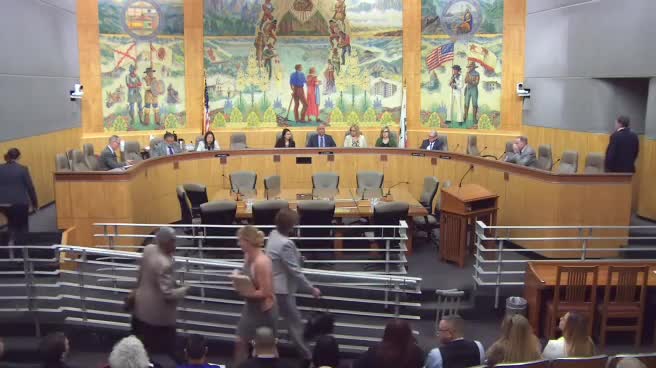 15MIN
Senate Standing Committee on Health


Bill Co-Author(s):