SB 313: Advertising: automatic renewal and continuous service offers.
- Session Year: 2017-2018
- House: Senate
- Latest Version Date: 2017-09-28
Existing law makes it unlawful for a business that makes an automatic renewal offer or continuous service offer to a consumer in this state, among other things, to fail to present the automatic renewal or continuous service offer terms in a clear and conspicuous manner, to charge the consumer for an automatic renewal or continuous service without first obtaining the consumers affirmative consent, and to fail to provide an acknowledgment that includes the automatic renewal or continuous service offer terms, cancellation policy, and information regarding how to cancel in a manner that is capable of being retained by the consumer, as specified. A violation of these provisions is subject to enforcement by any available civil remedies, except for specified activities exempt from these requirements.
This bill would, commencing on July 1, 2018, require a business that makes an automatic renewal offer or continuous service offer that includes a free gift or trial, to include in the offer a clear and conspicuous explanation of the price that will be charged after the trial ends or the manner in which the subscription or purchasing agreement pricing will change upon conclusion of the trial. The bill would prohibit a business from charging a consumers credit or debit card, or the consumers account with a 3rd party, for an automatic renewal or continuous service that is made at a promotional or discounted price for a limited period of time without first obtaining the consumers consent to the agreement. The bill would also specify that if the automatic service offer or continuous service offer includes a free gift or trial, the business is required to disclose how to cancel, and allow the consumer to cancel, the automatic renewal or continuous service before the consumer pays for the goods or services. The bill also would require a consumer who accepts an automatic renewal offer or continuous service offer online to be allowed to terminate the automatic renewal or continuous service exclusively, as specified. The bill would also make other clarifying and nonsubstantive changes.
Existing law makes it unlawful for a business that makes an automatic renewal offer or continuous service offer to a consumer in this state, among other things, to fail to present the automatic renewal or continuous service offer terms in a clear and conspicuous manner, to charge the consumer for an automatic renewal or continuous service without first obtaining the consumers affirmative consent, and to fail to provide an acknowledgment that includes the automatic renewal or continuous service offer terms, cancellation policy, and information regarding how to cancel in a manner that is capable of being retained by the consumer, as specified. A violation of these provisions is subject to enforcement by any available civil remedies, except for specified activities exempt from these requirements.
This bill would, commencing on July 1, 2018, require a business that makes an automatic renewal offer or continuous service offer that includes a free gift or trial, including an introductory or new customer offer, to include in the offer a clear and conspicuous explanation of the price that will be charged after the trial ends or the manner in which the subscription or purchasing agreement pricing will change upon conclusion of the trial. The bill would prohibit a business from charging a consumers credit or debit card, or the consumers account with a 3rd party, for an automatic renewal or continuous service that is made at a promotional or discounted price for a limited period of time without first obtaining the consumers consent to the agreement. The bill would also specify that if the automatic service offer or continuous service offer includes a free gift or trial, the business is required to disclose how to cancel, and allow the consumer to cancel, the automatic renewal or continuous service before the consumer pays for the goods or services. The bill also would require a consumer who accepts an automatic renewal offer or continuous service offer online to be allowed to terminate the automatic renewal or continuous service exclusively, as specified. The bill would also make other clarifying and nonsubstantive changes.
Existing law makes it unlawful for a business that makes an automatic renewal offer or continuous service offer to a consumer in this state, among other things, to fail to present the automatic renewal or continuous service offer terms in a clear and conspicuous manner, to charge the consumer for an automatic renewal or continuous service without first obtaining the consumers affirmative consent, and to fail to provide an acknowledgment that includes the automatic renewal or continuous service offer terms, cancellation policy, and information regarding how to cancel in a manner that is capable of being retained by the consumer, as specified. A violation of these provisions is subject to enforcement by any available civil remedies, except for specified activities exempt from these requirements.
This bill would would, commencing on July 1, 2018, require a business that makes an automatic renewal offer or continuous service offer that includes a free gift or trial, including an introductory or new customer offer, or a free gift or trial, to receive a consumers explicit opt-in authorization for the automatic renewal or continuous service in a standalone form and would prohibit any form of agreement or consent to accept the introductory or new customer offer, or the free gift or trial, from being included in the explicit opt-in authorization form. to include in the offer a clear and conspicuous explanation of the price that will be charged after the trial ends or the manner in which the subscription or purchasing agreement pricing will change upon conclusion of the trial. The bill would prohibit a business from charging a consumers credit or debit card, or the consumers account with a 3rd party, for an automatic renewal or continuous service that is made at a promotional or discounted price for a limited period of time without first obtaining the consumers consent to the agreement. The bill would also specify that if the automatic service offer or continuous service offer includes a free gift or trial, the business is required to disclose how to cancel, and allow the consumer to cancel, the automatic renewal or continuous service before the consumer pays for the goods or services. The bill would also require a business to provide a consumer who has accepted an automatic renewal offer or continuous service offer as part of accepting an introductory or new customer offer, or a free gift or trial, 3 to 7 days notice before the first charge to the consumers credit or debit card, or the consumers account with a 3rd party, is made. The bill also would require a consumer who accepts an automatic renewal offer or continuous service offer online to be allowed to terminate the contract online. automatic renewal or continuous service exclusively, as specified. The bill would also make other clarifying and nonsubstantive changes.
Existing law makes it unlawful for a business that makes an automatic renewal offer or continuous service offer to a consumer in this state, among other things, to fail to present the automatic renewal or continuous service offer terms in a clear and conspicuous manner, to charge the consumer for an automatic renewal or continuous service without first obtaining the consumers affirmative consent, and to fail to provide an acknowledgment that includes the automatic renewal or continuous service offer terms, cancellation policy, and information regarding how to cancel in a manner that is capable of being retained by the consumer, as specified. A violation of these provisions is subject to enforcement by any available civil remedies, except for specified activities exempt from these requirements.
This bill would require a business that makes an automatic renewal offer or continuous service offer that includes an introductory or new customer offer, or a free gift or trial, to receive a consumers explicit opt-in authorization for the automatic renewal or continuous service separate from the consumers agreement to accept the introductory or new customer offer, or the free gift or trial. in a standalone form and would prohibit any form of agreement or consent to accept the introductory or new customer offer, or the free gift or trial, from being included in the explicit opt-in authorization form. The bill would prohibit a business from charging a consumers credit or debit card, or the consumers account with a 3rd party, for an automatic renewal or continuous service that is made at a promotional or discounted price for a limited period of time without first obtaining the consumers consent to the agreement. The bill would also specify that if the automatic service offer or continuous service offer includes a free gift or trial, the business is required to disclose how to cancel, and allow the consumer to cancel, the automatic renewal or continuous service before the consumer pays for the goods or services. The bill would also require a business to provide a consumer who has accepted an automatic renewal offer or continuous service offer as part of accepting an introductory or new customer offer, or a free gift or trial, 3 to 7 days notice before the first charge to the consumers credit or debit card, or the consumers account with a 3rd party, is made. The bill also would require a consumer who accepts an automatic renewal offer or continuous service offer online to be allowed to terminate the contract online. The bill would also make other clarifying and nonsubstantive changes.
Existing law prohibits any makes it unlawful for a business that makes an automatic renewal, as defined, or continuous service, as defined, renewal offer or continuous service offer to a consumer in this state from, state, among other things, failing to fail to present the automatic renewal or continuous service offer terms in a clear and conspicuous manner, charging to charge the consumer for an automatic renewal or continuous service without first obtaining the consumers affirmative consent, and failing to fail to provide an acknowledgment that includes the automatic renewal or continuous service offer terms, cancellation policy, and information regarding how to cancel in a manner that is capable of being retained by the consumer, as specified. A violation of these provisions is subject to enforcement by any available civil remedies, except for specified activities exempt from these requirements.
This bill also would prohibit require a business that makes an automatic renewal offer or continuous service offer that includes an introductory or new customer offer, or a free gift or trial, from failing to receive a consumers explicit opt-in authorization for the automatic renewal offer or continuous service offer separate from the consumers agreement to accept the introductory or new customer offer, or the free gift or trial. The bill would also prohibit a business from charging a consumers credit or debt debit card, or the consumers account with a 3rd party, for an automatic renewal offer or continuous service offer that is made at a promotional or discounted price for a limited period of time without first obtaining the consumers consent to the agreement. The bill would also specify that if the automatic service offer or continuous service offer includes a free gift or trial, the business is required to disclose how to cancel, and allow the consumer to cancel, the automatic renewal or continuous service before the consumer pays for the goods or services. The bill would also require a business to provide a consumer who has accepted an automatic renewal offer or continuous service offer as part of accepting an introductory or new customer offer, or a free gift or trial, 3 days notice before the first charge to the consumers credit or debit card, or the consumers account with a 3rd party, is made. The bill also would require a consumer who accepts an automatic renewal offer or continuous service offer online to be allowed to terminate the contract online. The bill would also make other clarifying and nonsubstantive changes.
Existing law prohibits any business that makes an automatic renewal, as defined, or continuous service, as defined, offer to a consumer in this state from, among other things, failing to present the automatic renewal or continuous service offer terms in a clear and conspicuous manner, charging the consumer for an automatic renewal or continuous service without first obtaining the consumers affirmative consent, and failing to provide an acknowledgment that includes the automatic renewal or continuous service offer terms, cancellation policy, and information regarding how to cancel in a manner that is capable of being retained by the consumer, as specified. A violation of these provisions is subject to enforcement by any available civil remedies, except for specified activities exempt from these requirements.
This bill also would prohibit a business that makes an automatic renewal offer or continuous service offer that includes a free gift or trial, from failing to receive a consumers explicit authorization for the automatic renewal offer or continuous service offer separate from the consumers agreement to accept the free gift or trial. The bill would also prohibit a business from charging a consumers credit or debt card, or the consumers account with a 3rd party, for an automatic renewal offer or continuous service offer that is made at a promotional or discounted price for a limited period of time without first obtaining the consumers consent to the agreement. The bill would also specify that if the automatic service offer or continuous service offer includes a free gift or trial, the business is required to disclose how to cancel, and allow the consumer to cancel, the automatic renewal or continuous service before the consumer pays for the goods or services. The bill would also require a business to provide a consumer who has accepted an automatic renewal offer or continuous service offer 3 days notice before the first charge to the consumers credit or debit card, or the consumers account with a 3rd party, is made. The bill would also make other clarifying changes.
(a)It shall be unlawful for any business that makes an automatic renewal or continuous service offer to a consumer in this state to do any of the following:
(1)Fail to present the automatic renewal offer terms or continuous service offer terms in a clear and conspicuous manner before the subscription or purchasing agreement is fulfilled and in visual proximity, or in the case of an offer conveyed by voice, in temporal proximity, to the request for consent to the offer.
(2)Charge the consumers credit or debit card, or the consumers account with a third party, for an automatic renewal or continuous service without first obtaining the consumers affirmative consent to the agreement containing the automatic renewal offer terms or continuous service offer terms.
(3)Fail to provide an acknowledgment that includes the automatic renewal or continuous service offer terms, cancellation policy, and information regarding how to cancel in a manner that is capable of being retained by the consumer. If the offer includes a free trial, the business shall also disclose in the acknowledgment how to cancel, and allow the consumer to cancel, before the consumer pays for the goods or services.
(b)A business that makes automatic renewal or continuous service offers shall provide a toll-free telephone number, electronic mail address, a postal address if the seller directly bills the consumer, or another cost-effective, timely, and easy-to-use mechanism for cancellation that shall be described in the acknowledgment specified in paragraph (3) of subdivision (a).
(c)In the case of a material change in the terms of the automatic renewal or continuous service offer that has been accepted by a consumer in this state, the business shall provide the consumer with a clear and conspicuous notice of the material change and provide information regarding how to cancel in a manner that is capable of being retained by the consumer.
(d)The requirements of this article shall apply only prior to the completion of the initial order for the automatic renewal or continuous service, except as follows:
(1)The requirement in paragraph (3) of subdivision (a) may be fulfilled after completion of the initial order.
(2)The requirement in subdivision (c) shall be fulfilled prior to implementation of the material change.
(e)This section shall remain in effect until July 1, 2018, and on January 1, 2019, is repealed.
SEC. 2.Section 17602 is added to the Business and Professions Code, to read:17602.(a)It shall be unlawful for any business that makes an automatic renewal offer or continuous service offer to a consumer in this state to do any of the following:
(1)Fail to present the automatic renewal offer terms or continuous service offer terms in a clear and conspicuous manner before the subscription or purchasing agreement is fulfilled and in visual proximity, or in the case of an offer conveyed by voice, in temporal proximity, to the request for consent to the offer. If the offer also includes a free gift or trial, the offer shall include a clear and conspicuous explanation of the price that will be charged after the trial ends or the manner in which the subscription or purchasing agreement pricing will change upon conclusion of the trial.
(2)Charge the consumers credit or debit card, or the consumers account with a third party, for an automatic renewal or continuous service without first obtaining the consumers affirmative consent to the agreement containing the automatic renewal offer terms or continuous service offer terms, including the terms of an automatic renewal offer or continuous service offer that is made at a promotional or discounted price for a limited period of time.
(3)Fail to provide an acknowledgment that includes the automatic renewal offer terms or continuous service offer terms, cancellation policy, and information regarding how to cancel in a manner that is capable of being retained by the consumer. If the automatic renewal offer or continuous service offer includes a free gift or trial, the business shall also disclose in the acknowledgment how to cancel, and allow the consumer to cancel, the automatic renewal or continuous service before the consumer pays for the goods or services.
(b)A business that makes an automatic renewal offer or continuous service offer shall provide a toll-free telephone number, electronic mail address, a postal address if the seller directly bills the consumer, or it shall provide another cost-effective, timely, and easy-to-use mechanism for cancellation that shall be described in the acknowledgment specified in paragraph (3) of subdivision (a).
(c)In addition to the requirements of subdivision (b), a consumer who accepts an automatic renewal or continuous service offer online shall be allowed to terminate the automatic renewal or continuous service exclusively online, which may include a termination email formatted and provided by the business that a consumer can send to the business without additional information.
(d)In the case of a material change in the terms of the automatic renewal or continuous service that has been accepted by a consumer in this state, the business shall provide the consumer with a clear and conspicuous notice of the material change and provide information regarding how to cancel in a manner that is capable of being retained by the consumer.
(e)The requirements of this article shall apply only prior to the completion of the initial order for the automatic renewal or continuous service, except as follows:
(1)The requirement in paragraph (3) of subdivision (a) may be fulfilled after completion of the initial order.
(2)The requirement in subdivision (d) shall be fulfilled prior to implementation of the material change.
(f)This section shall become operative on July 1, 2018.
(a)It shall be unlawful for any business that makes an automatic renewal or continuous service offer to a consumer in this state to do any of the following:
(1)Fail to present the automatic renewal offer terms or continuous service offer terms in a clear and conspicuous manner before the subscription or purchasing agreement is fulfilled and in visual proximity, or in the case of an offer conveyed by voice, in temporal proximity, to the request for consent to the offer.
(2)Charge the consumers credit or debit card, or the consumers account with a third party, for an automatic renewal or continuous service without first obtaining the consumers affirmative consent to the agreement containing the automatic renewal offer terms or continuous service offer terms.
(3)Fail to provide an acknowledgment that includes the automatic renewal or continuous service offer terms, cancellation policy, and information regarding how to cancel in a manner that is capable of being retained by the consumer. If the offer includes a free trial, the business shall also disclose in the acknowledgment how to cancel, and allow the consumer to cancel, before the consumer pays for the goods or services.
(b)A business that makes automatic renewal or continuous service offers shall provide a toll-free telephone number, electronic mail address, a postal address if the seller directly bills the consumer, or another cost-effective, timely, and easy-to-use mechanism for cancellation that shall be described in the acknowledgment specified in paragraph (3) of subdivision (a).
(c)In the case of a material change in the terms of the automatic renewal or continuous service offer that has been accepted by a consumer in this state, the business shall provide the consumer with a clear and conspicuous notice of the material change and provide information regarding how to cancel in a manner that is capable of being retained by the consumer.
(d)The requirements of this article shall apply only prior to the completion of the initial order for the automatic renewal or continuous service, except as follows:
(1)The requirement in paragraph (3) of subdivision (a) may be fulfilled after completion of the initial order.
(2)The requirement in subdivision (c) shall be fulfilled prior to implementation of the material change.
(e)This section shall remain in effect until July 1, 2018, and on January 1, 2019 is repealed.
SEC. 2.Section 17602 is added to the Business and Professions Code, to read:17602.(a)It shall be unlawful for any business that makes an automatic renewal offer or continuous service offer to a consumer in this state to do any of the following:
(1)Fail to present the automatic renewal offer terms or continuous service offer terms in a clear and conspicuous manner before the subscription or purchasing agreement is fulfilled and in visual proximity, or in the case of an offer conveyed by voice, in temporal proximity, to the request for consent to the offer. If the offer also includes a free gift or trial, including an introductory or new customer offer, the offer shall include a clear and conspicuous explanation of the price that will be charged after the trial ends or the manner in which the subscription or purchasing agreement pricing will change upon conclusion of the trial.
(2)Charge the consumers credit or debit card, or the consumers account with a third party, for an automatic renewal or continuous service without first obtaining the consumers affirmative consent to the agreement containing the automatic renewal offer terms or continuous service offer terms, including the terms of an automatic renewal offer or continuous service offer that is made at a promotional or discounted price for a limited period of time.
(3)Fail to provide an acknowledgment that includes the automatic renewal offer terms or continuous service offer terms, cancellation policy, and information regarding how to cancel in a manner that is capable of being retained by the consumer. If the automatic renewal offer or continuous service offer includes a free gift or trial, the business shall also disclose in the acknowledgment how to cancel, and allow the consumer to cancel, the automatic renewal or continuous service before the consumer pays for the goods or services.
(b)A business that makes an automatic renewal offer or continuous service offer shall provide a toll-free telephone number, electronic mail address, a postal address if the seller directly bills the consumer, or it shall provide another cost-effective, timely, and easy-to-use mechanism for cancellation that shall be described in the acknowledgment specified in paragraph (3) of subdivision (a).
(c)In addition to the requirements of subdivision (b), a consumer who accepts an automatic renewal or continuous service officer offer online shall be allowed to terminate the automatic renewal or continuous service exclusively online, which may include a termination email formatted and provided by the business that a consumer can send to the business without additional information.
(d)In the case of a material change in the terms of the automatic renewal or continuous service that has been accepted by a consumer in this state, the business shall provide the consumer with a clear and conspicuous notice of the material change and provide information regarding how to cancel in a manner that is capable of being retained by the consumer.
(e)The requirements of this article shall apply only prior to the completion of the initial order for the automatic renewal or continuous service, except as follows:
(1)The requirement in paragraph (3) of subdivision (a) may be fulfilled after completion of the initial order.
(2)The requirement in subdivision (d) shall be fulfilled prior to implementation of the material change.
(f)This section shall become operative on July 1, 2018.
(a)It shall be unlawful for any business making that makes an automatic renewal or continuous service offer to a consumer in this state to do any of the following:
(1)Fail to present the automatic renewal offer terms or continuous service offer terms in a clear and conspicuous manner before the subscription or purchasing agreement is fulfilled and in visual proximity, or in the case of an offer conveyed by voice, in temporal proximity, to the request for consent to the offer.
(2)Charge the consumers credit or debit card card, or the consumers account with a third party party, for an automatic renewal or continuous service without first obtaining the consumers affirmative consent to the agreement containing the automatic renewal offer terms or continuous service offer terms.
(3)Fail to provide an acknowledgment that includes the automatic renewal or continuous service offer terms, cancellation policy, and information regarding how to cancel in a manner that is capable of being retained by the consumer. If the offer includes a free trial, the business shall also disclose in the acknowledgment how to cancel cancel, and allow the consumer to cancel cancel, before the consumer pays for the goods or services.
(b)A business making that makes automatic renewal or continuous service offers shall provide a toll-free telephone number, electronic mail address, a postal address only when if the seller directly bills the consumer, or another cost-effective, timely, and easy-to-use mechanism for cancellation that shall be described in the acknowledgment specified in paragraph (3) of subdivision (a).
(c)In the case of a material change in the terms of the automatic renewal or continuous service offer that has been accepted by a consumer in this state, the business shall provide the consumer with a clear and conspicuous notice of the material change and provide information regarding how to cancel in a manner that is capable of being retained by the consumer.
(d)The requirements of this article shall apply only prior to the completion of the initial order for the automatic renewal or continuous service, except as follows:
(1)The requirement in paragraph (3) of subdivision (a) may be fulfilled after completion of the initial order.
(2)The requirement in subdivision (c) shall be fulfilled prior to implementation of the material change.
(e)This section shall remain in effect until July 1, 2018, and on January 1, 2019 is repealed.
SEC. 2.Section 17602 is added to the Business and Professions Code, to read:17602.(a)It shall be unlawful for any business that makes an automatic renewal offer or continuous service offer to a consumer in this state to do any of the following:
(1)Fail to present the automatic renewal offer terms or continuous service offer terms in a clear and conspicuous manner before the subscription or purchasing agreement is fulfilled and in visual proximity, or in the case of an offer conveyed by voice, in temporal proximity, to the request for consent to the offer. If the offer also includes a free gift or trial, including an introductory or new customer offer, the offer shall include a clear and conspicuous explanation of the price that will be charged after the trial ends or the manner in which the subscription or purchasing agreement pricing will change upon conclusion of the trial.
(2)Charge the consumers credit or debit card, or the consumers account with a third party, for an automatic renewal or continuous service without first obtaining the consumers affirmative consent to the agreement containing the automatic renewal offer terms or continuous service offer terms, including the terms of an automatic renewal offer or continuous service offer that is made at a promotional or discounted price for a limited period of time.
(3)Fail to provide an acknowledgment that includes the automatic renewal offer terms or continuous service offer terms, cancellation policy, and information regarding how to cancel in a manner that is capable of being retained by the consumer. If the automatic renewal offer or continuous service offer includes a free gift or trial, the business shall also disclose in the acknowledgment how to cancel, and allow the consumer to cancel, the automatic renewal or continuous service before the consumer pays for the goods or services.
(b)A business that makes an automatic renewal offer or continuous service offer shall provide a toll-free telephone number, electronic mail address, a postal address if the seller directly bills the consumer, or it shall provide another cost-effective, timely, and easy-to-use mechanism for cancellation that shall be described in the acknowledgment specified in paragraph (3) of subdivision (a).
(c)In addition to the requirements of subdivision (b), a consumer who accepts an automatic renewal or continuous service officer online shall be allowed to terminate the automatic renewal or continuous service exclusively online, which may include a termination email formatted and provided by the business that a consumer can send to the business without additional information.
(d)In the case of a material change in the terms of the automatic renewal or continuous service that has been accepted by a consumer in this state, the business shall provide the consumer with a clear and conspicuous notice of the material change and provide information regarding how to cancel in a manner that is capable of being retained by the consumer.
(e)The requirements of this article shall apply only prior to the completion of the initial order for the automatic renewal or continuous service, except as follows:
(1)The requirement in paragraph (3) of subdivision (a) may be fulfilled after completion of the initial order.
(2)The requirement in subdivision (d) shall be fulfilled prior to implementation of the material change.
(f)This section shall become operative on July 1, 2018.
SECTION 1.Section 17602 of the Business and Professions Code is amended to read:17602.(a)It shall be unlawful for any business that makes an automatic renewal offer or continuous service offer to a consumer in this state to do any of the following:(1)Fail to present the automatic renewal offer terms or continuous service offer terms in a clear and conspicuous manner before the subscription or purchasing agreement is fulfilled and in visual proximity, or in the case of an offer conveyed by voice, in temporal proximity, to the request for consent to the offer.(2)For an automatic renewal offer or continuous service offer that includes an introductory or new customer offer, or a free gift or trial, fail to receive the consumers explicit opt-in authorization for the automatic renewal or continuous service in a standalone form. Any form of agreement or consent to accept the introductory or new customer offer, or the free gift or trial, that is required by the business shall not be included in the explicit opt-in authorization form required by this paragraph.(3)Charge the consumers credit or debit card, or the consumers account with a third party, for an automatic renewal or continuous service without first obtaining the consumers affirmative consent to the agreement containing the automatic renewal offer terms or continuous service offer terms, including the terms of an automatic renewal offer or continuous service offer that is made at a promotional or discounted price for a limited period of time.(4)Fail to provide an acknowledgment that includes the automatic renewal offer terms or continuous service offer terms, cancellation policy, and information regarding how to cancel in a manner that is capable of being retained by the consumer. If the automatic renewal offer or continuous service offer includes a free gift or trial, the business shall also disclose in the acknowledgment how to cancel, and allow the consumer to cancel, the automatic renewal or continuous service before the consumer pays for the goods or services.(5)Fail to provide a consumer who has accepted an automatic renewal offer or continuous service offer as part of accepting an introductory or new customer offer, or a free gift or trial, three to seven days notice before the first charge to the consumers credit or debit card, or the consumers account with a third party is made. If the notice is sent electronically, a link that directs the consumer to the cancellation process shall be provided.(b)A business that makes an automatic renewal offer or continuous service offer shall provide a toll-free telephone number, electronic mail address, a postal address if the seller directly bills the consumer, or it shall provide another cost-effective, timely, and easy-to-use mechanism for cancellation in a manner that allows a consumer to cancel the service or offer as easily as the consumer accepted the service or offer that shall be described in the acknowledgment specified in paragraph (4), and the notice specified in paragraph (5) of subdivision (a). A consumer who accepts an automatic renewal offer or continuous service offer online shall be allowed to terminate the contract online.(c)In the case of a material change in the terms of the automatic renewal or continuous service that has been accepted by a consumer in this state, the business shall provide the consumer with a clear and conspicuous notice of the material change and provide information regarding how to cancel in a manner that is capable of being retained by the consumer.(d)The requirements of this article shall apply only prior to the completion of the initial order for the automatic renewal or continuous service, except as follows:(1)The requirement in paragraph (4) of subdivision (a) may be fulfilled after completion of the initial order.(2)The requirement in subdivision (c) shall be fulfilled prior to implementation of the material change.(a)It shall be unlawful for any business that makes an automatic renewal offer or continuous service offer to a consumer in this state to do any of the following:
(1)Fail to present the automatic renewal offer terms or continuous service offer terms in a clear and conspicuous manner before the subscription or purchasing agreement is fulfilled and in visual proximity, or in the case of an offer conveyed by voice, in temporal proximity, to the request for consent to the offer.
(2)For an automatic renewal offer or continuous service offer that includes an introductory or new customer offer, or a free gift or trial, fail to receive the consumers explicit opt-in authorization for the automatic renewal or continuous service separate from the consumers agreement to accept the introductory or new customer offer, or the free gift or trial. in a standalone form. Any form of agreement or consent to accept the introductory or new customer offer, or the free gift or trial, that is required by the business shall not be included in the explicit opt-in authorization form required by this paragraph.
(3)Charge the consumers credit or debit card, or the consumers account with a third party, for an automatic renewal or continuous service without first obtaining the consumers affirmative consent to the agreement containing the automatic renewal offer terms or continuous service offer terms, including the terms of an automatic renewal offer or continuous service offer that is made at a promotional or discounted price for a limited period of time.
(4)Fail to provide an acknowledgment that includes the automatic renewal offer terms or continuous service offer terms, cancellation policy, and information regarding how to cancel in a manner that is capable of being retained by the consumer. If the automatic renewal offer or continuous service offer includes a free gift or trial, the business shall also disclose in the acknowledgment how to cancel, and allow the consumer to cancel, the automatic renewal or continuous service before the consumer pays for the goods or services.
(5)Fail to provide a consumer who has accepted an automatic renewal offer or continuous service offer as part of accepting an introductory or new customer offer, or a free gift or trial, three to seven days notice before the first charge to the consumers credit or debit card, or the consumers account with a third party is made. If the notice is sent electronically, a link that directs the consumer to the cancellation process shall be provided.
(b)A business that makes an automatic renewal offer or continuous service offer shall provide a toll-free telephone number, electronic mail address, a postal address if the seller directly bills the consumer, or it shall provide another cost-effective, timely, and easy-to-use mechanism for cancellation in a manner that allows a consumer to cancel the service or offer as easily as the consumer accepted the service or offer that shall be described in the acknowledgment specified in paragraph (4), and the notice specified in paragraph (5) of subdivision (a). A consumer who accepts an automatic renewal offer or continuous service offer online shall be allowed to terminate the contract online.
(c)In the case of a material change in the terms of the automatic renewal or continuous service that has been accepted by a consumer in this state, the business shall provide the consumer with a clear and conspicuous notice of the material change and provide information regarding how to cancel in a manner that is capable of being retained by the consumer.
(d)The requirements of this article shall apply only prior to the completion of the initial order for the automatic renewal or continuous service, except as follows:
(1)The requirement in paragraph (4) of subdivision (a) may be fulfilled after completion of the initial order.
(2)The requirement in subdivision (c) shall be fulfilled prior to implementation of the material change.
(a)It shall be unlawful for any business making that makes an automatic renewal offer or continuous service offer to a consumer in this state to do any of the following:
(1)Fail to present the automatic renewal offer terms or continuous service offer terms in a clear and conspicuous manner before the subscription or purchasing agreement is fulfilled and in visual proximity, or in the case of an offer conveyed by voice, in temporal proximity, to the request for consent to the offer.
(2)For an automatic renewal offer or continuous service offer that includes an introductory or new customer offer, or a free gift or trial, fail to receive a the consumers explicit opt-in authorization for the automatic renewal offer or continuous service offer separate from the consumers agreement to accept the introductory or new customer offer, or the free gift or trial.
(3)Charge the consumers credit or debit card, or the consumers account with a third party, for an automatic renewal offer or continuous service offer without first obtaining the consumers affirmative consent to the agreement containing the automatic renewal offer terms or continuous service offer terms, including the terms of an automatic renewal offer or continuous service offer that is made at a promotional or discounted price for a limited period of time.
(4)Fail to provide an acknowledgment that includes the automatic renewal offer terms or continuous service offer terms, cancellation policy, and information regarding how to cancel in a manner that is capable of being retained by the consumer. If the automatic renewal offer or continuous service offer includes a free gift or trial, the business shall also disclose in the acknowledgment how to cancel, and allow the consumer to cancel, the automatic renewal or continuous service before the consumer pays for the goods or services.
(5)Fail to provide a consumer who has accepted an automatic renewal offer or continuous service offer as part of accepting an introductory or new customer offer, or a free gift or trial, three days notice before the first charge to the consumers credit or debit card, or the consumers account with a third party is made. If the notice is sent electronically, a link that directs the consumer to the cancellation process shall be provided.
(b)A business making that makes an automatic renewal offers offer or continuous service offers offer shall provide a toll-free telephone number, electronic mail address, a postal address if the seller directly bills the consumer, or it shall provide another cost-effective, timely, and easy-to-use mechanism for cancellation in a manner that allows the a consumer to cancel the service or offer as easily as the consumer accepted the service or offer that shall be described in the acknowledgment specified in paragraph (4) of subdivision (a). (4), and the notice specified in paragraph (5) of subdivision (a). A consumer who accepts an automatic renewal offer or continuous service offer online shall be allowed to terminate the contract online.
(c)In the case of a material change in the terms of the automatic renewal offer or continuous service offer that has been accepted by a consumer in this state, the business shall provide the consumer with a clear and conspicuous notice of the material change and provide information regarding how to cancel in a manner that is capable of being retained by the consumer.
(d)The requirements of this article shall apply only prior to the completion of the initial order for the automatic renewal or continuous service, except as follows:
(1)The requirement in paragraph (4) of subdivision (a) may be fulfilled after completion of the initial order.
(2)The requirement in subdivision (c) shall be fulfilled prior to implementation of the material change.
(a)It shall be unlawful for any business making an automatic renewal offer or continuous service offer to a consumer in this state to do any of the following:
(1)Fail to present the automatic renewal offer terms or continuous service offer terms in a clear and conspicuous manner before the subscription or purchasing agreement is fulfilled and in visual proximity, or in the case of an offer conveyed by voice, in temporal proximity, to the request for consent to the offer.
(2)For an automatic renewal offer or continuous service offer that includes a free gift or trial, fail to receive a consumers explicit authorization for the automatic renewal offer or continuous service offer separate from the consumers agreement to accept the free gift or trial.
(2)(3)Charge the consumers credit or debit card card, or the consumers account with a third party party, for an automatic renewal offer or continuous service offer without first obtaining the consumers affirmative consent to the agreement containing the automatic renewal offer terms or continuous service offer terms. terms, including the terms of an automatic renewal offer or continuous service offer that is made at a promotional or discounted price for a limited period of time.
(3)(4)Fail to provide an acknowledgment that includes the automatic renewal offer terms or continuous service offer terms, cancellation policy, and information regarding how to cancel in a manner that is capable of being retained by the consumer. If the automatic renewal offer or continuous service offer includes a free gift or trial, the business shall also disclose in the acknowledgment how to cancel cancel, and allow the consumer to cancel cancel, the automatic renewal or continuous service before the consumer pays for the goods or services.
(5)Fail to provide a consumer who has accepted an automatic renewal offer or continuous service offer three days notice before the first charge to the consumers credit or debit card, or the consumers account with a third party is made.
(b)A business making automatic renewal offers or continuous service offers shall provide a toll-free telephone number, electronic mail address, a postal address only when if the seller directly bills the consumer, or it shall provide another cost-effective, timely, and easy-to-use mechanism for cancellation in a manner that allows the consumer to cancel the service or offer as easily as the consumer accepted the service or offer that shall be described in the acknowledgment specified in paragraph (3) (4) of subdivision (a).
(c)In the case of a material change in the terms of the automatic renewal offer or continuous service offer that has been accepted by a consumer in this state, the business shall provide the consumer with a clear and conspicuous notice of the material change and provide information regarding how to cancel in a manner that is capable of being retained by the consumer.
(d)The requirements of this article shall apply only prior to the completion of the initial order for the automatic renewal or continuous service, except as follows:
(1)The requirement in paragraph (3) (4) of subdivision (a) may be fulfilled after completion of the initial order.
(2)The requirement in subdivision (c) shall be fulfilled prior to implementation of the material change.
|
Date
|
Status
|
|---|---|
| Sep 28, 2017 | Chaptered by Secretary of State. Chapter 356, Statutes of 2017. |
| Sep 28, 2017 | Approved by the Governor. |
| Sep 22, 2017 | Enrolled and presented to the Governor at 3 p.m. |
| Sep 15, 2017 | Assembly amendments concurred in. (Ayes 38. Noes 0.) Ordered to engrossing and enrolling. |
| Sep 15, 2017 | In Senate. Concurrence in Assembly amendments pending. |
| Sep 14, 2017 | Read third time. Passed. Ordered to the Senate. |
| Aug 31, 2017 | Read third time and amended. |
| Aug 22, 2017 | Read second time. Ordered to third reading. |
| Aug 21, 2017 | Read second time and amended. Ordered to second reading. |
| Jul 20, 2017 | From committee: Do pass as amended. (Ayes 10. Noes 0.) (July 18). |
| May 18, 2017 | Referred to Com. on P. & C.P. |
| Apr 20, 2017 | In Assembly. Read first time. Held at Desk. |
| Apr 20, 2017 | Read third time. Passed. (Ayes 34. Noes 4. Page 763.) Ordered to the Assembly. |
| Apr 3, 2017 | Read second time and amended. Ordered to third reading. |
| Mar 30, 2017 | From committee: Do pass as amended. (Ayes 6. Noes 0. Page 539.) (March 28). |
| Mar 20, 2017 | From committee with author's amendments. Read second time and amended. Re-referred to Com. on JUD. |
| Mar 14, 2017 | Set for hearing March 28. |
| Feb 23, 2017 | Referred to Com. on JUD. |
| Feb 14, 2017 | From printer. May be acted upon on or after March 16. |
| Feb 13, 2017 | Introduced. Read first time. To Com. on RLS. for assignment. To print. |
|
Date
|
Description
|
Location
|
Votes
|
|
|---|---|---|---|---|
| Sep 15, 2017 | Unfinished Business SB313 Hertzberg et al. Concurrence | Senate Floor |
Passed |
|
| Sep 14, 2017 | SB 313 Hertzberg Senate Third Reading By DABABNEH | Assembly Floor |
Passed |
|
| Jul 18, 2017 | Do pass as amended. | Assembly Standing Committee on Privacy and Consumer Protection |
Passed |
|
| Apr 20, 2017 | Favorable With Amendment(s) (Oversight, Transparency & Administration Subcommittee) | Senate Floor |
Passed |
|
| Mar 28, 2017 | Do pass as amended | Senate Standing Committee on Judiciary |
Passed |
This list shows positions taken on this bill by organizations on the date displayed, which is linked to the original source.
Positions by individuals are not included.
|
Organization
|
Position
|
Date
|
|---|---|---|
| Alliance Of Automobile Manufacturers | ** Against | Jul 17, 2017 |
| Association of National Advertisers | ** Against | Jul 17, 2017 |
| California Advocates for Nursing Home Reform | ** Support | Sep 15, 2017 |
| California Chamber Of Commerce | ** Against | Jul 17, 2017 |
| California Continuing Care Residents Association | ** Support | Sep 15, 2017 |
| California District Attorneys Association | ** Support | Sep 15, 2017 |
| California Low-Income Consumer Coalition | ** Support | Sep 15, 2017 |
| California Newspaper Publishers Association | ** Against | Apr 5, 2017 |
| California Public Interest Research Group | ** Support | Sep 15, 2017 |
| California Retailers Association | ** Against | Jul 17, 2017 |
| California Rural Legal Assistance Foundation | ** Support | Sep 15, 2017 |
| City of Santa Monica | ** Support | Sep 15, 2017 |
| Computing Technology Industry Association | ** Against | Apr 5, 2017 |
| Computing Technology Industry Association - CompTIA | ** Against | Jul 17, 2017 |
| Consumer Action | ** Support | Sep 15, 2017 |
| Consumer Attorneys Of California | ** Support | Sep 15, 2017 |
| Consumer Federation Of California | ** Support | Sep 15, 2017 |
| Data & Marketing Association | ** Against | Jul 17, 2017 |
| East Bay Community Law Center | ** Support | Sep 15, 2017 |
| Entertainment Software Association | * Against | Mar 28, 2017 |
| Institute on Aging | ** Support | Sep 15, 2017 |
| International Health, Racquet, & Sportsclub Association | ** Against | Apr 5, 2017 |
| Internet Association | ** Against | Jul 17, 2017 |
| internet coalition | ** Against | Jul 17, 2017 |
| Los Angeles County District Attorney'S Office | ** Support | Sep 15, 2017 |
| Mpa - The Association Of Magazine Media | ** Against | Jul 17, 2017 |
| Napa County District Attorney's Office | ** Support | Sep 15, 2017 |
| Public Counsel | ** Support | Sep 15, 2017 |
| Public Good Law Center | ** Support | Sep 15, 2017 |
| San Diego County District Attorney's Office | ** Support | Sep 15, 2017 |
| Santa Clara County District Attorney's Office | ** Support | Sep 15, 2017 |
| Santa Cruz County District Attorney's Office | ** Support | Sep 15, 2017 |
| state privacy and security coalition | ** Against | Jul 17, 2017 |
| Technet | ** Against | Jul 17, 2017 |
Office of Senate Floor Analyses (916) 651-1520 Fax: (916) 327-4478 | SB |
UNFINISHED BUSINESS
Bill No: SB 313
:
SENATE JUDICIARY COMMITTEE: 6-0, 3/28/17
AYES: Jackson, Anderson, Hertzberg, Monning, Stern, Wieckowski
NO VOTE RECORDED: Moorlach
SENATE FLOOR: 34-4, 4/20/17
AYES: Allen, Anderson, Atkins, Beall, Berryhill, Bradford, Cannella, De León, Dodd, Gaines, Galgiani, Glazer, Hernandez, Hertzberg, Hill, Hueso, Jackson, Lara, Leyva, McGuire, Mendoza, Mitchell, Monning, Newman, Nguyen, Nielsen, Pan, Portantino, Roth, Skinner, Stern, Wieckowski, Wiener, Wilk
NOES: Fuller, Morrell, Stone, Vidak
NO VOTE RECORDED: Bates, Moorlach
ASSEMBLY FLOOR: 78-0, 9/14/17 - See last page for vote
SOURCE: Consumer Federation of California
DIGEST: This bill fortifies consumer protections surrounding “automatic service renewal” or “continuous service” offers. Under existing law, businesses making such offers are required to follow certain procedures, including presenting the terms of such offers clearly and conspicuously; receiving a consumer’s affirmative consent to the agreement, and providing contact information and an easy-to-use mechanism for cancellation. This bill inserts additional consumer protections regarding price, terms, and cancellation.
Assembly Amendments
remove a number of the changes to existing law previously made by this bill.
ANALYSIS:
Existing law:
- Expresses the intent of the Legislature to end the practice of ongoing charging of consumer credit or debit cards or third party payment accounts without the consumers’ explicit consent for ongoing shipments of a product or ongoing deliveries of service. (Bus. & Prof. Code Sec. 17600.)
- Defines “automatic renewal” as a plan or arrangement in which a paid subscription or purchasing agreement is automatically renewed at the end of a definite term for a subsequent term. “Continuous service” is defined as a plan or arrangement in which a subscription or purchasing agreement continues until the consumer cancels the service. (Bus. & Prof. Code Sec. 17601(a) & (e).)
- Requires businesses to present the automatic renewal offer terms or continuous service offer terms in a clear and conspicuous manner before the subscription or purchasing agreement is fulfilled and in visual proximity, or in the case of an offer conveyed by voice, in temporal proximity, to the request for consent to the offer. If there is a material change in the terms of the offer, the business shall provide the consumer with a clear and conspicuous notice of those changes and information on how to cancel. (Bus. & Prof. Code Sec. 17602(a)(1) & (c).)
- Prohibits businesses from charging a consumer before obtaining the consumer’s affirmative consent to the agreement containing the terms of the automatic renewal or continuous service. (Bus. & Prof. Code Sec. 17602(a)(2).)
- Requires businesses to provide an acknowledgment that includes the terms of the offers, the relevant cancellation policy, and information regarding how to cancel in a manner that is capable of being retained by the consumer. (Bus. & Prof. Code Sec. 17602(a)(3).)
- Provides that for offers that include a free trial, a business is required to also disclose in an acknowledgment how to cancel and to allow the consumer to do so before the consumer pays for the goods or services. (Bus. & Prof. Code Sec. 17602(a)(3).)
- Provides that businesses making automatic renewal or continuous service offers must provide: (a) a toll-free telephone number, (b) an e-mail address, (c) a postal address, or (d) another cost-effective, timely, and easy-to-use mechanism for cancellation. (Bus. & Prof. Code Sec. 17602(b).)
This bill:
- Provides that if an automatic renewal offer or continuous service offer includes a free gift or trial, the offer shall include a clear and conspicuous explanation of the price that will be charged after the trial ends or the manner in which the subscription or purchasing agreement pricing will change upon conclusion of the trial.
- Extends the requirement regarding an acknowledgement in Business and Professions Code Section 17602(a)(3) to offers that include gifts rather than just offers that include free trials.
- Clarifies that before charging a consumer a business must obtain the consumer’s affirmative consent to the agreement containing the terms of the automatic renewal or continuous service, including the terms of an automatic renewal offer or continuous service offer that is made at a promotional or discounted price for a limited period of time.
- Provides that a consumer who accepts an automatic renewal or continuous service offer online shall be allowed to terminate the automatic renewal or continuous service exclusively online, which may include a termination email formatted and provided by the business that a consumer can send to the business without additional information.
Background
When businesses began using automatic renewals for subscriptions and purchase agreements for products and services, consumer complaints began to surface regarding those automatic renewals. Consumers complained that they were unaware of and had not requested the automatic renewals until they either received a bill or a charge on their credit card. A particularly egregious example of the misuse of automatic service renewals manifested when Time, Inc. was investigated by the Attorneys General of 23 states. The investigation found Time failed to properly disclose the terms of its agreements and used misleading offers. In the wake of the investigation and subsequent settlement, California enacted legislation to address these issues and deter such practices.
California enacted SB 340 (Yee, Chapter 350, Statutes of 2009) in order to “end the practice of ongoing charging of consumer credit or debit cards or third party payment accounts without the consumers’ explicit consent for ongoing shipments of a product or ongoing deliveries of service.” The law defines “automatic renewal” as “a plan or arrangement in which a paid subscription or purchasing agreement is automatically renewed at the end of a definite term for a subsequent term.” “Continuous service” is defined as “a plan or arrangement in which a subscription or purchasing agreement continues until the consumer cancels the service.”
Under existing law, businesses are required to “present the automatic renewal offer terms or continuous service offer terms in a clear and conspicuous manner before the subscription or purchasing agreement is fulfilled and in visual proximity, or in the case of an offer conveyed by voice, in temporal proximity, to the request for consent to the offer.” Businesses are also currently required to obtain a consumer’s affirmative consent to the agreement containing the terms of the automatic renewal or continuous service before charging the consumer. Existing law also requires businesses to provide an acknowledgment that includes the terms of the offers, the relevant cancellation policy, and “information regarding how to cancel in a manner that is capable of being retained by the consumer.”
There is a special provision for offers that include a free trial, requiring the business to also disclose how to cancel and to allow the consumer to do so before the consumer pays for the goods or services. When a business makes an automatic renewal or continuous service offer, it must further provide (1) a toll-free telephone number, (2) an e-mail address, (3) a postal address, or (4) “another cost-effective, timely, and easy-to-use mechanism for cancellation.”
In the time since this legislation was enacted, the use of automatic renewals and continuous services has only proliferated. Despite the requirements imposed by California law, there are still concerns that consumers are not adequately protected from the pitfalls these practices present. Recent lawsuits suggest that businesses are pushing the envelope with what is lawful, and consumers are continuing to face hurdles in cancelling agreements or fully deciphering what the terms of those agreements are. This bill requires additional protections that ensure consumers are entering into these types of agreements fully informed and properly enabled to cancel if they so wish.
Comments
The author writes:
Free gifts or trials are used by businesses to market their products or services. While existing law requires that a business receive a consumer’s consent to the automatic renewal, a consumer can rarely accept a free gift or trial without also accepting that they will be charged for the service once the trial ends.
[This bill] requires that businesses:
- receive a consumer’s authorization for an automatic renewal separate from the acceptance of the free gift/trial,
- notify a consumer three days before the first service charge is made, and
- make cancelling the service as easy as [a] subscription.
Bolstering protections for an ever-increasing business trend
Automatic renewal and continuous service offers are increasingly showing up in consumer contracts for all sorts of services and products, from home appliance maintenance and health club memberships to internet security software and subscriptions. Businesses engage in such practices because they entice consumers to try their products or services in hopes that the consumers become fully paying customers. Driven by consumer complaints across the country, over 20 states currently impose requirements on businesses engaging in such practices with additional states contemplating such legislation. The main goal is to ensure that consumers are informed before they sign a contract, are aware of the terms of the agreement, and are clear on how to cancel such contracts.
Although California’s protections in relation to these practices are among the strongest, a bevy of suits brought against large companies in recent years indicates that businesses are pushing the envelope with their methods. This bill ensures that consumers are aware of the terms of these agreements and are on notice of impending charges. If an automatic renewal offer or continuous service offer includes a free gift or trial, the offer must now include a clear and conspicuous explanation of the price that will be charged after the trial ends or the manner in which the subscription or purchasing agreement pricing will change upon conclusion of the trial. This bill also makes clear that before charging a consumer a business must obtain the consumer’s affirmative consent to the agreement containing the terms of the automatic renewal or continuous service, including the terms of an automatic renewal offer or continuous service offer that is made at a promotional or discounted price for a limited period of time. These changes ensure consumers know what they are getting into when they accept these offers.
In addition, this bill ensures that a consumer who accepts an automatic renewal or continuous service offer online is allowed to terminate the automatic renewal or continuous service exclusively online, which may include a termination email formatted and provided by the business that a consumer can send to the business without additional information.
Related/Prior Legislation
SB 340 (Yee, Chapter 350, Statutes 2009) – see Background.
FISCAL EFFECT: Appropriation: Fiscal Com.: Local:
SUPPORT: (Verified 9/11/17)
Consumer Federation of California (source)
California Advocates for Nursing Home Reform
California Continuing Care Residents Association
California District Attorneys Association
California Low-Income Consumer Coalition
California Public Interest Research Group
California Rural Legal Assistance Foundation
City of Santa Monica
Consumer Action
Consumer Attorneys of California
East Bay Community Law Center
Institute on Aging
Los Angeles County District Attorney’s Office
Napa County District Attorney’s Office
Public Counsel
Public Good Law Center
San Diego County District Attorney's Office
Santa Clara County District Attorney's Office
Santa Cruz County District Attorney’s Office
OPPOSITION: (Verified 9/11/17)
None known
ARGUMENTS IN SUPPORT: The Public Good Law Center (PGLC) writes that these practices are very common, especially given the prevalence of online commerce. Letters in support identify the difficulty consumers often face in attempting to cancel these sorts of agreements. Consumer Action highlights some examples of the struggles that consumers have faced with these types of offers that they suggest are addressed by this bill. PGLC believes this bill adds “common sense consumer protections that ensure fairness and transparency.”
ASSEMBLY FLOOR: 78-0, 9/14/17
AYES: Acosta, Aguiar-Curry, Travis Allen, Arambula, Baker, Berman, Bigelow, Bloom, Bocanegra, Bonta, Brough, Burke, Caballero, Calderon, Cervantes, Chau, Chávez, Chen, Chiu, Choi, Chu, Cooley, Cooper, Cunningham, Dababneh, Dahle, Daly, Eggman, Flora, Fong, Friedman, Gallagher, Cristina Garcia, Eduardo Garcia, Gipson, Gloria, Gonzalez Fletcher, Gray, Grayson, Harper, Holden, Irwin, Jones-Sawyer, Kalra, Kiley, Lackey, Levine, Limón, Low, Maienschein, Mathis, Mayes, McCarty, Medina, Melendez, Mullin, Muratsuchi, Nazarian, Obernolte, O'Donnell, Patterson, Quirk, Quirk-Silva, Reyes, Ridley-Thomas, Rodriguez, Rubio, Salas, Santiago, Steinorth, Mark Stone, Thurmond, Ting, Voepel, Waldron, Weber, Wood, Rendon
NO VOTE RECORDED: Frazier
Prepared by: Christian Kurpiewski / JUD. / (916) 651-4113
9/15/17 9:11:25
**** END ****
SENATE THIRD READING
STR Bill Id:SB 313
Author:(Hertzberg)
As Amended Ver:August 31, 2017
Majority vote
SENATE VOTE: 34-4
Committee | Votes | Ayes | Noes |
Privacy | 10-0 | Chau, Kiley, Baker, Berman, Low, Dababneh, Gloria, Kalra, Obernolte, Reyes |
|
SUMMARY: Requires a business offering an automatic renewal or continuous service that includes a free gift or trial to clearly explain the pricing in the agreement terms, and clarifies that a consumer who accepts an automatic renewal offer online must be allowed to terminate the service online. Specifically, this bill:
- Requires, if an automatic renewal or continuous service offer includes a free gift or trial, the offer to include a clear and conspicuous explanation of the price that will be charged after the trial ends or the manner in which the subscription or purchasing agreement pricing will change upon conclusion of the trial.
- Requires a business to include the terms of an automatic renewal or continuous service offer made at a promotional or discounted price for a limited time in the agreement to which a consumer must consent before charging a consumer's credit or debit card or other account.
- Clarifies that a consumer who accepts an automatic renewal offer or continuous service offer online be allowed to terminate the automatic renewal or continuous service exclusively online, which may include a termination email formatted and provided by the business that a consumer can send to the business without additional information.
- Makes other technical, clarifying or other nonsubstantive changes.
- Requires that these provisions become effective on July 1, 2018.
FISCAL EFFECT: None. This bill is keyed non-fiscal by the Legislative Counsel.
COMMENTS:
This bill is intended to increase consumer awareness about automatic renewal terms and charges when accepting a free gift or trial that includes automatic renewal payment terms. The bill is sponsored by the Consumer Federation of California.
According to the author, "Consumers are rarely allowed to accept a free trial without also accepting that the service will automatically renew once the trial ends. These tied agreements are a form of 'gotcha' capitalism – businesses offer these free trials in hopes that a consumer will be so satisfied with the service that they knowingly pay for a renewal or that a consumer will forget that they every signed up and will get charged unknowingly."
"Recent class-action lawsuits highlight the need for additional consumer protections. For example, in 2015 one class-action suit alleged that a company did not adequately display the terms of its automatic renewal services and failed to receive consumers' affirmative consent, among other claims. This resulted in a $2.5 million settlement in favor of the plaintiffs. SB 313 will strengthen existing consumer protections while still allowing business to attract new customers with their marketing practices."
California law already regulates auto-renewal generally, requiring clear and conspicuous disclosure of terms, opt-in consent, provision of terms in a retainable form, easy-to-use mechanisms for cancellation, notification of material changes to terms, and limited remedies. Existing law also requires disclosure of cancellations procedures and allowing consumers to cancel before payment is required at the end of a free trial.
However, the author and sponsors contend that problems with auto-renewal in the context of free gift or trial offers remain. For example, the author points to a $1.8 million settlement in 2014 between the Santa Cruz and Santa Clara Counties District Attorneys' Offices and an online fashion retailer that imposed monthly fees on users of their website and difficult-to-use cancellation practices. The author also points to a $2.5 million settlement by LifeLock in 2015 that violated existing law, and an $80 million class action against security software company McAfee that used auto-renewal to improperly increase subscription prices.
In practice, this bill would expand protections for consumers by requiring autorenewal and continuous service offers that involve a free gift or trial to include in their terms a clear explanation of how the pricing will change at the end of the trial. It would also require that consumers who accept an autorenewal or continuous service offer online be permitted to cancel online, while other cancellation mechanisms must be made available for agreements not formed online.
In order to permit businesses to modify their auto-renewal processes in accordance with these provisions, the implementation date of this bill would be delayed to July 1, 2018.
Analysis Prepared by: Hank Dempsey / P. & C.P. / (916) 319-2200 FN: 0001571
SENATE THIRD READING
STR Bill Id:SB 313
Author:(Hertzberg)
As Amended Ver:August 21, 2017
Majority vote
SENATE VOTE: 34-4
Committee | Votes | Ayes | Noes |
Privacy | 10-0 | Chau, Kiley, Baker, Berman, Low, Dababneh, Gloria, Kalra, Obernolte, Reyes |
SUMMARY: Requires a business offering an automatic renewal or continuous service that includes a free gift or trial to clearly explain the pricing in the agreement terms, and clarifies that a consumer who accepts an automatic renewal offer online must be allowed to terminate the service online. Specifically, this bill:
- Requires, if an automatic renewal or continuous service offer includes a free gift or trial, including an introductory or new customer offer, the offer to include a clear and conspicuous explanation of the price that will be charged after the trial ends or the manner in which the subscription or purchasing agreement pricing will change upon conclusion of the trial.
- Requires a business to include the terms of an automatic renewal or continuous service offer made at a promotional or discounted price for a limited time in the agreement to which a consumer must consent before charging a consumer's credit or debit card or other account.
- Clarifies that a consumer who accepts an automatic renewal offer or continuous service offer online be allowed to terminate the automatic renewal or continuous service exclusively online, which may include a termination email formatted and provided by the business that a consumer can send to the business without additional information.
- Makes other technical, clarifying or other nonsubstantive changes.
- Requires that these provisions become effective on July 1, 2018.
FISCAL EFFECT: None. This bill is keyed non-fiscal by the Legislative Counsel.
COMMENTS:
This bill is intended to increase consumer awareness about automatic renewal terms and charges when accepting a free gift, trial or other introductory offer that includes automatic renewal payment terms. The bill is sponsored by the Consumer Federation of California.
According to the author, "Consumers are rarely allowed to accept a free trial without also accepting that the service will automatically renew once the trial ends. These tied agreements are a form of 'gotcha' capitalism – businesses offer these free trials in hopes that a consumer will be so satisfied with the service that they knowingly pay for a renewal or that a consumer will forget that they every signed up and will get charged unknowingly."
"Recent class-action lawsuits highlight the need for additional consumer protections. For example, in 2015 one class-action suit alleged that a company did not adequately display the terms of its automatic renewal services and failed to receive consumers’ affirmative consent, among other claims. This resulted in a $2.5 million settlement in favor of the plaintiffs. SB 313 will strengthen existing consumer protections while still allowing business to attract new customers with their marketing practices."
California law already regulates auto-renewal generally, requiring clear and conspicuous disclosure of terms, opt-in consent, provision of terms in a retainable form, easy-to-use mechanisms for cancellation, notification of material changes to terms, and limited remedies. Existing law also requires disclosure of cancellations procedures and allowing consumers to cancel before payment is required at the end of a free trial.
However, the author and sponsors contend that problems with auto-renewal in the context of free gift or trial offers remain. For example, the author points to a $1.8 million settlement in 2014 between the Santa Cruz and Santa Clara Counties District Attorneys' Offices and an online fashion retailer that imposed monthly fees on users of their website and difficult-to-use cancellation practices. The author also points to a $2.5 million settlement by LifeLock in 2015 that violated existing law, and an $80 million class action against security software company McAfee that used auto-renewal to improperly increase subscription prices.
In practice, this bill would expand protections for consumers by requiring autorenewal and continuous service offers that involve a free gift or trial to include in their terms a clear explanation of how the pricing will change at the end of the trial. It would also require that consumers who accept an autorenewal or continuous service offer online be permitted to cancel online, while other cancellation mechanisms must be made available for agreements not formed online.
In order to permit businesses to modify their auto-renewal processes in accordance with these provisions, the implementation date of this bill would be delayed to July 1, 2018.
Analysis Prepared by: Hank Dempsey / P. & C.P. / (916) 319-2200 FN: 0001297
Date of Hearing: July 18, 2017
ASSEMBLY COMMITTEE ON PRIVACY AND CONSUMER PROTECTION
Ed Chau, Chair
SBPCA Bill Id:SB 313
Author:(Hertzberg) – As Amended Ver:April 3, 2017
SENATE VOTE: 34-4
SUBJECT: Advertising: automatic renewal and continuous service offers
SUMMARY: Requires an additional, standalone opt-in consent for an automatically renewing consumer contract that includes a free gift or introductory trial offer and notice of the pending charges and cancellation procedures three to seven days before charges begin to accrue, as well as an online means to terminate an auto-renewal contract. Specifically, this bill:
- Requires that, for an automatic renewal or continuous service offer that includes an introductory or new customer offer, or a free gift or trial, the business obtain the consumer’s explicit opt-in authorization for the automatic renewal or continuous service in a standalone form, and not in the opt-in authorization required under existing law.
- Requires a business to include the terms of an automatic renewal or continuous service offer made at a promotional or discounted price for a limited time in the agreement to which a consumer must consent before charging a consumer's credit or debit card or other account.
- Requires a business to provide a consumer who has accepted an automatic renewal or continuous service offer as part of an introductory or new customer offer, or free gift or trial, three to seven days' notice before the first charge to the consumer is made. If the notice is sent electronically, it must include a link that directs the consumer to the cancellation process.
- Clarifies that if the business provides a cancellation mechanism other than a toll-free telephone number, electronic mail address, or postal address, that mechanism must allow the consumer to cancel the service or offer as easily as the consumer accepted the service or offer.
- Requires that a consumer who accepts an automatic renewal offer or continuous service offer online be allowed to terminate the contract online.
- Makes other technical, clarifying or other nonsubstantive changes.
EXISTING LAW:
- Prohibits a business making an automatic renewal or continuous service offer to a consumer in this state from failing to present the automatic renewal offer terms or continuous service offer terms in a clear and conspicuous manner before the subscription or purchasing agreement is fulfilled, and in visual proximity, or in the case of an offer conveyed by voice, in temporal proximity, to the request for consent to the offer. (Business and Professions Code Section (BPC) 17602(a)(1))
- Prohibits a business making an automatic renewal or continuous service offer to a consumer in this state from charging the consumer's credit or debit card for an automatic renewal or continuous service without first obtaining the consumer’s affirmative consent to the agreement containing the automatic renewal offer terms or continuous service offer terms. (BPC 17602(a)(2))
- Prohibits a business making an automatic renewal or continuous service offer to a consumer in this state from failing to provide an acknowledgment that includes the automatic renewal or continuous service offer terms, cancellation policy, and information regarding how to cancel in a manner that is capable of being retained by the consumer. If the offer includes a free trial, the business shall also disclose in the acknowledgment how to cancel and allow the consumer to cancel before the consumer pays for the goods or services. (BPC 17602(a)(3)
- Requires a business making automatic renewal or continuous service offers to provide a toll-free telephone number, electronic mail address, a postal address only when the seller directly bills the consumer, or another cost-effective, timely, and easy-to-use mechanism for cancellation that shall be described in the acknowledgment. (BPC 17602(b))
- Requires that, in the case of a material change in the terms of the automatic renewal or continuous service offer that has been accepted by a consumer in this state, the business shall provide the consumer with a clear and conspicuous notice of the material change and provide information regarding how to cancel in a manner that is capable of being retained by the consumer. (BPC 17602(c))
- Provides that the general requirements for auto-renewal apply only prior to the completion of the initial order for the automatic renewal, except that specified acknowledgements may be fulfilled after completion of the initial order, and any disclosure of a material change in terms must be fulfilled prior to implementation of the material change. (BPC 17602(d))
- Provides that goods, wares, merchandise, or products provided to a consumer under a continuous service agreement or automatic renewal of a purchase without the consumer's affirmative consent shall be deemed an unconditional gift. (BPC 17603)
- Provides that a violation of auto-renewal requirements shall not be subject to criminal penalties, but civil remedies may apply if the business does not comply with these requirements in good faith. (BPC 17604)
FISCAL EFFECT: None. This bill is keyed non-fiscal by the Legislative Counsel.
COMMENTS:
- Purpose of this bill: This bill is intended to increase consumer awareness about automatic renewal terms and charges when accepting a free gift, trial or other introductory offer that includes automatic renewal payment terms, by creating a new standalone opt-in requirement for such agreements, as well as a new notice before the first charge is made and a means to easily cancel that includes online cancellation. The bill is sponsored by the Consumer Federation of California.
- Author's statement: According to the author, "Consumers are rarely allowed to accept a free trial without also accepting that the service will automatically renew once the trial ends. These tied agreements are a form of 'gotcha' capitalism – businesses offer these free trials in hopes that a consumer will be so satisfied with the service that they knowingly pay for a renewal or that a consumer will forget that they every signed up and will get charged unknowingly."
"Recent class-action lawsuits highlight the need for additional consumer protections. For example, in 2015 one class-action suit alleged that a company did not adequately display the terms of its automatic renewal services and failed to receive consumers’ affirmative consent, among other claims. This resulted in a $2.5 million settlement in favor of the plaintiffs. SB 313 will strengthen existing consumer protections while still allowing business to attract new customers with their marketing practices." - Consumer protection concerns with auto-renewal: As noted above, the practice of auto-renewal simply refers to a term agreement that is automatically renewed for another term, along with payment, unless one of the parties involved discontinues the agreement. In practice, these agreements often involve regular charges on a monthly or even yearly basis (streaming movie services, health clubs, magazines), although other business models exist where the charge is triggered based on consumption of a pre-set amount of money (FasTrak for toll booths).
Auto-renewal is viewed by businesses as a valuable tool for the business and the consumer alike, because it allows the consumer to have uninterrupted access to something they enjoy, without the hassle of repeatedly submitting credit card information. Conversely, some consumer protection advocates contend that auto-renewals place a burden on consumers and are prone to abuse because consumers often don’t understand what they're signing up for, while others experience difficulties with canceling such contracts.
California law already regulates auto-renewal generally, requiring clear and conspicuous disclosure of terms, opt-in consent, provision of terms in a retainable form, easy-to-use mechanisms for cancellation, notification of material changes to terms, and limited remedies. Existing law also requires disclosure of cancellations procedures and allowing consumers to cancel before payment is required at the end of a free trial.
However, the author and sponsors contend that problems with auto-renewal in the context of free gift or trial offers remain. For example, the author points to a $1.8 million settlement in 2014 between the Santa Cruz and Santa Clara Counties District Attorneys' Offices and an online fashion retailer that imposed monthly fees on users of their website and difficult-to-use cancellation practices. The author also points to a $2.5 million settlement by LifeLock in 2015 that violated existing law, and a $80 million class action against security software company McAfee that used auto-renewal to improperly increase subscription prices.
In response, the author and sponsor believe that creating a new standalone opt-in for auto-renewals with a free gift or trial offer component would draw greater attention to the terms pf auto-renewal itself. It would also require that consumers receive notice three to seven days before auto-renewal charges begin, in order to make consumers aware of the opportunity and means to cancel before charges are applied. It also requires that the consumer be allowed to terminate an auto-renewal contract online.
- Questions for the Committee. In its current form, the provisions of this bill raise two workability questions that the Committee may wish to consider.
First, the creation of a separate "standalone" opt-in consent to auto-renewal when a consumer is accepting a free trial, gift, or other introductory offer raises a question of the sufficiency of the notice already required under existing law. Such terms must already be disclosed in a clear and conspicuous manner and in visual proximity to the consent to the offer. To add a separate opt-in consent in addition to the first suggests that the supporters believe the first opt-in consent is ineffective at adequately informing the consumer, but it is not clear why a second opt-in will succeed where the first failed. The Committee may wish to consider how, in order to avoid increasing the number of notices that consumers may or may not be reading, the existing notice might be made more effective or conspicuous.
Second, the notice required three to seven days before a consumer is charged appears to be premised on a business model where a service is billed on a monthly (or longer) basis. However, not all auto-renewal contracts operate temporally. For example, the FasTrak transponder system used to electronically pay bridge tolls in the Bay Area uses auto-renewal to draw a fixed amount of money from a credit card into a driver’s account, and deducts from that account whenever she or he crosses a bridge. When the account begins to run low, FasTrak automatically charges the user's credit card and replenishes the account. However, because FasTrak's auto-renewal function is based on consumption rather than time, a user could run down their account but be unable to auto-renew for at least three days because a notice would be required before the account could be replenished. This puts FasTrak in the position of either denying the user or operating as a creditor to the user, with any attendant risk. The Committee may wish to consider whether such notice should be modified to take into account the wide variety of business models using auto-renewal. - Author's amendments. According to the author, the sponsor and opponents, stakeholders have been actively negotiating amendments to this bill in hopes of addressing the workability concerns raised by opponents and bringing opponents to a neutral position. However, no changes in either support or opposition have been shared with the Committee.
In the intention of reaching a compromise, the author has offered the following substantive amendments to the bill:- Strike the standalone notice: In recognition of the concerns raised with the imposition of a second standalone notice, the author proposes to delete the new standalone notice contained in 17602(a)(2) in its entirety.
Strike lines 11-12 of page 2 and lines 1-8 of page 3.
- Make the disclosure of auto-renewal pricing terms even more noticeable: In an effort to make the pricing terms of an auto-renewal contract with a free gift or trial offer even more noticeable than the text around it – which is itself required to be clear and conspicuous under existing law – an explanation of the pricing terms would be presented in larger type than the surrounding text. It should be noted that the proposed language does not, for example, address audio disclosures in a clear and conspicuous context, and so this provision will likely require further refinement as the bill moves forward.
Add at page 2, line 11: "(2) If the offer includes a free gift or trial, including an introductory or new customer offer, the offer shall also include an explanation of the price that will be charged after the trial ends or the manner in which the subscription or purchasing agreement pricing will change upon conclusion of the trial. The explanation shall be in larger type than the text of the terms required by paragraph (1), provided that, the definition of “clear and conspicuous” in Section 17601(c) notwithstanding, the terms required by paragraph (1) need not be in a type larger than an explanation required by this paragraph if such explanation is surrounding text for the terms required by paragraph (1)." - Strike the pre-charge notice: In recognition of the complications caused by a pre-charge notice in the context of auto-renewal business models that are not based on time, the author proposes to strike the pre-charge notice in its entirety.
- Make the disclosure of auto-renewal pricing terms even more noticeable: In an effort to make the pricing terms of an auto-renewal contract with a free gift or trial offer even more noticeable than the text around it – which is itself required to be clear and conspicuous under existing law – an explanation of the pricing terms would be presented in larger type than the surrounding text. It should be noted that the proposed language does not, for example, address audio disclosures in a clear and conspicuous context, and so this provision will likely require further refinement as the bill moves forward.
Strike lines 25-31 of page 3.
- Prohibit cancellation mechanisms for online contracts from requiring human interaction. The author proposed to provide for a clearer and easier cancellation process that does not require the consumer to interact live with another person on behalf of the company in order to cancel a contract.
Amend lines 32-40 of page 3 and lines 1-2 of page 4 as follows:
(b) A business that makes an automatic renewal offer or continuous service offer shall provide a toll-free telephone number, electronic mail address, a postal address if the seller directly bills the consumer, or it shall provide another cost-effective, timely, and easy-to-use mechanism for cancellation in a manner that allows a consumer to cancel the service or offer as easily as the consumer accepted the service or offer that shall be described in the acknowledgment specified in paragraph (4), and the notice specified in paragraph (5) of subdivision (a). A consumer who accepts an automatic renewal offer or continuous service offer online shall be allowed to terminate the contract automatic renewal or continuous service online without requiring human interaction from the business.
- Delayed implementation date. In order to permit businesses to modify their auto-renewal processes in accordance with these provisions, the implementation date of this bill would be delayed to July 1, 2018.
- Arguments in support. According to the sponsor, the Consumer Federation of California, "Under current law, businesses are required to conspicuously post the terms of trial offers and automatic renewals on websites or communicate them directly to consumers, however, when consumers sign up for free gifts or introductory trial offers that come with an automatic service renewal, businesses are not required to get a separate, affirmative authorization for the charged service. Nor are businesses required to provide notice prior to actually charging consumers for a renewal. As a result, since some free trial offers can run for many months, consumers sometimes forget that the service eventually renews automatically with a charge and can be surprised to see it appear on a credit card bill or as a debit from a bank account."
"Free trials offers for wrinkle creams, gym memberships, and baby products, among others, have provoked customer complaints relating to surprise billing and undisclosed charges. This tactic is also referred to as negative option billing; using a consumer’s credit or debit card to make an initial purchase that is then automatically charged for the price of the product unless the consumer cancels the product by the end of the free trial period. Negative option billing is a common method across industries; more so now than ever, given the prevalence of online commerce."
"Businesses often use a free trial offer as a lure and rely on obscure 'gotcha' clauses to hook a consumer to keep paying for an unwanted product or service. Though businesses make it easy for consumers to agree to free trials or reduced price introductory offers, the same convenience does not exist when it comes to cancellation. Consumers frequently encounter unnecessary and time consuming obstacles as they try to terminate the free trial. These hurdles include situations where consumers attempting to cancel are aggressively pressured by company representatives to remain in the contract, despite their desire to simply end the business relationship."
The California Continuing Care Residents Association contends: "It is too easy for businesses to fool consumers, especially seniors, by offering free gifts or trial offers that lock the consumer into an automatically charged renewal. These business tactics are misleading and seniors are often times unaware that they will be automatically charged following the trial offer or gift period. For those individuals who are on fixed incomes, this can become a significant financial burden that is difficult to cancel."
- Arguments in opposition. According to a coalition of business groups led by the California Chamber of Commerce, "This bill greatly reduces free gifts and trials offered to consumers in California. SB 313 would create a cumbersome and difficult to comply with process for consumers to sign up for an automatic renewal or continuous service contract that includes a free gift or trial. In addition, the bill includes new requirements regarding the cancellation options that companies must offer. "
"SB 313 seeks to dictate how businesses offer automatic renewal and continuous service contracts in a way that is unworkable for business and not helpful for consumers…Mandating this multi-step process would create a confusing and unworkable compliance regime, effectively eliminating the commonplace practice of offering a continuous service following a free gift or trial."
"SB 313 would also require further notices to consumers who sign up for automatic renewal and continuous service offers three to seven days before taking payment. This ongoing temporal notice mandate is simply unworkable for many business models and many types of offers."
The coalition also notes that "In order to remove our opposition, we have provided amendments to the author that would ensure customers are fully aware of the terms of any offer and make continuous service contracts simple to cancel while alleviating our concerns.
- Related legislation. AB 314 (Mullin) would revise California's dating services contract law to provide certain alternative requirements for online dating services. The bill is currently pending in the Senate Judiciary Committee.
- Prior legislation. SB 1428 (Hernandez) of 2016 would have required a business to honor a consumer's request to cancel an automatic renewal or continuous service offer within 24 hours of receipt. The bill was referred to the Assembly Privacy and Consumer Protection Committee but was not taken up for a hearing.
AB 2867 (Gatto) of 2016 would have required a cable, satellite or internet service provider that enables an individual to subscribe to its services online to cancel a subscription online as well. The bill reached the Assembly Floor but was not voted upon.
SB 340 (Yee), Chapter 350, Statutes of 2009, requires any business making an “automatic renewal” or “continuous service” offer to clearly and conspicuously, as defined, disclose terms of the offer and obtain the consumer’s affirmative consent to the offer.
REGISTERED SUPPORT / OPPOSITION:
Support
Consumer Federation of California (sponsor)
California Advocates for Nursing Home Reform
California Continuing Care Residents Association
California District Attorneys Association
California Low-Income Consumer Coalition
California Rural Legal Assistance Foundation
CALPIRG
City of Santa Monica
Consumer Action
Consumer Attorneys of California
Institute on Aging
Los Angeles County District Attorney’s Office
Napa County District Attorney’s Office
Public Good Law Center
San Diego County District Attorney's Office
Santa Clara County District Attorney's Office
Santa Cruz County District Attorney’s Office
Opposition
Alliance of Automobile Manufacturers
Association of National Advertisers
California Chamber of Commerce
California Retailers Association
Computing Technology Industry Association – CompTIA
Data & Marketing Association
Internet Association
Internet Coalition
MPA - The Association of Magazine Media
State Privacy and Security Coalition
TechNet
Analysis Prepared by: Hank Dempsey / P. & C.P. / (916) 319-2200
Office of Senate Floor Analyses (916) 651-1520 Fax: (916) 327-4478 | SB |
THIRD READING
Bill No: SB 313
:
SENATE JUDICIARY COMMITTEE: 6-0, 3/28/17
AYES: Jackson, Anderson, Hertzberg, Monning, Stern, Wieckowski
NO VOTE RECORDED: Moorlach
SOURCE: Consumer Federation of California
DIGEST: This bill fortifies consumer protections surrounding “automatic service renewal” or “continuous service” offers. Under existing law, businesses making such offers are required to follow certain procedures, including presenting the terms of such offers clearly and conspicuously; receiving a consumer’s affirmative consent to the agreement, and providing contact information and an easy-to-use mechanism for cancellation. This bill inserts additional consumer protections regarding consent, authorization, notice, and cancellation.
Existing law:
- Expresses the intent of the Legislature to end the practice of ongoing charging of consumer credit or debit cards or third party payment accounts without the consumers’ explicit consent for ongoing shipments of a product or ongoing deliveries of service. (Bus. & Prof. Code Sec. 17600.)
- Defines “automatic renewal” as a plan or arrangement in which a paid subscription or purchasing agreement is automatically renewed at the end of a definite term for a subsequent term. “Continuous service” is defined as a plan or arrangement in which a subscription or purchasing agreement continues until the consumer cancels the service. (Bus. & Prof. Code Sec. 17601(a) & (e).)
- Requires businesses to present the automatic renewal offer terms or continuous service offer terms in a clear and conspicuous manner before the subscription or purchasing agreement is fulfilled and in visual proximity, or in the case of an offer conveyed by voice, in temporal proximity, to the request for consent to the offer. If there is a material change in the terms of the offer, the business shall provide the consumer with a clear and conspicuous notice of those changes and information on how to cancel. (Bus. & Prof. Code Sec. 17602(a)(1) & (c).)
- Prohibits businesses from charging a consumer before obtaining the consumer’s affirmative consent to the agreement containing the terms of the automatic renewal or continuous service. (Bus. & Prof. Code Sec. 17602(a)(2).)
- Requires businesses to provide an acknowledgment that includes the terms of the offers, the relevant cancellation policy, and information regarding how to cancel in a manner that is capable of being retained by the consumer. (Bus. & Prof. Code Sec. 17602(a)(3).)
- Provides that for offers that include a free trial, a business is required to also disclose in an acknowledgment how to cancel and to allow the consumer to do so before the consumer pays for the goods or services. (Bus. & Prof. Code Sec. 17602(a)(3).)
- Provides that businesses making automatic renewal or continuous service offers must provide: (a) a toll-free telephone number, (b) an e-mail address, (c) a postal address, or (d) another cost-effective, timely, and easy-to-use mechanism for cancellation. (Bus. & Prof. Code Sec. 17602(b).)
This bill:
- Clarifies that the agreements for which businesses are required to get affirmative consent must include the terms of offers made at a promotional or discounted price for a limited period of time.
- Extends the requirement regarding an acknowledgement in Business and Professions Code Section 17602(a)(3) to offers that include gifts rather than just offers that include free trials.
- Augments the provision regarding cancellation mechanisms in Business and Professions Code Section 17602(b) by adding that the mechanism for cancellation must operate in a manner that allows a consumer to cancel the service or offer as easily as the consumer accepted the service or offer, including the ability to terminate the contract online if the agreement was accepted online.
- Requires businesses making automatic renewal or continuous service offers that include a gift, free trial, or an introductory or new customer offer receive explicit opt-in authorization for the offers in a standalone form. Any form of agreement or consent to accept the introductory or new customer offer, or the free gift or trial, that is required by the business shall not be included in the form used to satisfy this opt-in authorization requirement.
- Requires businesses to provide consumers three to seven days’ notice before they are initially charged for an automatic renewal offer or continuous service offer accepted as part of accepting a gift, free trial, or an introductory or new customer offer. If the notice is sent electronically, businesses would be required to also provide a link that directs the consumer to the cancellation process.
Background
When businesses began using automatic renewals for subscriptions and purchase agreements for products and services, consumer complaints began to surface regarding those automatic renewals. Consumers complained that they were unaware of and had not requested the automatic renewals until they either received a bill or a charge on their credit card. A particularly egregious example of the misuse of automatic service renewals manifested when Time, Inc. was investigated by the Attorneys General of 23 states. The investigation found Time failed to properly disclose the terms of its agreements and used misleading offers. In the wake of the investigation and subsequent settlement, California enacted legislation to address these issues and deter such practices.
California enacted SB 340 (Yee, Chapter 350, Statutes of 2009) in order to “end the practice of ongoing charging of consumer credit or debit cards or third party payment accounts without the consumers’ explicit consent for ongoing shipments of a product or ongoing deliveries of service.” The law defines “automatic renewal” as “a plan or arrangement in which a paid subscription or purchasing agreement is automatically renewed at the end of a definite term for a subsequent term.” “Continuous service” is defined as “a plan or arrangement in which a subscription or purchasing agreement continues until the consumer cancels the service.”
Under existing law, businesses are required to “present the automatic renewal offer terms or continuous service offer terms in a clear and conspicuous manner before the subscription or purchasing agreement is fulfilled and in visual proximity, or in the case of an offer conveyed by voice, in temporal proximity, to the request for consent to the offer.” Businesses are also currently required to obtain a consumer’s affirmative consent to the agreement containing the terms of the automatic renewal or continuous service before charging the consumer. Existing law also requires businesses to provide an acknowledgment that includes the terms of the offers, the relevant cancellation policy, and “information regarding how to cancel in a manner that is capable of being retained by the consumer.”
There is a special provision for offers that include a free trial, requiring the business to also disclose how to cancel and to allow the consumer to do so before the consumer pays for the goods or services. When a business makes an automatic renewal or continuous service offer, it must further provide (1) a toll-free telephone number, (2) an e-mail address, (3) a postal address, or (4) “another cost-effective, timely, and easy-to-use mechanism for cancellation.”
In the time since this legislation was enacted, the use of automatic renewals and continuous services has only proliferated. Despite the requirements imposed by California law, there are still concerns that consumers are not adequately protected from the pitfalls these practices present. Recent lawsuits suggest that businesses are pushing the envelope with what is lawful, and consumers are continuing to face hurdles in cancelling agreements or fully deciphering what the terms of those agreements are. This bill requires additional protections that ensure consumers are entering into these types of agreements fully informed and properly enabled to cancel if they so wish.
For automatic renewal or continuous service offers that include a gift, free trial, or an introductory or new customer offer, this bill requires that businesses receive explicit opt-in authorization for the offer in a standalone form. Any consent or agreement to accept or receive the gift, free trial, or introductory or new customer offer required by the business must not be in this required form. This bill also clarifies that certain requirements apply to offers made at promotional or discounted prices for a limited period of time. This bill ensures consumers are able to cancel in a manner “as easily as the consumer accepted the service or offer,” including the ability to terminate the contract online if the agreement was accepted online. Businesses are also required to provide consumers three to seven days’ notice before they are charged for an automatic renewal or continuous service that was accepted as part of accepting an introductory or new customer offer, or a free gift or trial. If this notice is sent electronically, a link to the cancellation process must be provided.
Comments
The author writes:
Free gifts or trials are used by businesses to market their products or services. While existing law requires that a business receive a consumer’s consent to the automatic renewal, a consumer can rarely accept a free gift or trial without also accepting that they will be charged for the service once the trial ends.
[This bill] requires that businesses:
- receive a consumer’s authorization for an automatic renewal separate from the acceptance of the free gift/trial,
- notify a consumer three days before the first service charge is made, and
- make cancelling the service as easy as [a] subscription.
Bolstering protections for an ever-increasing business trend
Automatic renewal and continuous service offers are increasingly showing up in consumer contracts for all sorts of services and products, from home appliance maintenance and health club memberships to internet security software and subscriptions. Businesses engage in such practices because they entice consumers to try their products or services in hopes that the consumers become fully paying customers. Driven by consumer complaints across the country, over 20 states currently impose requirements on businesses engaging in such practices with additional states contemplating such legislation. The main goal is to ensure that consumers are informed before they sign a contract, are aware of the terms of the agreement, and are clear on how to cancel such contracts.
Although California’s protections in relation to these practices are among the strongest, a bevy of suits brought against large companies in recent years indicates that businesses are pushing the envelope with their methods. This bill ensures that consumers are “opting into” these agreements and are on notice of impending charges rather than simply defaulting into the agreements without proper warning. The purpose of these laws is to ensure that gifts, free trials, or introductory discounts function as enticements that consumers are able to freely cancel if they so choose.
Related/Prior Legislation
SB 340 (Yee, Chapter 350, Statutes 2009) – see Background.
FISCAL EFFECT: Appropriation: Fiscal Com.: Local:
Consumer Federation of California (source)
California Advocates for Nursing Home Reform
California Continuing Care Residents Association
California Rural Legal Assistance Foundation
CALPIRG
Consumer Action
Consumer Attorneys of California
East Bay Community Law Center
Institute on Aging
Public Counsel
Public Good Law Center
Association of National Advertisers
California Chamber of Commerce
California Newspaper Publishers Association
California Retailers Association
Computing Technology Industry Association
Data and Marketing Association
International Health, Racquet, & Sportsclub Association
Internet Association
Internet Coalition
MPA – The Association of Magazine Media
State Privacy and Security Coalition
TechNet
ARGUMENTS IN SUPPORT: Writing in support, the Consumer Attorneys of California (CAOC) argue that “[e]ven with these protections in place, consumers are rarely allowed to accept a free trial without also accepting that the service will automatically renew once the trial ends.” CAOC refers to it as a form of “gotcha” capitalism where businesses make these offers based partially on the hope that consumers will forget that they have signed up and will get automatically charged before being able to cancel.
The Public Good Law Center (PGLC) writes that these practices are very common, especially given the prevalence of online commerce. Letters in support identify the difficulty consumers often face in attempting to cancel these sorts of agreements. Consumer Action highlights some examples of the struggles that consumers have faced with these types of offers that they suggest are addressed by this bill.
PGLC believes this bill adds “common sense consumer protections that ensure fairness and transparency.” CALPIRG writes in support that this bill results in more consumers continuing services that have value to them, but also equips them with “better tools and information to cancel services that they do not want.
ARGUMENTS IN OPPOSITION: Most of the organizations writing in opposition to this bill make the following two contentions: (1) the industry already self-regulates, and in conjunction with existing law, adequate protections for consumers already exist, and (2) consumers will be adversely affected by these requirements because the requirements will result in businesses offering fewer gifts or free trials.
Another argument put forth in the letters of opposition is that requiring businesses to provide an online cancellation option is bad for consumers. They argue that such an option would “discourage consumers from resolving problems in a way that is beneficial to them.” They further argue that direct contact with businesses in person or over the phone is helpful to consumers, not harmful.
Prepared by: Christian Kurpiewski / JUD. /
4/5/17 14:56:27
**** END ****
Senator Hannah-Beth Jackson, Chair
2017-2018 Regular Session
Bill No: SB 313 (Author:Hertzberg)
Version: March 20, 2017
Hearing Date: March 28, 2017
Fiscal: No
Urgency: No
Consultant: CK
SUBJECT
Advertising: automatic renewal and continuous service offers
DESCRIPTION
Under existing law, businesses offering “automatic service renewals” or “continuous services” are required to follow certain procedures, including presenting the terms of such offers clearly and conspicuously; receiving a consumer’s affirmative consent to the agreement, and providing contact information and an easy-to-use mechanism for cancellation. This bill would insert additional consumer protections regarding consent, authorization, notice, and cancellation.
BACKGROUND
When businesses began using automatic renewals for subscriptions and purchase agreements for products and services, consumer complaints began to surface regarding those automatic renewals. Consumers complained that they were unaware of and had not requested the automatic renewals until they either received a bill or a charge on their credit card. A particularly egregious example of the misuse of automatic service renewals manifested when Time, Inc. was investigated by the Attorneys General of 23 states. The investigation found Time failed to properly disclose the terms of its agreements and used misleading offers. In the wake of the investigation and subsequent settlement, California enacted legislation to address these issues and deter such practices.
California enacted SB 340 (Yee, Chapter 350, Statutes of 2009) in order to “end the practice of ongoing charging of consumer credit or debit cards or third party payment accounts without the consumers’ explicit consent for ongoing shipments of a product or ongoing deliveries of service.” The law defines “automatic renewal” as “a plan or arrangement in which a paid subscription or purchasing agreement is automatically renewed at the end of a definite term for a subsequent term.” “Continuous service” is defined as “a plan or arrangement in which a subscription or purchasing agreement continues until the consumer cancels the service.”
Under existing law, businesses are required to “present the automatic renewal offer terms or continuous service offer terms in a clear and conspicuous manner before the subscription or purchasing agreement is fulfilled and in visual proximity, or in the case of an offer conveyed by voice, in temporal proximity, to the request for consent to the offer.” Businesses are also currently required to obtain a consumer’s affirmative consent to the agreement containing the terms of the automatic renewal or continuous service before charging the consumer. Existing law also requires businesses to provide an acknowledgment that includes the terms of the offers, the relevant cancellation policy, and “information regarding how to cancel in a manner that is capable of being retained by the consumer.” There is a special provision for offers that include a free trial, requiring the business to also disclose how to cancel and to allow the consumer to do so before the consumer pays for the goods or services. When a business makes an automatic renewal or continuous service offer, it must further provide (1) a toll-free telephone number, (2) an e-mail address, (3) a postal address, or (4) “another cost-effective, timely, and easy-to-use mechanism for cancellation.”
In the time since this legislation was enacted, the use of automatic renewals and continuous services has only proliferated. Despite the requirements imposed by California law, there are still concerns that consumers are not adequately protected from the pitfalls these practices present. Recent lawsuits suggest that businesses are pushing the envelope with what is lawful, and consumers are continuing to face hurdles in cancelling agreements or fully deciphering what the terms of those agreements are. This bill would require additional protections that ensure consumers are entering into these types of agreements fully informed and properly enabled to cancel if they so wish.
For automatic renewal or continuous service offers that include a gift, free trial, or an introductory or new customer offer, this bill would require that businesses receive explicit opt-in authorization for the offer separate and apart from the agreement to accept the gift, free trial, or introductory or new customer offer. The bill would also clarify that certain requirements apply to offers made at promotional or discounted prices for a limited period of time. This bill would also ensure consumers are able to cancel in a manner “as easily as the consumer accepted the service or offer,” including the ability to terminate the contract online if the agreement was accepted online. Businesses would also be required to provide consumers a three-day notice before they are charged for an automatic renewal or continuous service that was accepted as part of accepting an introductory or new customer offer, or a free gift or trial. If this notice is sent electronically, a link to the cancellation process would have to be provided.
CHANGES TO EXISTING LAW
Existing law expresses the intent of the Legislature to end the practice of ongoing charging of consumer credit or debit cards or third party payment accounts without the consumers’ explicit consent for ongoing shipments of a product or ongoing deliveries of service. (Bus. & Prof. Code Sec. 17600.)
Existing law defines “automatic renewal” as a plan or arrangement in which a paid subscription or purchasing agreement is automatically renewed at the end of a definite term for a subsequent term. “Continuous service” is defined as a plan or arrangement in which a subscription or purchasing agreement continues until the consumer cancels the service. (Bus. & Prof. Code Sec. 17601(a) & (e).)
Existing law requires businesses to present the automatic renewal offer terms or continuous service offer terms in a clear and conspicuous manner before the subscription or purchasing agreement is fulfilled and in visual proximity, or in the case of an offer conveyed by voice, in temporal proximity, to the request for consent to the offer. If there is a material change in the terms of the offer, the business shall provide the consumer with a clear and conspicuous notice of those changes and information on how to cancel. (Bus. & Prof. Code Sec. 17602(a)(1) & (c).)
Existing law prohibits businesses from charging a consumer before obtaining the consumer’s affirmative consent to the agreement containing the terms of the automatic renewal or continuous service. (Bus. & Prof. Code Sec. 17602(a)(2).)
This bill would clarify that the agreements for which businesses are required to get affirmative consent must include the terms of offers made at a promotional or discounted price for a limited period of time.
Existing law requires businesses to provide an acknowledgment that includes the terms of the offers, the relevant cancellation policy, and information regarding how to cancel in a manner that is capable of being retained by the consumer. (Bus. & Prof. Code Sec. 17602(a)(3).)
Existing law provides that for offers that include a free trial, a business is required to also disclose in an acknowledgment how to cancel and to allow the consumer to do so before the consumer pays for the goods or services. (Bus. & Prof. Code Sec. 17602(a)(3).)
This bill extends the preceding requirement to offers that include gifts rather than just offers that include free trials.
Existing law provides that businesses making automatic renewal or continuous service offers must provide (1) a toll-free telephone number, (2) an e-mail address, (3) a postal address, or (4) another cost-effective, timely, and easy-to-use mechanism for cancellation. (Bus. & Prof. Code Sec. 17602(b).)
This bill would augment the preceding requirement by adding that the mechanism for cancellation must operate in a manner that allows a consumer to cancel the service or offer as easily as the consumer accepted the service or offer, including the ability to terminate the contract online if the agreement was accepted online.
This bill would require businesses making automatic renewal or continuous service offers that include a gift, free trial, or an introductory or new customer offer receive explicit opt-in authorization for the offers separate and apart from the agreement to accept the gift, free trial, or introductory or new customer offer.
This bill would require businesses to provide consumers a three-day notice before they are initially charged for an automatic renewal offer or continuous service offer accepted as part of accepting a gift, free trial, or an introductory or new customer offer. If the notice is sent electronically, businesses would be required to also provide a link that directs the consumer to the cancellation process.
COMMENT
1. Stated need for the bill
According to the author:
Free gifts or trials are used by businesses to market their products or services. While existing law requires that a business receive a consumer’s consent to the automatic renewal, a consumer can rarely accept a free gift or trial without also accepting that they will be charged for the service once the trial ends.
[This bill] requires that businesses:
• receive a consumer’s authorization for an automatic renewal separate from the acceptance of the free gift/trial,
• notify a consumer three days before the first service charge is made, and
• make cancelling the service as easy as [a] subscription.
2. Bolstering protections for an ever-increasing business trend
Automatic renewal and continuous service offers are increasingly showing up in consumer contracts for all sorts of services and products, from home appliance maintenance and health club memberships to internet security software and subscriptions. Driven by consumer complaints across the country, over 20 states currently impose requirements on businesses engaging in such practices with additional states contemplating such legislation. The main goal is to ensure that consumers are informed before they sign a contract, are aware of the terms of the agreement, and are clear on how to cancel such contracts.
Although California’s protections in relation to these practices are among the strongest, a bevy of suits brought against large companies in recent years indicates that businesses are pushing the envelope with their methods. Writing in support, the Consumer Attorneys of California (CAOC) argue that “[e]ven with these protections in place, consumers are rarely allowed to accept a free trial without also accepting that the service will automatically renew once the trial ends.” CAOC refers to it as a form of “gotcha” capitalism where businesses make these offers based partially on the hope that consumers will forget that they have signed up and will get automatically charged before being able to cancel.
Also in support, the Public Good Law Center (PGLC) writes that these practices are more common than ever, especially given the prevalence of online commerce. Many of the letters in support identify the difficulty consumers often face in attempting to cancel these sorts of agreements. Consumer Action highlights some examples of the struggles that consumers have faced with these types of offers that they suggest would be addressed by this bill.
PGLC believes this bill adds “common sense consumer protections that ensure fairness and transparency.” CALPIRG writes in support that this bill would result in more consumers continuing services that have value to them, but would also equip them with “better tools and information to cancel services that they do not want.
This bill would ensure that consumers are “opting into” these agreements and are on notice of impending charges rather than simply defaulting into the agreements without proper warning. The purpose of these laws is to ensure that gifts, free trials, or introductory discounts function as above-board enticements to purchase a worthwhile product or service rather than functioning as bait for a trap.
3. Opposition
The California Chamber of Commerce, along with a host of co-signing organizations, writes in opposition that the section of this bill requiring explicit, opt-in authorization for automatic renewal or continuous service offers separate from any special offers creates a “confusing and unworkable compliance regime.” Also in opposition, the California Newspaper Publishers Association (CNPA) agrees that this section of the bill is unclear.
The section at issue declares the following unlawful:
For an automatic renewal offer or continuous service offer that includes an introductory or new customer offer, or a free gift or trial, fail to receive the consumer’s explicit opt-in authorization for the automatic renewal or continuous service separate from the consumer’s agreement to accept the introductory or new customer offer, or the free gift or trial.
The opposition argues this provision does not make it clear whether the phrase “separate from” means there must be some level of temporal distance between the consumer’s explicit consent to the automatic renewal or continuous service and the consumer’s agreement to accept the introductory or new customer offer, or the free gift or trial. The letters in opposition also argue that receiving a free gift, trial, or offer does not require consent. However, although it is true that the law does not require “consent” or consideration in a contractual sense when a gift is given, staff notes that often times consumers are asked to “accept,” agree to, or sign for a free gift or trial on a form that also includes an agreement to an automatic renewal or continuous service that a consumer must proactively opt out of to avoid accepting. Nonetheless, the following amendment would ensure clarity in the terms of this provision:
Suggested Amendment
On page 2, subdivision (a)(2) is amended to read:
(2) For an automatic renewal offer or continuous service offer that includes an introductory or new customer offer, or a free gift or trial, fail to receive the consumer’s explicit opt-in authorization for the automatic renewal or continuous service in a standalone form. Any form of agreement or consent to accept the introductory or new customer offer, or the free gift or trial that is required by the business shall not be included in the explicit opt-in authorization form required by this subsection.
The letters in opposition also contend the section requiring “three days’ notice” before the consumer is charged is unclear. They argue it is unclear when a notice would satisfy this requirement outside of being provided on the exact third day before the charge. In opposition, the State Privacy and Security Coalition argues that when providing such notice by mail, it is impractical to require the notice to arrive on a specific day. The following amendment would ensure clarity in the timing of the notice that would be required in this bill:
Suggested Amendment
On page 3, line 20, after “three” insert “to seven”
Most of the organizations writing in opposition to this bill also make the following two contentions: (1) the industry already self-regulates, and in conjunction with existing law, adequate protections for consumers already exist, and (2) consumers will be adversely affected by these requirements because the requirements will result in businesses offering fewer gifts or free trials.
However, businesses engage in such practices because they entice consumers to try their products or services in hopes that the consumers become fully paying customers. The additional protections offered by this bill do not interfere with this practice; rather, they ensure that the consumer has all the information and tools necessary to make a proper decision and to determine what the terms of any agreements are. As CAOC points out, this sort of “promotional tool becomes a problem when consumers accept a [complimentary] item but are unaware or unclear of the conditions attached to the promotion.” This bill would avoid this pitfall.
Therefore, the additional protections that would be afforded do serve a valuable consumer protection purpose. They are especially valuable in connection with cancelling these agreements. PGLC writes that oftentimes consumers are faced with hard to navigate cancellation methods or are subject to “high-pressure customer retention tactics” when they attempt to cancel including offers of additional discounts and gifts or requirements that customers call the company to cancel a service even though the consumer signed up online. This bill directly addresses these issues. Customers would be protected from businesses imposing labyrinthine cancellation methods, especially for the many consumers who enter into these agreements online. This bill will further ensure that customers are fully aware they are agreeing to automatic renewal or continuous service when they accept free offers or discounted rates. Businesses will still be allowed to engage in this mutually beneficial practice, and this bill will help ensure the decision to continue to receive a business’ goods or services will be knowing and voluntary.
Writing in opposition, the International Health, Racquet & Sportsclub Association contends that this bill would conflict with the Health Studio Act. Although the Health Studio Act does impose certain requirements on relevant contracts, including cancellation provisions, there is no conflict between the two. The Health Studio Act also explicitly states that the rights and remedies provided therein are “cumulative to any rights and remedies under other law.”
Finally, another argument put forth in the letters of opposition is that requiring businesses to provide an online cancellation option is bad for consumers. They argue that such an option would “discourage consumers from resolving problems in a way that is beneficial to them.” They further argue that direct contact with businesses in person or over the phone is helpful to consumers, not harmful. However, this bill would simple require that consumers be provided an online termination option, thus allowing them to reap the benefits of in-person or over-the-phone cancellation if they so choose.
Support: California Advocates for Nursing Home Reform; California Continuing Care Residents Association; California Rural Legal Assistance Foundation; CALPIRG; Consumer Action; Consumer Attorneys of California; East Bay Community Law Center; Institute on Aging; Public Counsel; Public Good Law Center
Opposition: Association of National Advertisers; California Chamber of Commerce; California Newspaper Publishers Association; California Retailers Association; Computing Technology Industry Association; Data and Marketing Association; International Health, Racquet, & Sportsclub Association; Internet Association; Internet Coalition; MPA – The Association of Magazine Media; State Privacy and Security Coalition; TechNet
HISTORY
Source: Consumer Federation of California
Related Pending Legislation: None Known
Prior Legislation: SB 340 (Yee, Ch. 350, Stats. 2009)
**************
Discussed in Hearing
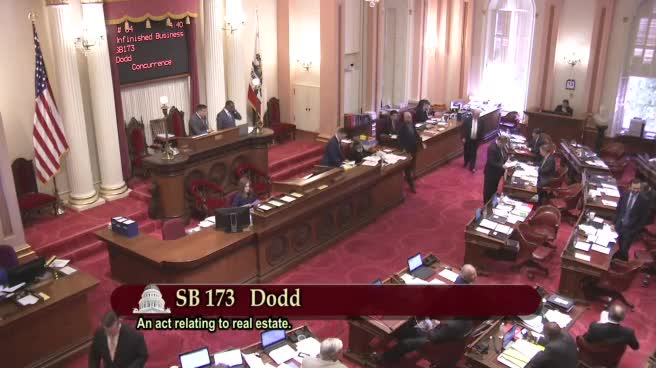 2MIN
Senate Floor
 1MIN
Assembly Floor
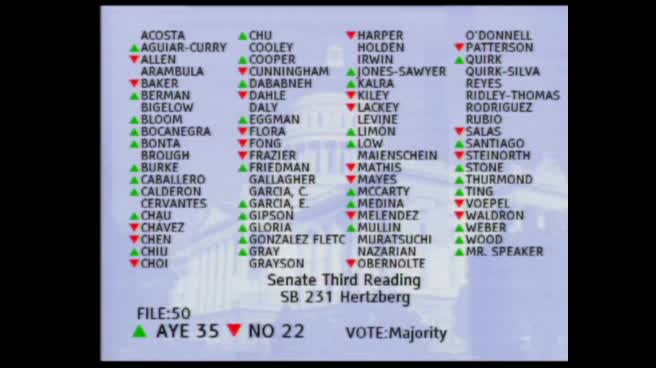 57SEC
Assembly Floor
 26MIN
Assembly Standing Committee on Privacy and Consumer Protection
 11MIN
Senate Floor
 27MIN
Senate Standing Committee on Judiciary
Bill Author



