SB 495: Protected species: blunt-nosed leopard lizard: taking or possession.
- Session Year: 2017-2018
- House: Senate
- Latest Version Date: 2018-08-27
Existing law prohibits the taking or possession of a fully protected reptile or amphibian, except as provided, and designates the blunt-nosed leopard lizard as a fully protected reptile. The California Endangered Species Act prohibits the taking of an endangered or threatened species, except as specified. Under that act, the Department of Fish and Wildlife is permitted to authorize, by permit, the take of listed species if the take is incidental to an otherwise lawful activity and the impacts are minimized and fully mitigated.
This bill would permit the department to authorize, under the California Endangered Species Act, by permit, the take or possession of the blunt-nosed leopard lizard resulting from impacts attributable to or otherwise related to the Allensworth Community Services Districts drilling and construction of a new water well, connection of the new water well to the existing distribution system, and construction of a new water storage tank, if specified conditions are met. The bill would also make a conforming change and delete obsolete cross-references.
This bill would declare that it is to take effect immediately as an urgency statute.
Existing law prohibits the taking or possession of a fully protected reptile or amphibian, except as provided, and designates the blunt-nosed leopard lizard as a fully protected reptile. The California Endangered Species Act prohibits the taking of an endangered or threatened species, except as specified. Under that act, the Department of Fish and Wildlife is permitted to authorize, by permit, the take of listed species if the take is incidental to an otherwise lawful activity and the impacts are minimized and fully mitigated.
This bill would permit the department to authorize, under the California Endangered Species Act, by permit, the take or possession of the blunt-nosed leopard lizard resulting from impacts attributable to or otherwise related to the Allensworth Community Services District Safe Drinking Water Project to drill a new water well for the community of Allensworth and the Colonel Allensworth State Historic Park, Districts drilling and construction of a new water well, connection of the new water well to the existing distribution system, and construction of a new water storage tank, if specified conditions are met. The bill would also make a conforming change. change and delete obsolete cross-references.
Existing law prohibits the taking or possession of a fully protected reptile or amphibian, except as provided, and designates the blunt-nosed leopard lizard as a fully protected reptile. The California Endangered Species Act prohibits the taking of an endangered or threatened species, except as specified. Under that act, the Department of Fish and Wildlife is permitted to authorize, by permit, the take of listed species if the take is incidental to an otherwise lawful activity and the impacts are minimized and fully mitigated.
This bill would permit the department to authorize, under the California Endangered Species Act, the take or possession of the blunt-nosed leopard lizard resulting from impacts attributable to or otherwise related to the Allensworth Community Services District Safe Drinking Water Project to drill a new water well for the community of Allensworth and the Colonel Allensworth State Historic Park, if specified conditions are met. The bill would also make a conforming change.
Existing law, the Horse Racing Law, authorizes a fair, a combination of fairs, or an association conducting racing at a fair, after approval from the California Horse Racing Board, to contribute 1% of the total amount handled daily in conventional and exotic pools for facilities maintenance and improvements at a fairs racetrack inclosure, for those fairs that contribute or those fairs where an association conducting racing at that fair contributes. Existing law requires that the money raised be deposited into the Inclosure Facilities Improvement Fund, which is created as a special fund in the State Treasury, and that money be made available upon appropriation by the Legislature in the annual Budget Act. Existing law requires the Secretary of Food and Agriculture to appoint a committee to advise on the administration of the funds, and requires the secretary to include in the annual expenditure plan any allocations made pursuant to these provisions, as specified.This bill would remove the requirement that the secretary include in the annual expenditure plan any allocations made pursuant to these provisions.Existing law, the Horse Racing Law, authorizes a fair, a combination of fairs, or an association conducting racing at a fair, after approval from the California Horse Racing Board, to contribute 1% of the total amount handled daily in conventional and exotic pools for facilities maintenance and improvements at a fairs racetrack inclosure, for those fairs that contribute or those fairs where an association conducting racing at that fair contributes. Existing law requires that the money raised be deposited into the Inclosure Facilities Improvement Fund, which is created as a special fund in the State Treasury, and that money be made available upon appropriation by the Legislature in the annual Budget Act. Existing law requires the Secretary of Food and Agriculture to appoint a committee to advise on the administration of the funds, and requires the secretary to include in the annual expenditure plan any allocations made pursuant to these provisions, as specified.
This bill would remove the requirement that the secretary include in the annual expenditure plan any allocations made pursuant to these provisions.
The department may authorize acts that are otherwise prohibited pursuant to Section 2080, as follows:
(a)Through permits or memorandums of understanding, the department may authorize individuals, public agencies, universities, zoological gardens, and scientific or educational institutions, to import, export, take, or possess any endangered species, threatened species, or candidate species for scientific, educational, or management purposes.
(b)The department may authorize, by permit, the take of endangered species, threatened species, and candidate species if all of the following conditions are met:
(1)The take is incidental to an otherwise lawful activity.
(2)The impacts of the authorized take shall be minimized and fully mitigated. The measures required to meet this obligation shall be roughly proportional in extent to the impact of the authorized taking on the species. Where various measures are available to meet this obligation, the measures required shall maintain the applicants objectives to the greatest extent possible. All required measures shall be capable of successful implementation. For purposes of this section only, impacts of taking include all impacts on the species that result from any act that would cause the proposed taking.
(3)The applicant shall ensure adequate funding to implement the measures required by paragraph (2), and for monitoring compliance with, and effectiveness of, those measures.
(c)No permit may be issued pursuant to subdivision (b) if issuance of the permit would jeopardize the continued existence of the species. The department shall make this determination based on the best scientific and other information that is reasonably available, and shall include consideration of the species capability to survive and reproduce, and any adverse impacts of the taking on those abilities in light of (1) known population trends; (2) known threats to the species; and (3) reasonably foreseeable impacts on the species from other related projects and activities.
(d)The department shall adopt regulations to aid in the implementation of subdivision (b) and the requirements of Division 13 (commencing with Section 21000) of the Public Resources Code, with respect to authorization of take. The department may seek certification pursuant to Section 21080.5 of the Public Resources Code to implement subdivision (b).
SEC. 2.Section 2081.12 is added to the Fish and Game Code, to read:2081.12.(a)The department may authorize, under this chapter, by permit, the take or possession of the blunt-nosed leopard lizard (Gambelia sila) resulting from impacts attributable to or otherwise related to the Allensworth Community Services Districts drilling and construction of a new water well, connection of the new water well to the existing distribution system, and construction of a new water storage tank, if both of the following conditions are met:
(1)The requirements of subdivisions (b) and (c) of Section 2081 are satisfied for the take of the blunt-nosed leopard lizard.
(2)The take authorization provides for the development and implementation of a monitoring program and an adaptive management plan, approved by the department, for monitoring the effectiveness of, and adjusting as necessary, the measures to minimize and fully mitigate the impacts of the authorized take.
(b)The permit issued pursuant to subdivision (a) shall cover any incidental take of a blunt-nosed leopard lizard that may occur in the course of implementing mitigation or conservation actions required in the permit.
(c)The permit conditions are subject to amendment when required by the monitoring program and adaptive management plan adopted pursuant to paragraph (2) of subdivision (a).
(d)This section shall not be construed to exempt the projects described in subdivision (a) from any other law.
SEC. 3.Section 5050 of the Fish and Game Code is amended to read:5050.(a)(1)Except as provided in this section, or Section 2081.7, 2081.9, 2081.12, or 2835, a fully protected reptile or amphibian may not be taken or possessed at any time. No provision of this code or any other law shall be construed to authorize the issuance of a permit or license to take a fully protected reptile or amphibian, and no permit or license previously issued shall have any force or effect for that purpose. However, the department may authorize the taking of a fully protected reptile or amphibian for necessary scientific research, including efforts to recover fully protected, threatened, or endangered species. Before authorizing the take of a fully protected reptile or amphibian, the department shall make an effort to notify all affected and interested parties to solicit information and comments on the proposed authorization. The notification shall be published in the California Regulatory Notice Register and be made available to each person who has notified the department, in writing, of his or her interest in fully protected species and who has provided an email address, if available, or postal address to the department. Affected and interested parties shall have 30 days after notification is published in the California Regulatory Notice Register to provide relevant information and comments on the proposed authorization.
(2)As used in this subdivision, scientific research does not include an action taken as part of specified mitigation for a project, as defined in Section 21065 of the Public Resources Code.
(3)A legally imported fully protected reptile or amphibian may be possessed under a permit issued by the department.
(b)The following are fully protected reptiles and amphibians:
(1)Blunt-nosed leopard lizard (Gambelia sila).
(2)San Francisco garter snake (Thamnophis sirtalis tetrataenia).
(3)Santa Cruz long-toed salamander (Ambystoma macrodactylum croceum).
(4)Limestone salamander (Hydromantes brunus).
(5)Black toad (Bufo boreas exsul).
SEC. 4.This act is an urgency statute necessary for the immediate preservation of the public peace, health, or safety within the meaning of Article IV of the California Constitution and shall go into immediate effect. The facts constituting the necessity are:
In order to ensure that observations of blunt-nosed leopard lizards are completed in time for the drilling and construction of the new water well by the Allensworth Community Services District in compliance with the California Environmental Quality Act (Division 13 (commencing with Section 21000) of the Public Resources Code), it is necessary that this act take effect immediately.
The department may authorize acts that are otherwise prohibited pursuant to Section 2080, as follows:
(a)Through permits or memorandums of understanding, the department may authorize individuals, public agencies, universities, zoological gardens, and scientific or educational institutions, to import, export, take, or possess any endangered species, threatened species, or candidate species for scientific, educational, or management purposes.
(b)The department may authorize, by permit, the take of endangered species, threatened species, and candidate species if all of the following conditions are met:
(1)The take is incidental to an otherwise lawful activity.
(2)The impacts of the authorized take shall be minimized and fully mitigated. The measures required to meet this obligation shall be roughly proportional in extent to the impact of the authorized taking on the species. Where various measures are available to meet this obligation, the measures required shall maintain the applicants objectives to the greatest extent possible. All required measures shall be capable of successful implementation. For purposes of this section only, impacts of taking include all impacts on the species that result from any act that would cause the proposed taking.
(3)The permit is consistent with any regulations adopted pursuant to Sections 2112 and 2114.(4)(3)The applicant shall ensure adequate funding to implement the measures required by paragraph (2), and for monitoring compliance with, and effectiveness of, those measures.
(c)No permit may be issued pursuant to subdivision (b) if issuance of the permit would jeopardize the continued existence of the species. The department shall make this determination based on the best scientific and other information that is reasonably available, and shall include consideration of the species capability to survive and reproduce, and any adverse impacts of the taking on those abilities in light of (1) known population trends; (2) known threats to the species; and (3) reasonably foreseeable impacts on the species from other related projects and activities.
(d)The department shall adopt regulations to aid in the implementation of subdivision (b) and the requirements of Division 13 (commencing with Section 21000) of the Public Resources Code, with respect to authorization of take. The department may seek certification pursuant to Section 21080.5 of the Public Resources Code to implement subdivision (b).
SECTION 1.SEC. 2.Section 2081.12 is added to the Fish and Game Code, to read:2081.12.(a)The department may authorize, under this chapter, by permit, the take or possession of the blunt-nosed leopard lizard (Gambelia sila) resulting from impacts attributable to or otherwise related to the Allensworth Community Services District Safe Drinking Water Project to drill a new water well for the community of Allensworth and the Colonel Allensworth State Historic Park, if all Districts drilling and construction of a new water well, connection of the new water well to the existing distribution system, and construction of a new water storage tank, if both of the following conditions are met:
(1)The department determines the authorized take will not jeopardize the continued existence of the blunt-nosed leopard lizard.(2)The impacts of the authorized take are minimized.(1)The requirements of subdivisions (b) and (c) of Section 2081 are satisfied for the take of the blunt-nosed leopard lizard.
(3)(2)The take authorization provides for the development and implementation of a monitoring program and an adaptive management plan, approved by the department, for monitoring the effectiveness of, and adjusting as necessary, the measures to minimize and fully mitigate the impacts of the authorized take.
(b)The permit issued pursuant to subdivision (a) shall cover any incidental take of a blunt-nosed leopard lizard that may occur in the course of implementing mitigation or conservation actions required in the permit.
(c)The permit conditions are subject to amendment when required by the monitoring program and adaptive management plan adopted pursuant to paragraph (2) of subdivision (a).
(b)(d)This section shall not be construed to exempt the project projects described in subdivision (a) from any other law.
SEC. 2.SEC. 3.Section 5050 of the Fish and Game Code is amended to read:5050.(a)(1)Except as provided in this section, or Section 2081.7, 2081.9, 2081.12, or 2835, a fully protected reptile or amphibian may not be taken or possessed at any time. No provision of this code or any other law shall be construed to authorize the issuance of a permit or license to take a fully protected reptile or amphibian, and no permit or license previously issued shall have any force or effect for that purpose. However, the department may authorize the taking of a fully protected reptile or amphibian for necessary scientific research, including efforts to recover fully protected, threatened, or endangered species. Before authorizing the take of a fully protected reptile or amphibian, the department shall make an effort to notify all affected and interested parties to solicit information and comments on the proposed authorization. The notification shall be published in the California Regulatory Notice Register and be made available to each person who has notified the department, in writing, of his or her interest in fully protected species and who has provided an email address, if available, or postal address to the department. Affected and interested parties shall have 30 days after notification is published in the California Regulatory Notice Register to provide relevant information and comments on the proposed authorization.
(2)As used in this subdivision, scientific research does not include an action taken as part of specified mitigation for a project, as defined in Section 21065 of the Public Resources Code.
(3)A legally imported fully protected reptile or amphibian may be possessed under a permit issued by the department.
(b)The following are fully protected reptiles and amphibians:
(1)Blunt-nosed leopard lizard (Gambelia sila).
(2)San Francisco garter snake (Thamnophis sirtalis tetrataenia).
(3)Santa Cruz long-toed salamander (Ambystoma macrodactylum croceum).
(4)Limestone salamander (Hydromantes brunus).
(5)Black toad (Bufo boreas exsul).
REVISIONS: HeadingLine 2.(a)The department may authorize, under this chapter, the take or possession of the blunt-nosed leopard lizard (Gambelia sila) resulting from impacts attributable to or otherwise related to the Allensworth Community Services District Safe Drinking Water Project to drill a new water well for the community of Allensworth and the Colonel Allensworth State Historic Park, if all of the following conditions are met:
(1)The department determines the authorized take will not jeopardize the continued existence of the blunt-nosed leopard lizard.
(2)The impacts of the authorized take are minimized.
(3)The take authorization provides for the development and implementation of an adaptive management plan, approved by the department, for monitoring the effectiveness of, and adjusting as necessary, the measures to minimize the impacts of the authorized take.
(b)This section shall not be construed to exempt the project described in subdivision (a) from any other law.
SEC. 2.Section 5050 of the Fish and Game Code is amended to read:5050.(a)(1)Except as provided in this section, or Section 2081.7, Section 2081.9, 2081.12, or Section 2835, a fully protected reptile or amphibian may not be taken or possessed at any time. No provision of this code or any other law shall be construed to authorize the issuance of a permit or license to take a fully protected reptile or amphibian, and no permit or license previously issued shall have any force or effect for that purpose. However, the department may authorize the taking of a fully protected reptile or amphibian for necessary scientific research, including efforts to recover fully protected, threatened, or endangered species. Before authorizing the take of a fully protected reptile or amphibian, the department shall make an effort to notify all affected and interested parties to solicit information and comments on the proposed authorization. The notification shall be published in the California Regulatory Notice Register and be made available to each person who has notified the department, in writing, of his or her interest in fully protected species and who has provided an email address, if available, or postal address to the department. Affected and interested parties shall have 30 days after notification is published in the California Regulatory Notice Register to provide relevant information and comments on the proposed authorization.
(2)As used in this subdivision, scientific research does not include an action taken as part of specified mitigation for a project, as defined in Section 21065 of the Public Resources Code.
(3)A legally imported fully protected reptile or amphibian may be possessed under a permit issued by the department.
(b)The following are fully protected reptiles and amphibians:
(1)Blunt-nosed leopard lizard (Crotaphytus wislizenii silus). (Gambelia sila).
(2)San Francisco garter snake (Thamnophis sirtalis tetrataenia).
(3)Santa Cruz long-toed salamander (Ambystoma macrodactylum croceum).
(4)Limestone salamander (Hydromantes brunus).
(5)Black toad (Bufo boreas exsul).
SECTION 1.Section 19601.4 of the Business and Professions Code is amended to read:19601.4.(a)Notwithstanding any other law, a fair, combination of fairs, or an association conducting racing at a fair, may, after approval from the board, deduct an additional 1 percent from the total amount handled daily in its conventional and exotic pools. The additional 1 percent shall be deposited into the Inclosure Facilities Improvement Fund, which is hereby created as a special fund in the State Treasury, the moneys of which are available upon appropriation by the Legislature in the annual Budget Act. Any moneys deducted from the handle pursuant to this section shall be used solely for the purpose of facilities maintenance and improvements at a fairs racetrack inclosure for those fairs that contribute to, or for those fairs where an association conducting racing at that fair contributes to, the Inclosure Facilities Improvement Fund.(b) The secretary shall appoint a committee of not more than five and no fewer than three individuals with expertise in financing, constructing, and managing horse racing facilities to advise in the administration of the funds. The secretary shall have oversight over the committee. The secretary shall adhere to the same oversight responsibilities as outlined in Section 19620 when administering the funds contributed and disbursed pursuant to this section.(c)For purposes of this section, secretary means the Secretary of Food and Agriculture.(a)Notwithstanding any other provision of law, a fair, combination of fairs, or an association conducting racing at a fair, may, after approval from the board, deduct an additional 1 percent from the total amount handled daily in its conventional and exotic pools. The additional 1 percent shall be deposited into the Inclosure Facilities Improvement Fund, which is hereby created as a special fund in the State Treasury, the moneys of which are available upon appropriation by the Legislature in the annual Budget Act. Any moneys deducted from the handle pursuant to this section shall be used solely for the purpose of facilities maintenance and improvements at a fairs racetrack inclosure for those fairs that contribute to, or for those fairs where an association conducting racing at that fair contributes to, the Inclosure Facilities Improvement Fund.
(b) The secretary shall appoint a committee of not more than five and no fewer than three individuals with expertise in financing, constructing, and managing horse racing facilities, facilities to advise in the administration of the funds. The secretary shall have oversight over the committee. The secretary shall adhere to the same oversight responsibilities as outlined in Section 19620 when administering the funds contributed and disbursed pursuant to this section.
(c)The secretary shall include in the annual expenditure plan required pursuant to Section 19621 any allocations made pursuant to this section.(d)(c)For purposes of this section, secretary means the Secretary of Food and Agriculture.
|
Date
|
Status
|
|---|---|
| Aug 27, 2018 | Chaptered by Secretary of State. Chapter 224, Statutes of 2018. |
| Aug 27, 2018 | Approved by the Governor. |
| Aug 15, 2018 | Enrolled and presented to the Governor at 4 p.m. |
| Aug 9, 2018 | Assembly amendments concurred in. (Ayes 37. Noes 0.) Ordered to engrossing and enrolling. |
| Aug 7, 2018 | From committee: That the Assembly amendments be concurred in. (Ayes 9. Noes 0.) |
| Aug 6, 2018 | From committee: Be re-referred to Com. on N.R. & W. pursuant to Senate Rule 29.10(d). (Ayes 5. Noes 0.) Re-referred to Com. on N.R. & W. |
| Aug 6, 2018 | Re-referred to Com. on RLS. pursuant to Senate Rule 29.10(d). |
| Jul 5, 2018 | In Senate. Concurrence in Assembly amendments pending. |
| Jul 5, 2018 | Read third time. Urgency clause adopted. Passed. Ordered to the Senate. |
| Jul 2, 2018 | Read second time. Ordered to consent calendar. |
| Jun 28, 2018 | Read second time and amended. Ordered to consent calendar. |
| Jun 27, 2018 | From committee: Do pass as amended. Ordered to consent calendar. (Ayes 16. Noes 0.) (June 27). |
| Jun 12, 2018 | Coauthors revised. |
| Jun 6, 2018 | From committee with author's amendments. Read second time and amended. Re-referred to Com. on W.,P., & W. |
| Apr 23, 2018 | From committee: Be re-referred to Com. on W.,P., & W. (Ayes 8. Noes 0.) (April 23). Re-referred to Com. on W.,P., & W. |
| Apr 12, 2018 | Re-referred to Com. on RLS. pursuant to Assembly Rule 96. |
| Apr 9, 2018 | From committee with author's amendments. Read second time and amended. Re-referred to Com. on G.O. |
| May 18, 2017 | Referred to Com. on G.O. |
| Apr 20, 2017 | In Assembly. Read first time. Held at Desk. |
| Apr 20, 2017 | Read third time. Passed. (Ayes 36. Noes 0. Page 769.) Ordered to the Assembly. |
| Apr 18, 2017 | Read second time. Ordered to consent calendar. |
| Apr 17, 2017 | From committee: Be ordered to second reading pursuant to Senate Rule 28.8 and ordered to consent calendar. |
| Apr 5, 2017 | Set for hearing April 17. |
| Mar 28, 2017 | From committee: Do pass and re-refer to Com. on APPR. with recommendation: To consent calendar. (Ayes 11. Noes 0.) (March 28). Re-referred to Com. on APPR. |
| Mar 9, 2017 | Set for hearing March 28. |
| Mar 2, 2017 | Referred to Com. on G.O. |
| Feb 17, 2017 | From printer. May be acted upon on or after March 19. |
| Feb 16, 2017 | Introduced. Read first time. To Com. on RLS. for assignment. To print. |
|
Date
|
Description
|
Location
|
Votes
|
|
|---|---|---|---|---|
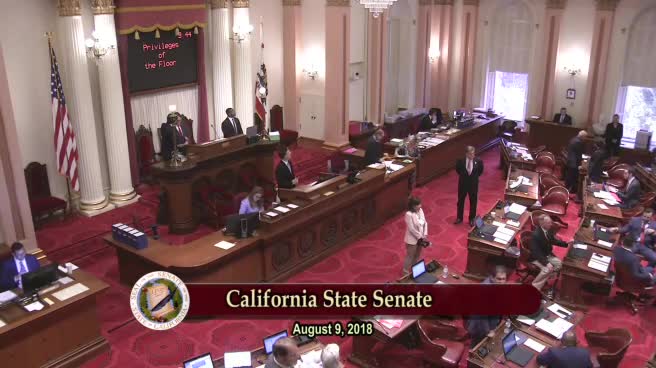
| Aug 9, 2018 | Unfinished Business SB495 Vidak et al. Urgency Clause Concurrence | Senate Floor |
Passed |
|
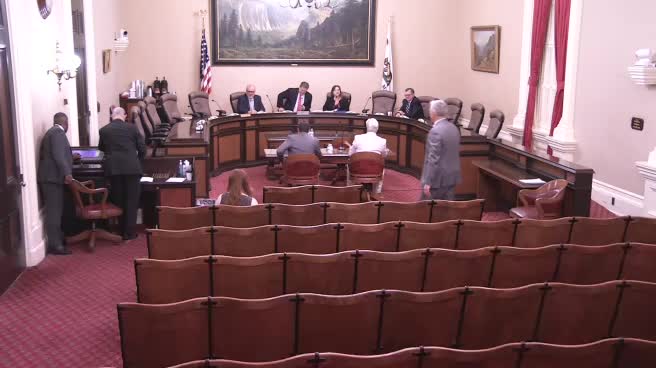
| Aug 7, 2018 | That the Assembly amendments be concurred in | Senate Standing Committee on Natural Resources and Water |
Passed |
|
| Jul 5, 2018 | SB 495 Vidak Consent Calendar Second Day Regular Session | Assembly Floor |
Passed |
|
| Jun 27, 2018 | Do pass as amended. To Consent Calendar. | Assembly Standing Committee on Appropriations |
Passed |
|
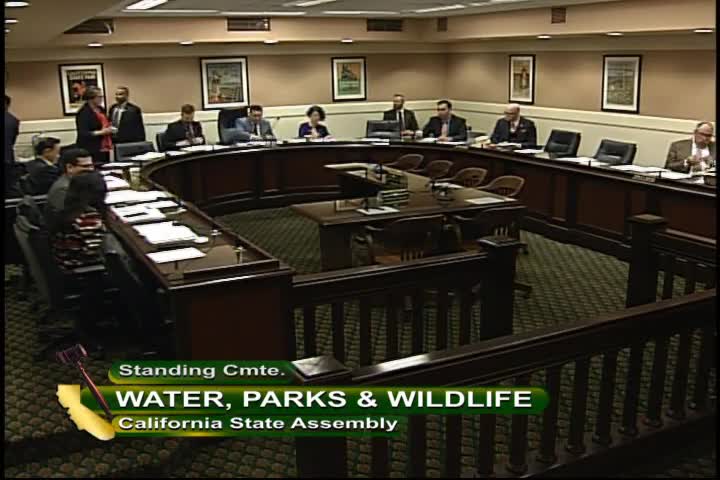
| Jun 12, 2018 | Do pass and be re-referred to the Committee on [Appropriations] | Assembly Standing Committee on Water, Parks, and Wildlife |
Passed |
|
| Apr 23, 2018 | Be re-referred to the Committee on [Water, Parks, and Wildlife] | Assembly Standing Committee on Rules |
Passed |
|
| Apr 20, 2017 | Consent Calendar 2nd SB495 | Senate Floor |
Passed |
|
| Mar 28, 2017 | Do pass, but first be re-referred to the Committee on [Appropriations] with the recommendation: To Consent Calendar | Senate Standing Committee on Governmental Organization |
Passed |
This list shows positions taken on this bill by organizations on the date displayed, which is linked to the original source.
Positions by individuals are not included.
|
Organization
|
Position
|
Date
|
|---|---|---|
| Allensworth Community Services District | ** Support | Aug 8, 2018 |
| California Authority Of Racing Fairs | ** Support | Apr 19, 2017 |
| Self-Help Enterprises | ** Support | Aug 8, 2018 |
| Self-Help Enterprises | * Support | Jun 12, 2018 |
| Tulare County Board of Supervisors | ** Support | Aug 8, 2018 |
Office of Senate Floor Analyses (916) 651-1520 Fax: (916) 327-4478 | SB |
UNFINISHED BUSINESS
Bill No: SB 495
:
PRIOR SENATE VOTES NOT RELEVANT
SENATE NATURAL RES. & WATER COMMITTEE: 9-0, 8/7/18 (Pursuant to Senate Rule 29.10)
AYES: Hertzberg, Stone, Allen, Hueso, Jackson, McGuire, Monning, Stern, Vidak
ASSEMBLY FLOOR: 69-0, 7/5/18 (Consent) - See last page for vote
DIGEST:
This bill permits the California Department of Fish and Wildlife (DFW) to authorize by permit under the state endangered species act the take of possession of the blunt-nosed leopard lizard resulting from drilling of a new water well in the community of Allensworth under specified conditions.
Assembly Amendments
clarify the provisions regarding the take of the species and the required mitigation measures.
Existing law:
- Prohibits the take of species listed as endangered or threatened under the California Endangered Species Act (CESA). [Fish and Game Code (FGC) § 2080]
- Prohibits the taking or possession of a fully protected reptile or amphibian, except as provided. [FGC § 5050(a)]
- Designates the blunt-nosed leopard lizard as a fully protected reptile species. [FGC § 5050 (b)]
- Permits the DFW to authorize, by permit, the take of listed (not fully protected) species if the take is incidental to an otherwise lawful activity and the impacts are minimized and fully mitigated. [FGC § 2081]
- Requires DFW, prior to authorizing the take of any fully protected species, to make an effort to notify all affected and interested parties to solicit information and comments on the proposed authorization. [FGC § 5050(a)]
This bill:
- Permits DFW to authorize, by permit under the CESA, the take or possession of the blunt-nosed leopard lizard (Gambelia sila), a fully protected reptile species, resulting from impacts attributable to or otherwise related to the drilling and construction of a new water well, connection of the new water well to the existing distribution system, and construction of a new water storage tank during the Allensworth Community Services District Safe Drinking Water Project, if all of the following conditions are met:
- The DFW determines the authorized take will not jeopardize the continued existence of the blunt-nosed leopard lizard;
- The take is incidental to an otherwise lawful activity;
- The impacts of the authorized take are minimized and fully mitigated;
- The take authorization provides for the development and implementation of a monitoring program and an adaptive management plan, approved by DFW, for monitoring the effectiveness of, and adjusting as necessary, the measures to minimize and fully mitigate the impacts of the authorized take; and
- The applicant ensures adequate funding is available to minimize and fully mitigate any take.
- Provides that this authorization for take of the blunt-nosed leopard lizard shall not be construed to exempt the projects from any other law.
FISCAL EFFECT: Appropriation: Fiscal Com.: Local: No
According to the Assembly Appropriations Committee, the costs are minor and absorbable.
Allensworth Community Services District
Self-Help Enterprises
Tulare County Board of Supervisors
None received
ARGUMENTS IN SUPPORT: According to the author, access to clean water is a big concern in the Central Valley. This bill will allow the community of Allensworth to work with the DFW to ensure the well’s construction takes into account the best interests of both the blunt-nose leopard lizard and the community.
As noted by the author, the community of Allensworth, located in Tulare County, requires a new water well since the existing water supply has unsafe levels of arsenic. A site has been obtained and a successful test well was completed. The property is habitat for the blunt-nose leopard lizard which has been found on the site.
These lizards are classified as fully protected species, meaning that the normal process for obtaining an incidental take permit is unavailable. Thus, this statutory change is necessary to authorize incidental take of the lizard, with appropriate conditions, described earlier.
The urgency clause was added because the lizard is active in August and biological observations must be completed this summer to comply with CEQA requirements and to keep the project on schedule.
ASSEMBLY FLOOR: 69-0, 7/5/18
AYES: Acosta, Aguiar-Curry, Travis Allen, Baker, Berman, Bloom, Bonta, Burke, Caballero, Calderon, Carrillo, Cervantes, Chau, Chávez, Chen, Chiu, Choi, Chu, Cooper, Daly, Eggman, Flora, Fong, Frazier, Friedman, Gabriel, Gallagher, Cristina Garcia, Eduardo Garcia, Gipson, Gloria, Gonzalez Fletcher, Gray, Grayson, Harper, Holden, Irwin, Jones-Sawyer, Kalra, Kamlager-Dove, Kiley, Lackey, Levine, Limón, Low, Mathis, Mayes, Medina, Melendez, Muratsuchi, Nazarian, Obernolte, Patterson, Quirk-Silva, Reyes, Rivas, Rodriguez, Rubio, Salas, Santiago, Steinorth, Mark Stone, Thurmond, Ting, Voepel, Waldron, Weber, Wood, Rendon
NO VOTE RECORDED: Arambula, Bigelow, Brough, Cooley, Cunningham, Dahle, Maienschein, McCarty, Mullin, O'Donnell, Quirk
8/8/18 10:42:14
**** END ****
SENATE COMMITTEE ON NATURAL RESOURCES AND WATER
Senator Robert Hertzberg, Chair
2017 - 2018 Regular
Bill No: SB 495 Hearing Date: August 7, 2018
Author: | |||
Version: |
| ||
Urgency: | Fiscal: | ||
Consultant: | |||
Subject: Protected species: blunt-nosed leopard lizard: taking or possession
BACKGROUND AND EXISTING LAW
- Prohibits the take of species listed as endangered or threatened under CESA. [Fish and Game Code (FGC) § 2080]
- Prohibits the taking or possession of a fully protected reptile or amphibian, except as provided. [FGC § 5050(a)]
- Designates the blunt-nosed leopard lizard as a fully protected reptile species. [FGC § 5050 (b)]
- Permits the California Department of Fish and Wildlife (DFW) to authorize, by permit, the take of listed (not fully protected) species if the take is incidental to an otherwise lawful activity and the impacts are minimized and fully mitigated. [FGC § 2081]
- Requires DFW, prior to authorizing the take of any fully protected species, to make an effort to notify all affected and interested parties to solicit information and comments on the proposed authorization. [FGC § 5050(a)]
PROPOSED LAW
This bill:
- Permits DFW to authorize, by permit under the California Endangered Species Act (CESA), the take or possession of the blunt-nosed leopard lizard (Gambelia sila), a fully protected reptile species, resulting from impacts attributable to or otherwise related to the drilling and construction of a new water well, connection of the new water well to the existing distribution system, and construction of a new water storage tank during the Allensworth Community Services District (ACSD) Safe Drinking Water Project, if all of the following conditions are met:
- The DFW determines the authorized take will not jeopardize the continued existence of the blunt-nosed leopard lizard;
- The take is incidental to an otherwise lawful activity;
- The impacts of the authorized take are minimized and fully mitigated;
- The take authorization provides for the development and implementation of a monitoring program and an adaptive management plan, approved by DFW, for monitoring the effectiveness of, and adjusting as necessary, the measures to minimize and fully mitigate the impacts of the authorized take; and
- The applicant ensures adequate funding is available to minimize and fully mitigate any take.
- Provides that this authorization for take of the blunt-nosed leopard lizard shall not be construed to exempt the projects from any other law.
ARGUMENTS IN SUPPORT
According to the author, access to clean water is a big concern in the Central Valley. This measure will allow the community of Allensworth to work with the DFW to ensure the well’s construction takes into account the best interests of both the blunt-nose leopard lizard and the community.
As noted by the author, the community of Allensworth, located in Tulare County, requires a new water well since the existing water supply has unsafe levels of arsenic. A site has been obtained and a successful test well was completed. The property is habitat for the blunt-nose leopard lizard which has been found on the site.
These lizards are classified as fully protected species, meaning that the normal process for obtaining an incidental take permit is unavailable. Thus, this statutory change is necessary to authorize incidental take of the lizard, with appropriate conditions, described earlier.
The urgency clause was added because the lizard is active in August and biological observations must be completed this summer to comply with CEQA requirements and to keep the project on schedule.
ARGUMENTS IN OPPOSITION
None received.
COMMENTS
This is one of several recent legislative proposals that deal with take authorization for fully protected species. This bill is substantially similar to these other examples, which include:
- AB 1845 (Dahle), Chapter 293, Statutes of 2016, authorized the DFW to permit take of rough sculpin, a fully protected fish species, resulting from the replacement of Spring Creek Bridge in Shasta County, if specified conditions are met.
- AB 2001 (Mathis), Chapter 515, Statutes of 2016, authorized the take of Owens pupfish, a fully protected fish species, for scientific research or for efforts to recover the species in the Owens River watershed if the take is authorized under a safe harbor agreement.
- AB 2488 (Dababneh), Chapter 387, Statutes of 2016, authorized the DFW to permit take of the unarmored threespine stickleback, a fully protected fish species, attributable to maintenance and repair of the Metropolitan Water District of Southern California's Foothill Feeder water supply facility, if specified conditions are met.
- AB 1973 (Olsen), Chapter 121, Statutes of 2012, authorized the DFW to permit incidental take of the limestone salamander, a fully protected amphibian species, resulting from impacts attributable to a highway restoration project in Mariposa County, provided specified conditions are met, including but not limited to, avoidance and mitigation measures to protect the salamander through enforceable commitments, CESA provisions that any take be minimized and fully mitigated, compliance with regulations developed by the DFW to implement any recovery strategy for species, and a determination that the project would not jeopardize the continued existence of the species.
SUPPORT
Self-Help Enterprises
Tulare County Board of Supervisors
Allensworth Community Services District
OPPOSITION
None Received
-- END --
Date of Hearing: June 27, 2018
ASSEMBLY COMMITTEE ON APPROPRIATIONS
Lorena Gonzalez Fletcher, Chair
SBPCA Bill Id:SB 495
Author:(Vidak) – As Amended Ver:June 6, 2018
Policy Committee: | Water, Parks and Wildlife | Vote: | 15 - 0 |
Urgency: No State Mandated Local Program: No Reimbursable: No
SUMMARY:
This bill permits the Department of Fish and Wildlife (DFW) to authorize take or possession of the blunt-nosed leopard lizard, a fully protected reptile, resulting from water well drilling and construction and associated projects by the Allensworth Community Services District (CSD). Specifically, this bill:
- Requires conditions of the California Endangered Species Act (CESA) to be met including the following:
- The take is incidental to an otherwise lawful activity.
- Impacts of the take are minimized and fully mitigated.
- The permittee ensures adequate funding for monitoring.
- The take permit will not jeopardize the continuing existence of the species.
- The project includes all further measures necessary to meet the conservation standard established by law.
- Provides the authorization for take of the blunt-nosed leopard lizard shall not be construed to exempt the projects from any other law.
FISCAL EFFECT:
DFW costs are absorbable within existing resources.
COMMENTS:
- Purpose. The author intends the incidental take authorization provided by this bill to allow the construction of a state-funded Safe Drinking Water Project by the Allensworth CSD to proceed despite the potential existence of the blunt-nosed leopard lizard, a fully protected species.
The community of Allensworth requires a new water well to replace a well with unsafe levels of arsenic in the water. The Allensworth CSD acquired a site and completed a successful test well, but the property has been found to have blunt-nose leopard lizard burrows.
The existing water wells and proposed new well are located in the 5,100 acre Allensworth Ecological Reserve, which consists of valley sink scrub and valley saltbush scrub habitat. The property was designated as an ecological reserve by the Fish and Game Commission in 1983. Past land uses include farming, grazing, non-toxic waste disposal, and subdivision for conceptual development.
Construction for the project is scheduled to begin in mid-2019 and anticipated to take 12 to 18 months. The project involves the drilling of a new well and related work including construction of a cement pedestal for the well head, grading of the access road, connection to the existing distribution system, and grading and erection of a storage tank on an as-yet-to-be-determined site within the town of Allensworth.
During environmental permitting and prior to the start of construction, a biologist will survey burrows in the immediate vicinity of construction activities. To avoid take once construction activities begin, unused burrows close to the project sites will be collapsed or filled in during the pre-construction surveys. While the project will attempt to avoid areas identified as having occupied burrows, the permit issued by DFW will include criteria for the handling of blunt-nosed leopard lizards and their relocation into suitable habitat if needed.
- Blunt-nosed Leopard Lizard. The blunt-nosed leopard lizard is native to California and is found only in the San Joaquin Valley and adjacent foothills, as well as the Carrizo Plain and Cuyama Valley. The blunt-nosed leopard lizard was listed as federally endangered on March 11. 1967 and state endangered on June 27, 1971.
Leopard lizards use small rodent burrows for shelter from predators and temperature extremes. Burrows are usually abandoned ground squirrel tunnels, or occupied or abandoned kangaroo rat tunnels.
The blunt-nosed leopard lizards spend the colder months of the year underground in a state of dormancy, and emerge in March or April. Breeding activity begins within a month of emergence from dormancy and lasts from the end of April to the end of June. After about two months of incubation, young hatch from late July through early August, rarely to September. Seasonal above-ground activity is correlated with weather conditions, primarily temperature.
- Amendment to Add an Urgency Clause. Because juvenile blunt-nosed leopard lizards are most active in August, the observations ideally will be completed this summer to comply with environmental laws and keep the project on schedule. Thus, the author is proposing an amendment to add an urgency clause to allow the bill to take effect immediately upon signature of the governor.
- Fully-Protected Species. Legislative and regulatory efforts to protect fish and wildlife began long before the enactment of CESA in 1970. Initial efforts date back to 1909, including laws to protect nongame birds (1909) and sea otters (1913).
In 1957, efforts to identify and provide additional protection for rare animals or animals facing possible extinction resulted in lists identifying fish, mammals, amphibians, birds and reptiles. Statutes were enacted to prohibit any take of the identified species.
Unlike species that are listed as threatened or endangered under CESA, the fully protected species law does not allow for incidental or accidental take nor does it provide for mitigation. Fully Protected species may not be taken or possessed at any time, and no licenses or permits may be issued for their take except for scientific research or the relocation of bird species for the protection of livestock.
Although most fully protected species have also been listed as threatened or endangered species under the more recent, science-based endangered species laws, lawful take and mitigation provisions do not apply.
In order to allow essential projects to move forward, as well as provide for species protection and recovery, the Legislature may wish to consider adopting a comprehensive, science-based approach for fully protected species within the provisions of CESA.
Analysis Prepared by: Jennifer Galehouse / APPR. / (916) 319-2081
Date of Hearing: June 12, 2018
ASSEMBLY COMMITTEE ON WATER, PARKS, AND WILDLIFE
Eduardo Garcia, Chair
SBPCA Bill Id:SB 495
Author:(Vidak) – As Amended Ver:June 6, 2018
SENATE VOTE: 36-0
SUBJECT: Endangered species: blunt-nosed leopard lizard: taking or possession
SUMMARY: Permits the Department of Fish and Wildlife (DFW) to authorize the take or possession of the blunt-nosed leopard lizard, a fully protected reptile species, resulting from impacts attributable to a specific set of projects, if specified conditions are met. Specifically, this bill:
- Permits the DFW to authorize, by permit under the California Endangered Species Act (CESA), the take or possession of the blunt-nosed leopard lizard (Gambelia sila), a fully protected reptile species, resulting from impacts attributable to or otherwise related to the drilling and construction of a new water well, connection of the new water well to the existing distribution system, and construction of a new water storage tank during the Allensworth Community Services District (ACSD) Safe Drinking Water Project, if all of the following conditions are met:
- The DFW determines the authorized take will not jeopardize the continued existence of the blunt-nosed leopard lizard;
- The take is incidental to an otherwise lawful activity;
- The impacts of the authorized take are minimized and fully mitigated;
- The take authorization provides for the development and implementation of a monitoring program and an adaptive management plan, approved by the DFW, for monitoring the effectiveness of, and adjusting as necessary, the measures to minimize and fully mitigate the impacts of the authorized take; and
- The applicant ensures adequate funding is available to minimize and fully mitigate any take.
- Provides that this authorization for take of the blunt-nosed leopard lizard shall not be construed to exempt the projects from any other law.
EXISTING LAW:
- Prohibits the take of species listed as endangered or threatened under CESA. [Fish and Game Code (FGC) § 2080]
- Prohibits the taking or possession of a fully protected reptile or amphibian, except as provided. [FGC § 5050(a)]
- Designates the blunt-nosed leopard lizard as a fully protected reptile species. [FGC § 5050 (b)]
- Permits the DFW to authorize, by permit, the take of listed species if the take is incidental to an otherwise lawful activity and the impacts are minimized and fully mitigated. [FGC § 2081]
- Requires the DFW, prior to authorizing the take of any fully protected species, to make an effort to notify all affected and interested parties to solicit information and comments on the proposed authorization. [FGC § 5050(a)]
FISCAL EFFECT: Unknown
COMMENTS: This bill permits the DFW to authorize, under CESA, the take or possession of the blunt-nosed leopard lizard, a fully protected reptile species, resulting from impacts attributable to or otherwise related to specific projects constructed during the ACSD Safe Drinking Water Project, if specified conditions are met.
Author’s Statement:
Access to clean water is a big concern in the Central Valley. This measure will allow the community of Allensworth to work with the Department of Fish and Wildlife to ensure the well’s construction takes into account the best interests of both the blunt-nose leopard lizard and the community.
Background: Allensworth. Allensworth is a small census-designated place located in the southwestern corner of Tulare County in the Central Valley. The current community of Allensworth is located immediately south of the historic settlement, now a state historic park, which is not occupied. Allensworth is classified as a severely disadvantaged community based on comparison with the statewide median household income.
The town of Allensworth was founded in 1908 by Colonel Allen Allensworth, a retired clergyman from the all-black 24th Infantry Regiment, to provide a home for the soldiers of the country’s four all-black regiments and to create a community where black families could work hard, become self-sufficient and prosper free of the bonds of racism. In 1914, after the death of Colonel Allensworth and as a result of increasing problems with the local water supply due to drought, the town began its decline, losing most of its residents by the middle of the century. The town of Allensworth was scheduled for demolition in 1966 when arsenic was found in the water supply. In 1974, the abandoned town was designated Colonel Allensworth State Historic Park, and several of its original furnished buildings are on display. The town hosts annual events to celebrate and preserve its history.
Allensworth Community Services District. The ACSD provides street lighting and supplies domestic water service to approximately 500 residential customers through 156 service connections from two groundwater wells. The ACSD services domestic residences, the Allensworth School, the Allensworth Community Center, and the Colonel Allensworth State Historic Park. The ACSD’s two wells are located in an isolated area three miles east of the service area in order to avoid naturally occurring excessive levels of arsenic in the aquifer underlying the community. Maximum Contaminant Level (MCL) violations have been reported for both arsenic and bacteriological contamination in recent years. Arsenic is a known human carcinogen and causes several adverse physiological effects. One of the two supply wells is contaminated with arsenic, and the second well occasionally tests above the MCL. The ACSD blends water from the two wells to lower the concentration of arsenic in the drinking water.
The small number and economic situation of ACSD’s ratepayers makes it difficult to implement various revenue raising mechanisms such as rate hikes, benefit assessments, or special taxes to finance operation and maintenance of the water system. Consolidation of the Allensworth and Alpaugh Community Services Districts with the Angiola Water District, which sells water for irrigation, to deliver drinking water to residents was considered in the past. This plan did not move forward due to expense and a desire by the towns to pursue their own solutions. Since that plan was abandoned, the recommended alternative is the drilling of a new well, as other methods of providing safe drinking water, such as point of use filters in homes, are not viewed as permanent solutions.
A State Water Resources Control Board State Revolving Fund grant funded the planning for a third well. The construction phase is anticipated to be funded by a similar grant. In January 2018, a test well was drilled approximately 575 feet east of the easternmost existing well. The analysis of the test well water samples indicates that a new well, properly constructed and sealed to select the highest quality water (between 110 and 225 feet below ground surface), will produce water below the arsenic MCL.
Blunt-nosed Leopard Lizard. The blunt-nosed leopard lizard is native to California and is found only in the San Joaquin Valley and adjacent foothills, as well as the Carrizo Plain and Cuyama Valley. It inhabits open, sparsely vegetated areas of low relief on the valley floor and the surrounding foothills. It also inhabits alkali playa and valley saltbush scrub. In general, it is absent from areas of steep slope, dense vegetation, or areas subject to seasonal flooding. The lizard is no longer present throughout most of its former range as the habitat has been significantly altered by farming, urban development, overgrazing, oil wells, mining, reservoirs, and off-road vehicle use. This habitat alteration continues. The blunt-nosed leopard lizard was listed as federally endangered on 3/11/67 and state endangered on 6/27/71.
Leopard lizards use small rodent burrows for shelter from predators and temperature extremes. Burrows are usually abandoned ground squirrel tunnels, or occupied or abandoned kangaroo rat tunnels. Each lizard uses several burrows without preference, but will avoid those occupied by predators or other leopard lizards. In areas of low mammal burrow density, lizards will construct shallow, simple tunnels in earth berms or under rocks.
The average home range size varies from 0.25 to 2.7 acres for females and 0.52 to 4.2 acres for males. Male and female home ranges often overlap. Density estimates range from 0.1 to 4.2 lizards per acre. The blunt-nosed leopard lizards spend the colder months of the year underground in a state of dormancy, and emerge in March or April. Breeding activity begins within a month of emergence from dormancy and lasts from the end of April to the end of June. After about two months of incubation, young hatch from late July through early August, rarely to September. Seasonal above ground activity is correlated with weather conditions, primarily temperature.
Project Details. The existing water wells and proposed new well are located in the 5,100 acre Allensworth Ecological Reserve, which consists of valley sink scrub and valley saltbush scrub habitat. The property was designated as an ecological reserve by the Fish and Game Commission in 1983. Past land uses include farming, grazing, non-toxic waste disposal, and subdivision for conceptual development.
Construction for the project is scheduled to begin in mid-2019 and anticipated to take 12 to 18 months. The project involves the drilling of a new well and related work including construction of a cement pedestal for the well head, grading of the access road, connection to the existing distribution system, and grading and erection of a storage tank on an as-yet-to-be-determined site within the town of Allensworth.
During environmental permitting and prior to the start of construction, a biologist will survey burrows in the immediate vicinity of construction activities. The surveys will involve inserting video cameras into burrows to determine if they are occupied by blunt-nosed leopard lizard. To avoid take once construction activities begin, unused burrows close to the project sites will be collapsed or filled in during the pre-construction surveys. While the project will attempt to avoid areas identified as having occupied burrows, the permit issued by the DFW will include criteria for the handling of blunt-nosed leopard lizards and their relocation into suitable habitat if needed.
Fully Protected Species. Fully protected classification was California’s initial effort in the 1960s to identify and provide additional protection to those animals that were rare or faced possible extinction. Most fully protected species have also been listed as threatened or endangered species under more recent CESA regulations. Fully protected species may not be taken or possessed at any time and no licenses or permits may be issued for their take except for collecting these species for necessary scientific research or when specific exemptions have been authorized through legislation.
What is Take? Take is defined in the Fish and Game Code as hunting, pursuing, catching, capturing, or killing, or attempt to hunt, pursue, catch, capture, or kill. This is different than the definition under the Federal Endangered Species Act, where take is defined as harassing, harming, pursuing, hunting, shooting, wounding, killing, trapping, capturing, or collecting, or to attempt to engage in any such conduct. California does not have a state equivalent for harassing or harming.
Incidental Take Permits (ITPs). The DFW is allowed to authorize take of species listed as endangered, threatened, candidate, or a rare plant, if that take is incidental to otherwise lawful activities and if certain conditions are met. These authorizations are commonly referred to as ITPs. ITPs allow an exception to the take prohibition in CESA if a permittee implements certain conditions of approval specified by the DFW that meet the standards for issuance. ITPs contain measures roughly proportional to the impact of take that a permittee must implement in order to be exempt from the take prohibition. These measures include:
- The applicant must ensure adequate funding to implement measures;
- Take must be minimized and fully mitigated; and
- Take must not jeopardize the continued existence of the species.
Bill History. In the Senate, this bill dealt with horse racing facility maintenance and improvement funds. The bill was amended in the Assembly into this committee’s jurisdiction.
Definitions:
- Adaptive management plan: management that improves the management of biological resources over time by using new information gathered through monitoring, evaluation, and other credible sources as they become available, and adjusts management strategies and practices to assist in meeting conservation and management goals. Under adaptive management, program actions are viewed as tools for learning to inform future actions. [FGC § 13.5]
- Take: to hunt, pursue, catch, capture, or kill, or attempt to hunt, pursue, catch, capture, or kill [FGC § 86]
Prior and Related Legislation: The Legislature has considered similar requests for exceptions to allow take of fully protected species for specific projects. The bills implementing these exceptions included provisions requiring compliance with CESA conditions for mitigation, minimization, avoidance of jeopardy, and monitoring, and requirements that projects include measures to meet a conservation standard.
AB 1845 (Dahle), Chapter 293, Statutes of 2016, authorized the DFW to permit take of rough sculpin, a fully protected fish species, resulting from the replacement of Spring Creek Bridge in Shasta County, if specified conditions are met.
AB 2001 (Mathis), Chapter 515, Statutes of 2016, authorized the take of Owens pupfish, a fully protected fish species, for scientific research or for efforts to recover the species in the Owens River watershed if the take is authorized under a safe harbor agreement.
AB 2488 (Dababneh), Chapter 387, Statutes of 2016, authorized the DFW to permit take of the unarmored threespine stickleback, a fully protected fish species, attributable to maintenance and repair of the Metropolitan Water District of Southern California's Foothill Feeder water supply facility, if specified conditions are met.
AB 1973 (Olsen), Chapter 121, Statutes of 2012, authorized the DFW to permit incidental take of the limestone salamander, a fully protected amphibian species, resulting from impacts attributable to a highway restoration project in Mariposa County, provided specified conditions are met, including but not limited to, avoidance and mitigation measures to protect the salamander through enforceable commitments, CESA provisions that any take be minimized and fully mitigated, compliance with regulations developed by the DFW to implement any recovery strategy for species, and a determination that the project would not jeopardize the continued existence of the species.
REGISTERED SUPPORT / OPPOSITION:
Support
Allensworth Community Services District
Tulare County Board of Supervisors
Opposition
None on file
Analysis Prepared by: Keith Cialino / W., P., & W. / (916) 319-2096
Office of Senate Floor Analyses (916) 651-1520 Fax: (916) 327-4478 | SB |
CONSENT
Bill No: SB 495
:
SENATE GOVERNMENTAL ORG. COMMITTEE: 11-0, 3/28/17
AYES: Glazer, Bradford, Cannella, Dodd, Gaines, Galgiani, Hill, Hueso, Lara, Mendoza, Vidak
NO VOTE RECORDED: Berryhill, Portantino
SENATE APPROPRIATIONS COMMITTEE: Senate Rule 28.8
SOURCE: California Authority of Racing Fairs
DIGEST: This bill removes an outdated cross-reference in Horse Racing Law relating to an annual expenditure plan, which the Secretary of the California Department of Food and Agriculture (CDFA) is no longer required to produce.
ANALYSIS:
Existing law:
- Provides that California Horse Racing Board (CHRB) regulate the various forms of horse racing authorized in this state.
- Authorizes a fair, a combination of fairs, or an association conducting racing at a fair, after approval from the CHRB, to deduct an additional 1% from the total amount handled daily in conventional and exotic pools for facilities maintenance and improvements at a fair's racetrack inclosure, for those fairs that contribute or those fairs where an association conducting racing at that fair contributes.
- Provides that the money raised is required to be deposited into the Inclosure Facilities Improvement Fund, which is created as a special fund in the State Treasury, and that money is required to be available upon appropriation by the Legislature in the annual Budget Act.
- Requires the CDFA Secretary to appoint and have oversight over a committee of three to five individuals with expertise in financing, constructing, and managing horse racing facilities to advise in the administration of the funds, as specified.
- Provides that the CDFA Secretary shall include, in the annual expenditure plan, any allocations made from the Inclosure Facilities Improvement Fund.
This bill deletes an outdated reference to an annual expenditure plan that CDFA is no longer obligated to produce.
Background
Purpose of the bill. The author notes “this measure simply deletes an outdated section of the Business and Professions Code relating to horseracing.”
Prior to 2011, Section 19621 of the Business and Professions Code required the CDFA Secretary to prepare an annual expenditure plan for funds available from the Fair and Exposition (F&E) Fund for review and approval by the Joint Committee on Fairs Allocation and Classification.
In fiscal year 2011-12, fair funding at the state level was eliminated as part of budget cuts designed to address the state's ongoing financial crisis. AB 95 (Committee on Budget, Chapter 2, Statutes of 2011) also repealed several provisions related to the fairs including reporting, auditing, and program management. As a result, CDFA is no longer required to prepare an annual expenditure plan. Additionally, the code sections were renumbered, making the cross-reference this bill seeks to remove no longer applicable.
Related/Prior Legislation
AB 95 (Committee on Budget, Chapter 2, Statutes of 2011) eliminated state support for the network of California fairs including the annual transfer from the General Fund and repealed provisions related to the fairs including reporting, auditing, and program management, as well as technical changes necessary to remove state support for the program.
SBX2 16 (Ashburn, Chapter 12, Statutes of 2009) eliminated the $40 million floor on the amount the horse racing industry is required to pay annually for support of the network of California fairs, the CHRB, and the Kenneth L. Maddy Equine Analytical Chemistry Laboratory at UC Davis. Other than the supplemental 1% assessed against fair meets, it also eliminated the license fee on horse racing wagers and provided that beginning on July 1, 2009, and annually thereafter, $32 million shall be appropriated from the state’s General Fund and paid into the F&E Fund for the financial support of the state’s network of fairs.
AB 734 (Hill, 2009) would have authorized the CDFA Secretary to make money in the Inclosure Facilities Improvement Fund available to maintain operations at any fair satellite wagering facility regardless of whether the fair or the association conducting racing at the fair, contributed to that fund. (Died, never being heard, in Senate Governmental Organization Committee)
AB 765 (Evans, Chapter 613, Statutes of 2007), among other things, allowed a fair, combination of fairs, or an association-conducting racing at a fair, to deduct an additional 1% from its handle, to be used for maintenance and improvements at a fair's racetrack inclosure, with CHRB approval, as specified.
FISCAL EFFECT: Appropriation: Fiscal Com.: Local:
California Authority of Racing Fairs (source)
OPPOSITION: (Verified 4/18/17)
None received
ARGUMENTS IN SUPPORT: California Authority of Racing Fairs states that “Section 19601.4 of the Business and Professions Code was added in 2008. At that time, Section 19621 required the Secretary of the California Department of Food and Agriculture to issue a report. However, in 2011, the code sections were renumbered, no longer making the cross-reference in Section 19601.4 applicable. Furthermore, with the elimination of most funding for the network of California fairs, the requirement of submitting an annual expenditure plan is no longer relevant. Therefore, SB 495 clarifies current practice by eliminating any reference to an annual expenditure plan.”
4/19/17 14:15:11
SENATE COMMITTEE ON GOVERNMENTAL ORGANIZATION
Senator Steven Glazer
Chair
2017 - 2018 Regular
Bill No: SB Hearing Date: 3/28/2017
Author: | Vidak | ||
Version: | Introduced | ||
Urgency: | Fiscal: | ||
Consultant: | |||
SUBJECT:
DIGEST: This bill removes an outdated cross-reference in Horse Racing Law relating to an annual expenditure plan, which the Secretary of the California Department of Food and Agriculture (CDFA) is no longer required to produce.
ANALYSIS:
Existing law:
- Provides that California Horse Racing Board (CHRB) regulate the various forms of horse racing authorized in this state.
- Authorizes a fair, a combination of fairs, or an association conducting racing at a fair, after approval from the CHRB, to deduct an additional 1% from the total amount handled daily in conventional and exotic pools for facilities maintenance and improvements at a fair's racetrack inclosure, for those fairs that contribute or those fairs where an association conducting racing at that fair contributes.
- Provides that the money raised is required to be deposited into the Inclosure Facilities Improvement Fund, which is created as a special fund in the State Treasury, and that money is required to be available upon appropriation by the Legislature in the annual Budget Act.
- Requires the CDFA Secretary to appoint and have oversight over a committee of three to five individuals with expertise in financing, constructing, and managing horse racing facilities to advise in the administration of the funds, as specified.
- Provides that the CDFA Secretary shall include, in the annual expenditure plan, any allocations made from the Inclosure Facilities Improvement Fund.
This bill deletes an outdated reference to an annual expenditure plan that CDFA is no longer obligated to produce.
Background
Purpose of the bill. The author notes “this measure simply deletes an outdated section of the Business and Professions Code relating to horseracing.”
Prior to 2011, Section 19621 of the Business and Professions Code required the CDFA Secretary to prepare an annual expenditure plan for funds available from the Fair and Exposition (F&E) Fund for review and approval by the Joint Committee on Fairs Allocation and Classification.
In fiscal year 2011-12, fair funding at the state level was eliminated as part of budget cuts designed to address the state's ongoing financial crisis. AB 95 (Committee on Budget, Chapter 2, Statutes of 2011) also repealed several provisions related to the fairs including reporting, auditing, and program management. As a result, CDFA is no longer required to prepare an annual expenditure plan. Additionally, the code sections were renumbered, making the cross-reference this bill seeks to remove no longer applicable.
Prior/Related Legislation
AB 95 (Committee on Budget, Chapter 2, Statutes of 2011) eliminated state support for the network of California fairs including the annual transfer from the General Fund and repealed provisions related to the fairs including reporting, auditing, and program management, as well as technical changes necessary to remove state support for the program.
SBX2 16 (Ashburn, Chapter 12, Statutes of 2009) eliminated the $40 million floor on the amount the horse racing industry is required to pay annually for support of the network of California fairs, the CHRB, and the Kenneth L. Maddy Equine Analytical Chemistry Laboratory at UC Davis. Other than the supplemental 1% assessed against fair meets, it also eliminated the license fee on horse racing wagers and provided that beginning on July 1, 2009, and annually thereafter, $32 million shall be appropriated from the state’s General Fund and paid into the F&E Fund for the financial support of the state’s network of fairs.
AB 734 (Hill, 2009) would have authorized the CDFA Secretary to make money in the Inclosure Facilities Improvement Fund available to maintain operations at any fair satellite wagering facility regardless of whether the fair or the association conducting racing at the fair, contributed to that fund. (Never heard in Senate Governmental Organization Committee)
AB 765 (Evans, Chapter 613, Statutes of 2007) among other things, allowed a fair, combination of fairs, or an association-conducting racing at a fair, to deduct an additional 1% from its handle, to be used for maintenance and improvements at a fair's racetrack inclosure, with CHRB approval, as specified.
FISCAL EFFECT: Appropriation: No Fiscal Com.: Yes Local: No
SUPPORT:
California Authority of Racing Fairs (Source)
OPPOSITION:
None received
ARGUMENTS IN SUPPORT: California Authority of Racing Fairs states that “Section 19601.4 of the Business and Professions Code was added in 2008. At that time, Section 19621 required the Secretary of the California Department of Food and Agriculture to issue a report. However, in 2011, the code sections were renumbered, no longer making the cross-reference in Section 19601.4 applicable. Furthermore, with the elimination of most funding for the network of California fairs, the requirement of submitting an annual expenditure plan is no longer relevant. Therefore, SB 495 clarifies current practice by eliminating any reference to an annual expenditure plan.”
Discussed in Hearing
 1MIN
Senate Floor
 17MIN
Senate Standing Committee on Natural Resources and Water
 7MIN
Assembly Standing Committee on Water, Parks, and Wildlife
Bill Author

Bill Co-Author(s):
