SB 512: Health care practitioners: stem cell therapy.
- Session Year: 2017-2018
- House: Senate
- Latest Version Date: 2017-10-02
Existing law provides for the licensure and regulation of various health care practitioners by boards and agencies within the Department of Consumer Affairs. Existing law requires a health care practitioner, as defined, to communicate to a patient his or her name, state-granted practitioner license type, and highest level of academic degree, in a specified manner.
This bill would require a licensed health care practitioner who performs a stem cell therapy that is not approved by the United States Food and Drug Administration (FDA) to communicate to his or her patient seeking stem cell therapy specified information regarding the provision of stem cell therapies on a specified notice in a prominent display in an area visible to patients in his or her office, posted conspicuously in the entrance of his or her office, and provided in writing to the patient prior to providing the initial stem cell therapy. The bill would not apply to a health care practitioner who has obtained approval for an investigational new drug or device from the FDA for the use of human cells, tissues, or cellular or tissue-based products. The bill would authorize the licensing board having jurisdiction of the health care practitioner to cite and fine the health care practitioner, not to exceed $1,000 per violation, as specified. The bill would require the Medical Board of California to indicate specific enforcement information in its annual report, commencing with the 201819 annual report, with regard to its licensees who provide stem cell therapies.
Existing law provides for the licensure and regulation of various health care practitioners by boards and agencies within the Department of Consumer Affairs. Existing law requires a health care practitioner, as defined, to communicate to a patient his or her name, state-granted practitioner license type, and highest level of academic degree, in a specified manner.
This bill would require a licensed health care practitioner who performs a stem cell therapy that is not approved by the United States Food and Drug Administration (FDA) to communicate to his or her patient seeking stem cell therapy specified information regarding the provision of stem cell therapies on a specified notice in a prominent display in an area visible to patients in his or her office, posted conspicuously in the entrance of his or her office, and provided in writing to the patient prior to providing the initial stem cell therapy. The bill would not apply to a health care practitioner who has obtained approval for an investigational new drug or device from the FDA for the use of human cells, tissues, or cellular or tissue-based products. The bill would authorize the licensing board having jurisdiction of the health care practitioner to cite and fine the health care practitioner, not to exceed $1,000 per violation, as specified. The bill would require the Medical Board of California to indicate specific enforcement information in its annual report, commencing with the 201819 annual report, the number of complaints received and any disciplinary actions taken against with regard to its licensees who provide stem cell therapies.
Existing law provides for the licensure and regulation of various health care practitioners by boards and agencies within the Department of Consumer Affairs. Existing law requires a health care practitioner, as defined, to communicate to a patient his or her name, state-granted practitioner license type, and highest level of academic degree, in a specified manner.
This bill would require a licensed health care practitioner who performs a stem cell therapy that is not approved by the United States Food and Drug Administration (FDA) to communicate to his or her patient seeking stem cell therapy specified information regarding the provision of stem cell therapies on a specified notice in a prominent display in an area visible to patients in his or her office, posted conspicuously in the entrance of his or her office, and provided in writing to the patient prior to providing the initial stem cell therapy. The bill would not apply to a health care practitioner who has obtained approval for an investigational new drug or device from the FDA for the use of human cells, tissues, or cellular or tissue-based products. The bill would authorize the licensing board having jurisdiction of the health care practitioner to cite and fine the health care practitioner, not to exceed $1,000 per violation, as specified. The bill would require the Medical Board of California to indicate in its annual report, commencing with the 201819 annual report, the number of complaints received and any disciplinary actions taken against its licensees who provide stem cell therapies.
Existing law provides for the licensure and regulation of various health care practitioners by boards and agencies within the Department of Consumer Affairs. Existing law requires a health care practitioner, as defined, to communicate to a patient his or her name, state-granted practitioner license type, and highest level of academic degree, in a specified manner.
This bill would require a health care practitioner, as defined, practitioner who performs a stem cell therapy that is not approved by the United States Food and Drug Administration (FDA)-approved (FDA) to communicate to his or her patient seeking stem cell therapy specified information regarding the provision of stem cell therapies on a specified notice in a prominent display in an area visible to patients in his or her office, posted conspicuously in the entrance of his or her office, and provided in writing to the patient prior to providing the initial stem cell therapy. The bill would not apply to a health care practitioner who has obtained approval for an investigation of a investigational new drug or device from the FDA for the use of human cells, tissues, or cellular or tissue-based products. The bill would authorize the licensing board having jurisdiction of the health care practitioner to cite and fine the health care practitioner, not to exceed $1,000 per violation, as specified.
Existing law provides for the licensure and regulation of various health care practitioners by boards and agencies within the Department of Consumer Affairs. Existing law requires a health care practitioner, as defined, to communicate to a patient his or her name, state-granted practitioner license type, and highest level of academic degree, in a specified manner.
This bill would require a health care practitioner, as defined, who performs a stem cell therapy that is not United States Food and Drug Administration (FDA)-approved to communicate to his or her patient seeking stem cell therapy specified information regarding the provision of stem cell therapies on a specified notice in a prominent display in an area visible to patients in his or her office, posted conspicuously in the entrance of his or her office, and provided to the patient prior to providing the initial stem cell therapy. The bill would not apply to a health care practitioner who has obtained approval for an investigation of a new drug from the FDA for the use of human cells, tissues, or cellular or tissue-based products. The bill would authorize the licensing board having jurisdiction of the health care practitioner to cite and fine the health care practitioner, not to exceed $1,000 per violation, as specified.
Existing law provides for the licensure and regulation of clinics by the State Department of Public Health. A violation of those provisions is a misdemeanor. Existing law provides that certain types of specialty clinics, including surgical clinics, as defined, are eligible for licensure. Existing law excludes from the definition of surgical clinic any place or establishment owned or leased and operated as a clinic or office by one or more physicians or dentists in individual or group practice, provided, however, that physicians or dentists may, at their option, apply for licensure.This bill would require a stem cell clinic, as defined, to post on site conspicuously in the entrance of the clinic and in at least one additional area where the clients wait to receive services, and to include in any print and digital advertising materials, a specified notice regarding the provision of stem cell therapies.Existing law provides for the licensure and regulation of clinics by the State Department of Public Health. A violation of those provisions is a misdemeanor. Existing law provides that certain types of specialty clinics, including surgical clinics, as defined, are eligible for licensure. Existing law excludes from the definition of surgical clinic any place or establishment owned or leased and operated as a clinic or office by one or more physicians or dentists in individual or group practice, provided, however, that physicians or dentists may, at their option, apply for licensure.
This bill would require a stem cell clinic, as defined, to post on site conspicuously in the entrance of the clinic and in at least one additional area where the clients wait to receive services, and to include in any print and digital advertising materials, a specified notice regarding the provision of stem cell therapies.
Existing law establishes the Medi-Cal program, which is administered by the State Department of Health Care Services, and under which qualified low-income individuals receive health care services. The Medi-Cal program is, in part, governed and funded by federal Medicaid program provisions. Existing law provides that it is the intent of the Legislature to provide, to the extent practicable, for health care for those aged and other individuals who lack sufficient annual income to meet the costs of health care, and whose other assets are so limited that their application toward the costs of care would jeopardize the individuals or familys future minimum self-maintenance and security.This bill would make technical, nonsubstantive changes to this statement of legislative intent.Existing law establishes the Medi-Cal program, which is administered by the State Department of Health Care Services, and under which qualified low-income individuals receive health care services. The Medi-Cal program is, in part, governed and funded by federal Medicaid program provisions. Existing law provides that it is the intent of the Legislature to provide, to the extent practicable, for health care for those aged and other individuals who lack sufficient annual income to meet the costs of health care, and whose other assets are so limited that their application toward the costs of care would jeopardize the individuals or familys future minimum self-maintenance and security.
This bill would make technical, nonsubstantive changes to this statement of legislative intent.
(a)For the purpose of this section:
(1)FDA means the United States Food and Drug Administration.
(2)HCT/Ps means human cells, tissues, or cellular or tissue-based products, as defined in Section 1271.3 of Title 21 of the Code of Federal Regulations, as amended August 31, 2016, as published in the Federal Register (81 Fed. Reg. 60223).
(3)Stem cell therapy means a therapy involving the use of HCT/Ps.
(b)(1)A health care practitioner licensed under this division who performs a stem cell therapy that is not FDA-approved shall communicate to a patient seeking stem cell therapy the following information in English:
THIS NOTICE MUST BE PROVIDED TO YOU UNDER CALIFORNIA LAW. This health care practitioner performs one or more stem cell therapies that have not yet been approved by the United States Food and Drug Administration. You are encouraged to consult with your primary care physician prior to undergoing a stem cell therapy.
(2)The information in paragraph (1) shall be communicated to the patient in all of the following ways:
(A)In a prominent display in an area visible to patients in the health care practitioners office and posted conspicuously in the entrance of the health care practitioners office. These notices shall be at least eight and one-half inches by 11 inches and written in no less than 40-point type.
(B)Prior to providing the initial stem cell therapy, a health care practitioner shall provide the patient with the notice described in paragraph (1) in writing. The notice shall be at least eight and one-half inches by 11 inches and written in no less than 40-point type.
(c)This section does not apply to a health care practitioner licensed under this division who has obtained approval for an investigational new drug or device from the FDA for the use of HCT/Ps.
(d)(1)The licensing board having jurisdiction of the health care practitioner may cite and fine the health care practitioner, not to exceed one thousand dollars ($1,000) per violation of this section.
(2)No citation shall be issued and no fine shall be assessed upon the first complaint against a health care practitioner who violates this section.
(3)Upon a second or subsequent violation of this section, a citation and administrative fine not to exceed one thousand dollars ($1,000) per violation may be assessed.
(e)The Medical Board of California shall indicate in its annual report, commencing with the 201819 annual report, all of the following with regard to licensees who provide stem cell therapies:
(1)The number of complaints received.
(2)Any disciplinary actions taken.
(3)Any administrative actions taken.
(a)For the purpose of this section:
(1)FDA means the United States Food and Drug Administration.
(2)HCT/Ps means human cells, tissues, or cellular or tissue-based products, as defined in Section 1271.3 of Title 21 of the Code of Federal Regulations, as amended August 31, 2016, as published in the Federal Register (81 Fed. Reg. 60223).
(3)Stem cell therapy means a therapy involving the use of HCT/Ps.
(b)(1)A health care practitioner licensed under this division who performs a stem cell therapy that is not FDA-approved shall communicate to a patient seeking stem cell therapy the following information in English:
THIS NOTICE MUST BE PROVIDED TO YOU UNDER CALIFORNIA LAW. This health care practitioner performs one or more stem cell therapies that have not yet been approved by the United States Food and Drug Administration. You are encouraged to consult with your primary care physician prior to undergoing a stem cell therapy.
(2)The information in paragraph (1) shall be communicated to the patient in all of the following ways:
(A)In a prominent display in an area visible to patients in the health care practitioners office and posted conspicuously in the entrance of the health care practitioners office. These notices shall be at least eight and one-half inches by 11 inches and written in no less than 40-point type.
(B)Prior to providing the initial stem cell therapy, a health care practitioner shall provide the patient with the notice described in paragraph (1) in writing. The notice shall be at least eight and one-half inches by 11 inches and written in no less than 40-point type.
(c)This section does not apply to a health care practitioner licensed under this division who has obtained approval for an investigational new drug or device from the FDA for the use of HCT/Ps.
(d)(1)The licensing board having jurisdiction of the health care practitioner may cite and fine the health care practitioner, not to exceed one thousand dollars ($1,000) per violation of this section.
(2)No citation shall be issued and no fine shall be assessed upon the first complaint against a health care practitioner who violates this section.
(3)Upon a second or subsequent violation of this section, a citation and administrative fine not to exceed one thousand dollars ($1,000) per violation may be assessed.
(e)The Medical Board of California shall indicate in its annual report, commencing with the 201819 annual report, the number of complaints received and any disciplinary actions taken against its licensees who provide stem cell therapies. all of the following with regard to licensees who provide stem cell therapies:
(1)The number of complaints received.
(2)Any disciplinary actions taken.
(3)Any administrative actions taken.
(a)For the purpose of this section:
(1)FDA means the United States Food and Drug Administration.
(2)HCT/Ps means human cells, tissues, or cellular or tissue-based products, as defined in Section 1271.3 of Title 21 of the Code of Federal Regulations, as amended August 31, 2016, as published in the Federal Register (81 Fed. Reg. 60223).
(3)Stem cell therapy means a therapy involving the use of HCT/Ps.
(b)(1)A health care practitioner licensed under this division who performs a stem cell therapy that is not FDA-approved shall communicate to a patient seeking stem cell therapy the following information in English:
THIS NOTICE MUST BE PROVIDED TO YOU UNDER CALIFORNIA LAW. This health care practitioner performs one or more stem cell therapies that have not yet been approved by the United States Food and Drug Administration. You are encouraged to consult with your primary care physician prior to undergoing a stem cell therapy.
(2)The information in paragraph (1) shall be communicated to the patient in all of the following ways:
(A)In a prominent display in an area visible to patients in the health care practitioners office and posted conspicuously in the entrance of the health care practitioners office. These notices shall be at least eight and one-half inches by 11 inches and written in no less than 40-point type.
(B)Prior to providing the initial stem cell therapy, a health care practitioner shall provide the patient with the notice described in paragraph (1) in writing. The notice shall be at least eight and one-half inches by 11 inches and written in no less than 40-point type.
(c)This section does not apply to a health care practitioner licensed under this division who has obtained approval for an investigational new drug or device from the FDA for the use of HCT/Ps.
(d)(1)The licensing board having jurisdiction of the health care practitioner may cite and fine the health care practitioner, not to exceed one thousand dollars ($1,000) per violation of this section.
(2)No citation shall be issued and no fine shall be assessed upon the first complaint against a health care practitioner who violates this section.
(3)Upon a second or subsequent violation of this section, a citation and administrative fine not to exceed one thousand dollars ($1,000) per violation may be assessed.
(e)The Medical Board of California shall indicate in its annual report, commencing with the 201819 annual report, the number of complaints received and any disciplinary actions taken against its licensees who provide stem cell therapies.
(a)For the purpose of this section, stem section:
(1)FDA means the United States Food and Drug Administration.
(2)HCT/Ps means human cells, tissues, or cellular or tissue-based products, as defined in Section 1271.3 of Title 21 of the Code of Federal Regulations, as amended August 31, 2016, as published in the Federal Register (81 Fed. Reg. 60223).
(3)Stem cell therapy means a therapy involving the use of human cells, tissues, or cellular or tissued-based products (HCT/Ps) as defined in Section 1271.3 of Title 21 of the Code of Federal Regulations, as amended August 31, 2016, as published in the Federal Register (81 Fed. Reg. 60223). HCT/Ps.
(b)(1)A health care practitioner licensed under this division who performs a stem cell therapy that is not United States Food and Drug Administration (FDA)-approved FDA-approved shall communicate to a patient seeking stem cell therapy the following information in English:
THIS NOTICE MUST BE PROVIDED TO YOU UNDER CALIFORNIA LAW. This health care practitioner performs one or more stem cell therapies that have not yet been approved by the United States Food and Drug Administration. You are encouraged to consult with your primary care physician prior to undergoing a stem cell therapy.
(2)The information in paragraph (1) shall be communicated to the patient on a notice at least eight and one-half inches by 11 inches and written in no less than 42-point type by both of the following methods: in all of the following ways:
(A)In a prominent display in an area visible to patients in the health care practitioners office and posted conspicuously in the entrance of the health care practitioners office. The notice These notices shall be at least eight and one-half inches by 11 inches and written in no less than 48-point 40-point type.
(B)Prior to providing the initial stem cell therapy, a health care practitioner shall provide the written disclosure. patient with the notice described in paragraph (1) in writing. The notice shall be at least eight and one-half inches by 11 inches and written in no less than 40-point type.
(c)This section does not apply to a health care practitioner licensed under this division who has obtained approval for an investigation of a investigational new drug or device from the FDA for the use of a HCT/Ps.
(d)(1)The licensing board having jurisdiction of the health care practitioner may cite and fine the health care practitioner for a first offense, practitioner, not to exceed one thousand dollars ($1,000) per violation of this section after doing both of the following: section.
(A)Providing the health care practitioner with reasonable notice of noncompliance, which informs the health care practitioner that he or she is subject to a citation and fine if he or she does not correct the violation within 30 days from the date the notice is sent to the health care practitioner.(B)Verifying that the violation was not corrected within the 30-day period described in subparagraph (A).(2)No citation shall be issued and no fine shall be assessed upon the first complaint against a health care practitioner who violates this section but subsequently complies within the 30-day period described in paragraph (1). section.
(3)Upon a second or subsequent violation of this section, a citation and administrative fine not to exceed one thousand dollars ($1,000) per violation may be assessed.
(a)For the purpose of this section, stem cell therapy means a therapy involving the use of human cells, tissues, or cellular or tissued-based products (HCT/Ps) as defined in Section 1271.3 of Title 21 of the Code of Federal Regulations, as amended August 31, 2016, as published in the Federal Register (81 Fed. Reg. 60223).
(b)(1)A health care practitioner licensed under this division who performs a stem cell therapy that is not United States Food and Drug Administration (FDA)-approved shall communicate to a patient seeking stem cell therapy the following information in English:
THIS NOTICE MUST BE PROVIDED TO YOU UNDER CALIFORNIA LAW. This health care practitioner performs one or more stem cell therapies that have not yet been approved by the United States Food and Drug Administration. You are encouraged to consult with your primary care physician prior to undergoing a stem cell therapy.
(2)The information in paragraph (1) shall be communicated to the patient on a notice at least eight and one-half inches by 11 inches and written in no less than 42-point type by both of the following methods:
(A)In a prominent display in an area visible to patients in the health care practitioners office and posted conspicuously in the entrance of the health care practitioners office. The notice shall be at least eight and one-half inches by 11 inches and written in no less than 48-point type.
(B)Prior to providing the initial stem cell therapy, a health care practitioner shall provide the written disclosure.
(c)This section does not apply to a health care practitioner licensed under this division who has obtained approval for an investigation of a new drug from the FDA for the use of a HCT/Ps.
(d)(1)The licensing board having jurisdiction of the health care practitioner may cite and fine the health care practitioner for a first offense, not to exceed one thousand dollars ($1,000) per violation of this section after doing both of the following:
(A)Providing the health care practitioner with reasonable notice of noncompliance, which informs the health care practitioner that he or she is subject to a citation and fine if he or she does not correct the violation within 30 days from the date the notice is sent to the health care practitioner.
(B)Verifying that the violation was not corrected within the 30-day period described in subparagraph (A).
(2)No citation shall be issued and no fine shall be assessed upon the first complaint against a health care practitioner who violates this section but subsequently complies within the 30-day period described in paragraph (1).
(3)Upon a second or subsequent violation of this section, a citation and administrative fine not to exceed one thousand dollars ($1,000) per violation may be assessed.
SECTION 1.Chapter 8.4 (commencing with Section 1744) is added to Division 2 of the Health and Safety Code, to read:8.4.Stem Cell Clinics1744.(a)A stem cell clinic shall post on site, and shall include in any print and digital advertising materials, including Internet Web sites, the following notice in English:THIS NOTICE MUST BE PROVIDED TO YOU UNDER CALIFORNIA LAW. This facility is not licensed as a medical facility by the State of California and performs procedures utilizing stem cells that have not yet been approved by the United States Food and Drug Administration. You are encouraged to consult with your primary care physician prior to undergoing a procedure utilizing stem cells at this facility.(b)The notice shall be disclosed in the following manner:(1)The onsite notice shall be at least eight and one-half inches by 11 inches and written in no less than 48-point type. The notice shall be posted conspicuously in the entrance of the clinic and in at least one additional area where clients wait to receive services.(2)The notice in any advertising materials shall be clear and conspicuous. For purposes of this subdivision, clear and conspicuous means in larger point type than the surrounding text, or in contrasting type, font, or color to the surrounding text of the same size, or set off from the surrounding text of the same size by symbols or other marks that call attention to the language.(c)This section does not apply to a stem cell clinic that has obtained approval for an investigation new drug or a regenerative medicine advanced therapy application from the United States Food and Drug Administration for the use of a stem cell therapy.(d)For purposes of this section, and except as provided for in subdivision (d), stem cell clinic means an unlicensed facility that is operated as a clinic or office by one or more providers licensed pursuant to Division 2 (commencing with Section 500) of the Business and Professions Code, where non-FDA-approved stem cell therapies are provided and that satisfies one or more of the following:(1)The facility markets therapies using harvested stem cells from adipose, bone marrow, cord blood, amniotic, or placenta tissue to replace or repair a patients cells or tissues.(2)The facility markets therapies that deliver stem cells through blood or transplanted directly into damaged tissue.(a)A stem cell clinic shall post on site, and shall include in any print and digital advertising materials, including Internet Web sites, the following notice in English:
THIS NOTICE MUST BE PROVIDED TO YOU UNDER CALIFORNIA LAW. This facility is not licensed as a medical facility by the State of California and performs procedures utilizing stem cells that have not yet been approved by the United States Food and Drug Administration. You are encouraged to consult with your primary care physician prior to undergoing a procedure utilizing stem cells at this facility.
(b)The notice shall be disclosed in the following manner:
(1)The onsite notice shall be at least eight and one-half inches by 11 inches and written in no less than 48-point type. The notice shall be posted conspicuously in the entrance of the clinic and in at least one additional area where clients wait to receive services.
(2)The notice in any advertising materials shall be clear and conspicuous. For purposes of this subdivision, clear and conspicuous means in larger point type than the surrounding text, or in contrasting type, font, or color to the surrounding text of the same size, or set off from the surrounding text of the same size by symbols or other marks that call attention to the language.
(c)This section does not apply to a stem cell clinic that has obtained approval for an investigation new drug or a regenerative medicine advanced therapy application from the United States Food and Drug Administration for the use of a stem cell therapy.
(d)For purposes of this section, and except as provided for in subdivision (d), stem cell clinic means an unlicensed facility that is operated as a clinic or office by one or more providers licensed pursuant to Division 2 (commencing with Section 500) of the Business and Professions Code, where non-FDA-approved stem cell therapies are provided and that satisfies one or more of the following:
(1)The facility markets therapies using harvested stem cells from adipose, bone marrow, cord blood, amniotic, or placenta tissue to replace or repair a patients cells or tissues.
(2)The facility markets therapies that deliver stem cells through blood or transplanted directly into damaged tissue.
SECTION 1.Section 14000 of the Welfare and Institutions Code is amended to read:14000.(a)The purpose of this chapter is to afford to qualifying individuals health care and related remedial or preventive services, including related social services that are necessary for those receiving health care under this chapter. (b)The intent of the Legislature is to provide, to the extent practicable, through the provisions of this chapter, for health care for those aged and other individuals, including family members, who lack sufficient annual income to meet the costs of health care and whose other assets are so limited that their application toward the costs of that care would jeopardize the individuals or familys future minimum self-maintenance and security. It is intended that whenever possible and feasible:(1)The means employed shall allow, to the extent practicable, an eligible individual to secure health care in the same manner employed by the public generally, and without discrimination or segregation, based purely on his or her economic disability. The means employed shall include an emphasis on efforts to arrange and encourage access to health care through enrollment in organized, managed care plans of the type available to the general public.(2)The benefits available under this chapter shall not duplicate those provided under other federal or state laws or under other contractual or legal entitlements of the individual or individuals receiving them.(3)In the administration of this chapter and in establishing the means to be used to provide access to health care to individuals eligible under this chapter, the department shall emphasize and take advantage of both the efficient organization and ready accessibility and availability of health care facilities and resources through enrollment in managed health care plans and new and innovative fee-for-service managed health care plan approaches to the delivery of health care services.(a)The purpose of this chapter is to afford to qualifying individuals health care and related remedial or preventive services, including related social services which that are necessary for those receiving health care under this chapter.
The(b)The intent of the Legislature is to provide, to the extent practicable, through the provisions of this chapter, for health care for those aged and other persons, individuals, including family persons members, who lack sufficient annual income to meet the costs of health care, care and whose other assets are so limited that their application toward the costs of such that care would jeopardize the person individuals or familys future minimum self-maintenance and security. It is intended that whenever possible and feasible:
(a)(1)The means employed shall allow, to the extent practicable, an eligible persons individual to secure health care in the same manner employed by the public generally, and without discrimination or segregation segregation, based purely on their his or her economic disability. The means employed shall include an emphasis on efforts to arrange and encourage access to health care through enrollment in organized, managed care plans of the type available to the general public.
(b)(2)The benefits available under this chapter shall not duplicate those provided under other federal or state laws or under other contractual or legal entitlements of the person individual or persons individuals receiving them.
(c)(3)In the administration of this chapter and in establishing the means to be used to provide access to health care to persons individuals eligible under this chapter, the department shall emphasize and take advantage of both the efficient organization and ready accessibility and availability of health care facilities and resources through enrollment in managed health care plans and new and innovative fee-for-service managed health care plan approaches to the delivery of health care services.
|
Date
|
Status
|
|---|---|
| Oct 2, 2017 | Chaptered by Secretary of State. Chapter 428, Statutes of 2017. |
| Oct 2, 2017 | Approved by the Governor. |
| Sep 21, 2017 | Enrolled and presented to the Governor at 5:30 p.m. |
| Sep 14, 2017 | Assembly amendments concurred in. (Ayes 39. Noes 0.) Ordered to engrossing and enrolling. |
| Sep 12, 2017 | Ordered to special consent calendar. |
| Sep 6, 2017 | From committee: That the Assembly amendments be concurred in. (Ayes 9. Noes 0.) |
| Sep 5, 2017 | Set for hearing September 6. |
| Sep 1, 2017 | Re-referred to Com. on RLS. pursuant to Senate Rule 29.10(d). |
| Aug 31, 2017 | In Senate. Concurrence in Assembly amendments pending. |
| Aug 31, 2017 | Read third time. Passed. Ordered to the Senate. |
| Aug 24, 2017 | Read second time. Ordered to consent calendar. |
| Aug 23, 2017 | From committee: Do pass. Ordered to consent calendar. (Ayes 15. Noes 0.) (August 23). |
| Aug 21, 2017 | From committee with author's amendments. Read second time and amended. Re-referred to Com. on APPR. |
| Jul 17, 2017 | Read second time and amended. Re-referred to Com. on APPR. |
| Jul 13, 2017 | From committee: Do pass as amended and re-refer to Com. on APPR. (Ayes 16. Noes 0.) (July 11). |
| Jun 22, 2017 | Read second time and amended. Re-referred to Com. on B. & P. |
| Jun 21, 2017 | From committee: Do pass as amended and re-refer to Com. on B. & P. (Ayes 15. Noes 0.) (June 20). |
| Jun 12, 2017 | From committee with author's amendments. Read second time and amended. Re-referred to Com. on HEALTH. |
| May 26, 2017 | Referred to Com. on HEALTH. |
| May 9, 2017 | In Assembly. Read first time. Held at Desk. |
| May 8, 2017 | Read third time. Passed. (Ayes 38. Noes 0. Page 990.) Ordered to the Assembly. |
| May 4, 2017 | Read second time. Ordered to third reading. |
| May 3, 2017 | From committee: Do pass. (Ayes 8. Noes 0. Page 974.) (May 3). |
| May 1, 2017 | Set for hearing May 3. |
| Apr 26, 2017 | Re-referred to Com. on HEALTH. |
| Apr 17, 2017 | From committee with author's amendments. Read second time and amended. Re-referred to Com. on RLS. |
| Mar 2, 2017 | Referred to Com. on RLS. |
| Feb 17, 2017 | From printer. May be acted upon on or after March 19. |
| Feb 16, 2017 | Introduced. Read first time. To Com. on RLS. for assignment. To print. |
|
Date
|
Description
|
Location
|
Votes
|
|
|---|---|---|---|---|
| Sep 14, 2017 | Special Consent SB512 Hernandez et al. | Senate Floor |
Passed |
|
| Sep 6, 2017 | That the Assembly amendments be concurred in | Senate Standing Committee on Business, Professions and Economic Development |
Passed |
|
| Aug 31, 2017 | SB 512 Hernandez Consent Calendar Second Day Regular Session | Assembly Floor |
Passed |
|
| Aug 23, 2017 | Do pass. To Consent Calendar. | Assembly Standing Committee on Appropriations |
Passed |
|
| Jul 11, 2017 | Do pass as amended and be re-referred to the Committee on [Appropriations] | Assembly Standing Committee on Business and Professions |
Passed |
|
| Jun 20, 2017 | Do pass as amended and be re-referred to the Committee on [Business and Professions] | Assembly Standing Committee on Health |
Passed |
|
| May 8, 2017 | Senate 3rd Reading SB512 Hernandez et al. | Senate Floor |
Passed |
|
| May 3, 2017 | Do pass | Senate Standing Committee on Health |
Passed |
This list shows positions taken on this bill by organizations on the date displayed, which is linked to the original source.
Positions by individuals are not included.
|
Organization
|
Position
|
Date
|
|---|---|---|
| Center for Public Interest Law | ** Support | Sep 6, 2017 |
| International Society For Stem Cell Research | ** Support | Sep 6, 2017 |
| UC Davis School of Medicine | * Support | Jul 11, 2017 |
Office of Senate Floor Analyses (916) 651-1520 Fax: (916) 327-4478 | SB |
UNFINISHED BUSINESS
Bill No: SB 512
:
PRIOR SENATE VOTES NOT RELEVANT
SENATE BUS., PROF. & ECON. DEV. COMMITTEE: 9-0, 9/6/17 (pursuant to Senate Rule 29.10)
AYES: Hill, Fuller, Dodd, Galgiani, Glazer, Hernandez, Newman, Pan, Wilk
ASSEMBLY FLOOR: 73-0, 8/31/17 (Consent) - See last page for vote
DIGEST:
This bill requires health care practitioners administering stem cell therapies who have not obtained prior approval for an investigational new drug from the Food and Drug Administration (FDA) to disclose to the patient that the procedures utilizing stem cells have not yet been approved by the FDA. This bill requires the Medical Board of California (MBC) to report complaints received and disciplinary action taken against licensed physicians for administering non-FDA approved stem cell therapies.
Assembly Amendments
create a new bill.
Existing federal law:
- Authorizes the FDA to protect the public health by assuring the safety, effectiveness, and security of human and veterinary drugs, vaccines and other biological products for human use, and medical devices. (United States Code (USC), Title 21)
- Defines “human cells, tissues, or cellular or tissue-based products” (HCT/Ps) to mean articles containing or consisting of human cells or tissues that are intended for implantation, transplantation, infusion, or transfer into a human recipient. (21 USC 1271.3(c))
Existing state law:
- Regulates practitioners of the healing arts through the Department of Consumer Affairs, which requires that a health care practitioner be encouraged to advocate for the appropriate health care for his or her patients. (Business and Professions Code (BPC) § 510)
- Establishes MBC to administer the Medical Practice Act, and to elevate protection of the public as its highest priority in exercising its licensing, regulatory, and disciplinary functions. (BPC §§ 2001.1, 2004)
This bill:
- States that HCT/P has the same meaning as in federal law, and defines “stem cell therapy” as a therapy involving the use of HCT/Ps.
- Requires a licensed health care practitioner who performs a stem cell therapy that is not FDA-approved to disclose the following to a patient in English: “THIS NOTICE MUST BE PROVIDED TO YOU UNDER CALIFORNIA LAW. This health care practitioner performs one or more stem cell therapies that have not yet been approved by the United States Food and Drug Administration. You are encouraged to consult with your primary care physician prior to undergoing a stem cell therapy.”
- Exempts licensed health care practitioners who have obtained approval for an investigational new drug or device from the FDA for the use of HCT/Ps from the disclosure requirements.
- Authorizes the respective licensing board to cite and fine a health care practitioner in violation of these requirements bill up to $1,000 per violation. However, no citation shall be issued and no fine shall be assessed upon the first complaint against a health care practitioner.
Background
An August 2015 study published in the Journal of Cell Stem Cell has documented over 500 stem cell clinics in the US with over 100 in California. The report states that many of the clinics advertise stem cell treatments for a wide range of diseases and injuries, as well as for cosmetic applications, such as anti-aging, facelifts, and breast augmentations. Common orthopedic diseases and injuries targeted in the treatments include arthritis, joint, muscle, and spinal cord injuries. Some clinics claim to be able to treat as many as 30 diseases, including neurological and degenerative conditions such as Alzheimer’s, Parkinson’s, and muscular dystrophy. Patients have reportedly spent thousands of dollars on treatments and some have risked taking significant loans in order to afford the treatments, often with little or no benefits seen.
The FDA is authorized to regulate stem cells if they are deemed medical products, but not the specific therapies individualized by surgeons. FDA has not approved any stem cell-based products for use other than cord blood-derived hematopoietic progenitor cells (blood forming stem cells) for certain indications.
FDA recently seized vials of a vaccine from a California stem cell clinic after the FDA determined the vaccine was used to create an unapproved stem cell product. FDA’s news release indicated that the treatment was already being injected intravenously and directly into cancer patients’ tumors, which could cause dangerous inflammation and swelling of the heart and surrounding tissues.
This bill requires a disclosure to alert consumers who are receiving treatment from a practitioner who has not received approval from the FDA for the use of stem cells. This bill is consistent with FDA’s advice to consumers seeking stem cell therapies to “ask your physician if the necessary FDA approval has been obtained or if you will be part of an FDA-regulated clinical study.”
According to a 2016 article in Cell Stem Cell Forum, “Selling Stem Cells in the USA: Assessing the Direct-to-Consumer Industry,” there are113 stem cell clinics in California.
Comments
According to the author, by using the patient’s own stem cells, the treatment may avoid donor-to-host immune rejection problems as sometimes seen with donated cells. The retrieval of stem cells from the patient is achieved through procedures like liposuction or bone marrow aspirate, after which the cells are isolated using enzymes, and re-injected into the patient at the site of the disease or injury. The FDA warns that some complications can occur when stem cells are implanted into new sites in the body that differ from the origin of the stem cells. For example, using bone marrow stem cells to treat a neurological disease like Alzheimer’s places the cells into a foreign environment, where they have a decreased chance of alleviating symptoms and is more likely to result in adverse side effects. The author cites an article recently published in the New England Journal of Medicine which reported that three women suffered severe, permanent eye damage after adipose stem cells were injected into their eyes to treat macular degeneration.
FISCAL EFFECT: Appropriation: Fiscal Com.: Local:
According to the Assembly Appropriations Committee, this bill will result in minor and absorbable costs to MBC.
Center for Public Interest Law
International Society for Stem Cell Research
None received
ARGUMENTS IN SUPPORT: Supporters note that unscrupulous clinics in California and other states are peddling unproven stem cell therapies via misleading advertising and the false promise of cures. Supporters assert that consumers are often unaware that these products and treatments have not been proven safe or effective in clinical trials. Supporters note that clinics prey on the hopes of desperate patients, who are unable to independently assess the science (or lack thereof) underlying the claims. Unfortunately, these ‘therapies’ are not often effective, and worse, can harm patients and their families, medically and financially. Supporters believe that the disclosures required by this bill are an important step in ensuring that patients have the information they need before making such monumental decisions about their treatment.
ASSEMBLY FLOOR: 73-0, 8/31/17
AYES: Acosta, Aguiar-Curry, Travis Allen, Arambula, Baker, Berman, Bigelow, Bocanegra, Bonta, Brough, Caballero, Calderon, Cervantes, Chau, Chávez, Chen, Chiu, Choi, Chu, Cooley, Cooper, Cunningham, Dababneh, Dahle, Daly, Eggman, Flora, Fong, Frazier, Friedman, Gallagher, Gipson, Gloria, Gonzalez Fletcher, Gray, Grayson, Harper, Holden, Irwin, Jones-Sawyer, Kalra, Kiley, Lackey, Levine, Limón, Low, Maienschein, Mathis, Mayes, McCarty, Medina, Melendez, Mullin, Muratsuchi, Nazarian, Obernolte, O'Donnell, Patterson, Quirk, Reyes, Rodriguez, Rubio, Salas, Santiago, Steinorth, Mark Stone, Thurmond, Ting, Voepel, Waldron, Weber, Wood, Rendon
NO VOTE RECORDED: Bloom, Burke, Cristina Garcia, Eduardo Garcia, Quirk-Silva, Ridley-Thomas
9/6/17 15:58:12
**** END ****
SENATE COMMITTEE ON
BUSINESS, PROFESSIONS AND ECONOMIC DEVELOPMENT
Senator Jerry Hill, Chair
2017 - 2018 Regular
Bill No: Hearing Date: September 6, 2017
Author: | |||
Version: | August 21, 2017 | ||
Urgency: | No | Fiscal: | Yes |
Consultant: | Sarah Huchel | ||
Subject:
SUMMARY: Requires health care practitioners administering stem cell therapies who have not obtained prior approval for an investigational new drug from the FDA to disclose to the patient that the procedures utilizing stem cells have not yet been approved by the FDA. Requires the Medical Board of California to report complaints received and disciplinary action taken against licensed physicians for administering non-FDA approved stem cell therapies.
NOTE: The Assembly amendments create a new bill and this measure has been referred to this Committee pursuant to Senate Rule 29.10 (d) for consideration. The Committee may, by a vote of the majority, either: (1) hold the bill, or (2) return the bill to the Senate floor for consideration of the bill as amended in the Assembly.
Existing federal law:
- Authorizes the Food and Drug Administration (FDA) to protect the public health by assuring the safety, effectiveness, and security of human and veterinary drugs, vaccines and other biological products for human use, and medical devices. The agency also is responsible for the safety and security of our nation’s food supply, cosmetics, dietary supplements, products that give off electronic radiation, and for regulating tobacco products. (United States Code (USC), Title 21)
- Defines “human cells, tissues, or cellular or tissue-based products” (HCT/Ps) to mean articles containing or consisting of human cells or tissues that are intended for implantation, transplantation, infusion, or transfer into a human recipient. Examples of HCT/Ps include, but are not limited to, bone, ligament, skin, dura mater, heart valve, cornea, hematopoietic stem/progenitor cells derived from peripheral and cord blood, manipulated autologous chondrocytes, epithelial cells on a synthetic matrix, and semen or other reproductive tissue. (21 USC 1271.3(c))
Existing state law:
- Regulates practitioners of the healing arts through the Department of Consumer Affairs, which requires that a health care practitioner be encouraged to advocate for the appropriate health care for his or her patients. (Business and Professions Code (BPC) § 510)
- Establishes the Medical Board of California (MBC) to administer the Medical Practice Act, and to elevate protection of the public as its highest priority in exercising its licensing, regulatory, and disciplinary functions. (BPC §§ 2001.1, 2004)
This bill:
- States that HCT/P has the same meaning as in federal law, and defines “stem cell therapy” as a therapy involving the use of HCT/Ps.
- Requires a licensed health care practitioner who performs a stem cell therapy that is not FDA-approved to disclose the following to a patient in English: “THIS NOTICE MUST BE PROVIDED TO YOU UNDER CALIFORNIA LAW. This health care practitioner performs one or more stem cell therapies that have not yet been approved by the United States Food and Drug Administration. You are encouraged to consult with your primary care physician prior to undergoing a stem cell therapy.”
- Requires the disclosure to be communicated to the patient in all of the following ways:
- In a prominent display in an area visible to patients in the health care practitioner’s office and posted conspicuously in the entrance of the health care practitioner’s office. These notices shall be at least eight and one-half inches by 11 inches and written in no less than 40-point type.
- Prior to providing the initial stem cell therapy, a health care practitioner shall provide the patient with the notice described in paragraph (2) in writing. The notice shall be at least eight and one-half inches by 11 inches and written in no less than 40-point type.
- Exempts licensed health care practitioners who have obtained approval for an investigational new drug or device from the FDA for the use of HCT/Ps from the disclosure requirements.
- Authorizes the respective licensing board to cite and fine a health care practitioner in violation of these requirements bill up to $1,000 per violation. However, no citation shall be issued and no fine shall be assessed upon the first complaint against a health care practitioner.
- Requires MBC to indicate all of the following with regard to licensees who provide stem cell therapies in its annual report:
- The number of complaints received.
- Any disciplinary actions taken.
- Any administrative actions taken.
FISCAL EFFECT: This bill is keyed fiscal by Legislative Counsel. According to the Assembly Committee on Appropriations analysis dated August 23, 2017, this bill will result in minor and absorbable costs to MBC.
COMMENTS:
- Purpose. This bill is sponsored by the Author. According to the Author, “stem cells for the use in therapies have not yet been approved by the FDA. There are many on-going clinical trials in the US and around the world, working towards proving the cells efficacy and safety as a therapeutic entity. However, until the FDA has reviewed and approved these therapies, patients should be warned of their health risks prior to buying and accepting stem cell treatments.”
According to the Author, an August 2015 study published in the Journal of Cell Stem Cell has documented over 500 stem cell clinics in the US with over 100 in California. The report states that many of the clinics advertise stem cell treatments for a wide range of diseases and injuries, as well as for cosmetic applications, such as anti-aging, facelifts, and breast augmentations. Common orthopedic diseases and injuries targeted in the treatments include arthritis, joint, muscle, and spinal cord injuries. Some clinics claim to be able to treat as many as 30 diseases, including neurological and degenerative conditions such as Alzheimer’s, Parkinson’s, and muscular dystrophy. Patients have reportedly spent thousands of dollars on treatments and some have risked taking significant loans in order to afford the treatments, often with little or no benefits seen.
According to the Author, by using the patient’s own stem cells, the treatment may avoid donor-to-host immune rejection problems as sometimes seen with donated cells. The retrieval of stem cells from the patient is achieved through procedures like liposuction or bone marrow aspirate, after which the cells are isolated using enzymes, and re-injected into the patient at the site of the disease or injury. The FDA warns that some complications can occur when stem cells are implanted into new sites in the body that differ from the origin of the stem cells. For example, using bone marrow stem cells to treat a neurological disease like Alzheimer’s places the cells into a foreign environment, where they have a decreased chance of alleviating symptoms and is more likely to result in adverse side effects. The Author cites an article recently published in the New England Journal of Medicine which reported that three women suffered severe, permanent eye damage after adipose stem cells were injected into their eyes to treat macular degeneration.
- Stem Cell Therapy. According to the International Society for Stem Cell Research (ISSCR), stem cells are the foundation for every organ and tissue in the human body. Stem cells vary by location and time of formation, including embryonic stem cells that exist only at the earliest stages of development and various types of adult stem cells that appear during fetal development and remain in the body throughout life. Stem cells are valuable in research because they can make copies of themselves and develop into more specialized cells. ISSCR notes their potential for use in the treatment of diseases of the blood, cancers, tissue grafts, and injuries to sensitive organs, such as the eye. However, the regulation of stem cell therapies is not robust, and bad actors can turn these potential medicines into poisons.
- FDA and Stem Cell Regulation. The FDA is authorized to regulate stem cells if they are deemed medical products, but not the specific therapies individualized by surgeons. The FDA Commissioner Scott Gottlieb remarked on this in an August 2017 statement:
“The field of regenerative medicine, because of the very nature of the science and the rapidly evolving clinical developments, not infrequently lends itself to often close calls between what constitutes an individualized treatment being performed by a doctor within the scope of his medical practice on the one hand, and what constitutes a medical product that is currently subject to the subject to the authorities Congress has already charged the FDA with exercising.
For example, sometimes when cells or tissues are taken from and given back to the same individual or when the cells or tissues do not undergo significant manufacturing, are intended to perform the same basic functions, and are not combined with another drug or device, among other factors; their benefits and risks are well understood. In these circumstances, the products may not require premarket review under current law. However, when significant manufacturing is performed on the cells or tissues, or when the cells or tissues are not intended to perform the same basic functions, far greater uncertainty exists as to the benefits and risks involved. In these cases, it’s necessary to understand the benefits and risks in clinical trials prior to widespread use of the products. Therefore, premarket review is required.”
FDA has not approved any stem cell-based products for use other than cord blood-derived hematopoietic progenitor cells (blood forming stem cells) for certain indications.
FDA recently seized vials of a vaccine from a California stem cell clinic after the FDA determined the vaccine was used to create an unapproved stem cell product. FDA’s news release indicated that the treatment was already being injected intravenously and directly into cancer patients’ tumors, which could cause dangerous inflammation and swelling of the heart and surrounding tissues.
This bill would require a disclosure to alert consumers who are receiving treatment from a practitioner who has not received approval from the FDA for the use of stem cells. This bill is consistent with FDA’s advice to consumers seeking stem cell therapies to “ask your physician if the necessary FDA approval has been obtained or if you will be part of an FDA-regulated clinical study.”
According to a 2016 article in Cell Stem Cell Forum, “Selling Stem Cells in the USA: Assessing the Direct-to-Consumer Industry,” there are113 stem cell clinics in California.
- Arguments in Support. The International Society for Stem Cell Research writes, “While stem cell science shows great potential to transform healthcare, much of this research is in its infancy, and currently only a handful of treatments has been proven safe and effective for use in patients. Many other claims that are not supported by rigorous scientific or clinical evidence have been made regarding the potential of stem cells to cure a wide range of diseases. Unfortunately, unscrupulous clinics in California and other states are peddling unproven stem cell therapies via misleading advertising and the false promise of cures. Consumers are often unaware that these products and treatments have not been proven safe or effective in clinical trials. These clinics prey on the hopes of desperate patients, who are unable to independently assess the science (or lack thereof) underlying the claims. Unfortunately, these ‘therapies’ are not often effective, and worse, can harm patients and their families, medically and financially.”
The Center for Public Interest Law supports SB 512 and its proactive approach to ensuring that patients and their families – many of whom are seeking stem cell therapy as a potential cure for serious illness or injury – are properly informed about the unregulated nature of the treatment they are seeking. It is critical to patient safety that these individuals are not misled into believing they are partaking in an FDA-approved clinical trial, and assuming serious health and financial risks in the process. The disclosure notices required by this bill is an important step in ensuring that patients have the information they need before making such monumental decisions about their treatment.
SUPPORT AND OPPOSITION:
Support:
Center for Public Interest Law
International Society for Stem Cell Research
Opposition:
None on file as of September 5, 2017.
-- END --
Date of Hearing: August 23, 2017
ASSEMBLY COMMITTEE ON APPROPRIATIONS
Lorena Gonzalez Fletcher, Chair
SBPCA Bill Id:SB 512
Author:(Hernandez) – As Amended Ver:August 21, 2017
Policy Committee: | Health | Vote: | 15 - 0 |
Business and Professions | 16 - 0 | ||
|
|
Urgency: No State Mandated Local Program: No Reimbursable: No
SUMMARY:
This bill requires health care practitioners who perform a stem cell therapy that is not Food and Drug Administration (FDA)-approved to provide a notice to patients that the therapy has not yet been approved, as specified; allows licensing boards to assess fines upon a subsequent violation of the notification requirement; and requires the Medical Board of California (MBC) to report on related complaints and disciplinary actions.
FISCAL EFFECT:
Costs to the Medical Board of California are expected to be minor and absorbable.
COMMENTS:
Purpose and Background. According to the author, so-called "stem cell clinics," generally physician offices, are becoming more common, and such locations are offering a variety of therapies related to stem cells, such as injection of stem cells to treat knee pain. Many such therapies are new and clinically unproven, despite claims made by some treatment centers. This bill will require such locations to notify consumers that the therapies are not approved by the FDA.
Analysis Prepared by: Lisa Murawski / APPR. / (916) 319-2081
Date of Hearing:
ASSEMBLY COMMITTEE ON BUSINESS AND PROFESSIONS
Evan Low, Chair
SBPCA Bill Id:
Author:() – As Ver:
SENATE VOTE:
NOTE: This measure is double referred having previously been heard by the Assembly Committee on Health and approved on a 15-0 vote.
SUBJECT:
SUMMARY: Requires a health care practitioner, who performs a stem cell therapy that is not approved by the United States Food and Drug Administration (FDA), to communicate this to his or her patients on a notice displayed in his or her office.
EXISTING LAW:
- Establishes various practice acts in the Business and Professions Code governed by various boards within the Department of Consumer Affairs which provide for the licensing and regulation of health care professionals including:
- Physicians and surgeons (under the Medical Practice Act);
- Dentists (under the Dental Practice Act);
- Veterinarians (under the Veterinary Medicine Practice Act);
- Registered nurses, nurse practitioners and advanced practice nurses (under the Nursing Practice Act);
- Physician assistants (under the Physician Assistant Practice Act);
- Osteopathic physicians and surgeons (under the Osteopathic Medical Practice Act);
- Naturopathic doctors (under the Naturopathic Doctors Act);
- Optometrists (under the Optometry Practice Act);
- Doctors of podiatric medicine (under the Podiatric Act); and,
- Pharmacies, pharmacists and wholesalers of dangerous drugs or devices (under the Pharmacy Law).
- Establishes the California Institute for Regenerative Medicine under Proposition 71 of 2004 and allocates $3 billion in bonds to fund stem cell research in California for a 10 year period until 2018.
- Establishes the federal Food, Drug, and Cosmetic Act, which grants authority to the FDA to oversee the safety of food, drugs, and cosmetics. Specifies under existing federal regulations:
- Clinical trial sponsors must submit an Investigational New Drug (IND) application to the FDA for clinical investigation of a new drug or new indication of an approved drug, with certain exceptions;
- Requires review and approval from an Institutional Review Board (IRB) before a clinical study can be initiated under an IND;
- Defines an IRB as an appropriately constituted group that has been designated to review and monitor biomedical research involving human subjects, to ensure that a clinical trial is ethical and that the rights of study participants are protected; and,
- Authorizes an IRB to approve, require modifications in, or disapprove research, or to suspend or terminate approval of research that is not being conducted in accordance with the IRB's requirements or that has been associated with unexpected serious harm to subjects.
THIS BILL:
- Specifies that “FDA” means the United States Food and Drug Administration.
- Specifies that “HCT/Ps” means human cells, tissues, or cellular or tissue-based products.
- Defines “stem cell therapy” as a therapy involving the use of HCT/Ps.
- Requires health care practitioners who perform a stem cell therapy that is not FDA-approved to communicate to a patient seeking stem cell therapy the following information in English:
- “THIS NOTICE MUST BE PROVIDED TO YOU UNDER CALIFORNIA LAW. This health care practitioner performs one or more stem cell therapies that have not yet been approved by the United States Food and Drug Administration. You are encouraged to consult with your primary care physician prior to undergoing a stem cell therapy.”
- Requires that the information be communicated to the patient in all of the following ways:
- In a prominent display in an area visible to patients in the health care practitioner’s office and posted conspicuously in the entrance of the health care practitioner’s office. These notices shall be at least eight and one-half inches by 11 inches and written in no less than 40-point type.
- Prior to providing the initial stem cell therapy, a health care practitioner shall provide the patient with the notice described in writing. The notice shall be at least eight and one-half inches by 11 inches and written in no less than 40-point type.
- Specifies that this section does not apply to a health care practitioner licensed under this division who has obtained approval for an investigational new drug or device from the FDA for the use of HCT/Ps.
- Permits the licensing board having jurisdiction of the health care practitioner to cite and fine the health care practitioner, not to exceed one thousand dollars ($1,000) per violation of this section.
- Specifies that no citation shall be issued and no fine shall be assessed upon the first complaint against a health care practitioner who violates this section.
- Specifies that upon a second or subsequent violation of this section, a citation and administrative fine not to exceed one thousand dollars ($1,000) per violation may be assessed.
FISCAL EFFECT: According to Senate Rule 28.8, this bill will result in negligible state costs.
COMMENTS:
Purpose. This bill is sponsored by the author. According to the author, “People suffering from chronic diseases or serious injuries, including back and joint pain, arthritis, macular degeneration, diabetes, Alzheimer’s, and Parkinson’s are often in search of new therapies that may alleviate symptoms when traditional medication has not helped. During their search, some patients may come across ‘stem cell clinics,’ which provide stem cell injection procedures, the most common of which involves extraction of fat tissue from the patient via liposuction, which is then broken down to isolate the stem cells an injected back into the patient where pain or other symptoms are present…These clinics often use preliminary, unrelated stem cell research results to justify providing stem cell procedures that have not been approved by the FDA to treat these diseases because there is limited evidence of the proven effectiveness in alleviating symptoms of serious disease…While patients may feel hopeless and desperate for a treatment for their disease or condition, uninformed patients sometimes agree to unacceptable health care and financial risks by obtaining non-FDA-approved stem cell procedures, and unfortunately, several reports of adverse effects due to non-FDA-approved injections of stem cells from these establishments have been reported, including tumor formation, increased pain, and even blindness in the case of three women in Florida. This bill will allow patients who are seeking medical treatment through stem cell products to make informed decisions about their health care.”
Background. Stem Cells. According to information obtained from the FDA, stem cells are the precursor cells that develop into blood, brain, bones, and organs. Stem cells have the ability to divide and develop into many different cell types in the body during early life and growth. Stem cells may also help repair the body by dividing to replenish cells that are damaged by disease, injury, or normal wear. When a stem cell divides, each new cell has the potential either to remain a stem cell or to become another type of cell with a more specialized function, such as a nerve cell, a skin cell, or a red blood cell. Three types of stem cells have been identified: 1) adult stem cells, 2) human embryonic stem cells, and 3) induced pluripotent stem cells. Their promise in medical treatments is that they have the potential to repair, restore, replace, and regenerate cells that could then be used to treat many medical conditions and diseases.
Stem Cell Clinics. Clinics are regulated by the Department of Public Health and employ several health care professionals regulated under the Business and Professions Code. An August 2015 study published in the Journal of Cell Stem Cell documented over 500 stem cell clinics in the nation over 100 of which are in California. The report indicated that many clinics advertise stem cell treatments for a wide range of diseases and injuries, as well as cosmetic procedures including anti-aging treatments, facelifts, and breast augmentation. Common orthopedic disease and injuries targeted include arthritis, joint, muscle, and spinal cord injuries. Some clinics claim to be able to treat as many as 30 disease including neurological and degenerative conditions.
FDA Guidelines. Stem cells, like other medical products that are intended to treat, cure or prevent disease, generally require FDA approval before they can be marketed. However, the FDA has not approved any stem cell-based products for use, other than cord blood-derived hematopoietic progenitor cells (blood forming stem cells) for certain indications. In 2014, the FDA drafted guidelines for HCT/P manufacturers, healthcare providers and FDA staff. The FDA indicates that it is, “…concerned that the hope that patients have for cures not yet available may leave them vulnerable to unscrupulous providers of stem cell treatments that are illegal and potentially harmful.” It cautions consumers to, “…make sure that any stem cell treatment they are considering has been approved by FDA or is being studied under a clinical investigation that has been submitted to and allowed to proceed by FDA.”
Consumer Harm. There are numerous accounts of patients who have experienced detrimental outcomes after undergoing stem cell therapy procedures. One U.S. patient traveled to China, Mexico and Argentina for stem cell therapies following a stroke and developed a huge mass in his lower spine replete with someone else’s cells. According to a recent account in The New England Journal of Medicine, three elderly Florida women were left totally or mostly blind after fat was injected into their eyeballs to treat macular degeneration. A Los Angeles Times article reported that three StemGenex patients, two with diabetes and one with lupus, claim they were misled by the medical group’s marketing pitch to pay $14,900 each in 2015 and 2016 for therapies that have had no effect. The lawsuit, which seeks class-action status, claims that StemGenex has made its money by “targeting the ill and the elderly” with “false, fabricated and purposefully misleading” claims about patient satisfaction.
POLICY ISSUE:
The author’s aim to provide information to patients in order to promote awareness about stem cell therapies is laudable. The rationale for introducing this bill is that consumer harm has occurred, but as the limited research in this area indicates, it is difficult to track consumer harm as there is no compendium of data on patient outcomes after receiving treatment from stem cell therapy clinics. As such, the author should amend this measure to require that the Medical Board of California collect data on complaints submitted to the Bboard regarding treatments that patients have received from physicians at stem cell therapy clinics.
AMENDMENT:
Based on the aforementioned policy issue, the bill should be amended as follows:
(e) The Medical Board of California shall indicate in its annual report, starting January 1, 2019, the number of complaints received and any disciplinary actions taken against licensees who provide stem cell therapies as defined in this section.
REGISTERED SUPPORT:
International Society for Stem Cell Research
REGISTERED OPPOSITION:
None on file.
Analysis Prepared by: Le Ondra Clark Harvey, Ph.D. / B. & P. / (916) 319-3301
Date of Hearing: June 20, 2017
ASSEMBLY COMMITTEE ON HEALTH
Jim Wood, Chair
SBPCA Bill Id:SB 512
Author:(Hernandez) – As Amended Ver:June 12, 2017
SENATE VOTE: Not relevant.
SUBJECT: Health care practitioners: stem cell therapy.
SUMMARY: Requires health care practitioners who perform stem cell therapy that is not United States Food and Drug Administration (FDA)-approved to provide patients with a notice that the therapy is not FDA-approved. Specifically, this bill:
- Defines "stem cell therapy" as a therapy involving the use of human cells, tissues, or cellular or tissue-based products (HCT/Ps). Uses the definition under federal regulations that define HCT/Ps as articles containing or consisting of human cells or tissues that are intended for implantation, transplantation, infusion, or transfer into a human recipient.
- Requires a health care practitioner who performs a stem cell therapy that is not FDA approved to provide the following notice to patients in English:
"THIS NOTICE MUST BE PROVIDED TO YOU UNDER CALIFORNIA LAW. This health care practitioner performs one or more stem cell therapies that have not yet been approved by the United States Food and Drug Administration. You are encouraged to consult with your primary care physician prior to undergoing a stem cell therapy." - Requires the notice in 2) above to be communicated to the patient on a notice at least eight and one-half inches by 11 inches and written in no less than 42-point type by both of the following methods:
- In a prominent display in an area visible to patients in the health care practitioner's office; and,
- Posted conspicuously in the entrance of the health care practitioners' office.
- Requires the notice to be written in no less than 48-point type, and specifies the health care practitioner must provide the written disclosure prior to providing the initial stem cell therapy.
- Specifies that this bill does not apply to a health care practitioner who has obtained approval for an investigation of a new drug from the FDA for the use of HCT/Ps.
- Allows the licensing board having jurisdiction of the health care practitioner to cite and fine a practitioner for a first offense, not to exceed one thousand dollars ($1,000) per violation after doing both of the following:
- Providing the health care practitioner with reasonable notice of noncompliance, which informs the practitioner that he or she is subject to a citation if he or she does not correct the violation within 30 days from the date the notice is sent; and,
- Verifying that the violation was not corrected within the 30-day period.
- Providing the health care practitioner with reasonable notice of noncompliance, which informs the practitioner that he or she is subject to a citation if he or she does not correct the violation within 30 days from the date the notice is sent; and,
- Prohibits a citation or fine from being assessed upon the first complaint against a health care practitioner who violates these provisions but subsequently complies within the 30-day period described in 6) b) above.
- Allows a citation and administrative fine to be assessed upon a second or subsequent violation, not to exceed one thousand dollars ($1,000) per violation.
EXISTING LAW:
- Establishes various practice acts in the Business and Professions Code governed by various boards within the Department of Consumer Affairs which provide for the licensing and regulation of health care professionals including:
- Physicians and surgeons (under the Medical Practice Act);
- Dentists (under the Dental Practice Act);
- Veterinarians (under the Veterinary Medicine Practice Act);
- Registered nurses, nurse practitioners and advanced practice nurses (under the Nursing Practice Act);
- Physician assistants (under the Physician Assistant Practice Act);
- Osteopathic physicians and surgeons (under the Osteopathic Medical Practice Act);
- Naturopathic doctors (under the Naturopathic Doctors Act);
- Optometrists (under the Optometry Practice Act);
- Doctors of podiatric medicine (under the Podiatric Act); and,
- Pharmacies, pharmacists and wholesalers of dangerous drugs or devices (under the Pharmacy Law).
- Establishes the California Institute for Regenerative Medicine under Proposition 71 of 2004 and allocates $3 billion in bonds to fund stem cell research in California for a 10 year period until 2018.
- Establishes the federal Food, Drug, and Cosmetic Act, which grants authority to the FDA to oversee the safety of food, drugs, and cosmetics. Specifies under existing federal regulations:
- Clinical trial sponsors must submit an Investigational New Drug (IND) application to the FDA for clinical investigation of a new drug or new indication of an approved drug, with certain exceptions;
- Requires review and approval from an Institutional Review Board (IRB) before a clinical study can be initiated under an IND;
- Defines an IRB as an appropriately constituted group that has been designated to review and monitor biomedical research involving human subjects, to ensure that a clinical trial is ethical and that the rights of study participants are protected; and,
- Clinical trial sponsors must submit an Investigational New Drug (IND) application to the FDA for clinical investigation of a new drug or new indication of an approved drug, with certain exceptions;
d) Authorizes an IRB to approve, require modifications in, or disapprove research, or to suspend or terminate approval of research that is not being conducted in accordance with the IRB's requirements or that has been associated with unexpected serious harm to subjects.
FISCAL EFFECT: This bill, as amended, has not yet been analyzed by a fiscal committee.
COMMENTS:
- PURPOSE OF THIS BILL. According to the author, people suffering from chronic diseases or serious injuries, including back and joint pain, arthritis, macular degeneration, diabetes, Alzheimer’s, and Parkinson’s are often in search of new therapies that may alleviate symptoms when traditional medication has not helped. During their search, some patients may come across “stem cell clinics,” which provide stem cell injection procedures, the most common of which involves extraction of fat tissue from the patient via liposuction, which is then broken down to isolate the stem cells and injected back into the patient where pain or other symptoms are present. According to the author, these clinics often use preliminary, unrelated stem cell research results to justify providing stem cell procedures that have not been approved by the FDA to treat these diseases because there is limited evidence of the proven effectiveness in alleviating symptoms of serious disease. The author notes that, while patients may feel hopeless and desperate for a treatment for their disease or condition, uninformed patients sometimes agree to unacceptable health care and financial risks by obtaining non-FDA-approved stem cell procedures, and unfortunately, several reports of adverse effects due to non-FDA-approved injections of stem cells from these establishments have been reported, including tumor formation, increased pain, and even blindness in the case of three women in Florida. The author concludes that this bill will allow patients who are seeking medical treatment through stem cell products to make informed decisions about their health care.
- BACKGROUND.
- Stem cells. Stem cell therapies offer the potential to treat diseases or conditions for which few treatments exist. Stem cells, sometimes called the body’s “master cells,” are the precursor cells that develop into blood, brain, bones, and organs. Their promise in medical treatments is that they have the potential to repair, restore, replace, and regenerate cells that could then be used to treat many medical conditions and diseases. In adult human beings, they replenish the dead cells of various organs. Stem cells are being used for the treatment of various diseases including diabetes, arthritis, a few cancers, and bone marrow failure.
- Current stem cell therapies. According to the International Society for Stem Cell Research, blood stem cells are the most frequently used stem cells for therapy. The only current FDA-approved stem cell therapy utilizes a blood transplant (such as from bone marrow or umbilical cord) to replace a patient’s blood or immune system. For more than 50 years, doctors have been using bone marrow transplants to transfer blood stem cells to patients, and more advanced techniques for collecting blood stem cells are now being used to treat leukemia, lymphoma, and several inherited blood disorders. Umbilical cord blood, like bone marrow, is often collected as a source of blood stem cells and in certain cases is being used as an alternative to bone marrow transplantation.
In addition to their current use in cancer treatments, research suggests that bone marrow transplants will be useful in treating autoimmune diseases and in helping people tolerate transplanted organs. Other therapies based on adult stem cells are currently in clinical trials. Until those trials are complete, it is unclear which type of stem cell is most effective in treating different diseases. - Stem cell clinics. Although evidence of the effectiveness of stem cell treatments is still preliminary, consumer demand for these treatments has sharply risen. An August 2015 report published in the Journal of Cell Stem Cell documented over 500 stem cell clinics in the U.S. with over 100 in California. The report states that many of the clinics advertise stem cell treatments for a wide range of diseases and injuries, as well as for cosmetic applications, such as anti-aging, facelifts, and breast augmentations. Common orthopedic diseases and injuries targeted in the treatments include arthritis, joint, muscle, and spinal cord injuries. Some clinics claim to be able to treat as many as 30 diseases, including neurological and degenerative conditions such as Alzheimer’s, Parkinson’s, and muscular dystrophy.
- Stem cell treatment and complications. According to the Journal of Cell Stem Cell report, treatments provided by stem cell clinics most often utilize stem cells from the adipose (fat) tissue or bone marrow. By using the patient’s own stem cells, the treatment may avoid donor-to-host immune rejection problems as sometimes seen with donated cells. The retrieval of stem cells from the patient is achieved through procedures like liposuction or bone marrow aspirate, after which the cells are isolated using enzymes, and re-injected into the patient at the site of the disease or injury.
However, the FDA warns that some complications can occur when stem cells are implanted into new sites in the body that differ from the origin of the stem cells. For example, using bone marrow stem cells to treat a neurological disease like Alzheimer’s places the cells into a foreign environment, where they have a decreased chance of alleviating symptoms and is more likely to result in adverse side effects. - FDA approval and draft guidance. Current federal law requires sponsors of a new drug to submit to the FDA an IND application and to then conduct a series of clinical trials to determine the safety, efficacy, and pharmacological effects (including toxicity, side effects, incompatibilities, and interactions) of the drug. These include Phase I, II, and III clinical trials under FDA regulations. Results are submitted to the FDA to obtain final approval.
In response to the rise in stem cell use, the FDA has published draft guidance on the minimal manipulation of human cells and tissues, including stem cells. The FDA draft guidance states that FDA approval is necessary when cells are utilized and altered beyond their original function in the body, as they can be classified as a biological drug. The FDA guidance also provides advice for consumers stating, "If you are considering stem cell treatment in the U.S., ask your physician if the necessary FDA approval has been obtained or if you will be part of an FDA-regulated clinical study. This also applies if the stem cells are your own. Even if the cells are yours, there are safety risks, including risks introduced when the cells are manipulated after removal."
- Stem cells. Stem cell therapies offer the potential to treat diseases or conditions for which few treatments exist. Stem cells, sometimes called the body’s “master cells,” are the precursor cells that develop into blood, brain, bones, and organs. Their promise in medical treatments is that they have the potential to repair, restore, replace, and regenerate cells that could then be used to treat many medical conditions and diseases. In adult human beings, they replenish the dead cells of various organs. Stem cells are being used for the treatment of various diseases including diabetes, arthritis, a few cancers, and bone marrow failure.
- SUPPORT. The Center for Public Interest Law (CPIL) supports this bill stating that it is a proactive approach to ensuring that patients and their families, many of whom are seeking stem cell therapy as a potential cure for serious illness or injury, are properly informed about the unregulated nature of the treatment they are seeking. CPIL notes that it is critical to patient safety that individuals are not misled into believing they are partaking in an FDA-approved clinical trial, and assuming serious health and financial risks in the process. CPIL concludes the disclosure notices required by this bill are an important step in ensuring that patients have the information they need before making decisions about their treatment.
- PREVIOUS LEGISLATION. SB 778 (Ortiz) would have enacted the Biomedical Research and Development Act of 2004, which would have authorized the issuance of an unspecified amount of general obligation bonds for the purpose of funding biomedical research and related facilities. SB 778 was held on the Senate Appropriations suspense file.
- SUGGESTED AMENDMENTS. Technical amendments are recommended as follows:
- Clarify the size of the print on the various notices and the timing of the written notice.
- Delete reference to "investigation of a new drug," and replace with, "a health care practitioner who has obtained approval for an investigational new drug or device from the FDA..."
- Clarify that no citation or fine shall be assessed against a health care provider upon the first complaint.
- POLICY COMMENT. As noted by the author, while patients may feel hopeless and desperate for a treatment for their disease or condition, uninformed patients sometimes agree to unacceptable health care and financial risks by obtaining non-FDA approved stem cell procedures, and unfortunately, several reports of adverse effects due to non-FDA approved injections of stem cells from these establishments have been reported, including tumor formation, increased pain, and even blindness in the case of three women in Florida. While this bill is an excellent first step in providing more information to consumers, the Committee may wish to continue to monitor the proliferation of stem cell clinics and work to provide additional oversight in the future.
- DOUBLE REFERRAL. This bill is double referred; upon passage in this Committee, this bill will be referred to the Assembly Committee on Business and Professions.
REGISTERED SUPPORT / OPPOSITION:
Support
Center for Public Interest Law
Opposition
None on file.
Analysis Prepared by: Lara Flynn / HEALTH / (916) 319-2097
Office of Senate Floor Analyses (916) 651-1520 Fax: (916) 327-4478 | SB 512 |
THIRD READING
Bill No: SB 512
Amended: 4/17/17
SENATE HEALTH COMMITTEE: 8-0, 5/3/17
AYES: Hernandez, Nguyen, Atkins, Leyva, Mitchell, Monning, Newman, Nielsen
NO VOTE RECORDED: Roth
SUBJECT: Health and care facilities: stem cell clinics
- This bill requires unlicensed clinics administering stem cell treatments that have not obtained approval for an Investigational New Drug or other approval from the U.S. Food and Drug Administration to post disclosure notices within the facility.
Existing federal law:
- Establishes the federal Food, Drug, and Cosmetic Act, which grants authority to the Food and Drug Administration (FDA) to oversee the safety of food, drugs, and cosmetics.
- Provides that the regulation:
- Requires clinical trial sponsors to submit an Investigational New Drug (IND) application to the FDA for clinical investigation of a new drug or new indication of an approved drug, with certain exceptions;
- Requires review and approval from an Institutional Review Board (IRB) before a clinical study can be initiated under an IND;
- Defines an IRB as an appropriately constituted group that has been designated to review and monitor biomedical research involving human subjects, to ensure that a clinical trial is ethical and that the rights of study participants are protected; and,
- Authorizes an IRB to approve, require modifications in, or disapprove research, or to suspend or terminate approval of research that is not being conducted in accordance with the IRB's requirements or that has been associated with unexpected serious harm to subjects.
Existing state law:
- Defines “clinic” as an organized outpatient health facility that provides direct medical, surgical, dental, optometric, or podiatric advice, services, or treatment to patients who remain less than 24 hours. Requires licensure of clinics by the California Department of Public Health.
- Establishes the California Institute for Regenerative Medicine under Proposition 71 of 2004 and allocates $3 million in bonds to fund stem cell research in California for a 10-year period until 2018.
This bill:
- Requires stem cell clinics as defined, to post a notice on site as follows:
“THIS NOTICE MUST BE PROVIDED TO YOU UNDER CALIFORNIA LAW. This facility is not licensed as a medical facility by the State of California and performs procedures utilizing stem cells that have not yet been approved by the United States Food and Drug Administration. You are encouraged to consult with your primary care physician prior to undergoing a procedure utilizing stem cells at this facility.”
- Requires the notice to be printed on paper at least 8 ½ x 11 inches in size, in at least 48 point font size, and posted in the entrance of the clinic and at least one other conspicuous place where clients wait to receive services.
- Defines a “stem cell clinic” as an unlicensed facility that operates as a clinic or office by one or more providers as specified, where non-FDA approved stem cell therapies are provided, and does at least one of the following:
- Markets therapies using harvested stem cells from adipose, bone marrow, cord blood, amniotic, or placenta tissue; or
- Markets therapies that deliver stem cells to the patient through blood or transplantation directly into the damaged tissue.
- Exempts from this bill any clinic that has obtained approval for an IND or RMAT from the FDA for the use of a stem cell therapy.
Comments
- Author’s statement. According to the author, people suffering from chronic diseases or serious injuries, including back and joint pain, arthritis, macular degeneration, diabetes, Alzheimer’s, and Parkinson’s are often in search for new therapies that may alleviate symptoms when traditional medication has not helped. During their search, some patients may come across so-called “stem cell clinics,” which provide stem cell injection procedures. The most common procedure involves extraction of fat tissue from the patient via liposuction, which is then broken down to isolate the stem cells and injected back into the patient where pain or other symptoms are present. These clinics often use preliminary, unrelated stem cell research results to justify providing stem cell procedures that have not been approved by the FDA to treat these diseases because there is limited evidence of the proven effectiveness in alleviating symptoms of serious disease. In fact, the list of diseases for which stem cell treatments have been shown to be beneficial and approved by the FDA is still very limited. Those that are FDA-approved most often utilize bone marrow transplantations to treat blood and immune disorders or to rebuild the blood system after treatments for certain cancers and are conducted in cancer treatment centers and hospitals. Patients who are recruited to these unregulated clinics can be misled to believe that they are partaking in an FDA-approved clinical trial. While they may feel hopeless and desperate for a treatment for their disease or condition, uninformed patients sometimes agree to unacceptable health care and financial risks by obtaining non-FDA approved stem cell procedures. Unfortunately, several reports of adverse effects due to non-FDA approved injections of stem cells from these establishments have been reported, including tumor formation, increased pain, and even blindness in the case of three women in Florida. This bill will allow patients who are seeking medical treatment through stem cell products to make informed decisions about their health care.
- Stem cells. According to the FDA, adult stem cells exist throughout the body (in children as well as adults) and are found as unspecialized cells among specialized cells within many different types of tissue, such as bone marrow, blood, and fat. Adult stem cells can be extracted from these tissues, isolated, and manipulated to develop into a wide range of cell types, such as skin, muscle, or blood. Research has shown their potential to regenerate damaged tissue in very controlled settings. However, the evidence base to support the medical use of stem cells is currently still limited, with few clinical applications shown to be safe and effective.
- Current stem cell therapies. According to the International Society for Stem Cell Research, blood stem cells are the most frequently used stem cells for therapy. The only current FDA-approved stem cell therapy utilizes a blood transplant (such as from bone marrow or umbilical cord) to replace a patient’s blood or immune system. For more than 50 years, doctors have been using bone marrow transplants to transfer blood stem cells to patients, and more advanced techniques for collecting blood stem cells are now being used to treat leukemia, lymphoma and several inherited blood disorders.
- Stem cell clinics. Although evidence of the effectiveness of stem cell treatments is still preliminary, consumer demand for these treatments has sharply risen. An editorial published in the Annals of the American Thoracic Society in 2015 states that clinics have been established throughout the world, both in newly industrialized nations such as China, India, and Mexico, as well as in developed countries such as the United States and within Europe, that offer "stem cell therapies" for a wide range of diseases and conditions. An August 2015 study published in the Journal of Cell Stem Cell has documented over 500 stem cell clinics in the US with over 100 in California. The report states that many of the clinics advertise stem cell treatments for a wide range of diseases and injuries, as well as for cosmetic applications, such as anti-aging, facelifts, and breast augmentations. Common orthopedic diseases and injuries targeted in the treatments include arthritis, joint, muscle, and spinal cord injuries. Some clinics claim to be able to treat as many as 30 diseases, including neurological and degenerative conditions such as Alzheimer’s, Parkinson’s, and muscular dystrophy.
- Stem cell treatment and complications. According to the supplemental data provided in the 2015 Journal of Cell Stem Cell study, treatments provided by stem cell clinics most often utilize stem cells from the adipose (fat) tissue or bone marrow. By using the patient’s own stem cells, the treatment may avoid donor-to-host immune rejection problems as sometimes seen with donated cells. The retrieval of stem cells from the patient is achieved through procedures like liposuction or bone marrow aspirate, after which the cells are isolated using enzymes, and re-injected into the patient at the site of the disease or injury. The FDA warns that some complications can occur when stem cells are implanted into new sites in the body that differ from the origin of the stem cells. For example, using bone marrow stem cells to treat a neurological disease like Alzheimer’s places the cells into a foreign environment, where they have a decreased chance of alleviating symptoms and is more likely to result in adverse side effects. Most recently, an article published in the New England Journal of Medicine reported that three women suffered severe, permanent eye damage after adipose stem cells were injected into their eyes to treat macular degeneration.
- FDA guidance and approval. Current federal law requires sponsors of a new drug to submit to the FDA an IND application and to then conduct a series of clinical trials to determine the safety, efficacy, and pharmacological effects (including toxicity, side effects, incompatibilities, and interactions) of the drug. These include Phase I, II, and III clinical trials under FDA regulations. Results are submitted to the FDA to obtain final approval. In response to the rise in stem cell use, the FDA has published draft guidance on the minimal manipulation of human cells and tissues, including stem cells. The FDA draft guidance states that FDA approval is necessary when cells are utilized and altered beyond their original function in the body, as they can be classified as a biological drug. A final guidance document has not yet been released and enforcement has been limited to warning letters sent to a group of stem cell clinics for distributing stem cell products without proper FDA approvals.
FISCAL EFFECT: Appropriation: No Fiscal Com.: No Local: No
None received
None received
Prepared by: Bao Nguyen / HEALTH /
5/5/17 14:00:08
SENATE COMMITTEE ON HEALTH
Senator Ed Hernandez, O.D., Chair
BILL NO: SB 512
AUTHOR: | Hernandez | ||
VERSION: | April 17, 2017 | ||
HEARING DATE: | May 3, 2017 | ||
CONSULTANT: | Bao Nguyen | ||
SUBJECT: Health and care facilities: stem cell clinics
SUMMARY:
- Requires unlicensed clinics administering stem cell treatments that have not obtained approval for an Investigational New Drug or other approval from the U.S. Food and Drug Administration to post disclosure notices within the facility.
Existing state law:
- Defines “clinic” as an organized outpatient health facility that provides direct medical, surgical, dental, optometric, or podiatric advice, services, or treatment to patients who remain less than 24 hours. Requires licensure of clinics by the California Department of Public Health (CDPH).
- Establishes the California Institute for Regenerative Medicine (CIRM) under Proposition 71 of 2004 and allocates $3 million in bonds to fund stem cell research in California for a ten-year period until 2018.
Existing federal law:
- Establishes the federal Food, Drug, and Cosmetic Act, which grants authority to the Food and Drug Administration (FDA) to oversee the safety of food, drugs, and cosmetics.
- Under regulation:
- Requires clinical trial sponsors to submit an Investigational New Drug (IND) application to the FDA for clinical investigation of a new drug or new indication of an approved drug, with certain exceptions;
- Requires review and approval from an Institutional Review Board (IRB) before a clinical study can be initiated under an IND;
- Defines an IRB as an appropriately constituted group that has been designated to review and monitor biomedical research involving human subjects, to ensure that a clinical trial is ethical and that the rights of study participants are protected; and,
- Authorizes an IRB to approve, require modifications in, or disapprove research, or to suspend or terminate approval of research that is not being conducted in accordance with the IRB's requirements or that has been associated with unexpected serious harm to subjects.
This bill:
- Requires stem cell clinics as defined, to post a notice on site as follows:
“THIS NOTICE MUST BE PROVIDED TO YOU UNDER CALIFORNIA LAW. This facility is not licensed as a medical facility by the State of California and performs procedures utilizing stem cells that have not yet been approved by the United States Food and Drug Administration. You are encouraged to consult with your primary care physician prior to undergoing a procedure utilizing stem cells at this facility.”
- Requires the notice to be printed on paper at least 8 ½ x 11 inches in size, in at least 48 point font size, and posted in the entrance of the clinic and at least one other conspicuous place where clients wait to receive services.
- Defines a “stem cell clinic” as an unlicensed facility that operates as a clinic or office by one or more providers as specified, where non-FDA approved stem cell therapies are provided, and does at least one of the following:
- Markets therapies using harvested stem cells from adipose, bone marrow, cord blood, amniotic, or placenta tissue; or
- Markets therapies that deliver stem cells to the patient through blood or transplantation directly into the damaged tissue.
- Exempts from this bill any clinic that has obtained approval for an IND or RMAT from the FDA for the use of a stem cell therapy.
FISCAL EFFECT:
This bill has not yet been analyzed by the fiscal committee.
COMMENTS:
- Author’s statement. According to the author, people suffering from chronic diseases or serious injuries, including back and joint pain, arthritis, macular degeneration, diabetes, Alzheimer’s, and Parkinson’s are often in search for new therapies that may alleviate symptoms when traditional medication has not helped. During their search, some patients may come across so-called “stem cell clinics,” which provide stem cell injection procedures. The most common procedure involves extraction of fat tissue from the patient via liposuction, which is then broken down to isolate the stem cells and injected back into the patient where pain or other symptoms are present. These clinics often use preliminary, unrelated stem cell research results to justify providing stem cell procedures that have not been approved by the FDA to treat these diseases because there is limited evidence of the proven effectiveness in alleviating symptoms of serious disease. In fact, the list of diseases for which stem cell treatments have been shown to be beneficial and approved by the FDA is still very limited. Those that are FDA-approved most often utilize bone marrow transplantations to treat blood and immune disorders or to rebuild the blood system after treatments for certain cancers and are conducted in cancer treatment centers and hospitals. Patients who are recruited to these unregulated clinics can be misled to believe that they are partaking in an FDA-approved clinical trial. While they may feel hopeless and desperate for a treatment for their disease or condition, uninformed patients sometimes agree to unacceptable health care and financial risks by obtaining non-FDA approved stem cell procedures. Unfortunately, several reports of adverse effects due to non-FDA approved injections of stem cells from these establishments have been reported, including tumor formation, increased pain, and even blindness in the case of three women in Florida. This bill will allow patients who are seeking medical treatment through stem cell products to make informed decisions about their health care.
- Stem cells. According to the FDA, adult stem cells exist throughout the body (in children as well as adults) and are found as unspecialized cells among specialized cells within many different types of tissue, such as bone marrow, blood, and fat. Adult stem cells can be extracted from these tissues, isolated, and manipulated to develop into a wide range of cell types, such as skin, muscle, or blood. Research has shown their potential to regenerate damaged tissue in very controlled settings. With this knowledge, researchers across the state are hoping to use stem cells as part of future medical therapies. However, the evidence base to support the medical use of stem cells is currently still limited, with few clinical applications shown to be safe and effective.
- Current stem cell therapies. According to the International Society for Stem Cell Research (ISSCR), blood stem cells are the most frequently used stem cells for therapy. The only current FDA-approved stem cell therapy utilizes a blood transplant (such as from bone marrow or umbilical cord) to replace a patient’s blood or immune system. For more than 50 years, doctors have been using bone marrow transplants to transfer blood stem cells to patients, and more advanced techniques for collecting blood stem cells are now being used to treat leukemia, lymphoma and several inherited blood disorders. Umbilical cord blood, like bone marrow, is often collected as a source of blood stem cells and in certain cases is being used as an alternative to bone marrow transplantation.
- Stem cell clinics. Although evidence of the effectiveness of stem cell treatments is still preliminary, consumer demand for these treatments has sharply risen. An editorial published in the Annals of the American Thoracic Society in 2015 states that clinics have been established throughout the world, both in newly industrialized nations such as China, India, and Mexico, as well as in developed countries such as the United States and within Europe, that offer "stem cell therapies" for a wide range of diseases and conditions. An August 2015 study published in the Journal of Cell Stem Cell has documented over 500 stem cell clinics in the US with over 100 in California. The report states that many of the clinics advertise stem cell treatments for a wide range of diseases and injuries, as well as for cosmetic applications, such as anti-aging, facelifts, and breast augmentations. Common orthopedic diseases and injuries targeted in the treatments include arthritis, joint, muscle, and spinal cord injuries. Some clinics claim to be able to treat as many as 30 diseases, including neurological and degenerative conditions such as Alzheimer’s, Parkinson’s, and muscular dystrophy (MS).
- Stem cell treatment and complications. According to the supplemental data provided in the 2015 Journal of Cell Stem Cell study, treatments provided by stem cell clinics most often utilize stem cells from the adipose (fat) tissue or bone marrow. By using the patient’s own stem cells, the treatment may avoid donor-to-host immune rejection problems as sometimes seen with donated cells. The retrieval of stem cells from the patient is achieved through procedures like liposuction or bone marrow aspirate, after which the cells are isolated using enzymes, and re-injected into the patient at the site of the disease or injury. The FDA warns that some complications can occur when stem cells are implanted into new sites in the body that differ from the origin of the stem cells. For example, using bone marrow stem cells to treat a neurological disease like Alzheimer’s places the cells into a foreign environment, where they have a decreased chance of alleviating symptoms and is more likely to result in adverse side effects. Most recently, an article published in the New England Journal of Medicine reported that three women suffered severe, permanent eye damage after adipose stem cells were injected into their eyes to treat macular degeneration.
- FDA guidance and approval. Current federal law requires sponsors of a new drug to submit to the FDA an IND application and to then conduct a series of clinical trials to determine the safety, efficacy, and pharmacological effects (including toxicity, side effects, incompatibilities, and interactions) of the drug. These include Phase I, II, and III clinical trials under FDA regulations. Results are submitted to the FDA to obtain final approval. In response to the rise in stem cell use, the FDA has published draft guidance on the minimal manipulation of human cells and tissues, including stem cells. The FDA draft guidance states that FDA approval is necessary when cells are utilized and altered beyond their original function in the body, as they can be classified as a biological drug. The FDA held a two-day hearing on the draft regulation in September 2016 with hundreds showing up for public comment. A final guidance document has not yet been released and enforcement has been limited to warning letters sent to a group of stem cell clinics for distributing stem cell products without proper FDA approvals.
- National Academies. The Health and Medicine Division (HMD) of the National Academies of Sciences, Engineering, and Medicine held a workshop in conjunction with the ISSCR in 2015 to take a critical look at the practice of unproven stem cell treatments. Speakers examined the evidence base of unsubstantiated treatment offerings and the associated research and clinical risks and concerns. Discussions covered legal hurdles for establishing standards and criteria to govern stem cell trials and treatments and explored a range of potential solutions for assuring the quality of unregulated therapies. The National Academies and the ISSCR continue to explore local and federal ways to tighten regulation on unregulated stem cell use.
SUPPORT AND OPPOSITION:
Support: None received
Oppose: None received
-- END --
Discussed in Hearing
 13MIN
Senate Standing Committee on Business, Professions and Economic Development
 4MIN
Assembly Standing Committee on Business and Professions
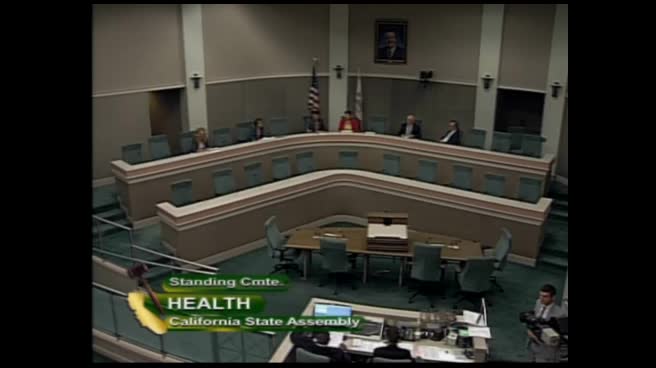 2MIN
Assembly Standing Committee on Health
 40SEC
Senate Floor
 4MIN
Senate Standing Committee on Health
Bill Author

Bill Co-Author(s):