SB 528: Pharmacy: automated drug delivery systems.
- Session Year: 2017-2018
- House: Senate
- Latest Version Date: 2017-06-12
(1)Existing law, the Pharmacy Law, the violation of which is a crime, provides for the licensing and regulation of pharmacies, pharmacists, intern pharmacists, and pharmacy technicians by the California State Board of Pharmacy. The Pharmacy Law authorizes a pharmacy to provide pharmacy services to specified licensed health facilities through the use of an automated drug delivery system. Existing law The Pharmacy Law authorizes a licensed clinic to make use of an automated drug delivery system, operated under the supervision of a pharmacist, but under the clinics license and under which the clinic is responsible for the safety and security of the drugs in the system.
This bill would provide an alternative program to authorize a pharmacy to provide pharmacy services to clinics that qualify as covered entities that are eligible for discount drug programs under federal law, as specified, through the use of an automated drug delivery system, as defined.
This bill would provide that, under the alternative program, the responsibility for the safety and security of the drugs in the automated drug delivery system would be the responsibility of the pharmacy, and would increase the level of the pharmacists involvement in the delivery of drugs from the system. The pharmacy would also be responsible for, among other things, obtaining a license from the board to operate the automated drug delivery system within the covered entity and developing and implementing written policies and procedures to ensure the safety, accuracy, accountability, security, patient confidentiality, and maintenance of the quality, purity, and potency of the stored drugs. The bill would require that the drugs removed from the system for a patient be labeled in accordance with existing law and that records of each transaction be maintained by the pharmacy for 3 years. The bill would require the pharmacy to review the operation and maintenance of the automated delivery system and the drugs contained therein on a monthly basis. The bill would require that the pharmacy provide for patient consultations via a 2-way audio and visual link, as specified.
(2)Because this bill would expand the law regarding the use of automated drug delivery systems, the violation of which is a crime, it would impose a state-mandated local program.
The California Constitution requires the state to reimburse local agencies and school districts for certain costs mandated by the state. Statutory provisions establish procedures for making that reimbursement.
This bill would provide that no reimbursement is required by this act for a specified reason.
(1)Existing law, the Pharmacy Law, the violation of which is a crime, provides for the licensing and regulation of pharmacies, pharmacists, intern pharmacists, and pharmacy technicians by the California State Board of Pharmacy. The Pharmacy Law authorizes a pharmacy to provide pharmacy services to specified licensed health facilities through the use of an automated drug delivery system. Existing law authorizes a licensed clinic to make use of an automated drug delivery system, operated under the supervision of a pharmacist, but under the clinics license and under which the clinic is responsible for the safety and security of the drugs in the system.
This bill would provide an alternative program to authorize a pharmacy to provide pharmacy services to covered entities that are eligible for discount drug programs under federal law, as specified, through the use of an automated drug delivery system, as defined.
This bill would provide that, under the alternative program, the responsibility for the safety and security of the drugs in the automated drug delivering delivery system would be the responsibility of the pharmacy, and would increase the level of the pharmacists involvement in the dispensing delivery of drugs from the system. The pharmacy would also be responsible for, among other things, developing and implementing written policies and procedures to ensure the safety, accuracy, accountability, security, patient confidentiality, and maintenance of the quality, purity, and potency of the stored drugs. The bill would require that the drugs removed from the system for a patient be labeled in accordance with existing law and that records of each transaction be maintained by the pharmacy for 3 years. The bill would require the pharmacy to review the operation and maintenance of the automated delivery system and the drugs contained therein on a monthly basis. The bill would require that the pharmacy provide for patient consultations via a 2-way audio and visual link, as specified.
(2)Because this bill would expand the law regarding the use of automated drug delivery systems, the violation of which is a crime, it would impose a state-mandated local program.
The California Constitution requires the state to reimburse local agencies and school districts for certain costs mandated by the state. Statutory provisions establish procedures for making that reimbursement.
This bill would provide that no reimbursement is required by this act for a specified reason.
(1)Existing law, the Pharmacy Law, the violation of which is a crime, provides for the licensing and regulation of pharmacies, pharmacists, intern pharmacists, and pharmacy technicians by the California State Board of Pharmacy. Existing law authorizes a pharmacy to furnish a dangerous drug or dangerous device to a licensed health care facility for storage in a secured emergency pharmaceutical supplies container maintained within the facility in accordance with facility regulations of the State Department of Public Health and other existing law requirements, as specified. The Pharmacy Law authorizes a pharmacy to provide pharmacy services to specified licensed health facilities through the use of an automated drug delivery system. Existing law authorizes a licensed clinic to make use of an automated drug delivery system, operated under the supervision of a pharmacist, but under the clinics license and under which the clinic is responsible for the safety and security of the drugs in the system.
This bill would make nonsubstantive changes to the provisions authorizing a pharmacy to furnish a dangerous drug or dangerous device to a licensed health care facility for storage in that facility, as specified. provide an alternative program to authorize a pharmacy to provide pharmacy services to covered entities that are eligible for discount drug programs under federal law, as specified, through the use of an automated drug delivery system, as defined.
This bill would provide that, under the alternative program, the responsibility for the safety and security of the drugs in the automated drug delivering system would be the responsibility of the pharmacy, and would increase the level of the pharmacists involvement in the dispensing of drugs from the system.
(2)Because this bill would expand the law regarding the use of automated drug delivery systems, the violation of which is a crime, it would impose a state-mandated local program.
The California Constitution requires the state to reimburse local agencies and school districts for certain costs mandated by the state. Statutory provisions establish procedures for making that reimbursement.
This bill would provide that no reimbursement is required by this act for a specified reason.
Existing law, the Pharmacy Law, the violation of which is a crime, provides for the licensing and regulation of pharmacies, pharmacists, intern pharmacists, and pharmacy technicians by the California State Board of Pharmacy. Existing law authorizes a pharmacy to furnish a dangerous drug or dangerous device to a licensed health care facility for storage in a secured emergency pharmaceutical supplies container maintained within the facility in accordance with facility regulations of the State Department of Public Health and other existing law requirements, as specified.
This bill would make nonsubstantive changes to the provisions authorizing a pharmacy to furnish a dangerous drug or dangerous device to a licensed health care facility for storage in that facility, as specified.
(a)A pharmacy may provide pharmacy services to an entity a clinic, as defined in Sections 1200 and 1200.1 of the Health and Safety Code, that qualifies as a covered entity under Section 340B of the federal Public Health Service Act to purchase and dispense or arrange for the dispensing of drugs purchased at reduced costs under the 340B Drug Pricing Program to its outpatients, through the use of an automated drug delivery system, located on the premises of the covered entity, which need not be the same location as the pharmacy, if all of the following conditions are met:
(1)The pharmacy obtains a license from the board to operate the automated drug delivery system within the covered entity. As part of the application, the pharmacy shall provide the address of the covered entity. A separate license shall be required for each location and shall be renewed annually concurrent with the pharmacy license. The application and renewal fee shall be two hundred dollars ($200) and may be increased to three hundred fifty dollars ($350).
(1)(2)The automated drug delivery system shall be stocked with drugs purchased under the federal 340B Drug Pricing Program, and the pharmacy providing the pharmacy services to the covered entity shall be under contract with that covered entity to facilitate its 340B drug program through the use of the automated drug delivery system to dispense 340B drugs purchased under the federal 340B drug pricing program to its eligible outpatients.
(2)(3)Drugs stored in an automated drug delivery system shall be part of the inventory of the pharmacy providing pharmacy services to the health center, covered entity and drugs dispensed from the automated drug delivery system shall be considered to have been dispensed by that pharmacy.
(3)(4)The pharmacy shall maintain records of the acquisition and disposition of dangerous drugs stored in the automated drug delivery system separate from other pharmacy records.
(4)(5)The pharmacy shall own and shall be solely responsible for the security, operation, and maintenance of the automated drug delivery system.
(5)(6)The pharmacy shall provide training regarding the operation and use of the automated drug delivery system to both pharmacy and covered entity personnel using the system.
(6)(7)The operation of the automated drug delivery system shall be under the supervision of a licensed pharmacist acting on behalf of the pharmacy providing services to the health center. The pharmacist need not be physically present at the site of the automated drug delivery system and may supervise the system electronically.
(8)Notwithstanding Section 4107, the board may issue a license for the operation of an automated drug delivery system at the address of a clinic licensed under Section 4180.
(b)For purposes of this section, an automated drug delivery system has the same meaning as in subdivision (a) of Section 4105.5.
(c)Transaction information shall be made readily available in a downloadable format for review and inspection by individuals authorized by law. These records shall be maintained by the pharmacy for a minimum of three years.
(d)Drugs removed from the automated drug delivery system shall be provided to the patient by a health professional licensed pursuant to this division.
(e)(1)The pharmacy shall develop and implement written policies and procedures to ensure safety, accuracy, accountability, security, patient confidentiality, and maintenance of the quality, potency, and purity of stored drugs. Policies and procedures shall define access to the automated drug delivery system and limits to access to equipment and drugs.
(2)All policies and procedures shall be maintained at the pharmacy operating the automated drug delivery system and the location where the automated drug delivery system is being used.
(f)Drugs removed from the automated drug delivery system for a patient shall be labeled pursuant to Section 4076.
(g)A pharmacist shall review and approve all orders prior to a drug being removed from the automated drug delivery system for a patient. The pharmacist shall review the prescribers order and the patients profile for potential contraindications and adverse drug reactions. Drugs shall be released from the system only upon completion of that review.
(h)Access to the automated drug delivery system shall be controlled and tracked using an identification or password system or biosensor. A system that is accessed via a password system shall include a camera that records a picture of the individual accessing the machine. The record shall be maintained for a minimum of 180 days.
(i)The automated drug delivery system shall make a complete and accurate record of all transactions that will include all users accessing the system and all drugs added to, or removed from, the system.
(j)After the pharmacist reviews the prescribers order, access by licensed personnel to the automated drug delivery system shall be limited only to drugs ordered by the prescriber and reviewed by the pharmacist and that are specific to the patient. (k)(j)The stocking of an automated drug delivery system shall be performed by a pharmacist. If the automated drug delivery system utilizes removable pockets, cards, drawers, similar technology, or unit of use or single dose containers as defined by the United States Pharmacopoeia, the stocking system may be done outside of the facility and be delivered to the facility if all of the following conditions are met:
(1)The task of placing drugs into the removable pockets, cards, drawers, or unit of use or single dose containers is performed by a pharmacist, or by an intern pharmacist or a pharmacy technician working under the direct supervision of a pharmacist.
(2)The removable pockets, cards, drawers, or unit of use or single dose containers are transported between the pharmacy and the facility in a secure tamper-evident container.
(3)The facility pharmacy, in conjunction with the clinic, has developed policies and procedures to ensure that the removable pockets, cards, drawers, or unit of use or single dose containers are properly placed into the automated drug delivery system.
(l)(k)Review of the drugs contained within, and the operation and maintenance of, the automated drug delivery system shall be done in accordance with law and shall be the responsibility of the pharmacy. The review shall be conducted on a monthly basis by a pharmacist and shall include a physical inspection of the drugs in the automated drug delivery system, an inspection of the automated drug delivery system machine for cleanliness, and a review of all transaction records in order to verify the security and accountability of the system.
(m)(l)The automated drug delivery system used at the clinic shall provide for patient consultation pursuant to Section 1707.2 of Title 16 of the California Code of Regulations with a pharmacist via a telecommunications link that has two-way audio and video.
SEC. 2.No reimbursement is required by this act pursuant to Section 6 of Article XIIIB of the California Constitution because the only costs that may be incurred by a local agency or school district will be incurred because this act creates a new crime or infraction, eliminates a crime or infraction, or changes the penalty for a crime or infraction, within the meaning of Section 17556 of the Government Code, or changes the definition of a crime within the meaning of Section 6 of Article XIIIB of the California Constitution.
(a)A pharmacy may provide pharmacy services to an entity that qualifies as a covered entity under Section 340B of the federal Public Health Service Act to purchase and dispense or arrange for the dispensing of drugs purchased at reduced costs under the 340B Drug Pricing Program to its outpatients, through the use of an automated drug dispensing delivery system, located on the premises of the entity, which need not be the same location as the pharmacy, if all of the following conditions are met:
(1)The automated drug dispensing delivery system shall be stocked with drugs purchased under the federal 340B Drug Pricing Program, and the pharmacy providing the pharmacy services to the entity shall be under contract with that entity to facilitate its 340B drug program through the use of the automated drug dispensing delivery system to dispense 340B drugs to its eligible outpatients.
(2)Drugs shall be released to the patient from the automated drug dispensing system only upon authorization by a pharmacist after the pharmacist has reviewed the prescription and the patients profile for potential contraindications and adverse drug reactions. (3)(2)Drugs stored in an automated drug dispensing delivery system shall be part of the inventory of the pharmacy providing pharmacy services to the health center, and drugs dispensed from the automated drug dispensing delivery system shall be considered to have been dispensed by that pharmacy.
(4)(3)The pharmacy shall maintain records of the acquisition and disposition of dangerous drugs stored in the automated drug dispensing delivery system separate from other pharmacy records.
(5)(4)The pharmacy shall own and shall be solely responsible for the security, operation, and maintenance of the automated drug dispensing delivery system.
(6)(5)The pharmacy shall provide training regarding the operation and use of the automated drug dispensing delivery system to both pharmacy and entity personnel using the system.
(7)(6)The operation of the automated drug dispensing delivery system shall be under the supervision of a licensed pharmacist acting on behalf of the pharmacy providing services to the health center. The pharmacist need not be physically present at the site of the automated drug dispensing delivery system and may supervise the system electronically.
(b)For purposes of this section, an automated drug dispensing delivery system has the same meaning as in subdivision (h) (a) of Section 4186. 4105.5.
(c)Transaction information shall be made readily available in a downloadable format for review and inspection by individuals authorized by law. These records shall be maintained by the pharmacy for a minimum of three years.
(d)Drugs removed from the automated drug delivery system shall be provided to the patient by a health professional licensed pursuant to this division.
(e)(1)The pharmacy shall develop and implement written policies and procedures to ensure safety, accuracy, accountability, security, patient confidentiality, and maintenance of the quality, potency, and purity of stored drugs. Policies and procedures shall define access to the automated drug delivery system and limits to access to equipment and drugs.
(2)All policies and procedures shall be maintained at the pharmacy operating the automated drug delivery system and the location where the automated drug delivery system is being used.
(f)Drugs removed from the automated drug delivery system for a patient shall be labeled pursuant to Section 4076.
(g)A pharmacist shall review and approve all orders prior to a drug being removed from the automated drug delivery system for a patient. The pharmacist shall review the prescribers order and the patients profile for potential contraindications and adverse drug reactions.
(h)Access to the automated drug delivery system shall be controlled and tracked using an identification or password system or biosensor.
(i)The automated drug delivery system shall make a complete and accurate record of all transactions that will include all users accessing the system and all drugs added to, or removed from, the system.
(j)After the pharmacist reviews the prescribers order, access by licensed personnel to the automated drug delivery system shall be limited only to drugs ordered by the prescriber and reviewed by the pharmacist and that are specific to the patient.
(k)The stocking of an automated drug delivery system shall be performed by a pharmacist. If the automated drug delivery system utilizes removable pockets, cards, drawers, similar technology, or unit of use or single dose containers as defined by the United States Pharmacopoeia, the stocking system may be done outside of the facility and be delivered to the facility if all of the following conditions are met:
(1)The task of placing drugs into the removable pockets, cards, drawers, or unit of use or single dose containers is performed by a pharmacist, or by an intern pharmacist or a pharmacy technician working under the direct supervision of a pharmacist.
(2)The removable pockets, cards, drawers, or unit of use or single dose containers are transported between the pharmacy and the facility in a secure tamper-evident container.
(3)The facility has developed policies and procedures to ensure that the removable pockets, cards, drawers, or unit of use or single dose containers are properly placed into the automated drug delivery system.
(l)Review of the drugs contained within, and the operation and maintenance of, the automated drug delivery system shall be done in accordance with law and shall be the responsibility of the pharmacy. The review shall be conducted on a monthly basis by a pharmacist and shall include a physical inspection of the drugs in the automated drug delivery system, an inspection of the automated drug delivery system machine for cleanliness, and a review of all transaction records in order to verify the security and accountability of the system.
(m)The automated drug delivery system used at the clinic shall provide for patient consultation pursuant to Section 1707.2 of Title 16 of the California Code of Regulations with a pharmacist via a telecommunications link that has two-way audio and video.
SEC. 2.No reimbursement is required by this act pursuant to Section 6 of Article XIIIB of the California Constitution because the only costs that may be incurred by a local agency or school district will be incurred because this act creates a new crime or infraction, eliminates a crime or infraction, or changes the penalty for a crime or infraction, within the meaning of Section 17556 of the Government Code, or changes the definition of a crime within the meaning of Section 6 of Article XIIIB of the California Constitution.
(a)A pharmacy may provide pharmacy services to an entity that qualifies as a covered entity under Section 340B of the federal Public Health Service Act to purchase and dispense or arrange for the dispensing of drugs purchased at reduced costs under the 340B Drug Pricing Program to its outpatients, through the use of an automated drug dispensing system, located on the premises of the entity, which need not be the same location as the pharmacy, if all of the following conditions are met:
(1)The automated drug dispensing system shall be stocked with drugs purchased under the federal 340B Drug Pricing Program, and the pharmacy providing the pharmacy services to the entity shall be under contract with that entity to facilitate its 340B drug program through the use of the automated drug dispensing system to dispense 340B drugs to its eligible outpatients.
(2)Drugs shall be released to the patient from the automated drug dispensing system only upon authorization by a pharmacist after the pharmacist has reviewed the prescription and the patients profile for potential contraindications and adverse drug reactions.
(3)Drugs stored in an automated drug dispensing system shall be part of the inventory of the pharmacy providing pharmacy services to the health center, and drugs dispensed from the automated drug dispensing system shall be considered to have been dispensed by that pharmacy.
(4)The pharmacy shall maintain records of the acquisition and disposition of dangerous drugs stored in the automated drug dispensing system separate from other pharmacy records.
(5)The pharmacy shall own and shall be solely responsible for the security, operation, and maintenance of the automated drug dispensing system.
(6)The pharmacy shall provide training regarding the operation and use of the automated drug dispensing system to both pharmacy and entity personnel using the system.
(7)The operation of the automated drug dispensing system shall be under the supervision of a licensed pharmacist acting on behalf of the pharmacy providing services to the health center. The pharmacist need not be physically present at the site of the automated drug dispensing system and may supervise the system electronically.
(b)For purposes of this section, an automated drug dispensing system has the same meaning as in subdivision (h) of Section 4186.
SEC. 2.No reimbursement is required by this act pursuant to Section 6 of Article XIIIB of the California Constitution because the only costs that may be incurred by a local agency or school district will be incurred because this act creates a new crime or infraction, eliminates a crime or infraction, or changes the penalty for a crime or infraction, within the meaning of Section 17556 of the Government Code, or changes the definition of a crime within the meaning of Section 6 of Article XIIIB of the California Constitution.
SECTION 1.Section 4119.7 of the Business and Professions Code is amended to read:4119.7.(a)Notwithstanding any other law, a hospital pharmacy serving a health care facility, licensed under subdivision (a) of Section 1250 of the Health and Safety Code, may furnish a dangerous drug or dangerous device pursuant to preprinted or electronic standing orders, order sets, and protocols established under the policies and procedures of the health care facility, as approved according to the policies of the health care facilitys governing body, if the order is dated, timed, and authenticated in the medical record of the patient to whom the dangerous drug or dangerous device will be provided.(b)A health care facility shall store and maintain drugs in accordance with national standards regarding the storage area and refrigerator or freezer temperature, and otherwise pursuant to the manufacturers guidelines. The health care facilitys policies and procedures shall specify these storage parameters.(c)An intern pharmacist under the direct supervision and control, as defined in Section 4023.5, of a pharmacist, may inspect the drugs maintained in the health care facility at least once per month. The health care facility shall establish specific written policies and procedures for inspections pursuant to this subdivision.(d)For purposes of this section, health care facility means a health facility licensed under subdivision (a) of Section 1250 of the Health and Safety Code.(a)Notwithstanding any other law, a hospital pharmacy serving a health care facility facility, licensed under subdivision (a) of Section 1250 of the Health and Safety Code Code, may furnish a dangerous drug or dangerous device pursuant to preprinted or electronic standing orders, order sets, and protocols established under the policies and procedures of the health care facility, as approved according to the policies of the health care facilitys governing body, if the order is dated, timed, and authenticated in the medical record of the patient to whom the dangerous drug or dangerous device will be provided.
(b)A health care facility shall store and maintain drugs in accordance with national standards regarding the storage area and refrigerator or freezer temperature, and otherwise pursuant to the manufacturers guidelines. The health care facilitys policies and procedures shall specify these storage parameters.
(c)An intern pharmacist under the direct supervision and control, as defined in Section 4023.5, of a pharmacist, may inspect the drugs maintained in the health care facility at least once per month. The health care facility shall establish specific written policies and procedures for inspections pursuant to this subdivision.
(d)For purposes of this section, health care facility means a health facility licensed under subdivision (a) of Section 1250 of the Health and Safety Code.
|
Date
|
Status
|
|---|---|
| Sep 1, 2017 | September 1 hearing: Held in committee and under submission. |
| Jul 19, 2017 | July 19 set for first hearing. Placed on APPR. suspense file. |
| Jun 20, 2017 | From committee: Do pass and re-refer to Com. on APPR. (Ayes 15. Noes 0.) (June 20). Re-referred to Com. on APPR. |
| Jun 12, 2017 | From committee with author's amendments. Read second time and amended. Re-referred to Com. on B. & P. |
| Jun 8, 2017 | Referred to Com. on B. & P. |
| May 31, 2017 | In Assembly. Read first time. Held at Desk. |
| May 30, 2017 | Read third time. Passed. (Ayes 40. Noes 0. Page 1248.) Ordered to the Assembly. |
| May 16, 2017 | Read second time. Ordered to third reading. |
| May 15, 2017 | From committee: Do pass. (Ayes 7. Noes 0. Page 1080.) (May 15). |
| May 4, 2017 | Set for hearing May 15. |
| May 3, 2017 | May 8 hearing postponed by committee. |
| May 1, 2017 | Set for hearing May 8. |
| Apr 20, 2017 | Read second time and amended. Re-referred to Com. on APPR. |
| Apr 19, 2017 | From committee: Do pass as amended and re-refer to Com. on APPR. (Ayes 9. Noes 0. Page 726.) (April 17). |
| Apr 7, 2017 | Set for hearing April 17. |
| Apr 5, 2017 | Re-referred to Com. on B., P. & E.D. |
| Mar 28, 2017 | From committee with author's amendments. Read second time and amended. Re-referred to Com. on RLS. |
| Mar 2, 2017 | Referred to Com. on RLS. |
| Feb 17, 2017 | From printer. May be acted upon on or after March 19. |
| Feb 16, 2017 | Introduced. Read first time. To Com. on RLS. for assignment. To print. |
|
Date
|
Description
|
Location
|
Votes
|
|
|---|---|---|---|---|
| Jun 20, 2017 | Do pass and be re-referred to the Committee on [Appropriations] | Assembly Standing Committee on Business and Professions |
Passed |
|
| May 30, 2017 | Senate 3rd Reading SB528 Stone | Senate Floor |
Passed |
|
| May 15, 2017 | Do pass | Senate Standing Committee on Appropriations |
Passed |
|
| Apr 17, 2017 | Do pass as amended, but first amend, and re-refer to the Committee on [Appropriations] | Senate Standing Committee on Business, Professions and Economic Development |
Passed |
This list shows positions taken on this bill by organizations on the date displayed, which is linked to the original source.
Positions by individuals are not included.
|
Organization
|
Position
|
Date
|
|---|---|---|
| California State Board of Pharmacy | * For If Amend | Jun 20, 2017 |
| IMGRX | ** Support | May 17, 2017 |
| IMXRX | * Support | Jun 20, 2017 |
| United Health Centers of San Joaquin Valley | ** Support | May 17, 2017 |
| Western Sierra Medical Clinic | ** Support | May 17, 2017 |
Date of Hearing: July 19, 2017
ASSEMBLY COMMITTEE ON APPROPRIATIONS
Lorena Gonzalez Fletcher, Chair
SBPCA Bill Id:SB 528
Author:(Stone) – As Amended Ver:June 12, 2017
Policy Committee: | Business and Professions | Vote: | 15 - 0 |
Urgency: No State Mandated Local Program: Yes Reimbursable: No
SUMMARY:
This bill allows pharmacies to use automated drug delivery systems to provide pharmacy services to certain safety net clinics that participate in the federal "340B" discount drug program, and prescribes a number of conditions under which pharmacies may do so. These conditions include:
- A separate license for each automated drug delivery system at each clinic location, which is renewed annually with an application fee set at $200; the fee may be increased up to $350.
- Rules regarding safety, inventory control and security, tracking, dispensing, and record-keeping, and other controls.
- The ability for the automated drug delivery system to provide for patient consultation with a pharmacist via a telecommunications link that has two-way audio and video.
FISCAL EFFECT:
- Staff costs to the Board of Pharmacy of $160,000 in 2018-19, and $140,000 in 2019-20 and ongoing to regulate the new license types (Pharmacy Board Contingent Fund).
- A projected information technology impact of $70,000 can be absorbed by redirecting existing maintenance resources (Pharmacy Board Contingent Fund).
- Unknown, likely minor potential revenues from additional license fees (Pharmacy Board Contingent Fund).
COMMENTS:
- Purpose. This author-sponsored bill allows pharmacies to use automated drug delivery systems to dispense drugs in certain safety net clinics.
- Automated Drug Delivery Systems. These systems can be thought of as sophisticated vending machines that dispense drugs in an automated manner, while maintaining the security and patient safety controls of a pharmacy. Current law requires an automated drug delivery system to collect, control, and maintain all transaction information to accurately track the movement of drugs into and out of the system.
- How this bill changes current law. Current law already allows pharmacies to use automated drug delivery systems to dispense drugs in a skilled nursing facility or intermediate care facility. Current law also allows certain clinics licensed by the Board of Pharmacy to use these systems to dispense drugs in a clinic, but it is up to the clinic to develop policies and procedures related to safety, security, and maintenance of drugs. This bill will essentially authorize a combination of these activities, in order to allow pharmacies to operate the automated drug delivery systems within clinics, thereby allowing clinics the option of contracting with a pharmacy instead of developing their own management systems.
- Bill is limited to certain clinic types. This bill allows automated drug delivery systems to be used in licensed clinics participating in the "340B" drug discount program, a federal program that allows certain clinics and other providers to obtain discounted drug prices from manufacturers. According to the federal Health Services Resources Administration, eligible clinics include federally qualified health centers, tribal health centers, Ryan White (HIV/AIDS) program grantees, and certain specialty clinics. Pursuant to this bill, pharmacies will be allowed to operate only in licensed clinics that participate in 340B program.
- Related Legislation. AB 401 (Aguiar-Curry) allows licensed pharmacies to operate "remote dispensing site pharmacies" and use "telepharmacy systems," as defined, to manage activities at the remote site, and limits establishment of remote sites to geographic areas underserved by pharmacies. Similar to this bill, it requires audio and video communication systems between supervising pharmacies and remote sites. AB 401 is pending in the Senate Business, Professions, and Economic Development Committee.
SB 443 (Hernández) authorizes a county fire department to use an automated drug delivery system to restock drugs. SB 443 is pending in the Assembly Business and Professions Committee.
Analysis Prepared by: Lisa Murawski / APPR. / (916) 319-2081
Date of Hearing: June 20, 2017
ASSEMBLY COMMITTEE ON BUSINESS AND PROFESSIONS
Evan Low, Chair
SBPCA Bill Id:SB 528
Author:(Stone) – As Amended Ver:June 12, 2017
SENATE VOTE: 40-0
SUBJECT: Pharmacy: automated drug delivery systems
SUMMARY: Establishes an alternative program to authorize a pharmacy to provide pharmacy services to clinics that qualify as covered entities that are eligible for discount drug programs under federal law through the use of an automated drug delivery system (ADDS).
EXISTING LAW:
The Business and Professions Code (BPC):
- Establishes the Board of Pharmacy (Board) to administer and regulate the Pharmacy Law. (BPC § 4001)
- Defines an ADDS as a mechanical system controlled remotely by a pharmacist that performs operations or activities, other than compounding or administration, relative to the storage, dispensing, or distribution of prepackaged dangerous drugs or dangerous devices. An ADDS shall collect, control, and maintain all transaction information to accurately track the movement of drugs into and out of the system for security, accuracy, and accountability.
(BPC § 4186 (h); Health and Safety Code § 1261.6) - Permits an ADDS to be located in specified clinics licensed by the Board. Requires a clinic with an ADDS to develop and implement written policies and procedures to ensure safety, accuracy, accountability, security, patient confidentiality, and maintenance of the quality, potency, and purity of drugs. (BPC § 4186 (a))
- Requires a pharmacy that owns or provides dangerous drugs dispensed through an ADDS to notify the Board in writing with the location of each ADDS within 30 days of installation, and on an annual basis as part of the pharmacy’s license renewal.
(BPC § 4105.5 (b)) - Authorizes a pharmacy to use an ADDS if:
- Use of the ADDS is consistent with legal requirements.
- The pharmacy’s policies and procedures related to the ADDS include appropriate security measures and monitoring of the inventory to prevent theft and diversion.
- The pharmacy reports drug losses from the ADDS to the Board as required by law.
- The pharmacy license is unexpired and not subject to disciplinary conditions. (BPC § 4105.5(c)
- Authorizes the Board to prohibit a pharmacy from using an ADDS if the Board determines that the pharmacy is not complying with existing law. If such a determination is made, the Board shall provide the pharmacy with written notice including the basis for the determination. The pharmacy may request an office conference to appeal the Board’s decision within 30 days of receipt of the written notice. The executive officer or designee may affirm or overturn the prohibition as a result of the office conference. (BPC § 4105.5 (d))
- Authorizes a pharmacy to provide pharmacy services to specified health facilities licensed by the Board through the use of an ADDS that need not be located at the same location as the pharmacy. The following conditions apply:
- Drugs stored in an ADDS shall be part of the inventory of the pharmacy providing pharmacy services to that facility, and drugs dispensed from the pharmacy system shall be considered to have been dispensed by that pharmacy.
- The pharmacy shall maintain records of the acquisition and disposition of dangerous drugs and dangerous devices stored in the ADDS separate from other pharmacy records.
- The pharmacy shall own and operate the ADDS.
- The pharmacy shall provide training regarding the operation and use of the ADDS to both pharmacy and health facility personnel using the system.
- The pharmacy shall operate the ADDS in compliance with specified law delineating processes and procedures to ensure safety and security of the ADDS.
- The operation of the ADDS shall be under the supervision of a licensed pharmacist, who need not be physically present at the site of the ADDS and may supervise the system electronically. (BPC § 4119.1)
Federal law:
- Establishes the 340B Drug Pricing Program to provide reduced price prescription drugs to certain safety net health providers certified by the United States Department of Health and Human Services (HHS) as "covered entities." (Public Health Service Act §340B; 42 United States Code (USC) § 256b)
- Defines “covered entities” to include certain disproportionate share hospitals; children’s hospitals; rural hospitals, including critical access hospitals, rural referral centers and sole community hospitals; and free-standing cancer hospitals. Covered entities also include eleven other categories of providers, including federally qualified health centers (FQHCs), FQHC look-alikes, AIDS and tuberculosis clinics, and other outpatient clinics funded under the Public Health Safety Act. (42 USC § 256b(a)(4))
THIS BILL:
- Permits a pharmacy to provide pharmacy services to a clinic that qualifies as a “covered entity” under Section 340B of the federal Public Health Service Act to purchase and dispense or arrange for the dispensing of drugs purchased at reduced costs under the 340B Drug Pricing Program to its outpatients, through the use of an ADDS, located on the premises of the covered entity, which need not be the same location as the pharmacy, if all of the following conditions are met:
- The pharmacy obtains a license from the board to operate the ADDS within the covered entity. As part of the application, the pharmacy shall provide the address of the covered entity. A separate license shall be required for each location and shall be renewed annually concurrent with the pharmacy license. The application and renewal fee shall be two hundred dollars ($200) and may be increased to three hundred fifty dollars ($350).
- The pharmacy providing the pharmacy services to the covered entity shall be under contract with that covered entity to facilitate its 340B drug program through the use of the ADDS to dispense drugs purchased under the federal 340B drug pricing program to its eligible outpatients.
- Drugs stored in an ADDS shall be part of the inventory of the pharmacy providing pharmacy services to the covered entity and drugs dispensed from the ADDS shall be considered to have been dispensed by that pharmacy.
- The pharmacy shall maintain records of the acquisition and disposition of dangerous drugs stored in the ADDS separate from other pharmacy records.
- The pharmacy shall be solely responsible for the security, operation, and maintenance of the ADDS.
- The pharmacy shall provide training regarding the operation and use of the ADDS to both pharmacy and covered entity personnel using the system.
- The operation of the ADDS shall be under the supervision of a licensed pharmacist acting on behalf of the pharmacy providing services to the health center. The pharmacist need not be physically present at the site of the ADDS and may supervise the system electronically.
- Permits the Board to issue a license for the operation of an ADDS at the address of a clinic licensed under Section 4180.
- Defines “automated drug delivery system,” as listed in section Health and Safety Code § 1261.6, to mean a mechanical system that performs operations or activities, other than compounding or administration, relative to the storage, dispensing, or distribution of drugs. An ADDS shall collect, control, and maintain all transaction information to accurately track the movement of drugs into and out of the system for security, accuracy, and accountability.
- Specifies that transaction information shall be made readily available in a downloadable format for review and inspection by individuals authorized by law. These records shall be maintained by the pharmacy for a minimum of three years.
- Specifies that drugs removed from the ADDS shall be provided to the patient by a licensed health professional, as specified.
- Requires pharmacies to develop and implement written policies and procedures to ensure safety, accuracy, accountability, security, patient confidentiality, and maintenance of the quality, potency, and purity of stored drugs. Policies and procedures shall define access to the ADDS and limits to access to equipment and drugs. All policies and procedures shall be maintained at the pharmacy operating the ADDS and the location where the ADDS is being used.
- Requires drugs removed from an ADDS to be labeled as specified.
- Requires a pharmacist to review and approve all orders prior to a drug being removed from the ADDS for a patient. The pharmacist shall review the prescriber’s order and the patient’s profile for potential contraindications and adverse drug reactions. Drugs shall be released from the system only upon completion of that review.
- Mandates that access to the ADDS shall be controlled and tracked using an identification or password system or biosensor. A system that is accessed via a password system shall include a camera that records a picture of the individual accessing the machine. The record shall be maintained for a minimum of 180 days.
- Specifies that the ADDS shall make a complete and accurate record of all transactions that will include all users accessing the system and all drugs added to, or removed from, the system.
- Specifies that the stocking of an ADDS shall be performed by a pharmacist. If the ADDS utilizes removable pockets, cards, drawers, similar technology, or unit of use or single dose containers as defined by the United States Pharmacopoeia, the stocking system may be done outside of the facility and be delivered to the facility if all of the following conditions are met:
- The task of placing drugs into the removable pockets, cards, drawers, or unit of use or single dose containers is performed by a pharmacist, or by an intern pharmacist or a pharmacy technician working under the direct supervision of a pharmacist.
- The removable pockets, cards, drawers, or unit of use or single dose containers are transported between the pharmacy and the facility in a secure tamper-evident container.
- The pharmacy, in conjunction with the clinic, has developed policies and procedures to ensure that the removable pockets, cards, drawers, or unit of use or single dose containers are properly placed into the ADDS.
- Requires that review of the drugs contained within, and the operation and maintenance of, the ADDS shall be done in accordance with law and shall be the responsibility of the pharmacy. The review shall be conducted on a monthly basis by a pharmacist and shall include a physical inspection of the drugs in the ADDS, an inspection of the ADDS machine for cleanliness, and a review of all transaction records in order to verify the security and accountability of the system.
- Requires the ADDS used at the clinic shall provide for patient consultation with a pharmacist via a telecommunications link that has two-way audio and video.
FISCAL EFFECT: According to the May 15, 2017, Senate Committee on Appropriations analysis, this bill will result in potential ongoing costs in the low tens of thousands per year for enforcement of the bill’s requirements on participating pharmacies. The number of health facilities that would use an ADDS, as authorized in the bill, is unknown. Given that clinics can currently use an ADDS if they are licensed by the Board, it is not likely that there are a very large number of additional clinics that would make use of the authority in this bill.
This bill would likely incur potential one-time costs of $50,000 for the Board to upgrade their information technology systems if the Board determines that will create a new license type to implement the bill.
COMMENTS:
Purpose. This bill is sponsored by the author. According to the author, “SB 528 permits a licensed pharmacy to provide pharmacy services through the use of automated prescription drug dispensing systems to safety net health clinics. These clinics include non-profit community clinics, free clinics and other federally-qualified health centers under Section 340B of the federal Public Health Service Act. The pharmacy will remotely operate the automated dispensing system, acting under its own license and initiating and controlling each step of the dispensing process, and will dispense medications in unit of use prescription quantities. This bill brings the full services of a licensed pharmacy on premise to the health facility, dramatically increasing the likelihood that the patient will retrieve, and take, his or her prescription.”
Background. 340B Drug Pricing Program. According to the Health Resources and Services Administration of the United States Department of Health and Human Services, the 340B Program permits covered entities ‘‘to stretch scarce Federal resources as far as possible, reaching more eligible patients and providing more comprehensive services. Manufacturers participating in Medicaid, agree to provide outpatient drugs to covered entities at significantly reduced prices.
Eligible health care organizations/covered entities are defined in statute and include HRSA-supported health centers and look-alikes, Ryan White clinics and State AIDS Drug Assistance programs, Medicare/Medicaid Disproportionate Share Hospitals, children’s hospitals, and other safety net providers. To participate in the 340B Program, eligible organizations/covered entities must register and be enrolled with the 340B program and comply with all 340B Program requirements. Once enrolled, covered entities are assigned a 340B identification number that vendors verify before allowing an organization to purchase 340B discounted drugs.
Board Regulation of Clinics Dispensing Wholesale Drugs. According to the Pharmacy Practice Act (BPC § 4180) the following types of clinics may purchase drugs at wholesale for administration or dispensing under the direction of a physician and surgeon:
- Licensed nonprofit community clinic or free clinic
- Primary care clinic owned by a county
- Clinic operated by a federally recognized Indian tribe or tribal organization
- Clinic operated by a primary care community of free clinic, operated on a separate premises from a licensed clinic and that is open no more than 20 hours per week
- Student health center clinic operated by a public institution of higher education
- Nonprofit multispecialty clinic
ADDS. An ADDS is a mechanical system controlled remotely by a pharmacist that performs operations or activities relative to the storage, dispensing, or distribution of prepackaged dangerous drugs or devices. Any clinic licensed by the Board may have an ADDS on its premises. The law requires that there be specific written policies and procedures to ensure safety, accuracy, accountability, security, patient confidentiality, and maintenances of the quality, potency and purity of drugs located at the clinic.
This measure permits a pharmacy to provide pharmacy services to a clinic that qualifies as a “covered entity” under Section 340B to purchase and dispense or arrange for the dispensing of drugs purchased at reduced costs under the 340B Drug Pricing Program to its outpatients, through the use of an ADDS, located on the premises of the covered entity.
Prior Related Legislation. SB 1193 (Hill) Chapter 484, Statutes of 2016 required a pharmacy using an ADDS to register use of the ADDS with the Board, including the address at which the ADDS is being used.
REGISTERED SUPPORT:
None on file.
REGISTERED OPPOSITION:
None on file.
Analysis Prepared by: Le Ondra Clark Harvey, Ph.D. / B. & P. / (916) 319-3301
Office of Senate Floor Analyses (916) 651-1520 Fax: (916) 327-4478 | SB |
THIRD READING
Bill No: SB 528
:
SENATE BUS., PROF. & ECON. DEV. COMMITTEE: 9-0, 4/17/17
AYES: Hill, Bates, Dodd, Galgiani, Glazer, Hernandez, Newman, Pan, Wilk
SENATE APPROPRIATIONS COMMITTEE: 7-0, 5/15/17
AYES: Lara, Bates, Beall, Bradford, Hill, Nielsen, Wiener
DIGEST:
This bill allows a pharmacy to provide services to a “covered entity” under the federal 340B Drug Pricing Program via an automated drug delivery system.
Existing law:
- Establishes the Board of Pharmacy (BOP) to administer and regulate the Pharmacy Law. (Business and Professions Code § 4001)
- Defines an “automated drug delivery system” (ADDS) as a mechanical system controlled remotely by a pharmacist that performs operations or activities, other than compounding or administration, relative to the storage, dispensing, or distribution of prepackaged dangerous drugs or dangerous devices. An ADDS shall collect, control, and maintain all transaction information to accurately track the movement of drugs into and out of the system for security, accuracy, and accountability. (BPC § 4186 (h))
- Permits an ADDS to be located in specified clinics licensed by the BOP. Requires a clinic with an ADDS to develop and implement written policies and procedures to ensure safety, accuracy, accountability, security, patient confidentiality, and maintenance of the quality, potency, and purity of drugs. (BPC § 4186 (a))
- Requires a pharmacy that owns or provides dangerous drugs dispensed through an ADDS to notify the BOP in writing with the location of each ADDS within 30 days of installation, and on an annual basis as part of the pharmacy’s license renewal. (BPC § 4105.5 (b))
- Authorizes a pharmacy to use an ADDS if:
- Use of the ADDS is consistent with legal requirements.
- The pharmacy’s policies and procedures related to the ADDS include appropriate security measures and monitoring of the inventory to prevent theft and diversion.
- The pharmacy reports drug losses from the ADDS to the BOP as required by law.
- The pharmacy license is unexpired and not subject to disciplinary conditions.
- Authorizes the BOP to prohibit a pharmacy from using an ADDS if the BOP determines that the pharmacy is not complying with existing law. If such a determination is made, the BOP shall provide the pharmacy with written notice including the basis for the determination. The pharmacy may request an office conference to appeal the BOP’s decision within 30 days of receipt of the written notice. The executive officer or designee may affirm or overturn the prohibition as a result of the office conference. (BPC § 4105.5 (c-d))
- Authorizes a pharmacy to provide pharmacy services to specified health facilities licensed by the BOP through the use of an ADDS that need not be located at the same location as the pharmacy. The following conditions apply:
- Drugs stored in an ADDS shall be part of the inventory of the pharmacy providing pharmacy services to that facility, and drugs dispensed from the pharmacy system shall be considered to have been dispensed by that pharmacy.
- The pharmacy shall maintain records of the acquisition and disposition of dangerous drugs and dangerous devices stored in the ADDS separate from other pharmacy records.
- The pharmacy shall own and operate the ADDS.
- The pharmacy shall provide training regarding the operation and use of the ADDS to both pharmacy and health facility personnel using the system.
- The pharmacy shall operate the ADDS in compliance with specified law delineating processes and procedures to ensure safety and security of the ADDS.
- The operation of the ADDS shall be under the supervision of a licensed pharmacist, who need not be physically present at the site of the ADDS and may supervise the system electronically. (BPC § 4119.1)
- Establishes the 340B Drug Pricing Program Ceiling Price and Manufacturer Civil Monetary Penalties Regulation (340B Drug Pricing Program) to provide reduced price prescription drugs to certain safety net health providers certified by the United States Department of Health and Human Services (HHS) as "covered entities." (Public Health Service Act §340B; 42 United States Code (USC) § 256b)
- Defines “covered entities” to include certain disproportionate share hospitals; children’s hospitals; rural hospitals, including critical access hospitals, rural referral centers and sole community hospitals; and free-standing cancer hospitals. Covered entities also include eleven other categories of providers, including federally qualified health centers (FQHCs), FQHC look-alikes, AIDS and tuberculosis clinics, and other outpatient clinics funded under the Public Health Safety Act. (Public Health Service Act §340B; 42 USC § 256b)
This bill:
- Authorizes a pharmacy to provide pharmacy services to an entity that qualifies as a “covered entity” under Section 340B of the federal Public Health Service Act to purchase and dispense or arrange for the dispensing of drugs to its outpatients, through the use of an ADDS, located on the premises of the entity, which need not be the same location as the pharmacy, if all of the following conditions are met:
- The ADDS shall be stocked with drugs purchased under the federal 340B Drug Pricing Program, and the pharmacy providing the pharmacy services to the entity shall be under contract with that entity to facilitate its 340B drug program through the use of the ADDS to dispense 340B drugs to its eligible outpatients.
- Drugs stored in an ADDS shall be part of the inventory of the pharmacy providing pharmacy services to the health center, and drugs dispensed from the ADDS shall be considered to have been dispensed by that pharmacy.
- The pharmacy shall maintain records of the acquisition and disposition of dangerous drugs stored in the ADDS separate from other pharmacy records.
- The pharmacy shall own and shall be solely responsible for the security, operation, and maintenance of the ADDS.
- The pharmacy shall provide training regarding the operation and use of the ADDS to both pharmacy and entity personnel using the system.
- The operation of the ADDS shall be under the supervision of a licensed pharmacist acting on behalf of the pharmacy providing services to the health center. The pharmacist need not be physically present at the site of the ADDS and may supervise the system electronically.
- Defines “ADDS” as having the same meaning as in existing Pharmacy Law.
- Requires that transaction information be made readily available in a downloadable format for review and inspection by authorized individuals. These records shall be maintained by the pharmacy for a minimum of three years.
- Requires that drugs removed from the ADDS be provided to the patient by a health professional licensed pursuant to this division.
- Requires the pharmacy to develop and implement written policies and procedures to ensure safety, accuracy, accountability, security, patient confidentiality, and maintenance of the quality, potency, and purity of stored drugs. Policies and procedures shall define access to the ADDS and limits to access to equipment and drugs. All policies and procedures shall be maintained at the pharmacy operating the ADDS and the location where the ADDS is being used.
- Requires that drugs removed from the ADDS for a patient be labeled according to existing law.
- Requires a pharmacist to review and approve all orders prior to a drug being removed from the ADDS for a patient. The pharmacist shall review the prescriber’s order and the patient’s profile for potential contraindications and adverse drug reactions.
- Requires access to the ADDS be controlled and tracked using an identification or password system or biosensor.
- Requires the ADDS to make a complete and accurate record of all transactions that will include all users accessing the system and all drugs added to, or removed from, the system.
- Limits drug access in the ADDS to those ordered by the prescriber and reviewed by the pharmacist and that are specific to the patient.
- Requires a pharmacist to stock an ADDS. If the ADDS utilizes removable pockets, cards, drawers, similar technology, or unit of use or single dose containers as defined by the United States Pharmacopoeia, the stocking system may be done outside of the facility and be delivered to the facility if all of the following conditions are met:
- The task of placing drugs into the removable pockets, cards, drawers, or unit of use or single dose containers is performed by a pharmacist, or by an intern pharmacist or a pharmacy technician working under the direct supervision of a pharmacist.
- The removable pockets, cards, drawers, or unit of use or single dose containers are transported between the pharmacy and the facility in a secure tamper-evident container.
- The facility has developed policies and procedures to ensure that the removable pockets, cards, drawers, or unit of use or single dose containers are properly placed into the ADDS.
- Requires that review of the drugs contained within, and the operation and maintenance of, the ADDS be done in accordance with law and is the responsibility of the pharmacy. The review shall be conducted on a monthly basis by a pharmacist and shall include a physical inspection of the drugs in the ADDS, an inspection of the ADDS machine for cleanliness, and a review of all transaction records in order to verify the security and accountability of the system.
- Requires the ADDS to provide for patient consultation with a pharmacist via a telecommunications link that has two-way audio and video.
An ADDS is a machine that dispenses prescription drugs outside of a pharmacy. Designs vary by need, but an ADDS is essentially an exceptionally sophisticated vending machine controlled by a pharmacist, with the security and patient safety controls of a pharmacy.
According to HHS, the 340B Program provides discounts on outpatient drugs to certain safety net health providers to allow them to increase patient services with the savings realized from participation. Providers typically save 25-50% on outpatient drug costs.
Current law allows a pharmacy to use an ADDS to provide pharmacy services to a licensed skilled nursing facility or intermediate care facility. In these circumstances, the pharmacy owns and operates the ADDS and is responsible for training, operation, and security, as well as complying with a host of other laws. Current law also allows certain clinics licensed by the BOP to use an ADDS, which may include some 340B “covered entities.” However, to use a ADDS under this section of law, the clinic itself must develop and implement policies and procedures to ensure safety, accuracy, accountability, security, patient confidentiality, and maintenance of the quality, potency, and purity of drugs.
This bill seeks to combine the ownership standards of law governing the use of an ADDS in skilled nursing/intermediate care facilities with the ability to place an ADDS in certain safety net clinics participating in the 340B Drug Program.
According to the author’s office, “Most facilities do not have the financial resources or personnel to acquire and manage automated drug dispensing systems or onsite pharmacies. Facilities taking advantage of the federal 340B drug discount program enter into ‘contract pharmacy’ agreements with retail pharmacies. Such arrangements, however, require the patient to make an additional trip to that retail pharmacy to obtain the medication. Bringing the ‘pharmacy’ onsite to the clinic, in the form of the automated drug dispensing system, greatly increases patient access to low-cost medications, as well as medication adherence.”
FISCAL EFFECT: Appropriation: Fiscal Com.: Local:
According to the Senate Appropriations Committee, this bill has potential ongoing costs in the low tens of thousands per year for enforcement of this bill’s requirements on participating pharmacies and potential one-time costs of $50,000 for BOP to upgrade their information technology systems if BOP determines that will create a new license type to implement this bill.
IMGRX (source)
United Health Centers of San Joaquin Valley
Western Sierra Medical Clinic
OPPOSITION: (Verified 5/16/17)
None received
ARGUMENTS IN SUPPORT: IMGRX writes in support of this bill, which allows them to use their technology called MedifriendRX. “Current California law falls short of this pharmacist-driven model. Automated prescription dispensing machines are allowed at free clinics and community clinics, but limit the actual participation of the pharmacist. They may operate under the clinic’s license, which makes the clinic responsible for the operation, maintenance, safety and security, as well as the act of dispensing itself. These responsibilities overburden the limited resources of safety net providers.”
Western Sierra Medical Clinic writes, “The passage of this bill will deliver greater access to affordable medications under the 340B Drug Program. In addition, the computerized dispensing and tracking systems work to reduce incidents of human error in conjunction with the convenience of a direct link to one-on-one live pharmacist care which drastically improves the patient’s understanding, security, safety, and adherence to the prescribed protocol.”
5/17/17 15:55:49
**** END ****
SENATE COMMITTEE ON
Senator Ricardo Lara, Chair
2017 - 2018 Regular Session
SB 528 (Stone) - Pharmacy: automated drug delivery systems
Version: | Policy Vote: |
Urgency: | Mandate: |
Hearing Date: | Consultant: |
This bill does not meet the criteria for referral to the Suspense File.
Bill Summary:
SB 528 would allow a pharmacy to provide services using an automated drug delivery system to specified health facilities participating in the federal Section 340B Drug Pricing Program.
Fiscal Impact:
- Potential ongoing costs in the low tens of thousands per year for enforcement of the bill’s requirements on participating pharmacies (Pharmacy Board Contingent Fund). The number of health facilities that would use an automated drug delivery system, as authorized in the bill, is unknown. Given that clinics can currently use an automated drug delivery system if they are licensed by the Board, it is not likely that there are a very large number of additional clinics that would make use of the authority in this bill.
- Potential one-time costs of $50,000 for the Board of Pharmacy to upgrade their information technology systems if the Board determines that will create a new license type to implement the bill (Pharmacy Board Contingent Fund).
Background:
Under current law, the Board of Pharmacy licenses pharmacists and pharmacies in the state. Under current law, pharmacists can use automated drug delivery systems to provide pharmacy services at a remote location. Using these systems, a licensed pharmacist can dispense dangerous drugs in specified quantities to licensed health care professionals without being physically present. Current law imposes certain requirements on pharmacists that use such systems. Current law allows clinics to use an automated drug delivery system, if the clinic is licensed by the Board of Pharmacy to do so.
Under the federal Section 430B Drug Pricing Program, certain hospitals and clinics that serve a predominantly low-income population are eligible to receive prescription drugs at a significant discount.
Proposed Law:
SB 528 would allow a pharmacy to provide services using an automated drug delivery system to specified health facilities participating in the federal 304B Drug Pricing Program.
Specific provisions of the bill would:
- Authorize a pharmacy to provide services to a “covered entity” participating in the Section 340B Drug Pricing Program through the use of an automated drug delivery system;
- Impose specific regulatory requirements on the licensed pharmacy that would provide service through an automated drug delivery system.
Related Legislation:
SB 443 (Hernandez) would authorize a county fire department to use an automated drug delivery system to restock dangerous drugs. That bill is pending on the Senate Floor.
Staff Comments:
Under current law, the use of automated drug delivery systems is authorized either under a pharmacy’s license or under a license issued to a clinic. While the bill places regulatory requirements on pharmacies, it does not specify whether it would require a participating pharmacy to register the automated drug delivery system under the pharmacy’s license. Therefore, there is some uncertainty about the licensing and enforcement role for the Board.
The only costs that may be incurred by a local agency relate to crimes and infractions. Under the California Constitution, such costs are not reimbursable by the state.
-- END --
SENATE COMMITTEE ON
BUSINESS, PROFESSIONS AND ECONOMIC DEVELOPMENT
Senator Jerry Hill, Chair
2017 - 2018 Regular
Bill No: Hearing Date: April 17, 2017
Author: | |||
Version: | March 28, 2017 | ||
Urgency: | No | Fiscal: | Yes |
Consultant: | Sarah Huchel | ||
Subject:
SUMMARY:
Allows a pharmacy to provide services to a “covered entity” under the federal 340B Drug Pricing Program via an automated drug dispensing system.
Existing state law:
- Establishes the Board of Pharmacy (BOP) to administer and regulate the Pharmacy Law. (Business and Professions Code § 4001)
- Defines an “automated drug delivery system” (ADDS) as a mechanical system controlled remotely by a pharmacist that performs operations or activities, other than compounding or administration, relative to the storage, dispensing, or distribution of prepackaged dangerous drugs or dangerous devices. An ADDS shall collect, control, and maintain all transaction information to accurately track the movement of drugs into and out of the system for security, accuracy, and accountability.
(BPC § 4186 (h)) - Permits an ADDS to be located in specified clinics licensed by the BOP. Requires a clinic with an ADDS to develop and implement written policies and procedures to ensure safety, accuracy, accountability, security, patient confidentiality, and maintenance of the quality, potency, and purity of drugs. (BPC § 4186 (a))
- Requires a pharmacy that owns or provides dangerous drugs dispensed through an ADDS to notify the BOP in writing with the location of each ADDS within 30 days of installation, and on an annual basis as part of the pharmacy’s license renewal.
(BPC § 4105.5 (b)) - Authorizes a pharmacy to use an ADDS if:
- Use of the ADDS is consistent with legal requirements.
- The pharmacy’s policies and procedures related to the ADDS include appropriate security measures and monitoring of the inventory to prevent theft and diversion.
- The pharmacy reports drug losses from the ADDS to the BOP as required by law.
- The pharmacy license is unexpired and not subject to disciplinary conditions.
- Authorizes the BOP to prohibit a pharmacy from using an ADDS if the BOP determines that the pharmacy is not complying with existing law. If such a determination is made, the BOP shall provide the pharmacy with written notice including the basis for the determination. The pharmacy may request an office conference to appeal the BOP’s decision within 30 days of receipt of the written notice. The executive officer or designee may affirm or overturn the prohibition as a result of the office conference. (BPC § 4105.5 (c-d))
- Authorizes a pharmacy to provide pharmacy services to specified health facilities licensed by the BOP through the use of an ADDS that need not be located at the same location as the pharmacy. The following conditions apply:
- Drugs stored in an ADDS shall be part of the inventory of the pharmacy providing pharmacy services to that facility, and drugs dispensed from the pharmacy system shall be considered to have been dispensed by that pharmacy.
- The pharmacy shall maintain records of the acquisition and disposition of dangerous drugs and dangerous devices stored in the ADDS separate from other pharmacy records.
- The pharmacy shall own and operate the ADDS.
- The pharmacy shall provide training regarding the operation and use of the ADDS to both pharmacy and health facility personnel using the system.
- The pharmacy shall operate the ADDS in compliance with specified law delineating processes and procedures to ensure safety and security of the ADDS.
- The operation of the ADDS shall be under the supervision of a licensed pharmacist, who need not be physically present at the site of the ADDS and may supervise the system electronically. (BPC § 4119.1)
Existing federal law:
- Establishes the 340B Drug Pricing Program Ceiling Price and Manufacturer Civil Monetary Penalties Regulation (340B Drug Pricing Program) to provide reduced price prescription drugs to certain safety net health providers certified by the United States Department of Health and Human Services (HHS) as "covered entities."
(Public Health Service Act §340B; 42 United States Code (USC) § 256b) - Defines “covered entities” to include certain disproportionate share hospitals; children’s hospitals; rural hospitals, including critical access hospitals, rural referral centers and sole community hospitals; and free-standing cancer hospitals. Covered entities also include eleven other categories of providers, including federally qualified health centers (FQHCs), FQHC look-alikes, AIDS and tuberculosis clinics, and other outpatient clinics funded under the Public Health Safety Act. (Public Health Service Act §340B; 42 USC § 256b)
This bill:
- Authorizes pharmacies to provide pharmacy services to an entity that qualifies as a “covered entity” under Section 340B of the federal Public Health Service Act to purchase and dispense or arrange for the dispensing of drugs purchased at reduced costs under the 340B Drug Pricing Program to its outpatients, through the use of an automated drug dispensing system, located on the premises of the entity, which need not be the same location as the pharmacy, if all of the following conditions are met:
- The automated drug dispensing system shall be stocked with drugs purchased under the federal 340B Drug Pricing Program, and the pharmacy providing the pharmacy services to the entity shall be under contract with that entity to facilitate its 340B drug program through the use of the automated drug dispensing system to dispense 340B drugs to its eligible outpatients.
- Drugs shall be released to the patient from the automated drug dispensing system only upon authorization by a pharmacist after the pharmacist has reviewed the prescription and the patient’s profile for potential contraindications and adverse drug reactions.
- Drugs stored in an automated drug dispensing system shall be part of the inventory of the pharmacy providing pharmacy services to the health center, and drugs dispensed from the automated drug dispensing system shall be considered to have been dispensed by that pharmacy.
- The pharmacy shall maintain records of the acquisition and disposition of dangerous drugs stored in the automated drug dispensing system separate from other pharmacy records.
- The pharmacy shall own and shall be solely responsible for the security, operation, and maintenance of the automated drug dispensing system.
- The pharmacy shall provide training regarding the operation and use of the automated drug dispensing system to both pharmacy and entity personnel using the system.
- The operation of the automated drug dispensing system shall be under the supervision of a licensed pharmacist acting on behalf of the pharmacy providing services to the health center. The pharmacist need not be physically present at the site of the automated drug dispensing system and may supervise the system electronically.
- Defines an automated drug dispensing system as a mechanical system controlled remotely by a pharmacist that performs operations or activities, other than compounding or administration, relative to the storage, dispensing, or distribution of prepackaged dangerous drugs or dangerous devices. An automated drug dispensing system shall collect, control, and maintain all transaction information to accurately track the movement of drugs into and out of the system for security, accuracy, and accountability.
FISCAL EFFECT:
Unknown. This bill is keyed “fiscal” by the Legislative Counsel.
COMMENTS:
- Purpose. This bill is sponsored by IMGRX. According to the Author’s office, “Most facilities do not have the financial resources or personnel to acquire and manage automated drug dispensing systems or onsite pharmacies. Facilities taking advantage of the federal 340B drug discount program enter into ‘contract pharmacy’ agreements with retail pharmacies. Such arrangements, however, require the patient to make an additional trip to that retail pharmacy to obtain the medication. Bringing the ‘pharmacy’ onsite to the clinic, in the form of the automated drug dispensing system, greatly increases patient access to low-cost medications, as well as medication adherence.
“This bill brings the full services of a licensed pharmacy on-premises to the health facility, dramatically increasing the likelihood that the patient will retrieve, and take, his or her prescription. For low-income and uninsured patients, the state will save money as patients receive accountable and efficient health care. This benefit accrues to the clinic, the patient and the state, without state funding. Providing on-site pharmacy services through the use of automated drug dispensing systems owned and operated by licensed pharmacies allows the state and the health centers to allocate scarce resources to other programs.”
- Automated Drug Delivery Systems. An ADDS is a machine that dispenses prescription drugs outside of a pharmacy. Designs vary by need, but an ADDS is essentially an exceptionally sophisticated vending machine controlled by a pharmacist, with the security and patient safety controls of a pharmacy.
According to the United States Health and Human Services Agency, the 340B Program provides discounts on outpatient drugs to certain safety net health providers to allow them to increase patient services with the savings realized from participation. Providers typically save 25-50% on outpatient drug costs.
Current law allows a pharmacy to use an ADDS to provide pharmacy services to a licensed skilled nursing facility or intermediate care facility. In these circumstances, the pharmacy owns and operates the ADDS and is responsible for training, operation, and security, as well as complying with a host of other laws. Current law also allows certain clinics licensed by the BOP to use an ADDS, which may include some 340B “covered entities.” However, to use a ADDS under this section of law, the clinic itself must develop and implement policies and procedures to ensure safety, accuracy, accountability, security, patient confidentiality, and maintenance of the quality, potency, and purity of drugs.
This bill seeks to combine the ownership standards of law governing the use of an ADDS in skilled nursing/intermediate care facilities with the ability to place an ADDS in certain safety net clinics participating in the 340B Drug Program.
However, the bill as written does not include many of the protections afforded in existing law, such as:
- A requirement that the drug be dispensed to a licensed healthcare professional before distribution to the patient;
- Transaction information requirements;
- Specified security controls;
- Stocking procedures; and a
- Pharmacist consultation requirement.
The Board of Pharmacy has not yet taken a position on this bill, but plans to do so at its May 3-4, 2017 board meeting.
- Related Legislation. SB 443 (Hernandez) will add a new option to the methods under which county-operated ambulance and emergency response providers may restock their patient transport vehicles with prescription medications following administration and transport of patients to medical care. (Status: This bill is currently pending in the Senate Business, Professions and Economic Development Committee.)
- Prior Legislation. SB 1193 (Hill, Chapter 484, Statutes of 2016) required a pharmacy using an ADDS to register use of the ADDS with the BOP, including the address at which the ADDS is being used.
- Arguments in Support. IMGRX writes in support of this bill, which allows them to use their technology called MedifriendRX. “Current California law falls short of this pharmacist-driven model. Automated prescription dispensing machines are allowed at free clinics and community clinics, but limit the actual participation of the pharmacist. They may operate under the clinic’s license, which makes the clinic responsible for the operation, maintenance, safety and security, as well as the act of dispensing itself. These responsibilities overburden the limited resources of safety net providers.”
Western Sierra Medical Clinic writes, “The passage of this bill will deliver greater access to affordable medications under the 340B Drug Program. In addition, the computerized dispensing and tracking systems work to reduce incidents of human error in conjunction with the convenience of a direct link to one-on-one live pharmacist care which drastically improves the patient’s understanding, security, safety, and adherence to the prescribed protocol.”
- Author’s Amendments. The Author has agreed to amendments that bring this bill into conformity with existing patient and security protections afforded other ADDS circumstances mentioned above. The amendments do the following:
- Change the term “drug dispensing system” to “drug delivery system”
- Require transaction information to be readily available in a downloadable format for review and inspection.
- Require drugs to be removed and provided to a patient by a licensed healthcare professional.
- Require the pharmacy to develop and implement written policies and procedures to ensure safety, accuracy, accountability, security, patient confidentiality, and drug integrity.
- Specify labeling requirements.
- Specify security controls.
- Require restocking by a pharmacist or an intern pharmacist or pharmacy technician working under the direct supervision of a pharmacist.
- Require the capability for audio and video pharmacist consultation.
- Require a monthly inventory by a pharmacist.
SUPPORT AND OPPOSITION:
Support:
IMGRX (Sponsor)
United Health Centers of San Joaquin Valley
Western Sierra Medical Clinic
Opposition:
None on file as of April 12, 2017
-- END --
Discussed in Hearing
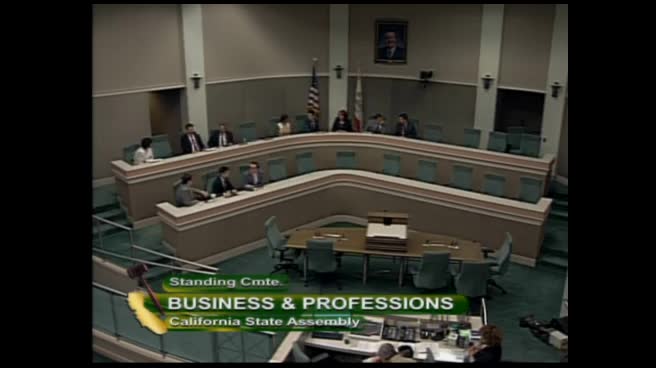 7MIN
Assembly Standing Committee on Business and Professions
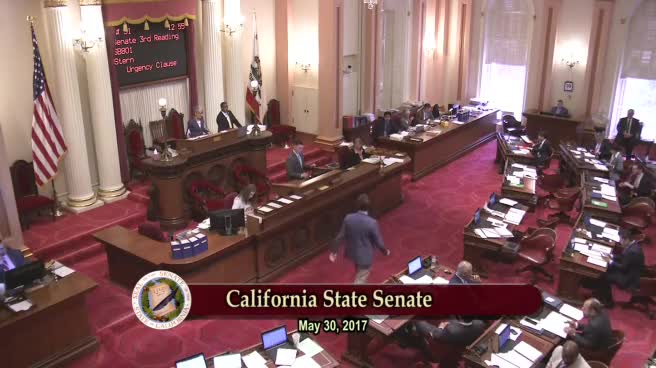 1MIN
Senate Floor
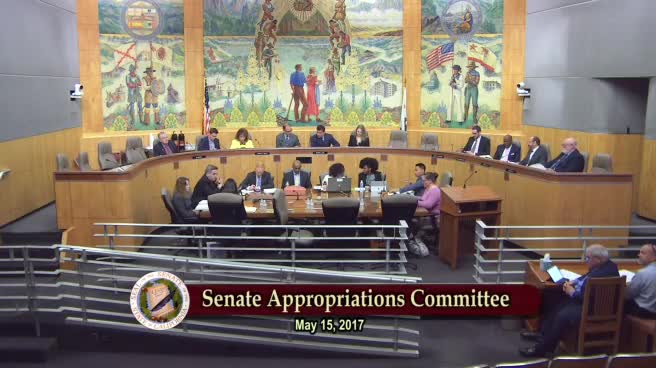 2MIN
Senate Standing Committee on Appropriations
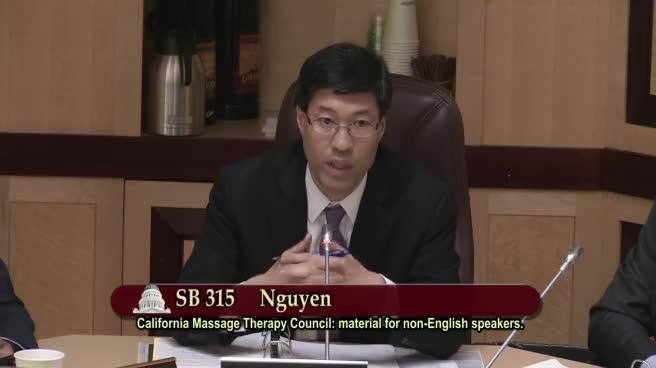 4MIN
Senate Standing Committee on Business, Professions and Economic Development
Bill Author

Bill Co-Author(s):