SB 667: Department of Water Resources: riverine and riparian stewardship improvements.
- Session Year: 2017-2018
- House: Senate
- Latest Version Date: 2017-10-06
Existing law authorizes the Director of Water Resources to establish a program of flood control and urban creek restoration, known as the Urban Streams Restoration Program, consisting of the development of the capability by the Department of Water Resources to respond to requests from local agencies and organizations for planning and design assistance for efficient and effective urban creek protection, restoration, and enhancement.
This bill, upon an appropriation of funds from the Legislature, would require the department to establish a program to implement watershed-based riverine and riparian stewardship improvements by providing technical and financial assistance in support of projects with certain benefits. The bill would require the program to support the purposes of and be coordinated with the Urban Streams Restoration Program, fish passage improvements, and other similar programs. The bill would authorize the department to provide technical assistance, including by collaborating with other state agencies, appropriate California State University or University of California programs, or other similar programs, as specified. The bill would authorize grant funds available for the purposes of the Urban Streams Restoration Program or this program to be available for use by the recipient for design, engineering, and other technical assistance for the purposes of the program.
Existing law authorizes the Director of Water Resources to establish a program of flood control and urban creek restoration, known as the Urban Streams Restoration Program, consisting of the development of the capability by the Department of Water Resources to respond to requests from local agencies and organizations for planning and design assistance for efficient and effective urban creek protection, restoration, and enhancement.
This bill, upon an appropriation of funds from the Legislature, would require the department to establish a program to implement watershed-based riverine and riparian stewardship improvements by providing technical and financial assistance in support of projects with certain benefits. The bill would require the program to support the purposes of and be coordinated with the Urban Stream Restoration Program, fish passage improvements, and other similar programs. The bill would authorize the department to provide technical assistance, including by collaborating with other state agencies, appropriate California State University or University of California programs, or other similar programs, as specified. The bill would authorize grant funds available for the purposes of the Urban Streams Restoration Program or this program to be available for use by the recipient for design, engineering, and other technical assistance for the purposes of the program.
Existing law authorizes the Director of Water Resources to establish a program of flood control and urban creek restoration, known as the Urban Streams Restoration Program, consisting of the development of the capability by the Department of Water Resources to respond to requests from local agencies and organizations for planning and design assistance for efficient and effective urban creek protection, restoration, and enhancement.
This bill, upon an appropriation of funds from the Legislature, would require the department to establish a program to implement watershed-based riverine and riparian stewardship improvements by providing technical and financial assistance in support of projects with certain benefits. The bill would require the program to support the purposes of and be coordinated with the Urban Stream Restoration Program, fish passage improvements, and other similar programs. The bill would authorize the department to provide technical assistance, including by collaborating with appropriate California State University or University of California programs, as specified.
(a)Upon an appropriation of funds from the Legislature, the department shall establish a program to implement watershed-based riverine and riparian stewardship improvements by providing technical and financial assistance in support of projects that reduce flood risk, restore and enhance fish populations and habitat, improve water quality, achieve climate change benefits, and in general ensure resilient ecological function within areas that include, but are not limited to, urban or urbanizing areas of the state.
(b)The program shall support the purposes of and be coordinated with the Urban Stream Restoration Program established pursuant to Section 7048, fish passage improvements, and other similar programs to accomplish increased ecological, stream management, climate, and community improvement benefits from state and other funds available for riverine stewardship projects. The department may participate in and support local partnerships, including, but not limited to, in disadvantaged communities, to ensure projects incorporate the best-available science, assessment data, and ecologically relevant practices, and address state and local community needs and priorities.
(c)The program shall include all of the following elements:
(1)Support for partnerships with local agencies, nonprofit organizations, resource conservation districts, and community groups to identify multibenefit opportunities, local needs, and watershed restoration or enhancement objectives. Partnerships shall include local community nonprofit organizations and other state agencies as appropriate and to the degree those agencies and organizations are able to participate.
(2)Early engagement by the department. Engagement in conceptualizing and defining the project shall be prioritized over the design, construction, and operation of a completed project.
(3)Assistance in planning the natural resource restoration, landscaping, and infrastructure elements of a project consistent with appropriate local and regional land use and resource recovery plans.
(4)Design assistance to ensure a project will protect or enhance natural river and stream process and function using the best bioengineering and ecological practices while considering low-impact development, energy and water conservation, and community access and use for local recreation, trails, and other purposes.
(5)Evaluation and assessment processes to monitor success in meeting riverine stewardship goals and community needs.
(6)Assistance, as appropriate, with project administration, including, but not limited to, communication among partnership groups, enhancing the capacity of communities to effectively participate, and looking for and managing various funds obtained for the project.
(7)Plans or schedules delineating the work to be completed by the department and each partner.
(d)The department may provide technical assistance for the purposes of this section either directly or otherwise, including, but not limited to, by collaborating with other state agencies, appropriate California State University or University of California programs, or other similar programs, providing educational development and field experience for students in watershed sciences.
(e)Grant funds available for the purposes of Section 7048 or this section may be available for use by the recipient for design, engineering, and other technical assistance for the purposes of the program.
(a)Upon an appropriation of funds from the Legislature, the department shall establish a program to implement watershed-based riverine and riparian stewardship improvements by providing technical and financial assistance in support of projects that reduce flood risk, restore and enhance fish populations and habitat, improve water quality, achieve climate change benefits, and in general ensure resilient ecological function within areas that include, but are not limited to, urban or urbanizing areas of the state.
(b)The program shall support the purposes of and be coordinated with the Urban Stream Restoration Program established pursuant to Section 7048, fish passage improvements, and other similar programs to accomplish increased ecological, stream management, climate, and community improvement benefits from state and other funds available for riverine stewardship projects. The department may participate in and support local partnerships, including, but not limited to, in disadvantaged communities, to ensure projects incorporate the best-available science, assessment data, and ecologically relevant practices, and address state and local community needs and priorities.
(c)The program shall include all of the following elements:
(1)Support for partnerships with local agencies, nonprofit organizations, resource conservation districts, and community groups to identify multibenefit opportunities, local needs, and watershed restoration or enhancement objectives. Partnerships shall include local community nonprofit organizations and other state agencies as appropriate and to the degree those agencies and organizations are able to participate.
(2)Early engagement by the department in the conceptualization and design process and continued involvement through department. Engagement in conceptualizing and defining the project shall be prioritized over the design, construction, operation, and evaluation and operation of a completed project.
(3)Assistance in planning the natural resource restoration, landscaping, and infrastructure elements of a project consistent with appropriate local and regional land use and resource recovery plans.
(4)Design assistance to ensure a project will protect or enhance natural river and stream process and function using the best bioengineering and ecological practices while considering low-impact development, energy and water conservation, and community access and use for local recreation, trails, and other purposes.
(5)Evaluation and assessment processes to monitor success in meeting riverine stewardship goals and community needs.
(6)Assistance, as appropriate, with project administration, including, but not limited to, communication among partnership groups, enhancing the capacity of communities to effectively participate, and looking for and managing various funds obtained for the project.
(7)Plans or schedules delineating the work to be completed by the department and each partner.
(d)The department may provide technical assistance for the purposes of this section either directly or otherwise, including, but not limited to, by collaborating with other state agencies, appropriate California State University or University of California programs programs, or other similar programs, providing educational development and field experience for students. students in watershed sciences.
(e)Grant funds available for the purposes of Section 7048 or this section may be available for use by the recipient for design, engineering, and other technical assistance for the purposes of the program.
(a)Upon an appropriation of funds from the Legislature, the department shall establish a program to implement watershed-based riverine and riparian stewardship improvements by providing technical and financial assistance in support of projects that reduce flood risk, restore and enhance fish populations and habitat, improve water quality, achieve climate change benefits, and in general ensure resilient ecological function within areas that include, but are not limited to, urban or urbanizing areas of the state.
(b)The program shall support the purposes of and be coordinated with the Urban Stream Restoration Program established pursuant to Section 7048, fish passage improvements, and other similar programs to accomplish increased ecological, stream management, climate, and community improvement benefits from state and other funds available for riverine stewardship projects. The department may participate in and support local partnerships, including, but not limited to, in disadvantaged communities, to ensure projects incorporate the best-available science, assessment data, and ecologically relevant practices, and address state and local community needs and priorities.
(c)The program shall include all of the following elements:
(1)Support for partnerships with local agencies, nonprofit organizations, and community groups to identify multibenefit opportunities, local needs, and watershed restoration or enhancement objectives. Partnerships shall include other state agencies as appropriate and to the degree those agencies are able to participate.
(2)Early engagement by the department in the conceptualization and design process and continued involvement through the design, construction, operation, and evaluation of a completed project.
(3)Assistance in planning the natural resource restoration, landscaping, and infrastructure elements of a project consistent with appropriate local and regional land use and resource recovery plans.
(4)Design assistance to ensure a project will protect or enhance natural river and stream process and function using the best bioengineering and ecological practices while considering low-impact development, energy and water conservation, and community access and use for local recreation, trails, and other purposes.
(5)Evaluation and assessment processes to monitor success in meeting riverine stewardship goals and community needs.
(6)Assistance, as appropriate, with project administration, including, but not limited to, communication among partnership groups, enhancing the capacity of communities to effectively participate, and looking for and managing various funds obtained for the project.
(d)The department may provide technical assistance for the purposes of this section either directly or otherwise, including, but not limited to, by collaborating with appropriate California State University or University of California programs providing educational development and field experience for students.
|
Date
|
Status
|
|---|---|
| Oct 6, 2017 | Chaptered by Secretary of State. Chapter 543, Statutes of 2017. |
| Oct 6, 2017 | Approved by the Governor. |
| Sep 19, 2017 | Enrolled and presented to the Governor at 4 p.m. |
| Sep 13, 2017 | Assembly amendments concurred in. (Ayes 27. Noes 11.) Ordered to engrossing and enrolling. |
| Sep 13, 2017 | In Senate. Concurrence in Assembly amendments pending. |
| Sep 12, 2017 | Read third time. Passed. Ordered to the Senate. |
| Sep 5, 2017 | Read second time. Ordered to third reading. |
| Sep 1, 2017 | From committee: Do pass. (Ayes 11. Noes 5.) (September 1). |
| Jul 19, 2017 | July 19 set for first hearing. Placed on APPR. suspense file. |
| Jun 27, 2017 | From committee: Do pass and re-refer to Com. on APPR. (Ayes 11. Noes 3.) (June 27). Re-referred to Com. on APPR. |
| Jun 20, 2017 | From committee with author's amendments. Read second time and amended. Re-referred to Com. on W.,P., & W. |
| Jun 12, 2017 | Referred to Com. on W.,P., & W. |
| Jun 1, 2017 | In Assembly. Read first time. Held at Desk. |
| May 31, 2017 | Read third time. Passed. (Ayes 27. Noes 12. Page 1311.) Ordered to the Assembly. |
| May 26, 2017 | Read second time. Ordered to third reading. |
| May 25, 2017 | From committee: Do pass. (Ayes 5. Noes 2. Page 1188.) (May 25). |
| May 19, 2017 | Set for hearing May 25. |
| May 15, 2017 | May 15 hearing: Placed on APPR. suspense file. |
| May 4, 2017 | Set for hearing May 15. |
| May 3, 2017 | May 8 hearing postponed by committee. |
| May 1, 2017 | Set for hearing May 8. |
| Apr 25, 2017 | From committee: Do pass and re-refer to Com. on APPR. (Ayes 7. Noes 2. Page 828.) (April 25). Re-referred to Com. on APPR. |
| Mar 14, 2017 | Set for hearing April 25. |
| Mar 9, 2017 | Referred to Com. on N.R. & W. |
| Feb 21, 2017 | From printer. May be acted upon on or after March 23. |
| Feb 17, 2017 | Introduced. Read first time. To Com. on RLS. for assignment. To print. |
|
Date
|
Description
|
Location
|
Votes
|
|
|---|---|---|---|---|
| Sep 13, 2017 | Unfinished Business SB667 Atkins Concurrence | Senate Floor |
Passed |
|
| Sep 12, 2017 | SB 667 Atkins Senate Third Reading By BOCANEGRA | Assembly Floor |
Passed |
|
| Sep 1, 2017 | Do pass. | Assembly Standing Committee on Appropriations |
Passed |
|
| Jun 27, 2017 | Do pass and be re-referred to the Committee on [Appropriations] | Assembly Standing Committee on Water, Parks, and Wildlife |
Passed |
|
| May 31, 2017 | Senate 3rd Reading SB667 Atkins | Senate Floor |
Passed |
|
| May 25, 2017 | Do pass | Senate Standing Committee on Appropriations |
Passed |
|
| May 15, 2017 | Placed on suspense file | Senate Standing Committee on Appropriations |
Passed |
|
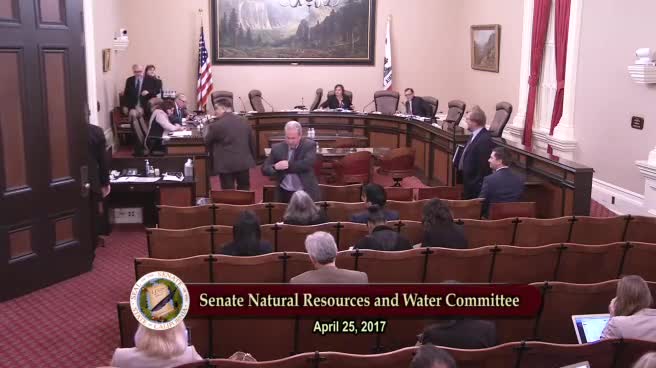
| Apr 25, 2017 | Do pass, but first be re-referred to the Committee on [Appropriations] | Senate Standing Committee on Natural Resources and Water |
Passed |
This list shows positions taken on this bill by organizations on the date displayed, which is linked to the original source.
Positions by individuals are not included.
|
Organization
|
Position
|
Date
|
|---|---|---|
| California Association Of Professional Scientists | ** Support | Sep 13, 2017 |
| California Releaf | ** Support | Jun 23, 2017 |
| California Trout | ** Support | Jun 23, 2017 |
| California Urban Streams Partnership | ** Support | Sep 13, 2017 |
| California Watershed Network | ** Support | Jun 23, 2017 |
| dry creek conservancy | ** Support | Jun 23, 2017 |
| Environmental Defense Fund | ** Support | Sep 13, 2017 |
| Evangelical Lutheran Church in America | ** Support | Jun 23, 2017 |
| Friends of Harbors, Beaches, and Parks | ** Support | Sep 13, 2017 |
| noya headlands unified design group, fort bragg | ** Support | Jun 23, 2017 |
| River Partners | ** Support | Jun 23, 2017 |
| sacramento area creeks council | ** Support | Jun 23, 2017 |
| San Diego River Park Foundation | ** Support | Jun 23, 2017 |
| San Diego Unified Port District | ** Support | Jun 23, 2017 |
| Southern California Watershed Alliance | ** Support | Jun 23, 2017 |
| The San Diego River Park Foundation | ** Support | Sep 13, 2017 |
| The Trust for Public Lands | ** Support | Jun 23, 2017 |
| valley foothill watersheds collaborative | ** Support | Jun 23, 2017 |
Office of Senate Floor Analyses (916) 651-1520 Fax: (916) 327-4478 | SB |
UNFINISHED BUSINESS
Bill No: SB 667
:
SENATE NATURAL RES. & WATER COMMITTEE: 7-2, 4/25/17
AYES: Hertzberg, Allen, Atkins, Hueso, Jackson, Monning, Stern
NOES: Stone, Vidak
SENATE APPROPRIATIONS COMMITTEE: 5-2, 5/25/17
AYES: Lara, Beall, Bradford, Hill, Wiener
NOES: Bates, Nielsen
SENATE FLOOR: 27-12, 5/31/17
AYES: Allen, Atkins, Beall, Bradford, De León, Dodd, Galgiani, Glazer, Hernandez, Hertzberg, Hill, Hueso, Jackson, Lara, Leyva, McGuire, Mendoza, Mitchell, Monning, Newman, Nguyen, Pan, Roth, Skinner, Stern, Wieckowski, Wiener
NOES: Anderson, Bates, Berryhill, Cannella, Fuller, Gaines, Moorlach, Morrell, Nielsen, Stone, Vidak, Wilk
NO VOTE RECORDED: Portantino
ASSEMBLY FLOOR: 55-22, 9/12/17 - See last page for vote
DIGEST:
This bill codifies the Riverine and Riparian Stewardship Program at the Department of Water Resources, subject to an appropriation of funds.
Assembly Amendments
add resource conservation districts and nonprofits as eligible entities and make other clarifying changes.
Existing law:
- Authorizes, since 1982, the Urban Streams Restoration Program (USRP) at the Department of Water Resources (DWR) (Water Code Section 7048). Through this program, DWR works with local agencies and nonprofits to plan and design projects related to urban creek protection, restoration, and enhancement.
- Recognizes, pursuant to AB 965 (E. Garcia, Chapter 668, Statutes of 2015), that in amending Section 7048 of the Water Code, the Legislature stated that the restoration of urban creek channels may improve water quality, reduce nonpoint source pollution, and provide public recreation along river parkways. That bill also recognized the potential for the USRP to benefit cross-border waterway restoration along the Mexican-Californian border.
- Acknowledges that in 2016, DWR undertook an initiative through a budget change proposal to merge the USRP with other existing programs to enhance fish passage, restore river processes, and protect riparian corridors while ensuring that economic and social needs in impacted communities are met. The combined program is called the Riverine Stewardship Program and it provides technical and financial assistance with planning, design, construction, and project evaluation, depending on the availability of funds. This program is included for funding in the two parks bonds that are alive in this session of the Legislature.
This bill codifies the Riverine and Riparian Stewardship Program at DWR, subject to an appropriation of funds.
FISCAL EFFECT: Appropriation: Fiscal Com.: Local:
According to the Senate Appropriations Committee, there are significant cost pressures, likely in the millions (bond funds or special fund), to fund the program. Unknown cost for DWR to administer the program, likely set at five percent by funding source.
California Association of Professional Scientists
California Urban Streams Partnership
Environmental Defense Fund
Friends of Harbors, Beaches, and Parks
The San Diego River Park Foundation
OPPOSITION: (Verified 9/12/17)
None received
ARGUMENTS IN SUPPORT: According to the author, the years of work on stream restoration has not always coordinated environmental benefits with water quality and water supply and has sometimes focused disproportionately on regional priorities (Sierra or Coastal ranges, or Sacramento-San Joaquin Delta, as examples.) The author points out that the watershed work in urbanized areas can significantly enhance water quality, natural resource conservation, and public health, provided that the programs and funding are focused on these multi-benefit objectives.
The author further states that under this bill, the state and local stakeholders would engage early in the design process and remain involved throughout the construction, operation, and evaluation of the project. Projects would be designed to protect natural stream processes, but also to consider low impact development, energy and water conservation, and community access.
According to the California Association of Professional Scientists, Environmental Defense Fund, and other supporters, this bill allows DWR to continue to provide financial and technical assistance.
ASSEMBLY FLOOR: 55-22, 9/12/17
AYES: Aguiar-Curry, Arambula, Baker, Berman, Bloom, Bocanegra, Bonta, Burke, Caballero, Calderon, Cervantes, Chau, Chiu, Chu, Cooley, Cooper, Dababneh, Daly, Eggman, Frazier, Friedman, Cristina Garcia, Eduardo Garcia, Gipson, Gloria, Gonzalez Fletcher, Gray, Grayson, Holden, Irwin, Jones-Sawyer, Kalra, Levine, Limón, Low, Maienschein, Medina, Mullin, Muratsuchi, Nazarian, O'Donnell, Quirk, Quirk-Silva, Reyes, Ridley-Thomas, Rodriguez, Rubio, Salas, Santiago, Mark Stone, Thurmond, Ting, Weber, Wood, Rendon
NOES: Acosta, Travis Allen, Bigelow, Brough, Chávez, Chen, Choi, Cunningham, Dahle, Flora, Fong, Gallagher, Harper, Kiley, Lackey, Mathis, Mayes, Melendez, Obernolte, Patterson, Voepel, Waldron
NO VOTE RECORDED: McCarty, Steinorth
9/13/17 10:19:31
**** END ****
SENATE THIRD READING
STR Bill Id:SB 667
Author:(Atkins)
As Amended Ver:June 20, 2017
Majority vote
SENATE VOTE: 27-12
Committee | Votes | Ayes | Noes |
Water | 11-3 | Eduardo Garcia, Gallagher, Chu, Friedman, Gloria, Bocanegra, Levine, Rubio, Salas, Thurmond, Wood | Bigelow, Choi, Harper |
Appropriations | 11-5 | Gonzalez Fletcher, Bloom, Bocanegra, Bonta, Calderon, Chau, Eggman, Friedman, Eduardo Garcia, Jones-Sawyer, Reyes | Bigelow, Brough, Fong, Gallagher, Obernolte |
SUMMARY: Codifies the Riverine and Riparian Stewardship Program (Program) in the Department of Water Resources (DWR), subject to an appropriation of funds by the Legislature. Specifically, this bill:
- Requires the DWR establish the Program to implement watershed-based riverine and riparian stewardship improvements in support of projects that reduce flood risk, restore fish populations, improve water quality, achieve climate change benefits, and in general ensure resilient ecological functions emphasizing urban or urbanizing areas.
- Requires the Program to support the purposes of, and be coordinated with, the Urban Stream Restoration Program (USRP), fish passage improvements, and other similar programs to accomplish increased ecological, stream management, climate, and community improvement benefits.
- Requires the Program to support partnerships with local agencies, nonprofits, and others to meet watershed restoration objectives.
- Authorizes early engagement and continued involvement on a project by the DWR to provide planning and design assistance using the best bioengineering and ecological practices, while considering low-impact development, energy and water conservation, and community access and use for local recreation.
- Outlines the monitoring and evaluation component, and allows the program to include assistance with project administration.
- Authorizes the DWR to provide technical assistance through collaboration with other state agencies, the California State University and University of California systems to provide educational and field experience for students.
- Permits grant funds available for the USRP or the Program to be available for use by the recipient for design, engineering and other technical assistance.
EXISTING LAW:
- Authorizes the USRP at the DWR to work with local agencies and nonprofits to plan and design projects related to urban creek protection, restoration, and enhancement.
- Creates obligations to resolve barriers to anadromous fish migration, protect threatened and endangered fish, reduce flood risk, and increase environmental restoration.
FISCAL EFFECT: According to the Assembly Appropriations Committee:
- Ongoing significant cost pressures, likely in the low tens of millions of dollars (bond funds or special fund), to fund the Program.
- Unknown costs for the DWR to administer the Program, likely 5% of the total appropriation.
COMMENTS: The DWR administers the USRP, which provides grants to local communities for projects to reduce flooding and erosion and associated property damage; restore, enhance or protect the natural ecological values of streams; and promote community involvement, education and stewardship.
Since 1985, the program has provided more than $50 million in 270 grants ranging from $1,000 to $1 million to communities throughout California. The projects have included stream cleanups, bank stabilization projects, revegetation efforts, recontouring of channels to improve floodplain function, and occasional acquisition of strategic floodplain properties or easements.
The DWR manages the Fish Passage Improvement Program (FPIP) which identifies and evaluates the potential to modify or remove structures in waterways that impede the migration of anadromous fish. Several other mandates require an integrated approach to climate change, flood risk and natural resource management.
In 2016, through a budget change proposal, the DWR initiated the Program to be a combination of the existing FPIP with the USRP. The Program is intended to build off of the successes of the FPIP and the USRP to allow the combined expertise of these programs to achieve a greater ability to realize multiple-benefit projects. Neither the USRP nor the FPIP currently have funding.
Analysis Prepared by: Ryan Ojakian / W., P., & W. / (916) 319-2096 FN: 0001694
Date of Hearing: July 19, 2017
ASSEMBLY COMMITTEE ON APPROPRIATIONS
Lorena Gonzalez Fletcher, Chair
SBPCA Bill Id:SB 667
Author:(Atkins) – As Amended Ver:June 20, 2017
Policy Committee: | Water, Parks and Wildlife | Vote: | 11 - 3 |
|
| ||
|
|
Urgency: No State Mandated Local Program: No Reimbursable: No
SUMMARY:
This bill codifies the Riverine and Riparian Stewardship Program (Program) in the Department of Water Resources (DWR), and requires DWR to establish a grant program, subject to the appropriation of funds by the Legislature. Specifically, this bill:
- Requires DWR to establish the Program to implement watershed-based riverine and riparian stewardship improvements in support of projects that reduce flood risk, restore fish populations, improve water quality, achieve climate change benefits, and in general ensure resilient ecological functions emphasizing urban or urbanizing areas.
- Requires the Program to support the purposes of, and be coordinated with, the Urban Stream Restoration Program (USRP), fish passage improvements, and other similar programs as specified.
- Requires the Program to support partnerships with local agencies, nonprofits, and others to meet watershed restoration objectives.
- Authorizes early engagement and continued involvement on a project by DWR to provide planning and design assistance as specified.
- Outlines the monitoring and evaluation component, and allows the Program to include assistance with project administration.
- Authorizes the DWR to provide technical assistance through collaboration with other state agencies, the California State University, and University of California systems to provide educational and field experience for students.
- Permits grant funds available for the USRP or the Program to be available for use by the recipient for design, engineering and other technical assistance.
FISCAL EFFECT:
- Ongoing significant cost pressures, likely in the low tens of millions of dollars (bond funds or special fund), to fund the Program.
- Unknown costs for the DWR to administer the Program, likely 5% of the total appropriation.
COMMENTS:
- Purpose and Background. DWR administers the USRP, which provides grants to local communities for projects to reduce flooding and erosion and associated property damage; restore, enhance or protect the natural ecological values of streams; and promote community involvement, education and stewardship.
Since 1985, the program has provided more than $50 million in 270 grants ranging from $1,000 to $1 million to communities throughout California. The projects have included stream cleanups, bank stabilization projects, revegetation efforts, recontouring of channels to improve floodplain function, and the occasional acquisition of strategic floodplain properties or easements.
DWR also manages the Fish Passage Improvement Program (FPIP) which identifies and evaluates the potential to modify or remove structures in waterways that impede the migration of anadromous fish. Several other mandates require an integrated approach to climate change, flood risk and natural resource management.
In 2016, through a budget change proposal, the DWR initiated the Program to be a combination of the existing FPIP with the USRP. The Program is intended to build off of the successes of the FPIP and the USRP to allow the combined expertise of these programs to achieve a greater ability to realize multiple-benefit projects. Neither the USRP nor the FPIP currently have funding.
According to the author, “The Program will provide technical and financial assistance with planning, design, construction and project evaluation, as needed and to the extent funds are available.”
- Prior Legislation. AB 965 (E. Garcia), Chapter 668, Statutes of 2015, amended the USRP to recognize that the restoration of urban creek channels may improve water quality, reduce nonpoint source pollution, and provide public recreation along river parkways.
Analysis Prepared by: Jennifer Galehouse / APPR. / (916) 319-2081
Date of Hearing: June 27, 2017
ASSEMBLY COMMITTEE ON WATER, PARKS, AND WILDLIFE
Eduardo Garcia, Chair
SBPCA Bill Id:SB 667
Author:(Atkins) – As Amended Ver:June 20, 2017
SENATE VOTE: 27-12
SUBJECT: Department of Water Resources: riverine and riparian stewardship improvements
SUMMARY: Codifies the Riverine and Riparian Stewardship Program (Program) in the Department of Water Resources (DWR), subject to an appropriation of funds by the Legislature. Specifically, this bill:
- Requires the DWR establish the Program to implement watershed-based riverine and riparian stewardship improvements in support of projects that reduce flood risk, restore fish populations, improve water quality, achieve climate change benefits, and in general ensure resilient ecological functions emphasizing urban or urbanizing areas.
- Requires the Program to support the purposes of, and be coordinated with, the Urban Stream Restoration Program (USRP), fish passage improvements, and other similar programs to accomplish increased ecological, stream management, climate, and community improvement benefits.
- Requires the Program to support partnerships with local agencies, nonprofits, and others to meet watershed restoration objectives.
- Authorizes early engagement and continued involvement on a project by the DWR to provide planning and design assistance using the best bioengineering and ecological practices, while considering low-impact development, energy and water conservation, and community access and use for local recreation.
- Outlines the monitoring and evaluation component, and allows the program to include assistance with project administration.
- Authorizes the DWR to provide technical assistance through collaboration with other state agencies, the California State University, and University of California systems to provide educational and field experience for students.
- Permits grant funds available for the USRP or the Program to be available for use by the recipient for design, engineering and other technical assistance.
EXISTING LAW:
- Authorizes the USRP at the DWR to work with local agencies and nonprofits to plan and design projects related to urban creek protection, restoration, and enhancement.
- Creates obligations to resolve barriers to anadromous fish migration, protect threatened and endangered fish, reduce flood risk, and increase environmental restoration.
FISCAL EFFECT: According to the Senate Appropriations Committee significant cost pressures to fund the Program.
COMMENTS: Codifies the Program in the DWR, subject to an appropriation of funds by the Legislature.
Author’s Statement:
There is evidence that waterways in urbanized areas can significantly enhance water supply, water quality, natural resource conservation and human health, if programs and funding exist to facilitate collaboration and partnerships to accomplish multi-benefit improvements. Since 1982 the USRP in the Department of Water Resources has provided grants and technical assistance that have empowered communities to address local stream needs by creating ecologically functioning waterways, managing stormwater and enhancing aesthetic, recreational and wildlife values.
In 2016, the Department undertook an initiative to merge the USRP with other existing programs to enhance fish passage, restore river processes and protect riparian corridors, while ensuring that economic and social needs in impacted communities are met. The Program would provide technical and financial assistance with planning, design, construction and project evaluation, as needed and to the extent funds are available.
Background: The DWR administers the USRP, which provides grants to local communities for projects to reduce flooding and erosion and associated property damage; restore, enhance or protect the natural ecological values of streams; and promote community involvement, education and stewardship.
Since 1985, the program has provided more than $50 million in 270 grants ranging from $1,000 to $1 million to communities throughout California. The projects have included stream cleanups, bank stabilization projects, revegetation efforts, recontouring of channels to improve floodplain function, and occasional acquisition of strategic floodplain properties or easements.
The DWR manages the Fish Passage Improvement Program (FPIP) which identifies and evaluates the potential to modify or remove structures in waterways that impede the migration of anadromous fish. Several other mandates require an integrated approach to climate change, flood risk and natural resource management.
In 2016, through a budget change proposal, the DWR initiated the Program to be a combination of the existing FPIP with the USRP. The Program is intended to build off of the successes of the FPIP and the USRP to allow the combined expertise of these programs to achieve a greater ability to realize multiple-benefit projects.
Neither the USRP nor the FPIP currently have funding. The Program may be eligible for funding in the two parks bonds pending hearing in Senate and Assembly Policy Committees.
Prior and Related Legislation: AB 965 (E. Garcia), 2015, Chapter 668, amended the USRP to recognize that the restoration of urban creek channels may improve water quality, reduce nonpoint source pollution, and provide public recreation along river parkways.
Supporting Arguments: While the state has long supported and helped fund projects to restore streams and riparian wildlife habitat, improve fish passage and water quality, and manage stormwater, these efforts often could be improved through better coordination with interested parties. This bill builds on the recent DWR Program initiative to merge several waterway restoration programs into a more helpful program by combining potential capital assistance with in kind and/or financial technical assistance to communities desiring the multi-benefits that can come from local stream improvements. The bill is a significant step and could go a long way in helping smaller community organizations play a role in helping communities reap the wide range of resource, economic and social benefits that can come from stream restoration.
REGISTERED SUPPORT / OPPOSITION:
Support
California Association of Professional Scientists
California ReLeaf
California Trout
California Watershed Network
Dry Creek Conservancy
Environmental Defense Fund, The
Environmental Justice Coalition for Water: Water Justice for All
Evangelical Lutheran Church in America
Friends of Harbors, Beaches and Parks
Noya Headlands Unified Design Group, Fort Bragg
River Partners
Sacramento Area Creeks Council
San Diego River Park Foundation
San Diego Unified Port District
Southern California Watershed Alliance
The Trust for Public Lands
Valley Foothill Watersheds Collaborative
Opposition
None on file
Analysis Prepared by: Ryan Ojakian / W., P., & W. /
Office of Senate Floor Analyses (916) 651-1520 Fax: (916) 327-4478 | SB |
THIRD READING
Bill No: SB 667
:
SENATE NATURAL RES. & WATER COMMITTEE: 7-2, 4/25/17
AYES: Hertzberg, Allen, Atkins, Hueso, Jackson, Monning, Stern
NOES: Stone, Vidak
SENATE APPROPRIATIONS COMMITTEE: 5-2, 5/25/17
AYES: Lara, Beall, Bradford, Hill, Wiener
NOES: Bates, Nielsen
DIGEST:
This bill codifies the Riverine and Riparian Stewardship Program at the Department of Water Resources, subject to an appropriation of funds.
Existing law:
- Authorizes, since 1982, the Urban Streams Restoration Program (USRP) at the Department of Water Resources (DWR) (Water Code Section 7048). Through this program, DWR works with local agencies and nonprofits to plan and design projects related to urban creek protection, restoration, and enhancement.
- Recognizes, pursuant to AB 965 (E. Garcia, Chapter 668, Statutes of 2015), that in amending Section 7048 of the Water Code, the Legislature stated that the restoration of urban creek channels may improve water quality, reduce nonpoint source pollution, and provide public recreation along river parkways. That bill also recognized the potential for the USRP to benefit cross-border waterway restoration along the Mexican-Californian border.
- Acknowledges that in 2016, DWR undertook an initiative through a budget change proposal to merge the USRP with other existing programs to enhance fish passage, restore river processes, and protect riparian corridors while ensuring that economic and social needs in impacted communities are met. The combined program is called the Riverine Stewardship Program and it provides technical and financial assistance with planning, design, construction, and project evaluation, depending on the availability of funds. This program is included for funding in the two parks bonds that are alive in this session of the Legislature.
This bill codifies the Riverine and Riparian Stewardship Program at DWR, subject to an appropriation of funds.
FISCAL EFFECT: Appropriation: Fiscal Com.: Local:
According to the Senate Appropriations Committee, there are significant cost pressures, likely in the millions (bond funds or special fund), to fund the program. Unknown cost for DWR to administer the program, likely set at five percent by funding source.
California Association of Professional Scientists
California Urban Streams Partnership
Environmental Defense Fund
Friends of Harbors, Beaches, and Parks
The San Diego River Park Foundation
OPPOSITION: (Verified 5/25/17)
None received
ARGUMENTS IN SUPPORT: According to the author, the years of work on stream restoration has not always coordinated environmental benefits with water quality and water supply and has sometimes focused disproportionately on regional priorities (Sierra or Coastal ranges, or Sacramento-San Joaquin Delta, as examples.) The author points out that the watershed work in urbanized areas can significantly enhance water quality, natural resource conservation, and public health, provided that the programs and funding are focused on these multi-benefit objectives.
The author further states that under this bill, the state and local stakeholders would engage early in the design process and remain involved throughout the construction, operation, and evaluation of the project. Projects would be designed to protect natural stream processes, but also to consider low impact development, energy and water conservation, and community access.
According to the California Association of Professional Scientists, Environmental Defense Fund, and other supporters, this bill allows DWR to continue to provide financial and technical assistance.
5/27/17 18:22:59
**** END ****
SENATE COMMITTEE ON APPROPRIATIONS
Senator Ricardo Lara, Chair
2017 - 2018 Regular Session
SB 667 (Atkins) - Department of Water Resources: riverine and riparian stewardship improvements
Version: February 17, 2017 | Policy Vote: N.R. & W. 7 - 2 |
Urgency: No | Mandate: No |
Hearing Date: May 15, 2017 | Consultant: Narisha Bonakdar |
This bill meets the criteria for referral to the Suspense File.
Bill Summary:
SB 667 codifies the Riverine Stewardship Program (program).
Fiscal Impact:
- Significant cost pressures, likely in the millions (bond funds or special fund), to fund the program.
- Unknown cost for the Department of Water Resources (DWR) to administer the program, likely set at 5 percent by funding source.
Background:
DWR administers the Urban Streams Restoration Program (USRP), which provides grants to local communities for projects to reduce flooding and erosion and associated property damage; restore, enhance or protect the natural ecological values of streams; and promote community involvement, education and stewardship.
Since 1985, the program has provided more than 270 grants ranging from $1,000 to $1 million to communities throughout California. The projects have included stream cleanups, bank stabilization projects, revegetation efforts, recontouring of channels to improve floodplain function, and occasional acquisition of strategic floodplain properties or easements.
In 2016, the URSP was combined with other programs to enhance fish passage, restore river processes, and protect riparian corridors while ensuring that economic and social needs in impacted communities are met. The combined program is called the Riverine Stewardship Program and it provides technical and financial assistance with planning, design, construction, and project evaluation, depending on the availability of funds.
This program is included for funding in the two parks bonds pending hearing in the Senate and Assembly Appropriations Committees.
PROPOSED LAW: This bill:
Codifies the program, subject to an appropriation by the Legislature, to implement the watershed-based riverine and riparian stewardship improvements in support of projects that reduce flood risk, restore fish populations, improve water quality, achieve climate change benefits, and in general ensure resilient ecological functions emphasizing urban or urbanizing areas of the state.
Requires that the program is coordinated with the USRP.
Provides that the program would provide support for partnerships with local agencies, nonprofits, and others to meet watershed restoration objectives.
Authorizes DWR to provide planning and design assistance using the best bioengineering and ecological practices while considering low-impact development, energy and water conservation, and community access and use for local recreation.
Outlines the monitoring and evaluation component, and allows the program to include assistance with project administration.
Authorizes DWR to provide technical assistance through collaboration with the California State University and University of California systems to provide educational and field experience for students.
Related Legislation:
In 2015, AB 965 (Garcia, E.), amended section 7048 to the Water Code which recognized that the restoration of urban creek channels may improve water quality, reduce nonpoint source pollution, and provide public recreation along river parkways. That bill also recognized the potential for the USRP to benefit cross-border waterway restoration along the Mexican-Californian border.
Staff Comments:
Cost pressures to fund program. DWR indicates that, while there are no specific costs associated with the bill, program funding is running out. As such, an appropriation, likely in the millions, will be necessary to continue the program. Staff costs to will depend upon the amount of funds and frequency of appropriations.
-- END --
SENATE COMMITTEE ON NATURAL RESOURCES AND WATER
Senator Robert Hertzberg, Chair
2017 - 2018 Regular
Bill No: SB Hearing Date: April 25, 2017
Author: | Atkins | ||
Version: | February 17, 2017 | ||
Urgency: | No | Fiscal: | Yes |
Consultant: | William Craven | ||
Subject: Department of Water Resources: riverine and riparian stewardship improvements
BACKGROUND AND EXISTING LAW
- Existing law has authorized, since 1982, the Urban Streams Restoration Program (USRP) at the Department of Water Resources (DWR). (Water Code section 7048). Through this program, DWR works with local agencies and nonprofits to plan and design projects related to urban creek protection, restoration, and enhancement.
- In 2015, AB 965 (Garcia, E.), amended section 7048 to the Water Code which recognized that the restoration of urban creek channels may improve water quality, reduce nonpoint source pollution, and provide public recreation along river parkways. That bill also recognized the potential for the USRP to benefit cross-border waterway restoration along the Mexican-Californian border.
- In 2016, DWR undertook an initiative through a budget change proposal (BCP) to merge the USRP with other existing programs to enhance fish passage, restore river processes, and protect riparian corridors while ensuring that economic and social needs in impacted communities are met. The combined program is called the Riverine Stewardship Program (RSP) and it provides technical and financial assistance with planning, design, construction, and project evaluation, depending on the availability of funds.
This program is included for funding in the two parks bonds that are alive in this session of the Legislature.
PROPOSED LAW
This bill codifies the Riverine Stewardship Program (RSP) which is dependent on funding from the Legislature. The program will implement watershed-based riverine and riparian stewardship improvements in support of projects that reduce flood risk, restore fish populations, improve water quality, achieve climate change benefits, and in general ensure resilient ecological functions emphasizing urban or urbanizing areas of the state.
The bill requires the RSP to be coordinated with the USRP.
The RSP would provide support for partnerships with local agencies, nonprofits, and others to meet watershed restoration objectives. The program is authorized to provide planning and design assistance while using the best bioengineering and ecological practices while considering low-impact development, energy and water conservation, and community access and use for local recreation.
The RSP would also have a monitoring and evaluation component, and may also include assistance with project administration. DWR is authorized to provide technical assistance including through collaboration with the CSU and UC systems to provide educational and field experience for students.
ARGUMENTS IN SUPPORT
According to the author, the years of work on stream restoration has not always coordinated environmental benefits with water quality and water supply and has sometimes focused disproportionately on regional priorities (Sierra or Coastal ranges, or Sacramento-San Joaquin Delta, as examples.) The author points out that the watershed work in urbanized areas can significantly enhance water quality, natural resource conservation, and public health, provided that the programs and funding are focused on these multi-benefit objectives.
The author further stated that under the bill, the state and local stakeholders would engage early in the design process and remain involved throughout the construction, operation, and evaluation of the project. Projects would be designed to protect natural stream processes, but also to consider low impact development, energy and water conservation, and community access.
According to the California Association of Professional Scientists (CAPS), Environmental Defense Fund, and other supporters, this bill allows DWR to continue to provide financial and technical assistance.
ARGUMENTS IN OPPOSITION
None received
SUPPORT
California Association of Professional Scientists
California Urban Streams Partnership
Environmental Defense Fund
Friends of Harbors, Beaches, and Parks
The San Diego River Park Foundation
OPPOSITION
None Received
-- END --
Discussed in Hearing
 1MIN
Senate Floor
 1MIN
Assembly Floor
 1H
Assembly Standing Committee on Appropriations
 2MIN
Senate Floor
 48MIN
Senate Standing Committee on Appropriations
 3MIN
Senate Standing Committee on Natural Resources and Water
Bill Author

Bill Co-Author(s):