SB 741: Charitable raffles.
- Session Year: 2017-2018
- House: Senate
- Latest Version Date: 2017-06-07
The California Constitution authorizes the Legislature to permit private, nonprofit, eligible organizations to conduct raffles as a funding mechanism to support beneficial and charitable works, if, among other conditions, at least 90% of the gross receipts from the raffle go directly to beneficial or charitable purposes in California. The California Constitution further authorizes the Legislature to amend the percentage of gross receipts required to be dedicated to beneficial or charitable purposes by a statute passed by a 2/3 vote of each house of the Legislature. Existing statutory law implements those provisions and requires the Department of Justice to administer and enforce those provisions.
Existing law authorizes a major league sports raffle at a home game conducted by an eligible organization, as defined, for the purpose of directly supporting specified beneficial or charitable purposes in California, or financially supporting another private, nonprofit, eligible organization, as defined, that performs those purposes if, among other requirements, each ticket sold contains a unique and matching identifier, 50% of the gross receipts generated from the sale of raffle tickets are used to benefit or provide support for beneficial or charitable purposes, as defined, the other 50% is paid to the winner, and the winners of the prizes are determined by a manual draw, as specified.
This bill would similarly authorize a private, nonprofit organization to conduct a raffle for the purpose of directly supporting specified beneficial or charitable purposes in California, or financially supporting another private, nonprofit, eligible organization, as defined, that performs those purposes if, among other requirements, the raffle is conducted at a fair, exposition, or exhibition conducted by, and with the authorization of, a district agricultural association, a county fair association, a citrus fruit fair association, or the California Exposition and State Fair, 50% of the gross receipts generated from the sale of raffle tickets are used to benefit or provide support for beneficial or charitable purposes, as defined, and the other 50% is paid to the winner. The bill would also require the Department of Justice to administer and enforce these provisions.
This bill would declare that it is to take effect immediately as an urgency statute.
The California Constitution authorizes the Legislature to permit private, nonprofit, eligible organizations to conduct raffles as a funding mechanism to support beneficial and charitable works, if, among other conditions, at least 90% of the gross receipts from the raffle go directly to beneficial or charitable purposes in California. The California Constitution further authorizes the Legislature to amend the percentage of gross receipts required to be dedicated to beneficial or charitable purposes by a statute passed by a 2/3 vote of each house of the Legislature. Existing statutory law implements those provisions and requires the Department of Justice to administer and enforce those provisions.
Existing law authorizes a major league sports raffle at a home game conducted by an eligible organization, as defined, for the purpose of directly supporting specified beneficial or charitable purposes in California, or financially supporting another private, nonprofit, eligible organization, as defined, that performs those purposes if, among other requirements, each ticket sold contains a unique and matching identifier, 50% of the gross receipts generated from the sale of raffle tickets are used to benefit or provide support for beneficial or charitable purposes, as defined, the other 50% is paid to the winner, and the winners of the prizes are determined by a manual draw, as specified.
This bill would similarly authorize a private, nonprofit organization established by, or affiliated with, a district agricultural association, county fair association, or citrus fruit fair association to conduct a raffle for the purpose of directly supporting specified beneficial or charitable purposes in California, or financially supporting another private, nonprofit, eligible organization, as defined, that performs those purposes if, among other requirements, the raffle is conducted at a fair, exposition, or exhibition conducted by, and with the authorization of, a district agricultural association, a county fair association, a citrus fruit fair association, or the California Exposition and State Fair, 50% of the gross receipts generated from the sale of raffle tickets are used to benefit or provide support for beneficial or charitable purposes, as defined, and the other 50% is paid to the winner. The bill would also require the Department of Justice to administer and enforce these provisions.
This bill would declare that it is to take effect immediately as an urgency statute.
The California Constitution authorizes the Legislature to permit private, nonprofit, eligible organizations to conduct raffles as a funding mechanism to support beneficial and charitable works, if, among other conditions, at least 90% of the gross receipts from the raffle go directly to beneficial or charitable purposes in California. The California Constitution further authorizes the Legislature to amend the percentage of gross receipts required to be dedicated to beneficial or charitable purposes by a statute passed by a 2/3 vote of each house of the Legislature. Existing statutory law implements those provisions and requires the Department of Justice to administer and enforce those provisions.
Existing law authorizes a major league sports raffle at a home game conducted by an eligible organization, as defined, for the purpose of directly supporting specified beneficial or charitable purposes in California, or financially supporting another private, nonprofit, eligible organization, as defined, that performs those purposes if, among other requirements, each ticket sold contains a unique and matching identifier, 50% of the gross receipts generated from the sale of raffle tickets are used to benefit or provide support for beneficial or charitable purposes, as defined, the other 50% is paid to the winner, and the winners of the prizes are determined by a manual draw, as specified.
This bill would similarly authorize a private, nonprofit organization established by, or affiliated with, a district agricultural association, county fair association, or citrus fruit fair association to conduct a raffle for the purpose of directly supporting specified beneficial or charitable purposes in California, or financially supporting another private, nonprofit, eligible organization, as defined, that performs those purposes if, among other requirements, 50% of the gross receipts generated from the sale of raffle tickets are used to benefit or provide support for beneficial or charitable purposes, as defined, and the other 50% is paid to the winner.
This bill would declare that it is to take effect immediately as an urgency statute.
(a)Notwithstanding Section 320.5, this section shall apply to an eligible organization, as defined in subdivision (c).
(b)A raffle conducted by an eligible organization, as defined in subdivision (c), for the purpose of directly supporting beneficial or charitable purposes or financially supporting another private, nonprofit eligible organization, as defined in subdivision (c) of Section 320.5, that performs beneficial or charitable purposes may be conducted in accordance with this section.
(c)For purposes of this section, eligible organization means a private, nonprofit organization that has been qualified to conduct business in California for at least one year before conducting a raffle, is qualified for an exemption under Section 501(c)(3) of the Internal Revenue Code, and is exempt from taxation pursuant to Section 23701a, 23701b, 23701d, 23701e, 23701f, 23701g, 23701k, 23701l, 23701t, or 23701w of the Revenue and Taxation Code. Eligible organization does not include a private, nonprofit organization established by, or affiliated with, a district agricultural association, a county fair association, a citrus fruit fair association, or the California Exposition and State Fair, as described in Division 3 (commencing with Section 3001) of the Food and Agricultural Code.
(d)For purposes of this section, raffle means a scheme for the distribution of prizes by chance among persons who have paid money for paper tickets that provide the opportunity to win these prizes, in which all of the following are true:
(1)The raffle is conducted by an eligible organization at a fair, exposition, or exhibition conducted by a district agricultural association, a county fair association, a citrus fruit fair association, or the California Exposition and State Fair, as described in Division 3 (commencing with Section 3001) of the Food and Agricultural Code, and with authorization from the district agricultural association, county fair association, citrus fruit fair association, or California Exposition and State Fair.
(2)Each ticket sold contains a unique and matching identifier.
(3)(A)Winners of the prizes are determined by a manual draw from tickets described in paragraph (2) that have been sold for entry in the manual draw.
(B)An electronic device may be used to sell tickets. The ticket receipt issued by the electronic device to the purchaser may include more than one unique and matching identifier, representative of and matched to the number of tickets purchased in a single transaction.
(C)A random number generator is not used for the manual draw or to sell tickets.
(D)The prize paid to the winner is comprised of one-half or 50 percent of the gross receipts generated from the sale of raffle tickets for a raffle.
(4)The manual draw is conducted in California under the supervision of a natural person who meets all of the following requirements:
(A)The person is 18 years of age or older.
(B)The person is a member or employee of the eligible organization conducting the raffle.
(C)The person is registered with the Department of Justice pursuant to paragraph (4) of subdivision (m). (o).
(5)(A)Fifty percent of the gross receipts generated from the sale of raffle tickets for any given manual draw are used by the eligible organization conducting the raffle to benefit or provide support for beneficial or charitable purposes, or used to benefit another private, nonprofit organization, provided that an organization receiving these funds is itself an eligible organization as defined in subdivision (c) of Section 320.5. As used in this section, beneficial purposes excludes purposes that are intended to benefit officers, directors, or members, as defined by Section 5056 of the Corporations Code, of the eligible organization. Funds raised by raffles conducted pursuant to this section shall not be used to fund any beneficial, charitable, or other purpose outside of California. California, or for the maintenance, improvement, or operation of a fair, exposition, or exhibition, including, but not limited to, paying the salaries or benefits of employees, vendors, or board members of a district agricultural association, a county fair association, a citrus fair association, or the California Exposition and State Fair. This section does not preclude an eligible organization from using funds from sources other than the sale of raffle tickets to pay for the administration or other costs of conducting a raffle.
(B)An employee of an eligible organization who is a direct seller of raffle tickets shall not be treated as an employee for purposes of workers compensation under Section 3351 of the Labor Code if the following conditions are satisfied:
(i)Substantially all of the remuneration, whether or not paid in cash, for the performance of the service of selling raffle tickets is directly related to sales rather than to the number of hours worked.
(ii)The services performed by the person are performed pursuant to a written contract between the seller and the eligible organization and the contract provides that the person will not be treated as an employee with respect to the selling of raffle tickets for workers compensation purposes.
(C)For purposes of this section, an employee selling raffle tickets shall be deemed to be a direct seller as described in Section 650 of the Unemployment Insurance Code as long as he or she meets the requirements of that section.
(e)A person who receives compensation in connection with the operation of the raffle shall be an employee of the eligible organization that is conducting the raffle, and in no event may compensation be paid from revenues required to be dedicated to beneficial or charitable purposes.
(f)A raffle ticket shall not be sold in exchange for Bitcoin or any other cryptocurrency.
(g)A raffle otherwise permitted under this section shall not be conducted by means of, or otherwise utilize, any gaming machine that meets the definition of slot machine contained in Section 330a, 330b, or 330.1.
(h)A raffle shall not be operated or conducted in any manner over the Internet, nor may raffle tickets be sold, traded, or redeemed over the Internet. For purposes of this paragraph, an eligible organization shall not be deemed to operate or conduct a raffle over the Internet, or sell raffle tickets over the Internet, if the eligible organization advertises its raffle on the Internet or permits others to do so. Information that may be conveyed on an Internet Web site pursuant to this paragraph includes, but is not limited to, all of the following:
(1)Lists, descriptions, photographs, or videos of the raffle prizes.
(2)Lists of the prize winners.
(3)The rules of the raffle.
(4)Frequently asked questions and their answers.
(5)Raffle entry forms, which may be downloaded from the Internet Web site for manual completion by raffle ticket purchasers, but shall not be submitted to the eligible organization through the Internet.
(6)Raffle contact information, including the eligible organizations name, address, telephone number, facsimile number, or email address.
(i)An individual, corporation, partnership, or other legal entity shall not hold a financial interest in the conduct of a raffle, except the eligible organization that is itself authorized to conduct that raffle, and any private, nonprofit, eligible organizations receiving financial support from that charitable organization pursuant to subdivisions (b) and (d).
(j)An eligible organization conducting the raffle and an eligible organization receiving the funds of the raffle shall be an organization that provides services and benefits in the same county as the district agricultural association, county fair association, or citrus fruit fair association.
(k)No more than two raffles per day may take place at a fair, exposition, or exhibition.
(j)(l)An eligible organization shall disclose to all ticket purchasers the designated private, nonprofit, eligible organization for which the raffle is being conducted.
(k)(m)An eligible organization that conducts a raffle to financially support another private, nonprofit eligible organization, as defined in subdivision (c) of Section 320.5, shall distribute all proceeds not paid out to the winners of the prizes to the private, nonprofit organization within 15 days of conducting the raffle, in accordance with this section.
(l)(n)Any raffle prize remaining unclaimed by a winner at the end of the 30 days following the drawing of the prize shall be donated by the eligible organization to the designated private, nonprofit organization for which the raffle was conducted.
(m)(o)(1)(A)An eligible organization shall not conduct a raffle authorized under this section, unless it has a valid registration issued by the Department of Justice. The department shall furnish a registration form via the Internet or upon request to eligible nonprofit organizations. The department shall, by regulation, collect only the information necessary to carry out the provisions of this section on this form. This information shall include, but is not limited to, the following:
(i)The name and address of the eligible organization.
(ii)The federal tax identification number, the corporate number issued by the Secretary of State, the organization number issued by the Franchise Tax Board, or the California charitable trust identification number of the eligible organization.
(iii)The name and title of a responsible fiduciary of the organization.
(B)The department may require an eligible organization to pay a minimum annual registration fee of one thousand dollars ($1,000) to cover the reasonable costs of the department to administer and enforce this section.
(2)(A)A manufacturer or distributor of raffle-related products or services shall not conduct business with an eligible organization for purposes of conducting a raffle pursuant to this section unless the manufacturer or distributor has a valid annual registration issued by the department.
(B)The department may require a manufacturer or distributor of raffle-related products or services to pay a minimum annual registration fee of five thousand dollars ($5,000) to cover the reasonable costs of the department to administer and enforce this section.
(3)An eligible organization shall register the equipment used in the sale and distribution of raffle tickets, and shall have the equipment tested by an independent gaming testing lab.
(4)(A)A member or employee of an eligible organization who conducts the manual draw shall annually register with the department.
(B)The department may require a member or employee of an eligible organization who conducts the manual draw to pay a minimum annual registration fee of ten dollars ($10) to cover the reasonable costs of the department to administer and enforce this section.
(5)The department may, by regulation, adjust the annual registration fees described in this section as needed to ensure that revenues will fully offset, but not exceed, the reasonable costs incurred by the department pursuant to this section.
(6)The department shall maintain an automated database of all registrants.
(7)A local law enforcement agency shall notify the department of any arrests or investigation that may result in an administrative or criminal action against a registrant.
(8)The department may investigate all suspected violations of this section or any regulation adopted pursuant to this section, or any activity that the registrant has engaged in that is not in the best interests of the publics health, safety, or general welfare as it pertains to charitable raffles.
(9)The department may audit the records and other documents of a registrant to ensure compliance with this section, and may charge a registrant the direct costs associated with an audit conducted pursuant to this paragraph.
(10)(A)Once registered, an eligible organization shall file annually thereafter with the department a report that includes all of the following information for each of the eligible organizations last three fiscal years:
(i)The aggregate gross receipts from the operation of raffles authorized by this section.
(ii)The aggregate direct costs incurred by the eligible organization from the operation of raffles.
(iii)The charitable or beneficial purposes for which proceeds of the raffles were used.
(iv)The aggregate distributions of proceeds from the operation of raffles made to directly support beneficial or charitable purposes, other than beneficial or charitable purposes undertaken by the eligible organization, or eligible recipient organizations, under subdivision (c) of Section 320.5.
(v)The aggregate distributions of proceeds from the operation of raffles made to raffle winners.
(vi)The aggregate distributions of proceeds from the operation of raffles made to any other organizations, or for any other purposes, other than those included in clauses (ii), (iv), and (v).
(vii)A schedule of distributions of proceeds from the operation of raffles, by individual raffle, made to eligible recipient organizations under subdivision (c) of Section 320.5 that are not affiliated with the eligible organization.
(viii)A schedule of distributions of proceeds from the operation of raffles, by individual raffle, made to eligible recipient organizations under subdivision (c) of Section 320.5 that are affiliated with the eligible organization.
(ix)A schedule of distributions of proceeds from the operation of raffles, by individual raffle, made to any other organization not included under clause (vii) or (viii), or for beneficial or charitable purposes undertaken by the eligible organization.
(x)The aggregate gross receipts from activities other than the operation of raffles.
(xi)The aggregate costs incurred by the eligible organization from activities other than the operation of raffles.
(xii)The aggregate distributions of funds other than proceeds from the operation of raffles made to directly support beneficial or charitable purposes or eligible recipient organizations under subdivision (c) of Section 320.5.
(xiii)The aggregate distributions of funds other than proceeds from the operation of raffles for purposes other than those listed in clauses (xi) and (xii).
(xiv)A schedule of distributions of funds other than proceeds from the operation of raffles made to eligible recipient organizations under subdivision (c) of Section 320.5 that are not affiliated with the eligible organization.
(xv)A schedule of distributions of funds other than proceeds from the operation of raffles made to any other organization not included under clause (xiv), or for beneficial or charitable purposes undertaken by the eligible organization.
(B)Failure to submit the annual report to the department as required in this paragraph shall be grounds for denial of an annual registration.
(C)The department shall make the reports required by this paragraph available to the public via the online search portal of the Attorney Generals Registry of Charitable Trusts maintained pursuant to Section 12584 of the Government Code.
(11)The department shall annually furnish to registrants a form to collect this information.
(n)(p)The department may take legal action against a registrant if it determines that the registrant has violated this section or a regulation adopted pursuant to this section, or that the registrant has engaged in any conduct that is not in the best interests of the publics health, safety, or general welfare. An action taken pursuant to this subdivision does not prohibit the commencement of an administrative or criminal action by the Attorney General, a district attorney, city attorney, or county counsel.
(o)(q)An action and hearing conducted to deny, revoke, or suspend a registry, or other administrative action taken against a registrant, shall be conducted pursuant to the Administrative Procedure Act (Chapter 4.5 (commencing with Section 11400) and Chapter 5 (commencing with Section 11500) of Part 1 of Division 3 of Title 2 of the Government Code). The department may seek civil remedies, including imposing fines, for violations of this section, and may seek recovery of the costs incurred in investigating or prosecuting an action against a registrant or applicant in accordance with those procedures specified in Section 125.3 of the Business and Professions Code. A proceeding conducted under this subdivision is subject to judicial review pursuant to Section 1094.5 of the Code of Civil Procedure. A violation of this section shall not constitute a crime.
SEC. 2.This act is an urgency statute necessary for the immediate preservation of the public peace, health, or safety within the meaning of Article IV of the California Constitution and shall go into immediate effect. The facts constituting the necessity are:
In order to authorize specified private, nonprofit organizations to conduct raffles at a fair, exposition, or exhibition conducted by a district agricultural association, a county fair association, a citrus fruit fair association, or the California Exposition and State Fair for the purpose of providing support for beneficial or charitable purposes in California at the earliest time possible, it is necessary for this act to take effect immediately.
(a)Notwithstanding Section 320.5, this section shall apply to an eligible organization, as defined in subdivision (c).
(b)A raffle conducted by an eligible organization, as defined in subdivision (c), for the purpose of directly supporting beneficial or charitable purposes or financially supporting another private, nonprofit eligible organization, as defined in subdivision (c) of Section 320.5, that performs beneficial or charitable purposes may be conducted in accordance with this section.
(c)For purposes of this section, eligible organization means a private, nonprofit organization established by, or affiliated with, a district agricultural association, county fair association, or citrus fruit fair association, as described in Division 3 (commencing with Section 3001) of the Food and Agricultural Code. that has been qualified to conduct business in California for at least one year before conducting a raffle, is qualified for an exemption under Section 501(c)(3) of the Internal Revenue Code, and is exempt from taxation pursuant to Section 23701a, 23701b, 23701d, 23701e, 23701f, 23701g, 23701k, 23701l, 23701t, or 23701w of the Revenue and Taxation Code.
(d)For purposes of this section, raffle means a scheme for the distribution of prizes by chance among persons who have paid money for paper tickets that provide the opportunity to win these prizes, in which all of the following are true:
(1)The raffle is conducted at a fair, exposition, or exhibition conducted by a district agricultural association, a county fair association, a citrus fruit fair association, or the California Exposition and State Fair, as described in Division 3 (commencing with Section 3001) of the Food and Agricultural Code, and with authorization from the district agricultural association, county fair association, citrus fruit fair association, or California Exposition and State Fair.
(1)(2)Each ticket sold contains a unique and matching identifier.
(2)(3)(A)Winners of the prizes are determined by a manual draw from tickets described in paragraph (1) (2) that have been sold for entry in the manual draw.
(B)An electronic device may be used to sell tickets. The ticket receipt issued by the electronic device to the purchaser may include more than one unique and matching identifier, representative of and matched to the number of tickets purchased in a single transaction.
(C)A random number generator is not used for the manual draw or to sell tickets.
(D)The prize paid to the winner is comprised of one-half or 50 percent of the gross receipts generated from the sale of raffle tickets for a raffle.
(3)(4)The manual draw is conducted in California under the supervision of a natural person who meets both all of the following requirements:
(A)The person is 18 years of age or older.
(B)The person is affiliated with a member or employee the eligible organization conducting the raffle.
(C)The person is registered with the Department of Justice pursuant to paragraph (4) of subdivision (m).
(4)(5)(A)Fifty percent of the gross receipts generated from the sale of raffle tickets for any given manual draw are used by the eligible organization conducting the raffle to benefit or provide support for beneficial or charitable purposes, or used to benefit another private, nonprofit organization, provided that an organization receiving these funds is itself an eligible organization as defined in subdivision (c) of Section 320.5. As used in this section, beneficial purposes excludes purposes that are intended to benefit officers, directors, or members, as defined by Section 5056 of the Corporations Code, of the eligible organization. Funds raised by raffles conducted pursuant to this section shall not be used to fund any beneficial, charitable, or other purpose outside of California. This section does not preclude an eligible organization from using funds from sources other than the sale of raffle tickets to pay for the administration or other costs of conducting a raffle.
(B)An employee of an eligible organization who is a direct seller of raffle tickets shall not be treated as an employee for purposes of workers compensation under Section 3351 of the Labor Code if the following conditions are satisfied:
(i)Substantially all of the remuneration, whether or not paid in cash, for the performance of the service of selling raffle tickets is directly related to sales rather than to the number of hours worked.
(ii)The services performed by the person are performed pursuant to a written contract between the seller and the eligible organization and the contract provides that the person will not be treated as an employee with respect to the selling of raffle tickets for workers compensation purposes.
(C)For purposes of this section, an employee selling raffle tickets shall be deemed to be a direct seller as described in Section 650 of the Unemployment Insurance Code as long as he or she meets the requirements of that section.
(e)A person who receives compensation in connection with the operation of the raffle shall be an employee of the eligible organization that is conducting the raffle, and in no event may compensation be paid from revenues required to be dedicated to beneficial or charitable purposes.
(f)A raffle ticket shall not be sold in exchange for Bitcoin or any other cryptocurrency.
(g)A raffle otherwise permitted under this section shall not be conducted by means of, or otherwise utilize, any gaming machine that meets the definition of slot machine contained in Section 330a, 330b, or 330.1.
(h)A raffle shall not be operated or conducted in any manner over the Internet, nor may raffle tickets be sold, traded, or redeemed over the Internet. For purposes of this paragraph, an eligible organization shall not be deemed to operate or conduct a raffle over the Internet, or sell raffle tickets over the Internet, if the eligible organization advertises its raffle on the Internet or permits others to do so. Information that may be conveyed on an Internet Web site pursuant to this paragraph includes, but is not limited to, all of the following:
(1)Lists, descriptions, photographs, or videos of the raffle prizes.
(2)Lists of the prize winners.
(3)The rules of the raffle.
(4)Frequently asked questions and their answers.
(5)Raffle entry forms, which may be downloaded from the Internet Web site for manual completion by raffle ticket purchasers, but shall not be submitted to the eligible organization through the Internet.
(6)Raffle contact information, including the eligible organizations name, address, telephone number, facsimile number, or e-mail email address.
(i)An individual, corporation, partnership, or other legal entity shall not hold a financial interest in the conduct of a raffle, except the eligible organization that is itself authorized to conduct that raffle, and any private, nonprofit, eligible organizations receiving financial support from that charitable organization pursuant to subdivisions (b) and (d).
(j)An eligible organization shall disclose to all ticket purchasers the designated private, nonprofit, eligible organization for which the raffle is being conducted.
(k)An eligible organization that conducts a raffle to financially support another private, nonprofit eligible organization, as defined in subdivision (c) of Section 320.5, shall distribute all proceeds not paid out to the winners of the prizes to the private, nonprofit organization within 15 days of conducting the raffle, in accordance with this section.
(l)Any raffle prize remaining unclaimed by a winner at the end of the 30 days following the drawing of the prize shall be donated by the eligible organization to the designated private, nonprofit organization for which the raffle was conducted.
(m)(1)(A)An eligible organization shall not conduct a raffle authorized under this section, unless it has a valid registration issued by the Department of Justice. The department shall furnish a registration form via the Internet or upon request to eligible nonprofit organizations. The department shall, by regulation, collect only the information necessary to carry out the provisions of this section on this form. This information shall include, but is not limited to, the following:
(i)The name and address of the eligible organization.
(ii)The federal tax identification number, the corporate number issued by the Secretary of State, the organization number issued by the Franchise Tax Board, or the California charitable trust identification number of the eligible organization.
(iii)The name and title of a responsible fiduciary of the organization.
(B)The department may require an eligible organization to pay a minimum annual registration fee of one thousand dollars ($1,000) to cover the reasonable costs of the department to administer and enforce this section.
(2)(A)A manufacturer or distributor of raffle-related products or services shall not conduct business with an eligible organization for purposes of conducting a raffle pursuant to this section unless the manufacturer or distributor has a valid annual registration issued by the department.
(B)The department may require a manufacturer or distributor of raffle-related products or services to pay a minimum annual registration fee of five thousand dollars ($5,000) to cover the reasonable costs of the department to administer and enforce this section.
(3)An eligible organization shall register the equipment used in the sale and distribution of raffle tickets, and shall have the equipment tested by an independent gaming testing lab.
(4)(A)A member or employee of an eligible organization who conducts the manual draw shall annually register with the department.
(B)The department may require a member or employee of an eligible organization who conducts the manual draw to pay a minimum annual registration fee of ten dollars ($10) to cover the reasonable costs of the department to administer and enforce this section.
(5)The department may, by regulation, adjust the annual registration fees described in this section as needed to ensure that revenues will fully offset, but not exceed, the reasonable costs incurred by the department pursuant to this section.
(6)The department shall maintain an automated database of all registrants.
(7)A local law enforcement agency shall notify the department of any arrests or investigation that may result in an administrative or criminal action against a registrant.
(8)The department may investigate all suspected violations of this section or any regulation adopted pursuant to this section, or any activity that the registrant has engaged in that is not in the best interests of the publics health, safety, or general welfare as it pertains to charitable raffles.
(9)The department may audit the records and other documents of a registrant to ensure compliance with this section, and may charge a registrant the direct costs associated with an audit conducted pursuant to this paragraph.
(10)(A)Once registered, an eligible organization shall file annually thereafter with the department a report that includes all of the following information for each of the eligible organizations last three fiscal years:
(i)The aggregate gross receipts from the operation of raffles authorized by this section.
(ii)The aggregate direct costs incurred by the eligible organization from the operation of raffles.
(iii)The charitable or beneficial purposes for which proceeds of the raffles were used.
(iv)The aggregate distributions of proceeds from the operation of raffles made to directly support beneficial or charitable purposes, other than beneficial or charitable purposes undertaken by the eligible organization, or eligible recipient organizations, under subdivision (c) of Section 320.5.
(v)The aggregate distributions of proceeds from the operation of raffles made to raffle winners.
(vi)The aggregate distributions of proceeds from the operation of raffles made to any other organizations, or for any other purposes, other than those included in clauses (ii), (iv), and (v).
(vii)A schedule of distributions of proceeds from the operation of raffles, by individual raffle, made to eligible recipient organizations under subdivision (c) of Section 320.5 that are not affiliated with the eligible organization.
(viii)A schedule of distributions of proceeds from the operation of raffles, by individual raffle, made to eligible recipient organizations under subdivision (c) of Section 320.5 that are affiliated with the eligible organization.
(ix)A schedule of distributions of proceeds from the operation of raffles, by individual raffle, made to any other organization not included under clause (vii) or (viii), or for beneficial or charitable purposes undertaken by the eligible organization.
(x)The aggregate gross receipts from activities other than the operation of raffles.
(xi)The aggregate costs incurred by the eligible organization from activities other than the operation of raffles.
(xii)The aggregate distributions of funds other than proceeds from the operation of raffles made to directly support beneficial or charitable purposes or eligible recipient organizations under subdivision (c) of Section 320.5.
(xiii)The aggregate distributions of funds other than proceeds from the operation of raffles for purposes other than those listed in clauses (xi) and (xii).
(xiv)A schedule of distributions of funds other than proceeds from the operation of raffles made to eligible recipient organizations under subdivision (c) of Section 320.5 that are not affiliated with the eligible organization.
(xv)A schedule of distributions of funds other than proceeds from the operation of raffles made to any other organization not included under clause (xiv), or for beneficial or charitable purposes undertaken by the eligible organization.
(B)Failure to submit the annual report to the department as required in this paragraph shall be grounds for denial of an annual registration.
(C)The department shall make the reports required by this paragraph available to the public via the online search portal of the Attorney Generals Registry of Charitable Trusts maintained pursuant to Section 12584 of the Government Code.
(11)The department shall annually furnish to registrants a form to collect this information.
(n)The department may take legal action against a registrant if it determines that the registrant has violated this section or a regulation adopted pursuant to this section, or that the registrant has engaged in any conduct that is not in the best interests of the publics health, safety, or general welfare. An action taken pursuant to this subdivision does not prohibit the commencement of an administrative or criminal action by the Attorney General, a district attorney, city attorney, or county counsel.
(o)An action and hearing conducted to deny, revoke, or suspend a registry, or other administrative action taken against a registrant, shall be conducted pursuant to the Administrative Procedure Act (Chapter 4.5 (commencing with Section 11400) and Chapter 5 (commencing with Section 11500) of Part 1 of Division 3 of Title 2 of the Government Code). The department may seek civil remedies, including imposing fines, for violations of this section, and may seek recovery of the costs incurred in investigating or prosecuting an action against a registrant or applicant in accordance with those procedures specified in Section 125.3 of the Business and Professions Code. A proceeding conducted under this subdivision is subject to judicial review pursuant to Section 1094.5 of the Code of Civil Procedure. A violation of this section shall not constitute a crime.
SEC. 2.This act is an urgency statute necessary for the immediate preservation of the public peace, health, or safety within the meaning of Article IV of the California Constitution and shall go into immediate effect. The facts constituting the necessity are:
In order to authorize a specified private, nonprofit organization established by, or affiliated with, a district agricultural association, county fair association, or citrus fruit fair association organizations to conduct raffles at a fair, exposition, or exhibition conducted by a district agricultural association, a county fair association, a citrus fruit fair association, or the California Exposition and State Fair for the purpose of providing support for beneficial or charitable purposes in California at the earliest time possible, it is necessary for this act to take effect immediately.
(a)Notwithstanding Section 320.5, this section shall apply to an eligible organization, as defined in subdivision (c).
(b)A raffle conducted by an eligible organization, as defined in subdivision (c), for the purpose of directly supporting beneficial or charitable purposes or financially supporting another private, nonprofit eligible organization, as defined in subdivision (c) of Section 320.5, that performs beneficial or charitable purposes may be conducted in accordance with this section.
(c)For purposes of this section, eligible organization means a private, nonprofit organization established by, or affiliated with, a district agricultural association, county fair association, or citrus fruit fair association, as described in Division 3 (commencing with Section 3001) of the Food and Agricultural Code.
(d)For purposes of this section, raffle means a scheme for the distribution of prizes by chance among persons who have paid money for paper tickets that provide the opportunity to win these prizes, in which all of the following are true:
(1)Each ticket sold contains a unique and matching identifier.
(2)(A)Winners of the prizes are determined by a manual draw from tickets described in paragraph (1) that have been sold for entry in the manual draw.
(B)An electronic device may be used to sell tickets. The ticket receipt issued by the electronic device to the purchaser may include more than one unique and matching identifier, representative of and matched to the number of tickets purchased in a single transaction.
(C)A random number generator is not used for the manual draw or to sell tickets.
(D)The prize paid to the winner is comprised of one-half or 50 percent of the gross receipts generated from the sale of raffle tickets for a raffle.
(3)The manual draw is conducted in California under the supervision of a natural person who meets both of the following requirements:
(A)The person is 18 years of age or older.
(B)The person is affiliated with the eligible organization conducting the raffle.
(4)(A)Fifty percent of the gross receipts generated from the sale of raffle tickets for any given manual draw are used by the eligible organization conducting the raffle to benefit or provide support for beneficial or charitable purposes, or used to benefit another private, nonprofit organization, provided that an organization receiving these funds is itself an eligible organization as defined in subdivision (c) of Section 320.5. As used in this section, beneficial purposes excludes purposes that are intended to benefit officers, directors, or members, as defined by Section 5056 of the Corporations Code, of the eligible organization. Funds raised by raffles conducted pursuant to this section shall not be used to fund any beneficial, charitable, or other purpose outside of California. This section does not preclude an eligible organization from using funds from sources other than the sale of raffle tickets to pay for the administration or other costs of conducting a raffle.
(B)An employee of an eligible organization who is a direct seller of raffle tickets shall not be treated as an employee for purposes of workers compensation under Section 3351 of the Labor Code if the following conditions are satisfied:
(i)Substantially all of the remuneration, whether or not paid in cash, for the performance of the service of selling raffle tickets is directly related to sales rather than to the number of hours worked.
(ii)The services performed by the person are performed pursuant to a written contract between the seller and the eligible organization and the contract provides that the person will not be treated as an employee with respect to the selling of raffle tickets for workers compensation purposes.
(C)For purposes of this section, an employee selling raffle tickets shall be deemed to be a direct seller as described in Section 650 of the Unemployment Insurance Code as long as he or she meets the requirements of that section.
(e)A person who receives compensation in connection with the operation of the raffle shall be an employee of the eligible organization that is conducting the raffle, and in no event may compensation be paid from revenues required to be dedicated to beneficial or charitable purposes.
(f)A raffle ticket shall not be sold in exchange for Bitcoin or any other cryptocurrency.
(g)A raffle otherwise permitted under this section shall not be conducted by means of, or otherwise utilize, any gaming machine that meets the definition of slot machine contained in Section 330a, 330b, or 330.1.
(h)A raffle shall not be operated or conducted in any manner over the Internet, nor may raffle tickets be sold, traded, or redeemed over the Internet. For purposes of this paragraph, an eligible organization shall not be deemed to operate or conduct a raffle over the Internet, or sell raffle tickets over the Internet, if the eligible organization advertises its raffle on the Internet or permits others to do so. Information that may be conveyed on an Internet Web site pursuant to this paragraph includes, but is not limited to, all of the following:
(1)Lists, descriptions, photographs, or videos of the raffle prizes.
(2)Lists of the prize winners.
(3)The rules of the raffle.
(4)Frequently asked questions and their answers.
(5)Raffle entry forms, which may be downloaded from the Internet Web site for manual completion by raffle ticket purchasers, but shall not be submitted to the eligible organization through the Internet.
(6)Raffle contact information, including the eligible organizations name, address, telephone number, facsimile number, or e-mail address.
(i)An individual, corporation, partnership, or other legal entity shall not hold a financial interest in the conduct of a raffle, except the eligible organization that is itself authorized to conduct that raffle, and any private, nonprofit, eligible organizations receiving financial support from that charitable organization pursuant to subdivisions (b) and (d).
(j)An eligible organization shall disclose to all ticket purchasers the designated private, nonprofit, eligible organization for which the raffle is being conducted.
(k)An eligible organization that conducts a raffle to financially support another private, nonprofit eligible organization, as defined in subdivision (c) of Section 320.5, shall distribute all proceeds not paid out to the winners of the prizes to the private, nonprofit organization within 15 days of conducting the raffle, in accordance with this section.
(l)Any raffle prize remaining unclaimed by a winner at the end of the 30 days following the drawing of the prize shall be donated by the eligible organization to the designated private, nonprofit organization for which the raffle was conducted.
SEC. 2.This act is an urgency statute necessary for the immediate preservation of the public peace, health, or safety within the meaning of Article IV of the California Constitution and shall go into immediate effect. The facts constituting the necessity are:
In order to authorize a private, nonprofit organization established by, or affiliated with, a district agricultural association, county fair association, or citrus fruit fair association to conduct raffles for the purpose of providing support for beneficial or charitable purposes in California at the earliest time possible, it is necessary for this act to take effect immediately.
|
Date
|
Status
|
|---|---|
| Feb 1, 2018 | Returned to Secretary of Senate pursuant to Joint Rule 56. |
| Jun 13, 2017 | June 13 set for first hearing canceled at the request of author. |
| Jun 7, 2017 | From committee with author's amendments. Read second time and amended. Re-referred to Com. on G.O. |
| May 9, 2017 | Set for hearing June 13. |
| May 9, 2017 | From committee with author's amendments. Read second time and amended. Re-referred to Com. on G.O. |
| Mar 9, 2017 | Referred to Coms. on G.O. and AGRI. |
| Feb 21, 2017 | From printer. May be acted upon on or after March 23. |
| Feb 17, 2017 | Introduced. Read first time. To Com. on RLS. for assignment. To print. |
This list shows positions taken on this bill by organizations on the date displayed, which is linked to the original source.
Positions by individuals are not included.
|
Organization
|
Position
|
Date
|
|---|---|---|
| american sports institute | ** Against | Jun 12, 2017 |
| Arts District San Pedro Waterfront | ** Against | Jun 12, 2017 |
| Arts For Oakland Kids | ** Against | Jun 12, 2017 |
| Bay-Friendly Landscaping & Gardening Coalition Dba: Rescape | ** Against | Jun 12, 2017 |
| Bill Wilson Center | ** Against | Jun 12, 2017 |
| Blood Centers Of California | ** Against | Jun 12, 2017 |
| Burrowing Owl Preservation Society | ** Against | Jun 12, 2017 |
| California Association for Micro Enterprise Opportunity | ** Against | Jun 12, 2017 |
| California Association Of Nonprofits | ** Against | Jun 12, 2017 |
| California Fairs Alliance | ** Support | Jun 12, 2017 |
| California Nations Indian Gaming Association | ** Against | Jun 12, 2017 |
| California Society Of Association Executives | ** Against | Jun 12, 2017 |
| CalNonprofits | ** Against | Jun 12, 2017 |
| Catholic Big Brothers Big Sisters | ** Against | Jun 12, 2017 |
| Center for Human Services | ** Against | Jun 12, 2017 |
| Center Of The World Festival, Inc. | ** Against | Jun 12, 2017 |
| Central Valley Media Center | ** Against | Jun 12, 2017 |
| Children'S Hope Foster Family Agency | ** Against | Jun 12, 2017 |
| Coastal Kids Home Care | ** Against | Jun 12, 2017 |
| Columbian Retirement Home, Inc. | ** Against | Jun 12, 2017 |
| Community Partners | ** Against | Jun 12, 2017 |
| Donaldina Cameron House | ** Against | Jun 12, 2017 |
| Earth Share Of California | ** Against | Jun 12, 2017 |
| Faith In Action | ** Against | Jun 12, 2017 |
| Family Service Agency Gilead House, Inc. | ** Against | Jun 12, 2017 |
| Go Kids, Inc. | ** Against | Jun 12, 2017 |
| Gretta Foundation | ** Against | Jun 12, 2017 |
| Helping Hand Worldwide, Inc. | ** Against | Jun 12, 2017 |
| Imperial Valley Food Bank | ** Against | Jun 12, 2017 |
| Jericho Road Pasadena | ** Against | Jun 12, 2017 |
| Jewish Family Service of Los Angeles | ** Against | Jun 12, 2017 |
| Klein And Roth Consulting | ** Against | Jun 12, 2017 |
| Life Empowerment, Inc. | ** Against | Jun 12, 2017 |
| Motor Transport Museum | ** Against | Jun 12, 2017 |
| National Housing Law Project | ** Against | Jun 12, 2017 |
| Oc Getaway To Housing | ** Against | Jun 12, 2017 |
| Orange County Employees Association | ** Support | Jun 12, 2017 |
| Professional Child Development Associates | ** Against | Jun 12, 2017 |
| Rose Foundation for Communities and the Environment | ** Against | Jun 12, 2017 |
| Sacramento regional coalition to end homelessness | ** Against | Jun 12, 2017 |
| San Ramon Historic Foundation | ** Against | Jun 12, 2017 |
| Sigma Beta Xi Inc. | ** Against | Jun 12, 2017 |
| Snap Cats | ** Against | Jun 12, 2017 |
| Solano County Computer & Digital Skills Center | ** Against | Jun 12, 2017 |
| Sonora Chamber Of Commerce | ** Against | Jun 12, 2017 |
| Sunny Hills Services | ** Against | Jun 12, 2017 |
| The Law Office Of Cameron Holland | ** Against | Jun 12, 2017 |
| Tuolumne County Arts Alliance, Inc. | ** Against | Jun 12, 2017 |
| Tustin Community Foundation | ** Against | Jun 12, 2017 |
| Walnut Ave Family & Women'S Center | ** Against | Jun 12, 2017 |
| Western Fairs Association | ** Support | Jun 12, 2017 |
SENATE COMMITTEE ON GOVERNMENTAL ORGANIZATION
Senator Steven Glazer
Chair
2017 - 2018 Regular
Bill No: SB Hearing Date: 6/13/2017
Author: | Mendoza | ||
Version: | Amended | ||
Urgency: | Fiscal: | ||
Consultant: | |||
SUBJECT:
DIGEST: This bill would authorize a private, nonprofit organization to conduct a 50/50 raffle for the purpose of directly supporting beneficial or charitable purposes in California if, among other requirements, the raffle is conducted at a fair, exposition, or exhibition conducted by, and with the authorization of, a district agricultural association (DAA), a county fair association, a citrus fair association, or the California Exposition and State Fair.
ANALYSIS:
Existing law:
- Authorizes the Legislature, under the California Constitution, to permit private, nonprofit, eligible organizations to conduct raffles as a funding mechanism to support beneficial and charitable works if at least 90% of the gross receipts from the raffle go directly to beneficial or charitable purposes in California.
- Authorizes 50/50 raffles at a home game conducted by a private, nonprofit organization established by, or affiliated with, a team from the Major League Baseball, National Hockey League, National Basketball Association, National Football League, Women’s National Basketball Association, or Major League Soccer; or a private, nonprofit organization established by the Professional Golfers Association, Ladies Professional Golfers Association; or National Association for Stock Car Auto Racing that has been qualified to conduct business in California for at least one year prior to conducting a raffle, is qualified for an exemption under section 501(c)(3) of the Internal Revenue Code, and is exempt from taxation as specified.
- Prohibits any raffle to be conducted by means of, or otherwise utilize any gaming machine, apparatus, or device, whether or not that machine, apparatus, or device meets the definition of a slot machine as currently defined in California law.
- Defines a “raffle” as a scheme for the distribution of prizes by chance among persons who have paid money for paper tickets that provide the opportunity to win these prizes and where specified conditions are met.
- Defines an “eligible organization” as a private, nonprofit organization that has been qualified to conduct business in California for at least one year prior to conducting a raffle and is exempt from taxation by the Internal Revenue Service.
- Authorizes, under the California Constitution, for the Legislature to amend the percentage of gross receipts required to be dedicated to beneficial or charitable purposes when conducting a raffle by a statute passed by a 2/3 vote of each house of the Legislature.
This bill:
Authorizes a private, nonprofit organization to conduct a 50/50 raffle for the purpose of directly supporting beneficial or charitable purposes in California if, among other requirements, the raffle is conducted at a fair, exposition, or exhibition conducted by, and with the authorization of, a DAA, a county fair association, a citrus fair association, or the California Exposition and State Fair.
- Defines an “eligible organization” to mean a private, nonprofit, organization that has been qualified to conduct business in California for at least one year before conducting a raffle, is qualified for exemption under the Internal Revenue Code, and is exempt from taxation, as specified.
- Requires an eligible organization conducting the raffle and an eligible organization receiving the funds of the raffle to be an organization that provides services and benefits in the same county as the DAA, county fair association, or citrus fair association.
- Specifies that an “eligible organization” does not include a private, nonprofit organization established by, or affiliated with, a DAA, a county fair association, a citrus fruit fair association, of the California Exposition and State Fair.
- Defines a “raffle” to mean a scheme for the distribution of prizes by chance among persons who have paid money for paper tickets that provide the opportunity to win these prizes, in which all of the following are true:
- The raffle is conducted at a fair, exposition, or exhibition conducted by a DAA, a county fair association, a citrus fair association, or the California Exposition and State Fair.
- The raffle has authorization from the DAA, county fair association, citrus fruit fair association, or California Exposition and State Fair, as defined.
- Each ticket sold contains a unique and matching identifier.
- Winners of the prizes are determined by a manual draw.
- Specifies that no more than two raffles per day may take place at a fair, exposition, or exhibition.
- Authorizes the use of an electronic device to sell tickets and allows the ticket receipt issued by the electronic device to include more than one unique and matching identifier, representative of and matched to the number of tickets purchased in a single transaction.
- Prohibits the use of a random number generator for the manual draw or to sell tickets.
- Requires the prize paid to the winner is comprised of 50 percent of the gross receipts generated from the sale of raffle tickets for a raffle.
- Requires the manual draw to be conducted in California under the supervision of a natural person who meets all of the following requirements:
- The person is 18 years of age or older.
- The person is a member or employee of the eligible organization.
- The person is registered with DOJ, as specified.
- Requires 50 percent of the gross receipts generated from the sale of raffle tickets for any given manual draw to be used by the eligible organization conducting a raffle to benefit or provide support for beneficial or charitable purposes, or used to benefit another, private, nonprofit organization, provided that the organization receiving these funds is itself an eligible organization, as defined.
- Specifies that “beneficial purposes” does not include purposes that are intended to benefit officers, directors, or members of that eligible organization or for the maintenance, improvement, or operation of a fair, exposition, or exhibition, including, but not limited to, paying the salaries or benefits of employees, vendors, or board members for a DAA, a county fair association, a citrus fair association, or the California Exposition and State Fair.
- Prohibits the funds raised to be used to fund any beneficial, charitable, or another purpose outside of California.
- Authorizes an eligible organization to use from sources other than the sale of raffle tickets to pay for the administration or other costs of conducting a raffle.
- Specifies that an employee of an eligible organization who is a direct seller of raffle tickets shall not be treated as an employee for purposes of worker’s compensation, if certain conditions are met.
- Specifies that an employee selling raffle tickets shall be deemed to be a direct seller, as described.
- Specifies that a person who receives compensation in connection with the operation of the raffle shall be an employee of the eligible organization that is conducting the raffle, and in no event may compensation be paid from revenues required to be dedicated to beneficial or charitable purposes.
- Prohibits a raffle ticket to be sold in exchange for Bitcoin or any other cryptocurrency.
- Prohibits any raffle to be conducted by means of, or otherwise utilize, any gaming machine.
- Prohibits any raffle to be operated or conducted in any manner over the Internet, nor may raffle tickets be sold, traded, or redeemed over the Internet.
- Authorizes an eligible organization to advertise its raffle on the Internet, as specified.
- Prohibits an individual, corporation, partnership, or other legal entity from holding a financial interest in the conduct of a raffle, except the eligible organization that is itself authorized to conduct that raffle, and any private, nonprofit, eligible organizations receiving financial support from that charitable organization.
- Requires an eligible organization to disclose to all ticket purchasers the designated private, nonprofit, eligible organization for which the raffle is being conducted.
- Requires an eligible organization that conducts a raffle to financially support another private, nonprofit eligible organization to distribute all proceeds not paid out to the winners of the prizes to the private, nonprofit organization within 15 days of conducting the raffle.
- Specifies that any raffle prize remaining unclaimed by a winner at the end of 30 days following the drawing of the prize shall be donated the eligible organization to the designated private, nonprofit organization for which the raffle was conducted.
- Prohibits an eligible organization from conducting a raffle unless it has a valid registration issued by DOJ and requires DOJ to furnish a registration form via the Internet or upon request to eligible nonprofit organizations.
- Requires DOJ, by regulation, to collect only the information necessary, as specified.
- Specifies that DOJ may require an eligible organization to pay a minimum annual registration fee of $1,000 to cover the reasonable costs of DOJ to administer and enforce the provisions of this bill.
- Specifies that a manufacturer or distributor of raffle-related products or services shall not conduct business with an eligible organization unless the manufacturer or distributor has a valid annual registration issued by DOJ.
- Authorizes DOJ to require a manufacturer or distributor of raffle-related products or services to pay a minimum annual registration fee of $5,000 to cover the reasonable costs of DOJ to administer and enforce the provisions of this bill.
- Requires an eligible organization to register the equipment used in the sale and distribution of raffle tickets, and have the equipment tested by an independent gaming testing lab.
- Requires a member or employee of an eligible organization who conducts the manual draw to annually register with DOJ and authorizes DOJ to require that member or employee to pay a $10 annual registration fee to cover the reasonable costs of DOJ to administer and enforce the provisions of this bill.
- Authorized DOJ to adjust, by regulation, the annual registration fee as needed to ensure that revenues will fully offset, but not exceed, the reasonable costs incurred by DOJ to administer and enforce the provisions of this bill.
- Requires DOJ to maintain an automated database of all registrants.
- Requires a local law enforcement agency to notify DOJ of any arrests or investigations that may result in an administrative or criminal action against a registrant.
- Specifies that DOJ may investigate all suspected violations of the provisions of this bill or any regulation, or any activity that the registrant has engaged in that is not in the best interest of the public’s health, safety, or general welfare as it pertains to charitable raffles.
- Authorizes DOJ to audit the records and other documents of a registrant to ensure compliance and to charge a registrant the direct costs associated with an audit.
- Requires an eligible organization, once registered, to annually file with DOJ a report that includes specified information pertaining to that organization’s operation of raffles, as specified. DOJ is required to annually furnish to registrants a form to collect this information.
- Specifies that failure to submit the annual report to DOJ shall be grounds for denial of an annual registration.
- Requires DOJ to make the reports available to the public via the online search portal of the Attorney General’s Registry of Charitable Trust.
- Authorizes DOJ to take legal action against a registrant if it determines that the registrant has violated the provisions of this bill or a regulation adopted pursuant to this bill. A legal action taken pursuant to this bill does not prohibit the commencement of an administrative or criminal action by the Attorney General, a district attorney, city attorney, or county counsel.
- Specifies that an action and hearing conducted to deny, revoke, or suspend a registry, or other administrative action taken against a registrant, shall be conducted under the provisions of the Administrative Procedure Act. DOJ may seek civil remedies including imposing fines, for violations of this section.
- Contains an urgency statute.
Background
Purpose of the bill. According to the author’s office, “this bill expands the opportunities for nonprofit eligible organizations to raise funds at 78 different locations throughout the state. In most communities, nonprofits utilize and rely on the county fair for their fundraising efforts more than any other single entity. 50/50 raffles possibly increase participation that will promote state fairs which are essential for the local communities.”
In addition, the author’s office argues that, “current state policy only allows nonprofits with a partnership with a major league franchise, this excludes a significant number of nonprofits. SB 741 addresses this matter by bringing consistency to California law by allowing the same fundraising opportunities at fairgrounds.”
History. Charitable raffles have been legal in the State of California since July 1, 2001, with the successful passage of SB 639 (McPherson, Chapter 778, Statutes of 2000) and voter approval of Proposition 17.
Despite their previous illegality, raffles had long been a popular fundraising tool used by various nonprofit organizations. Thus in 2000, local law enforcement authorities and members of the nonprofit community decided to sponsor legislation to legalize some raffles and bring the then illegal raffles out of the shadows and provide for regulation of these types of raffles.
Because a constitutional amendment was needed, Proposition 17 in 2000 was approved by California voters with 59% of the vote to exempt charitable raffles from the prohibition against lotteries, provided that the Legislature established reasonable statutory regulations and that 90% of the gross receipts from raffles go directly to beneficial or charitable purposes. Accordingly, while charitable raffles were now permitted, charitable raffles had to operate under a 90/10 formula where 90% of the money goes to the charity and 10% of the money is used for the prize.
It was argued that the breakdown of 90/10 would ensure that these charitable raffles were conducted for the sole purpose of charitable giving. Proposition 17 also authorized the Legislature to change the percentages of gross receipts that must go directly to charitable purposes with a two-thirds vote of the Legislature and approval by the Governor. Since the passage of both Proposition 17 and SB 639 (McPherson), there have been various attempts to change the percentage allocated for charitable purposes, other than SB 549 (Hall, Chapter 509, Statutes of 2015), all the previous attempts failed.
SB 549 (Hall, Chapter 509, Statutes of 2015). In 2015, SB 549 was passed and signed by Governor Brown. The bill allowed for eligible nonprofits that were affiliated with professional sports teams to conduct 50/50 raffles during professional sporting events. Under 50/50 raffles, 50% of the money goes to the charity and 50% of the money goes to the winner of the raffle. While the percentage going to a nonprofit in a 50/50 raffle is less than a 90/10 raffle, supporters of 50/50 raffles argue that the actual money that goes to a nonprofit is actually greater because individuals that otherwise would not participate in a charitable raffle have more of an incentive to participate; the ability to win larger amounts of money. Supporters of 50/50 raffles argue that this incentive leads to a larger pot and thus results in more money for nonprofits.
At that time, there were 29 other states and 10 Canadian providences that were operating 50/50 raffles, but because of the passage of Proposition 17 and SB 639 (McPherson), the operation of such raffles in California was prohibited. As such, the passage of SB 549 allowed, for the first time, the legal operation of 50/50 raffles in California.
However, it is important to note that SB 549 did include a sunset date of December 31, 2018. In addition, the bill required nonprofits conducting 50/50 raffles to annually report to the DOJ specified information that detailed the amount of money raised through 50/50 raffles as well as money that was distributed by those nonprofits from funds that were not raised through the operation of raffles. The reporting requirement was added after concerns were raised that professional sports teams were going to use the moneys raised through 50/50 raffles to replace their current charity giving. At the time, it was the hope that by including the sunset of December 31, 2018, alongside the reporting requirement, the Legislature would have had sufficient time and information to determine if extending/eliminating the sunset was worthwhile.
California’s network of fairs. California fairs have been in existence since 1854. According to the California Department of Food and Agriculture (CDFA), the network of California fairs includes 77 organizations divided into four categories: (1) 52 DAA’s which are state government entities governed by a board of directors appointed by the governor; (2) 22 county fairs which are county government or not-for-profit organizations; (3) two citrus fruit fairs (Cloverdale and San Bernardino Orange Show) which are not-for-profit organizations; and (4) the California Exposition and State Fair (Cal Expo), a state entity. California’s 77 fairs are located throughout the state and host fairs from early spring to the fall of each year.
CDFA is responsible for the oversight of California’s agricultural industry, including the network of California fairs. The Division of Fairs and Expositions provides fiscal and policy oversight of the network of California fairs and ensures the best use of available funding and services. As the bill is currently written, CDFA has no role or oversight.
Differences from SB 549. While both SB 741 (Mendoza) and SB 549 (Hall) allow for the operation of 50/50 raffles there are major differences. For instance, under SB 549, nonprofits are required to be affiliated with a professional sports franchise, there is no such requirement in this bill. Rather, under this bill nonprofits could realistically conduct 50/50 raffles as long as the raffle takes place at one of the venues described in this bill and they follow all other provisions. Additionally, the nonprofit would need the authorization of the venue in order to conduct the raffle. It is unclear how the venues would choose which nonprofits would be allowed to conduct raffles on their property. It should be noted that the bill would allow for eligible nonprofits to conduct raffles year-round, and not only when there is a fair taking place. This is different from the provisions of SB 549 which only allowed 50/50 raffles during a home game or event. Also, this bill limits the number of raffles to two per day. Under SB 549 an eligible organization was only authorized to conduct one raffle per home game.
In addition, while nonprofits under SB 549 are required to pay a $5,000 annual registration fee and a $100 per raffle fee, nonprofits under this bill would only be required to pay a minimum of $1,000 annual registration fee. There is currently no per raffle fee in this bill. Not only is the amount different, but under this bill, that fee would be paid by the individual nonprofits themselves. Under SB 549, those fees are in most cases paid by the nonprofits that are affiliated with the professional sportss teams. For example, if the Sacramento Kings Foundation holds a 50/50 raffle on behalf of a local charity, the Sacramento Kings Foundation would most likely be the entity paying those fees. Under this bill, the local charities would be responsible for paying every fee.
Finally, the bill does not include a sunset, while SB 549 is scheduled to sunset on December 31, 2018. It is expected that a bill will be introduced next year to either extend the sunset or eliminate it.
Policy Considerations. As stated previously, SB 549 included a sunset date of December 31, 2018, as well as reporting requirements to the bill. These reporting requirements specify the need for nonprofits to annually report to DOJ information pertaining to the money being raised through 50/50 raffles and what organizations were receiving those funds. While some of those reports are currently available, there is still additional data that has yet to be reported. In addition, final regulations for SB 549 have just recently been finalized. As such, the question should be asked whether it is prudent to expand 50/50 raffles before the full impact of SB 549 has been fully analyzed.
Suggested amendments. If the bill does move forward, the author may wish to consider the following amendments.
- As the bill is currently written, it would allow a nonprofit to conduct 50/50 raffles at the grounds of the fair even during days when there is no actual fair occurring. This would mean that nonprofits could realistically rent out space at a fair for the sole purpose of conducting a 50/50 raffle. As such, the bill would vastly expand upon the provisions of SB 549 which only allowed one raffle per home game or event. Therefore, the author may wish to amend the bill to specify that 50/50 raffles would only be allowed during days when a fair is actually occurring.
- There are several fairs that conduct horseracing and thus might be negatively impacted by 50/50 raffles. Therefore, the author may wish to amend the bill to prohibit 50/50 raffles from being conducted at a racetrack.
- The bill currently does not require DOJ to develop any regulations. As such, the author may wish to amend the bill to require DOJ to develop regulations to effectuate the provisions of this bill.
- As previously discussed, SB 549 included a three-year sunset that is set to expire on December 31, 2018, to that would allow the Legislature to analyze whether these types of raffles were beneficial to the State. Therefore, the committee may wish to amend the bill to include a similar three-year sunset in this bill.
Prior/Related Legislation
SB 549 (Hall, Chapter 509, Statutes of 2015) authorized 50/50 raffles by an eligible organization, as defined, to conduct a 50/50 raffle for the purpose of directly supporting a specified beneficial or charitable purpose in California, or financially supporting another private, nonprofit, eligible organization.
AB 1691 (Jones-Sawyer, 2014) would have authorized an eligible organization to conduct a 50/50 raffle for the purpose of directly supporting specified beneficial or charitable purposes in California, or financially supporting another private, nonprofit, eligible organization. (Held in Assembly Appropriations Committee)
SB 200 (Correa, Chapter 38, Statutes of 2009) authorized eligible organizations to advertise raffles over the Internet.
AB 1588 (Soto, 2008) would have decreased the percentage of gross receipts from the sale of raffle tickets required to go to beneficial or charitable purposes from 90% to 50% for a 50/50 raffle and from 90% to 60% for a dream home raffle, as defined. (Never heard in Assembly Governmental Organization Committee)
SB 1369 (Cedillo, Chapter 748, Statutes of 2008) authorized remote caller bingo as a game in which specific tax-exempt organizations, as defined, may use audio or video technology to link designated in-state facilities for playing bingo pursuant to a local ordinance and state regulation. The bill provided that remote caller bingo could only be played using traditional paper or other tangible bingo cards and daubers, and shall not be played using electronic devices. In addition, the bill provided that prizes for remote caller bingo could not exceed 37% of the gross receipts of the game and overhead may not exceed 20%, as defined.
AB 423 (Longville, 2003) would have decreased the percentage of gross receipts from the sale of raffle tickets required to go to beneficial or charitable purposes from 90% to 50% for a 50/50 raffle. (Never heard in Assembly Governmental Organization Committee)
SB 639 (McPherson, Chapter 778, Statutes of 2000) permitted raffles to be conducted by private, nonprofit organizations, for the purposes of providing financial support for beneficial charitable works if, among other criteria, at least 90% of the gross receipts from the sale of raffle tickets are used to benefit or provide support for the charitable or beneficial purposes of the conducting nonprofit.
SCA 4 (McPherson, Resolution Chapter 123, Statutes of 1999) placed Proposition 17 on the March 2000 ballot, which was approved by the voters to authorize charitable raffles in California, provided that at least 90% of the gross receipts from the raffle go directly to beneficial or charitable purposes, as defined.
FISCAL EFFECT: Appropriation: No Fiscal Com.: Yes Local: No
SUPPORT:
California Fairs Alliance
Orange County Employees Association
Western Fairs Association
OPPOSITION:
American Sports Institute
Arts District San Pedro Waterfront
Arts for Oakland Kids
Bay-Friendly Landscaping & Gardening Coalition dba: ReScape
Bill Wilson Center
Blood Centers of California
Burrowing Owl Preservation Society
California Association for Micro Enterprise Opportunity
California Association of Nonprofits
California Nations Indian Gaming Association
California Society of Association Executives
Catholic Big Brothers Big Sisters
CalNonprofits
Center for Human Services
Center of the World Festival, Inc.
Central Valley Media Center
Children’s Hope Foster Family Agency
Coastal Kids Home Care
Columbian Retirement Home, Inc.
Community Partners
Donaldina Cameron House
Earth Share of California
Faith In Action
Family Service Agency Gilead House, Inc.
Go Kids, Inc.
Gretta Foundation (The)
Helping Hand Worldwide, Inc.
Imperial Valley Food Bank
Jericho Road Pasadena
Jewish Family Service of Los Angeles
Klein and Roth Consulting
Life Empowerment, Inc.
Motor Transport Museum
National Housing Law Project
North Peninsula Food Pantry & Dining Center of Daly City
OC Getaway to Housing
Professional Child Development Associates
Rose Foundation for Communities and the Environment
Sacramento Regional Coalition to End Homelessness
San Luis Obispo County Arts Council; AKA: Arts Obispo
San Ramon Historic Foundation
Sigma Beta Xi Inc.
SNAP Cats
Solano County Computer & Digital Skills Center
Sonora Chamber of Commerce
Sunny Hills Services
The Law Office of Cameron Holland
Tuolumne County Arts Alliance, Inc.
Tustin Community Foundation
Walnut Ave Family & Women’s Center
Various Individuals
ARGUMENTS IN SUPPORT: According to the Western Fairs Association, “in 2015, California passed SB 549 (Hall) and became the 30th state to allow 50/50 raffles to be conducted during home games of major league sports franchises. However, there are 72,000 nonprofits in California and the vast majorities are not affiliated with major league sports franchises. As a result, they are prohibited from sponsoring 50/50 raffles. SB 741 will allow the same fundraising opportunities that are available for charities and nonprofits at California’s major league stadiums, to take place on its 77 local fairgrounds and the California State Fair.”
ARGUMENTS IN OPPOSITION: Opponents argue that, “SB 741 would create yet another narrow carve-out. It would only allow raffles to be conducted at a fair, exposition, or exhibition conducted by, and with the authorization of a district agricultural association, a county fair association, a citrus fair association or the California Exposition and State Fair. There is no logic or persuasive reason to limit 50/50 raffles to these venues. Further, only nonprofits chosen by these few agencies would have the opportunity to benefit from 50/50 raffles.”
In addition, opponents argue that, “the purported reason for this proposed change in law is a belief by county and state fairs and citrus fruit associations that offering 50/50 raffles will increase attendance. To accomplish this goal, the fairs would choose larger nonprofits with sizable mailing lists and public appeal. In several ways, then, SB 741 creates an unfair benefit for a very small group of nonprofits, at the discretion of a small number of venues with no direct nexus to the charitable purposes that underpin the purpose of the raffle allowance.”
Finally, the California Nations Indian Gaming Association (CNIGA) argues that this bill would create a large expansion of gambling by authorizing fairgrounds in the state to offer 50/50 raffles with no limits on the number of days they can offer these type of raffles. CNIGA states that, “while the intent of the bill is laudable, the potential of unforeseen consequences is great. CNIGA and our members understand the great need for charitable assistance in rural communities, this bill as drafted is opening up the system for potential abuse, which could turn the fairgrounds into de-facto gambling locations.”
Bill Author
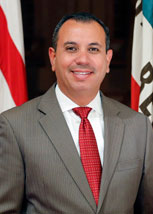
Bill Co-Author(s):