SB 830: Pupil instruction: media literacy: resources.
- Session Year: 2017-2018
- House: Senate
- Latest Version Date: 2018-09-17
Existing law requires the adopted course of study for grades 1 to 6, inclusive, and for grades 7 to 12, inclusive, to offer courses in specified areas of study, including social sciences.
This bill would require, on or before July 1, 2019, the State Department of Education to make available to school districts on its Internet Web site a list of resources and instructional materials on media literacy, as defined, including media literacy professional development programs for teachers.
Existing law requires the adopted course of study for grades 1 to 6, inclusive, and for grades 7 to 12, inclusive, to offer courses in specified areas of study, including social sciences. Existing law establishes the Instructional Quality Commission and requires the commission to, among other things, recommend curriculum frameworks to the State Board of Education.
This bill would require the commission to develop, and the state board to adopt, reject, or modify, a model curriculum in media literacy for kindergarten and grades 1 to 12, inclusive, for voluntary use by educators. The bill would require the commission to submit the model curriculum to the state board on or before January 1, 2023, and would require the state board to adopt, reject, or modify the model curriculum on or before March 31, 2023, in accordance with specified procedural requirements. The bill would require require, on or before July 1, 2019, the State Department of Education to make available to school districts on its Internet Web site a list of resources and instructional materials on media literacy, as defined, including media literacy professional development programs for teachers. The bill would make its requirements contingent upon an appropriation for its purposes in the annual Budget Act or another statute.
Existing law requires the adopted course of study for grades 1 to 6, inclusive, and for grades 7 to 12, inclusive, to offer courses in specified areas of study, including social sciences. Existing law establishes the Instructional Quality Commission and requires the commission to, among other things, recommend curriculum frameworks to the State Board of Education.
This bill would require the commission to develop, and the state board to adopt, reject, or modify, a model curriculum in media literacy for kindergarten and grades 1 to 12, inclusive, for voluntary use by educators. The bill would require the commission to submit the model curriculum to the state board on or before January 1, 2023, and would require the state board to adopt, reject, or modify the model curriculum on or before March 31, 2023, in accordance with specified procedural requirements. The bill would require the State Department of Education to make available on its Internet Web site a list of resources and instructional materials on media literacy, including media literacy professional development programs for teachers. The bill would make its requirements contingent upon an appropriation for its purposes in the annual Budget Act or another statute.
Existing law requires the adopted course of study for grades 1 to 6, inclusive, and for grades 7 to 12, inclusive, to offer courses in specified areas of study, including social sciences. Existing law establishes the Instructional Quality Commission and requires the commission to, among other things, recommend curriculum frameworks to the State Board of Education.
This bill would require the commission to develop, and the state board to adopt, reject, or modify, a model curriculum in media literacy for kindergarten and grades 1 to 12, inclusive, for voluntary use by educators. The bill would require the commission to submit the model curriculum to the state board on or before January 1, 2020, 2023, and would require the state board to adopt, reject, or modify the model curriculum on or before March 31, 2020, 2023, in accordance with specified procedural requirements. The bill would require the State Department of Education to make available on its Internet Web site a list of resources and instructional materials on media literacy, including media literacy professional development programs for teachers.
Existing law requires the adopted course of study for grades 1 to 6, inclusive, and for grades 7 to 12, inclusive, to offer courses in specified areas of study, including social sciences. Existing law establishes the Instructional Quality Commission and requires the commission to, among other things, recommend curriculum frameworks to the State Board of Education.
This bill would require the commission to develop, and the state board to adopt, reject, or modify, a model curriculum in media literacy for kindergarten and grades 1 to 12, inclusive, for voluntary use by educators. The bill would require the commission to submit the model curriculum to the state board on or before January 1, 2020, and would require the state board to adopt, reject, or modify the model curriculum on or before March 31, 2020, in accordance with specified procedural requirements. The bill would require the State Department of Education to make available on its Internet Web site a list of resources and instructional materials on media literacy, including media literacy professional development programs for teachers.
(a)The Legislature finds and declares all of the following:
(1)The social implications of technological development are pervasive, and the reach and influence of digital media platforms will continue to expand.
(2)Nearly two-thirds of American adults use social networking Internet Web sites, and social media usage is ubiquitous among the youngest adults, with over 90 percent of young adults using social media.
(3)Two out of every three adults say fabricated news stories cause a great deal of confusion about the basic facts of current issues and events.
(4)A recent Stanford University study showed that 82 percent of middle school pupils struggled to distinguish advertisements from news stories.
(5)During the final, critical months of the 2016 presidential campaign, 20 top-performing false election stories from hoax Internet Web sites and hyperpartisan blogs generated 8,711,000 shares, reactions, and comments on social media; where, within the same time period, the 20 best-performing election stories from 19 major news Internet Web sites generated a total of 7,367,000 shares, reactions, and comments on Facebook.
(6)It is necessary to confront questions about the moral obligations and ethical standards regarding what appears on social media networks and digital platforms.
(7)Access to media literacy education for all pupils is a challenge, especially for underrepresented and economically disadvantaged communities.
(b)It is therefore the intent of the Legislature to ensure that young adults are prepared with media literacy skills necessary to safely, responsibly, and critically consume and use social media and other forms of media.
SEC. 2.Section 51206.4 is added to the Education Code, to read:51206.4.(a)For purposes of this section, the following terms have the following meanings:
(1)Digital citizenship means a diverse set of skills related to current technology and social media, including the norms of appropriate, responsible, and healthy behavior.(2)Media literacy means the ability to access, analyze, evaluate, and use media and encompasses the foundational skills that lead to digital citizenship.
(b)On or before July 1, 2019, the department shall make available to school districts on its Internet Web site a list of resources and instructional materials on media literacy, including media literacy professional development programs for teachers.
(a)The Legislature finds and declares all of the following:
(1)The social implications of technological development are pervasive, and the reach and influence of digital media platforms will continue to expand.
(2)Nearly two-thirds of American adults use social networking Internet Web sites, and social media usage is ubiquitous among the youngest adults, with over 90 percent of young adults using social media.
(3)Two out of every three adults say fabricated news stories cause a great deal of confusion about the basic facts of current issues and events.
(4)A recent Stanford University study showed that 82 percent of middle school pupils struggled to distinguish advertisements from news stories.
(5)During the final, critical months of the 2016 presidential campaign, 20 top-performing false election stories from hoax Internet Web sites and hyperpartisan blogs generated 8,711,000 shares, reactions, and comments on social media; where, within the same time period, the 20 best-performing election stories from 19 major news Internet Web sites generated a total of 7,367,000 shares, reactions, and comments on Facebook.
(6)It is necessary to confront questions about the moral obligations and ethical standards regarding what appears on social media networks and digital platforms.
(7)Access to media literacy education for all pupils is a challenge, especially for underrepresented and economically disadvantaged communities.
(b)It is therefore the intent of the Legislature to ensure that young adults are prepared with media literacy skills necessary to safely, responsibly, and critically consume and use social media and other forms of media.
SEC. 2.Section 51206.4 is added to the Education Code, to read:51206.4.(a)For purposes of this section, digital citizenship and media literacy are broad terms that encompass consumption and use of media and digital products and are defined as follows: the following terms have the following meanings:
(1)Digital citizenship means a diverse set of skills related to current technology and social media, including the norms of appropriate, responsible, and healthy behavior.(2)Media literacy means the ability to access, analyze, evaluate, and use media and encompasses the foundational skills that lead to digital citizenship.
(b)The Instructional Quality Commission shall develop, and the state board shall adopt, reject, or modify, a model curriculum in media literacy for kindergarten and grades 1 to 12, inclusive, for voluntary use by educators.(c)The model curriculum in media literacy shall be designed for the purpose of providing instruction in the safe and responsible use of media and supporting pupils use of critical thinking skills when consuming media. The model curriculum in media literacy shall address, but not be limited to, instructing pupils in how to do all of the following:(1)Safely and responsibly use and consume media.(2)Access relevant and accurate information through media.(3)Analyze media content in a critical way.(4)Evaluate the comprehensiveness, currency, relevance, credibility, authority, and accuracy of media content.(d)The model curriculum in media literacy may be designed to promote the development of pupils skills in all of the following:(1)Creativity and innovation.(2)Communication and collaboration.(3)Research and information fluency.(4)Critical thinking and problem solving.(5)Digital citizenship.(6)Technology operations and concepts.(7)Information, media, and technological literacy.(8)Concepts of media representation and stereotyping.(e)The model curriculum in media literacy shall do both of the following:(1)Provide model lessons and activities for each grade level and identify supporting instructional materials for use in its implementation.(2)Identify the ways in which it aligns with, and is supportive of, the common core academic content standards and the Next Generation Science standards.(f)In developing the model curriculum in media literacy, the Instructional Quality Commission shall convene an advisory group composed of experts in media literacy education. A majority of this group shall be current public elementary or secondary school classroom teachers who have a professional teaching credential that is valid under state law and who have experience or expertise in media literacy education.(g)The Instructional Quality Commission shall hold a minimum of two public hearings for the public to provide input on the model curriculum in media literacy in accordance with the Bagley-Keene Open Meeting Act (Article 9 (commencing with Section 11120) of Chapter 1 of Part 1 of Division 3 of Title 2 of the Government Code).(h)On or before January 1, 2023, the Instructional Quality Commission shall submit to the state board the model curriculum in media literacy.(i)On or before March 31, 2023, the state board shall adopt, reject, or modify the model curriculum in media literacy submitted by the Instructional Quality Commission at a subsequent public meeting.(j)If the state board modifies the model curriculum in media literacy submitted by the Instructional Quality Commission, the state board shall do both of the following:(1)Explain, in writing, the reasons for the modifications to the Governor and the appropriate fiscal and policy committees of the Legislature.(2)Provide written reasons for its revisions in a meeting conducted pursuant to the Bagley-Keene Open Meeting Act (Article 9 (commencing with Section 11120) of Chapter 1 of Part 1 of Division 3 of Title 2 of the Government Code). The state board shall not adopt the model curriculum in media literacy at the same meeting in which it provides its written reasons but shall adopt the revisions at a subsequent meeting conducted no later than July 31, 2023.(k)If the state board rejects the model curriculum in media literacy, the state board shall transmit to the Superintendent, the Governor, and the appropriate policy and fiscal committees of the Legislature a specific written explanation of the reasons for the rejection of the model curriculum in media literacy.(l)Following the adoption of the model curriculum in media literacy, the Superintendent shall post the curriculum on its Internet Web site for voluntary use by educators.(m)(b)On or before July 1, 2019, the department shall make available to school districts on its Internet Web site a list of resources and instructional materials on media literacy, including media literacy professional development programs for teachers.
(n)Following the adoption of the model curriculum in media literacy, the departments Internet Web site shall have a mechanism accessible to school districts and teachers to provide feedback on the model curriculum in media literacy.(o)Private resources may be used as funding sources to supplement the development of a model curriculum in media literacy.(p)The requirements of this section are contingent upon an appropriation for its purposes in the annual Budget Act or another statute.(a)The Legislature finds and declares all of the following:
(1)The social implications of technological development are pervasive, and the reach and influence of digital media platforms will continue to expand.
(2)Nearly two-thirds of American adults use social networking Internet Web sites, and social media usage is ubiquitous among the youngest adults, with over 90 percent of young adults using social media.
(3)Two out of every three adults say fabricated news stories cause a great deal of confusion about the basic facts of current issues and events.
(4)A recent Stanford University study showed that 82 percent of middle school pupils struggled to distinguish advertisements from news stories.
(5)During the final, critical months of the 2016 presidential campaign, 20 top-performing false election stories from hoax Internet Web sites and hyperpartisan blogs generated 8,711,000 shares, reactions, and comments on social media; where, within the same time period, the 20 best-performing election stories from 19 major news Internet Web sites generated a total of 7,367,000 shares, reactions, and comments on Facebook.
(6)It is necessary to confront questions about the moral obligations and ethical standards regarding what appears on social media networks and digital platforms.
(7)Access to media literacy education for all pupils is a challenge, especially for underrepresented and economically disadvantaged communities.
(b)It is therefore the intent of the Legislature to ensure that young adults are prepared with media literacy skills necessary to safely, responsibly, and critically consume and use social media and other forms of media.
SEC. 2.Section 51206.4 is added to the Education Code, to read:51206.4.(a)For purposes of this section, digital citizenship and media literacy are broad terms that encompass consumption and use of media and digital products and are defined as follows:
(1)Digital citizenship means a diverse set of skills related to current technology and social media, including the norms of appropriate, responsible, and healthy behavior.
(2)Media literacy means the ability to access, analyze, evaluate, and use media and encompasses the foundational skills that lead to digital citizenship.
(b)The Instructional Quality Commission shall develop, and the state board shall adopt, reject, or modify, a model curriculum in media literacy for kindergarten and grades 1 to 12, inclusive, for voluntary use by educators.
(c)The model curriculum in media literacy shall be designed for the purpose of providing instruction in the safe and responsible use of media and supporting pupils use of critical thinking skills when consuming media. The model curriculum in media literacy shall address, but not be limited to, instructing pupils in how to do all of the following:
(1)Safely and responsibly use and consume media.
(2)Access relevant and accurate information through media.
(3)Analyze media content in a critical way.
(4)Evaluate the comprehensiveness, currency, relevance, credibility, authority, and accuracy of media content.
(d)The model curriculum in media literacy may be designed to promote the development of pupils skills in all of the following:
(1)Creativity and innovation.
(2)Communication and collaboration.
(3)Research and information fluency.
(4)Critical thinking and problem solving.
(5)Digital citizenship.
(6)Technology operations and concepts.
(7)Information, media, and technological literacy.
(8)Concepts of media representation and stereotyping.
(e)The model curriculum in media literacy shall do both of the following:
(1)Provide model lessons and activities for each grade level and identify supporting instructional materials for use in its implementation.
(2)Identify the ways in which it aligns with, and is supportive of, the common core academic content standards and the Next Generation Science standards.
(f)In developing the model curriculum in media literacy, the Instructional Quality Commission shall convene an advisory group comprised composed of experts in media literacy education. A majority of this group shall be current public school elementary or secondary school classroom teachers who have a professional teaching credential that is valid under state law and who have experience or expertise in media literacy education.
(g)The Instructional Quality Commission shall hold a minimum of two public hearings for the public to provide input on the model curriculum in media literacy in accordance with the Bagley-Keene Open Meeting Act (Article 9 (commencing with Section 11120) of Chapter 1 of Part 1 of Division 3 of Title 2 of the Government Code).
(h)On or before January 1, 2023, the Instructional Quality Commission shall submit to the state board the model curriculum in media literacy.
(i)On or before March 31, 2023, the state board shall adopt, reject, or modify the model curriculum in media literacy submitted by the Instructional Quality Commission at a subsequent public meeting.
(j)If the state board modifies the model curriculum in media literacy submitted by the Instructional Quality Commission, the state board shall do both of the following:
(1)Explain, in writing, the reasons for the modifications to the Governor and the appropriate fiscal and policy committees of the Legislature.
(2)Provide written reasons for its revisions in a meeting conducted pursuant to the Bagley-Keene Open Meeting Act (Article 9 (commencing with Section 11120) of Chapter 1 of Part 1 of Division 3 of Title 2 of the Government Code). The state board shall not adopt the model curriculum in media literacy at the same meeting in which it provides its written reasons but shall adopt the revisions at a subsequent meeting conducted no later than July 31, 2023.
(k)If the state board rejects the model curriculum in media literacy, the state board shall transmit to the Superintendent, the Governor, and the appropriate policy and fiscal committees of the Legislature a specific written explanation of the reasons for the rejection of the model curriculum in media literacy.
(l)Following the adoption of the model curriculum in media literacy, the Superintendent shall post the curriculum on its Internet Web site for voluntary use by educators.
(m)On or before July 1, 2019, the department shall make available to school districts on its Internet Web site a list of resources and instructional materials on media literacy, including media literacy professional development programs for teachers.
(n)Following the adoption of the model curriculum in media literacy, the departments Internet Web site shall have a mechanism accessible to school districts and teachers to provide feedback on the model curriculum in media literacy.
(o)Private resources may be used as funding sources to supplement the development of a model curriculum in media literacy.
(p)The requirements of this section are contingent upon an appropriation for its purposes in the annual Budget Act or another statute.
(a)The Legislature finds and declares all of the following:
(1)The social implications of technological development are pervasive, and the reach and influence of digital media platforms will continue to expand.
(2)Nearly two-thirds of American adults use social networking sites, and social media usage is ubiquitous among the youngest adults, with over 90 percent of young adults using social media.
(3)Two out of every three adults say fabricated news stories cause a great deal of confusion about the basic facts of current issues and events.
(4)A recent Stanford University study showed that 82 percent of middle school pupils struggled to distinguish advertisements from news stories.
(5)During the final, critical months of the 2016 presidential campaign, 20 top-performing false election stories from hoax Internet Web sites and hyperpartisan blogs generated 8,711,000 shares, reactions, and comments on social media; where, within the same time period, the 20 best-performing election stories from 19 major news Internet Web sites generated a total of 7,367,000 shares, reactions, and comments on Facebook.
(6)It is necessary to confront questions about the moral obligations and ethical standards regarding what appears on social media networks and digital platforms.
(7)Access to media literacy education for all pupils is a challenge, especially for underrepresented and economically disadvantaged communities.
(b)It is therefore the intent of the Legislature to ensure that young adults are prepared with media literacy skills necessary to safely, responsibly, and critically consume and use social media and other forms of media.
SEC. 2.Section 51206.4 is added to the Education Code, to read:51206.4.(a)For purposes of this section, digital citizenship and media literacy are broad terms that encompass consumption and use of media and digital products and are defined as follows:
(1)Digital citizenship means a diverse set of skills related to current technology and social media, including the norms of appropriate, responsible, and healthy behavior.
(2)Media literacy means the ability to access, analyze, evaluate, and use media and encompasses the foundational skills that lead to digital citizenship.
(b)The Instructional Quality Commission shall develop, and the state board shall adopt, reject, or modify, a model curriculum in media literacy for kindergarten and grades 1 to 12, inclusive, for voluntary use by educators.
(c)The model curriculum in media literacy shall be designed for the purpose of providing instruction in the safe and responsible use of media and supporting pupils use of critical thinking skills when consuming media. The model curriculum in media literacy shall address, but not be limited to, instructing pupils in how to do all of the following:
(1)Safely and responsibly use and consume media.
(2)Access relevant and accurate information through media.
(3)Analyze media content in a critical way.
(4)Evaluate the comprehensiveness, currency, relevance, credibility, authority, and accuracy of media content.
(d)The model curriculum in media literacy may be designed to promote the development of pupils skills in all of the following:
(1)Creativity and innovation.
(2)Communication and collaboration.
(3)Research and information fluency.
(4)Critical thinking and problem solving.
(5)Digital citizenship.
(6)Technology operations and concepts.
(7)Information, media, and technological literacy.
(8)Concepts of media representation and stereotyping.
(e)The model curriculum in media literacy shall do both of the following:
(1)Provide model lessons and activities for each grade level and identify supporting instructional materials for use in its implementation.
(2)Identify the ways in which it aligns with, and is supportive of, the common core academic content standards and the Next Generation Science standards.
(f)In developing the model curriculum in media literacy, the Instructional Quality Commission shall convene an advisory group comprised of experts in media literacy education. A majority of this group shall be current public school elementary or secondary classroom teachers who have a professional teaching credential that is valid under state law and who have experience or expertise in media literacy education.
(g)The Instructional Quality Commission shall hold a minimum of two public hearings for the public to provide input on the model curriculum in media literacy in accordance with the Bagley-Keene Open Meeting Act (Article 9 (commencing with Section 11120) of Chapter 1 of Part 1 of Division 3 of Title 2 of the Government Code).
(h)On or before January 1, 2020, 2023, the Instructional Quality Commission shall submit to the state board the model curriculum in media literacy.
(i)On or before March 31, 2020, 2023, the state board shall adopt, reject, or modify the model curriculum in media literacy submitted by the Instructional Quality Commission at a subsequent public meeting.
(j)If the state board modifies the model curriculum in media literacy submitted by the Instructional Quality Commission, the state board shall do both of the following:
(1)Explain, in writing, the reasons for the modifications to the Governor and the appropriate fiscal and policy committees of the Legislature.
(2)Provide written reasons for its revisions in a meeting conducted pursuant to the Bagley-Keene Open Meeting Act (Article 9 (commencing with Section 11120) of Chapter 1 of Part 1 of Division 3 of Title 2 of the Government Code). The state board shall not adopt the model curriculum in media literacy at the same meeting in which it provides its written reasons but shall adopt the revisions at a subsequent meeting conducted no later than July 31, 2020. 2023.
(k)If the state board rejects the model curriculum in media literacy, the state board shall transmit to the Superintendent, the Governor, and the appropriate policy and fiscal committees of the Legislature a specific written explanation of the reasons for the rejection of the model curriculum in media literacy.
(l)Following the adoption of the model curriculum in media literacy, the Superintendent shall post the curriculum on its Internet Web site for voluntary use by educators.
(m)On or before July 1, 2019, the department shall make available to school districts on its Internet Web site a list of resources and instructional materials on media literacy, including media literacy professional development programs for teachers.
(n)Following the adoption of the model curriculum in media literacy, the departments Internet Web site shall have a mechanism accessible to school districts and teachers to provide feedback on the model curriculum in media literacy.
(o)Private resources may be used as funding sources to supplement the development of a model curriculum in media literacy.
(a)The Legislature finds and declares all of the following:
(1)The social implications of technological development are pervasive, and the reach and influence of digital media platforms will continue to expand.
(2)Nearly two-thirds of American adults use social networking sites, and social media usage is ubiquitous among the youngest adults, with over 90 percent of young adults using social media.
(3)Two out of every three adults say fabricated news stories cause a great deal of confusion about the basic facts of current issues and events.
(4)A recent Stanford University study showed that 82 percent of middle school pupils struggled to distinguish advertisements from news stories.
(5)During the final, critical months of the 2016 presidential campaign, 20 top-performing false election stories from hoax Web sites and hyperpartisan blogs generated 8,711,000 shares, reactions, and comments on social media; where, within the same time period, the 20 best-performing election stories from 19 major news Internet Web sites generated a total of 7,367,000 shares, reactions, and comments on Facebook.
(6)It is necessary to confront questions about the moral obligations and ethical standards regarding what appears on social media networks and digital platforms.
(7)Access to media literacy education for all pupils is a challenge, especially for underrepresented and economically disadvantaged communities.
(b)It is therefore the intent of the Legislature to ensure that young adults are prepared with media literacy skills necessary to safely, responsibly, and critically consume and use social media and other forms of media.
SEC. 2.Section 51206.4 is added to the Education Code, to read:51206.4.(a)For purposes of this section, digital citizenship and media literacy are broad terms that encompass consumption and use of media and digital products and are defined as follows:
(1)Digital citizenship means a diverse set of skills related to current technology and social media, including the norms of appropriate, responsible, and healthy behavior.
(2)Media literacy means the ability to access, analyze, evaluate, and use media and encompasses the foundational skills that lead to digital citizenship.
(b)The Instructional Quality Commission shall develop, and the state board shall adopt, reject, or modify, a model curriculum in media literacy for kindergarten and grades 1 to 12, inclusive, for voluntary use by educators.
(c)The model curriculum in media literacy shall be designed for the purpose of providing instruction in the safe and responsible use of media and supporting pupils use of critical thinking skills when consuming media. The model curriculum in media literacy shall address, but not be limited to, instructing pupils in how to do all of the following:
(1)Safely and responsibly use and consume media.
(2)Access relevant and accurate information through media.
(3)Analyze media content in a critical way.
(4)Evaluate the comprehensiveness, currency, relevance, credibility, authority, and accuracy of media content.
(d)The model curriculum in media literacy may be designed to promote the development of pupils skills in all of the following:
(1)Creativity and innovation.
(2)Communication and collaboration.
(3)Research and information fluency.
(4)Critical thinking and problem solving.
(5)Digital citizenship.
(6)Technology operations and concepts.
(7)Information, media, and technological literacy.
(8)Concepts of media representation and stereotyping.
(e)The model curriculum in media literacy shall do both of the following:
(1)Provide model lessons and activities for each grade level and identify supporting instructional materials for use in its implementation.
(2)Identify the ways in which it aligns with, and is supportive of, the common core academic content standards and the Next Generation Science standards.
(f)In developing the model curriculum in media literacy, the Instructional Quality Commission shall convene an advisory group comprised of experts in media literacy education. A majority of this group shall be current public school elementary or secondary classroom teachers who have a professional teaching credential that is valid under state law and who have experience or expertise in media literacy education.
(g)The Instructional Quality Commission shall hold a minimum of two public hearings for the public to provide input on the model curriculum in media literacy in accordance with the Bagley-Keene Open Meeting Act (Article 9 (commencing with Section 11120) of Chapter 1 of Part 1 of Division 3 of Title 2 of the Government Code).
(h)On or before January 1, 2020, the Instructional Quality Commission shall submit to the state board the model curriculum in media literacy.
(i)On or before March 31, 2020, the state board shall adopt, reject, or modify the model curriculum in media literacy submitted by the Instructional Quality Commission at a subsequent public meeting.
(j)If the state board modifies the model curriculum in media literacy submitted by the Instructional Quality Commission, the state board shall do both of the following:
(1)Explain, in writing, the reasons for the modifications to the Governor and the appropriate fiscal and policy committees of the Legislature.
(2)Provide written reasons for its revisions in a meeting conducted pursuant to the Bagley-Keene Open Meeting Act (Article 9 (commencing with Section 11120) of Chapter 1 of Part 1 of Division 3 of Title 2 of the Government Code). The state board shall not adopt the model curriculum in media literacy at the same meeting in which it provides its written reasons but shall adopt the revisions at a subsequent meeting conducted no later than July 31, 2020.
(k)If the state board rejects the model curriculum in media literacy, the state board shall transmit to the Superintendent, the Governor, and the appropriate policy and fiscal committees of the Legislature a specific written explanation of the reasons for the rejection of the model curriculum in media literacy.
(l)Following the adoption of the model curriculum in media literacy, the Superintendent shall post the curriculum on its Internet Web site for voluntary use by educators.
(m)On or before July 1, 2019, the department shall make available to school districts on its Internet Web site a list of resources and instructional materials on media literacy, including media literacy professional development programs for teachers.
(n)Following the adoption of the model curriculum in media literacy, the departments Internet Web site shall have a mechanism accessible to school districts and teachers to provide feedback on the model curriculum in media literacy.
(o)Private resources may be used as funding sources to supplement the development of a model curriculum in media literacy.
|
Date
|
Status
|
|---|---|
| Sep 17, 2018 | Chaptered by Secretary of State. Chapter 448, Statutes of 2018. |
| Sep 17, 2018 | Approved by the Governor. |
| Sep 5, 2018 | Enrolled and presented to the Governor at 3:30 p.m. |
| Aug 28, 2018 | Assembly amendments concurred in. (Ayes 28. Noes 11.) Ordered to engrossing and enrolling. |
| Aug 28, 2018 | In Senate. Concurrence in Assembly amendments pending. |
| Aug 27, 2018 | Read third time. Passed. Ordered to the Senate. |
| Aug 21, 2018 | Read second time. Ordered to third reading. |
| Aug 20, 2018 | Read second time and amended. Ordered to second reading. |
| Aug 16, 2018 | From committee: Do pass as amended. (Ayes 12. Noes 1.) (August 16). |
| Aug 8, 2018 | August 8 set for first hearing. Placed on suspense file. |
| Jun 28, 2018 | From committee: Do pass and re-refer to Com. on APPR. (Ayes 5. Noes 0.) (June 27). Re-referred to Com. on APPR. |
| Jun 11, 2018 | Referred to Com. on ED. |
| May 31, 2018 | In Assembly. Read first time. Held at Desk. |
| May 30, 2018 | Read third time. Passed. (Ayes 22. Noes 13.) Ordered to the Assembly. |
| May 29, 2018 | Read second time. Ordered to third reading. |
| May 25, 2018 | From committee: Do pass as amended. (Ayes 5. Noes 2.) (May 25). |
| May 18, 2018 | Set for hearing May 25. |
| Apr 16, 2018 | April 16 hearing: Placed on APPR. suspense file. |
| Apr 9, 2018 | Set for hearing April 16. |
| Mar 21, 2018 | Read second time and amended. Re-referred to Com. on APPR. |
| Mar 20, 2018 | From committee: Do pass as amended and re-refer to Com. on APPR. (Ayes 4. Noes 2.) (March 14). |
| Feb 27, 2018 | Set for hearing March 14. |
| Jan 16, 2018 | Referred to Com. on ED. |
| Jan 4, 2018 | From printer. May be acted upon on or after February 3. |
| Jan 3, 2018 | Introduced. Read first time. To Com. on RLS. for assignment. To print. |
|
Date
|
Description
|
Location
|
Votes
|
|
|---|---|---|---|---|
| Aug 28, 2018 | Unfinished Business SB830 Dodd et al. Concurrence | Senate Floor |
Passed |
|
| Aug 27, 2018 | SB 830 Dodd Senate Third Reading By MULLIN | Assembly Floor |
Passed |
|
| Aug 16, 2018 | Do pass as amended. | Assembly Standing Committee on Appropriations |
Passed |
|
| Jun 27, 2018 | Do pass and be re-referred to the Committee on [Appropriations] | Assembly Standing Committee on Education |
Passed |
|
| May 30, 2018 | Senate 3rd Reading SB830 Dodd et al. | Senate Floor |
Passed |
|
| May 25, 2018 | Do pass as amended | Senate Standing Committee on Appropriations |
Passed |
|
| Apr 16, 2018 | Placed on suspense file | Senate Standing Committee on Appropriations |
Passed |
|
| Mar 14, 2018 | Do pass as amended, but first amend, and re-refer to the Committee on [Appropriations] | Senate Standing Committee on Education |
Passed |
This list shows positions taken on this bill by organizations on the date displayed, which is linked to the original source.
Positions by individuals are not included.
|
Organization
|
Position
|
Date
|
|---|---|---|
| American Academy of Pediatrics | ** Support | Aug 28, 2018 |
| Association Of California School Administrators | ** Support | Jun 25, 2018 |
| Bay Area Student Activists | ** Support | Jun 25, 2018 |
| California Cable & Telecommunications Association | ** Support | Aug 28, 2018 |
| California News Publishers Association | * Support | Mar 14, 2018 |
| California School Boards Association | ** Support | Aug 28, 2018 |
| California School Library Association | ** Support | Aug 28, 2018 |
| California State PTA | ** Support | Jun 25, 2018 |
| California Teachers Association | ** Support | Jun 25, 2018 |
| Center for Media Literacy | ** Support | Aug 28, 2018 |
| Common Sense Kids Action | ** Support | Aug 28, 2018 |
| Congressman Mike Thompson | ** Support | Aug 28, 2018 |
| Lieutenant Governor Gavin Newsom | ** Support | Aug 28, 2018 |
| National Association Of Media Literacy Education | ** Support | Aug 28, 2018 |
| San Francisco Unified School District | ** Support | Aug 28, 2018 |
| Scientific Literacy Association | ** Support | Aug 28, 2018 |
| University Of California, Los Angeles--Teacher Education Program | ** Support | Aug 28, 2018 |
| Yolo County Office of Education | ** Support | Aug 28, 2018 |
Office of Senate Floor Analyses (916) 651-1520 Fax: (916) 327-4478 | SB |
UNFINISHED BUSINESS
Bill No: SB 830
:
SENATE EDUCATION COMMITTEE: 4-2, 3/14/18
AYES: Allen, Galgiani, Leyva, Pan
NOES: Wilk, Vidak
SENATE APPROPRIATIONS COMMITTEE: 5-2, 5/25/18
AYES: Lara, Beall, Bradford, Hill, Wiener
NOES: Bates, Nielsen
SENATE FLOOR: 25-13, 5/30/18
AYES: Allen, Atkins, Beall, Bradford, Dodd, Galgiani, Glazer, Hernandez, Hertzberg, Hill, Hueso, Jackson, Lara, Leyva, McGuire, Mitchell, Monning, Newman, Pan, Portantino, Roth, Skinner, Stern, Wieckowski, Wiener
NOES: Anderson, Bates, Berryhill, Cannella, Fuller, Gaines, Moorlach, Morrell, Nguyen, Nielsen, Stone, Vidak, Wilk
NO VOTE RECORDED: De León
ASSEMBLY FLOOR: 72-2, 8/27/18 - See last page for vote
SUBJECT: Pupil instruction: media literacy: resources
SOURCE: Common Sense Kids Action
DIGEST:
This bill requires California Department of Education (CDE) to make available to school districts on its Internet Web site, by July 1, 2019, a list of resources and instructional materials on media literacy, including media literacy professional development programs for teachers.
Assembly Amendments
remove the requirement for the Instructional Quality Commission to develop, and the State Board of Education to adopt, reject, or modify, a model curriculum in media literacy by March 31, 2023, and remove the requirement that the bill be contingent upon an appropriation.
Existing law:
1) Requires CDE to issue a request for proposals to contract for the development of standards for professional development for educators and instructional leaders. (Education Code § 44470)
2) Requires the standards to present a vision of ongoing, high quality professional development, give special attention to high need schools and school districts, and build on existing work on quality professional development, including the Designs for Learning system. (EC § 44470)
3) Requires the standards to serve as guidelines for providers of professional development activities and authorize them to be used to facilitate the coordination among existing professional development programs. (EC § 44470)
This bill requires CDE to make available to school districts on its Internet Web site, by July 1, 2019, a list of resources and instructional materials on media literacy, including media literacy professional development programs for teachers. Specifically, this bill:
1) Defines “digital citizenship” to mean “a diverse set of skills related to current technology and social media, including the norms of appropriate, responsible, and healthy behavior.”
2) Defines “media literacy” to mean “the ability to access, analyze, evaluate, and use media and encompasses the foundational skills that lead to digital citizenship.”
3) States the following findings and declarations:
a) The social implications of technological development are pervasive, and the reach and influence of digital media platforms will continue to expand.
b) Nearly two-thirds of American adults use social networking Internet Web sites, and social media usage is ubiquitous among the youngest adults, with over 90 percent of young adults using social media.
c) Two out of every three adults say fabricated news stories cause a great deal of confusion about the basic facts of current issues and events.
d) A recent Stanford University study showed that 82 percent of middle school pupils struggled to distinguish advertisements from news stories.
e) During the final, critical months of the 2016 presidential campaign, 20 top-performing false election stories from hoax Internet Web sites and hyperpartisan blogs generated 8,711,000 shares, reactions, and comments on social media; where, within the same time period, the 20 best-performing election stories from 19 major news Internet Web sites generated a total of 7,367,000 shares, reactions, and comments on Facebook.
f) It is necessary to confront questions about the moral obligations and ethical standards regarding what appears on social media networks and digital platforms.
g) Access to media literacy education for all pupils is a challenge, especially for underrepresented and economically disadvantaged communities.
4) States that it is the intent of Legislature to ensure that young adults are prepared with media literacy skills necessary to safely, responsibly, and critically consume and use social media and other forms of media.
Comments
- Need for the bill. According to the author, “Nearly two-thirds of American adults use social networking sites, and social media usage is ubiquitous among the youngest adults, with over 90 percent of young adults using social media. The social implications of technological development are pervasive, and the reach and influence of digital media platforms will continue to evolve and expand.
“The prevalence of fake news garnered national attention in the recent Presidential election, where false and misleading stories from hoax websites outperformed actual news stories in terms of social media engagement. This flood of content can make it difficult for the public to differentiate between reputable news sources and false or misleading claims. The practice of advertisements masquerading as news has also seen an increase in recent years.
“A recent Stanford study shows 82 percent of middle school students struggle to distinguish advertisements from news stories. It is important that California’s educational standards reflect the need for increased media literacy, so that young adults have the ability to analyze and evaluate information consumed from countless media outlets.”
FISCAL EFFECT: Appropriation: Fiscal Com.: Local:
According to the Assembly Appropriations Committee, one-time GF costs in the low hundreds of thousands of dollars to make available to school districts on CDE's Web site a list of resources and instructional materials on media literacy, including media literacy professional development programs. CDE indicates that to provide such a list of materials would require a formal evaluation process.
Common Sense Kids Action (source)
Lieutenant Governor Gavin Newsom
American Academy of Pediatrics
California Cable & Telecommunications Association
California School Boards Association
California School Library Association
Center for Media Literacy
Congressman Mike Thompson
National Association of Media Literacy Education
San Francisco Unified School District
Scientific Literacy Association
University of California, Los Angeles—Teacher Education Program
Yolo County Office of Education
OPPOSITION: (Verified 8/27/18)
None received
ASSEMBLY FLOOR: 72-2, 8/27/18
AYES: Acosta, Aguiar-Curry, Arambula, Baker, Berman, Bigelow, Bloom, Bonta, Brough, Burke, Caballero, Calderon, Carrillo, Cervantes, Chau, Chen, Chiu, Choi, Chu, Cooley, Cooper, Cunningham, Dahle, Daly, Eggman, Flora, Frazier, Friedman, Gabriel, Cristina Garcia, Eduardo Garcia, Gipson, Gloria, Gonzalez Fletcher, Gray, Grayson, Holden, Irwin, Jones-Sawyer, Kalra, Kamlager-Dove, Lackey, Levine, Limón, Low, Maienschein, Mathis, Mayes, McCarty, Medina, Mullin, Muratsuchi, Nazarian, Obernolte, O'Donnell, Quirk, Quirk-Silva, Reyes, Rivas, Rodriguez, Rubio, Salas, Santiago, Steinorth, Mark Stone, Thurmond, Ting, Voepel, Waldron, Weber, Wood, Rendon
NOES: Travis Allen, Gallagher
NO VOTE RECORDED: Chávez, Fong, Harper, Kiley, Melendez, Patterson
8/28/18 9:36:36
**** END ****
SENATE THIRD READING
STR Bill Id:SB 830
Author:(Dodd)
As Amended Ver:August 20, 2018
Majority vote
SENATE VOTE: 25-13
Committee | Votes | Ayes | Noes |
Education | 5-0 | O'Donnell, Kalra, McCarty, Thurmond, Weber | |
Appropriations | 12-1 | Gonzalez Fletcher, Bloom, Bonta, Calderon, Carrillo, Chau, Eggman, Friedman, Eduardo Garcia, Nazarian, Quirk, Reyes | Gallagher |
SUMMARY: Requires the California Department of Education (CDE) to make available to school districts on its website a list of resources and instructional materials on media literacy, including media literacy professional development programs for teachers. Specifically, this bill:
Defines "digital citizenship" to mean a diverse set of skills related to current technology and social media, including the norms of appropriate, responsible, and healthy behavior.
Defines "media literacy" to mean the ability to access, analyze, evaluate, and use media, and encompasses the foundational skills that lead to digital citizenship.
- Requires the CDE, by July 1, 2019, to make available to school districts on its website a list of resources and instructional materials on media literacy, including media literacy professional development programs for teachers.
FISCAL EFFECT: According to the Assembly Appropriations Committee, one-time GF costs in the low hundreds of thousands of dollars to make available to school districts on CDE's website a list of resources and instructional materials on media literacy, including media literacy professional development programs. CDE indicates that to provide such a list of materials would require a formal evaluation process.
COMMENTS:
Need for the bill. The author states: "Recent research highlights the need for media literacy education. Such research includes 'Many Americans Believe Fake News is Sowing Confusion' by the Pew Research Center (2016); and 'Evaluating Information: The Cornerstone of Civic Online Reasoning' by the Stanford History Education Group (2016). A recent Stanford study shows 82% of middle school students struggle to distinguish advertisements from news stories. Access to technology literacy and digital media skills education for all young students is a challenge, especially for underrepresented and economically disadvantaged communities. With over 90% of young adults present on social media, it is important to ensure that young adults are prepared with technology literacy and computer skills in order to utilize social media sites responsibly."
Analysis Prepared by: Tanya Lieberman / ED. / (916) 319-2087 FN: 0004101
Date of Hearing: August 8, 2018
ASSEMBLY COMMITTEE ON APPROPRIATIONS
Lorena Gonzalez Fletcher, Chair
SBPCA Bill Id:SB 830
Author:(Dodd) – As Amended Ver:May 25, 2018
Policy Committee: | Education | Vote: | 5 - 0 |
|
|
Urgency: No State Mandated Local Program: No Reimbursable: No
SUMMARY:
This bill requires, contingent on an appropriation, the Instructional Quality Commission (IQC) to develop, and the State Board of Education (SBE) to adopt, reject, or modify, a model curriculum in media literacy by March 31, 2023. It also requires, by July 1, 2019, the California Department of Education (CDE) to make available to school districts on its website a list of resources and instructional materials on media literacy, including a media literacy professional development program for teachers.
FISCAL EFFECT:
- $829,000 one-time General Fund (GF) over three years, beginning in the 2020-21 fiscal year, to develop the media literacy model curriculum. These costs would support two positions at the California Department of Education (CDE), a model curriculum writer contract, and curriculum advisory committee meetings. The bill indicates that private resources may be used as a funding source to supplement the development of a model curriculum.
- One-time GF costs in the low hundreds of thousands of dollars to make available to school districts on CDE’s website a list of resources and instructional materials on media literacy, including media literacy professional development programs. CDE indicates that to provide such a list of materials would require a formal evaluation process.
- Potential local Proposition 98 GF cost pressures at school districts that choose to provide media literacy courses. School districts would likely need to purchase instructional materials and either hire teachers or provide professional development to existing teachers.
COMMENTS:
- Purpose. According to the author, “It is important that California’s educational standards reflect the need for increased media literacy, so that young adults have the ability to analyze and evaluate information consumed from countless media outlets.”
- Public School Curricula. California’s public school curricula is based on content standards in various subjects, including English-language arts, mathematics, science, history-social science, physical education, career technical education, health education, world languages, and visual and performing arts. These standards are developed by the IQC through a public process and are adopted by the SBE. In addition to developing standards in these subject areas, the SBE is sometimes directed by law to develop model curricula on different topics, such as on the life of Cesar Chavez and human rights and genocide.
- Media Literacy. Media literacy is the ability to access, analyze, evaluate, and create media in a variety of forms.
The California Model School Library Standards for California Schools, adopted by the SBE in 2011, incorporates “information literacy” skills, in which students “learn to access, evaluate, use, and integrate information and ideas found in print, media, and digital resources.” The curriculum includes standards that require students to assess the credibility, authority, and accuracy of resources and consider the need for additional information. In addition, the state’s content standard for English Language Arts includes reference to media literacy. Specifically, in grades 9-12, students are required to evaluate the credibility and accuracy of information presented by various media sources.
- Related Legislation. SB 947 (Jackson) requires the Superintendent of Public Instruction, on or before December 1, 2019, and in consultation with an advisory committee, to identify best practices and recommendations for instruction in digital citizenship, internet safety, and media literacy. The bill is pending a hearing on the Assembly floor.
SB 135 (Dodd) requires the IQC to develop, and the SBE to adopt, reject, or modify, a model curriculum in media literacy. The bill was held in the Assembly Appropriations Committee.
SB 155 (Gomez) requires the IQC to develop a model curriculum in media literacy, and requires the CDE to develop an online professional development module to support the model curriculum. The bill was held in the Assembly Appropriations Committee.
SB 203 (Jackson) requires the CDE to identify best practices and recommendations for instruction in digital citizenship, Internet safety, and media literacy, and required school districts to annually review their policies on those topics. The bill was held in the Senate Appropriations Committee.
Analysis Prepared by: Natasha Collins / APPR. / (916) 319-2081
Date of Hearing: June 27, 2018
ASSEMBLY COMMITTEE ON EDUCATION
Patrick O'Donnell, Chair
SBPCA Bill Id:SB 830
Author:(Dodd) – As Amended Ver:May 25, 2018
SENATE VOTE: 25-13
SUBJECT: Pupil instruction: media literacy: model curriculum
SUMMARY: Requires the Instructional Quality Commission (IQC) to develop, and the State Board of Education (SBE) to adopt, reject, or modify, a model curriculum in media literacy. Specifically, this bill:
- Makes findings and declarations regarding the importance of media literacy education for students.
States that “digital citizenship” and “media literacy” are broad terms that encompass consumption and use of media and digital products.
Defines “digital citizenship” to mean a diverse set of skills related to current technology and social media, including the norms of appropriate, responsible, and healthy behavior.
Defines “media literacy” to mean the ability to access, analyze, evaluate, and use media, and encompasses the foundational skills that lead to digital citizenship.
Requires the IQC to develop, and the SBE to adopt, reject, or modify, a model curriculum in media literacy for Kindergarten and grades 1 to 12, inclusive, for voluntary use by educators.
Requires that the model curriculum be designed for the purpose of providing instruction in the safe and responsible uses of media, and that it support students’ use of critical-thinking skills when consuming media.
Requires the model curriculum to address, but not be limited to, the instruction of students in how to:
- safely and responsibly use and consume media
- access relevant and accurate information through media
- analyze media content in a critical way
- evaluate the comprehensiveness, currency, relevance, credibility, authority, and accuracy of media content
- States that the model curriculum may be designed to promote the development of skills in:
- creativity and innovation
- communication and collaboration
- research and information fluency
- critical thinking and problem solving
- digital citizenship
- technology operations and concepts
- information, media, and technological literacy
- concepts of media representation and stereotyping
- Requires that the model curriculum provide model lessons and activities for each grade level, and identify supporting instructional materials for use in its implementation.
- Requires that the model curriculum identify the ways in which it aligns with, and is supportive of, the Common Core State Standards and the Next Generation Science Standards.
- Requires the IQC, in developing the model curriculum in media literacy, to convene an advisory group comprised of experts in media literacy education, and requires that a majority of this group be current public school elementary or secondary classroom teachers who have a professional teaching credential that is valid under state law and who have experience or expertise in media literacy education.
- Requires the IQC to hold a minimum of two public hearings in order for the public to provide input on the model curriculum, and requires that the meetings be held pursuant to the Bagley-Keene Open Meeting Act.
- Requires that, on or before January 1, 2023, the IQC submit to the SBE the model curriculum.
- Requires that, on or before March 31, 2023, the SBE adopt, reject, or modify the model curriculum, at a subsequent public meeting.
- Requires that, if the SBE modifies the model curriculum, the SBE explain, in writing, the reasons for the modifications to the Governor and the appropriate fiscal and policy committees of the Legislature.
- Requires that, if the SBE modifies the model curriculum, the SBE, in a meeting conducted pursuant to the Bagley-Keene Open Meeting Act, provide written reasons for its revisions. Requires that the SBE not adopt the model curriculum at the same meeting it provides its written reasons, but, instead, adopt these revisions at a subsequent meeting conducted no later than July 31, 2023.
- Requires that, if the SBE rejects the model curriculum, the SBE transmit to the Superintendent of Public Instruction (SPI), the Governor, and the appropriate policy and fiscal committees of the Legislature a specific written explanation of the reasons for the rejection of the model curriculum.
- Requires the SPI, following the adoption of the model curriculum, to post the curriculum on its website for use on a voluntary basis by educators.
- Requires the California Department of Education (CDE) to, on or before July 1, 2019, make available to school districts on its website a list of resources and instructional materials on media literacy, including media literacy professional development programs for teachers.
- Requires that the website have a mechanism accessible to school districts and teachers to provide feedback on the model curriculum.
- States that private resources may be used as funding sources to supplement the development of the model curriculum.
- Makes the act contingent upon an appropriation in the annual Budget Act or another statute.
EXISTING LAW:
- Requires the development of model curricula in human rights and genocide, the life of Cesar Chavez, ethnic studies, and Native American studies.
- Requires the ethnic studies model curriculum to be developed with participation from faculty of ethnic studies programs at universities and colleges with ethnic studies programs and a group of representatives of local educational agencies.
- Requires that the ethnic studies model curriculum be written as a guide to allow school districts to adapt their courses to reflect the student demographics in their communities, and include examples of courses offered by LEAs that have been approved as meeting A-G admissions requirements including, to the extent possible, course outlines for those courses.
- Requires that, by December 31, 2019, the IQC to submit the ethnic studies model curriculum to the SBE for adoption, and the SBE to adopt the model curriculum by March 31, 2020.
- Requires the IQC to provide a minimum of 45 days for public comment before submitting the ethnic studies model curriculum to the SBE.
- Requires a school district or charter school that elects to offer a course of study in ethnic studies pursuant to this subdivision to offer the course as an elective in the social sciences or English language arts and to make the course available in at least one year during a student’s enrollment in grades 9 to 12.
- States the intent of the Legislature that local educational agencies submit course outlines for ethnic studies for approval as A-G courses. (EC 51226.7)
FISCAL EFFECT: According to the Senate Appropriations Committee:
- CDE estimates a cost of about $829,000 General Fund to develop the model curriculum as prescribed by this bill. These costs would support two positions, a model curriculum writer contract, and curriculum advisory committee meetings over a three-year period.
- CDE also estimates General Fund costs of $300,000 to $400,000 to make a list of resources and instructional materials on media literacy available to school districts.
- There could be local cost pressure to provide media literacy courses based on the model curriculum required by the bill. To implement a new media literacy course, school districts would have to purchase instructional materials and either hire appropriate teachers or provide professional development to existing teachers. These costs would not be reimbursable by the state.
COMMENTS:
Need for the bill. The author states: “Recent research highlights the need for media literacy education. Such research includes ‘Many Americans Believe Fake News is Sowing Confusion’ by the Pew Research Center (2016); and ‘Evaluating Information: The Cornerstone of Civic Online Reasoning’ by the Stanford History Education Group (2016). A recent Stanford study shows 82 percent of middle school students struggle to distinguish advertisements from news stories.
It is important that California’s educational standards reflect the need for increased media literacy, so that young adults have the ability to analyze and evaluate information consumed from countless media outlets.
Access to technology literacy and digital media skills education for all young students is a challenge, especially for underrepresented and economically disadvantaged communities. With over 90 percent of young adults present on social media, it is important to ensure that young adults are prepared with technology literacy and computer skills in order to utilize social media sites responsibly.”
Curriculum, standards, frameworks, and model curricula. California’s public school curriculum is based on content standards in various subjects, including English-Language Arts, Mathematics, Science, History-Social Science, Physical Education, English Language Development, Career Technical Education, Health Education, World Languages, and Visual and Performing Arts. These standards are developed by the IQC through a public process, and are adopted by the SBE.
These standards form the basis of California’s curriculum frameworks. The frameworks guide the implementation of these standards, and are used to establish criteria for the evaluation of instructional materials for state adoption for grades kindergarten through grade eight. They also guide district selection of instructional materials for grades nine through twelve.
In addition to developing standards in the above subject areas, the SPI is has been directed by law to develop model curricula on different topics, such as those on the life of Cesar Chavez, human rights and genocide, ethnic studies, and Native American studies, for voluntary use by educators.
What is media literacy? According to the National Association for Media Literacy Education, media literacy is the ability to access, analyze, evaluate and create media in a variety of forms.
The Center for Media Literacy offers another definition: “Media literacy empowers people to be both critical thinkers and creative producers of an increasingly wide range of messages using image, language, and sound. It is the skillful application of literacy skills to media and technology messages.”
What does media literacy education look like? Three examples of media literacy lessons which were developed for different grades are shown below:
Through the Media Smarts curriculum (in use in Canada) students in Kindergarten to third grade can learn how to identify advertising through a lesson titled “Can you spot the ad?” with the objective of teaching students about the concept of branded content, and differences between branded and non-branded images and videos in online and offline contexts.
Through the Cyber Civics curriculum for middle school students, students learn the difference between “consuming” and “producing” media, how to read and create visual media and become less susceptible to visual manipulations, receive safety training related to the consequences of “sexting,” and learn how misinformation can spread via the Internet and social media and even find its way into the news.
Through the Facing History and Ourselves media literacy unit titled “Facing Ferguson: News Literacy in a Digital Age,” high school students investigate the choices and challenges facing journalists as they report on a story, explore the impact of social media on the traditional news cycle and understand the role it can play in influencing public opinion and the press, develop critical thinking and news literacy skills to help students find reliable information to make decisions, take action, and responsibly share news through social media, and consider their role as citizens in a democracy and their responsibilities as civic participants and citizen watchdogs.
Information literacy in California Model School Library standards. The California Model School Library Standards for California Schools, adopted by the SBE in 2011, incorporate “information literacy” skills, in which students “learn to access, evaluate, use, and integrate information and ideas found in print, media, and digital resources, enabling them to function in a knowledge-based economy and technologically oriented society.” “Information” is defined broadly to include words (whether printed or spoken), visual images (including photographs and artwork), and music.
The standards are organized into four concepts (accessing, evaluating, using, and integrating information) which contain standards spanning all of the grades. In the area of evaluating information, students are expected to be able to determine the relevance of information; assess the comprehensiveness, currency, credibility, authority, and accuracy of resources; and consider the need for additional information.
The state’s content standards for English Language Arts students also include at least one reference to media literacy. In grades 9 -12 students are expected to learn to “Integrate multiple sources of information presented in diverse media or formats (e.g., visually, quantitatively, orally) evaluating the credibility and accuracy of each source.”
The model curriculum proposed by this bill would serve as a resource for educators wishing to focus on media literacy instruction, at any grade level. It would also bring more focus to media literacy as an important set of skills for students to acquire.
Media literacy legislation in other states. According to the organization Media Literacy Now, as of 2017, a number of states have adopted or are in the process of adopting legislation to address the education of students in media literacy, digital citizenship, and internet safety. They include: Arizona, New Mexico, Massachusetts, Connecticut, New York, Rhode Island, Washington, New Jersey, Utah, Florida, Ohio, Illinois. States are adopting a variety of strategies, from incorporating media literacy content into state health or safety curricula, to creating elective courses, to making digital citizenship instruction a responsibility of school librarians.
Related and prior legislation. SB 947 (Jackson) of this Session would require the SPI, on or before December 1, 2019, and in consultation with an advisory committee, to identify best practices and recommendations for instruction in digital citizenship, internet safety, and media literacy.
SB 135 (Dodd) of this Session would have required the IQC to develop, and the SBE to adopt, reject, or modify, a model curriculum in media literacy. This bill was held in the Assembly Appropriations Committee.
SB 155 (Gomez) of this Session would have required the IQC to develop a model curriculum in media literacy, and requires the CDE to develop an online professional development module to support the model curriculum. This bill was held in the Assembly Appropriations Committee.
SB 203 (Jackson) of this Session would have required the CDE to identify best practices and recommendations for instruction in digital citizenship, Internet safety, and media literacy, and required school districts to annually review their policies on those topics. This bill was held in the Senate Appropriations Committee.
REGISTERED SUPPORT / OPPOSITION:
Support
Association of California School Administrators
Bay Area Student Activists
California School Boards Association
California State PTA
California Teachers Association
Common Sense Kids Action
San Francisco Unified School District
Opposition
None on file
Analysis Prepared by: Tanya Lieberman / ED. / (916) 319-2087
Office of Senate Floor Analyses (916) 651-1520 Fax: (916) 327-4478 | SB |
THIRD READING
Bill No: SB 830
Amended: 5/25/18
SENATE EDUCATION COMMITTEE: 4-2, 3/14/18
AYES: Allen, Galgiani, Leyva, Pan
NOES: Wilk, Vidak
SENATE APPROPRIATIONS COMMITTEE: 5-2, 5/25/18
AYES: Lara, Beall, Bradford, Hill, Wiener
NOES: Bates, Nielsen
DIGEST:
This bill requires the Instructional Quality Commission (IQC) to develop, and the State Board of Education (SBE) to adopt, modify, or revise, a model curriculum in media literacy.
Existing law:
- Establishes the IQC as an advisory body to the SBE. The IQC is responsible for recommending curriculum frameworks, developing criteria for the evaluation of instructional materials, and evaluating and recommending adoption of instructional materials.
- Requires the IQC to develop, and the SBE to adopt, a model curriculum in ethnic studies, as specified.
- Requires the IQC, before recommending a curriculum framework and evaluation criteria to the SBE, to do all of the following:
- Direct the appropriate Subject Matter Committee to consider the draft curriculum framework and evaluation criteria developed by the Curriculum Framework and Evaluation Criteria Committee, if applicable, and submit its recommendation to the IQC.
- Consider the recommendation from the Subject Matter Committee.
- Approve a draft curriculum framework and evaluation criteria and make it available for public review and comment for a minimum of 60 days. The California Department of Education (CDE) is required ensure that the draft curriculum framework and evaluation criteria are posted on the CDE’s Web site and available at Learning Resources Display Centers during this period.
- Hold at least one publicly-noticed meeting to receive comment on the draft curriculum framework and evaluation criteria, as specified.
This bill:
- Requires the IQC, on or before January 1, 2023, to submit the model curriculum in media literacy for kindergarten and grades to 12, inclusive, for voluntary use by educators to the SBE for adoption, and requires the SBE to adopt the model curriculum on or before March 31, 2023. If the SBE modifies the model curriculum that is submitted by the IQC, this bill provides that the SBE shall explain, in writing, the reasons for the modifications to the Governor and the appropriate fiscal and policy committees of the Legislature, and provide written reasons for its revisions in a meeting conducted pursuant to the Bagley-Keene Open Meeting Act.
- Specifies that the SBE shall not adopt the model curriculum at the same meeting in which it provides its written reasons but shall adopt the revisions at a subsequent meeting conducted no later than July 31, 2023. If the SBE rejects the model curriculum, it shall transmit to the Superintendent of Public Instruction, the Governor, and the appropriate policy and fiscal committees of the Legislature a specific written explanation of the reasons for the rejection.
- Requires the model curriculum in media literacy to be designed for the purpose of providing instruction in the safe and responsible use of media and supporting pupils’ use of critical thinking skills when consuming media, and shall address pupil instruction in the following: the safe and responsible use and consumption media, accessing relevant and accurate information through media, analyzing media content in a critical way, and evaluating the comprehensive, currency, relevance, credibility, authority, and accuracy of media content.
- Specifies that the components of media literacy may be designed to promote the development of pupils’ skills in creativity and innovation, communication and collaboration, research and information fluency, critical thinking and problem solving, digital citizenship, technology operations and concepts, information, media and technological literacy, and concepts of media representation and stereotyping. Further, the model curriculum shall provide model lessons and activities for each grade level and identify supporting instructional materials for use in its implementation, and shall also identify ways in which it aligns with, and is supportive of, the common core academic content standards and the Next Generation Science standards.
- Requires to IQC to convene an advisory group comprised of experts in media literacy education in which a majority shall be current public school elementary or secondary classroom teachers who have a professional teaching credential and who have experience or expertise in media literacy education.
- Requires the IQC to hold a minimum of two public hearings for the public to provide input on the model curriculum in media literacy in accordance with the Bagley-Keene Open Meeting Act.
- Requires the California Department of Education (CDE) to make available to school districts on its Internet Web site a list of resources and materials on media literacy, to be accessible for use on or before July 1, 2019, and to include a mechanism accessible to school districts and teachers to provide feedback.
- Provides that private resources may be used as funding sources to supplement the development of the model curriculum, and includes various findings and declarations of the Legislature, as specified.
Comments
- Need for the bill. According to the author, “Nearly two-thirds of American adults use social networking sites, and social media usage is ubiquitous among the youngest adults, with over 90 percent of young adults using social media. The social implications of technological development are pervasive, and the reach and influence of digital media platforms will continue to evolve and expand.
“The prevalence of fake news garnered national attention in the recent Presidential election, where false and misleading stories from hoax websites outperformed actual news stories in terms of social media engagement. This flood of content can make it difficult for the public to differentiate between reputable news sources and false or misleading claims. The practice of advertisements masquerading as news has also seen an increase in recent years.
“A recent Stanford study shows 82 percent of middle school students struggle to distinguish advertisements from news stories. It is important that California’s educational standards reflect the need for increased media literacy, so that young adults have the ability to analyze and evaluate information consumed from countless media outlets.”
- Model curriculum before updating the school library standards? Academic content standards define the knowledge, concepts, and skills that students should acquire at each grade level. Model curriculum provides teachers with comprehensive information on a topic that may be used to create lessons or courses. Model curriculum provides instructional guidance but is not required.
The Model School Library Standards were adopted in September 2010 under the authority of California Education Code, which requires the SBE to “adopt standards, rules and regulations for school library services.” The school library standards include two different types of standards:
- “School Library Standards for Students” that delineate what students should know and be able to do at each grade level or grade span to enable students to succeed in school, higher education, and the workforce.
- “School Library Program Standards” that describe base-level staffing, resources and infrastructure, including technology, required for school library programs to be effective and help students to meet the school library standards.
The school library standards are the state standards for media literacy, including a strong emphasis on digital literacy and the evaluation of media sources in print and online. The standards provide guidelines for teaching information literacy, or the ability to access, evaluate, use, and integrate information and ideas effectively.
FISCAL EFFECT: Appropriation: Fiscal Com.: Local:
According to the Senate Appropriations Committee:
- The CDE estimates a cost of about $829,000 General Fund to develop the model curriculum as prescribed by this bill. These costs would support two positions, a model curriculum writer contract, and curriculum advisory committee meetings over a three-year period.
- The CDE also estimates General Fund costs of $300,000 to $400,000 to make a list of resources and instructional materials on media literacy available to school districts.
- There could be local cost pressure to provide media literacy courses based on the model curriculum required by this bill. To implement a new media literacy course, school districts would have to purchase instructional materials and either hire appropriate teachers or provide professional development to existing teachers. These costs would not be reimbursable by the state.
Lieutenant Governor Gavin Newsom
American Academy of Pediatrics
California Cable and Telecommunications Association
California School Boards Association
California School Library Association
Center for Media Literacy
Common Sense Kids Action
Congressman Mike Thompson
National Association of Media Literacy Education
San Francisco Unified School District
Scientific Literacy Association
University of California, Los Angeles—Teacher Education Program
Yolo County Office of Education
OPPOSITION: (Verified 5/25/18)
None received
5/29/18 8:45:43
**** END ****
SENATE COMMITTEE ON APPROPRIATIONS
Senator Ricardo Lara, Chair
2017 - 2018 Regular Session
SB 830 (Dodd) - Pupil instruction: media literacy: model curriculum
Version: March 21, 2018 | Policy Vote: ED. 4 - 2 |
Urgency: No | Mandate: No |
Hearing Date: May 25, 2018 | Consultant: Lenin Del Castillo |
Bill Summary:
This bill requires the Instructional Quality Commission (IQC) to develop, and the State Board of Education (SBE) to adopt, modify, or revise, a model curriculum in media literacy for kindergarten and grades to 12, inclusive.
*********** ANALYSIS ADDENDUM – SUSPENSE FILE ***********
The following information is revised to reflect amendments
adopted by the committee on May 25, 2018
Fiscal Impact:
- The California Department of Education (CDE) estimates a cost of about $829,000 General Fund to develop the model curriculum as prescribed by this bill. These costs would support two positions, a model curriculum writer contract, and curriculum advisory committee meetings over a three-year period.
- CDE also estimates General Fund costs of $300,000 to $400,000 to make a list of resources and instructional materials on media literacy available to school districts.
- There could be local cost pressure to provide media literacy courses based on the model curriculum required by the bill. To implement a new media literacy course, school districts would have to purchase instructional materials and either hire appropriate teachers or provide professional development to existing teachers. These costs would not be reimbursable by the state.
Committee Amendments:
Provide that the development of the model curriculum shall be contingent upon an appropriation in the annual Budget Act or another statute for that purpose.
-- END --
SENATE COMMITTEE ON APPROPRIATIONS
Senator Ricardo Lara, Chair
2017 - 2018 Regular Session
SB 830 (Dodd) - Pupil instruction: media literacy: model curriculum
Version: March 21, 2018 | Policy Vote: ED. 4 - 2 |
Urgency: No | Mandate: No |
Hearing Date: April 16, 2018 | Consultant: Lenin Del Castillo |
This bill meets the criteria for referral to the Suspense File.
Bill Summary:
This bill requires the Instructional Quality Commission (IQC) to develop, and the State Board of Education (SBE) to adopt, modify, or revise, a model curriculum in media literacy for kindergarten and grades to 12, inclusive.
Fiscal Impact:
- The California Department of Education (CDE) estimates a cost of about $829,000 General Fund to develop the model curriculum as prescribed by this bill. These costs would support two positions, a model curriculum writer contract, and curriculum advisory committee meetings over a three-year period.
- CDE also estimates General Fund costs of $300,000 to $400,000 to make a list of resources and instructional materials on media literacy available to school districts.
- There could be local cost pressure to provide media literacy courses based on the model curriculum required by the bill. To implement a new media literacy course, school districts would have to purchase instructional materials and either hire appropriate teachers or provide professional development to existing teachers. These costs would not be reimbursable by the state.
Background:
Academic content standards define the knowledge, concepts, and skills that students should acquire at each grade level. Curricular frameworks are the blueprint for implementing the standards, and include criteria by which instructional materials are evaluated. The last revision to the history-social science framework was suspended in July 2009, subsequently resumed in July 2014, and has been recently adopted in July of 2016.
Existing law establishes the IQC as an advisory body to the Board on curriculum and instruction. It is responsible for recommending curriculum frameworks, developing criteria for the evaluation of instructional materials, evaluating and recommending adoption of instructional materials.
Existing law requires the IQC, before recommending a curriculum framework and evaluation criteria to the SBE, to do all of the following:
- Direct the appropriate Subject Matter Committee to consider the draft curriculum framework and evaluation criteria developed by the Curriculum Framework and Evaluation Criteria Committee, if applicable, and submit its recommendation to the IQC.
- Consider the recommendation from the Subject Matter Committee.
- Approve a draft curriculum framework and evaluation criteria and make it available for public review and comment for a minimum of 60 days. The California Department of Education (CDE) is required ensure that the draft curriculum framework and evaluation criteria are posted on the CDE’s website and available at Learning Resources Display Centers during this period.
- Hold at least one publicly-noticed meeting to receive comment on the draft curriculum framework and evaluation criteria, as specified.
The adopted course of study for grades 7-12 must include, among other subjects, social sciences. This instruction is required to provide a foundation for understanding, among other topics, the history, resources, development and government of California and the United States; the relations of people to their human and natural environment; eastern and western cultures and civilizations; and human rights issues.
Proposed Law:
This bill requires the IQC, on or before January 1, 2023, to submit the model curriculum in media literacy for kindergarten and grades to 12, inclusive, for voluntary use by educators to the SBE for adoption, and requires the SBE to adopt the model curriculum on or before March 31, 2023. If the SBE modifies the model curriculum that is submitted by the IQC, the bill provides that the SBE shall explain, in writing, the reasons for the modifications to the Governor and the appropriate fiscal and policy committees of the Legislature, and provide written reasons for its revisions in a meeting conducted pursuant to the Bagley-Keene Open Meeting Act. The bill also specifies that the SBE shall not adopt the model curriculum at the same meeting in which it provides its written reasons but shall adopt the revisions at a subsequent meeting conducted no later than July 31, 2023. If the SBE rejects the model curriculum, it shall transmit to the Superintendent of Public Instruction, the Governor, and the appropriate policy and fiscal committees of the Legislature a specific written explanation of the reasons for the rejection.
The bill requires the model curriculum in media literacy to be designed for the purpose of providing instruction in the safe and responsible use of media and supporting pupils’ use of critical thinking skills when consuming media, and shall address pupil instruction in the following: the safe and responsible use and consumption media, accessing relevant and accurate information through media, analyzing media content in a critical way, and evaluating the comprehensive, currency, relevance, credibility, authority, and accuracy of media content.
The bill specifies that the components of media literacy may be designed to promote the development of pupils’ skills in creativity and innovation, communication and collaboration, research and information fluency, critical thinking and problem solving, digital citizenship, technology operations and concepts, information, media and technological literacy, and concepts of media representation and stereotyping. Further, the model curriculum shall provide model lessons and activities for each grade level and identify supporting instructional materials for use in its implementation, and shall also identify ways in which it aligns with, and is supportive of, the common core academic content standards and the Next Generation Science standards.
The bill requires to IQC to convene an advisory group comprised of experts in media literacy education in which a majority shall be current public school elementary or secondary classroom teachers who have a professional teaching credential and who have experience or expertise in media literacy education.
Further, the bill requires the IQC to hold a minimum of two public hearings for the public to provide input on the model curriculum in media literacy in accordance with the Bagley-Keene Open Meeting Act. It also requires the California Department of Education (CDE) to make available to school districts on its Internet Web site a list of resources and materials on media literacy, to be accessible for use on or before July 1, 2019, and to include a mechanism accessible to school districts and teachers to provide feedback.
The bill provides that private resources may be used as funding sources to supplement the development of the model curriculum, and includes various findings and declarations of the Legislature, as specified.
Related Legislation:
SB 947 (Jackson, 2018) requires the CDE to identify best practices and recommendations for instruction in digital citizenship, Internet safety, and media literacy, and to report to the appropriate fiscal and policy committees of the Legislature on strategies to implement the best practices and recommendations statewide. This bill is scheduled to be heard by this Committee on April 16, 2018.
SB 135 (Dodd, 2017), similar to this measure, would have required the IQC to develop, and the SBE to adopt, modify, or revise, a model curriculum in media literacy for social sciences for grades 1 to 12, inclusive. This bill was held on the suspense file in the Assembly Appropriations Committee.
SB 203 (Jackson, 2017) would have required the CDE, on or before December 1, 2018, in consultation with an advisory committee, to identify best practices and recommendations for instruction in digital citizenship, Internet safety, and media literacy, and to report to the appropriate fiscal and policy committees of the Legislature on strategies to implement the best practices and recommendations statewide. This bill was held on the suspense file in this Committee.
AB 2016 (Alejo, Ch. 327, Stats. 2016) requires the IQC to develop, and the SBE to adopt, a model curriculum in ethnic studies, as specified. The bill also encourages school districts and charter schools to offer an ethnic studies course based on the model curriculum to students in grades 9-12.
-- END --
SENATE COMMITTEE ON EDUCATION
Senator Benjamin Allen, Chair
2017 - 2018 Regular
Bill No: SB 830 Hearing Date: March 14, 2018
Author: | |||
Version: | January 3, 2018 | ||
Urgency: | No | Fiscal: | Yes |
Consultant: | Ian Johnson | ||
Subject: Pupil instruction: media literacy: model curriculum
SUMMARY
This bill requires the Instructional Quality Commission (IQC) to develop, and the State Board of Education (SBE) to adopt, modify, or revise, a model curriculum in media literacy.
BACKGROUND
Existing Law:
- Establishes the IQC as an advisory body to the SBE. The IQC is responsible for recommending curriculum frameworks, developing criteria for the evaluation of instructional materials, and evaluating and recommending adoption of instructional materials. (Education Code § 33530 and § 60204)
- Requires the IQC to develop, and the SBE to adopt, a model curriculum in ethnic studies, as specified. (EC § 51226.7)
- Requires the IQC, before recommending a curriculum framework and evaluation criteria to the SBE, to do all of the following:
- Direct the appropriate Subject Matter Committee to consider the draft curriculum framework and evaluation criteria developed by the Curriculum Framework and Evaluation Criteria Committee, if applicable, and submit its recommendation to the IQC.
- Consider the recommendation from the Subject Matter Committee.
- Approve a draft curriculum framework and evaluation criteria and make it available for public review and comment for a minimum of 60 days. The California Department of Education (CDE) is required ensure that the draft curriculum framework and evaluation criteria are posted on the CDE’s website and available at Learning Resources Display Centers during this period.
- Hold at least one publicly-noticed meeting to receive comment on the draft curriculum framework and evaluation criteria, as specified. (Title 5, §9515 of the California Code of Regulations)
ANALYSIS
This bill requires the Instructional Quality Commission (IQC) to develop, and the State Board of Education (SBE) to adopt, reject, or modify, a model curriculum in media literacy. Specifically, this bill:
- Makes findings and declarations regarding the importance of media literacy education for students.
- States that “digital citizenship” and “media literacy” are broad terms that encompass consumption and use of media and digital products.
- Defines “digital citizenship” to mean a diverse set of skills related to current technology and social media, including the norms of appropriate, responsible, and healthy behavior.
- Defines “media literacy” to mean the ability to access, analyze, evaluate, and use media, and encompasses the foundational skills that lead to digital citizenship.
- Requires the IQC to develop, and the SBE to adopt, reject, or modify, a model curriculum in media literacy for Kindergarten and grades 1 to 12, inclusive, for voluntary use by educators.
- Requires that the model curriculum be designed for the purpose of providing instruction in the safe and responsible uses of media and support students’ use of critical-thinking skills when consuming media.
- Requires the model curriculum to address, but not be limited to, the instruction of students in how to:
- Safely and responsibly use and consume media.
- Access relevant and accurate information through media.
- Analyze media content in a critical way.
- Evaluate the comprehensiveness, currency, relevance, credibility, authority, and accuracy of media content.
- States that the model curriculum may be designed to promote the development of students’ skills in:
- Creativity and innovation.
- Communication and collaboration.
- Research and information fluency.
- Critical thinking and problem-solving.
- Digital citizenship.
- Technology operations and concepts.
- Information, media, and technological literacy.
- Concepts of media representation and stereotyping.
- Requires that the model curriculum provide model lessons and activities for each grade level, and identify supporting instructional materials for use in its implementation.
- Requires that the model curriculum identify the ways in which it aligns with, and is supportive of, the Common Core State Standards and the Next Generation Science Standards.
- Requires the Instructional Quality Commission (IQC), in developing the model curriculum in media literacy, to convene an advisory group comprised of experts in media literacy education, and requires that a majority of this group be current public school elementary or secondary classroom teachers who have a professional teaching credential that is valid under state law and who have experience or expertise in media literacy education.
- Requires the IQC to hold a minimum of two public hearings in order for the public to provide input on the model curriculum, and requires that the meetings be held pursuant to the Bagley-Keene Open Meeting Act.
- Requires that, on or before January 1, 2020, the IQC submit to the State Board of Education (SBE) the model curriculum.
- Requires that, on or before March 31, 2020, the SBE adopt, reject, or modify the model curriculum, at a subsequent public meeting.
- Requires that, if the SBE modifies the model curriculum, the SBE explain, in writing, the reasons for the modifications to the Governor and the appropriate fiscal and policy committees of the Legislature.
- Requires that, if the SBE modifies the model curriculum, the SBE, in a meeting conducted pursuant to the Bagley-Keene Open Meeting Act, provide written reasons for its revisions. Requires that the SBE not adopt the model curriculum at the same meeting it provides its written reasons, but, instead, adopt these revisions at a subsequent meeting conducted no later than July 31, 2020.
- Requires that, if the SBE rejects the model curriculum, the SBE transmit to the Superintendent of Public Instruction, the Governor, and the appropriate policy and fiscal committees of the Legislature a specific written explanation of the reasons for the rejection of the model curriculum.
- Requires the Superintendent of Public Instruction, following the adoption of the model curriculum, to post the curriculum on its website for use on a voluntary basis by educators.
- Requires the California Department of Education to, on or before July 1, 2019, make available to school districts on its website a list of resources and instructional materials on media literacy, including media literacy professional development programs for teachers.
- Requires that the website have a mechanism accessible to school districts and teachers to provide feedback on the model curriculum.
- States that private resources may be used as funding sources to supplement the development of the model curriculum.
STAFF COMMENTS
- Need for the bill. According to the author, “Nearly two-thirds of American adults use social networking sites, and social media usage is ubiquitous among the youngest adults, with over 90 percent of young adults using social media. The social implications of technological development are pervasive, and the reach and influence of digital media platforms will continue to evolve and expand.
The prevalence of fake news garnered national attention in the recent Presidential election, where false and misleading stories from hoax websites outperformed actual news stories in terms of social media engagement. This flood of content can make it difficult for the public to differentiate between reputable news sources and false or misleading claims. The practice of advertisements masquerading as news has also seen an increase in recent years.
A recent Stanford study shows 82 percent of middle school students struggle to distinguish advertisements from news stories. It is important that California’s educational standards reflect the need for increased media literacy, so that young adults have the ability to analyze and evaluate information consumed from countless media outlets.”
- Aggressive Timelines and Other Workload Priorities. This bill requires the Instructional Quality Commission (IQC) to submit to the State Board of Education (SBE) a model curriculum in media literacy on or before January 1, 2020, and the SBE to adopt, reject, or modify the submitted curriculum on or before March 31, 2020. According to the California Department of Education, the IQC needs two to three years to complete its projects. Given that this bill would not become operative until January 1, 2019, the timelines as currently drafted appear unreasonable.
Further, the SBE is already scheduled to take action in several other subject matter areas in 2020, including the ethnic studies model curriculum, the visual and performing arts framework, and the world language framework. Moreover, a recently chaptered measure, AB 738 (Limon, Ch. 614, Stats. 2017), requires the Instructional Quality Commission (IQC) to submit to the State Board of Education (SBE) a model curriculum in Native American studies on or before December 31, 2021, and the SBE to adopt, reject, or modify the submitted curriculum on or before March 31, 2022.
- Model Curriculum Before Updating the School Library Standards? Academic content standards define the knowledge, concepts, and skills that students should acquire at each grade level. Model curriculum provides teachers with comprehensive information on a topic that may be used to create lessons or courses. Model curriculum provides instructional guidance but is not required.
The Model School Library Standards were adopted in September 2010 under the authority of California Education Code, which requires the SBE to “adopt standards, rules and regulations for school library services.” The school library standards include two different types of standards:
- “School Library Standards for Students” that delineate what students should know and be able to do at each grade level or grade span to enable students to succeed in school, higher education, and the workforce.
- “School Library Program Standards” that describe base-level staffing, resources and infrastructure, including technology, required for school library programs to be effective and help students to meet the school library standards.
The school library standards are the state standards for media literacy, including a strong emphasis on digital literacy and the evaluation of media sources in print and online. The standards provide guidelines for teaching information literacy, or the ability to access, evaluate, use, and integrate information and ideas effectively. Thus, the standards should be updated before developing model curriculum for media literacy so that the model curriculum is based on updated standards.
Given the advances in digital content in schools since the Model School Library Standards were adopted in 2010, and the timeline concerns state above, staff recommends that the bill be amended to require the IQC and the SBE to revise the library standards on or before January 1, 2023 (before the IQC develops a model curriculum on media literacy). Further, absent compelling justification for the IQC to prioritize completion of the media literacy model curriculum before all other work, staff recommends that the bill be amended to require the IQC to submit the model curriculum to the SBE by January 1, 2024 (after the IQC revises the library standards), and the SBE to adopt, reject, or modify the curriculum by March 31, 2024.
- Related Legislation
SB 947 (Jackson) requires the Superintendent of Public Instruction, on or before December 1, 2019, and in consultation with an advisory committee, to identify best practices and recommendations for instruction in digital citizenship, Internet safety, and media literacy.
- Prior Legislation
SB 135 (Dodd, 2017) was substantially similar to this bill. The measure passed this Committee on April 19, 2017, and was held in the Assembly Appropriations Committee.
AB 738 (Limon, Ch. 614, Stats. 2017) requires the development of a model curriculum in Native American studies, and requires school districts which elect to offer one course in Native American studies to make the course available in at least one year during a student’s enrollment in grades 9-12.
AB 2016 (Alejo, Ch. 327, Stats. 2016) requires the Instructional Quality Commission (IQC) to develop, and the State Board of Education to adopt, a model curriculum in ethnic studies, as specified. The bill also encourages school districts and charter schools to offer an ethnic studies course based on the model curriculum to students in grades 9-12
SB 1435 (Jackson, Ch. 633, Stats. 2016) requires that the next revision of the Health Framework for California Public Schools include information for kindergarten through grade 8 on healthy relationships.
AB 2864 (Chau, Ch. 648, Stats 2016) requires that the Chinese Exclusion Act of 1882, the Geary Act of 1892, and other laws be considered in the next cycle in which the history-social science curriculum framework and its accompanying instructional materials are adopted.
AB 2546 (Calderon, Ch. 616, Stats. 2016) requires that, when the history-social science curriculum framework is revised after January 1, 2017, the IQC include specified content on financial literacy.
SUPPORT
Common Sense Kids Action
American Academy of Pediatrics
California Cable and Telecommunications Association
California School Boards Association
California School Library Association
Center for Media Literacy
Congressman Mike Thompson
Lt. Governor Gavin Newsom
National Association of Media Literacy Education
San Francisco Unified School District
Scientific Literacy Association
University of California, Los Angeles—Teacher Education Program
Yolo County Office of Education
OPPOSITION
None received
-- END --
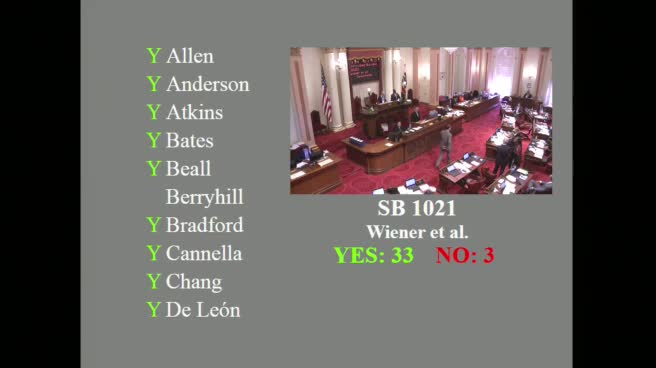

Bill Author

Bill Co-Author(s):





