SB 976: Violent felonies.
- Session Year: 2017-2018
- House: Senate
- Latest Version Date: 2018-04-09
The California Constitution, as amended by Proposition 57 at the November 8, 2016, statewide general election, makes a person sentenced to state prison for a conviction of a nonviolent felony offense eligible for parole consideration after completing the full term for his or her primary offense, as specified. Existing law classifies certain felonies as violent felonies and certain felonies as serious felonies for purposes of various provisions of the Penal Code. Existing law specifies certain offenses for which a person is required to register as a sex offender.
This bill would specify that a nonviolent felony offense for purposes of the above parole eligibility does not include a felony classified as a violent felony, and would also define a serious felony or an offense that requires registration as a sex offender as a violent felony for these purposes.
Existing law, as amended by Proposition 21 as approved by the voters at the March 7, 2000, statewide primary election and by Proposition 83 at the November 7, 2006, statewide general election, classifies certain felonies as violent felonies for purposes of various provisions of the Penal Code. Existing law generally imposes an additional one-year term for a felony and 3-year term for a violent felony for each prior separate prison term served for a felony or a violent felony, respectively. The Legislature may amend these initiative statutes by a statute passed in each house by a 2/3 vote. Proposition 83 further allows for amendment by majority vote under specified circumstances.This bill would additionally classify specified serious felonies and an offense that requires registration as a sex offender as violent felonies for purposes of imposing specified sentence enhancements. The bill would also make conforming changes.Because this bill would increase the duties of local officials in regard to prosecuting these crimes, it would impose a state-mandated local program.The California Constitution requires the state to reimburse local agencies and school districts for certain costs mandated by the state. Statutory provisions establish procedures for making that reimbursement.This bill would provide that no reimbursement is required by this act for a specified reason.Existing law, as amended by Proposition 21 as approved by the voters at the March 7, 2000, statewide primary election and by Proposition 83 at the November 7, 2006, statewide general election, classifies certain felonies as violent felonies for purposes of various provisions of the Penal Code. Existing law generally imposes an additional one-year term for a felony and 3-year term for a violent felony for each prior separate prison term served for a felony or a violent felony, respectively. The Legislature may amend these initiative statutes by a statute passed in each house by a 2/3 vote. Proposition 83 further allows for amendment by majority vote under specified circumstances.
This bill would make technical, nonsubstantive changes to that provision.This bill would additionally classify specified serious felonies and an offense that requires registration as a sex offender as violent felonies for purposes of imposing specified sentence enhancements. The bill would also make conforming changes.
Because this bill would increase the duties of local officials in regard to prosecuting these crimes, it would impose a state-mandated local program.
The California Constitution requires the state to reimburse local agencies and school districts for certain costs mandated by the state. Statutory provisions establish procedures for making that reimbursement.
This bill would provide that no reimbursement is required by this act for a specified reason.
Existing law, as amended by Proposition 21 as approved by the voters at the March 7, 2000, statewide primary election and by Proposition 83 at the November 7, 2006, statewide general election, classifies certain felonies as violent felonies for purposes of various provisions of the Penal Code. Existing law generally imposes an additional one-year term for a felony and 3-year term for a violent felony for each prior separate prison term served for a felony or a violent felony, respectively. The Legislature may amend these initiative statutes by a statute passed in each house by a 2/3 vote. Proposition 83 further allows for amendment by majority vote under specified circumstances.
This bill would make technical, nonsubstantive changes to that provision.
Enhancement of prison terms for new offenses because of prior prison terms shall be imposed as follows:
(a)Where If one of the new offenses is one of the violent felonies specified in subdivision (c), in addition and consecutive to any other prison terms therefor, the court shall impose a three-year term for each prior separate prison term served by the defendant where if the prior offense was one of the violent felonies specified in subdivision (c). However, no additional term shall be imposed under this subdivision for a prison term served prior to a period of 10 years in which the defendant remained free of both prison custody and the commission of an offense that results in a felony conviction.
(b)Except where if subdivision (a) applies, where if the new offense is any felony for which a prison sentence or a sentence of imprisonment in a county jail under subdivision (h) of Section 1170 is imposed or is not suspended, in addition and consecutive to any other sentence therefor, the court shall impose a one-year term for each prior separate prison term or county jail term imposed under subdivision (h) of Section 1170 or when if sentence is not suspended for a felony; provided that no felony. An additional term shall not be imposed under this subdivision for a prison term or county jail term imposed under subdivision (h) of Section 1170 or when if sentence is not suspended prior to a period of five years in which the defendant remained free of both the commission of an offense that results in a felony conviction, and prison custody or the imposition of a term of jail custody imposed under subdivision (h) of Section 1170 or any felony sentence that is not suspended. A term imposed under paragraph (5) of subdivision (h) of Section 1170, wherein a portion of the term is suspended by the court to allow mandatory supervision, shall qualify as a prior county jail term for the purposes of the one-year enhancement.
(c)The Legislature finds and declares that these specified the crimes specified in this subdivision merit special consideration when imposing a sentence to display societys condemnation for these extraordinary crimes of violence against the person. For the purpose of this section, violent felony shall mean any of the following:
(1)Murder or voluntary manslaughter.
(2)Mayhem.
(3)Rape, as defined in paragraph (2) or (6) of subdivision (a) of Section 261 or paragraph (1) or (4) of subdivision (a) of Section 262.
(4)Sodomy, as defined in subdivision (c) or (d) of Section 286.
(5)Oral copulation, as defined in subdivision (c) or (d) of Section 288a.
(6)Lewd or lascivious act, as defined in subdivision (a) or (b) of Section 288.
(7)Any felony punishable by death or imprisonment in the state prison for life.
(8)Any felony in which the defendant inflicts great bodily injury on any person other than an accomplice that has been charged and proved as provided for in Section 12022.7, 12022.8, or 12022.9 on or after July 1, 1977, or as specified prior to July 1, 1977, in Sections 213, 264, and 461, or any felony in which the defendant uses a firearm which use has been charged and proved as provided in subdivision (a) of Section 12022.3, or Section 12022.5 or 12022.55.
(9)Robbery.
(10)Arson, in violation of subdivision (a) or (b) of Section 451.
(11)Sexual penetration, as defined in subdivision (a) or (j) of Section 289.
(12)Attempted murder.
(13)A violation of Section 18745, 18750, or 18755.
(14)Kidnapping.
(15)Assault with the intent to commit a specified felony, in violation of Section 220.
(16)Continuous sexual abuse of a child, in violation of Section 288.5.
(17)Carjacking, as defined in subdivision (a) of Section 215.
(18)Rape, spousal rape, or sexual penetration, in concert, in violation of Section 264.1.
(19)Extortion, as defined in Section 518, which would constitute a felony violation of Section 186.22.
(20)Threats to victims or witnesses, as defined in Section 136.1, which would constitute a felony violation of Section 186.22.
(21)Burglary of the first degree, as defined in subdivision (a) of Section 460, wherein it is charged and proved that another person, other than an accomplice, was present in the residence during the commission of the burglary.
(22)A violation of Section 12022.53.
(23)A violation of subdivision (b) or (c) of Section 11418.
(d)For purposes of this section only, violent felony also means any of the following:(d)A violent felony, as specified in subdivision (c) is not a nonviolent felony offense for purposes of Section 32 of Article I of the California Constitution. For purposes of Section 32 of Article I of the California Constitution only, a violent felony also includes any of the following:
(1)A serious felony as specified in subdivision (c) of Section 1192.7.
(2)An offense that requires registration as a sex offender pursuant to Section 290.
(e)For the purposes of this section, the defendant shall be deemed to remain in prison custody for an offense until the official discharge from custody, including any period of mandatory supervision, or until release on parole or postrelease community supervision, whichever first occurs, including any time during which the defendant remains subject to reimprisonment or custody in county jail for escape from custody or is reimprisoned on revocation of parole or postrelease community supervision. The additional penalties provided for prior prison terms shall not be imposed unless they are charged and admitted or found true in the action for the new offense.
(f)The additional penalties provided for prior prison terms shall not be imposed for any felony for which the defendant did not serve a prior separate term in state prison or in county jail under subdivision (h) of Section 1170.
(g)A prior conviction of a felony shall include a conviction in another jurisdiction for an offense which, if committed in California, is punishable by imprisonment in the state prison or in county jail under subdivision (h) of Section 1170 if the defendant served one year or more in prison for the offense in the other jurisdiction. A prior conviction of a particular felony shall include a conviction in another jurisdiction for an offense that includes all of the elements of the particular felony as defined under California law if the defendant served one year or more in prison for the offense in the other jurisdiction.
(h)A prior separate prison term for the purposes of this section shall mean a continuous completed period of prison incarceration imposed for the particular offense alone or in combination with concurrent or consecutive sentences for other crimes, including any reimprisonment on revocation of parole that is not accompanied by a new commitment to prison, and including reimprisonment after an escape from incarceration.
(i)Serving a prison term includes any confinement time in a state prison or federal penal institution as punishment for commission of an offense, including confinement in a hospital or other institution or facility credited as service of prison time in the jurisdiction of the confinement.
(j)For purposes of this section, a commitment to the State Department of Mental Health, or its successor the State Department of State Hospitals, as a mentally disordered sex offender following a conviction of a felony, which commitment exceeds one year in duration, shall be deemed a prior prison term.
(k)For purposes of this section, when a person subject to the custody, control, and discipline of the Secretary of the Department of Corrections and Rehabilitation is incarcerated at a facility operated by the Division of Juvenile Justice, that incarceration shall be deemed to be a term served in state prison.
(l)(1)Notwithstanding subdivisions (d) and (g) or any other law, where one of the new offenses is committed while the defendant is temporarily removed from prison pursuant to Section 2690 or while the defendant is transferred to a community facility pursuant to Section 3416, 6253, or 6263, or while the defendant is on furlough pursuant to Section 6254, the defendant shall be subject to the full enhancements provided for in this section.
(2)This subdivision shall not apply when a full, separate, and consecutive term is imposed pursuant to any other law.
SEC. 2.Section 2933.5 of the Penal Code is amended to read:2933.5.(a)(1)Notwithstanding any other law, every person who is convicted of any felony offense listed in paragraph (2), and who previously has been convicted two or more times, on charges separately brought and tried, and who previously has served two or more separate prior prison terms, as defined in subdivision (h) of Section 667.5, of any offense or offenses listed in paragraph (2), shall be ineligible to earn credit on his or her term of imprisonment pursuant to this article.
(2)As used in this subdivision, felony offense includes any of the following:
(A)Murder, as defined in Sections 187 and 189.
(B)Voluntary manslaughter, as defined in subdivision (a) of Section 192.
(C)Mayhem, as defined in Section 203.
(D)Aggravated mayhem, as defined in Section 205.
(E)Kidnapping, as defined in Section 207, 209, or 209.5.
(F)Assault with vitriol, corrosive acid, or caustic chemical of any nature, as described in Section 244.
(G)Rape, as defined in paragraph (2) or (6) of subdivision (a) of Section 261 or paragraph (1) or (4) of subdivision (a) of Section 262.
(H)Sodomy by means of force, violence, duress, menace, or fear of immediate and unlawful bodily injury on the victim or another person, as described in subdivision (c) of Section 286.
(I)Sodomy while voluntarily acting in concert, as described in subdivision (d) of Section 286.
(J)Lewd or lascivious acts on a child under the age of 14 years, as described in subdivision (b) of Section 288.
(K)Oral copulation by means of force, violence, duress, menace, or fear of immediate and unlawful bodily injury on the victim or another person, as described in subdivision (c) of Section 288a.
(L)Continuous sexual abuse of a child, as described in Section 288.5.
(M)Sexual penetration, as described in subdivision (a) of Section 289.
(N)Exploding a destructive device or explosive with intent to injure, as described in Section 18740, with intent to murder, as described in Section 18745, or resulting in great bodily injury or mayhem, as described in Section 18750.
(O)Any felony in which the defendant personally inflicted great bodily injury, as provided in Section 12022.53 or 12022.7.
(b)A prior conviction of an offense listed in subdivision (a) shall include a conviction in another jurisdiction for an offense which includes all of the elements of the particular felony as defined under California law.
(c)This section shall apply whenever the present felony is committed on or after the effective date of this section, regardless of the date of commission of the prior offense or offenses resulting in credit-earning ineligibility.
(d)This section shall be in addition to, and shall not preclude the imposition of, any applicable sentence enhancement terms, or probation ineligibility and habitual offender provisions authorized under any other section.
SEC. 3.No reimbursement is required by this act pursuant to Section 6 of Article XIIIB of the California Constitution because the only costs that may be incurred by a local agency or school district will be incurred because this act creates a new crime or infraction, eliminates a crime or infraction, or changes the penalty for a crime or infraction, within the meaning of Section 17556 of the Government Code, or changes the definition of a crime within the meaning of Section 6 of Article XIIIB of the California Constitution.Enhancement of prison terms for new offenses because of prior prison terms shall be imposed as follows:
(a)Where one of the new offenses is one of the violent felonies specified in subdivision (c), in addition and consecutive to any other prison terms therefor, the court shall impose a three-year term for each prior separate prison term served by the defendant where the prior offense was one of the violent felonies specified in subdivision (c). However, no additional term shall be imposed under this subdivision for a prison term served prior to a period of 10 years in which the defendant remained free of both prison custody and the commission of an offense that results in a felony conviction.
(b)Except where subdivision (a) applies, where the new offense is any felony for which a prison sentence or a sentence of imprisonment in a county jail under subdivision (h) of Section 1170 is imposed or is not suspended, in addition and consecutive to any other sentence therefor, the court shall impose a one-year term for each prior separate prison term or county jail term imposed under subdivision (h) of Section 1170 or when sentence is not suspended for a felony; provided that no additional term shall be imposed under this subdivision for a prison term or county jail term imposed under subdivision (h) of Section 1170 or when sentence is not suspended prior to a period of five years in which the defendant remained free of both the commission of an offense that results in a felony conviction, and prison custody or the imposition of a term of jail custody imposed under subdivision (h) of Section 1170 or any felony sentence that is not suspended. A term imposed under paragraph (5) of subdivision (h) of Section 1170, wherein a portion of the term is suspended by the court to allow mandatory supervision, shall qualify as a prior county jail term for the purposes of the one-year enhancement.
(c)The Legislature finds and declares that these specified crimes merit special consideration when imposing a sentence to display societys condemnation for these extraordinary crimes of violence against the person. For the purpose of this section, violent felony shall mean any of the following:
(1)Murder or voluntary manslaughter.
(2)Mayhem.
(3)Rape, as defined in paragraph (2) or (6) of subdivision (a) of Section 261 or paragraph (1) or (4) of subdivision (a) of Section 262.
(4)Sodomy, as defined in subdivision (c) or (d) of Section 286.
(5)Oral copulation, as defined in subdivision (c) or (d) of Section 288a.
(6)Lewd or lascivious act, as defined in subdivision (a) or (b) of Section 288.
(7)Any felony punishable by death or imprisonment in the state prison for life.
(8)Any felony in which the defendant inflicts great bodily injury on any person other than an accomplice that has been charged and proved as provided for in Section 12022.7, 12022.8, or 12022.9 on or after July 1, 1977, or as specified prior to July 1, 1977, in Sections 213, 264, and 461, or any felony in which the defendant uses a firearm which use has been charged and proved as provided in subdivision (a) of Section 12022.3, or Section 12022.5 or 12022.55.
(9)Robbery.
(10)Arson, in violation of subdivision (a) or (b) of Section 451.
(11)Sexual penetration, as defined in subdivision (a) or (j) of Section 289.
(12)Attempted murder.
(13)A violation of Section 18745, 18750, or 18755.
(14)Kidnapping.
(15)Assault with the intent to commit a specified felony, in violation of Section 220.
(16)Continuous sexual abuse of a child, in violation of Section 288.5.
(17)Carjacking, as defined in subdivision (a) of Section 215.
(18)Rape, spousal rape, or sexual penetration, in concert, in violation of Section 264.1.
(19)Extortion, as defined in Section 518, which would constitute a felony violation of Section 186.22.
(20)Threats to victims or witnesses, as defined in Section 136.1, which would constitute a felony violation of Section 186.22.
(21)Burglary of the first degree, as defined in subdivision (a) of Section 460, wherein it is charged and proved that another person, other than an accomplice, was present in the residence during the commission of the burglary.
(22)A violation of Section 12022.53.
(23)A violation of subdivision (b) or (c) of Section 11418. The Legislature finds and declares that these specified crimes merit special consideration when imposing a sentence to display societys condemnation for these extraordinary crimes of violence against the person.
(d)For purposes of this section only, violent felony also means any of the following:
(1)A serious felony as specified in subdivision (c) of Section 1192.7.
(2)An offense that requires registration as a sex offender pursuant to Section 290.
(d)(e)For the purposes of this section, the defendant shall be deemed to remain in prison custody for an offense until the official discharge from custody, including any period of mandatory supervision, or until release on parole or postrelease community supervision, whichever first occurs, including any time during which the defendant remains subject to reimprisonment or custody in county jail for escape from custody or is reimprisoned on revocation of parole or postrelease community supervision. The additional penalties provided for prior prison terms shall not be imposed unless they are charged and admitted or found true in the action for the new offense.
(e)(f)The additional penalties provided for prior prison terms shall not be imposed for any felony for which the defendant did not serve a prior separate term in state prison or in county jail under subdivision (h) of Section 1170.
(f)(g)A prior conviction of a felony shall include a conviction in another jurisdiction for an offense which, if committed in California, is punishable by imprisonment in the state prison or in county jail under subdivision (h) of Section 1170 if the defendant served one year or more in prison for the offense in the other jurisdiction. A prior conviction of a particular felony shall include a conviction in another jurisdiction for an offense that includes all of the elements of the particular felony as defined under California law if the defendant served one year or more in prison for the offense in the other jurisdiction.
(g)(h)A prior separate prison term for the purposes of this section shall mean a continuous completed period of prison incarceration imposed for the particular offense alone or in combination with concurrent or consecutive sentences for other crimes, including any reimprisonment on revocation of parole that is not accompanied by a new commitment to prison, and including reimprisonment after an escape from incarceration.
(h)(i)Serving a prison term includes any confinement time in a state prison or federal penal institution as punishment for commission of an offense, including confinement in a hospital or other institution or facility credited as service of prison time in the jurisdiction of the confinement.
(i)(j)For purposes of this section, a commitment to the State Department of Mental Health, or its successor the State Department of State Hospitals, as a mentally disordered sex offender following a conviction of a felony, which commitment exceeds one year in duration, shall be deemed a prior prison term.
(j)(k)For purposes of this section, when a person subject to the custody, control, and discipline of the Secretary of the Department of Corrections and Rehabilitation is incarcerated at a facility operated by the Division of Juvenile Justice, that incarceration shall be deemed to be a term served in state prison.
(k)(l)(1)Notwithstanding subdivisions (d) and (g) or any other law, where one of the new offenses is committed while the defendant is temporarily removed from prison pursuant to Section 2690 or while the defendant is transferred to a community facility pursuant to Section 3416, 6253, or 6263, or while the defendant is on furlough pursuant to Section 6254, the defendant shall be subject to the full enhancements provided for in this section.
(2)This subdivision shall not apply when a full, separate, and consecutive term is imposed pursuant to any other law.
SEC. 2.Section 2933.5 of the Penal Code is amended to read:2933.5.(a)(1)Notwithstanding any other law, every person who is convicted of any felony offense listed in paragraph (2), and who previously has been convicted two or more times, on charges separately brought and tried, and who previously has served two or more separate prior prison terms, as defined in subdivision (g) (h) of Section 667.5, of any offense or offenses listed in paragraph (2), shall be ineligible to earn credit on his or her term of imprisonment pursuant to this article.
(2)As used in this subdivision, felony offense includes any of the following:
(A)Murder, as defined in Sections 187 and 189.
(B)Voluntary manslaughter, as defined in subdivision (a) of Section 192.
(C)Mayhem Mayhem, as defined in Section 203.
(D)Aggravated mayhem, as defined in Section 205.
(E)Kidnapping, as defined in Section 207, 209, or 209.5.
(F)Assault with vitriol, corrosive acid, or caustic chemical of any nature, as described in Section 244.
(G)Rape, as defined in paragraph (2) or (6) of subdivision (a) of Section 261 or paragraph (1) or (4) of subdivision (a) of Section 262.
(H)Sodomy by means of force, violence, duress, menace menace, or fear of immediate and unlawful bodily injury on the victim or another person, as described in subdivision (c) of Section 286.
(I)Sodomy while voluntarily acting in concert, as described in subdivision (d) of Section 286.
(J)Lewd or lascivious acts on a child under the age of 14 years, as described in subdivision (b) of Section 288.
(K)Oral copulation by means of force, violence, duress, menace, or fear of immediate and unlawful bodily injury on the victim or another person, as described in subdivision (c) of Section 288a.
(L)Continuous sexual abuse of a child, as described in Section 288.5.
(M)Sexual penetration, as described in subdivision (a) of Section 289.
(N)Exploding a destructive device or explosive with intent to injure, as described in Section 18740, with intent to murder, as described in Section 18745, or resulting in great bodily injury or mayhem, as described in Section 18750.
(O)Any felony in which the defendant personally inflicted great bodily injury, as provided in Section 12022.53 or 12022.7.
(b)A prior conviction of an offense listed in subdivision (a) shall include a conviction in another jurisdiction for an offense which includes all of the elements of the particular felony as defined under California law.
(c)This section shall apply whenever the present felony is committed on or after the effective date of this section, regardless of the date of commission of the prior offense or offenses resulting in credit-earning ineligibility.
(d)This section shall be in addition to, and shall not preclude the imposition of, any applicable sentence enhancement terms, or probation ineligibility and habitual offender provisions authorized under any other section.
SEC. 3.No reimbursement is required by this act pursuant to Section 6 of Article XIIIB of the California Constitution because the only costs that may be incurred by a local agency or school district will be incurred because this act creates a new crime or infraction, eliminates a crime or infraction, or changes the penalty for a crime or infraction, within the meaning of Section 17556 of the Government Code, or changes the definition of a crime within the meaning of Section 6 of Article XIIIB of the California Constitution.
Enhancement of prison terms for new offenses because of prior prison terms shall be imposed as follows:
(a)Where one of the new offenses is one of the violent felonies specified in subdivision (c), in addition to and consecutive to any other prison terms therefor, the court shall impose a three-year term for each prior separate prison term served by the defendant where the prior offense was one of the violent felonies specified in subdivision (c). However, no additional term shall be imposed under this subdivision for any a prison term served prior to a period of 10 years in which the defendant remained free of both prison custody and the commission of an offense which that results in a felony conviction.
(b)Except where subdivision (a) applies, where the new offense is any felony for which a prison sentence or a sentence of imprisonment in a county jail under subdivision (h) of Section 1170 is imposed or is not suspended, in addition and consecutive to any other sentence therefor, the court shall impose a one-year term for each prior separate prison term or county jail term imposed under subdivision (h) of Section 1170 or when sentence is not suspended for any a felony; provided that no additional term shall be imposed under this subdivision for any a prison term or county jail term imposed under subdivision (h) of Section 1170 or when sentence is not suspended prior to a period of five years in which the defendant remained free of both the commission of an offense which that results in a felony conviction, and prison custody or the imposition of a term of jail custody imposed under subdivision (h) of Section 1170 or any felony sentence that is not suspended. A term imposed under the provisions of paragraph (5) of subdivision (h) of Section 1170, wherein a portion of the term is suspended by the court to allow mandatory supervision, shall qualify as a prior county jail term for the purposes of the one-year enhancement.
(c)For the purpose of this section, violent felony shall mean any of the following:
(1)Murder or voluntary manslaughter.
(2)Mayhem.
(3)Rape Rape, as defined in paragraph (2) or (6) of subdivision (a) of Section 261 or paragraph (1) or (4) of subdivision (a) of Section 262.
(4)Sodomy Sodomy, as defined in subdivision (c) or (d) of Section 286.
(5)Oral copulation copulation, as defined in subdivision (c) or (d) of Section 288a.
(6)Lewd or lascivious act act, as defined in subdivision (a) or (b) of Section 288.
(7)Any felony punishable by death or imprisonment in the state prison for life.
(8)Any felony in which the defendant inflicts great bodily injury on any person other than an accomplice which that has been charged and proved as provided for in Section 12022.7, 12022.8, or 12022.9 on or after July 1, 1977, or as specified prior to July 1, 1977, in Sections 213, 264, and 461, or any felony in which the defendant uses a firearm which use has been charged and proved as provided in subdivision (a) of Section 12022.3, or Section 12022.5 or 12022.55.
(9)Any robbery.(9)Robbery.
(10)Arson, in violation of subdivision (a) or (b) of Section 451.
(11)Sexual penetration penetration, as defined in subdivision (a) or (j) of Section 289.
(12)Attempted murder.
(13)A violation of Section 18745, 18750, or 18755.
(14)Kidnapping.
(15)Assault with the intent to commit a specified felony, in violation of Section 220.
(16)Continuous sexual abuse of a child, in violation of Section 288.5.
(17)Carjacking, as defined in subdivision (a) of Section 215.
(18)Rape, spousal rape, or sexual penetration, in concert, in violation of Section 264.1.
(19)Extortion, as defined in Section 518, which would constitute a felony violation of Section 186.22.
(20)Threats to victims or witnesses, as defined in Section 136.1, which would constitute a felony violation of Section 186.22.
(21)Any burglary Burglary of the first degree, as defined in subdivision (a) of Section 460, wherein it is charged and proved that another person, other than an accomplice, was present in the residence during the commission of the burglary.
(22)Any A violation of Section 12022.53.
(23)A violation of subdivision (b) or (c) of Section 11418. The Legislature finds and declares that these specified crimes merit special consideration when imposing a sentence to display societys condemnation for these extraordinary crimes of violence against the person.
(d)For the purposes of this section, the defendant shall be deemed to remain in prison custody for an offense until the official discharge from custody, including any period of mandatory supervision, or until release on parole or postrelease community supervision, whichever first occurs, including any time during which the defendant remains subject to reimprisonment or custody in county jail for escape from custody or is reimprisoned on revocation of parole or postrelease community supervision. The additional penalties provided for prior prison terms shall not be imposed unless they are charged and admitted or found true in the action for the new offense.
(e)The additional penalties provided for prior prison terms shall not be imposed for any felony for which the defendant did not serve a prior separate term in state prison or in county jail under subdivision (h) of Section 1170.
(f)A prior conviction of a felony shall include a conviction in another jurisdiction for an offense which, if committed in California, is punishable by imprisonment in the state prison or in county jail under subdivision (h) of Section 1170 if the defendant served one year or more in prison for the offense in the other jurisdiction. A prior conviction of a particular felony shall include a conviction in another jurisdiction for an offense which that includes all of the elements of the particular felony as defined under California law if the defendant served one year or more in prison for the offense in the other jurisdiction.
(g)A prior separate prison term for the purposes of this section shall mean a continuous completed period of prison incarceration imposed for the particular offense alone or in combination with concurrent or consecutive sentences for other crimes, including any reimprisonment on revocation of parole which that is not accompanied by a new commitment to prison, and including any reimprisonment after an escape from incarceration.
(h)Serving a prison term includes any confinement time in any a state prison or federal penal institution as punishment for commission of an offense, including confinement in a hospital or other institution or facility credited as service of prison time in the jurisdiction of the confinement.
(i)For the purposes of this section, a commitment to the State Department of Mental Health, or its successor the State Department of State Hospitals, as a mentally disordered sex offender following a conviction of a felony, which commitment exceeds one year in duration, shall be deemed a prior prison term.
(j)For the purposes of this section, when a person subject to the custody, control, and discipline of the Secretary of the Department of Corrections and Rehabilitation is incarcerated at a facility operated by the Division of Juvenile Justice, that incarceration shall be deemed to be a term served in state prison.
(k)(1)Notwithstanding subdivisions (d) and (g) or any other provision of law, where one of the new offenses is committed while the defendant is temporarily removed from prison pursuant to Section 2690 or while the defendant is transferred to a community facility pursuant to Section 3416, 6253, or 6263, or while the defendant is on furlough pursuant to Section 6254, the defendant shall be subject to the full enhancements provided for in this section.
(2)This subdivision shall not apply when a full, separate, and consecutive term is imposed pursuant to any other provision of law.
|
Date
|
Status
|
|---|---|
| Apr 25, 2018 | April 24 set for second hearing. Failed passage in committee. (Ayes 2. Noes 5.) |
| Apr 18, 2018 | Set for hearing April 24. |
| Apr 17, 2018 | April 17 set for first hearing canceled at the request of author. |
| Apr 9, 2018 | From committee with author's amendments. Read second time and amended. Re-referred to Com. on PUB. S. |
| Apr 5, 2018 | Set for hearing April 17. |
| Apr 4, 2018 | Re-referred to Com. on PUB. S. |
| Mar 22, 2018 | From committee with author's amendments. Read second time and amended. Re-referred to Com. on RLS. |
| Feb 14, 2018 | Referred to Com. on RLS. |
| Feb 2, 2018 | From printer. May be acted upon on or after March 4. |
| Feb 1, 2018 | Introduced. Read first time. To Com. on RLS. for assignment. To print. |
|
Date
|
Description
|
Location
|
Votes
|
|
|---|---|---|---|---|
| Apr 24, 2018 | Do pass, but first be re-referred to the Committee on [Appropriations] | Senate Standing Committee on Public Safety |
Failed |
This list shows positions taken on this bill by organizations on the date displayed, which is linked to the original source.
Positions by individuals are not included.
|
Organization
|
Position
|
Date
|
|---|---|---|
| 1. Need For This Bill | ** Against | Apr 23, 2018 |
| 2. Proposition 57 | ** Against | Apr 23, 2018 |
| 2016 | ** Against | Apr 23, 2018 |
| 2017-18 | ** Against | Apr 23, 2018 |
| 3. Ongoing Concerns Over Prison Overcrowding | ** Against | Apr 23, 2018 |
| 4. 'Violent Felony' Designation | ** Against | Apr 23, 2018 |
| 5. Argument In Support | ** Against | Apr 23, 2018 |
| 6. Argument In Support | ** Against | Apr 23, 2018 |
| 6. Argument In Opposition | ** Against | Apr 23, 2018 |
| 7. Argument In Opposition | ** Against | Apr 23, 2018 |
| According To The Author Of This Bill: | ** Against | Apr 23, 2018 |
| ACLU of California | * Against | Apr 24, 2018 |
| Any Conspiracy To Commit A Serious Felony. .) | ** Against | Apr 23, 2018 |
| Any Felony Punishable By Death Or Life Imprisonment | ** Against | Apr 23, 2018 |
| Any Gang-Related Felony Offense. | ** Against | Apr 23, 2018 |
| Any Robbery; | ** Against | Apr 23, 2018 |
| Arson. | ** Against | Apr 23, 2018 |
| Assault By Life Prisoner On A Non-Inmate. | ** Against | Apr 23, 2018 |
| Assault With A Deadly Weapon By Inmate. | ** Against | Apr 23, 2018 |
| Assault With A Deadly Weapon On Peace Officer. | ** Against | Apr 23, 2018 |
| Attempted Murder. | ** Against | Apr 23, 2018 |
| Attempted Murder; | ** Against | Apr 23, 2018 |
| Budgetsummary | ** Against | Apr 23, 2018 |
| Burglary Of Inhabited Dwelling. | ** Against | Apr 23, 2018 |
| California Public Defender's Association | * Against | Apr 24, 2018 |
| Carjacking, As Defined; | ** Against | Apr 23, 2018 |
| Complete-Vig.Pdf [As Of Apr. 9, 2018].) | ** Against | Apr 23, 2018 |
| Continuous Sexual Abuse Of A Child; | ** Against | Apr 23, 2018 |
| Ella Baker Center For Human Rights | * Against | Apr 24, 2018 |
| Expand The Cdcr'S Medical Parole Program. | ** Against | Apr 23, 2018 |
| Exploding A Destructive Device With Intent To Injure. | ** Against | Apr 23, 2018 |
| Explosion Causing Great Bodily Injury Or Mayhem. | ** Against | Apr 23, 2018 |
| Explosion With Intent To Murder. | ** Against | Apr 23, 2018 |
| Felony Extortion; | ** Against | Apr 23, 2018 |
| Forcible Foreign Object Rape. | ** Against | Apr 23, 2018 |
| General | ** Against | Apr 23, 2018 |
| Grand Theft Involving A Firearm. | ** Against | Apr 23, 2018 |
| Inmate Taking A Hostage. | ** Against | Apr 23, 2018 |
| Kidnapping. | ** Against | Apr 23, 2018 |
| Kidnapping; | ** Against | Apr 23, 2018 |
| Mayhem. | ** Against | Apr 23, 2018 |
| Mayhem; | ** Against | Apr 23, 2018 |
| Murder Or Voluntary Manslaughter. | ** Against | Apr 23, 2018 |
| Murder Or Voluntary Manslaughter; | ** Against | Apr 23, 2018 |
| PURPOSE | ** Against | Apr 23, 2018 |
| Rape. | ** Against | Apr 23, 2018 |
| Robbery, Bank Robbery Or Carjacking. | ** Against | Apr 23, 2018 |
| Shooting From A Vehicle. | ** Against | Apr 23, 2018 |
| The San Francisco Public Defender Writes In Opposition: | ** Against | Apr 23, 2018 |
| Threats To Victims Or Witnesses, As Specified; | ** Against | Apr 23, 2018 |
| Vig.Cdn.Sos.Ca.Gov | ** Against | Apr 23, 2018 |
| Witness Intimidation. | ** Against | Apr 23, 2018 |
| Www.Ebudget.Ca.Gov | ** Against | Apr 23, 2018 |
SENATE COMMITTEE ON PUBLIC SAFETY
Senator Nancy Skinner, Chair
2017 - 2018 Regular
Bill No: SB 976 Hearing Date: April 24, 2018
Author: | Bates | ||
Version: | April 9, 2018 | ||
Urgency: | No | Fiscal: | Yes |
Consultant: | SC | ||
Subject: Violent Felonies
HISTORY
Source: Author
Prior Legislation: SB 75 (Bates), 2017, failed Senate Public Safety
SB 652 (Nielsen), 2017, failed Senate Public Safety
SB 770 (Glazer), 2017, failed Senate Public Safety
AB 27 (Melendez), 2017, held Assembly Appropriations
AB 67 (Rodriguez), 2017, held Assembly Appropriations
AB 197 (Kiley), 2017, failed Assembly Public Safety
Proposition 57, passed by voters on November 8, 2016
SB 1269 (Galgiani), 2016, failed Senate Public Safety
AB 1188 (Pan), 2011, failed Assembly Public Safety
AB 60 (Jeffries), 2011, failed Assembly Public Safety
AB 16 (Swanson), 2009, held in Assembly Appropriations
SB 440 (Denham), 2009, failed Senate Public Safety
AB 303 (Spitzer), 2007, held in Assembly Appropriations
AB 426 (Galgiani), 2007, failed Senate Public Safety
AB 2016 (Maze), 2004, failed Assembly Public Safety
AB 863 (Horton), 2003, failed Assembly Public Safety
AB 1838 (Hertzberg), Ch. 606, Stats. 2002
AB 2660 (Pacheco), 2002, failed Senate Public Safety
AB 455 (Wyman), 2001, failed passage in Assembly Public Safety Proposition 21, passed by voters March 7, 2000
Support: Los Angeles County Professional Peace Officers Association; Orange County District Attorney
Opposition: American Civil Liberties Union of California; California Public Defenders Association; Ella Baker Center for Human Rights; San Francisco Public Defender
PURPOSE
The purpose of this bill is to expand the definition of a “violent felony” to include offenses that are considered a “serious felony” or requires registration as a sex offender in order to exclude those offenders from Proposition 57’s parole provisions.
Existing law provides a list of specific crimes defined as a "violent felony" which includes the following:
- Murder or voluntary manslaughter;
- Mayhem;
- Rape or spousal rape accomplished by means of force or threats of retaliation;
- Sodomy by force or fear of immediate bodily injury on the victim or another person;
- Oral copulation by force or fear of immediate bodily injury on the victim or another person;
- Lewd acts on a child under the age of 14 years, as defined;
- Any felony punishable by death or imprisonment in the state prison for life;
- Any felony in which the defendant inflicts great bodily injury on any person other than an accomplice, or any felony in which the defendant has used a firearm, as specified;
- Any robbery;
- Arson of a structure, forest land, or property that causes great bodily injury;
- Arson that causes an inhabited structure or property to burn;
- Sexual penetration accomplished against the victim's will by means of force, menace or fear of immediate bodily injury on the victim or another person;
- Attempted murder;
- Explosion or attempted explosion of a destructive device with the intent to commit murder;
- Explosion or ignition of any destructive device or any explosive which causes bodily injury to any person;
- Explosion of a destructive device which causes death or great bodily injury;
- Kidnapping;
- Assault with intent to commit mayhem, rape, sodomy or oral copulation;
- Continuous sexual abuse of a child;
- Carjacking, as defined;
- Rape or penetration of genital or anal openings by a foreign object;
- Felony extortion;
- Threats to victims or witnesses, as specified;
- First degree burglary, as defined, where it is proved that another person other than an accomplice, was present in the residence during the burglary;
- Use of a firearm during the commission of specified crimes; and,
- Possession, development, production, and transfers of weapons of mass destruction. (Pen. Code § 667.5, subd. (c).)
Existing law defines a “serious felony” as the following, which includes all felonies listed as a “violent felony”:
- Murder or voluntary manslaughter.
- Mayhem.
- Rape.
- Sodomy by force, violence, duress, menace, or fear of bodily injury.
- Oral copulation by force, violence, duress, menace or fear of bodily injury.
- Lewd act with child under fourteen years of age (violent) and continuous sexual abuse of a child.
- Any felony punishable by death or life imprisonment
- Any felony in which defendant inflicts great bodily injury on defendant or personally uses a firearm.
- Attempted murder.
- Assault with intent to commit a sex crime, robbery or mayhem.
- Assault with a deadly weapon on peace officer.
- Assault by life prisoner on a non-inmate.
- Assault with a deadly weapon by inmate.
- Arson.
- Exploding a destructive device with intent to injure.
- Explosion causing great bodily injury or mayhem.
- Explosion with intent to murder.
- Burglary of inhabited dwelling.
- Robbery, bank robbery or carjacking.
- Kidnapping.
- Inmate taking a hostage.
- Attempted crime carrying a life sentence or death penalty
- Any felony where defendant personally uses a dangerous or deadly weapon.
- Sale or furnishing heroin, cocaine, PCP, or methamphetamine to a minor.
- Forcible foreign object rape.
- Grand theft involving a firearm.
- Any violation of 10-20-life firearm use and discharge enhancement law.
- Any gang-related felony offense.
- Witness intimidation.
- Credible threats to kill or cause great bodily injury.
- Discharge of a firearm at an inhabited dwelling, vehicle or aircraft.
- Shooting from a vehicle.
- Possession, development, production, and transfers of weapons of mass destruction
- Any conspiracy to commit a serious felony. (Pen. Code, § 1192.7, subd. (c).)
Existing law requires persons convicted of specified offenses to register as a sex offender. (Pen. Code, § 290 et seq.)
Existing law specifies that individuals convicted of a nonviolent felony offense shall be eligible for parole consideration after completing the term for their primary offense and requires the California Department of Corrections and Rehabilitation (CDCR) to adopt regulations to implement this change. (Proposition 57, approved by California voters on Nov. 8, 2016.)
This bill specifies that for purposes of Proposition 57, a “violent felony” as defined in subdivision (c) of 667.5 is not a nonviolent felony offense.
This bill specifies that for purposes of Proposition 57, a “violent felony” includes any “serious felony” and any offense that requires a person to register as a sex offender.
COMMENTS
1. Need for This Bill
According to the author of this bill:
Californians passed Proposition 57 (Prop 57) in 2016 that makes perpetrators eligible for early parole and eventual release from state prison. Although the measure passed, it was misleading on many fronts. The measure intended to save the state money and rehabilitate criminals; however, Prop 57 has instead increased the number of victims on our streets which is only going to cost more to California taxpayers in the long run. The many ambiguous terms stated in the language of Prop 57 shows the need for clean-up legislation.
SB 976 is needed to ensure our communities are safe from violent and dangerous criminals. The passage of Prop 57 threatens every home, neighborhood and school. A 50-year-old child molester who preys on children does not deserve a shorter sentence. The California Department of Corrections and Rehabilitation has addressed some of the sex crimes in their emergency regulations, but it needs to be added in statute. A new administration could propose changes and those changes would still never have to go back to the voters.
It is imperative that SB 976 be signed into law to prevent these perpetrators from re-entering our communities before their time has been served. Just as victims begin putting their lives back together, these dangerous felons may be released again, forcing victims to re-live the crimes committed against them over and over. Lastly, permitting the worst career criminals to be treated as first-time offenders only discounts stronger sentences imposed by a judge for good reason. SB 976 will prevent these criminals from re-entering our communities before their time has been served.
2. Proposition 57
On November 8, 2016, California voters approved Proposition 57. Proposition 57 was known as the "Parole for Non-Violent Criminals and Juvenile Court Trial Requirements Initiative." The purpose of Proposition 57 was to increase rehabilitation services and decrease the prison population. It requires juvenile court judges, rather than district attorneys, to decide whether a juvenile will be prosecuted as adult. The initiative allows parole consideration for nonviolent felons after the inmate has served the full base term of his/her primary offense, exclusive of enhancements or alternative sentences. It also authorizes sentence credits for rehabilitation, good behavior, and education. (Official Voter Information Guide, Proposition 57, California General Election, Nov. 8, 2016 < http://vig.cdn.sos.ca.gov/2016/general/en/pdf/complete-vig.pdf > [as of Apr. 9, 2018].)
Proposition 57 requires the California Department of Corrections and Rehabilitation (CDCR) to draft regulations on how the parole process will be implemented. The initiative specifies that early parole may only be given to persons who have committed non-violent offenses. However, the initiative does not specify what is considered a non-violent felony. Proponents of this legislation want the offenses included in this bill to be considered violent felonies for purposes of Proposition 57 so that inmates who have committed those crimes will not be eligible for its parole provisions.
CDCR submitted emergency regulations to the Office of Administrative Law on March 24, 2017. In addition to the list of violent felonies, the regulations exclude sex offenders from the parole provisions in Proposition 57. This aligns with the Governor’s 2017-2018 budget proposal to exclude all sex offenders from early parole consideration, regardless of whether their crimes were designated as “violent”. (See Governor’s Budget Summary 2017-2018 at 75 (Jan. 10, 2017) <http://www.ebudget.ca.gov/2017-18/pdf/BudgetSummary/PublicSafety.pdf> [as of Mar. 20, 2017].) The regulations were subject to public hearing and comment period which provided opportunities for stakeholders and the public to provide input. The emergency regulations went into effect July 1, 2017 and CDCR has submitted them for final approval to make them permanent.
On February 9, 2018, a trial court ruled on a challenge brought by the Alliance for Constitutional Sex Offense Laws claiming that CDCR’s regulations impermissibly exclude nonviolent sex offenders from early parole consideration, contravening the voters’ intent in passing Proposition 57. The court agreed with petitioners and found that the regulations are overbroad. The court disagreed with petitioners, however, in their interpretation that “nonviolent offense” must mean all offenses not found on the violent felony list contained in Penal Code section 667.5.
[T]he Legislature’s list of violent offenses in section 667.5 may not be the only way to define what is a “nonviolent” offense. The court notes Proposition 57 never mentions section 667.5. If the voters intended to define the term “nonviolent” felony to mean any felony the Legislature has not listed in section 667.5, they presumably would have said so.
(Petition for Writ of Mandate, NO. 34-2017-80002581, Alliance for Constitutional Sex Offense Laws v. California Department of Corrections and Rehabilitation (2-9-18), p. 13.) The court remanded the case to CDCR to adopt new regulations defining the term “nonviolent felony offense” consistent with their ruling. CDCR plans to appeal the order and will move forward with the regulations without any changes. (Id. at p. 2.)
The purpose of this bill is to prevent consideration for the parole provisions of Proposition 57 for the additional offenses specified. However, considering that CDCR’s regulations are moving forward as expected, and the pending lawsuit is not final, should the Legislature pass legislation trying to make changes to the Proposition? Any bills that attempt to do so will likely be vetoed.
3. Ongoing Concerns over Prison Overcrowding
On February 10, 2014, the federal court ordered California to reduce its in-state adult institution population to 137.5% of design capacity by February 28, 2016, as follows:
- 143% of design bed capacity by June 30, 2014;
- 141.5% of design bed capacity by February 28, 2015; and,
- 137.5% of design bed capacity by February 28, 2016.
The court also ordered California to implement the following population reduction measures in its prisons:
- Increase prospective credit earnings for non‑violent second‑strike inmates as well as minimum custody inmates.
- Allow non‑violent second‑strike inmates who have reached 50 percent of their total sentence to be referred to the Board of Parole Hearings (BPH) for parole consideration.
- Release inmates who have been granted parole by BPH but have future parole dates.
- Expand the CDCR’s medical parole program.
- Allow inmates age 60 and over who have served at least 25 years of incarceration to be considered for parole.
- Increase its use of reentry services and alternative custody programs.
(Opinion Re: Order Granting in Part and Denying in Part Defendants’ Request For Extension of December 31, 2013 Deadline, NO. 2:90-cv-0520 LKK DAD (PC), 3-Judge Court, Coleman v. Brown, Plata v. Brown (2-10-14).) Following the implementation of these measures along with the passage of Proposition 47, approved by California voters in November 2014, California met the federal court’s population cap in December 2015. (Defendants’ December 2015 Status Report in Response to February 10, 2014 Order, 2:90-cv-00520 KJM DAD PC, 3-Judge Court, Coleman v. Brown, Plata v. Brown.) The administration’s most recent status report states that as “of December 14, 2016, 114,031 inmates were housed in the State’s 34 adult institutions” which amounts to approximately 135.3% of design capacity, and 4,704 inmates were housed in out-of-state facilities. (Defendants’ December 2016 Status Report in Response to February 10, 2014 Order, 2:90-cv-00520 KJM DAD PC, 3-Judge Court, Coleman v. Brown, Plata v. Brown (fn. omitted).)
While significant gains have been made in reducing the prison population, the state must stabilize these advances and demonstrate to the federal court that California has in place the “durable solution” to prison overcrowding “consistently demanded” by the court. (Opinion Re: Order Granting in Part and Denying in Part Defendants’ Request For Extension of December 31, 2013 Deadline, NO. 2:90-cv-0520 LKK DAD (PC), 3-Judge Court, Coleman v. Brown, Plata v. Brown (2-10-14).
Although the state is currently in compliance with the court-ordered population cap, the state must create a durable solution to prison overcrowding. Excluding persons eligible for the parole provisions created by Proposition 57 is contrary to the court’s mandate.
4. “Violent Felony” Designation
This bill would add to the violent felony list any felony that is considered a “serious felony” as defined in Penal Code section 1192.7 as well as any offense that requires registration as a sex offender.
All violent felonies are also on the serious felony list. (Pen. Code §§ 667.5, subd. (c), 1192.7, subd. (c).) The serious felony list is more expansive than the violent felony list because some of the crimes on the serious felony list are not inherently violent. Examples of crimes that are considered a serious felony but not a violent felony include grand theft involving a firearm and the sale or furnishing of heroin, cocaine, PCP, or methamphetamine to a minor. (Pen. Code § 1192.7, subd. (c)(24).) Sometimes a crime can be either serious or violent depending on the circumstances. Any felony committed for the benefit of a gang is a serious felony (Pen. Code, § 1192.7, subd. (c)(28)), but only extortion or criminal threats committed for a benefit of a gang are violent felonies (Pen. Code, § 667.5, subd. (c)(18)-(19)).
The list of crimes that require sex offender registration is quite large. (Pen. Code, § 290 et seq.) Some are included in the list of violent felonies and some are “wobblers” meaning they can be charged as either a felony or a misdemeanor. Currently, the violent felony list does not contain any wobblers.
Generally, violent felonies and serious felonies are considered "strikes" for purposes of California's Three Strikes Law. The Three Strikes law requires a person who is convicted of a felony and who previously has been convicted of one or more violent or serious felonies, known as strikes, to be subject to enhanced penalties. Specifically, if the person has one prior strike, the sentence on any new felony conviction must be double what is specified by statute. If the person has two prior strikes, the sentence on any new felony conviction was 25 years to life, although this portion was amended by Proposition 36, approved by voters in 2012, to require that the third strike must be a serious or violent felony in order to impose the life term.
The Three Strikes law contains a statutory “lock-in” date that was most recently amended to November 7, 2012, the effective date of Proposition 36. The effect of the lock-in date is to provide that the listed offenses are “strikes” as of that date. As long as an offense is deemed a strike as of the listed date, the Three Strikes sentencing provisions apply to enhance a person’s sentence even if the person was convicted of the offense prior to it being deemed a strike. The specified date also acts to disallow adding a new strike unless the date is extended. This bill does not extend this date, thus it appears that the added crime would not constitute a strike.
This bill does not add to Penal Code section 667.5, subdivision (c) or change the “lock-in” date to create new strikes. Thus, specified enhancements, credit earning limitations, and the Three Strikes law do not appear to be implicated.
5. Argument in Support
According to the Los Angeles County Professional Peace Officers Association
The California Penal Code is outdated and requires improvements in order to correctly identify the severity of certain crimes. In the 2016 general election, California voters approved Proposition 57 to decrease the state’s prison population by granting parole boards the power to consider the early release of prisoners who are serving time for “non-violent” crimes. However, it is unclear what constitutes “non-violent” offense that may lead to early release. As Prop 57 stands, crimes such as human trafficking, elder and dependent adult abuse, assault with a deadly weapon, and rape of an unconscious person may not be considered violent crimes.
6. Argument in Opposition
The San Francisco Public Defender writes in opposition:
California now has the regrettable distinction of meting out some of the longest sentences in the nation, driven largely by sentencing enhancements. The California prison system remains under Federal oversight for overcrowded conditions. The ongoing prison overcrowding litigation indicates that prison capacity and related issues concerning conditions of confinement remain unresolved.
For many years, California has sought to address prison overcrowding and reduce unnecessary expenditures on incarceration. It costs California more than $70,000 a year to incarcerate one person.
California law has hundreds of sentence enhancements on the books, and these have had a devastating impact on families and communities. Research shows horrific intergenerational impacts from these failed policies, which disproportionately harm poor communities of color. The rapidly increasing rates of incarceration for women has further worsened the devastation for families and children.
California voters have made a clear and evident cultural shift away from prioritizing incarceration over community investment, as demonstrated by the passage of Propositions 47, 57, and 64. In 2014, Proposition 47 reduced many non-violent felonies to misdemeanors. In 2016, Proposition 64 decriminalized possession of cannabis and eliminated most felonies for growing or selling cannabis. In 2017, voters also passed Proposition 57, which reduced incarceration by increasing credit-earning and parole opportunities. SB 976 runs counter to the consistent will of the voters by increasing the prison population and appears to be an end-run around Proposition 57 by reducing the number of inmates that would be eligible for parole under that law.
-- END –
SENATE COMMITTEE ON PUBLIC SAFETY
Senator Nancy Skinner, Chair
2017 - 2018 Regular
Bill No: SB 976 Hearing Date: April 24, 2018
Author: | Bates | ||
Version: | April 9, 2018 | ||
Urgency: | No | Fiscal: | Yes |
Consultant: | SC | ||
Subject: Violent Felonies
HISTORY
Source: Author
Prior Legislation: SB 75 (Bates), 2017, failed Senate Public Safety
SB 652 (Nielsen), 2017, failed Senate Public Safety
SB 770 (Glazer), 2017, failed Senate Public Safety
AB 27 (Melendez), 2017, held Assembly Appropriations
AB 67 (Rodriguez), 2017, held Assembly Appropriations
AB 197 (Kiley), 2017, failed Assembly Public Safety
Proposition 57, passed by voters on November 8, 2016
SB 1269 (Galgiani), 2016, failed Senate Public Safety
AB 1188 (Pan), 2011, failed Assembly Public Safety
AB 60 (Jeffries), 2011, failed Assembly Public Safety
AB 16 (Swanson), 2009, held in Assembly Appropriations
SB 440 (Denham), 2009, failed Senate Public Safety
AB 303 (Spitzer), 2007, held in Assembly Appropriations
AB 426 (Galgiani), 2007, failed Senate Public Safety
AB 2016 (Maze), 2004, failed Assembly Public Safety
AB 863 (Horton), 2003, failed Assembly Public Safety
AB 1838 (Hertzberg), Ch. 606, Stats. 2002
AB 2660 (Pacheco), 2002, failed Senate Public Safety
AB 455 (Wyman), 2001, failed passage in Assembly Public Safety Proposition 21, passed by voters March 7, 2000
Support: Los Angeles County Professional Peace Officers Association; Orange County District Attorney
Opposition: American Civil Liberties Union of California; California Public Defenders Association; Ella Baker Center for Human Rights; San Francisco Public Defender
PURPOSE
The purpose of this bill is to expand the definition of a “violent felony” to include offenses that are considered a “serious felony” or requires registration as a sex offender in order to exclude those offenders from Proposition 57’s parole provisions.
Existing law provides a list of specific crimes defined as a "violent felony" which includes the following:
- Murder or voluntary manslaughter;
- Mayhem;
- Rape or spousal rape accomplished by means of force or threats of retaliation;
- Sodomy by force or fear of immediate bodily injury on the victim or another person;
- Oral copulation by force or fear of immediate bodily injury on the victim or another person;
- Lewd acts on a child under the age of 14 years, as defined;
- Any felony punishable by death or imprisonment in the state prison for life;
- Any felony in which the defendant inflicts great bodily injury on any person other than an accomplice, or any felony in which the defendant has used a firearm, as specified;
- Any robbery;
- Arson of a structure, forest land, or property that causes great bodily injury;
- Arson that causes an inhabited structure or property to burn;
- Sexual penetration accomplished against the victim's will by means of force, menace or fear of immediate bodily injury on the victim or another person;
- Attempted murder;
- Explosion or attempted explosion of a destructive device with the intent to commit murder;
- Explosion or ignition of any destructive device or any explosive which causes bodily injury to any person;
- Explosion of a destructive device which causes death or great bodily injury;
- Kidnapping;
- Assault with intent to commit mayhem, rape, sodomy or oral copulation;
- Continuous sexual abuse of a child;
- Carjacking, as defined;
- Rape or penetration of genital or anal openings by a foreign object;
- Felony extortion;
- Threats to victims or witnesses, as specified;
- First degree burglary, as defined, where it is proved that another person other than an accomplice, was present in the residence during the burglary;
- Use of a firearm during the commission of specified crimes; and,
- Possession, development, production, and transfers of weapons of mass destruction. (Pen. Code § 667.5, subd. (c).)
Existing law defines a “serious felony” as the following, which includes all felonies listed as a “violent felony”:
- Murder or voluntary manslaughter.
- Mayhem.
- Rape.
- Sodomy by force, violence, duress, menace, or fear of bodily injury.
- Oral copulation by force, violence, duress, menace or fear of bodily injury.
- Lewd act with child under fourteen years of age (violent) and continuous sexual abuse of a child.
- Any felony punishable by death or life imprisonment
- Any felony in which defendant inflicts great bodily injury on defendant or personally uses a firearm.
- Attempted murder.
- Assault with intent to commit a sex crime, robbery or mayhem.
- Assault with a deadly weapon on peace officer.
- Assault by life prisoner on a non-inmate.
- Assault with a deadly weapon by inmate.
- Arson.
- Exploding a destructive device with intent to injure.
- Explosion causing great bodily injury or mayhem.
- Explosion with intent to murder.
- Burglary of inhabited dwelling.
- Robbery, bank robbery or carjacking.
- Kidnapping.
- Inmate taking a hostage.
- Attempted crime carrying a life sentence or death penalty
- Any felony where defendant personally uses a dangerous or deadly weapon.
- Sale or furnishing heroin, cocaine, PCP, or methamphetamine to a minor.
- Forcible foreign object rape.
- Grand theft involving a firearm.
- Any violation of 10-20-life firearm use and discharge enhancement law.
- Any gang-related felony offense.
- Witness intimidation.
- Credible threats to kill or cause great bodily injury.
- Discharge of a firearm at an inhabited dwelling, vehicle or aircraft.
- Shooting from a vehicle.
- Possession, development, production, and transfers of weapons of mass destruction
- Any conspiracy to commit a serious felony. (Pen. Code, § 1192.7, subd. (c).)
Existing law requires persons convicted of specified offenses to register as a sex offender. (Pen. Code, § 290 et seq.)
Existing law specifies that individuals convicted of a nonviolent felony offense shall be eligible for parole consideration after completing the term for their primary offense and requires the California Department of Corrections and Rehabilitation (CDCR) to adopt regulations to implement this change. (Proposition 57, approved by California voters on Nov. 8, 2016.)
This bill specifies that for purposes of Proposition 57, a “violent felony” as defined in subdivision (c) of 667.5 is not a nonviolent felony offense.
This bill specifies that for purposes of Proposition 57, a “violent felony” includes any “serious felony” and any offense that requires a person to register as a sex offender.
COMMENTS
1. Need for This Bill
According to the author of this bill:
Californians passed Proposition 57 (Prop 57) in 2016 that makes perpetrators eligible for early parole and eventual release from state prison. Although the measure passed, it was misleading on many fronts. The measure intended to save the state money and rehabilitate criminals; however, Prop 57 has instead increased the number of victims on our streets which is only going to cost more to California taxpayers in the long run. The many ambiguous terms stated in the language of Prop 57 shows the need for clean-up legislation.
SB 976 is needed to ensure our communities are safe from violent and dangerous criminals. The passage of Prop 57 threatens every home, neighborhood and school. A 50-year-old child molester who preys on children does not deserve a shorter sentence. The California Department of Corrections and Rehabilitation has addressed some of the sex crimes in their emergency regulations, but it needs to be added in statute. A new administration could propose changes and those changes would still never have to go back to the voters.
It is imperative that SB 976 be signed into law to prevent these perpetrators from re-entering our communities before their time has been served. Just as victims begin putting their lives back together, these dangerous felons may be released again, forcing victims to re-live the crimes committed against them over and over. Lastly, permitting the worst career criminals to be treated as first-time offenders only discounts stronger sentences imposed by a judge for good reason. SB 976 will prevent these criminals from re-entering our communities before their time has been served.
2. Proposition 57
On November 8, 2016, California voters approved Proposition 57. Proposition 57 was known as the "Parole for Non-Violent Criminals and Juvenile Court Trial Requirements Initiative." The purpose of Proposition 57 was to increase rehabilitation services and decrease the prison population. It requires juvenile court judges, rather than district attorneys, to decide whether a juvenile will be prosecuted as adult. The initiative allows parole consideration for nonviolent felons after the inmate has served the full base term of his/her primary offense, exclusive of enhancements or alternative sentences. It also authorizes sentence credits for rehabilitation, good behavior, and education. (Official Voter Information Guide, Proposition 57, California General Election, Nov. 8, 2016 < http://vig.cdn.sos.ca.gov/2016/general/en/pdf/complete-vig.pdf > [as of Apr. 9, 2018].)
Proposition 57 requires the California Department of Corrections and Rehabilitation (CDCR) to draft regulations on how the parole process will be implemented. The initiative specifies that early parole may only be given to persons who have committed non-violent offenses. However, the initiative does not specify what is considered a non-violent felony. Proponents of this legislation want the offenses included in this bill to be considered violent felonies for purposes of Proposition 57 so that inmates who have committed those crimes will not be eligible for its parole provisions.
CDCR submitted emergency regulations to the Office of Administrative Law on March 24, 2017. In addition to the list of violent felonies, the regulations exclude sex offenders from the parole provisions in Proposition 57. This aligns with the Governor’s 2017-2018 budget proposal to exclude all sex offenders from early parole consideration, regardless of whether their crimes were designated as “violent”. (See Governor’s Budget Summary 2017-2018 at 75 (Jan. 10, 2017) <http://www.ebudget.ca.gov/2017-18/pdf/BudgetSummary/PublicSafety.pdf> [as of Mar. 20, 2017].) The regulations were subject to public hearing and comment period which provided opportunities for stakeholders and the public to provide input. The emergency regulations went into effect July 1, 2017 and CDCR has submitted them for final approval to make them permanent.
On February 9, 2018, a trial court ruled on a challenge brought by the Alliance for Constitutional Sex Offense Laws claiming that CDCR’s regulations impermissibly exclude nonviolent sex offenders from early parole consideration, contravening the voters’ intent in passing Proposition 57. The court agreed with petitioners and found that the regulations are overbroad. The court disagreed with petitioners, however, in their interpretation that “nonviolent offense” must mean all offenses not found on the violent felony list contained in Penal Code section 667.5.
[T]he Legislature’s list of violent offenses in section 667.5 may not be the only way to define what is a “nonviolent” offense. The court notes Proposition 57 never mentions section 667.5. If the voters intended to define the term “nonviolent” felony to mean any felony the Legislature has not listed in section 667.5, they presumably would have said so.
(Petition for Writ of Mandate, NO. 34-2017-80002581, Alliance for Constitutional Sex Offense Laws v. California Department of Corrections and Rehabilitation (2-9-18), p. 13.) The court remanded the case to CDCR to adopt new regulations defining the term “nonviolent felony offense” consistent with their ruling. CDCR plans to appeal the order and will move forward with the regulations without any changes. (Id. at p. 2.)
The purpose of this bill is to prevent consideration for the parole provisions of Proposition 57 for the additional offenses specified. However, considering that CDCR’s regulations are moving forward as expected, and the pending lawsuit is not final, should the Legislature pass legislation trying to make changes to the Proposition? Any bills that attempt to do so will likely be vetoed.
3. Ongoing Concerns over Prison Overcrowding
On February 10, 2014, the federal court ordered California to reduce its in-state adult institution population to 137.5% of design capacity by February 28, 2016, as follows:
- 143% of design bed capacity by June 30, 2014;
- 141.5% of design bed capacity by February 28, 2015; and,
- 137.5% of design bed capacity by February 28, 2016.
The court also ordered California to implement the following population reduction measures in its prisons:
- Increase prospective credit earnings for non‑violent second‑strike inmates as well as minimum custody inmates.
- Allow non‑violent second‑strike inmates who have reached 50 percent of their total sentence to be referred to the Board of Parole Hearings (BPH) for parole consideration.
- Release inmates who have been granted parole by BPH but have future parole dates.
- Expand the CDCR’s medical parole program.
- Allow inmates age 60 and over who have served at least 25 years of incarceration to be considered for parole.
- Increase its use of reentry services and alternative custody programs.
(Opinion Re: Order Granting in Part and Denying in Part Defendants’ Request For Extension of December 31, 2013 Deadline, NO. 2:90-cv-0520 LKK DAD (PC), 3-Judge Court, Coleman v. Brown, Plata v. Brown (2-10-14).) Following the implementation of these measures along with the passage of Proposition 47, approved by California voters in November 2014, California met the federal court’s population cap in December 2015. (Defendants’ December 2015 Status Report in Response to February 10, 2014 Order, 2:90-cv-00520 KJM DAD PC, 3-Judge Court, Coleman v. Brown, Plata v. Brown.) The administration’s most recent status report states that as “of December 14, 2016, 114,031 inmates were housed in the State’s 34 adult institutions” which amounts to approximately 135.3% of design capacity, and 4,704 inmates were housed in out-of-state facilities. (Defendants’ December 2016 Status Report in Response to February 10, 2014 Order, 2:90-cv-00520 KJM DAD PC, 3-Judge Court, Coleman v. Brown, Plata v. Brown (fn. omitted).)
While significant gains have been made in reducing the prison population, the state must stabilize these advances and demonstrate to the federal court that California has in place the “durable solution” to prison overcrowding “consistently demanded” by the court. (Opinion Re: Order Granting in Part and Denying in Part Defendants’ Request For Extension of December 31, 2013 Deadline, NO. 2:90-cv-0520 LKK DAD (PC), 3-Judge Court, Coleman v. Brown, Plata v. Brown (2-10-14).
Although the state is currently in compliance with the court-ordered population cap, the state must create a durable solution to prison overcrowding. Excluding persons eligible for the parole provisions created by Proposition 57 is contrary to the court’s mandate.
4. “Violent Felony” Designation
This bill would add to the violent felony list any felony that is considered a “serious felony” as defined in Penal Code section 1192.7 as well as any offense that requires registration as a sex offender.
All violent felonies are also on the serious felony list. (Pen. Code §§ 667.5, subd. (c), 1192.7, subd. (c).) The serious felony list is more expansive than the violent felony list because some of the crimes on the serious felony list are not inherently violent. Examples of crimes that are considered a serious felony but not a violent felony include grand theft involving a firearm and the sale or furnishing of heroin, cocaine, PCP, or methamphetamine to a minor. (Pen. Code § 1192.7, subd. (c)(24).) Sometimes a crime can be either serious or violent depending on the circumstances. Any felony committed for the benefit of a gang is a serious felony (Pen. Code, § 1192.7, subd. (c)(28)), but only extortion or criminal threats committed for a benefit of a gang are violent felonies (Pen. Code, § 667.5, subd. (c)(18)-(19)).
The list of crimes that require sex offender registration is quite large. (Pen. Code, § 290 et seq.) Some are included in the list of violent felonies and some are “wobblers” meaning they can be charged as either a felony or a misdemeanor. Currently, the violent felony list does not contain any wobblers.
Generally, violent felonies and serious felonies are considered "strikes" for purposes of California's Three Strikes Law. The Three Strikes law requires a person who is convicted of a felony and who previously has been convicted of one or more violent or serious felonies, known as strikes, to be subject to enhanced penalties. Specifically, if the person has one prior strike, the sentence on any new felony conviction must be double what is specified by statute. If the person has two prior strikes, the sentence on any new felony conviction was 25 years to life, although this portion was amended by Proposition 36, approved by voters in 2012, to require that the third strike must be a serious or violent felony in order to impose the life term.
The Three Strikes law contains a statutory “lock-in” date that was most recently amended to November 7, 2012, the effective date of Proposition 36. The effect of the lock-in date is to provide that the listed offenses are “strikes” as of that date. As long as an offense is deemed a strike as of the listed date, the Three Strikes sentencing provisions apply to enhance a person’s sentence even if the person was convicted of the offense prior to it being deemed a strike. The specified date also acts to disallow adding a new strike unless the date is extended. This bill does not extend this date, thus it appears that the added crime would not constitute a strike.
This bill does not add to Penal Code section 667.5, subdivision (c) or change the “lock-in” date to create new strikes. Thus, specified enhancements, credit earning limitations, and the Three Strikes law do not appear to be implicated.
6. Argument in Support
According to the Los Angeles County Professional Peace Officers Association
The California Penal Code is outdated and requires improvements in order to correctly identify the severity of certain crimes. In the 2016 general election, California voters approved Proposition 57 to decrease the state’s prison population by granting parole boards the power to consider the early release of prisoners who are serving time for “non-violent” crimes. However, it is unclear what constitutes “non-violent” offense that may lead to early release. As Prop 57 stands, crimes such as human trafficking, elder and dependent adult abuse, assault with a deadly weapon, and rape of an unconscious person may not be considered violent crimes.
7. Argument in Opposition
The San Francisco Public Defender writes in opposition:
California now has the regrettable distinction of meting out some of the longest sentences in the nation, driven largely by sentencing enhancements. The California prison system remains under Federal oversight for overcrowded conditions. The ongoing prison overcrowding litigation indicates that prison capacity and related issues concerning conditions of confinement remain unresolved.
For many years, California has sought to address prison overcrowding and reduce unnecessary expenditures on incarceration. It costs California more than $70,000 a year to incarcerate one person.
California law has hundreds of sentence enhancements on the books, and these have had a devastating impact on families and communities. Research shows horrific intergenerational impacts from these failed policies, which disproportionately harm poor communities of color. The rapidly increasing rates of incarceration for women has further worsened the devastation for families and children.
California voters have made a clear and evident cultural shift away from prioritizing incarceration over community investment, as demonstrated by the passage of Propositions 47, 57, and 64. In 2014, Proposition 47 reduced many non-violent felonies to misdemeanors. In 2016, Proposition 64 decriminalized possession of cannabis and eliminated most felonies for growing or selling cannabis. In 2017, voters also passed Proposition 57, which reduced incarceration by increasing credit-earning and parole opportunities. SB 976 runs counter to the consistent will of the voters by increasing the prison population and appears to be an end-run around Proposition 57 by reducing the number of inmates that would be eligible for parole under that law.
-- END –
SENATE COMMITTEE ON PUBLIC SAFETY
Senator Nancy Skinner, Chair
2017 - 2018 Regular
Bill No: SB 976 Hearing Date: April 17, 2018
Author: | Bates | ||
Version: | April 9, 2018 | ||
Urgency: | No | Fiscal: | Yes |
Consultant: | SC | ||
Subject: Violent Felonies
HISTORY
Source: Author
Prior Legislation: SB 75 (Bates), 2017, failed Senate Public Safety
SB 652 (Nielsen), 2017, failed Senate Public Safety
SB 770 (Glazer), 2017, failed Senate Public Safety
AB 27 (Melendez), 2017, held Assembly Appropriations
AB 67 (Rodriguez), 2017, held Assembly Appropriations
AB 197 (Kiley), 2017, failed Assembly Public Safety
Proposition 57, passed by voters on November 8, 2016
SB 1269 (Galgiani), 2016, failed Senate Public Safety
AB 1188 (Pan), 2011, failed Assembly Public Safety
AB 60 (Jeffries), 2011, failed Assembly Public Safety
AB 16 (Swanson), 2009, held in Assembly Appropriations
SB 440 (Denham), 2009, failed Senate Public Safety
AB 303 (Spitzer), 2007, held in Assembly Appropriations
AB 426 (Galgiani), 2007, failed Senate Public Safety
AB 2016 (Maze), 2004, failed Assembly Public Safety
AB 863 (Horton), 2003, failed Assembly Public Safety
AB 1838 (Hertzberg), Ch. 606, Stats. 2002
AB 2660 (Pacheco), 2002, failed Senate Public Safety
AB 455 (Wyman), 2001, failed passage in Assembly Public Safety Proposition 21, passed by voters March 7, 2000
Support: Los Angeles County Professional Peace Officers Association; Orange County District Attorney
Opposition: American Civil Liberties Union of California; California Public Defenders Association; Ella Baker Center for Human Rights; San Francisco Public Defender
PURPOSE
The purpose of this bill is to expand the definition of a “violent felony” to include offenses that are considered a “serious felony” or requires registration as a sex offender in order to exclude those offenders from Proposition 57’s parole provisions.
Existing law provides a list of specific crimes defined as a "violent felony" which includes the following:
- Murder or voluntary manslaughter;
- Mayhem;
- Rape or spousal rape accomplished by means of force or threats of retaliation;
- Sodomy by force or fear of immediate bodily injury on the victim or another person;
- Oral copulation by force or fear of immediate bodily injury on the victim or another person;
- Lewd acts on a child under the age of 14 years, as defined;
- Any felony punishable by death or imprisonment in the state prison for life;
- Any felony in which the defendant inflicts great bodily injury on any person other than an accomplice, or any felony in which the defendant has used a firearm, as specified;
- Any robbery;
- Arson of a structure, forest land, or property that causes great bodily injury;
- Arson that causes an inhabited structure or property to burn;
- Sexual penetration accomplished against the victim's will by means of force, menace or fear of immediate bodily injury on the victim or another person;
- Attempted murder;
- Explosion or attempted explosion of a destructive device with the intent to commit murder;
- Explosion or ignition of any destructive device or any explosive which causes bodily injury to any person;
- Explosion of a destructive device which causes death or great bodily injury;
- Kidnapping;
- Assault with intent to commit mayhem, rape, sodomy or oral copulation;
- Continuous sexual abuse of a child;
- Carjacking, as defined;
- Rape or penetration of genital or anal openings by a foreign object;
- Felony extortion;
- Threats to victims or witnesses, as specified;
- First degree burglary, as defined, where it is proved that another person other than an accomplice, was present in the residence during the burglary;
- Use of a firearm during the commission of specified crimes; and,
- Possession, development, production, and transfers of weapons of mass destruction. (Pen. Code § 667.5, subd. (c).)
Existing law defines a “serious felony” as the following, which includes all felonies listed as a “violent felony”:
- Murder or voluntary manslaughter.
- Mayhem.
- Rape.
- Sodomy by force, violence, duress, menace, or fear of bodily injury.
- Oral copulation by force, violence, duress, menace or fear of bodily injury.
- Lewd act with child under fourteen years of age (violent) and continuous sexual abuse of a child.
- Any felony punishable by death or life imprisonment
- Any felony in which defendant inflicts great bodily injury on defendant or personally uses a firearm.
- Attempted murder.
- Assault with intent to commit a sex crime, robbery or mayhem.
- Assault with a deadly weapon on peace officer.
- Assault by life prisoner on a non-inmate.
- Assault with a deadly weapon by inmate.
- Arson.
- Exploding a destructive device with intent to injure.
- Explosion causing great bodily injury or mayhem.
- Explosion with intent to murder.
- Burglary of inhabited dwelling.
- Robbery, bank robbery or carjacking.
- Kidnapping.
- Inmate taking a hostage.
- Attempted crime carrying a life sentence or death penalty
- Any felony where defendant personally uses a dangerous or deadly weapon.
- Sale or furnishing heroin, cocaine, PCP, or methamphetamine to a minor.
- Forcible foreign object rape.
- Grand theft involving a firearm.
- Any violation of 10-20-life firearm use and discharge enhancement law.
- Any gang-related felony offense.
- Witness intimidation.
- Credible threats to kill or cause great bodily injury.
- Discharge of a firearm at an inhabited dwelling, vehicle or aircraft.
- Shooting from a vehicle.
- Possession, development, production, and transfers of weapons of mass destruction
- Any conspiracy to commit a serious felony. (Pen. Code, § 1192.7, subd. (c).)
Existing law requires persons convicted of specified offenses to register as a sex offender. (Pen. Code, § 290 et seq.)
Existing law specifies that individuals convicted of a nonviolent felony offense shall be eligible for parole consideration after completing the term for their primary offense and requires the California Department of Corrections and Rehabilitation (CDCR) to adopt regulations to implement this change. (Proposition 57, approved by California voters on Nov. 8, 2016.)
This bill specifies that for purposes of Proposition 57, a “violent felony” as defined in subdivision (c) of 667.5 is not a nonviolent felony offense.
This bill specifies that for purposes of Proposition 57, a “violent felony” includes any “serious felony” and any offense that requires a person to register as a sex offender.
COMMENTS
1. Need for This Bill
According to the author of this bill:
Californians passed Proposition 57 (Prop 57) in 2016 that makes perpetrators eligible for early parole and eventual release from state prison. Although the measure passed, it was misleading on many fronts. The measure intended to save the state money and rehabilitate criminals; however, Prop 57 has instead increased the number of victims on our streets which is only going to cost more to California taxpayers in the long run. The many ambiguous terms stated in the language of Prop 57 shows the need for clean-up legislation.
SB 976 is needed to ensure our communities are safe from violent and dangerous criminals. The passage of Prop 57 threatens every home, neighborhood and school. A 50-year-old child molester who preys on children does not deserve a shorter sentence. The California Department of Corrections and Rehabilitation has addressed some of the sex crimes in their emergency regulations, but it needs to be added in statute. A new administration could propose changes and those changes would still never have to go back to the voters.
It is imperative that SB 976 be signed into law to prevent these perpetrators from re-entering our communities before their time has been served. Just as victims begin putting their lives back together, these dangerous felons may be released again, forcing victims to re-live the crimes committed against them over and over. Lastly, permitting the worst career criminals to be treated as first-time offenders only discounts stronger sentences imposed by a judge for good reason. SB 976 will prevent these criminals from re-entering our communities before their time has been served.
2. Proposition 57
On November 8, 2016, California voters approved Proposition 57. Proposition 57 was known as the "Parole for Non-Violent Criminals and Juvenile Court Trial Requirements Initiative." The purpose of Proposition 57 was to increase rehabilitation services and decrease the prison population. It requires juvenile court judges, rather than district attorneys, to decide whether a juvenile will be prosecuted as adult. The initiative allows parole consideration for nonviolent felons after the inmate has served the full base term of his/her primary offense, exclusive of enhancements or alternative sentences. It also authorizes sentence credits for rehabilitation, good behavior, and education. (Official Voter Information Guide, Proposition 57, California General Election, Nov. 8, 2016 < http://vig.cdn.sos.ca.gov/2016/general/en/pdf/complete-vig.pdf > [as of Apr. 9, 2018].)
Proposition 57 requires the California Department of Corrections and Rehabilitation (CDCR) to draft regulations on how the parole process will be implemented. The initiative specifies that early parole may only be given to persons who have committed non-violent offenses. However, the initiative does not specify what is considered a non-violent felony. Proponents of this legislation want the offenses included in this bill to be considered violent felonies for purposes of Proposition 57 so that inmates who have committed those crimes will not be eligible for its parole provisions.
CDCR submitted emergency regulations to the Office of Administrative Law on March 24, 2017. In addition to the list of violent felonies, the regulations exclude sex offenders from the parole provisions in Proposition 57. This aligns with the Governor’s 2017-2018 budget proposal to exclude all sex offenders from early parole consideration, regardless of whether their crimes were designated as “violent”. (See Governor’s Budget Summary 2017-2018 at 75 (Jan. 10, 2017) <http://www.ebudget.ca.gov/2017-18/pdf/BudgetSummary/PublicSafety.pdf> [as of Mar. 20, 2017].) The regulations were subject to public hearing and comment period which provided opportunities for stakeholders and the public to provide input. The emergency regulations went into effect July 1, 2017 and CDCR has submitted them for final approval to make them permanent.
On February 9, 2018, a trial court ruled on a challenge brought by the Alliance for Constitutional Sex Offense Laws claiming that CDCR’s regulations impermissibly exclude nonviolent sex offenders from early parole consideration, contravening the voters’ intent in passing Proposition 57. The court agreed with petitioners and found that the regulations are overbroad. The court disagreed with petitioners, however, in their interpretation that “nonviolent offense” must mean all offenses not found on the violent felony list contained in Penal Code section 667.5.
[T]he Legislature’s list of violent offenses in section 667.5 may not be the only way to define what is a “nonviolent” offense. The court notes Proposition 57 never mentions section 667.5. If the voters intended to define the term “nonviolent” felony to mean any felony the Legislature has not listed in section 667.5, they presumably would have said so.
(Petition for Writ of Mandate, NO. 34-2017-80002581, Alliance for Constitutional Sex Offense Laws v. California Department of Corrections and Rehabilitation (2-9-18), p. 13.) The court remanded the case to CDCR to adopt new regulations defining the term “nonviolent felony offense” consistent with their ruling. CDCR plans to appeal the order and will move forward with the regulations without any changes. (Id. at p. 2.)
The purpose of this bill is to prevent consideration for the parole provisions of Proposition 57 for the additional offenses specified. However, considering that CDCR’s regulations are moving forward as expected, and the pending lawsuit is not final, should the Legislature pass legislation trying to make changes to the Proposition? Any bills that attempt to do so will likely be vetoed.
3. Ongoing Concerns over Prison Overcrowding
On February 10, 2014, the federal court ordered California to reduce its in-state adult institution population to 137.5% of design capacity by February 28, 2016, as follows:
- 143% of design bed capacity by June 30, 2014;
- 141.5% of design bed capacity by February 28, 2015; and,
- 137.5% of design bed capacity by February 28, 2016.
The court also ordered California to implement the following population reduction measures in its prisons:
- Increase prospective credit earnings for non‑violent second‑strike inmates as well as minimum custody inmates.
- Allow non‑violent second‑strike inmates who have reached 50 percent of their total sentence to be referred to the Board of Parole Hearings (BPH) for parole consideration.
- Release inmates who have been granted parole by BPH but have future parole dates.
- Expand the CDCR’s medical parole program.
- Allow inmates age 60 and over who have served at least 25 years of incarceration to be considered for parole.
- Increase its use of reentry services and alternative custody programs.
(Opinion Re: Order Granting in Part and Denying in Part Defendants’ Request For Extension of December 31, 2013 Deadline, NO. 2:90-cv-0520 LKK DAD (PC), 3-Judge Court, Coleman v. Brown, Plata v. Brown (2-10-14).) Following the implementation of these measures along with the passage of Proposition 47, approved by California voters in November 2014, California met the federal court’s population cap in December 2015. (Defendants’ December 2015 Status Report in Response to February 10, 2014 Order, 2:90-cv-00520 KJM DAD PC, 3-Judge Court, Coleman v. Brown, Plata v. Brown.) The administration’s most recent status report states that as “of December 14, 2016, 114,031 inmates were housed in the State’s 34 adult institutions” which amounts to approximately 135.3% of design capacity, and 4,704 inmates were housed in out-of-state facilities. (Defendants’ December 2016 Status Report in Response to February 10, 2014 Order, 2:90-cv-00520 KJM DAD PC, 3-Judge Court, Coleman v. Brown, Plata v. Brown (fn. omitted).)
While significant gains have been made in reducing the prison population, the state must stabilize these advances and demonstrate to the federal court that California has in place the “durable solution” to prison overcrowding “consistently demanded” by the court. (Opinion Re: Order Granting in Part and Denying in Part Defendants’ Request For Extension of December 31, 2013 Deadline, NO. 2:90-cv-0520 LKK DAD (PC), 3-Judge Court, Coleman v. Brown, Plata v. Brown (2-10-14).
Although the state is currently in compliance with the court-ordered population cap, the state must create a durable solution to prison overcrowding. Excluding persons eligible for the parole provisions created by Proposition 57 is contrary to the court’s mandate.
4. “Violent Felony” Designation
This bill would add to the violent felony list any felony that is considered a “serious felony” as defined in Penal Code section 1192.7 as well as any offense that requires registration as a sex offender.
All violent felonies are also on the serious felony list. (Pen. Code §§ 667.5, subd. (c), 1192.7, subd. (c).) The serious felony list is more expansive than the violent felony list because some of the crimes on the serious felony list are not inherently violent. Examples of crimes that are considered a serious felony but not a violent felony include grand theft involving a firearm and the sale or furnishing of heroin, cocaine, PCP, or methamphetamine to a minor. (Pen. Code § 1192.7, subd. (c)(24).) Sometimes a crime can be either serious or violent depending on the circumstances. Any felony committed for the benefit of a gang is a serious felony (Pen. Code, § 1192.7, subd. (c)(28)), but only extortion or criminal threats committed for a benefit of a gang are violent felonies (Pen. Code, § 667.5, subd. (c)(18)-(19)).
The list of crimes that require sex offender registration is quite large. (Pen. Code, § 290 et seq.) Some are included in the list of violent felonies and some are “wobblers” meaning they can be charged as either a felony or a misdemeanor. Currently, the violent felony list does not contain any wobblers.
Generally, violent felonies and serious felonies are considered "strikes" for purposes of California's Three Strikes Law. The Three Strikes law requires a person who is convicted of a felony and who previously has been convicted of one or more violent or serious felonies, known as strikes, to be subject to enhanced penalties. Specifically, if the person has one prior strike, the sentence on any new felony conviction must be double what is specified by statute. If the person has two prior strikes, the sentence on any new felony conviction was 25 years to life, although this portion was amended by Proposition 36, approved by voters in 2012, to require that the third strike must be a serious or violent felony in order to impose the life term.
The Three Strikes law contains a statutory “lock-in” date that was most recently amended to November 7, 2012, the effective date of Proposition 36. The effect of the lock-in date is to provide that the listed offenses are “strikes” as of that date. As long as an offense is deemed a strike as of the listed date, the Three Strikes sentencing provisions apply to enhance a person’s sentence even if the person was convicted of the offense prior to it being deemed a strike. The specified date also acts to disallow adding a new strike unless the date is extended. This bill does not extend this date, thus it appears that the added crime would not constitute a strike.
This bill does not add to Penal Code section 667.5, subdivision (c) or change the “lock-in” date to create new strikes. Thus, specified enhancements, credit earning limitations, and the Three Strikes law do not appear to be implicated.
6. Argument in Support
According to the Los Angeles County Professional Peace Officers Association
The California Penal Code is outdated and requires improvements in order to correctly identify the severity of certain crimes. In the 2016 general election, California voters approved Proposition 57 to decrease the state’s prison population by granting parole boards the power to consider the early release of prisoners who are serving time for “non-violent” crimes. However, it is unclear what constitutes “non-violent” offense that may lead to early release. As Prop 57 stands, crimes such as human trafficking, elder and dependent adult abuse, assault with a deadly weapon, and rape of an unconscious person may not be considered violent crimes.
7. Argument in Opposition
The San Francisco Public Defender writes in opposition:
California now has the regrettable distinction of meting out some of the longest sentences in the nation, driven largely by sentencing enhancements. The California prison system remains under Federal oversight for overcrowded conditions. The ongoing prison overcrowding litigation indicates that prison capacity and related issues concerning conditions of confinement remain unresolved.
For many years, California has sought to address prison overcrowding and reduce unnecessary expenditures on incarceration. It costs California more than $70,000 a year to incarcerate one person.
California law has hundreds of sentence enhancements on the books, and these have had a devastating impact on families and communities. Research shows horrific intergenerational impacts from these failed policies, which disproportionately harm poor communities of color. The rapidly increasing rates of incarceration for women has further worsened the devastation for families and children.
California voters have made a clear and evident cultural shift away from prioritizing incarceration over community investment, as demonstrated by the passage of Propositions 47, 57, and 64. In 2014, Proposition 47 reduced many non-violent felonies to misdemeanors. In 2016, Proposition 64 decriminalized possession of cannabis and eliminated most felonies for growing or selling cannabis. In 2017, voters also passed Proposition 57, which reduced incarceration by increasing credit-earning and parole opportunities. SB 976 runs counter to the consistent will of the voters by increasing the prison population and appears to be an end-run around Proposition 57 by reducing the number of inmates that would be eligible for parole under that law.
-- END –
Discussed in Hearing
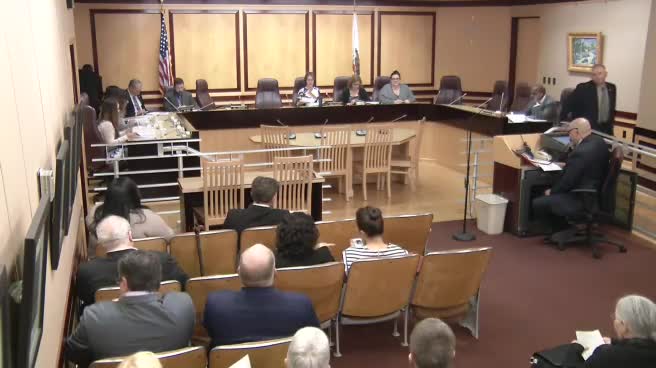 8MIN
Senate Standing Committee on Public Safety
Bill Author

Bill Co-Author(s):