AB 10: Pupils: body shaming model policy and resources.
- Session Year: 2023-2024
- House: Assembly
- Latest Version Date: 2023-10-13
Current Status:
Passed
(2023-10-13: Chaptered by Secretary of State - Chapter 791, Statutes of 2023.)
Introduced
In Committee
First Chamber
In Committee
Second Chamber
Enacted
What does this bill do?
The State Department of Education must create and post a model policy and resources for K–12 schools about body shaming, which means mocking or stigmatizing someone for their body shape, size, or appearance. School districts, county offices of education, and charter schools are encouraged to share those resources with teachers, staff, parents, and students.
The summary is provided by generative AI which can make mistakes. For original language, please view the details in the table below.
Existing law, the California Healthy Youth Act, states that its purposes include, among others, providing pupils with the knowledge and skills they need to develop healthy attitudes concerning, among other things, body image.
This bill would require the State Department of Education to, on or before June 30, 2025, and in consultation with specified entities and relevant stakeholders, develop and post on its internet website a model policy and resources about body shaming, as defined, and would encourage school districts, county offices of education, and charter schools to inform teachers, staff, parents, and pupils about those resources, as provided.
Existing law, the California Healthy Youth Act, states that its purposes include, among others, providing pupils with the knowledge and skills they need to develop healthy attitudes concerning body image.
This bill would require the State Department of Education to, on or before June 30, 2024, 2025, and in consultation with specified entities and relevant stakeholders, develop and post on its internet website a model policy and resources about body shaming, as defined, and would encourage school districts, county offices of education, and charter schools to inform teachers, staff, parents, and pupils about those resources, as provided.
Existing law, the California Healthy Youth Act, states that its purposes include, among others, providing pupils with the knowledge and skills they need to develop healthy attitudes concerning body image.
This bill would require the State Department of Education to, on or before June 30, 2024, and in consultation with specified entities and relevant stakeholders, develop and post on its internet website a model policy and resources about body shaming, as defined, and would encourage school districts, county offices of education, and charter schools to inform teachers, staff, parents, and pupils about those resources, as provided.
Existing law, the California Healthy Youth Act, states that its purposes include, among others, providing pupils with the knowledge and skills they need to develop healthy attitudes concerning body image.
This bill would require school districts, county offices of education, and charter schools to, the State Department of Education to, on or before the 202526 school year, June 30, 2024, develop and adopt policies post on its internet website a model policy and resources about body shaming, as defined, and would encourage school districts, county offices of education, and charter schools to inform teachers, staff, parents, and pupils about those adopted policies and resources, as provided. By imposing additional duties on local educational agencies, the bill would impose a state-mandated local program.
The California Constitution requires the state to reimburse local agencies and school districts for certain costs mandated by the state. Statutory provisions establish procedures for making that reimbursement.This bill would provide that, if the Commission on State Mandates determines that the bill contains costs mandated by the state, reimbursement for those costs shall be made pursuant to the statutory provisions noted above.Existing law, the California Healthy Youth Act, states that its purposes include, among others, providing pupils with the knowledge and skills they need to develop healthy attitudes concerning body image.
This bill would express the intent of the Legislature to enact subsequent legislation that would create state-recommended guidelines, and would require the Instructional Quality Commission to create policies and curriculum, around body-shaming to be implemented by school districts.This bill would require school districts, county offices of education, and charter schools to, before the 202526 school year, develop and adopt policies and resources about body shaming, as defined, and to inform teachers, staff, parents, and pupils about those adopted policies and resources, as provided. By imposing additional duties on local educational agencies, the bill would impose a state-mandated local program.
The California Constitution requires the state to reimburse local agencies and school districts for certain costs mandated by the state. Statutory provisions establish procedures for making that reimbursement.
This bill would provide that, if the Commission on State Mandates determines that the bill contains costs mandated by the state, reimbursement for those costs shall be made pursuant to the statutory provisions noted above.
Existing law, the California Healthy Youth Act, states that its purposes include, among others, providing pupils with the knowledge and skills they need to develop healthy attitudes concerning body image.
This bill would express the intent of the Legislature to enact subsequent legislation that would create state-recommended guidelines, and would require the Instructional Quality Commission to create policies and curriculum, around body-shaming to be implemented by school districts.
(a)(1)(A)On or before June 30, 2025, the State Department of Education, in consultation with the California Health and Human Services Agency, the Mental Health Services Oversight and Accountability Commission, and other relevant stakeholders, shall develop and post on its internet website a model policy and resources about body shaming that is appropriate for schools that serve pupils in kindergarten or any of grades 1 to 12, inclusive, and that local educational agencies may use to educate staff and pupils about the issue of body shaming.
(B)The State Department of Education, in consultation with the California Health and Human Services Agency, the Mental Health Services Oversight and Accountability Commission, and other relevant stakeholders, may use existing resources or frameworks, or both, about body shaming or body image, or both, to meet the requirements of subparagraph (A).
(2)Local educational agencies are encouraged to inform teachers, staff, parents, and pupils about the resources developed pursuant to subdivision (a), including, but not limited to, by providing information in pupil and employee handbooks and making the information available on each schoolsites internet website.
(b)For purposes of this article, the following definitions apply:
(1)Body shaming means the action or practice of mocking or stigmatizing a person by making critical comments or observations about the shape, size, or appearance of the persons body.
(2)Local educational agency means a school district, county office of education, or charter school.
(a)(1)(A)On or before June 30, 2024, 2025, the State Department of Education, in consultation with the California Health and Human Services Agency, the Mental Health Services Oversight and Accountability Commission, and other relevant stakeholders, shall develop and post on its internet website a model policy and resources about body shaming that is appropriate for schools that serve pupils in kindergarten or any of grades 1 to 12, inclusive, and that local educational agencies may use to educate staff and pupils about the issue of body shaming.
(B)The State Department of Education, in consultation with the California Health and Human Services Agency, the Mental Health Services Oversight and Accountability Commission, and other relevant stakeholders, may use existing resources or frameworks, or both, about body shaming or body image, or both, to meet the requirements of subparagraph (A).
(2)Local educational agencies are encouraged to inform teachers, staff, parents, and pupils about the resources developed pursuant to subdivision (a), including, but not limited to, by providing information in pupil and employee handbooks and making the information available on each schoolsites internet website.
(b)For purposes of this article, the following definitions apply:
(1)Body shaming means the action or practice of mocking or stigmatizing a person by making critical comments or observations about the shape, size, or appearance of the persons body.
(2)Local educational agency means a school district, county office of education, or charter school.
(a)(1)On or before June 30, 2024, the State Department of Education Education, in consultation with the California Health and Human Services Agency, the Mental Health Services Oversight and Accountability Commission, and other relevant stakeholders, shall develop and post on its internet website a model policy and resources about body shaming that local educational agencies may use to educate staff and pupils about the issue of body shaming.
(2)Local educational agencies are encouraged to inform teachers, staff, parents, and pupils about the resources developed pursuant to subdivision (a), including, but not limited to, by providing information in pupil and employee handbooks and making the information available on each schoolsites internet website.
(b)For purposes of this article, the following definitions apply:
(1)Body shaming means the action or practice of mocking or stigmatizing a person by making critical comments or observations about the shape, size, or appearance of the persons body.
(2)Local educational agency means a school district, county office of education, or charter school.
(a)(1)Before the 202526 school year, local educational agencies shall develop and adopt policies On or before June 30, 2024, the State Department of Education shall develop and post on its internet website a model policy and resources about body shaming that local educational agencies may use to educate teachers and staff and pupils about the issue of body shaming and assist school employees in addressing this issue with pupils and their parents. shaming.
(2)Local educational agencies shall are encouraged to inform teachers, staff, parents, and pupils about the policies and resources developed and adopted pursuant to subdivision (a), including, but not limited to, by providing information in pupil and employee handbooks and making the information available on each schoolsites internet website.
(b)For purposes of this article, the following definitions apply:
(1)Body shaming means the action or practice of mocking or stigmatizing a person by making critical comments or observations about the shape, size, or appearance of the persons body.
(2)Local educational agency means a school district, county office of education, or charter school.
SEC. 2.If the Commission on State Mandates determines that this act contains costs mandated by the state, reimbursement to local agencies and school districts for those costs shall be made pursuant to Part 7 (commencing with Section 17500) of Division 4 of Title 2 of the Government Code.(a)(1)Before the 202526 school year, local educational agencies shall develop and adopt policies and resources about body shaming to educate teachers and staff about the issue of body shaming and assist school employees in addressing this issue with pupils and their parents.
(2)Local educational agencies shall inform teachers, staff, parents, and pupils about the policies and resources developed and adopted pursuant to subdivision (a), including, but not limited to, by providing information in pupil and employee handbooks and making the information available on each schoolsites internet website.
(b)For purposes of this article, the following definitions apply:
(1)Body shaming means the action or practice of mocking or stigmatizing a person by making critical comments or observations about the shape, size, or appearance of the persons body.
(2)Local educational agency means a school district, county office of education, or charter school.
SEC. 2.If the Commission on State Mandates determines that this act contains costs mandated by the state, reimbursement to local agencies and school districts for those costs shall be made pursuant to Part 7 (commencing with Section 17500) of Division 4 of Title 2 of the Government Code.
SECTION 1.It is the intent of the Legislature to enact subsequent legislation that would create state-recommended guidelines, and would require the Instructional Quality Commission to create policies and curriculum, around body-shaming to be implemented by school districts.It is the intent of the Legislature to enact subsequent legislation that would create state-recommended guidelines, and would require the Instructional Quality Commission to create policies and curriculum, around body-shaming to be implemented by school districts.
|
Date
|
Status
|
|---|---|
| Oct 13, 2023 | Chaptered by Secretary of State - Chapter 791, Statutes of 2023. |
| Oct 13, 2023 | Approved by the Governor. |
| Sep 21, 2023 | Enrolled and presented to the Governor at 3:30 p.m. |
| Sep 14, 2023 | Senate amendments concurred in. To Engrossing and Enrolling. (Ayes 80. Noes 0. Page 3546.). |
| Sep 13, 2023 | In Assembly. Concurrence in Senate amendments pending. |
| Sep 13, 2023 | Read third time. Passed. Ordered to the Assembly. (Ayes 39. Noes 0. Page 2764.). |
| Sep 8, 2023 | Ordered to special consent calendar. |
| Sep 5, 2023 | Read second time. Ordered to third reading. |
| Sep 1, 2023 | Read second time and amended. Ordered returned to second reading. |
| Sep 1, 2023 | From committee: Amend, and do pass as amended. (Ayes 7. Noes 0.) (September 1). |
| Jul 3, 2023 | In committee: Referred to APPR suspense file. |
| Jun 15, 2023 | Read second time and amended. Re-referred to Com. on APPR. |
| Jun 14, 2023 | From committee: Amend, and do pass as amended and re-refer to Com. on APPR. (Ayes 7. Noes 0.) (June 14). |
| May 31, 2023 | Referred to Com. on ED. |
| May 18, 2023 | In Senate. Read first time. To Com. on RLS. for assignment. |
| May 18, 2023 | Read third time. Passed. Ordered to the Senate. (Ayes 74. Noes 0. Page 1593.) |
| May 11, 2023 | Read second time. Ordered to Consent Calendar. |
| May 10, 2023 | From committee: Do pass. To Consent Calendar. (Ayes 14. Noes 0.) (May 10). |
| May 2, 2023 | Re-referred to Com. on APPR. |
| May 1, 2023 | Read second time and amended. |
| Apr 27, 2023 | From committee: Amend, and do pass as amended and re-refer to Com. on APPR. (Ayes 7. Noes 0.) (April 26). |
| Mar 20, 2023 | Re-referred to Com. on ED. |
| Mar 16, 2023 | Referred to Com. on ED. |
| Mar 16, 2023 | From committee chair, with author's amendments: Amend, and re-refer to Com. on ED. Read second time and amended. |
| Dec 6, 2022 | From printer. May be heard in committee January 5. |
| Dec 5, 2022 | Read first time. To print. |
|
Date
|
Description
|
Location
|
Votes
|
|
|---|---|---|---|---|
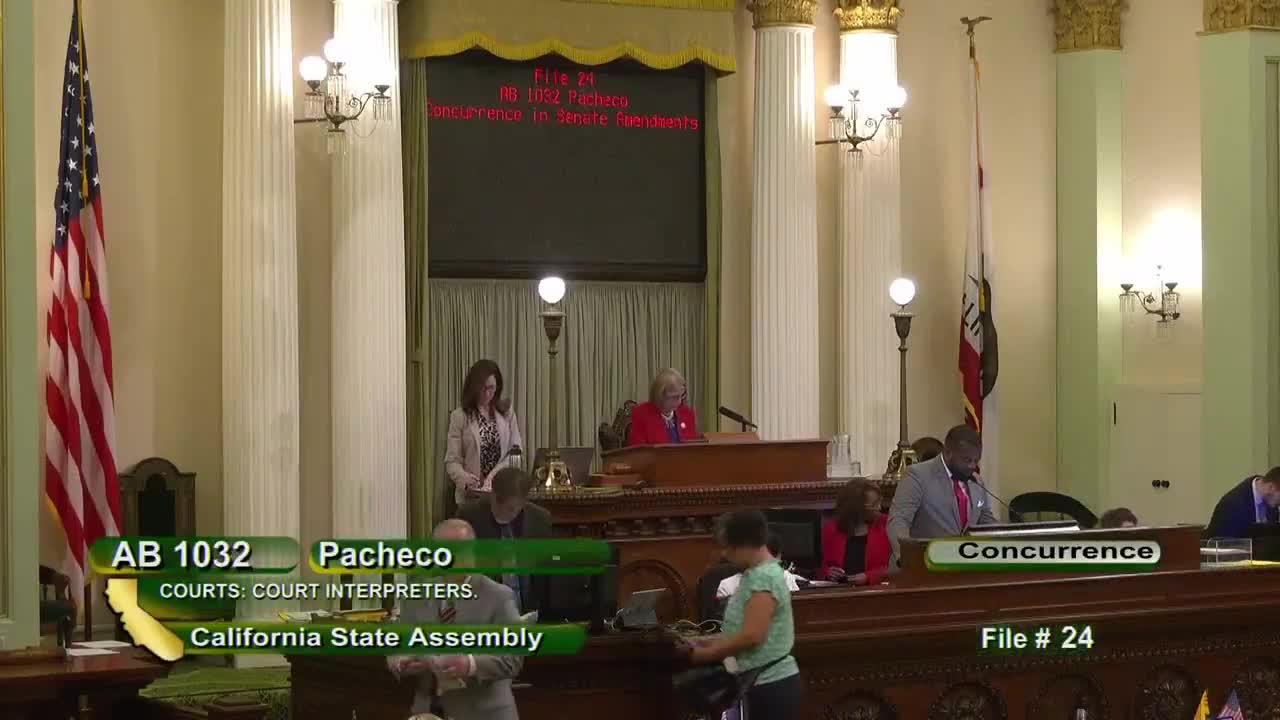
| Sep 14, 2023 | AB 10 Lowenthal Concurrence in Senate Amendments | Assembly Floor |
Passed |
|
| Sep 13, 2023 | Special Consent AB10 Lowenthal et al. | Senate Floor |
Passed |
|
| Sep 1, 2023 | Do pass as amended | Senate Standing Committee on Appropriations |
Passed |
|
| Jul 3, 2023 | Placed on suspense file | Senate Standing Committee on Appropriations |
Passed |
|
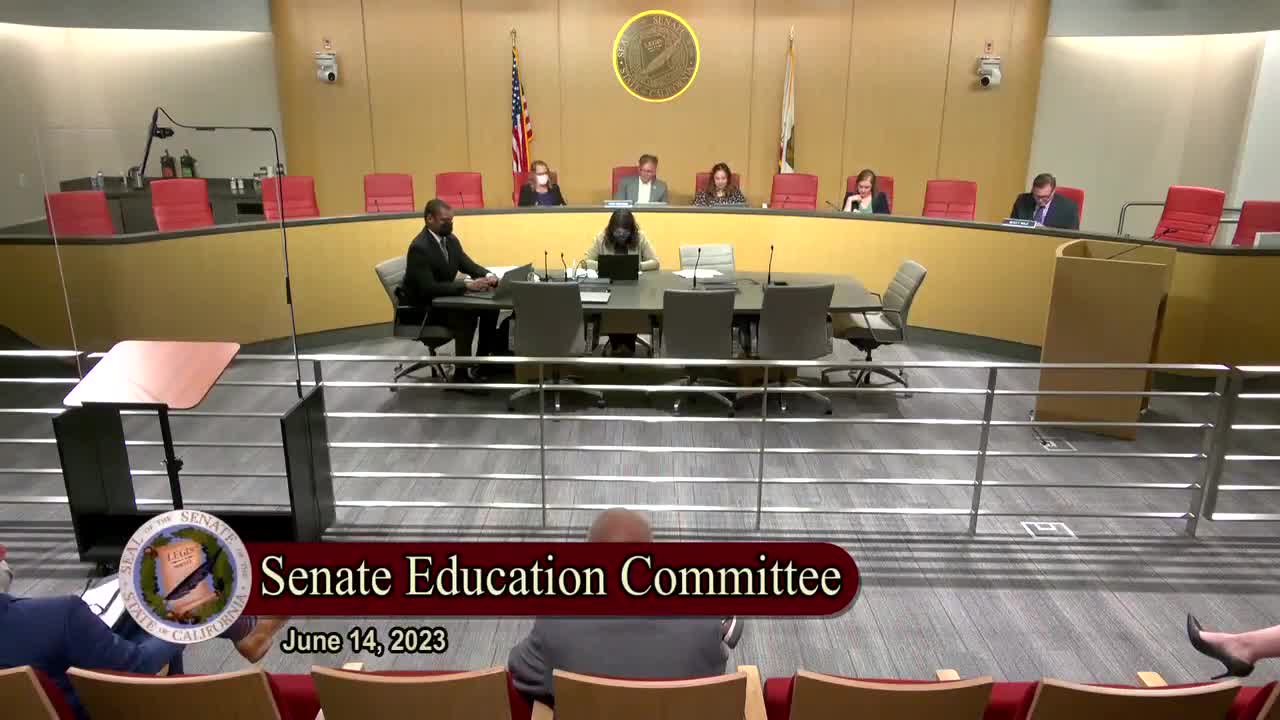
| Jun 14, 2023 | Do pass as amended, but first amend, and re-refer to the Committee on [Appropriations] | Senate Standing Committee on Education |
Passed |
|
| May 18, 2023 | AB 10 Lowenthal Consent Calendar Second Day | Assembly Floor |
Passed |
|
| May 10, 2023 | Do pass. To Consent Calendar. | Assembly Standing Committee on Appropriations |
Passed |
|
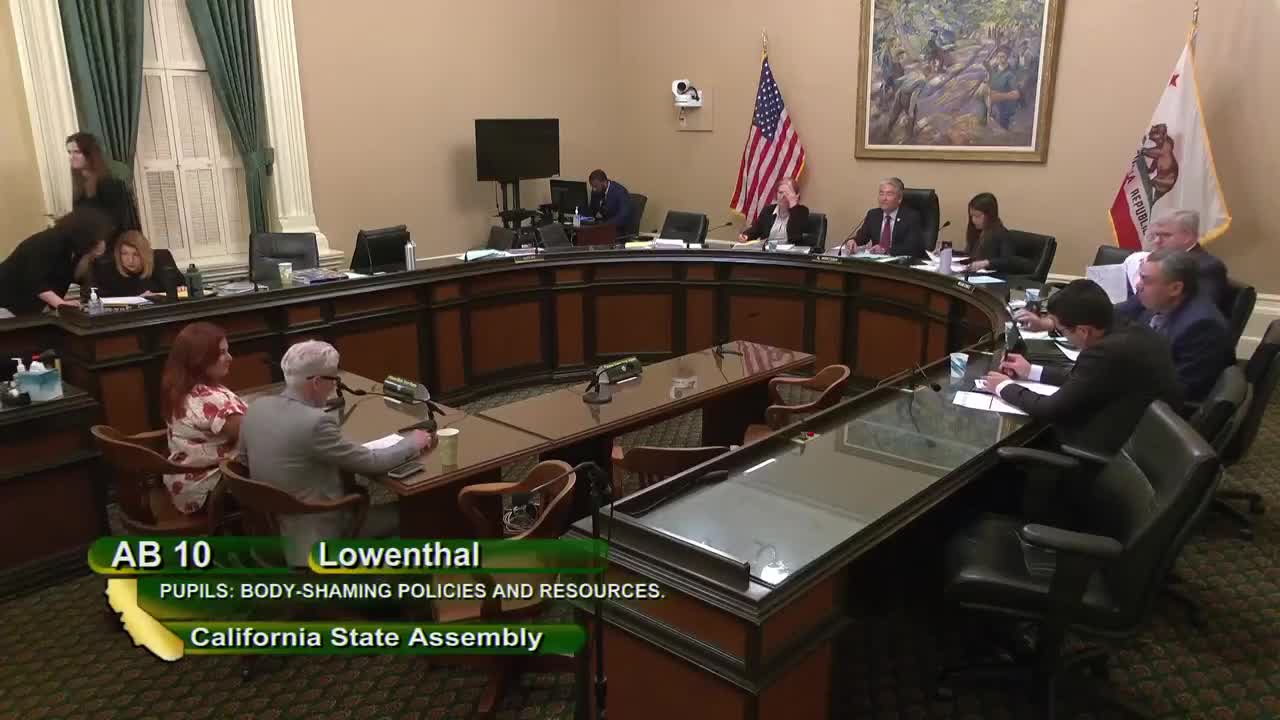
| Apr 26, 2023 | Do pass as amended and be re-referred to the Committee on [Appropriations] | Assembly Standing Committee on Education |
Passed |
This list shows positions taken on this bill by organizations on the date displayed, which is linked to the original source.
Positions by individuals are not included.
|
Organization
|
Position
|
Date
|
|---|---|---|
| California Medical Association | ** Support | |
| California Resident | * Support | Apr 26, 2023 |
| California Teachers Association | ** Support | |
| California Virtual Academies | * Support | Apr 26, 2023 |
| Dodson Middle School | * Support | Apr 26, 2023 |
| East Side Union High School District | * Support | Apr 26, 2023 |
| Hesperia Unified School District | * Support | Apr 26, 2023 |
| Highlands Community Charter And Technical Schools | ** Support | |
| Holtville Unified School District | * Support | Apr 26, 2023 |
| Long Beach Unified School District | ** Support | |
| Our Duty | * Against Unless Amend | Jun 14, 2023 |
| Ross School | * Support | Apr 26, 2023 |
| Tierra Del Sol Continuation High School | * Support | Apr 26, 2023 |
| Tustin Unified School District | * Support | Apr 26, 2023 |
CONCURRENCE IN SENATE AMENDMENTS
CSA1 Bill Id:AB 10
Author:(Lowenthal)
As Amended Ver:September 1, 2023
Majority vote
SUMMARY
Requires the California Department of Education (CDE), by June 30, 2025, in consultation with other agencies and stakeholders, to develop and post on its website a model policy and resources about body shaming that local educational agencies (LEAs) may use to educate staff and pupils about body shaming.
Senate Amendments
- Extend the deadline for the CDE to post materials on its website to June 30, 2025.
- Require the CDE to consult with the California Health and Human Services Agency (CHHS), the Mental Health Services Oversight and Accountability Commission (MHSOAC), and other relevant stakeholders in the development of a model policy and resources about body shaming.
- Authorizes the CDE to use existing resources or frameworks about body shaming and body image to meet these requirements.
COMMENTS
What is body shaming? The Merriam-Webster dictionary defines "body shaming" as "the act or practice of subjecting someone to criticism or mockery for supposed bodily faults or imperfections."
Body shaming involves humiliating someone by making inappropriate or negative comments about their body size or shape. As well as "fat shaming," it may also include negative comments if a person is underweight or in reference to a specific body part. It may be carried out in person or remotely via the internet and social media. Body shaming on digital platforms is related to cyberbullying. Body shaming can lead to mental health issues including eating disorders, depression, anxiety, low self-esteem, and body dysmorphia, as well as the general feeling of hating one's body.
According to the Author
"AB 10 will ensure that LEAs develop policies and resources to educate teachers and faculty about the issue of body shaming, so that they are adequately equipped to address this issue with students and their parents. While LEAs are required to have policies about how to handle and address bullying, they are not currently required to have resources to address body shaming, which is not always characterized by bullying. Body shaming frequently leads to negative impacts on student mental health, which can cause students to withdraw from their friends, activities, classroom participation, and result in increased absenteeism, sadness, depression, and can even lead to suicidal thoughts and actions. By requiring LEAs to develop policies and resources to address this issue, they should be able to reduce instances of body shaming amongst student populations and ensure that teachers, faculty, and parents are prepared to address the topic with students when it does arise."
Arguments in Support
The California Teachers Association writes, "CTA believes self-esteem is a major factor in the educational success of all students and staff. The increasing mental, emotional, and environmental pressures upon the students and staff in California often result in increased drug and alcohol abuse, violence, dropout rate, pregnancy and suicide among students. Body shaming adversely impacts student's self-esteem. Research shows that students with low self-esteem are less likely to take academic risks, which adversely impacts their educational growth."
Arguments in Opposition
None on file
FISCAL COMMENTS
According to the Senate Appropriations Committee, the CDE estimates one-time General Fund costs of approximately $54,000 to develop and post the model policy on its website. The California Department of Public Health and the MHSOAC may also incur similar General Fund costs in the tens of thousands of dollars to consult with CDE on the development of the model policy and resources about body shaming.
VOTES:
ASM EDUCATION: 7-0-0
YES: Muratsuchi, Megan Dahle, Juan Carrillo, Hoover, Lee, McCarty, Quirk-Silva
ASM APPROPRIATIONS: 14-0-2
YES: Holden, Megan Dahle, Calderon, Wendy Carrillo, Dixon, Mike Fong, Addis, Lowenthal, Papan, Pellerin, Robert Rivas, Sanchez, Weber, Wilson
ABS, ABST OR NV: Bryan, Mathis
ASSEMBLY FLOOR: 74-0-6
YES: Addis, Aguiar-Curry, Alanis, Alvarez, Arambula, Bains, Bauer-Kahan, Bennett, Berman, Boerner, Bonta, Bryan, Calderon, Juan Carrillo, Wendy Carrillo, Chen, Connolly, Megan Dahle, Davies, Dixon, Essayli, Flora, Mike Fong, Gabriel, Gallagher, Garcia, Gipson, Grayson, Haney, Hart, Holden, Hoover, Irwin, Jackson, Jones-Sawyer, Kalra, Lackey, Lee, Low, Lowenthal, Maienschein, Mathis, McCarty, McKinnor, Muratsuchi, Stephanie Nguyen, Ortega, Pacheco, Papan, Jim Patterson, Joe Patterson, Pellerin, Petrie-Norris, Quirk-Silva, Ramos, Reyes, Luz Rivas, Robert Rivas, Rodriguez, Blanca Rubio, Sanchez, Santiago, Schiavo, Soria, Ta, Ting, Valencia, Wallis, Ward, Weber, Wicks, Wood, Zbur, Rendon
ABS, ABST OR NV: Cervantes, Vince Fong, Friedman, Villapudua, Waldron, Wilson
SENATE FLOOR: 39-0-1
YES: Allen, Alvarado-Gil, Archuleta, Ashby, Atkins, Becker, Blakespear, Bradford, Cortese, Dahle, Dodd, Durazo, Eggman, Glazer, Gonzalez, Grove, Hurtado, Jones, Laird, Limón, McGuire, Menjivar, Min, Newman, Nguyen, Niello, Ochoa Bogh, Padilla, Portantino, Roth, Rubio, Seyarto, Skinner, Smallwood-Cuevas, Stern, Umberg, Wahab, Wiener, Wilk
ABS, ABST OR NV: Caballero
UPDATED
VERSION: September 1, 2023
CONSULTANT: Debbie Look / ED. / (916) 319-2087 FN: 0001862
SENATE RULES COMMITTEE Office of Senate Floor Analyses (916) 651-1520 Fax: (916) 327-4478 | AB 10 |
THIRD READING
Bill No: AB 10
Author: Lowenthal (D), et al.
Amended: 9/1/23 in Senate
Vote: 21
SENATE EDUCATION COMMITTEE: 7-0, 6/14/23
AYES: Newman, Ochoa Bogh, Cortese, Glazer, McGuire, Smallwood-Cuevas, Wilk
SENATE APPROPRIATIONS COMMITTEE: 7-0, 9/1/23
AYES: Portantino, Jones, Ashby, Bradford, Seyarto, Wahab, Wiener
ASSEMBLY FLOOR: 74-0, 5/18/23 (Consent) - See last page for vote
SUBJECT: Pupils: body shaming model policy and resources
SOURCE: Author
DIGEST:
This bill requires the California Department of Education (CDE), in consultation with stakeholders, on or before June 30, 2024, to develop and post on its internet website a model policy and resources about body shaming that local educational agencies (LEA) may use to educate staff and pupils about the issue of body shaming.
ANALYSIS:
Existing law:
- Requires the CDE to display current information, and periodically update information, on curricula and other resources that specifically address bias-related discrimination, harassment, intimidation, cyber sexual bullying, and bullying on its website. (Education Code (EC) § 234.2)
- Requires the CDE to develop, and post on its website, a model handout describing the policies addressing bias-related discrimination, harassment, intimidation, and bullying in schools. (EC 234.3)
- Requires LEA to adopt procedures for preventing acts of bullying, including cyberbullying, by December 31, 2019. (EC 234.4)
- Requires the Superintendent of Public Instruction to post, and annually update, on the CDE’s website and provide to each school district a list of statewide resources, including community-based organizations, that provide support to youth, and their families, who have been subjected to school-based discrimination, harassment, intimidation, or bullying on the basis of religious affiliation, nationality, race, or ethnicity, or perceived religious affiliation, nationality, race, or ethnicity. (EC § 234.5)
- Requires a LEA that serves pupils in grades 7 to 12, inclusive, to adopt at a regularly scheduled board meeting, a policy on pupil suicide prevention, developed in consultation with school and community stakeholders, school-employed mental health professionals, and suicide prevention experts. Requires that the policy, at a minimum, address procedures relating to suicide prevention, intervention, and postvention. (EC § 215)
This bill:
- Requires CDE, in consultation with the California Health and Human Services Agency (CHHS), the Mental Health Services Oversight and Accountability, and other relevant stakeholder, to, on or before June 30, 2024, develop and post on its internet website a model policy and resources about body shaming that LEA’s may use to educate staff and pupils about the issue of body shaming.
- Encourages LEAs to inform teachers, staff, parents, and pupils about the resources developed by the CDE, including, but not limited to, providing information in pupil and employee handbooks and making the information available on each schoolsite’s internet website.
- Permits CDE to use existing resources or frameworks, or both, about body shaming or body image, or both.
- Defines “Body shaming” means the action or practice of mocking or stigmatizing a person by making critical comments or observations about the shape, size, or appearance of the person’s body.
- Defines “Local educational agency” means a school district, county office of education, or charter school.
Comments
- Need for the bill. According to the author “AB 10 requires the California Department of Education to develop a model policy and resources about body shaming for local educational agencies (LEAs), so that they are adequately equipped to address this issue with students and their parents, in order to reduce instances of body shaming amongst student populations. The bill also encourages LEAs to inform staff, teachers, parents, and students of the resources. While LEAs are required to have policies about how to handle and address bullying, they are not currently required to have resources to address body shaming, which is not always characterized by bullying. Body shaming frequently leads to negative impacts on student mental health, which can cause students to withdraw from their friends, activities, classroom participation, and result in increased absenteeism, sadness, depression, and can even lead to suicidal thoughts and actions. By requiring CDE to develop and make available policies and resources to address this issue, LEAs should be able to reduce instances of body shaming amongst student populations and ensure that teachers, faculty, and parents are prepared to the address the topic with students when it does arise.”
- Childhood Obesity. Childhood obesity is a serious health problem in the United States, affecting 1 in 5 children and adolescents. More than one-third (35%) of U.S. children ages 2-19 are overweight or obese, according to a 2017-2018 survey from the Centers for Disease Control and Prevention. Compared with children at a healthy weight, children with obesity are at higher risk for a range of health problems, including asthma, high blood pressure, high cholesterol, and type 2 diabetes; they also are more likely to become obese as adults. In addition, childhood obesity is linked to social and emotional difficulties, such as anxiety, depression, stigmatization, bullying, and low self-esteem. Obesity's impact also extends beyond the individual. U.S. medical care costs related to adult obesity have been estimated at about $190 billion annually; in California, estimates indicate that a 5% reduction in average adult BMI could save more than $80 billion in obesity-related health costs by 2030.
5th Graders Who Are Overweight or Obese: 2019 |
Source: CDE, Physical Fitness Testing Research Files (Jan. 2020). |
In 2019, 41% of 5th graders, 40% of 7th graders, and 38% of 9th graders in California had a BMI or body fat percentage higher than state standards for body composition, figures that have remained relatively stable since 2014. In each grade level, the percentage of boys statewide who are overweight or obese is consistently higher than the percentage of girls. The share of students who are overweight or obese varies widely by region and race/ethnicity. For example, the percentage of 5th graders who were overweight or obese in 2019 ranged from 24% to 55% across counties with data and from less than 5% to more than 75% across school districts. In the same period, 50% of Hispanic/Latino 5th graders statewide were overweight or obese, compared with fewer than 30% of their Asian and white peers.
- Effects of Body Shaming and Its Impact on Students. According to the Merriam-Webster dictionary, “body-shaming” is “the act or practice of subjecting someone to criticism or mockery for supposed bodily faults or imperfections.”
Research shows that much of the discussion on obesity on social media involves “fat shaming”, which often turns into harassment and cyberbullying — especially against women. Recent behavioral science research has documented widespread stigmatization and negative stereotyping of overweight individuals in media and public discourse, and such stigma is detrimental to those struggling with weight issues. The growth of social media offers another way to document public attitudes about obesity, posing whether weight stigma may be exacerbated in user-generated online interactions. In a study published by the National Library of Medicine, researchers in Obesity in Social Media: A Mixed Methods Analysis found that “Negative weight-based characterizations in the media have been consistently documented, whereby obese individuals are portrayed as unintelligent and undisciplined architects of their own condition. Furthermore, overweight people are underrepresented in entertainment programs, but those who do appear are portrayed as unattractive, shown engaging in stereotypical eating behavior, and the target of ridicule and derision. The news media also contribute to weight bias by portraying overweight individuals in stigmatizing ways and by focusing primarily on individual-level causes (e.g., diet) and solutions rather than on social or genetic factors. Even in some obesity prevention campaigns, fat shaming continues to be a theme.”
Over the past decade, social media have allowed Internet users to interact with one another on unlimited topics, including health and weight. Recent studies have noted the presence of weight stigma in social media dialogue. On YouTube, for example, personal causes of and responsibility for obesity were dominant themes, and individual-level behavioral changes were often recommended. The user-generated videos frequently contained weight-based teasing and ridicule, and videos with a derogatory stance toward overweight individuals received more views, ratings, and user comments than those without a teasing tone. Researchers further found that “victims of weight-based prejudice are at higher risk for mental health comorbidities, including depression, body dissatisfaction, loneliness, anxiety, and low self-esteem. Weight-based teasing and peer victimization can also contribute to unhealthy behaviors such as disordered eating and decreased physical activity.”
- Let’s Get Healthy California (LGHC). In 2012, the California Health and Human Services (CHHS) Agency convened the LGHC Task Force to develop a 10-year plan for improving the health and wellbeing of California. The Task Force brought together a diverse group of leaders from across the state – including representation from state and local government, health systems and insurers, philanthropic organizations, academia, community organizations, and a range of other partners to develop a shared vision.
In 2014, the California Department of Public Health (CDPH) adopted LGHC as the state’s health assessment and improvement plan (SHA/SHIP). With the California Health and Human Services (CHHS) Agency spearheading the initiative and CDPH serving as the backbone organization, the LGHC collaborative puts health and equity at the forefront of program and policy planning.
In 2016, CDPH launched LetsGetHealthy.ca.gov, a data dashboard where users can view progress in key areas, to allow anyone to explore data visualizations across the state. In addition to presenting data around key issues, the LGHC website also links that data with strategies and interventions, serving as a valuable tool to inform, connect and empower communities and partners.
- Improving School Climate. All LEAs are required to address school climate as one of the key priorities within their Local Control and Accountability Plan (LCAP), as informed by measures such as suspension and expulsion rates, as well as surveys of students, parents and teachers on the sense of safety and school connectedness. The behavioral health module of the California Healthy Kids Survey includes questions on body image and disordered eating, as well as social isolation, responses to trauma, and self-harm behavior. Although body shaming and other factors influencing body image among children and youth are important, many other forms of peer behavior contribute to negative outcomes and mental health issues.
FISCAL EFFECT: Appropriation: No Fiscal Com.: Yes Local: No
According to the Senate Appropriations Committee, “The CDE could incur one-time General Fund costs in the tens of thousands of dollars to develop and post the model policy on its website. The California Department of Public Health and the Mental Health Services Oversight and Accountability Commission may also incur similar General Fund costs to consult with CDE on the development of the model policy and resources.”
SUPPORT: (Verified 9/1/23)
California Medical Association
California Teachers Association
Highlands Community Charter and Technical Schools
Long Beach Unified School District
OPPOSITION: (Verified 9/1/23)
None received
ARGUMENTS IN SUPPORT: According to the California Medical Association, “Though most often associated with societal stigmatization towards obesity and as a form of bullying, body shaming is a complex issue that often does not fall into either of these categories. Body shaming can be directed at anybody’s characteristics, including height, weight, hair or disability, which are fundamental to personal identity. Body shaming, whether done intentionally or in the form of innocent comments not intended as hurtful, can have dangerous effects on the lives of those who are being subjected to it. For children and adolescents, who are still developing their identities, the impacts of body shaming can have devastating and long-lasting effects that can carry over to adulthood. Negative impacts of boding shaming are also compounded by the portrayal of body images that are unrealistic and unhealthy, which can warp children’s perception of their own body and what is considered healthy. In the school setting, body shaming can lead to negative impacts on student mental health, which can cause students to withdraw from their friends, activities and classroom participation, and result in increased absenteeism, depression or suicidal thoughts or actions. It is important to educate school children and those around them on the harmful effects that body shaming can have on their friends and classmates.”
ASSEMBLY FLOOR: 74-0, 5/18/23
AYES: Addis, Aguiar-Curry, Alanis, Alvarez, Arambula, Bains, Bauer-Kahan, Bennett, Berman, Boerner, Bonta, Bryan, Calderon, Juan Carrillo, Wendy Carrillo, Chen, Connolly, Megan Dahle, Davies, Dixon, Essayli, Flora, Mike Fong, Gabriel, Gallagher, Garcia, Gipson, Grayson, Haney, Hart, Holden, Hoover, Irwin, Jackson, Jones-Sawyer, Kalra, Lackey, Lee, Low, Lowenthal, Maienschein, Mathis, McCarty, McKinnor, Muratsuchi, Stephanie Nguyen, Ortega, Pacheco, Papan, Jim Patterson, Joe Patterson, Pellerin, Petrie-Norris, Quirk-Silva, Ramos, Reyes, Luz Rivas, Robert Rivas, Rodriguez, Blanca Rubio, Sanchez, Santiago, Schiavo, Soria, Ta, Ting, Valencia, Wallis, Ward, Weber, Wicks, Wood, Zbur, Rendon
NO VOTE RECORDED: Cervantes, Vince Fong, Friedman, Villapudua, Waldron, Wilson
Prepared by: Kordell Hampton / ED. / (916) 651-4105
9/2/23 16:47:04
**** END ****
SENATE COMMITTEE ON
Senator Anthony Portantino, Chair
2023 - 2024 Regular Session
AB 10 (Lowenthal) - Pupils: body-shaming model policy and resources
Version: | Policy Vote: |
Urgency: | Mandate: |
Hearing Date: | Consultant: |
Bill Summary:
This bill requires the California Department of Education (CDE) on or before June 30, 2024, to develop and post on its internet website a model policy and resources about body shaming that local educational agencies (LEA) may use to educate staff and pupils about the issue of body shaming.
*********** ANALYSIS ADDENDUM – SUSPENSE FILE ***********
The following information is revised to reflect amendments
adopted by the committee on September 1, 2023
Fiscal Impact:
The CDE could incur one-time General Fund costs in the tens of thousands of dollars to develop and post the model policy on its website. The California Department of Public Health and the Mental Health Services Oversight and Accountability Commission may also incur similar General Fund costs to consult with CDE on the development of the model policy and resources.
Author Amendments:
Allow CDE to utilize existing resources to comply with the bill’s requirements and delay implementation.
-- END --
SENATE COMMITTEE ON APPROPRIATIONS
Senator Anthony Portantino, Chair
2023 - 2024 Regular Session
AB 10 (Lowenthal) - Pupils: body-shaming model policy and resources
Version: June 15, 2023 | Policy Vote: ED. 7 - 0 |
Urgency: No | Mandate: No |
Hearing Date: July 3, 2023 | Consultant: Lenin Del Castillo |
Bill Summary:
This bill requires the California Department of Education (CDE) on or before June 30, 2024, to develop and post on its internet website a model policy and resources about body shaming that local educational agencies (LEA) may use to educate staff and pupils about the issue of body shaming.
Fiscal Impact:
The CDE estimates one-time General Fund costs of approximately $54,000 to develop and post the model policy on its website. The California Department of Public Health and the Mental Health Services Oversight and Accountability Commission may also incur similar General Fund costs in the tens of thousands of dollars to consult with CDE on the development of the model policy and resources about body shaming.
Background:
Existing law requires the CDE to develop, and post on its website, a model handout describing the policies addressing bias-related discrimination, harassment, intimidation, and bullying in schools. The law also requires LEAs to adopt procedures for preventing acts of bullying, including cyberbullying, by December 31, 2019.
Existing law requires the Superintendent of Public Instruction to post, and annually update, on the CDE’s website and provide to each school district a list of statewide resources, including community-based organizations, that provide support to youth, and their families, who have been subjected to school-based discrimination, harassment, intimidation, or bullying on the basis of religious affiliation, nationality, race, or ethnicity, or perceived religious affiliation, nationality, race, or ethnicity.
Proposed Law:
This bill requires CDE, on or before June 30, 2024, to develop and post on its internet website a model policy and resources about body shaming that LEA’s may use to educate staff and pupils about the issue of body shaming. The bill provides that CDE shall consult with the California Health and Human Services Agency and Mental Health Services Oversight and Accountability Commission in the development of the resources.
This bill encourages LEAs to inform teachers, staff, parents, and pupils about the resources developed by the CDE, including, but not limited to, providing information in pupil and employee handbooks and making the information available on each schoolsite’s internet website.
The bill provides that “body shaming” means the action or practice of mocking or stigmatizing a person by making critical comments or observations about the shape, size, or appearance of the person’s body.
Related Legislation:
AB 34 (Ramos, Chapter 282, Statutes of 2019) requires LEAs, commencing with the 2020-21 school year, to provide specified bullying and harassment prevention information in a prominent location on their existing website.
-- END --
SENATE COMMITTEE ON EDUCATION
Senator Josh Newman, Chair
2023 - 2024 Regular
Bill No: AB 10 Hearing Date: June 14, 2023
Author: | |||
Version: | May 1, 2023 | ||
Urgency: | No | Fiscal: | Yes |
Consultant: | Kordell Hampton | ||
Subject: Pupils: body-shaming model policy and resources.
SUMMARY
This bill requires the California Department of Education (CDE) on or before June 30, 2024, to develop and post on its internet website a model policy and resources about body shaming that local educational agencies (LEA) may use to educate staff and pupils about the issue of body shaming.
BACKGROUND
Existing Law:
Education Code (EC)
- Requires the CDE to display current information, and periodically update information, on curricula and other resources that specifically address bias-related discrimination, harassment, intimidation, cyber sexual bullying, and bullying on its website. (EC § 234.2)
- Requires the CDE to develop, and post on its website, a model handout describing the policies addressing bias-related discrimination, harassment, intimidation, and bullying in schools. (EC 234.3)
- Requires LEA to adopt procedures for preventing acts of bullying, including cyberbullying, by December 31, 2019. (EC 234.4)
- Requires the Superintendent of Public Instruction to post, and annually update, on the CDE’s website and provide to each school district a list of statewide resources, including community-based organizations, that provide support to youth, and their families, who have been subjected to school-based discrimination, harassment, intimidation, or bullying on the basis of religious affiliation, nationality, race, or ethnicity, or perceived religious affiliation, nationality, race, or ethnicity. (EC § 234.5)
- Requires a LEA that serves pupils in grades 7 to 12, inclusive, to adopt at a regularly scheduled board meeting, a policy on pupil suicide prevention, developed in consultation with school and community stakeholders, school-employed mental health professionals, and suicide prevention experts. Requires that the policy, at a minimum, address procedures relating to suicide prevention, intervention, and postvention. (EC § 215)
ANALYSIS
This bill requires the CDE on or before June 30, 2024, to develop and post on its internet website a model policy and resources about body shaming that LEA’s may use to educate staff and pupils about the issue of body shaming. Specifically, this bill:
- Requires CDE, on or before June 30, 2024, to develop and post on its internet website a model policy and resources about body shaming that LEA’s may use to educate staff and pupils about the issue of body shaming.
- Encourages LEAs to inform teachers, staff, parents, and pupils about the resources developed by the CDE, including, but not limited to, providing information in pupil and employee handbooks and making the information available on each schoolsite’s internet website.
- “Body shaming” means the action or practice of mocking or stigmatizing a person by making critical comments or observations about the shape, size, or appearance of the person’s body.
- “Local educational agency” means a school district, county office of education, or charter school.
STAFF COMMENTS
- Need for the bill. According to the author “AB 10 requires the California Department of Education to develop a model policy and resources about body shaming for local educational agencies (LEAs), so that they are adequately equipped to address this issue with students and their parents, in order to reduce instances of body shaming amongst student populations. The bill also encourages LEAs to inform staff, teachers, parents, and students of the resources. While LEAs are required to have policies about how to handle and address bullying, they are not currently required to have resources to address body shaming, which is not always characterized by bullying. Body shaming frequently leads to negative impacts on student mental health, which can cause students to withdraw from their friends, activities, classroom participation, and result in increased absenteeism, sadness, depression, and can even lead to suicidal thoughts and actions. By requiring CDE to develop and make available policies and resources to address this issue, LEAs should be able to reduce instances of body shaming amongst student populations and ensure that teachers, faculty, and parents are prepared to the address the topic with students when it does arise.”
- Childhood Obesity. Childhood obesity is a serious health problem in the United States, affecting 1 in 5 children and adolescents. More than one-third (35%) of U.S. children ages 2-19 are overweight or obese, according to a 2017-2018 survey from the Centers for Disease Control and Prevention. Compared with children at a healthy weight, children with obesity are at higher risk for a range of health problems, including asthma, high blood pressure, high cholesterol, and type 2 diabetes; they also are more likely to become obese as adults. In addition, childhood obesity is linked to social and emotional difficulties, such as anxiety, depression, stigmatization, bullying, and low self-esteem. Obesity's impact also extends beyond the individual. U.S. medical care costs related to adult obesity have been estimated at about $190 billion annually; in California, estimates indicate that a 5% reduction in average adult BMI could save more than $80 billion in obesity-related health costs by 2030.
5th Graders Who Are Overweight or Obese: 2019 |
Source: CDE, Physical Fitness Testing Research Files (Jan. 2020). |
In 2019, 41% of 5th graders, 40% of 7th graders, and 38% of 9th graders in California had a BMI or body fat percentage higher than state standards for body composition, figures that have remained relatively stable since 2014. In each grade level, the percentage of boys statewide who are overweight or obese is consistently higher than the percentage of girls. The share of students who are overweight or obese varies widely by region and race/ethnicity. For example, the percentage of 5th graders who were overweight or obese in 2019 ranged from 24% to 55% across counties with data and from less than 5% to more than 75% across school districts. In the same period, 50% of Hispanic/Latino 5th graders statewide were overweight or obese, compared with fewer than 30% of their Asian and white peers.
- Effects of Body Shaming and Its Impact on Students. According to the Merriam-Webster dictionary, “body-shaming” is “the act or practice of subjecting someone to criticism or mockery for supposed bodily faults or imperfections.”
Research shows that much of the discussion on obesity on social media involves “fat shaming”, which often turns into harassment and cyberbullying — especially against women. Recent behavioral science research has documented widespread stigmatization and negative stereotyping of overweight individuals in media and public discourse, and such stigma is detrimental to those struggling with weight issues. The growth of social media offers another way to document public attitudes about obesity, posing whether weight stigma may be exacerbated in user-generated online interactions. In a study published by the National Library of Medicine, researchers in Obesity in Social Media: A Mixed Methods Analysis found that “Negative weight-based characterizations in the media have been consistently documented, whereby obese individuals are portrayed as unintelligent and undisciplined architects of their own condition. Furthermore, overweight people are underrepresented in entertainment programs, but those who do appear are portrayed as unattractive, shown engaging in stereotypical eating behavior, and the target of ridicule and derision. The news media also contribute to weight bias by portraying overweight individuals in stigmatizing ways and by focusing primarily on individual-level causes (e.g., diet) and solutions rather than on social or genetic factors. Even in some obesity prevention campaigns, fat shaming continues to be a theme.”
Over the past decade, social media have allowed Internet users to interact with one another on unlimited topics, including health and weight. Recent studies have noted the presence of weight stigma in social media dialogue. On YouTube, for example, personal causes of and responsibility for obesity were dominant themes, and individual-level behavioral changes were often recommended. The user-generated videos frequently contained weight-based teasing and ridicule, and videos with a derogatory stance toward overweight individuals received more views, ratings, and user comments than those without a teasing tone. Researchers further found that “victims of weight-based prejudice are at higher risk for mental health comorbidities, including depression, body dissatisfaction, loneliness, anxiety, and low self-esteem. Weight-based teasing and peer victimization can also contribute to unhealthy behaviors such as disordered eating and decreased physical activity.”
- Let’s Get Healthy California (LGHC). In 2012, the California Health and Human Services (CHHS) Agency convened the LGHC Task Force to develop a 10-year plan for improving the health and wellbeing of California. The Task Force brought together a diverse group of leaders from across the state – including representation from state and local government, health systems and insurers, philanthropic organizations, academia, community organizations, and a range of other partners to develop a shared vision.
In 2014, the California Department of Public Health (CDPH) adopted LGHC as the state’s health assessment and improvement plan (SHA/SHIP). With the California Health and Human Services (CHHS) Agency spearheading the initiative and CDPH serving as the backbone organization, the LGHC collaborative puts health and equity at the forefront of program and policy planning.
In 2016, CDPH launched LetsGetHealthy.ca.gov, a data dashboard where users can view progress in key areas, to allow anyone to explore data visualizations across the state. In addition to presenting data around key issues, the LGHC website also links that data with strategies and interventions, serving as a valuable tool to inform, connect and empower communities and partners.
- Committee Amendment. The committee recommends, and the author has agreed to accept, the following amendment:
- Require CDE, to consult with CHHS and Mental Health Services Oversight and Accountability in the development of the resources.
- Improving School Climate. All LEAs are required to address school climate as one of the key priorities within their Local Control and Accountability Plan (LCAP), as informed by measures such as suspension and expulsion rates, as well as surveys of students, parents and teachers on the sense of safety and school connectedness. The behavioral health module of the California Healthy Kids Survey includes questions on body image and disordered eating, as well as social isolation, responses to trauma, and self-harm behavior. Although body shaming and other factors influencing body image among children and youth are important, many other forms of peer behavior contribute to negative outcomes and mental health issues.
- Related Legislation
AB 34 (Ramos) Chapter 282, Statutes of 2019, requires LEAs, commencing with the 2020-21 school year, to provide specified bullying and harassment prevention information in a prominent location on their existing website.
AB 630 (Hueso, 2011) would have expressed the intent of the Legislature to encourage school districts, at their discretion, to establish programs to be integrated into the regular curriculum during National Bullying Prevention Month and throughout the year, to reduce bullying through training with appropriate activities and best practice methodologies involving collaboration among pupils and school staff. This bill was held in Assembly Education Committee.
SUPPORT
California Teachers Association
Highlands Community Charter and Technical Schools
Long Beach Unified School District
OPPOSITION
None Received
-- END --
Date of Hearing: May 10, 2023
ASSEMBLY COMMITTEE ON APPROPRIATIONS
Chris Holden, Chair
ABPCA Bill Id:AB 10
Author:(Lowenthal) – As Amended Ver:May 1, 2023
Policy Committee: | Education | Vote: | 7 - 0 |
|
| ||
|
|
Urgency: No State Mandated Local Program: No Reimbursable: No
SUMMARY:
This bill requires, by June 30, 2024, the California Department of Education (CDE) to develop and post on its website a model policy and resources about body shaming for local educational agencies (LEAs). The bill also encourages LEAs to inform staff, teachers, parents, and students of the resources.
FISCAL EFFECT:
One-time costs of $50,000 to CDE to develop and post the model policy and resources on its website.
COMMENTS:
Background. As defined by this bill, “body shaming” means the action or practice of mocking or stigmatizing a person by making critical comments or observations about the shape, size, or appearance of the person’s body.
Analysis Prepared by: Natasha Collins / APPR. / (916) 319-2081
Date of Hearing: April 26, 2023
ASSEMBLY COMMITTEE ON EDUCATION
Al Muratsuchi, Chair
ABPCA Bill Id:AB 10 (
Author:Lowenthal) – As Amended Ver:March 16, 2023
SUBJECT: Students: body-shaming policies and resources
SUMMARY: Requires local educational agencies (LEAs) to develop and adopt policies and resources about body shaming, and to provide information about the policies and resources to teachers, staff, parents, and students. Specifically, this bill:
- Requires LEAs to develop and adopt policies and resources about body shaming to educate teachers and staff, and to assist school employees in addressing this issue with students and their parents.
- Requires LEAs to inform teachers, staff, parents, and students about the policies and resources developed by providing information in student and employee handbooks and make the information available on each schoolsite’s website.
- Defines “body shaming” as the action or practice of mocking or stigmatizing a person by making critical comments or observations about the shape, size, or appearance of the person’s body.
- Defines “local educational agency” as a school district, county office of education (COE), or charter school.
EXISTING LAW:
- Defines "bullying" to mean any severe or pervasive physical or verbal act or conduct, including communications made in writing or by means of an electronic act, and including one or more acts committed by a student or group of students, directed toward one or more students that has, or can be reasonably predicted to have, the effect of one or more of the following:
- Placing a reasonable student in fear of harm to that student's person or property;
- Causing a reasonable student to experience a substantially detrimental effect on his or her physical or mental health;
- Causing a reasonable student to experience substantial interference with his or her academic performance; and
- Causing a reasonable student to experience substantial interference with his or her ability to participate in or benefit from the services, activities, or privileges provided by a school. (Education Code (EC) Section 48900)
- Requires the California Department of Education (CDE) to monitor, through its federal program monitoring process, whether LEAs have:
- Adopted a policy that prohibits discrimination, harassment, intimidation, and bullying based on the actual or perceived characteristics defined as hate crimes, and immigration status, disability, gender, gender identity, gender expression, nationality, race or ethnicity, religion, sexual orientation, or association with a person or group with one or more of these actual or perceived characteristics. The policy must include a statement that the policy applies to all acts related to school activity or school attendance occurring within a school under the jurisdiction of the superintendent of the school district;
- Adopted a process for receiving and investigating complaints relating to discrimination, harassment, intimidation, and bullying;
- Publicized antidiscrimination, anti-harassment, anti-intimidation, and anti-bullying policies, including information about the manner in which to file a complaint, to students, parents, employees, agents of the governing board, and the general public;
- Provided certificated school employees in schools serving students in grades 7 to 12, information on existing schoolsite and community resources related to the support of lesbian, gay, bisexual, transgender, and questioning (LGBTQ) students, or related to the support of students who may face bias or bullying on the basis of religious affiliation, or perceived religious affiliation;
- Posted the policy in all schools and offices, including staff lounges and student government meeting rooms;
- Maintained documentation of complaints and their resolution for a minimum of one review cycle;
- Ensured that complainants are protected from retaliation and that their identity remains confidential, as appropriate; and
- Identified a responsible LEA officer for ensuring compliance. (EC 234.1)
- Requires each educational institution to have a written policy on sexual harassment, which is to include information on where to obtain the specific rules and procedures for reporting charges of sexual harassment, and requires that the written policy be displayed in a prominent location in the main administrative building or other areas of the schoolsite where notices regarding the institution’s rules, regulations, procedures, and standards of conduct are posted. Also requires that the written policy on sexual harassment, as it pertains to students, be provided as a part of any orientation program conducted for new students at the beginning of each quarter, semester, or school year. (EC 231.5)
- Requires the CDE to display current information, and periodically update information, on curricula and other resources that specifically address bias-related discrimination, harassment, intimidation, cyber sexual bullying, and bullying on its website. (EC 234.2)
- Requires the CDE to develop, and post on its website, a model handout describing the policies addressing bias-related discrimination, harassment, intimidation, and bullying in schools. (EC 234.3)
- Requires an LEA to adopt, by December 31, 2019, procedures for preventing acts of bullying, including cyberbullying. (EC 234.4)
- Requires the CDE to develop an online training module to assist all school staff, school administrators, parents, students, and community members in increasing their knowledge of the dynamics of bullying and cyberbullying. Requires the online training module to include, but not be limited to, identifying an act of bullying or cyberbullying, and implementing strategies to address bullying and cyberbullying (EC 32283.5).
- Requires a charter school to include in its petition to establish the charter school the procedures that the charter school will follow to ensure the safety of students and staff (EC 47605).
- Requires each school district, at the beginning of the first semester or quarter of the regular school term, to notify the parent or guardian of a student of specified rights and responsibilities, and specifies that the notice may be provided by regular mail, in an electronic format if the parent requests to receive it in that format, or by any other method normally used to communicate with parents or guardians in writing. (EC 48980, 48981)
FISCAL EFFECT: Unknown
COMMENTS:
Need for the bill. According to the author, “AB 10 will ensure that LEAs develop policies and resources to educate teachers and faculty about the issue of body shaming, so that they are adequately equipped to address this issue with students and their parents. While LEAs are required to have policies about how to handle and address bullying, they are not currently required to have resources to address body shaming, which is not always characterized by bullying. Body shaming frequently leads to negative impacts on student mental health, which can cause students to withdraw from their friends, activities, classroom participation, and result in increased absenteeism, sadness, depression, and can even lead to suicidal thoughts and actions. By requiring LEAs to develop policies and resources to address this issue, they should be able to reduce instances of body shaming amongst student populations and ensure that teachers, faculty, and parents are prepared to address the topic with students when it does arise.”
What is body shaming? The Merriam-Webster dictionary defines “body shaming” as “the act or practice of subjecting someone to criticism or mockery for supposed bodily faults or imperfections.”
Body shaming involves humiliating someone by making inappropriate or negative comments about their body size or shape. As well as “fat shaming,” it may also include negative comments if a person is underweight or in reference to a specific body part. It may be carried out in person or remotely via the internet and social media. Body shaming on digital platforms is related to cyberbullying. Body shaming can lead to mental health issues including eating disorders, depression, anxiety, low self-esteem, and body dysmorphia, as well as the general feeling of hating one's body.
The rate of childhood obesity. According to the Population Research Bureau, in 2019, 41% of 5th graders, 40% of 7th graders, and 38% of 9th graders in California had a body mass index (BMI) or body fat percentage higher than state standards for body composition, figures that have remained relatively stable since 2014. In each grade level, the percentage of boys statewide who are overweight or obese is consistently higher than the percentage of girls.
The share of students who are overweight or obese varies widely by region and race/ethnicity. For example, the percentage of 5th graders who were overweight or obese in 2019 ranged from 24% to 55% across counties with data, and from less than 5% to more than 75% across school districts. In the same period, 50% of Hispanic/Latino 5th graders statewide were overweight or obese, compared with fewer than 30% of their Asian and white peers.
Compared with children at a healthy weight, children with obesity are at higher risk for a range of health problems, including asthma, high blood pressure, high cholesterol, and type 2 diabetes; they also are more likely to become obese as adults. In addition, childhood obesity is linked to social and emotional difficulties, such as anxiety, depression, stigmatization, bullying, and low self-esteem.
Many factors contribute to childhood obesity and overweight. The rise has been attributed to changes in food environments that make non-nutritious "junk" food and beverages more available, affordable, and appealing, as well as social and environmental changes that have reduced physical activity among children, for example, increased sedentary screen time, less physical education, neighborhoods that do not promote walking or riding bikes, and decreased safe places for children to play.
Negative impacts of fat shaming. Research suggests that anti-fat social environments, such as those in the U.S. and other industrialized nations, tend to promote widespread body shame. Shame is an especially painful, powerful, distressing, and when internalized, also a potentially depressing emotion. Adolescents clinically defined as obese have a 40% higher relative risk of depression. Children and adolescent’s high body weights are socially stigmatized, and lead to multiple forms of weight-related discrimination and mistreatment, such as teasing and rejection. Experiencing these forms of social rejection and physical exclusion tend to promote feelings of worthlessness and psychological distress, leading to worsening depression or social anxiety (Brewis, 2018).
Low self-esteem and body dissatisfaction early in life have been found to predict a range of adverse health outcomes later in life, including the use of unhealthy weight-control behaviors, other eating-disordered behaviors, and general psychological distress. At least four factors have been found to affect levels of body dissatisfaction or low self-esteem during adolescence: age, gender, body weight, and race/ethnicity. (Van Den Berg, 2010)
Addressing school climate. According to the U.S. Department of Education, “Teachers and students deserve school environments that are safe, supportive, and conducive to teaching and learning. Creating a supportive school climate—and decreasing suspensions and expulsions—requires close attention to the social, emotional, and behavioral needs of all students.”
In recent years, the Legislature has allocated resources specifically designed to improve school climate. These include the following:
- Multi-Tiered System of Support (MTSS). Since 2015, the Legislature has appropriated over $95 million to encourage LEAs to establish and align schoolwide, data-driven systems of academic and behavioral supports to more effectively meet the needs of California’s diverse learners in the most inclusive environments.
In 2015, the CDE conducted a competitive grant process and awarded $10 million of the initial round of funding to the Orange County Department of Education (OCDE) and the Butte COE for their Scaling Up MTSS Statewide (SUMS) Initiative. The focus of the SUMS Initiative is to develop resources for MTSS within an LEA that align the academic, behavioral, and social-emotional supports in an LEA in order to serve the whole child. Their work expands restorative justice, bullying prevention and positive behavior interventions and minimizes the use of emergency interventions.
- The 2021-22 and 2022-23 Budget Acts included significant investments to address student mental health and improve school climate, including the following:
- $100 million in competitive grants to LEAs for pre-K and Kindergarten teacher training, including trauma-informed practices;
- Over $4 billion for community school grants with an emphasis on integrated support services including coordination of trauma-informed health, mental health and social services;
- $1.5 billion for educator effectiveness block grants to train teachers on a variety of topics, on practices to create a positive school climate, including restorative justice, training around implicit bias, providing positive behavioral supports, MTSS, transforming a schoolsite’s culture to one that values diverse cultural and ethnic backgrounds, and preventing discrimination, harassment, bullying, and intimidation based on actual or perceived characteristics, including disability, gender, gender identity, gender expression, language, nationality, race or ethnicity, religion, or sexual orientation;
- $50 million for MTSS grants to LEAs to implement trauma-informed practices;
- Youth & Behavioral Health Initiative – over $4 billion invested in a wide range of youth behavioral health initiatives, including many efforts to foster partnerships between schools and county/community-based providers to improve access to mental health services in schools; and
- $2.4 million to the CDE to support the creation of an online training on schoolsite and community resources focused on strategies to support LGBTQ+ students.
Comprehensive approaches to school climate. As noted above, the Legislature has addressed issues of student mental health, bullying, and school climate with numerous investments. Schools have had the opportunity to apply for funding to support their school climate and school safety improvement efforts.
All LEAs are required to address school climate as one of the key priorities within their Local Control and Accountability Plan (LCAP), as informed by measures such as suspension and expulsion rates, as well as surveys of students, parents and teachers on the sense of safety and school connectedness. The behavioral health module of the California Healthy Kids Survey includes questions on body image and disordered eating, as well as social isolation, responses to trauma, and self-harm behavior.
Although body shaming and other factors influencing body image among children and youth are clearly important, many other forms of behavior among peers contribute to negative outcomes and mental health issues. The Committee may wish to consider whether the State can expect schools to respond to each of these with a specific policy. As noted above, schools are currently required to address school climate, school connectedness, and school safety within their LCAP.
Arguments in support. The California Teachers Association writes, “CTA believes self-esteem is a major factor in the educational success of all students and staff. The increasing mental, emotional, and environmental pressures upon the students and staff in California often result in increased drug and alcohol abuse, violence, dropout rate, pregnancy and suicide among students. Body shaming adversely impacts student's self-esteem. Research shows that students with low self-esteem are less likely to take academic risks, which adversely impacts their educational growth.”
Recommended Committee Amendments. Staff recommends that the bill be amended as follows:
- Delete the requirement that LEAs develop and adopt body shaming policies and resources.
- Require the CDE to develop, and post on their website, by July 1, 2024, a model policy and resources about body shaming, and encourage LEAs to share these resources with students, staff, and families.
Related legislation. AB 34 (Ramos) Chapter 282, Statutes of 2019, requires LEAs, commencing with the 2020-21 school year, to provide specified bullying and harassment prevention information in a prominent location on their existing website.
AB 543 (Smith) Chapter 428, Statutes of 2019, requires public schools serving students in grades 9-12 to create and display a poster that notifies its students of the school's sexual harassment policy, and requires all educational institutions to provide a written copy of its sexual harassment policy, to continuing students.
AB 493 (Gloria) Chapter 493, Statutes of 2019, requires that, no later than July 1, 2021, the CDE develop resources or update existing resources for in-service training on schoolsite and community resources for the support of Lesbian, Gay, Bisexual, Transgender, Queer, and Questioning (LGBTQ) students, for use in LEAs and charter schools, serving students in grades 7-12. Requires the CDE to periodically provide online trainings on this topic that can be accessed on a statewide basis.
AB 2291 (Chiu) Chapter 491, Statutes of 2018, requires LEAs to adopt procedures for preventing acts of bullying and cyberbullying; requires the CDE to post on its website an online training module relating to bullying and cyberbullying; and requires schools to make this online training available to school employees.
AB 1318 (Chiu) of the 2017-18 Session would have required schools to provide staff members information about local resources available to support students subject to bias and discrimination based on certain actual or perceived characteristics; required annual trainings of school staff on addressing intergroup conflict; required reporting of bullying incidents to the SPI; and requires the CDE to provide specific information on its website related to bias and discrimination and intergroup conflict. This bill was held in the Assembly Appropriations Committee.
REGISTERED SUPPORT / OPPOSITION:
Support
California Teachers Association
Highlands Community Charter and Technical Schools
Opposition
None on file
Analysis Prepared by: Debbie Look / ED. / (916) 319-2087
Discussed in Hearing
 1MIN
Assembly Floor
 16MIN
Senate Standing Committee on Education
 13MIN
Assembly Standing Committee on Education
Bill Author

Bill Co-Author(s):
