AB 1063: Nurse-to-patient staffing ratios: annual report.
- Session Year: 2023-2024
- House: Assembly
- Latest Version Date: 2023-09-18
Current Status:
Failed
(2024-01-29: Consideration of Governor's veto stricken from file.)
Introduced
In Committee
First Chamber
In Committee
Second Chamber
Enacted
What does this bill do?
The bill requires the state health department to annually review and report on how it enforces hospital nurse-to-patient ratio rules, affecting hospitals, nurses, and patients. The report must list complaints about staffing ratios, describe investigative steps and outcomes, and indicate which complaints were found to be true or not. At least every two years the department must hold a public hearing to get input from direct care nurses and other stakeholders and include a summary and either a plan to act on suggestions or an explanation of why they were rejected.
The summary is provided by generative AI which can make mistakes. For original language, please view the details in the table below.
Existing law requires the State Department of Public Health to adopt regulations establishing minimum, specific, and numerical licensed nurse-to-patient ratios by licensed nurse classification and by hospital unit for all specified health facilities. Existing law requires that the ratios establish the minimum number of registered and licensed nurses to be allocated, and requires additional staff to be assigned in accordance with documented patient classification systems.
This bill would require the department to conduct an annual review of its enforcement of the regulations and submit a report to the Legislature on an annual basis. The bill would require the review and report to include data regarding the number of reports received by the department of alleged violations of the applicable regulations, investigative steps taken in response to the reports, and the outcome of investigations, as well as a complete list of complaints specific to nurse ratio and staffing violations and whether they were found to be substantiated or unsubstantiated. The bill would require the department, at least every 2 years and in advance of submitting the first report, to hold a public hearing to receive input from direct care nurses and to invite input from other stakeholders. The bill would require the input from the hearing to be summarized and included in the following report. The bill would also require the report to include a plan to implement the suggestions from the hearing or an explanation of why the suggestions were rejected.
Existing law requires the State Department of Public Health to adopt regulations establishing minimum, specific, and numerical licensed nurse-to-patient ratios by licensed nurse classification and by hospital unit for all specified health facilities. Existing law requires that the ratios establish the minimum number of registered and licensed nurses to be allocated, and requires additional staff to be assigned in accordance with documented patient classification systems.
This bill would require the department to conduct an annual review of its enforcement of the regulations and submit a report to the Legislature on an annual basis. The bill would require the review and report to include data regarding the number of reports received by the department of alleged violations of the applicable regulations, investigative steps taken in response to the reports, and the outcome of investigations, as well as allegations that were found to be unsubstantiated. a complete list of complaints and whether they were found to be substantiated or unsubstantiated. The bill would require the department, at least every 2 years and in advance of submitting the first report, to hold a public hearing to receive input from direct care nurses and to invite input from other stakeholders. The bill would require the input from the hearing to be summarized and included in the following report. The bill would also require the report to include a plan to implement the suggestions from the hearing or an explanation of why the suggestions were rejected.
Existing law requires the State Department of Public Health to adopt regulations establishing minimum, specific, and numerical licensed nurse-to-patient ratios by licensed nurse classification and by hospital unit for all specified health facilities. Existing law requires that the ratios establish the minimum number of registered and licensed nurses to be allocated, and requires additional staff to be assigned in accordance with documented patient classification systems.
This bill would require the department to conduct an annual review of its enforcement of the regulations and submit a report to the Legislature on an annual basis. The bill would require the review and report to include data regarding the number of reports received by the department of alleged violations of the applicable regulations, investigative steps taken in response to the reports, and the outcome of investigations, as well as allegations that were found to be unsubstantiated.
Existing law establishes the State Department of Public Health within the California Health and Human Services Agency, and requires the appointment of a State Public Health Officer to serve as the director of the State Department of Public Health.This bill would make technical, nonsubstantive changes to that provision.Existing law establishes the State Department of Public Health within the California Health and Human Services Agency, and requires the appointment of a State Public Health Officer to serve as the director of the State Department of Public Health.
This bill would make technical, nonsubstantive changes to that provision.
(a)(1)The State Department of Public Health shall conduct an annual review of its enforcement of the regulations promulgated pursuant to Section 1276.4 of the Health and Safety Code, and shall submit a report to the Legislature on its findings. This report shall also be made available on the departments website.
(2)This review and report shall include data regarding the number of reports received by the department alleging violations of Section 70217 of Title 22 of the California Code of Regulations, the investigative steps taken by the department in response to those reports, and the outcome of any investigations. The report shall include a complete listing of the complaints specific to nurse ratio and staffing violations, and whether they were found to be substantiated or unsubstantiated.
(b)The report shall be submitted to the Legislature no later than January 1 of each year, commencing January 1, 2025.
(c)At least once every two years, prior to submitting the report required pursuant to subdivision (a), and in advance of the first report due by January 1, 2025, the department shall hold a public hearing to receive input from direct care nurses regarding the efficacy of the departments enforcement of the regulations, as well as suggestions for improving the departments ability to enforce the regulations. As part of the hearing, the department shall also invite input from other stakeholders. The input received during the hearing shall be summarized and included in the annual report following the hearing, as required by subdivision (a). The report shall also include a plan to implement the various suggestions for improvement received, or an explanation as to why those suggestions are being rejected.
(d)A report to be submitted pursuant to subdivision (a) shall be submitted in compliance with Section 9795 of the Government Code.
(a)(1)The State Department of Public Health shall conduct an annual review of its enforcement of the regulations promulgated pursuant to Section 1276.4 of the Health and Safety Code, and shall submit a report to the Legislature on its findings. This report shall also be made available on the departments website.
(2)This review and report shall include data regarding the number of reports received by the department alleging violations of Section 70217 of Title 22 of the California Code of Regulations, the investigative steps taken by the department in response to those reports, and the outcome of any investigations. The report shall include a complete listing of the complaints, complaints specific to nurse ratio and staffing violations, and whether they were found to be substantiated or unsubstantiated.
(b)The report shall be submitted to the Legislature no later than January 1 of each year, commencing January 1, 2025.
(c)At least once every two years, prior to submitting the report required pursuant to subdivision (a), and in advance of the first report due by January 1, 2025, the department shall hold a public hearing to receive input from direct care nurses regarding the efficacy of the departments enforcement of the regulations, as well as suggestions for improving the departments ability to enforce the regulations. As part of the hearing, the department shall also invite input from other stakeholders. The input received during the hearing shall be summarized and included in the annual report following the hearing, as required by subdivision (a). The report shall also include a plan to implement the various suggestions for improvement received, or an explanation as to why those suggestions are being rejected.
(d)A report to be submitted pursuant to subdivision (a) shall be submitted in compliance with Section 9795 of the Government Code.
(a)(1)The State Department of Public Health shall conduct an annual review of its enforcement of the regulations promulgated pursuant to Section 1276.4 of the Health and Safety Code, and shall submit a report to the Legislature on its findings. This report shall also be made available on the departments website.
(2)This review and report shall include data regarding the number of reports received by the department alleging violations of Section 70217 of Title 22 of the California Code of Regulations, the investigative steps taken by the department in response to those reports, and the outcome of any investigations. The report shall also include a complete listing of the allegations that were found to be unsubstantiated, and the basis for those findings. include a complete listing of the complaints, and whether they were found to be substantiated or unsubstantiated.
(b)The report shall be submitted to the Legislature no later than January 1 of each year, commencing January 1, 2025. No less than 30 days prior to the submission of the report,
(c)At least once every two years, prior to submitting the report required pursuant to subdivision (a), and in advance of the first report due by January 1, 2025, the department shall hold a public hearing to receive input from direct care nurses regarding the efficacy of the departments enforcement of the regulations, as well as suggestions for improving the departments ability to enforce the regulations. That As part of the hearing, the department shall also invite input from other stakeholders. The input received during the hearing shall be summarized and included in the annual report, along with report following the hearing, as required by subdivision (a). The report shall also include a plan to implement the various suggestions for improvement received, or an explanation as to why those suggestions are being rejected.
(c)(d)A report to be submitted pursuant to subdivision (a) shall be submitted in compliance with Section 9795 of the Government Code.
(a)(1)The State Department of Public Health shall conduct an annual review of its enforcement of the regulations promulgated pursuant to Section 1276.4 of the Health and Safety Code, and shall submit a report to the Legislature on its findings. This report shall also be made available on the departments website.
(2)This review and report shall include data regarding the number of reports received by the department alleging violations of Section 70217 of Title 22 of the California Code of Regulations or other regulations, Regulations, the investigative steps taken by the department in response to those reports, and the outcome of any investigations. The report shall also include a complete listing of the allegations that were found to be unsubstantiated, and the basis for those findings.
(b)The report shall be submitted to the Legislature no later than January 1 of each year, commencing January 1, 2025. No less than 30 days prior to the submission of the report, the department shall hold a public hearing to receive input from direct care nurses regarding the efficacy of the departments enforcement of the regulations, as well as suggestions for improving the departments ability to enforce the regulations. That input shall be summarized and included in the annual report, along with a plan to implement the various suggestions for improvement received, or an explanation as to why those suggestions are being rejected.
(c)A report to be submitted pursuant to subdivision (a) shall be submitted in compliance with Section 9795 of the Government Code.
(a)(1)The State Department of Public Health shall conduct an annual review of its enforcement of the regulations promulgated pursuant to Section 1276.4 of the Health and Safety Code, and shall submit a report to the Legislature on its findings. This report shall also be made available on the departments website.
(2)This review and report shall include data regarding the number of reports received by the department alleging violations of Section 70217 of Title 22 of the California Code of Regulations or other regulations, the investigative steps taken by the department in response to those reports, and the outcome of any investigations. The report shall also include a complete listing of the allegations that were found to be unsubstantiated, and the basis for those findings.
(b)The report shall be submitted to the Legislature no later than January 1 of each year, commencing January 1, 2025. No less than 30 days prior to the submission of the report, the department shall hold a public hearing to receive input from direct care nurses regarding the efficacy of the departments enforcement of the regulations, as well as suggestions for improving the departments ability to enforce the regulations. That input shall be summarized and included in the annual report, along with a plan to implement the various suggestions for improvement received, or an explanation as to why those suggestions are being rejected.
(c)A report to be submitted pursuant to subdivision (a) shall be submitted in compliance with Section 9795 of the Government Code.
SECTION 1.Section 131005 of the Health and Safety Code is amended to read:131005.(a)There is in state government an executive officer known as the State Public Health Officer, who shall be appointed by the Governor, subject to confirmation by the Senate, and shall hold office at the pleasure of the Governor. The State Public Health Officer shall receive the annual salary provided in Article 1 (commencing with Section 11550) of Chapter 6 of Part 1 of Division 3 of Title 2 of the Government Code.(b)The State Public Health Officer shall serve as the director of, and have control over, the State Department of Public Health.(c)Any statutory reference to director, the Director of Health Services, the Director of Public Health, or the Director of the State Department of Public Health, regarding a function transferred to the State Department of Public Health pursuant to Chapter 2 (commencing with Section 131050), is deemed to, instead, refer to the State Public Health Officer.(d)Any statutory reference to department or state department regarding a function transferred to the State Department of Public Health pursuant to Chapter 2 (commencing with Section 131050) shall refer to the State Department of Public Health.(e)The director shall be a licensed physician and surgeon pursuant to Chapter 5 (commencing with Section 2000) of Division 2 of the Business and Professions Code, and have demonstrated medical, public health, and management experience.(a)There is in state government an executive officer known as the State Public Health Officer, who shall be appointed by the Governor, subject to confirmation by the Senate, and shall hold office at the pleasure of the Governor. The State Public Health Officer shall receive the annual salary provided by in Article 1 (commencing with Section 11550) of Chapter 6 of Part 1 of Division 3 of Title 2 of the Government Code.
(b)The State Public Health Officer shall serve as the director of, and have control over, the State Department of Public Health.
(c)Any statutory reference to director, the Director of Health Services, the Director of Public Health, or the Director of the State Department of Public Health, regarding a function transferred to the State Department of Public Health pursuant to Chapter 2 (commencing with Section 131050), is deemed to, instead, refer to the State Public Health Officer.
(d)Any statutory reference to department or state department regarding a function transferred to the State Department of Public Health pursuant to Chapter 2 (commencing with Section 131050), 131050) shall refer to the State Department of Public Health.
(e)The director shall be a licensed physician and surgeon pursuant to Chapter 5 (commencing with Section 2000) of Division 2 of the Business and Professions Code, who has and have demonstrated medical, public health, and management experience.
|
Date
|
Status
|
|---|---|
| Jan 29, 2024 | Consideration of Governor's veto stricken from file. |
| Jan 3, 2024 | Consideration of Governor's veto pending. |
| Oct 8, 2023 | Vetoed by Governor. |
| Sep 21, 2023 | Enrolled and presented to the Governor at 3:30 p.m. |
| Sep 13, 2023 | Senate amendments concurred in. To Engrossing and Enrolling. (Ayes 64. Noes 14. Page 3345.). |
| Sep 12, 2023 | Assembly Rule 77 suspended. (Page 3228.) |
| Sep 11, 2023 | In Assembly. Concurrence in Senate amendments pending. May be considered on or after September 13 pursuant to Assembly Rule 77. |
| Sep 11, 2023 | Read third time. Passed. Ordered to the Assembly. (Ayes 28. Noes 9. Page 2559.). |
| Sep 5, 2023 | Read second time. Ordered to third reading. |
| Sep 1, 2023 | Read second time and amended. Ordered returned to second reading. |
| Sep 1, 2023 | From committee: Amend, and do pass as amended. (Ayes 5. Noes 2.) (September 1). |
| Aug 14, 2023 | In committee: Referred to APPR suspense file. |
| Jul 13, 2023 | Read second time and amended. Re-referred to Com. on APPR. |
| Jul 13, 2023 | From committee: Amend, and do pass as amended and re-refer to Com. on APPR. (Ayes 9. Noes 1.) (July 12). |
| Jul 3, 2023 | In committee: Set, second hearing. Hearing canceled at the request of author. |
| Jun 19, 2023 | In committee: Set, first hearing. Hearing canceled at the request of author. |
| Jun 7, 2023 | Referred to Com. on HEALTH. |
| May 31, 2023 | In Senate. Read first time. To Com. on RLS. for assignment. |
| May 30, 2023 | Read third time. Passed. Ordered to the Senate. (Ayes 64. Noes 15. Page 1892.) |
| May 18, 2023 | Read second time. Ordered to third reading. |
| May 18, 2023 | From committee: Do pass. (Ayes 11. Noes 4.) (May 18). |
| May 10, 2023 | In committee: Set, first hearing. Referred to APPR. suspense file. |
| May 1, 2023 | Re-referred to Com. on APPR. |
| Apr 27, 2023 | Read second time and amended. |
| Apr 26, 2023 | From committee: Amend, and do pass as amended and re-refer to Com. on APPR. (Ayes 12. Noes 3.) (April 25). |
| Apr 3, 2023 | Re-referred to Com. on HEALTH. |
| Mar 30, 2023 | Referred to Com. on HEALTH. |
| Mar 30, 2023 | From committee chair, with author's amendments: Amend, and re-refer to Com. on HEALTH. Read second time and amended. |
| Feb 16, 2023 | From printer. May be heard in committee March 18. |
| Feb 15, 2023 | Read first time. To print. |
|
Date
|
Description
|
Location
|
Votes
|
|
|---|---|---|---|---|
| Sep 13, 2023 | AB 1063 Gabriel Concurrence in Senate Amendments | Assembly Floor |
Passed |
|
| Sep 11, 2023 | Assembly 3rd Reading AB1063 Gabriel By Ashby | Senate Floor |
Passed |
|
| Sep 1, 2023 | Do pass as amended | Senate Standing Committee on Appropriations |
Passed |
|
| Aug 14, 2023 | Placed on suspense file | Senate Standing Committee on Appropriations |
Passed |
|
| Jul 12, 2023 | Do pass as amended, but first amend, and re-refer to the Committee on [Appropriations] | Senate Standing Committee on Health |
Passed |
|
| May 30, 2023 | AB 1063 Gabriel Assembly Third Reading | Assembly Floor |
Passed |
|
| May 18, 2023 | Do pass. | Assembly Standing Committee on Appropriations |
Passed |
|
| Apr 25, 2023 | Do pass as amended and be re-referred to the Committee on [Appropriations] | Assembly Standing Committee on Health |
Passed |
This list shows positions taken on this bill by organizations on the date displayed, which is linked to the original source.
Positions by individuals are not included.
|
Organization
|
Position
|
Date
|
|---|---|---|
| American Federation Of State, County, And Municipal Employees, Afl-Cio | ** Support | |
| California Hospital Association | ** Against | |
| California Labor Federation, Afl-Cio | ** Support | |
| California State Council of Service Employees International Union | ** Support | |
| Department Of Finance | ** Against | |
| Scripps Health | ** Against | |
| Tenet Healthcare Corporation | ** Against | |
| United Nurses Associations Of California/Union Of Health Care Professionals | ** Support | |
| United Steel Workers District 12 | * Support | Jul 12, 2023 |
GOVERNOR'S VETO
GV Bill Id:AB 1063
Author:(Gabriel)
As Enrolled Ver:September 18, 2023
2/3 vote
SUMMARY
Requires the Department of Public Health (DPH) to conduct an annual review of its enforcement of the nurse-to-patient ratio regulations and submit a report to the Legislature on its findings
Senate Amendments
Clarify that the list of complaints in the report are specific to nurse ratio and staffing violations.
Governor’s Veto Message
This bill would require the California Department of Public Health (CDPH) to annually review its enforcement of hospital nurse-to-patient ratio regulations and submit a public report with its findings to the Legislature beginning January l, 2025. The bill would also require CDPH to hold a public hearing at least every two years to receive input from nurses and other stakeholders regarding the efficacy of the department's enforcement.
I agree it is important to ensure nurse-to-patient staffing ratios are enforced properly for patient safety and maintaining the nursing workforce. However, much of the information this bill seeks to document is already publicly available. Further, this Administration prioritizes ongoing and open engagement with stakeholders. A biennial, public hearing is unnecessary for the state to receive input and make changes. I am directing CDPH to continue actively consulting with nurses and their representative labor groups to identify additional opportunities to increase transparency and communication. Further, I have asked CDPH to update their hospital citations tracking system to include a category specific to nurse-to-patient ratio violations, and to publish this on the Center for Health Care Quality's State Enforcement Tracking Dashboard.
COMMENTS
- Nurse-to-patient ratios and patient classification systems. In 2004, regulations implementing nurse-to-patient ratios in California hospitals pursuant to AB 394 (Kuehl), Chapter 945, Statutes of 1999, went into effect. However, long before California had specific nurse-to-patient ratios, hospitals were required by regulation to establish a patient classification system. This patient classification system is a method by which hospitals establish staffing requirements by unit, patient, and shift, and includes a method by which the amount of nursing care needed for each category of patient is validated for each unit. The regulations implementing the AB 394 nurse-to-patient ratios set the minimum ratio of nurses to patient by unit, including 1:1 in operating rooms, 1:2 in intensive care units, and 1:5 in general medical-surgical units. These regulations also incorporated the patient classification system requirement. In essence, the specific nurse-to-patient ratios establish the minimum number of nurses by unit, while the patient classification system determines whether there needs to be a higher level of staffing beyond the minimum ratio after taking into consideration factors such as the severity of the illness, the need for specialized equipment and technology, and the complexity of clinical judgment needed to evaluate the patient care plan, among other factors. The nurse-to-patient ratio regulations require that minimum ratios be met at all times.
- Administrative penalties for hospitals. SB 1312 (Alquist), Chapter 895, Statutes of 2006, gave DPH the authority to assess administrative penalties for violations of the laws pertaining to the licensing of hospitals. Prior to SB 1312, DPH had very limited authority to levy fines on hospitals that violated state licensing laws. SB 1312 created two levels of penalties: violations that constituted immediate jeopardy to the health and safety of a patient; and, violations that do not constitute immediate jeopardy. SB 541 (Alquist), Chapter 605, Statutes of 2008, modified the administrative penalty provisions, and increased the fine amounts. Immediate jeopardy violations are now subject to a fine of up to up to $75,000 for the first penalty, $100,000 for the second penalty, and $125,000 for the third and subsequent penalties. All other violations (except minor violations, for which DPH is prohibited from assessing a violation) are subject to a fine of up to $25,000.
SB 1312 required DPH to promulgate regulations establishing the criteria to assess administrative penalties, and listed eight factors on which to base the criteria, including the patient's physical and mental condition, the nature, scope and severity of the violation, and the demonstrated willfulness of the violation. DPH adopted these regulations in late 2013, and they went into effect on April 1, 2014.
- Nurse-to-Patient Ratio violations and enforcement. According to DPH, from 2008 to 2019 (through April 2, 2019), there have been a total of 734 nursing staff violations cited by DPH. In 2016-17, there were 88 nursing staff violations, and in 2017-18, there were 74. The most common units where DPH found staffing violations were the telemetry units (which is required to be at 1:5 nurse to patient ratio), medical/surgical units (1:5 ratio), and critical care units (1:2 ratio). DPH states that compliance with nurse staffing ratios is reviewed during the relicensing survey that is conducted every three years. Additionally, if a complaint is submitted, DPH will assign this to a nurse surveyor for investigation, and if patient care was affected due to the staffing ratio, a statement of deficiencies will be written, along with a request for a plan of correction. According to DPH, nurse staffing was added to the statewide survey tool used during hospital inspections beginning in 2016. Prior to inclusion in the survey tool, verification of staffing requirements was conducted in response to complaints.
According to the Author
The nurse staffing ratios in existing law need to be uniformly enforced. More importantly, the nursing workforce and the general public need to understand that they are being enforced. The author states that this bill will ensure that DPH is transparent about its enforcement efforts with regard to nurse staffing ratios, by requiring DPH to do an annual review and submit a report detailing the data behind its enforcement efforts. This data will include the number of complaints, the investigations undertaken, and the results of those investigations, including whether any violations were found.
Arguments in Support
The United Nurses Associations of California/Union of Health Care Professionals (UNAC/UHCP) is the sponsor of this bill and states that, hospitals' unwillingness to staff appropriately and follow legally mandated staffing ratios has cost hospitals millions of dollars and has led to a booming nurse registry industry and increased staff turnover. UNAC/UHCP notes that rather than hire permanent, rank and file nurses as required, hospitals will hire temporary RNs on a short term, contractual basis, but still fall well short of meeting the required staffing ratios. However, hiring these temporary RNs (often from other states) from a nurse registry costs much more than a full-time rank and file nurse, on an hourly basis. Moreover, the failure to staff appropriately results in higher levels of nurse burnout and nurse turnover. According to the 2023 NSI National Health Care Retention & RN Staffing Report, the average cost of turnover for a staff RN is $52,350, with the range averaging $40,200 to $64,500, and turnover can cost or save the average hospital $380,600 per year. UNAC/UHCP concludes that if hospitals were to staff appropriately, and thus avoid burnout among nurses, hospitals would spend less on traveling nurses.
Arguments in Opposition
The California Hospital Association (CHA) is opposed to this bill and states that the pandemic has taken a heavy toll on health care workers, and California hospitals are facing the worst staffing shortages in memory. CHA notes that in January 2020, Futuro Health conservatively estimated a shortage of 500,000 allied health employees by 2024. In the aftermath of the pandemic, this workforce shortage has only gotten worse. According to a recent study by the University of California at San Francisco, California had a deficit of 40,000 registered nurses in 2021, and that number has likely only grown. In addition, hospitals, especially emergency departments (EDs) continue to see an influx of patients. With many communities lacking primary care resources, many patients turn to the ED for nonemergency needs. At the same time, the lack of community care discharge options, and an increase in patients in a behavioral health crisis have led to unprecedented overall ED volumes, a 42% increase in the last seven years. Given these challenges, there are circumstances when the number of patients who need care may exceed the number of nurses a hospital has available, making it impossible to adhere to the staffing ratios.
The Department of Finance is opposed to this bill because it creates additional ongoing costs on the Licensing and Certification Fund and because the bill's reporting requirements may potentially violate Centers for Medicare and Medicaid Services disclosure policies, to the extent the required information includes records obtained during dual state and federal survey activities. Additionally, Finance notes that to the extent an aggregate of bills chapter that impact the Licensing and Certification Fund, it may expedite the need for a fee increase to support expenditures.
FISCAL COMMENTS
According to the Senate Appropriations Committee, unknown ongoing costs, likely hundreds of thousands, for DPH for state operations (Licensing and Certification Fund).
VOTES
ASM HEALTH: 12-3-0
YES: Wood, Aguiar-Curry, Arambula, Boerner, Wendy Carrillo, Maienschein, McCarty, Joe Patterson, Rodriguez, Santiago, Villapudua, Weber
NO: Waldron, Flora, Vince Fong
ASM APPROPRIATIONS: 11-4-1
YES: Holden, Bryan, Calderon, Wendy Carrillo, Mike Fong, Hart, Lowenthal, Papan, Pellerin, Weber, Ortega
NO: Megan Dahle, Dixon, Mathis, Sanchez
ABS, ABST OR NV: Robert Rivas
ASSEMBLY FLOOR: 64-15-1
YES: Addis, Aguiar-Curry, Alvarez, Arambula, Bains, Bauer-Kahan, Bennett, Berman, Boerner, Bonta, Bryan, Calderon, Juan Carrillo, Wendy Carrillo, Cervantes, Chen, Connolly, Mike Fong, Friedman, Gabriel, Garcia, Gipson, Grayson, Haney, Hart, Holden, Irwin, Jackson, Jones-Sawyer, Kalra, Lee, Low, Lowenthal, Maienschein, McCarty, McKinnor, Muratsuchi, Stephanie Nguyen, Ortega, Pacheco, Papan, Joe Patterson, Pellerin, Petrie-Norris, Quirk-Silva, Ramos, Reyes, Luz Rivas, Robert Rivas, Rodriguez, Blanca Rubio, Santiago, Schiavo, Soria, Ting, Valencia, Villapudua, Ward, Weber, Wicks, Wilson, Wood, Zbur, Rendon
NO: Alanis, Megan Dahle, Davies, Dixon, Essayli, Flora, Vince Fong, Gallagher, Hoover, Mathis, Jim Patterson, Sanchez, Ta, Waldron, Wallis
ABS, ABST OR NV: Lackey
SENATE FLOOR: 28-9-3
YES: Allen, Archuleta, Ashby, Atkins, Becker, Blakespear, Bradford, Cortese, Dodd, Durazo, Gonzalez, Hurtado, Laird, Limón, McGuire, Menjivar, Min, Newman, Padilla, Portantino, Roth, Rubio, Skinner, Smallwood-Cuevas, Stern, Umberg, Wahab, Wiener
NO: Alvarado-Gil, Dahle, Glazer, Grove, Jones, Nguyen, Niello, Ochoa Bogh, Seyarto
ABS, ABST OR NV: Caballero, Eggman, Wilk
ASSEMBLY FLOOR: 64-14-2
YES: Addis, Aguiar-Curry, Alvarez, Arambula, Bains, Bauer-Kahan, Bennett, Berman, Boerner, Bonta, Bryan, Calderon, Juan Carrillo, Wendy Carrillo, Cervantes, Chen, Connolly, Mike Fong, Friedman, Gabriel, Garcia, Gipson, Grayson, Haney, Hart, Holden, Irwin, Jackson, Jones-Sawyer, Kalra, Lee, Low, Lowenthal, Maienschein, McCarty, McKinnor, Muratsuchi, Stephanie Nguyen, Ortega, Pacheco, Papan, Joe Patterson, Pellerin, Petrie-Norris, Quirk-Silva, Ramos, Rendon, Reyes, Luz Rivas, Rodriguez, Blanca Rubio, Santiago, Schiavo, Soria, Ting, Valencia, Villapudua, Ward, Weber, Wicks, Wilson, Wood, Zbur, Robert Rivas
NO: Alanis, Megan Dahle, Davies, Dixon, Essayli, Flora, Vince Fong, Gallagher, Hoover, Mathis, Jim Patterson, Sanchez, Waldron, Wallis
ABS, ABST OR NV: Lackey, Ta
UPDATED
VERSION: September 18, 2023
CONSULTANT: Lara Flynn / HEALTH / (916) 319-2097 FN: 0002534
CONCURRENCE IN SENATE AMENDMENTS
CSA1 Bill Id:AB 1063
Author:(Gabriel)
As Amended Ver:September 01, 2023
Majority vote
SUMMARY
Requires the Department of Public Health (DPH) to conduct an annual review of its enforcement of the nurse-to-patient ratio regulations and submit a report to the Legislature on its findings.
Senate Amendments
Clarify that the list of complaints in the report are specific to nurse ratio and staffing violations.
COMMENTS
- Nurse-to-patient ratios and patient classification systems. In 2004, regulations implementing nurse-to-patient ratios in California hospitals pursuant to AB 394 (Kuehl), Chapter 945, Statutes of 1999, went into effect. However, long before California had specific nurse-to-patient ratios, hospitals were required by regulation to establish a patient classification system. This patient classification system is a method by which hospitals establish staffing requirements by unit, patient, and shift, and includes a method by which the amount of nursing care needed for each category of patient is validated for each unit. The regulations implementing the AB 394 nurse-to-patient ratios set the minimum ratio of nurses to patient by unit, including 1:1 in operating rooms, 1:2 in intensive care units, and 1:5 in general medical-surgical units. These regulations also incorporated the patient classification system requirement. In essence, the specific nurse-to-patient ratios establish the minimum number of nurses by unit, while the patient classification system determines whether there needs to be a higher level of staffing beyond the minimum ratio after taking into consideration factors such as the severity of the illness, the need for specialized equipment and technology, and the complexity of clinical judgment needed to evaluate the patient care plan, among other factors. The nurse-to-patient ratio regulations require that minimum ratios be met at all times.
California registered nurse (RN) to Patient Staffing Ratios
Type of Care | RN to Patients |
Intensive/Critical Care | 1:2 |
Neo-natal Intensive Care | 1:2 |
Operating Room | 1:1 |
Post-anesthesia Recovery | 1:2 |
Labor and Delivery | 1:2 |
Antepartum | 1:4 |
Postpartum couplets | 1:4 |
Postpartum women only | 1:6 |
Pediatrics | 1:4 |
Emergency Room | 1:4 |
ICU Patients in the ER | 1:2 |
Trauma Patients in the ER | 1:1 |
Step Down, Initial | 1:4 |
Step Down, 2008 | 1:3 |
Telemetry, Initial | 1:5 |
Telemetry, 2008 | 1:4 |
Medical/Surgical, Initial | 1:6 |
Medical/Surgical, 2008 | 1:5 |
Other Specialty Care, Initial | 1:5 |
Other Specialty Care, 2008 | 1:4 |
Psychiatric | 1:6 |
SCOPE | ||||
Isolated | Pattern | Widespread | ||
SEVERITY | Level 6: Immediate jeopardy to patient health or safety—Death | 100% | 100% | 100% |
Level 5: Immediate jeopardy to patient health or safety—Serious injury | 60% | 70% | 80% | |
Level 4: Immediate jeopardy to patient health or safety—Likely to cause serious injury or death | 40% | 50% | 60% | |
Level 3: Actual patient harm that is not immediate jeopardy | 60% | 80% | 100% | |
Level 2: No actual patient harm but with potential for more than minimal harm, not immediate jeopardy | 20% | 50% | 70% | |
Level 1: No actual patient harm but with potential for no more than minimal harm | No penalty | |||
Minor Violation | No penalty | |||
- Administrative penalties for hospitals. SB 1312 (Alquist), Chapter 895, Statutes of 2006, gave DPH the authority to assess administrative penalties for violations of the laws pertaining to the licensing of hospitals. Prior to SB 1312, DPH had very limited authority to levy fines on hospitals that violated state licensing laws. SB 1312 created two levels of penalties: violations that constituted immediate jeopardy to the health and safety of a patient; and, violations that do not constitute immediate jeopardy. SB 541 (Alquist), Chapter 605, Statutes of 2008, modified the administrative penalty provisions, and increased the fine amounts. Immediate jeopardy violations are now subject to a fine of up to up to $75,000 for the first penalty, $100,000 for the second penalty, and $125,000 for the third and subsequent penalties. All other violations (except minor violations, for which DPH is prohibited from assessing a violation) are subject to a fine of up to $25,000.
SB 1312 required DPH to promulgate regulations establishing the criteria to assess administrative penalties, and listed eight factors on which to base the criteria, including the patient's physical and mental condition, the nature, scope and severity of the violation, and the demonstrated willfulness of the violation. DPH adopted these regulations in late 2013, and they went into effect on April 1, 2014. These regulations established the penalty matrix in the table below, which can be modified upward or downward according to certain specified factors.
- Nurse-to-Patient Ratio violations and enforcement. According to DPH, from 2008 to 2019 (through April 2, 2019), there have been a total of 734 nursing staff violations cited by DPH. In 2016-17, there were 88 nursing staff violations, and in 2017-18, there were 74. The most common units where DPH found staffing violations were the telemetry units (which is required to be at 1:5 nurse to patient ratio), medical/surgical units (1:5 ratio), and critical care units (1:2 ratio). DPH states that compliance with nurse staffing ratios is reviewed during the relicensing survey that is conducted every three years. Additionally, if a complaint is submitted, DPH will assign this to a nurse surveyor for investigation, and if patient care was affected due to the staffing ratio, a statement of deficiencies will be written, along with a request for a plan of correction. According to DPH, nurse staffing was added to the statewide survey tool used during hospital inspections beginning in 2016. Prior to inclusion in the survey tool, verification of staffing requirements was conducted in response to complaints.
According to the Author
The nurse staffing ratios in existing law need to be uniformly enforced. More importantly, the nursing workforce and the general public need to understand that they are being enforced. The author states that this bill will ensure that DPH is transparent about its enforcement efforts with regard to nurse staffing ratios, by requiring DPH to do an annual review and submit a report detailing the data behind its enforcement efforts. This data will include the number of complaints, the investigations undertaken, and the results of those investigations, including whether any violations were found.
Arguments in Support
The United Nurses Associations of California/Union of Health Care Professionals (UNAC/UHCP) is the sponsor of this bill and states that, hospitals' unwillingness to staff appropriately and follow legally mandated staffing ratios has cost hospitals millions of dollars and has led to a booming nurse registry industry and increased staff turnover. UNAC/UHCP notes that rather than hire permanent, rank and file nurses as required, hospitals will hire temporary RNs on a short term, contractual basis, but still fall well short of meeting the required staffing ratios. However, hiring these temporary RNs (often from other states) from a nurse registry costs much more than a full-time rank and file nurse, on an hourly basis. Moreover, the failure to staff appropriately results in higher levels of nurse burnout and nurse turnover. According to the 2023 NSI National Health Care Retention & RN Staffing Report, the average cost of turnover for a staff RN is $52,350, with the range averaging $40,200 to $64,500, and turnover can cost or save the average hospital $380,600 per year. UNAC/UHCP concludes that if hospitals were to staff appropriately, and thus avoid burnout among nurses, hospitals would spend less on traveling nurses.
Arguments in Opposition
The California Hospital Association (CHA) is opposed to this bill and states that the pandemic has taken a heavy toll on health care workers, and California hospitals are facing the worst staffing shortages in memory. CHA notes that in January 2020, Futuro Health conservatively estimated a shortage of 500,000 allied health employees by 2024. In the aftermath of the pandemic, this workforce shortage has only gotten worse. According to a recent study by the University of California at San Francisco, California had a deficit of 40,000 registered nurses in 2021, and that number has likely only grown. In addition, hospitals, especially emergency departments (EDs) continue to see an influx of patients. With many communities lacking primary care resources, many patients turn to the ED for nonemergency needs. At the same time, the lack of community care discharge options, and an increase in patients in a behavioral health crisis have led to unprecedented overall ED volumes, a 42% increase in the last seven years. Given these challenges, there are circumstances when the number of patients who need care may exceed the number of nurses a hospital has available, making it impossible to adhere to the staffing ratios.
The Department of Finance is opposed to this bill because it creates additional ongoing costs on the Licensing and Certification Fund and because the bill's reporting requirements may potentially violate Centers for Medicare and Medicaid Services disclosure policies, to the extent the required information includes records obtained during dual state and federal survey activities. Additionally, Finance notes that to the extent an aggregate of bills chapter that impact the Licensing and Certification Fund, it may expedite the need for a fee increase to support expenditures.
FISCAL COMMENTS
According to the Senate Appropriations Committee, unknown ongoing costs, likely hundreds of thousands, for DPH for state operations (Licensing and Certification Fund).
VOTES:
ASM HEALTH: 12-3-0
YES: Wood, Aguiar-Curry, Arambula, Boerner, Wendy Carrillo, Maienschein, McCarty, Joe Patterson, Rodriguez, Santiago, Villapudua, Weber
NO: Waldron, Flora, Vince Fong
ASM APPROPRIATIONS: 11-4-1
YES: Holden, Bryan, Calderon, Wendy Carrillo, Mike Fong, Hart, Lowenthal, Papan, Pellerin, Weber, Ortega
NO: Megan Dahle, Dixon, Mathis, Sanchez
ABS, ABST OR NV: Robert Rivas
ASSEMBLY FLOOR: 64-15-1
YES: Addis, Aguiar-Curry, Alvarez, Arambula, Bains, Bauer-Kahan, Bennett, Berman, Boerner, Bonta, Bryan, Calderon, Juan Carrillo, Wendy Carrillo, Cervantes, Chen, Connolly, Mike Fong, Friedman, Gabriel, Garcia, Gipson, Grayson, Haney, Hart, Holden, Irwin, Jackson, Jones-Sawyer, Kalra, Lee, Low, Lowenthal, Maienschein, McCarty, McKinnor, Muratsuchi, Stephanie Nguyen, Ortega, Pacheco, Papan, Joe Patterson, Pellerin, Petrie-Norris, Quirk-Silva, Ramos, Reyes, Luz Rivas, Robert Rivas, Rodriguez, Blanca Rubio, Santiago, Schiavo, Soria, Ting, Valencia, Villapudua, Ward, Weber, Wicks, Wilson, Wood, Zbur, Rendon
NO: Alanis, Megan Dahle, Davies, Dixon, Essayli, Flora, Vince Fong, Gallagher, Hoover, Mathis, Jim Patterson, Sanchez, Ta, Waldron, Wallis
ABS, ABST OR NV: Lackey
SENATE FLOOR: 28-9-3
YES: Allen, Archuleta, Ashby, Atkins, Becker, Blakespear, Bradford, Cortese, Dodd, Durazo, Gonzalez, Hurtado, Laird, Limón, McGuire, Menjivar, Min, Newman, Padilla, Portantino, Roth, Rubio, Skinner, Smallwood-Cuevas, Stern, Umberg, Wahab, Wiener
NO: Alvarado-Gil, Dahle, Glazer, Grove, Jones, Nguyen, Niello, Ochoa Bogh, Seyarto
ABS, ABST OR NV: Caballero, Eggman, Wilk
UPDATED
VERSION: September 1, 2023
CONSULTANT: Lara Flynn / HEALTH / (916) 319-2097 FN: 0001765
SENATE RULES COMMITTEE Office of Senate Floor Analyses (916) 651-1520 Fax: (916) 327-4478 | AB 1063 |
THIRD READING
Bill No: AB 1063
Author: Gabriel (D)
Amended: 9/1/23 in Senate
Vote: 21
SENATE HEALTH COMMITTEE: 9-1, 7/12/23
AYES: Eggman, Gonzalez, Hurtado, Limón, Menjivar, Roth, Rubio, Wahab, Wiener
NOES: Nguyen
NO VOTE RECORDED: Glazer, Grove
SENATE APPROPRIATIONS COMMITTEE: 5-2, 9/1/23
AYES: Portantino, Ashby, Bradford, Wahab, Wiener
NOES: Jones, Seyarto
ASSEMBLY FLOOR: 64-15, 5/30/23 - See last page for vote
SUBJECT: Nurse-to-patient staffing ratios: annual report
SOURCE: United Nurses Associations of California/Union of Health Care Professionals
DIGEST:
This bill requires the California Department of Public Health (CDPH) to conduct an annual review of its enforcement of the nurse-to-patient ratios, and to submit a report to the Legislature on its findings, including the number of reports received alleging violations and the outcome of any investigations. Requires CDPH, at least once every two years, to hold a public hearing to receive input from direct care nurses and other stakeholders, and requires the input to be summarized in the report along with a plan to implement the suggestions received, or an explanation as to why those suggestions were rejected.
ANALYSIS:
Existing law:
- Licenses and regulates health facilities by CDPH, including general acute care hospitals, acute psychiatric hospitals, and special hospitals (hospitals). [HSC §1250, et seq.]
- Requires CDPH to adopt regulations that establish minimum, specific, and numerical licensed nurse-to-patient ratios, by licensed nurse classification and by hospital unit, for hospitals, and requires these ratios to constitute the minimum number of registered and licensed nurses that must be allocated. [HSC §1276.4]
- Establishes, in regulations, required nurse-to-patient ratios by unit or clinical area. Requires, the nurse-to-patient ratio in critical care units to be 1:2 or fewer at all times, and defines “critical care unit” as a nursing unit of a general acute care hospital that provides one of the following services: an intensive care service; a burn center; a coronary care service; an acute respiratory service; or, an intensive care newborn nursery service. [CCR Title 22, §70217]
- Establishes a structure under which CDPH is permitted to assess administrative fines to hospitals for violation of any of their licensing laws and regulations. Requires DPH to promulgate regulations establishing the criteria to assess these administrative penalties, and requires these criteria to include, but not be limited to, the probability and severity of the risk that the violation presents to the patient, the facility’s history of compliance with related state and federal statutes and regulations, the demonstrated willfulness of the violation, and the extent to which the facility detected the violation and took steps to immediately correct the violation and prevent the violation from recurring. [HSC §1280.3]
- Permits CDPH to assess an administrative penalty against a hospital, for a deficiency constituting an immediate jeopardy violation, as defined, up to a maximum of $75,000 for the first administrative penalty, up to $100,000 for the second administrative penalty, and up to $125,000 for the third and every subsequent administrative penalty. [HSC §1280.3 (a)]
- Permits CDPH to assess an administrative penalty of up to $25,000 per violation for those not deemed to constitute immediate jeopardy. Prohibits DPH from assessing an administrative penalty for minor violations. [HSC §1280.3 (b) and (c)]
- Requires CDPH, notwithstanding the penalty provisions for other violations as described in 5) and 6) above, to assess hospitals a $15,000 penalty for a first violation of nurse-to-patient staffing ratios, and $30,000 for the second and each subsequent violation. However, specifies that a general acute care hospital is not subject to an administrative penalty if the hospital can demonstrate to the satisfaction of CDPH all of the following:
- That any fluctuation in required staffing levels was unpredictable and uncontrollable;
- Prompt efforts were made to made to maintain required staffing levels;
- In making these efforts, the hospital immediately used and subsequently exhausted the hospital’s on-call list of nurses and the charge nurse. [HSC §1280.3(f)]
This bill:
- Requires CDPH to conduct an annual review of its enforcement of the nurse-to-patient regulations, and to submit a report to the Legislature on its findings. Requires the report to be made available on CDPH’s website.
- Requires this review and report to include data regarding the number of reports received by CDPH alleging violations of nurse-to-patient ratios, the investigative steps taken by CDPH in response to those reports, and the outcome of any investigations. Requires the report to include a complete listing of the complaints specific to nurse ratio and staffing violations, and whether they were found to be substantiated or unsubstantiated.
- Requires the report to be submitted to the Legislature no later than January 1 of each year, commencing January 1, 2025.
- Requires CDPH, at least once every two years and in advance of the first report due by January 1, 2025, to hold a public hearing to receive input from direct care nurses regarding the efficacy of CDPH’s enforcement of the regulations, as well as suggestions for improving CDPH’s ability to enforce the regulations. Requires CDPH to also invite input from other stakeholders. Requires the input to be summarized and included in the annual report, along with a plan to implement the various suggestions for improvement received, or an explanation as to why those suggestions are being rejected.
Comments
- Author’s statement. According to the author, the nurse staffing ratios in existing law need to be uniformly enforced. More importantly, the nursing workforce and the general public need to understand that they are being enforced. This bill will ensure that CDPH is transparent about its enforcement efforts with regard to nurse staffing ratios, by requiring the department to do an annual review and submit a report detailing the data behind its enforcement efforts. This data will include the number of complaints, the investigations undertaken, and the results of those investigations, including whether any violations were found.
- Nurse staffing ratios. In 2004, regulations implementing nurse-to-patient ratios in California hospitals pursuant to AB 394 (Kuehl, Chapter 945, Statutes of 1999) went into effect. However, long before California had specific nurse-to-patient ratios, hospitals were required, by regulation to establish a patient classification system. This patient classification system is a method by which hospitals establish staffing requirements by unit, patient, and shift, and includes a method by which the amount of nursing care needed for each category of patient is validated for each unit.
The regulations implementing the AB 394 nurse-to-patient ratios law set the minimum ratio of nurses to patient by unit, including one-to-one in operating rooms, one-to-two in intensive care units or other “critical care units,” one-to-three in a step down unit, one-to-four in a telemetry unit, and one-to-and one-to-five in general medical-surgical units. These regulations also incorporated the patient classification system requirement. In essence, the specific nurse-to-patient ratios establish the minimum number of nurses by unit, while the patient classification system determines whether there needs to be a higher level of staffing beyond the minimum ratio after taking into consideration factors such as the severity of the illness, the need for specialized equipment and technology, and the complexity of clinical judgment needed to evaluate the patient care plan, among other factors. The nurse-to-patient ratio regulations require that the minimum ratios must be met at all times. However, if a healthcare emergency causes a change in the number of patients on a unit, a hospital is required to demonstrate that prompt efforts were made to maintain required staffing levels. - Data on nurse-to-patient ratio enforcement. According to CDPH, the most common units where staffing violations were found were the telemetry units (which is required to be at 1:5 nurse to patient ratio), medical/surgical units (1:5 ratio), and critical care units (1:2 ratio). CDPH states that compliance with nurse staffing ratios is reviewed during the relicensing survey that is conducted every three years. Additionally, if a complaint is submitted, CDPH will assign this to a nurse surveyor for investigation, and if patient care was affected due to the staffing ratio, a statement of deficiencies will be written, along with a request for a plan of correction. According to CDPH, nurse staffing was added to the statewide survey tool used during hospital inspections beginning in 2016. SB 227 (Leyva, Chapter 843, Statutes of 2019), took effect in January 1, 2020 to provide fine authority specific to nurse-to-patient ratios. In response to whether this new fine authority has been used since this law took effect, CDPH stated that they identified one administrative penalty issued solely for the violation of the nurse-to-patient ratio and four administrative penalties where the facility was cited for multiple deficiencies including a nurse-to-patient ratio violation. CDPH states that hospitals are not subject to an administrative penalty when any fluctuation in required staffing levels was unpredictable and uncontrollable, prompt efforts were made to maintain required staffing levels and in making those efforts, the hospital immediately used and subsequently exhausted the hospital’s on-call list of nurses and the charge nurse. CDPH states that COVID-19 delayed CDPH’s regular workload related to bill implementation, however their Center for Health Care Quality is updating its systems, and policies and procedures to ensure the appropriate enforcement of nurse-to-patient ratios and tracking of violations, including a system enhancement to categorize the nurse-to-patient ratios administrative penalties separately for purposes of its enforcement actions dashboard on its website.
CDPH provided the table below that shows the number of violations of nurse-to-patient ratios that were cited against hospitals going back to fiscal year 2016-2017:
Violations Cited by Survey Type | ||||
Fiscal Year | Complaint | Facility Reported Incident | Relicensure | Total |
FY 2016-17 | 72 | 3 | 13 | 88 |
FY 2017-18 | 52 | 2 | 20 | 74 |
FY 2018-19 | 67 | 2 | 8 | 77 |
FY 2019-20 | 43 | 2 | 5 | 50 |
FY 2020-21 | 27 | 2 | 0 | 29 |
FY 2021-22 | 161 | 2 | 1 | 164 |
FY 2022-23 | 225 | 4 | 3 | 232 |
1063 | ||||
CDPH notes that data from years during the COVID-19 state of emergency may not reflect actual trends. Pursuant to the Governor’s declaration of a state of emergency, CDPH waived nurse staffing ratio requirements for general acute care hospitals from March 20, 2020, through July 17, 2020. CDPH continued to grant temporary waivers of minimum nurse-to-patient ratios, with specified limitations, to hospitals experiencing a COVID-19 related surge of patients or staffing shortages until February 1, 2021; all existing approved staffing waivers expired on February 8, 2021, unless CDPH determined on an individual waiver basis that there was an unprecedented circumstance.
FISCAL EFFECT: Appropriation: No Fiscal Com.: Yes Local: No
According to the Senate Appropriations Committee, unknown ongoing costs, likely hundreds of thousands, for the CDPH for state operations (Licensing and Certification Fund).
SUPPORT: (Verified 8/31/23)
United Nurses Associations of California/Union of Health Care Professionals (source)
American Federation of State, County, and Municipal Employees, AFL-CIO
California Labor Federation, AFL-CIO
California State Council of Service Employees International Union
OPPOSITION: (Verified 8/31/23)
California Hospital Association
Department of Finance
Tenet Healthcare Corporation
Scripps Health
ARGUMENTS IN SUPPORT: This bill is sponsored by the United Nurses Association of California/Union of Health Care Professionals (UNAC), which states this bill will give nurses a voice in how to improve nurse-to-patient ratios, which were waived during the COVID-19 state of emergency against their will, and continue to be violated leading to significant burnout and retention challenges. UNAC states that hospitals’ unwillingness to staff appropriately and follow legally mandated staffing ratios has cost hospitals millions of dollars and has led to a booming nurse registry industry and increased staff turnover. UNAC states that if hospitals were to staff appropriately, and thus avoid burnout among nurses, hospitals would spend less on traveling nurses. UNAC states that this bill will require CDPH to publish a report that will document the number of reports received by CDPH and the outcome of any such investigations, and to require CDPH to hold a public hearing to receive input from direct care nurses. UNAC states that this bill does not impose new obligations on hospitals, but does ensure the CDPH’s enforcement efforts are effective. The California Labor Federation argues this bill strengthens enforcement of nurse staffing ratios, and the added accountability will help prevent understaffing of nurses and ensure that patients receive high-quality care.
ARGUMENTS IN OPPOSITION: The California Hospital Association (CHA) opposes this bill, stating that this is not the time to require additional reporting requirements that are largely duplicative of current state law and would not improve the quality of care in our communities. According to CHA, California is in the midst of a health care workforce crisis, and that according to a study by the UC San Francisco, California had a deficit of 40,000 registered nurses in 2021. CHA states that hospitals are doing everything in their power to ensure staffing ratios are being met, including hiring travel nurses when there are not enough “rank and file” nurses to meet demand. CHA notes that there is already a process in place for anyone to file complaints about staffing ratios, and CDPH enforcement actions on facility compliance and quality are publicly available. This new report and related activities would require additional staff and resources for CDPH, and could result in increased licensing fees for hospitals at a time when many of them are already facing significant financial challenges. CHA states it is also important to recognize that there are circumstances that make it impossible to adhere to staffing ratios because the number of patients exceeds the number of available nurses, and in emergency circumstances such as during natural disasters, the law provides an exception to the ratio. Tenet Healthcare also opposes this bill, stating that it is concerned that this bill could result in increased unsubstantiated staffing ratio complaints and additional operational processes for hospitals as CDPH investigates the complaints, creating added costs for both CDPH and the hospitals. The Department of Finance states in opposition that this bill creates additional ongoing costs on the Licensing and Certification Fund, and that the bill’s reporting requirements potentially violate Centers for Medicare and Medicaid Services disclosure policies, to the extent the required information include records obtained during dual state and federal survey activities.
ASSEMBLY FLOOR: 64-15, 5/30/23
AYES: Addis, Aguiar-Curry, Alvarez, Arambula, Bains, Bauer-Kahan, Bennett, Berman, Boerner, Bonta, Bryan, Calderon, Juan Carrillo, Wendy Carrillo, Cervantes, Chen, Connolly, Mike Fong, Friedman, Gabriel, Garcia, Gipson, Grayson, Haney, Hart, Holden, Irwin, Jackson, Jones-Sawyer, Kalra, Lee, Low, Lowenthal, Maienschein, McCarty, McKinnor, Muratsuchi, Stephanie Nguyen, Ortega, Pacheco, Papan, Joe Patterson, Pellerin, Petrie-Norris, Quirk-Silva, Ramos, Reyes, Luz Rivas, Robert Rivas, Rodriguez, Blanca Rubio, Santiago, Schiavo, Soria, Ting, Valencia, Villapudua, Ward, Weber, Wicks, Wilson, Wood, Zbur, Rendon
NOES: Alanis, Megan Dahle, Davies, Dixon, Essayli, Flora, Vince Fong, Gallagher, Hoover, Mathis, Jim Patterson, Sanchez, Ta, Waldron, Wallis
NO VOTE RECORDED: Lackey
Prepared by: Vincent D. Marchand / HEALTH / (916) 651-4111
9/2/23 12:11:03
**** END ****
SENATE COMMITTEE ON
Senator Anthony Portantino, Chair
2023 - 2024 Regular Session
AB 1063 (Gabriel) - Nurse-to-patient staffing ratios: annual report
Version: | Policy Vote: |
Urgency: | Mandate: |
Hearing Date: | Consultant: |
Bill Summary:
AB 1063 would require the California Department of Public Health (CDPH) to conduct an annual review of its enforcement of the hospital nurse-to-patient ratios, as specified.
*********** ANALYSIS ADDENDUM – SUSPENSE FILE ***********
The following information is revised to reflect amendments
adopted by the committee on September 1, 2023
Fiscal Impact:
Unknown ongoing costs, likely hundreds of thousands, for the CDPH for state operations (Licensing and Certification Fund).
Author Amendments:
Author amendments further specify that the complete listing of complaints in the report include complaints specific to nurse ratio and staffing violations.
-- END --
SENATE COMMITTEE ON
Senator Anthony Portantino, Chair
2023 - 2024 Regular Session
AB 1063 (Gabriel) - Nurse-to-patient staffing ratios: annual report
Version: | Policy Vote: |
Urgency: | Mandate: |
Hearing Date: August 14, 2023 | Consultant: |
Bill Summary:
AB 1063 would require the California Department of Public Health (CDPH) to conduct an annual review of its enforcement of the hospital nurse-to-patient ratios, as specified.
Fiscal Impact:
The CDPH estimates ongoing costs of $300,000 (Licensing and Certification Fund) for state operations.
Background:
The CDPH licenses and regulates health facilities, including hospitals. Current law requires CDPH to adopt regulations that establish minimum, specific, and numerical licensed nurse-to-patient ratios for hospitals, by licensed nurse classification and by hospital unit, and requires these ratios to constitute the minimum number of registered and licensed nurses that must be allocated.
CDPH regulations set the minimum ratio of nurses to patient by unit, including one-to-one in operating rooms, one-to-two in intensive care units or other “critical care units,” one-to-three in a step down unit, one-to-four in a telemetry unit, and one-to-five in general medical-surgical units. These regulations also incorporate a patient classification system requirement. In essence, the specific nurse-to-patient ratios establish the minimum number of nurses by unit, while the patient classification system determines whether there needs to be a higher level of staffing beyond the minimum ratio after taking into consideration factors such as the severity of the illness, the need for specialized equipment and technology, and the complexity of clinical judgment needed to evaluate the patient care plan, among other factors. The nurse-to-patient ratio regulations require that the minimum ratios must be met at all times. However, if a healthcare emergency causes a change in the number of patients on a unit, a hospital is required to demonstrate that prompt efforts were made to maintain required staffing levels.
Current law requires CDPH to assess hospitals a $15,000 penalty for a first violation of nurse-to-patient staffing ratios, and $30,000 for the second and each subsequent violation. However, the law specifies that a general acute care hospital is not subject to an administrative penalty if the hospital can demonstrate to the satisfaction of CDPH all of the following:
- That any fluctuation in required staffing levels was unpredictable and uncontrollable;
- Prompt efforts were made to made to maintain required staffing levels;
- In making these efforts, the hospital immediately used and subsequently exhausted the hospital’s on-call list of nurses and the charge nurse.
Proposed Law:
Specific provisions of the bill would:
- Require CDPH to conduct an annual review of its enforcement of the hospital nurse-to-patient ratio and submit a report to the Legislature each year on its findings.
- Require the review and report to include data regarding the number of reports received by the department alleging certain violations, the investigative steps taken by the department in response to those reports, and the outcome of any investigations; and require that the report include a complete listing of the complaints, and whether they were found to be substantiated or unsubstantiated.
- Require that at least once every two years, prior to submitting the report and in advance of the first report due by January 1, 2025, CDPH must hold a public hearing to receive input from direct care nurses regarding the efficacy of the department’s enforcement of the regulations, as well as suggestions for improving the department’s ability to enforce the regulations.
-- END --
SENATE COMMITTEE ON HEALTH
Senator Dr. Susan Talamantes Eggman, Chair
BILL NO: AB 1063
AUTHOR: | Gabriel | ||
VERSION: | April 27, 2023 | ||
HEARING DATE: | July 12, 2023 | ||
CONSULTANT: | Vincent D. Marchand | ||
SUBJECT: Nurse-to-patient staffing ratios: annual report
SUMMARY:
Requires the California Department of Public Health (CDPH) to conduct an annual review of its enforcement of the nurse-to-patient ratios, and to submit a report to the Legislature on its findings, including the number of reports received alleging violations and the outcome of any investigations. Requires CDPH, no less than 30 days prior to the submission of the report, to hold a public hearing to receive input from direct care nurses, and requires the input to be summarized in the report along with a plan to implement the suggestions received, or an explanation as to why those suggestions were rejected.
Existing law:
- Licenses and regulates health facilities by CDPH, including general acute care hospitals, acute psychiatric hospitals, and special hospitals (hospitals). [HSC §1250, et seq.]
- Requires CDPH to adopt regulations that establish minimum, specific, and numerical licensed nurse-to-patient ratios, by licensed nurse classification and by hospital unit, for hospitals, and requires these ratios to constitute the minimum number of registered and licensed nurses that must be allocated. [HSC §1276.4]
- Establishes, in regulations, required nurse-to-patient ratios by unit or clinical area. Requires, the nurse-to-patient ratio in critical care units to be 1:2 or fewer at all times, and defines “critical care unit” as a nursing unit of a general acute care hospital that provides one of the following services: an intensive care service; a burn center; a coronary care service; an acute respiratory service; or, an intensive care newborn nursery service. [CCR Title 22, §70217]
- Establishes a structure under which CDPH is permitted to assess administrative fines to hospitals for violation of any of their licensing laws and regulations. Requires DPH to promulgate regulations establishing the criteria to assess these administrative penalties, and requires these criteria to include, but not be limited to, the probability and severity of the risk that the violation presents to the patient, the facility’s history of compliance with related state and federal statutes and regulations, the demonstrated willfulness of the violation, and the extent to which the facility detected the violation and took steps to immediately correct the violation and prevent the violation from recurring. [HSC §1280.3]
- Permits CDPH to assess an administrative penalty against a hospital, for a deficiency constituting an immediate jeopardy violation, as defined, up to a maximum of $75,000 for the first administrative penalty, up to $100,000 for the second administrative penalty, and up to $125,000 for the third and every subsequent administrative penalty. [HSC §1280.3 (a)]
- Permits CDPH to assess an administrative penalty of up to $25,000 per violation for those not deemed to constitute immediate jeopardy. Prohibits DPH from assessing an administrative penalty for minor violations. [HSC §1280.3 (b) and (c)]
- Requires CDPH, notwithstanding the penalty provisions for other violations as described in 5) and 6) above, to assess hospitals a $15,000 penalty for a first violation of nurse-to-patient staffing ratios, and $30,000 for the second and each subsequent violation. However, specifies that a general acute care hospital is not subject to an administrative penalty if the hospital can demonstrate to the satisfaction of CDPH all of the following:
- That any fluctuation in required staffing levels was unpredictable and uncontrollable;
- Prompt efforts were made to made to maintain required staffing levels;
- In making these efforts, the hospital immediately used and subsequently exhausted the hospital’s on-call list of nurses and the charge nurse. [HSC §1280.3(f)]
This bill:
- Requires CDPH to conduct an annual review of its enforcement of the nurse-to-patient regulations, and to submit a report to the Legislature on its findings. Requires the report to be made available on CDPH’s website.
- Requires this review and report to include data regarding the number of reports received by CDPH alleging violations of nurse-to-patient ratios, the investigative steps taken by CDPH in response to those reports, and the outcome of any investigations.
- Requires the report to also include a complete listing of the allegations that were found to be unsubstantiated, and the basis for those findings.
- Requires the report to be submitted to the Legislature no later than January 1 of each year, commencing January 1, 2025.
- Requires CDPH, no less than 30 days prior to the submission of the report, to hold a public hearing to receive input from direct care nurses regarding the efficacy of CDPH’s enforcement of the regulations, as well as suggestions for improving CDPH’s ability to enforce the regulations. Requires this input to be summarized and included in the annual report, along with a plan to implement the various suggestions for improvement received, or an explanation as to why those suggestions are being rejected.
FISCAL EFFECT:
According to the Assembly Appropriations Committee, CDPH estimates costs of $140,000 annually to implement this bill (Licensing and Certification Fund). CDPH expects it will need a 0.75 full-time equivalent to validate, extract, and analyze staffing ratio enforcement data, conduct the public hearing and develop responses to the input received, and complete the report. Members of CDPH’s leadership will also be required to participate in the public hearing and in preparation and submission of the Legislative report. It is the policy of this committee to place any bill the committee concludes has the primary purpose of creating a task force, a commission, a work group, a pilot project or a pilot project extension, a report or a study, on the committee’s suspense file, regardless of cost.
PRIOR VOTES;
Assembly Floor: 64 - 15
Assembly Appropriations Committee: 11 - 4
Assembly Health Committee: 12 - 3
COMMENTS:
- Author’s statement. According to the author, the nurse staffing ratios in existing law need to be uniformly enforced. More importantly, the nursing workforce and the general public need to understand that they are being enforced. This bill will ensure that CDPH is transparent about its enforcement efforts with regard to nurse staffing ratios, by requiring the department to do an annual review and submit a report detailing the data behind its enforcement efforts. This data will include the number of complaints, the investigations undertaken, and the results of those investigations, including whether any violations were found.
- Nurse staffing ratios. In 2004, regulations implementing nurse-to-patient ratios in California hospitals pursuant to AB 394 (Kuehl, Chapter 945, Statutes of 1999) went into effect. However, long before California had specific nurse-to-patient ratios, hospitals were required, by regulation to establish a patient classification system. This patient classification system is a method by which hospitals establish staffing requirements by unit, patient, and shift, and includes a method by which the amount of nursing care needed for each category of patient is validated for each unit.
The regulations implementing the AB 394 nurse-to-patient ratios law set the minimum ratio of nurses to patient by unit, including one-to-one in operating rooms, one-to-two in intensive care units or other “critical care units,” one-to-three in a step down unit, one-to-four in a telemetry unit, and one-to-and one-to-five in general medical-surgical units. These regulations also incorporated the patient classification system requirement. In essence, the specific nurse-to-patient ratios establish the minimum number of nurses by unit, while the patient classification system determines whether there needs to be a higher level of staffing beyond the minimum ratio after taking into consideration factors such as the severity of the illness, the need for specialized equipment and technology, and the complexity of clinical judgment needed to evaluate the patient care plan, among other factors. The nurse-to-patient ratio regulations require that the minimum ratios must be met at all times. However, if a healthcare emergency causes a change in the number of patients on a unit, a hospital is required to demonstrate that prompt efforts were made to maintain required staffing levels. - Data on nurse-to-patient ratio enforcement. According to CDPH, the most common units where staffing violations were found were the telemetry units (which is required to be at 1:5 nurse to patient ratio), medical/surgical units (1:5 ratio), and critical care units (1:2 ratio). CDPH states that compliance with nurse staffing ratios is reviewed during the relicensing survey that is conducted every three years. Additionally, if a complaint is submitted, CDPH will assign this to a nurse surveyor for investigation, and if patient care was affected due to the staffing ratio, a statement of deficiencies will be written, along with a request for a plan of correction. According to CDPH, nurse staffing was added to the statewide survey tool used during hospital inspections beginning in 2016. SB 227 (Leyva, Chapter 843, Statutes of 2019), took effect in January 1, 2020 to provide fine authority specific to nurse-to-patient ratios. In response to whether this new fine authority has been used since this law took effect, CDPH stated that they identified one administrative penalty issued solely for the violation of the nurse-to-patient ratio and four administrative penalties where the facility was cited for multiple deficiencies including a nurse-to-patient ratio violation. CDPH states that hospitals are not subject to an administrative penalty when any fluctuation in required staffing levels was unpredictable and uncontrollable, prompt efforts were made to maintain required staffing levels and in making those efforts, the hospital immediately used and subsequently exhausted the hospital’s on-call list of nurses and the charge nurse. CDPH states that COVID-19 delayed CDPH’s regular workload related to bill implementation, however their Center for Health Care Quality is updating its systems, and policies and procedures to ensure the appropriate enforcement of nurse-to-patient ratios and tracking of violations, including a system enhancement to categorize the nurse-to-patient ratios administrative penalties separately for purposes of its enforcement actions dashboard on its website.
CDPH provided the table below that shows the number of violations of nurse-to-patient ratios that were cited against hospitals going back to fiscal year 2016-2017:
Violations Cited by Survey Type | ||||
Fiscal Year | Complaint | Facility Reported Incident | Relicensure | Total |
FY 2016-17 | 72 | 3 | 13 | 88 |
FY 2017-18 | 52 | 2 | 20 | 74 |
FY 2018-19 | 67 | 2 | 8 | 77 |
FY 2019-20 | 43 | 2 | 5 | 50 |
FY 2020-21 | 27 | 2 | 0 | 29 |
FY 2021-22 | 161 | 2 | 1 | 164 |
FY 2022-23 | 225 | 4 | 3 | 232 |
1063 | ||||
CDPH notes that data from years during the COVID-19 state of emergency may not reflect actual trends. Pursuant to the Governor’s declaration of a state of emergency, CDPH waived nurse staffing ratio requirements for general acute care hospitals from March 20, 2020, through July 17, 2020. CDPH continued to grant temporary waivers of minimum nurse-to-patient ratios, with specified limitations, to hospitals experiencing a COVID-19 related surge of patients or staffing shortages until February 1, 2021; all existing approved staffing waivers expired on February 8, 2021, unless CDPH determined on an individual waiver basis that there was an unprecedented circumstance.
- Related legislation. AB 1001 (Haney) requires hospitals to adopt policies and protocols for behavioral health personnel to respond that meet certain requirements, including a minimum of two registered nurses who have experience and competency in psychiatric care, an additional licensed staff member with experience and competency in providing psychiatric care, and a fourth staff member who can respond to the psychosocial needs of patients, and requires these personnel to be available in all patient care areas at all times. AB 1001 is set to be heard on July 12, 2023 in this Committee.
- Prior legislation. AB 1422 (Gabriel, Chapter 716, Statutes of 2021) requires applications by health facilities for program flexibility to designate a bed in a critical care unit as requiring a lower level of care to be posted on CDPH’s website, and requires CDPH to solicit public comment on the application for at least 30 days.
SB 637 (Newman of 2021), as passed by the Senate Health Committee, would have required hospitals to report weekly during a health-related state of emergency, and monthly at all other times, information on whether the hospital is experiencing a staffing shortage of nurses, or has experienced any layoffs, furloughs, or repeated shift cancellations of nurses. SB 637 would have required hospitals to report weekly during a health-related state of emergency, and monthly at all other times, until January 1, 2025, information regarding COVID-19-positive staff, including number of staff and facility personnel who have tested positive, or are suspected positive, and total number of deaths of staff who are positive or suspected positive for COVID-19. Additionally, SB 637 would have required a licensed health facility to post any approval granted by CDPH for program flexibility immediately adjacent to the health facility’s license. These provisions were amended out of SB 637.
SB 227 (Leyva, Chapter 843, Statutes of 2019) requires periodic inspections of hospitals by CDPH to include reviews of compliance with nurse staffing ratios, and establishes administrative penalties for nurse staffing ratio violations of $15,000 for a first violation, and $30,000 for each subsequent violation.
SB 455 (Hernandez of 2013) would have codified existing regulations requiring hospitals to have a committee annually review the reliability of its patient classification system, including regulations requiring at least one-half of this committee be composed of registered nurses (RNs) who provide direct patient care. SB 455 would have required the RNs appointed to this committee to be selected by the collective bargaining agent, if any. SB 455 would have required CDPH, during every periodic state inspection of a hospital, to inspect for compliance with nurse-to-patient ratios, as specified. SB 455 was vetoed by Governor Brown, who stated that it restated existing law, which requires CDPH to inspect hospital compliance with nurse-to-patient rations, and that the bill directs decisions that are best left at the local level.
SB 360 (Yee of 2009) would have required each new direct care registered nursing hire to receive and complete an orientation to the hospital and patient care unit in which he or she will be working. Nurses who have not completed this orientation would not be allowed to be assigned to direct patient care or be counted as staff in computing nurse-to-patient ratios. SB 360 was held on the Senate Appropriations suspense file.
AB 394 (Kuehl, Chapter 945, Statutes of 1999) requires CDPH to adopt regulations specifying nurse-to-patient ratios, by unit, for general acute care hospitals, acute psychiatric hospitals and special hospitals. AB 394 requires hospitals to adopt written policies and procedures for nursing staff training. AB 394 provides that the ratios shall constitute the minimum number of registered and licensed nurses that must be provided; requires hospitals to assign additional staff in accordance with a documented patient classification system. - Support. This bill is sponsored by the United Nurses Association of California/Union of Health Care Professionals (UNAC), which states this bill will give nurses a voice in how to improve nurse-to-patient ratios, which were waived during the COVID-19 state of emergency against their will, and continue to be violated leading to significant burnout and retention challenges. UNAC states that hospitals’ unwillingness to staff appropriately and follow legally mandated staffing ratios has cost hospitals millions of dollars and has led to a booming nurse registry industry and increased staff turnover. UNAC states that if hospitals were to staff appropriately, and thus avoid burnout among nurses, hospitals would spend less on traveling nurses. UNAC states that this bill will require CDPH to publish a report that will document the number of reports received by CDPH and the outcome of any such investigations, and to require CDPH to hold a public hearing to receive input from direct care nurses. UNAC states that this bill does not impose new obligations on hospitals, but does ensure the CDPH’s enforcement efforts are effective. The California Labor Federation argues this bill strengthens enforcement of nurse staffing ratios, and the added accountability will help prevent understaffing of nurses and ensure that patients receive high-quality care.
- Opposition. The California Hospital Association (CHA) opposes this bill, stating that this is not the time to require additional reporting requirements that are largely duplicative of current state law and would not improve the quality of care in our communities. According to CHA, California is in the midst of a health care workforce crisis, and that according to a study by the UC San Francisco, California had a deficit of 40,000 registered nurses in 2021. CHA states that hospitals are doing everything in their power to ensure staffing ratios are being met, including hiring travel nurses when there are not enough “rank and file” nurses to meet demand. CHA notes that there is already a process in place for anyone to file complaints about staffing ratios, and CDPH enforcement actions on facility compliance and quality are publicly available. This new report and related activities would require additional staff and resources for CDPH, and could result in increased licensing fees for hospitals at a time when many of them are already facing significant financial challenges. CHA states it is also important to recognize that there are circumstances that make it impossible to adhere to staffing ratios because the number of patients exceeds the number of available nurses, and in emergency circumstances such as during natural disasters, the law provides an exception to the ratio. Tenet Healthcare also opposes this bill, stating that it is concerned that this bill could result in increased unsubstantiated staffing ratio complaints and additional operational processes for hospitals as CDPH investigates the complaints, creating added costs for both CDPH and the hospitals.
- Policy comments.
- This bill requires the annual report on enforcement of staffing violations, in addition to including the number of complaints, investigative steps taken, and outcome of those investigations, to also include a complete listing of the allegations that were found to be unsubstantiated, “and the basis for those findings.” For a variety of specific types of violations, CDPH posts information on whether a complaint was substantiated or unsubstantiated. However, according to CDPH, there may be legal prohibitions on disclosing certain records of complaints and investigations. The committee may wish to consider whether the language requiring disclosure of the basis for CDPH’s findings should be removed from the bill..
- The requirement that CDPH hold a public hearing to receive input on the enforcement of staffing requirements only requires that input from direct care nurses be received. The committee may wish to consider whether other stakeholders should also be invited to provide input.
SUPPORT AND OPPOSITION:
Support: United Nurses Associations of California/Union of Health Care Professionals (sponsor)
American Federation of State, County, and Municipal Employees, AFL-CIO
California Labor Federation, AFL-CIO
California State Council of Service Employees International Union
Oppose: California Hospital Association
Tenet Healthcare Corporation
Scripps Health
-- END --
ASSEMBLY THIRD READING
ATR Bill Id:AB 1063
Author:(Gabriel)
As Amended Ver:April 27, 2023
Majority vote
SUMMARY
Requires the Department of Public Health (DPH) to conduct an annual review of its enforcement of the nurse-to-patient ratio regulations and submit a report to the Legislature on its findings.
Major Provisions
COMMENTS
- Nurse-to-patient ratios and patient classification systems. In 2004, regulations implementing nurse-to-patient ratios in California hospitals pursuant to AB 394 (Kuehl), Chapter 945, Statutes of 1999, went into effect. However, long before California had specific nurse-to-patient ratios, hospitals were required by regulation to establish a patient classification system. This patient classification system is a method by which hospitals establish staffing requirements by unit, patient, and shift, and includes a method by which the amount of nursing care needed for each category of patient is validated for each unit. The regulations implementing the AB 394 nurse-to-patient ratios set the minimum ratio of nurses to patient by unit, including 1:1 in operating rooms, 1:2 in intensive care units, and 1:5 in general medical-surgical units. These regulations also incorporated the patient classification system requirement. In essence, the specific nurse-to-patient ratios establish the minimum number of nurses by unit, while the patient classification system determines whether there needs to be a higher level of staffing beyond the minimum ratio after taking into consideration factors such as the severity of the illness, the need for specialized equipment and technology, and the complexity of clinical judgment needed to evaluate the patient care plan, among other factors. The nurse-to-patient ratio regulations require that minimum ratios be met at all times.
California registered nurse (RN) to Patient Staffing Ratios
Type of Care | RN to Patients |
Intensive/Critical Care | 1:2 |
Neo-natal Intensive Care | 1:2 |
Operating Room | 1:1 |
Post-anesthesia Recovery | 1:2 |
Labor and Delivery | 1:2 |
Antepartum | 1:4 |
Postpartum couplets | 1:4 |
Postpartum women only | 1:6 |
Pediatrics | 1:4 |
Emergency Room | 1:4 |
ICU Patients in the ER | 1:2 |
Trauma Patients in the ER | 1:1 |
Step Down, Initial | 1:4 |
Step Down, 2008 | 1:3 |
Telemetry, Initial | 1:5 |
Telemetry, 2008 | 1:4 |
Medical/Surgical, Initial | 1:6 |
Medical/Surgical, 2008 | 1:5 |
Other Specialty Care, Initial | 1:5 |
Other Specialty Care, 2008 | 1:4 |
Psychiatric | 1:6 |
- Administrative penalties for hospitals. SB 1312 (Alquist), Chapter 895, Statutes of 2006, gave DPH the authority to assess administrative penalties for violations of the laws pertaining to the licensing of hospitals. Prior to SB 1312, DPH had very limited authority to levy fines on hospitals that violated state licensing laws. SB 1312 created two levels of penalties: violations that constituted immediate jeopardy to the health and safety of a patient; and, violations that do not constitute immediate jeopardy. SB 541 (Alquist), Chapter 605, Statutes of 2008, modified the administrative penalty provisions, and increased the fine amounts. Immediate jeopardy violations are now subject to a fine of up to up to $75,000 for the first penalty, $100,000 for the second penalty, and $125,000 for the third and subsequent penalties. All other violations (except minor violations, for which DPH is prohibited from assessing a violation) are subject to a fine of up to $25,000.
SB 1312 required DPH to promulgate regulations establishing the criteria to assess administrative penalties, and listed eight factors on which to base the criteria, including the patient's physical and mental condition, the nature, scope and severity of the violation, and the demonstrated willfulness of the violation. DPH adopted these regulations in late 2013, and they went into effect on April 1, 2014. These regulations established the penalty matrix in the table below, which can be modified upward or downward according to certain specified factors.
SCOPE | ||||
Isolated | Pattern | Widespread | ||
SEVERITY | Level 6: Immediate jeopardy to patient health or safety—Death | 100% | 100% | 100% |
Level 5: Immediate jeopardy to patient health or safety—Serious injury | 60% | 70% | 80% | |
Level 4: Immediate jeopardy to patient health or safety—Likely to cause serious injury or death | 40% | 50% | 60% | |
Level 3: Actual patient harm that is not immediate jeopardy | 60% | 80% | 100% | |
Level 2: No actual patient harm but with potential for more than minimal harm, not immediate jeopardy | 20% | 50% | 70% | |
Level 1: No actual patient harm but with potential for no more than minimal harm | No penalty | |||
Minor Violation | No penalty | |||
- Nurse-to-Patient Ratio violations and enforcement. According to DPH, from 2008 to 2019 (through April 2, 2019), there have been a total of 734 nursing staff violations cited by DPH. In 2016-17, there were 88 nursing staff violations, and in 2017-18, there were 74. The most common units where DPH found staffing violations were the telemetry units (which is required to be at 1:5 nurse to patient ratio), medical/surgical units (1:5 ratio), and critical care units (1:2 ratio). DPH states that compliance with nurse staffing ratios is reviewed during the relicensing survey that is conducted every three years. Additionally, if a complaint is submitted, DPH will assign this to a nurse surveyor for investigation, and if patient care was affected due to the staffing ratio, a statement of deficiencies will be written, along with a request for a plan of correction. According to DPH, nurse staffing was added to the statewide survey tool used during hospital inspections beginning in 2016. Prior to inclusion in the survey tool, verification of staffing requirements was conducted in response to complaints.
According to the Author
The nurse staffing ratios in existing law need to be uniformly enforced. More importantly, the nursing workforce and the general public need to understand that they are being enforced. The author states that this bill will ensure that DPH is transparent about its enforcement efforts with regard to nurse staffing ratios, by requiring DPH to do an annual review and submit a report detailing the data behind its enforcement efforts. This data will include the number of complaints, the investigations undertaken, and the results of those investigations, including whether any violations were found.
Arguments in Support
The United Nurses Associations of California/Union of Health Care Professionals (UNAC/UHCP) is the sponsor of this bill and states that, hospitals' unwillingness to staff appropriately and follow legally mandated staffing ratios has cost hospitals millions of dollars and has led to a booming nurse registry industry and increased staff turnover. UNAC/UHCP notes that rather than hire permanent, rank and file nurses as required, hospitals will hire temporary RNs on a short term, contractual basis, but still fall well short of meeting the required staffing ratios. However, hiring these temporary RNs (often from other states) from a nurse registry costs much more than a full-time rank and file nurse, on an hourly basis. Moreover, the failure to staff appropriately results in higher levels of nurse burnout and nurse turnover. According to the 2023 NSI National Health Care Retention & RN Staffing Report The average cost of turnover for a staff RN is $52,350, with the range averaging $40,200 to $64,500, and turnover can cost or save the average hospital $380,600 per year. UNAC/UHCP concludes that if hospitals were to staff appropriately, and thus avoid burnout among nurses, hospitals would spend less on traveling nurses.
The American Federation of State, County, and Municipal Employees, AFL-CIO supports this bill and states that hospital nurse staffing ratios mandated in California are associated with lower mortality and better nurse retention in California and in other states, and the state must ensure that we protect the quality of care for patients and support California's nursing workforce.
Arguments in Opposition
The California Hospital Association (CHA) is opposed to this bill and states that the pandemic has taken a heavy toll on health care workers, and California hospitals are facing the worst staffing shortages in memory. CHA notes that in January 2020, Futuro Health conservatively estimated a shortage of 500,000 allied health employees by 2024. In the aftermath of the pandemic, this workforce shortage has only gotten worse. According to a recent study by the University of California at San Francisco, California had a deficit of 40,000 registered nurses in 2021, and that number has likely only grown. In addition, hospitals, especially emergency departments (EDs) continue to see an influx of patients. With many communities lacking primary care resources, many patients turn to the ED for nonemergency needs. At the same time, the lack of community care discharge options, and an increase in patients in a behavioral health crisis have led to unprecedented overall ED volumes, a 42% increase in the last seven years. Given these challenges, there are circumstances when the number of patients who need care may exceed the number of nurses a hospital has available, making it impossible to adhere to the staffing ratios. Fortunately, in these circumstances, rather than requiring the hospital to turn away patients, the law provides an exception to the ratio requirement. Sometimes these circumstances may be anticipated, for example during COVID-19 surges, but more often they are completely unexpected, such as during natural disasters or mass shootings. CHA concludes that given these challenges, this is not the time for additional reports that will not help hospitals treat Californians who need acute health care services.
FISCAL COMMENTS
According to the Assembly Appropriations Committee, DPH estimates costs of $140,000 annually to implement this bill (Licensing and Certification Fund). DPH expects it will need a 0.75 full-time equivalent to validate, extract, and analyze staffing ratio enforcement data, conduct the public hearing and develop responses to the input received, and complete the report. Members of DPH's leadership will also be required to participate in the public hearing and in preparation and submission of the Legislative report.
VOTES
ASM HEALTH: 12-3-0
YES: Wood, Aguiar-Curry, Arambula, Boerner, Wendy Carrillo, Maienschein, McCarty, Joe Patterson, Rodriguez, Santiago, Villapudua, Weber
NO: Waldron, Flora, Vince Fong
ASM APPROPRIATIONS: 11-4-1
YES: Holden, Bryan, Calderon, Wendy Carrillo, Mike Fong, Hart, Lowenthal, Papan, Pellerin, Weber, Ortega
NO: Megan Dahle, Dixon, Mathis, Sanchez
ABS, ABST OR NV: Robert Rivas
UPDATED
VERSION: April 27, 2023
CONSULTANT: Lara Flynn / HEALTH / (916) 319-2097 FN: 0000761
Date of Hearing: May 10, 2023
ASSEMBLY COMMITTEE ON APPROPRIATIONS
Chris Holden, Chair
ABPCA Bill Id:AB 1063
Author:(Gabriel) – As Amended Ver:April 27, 2023
Policy Committee: | Health | Vote: | 12 - 3 |
|
| ||
|
|
Urgency: No State Mandated Local Program: No Reimbursable: No
SUMMARY:
This bill requires the California Department of Public Health (CDPH) to annually review and summarize its enforcement of general acute care hospital nurse-to-patient ratio regulations, hold a public hearing to receive input on this enforcement’s efficacy, and submit a Legislative report.
FISCAL EFFECT:
CDPH estimates costs of $140,000 annually to implement this bill (Licensing and Certification Fund). CDPH expects it will need a 0.75 full-time equivalent to validate, extract, and analyze staffing ratio enforcement data, conduct the public hearing and develop responses to the input received, and complete the report. Members of CDPH’s leadership will also be required to participate in the public hearing and in preparation and submission of the Legislative report.
It is the policy of this committee to place any bill the committee concludes has the primary purpose of creating a task force, a commission, a work group, a pilot project or a pilot project extension, a report or a study, on the committee’s suspense file, regardless of cost.
COMMENTS:
- Purpose. This bill is sponsored by the United Nurses Associations of California/Union of Health Care Professionals (UNAC/UHCP). According to the author:
The nurse staffing ratios in existing law need to be uniformly enforced. More importantly, the nursing workforce and the general public need to understand that they are being enforced. This bill will ensure that DPH is transparent about its enforcement efforts with regard to nurse staffing ratios, by requiring the department to do an annual review and submit a report detailing the data behind its enforcement efforts. This data will include the number of complaints, the investigations undertaken, and the results of those investigations, including whether any violations were found.
- Background. In 2004, regulations implementing nurse-to-patient ratios pursuant to AB 394 (Kuehl), Chapter 945, Statutes of 1999, went into effect. However, long before AB 394, hospitals were required by regulation to establish a patient classification system, which is a method by which hospitals establish staffing requirements by unit, patient, and shift, and includes a method by which the amount of nursing care needed for each category of patient is validated for each unit. The AB 394 regulations set the minimum ratio of nurses to patient by unit, including 1:1 in operating rooms, 1:2 in intensive care units, and 1:5 in general medical-surgical units. The AB 394 regulations also incorporated the patient classification system requirement, which takes into consideration factors such as the severity of the illness, the need for specialized equipment and technology, and the complexity of clinical judgment needed to evaluate the patient care plan, among other factors, in determining whether a higher level of staffing beyond the minimum ratio is needed.
- Effectiveness of Nurse-to-Patient Ratios. According to a 2010 study by researchers from the University of Pennsylvania, 29% of nurses in California experienced high burnout, compared with 34% of nurses in New Jersey and 36% of nurses in Pennsylvania, states without minimum staffing ratios during the study period. The study also found 20% of nurses in California reported dissatisfaction with their jobs, compared with 26% and 29% in New Jersey and Pennsylvania. California nurse staffing ratios also accompanied a lower likelihood of inpatient death within 30 days of hospital admission and a lower likelihood of death from failing to properly respond to symptoms than in New Jersey or Pennsylvania. A 2013 study from the University of California, Davis, "California's nurse-to-patient ratio law and occupational injury," reported that the ratios reduced occupational injury and illness rates for both registered nurses and licensed practical nurses by up to 33% compared to the expected rate without the law.
- Prior Legislation. SB 227 (Leyva), Chapter 843, Statutes of 2019, requires CDPH to conduct periodic inspections to inspect compliance with nurse-to-patient ratio regulations that are not announced in advance, and establishes administrative penalties specific to violations of the nurse-to-patient ratios.
Analysis Prepared by: Allegra Kim / APPR. / (916) 319-2081
Date of Hearing: April 25, 2023
ASSEMBLY COMMITTEE ON HEALTH
Jim Wood, Chair
ABPCA Bill Id:AB 1063
Author:((Gabriel) – As Amended Ver:March 30, 2023
SUBJECT: Nurse-to-patient staffing ratios: annual report.
SUMMARY: Requires the Department of Public Health (DPH) to conduct an annual review of its enforcement of the nurse-to-patient ratio regulations and submit a report to the Legislature on its findings. Specifically, this bill:
- Requires DPH to conduct an annual review of its enforcement of the nurse-to-patient ratio regulations and submit a report to the Legislature on its findings. Requires the report to also be made available on DPH’s website.
- Requires the review and report to include data regarding the number of reports received by DPH alleging violations of the nurse-to-patient ratio regulations, or other regulations, the investigative steps taken by DPH in response to those reports, and the outcome of any investigations. Requires the report to also include a complete listing of the allegations that were found to be unsubstantiated, and the basis for those findings.
- Requires the report to be submitted to the Legislature no later than January 1 of each year, commencing January 1, 2025. Requires DPH, no less than 30 days prior to the submission of the report, to hold a public hearing to receive input from direct care nurses regarding the efficacy of DPH’s enforcement of the regulations, as well as suggestions for improving DPH’s ability to enforce the regulations. Requires that input to be summarized and included in the annual report, along with a plan to implement the various suggestions for improvement received, or an explanation as to why those suggestions are being rejected.
EXISTING LAW:
- Licenses and regulates health facilities by DPH, including general acute care hospitals, acute psychiatric hospitals, and special hospitals (hospitals). [Health and Safety Code (HSC) § 1250, et seq.]
- Requires DPH to adopt regulations that establish minimum, specific, and numerical licensed nurse-to-patient ratios, by licensed nurse classification and by hospital unit, for hospitals, and requires these ratios to constitute the minimum number of registered and licensed nurses that must be allocated. [HSC § 1276.4]
- Establishes, in regulations, required nurse-to-patient ratios by unit or clinical area. Requires, the nurse-to-patient ratio in critical care units to be 1:2 or fewer at all times, and defines “critical care unit” as a nursing unit of a general acute care hospital that provides one of the following services: an intensive care service; a burn center; a coronary care service; an acute respiratory service; or, an intensive care newborn nursery service. [California Code of Regulations Title 22, § 70217]
- Requires regulations adopted by DPH that set standards for adequacy, safety, and sanitation of licensed health facilities, staffing of these facilities, and the services provided by the facilities, to permit program flexibility by the use of alternate concepts, methods, procedures, techniques, equipment, personnel qualifications, bulk purchasing of pharmaceuticals, or conducting of pilot projects as long as statutory requirements are met and the use has the prior written approval of DPH. This is known as “program flexibility.” [HSC § 1276]
- Establishes a structure under which DPH is permitted to assess administrative fines to hospitals for violation of any of their licensing laws and regulations. Requires DPH to promulgate regulations establishing the criteria to assess these administrative penalties, and requires these criteria to include, but not be limited to, the probability and severity of the risk that the violation presents to the patient, the facility’s history of compliance with related state and federal statutes and regulations, the demonstrated willfulness of the violation, and the extent to which the facility detected the violation and took steps to immediately correct the violation and prevent the violation from recurring. [HSC § 1280.3]
- Permits DPH to assess an administrative penalty against a hospital, for a deficiency constituting an immediate jeopardy violation, as defined, up to a maximum of $75,000 for the first administrative penalty, up to $100,000 for the second administrative penalty, and up to $125,000 for the third and every subsequent administrative penalty. [HSC § 1280.3 (a)]
FISCAL EFFECT: Unknown. This bill has not yet been analyzed by a fiscal committee.
COMMENTS:
- PURPOSE OF THIS BILL. According to the author, the nurse staffing ratios in existing law need to be uniformly enforced. More importantly, the nursing workforce and the general public need to understand that they are being enforced. The author states that this bill will ensure that DPH is transparent about its enforcement efforts with regard to nurse staffing ratios, by requiring DPH to do an annual review and submit a report detailing the data behind its enforcement efforts. This data will include the number of complaints, the investigations undertaken, and the results of those investigations, including whether any violations were found
- BACKGROUND.
- Nurse-to-patient ratios and patient classification systems. In 2004, regulations implementing nurse-to-patient ratios in California hospitals pursuant to AB 394 (Kuehl), Chapter 945, Statutes of 1999, went into effect. However, long before California had specific nurse-to-patient ratios, hospitals were required by regulation to establish a patient classification system. This patient classification system is a method by which hospitals establish staffing requirements by unit, patient, and shift, and includes a method by which the amount of nursing care needed for each category of patient is validated for each unit. The regulations implementing the AB 394 nurse-to-patient ratios set the minimum ratio of nurses to patient by unit, including 1:1 in operating rooms, 1:2 in intensive care units, and 1:5 in general medical-surgical units. These regulations also incorporated the patient classification system requirement. In essence, the specific nurse-to-patient ratios establish the minimum number of nurses by unit, while the patient classification system determines whether there needs to be a higher level of staffing beyond the minimum ratio after taking into consideration factors such as the severity of the illness, the need for specialized equipment and technology, and the complexity of clinical judgment needed to evaluate the patient care plan, among other factors. The nurse-to-patient ratio regulations require that minimum ratios be met at all times.
- Nurse-to-patient ratios and patient classification systems. In 2004, regulations implementing nurse-to-patient ratios in California hospitals pursuant to AB 394 (Kuehl), Chapter 945, Statutes of 1999, went into effect. However, long before California had specific nurse-to-patient ratios, hospitals were required by regulation to establish a patient classification system. This patient classification system is a method by which hospitals establish staffing requirements by unit, patient, and shift, and includes a method by which the amount of nursing care needed for each category of patient is validated for each unit. The regulations implementing the AB 394 nurse-to-patient ratios set the minimum ratio of nurses to patient by unit, including 1:1 in operating rooms, 1:2 in intensive care units, and 1:5 in general medical-surgical units. These regulations also incorporated the patient classification system requirement. In essence, the specific nurse-to-patient ratios establish the minimum number of nurses by unit, while the patient classification system determines whether there needs to be a higher level of staffing beyond the minimum ratio after taking into consideration factors such as the severity of the illness, the need for specialized equipment and technology, and the complexity of clinical judgment needed to evaluate the patient care plan, among other factors. The nurse-to-patient ratio regulations require that minimum ratios be met at all times.
California registered nurse (RN) to Patient Staffing Ratios
Type of Care | RN to Patients |
Intensive/Critical Care | 1:2 |
Neo-natal Intensive Care | 1:2 |
Operating Room | 1:1 |
Post-anesthesia Recovery | 1:2 |
Labor and Delivery | 1:2 |
Antepartum | 1:4 |
Postpartum couplets | 1:4 |
Postpartum women only | 1:6 |
Pediatrics | 1:4 |
Emergency Room | 1:4 |
ICU Patients in the ER | 1:2 |
Trauma Patients in the ER | 1:1 |
Step Down, Initial | 1:4 |
Step Down, 2008 | 1:3 |
Telemetry, Initial | 1:5 |
Telemetry, 2008 | 1:4 |
Medical/Surgical, Initial | 1:6 |
Medical/Surgical, 2008 | 1:5 |
Other Specialty Care, Initial | 1:5 |
Other Specialty Care, 2008 | 1:4 |
Psychiatric | 1:6 |
- Effectiveness of nurse-to-patient ratios. According to a study by researchers at the University of Pennsylvania, “Implications of the California Nurse Staffing Mandate for Other States,” 29% of nurses in California experienced high burnout, compared with 34% of nurses in New Jersey and 36% of nurses in Pennsylvania, states without minimum staffing ratios during the period of research. The study also found that 20% of nurses in California reported dissatisfaction with their jobs, compared with 26% and 29% in New Jersey and Pennsylvania. California nurse staffing ratios also accompanied a lower likelihood of in-patient death within 30 days of hospital admission than in New Jersey or Pennsylvania; there was also a lower likelihood of death from failing to properly respond to symptoms. A 2013 study from the University of California, Davis, "California's nurse-to-patient ratio law and occupational injury," found that the ratios reduced occupational injury and illness rates for both registered nurses (RNs) and licensed practical nurses by up to 33% compared to the expected rate without the law.
- DPH Licensing and Certification Program (L&C). The DPH L&C is responsible for regulatory oversight of licensed health facilities and health care professionals to ensure safe, effective, and quality healthcare for Californians. L&C fulfills this role by conducting periodic inspections and complaint investigation of health facilities to ensure compliance with federal and state laws and regulations. A 2014 California State Auditor report highlighted gaps in state oversight of health facilities and certain professionals that work in these facilities. While the focus of the audit was on nursing homes, DPH acknowledged that they also faced a backlog of complaint investigations that are hospital-based. The 2015-16 Budget provided DPH L&C with an additional $19.8 million for 237 positions over two years to address workload and to do licensing surveys of hospitals every three years (36 months), as is statutorily required.
- Administrative penalties for hospitals. SB 1312 (Alquist), Chapter 895, Statutes of 2006, gave DPH the authority to assess administrative penalties for violations of the laws pertaining to the licensing of hospitals. Prior to SB 1312, DPH had very limited authority to levy fines on hospitals that violated state licensing laws. SB 1312 created two levels of penalties: violations that constituted immediate jeopardy to the health and safety of a patient; and, violations that do not constitute immediate jeopardy. SB 541 (Alquist), Chapter 605, Statutes of 2008, modified the administrative penalty provisions, and increased the fine amounts. Immediate jeopardy violations are now subject to a fine of up to up to $75,000 for the first penalty, $100,000 for the second penalty, and $125,000 for the third and subsequent penalties. All other violations (except minor violations, for which DPH is prohibited from assessing a violation) are subject to a fine of up to $25,000.
SB 1312 required DPH to promulgate regulations establishing the criteria to assess administrative penalties, and listed eight factors on which to base the criteria, including the patient’s physical and mental condition, the nature, scope and severity of the violation, and the demonstrated willfulness of the violation. DPH adopted these regulations in late 2013, and they went into effect on April 1, 2014. These regulations established the penalty matrix in the table below, which can be modified upward or downward according to certain specified factors. The percentages in the table below are to be applied to the statutory maximum penalty amounts as described in 5) and 6) of existing law above:
SCOPE | ||||
Isolated | Pattern | Widespread | ||
SEVERITY | Level 6: Immediate jeopardy to patient health or safety—Death | 100% | 100% | 100% |
Level 5: Immediate jeopardy to patient health or safety—Serious injury | 60% | 70% | 80% | |
Level 4: Immediate jeopardy to patient health or safety—Likely to cause serious injury or death | 40% | 50% | 60% | |
Level 3: Actual patient harm that is not immediate jeopardy | 60% | 80% | 100% | |
Level 2: No actual patient harm but with potential for more than minimal harm, not immediate jeopardy | 20% | 50% | 70% | |
Level 1: No actual patient harm but with potential for no more than minimal harm | No penalty | |||
Minor Violation | No penalty | |||
- Nurse-to-Patient Ratio violations and enforcement. According to DPH, from 2008 to 2019 (through April 2, 2019), there have been a total of 734 nursing staff violations cited by DPH. In 2016-17, there were 88 nursing staff violations, and in 2017-18, there were 74. The most common units where DPH found staffing violations were the telemetry units (which is required to be at 1:5 nurse to patient ratio), medical/surgical units (1:5 ratio), and critical care units (1:2 ratio). DPH states that compliance with nurse staffing ratios is reviewed during the relicensing survey that is conducted every three years. Additionally, if a complaint is submitted, DPH will assign this to a nurse surveyor for investigation, and if patient care was affected due to the staffing ratio, a statement of deficiencies will be written, along with a request for a plan of correction. According to DPH, nurse staffing was added to the statewide survey tool used during hospital inspections beginning in 2016. Prior to inclusion in the survey tool, verification of staffing requirements was conducted in response to complaints.
- SUPPORT. The United Nurses Associations of California/Union of Health Care Professionals (UNAC/UHCP) is the sponsor of this bill and states that, hospitals’ unwillingness to staff appropriately and follow legally mandated staffing ratios has cost hospitals millions of dollars and has led to a booming nurse registry industry and increased staff turnover. UNAC/UHCP notes that rather than hire permanent, rank and file nurses as required, hospitals will hire temporary RNs on a short term, contractual basis, but still fall well short of meeting the required staffing ratios. However, hiring these temporary RNs (often from other states) from a nurse registry costs much more than a full-time rank and file nurse, on an hourly basis. Moreover, the failure to staff appropriately results in higher levels of nurse burnout and nurse turnover. According to the 2023 NSI National Health Care Retention & RN Staffing Report The average cost of turnover for a staff RN is $52,350, with the range averaging $40,200 to $64,500, and turnover can cost or save the average hospital $380,600 per year. UNAC/UHCP concludes that if hospitals were to staff appropriately, and thus avoid burnout among nurses, hospitals would spend less on traveling nurses.
The American Federation of State, County, and Municipal Employees, AFL-CIO supports this bill and states that hospital nurse staffing ratios mandated in California are associated with lower mortality and better nurse retention in California and in other states, and the state must ensure that we protect the quality of care for patients and support California’s nursing workforce. - OPPOSITION. The California Hospital Association (CHA) is opposed to this bill and states that the pandemic has taken a heavy toll on health care workers, and California hospitals are facing the worst staffing shortages in memory. CHA notes that in January 2020, Futuro Health conservatively estimated a shortage of 500,000 allied health employees by 2024. In the aftermath of the pandemic, this workforce shortage has only gotten worse. According to a recent study by the University of California at San Francisco, California had a deficit of 40,000 registered nurses in 2021, and that number has likely only grown. In addition, hospitals, especially emergency departments (EDs) continue to see an influx of patients. With many communities lacking primary care resources, many patients turn to the ED for nonemergency needs. At the same time, the lack of community care discharge options, and an increase in patients in a behavioral health crisis have led to unprecedented overall ED volumes, a 42% increase in the last seven years. Given these challenges, there are circumstances when the number of patients who need care may exceed the number of nurses a hospital has available, making it impossible to adhere to the staffing ratios. Fortunately, in these circumstances, rather than requiring the hospital to turn away patients, the law provides an exception to the ratio requirement. Sometimes these circumstances may be anticipated, for example during COVID-19 surges, but more often they are completely unexpected, such as during natural disasters or mass shootings. CHA concludes that given these challenges, this is not the time for additional reports that will not help hospitals treat Californians who need acute health care services.
- PREVIOUS LEGISLATION.
- AB 1422 (Gabriel) Chapter 716, Statutes of 2021, requires DPH on or before March 1, 2022, to create a standardized form for any critical care unit program flexibility request. Requires a health facility that submits a critical care unit program flexibility request to conspicuously post a copy of the request in a location accessible to patients and employees. Requires DPH to post all approved requests by a health facility for critical care unit program flexibility on its internet website and include specified information.
- SB 227 (Leyva), Chapter 843, Statutes of 2019, requires DPH to conduct periodic inspections to inspect compliance with nurse-to-patient ratio regulations that are not announced in advance, and establishes administrative penalties specific to violations of the nurse-to-patient ratios.
- SB 1288 (Leyva) of 2018 was substantially similar to SB 227, and would have required periodic inspections of hospitals by DPH to include reviews of compliance with nurse staffing ratios, and established administrative penalties for nurse staffing ratio violations of $15,000 for a first violation, and $30,000 for subsequent violations. SB 1288 was vetoed by Governor Brown, who stated, “California hospitals are regularly inspected to assure patient safety and quality of care. When violations are found, penalties are imposed based on an overall assessment of the severity and duration of the violations, including for any failure to meet the required staffing ratio. Nurse-to-patient ratios are a vital part of the state's regulatory scheme. Hospitals, however, are best evaluated in a comprehensive manner and I am reluctant to start singling out specific violations for a separate penalty.”
- AB 1422 (Gabriel) Chapter 716, Statutes of 2021, requires DPH on or before March 1, 2022, to create a standardized form for any critical care unit program flexibility request. Requires a health facility that submits a critical care unit program flexibility request to conspicuously post a copy of the request in a location accessible to patients and employees. Requires DPH to post all approved requests by a health facility for critical care unit program flexibility on its internet website and include specified information.
- SUGGESTED AMENDMENTS. As currently drafted, this bill requires the DPH review and report to include data regarding the number of reports received by DPH alleging violations of the nurse-to-patient ratio regulations, or “other regulations,” which are not specified. Given the significant scope of regulations promulgated in California with respect to hospital operations, the Committee may wish to amend this bill to delete the reference to “other regulations” in this bill, and limit the report to violations of the nurse-to-patient ratio regulations.
REGISTERED SUPPORT / OPPOSITION:
Support
United Nurses Associations of California/Union of Health Care Professionals (sponsor)
American Federation of State, County, and Municipal Employees
Service Employees International Union California
Opposition
California Hospital Association
Analysis Prepared by: Lara Flynn / HEALTH / (916) 319-2097
Discussed in Hearing
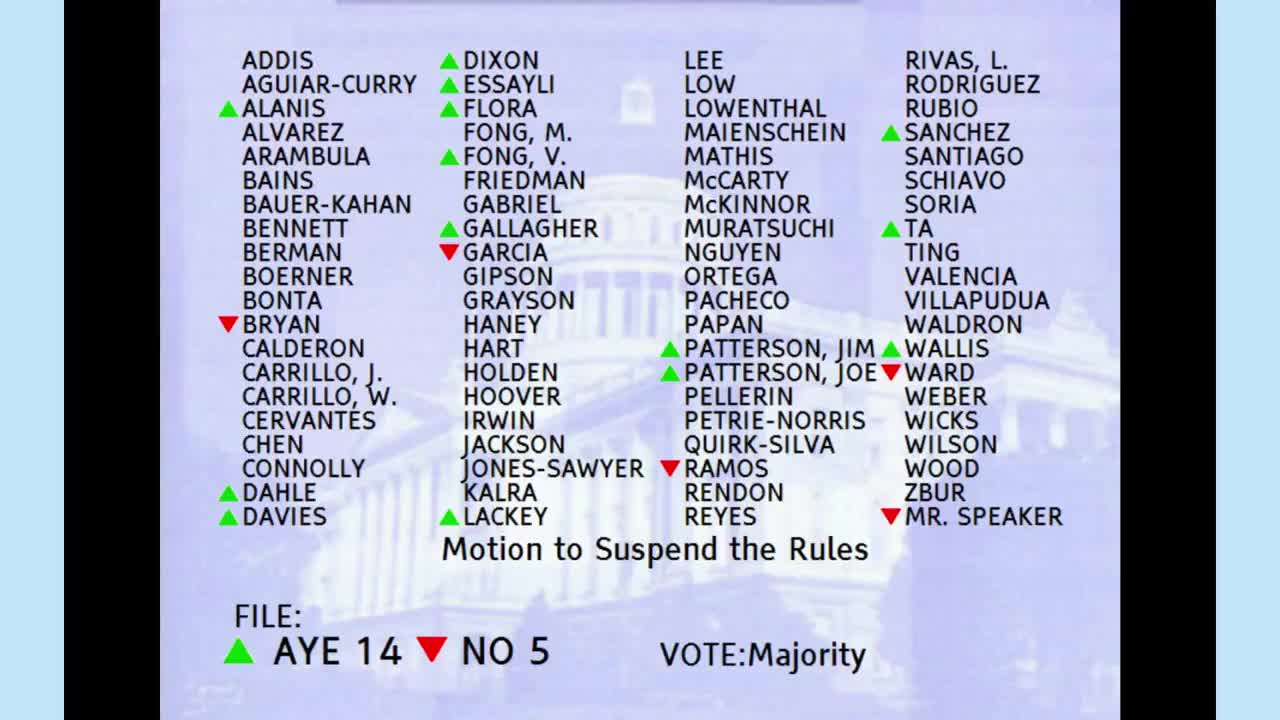 53SEC
Assembly Floor
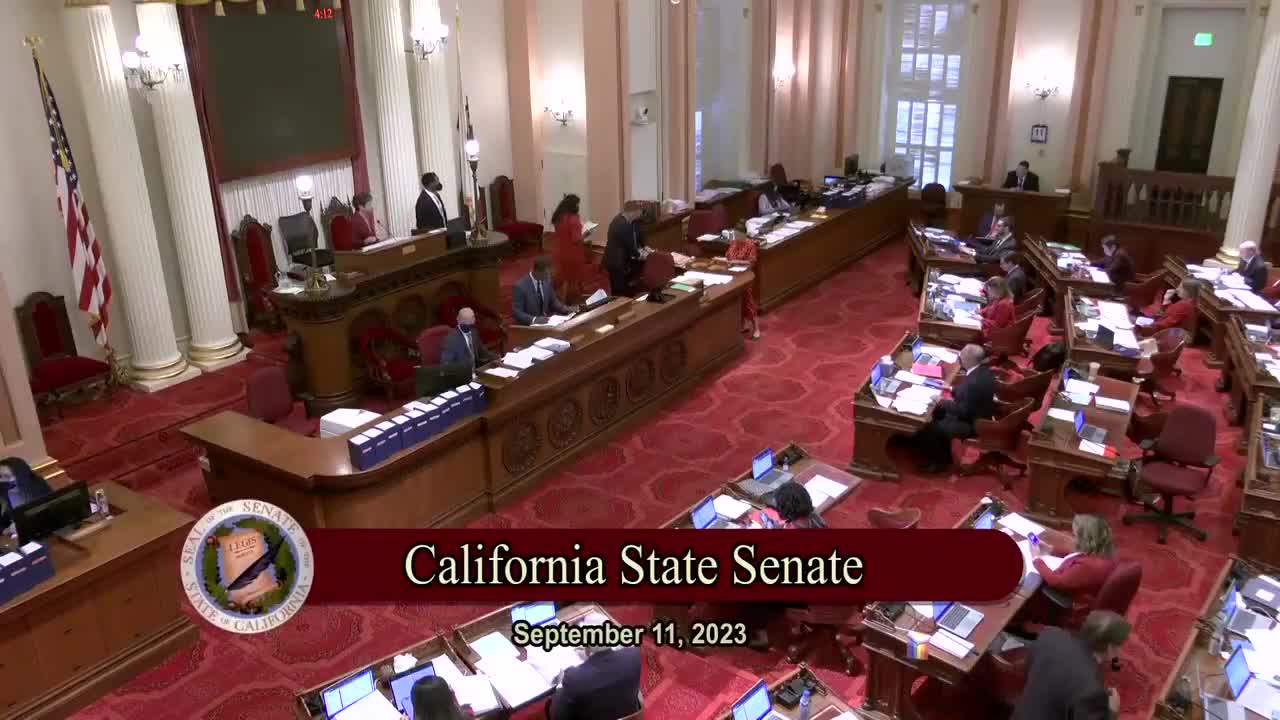 6MIN
Senate Floor
 1MIN
Senate Standing Committee on Appropriations
 10MIN
Senate Standing Committee on Health
 1MIN
Assembly Floor
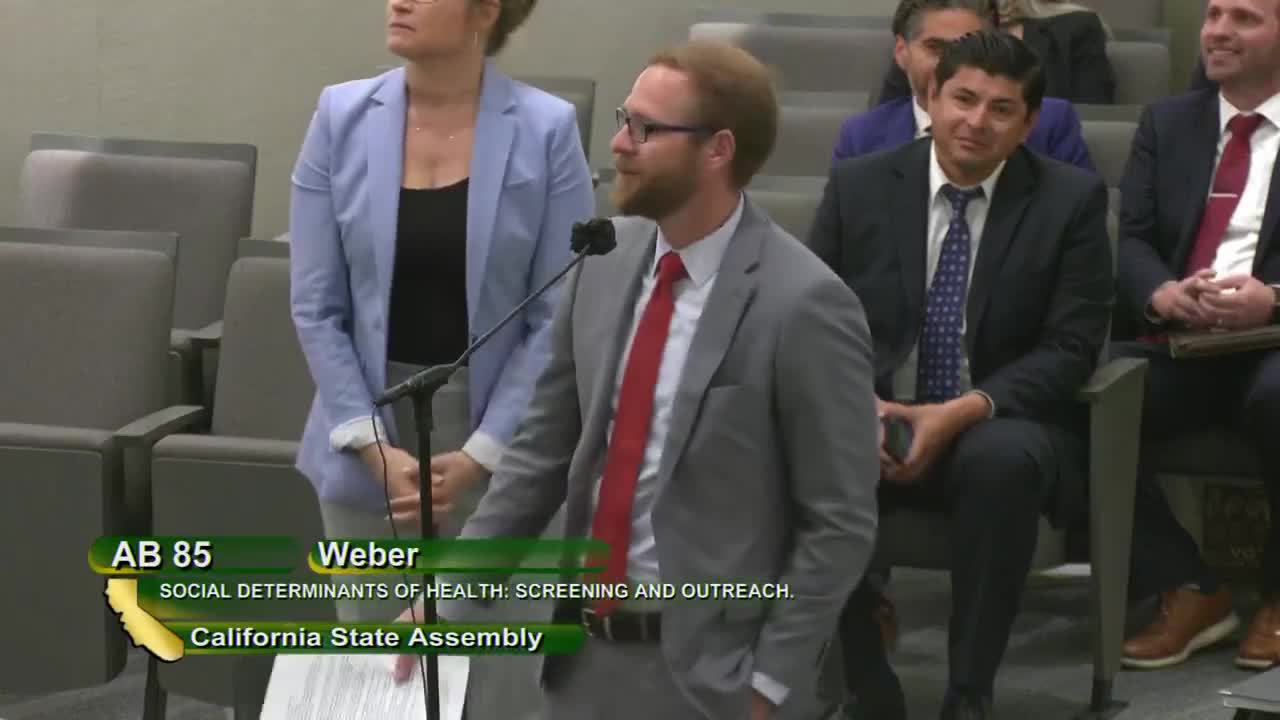 17MIN
Assembly Standing Committee on Health
Bill Author

Bill Co-Author(s):