AB 1110: Public health: adverse childhood experiences.
- Session Year: 2023-2024
- House: Assembly
- Latest Version Date: 2023-07-10
Current Status:
Failed
(2023-09-01: In committee: Held under submission.)
Introduced
In Committee
First Chamber
In Committee
Second Chamber
Enacted
What does this bill do?
The bill requires the State Department of Health Care Services and the Office of the Surgeon General to review research on adverse childhood experiences (ACEs) and ancestry- or ethnicity-based data practices and to create guidance for culturally and linguistically competent ACEs screenings. The guidance must recommend better data collection that disaggregates ACEs screening data by ancestry or ethnicity and be posted on the department and ACEs Aware websites for medical and community health organizations that conduct ACEs screenings.
The summary is provided by generative AI which can make mistakes. For original language, please view the details in the table below.
Existing law requires the Office of the Surgeon General to, among other things, raise public awareness and coordinate policies governing scientific screening and treatment for toxic stress and adverse childhood experiences (ACEs).
This bill would, subject to an appropriation and until January 1, 2027, require the office, office and the State Department of Health Care Services, while administering the ACEs Aware initiative and in collaboration with ACEs Aware, other relevant state departments, and subject matter experts, to review available literature on ACEs, as defined, and ancestry or ethnicity-based data disaggregation practices in ACEs screenings, develop guidance for culturally and linguistically competent ACEs screenings through improved data collection methods, and post the guidance on the offices departments internet website and the ACEs Aware internet website, and make the guidance accessible, as specified. The bill would make legislative findings and declarations.
Existing law requires the State Department of Public Health to maintain a program of maternal and child health, which may include, among other things, facilitating services directed toward reducing infant mortality and improving the health of mothers and children. Office of the Surgeon General to, among other things, raise public awareness and coordinate policies governing scientific screening and treatment for toxic stress and adverse childhood experiences (ACEs).
This bill would, subject to an appropriation and until January 1, 2027, require the department, in consultation with office, in collaboration with ACEs Aware, other relevant state departments, and subject matter experts, to review available literature on adverse childhood experiences (ACEs), ACEs, as defined, and ancestry or ethnicity-based data disaggregation practices in ACEs screenings, develop guidance for culturally and linguistically competent ACEs screenings through improved data collection methods, and provide guidance to the Legislature by submitting a report that includes legislative or policy recommendations on best practices for data disaggregation. post the guidance on the offices internet website and make the guidance accessible, as specified. The bill would make Legislative legislative findings and declarations.
Existing law requires the State Department of Public Health to maintain a program of maternal and child health, which may include, among other things, facilitating services directed toward reducing infant mortality and improving the health of mothers and children.
This bill would, subject to an appropriation and until January 1, 2027, require the department, in consultation with subject matter experts, to review available literature on adverse childhood experiences (ACEs), as defined, and ethnicity-based data disaggregation practices in ACEs screenings, develop guidance for culturally and linguistically competent ACEs screenings through improved data collection methods, and provide guidance to the Legislature by submitting a report that includes legislative or policy recommendations on best practices for data disaggregation. The bill would make Legislative findings and declarations.
The Legislature finds and declares all of the following:
(a)Adverse childhood experiences (ACEs) are traumatic events that occur before 18 years of age, including physical, emotional, or sexual abuse, emotional or physical neglect, and other types of adverse experiences, including mental illness, substance use, incarceration, parental separation or divorce, or having lived experiences of, or witnessing, domestic violence.
(b)ACEs are incredibly prevalent and can disrupt healthy development in young people. Experiencing four or more ACEs is associated with significantly increased risk for 9 out of 10 leading causes of death, such as heart disease, cancer, diabetes, and suicide.
(c)Children of color experience disproportionately higher rates of ACEs due to stressful environments, socioeconomic inequity, and lack of culturally and linguistically competent resources.
(d)Data disaggregation is critical in unveiling health, economic, educational, and social disparities inherent in all ethnic populations and may drive a more informed policy response.
(e)The state should consider future policy and funding decisions to address ACEs and the well-being of children in the State of California.
SEC. 2.Section 439.2 is added to the Health and Safety Code, to read:439.2.(a)Subject to an appropriation of funds by the Legislature in the annual Budget Act or another statute for this purpose, the State Department of Health Care Services and the Office of the Surgeon General, while administering the ACEs Aware initiative and in collaboration with ACEs Aware, other relevant state departments, and subject matter experts, shall do all of the following:
(1)Review available literature on Adverse Childhood Experiences (ACEs), as described in subdivision (a) of Section 439.1, and ancestry or ethnicity-based data disaggregation practices in ACEs screenings.
(2)On or before January 1, 2027, develop guidance for culturally and linguistically competent ACEs screenings through improved data collection methods. Improved data collection should incorporate ancestry or ethnicity-based data disaggregation practices in collecting ACEs screenings data. The office department shall post this guidance on its internet website and make it and the ACEs Aware internet website. The department shall make the guidance accessible to medical and community-based health care organizations that conduct ACEs screenings.
(b)This section shall remain in effect only until January 1, 2027, and as of that date is repealed.
The Legislature finds and declares all of the following:
(a)Adverse childhood experiences (ACEs) are traumatic events that occur before 18 years of age, including physical, emotional, or sexual abuse, emotional or physical neglect, and other types of adverse experiences, including mental illness, substance use, incarceration, parental separation or divorce, or having lived experiences of, or witnessing, domestic violence.
(b)ACEs are incredibly prevalent and can disrupt healthy development in young people. Experiencing four or more ACEs is associated with significantly increased risk for 9 out of 10 leading causes of death, such as heart disease, cancer, diabetes, and suicide.
(c)Children of color experience disproportionately higher rates of ACEs due to stressful environments, socioeconomic inequity, and lack of culturally and linguistically competent resources.
(d)Data disaggregation is critical in unveiling health, economic, educational, and social disparities inherent in all ethnic populations and may drive a more informed policy response.
(e)The state should consider future policy and funding decisions to address ACEs and the well-being of children in the State of California.
SEC. 2.Section 439.2 is added to the Health and Safety Code, to read:439.2.(a)Subject to an appropriation of funds by the Legislature in the annual Budget Act or another statute for this purpose, the Office of the Surgeon General, in collaboration with ACEs Aware, other relevant state departments, and subject matter experts, shall do all of the following:
(1)Review available literature on Adverse Childhood Experiences (ACEs), as described in subdivision (a) of Section 439.1, and ancestry or ethnicity-based data disaggregation practices in ACEs screenings.
(2)On or before January 1, 2027, develop guidance for culturally and linguistically competent ACEs screenings through improved data collection methods. Improved data collection should incorporate ancestry or ethnicity-based data disaggregation practices in collecting ACEs screenings data. The office shall post this guidance on its internet website and make it accessible to medical and community-based health care organizations that conduct ACEs screenings.
(b)This section shall remain in effect only until January 1, 2027, and as of that date is repealed.
SECTION 1.Article 3.1 (commencing with Section 124270) is added to Chapter 4 of Part 2 of Division 106 of the Health and Safety Code, to read:3.1.Adverse Childhood Experiences124270.The Legislature finds and declares all of the following: (a)Adverse childhood experiences (ACEs) are traumatic events that occur before 18 years of age, including physical, emotional, or sexual abuse, emotional or physical neglect, and other types of adverse experiences, including mental illness, substance use, incarceration, parental separation or divorce, or having lived experiences of, or witnessing, domestic violence. (b)ACEs is incredibly prevalent and can disrupt healthy development in young people. Experiencing four or more ACEs is associated with significantly increased risk for 9 out of 10 leading causes of death, such as heart disease, cancer, diabetes, and suicide.(c)Children of color experience disproportionately higher rates of ACEs due to stressful environments, socioeconomic inequity, and lack of culturally and linguistically competent resources.(d)Data disaggregation is critical in unveiling health, economic, educational, and social disparities inherent in all ethnic populations and may drive a more informed policy response.(e)The state should consider future policy and funding decisions to address ACEs and the well-being of children in the State of California.124271.(a)Subject to an appropriation of funds by the Legislature in the annual Budget Act or another statute for this purpose, the State Department of Public Health, in consultation with subject matter experts, shall do all of the following:(1)Review available literature on Adverse Childhood Experiences (ACEs), as described in subdivision (a) of Section 124270, and ethnicity-based data disaggregation practices in ACEs screenings.(2)Develop guidance for culturally and linguistically competent ACEs screenings through improved data collection methods. Improved data collection should incorporate ethnicity-based data disaggregation practices in collecting ACEs screenings data. The department shall post this guidance on its internet website and make it accessible to medical and community-based health care organizations that conduct ACEs screenings.(3)Provide guidance and supporting information to the Legislature by submitting a report that includes legislative or policy recommendations on best practices for data disaggregation.(b)(1)A report to be submitted pursuant to subdivision (a) shall be submitted in compliance with Section 9795 of the Government Code.(2)Pursuant to Section 10231.5 of the Government Code, this section shall be inoperative on January 1, 2027, and as of that date is repealed.The Legislature finds and declares all of the following:
(a)Adverse childhood experiences (ACEs) are traumatic events that occur before 18 years of age, including physical, emotional, or sexual abuse, emotional or physical neglect, and other types of adverse experiences, including mental illness, substance use, incarceration, parental separation or divorce, or having lived experiences of, or witnessing, domestic violence.
(b)ACEs is incredibly prevalent and can disrupt healthy development in young people. Experiencing four or more ACEs is associated with significantly increased risk for 9 out of 10 leading causes of death, such as heart disease, cancer, diabetes, and suicide.
(c)Children of color experience disproportionately higher rates of ACEs due to stressful environments, socioeconomic inequity, and lack of culturally and linguistically competent resources.
(d)Data disaggregation is critical in unveiling health, economic, educational, and social disparities inherent in all ethnic populations and may drive a more informed policy response.
(e)The state should consider future policy and funding decisions to address ACEs and the well-being of children in the State of California.
124271.(a)Subject to an appropriation of funds by the Legislature in the annual Budget Act or another statute for this purpose, the State Department of Public Health, in consultation with subject matter experts, shall do all of the following:
(1)Review available literature on Adverse Childhood Experiences (ACEs), as described in subdivision (a) of Section 124270, and ethnicity-based data disaggregation practices in ACEs screenings.
(2)Develop guidance for culturally and linguistically competent ACEs screenings through improved data collection methods. Improved data collection should incorporate ethnicity-based data disaggregation practices in collecting ACEs screenings data. The department shall post this guidance on its internet website and make it accessible to medical and community-based health care organizations that conduct ACEs screenings.
(3)Provide guidance and supporting information to the Legislature by submitting a report that includes legislative or policy recommendations on best practices for data disaggregation.
(b)(1)A report to be submitted pursuant to subdivision (a) shall be submitted in compliance with Section 9795 of the Government Code.
(2)Pursuant to Section 10231.5 of the Government Code, this section shall be inoperative on January 1, 2027, and as of that date is repealed.
|
Date
|
Status
|
|---|---|
| Sep 1, 2023 | In committee: Held under submission. |
| Aug 14, 2023 | In committee: Referred to APPR suspense file. |
| Jul 10, 2023 | Read second time and amended. Re-referred to Com. on APPR. |
| Jul 6, 2023 | From committee: Amend, and do pass as amended and re-refer to Com. on APPR with recommendation: To Consent Calendar. (Ayes 12. Noes 0.) (July 5). |
| Jun 7, 2023 | Referred to Com. on HEALTH. |
| May 31, 2023 | In Senate. Read first time. To Com. on RLS. for assignment. |
| May 30, 2023 | Read third time. Passed. Ordered to the Senate. (Ayes 79. Noes 0. Page 1898.) |
| May 18, 2023 | From committee: Do pass. (Ayes 15. Noes 0.) (May 18). |
| May 18, 2023 | Read second time. Ordered to third reading. |
| Apr 26, 2023 | In committee: Set, first hearing. Referred to APPR. suspense file. |
| Apr 3, 2023 | Re-referred to Com. on APPR. |
| Mar 30, 2023 | Read second time and amended. |
| Mar 29, 2023 | From committee: Amend, and do pass as amended and re-refer to Com. on APPR. with recommendation: To Consent Calendar. (Ayes 14. Noes 0.) (March 28). |
| Mar 2, 2023 | Referred to Com. on HEALTH. |
| Feb 16, 2023 | From printer. May be heard in committee March 18. |
| Feb 15, 2023 | Read first time. To print. |
|
Date
|
Description
|
Location
|
Votes
|
|
|---|---|---|---|---|
| Aug 14, 2023 | Placed on suspense file | Senate Standing Committee on Appropriations |
Passed |
|
| Jul 5, 2023 | Do pass as amended, but first amend, and re-refer to the Committee on [Appropriations] with the recommendation: To Consent Calendar | Senate Standing Committee on Health |
Passed |
|
| May 30, 2023 | AB 1110 Arambula Assembly Third Reading | Assembly Floor |
Passed |
|
| May 18, 2023 | Do pass. | Assembly Standing Committee on Appropriations |
Passed |
|
| Mar 28, 2023 | Do pass as amended, and be re-referred to the Committee on [Appropriations] with recommendation: To Consent Calendar | Assembly Standing Committee on Health |
Passed |
This list shows positions taken on this bill by organizations on the date displayed, which is linked to the original source.
Positions by individuals are not included.
|
Organization
|
Position
|
Date
|
|---|---|---|
| API Equality-LA | ** Support | |
| Asian Americans Advancing Justice Southern California | ** Support | |
| Asian Prisoner Support Committee | ** Support | |
| California Association of Mental Health Peer Run Organizations | ** Support | |
| California Health+ Advocates | ** Support | |
| California Pan-Ethnic Health Network | ** Support | |
| Center for Empowering Refugees and Immigrants | ** Support | |
| Latino Coalition for a Healthy California | ** Support | |
| National Association Of Social Workers, California Chapter | ** Support | |
| Racial and Ethnic Mental Health Disparities Coalition | ** Support | |
| Southeast Asia Resource Action Center | ** Support | |
| The Children's Partnership | * Support | Aug 14, 2023 |
SENATE COMMITTEE ON
Senator Anthony Portantino, Chair
2023 - 2024 Regular Session
AB 1110 (Arambula) - Public health: adverse childhood experiences
Version: | Policy Vote: |
Urgency: | Mandate: |
Hearing Date: August 14, 2023 | Consultant: |
Bill Summary:
- AB 1110 would require, subject to an appropriation, the Department of Health Care Services (DHCS) and the Office of the Surgeon General (CA-OSG) to develop guidance for culturally and linguistically competent adverse childhood experiences (ACEs) screenings through improved data collection methods, as specified.
Fiscal Impact:
Unknown one-time General Fund costs, likely hundreds of thousands, for DHCS and CA-OSG to implement the provisions.
Background:
Current law establishes the CA-OSG within the California Health and Human Services Agency (CHHS) with the following responsibilities:
- Raising public awareness on and coordinating policies governing scientific screening and treatment for toxic stress and adverse childhood events;
- Advising the Governor, the CHHS Secretary, and policymakers on a comprehensive approach to address health issues and challenges, including toxic stress and adverse childhood events, as effectively and early as possible; and,
- Marshalling the insights and energy of medical professionals, scientists, and other academic experts, public health experts, public servants, and everyday Californians to solve our most pressing health challenges, including toxic stress and adverse childhood events.
According to the Center for Disease Control and Prevention, ACEs are potentially traumatic events that occur in childhood, such as experiencing violence, abuse, or neglect, witnessing violence in the home or community, or having a family member attempt or die by suicide. In partnership with the CA-OSG, the DHCS created a statewide effort to screen patients. All providers are encouraged to receive training to screen patients for ACEs. According to DHCS, by screening for ACEs, providers can better determine the likelihood a patient is at increased health risk due to a toxic stress response, which can inform patient treatment and encourage the use of trauma-informed care. As of January 1, 2020, DHCS has been paying Medi-Cal providers $29 per screening for children and adults with Medi-Cal coverage. Current law requires health plans and health insurers that provide coverage for pediatric services and preventive care to also include coverage for ACEs screenings.
Proposed Law:
Specific provisions of the bill would:
- Require, subject to an appropriation, the DHCS and the CA-OSG to do the following:
- Review available literature on ACEs and ancestry or ethnicity-based data disaggregation practices in ACEs screenings.
- Develop guidance for culturally and linguistically competent ACEs screenings through improved data collection methods, as specified; require the department to post this guidance on the internet website and make the guidance accessible to medical and community-based health care organizations that conduct ACEs screenings.
- Sunset the provisions on January 1, 2027.
-- END --
SENATE COMMITTEE ON
Senator Anthony Portantino, Chair
2023 - 2024 Regular Session
AB 1110 (Arambula) - Public health: adverse childhood experiences
Version: | Policy Vote: |
Urgency: | Mandate: |
Hearing Date: August 14, 2023 | Consultant: |
Bill Summary:
- AB 1110 would require, subject to an appropriation, the Department of Health Care Services (DHCS) and the Office of the Surgeon General (CA-OSG) to develop guidance for culturally and linguistically competent adverse childhood experiences (ACEs) screenings through improved data collection methods, as specified.
Fiscal Impact:
Unknown one-time General Fund costs, likely hundreds of thousands, for DHCS and CA-OSG to implement the provisions.
Background:
Current law establishes the CA-OSG within the California Health and Human Services Agency (CHHS) with the following responsibilities:
- Raising public awareness on and coordinating policies governing scientific screening and treatment for toxic stress and adverse childhood events;
- Advising the Governor, the CHHS Secretary, and policymakers on a comprehensive approach to address health issues and challenges, including toxic stress and adverse childhood events, as effectively and early as possible; and,
- Marshalling the insights and energy of medical professionals, scientists, and other academic experts, public health experts, public servants, and everyday Californians to solve our most pressing health challenges, including toxic stress and adverse childhood events.
According to the Center for Disease Control and Prevention, ACEs are potentially traumatic events that occur in childhood, such as experiencing violence, abuse, or neglect, witnessing violence in the home or community, or having a family member attempt or die by suicide. In partnership with the CA-OSG, the DHCS created a statewide effort to screen patients. All providers are encouraged to receive training to screen patients for ACEs. According to DHCS, by screening for ACEs, providers can better determine the likelihood a patient is at increased health risk due to a toxic stress response, which can inform patient treatment and encourage the use of trauma-informed care. As of January 1, 2020, DHCS has been paying Medi-Cal providers $29 per screening for children and adults with Medi-Cal coverage. Current law requires health plans and health insurers that provide coverage for pediatric services and preventive care to also include coverage for ACEs screenings.
Proposed Law:
Specific provisions of the bill would:
- Require, subject to an appropriation, the DHCS and the CA-OSG to do the following:
- Review available literature on ACEs and ancestry or ethnicity-based data disaggregation practices in ACEs screenings.
- Develop guidance for culturally and linguistically competent ACEs screenings through improved data collection methods, as specified; require the department to post this guidance on the internet website and make the guidance accessible to medical and community-based health care organizations that conduct ACEs screenings.
- Sunset the provisions on January 1, 2027.
-- END --
SENATE COMMITTEE ON HEALTH
Senator Dr. Susan Talamantes Eggman, Chair
BILL NO: AB 1110
AUTHOR: | Arambula | ||
VERSION: | March 30, 2023 | ||
HEARING DATE: | July 5, 2023 | ||
CONSULTANT: | Reyes Diaz | ||
SUBJECT: Public health: adverse childhood experiences
SUMMARY:
Requires the California Office of the Surgeon General (CA-OSG), subject to an appropriation and in collaboration with specified stakeholders, to review data and develop guidance for adverse childhood experiences screenings to be posted on the CA-OSG website. Sunsets this bill on January 1, 2027.
Existing law:
- Establishes the CA-OSG within the California Health and Human Services Agency (CHHSA) with the following responsibilities:
- Raising public awareness on and coordinating policies governing scientific screening and treatment for toxic stress and adverse childhood events (ACEs);
- Advising the Governor, the CHHSA Secretary, and policymakers on a comprehensive approach to address health issues and challenges, including toxic stress and ACEs, as effectively and early as possible; and,
- Marshalling the insights and energy of medical professionals, scientists, and other academic experts, public health experts, public servants, and everyday Californians to solve our most pressing health challenges, including toxic stress and ACEs. [HSC §438]
- Establishes the Medi-Cal program, administered by DHCS, under which low-income individuals are eligible for medical coverage. [WIC §14000, et seq.]
This bill:
- Requires the CA-OSG, subject to an appropriation by the Legislature in the annual Budget Act or another statute for this purpose, in collaboration with ACEs Aware, other relevant state departments, and subject matter experts, to:
- Review available literature on ACEs and ancestry or ethnicity-based data disaggregation practices in ACEs screenings; and,
- Develop guidance, on or before January 1, 2027, for culturally and linguistically competent ACEs screenings through improved data collection methods that incorporate ancestry or ethnicity-based data disaggregation practices in collecting ACEs screening data. Requires the CA-OSG to post the guidance on its website and make it accessible to medical and community-based health care organizations that conduct ACEs screenings.
- Sunsets the requirements in this bill on January 1, 2027.
FISCAL EFFECT:
According to the Assembly Appropriations Committee, costs of an unknown amount to the CA-OSG, but potentially in the low hundreds of thousands of dollars over two to three years, to review data disaggregation practices and develop and post guidance (General Fund).
PRIOR VOTES:
Assembly Floor: | 79 - 0 |
Assembly Appropriations Committee: | 15 - 0 |
Assembly Health Committee: | 14 - 0 |
COMMENTS:
- Author’s statement. According to the author, ACEs affect nearly two million children in California, putting them at higher risk for health, behavioral, and learning problems. Black, Indigenous, People of Color (BIPOC) communities are disproportionately likely to experience at least one ACE. However, children of various races and ethnicities may experience and process their ACEs differently. Data disaggregation is a critical tool in helping us gain the ability to provide more holistic care. This bill directs California to ensure future policy and funding decisions address the wellbeing of children by disaggregating ACEs data. By understanding unique challenges each population faces, California can craft refined policy strategies to avoid negative outcomes by preventing ACEs at an individual level.
- ACEs. According to the Center for Disease Control and Prevention, ACEs are potentially traumatic events that occur in childhood, such as experiencing violence, abuse, or neglect, witnessing violence in the home or community, or having a family member attempt or die by suicide. Also included are aspects of the child’s environment that can undermine their sense of safety, stability, and bonding, such as growing up in a household with substance abuse or mental health problems, or instability due to parental separation or household members being in jail or prison. There are many other traumatic experiences that could impact health and wellbeing. ACEs are linked to chronic health problems, mental illness, and substance use problems in adulthood. ACEs can also negatively impact education, job opportunities, and earning potential. About 61% of adults surveyed across 25 states reported that they had experienced at least one type of ACE, and nearly one in six reported they had experienced four or more types of ACEs. Women and several racial/ethnic minority groups were at greater risk for having experienced four or more types of ACEs. Experiencing four or more ACEs is associated with significantly increased risk for nine out of 10 leading causes of death, such as heart disease, cancer, diabetes, and suicide. The economic and social costs to families, communities, and society totals hundreds of billions of dollars each year. Up to 1.9 million cases of heart disease and 21 million cases of depression could have been potentially avoided by preventing ACEs.
- ACEs Screenings. In partnership with the CA-OSG, the Department of Health Care Services (DHCS) created a statewide effort to screen patients. All providers are encouraged to receive training to screen patients for ACEs. According to DHCS, by screening for ACEs, providers can better determine the likelihood a patient is at increased health risk due to a toxic stress response, which can inform patient treatment and encourage the use of trauma-informed care. Detecting ACEs early and connecting patients to interventions, resources, and other supports can improve the health and well-being of individuals and families. As of January 1, 2020, DHCS has been paying Medi-Cal providers $29 per screening for children and adults with Medi-Cal coverage. Pursuant to SB 428 (Hurtado, Chapter 641, Statutes of 2021), commercial health plans and health insurers that provide coverage for pediatric services and preventive care are now required to also include coverage for ACEs screenings.
- ACEs Aware. According to its website, ACES Aware was initially led by DHCS and the CA-OSG, striving to create a better world for children, families, and communities by working together across the health, human services, education, and nonprofit sectors to prevent and address the impact of ACEs and toxic stress. On October 1, 2021, ACEs Aware transitioned to the University of California (UC) under the newly created UC ACEs Aware Family Resilience Network, jointly led by the UC San Francisco Center to Advance Trauma-Informed Health Care and the Department of Pediatrics at the UC Los Angeles David Geffen School of Medicine on behalf of DHCS, which has ultimate authority over the ACEs Aware program. Both UC campuses are tasked with developing, promoting, and sustaining evidence-based methods to screen patients for ACEs and create treatment plans to help patients heal from the impacts of trauma and toxic stress.
- Related legislation. AB 85 (Weber) requires health plans and insurers to cover screenings for social determinants of health (SDOH) and provide primary care providers with adequate access to community health workers, social workers, and other specified types of workers. Requires DHCS to provide reimbursement for SDOH screenings as a covered Medi-Cal benefit. Requires the Department of Health Care Access and Information to convene a working group with specified membership to create a standardized model for connecting patients to community resources. AB 85 passed this Committee with a vote of 10-0 on June 28, 2023.
- Prior legislation. SB 428 (Hurtado, Chapter 641, Statutes of 2021) requires a health plan contract or health insurance policy that provides coverage for pediatric services and preventive care to additionally include coverage for ACEs screenings.
AB 74 (Ting, Chapter 23, Statutes of 2019), among other things, appropriates Proposition 56 funding for ACEs screening in Medi-Cal.
AB 340 (Arambula, Chapter 700, Statutes of 2017) requires screening services provided under the Early and Periodic Screening, Diagnostic and Treatment Program to include screening for trauma, as defined for the purpose of screening. AB 340 requires DHCS, in consultation with the Department of Social Services, behavioral health experts, child welfare experts, and stakeholders to adopt, employ, and develop tools and protocols for the screening of children for trauma, as specified.
- Support. The sponsor and other supporters of this bill state that early life experiences can lead to life-long consequences on an individual’s physical and behavioral health. ACEs can follow a pattern of intergenerational trauma where children of parents with ACEs can be at greater risk themselves. BIPOC communities are more likely to experience at least one ACE. However, children of different races and ethnicities do not experience ACEs equally. For example, despite the small body of research on the impact of ACES on Asian Americans, research has shown that intergenerational trauma has adversely affected the mental health of certain sub-communities, including Southeast Asian American refugees and their families. Data disaggregation can help researchers and policy makers make sense of large datasets by breaking down broad categories into smaller, more specific sub-categories. This is critical to identify health, economic, educational, and social disparities. By understanding the unique challenges facing each population, California can implement strategies that achieve positive outcomes consistent with whole person care.
- Policy concern. This bill tasks the CA-OSG with developing guidance for culturally and linguistically competent ACEs screenings through improved data collection methods that incorporate ancestry or ethnicity-based data disaggregation practices in collecting ACEs screening data, in collaboration with stakeholders that include ACEs Aware. However, ACEs Aware, a DHCS program that is being administered by UCLA/UCSF, is tasked with developing, promoting, and sustaining evidence-based methods to screen patients for ACEs. It is unclear the effect this bill would have by doubling up efforts.
- Amendments. To address the policy concern, the author may wish to task DHCS with developing the guidance for ACEs screenings required in this bill.
SUPPORT AND OPPOSITION:
Support: Southeast Asia Resource Action Center (sponsor)
API Equality-LA
Asian Americans Advancing Justice-Southern California
Asian Prisoner Support Committee
California Association of Mental Health Peer Run Organizations
California Health+ Advocates
California Pan-Ethnic Health Network
Center for Empowering Refugees and Immigrants
Latino Coalition for a Healthy California
National Association of Social Workers, California Chapter
Racial and Ethnic Mental Health Disparities Coalition
The Children's Partnership
Oppose: None received
-- END --
ASSEMBLY THIRD READING
ATR Bill Id:AB 1110
Author:(Arambula)
As Amended Ver:March 30, 2023
Majority vote
SUMMARY
Requires the California Office of Surgeon General (CA-OSG), subject to an appropriation in the annual Budget Act, to review literature on adverse childhood experiences (ACEs); develop guidance for culturally and linguistically competent ACEs screenings through improved data collection methods; and to submit a report to the Legislature on best practices for data disaggregation.
Major Provisions
COMMENTS
ACEs. According to the CA-OSG, ACEs comes from the landmark study of the same name published by the federal Centers for Disease Control and Prevention and Kaiser Permanente over two decades ago and specifically refers to the 10 categories of stressful or traumatic events assessed in the study. These include physical, emotional, or sexual abuse, physical or emotional neglect or "household dysfunction" including parental incarceration, mental illness, substance dependence, parental separation or divorce, or intimate partner violence. A robust body of literature demonstrates that ACEs are highly prevalent, strongly associated with poor childhood and adult health, mental health, behavioral and social outcomes and demonstrate a pattern of high rates of intergenerational transmission. ACEs and toxic stress represent an urgent public health crisis with wide-reaching health and societal impacts, from heart disease to homelessness. According to recent data, 62.3% of California adults have experienced at least one ACE, and 16.3% have experienced four or more ACEs (2011–2017 data). A recent estimate based on 2013 expenditures revealed that ACEs cost California $112.5 billion overall annually ($10.5 billion in personal healthcare spending and $102 billion in years of productive life lost), and will cost over $1.2 trillion in the next 10 years.
ACEs and Health Outcomes. ACEs include potentially traumatic events that could contribute to the development of a toxic stress response. While it is unclear exactly how toxic stress impacts the brain and body, there is evidence that suggests that ACEs make the individual more susceptible to later illness. A number of studies have associated high ACE scores with a range of outcomes at the population level. ACEs have been described as having a dose-response effect where higher ACE scores were more strongly associated with poor health outcomes. In adults, having four or more ACEs was associated with increased levels of: depression, post-traumatic stress disorder, smoking, alcohol and drug abuse, chronic obstructive pulmonary disease, asthma, kidney disease, stroke, coronary heart disease, and lower levels of employment. For children, having two or more ACEs has been associated with poor health, sleep disturbance, somatic complaints, reduced cognitive ability, childhood obesity, asthma symptoms and hospitalization, higher likelihood of being bullied, higher probability of affected males perpetrating bullying, reduced levels of school engagement, and being more likely to repeat a grade in school. Children with special health care needs were twice as likely to report experiencing two or more ACEs than children without such needs. Although ACEs are associated with a high number of negative health outcomes at a population level, screening for ACEs has not yet shown an ability to predict risk for negative health outcomes on an individual basis. While health conditions associated with ACEs can precede, coincide with, or follow ACEs occurring, the California Health Benefits Review Program notes that none of these studies have identified a direct, causal link between an ACE and health outcome. Without a causal link, it is difficult to determine to what degree ACEs alone have an impact on individual health, as opposed to other potential factors such as socioeconomic status, poverty, and pre-existing conditions. Additionally, the health consequences of ACEs may not become apparent in an individual until many years after the experience has occurred.
ACEs Aware Initiative. Initially led by the Department of Health Care Services and the CA-OSG, ACEs Aware Initiative strives to create a better world for children, families, and communities by working together across the health, human services, education, and non-profit sectors to prevent and address the impact of ACEs and toxic stress. On October 1, 2021, the ACEs Aware Initiative transitioned to a new organizational home within the University of California (UC), under the newly created UC ACEs Aware Family Resilience Network (UCAAN), jointly led by the UC San Francisco Center to Advance Trauma-Informed Health Care and the Department of Pediatrics at the UC Los Angeles David Geffen School of Medicine. Both UC campuses were tasked with developing, promoting, and sustaining evidence-based methods to screen patients for ACEs and create treatment plans to help patients heal from the impacts of trauma and toxic stress.
ACEs Screening. On January 1, 2020, California became the first state to screen for ACEs through the state’s Medi-Cal program. Medi-Cal reimburses for ACEs screenings for both children and adults up to 65 years of age, except for those dually eligible for Medi-Cal and Medicare Part B, with Proposition 56 funds. Individuals under 21 years of age may receive periodic rescreening as determined appropriate and medically necessary, but screenings will not be paid more than once per year, per provider. Screenings for individuals 21 years of age and older will not be paid more than once in their lifetime, per provider. ACEs screenings will be reimbursed at $29 per screening in both the fee-for-service and managed care delivery systems.
ACEs Aware Initiative offers Medi-Cal providers training, and clinical protocols for screening children and adults for ACEs. The training educates Medi-Cal providers about the importance of incorporating ACE screenings into their clinical practices, how to conduct ACE screenings, how to use clinical protocols to determine treatment plans, and best practices in providing trauma-informed care.
According to the Author
ACEs affect nearly two million children in California. These children are at higher risk for health, behavioral, and learning problems. Black, Indigenous, and People of Color (BIPOC) communities are disproportionately likely to experience at least one ACE. However, children of various races and ethnicities may experience and process their ACEs differently. Data disaggregation is a critical tool in helping to gain the ability to provide more holistic care. The author points out that this bill will direct California to ensure future policy and funding decisions address the wellbeing of children by disaggregating ACEs data. The author concludes that by understanding unique challenges each population faces, California can craft refined policy strategies to avoid negative outcomes by preventing ACEs at an individual level.
Arguments in Support
The Southeast Asia Resource Action Center (SEARAC) writes in support bill that this bill will direct California to ensure that future policy and funding decisions address the wellbeing of children by disaggregating ACEs data. SEARAC states as the convener of 13 local organizations providing critical services to Southeast Asian immigrant and refugee youth and families, they see the intergenerational impacts of ACEs every day, and support the efforts in this bill to better address them across the state. According to SEARAC, early life experiences can lead to life-long consequences on an individual’s physical and behavioral health. ACEs can follow a pattern of intergenerational trauma where children of parents with ACEs can be at greater risk themselves. SEARAC states BIPOC communities are more likely to experience at least one ACE, however, children of different races and ethnicities do not experience ACEs equally. Data disaggregation can help researchers and policy makers make sense of large datasets by breaking down broad categories into smaller, more specific sub-categories. This is critical to identify health, economic, educational, and social disparities. In conclusion SEARAC states by understanding the unique challenges facing each population, California can implement strategies that achieve positive outcomes consistent with whole person care.
Arguments in Opposition
There is no known opposition to this bill.
FISCAL COMMENTS
According to the Assembly Appropriations Committee, costs of an unknown amount to the CA-OSG, but potentially in the low hundreds of thousands of dollars over two to three years, to review data disaggregation practices and develop and post guidance (General Fund).
VOTES
ASM HEALTH: 14-0-1
YES: Wood, Waldron, Aguiar-Curry, Arambula, Boerner Horvath, Flora, Vince Fong, Maienschein, McCarty, Joe Patterson, Rodriguez, Santiago, Villapudua, Weber
ABS, ABST OR NV: Wendy Carrillo
ASM APPROPRIATIONS: 15-0-1
YES: Holden, Megan Dahle, Bryan, Calderon, Wendy Carrillo, Dixon, Mike Fong, Hart, Lowenthal, Mathis, Papan, Pellerin, Sanchez, Weber, Ortega
ABS, ABST OR NV: Robert Rivas
UPDATED
VERSION: March 30, 2023
CONSULTANT: Rosielyn Pulmano / HEALTH / (916) 319-2097 FN: 0000781
Date of Hearing: April 26, 2023
ASSEMBLY COMMITTEE ON APPROPRIATIONS
Chris Holden, Chair
ABPCA Bill Id:AB 1110
Author:(Arambula) – As Amended Ver:March 30, 2023
Policy Committee: | Health | Vote: | 14 - 0 |
|
| ||
|
|
Urgency: No State Mandated Local Program: No Reimbursable: No
SUMMARY:
This bill requires, subject to an appropriation, the Office of the Surgeon General (OSG), to collaborate with the ACEs Aware Initiative and other entities to review literature on adverse childhood experiences (ACEs) and ancestry- or ethnicity-based data disaggregation practices in ACEs screenings and, on or before January 1, 2027, develop guidance for culturally and linguistically competent ACEs screenings and post the guidance on its website.
FISCAL EFFECT:
Costs of an unknown amount to the OSG, but potentially in the low hundreds of thousands of dollars over two to three years, to review data disaggregation practices and develop and post guidance (General Fund).
COMMENTS:
- Purpose. According to the author:
ACEs affect nearly two million children in California. These children are at higher risk for health, behavioral, and learning problems. Black, Indigenous, and People of Color (BIPOC) communities are disproportionately likely to experience at least one ACE. However, children of various races and ethnicities may experience and process their ACEs differently. Data disaggregation is a critical tool in helping us gain the ability to provide more holistic care….[T]his bill will direct California to ensure future policy and funding decisions address the wellbeing of children by disaggregating ACEs data. [B]y understanding unique challenges each population faces, California can craft refined policy strategies to avoid negative outcomes by preventing ACEs at an individual level.
- Background.
- ACEs. The U.S. Centers for Disease Control and Prevention and Kaiser Permanente published a landmark study of ACEs over two decades ago. The study assessed 10 categories of stressful or traumatic events, including physical, emotional, or sexual abuse; physical or emotional neglect or “household dysfunction”, including parental incarceration, mental illness, substance dependence, parental separation or divorce, and intimate partner violence. ACEs are (i) highly prevalent; (ii) strongly associated with poor childhood and adult health, mental health, and behavioral and social outcomes; and (iii) commonly transmitted to subsequent generations. According to the OSG website, 62.3% of California adults have experienced at least one ACE, and 16.3% have experienced four or more ACEs. Based on 2013 expenditures, ACEs cost California an estimated $112.5 billion annually ($10.5 billion in personal healthcare spending and $102 billion in years of productive life lost), and will cost over $1.2 trillion in the next 10 years.
- ACEs and Health Outcomes. ACEs include potentially traumatic events that could contribute to development of a toxic stress response, and appear to make an individual more susceptible to later illness. In adults, having four or more ACEs was associated with behavioral health outcomes, chronic diseases, and lower levels of employment. In children, having two or more ACEs has been associated with poor health, sleep disturbance, somatic complaints, reduced cognitive ability, childhood obesity, asthma symptoms and hospitalization, social problems, and poorer academic achievement. However, the California Health Benefits Review Program states no studies have identified a direct, causal link between an ACE and a health outcome, and without a causal link, it is difficult to determine to what degree ACEs alone, as opposed to other potential factors such as poverty and pre-existing conditions, affect individual health.
- ACEs Screening. Screening for ACEs has not yet shown an ability to predict risk for adverse health outcomes on an individual basis. In 2021, the ACEs Aware Initiative, initially led by the Department of Health Care Services (DHCS) and OSG, transitioned to a new organizational home within the University of California (UC), under the newly created UC ACEs Aware Family Resilience Network (UCAAN), jointly led by UC San Francisco and the UC Los Angeles David Geffen School of Medicine. Both UC campuses were tasked with developing, promoting, and sustaining evidence-based methods to screen patients for ACEs and create treatment plans to help patients heal from trauma and toxic stress.
ACEs Aware trains Medi-Cal providers on screening children and adults for ACEs, how to determine treatment plans, and best practices in providing trauma-informed care. Since 2019, more than 26,900 individuals have completed the core ACEs Aware Initiative training. Medi-Cal clinicians conducted more than one million ACE screenings of 899,000 Medi-Cal beneficiaries in 2020 and 2021. Medi-Cal reimburses $29 for ACEs screenings for children and adults up to 65 years of age, except those dually eligible for Medi-Cal and Medicare Part B, with Proposition 56 funds.
- Related Legislation. AB 1450 (Jackson) requires a school district, county office of education, or charter school to employ or contract with at least one mental health clinician and at least one case manager for each school site of the local educational agency, and to conduct universal screenings for ACEs and dyslexia. AB 1450 is pending in Assembly Education Committee.
- Prior Legislation.
- SB 428 (Hurtado), Chapter 641, Statutes of 2021, requires a health plan contract and health insurance policy that provides coverage for pediatric services and preventive care, as specified, to additionally include coverage for ACEs screenings.
- AB 74 (Ting), Chapter 23, Statutes of 2019, among various provisions, appropriates Proposition 56 funding for ACEs screening in Medi-Cal.
- AB 340 (Arambula), Chapter 700, Statutes of 2017, requires screening services provided under the Early and Periodic Screening, Diagnostic, and Treatment Program to include screening for trauma and requires DHCS to develop and employ tools and protocols for the screening of children for trauma.
Analysis Prepared by: Allegra Kim / APPR. / (916) 319-2081
Date of Hearing: March 28, 2023
ASSEMBLY COMMITTEE ON HEALTH
Jim Wood, Chair
ABPCA Bill Id:AB 1110
Author:(Arambula) – As Introduced Ver:February 15, 2023
SUBJECT: Public health: adverse childhood experiences.
SUMMARY: Requires the California Department of Public Health (DPH), subject to an appropriation, to review literature on adverse childhood experiences (ACE’s); develop guidance for culturally and linguistically competent ACEs screenings through improved data collection methods; and to submit a report to the Legislature on best practices for data disaggregation. Specifically, this bill:
- Requires DPH, subject to an appropriation of funds by the Legislature in the annual Budget Act or another statute for this purpose, and in consultation with subject matter experts, to do all of the following:
- Review available literature on ACEs, as described 2) a) below and ethnicity-based data disaggregation practices in ACEs screenings;
- Develop guidance for culturally and linguistically competent ACEs screenings through improved data collection methods. Requires improved data collection to incorporate ethnicity-based data disaggregation practices in collecting ACEs screenings data. Requires DPH to post this guidance on its internet website and make it accessible to medical and community-based health care organizations that conduct ACEs screenings; and,
- Provide guidance and supporting information to the Legislature by submitting a report that includes legislative or policy recommendations on best practices for data disaggregation.
- Review available literature on ACEs, as described 2) a) below and ethnicity-based data disaggregation practices in ACEs screenings;
- Finds and declares the following:
- ACEs are traumatic events that occur before 18 years of age, including physical, emotional, or sexual abuse, emotional or physical neglect, and other types of adverse experiences, including mental illness, substance use, incarceration, parental separation or divorce, or having lived experiences of, or witnessing, domestic violence;
- ACEs is incredibly prevalent and can disrupt healthy development in young people. Experiencing four or more ACEs is associated with significantly increased risk for nine out of 10 leading causes of death, such as heart disease, cancer, diabetes, and suicide;
- Children of color experience disproportionately higher rates of ACEs due to stressful environments, socioeconomic inequity, and lack of culturally and linguistically competent resources; and,
- Data disaggregation is critical in unveiling health, economic, educational, and social disparities inherent in all ethnic populations and may drive a more informed policy response;
- The state should consider future policy and funding decisions to address ACEs and the well-being of children in the State of California.
- Repeals the provisions of this bill on January 1, 2027.
EXISTING LAW:
- Establishes the Medi-Cal Program, administered by the Department of Health Care Services (DHCS), to provide comprehensive health benefits to low-income individuals who meet specified eligibility criteria. [Welfare and Institutions Code (WIC) Section (§)14000 et seq.]
- Establishes a schedule of benefits under the Medi-Cal program, which includes the Early Periodic Screening, Diagnosis and Treatment Program (EPSDT) for any individual under 21 years of age, consistent with the specified requirements federal Medicaid law. [WIC §14132]
- Requires DHCS, in consultation with the State Department of Social Services (DSS), county mental health experts, managed care plan experts, behavioral health experts, child welfare experts, and stakeholders, to convene an advisory working group to update, amend, or develop, if appropriate, tools and protocols for the screening of children for trauma, within the EPSDT benefit, consistent with existing law and this section. [WIC §14132.19]
- Defines trauma as the result of an event, series of events, or set of circumstances that is experienced by an individual as physically or emotionally harmful or threatening and that has lasting adverse effects on the individual’s functioning and physical, social, emotional, or spiritual well-being. [Id.]
- Requires a health care service plan contract issued, amended, or renewed on or after January 1, 2022, that provides coverage for pediatric services and preventive care, to include coverage for ACEs screenings. Defines ACEs as an event, series of events, or set of circumstances that is experienced by an individual as physically or emotionally harmful or threatening and that has lasting adverse effects on the individual’s functioning and physical, social, emotional, or spiritual well-being. [Health & Safety Code Section 1367.34]
- Permits the Department of Managed Health Care (DMHC) to adopt guidance to health care service plans to implement 5) above. Requires DMHC’s guidance to apply the rules and regulations for screening for trauma as set forth in the Medi-Cal program as the minimum ACEs coverage requirements for health care service plans. Specifies that this provision does not prohibit a health care service plan from exceeding the Medi-Cal program’s rules and regulations for trauma screening. [Id.]
FISCAL EFFECT: Unknown. This bill has not yet been analyzed by a fiscal committee.
COMMENTS:
- PURPOSE OF THIS BILL. According to the author, ACEs affect nearly two million children in California. These children are at higher risk for health, behavioral, and learning problems. Black, Indigenous, and People of Color (BIPOC) communities are disproportionately likely to experience at least one ACE. However, children of various races and ethnicities may experience and process their ACEs differently. Data disaggregation is a critical tool in helping us gain the ability to provide more holistic care. The author points out that this bill will direct California to ensure future policy and funding decisions address the wellbeing of children by disaggregating ACEs data. The author concludes that by understanding unique challenges each population faces, California can craft refined policy strategies to avoid negative outcomes by preventing ACEs at an individual level.
- BACKGROUND.
- ACEs. According to the California Office of the Surgeon General (CA-OSG), ACEs comes from the landmark study of the same name published by the federal Centers for Disease Control and Prevention and Kaiser Permanente over two decades ago and specifically refers to the 10 categories of stressful or traumatic events assessed in the study. These include physical, emotional, or sexual abuse, physical or emotional neglect or “household dysfunction” including parental incarceration, mental illness, substance dependence, parental separation or divorce, or intimate partner violence. A robust body of literature demonstrates that ACEs are highly prevalent, strongly associated with poor childhood and adult health, mental health, behavioral and social outcomes and demonstrate a pattern of high rates of intergenerational transmission. ACEs and toxic stress represent an urgent public health crisis with wide-reaching health and societal impacts, from heart disease to homelessness. According to recent data, 62.3% of California adults have experienced at least one ACE, and 16.3% have experienced four or more ACEs (2011–2017 data). A recent estimate based on 2013 expenditures revealed that ACEs cost California $112.5 billion overall annually ($10.5 billion in personal healthcare spending and $102 billion in years of productive life lost), and will cost over $1.2 trillion in the next 10 years.
- ACEs and Health Outcomes. ACEs include potentially traumatic events that could contribute to the development of a toxic stress response. While it is unclear exactly how toxic stress impacts the brain and body, there is evidence that suggests that ACEs make the individual more susceptible to later illness. A number of studies have associated high ACE scores with a range of outcomes at the population level. ACEs have been described as having a dose-response effect where higher ACE scores were more strongly associated with poor health outcomes. In adults, having four or more ACEs was associated with increased levels of: depression, post-traumatic stress disorder, smoking, alcohol and drug abuse, chronic obstructive pulmonary disease, asthma, kidney disease, stroke, coronary heart disease, and lower levels of employment. For children, having two or more ACEs has been associated with poor health, sleep disturbance, somatic complaints, reduced cognitive ability, childhood obesity, asthma symptoms and hospitalization, higher likelihood of being bullied, higher probability of affected males perpetrating bullying, reduced levels of school engagement, and being more likely to repeat a grade in school. Children with special health care needs were twice as likely to report experiencing two or more ACEs than children without such needs. Although ACEs are associated with a high number of negative health outcomes at a population level, screening for ACEs has not yet shown an ability to predict risk for negative health outcomes on an individual basis. While health conditions associated with ACEs can precede, coincide with, or follow ACEs occurring, the California Health Benefits Review Program notes that none of these studies have identified a direct, causal link between an ACE and health outcome. Without a causal link, it is difficult to determine to what degree ACEs alone have an impact on individual health, as opposed to other potential factors such as socioeconomic status, poverty, and pre-existing conditions. Additionally, the health consequences of ACEs may not become apparent in an individual until many years after the experience has occurred.
- ACEs Aware Initiative. Initially led by DHCS and the CA-OSG, ACEs Aware Initiative strives to create a better world for children, families, and communities by working together across the health, human services, education, and non-profit sectors to prevent and address the impact of ACEs and toxic stress. On October 1, 2021, the ACEs Aware Initiative transitioned to a new organizational home within the University of California (UC), under the newly created UC ACEs Aware Family Resilience Network (UCAAN), jointly led by the University of California, San Francisco (UCSF) Center to Advance Trauma-Informed Health Care and the Department of Pediatrics at the UC Los Angeles David Geffen School of Medicine. Both UC campuses were tasked with developing, promoting, and sustaining evidence-based methods to screen patients for ACEs and create treatment plans to help patients heal from the impacts of trauma and toxic stress.
- ACEs Screening. On January 1, 2020, California became the first state to screen for ACEs through the state’s Medi-Cal program. Medi-Cal reimburses for ACEs screenings for both children and adults up to 65 years of age, except for those dually eligible for Medi-Cal and Medicare Part B, with Proposition 56 funds. Individuals under 21 years of age may receive periodic rescreening as determined appropriate and medically necessary, but screenings will not be paid more than once per year, per provider. Screenings for individuals 21 years of age and older will not be paid more than once in their lifetime, per provider. ACEs screenings will be reimbursed at $29 per screening in both the fee-for-service (FFS) and managed care delivery systems.
ACEs Aware Initiative offers Medi-Cal providers training, and clinical protocols for screening children and adults for ACEs. The training educates Medi-Cal providers about the importance of incorporating ACE screenings into their clinical practices, how to conduct ACE screenings, how to use clinical protocols to determine treatment plans, and best practices in providing trauma-informed care. - ACEs Screening under Medi-Cal. According to the October 2022 ACE Screening and Clinician Training Data Quarterly Progress Report (Quarterly Report), since the launch of ACEs Aware Initiative in December 2019, more than 26,900 individuals have completed the core ACEs Aware Initiative training, including approximately 12,100 Medi-Cal clinicians in California who are ACEs Aware Initiative-certified and are eligible to receive Medi-Cal payment for conducting ACE screenings.
Medi-Cal clinicians (primarily pediatric, family medicine, and behavioral health professionals) conducted more than 1,153,000 ACE screenings of 899,000 unique Medi-Cal beneficiaries between January 1, 2020 and December 31, 2021. More than 84% of all screenings conducted were of beneficiaries ages 0 to 20, of which 5% had an ACE score of four or greater, indicating a high risk for toxic stress, and 16% of all screenings conducted were of beneficiaries ages 21 to 64, of which 14% had an ACE score of four or greater.
Additionally, Medi-Cal Managed Care (MCMC) plan clinicians screened 650,120 individuals, representing 14% of unique Medi-Cal beneficiaries aged 20 and under who were enrolled with a single plan in any continuous 12-month period between January 1, 2020 and December 31, 2021. FFS clinicians screened 6% of Medi-Cal beneficiaries who were not enrolled in any plan during the measurement period. For adults Ages 21 to 64, MCMC plan clinicians screened 126,490 individuals, representing 2% of unique Medi-Cal beneficiaries ages 21 through 64 who were enrolled with a single plan in any continuous 12-month period between January 1, 2020 and December 31, 2021. FFS clinicians screened less than 1% of Medi-Cal beneficiaries who were not enrolled in any plan during the measurement period.
- SUPPORT. The Southeast Asia Resource Action Center (SEARAC) writes in support bill that this bill will direct California to ensure that future policy and funding decisions address the wellbeing of children by disaggregating ACEs data. SEARAC states as the convener of 13 local organizations providing critical services to Southeast Asian immigrant and refugee youth and families, they see the intergenerational impacts of ACEs every day, and support the efforts in this bill to better address them across the state. According to SEARAC, early life experiences can lead to life-long consequences on an individual’s physical and behavioral health. ACEs can follow a pattern of intergenerational trauma where children of parents with ACEs can be at greater risk themselves. SEARAC states BIPOC communities are more likely to experience at least one ACE, however, children of different races and ethnicities do not experience ACEs equally. Data disaggregation can help researchers and policy makers make sense of large datasets by breaking down broad categories into smaller, more specific sub-categories. This is critical to identify health, economic, educational, and social disparities. In conclusion SEARAC states by understanding the unique challenges facing each population, California can implement strategies that achieve positive outcomes consistent with whole person care.
- RELATED LEGISLATION. AB 1450 (Jackson) requires a school district, county office of education, or charter school to employ or contract with at least one mental health clinician, as defined and at least one case manager, as defined, for each schoolsite of the local educational agency, and to conduct universal screenings for adverse childhood experiences, and dyslexia, pursuant to a graduated schedule by grade span, as specified. AB 1450 is pending in Education Committee
- PREVIOUS LEGISLATION.
- SB 428 (Hurtado), Chapter 641, Statutes of 2021, requires a health plan contract and health insurance policy issued, amended, or renewed on or after January 1, 2022, that provides coverage for pediatric services and preventive care, as specified, to additionally include coverage for ACEs screenings.
- AB 74 (Ting), Chapter 23, Statutes of 2019, among various provisions, appropriates Proposition 56 funding for ACEs screening in Medi-Cal.
- AB 340 (Arambula), Chapter 700, Statutes of 2017, requires that screening services provided under the EPSDT Program include screening for trauma, defines trauma for the purpose of screening, and requires DHCS, in consultation with DSS, behavioral health experts, child welfare experts, and stakeholders, to adopt, employ, and develop tools and protocols for the screening of children for trauma, as specified.
- SUGGESTED AMENDMENTS. The Committee recommends, and the author has agreed to amend this bill, as follows:
- CA-OSG. Instead of the DPH, the Committee recommends that the CA-OSG, in collaboration with ACEs Aware Initiate and other state departments, review the literature on ACEs and develop the guidance for culturally and linguistically competent ACEs screenings, as specified.
- Guidance. Clarify that the guidance be developed on or before January 1, 2027.
- Report to the Legislature. Delete the provisions requiring a report to the Legislature on recommendations on best practices for data disaggregation.
- Technical amendments. On page 2, line 34, and line 38, delete “ethnicity-based data disaggregation practices” and replace with “ancestry or ethnicity-based data disaggregation practices.”
- COMMENTS. As this bill moves forward, the author may wish to determine the subject matter experts that would need to be consulted for purposes of this bill.
REGISTERED SUPPORT / OPPOSITION:
Support
Southeast Asia Resource Action Center (sponsor)
Opposition
None on file.
Analysis Prepared by: Rosielyn Pulmano / HEALTH / (916) 319-2097
Discussed in Hearing
View Older Hearings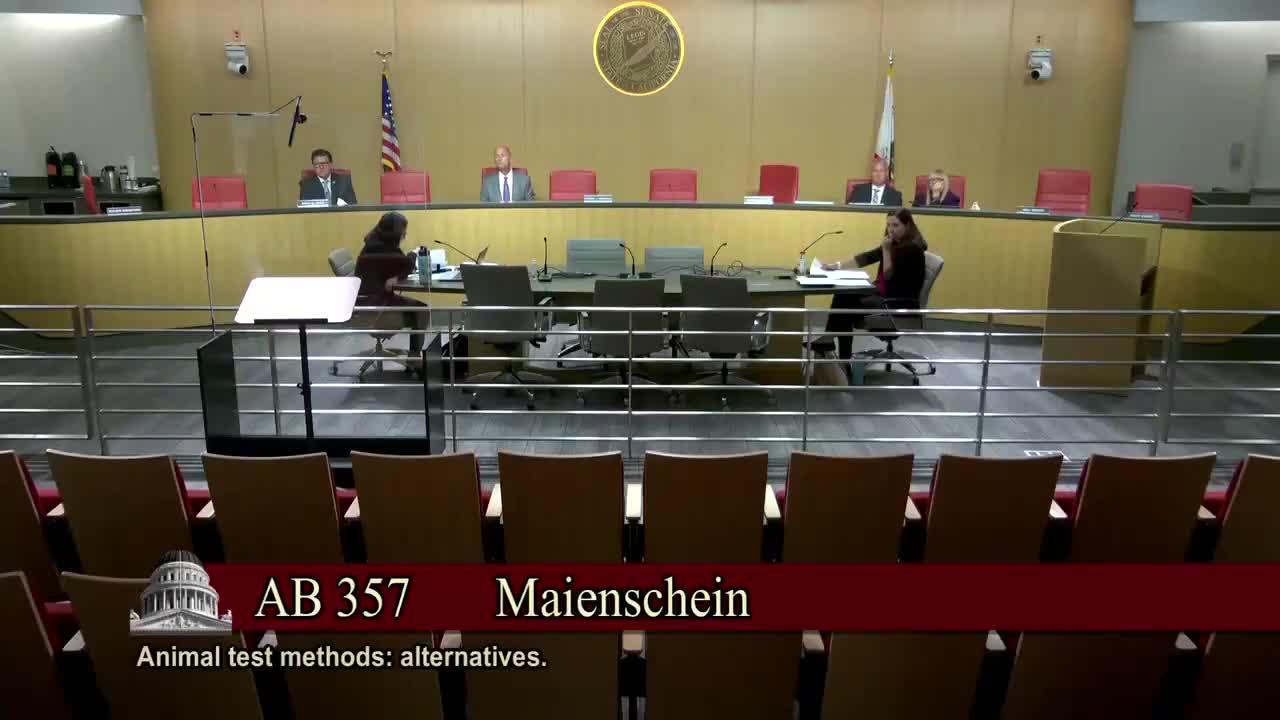

Bill Author

Bill Co-Author(s):