AB 1117: Hospice agency licensure.
- Session Year: 2023-2024
- House: Assembly
- Latest Version Date: 2023-02-15
Current Status:
Failed
(2023-06-07: Referred to Com. on HEALTH.)
Introduced
In Committee
First Chamber
In Committee
Second Chamber
Enacted
The California Hospice Licensure Act of 1990 requires a person, political subdivision of the state, or other governmental agency to obtain a license from the State Department of Public Health to provide hospice services to an individual who is experiencing the last phase of life due to a terminal disease, as defined, and their family, except as provided. The act also provides for the renewal of a license. Existing law prohibits any person, political subdivision of the state, or other governmental agency from establishing, conducting, maintaining, or representing itself as a hospice agency unless a license has been issued under the act. Existing law requires that the department issue a license to a hospice agency that applies to the department for a hospice agency license and meets specified requirements, including accreditation as a hospice by an entity approved the federal Centers for Medicare and Medicaid Services as a national accreditation organization, and the national accreditation organization forwards copies to the department of all initial and subsequent survey and other accreditation reports or findings.
This bill would require any hospice agency obtaining a license to obtain certification to participate in the federal Medicare program within 12 months of licensure and continuously serve patients as validated by data submission to the Department of Health Care Access and Information, or forfeit its license.
Any hospice agency obtaining a license pursuant to this chapter shall obtain certification to participate in the federal Medicare program, as defined in Part 488 of Title 42 of the Code of Federal Regulations, within 12 months of licensure and continuously serve patients as validated by data submitted to the Department of Health Care Access and Information, or shall forfeit its license.
REVISIONS: HeadingLine 2.|
Date
|
Status
|
|---|---|
| Jun 7, 2023 | Referred to Com. on HEALTH. |
| May 31, 2023 | In Senate. Read first time. To Com. on RLS. for assignment. |
| May 30, 2023 | Read third time. Passed. Ordered to the Senate. (Ayes 80. Noes 0. Page 1899.) |
| May 18, 2023 | Coauthors revised. |
| May 18, 2023 | From committee: Do pass. (Ayes 15. Noes 0.) (May 18). |
| May 18, 2023 | Read second time. Ordered to third reading. |
| Apr 19, 2023 | In committee: Set, first hearing. Referred to APPR. suspense file. |
| Mar 29, 2023 | From committee: Do pass and re-refer to Com. on APPR. (Ayes 14. Noes 0.) (March 28). Re-referred to Com. on APPR. |
| Mar 14, 2023 | In committee: Set, first hearing. Hearing canceled at the request of author. |
| Mar 2, 2023 | Referred to Com. on HEALTH. |
| Feb 16, 2023 | From printer. May be heard in committee March 18. |
| Feb 15, 2023 | Read first time. To print. |
|
Date
|
Description
|
Location
|
Votes
|
|
|---|---|---|---|---|
| May 30, 2023 | AB 1117 Irwin Assembly Third Reading | Assembly Floor |
Passed |
|
| May 18, 2023 | Do pass. | Assembly Standing Committee on Appropriations |
Passed |
|
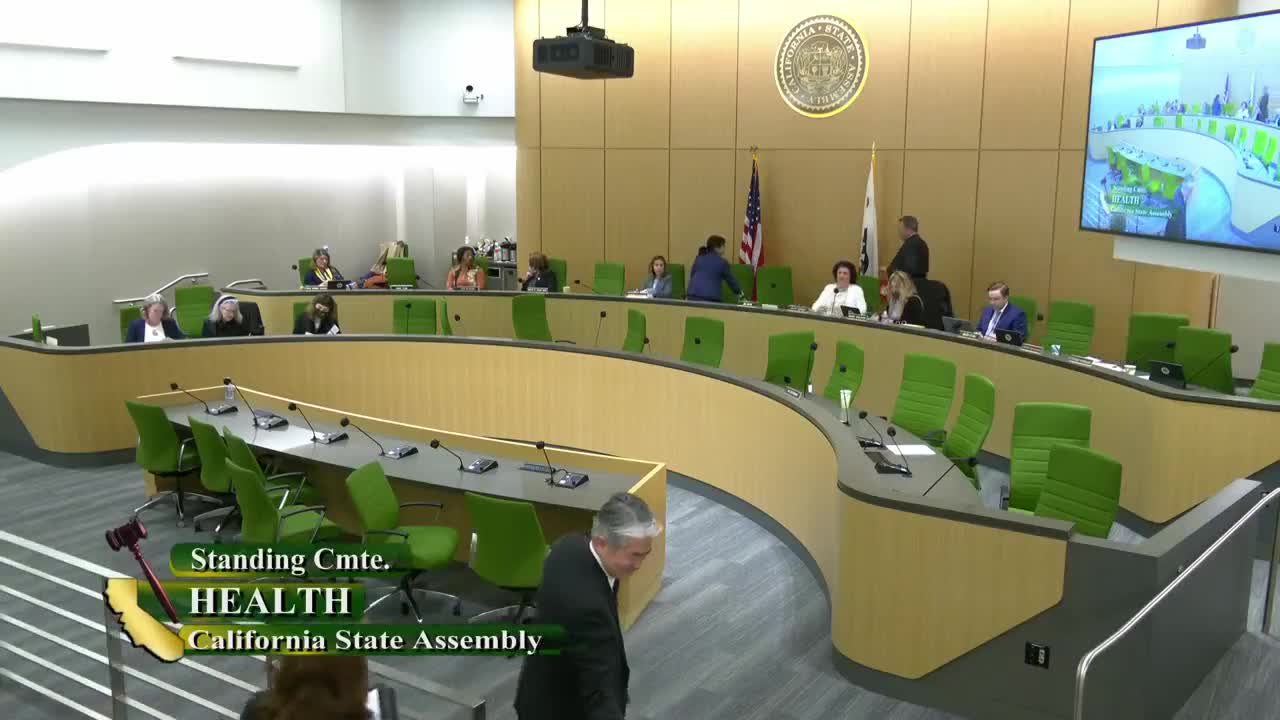
| Mar 28, 2023 | Do pass and be re-referred to the Committee on [Appropriations] | Assembly Standing Committee on Health |
Passed |
This list shows positions taken on this bill by organizations on the date displayed, which is linked to the original source.
Positions by individuals are not included.
|
Organization
|
Position
|
Date
|
|---|---|---|
| California Commission on Aging | ** Support | |
| California Hospice and Palliative Care Association | * Support | Mar 28, 2023 |
ASSEMBLY THIRD READING
ATR Bill Id:AB 1117
Author:(Irwin)
As Introduced Ver:February 15, 2023
Majority vote
SUMMARY
Requires any hospice agency obtaining a license to obtain certification to participate in the federal Medicare program within 12 months of licensure, and to continuously serve patients, as validated by data submitted to the Department of Health Care Access and Information (HCAI), or to forfeit its license.
Major Provisions
COMMENTS
In March 2022, the California State Auditor released a report titled, “The State's Weak Oversight of Hospice Agencies Has Created Opportunities for Large-Scale Fraud and Abuse.” The report noted that in the past 10 years, the number of hospice agencies in Los Angeles County has outpaced the need for hospice services. Historically the majority of hospice services have been provided by nonprofit organizations, however the recent growth is almost exclusively in for-profit companies. The report found numerous indicators to suggest that many of these hospice agencies have been created to fraudulently bill Medicare and Medi-Cal for services rendered to ineligible patients, or services not provided at all. The report identified several areas within Los Angeles County with high concentrations of hospice agencies, including individual buildings supposedly housing dozens of agencies. A hospice agency that bills for 20 patients at the most common rate can collect about $122,000 per month.
The report found that the Department of Public Health (DPH), the agency primarily responsible for the licensing and oversight of hospice agencies, had failed to take adequate action in the face of widespread problems. DPH had not issued regulations for the hospice licensing process, despite having had the authority to do so since 1991. The report also found that DPH does not always adequately investigate complaints of abuse, taking significant time to conclude investigations, usually more than five months. The Department of Health Care Services and the Department of Justice are also responsible for identifying and investigating hospice fraud in Medi-Cal, however the report found that they have not sufficiently coordinated their efforts with DPH. Additional findings of the report included, among others, the failure by DPH to adequately screen applicants for hospice licensure and failure to deny applications even when staff identify information that indicates fraud. The Auditor concluded that in Los Angeles County alone, hospice agencies likely overbilled Medicare by $105 million and Medi-Cal by $3.1 million, conservatively, in 2019.
AB 2673 (Irwin), Chapter 797, Statutes of 2022, enacted many of the reforms suggested by the Auditor.
- Background on Hospice. Since 1993, hospice has been a guaranteed Medicare benefit and is a benefit included in many private health insurance plans. In 2017, almost 1.5 million Medicare beneficiaries were enrolled in hospice care and the number continues to grow. Hospice benefits nursing care, medical social services, hospice aide services, medical supplies (including drugs and biologics), and physician services. The hospice provider bills Medicare or other coverage for costs of care. Hospice care under the Medicare Hospice Benefit requires documentation from a physician estimating a person has less than six months to live if the disease follows its usual course. Hospice care is intended to make terminally ill patients as physically and emotionally comfortable as possible, and to support their families and other caregivers throughout the process. Use of hospice continues to increase, with almost 1.5 million Medicare beneficiaries receiving hospice care in 2017, a 4.5% increase from the previous year. In California, 45% of Medicare enrollees who died in 2017 were enrolled in hospice at the time of their death.
- Los Angeles Times investigation. In December of 2020, the Los Angeles Times published a lengthy investigative series on the hospice industry, particularly on a boom of agencies in southern California where there has been fraud and poor care. The Los Angeles Times found that over the past decade, the number of hospices in Los Angeles County has multiplied six-fold, and account for half of the authorized providers in California. The San Fernando Valley has the highest concentration of hospices in the nation, with Glendale having 60 agencies, 61 in Burbank, and 63 in Van Nuys. According to the Los Angeles Times, by comparison, the entire states of New York and Florida both have fewer than 50 each. According to the Los Angeles Times, intense competition for new patients, who generate $154 to $1432 a day in Medicare payments, has spawned a cottage industry of illegal practices, including kickbacks to crooked doctors and recruiters who zero in on prospective patients at retirement homes and other venues. According to the Los Angeles Times, for-profit agencies make up 70% of all hospices certified by CMS nationwide, but 91% of those are in California. In Los Angeles County alone, for-profit agencies account for 97% of approved agencies. The Los Angeles Times found one office building in Van Nuys was home to 15 hospice providers.
There is currently no restriction on the number of hospice licenses an entity can have, and most legitimate providers possess multiple licenses. However, some unscrupulous actors obtain multiple licenses. With these, they can technically provide care, however they cannot be paid until they are certified. The fraudulent provider simply certifies one license so they can bill Medicaid for “services” provided to fictional patients. The sponsor of this bill contends that fraudulent providers will use a certified license until they have reason to believe their license is being investigated, at which point they let the license lapse and certify their next license to continue their fraudulent activity. According to information provided by the author, there are currently 3,065 hospice licenses and over 1,400 are not certified. As noted in the Auditor's report, it is likely the majority of these are waiting to be used for this type of fraud.
- Hospice data. According to DPH there are 3,023 licensed hospice agencies in California (including licensed-only or licensed and certified). Of these, 1,415 are licensed-only which means that they have a California license but are not federally certified. DPH provides HCAI with the license information for facilities required to submit reports to HCAI. HCAI excludes some hospice facilities from reporting, such as branches operating under a parent's hospice license. This will result in a difference in the number of hospice facilities reporting to HCAI. Based on the most recent published dataset from 2021: 2,008 licensed hospices were required to submit the 2021 report. A total of 1,568 hospices complied with reporting mandates, and 440 failed to comply with reporting mandates. Three hundred and eight hospices submitted a report stating that they were not in operation during the 2021 calendar year.
According to the Author
California's hospice industry has been plagued by fraudulent actors for years. New laws from the 2021-22 session have made great strides in reducing the amount of fraudulent actors in the hospice industry, but aspects of this fraud continue to remain. The author notes that one such type of fraud that has grown in prevalence has been the hoarding of multiple uncertified hospice licenses, and that there is lack of patient data reporting, which enables fraudulent billing. The author states that this bill will prevent the potential for fraud caused from uncertified hospice licenses by requiring providers to be federally certified within 12 months of obtaining a hospice license. Additionally, the licensee must submit patient data to HCAI on an ongoing basis. If reporting data ceases, the licensee may no longer bill the state. The author concludes that this will further limit the ability for hospice providers to falsify claims and defraud the state through payment for non-existence services.
Arguments in Support
The California Hospice and Palliative Care Association (CHPCA) is the sponsor of this bill and notes that there is no restriction on the number of hospice licenses an entity may possess. CHPCA states that most legitimate providers possess multiple licenses to meet the variety of needs of their service areas. However, some unscrupulous actors will obtain, for example, 10 hospice licenses for a limited area. With these licenses, they can provide care, but they cannot be paid until they are certified. The provider will then certify one license so they can be paid for services but will provide care to fictional patients while billing the state. The only way for the state to corroborate they are actually serving patients is through an onsite survey (which rarely occurs) or through falsified or absent data submitted to HCAI. Data submission is essential to determining legitimate versus illegitimate claims data. Once HCAI has received data, it can be verified and validated to determine fraudulent submission. CHPCA states that this bill will require all hospice agencies to, within 12 months of obtaining a hospice license, become certified and submit patient data to HCAI on an ongoing basis. If reporting data ceases, the licensee may no longer bill the state. Nonprofit, community-based, rural, and volunteer hospices would be exempted from this bill pursuant to existing law. CHPCA concludes that this bill will further limit the ability for hospice providers to falsify claims and defraud the state for non-existent services.
Arguments in Opposition
There is no known opposition.
FISCAL COMMENTS
According to the Assembly Appropriations Committee, HCAI estimates, based on a preliminary assessment, needing $500,000 to $1 million, including both staff and information technology resources, for validating the data and providing new information to DPH to support licensure validation (General Fund). HCAI reports that with additional clarity in the bill language, HCAI would expect to provide an estimate on the amount of one-time-only versus ongoing costs.
DPH estimates a total range of approximately $11.5 million to $26 million over the first four years, and an ongoing expenditure range of approximately $610,000 to $12.5 million annually to the Licensing and Certification Fund. The range of costs reflects the uncertain workload this bill will generate for DPH's survey workforce. For example, DPH estimates it needs 12 to 19 positions for acceptance of applicants, reviews, and certifications of facilities, at a cost of $4.2 million to $5.5 million in fiscal years (FYs) 2024-25 and 2025-26. DPH also estimates it would need $2.4 million in FY 2026-27 for attorney's fees related to appeals and litigation. DPH estimates it will need between three and 66 full-time positions to process certification applications, perform initial certification and recertification surveys, and litigate forfeiture appeals, at a cost between $610,000 and $12.5 million in FY 2027-28 and ongoing.
VOTES
ASM HEALTH: 14-0-1
YES: Wood, Waldron, Aguiar-Curry, Arambula, Boerner Horvath, Flora, Vince Fong, Maienschein, McCarty, Joe Patterson, Rodriguez, Santiago, Villapudua, Weber
ABS, ABST OR NV: Wendy Carrillo
ASM APPROPRIATIONS: 15-0-1
YES: Holden, Megan Dahle, Bryan, Calderon, Wendy Carrillo, Dixon, Mike Fong, Hart, Lowenthal, Mathis, Papan, Pellerin, Sanchez, Weber, Ortega
ABS, ABST OR NV: Robert Rivas
UPDATED
VERSION: February 15, 2023
CONSULTANT: Lara Flynn / HEALTH / (916) 319-2097 FN: 0000783
Date of Hearing: April 19, 2023
ASSEMBLY COMMITTEE ON APPROPRIATIONS
Chris Holden, Chair
ABPCA Bill Id:AB 1117
Author:(Irwin) – As Introduced Ver:February 15, 2023
Policy Committee: | Health | Vote: | 14 - 0 |
|
| ||
|
|
Urgency: No State Mandated Local Program: No Reimbursable: No
SUMMARY:
This bill requires any hospice agency obtaining a license to obtain certification to participate in the federal Medicare program within 12 months of licensure, and to continuously serve patients, as validated by data submitted to the Department of Health Care Access and Information (HCAI), or to forfeit its license.
FISCAL EFFECT:
HCAI estimates, based on a preliminary assessment, needing $500,000 to $1 million, including both staff and information technology resources, for validating the data and providing new information to the Department of Public Health (DPH) to support licensure validation (General Fund (GF)). HCAI reports that with additional clarity in the bill language, HCAI would expect to provide an estimate on the amount of one-time-only versus ongoing costs.
DPH estimates a total range of approximately $11.5 million to $26 million over the first four years, and an ongoing expenditure range of approximately $610,000 to $12.5 million annually to the Licensing and Certification Fund. The range of costs reflects the uncertain workload this bill will generate for DPH’s survey workforce. For example, DPH estimates it needs 12 to 19 positions for acceptance of applicants, reviews, and certifications of facilities, at a cost of $4.2 million to $5.5 million in fiscal years (FYs) 2024-25 and 2025-26. DPH also estimates it would need $2.4 million in FY 2026-27 for attorney’s fees related to appeals and litigation. DPH estimates it will need between three and 66 full-time positions to process certification applications, perform initial certification and recertification surveys, and litigate forfeiture appeals, at a cost between $610,000 and $12.5 million in FY 2027-28 and ongoing.
COMMENTS:
- Purpose. According to the author:
California’s hospice industry has been plagued by fraudulent actors for years...One such type of fraud that has grown in prevalence has been the hoarding of multiple uncertified hospice licenses and lack of patient data reporting which enables fraudulent billing.
AB 1117 will prevent the potential for fraud caused from uncertified hospice licenses by requiring providers to be certified within 12 months of obtaining a hospice license. Additionally, the licensee must submit patient data to HCAI on an ongoing basis. If reporting data ceases, the licensee may no longer bill the state. This will further limit the ability for hospice providers to falsify claims and defraud the state through payment for non-existence services.
- Background. In March 2022, the California State Auditor released the report, “California Hospice Licensure and Oversight: The State’s Weak Oversight of Hospice Agencies Has Created Opportunities for Large-scale Fraud and Abuse.” The report noted that, in the past 10 years, the number of hospice agencies in Los Angeles County had outpaced the need for hospice services. Historically, most hospice services have been provided by nonprofit organizations; however, the recent growth is almost exclusively in for-profit companies. The report found numerous indicators to suggest that many of these hospice agencies had been created to fraudulently bill Medicare and Medi-Cal for services rendered to ineligible patients, or services not provided at all. The report identified several areas within Los Angeles County with high concentrations of hospice agencies, including individual buildings supposedly housing dozens of agencies. A hospice agency that bills for 20 patients at the most common rate can collect about $122,000 per month.
The report pointed to significant shortcomings in DPH’s oversight, and the Department of Health Care Services and the Department of Justice not identifying and investigating hospice fraud in Medi-Cal, and not sufficiently coordinating their efforts with DPH. The Auditor concluded that in Los Angeles County alone, hospice agencies likely overbilled Medicare by $105 million and Medi-Cal by $3.1 million, conservatively, in 2019. AB 2673 (Irwin), Chapter 797, Statutes of 2022, enacted many of the reforms suggested by the Auditor. - Hospice Licensing and Certification. According to DPH, there are 3,023 licensed hospice agencies in California. Of these, 1,415 are licensed-only, which means an agency has a California license but is not federally certified. As noted in the Auditor’s report, the majority of these are likely intended to be used for fraud. The California Hospice and Palliative Care Association (CHPCA), sponsor of this bill, states the only way for the state to corroborate a hospice agency is actually serving patients is through an onsite survey (which rarely occurs) or through data submitted to HCAI. CHPCA states that once HCAI has received data, the data can be verified and validated.
CHPCA explains that, to obtain a three-year federal certification, a licensed hospice agency must acquire minimum patient caseload, undergo an unannounced Medicare Certification survey, and fulfill subsequent requirements, which include meeting state hospice standards.
According to the author, there is no restriction on the number of hospice licenses an entity can have, and most legitimate providers possess multiple licenses. Hospice agencies may provide care with licenses; however, they cannot be paid until they are certified. A fraudulent provider certifies one license so they can bill Medi-Cal for “services” provided to fictional patients. CHPCA contends fraudulent providers will use a certified license until they have reason to believe their license is being investigated, at which point they let the license lapse and certify their next license to continue their fraudulent activity.
- Prior Legislation.
- AB 1280 (Irwin), Chapter 478, Statutes of 2021, prohibits a hospice referral source from receiving any form of payment in exchange for referring a patient to a hospice provider or facility, and requires a hospice to provide notice of a patient's rights and responsibilities in a language and manner the patient understands.
- SB 664 (Allen), Chapter 494, Statutes of 2021, imposed a statewide moratorium on new hospice licenses.
- AB 1280 (Irwin), Chapter 478, Statutes of 2021, prohibits a hospice referral source from receiving any form of payment in exchange for referring a patient to a hospice provider or facility, and requires a hospice to provide notice of a patient's rights and responsibilities in a language and manner the patient understands.
Analysis Prepared by: Allegra Kim / APPR. / (916) 319-2081
Date of Hearing: March 28, 2023
ASSEMBLY COMMITTEE ON HEALTH
Jim Wood, Chair
ABPCA Bill Id:AB 1117
Author:(Irwin) – As Introduced Ver:February 15, 2023
SUBJECT: Hospice agency licensure.
SUMMARY: Requires any hospice agency obtaining a license to obtain certification to participate in the federal Medicare program within 12 months of licensure, and to continuously serve patients, as validated by data submitted to the Department of Health Care Access and Information (HCAI), or to forfeit its license.
EXISTING LAW:
- Establishes the Hospice Licensure Act of 1990 (Act) which provides the Department of Public Health (DPH) with the authority to license and regulate hospice agencies. [Health & Safety Code (HSC) §1745 et seq.]
- Defines hospice as a specialized form of interdisciplinary health care that is designed to provide palliative care, alleviate the physical, emotional, social, and spiritual discomforts of an individual who is experiencing the last phases of life due to the existence of a terminal disease, and provide supportive care to the primary caregiver and the family of the hospice patient, and that meets specified criteria. [HSC §1746]
- Permits “volunteer hospice” by those organizations that satisfy all of the following:
- They do not provide skilled nursing services;
- They do not charge patients or families for hospice services, and they do not receive third-party insurance payments for services rendered; and,
- They satisfy the disclosure requirements, as specified. [HSC §1747]
- Permits a hospice to provide interdisciplinary services, as specified, including palliative care, to a patient with a serious illness as determined by a physician, including a patient who continues to receive curative treatment from other licensed health care professionals. [HSC §1747.3]
- Prohibits a person, political subdivision of the state, or other governmental agency from establishing, conducting, maintaining, or representing itself as a hospice unless a license has been issued, except as specified. Permits multiple locations without a need to obtain a separate license, but requires the locations to be listed on the license of the parent agency and each to pay a licensing fee in the amount prescribed. Requires any person, political subdivision of the state, or other governmental agency desiring a hospice license to file a verified application with DPH. Makes a hospice license non-transferable, and prohibits DPH from approving a change of ownership of a license hospice agency within five years of the date a license was initially issued to the licensee. Authorizes DPH to make an exception for extenuating circumstances and approve a change of ownership within the five-year period if the hospice agency demonstrates and provides evidence to DPH of either of the following:
- The need to ensure continuity of care for existing patients of the hospice agency; or,
- Both a financial hardship and an unmet need of hospice services in the geographic area the hospice agency would serve. [HSC §1748]
- Requires an applicant for hospice licensure to satisfy all of the following:
- Be of good moral character. Requires if the applicant is a franchise, franchisee, firm, association, organization, partnership, business trust, corporation, company, political subdivision of the state, or governmental agency, the person in charge of the hospice for which the application for a license is made to be of good moral character;
- Demonstrate ability to comply with licensure requirements and any rules or regulations; and,
- File a completed application with DPH. [HSC §1749]
- Requires hospice agencies to provide the following basic services, in compliance with the “Standards for Quality Hospice Care, 2003,” as available from the California Hospice and Palliative Care Association, until DPH adopts regulations establishing alternative standards:
- Skilled nursing services;
- Social services/counseling services;
- Medical direction;
- Bereavement services;
- Volunteer services;
- Inpatient care arrangements; and,
- Home health aide services. [HSC §1749]
- Requires a hospice, on or before March 15 of each year, to file with HCAI, a verified report for the preceding calendar year upon all matters requested by HCAI. Authorizes this report to include, but not be limited to, data pertaining to age of patients, diagnostic categories of patients, and number of visits by service provided. [HSC §1750]
- Requires a biennial application for the renewal of a license and payment of a required fee to be filed with DPH no less than 30 days prior to the expiration of the license. Provides that failure to renew within the required timeframe results in expiration of the license. [HSC §1751]
- Requires DPH to issue a license to a hospice agency that applies for a hospice agency license and meets all of the following requirements:
- Is accredited as a hospice by an entity approved by the federal Centers for Medicare and Medicaid Services (CMS) as a national accreditation organization, and the national accreditation organization forwards to DPH copies of all initial and subsequent survey and other accreditation reports or findings;
- Files an application with the required fees;
- Demonstrates and provides evidence to DPH of an unmet need of hospice services in the geographic area the hospice agency would serve;
- Meets any other additional licensure requirements of, or regulations adopted if necessary that DPH identifies, after consulting with the national accreditation organization, as more stringent than the accreditation requirements of the national accreditation organization. [HSC §1751.5]
- Requires DPH to conduct surveys of 5% of initial hospice agency licenses approved by accrediting organizations during the previous calendar year to ensure the accreditation requirements are met and to determine compliance with licensing requirements that DPH identifies as more stringent than the accreditation requirements. Requires these surveys to be conducted using a selective sample basis. Authorizes DPH to conduct a survey of an accredited hospice agency not surveyed as part of the 5% to ensure the accreditation and licensing requirements are met. [Id.]
- Authorizes DPH to conduct a survey of an accredited hospice agency to investigate complaints against an accredited hospice agency for substantial noncompliance, as determined by DPH, with these accreditation standards or with any applicable licensing requirements. Grants DPH its full range of authority over accredited hospice agencies to ensure the licensure and accreditation requirements are met, including the entire scope of enforcement sanctions and options available for unaccredited hospice agencies. [HSC §1751.5]
- Prohibits DPH from issuing a new license to operate a hospice, except as provided in 14) below, on and after January 1, 2022, and until 365 days from the date that the California State Auditor publishes a report on hospice licensure. [HSC §1751.70]
- Permits DPH to grant an exception to the moratorium in 13) above upon making a written finding that an applicant for a new license, or, with a license application pending on January 1, 2022, has shown a demonstrable need for hospice services in the area where the applicant proposes to operate based on the concentration of all existing hospice services in that area, and requires DPH to issue a new license during the moratorium pursuant to the law, as specified. [HSC §1751.75]
- Permits any person to request an investigation of an accredited hospice by making a complaint (orally or in writing) to DPH. Requires the substance of the complaint to be provided to the licensee no earlier than at the time of the inspection. Prohibits, unless the complainant specifically requests otherwise, neither the substance of the complaint provided to the licensee nor any copy of the complaint or any record published, released, or otherwise made available to the licensee, to disclose the name of any person mentioned in the complaint except the name of any duly authorized officer, employee, or agent of DPH conducting the investigation or inspection. [HSC §1752.1]
- Requires DPH to make a preliminary review and, unless DPH determines that the complaint is willfully intended to harass a licensee or is without any reasonable basis, to make an onsite inspection within 10 days after receiving the complaint, except when the visit would adversely affect the licensing investigation or the investigation of other agencies, including, but not limited to, law enforcement agencies. Requires the complainant to be promptly informed of DPH’s proposed course of action. [Id.]
- Requires DPH, prior to conducting an onsite investigation, to make a good faith effort, documented in writing, to contact and interview the complainant and inform the complainant of DPH’s proposed course of action and the relevant deadline for DPH to complete its investigation. Requires, to the extent practicable, the officer, employee, or agent of DPH who will conduct the investigation to be the representative who interviews and makes contact with the complainant. Requires DPH, within 10 business days of completing the investigation of a complaint, to notify the complainant in writing of DPH’s determination as a result of the investigation. [Id.]
- Requires DPH, on or before January 1, 2024, to adopt emergency regulations to implement the recommendations in California State Auditor Report 2021-123 on the California Hospice Licensure and Oversight (March 29, 2022). Requires DPH to maintain the general moratorium on new hospice agency licenses until DPH adopts the regulations, but in no event later than March 29, 2024. Requires the emergency regulations to do all of the following:
- Establish time and distance standards that define the maximum time and distance hospice agency staff may travel to reach patients, taking into consideration typical traffic conditions and whether the hospice agency is serving patients in rural or urban areas;
- Establish standards for a hospice agency’s ratio of nurses to patients;
- Establish a limit for the number of hospice agencies that hospice agency management personnel can be involved with concurrently;
- Require hospice agency management personnel to meet minimum standards of training and experience, including, but not limited to, hospice-specific training or experience;
- Establish specific requirements for hospice agency office space; and,
- Establish timelines for reporting changes to application information including, but not limited to, change of mailing address, change of location, and change of name. [HSC § 1753.1]
FISCAL EFFECT: Unknown. This bill has not yet been analyzed by a fiscal committee.
COMMENTS:
- PURPOSE OF THIS BILL. According to the author, California’s hospice industry has been plagued by fraudulent actors for years. New laws from the 2021-22 session have made great strides in reducing the amount of fraudulent actors in the hospice industry, but aspects of this fraud continue to remain. The author notes that one such type of fraud that has grown in prevalence has been the hoarding of multiple uncertified hospice licenses, and that there is lack of patient data reporting, which enables fraudulent billing. The author states that this bill will prevent the potential for fraud caused from uncertified hospice licenses by requiring providers to be federally certified within 12 months of obtaining a hospice license. Additionally, the licensee must submit patient data to HCAI on an ongoing basis. If reporting data ceases, the licensee may no longer bill the state. The author concludes that this will further limit the ability for hospice providers to falsify claims and defraud the state through payment for non-existence services.
- BACKGROUND. In March 2022, the California State Auditor released a report titled, “The State’s Weak Oversight of Hospice Agencies Has Created Opportunities for Large-Scale Fraud and Abuse.” The report noted that in the past 10 years, the number of hospice agencies in Los Angeles County has outpaced the need for hospice services. Historically the majority of hospice services have been provided by nonprofit organizations, however the recent growth is almost exclusively in for-profit companies. The report found numerous indicators to suggest that many of these hospice agencies have been created to fraudulently bill Medicare and Medi-Cal for services rendered to ineligible patients, or services not provided at all. The report identified several areas within Los Angeles County with high concentrations of hospice agencies, including individual buildings supposedly housing dozens of agencies. A hospice agency that bills for 20 patients at the most common rate can collect about $122,000 per month.
The report found that DPH, the agency primarily responsible for the licensing and oversight of hospice agencies, had failed to take adequate action in the face of widespread problems. DPH had not issued regulations for the hospice licensing process, despite having had the authority to do so since 1991. The report also found that DPH does not always adequately investigate complaints of abuse, taking significant time to conclude investigations, usually more than five months. The Department of Health Care Services and the Department of Justice are also responsible for identifying and investigating hospice fraud in Medi-Cal, however the report found that they have not sufficiently coordinated their efforts with DPH. Additional findings of the report included, among others, the failure by DPH to adequately screen applicants for hospice licensure and failure to deny applications even when staff identify information that indicates fraud. The Auditor concluded that in Los Angeles County alone, hospice agencies likely overbilled Medicare by $105 million and Medi-Cal by $3.1 million, conservatively, in 2019.
AB 2673 (Irwin), Chapter 797, Statutes of 2022, enacted many of the reforms suggested by the Auditor.- Background on Hospice. Since 1993, hospice has been a guaranteed Medicare benefit and is a benefit included in many private health insurance plans. In 2017, almost 1.5 million Medicare beneficiaries were enrolled in hospice care and the number continues to grow. Hospice benefits nursing care, medical social services, hospice aide services, medical supplies (including drugs and biologics), and physician services. The hospice provider bills Medicare or other coverage for costs of care. Hospice care under the Medicare Hospice Benefit requires documentation from a physician estimating a person has less than six months to live if the disease follows its usual course. Hospice care is intended to make terminally ill patients as physically and emotionally comfortable as possible, and to support their families and other caregivers throughout the process. Use of hospice continues to increase, with almost 1.5 million Medicare beneficiaries receiving hospice care in 2017, a 4.5% increase from the previous year. In California, 45% of Medicare enrollees who died in 2017 were enrolled in hospice at the time of their death.
- Los Angeles Times investigation. In December of 2020, the Los Angeles Times published a lengthy investigative series on the hospice industry, particularly on a boom of agencies in southern California where there has been fraud and poor care. The Los Angeles Times found that over the past decade, the number of hospices in Los Angeles County has multiplied six-fold, and account for half of the authorized providers in California. The San Fernando Valley has the highest concentration of hospices in the nation, with Glendale having 60 agencies, 61 in Burbank, and 63 in Van Nuys. According to the Los Angeles Times, by comparison, the entire states of New York and Florida both have fewer than 50 each. According to the Los Angeles Times, intense competition for new patients, who generate $154 to $1432 a day in Medicare payments, has spawned a cottage industry of illegal practices, including kickbacks to crooked doctors and recruiters who zero in on prospective patients at retirement homes and other venues. According to the Los Angeles Times, for-profit agencies make up 70% of all hospices certified by CMS nationwide, but 91% of those are in California. In Los Angeles County alone, for-profit agencies account for 97% of approved agencies. The Los Angeles Times found one office building in Van Nuys was home to 15 hospice providers.
There is currently no restriction on the number of hospice licenses an entity can have, and most legitimate providers possess multiple licenses. However, some unscrupulous actors obtain multiple licenses. With these, they can technically provide care, however they cannot be paid until they are certified. The fraudulent provider simply certifies one license so they can bill Medicaid for “services” provided to fictional patients. The sponsor of this bill contends that fraudulent providers will use a certified license until they have reason to believe their license is being investigated, at which point they let the license lapse and certify their next license to continue their fraudulent activity. According to information provided by the author, there are currently 3,065 hospice licenses and over 1,400 are not certified. As noted in the Auditor’s report, it is likely the majority of these are waiting to be used for this type of fraud. - Hospice data. According to DPH there are 3,023 licensed hospice agencies in California (including licensed-only or licensed and certified). Of these, 1,415 are licensed-only which means that they have a California license but are not federally certified. DPH provides HCAI with the license information for facilities required to submit reports to HCAI. HCAI excludes some hospice facilities from reporting, such as branches operating under a parent’s hospice license. This will result in a difference in the number of hospice facilities reporting to HCAI. Based on the most recent published dataset from 2021: 2,008 licensed hospices were required to submit the 2021 report. A total of 1,568 hospices complied with reporting mandates, and 440 failed to comply with reporting mandates. Three hundred and eight hospices submitted a report stating that they were not in operation during the 2021 calendar year.
- Background on Hospice. Since 1993, hospice has been a guaranteed Medicare benefit and is a benefit included in many private health insurance plans. In 2017, almost 1.5 million Medicare beneficiaries were enrolled in hospice care and the number continues to grow. Hospice benefits nursing care, medical social services, hospice aide services, medical supplies (including drugs and biologics), and physician services. The hospice provider bills Medicare or other coverage for costs of care. Hospice care under the Medicare Hospice Benefit requires documentation from a physician estimating a person has less than six months to live if the disease follows its usual course. Hospice care is intended to make terminally ill patients as physically and emotionally comfortable as possible, and to support their families and other caregivers throughout the process. Use of hospice continues to increase, with almost 1.5 million Medicare beneficiaries receiving hospice care in 2017, a 4.5% increase from the previous year. In California, 45% of Medicare enrollees who died in 2017 were enrolled in hospice at the time of their death.
- SUPPORT. The California Hospice and Palliative Care Association (CHPCA) is the sponsor of this bill and notes that there is no restriction on the number of hospice licenses an entity may possess. CHPCA states that most legitimate providers possess multiple licenses to meet the variety of needs of their service areas. However, some unscrupulous actors will obtain, for example, 10 hospice licenses for a limited area. With these licenses, they can provide care, but they cannot be paid until they are certified. The provider will then certify one license so they can be paid for services but will provide care to fictional patients while billing the state. The only way for the state to corroborate they are actually serving patients is through an onsite survey (which rarely occurs) or through falsified or absent data submitted to HCAI. Data submission is essential to determining legitimate versus illegitimate claims data. Once HCAI has received data, it can be verified and validated to determine fraudulent submission. CHPCA states that this bill will require all hospice agencies to, within 12 months of obtaining a hospice license, become certified and submit patient data to HCAI on an ongoing basis. If reporting data ceases, the licensee may no longer bill the state. Nonprofit, community-based, rural, and volunteer hospices would be exempted from this bill pursuant to existing law. CHPCA concludes that this bill will further limit the ability for hospice providers to falsify claims and defraud the state for non-existent services.
- PREVIOUS LEGISLATION.
- AB 2673 imposes comprehensive reforms on hospice licensure and enforcement to reduce fraud and negligence by hospice providers.
- AB 1280 (Irwin), Chapter 478, Statutes of 2021, prohibits a hospice referral source from receiving, directly or indirectly, any form of payment in exchange for referring a patient to hospice provider or facility. Requires a hospice to provide verbal and written notice of the patient's rights and responsibilities in a language and manner the person understands, before providing care.
- SB 664 (Allen), Chapter 494, Statutes of 2021, imposes a statewide moratorium on new hospice licenses.
- POLICY COMMENT. This bill requires hospice agencies to continuously serve patients, as validated by data submitted to HCAI, or forfeit its license. DPH is responsible for licensure and inspection of hospice agencies. As this bill moves forward, the author may wish to work with HCAI and DPH to determine how DPH will be notified when it is appropriate to revoke a hospice license pursuant to the HCAI reporting provisions of this bill.
REGISTERED SUPPORT / OPPOSITION:
Support
California Hospice and Palliative Care Association (sponsor)
California Commission on Aging
Opposition
None on file.
Analysis Prepared by: Lara Flynn / HEALTH / (916) 319-2097
Discussed in Hearing
View Older Hearings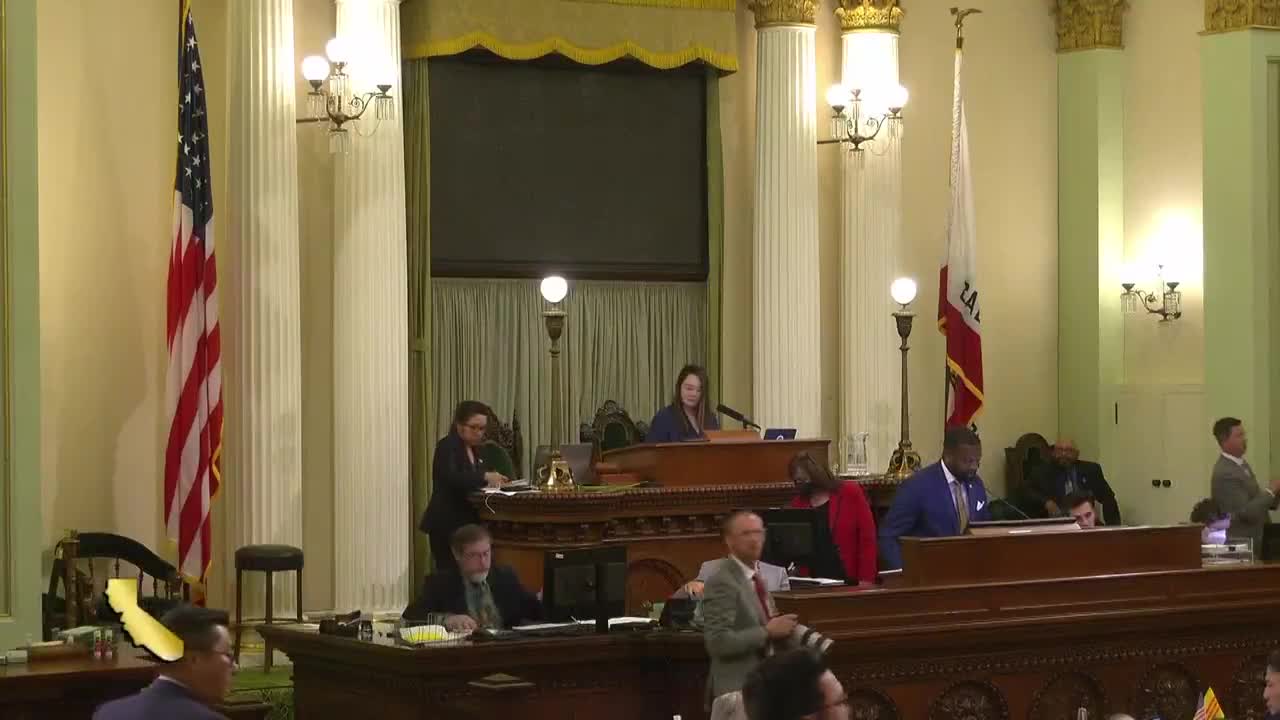
Bill Author

Bill Co-Author(s):