AB 1251: Teacher credentialing: computer science instruction: workgroup.
- Session Year: 2023-2024
- House: Assembly
- Latest Version Date: 2023-10-13
Current Status:
Passed
(2023-10-13: Chaptered by Secretary of State - Chapter 834, Statutes of 2023.)
Introduced
In Committee
First Chamber
In Committee
Second Chamber
Enacted
What does this bill do?
The bill requires the state Commission on Teacher Credentialing to form a workgroup to decide which teaching credentials should allow teachers to teach computer science and whether a new single‑subject computer science credential is needed. The workgroup must include mostly current secondary computer science teachers and representatives from school leaders, college teacher‑preparation programs, and computer science education experts, and must report its findings and recommendations to the Legislature.
The summary is provided by generative AI which can make mistakes. For original language, please view the details in the table below.
Existing law requires the Commission on Teacher Credentialing, among other duties, to establish standards for the issuance and renewal of credentials, certificates, and permits. Existing law requires the commission to issue a single subject teaching credential only in specified subjects and authorizes the commission to issue an authorization to teach a subject other than the one authorized by a single subject teaching credential if the holder of the credential meets certain requirements. Existing regulations of the commission authorize the holder of a single subject teaching credential who meets those requirements to add a supplementary authorization to teach specified subjects, including computer science.
This bill would, upon appropriation by the Legislature for this purpose, require the commission, on or before July 1, 2024, to convene a workgroup on credentialing for instruction in computer science, as provided, to determine, among other things, which credentials should also authorize teaching computer science, as specified. The bill would require the commission, on or before July 1, 2025, to provide a report of the workgroups findings and recommendations, as provided. The bill would repeal these provisions as of January 1, 2028.
Existing law requires the Commission on Teacher Credentialing, among other duties, to establish standards for the issuance and renewal of credentials, certificates, and permits. Existing law authorizes the commission to issue a single subject teaching credential in specified subjects and to also issue an authorization to teach a subject other than the one authorized by a single subject teaching credential if the holder of the credential meets certain requirements. Existing regulations of the commission authorize the holder of a single subject teaching credential who meets those requirements to add a supplementary authorization to teach specified subjects, including computer science.
This bill instead would authorize a person who holds a single subject teaching credential in business, industrial and technology education, mathematics, or science or a designated subjects career technical education teaching credential to teach courses in computer science to all pupils without satisfying the requirements for a supplementary authorization. would, upon appropriation by the Legislature for this purpose, require the commission, on or before July 1, 2024, to convene a workgroup on credentialing for instruction in computer science, as provided, to determine, among other things, which credentials should also authorize teaching computer science, as specified. The bill would require the commission, on or before July 1, 2025, to provide a report of the workgroups findings and recommendations, as provided. The bill would repeal these provisions as of January 1, 2028.
Existing law requires the Commission on Teacher Credentialing, among other duties, to establish standards for the issuance and renewal of credentials, certificates, and permits. Existing law authorizes the commission to issue a single subject teaching credential in specified subjects and to also issue an authorization to teach a subject other than the one authorized by a single subject teaching credential if the holder of the credential meets certain requirements. Existing regulations of the commission authorize the holder of a single subject teaching credential who meets those requirements to add a supplementary authorization to teach specified subjects, including computer science.
This bill instead would authorize a person who holds a single subject teaching credential in business, industrial and technology education, mathematics, or science or a designated subjects career technical education teaching credential to teach courses in computer science to all pupils without satisfying the requirements for a supplementary authorization.
Existing law establishes the Instructional Quality Commission and requires the commission to, among other things, recommend curriculum frameworks to the State Board of Education. Existing law requires the commission, on or before July 31, 2019, to consider developing and recommending to the state board computer science content standards for kindergarten and grades 1 to 12, inclusive, pursuant to recommendations developed by a group of computer science experts that the Superintendent of Public Instruction, in consultation with the state board, is required to consider convening.This bill would state the intent of the Legislature to enact subsequent legislation to establish a date by which computer science can be taught in kindergarten and grades 1 to 12, inclusive, in the states public schools.Existing law establishes the Instructional Quality Commission and requires the commission to, among other things, recommend curriculum frameworks to the State Board of Education. Existing law requires the commission, on or before July 31, 2019, to consider developing and recommending to the state board computer science content standards for kindergarten and grades 1 to 12, inclusive, pursuant to recommendations developed by a group of computer science experts that the Superintendent of Public Instruction, in consultation with the state board, is required to consider convening.
This bill would state the intent of the Legislature to enact subsequent legislation to establish a date by which computer science can be taught in kindergarten and grades 1 to 12, inclusive, in the states public schools.
(a)On or before July 1, 2024, the commission shall convene a workgroup on credentialing for instruction in computer science to do all of the following:
(1)Determine which single subject teaching credentials or designated subjects career technical education teaching credentials, if any, should also authorize teaching computer science.
(2)Determine whether a single subject teaching credential in computer science should be established.
(3)Make recommendations on strategies to meet the workforce demands associated with expanding access to computer science instruction to all pupils.
(b)At least one-half of the workgroup shall be composed of current classroom teachers with experience teaching computer science at the secondary level and the workgroup shall also include representatives from:
(1)School administration.
(2)Institutions of higher education involved in the preparation of teachers to teach computer science.
(3)Content experts in the field of computer science education.
(c)On or before July 1, 2025, the commission shall provide a report of the workgroups findings and recommendations to the appropriate policy and fiscal committees of the Legislature.
(d)This section shall remain in effect only until January 1, 2028, and as of that date is repealed.
(e)The implementation of this section is contingent upon an appropriation for its purposes in the annual Budget Act or another statute.
SECTION 1.Section 44257 of the Education Code is amended to read:44257.(a)The commission shall issue single subject teaching credentials only in the following subjects:(1)Agriculture.(2)Art.(3)Business.(4)Dance.(5)English.(6)World Language.(7)Health Science.(8)Home Economics.(9)Industrial and Technology Education.(10)Mathematics.(11)Music.(12)Physical Education.(13)Science.(14)Social Science.(15)Theater.(b)The commission shall issue the single subject teaching credential in world language with an authorization to teach Mandarin, Cantonese, French, German, Russian, Spanish, or any other language that the commission determines is appropriate.(c)Subjects that are commonly taught in departmentalized classes in California public schools shall be subsumed under the credential categories in subdivision (a).(d)The commission shall issue single subject teaching credentials in the categories that were identified in Section 44282 as of December 31, 1993, to applicants who were in the process of preparing to earn those credentials before the effective date of the commissions implementation of subdivision (a).(e)(1)A person issued a single subject teaching credential in English before the establishment of a single subject teaching credential in theater is authorized to teach theater. A person pursuing a single subject teaching credential in English before the establishment of a single subject teaching credential in theater shall not become subject to additional requirements for the single subject teaching credential in English as a result of the authorization provided by this paragraph.(2)A person issued a single subject teaching credential in physical education before the establishment of a single subject teaching credential in dance is authorized to teach dance. A person pursuing a single subject teaching credential in physical education before the establishment of a single subject teaching credential in dance shall not become subject to additional requirements for the single subject teaching credential in physical education as a result of the authorization provided by this paragraph.(f)This section shall not be construed to prohibit a school district from employing a person who holds a single subject teaching credential in another subject with an authorization to teach theater from teaching theater, or a person who holds a single subject teaching credential in another subject with an authorization to teach dance from teaching dance.(g)(1)A person issued a single subject teaching credential in business, industrial and technology education, mathematics, or science or a designated subjects career technical education teaching credential is authorized to teach computer science to all pupils, including, but not limited to, pupils enrolled in a general education or college preparatory course or a career technical education pathway.(2)This section does not prohibit a school district from employing a person who holds a single subject teaching credential in another subject with an authorization to teach computer concepts and applications to teach computer science.(a)The commission shall issue single subject teaching credentials only in the following subjects:
(1)Agriculture.
(2)Art.
(3)Business.
(4)Dance.
(5)English.
(6)World Language.
(7)Health Science.
(8)Home Economics.
(9)Industrial and Technology Education.
(10)Mathematics.
(11)Music.
(12)Physical Education.
(13)Science.
(14)Social Science.
(15)Theater.
(b)The commission shall issue the single subject teaching credential in world language with an authorization to teach Mandarin, Cantonese, French, German, Russian, Spanish, or any other language that the commission determines is appropriate.
(c)Subjects that are commonly taught in departmentalized classes in California public schools shall be subsumed under the credential categories in subdivision (a).
(d)The commission shall issue single subject teaching credentials in the categories that were identified in Section 44282 as of December 31, 1993, to applicants who were in the process of preparing to earn those credentials before the effective date of the commissions implementation of subdivision (a).
(e)(1)A person issued a single subject teaching credential in English before the establishment of a single subject teaching credential in theater is authorized to teach theater. A person pursuing a single subject teaching credential in English before the establishment of a single subject teaching credential in theater shall not become subject to additional requirements for the single subject teaching credential in English as a result of the authorization provided by this paragraph.
(2)A person issued a single subject teaching credential in physical education before the establishment of a single subject teaching credential in dance is authorized to teach dance. A person pursuing a single subject teaching credential in physical education before the establishment of a single subject teaching credential in dance shall not become subject to additional requirements for the single subject teaching credential in physical education as a result of the authorization provided by this paragraph.
(f)This section shall not be construed to prohibit a school district from employing a person who holds a single subject teaching credential in another subject with an authorization to teach theater from teaching theater, or a person who holds a single subject teaching credential in another subject with an authorization to teach dance from teaching dance.
(g)(1)A person issued a single subject teaching credential in business, industrial and technology education, mathematics, or science or a designated subjects career technical education teaching credential is authorized to teach computer science to all pupils, including, but not limited to, pupils enrolled in a general education or college preparatory course or a career technical education pathway.
(2)This section does not prohibit a school district from employing a person who holds a single subject teaching credential in another subject with an authorization to teach computer concepts and applications to teach computer science.
SECTION 1.It is the intent of the Legislature to enact subsequent legislation to establish a date by which computer science can be taught in kindergarten and grades 1 to 12, inclusive, in the states public schools.It is the intent of the Legislature to enact subsequent legislation to establish a date by which computer science can be taught in kindergarten and grades 1 to 12, inclusive, in the states public schools.
|
Date
|
Status
|
|---|---|
| Oct 13, 2023 | Chaptered by Secretary of State - Chapter 834, Statutes of 2023. |
| Oct 13, 2023 | Approved by the Governor. |
| Sep 19, 2023 | Enrolled and presented to the Governor at 4 p.m. |
| Sep 12, 2023 | In Assembly. Ordered to Engrossing and Enrolling. |
| Sep 12, 2023 | Read third time. Passed. Ordered to the Assembly. (Ayes 39. Noes 0. Page 2688.). |
| Sep 8, 2023 | Ordered to special consent calendar. |
| Sep 5, 2023 | Read second time. Ordered to third reading. |
| Sep 1, 2023 | From committee: Do pass. (Ayes 7. Noes 0.) (September 1). |
| Jun 26, 2023 | In committee: Referred to APPR. suspense file. |
| Jun 14, 2023 | From committee: Do pass and re-refer to Com. on APPR with recommendation: To Consent Calendar. (Ayes 7. Noes 0.) (June 14). Re-referred to Com. on APPR. |
| Jun 7, 2023 | Referred to Com. on ED. |
| May 26, 2023 | In Senate. Read first time. To Com. on RLS. for assignment. |
| May 25, 2023 | Read third time. Passed. Ordered to the Senate. (Ayes 77. Noes 0. Page 1766.) |
| May 18, 2023 | Read second time. Ordered to third reading. |
| May 18, 2023 | From committee: Do pass. (Ayes 15. Noes 0.) (May 18). |
| May 3, 2023 | In committee: Set, first hearing. Referred to APPR. suspense file. |
| Apr 19, 2023 | Re-referred to Com. on APPR. |
| Apr 18, 2023 | Read second time and amended. |
| Apr 17, 2023 | From committee: Amend, and do pass as amended and re-refer to Com. on APPR. (Ayes 6. Noes 0.) (April 12). |
| Mar 20, 2023 | Re-referred to Com. on ED. |
| Mar 16, 2023 | Referred to Com. on ED. |
| Mar 16, 2023 | From committee chair, with author's amendments: Amend, and re-refer to Com. on ED. Read second time and amended. |
| Feb 17, 2023 | From printer. May be heard in committee March 19. |
| Feb 16, 2023 | Read first time. To print. |
|
Date
|
Description
|
Location
|
Votes
|
|
|---|---|---|---|---|
| Sep 12, 2023 | Special Consent AB1251 Luz Rivas et al. By Becker | Senate Floor |
Passed |
|
| Sep 1, 2023 | Do pass | Senate Standing Committee on Appropriations |
Passed |
|
| Jun 26, 2023 | Placed on suspense file | Senate Standing Committee on Appropriations |
Passed |
|
| Jun 14, 2023 | Do pass, but first be re-referred to the Committee on [Appropriations] with the recommendation: To Consent Calendar | Senate Standing Committee on Education |
Passed |
|
| May 25, 2023 | AB 1251 Luz Rivas Assembly Third Reading | Assembly Floor |
Passed |
|
| May 18, 2023 | Do pass. | Assembly Standing Committee on Appropriations |
Passed |
|
| Apr 12, 2023 | Do pass as amended and be re-referred to the Committee on [Appropriations] | Assembly Standing Committee on Education |
Passed |
This list shows positions taken on this bill by organizations on the date displayed, which is linked to the original source.
Positions by individuals are not included.
|
Organization
|
Position
|
Date
|
|---|---|---|
| At&T | ** Support | |
| California High School District Coalition | ** Support | |
| California Teachers Association | * Support | Apr 12, 2023 |
| Circulate San Diego | ** Support | |
| Los Angeles County Office Of Education | ** Support | |
| Los Angeles Unified School District | * Neutral | Apr 12, 2023 |
| Technet | * Support | Apr 12, 2023 |
SENATE RULES COMMITTEE Office of Senate Floor Analyses (916) 651-1520 Fax: (916) 327-4478 | AB 1251 |
THIRD READING
Bill No: AB 1251
Author: Luz Rivas (D), et al.
Amended: 4/18/23 in Assembly
Vote: 21
SENATE EDUCATION COMMITTEE: 7-0, 6/14/23
AYES: Newman, Ochoa Bogh, Cortese, Glazer, McGuire, Smallwood-Cuevas, Wilk
SENATE APPROPRIATIONS COMMITTEE: 7-0, 9/1/23
AYES: Portantino, Jones, Ashby, Bradford, Seyarto, Wahab, Wiener
ASSEMBLY FLOOR: 77-0, 5/25/23 - See last page for vote
SUBJECT: Teacher credentialing: computer science instruction: workgroup
SOURCE: Author
DIGEST:
This bill requires the Commission on Teacher Credentialing (CTC), by July 1, 2024, to convene a workgroup on credentialing for computer science education to make recommendations on strategies to meet workforce demands associated with expansion access to computer science instruction, and to report the findings and recommendations of the workgroup to the Legislature.
ANALYSIS:
Existing law:
- Authorizes the CTC to issue single subject teaching credentials in agriculture, art, biological sciences, business, chemistry, dance, English, geosciences, health science, home economics, industrial and technology education (ITE), mathematics, music, physics, physical education, science (various subjects), social science, theater, and world languages (English language development and languages other than English).
- Authorizes, through regulation, holders of credentials in mathematics, business, and ITE, as well as holders of supplementary authorizations in computer science, to teach computer science.
- Requires the Superintendent of Public Instruction (SPI) to convene a computer science strategic implementation advisory panel (panel) to develop recommendations for a computer science strategic implementation plan, and requires the panel to submit recommendations for a strategic plan to the State Board of Education (SBE) by January 15, 2019. Requires the plan to include, at a minimum, recommendations on all of the following:
- Broadening the pool of teachers to teach computer science;
- Defining computer science education principles that meet the needs of students in all grades; and
- Ensuring that all students have access to quality computer science courses.
- Establishes the Computer Science Supplementary Authorization Incentive Grant Program for the purpose of providing one-time grants to local educational agencies (LEAs) to support the preparation of credentialed teachers to earn a supplementary authorization in computer science and provide instruction in computer science coursework.
This bill:
- Requires the CTC, on or before July 1, 2024, to convene a workgroup on credentialing for instruction in computer science to do all of the following:
- Determine which single subject teaching credentials or designated subjects career technical education teaching credentials, if any, should also authorize teaching computer science;
- Determine whether a single subject teaching credential in computer science should be established; and
- Make recommendations on strategies to meet the workforce demands associated with expanding access to computer science instruction to all pupils.
- Requires that at least one-half of the workgroup be composed of current classroom teachers with experience teaching computer science at the secondary level, and to also include representatives from:
- School administration;
- Institutions of higher education involved in the preparation of teachers to teach computer science; and
- Content experts in the field of computer science education.
- Requires the CTC, on or before July 1, 2025, to provide a report of the workgroup's findings and recommendations to the appropriate policy and fiscal committees of the Legislature.
- States that this bill remains in effect only until January 1, 2028, and as of that date is repealed.
- Makes the implementation of these requirements contingent upon an appropriation for its purposes in the annual Budget Act or another statute.
Comments
- Need for the bill. According to the author, “California is in the process of potentially losing its position as a global leader in technology if we don't provide our students with computer science instructors to teach them coding, programming, and keyboarding skills. As a result, it will jeopardize thousands of jobs if we continue failing to properly prepare our students for a digital future. AB 1251 will give teachers with a science credential the option to teach computer science in schools."
- Computer Science Strategic Implementation Plan. As discussed above, existing law calls for the SPI to convene a computer science strategic implementation advisory panel to develop recommendations for a computer science strategic implementation plan. The plan, adopted by the SBE in 2019, includes the following vision statement: "California's vision is to ensure that all students develop foundational knowledge and skills in computer science to prepare them for college, careers, and civic engagement."
This plan notes that "to grow K–12 computer science education in California, the state will need to increase the number of teachers qualified to teach computer science. Supporting more educators to teach computer science would involve a multi-pronged approach that attends to credentialing, new teacher recruitment, professional learning for teachers, administrators, and counselors regarding the California computer science standards, and institutional and financial support."
The plan outlines several strategies for improving the availability of computer science instruction, including establishing a grant program to support teachers to complete coursework for the computer science supplementary authorization, with additional incentives for teachers who work in low-income and underserved school districts and rural and urban school districts.
- Race, gender, and income disparities in computer science course access. According to a 2015 report by the Level Playing Field Institute titled, Path Not Found: Disparities in Access to Computer Science Courses in California High Schools, access to computer science courses varies considerably. The report found that in California public high schools:
- Of the more than half a million high school students in the largest 20 districts, just one percent are enrolled in any computer science course.
- Nearly 75 percent of schools with the highest percentage of underrepresented students of color offer no computer sciences courses.
- African-American and Latino students make up 59 percent of California high school public school students but were just 11 percent of the 2014 AP Computer Science test takers.
- Only four percent of schools with the highest percentage of low-income students offer AP Computer Science courses.
- Only eight percent of schools with the highest percentage of English Learners offered AP Computer Science courses.
- Of the high school students who took the AP computer science exam in 2015, only 26 percent were female, 973 were Latino, and 148 were African American.
- What is the subject of computer science in grades K-12? Computer Science is a relatively new field of study for K-12 education. The Computer Science Strategic Implementation Panel’s draft report notes that there is some confusion over what constitutes computer science instruction in K-12 schools: “computer science is often misconstrued with other technological terminology such as computer literacy, educational technology, digital citizenship, and information technology. These areas focus more on the use of computing systems (e.g., learning to use word processing software). In contrast, computer science calls upon students to understand why and how computing technologies work, and then to build upon that conceptual knowledge by creating computational artifacts.”
The state’s new computer science standards, adopted in 2018, define computer science education as “the study of computers and algorithmic processes, including their principles, their hardware and software designs, their applications, and their impact on society.” According to the International Society for Technology in Education’s report, ISTE Standards for Computer Science Education, the field of computer science will continue to rapidly evolve in sometimes unpredictable ways, and as such, plans for teaching computer science will also need the flexibility to continuously adapt.
FISCAL EFFECT: Appropriation: No Fiscal Com.: Yes Local: No
According to the Senate Appropriations Committee, the CTC estimates one-time General Fund costs of about $50,000 to convene the workgroup and indicates that any cost to report the workgroup’s findings and recommendations to the Legislature would be minor and absorbable within existing resources. This bill’s provisions would be contingent upon an appropriation.
SUPPORT: (Verified 9/1/23)
AT&T
California High School District Coalition
Circulate San Diego
Los Angeles County Office of Education
OPPOSITION: (Verified 9/1/23)
None received
ASSEMBLY FLOOR: 77-0, 5/25/23
AYES: Addis, Alanis, Alvarez, Arambula, Bains, Bauer-Kahan, Bennett, Berman, Boerner, Bonta, Bryan, Calderon, Juan Carrillo, Wendy Carrillo, Cervantes, Chen, Connolly, Megan Dahle, Davies, Dixon, Essayli, Flora, Mike Fong, Vince Fong, Friedman, Gabriel, Gallagher, Garcia, Gipson, Grayson, Haney, Hart, Holden, Hoover, Irwin, Jackson, Jones-Sawyer, Kalra, Lackey, Lee, Low, Lowenthal, Maienschein, McCarty, McKinnor, Muratsuchi, Stephanie Nguyen, Ortega, Pacheco, Jim Patterson, Joe Patterson, Pellerin, Petrie-Norris, Quirk-Silva, Ramos, Reyes, Luz Rivas, Robert Rivas, Rodriguez, Blanca Rubio, Sanchez, Santiago, Schiavo, Soria, Ta, Ting, Valencia, Villapudua, Waldron, Wallis, Ward, Weber, Wicks, Wilson, Wood, Zbur, Rendon
NO VOTE RECORDED: Aguiar-Curry, Mathis, Papan
Prepared by: Ian Johnson / ED. / (916) 651-4105
9/4/23 8:53:09
**** END ****
SENATE COMMITTEE ON
Senator Anthony Portantino, Chair
2023 - 2024 Regular Session
AB 1251 (Luz Rivas) - Teacher credentialing: computer science instruction: workgroup
Version: | Policy Vote: |
Urgency: | Mandate: |
Hearing Date: | Consultant: |
Bill Summary:
This bill requires the Commission on Teacher Credentialing (CTC), by July 1, 2024, to convene a workgroup on credentialing for computer science education to make recommendations on strategies to meet workforce demands associated with expansion access to computer science instruction, and to report the findings and recommendations of the workgroup to the Legislature.
Fiscal Impact:
The CTC estimates one-time General Fund costs of about $50,000 to convene the workgroup and indicates that any cost to report the workgroup’s findings and recommendations to the Legislature would be minor and absorbable within existing resources. The bill’s provisions would be contingent upon an appropriation.
Background:
Existing law requires the Superintendent of Public Instruction (SPI) to convene a computer science strategic implementation advisory panel (panel) to develop recommendations for a computer science strategic implementation plan, and requires the panel to submit recommendations for a strategic plan to the State Board of Education (SBE) by January 15, 2019. The plan was adopted in 2019 and includes the following vision statement: "California's vision is to ensure that all students develop foundational knowledge and skills in computer science to prepare them for college, careers, and civic engagement."
This plan notes that "to grow K–12 computer science education in California, the state will need to increase the number of teachers qualified to teach computer science. Supporting more educators to teach computer science would involve a multi-pronged approach that attends to credentialing, new teacher recruitment, professional learning for teachers, administrators, and counselors regarding the California computer science standards, and institutional and financial support." The plan also outlines several strategies for improving the availability of computer science instruction, including establishing a grant program to support teachers to complete coursework for the computer science supplementary authorization, with additional incentives for teachers who work in low-income and underserved school districts and rural and urban school districts.
Proposed Law:
This bill requires the CTC, on or before July 1, 2024, to convene a workgroup on credentialing for instruction in computer science to do all of the following:
- Determine which single subject teaching credentials or designated subjects career technical education teaching credentials, if any, should also authorize teaching computer science;
- Determine whether a single subject teaching credential in computer science should be established; and
- Make recommendations on strategies to meet the workforce demands associated with expanding access to computer science instruction to all pupils.
This bill requires that at least one-half of the workgroup be composed of current classroom teachers with experience teaching computer science at the secondary level, and to include representatives from school administration, institutions of higher education involved in the preparation of teachers to teach computer science and content experts in the field of computer science education.
This bill requires the CTC, on or before July 1, 2025, to provide a report of the workgroup's findings and recommendations to the appropriate policy and fiscal committees of the Legislature.
This bill provides that the implementation of these requirements contingent upon an appropriation for its purposes in the annual Budget Act or another statute.
Related Legislation: AB 672 (Jackson) requires the CTC to convene a Teacher Credentialing Task Force by March 1, 2024, to examine various facets of teacher credentialing in California, including available research on factors that enable and constrain recruitment, credentialing, and retention of a diverse teaching workforce. The bill is pending in the Senate Education Committee.
-- END --
SENATE COMMITTEE ON EDUCATION
Senator Josh Newman, Chair
2023 - 2024 Regular
Bill No: AB 1251 Hearing Date: June 14, 2023
Author: | |||
Version: | April 18, 2023 | ||
Urgency: | No | Fiscal: | Yes |
Consultant: | Ian Johnson | ||
Subject: Teacher credentialing: computer science instruction: workgroup.
SUMMARY
This bill requires the Commission on Teacher Credentialing (CTC), by July 1, 2024, to convene a workgroup on credentialing for computer science education to make recommendations on strategies to meet workforce demands associated with expansion access to computer science instruction, and to report the findings and recommendations of the workgroup to the Legislature.
BACKGROUND
Existing law:
- Authorizes the CTC to issue single subject teaching credentials in agriculture, art, biological sciences, business, chemistry, dance, English, geosciences, health science, home economics, industrial and technology education (ITE), mathematics, music, physics, physical education, science (various subjects), social science, theater, and world languages (English language development and languages other than English).
- Through regulation, authorizes holders of credentials in mathematics, business, and ITE, as well as holders of supplementary authorizations in computer science, to teach computer science.
- Requires the Superintendent of Public Instruction (SPI) to convene a computer science strategic implementation advisory panel (panel) to develop recommendations for a computer science strategic implementation plan, and requires the panel to submit recommendations for a strategic plan to the State Board of Education (SBE) by January 15, 2019. Requires the plan to include, at a minimum, recommendations on all of the following:
- Broadening the pool of teachers to teach computer science;
- Defining computer science education principles that meet the needs of students in all grades; and
- Ensuring that all students have access to quality computer science courses.
- Establishes the Computer Science Supplementary Authorization Incentive Grant Program for the purpose of providing one-time grants to local educational agencies (LEAs) to support the preparation of credentialed teachers to earn a supplementary authorization in computer science and provide instruction in computer science coursework.
ANALYSIS
This bill:
- Requires the CTC, on or before July 1, 2024, to convene a workgroup on credentialing for instruction in computer science to do all of the following:
- Determine which single subject teaching credentials or designated subjects career technical education teaching credentials, if any, should also authorize teaching computer science;
- Determine whether a single subject teaching credential in computer science should be established; and
- Make recommendations on strategies to meet the workforce demands associated with expanding access to computer science instruction to all pupils.
- Requires that at least one-half of the workgroup be composed of current classroom teachers with experience teaching computer science at the secondary level, and to also include representatives from:
- School administration;
- Institutions of higher education involved in the preparation of teachers to teach computer science; and
- Content experts in the field of computer science education.
- Requires the CTC, on or before July 1, 2025, to provide a report of the workgroup's findings and recommendations to the appropriate policy and fiscal committees of the Legislature.
- States that this section remains in effect only until January 1, 2028, and as of that date is repealed.
- Makes the implementation of these requirements contingent upon an appropriation for its purposes in the annual Budget Act or another statute.
STAFF COMMENTS
- Need for the bill. According to the author, “California is in the process of potentially losing its position as a global leader in technology if we don't provide our students with computer science instructors to teach them coding, programming, and keyboarding skills. As a result, it will jeopardize thousands of jobs if we continue failing to properly prepare our students for a digital future. AB 1251 will give teachers with a science credential the option to teach computer science in schools."
- Computer Science Strategic Implementation Plan. As discussed above, existing law calls for the SPI to convene a computer science strategic implementation advisory panel to develop recommendations for a computer science strategic implementation plan. The plan, adopted by the State Board of Education in 2019, includes the following vision statement: "California's vision is to ensure that all students develop foundational knowledge and skills in computer science to prepare them for college, careers, and civic engagement."
This plan notes that "to grow K–12 computer science education in California, the state will need to increase the number of teachers qualified to teach computer science. Supporting more educators to teach computer science would involve a multi-pronged approach that attends to credentialing, new teacher recruitment, professional learning for teachers, administrators, and counselors regarding the California computer science standards, and institutional and financial support."
The plan outlines several strategies for improving the availability of computer science instruction, including establishing a grant program to support teachers to complete coursework for the computer science supplementary authorization, with additional incentives for teachers who work in low-income and underserved school districts and rural and urban school districts.
- Race, gender, and income disparities in computer science course access. According to a 2015 report by the Level Playing Field Institute titled, Path Not Found: Disparities in Access to Computer Science Courses in California High Schools, access to computer science courses varies considerably. The report found that in California public high schools:
- Of the more than half a million high school students in the largest 20 districts, just 1 percent are enrolled in any computer science course.
- Nearly 75 percent of schools with the highest percentage of underrepresented students of color offer no computer sciences courses.
- African-American and Latino students make up 59 percent of California high school public school students but were just 11 percent of the 2014 AP Computer Science test takers.
- Only 4 percent of schools with the highest percentage of low-income students offer AP Computer Science courses.
- Only 8 percent of schools with the highest percentage of English Learners offered AP Computer Science courses.
- Of the high school students who took the AP computer science exam in 2015, only 26 percent were female, 973 were Latino, and 148 were African American.
- What is the subject of computer science in grades K-12? Computer Science is a relatively new field of study for K-12 education. The Computer Science Strategic Implementation Panel’s draft report notes that there is some confusion over what constitutes computer science instruction in K-12 schools: “computer science is often misconstrued with other technological terminology such as computer literacy, educational technology, digital citizenship, and information technology. These areas focus more on the use of computing systems (e.g., learning to use word processing software). In contrast, computer science calls upon students to understand why and how computing technologies work, and then to build upon that conceptual knowledge by creating computational artifacts.”
The state’s new computer science standards, adopted in 2018, define computer science education as “the study of computers and algorithmic processes, including their principles, their hardware and software designs, their applications, and their impact on society.” According to the International Society for Technology in Education’s report, ISTE Standards for Computer Science Education, the field of computer science will continue to rapidly evolve in sometimes unpredictable ways, and as such, plans for teaching computer science will also need the flexibility to continuously adapt.
SUPPORT
California High School District Coalition
OPPOSITION
None received
-- END --
ASSEMBLY THIRD READING
ATR Bill Id:AB 1251
Author:(Luz Rivas)
As Amended Ver:April 18, 2023
Majority vote
SUMMARY
Requires the Commission on Teacher Credentialing (CTC), by July 1, 2024, to convene a workgroup on credentialing for computer science education to make recommendations on strategies to meet workforce demands associated with expansion access to computer science instruction, and to report the findings and recommendations of the workgroup to the Legislature.
Major Provisions
- Requires the CTC, on or before July 1, 2024, to convene a workgroup on credentialing for instruction in computer science to do all of the following:
- Determine which single subject teaching credentials or designated subjects career technical education teaching credentials, if any, should also authorize teaching computer science;
- Determine whether a single subject teaching credential in computer science should be established; and
- Make recommendations on strategies to meet the workforce demands associated with expanding access to computer science instruction to all pupils.
- Requires that at least one-half of the workgroup be composed of current classroom teachers with experience teaching computer science at the secondary level, and to also include representatives from:
- School administration;
- Institutions of higher education involved in the preparation of teachers to teach computer science; and
- Content experts in the field of computer science education.
- Requires the CTC, on or before July 1, 2025, to provide a report of the workgroup's findings and recommendations to the appropriate policy and fiscal committees of the Legislature.
- States that this section remains in effect only until January 1, 2028, and as of that date is repealed.
- Makes the implementation of these requirements contingent upon an appropriation for its purposes in the annual Budget Act or another statute.
COMMENTS
Who is authorized to teach computer science in California? California has three single subject teaching credentials (mathematics, business, and industrial and technology education) which authorize teachers to provide instruction in computer science. The CTC also issues supplementary authorizations in computer science which authorize a teacher holding another credential to teach computer science.
To obtain a supplementary authorization in computer science, teachers must complete 20 semester units or 10 upper division semester units, or the equivalent quarter units, of non-remedial course work in computer science. They may also qualify by holding a collegiate major from a regionally accredited college or university in a subject directly related to the subject to be listed on the credential.
California Computer Science Strategic Implementation Plan recommends that the state increase the number of teachers authorized to teach computer science. The California Computer Science Strategic Implementation Plan, adopted by the State Board of Education in 2019, includes the following vision statement: "California's vision is to ensure that all students develop foundational knowledge and skills in computer science to prepare them for college, careers, and civic engagement."
This plan notes that "to grow K–12 computer science education in California, the state will need to increase the number of teachers qualified to teach computer science. Supporting more educators to teach computer science would involve a multi-pronged approach that attends to credentialing, new teacher recruitment, professional learning for teachers, administrators, and counselors regarding the California computer science standards, and institutional and financial support." The plan outlines several strategies for improving the availability of computer science instruction, including establishing a grant program to support teachers to complete coursework for the computer science supplementary authorization, with additional incentives for teachers who work in low-income and underserved school districts and rural and urban school districts.
According to the Author
"California is in the process of potentially losing its position as a global leader in technology if we don't provide our students with computer science instructors to teach them coding, programming, and keyboarding skills. As a result, it will jeopardize thousands of jobs if we continue failing to properly prepare our students for a digital future. AB 1251 will give teachers with a science credential the option to teach computer science in schools."
Arguments in Support
TechNet writes "California ranks 10th lowest in the nation for high school computer science access. Only 40% of its high schools offering computer science courses and just 5% of students take a high school computer science course. California also has the highest number of open computing jobs in the nation: in 2022, California averaged 76,446 open computing jobs each month with an average salary of $115,754. AB 1251 will enable certain teachers with a single subject credential to increase student access to a computer science education and expand opportunities for a successful career pathway in the field."
Arguments in Opposition
The California Teachers Association writes, "A teaching credential in California gives the public the assurance that a person holding a teaching credential has received the training pertinent to that charge. This proposal confers an assumption of subject matter knowledge and a skill set for instruction based on holding prior authorization in STEM related subjects."
FISCAL COMMENTS
According to the Assembly Appropriations Committee, one-time General Fund cost to CTC of about $50,000 to convene the workgroup and report the workgroup’s findings and recommendations to the Legislature.
VOTES
ASM EDUCATION: 6-0-1
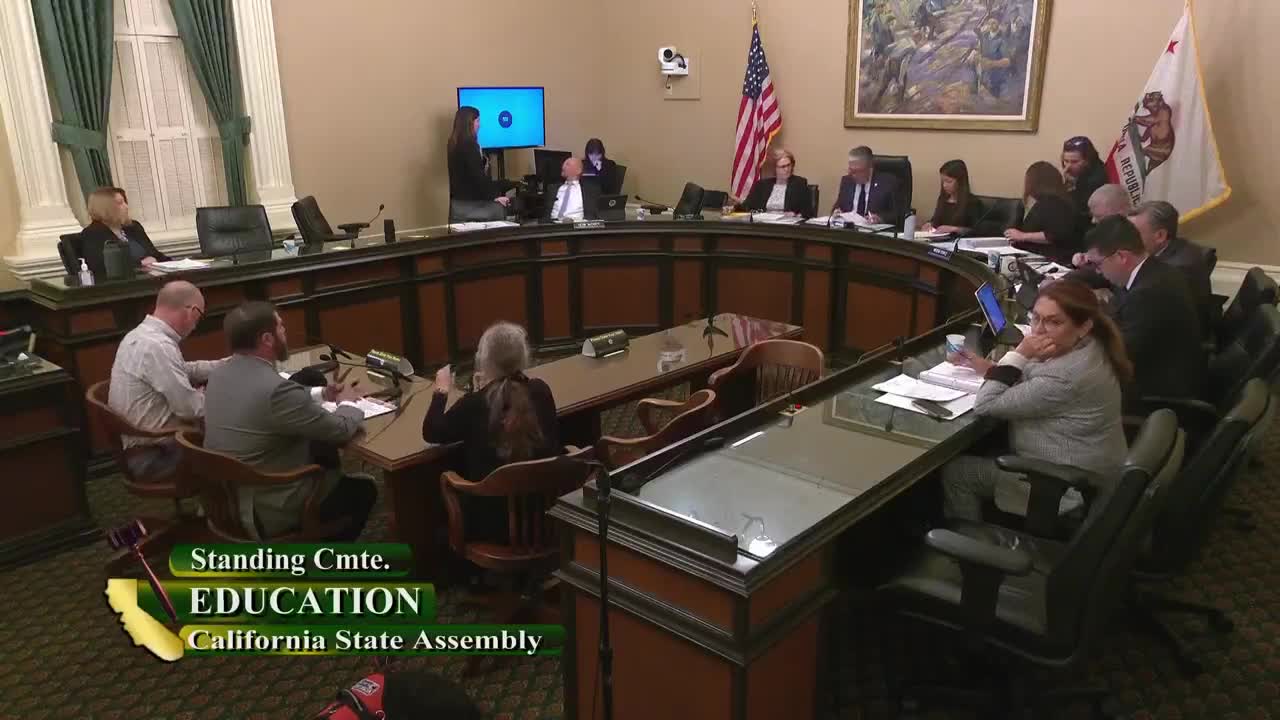
YES: Muratsuchi, Juan Carrillo, Hoover, Lee, McCarty, Quirk-Silva
ABS, ABST OR NV: Megan Dahle
ASM APPROPRIATIONS: 15-0-1
YES: Holden, Megan Dahle, Bryan, Calderon, Wendy Carrillo, Dixon, Mike Fong, Hart, Lowenthal, Mathis, Papan, Pellerin, Sanchez, Weber, Ortega
ABS, ABST OR NV: Robert Rivas
UPDATED
VERSION: April 18, 2023
CONSULTANT: Tanya Lieberman / ED. / (916) 319-2087 FN: 0000877
Date of Hearing: May 3, 2023
ASSEMBLY COMMITTEE ON APPROPRIATIONS
Chris Holden, Chair
ABPCA Bill Id:AB 1251
Author:(Luz Rivas) – As Amended Ver:April 18, 2023
Policy Committee: | Education | Vote: | 6 - 0 |
|
| ||
|
|
Urgency: No State Mandated Local Program: No Reimbursable: No
SUMMARY:
This bill, contingent on appropriation, requires, by July 1, 2024, the California Commission on Teacher Credentialing (CTC) to convene a workgroup on credentialing for instruction in computer science. The workgroup is to determine which teaching credentials, if any, should also authorize a teacher to teach computer science, whether teaching credential in computer science should be established, and make recommendations on how to meet workforce demands for computer science instruction. At least one half of the workgroup is to be current classroom teachers with experience teaching computer science. By July 1, 2025, CTC is to provide a report to the Legislature on the workgroups findings and recommendations.
FISCAL EFFECT:
One-time General Fund cost to CTC of about $50,000 to convene the workgroup and report the workgroup’s findings and recommendations to the Legislature.
COMMENTS:
- Purpose. According to the author, “California is in the process of potentially losing its position as a global leader in technology if we don’t provide our students with computer science instructors to teach them coding, programming, and keyboarding skills.”
- Background. California has three single subject teaching credentials (mathematics, business, and industrial and technology education) which authorize teachers to provide instruction in computer science. CTC issues supplementary authorizations in computer science to teachers holding other credentials which authorizes them to teach computer science. According to the Superintendent of Public Instruction (SPI), in the 2016-2017 academic year, 2,273 teachers in California taught core academic computer science courses.
Current law directed the SPI to convene a computer science strategic implementation advisory panel to develop recommendations for a computer science strategic implementation plan, and requires the panel to submit recommendations for a strategic plan to the State Board of Education (SBE) by January 15, 2019. The SBE adopted the California Computer Science Strategic Implementation Plan in May, 2019. The plan states that to grow K-12 computer science education, the state will need to increase the number of teachers qualified to teach computer science. The plan outlines several strategies to increase availability of computer science instruction, including a grant program to support teachers to earn a computer science supplementary authorization.
- Related Legislation. AB 672 (Jackson) of this legislative session requires the Commission on Teacher Credentialing (CTC) to convene a Teacher Credentialing Task Force by March 1, 2024, to examine various facets of teacher credentialing in California. For example, the task force is to examine available research on factors that enable and constrain recruitment, credentialing, and retention of a diverse teaching workforce; and examine the state’s teacher shortage. The bill is pending in this committee.
- Prior Legislation. AB 130 (Committee on Budget), Chapter 44, Statutes of 2021, established the Computer Science Supplementary Authorization Incentive Grant Program for the purpose of providing one-time grants to LEAs to support the preparation of credentialed teachers to earn a supplementary authorization in computer science and provide instruction in computer science coursework.
AB 182 (Luz Rivas), of the 2019-20 Legislative Session, was similar to this bill and would have required CTC to establish a workgroup to determine if the development of a single subject computer science credential is warranted and, if so, to consider requirements for that credential. This bill was held in this committee.
Analysis Prepared by: Natasha Collins / APPR. / (916) 319-2081
Date of Hearing: April 12, 2023
ASSEMBLY COMMITTEE ON EDUCATION
Al Muratsuchi, Chair
ABPCA Bill Id:AB 1251 (
Author:Luz Rivas) – As Amended Ver:March 16, 2023
SUBJECT: Teacher credentialing: computer science courses
SUMMARY: Authorizes a person who holds a single subject teaching credential in business, industrial and technology education, mathematics, or science, or a designated subjects career technical education (CTE) teaching credential, to teach courses in computer science to all students. Specifically, this bill:
- Authorizes a person who holds a single subject teaching credential in business, industrial and technology education, mathematics, or science, or a designated subjects CTE teaching credential, to teach courses in computer science to all students.
- States that this authorization does not prohibit a school district from employing a person who holds a single subject teaching credential in another subject with an authorization to teach computer concepts and applications to teach computer science.
EXISTING LAW:
- Authorizes the CTC to issue single subject teaching credentials in agriculture, art, biological sciences, business, chemistry, dance, English, geosciences, health science, home economics, industrial and technology education (ITE), mathematics, music, physics, physical education, science (various subjects), social science, theater, and world languages (English language development and languages other than English). (Education Code (EC) 44257)
- Through regulation, authorizes holders of credentials in mathematics, business, and ITE, as well as holders of supplementary authorizations in computer science, to teach computer science. (California Code of Regulations, Title 5, Section 80005)
- Authorizes the CTC to issue a multiple or single subject teaching credential with a specified concentration in a particular subject based upon the depth of an applicant’s preparation in an important subject of the school curriculum in order to ensure excellence in teaching in specific subjects.
- Authorizes the CTC to issue credentials for teaching specialties, including bilingual education, early childhood education, and special education (education specialist). Requires education specialist teaching credentials to be based upon a baccalaureate degree from an accredited institution, completion of a program of professional preparation, and standards that the CTC may establish. (EC 44265)
- Requires the Superintendent of Public Instruction (SPI) to convene a computer science strategic implementation advisory panel (panel) to develop recommendations for a computer science strategic implementation plan, and requires the panel to submit recommendations for a strategic plan to the State Board of Education (SBE) by January 15, 2019. Requires the plan to include, at a minimum, recommendations on all of the following:
- Broadening the pool of teachers to teach computer science;
- Defining computer science education principles that meet the needs of students in all grades; and
- Ensuring that all students have access to quality computer science courses.
- Requires the Instructional Quality Commission (IQC) to consider developing and recommending to the SBE, on or before July 31, 2019, computer science content standards for kindergarten and grades 1 to 12 pursuant to recommendations developed by a group of computer science experts. (EC 60604)
- States that if a school district requires more than two courses in mathematics for graduation from high school, the district may award a student up to one mathematics course credit for successfully completing a “category C” approved computer science course. (EC 51225.35)
- Requires the California State University (CSU), and requests the University of California (UC), to develop guidelines for high school computer science courses that may be approved for the purposes of recognition for admission. (EC 66205.5)
- Establishes the Computer Science Supplementary Authorization Incentive Grant Program for the purpose of providing one-time grants to local educational agencies (LEAs) to support the preparation of credentialed teachers to earn a supplementary authorization in computer science and provide instruction in computer science coursework.
- States that participating teachers are eligible to receive an award of up $2,500 through the program. Authorizes LEAs to use grant funding for the purpose of paying teachers’ costs of coursework, books, fees, and tuition, as applicable. Requires applicants for the program to provide a 100% match of grant funding, which may be in the form of release time or substitute teacher costs.
FISCAL EFFECT: Unknown
COMMENTS:
Need for the bill. The author states, “California is in the process of potentially losing its position as a global leader in technology if we don’t provide our students with computer science instructors to teach them coding, programming, and keyboarding skills. As a result, it will jeopardize thousands of jobs if we continue failing to properly prepare our students for a digital future. AB 1251 will give teachers with a science credential the option to teach computer science in schools.”
Who is authorized to teach computer science in California? California has three single subject teaching credentials (mathematics, business, and ITE) which authorize teachers to provide instruction in computer science. The CTC issues supplementary authorizations in computer science which also authorize a teacher holding another credential to teach computer science.
In 2016 the CTC modified their Computer Concepts and Applications authorization to reflect a change in focus from teaching basic computer use, keyboarding, and software application to broader preparation in computer science education. The CTC also changed the name of the authorization to “Computer Science.”
To obtain a supplementary authorization in computer science, teachers must complete 20 semester units or 10 upper division semester units, or the equivalent quarter units, of non-remedial course work in computer science. They may also qualify by holding a collegiate major from a regionally accredited college or university in a subject directly related to the subject to be listed on the credential. The coursework must cover the following content areas:
- Computer Programming
- Data structures and algorithms
- Digital devices, systems and networks:
- Software design
- Impacts of computing
The balance of the units may be in any course that falls within the academic department for that subject category.
Computer Science Strategic Implementation Panel recommends that the state increase the number of supplementary authorizations in computer science. Current law requires the SPI to convene a computer science strategic implementation advisory panel to develop recommendations for a computer science strategic implementation plan, and requires the panel to submit recommendations for a strategic plan to the SBE by January 15, 2019. In September, 2018, the panel submitted a draft strategic plan (draft plan) to the SBE for consideration, and the SBE adopted the California Computer Science Strategic Implementation Plan in May, 2019, which establishes a vision statement: “California’s vision is to ensure that all students develop foundational knowledge and skills in computer science to prepare them for college, careers, and civic engagement.”
The plan states that “to grow K–12 computer science education in California, the state will need to increase the number of teachers qualified to teach computer science. Supporting more educators to teach computer science would involve a multi-pronged approach that attends to credentialing, new teacher recruitment, professional learning for teachers, administrators, and counselors regarding the California computer science standards, and institutional and financial support.” The plan outlines several strategies for improving the availability of computer science instruction, including that a grant program could be established to support teachers to complete coursework for the computer science supplementary authorization, with additional incentives for teachers who work in low-income and underserved school districts and rural and urban school districts.
Who currently teaches computer science in California? According to the draft computer science strategic implementation plan, in the 2016-2017 academic year, approximately 2,273 teachers in California taught core academic computer science courses. This number grew steadily from 1,609 teachers in 2014-15 and 1,996 teachers in 2015-16.
As shown in the table on the previous page, most teachers teaching computer science courses are credentialed in subjects other than mathematics, business, or ITE and hold a supplementary authorization to teach computer science. Teachers credentialed in mathematics comprise the largest number of those authorized with a single subject credential to teach computer science.
The table below shows the issuance of supplementary authorizations in computer science issued by the CTC. The annual number issued has declined since the changes made to the authorization. The CTC notes that this is not an unduplicated count.
2009-10 | 2010-11 | 2011-12 | 2012-13 | 2013-14 | 2014-15 | 2015-16 | 2016-17 | 2017-18 | 2018-19 | 2019-20 | |
Computer Concepts and Applications | 177 | 229 | 158 | 111 | 100 | 120 | 109 |
|
|
| |
Computer Science and Introductory Computer Science | - | - | - | - | - | - | 11 | 35 | 40 | 61 |
88 |
No preservice credential programs in computer science in California. The draft plan noted that there are no pre-service computer science teacher preparation programs in California. This is not surprising, since there is no computer science credential to earn through such a program. Some content on computational thinking and computer science have been added to some preparation programs in other disciplines, such as math and science. Some universities have created programs for in-service teachers to satisfy the course requirements for the supplementary authorization in computer science. The plan noted that there are programs at UC, Irvine and UC, Riverside.
Teachers currently authorized to teach computer science receive no training in computer science in their preparation programs. The draft computer science strategic implementation plan notes that “A major weakness of the existing situation is that single-subject credentialed teachers authorized to teach computer science (i.e., Math, Business, or ITE) do not have subject matter requirements that cover basic computer science content. Furthermore, they are not trained in pedagogical knowledge relevant to computer science, which is different from their core subject. The supplementary authorizations in computer science, on the other hand, do require courses that cover computer science content knowledge. Yet, there are very few opportunities for credentialed teachers to enroll in such programs and these teachers will not necessarily have had practice teaching in a computer science classroom.”
This bill would authorize teachers holding single subject credentials in science to teach computer science. The Committee may wish to consider that this could mean that current science teachers, who have no training in teaching computer science, could be assigned to teach that subject. It is also unclear if future holders of single subject science credentials would be trained in teaching this content in their preservice preparation.
Career technical education teachers. The Preliminary Designated Subjects CTE Teaching Credential authorizes the holder to teach in the subject or subjects named on the credential in grades twelve and below and in classes organized primarily for adults, in career technical, trade or vocational courses. The Clear Designated Subjects CTE Teaching Credential authorizes the holder to teach in the subject or subjects named on the credential in grades twelve and below and in classes organized primarily for adults. Available subjects, also known as industry sectors, are as follows:
- Agriculture and Natural Resources
- Arts, Media, and Entertainment
- Building and Construction Trades
- Business and Finance
- Education, Child Development, and Family Services
- Energy, Environment, and Utilities
- Engineering and Architecture
- Fashion and Interior Design
- Health Science and Medical Technology
- Hospitality, Tourism, and Recreation
- Information and Communication Technologies
- Manufacturing and Product
Development
- Marketing, Sales, and Service
- Public Services
- Transportation
This bill would authorize individuals holding a Designated Subjects CTE teaching credential to teach computer science to all students. The bill does not specify that a teacher with this credential can only teach within a CTE context, or in a particular industry sectors. Therefore, individuals with a credential in any of the above industry sectors would be authorized to teach computer science courses. The Committee may wish to consider whether individuals with a Designated CTE Teaching Credential in each of the above fields will have the appropriate training or subject matter knowledge to teach computer science courses. It is also unclear whether this authorization could put CTE programs out of alignment with federal Perkins or state-funded CTE requirements.
What is the subject of computer science in grades K-12? Computer Science is a relatively new field of study for K-12 education. The Computer Science Strategic Implementation Panel’s draft report notes that there is some confusion over what constitutes computer science instruction in K-12 schools: “computer science is often misconstrued with other technological terminology such as computer literacy, educational technology, digital citizenship, and information technology. These areas focus more on the use of computing systems (e.g., learning to use word processing software). In contrast, computer science calls upon students to understand why and how computing technologies work, and then to build upon that conceptual knowledge by creating computational artifacts.”
The state’s new computer science standards, adopted in 2018, define computer science education as “the study of computers and algorithmic processes, including their principles, their hardware and software designs, their applications, and their impact on society.” The core concepts in computer science instruction are:
- Computing systems
- Networks and Information systems
- Data and Analysis
- Algorithms and Programming
- Impacts of Computing
According to the International Society for Technology in Education’s report, ISTE Standards for Computer Science Education, the field of computer science will continue to rapidly evolve in sometimes unpredictable ways, and as such, plans for teaching computer science will also need the flexibility to continuously adapt.
Access to computer science education in California schools. Access to, and enrollment disparities in, coursework in computer science has been a longstanding concern. Data on some computer science offerings in secondary schools is shown below for the 2018-19 school year.
Course Name | Number of Schools | Courses Taught | Number of UC/CSU Courses | Female Enrollment | Male Enrollment | Total Enrollment |
AP Computer science A | 199 | 329 | 302 | 2,324 | 5,508 | 7,832 |
AP Computer science AB | 35 | 62 | 61 | 607 | 1,090 | 1,697 |
AP Computer Science Principles | 152 | 265 | 249 | 2,123 | 4,527 | 6,650 |
Computer programming | 194 | 468 | 80 | 2,865 | 5,315 | 8,180 |
Computer science | 351 | 806 | 289 | 6,244 | 11,932 | 18,176 |
Exploring Computer Science | 16 | 31 | 11 | 212 | 514 | 726 |
IB Computer science | 7 | 18 | 16 | 102 | 328 | 430 |
Total | 954 | 1,979 | 1,008 | 14,477 | 29,214 | 43,691 |
Source: CDE
As shown above, disparities in enrollment by gender were significant, with roughly half as many female as male students enrolled in many computer science courses.
According to a 2021 report by Code.org, the Computer Science Teachers Association, and the Expanding Computing Education Pathways Alliance, 2021 State of Computer Science Education:
- In 2018-19, 41% of California high schools offered a foundational computer science course;
- 75% of California high school students attend a school that offers computer science;
- Of 32,263 total Advanced Placement (AP) computer science exams taken in California last year, 32% identified as female;
- Black/African American students and Native Hawaiian/ Pacific Islander students are both four times less likely than their white and Asian peers to take an AP computer science exam; and
- Hispanic students are three times less likely to take an AP computer science exam than their white and Asian peers.
Recommended amendments. Staff recommends that this bill be amended to delete its current contents and instead:
- Require the CTC, by July 1, 2024, to establish of a workgroup to determine 1) whether and which credentials authorizing the teaching of science and designated subjects CTE should also authorize teaching of computer science, and 2) whether a single subject credential in computer science should be established. The workgroup would also be required to make recommendations on strategies to meet the workforce demands associated with expanding access to computer science instruction to all students.
- Require that at least half of the workgroup be current classroom teachers with experience teaching computer science at the secondary level, and to include representatives from school administration, institutions of higher education involved in the preparation of teachers to teach computer science, and content experts in the field of computer science education.
- Require the CTC, by July 1, 2025, to provide a report of the workgroup’s findings and recommendations to the appropriate policy and fiscal Committees of the Legislature.
- Make implementation of the measure contingent upon an appropriation for that purpose.
Related legislation. AB 1853 (Berman) of the 2021-22 Session would have established the Computer Science Preservice Teacher Grant Program, administered by the CTC to award competitive grants to institutions of higher education (IHEs) to develop or expand K–12 computer science and computational thinking coursework for individuals seeking specified teaching credentials. This bill was held in the Assembly Appropriations Committee.
AB 2187 (Luz Rivas) of the 2021-22 Session would establish a UC Subject Matter Project in computer science. This bill was held in the Assembly Appropriations Committee.
AB 130 (Committee on Budget), Chapter 44, Statutes of 2021, established the Computer Science Supplementary Authorization Incentive Grant Program for the purpose of providing one-time grants to LEAs to support the preparation of credentialed teachers to earn a supplementary authorization in computer science and provide instruction in computer science coursework.
AB 128 (Committee on Budget), Chapter 21, Statutes of 2021, appropriated $5 million on a one-time basis to establish the Educator Workforce Investment Grant: Computer Science, and required the CDE to select an IHE or nonprofit organizations to provide professional learning for teachers and paraprofessionals statewide in strategies for providing high-quality instruction and computer science learning experiences aligned to the computer science content standards.
AB 498 (Quirk Silva) of the 2021-22 Session was substantially similar to AB 1932 of the 2019-20 Session. This bill was amended into a different jurisdiction and held in the Senate Appropriations Committee.
AB 1410 (Quirk Silva) of the 2019-2020 Session was substantially similar to AB 1932 of the 2019-20 Session. This bill was held in the Senate Appropriations Committee.
AB 1932 (Quirk-Silva) of the 2019-20 Session would have established the Computer Science Access Initiative, to improve students’ access to instruction in computer science by increasing the number of teachers who are authorized and trained to provide computer science instruction in California public schools. This bill was held in the Assembly Education Committee.
AB 2309 (Berman) of the 2019-20 Session would have required the CTC to develop and implement a program to award competitive grants to postsecondary educational institutions for the development of preservice credential programs for individuals seeking a teaching credential, and the expansion of programs of study for single subject or multiple subject credentialed teachers seeking a supplementary authorization in computer science. This bill was held in the Assembly Education Committee.
AB 2274 (Berman) of the 2019-20 Session would have required the CDE to annually compile and post on its website a report on computer science courses, course enrollment, and teachers of computer science courses, for the 2019-20 school year and each subsequent school year. This bill was held in the Assembly Education Committee.
AB 1967 (Luz Rivas) of the 2019-20 Session would have established a UC Subject Matter Project in Computer Science. This bill was held in the Assembly Higher Education Committee.
AB 20 (Berman) of the 2019-20 Session would have established a Computer Science Coordinator position at the CDE. This bill was held in the Assembly Appropriations Committee.
AB 52 (Berman) of the 2019-20 Session would have required the computer science strategic implementation plan to be regularly updated. This bill was held in the Assembly Appropriations Committee.
AB 182 (Luz Rivas) of the 2019-20 Session would have required the CTC to establish a workgroup, comprised of certain members, to determine if the development of a single subject computer science credential is warranted and, if so, to consider requirements for that credential. This bill was held in the Assembly Appropriations Committee.
AB 1410 (Quirk-Silva and O’Donnell) of the 2019-20 Session would have established the Computer Science Access Initiative, to provide grants to LEAs for the purpose of increasing the number of teachers authorized and trained to instruct students in computer science. This bill was held in the Assembly Appropriations Committee.
SB 675 (Chang) of the 2019-20 Session would have enacted the Computer Occupations and Developing Education (CODE) Act, pursuant to which the SBE would administer a grant program promoting the teaching of computer science courses in the public secondary schools. This bill was held in the Senate Governmental Organization Committee.
AB 2329 (Bonilla), Chapter 693, Statutes of 2016, requires the SPI to convene a computer science strategic implementation advisory panel to develop recommendations for a computer science strategic implementation plan.
AB 2275 (Dababneh) of the 2015-16 Session would have authorized a person who holds a single subject teaching credential in business, industrial and technology education, mathematics, or science or a designated subjects career technical education teaching credential to teach courses in computer science to all students. This bill was held in the Assembly Education Committee.
AB 1539 (Hagman, 2014), Chapter 876, Statutes of 2014, requires the IQC to consider developing and recommending to the SBE, on or before July 31, 2019, computer science content standards for kindergarten and grades 1 to 12, pursuant to recommendations developed by a group of computer science experts.
AB 1764 (Olsen), Chapter 888, Statutes of 2014, states that if a school district requires more than two courses in mathematics for graduation from high school, the district may award a student up to one mathematics course credit.
REGISTERED SUPPORT / OPPOSITION:
Support
None on file
Opposition
None on file
Analysis Prepared by: Tanya Lieberman / ED. / (916) 319-2087
Discussed in Hearing
View Older Hearings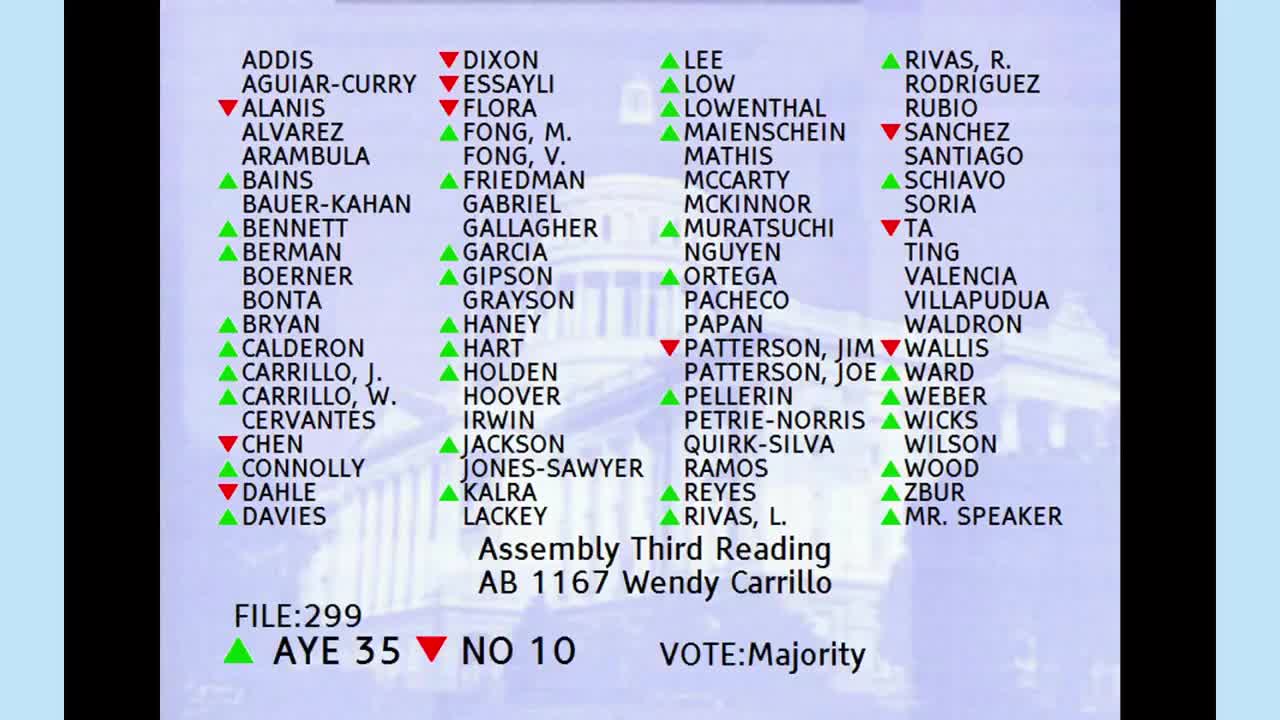
Bill Author


