AB 1516: Labor and Workforce Development Agency: working group: minimum wage.
- Session Year: 2023-2024
- House: Assembly
- Latest Version Date: 2024-01-25
Current Status:
Failed
(2024-08-15: In committee: Held under submission.)
Introduced
In Committee
First Chamber
In Committee
Second Chamber
Enacted
Existing law establishes the Department of Industrial Relations within the Labor and Workforce Development Agency to, among other things, foster, promote, and develop the welfare of the wage earners of California, to improve their working conditions, and to advance their opportunities for profitable employment. Existing law establishes the Division of Labor Standards Enforcement under the direction of the Labor Commissioner within the Department of Industrial Relations, and requires the division to ascertain the wages paid to all employees in this state, to ascertain the hours and conditions of labor and employment in the various occupations, trades, and industries in which employees are employed in this state, and to investigate the health, safety, and welfare of those employees.
This bill would require the Labor and Workforce Development Agency to convene a working group to study and evaluate topics related to the minimum wage in California. The bill would require the working group to submit to the Legislature, on or before July 1, 2024, 2025, a report that outlines recommendations for raising the minimum wage for all workers in California.
Existing law establishes the Department of Industrial Relations within the Labor and Workforce Development Agency to, among other things, foster, promote, and develop the welfare of the wage earners of California, to improve their working conditions, and to advance their opportunities for profitable employment. Existing law establishes the Division of Labor Standards Enforcement under the direction of the Labor Commissioner within the Department of Industrial Relations, and requires the division to ascertain the wages paid to all employees in this state, to ascertain the hours and conditions of labor and employment in the various occupations, trades, and industries in which employees are employed in this state, and to investigate the health, safety, and welfare of those employees.
This bill would require the Labor and Workforce Development Agency to convene a working group to study and evaluate topics related to the minimum wage in California. The bill would require the working group to submit to the Legislature, on or before July 1, 2024, a report that outlines recommendations for raising the minimum wage for all workers in California.
Existing law establishes the Division of Labor Standards Enforcement under the direction of the Labor Commissioner within the Department of Industrial Relations and sets forth its powers and duties of the commissioner and the commissioners deputies and agents, including the power to issue subpoenas for the purpose of carrying out the laws under their jurisdiction.This bill would make nonsubstantive changes to those provisions.Existing law establishes the Division of Labor Standards Enforcement under the direction of the Labor Commissioner within the Department of Industrial Relations and sets forth its powers and duties of the commissioner and the commissioners deputies and agents, including the power to issue subpoenas for the purpose of carrying out the laws under their jurisdiction.
This bill would make nonsubstantive changes to those provisions.
(a)The Labor and Workforce Development Agency shall convene, until July 1, 2024, 2025, a working group consisting of representatives from the Labor Commissioners office, the Employment Development Department, organizations representing low-wage or immigrant workers, and organizations advocating for the rights of incarcerated persons persons, and an organization representing employers to study and evaluate, at a minimum, the following topics related to the minimum wage in California:
(1)Raising the state minimum wage.
(2)Utilization rates of the state social safety net by minimum wage workers.
(3)The role of the California Strategic Enforcement Partnership in state minimum wage enforcement efforts.
(4)The socio-economic socioeconomic benefits of ending the sub-minimum subminimum wage for incarcerated workers.
(b)The working group shall submit to the Legislature, on or before July 1, 2024, 2025, in compliance with Section 9795 of the Government Code, a report that outlines recommendations for raising the minimum wage for all workers in California.
(a)The Labor and Workforce Development Agency shall convene, until July 1, 2024, a working group consisting of representatives from the Labor Commissioners office, the Employment Development Department, organizations representing low-wage or immigrant workers, and organizations advocating for the rights of incarcerated persons to study and evaluate, at a minimum, the following topics related to the minimum wage in California:
(1)Raising the state minimum wage.
(2)Utilization rates of the state social safety net by minimum wage workers.
(3)The role of the California Strategic Enforcement Partnership in state minimum wage enforcement efforts.
(4)The socio-economic benefits of ending the sub-minimum wage for incarcerated workers.
(b)The working group shall submit to the Legislature, on or before July 1, 2024, in compliance with Section 9795 of the Government Code, a report that outlines recommendations for raising the minimum wage for all workers in California.
SECTION 1.Section 92 of the Labor Code is amended to read:92.The Labor Commissioner, and the commissioners deputies and agents, may issue subpoenas to compel the attendance of witnesses and parties and the production of books, papers and records; administer oaths; examine witnesses under oath; take the verification, acknowledgment, or proof of written instruments; and take depositions and affidavits for the purpose of carrying out the provisions of this code and all laws which the division is to enforce.The Labor Commissioner, his and the commissioners deputies and agents, may issue subpenas subpoenas to compel the attendance of witnesses and parties and the production of books, papers and records; administer oaths; examine witnesses under oath; take the verification, acknowledgment, or proof of written instruments; and take depositions and affidavits for the purpose of carrying out the provisions of this code and all laws which the division is to enforce.
|
Date
|
Status
|
|---|---|
| Aug 15, 2024 | In committee: Held under submission. |
| Jun 17, 2024 | In committee: Referred to suspense file. |
| Jun 5, 2024 | From committee: Do pass and re-refer to Com. on APPR. (Ayes 4. Noes 1.) (June 5). Re-referred to Com. on APPR. |
| May 1, 2024 | Referred to Com. on L., P.E. & R. |
| Jan 29, 2024 | In Senate. Read first time. To Com. on RLS. for assignment. |
| Jan 29, 2024 | Read third time. Passed. Ordered to the Senate. (Ayes 61. Noes 10. Page 3951.) |
| Jan 25, 2024 | Read third time and amended. Ordered to third reading. (Page 3933.) |
| Jan 23, 2024 | Ordered to third reading. |
| Jan 23, 2024 | From inactive file. |
| Jan 22, 2024 | Notice of intention to remove from inactive file given by Assembly Member Kalra. |
| May 31, 2023 | Ordered to inactive file at the request of Assembly Member Kalra. |
| May 18, 2023 | Read second time. Ordered to third reading. |
| May 18, 2023 | From committee: Do pass. (Ayes 11. Noes 4.) (May 18). |
| May 10, 2023 | In committee: Set, first hearing. Referred to APPR. suspense file. |
| Apr 27, 2023 | From committee: Do pass and re-refer to Com. on APPR. (Ayes 5. Noes 0.) (April 26). Re-referred to Com. on APPR. |
| Mar 27, 2023 | Re-referred to Com. on L. & E. |
| Mar 23, 2023 | Referred to Com. on L. & E. |
| Mar 23, 2023 | From committee chair, with author's amendments: Amend, and re-refer to Com. on L. & E. Read second time and amended. |
| Feb 18, 2023 | From printer. May be heard in committee March 20. |
| Feb 17, 2023 | Read first time. To print. |
|
Date
|
Description
|
Location
|
Votes
|
|
|---|---|---|---|---|
| Jun 17, 2024 | Placed on suspense file | Senate Standing Committee on Appropriations |
Passed |
|
| Jun 5, 2024 | Do pass, but first be re-referred to the Committee on [Appropriations] | Senate Standing Committee on Labor, Public Employment and Retirement |
Passed |
|
| Jan 29, 2024 | AB 1516 Kalra Assembly Third Reading | Assembly Floor |
Passed |
|
| May 18, 2023 | Do pass. | Assembly Standing Committee on Appropriations |
Passed |
|
| Apr 26, 2023 | Do pass and be re-referred to the Committee on [Appropriations] | Assembly Standing Committee on Labor and Employment |
Passed |
This list shows positions taken on this bill by organizations on the date displayed, which is linked to the original source.
Positions by individuals are not included.
|
Organization
|
Position
|
Date
|
|---|---|---|
| All of Us or None | * Support | Jun 5, 2024 |
| California Association Of Winegrape Growers | ** Against | |
| California Chamber Of Commerce | * Against Unless Amend | Apr 26, 2023 |
| California Grocers Association | ** Against | |
| California Hotel & Lodging Association | ** Against | |
| California Restaurant Association | ** Against | |
| California Retailers Association | ** Against | |
| California Rural Legal Assistance Foundation | ** Support | |
| California State Council of The Society for Human Resource Management | ** Against | |
| Housing Contractors Of California | ** Against | |
| Legal Services for Prisoners with Children | * Support | Jun 5, 2024 |
| Official Police Garage Association Of Los Angeles | ** Against | |
| One Fair Wage | * Support | Jun 5, 2024 |
| San Gabriel Valley Economic Partnership | ** Against | |
| Western Growers Association | ** Against |
SENATE COMMITTEE ON APPROPRIATIONS
Senator Anna Caballero, Chair
2023 - 2024 Regular Session
AB 1516 (Kalra) - Labor and Workforce Development Agency: working group: minimum wage
Version: January 25, 2024 | Policy Vote: L., P.E. & R. 4 - 1 |
Urgency: No | Mandate: No |
Hearing Date: June 17, 2024 | Consultant: Robert Ingenito |
Bill Summary:
AB 1516 would require the Labor and Workforce Development Agency (LWDA) to convene a working group on the state minimum wage to evaluate specified topics, including (1) raising the minimum wage, and (2) ending the sub-minimum wage for incarcerated workers.
Fiscal Impact:
LWDA indicates that it would incur a one-time General Fund cost of $800,000 to convene the working group, study specified topics, and submit a report to the Legislature.
Background:
The California minimum wage was established at $0.16 per hour in 1916, and has been increased about 30 times thereafter. The state’s California’s minimum wage currently is $16. SB 3 (Leno, 2016) increased the minimum wage from $10 per hour to the current amount using a phased approach, increasing the wage by $0.50 when first enacted, and then by $1 each year until reaching $15. SB 3 also included a slower timeline of incremental increases for employers with 25 or fewer employees to reach $15. Since reaching this threshold, however, the minimum wage has increased, and will continue to annually increase, for all employers based on the U.S. Consumer Price Index, but no more than 3.5 percent per year, with the resulting amount rounded to the nearest ten cents.
The California Strategic Enforcement Partnership was formed in late 2016 by the California Labor Commissioner’s Office to bolster anti-wage theft enforcement efforts in California and create a culture of labor law compliance by collaborating with worker organizations. The goals of the partnership are to (1) collect unpaid wages and improve the use of agency and legal tools to collect wages, (2) develop industry-specific enforcement strategies, (3) identify high impact cases that influence industry practices and support law-abiding employers through effective enforcement, (4) build a sustainable strategic enforcement system in California, and (5) increase worker engagement in advocating for better working conditions.
The Partnership is a collaboration between the Labor Commissioner’s Office, the National Employment Law Project, and 14 workers’ rights and legal advocacy organizations (referred to as “the cohort”). The partnership focuses on six low-wage, high-violation industries, and works with organizations based in all major areas of the State. The low-wage industries of focus are agriculture, janitorial, carwash, residential home care, construction, and restaurant.
Proposed Law:
This bill would do the following:
- Require LWDA, to convene, until July 1, 2025, a working group consisting of representatives from the Labor Commissioner’s office, the Employment Development Department, organizations representing low-wage or immigrant workers, organizations advocating for the rights of incarcerated persons, and an organization representing employers to study and evaluate, at a minimum, (1) raising the state minimum wage, (2) utilization rates of the state social safety net by minimum wage workers, (3) the role of the California Strategic Enforcement Partnership in state minimum wage enforcement efforts, and (4) the socioeconomic benefits of ending the subminimum wage for incarcerated workers.
- Require the working group to submit to the Legislature by July 1, 2025, a report that outlines recommendations for raising the minimum wage for all workers in California.
Related Legislation:
- SB 1049 (Padilla, 2024) would require the Department of Industrial Relations, in conjunction LWDA and the Director of Housing and Community Development, to (1) examine housing costs in the state and create a formula to ascertain the living wage that allows full-time wage earners to afford a decent standard of living, as specified; (2) develop a certification program for employers that pay a living wage; and (3) annually report the living wage to the Legislature, as specified. The bill was held under submission on the Suspense File of this Committee.
- SB 525 (Durazo, Chapter 890, Statutes of 2023) enacted the phased in multi-tiered statewide minimum wage increase schedule for health care workers employed by covered healthcare facilities, as specified.
- AB 610 (Holden, Chapter 4, Statutes of 2024) amended existing fast food worker provisions requiring a $20 an hour minimum wage for fast food workers to exempt specified restaurants from the definition of “fast food restaurant,” including restaurants in airports, hotels, event centers, theme parks, museums, and other locations, as prescribed.
- AB 1228 (Holden, Chapter 262, Statutes of 2023) requires, among other things, the hourly minimum wage for fast food restaurant employees to be twenty dollars ($20) per hour, effective April 1, 2024. AB 1228 repealed, revised and recast provisions of the Fast Food Accountability and Standards Recovery Act (FAST Act) to codify changes that were negotiated and agreed to by both proponents and opponents (seeking a referendum) of AB 257 (Holden, 2022) but only if the referendum was withdrawn by January 1, 2024.
- SB 3 (Leno, Chapter 4, Statutes of 2016), among other things, increased the state minimum wage to $15 per hour, in an incremental timeline from $10 to $15, and indexed the minimum wage to inflation thereafter, as specified.
-- END --
SENATE COMMITTEE ON LABOR, PUBLIC EMPLOYMENT AND RETIREMENT
Senator Lola Smallwood-Cuevas, Chair
2023 - 2024 Regular
Bill No: AB 1516 Hearing Date: June 5, 2024
Author: | Kalra | ||
Version: | January 25, 2024 | ||
Urgency: | No | Fiscal: | Yes |
Consultant: | Alma Perez-Schwab | ||
SUBJECT: Labor and Workforce Development Agency: working group: minimum wage
KEY ISSUE
This bill requires the Labor and Workforce Development Agency (LWDA) to convene a working group on the state minimum wage to evaluate specified topics including raising the minimum wage and ending the sub-minimum wage for incarcerated workers.
ANALYSIS
Existing federal law:
- Sets the federal minimum wage at $7.25 an hour. (Fair Labor Standards Act of 1938, 29 U.S.C. Chapter 8)
Existing state law:
- Sets California’s minimum wage at $16/hour for all employers and specifies that after January 1, 2023, the minimum wage rate will be adjusted annually for inflation based on the national consumer price index for urban wage earners and clerical workers (CPI-W). However, the minimum wage cannot be lowered, even if there is a negative CPI, and the highest raise allowed in any one year is 3.5 percent. Each minimum wage increase must be rounded to the nearest ten cents ($0.10) and calculated (by the Director of Finance) on August 1st to take effect on January 1st of the following year. (Labor Code §1182.12)
- Effective April 1, 2024, requires fast food restaurants, as defined, to pay their employees a minimum wage of $20.00 per hour. (Labor Code §1474-1477)
- Effective July 1, 2024, requires specified health care facility employers to pay a health care worker minimum wage based on a multi-tiered schedule reaching up to $25 an hour by 2028, as specified. (Labor Code §1182.14, §1182.15)
- For purposes of the minimum wage, defines “employer” to mean any person who directly or indirectly, or through an agent or any other person, employs or exercises control over the wages, hours, or working conditions of any person and includes the state, political subdivisions of the state, and municipalities. (Labor Code §1182.14)
- Establishes the Department of Industrial Relations (DIR) in the Labor and Workforce Development Agency (LWDA), and vests it with various powers and duties to foster, promote, and develop the welfare of the wage earners of California, to improve their working conditions, and to advance their opportunities for profitable employment. (Labor Code §50.5)
- Establishes the Division of Labor Standards Enforcement (also known as the Office of the Labor Commissioner (LC)) within the DIR, and requires the LC, among other things, to ascertain the wages paid to all employees in this state and to ascertain the hours and conditions of labor and employment in the various occupations, trades, and industries in which employees are employed in this state. (Labor Code §56, §61)
- Establishes the Employment Development Department (EDD) to, among other duties, administer the Unemployment Insurance, Disability Insurance programs as well as managing other job creation activities. (Unemployment Insurance Code §301)
This bill:
- Requires the Labor and Workforce Development Agency to convene, until July 1, 2025, a working group consisting of representatives from the Labor Commissioner’s office, the Employment Development Department, organizations representing low-wage or immigrant workers, organizations advocating for the rights of incarcerated persons, and an organization representing employers to study and evaluate, at a minimum, the following topics related to the minimum wage in California:
- Raising the state minimum wage.
- Utilization rates of the state social safety net by minimum wage workers.
- The role of the California Strategic Enforcement Partnership in state minimum wage enforcement efforts.
- The socioeconomic benefits of ending the subminimum wage for incarcerated workers.
- Requires the working group to submit to the Legislature, on or before July 1, 2025, a report that outlines recommendations for raising the minimum wage for all workers in California.
COMMENTS
1. Background:
Cost of Living in California:
According to a University of California, Berkeley Labor Center report, which provides an analysis of living wages in California “based on the MIT living wage calculator[1], which measures income adequacy by accounting for both family composition and geography, the 2022 self-sufficiency wage in California for
- A single adult is $21.24
- A family with two working adults and two children is $30.06
- A family with one working adult and one child is $43.33”[2]
Future of Work Commission:
In 2019, Governor Newsom established the Future of Work Commission, comprised of 21 prominent leaders from technology, labor, business, education, and other critical sectors. The Commission's charge was to "study, understand, analyze, and make recommendations regarding the kinds of jobs Californians could have in the decades to come; …modernizing worker safety net protections; and the best way to preserve good jobs, ready the workforce for the jobs of the future throughout lifelong learning, and ensure shared prosperity for all." The Commission worked over an 18-month period to assess the challenges related to the present and future work in California.
In its final report, the Commission made several key findings, specifically about the challenges of inequity, and recommendations on how to address them. One of the key findings highlighted that “inequality is worsened by the growth of low-wage jobs, decline of middle-wage jobs, and wage stagnation experienced by a large share of workers, particularly when there are limited pathways to move from low-wage to higher-wage work. Thirty-one percent of California workers make less than $15 per hour.”[3]
One of the recommendations of the Commission was to eliminate working poverty. The Commission suggested that an important policy response to the prevalence of low-wage work is to raise wages for the lowest paid workers to a living wage. One of the initiatives recommended by the Commission to achieve this is the use of tools like a living wage calculator that can help determine regional living wages with the use of “geographically specific data related to the likely costs of a family's basic necessities, such as food, childcare, and housing, to determine a living wage that an individual in a household must earn.[4]"
This bill is an important step towards achieving these goals by requiring the LWDA to convene a working group to study and evaluate these issues including the raising of the state minimum wage.
2. California Strategic Enforcement Partnership:
The California Strategic Enforcement Partnership (“partnership”) was formed in late 2016 by the California Labor Commissioner’s Office to bolster anti-wage theft enforcement efforts in California and create a culture of labor law compliance by collaborating with worker organizations. The goals of the partnership are to:
- Collect unpaid wages and improve the use of agency and legal tools to collect wages
- Develop industry-specific enforcement strategies
- Identify high impact cases that influence industry practices and support law-abiding employers through effective enforcement
- Build a sustainable strategic enforcement system in California
- Increase worker engagement in advocating for better working conditions
The partnership is a collaboration between the Labor Commissioner’s Office, the National Employment Law Project, and 14 workers’ rights and legal advocacy organizations (referred to as “the cohort”). The partnership focuses on six low-wage, high-violation industries, and works with organizations based in the San Francisco Bay Area, Southern California, and Central Coast and Central Valley. The sick low-wage industries of focus are agriculture, janitorial, carwash, residential home care, construction, and restaurant.[5]
This bill directs the LWDA, in convening the working group, to also study and evaluate the role of the California Strategic Enforcement Partnership in state minimum wage enforcement efforts.
3. Need for this bill?
According to the author, using “MIT’s living wage calculator, in Modoc County, the cheapest county to live in California, one working adult in a two-parent, one-child household would require $18.53 an hour, well above our current statewide minimum wage. This calculation includes basic costs of living such as rent, childcare, transportation, and health care. Some local cities and counties have established a higher minimum wage. For example, cities such as San Jose, Santa Clara, El Cerrito, Emeryville, and Palo Alto have a minimum wage above $17.00 an hour, with the city of West Hollywood at the highest of $19.08 an hour.” Additionally, the author notes, “there have been calls to end the remaining subminimum wages. In California, incarcerated workers earn between $0.08 to $1 per hour…These subminimum wages make it difficult to pay child support, contribute to victim support funds, or pay any other court-related debt both during and after incarceration.”
The author also argues that “as the cost of living continues to rise and wages remain stagnant, it is crucial for California to lay the foundation for raising the statewide minimum wage and ending subminimum wages. This bill will fill that information gap and require a study of what constitutes a living wage.”
4. Proponent Arguments:
According to proponents:
“California has prided itself as a national leader on working people’s issues; the Governor convened a ‘Future of Work’ Commission specifically to examine how California could lead on low-wage workers’ issues. Legislators in New York, Rhode Island, and Ohio have introduced legislation to raise the minimum wage to $21 an hour and end various subminimum wages, and in New York, a large coalition of labor unions and community organizations are advancing the $21 legislation with championship from the chairs of the labor caucuses in both the NY Assembly and Senate. With all of these states advancing $21 bills, and with the minimum needed for a working adult in a 2-parent, 2-child household in the cheapest county in California being $23.74, the minimum wage in California cannot be lower than $21 per hour.
Additionally, there is incredible momentum nationwide to end all subminimum wages in the United States. The subminimum wage for incarcerated workers is a direct legacy of slavery, originating from the exemption to the 13th Amendment that allows for slavery in the case of incarceration. Incarcerated workers conduct labor both for the public and private sectors that in any other context would be mandatorily paid at least a full minimum wage. In many cases these workers perform essential work - producing hand sanitation liquid and license plates, and fighting California’s ever-increasing wildfires. Many states have already voted to end forced labor and other states are advancing legislation to require incarcerated workers to be paid a full minimum wage. California should lead the way and require all incarcerated workers to be paid a full minimum wage, paving the pathway for Congress to require the same, rather than following other states that are currently moving in this direction.”
5. Opponent Arguments:
None received.
6. Prior/Related Legislation:
SB 1049 (Padilla, 2024) would require the Department of Industrial Relations, in conjunction with the Secretary of LWDA and the Director of Housing and Community Development, to (1) examine housing costs in the state and create a formula to ascertain the living wage that allows full-time wage earners to afford a decent standard of living, as specified; (2) develop a certification program for employers that pay a living wage; and (3) annually report the living wage to the Legislature, as specified. SB 1049 was held under submission in the Senate Appropriations Committee.
SB 525 (Durazo, Chapter 890, Statutes of 2023) enacted the phased in multi-tiered statewide minimum wage increase schedule for health care workers employed by covered healthcare facilities, as specified above under existing law.
AB 610 (Holden, Chapter 4, Statutes of 2024) amended existing fast food worker provisions requiring a $20 an hour minimum wage for fast food workers to exempt specified restaurants from the definition of “fast food restaurant,” including restaurants in airports, hotels, event centers, theme parks, museums, and other locations, as prescribed.
AB 1228 (Holden, Chapter 262, Statutes of 2023) requires, among other things, the hourly minimum wage for fast food restaurant employees to be twenty dollars ($20) per hour, effective April 1, 2024. AB 1228 repealed, revised and recast provisions of the Fast Food Accountability and Standards Recovery Act (FAST Act) to codify changes that were negotiated and agreed to by both proponents and opponents (seeking a referendum) of AB 257 (Holden, 2022) but only if the referendum was withdrawn by January 1, 2024.
SB 3 (Leno, Chapter 4, Statutes of 2016), among other things, increased the state minimum wage to $15 per hour, in an incremental timeline from $10 to $15, and indexed the minimum wage to inflation thereafter, as specified.
SUPPORT
One Fair Wage (Sponsor)
A New Way of Life
All of Us or None
Anti Recidivism Coalition
Arming Minorities Against Addiction & Disease (AMAAD)
Black Women’s Roundtable
California Native Vote Project
California Rural Legal Assistance Foundation
California Working Families Party
Communities United for Restorative Youth Justice (CURYJ)
CURE California
Dee Hill Foundation Inc.
Felony Murder Elimination Project
GRACE - End Child Poverty in California
Homies Unidos
Legal Services for Prisoners With Children
National Coalition on Black Civic Participation
Roberts Enterprise Development Fund (REDF)
Sister Warriors Freedom Coalition
Starting Over Inc.
OPPOSITION
None received.
-- END --
Glasmeier, Amy K. Living Wage Calculator. 2023. Massachusetts Institute of Technology. Livingwage.mit.edu ↑
Farmand, Aida; Challenor, Tynan; Hunter,Savannah; Lopezlira, Enrique; and Jacobs, Ken. State workers struggle to make ends meet throughout California; Women, Black, and Latino workers are disproportionately affected. March 15, 2023. https://laborcenter.berkeley.edu/state-workers-struggle-to-make-ends-meet-throughout-california/ ↑
California Future of Work Commission, "A New Social Compact for Work and Workers," March 2021, p. 42. ↑
Ibid. ↑
https://s27147.pcdn.co/app/uploads/2018/11/CA-Enforcement-Document-Letter-11-27-18-1.pdf ↑
ASSEMBLY THIRD READING
ATR Bill Id:AB 1516
Author:(Kalra)
As Amended Ver:January 25, 2024
Majority vote
SUMMARY
Requires the Labor and Workforce Development Agency (LWDA) to convene a working group on the state minimum wage to evaluate specified topics including raising the minimum wage and ending the sub-minimum wage for incarcerated workers.
Major Provisions
- Requires the LWDA to convene, until July 1, 2025, a working group consisting of representatives from the Labor Commissioner’s office, the Employment Development Department, organizations representing low-wage or immigrant workers, an organization representing employers, and organizations advocating for the rights of incarcerated persons to study and evaluate, at a minimum, the following topics related to the minimum wage in California:
- Raising the state minimum wage.
- Utilization rates of the state social safety net by minimum wage workers.
- The role of the California Strategic Enforcement Partnership in state minimum wage enforcement efforts.
- The socio-economic benefits of ending the sub-minimum wage for incarcerated workers.
- Requires the working group to submit to the Legislature, on or before July 1, 2025, a report that outlines recommendations for raising the minimum wage for all workers in California.
COMMENTS
In 2019, Governor Newsom established the Future of Work Commission, comprised of 21 prominent leaders from technology, labor, business, education, and other critical sectors. The Commission's charge was to "study, understand, analyze, and make recommendations regarding the kinds of jobs Californians could have in the decades to come; …modernizing worker safety net protections; and the best way to preserve good jobs, ready the workforce for the jobs of the future throughout lifelong learning, and ensure shared prosperity for all." A central recommendation of the Commission's final report is to eliminate working poverty. The report points out that working poverty is especially high among "Hispanics and Latinos, African Americans, Pacific Islanders, Native Americans, woman-headed households, adults with lower levels of education, and formerly incarcerated workers.[1]" It further suggests that an important policy response to the prevalence of low-wage work is to raise wages to a living wage. A tool like a living wage calculator can "leverage geographically specific data related to the likely costs of a family's basic necessities, such as food, childcare, and housing, to determine a living wage that an individual in a household must earn.[2]" For example, MIT’s living wage calculator estimates that in Modoc County, the cheapest county to live in California, one working adult in a two-parent, one-child household would require $18.53 an hour, well above our current state minimum wage of $15.50 an hour. Improving our understanding of the nexus between working poverty and raising wages for the state's lowest paid workers could be an important research contribution by the AB 1516 working group.
This bill also provides that the working group will evaluate ending the sub-minimum wage for incarcerated workers. As historians have noted, paying these workers the sub-minimum wage is a direct legacy of slavery, originating from the exemption to the 13th Amendment that allows for slavery in the case of incarceration. Incarcerated workers in California perform work that would be compensated with at least the minimum wage in any other workplace. These workers have garnered much media attention for fighting some of our state's worst wildfires along with fire personnel, but do so for poverty wages.
According to the Author
"With stagnant wages, lack of affordable housing, and the rising cost of childcare, working families are struggling to make ends meet. The current minimum wage of $15.50 an hour is wholly inadequate for workers across the state and fails to meet their most basic needs. We need to get serious about raising the minimum wage and AB 1516 will lay the foundation for doing so by studying what constitutes a living wage and the best path to get us there."
AB 1516 will benefit underserved and marginalized communities because "establishing the groundwork for a minimum wage increase will have the biggest impact for communities of color and foreign born workers. In California, Latinx workers make up 58% of low-wage workers, while foreign born workers make up 36% of them. Raising the minimum wage will assist these communities by lifting them out of poverty and significantly improving their standard of living."
Arguments in Support
A coalition of social and restorative justice organizations, including One Fair Wage, are in support and state, "…California has prided itself as a national leader on working people's issues; the Governor convened a 'Future of Work' Commission specifically to examine how California could lead on low-wage workers' issues. Legislators in New York, Rhode Island, and Ohio have introduced legislation to raise the minimum wage to $21 an hour and end various subminimum wages, and in New York, a large coalition of labor unions and community organizations are advancing the $21 legislation with championship from the chairs of the labor caucuses in both the NY Assembly and Senate. With all of these states advancing $21 bills, and with the minimum needed for a working adult in a 2-parent, 2-child household in the cheapest county in California being $23.74, the minimum wage in California cannot be lower than $21 per hour."
Arguments in Opposition
Please note: The opposition argument does not reflect recent amendments to the bill.
A coalition of employer groups, including the California Chamber of Commerce, is opposed unless amended and states, "We strongly believe that the employer perspective should be considered as part of this working group given the significant financial impacts that raising minimum wage has on the economy, including employers’ ability to afford to hire and do business in California. We therefore request that employer representatives be included in the bill."
FISCAL COMMENTS
According to the Assembly Appropriations Committee:
- One-time General Fund costs of an unknown, but potentially significant amount, likely in excess of $150,000, to LWDA to convene the working group, study specified topics, and submit a report to the Legislature within six months. Additionally, since the primary purpose of this bill is to create a working group and report, this bill is eligible for this committee's suspense file.
- Minor and absorbable costs to the LC and EDD to attend and participate in working group meetings. However, if the role of the LC or EDD in the working group becomes more significant, those agencies might incur additional costs.
VOTES
ASM LABOR AND EMPLOYMENT: 5-0-2
YES: Kalra, Haney, Ortega, Reyes, Ward
ABS, ABST OR NV: Flora, Chen
ASM APPROPRIATIONS: 11-4-1
YES: Holden, Bryan, Calderon, Wendy Carrillo, Mike Fong, Hart, Lowenthal, Papan, Pellerin, Weber, Ortega
NO: Megan Dahle, Dixon, Mathis, Sanchez
ABS, ABST OR NV: Robert Rivas
UPDATED
VERSION: January 25, 2024
CONSULTANT: Megan Lane / L. & E. / (916) 319-2091 FN: 0002627
ASSEMBLY THIRD READING
ATR Bill Id:AB 1516
Author:(Kalra)
As Amended Ver:March 23, 2023
Majority vote
SUMMARY
Requires the Labor and Workforce Development Agency (LWDA) to convene a working group on the state minimum wage to evaluate specified topics including raising the minimum wage and ending the sub-minimum wage for incarcerated workers.
Major Provisions
- Requires the LWDA to convene, until July 1, 2024, a working group consisting of representatives from the Labor Commissioner's office, the Employment Development Department, organizations representing low-wage or immigrant workers, and organizations advocating for the rights of incarcerated persons to study and evaluate, at a minimum, the following topics related to the minimum wage in California:
- Raising the state minimum wage.
- Utilization rates of the state social safety net by minimum wage workers.
- The role of the California Strategic Enforcement Partnership in state minimum wage enforcement efforts.
- The socio-economic benefits of ending the sub-minimum wage for incarcerated workers.
- Requires the working group to submit to the Legislature, on or before July 1, 2024, a report that outlines recommendations for raising the minimum wage for all workers in California.
COMMENTS
In 2019, Governor Newsom established the Future of Work Commission, comprised of 21 prominent leaders from technology, labor, business, education, and other critical sectors. The Commission's charge was to "study, understand, analyze, and make recommendations regarding the kinds of jobs Californians could have in the decades to come; …modernizing worker safety net protections; and the best way to preserve good jobs, ready the workforce for the jobs of the future throughout lifelong learning, and ensure shared prosperity for all." A central recommendation of the Commission's final report is to eliminate working poverty. The report points out that working poverty is especially high among "Hispanics and Latinos, African Americans, Pacific Islanders, Native Americans, woman-headed households, adults with lower levels of education, and formerly incarcerated workers.[1]" It further suggests that an important policy response to the prevalence of low-wage work is to raise wages to a living wage. A tool like a living wage calculator can "leverage geographically specific data related to the likely costs of a family's basic necessities, such as food, childcare, and housing, to determine a living wage that an individual in a household must earn.[2]" For example, MIT's living wage calculator estimates that in Modoc County, the cheapest county to live in California, one working adult in a two-parent, one-child household would require $18.53 an hour, well above our current state minimum wage of $15.50 an hour. Improving our understanding of the nexus between working poverty and raising wages for the state's lowest paid workers could be an important research contribution by the AB 1516 working group.
AB 1516 also provides that the working group will evaluate ending the sub-minimum wage for incarcerated workers. As historians have noted, paying these workers the sub-minimum wage is a direct legacy of slavery, originating from the exemption to the 13th Amendment that allows for slavery in the case of incarceration. Incarcerated workers in California perform work that would be compensated with at least the minimum wage in any other workplace. These workers have garnered much media attention for fighting some of our state's worst wildfires along with fire personnel, but do so for poverty wages.
According to the Author
"With stagnant wages, lack of affordable housing, and the rising cost of childcare, working families are struggling to make ends meet. The current minimum wage of $15.50 an hour is wholly inadequate for workers across the state and fails to meet their most basic needs. We need to get serious about raising the minimum wage and AB 1516 will lay the foundation for doing so by studying what constitutes a living wage and the best path to get us there."
AB 1516 will benefit underserved and marginalized communities because "establishing the groundwork for a minimum wage increase will have the biggest impact for communities of color and foreign born workers. In California, Latinx workers make up 58% of low-wage workers, while foreign born workers make up 36% of them. Raising the minimum wage will assist these communities by lifting them out of poverty and significantly improving their standard of living."
Arguments in Support
A coalition of social and restorative justice organizations, including One Fair Wage, are in support and state, "…California has prided itself as a national leader on working people's issues; the Governor convened a 'Future of Work' Commission specifically to examine how California could lead on low-wage workers' issues. Legislators in New York, Rhode Island, and Ohio have introduced legislation to raise the minimum wage to $21 an hour and end various subminimum wages, and in New York, a large coalition of labor unions and community organizations are advancing the $21 legislation with championship from the chairs of the labor caucuses in both the NY Assembly and Senate. With all of these states advancing $21 bills, and with the minimum needed for a working adult in a 2-parent, 2-child household in the cheapest county in California being $23.74, the minimum wage in California cannot be lower than $21 per hour."
Arguments in Opposition
A coalition of employer groups, including the California Chamber of Commerce, is opposed unless amended and states, "We strongly believe that the employer perspective should be considered as part of this working group given the significant financial impacts that raising minimum wage has on the economy, including employers' ability to afford to hire and do business in California. We therefore request that employer representatives be included in the bill."
FISCAL COMMENTS
According to the Assembly Appropriations Committee:
- One-time General Fund costs of an unknown, but potentially significant amount, likely in excess of $150,000, to LWDA to convene the working group, study specified topics, and submit a report to the Legislature within six months. Additionally, since the primary purpose of this bill is to create a working group and report, this bill is eligible for this committee's suspense file.
- Minor and absorbable costs to the LC and EDD to attend and participate in working group meetings. However, if the role of the LC or EDD in the working group becomes more significant, those agencies might incur additional costs.
VOTES
ASM LABOR AND EMPLOYMENT: 5-0-2
YES: Kalra, Haney, Ortega, Reyes, Ward
ABS, ABST OR NV: Flora, Chen
ASM APPROPRIATIONS: 11-4-1
YES: Holden, Bryan, Calderon, Wendy Carrillo, Mike Fong, Hart, Lowenthal, Papan, Pellerin, Weber, Ortega
NO: Megan Dahle, Dixon, Mathis, Sanchez
ABS, ABST OR NV: Robert Rivas
UPDATED
VERSION: March 23, 2023
CONSULTANT: Megan Lane / L. & E. / (916) 319-2091 FN: 0000595
Date of Hearing: May 10, 2023
ASSEMBLY COMMITTEE ON APPROPRIATIONS
Chris Holden, Chair
ABPCA Bill Id:AB 1516
Author:(Kalra) – As Amended Ver:March 23, 2023
Policy Committee: | Labor and Employment | Vote: | 5 - 0 |
|
| ||
|
|
Urgency: No State Mandated Local Program: No Reimbursable: No
SUMMARY:
This bill requires the Labor and Workforce Development Agency (LWDA) to convene a working group to study and evaluate topics related to raising the minimum wage in California.
Specifically, this bill:
- Requires LWDA to convene, until July 1, 2024, a working group consisting of representatives from the Labor Commissioner’s (LC’s) office, the Employment Development Department (EDD), and specified organizations to study, at minimum, the following topics:
- Raising the state minimum wage.
- Utilization rates of the state social safety net by minimum wage workers.
- The role of the California Strategic Enforcement Partnership in state minimum wage enforcement efforts.
- The socio-economic benefits of ending the sub-minimum wage for incarcerated workers.
- Requires, by July 1, 2024, the working group to submit to the Legislature a report outlining recommendations for raising the minimum wage for all workers in California.
FISCAL EFFECT:
- One-time General Fund costs of an unknown, but potentially significant amount, likely in excess of $150,000, to LWDA to convene the working group, study specified topics, and submit a report to the Legislature within six months. Additionally, since the primary purpose of this bill is to create a working group and report, this bill is eligible for this committee’s suspense file.
- Minor and absorbable costs to the LC and EDD to attend and participate in working group meetings. However, if the role of the LC or EDD in the working group becomes more significant, those agencies might incur additional costs.
COMMENTS:
- Purpose. According to the author:
With stagnant wages, lack of affordable housing, and the rising cost of childcare, working families are struggling to make ends meet. The current minimum wage of $15.50 an hour is wholly inadequate for workers across the state and fails to meet their most basic needs. We need to get serious about raising the minimum wage and AB 1516 will lay the foundation for doing so by studying what constitutes a living wage and the best path to get us there.
- Support and Opposition. This bill is supported by a coalition of economic and social justice organizations, including One Fair Wage, which argues “the MIT Living Wage calculator estimates that one working adult in a two-parent, two-child household would need at least $23.74 per hour to cover the [basic] costs of living (rent, child, transportation, health care)” in Modoc County, which is the cheapest county in which to live in California.
This bill is opposed, unless amended, by a coalition of employer organizations, led by the California Chamber of Commerce, which argues “We strongly believe that the employer perspective should be considered as part of this working group given the significant financial impacts that raising minimum wage has on the economy, including employers’ ability to afford to hire and do business in California.”
- California’s Minimum Wage. The California minimum wage was established at $0.16 per hour in 1916, and has been increased about 30 times since its inception. California’s minimum wage currently is $15.50 per hour. SB 3 (Leno), Chapter 4, Statutes of 2016, increased the minimum wage from $10 per hour to the current $15.50 using a phased approach, increasing the wage by $0.50 when first enacted, and then by $1 each year until reaching $15. SB 3 also included a slower timeline of incremental increases for employers with 25 or fewer employees to reach $15. Since reaching this threshold, however, the minimum wage has increased, and will continue to annually increase, for all employers based on the U.S. Consumer Price Index, but no more than 3.5% per year, with the resulting amount rounded to the nearest ten cents. This bill requires LWDA to convene a working group to study and evaluate topics related to further raising the minimum wage in California.
- Related Legislation. SB 525 (Durazo) requires a healthcare worker minimum wage of $25 per hour at a covered healthcare facility. SB 525 is pending on the Senate Committee on Appropriations’ suspense file.
Analysis Prepared by: Irene Ho / APPR. / (916) 319-2081
Date of Hearing: April 26, 2023
ASSEMBLY COMMITTEE ON LABOR AND EMPLOYMENT
Ash Kalra, Chair
ABPCA Bill Id:AB 1516 (
Author:Kalra) – As Amended Ver:March 23, 2023
SUBJECT: Labor and Workforce Development Agency: working group: minimum wage
SUMMARY: Requires the Labor and Workforce Development Agency (LWDA) to convene a working group on the state minimum wage to evaluate specified topics including raising the minimum wage and ending the sub-minimum wage for incarcerated workers. Specifically, this bill:
- Requires the LWDA to convene, until July 1, 2024, a working group consisting of representatives from the Labor Commissioner’s office, the Employment Development Department, organizations representing low-wage or immigrant workers, and organizations advocating for the rights of incarcerated persons to study and evaluate, at a minimum, the following topics related to the minimum wage in California:
- Raising the state minimum wage.
- Utilization rates of the state social safety net by minimum wage workers.
- The role of the California Strategic Enforcement Partnership in state minimum wage enforcement efforts.
- The socio-economic benefits of ending the sub-minimum wage for incarcerated workers.
- Requires the working group to submit to the Legislature, on or before July 1, 2024, a report that outlines recommendations for raising the minimum wage for all workers in California.
EXISTING LAW:
- Establishes the Department of Industrial Relations (DIR) within the LWDA, administered by the Director of Industrial Relations, and vests it with various powers and duties to foster, promote, and develop the welfare of the wage earners of California, to improve their working conditions, and to advance their opportunities for profitable employment. Labor Code §50.5.
- Establishes the Division of Labor Standards Enforcement (also known as the Office of the Labor Commissioner) (LC) within the DIR, and requires the LC, among other things, to ascertain the wages paid to all employees in this state and to ascertain the hours and conditions of labor and employment in the various occupations, trades, and industries in which employees are employed in this state. Labor Code §56, §61.
FISCAL EFFECT: Unknown
COMMENTS: In 2019, Governor Newsom established the Future of Work Commission, comprised of 21 prominent leaders from technology, labor, business, education, and other critical sectors. The Commission’s charge was to “study, understand, analyze, and make recommendations regarding the kinds of jobs Californians could have in the decades to come; …modernizing worker safety net protections; and the best way to preserve good jobs, ready the workforce for the jobs of the future throughout lifelong learning, and ensure shared prosperity for all.” A central recommendation of the Commission’s final report is to eliminate working poverty. The report points out that working poverty is especially high among “Hispanics and Latinos, African Americans, Pacific Islanders, Native Americans, woman-headed households, adults with lower levels of education, and formerly incarcerated workers.[1]” It further suggests that an important policy response to the prevalence of low-wage work is to raise wages to a living wage. A tool like a living wage calculator can “leverage geographically specific data related to the likely costs of a family’s basic necessities, such as food, childcare, and housing, to determine a living wage that an individual in a household must earn.[2]” For example, MIT’s living wage calculator estimates that in Modoc County, the cheapest county to live in California, one working adult in a two-parent, one-child household would require $18.53 an hour, well above our current state minimum wage of $15.50 an hour. Improving our understanding of the nexus between working poverty and raising wages for the state’s lowest paid workers could be an important research contribution by the AB 1516 working group.
AB 1516 also provides that the working group will evaluate ending the sub-minimum wage for incarcerated workers. As historians have noted, paying these workers the sub-minimum wage is a direct legacy of slavery, originating from the exemption to the 13th Amendment that allows for slavery in the case of incarceration. Incarcerated workers in California perform work that would be compensated with at least the minimum wage in any other workplace. These workers have garnered much media attention for fighting some of our state’s worst wildfires along with fire personnel, but do so for poverty wages.
According to the author, “With stagnant wages, lack of affordable housing, and the rising cost of childcare, working families are struggling to make ends meet. The current minimum wage of $15.50 an hour is wholly inadequate for workers across the state and fails to meet their most basic needs. We need to get serious about raising the minimum wage and AB 1516 will lay the foundation for doing so by studying what constitutes a living wage and the best path to get us there.”
AB 1516 will benefit underserved and marginalized communities because “establishing the groundwork for a minimum wage increase will have the biggest impact for communities of color and foreign born workers. In California, Latinx workers make up 58% of low-wage workers, while foreign born workers make up 36% of them. Raising the minimum wage will assist these communities by lifting them out of poverty and significantly improving their standard of living.”
Arguments in Support
The California Rural Legal Assistance Foundation is in support and states, “We write on behalf of our farm worker clients in strong support of AB 1516, which requires the convening of a working group within the LWDA to study and evaluate topics related to the minimum wage.”
Arguments in Opposition
A coalition of employer groups, including the California Chamber of Commerce, is opposed unless amended and states, “We strongly believe that the employer perspective should be considered as part of this working group given the significant financial impacts that raising minimum wage has on the economy, including employers’ ability to afford to hire and do business in California. We therefore request that employer representatives be included in the bill.”
Related Legislation
SB 525 (Durazo) of 2023 would require a health care worker minimum wage of $25 per hour for hours worked in covered health care employment, as defined. The health care worker minimum wage would be enforceable by the LC or by a covered worker through a civil action, as specified. The measure is pending before the Senate Appropriations Committee.
REGISTERED SUPPORT / OPPOSITION:
Support
California Rural Legal Assistance Foundation
Oppose Unless Amended
California Association of Winegrape Growers
California Chamber of Commerce
California Grocers Association
California Hotel & Lodging Association
California Restaurant Association
California Retailers Association
California State Council of The Society for Human Resource Management (CALSHRM)
Housing Contractors of California
Official Police Garage Association of Los Angeles
San Gabriel Valley Economic Partnership
Western Growers Association
Opposition
None on file.
Analysis Prepared by: Megan Lane / L. & E. /
Discussed in Hearing
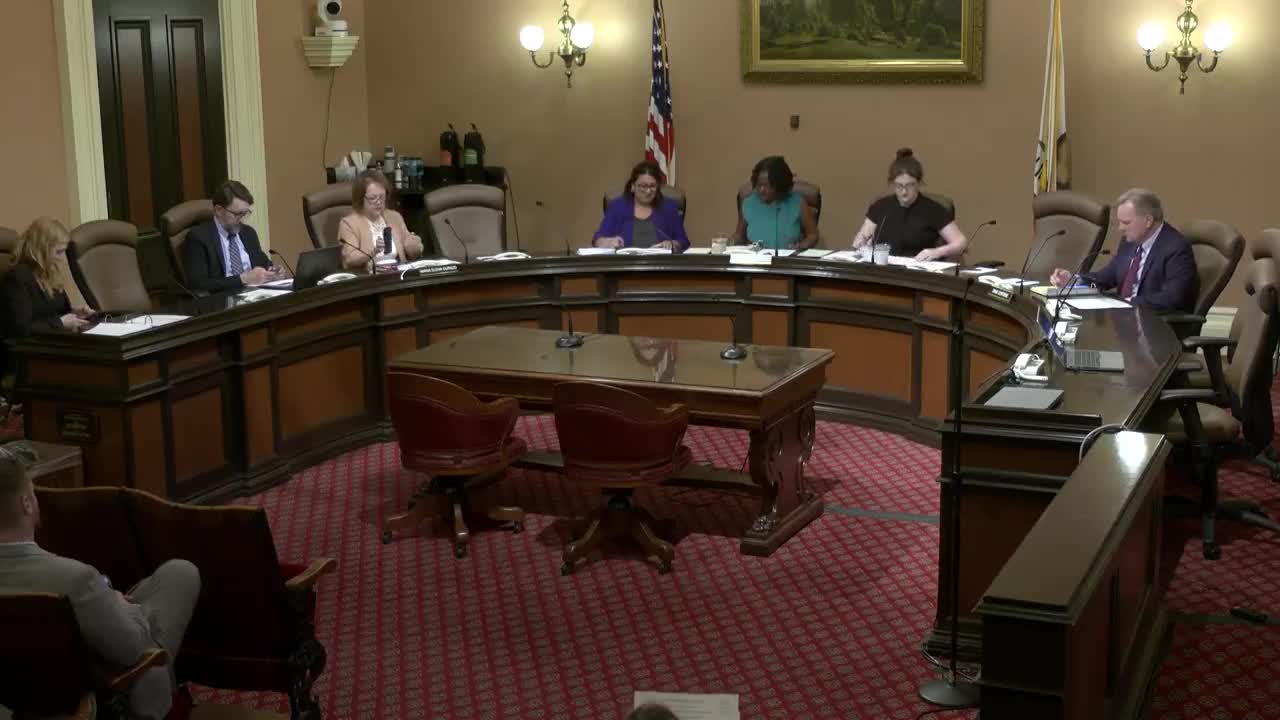 13MIN
Senate Standing Committee on Labor, Public Employment and Retirement
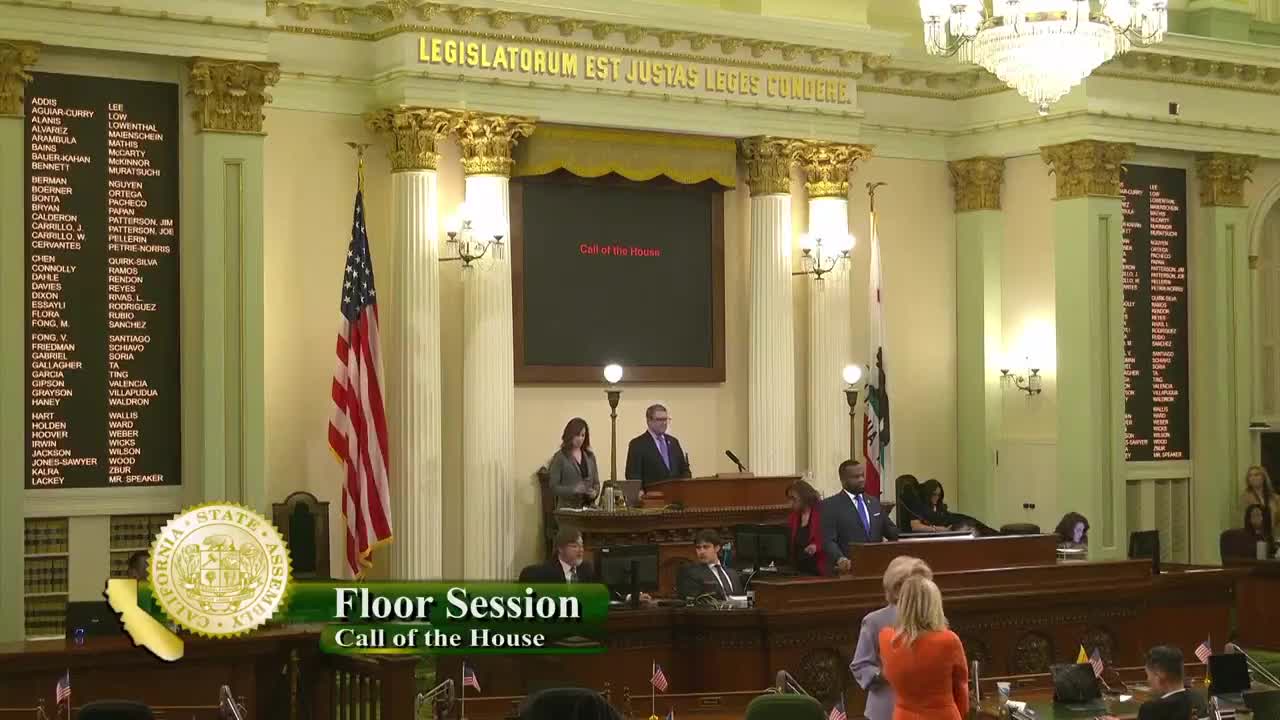 1MIN
Assembly Floor
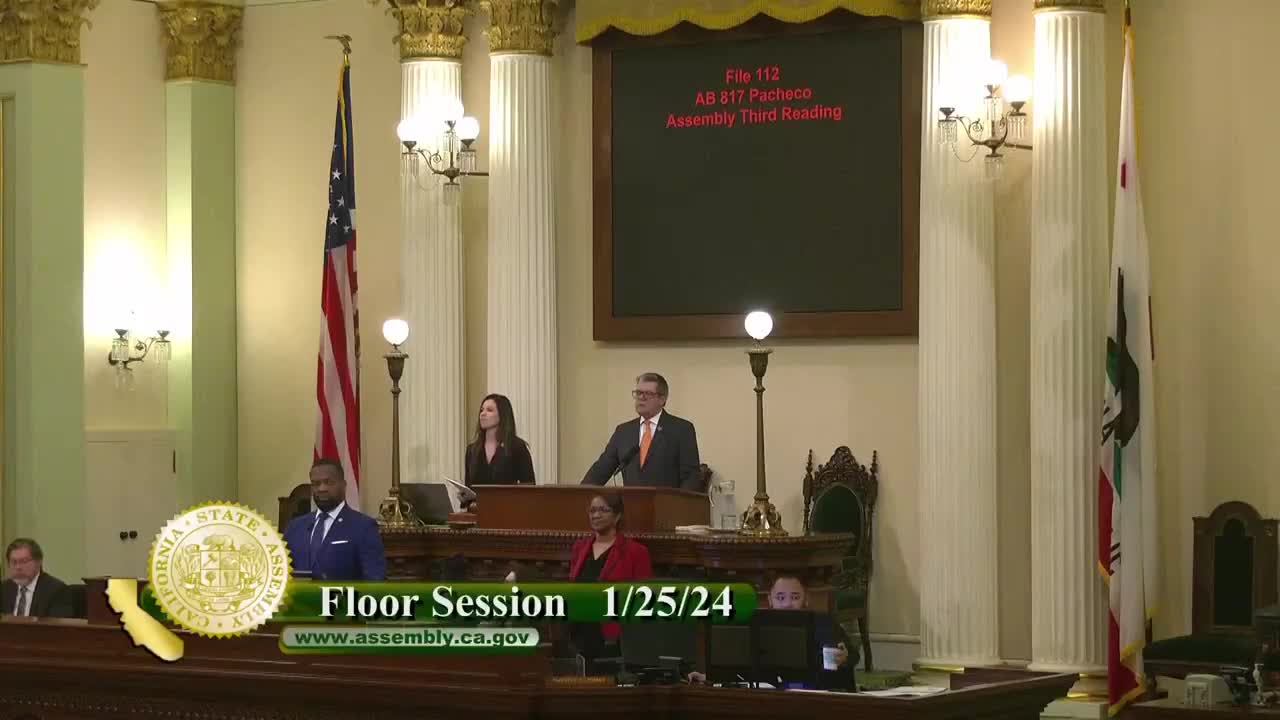 1MIN
Assembly Floor
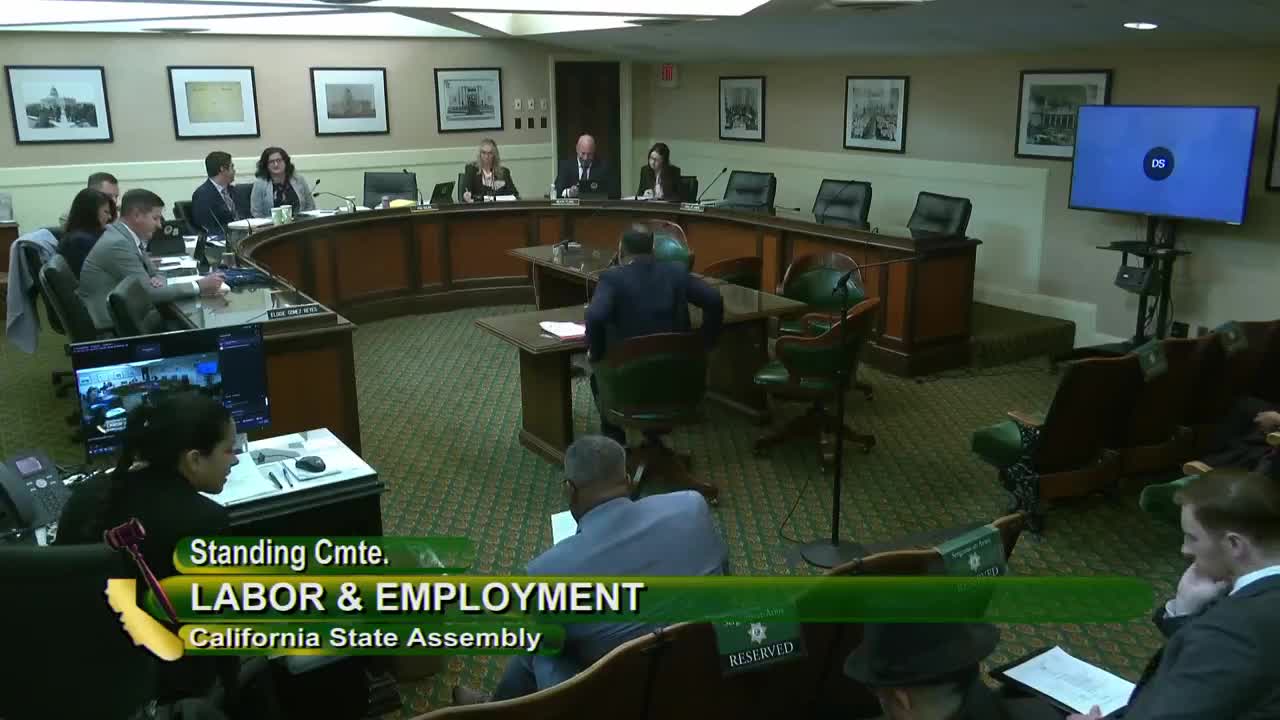 15MIN
Assembly Standing Committee on Labor and Employment
Bill Author

Bill Co-Author(s):