AB 1854: Service member protections.
- Session Year: 2023-2024
- House: Assembly
- Latest Version Date: 2024-07-18
Current Status:
Passed
(2024-07-18: Chaptered by Secretary of State - Chapter 144, Statutes of 2024.)
Introduced
In Committee
First Chamber
In Committee
Second Chamber
Enacted
Existing law authorizes a member of the United States Army Reserve or the National Guard who is called to active duty, as specified, to defer payments on certain obligations while serving on active duty. Existing law requires the reservist or the reservists designee to deliver a written request for the deferral to the obligor in order to receive a deferral.
This bill would require a request for deferral to be submitted not later than 90 days following the period of active duty on which the deferral is based.
Existing law authorizes a member of the United States Army Reserve or the National Guard who is called to active duty, as specified, to defer payments on certain obligations while serving on active duty. Existing law requires the reservist or the reservists designee to deliver a written request for the deferral to the obligor in order to receive a deferral.
This bill would require a request for deferral to be submitted not later than 90 days following the period of active duty on which the deferral is based.
Existing law authorizes a member of the United States Army Reserve or the National Guard who is called to active duty, as specified, to defer payments on certain obligations while serving on active duty. Existing law requires the reservist or the reservists designee to deliver a written request for the deferral to the obligor in order to receive a deferral. Existing law requires the deferral to apply only to those payments subsequent to that notice.
This bill would authorize the notice to specify a different date after which payments will be suspended. The bill would require a request for deferral to be submitted not later than 180 90 days following the period of active duty on which the deferral is based.
Existing law authorizes a member of the United States Army Reserve or the National Guard who is called to active duty, as specified, to defer payments on certain obligations while serving on active duty. Existing law requires the reservist or the reservists designee to deliver a written request for the deferral to the obligor in order to receive a deferral. Existing law requires the deferral to apply only to those payments subsequent to that notice.
This bill would authorize the notice to specify a different date after which payments will be suspended. The bill would require a request for deferral to be submitted not later than 180 days following the period of active duty on which the deferral is based.
(a)Subject to subdivision (b), in addition to any other benefits provided by law and to the extent permitted by federal law, a reservist who is called to active duty may defer payments on any of the following obligations while serving on active duty, or following a period of active duty:
(1)An obligation secured by a mortgage or deed of trust.
(2)Credit card as defined in Section 1747.02 of the Civil Code.
(3)Retail installment contract as defined in Section 1802.6 of the Civil Code.
(4)Retail installment account, installment account, or revolving account, as defined in Section 1802.7 of the Civil Code.
(5)(A)Up to two vehicle loans.
(B)For purposes of this chapter, vehicle means a vehicle as defined in Section 670 of the Vehicle Code.
(6)A payment of property tax or any special assessment of in-lieu property tax imposed on real property that is assessed on residential property owned by the reservist and used as that reservists primary place of residence on the date the reservist was ordered to active duty.
(7)An obligation owed to a utility company.
(8)A student loan.
(b)(1)In order for an obligation or liability of a reservist to be subject to the provisions of this chapter, the reservist or the reservists designee shall deliver to the obligor both of the following:
(A)(i)A written request by or on behalf of the reservist for a deferment of financial obligations.
(ii)For purposes of this subparagraph, written request includes an electronic communication.
(B)A copy of the reservists military orders.
(2)If required by a financial institution, proof that the reservists employer does not provide continuing income to the reservist while the reservist is on active military duty, including the reservists military pay, of more than 90 percent of the reservists monthly salary and wage income earned before the call to active duty.
(c)Upon request of the reservist or the reservists dependent or designee and within five working days of that request, if applicable, the employer of a reservist shall furnish the letter or other comparable evidence showing that the employers compensation policy does not provide continuing income to the reservist, including the reservists military pay, of more than 90 percent of the reservists monthly salary and wage income earned before the call to active duty.
(d)(1)The deferral period on financial obligations shall be the lesser of 180 days or the period of active duty plus 60 calendar days. The deferral shall apply only to those payments due subsequent to the notice provided to a lender as provided in subdivision (b). In addition, the total period of the deferment shall not exceed 180 days within a 365-day period.
(2)A request for deferral shall be submitted no later than 90 days following the period of active duty on which the deferral is based.
(e)If a lender defers payments on a closed end credit obligation or an open-end credit obligation with a maturity date, pursuant to this chapter, the lender shall extend the term of the obligation by the amount of months the obligation was deferred. However, any mortgage payments deferred pursuant to this section are due and payable upon the sale of the property or other event specified in the documents creating the obligation permitting the lender to accelerate the loan, other than a deferral of payments under this section.
(f)If a lender defers payments on an open-end credit obligation pursuant to this chapter, the lender may restrict the availability of additional credit with respect to that obligation during the term of the deferral.
(g)The deferment of payments on an obligation does not limit the ability of the reservist or any other person to make payments on the obligation.
(a)Subject to subdivision (b), in addition to any other benefits provided by law and to the extent permitted by federal law, a reservist who is called to active duty may defer payments on any of the following obligations while serving on active duty, or following a period of active duty:
(1)An obligation secured by a mortgage or deed of trust.
(2)Credit card as defined in Section 1747.02 of the Civil Code.
(3)Retail installment contract as defined in Section 1802.6 of the Civil Code.
(4)Retail installment account, installment account, or revolving account, as defined in Section 1802.7 of the Civil Code.
(5)(A)Up to two vehicle loans.
(B)For purposes of this chapter, vehicle means a vehicle as defined in Section 670 of the Vehicle Code.
(6)A payment of property tax or any special assessment of in-lieu property tax imposed on real property that is assessed on residential property owned by the reservist and used as that reservists primary place of residence on the date the reservist was ordered to active duty.
(7)An obligation owed to a utility company.
(8)A student loan.
(b)(1)In order for an obligation or liability of a reservist to be subject to the provisions of this chapter, the reservist or the reservists designee shall deliver to the obligor both of the following:
(A)(i)A written request by or on behalf of the reservist for a deferment of financial obligations.
(ii)For purposes of this subparagraph, written request includes an electronic communication.
(B)A copy of the reservists military orders.
(2)If required by a financial institution, proof that the reservists employer does not provide continuing income to the reservist while the reservist is on active military duty, including the reservists military pay, of more than 90 percent of the reservists monthly salary and wage income earned before the call to active duty.
(c)Upon request of the reservist or the reservists dependent or designee and within five working days of that request, if applicable, the employer of a reservist shall furnish the letter or other comparable evidence showing that the employers compensation policy does not provide continuing income to the reservist, including the reservists military pay, of more than 90 percent of the reservists monthly salary and wage income earned before the call to active duty.
(d)(1)The deferral period on financial obligations shall be the lesser of 180 days or the period of active duty plus 60 calendar days. The deferral shall apply only to those payments due subsequent to the notice provided to a lender as provided in subdivision (b). In addition, the total period of the deferment shall not exceed 180 days within a 365-day period.
(2)A request for deferral shall be submitted no later than 90 days following the period of active duty on which the deferral is based.
(e)If a lender defers payments on a closed end credit obligation or an open-end credit obligation with a maturity date, pursuant to this chapter, the lender shall extend the term of the obligation by the amount of months the obligation was deferred. However, any mortgage payments deferred pursuant to this section are due and payable upon the sale of the property or other event specified in the documents creating the obligation permitting the lender to accelerate the loan, other than a deferral of payments under this section.
(f)If a lender defers payments on an open-end credit obligation pursuant to this chapter, the lender may restrict the availability of additional credit with respect to that obligation during the term of the deferral.
(g)The deferment of payments on an obligation does not limit the ability of the reservist or any other person to make payments on the obligation.
(a)Subject to subdivision (b), in addition to any other benefits provided by law and to the extent permitted by federal law, a reservist who is called to active duty may defer payments on any of the following obligations while serving on active duty: duty, or following a period of active duty:
(1)An obligation secured by a mortgage or deed of trust.
(2)Credit card as defined in Section 1747.02 of the Civil Code.
(3)Retail installment contract as defined in Section 1802.6 of the Civil Code.
(4)Retail installment account, installment account, or revolving account, as defined in Section 1802.7 of the Civil Code.
(5)(A)Up to two vehicle loans.
(B)For purposes of this chapter, vehicle means a vehicle as defined in Section 670 of the Vehicle Code.
(6)A payment of property tax or any special assessment of in-lieu property tax imposed on real property that is assessed on residential property owned by the reservist and used as that reservists primary place of residence on the date the reservist was ordered to active duty.
(7)An obligation owed to a utility company.
(8)A student loan.
(b)(1)In order for an obligation or liability of a reservist to be subject to the provisions of this chapter, the reservist or the reservists designee shall deliver to the obligor both of the following:
(A)(i)A written request by or on behalf of the reservist for a deferment of financial obligations.
(ii)For purposes of this subparagraph, written request includes an electronic communication.
(B)A copy of the reservists military orders.
(2)If required by a financial institution, proof that the reservists employer does not provide continuing income to the reservist while the reservist is on active military duty, including the reservists military pay, of more than 90 percent of the reservists monthly salary and wage income earned before the call to active duty.
(c)Upon request of the reservist or the reservists dependent or designee and within five working days of that request, if applicable, the employer of a reservist shall furnish the letter or other comparable evidence showing that the employers compensation policy does not provide continuing income to the reservist, including the reservists military pay, of more than 90 percent of the reservists monthly salary and wage income earned before the call to active duty.
(d)(1)The deferral period on financial obligations shall be the lesser of 180 days or the period of active duty plus 60 calendar days. The deferral shall apply only to those payments due subsequent to the notice provided to a lender as provided in subdivision (b) or if another effective date is specified in the notice, to those payments due subsequent to that date. (b). In addition, the total period of the deferment shall not exceed 180 days within a 365-day period.
(2)A request for deferral shall be submitted no later than 180 90 days following the period of active duty on which the deferral is based.
(e)If a lender defers payments on a closed end credit obligation or an open-end credit obligation with a maturity date, pursuant to this chapter, the lender shall extend the term of the obligation by the amount of months the obligation was deferred. However, any mortgage payments deferred pursuant to this section are due and payable upon the sale of the property or other event specified in the documents creating the obligation permitting the lender to accelerate the loan, other than a deferral of payments under this section.
(f)If a lender defers payments on an open-end credit obligation pursuant to this chapter, the lender may restrict the availability of additional credit with respect to that obligation during the term of the deferral.
(g)The deferment of payments on an obligation does not limit the ability of the reservist or any other person to make payments on the obligation.
(a)Subject to subdivision (b), in addition to any other benefits provided by law and to the extent permitted by federal law, a reservist who is called to active duty may defer payments on any of the following obligations while serving on active duty:
(1)An obligation secured by a mortgage or deed of trust.
(2)Credit card, card as defined in Section 1747.02 of the Civil Code.
(3)Retail installment contract, contract as defined in Section 1802.6 of the Civil Code.
(4)Retail installment account, installment account, or revolving account, as defined in Section 1802.7 of the Civil Code.
(5)(A)Up to two vehicle loans. For
(B)For purposes of this chapter, vehicle means a vehicle as defined in Section 670 of the Vehicle Code.
(6)A payment of property tax or any special assessment of in-lieu property tax imposed on real property that is assessed on residential property owned by the reservist and used as that reservists primary place of residence on the date the reservist was ordered to active duty.
(7)An obligation owed to a utility company.
(8)A student loan.
(b)(1)In order for an obligation or liability of a reservist to be subject to the provisions of this chapter, the reservist or the reservists designee shall deliver to the obligor both of the following:
(A)(i)A written request by or on behalf of the reservist for a deferment of financial obligations. For
(ii)For purposes of this subparagraph, written request includes an electronic communication.
(B)A copy of the reservists military orders.
(2)If required by a financial institution, proof that the reservists employer does not provide continuing income to the reservist while the reservist is on active military duty, including the reservists military pay, of more than 90 percent of the reservists monthly salary and wage income earned before the call to active duty.
(c)Upon request of the reservist or the reservists dependent or designee and within five working days of that request, if applicable, the employer of a reservist shall furnish the letter or other comparable evidence showing that the employers compensation policy does not provide continuing income to the reservist, including the reservists military pay, of more than 90 percent of the reservists monthly salary and wage income earned before the call to active duty.
(d)(1)The deferral period on financial obligations shall be the lesser of 180 days or the period of active duty plus 60 calendar days and days. The deferral shall apply only to those payments due subsequent to the notice provided to a lender as provided in subdivision (b). (b) or if another effective date is specified in the notice, to those payments due subsequent to that date. In addition, the total period of the deferment shall not exceed 180 days within a 365-day period.
(2)A request for deferral shall be submitted no later than 180 days following the period of active duty on which the deferral is based.
(e)If a lender defers payments on a closed end credit obligation or an open-end credit obligation with a maturity date, pursuant to this chapter, the lender shall extend the term of the obligation by the amount of months the obligation was deferred. However, any mortgage payments deferred pursuant to this section are due and payable upon the sale of the property or other event specified in the documents creating the obligation permitting the lender to accelerate the loan, other than a deferral of payments under this section.
(f)If a lender defers payments on an open-end credit obligation pursuant to this chapter, the lender may restrict the availability of additional credit with respect to that obligation during the term of the deferral.
(g)The deferment of payments on an obligation does not limit the ability of the reservist or any other person to make payments on the obligation.
|
Date
|
Status
|
|---|---|
| Jul 18, 2024 | Chaptered by Secretary of State - Chapter 144, Statutes of 2024. |
| Jul 18, 2024 | Approved by the Governor. |
| Jul 18, 2024 | Enrolled and presented to the Governor at 12:30 p.m. |
| Jul 3, 2024 | Senate amendments concurred in. To Engrossing and Enrolling. (Ayes 73. Noes 0. Page 6148.). |
| Jul 1, 2024 | In Assembly. Concurrence in Senate amendments pending. May be considered on or after July 3 pursuant to Assembly Rule 77. |
| Jul 1, 2024 | Read third time. Passed. Ordered to the Assembly. (Ayes 40. Noes 0. Page 4850.). |
| Jun 26, 2024 | Read second time. Ordered to Consent Calendar. |
| Jun 25, 2024 | From committee: Do pass. To Consent Calendar. (Ayes 5. Noes 0.) (June 24). |
| Jun 11, 2024 | From committee chair, with author's amendments: Amend, and re-refer to committee. Read second time, amended, and re-referred to Com. on M. & V.A. |
| May 1, 2024 | Referred to Com. on M. & V.A. |
| Apr 18, 2024 | In Senate. Read first time. To Com. on RLS. for assignment. |
| Apr 18, 2024 | Read third time. Passed. Ordered to the Senate. (Ayes 72. Noes 0.) |
| Apr 11, 2024 | Read second time. Ordered to Consent Calendar. |
| Apr 10, 2024 | From committee: Do pass. To Consent Calendar. (Ayes 10. Noes 0.) (April 9). |
| Jan 29, 2024 | Referred to Com. on M. & V.A. |
| Jan 18, 2024 | From printer. May be heard in committee February 17. |
| Jan 17, 2024 | Read first time. To print. |
|
Date
|
Description
|
Location
|
Votes
|
|
|---|---|---|---|---|
| Jul 3, 2024 | AB 1854 Schiavo Concurrence in Senate Amendments | Assembly Floor |
Passed |
|
| Jul 1, 2024 | Consent Calendar 2nd AB1854 Schiavo | Senate Floor |
Passed |
|
| Jun 24, 2024 | Do pass and be ordered to the Consent Calendar | Senate Standing Committee on Military and Veterans Affairs |
Passed |
|
| Apr 18, 2024 | AB 1854 Schiavo Consent Calendar Second Day Regular Session | Assembly Floor |
Passed |
|
| Apr 9, 2024 | Do pass. To Consent Calendar. | Assembly Standing Committee on Military and Veterans Affairs |
Passed |
This list shows positions taken on this bill by organizations on the date displayed, which is linked to the original source.
Positions by individuals are not included.
|
Organization
|
Position
|
Date
|
|---|---|---|
| American Legion, Department Of California | ** Support | |
| Amvets, Department Of California | ** Support | |
| California Association Of County Veterans Service Officers | ** Support | |
| California State Commanders Veterans Council | ** Support | |
| Military Officers Association Of America, California Council Of Chapters | ** Support |
CONCURRENCE IN SENATE AMENDMENTS
CSA1 Bill Id:AB 1854
Author:(Schiavo)
As Amended Ver:June 11, 2024
Majority vote
SUMMARY
Provides for a period following a tour of active duty during which a reservist may apply for relief from specified financial obligations.
Senate Amendments
Delete a provision that permitted setting a start date for deferment of specified financial obligations that is other than subsequent to the notice provided to a lender, and reduce the application period following activation during which a reservist may apply for deferment on those obligations from 180 days to 90 days.
COMMENTS
The need to provide active duty members of the military, as well as National Guard and Reserve service members who are called to active duty, with a certain measure of protection in civil liability cases is long-recognized, first during the Civil War and later, in the form of the Soldiers and Sailors Relief Act of 1940.
The Soldiers and Sailors Relief Act was updated in 2003 to the Servicemembers Civil Relief Act (SCRA), which gives members of the active duty military, and their dependents, a wide range of legal protections not available to the general public. It covers all active duty service members, reservists, and the members of the National Guard while on active duty. Among the protections provided by the SCRA are several designed to help service members and their families cope with the unique demands of military life and deployment. These are largely provisions allowing for the modification, termination, or cap on financial obligations incurred before the period of military service and persisting in some cases during military service and for some time after.
State law also provides a range of protections, many of them similar to those of the SCRA, including protection against non-judicial foreclosure and default judgment to reserve component personnel, which include members of the California National Guard and Army Reserve. None of California's protections currently apply to California's 100,000+ active component personnel, who are generally always on active duty.
Many of the protections under state statute expire immediately or very shortly after a service member leaves active duty. Many service members face financial distress and instability during the time right after active duty, and need time to reintegrate into civilian life. For example, the protections against default judgments and non-judicial foreclosures once expired immediately upon release from active duty. Likewise, protections against eviction once expired 30 days after release from active duty. However, under AB 3212 (Irwin) Chapter 555, Statutes of 2018) each of these protections was extended for 90-120 days after one's release from active duty to protect service members during their readjustment to civilian life.
However, the right provided to reservists under MVC Section 800 to deferral of specified financial obligations when called to active duty was not similarly extended to provide a window of post-activation eligibility.
According to the Author
Californians who serve in the reserve components are required to set aside their civilian responsibilities and take up service to the state and the nation at often very short notice. Recognizing this, we have long made some allowance for them to hit pause on some of those obligations while they answer the call to serve. This bill merely grants a to reservists who have been activated a short window following their period of activation during which they may apply for those protections they already enjoy under state law.
Arguments in Support
The American Legion, Department of California, states: "The extension of financial protections is a necessary measure to support our service members who have sacrificed for our country. It allows them to focus on their reintegration without the added stress of immediate financial obligations. This bill aligns with the principles of the Servicemembers Civil Relief Act (SCRA) and builds on California's existing protections for reserve component personnel."
Arguments in Opposition
None on file.
FISCAL COMMENTS
This bill is not fiscal.
VOTES:
ASM MILITARY AND VETERANS AFFAIRS: 10-0-0
YES: Schiavo, Davies, Addis, Alanis, Alvarez, Boerner, Juan Carrillo, Ta, Valencia, Villapudua
ASSEMBLY FLOOR: 72-0-8
YES: Addis, Aguiar-Curry, Alanis, Alvarez, Bains, Bauer-Kahan, Bennett, Berman, Calderon, Juan Carrillo, Wendy Carrillo, Chen, Connolly, Davies, Dixon, Flora, Mike Fong, Vince Fong, Friedman, Gabriel, Gallagher, Garcia, Gipson, Grayson, Haney, Hart, Holden, Hoover, Irwin, Jackson, Jones-Sawyer, Kalra, Lackey, Lee, Low, Lowenthal, Maienschein, McCarty, McKinnor, Muratsuchi, Stephanie Nguyen, Ortega, Pacheco, Papan, Jim Patterson, Joe Patterson, Pellerin, Petrie-Norris, Quirk-Silva, Ramos, Rendon, Reyes, Luz Rivas, Rodriguez, Blanca Rubio, Sanchez, Santiago, Schiavo, Soria, Ta, Ting, Valencia, Villapudua, Waldron, Wallis, Ward, Weber, Wicks, Wilson, Wood, Zbur, Robert Rivas
ABS, ABST OR NV: Arambula, Boerner, Bonta, Bryan, Cervantes, Megan Dahle, Essayli, Mathis
SENATE FLOOR: 40-0-0
YES: Allen, Alvarado-Gil, Archuleta, Ashby, Atkins, Becker, Blakespear, Bradford, Caballero, Cortese, Dahle, Dodd, Durazo, Eggman, Glazer, Gonzalez, Grove, Hurtado, Jones, Laird, Limón, McGuire, Menjivar, Min, Newman, Nguyen, Niello, Ochoa Bogh, Padilla, Portantino, Roth, Rubio, Seyarto, Skinner, Smallwood-Cuevas, Stern, Umberg, Wahab, Wiener, Wilk
UPDATED
VERSION: June 11, 2024
CONSULTANT: Christian Burkin / M. & V.A. / (916) 319-3550 FN: 0003688
SENATE RULES COMMITTEE Office of Senate Floor Analyses (916) 651-1520 Fax: (916) 327-4478 | AB 1854 |
CONSENT
Bill No: AB 1854
Author: Schiavo (D)
Amended: 6/11/24 in Senate
Vote: 21
SENATE MILITARY & VETERANS COMMITTEE: 5-0, 6/24/24
AYES: Archuleta, Grove, Alvarado-Gil, Menjivar, Umberg
ASSEMBLY FLOOR: 72-0, 4/18/24 (Consent) - See last page for vote
SUBJECT: Service member protections
SOURCE: Author
DIGEST:
This bill requires a request for deferral to be submitted not later than 90 days following the period of active duty on which the deferral is based.
ANALYSIS:
Existing law:
Authorizes a member of the United States Army Reserve or the National Guard who is called to active duty, as specified, to defer payments on certain obligations while serving on active duty. Requires the reservist or the reservist’s designee to deliver a written request for the deferral to the obligor in order to receive a deferral.
This bill:
- Extends the period during which a military reservist who has been called to active duty may apply for deferral of payment and interest on specified financial obligations by up to 90 days following the period of activation.
- Makes a technical and conforming change.
Background
The California Military Families Financial Relief Act (Military and Veterans Code (MVC) Secs. 800-813):
- Permits a reservist who is called to active duty to defer payments on any of the following obligations while serving on active duty:
- An obligation secured by a mortgage or deed of trust.
- Credit card, as defined in Section 1747.02 of the Civil Code.
- Retail installment contract, as defined in Section 1802.6 of the Civil Code.
- Retail installment account, installment account, or revolving account, as defined in Section 1802.7 of the Civil Code.
- Up to two vehicle loans. For purposes of this chapter, “vehicle” means a vehicle as defined in Section 670 of the Vehicle Code.
- A payment of property tax or any special assessment of in-lieu property tax imposed on real property that is assessed on residential property owned by the reservist and used as that reservist’s primary place of residence on the date the reservist was ordered to active duty.
- An obligation owed to a utility company.
- A student loan. (MVC Sec. 800)
- Provides that in order for an obligation or liability of a reservist to be subject to the provisions of this chapter, the reservist or the reservist’s designee must deliver to the obligor both of the following:
- A written request by or on behalf of the reservist for a deferment of financial obligations. For purposes of this subparagraph, “written request” includes an electronic communication.
- A copy of the reservist’s military orders. (MVC Sec. 800)
- Provides that the deferral period on financial obligations shall be the lesser of 180 days or the period of active duty plus 60 calendar days and shall apply only to those payments due subsequent to the notice provided to a lender as provided in subdivision (b). In addition, the total period of the deferment shall not exceed 180 days within a 365-day period. (MVC Sec. 800)
- Allows a reservist during the period specified in Section 800 to defer the payment of principal and interest on the specified obligations. Forbids the imposition of penalties on the nonpayment of principal or interest during this period. Forbids interest from being charged or accumulated on the principal or interest on which the payment was delayed. Forbids foreclosure or repossession of property during the period of deferment unless otherwise ordered by a court or agreed to by the parties to the obligation. (MVC Sec. 804)
Comments
According to the author, “Californians who serve in the reserve components are required to set aside their civilian responsibilities and take up service to the state and the nation at often very short notice. Recognizing this, we have long made some allowance for them to hit pause on some of those obligations while they answer the call to serve. This bill merely grants to reservists who have been activated a short window following their period of activation during which they may apply for those protections they already enjoy under state law.”
The need to provide active duty members of the military, as well as National Guard and Reserve service members who are called to active duty, with a certain measure of protection in civil liability cases is long-recognized, first during the Civil War and later, in the form of the Soldiers and Sailors Relief Act of 1940.
The Soldiers and Sailors Relief Act was updated in 2003 to the Servicemembers Civil Relief Act (SCRA), which gives members of the active duty military, and their dependents, a wide range of legal protections not available to the general public. It covers all active duty service members, reservists, and the members of the National Guard while on active duty. Among the protections provided by the SCRA are several designed to help service members and their families cope with the unique demands of military life and deployment. These are largely provisions allowing for the modification, termination, or cap on financial obligations incurred before the period of military service and persisting in some cases during military service and for some time after.
State law also provides a range of protections, many of them similar to those of the SCRA, including protection against non-judicial foreclosure and default judgment to reserve component personnel, which include members of the California National Guard and Army Reserve. None of California’s protections currently apply to California’s 100,000+ active component personnel, who are generally always on active duty.
Many of the protections under state statute expire immediately or very shortly after a service member leaves active duty. Many service members face financial distress and instability during the time right after active duty, and need time to reintegrate into civilian life. For example, the protections against default judgments and non-judicial foreclosures once expired immediately upon release from active duty. Likewise, protections against eviction once expired 30 days after release from active duty. However, under AB 3212 (Irwin, Chapter 555, Statutes of 2018) each of these protections was extended for 90-120 days after one’s release from active duty to protect service members during their readjustment to civilian life.
However, the right provided to reservists under MVC Sec. 800 to deferral of specified financial obligations when called to active duty was not similarly extended to provide a window of post-activation eligibility.
FISCAL EFFECT: Appropriation: No Fiscal Com.: No Local: No
SUPPORT: (Verified 6/26/24)
American Legion, Department of California
AMVETs, Department of California
California Association of County Veterans Service Officers
California State Commanders Veterans Council
Military Officers Association of America, California Council of Chapters
OPPOSITION: (Verified 6/26/24)
None received
ASSEMBLY FLOOR: 72-0, 4/18/24
AYES: Addis, Aguiar-Curry, Alanis, Alvarez, Bains, Bauer-Kahan, Bennett, Berman, Calderon, Juan Carrillo, Wendy Carrillo, Chen, Connolly, Davies, Dixon, Flora, Mike Fong, Vince Fong, Friedman, Gabriel, Gallagher, Garcia, Gipson, Grayson, Haney, Hart, Holden, Hoover, Irwin, Jackson, Jones-Sawyer, Kalra, Lackey, Lee, Low, Lowenthal, Maienschein, McCarty, McKinnor, Muratsuchi, Stephanie Nguyen, Ortega, Pacheco, Papan, Jim Patterson, Joe Patterson, Pellerin, Petrie-Norris, Quirk-Silva, Ramos, Rendon, Reyes, Luz Rivas, Rodriguez, Blanca Rubio, Sanchez, Santiago, Schiavo, Soria, Ta, Ting, Valencia, Villapudua, Waldron, Wallis, Ward, Weber, Wicks, Wilson, Wood, Zbur, Robert Rivas
NO VOTE RECORDED: Arambula, Boerner, Bonta, Bryan, Cervantes, Megan Dahle, Essayli, Mathis
Prepared by: Jenny Callison / M.&V.A. / (916) 651-1503
6/26/24 13:53:45
**** END ****
SENATE COMMITTEE ON MILITARY AND VETERANS AFFAIRS
Senator Bob Archuleta, Chair
2023 - 2024 Regular
Bill No: AB 1854 Hearing Date: 6/24/24
Author: | Schiavo | ||
Version: | 6/11/24 Amended | ||
Urgency: | No | Fiscal: | No |
Consultant: | Jenny Callison | ||
Subject: Service member protections
DESCRIPTION
Summary:
Provides for a period following a tour of active duty during which a reservist may apply for relief from specified financial obligations.
Existing law:
Authorizes a member of the United States Army Reserve or the National Guard who is called to active duty, as specified, to defer payments on certain obligations while serving on active duty. Existing law requires the reservist or the reservist’s designee to deliver a written request for the deferral to the obligor in order to receive a deferral.
This bill:
- Extends the period during which a military reservist who has been called to active duty may apply for deferral of payment and interest on specified financial obligations by up to 90 days following the period of activation.
- Makes a technical and conforming change.
BACKGROUND
The California Military Families Financial Relief Act (Military and Veterans Code Secs. 800-813):
- Permits a reservist who is called to active duty to defer payments on any of the following obligations while serving on active duty:
- An obligation secured by a mortgage or deed of trust.
- Credit card, as defined in Section 1747.02 of the Civil Code.
- Retail installment contract, as defined in Section 1802.6 of the Civil Code.
- Retail installment account, installment account, or revolving account, as defined in Section 1802.7 of the Civil Code.
- Up to two vehicle loans. For purposes of this chapter, “vehicle” means a vehicle as defined in Section 670 of the Vehicle Code.
- A payment of property tax or any special assessment of in-lieu property tax imposed on real property that is assessed on residential property owned by the reservist and used as that reservist’s primary place of residence on the date the reservist was ordered to active duty.
- An obligation owed to a utility company.
- A student loan. (MVC Sec. 800)
- Provides that in order for an obligation or liability of a reservist to be subject to the provisions of this chapter, the reservist or the reservist’s designee must deliver to the obligor both of the following:
- A written request by or on behalf of the reservist for a deferment of financial obligations. For purposes of this subparagraph, “written request” includes an electronic communication.
- A copy of the reservist’s military orders. (MVC Sec. 800)
- Provides that the deferral period on financial obligations shall be the lesser of 180 days or the period of active duty plus 60 calendar days and shall apply only to those payments due subsequent to the notice provided to a lender as provided in subdivision (b). In addition, the total period of the deferment shall not exceed 180 days within a 365-day period. (MVC Sec. 800)
- Allows a reservist during the period specified in Section 800 to defer the payment of principal and interest on the specified obligations. Forbids the imposition of penalties on the nonpayment of principal or interest during this period. Forbids interest from being charged charged or accumulated on the principal or interest on which the payment was delayed. Forbids foreclosure or repossession of property during the period of deferment unless otherwise ordered by a court or agreed to by the parties to the obligation. (MVC Sec. 804)
COMMENT
According to the author: “Californians who serve in the reserve components are required to set aside their civilian responsibilities and take up service to the state and the nation at often very short notice. Recognizing this, we have long made some allowance for them to hit pause on some of those obligations while they answer the call to serve. This bill merely grants to reservists who have been activated a short window following their period of activation during which they may apply for those protections they already enjoy under state law.”
The need to provide active duty members of the military, as well as National Guard and Reserve service members who are called to active duty, with a certain measure of protection in civil liability cases is long-recognized, first during the Civil War and later, in the form of the Soldiers and Sailors Relief Act of 1940.
The Soldiers and Sailors Relief Act was updated in 2003 to the Servicemembers Civil Relief Act (SCRA), which gives members of the active duty military, and their dependents, a wide range of legal protections not available to the general public. It covers all active duty service members, reservists, and the members of the National Guard while on active duty. Among the protections provided by the SCRA are several designed to help service members and their families cope with the unique demands of military life and deployment. These are largely provisions allowing for the modification, termination, or cap on financial obligations incurred before the period of military service and persisting in some cases during military service and for some time after.
State law also provides a range of protections, many of them similar to those of the SCRA, including protection against non-judicial foreclosure and default judgment to reserve component personnel, which include members of the California National Guard and Army Reserve. None of California’s protections currently apply to California’s 100,000+ active component personnel, who are generally always on active duty.
Many of the protections under state statute expire immediately or very shortly after a service member leaves active duty. Many service members face financial distress and instability during the time right after active duty, and need time to reintegrate into civilian life. For example, the protections against default judgments and non-judicial foreclosures once expired immediately upon release from active duty. Likewise, protections against eviction once expired 30 days after release from active duty. However, under AB 3212 (Irwin, 2018) each of these protections was extended for 90-120 days after one’s release from active duty to protect service members during their readjustment to civilian life.
However, the right provided to reservists under MVC Sec. 800 to deferral of specified financial obligations when called to active duty was not similarly extended to provide a window of post-activation eligibility.
POSITIONS
Sponsor: Author.
Support:
American Legion, Department of California
AMVETs, Department of California
California Association of County Veterans Service Officers
California State Commanders Veterans Council
Military Officers Association of America, California Council of Chapters
Oppose: None on File.
-- END --
Date of Hearing: April 9, 2024
ASSEMBLY COMMITTEE ON MILITARY AND VETERANS AFFAIRS
Pilar Schiavo, Chair
ABPCA Bill Id:AB 1854 (
Author:Schiavo) – As Introduced Ver:January 17, 2024
SUBJECT: Service member protections
SUMMARY: Provides for a period following a tour of active duty during which a reservist may apply for relief from specified financial obligations. Specifically, this bill:
- Extends the period during which a military reservist who has been called to active duty may apply for deferral of payment and interest on specified financial obligations by up to 180 days following the period of activation.
- Makes a technical and conforming change.
EXISTING LAW: The California Military Families Financial Relief Act (Military and Veterans Code Secs. 800-813):
- Permits a reservist who is called to active duty to defer payments on any of the following obligations while serving on active duty:
- An obligation secured by a mortgage or deed of trust.
- Credit card, as defined in Section 1747.02 of the Civil Code.
- Retail installment contract, as defined in Section 1802.6 of the Civil Code.
- Retail installment account, installment account, or revolving account, as defined in Section 1802.7 of the Civil Code.
- Up to two vehicle loans. For purposes of this chapter, “vehicle” means a vehicle as defined in Section 670 of the Vehicle Code.
- A payment of property tax or any special assessment of in-lieu property tax imposed on real property that is assessed on residential property owned by the reservist and used as that reservist’s primary place of residence on the date the reservist was ordered to active duty.
- An obligation owed to a utility company.
- A student loan. (MVC Sec. 800)
- Provides that in order for an obligation or liability of a reservist to be subject to the provisions of this chapter, the reservist or the reservist’s designee must deliver to the obligor both of the following:
- A written request by or on behalf of the reservist for a deferment of financial obligations. For purposes of this subparagraph, “written request” includes an electronic communication.
- A copy of the reservist’s military orders. (MVC Sec. 800)
- Provides that the deferral period on financial obligations shall be the lesser of 180 days or the period of active duty plus 60 calendar days and shall apply only to those payments due subsequent to the notice provided to a lender as provided in subdivision (b). In addition, the total period of the deferment shall not exceed 180 days within a 365-day period. (MVC Sec. 800)
- Allows a reservist during the period specified in Section 800 to defer the payment of principal and interest on the specified obligations. Forbids the imposition of penalties on the nonpayment of principal or interest during this period. Forbids interest from being charged charged or accumulated on the principal or interest on which the payment was delayed. Forbids foreclosure or repossession of property during the period of deferment unless otherwise ordered by a court or agreed to by the parties to the obligation. (MVC Sec. 804)
FISCAL EFFECT: This bill is not fiscal.
COMMENTS: According to the author: “Californians who serve in the reserve components are required to set aside their civilian responsibilities and take up service to the state and the nation at often very short notice. Recognizing this, we have long made some allowance for them to hit pause on some of those obligations while they answer the call to serve. This bill merely grants a to reservists who have been activated a short window following their period of activation during which they may apply for those protections they already enjoy under state law.”
The need to provide active duty members of the military, as well as National Guard and Reserve service members who are called to active duty, with a certain measure of protection in civil liability cases is long-recognized, first during the Civil War and later, in the form of the Soldiers and Sailors Relief Act of 1940.
The Soldiers and Sailors Relief Act was updated in 2003 to the Servicemembers Civil Relief Act (SCRA), which gives members of the active duty military, and their dependents, a wide range of legal protections not available to the general public. It covers all active duty service members, reservists, and the members of the National Guard while on active duty. Among the protections provided by the SCRA are several designed to help service members and their families cope with the unique demands of military life and deployment. These are largely provisions allowing for the modification, termination, or cap on financial obligations incurred before the period of military service and persisting in some cases during military service and for some time after.
State law also provides a range of protections, many of them similar to those of the SCRA, including protection against non-judicial foreclosure and default judgment to reserve component personnel, which include members of the California National Guard and Army Reserve. None of California’s protections currently apply to California’s 100,000+ active component personnel, who are generally always on active duty.
Many of the protections under state statute expire immediately or very shortly after a service member leaves active duty. Many service members face financial distress and instability during the time right after active duty, and need time to reintegrate into civilian life. For example, the protections against default judgments and non-judicial foreclosures once expired immediately upon release from active duty. Likewise, protections against eviction once expired 30 days after release from active duty. However, under AB 3212 (Irwin, 2018) each of these protections was extended for 90-120 days after one’s release from active duty to protect service members during their readjustment to civilian life.
However, the right provided to reservists under MVC Sec. 800 to deferral of specified financial obligations when called to active duty was not similarly extended to provide a window of post-activation eligibility.
Related legislation
AB 3212 (Irwin) Chapter 555, Statutes of 2018, expanded the classes of military and state militia members who receive specified civil liability protections; extended the duration after military service of existing provisions, as specified; added a category of debt to existing protections that cap interest rates for military members called to active duty, as specified; and expanded existing provisions allowing military members who have been called to active duty to seek release from lease obligations, among other changes.
REGISTERED SUPPORT / OPPOSITION:
Support
American Legion, Department of California
Amvets, Department of California
California Association of County Veterans Service Officers
California State Commanders Veterans Council
Military Officers Association of America, California Council of Chapters
Opposition
None on file.
Analysis Prepared by: Christian Burkin / M. & V.A. / (916) 319-3550
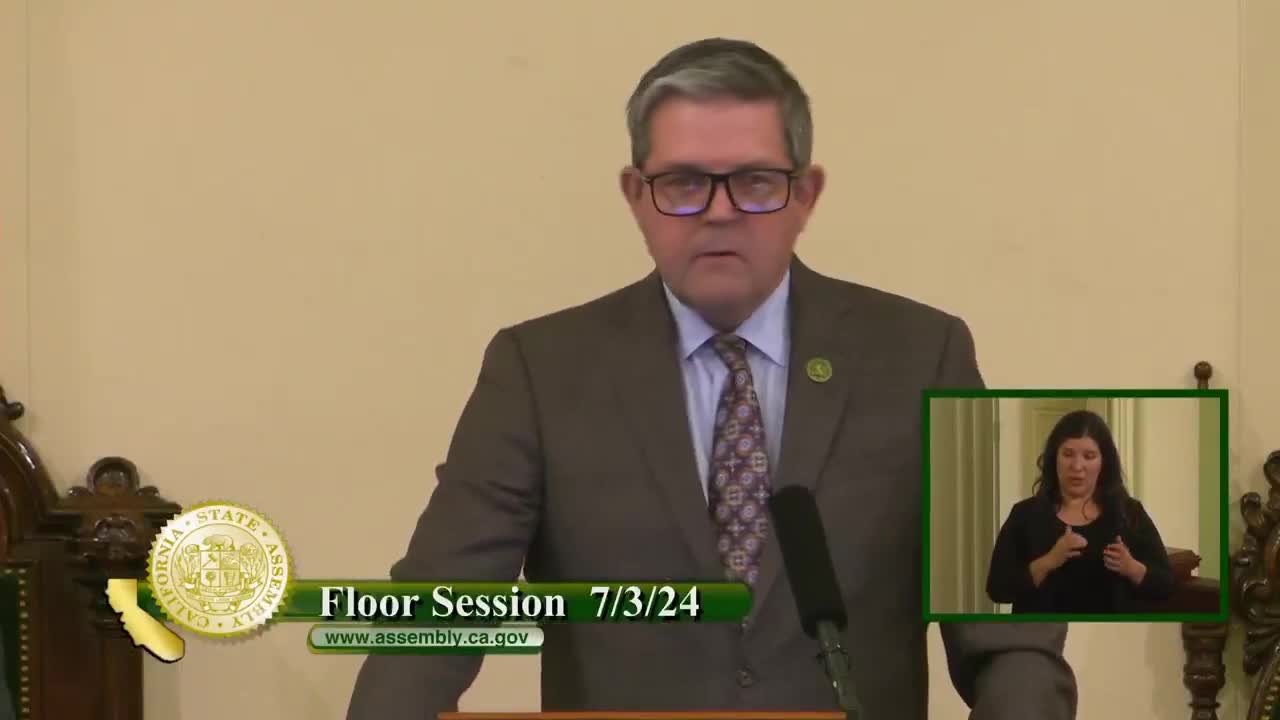
Bill Author

Bill Co-Author(s):