AB 2411: Local Youth Mental Health Boards.
- Session Year: 2023-2024
- House: Assembly
- Latest Version Date: 2024-04-01
Current Status:
Failed
(2024-05-16: In committee: Held under submission.)
Introduced
In Committee
First Chamber
In Committee
Second Chamber
Enacted
Existing law, the Bronzan-McCorquodale Act, contains provisions governing the operation and financing of community mental health services for the mentally disordered in every county through locally administered and locally controlled community mental health programs.
This bill would require each community mental health service to have a local youth mental health board (board), appointed as specified, consisting of members between 15 and 23 years of age, inclusive, at least 1/2 of whom are, to the extent possible, mental health consumers who are receiving, or have received, mental health services, or siblings or close family members of mental health consumers and 1/2 of whom are, to the extent possible, enrolled in schools in the county. The bill would require the board, among other duties, to review and evaluate the local public mental health system and advise the governing body and school district governing bodies on mental health services related to youth that are delivered by the local mental health agency or local behavioral health agency, school districts, or others, as applicable. The bill, upon appropriation by the Legislature, bill would require the governing body to include the board in the county planning process and provide a budget for the board sufficient to facilitate the purposes, duties, and responsibilities of the board. By increasing the duties of local governments, this bill would impose a state-mandated local program.
Existing law, the Mental Health Services Act (MHSA), an initiative measure enacted by the voters as Proposition 63 at the November 2, 2004, statewide general election, among other things, establishes the Mental Health Services Oversight and Accountability Commission. Existing law, the Behavioral Health Services Act (BHSA), approved by the voters as Proposition 1 at the March 5, 2024, statewide primary election, commencing January 1, 2025, revises and recasts the MHSA by, among other things, renaming the commission the Behavioral Health Services Oversight and Accountability Commission and changing the duties of the commission to include promoting transformational change in Californias behavioral health system through research, evaluation and tracking outcomes, and other strategies to assess and report progress.
This bill would require the commission, on or before December 30, 2027, and once every 5 years thereafter, to assess the extent to which the local youth mental health boards have been established and to make recommendations on ways to strengthen the youth voice to support appropriate behavioral health services.
The California Constitution requires the state to reimburse local agencies and school districts for certain costs mandated by the state. Statutory provisions establish procedures for making that reimbursement.
This bill would provide that, if the Commission on State Mandates determines that the bill contains costs mandated by the state, reimbursement for those costs shall be made pursuant to the statutory provisions noted above.
Existing law, the Bronzan-McCorquodale Act, contains provisions governing the operation and financing of community mental health services for the mentally disordered in every county through locally administered and locally controlled community mental health programs.
This bill would require each community mental health service to have a local youth mental health board (board), appointed as specified, consisting of members between 15 and 23 years of age, inclusive, at least 1/2 of whom are, to the extent possible, mental health consumers who are receiving, or have received, mental health services, or siblings or close family members of mental health consumers and 1/2 of whom are, to the extent possible, enrolled in schools in the county. The bill would require the board, among other duties, to review and evaluate the local public mental health system and advise the governing body and school district governing bodies on mental health services related to youth that are delivered by the local mental health agency or local behavioral health agency, school districts, or others, as applicable. The bill, upon appropriation by the Legislature, would require the governing body to provide a budget for the board sufficient to facilitate the purposes, duties, and responsibilities of the board. By increasing the duties of local governments, this bill would impose a state-mandated local program.
The California Constitution requires the state to reimburse local agencies and school districts for certain costs mandated by the state. Statutory provisions establish procedures for making that reimbursement.
This bill would provide that, if the Commission on State Mandates determines that the bill contains costs mandated by the state, reimbursement for those costs shall be made pursuant to the statutory provisions noted above.
The Legislature finds and declares all of the following:
(a)Mental health needs are the most common and disabling medical conditions affecting children.
(b)Mental health needs in youth have increased in recent years nationally and have been further exacerbated by the COVID-19 pandemic.
(c)Based on national and state prevalence rates, between 620,000 and 1,240,000 of Californias 6,200,000 students enrolled in K-12 K12 schools are estimated to have a mental health condition.
(d)One-half of all lifetime mental health needs emerge before 14 years of age, and three-quarters before 24 years of age.
(e)Almost one in five youth report having seriously considered suicide in the past year.
(f)Suicide is the second leading cause of death for youth.
(g)Many children suffer without help. Approximately one-half to three-quarters do not receive mental health treatment or services. For children living in low-income households with limited English proficiency, unmet mental health needs are even greater.
(h)Other student groups, such as LGBTQ students and Muslim students, experience high rates of bullying, harassment, and victimization. Muslim students are twice as likely as their peers to report they are bullied. LGBTQ students are twice as likely as average to report depression symptomology and are three times more likely to report suicidal ideation.
(i)Nationally, 22 percent of Latino youth have depressive symptoms, a rate higher than any minority group besides Native American youth. The United States Office of Minority Health has found that Latina adolescents have the highest rates of suicidal ideation and suicide attempts, and, while lower than Latinas, Latino adolescent males have higher rates of suicidal ideation and suicide attempts than their White peers.
(j)Students in foster care, African American students and Native American students are more likely to be suspended or expelled than other groups of students. African American, Native American, and Pacific Islander students are more than twice as likely as their peers to be chronically absent.
(k)Youth involvement in mental health programming leads to better quality services that are responsive to the needs of youth.
(l)To date, only one out of every seven California counties has established children or youth behavioral health advisory committees. This represents an unrealized opportunity to engage youth in the community planning process for mental health services for youth.
(m)Providing youth with opportunities to make meaningful contributions to their schools and communities through participation and leadership in various settings contributes to positive youth development and is likely to support improved youth engagement with appropriate behavioral health services.
SEC. 2.Chapter 1.2 (commencing with Section 5625) is added to Part 2 of Division 5 of the Welfare and Institutions Code, to read:1.2.Youth Mental Health Boards5625.(a)(1)Each community mental health service shall have a local youth mental health board (board) consisting of eight or more members, as determined by the governing body, and appointed by the governing body, except that boards in counties with a population of fewer than 80,000 may have a minimum of five members.
(2)(A)The board shall serve in an advisory role to the governing body, governing bodies of school districts within the county, the county office of education, and other public entities and officials within the county, as determined by the board.
(B)Board membership shall include county residents between 15 and 23 years of age, inclusive, and should reflect the diversity of the population in the county, including race, ethnicity, sexual orientation, and gender identity, to the extent possible.
(C)To the extent possible, one-half or more of the board membership shall be mental health consumers who are receiving, or have received, mental health services, or siblings or close family members of mental health consumers, as determined by the governing board.
(D)To the extent possible, one-half or more of the board members shall be enrolled in school in the county.
(3)In counties with a population of fewer than 80,000, at least two members shall be consumers who are receiving, or who have received, mental health services.
(b)The board, at its discretion, may meet concurrently with and advise the board established pursuant to Section 5604 on matters pertaining to meeting the mental health needs of youth.
(c)The board is established to inform decisions by the governing body, school districts, the county office of education, and other governmental and nongovernmental bodies involved with the community mental health service, as determined by the board.
(d)The board shall review and evaluate the local public mental health system, pursuant to Section 5604.2, and advise the county and school district governing bodies on mental health services related to youth that are delivered by the local mental health agency or local behavioral health agency, school districts, or others, as applicable.
(e)The term of each member of the board shall be for no less than two years and no more than three years. The governing body shall equitably stagger appointments so that an equal number of appointments, to the extent possible, expire in each year.
(f)If two or more local agencies jointly establish a community mental health service pursuant to Article 1 (commencing with Section 6500) of Chapter 5 of Division 7 of Title 1 of the Government Code, the board for the community mental health service shall consist of an additional five members for each additional agency, with equal representation from each local agency to the extent possible.
(g)A member of the board or the members spouse, parent, or sibling shall not be a full-time or part-time employee of a county mental health service, an employee of the State Department of Health Care Services, or an employee or a member of the governing body of a mental health contract agency doing business in the local jurisdiction.
(h)Members of the board shall abstain from voting on any issue in which the member has a financial interest, as defined in Section 87103 of the Government Code.
(i)The board may be established as an advisory board or a commission, depending on the preference of the county.
5626.A local youth mental health advisory board shall be subject to the provisions of Chapter 9 (commencing with Section 54950) of Part 1 of Division 2 of Title 5 of the Government Code, relating to meetings of local agencies.
5627.(a)The local youth mental health board may do all of the following:
(1)Review and evaluate the communitys youth mental health needs, services, and related challenges and opportunities, as determined by the board.
(2)Review county agreements affecting youth entered into pursuant to Section 5650. The board may make recommendations to the governing body regarding concerns identified within these agreements.
(3)Advise the governing body and the local mental health director as to any aspect of the local mental health program relating to youth. The board may request assistance from the local patients rights advocates, local agencies, the grand jury, and others when reviewing and advising on mental health evaluations or services provided in facilities with limited access.
(4)Review and advise on the procedures used to ensure youth involvement at all stages of the mental health planning process.
(4)(5)Submit an annual report to the county governing body, school districts, and other local governing bodies, where relevant, on the needs and performance of the countys mental health system as it relates to the needs of youth, with recommendations for improvement as needed.
(6)Review and comment on the countys performance outcome data as it relates to youth and communicate its findings to the California Behavioral Health Planning Council and the Behavioral Health Services Oversight and Accountability Commission.
(b)This section does not limit the ability of the governing body to transfer additional duties or authority to a local youth mental health board.
5627.5.The Behavioral Health Services Oversight and Accountability Commission shall, on or before December 30, 2027, and once every five years thereafter, assess the extent to which the local youth mental health boards have been established consistent with the intent of this enactment and shall make recommendations on ways to strengthen the youth voice to support appropriate behavioral health services.
5628.(a)The governing body shall assign staff to support the local youth mental health board and pay, from any available funds, the actual and necessary expenses of the members of the local youth mental health board incurred incident to the performance of their official duties and functions. The expenses may include travel, lodging, childcare, and meals for the members of a youth mental health board while on official business, as approved by the director of the local mental health program.
(b)The governing body shall include the local youth mental health board in the county planning process.
(b)Upon appropriation by the Legislature, the
(c)The governing body shall provide a budget for the local youth mental health board that is sufficient to facilitate the purposes, duties, and responsibilities of the youth mental health board. The governing body may use planning and administrative revenues or other county funds for this purpose.
5629.The local youth mental health board shall develop bylaws to be approved by the governing body that do all of the following:
(a)Establish the specific number of members on the youth mental health board, consistent with subdivision (a) of Section 5625.
(b)Ensure that the composition of the local youth mental health board represents and reflects the diversity and demographics of the county as a whole, consistent with subdivision (a) of Section 5625, to the extent feasible.
(c)Establish that a quorum be one person more than one-half of the appointed members.
(d)Establish that the chairperson of the local youth mental health board be in consultation with the local mental health director.
SEC. 3.If the Commission on State Mandates determines that this act contains costs mandated by the state, reimbursement to local agencies and school districts for those costs shall be made pursuant to Part 7 (commencing with Section 17500) of Division 4 of Title 2 of the Government Code.
The Legislature finds and declares all of the following:
(a)Mental health needs are the most common and disabling medical conditions affecting children.
(b)Mental health needs in youth have increased in recent years nationally and have been further exacerbated by the COVID-19 pandemic.
(c)Based on national and state prevalence rates, between 620,000 and 1,240,000 of Californias 6,200,000 students enrolled in K-12 schools are estimated to have a mental health condition.
(d)One-half of all lifetime mental health needs emerge before 14 years of age, and three-quarters before 24 years of age.
(e)Almost one in five youth report having seriously considered suicide in the past year.
(f)Suicide is the second leading cause of death for youth.
(g)Many children suffer without help. Approximately one-half to three-quarters do not receive mental health treatment or services. For children living in low-income households with limited English proficiency, unmet mental health needs are even greater.
(h)Other student groups, such as LGBTQ students and Muslim students, experience high rates of bullying, harassment, and victimization. Muslim students are twice as likely as their peers to report they are bullied. LGBTQ students are twice as likely as average to report depression symptomology and are three times more likely to report suicidal ideation.
(i)Nationally, 22 percent of Latino youth have depressive symptoms, a rate higher than any minority group besides Native American youth. The United States Office of Minority Health has found that Latina adolescents have the highest rates of suicidal ideation and suicide attempts, and, while lower than Latinas, Latino adolescent males have higher rates of suicidal ideation and suicide attempts than their White peers.
(j)Students in foster care, African American students and Native American students are more likely to be suspended or expelled than other groups of students. African American, Native American, and Pacific Islander students are more than twice as likely as their peers to be chronically absent.
(k)Youth involvement in mental health programming leads to better quality services that are responsive to the needs of youth.
(l)To date, only one out of every seven California counties has established children or youth behavioral health advisory committees. This represents an unrealized opportunity to engage youth in the community planning process for mental health services for youth.
(m)Providing youth with opportunities to make meaningful contributions to their schools and communities through participation and leadership in various settings contributes to positive youth development and is likely to support improved youth engagement with appropriate behavioral health services.
SEC. 2.Chapter 1.2 (commencing with Section 5625) is added to Part 2 of Division 5 of the Welfare and Institutions Code, to read:1.2.Youth Mental Health Boards5625.(a)(1)Each community mental health service shall have a local youth mental health board (board) consisting of eight or more members, as determined by the governing body, and appointed by the governing body, except that boards in counties with a population of fewer than 80,000 may have a minimum of five members.
(2)(A)The board shall serve in an advisory role to the governing body, governing bodies of school districts within the county, the county office of education, and other public entities and officials within the county, as determined by the board.
(B)Board membership shall include county residents between 15 and 23 years of age, inclusive, and should reflect the diversity of the population in the county, including race, ethnicity, sexual orientation, and gender identity, to the extent possible.
(C)To the extent possible, one-half or more of the board membership shall be mental health consumers who are receiving, or have received, mental health services, or siblings or close family members of mental health consumers, as determined by the governing board.
(D)To the extent possible, one-half or more of the board members shall be enrolled in school in the county.
(3)In counties with a population of fewer than 80,000, at least two members shall be consumers who are receiving, or who have received, mental health services.
(b)The board, at its discretion, may meet concurrently with and advise the board established pursuant to Section 5604 on matters pertaining to meeting the mental health needs of youth.
(c)The board is established to inform decisions by the governing body, school districts, the county office of education, and other governmental and nongovernmental bodies involved with the community mental health service, as determined by the board.
(d)The board shall review and evaluate the local public mental health system, pursuant to Section 5604.2, and advise the county and school district governing bodies on mental health services related to youth that are delivered by the local mental health agency or local behavioral health agency, school districts, or others, as applicable.
(e)The term of each member of the board shall be for no less than two years and no more than three years. The governing body shall equitably stagger appointments so that an equal number of appointments, to the extent possible, expire in each year.
(f)If two or more local agencies jointly establish a community mental health service pursuant to Article 1 (commencing with Section 6500) of Chapter 5 of Division 7 of Title 1 of the Government Code, the board for the community mental health service shall consist of an additional five members for each additional agency, with equal representation from each local agency to the extent possible.
(g)A member of the board or the members spouse, parent, or sibling shall not be a full-time or part-time employee of a county mental health service, an employee of the State Department of Health Care Services, or an employee or a member of the governing body of a mental health contract agency doing business in the local jurisdiction.
(h)Members of the board shall abstain from voting on any issue in which the member has a financial interest, as defined in Section 87103 of the Government Code.
(i)The board may be established as an advisory board or a commission, depending on the preference of the county.
5626.A local youth mental health advisory board shall be subject to the provisions of Chapter 9 (commencing with Section 54950) of Part 1 of Division 2 of Title 5 of the Government Code, relating to meetings of local agencies.
5627.(a)The local youth mental health board may do all of the following:
(1)Review and evaluate the communitys youth mental health needs, services, and related challenges and opportunities, as determined by the board.
(2)Review county agreements affecting youth entered into pursuant to Section 5650. The board may make recommendations to the governing body regarding concerns identified within these agreements.
(3)Advise the governing body and the local mental health director as to any aspect of the local mental health program relating to youth. The board may request assistance from the local patients rights advocates, local agencies, the grand jury, and others when reviewing and advising on mental health evaluations or services provided in facilities with limited access.
(4)Submit an annual report to the county governing body, school districts, and other local governing bodies, where relevant, on the needs and performance of the countys mental health system as it relates to the needs of youth, with recommendations for improvement as needed.
(b)This section does not limit the ability of the governing body to transfer additional duties or authority to a local youth mental health board.
5628.(a)The governing body shall assign staff to support the local youth mental health board and pay, from any available funds, the actual and necessary expenses of the members of the local youth mental health board incurred incident to the performance of their official duties and functions. The expenses may include travel, lodging, childcare, and meals for the members of a youth mental health board while on official business, as approved by the director of the local mental health program.
(b)Upon appropriation by the Legislature, the governing body shall provide a budget for the local youth mental health board that is sufficient to facilitate the purposes, duties, and responsibilities of the youth mental health board.
5629.The local youth mental health board shall develop bylaws to be approved by the governing body that do all of the following:
(a)Establish the specific number of members on the youth mental health board, consistent with subdivision (a) of Section 5625.
(b)Ensure that the composition of the local youth mental health board represents and reflects the diversity and demographics of the county as a whole, consistent with subdivision (a) of Section 5625, to the extent feasible.
(c)Establish that a quorum be one person more than one-half of the appointed members.
(d)Establish that the chairperson of the local youth mental health board be in consultation with the local mental health director.
SEC. 3.If the Commission on State Mandates determines that this act contains costs mandated by the state, reimbursement to local agencies and school districts for those costs shall be made pursuant to Part 7 (commencing with Section 17500) of Division 4 of Title 2 of the Government Code.
|
Date
|
Status
|
|---|---|
| May 16, 2024 | In committee: Held under submission. |
| Apr 24, 2024 | In committee: Set, first hearing. Referred to APPR. suspense file. |
| Apr 10, 2024 | From committee: Do pass and re-refer to Com. on APPR. (Ayes 15. Noes 0.) (April 9). Re-referred to Com. on APPR. |
| Apr 2, 2024 | Re-referred to Com. on HEALTH. |
| Apr 1, 2024 | From committee chair, with author's amendments: Amend, and re-refer to Com. on HEALTH. Read second time and amended. |
| Feb 26, 2024 | Referred to Com. on HEALTH. |
| Feb 13, 2024 | From printer. May be heard in committee March 14. |
| Feb 12, 2024 | Read first time. To print. |
|
Date
|
Description
|
Location
|
Votes
|
|
|---|---|---|---|---|
| Apr 9, 2024 | Do pass and be re-referred to the Committee on [Appropriations] | Assembly Standing Committee on Health |
Passed |
This list shows positions taken on this bill by organizations on the date displayed, which is linked to the original source.
Positions by individuals are not included.
|
Organization
|
Position
|
Date
|
|---|---|---|
| Mental Health Services Oversight and Accountability Commission | ** Support | |
| Sacramento County Behavioral Health Youth Advisory Board | * Support | Apr 9, 2024 |
Date of Hearing: April 24, 2024
ASSEMBLY COMMITTEE ON APPROPRIATIONS
Buffy Wicks, Chair
ABPCA Bill Id:AB 2411
Author:(Wendy Carrillo) – As Amended Ver:April 1, 2024
Policy Committee: | Health | Vote: | 15 - 0 |
|
| ||
|
|
Urgency: No State Mandated Local Program: Yes Reimbursable: Yes
SUMMARY:
This bill requires each community mental health service to have a local youth mental health board (youth board).
Specifically, this bill:
- Requires each community mental health service to have a youth board with members appointed as specified, to review and evaluate the local public mental health system and advise the governing body and school district governing bodies on mental health services related to youth.
- Requires, upon appropriation by the Legislature, the local governing body to fund the youth board and include it in the county planning process.
- Requires the Behavioral Health Oversight and Accountability Commission (BHSOAC) to assess implementation of the above requirements and make recommendations for strengthening the youth voice in behavioral health services.
FISCAL EFFECT:
State cost pressure of $3.2 million (General Fund, special funds). The County Behavioral Health Directors Association estimates total annual costs to counties of $3.2 million to cover travel, childcare, meals, training, staff time, and other expenses for the youth boards. If the Commission on State Mandates determines these costs are reimbursable, the State would be required to pay these costs, regardless of whether the Legislature chooses to appropriate funds for youth boards.
Ongoing costs of approximately $150,000 to BHSOAC to develop the assessment tool for the youth boards, conduct the assessment, and make recommendations (Mental Health Student Services Act Fund).
COMMENTS:
- Purpose. BHSOAC is the sponsor of this bill. According to the author:
AB 2411 represents an opportunity to engage youth in the community planning process for youth specific mental health services. The mental health of youth has always been a major public health concern that became an even more pressing during Covid. By establishing the California Youth Mental Health Board and requiring each community mental health service to have a local youth advisory board, young people will have a platform to better advocate for quality and effective mental health programs. Youth should be able to seek help and speak freely without feeling insecure or overshadowed and in order to better comprehend their experiences and tribulations, youth should and must be included in these conversations.
- Background.
Mental Health (MH) Services and MH Boards. The Bronzan-McCorquodale Act significantly changed MH services, passing responsibility for MH services to the counties and requiring each community to have an MH Board. MH Boards remain the primary vehicle for citizens to have oversight of the administration and provision of the services funded by their tax dollars. The composition of MH Boards must proportionately represent the populations and stakeholders interested in MH services. MH Boards were created to provide community input into the development and adoption of community MH service plans.
In 2004, California voters enacted the Mental Health Services Act (MHSA) to provide funds to counties to expand MH services, develop innovative programs, and integrated service plans for mentally ill children, adults, and seniors through a 1% income tax on personal income above $1 million. The MHSA also established the MHSOAC to oversee the implementation of MHSA.
Youth Innovation Project (YIP). MHSOAC formed a Youth Innovation Committee in 2019 to identify unmet MH needs of California youth and to identify opportunities for innovation. The committee worked with youth groups to host focus groups and conduct a statewide survey to understand opportunities to improve mental wellness of young people. Among lessons from the YIP effort, MHSOAC learned MH is a priority for nearly all (90%) young people surveyed; however, one in three say they do not have reliable access to MH resources.
- Related Legislation. AB 289 (Holden), Chapter 518, Statutes of 2023, expands the list of local stakeholders with which a county MH program is required to develop and update the three-year program and expenditure plan pursuant to the MHSA to include youth or youth MH organizations.
- Prior Legislation. AB 573 (Carrillo), of the 2021-22 Legislative Session, would have established the California Youth Mental Health Board within the California Health and Human Services Agency to advise the Governor and Legislature on the challenges facing youth with MH needs and determine opportunities for improvement. AB 573 would have required each community MH service to have a board to advise the county MH programs, school districts, and other entities on issues relating to youth MH. AB 573 was held in this committee.
Analysis Prepared by: Allegra Kim / APPR. / (916) 319-2081
Date of Hearing: April 9, 2024
ASSEMBLY COMMITTEE ON HEALTH
Mia Bonta, Chair
ABPCA Bill Id:AB 2411
Author:((Wendy Carrillo) – As Amended Ver:April 1, 2024
SUBJECT: Local Youth Mental Health Boards.
SUMMARY: Requires each community mental health (MH) service to have a local youth mental health board (board), as specified, consisting of members between 15 and 23 years of age. Specifically, this bill:
- Requires each community MH service to have a board consisting of eight or more members, as determined by the governing body, and appointed by the governing body. Permits boards in counties with a population of fewer than 80,000 to have a minimum of five members.
- Requires board membership to include county residents between 15 and 23 years of age, inclusive. Requires membership to reflect the diversity of the population in the county, including race, ethnicity, sexual orientation, and gender identity, to the extent possible.
- Establishes the board to inform decisions by the governing body, school districts, the county office of education, and other governmental and nongovernmental bodies involved with the community MH service, as determined by the board.
- Requires the board to serve in an advisory role to the governing body, governing bodies of school districts within the county, the county office of education, and other public entities and officials within the county, as determined by the board.
- Requires, to the extent possible, one-half or more of the board membership to be MH consumers who are receiving, or have received, MH services, or siblings or close family members of MH consumers, as determined by the governing board.
- Requires, to the extent possible, one-half or more of the board members to be enrolled in school in the county.
- Requires, in counties with a population of fewer than 80,000, at least two members to be consumers who are receiving, or who have received, MH services.
- Permits the board, at its discretion, to meet concurrently with and advise the community MH board established pursuant to Section 5604 of the Welfare and Institutions Code (WIC) on matters pertaining to meeting the MH needs of youth.
- Requires the board to review and evaluate the local public MH system and advise the county and school district governing bodies on MH services related to youth that are delivered by the local MH agency or local behavioral health agency, school districts, or others, as applicable.
- Requires the term of each member of the board to be for no less than two years and no more than three years. Requires the governing body to equitably stagger appointments so that an equal number of appointments, to the extent possible, expire in each year.
- Requires, if two or more local agencies jointly establish a community MH service, the board for the community MH service to consist of an additional five members for each additional agency, with equal representation from each local agency to the extent possible.
- Prohibits a member of the board or the member’s spouse, parent, or sibling to be a full-time or part-time employee of a county MH service, an employee of the State Department of Health Care Services, or an employee or a member of the governing body of a MH contract agency doing business in the local jurisdiction.
- Prohibits members of the board from voting on any issue in which the member has a financial interest.
- Permits the board to be established as an advisory board or a commission, depending on the preference of the county.
- Permits a board to do all of the following:
- Review and evaluate the community’s youth MH needs, services, and related challenges and opportunities, as determined by the board;
- Review county agreements affecting youth. Authorizes the board to make recommendations to the governing body regarding concerns identified within these agreements;
- Advise the governing body and the local MH director as to any aspect of the local MH program relating to youth. Authorizes the board to request assistance from the local patients’ rights advocates, local agencies, the grand jury, and others when reviewing and advising on MH evaluations or services provided in facilities with limited access;
- Review and advise on the procedures used to ensure youth involvement at all stages of the MH planning process;
- Submit an annual report to the county governing body, school districts, and other local governing bodies, where relevant, on the needs and performance of the county’s MH system as it relates to the needs of youth, with recommendations for improvement as needed;
- Review and comment on the county’s performance outcome data as it relates to youth and communicate its findings to the California Behavioral Health Planning Council and the Behavioral Health Services Oversight and Accountability Commission (BHSOAC); and,
- Perform any other duties transferred by the governing body.
- Requires the BHSOAC to, on or before December 30, 2027, and once every five years thereafter, assess the extent to which boards have been established consistent with the intent of this enactment and make recommendations on ways to strengthen the youth voice to support appropriate behavioral health services.
- Requires the governing body to assign staff to support the board and pay, from any available funds, the actual and necessary expenses of the members of the board incurred incident to the performance of their official duties and functions, including travel, lodging, childcare, and meals for the members of a board while on official business, as approved by the director of the local MH program.
- Requires the governing body to include the board in the county planning process. Requires the governing body to provide a budget for the board that is sufficient to facilitate the purposes, duties, and responsibilities of the board.
- Requires the board to develop bylaws to be approved by the governing body that do all of the following:
- Establish the specific number of members on the board;
- Ensure that the composition of the board represents and reflects the diversity and demographics of the county as a whole, to the extent feasible;
- Establish that a quorum be one person more than one-half of the appointed members; and,
- Establish that the chairperson of the board be in consultation with the local MH director.
EXISTING LAW:
- Establishes the Bronzan-McCorquodale Act to organize and finance community MH services for those with MH disorders in every county through locally administered and controlled community MH programs. [WIC §5600]
- Specifies that community MH services should be organized to provide an array of treatment options in the following areas, to the extent resources are available: pre-crisis and crisis services; comprehensive evaluation and assessment; individual service plans; medication education and management; case management; 24-hour treatment services; rehabilitation and support services; vocational rehabilitation; residential services; services for the homeless; and, group services. [WIC §5600.4]
- Requires each community MH service to have a mental health board (MHB) consisting of 10 to 15 members, depending on the preference of the county, appointed by the governing board, with added requirements for counties depending on the size of its population and the size of its board of supervisors. Requires each MHB member to serve for a term of three years. Permits a MHB to be established as an advisory board or a commission, depending on the preference of the county. [WIC §5604]
- Requires a local MHB to do the following:
- Review and evaluate the community’s MH needs, services, facilities, and special problems;
- Review any county agreements, as specified;
- Advise the governing body and local MH director as to any aspect of the local MH program;
- Review and approve procedures used to ensure citizen and professional involvement in all stages of the planning process;
- Submit an annual report to the governing body on the needs and performance of the county’s MH system;
- Review and make recommendations on applicants for the appointment of a local director of MH services, and be included in the selection process prior to the vote of the governing body;
- Review and comment on the county’s performance outcome data and communicate its findings to the California Behavioral Health Planning Council; and,
- Perform any other duties transferred by the governing body. [WIC §5604.2]
- Establishes the Mental Health Services Act (MHSA), enacted by voters in 2004 as Proposition 63, to provide funds to counties to expand MH services, develop innovative programs, and integrate service plans for mentally ill children, adults, and seniors through a 1% income tax on personal income above $1 million. [WIC §5890, et seq.]
- Establishes the Mental Health Services Oversight and Accountability Commission (MHSOAC) to oversee the implementation of MHSA, made up of 16 members appointed by the Governor, and the Legislature, as specified. [WIC §5845 and §5846]
- Requires each county MH program to prepare and submit a three-year plan to the Department of Health Care Services (DHCS) that must be updated each year and approved by DHCS after review and comment by the MHSOAC. Requires development of the three-year plans to include a community stakeholder process and include a list of all programs for which MHSA funding is being requested and that identifies how the funds will be spent and which populations will be served. [WIC §5847 and §5848]
- Requires a MHB to conduct a public hearing on the draft MHSA three-year plan and annual updates at the close of the 30-day comment period, as specified. Requires each adopted three-year plan and update to include any substantive written recommendations for revision, and a summary and analysis of the recommended revisions. Requires the MHB to review the adopted plan or update, and to make recommendations to the county MH department for revisions. [WIC §5848]
- Requires a local mental or behavioral health agency to provide a report of written explanations to the local governing body and DHCS for any substantive recommendations made by the MHB that are not included in the final three-year plan or annual report. [WIC §5848]
- Requires specified MHSA allocations to counties to include funding for annual planning costs, including funds for county MH programs to pay for various costs of consumers, family members, and other stakeholders to participate in the planning process and for the planning and implementation required for private provider contracts to be significantly expanded to provide additional services. [WIC §5892]
FISCAL EFFECT: Unknown. This bill has not yet been analyzed by a fiscal committee.
COMMENTS:
- PURPOSE OF THIS BILL. According to the author, this bill represents an opportunity to engage youth in the community planning process for youth specific MH services. The author continues that the MH of youth has always been a major public health concern that became an even more pressing during the COVID-19 pandemic. The author argues that by requiring each community MH service to have a local youth advisory board, young people will have a platform to better advocate for quality and effective MH programs. The author concludes that youth should be able to seek help and speak freely without feeling insecure or overshadowed and in order to better comprehend their experiences and tribulations, youth should and must be included in these conversations.
- BACKGROUND. According to the United States Surgeon General, MH challenges are the leading cause of disability and poor life outcomes in young people. Research indicates that half of all MH conditions begin by the age of 14 and more than 75% of MH challenges develop before a person reaches the age of 24.
- MH Services and Boards. In 1992-93, California passed the Bronzan-McCorquodale Act, which significantly changed mental services with more of the focus and responsibility passing to the counties including requiring each community MH service to have a MHB. MHBs remain the primary vehicle for citizens to have oversight of the administration and provision of the services funded by their tax dollars. The composition of MHBs are required to represent, proportionately, the populations and stakeholders interested in MH services. The creation of MHBs was intended to provide community input into the development and adoption of community MH services plans, and to act as a check and balance to plans that are developed by the local mental/behavioral health departments and approved by the county boards of supervisors.
In 2004, California voters enacted the MHSA to provide funds to counties to expand MH services, develop innovative programs, and integrated service plans for mentally ill children, adults, and seniors through a 1% income tax on personal income above $1 million. The MHSA also established the MHSOAC to oversee the implementation of MHSA.
- Proposition 1. In the 2024 statewide primary election, California voters approved Proposition 1 which revises and recasts the MHSA as the Behavioral Health Services Act (BHSA). The act among other things, modifies local and state spending priorities under the BHSA and renames the MHSOAC to the Behavioral Health Services Oversight and Accountability Commission and changes the duties of the commission to include promoting transformational change in California’s behavioral health system. Proposition 1 goes into effect on January 1, 2025.
- MHSOAC Youth Innovation Project (YIP). MHSOAC formed a Youth Innovation Committee in February of 2019 in order to identify unmet MH needs of California youth and to identify opportunities for innovation. The committee was made up of 14 members, ages 15-25, from 12 different counties. The committee worked with the Youth Leadership Institute, the Born This Way Foundation, California Youth Connection, The Children’s Trust, and others to gather research, host focus groups and to conduct a statewide survey in order to understand opportunities to improve mental wellness of young people. The Committee took those initial learnings and then hosted three idea labs with youth from across the state from 2019 to 2020.
As part of the YIP effort, the Born This Way Foundation and MHSOAC through the Beneson Strategy Group, conducted 485 online interviews with 13-24 year olds in California. While MH is a priority for nearly all (90%) young people surveyed, alarmingly, one-in-three say they do not have reliable access to MH resources. The disconnect is not for lack of will or want: eight-in-ten young people are looking to learn coping skills to help them deal with the stresses of everyday life. It is clear that there are significant barriers to resources for many young people in California.
Broad awareness of resources does not exist: almost half (48%) of all young people do not know where to turn to get MH support. Where awareness exists, the funds to pay for these resources do not: 36% of young people say even if they did know where to look for help with their MH, the cost of these services puts them out of reach. While not the primary barriers to resource access, MH stigmatization and a lack of trust in existing resources stand in the way of many young people getting the MH care help they need.
Young people are ready to fight the stigma surrounding MH, but acknowledge they cannot do it without the help of their schools and communities. They want their schools to make MH a priority by implementing MH trainings for their counselors, teachers, and peers and believe funding should go to those trainings as well as MH programs, clubs, and classes in school that encourage students to talk about their feelings. Participants also long for their schools and communities to be more connected in their resources, which young people say, should be reliable, long lasting, and affordable, even for those without health insurance.
- SUPPORT. MHSOAC is sponsoring this bill, stating that youth are experts in the systems that serve them; how well they are working and where they are not. MHSOAC argues that youth are vitally important in transforming behavioral health, but they must be engaged based on active participation and decision making rather than “decoration” and “tokenism.” MHSOAC continues that the boards established in this bill would support young people by initiating programs and sharing decision-making with adults through youth-led activism and youth-adult partnerships. MHSOAC concludes that this bill would amplify the voices of youth and give them the power of choice in creating ways to overcome the challenges they face in pursuit of emotional wellbeing.
- PREVIOUS LEGISLATION.
- SB 326 (Eggman), Chapter 790, Statutes of 2023, recasts the MHSA as the BHSA and modifies local and state spending priorities under the BHSA, including requiring 30% of all local BHSA funds to be spent on housing interventions, as specified; eliminating allocations for local MH prevention-based programs and recasting other local spending categories; and, adding a state-level population-based prevention and stigma reduction program and statewide workforce program. Allows BHSA funding to be used to provide services to individuals with substance use disorders regardless of whether they have additional MH diagnoses or needs. Makes most changes subject to voter approval on the March 5, 2024, primary election ballot (combined with AB 531 (Irwin), Chapter 798, Statutes of 2023, the Behavioral Health Infrastructure Bond Act.
- AB 289 (Holden), Chapter 518, Statutes of 2023, expands the list of local stakeholders with which a county MH program is required to develop and update the three-year program and expenditure plan pursuant to the MHSA to include youth or youth MH organizations.
- AB 573 (Carrillo) of 2021 would have established the California Youth Mental Health Board within the California Health and Human Services Agency to advise the Governor and Legislature on the challenges facing youth with MH needs and determine opportunities for improvement. Would have required each community MH service to have a board to advise the county MH programs, school districts, and other entities on issues relating to youth MH. AB 573 was held in the Assembly Appropriations Committee.
- AB 552 (Quirk Silva) of 2021 would have authorized local educational agencies and county behavioral health agencies to enter into partnerships to provide school-based behavioral health and substance abuse disorder services on school sites; and would have authorized the billing of private insurance providers for these services under specified conditions. AB 552 was vetoed by the Governor.
- AB 1352 (Waldron), Chapter 460, Statutes of 2019, requires MHBs to report directly to the county governing body and grants the MHBs autonomy to act, review, and report independently from the county MH departments or county behavioral health departments.
- AB 1689 (McCarty) of 2019 would have required the MHSOAC , subject to appropriation by the Legislature, to create a grant program for public community colleges, colleges, and universities for the purpose of improving access to MH services on those campuses, as specified. Would have required campuses awarded grants to report annually on the use of those grant funds and to post that information on their internet websites. AB 1689 was held in the Assembly Appropriations Committee.
- SB 12 (Beall) of 2019 would have required the MHSOAC, subject to an appropriation, to administer an Integrated Youth Mental Health Program for purposes of establishing local centers to provide integrated youth MH services, as specified. SB 12 was held in the Assembly Appropriations Committee.
REGISTERED SUPPORT / OPPOSITION:
Support
Mental Health Services Oversight and Accountability Commission (sponsor)
Opposition
None on file.
Analysis Prepared by: Riana King / HEALTH / (916) 319-2097

Bill Author
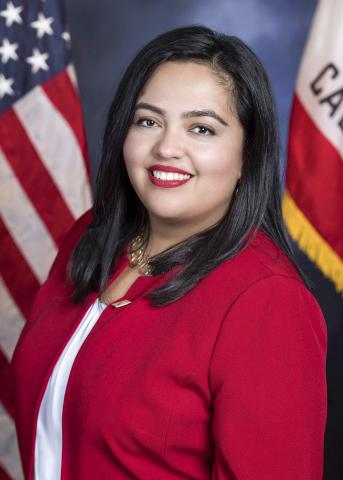
Bill Co-Author(s):