AB 2883: California State University: University of California: Lunar New Year holiday.
- Session Year: 2023-2024
- House: Assembly
- Latest Version Date: 2024-09-29
Current Status:
Passed
(2024-09-29: Chaptered by Secretary of State - Chapter 972, Statutes of 2024.)
Introduced
In Committee
First Chamber
In Committee
Second Chamber
Enacted
Existing law designates specific days as holidays in this state, including the date corresponding with the 2nd new moon following the winter solstice, or the 3rd new moon following the winter solstice should an intercalary month intervene, known as Lunar New Year.
The Donahoe Higher Education Act sets forth the missions and functions of Californias public segments of higher education and their respective institutions of higher education. The California State University, under the administration of the Trustees of the California State University, and the University of California, under the administration of the Regents of the University of California, are 2 of the segments. Existing law authorizes the Trustees of the California State University to provide, by rule, for the holidays to be observed by their appointees and employees. Provisions of the act apply to the University of California only to the extent that the Regents of the University of California act, by appropriate resolution, to make them applicable.
This bill would authorize each campus of the California State University, and would request each campus of the University of California to be authorized, to observe Lunar New Year as a holiday and to be closed on that day, and to replace observing and closing on another prescribed holiday with observing Lunar New Year as a holiday. The bill would require a campus of the California State University, and request a campus of the University of California, if the campus observes the Lunar New Year holiday and Lunar New Year falls on another prescribed holiday that is not being replaced with the Lunar New Year holiday, to observe the Lunar New Year holiday on the preceding or following weekday. The bill would provide that if a campus observes the Lunar New Year holiday, employees of each campus of the California State University are entitled to, and employees of each campus of the University of California are requested to be entitled to, a paid holiday on that day if they are in a paid status during any portion of the working day immediately preceding or succeeding the Lunar New Year holiday.
Existing law designates specific days as holidays in this state, including the date corresponding with the 2nd new moon following the winter solstice, or the 3rd new moon following the winter solstice should an intercalary month intervene, known as Lunar New Year.
The Donahoe Higher Education Act sets forth the missions and functions of Californias public segments of higher education and their respective institutions of higher education. The California State University, under the administration of the Trustees of the California State University, and the University of California, under the administration of the Regents of the University of California, are 2 of the segments. Existing law authorizes the Trustees of the California State University to provide, by rule, for the holidays to be observed by their appointees and employees. Provisions of the act apply to the University of California only to the extent that the Regents of the University of California act, by appropriate resolution, to make them applicable.
This bill would require authorize each campus of the California State University, and would request each campus of the University of California, California to be authorized, to observe Lunar New Year as a holiday and to be closed on that day, and when Lunar New Year falls on another holiday, to replace observing and closing on another prescribed holiday with observing Lunar New Year as a holiday. The bill would require a campus of the California State University, and request a campus of the University of California, if the campus observes the Lunar New Year holiday and Lunar New Year falls on another prescribed holiday that is not being replaced with the Lunar New Year holiday, to observe the Lunar New Year holiday on a the preceding or following weekday. The bill would provide that if a campus observes the Lunar New Year holiday, employees of each campus of the California State University are entitled to, and that employees of each campus of the University of California are requested to be entitled to, a paid holiday on Lunar New Year that day if they are in a paid status during any portion of the working day immediately preceding or succeeding the Lunar New Year holiday.
Existing law designates specific days as holidays in this state, including the date corresponding with the 2nd new moon following the winter solstice, or the 3rd new moon following the winter solstice should an intercalary month intervene, known as Lunar New Year.
The Donahoe Higher Education Act sets forth the missions and functions of Californias public segments of higher education and their respective institutions of higher education. The California State University, under the administration of the Trustees of the California State University, and the University of California, under the administration of the Regents of the University of California, are 2 of the segments. Existing law authorizes the Trustees of the California State University to provide, by rule, for the holidays to be observed by their appointees and employees. Provisions of the act apply to the University of California only to the extent that the Regents of the University of California act, by appropriate resolution, to make them applicable.
This bill would require each campus of the California State University, and would request each campus of the University of California, to observe Lunar New Year and to be closed on that day, and when Lunar New Year falls on another holiday, to observe Lunar New Year on a preceding or following weekday. The bill would provide that employees of each campus of the California State University are entitled to, and that employees of each campus of the University of California are requested to be entitled to, a paid holiday on Lunar New Year if they are in a paid status during any portion of the working day immediately preceding or succeeding the Lunar New Year holiday.
Existing law establishes the California Community Colleges, under the administration of the Board of Governors of the California Community Colleges, as one of the segments of postsecondary education in this state. Existing law requires the board of governors to appoint a chief executive officer, known as the Chancellor of the California Community Colleges. Existing law further requires the chancellor to execute the duties and responsibilities delegated to the chancellor by the board of governors.This bill would make nonsubstantive changes to the provisions pertaining to the appointment, compensation, duties, and responsibilities of the chancellor.Existing law establishes the California Community Colleges, under the administration of the Board of Governors of the California Community Colleges, as one of the segments of postsecondary education in this state. Existing law requires the board of governors to appoint a chief executive officer, known as the Chancellor of the California Community Colleges. Existing law further requires the chancellor to execute the duties and responsibilities delegated to the chancellor by the board of governors.
This bill would make nonsubstantive changes to the provisions pertaining to the appointment, compensation, duties, and responsibilities of the chancellor.
Notwithstanding any other law:
(a)(1)Each campus of the California State University shall observe November 11, known as Veterans Day, as a holiday, and shall be closed on that day.
(2)When November 11 falls on a Sunday, each campus of the California State University shall observe the following Monday as the Veterans Day holiday. When November 11 falls on a Saturday, each campus of the California State University shall observe the preceding Friday as the Veterans Day holiday.
(b)(1)Each campus of the California State University may observe the date corresponding with the second new moon following the winter solstice, or the third new moon following the winter solstice should an intercalary month intervene, known as Lunar New Year, as a holiday, and be closed on that day. The campus may replace observing another prescribed holiday with observing Lunar New Year as a holiday. If the campus observes the Lunar New Year holiday and Lunar New Year falls on another prescribed holiday that is not being replaced by the Lunar New Year holiday, the campus shall observe the preceding or following weekday as the Lunar New Year holiday.
(2)If a campus of the California State University observes the Lunar New Year holiday pursuant to paragraph (1), employees of the campus shall be entitled to a paid holiday on that day if they are in a paid status during any portion of the working day immediately preceding or succeeding the Lunar New Year holiday.
(3)If this subdivision conflicts with the provisions of a memorandum of understanding reached pursuant to Chapter 12 (commencing with Section 3560) of Division 4 of Title 1 of the Government Code, the memorandum of understanding shall be controlling without further legislative action, except that if those provisions of a memorandum of understanding require the expenditure of funds, the provisions shall not become effective unless approved by the Legislature in the annual Budget Act.
SEC. 2.Article 9 (commencing with Section 92689) is added to Chapter 6 of Part 57 of Division 9 of Title 3 of the Education Code, to read:9.Lunar New Year Holiday92689.(a)Each campus of the University of California is requested to be authorized to observe the date corresponding with the second new moon following the winter solstice, or the third new moon following the winter solstice should an intercalary month intervene, known as Lunar New Year, as a holiday, and to be closed on that day. The campus is requested to be authorized to replace observing another prescribed holiday with observing Lunar New Year as a holiday. If the campus observes the Lunar New Year holiday and Lunar New Year falls on another prescribed holiday that is not being replaced by the Lunar New Year holiday, the campus is requested to observe the preceding or following weekday as the Lunar New Year holiday.
(b)If a campus of the University of California observes the Lunar New Year holiday pursuant to subdivision (a), employees of the campus are requested to be entitled to a paid holiday on that day if they are in a paid status during any portion of the working day immediately preceding or succeeding the Lunar New Year holiday.
(c)If this section conflicts with the provisions of a memorandum of understanding reached pursuant to Chapter 12 (commencing with Section 3560) of Division 4 of Title 1 of the Government Code, the memorandum of understanding shall be controlling without further legislative action, except that if those provisions of a memorandum of understanding require the expenditure of funds, the provisions shall not become effective unless approved by the Legislature in the annual Budget Act.
Notwithstanding any other law:
(a)(1)Each campus of the California State University shall observe November 11, known as Veterans Day, as a holiday, and shall be closed on that day.
(2)When November 11 falls on a Sunday, each campus of the California State University shall observe the following Monday as the Veterans Day holiday. When November 11 falls on a Saturday, each campus of the California State University shall observe the preceding Friday as the Veterans Day holiday.
(b)(1)Each campus of the California State University shall may observe the date corresponding with the second new moon following the winter solstice, or the third new moon following the winter solstice should an intercalary month intervene, known as Lunar New Year, as a holiday, and shall be closed on that day. When Lunar New Year falls on another holiday, each campus of the California State University shall observe Lunar New Year on a preceding or following weekday. The campus may replace observing another prescribed holiday with observing Lunar New Year as a holiday. If the campus observes the Lunar New Year holiday and Lunar New Year falls on another prescribed holiday that is not being replaced by the Lunar New Year holiday, the campus shall observe the preceding or following weekday as the Lunar New Year holiday.
(2)Employees of each campus of the California State University If a campus of the California State University observes the Lunar New Year holiday pursuant to paragraph (1), employees of the campus shall be entitled to a paid holiday on Lunar New Year on that day if they are in a paid status during any portion of the working day immediately preceding or succeeding the Lunar New Year holiday.
(3)If this subdivision is in conflict conflicts with the provisions of a memorandum of understanding reached pursuant to Chapter 12 (commencing with Section 3560) of Division 4 of Title 1 of the Government Code, the memorandum of understanding shall be controlling without further legislative action, except that if those provisions of a memorandum of understanding require the expenditure of funds, the provisions shall not become effective unless approved by the Legislature in the annual Budget Act.
SEC. 2.Article 9 (commencing with Section 92689) is added to Chapter 6 of Part 57 of Division 9 of Title 3 of the Education Code, to read:9.Lunar New Year Holiday92689.(a)Each campus of the University of California is requested to be authorized to observe the date corresponding with the second new moon following the winter solstice, or the third new moon following the winter solstice should an intercalary month intervene, known as Lunar New Year, as a holiday, and to be closed on that day. When Lunar New Year falls on another holiday, each campus of the University of California is requested to observe Lunar New Year on a preceding or following weekday. The campus is requested to be authorized to replace observing another prescribed holiday with observing Lunar New Year as a holiday. If the campus observes the Lunar New Year holiday and Lunar New Year falls on another prescribed holiday that is not being replaced by the Lunar New Year holiday, the campus is requested to observe the preceding or following weekday as the Lunar New Year holiday.
(b)Employees of each campus of the University of California If a campus of the University of California observes the Lunar New Year holiday pursuant to subdivision (a), employees of the campus are requested to be entitled to a paid holiday on Lunar New Year that day if they are in a paid status during any portion of the working day immediately preceding or succeeding the Lunar New Year holiday.
(c)If this section is in conflict conflicts with the provisions of a memorandum of understanding reached pursuant to Chapter 12 (commencing with Section 3560) of Division 4 of Title 1 of the Government Code, the memorandum of understanding shall be controlling without further legislative action, except that if those provisions of a memorandum of understanding require the expenditure of funds, the provisions shall not become effective unless approved by the Legislature in the annual Budget Act.
Notwithstanding any other provision of law:
(a)Every (1)Each campus of the California State University shall observe November 11, known as Veterans Day, as a holiday, and shall be closed on that day.
(b)(2)When November 11 falls on a Sunday, the university each campus of the California State University shall observe the following Monday as the Veterans Day holiday. When November 11 falls on a Saturday, the university each campus of the California State University shall observe the preceding Friday as the Veterans Day holiday.
(b)(1)Each campus of the California State University shall observe the date corresponding with the second new moon following the winter solstice, or the third new moon following the winter solstice should an intercalary month intervene, known as Lunar New Year, as a holiday, and shall be closed on that day. When Lunar New Year falls on another holiday, each campus of the California State University shall observe Lunar New Year on a preceding or following weekday.
(2)Employees of each campus of the California State University shall be entitled to a paid holiday on Lunar New Year if they are in a paid status during any portion of the working day immediately preceding or succeeding the Lunar New Year holiday.
(3)If this subdivision is in conflict with the provisions of a memorandum of understanding reached pursuant to Chapter 12 (commencing with Section 3560) of Division 4 of Title 1 of the Government Code, the memorandum of understanding shall be controlling without further legislative action, except that if those provisions of a memorandum of understanding require the expenditure of funds, the provisions shall not become effective unless approved by the Legislature in the annual Budget Act.
SEC. 2.Article 9 (commencing with Section 92689) is added to Chapter 6 of Part 57 of Division 9 of Title 3 of the Education Code, to read:9.Lunar New Year Holiday92689.(a)Each campus of the University of California is requested to observe the date corresponding with the second new moon following the winter solstice, or the third new moon following the winter solstice should an intercalary month intervene, known as Lunar New Year, as a holiday, and to be closed on that day. When Lunar New Year falls on another holiday, each campus of the University of California is requested to observe Lunar New Year on a preceding or following weekday.
(b)Employees of each campus of the University of California are requested to be entitled to a paid holiday on Lunar New Year if they are in a paid status during any portion of the working day immediately preceding or succeeding the Lunar New Year holiday.
(c)If this section is in conflict with the provisions of a memorandum of understanding reached pursuant to Chapter 12 (commencing with Section 3560) of Division 4 of Title 1 of the Government Code, the memorandum of understanding shall be controlling without further legislative action, except that if those provisions of a memorandum of understanding require the expenditure of funds, the provisions shall not become effective unless approved by the Legislature in the annual Budget Act.
SECTION 1.Section 71090 of the Education Code is amended to read:71090.(a)The board shall appoint a chief executive officer, to be known as the Chancellor of the California Community Colleges, and fix the chancellors compensation.(b)The chancellor shall execute the duties and responsibilities delegated to the chancellor by the board. Whenever in this code a power is vested in the board, the board, by a majority vote, may adopt a rule delegating that power to the chancellor or any officer, employee, or committee designated by the board. The rule shall prescribe the limits of the delegation.(a)The board shall appoint a chief executive officer, to be known as the Chancellor of the California Community Colleges, and fix his or her the chancellors compensation.
(b)The chancellor shall execute the duties and responsibilities as may be delegated to him or her the chancellor by the board. Whenever in this code a power is vested in the board, the board, by a majority vote, may adopt a rule delegating that power to the chancellor or any officer, employee, or committee as designated by the board may designate. board. The rule shall prescribe the limits of the delegation.
|
Date
|
Status
|
|---|---|
| Sep 29, 2024 | Chaptered by Secretary of State - Chapter 972, Statutes of 2024. |
| Sep 29, 2024 | Approved by the Governor. |
| Sep 6, 2024 | Enrolled and presented to the Governor at 4 p.m. |
| Aug 28, 2024 | In Assembly. Ordered to Engrossing and Enrolling. |
| Aug 28, 2024 | Read third time. Passed. Ordered to the Assembly. (Ayes 39. Noes 0.). |
| Aug 23, 2024 | Ordered to special consent calendar. |
| Aug 19, 2024 | Read second time. Ordered to third reading. |
| Aug 15, 2024 | From committee: Do pass. (Ayes 7. Noes 0.) (August 15). |
| Aug 5, 2024 | In committee: Referred to APPR suspense file. |
| Jun 26, 2024 | From committee: Do pass and re-refer to Com. on APPR. (Ayes 7. Noes 0.) (June 26). Re-referred to Com. on APPR. |
| Jun 11, 2024 | In committee: Hearing postponed by committee. |
| May 29, 2024 | Referred to Com. on ED. |
| May 22, 2024 | In Senate. Read first time. To Com. on RLS. for assignment. |
| May 21, 2024 | Read third time. Passed. Ordered to the Senate. (Ayes 73. Noes 0. Page 5379.) |
| May 20, 2024 | Read second time. Ordered to third reading. |
| May 16, 2024 | Read second time and amended. Ordered returned to second reading. |
| May 16, 2024 | From committee: Amend, and do pass as amended. (Ayes 11. Noes 0.) (May 16). |
| May 16, 2024 | Assembly Rule 63 suspended. |
| May 8, 2024 | In committee: Set, first hearing. Referred to APPR. suspense file. |
| Apr 24, 2024 | From committee: Do pass and re-refer to Com. on APPR. (Ayes 9. Noes 0.) (April 23). Re-referred to Com. on APPR. |
| Mar 20, 2024 | Re-referred to Com. on HIGHER ED. |
| Mar 19, 2024 | From committee chair, with author's amendments: Amend, and re-refer to Com. on HIGHER ED. Read second time and amended. |
| Mar 18, 2024 | Referred to Com. on HIGHER ED. |
| Feb 16, 2024 | From printer. May be heard in committee March 17. |
| Feb 15, 2024 | Read first time. To print. |
|
Date
|
Description
|
Location
|
Votes
|
|
|---|---|---|---|---|
| Aug 28, 2024 | Special Consent AB2883 Low By Durazo | Senate Floor |
Passed |
|
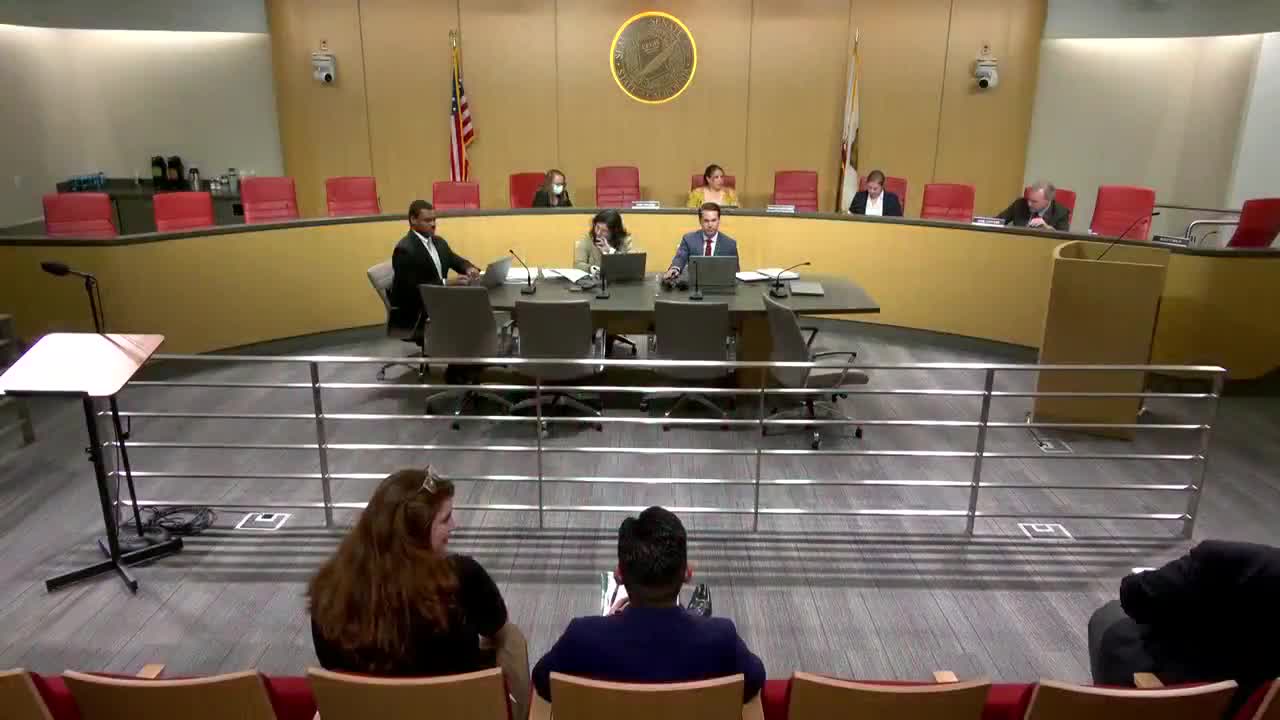
| Aug 15, 2024 | Do pass | Senate Standing Committee on Appropriations |
Passed |
|
| Aug 5, 2024 | Placed on suspense file | Senate Standing Committee on Appropriations |
Passed |
|
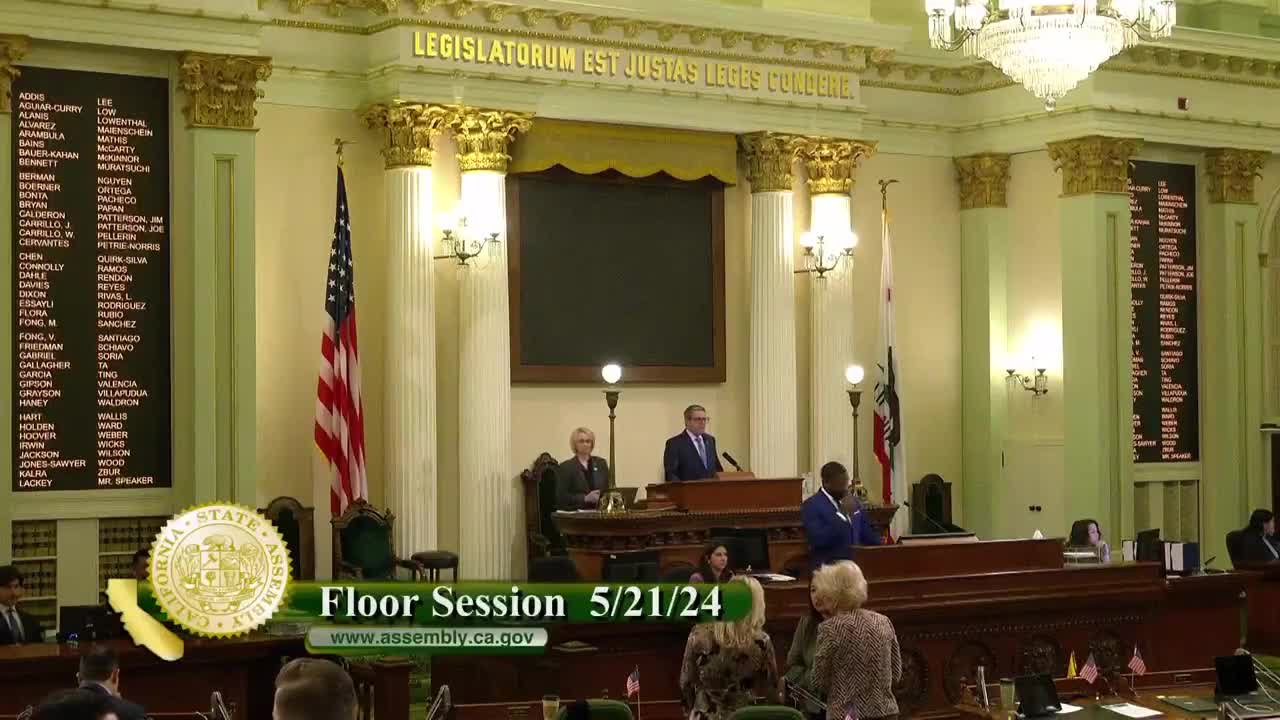
| Jun 26, 2024 | Do pass, but first be re-referred to the Committee on [Appropriations] | Senate Standing Committee on Education |
Passed |
|
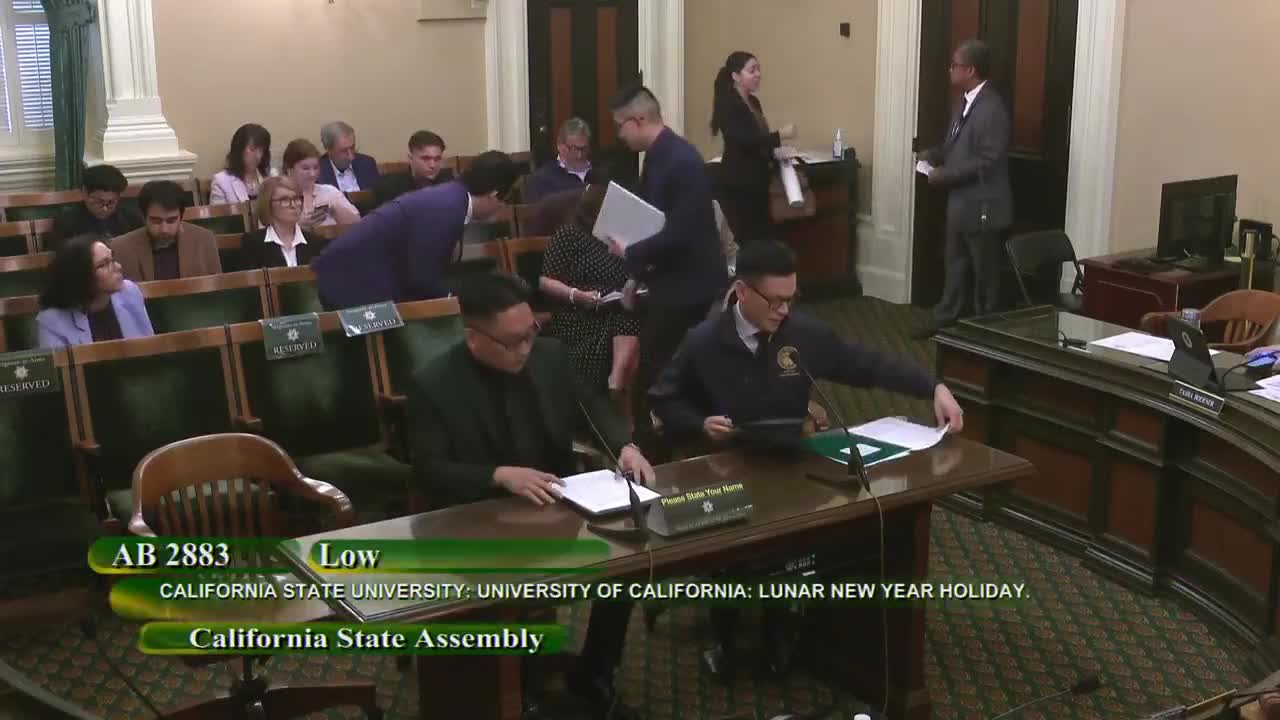
| May 21, 2024 | AB 2883 Low Assembly Third Reading | Assembly Floor |
Passed |
|
| May 16, 2024 | Do pass as amended. | Assembly Standing Committee on Appropriations |
Passed |
|
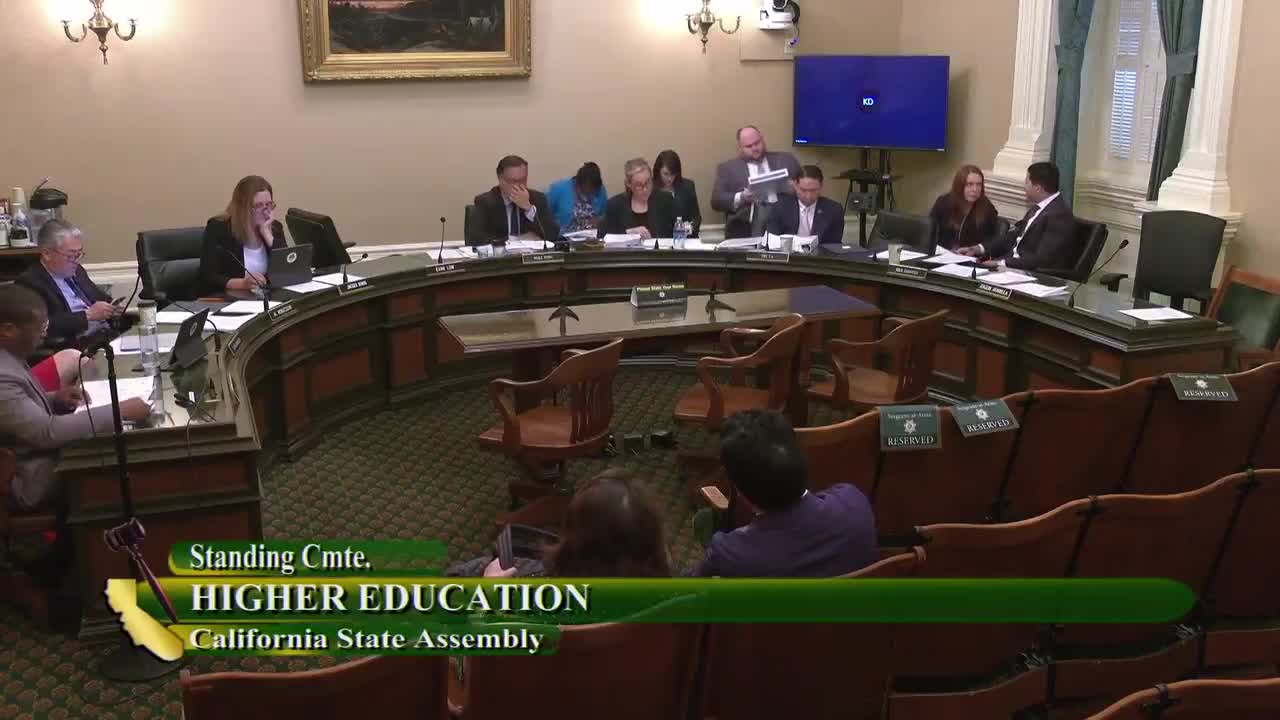
| Apr 23, 2024 | Do pass and be re-referred to the Committee on [Appropriations] | Assembly Standing Committee on Higher Education |
Passed |
This list shows positions taken on this bill by organizations on the date displayed, which is linked to the original source.
Positions by individuals are not included.
|
Organization
|
Position
|
Date
|
|---|---|---|
| Asian Americans Advancing Justice | * Support | Jun 26, 2024 |
| California Asian Pacific American Bar Association | ** Support | |
| California Faculty Association | * Support | Apr 23, 2024 |
| California State University Sacramento Asian Pacific Islander Desi American Center | ** Support | |
| Department of Justice | * Support | Jun 26, 2024 |
| Generation Up | ** Support |
SENATE RULES COMMITTEE Office of Senate Floor Analyses (916) 651-1520 Fax: (916) 327-4478 | AB 2883 |
THIRD READING
Bill No: AB 2883
Author: Low (D)
Amended: 5/16/24 in Assembly
Vote: 21
SENATE EDUCATION COMMITTEE: 7-0, 6/26/24
AYES: Newman, Ochoa Bogh, Cortese, Glazer, Gonzalez, Smallwood-Cuevas, Wilk
SENATE APPROPRIATIONS COMMITTEE: 7-0, 8/15/24
AYES: Caballero, Jones, Ashby, Becker, Bradford, Seyarto, Wahab
ASSEMBLY FLOOR: 73-0, 5/21/24 - See last page for vote
SUBJECT: California State University: University of California: Lunar New Year holiday
SOURCE: Author
DIGEST:
This bill authorizes each campus of the California State University (CSU), and requests each campus of the University of California (UC), to observe a specified date, known as “Lunar New Year,” as a holiday, and be closed on that day.
ANALYSIS:
Existing law:
- Recognizes Lunar New Year as a state holiday and authorizes eligible state employees to elect to receive eight hours of holiday credit for the date corresponding with Lunar New Year in lieu of receiving eight hours of personal credit, as specified. (Code of Civil Procedure § 135, Government Code § 6700, and Government Code § 19853)
- Authorizes a community college to replace closing on February 12, Lincoln Day, or the third Monday in February, Washington Day, with the date corresponding with the second new moon following the winter solstice, or the third new moon following the winter solstice should an intercalary month intervene, known as “Lunar New Year,” if the governing board of the community college district agrees to close the community college for that purpose pursuant to a memorandum of understanding. (Education Code (EC) § 79020)
- Requires the classified service to be entitled to a paid holiday on the date corresponding to the Lunar New Year holiday, in lieu of a paid holiday on February 12, Lincoln Day, or the third Monday in February, Washington Day, if the governing board of the community college district pursuant to a memorandum of understanding. (EC § 88203)
- Designates and sets apart as a day having special significance, Lunar New Year, as the date corresponding with the second new moon following the winter solstice of each year, or the third new moon following the winter solstice should an intercalary month intervene.
- Encourages all public schools and educational institutions to conduct exercises on the Lunar New Year recognizing the traditions and cultural significance of the Lunar New Year, the contributions of Asian and Pacific Islander Californians to the state, and any local festivities and celebrations of the occasion. (EC § 37222.19)
- Requires every campus of the CSU to observe November 11, known as Veterans Day, as a holiday, and to be closed on that day. (EC § 89005.7)
This bill:
- Authorizes each campus of the CSU to observe the date corresponding with the second new moon following the winter solstice, or the third new moon following the winter solstice should an intercalary month intervene, known as “Lunar New Year,” as a holiday, and be closed on that day.
- Authorizes the campus to replace observing another prescribed holiday with observing Lunar New Year as a holiday. This bill requires the campus to observe the preceding or following weekday as the Lunar New Year holiday if the campus observes the Lunar New Year holiday and Lunar New Year falls on another prescribed holiday that is not being replaced by the Lunar New Year holiday.
- Requires employees of the campus to be entitled to a paid holiday if a campus of the CSU observes the Lunar New Year holiday.
- Requires a memorandum of understanding to be controlling without further legislative action, if this bill conflicts with the provisions of a memorandum of understanding, except that if those provisions of a memorandum of understanding require the expenditure of funds, the provisions shall not become effective unless approved by the Legislature in the annual Budget Act.
- Requests each campus of the UC to implement the provisions described in 1)- and 3) above.
Comments
- Need for the bill. According to the author, “By recognizing Lunar New Year as a holiday on the CSU and UC campuses, we celebrate the diversity and contributions of Asian Americans while fostering inclusivity and cultural awareness within our educational institutions. As the original author of AB 2596, which established Lunar New Year as a holiday in California, this bill is a continued testament to California's commitment to embracing our state's rich cultural tapestry and standing in solidarity with communities that have faced marginalization.”
- Parity with the state, CCCs, and public K-12 schools. As noted in the background section of this analysis, Lunar New Year is currently a state holiday and recognized as a holiday by the CCCs and K-12 public schools. This bill extends this paid holiday to CSU, and requests UC also recognize Lunar New Year as a holiday.
FISCAL EFFECT: Appropriation: No Fiscal Com.: Yes Local: No
According to the Senate Appropriations Committee, this bill would impose the following costs:
- The CSU indicates that an additional holiday would result in General Fund costs of $21.2 million associated with a loss of productivity. This amount would be paid regardless of whether a new holiday is established and the direct cost would be lost work value. The CSU also notes that paid holidays are outlined in collective bargaining agreements which would need to be renegotiated. There may also be unknown administrative costs associated with rearranging the academic calendar.
- The UC indicates that the bill is permissive and would allow its campuses to choose whether to adopt the Lunar New Year holiday, so it would not have a cost if the campus chooses not to adopt it. However, to the extent that a campus elects to adopt the holiday, the UC estimates General Fund costs in the low millions per campus to cover labor costs and restructuring the academic calendar to ensure that the minimum days of instruction requirements are met.
SUPPORT: (Verified 8/15/24)
California Asian Pacific American Bar Association
Generation Up
OPPOSITION: (Verified 8/15/24)
None received
ASSEMBLY FLOOR: 73-0, 5/21/24
AYES: Addis, Aguiar-Curry, Alanis, Alvarez, Arambula, Bains, Bauer-Kahan, Bennett, Berman, Boerner, Bonta, Bryan, Calderon, Juan Carrillo, Wendy Carrillo, Chen, Connolly, Davies, Dixon, Essayli, Flora, Mike Fong, Vince Fong, Gallagher, Garcia, Gipson, Grayson, Haney, Hart, Hoover, Irwin, Jackson, Jones-Sawyer, Kalra, Lackey, Lee, Low, Lowenthal, Maienschein, McCarty, McKinnor, Muratsuchi, Stephanie Nguyen, Ortega, Pacheco, Papan, Jim Patterson, Joe Patterson, Pellerin, Petrie-Norris, Quirk-Silva, Ramos, Rendon, Reyes, Rodriguez, Blanca Rubio, Sanchez, Santiago, Schiavo, Soria, Ta, Ting, Valencia, Villapudua, Waldron, Wallis, Ward, Weber, Wicks, Wilson, Wood, Zbur, Robert Rivas
NO VOTE RECORDED: Cervantes, Megan Dahle, Friedman, Gabriel, Holden, Mathis, Luz Rivas
Prepared by: Lynn Lorber / ED. / (916) 651-4105
8/18/24 13:37:21
**** END ****
SENATE COMMITTEE ON APPROPRIATIONS
Senator Anna Caballero, Chair
2023 - 2024 Regular Session
AB 2883 (Low) - California State University: University of California: Lunar New Year holiday
Version: May 16, 2024 | Policy Vote: ED. 7 - 0 |
Urgency: No | Mandate: No |
Hearing Date: August 5, 2024 | Consultant: Lenin Del Castillo |
Bill Summary:
This bill authorizes each campus of the California State University (CSU), and requests each campus of the University of California (UC), to observe a specified date, known as “Lunar New Year,” as a holiday, and be closed on that day.
Fiscal Impact:
- The CSU indicates that an additional holiday would result in General Fund costs of $21.2 million associated with a loss of productivity. This amount would be paid regardless of whether a new holiday is established and the direct cost would be lost work value. The CSU also notes that paid holidays are outlined in collective bargaining agreements which would need to be renegotiated. There may also be unknown administrative costs associated with rearranging the academic calendar.
- The UC indicates that the bill is permissive and would allow its campuses to choose whether to adopt the Lunar New Year holiday, so it would not have a cost if the campus chooses not to adopt it. However, to the extent that a campus elects to adopt the holiday, the UC estimates General Fund costs in the low millions per campus to cover labor costs and restructuring the academic calendar to ensure that the minimum days of instruction requirements are met.
Background:
Existing law recognizes Lunar New Year as a state holiday and authorizes eligible state employees to elect to receive eight hours of holiday credit for the date corresponding with Lunar New Year in lieu of receiving eight hours of personal credit, as specified.
Existing law authorizes a community college to replace closing on February 12, Lincoln Day, or the third Monday in February, Washington Day, with the date corresponding with the second new moon following the winter solstice, or the third new moon following the winter solstice should an intercalary month intervene, known as “Lunar New Year,” if the governing board of the community college district agrees to close the community college for that purpose pursuant to a memorandum of understanding. Additionally, existing law requires the classified service to be entitled to a paid holiday on the date corresponding to the Lunar New Year holiday, in lieu of a paid holiday on February 12, Lincoln Day, or the third Monday in February, Washington Day, if the governing board of the community college district pursuant to a memorandum of understanding.
Existing law designates and sets apart as a day having special significance, Lunar New Year, as the date corresponding with the second new moon following the winter solstice of each year, or the third new moon following the winter solstice should an intercalary month intervene. It encourages all public schools and educational institutions to conduct exercises on the Lunar New Year recognizing the traditions and cultural significance of the Lunar New Year, the contributions of Asian and Pacific Islander Californians to the state, and any local festivities and celebrations of the occasion.
Proposed Law:
This bill authorizes each campus of the CSU to observe the date corresponding with the second new moon following the winter solstice, or the third new moon following the winter solstice should an intercalary month intervene, known as “Lunar New Year,” as a holiday, and be closed on that day. It authorizes the campus to replace observing another prescribed holiday with observing Lunar New Year as a holiday.
This bill requires the campus to observe the preceding or following weekday as the Lunar New Year holiday if the campus observes the Lunar New Year holiday and Lunar New Year falls on another prescribed holiday that is not being replaced by the Lunar New Year holiday.
This bill requires employees of the campus to be entitled to a paid holiday if a campus of the CSU observes the Lunar New Year holiday. It requires a memorandum of understanding to be controlling without further legislative action, if this bill conflicts with the provisions of a memorandum of understanding, except that if those provisions of a memorandum of understanding require the expenditure of funds, the provisions shall not become effective unless approved by the Legislature in the annual Budget Act.
This bill requests each campus of the UC to implement the provisions described above.
Staff Comments:
The Lunar New Year is currently a state holiday and recognized as a holiday by the CCCs and K-12 public schools. This bill extends this paid holiday to CSU, and requests UC to also recognize the Lunar New Year as a holiday.
-- END --
SENATE COMMITTEE ON EDUCATION
Senator Josh Newman, Chair
2023 - 2024 Regular
Bill No: AB 2883 Hearing Date: June 26, 2024
Author: | |||
Version: | May 16, 2024 | ||
Urgency: | No | Fiscal: | Yes |
Consultant: | Lynn Lorber | ||
Subject: California State University: University of California: Lunar New Year holiday.
SUMMARY
This bill authorizes each campus of the California State University (CSU), and requests each campus of the University of California (UC), to observe a specified date, known as “Lunar New Year,” as a holiday, and be closed on that day.
BACKGROUND
Existing law:
State holiday
- Recognizes Lunar New Year as a state holiday and authorizes eligible state employees to elect to receive eight hours of holiday credit for the date corresponding with Lunar New Year in lieu of receiving eight hours of personal credit, as specified. (Code of Civil Procedure § 135, Government Code § 6700, and Government Code § 19853)
California Community Colleges (CCC) holiday
- Authorizes a community college to replace closing on February 12, Lincoln Day, or the third Monday in February, Washington Day, with the date corresponding with the second new moon following the winter solstice, or the third new moon following the winter solstice should an intercalary month intervene, known as “Lunar New Year,” if the governing board of the community college district agrees to close the community college for that purpose pursuant to a memorandum of understanding. (Education Code (EC) § 79020)
- Requires the classified service to be entitled to a paid holiday on the date corresponding to the Lunar New Year holiday, in lieu of a paid holiday on February 12, Lincoln Day, or the third Monday in February, Washington Day, if the governing board of the community college district pursuant to a memorandum of understanding. (EC § 88203)
K-12 public school holiday
- Designates and sets apart as a day having special significance, Lunar New Year, as the date corresponding with the second new moon following the winter solstice of each year, or the third new moon following the winter solstice should an intercalary month intervene.
- Encourages all public schools and educational institutions to conduct exercises on the Lunar New Year recognizing the traditions and cultural significance of the Lunar New Year, the contributions of Asian and Pacific Islander Californians to the state, and any local festivities and celebrations of the occasion. (EC § 37222.19)
CSU
- Requires every campus of the CSU to observe November 11, known as Veterans Day, as a holiday, and to be closed on that day. (EC § 89005.7)
ANALYSIS
This bill:
CSU
- Authorizes each campus of the CSU to observe the date corresponding with the second new moon following the winter solstice, or the third new moon following the winter solstice should an intercalary month intervene, known as “Lunar New Year,” as a holiday, and be closed on that day.
- Authorizes the campus to replace observing another prescribed holiday with observing Lunar New Year as a holiday. This bill requires the campus to observe the preceding or following weekday as the Lunar New Year holiday if the campus observes the Lunar New Year holiday and Lunar New Year falls on another prescribed holiday that is not being replaced by the Lunar New Year holiday.
- Requires employees of the campus to be entitled to a paid holiday if a campus of the CSU observes the Lunar New Year holiday.
- Requires a memorandum of understanding to be controlling without further legislative action, if this bill conflicts with the provisions of a memorandum of understanding, except that if those provisions of a memorandum of understanding require the expenditure of funds, the provisions shall not become effective unless approved by the Legislature in the annual Budget Act.
UC
- Requests each campus of the UC to implement the provisions described in # 1- # 3 above.
STAFF COMMENTS
- Need for the bill. According to the author, “By recognizing Lunar New Year as a holiday on the CSU and UC campuses, we celebrate the diversity and contributions of Asian Americans while fostering inclusivity and cultural awareness within our educational institutions. As the original author of AB 2596, which established Lunar New Year as a holiday in California, this bill is a continued testament to California's commitment to embracing our state's rich cultural tapestry and standing in solidarity with communities that have faced marginalization.”
- Parity with the state, CCCs, and public K-12 schools. As noted in the background section of this analysis, Lunar New Year is currently a state holiday and recognized as a holiday by the CCCs and K-12 public schools. This bill extends this paid holiday to CSU, and requests UC also recognize Lunar New Year as a holiday.
- Fiscal impact. According to the Assembly Appropriations Committee, this bill would impose unknown, though likely minor, General Fund costs to UC and CSU. Potential cost pressures to UC and CSU related to bargaining agreements and administration, should UC or CSU adopt the change authorized by this bill.
SUPPORT
Generation Up
OPPOSITION
None received
-- END --
ASSEMBLY THIRD READING
ATR Bill Id:AB 2883
Author:(Low)
As Amended Ver:May 16, 2024
Majority vote
SUMMARY
Authorizes each campus of the California State University (CSU), and requests each campus of the University of California (UC) to be authorized, to observe Lunar New Year as a holiday and to be closed on that day, and to replace observing and closing on another prescribed holiday with observing Lunar New year as a holiday.
Major Provisions
- Authorizes each campus of the CSU, and requests each campus of the UC to be authorized, to observe the date corresponding with the second new moon following the winter solstice, or the third new moon following the winter solstice should an intercalary month intervene, known as "Lunar New Year," as a holiday, and be closed on that day. The campus may replace observing another prescribed holiday with observing Lunar New Year as a holiday. If the campus observes the Lunar New Year holiday and Lunar New Year falls on another prescribed holiday that is not being replaced by the Lunar New Year holiday, the campus must observe the preceding or following weekday as the Lunar New Year holiday.
- Stipulates that if a campus of the CSU observes the Lunar New Year holiday as enumerated in 1), above, employees of the campus must be entitled to a paid holiday on that day if they are in a paid status during any portion of the working day immediately preceding or succeeding the Lunar New Year holiday.
- Requests that if a campus of the UC observes the Lunar New Year holiday as enumerated in 1), above, employees of the campus be entitled to a paid holiday on that day if they are in a paid status during any portion of the working day immediately preceding or succeeding the Lunar New Year holiday.
- Specifies that if there is conflict with the provisions of a memorandum of understanding (MOU) reached, as specified, the MOU must be controlling without further legislative action, except that if those provisions of a MOU require the expenditure of funds, the provisions will not become effective unless approved by the Legislature in the annual Budget Act.
- Makes clarifying and technical amendments.
COMMENTS
This measure makes Lunar New Year a holiday at CSUs and UCs if enacted, allowing faculty, staff, and students time to spend the day with family and loved ones.
Lunar New Year. Lunar New Year is one of the most important celebrations of the year among East and Southeast Asian cultures, including Chinese, Vietnamese, and Korean communities, among others. Tied to the lunar calendar, the holiday began as a time for feasting and to honor household and heavenly deities, as well as ancestors. The New Year celebration is celebrated for multiple days—not just one day as in the Gregorian calendar's New Year. The Lunar New Year typically begins with the first new moon that occurs between the end of January and spans the first 15 days of the first month of the lunar calendar, until the full moon arrives.
The Lunar New Year of 2024, began on February 10, and is the Year of the Dragon.
Each year in the Lunar calendar is represented by one of 12 zodiac animals included in the cycle of 12 stations or “signs" along the apparent path of the sun through the cosmos. The 12 zodiac animals are the rat, ox, tiger, rabbit, dragon, snake, horse, sheep, monkey, rooster, dog, and pig. In addition to the animals, five elements of earth, water, fire, wood and metal are also mapped onto the traditional lunar calendar. Each year is associated with an animal that corresponds to an element.
Demographics. According to the UC, the systemwide Fall 2023 total enrollment of undergraduate students was 295,573. Of the total enrollment, the table below shows the non-disaggregated data of the UC student body and reflects that Asian American students comprise 33% of the total student body.

Source: UC Fall 2023 Enrollment at a Glance (as of January 2024)
According to the CSU, the systemwide Fall 2023 total enrollment of undergraduate students was 454,640. Of the total enrollment, the chart below shows the non-disaggregated data of the CSU student body and reflects that Asian Americans comprise 15.7% of the total student body.

Source: CSU Fall 2023 Enrollment Demographics
*Totals may not add up to 100% due to rounding
According to the Author
"While Lunar New Year is recognized at CCC, local school districts, and the state, it is not recognized at the CSU and UC so students and teachers often have to decide between celebrating Lunar New Year with their families or attending and preparing for their classes."
The author states that, “by recognizing Lunar New Year as a holiday on the CSU and UC campuses, we celebrate the diversity and contributions of Asian Americans while fostering inclusivity and cultural awareness within our educational institutions. As the original author of AB 2596 which established Lunar New Year as a holiday in California, this bill is a continued testament to California's commitment to embracing our state's rich cultural tapestry and standing in solidarity with communities that have faced marginalization."
Further, the author contends that, “legislation was necessary to establish Lunar New Year as a holiday at Community Colleges. Legislation is needed to establish Lunar New Year as a holiday at the CSU and UC campuses. AB 2883 creates parity in state law ensuring Lunar New Year is a holiday celebrated in all levels of government."
Arguments in Support
According to the CSU Sacramento Asian Pacific Islander Desi America Center, “AB 2883 seeks to rectify the current disparity by ensuring that CSU and UC campuses acknowledge Lunar New Year as a holiday, allowing students and faculty the opportunity to celebrate with their families without having to sacrifice their academic responsibilities."
The Center further states that, “similar initiatives have been successfully implemented at community colleges, local school districts, and even within the state government, demonstrating the importance of recognizing this significant cultural event at all levels of education and governance."
Lastly, according to the Center, "implementation of AB 2883 would signify a crucial step toward fostering cultural inclusivity and equity within California's higher education institutions, affirming the significance of Lunar New Year to Asian communities. Granting official holiday status to Lunar New Year would alleviate the conflict between academic responsibilities and cultural celebrations, promoting the holistic well-being of students and faculty. By embracing cultural traditions and values, CSU and UC campuses can cultivate a more supportive and inclusive environment where individuals feel respected for their cultural identities."
Arguments in Opposition
None on file.
FISCAL COMMENTS
According to the Assembly Committee on Appropriations:
- Unknown, though likely minor, General Fund costs to UC and CSU. Potential cost pressures to UC and CSU related to bargaining agreements and administration, should UC or CSU adopt the change authorized by this bill.
- According to the Legislative Analyst's Office, the General Fund faces a structural deficit in the tens of billions of dollars over the next several fiscal years.
VOTES
ASM HIGHER EDUCATION: 9-0-2
YES: Mike Fong, Ta, Arambula, Boerner, Chen, Irwin, Jackson, Low, Muratsuchi
ABS, ABST OR NV: Essayli, Quirk-Silva
ASM APPROPRIATIONS: 11-0-4
YES: Wicks, Arambula, Bryan, Calderon, Wendy Carrillo, Mike Fong, Grayson, Haney, Hart, Pellerin, Villapudua
ABS, ABST OR NV: Sanchez, Dixon, Jim Patterson, Ta
UPDATED
VERSION: May 16, 2024
CONSULTANT: Jeanice Warden / HIGHER ED. / (916) 319-3960 FN: 0003417
Date of Hearing: May 8, 2024
ASSEMBLY COMMITTEE ON APPROPRIATIONS
Buffy Wicks, Chair
ABPCA Bill Id:AB 2883
Author:(Low) – As Amended Ver:March 19, 2024
Policy Committee: | Higher Education | Vote: | 9 - 0 |
|
| ||
|
|
Urgency: No State Mandated Local Program: No Reimbursable: No
SUMMARY:
This bill require each campus of the California State University (CSU), and would request each campus of the University of California (UC), to observe Lunar New Year and to be closed on that day. The bill entitles employees of each campus of the CSU, and requests that employees of each campus of the UC, be entitled to a paid holiday on Lunar New Year.
The bill requires, when Lunar New Year falls on another holiday, UC and CSU to observe Lunar New Year on a preceding or following weekday.
FISCAL EFFECT:
- Ongoing General Fund productivity costs to CSU, potentially in the low tens of millions of dollars annually. Additional costs related to bargaining agreements and administration.
According to the CSU Chancellor’s Office, this bill could result in about $20 million associated with a loss of productivity, as the cost of a paid holiday would be paid regardless of whether or not an employee worked on this day. Additionally, paid holidays are outlined in collective bargaining agreements with staff, which would need to be renegotiated. There may also be unknown administrative costs associated with rearranging the academic calendar.
- Ongoing General Fund productivity costs to UC, potentially in the low tens of millions of dollars annually. Potential, additional costs related to bargaining agreements and administration.
According to the Legislative Analyst’s Office, the General Fund faces a structural deficit in the tens of billions of dollars over the next several fiscal years.
COMMENTS:
Background. Lunar New Year is one of the most important celebrations of the year among East and Southeast Asian cultures, including Chinese, Vietnamese, and Korean communities, among others. According to UC, fall 2023 total enrollment data indicate that Asian American students comprise 33% of the total student body. According to CSU, fall 2023 total enrollment data indicate that Asian American students comprise 16% of the total student body.
AB 264 (Ting), Chapter 517, Statutes of 2023, authorizes a California Community Colleges (CCC) to close to observe Lunar New Year. Specifically, the law allows a CCC to replace closing on Lincoln Day or Washington Day with closing for Lunar New Year, if the governing board of the CCC district agrees to close the CCC for that purpose.
This bill requires CSU, and requests UC, to provide a paid holiday for Lunar New Year at all CSU and UC campuses.
Analysis Prepared by: Natasha Collins / APPR. / (916) 319-2081
Date of Hearing: April 23, 2024
ASSEMBLY COMMITTEE ON HIGHER EDUCATION
Mike Fong, Chair
ABPCA Bill Id:AB 2883 (
Author:Low) – As Amended Ver:March 19, 2024
SUBJECT: California State University: University of California: Lunar New Year holiday.
SUMMARY: Requires each campus of the California State University (CSU), and requests each campus of the University of California (UC), to observe Lunar New Year and to be closed on that day. Specifically, this bill:
- Requires each campus of the CSU, and requests each campus of the UC, to observe the date corresponding with the second new moon following the winter solstice, or the third new moon following the winter solstice should an intercalary month intervene, known as “Lunar New Year,” as a holiday, and must be closed on that day. When Lunar New Year falls on another holiday, each campus of the CSU must observe Lunar New Year on a preceding or following weekday.
- Employees of each campus of the CSU and UC may be entitled to a paid holiday on Lunar New Year if they are in a paid status during any portion of the working day immediately preceding or succeeding the Lunar New Year holiday.
- Specifies that if there is conflict with the provisions of a memorandum of understanding (MOU) reached, as specified, the MOU must be controlling without further legislative action, except that if those provisions of a MOU require the expenditure of funds, the provisions will not become effective unless approved by the Legislature in the annual Budget Act.
- Makes clarifying and technical amendments.
EXISTING LAW:
- Establishes the UC, a public trust to be administered by the Regents of the UC and grants the Regents full powers of organization and government, subject only to such legislative control as may be necessary to insure security of its funds, compliance with the terms of its endowments, statutory requirements around competitive bidding and contracts, sales of property and the purchase of materials, goods and services (Article IX, Section (9)(a) of the California Constitution).
- Establishes the Donahoe Higher Education Act, setting forth the mission of the UC, CSU, and California Community Colleges (CCC) (Education Code (EC) Section 66010, et seq.).
- Establishes the CSU system, made of 23 campuses, and bestows upon the CSU Trustees, through the Board of Trustees, the power, duties, and functions with respect to the management, administration, and control of the CSU system (EC Section 66606 and 89030, et seq.).
- Establishes the CCC under the administration of the CCC Board of Governors (BOG) as one of the segments of public postsecondary education in this state. The CCC shall be comprised of community college districts (CCDs) (EC) Section 70900).
- Establishes that CCDs are under the control of a board of trustees, known as the governing board, who has the authority to establish, maintain, operate, and govern one or more community colleges, within its district as specified. Permits districts to establish policies for and the approval of courses of instruction and educational programs (EC Section 70902).
- Codifies holidays for the CCC to either remain open or close as follows:
- CCC will close on the following dates: January 1, the third Monday in January (Dr. Martin Luther King, Jr. Day), February 12 (Lincoln Day), the third Monday in February (Washington Day), the last Monday in May (Memorial Day), July 4, the first Monday in September (Labor Day), November 11 (Veterans Day), that Thursday in November proclaimed by the President (Thanksgiving Day), and December 25 (Christmas);
- Any date authorized by the Governor of California as a public fast, thanksgiving, or holiday will include provisions as to whether the community colleges will remain open or closed. If not specified the community colleges are authorized to continue in session;
- CCC will close on any date appointed by the President as a national federal holiday that does not include Columbus day;
- CCC are permitted to close on March 31, Cesar Chavez day, on April 24, Genocide Remembrance Day, and on the fourth Friday in September, Native American Day, if authorized by their CCD;
- Glendale Community College is permitted to close on April 24, known as Genocide Remembrance Day, if permitted by their governing board; and,
- A community college may replace closing on February 12, Lincoln Day, or the third Monday in February, Washington Day, with the date corresponding with the second new moon following the winter solstice, or the third new moon following the winter solstice should an intercalary month intervene, known as “Lunar New Year,” if the governing board of the CCD, agrees to close the CCC for that purpose. When Lunar New Year falls on another holiday, the CCC must observe Lunar New Year on a preceding or following weekday (EC Section 79020).
- Requires that every campus of the CSU must observe November 11, known as Veterans Day, as a holiday, and must be closed on that day. When November 11 falls on a Sunday, the CSU must observe the following Monday as the Veterans Day holiday. When November 11 falls on a Saturday, the university shall observe the preceding Friday as the Veterans Day holiday (EC Section 89005.7).
FISCAL EFFECT: Unknown
COMMENTS: Purpose of the measure. According to the author, “while Lunar New Year is recognized at CCC, local school districts, and the state, it is not recognized at the CSU and UC so students and teachers often have to decide between celebrating Lunar New Year with their families or attending and preparing for their classes.”
The author states that, “by recognizing Lunar New Year as a holiday on the CSU and UC campuses, we celebrate the diversity and contributions of Asian Americans while fostering inclusivity and cultural awareness within our educational institutions. As the original author of AB 2596 which established Lunar New Year as a holiday in California, this bill is a continued testament to California's commitment to embracing our state's rich cultural tapestry and standing in solidarity with communities that have faced marginalization.”
Further, the author contends that, “legislation was necessary to establish Lunar New Year as a holiday at Community Colleges. Legislation is needed to establish Lunar New Year as a holiday at the CSU and UC campuses. AB 2883 creates parity in state law ensuring Lunar New Year is a holiday celebrated in all levels of government.”
This measure makes Lunar New Year a holiday at CSUs and UCs if enacted, allowing faculty, staff, and students time to spend the day with family and loved ones.
Lunar New Year. Lunar New Year is one of the most important celebrations of the year among East and Southeast Asian cultures, including Chinese, Vietnamese, and Korean communities, among others. Tied to the lunar calendar, the holiday began as a time for feasting and to honor household and heavenly deities, as well as ancestors. The New Year celebration is celebrated for multiple days—not just one day as in the Gregorian calendar’s New Year. The Lunar New Year typically begins with the first new moon that occurs between the end of January and spans the first 15 days of the first month of the lunar calendar, until the full moon arrives.
The Lunar New Year of 2024, began on February 10, and is the Year of the Dragon.
Each year in the Lunar calendar is represented by one of 12 zodiac animals included in the cycle of 12 stations or “signs” along the apparent path of the sun through the cosmos. The 12 zodiac animals are the rat, ox, tiger, rabbit, dragon, snake, horse, sheep, monkey, rooster, dog and pig. In addition to the animals, five elements of earth, water, fire, wood and metal are also mapped onto the traditional lunar calendar. Each year is associated with an animal that corresponds to an element.
Demographics. According to the UC, the systemwide Fall 2023 total enrollment of undergraduate students was 295,573. Of the total enrollment, the table below shows the non-disaggregated data of the UC student body and reflects that Asian American students comprise 33% of the total student body.
Source: UC Fall 2023 Enrollment at a Glance (as of January 2024)
According to the CSU, the systemwide Fall 2023 total enrollment of undergraduate students was 454,640. Of the total enrollment, the chart below shows the non-disaggregated data of the CSU student body and reflects that Asian Americans comprise 15.7% of the total student body.
Source: CSU Fall 2023 Enrollment Demographics
*Totals may not add up to 100% due to rounding
Arguments in support. According to the CSU Sacramento Asian Pacific Islander Desi America Center, “AB 2883 seeks to rectify the current disparity by ensuring that CSU and UC campuses acknowledge Lunar New Year as a holiday, allowing students and faculty the opportunity to celebrate with their families without having to sacrifice their academic responsibilities.”
The Center further states that, “similar initiatives have been successfully implemented at community colleges, local school districts, and even within the state government, demonstrating the importance of recognizing this significant cultural event at all levels of education and governance.”
Lastly, according to the Center, “implementation of AB 2883 would signify a crucial step toward fostering cultural inclusivity and equity within California's higher education institutions, affirming the significance of Lunar New Year to Asian communities. Granting official holiday status to Lunar New Year would alleviate the conflict between academic responsibilities and cultural celebrations, promoting the holistic well-being of students and faculty. By embracing cultural traditions and values, CSU and UC campuses can cultivate a more supportive and inclusive environment where individuals feel respected for their cultural identities.”
Committee comments. This measure requires each campus of the CSU, and requests each campus of the UC, to observe Lunar New Year and to be closed on that day. However, Committee Staff understands that if the CSU Trustees and the UC Regents respectively, vote to adhere to the Lunar New Year state holiday, as enacted by the author of this measure, the public four-year campuses may not need to be required.
Moving forward, the author may wish to work with the CSU and UC in order to determine the best way to ensure the CSU and UC observes Lunar New Year by closing all their campuses.
Previous Legislation. AB 264 (Ting, et al.), Chapter 517, Statutes of 2023, authorizes a CCC to close to observe Lunar New Year, as specified.
AB 2595 (Low), Chapter 792, Statutes of 2022, recognizes Lunar New Year as a state holiday and authorizes eligible state employees to elect to receive eight hours of holiday credit for the date corresponding with Lunar New Year in lieu of receiving eight hours of personal credit, as specified.
REGISTERED SUPPORT / OPPOSITION:
Support
California State University Sacramento Asian Pacific Islander Desi American Center
Opposition
None on file.
Analysis Prepared by: Jeanice Warden / HIGHER ED. / (916) 319-3960
Discussed in Hearing
 1MIN
Senate Standing Committee on Appropriations
 2MIN
Senate Standing Committee on Education
 48SEC
Assembly Floor
 4MIN
Assembly Standing Committee on Higher Education
 27SEC
Assembly Standing Committee on Higher Education
Bill Author

Bill Co-Author(s):