AB 583: Birthing Justice for California Families Pilot Project.
- Session Year: 2023-2024
- House: Assembly
- Latest Version Date: 2023-04-13
Current Status:
Failed
(2024-02-01: From committee: Filed with the Chief Clerk pursuant to Joint Rule 56.)
Introduced
In Committee
First Chamber
In Committee
Second Chamber
Enacted
Existing law requires the State Department of Public Health to develop and maintain a statewide community-based comprehensive perinatal services program. establishes the Department of Health Care Access and Information, which administers, among other programs, the California Reproductive Health Equity Program to ensure abortion and contraception services are affordable for and accessible to all patients and to provide financial support for safety net providers of these services. Existing law provides for the Medi-Cal program, which is administered by the State Department of Health Care Services, under which qualified low-income individuals receive health care services pursuant to a schedule of benefits. Existing law requires the department to convene a workgroup to examine the implementation of the Medi-Cal doula benefit, as specified, and, no later than July 1, 2024, to publish a report that addresses the number of Medi-Cal recipients utilizing doula services and identifies barriers that impede access to doula services, among other things.
This bill would establish the Birthing Justice for California Families Pilot Project, which would include a 3-year grant program administered by the State Department of Public Health Department of Health Care Access and Information to provide grants to specified entities, including community-based doula groups, to provide full-spectrum doula care to pregnant and birthing people who are low income and do not qualify for Medi-Cal or who are from communities that experience high rates of negative birth outcomes, among others. outcomes. The bill would require the department to take specified actions with regard to awarding grants, including awarding grants to selected entities on or before January 1, 2025. The bill would require a grant recipient to use grants funds to pay for the costs associated with providing full-spectrum doula care to eligible individuals and establishing and managing doula services. The bill would require a grant recipient, in setting the payment rate for a doula being paid with grant funds, to comply with specified parameters, including that the payment rate not be less than the Medi-Cal reimbursement rate for doulas or the median rate paid for doula care in existing local pilot projects providing doula care in California, whichever is higher. The bill would require the department, on or before January 1, 2028, to submit a report to the appropriate policy and fiscal committees of the Legislature on the expenditure of funds and relevant outcome data for the pilot project. The bill would repeal these provisions on January 1, 2029.
Existing law requires the State Department of Public Health to develop and maintain a statewide community-based comprehensive perinatal services program. Existing law provides for the Medi-Cal program, which is administered by the State Department of Health Care Services, under which qualified low-income individuals receive health care services pursuant to a schedule of benefits. Existing law requires the department to convene a workgroup to examine the implementation of the Medi-Cal doula benefit, as specified, and, no later than July 1, 2024, to publish a report that addresses the number of Medi-Cal recipients utilizing doula services and identifies barriers that impede access to doula services, among other things.
This bill would establish the Birthing Justice for California Families Pilot Project, which would include a 3-year grant program administered by the State Department of Public Health to provide grants to specified entities, including community-based doula groups, to provide full-spectrum doula care to pregnant and birthing people who are low income and do not qualify for Medi-Cal or who are from communities that experience high rates of negative birth outcomes, among others. The bill would require the department to take specified actions with regard to awarding grants, including awarding grants to selected entities on or before January 1, 2025. The bill would require a grant recipient to use grants funds to pay for the costs associated with providing full-spectrum doula care to eligible individuals and establishing and managing doula services. The bill would require a grant recipient, in setting the payment rate for a doula being paid with grant funds, to comply with specified parameters, including that the payment rate not be less than the Medi-Cal reimbursement rate for doulas or the median rate paid for doula care in existing local pilot projects providing doula care in California, whichever is higher. The bill would require the department, on or before January 1, 2028, to submit a report to the appropriate policy and fiscal committees of the Legislature on the expenditure of funds and relevant outcome data for the pilot project. The bill would repeal these provisions on January 1, 2029.
Existing law establishes the California Reproductive Health Equity Program within the Department of Health Care Access and Information to ensure abortion and contraception services are affordable for and accessible to all patients and to provide financial support for safety net providers of these services.This bill would make specified findings and declarations regarding reproductive justice.Existing law establishes the California Reproductive Health Equity Program within the Department of Health Care Access and Information to ensure abortion and contraception services are affordable for and accessible to all patients and to provide financial support for safety net providers of these services.
This bill would make specified findings and declarations regarding reproductive justice.
The Legislature finds and declares all of the following:
(a)Reproductive justice is a framework created by Black women in 1994 to address the intersectional and multifactored issues that women of color and their families face in society.
(b)Reproductive justice is the human right to control our bodies, sexuality, gender, work, and reproduction. That right can only be achieved when all people, particularly women and girls, have the complete economic, social, and political power and resources to make healthy decisions about their bodies, families, and communities in all areas of their lives. Two of the core tenets of reproductive justice are the right to have children and the right to parent the children we have with dignity and respect in safe and sustainable communities.
(c)Reproductive justice affirms that every birthing person is entitled to dignity and demands that they are equipped with the necessary supports for a safe, joyous, and positive birthing process.
(d)With the overturning of Roe v. Wade, the maternal mortality rate is projected to increase by more than 33 percent for Black birthing people and 21 percent overall. Birthing people need the supports necessary to support positive birth outcomes and cost should not be a barrier to obtain these critical supports.
(e)Where more than 80 percent of pregnancy-related deaths in the United States are preventable and structural racism and implicit bias have been identified as root causes for disparities in adverse birth outcomes for Black, Indigenous, and people of color (BIPOC) women and birthing people, a multileveled approach to address this persistent crisis is necessary.
(f)Growing evidence indicates that expanding access to doula care during the perinatal period is a critical step toward advancing maternal health equity, as this approach has been shown to improve birth outcomes and reduce medical costs.
(g)While proving to be a beneficial and integral aspect of care for pregnant, birthing, and postpartum people, particularly pregnant, birthing, and postpartum people of color, the cost of doula care poses a barrier to access for a significant percentage of the population.
(h)Research demonstrates that doulas can be particularly beneficial for pregnant and birthing women of color, women with low incomes, and women living in underserved communities. While not all birthing people identify as women, research suggests that the same findings would likely be applicable to all birthing people. It is clear, though, that research that contemplates or specifically accounts for the birthing experiences of transgender, nonbinary, and gender nonconforming birthing people is necessary.
(i)Expanding access to doula care can help reduce health disparities by ensuring that pregnant people who bear the greatest risks for adverse birth outcomes have the added support they need to have a positive birthing experience.
(j)A growing body of evidence reveals that support from a doula during labor and delivery is associated with improved birth outcomes that include, among others, lower cesarean rates, lower preterm birth rates, fewer obstetric interventions, fewer complications, higher infant Appearance, Pulse, Grimace, Activity, and Respiration (APGAR) scores, and a more positive, self-reported birth experience.
(k)Although California has made advancements in providing health care coverage and doula care for low-income birthing people, there are birthing people who experience high and deep disparities in birth outcomes that do not have access to these advancements, including Black birthing people that have incomes just above the level required to be eligible for Medi-Cal and incarcerated birthing people. For Black birthing people, the increased risk of pregnancy related death persists regardless of socioeconomic status or income level and education.
(l)Although Californias overall maternal mortality rate has declined by 65 percent since 2006, mortality and morbidity for Black and Indigenous pregnant people remain considerably higher than the states average.
(m)In California, Black women are overrepresented in pregnancy-related deaths from all causes and the data shows that racial and ethnic disparities in pregnancy-related mortality ratios (PRMR) has widened such that the PRMR for Black women is four to six times greater than their counterparts.
(n)In California, the rate of preterm births among Black and Indigenous birthing people is 40 percent higher than preterm births for their White counterparts, while Latinx birthing people have the second highest rate of low birthweight babies in the state.
(o)Approximately 210,595 women were in state or federal prison or jail in the United States at the end of 2015, a 645-percent increase since 1980. Additionally, almost three-quarters of incarcerated women fall within the prime childbearing age range of 18 to 44 years of age, inclusive. This means that it is likely that a number of people who are capable of giving birth will enter prison or jail while pregnant or during the postpartum period.
(p)Chapter 321 of the Statutes of 2020, the Reproductive Dignity for Incarcerated People Act, expanded incarcerated pregnant peoples access to a support person, including a doula, during labor, childbirth, and during postpartum recovery while hospitalized.
(q)The Minnesota Prison Doula Project discovered that incarcerated participants had healthier pregnancies and babies than those who did not participate in the program. Doula care for incarcerated people has been found to promote a more satisfying birthing experience overall.
(r)An integral component of care in the perinatal period, doula care can easily add up to over 100 hours of care for each client during the perinatal period. Compensation for doula care services should adequately reflect the level of care that doulas provide each client, support the provision of high-quality care to clients, provide a sustainable living wage for doulas, and encourage uptake and doula participation in service provision or the profession.
(s)In an effort to maintain accuracy, when referring to existing research, the categories and identifiers use gendered terms such as, women or female. It is recognized, though, that not all people capable of giving birth identify as women or female.
SEC. 2.Article 4.1 (commencing with Section 123611) is added to Chapter 2 of Part 2 of Division 106 of the Health and Safety Code, to read:4.1.Birthing Justice for California Families Pilot Project123611.For the purposes of this article, the following definitions apply:(a)Community-based doula means a birth worker who provides full-spectrum doula care throughout the perinatal period, who is a trusted member of the community they serve, and who specializes in the provision of culturally congruent care, addressing discrimination, and meeting language gaps.(b)Community-based doula group means a group or collective of community-based doulas working together that prioritizes access to doula care for underserved populations. The doula care that is provided by community-based doula groups often goes beyond doula services provided during prenatal and postpartum care, to encompass a broader and more holistic vision of support for the pregnant and birthing person and their family or supporting loved ones. Many community-based doula groups draw their membership directly from the communities that they serve. This often allows community-based doula groups to offer culturally congruent care, and not simply culturally appropriate care.(c)Full-spectrum doula care means the provision of health education, advocacy, and physical, emotional, and nonmedical support for pregnant, birthing, and postpartum persons during the perinatal period, continuous presence during labor and delivery, and prenatal and postpartum doula support. Full-spectrum doula care includes the provision of physical, emotional, and other nonmedical support during miscarriage, stillbirth, and abortion.(d) Perinatal period means the period including pregnancy, labor, delivery, and postpartum.(e) Postpartum means the one-year period following the end of a pregnancy.123611.1.(a)The Birthing Justice for California Families Pilot Project is hereby established. The pilot project shall, upon an appropriation by the Legislature for this purpose, include a three-year grant program to fund community-based doula groups, local public health departments, and other organizations to provide full-spectrum doula care to members of communities with high rates of negative birth outcomes who are not eligible for Medi-Cal and incarcerated people. The pilot project shall be administered by the State Department of Public Health.(b)In awarding grants pursuant to this article, the department shall do all of the following:(1)On or before July 1, 2024, post applications for grants on its internet website and solicit applications.(2)On or before January 1, 2025, award grants to selected entities based on the eligibility criteria.(3)Require grant recipients to submit data to evaluate the pilot project, as determined by the department, and establish standard metrics to ensure consistency in data collection.(c)The department shall not spend more than 5 percent of the funds appropriated for the purposes of this article on administrative costs.(d)The following entities shall be eligible to apply for grant funding under the pilot program:(1)Community-based doula groups.(2)Community-based organizations serving pregnant, birthing, and postpartum people with accurate information that is generally accepted and approved of within the doula profession.(3)Birthing centers.(4)Local public health departments.(5)Public and district hospitals with programs serving birthing people.123611.2.(a)A grant recipient shall use grant funds to pay for costs associated with providing full-spectrum doula care to individuals identified in subdivision (c) and establishing and managing doula services. Costs associated with providing full-spectrum doula care include, but are not limited to, all of the following:(1)Payment for doulas.(2)Travel expenses that are related to the provision of full-spectrum doula care for doulas and their clients.(3)Educational materials.(4)Incidental costs that a doula incurs in providing for the needs of families, including, but not limited to, meals, diapers, baby formula, and household items.(5)Administrative costs associated with providing full-spectrum doula care. However, no more than 15 percent of grant funds may be used for administrative costs.(b)All of the following shall apply to a grant recipient in setting the payment rate for a doula who is being paid with grant funds:(1)A grant recipient shall include within the payment rate payment for perinatal care, including full-spectrum doula care support at three prenatal appointments or visits, full-spectrum doula care support throughout labor and delivery, postpartum care, including full-spectrum doula care support at a minimum of two postpartum appointments or visits, and additional services that encompass a broader and more holistic vision of support for the pregnant person and their family or supporting loved ones.(2)A grant recipient shall not set the payment rate at an amount less than the Medi-Cal reimbursement rate for doulas or the median rate paid for doula care in existing local pilot projects providing doula care in California, whichever is higher.(3)A grant recipient shall consider all of the following when determining the payment rate for a doula:(A)The cost of living within the community served by the grant recipient.(B)The market rate for full-spectrum doula care in the community served by the grant recipient.(C)The minimum sustainable living wage in the community served by the grant recipient.(c)A grant recipient may use grants funds to provide full-spectrum doula care to all of the following:(1)Pregnant and birthing people with incomes less than 600 percent of the federal poverty level who do not qualify for Medi-Cal, including, but not limited to, people incarcerated in jail, prison, or other institutions.(2)Pregnant and birthing people from communities that experience high rates of negative birth outcomes.(3)Pregnant and birthing people who would be eligible for Medi-Cal, but for their immigration status.(d)Doulas who are paid with grant funds shall demonstrate either of the following:(1)The core competencies required to provide services under the Medi-Cal programs doula benefit.(2)Competency, through training or attestation of equivalency or lived experience, in all of the following areas:(A)Understanding of basic anatomy and physiology as related to pregnancy, the childbearing process, the postpartum period, breast milk feeding, and breastfeeding or chestfeeding, and awareness of the signs of depression throughout the perinatal period, especially the postpartum period.(B)Capacity to employ different strategies for providing emotional support, education, and resources during the perinatal period.(C)Knowledge of and ability to assist families with utilizing a wide variety of nonclinical labor coping strategies.(D)Strategies to foster effective communication between clients, their families, support services, and health care providers.(E)Awareness of integrative health care systems and various specialties of care that a doula can provide information for in order to address client needs beyond the scope of the doula.(F)Knowledge of community-based, state-funded, federally funded, and clinical resources available to the client for any need outside the doulas scope of practice.(G)Knowledge of strategies for supporting breastfeeding or chestfeeding, breast milk feeding, and lactation.(H)Knowledge of scientifically based disease prevention strategies for the client and child, including, but not limited to, screenings and vaccinations consistent with recommendations by the American College of Obstetricians and Gynecologists and the Periodicity Schedule developed by the American Academy of Pediatrics and the Bright Futures initiative.123611.3.The department shall utilize a portion of the funds allocated for administrative purposes to arrange for, or provide, training on the core competencies described in paragraph (2) of subdivision (d) of Section 123611.2 to people who want to become doulas or community-based doulas in need of additional training to maintain competence, and who are from communities experiencing the highest burden of birth disparities in the state, including, but not limited to, people who are low income, people of color, people from and working in rural communities, and people who speak a language other than English. The department shall ensure that the trainings are provided at no cost to participants and are accessible to these populations. The department may consult or collaborate with outside entities, such as foundations or nonprofit organizations, to fulfill the requirements of this section.123611.4.On or before January 1, 2028, the department shall submit a report to the appropriate policy and fiscal committees of the Legislature on the expenditure of funds and relevant outcome data for the pilot project. The report shall examine the impact of the pilot program on a range of outcomes, including those focused on client and client family experience, prenatal and postpartum care engagement, doula workforce retention, cost savings, and clinical outcomes.123611.5. This article shall remain in effect only until January 1, 2029, and as of that date is repealed.SEC. 2.Chapter 6.5 (commencing with Section 127650) is added to Part 2 of Division 107 of the Health and Safety Code, to read:6.5.Birthing Justice for California Families Pilot Project127650.For the purposes of this article, the following definitions apply:
(a)Community-based doula means a birth worker who provides full-spectrum doula care throughout the perinatal period, who is a trusted member of the community they serve, and who specializes in the provision of culturally congruent care, addressing discrimination, and meeting language gaps.
(b)Community-based doula group means a group or collective of community-based doulas working together that prioritizes access to doula care for underserved populations. The doula care that is provided by community-based doula groups often goes beyond doula services provided during prenatal and postpartum care, to encompass a broader and more holistic vision of support for the pregnant and birthing person and their family or supporting loved ones. Many community-based doula groups draw their membership directly from the communities that they serve. This often allows community-based doula groups to offer culturally congruent care, and not simply culturally appropriate care.
(c)Full-spectrum doula care means the provision of health education, advocacy, and physical, emotional, and nonmedical support for pregnant, birthing, and postpartum persons during the perinatal period, continuous presence during labor and delivery, and prenatal and postpartum doula support. Full-spectrum doula care includes the provision of physical, emotional, and other nonmedical support during miscarriage, stillbirth, and abortion.
(d) Perinatal period means the period including pregnancy, labor, delivery, and postpartum.
(e) Postpartum means the one-year period following the end of a pregnancy.
127650.1.(a)The Birthing Justice for California Families Pilot Project is hereby established. The pilot project shall, upon an appropriation by the Legislature for this purpose, include a three-year grant program to fund community-based doula groups, local public health departments, and other organizations to provide full-spectrum doula care to members of communities with high rates of negative birth outcomes who are not eligible for Medi-Cal and incarcerated people. The pilot project shall be administered by the Department of Health Care Access and Information.
(b)In awarding grants pursuant to this article, the department shall do all of the following:
(1)On or before July 1, 2024, post applications for grants on its internet website and solicit applications.
(2)On or before January 1, 2025, award grants to selected entities based on the eligibility criteria.
(3)Require grant recipients to submit data to evaluate the pilot project, as determined by the department, and establish standard metrics to ensure consistency in data collection.
(c)The department shall not spend more than 5 percent of the funds appropriated for the purposes of this article on administrative costs.
(d)The following entities shall be eligible to apply for grant funding under the pilot program:
(1)Community-based doula groups.
(2)Community-based organizations serving pregnant, birthing, and postpartum people with accurate information that is generally accepted and approved of within the doula profession.
(3)Birthing centers.
(4)Local public health departments.
(5)Public and district hospitals with programs serving birthing people.
127650.2.(a)A grant recipient shall use grant funds to pay for costs associated with providing full-spectrum doula care to individuals identified in subdivision (c) and establishing and managing doula services. Costs associated with providing full-spectrum doula care include, but are not limited to, all of the following:
(1)Payment for doulas.
(2)Travel expenses that are related to the provision of full-spectrum doula care for doulas and their clients.
(3)Educational materials.
(4)Incidental costs that a doula incurs in providing for the needs of families, including, but not limited to, meals, diapers, baby formula, and household items.
(5)Administrative costs associated with providing full-spectrum doula care. However, no more than 10 percent of grant funds may be used for administrative costs.
(b)All of the following shall apply to a grant recipient in setting the payment rate for a doula who is being paid with grant funds:
(1)A grant recipient shall include within the payment rate payment for perinatal care, including full-spectrum doula care support at three prenatal appointments or visits, full-spectrum doula care support throughout labor and delivery, postpartum care, including full-spectrum doula care support at a minimum of two postpartum appointments or visits, and additional services that encompass a broader and more holistic vision of support for the pregnant person and their family or supporting loved ones, including doula visits at a pregnant persons home.
(2)A grant recipient shall not set the payment rate at an amount less than the Medi-Cal reimbursement rate for doulas or the median rate paid for doula care in existing local pilot projects providing doula care in California, whichever is higher.
(3)A grant recipient shall consider all of the following when determining the payment rate for a doula:
(A)The cost of living within the community served by the grant recipient.
(B)The market rate for full-spectrum doula care in the community served by the grant recipient.
(C)The minimum sustainable living wage in the community served by the grant recipient.
(c)A grant recipient may use grants funds to provide full-spectrum doula care to both of the following:
(1)Pregnant and birthing people with incomes less than 600 percent of the federal poverty level who do not qualify for Medi-Cal, including, but not limited to, people incarcerated in jail, prison, or other institutions.
(2)Pregnant and birthing people from communities that experience high rates of negative birth outcomes.
(d)Doulas who are paid with grant funds shall demonstrate either of the following:
(1)The core competencies required to provide services under the Medi-Cal programs doula benefit.
(2)Competency, through training or lived experience, in all of the following areas:
(A)Understanding of basic anatomy and physiology as related to pregnancy, the childbearing process, the postpartum period, breast milk feeding, and breastfeeding or chestfeeding, and awareness of the signs of depression throughout the perinatal period, especially the postpartum period.
(B)Capacity to employ different strategies for providing emotional support, education, and resources during the perinatal period.
(C)Knowledge of and ability to assist families with utilizing a wide variety of nonclinical labor coping strategies.
(D)Strategies to foster effective communication between clients, their families, support services, and health care providers.
(E)Awareness of integrative health care systems and various specialties of care that a doula can provide information for in order to address client needs beyond the scope of the doula.
(F)General knowledge of community-based, state-funded, federally funded, and clinical resources available to the client for any need outside the doulas scope of practice.
(G)Knowledge of strategies for supporting breastfeeding or chestfeeding, breast milk feeding, and lactation.
(H)Knowledge of scientifically based disease prevention strategies for the client and child, including, but not limited to, screenings and vaccinations consistent with recommendations by the American College of Obstetricians and Gynecologists and the Periodicity Schedule developed by the American Academy of Pediatrics and the Bright Futures initiative.
127650.3.The department shall utilize a portion of the funds allocated for administrative purposes to arrange for, or provide, training on the core competencies described in paragraph (2) of subdivision (d) of Section 127650.2 to people who want to become doulas or community-based doulas in need of additional training to maintain competence, and who are from communities experiencing the highest burden of birth disparities in the state, including, but not limited to, people who are low income, people of color, people from and working in rural communities, and people who speak a language other than English. The department shall ensure that the trainings are provided at no cost to participants and are accessible to these populations. The department may consult or collaborate with outside entities, such as foundations or nonprofit organizations, to fulfill the requirements of this section.
127650.4.On or before January 1, 2028, the department shall submit a report to the appropriate policy and fiscal committees of the Legislature on the expenditure of funds and relevant outcome data for the pilot project. The report shall examine the impact of the pilot program on a range of outcomes, including those focused on client and client family experience, prenatal and postpartum care engagement, doula workforce retention, cost savings, and clinical outcomes.
127650.5.This chapter shall remain in effect only until January 1, 2029, and as of that date is repealed.
The Legislature finds and declares all of the following:
(a)Reproductive justice is a framework created by Black women in 1994 to address the intersectional and multifactored issues that women of color and their families face in society.
(b)Reproductive justice is the human right to control our bodies, sexuality, gender, work, and reproduction. That right can only be achieved when all people, particularly women and girls, have the complete economic, social, and political power and resources to make healthy decisions about their bodies, families, and communities in all areas of their lives. Two of the core tenets of reproductive justice are the right to have children and the right to parent the children we have with dignity and respect in safe and sustainable communities.
(c)Reproductive justice affirms that every birthing person is entitled to dignity and demands that they are equipped with the necessary supports for a safe, joyous, and positive birthing process.
(d)With the overturning of Roe v. Wade, the maternal mortality rate is projected to increase by more than 33 percent for Black birthing people and 21 percent overall. Birthing people need the supports necessary to support positive birth outcomes and cost should not be a barrier to obtain these critical supports.
(e)Where more than 80 percent of pregnancy-related deaths in the United States are preventable and structural racism and implicit bias have been identified as root causes for disparities in adverse birth outcomes for Black, Indigenous, and people of color (BIPOC) women and birthing people, a multileveled approach to address this persistent crisis is necessary.
(f)Growing evidence indicates that expanding access to doula care during the perinatal period is a critical step toward advancing maternal health equity, as this approach has been shown to improve birth outcomes and reduce medical costs.
(g)While proving to be a beneficial and integral aspect of care for pregnant, birthing, and postpartum people, particularly pregnant, birthing, and postpartum people of color, the cost of doula care poses a barrier to access for a significant percentage of the population.
(h)Research demonstrates that doulas can be particularly beneficial for pregnant and birthing women of color, women with low incomes, and women living in underserved communities. While not all birthing people identify as women, research suggests that the same findings would likely be applicable to all birthing people. It is clear, though, that research that contemplates or specifically accounts for the birthing experiences of transgender, nonbinary, and gender nonconforming birthing people is necessary.
(i)Expanding access to doula care can help reduce health disparities by ensuring that pregnant people who bear the greatest risks for adverse birth outcomes have the added support they need to have a positive birthing experience.
(j)A growing body of evidence reveals that support from a doula during labor and delivery is associated with improved birth outcomes that include, among others, lower cesarean rates, lower preterm birth rates, fewer obstetric interventions, fewer complications, higher infant Appearance, Pulse, Grimace, Activity, and Respiration (APGAR) scores, and a more positive, self-reported birth experience.
(k)Although California has made advancements in providing health care coverage and doula care for low-income birthing people, there are birthing people who experience high and deep disparities in birth outcomes that do not have access to these advancements, including Black birthing people that have incomes just above the level required to be eligible for Medi-Cal and incarcerated birthing people. For Black birthing people, the increased risk of pregnancy related death persists regardless of socioeconomic status or income level and education.
(l)Although Californias overall maternal mortality rate has declined by 65 percent since 2006, mortality and morbidity for Black and Indigenous pregnant people remain considerably higher than the states average.
(m)In California, Black women are overrepresented in pregnancy-related deaths from all causes and the data shows that racial and ethnic disparities in pregnancy-related mortality ratios (PRMR) has widened such that the PRMR for Black women is four to six times greater than their counterparts.
(n)In California, the rate of preterm births among Black and Indigenous birthing people is 40 percent higher than preterm births for their White counterparts, while Latinx birthing people have the second highest rate of low birthweight babies in the state.
(o)Approximately 210,595 women were in state or federal prison or jail in the United States at the end of 2015, a 645-percent increase since 1980. Additionally, almost three-quarters of incarcerated women fall within the prime childbearing age range of 18 to 44 years of age, inclusive. This means that it is likely that a number of people who are capable of giving birth will enter prison or jail while pregnant or during the postpartum period.
(p)Chapter 321 of the Statutes of 2020, the Reproductive Dignity for Incarcerated People Act, expanded incarcerated pregnant peoples access to a support person, including a doula, during labor, childbirth, and during postpartum recovery while hospitalized.
(q)The Minnesota Prison Doula Project discovered that incarcerated participants had healthier pregnancies and babies than those who did not participate in the program. Doula care for incarcerated people has been found to promote a more satisfying birthing experience overall.
(r)An integral component of care in the perinatal period, doula care can easily add up to over 100 hours of care for each client during the perinatal period. Compensation for doula care services should adequately reflect the level of care that doulas provide each client, support the provision of high-quality care to clients, provide a sustainable living wage for doulas, and encourage uptake and doula participation in service provision or the profession.
(s)In an effort to maintain accuracy, when referring to existing research, the categories and identifiers use gendered terms such as, women or female. It is recognized, though, that not all people capable of giving birth identify as women or female.
SEC. 2.Article 4.1 (commencing with Section 123611) is added to Chapter 2 of Part 2 of Division 106 of the Health and Safety Code, to read:4.1.Birthing Justice for California Families Pilot Project123611.For the purposes of this article, the following definitions apply:
(a)Community-based doula means a birth worker who provides full-spectrum doula care throughout the perinatal period, who is a trusted member of the community they serve, and who specializes in the provision of culturally congruent care, addressing discrimination, and meeting language gaps.
(b)Community-based doula group means a group or collective of community-based doulas working together that prioritizes access to doula care for underserved populations. The doula care that is provided by community-based doula groups often goes beyond doula services provided during prenatal and postpartum care, to encompass a broader and more holistic vision of support for the pregnant and birthing person and their family or supporting loved ones. Many community-based doula groups draw their membership directly from the communities that they serve. This often allows community-based doula groups to offer culturally congruent care, and not simply culturally appropriate care.
(c)Full-spectrum doula care means the provision of health education, advocacy, and physical, emotional, and nonmedical support for pregnant, birthing, and postpartum persons during the perinatal period, continuous presence during labor and delivery, and prenatal and postpartum doula support. Full-spectrum doula care includes the provision of physical, emotional, and other nonmedical support during miscarriage, stillbirth, and abortion.
(d) Perinatal period means the period including pregnancy, labor, delivery, and postpartum.
(e) Postpartum means the one-year period following the end of a pregnancy.
123611.1.(a)The Birthing Justice for California Families Pilot Project is hereby established. The pilot project shall, upon an appropriation by the Legislature for this purpose, include a three-year grant program to fund community-based doula groups, local public health departments, and other organizations to provide full-spectrum doula care to members of communities with high rates of negative birth outcomes who are not eligible for Medi-Cal and incarcerated people. The pilot project shall be administered by the State Department of Public Health.
(b)In awarding grants pursuant to this article, the department shall do all of the following:
(1)On or before July 1, 2024, post applications for grants on its internet website and solicit applications.
(2)On or before January 1, 2025, award grants to selected entities based on the eligibility criteria.
(3)Require grant recipients to submit data to evaluate the pilot project, as determined by the department, and establish standard metrics to ensure consistency in data collection.
(c)The department shall not spend more than 5 percent of the funds appropriated for the purposes of this article on administrative costs.
(d)The following entities shall be eligible to apply for grant funding under the pilot program:
(1)Community-based doula groups.
(2)Community-based organizations serving pregnant, birthing, and postpartum people with accurate information that is generally accepted and approved of within the doula profession.
(3)Birthing centers.
(4)Local public health departments.
(5)Public and district hospitals with programs serving birthing people.
123611.2.(a)A grant recipient shall use grant funds to pay for costs associated with providing full-spectrum doula care to individuals identified in subdivision (c) and establishing and managing doula services. Costs associated with providing full-spectrum doula care include, but are not limited to, all of the following:
(1)Payment for doulas.
(2)Travel expenses that are related to the provision of full-spectrum doula care for doulas and their clients.
(3)Educational materials.
(4)Incidental costs that a doula incurs in providing for the needs of families, including, but not limited to, meals, diapers, baby formula, and household items.
(5)Administrative costs associated with providing full-spectrum doula care. However, no more than 15 percent of grant funds may be used for administrative costs.
(b)All of the following shall apply to a grant recipient in setting the payment rate for a doula who is being paid with grant funds:
(1)A grant recipient shall include within the payment rate payment for perinatal care, including full-spectrum doula care support at three prenatal appointments or visits, full-spectrum doula care support throughout labor and delivery, postpartum care, including full-spectrum doula care support at a minimum of two postpartum appointments or visits, and additional services that encompass a broader and more holistic vision of support for the pregnant person and their family or supporting loved ones.
(2)A grant recipient shall not set the payment rate at an amount less than the Medi-Cal reimbursement rate for doulas or the median rate paid for doula care in existing local pilot projects providing doula care in California, whichever is higher.
(3)A grant recipient shall consider all of the following when determining the payment rate for a doula:
(A)The cost of living within the community served by the grant recipient.
(B)The market rate for full-spectrum doula care in the community served by the grant recipient.
(C)The minimum sustainable living wage in the community served by the grant recipient.
(c)A grant recipient may use grants funds to provide full-spectrum doula care to all of the following:
(1)Pregnant and birthing people with incomes less than 600 percent of the federal poverty level who do not qualify for Medi-Cal, including, but not limited to, people incarcerated in jail, prison, or other institutions.
(2)Pregnant and birthing people from communities that experience high rates of negative birth outcomes.
(3)Pregnant and birthing people who would be eligible for Medi-Cal, but for their immigration status.
(d)Doulas who are paid with grant funds shall demonstrate either of the following:
(1)The core competencies required to provide services under the Medi-Cal programs doula benefit.
(2)Competency, through training or attestation of equivalency or lived experience, in all of the following areas:
(A)Understanding of basic anatomy and physiology as related to pregnancy, the childbearing process, the postpartum period, breast milk feeding, and breastfeeding or chestfeeding, and awareness of the signs of depression throughout the perinatal period, especially the postpartum period.
(B)Capacity to employ different strategies for providing emotional support, education, and resources during the perinatal period.
(C)Knowledge of and ability to assist families with utilizing a wide variety of nonclinical labor coping strategies.
(D)Strategies to foster effective communication between clients, their families, support services, and health care providers.
(E)Awareness of integrative health care systems and various specialties of care that a doula can provide information for in order to address client needs beyond the scope of the doula.
(F)Knowledge of community-based, state-funded, federally funded, and clinical resources available to the client for any need outside the doulas scope of practice.
(G)Knowledge of strategies for supporting breastfeeding or chestfeeding, breast milk feeding, and lactation.
(H)Knowledge of scientifically based disease prevention strategies for the client and child, including, but not limited to, screenings and vaccinations consistent with recommendations by the American College of Obstetricians and Gynecologists and the Periodicity Schedule developed by the American Academy of Pediatrics and the Bright Futures initiative.
123611.3.The department shall utilize a portion of the funds allocated for administrative purposes to arrange for, or provide, training on the core competencies described in paragraph (2) of subdivision (d) of Section 123611.2 to people who want to become doulas or community-based doulas in need of additional training to maintain competence, and who are from communities experiencing the highest burden of birth disparities in the state, including, but not limited to, people who are low income, people of color, people from and working in rural communities, and people who speak a language other than English. The department shall ensure that the trainings are provided at no cost to participants and are accessible to these populations. The department may consult or collaborate with outside entities, such as foundations or nonprofit organizations, to fulfill the requirements of this section.
123611.4.On or before January 1, 2028, the department shall submit a report to the appropriate policy and fiscal committees of the Legislature on the expenditure of funds and relevant outcome data for the pilot project. The report shall examine the impact of the pilot program on a range of outcomes, including those focused on client and client family experience, prenatal and postpartum care engagement, doula workforce retention, cost savings, and clinical outcomes.
123611.5.This article shall remain in effect only until January 1, 2029, and as of that date is repealed.
SECTION 1.Section 127640 is added to the Health and Safety Code, to read:127640.(a)Reproductive justice is a framework created by Black women in 1994 to address the intersectional and multifactored issues that women of color and their families face in society.(b)Reproductive justice is the human right to control our bodies, sexuality, gender, work, and reproduction. That right can only be achieved when all people, particularly women and girls, have the complete economic, social, and political power and resources to make healthy decisions about their bodies, families, and communities in all areas of their lives. Two of the core tenets of reproductive justice are the right to have children and the right to parent the children we have with dignity and respect in safe and sustainable communities.(c)Reproductive justice affirms that every birthing person is entitled to dignity and demands that they are equipped with the necessary supports for a safe, joyous, and positive birthing process.(a)Reproductive justice is a framework created by Black women in 1994 to address the intersectional and multifactored issues that women of color and their families face in society.
(b)Reproductive justice is the human right to control our bodies, sexuality, gender, work, and reproduction. That right can only be achieved when all people, particularly women and girls, have the complete economic, social, and political power and resources to make healthy decisions about their bodies, families, and communities in all areas of their lives. Two of the core tenets of reproductive justice are the right to have children and the right to parent the children we have with dignity and respect in safe and sustainable communities.
(c)Reproductive justice affirms that every birthing person is entitled to dignity and demands that they are equipped with the necessary supports for a safe, joyous, and positive birthing process.
|
Date
|
Status
|
|---|---|
| Feb 1, 2024 | From committee: Filed with the Chief Clerk pursuant to Joint Rule 56. |
| Jan 31, 2024 | Died pursuant to Art. IV, Sec. 10(c) of the Constitution. |
| May 18, 2023 | In committee: Held under submission. |
| May 3, 2023 | In committee: Set, first hearing. Referred to APPR. suspense file. |
| Apr 26, 2023 | In committee: Hearing postponed by committee. |
| Apr 17, 2023 | Re-referred to Com. on APPR. |
| Apr 13, 2023 | Read second time and amended. |
| Apr 12, 2023 | From committee: Amend, and do pass as amended and re-refer to Com. on APPR. (Ayes 12. Noes 3.) (April 11). |
| Mar 13, 2023 | Re-referred to Com. on HEALTH. |
| Mar 9, 2023 | From committee chair, with author's amendments: Amend, and re-refer to Com. on HEALTH. Read second time and amended. |
| Mar 9, 2023 | Referred to Com. on HEALTH. |
| Feb 10, 2023 | From printer. May be heard in committee March 12. |
| Feb 9, 2023 | Read first time. To print. |
|
Date
|
Description
|
Location
|
Votes
|
|
|---|---|---|---|---|
| Apr 11, 2023 | Do pass as amended and be re-referred to the Committee on [Appropriations] | Assembly Standing Committee on Health |
Passed |
This list shows positions taken on this bill by organizations on the date displayed, which is linked to the original source.
Positions by individuals are not included.
|
Organization
|
Position
|
Date
|
|---|---|---|
| Association of California Healthcare Districts | * Support | Apr 11, 2023 |
| black women for wellness | * Support | Apr 11, 2023 |
| Black Women For Wellness Action Project | * Support | Apr 11, 2023 |
| California Faculty Association | * Support | Apr 11, 2023 |
| California Health + Advocates | * Support | Apr 11, 2023 |
| California Latinas for Reproductive Justice | * Support | Apr 11, 2023 |
| California Nurse Midwives Association | * Support | Apr 11, 2023 |
| California Pan - Ethnic Health Network | ** Support | |
| County Health Executives Association | * Support | Apr 11, 2023 |
| lawyering for reproductive justice | ** Support | |
| Maternal and Child Health Access | ** Support | |
| Naral Pro Choice California | * Support | Apr 11, 2023 |
| National Health Law Program | ** Support | |
| Planned Parenthood Affiliates Of California | * Support | Apr 11, 2023 |
| Roots of Labor Birth Collective | * Support | Apr 11, 2023 |
| San Francisco Black, Jewish and Unity Group | ** Support | |
| Training In Early Abortion For Comprehensive Healthcare | ** Support |
Date of Hearing: May 3, 2023
ASSEMBLY COMMITTEE ON APPROPRIATIONS
Chris Holden, Chair
ABPCA Bill Id:AB 583
Author:(Wicks) – As Amended Ver:April 13, 2023
Policy Committee: | Health | Vote: | 12 - 3 |
|
| ||
|
|
Urgency: No State Mandated Local Program: No Reimbursable: No
SUMMARY:
This bill requires, upon an appropriation by the Legislature, the Department of Health Care Access and Information (HCAI) to administer the Birthing Justice for California Families Pilot Project, a three-year program to provide grants to community-based doula groups, local public health departments, and other organizations, to provide full-spectrum doula care to low-income pregnant and birthing people who do not qualify for Medi-Cal. This bill requires HCAI to award grants on or before January 1, 2025, and to provide, at no cost to participants, doula core competency training to people who want or need the training, and come from communities with the highest rates of adverse birth outcomes. The bill also requires HCAI, on or before January 1, 2028, to submit to the Legislature a report on the pilot project, and repeals these provisions on January 1, 2029.
FISCAL EFFECT:
For fiscal year (FY) 2024-25, HCAI assumes cost pressure of several million dollars for the development and establishment, as well as direct funding, of the Birthing Justice for California Families Pilot Project, including the 5% of the funds appropriated to the grant program for administration and oversight of the program, as directed by this bill (General Fund).
HCAI notes the bill language requires an unspecified portion of the funds available for administration and oversight to be used for no-cost training of individuals from certain communities to become doulas. Because HCAI anticipates the need for the 5% allocation for administration and oversight, little to none of the 5% allocation will be available for no-cost training. HCAI notes that training costs are more appropriately characterized as programmatic, not administrative costs, and should be part of the pilot project grant funding.
The author has requested an allocation of $67 million over three years in the state budget.
COMMENTS:
- Purpose. According to the author:
Full spectrum doula care can provide significant benefits to address disproportionately high negative birth outcomes for communities. Doulas provide physical, emotional, and informational support to women and birthing people during labor, birth, and in the postpartum period, and studies show that doula care is associated with improved birth outcomes. Doula care can also help families avoid costs associated with pregnancy-related and birth-related complications. Through their provision of culturally-congruent and client-centered care, as well as advocacy, doulas also can also help reduce the impacts of racism and racial bias on birthing people of color. AB 583 aims to address adverse maternal and infant health outcomes by expanding doula care to birthing people who experience disproportionately high negative birth outcomes and recognizes that all birthing people deserve dignity in birthing, including incarcerated people.
- Background. The Department of Health Care Services (DHCS) defines doulas as birth workers who provide health education, advocacy, and physical, emotional, and nonmedical support for pregnant and postpartum persons before, during, and after childbirth. Doula services include support during miscarriage, stillbirth and abortion. Doulas may provide services for up to 12 months from the end of pregnancy. Doula services are now a covered Medi-Cal benefit. DHCS expects doula services to prevent perinatal complications, improve health outcomes for birthing parents and infants, and lessen racial disparities in maternal health outcomes.
- Related Legislation. AB 904 (Calderon) requires a health care service plan or health insurer, on or before January 1, 2025, to develop a maternal and infant health equity program that addresses racial health disparities in maternal and infant health outcomes through the use of doulas. AB 904 is pending in this committee.
- Prior Legislation. AB 2199 (Wicks), of the 2021-22 Legislative Session, was substantially similar to this bill, but required the Department of Public Health to administer the grant program. AB 2199 was vetoed by Governor Newsom who stated, in part:
I support the author's efforts to expand access to doula care to improve maternal and infant health outcomes, which is consistent with California's public health objectives. I proposed, and the 2021 Budget Act added, doula services as a covered benefit in Medi-Cal effective January 1, 2023. However, this bill establishes a new grant program creating over $10 million in General Fund cost pressures not accounted for in the budget.
With our state facing lower-than-expected revenues over the first few months of this fiscal year, it is important to remain disciplined when it comes to spending, particularly spending that is ongoing. We must prioritize existing obligations and priorities, including education, health care, public safety and safety-net programs.
Analysis Prepared by: Allegra Kim / APPR. / (916) 319-2081
Date of Hearing: April 11, 2023
ASSEMBLY COMMITTEE ON HEALTH
Jim Wood, Chair
ABPCA Bill Id:AB 583
Author:((Wicks) – As Amended Ver:March 9, 2023
SUBJECT: Birthing Justice for California Families Pilot Project.
SUMMARY: Establishes the Birthing Justice for California Families Pilot Project (Pilot Project), administered by the California Department of Public Health (DPH) to, upon appropriation by the Legislature, include a three-year grant program to fund community-based doula groups, local public health departments, and other organizations to provide full-spectrum doula care to members of communities with high rates of negative birth outcomes who are not eligible for Medi-Cal and incarcerated people. Specifically, this bill:
- Defines the following terms:
- “Community-based doula” means a birth worker who provides full-spectrum doula care throughout the perinatal period, who is a trusted member of the community they serve, and who specializes in the provision of culturally congruent care, addressing discrimination, and meeting language gaps.
- “Community-based doula group” means a group or collective of community-based doulas working together that prioritizes access to doula care for underserved populations, as specified.
- “Full-spectrum doula care” means the provision of health education, advocacy, and physical, emotional, and nonmedical support for pregnant, birthing, and postpartum persons during the perinatal period, continuous presence during labor and delivery, and prenatal and postpartum doula support. Includes in full-spectrum doula care the provision of physical, emotional, and other nonmedical support during miscarriage, stillbirth, and abortion.
- “Perinatal period” means the period including pregnancy, labor, delivery, and postpartum; and,
- “Postpartum” means the one-year period following the end of a pregnancy.
- “Community-based doula” means a birth worker who provides full-spectrum doula care throughout the perinatal period, who is a trusted member of the community they serve, and who specializes in the provision of culturally congruent care, addressing discrimination, and meeting language gaps.
- Establishes the Pilot Project, administered by DPH to, upon appropriation by the Legislature, include a three-year grant program to fund community-based doula groups, local public health departments, and other organizations to provide full-spectrum doula care to members of communities with high rates of negative birth outcomes who are not eligible for Medi-Cal and incarcerated people.
- Requires DPH, in awarding the grants, to do all of the following:
- On or before July 1, 2024, post applications for grants on its internet website and solicit applications;
- On or before January 1, 2025, award grants to selected entities based on the eligibility criteria; and,
- Require grant recipients to submit data to evaluate the Pilot Project, as determined by DPH, and establish standard metrics to ensure consistency in data collection.
- Prohibits DPH from spending more than 5% of the funds on administrative costs to administer this bill.
- Makes the following entities eligible to apply for grant funding:
- Community-based doula groups;
- Community-based organizations serving pregnant, birthing, and postpartum people with accurate information that is generally accepted and approved of within the doula profession;
- Birthing centers;
- Local public health departments; and,
- Public and district hospitals with programs serving birthing people.
- Requires a grant recipient to use grants funds to pay for costs associated with providing full-spectrum doula care to individuals identified in 8) below, and to establish and manage doula services. Specifies that costs associated with providing full-spectrum doula care include, but are not limited to, all of the following:
- Payment for doulas;
- Travel expenses that are related to the provision of full-spectrum doula care for doulas and their clients;
- Educational materials;
- Incidental costs that a doula incurs in providing for the needs of families, including, but not limited to, meals, diapers, baby formula, and household items; and,
- Administrative costs associated with providing full-spectrum doula care, but no more than 15% of grant funds may be used for administrative costs.
- Requires all of the following to apply to a grant recipient in setting the payment rate for a doula who is being paid with grant funds:
- A grant recipient to include within the payment rate payment for perinatal care, including full-spectrum doula care support at three prenatal appointments or visits, full-spectrum doula care support throughout labor and delivery, postpartum care, including full-spectrum doula care support at a minimum of two postpartum appointments or visits, and additional services that encompass a broader and more holistic vision of support for the pregnant person and their family or supporting loved ones;
- Prohibits a grant recipient from setting the payment rate at an amount less than the Medi-Cal reimbursement rate for doulas or the median rate paid for doula care in existing local pilot projects providing doula care in California, whichever is higher; and,
- Requires a grant recipient to consider all of the following when determining the payment rate for a doula:
- The cost of living within the community served by the grant recipient;
- The market rate for full-spectrum doula care in the community served by the grant recipient; and,
- The minimum sustainable living wage in the community served by the grant recipient.
- Permits a grant recipient to use grants funds to provide full-spectrum doula care to all of the following:
- Pregnant and birthing people with incomes less than 600%of the federal poverty level who do not qualify for Medi-Cal, including, but not limited to, people incarcerated in jail, prison, or other institutions;
- Pregnant and birthing people from communities that experience high rates of negative birth outcomes; and,
- Pregnant and birthing people who would be eligible for Medi-Cal, but for their immigration status.
- Requires doulas who are paid with grant funds to demonstrate either of the following:
- The core competencies required to provide services under the Medi-Cal program’s doula benefit; or,
- Competency, through training or attestation of equivalency or lived experience, in all of the following areas:
- Understanding of basic anatomy and physiology as related to pregnancy, the childbearing process, the postpartum period, breast milk feeding, and breastfeeding or chestfeeding, and awareness of the signs of depression throughout the perinatal period, especially the postpartum period;
- Capacity to employ different strategies for providing emotional support, education, and resources during the perinatal period;
- Knowledge of and ability to assist families with utilizing a wide variety of nonclinical labor coping strategies;
- Strategies to foster effective communication between clients, their families, support services, and health care providers;
- Awareness of integrative health care systems and various specialties of care that a doula can provide information for in order to address client needs beyond the scope of the doula;
- Knowledge of community-based, state-funded, federally funded, and clinical resources available to the client for any need outside the doula’s scope of practice;
- Knowledge of strategies for supporting breastfeeding or chestfeeding, breast milk feeding, and lactation; and,
- Knowledge of scientifically based disease prevention strategies for the client and child, including, but not limited to, screenings and vaccinations consistent with recommendations by the American College of Obstetricians and Gynecologists and the Periodicity Schedule developed by the American Academy of Pediatrics and the Bright Futures initiative.
- Requires DPH to utilize a portion of the funds allocated for administrative purposes to arrange for, or provide, training on the core competencies described 9) b) above to people who want to become doulas or community-based doulas in need of additional training to maintain competence, and who are from communities experiencing the highest burden of birth disparities in the state, including, but not limited to, people who are low income, people of color, people from and working in rural communities, and people who speak a language other than English.
- Requires DPH to ensure that the trainings are provided at no cost to participants and are accessible to these populations. Permits DPH to consult or collaborate with outside entities, such as foundations or nonprofit organizations, to fulfill the requirements of bill.
- Requires DPH, on or before January 1, 2028, to submit a report to the appropriate policy and fiscal committees of the Legislature on the expenditure of funds and relevant outcome data for the pilot project. Requires the report to examine the impact of the pilot program on a range of outcomes, including those focused on client and client family experience, prenatal and postpartum care engagement, doula workforce retention, cost savings, and clinical outcomes.
- Finds and declares that the importance of expanding access to doula care during the perinatal period is critical to advancing maternal health equity, as specified.
EXISTING LAW:
- Establishes the Medi-Cal program, which is administered by the Department of Health Care Services (DHCS) under which qualified low-income individuals receive health care services. [Welfare & Institutions Code (WIC) §14000, et seq.]
- Requires DHCS to convene a workgroup to examine the implementation of the doula benefit provided under the Medi-Cal program no later than April 1, 2022, and until December 31, 2023. Requires the workgroup to be comprised of doulas, health care providers, consumer and community advocates, health plans, county representatives, and other stakeholders with experience with doula services as determined by DHCS. [WIC §14132.24]
- Establishes DPH to be vested with all the duties, powers, purposes, functions, responsibilities, and jurisdiction as they relate to public health. [Health & Safety Code (HSC) §131050]
- Requires DPH to develop and maintain a statewide comprehensive community-based perinatal services program and enter into contracts, grants, or agreements with health care providers, in medically underserved areas or areas with demonstrated need, to deliver these services in a coordinated effort to the extent permitted under federal law and regulation, as specified. [HSC §123490]
- Requires DPH to maintain a program that addresses the special needs of high-risk pregnant women and infants, as specified. Defines “high-risk pregnant woman” as a woman considered highly likely for any reason to suffer personal mortality or morbidity from her pregnancy, or to deliver a defective, disabled, high-risk, or stillborn infant. [HSC §123560, 123565]
- Establishes the Maternal, Child and Adolescent Health within DPH to improve the health and well-being of women, infants, children and adolescents throughout the state. [HSC §123225-12360]
FISCAL EFFECT: Unknown. This bill has not yet been analyzed by a fiscal committee.
COMMENTS:
- PURPOSE OF THIS BILL. According to the author, full spectrum doula care can provide significant benefits to address disproportionately high negative birth outcomes for communities. Doulas provide physical, emotional, and informational support to women and birthing people during labor, birth, and in the postpartum period, and studies show that doula care is associated with improved birth outcomes. Doula care can also help families avoid costs associated with pregnancy-related and birth-related complications. Through their provision of culturally-congruent and client-centered care, as well as advocacy, doulas help reduce the impacts of racism and racial bias on birthing people of color. The author concludes this bill aims to address adverse maternal and infant health outcomes by expanding doula care to birthing people who experience disproportionately high negative birth outcomes and recognizes that all birthing people deserve dignity in birthing, including incarcerated people. The author has a $67 million (over three years) budget request for this bill.
- BACKGROUND. According to the March of Dimes, in 2020, there were 420,259 live births in California. The birth rate in California in 2020 was 52.4 per 1,000 women ages 15-44. Of all live births in California during 2018-2020 (average), 46.1% were Hispanic, 28.8% were white, 5.6% were Black, 0.4% were American Indian/Alaska Native and 15.9% were Asian/Pacific Islander. The population of women of childbearing age (ages 15-44) in California in 2020 was estimated to be 8,018,571. In 2020, one in 11 babies (8.8% of live births) was born preterm, and one in 15 babies (6.9% of live births) was low birthweight. In 2018, 1,917 infants died before reaching their first birthday, an infant mortality rate of 4.2 per 1,000 live births. In 2021, there were 38,443 preterm births in California, representing 9.1% of live births. In 2021, one in 11 babies (9.1% of live births) was born preterm in California. During 2019-2021 (average) in California, preterm birth rates were highest for Black infants (12.4%), followed by American Indian/Alaska Natives (11.1%), Hispanics (9.2%), Asian/Pacific Islanders (8.7%) and Whites (7.9%).
- Doula Services as a Medi-Cal Benefit. Medi-Cal pays for more than 50% of all births in the state. Effective January 1, 2023, doula services were implemented as a Medi-Cal benefit. DHCS submitted a State Plan Amendment to the Centers for Medicare and Medicaid Services (CMS) to add doula services on November 7, 2022, which was subsequently approved on January, 26, 2023.
Doula services are aimed at preventing perinatal complications and improving health outcomes for birthing parents and infants. Implementation of the doula benefit is also intended to lessen racial disparities in maternal health outcomes. In the Medi-Cal Provider Manual, DHCS defines doulas as birth workers who provide health education, advocacy, and physical, emotional and nonmedical support for pregnant and postpartum persons before, during and after childbirth, including support during miscarriage, stillbirth and abortion. Doulas may provide services for up to 12 months from the end of pregnancy.
California does not require a license or certification to provide doula services. Doulas can qualify to provide Medi-Cal services through one of two pathways: i) the training pathway, which includes a minimum of 16 hours of training in specified core competencies and experience supporting a minimum of three births; or, ii) the experience pathway, which includes at least five years of active doula experience in either a paid or volunteer capacity within the previous seven years and three written client testimonial letters or professional letters of recommendation, as specified. Medi-Cal allows doulas and doula groups to enroll as Medi-Cal providers and operate without supervision. However, pursuant to federal regulation, doula services must be recommended by a physician or other licensed practitioner. A recommendation from a licensed practitioner authorizes all of the following doula services: one initial visit; up to eight additional visits that may be provided in any combination of prenatal and postpartum visits; support during labor and delivery (including labor and delivery resulting in a stillbirth), abortion or miscarriage; and up to two extended three-hour postpartum visits after the end of a pregnancy.
According to DHCS, positive maternal health outcomes are expected as a result of doula services and research suggests that the doula benefit also results in offsetting savings through avoidance of higher costs for preterm births and cesarean deliveries. The November 2022 Medi-Cal Local Assistance Estimate estimates the full-year cost of doula services at $4.0 million ($1.6 million general fund in fiscal year 2023-24).
DHCS held fourteen stakeholder meetings from September 2021 through January 2023 to inform the development of the doula benefit. Pursuant to SB 65 (Skinner), Chapter 449, Statutes of 2021, DHCS has also convened a new stakeholder workgroup to examine implementation of the doula benefit. The first workgroup meeting examining implementation of the benefit was held on March 30, 2023. SB 65 also requires DHCS to publish a report by July 1, 2024, on utilization of doula services and barriers that impede access to doula services. - Disparities in Perinatal Outcomes. In its analysis of AB 2258 (Reyes) of 2020 which would have established a three year pilot program in Medi-Cal for coverage of full-spectrum doula care, the California Health Benefits Review Program (CHBRP) notes that among all racial/ethnic groups, Black mothers and their infants experience the highest rates of negative health outcomes including preterm birth, low infant birth weight, cesarean deliveries, infant mortality, maternal mortality, perinatal depression, as well as the lowest rates of two health process outcomes that are associated with longer-term health outcomes: postpartum care and exclusive breast feeding. CHBRP also states that following:
- Doula Services as a Medi-Cal Benefit. Medi-Cal pays for more than 50% of all births in the state. Effective January 1, 2023, doula services were implemented as a Medi-Cal benefit. DHCS submitted a State Plan Amendment to the Centers for Medicare and Medicaid Services (CMS) to add doula services on November 7, 2022, which was subsequently approved on January, 26, 2023.
Maternal and infant mortality. The California maternal mortality rate is 17.6 deaths per 100,000 live births in 2013 (five year average, 2013–2017). This is above the Healthy People 2020 goal of 11.4 deaths per 100,000 live births. Hispanic and Asian/Pacific Islander women experience the lowest maternal mortality rates (14.6 and 14.1 deaths per 100,000 live births, respectively), followed by white women (17.0). Maternal mortality for Black women is almost four times greater than for white women (63.9/100,000 live births). The infant mortality rate in California is higher than the maternal mortality rates, averaging 4.3/1,000 live births. Racial/ethnic differences also extend to infant mortality rates, with Black infants experiencing the highest rate of infant mortality in California (8.2/1,000 live births) — more than twice the rate of white infants (3.5/1,000). Moreover, the infant mortality rate is also higher for those with Medi-Cal (5.5/1,000 live births) as compared with private insurance (3.5/1,000 live births).
Preterm and low weight births. Preterm infants and infants with low birth weight are more likely to experience serious physical and developmental disabilities such as chronic lung disease, growth reduction, hearing impairment, cardiopulmonary conditions, necrotizing enterocolitis, cerebral palsy, and even death. In California, the rate of preterm births among Black and Native American mothers (12.6% and 10.9%, respectively) was above the national Healthy People 2020 target of 9.4%, and 40% higher than preterm births for Asian (7.9%) and white (7.5%) mothers. Similar disparities exist for Black and Native American infants whose low birth weight rates (12.2% and 8.4%, respectively) are above the Healthy People 2020 target of 7.8%.
Cesarean deliveries. Cesarean deliveries can be a life-saving intervention for the mother and infant; however, they have risks for the mother and infant and should be avoided if possible. Risks of cesarean deliveries include damage to other organs during surgery, prolonged maternal healing after birth, maternal infection, and risks to future pregnancies and births (uterine rupture, abnormal placentation, ectopic pregnancy, preterm birth, higher risk labor and vaginal delivery, or need for repeat cesarean delivery). Infants born through cesarean delivery are at higher risk of acquiring asthma and reduced intestinal microbiome diversity. Disparities for cesarean delivery rates by race and by insurance status are marked. One source shows California rates of cesarean deliveries among first births to low-risk women are highest among Black mothers (29.8%) as compared with whites and Latinas (23.8%), and above the Healthy People target of 23.9%. In the Listening to Mothers in California study, women covered by Medi-Cal were more likely to have a cesarean delivery (34%) than women with private insurance (28%). Among those with Medi-Cal coverage, Asian/Pacific Islander women had the highest rate of cesarean delivery (45%) (more than twice that of their privately insured counterparts) followed by Black, white, and Latina enrollees (43%, 33%, and 32%, respectively). Among all respondents who spoke English, fewer with labor doula support reported a cesarean delivery (22%) as compared with those with no labor doula support (31%).
Perinatal depression and anxiety. Screening for and addressing perinatal depression and anxiety is important to maternal and infant health. Evidence indicates prenatal depression is associated with preterm birth, low birth weight, and behavioral problems, while postpartum depression is associated with interruptions in bonding and attachment, breastfeeding success, and infant cognitive and social development. Risks to the mother range from lethargy to increased maternal disengagement and hostile, coercive behaviors and, less commonly, suicide ideation. California Black and Latina pregnant women were about two times more likely to experience symptoms of prenatal depression than their white and Asian counterparts and 50% more likely to experience postpartum depressive symptoms. Women covered by Medi-Cal experienced a statistically higher screening rate for prenatal anxiety than those with private insurance (23% and 19%, respectively), but similar postpartum screening rates (9% and 10%, respectively).
Postpartum care visits. Practitioners recommend at least one postpartum care visit within four to six weeks of delivery to conduct a full assessment of physical, social, and psychological well-being. Check-ups can prevent complications and death from infection, stroke, or heart disease, which are primary causes of maternal mortality. Visits should include screening for postpartum depression; postpartum complications such as urinary incontinence; follow up for gestational diabetes, gestational hypertension, and preeclampsia; and discussion about breastfeeding and reproductive planning. Disparities in postpartum visits were present according to insurance status: postpartum women with Medi-Cal coverage were less likely than those with private insurance to have a postpartum visit. Black women were the most likely to have four or more postpartum visits regardless of coverage by Medi-Cal or private insurance and this may be due to greater number of postpartum health challenges in this population. Medi-Cal enrollee respondents who had a postpartum visit were consistently about eight percentage points less likely than those with private insurance to report having discussed these topics with their provider.
- Doulas. Full-spectrum doulas are trained to provide nonclinical emotional, physical, and educational support to help women manage pain, fear, fatigue, and uncertainty throughout their pregnancy and postpartum; doulas do not provide medical care. In addition to supporting pregnant women, doulas also may support their partners and families. There is wide variation in the type of practice or specialization among doulas. They may practice prenatal only, birth-only, postpartum-only, miscarriage/abortion-only care, or a combination of these types of practices. Doulas who practice full-spectrum care provide educational and emotional support throughout the perinatal period (pregnancy through one year postpartum). Full spectrum and birth doulas are also trained to provide stillbirth and miscarriage support services. Doulas may practice part time or full time; independently, with a group, or through a hospital-based program; and may volunteer or require reimbursement for services.
Community-based doulas focus on women of color and underserved pregnant women who face disparities in care and in maternal and infant outcomes. The community-based doula practice extends beyond most traditional doula practices to encompass culturally congruent, trauma-informed care, which provides intensive support throughout the perinatal period, including extensive postpartum visits. Their training covers ways that social determinants of health affect pregnancy and birth outcomes. In addition to birth planning and labor support, they create resource toolkits that include resources for clients such as transportation assistance, financial support, mental health resources, substance abuse counseling, incarceration advocacy, housing assistance environmental justice (i.e., toxic lead), and immigration assistance. They learn strategies to help clients navigate structural and institutional racism and implicit bias throughout pregnancy. They also receive training in concepts like birth justice and reproductive justice, and exercise cultural humility. Some community doula programs focus on subpopulations within their community such as teens, tribal nations, non-English speaking immigrants, and women undergoing treatment for substance use disorder. Many community doulas have shared experience and reside in the communities they serve. - Doula Training. There are at least eight national or international organizations that offer doula training and certification online, in person, or a combination thereof, as well as local nonprofits across the United States. Average cost of training among the larger organizations is $860. Although the program syllabi may differ, the basic components required for certification include: required reading; attending a multi-day training program; auditing a childbirth education class; attending several births; and, receiving positive evaluations from laboring persons and health care practitioners. Length of training varies depending on organization requirements; but, in general, full-spectrum doula training can take two to six months inclusive of two to three days of classroom training, required independent reading, and attendance at two to three births. Because insurance does not commonly cover doula services, traditional doulas typically serve higher-income women due to the associated out-of-pocket costs. Traditional doulas are trained to provide unconditional, nonjudgmental support; however, some may lack cultural and historical understanding of how race, institutional bias, and social determinants influence birth outcomes.
- Doulas. Full-spectrum doulas are trained to provide nonclinical emotional, physical, and educational support to help women manage pain, fear, fatigue, and uncertainty throughout their pregnancy and postpartum; doulas do not provide medical care. In addition to supporting pregnant women, doulas also may support their partners and families. There is wide variation in the type of practice or specialization among doulas. They may practice prenatal only, birth-only, postpartum-only, miscarriage/abortion-only care, or a combination of these types of practices. Doulas who practice full-spectrum care provide educational and emotional support throughout the perinatal period (pregnancy through one year postpartum). Full spectrum and birth doulas are also trained to provide stillbirth and miscarriage support services. Doulas may practice part time or full time; independently, with a group, or through a hospital-based program; and may volunteer or require reimbursement for services.
- SUPPORT. Supporters such as the National Health Law Program, Californa Pan Ethnic Health Network, NARAL Pro-Choice California and Planned Parenthood Affiliates of California states that expanding access to doula care in California will save the lives of pregnant and birthing people and infants, and help address racial disparities in health care. Expanding access to doula care during the perinatal period is a critical step toward advancing maternal health equity, as doula care is shown to improve birth outcomes and reduce medical costs. Doula care helps reduce health and birth disparities for pregnant people who experience adverse birth outcomes.
- OPPOSITION. The Right to Life League opposes this bill unless amended to align this bill with existing law’s definition of perinatal period as codified in AB 2223 (Wicks), Chapter 223, Statutes of 2022, which defined perinatal period as the period from the establishment of pregnancy to one moth following delivery.
- RELATED LEGISLATION. AB 904 (Calderon) requires a health care service plan or health insurer, on or before January 1, 2025, to develop a maternal and infant health equity program that addresses racial health disparities in maternal and infant health outcomes through the use of doulas. AB 904 is pending a hearing in Assembly Health Committee.
- PREVIOUS LEGISLATION.
- AB 2199 (Wicks) of 2022, is substantially similar to the provisions of this bill and would also have, upon appropriation by the Legislature, required DPH to implement a three-year grant program to fund community-based doula groups, local public health departments, and other organizations, to provide doula care to members of communities with high rates of negative birth outcomes who are not eligible for Medi-Cal and incarcerated people. AB 2199 was vetoed by Governor Newsom who indicated the following:
I am returning Assembly Bill 2199 without my signature.
This bill would, subject to appropriation, establish the Birthing Justice for California Families Pilot Project and would fund a three-year grant program for community-based doula groups, local public health departments, and other organizations to provide doula care to members of communities with high rates of negative birth outcomes who are ineligible for Medi-Cal or are incarcerated.
I support the author's efforts to expand access to doula care to improve maternal and infant health outcomes, which is consistent with California's public health objectives. I proposed, and the 2021 Budget Act added, doula services as a covered benefit in Medi-Cal effective January 1, 2023. However, this bill establishes a new grant program creating over $10 million in General Fund cost pressures not accounted for in the budget.
With our state facing lower-than-expected revenues over the first few months of this fiscal year, it is important to remain disciplined when it comes to spending, particularly spending that is ongoing. We must prioritize existing obligations and priorities, including education, health care, public safety and safety-net programs.
The Legislature sent measures with potential costs of well over $20 billion in one-time spending commitments and more than $10 billion in ongoing commitments not accounted for in the state budget. Bills with significant fiscal impact, such as this measure, should be considered and accounted for as part of the annual budget process.
- AB 732 (Bonta), Chapter 321, Statutes of 2020, among various provisions, requires jails and prisons to offer inmates who are possibly pregnant or capable of becoming pregnant a pregnancy test, and requires specified medical treatment and services for county jail and state prison inmates who are pregnant.
- AUTHOR’S AMENDMENTS. The author proposes to amend this bill to instead require the Department of Health Care Access and Information to administer this bill and not DPH.
- SUGGESTED AMENDMENTS. The Committee recommends the following amendments:
- On page 7, line 22, delete “15%” and replace with “10%” which is the cap that may be used by a grant recipient for administrative costs.
- On page 7, line 33, add “including doula visits at pregnant person's home.”
- On page 8, delete lines 15-16 (makes pregnant and birthing people who would be eligible for Medi-Cal but for their immigration status eligible for the grant funds. Effective January 1, 2024, the Medi-Cal program would cover all undocumented immigrants of all ages).
- On page 8, line 21, delete “or attestation” to ensure that doulas paid with grants funds qualify either as meeting Medi-Cal’s core competencies or through training.
- On page 8, lines 38-40, clarify that doulas to possess general knowledge of state, federal funded programs and other clinical resources.
REGISTERED SUPPORT / OPPOSITION:
Support
Black Women for Wellness Action Project (cosponsor)
Planned Parenthood Affiliates of California (cosponsor)
Association of California Healthcare Districts
California Pan - Ethnic Health Network
County Health Executives Association of California
Lawyering for Reproductive Justice
Maternal and Child Health Access
NARAL Pro-choice California
National Health Law Program
Roots of Labor Birth Collective
San Francisco Black, Jewish and Unity Group
Training in Early Abortion for Comprehensive Health Care
Opposition
None on file.
Analysis Prepared by: Rosielyn Pulmano / HEALTH / (916) 319-2097
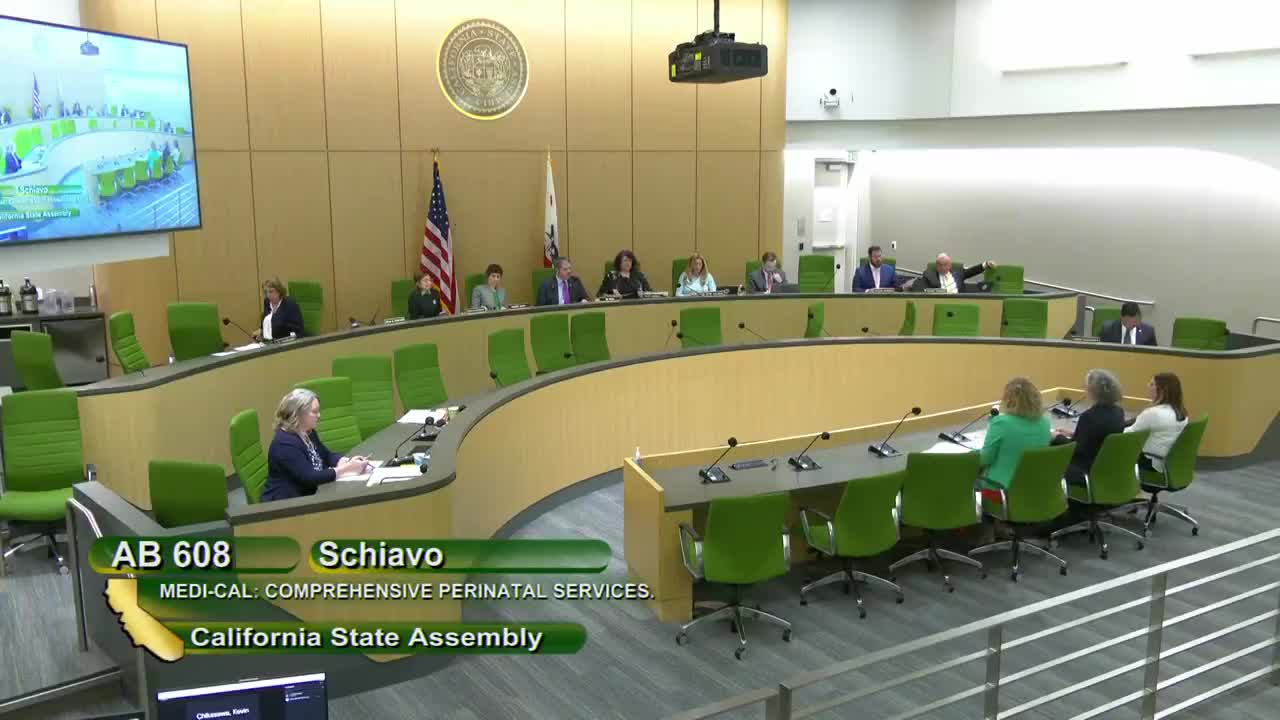
Bill Author
Bill Co-Author(s):