ACR 10: Children’s Dental Health Month.
- Session Year: 2023-2024
- House: Assembly
- Latest Version Date: 2023-03-27
Current Status:
Passed
(2023-03-28: Chaptered by Secretary of State - Res. Chapter 16, Statutes of 2023.)
Introduced
In Committee
First Chamber
In Committee
Second Chamber
Enacted
This measure would recognize and declare the month of February 2023 as Childrens Dental Health Month.
This measure would recognize and declare the month of February 2023 as Childrens Dental Health Month.
This measure would recognize and declare the month of February 2023 as Childrens Dental Health Month.
WHEREAS, In California, tooth decay remains a significant public health problem. By the third grade, 6 in 10 children (61 percent) have experienced tooth decay and one in five children (22 percent) have untreated tooth decay; and
WHEREAS, Tooth decay disparities related to race or ethnicity, or both, and socioeconomic status continue to exist in California and undermine health equity. Among Latinx children, 72 percent have experienced some form of tooth decay. African American children experience untreated tooth decay at the highest levels at 25.8 percent, or one in four children. Among socioeconomic disadvantaged children, 72.3 percent experience tooth decay and 26 percent experience untreated tooth decay; and
WHEREAS, Untreated cavities can cause pain and infections that may lead to problems with eating, speaking, playing, and learning. California children miss 874,000 days of school each year due to dental problems; and
WHEREAS, Tooth decay is the number one chronic infectious disease affecting children in the United States, although it is largely preventable. Early dental visits help prevent cavities and tooth decay. Basic preventive treatments like fluoride varnish, dental sealants, and community water fluoridation can all help prevent cavities in primary (baby) teeth. Early infant dental visits are key to long-term oral health as studies have shown that delaying dental care to even two or three years of age can have a negative impact on a childs oral health. Up to 40 percent of parents and caregivers in one survey postponed their childs first visit until after 2.6 years of age; and
WHEREAS, California has made significant investments in recent years to improve the oral health infrastructure in the state, including efforts to increase preventive dental services and improve dental health for children enrolled in Medi-Cal. These recent improvements have resulted in a 25-percent increase (2,400 providers) in Medi-Cal dental program providers in the last five years, a rate that is increasing each year. This increase in the number of providers has provided an additional 115,000 annual dental visits and nearly 100,000 additional preventive services in the Medi-Cal dental program statewide from 201719; and
WHEREAS, Despite this expanded access, barriers to oral health care still exist; and
WHEREAS, COVID-19 negatively impacted and delayed care for many Californians, exacerbating access-to-care issues for childrens oral health. In fact, less than one-half of all children enrolled by Medi-Cal visited a dentist last year; and
WHEREAS, Increased awareness of the importance of childrens oral health will continue to further educational goals and efforts to prevent childhood oral health diseases; and
WHEREAS, Childrens Dental Health Month is an important nationwide tool for raising awareness about the importance of childhood oral health and the role it plays in childrens overall health among Californias leaders, policy makers, and the public about the impact of poor oral health on children; now, therefore, be it
Resolved by the Assembly of the State of California, the Senate thereof concurring, That the Legislature hereby recognizes and declares February 2023 as Childrens Dental Health Month in California; and be it further
Resolved, That the Legislature is committed to supporting efforts to raise awareness about the importance of oral health and preventing oral health diseases in children; and be it further
Resolved, That the Chief Clerk of the Assembly transmit copies of this resolution to the author for appropriate distribution.
|
Date
|
Status
|
|---|---|
| Mar 28, 2023 | Chaptered by Secretary of State - Res. Chapter 16, Statutes of 2023. |
| Mar 27, 2023 | Enrolled and filed with the Secretary of State at 2 p.m. |
| Mar 16, 2023 | In Assembly. Ordered to Engrossing and Enrolling. |
| Mar 16, 2023 | Adopted and to Assembly. (Ayes 39. Noes 0. Page 361.) |
| Mar 14, 2023 | Ordered to special consent calendar. |
| Mar 1, 2023 | From committee: Ordered to third reading. |
| Feb 21, 2023 | In Senate. To Com. on RLS. |
| Feb 17, 2023 | Adopted and to Senate. (Ayes 71. Noes 0. Page 403.) |
| Feb 17, 2023 | Coauthors revised. |
| Feb 9, 2023 | Coauthors revised. |
| Feb 9, 2023 | From committee: Be adopted. To Consent Calendar. (Ayes 11. Noes 0.) (February 9). |
| Feb 9, 2023 | Referred to Com. on RLS. |
| Feb 2, 2023 | From printer. |
| Feb 1, 2023 | Introduced. To print. |
|
Date
|
Description
|
Location
|
Votes
|
|
|---|---|---|---|---|
| Feb 17, 2023 | ACR 10 Weber Consent Calendar Second Day | Assembly Floor |
Passed |
|
| Feb 9, 2023 | Be adopted. To Consent Calendar. | Assembly Standing Committee on Rules |
Passed |
This list shows positions taken on this bill by organizations on the date displayed, which is linked to the original source.
Positions by individuals are not included.
|
Organization
|
Position
|
Date
|
|---|---|---|
| California Dental Association | ** Support |
SENATE RULES COMMITTEE Office of Senate Floor Analyses (916) 651-1520 Fax: (916) 327-4478 | ACR 10 |
THIRD READING
Bill No: ACR 10
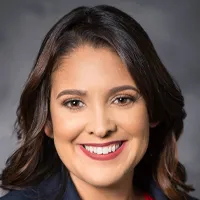
Author: Weber (D), et al.
Introduced: 2/1/23
Vote: 21
ASSEMBLY FLOOR: 71-0, 2/17/23 (Consent) - See last page for vote
SUBJECT: Children’s Dental Health Month
SOURCE: California Dental Association
DIGEST:
This resolution recognizes and declares the month of February 2023 as Children’s Dental Health Month.
ANALYSIS: This resolution makes the following legislative findings:
- In California, tooth decay remains a significant public health problem. By the third grade, 6 in 10 children (61 percent) have experienced tooth decay and one in five children (22 percent) have untreated tooth decay.
- Untreated cavities can cause pain and infections that may lead to problems with eating, speaking, playing, and learning. California children miss 874,000 days of school each year due to dental problems.
- Tooth decay is the number one chronic infectious disease affecting children in the United States, although it is largely preventable. Early dental visits help prevent cavities and tooth decay. Basic preventive treatments like fluoride varnish, dental sealants, and community water fluoridation can all help prevent cavities in primary (baby) teeth. Early infant dental visits are key to long-term oral health as studies have shown that delaying dental care to even two or three years of age can have a negative impact on a child’s oral health. Up to 40 percent of parents and caregivers in one survey postponed their child’s first visit until after 2.6 years of age.
- Despite this expanded access, barriers to oral health care still exist.
- Increased awareness of the importance of children’s oral health will continue to further educational goals and efforts to prevent childhood oral health diseases.
This resolution:
- Recognizes and declares February 2023 as Children’s Dental Health Month in California.
- Declares that the Legislature is committed to supporting efforts to raise awareness about the importance of oral health and preventing oral health diseases in children.
Related/Prior Legislation
The following are the most recent measures relative to Children’s Dental Health Month:
- ACR 105 (Hayashi, Resolution Chapter 51, Statutes of 2012).
- HR 15 (Laird, 2003) – Adopted by the Assembly.
FISCAL EFFECT: Appropriation: No Fiscal Com.: No Local: No
SUPPORT: (Verified 3/2/23)
California Dental Association (source)
OPPOSITION: (Verified 3/2/23)
None received
ASSEMBLY FLOOR: 71-0, 2/17/23
AYES: Addis, Aguiar-Curry, Alanis, Bains, Bauer-Kahan, Bennett, Berman, Boerner Horvath, Bonta, Bryan, Juan Carrillo, Wendy Carrillo, Cervantes, Chen, Connolly, Megan Dahle, Davies, Dixon, Essayli, Flora, Mike Fong, Friedman, Gabriel, Gallagher, Gipson, Haney, Hart, Holden, Hoover, Irwin, Jackson, Jones-Sawyer, Kalra, Lackey, Lee, Low, Lowenthal, Maienschein, Mathis, McCarty, McKinnor, Muratsuchi, Stephanie Nguyen, Ortega, Pacheco, Papan, Joe Patterson, Petrie-Norris, Quirk-Silva, Ramos, Reyes, Luz Rivas, Robert Rivas, Rodriguez, Blanca Rubio, Sanchez, Santiago, Schiavo, Soria, Ta, Ting, Valencia, Villapudua, Waldron, Wallis, Ward, Weber, Wilson, Wood, Zbur, Rendon
NO VOTE RECORDED: Alvarez, Arambula, Calderon, Vince Fong, Garcia, Grayson, Jim Patterson, Pellerin, Wicks
Prepared by: Karen Chow / SFA / (916) 651-1520
3/2/23 8:34:59
**** END ****
Date of Hearing: February 9, 2023
ASSEMBLY COMMITTEE ON RULES
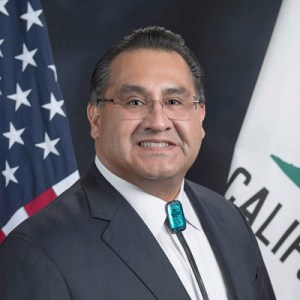
James Ramos, Chair
ABPCA Bill Id:ACR 10 (
Author:Weber) – As Introduced Ver:February 1, 2023
SUBJECT: Children’s Dental Health Month.
SUMMARY: Declares the month of February 2023 as Children’s Dental Health Month. Specifically, this resolution makes the following legislative findings:
- Tooth decay is the number one chronic infectious disease affecting children in the United States, although it is largely preventable. Early dental visits help prevent cavities and tooth decay. Basic preventive treatments like fluoride varnish, dental sealants, and community water fluoridation can all help prevent cavities in primary (baby) teeth.
- In California, tooth decay remains a significant public health problem. By the third grade, 6 in 10 children have experienced tooth decay and one in five children have untreated tooth decay.
- Untreated cavities can cause pain and infections that may lead to problems with eating, speaking, playing, and learning. California children miss 874,000 days of school each year due to dental problems.
- Tooth decay disparities related to race or ethnicity, or both, and socioeconomic status continue to exist in California and undermine health equity. Among socioeconomic disadvantaged children, 72.3 percent experience tooth decay and 26 percent experience untreated tooth decay.
- California has made significant investments in recent years to improve the oral health infrastructure in the state, including efforts to increase preventive dental services and improve dental health for children enrolled in Medi-Cal.
- Despite this expanded access, barriers to oral health care still exist. COVID-19 negatively impacted and delayed care for many Californians, exacerbating access-to-care issues for children’s oral health. In fact, less than one-half of all children enrolled by Medi-Cal visited a dentist last year.
- Children’s Dental Health Month is an important nationwide tool for raising awareness about the importance of childhood oral health and the role it plays in children’s overall health among California’s leaders, policy makers, and the public about the impact of poor oral health on children.
FISCAL EFFECT: None
REGISTERED SUPPORT / OPPOSITION:
Support
None on file
Opposition
None on file
Analysis Prepared by: Michael Erke / RLS. / (916) 319-2800
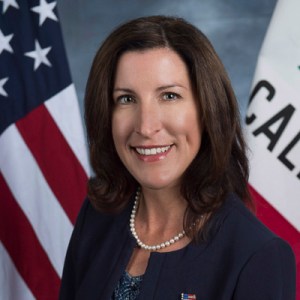
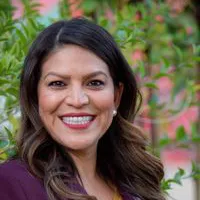
Bill Author

Bill Co-Author(s):