SB 277: Off-sale beer and wine licenses: low alcohol-by-volume spirits beverages.
- Session Year: 2023-2024
- House: Senate
- Latest Version Date: 2023-02-01
Current Status:
Failed
(2023-06-08: Referred to Com. on G.O.)
Introduced
In Committee
First Chamber
In Committee
Second Chamber
Enacted
What does this bill do?
This bill allows businesses with a retail package off-sale beer-and-wine license to also sell low-alcohol spirits beverages to consumers for take-home in containers no larger than 16 ounces. A low-alcohol spirits beverage is defined as a distilled-spirit drink mixed with other ingredients that contains no more than 10% alcohol by volume.
The summary is provided by generative AI which can make mistakes. For original language, please view the details in the table below.
Existing law, the Alcoholic Beverage Control Act, which is administered by the Department of Alcoholic Beverage Control, regulates the application, issuance, and suspension of alcoholic beverage licenses. Existing law authorizes the department to issue a retail package off-sale beer and wine license which authorizes the licensee to sell, to consumers only and not for resale, beer and wine in prescribed quantities, for consumption off the premises where sold.
This bill would authorize a retail package off-sale beer and wine licensee to also sell low alcohol-by-volume (ABV) spirits beverages, as defined, in containers no larger than 16 ounces.
(a)A retail package off-sale beer and wine license authorizes the sale, to consumers only and not for resale, of beer in containers, and wine in packages and in quantities of 52 gallons or less per sale, and low alcohol-by-volume (ABV) spirits beverages in containers no larger than 16 ounces, for consumption off the premises where sold.
(b)For purposes of this section, low alcohol-by-volume spirits beverage or low ABV spirits beverage means an alcoholic beverage that does not exceed 10 percent alcohol by volume and includes distilled spirits mixed with other ingredients, including nonalcohol components or alcohol components, or both.
|
Date
|
Status
|
|---|---|
| Jun 8, 2023 | Referred to Com. on G.O. |
| May 25, 2023 | In Assembly. Read first time. Held at Desk. |
| May 25, 2023 | Read third time. Passed. (Ayes 40. Noes 0. Page 1291.) Ordered to the Assembly. |
| May 9, 2023 | Read second time. Ordered to third reading. |
| May 8, 2023 | From committee: Be ordered to second reading pursuant to Senate Rule 28.8. |
| May 1, 2023 | Set for hearing May 8. |
| Apr 25, 2023 | From committee: Do pass and re-refer to Com. on APPR. (Ayes 14. Noes 0. Page 872.) (April 25). Re-referred to Com. on APPR. |
| Mar 28, 2023 | Set for hearing April 25. |
| Feb 9, 2023 | Referred to Com. on G.O. |
| Feb 2, 2023 | From printer. May be acted upon on or after March 4. |
| Feb 1, 2023 | Introduced. Read first time. To Com. on RLS. for assignment. To print. |
|
Date
|
Description
|
Location
|
Votes
|
|
|---|---|---|---|---|
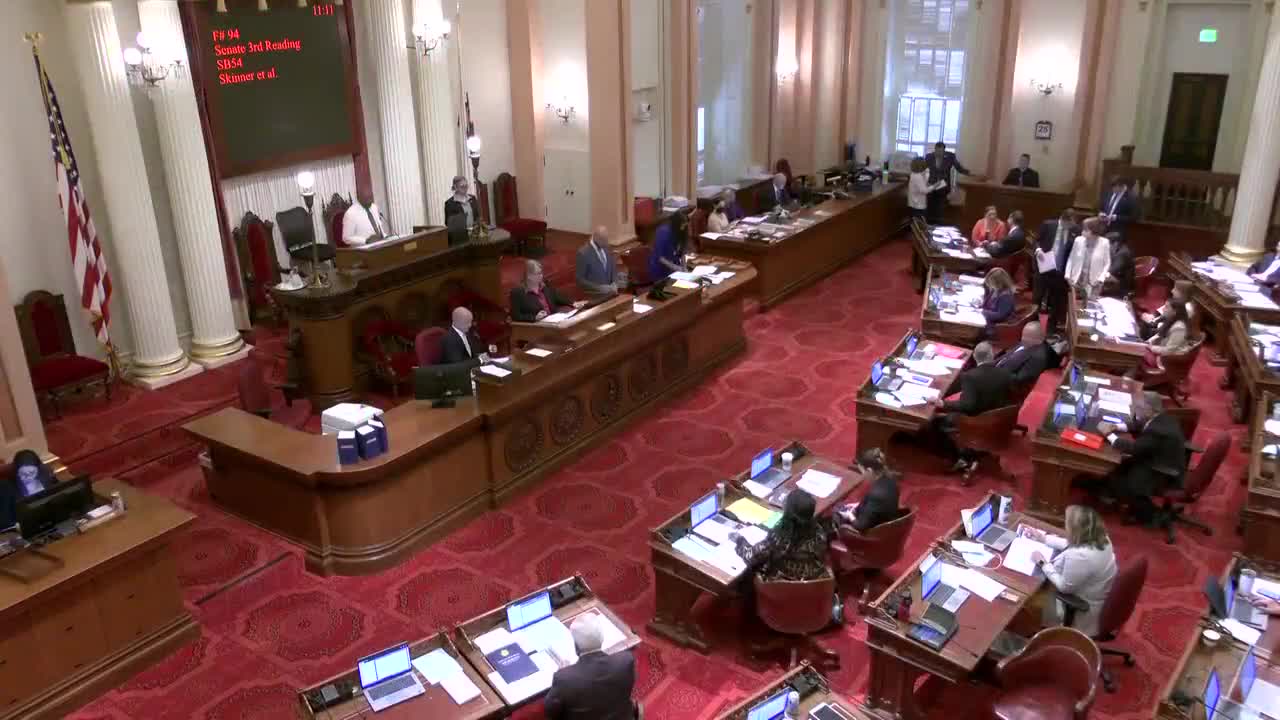
| May 25, 2023 | Senate 3rd Reading SB277 Dodd | Senate Floor |
Passed |
|
| Apr 25, 2023 | Do pass, but first be re-referred to the Committee on [Appropriations] | Senate Standing Committee on Governmental Organization |
Passed |
This list shows positions taken on this bill by organizations on the date displayed, which is linked to the original source.
Positions by individuals are not included.
|
Organization
|
Position
|
Date
|
|---|---|---|
| Alcohol Justice | ** Against | |
| American Distilled Spirits Alliance | ** Support | |
| Anheuser-Bush | ** Against | |
| Beer Institute | ** Against | |
| Boston Beer Company | ** Against | |
| Brewers Association | ** Against | |
| California Alcohol Policy Alliance | ** Against | |
| California Beer and Beverage Distributors | ** Against | |
| California Craft Brewers Association | ** Against | |
| California Family Beer Distributors | ** Against | |
| California Retailers Association | ** Support | |
| Constellation Brands Beer Division | ** Against | |
| Diageo North America | ** Support | |
| Distilled Spirits Council | ** Support | |
| Heineken USA | ** Against | |
| Molson Coors Beverage Company | ** Against | |
| NATIONAL BEER WHOLESALERS ASSOCIATION | ** Against | |
| Wine Institute | ** Against |
SENATE RULES COMMITTEE Office of Senate Floor Analyses (916) 651-1520 Fax: (916) 327-4478 | SB 277 |
THIRD READING
Bill No: SB 277
Author: Dodd (D)
Introduced: 2/1/23
Vote: 21
SENATE GOVERNMENTAL ORG. COMMITTEE: 14-0, 4/25/23
AYES: Dodd, Wilk, Alvarado-Gil, Archuleta, Ashby, Bradford, Glazer, Jones, Nguyen, Ochoa Bogh, Padilla, Portantino, Roth, Rubio
NO VOTE RECORDED: Seyarto
SENATE APPROPRIATIONS COMMITTEE: Senate Rule 28.8
SUBJECT: Off-sale beer and wine licenses: low alcohol-by-volume spirits beverages
SOURCE: Distilled Spirits Council
DIGEST: This bill authorizes a retail package off-sale beer and wine license, also known as a Type 20 License, to sell low alcohol-by-volume (ABV) spirits beverages, as defined, in containers no larger than 16 ounces.
ANALYSIS:
Existing law:
- Establishes the Department of Alcoholic Beverage Control (ABC) and grants it exclusive authority to administer the provisions of the ABC Act in accordance with laws enacted by the Legislature. This involves licensing individuals and businesses associated with the manufacture, importation, and sale of alcoholic beverages in this state and the collection of license fees for this purpose.
- Provides that every person who sells, furnishes, gives, or causes to be sold any alcoholic beverages to any person under 21 years of age is guilty of a misdemeanor.
- Authorizes the Department of ABC to issue a retail package off-sale beer and wine license, which authorizes the licensee to sell beer in containers, and wine in packages and in quantities of 52 gallons or less per sale.
- Caps the number of new on-sale and off-sale general licenses issued by the Department of ABC. The ratios are one on-sale general license for each 2,000 persons in the county in which the premises are situated and one off-sale general license for each 2,500 persons.
- Establishes a moratorium on the issuance of retail package off-sale beer and wine licenses, Type 20 Licenses, in cities and counties where the ratio of Type 20 licenses exceed one for each 2,500 inhabitants.
- Provides that after filing an application to engage in the sale of any alcoholic beverage at any premises, notice of intention to commence shall be posted in a conspicuous plate at the entrance to the premises. The applicant is required to notify the department of the date when such a notice is first posted. No license shall be issued for the premises until the notice has been posted for at least 30 consecutive days.
This bill:
- Authorizes a retail package off-sale beer and wine license to sell low ABv spirits beverages in containers no larger than 16 ounces.
- Defines “low alcohol-by-volume spirits beverages” or “low ABV spirits beverage” to mean an alcoholic beverage that does not exceed 10 percent ABV and includes distilled spirts mixed with other ingredients, including non-alcohol components or alcohol components, or both.
Background
Purpose of the Bill. According to the author’s office, “over the last several years, policymakers throughout the United States have modernized liquor licensing rules to reflect changes in the marketplace. One area ripe for consideration is Ready-to-go (RTD) cocktails, which have recently become increasingly popular for their convenience, quality, and variety. Unfortunately, in California, the type of alcohol determines where an RTD product can be sold. This has ultimately restricted consumer access to spirits-based RTDs. Retailers who hold a Type 20 license are permitted to sell malt-based or wine-based RTDs but are prohibited from the sale of similar RTD that are spirits-based even when those products contain the same or less alcohol.”
Furthermore, the author’s office argues that, “even when a person wants to obtain an off-sale general license those can be quite expensive and sometime impossible to obtain because of the scarcity of that license. Further, for those establishments that would like to sell ABV spirit-based RTDs and not necessarily other distilled spirits, SB 277 would alleviate the costly burden of seeking a general license.”
Ready-to-Drink Alcohol. Ready-to-drink alcohol means prepacked drinks that are premixed and ready for consumption. Essentially, RTDs can be divided into three different categories; Malt-based, wine-based, and spirits based. Malt-based RTDs includes hard kombucha and hard tea that all begin with malt-based alcohol.
Malt-based RTDs are considered beer for purposes of taxes and licensing. Spirits-based RTDs are RTDs cocktails, shooters, and seltzers that are distilled spirits based. For example, Cutwater Spirits has a Lime Margarita made with tequila as the base spirit. Spirit-based RTDs are considered distilled spirits for purposes of taxes and licensing. Finally, wine-based RTDs includes wine cocktails and spritzer. The RTD beverage category has experience tremendous growth over the last several years.
The COVID-19 pandemic has further increased the popularity of RTDs as bars and restaurants closed during the pandemic. Even as restrictions have lifted, demand and preference for RTDs has continued to grow. The popularity of RTDs seem to mainly focus on their convenience, variety and quality of RTDs. What really set the RTD market on an upward trajectory was the introduction of hard seltzers as consumers preferred these “lighter” drinks with minimal sugar and carbs. According to Overproof, a Miami-based data company that helps beverage alcohol brands leverage predictive markets, in 2021, the RTD market size was $783.8 million. It is expected that the market will continue to grow at a compound annual growth rate of 13.4%. If so, Overproof predicts that the RTD market could reach $2.43 billion by 2030.
In California, Type 20 licensees are allowed to sell both malt-based and wine-based RTDs but not spirit-based RTDs because of the former’s classification as a distilled spirit. The author’s office argues that “from a consumer’s perspective, this creates confusion and frustration as consumers are unaware of whether an RTD is beer, wine, or distilled based. Furthermore, this creates frustration for consumers who simply can’t understand why some convenience stores carry certain products and others do not.” This bill allows Type 20 licensees to sell spirit-based low ABV spirit-based RTDs. Some of the post popular RTD brands are White Claw Hard Seltzer, Part Time Rangers, Jack Daniel’s RTD, High Noon, and Truly.
Retail Package Off-Sale Beer and Wine License. A retail package off-sale beer and wine license, also known as a Type 20 License, authorizes to sell beer and wine to consumers for off-sale consumption. Type 20 licenses are typically issued for brick and mortar stores that sell items such as foodstuffs, in addition to beer and wine. This is the most popular option for businesses such as gas stations and convenience stores.
This type of alcohol license does not allow for the sale of open containers of beer and wine and does not allow the consumption of alcohol on the premises of the establishment. A Type 20 license does not authorize the licensee to sell any distilled spirits, including spirit-based RTDs. The cost of a new Type 20 License is currently $990. On January 1, 1998, the ABC Act was amended to permanently establish a moratorium on the issuing of Type 20 licenses in cities and county where the ratio of Type 20 licenses exceed one for each 2,500 inhabitants. Individuals seeking to open up one of these businesses can still obtain them on the open market. Unlike other licenses, obtaining a Type 20 license on the open market can be as low as $2,000.
Retail Package Off-Sale General License. A retail package off-sale general license, also known as a Type 21 License authorizes the sale of beer, wine, and distilled spirts for consumption off the premises where sold. A Type 21 license is typically issued to individuals seeking to open up liquor stores or grocery stores that want to sell, in addition to beer and wine, distilled spirits. This is generally the most popular license for liquor stores, who differ from convenience stores in that they will sell more alcohol and alcohol accessories.
The cost of a new Type 21 License is $17,335. However, because of the cap on new alcohol licenses, many times a person seeking to obtain a Type 21 license must obtain the license on the open market. The cost of obtaining a Type 21 license in this way can cost the licensee more than $100,000 and sometimes even more.
Alcohol License Limitation. Existing law provides for a limitation on the number of new off-sale general licenses that may be issued in a given year by the Department of ABC based on the population growth of the county in which the licensed premises are located. The ratio is one off-sale general license for each 2,500 residents. For example, if a county grows by 10,000 people in a given year, the Department of ABC will issue four new off-sale general licenses in that county.
If the Department of ABC receives more applications than there are licenses available, a public drawing is held. To participate in such a drawing, an applicant must have been a resident of California for at least 90 days prior to the date of the scheduled drawing. Successful drawing participants will be notified that they have 90 days to complete a formal application for their specific premises. The cost of these new licenses is $17,335 each.
Individuals seeking to open a liquor or grocery store that sell distilled spirits who fail to obtain an alcohol license through this process typically must locate an existing licensed owner willing to sell their license. Usually, that is done by contacting a liquor license broker. The cost of obtaining a license on the secondary market is driven by supply and demand and can cost more than $150,000 and sometimes even more.
Related/Prior Legislation
SB 247 (Wilk, 2023) clarifies that an alcohol license or permit is not required for the serving of wine and beer as part of any service provided by an establishment that is subject to regulation by the State Board of Barbering and Cosmetology under the Barbering and Cosmetology Act. (Pending on the Senate Floor)
SB 788 (Ashby, 2023) authorizes beer manufacturers that produce 60,000 or less barrels of beer per year to manufacture cider or perry at the licensed premises and to sell cider or perry to any licensee authorized to sell wine without the need to obtain a winegrowers license. (Pending in the Assembly Governmental Organization Committee)
AB 495 (Bigelow, 2022) would have allowed any person that manufacturers or produces distilled spirits within or without this state to hold a distilled spirits importer or wholesaler’s license if the person meets specified criteria. (Held on the Senate Floor Inactive File)
AB 1322 (Daly and Wilk, Chapter 741, Statutes of 2016) allowed beauty salons and barber shops to serve their limited quantities of beer and wine at no extra charge and without obtaining a license or permit from the Department of ABC, as specified.
AB 779 (Bocanegra, Chapter 379, Statutes of 2013) authorized beer manufacturers producing more than 60,000 barrels of beer per year the privilege of also manufacturing cider or perry at their licensed premises and to sell the product to any licensee authorized to sell wine without the need to obtain a winegrowers license.
AB 1649 (Chesbro, Chapter 129, Statutes of 2010) allowed licensed winegrowers to produce spirts of wine, a byproduct of wine fermentation, without having to additionally obtain a distilled spirits manufacturer’s licenses.
FISCAL EFFECT: Appropriation: No Fiscal Com.: Yes Local: No
SUPPORT: (Verified 5/8/23)
Distilled Spirits Council (source)
American Distilled Spirits Alliance
California Retailers Association
Diageo North America
OPPOSITION: (Verified 5/8/23)
Alcohol Justice
Anheuser-Bush
Beer Institute
Boston Beer Company
Brewers Association
California Alcohol Policy Alliance
California Beer and Beverage Distributors
California Craft Brewers Association
California Family Beer Distributors
Constellation Brands Beer Division
Heineken USA
Molson Coors Beverage Company
National Beer Wholesalers Association
Wine Institute
ARGUMENTS IN SUPPORT: According to the Distilled Spirits Council, “SB 277 will create greater equity across the RTD marketplace. Further, for those retail establishments that would like to sell low ABV spirit-based RTDs and not necessarily other distilled spirits products, this bill would alleviate the costly burdens of seeking a general license. In sum, SB 277 is a logical modest change in the law that helps small businesses while also meeting consumer demand.”
According to Diageo North American, “current law limits a retail off-sale beer and wine licensee to selling beer or wine in packages based on an allowable quantity size. Because of the limitation on these licenses California consumers access to spirits based RTD cocktails has been limited. SB 277 will modernize law by allowing beer and wine retail licenses to participate in the RTD marketplace, creating greater equity for low ABC spirit-based RTDs. These small retailers will be able to serve their consumers with more choices without having to compete for the more expensive and often scarce general liquor license. This modest change in the law helps small businesses while also meeting consumer demand.”
ARGUMENTS IN OPPOSITION: According to the California Beer and Beverage Distributors, “would undermine our state’s long-standing policy regarding the issuance of off-sale retail licensing to sell beer and wine versus liquor. Accordingly, SB 277 seeks to suddenly double the number of off-sale premises accounts that will be eligible to sell canned cocktails. This is a liquor grab for the limited cold box and shelf space at local gas stations and convenience stores.”
According to the Wine Institute, “first and foremost, this measure will reduce shelf space for wine. All alcohol retailers, regardless of size or type, have limited shelf space available to display and sell alcohol. By bringing a whole new category of products into these specific retailers, SB 277 would undoubtedly restrict the space available for wine and lower the retail sales of our member’s products.”
Prepared by: Felipe Lopez / G.O. / (916) 651-1530
5/10/23 15:29:07
**** END ****
SENATE COMMITTEE ON GOVERNMENTAL ORGANIZATION
Senator Bill Dodd
Chair
2023 - 2024 Regular
Bill No: 277 Hearing Date: 4/25/2023
Author: | |||
Version: | 2/1/2023 Introduced | ||
Urgency: | No | Fiscal: | Yes |
Consultant: | Felipe Lopez | ||
SUBJECT: Off-sale beer and wine licenses: low alcohol-by-volume spirits beverages
DIGEST: This bill authorizes a retail package off-sale beer and wine license, also known as a Type 20 License, to sell low alcohol-by-volume (ABV) spirits beverages, as defined, in containers no larger than 16 ounces.
ANALYSIS:
Existing law:
- Establishes the Department of Alcoholic Beverage Control (ABC) and grants it exclusive authority to administer the provisions of the ABC Act in accordance with laws enacted by the Legislature. This involves licensing individuals and businesses associated with the manufacture, importation, and sale of alcoholic beverages in this state and the collection of license fees for this purpose.
- Provides that every person who sells, furnishes, gives, or causes to be sold any alcoholic beverages to any person under 21 years of age is guilty of a misdemeanor.
- Authorizes the Department of ABC to issue a retail package off-sale beer and wine license, which authorizes the licensee to sell beer in containers, and wine in packages and in quantities of 52 gallons or less per sale.
- Caps the number of new on-sale and off-sale general licenses issued by the Department of ABC. The ratios are one on-sale general license for each 2,000 persons in the county in which the premises are situated and one off-sale general license for each 2,500 persons.
- Establishes a moratorium on the issuance of retail package off-sale beer and wine licenses, Type 20 Licenses, in cities and counties where the ratio of Type 20 licenses exceed one for each 2,500 inhabitants.
- Provides that after filing an application to engage in the sale of any alcoholic beverage at any premises, notice of intention to commence shall be posted in a conspicuous plate at the entrance to the premises. The applicant is required to notify the department of the date when such a notice is first posted. No license shall be issued for the premises until the notice has been posted for at least 30 consecutive days.
This bill:
- Authorizes a retail package off-sale beer and wine license to sell low ABv spirits beverages in containers no larger than 16 ounces.
- Defines “low alcohol-by-volume spirits beverages” or “low ABV spirits beverage” to mean an alcoholic beverage that does not exceed 10 percent ABV and includes distilled spirts mixed with other ingredients, including non-alcohol components or alcohol components, or both.
Background
Purpose of the Bill. According to the author’s office, “over the last several years, policymakers throughout the United States have modernized liquor licensing rules to reflect changes in the marketplace. One area ripe for consideration is Ready-to-go (RTD) cocktails, which have recently become increasingly popular for their convenience, quality, and variety. Unfortunately, in California, the type of alcohol determines where an RTD product can be sold. This has ultimately restricted consumer access to spirits-based RTDs. Retailers who hold a Type 20 license are permitted to sell malt-based or wine-based RTDs but are prohibited from the sale of similar RTD that are spirits-based even when those products contain the same or less alcohol.”
Furthermore, the author’s office argues that, “even when a person wants to obtain an off-sale general license those can be quite expensive and sometime impossible to obtain because of the scarcity of that license. Further, for those establishments that would like to sell ABV spirit-based RTDs and not necessarily other distilled spirits, SB 277 would alleviate the costly burden of seeking a general license.”
Ready-to-Drink Alcohol. Ready-to-drink alcohol means prepacked drinks that are premixed and ready for consumption. Essentially, RTDs can be divided into three different categories; Malt-based, wine-based, and spirits based. Malt-based RTDs includes hard kombucha and hard tea that all begin with malt-based alcohol.
Malt-based RTDs are considered beer for purposes of taxes and licensing. Spirits-based RTDs are RTDs cocktails, shooters, and seltzers that are distilled spirits based. For example, Cutwater Spirits has a Lime Margarita made with tequila as the base spirit. Spirit-based RTDs are considered distilled spirits for purposes of taxes and licensing. Finally, wine-based RTDs includes wine cocktails and spritzer. The RTD beverage category has experience tremendous growth over the last several years.
The COVID-19 pandemic has further increased the popularity of RTDs as bars and restaurants closed during the pandemic. Even as restrictions have lifted, demand and preference for RTDs has continued to grow. The popularity of RTDs seem to mainly focus on their convenience, variety and quality of RTDs. What really set the RTD market on an upward trajectory was the introduction of hard seltzers as consumers preferred these “lighter” drinks with minimal sugar and carbs. According to Overproof, a Miami-based data company that helps beverage alcohol brands leverage predictive markets, in 2021, the RTD market size was $783.8 million. It is expected that the market will continue to grow at a compound annual growth rate of 13.4%. If so, Overproof predicts that the RTD market could reach $2.43 billion by 2030.
In California, Type 20 licensees are allowed to sell both malt-based and wine-based RTDs but not spirit-based RTDs because of the former’s classification as a distilled spirit. The author’s office argues that “from a consumer’s perspective, this creates confusion and frustration as consumers are unaware of whether an RTD is beer, wine, or distilled based. Furthermore, this creates frustration for consumers who simply can’t understand why some convenience stores carry certain products and others do not.” This bill would allow Type 20 licensees to sell spirit-based low ABV spirit-based RTDs. Some of the post popular RTD brands are White Claw Hard Seltzer, Part Time Rangers, Jack Daniel’s RTD, High Noon, and Truly.
Retail Package Off-Sale Beer and Wine License. A retail package off-sale beer and wine license, also known as a Type 20 License, authorizes to sell beer and wine to consumers for off-sale consumption. Type 20 licenses are typically issued for brick and mortar stores that sell items such as foodstuffs, in addition to beer and wine. This is the most popular option for businesses such as gas stations and convenience stores.
This type of alcohol license does not allow for the sale of open containers of beer and wine and does not allow the consumption of alcohol on the premises of the establishment. A Type 20 license does not authorize the licensee to sell any distilled spirits, including spirit-based RTDs. The cost of a new Type 20 License is currently $990. On January 1, 1998, the ABC Act was amended to permanently establish a moratorium on the issuing of Type 20 licenses in cities and county where the ratio of Type 20 licenses exceed one for each 2,500 inhabitants. Individuals seeking to open up one of these businesses can still obtain them on the open market. Unlike other licenses, obtaining a Type 20 license on the open market can be as low as $2,000.
Retail Package Off-Sale General License. A retail package off-sale general license, also known as a Type 21 License authorizes the sale of beer, wine, and distilled spirts for consumption off the premises where sold. A Type 21 license is typically issued to individuals seeking to open up liquor stores or grocery stores that want to sell, in addition to beer and wine, distilled spirits. This is generally the most popular license for liquor stores, who differ from convenience stores in that they will sell more alcohol and alcohol accessories.
The cost of a new Type 21 License is $17,335. However, because of the cap on new alcohol licenses, many times a person seeking to obtain a Type 21 license must obtain the license on the open market. The cost of obtaining a Type 21 license in this way can cost the licensee more than $100,000 and sometimes even more.
Alcohol License Limitation. Existing law provides for a limitation on the number of new off-sale general licenses that may be issued in a given year by the Department of ABC based on the population growth of the county in which the licensed premises are located. The ratio is one off-sale general license for each 2,500 residents. For example, if a county grows by 10,000 people in a given year, the Department of ABC will issue four new off-sale general licenses in that county.
If the Department of ABC receives more applications than there are licenses available, a public drawing is held. To participate in such a drawing, an applicant must have been a resident of California for at least 90 days prior to the date of the scheduled drawing. Successful drawing participants will be notified that they have 90 days to complete a formal application for their specific premises. The cost of these new licenses is $17,335 each.
Individuals seeking to open a liquor or grocery store that sell distilled spirits who fail to obtain an alcohol license through this process typically must locate an existing licensed owner willing to sell their license. Usually, that is done by contacting a liquor license broker. The cost of obtaining a license on the secondary market is driven by supply and demand and can cost more than $150,000 and sometimes even more.
Prior/Related Legislation
SB 247 (Wilk, 2023) clarifies that an alcohol license or permit is not required for the serving of wine and beer as part of any service provided by an establishment that is subject to regulation by the State Board of Barbering and Cosmetology under the Barbering and Cosmetology Act. (Pending in the Senate Governmental Organization Committee)
SB 788 (Ashby, 2023) authorizes beer manufacturers that produce 60,000 or less barrels of beer per year to manufacture cider or perry at the licensed premises and to sell cider or perry to any licensee authorized to sell wine without the need to obtain a winegrowers license. (Pending on the Senate Floor)
AB 495 (Bigelow, 2022) would have allowed any person that manufacturers or produces distilled spirits within or without this state to hold a distilled spirits importer or wholesaler’s license if the person meets specified criteria. (Held on the Senate Floor Inactive File)
AB 1322 (Daly and Wilk, Chapter 741, Statutes of 2016) allows beauty salons and barber shops to serve their limited quantities of beer and wine at no extra charge and without obtaining a license or permit from the Department of ABC, as specified.
AB 779 (Bocanegra, Chapter 379, Statutes of 2013) authorizes beer manufacturers producing more than 60,000 barrels of beer per year the privilege of also manufacturing cider or perry at their licensed premises and to sell the product to any licensee authorized to sell wine without the need to obtain a winegrowers license.
AB 1649 (Chesbro, Chapter 129, Statutes of 2010) allow licensed winegrowers to produce spirts of wine, a byproduct of wine fermentation, without having to additionally obtain a distilled spirits manufacturer’s licenses.
FISCAL EFFECT: Appropriation: Fiscal Com.: Local:
SUPPORT:
Distilled Spirits Council (Source)
American Distilled Spirits Alliance
California Retailers Association
Diageo North America
OPPOSITION:
Alcohol Justice
Anheuser-Bush
Beer Institute
California Beer and Beverage Distributors
California Family Beer Distributors
California Craft Brewers Association
Heineken USA
Molson Coors Beverage Company
Wine Institute
ARGUMENTS IN SUPPORT: According to the Distilled Spirits Council, “SB 277 will create greater equity across the RTD marketplace. Further, for those retail establishments that would like to sell low ABV spirit-based RTDs and not necessarily other distilled spirits products, this bill would alleviate the costly burdens of seeking a general license. In sum, SB 277 is a logical modest change in the law that helps small businesses while also meeting consumer demand.”
According to Diageo North American, “current law limits a retail off-sale beer and wine licensee to selling beer or wine in packages based on an allowable quantity size. Because of the limitation on these licenses California consumers access to spirits based RTD cocktails has been limited. SB 277 will modernize law by allowing beer and wine retail licenses to participate in the RTD marketplace, creating greater equity for low ABC spirit-based RTDs. These small retailers will be able to serve their consumers with more choices without having to compete for the more expensive and often scarce general liquor license. This modest change in the law helps small businesses while also meeting consumer demand.”
ARGUMENTS IN OPPOSITION: According to the California Beer and Beverage Distributors, “would undermine our state’s long-standing policy regarding the issuance of off-sale retail licensing to sell beer and wine versus liquor. Accordingly, SB 277 seeks to suddenly double the number of off-sale premises accounts that will be eligible to sell canned cocktails. This is a liquor grab for the limited cold box and shelf space at local gas stations and convenience stores.”
According to the Wine Institute, “first and foremost, this measure will reduce shelf space for wine. All alcohol retailers, regardless of size or type, have limited shelf space available to display and sell alcohol. By bringing a whole new category of products into these specific retailers, SB 277 would undoubtedly restrict the space available for wine and lower the retail sales of our member’s products.”
Bill Author

Bill Co-Author(s):