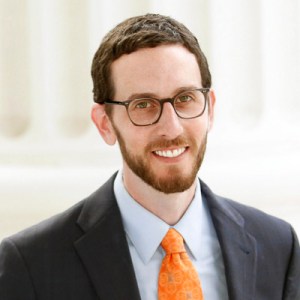
SB 282: Medi-Cal: federally qualified health centers and rural health clinics.
- Session Year: 2023-2024
- House: Senate
- Latest Version Date: 2023-03-13
Current Status:
Failed
(2023-09-01: September 1 hearing: Held in committee and under submission.)
Introduced
In Committee
First Chamber
In Committee
Second Chamber
Enacted
Existing law establishes the Medi-Cal program, which is administered by the State Department of Health Care Services and under which qualified low-income individuals receive health care services, including federally qualified health center (FQHC) services and rural health clinic (RHC) services. The Medi-Cal program is, in part, governed and funded by federal Medicaid program provisions.
This bill would make technical, nonsubstantive changes to these provisions.Under existing law, to the extent that federal financial participation is available, FQHC and RHC services are reimbursed on a per-visit basis, as specified. Visit is defined as a face-to-face encounter between a patient of an FQHC or RHC and a physician or other specified health care professionals. Under existing law, visit also includes an encounter using video or audio-only synchronous interaction or an asynchronous store and forward modality, as specified.
This bill would authorize reimbursement for a maximum of 2 visits that take place on the same day at a single site, whether through a face-to-face or telehealth-based encounter, if after the first visit the patient suffers illness or injury that requires additional diagnosis or treatment, or if the patient has a medical visit and either a mental health visit or a dental visit, as defined. The bill would require the department, by July 1, 2024, to submit a state plan amendment to the federal Centers for Medicare and Medicaid Services reflecting those provisions.
The bill would include a licensed acupuncturist within those health care professionals covered under the definition of a visit. The bill would also make a change to the provision relating to physicians and would make other technical changes.
Existing law establishes the Medi-Cal program, which is administered by the State Department of Health Care Services and under which qualified low-income individuals receive health care services, including federally qualified health center services and rural health clinic services. The Medi-Cal program is, in part, governed and funded by federal Medicaid program provisions.
This bill would make technical, nonsubstantive changes to these provisions.
(a)The federally qualified health center services described in Section 1396d(a)(2)(C) of Title 42 of the United States Code are covered benefits.
(b)The rural health clinic services described in Section 1396d(a)(2)(B) of Title 42 of the United States Code are covered benefits.
(c)Federally qualified health center services and rural health clinic services shall be reimbursed on a per-visit basis in accordance with the definition of visit set forth in subdivision (g).
(d)Effective October 1, 2004, and on each October 1 thereafter, until no longer required by federal law, federally qualified health center (FQHC) and rural health clinic (RHC) per-visit rates shall be increased by the Medicare Economic Index applicable to primary care services in the manner provided for in Section 1396a(bb)(3)(A) of Title 42 of the United States Code. Before January 1, 2004, FQHC and RHC per-visit rates shall be adjusted by the Medicare Economic Index in accordance with the methodology set forth in the state plan in effect on October 1, 2001.
(e)(1)An FQHC or RHC may apply for an adjustment to its per-visit rate based on a change in the scope of services service provided by the FQHC or RHC. Rate changes based on a change in the scope of services service provided by an FQHC or RHC shall be evaluated in accordance with Medicare reasonable cost principles, as set forth in Part 413 (commencing with Section 413.1) of Title 42 of the Code of Federal Regulations, or its successor.
(2)Subject to the conditions set forth in subparagraphs (A) to (D), inclusive, of paragraph (3), a change in scope of service means any of the following:
(A)The addition of a new FQHC or RHC service that is not incorporated in the baseline prospective payment system (PPS) rate, or a deletion of an FQHC or RHC service that is incorporated in the baseline PPS rate.
(B)A change in service due to amended regulatory requirements or rules.
(C)A change in service resulting from relocating or remodeling an FQHC or RHC.
(D)A change in types of services due to a change in applicable technology and medical practice utilized by the center or clinic.
(E)An increase in service intensity attributable to changes in the types of patients served, including, but not limited to, populations with HIV or AIDS, or other chronic diseases, or homeless, elderly, migrant, or other special populations.
(F)Any changes in any of the services described in subdivision (a) or (b), or in the provider mix of an FQHC or RHC or one of its sites.
(G)Changes in operating costs attributable to capital expenditures associated with a modification of the scope of any of the services described in subdivision (a) or (b), including new or expanded service facilities, regulatory compliance, or changes in technology or medical practices at the center or clinic.
(H)Indirect medical education adjustments and a direct graduate medical education payment that reflects the costs of providing teaching services to interns and residents.
(I)Any changes in the scope of a project approved by the federal Health Resources and Services Administration (HRSA).
(3)A change in costs is not, in and of itself, a scope-of-service change, unless all of the following apply:
(A)The increase or decrease in cost is attributable to an increase or decrease in the scope of services service defined in subdivisions (a) and (b), as applicable.
(B)The cost is allowable under Medicare reasonable cost principles set forth in Part 413 (commencing with Section 413) of Subchapter B of Chapter 4 413.1) of Title 42 of the Code of Federal Regulations, or its successor.
(C)The change in the scope of services service is a change in the type, intensity, duration, or amount of services, or any combination thereof.
(D)The net change in the FQHCs or RHCs rate equals or exceeds 1.75 percent for the affected FQHC or RHC site. For FQHCs and RHCs that filed consolidated cost reports for multiple sites to establish the initial prospective payment reimbursement rate, the 1.75-percent threshold shall be applied to the average per-visit rate of all sites for the purposes of calculating the cost associated with a scope-of-service change. Net change means the per-visit rate change attributable to the cumulative effect of all increases and decreases for a particular fiscal year.
(4)An FQHC or RHC may submit requests for scope-of-service changes once per fiscal year, only within 90 days following the beginning of the FQHCs or RHCs fiscal year. Any approved increase or decrease in the providers rate shall be retroactive to the beginning of the FQHCs or RHCs fiscal year in which the request is submitted.
(5)An FQHC or RHC shall submit a scope-of-service rate change request within 90 days of the beginning of any FQHC or RHC fiscal year occurring after the effective date of this section, if, during the FQHCs or RHCs prior fiscal year, the FQHC or RHC experienced a decrease in the scope of services service provided that the FQHC or RHC either knew or should have known would have resulted in a significantly lower per-visit rate. If an FQHC or RHC discontinues providing onsite pharmacy or dental services, it shall submit a scope-of-service rate change request within 90 days of the beginning of the following fiscal year. The rate change shall be effective as provided for in paragraph (4). As used in this paragraph, significantly lower means an average per-visit rate decrease in excess of 2.5 percent.
(6)Notwithstanding paragraph (4), if the approved scope-of-service change or changes were initially implemented on or after the first day of an FQHCs or RHCs fiscal year ending in calendar year 2001, but before the adoption and issuance of written instructions for applying for a scope-of-service change, the adjusted reimbursement rate for that scope-of-service change shall be made retroactive to the date the scope-of-service change was initially implemented. Scope-of-service changes under this paragraph shall be required to be submitted within the later of 150 days after the adoption and issuance of the written instructions by the department, or 150 days after the end of the FQHCs or RHCs fiscal year ending in 2003.
(7)All references in this subdivision to fiscal year shall be construed to be references to the fiscal year of the individual FQHC or RHC, as the case may be.
(f)(1)An FQHC or RHC may request a supplemental payment if extraordinary circumstances beyond the control of the FQHC or RHC occur after December 31, 2001, and PPS payments are insufficient due to these extraordinary circumstances. Supplemental payments arising from extraordinary circumstances under this subdivision shall be solely and exclusively within the discretion of the department and shall not be subject to subdivision (l). (m). These supplemental payments shall be determined separately from the scope-of-service adjustments described in subdivision (e). Extraordinary circumstances include, but are not limited to, acts of nature, changes in applicable requirements in the Health and Safety Code, changes in applicable licensure requirements, and changes in applicable rules or regulations. Mere inflation of costs alone, absent extraordinary circumstances, shall not be grounds for supplemental payment. If an FQHCs or RHCs PPS rate is sufficient to cover its overall costs, including those associated with the extraordinary circumstances, then a supplemental payment is not warranted.
(2)The department shall accept requests for supplemental payment at any time throughout the prospective payment rate year.
(3)Requests for supplemental payments shall be submitted in writing to the department and shall set forth the reasons for the request. Each request shall be accompanied by sufficient documentation to enable the department to act upon the request. Documentation shall include the data necessary to demonstrate that the circumstances for which supplemental payment is requested meet the requirements set forth in this section. Documentation shall include both of the following:
(A)A presentation of data to demonstrate reasons for the FQHCs or RHCs request for a supplemental payment.
(B)Documentation showing the cost implications. The cost impact shall be material and significant, two hundred thousand dollars ($200,000) or 1 percent of a facilitys total costs, whichever is less.
(4)A request shall be submitted for each affected year.
(5)Amounts granted for supplemental payment requests shall be paid as lump-sum amounts for those years and not as revised PPS rates, and shall be repaid by the FQHC or RHC to the extent that it is not expended for the specified purposes.
(6)The department shall notify the provider of the departments discretionary decision in writing.
(g)(1)An FQHC or RHC visit means a face-to-face encounter between an FQHC or RHC patient and a physician, physician assistant, nurse practitioner, certified nurse-midwife, clinical psychologist, licensed clinical social worker, or a visiting nurse. A visit shall also include a face-to-face encounter between an FQHC or RHC patient and a comprehensive perinatal practitioner, as defined in Section 51179.7 of Title 22 of the California Code of Regulations, providing comprehensive perinatal services, a four-hour day of attendance at an adult day health care center, and any other provider identified in the state plans definition of an FQHC or RHC visit.
(2)(A)A visit shall also include a face-to-face encounter between an FQHC or RHC patient and a dental hygienist, a dental hygienist in alternative practice, or a marriage and family therapist. therapist, or a licensed acupuncturist.
(B)Notwithstanding subdivision (e), if an FQHC or RHC that currently includes the cost of the services of a dental hygienist in alternative practice, or a marriage and family therapist for the purposes of establishing its FQHC or RHC rate chooses to bill these services as a separate visit, the FQHC or RHC shall apply for an adjustment to its per-visit rate, and, after the rate adjustment has been approved by the department, shall bill these services as a separate visit. However, multiple encounters with dental professionals or marriage and family therapists that take place on the same day shall constitute a single visit. The department shall develop the appropriate forms to determine which FQHCs or RHCs rates shall be adjusted and to facilitate the calculation of the adjusted rates. An FQHCs or RHCs application for, or the departments approval of, a rate adjustment pursuant to this subparagraph shall not constitute a change in scope of service within the meaning of subdivision (e). An FQHC or RHC that applies for an adjustment to its rate pursuant to this subparagraph may continue to bill for all other FQHC or RHC visits at its existing per-visit rate, subject to reconciliation, until the rate adjustment for visits between an FQHC or RHC patient and a dental hygienist, a dental hygienist in alternative practice, or a marriage and family therapist has been approved. Any approved increase or decrease in the providers rate shall be made within six months after the date of receipt of the departments rate adjustment forms pursuant to this subparagraph and shall be retroactive to the beginning of the fiscal year in which the FQHC or RHC submits the request, but in no case shall the effective date be earlier than January 1, 2008.
(C)An FQHC or RHC that does not provide dental hygienist, dental hygienist in alternative practice, or marriage and family therapist services, and later elects to add these services and bill these services as a separate visit, shall process the addition of these services as a change in scope of service pursuant to subdivision (e).
(3)Notwithstanding any other provision of this section, no later than by July 1, 2018, a visit shall include a marriage and family therapist.
(4)(A)(i)Subject to subparagraphs (C) and (D), a visit shall also include an encounter between an FQHC or RHC patient and a physician, physician assistant, nurse practitioner, certified nurse-midwife, clinical psychologist, licensed clinical social worker, visiting nurse, comprehensive perinatal services program practitioner, dental hygienist, dental hygienist in alternative practice, or marriage and family therapist using video synchronous interaction, when services delivered through that interaction meet the applicable standard of care. A visit described in this clause shall be reimbursed at the applicable FQHCs or RHCs per-visit PPS rate to the extent the department determines that the FQHC or RHC has met all billing requirements that would have applied if the applicable services were delivered via a face-to-face encounter. An FQHC or RHC is not precluded from establishing a new patient relationship through video synchronous interaction. An FQHC patient who receives telehealth services shall otherwise be eligible to receive in-person services from that FQHC pursuant to HRSA requirements.
(ii)Subject to subparagraphs (C) and (D), a visit shall also include an encounter between an FQHC or RHC patient and a physician, physician assistant, nurse practitioner, certified nurse-midwife, clinical psychologist, licensed clinical social worker, visiting nurse, comprehensive perinatal services program practitioner, dental hygienist, dental hygienist in alternative practice, or marriage and family therapist using audio-only synchronous interaction, when services delivered through that modality meet the applicable standard of care. A visit described in this clause shall be reimbursed at the applicable FQHCs or RHCs per-visit PPS rate to the extent the department determines that the FQHC or RHC has met all billing requirements that would have applied if the applicable services were delivered via a face-to-face encounter.
(iii)Subject to subparagraphs (C) and (D), a visit shall also include an encounter between an FQHC or RHC patient and a physician, physician assistant, nurse practitioner, certified nurse-midwife, clinical psychologist, licensed clinical social worker, visiting nurse, comprehensive perinatal services program practitioner, dental hygienist, dental hygienist in alternative practice, or marriage and family therapist using an asynchronous store and forward modality, when services delivered through that modality meet the applicable standard of care. A visit described in this clause shall be reimbursed at the applicable FQHCs or RHCs per-visit PPS rate to the extent the department determines that the FQHC or RHC has met all billing requirements that would have applied if the applicable services were delivered via a face-to-face encounter.
(iv)(I)An FQHC or RHC may not establish a new patient relationship using an audio-only synchronous interaction.
(II)Notwithstanding subclause (I), the department may provide for exceptions to the prohibition established by subclause (I), including, but not limited to, the exceptions described in sub-subclauses (ia) and (ib), which shall be developed in consultation with affected stakeholders and published in departmental guidance.
(ia)Notwithstanding the prohibition in subclause (I) and subject to subparagraphs (C) and (D), an FQHC or RHC may establish a new patient relationship using an audio-only synchronous interaction when the visit is related to sensitive services, as defined in subdivision (n) (p) of Section 56.05 of the Civil Code, and when established in accordance with department-specific requirements and consistent with federal and state laws, regulations, and guidance.
(ib)Notwithstanding the prohibition in subclause (I) and subject to subparagraphs (C) and (D), an FQHC or RHC may establish a new patient relationship using an audio-only synchronous interaction when the patient requests an audio-only modality or attests they do not have access to video, and when established in accordance with department-specific requirements and consistent with federal and state laws, regulations, and guidance.
(v)An FQHC or RHC is not precluded from establishing a new patient relationship through an asynchronous store and forward modality, as defined in subdivision (a) of Section 2290.5 of the Business and Professions Code, if the visit meets all of the following conditions:
(I)The patient is physically present at the FQHC or RHC, or at an intermittent site of the FQHC or RHC, at the time the service is performed.
(II)The individual who creates the patient records at the originating site is an employee or contractor of the FQHC or RHC, or other person lawfully authorized by the FQHC or RHC to create a patient record.
(III)The FQHC or RHC determines that the billing provider is able to meet the applicable standard of care.
(IV)An FQHC patient who receives telehealth services shall otherwise be eligible to receive in-person services from that FQHC pursuant to HRSA requirements.
(B)(i)Pursuant to an effective date designated by the department that is no sooner than January 1, 2024, an FQHC or RHC furnishing applicable health care services via audio-only synchronous interaction shall also offer those same health care services via video synchronous interaction to preserve beneficiary choice.
(ii)The department may provide specific exceptions to the requirement specified in clause (i), based on an FQHCs or RHCs access to requisite technologies, which shall be developed in consultation with affected stakeholders and published in departmental guidance.
(iii)Effective on the date designated by the department pursuant to clause (i), an FQHC or RHC furnishing services through video synchronous interaction or audio-only synchronous interaction shall also do one of the following:
(I)Offer those services via in-person, face-to-face contact.
(II)Arrange for a referral to, and a facilitation of, in-person care that does not require a patient to independently contact a different provider to arrange for that care.
(iv)In addition to any existing law requiring beneficiary consent to telehealth, including, but not limited to, subdivision (b) of Section 2290.5 of the Business and Professions Code, all of the following shall be communicated by an FQHC or RHC to a Medi-Cal beneficiary, in writing or verbally, on at least one occasion before, or concurrent with, initiating the delivery of one or more health care services via telehealth to a Medi-Cal beneficiary: an explanation that beneficiaries have the right to access covered services that may be delivered via telehealth through an in-person, face-to-face visit; an explanation that use of telehealth is voluntary and that consent for the use of telehealth can be withdrawn at any time by the Medi-Cal beneficiary without affecting their ability to access covered Medi-Cal services in the future; an explanation of the availability of Medi-Cal coverage for nonmedical transportation services to in-person visits when other available resources have been reasonably exhausted; and the potential limitations or risks related to receiving services through telehealth as compared to an in-person visit, to the extent any limitations or risks are identified by the FQHC or RHC.
(I)The FQHC or RHC shall document in the patient record the provision of this information and the patients verbal or written acknowledgment that the information was received.
(II)The department shall develop, in consultation with affected stakeholders, model language for purposes of the communication described in this subparagraph.
(C)The department shall seek any federal approvals it deems necessary to implement this paragraph. This paragraph shall be implemented only to the extent that any necessary federal approvals are obtained and federal financial participation is available and not otherwise jeopardized.
(D)This paragraph shall be operative on January 1, 2023, or on the operative date or dates reflected in the applicable federal approvals obtained by the department pursuant to subparagraph (C), whichever is later. This paragraph shall not be construed to limit coverage of, and reimbursement for, covered telehealth services provided before the operative date of this paragraph.
(E)Notwithstanding Chapter 3.5 (commencing with Section 11340) of Part 1 of Division 3 of Title 2 of the Government Code, the department may implement, interpret, and make specific this paragraph by means of all-county letters, plan letters, provider manuals, information notices, provider bulletins, and similar instructions, without taking any further regulatory action.
(F)Telehealth modalities authorized pursuant to this paragraph shall be subject to the billing, reimbursement, and utilization management policies imposed by the department.
(G)Services delivered via telehealth modalities described in this paragraph shall comply with the privacy and security requirements contained in the federal Health Insurance Portability and Accountability Act of 1996 found in Parts 160 and 164 of Title 45 of the Code of Federal Regulations, the Medicaid state plan, and any other applicable state and federal statutes and regulations.
(5)For purposes of this section, physician shall be interpreted in a manner consistent with the federal Centers for Medicare and Medicaid Services Medicare Rural Health Clinic and Federally Qualified Health Center Manual (Publication 27), or its successor, only to the extent that it defines the professionals whose services are reimbursable on a per-visit basis and not as to the types of services that these professionals may render during these visits and shall include a physician and surgeon, medical doctor, osteopath, podiatrist, dentist, optometrist, and chiropractor.
(h)If FQHC or RHC services are partially reimbursed by a third-party payer, such as a managed care entity, as defined in Section 1396u-2(a)(1)(B) of Title 42 of the United States Code, the Medicare Program, or the Child Health and Disability Prevention (CHDP) Program, the department shall reimburse an FQHC or RHC for the difference between its per-visit PPS rate and receipts from other plans or programs on a contract-by-contract basis and not in the aggregate, and may not include managed care financial incentive payments that are required by federal law to be excluded from the calculation.
(i)(1)Provided that the following entities are not operating as intermittent clinics, as defined in subdivision (h) of Section 1206 of the Health and Safety Code, each entity shall have its reimbursement rate established in accordance with one of the methods outlined in paragraph (2) or (3), as selected by the FQHC or RHC:
(A)An entity that first qualifies as an FQHC or RHC in 2001 or later.
(B)A newly licensed facility at a new location added to an existing FQHC or RHC.
(C)An entity that is an existing FQHC or RHC that is relocated to a new site.
(2)(A)An FQHC or RHC that adds a new licensed location to its existing primary care license under paragraph (1) of subdivision (b) of Section 1212 of the Health and Safety Code may elect to have the reimbursement rate for the new location established in accordance with paragraph (3), or notwithstanding subdivision (e), an FQHC or RHC may choose to have one PPS rate for all locations that appear on its primary care license determined by submitting a change in scope of service request if both of the following requirements are met:
(i)The change in scope of service request includes the costs and visits for those locations for the first full fiscal year immediately following the date the new location is added to the FQHCs or RHCs existing licensee.
(ii)The FQHC or RHC submits the change in scope of service request within 90 days after the FQHCs or RHCs first full fiscal year.
(B)The FQHCs or RHCs single PPS rate for those locations shall be calculated based on the total costs and total visits of those locations and shall be determined based on the following:
(i)An audit in accordance with Section 14170.
(ii)Rate changes based on a change in scope of service request shall be evaluated in accordance with Medicare reasonable cost principles, as set forth in Part 413 (commencing with Section 413.1) of Title 42 of the Code of Federal Regulations, or its successors.
(iii)Any approved increase or decrease in the providers rate shall be retroactive to the beginning of the FQHCs or RHCs fiscal year in which the request is submitted.
(C)Except as specified in subdivision (j), this paragraph does not apply to a location that was added to an existing primary care clinic license by the State Department of Public Health, whether by a regional district office or the centralized application unit, before January 1, 2017.
(3)If an FQHC or RHC does not elect to have the PPS rate determined by a change in scope of service request, the FQHC or RHC shall have the reimbursement rate established for any of the entities identified in paragraph (1) or (2) in accordance with one of the following methods at the election of the FQHC or RHC:
(A)The rate may be calculated on a per-visit basis in an amount that is equal to the average of the per-visit rates of three comparable FQHCs or RHCs located in the same or adjacent area with a similar caseload.
(B)In the absence of three comparable FQHCs or RHCs with a similar caseload, the rate may be calculated on a per-visit basis in an amount that is equal to the average of the per-visit rates of three comparable FQHCs or RHCs located in the same or an adjacent service area, or in a reasonably similar geographic area with respect to relevant social, health care, and economic characteristics.
(C)At a new entitys one-time election, the department shall establish a reimbursement rate, calculated on a per-visit basis, that is equal to 100 percent of the projected allowable costs to the FQHC or RHC of furnishing FQHC or RHC services during the first 12 months of operation as an FQHC or RHC. After the first 12-month period, the projected per-visit rate shall be increased by the Medicare Economic Index then in effect. The projected allowable costs for the first 12 months shall be cost settled and the prospective payment reimbursement rate shall be adjusted based on actual and allowable cost per visit.
(D)The department may adopt any further and additional methods of setting reimbursement rates for newly qualified FQHCs or RHCs as are consistent with Section 1396a(bb)(4) of Title 42 of the United States Code.
(4)In order for an FQHC or RHC to establish the comparability of its caseload for purposes of subparagraph (A) or (B) of paragraph (1), the department shall require that the FQHC or RHC submit its most recent annual utilization report as submitted to the Office of Statewide Health Planning and Development, unless the FQHC or RHC was not required to file an annual utilization report. FQHCs or RHCs that have experienced changes in their services or caseload subsequent to the filing of the annual utilization report may submit to the department a completed report in the format applicable to the prior calendar year. FQHCs or RHCs that have not previously submitted an annual utilization report shall submit to the department a completed report in the format applicable to the prior calendar year. The FQHC or RHC shall not be required to submit the annual utilization report for the comparable FQHCs or RHCs to the department, but shall be required to identify the comparable FQHCs or RHCs.
(5)The rate for any newly qualified entity set forth under this subdivision shall be effective retroactively to the later of the date that the entity was first qualified by the applicable federal agency as an FQHC or RHC, the date a new facility at a new location was added to an existing FQHC or RHC, or the date on which an existing FQHC or RHC was relocated to a new site. The FQHC or RHC shall be permitted to continue billing for Medi-Cal covered benefits on a fee-for-service basis under its existing provider number until it is informed of its new FQHC or RHC enrollment approval, provider number, and the department shall reconcile the difference between the fee-for-service payments and the FQHCs or RHCs prospective payment rate at that time.
(j)(1)Visits occurring at an intermittent clinic site, as defined in subdivision (h) of Section 1206 of the Health and Safety Code, of an existing FQHC or RHC, in a mobile unit as defined by paragraph (2) of in subdivision (b) of Section 1765.105 of the Health and Safety Code, or at the election of the FQHC or RHC and subject to paragraph (2), a location added to an existing primary care clinic license by the State Department of Public Health before January 1, 2017, shall be billed by and reimbursed at the same rate as the FQHC or RHC that either established the intermittent clinic site or mobile unit, or that held the clinic license to which the location was added before January 1, 2017.
(2)If an FQHC or RHC with at least one additional location on its primary care clinic license that was added by the State Department of Public Health before January 1, 2017, applies for an adjustment to its per-visit rate based on a change in the scope of services service provided by the FQHC or RHC as described in subdivision (e), all locations on the FQHCs or RHCs primary care clinic license shall be subject to a scope-of-service adjustment in accordance with either paragraph (2) or (3) of subdivision (i), as selected by the FQHC or RHC.
(3)This subdivision does not preclude or otherwise limit the right of the FQHC or RHC to request a scope-of-service adjustment to the rate.
(k)An FQHC or RHC may elect to have pharmacy or dental services reimbursed on a fee-for-service basis, utilizing the current fee schedules established for those services. These costs shall be adjusted out of the FQHCs or RHCs clinic base rate as scope-of-service changes. An FQHC or RHC that reverses its election under this subdivision shall revert to its prior rate, subject to an increase to account for all Medicare Economic Index increases occurring during the intervening time period, and subject to any increase or decrease associated with applicable scope-of-service adjustments as provided in subdivision (e).
(l)(1)For purposes of this subdivision, the following definitions apply:
(A)Mental health visit means an encounter between an FQHC or RHC patient and a psychiatrist, clinical psychologist, licensed clinical social worker, or marriage and family therapist.
(B)Dental visit means an encounter between an FQHC or RHC patient and a dentist, dental hygienist, or registered dental hygienist in alternative practice.
(C)Medical visit means an encounter between an FQHC or RHC patient and a physician, physician assistant, nurse practitioner, certified nurse-midwife, or visiting nurse. Medical visit also means an encounter between an FQHC or RHC patient and a comprehensive perinatal practitioner, as defined in Section 51179.7 of Title 22 of the California Code of Regulations, providing comprehensive perinatal services.
(D)Encounter includes a face-to-face encounter or an encounter through a telehealth modality authorized pursuant to subdivision (g).
(2)A maximum of two visits, as defined in subdivision (g), that take place on the same day at a single site, whether through a face-to-face or telehealth-based encounter, shall be reimbursed when one or both of the following conditions exist:
(A)Following the first visit, the patient suffers illness or injury that requires additional diagnosis or treatment.
(B)The patient has a medical visit and either a mental health visit or a dental visit.
(3)By July 1, 2024, the department shall submit a state plan amendment to the federal Centers for Medicare and Medicaid Services reflecting the changes described in this subdivision.
(l)(m)Reimbursement for Drug Medi-Cal services shall be provided pursuant to this subdivision.
(1)An FQHC or RHC may elect to have Drug Medi-Cal services reimbursed directly from a county or the department under contract with the FQHC or RHC pursuant to paragraph (4).
(2)(A)For an FQHC or RHC to receive reimbursement for Drug Medi-Cal services directly from the county or the department under contract with the FQHC or RHC pursuant to paragraph (4), costs associated with providing Drug Medi-Cal services shall not be included in the FQHCs or RHCs per-visit PPS rate. For purposes of this subdivision, the costs associated with providing Drug Medi-Cal services shall not be considered to be within the FQHCs or RHCs clinic base PPS rate if in delivering Drug Medi-Cal services the clinic uses different clinical staff at a different location.
(B)If the FQHC or RHC does not use different clinical staff at a different location to deliver Drug Medi-Cal services, the FQHC or RHC shall submit documentation, in a manner determined by the department, that the current per-visit PPS rate does not include any costs related to rendering Drug Medi-Cal services, including costs related to utilizing space in part of the FQHCs or RHCs building, that are or were previously calculated as part of the clinics base PPS rate.
(3)If the costs associated with providing Drug Medi-Cal services are within the FQHCs or RHCs clinic base PPS rate, as determined by the department, the Drug Medi-Cal services costs shall be adjusted out of the FQHCs or RHCs per-visit PPS rate as a change in scope of service.
(A)An FQHC or RHC shall submit to the department a scope-of-service change request to adjust the FQHCs or RHCs clinic base PPS rate after the first full fiscal year of rendering Drug Medi-Cal services outside of the PPS rate. Notwithstanding subdivision (e), the scope-of-service change request shall include a full fiscal year of activity that does not include Drug Medi-Cal services costs.
(B)An FQHC or RHC may submit requests for scope-of-service change under this subdivision only within 90 days following the beginning of the FQHCs or RHCs fiscal year. Any scope-of-service change request under this subdivision approved by the department shall be retroactive to the first day that Drug Medi-Cal services were rendered and reimbursement for Drug Medi-Cal services was received outside of the PPS rate, but in no case shall the effective date be earlier than January 1, 2018.
(C)The FQHC or RHC may bill for Drug Medi-Cal services outside of the PPS rate when the FQHC or RHC obtains approval as a Drug Medi-Cal provider and enters into a contract with a county or the department to provide these services pursuant to paragraph (4).
(D)Within 90 days of receipt of the request for a scope-of-service change under this subdivision, the department shall issue the FQHC or RHC an interim rate equal to 90 percent of the FQHCs or RHCs projected allowable cost, as determined by the department. An audit to determine the final rate shall be performed in accordance with Section 14170.
(E)Rate changes based on a request for scope-of-service change under this subdivision shall be evaluated in accordance with Medicare reasonable cost principles, as set forth in Part 413 (commencing with Section 413.1) of Title 42 of the Code of Federal Regulations, or its successor.
(F)For purposes of recalculating the PPS rate, the FQHC or RHC shall provide upon request to the department verifiable documentation as to which employees spent time, and the actual time spent, providing federally qualified health center services or rural health center services and Drug Medi-Cal services.
(G)After the department approves the adjustment to the FQHCs or RHCs clinic base PPS rate and the FQHC or RHC is approved as a Drug Medi-Cal provider, an FQHC or RHC shall not bill the PPS rate for any Drug Medi-Cal services provided pursuant to a contract entered into with a county or the department pursuant to paragraph (4).
(H)An FQHC or RHC that reverses its election under this subdivision shall revert to its prior PPS rate, subject to an increase to account for all Medicare Economic Index increases occurring during the intervening time period, and subject to any increase or decrease associated with the applicable scope-of-service adjustments as provided for in subdivision (e).
(4)Reimbursement for Drug Medi-Cal services shall be determined according to subparagraph (A) or (B), depending on whether the services are provided in a county that participates in the Drug Medi-Cal organized delivery system (DMC-ODS).
(A)In a county that participates in the DMC-ODS, the FQHC or RHC shall receive reimbursement pursuant to a mutually agreed upon contract entered into between the county or county designee and the FQHC or RHC. If the county or county designee refuses to contract with the FQHC or RHC, the FQHC or RHC may follow the contract denial process set forth in the Special Terms and Conditions.
(B)In a county that does not participate in the DMC-ODS, the FQHC or RHC shall receive reimbursement pursuant to a mutually agreed upon contract entered into between the county and the FQHC or RHC. If the county refuses to contract with the FQHC or RHC, the FQHC or RHC may request to contract directly with the department and shall be reimbursed for those services at the Drug Medi-Cal fee-for-service rate.
(5)The department shall not reimburse an FQHC or RHC pursuant to subdivision (h) for the difference between its per-visit PPS rate and any payments for Drug Medi-Cal services made pursuant to this subdivision.
(6)For purposes of this subdivision, the following definitions apply:
(A)Drug Medi-Cal organized delivery system or DMC-ODS means the Drug Medi-Cal organized delivery system authorized under the California Medi-Cal 2020 Demonstration, Number 11-W-00193/9, as approved by the federal Centers for Medicare and Medicaid Services and described in the Special Terms and Conditions.
(B)Special Terms and Conditions has the same meaning as set forth in subdivision (o) of Section 14184.10.
(m)(n)Reimbursement for specialty mental health services shall be provided pursuant to this subdivision.
(1)An FQHC or RHC and one or more mental health plans that contract with the department pursuant to Section 14712 may mutually elect to enter into a contract to have the FQHC or RHC provide specialty mental health services to Medi-Cal beneficiaries as part of the mental health plans network.
(2)(A)For an FQHC or RHC to receive reimbursement for specialty mental health services pursuant to a contract entered into with the mental health plan under paragraph (1), the costs associated with providing specialty mental health services shall not be included in the FQHCs or RHCs per-visit PPS rate. For purposes of this subdivision, the costs associated with providing specialty mental health services shall not be considered to be within the FQHCs or RHCs clinic base PPS rate if in delivering specialty mental health services the clinic uses different clinical staff at a different location.
(B)If the FQHC or RHC does not use different clinical staff at a different location to deliver specialty mental health services, the FQHC or RHC shall submit documentation, in a manner determined by the department, that the current per-visit PPS rate does not include any costs related to rendering specialty mental health services, including costs related to utilizing space in part of the FQHCs or RHCs building, that are or were previously calculated as part of the clinics base PPS rate.
(3)If the costs associated with providing specialty mental health services are within the FQHCs or RHCs clinic base PPS rate, as determined by the department, the specialty mental health services costs shall be adjusted out of the FQHCs or RHCs per-visit PPS rate as a change in scope of service.
(A)An FQHC or RHC shall submit to the department a scope-of-service change request to adjust the FQHCs or RHCs clinic base PPS rate after the first full fiscal year of rendering specialty mental health services outside of the PPS rate. Notwithstanding subdivision (e), the scope-of-service change request shall include a full fiscal year of activity that does not include specialty mental health costs.
(B)An FQHC or RHC may submit requests for a scope-of-service change under this subdivision only within 90 days following the beginning of the FQHCs or RHCs fiscal year. Any scope-of-service change request under this subdivision approved by the department is retroactive to the first day that specialty mental health services were rendered and reimbursement for specialty mental health services was received outside of the PPS rate, but in no case shall the effective date shall not be earlier than January 1, 2018.
(C)The FQHC or RHC may bill for specialty mental health services outside of the PPS rate when the FQHC or RHC contracts with a mental health plan to provide these services pursuant to paragraph (1).
(D)Within 90 days of receipt of the request for a scope-of-service change under this subdivision, the department shall issue the FQHC or RHC an interim rate equal to 90 percent of the FQHCs or RHCs projected allowable cost, as determined by the department. An audit to determine the final rate shall be performed in accordance with Section 14170.
(E)Rate changes based on a request for scope-of-service change under this subdivision shall be evaluated in accordance with Medicare reasonable cost principles, as set forth in Part 413 (commencing with Section 413.1) of Title 42 of the Code of Federal Regulations, or its successor.
(F)For the purpose of recalculating the PPS rate, the FQHC or RHC shall provide upon request to the department verifiable documentation as to which employees spent time, and the actual time spent, providing federally qualified health center services or rural health center services and specialty mental health services.
(G)After the department approves the adjustment to the FQHCs or RHCs clinic base PPS rate, an FQHC or RHC shall not bill the PPS rate for any specialty mental health services that are provided pursuant to a contract entered into with a mental health plan pursuant to paragraph (1).
(H)An FQHC or RHC that reverses its election under this subdivision shall revert to its prior PPS rate, subject to an increase to account for all Medicare Economic Index increases occurring during the intervening time period, and subject to any increase or decrease associated with the applicable scope-of-service adjustments as provided for in subdivision (e).
(4)The department shall not reimburse an FQHC or RHC pursuant to subdivision (h) for the difference between its per-visit PPS rate and any payments made for specialty mental health services under this subdivision.
(n)(o)The department shall seek any necessary federal approvals and issue appropriate guidance to allow an FQHC or RHC to bill, under a supervising licensed behavioral health practitioner, for an encounter between an FQHC or RHC patient and an associate clinical social worker or associate marriage and family therapist when all of the following conditions are met:
(1)The associate clinical social worker or the associate marriage and family therapist is supervised by the licensed behavioral health practitioner, as required by the Board of Behavioral Sciences.
(2)The visit is billed under the supervising licensed behavioral health practitioner of the FQHC or RHC.
(3)The FQHC or RHC is otherwise authorized to bill for services provided by the supervising licensed behavioral health practitioner as a separate visit.
(o)(p)FQHCs and RHCs may appeal a grievance or complaint concerning ratesetting, scope-of-service changes, and settlement of cost report audits, in the manner prescribed by Section 14171. The rights and remedies provided under this subdivision are cumulative to the rights and remedies available under all other provisions of law laws of this state.
(p)(q)The department shall promptly seek all necessary federal approvals in order to implement this section, including any amendments to the state plan. To the extent that any element or requirement of this section is not approved, the department shall submit a request to the federal Centers for Medicare and Medicaid Services for any waivers that would be necessary to implement this section.
(q)(r)The department shall implement this section only to the extent that federal financial participation is available.
(r)(s)Notwithstanding any other law, the director may, without taking regulatory action pursuant to Chapter 3.5 (commencing with Section 11340) of Part 1 of Division 3 of Title 2 of the Government Code, implement, interpret, or make specific subdivisions (l) and (m) (m) and (n) by means of a provider bulletin or similar instruction. The department shall notify and consult with interested parties and appropriate stakeholders in implementing, interpreting, or making specific the provisions of subdivisions (l) and (m), subdivisions (m) and (n), including all of the following:
(1)Notifying provider representatives in writing of the proposed action or change. The notice shall occur, and the applicable draft provider bulletin or similar instruction, shall be made available at least 10 business days before the meeting described in paragraph (2).
(2)Scheduling at least one meeting with interested parties and appropriate stakeholders to discuss the proposed action or change.
(3)Allowing for written input regarding the proposed action or change, to which the department shall provide summary written responses in conjunction with the issuance of the applicable final written provider bulletin or similar instruction.
(4)Providing at least 60 days advance notice of the effective date of the proposed action or change.
(a)The federally qualified health center services described in Section 1396d(a)(2)(C) of Title 42 of the United States Code are covered benefits.
(b)The rural health clinic services described in Section 1396d(a)(2)(B) of Title 42 of the United States Code are covered benefits.
(c)Federally qualified health center services and rural health clinic services shall be reimbursed on a per-visit basis in accordance with the definition of visit set forth in subdivision (g).
(d)Effective October 1, 2004, and on each October 1 thereafter, until no longer required by federal law, federally qualified health center (FQHC) and rural health clinic (RHC) per-visit rates shall be increased by the Medicare Economic Index applicable to primary care services in the manner provided for in Section 1396a(bb)(3)(A) of Title 42 of the United States Code. Prior to Before January 1, 2004, FQHC and RHC per-visit rates shall be adjusted by the Medicare Economic Index in accordance with the methodology set forth in the state plan in effect on October 1, 2001.
(e)(1)An FQHC or RHC may apply for an adjustment to its per-visit rate based on a change in the scope of services provided by the FQHC or RHC. Rate changes based on a change in the scope of services provided by an FQHC or RHC shall be evaluated in accordance with Medicare reasonable cost principles, as set forth in Part 413 (commencing with Section 413.1) of Title 42 of the Code of Federal Regulations, or its successor.
(2)Subject to the conditions set forth in subparagraphs (A) to (D), inclusive, of paragraph (3), a change in scope of service means any of the following:
(A)The addition of a new FQHC or RHC service that is not incorporated in the baseline prospective payment system (PPS) rate, or a deletion of an FQHC or RHC service that is incorporated in the baseline PPS rate.
(B)A change in service due to amended regulatory requirements or rules.
(C)A change in service resulting from relocating or remodeling an FQHC or RHC.
(D)A change in types of services due to a change in applicable technology and medical practice utilized by the center or clinic.
(E)An increase in service intensity attributable to changes in the types of patients served, including, but not limited to, populations with HIV or AIDS, or other chronic diseases, or homeless, elderly, migrant, or other special populations.
(F)Any changes in any of the services described in subdivision (a) or (b), or in the provider mix of an FQHC or RHC or one of its sites.
(G)Changes in operating costs attributable to capital expenditures associated with a modification of the scope of any of the services described in subdivision (a) or (b), including new or expanded service facilities, regulatory compliance, or changes in technology or medical practices at the center or clinic.
(H)Indirect medical education adjustments and a direct graduate medical education payment that reflects the costs of providing teaching services to interns and residents.
(I)Any changes in the scope of a project approved by the federal Health Resources and Services Administration (HRSA).
(3)A change in costs is not, in and of itself, a scope-of-service change, unless all of the following apply:
(A)The increase or decrease in cost is attributable to an increase or decrease in the scope of services defined in subdivisions (a) and (b), as applicable.
(B)The cost is allowable under Medicare reasonable cost principles set forth in Part 413 (commencing with Section 413) of Subchapter B of Chapter 4 of Title 42 of the Code of Federal Regulations, or its successor.
(C)The change in the scope of services is a change in the type, intensity, duration, or amount of services, or any combination thereof.
(D)The net change in the FQHCs or RHCs rate equals or exceeds 1.75 percent for the affected FQHC or RHC site. For FQHCs and RHCs that filed consolidated cost reports for multiple sites to establish the initial prospective payment reimbursement rate, the 1.75-percent threshold shall be applied to the average per-visit rate of all sites for the purposes of calculating the cost associated with a scope-of-service change. Net change means the per-visit rate change attributable to the cumulative effect of all increases and decreases for a particular fiscal year.
(4)An FQHC or RHC may submit requests for scope-of-service changes once per fiscal year, only within 90 days following the beginning of the FQHCs or RHCs fiscal year. Any approved increase or decrease in the providers rate shall be retroactive to the beginning of the FQHCs or RHCs fiscal year in which the request is submitted.
(5)An FQHC or RHC shall submit a scope-of-service rate change request within 90 days of the beginning of any FQHC or RHC fiscal year occurring after the effective date of this section, if, during the FQHCs or RHCs prior fiscal year, the FQHC or RHC experienced a decrease in the scope of services provided that the FQHC or RHC either knew or should have known would have resulted in a significantly lower per-visit rate. If an FQHC or RHC discontinues providing onsite pharmacy or dental services, it shall submit a scope-of-service rate change request within 90 days of the beginning of the following fiscal year. The rate change shall be effective as provided for in paragraph (4). As used in this paragraph, significantly lower means an average per-visit rate decrease in excess of 2.5 percent.
(6)Notwithstanding paragraph (4), if the approved scope-of-service change or changes were initially implemented on or after the first day of an FQHCs or RHCs fiscal year ending in calendar year 2001, but before the adoption and issuance of written instructions for applying for a scope-of-service change, the adjusted reimbursement rate for that scope-of-service change shall be made retroactive to the date the scope-of-service change was initially implemented. Scope-of-service changes under this paragraph shall be required to be submitted within the later of 150 days after the adoption and issuance of the written instructions by the department, or 150 days after the end of the FQHCs or RHCs fiscal year ending in 2003.
(7)All references in this subdivision to fiscal year shall be construed to be references to the fiscal year of the individual FQHC or RHC, as the case may be.
(f)(1)An FQHC or RHC may request a supplemental payment if extraordinary circumstances beyond the control of the FQHC or RHC occur after December 31, 2001, and PPS payments are insufficient due to these extraordinary circumstances. Supplemental payments arising from extraordinary circumstances under this subdivision shall be solely and exclusively within the discretion of the department and shall not be subject to subdivision (l). These supplemental payments shall be determined separately from the scope-of-service adjustments described in subdivision (e). Extraordinary circumstances include, but are not limited to, acts of nature, changes in applicable requirements in the Health and Safety Code, changes in applicable licensure requirements, and changes in applicable rules or regulations. Mere inflation of costs alone, absent extraordinary circumstances, shall not be grounds for supplemental payment. If an FQHCs or RHCs PPS rate is sufficient to cover its overall costs, including those associated with the extraordinary circumstances, then a supplemental payment is not warranted.
(2)The department shall accept requests for supplemental payment at any time throughout the prospective payment rate year.
(3)Requests for supplemental payments shall be submitted in writing to the department and shall set forth the reasons for the request. Each request shall be accompanied by sufficient documentation to enable the department to act upon the request. Documentation shall include the data necessary to demonstrate that the circumstances for which supplemental payment is requested meet the requirements set forth in this section. Documentation shall include both of the following:
(A)A presentation of data to demonstrate reasons for the FQHCs or RHCs request for a supplemental payment.
(B)Documentation showing the cost implications. The cost impact shall be material and significant, two hundred thousand dollars ($200,000) or 1 percent of a facilitys total costs, whichever is less.
(4)A request shall be submitted for each affected year.
(5)Amounts granted for supplemental payment requests shall be paid as lump-sum amounts for those years and not as revised PPS rates, and shall be repaid by the FQHC or RHC to the extent that it is not expended for the specified purposes.
(6)The department shall notify the provider of the departments discretionary decision in writing.
(g)(1)An FQHC or RHC visit means a face-to-face encounter between an FQHC or RHC patient and a physician, physician assistant, nurse practitioner, certified nurse-midwife, clinical psychologist, licensed clinical social worker, or a visiting nurse. A visit shall also include a face-to-face encounter between an FQHC or RHC patient and a comprehensive perinatal practitioner, as defined in Section 51179.7 of Title 22 of the California Code of Regulations, providing comprehensive perinatal services, a four-hour day of attendance at an adult day health care center, and any other provider identified in the state plans definition of an FQHC or RHC visit.
(2)(A)A visit shall also include a face-to-face encounter between an FQHC or RHC patient and a dental hygienist, a dental hygienist in alternative practice, or a marriage and family therapist.
(B)Notwithstanding subdivision (e), if an FQHC or RHC that currently includes the cost of the services of a dental hygienist in alternative practice, or a marriage and family therapist for the purposes of establishing its FQHC or RHC rate chooses to bill these services as a separate visit, the FQHC or RHC shall apply for an adjustment to its per-visit rate, and, after the rate adjustment has been approved by the department, shall bill these services as a separate visit. However, multiple encounters with dental professionals or marriage and family therapists that take place on the same day shall constitute a single visit. The department shall develop the appropriate forms to determine which FQHCs or RHCs rates shall be adjusted and to facilitate the calculation of the adjusted rates. An FQHCs or RHCs application for, or the departments approval of, a rate adjustment pursuant to this subparagraph shall not constitute a change in scope of service within the meaning of subdivision (e). An FQHC or RHC that applies for an adjustment to its rate pursuant to this subparagraph may continue to bill for all other FQHC or RHC visits at its existing per-visit rate, subject to reconciliation, until the rate adjustment for visits between an FQHC or RHC patient and a dental hygienist, a dental hygienist in alternative practice, or a marriage and family therapist has been approved. Any approved increase or decrease in the providers rate shall be made within six months after the date of receipt of the departments rate adjustment forms pursuant to this subparagraph and shall be retroactive to the beginning of the fiscal year in which the FQHC or RHC submits the request, but in no case shall the effective date be earlier than January 1, 2008.
(C)An FQHC or RHC that does not provide dental hygienist, dental hygienist in alternative practice, or marriage and family therapist services, and later elects to add these services and bill these services as a separate visit, shall process the addition of these services as a change in scope of service pursuant to subdivision (e).
(3)Notwithstanding any other provision of this section, no later than July 1, 2018, a visit shall include a marriage and family therapist.
(4)(A)(i)Subject to subparagraphs (C) and (D), a visit shall also include an encounter between an FQHC or RHC patient and a physician, physician assistant, nurse practitioner, certified nurse-midwife, clinical psychologist, licensed clinical social worker, visiting nurse, comprehensive perinatal services program practitioner, dental hygienist, dental hygienist in alternative practice, or marriage and family therapist using video synchronous interaction, when services delivered through that interaction meet the applicable standard of care. A visit described in this clause shall be reimbursed at the applicable FQHCs or RHCs per-visit PPS rate to the extent the department determines that the FQHC or RHC has met all billing requirements that would have applied if the applicable services were delivered via a face-to-face encounter. An FQHC or RHC is not precluded from establishing a new patient relationship through video synchronous interaction. An FQHC patient who receives telehealth services shall otherwise be eligible to receive in-person services from that FQHC pursuant to HRSA requirements.
(ii)Subject to subparagraphs (C) and (D), a visit shall also include an encounter between an FQHC or RHC patient and a physician, physician assistant, nurse practitioner, certified nurse-midwife, clinical psychologist, licensed clinical social worker, visiting nurse, comprehensive perinatal services program practitioner, dental hygienist, dental hygienist in alternative practice, or marriage and family therapist using audio-only synchronous interaction, when services delivered through that modality meet the applicable standard of care. A visit described in this clause shall be reimbursed at the applicable FQHCs or RHCs per-visit PPS rate to the extent the department determines that the FQHC or RHC has met all billing requirements that would have applied if the applicable services were delivered via a face-to-face encounter.
(iii)Subject to subparagraphs (C) and (D), a visit shall also include an encounter between an FQHC or RHC patient and a physician, physician assistant, nurse practitioner, certified nurse-midwife, clinical psychologist, licensed clinical social worker, visiting nurse, comprehensive perinatal services program practitioner, dental hygienist, dental hygienist in alternative practice, or marriage and family therapist using an asynchronous store and forward modality, when services delivered through that modality meet the applicable standard of care. A visit described in this clause shall be reimbursed at the applicable FQHCs or RHCs per-visit PPS rate to the extent the department determines that the FQHC or RHC has met all billing requirements that would have applied if the applicable services were delivered via a face-to-face encounter.
(iv)(I)An FQHC or RHC may not establish a new patient relationship using an audio-only synchronous interaction.
(II)Notwithstanding subclause (I), the department may provide for exceptions to the prohibition established by subclause (I), including, but not limited to, the exceptions described in sub-subclauses (ia) and (ib), which shall be developed in consultation with affected stakeholders and published in departmental guidance.
(ia)Notwithstanding the prohibition in subclause (I) and subject to subparagraphs (C) and (D), an FQHC or RHC may establish a new patient relationship using an audio-only synchronous interaction when the visit is related to sensitive services, as defined in subdivision (n) of Section 56.05 of the Civil Code, and when established in accordance with department-specific requirements and consistent with federal and state laws, regulations, and guidance.
(ib)Notwithstanding the prohibition in subclause (I) and subject to subparagraphs (C) and (D), an FQHC or RHC may establish a new patient relationship using an audio-only synchronous interaction when the patient requests an audio-only modality or attests they do not have access to video, and when established in accordance with department-specific requirements and consistent with federal and state laws, regulations, and guidance.
(v)An FQHC or RHC is not precluded from establishing a new patient relationship through an asynchronous store and forward modality, as defined in subdivision (a) of Section 2290.5 of the Business and Professions Code, if the visit meets all of the following conditions:
(I)The patient is physically present at the FQHC or RHC, or at an intermittent site of the FQHC or RHC, at the time the service is performed.
(II)The individual who creates the patient records at the originating site is an employee or contractor of the FQHC or RHC, or other person lawfully authorized by the FQHC or RHC to create a patient record.
(III)The FQHC or RHC determines that the billing provider is able to meet the applicable standard of care.
(IV)An FQHC patient who receives telehealth services shall otherwise be eligible to receive in-person services from that FQHC pursuant to HRSA requirements.
(B)(i)Pursuant to an effective date designated by the department that is no sooner than January 1, 2024, an FQHC or RHC furnishing applicable health care services via audio-only synchronous interaction shall also offer those same health care services via video synchronous interaction to preserve beneficiary choice.
(ii)The department may provide specific exceptions to the requirement specified in clause (i), based on an FQHCs or RHCs access to requisite technologies, which shall be developed in consultation with affected stakeholders and published in departmental guidance.
(iii)Effective on the date designated by the department pursuant to clause (i), an FQHC or RHC furnishing services through video synchronous interaction or audio-only synchronous interaction shall also do one of the following:
(I)Offer those services via in-person, face-to-face contact.
(II)Arrange for a referral to, and a facilitation of, in-person care that does not require a patient to independently contact a different provider to arrange for that care.
(iv)In addition to any existing law requiring beneficiary consent to telehealth, including, but not limited to, subdivision (b) of Section 2290.5 of the Business and Professions Code, all of the following shall be communicated by an FQHC or RHC to a Medi-Cal beneficiary, in writing or verbally, on at least one occasion prior to, before, or concurrent with, initiating the delivery of one or more health care services via telehealth to a Medi-Cal beneficiary: an explanation that beneficiaries have the right to access covered services that may be delivered via telehealth through an in-person, face-to-face visit; an explanation that use of telehealth is voluntary and that consent for the use of telehealth can be withdrawn at any time by the Medi-Cal beneficiary without affecting their ability to access covered Medi-Cal services in the future; an explanation of the availability of Medi-Cal coverage for nonmedical transportation services to in-person visits when other available resources have been reasonably exhausted; and the potential limitations or risks related to receiving services through telehealth as compared to an in-person visit, to the extent any limitations or risks are identified by the FQHC or RHC.
(I)The FQHC or RHC shall document in the patient record the provision of this information and the patients verbal or written acknowledgment that the information was received.
(II)The department shall develop, in consultation with affected stakeholders, model language for purposes of the communication described in this subparagraph.
(C)The department shall seek any federal approvals it deems necessary to implement this paragraph. This paragraph shall be implemented only to the extent that any necessary federal approvals are obtained and federal financial participation is available and not otherwise jeopardized.
(D)This paragraph shall be operative on January 1, 2023, or on the operative date or dates reflected in the applicable federal approvals obtained by the department pursuant to subparagraph (C), whichever is later. This paragraph shall not be construed to limit coverage of, and reimbursement for, covered telehealth services provided before the operative date of this paragraph.
(E)Notwithstanding Chapter 3.5 (commencing with Section 11340) of Part 1 of Division 3 of Title 2 of the Government Code, the department may implement, interpret, and make specific this paragraph by means of all-county letters, plan letters, provider manuals, information notices, provider bulletins, and similar instructions, without taking any further regulatory action.
(F)Telehealth modalities authorized pursuant to this paragraph shall be subject to the billing, reimbursement, and utilization management policies imposed by the department.
(G)Services delivered via telehealth modalities described in this paragraph shall comply with the privacy and security requirements contained in the federal Health Insurance Portability and Accountability Act of 1996 found in Parts 160 and 164 of Title 45 of the Code of Federal Regulations, the Medicaid state plan, and any other applicable state and federal statutes and regulations.
(5)For purposes of this section, physician shall be interpreted in a manner consistent with the federal Centers for Medicare and Medicaid Services Medicare Rural Health Clinic and Federally Qualified Health Center Manual (Publication 27), or its successor, only to the extent that it defines the professionals whose services are reimbursable on a per-visit basis and not as to the types of services that these professionals may render during these visits and shall include a physician and surgeon, osteopath, podiatrist, dentist, optometrist, and chiropractor.
(h)If FQHC or RHC services are partially reimbursed by a third-party payer, such as a managed care entity, as defined in Section 1396u-2(a)(1)(B) of Title 42 of the United States Code, the Medicare Program, or the Child Health and Disability Prevention (CHDP) Program, the department shall reimburse an FQHC or RHC for the difference between its per-visit PPS rate and receipts from other plans or programs on a contract-by-contract basis and not in the aggregate, and may not include managed care financial incentive payments that are required by federal law to be excluded from the calculation.
(i)(1)Provided that the following entities are not operating as intermittent clinics, as defined in subdivision (h) of Section 1206 of the Health and Safety Code, each entity shall have its reimbursement rate established in accordance with one of the methods outlined in paragraph (2) or (3), as selected by the FQHC or RHC:
(A)An entity that first qualifies as an FQHC or RHC in 2001 or later.
(B)A newly licensed facility at a new location added to an existing FQHC or RHC.
(C)An entity that is an existing FQHC or RHC that is relocated to a new site.
(2)(A)An FQHC or RHC that adds a new licensed location to its existing primary care license under paragraph (1) of subdivision (b) of Section 1212 of the Health and Safety Code may elect to have the reimbursement rate for the new location established in accordance with paragraph (3), or notwithstanding subdivision (e), an FQHC or RHC may choose to have one PPS rate for all locations that appear on its primary care license determined by submitting a change in scope of service request if both of the following requirements are met:
(i)The change in scope of service request includes the costs and visits for those locations for the first full fiscal year immediately following the date the new location is added to the FQHCs or RHCs existing licensee.
(ii)The FQHC or RHC submits the change in scope of service request within 90 days after the FQHCs or RHCs first full fiscal year.
(B)The FQHCs or RHCs single PPS rate for those locations shall be calculated based on the total costs and total visits of those locations and shall be determined based on the following:
(i)An audit in accordance with Section 14170.
(ii)Rate changes based on a change in scope of service request shall be evaluated in accordance with Medicare reasonable cost principles, as set forth in Part 413 (commencing with Section 413.1) of Title 42 of the Code of Federal Regulations, or its successors.
(iii)Any approved increase or decrease in the providers rate shall be retroactive to the beginning of the FQHCs or RHCs fiscal year in which the request is submitted.
(C)Except as specified in subdivision (j), this paragraph does not apply to a location that was added to an existing primary care clinic license by the State Department of Public Health, whether by a regional district office or the centralized application unit, prior to before January 1, 2017.
(3)If an FQHC or RHC does not elect to have the PPS rate determined by a change in scope of service request, the FQHC or RHC shall have the reimbursement rate established for any of the entities identified in paragraph (1) or (2) in accordance with one of the following methods at the election of the FQHC or RHC:
(A)The rate may be calculated on a per-visit basis in an amount that is equal to the average of the per-visit rates of three comparable FQHCs or RHCs located in the same or adjacent area with a similar caseload.
(B)In the absence of three comparable FQHCs or RHCs with a similar caseload, the rate may be calculated on a per-visit basis in an amount that is equal to the average of the per-visit rates of three comparable FQHCs or RHCs located in the same or an adjacent service area, or in a reasonably similar geographic area with respect to relevant social, health care, and economic characteristics.
(C)At a new entitys one-time election, the department shall establish a reimbursement rate, calculated on a per-visit basis, that is equal to 100 percent of the projected allowable costs to the FQHC or RHC of furnishing FQHC or RHC services during the first 12 months of operation as an FQHC or RHC. After the first 12-month period, the projected per-visit rate shall be increased by the Medicare Economic Index then in effect. The projected allowable costs for the first 12 months shall be cost settled and the prospective payment reimbursement rate shall be adjusted based on actual and allowable cost per visit.
(D)The department may adopt any further and additional methods of setting reimbursement rates for newly qualified FQHCs or RHCs as are consistent with Section 1396a(bb)(4) of Title 42 of the United States Code.
(4)In order for an FQHC or RHC to establish the comparability of its caseload for purposes of subparagraph (A) or (B) of paragraph (1), the department shall require that the FQHC or RHC submit its most recent annual utilization report as submitted to the Office of Statewide Health Planning and Development, unless the FQHC or RHC was not required to file an annual utilization report. FQHCs or RHCs that have experienced changes in their services or caseload subsequent to the filing of the annual utilization report may submit to the department a completed report in the format applicable to the prior calendar year. FQHCs or RHCs that have not previously submitted an annual utilization report shall submit to the department a completed report in the format applicable to the prior calendar year. The FQHC or RHC shall not be required to submit the annual utilization report for the comparable FQHCs or RHCs to the department, but shall be required to identify the comparable FQHCs or RHCs.
(5)The rate for any newly qualified entity set forth under this subdivision shall be effective retroactively to the later of the date that the entity was first qualified by the applicable federal agency as an FQHC or RHC, the date a new facility at a new location was added to an existing FQHC or RHC, or the date on which an existing FQHC or RHC was relocated to a new site. The FQHC or RHC shall be permitted to continue billing for Medi-Cal covered benefits on a fee-for-service basis under its existing provider number until it is informed of its FQHC or RHC enrollment approval, and the department shall reconcile the difference between the fee-for-service payments and the FQHCs or RHCs prospective payment rate at that time.
(j)(1)Visits occurring at an intermittent clinic site, as defined in subdivision (h) of Section 1206 of the Health and Safety Code, of an existing FQHC or RHC, in a mobile unit as defined by paragraph (2) of subdivision (b) of Section 1765.105 of the Health and Safety Code, or at the election of the FQHC or RHC and subject to paragraph (2), a location added to an existing primary care clinic license by the State Department of Public Health prior to before January 1, 2017, shall be billed by and reimbursed at the same rate as the FQHC or RHC that either established the intermittent clinic site or mobile unit, or that held the clinic license to which the location was added prior to before January 1, 2017.
(2)If an FQHC or RHC with at least one additional location on its primary care clinic license that was added by the State Department of Public Health prior to before January 1, 2017, applies for an adjustment to its per-visit rate based on a change in the scope of services provided by the FQHC or RHC as described in subdivision (e), all locations on the FQHCs or RHCs primary care clinic license shall be subject to a scope-of-service adjustment in accordance with either paragraph (2) or (3) of subdivision (i), as selected by the FQHC or RHC.
(3)This subdivision does not preclude or otherwise limit the right of the FQHC or RHC to request a scope-of-service adjustment to the rate.
(k)An FQHC or RHC may elect to have pharmacy or dental services reimbursed on a fee-for-service basis, utilizing the current fee schedules established for those services. These costs shall be adjusted out of the FQHCs or RHCs clinic base rate as scope-of-service changes. An FQHC or RHC that reverses its election under this subdivision shall revert to its prior rate, subject to an increase to account for all Medicare Economic Index increases occurring during the intervening time period, and subject to any increase or decrease associated with applicable scope-of-service adjustments as provided in subdivision (e).
(l)Reimbursement for Drug Medi-Cal services shall be provided pursuant to this subdivision.
(1)An FQHC or RHC may elect to have Drug Medi-Cal services reimbursed directly from a county or the department under contract with the FQHC or RHC pursuant to paragraph (4).
(2)(A)For an FQHC or RHC to receive reimbursement for Drug Medi-Cal services directly from the county or the department under contract with the FQHC or RHC pursuant to paragraph (4), costs associated with providing Drug Medi-Cal services shall not be included in the FQHCs or RHCs per-visit PPS rate. For purposes of this subdivision, the costs associated with providing Drug Medi-Cal services shall not be considered to be within the FQHCs or RHCs clinic base PPS rate if in delivering Drug Medi-Cal services the clinic uses different clinical staff at a different location.
(B)If the FQHC or RHC does not use different clinical staff at a different location to deliver Drug Medi-Cal services, the FQHC or RHC shall submit documentation, in a manner determined by the department, that the current per-visit PPS rate does not include any costs related to rendering Drug Medi-Cal services, including costs related to utilizing space in part of the FQHCs or RHCs building, that are or were previously calculated as part of the clinics base PPS rate.
(3)If the costs associated with providing Drug Medi-Cal services are within the FQHCs or RHCs clinic base PPS rate, as determined by the department, the Drug Medi-Cal services costs shall be adjusted out of the FQHCs or RHCs per-visit PPS rate as a change in scope of service.
(A)An FQHC or RHC shall submit to the department a scope-of-service change request to adjust the FQHCs or RHCs clinic base PPS rate after the first full fiscal year of rendering Drug Medi-Cal services outside of the PPS rate. Notwithstanding subdivision (e), the scope-of-service change request shall include a full fiscal year of activity that does not include Drug Medi-Cal services costs.
(B)An FQHC or RHC may submit requests for scope-of-service change under this subdivision only within 90 days following the beginning of the FQHCs or RHCs fiscal year. Any scope-of-service change request under this subdivision approved by the department shall be retroactive to the first day that Drug Medi-Cal services were rendered and reimbursement for Drug Medi-Cal services was received outside of the PPS rate, but in no case shall the effective date be earlier than January 1, 2018.
(C)The FQHC or RHC may bill for Drug Medi-Cal services outside of the PPS rate when the FQHC or RHC obtains approval as a Drug Medi-Cal provider and enters into a contract with a county or the department to provide these services pursuant to paragraph (4).
(D)Within 90 days of receipt of the request for a scope-of-service change under this subdivision, the department shall issue the FQHC or RHC an interim rate equal to 90 percent of the FQHCs or RHCs projected allowable cost, as determined by the department. An audit to determine the final rate shall be performed in accordance with Section 14170.
(E)Rate changes based on a request for scope-of-service change under this subdivision shall be evaluated in accordance with Medicare reasonable cost principles, as set forth in Part 413 (commencing with Section 413.1) of Title 42 of the Code of Federal Regulations, or its successor.
(F)For purposes of recalculating the PPS rate, the FQHC or RHC shall provide upon request to the department verifiable documentation as to which employees spent time, and the actual time spent, providing federally qualified health center services or rural health center services and Drug Medi-Cal services.
(G)After the department approves the adjustment to the FQHCs or RHCs clinic base PPS rate and the FQHC or RHC is approved as a Drug Medi-Cal provider, an FQHC or RHC shall not bill the PPS rate for any Drug Medi-Cal services provided pursuant to a contract entered into with a county or the department pursuant to paragraph (4).
(H)An FQHC or RHC that reverses its election under this subdivision shall revert to its prior PPS rate, subject to an increase to account for all Medicare Economic Index increases occurring during the intervening time period, and subject to any increase or decrease associated with the applicable scope-of-service adjustments as provided for in subdivision (e).
(4)Reimbursement for Drug Medi-Cal services shall be determined according to subparagraph (A) or (B), depending on whether the services are provided in a county that participates in the Drug Medi-Cal organized delivery system (DMC-ODS).
(A)In a county that participates in the DMC-ODS, the FQHC or RHC shall receive reimbursement pursuant to a mutually agreed upon contract entered into between the county or county designee and the FQHC or RHC. If the county or county designee refuses to contract with the FQHC or RHC, the FQHC or RHC may follow the contract denial process set forth in the Special Terms and Conditions.
(B)In a county that does not participate in the DMC-ODS, the FQHC or RHC shall receive reimbursement pursuant to a mutually agreed upon contract entered into between the county and the FQHC or RHC. If the county refuses to contract with the FQHC or RHC, the FQHC or RHC may request to contract directly with the department and shall be reimbursed for those services at the Drug Medi-Cal fee-for-service rate.
(5)The department shall not reimburse an FQHC or RHC pursuant to subdivision (h) for the difference between its per-visit PPS rate and any payments for Drug Medi-Cal services made pursuant to this subdivision.
(6)For purposes of this subdivision, the following definitions apply:
(A)Drug Medi-Cal organized delivery system or DMC-ODS means the Drug Medi-Cal organized delivery system authorized under the California Medi-Cal 2020 Demonstration, Number 11-W-00193/9, as approved by the federal Centers for Medicare and Medicaid Services and described in the Special Terms and Conditions.
(B)Special Terms and Conditions has the same meaning as set forth in subdivision (o) of Section 14184.10.
(m)Reimbursement for specialty mental health services shall be provided pursuant to this subdivision.
(1)An FQHC or RHC and one or more mental health plans that contract with the department pursuant to Section 14712 may mutually elect to enter into a contract to have the FQHC or RHC provide specialty mental health services to Medi-Cal beneficiaries as part of the mental health plans network.
(2)(A)For an FQHC or RHC to receive reimbursement for specialty mental health services pursuant to a contract entered into with the mental health plan under paragraph (1), the costs associated with providing specialty mental health services shall not be included in the FQHCs or RHCs per-visit PPS rate. For purposes of this subdivision, the costs associated with providing specialty mental health services shall not be considered to be within the FQHCs or RHCs clinic base PPS rate if in delivering specialty mental health services the clinic uses different clinical staff at a different location.
(B)If the FQHC or RHC does not use different clinical staff at a different location to deliver specialty mental health services, the FQHC or RHC shall submit documentation, in a manner determined by the department, that the current per-visit PPS rate does not include any costs related to rendering specialty mental health services, including costs related to utilizing space in part of the FQHCs or RHCs building, that are or were previously calculated as part of the clinics base PPS rate.
(3)If the costs associated with providing specialty mental health services are within the FQHCs or RHCs clinic base PPS rate, as determined by the department, the specialty mental health services costs shall be adjusted out of the FQHCs or RHCs per-visit PPS rate as a change in scope of service.
(A)An FQHC or RHC shall submit to the department a scope-of-service change request to adjust the FQHCs or RHCs clinic base PPS rate after the first full fiscal year of rendering specialty mental health services outside of the PPS rate. Notwithstanding subdivision (e), the scope-of-service change request shall include a full fiscal year of activity that does not include specialty mental health costs.
(B)An FQHC or RHC may submit requests for a scope-of-service change under this subdivision only within 90 days following the beginning of the FQHCs or RHCs fiscal year. Any scope-of-service change request under this subdivision approved by the department is retroactive to the first day that specialty mental health services were rendered and reimbursement for specialty mental health services was received outside of the PPS rate, but the effective date shall not be earlier than January 1, 2018.
(C)The FQHC or RHC may bill for specialty mental health services outside of the PPS rate when the FQHC or RHC contracts with a mental health plan to provide these services pursuant to paragraph (1).
(D)Within 90 days of receipt of the request for a scope-of-service change under this subdivision, the department shall issue the FQHC or RHC an interim rate equal to 90 percent of the FQHCs or RHCs projected allowable cost, as determined by the department. An audit to determine the final rate shall be performed in accordance with Section 14170.
(E)Rate changes based on a request for scope-of-service change under this subdivision shall be evaluated in accordance with Medicare reasonable cost principles, as set forth in Part 413 (commencing with Section 413.1) of Title 42 of the Code of Federal Regulations, or its successor.
(F)For the purpose of recalculating the PPS rate, the FQHC or RHC shall provide upon request to the department verifiable documentation as to which employees spent time, and the actual time spent, providing federally qualified health center services or rural health center services and specialty mental health services.
(G)After the department approves the adjustment to the FQHCs or RHCs clinic base PPS rate, an FQHC or RHC shall not bill the PPS rate for any specialty mental health services that are provided pursuant to a contract entered into with a mental health plan pursuant to paragraph (1).
(H)An FQHC or RHC that reverses its election under this subdivision shall revert to its prior PPS rate, subject to an increase to account for all Medicare Economic Index increases occurring during the intervening time period, and subject to any increase or decrease associated with the applicable scope-of-service adjustments as provided for in subdivision (e).
(4)The department shall not reimburse an FQHC or RHC pursuant to subdivision (h) for the difference between its per-visit PPS rate and any payments made for specialty mental health services under this subdivision.
(n)The department shall seek any necessary federal approvals and issue appropriate guidance to allow an FQHC or RHC to bill, under a supervising licensed behavioral health practitioner, for an encounter between an FQHC or RHC patient and an associate clinical social worker or associate marriage and family therapist when all of the following conditions are met:
(1)The associate clinical social worker or the associate marriage and family therapist is supervised by the licensed behavioral health practitioner, as required by the Board of Behavioral Sciences.
(2)The visit is billed under the supervising licensed behavioral health practitioner of the FQHC or RHC.
(3)The FQHC or RHC is otherwise authorized to bill for services provided by the supervising licensed behavioral health practitioner as a separate visit.
(o)FQHCs and RHCs may appeal a grievance or complaint concerning ratesetting, scope-of-service changes, and settlement of cost report audits, in the manner prescribed by Section 14171. The rights and remedies provided under this subdivision are cumulative to the rights and remedies available under all other provisions of law of this state.
(p)The department shall promptly seek all necessary federal approvals in order to implement this section, including any amendments to the state plan. To the extent that any element or requirement of this section is not approved, the department shall submit a request to the federal Centers for Medicare and Medicaid Services for any waivers that would be necessary to implement this section.
(q)The department shall implement this section only to the extent that federal financial participation is available.
(r)Notwithstanding any other law, the director may, without taking regulatory action pursuant to Chapter 3.5 (commencing with Section 11340) of Part 1 of Division 3 of Title 2 of the Government Code, implement, interpret, or make specific subdivisions (l) and (m) by means of a provider bulletin or similar instruction. The department shall notify and consult with interested parties and appropriate stakeholders in implementing, interpreting, or making specific the provisions of subdivisions (l) and (m), including all of the following:
(1)Notifying provider representatives in writing of the proposed action or change. The notice shall occur, and the applicable draft provider bulletin or similar instruction, shall be made available at least 10 business days prior to before the meeting described in paragraph (2).
(2)Scheduling at least one meeting with interested parties and appropriate stakeholders to discuss the proposed action or change.
(3)Allowing for written input regarding the proposed action or change, to which the department shall provide summary written responses in conjunction with the issuance of the applicable final written provider bulletin or similar instruction.
(4)Providing at least 60 days advance notice of the effective date of the proposed action or change.
|
Date
|
Status
|
|---|---|
| Sep 1, 2023 | September 1 hearing: Held in committee and under submission. |
| Aug 16, 2023 | August 16 set for first hearing. Placed on suspense file. |
| Jul 12, 2023 | From committee: Do pass and re-refer to Com. on APPR. with recommendation: To consent calendar. (Ayes 15. Noes 0.) (July 11). Re-referred to Com. on APPR. |
| Jun 8, 2023 | Referred to Com. on HEALTH. |
| May 25, 2023 | In Assembly. Read first time. Held at Desk. |
| May 25, 2023 | Read third time. Passed. (Ayes 40. Noes 0. Page 1297.) Ordered to the Assembly. |
| May 23, 2023 | Ordered to special consent calendar. |
| May 18, 2023 | Read second time. Ordered to third reading. |
| May 18, 2023 | From committee: Do pass. (Ayes 7. Noes 0. Page 1163.) (May 18). |
| May 12, 2023 | Set for hearing May 18. |
| Apr 10, 2023 | April 10 hearing: Placed on APPR suspense file. |
| Apr 3, 2023 | Set for hearing April 10. |
| Mar 30, 2023 | From committee: Do pass and re-refer to Com. on APPR with recommendation: To consent calendar. (Ayes 12. Noes 0. Page 575.) (March 29). Re-referred to Com. on APPR. |
| Mar 27, 2023 | Set for hearing March 29. |
| Mar 22, 2023 | Re-referred to Com. on HEALTH. |
| Mar 13, 2023 | From committee with author's amendments. Read second time and amended. Re-referred to Com. on RLS. |
| Feb 9, 2023 | Referred to Com. on RLS. |
| Feb 2, 2023 | From printer. May be acted upon on or after March 4. |
| Feb 1, 2023 | Introduced. Read first time. To Com. on RLS. for assignment. To print. |
|
Date
|
Description
|
Location
|
Votes
|
|
|---|---|---|---|---|
| Jul 11, 2023 | Do pass and be re-referred to the Committee on [Appropriations] with recommendation: To Consent Calendar | Assembly Standing Committee on Health |
Passed |
|
| May 25, 2023 | Special Consent SB282 Eggman et al. | Senate Floor |
Passed |
|
| May 18, 2023 | Do pass | Senate Standing Committee on Appropriations |
Passed |
|
| Apr 10, 2023 | Placed on suspense file | Senate Standing Committee on Appropriations |
Passed |
|
| Mar 29, 2023 | Do pass, but first be re-referred to the Committee on [Appropriations] with the recommendation: To Consent Calendar | Senate Standing Committee on Health |
Passed |
This list shows positions taken on this bill by organizations on the date displayed, which is linked to the original source.
Positions by individuals are not included.
|
Organization
|
Position
|
Date
|
|---|---|---|
| Alameda Health Consortium | ** Support | |
| Aliados Health | ** Support | |
| AltaMed Health Services | ** Support | |
| APLA Health | ** Support | |
| Asian Americans for Community Involvement | ** Support | |
| Association of California Healthcare Districts | ** Support | |
| Association Of Regional Center Agencies | ** Support | |
| California Academy Of Family Physicians | ** Support | |
| California Access Coalition | ** Support | |
| California Agents And Health Insurance Professionals | ** Support | |
| California Alliance Of Child And Family Services | ** Support | |
| California Association of Local Behavioral Health Boards and Commissions | ** Support | |
| California Association Of Public Hospitals Health Systems | ** Support | |
| California Association Of Public Hospitals And Health Systems | ** Support | |
| California Association of Social Rehabilitation Agencies | ** Support | |
| California Children's Trust | ** Support | |
| California Coalition for Mental Health | ** Support | |
| California Downtown Association | ** Support | |
| California Health+ Advocates | ** Support | |
| California Pan - Ethnic Health Network | ** Support | |
| California State Association Of Counties | ** Support | |
| California State Association of Psychiatrists | ** Support | |
| California State Association of Public Administrators, Public Guardians, and | ** Support | |
| Camino Health Center | ** Support | |
| Central California Alliance For Health | ** Support | |
| Children's Partnership, the | ** Support | |
| City of Bakersfield, Mayor Karen Goh | ** Support | |
| City Of Lake Forest | ** Support | |
| City of West Hollywood | ** Support | |
| Clinica Sierra Vista | ** Support | |
| Coalition of Orange County Community Health Centers | ** Support | |
| Color Health, Inc. | ** Support | |
| Communicare Health Centers | ** Support | |
| Community Clinic Association of Los Angeles County | ** Support | |
| Community Health Systems, Inc. | ** Support | |
| Comprehensive Community Health Centers, Inc., | ** Support | |
| Connection Coalition | ** Support | |
| County Behavioral Health Directors Association of California | ** Support | |
| County Health Executives Association Of California | ** Support | |
| County of Santa Clara | ** Support | |
| County Welfare Directors Association of California | ** Support | |
| Depression and Bipolar Support Alliance California. | ** Support | |
| Eisner Health | ** Support | |
| El Dorado Community Health Centers | ** Support | |
| Elica Health Centers | ** Support | |
| Golden Valley Health Centers | ** Support | |
| Govern for California | ** Support | |
| Health Net | ** Support | |
| Hill Country Community Clinic | ** Support | |
| Hill Country Health and Wellness Center | ** Support | |
| Inland Behavioral & Health Services | ** Support | |
| Innercare | ** Support | |
| League of Women Voters | ** Support | |
| Lifelong Medical Care | ** Support | |
| Los Angeles LGBT Center | ** Support | |
| Marin Community Clinics | ** Support | |
| MCHC Health Centers | ** Support | |
| Mental Health America of California | ** Support | |
| NAMI | ** Support | |
| National Association Of Social Workers, California Chapter | ** Support | |
| Neighborhood Health Care | ** Support | |
| North East Medical Services | ** Support | |
| Northeast Valley Health Corporation | ** Support | |
| OCHIN, INC. | ** Support | |
| Open Door Community Health Centers | ** Support | |
| Peach Tree Healthcare | ** Support | |
| Planned Parenthood Affiliates Of California | ** Support | |
| Public Conservators | ** Support | |
| Ritter Center | ** Support | |
| Rural County Representatives of California | ** Support | |
| Samuel Dixon Family Health Centers, Inc. | ** Support | |
| San Diego Regional Chamber Of Commerce | ** Support | |
| San Ysidro Health | ** Support | |
| Santa Cruz Community Health | ** Support | |
| Share Our Selves | ** Support | |
| Shasta Community Health Center | ** Support | |
| St. Johns Well Child & Family Health Center | ** Support | |
| Steinberg Institute | ** Support | |
| T.H.E. Health and Wellness Center | ** Support | |
| Tarzana Treatment Centers, Inc. | ** Support | |
| TCC Family Health | ** Support | |
| the los angeles trust for children's health | ** Support | |
| The San Francisco Community Consortium | ** Support | |
| Tiburcio Vasquez Health Center, Inc. | ** Support | |
| United Health Centers of the San Joaquin Valley | ** Support | |
| Urban Counties of California | ** Support | |
| Venice Family Clinic | ** Support | |
| Via Care Community Health Center | ** Support | |
| West County Health Centers, Inc. | ** Support | |
| Western Center on Law & Poverty, INC. | ** Support | |
| Westside Family Health Center | ** Support | |
| Zero To Three California | ** Support |
Date of Hearing: August 16, 2023
ASSEMBLY COMMITTEE ON APPROPRIATIONS
Chris Holden, Chair
SBPCA Bill Id:SB 282
Author:(Eggman) – As Amended Ver:March 13, 2023
Policy Committee: | Health | Vote: | 15 - 0 |
|
| ||
|
|
Urgency: No State Mandated Local Program: No Reimbursable: No
SUMMARY:
This bill requires Medi-Cal reimbursement to Federally Qualified Health Centers (FQHCs) and Rural Health Clinics (RHCs) for two visits taking place on the same day at a single location if: 1) after the first visit, the patient suffers illness or injury requiring additional diagnosis or treatment, or 2) the patient has a medical visit and either a mental health visit or a dental visit. The bill requires the Department of Health Care Services (DHCS) to submit a state plan amendment to the federal Centers for Medicare and Medicaid Services (CMS) to allow the change in payment rules. This bill also codifies a rule allowing a licensed acupuncturist to be reimbursed for a face-to-face visit under the existing FQHC/RHC payment system.
FISCAL EFFECT:
Based on cost estimates for a similar bill in the previous legislative session, DHCS projects indeterminate costs to the Medi-Cal program, possibly in the mid to high hundreds of millions of dollars annually, depending on the number of rate adjustment requests (General Fund, federal funds). DHCS anticipates this bill will significantly increase the occurrence of two visits on the same day, and will result in clinics requesting reimbursement rate adjustments.
COMMENTS:
- Purpose. This bill is sponsored by California Health+ Advocates, which represents community health centers. According to the author:
Same day billing exclusion is a practice in the state of California that does not align with federal policy or [CMS] guidance. Barring community health centers from billing for mental and physical health visits on the same day prevent Medi-Cal beneficiaries from accessing integrated care. Community health centers serve over seven million Californians, including 30% of children on Medi-Cal and are an essential component of our Medi-Cal primary care network. According to the Department of Psychiatric and Behavioral Health Sciences at UC Davis, as many as 40% of patients seen in a primary care setting on any given day have an active psychiatric condition. For BIPOC communities, mental health needs are even greater. The impact of missed opportunities to provide early behavioral health promotion and prevention to children and families contributes to health disparities. This bill will create equitable access to care by allowing a patient to transition from primary care to a behavioral health specialist on the same day, ensuring that warm handoffs and early behavioral health interventions positively influence health outcomes.
- Background.
Clinic Reimbursement. The Medi-Cal program reimburses clinics on a per-visit basis. A visit is an encounter between a patient of an FHQC or RHC and a specified health care professional, including a physician, physician assistant, nurse practitioner, certified nurse-midwife, clinical psychologist, licensed clinical social worker, visiting nurse, podiatrist, dentist, optometrist, chiropractor, comprehensive perinatal services practitioner providing comprehensive perinatal services, dental hygienist, dental hygienist in alternative practice, or marriage and family therapist. A visit may also be a four-hour day of attendance at an Adult Day Health Care Center or any other provider identified in the state plan’s definition of an FQHC or RHC visit.
Medi-Cal reimburses FQHCs and RHCs at a cost-based, per-visit rate, known as the prospective payment system (PPS). The PPS has a base rate, which includes a combination of allowable capital costs and allowable operating costs per visit, and a cost-of-living adjustment. A FQHC or RHC may request an adjustment to its PPS rate based on a change in the scope of its services, which may include the addition of new services, an increase in service intensity attributed to patients served, changes in operating costs, or other changes defined in state law. DHCS must evaluate the request in accordance with federal regulations, which may result in increase or decrease in the PPS rate. For Medi-Cal managed care patients, DHCS reimburses FQHCs and RHCs the difference between its per-visit PPS rate and the payment made by the plan, known as a “wrap around” payment.
One-visit Rule. Clinics are limited to reimbursement for one visit per day, unless the second visit is dental-related. This so-called "one-visit rule" has caused difficulty in integrating services at clinics. Clinics indicate they are forced to either absorb the cost of a mental health or dental visit or direct a patient to return the next day, which often results in missed appointments and lack of care. The one-visit rule is often cited as the most significant impediment to providing mental health services on the same day.
- Related Legislation. AB 1549 (Carrillo) would have required the FQHC/RHC per-visit rate account for costs that are reasonable and related to the provision of covered services, including the specific methods and processes used by the FQHC and RHC to deliver those services, and would have required the rate for any newly qualified health center to include the cost of care coordination services. AB 1549 was held on this committee’s suspense file.
- Prior Legislation.
- Numerous bills substantially similar to this bill have been introduced, including, most recently:
- SB 316 (Eggman), of the 2021-22 Legislative Session, was not presented on the Assembly Floor.
- SB 66 (Atkins), of 2019-20 Legislative Session, was not presented on the Assembly Floor.
- SB 1125 (Atkins), of the 2017-18 Legislative Session, was vetoed by Governor Brown who stated SB 1125 required significant, ongoing general fund commitments, and should be considered as part of the budget process.
- SB 147 (Hernández), Chapter 760, Statutes of 2015, required DHCS to authorize a three-year payment reform pilot project for FQHCs using an alternative payment methodology (APM) authorized under federal Medicaid law. SB 147 also required an FQHC participating in the pilot to receive a PMPM payment for each of its APM enrollees from a Medi-Cal managed care health plan, instead of the wrap around payment.
- Numerous bills substantially similar to this bill have been introduced, including, most recently:
Analysis Prepared by: Allegra Kim / APPR. / (916) 319-2081
Date of Hearing: July 11, 2023
ASSEMBLY COMMITTEE ON HEALTH
Jim Wood, Chair
SBPCA Bill Id:SB 282
Author:(Eggman) – As Amended Ver:March 13, 2023
SENATE VOTE: 40-0
SUBJECT: Medi-Cal: federally qualified health centers and rural health clinics.
SUMMARY: Requires federally qualified health centers (FQHCs) and rural health centers (RHCs) to receive Medi-Cal prospective payment system (PPS) reimbursement for two visits on the same day at the same location if the patient has a mental health or dental visit on the same day as a medical visit, as specified, and codifies other current billing rules. Specifically, this bill:
- Allows a maximum of two visits taking place on the same day at a single location to be reimbursed, if the patient has a mental health or dental visit on the same day as a medical visit.
- Requires Department of Health Care Service (DHCS), by July 1, 2024, to submit a state plan amendment to the federal Centers for Medicare and Medicaid Services (CMS) reflecting the changes described in this bill.
- Codifies the following DHCS billing rules that currently apply in the Medi-Cal program:
- Allows a second visit to be billed on the same day if, following the first visit, the patient suffers illness or injury that requires additional diagnosis or treatment; and,
- Adds licensed acupuncturists to the list of health care providers who are billable on a face-to-face per visit basis by FQHCs and RHCs.
EXISTING LAW:
- Establishes the Medi-Cal Program, administered by DHCS, to provide comprehensive health benefits to low-income individuals who meet specified eligibility criteria. [Welfare and Institutions Code (WIC) § 14000 et seq.]
- Establishes health center services, as described in federal law, as covered Medi-Cal benefits. [WIC § 14132.100]
- Requires health centers to be reimbursed on a per-visit basis. [Ibid.]
- Defines a “visit” as a face-to-face encounter between a health center patient and the following health care providers:
- Physician;
- Physician Assistant;
- Nurse Practitioner;
- Certified Nurse Midwife;
- Clinical Psychologist;
- Licensed Clinical Social Worker;
- Visiting Nurse;
- Dental Hygienist;
- Dental Hygienist in Alternative Practice;
- Marriage And Family Therapist;
- Podiatrist;
- Dentist;
- Optometrist;
- Chiropractor;
- Comprehensive Perinatal Services Practitioner providing comprehensive perinatal services;
- Four-hour day of attendance at an Adult Day Health Care Center; or
- Any other Provider identified in the state plan’s definition of a health center visit. [Ibid.]
- Requires health center per-visit rates to be increased by the Medicare Economic Index (MEI) applicable to primary care services in the manner provided for in federal law. [Ibid.]
- Permits a health center to apply for an adjustment to its per-visit rate based on a change in the scope of services provided by the health center. [Ibid.]
FISCAL EFFECT: According to the Senate Appropriations Committee, unknown, potential significant General Fund costs to the Medi-Cal program, depending on the number of clinics that would request a rate adjustment and the frequency of those rate adjustment requests. This is based on a similar prior bill, SB 316 (Eggman) of 2021, whereby DHCS developed cost ranges in the mid to high hundreds of millions of dollars (50% General Fund, 50% federal funds).
COMMENTS:
- PURPOSE OF THIS BILL. According to the author, the same-day billing exclusion is a practice in the state of California that does not align with federal policy or CMS guidance. The author asserts barring community health centers from billing for mental and physical health visits on the same day prevents Medi-Cal beneficiaries from accessing integrated care. The author notes community health centers serve over seven million Californians, including 30% of children on Medi-Cal and are an essential component of our Medi-Cal primary care network. The author explains that, according to the Department of Psychiatric and Behavioral Health Sciences at UC Davis, as many as 40% of patients seen in a primary care setting on any given day have an active psychiatric condition and that mental health needs are even greater in BIPOC (Black, Indigenous, and people of color) communities. The author concludes that bill will create equitable access to care by allowing a patient to transition from primary care to a behavioral health specialist on the same day, ensuring that warm handoffs and early behavioral health interventions positively influence health outcomes.
- BACKGROUND.
- FQHCs and RHCs. FQHCs and RHCs are federally designated health centers that receive federal grant funding under Section 330 of the Public Health Service Act. These health centers are core providers in the Medi-Cal program as well as serving as a health care safety net within communities. Health centers are required to provide primary care services regardless of ability to pay; services are provided on a sliding scale fee based on ability to pay. There over 1,000 FQHCs and nearly 300 RHCs in California. The number of health centers in California has grown significantly. In 2006, there were 476 FQHC service sites.
- Clinic Reimbursement. Federal law requires federally funded health programs, including Medicaid and Children's Health Insurance Program (CHIP), to pay clinics using a special cost-based reimbursement structure called a PPS. A PPS rate is a health center-specific per-visit rate. Although calculation of a PPS rate is highly technical, it can generally be thought of as an average per-visit cost, derived by dividing costs for Medi-Cal-reimbursable services by Medi-Cal billable visits, and adjusted by an annual growth rate to account for inflation. Clinics can request a recalculation of their PPS rates based on a change in their scope of services if they add or remove services, or have significant changes in their costs.
All clinics must provide at least a defined scope of primary care and mental health services, but may provide additional services as well. If clinics are paid by managed care plans in amounts less than their PPS rates, DHCS performs a reconciliation to ensure clinics get paid the full PPS rate, through a wrap-around payment paid by DHCS. For Medi-Cal, current PPS rates vary from around $90 to over $500 per visit, depending on the particular mix of services provided at each clinic. As of May 2022, the mean and median rate for health center services was approximately $227 and $217, respectively. States also may implement an alternative method (APM) that pays the same or more than the PPS.
- Delivery of Mental Health Services in FQHCs and RHCs. According to an analysis published by the California Health Care Foundation, “The Changing Landscape of California’s Federally Qualified Health Centers,” one of the most significant recent developments across the FQHC landscape has been the increasing move to provide and integrate behavioral health services. A survey conducted for the report found every clinic contacted offered mental health services, up from 84% in 2016. Many FQHCs contract with Medi-Cal managed care plans to provide services to less severe mental health conditions (formerly referred to as “mild-to-moderate” services, and now called “nonspecialty mental health services.”). Some FQHCs also provide specialty mental health and substance use disorder services under contract with county behavioral health departments. Between 2014 and 2019, visits to FQHCs related to behavioral health increased by 62.5% across the state, outpacing the 44% increase in encounters overall during this period.
- FQHC/RHC Billing for Multiple Visits on the Same Day. DHCS specifies that encounters with more than one health professional and multiple encounters with the same health professional that take place on the same day and at a single location constitute a single visit. The exception is that two visits may be billed in a single day, in the following instances:
- When a patient, after the first visit, suffers illness or injury that requires another health diagnosis or treatment; and,
- When a patient is seen by a health professional or a perinatal practitioner and also receives dental services on the same day.
Current DHCS policy does not extend this exception to mental health visits. Clinics indicate this prohibition on “same-day billing” has caused difficulty in integrating services at clinics; clinics say they are forced to absorb the cost of a mental health or dental visit or direct a patient to return the next day, which often results in missed appointments and lack of care. The prohibition is often cited by clinics as the most significant impediment to providing timely and integrated behavioral health care.
- Federal Rules and Guidance. Federal law offers state Medicaid programs flexibility in defining which services are included in a visit and establishing limits on the number of visits an FQHC can bill per member per day. Recent federal guidance, however, has recommended removal of the prohibition on same-day billing. In an August 2022 bulletin, the federal Center for Medicaid and CHIP Services within CMS encouraged State Medicaid Agencies to consider a number of strategies for providing high-quality behavioral health services to children and youth, including removing prohibitions on same-day billing for behavioral health and primary care to expand provider capacity.
Clinics are able to bill the federal Medicare program for separate visits when a mental health visit occurs on the same day as a medical visit. - Active Work on Clinic Payment Reform. The PPS methodology has been criticized as encouraging a higher volume of services rather than rewarding quality and efficiency, as well as limiting innovation by restricting provider types and care delivery settings that are reimbursable. DHCS and the California Primary Care Association (CPCA), an association of community clinics, have been discussing reforms to the PPS methodology for many years.
An APM was first authorized under SB 147 (Hernandez), Chapter 760, Statutes of 2015, which required DHCS to authorize a three-year payment reform pilot project for FQHCs using an APM authorized under federal Medicaid law. However, the approach did not receive federal approval and DHCS announced in February 2018 it had paused implementation for the foreseeable future. More recently, Senate Bill 184 (Committee on Budget and Fiscal Review), Chapter 47, Statutes of 2022, updated and modified the relevant APM statutes, and DHCS has been actively working with stakeholders and internally on planning to implement the APM.
- Federal Rules and Guidance. Federal law offers state Medicaid programs flexibility in defining which services are included in a visit and establishing limits on the number of visits an FQHC can bill per member per day. Recent federal guidance, however, has recommended removal of the prohibition on same-day billing. In an August 2022 bulletin, the federal Center for Medicaid and CHIP Services within CMS encouraged State Medicaid Agencies to consider a number of strategies for providing high-quality behavioral health services to children and youth, including removing prohibitions on same-day billing for behavioral health and primary care to expand provider capacity.
According to DHCS, FQHCs participating in an APM would be able to move away from the traditional PPS to a front-loaded reimbursement methodology that more closely aligns with evolving practice needs and the effective delivery of health care services. Each participating FQHC will receive monthly payments equivalent to their total, projected PPS payment entitlement in the form of an APM per member, per month (PMPM) rate, paid across all assigned members attributable to each Medi-Cal managed care plan with whom the participating health center has contracted. The APM is a different, more flexible payment structure that eliminates some of the restrictions of the PPS methodology, including the prohibition on same-day billing and the policy that clinics are only reimbursed for visits with a restricted set of providers.
DHCS indicates it is developing the APM for participating FQHCs to incentivize delivery system and practice transformation through the flexibilities available under a fully capitated reimbursement model. According to a September 2022 FQHC APM Overview document, DHCS expects a go-live date of January 1, 2024. The stated purpose of the APM is to allow innovative payment reform and quality of care improvement, as well as to implement flexible payment reform, to permit and expand innovative care not reimbursed under traditional volume-based PPS.
On its website, CPCA states it is actively working with the DHCS and other key stakeholders on the APM effort, which will modernize PPS and change how FQHCs will be reimbursed.
- SUPPORT. This bill is cosponsored by California Health+ Advocates and California Association of Public Hospitals and Health Systems and supported by many clinics, health care organizations, consumer and children’s advocacy groups, and county-based stakeholders. California Health+ Advocates and many other supporters write that according to the American Psychological Association, when patients receive treatment in primary care by a physician, only 10% will follow up on a referral to a mental health provider that is not co-located. Sponsors write this is especially true in lower income or more remote communities, where taking time off work and arranging transportation for in-person visits can become an insurmountable challenge. Sponsors indicate many of their patients, especially those who are BIPOC, experience cultural norms and stigma that leads some to believe that mental health services are less important and not needed, making it unlikely that the patient will return on a different day for their mental health visit. A number of supporting clinics also provide examples of patients not being able to get the behavioral health services they need because they also needed medical care on the same day, being referred out to the county for a higher level of care rather than receiving services in-house, or of the clinic not being compensated separately for the behavioral health services they did provide.
- RELATED LEGISLATION. AB 1549 (Carrillo) would have required, among other things, that the FQHC/RHC per-visit rate account for costs that are reasonable and related to the provision of covered services, including the specific methods and processes used by the FQHC and RHC to deliver those services, and would have required the rate for any newly qualified health center to include the cost of care coordination services provided by the health center. AB 1549 was held on the Suspense File of the Assembly Appropriations Committee.
- PREVIOUS LEGISLATION.
- There have been several previous bills that were substantially similar to this bill:
- SB 316 (Eggman) of 2021 was not presented on the Assembly Floor;
- SB 66 (Atkins) of 2019 was not presented on the Assembly Floor;
- SB 1125 (Atkins) of 2018 was vetoed by Governor Brown with five other bills in the same veto message, who indicated that each of those bills require significant, ongoing general fund commitments, and he believed these bills should be considered as part of the budget process;
- SB 1150 (Hueso and Correa) of 2014 was held on the Suspense File of the Senate Appropriations Committee;
- AB 1445 (Chesbro) of 2010 was held on the Suspense File of the Senate Appropriations Committee; and,
- SB 260 (Steinberg) of 2007 vetoed by Governor Schwarzenegger, who stated mental health services are already included in the Medi-Cal rates for FQHCs and RHCs. He also stated that this bill would increase General Fund pressure at a time of continuing budget challenges, which the state cannot afford.
- SB 966 (Limón), Chapter 607, Statutes of 2022, added associate clinical social workers or associate marriage and family therapists under supervision of a licensed behavioral health practitioner to the list of providers included in an FQHC or RHC visit.
- AB 1863 (Wood), Chapter 610, Statutes of 2016, added licensed marriage and family therapists as providers who are permitted bill for visits at a FQHCs or RHC so long as the FQHC or RHC files for a change in scope of services with DHCS and the change is approved.
- SB 147 required DHCS to authorize a three-year payment reform pilot project for FQHCs using an APM authorized under federal Medicaid law. SB 147 also requires an FQHC participating in the pilot to receive a PMPM payment for each of its APM enrollees from a Medi-Cal managed care health plan, instead of the wrap around payment FQHCs currently receive from DHCS.
- SB 184 made updates to the APM statute enacted in SB 147.
- SB 323 (Mitchell), Chapter 540, Statutes of 2017, authorized FQHCs and RHCs to receive reimbursement from county specialty mental health plans and through Drug Medi-Cal outside of the PPS reimbursement structure.
- There have been several previous bills that were substantially similar to this bill:
REGISTERED SUPPORT / OPPOSITION:
Support
California Association of Public Hospitals and Health Systems (cosponsor)
California Health+ Advocates (cosponsor)
Alameda Health Consortium
Aliados Health
Altamed Health Services
APLA Health
Association of California Healthcare Districts
California Academy of Family Physicians
California Agents and Health Insurance Professionals
California Alliance of Child and Family Services
California Association of Local Behavioral Health Boards and Commissions
California Association of Public Hospitals & Health Systems
California Association of Social Rehabilitation Agencies
California Children's Trust
California Coalition for Mental Health
California Pan - Ethnic Health Network
California State Association of Counties
California State Association of Psychiatrists
Camino Health Center
Central California Alliance for Health
Children's Partnership, the
Clinica Sierra Vista
Coalition of Orange County Community Health Centers
Color Health, Inc.
Communicare Health Centers
Community Clinic Association of Los Angeles County
Community Health Systems, Inc.
Comprehensive Community Health Centers, Inc.,
Connection Coalition
County Behavioral Health Directors Association of California
County Health Executives Association of California
County of Santa Clara
County Welfare Directors Association of California
Depression and Bipolar Support Alliance California
Eisner Health
Elica Health Centers
El Dorado Community Health Centers
Golden Valley Health Centers
Health Net
Hill Country Community Clinic
Hill Country Health and Wellness Center
Inland Behavioral & Health Services
Innercare
Lifelong Medical Care
Los Angeles LGBT Center
Marin Community Clinics
MCHC Health Centers
Mental Health America of California
National Association of Social Workers, California Chapter
Neighborhood Health Care
North East Medical Services
Northeast Valley Health Corporation
OCHIN, Inc.
Open Door Community Health Centers
Peach Tree Healthcare
Planned Parenthood Affiliates of California
Ritter Center
Rural County Representatives of California
Samuel Dixon Family Health Center, Inc.
San Diego Regional Chamber of Commerce
The San Francisco Community Consortium
San Ysidro Health
Santa Cruz Community Health
Share Our Selves
Shasta Community Health Center
St. Johns Well Child & Family Health Center
Steinberg Institute
Tarzana Treatment Centers, Inc.
TCC Family Health
T.H.E Health and Wellness Centers
The Los Angeles Trust for Children's Health
Tiburcio Vasquez Health Center, INC.
United Health Centers of the San Joaquin Valley
Urban Counties of California
Venice Family Clinic
Via Care Community Health Center
West County Health Centers, INC.
Western Center on Law & Poverty, INC.
Westside Family Health Center
Zero to Three, California
Opposition
None on file.
Analysis Prepared by: Lisa Murawski / HEALTH / (916) 319-2097
SENATE RULES COMMITTEE Office of Senate Floor Analyses (916) 651-1520 Fax: (916) 327-4478 | SB 282 |
THIRD READING
Bill No: SB 282
Author: Eggman (D) and McGuire (D), et al.
Amended: 3/13/23
Vote: 21
SENATE HEALTH COMMITTEE: 12-0, 3/29/23
AYES: Eggman, Nguyen, Glazer, Gonzalez, Grove, Hurtado, Limón, Menjivar, Roth, Rubio, Wahab, Wiener
SENATE APPROPRIATIONS COMMITTEE: 7-0, 5/18/23
AYES: Portantino, Jones, Ashby, Bradford, Seyarto, Wahab, Wiener
SUBJECT: Medi-Cal: federally qualified health centers and rural health clinics
SOURCE: California Association of Public Hospitals and Health Systems
California Health+ Advocates
DIGEST:
This bill requires federally qualified health centers and rural health centers to receive Medi-Cal reimbursement for two visits on the same day at the same location under the following circumstances: the patient suffers from illness or injury that requires additional treatment and diagnosis after the first visit; or, the patient has a medical visit and a mental health or dental visit on the same day.
ANALYSIS:
Existing law:
- Establishes the Medi-Cal program, administered by the Department of Health Care Services (DHCS), under which low-income individuals are eligible for medical coverage. [WIC §14000, et seq.]
- Requires federally qualified health center (FQHC) and rural health clinic (RHC) services to be covered benefits under the Medi-Cal program and requires these services to be reimbursed on a per-visit basis, as defined. [WIC §14132.100]
- Defines “visit” as a face-to-face encounter between a patient of an FHQC or RHC and a health care professional, including a physician, physician assistant, nurse practitioner, certified nurse-midwife, clinical psychologist, licensed clinical social worker, visiting nurse, podiatrist, dentist, optometrist, chiropractor, comprehensive perinatal services practitioner, dental hygienist, dental hygienist in alternative practice, marriage and family therapist, or a four-hour day of attendance at an Adult Day Health Care Center, and, any other provider identified in the state plan’s definition of an FQHC or RHC visit. A “visit” also includes a face-to-face encounter with an associate clinical social worker or associate MFT under supervision of a licensed behavioral health practitioner. [WIC §14132.100]
- Requires FQHC and RHC per-visit rates to be increased by the Medicare Economic Index (MEI) applicable to primary care services in the manner provided for in federal law. [WIC §14132.100]
- Authorizes an FQHC or RHC that includes the cost of services of a dental hygienist in alternative practice or a marriage and family therapist in establishing its FQHC or RHC rates to bill those services as separate services. Requires an FQHC or RHC seeking to bill those services as separate visits to apply and receive approval by DHCS for an adjustment to its per-visit rate. [WIC §14132.100]
This bill:
- Requires a maximum of two visits taking place on the same day at a single location to be reimbursed if one or both of the following conditions are met:
- Following the first visit, the patient suffers illness or injury that requires additional diagnosis or treatment; or,
- In addition to a medical visit, the patient has a mental health or a dental visit.
- Defines the following terms:
- “Mental health visit” means an encounter between an FQHC or RHC patient and a psychiatrist, clinical psychologist, licensed clinical social worker, or marriage and family therapist;
- “Dental visit” means an encounter between an FQHC or RHC patient and a dentist, dental hygienist, or registered dental hygienist in alternative practice;
- “Medical visit” means an encounter between an FQHC or RHC patient and a physician, physician assistant, nurse practitioner, certified nurse-midwife, visiting nurse, or a comprehensive perinatal practitioner; and,
- “Encounter” means either a face-to-face encounter or an encounter through a telehealth modality.
- Codifies the addition of licensed acupuncturists to the list of health care providers who are billable on a face-to-face per visit basis by FQHCs and RHCs.
- Requires DHCS, by July 1, 2024, to submit a state plan amendment (SPA) to the federal Centers for Medicare and Medicaid Services (CMS) reflecting the changes described in this bill.
Comments
- Author’s statement. According to the author, the same day billing exclusion is a practice in the state of California that does not align with federal policy or CMS guidance. Barring community health centers from billing for mental and physical health visits on the same day prevents Medi-Cal beneficiaries from accessing integrated care. Community health centers serve over seven million Californians, including 30% of children on Medi-Cal and are an essential component of our Medi-Cal primary care network. According to the Department of Psychiatric and Behavioral Health Sciences at UC Davis, as many as 40% of patients seen in a primary care setting on any given day have an active psychiatric condition. For BIPOC (Black, Indigenous, and people of color) communities, mental health needs are even greater. The impact of missed opportunities to provide early behavioral health promotion and prevention to children and families contributes to health disparities. This bill will create equitable access to care by allowing a patient to transition from primary care to a behavioral health specialist on the same day, ensuring that warm handoffs and early behavioral health interventions positively influence health outcomes.
- Background on PPS. FQHCs and RHCs are federally designated clinics that provide primary care services to serve medically underserved populations. Medi-Cal reimbursement to FQHCs and RHCs is governed by state and federal law. FQHCs and RHCs are reimbursed by Medi-Cal on a per-visit rate which is known as the prospective payment system (PPS) rate. Each FQHC and RHC has a specific Medi-Cal PPS rate for each face-to-face encounter, irrespective of the reason for the visit or the number of providers seen. For Medi-Cal managed care (MCMC) plan patients, DHCS reimburses FQHCs and RHCs for the difference between its per-visit PPS rate and the payment made by the plan. This payment is known as a “wrap around” payment. The MCMC wrap-around rate was established to reimburse providers for the difference between their PPS rate and their MCMC reimbursement rate. The rationale for the enhanced reimbursement is to ensure that FQHCs and RHCs do not use federal grant funds intended for the uninsured and special needs populations to back-fill for potentially below-cost Medicare or Medi-Cal rates.
- Provision of mental health services at FQHCs and RHCs. In recent years, FQHCs and RHCs have greatly expanded the provision of mental health services at their sites. In 2014, the Medi-Cal program began requiring MCMC plans to provide services for mild to moderate impairment of mental, emotional, or behavioral health functioning. Additionally, the Affordable Care Act’s adult expansion in Medicaid caused the number of Medi-Cal enrollees to greatly increase. Given these changes, behavioral health care is now a greater part of primary care settings. More and more clinics have either fully-integrated or co-located mental health care rather than contracting or referring out those services. Such integration or co-location is important, as according to a 2021 report by the California Pan Ethnic Health Network, many beneficiaries and primary care providers did not know how Medi-Cal patients could access many mental health services and often had difficulty finding information from MCMC plans. A November 2020 report by the California Health Care Foundation, Mental Health Disparities by Race and Ethnicity for Adults in Medi-Cal, found that only 7.1% of adults received mental health services in 2017-2018, far less than the estimated prevalence of adults having any mental illness in California at 17.9%. Since then, the need for mental health services has only increased. According to the Kaiser Family Foundation, more than 30% of adults in the U.S. have reported symptoms of anxiety and/or depressive disorder since May 2020. A recent Centers for Disease Control report found that more than 40% of high school students reported feeling so sad or hopeless that they could not engage in their regular activities for at least two weeks during the previous year.
- DHCS policy on qualifying visits. Federal law offers states flexibility in defining which services are included in a visit and establishing limits on the number of visits an FQHC can bill per member per day. According to the Medicaid and Children’s Health Insurance Program Payment and Access Commission, Hawaii allows FQHCs to bill for one medical or optometry visit, one behavioral health visit and one dental visit per day, while Oklahoma allows for more than one visit per day within the same category of service as long as it is for an unrelated diagnosis.
DHCS specifies that encounters with more than one health professional and multiple encounters with the same health professional that take place on the same day and at a single location constitute a single visit. The exception is that two visits may be billed in the following instances:
- When a patient, after the first visit, suffers illness or injury that requires another health diagnosis or treatment; and,
- When a patient is seen by a health professional or a perinatal practitioner and also receives dental services on the same day.
Current DHCS policy does not extend this exception to mental health visits.
- Medi-Cal acupuncture benefit codification. In January 2018, DHCS restored outpatient acupuncture services for FQHCs and RHCs as benefits provided to Medi-Cal recipients, effective retroactively for dates of service on or after July 1, 2016. This bill codifies acupuncture visits to an FQHC or RHC as billable under the PPS rate system.
Related/Prior Legislation
There have been several previous bills that were substantially similar to this bill:
SB 316 (Eggman of 2021) not presented on the Assembly Floor;
SB 66 (Atkins of 2019) not presented on the Assembly Floor;
SB 1125 (Atkins of 2018) vetoed by Governor Brown, who stated the bill required “significant, ongoing General Fund commitments” and “should be considered as part of the budget process;”
SB 1150 (Hueso and Correa of 2014) held on the Senate Appropriations suspense file;
AB 1445 (Chesbro of 2010) held on the Senate Appropriations suspense file;
SB 260 (Steinberg of 2007) vetoed by Governor Schwarzenegger, who stated “mental health services are already included in the Medi-Cal rates for FQHCs and RHCs.” He also stated that this bill would “increase General Fund pressure at a time of continuing budget challenges,” which the state “cannot afford.”
FISCAL EFFECT: Appropriation: No Fiscal Com.: Yes Local: No
According to the Senate Appropriations Committee, this bill would incur unknown, potential significant General Fund costs to the Medi-Cal program, depending on the number of clinics that would request a rate adjustment and the frequency of those rate adjustment requests. This is based on a similar prior bill, SB 316 (Eggman, 2021), whereby the Department of Health Care Services (DHCS) developed cost ranges in the mid to high hundreds of millions of dollars (50% General Fund, 50% federal funds).
SUPPORT: (Verified 5/18/23)
California Association of Public Hospitals and Health Systems (co-source)
California Health+ Advocates (co-source)
Alameda Health Consortium
Asian Americans for Community Involvement
Association of Regional Center Agencies
California Access Coalition
California Association of Local Behavioral Health Boards
California Association of Public Hospitals & Health Systems
California Association of Social Rehabilitation Agencies
California Downton Association
California State Association of Counties
California State Association of Psychiatrists
California State Association of Public Administrators, Public Guardians, and
Public Conservators
Camino Health Center
City of Bakersfield, Mayor Karen Goh
City of Lake Forest
City of West Hollywood
CommuniCare Health Centers
Community Clinic Association of Los Angeles County
Community Health Systems, Inc.
Govern for California
Hill Country Community Clinic
Innercare
League of Women Voters
LifeLong Medical Care
Marin Community Clinics
NAMI
Peach Tree Healthcare
Ritter Center
Rural County Representatives of California
St. John’s Community Health
Tarzana Treatment Centers
TCC Family Health
Tiburcio Vasquez Health Center
Urban Counties of California
Venice Family Clinic
West County Health Center
Western Center on Law & Poverty
OPPOSITION: (Verified 5/18/23)
None received
ARGUMENTS IN SUPPORT: This bill is co-sponsored by California Health+ Advocates and California Association of Public Hospitals and Health Systems and supported by many clinics and health care organizations. California Health+ Advocates and many other supporters write that according to the American Psychological Association, when patients receive treatment in primary care by a physician, only 10% will follow up on a referral to a mental health provider that is not co-located. This is especially true in lower income or more remote communities, where taking time off work and arranging transportation for in-person visits can become an insurmountable challenge. They write that many of their patients, especially those who are BIPOC, experience cultural norms and stigma that leads some to believe that mental health services are less important and not needed, making it unlikely that the patient will return on a different day for their mental health visit. The ability to seamlessly coordinate care and create warm hand offs from a primary care provider to a mental health specialist on the same day, has proven highly effective in ensuring patients have access to care and will follow through with the recommended treatment. A number of supporting clinics also provide examples of patients not being able to get the behavioral health services they need because they also needed medical care on the same day, being referred out to the county for a higher level of care rather than receiving services
in-house, or of the clinic not being compensated separately for the behavioral health services they did provide.
Prepared by: Jen Flory / HEALTH / (916) 651-4111
5/20/23 12:41:13
**** END ****
SENATE COMMITTEE ON
Senator Anthony Portantino, Chair
2023 - 2024 Regular Session
SB 282 (Eggman) - Medi-Cal: federally qualified health centers and rural health clinics
Version: | Policy Vote: |
Urgency: | Mandate: |
Hearing Date: | Consultant: |
Bill Summary:
SB 282 would require federally qualified health centers (FQHCs) and rural health centers (RHCs) to receive Medi-Cal reimbursement for two visits on the same day at the same location under the following circumstances: the patient suffers from illness or injury that requires additional treatment and diagnosis after the first visit; or, the patient has a medical visit and a mental health or dental visit on the same day.
Fiscal Impact:
Unknown, potential significant General Fund costs to the Medi-Cal program, depending on the number of clinics that would request a rate adjustment and the frequency of those rate adjustment requests. This is based on a similar prior bill, SB 316 (Eggman, 2021), whereby the Department of Health Care Services (DHCS) developed cost ranges in the mid to high hundreds of millions of dollars (50% General Fund, 50% federal funds).
Background:
FQHCs and RHCs are federally designated clinics that provide primary care services to serve medically underserved populations. Medi-Cal reimbursement to FQHCs and RHCs is governed by state and federal law. FQHCs and RHCs are reimbursed by Medi-Cal on a per-visit rate which is known as the prospective payment system (PPS) rate. Federal law offers states flexibility in defining which services are included in a visit and establishing limits on the number of visits an FQHC can bill per member per day.
DHCS policy specifies that encounters with more than one health professional and multiple encounters with the same health professional that take place on the same day and at a single location constitute a single visit. The exception is that two visits may be billed in the following instances:
a) When a patient, after the first visit, suffers illness or injury that requires another health diagnosis or treatment; and,
b) When a patient is seen by a health professional or a perinatal practitioner and also receives dental services on the same day.
Current DHCS policy does not extend this exception to mental health visits.
Proposed Law:
Specific provisions of the bill would:
- Require a maximum of two visits taking place on the same day at a single location to be reimbursed if one or both of the following conditions are met:
- Following the first visit, the patient suffers illness or injury that requires additional diagnosis or treatment; or,
- In addition to a medical visit, the patient has a mental health or a dental visit.
- Codify the addition of licensed acupuncturists to the list of health care providers who are billable on a face-to-face per visit basis by FQHCs and RHCs.
- Require DHCS, by July 1, 2024, to submit a state plan amendment to the federal government reflecting the provisions in this bill.
Related Legislation:
SB 316 (Eggman, 2021) was similar to this bill. The bill was not presented on the Assembly floor.
-- END --
SENATE COMMITTEE ON HEALTH
Senator Dr. Susan Talamantes Eggman, Chair
BILL NO: SB 282
AUTHOR: | Eggman, McGuire | ||
VERSION: | March 13, 2023 | ||
HEARING DATE: | March 29, 2023 | ||
CONSULTANT: | Jen Flory | ||
SUBJECT: Medi-Cal: federally qualified health centers and rural health clinics
SUMMARY:
Requires federally qualified health centers and rural health centers to receive Medi-Cal reimbursement for two visits on the same day at the same location under the following circumstances: the patient suffers from illness or injury that requires additional treatment and diagnosis after the first visit; or, the patient has a medical visit and a mental health or dental visit on the same day.
Existing law:
- Establishes the Medi-Cal program, administered by the Department of Health Care Services (DHCS), under which low-income individuals are eligible for medical coverage. [WIC §14000, et seq.]
- Requires federally qualified health center (FQHC) and rural health clinic (RHC) services to be covered benefits under the Medi-Cal program and requires these services to be reimbursed on a per-visit basis, as defined. [WIC §14132.100]
- Defines “visit” as a face-to-face encounter between a patient of an FHQC or RHC and a health care professional, including a physician, physician assistant, nurse practitioner, certified nurse-midwife, clinical psychologist, licensed clinical social worker, visiting nurse, podiatrist, dentist, optometrist, chiropractor, comprehensive perinatal services practitioner, dental hygienist, dental hygienist in alternative practice, marriage and family therapist, or a four-hour day of attendance at an Adult Day Health Care Center, and, any other provider identified in the state plan’s definition of an FQHC or RHC visit. A “visit” also includes a face-to-face encounter with an associate clinical social worker or associate MFT under supervision of a licensed behavioral health practitioner. [WIC §14132.100]
- Requires FQHC and RHC per-visit rates to be increased by the Medicare Economic Index (MEI) applicable to primary care services in the manner provided for in federal law. [WIC §14132.100]
- Authorizes an FQHC or RHC that includes the cost of services of a dental hygienist in alternative practice or a marriage and family therapist in establishing its FQHC or RHC rates to bill those services as separate services. Requires an FQHC or RHC seeking to bill those services as separate visits to apply and receive approval by DHCS for an adjustment to its per-visit rate. [WIC §14132.100]
This bill:
- Requires a maximum of two visits taking place on the same day at a single location to be reimbursed if one or both of the following conditions are met:
- Following the first visit, the patient suffers illness or injury that requires additional diagnosis or treatment; or,
- In addition to a medical visit, the patient has a mental health or a dental visit.
- Defines the following terms:
- “Mental health visit” means an encounter between an FQHC or RHC patient and a psychiatrist, clinical psychologist, licensed clinical social worker, or marriage and family therapist;
- “Dental visit” means an encounter between an FQHC or RHC patient and a dentist, dental hygienist, or registered dental hygienist in alternative practice;
- “Medical visit” means an encounter between an FQHC or RHC patient and a physician, physician assistant, nurse practitioner, certified nurse-midwife, visiting nurse, or a comprehensive perinatal practitioner; and,
- “Encounter” means either a face-to-face encounter or an encounter through a telehealth modality.
- Codifies the addition of licensed acupuncturists to the list of health care providers who are billable on a face-to-face per visit basis by FQHCs and RHCs.
- Requires DHCS, by July 1, 2024, to submit a state plan amendment (SPA) to the federal Centers for Medicare and Medicaid Services (CMS) reflecting the changes described in this bill.
FISCAL EFFECT:
This bill has not been analyzed by a fiscal committee.
COMMENTS:
- Author’s statement. According to the author, the same day billing exclusion is a practice in the state of California that does not align with federal policy or CMS guidance. Barring community health centers from billing for mental and physical health visits on the same day prevents Medi-Cal beneficiaries from accessing integrated care. Community health centers serve over seven million Californians, including 30% of children on Medi-Cal and are an essential component of our Medi-Cal primary care network. According to the Department of Psychiatric and Behavioral Health Sciences at UC Davis, as many as 40% of patients seen in a primary care setting on any given day have an active psychiatric condition. For BIPOC (Black, Indigenous, and people of color) communities, mental health needs are even greater. The impact of missed opportunities to provide early behavioral health promotion and prevention to children and families contributes to health disparities. This bill will create equitable access to care by allowing a patient to transition from primary care to a behavioral health specialist on the same day, ensuring that warm handoffs and early behavioral health interventions positively influence health outcomes.
- Background on PPS. FQHCs and RHCs are federally designated clinics that provide primary care services to serve medically underserved populations. Medi-Cal reimbursement to FQHCs and RHCs is governed by state and federal law. FQHCs and RHCs are reimbursed by Medi-Cal on a per-visit rate which is known as the prospective payment system (PPS) rate. Each FQHC and RHC has a specific Medi-Cal PPS rate for each face-to-face encounter, irrespective of the reason for the visit or the number of providers seen. For Medi-Cal managed care (MCMC) plan patients, DHCS reimburses FQHCs and RHCs for the difference between its per-visit PPS rate and the payment made by the plan. This payment is known as a “wrap around” payment. The MCMC wrap-around rate was established to reimburse providers for the difference between their PPS rate and their MCMC reimbursement rate. The rationale for the enhanced reimbursement is to ensure that FQHCs and RHCs do not use federal grant funds intended for the uninsured and special needs populations to back-fill for potentially below-cost Medicare or Medi-Cal rates.
- Provision of mental health services at FQHCs and RHCs. In recent years, FQHCs and RHCs have greatly expanded the provision of mental health services at their sites. In 2014, the Medi-Cal program began requiring MCMC plans to provide services for mild to moderate impairment of mental, emotional, or behavioral health functioning. Additionally, the Affordable Care Act’s adult expansion in Medicaid caused the number of Medi-Cal enrollees to greatly increase. Given these changes, behavioral health care is now a greater part of primary care settings. More and more clinics have either fully-integrated or co-located mental health care rather than contracting or referring out those services. Such integration or co-location is important, as according to a 2021 report by the California Pan Ethnic Health Network, many beneficiaries and primary care providers did not know how Medi-Cal patients could access many mental health services and often had difficulty finding information from MCMC plans. A November 2020 report by the California Health Care Foundation, Mental Health Disparities by Race and Ethnicity for Adults in Medi-Cal, found that only 7.1% of adults received mental health services in 2017-2018, far less than the estimated prevalence of adults having any mental illness in California at 17.9%. Since then, the need for mental health services has only increased. According to the Kaiser Family Foundation, more than 30% of adults in the U.S. have reported symptoms of anxiety and/or depressive disorder since May 2020. A recent Centers for Disease Control report found that more than 40% of high school students reported feeling so sad or hopeless that they could not engage in their regular activities for at least two weeks during the previous year.
- DHCS policy on qualifying visits. Federal law offers states flexibility in defining which services are included in a visit and establishing limits on the number of visits an FQHC can bill per member per day. According to the Medicaid and Children’s Health Insurance Program Payment and Access Commission, Hawaii allows FQHCs to bill for one medical or optometry visit, one behavioral health visit and one dental visit per day, while Oklahoma allows for more than one visit per day within the same category of service as long as it is for an unrelated diagnosis.
DHCS specifies that encounters with more than one health professional and multiple encounters with the same health professional that take place on the same day and at a single location constitute a single visit. The exception is that two visits may be billed in the following instances:
- When a patient, after the first visit, suffers illness or injury that requires another health diagnosis or treatment; and,
- When a patient is seen by a health professional or a perinatal practitioner and also receives dental services on the same day.
Current DHCS policy does not extend this exception to mental health visits.
- Medi-Cal acupuncture benefit codification. In January 2018, DHCS restored outpatient acupuncture services for FQHCs and RHCs as benefits provided to Medi-Cal recipients, effective retroactively for dates of service on or after July 1, 2016. This bill codifies acupuncture visits to an FQHC or RHC as billable under the PPS rate system.
- Related legislation. AB 1549 (Carrillo) requires, among other things, that the FQHC/RHC per-visit rate account for costs that are reasonable and related to the provision of covered services, including the specific methods and processes used by the FQHC and RHC to deliver those services. Also requires the rate for any newly qualified health center to include the cost of care coordination services provided by the health center.
- Prior legislation. SB 966 (Limón, Chapter 607, Statutes of 2022) added associate clinical social workers or associate marriage and family therapists under supervision of a licensed behavioral health practitioner to the list of providers included in an FQHC or RHC visit.
There have been several previous bills that were substantially similar to this bill:
- SB 316 (Eggman of 2021) not presented on the Assembly Floor;
- SB 66 (Atkins of 2019) not presented on the Assembly Floor;
- SB 1125 (Atkins of 2018) vetoed by Governor Brown, who stated the bill required “significant, ongoing General Fund commitments” and “should be considered as part of the budget process;”
- SB 1150 (Hueso and Correa of 2014) held on the Senate Appropriations suspense file;
- AB 1445 (Chesbro of 2010) held on the Senate Appropriations suspense file;
- SB 260 (Steinberg of 2007) vetoed by Governor Schwarzenegger, who stated “mental health services are already included in the Medi-Cal rates for FQHCs and RHCs.” He also stated that this bill would “increase General Fund pressure at a time of continuing budget challenges,” which the state “cannot afford.”
AB 1863 (Wood, Chapter 610, Statutes of 2016) added licensed marriage and family therapists as providers who are permitted bill for visits at a FQHCs or RHC so long as the FQHC or RHC files for a change in scope of services with DHCS and the change is approved.
- Support. This bill is co-sponsored by California Health+ Advocates and California Association of Public Hospitals and Health Systems and supported by many clinics and health care organizations. California Health+ Advocates and many other supporters write that according to the American Psychological Association, when patients receive treatment in primary care by a physician, only 10% will follow up on a referral to a mental health provider that is not co-located. This is especially true in lower income or more remote communities, where taking time off work and arranging transportation for in-person visits can become an insurmountable challenge. They write that many of their patients, especially those who are BIPOC, experience cultural norms and stigma that leads some to believe that mental health services are less important and not needed, making it unlikely that the patient will return on a different day for their mental health visit. The ability to seamlessly coordinate care and create warm hand offs from a primary care provider to a mental health specialist on the same day, has proven highly effective in ensuring patients have access to care and will follow through with the recommended treatment. A number of supporting clinics also provide examples of patients not being able to get the behavioral health services they need because they also needed medical care on the same day, being referred out to the county for a higher level of care rather than receiving services in-house, or of the clinic not being compensated separately for the behavioral health services they did provide.
SUPPORT AND OPPOSITION:
Support: California Association of Public Hospitals and Health Systems (co-sponsor)
California Health+ Advocates (co-sponsor)
Alameda Health Consortium
Asian Americans for Community Involvement
California Access Coalition
California Association of Local Behavioral Health Boards
California Association of Public Hospitals & Health Systems
California Association of Social Rehabilitation Agencies
California State Association of Counties
California State Association of Psychiatrists
Camino Health Center
CommuniCare Health Centers
Community Clinic Association of Los Angeles County
Community Health Systems, Inc.
Hill Country Community Clinic
Innercare
LifeLong Medical Care
Marin Community Clinics
Peach Tree Healthcare
Ritter Center
Rural County Representatives of California
St. John’s Community Health
Tarzana Treatment Centers
TCC Family Health
Tiburcio Vasquez Health Center
Urban Counties of California
Venice Family Clinic
West County Health Center
Western Center on Law & Poverty
Oppose: None received
-- END --