SB 352: California Workforce Development Board: minimum wage and housing.
- Session Year: 2023-2024
- House: Senate
- Latest Version Date: 2023-03-29
Current Status:
Failed
(2024-02-01: Returned to Secretary of Senate pursuant to Joint Rule 56.)
Introduced
In Committee
First Chamber
In Committee
Second Chamber
Enacted
What does this bill do?
The bill directs the California Workforce Development Board, working with the Labor Secretary and the Housing director, to create a formula that shows how much a household with at least one full‑time minimum‑wage worker must earn to afford appropriate housing and basic expenses. The board must use housing cost data (such as HUD fair market rent), ensure housing costs do not exceed 30% of income, define nonhousing necessities (childcare, food, transport, health care, clothing, phone/broadband, and taxes), and recommend annual minimum‑wage figures by county, region, and statewide and a method to adjust them for inflation.
The summary is provided by generative AI which can make mistakes. For original language, please view the details in the table below.
The California Workforce Innovation and Opportunity Act makes workforce investment programs and services available to individuals with employment barriers. The act establishes the California Workforce Development Board as the body responsible for assisting the Governor in the development, oversight, and continuous improvement of Californias workforce investment system and the alignment of the education and workforce investment systems to the needs of the 21st century economy and workforce.
Existing law establishes within the Department of Industrial Relations, the Industrial Welfare Commission, and requires the minimum wage for employees fixed by the commission or by any applicable state or local law to be paid to employees.
This bill would require the California Workforce Development Board, in conjunction with the Secretary of Labor and Workforce Development and the Director of the Department of Housing and Community Development, to examine housing costs by county county, regionally, and in the state and create a formula to ascertain how much the local minimum wage must be for a household with at least one full-time minimum wage worker must earn to reasonably afford a decent standard of living, including appropriate housing and basic expenses expenses, including nonhousing necessities, in that county. county, regionally, and in the state. The bill, commencing in 2024, would also require the California Workforce Development Board to recommend to the Legislature by December 15 of each year the minimum wage for a full-time minimum household with at least one full-time minimum wage earner to afford a decent standard of living, including appropriate housing and basic expenses, including nonhousing necessities, in each county county, regionally, and in the state and recommend a method to annually adjust figures to account for housing cost inflation and inflation broadly.
The California Workforce Innovation and Opportunity Act makes workforce investment programs and services available to individuals with employment barriers. The act establishes the California Workforce Development Board as the body responsible for assisting the Governor in the development, oversight, and continuous improvement of Californias workforce investment system and the alignment of the education and workforce investment systems to the needs of the 21st century economy and workforce.
Existing law establishes within the Department of Industrial Relations, the Industrial Welfare Commission, and requires the minimum wage for employees fixed by the commission or by any applicable state or local law to be paid to employees.
This bill would require the California Workforce Development Board, in conjunction with the Secretary of Labor and Workforce Development and the Director of the Department of Housing and Community Development, to examine housing costs by county and create a formula to ascertain how much the local minimum wage must be for a full-time worker to reasonably afford housing and basic expenses in that county. The bill, commencing in 2024, would also require the California Workforce Development Board to recommend to the Legislature by December 15 of each year the minimum wage for a full-time minimum earner to afford housing in each county and recommend a method to annually adjust figures to account for housing cost inflation and inflation broadly.
(a)The Legislature finds and declares all of the following:
(1)Currently, a household with at least one full-time minimum wage earner would have to work more than two full-time jobs to afford a one-bedroom apartment in most major markets in California.
(2)Nearly all households with at least one full-time minimum wage earners earner fall below the poverty line and that number of low-wagers earners is growing. Households of all races struggle, but poverty is highest for Latino and Black families. Currently over 1.7 million Latino households (or 52 percent of all Latino households) are estimated to not earn enough to get by, compared to over 1.06 million white households (21 percent), 481,618 Asian American households (28 percent), 259,516 Black households (41 percent), and 13,592 Native American and Alaska Native households (39 percent).
(3)Clearly, the lack of affordable housing for full-time minimum earners is fueling rising homelessness and dependence upon limited public services.
(4)It is the intent of the Legislature that full-time workers earn a living wage that enables them to afford appropriate housing and basic expenses for themselves and their minor dependents.
(b)The California Workforce Development Board shall, in conjunction with the Secretary of Labor and Workforce Development and the Director of the Department of Housing and Community Development, examine housing costs by county county, regionally, and in the state and create a formula to ascertain how much the local minimum wage must be for a full-time worker a household with at least one full-time minimum wage worker must earn to reasonably afford a decent standard of living, including appropriate housing and basic expenses expenses, including nonhousing necessities, in that county. county, regionally, and in the state. In developing this formula, the board, Secretary, and Director shall do all of the following:
(1)Take into account relevant housing cost data, such as Fair Market Rent estimates from the United States Department of Housing and Urban Development, and the cost of other basic expenses, including nonhousing necessities.
(2)(A)Develop a framework for determining an adequate number of bedrooms for different household configurations to use in factoring housing costs, such as one bedroom for one worker, or two bedrooms for two or more workers.
(B)For purposes of subparagraph (A), the board, in conjunction with the Secretary and Director, shall consult with relevant state departments, agencies, and bona fide research institutions regarding relevant data to determine costs of basic expenses, including nonhousing necessities, and appropriate housing for households.
(3)Ensure that relevant housing costs shall not exceed 30 percent of the calculated wage.
(4)Assess whether a household with at least one full-time wage earner has sufficient income to cover appropriate housing, which shall not exceed 30 percent of their monthly earned income, and basic expenses, including nonhousing necessities.
(c)Commencing in 2024, the California Workforce Development Board shall, in conjunction and cooperation with the Secretary of Labor and Workforce Development and the Director of the Department of Housing and Community Development, recommend to the Legislature by December 15 of each year the minimum wage for a household with at least one full-time minimum wage earner to afford a decent standard of living, including appropriate housing and basic expenses, including nonhousing necessities, in each county county, regionally, and in the state and recommend a method to annually adjust figures to account for housing cost inflation and inflation broadly.
(d)For purposes of this section, nonhousing necessities means childcare for an average household with minor dependents, food, transportation, health care, allowance for basic miscellaneous expenses such as clothing, mobile telephone service and broadband access, and taxes.
(a)The Legislature finds and declares all of the following:
(1)Currently, a minimum wage earner would have to work more than two full-time jobs to afford a one-bedroom apartment in most major markets in California.
(2)Nearly all full-time minimum wage earners fall below the poverty line and that number of low-wagers earners is growing. Households of all races struggle, but poverty is highest for Latino and Black families. Currently over 1.7 million Latino households (or 52 percent of all Latino households) are estimated to not earn enough to get by, compared to over 1.06 million white households (21 percent), 481,618 Asian American households (28 percent), 259,516 Black households (41 percent), and 13,592 Native American and Alaska Native households (39 percent).
(3)Clearly, the lack of affordable housing for full-time minimum earners is fueling rising homelessness and dependence upon limited public services.
(4)It is the intent of the Legislature that full-time workers earn a living wage that enables them to afford housing for themselves and their minor dependents.
(b)The California Workforce Development Board shall, in conjunction with the Secretary of Labor and Workforce Development and the Director of the Department of Housing and Community Development, examine housing costs by county and create a formula to ascertain how much the local minimum wage must be for a full-time worker to reasonably afford housing and basic expenses in that county.
(c)Commencing in 2024, the California Workforce Development Board shall, in conjunction and cooperation with the Secretary of Labor and Workforce Development and the Director of the Department of Housing and Community Development, recommend to the Legislature by December 15 of each year the minimum wage for a full-time minimum earner to afford housing in each county and recommend a method to annually adjust figures to account for housing cost inflation and inflation broadly.
|
Date
|
Status
|
|---|---|
| Feb 1, 2024 | Returned to Secretary of Senate pursuant to Joint Rule 56. |
| May 18, 2023 | May 18 hearing: Held in committee and under submission. |
| May 12, 2023 | Set for hearing May 18. |
| May 8, 2023 | May 8 hearing: Placed on APPR suspense file. |
| May 1, 2023 | Set for hearing May 8. |
| Apr 25, 2023 | From committee: Do pass and re-refer to Com. on APPR. (Ayes 10. Noes 1. Page 874.) (April 24). Re-referred to Com. on APPR. |
| Apr 19, 2023 | Set for hearing April 24. |
| Apr 17, 2023 | April 18 set for first hearing canceled at the request of author. |
| Apr 14, 2023 | Set for hearing April 18. |
| Apr 13, 2023 | From committee: Do pass and re-refer to Com. on HOUSING. (Ayes 4. Noes 1. Page 712.) (April 12). Re-referred to Com. on HOUSING. |
| Mar 29, 2023 | From committee with author's amendments. Read second time and amended. Re-referred to Com. on L., P.E. & R. |
| Mar 21, 2023 | Set for hearing April 12. |
| Feb 15, 2023 | Referred to Coms. on L., P.E. & R. and HOUSING. |
| Feb 9, 2023 | From printer. May be acted upon on or after March 11. |
| Feb 8, 2023 | Introduced. Read first time. To Com. on RLS. for assignment. To print. |
|
Date
|
Description
|
Location
|
Votes
|
|
|---|---|---|---|---|
| May 8, 2023 | Placed on suspense file | Senate Standing Committee on Appropriations |
Passed |
|
| Apr 24, 2023 | Do pass, but first be re-referred to the Committee on [Appropriations] | Senate Standing Committee on Housing |
Passed |
|
| Apr 12, 2023 | Do pass, but first be re-referred to the Committee on [Housing] | Senate Standing Committee on Labor, Public Employment and Retirement |
Passed |
This list shows positions taken on this bill by organizations on the date displayed, which is linked to the original source.
Positions by individuals are not included.
|
Organization
|
Position
|
Date
|
|---|---|---|
| Alianza Coachella Valley | ** Support | |
| California Catholic Conference | ** Support | |
| California Environmental Voters | ** Support | |
| California Labor Federation | * Support | Apr 24, 2023 |
| California Teachers Association | ** Support | |
| Central San Diego Black Chamber Of Commerce | ** Support | |
| City Of Chula Vista | * Support | Apr 24, 2023 |
| City Of San Diego | * Support | Apr 24, 2023 |
| Equal Rights Advocates | * Support | Apr 12, 2023 |
| Grace Institute - End Child Poverty in Ca | ** Support | |
| imperial Valley Equity and Justice Coalition | ** Support | |
| Lift To Rise | ** Support | |
| Mexican American Opportunity Foundation | * Support | Apr 24, 2023 |
| Orange County United Way | ** Support | |
| SEIU | * Support | Apr 24, 2023 |
| United Food And Commercial Workers, Western States Council | ** Support | |
| United Way Bay Area | * Support | Apr 24, 2023 |
| United Way of Greater Los Angeles | ** Support | |
| United Way of Ventura County | ** Support | |
| United Ways Of California | * Support | Apr 24, 2023 |
| YMCA of San Diego County | ** Support |
SENATE COMMITTEE ON
Senator Anthony Portantino, Chair
2023 - 2024 Regular Session
SB 352 (Padilla) - California Workforce Development Board: minimum wage and housing
Version: | Policy Vote: |
Urgency: | Mandate: |
Hearing Date: | Consultant: |
Bill Summary:
SB 352 would require the California Workforce Development Board (CWDB), in conjunction with the Labor and Workforce Development Agency (LWDA) and the Department of Housing and Community Development (HCD), to create a specified housing formula.
Fiscal Impact:
- CWDB anticipates that, at a minimum, it would incur annual costs of $336,000 to implement the provisions of the bill (General Fund).
- HCD indicates that it would incur annual costs of $607,000 to implement the provisions of the bill, including preparing legislative reports, providing interagency and legislative coordination, and community outreach (General Fund).
Background:
Data from the University of California Berkeley, Labor Center indicate that the 2022 self-sufficiency wage in California is (1) $21.24 for a single adult, (2) $30.06 for a family with two working adults and two children, and (3) $43.33 for a family with one working adult and one child is $43.33.
Proposed Law:
This bill would, among other things, do the following:
- Require CWDB, in conjunction with LWDA and HCD, to (1) examine housing costs by county, regionally, and in the State, and (2) create a formula to ascertain how much a household with at least one full-time minimum wage worker must earn to reasonably afford a decent standard of living, including appropriate housing and basic expenses, as specified.
- In developing this formula, require that the CWDB, LWDA and HCD to do all of the following:
- Take into account relevant housing cost data, such as Fair Market Rent estimates from the U.S. Department of Housing and Urban Development, and the cost of other basic expenses, including nonhousing necessities.
- Develop a framework for determining an adequate number of bedrooms for different household configurations to use in factoring housing costs, such as one bedroom for one worker, or two bedrooms for two or more workers. For these purposes, requires the entities to consult with relevant state departments, agencies, and bona fide research institutions regarding relevant data to determine costs.
- Ensure that relevant housing costs do not exceed 30 percent of the calculated wage.
- Assess whether a household with at least one full-time wage earner has sufficient income to cover appropriate housing, which shall not exceed 30 percent of their monthly-earned income, and basic expenses, including nonhousing necessities.
- Commencing in 2024, require the CWDB, in conjunction and cooperation with LWDA and HCD, to recommend to the Legislature by December 15 of each year the minimum wage for a household with at least one full-time minimum wage earner to afford a decent standard of living, including appropriate housing and basic expenses, including nonhousing necessities, in each county, regionally, and in the state and recommend a method to annually adjust figures to account for housing cost inflation and inflation broadly.
- Define “nonhousing necessities” to mean childcare for an average household with minor dependents, food, transportation, health care, allowance for basic miscellaneous expenses such as clothing, mobile telephone service and broadband access, and taxes.
Related Legislation:
SB 3 (Leno, Chapter 4, Statutes of 2016) increased the state minimum wage, ultimately to $15 per hour, indexed the minimum wage thereafter, and provided paid sick days to providers of in-home supportive services (IHSS), as specified. SB 3 specified that following the implementation of the $15 per hour minimum wage for all employers, on or before August 1 of that year (and each year thereafter), the Director of Finance shall calculate an adjusted minimum wage (indexing). This calculation shall increase the minimum wage by the lesser of: a) 3.5 %, or b) the rate of change in the United States Consumer Price Index for Urban Wage Earners and Clerical Workers (US CPI-W), as specified. The result shall be rounded to the nearest $0.10. Each adjusted minimum wage calculated shall take effect on the following January 1.
-- END --
SENATE COMMITTEE ON HOUSING
Senator Scott Wiener, Chair
2023 - 2024 Regular
Bill No: SB 352 Hearing Date: 4/24/2023
Author: | Padilla | ||
Version: | 3/29/2023 | ||
Urgency: | No | Fiscal: | Yes |
Consultant: | Aiyana Cortez | ||
SUBJECT: California Workforce Development Board: minimum wage and housing
DIGEST: This bill would require the California Workforce Development Board (CWDB) to create a formula to ascertain how much a household with at least one full-time minimum wage worker must earn to reasonably afford a decent standard of living, including appropriate housing, and to report those figures annually to the Legislature.
ANALYSIS:
Existing law:
- Requires the US Department of Housing and Urban Development (HUD) to annually estimate Fair Market Rent for defined metropolitan areas to determine payment standard amounts for the Housing Choice Voucher program.
- Establishes California Workforce Development Board (CWDB) as the body responsible for assisting the Governor in the development, oversight, and continuous improvement of California’s workforce investment system and the alignment of the education and workforce investment systems to the needs of the 21st century economy and workforce.
- Establishes within the Department of Industrial Relations, the Industrial Welfare Commission, and requires the minimum wage for employees fixed by the commission or by any applicable state or local law to be paid to employees.
This bill:
- Requires the CWDB, in conjunction with the Secretary of Labor and Workforce Development and the Director of HCD, to:
- Create a formula to determine how much a household with at least one full-time minimum wage worker must earn to reasonably afford a decent standard of living, as defined, while doing the following:
- Consider relevant housing cost data and the cost of other basic expenses, including nonhousing necessities.
- Develop a framework for determining an adequate number of bedrooms for different household configurations, in consultation with relevant state departments, agencies, and research institutions, as defined.
- Ensure relevant housing costs shall not exceed 30% of wages.
- Assess whether a household with at least one full-time wage earner has sufficient income to cover appropriate housing and basic expenses.
- Recommend to the Legislature:
- The minimum wage for a household with at least one full-time minimum wage earner to afford a decent standard of living, as defined, by December 15 of each year.
- A method to annually adjust figures to account for housing cost inflation and inflation broadly.
- Create a formula to determine how much a household with at least one full-time minimum wage worker must earn to reasonably afford a decent standard of living, as defined, while doing the following:
- Defines “nonhousing necessities” as childcare for an average household with minor dependents, food, transportation, health care, allowance for basic miscellaneous expenses such as clothing, mobile telephone service and broadband access, and taxes.
COMMENTS:
- Author’s statement. “A growing percentage of California’s overall workforce are economically stranded. Unlike previous decades, entry-level minimum wage and low-wage earners remain locked in low wage jobs that keep them in substandard housing and without the means to build any savings. These workers are not progressing. They work more and more – up to 80-90 hours per week and yet they cannot afford basic housing.
California workers and their families should be able to afford housing in the communities that they work. The cost of housing and goods and insufficient wages have incapacitated communities and created a class of individuals that cannot break the cycle of poverty. By creating a unique formula to calculate wage needs that meet basic housing costs in every county, SB 352 would provide a vital tool to ensure that the cost of housing and goods is reflected in our minimum wage. Utilizing this formula as a tool to address long-standing inequities, we can ensure California continues to advance the all-important work of breaking the cycle of poverty.”
- California’s housing shortage. The need for and costs of housing have consistently outpaced the development of affordable housing for over 30 years. The lack of supply is the primary factor underlying California’s housing crunch. The Legislative Analyst’s Office published a 2016 report detailing how facilitating more private housing development would help make California’s housing more affordable for low-income residents.[1] HCD estimates that California needs to build 180,000 new homes a year to keep up with population growth. HCD noted in its statewide housing plan that California must plan for more than 2.5 million homes over the next eight-year cycle, and no less than one million of those homes must meet the needs of lower-income households.
- Living wages and housing affordability. Risk of homelessness substantially increases when households are cost burdened and spend more than 30% of their incomes on housing. Would raising the minimum wage decrease the housing cost burden for low-income renters? Or would the benefits transfer to landlords through raising rents? Several studies[2] have analyzed the relationship between minimum-wage increases and effective affordable-housing policy. They concluded that minimum-wage increases may provide some immediate relief – reducing housing cost burden and lowering default rates on rents. However, these benefits may attenuate over time as the market responds and landlords raised rents. Moving forward, the author may wish to include consideration of whether existing regional minimum wage variations across California are affecting housing cost burden in this study bill.
- Data already available. A housing wage is an estimate of the hourly wage a full-time worker must earn to afford a modest rental home at HUD’s FMR without spending more than 30% of their income on housing costs. The California Housing Partnership[3] and the National Low-Income Housing Coalition[4] are just two of several organizations that regularly track and report housing wages across California counties. By requiring the development of a formula to ascertain how much a household must earn to afford a decent standard of living, including appropriate housing, this bill may be duplicative of existing data. Moving forward, the author may wish to consider whether the effectiveness of rent caps, success of homelessness hiring tax credit programs, or detailed data collection on workforce engagement for people accessing homelessness services may provide further insights into the relationship between the labor force and housing affordability.
- Double referral. This bill was passed out of the Senate Labor, Public Employment, and Retirement Committee on April 12, 2023 with a vote of 4-1.
Related Legislation:
SB 3 (Leno, Chapter 4, Statutes of 2016) – phased in California’s $15 minimum wage between 2017 and 2023. It also made changes to paid sick leave for in-home supportive services providers.
FISCAL EFFECT: Appropriation: Fiscal Com.: Local:
POSITIONS: (Communicated to the committee before noon on Wednesday,
April 19, 2023.)
SUPPORT:
United Ways of California (UWCA) (Sponsor)
Alianza Coachella Valley
California Catholic Conference
California Environmental Voters
California Labor Federation, AFL-CIO
California State Council of Service Employees International Union (SEIU California)
California Teachers Association
Central San Diego Black Chamber of Commerce
City of Chula Vista
City of San Diego
Grace Institute - End Child Poverty in CA
Imperial Valley Equity and Justice Coalition
Lift to Rise
Orange County United Way
United Food and Commercial Workers, Western States Council
United Way Bay Area
United Way Fresno Madera Counties
United Way of Greater Los Angeles
United Way of Stanislaus County
United Way of Ventura County
YMCA of San Diego County
OPPOSITION:
None received.
-- END --
Legislative Analyst’s Office. Perspectives on Helping Low-Income Californians Afford Housing. 2016. https://lao.ca.gov/Publications/Report/3345 ↑
Brey. What Research Says About the $15 Minimum Wage and the Affordable Housing Crisis. 2021. https://nextcity.org/urbanist-news/research-15-minimum-wage-affordable-housing-crisis ↑
Alvarez-Nissen. Who can afford to rent in California’s many regions? 2022. California Housing Partnership. https://chpc.wpenginepowered.com/wp-content/uploads/2022/12/2022_12-Brief-Who-Can-Afford-2-_final.pdf ↑
NLIHC. Out of Reach. 2022. https://nlihc.org/oor ↑
SENATE COMMITTEE ON HOUSING
Senator Scott Wiener, Chair
2023 - 2024 Regular
Bill No: SB 352 Hearing Date: 4/18/2023
Author: | Padilla | ||
Version: | 3/29/2023 Amended | ||
Urgency: | No | Fiscal: | Yes |
Consultant: | Aiyana Cortez | ||
SUBJECT: California Workforce Development Board: minimum wage and housing
DIGEST: This bill would require the California Workforce Development Board (CWDB) to create a formula to ascertain how much a household with at least one full-time minimum wage worker must earn to reasonably afford a decent standard of living, including appropriate housing, and to report those figures annually to the Legislature.
ANALYSIS:
Existing law:
- Requires the US Department of Housing and Urban Development (HUD) to annually estimate Fair Market Rent for defined metropolitan areas to determine payment standard amounts for the Housing Choice Voucher program.
- Establishes California Workforce Development Board (CWDB) as the body responsible for assisting the Governor in the development, oversight, and continuous improvement of California’s workforce investment system and the alignment of the education and workforce investment systems to the needs of the 21st century economy and workforce.
- Establishes within the Department of Industrial Relations, the Industrial Welfare Commission, and requires the minimum wage for employees fixed by the commission or by any applicable state or local law to be paid to employees.
This bill:
- Requires the CWDB, in conjunction with the Secretary of Labor and Workforce Development and the Director of HCD, to:
- Create a formula to determine how much a household with at least one full-time minimum wage worker must earn to reasonably afford a decent standard of living, as defined, while doing the following:
- Consider relevant housing cost data and the cost of other basic expenses, including nonhousing necessities.
- Develop a framework for determining an adequate number of bedrooms for different household configurations, in consultation with relevant state departments, agencies, and research institutions, as defined.
- Ensure relevant housing costs shall not exceed 30% of wages.
- Assess whether a household with at least one full-time wage earner has sufficient income to cover appropriate housing and basic expenses.
- Recommend to the Legislature:
- The minimum wage for a household with at least one full-time minimum wage earner to afford a decent standard of living, as defined, by December 15 of each year.
- A method to annually adjust figures to account for housing cost inflation and inflation broadly.
- Create a formula to determine how much a household with at least one full-time minimum wage worker must earn to reasonably afford a decent standard of living, as defined, while doing the following:
- Defines “nonhousing necessities” as childcare for an average household with minor dependents, food, transportation, health care, allowance for basic miscellaneous expenses such as clothing, mobile telephone service and broadband access, and taxes.
COMMENTS:
- Author’s statement. “A growing percentage of California’s overall workforce are economically stranded. Unlike previous decades, entry-level minimum wage and low-wage earners remain locked in low wage jobs that keep them in substandard housing and without the means to build any savings. These workers are not progressing. They work more and more – up to 80-90 hours per week and yet they cannot afford basic housing.
California workers and their families should be able to afford housing in the communities that they work. The cost of housing and goods and insufficient wages have incapacitated communities and created a class of individuals that cannot break the cycle of poverty. By creating a unique formula to calculate wage needs that meet basic housing costs in every county, SB 352 would provide a vital tool to ensure that the cost of housing and goods is reflected in our minimum wage. Utilizing this formula as a tool to address long-standing inequities, we can ensure California continues to advance the all-important work of breaking the cycle of poverty.”
- California’s housing shortage. The need for and costs of housing have consistently outpaced the development of affordable housing for over 30 years. The lack of supply is the primary factor underlying California’s housing crunch. The Legislative Analyst’s Office published a 2016 report detailing how facilitating more private housing development would help make California’s housing more affordable for low-income residents.[1] HCD estimates that California needs to build 180,000 new homes a year to keep up with population growth. HCD noted in its statewide housing plan that California must plan for more than 2.5 million homes over the next eight-year cycle, and no less than one million of those homes must meet the needs of lower-income households.
- Living wages and housing affordability. Risk of homelessness substantially increases when households are cost burdened and spend more than 30% of their incomes on housing. Would raising the minimum wage decrease the housing cost burden for low-income renters? Or would the benefits transfer to landlords through raising rents? Several studies[2] have analyzed the relationship between minimum-wage increases and effective affordable-housing policy. They concluded that minimum-wage increases may provide some immediate relief – reducing housing cost burden and lowering default rates on rents. However, these benefits may attenuate over time as the market responds and landlords raised rents. The author may wish to include consideration of whether existing regional minimum wage variations across California are affecting housing cost burden in this study bill.
- Data already available. A housing wage is an estimate of the hourly wage a full-time worker must earn to afford a modest rental home at HUD’s FMR without spending more than 30% of their income on housing costs. The California Housing Partnership[3] and the National Low-Income Housing Coalition[4] are just two of several organizations that regularly track and report housing wages across California counties. By requiring the development of a formula to ascertain how much a household must earn to afford a decent standard of living, including appropriate housing, this bill may be duplicative of existing data. The author may wish to consider whether the effectiveness of rent caps, success of homelessness hiring tax credit programs, or detailed data collection on workforce engagement for people accessing homelessness services may provide further insights into the relationship between the labor force and housing affordability.
- Double referral. This bill was passed out of the Senate Labor, Public Employment, and Retirement Committee on April 12, 2023 with a vote of 4-1.
Related Legislation:
SB 3 (Leno, Chapter 4, Statutes of 2016) – phased in California’s $15 minimum wage between 2017 and 2023. It also made changes to paid sick leave for in-home supportive services providers.
FISCAL EFFECT: Appropriation: Fiscal Com.: Local:
POSITIONS: (Communicated to the committee before noon on Wednesday,
April 12, 2023.)
SUPPORT:
United Ways of California (UWCA) (Sponsor)
California Catholic Conference
California Environmental Voters
California Labor Federation, AFL-CIO
California State Council of Service Employees International Union (SEIU California)
California Teachers Association
City of Chula Vista
City of San Diego
Grace Institute - End Child Poverty in CA
Imperial Valley Equity and Justice Coalition
Lift to Rise
Orange County United Way
United Food and Commercial Workers, Western States Council
United Way Bay Area
United Way Fresno Madera Counties
United Way of Greater Los Angeles
United Way of Stanislaus County
United Way of Ventura County
YMCA of San Diego County
OPPOSITION:
None received.
-- END --
Legislative Analyst’s Office. Perspectives on Helping Low-Income Californians Afford Housing. 2016. https://lao.ca.gov/Publications/Report/3345 ↑
Brey. What Research Says About the $15 Minimum Wage and the Affordable Housing Crisis. 2021. https://nextcity.org/urbanist-news/research-15-minimum-wage-affordable-housing-crisis ↑
Alvarez-Nissen. Who can afford to rent in California’s many regions? 2022. California Housing Partnership. https://chpc.wpenginepowered.com/wp-content/uploads/2022/12/2022_12-Brief-Who-Can-Afford-2-_final.pdf ↑
NLIHC. Out of Reach. 2022. https://nlihc.org/oor ↑
SENATE COMMITTEE ON LABOR, PUBLIC EMPLOYMENT AND RETIREMENT
Senator Dave Cortese, Chair
2023 - 2024 Regular
Bill No: SB 352 Hearing Date: April 12, 2023
Author: | Padilla | ||
Version: | March 29, 2023 | ||
Urgency: | No | Fiscal: | Yes |
Consultant: | Alma Perez-Schwab | ||
SUBJECT: California Workforce Development Board: minimum wage and housing
KEY ISSUES
Should the Legislature require that the California Workforce Development Board, in conjunction with the Secretary of Labor and Workforce Development and the Director of Housing and Community Development, examine housing costs in the state and create a formula to determine how much a household with at least one full-time minimum wage worker must earn to reasonably afford a decent standard of living?
Should these entities be required to annually report and recommend to the Legislature the minimum wage for a household to afford a decent standard of living and recommend a method to annually adjust figures to account for inflation?
ANALYSIS
Existing federal law:
- Sets the federal minimum wage at $7.25 an hour. (Fair Labor Standards Act of 1938, 29 U.S.C. Chapter 8)
Existing state law:
- Sets California’s minimum wage at $15.50/hour for all employers and specifies that after January 1, 2023, the minimum wage rate will be adjusted annually for inflation based on the national consumer price index for urban wage earners and clerical workers (CPI-W). However, the minimum wage cannot be lowered, even if there is a negative CPI, and the highest raise allowed in any one year is 3.5 percent. Each minimum wage increase must be rounded to the nearest ten cents ($0.10) and calculated (by the Director of Finance) on August 1st to take effect on January 1st of the following year. (Labor Code §1182.12)
- For purposes of the minimum wage, defines “employer” to mean any person who directly or indirectly, or through an agent or any other person, employs or exercises control over the wages, hours, or working conditions of any person. For purposes of this subdivision, “employer” includes the state, political subdivisions of the state, and municipalities.
- Establishes the California Workforce Development Board (CWDB), under the purview of the Labor and Workforce Development Agency, as the body responsible for assisting the Governor in the development, oversight, and continuous improvement of California’s workforce system, including its alignment to the needs of the economy and the workforce. (Unemployment Insurance Code §14010 et seq).
- Establishes the Department of Housing and Community Development, within the Business, Consumer Services and Housing Agency, to help provide stable, safe and affordable homes to disadvantaged communities. The department is the principal state department responsible for coordinating federal-state relationships in housing and community development, except for housing finance. The department is responsible for implementation of the California Statewide Housing Plan and is responsible for continually evaluating the impact upon the state of federal policies and programs affecting housing and community development. (Health and Safety Code §50400-50409)
This bill:
- Makes several findings and declaration regarding the cost of living in California including, among others:
- that a household with at least one full-time minimum wage earner would have to work more than two full-time jobs to afford a one-bedroom apartment in most major markets in the State;
- nearly all households with at least one full-time minimum wage earner fall below the poverty line and that the number of low-wage earners is growing;
- households of all races struggle, but poverty is highest for Latino and Black families;
- this lack of affordable housing is fueling rising homelessness and dependence upon limited public services; and
- it is the intent of the Legislature that full-time workers earn a living wage that enables them to afford appropriate housing and basic expenses for themselves and their minor dependents.
- Requires the California Workforce Development Board, in conjunction with the Secretary of Labor and Workforce Development and the Director of Housing and Community Development, to examine housing costs by county, regionally, and in the state and create a formula to ascertain how much a household with at least one full-time minimum wage worker must earn to reasonably afford a decent standard of living, including appropriate housing and basic expenses, as specified.
- In developing this formula, requires that the CWDB, Secretary, and Director do all of the following:
- Take into account relevant housing cost data, such as Fair Market Rent estimates from the U.S. Department of Housing and Urban Development, and the cost of other basic expenses, including nonhousing necessities.
- Develop a framework for determining an adequate number of bedrooms for different household configurations to use in factoring housing costs, such as one bedroom for one worker, or two bedrooms for two or more workers. For these purposes, requires the entities to consult with relevant state departments, agencies, and bona fide research institutions regarding relevant data to determine costs.
- Ensure that relevant housing costs do not exceed 30% of the calculated wage.
- Assess whether a household with at least one full-time wage earner has sufficient income to cover appropriate housing, which shall not exceed 30 percent of their monthly-earned income, and basic expenses, including nonhousing necessities.
- Commencing in 2024, requires the CWDB, in conjunction and cooperation with the Secretary of Labor and Workforce Development and the Director of Housing and Community Development, to recommend to the Legislature by December 15 of each year the minimum wage for a household with at least one full-time minimum wage earner to afford a decent standard of living, including appropriate housing and basic expenses, including nonhousing necessities, in each county, regionally, and in the state and recommend a method to annually adjust figures to account for housing cost inflation and inflation broadly.
- Defines “nonhousing necessities” to mean childcare for an average household with minor dependents, food, transportation, health care, allowance for basic miscellaneous expenses such as clothing, mobile telephone service and broadband access, and taxes.
COMMENTS
1. Background: Cost of Living in California
According to a University of California Berkeley, Labor Center report which provides an analysis of living wages in California, “Based on the MIT living wage calculator[1], which measures income adequacy by accounting for both family composition and geography, the 2022 self-sufficiency wage in California for
- A single adult is $21.24
- A family with two working adults and two children is $30.06
- A family with one working adult and one child is $43.33”[2]
According to the California Department of Housing and Community Development, they create policies to respond to California’s current housing challenges, which include[3]:
- Not enough housing being built: During the last ten years, housing production averaged fewer than 80,000 new homes each year, and ongoing production continues to fall far below the projected need of 180,000 additional homes annually.
- Increased inequality and lack of opportunities: Lack of supply and rising costs are compounding growing inequality and limiting advancement opportunities for younger Californians. Without intervention, much of the new housing growth is expected to be focused in areas where fewer jobs are available to the families that live there.
- Too much of people's incomes going toward rent: The majority of Californian renters — more than 3 million households — pay more than 30 percent of their income toward rent, and nearly one-third — more than 1.5 million households — pay more than 50 percent of their income toward rent.
- Fewer people becoming homeowners: Overall homeownership rates are at their lowest since the 1940s.
- Disproportionate number of Californians experiencing homelessness: California is home to 12 percent of the nation’s population, but a disproportionate 22 percent of the nation’s homeless population.
- Many people facing multiple, seemingly insurmountable barriers — beyond just cost — in trying to find an affordable place to live: For California’s vulnerable populations, discrimination and inadequate accommodations for people with disabilities are worsening housing cost and affordability challenges.
2. Need for this bill?
According to the author, “A growing percentage of California’s overall workforce are economically stranded. Unlike previous decades, entry-level minimum wage and low-wage earners are not moving into higher earning segments of the workforce. These workers are not progressing; they are not gaining, saving, building wealth, or securing their housing and basic needs. These workers are working more – many working 80-90 hours per week and yet they cannot afford basic housing. Surprisingly. California has never established a baseline formula or method for determining how a living, housing based wage standard should be established.
Establishing this formula would provide a vital tool to ensure that the cost of housing and goods is reflected in our minimum wage. It could also allow us to compare the standard of a living wage with the thresholds established by public benefits program to determine whether wage requirements reflect a living wage. This vital information could prove beneficial for California as we seek to create opportunities that empower families and create economic mobility for all.”
This bill would require the California Workforce Development Board, in conjunction with the Secretary of Labor and Workforce Development and the Director of Housing and Community Development, to examine housing costs by county and create a formula to ascertain how much the local minimum wage must be for a full-time worker to reasonable afford housing and basic expenses in that county.
3. Proponent Arguments:
According to the sponsors of the measure, United Ways of California, “this bill
would provide community and civic leaders, the business sector, and public officials with
vital information to ensure, as they make decisions impacting families with low-incomes,
that they are considering fully what will help families not just survive but actually thrive.
According to the “Real Cost Measure” - our study on what it takes households to meet
basic needs in California - 1 in 3 households in California (over 3.5 million families) do
not earn enough to make ends meet. SB 352 would identify significant gaps between
what it costs for families and their children to live with dignity and what they actually
earn. Furthermore, because the Living Wage Formula would be reviewed and updated
yearly, that would allow lawmakers to better determine what supports and budget
investments they make on an annual basis. This could include setting the minimum
wage, reviewing tax credits, helping households with low incomes, and streamlining
public benefits.”
Also in support is the California Labor Federation, who writes, “The housing crisis is rooted in income inequality. The lack of housing is not a standalone problem but is inextricably linked to an economy built on low-wage jobs. We cannot take on the housing crisis without also addressing income inequality and low-wage jobs. The housing crisis is particularly bad in tourist destinations that have high housing costs and a large service industry such as hotels, restaurants, and other attractions. The cost of housing forces workers to live farther and farther from their jobs and has created a labor shortage in some areas where workers are completely priced out of the market.
California has never established a baseline formula for determining what the minimum wage should be for residents to afford housing county by county. SB 352 will provide a vital tool to ensure that the cost of housing and goods is reflected in our minimum wage. It will require state agencies to develop a formula to calculate the local minimum wage for full-time workers to afford housing in that county. The county requirement is especially important to determine a wage so workers can live near where they work.”
4. Opponent Arguments:
None received
5. Committee Staff Comment:
The bill requires the CWDB, in conjunction with other government entities, to examine housing costs to create a formula to ascertain how much a household with at least one full-time minimum wage worker must earn to reasonably afford a “decent standard of living” including appropriate housing and basic expenses. The author may wish to amend the bill to provide a definition for what a “decent standard of living” is or should be.
6. Double referral:
This bill has been double referred and should it be passed by our Committee today, will be sent to Senate Housing Committee for a hearing.
7. Prior Legislation:
SB 3 (Leno, Chapter 4, Statutes of 2016) increased the state minimum wage, ultimately to $15 per hour, indexed the minimum wage thereafter, and provided paid sick days to providers of in-home supportive services (IHSS), as specified. SB 3 specified that following the implementation of the $15 per hour minimum wage for all employers, on or before August 1 of that year (and each year thereafter), the Director of Finance shall calculate an adjusted minimum wage (indexing). This calculation shall increase the minimum wage by the lesser of: a) 3.5 %, or b) the rate of change in the United States Consumer Price Index for Urban Wage Earners and Clerical Workers (US CPI-W), as specified. The result shall be rounded to the nearest $0.10. Each adjusted minimum wage calculated shall take effect on the following January 1.
SUPPORT
United Ways of California (Sponsor)
California Catholic Conference
California Labor Federation, AFL-CIO
California State Council of Service Employees International Union (SEIU California)
California Teachers Association
City of Chula Vista
Grace Institute - End Child Poverty in CA
Imperial Valley Equity and Justice Coalition
Lift to Rise
Orange County United Way
San Diego; City of
The United Way of Greater Los Angeles
United Food and Commercial Workers, Western States Council
United Way Bay Area
United Way Fresno Madera Counties, United Way of Stanislaus County
United Way of Ventura County
YMCA of San Diego County
OPPOSITION
None received
-- END --
Glasmeier, Amy K. Living Wage Calculator. 2023. Massachusetts Institute of Technology. Livingwage.mit.edu ↑
Farmand, Aida; Challenor, Tynan; Hunter,Savannah; Lopezlira, Enrique; and Jacobs, Ken. State workers struggle to make ends meet throughout California; Women, Black, and Latino workers are disproportionately affected. March 15, 2023. https://laborcenter.berkeley.edu/state-workers-struggle-to-make-ends-meet-throughout-california/ ↑
https://www.hcd.ca.gov/policy-and-research/addressing-variety-housing-challenges ↑
Discussed in Hearing
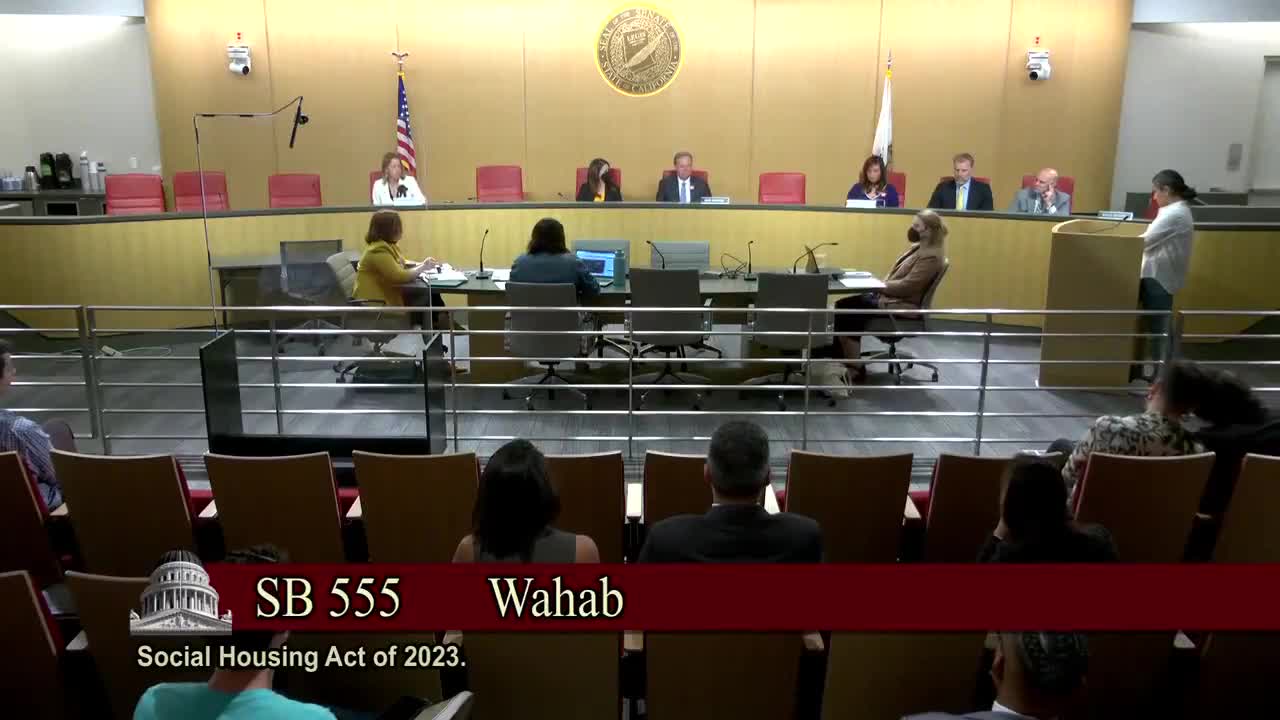 21MIN
Senate Standing Committee on Housing
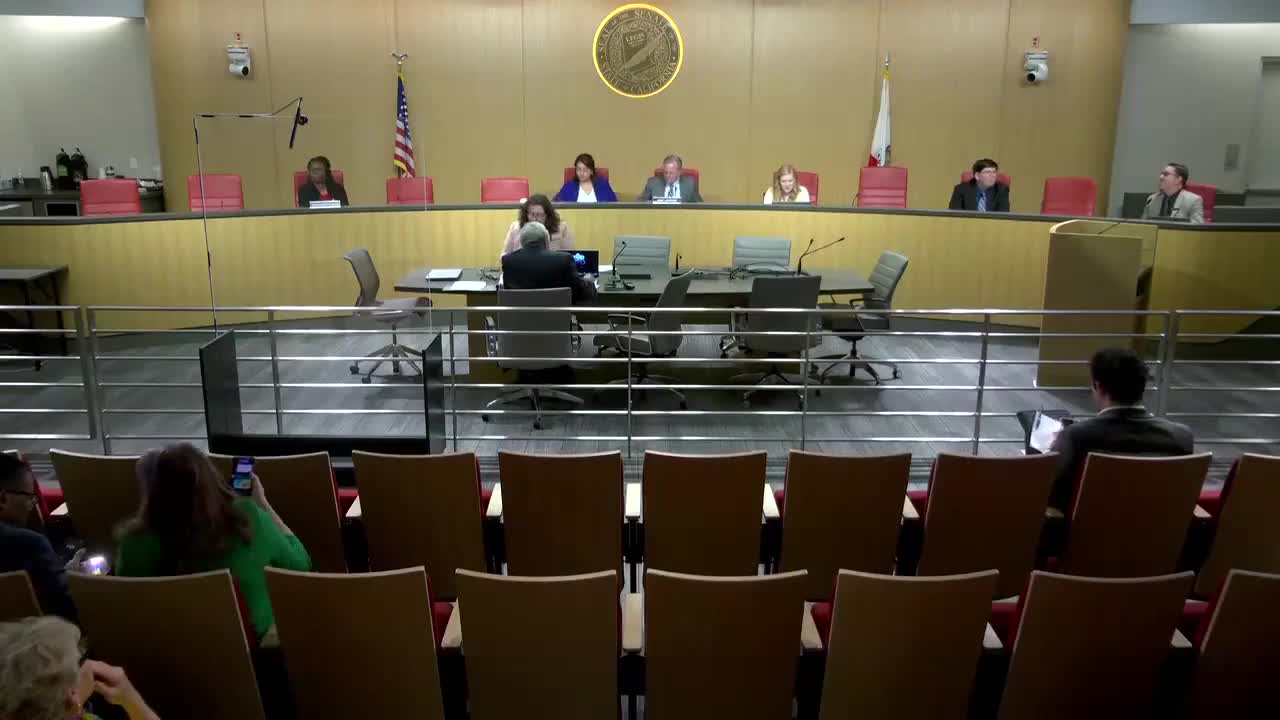 14MIN
Senate Standing Committee on Labor, Public Employment and Retirement
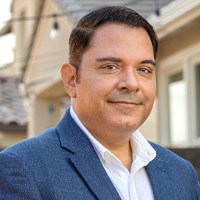
Bill Author
Bill Co-Author(s):