SB 421: Health care coverage: cancer treatment.
- Session Year: 2023-2024
- House: Senate
- Latest Version Date: 2023-10-08
Current Status:
Passed
(2023-10-08: Chaptered by Secretary of State. Chapter 607, Statutes of 2023.)
Introduced
In Committee
First Chamber
In Committee
Second Chamber
Enacted
Existing law, the Knox-Keene Health Care Service Plan Act of 1975, provides for the licensure and regulation of health care service plans by the Department of Managed Health Care, and makes a willful violation of the act a crime. Existing law provides for the regulation of health insurers by the Department of Insurance. Existing law prohibits, until January 1, 2024, an individual or group health care service plan contract or health insurance policy issued, amended, or renewed on or after January 1, 2015, that provides coverage for prescribed, orally administered anticancer medications used to kill or slow the growth of cancerous cells from requiring an enrollee or insured to pay a total amount of copayments and coinsurance that exceeds $250 for an individual prescription of up to a 30-day supply of a prescribed orally administered anticancer medication, as specified.
This bill would extend the duration of that prohibition indefinitely. By indefinitely extending the operation of the prohibition, and thus indefinitely extending the applicability of a crime for a willful violation by a health care service plan, the bill would impose a state-mandated local program.
The California Constitution requires the state to reimburse local agencies and school districts for certain costs mandated by the state. Statutory provisions establish procedures for making that reimbursement.
This bill would provide that no reimbursement is required by this act for a specified reason.
(a)Notwithstanding any other law, an individual or group health care service plan contract issued, amended, or renewed on or after January 1, 2015, that provides coverage for prescribed, orally administered anticancer medications used to kill or slow the growth of cancerous cells shall comply with all of the following:
(1)Notwithstanding any deductible, the total amount of copayments and coinsurance an enrollee is required to pay shall not exceed two hundred fifty dollars ($250) for an individual prescription of up to a 30-day supply of a prescribed orally administered anticancer medication covered by the contract.
(2)For a health care service plan contract that meets the definition of a high deductible health plan set forth in Section 223(c)(2) of Title 26 of the United States Code, paragraph (1) shall only apply once an enrollees deductible has been satisfied for the year.
(3)An orally administered anticancer medication shall be provided consistent with the appropriate standard of care for that medication.
(b)This section shall not apply to a specialized health care service plan contract that covers only dental or vision benefits or any coverage under a health care service plan contract for the Medicare Program pursuant to Title XVIII of the federal Social Security Act (42 U.S.C. Sec. 1395 et seq.).
SEC. 2.Section 10123.206 of the Insurance Code is amended to read:10123.206.(a)Notwithstanding any other law, an individual or group health insurance policy issued, amended, or renewed on or after January 1, 2015, that provides coverage for prescribed, orally administered anticancer medications used to kill or slow the growth of cancerous cells shall comply with all of the following:
(1)Notwithstanding any deductible, the total amount of copayments and coinsurance an insured is required to pay shall not exceed two hundred fifty dollars ($250) for an individual prescription of up to a 30-day supply of a prescribed orally administered anticancer medication covered by the policy.
(2)For a health insurance policy that meets the definition of a high deductible health plan set forth in Section 223(c)(2) of Title 26 of the United States Code, paragraph (1) shall only apply once an insureds deductible has been satisfied for the year.
(3)An orally administered anticancer medication shall be provided consistent with the appropriate standard of care for that medication.
(b)This section shall not apply to a specialized health insurance policy that covers only dental or vision benefits or any coverage under a health insurance policy for the Medicare Program pursuant to Title XVIII of the federal Social Security Act (42 U.S.C. Sec. 1395 et seq.).
SEC. 3.No reimbursement is required by this act pursuant to Section 6 of Article XIIIB of the California Constitution because the only costs that may be incurred by a local agency or school district will be incurred because this act creates a new crime or infraction, eliminates a crime or infraction, or changes the penalty for a crime or infraction, within the meaning of Section 17556 of the Government Code, or changes the definition of a crime within the meaning of Section 6 of Article XIIIB of the California Constitution.
(a)Notwithstanding any other law, an individual or group health care service plan contract issued, amended, or renewed on or after January 1, 2015, that provides coverage for prescribed, orally administered anticancer medications used to kill or slow the growth of cancerous cells shall comply with all of the following:
(a)(1)Notwithstanding any deductible, the total amount of copayments and coinsurance an enrollee is required to pay shall not exceed two hundred fifty dollars ($250) for an individual prescription of up to a 30-day supply of a prescribed orally administered anticancer medication covered by the contract.
(b)(2)For a health care service plan contract that meets the definition of a high deductible health plan set forth in Section 223(c)(2) of Title 26 of the United States Code, paragraph (1) shall only apply once an enrollees deductible has been satisfied for the year.
(3)An orally administered anticancer medication shall be provided consistent with the appropriate standard of care for that medication.
(c)Paragraph (1)(b)This section shall not apply to a specialized health care service plan contract that covers only dental or vision benefits or any coverage under a health care service plan contract for the Medicare Program pursuant to Title XVIII of the federal Social Security Act (42 U.S.C. Sec. 1395 et seq.).
(d)A prescription for an orally administered anticancer medication shall be provided consistent with the appropriate standard of care for that medication.SEC. 2.Section 10123.206 of the Insurance Code is amended to read:10123.206.(a)Notwithstanding any other law, an individual or group health insurance policy issued, amended, or renewed on or after January 1, 2015, that provides coverage for prescribed, orally administered anticancer medications used to kill or slow the growth of cancerous cells shall comply with all of the following:
(a)(1)Notwithstanding any deductible, the total amount of copayments and coinsurance an insured is required to pay shall not exceed two hundred fifty dollars ($250) for an individual prescription of up to a 30-day supply of a prescribed orally administered anticancer medication covered by the policy.
(b)(2)For a health insurance policy that meets the definition of a high deductible health plan set forth in Section 223(c)(2) of Title 26 of the United States Code, paragraph (1) shall only apply once an insureds deductible has been satisfied for the year.
(3)An orally administered anticancer medication shall be provided consistent with the appropriate standard of care for that medication.
(c)Paragraph (1)(b)This section shall not apply to a specialized health insurance policy that covers only dental or vision benefits or any coverage under a health insurance policy for the Medicare Program pursuant to Title XVIII of the federal Social Security Act (42 U.S.C. Sec. 1395 et seq.).
(d)A prescription for an orally administered anticancer medication shall be provided consistent with the appropriate standard of care for that medication.SEC. 3.No reimbursement is required by this act pursuant to Section 6 of Article XIIIB of the California Constitution because the only costs that may be incurred by a local agency or school district will be incurred because this act creates a new crime or infraction, eliminates a crime or infraction, or changes the penalty for a crime or infraction, within the meaning of Section 17556 of the Government Code, or changes the definition of a crime within the meaning of Section 6 of Article XIIIB of the California Constitution.
(a)Notwithstanding any other law, an individual or group health care service plan contract issued, amended, or renewed on or after January 1, 2015, that provides coverage for prescribed, orally administered anticancer medications used to kill or slow the growth of cancerous cells shall comply with all of the following:
(1)(a)Notwithstanding any deductible, the total amount of copayments and coinsurance an enrollee is required to pay shall not exceed two hundred fifty dollars ($250) for an individual prescription of up to a 30-day supply of a prescribed orally administered anticancer medication covered by the contract.
(2)(b)For a health care service plan contract that meets the definition of a high deductible health plan set forth in Section 223(c)(2) of Title 26 of the United States Code, paragraph (1) shall only apply once an enrollees deductible has been satisfied for the year.
(3)(c)Paragraph (1) shall not apply to any coverage under a health care service plan contract for the Medicare Program pursuant to Title XVIII of the federal Social Security Act (42 U.S.C. Sec. 1395 et seq.).
(4)(d)A prescription for an orally administered anticancer medication shall be provided consistent with the appropriate standard of care for that medication.
(b)This section shall remain in effect only until January 1, 2024, and as of that date is repealed.SEC. 2.Section 10123.206 of the Insurance Code is amended to read:10123.206.(a)Notwithstanding any other law, an individual or group health insurance policy issued, amended, or renewed on or after January 1, 2015, that provides coverage for prescribed, orally administered anticancer medications used to kill or slow the growth of cancerous cells shall comply with all of the following:
(1)(a)Notwithstanding any deductible, the total amount of copayments and coinsurance an insured is required to pay shall not exceed two hundred fifty dollars ($250) for an individual prescription of up to a 30-day supply of a prescribed orally administered anticancer medication covered by the policy.
(2)(b)For a health insurance policy that meets the definition of a high deductible health plan set forth in Section 223(c)(2) of Title 26 of the United States Code, paragraph (1) shall only apply once an insureds deductible has been satisfied for the year.
(3)(c)Paragraph (1) shall not apply to any coverage under a health insurance policy for the Medicare Program pursuant to Title XVIII of the federal Social Security Act (42 U.S.C. Sec. 1395 et seq.).
(4)(d)A prescription for an orally administered anticancer medication shall be provided consistent with the appropriate standard of care for that medication.
(b)This section shall remain in effect only until January 1, 2024, and as of that date is repealed.SEC. 3.No reimbursement is required by this act pursuant to Section 6 of Article XIIIB of the California Constitution because the only costs that may be incurred by a local agency or school district will be incurred because this act creates a new crime or infraction, eliminates a crime or infraction, or changes the penalty for a crime or infraction, within the meaning of Section 17556 of the Government Code, or changes the definition of a crime within the meaning of Section 6 of Article XIIIB of the California Constitution.
|
Date
|
Status
|
|---|---|
| Oct 8, 2023 | Chaptered by Secretary of State. Chapter 607, Statutes of 2023. |
| Oct 8, 2023 | Approved by the Governor. |
| Sep 7, 2023 | Enrolled and presented to the Governor at 4 p.m. |
| Sep 1, 2023 | Assembly amendments concurred in. (Ayes 37. Noes 0. Page 2240.) Ordered to engrossing and enrolling. |
| Aug 29, 2023 | Ordered to special consent calendar. |
| Aug 24, 2023 | In Senate. Concurrence in Assembly amendments pending. |
| Aug 24, 2023 | Read third time. Passed. (Ayes 75. Noes 0. Page 2793.) Ordered to the Senate. |
| Aug 17, 2023 | Read third time and amended. (Ayes 74. Noes 0. Page 2739.) |
| Aug 17, 2023 | Ordered to third reading. |
| Jun 26, 2023 | Ordered to third reading. |
| Jun 26, 2023 | From consent calendar on motion of Assembly Member Reyes. |
| Jun 22, 2023 | Read second time. Ordered to consent calendar. |
| Jun 21, 2023 | From committee: Do pass. Ordered to consent calendar. (Ayes 13. Noes 0.) (June 21). |
| Jun 13, 2023 | From committee: Do pass and re-refer to Com. on APPR. with recommendation: To consent calendar. (Ayes 15. Noes 0.) (June 13). Re-referred to Com. on APPR. |
| May 4, 2023 | Referred to Com. on HEALTH. |
| Apr 17, 2023 | In Assembly. Read first time. Held at Desk. |
| Apr 13, 2023 | Read third time. Passed. (Ayes 36. Noes 0. Page 700.) Ordered to the Assembly. |
| Apr 11, 2023 | Read second time. Ordered to consent calendar. |
| Apr 10, 2023 | From committee: Be ordered to second reading pursuant to Senate Rule 28.8 and ordered to consent calendar. |
| Apr 3, 2023 | Set for hearing April 10. |
| Mar 30, 2023 | From committee: Do pass and re-refer to Com. on APPR with recommendation: To consent calendar. (Ayes 12. Noes 0. Page 575.) (March 29). Re-referred to Com. on APPR. |
| Mar 16, 2023 | Set for hearing March 29. |
| Feb 22, 2023 | Referred to Com. on HEALTH. |
| Feb 14, 2023 | From printer. May be acted upon on or after March 16. |
| Feb 13, 2023 | Introduced. Read first time. To Com. on RLS. for assignment. To print. |
|
Date
|
Description
|
Location
|
Votes
|
|
|---|---|---|---|---|
| Sep 1, 2023 | Special Consent SB421 Limón et al. | Senate Floor |
Passed |
|
| Aug 24, 2023 | SB 421 Limón Senate Third Reading By Pellerin | Assembly Floor |
Passed |
|
| Aug 17, 2023 | SB 421 Limón Senate Third Reading By Pellerin Amendment Set #1 | Assembly Floor |
Passed |
|
| Jun 21, 2023 | Do pass. To Consent Calendar. | Assembly Standing Committee on Appropriations |
Passed |
|
| Jun 13, 2023 | Do pass and be re-referred to the Committee on [Appropriations] with recommendation: To Consent Calendar | Assembly Standing Committee on Health |
Passed |
|
| Apr 13, 2023 | Consent Calendar SB421 Limón | Senate Floor |
Passed |
|
| Mar 29, 2023 | Do pass, but first be re-referred to the Committee on [Appropriations] with the recommendation: To Consent Calendar | Senate Standing Committee on Health |
Passed |
This list shows positions taken on this bill by organizations on the date displayed, which is linked to the original source.
Positions by individuals are not included.
|
Organization
|
Position
|
Date
|
|---|---|---|
| American Cancer Society Cancer Action Network Inc. | ** Support | |
| American College Of Obstetricians And Gynecologists District Ix | ** Support | |
| Association Of Northern California Oncologists | ** Support | |
| California Life Sciences | ** Support | |
| California Medical Association | ** Support | |
| Children'S Specialty Care Coalition | ** Support | |
| City of Hope National Center | ** Support | |
| City Of Hope National Medical Center | ** Support | |
| Health Access California | ** Support | |
| Medical Oncology Association Of Southern California | ** Support | |
| San Francisco Women’s Cancer Network | ** Support | |
| Susan G. Komen | ** Support | |
| The Leukemia & Lymphoma Society | ** Support |
SENATE RULES COMMITTEE Office of Senate Floor Analyses (916) 651-1520 Fax: (916) 327-4478 | SB 421 |
UNFINISHED BUSINESS
Bill No: SB 421
Author: Limón (D), et al.
Amended: 8/17/23
Vote: 21
SENATE HEALTH COMMITTEE: 12-0, 3/29/23
AYES: Eggman, Nguyen, Glazer, Gonzalez, Grove, Hurtado, Limón, Menjivar, Roth, Rubio, Wahab, Wiener
SENATE APPROPRIATIONS COMMITTEE: Senate Rule 28.8
SENATE FLOOR: 36-0, 4/13/23 (Consent)
AYES: Allen, Alvarado-Gil, Archuleta, Ashby, Atkins, Becker, Bradford, Cortese, Dahle, Dodd, Durazo, Eggman, Glazer, Gonzalez, Grove, Hurtado, Jones, Laird, Limón, McGuire, Menjivar, Min, Newman, Nguyen, Niello, Ochoa Bogh, Padilla, Portantino, Rubio, Seyarto, Skinner, Smallwood-Cuevas, Umberg, Wahab, Wiener, Wilk
NO VOTE RECORDED: Blakespear, Caballero, Roth, Stern
ASSEMBLY FLOOR: 74-0, 8/17/23 - See last page for vote
SUBJECT: Health care coverage: cancer treatment
SOURCE: American Cancer Society Action Network Inc.
Association of Northern California Oncologists
Medical Oncology Association of Southern California
Susan G. Komen
The Leukemia and Lymphoma Society
DIGEST:
This bill eliminates the sunset date on a requirement that individual and group health plans and insurance policies limit the copayment for an individual prescription of up to a 30-day supply of an orally administered anticancer medication covered under the contract or policy.
Assembly Amendments
exempt specialized vision and dental plans and polices.
ANALYSIS:
Existing law:
- Establishes the Department of Managed Health Care (DMHC) to regulate health plans and the California Department of Insurance (CDI) to regulate health insurance. [HSC §1340, et seq. and INS §106, et seq.]
- Prohibits an individual or group health plan contract or health insurance policy that provides coverage for prescribed, orally administered anticancer medications used to kill or slow the growth of cancerous cells to comply with all of the following:
- Limits the total amount of copayments and coinsurance an enrollee or insured is required to pay to not exceed $250 for an individual prescription of up to a 30-day supply of a prescribed orally administered anticancer medication covered by the contract, notwithstanding any deductible;
- Applies a) to a health plan contract or health insurance policy that meets the definition of a “high deductible health plan,” as defined in federal law only once the deductible has been satisfied for the year.
- Exempts any Medicare coverage under a health plan contract or health insurance policy.
- Requires a prescription for an orally administered anticancer medication to be provided consistent with the appropriate standard of care for that medication. [HSC §1367.656 and INS §10123.206]
- Repeals 2) above on January 1, 2024. [HSC §1367.656 and INS §10123.206]
This bill eliminates the repeal date on the $250 and $500 copayment caps on an individual prescription of up to a 30-day supply of a prescribed orally administered anticancer medication covered by the contract or policy.
Comments
Author’s statement. The author states that according to the Centers for Disease Control and Prevention, in 2019, an estimated 1.7 million people in the United States were diagnosed with cancer. The emergence of safe, clinically-effective, orally-administered anticancer medications has dramatically improved the quality of life for cancer patients. However, patients are routinely charged significant out-of-pocket costs for oral anticancer therapies. An estimated one in four patients who were faced with high costs ultimately abandoned treatment. Hence, one in four patients are met with high costs and no alternatives, ultimately forced to abandon treatment. This bill would ensure that prices remain affordable by prohibiting health plans or insurers from requiring more than $250 per month in out-of-pocket costs for each filled prescription of a covered oral anticancer medication, indefinitely.
Oral chemotherapy. The National Cancer Institute describes oral chemotherapy as treatment with drugs given by mouth to kill cancer cells or stop them from dividing. These drugs are also referred to as oral anticancer agents. More oral chemotherapies are available today including in generic form and patients seem to prefer them over intravenous therapy because they can be easier to administer in nonhospital or clinic settings. Some raise concerns that more research and data are needed to evaluate effectiveness of this form of cancer treatment in particular on symptom management and impacts on adherence.
Cancer and financial debt. A 2014 study published in the Journal of Managed Care Specialty Pharmacy related to out-of-pocket costs of oral cancer treatment and the numbers of patients that delay or discontinue oral cancer therapy found that for every $10 increase in out-of-pocket spending per month, the likelihood of discontinuation or delay increased for certain drugs but decreased for others. The study concluded that beneficiaries with higher out-of-pocket costs for the more expensive oral cancer drugs were more likely to discontinue or delay drug therapy. A 2016 article published in Health Affairs used data from the LIVESTRONG 2012 survey of 4,719 cancer survivors ages 18–64, to examine the proportions of survivors who reported going into debt or filing for bankruptcy as a result of cancer, as well as the amount of debt incurred. Approximately one-third of the survivors had gone into debt, and 3% had filed for bankruptcy. Of those who had gone into debt, 55% incurred obligations of $10,000 or more. Cancer survivors who were younger, had lower incomes, and had public health insurance were more likely to go into debt or file for bankruptcy, compared to those who were older, had higher incomes, and had private insurance. The National Cancer Institute’s PDQ Cancer Information Summary states that some patients have reported skipping doses or taking less medicine than prescribed, to make their prescription last longer and save money, and, that patients have also reported not filling a prescription because of the cost. The higher the copayment, the less likely patients are to take their medicine as directed.
CHBRP analysis. The California Health Benefits Review Program (CHBRP) analyzed impacts of removing the $200 cap in 2018 and determined over 90% of enrollees and insureds using oral anticancer medications would be expected to reach their out-of-pocket maximums under existing plan designs and would be protected from increases in cost-sharing if the law were to sunset. CHBRP indicated the average annual cost of medical and prescription drug services for enrollees taking high cost oral cancer medications was approximately $187,700 compared to $5,000 for enrollees not taking high cost oral anticancer medications.
FISCAL EFFECT: Appropriation: No Fiscal Com.: Yes Local: Yes
According to the Assembly Appropriations Committee, no state costs.
SUPPORT: (Verified 8/24/23)
American Cancer Society Cancer Action Network Inc. (co-source)
Association of Northern California Oncologists (co-source)
Medical Oncology Association of Southern California (co-source)
Susan G. Komen (co-source)
The Leukemia & Lymphoma Society (co-source)
American College of Obstetricians and Gynecologists District IX
California Life Sciences
California Medical Association
Children's Specialty Care Coalition
City of Hope National Center
Health Access California
San Francisco Women’s Cancer Network
One individual
OPPOSITION: (Verified 8/24/23)
None received
ARGUMENTS IN SUPPORT: This bill’s sponsor, the American Cancer Society Cancer Action Network Inc, writes that treating cancer is expensive. Based on a 2012 survey of cancer survivors, approximately 55% of those who had gone into debt, incurred debt obligations of $10,000 or more. Another study indicates approximately 2.5% percent file for bankruptcy. These problems are worse for non-white individuals. High prices may force patients to delay or forgo treatment. About 11% of patients with out-of-pocket costs of less than $30 left their prescriptions at the pharmacy. The Association of Northern California Oncologists (ANCO) and the Medical Oncology Association of Southern California (MOASC) write in support that without this bill, the statutory protections that cap oral chemotherapy at $250 will expire this year, which would place lives at risk by making oral chemotherapy too expensive for many Californians. ANCO and MOASC write that numerous studies have shown that high copays for prescription drugs lead to patients having to abandon lifesaving medications at the pharmacy counter or cancer drug rationing, and, an astonishing 70% of commercially insured patients abandoned newly prescribed medication when they had to pay more than $250 for treatment. The Leukemia & Lymphoma Society writes that if the cap were to sunset, patients, like those with blood cancer could be charged up to the out-of-pocket maximum for a 30-day prescription: $8,750 for Silver Plans in 2023, which is expected to increase in 2024.
ASSEMBLY FLOOR: 74-0, 8/17/23
AYES: Addis, Aguiar-Curry, Alanis, Alvarez, Arambula, Bains, Bauer-Kahan, Bennett, Berman, Bonta, Bryan, Calderon, Wendy Carrillo, Cervantes, Chen, Connolly, Megan Dahle, Davies, Dixon, Flora, Vince Fong, Friedman, Gabriel, Gallagher, Garcia, Gipson, Grayson, Haney, Hart, Holden, Hoover, Irwin, Jackson, Jones-Sawyer, Kalra, Lackey, Lee, Low, Lowenthal, Maienschein, Mathis, McCarty, McKinnor, Muratsuchi, Stephanie Nguyen, Ortega, Pacheco, Papan, Jim Patterson, Joe Patterson, Pellerin, Petrie-Norris, Quirk-Silva, Ramos, Rendon, Reyes, Luz Rivas, Rodriguez, Blanca Rubio, Sanchez, Santiago, Schiavo, Soria, Ta, Ting, Valencia, Villapudua, Wallis, Ward, Wicks, Wilson, Wood, Zbur, Robert Rivas
NO VOTE RECORDED: Boerner, Juan Carrillo, Essayli, Mike Fong, Waldron, Weber
Prepared by: Teri Boughton / HEALTH / (916) 651-4111
8/25/23 13:49:07
**** END ****
SENATE THIRD READING
STR Bill Id:SB 421
Author:(Limón)
As Amended Ver:August 17, 2023
Majority vote
SUMMARY
Makes permanent existing law provisions that prohibit an individual or group health plan contract or health insurance policy, that provides coverage for prescribed, orally administered anticancer medications used to kill or slow the growth of cancerous cells from requiring an enrollee or insured to pay a total amount of copayments and coinsurance that exceeds $250 for an individual prescription of up to a 30-day supply of a prescribed orally administered anticancer medication, as specified. Exempts specialized health plan contracts or policies that cover only dental or vision benefits from the provisions of this bill. Existing law sunsets the $250 copayment and coinsurance provisions of this bill on July 1, 2024.
Major Provisions
COMMENTS
- The cost of cancer. According to the Centers for Disease Control and Prevention (CDC), the economic burden to people with cancer is more than out-of-pocket costs. It also includes the time spent receiving medical care that could have been spent on a person's normal everyday activities. This part of the economic burden of cancer is called patient time cost. The time cost of cancer care (also called the opportunity cost) is the value of the time that cancer survivors spend traveling to and from care, waiting for care, and receiving care. It represents time not spent with friends and family, at work, or on leisure activities. Patient time costs are estimated by adding up the hours that a person with cancer usually spends on health care and multiplying it by the hourly value of patient time. The median wage rate for an adult is often used to represent this hourly value. Time costs can be substantial and can be an additional economic burden for cancer survivors and their families. The CDC found that the economic burden associated with cancer care in the United States is substantial, both nationally and for individual cancer survivors. In 2019, the national patient economic burden associated with cancer care was estimated to be $21.09 billion. This estimate includes patient out-of-pocket costs of $16.22 billion and patient time costs of $4.87 billion. The CDC found that the cost varied by age, stage at diagnosis, and phase of care. For example, out-of-pocket costs per person were generally higher among adult cancer survivors aged 18 to 64 than among those 65 or older. Among adults 65 or older who had Medicare coverage, out-of-pocket costs were generally higher for those diagnosed with advanced cancer than early-stage disease. On average, adult cancer survivors experienced about $300 in time costs because of cancer care each year. This cost was higher among cancer survivors aged 18 to 64 than among those 65 or older. It was also higher among adults who had been diagnosed in the last two years compared to those diagnosed more than two years ago.
- SB 17 DMHC Report. SB 17 (Hernández), Chapter 603, Statutes of 2017, requires health plans in the commercial market to annually report their prescription drug costs to the Department of Managed Health Care (DMHC). This report looks at the impact of the cost of prescription drugs on health plan premiums and compares this data across the reporting years. The DMHC considers the total volume of prescription drugs prescribed by health plans and the total cost paid by health plans for these drugs, on both an aggregate spending level and a per member per month (PMPM) basis and compares the annualized data. The DMHC also analyzes how the 25 most frequently prescribed drugs, the 25 most costly drugs, and the 25 drugs with the highest year-over-year increase in total annual spending impacted health plan premiums over the course of the last four years. The most recent report notes the following key findings:
- Health plans paid about $10.8 billion for prescription drugs in 2021, an increase of almost $700 million or 6.6% from 2020. On a PMPM basis, health plans paid $71.46 in 2021, which is an increase of $4.56 PMPM from 2020. Since 2017, prescription drug costs paid by health plans increased by $2.1 billion or 22.2%. Unless otherwise specified, the prescription drug costs in this report are not adjusted for any manufacturer rebates. However, this report includes the total manufacturer drug rebates collected by health plans.
- Prescription drugs accounted for 13.3% of total health plan premiums in 2021, an increase from 12.7% in 2020. Prescription drugs accounted for 12.8% and 12.7% of total health plan premiums in 2019 and 2018, respectively. The figures in this report include only those prescription drugs dispensed through retail or mail order pharmacies, and do not include drugs that are provided in a hospital, administered in a doctor office, or otherwise paid for through capitated payments to delegated providers. Therefore, the 13.3% of premium in 2021 does not capture all costs of prescription drugs paid by health plans.
- Total prescription drug costs increased by 6.6% in 2021, whereas total medical expenses increased by 9.2%. Overall, total health plan premiums increased by 2.2% from 2020 to 2021.
- On a PMPM basis, health plans' prescription drug costs increased by 6.8%, medical expenses increased by 9.4% and health plan premiums increased by 2.4% from 2020 to 2021.
- Manufacturer drug rebates totaled approximately $1.674 billion, up from $1.437 billion in 2020 and $1.205 billion in 2019. This represents about 15.5% of the $10.8 billion spent on prescription drugs in 2021. On a PMPM basis, manufacturer drug rebates equaled $11.10 PMPM, up from $9.51 PMPM in 2020. This also equates to 15.5% of the $71.46 PMPM health plans paid for prescription drugs in 2021. Health plans provided the total manufacturer drug rebate information for all drugs. The manufacturer drug rebate was not provided for the top 25 most frequently prescribed drugs, the top 25 most costly drugs or top 25 drugs with highest year-over-year increase in total annual spending.
- While specialty drugs accounted for only 1.6% of all prescription drugs dispensed, they accounted for 62.9% of total annual spending on prescription drugs. "Specialty Drug" is a drug with a negotiated monthly cost that exceeds the threshold for a specialty drug under the Medicare Part D program.
- Generic drugs accounted for 88.2% of all prescribed drugs but only 16.3% of the total annual spending on prescription drugs.
- Brand name drugs accounted for 10.2% of prescriptions and constituted 20.8% of the total annual spending on prescription drugs.
- The 25 most frequently prescribed drugs represented 49.2% of all drugs prescribed and approximately 42.5% of the total annual spending on prescription drugs.
- For the 25 most frequently prescribed drugs, enrollees paid 3.3% of the cost of specialty drugs, 9.2% of the cost of brand name drugs, and 62.4% of the cost of generics.
- Of the 13.3% of total health plan premium that was spent on prescription drugs, the 25 most costly drugs accounted for 6.8%.
- Overall, health plans paid 92.6% of the cost of the 25 most costly prescribed drugs across all three categories (generic, brand name and specialty).
- For the first time, the Pfizer and Moderna COVID-19 vaccines were amongst the 25 most frequently prescribed drugs, 25 most costly drugs and 25 drugs with the highest year-over year increase in total spending. While the cost of the COVID-19 vaccines was covered by the federal government, health plans were responsible for the cost of administration of a significant number of vaccines in 2021.
- Cost-sharing. This bill makes permanent the provisions in existing law capping the copay for a prescription at $250 for an individual prescription of up to a 30-day supply of a prescribed orally administered anticancer medication. According to the California Health Benefits Review Program, for each test, treatment, or service that is a benefit covered by a plan or policy that includes a deductible, one or more of the following cost-sharing requirements may be applicable:
- Deductible: The enrollee is responsible for paying the full cost of covered benefits subject to the deductible until the full value of the deductible is paid by the enrollee. The enrollee's payments towards the deductible accumulates over the course of the plan/policy year. For example, if an enrollee has a $750 deductible, and uses four $250 services that are subject to the deductible throughout the course of the year, the enrollee would pay for the first three services ($250 x 3 = $750) in full. At that point, the deductible would be met and a different form of cost sharing such as a copayment or coinsurance may be applied to the fourth visit, depending on the plan/policy. For high deductible health plans, enrollees would first need to meet this deductible before the copay cap in this bill applies (to avoid losing tax benefits associated with these plans).
- Copayment: A copayment is a flat dollar amount paid by the enrollee per service for services subject to a copayment. Copayments may be applied on their own or to services subject to a deductible after the deductible is met.
- Coinsurance: Coinsurance is the percentage of the total cost of a service that will be paid by the enrollee. For example, on a $250 service subject to a 10% coinsurance, the enrollee cost sharing would be $25. Coinsurance may be applied on its own or to services subject to deductible after the deductible is met.
- Out-of-pocket maximums: Out-of-pocket maximums are the maximum an enrollee will spend on cost sharing for covered services in the form of deductibles, copayments, and coinsurance during the plan/policy year. For plans and policies available through Covered California, out-of-pocket maximums for in-network essential health benefits are applicable. In 2023, the out-of-pocket maximum limit for self-only coverage is $9,100.
According to the Author
According to the CDC, in 2019, an estimated 1.7 million people in the United States were diagnosed with cancer. The emergence of safe, clinically-effective, orally-administered anticancer medications has dramatically improved the quality of life for cancer patients. However, according to the author, patients are routinely charged significant out-of-pocket costs for oral anticancer therapies. An estimated one in four patients who were faced with high costs ultimately abandoned treatment. Hence, one in four patients are met with high costs and no alternatives, ultimately forced to abandon treatment. The author concludes that this bill would ensure that prices remain affordable by prohibiting health plans or insurers from requiring more than $250 per month in out-of-pocket costs for each filled prescription of a covered oral anticancer medication, indefinitely.
Arguments in Support
The American Cancer Society Cancer Action Network (ACS CAN), cosponsor, writes that treating cancer is expensive. Approximately 55% incur debt obligations of $10,000 or more and approximately 2.5% percent file for bankruptcy. These problems are worse for non-white individuals. High prices may force patients to delay or forgo treatment. Furthermore, 70% of commercially insured patients abandoned newly prescribed medication when they had to pay more than $250 for treatment. About 11% of patients with out-of-pocket costs of less than $30 left their prescriptions at the pharmacy. Patients' prescription oral drugs will hit the $250 cost-sharing cap as drug prices rise. This means many Californians will count on this consumer protection to lower costs. If the copay cap sunsets at the end of 2023, this means higher prices for patients. ACS CAN concludes that cancer patients could be charged up to the out-of-pocket maximum for a 30-day prescription: $8,750 for Silver Plans in 2023, which is expected to increase in 2024.
Arguments in Opposition
There is no known opposition to this bill.
FISCAL COMMENTS
According to the Assembly Appropriations Committee, no state costs.
VOTES
SENATE FLOOR: 36-0-4
YES: Allen, Alvarado-Gil, Archuleta, Ashby, Atkins, Becker, Bradford, Cortese, Dahle, Dodd, Durazo, Eggman, Glazer, Gonzalez, Grove, Hurtado, Jones, Laird, Limón, McGuire, Menjivar, Min, Newman, Nguyen, Niello, Ochoa Bogh, Padilla, Portantino, Rubio, Seyarto, Skinner, Smallwood-Cuevas, Umberg, Wahab, Wiener, Wilk
ABS, ABST OR NV: Blakespear, Caballero, Roth, Stern
ASM HEALTH: 15-0-0
YES: Wood, Waldron, Aguiar-Curry, Arambula, Boerner, Wendy Carrillo, Flora, Vince Fong, Maienschein, McCarty, Joe Patterson, Rodriguez, Santiago, Villapudua, Weber
ASM APPROPRIATIONS: 13-0-3
YES: Holden, Megan Dahle, Calderon, Wendy Carrillo, Dixon, Mike Fong, Hart, Mathis, Pellerin, Robert Rivas, Sanchez, Weber, Wilson
ABS, ABST OR NV: Bryan, Lowenthal, Papan
UPDATED
VERSION: August 17, 2023
CONSULTANT: Kristene Mapile / HEALTH / (916) 319-2097 FN: 0001244
SENATE THIRD READING
STR Bill Id:SB 421
Author:(Limón)
As Introduced Ver:February 13, 2023
Majority vote
SUMMARY
Makes permanent existing law provisions that prohibit an individual or group health plan contract or health insurance policy, that provides coverage for prescribed, orally administered anticancer medications used to kill or slow the growth of cancerous cells from requiring an enrollee or insured to pay a total amount of copayments and coinsurance that exceeds $250 for an individual prescription of up to a 30-day supply of a prescribed orally administered anticancer medication, as specified. Existing law sunsets the $250 copayment and coinsurance provisions of this bill on July 1, 2024.
Major Provisions
COMMENTS
- The cost of cancer. According to the Centers for Disease Control and Prevention (CDC), the economic burden to people with cancer is more than out-of-pocket costs. It also includes the time spent receiving medical care that could have been spent on a person's normal everyday activities. This part of the economic burden of cancer is called patient time cost. The time cost of cancer care (also called the opportunity cost) is the value of the time that cancer survivors spend traveling to and from care, waiting for care, and receiving care. It represents time not spent with friends and family, at work, or on leisure activities. Patient time costs are estimated by adding up the hours that a person with cancer usually spends on health care and multiplying it by the hourly value of patient time. The median wage rate for an adult is often used to represent this hourly value. Time costs can be substantial and can be an additional economic burden for cancer survivors and their families. The CDC found that the economic burden associated with cancer care in the United States is substantial, both nationally and for individual cancer survivors. In 2019, the national patient economic burden associated with cancer care was estimated to be $21.09 billion. This estimate includes patient out-of-pocket costs of $16.22 billion and patient time costs of $4.87 billion. The CDC found that the cost varied by age, stage at diagnosis, and phase of care. For example, out-of-pocket costs per person were generally higher among adult cancer survivors aged 18 to 64 than among those 65 or older. Among adults 65 or older who had Medicare coverage, out-of-pocket costs were generally higher for those diagnosed with advanced cancer than early-stage disease. On average, adult cancer survivors experienced about $300 in time costs because of cancer care each year. This cost was higher among cancer survivors aged 18 to 64 than among those 65 or older. It was also higher among adults who had been diagnosed in the last two years compared to those diagnosed more than two years ago.
- SB 17 DMHC Report. SB 17 (Hernández), Chapter 603, Statutes of 2017, requires health plans in the commercial market to annually report their prescription drug costs to the Department of Managed Health Care (DMHC). This report looks at the impact of the cost of prescription drugs on health plan premiums and compares this data across the reporting years. The DMHC considers the total volume of prescription drugs prescribed by health plans and the total cost paid by health plans for these drugs, on both an aggregate spending level and a per member per month (PMPM) basis and compares the annualized data. The DMHC also analyzes how the 25 most frequently prescribed drugs, the 25 most costly drugs, and the 25 drugs with the highest year-over-year increase in total annual spending impacted health plan premiums over the course of the last four years. The most recent report notes the following key findings:
- Health plans paid about $10.8 billion for prescription drugs in 2021, an increase of almost $700 million or 6.6% from 2020. On a PMPM basis, health plans paid $71.46 in 2021, which is an increase of $4.56 PMPM from 2020. Since 2017, prescription drug costs paid by health plans increased by $2.1 billion or 22.2%. Unless otherwise specified, the prescription drug costs in this report are not adjusted for any manufacturer rebates. However, this report includes the total manufacturer drug rebates collected by health plans.
- Prescription drugs accounted for 13.3% of total health plan premiums in 2021, an increase from 12.7% in 2020. Prescription drugs accounted for 12.8% and 12.7% of total health plan premiums in 2019 and 2018, respectively. The figures in this report include only those prescription drugs dispensed through retail or mail order pharmacies, and do not include drugs that are provided in a hospital, administered in a doctor office, or otherwise paid for through capitated payments to delegated providers. Therefore, the 13.3% of premium in 2021 does not capture all costs of prescription drugs paid by health plans.
- Total prescription drug costs increased by 6.6% in 2021, whereas total medical expenses increased by 9.2%. Overall, total health plan premiums increased by 2.2% from 2020 to 2021.
- On a PMPM basis, health plans' prescription drug costs increased by 6.8%, medical expenses increased by 9.4% and health plan premiums increased by 2.4% from 2020 to 2021.
- Manufacturer drug rebates totaled approximately $1.674 billion, up from $1.437 billion in 2020 and $1.205 billion in 2019. This represents about 15.5% of the $10.8 billion spent on prescription drugs in 2021. On a PMPM basis, manufacturer drug rebates equaled $11.10 PMPM, up from $9.51 PMPM in 2020. This also equates to 15.5% of the $71.46 PMPM health plans paid for prescription drugs in 2021. Health plans provided the total manufacturer drug rebate information for all drugs. The manufacturer drug rebate was not provided for the top 25 most frequently prescribed drugs, the top 25 most costly drugs or top 25 drugs with highest year-over-year increase in total annual spending.
- While specialty drugs accounted for only 1.6% of all prescription drugs dispensed, they accounted for 62.9% of total annual spending on prescription drugs. "Specialty Drug" is a drug with a negotiated monthly cost that exceeds the threshold for a specialty drug under the Medicare Part D program.
- Generic drugs accounted for 88.2% of all prescribed drugs but only 16.3% of the total annual spending on prescription drugs.
- Brand name drugs accounted for 10.2% of prescriptions and constituted 20.8% of the total annual spending on prescription drugs.
- The 25 most frequently prescribed drugs represented 49.2% of all drugs prescribed and approximately 42.5% of the total annual spending on prescription drugs.
- For the 25 most frequently prescribed drugs, enrollees paid 3.3% of the cost of specialty drugs, 9.2% of the cost of brand name drugs, and 62.4% of the cost of generics.
- Of the 13.3% of total health plan premium that was spent on prescription drugs, the 25 most costly drugs accounted for 6.8%.
- Overall, health plans paid 92.6% of the cost of the 25 most costly prescribed drugs across all three categories (generic, brand name and specialty).
- For the first time, the Pfizer and Moderna COVID-19 vaccines were amongst the 25 most frequently prescribed drugs, 25 most costly drugs and 25 drugs with the highest year-over year increase in total spending. While the cost of the COVID-19 vaccines was covered by the federal government, health plans were responsible for the cost of administration of a significant number of vaccines in 2021.
- Cost-sharing. This bill makes permanent the provisions in existing law capping the copay for a prescription at $250 for an individual prescription of up to a 30-day supply of a prescribed orally administered anticancer medication. According to the California Health Benefits Review Program, for each test, treatment, or service that is a benefit covered by a plan or policy that includes a deductible, one or more of the following cost-sharing requirements may be applicable:
- Deductible: The enrollee is responsible for paying the full cost of covered benefits subject to the deductible until the full value of the deductible is paid by the enrollee. The enrollee's payments towards the deductible accumulates over the course of the plan/policy year. For example, if an enrollee has a $750 deductible, and uses four $250 services that are subject to the deductible throughout the course of the year, the enrollee would pay for the first three services ($250 x 3 = $750) in full. At that point, the deductible would be met and a different form of cost sharing such as a copayment or coinsurance may be applied to the fourth visit, depending on the plan/policy. For high deductible health plans, enrollees would first need to meet this deductible before the copay cap in this bill applies (to avoid losing tax benefits associated with these plans).
- Copayment: A copayment is a flat dollar amount paid by the enrollee per service for services subject to a copayment. Copayments may be applied on their own or to services subject to a deductible after the deductible is met.
- Coinsurance: Coinsurance is the percentage of the total cost of a service that will be paid by the enrollee. For example, on a $250 service subject to a 10% coinsurance, the enrollee cost sharing would be $25. Coinsurance may be applied on its own or to services subject to deductible after the deductible is met.
- Out-of-pocket maximums: Out-of-pocket maximums are the maximum an enrollee will spend on cost sharing for covered services in the form of deductibles, copayments, and coinsurance during the plan/policy year. For plans and policies available through Covered California, out-of-pocket maximums for in-network essential health benefits are applicable. In 2023, the out-of-pocket maximum limit for self-only coverage is $9,100.
According to the Author
According to the CDC, in 2019, an estimated 1.7 million people in the United States were diagnosed with cancer. The emergence of safe, clinically-effective, orally-administered anticancer medications has dramatically improved the quality of life for cancer patients. However, according to the author, patients are routinely charged significant out-of-pocket costs for oral anticancer therapies. An estimated one in four patients who were faced with high costs ultimately abandoned treatment. Hence, one in four patients are met with high costs and no alternatives, ultimately forced to abandon treatment. The author concludes that this bill would ensure that prices remain affordable by prohibiting health plans or insurers from requiring more than $250 per month in out-of-pocket costs for each filled prescription of a covered oral anticancer medication, indefinitely.
Arguments in Support
The American Cancer Society Cancer Action Network (ACS CAN), cosponsor, writes that treating cancer is expensive. Approximately 55% incur debt obligations of $10,000 or more and approximately 2.5% percent file for bankruptcy. These problems are worse for non-white individuals. High prices may force patients to delay or forgo treatment. Furthermore, 70% of commercially insured patients abandoned newly prescribed medication when they had to pay more than $250 for treatment. About 11% of patients with out-of-pocket costs of less than $30 left their prescriptions at the pharmacy. Patients' prescription oral drugs will hit the $250 cost-sharing cap as drug prices rise. This means many Californians will count on this consumer protection to lower costs. If the copay cap sunsets at the end of 2023, this means higher prices for patients. ACS CAN concludes that cancer patients could be charged up to the out-of-pocket maximum for a 30-day prescription: $8,750 for Silver Plans in 2023, which is expected to increase in 2024.
Arguments in Opposition
There is no known opposition to this bill.
FISCAL COMMENTS
According to the Assembly Appropriations Committee, no state costs.
VOTES
SENATE FLOOR: 36-0-4
YES: Allen, Alvarado-Gil, Archuleta, Ashby, Atkins, Becker, Bradford, Cortese, Dahle, Dodd, Durazo, Eggman, Glazer, Gonzalez, Grove, Hurtado, Jones, Laird, Limón, McGuire, Menjivar, Min, Newman, Nguyen, Niello, Ochoa Bogh, Padilla, Portantino, Rubio, Seyarto, Skinner, Smallwood-Cuevas, Umberg, Wahab, Wiener, Wilk
ABS, ABST OR NV: Blakespear, Caballero, Roth, Stern
ASM HEALTH: 15-0-0
YES: Wood, Waldron, Aguiar-Curry, Arambula, Boerner, Wendy Carrillo, Flora, Vince Fong, Maienschein, McCarty, Joe Patterson, Rodriguez, Santiago, Villapudua, Weber
ASM APPROPRIATIONS: 13-0-3
YES: Holden, Megan Dahle, Calderon, Wendy Carrillo, Dixon, Mike Fong, Hart, Mathis, Pellerin, Robert Rivas, Sanchez, Weber, Wilson
ABS, ABST OR NV: Bryan, Lowenthal, Papan
UPDATED
VERSION: February 13, 2023
CONSULTANT: Kristene Mapile / HEALTH / (916) 319-2097 FN: 0001150
Date of Hearing: June 21, 2023
ASSEMBLY COMMITTEE ON APPROPRIATIONS
Chris Holden, Chair
SBPCA Bill Id:SB 421
Author:(Limón) – As Introduced Ver:February 13, 2023
Policy Committee: | Health | Vote: | 15 - 0 |
|
| ||
|
|
Urgency: No State Mandated Local Program: Yes Reimbursable: No
SUMMARY:
This bill makes permanent an existing prohibition on an individual or group health plan contract or health insurance policy from requiring an enrollee or insured to pay more than $250 total in copayments and coinsurance for an individual prescription of a 30-day supply of a prescribed, orally administered anticancer medication, as specified.
FISCAL EFFECT:
No state costs.
COMMENTS:
- Purpose. This bill is sponsored by the American Cancer Society Cancer Action Network, Association of Northern California Oncologists, the Medical Oncology Association of Southern California, Susan G. Komen, and the Leukemia Lymphoma Society. The author states:
According to the [U.S. Centers for Disease Control and Prevention], in 2019, an estimated 1.7 million people in the U.S. were diagnosed with cancer. The emergence of safe, clinically-effective, orally-administered anticancer medications has dramatically improved the quality of life for cancer patients. However, patients are routinely charged significant out-of-pocket costs for oral anticancer therapies. An estimated 1 in 4 patients who were faced with high costs ultimately abandoned treatment. Hence, 1 in 4 patients are met with high costs and no alternatives, ultimately forced to abandon treatment. [This bill] would ensure that prices remain affordable by prohibiting health plans or insurers from requiring more than $250 per month in out-of-pocket costs for each filled prescription of a covered oral anticancer medication, indefinitely.
- Related Legislation.
- AB 948 (Berman) makes permanent existing law provisions prohibiting the copayment, coinsurance, or any other form of cost sharing for a covered outpatient prescription drug for an individual prescription from exceeding $250 for a supply of up to 30 days, except as specified, among other provision. AB 948 is pending in Senate Appropriations Committee.
- SB 90 (Wiener) prohibits, in the individual or small group market, a copayment of more than $35 for a 30-day supply of an insulin prescription drug or imposing a deductible, coinsurance, or other cost sharing on an insulin prescription drug, and prohibits a high-deductible health plan from imposing a deductible, coinsurance, or other cost sharing on an insulin prescription drug, as specified. SB 90 is pending in Assembly Health Committee.
- Prior Legislation.
- AB 1860 (Limon), Chapter 427, Statutes of 2018, prohibits an individual or group health plan contract or health insurance policy from requiring an enrollee or insured to pay a total amount of copayments and coinsurance that exceeds $250 for a prescription of a 30-day supply of a prescribed orally administered anticancer medication, as specified. AB 1860 sunsets on January 1, 2024, unless a subsequent bill extending or eliminating the sunset date is enacted.
- SB 1021 (Wiener), Chapter, Statutes of 2018, prohibits the copayment, coinsurance, or any other form of cost sharing for a covered outpatient prescription drug for an individual prescription from exceeding $250 for a supply of up to 30 days, except as specified, and requires a non-grandfathered individual or small group plan contract or policy to use specified definitions for each tier of a drug formulary. SB 1021 sunsets on January 1, 2024.
- AB 1860 (Limon), Chapter 427, Statutes of 2018, prohibits an individual or group health plan contract or health insurance policy from requiring an enrollee or insured to pay a total amount of copayments and coinsurance that exceeds $250 for a prescription of a 30-day supply of a prescribed orally administered anticancer medication, as specified. AB 1860 sunsets on January 1, 2024, unless a subsequent bill extending or eliminating the sunset date is enacted.
Analysis Prepared by: Allegra Kim / APPR. / (916) 319-2081
Date of Hearing: June 13, 2023
ASSEMBLY COMMITTEE ON HEALTH
Jim Wood, Chair
SBPCA Bill Id:SB 421
Author:(Limón) – As Introduced Ver:February 13, 2023
SENATE VOTE: 36-0
SUBJECT: Health care coverage: cancer treatment.
SUMMARY: Makes permanent existing law provisions that prohibit an individual or group health plan contract or health insurance policy, that provides coverage for prescribed, orally administered anticancer medications used to kill or slow the growth of cancerous cells from requiring an enrollee or insured to pay a total amount of copayments and coinsurance that exceeds $250 for an individual prescription of up to a 30-day supply of a prescribed orally administered anticancer medication, as specified.
EXISTING LAW:
- Establishes the Department of Managed Health Care (DMHC) to regulate health plans, and the California Department of Insurance (CDI) to regulate health insurance. [Health and Safety Code (HSC) §1340, et seq. Insurance Code (INS) §106, et seq.]
- Establishes as California's essential health benefits (EHBs), the Kaiser Small Group Health Maintenance Organization benchmark plan, existing California mandates, and 10 Patient Protection and Affordable Care Act mandated benefits. [HSC §1367.005 and INS §10112.27]
- Prohibits, with respect to an individual or group health plan contract or health insurance policy that covers EHBs, the copayment, coinsurance, or any other form of cost sharing for a covered outpatient prescription drug for an individual prescription for a supply of up to 30 days from exceeding $250; and for a product with an actuarial value at or equivalent to a bronze level, limits cost sharing to not more than $500 for a supply of up to 30 days. Specifies that for a high deductible health plan, the $250 or $500 limits apply only after an enrollee or insured’s deductible is met. [HSC §1342.71(a) and INS §10123.193(a)]
- Establishes definitions for each tier of a health plan contract or health insurance policy for a nongrandfathered individual or small group product maintains a drug formulary grouped into tiers that includes a fourth tier:
- Tier one to consist of most generic drugs and low-cost preferred brand name drugs;
- Tier two to consist of nonpreferred generic drugs, preferred brand name drugs, and any other drugs recommended by the health plan or insurer’s pharmacy and therapeutics committee based on safety, efficacy, and cost;
- Tier three to consist of nonpreferred brand name drugs or drugs that are recommended by the health plan or insurer’s pharmacy and therapeutics committee based on safety, efficacy, and cost, or that generally have a preferred and often less costly therapeutic alternative at a lower tier; and,
- Tier four to consist of drugs that are biologics, drugs that the Food and Drug Administration (FDA) or the manufacturer requires to be distributed through a specialty pharmacy, drugs that require the enrollee to have special training or clinical monitoring for self-administration, or drugs that cost the health plan more than six hundred dollars ($600) net of rebates for a one-month supply.
Permits health plans and health insurers to maintain a drug formulary with fewer than four tiers. Prevents the law from being construed to require a health plan or health insurer to impose cost sharing, or to require cost sharing for prescription drugs that state or federal law otherwise requires to be provided without cost sharing. [HSC §1342.71(b) and INS §10123.193(b)]
- Sunsets 3) through 4) above on January 1, 2024. [HSC §1342.71(d) and INS §10123.193(d)]
- Prohibits an individual or group health plan contract or health insurance policy, that provides coverage for prescribed, orally administered anticancer medications used to kill or slow the growth of cancerous cells from requiring an enrollee or insured to pay, notwithstanding any deductible, a total amount of copayments and coinsurance that exceeds $250 for an individual prescription of up to a 30-day supply of a prescribed orally administered anticancer medication, as specified. Applies the copay cap to a high deductible health plan only once an enrollee or insured’s deductible has been satisfied. Sunsets on January 1, 2024. [HSC §1367.656 and INS §10123.206]
FISCAL EFFECT: According to the Senate Appropriations Committee, pursuant to Senate Rule 28.8, negligible state costs.
COMMENTS:
- PURPOSE OF THIS BILL. The author states that according to the Centers for Disease Control and Prevention (CDC), in 2019, an estimated 1.7 million people in the United States were diagnosed with cancer. The emergence of safe, clinically-effective, orally-administered anticancer medications has dramatically improved the quality of life for cancer patients. However, according to the author, patients are routinely charged significant out-of-pocket costs for oral anticancer therapies. An estimated one in four patients who were faced with high costs ultimately abandoned treatment. Hence, one in four patients are met with high costs and no alternatives, ultimately forced to abandon treatment. The author concludes that this bill would ensure that prices remain affordable by prohibiting health plans or insurers from requiring more than $250 per month in out-of-pocket costs for each filled prescription of a covered oral anticancer medication, indefinitely.
- BACKGROUND.
- The cost of cancer. According to the CDC, the economic burden to people with cancer is more than out-of-pocket costs. It also includes the time spent receiving medical care that could have been spent on a person’s normal everyday activities. This part of the economic burden of cancer is called patient time cost. The time cost of cancer care (also called the opportunity cost) is the value of the time that cancer survivors spend traveling to and from care, waiting for care, and receiving care. It represents time not spent with friends and family, at work, or on leisure activities. Patient time costs are estimated by adding up the hours that a person with cancer usually spends on health care and multiplying it by the hourly value of patient time. The median wage rate for an adult is often used to represent this hourly value. Time costs can be substantial and can be an additional economic burden for cancer survivors and their families. The CDC found that the economic burden associated with cancer care in the United States is substantial, both nationally and for individual cancer survivors. In 2019, the national patient economic burden associated with cancer care was estimated to be $21.09 billion. This estimate includes patient out-of-pocket costs of $16.22 billion and patient time costs of $4.87 billion. The CDC found that the cost varied by age, stage at diagnosis, and phase of care. For example, out-of-pocket costs per person were generally higher among adult cancer survivors aged 18 to 64 than among those 65 or older. Among adults 65 or older who had Medicare coverage, out-of-pocket costs were generally higher for those diagnosed with advanced cancer than early-stage disease. On average, adult cancer survivors experienced about $300 in time costs because of cancer care each year. This cost was higher among cancer survivors aged 18 to 64 than among those 65 or older. It was also higher among adults who had been diagnosed in the last two years compared to those diagnosed more than two years ago.
- SB 17 DMHC Report. SB 17 (Hernandez), Chapter 603, Statutes of 2017, requires health plans in the commercial market to annually report their prescription drug costs to the DMHC. This report looks at the impact of the cost of prescription drugs on health plan premiums and compares this data across the reporting years. The DMHC considers the total volume of prescription drugs prescribed by health plans and the total cost paid by health plans for these drugs, on both an aggregate spending level and a per member per month (PMPM) basis and compares the annualized data. The DMHC also analyzes how the 25 most frequently prescribed drugs, the 25 most costly drugs, and the 25 drugs with the highest year-over-year increase in total annual spending impacted health plan premiums over the course of the last four years. The most recent report notes the following key findings:
- Health plans paid about $10.8 billion for prescription drugs in 2021, an increase of almost $700 million or 6.6% from 2020. On a PMPM basis, health plans paid $71.46 in 2021, which is an increase of $4.56 PMPM from 2020. Since 2017, prescription drug costs paid by health plans increased by $2.1 billion or 22.2%. Unless otherwise specified, the prescription drug costs in this report are not adjusted for any manufacturer rebates. However, this report includes the total manufacturer drug rebates collected by health plans.
- Prescription drugs accounted for 13.3% of total health plan premiums in 2021, an increase from 12.7% in 2020. Prescription drugs accounted for 12.8% and 12.7% of total health plan premiums in 2019 and 2018, respectively. The figures in this report include only those prescription drugs dispensed through retail or mail order pharmacies, and do not include drugs that are provided in a hospital, administered in a doctor office, or otherwise paid for through capitated payments to delegated providers. Therefore, the 13.3% of premium in 2021 does not capture all costs of prescription drugs paid by health plans.
- Total prescription drug costs increased by 6.6% in 2021, whereas total medical expenses increased by 9.2%. Overall, total health plan premiums increased by 2.2% from 2020 to 2021.
- On a PMPM basis, health plans’ prescription drug costs increased by 6.8%, medical expenses increased by 9.4% and health plan premiums increased by 2.4% from 2020 to 2021.
- Manufacturer drug rebates totaled approximately $1.674 billion, up from $1.437 billion in 2020 and $1.205 billion in 2019. This represents about 15.5% of the $10.8 billion spent on prescription drugs in 2021. On a PMPM basis, manufacturer drug rebates equaled $11.10 PMPM, up from $9.51 PMPM in 2020. This also equates to 15.5% of the $71.46 PMPM health plans paid for prescription drugs in 2021. Health plans provided the total manufacturer drug rebate information for all drugs. The manufacturer drug rebate was not provided for the top 25 most frequently prescribed drugs, the top 25 most costly drugs or top 25 drugs with highest year-over-year increase in total annual spending.
- While specialty drugs accounted for only 1.6% of all prescription drugs dispensed, they accounted for 62.9% of total annual spending on prescription drugs. “Specialty Drug” is a drug with a negotiated monthly cost that exceeds the threshold for a specialty drug under the Medicare Part D program.
- Generic drugs accounted for 88.2% of all prescribed drugs but only 16.3% of the total annual spending on prescription drugs.
- Brand name drugs accounted for 10.2% of prescriptions and constituted 20.8% of the total annual spending on prescription drugs.
- The 25 most frequently prescribed drugs represented 49.2% of all drugs prescribed and approximately 42.5% of the total annual spending on prescription drugs.
- For the 25 most frequently prescribed drugs, enrollees paid 3.3% of the cost of specialty drugs, 9.2% of the cost of brand name drugs, and 62.4% of the cost of generics.
- Of the 13.3% of total health plan premium that was spent on prescription drugs, the 25 most costly drugs accounted for 6.8%.
- Overall, health plans paid 92.6% of the cost of the 25 most costly prescribed drugs across all three categories (generic, brand name and specialty).
- For the first time, the Pfizer and Moderna COVID-19 vaccines were amongst the 25 most frequently prescribed drugs, 25 most costly drugs and 25 drugs with the highest year-over year increase in total spending. While the cost of the COVID-19 vaccines was covered by the federal government, health plans were responsible for the cost of administration of a significant number of vaccines in 2021.
- Cost-sharing. This bill makes permanent the provisions in existing law capping the copay for a prescription at $250 for an individual prescription of up to a 30-day supply of a prescribed orally administered anticancer medication. According to the California Health Benefits Review Program, for each test, treatment, or service that is a benefit covered by a plan or policy that includes a deductible, one or more of the following cost-sharing requirements may be applicable:
- Deductible: The enrollee is responsible for paying the full cost of covered benefits subject to the deductible until the full value of the deductible is paid by the enrollee. The enrollee’s payments towards the deductible accumulates over the course of the plan/policy year. For example, if an enrollee has a $750 deductible, and uses four $250 services that are subject to the deductible throughout the course of the year, the enrollee would pay for the first three services ($250 x 3 = $750) in full. At that point, the deductible would be met and a different form of cost sharing such as a copayment or coinsurance may be applied to the fourth visit, depending on the plan/policy. For high deductible health plans, enrollees would first need to meet this deductible before the copay cap in this bill applies (to avoid losing tax benefits associated with these plans).
- Copayment: A copayment is a flat dollar amount paid by the enrollee per service for services subject to a copayment. Copayments may be applied on their own or to services subject to a deductible after the deductible is met.
- Coinsurance: Coinsurance is the percentage of the total cost of a service that will be paid by the enrollee. For example, on a $250 service subject to a 10% coinsurance, the enrollee cost sharing would be $25. Coinsurance may be applied on its own or to services subject to deductible after the deductible is met.
- Out-of-pocket maximums: Out-of-pocket maximums are the maximum an enrollee will spend on cost sharing for covered services in the form of deductibles, copayments, and coinsurance during the plan/policy year. For plans and policies available through Covered California, out-of-pocket maximums for in-network EHBs are applicable. In 2023, the out-of-pocket maximum limit for self-only coverage is $9,100.
- SUPPORT. The American Cancer Society Cancer Action Network (ACS CAN), cosponsor, writes that treating cancer is expensive. Approximately 55% incur debt obligations of $10,000 or more and approximately 2.5% percent file for bankruptcy. These problems are worse for non-white individuals. High prices may force patients to delay or forgo treatment. Furthermore, 70% of commercially insured patients abandoned newly prescribed medication when they had to pay more than $250 for treatment. About 11% of patients with out-of-pocket costs of less than $30 left their prescriptions at the pharmacy. Patients’ prescription oral drugs will hit the $250 cost-sharing cap as drug prices rise. This means many Californians will count on this consumer protection to lower costs. If the copay cap sunsets at the end of 2023, this means higher prices for patients. ACS CAN concludes that cancer patients could be charged up to the out-of-pocket maximum for a 30-day prescription: $8,750 for Silver Plans in 2023, which is expected to increase in 2024.
- RELATED LEGISLATION.
- AB 948 (Berman) makes permanent existing law provisions that prohibit the copayment, coinsurance, or any other form of cost sharing for a covered outpatient prescription drug for an individual prescription from exceeding $250 for a supply of up to 30 days or $500 for bronze products, except as specified; and, requires a non-grandfathered individual or small group plan contract or insurance policy to use specified definitions for each tier of a drug formulary. SB 948 is pending in Senate Health Committee.
- SB 90 (Wiener) caps in the individual or small group market on or after January 1, 2025, a copayment of more than $35 for a 30-day supply of an insulin prescription drug or imposing a deductible, coinsurance, or other cost sharing on an insulin prescription drug, and would prohibit a high deductible health plan from imposing a deductible, coinsurance, or other cost sharing on an insulin prescription drug, as specified. SB 90 is pending in the Assembly Health Committee.
- SB 496 (Limon) requires a health plan contract or health insurance policy issued, amended, or renewed on or after July 1, 2024, to provide coverage for medically necessary biomarker testing, as prescribed, including whole genome sequencing, for the purposes of diagnosis, treatment, appropriate management, or ongoing monitoring of an enrollee’s or insured’s disease or condition to guide treatment decisions if the test is supported by medical and scientific evidence, as prescribed. SB 496 is pending in Assembly Health Committee.
- PREVIOUS LEGISLATION.
- AB 1860 (Limon), Chapter 427, Statutes of 2018, prohibits an individual or group health plan contract or health insurance policy, that provides coverage for prescribed, orally administered anticancer medications used to kill or slow the growth of cancerous cells from requiring an enrollee or insured to pay, notwithstanding any deductible, a total amount of copayments and coinsurance that exceeds $250 for an individual prescription of up to a 30-day supply of a prescribed orally administered anticancer medication, as specified. Sunsets on January 1, 2024.
- SB 1021 (Wiener), Chapter, Statutes of 2018, provides that the copayment, coinsurance, or any other form of cost sharing for a covered outpatient prescription drug for an individual prescription shall not exceed $250 for a supply of up to 30 days, except as specified and requires a non-grandfathered individual or small group plan contract or policy to use specified definitions for each tier of a drug formulary. Sunsets on January 1, 2024.
- SB 17 requires health plans and insurers that report rate information through the existing large and small group rate review process to also report specified information related to prescription drug pricing to DMHC and CDI. Requires DMHC and CDI to compile specified information into a consumer-friendly report that demonstrates the overall impact of drug costs on health care premiums. Requires drug manufacturers to notify specified purchasers, in writing at least 90 days prior to the planned effective date, if it is increasing the wholesale acquisition cost of a prescription drug by specified amounts. Requires drug manufacturers to notify the Office of Statewide Health Planning and Development (but now the California Department of Health Care Access and Information (HCAI)) three days after FDA approval when introducing a new drug to market, as specified. Requires drug manufacturers to provide specified information to HCAI related to the drug’s price.
- AB 339 (Gordon), Chapter 619, Statutes of 2015, requires health plans and insurers that provide coverage for outpatient prescription drugs to have formularies that do not discourage the enrollment of individuals with health conditions, and requires combination antiretroviral drug treatment coverage of a single-tablet that is as effective as a multitablet regimen for treatment of HIV/AIDS, as specified. AB 339 places in state law, federal requirements related to pharmacy and therapeutics committees, access to in-network retail pharmacies, standardized formulary requirements, formulary tier requirements similar to those required of health plans and insurers participating in Covered California and copayment caps of $250 and $500 for a supply of up to 30 days for an individual prescription, as specified.
- AB 219 (Perea), Chapter 661, Statutes of 2013, limits the total amount of copayments and coinsurance an enrollee or insured is required to pay for orally administered anticancer medications to $200 for an individual prescription of up to a 30-day supply. AB 219 also provided that the provisions would repeal on January 1, 2019. Governor Brown wrote in signing message approving AB 219 that this policy is not without the potential for unintended consequences and that placing a price cap on a specific class of drugs for a specific class of diseases might not be a policy for the ages. A sunset on the bill allows for examination of intended and unintended consequences before embracing the policy long term.
- AB 1860 (Limon), Chapter 427, Statutes of 2018, prohibits an individual or group health plan contract or health insurance policy, that provides coverage for prescribed, orally administered anticancer medications used to kill or slow the growth of cancerous cells from requiring an enrollee or insured to pay, notwithstanding any deductible, a total amount of copayments and coinsurance that exceeds $250 for an individual prescription of up to a 30-day supply of a prescribed orally administered anticancer medication, as specified. Sunsets on January 1, 2024.
REGISTERED SUPPORT / OPPOSITION:
Support
American Cancer Society Cancer Action Network (cosponsors)
Association of Northern California Oncologists (cosponsors)
Leukemia Lymphoma Society (cosponsors)
Medical Oncology Association of Southern California (cosponsors)
Susan G. Komen (cosponsors)
American College of Obstetricians and Gynecologists District Ix
California Life Sciences
California Medical Association
Children's Specialty Care Coalition
City of Hope National Medical Center
Health Access California
Opposition
None on file.
Analysis Prepared by: Kristene Mapile / HEALTH / (916) 319-2097
SENATE HEALTH COMMITTEE Office of Senate Floor Analyses (916) 651-1520 Fax: (916) 327-4478 | SB 421 |
CONSENT
Bill No: SB 421
Author: Limón (D)
Introduced: 2/13/23
Vote: 21
SENATE HEALTH COMMITTEE: 12-0, 3/29/23
AYES: Eggman, Nguyen, Glazer, Gonzalez, Grove, Hurtado, Limón, Menjivar, Roth, Rubio, Wahab, Wiener
SENATE APPROPRIATIONS COMMITTEE: Senate Rule 28.8
SUBJECT: Health care coverage: cancer treatment
SOURCE: American Cancer Society Cancer Action Network Inc.
DIGEST:
This bill eliminates the sunset date on a requirement that individual and group health plans and insurance policies limit the copayment for an individual prescription of up to a 30-day supply of an orally administered anticancer medication covered under the contract or policy.
ANALYSIS:
Existing law:
- Establishes the Department of Managed Health Care (DMHC) to regulate health plans and the California Department of Insurance (CDI) to regulate health insurance. [HSC §1340, et seq. and INS §106, et seq.]
- Prohibits an individual or group health plan contract or health insurance policy that provides coverage for prescribed, orally administered anticancer medications used to kill or slow the growth of cancerous cells to comply with all of the following:
- Limits the total amount of copayments and coinsurance an enrollee or insured is required to pay to not exceed $250 for an individual prescription of up to a 30-day supply of a prescribed orally administered anticancer medication covered by the contract, notwithstanding any deductible;
- Applies a) to a health plan contract or health insurance policy that meets the definition of a “high deductible health plan,” as defined in federal law only once the deductible has been satisfied for the year.
- Exempts any Medicare coverage under a health plan contract or health insurance policy.
- Requires a prescription for an orally administered anticancer medication to be provided consistent with the appropriate standard of care for that medication. [HSC §1367.656 and INS §10123.206]
- Repeals 2) above on January 1, 2024. [HSC §1367.656 and INS §10123.206]
- Requires an individual or group health plan contract or insurance policy that provides coverage for essential health benefits, as specified, to limit the copayment, coinsurance, or any other form of cost-sharing for a covered outpatient prescription drug for up to a 30-day supply of an individual prescription, to $250, with the following exceptions:
- Limits the cost-sharing with respect to products with actuarial value at, or equivalent to, the bronze level, for an individual prescription for a 30-day supply, to $500; or,
- Applies the cost sharing cap for a health plan contract or insurance policy that is a “high deductible health plan,” defined under federal law only after an enrollee’s or insured’s deductible has been satisfied for the year. [HSC §1342.73 and INS §10123.1932]
- Requires a nongrandfathered individual or small group health plan contract or insurance policy, to limit the annual deductible for outpatient drugs, if any, to not more than twice the amount described in 4) above and indicates “any other form of cost sharing” does not include a deductible. [HSC §1342.73 and INS §10123.1932]
- Repeals 4) and 5) above on January 1, 2024. [HSC §1342.73 and INS §10123.1932]
This bill eliminates the repeal date on the $250 and $500 copayment caps on an individual prescription of up to a 30-day supply of a prescribed orally administered anticancer medication covered by the contract or policy.
Comments
Author’s statement. The author states that according to the Centers for Disease Control and Prevention, in 2019, an estimated 1.7 million people in the United States were diagnosed with cancer. The emergence of safe, clinically-effective, orally-administered anticancer medications has dramatically improved the quality of life for cancer patients. However, patients are routinely charged significant out-of-pocket costs for oral anticancer therapies. An estimated one in four patients who were faced with high costs ultimately abandoned treatment. Hence, one in four patients are met with high costs and no alternatives, ultimately forced to abandon treatment. This bill would ensure that prices remain affordable by prohibiting health plans or insurers from requiring more than $250 per month in out-of-pocket costs for each filled prescription of a covered oral anticancer medication, indefinitely.
Oral chemotherapy. The National Cancer Institute describes oral chemotherapy as treatment with drugs given by mouth to kill cancer cells or stop them from dividing. These drugs are also referred to as oral anticancer agents. More oral chemotherapies are available today including in generic form and patients seem to prefer them over intravenous therapy because they can be easier to administer in nonhospital or clinic settings. Some raise concerns that more research and data are needed to evaluate effectiveness of this form of cancer treatment in particular on symptom management and impacts on adherence.
Cancer and financial debt. A 2014 study published in the Journal of Managed Care Specialty Pharmacy related to out-of-pocket costs of oral cancer treatment and the numbers of patients that delay or discontinue oral cancer therapy found that for every $10 increase in out-of-pocket spending per month, the likelihood of discontinuation or delay increased for certain drugs but decreased for others. The study concluded that beneficiaries with higher out-of-pocket costs for the more expensive oral cancer drugs were more likely to discontinue or delay drug therapy. A 2016 article published in Health Affairs used data from the LIVESTRONG 2012 survey of 4,719 cancer survivors ages 18–64, to examine the proportions of survivors who reported going into debt or filing for bankruptcy as a result of cancer, as well as the amount of debt incurred. Approximately one-third of the survivors had gone into debt, and 3% had filed for bankruptcy. Of those who had gone into debt, 55% incurred obligations of $10,000 or more. Cancer survivors who were younger, had lower incomes, and had public health insurance were more likely to go into debt or file for bankruptcy, compared to those who were older, had higher incomes, and had private insurance. The National Cancer Institute’s PDQ Cancer Information Summary states that some patients have reported skipping doses or taking less medicine than prescribed, to make their prescription last longer and save money, and, that patients have also reported not filling a prescription because of the cost. The higher the copayment, the less likely patients are to take their medicine as directed.
CHBRP analysis. The California Health Benefits Review Program (CHBRP) analyzed impacts of removing the $200 cap in 2018 and determined over 90% of enrollees and insureds using oral anticancer medications would be expected to reach their out-of-pocket maximums under existing plan designs and would be protected from increases in cost-sharing if the law were to sunset. CHBRP indicated the average annual cost of medical and prescription drug services for enrollees taking high cost oral cancer medications was approximately $187,700 compared to $5,000 for enrollees not taking high cost oral anticancer medications.
FISCAL EFFECT: Appropriation: No Fiscal Com.: Yes Local: Yes
SUPPORT: (Verified 4/11/23)
American Cancer Society Cancer Action Network Inc. (source)
American College of Obstetricians and Gynecologists District IX
Association of Northern California Oncologists
California Life Sciences
Children's Specialty Care Coalition
Health Access California
Medical Oncology Association of Southern California
Susan G. Komen
The Leukemia & Lymphoma Society
One individual
OPPOSITION: (Verified 4/11/23)
None received
ARGUMENTS IN SUPPORT: This bill’s sponsor, the American Cancer Society Cancer Action Network Inc, writes that treating cancer is expensive. Based on a 2012 survey of cancer survivors, approximately 55% of those who had gone into debt, incurred debt obligations of $10,000 or more. Another study indicates approximately 2.5% percent file for bankruptcy. These problems are worse for non-white individuals. High prices may force patients to delay or forgo treatment. About 11% of patients with out-of-pocket costs of less than $30 left their prescriptions at the pharmacy. The Association of Northern California Oncologists (ANCO) and the Medical Oncology Association of Southern California (MOASC) write in support that without this bill, the statutory protections that cap oral chemotherapy at $250 will expire this year, which would place lives at risk by making oral chemotherapy too expensive for many Californians. ANCO and MOASC write that numerous studies have shown that high copays for prescription drugs lead to patients having to abandon lifesaving medications at the pharmacy counter or cancer drug rationing, and, an astonishing 70% of commercially insured patients abandoned newly prescribed medication when they had to pay more than $250 for treatment. The Leukemia & Lymphoma Society writes that if the cap were to sunset, patients, like those with blood cancer could be charged up to the out-of-pocket maximum for a 30-day prescription: $8,750 for Silver Plans in 2023, which is expected to increase in 2024.
Prepared by: Teri Boughton / HEALTH / (916) 651-4111
4/12/23 14:04:21
**** END ****
SENATE COMMITTEE ON HEALTH
Senator Dr. Susan Talamantes Eggman, Chair
BILL NO: SB 421
AUTHOR: | Limón | ||
VERSION: | February 13, 2023 | ||
HEARING DATE: | March 29, 2023 | ||
CONSULTANT: | Teri Boughton | ||
SUBJECT: Health care coverage: cancer treatment
SUMMARY:
Eliminates the sunset date on a requirement that individual and group health plans and insurance policies limit the copayment for an individual prescription of up to a 30-day supply of an orally administered anticancer medication covered under the contract or policy.
Existing law:
- Establishes the Department of Managed Health Care (DMHC) to regulate health plans and the California Department of Insurance (CDI) to regulate health insurance. [HSC §1340, et seq. and INS §106, et seq.]
- Prohibits an individual or group health plan contract or health insurance policy that provides coverage for prescribed, orally administered anticancer medications used to kill or slow the growth of cancerous cells to comply with all of the following:
- Limits the total amount of copayments and coinsurance an enrollee or insured is required to pay to not exceed $250 for an individual prescription of up to a 30-day supply of a prescribed orally administered anticancer medication covered by the contract, notwithstanding any deductible;
- Applies a) to a health plan contract or health insurance policy that meets the definition of a “high deductible health plan,” as defined in federal law only once the deductible has been satisfied for the year.
- Exempts any Medicare coverage under a health plan contract or health insurance policy.
- Requires a prescription for an orally administered anticancer medication to be provided consistent with the appropriate standard of care for that medication. [HSC §1367.656 and INS §10123.206]
- Limits the total amount of copayments and coinsurance an enrollee or insured is required to pay to not exceed $250 for an individual prescription of up to a 30-day supply of a prescribed orally administered anticancer medication covered by the contract, notwithstanding any deductible;
- Repeals 2) above on January 1, 2024. [HSC §1367.656 and INS §10123.206]
- Requires an individual or group health plan contract or insurance policy that provides coverage for essential health benefits, as specified, to limit the copayment, coinsurance, or any other form of cost-sharing for a covered outpatient prescription drug for up to a 30 day supply of an individual prescription, to $250, with the following exceptions:
- Limits the cost-sharing with respect to products with actuarial value at, or equivalent to, the bronze level, for an individual prescription for a 30 day supply, to $500; or,
- Applies the cost sharing cap for a health plan contract or insurance policy that is a “high deductible health plan,” defined under federal law only after an enrollee’s or insured’s deductible has been satisfied for the year. [HSC §1342.73 and INS §10123.1932]
- Requires a nongrandfathered individual or small group health plan contract or insurance policy, to limit the annual deductible for outpatient drugs, if any, to not more than twice the amount described in 4) above and indicates “any other form of cost sharing” does not include a deductible. [HSC §1342.73 and INS §10123.1932]
- Repeals 4) and 5) above on January 1, 2024. [HSC §1342.73 and INS §10123.1932]
This bill eliminates the repeal date on the $250 and $500 copayment caps on an individual prescription of up to a 30-day supply of a prescribed orally administered anticancer medication covered by the contract or policy.
FISCAL EFFECT:
This bill has not been analyzed by a fiscal committee.
COMMENTS:
- Author’s statement. The author states that according to the Centers for Disease Control and Prevention, in 2019, an estimated 1.7 million people in the United States were diagnosed with cancer. The emergence of safe, clinically-effective, orally-administered anticancer medications has dramatically improved the quality of life for cancer patients. However, patients are routinely charged significant out-of-pocket costs for oral anticancer therapies. An estimated one in four patients who were faced with high costs ultimately abandoned treatment. Hence, one in four patients are met with high costs and no alternatives, ultimately forced to abandon treatment. This bill would ensure that prices remain affordable by prohibiting health plans or insurers from requiring more than $250 per month in out-of-pocket costs for each filled prescription of a covered oral anticancer medication, indefinitely.
- Oral chemotherapy. The National Cancer Institute describes oral chemotherapy as treatment with drugs given by mouth to kill cancer cells or stop them from dividing. These drugs are also referred to as oral anticancer agents. More oral chemotherapies are available today including in generic form and patients seem to prefer them over intravenous therapy because they can be easier to administer in nonhospital or clinic settings. Some raise concerns that more research and data are needed to evaluate effectiveness of this form of cancer treatment in particular on symptom management and impacts on adherence.
- Cancer and financial debt. A 2014 study published in the Journal of Managed Care Specialty Pharmacy related to out-of-pocket costs of oral cancer treatment and the numbers of patients that delay or discontinue oral cancer therapy found that for every $10 increase in out-of-pocket spending per month, the likelihood of discontinuation or delay increased for certain drugs but decreased for others. The study concluded that beneficiaries with higher out-of-pocket costs for the more expensive oral cancer drugs were more likely to discontinue or delay drug therapy. A 2016 article published in Health Affairs used data from the LIVESTRONG 2012 survey of 4,719 cancer survivors ages 18–64, to examine the proportions of survivors who reported going into debt or filing for bankruptcy as a result of cancer, as well as the amount of debt incurred. Approximately one-third of the survivors had gone into debt, and 3% had filed for bankruptcy. Of those who had gone into debt, 55% incurred obligations of $10,000 or more. Cancer survivors who were younger, had lower incomes, and had public health insurance were more likely to go into debt or file for bankruptcy, compared to those who were older, had higher incomes, and had private insurance. The National Cancer Institute’s PDQ Cancer Information Summary states that some patients have reported skipping doses or taking less medicine than prescribed, to make their prescription last longer and save money, and, that patients have also reported not filling a prescription because of the cost. The higher the copayment, the less likely patients are to take their medicine as directed.
- CHBRP analysis. The California Health Benefits Review Program (CHBRP) analyzed impacts of removing the $200 cap in 2018 and determined over 90% of enrollees and insureds using oral anticancer medications would be expected to reach their out-of-pocket maximums under existing plan designs and would be protected from increases in cost-sharing if the law were to sunset. CHBRP indicated the average annual cost of medical and prescription drug services for enrollees taking high cost oral cancer medications was approximately $187,700 compared to $5,000 for enrollees not taking high cost oral anticancer medications.
- Related legislation. AB 948 (Berman) deletes the January 1, 2024 repeal date on the $250 limit on cost-sharing for a 30-day supply of a covered outpatient prescription drug for an individual prescription. AB 948 is scheduled for a hearing in the Assembly Health Committee on March 21, 2023.
- Prior legislation. AB 1860 (Limón, Chapter 427, Statutes of 2018) raises the $200 copayment and coinsurance limit to $250 for prescribed, orally administered anticancer medications used to kill or slow the growth of cancerous cells, and extends the sunset on the law that established the limit.
SB 1021 (Wiener, Chapter 787, Statutes of 2018) prohibits health plan contracts and health insurance policies from having utilization management policies or procedures which rely on a multitablet drug regimen over a single-table drug regimen for the prevention of HIV infection and AIDS; extends the January 1, 2020 sunset on law that caps cost sharing for a covered outpatient prescription drug at $250/$500 per 30-day supply, as specified, as well as other formulary requirements; and codifies a regulation that prohibits an enrollee or insured from being charged more than the retail price for a prescription drug when the applicable copayment or coinsurance is a higher amount.
AB 399 (Gordon, Chapter 619, Statutes of 2015) requires health plans and health insurers that provide coverage for outpatient prescription drugs to have formularies that do not discourage the enrollment of individuals with health conditions, and requires combination antiretrovirals drug treatment coverage of a single-tablet that is as effective as a multitablet regimen for treatment of HIV/AIDS, as specified. Places in state law, federal requirements related to pharmacy and therapeutics committees, access to in-network retail pharmacies, standardized formulary requirements, formulary tier requirements similar to those required of health plans and insurers participating in Covered California and copayment caps of $250 and $500 for a supply of up to 30 days for an individual prescription, as specified.
AB 219 (Perea, Chapter 662, Statutes of 2013) limits the total amount of copayments and coinsurance an enrollee or insured is required to pay for orally administered anticancer medications to $200 for an individual prescription of up to a 30-day supply.
- Support. The bill’s sponsor, the American Cancer Society Cancer Action Network Inc, writes that treating cancer is expensive. Based on a 2012 survey of cancer survivors, approximately 55% of those who had gone into debt, incurred debt obligations of $10,000 or more. Another study indicates approximately 2.5% percent file for bankruptcy. These problems are worse for non-white individuals. High prices may force patients to delay or forgo treatment. About 11% of patients with out-of-pocket costs of less than $30 left their prescriptions at the pharmacy. The Association of Northern California Oncologists (ANCO) and the Medical Oncology Association of Southern California (MOASC) write in support that without this bill, the statutory protections that cap oral chemotherapy at $250 will expire this year, which would place lives at risk by making oral chemotherapy too expensive for many Californians. ANCO and MOASC write that numerous studies have shown that high copays for prescription drugs lead to patients having to abandon lifesaving medications at the pharmacy counter or cancer drug rationing, and, an astonishing 70% of commercially insured patients abandoned newly prescribed medication when they had to pay more than $250 for treatment. The Leukemia & Lymphoma Society writes that if the cap were to sunset, patients, like those with blood cancer could be charged up to the out-of-pocket maximum for a 30-day prescription: $8,750 for Silver Plans in 2023, which is expected to increase in 2024.
SUPPORT AND OPPOSITION:
Support: American Cancer Society Cancer Action Network Inc. (sponsor)
American College of Obstetricians and Gynecologists District Ix
Association of Northern California Oncologists
California Life Sciences
Children's Specialty Care Coalition
Health Access California
Medical Oncology Association of Southern California
Susan G. Komen
The Leukemia & Lymphoma Society
Oppose: None received
-- END --
Discussed in Hearing
View Older Hearings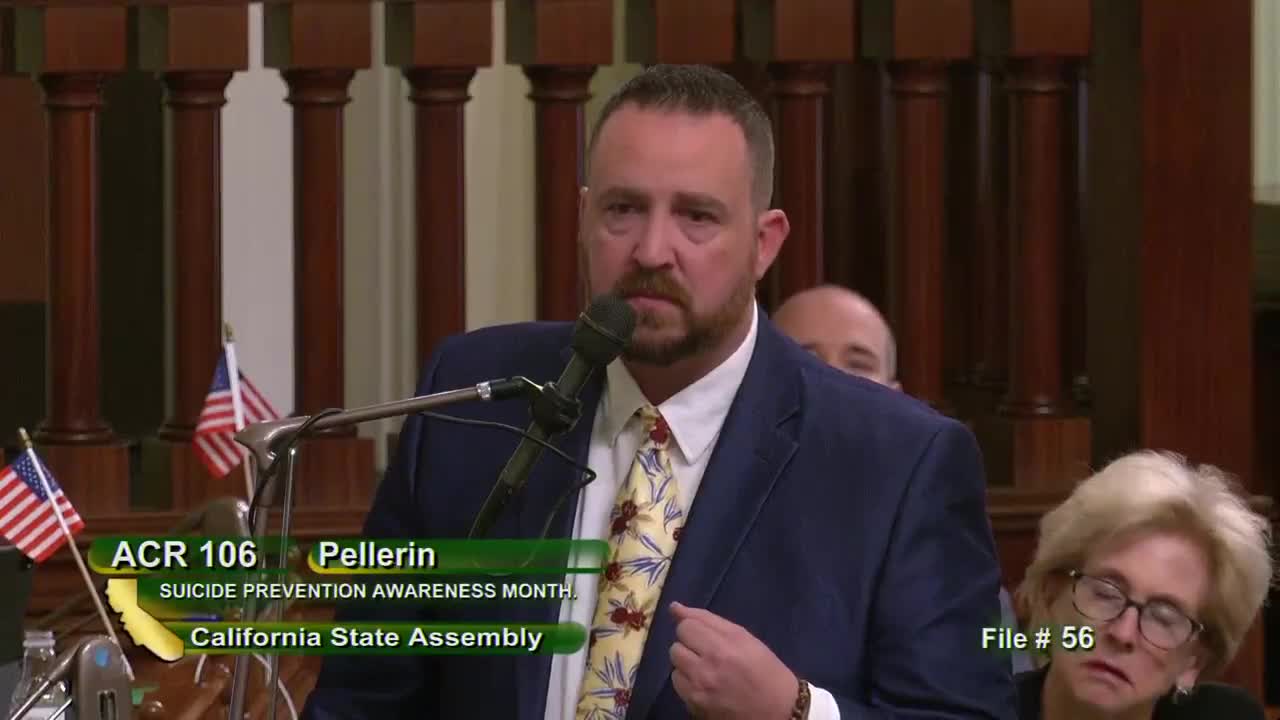

Bill Author
Bill Co-Author(s):