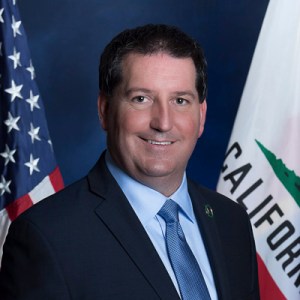
AB 2186: Personal Income Tax Law: exclusions: reparations programs.
- Session Year: 2025-2026
- House: Assembly
- Latest Version Date: 2026-08-24
Current Status:
Failed
(2026-09-30: Vetoed by Governor.)
Introduced
In Committee
Awaiting First Chamber Vote
Passed First Chamber
In Committee
Awaiting Second Chamber Vote
Passed Second Chamber
Enacted
What does this bill do?
For California tax years 2028 through 2032, this bill would make reparations payments not count as taxable state income. It defines reparations payments to include cash, grants, trust distributions, debt forgiveness, or other financial compensation from federal, state, local, tribal, or territorial programs that provide compensation for past or ongoing harms, injustice, or discrimination. The bill also includes a legislative finding saying the exclusion is meant to keep reparations from being diminished by state income tax and states there is no data to collect about the exclusion.
The summary is provided by generative AI which can make mistakes. For original language, please view the details in the table below.
The Personal Income Tax Law, in modified conformity with federal income tax laws, defines gross income as income from whatever source derived, except as specifically excluded, and provides various exclusions from gross income.
This bill, for taxable years beginning on or after January 1, 2028, and before January 1, 2033, would exclude from gross income any reparations benefit or payment, as defined, received by a taxpayer during the taxable year.
Existing law requires any bill authorizing a new tax expenditure to contain, among other things, specific goals, purposes, and objectives that the tax expenditure will achieve, detailed performance indicators, and data collection requirements.
This bill also would include additional information required for any bill authorizing a new tax expenditure.
This bill would take effect immediately as a tax levy.
The Personal Income Tax Law, in modified conformity with federal income tax laws, defines gross income as income from whatever source derived, except as specifically excluded, and provides various exclusions from gross income.
This bill, for taxable years beginning on or after January 1, 2027, 2028, and before January 1, 2032, 2033, would exclude from gross income any reparations benefit or payment, as defined, received by a taxpayer during the taxable year.
Existing law requires any bill authorizing a new tax expenditure to contain, among other things, specific goals, purposes, and objectives that the tax expenditure will achieve, detailed performance indicators, and data collection requirements.
This bill also would include additional information required for any bill authorizing a new tax expenditure.
This bill would take effect immediately as a tax levy.
The Personal Income Tax Law, in modified conformity with federal income tax laws, defines gross income as income from whatever source derived, except as specifically excluded, and provides various exclusions from gross income.
This bill, for taxable years beginning on or after January 1, 2027, and before January 1, 2032, would exclude from gross income any reparations benefit or payment, as defined, received by a taxpayer during the taxable year.
Existing law requires any bill authorizing a new tax expenditure to contain, among other things, specific goals, purposes, and objectives that the tax expenditure will achieve, detailed performance indicators, and data collection requirements.
This bill also would include additional information required for any bill authorizing a new tax expenditure.
This bill would take effect immediately as a tax levy.
The Personal Income Tax Law, in modified conformity with federal income tax laws, defines gross income as income from whatever source derived, except as specifically excluded, and provides various exclusions from gross income.
This bill, for taxable years beginning on or after January 1, 2027, and before January 1, 2032, would exclude from gross income any reparations benefit or payment, as defined, received by a taxpayer during the taxable year.
Existing law requires any bill authorizing a new tax expenditure to contain, among other things, specific goals, purposes, and objectives that the tax expenditure will achieve, detailed performance indicators, and data collection requirements.
This bill also would include additional information required for any bill authorizing a new tax expenditure.
This bill would take effect immediately as a tax levy.
Existing law, the Pharmacy Law, establishes the California State Board of Pharmacy to license and regulate the practice of pharmacy. Existing law prohibits a person or entity from dispensing or furnishing dangerous drugs or dangerous devices on the internet for delivery to any person in this state without a prescription issued pursuant to an appropriate prior examination of the human or animal for whom the prescription is meant if the person or entity either knew or reasonably should have known that the prescription was not issued pursuant to an appropriate prior examination of the human or animal, or if the person or entity did not act in accordance with specified regulations.This bill would make a nonsubstantive change to those provisions.Existing law, the Pharmacy Law, establishes the California State Board of Pharmacy to license and regulate the practice of pharmacy. Existing law prohibits a person or entity from dispensing or furnishing dangerous drugs or dangerous devices on the internet for delivery to any person in this state without a prescription issued pursuant to an appropriate prior examination of the human or animal for whom the prescription is meant if the person or entity either knew or reasonably should have known that the prescription was not issued pursuant to an appropriate prior examination of the human or animal, or if the person or entity did not act in accordance with specified regulations.
This bill would make a nonsubstantive change to those provisions.
(a)For taxable years beginning on or after January 1, 2028, and before January 1, 2033, gross income shall not include any reparations benefit or payment received by a taxpayer during the taxable year.
(b)For purposes of this section, the following definitions shall apply:
(1)Reparations benefit or payment means any monetary payment, grant, trust distribution, debt forgiveness, or other financial compensation provided to an individual pursuant to any of the following:
(A)A statute enacted by the state establishing a reparations program.
(B)A local government ordinance, resolution, settlement, or program establishing a reparations program.
(C)A federal statute, regulation, settlement, or federally administered reparations program.
(2)Reparations program means any federal, state, local, tribal, or territorial government program, commission, task force, or other governmental initiative established to provide monetary compensation, benefits, restitution, rehabilitation, satisfaction, guarantees of nonrepetition, or other forms of redress for past or ongoing harms, discrimination, injustice, or inequitable treatment suffered by a defined group of individuals, including, but not limited to, descendants of enslaved persons, incarcerated persons, or members of a protected class.
(c)This section shall remain operative only until December 1, 2033, and as of that date is repealed.
SEC. 2.For purposes of complying with Section 41 of the Revenue and Taxation Code, as it relates to Section 17139 of the Revenue and Taxation Code, the Legislature finds and declares the following:
(a)The purpose of the exclusion provided by this act is to ensure that reparations payments fulfill their intended purpose by providing meaningful compensation, rather than being partially recaptured and diminished through state income tax.
(b)There is no available data to collect or report with respect to the exclusion provided by this act.
SEC. 3.This act provides for a tax levy within the meaning of Article IV of the California Constitution and shall go into immediate effect.
(a)For taxable years beginning on or after January 1, 2027, 2028, and before January 1, 2032, 2033, gross income shall not include any reparations benefit or payment received by a taxpayer during the taxable year.
(b)For purposes of this section, reparations the following definitions shall apply:
(1)Reparations benefit or payment means any monetary payment, grant, trust distribution, debt forgiveness, or other financial compensation provided to an individual pursuant to any of the following:
(1)(A)A statute enacted by the state establishing a reparations program.
(2)(B)A local government ordinance, resolution, settlement, or program establishing a reparations program.
(3)(C)A federal statute, regulation, settlement, or federally administered reparations program.
(2)Reparations program means any federal, state, local, tribal, or territorial government program, commission, task force, or other governmental initiative established to provide monetary compensation, benefits, restitution, rehabilitation, satisfaction, guarantees of nonrepetition, or other forms of redress for past or ongoing harms, discrimination, injustice, or inequitable treatment suffered by a defined group of individuals, including, but not limited to, descendants of enslaved persons, incarcerated persons, or members of a protected class.
(c)This section shall remain operative only until December 1, 2032, 2033, and as of that date is repealed.
SEC. 2.For purposes of complying with Section 41 of the Revenue and Taxation Code, as it relates to Section 17139 of the Revenue and Taxation Code, the Legislature finds and declares the following:
(a)The purpose of the exclusion provided by this act is to ensure that reparations payments fulfill their intended purpose by providing meaningful compensation, rather than being partially recaptured and diminished through state income tax.
(b)There is no available data to collect or report with respect to the exclusion provided by this act.
SEC. 3.This act provides for a tax levy within the meaning of Article IV of the California Constitution and shall go into immediate effect.
(a)For taxable years beginning on or after January 1, 2027, and before January 1, 2032, gross income shall not include any reparations benefit or payment received by a taxpayer during the taxable year.
(b)For purposes of this section, reparations benefit or payment means any monetary payment, grant, trust distribution, debt forgiveness, or other financial compensation provided to an individual pursuant to any of the following:
(1)A statute enacted by the state establishing a reparations program.
(2)A local government ordinance, resolution, settlement, or program establishing a reparations program.
(3)A federal statute, regulation, settlement, or federally administered reparations program.
(c)This section shall remain operative only until December 1, 2032, and as of that date is repealed.
SEC. 2.For purposes of complying with Section 41 of the Revenue and Taxation Code, as it relates to Section 17137 17139 of the Revenue and Taxation Code, the Legislature finds and declares the following:
(a)The purpose of the exclusion provided by this act is to ensure that reparations payments fulfill their intended purpose by providing meaningful, meaningful compensation, rather than being partially recaptured and diminished through state income tax.
(b)There is no available data to collect or report with respect to the exclusion provided by this act.
SEC. 3.This act provides for a tax levy within the meaning of Article IV of the California Constitution and shall go into immediate effect.
(a)For taxable years beginning on or after January 1, 2027, and before January 1, 2032, gross income shall not include any reparations benefit or payment received by a taxpayer during the taxable year.
(b)For purposes of this section, reparations benefit or payment means any monetary payment, grant, trust distribution, debt forgiveness, or other financial compensation provided to an individual pursuant to any of the following:
(1)A statute enacted by the state establishing a reparations program.
(2)A local government ordinance, resolution, settlement, or program establishing a reparations program.
(3)A federal statute, regulation, settlement, or federally administered reparations program.
(c)This section shall remain operative only until December 1, 2032, and as of that date is repealed.
SEC. 2.For purposes of complying with Section 41 of the Revenue and Taxation Code, as it relates to Section 17137 of the Revenue and Taxation Code, the Legislature finds and declares the following:
(a)The purpose of the exclusion provided by this act is to ensure that reparations payments fulfill their intended purpose by providing meaningful, compensation, rather than being partially recaptured and diminished through state income tax.
(b)There is no available data to collect or report with respect to the exclusion provided by this act.
SEC. 3.This act provides for a tax levy within the meaning of Article IV of the California Constitution and shall go into immediate effect.
SECTION 1.Section 4067 of the Business and Professions Code is amended to read:4067.(a)No person or entity shall dispense or furnish, or cause to be dispensed or furnished, a dangerous drug or dangerous device, as defined in Section 4022, on the internet for delivery to any person in this state without a prescription issued pursuant to an appropriate prior examination of the human or animal for whom the prescription is meant if the person or entity either knew or reasonably should have known that the prescription was not issued pursuant to an appropriate prior examination of the human or animal, or if the person or entity did not act in accordance with Section 1761 of Title 16 of the California Code of Regulations.(b)Notwithstanding any other provision of law, a violation of this section may subject the person or entity that has committed the violation to either a fine of up to twenty-five thousand dollars ($25,000) per occurrence pursuant to a citation issued by the board or a civil penalty of twenty-five thousand dollars ($25,000) per occurrence.(c)The Attorney General may bring an action to enforce this section and to collect the fines or civil penalties authorized by subdivision (b).(d)For notifications made on and after January 1, 2002, the Franchise Tax Board, upon notification by the Attorney General or the board of a final judgment in an action brought under this section, shall subtract the amount of the fine or awarded civil penalties from any tax refunds or lottery winnings due to the person who is a defendant in the action using the offset authority under Section 12419.5 of the Government Code, as delegated by the Controller, and the processes as established by the Franchise Tax Board for this purpose. That amount shall be forwarded to the board for deposit in the Pharmacy Board Contingent Fund.(e)Nothing in this section shall be construed to permit the unlicensed practice of pharmacy, or to limit the authority of the board to enforce any other provision of this chapter.(f)For the purposes of this section, appropriate prior examination includes the requirements for a physician and surgeon in Section 2242 and the requirements for a veterinarian in Section 4826.6.(a)No person or entity shall dispense or furnish, or cause to be dispensed or furnished, a dangerous drugs drug or dangerous devices, device, as defined in Section 4022, on the internet for delivery to any person in this state without a prescription issued pursuant to an appropriate prior examination of the human or animal for whom the prescription is meant if the person or entity either knew or reasonably should have known that the prescription was not issued pursuant to an appropriate prior examination of the human or animal, or if the person or entity did not act in accordance with Section 1761 of Title 16 of the California Code of Regulations.
(b)Notwithstanding any other provision of law, a violation of this section may subject the person or entity that has committed the violation to either a fine of up to twenty-five thousand dollars ($25,000) per occurrence pursuant to a citation issued by the board or a civil penalty of twenty-five thousand dollars ($25,000) per occurrence.
(c)The Attorney General may bring an action to enforce this section and to collect the fines or civil penalties authorized by subdivision (b).
(d)For notifications made on and after January 1, 2002, the Franchise Tax Board, upon notification by the Attorney General or the board of a final judgment in an action brought under this section, shall subtract the amount of the fine or awarded civil penalties from any tax refunds or lottery winnings due to the person who is a defendant in the action using the offset authority under Section 12419.5 of the Government Code, as delegated by the Controller, and the processes as established by the Franchise Tax Board for this purpose. That amount shall be forwarded to the board for deposit in the Pharmacy Board Contingent Fund.
(e)Nothing in this section shall be construed to permit the unlicensed practice of pharmacy, or to limit the authority of the board to enforce any other provision of this chapter.
(f)For the purposes of this section, appropriate prior examination includes the requirements for a physician and surgeon in Section 2242 and the requirements for a veterinarian in Section 4826.6.
|
Date
|
Status
|
|---|---|
| Sep 30, 2026 | Vetoed by Governor. |
| Aug 27, 2026 | Enrolled and presented to the Governor at 4 p.m. |
| Aug 20, 2026 | Senate amendments concurred in. To Engrossing and Enrolling. (Ayes 58. Noes 16.). |
| Aug 20, 2026 | Senate amendments concurred in. To Engrossing and Enrolling. (Ayes 58. Noes 16. Page 6325.). |
| Aug 20, 2026 | Senate amendments concurred in. To Engrossing and Enrolling. |
| Aug 19, 2026 | In Assembly. Concurrence in Senate amendments pending. |
| Aug 19, 2026 | Read third time. Passed. Ordered to the Assembly. (Ayes 28. Noes 10. Page 2186.). |
| Aug 19, 2026 | Read third time. Passed. Ordered to the Assembly. (Ayes 28. Noes 9.). |
| Aug 13, 2026 | Read second time. Ordered to third reading. |
| Aug 13, 2026 | From committee: Do pass. (Ayes 5. Noes 2.) (August 13). |
| Aug 3, 2026 | In committee: Referred to APPR. suspense file. |
| Jun 24, 2026 | From committee: Do pass and re-refer to Com. on APPR. (Ayes 4. Noes 0.) (June 24). Re-referred to Com. on APPR. |
| Jun 16, 2026 | From committee chair, with author's amendments: Amend, and re-refer to committee. Read second time, amended, and re-referred to Com. on REV. & TAX. |
| Jun 3, 2026 | Referred to Com. on REV. & TAX. |
| May 27, 2026 | In Senate. Read first time. To Com. on RLS. for assignment. |
| May 26, 2026 | Read third time. Passed. Ordered to the Senate. (Ayes 58. Noes 17.) |
| May 26, 2026 | Read third time. Passed. Ordered to the Senate. (Ayes 58. Noes 17. Page 5401.) |
| May 26, 2026 | Read third time. Passed. Ordered to the Senate. |
| May 19, 2026 | Read second time. Ordered to third reading. |
| May 18, 2026 | Read second time and amended. Ordered returned to second reading. |
| May 14, 2026 | Joint Rule 62(a), file notice suspended. (Page 5030.) |
| May 14, 2026 | Joint Rule 62(a), file notice suspended. |
| May 14, 2026 | From committee: Amend, and do pass as amended. (Ayes 11. Noes 4.) (May 14). |
| May 13, 2026 | In committee: Set, first hearing. Referred to APPR. suspense file. |
| Apr 28, 2026 | From committee: Do pass and re-refer to Com. on APPR. (Ayes 5. Noes 2.) (April 27). Re-referred to Com. on APPR. |
| Apr 13, 2026 | In committee: Set, first hearing. Referred to REV. & TAX. suspense file. |
| Mar 17, 2026 | Re-referred to Com. on REV. & TAX. |
| Mar 16, 2026 | Referred to Com. on REV. & TAX. |
| Mar 16, 2026 | From committee chair, with author's amendments: Amend, and re-refer to Com. on REV. & TAX. Read second time and amended. |
| Feb 20, 2026 | From printer. May be heard in committee March 22. |
| Feb 19, 2026 | Read first time. To print. |
|
Date
|
Description
|
Location
|
Votes
|
|
|---|---|---|---|---|
| Aug 20, 2026 | AB 2186 McKinnor Concurrence in Senate Amendments | Assembly Floor |
Passed |
|
| Aug 19, 2026 | Assembly 3rd Reading AB2186 McKinnor et al. By Smallwood-Cuevas | Senate Floor |
Passed |
|
| Aug 13, 2026 | Do pass | Senate Standing Committee on Appropriations |
Passed |
|
| Aug 3, 2026 | Placed on suspense file | Senate Standing Committee on Appropriations |
Passed |
|
| Jun 24, 2026 | Do pass, but first be re-referred to the Committee on [Appropriations] | Senate Standing Committee on Revenue and Taxation |
Passed |
|
| May 26, 2026 | AB 2186 McKinnor Assembly Third Reading | Assembly Floor |
Passed |
|
| May 14, 2026 | Do pass as amended. | Assembly Standing Committee on Appropriations |
Passed |
|
| Apr 27, 2026 | Do pass and be re-referred to the Committee on [Appropriations] | Assembly Standing Committee on Revenue and Taxation |
Passed |
This list shows positions taken on this bill by organizations on the date displayed, which is linked to the original source.
Positions by individuals are not included.
|
Organization
|
Position
|
Date
|
|---|---|---|
| California for Safety and Justice | ** Support | |
| California-Hawai'i State Conference of the NAACP | ** Support | |
| California-Hawaii State Conference Of The Naacp | ** Support | |
| City of Alameda | ** Support | |
| Courage California | ** Support | |
| Friends Committee On Legislation Of California | ** Support | |
| Glide | ** Support | |
| Governor | ** Against | |
| Justice2jobs Coalition | ** Support | |
| LA Defensa | ** Support | |
| Rubicon Programs | ** Support | |
| Western Center on Law & Poverty, INC. | ** Support |
GOVERNOR'S VETO
GV Bill Id:AB 2186
Author:(McKinnor)
As Enrolled Ver:August 24, 2026
2/3 vote
SUMMARY
Allows, for taxable years beginning on or after January 1, 2028, and before January 1, 2033, a gross income exclusion for reparations benefits or payments, as specified.
- Defines a "reparations benefit or payment" as any monetary payment, grant, trust distribution, debt forgiveness, or other financial compensation provided to an individual pursuant to any of the following:
- A statute enacted by the state establishing a reparations program;
- A local government ordinance, resolution, settlement, or program establishing a reparations program; or,
- A federal statute, regulation, settlement, or federally administered reparations program.
- Defines a "reparations program" as any federal, state, local, tribal, or territorial government program, commission, task force, or other governmental initiative established to provide monetary compensation, benefits, restitution, rehabilitation, satisfaction, guarantees of non-repetition, or other forms of redress for past or ongoing harms, discrimination, injustice, or inequitable treatment suffered by a defined group of individuals, including, but not limited to, descendants of enslaved persons, incarcerated persons, or members of a protected class.
Governor’s Veto Message
"This bill would exclude, from personal and corporate income taxation, any monetary compensation or benefits made pursuant to state or local government reparations programs or federal law intended to correct for past and ongoing harms to a group of people, including the descendants of enslaved or incarcerated persons or other members of a protected class.
I thank the author for her continued work to redress the documented harms of slavery. I was proud to sign into law last year legislation establishing the Bureau for Descendants of American Slavery, a first-in-the-nation law establishing a state agency that, among its key responsibilities, will advise on reparative justice programs for Black Americans. California's work on this important endeavor is just beginning.
However, because the full scope of the proposed tax exclusion is unknown, fiscal caution is warranted. The proposed exclusion for unspecified federal initiatives could be interpreted broadly, resulting in substantial fiscal uncertainty. Moreover, given the potentially significant General Fund implications, this measure should be considered as part of the annual budget process."
COMMENTS
What would this bill do? This bill would, for taxable years beginning on or after January 1, 2028, and before January 1, 2033, exclude from gross income any reparations benefit, or payment received by a taxpayer during the taxable year. This bill defines such payments, in turn, to include any monetary payment, grant, trust distribution, debt forgiveness, or other financial compensation provided to an individual via the following:
- A statute enacted by the state establishing a reparations program;
- A local government ordinance, resolution, settlement, or program establishing a reparations program; or,
- A federal statute, regulation, settlement, or federally administered reparations program.
According to the Author
The author has provided the following statement in support of this bill:
AB 2186 ensures that reparations payments provided through state, local, or federal programs are excluded from California personal income tax for taxable years [2028] through 2032. For centuries, descendants of formerly enslaved people and other communities harmed by systemic injustice have been denied economic redress for historic wrongs. Without a statutory exclusion, these payments could be reduced by state taxes, undermining their purpose and sending the wrong message about justice and repair. By explicitly excluding reparations benefits from gross income, AB 2186 guarantees that recipients receive the full value of these payments, provides certainty for tax administration, and affirms the state's commitment to ensuring reparations serve as meaningful compensation.
Arguments in Support
Supporters of this bill note the following:
Reparations are designed to provide meaningful redress for the documented harms of slavery, racial terror, and state-sanctioned discrimination that have compounded generational wealth gaps for descendants of formerly enslaved people. Subjecting these payments to state income tax would undermine that purpose, clawing back a portion of compensation that recipients have long been owed. AB 2186 closes that gap by ensuring that reparations payments serve their intended function: direct, full economic relief.
Arguments in Opposition
None on file
FISCAL COMMENTS
According to the Senate Committee on Appropriations:
The Franchise Tax Board (FTB) estimates for every $1 million in reparations payments received, the revenue loss would be $63,000 (General Fund). FTB's implementation costs would be minor and absorbable.
VOTES
ASM REVENUE AND TAXATION: 5-2-0
YES: Gipson, Carrillo, McKinnor, Quirk-Silva, Michelle Rodriguez
NO: Sanchez, DeMaio
ASM APPROPRIATIONS: 11-4-0
YES: Wicks, Aguiar-Curry, Calderon, Caloza, Fong, Mark González, Krell, Pacheco, Pellerin, Sharp-Collins, Solache
NO: Hoover, Dixon, Ta, Tangipa
ASSEMBLY FLOOR: 58-17-5
YES: Addis, Aguiar-Curry, Ahrens, Alanis, Alvarez, Arambula, Ávila Farías, Bains, Bauer-Kahan, Bennett, Berman, Boerner, Bonta, Bryan, Calderon, Caloza, Carrillo, Connolly, Elhawary, Fong, Gabriel, Garcia, Gipson, Mark González, Haney, Harabedian, Hart, Irwin, Jackson, Kalra, Krell, Lee, Lowenthal, McKinnor, Nguyen, Ortega, Pacheco, Papan, Pellerin, Petrie-Norris, Quirk-Silva, Ramos, Ransom, Michelle Rodriguez, Rogers, Blanca Rubio, Schiavo, Schultz, Sharp-Collins, Solache, Soria, Stefani, Valencia, Ward, Wicks, Wilson, Zbur, Rivas
NO: Castillo, Chen, Davies, DeMaio, Dixon, Ellis, Gallagher, Jeff Gonzalez, Hadwick, Hoover, Johnson, Macedo, Patterson, Sanchez, Ta, Tangipa, Wallis
ABS, ABST OR NV: Flora, Lackey, Muratsuchi, Patel, Celeste Rodriguez
SENATE FLOOR: 28-10-2
YES: Allen, Archuleta, Arreguín, Ashby, Becker, Cabaldon, Caballero, Cervantes, Cortese, Durazo, Gonzalez, Grayson, Hurtado, Laird, McGuire, McNerney, Menjivar, Padilla, Pérez, Reyes, Richardson, Rubio, Smallwood-Cuevas, Stern, Umberg, Wahab, Weber Pierson, Wiener
NO: Alvarado-Gil, Choi, Dahle, Grove, Jones, Niello, Ochoa Bogh, Seyarto, Strickland, Valladares
ABS, ABST OR NV: Blakespear, Limón
ASSEMBLY FLOOR: 58-16-5
YES: Addis, Aguiar-Curry, Ahrens, Alvarez, Arambula, Ávila Farías, Bains, Bauer-Kahan, Bennett, Berman, Boerner, Bonta, Bryan, Calderon, Caloza, Carrillo, Connolly, Elhawary, Fong, Gabriel, Gipson, Mark González, Haney, Harabedian, Hart, Irwin, Jackson, Kalra, Krell, Lee, Lowenthal, McKinnor, Muratsuchi, Nguyen, Ortega, Pacheco, Papan, Pellerin, Petrie-Norris, Quirk-Silva, Ramos, Ransom, Celeste Rodriguez, Michelle Rodriguez, Rogers, Blanca Rubio, Schiavo, Schultz, Sharp-Collins, Solache, Soria, Stefani, Valencia, Ward, Wicks, Wilson, Zbur, Rivas
NO: Castillo, Davies, DeMaio, Dixon, Ellis, Flora, Jeff Gonzalez, Hadwick, Hoover, Johnson, Macedo, Patterson, Sanchez, Ta, Tangipa, Wallis
ABS, ABST OR NV: Alanis, Chen, Garcia, Lackey, Patel
UPDATED
VERSION: August 24, 2026
CONSULTANT: M. David Ruff / REV. & TAX. / (916) 319-2098 FN: 0004643
CONCURRENCE IN SENATE AMENDMENTS
CSA1 Bill Id:AB 2186
Author:(McKinnor)
As Amended Ver:June 16, 2026
Majority vote
SUMMARY
Allows, for taxable years beginning on or after January 1, 2028, and before January 1, 2033, a gross income exclusion for reparations benefits or payments, as specified.
Senate Amendments
- Delay the operative window of the gross income exclusion to taxable years beginning on or after January 1, 2028, and before January 1, 2033.
- Define a "reparations program" to mean any federal, state, local, tribal, or territorial government program, commission, task force, or other governmental initiative established to provide monetary compensation, benefits, restitution, rehabilitation, satisfaction, guarantees of nonrepetition, or other forms of redress for past or ongoing harms, discrimination, injustice, or inequitable treatment suffered by a defined group of individuals, including, but not limited to, descendants of enslaved persons, incarcerated persons, or members of a protected class.
- Delay the sunset date to December 1, 2033.
COMMENTS
What would this bill do? This bill would, for taxable years beginning on or after January 1, 2028, and before January 1, 2033, exclude from gross income any reparations benefit, or payment received by a taxpayer during the taxable year. This bill defines such payments, in turn, to include any monetary payment, grant, trust distribution, debt forgiveness, or other financial compensation provided to an individual via the following:
- A statute enacted by the state establishing a reparations program;
- A local government ordinance, resolution, settlement, or program establishing a reparations program; or,
- A federal statute, regulation, settlement, or federally administered reparations program.
According to the Author
The author has provided the following statement in support of this bill:
AB 2186 ensures that reparations payments provided through state, local, or federal programs are excluded from California personal income tax for taxable years [2028] through 2032. For centuries, descendants of formerly enslaved people and other communities harmed by systemic injustice have been denied economic redress for historic wrongs. Without a statutory exclusion, these payments could be reduced by state taxes, undermining their purpose and sending the wrong message about justice and repair. By explicitly excluding reparations benefits from gross income, AB 2186 guarantees that recipients receive the full value of these payments, provides certainty for tax administration, and affirms the state's commitment to ensuring reparations serve as meaningful compensation.
Arguments in Support
Supporters of this bill note the following:
Reparations are designed to provide meaningful redress for the documented harms of slavery, racial terror, and state-sanctioned discrimination that have compounded generational wealth gaps for descendants of formerly enslaved people. Subjecting these payments to state income tax would undermine that purpose, clawing back a portion of compensation that recipients have long been owed. AB 2186 closes that gap by ensuring that reparations payments serve their intended function: direct, full economic relief.
Arguments in Opposition
None on file
FISCAL COMMENTS
According to the Senate Committee on Appropriations:
The Franchise Tax Board (FTB) estimates for every $1 million in reparations payments received, the revenue loss would be $63,000 (General Fund). FTB's implementation costs would be minor and absorbable.
VOTES:
ASM REVENUE AND TAXATION: 5-2-0
YES: Gipson, Carrillo, McKinnor, Quirk-Silva, Michelle Rodriguez
NO: Sanchez, DeMaio
ASM APPROPRIATIONS: 11-4-0
YES: Wicks, Aguiar-Curry, Calderon, Caloza, Fong, Mark González, Krell, Pacheco, Pellerin, Sharp-Collins, Solache
NO: Hoover, Dixon, Ta, Tangipa
ASSEMBLY FLOOR: 58-17-5
YES: Addis, Aguiar-Curry, Ahrens, Alanis, Alvarez, Arambula, Ávila Farías, Bains, Bauer-Kahan, Bennett, Berman, Boerner, Bonta, Bryan, Calderon, Caloza, Carrillo, Connolly, Elhawary, Fong, Gabriel, Garcia, Gipson, Mark González, Haney, Harabedian, Hart, Irwin, Jackson, Kalra, Krell, Lee, Lowenthal, McKinnor, Nguyen, Ortega, Pacheco, Papan, Pellerin, Petrie-Norris, Quirk-Silva, Ramos, Ransom, Michelle Rodriguez, Rogers, Blanca Rubio, Schiavo, Schultz, Sharp-Collins, Solache, Soria, Stefani, Valencia, Ward, Wicks, Wilson, Zbur, Rivas
NO: Castillo, Chen, Davies, DeMaio, Dixon, Ellis, Gallagher, Jeff Gonzalez, Hadwick, Hoover, Johnson, Macedo, Patterson, Sanchez, Ta, Tangipa, Wallis
ABS, ABST OR NV: Flora, Lackey, Muratsuchi, Patel, Celeste Rodriguez
UPDATED
VERSION: June 16, 2026
CONSULTANT: M. David Ruff / REV. & TAX. / (916) 319-2098 FN: 0003701
SENATE RULES COMMITTEE Office of Senate Floor Analyses (916) 651-4171 | AB 2186 |
THIRD READING
Bill No: AB 2186
Author: McKinnor (D), et al.
Amended: 6/16/26 in Senate
Vote: 21
SENATE REVENUE AND TAXATION COMMITTEE: 4-0, 6/24/26
AYES: McNerney, Ashby, Becker, Grayson
NO VOTE RECORDED: Alvarado-Gil
SENATE APPROPRIATIONS COMMITTEE: 5-2, 8/13/26
AYES: Cervantes, Cabaldon, Grayson, Richardson, Wahab
NOES: Seyarto, Dahle
ASSEMBLY FLOOR: 58-17, 5/26/26 - See last page for vote
SUBJECT: Personal Income Tax Law: exclusions: reparations programs
SOURCE: Author
DIGEST:
This bill enacts a Personal Income Tax exclusion for any reparations benefit or payment a taxpayer receives from a local, state, or federal reparations program.
ANALYSIS:
Existing law:
- Allows various income tax credits, deductions, exemptions, and exclusions.
- Includes as gross income, in conformity with federal law, all income from any source, including compensation for services, business income, gains from property, interest, dividends, rents, and royalties, unless specifically excluded.
- Excludes from gross income amounts received as a gift or inheritance, certain compensation for injuries and sickness, qualified scholarships, educational assistance programs, foster care payments, and interest received on certain state or federal obligations.
- Makes apologies for the state’s role in discriminatory harms, including:
- The Apology Act for the 1930s Mexican Repatriation Program, which apologized for California’s role in the forcible removal of persons of Mexican ancestry beginning in 1929 and expressed regret for the resulting civil rights violations, suffering, and hardship (SB 670, Dunn, Chapter 663, Statutes of 2005).
- The Apology Act for the Perpetration of Gross Human Rights Violations and Crimes Against Humanity, with special consideration for African Slaves and their Descendants, which required a formal apology from the state of California for chattel slavery and its enduring legacy (AB 3089, Jones-Sawyer, Chapter 624, Statutes of 2024).
- Establishes the first-in-the-nation Task Force to Study and Develop Reparation Proposals for African Americans, with a Special Consideration for African Americans Who are Descendants of Persons Enslaved in the United States (Task Force) (AB 3121, Weber, Chapter 319, Statutes of 2020).
- Establishes the Bureau for Descendants of American Slavery to implement the Task Force’s recommendations (SB 518, Weber Pierson, Chapter 586, Statutes of 2025).
- Appropriates $6 million to California State University for the purpose of implementing legislation related to genealogy determination, and $6 million to the Tides Foundation to educate Californians on the findings of the California Reparations Task Force report (SB 103, Wiener, Chapter 6, Statutes of 2025).
- Enacts reparative and restorative tax legislation, including:
- AB 1485 (Macedo, Chapter 2, Statutes of 2025), which addressed the property tax consequences of qualifying tribal land-return transactions.
- SB 796 (Bradford, Chapter 435, Statutes of 2021), which authorized Los Angeles County to return the Bruce’s Beach property to the legal heirs of Charles and Willa Bruce and excluded from California gross income, for personal income tax and corporation tax purposes, both the transfer of Bruce’s Beach and any gain, income, or proceeds directly derived from the first sale, transfer, or encumbrance of the property in the taxable year in which it occurred.
- AB 1485 (Macedo, Chapter 2, Statutes of 2025), which addressed the property tax consequences of qualifying tribal land-return transactions.
This bill:
- Excludes any reparations benefit or payment received by a taxpayer during the taxable years 2028 through 2032.
- Defines “reparations benefit or payment” to mean any monetary payment, grant, trust distribution, debt forgiveness, or other financial compensation provided to an individual pursuant to any of the following:
- A statute enacted by the state establishing a reparations program.
- A local government ordinance, resolution, settlement, or program establishing a reparations program.
- A federal statute, regulation, settlement, or federally administered reparations program.
- Defines “reparations program” to mean any federal, state, local, tribal, or territorial government program, commission, task force, or other governmental initiative established to provide monetary compensation, benefits, restitution, rehabilitation, satisfaction, guarantees of nonrepetition, or other forms of redress for past or ongoing harms, discrimination, injustice, or inequitable treatment suffered by a defined group of individuals, including, but not limited to, descendants of enslaved persons, incarcerated persons, or members of a protected class.
- Contains legislative findings and declarations to comply with Section 41 of the Revenue and Taxation Code.
Background
Existing reparations and reparative compensation. The State of California and several local governments have previously authorized compensation for specific historical discriminatory harms tied to particular victims, descendants, or their related property interests, including:
- The Forced or Involuntary Sterilization Compensation Program, which, from 2023 to 2025, provided compensation to eligible survivors of state-sponsored forced or involuntary sterilization. The program stopped accepting new applications on December 31, 2023, and qualified recipients received a payment of $35,000 each.
- The 2025 City of Palm Springs settlement payment to Section 14 survivors and descendants, whose homes were unlawfully demolished and burned by the city during 1950s and 1960s redevelopment. The agreement provides direct financial compensation, housing and business investment programs, and cultural initiatives honoring the legacy of the Section 14 community. According to the City, it transferred the full $5.9 million settlement amount to the survivors’ and descendants’ legal representatives on October 7, 2025.
FISCAL EFFECT: Appropriation: No Fiscal Com.: Yes Local: No
According to the Senate Appropriations Committee, the Franchise Tax Board (FTB) estimates that for every $1 million in reparations payments received, the revenue loss would be $63,000 (General Fund). FTB’s implementation costs would be minor and absorbable.
SUPPORT: (Verified 8/14/26)
California for Safety and Justice
California-Hawai'i State Conference of the NAACP
City of Alameda
Courage California
Friends Committee on Legislation of California
GLIDE
Justice2Jobs Coalition
LA Defensa
Rubicon Programs
Western Center on Law & Poverty, Inc.
OPPOSITION: (Verified 8/14/26)
None received
ARGUMENTS IN SUPPORT: According to the author, “AB 2186 ensures that reparations payments provided through state, local, or federal programs are excluded from California personal income tax for taxable years 2027 through 2032. For centuries, descendants of formerly enslaved people and other communities harmed by systemic injustice have been denied economic redress for historic wrongs. Without a statutory exclusion, these payments could be reduced by state taxes, undermining their purpose and sending the wrong message about justice and repair. By explicitly excluding reparations benefits from gross income, AB 2186 guarantees that recipients receive the full value of these payments, provides certainty for tax administration, and affirms the state’s commitment to ensuring reparations serve as meaningful compensation.”
ASSEMBLY FLOOR: 58-17, 5/26/26
AYES: Addis, Aguiar-Curry, Ahrens, Alanis, Alvarez, Arambula, Ávila Farías, Bains, Bauer-Kahan, Bennett, Berman, Boerner, Bonta, Bryan, Calderon, Caloza, Carrillo, Connolly, Elhawary, Fong, Gabriel, Garcia, Gipson, Mark González, Haney, Harabedian, Hart, Irwin, Jackson, Kalra, Krell, Lee, Lowenthal, McKinnor, Nguyen, Ortega, Pacheco, Papan, Pellerin, Petrie-Norris, Quirk-Silva, Ramos, Ransom, Michelle Rodriguez, Rogers, Blanca Rubio, Schiavo, Schultz, Sharp-Collins, Solache, Soria, Stefani, Valencia, Ward, Wicks, Wilson, Zbur, Rivas
NOES: Castillo, Chen, Davies, DeMaio, Dixon, Ellis, Gallagher, Jeff Gonzalez, Hadwick, Hoover, Johnson, Macedo, Patterson, Sanchez, Ta, Tangipa, Wallis
NO VOTE RECORDED: Flora, Lackey, Muratsuchi, Patel, Celeste Rodriguez
Prepared by: Haley Summers / REV. & TAX. / (916) 651-4117
8/15/26 8:54:29
**** END ****
SENATE COMMITTEE ON
Senator Sabrina Cervantes, Chair
2025 - 2026 Regular Session
AB 2186 (McKinnor) - Personal Income Tax Law: exclusions: reparations programs
Version: | Policy Vote: |
Urgency: | Mandate: |
Hearing Date: | Consultant: |
Bill Summary:
AB 2186 would enact Personal Income and Corporation Tax exclusions for any reparations benefit or payment received by a taxpayer from a local, state, or federal reparations program.
Fiscal Impact:
The Franchise Tax Board (FTB) estimates for every $1 million in reparations payments received, the revenue loss would be $63,000 (General Fund). FTB’s implementation costs would be minor and absorbable.
Background:
Tax expenditure programs (TEPs) are special tax provisions that reduce the amount of revenues the “basic” tax system would otherwise generate in order to provide (1) benefits to certain groups of taxpayers, and/or (2) incentives to encourage certain types of behavior and activities, such as charitable giving. Specifically, current law provides for, among other things, various income and corporation tax credits and deductions, as well as exemptions from the sales and use tax. The Department of Finance is required to publish a list of TEPs (currently totaling several hundred), which currently exceed $94 billion annually.
California has previously enacted several measures addressing historical discriminatory harms through apologies, reparative programs, and targeted tax relief. In 2005, the Legislature enacted SB 670 (Dunn), the Apology Act for the 1930s Mexican Repatriation Program, apologizing for California’s role in the forced removal of persons of Mexican ancestry and requiring a commemorative plaque honoring victims. In 2019, Governor Newsom issued Executive Order No. N-15-19, providing a formal apology to California Native Americans for historical violence, mistreatment, and neglect. In 2024, AB 3089 (Jones-Sawyer) required a formal state apology for California’s role in perpetuating slavery and its enduring legacy, with an accompanying plaque to be installed in the State Capitol following completion of the Capitol East Annex Project.
In 2020, the Legislature enacted AB 3121 (Weber), establishing the nation’s first Task Force to Study and Develop Reparations Proposals for African Americans, with a focus on descendants of persons enslaved in the United States. The Task Force examined California’s role in facilitating slavery, enforcing discriminatory policies, and perpetuating systemic discrimination, and issued its final report in 2023 with recommendations for reparations. In 2025, the Legislature enacted SB 518 (Weber Pierson) to establish the Bureau for Descendants of American Slavery to oversee reparations programs, including developing eligibility criteria for descendants, contingent upon future legislative funding. The Legislature also enacted SB 437 (Weber Pierson), authorizing up to $6 million for CSU to develop processes for genealogical research and verification of descendant status. Additionally, SB 103 (Wiener, 2025) appropriated $6 million to CSU for genealogy-related implementation and $6 million to the Tides Foundation to educate the public about the Task Force’s findings.
California has also provided targeted reparative compensation and tax relief for specific historical harms. The Forced or Involuntary Sterilization Compensation Program provided $35,000 payments to eligible survivors of state-sponsored forced sterilization. The City of Palm Springs provided a $5.9 million settlement payment and other investments to Section 14 survivors and descendants. Additionally, SB 796 (Bradford, 2021) authorized the return of Bruce’s Beach to the heirs of Charles and Willa Bruce and excluded the related transfer and proceeds from state income taxation. More recently, AB 1485 (Macedo, 2025) provided targeted property tax and documentary transfer tax relief for qualifying tribal land-return transactions involving the restoration of ancestral lands to tribal ownership or stewardship.
Proposed Law:
This bill, among other things, would enact Personal Income and Corporation Tax exclusions for any reparations benefit or payment (as defined) received by a taxpayer during the taxable years 2028 through 2032.
Related Legislation:
AB 3121 (Weber, Chapter 319, Statutes of 2020) established the Task Force to Study and Develop Reparation Proposals for African Americans, with a Special Consideration for African Americans Who Are Descendants of Persons Enslaved in the United States.
Staff Comments:
This bill would further California’s reparative efforts by excluding from gross income payments received by individuals pursuant to qualifying government reparations programs, thereby preventing recipients of reparative payments from incurring state income tax liabilities on compensation intended to address historical discriminatory harms.
To determine the revenue impact of this proposal, the number of individuals receiving reparations payments and the total amount of payments made annually would need to be known. Because the timing, frequency, and amount of future reparations payments are uncertain, FTB notes that the resulting General Fund revenue loss is unknown.
Applying an average tax rate of 6.3 percent, FTB assumes that for every $1 million in qualifying reparations payments excluded from taxable income, the estimated General Fund revenue loss would be $63,000.
-- END --
SENATE COMMITTEE ON REVENUE AND TAXATION
Senator Jerry McNerney, Chair
2025 - 2026 Regular
Bill No: | AB 2186 | Hearing Date: | 6/24/26 |
Author: | McKinnor | Tax Levy: | Yes |
Version: | 6/16/26 Amended | Fiscal: | Yes |
Consultant: | Summers | ||
Personal Income Tax Law: exclusions: reparations programs
Enacts Personal Income and Corporation Tax exclusions for any reparations benefit or payment received by a taxpayer from a local, state, or federal reparations program.
Background
Tax expenditures. California law allows various income tax credits, deductions, exemptions, and exclusions. The Legislature enacts such tax incentives to compensate taxpayers for incurring certain expenses, such as child adoption, or to influence certain behavior, such as charitable giving. The Legislature uses tax incentives to encourage taxpayers to do something they would otherwise not do, but for the tax credit. The Department of Finance is required to annually publish a list of tax expenditures, which currently total around $94.2 billion per year.
Income. Existing federal and state laws provide that gross income includes all income from any source, including compensation for services, business income, gains from property, interest, dividends, rents, and royalties, unless specifically excluded. Existing federal and state laws exclude certain types of income from gross income, such as specified amounts received as gifts or by inheritance, certain compensation for injuries and sickness, qualified scholarships, educational assistance programs, foster care payments, and interest received on certain state or federal obligations, among other things.
State reparations apologies. In 2005, the Legislature enacted SB 670 (Dunn), the Apology Act for the 1930s Mexican Repatriation Program, which apologized for California’s role in the forcible removal of persons of Mexican ancestry beginning in 1929 and expressed regret for the resulting civil rights violations, suffering, and hardship. SB 670 also required a commemorative plaque for the victims to be installed in Los Angeles; the plaque was installed in 2012 at LA Plaza de Cultura y Artes in downtown Los Angeles, near the historic site of Mexican repatriation roundups.
In 2019, Governor Newsom issued Executive Order No. N-15-19, which provided that the State of California apologized to all California Native Americans, on behalf of all citizens of the state, for the many instances of violence, maltreatment, and neglect inflicted upon California Native American tribes.
In 2024, the California Legislative Black Caucus introduced a reparations legislative package intended to respond to the Task Force’s recommendations.[1] Several measures from that package were enacted, including AB 3089 (Jones-Sawyer), which required a formal apology from the state of California for chattel slavery and its enduring legacy. As requested by AB 3089 (Jones-Sawyer), which passed the Legislature with bipartisan and unanimous support, the Governor also signed an accompanying formal apology for California’s historical role in the perpetuation of slavery and its enduring legacy. Additionally, requires plaque memorializing the apology to be “publicly and conspicuously installed and maintained in the State Capitol Building,” which is expected to be installed after the Capitol East Annex Project is completed.[2]
State Reparations Task Force. In 2020, the Legislature enacted AB 3121 (Weber), which established the first-in-the-nation Task Force to Study and Develop Reparation Proposals for African Americans, with a Special Consideration for African Americans Who are Descendants of Persons Enslaved in the United States (Task Force). AB 3121 directed the Task Force to study and develop reparations proposals for California’s role in accommodating and facilitating slavery, perpetuating the vestiges of enslavement, enforcing state-sanctioned discrimination, and permitting pervasive, systematic structures of discrimination against African Americans. The Task Force completed its work and issued its final report in 2023.[3]
In 2025, the Legislature enacted SB 518 (Weber Pierson) to implement the Task Force’s recommendations by establishing the Bureau for Descendants of American Slavery. The Bureau is responsible for overseeing reparations programs, including developing a method for determining whether a person has established descendant status for purposes of reparations eligibility. Implementation of SB 518 is contingent upon the Legislature appropriating sufficient funding for that purpose.
Also in 2025, the Legislature enacted SB 437 (Weber Pierson), which authorizes up to $6 million from funds appropriated in the 2025 Budget Act for CSU to explore options for confirming an individual’s status as a descendant of an enslaved person. SB 437 requires CSU to begin this work by the 2026–27 academic year and, by the 2029–30 academic year, establish a process for conducting or verifying genealogical research for purposes of reparative claims. The bill also requires annual reports to the Legislature and Governor on pending and completed research projects, as well as a final report with findings, recommendations, implementation options, timelines, and estimated statewide costs. Because SB 437 was chaptered after October 1, 2025, and implementation is not required to begin until the 2026–27 academic year, the first meaningful annual report likely would not be due until October 1, 2026, unless CSU reports earlier.
Both SB 518 and SB 437 define “descendant of an enslaved person” to mean an individual who can establish direct lineage to a person who, before 1900, was subjected to American chattel slavery and meets at least one of the following criteria:
- Was emancipated through legal or extralegal means, including self-purchase, manumission, legislative action, military service, or judicial ruling.
- Obtained freedom through gradual abolition statutes or constitutional amendments.
- Was classified as a fugitive from bondage under federal or state law.
- Was deemed contraband by military authorities.
- Rendered military or civic service while subject to legal restrictions based on ancestry historically associated with slavery.
Finally, SB 103 (Wiener, 2025) amended the 2024 Budget Act to appropriate General Fund moneys for reparations-related implementation and education. Specifically, SB 103 appropriated $6 million to CSU for the purpose of implementing legislation related to genealogy determination, and $6 million to the Tides Foundation to educate Californians on the findings of the California Reparations Task Force report.
Existing reparations and reparative compensation. The State of California and several local governments have previously authorized compensation for specific historical discriminatory harms tied to particular victims, descendants, or their related property interests, including:
- The Forced or Involuntary Sterilization Compensation Program, which, from 2023 to 2025, provided compensation to eligible survivors of state-sponsored forced or involuntary sterilization. The program stopped accepting new applications on December 31, 2023, and qualified recipients receive a total payment of $35,000.[4]
- The 2025 City of Palm Springs settlement payment to Section 14 survivors and descendants. The agreement provides direct financial compensation, housing and business investment programs, and cultural initiatives honoring the legacy of the Section 14 community. According to the City, it transferred the full $5.9 million settlement amount to the survivors’ and descendants’ legal representatives on October 7, 2025.[5]
Reparative and restorative tax legislation. California has also utilized tax law to provide reparative and restorative justice for historical discriminatory harms and injustices, including:
SB 796 (Bradford, 2021), which authorized Los Angeles County to return the Bruce’s Beach property to the legal heirs of Charles and Willa Bruce. The property had been seized in a racially motivated action in 1924, and Los Angeles County returned it to the Bruce heirs in July 2022. The property was later sold back to the county for $20 million. In addition to authorizing the county to transfer, sell, or encumber the property, SB 796 excluded from California gross income, for personal income tax and corporation tax purposes, both the transfer of Bruce’s Beach and any gain, income, or proceeds directly derived from the first sale, transfer, or encumbrance of the property in the taxable year in which it occurred. FTB described the purpose of the exclusion as returning Bruce’s Beach to the descendants of the family that owned the land and relieving the tax burden created by that return.
AB 1485 (Macedo, 2025), which addressed the tax consequences of qualifying tribal land-return transactions. Tribal land returns are another form of targeted reparative remedy because they seek to restore land or land stewardship to communities dispossessed through government action, violence, or discriminatory policies. Tribal land returns typically involve ancestral or sacred lands being returned to tribal governments, land trusts, or tribal stewardship, rather than compensation to a single family’s heirs. AB 1485 creates two targeted tax benefits for qualifying tribal land returns. First, it expands the welfare exemption for certain land owned and operated by a federally recognized Indian tribe or a wholly owned tribal subsidiary when the land is used for conservation, open space, tribal traditional knowledge, or related noncommercial purposes. Second, until January 1, 2031, it exempts deeds or other instruments that make effective a qualifying tribal land-return transaction from local documentary transfer tax. Together, these provisions reduce tax burdens that could otherwise attach when ancestral lands are returned to tribal ownership or stewardship.
Seeking to provide restorative and reparative financial justice to victims and descendants who receive reparations for discriminatory harms, injuries, and injustices, the author wants to authorize an income exclusion for reparations program payments.
Proposed Law
Assembly Bill 760 enacts Personal Income and Corporation Tax exclusions for any reparations benefit or payment received by a taxpayer during the taxable years 2028 through 2032. The bill defines:
- “Reparations benefit or payment” means any monetary payment, grant, trust distribution, debt forgiveness, or other financial compensation provided to an individual pursuant to any of the following:
- A statute enacted by the state establishing a reparations program.
- A local government ordinance, resolution, settlement, or program establishing a reparations program.
- A federal statute, regulation, settlement, or federally administered reparations program.
- “Reparations program” means any federal, state, local, tribal, or territorial government program, commission, task force, or other governmental initiative established to provide monetary compensation, benefits, restitution, rehabilitation, satisfaction, guarantees of nonrepetition, or other forms of redress for past or ongoing harms, discrimination, injustice, or inequitable treatment suffered by a defined group of individuals, including, but not limited to, descendants of enslaved persons, incarcerated persons, or members of a protected class.
The bill also contains legislative findings and declarations to comply with Section 41 of the Revenue and Taxation Code.
State Revenue Impact
According to the Franchise Tax Board, due to the unknown frequency and amount of these payments, the revenue impact on the General Fund is unknown. However, it is assumed that for every $1 million in reparation payments received, and applying an average tax rate of 6.3%, the estimated revenue loss would be approximately $63,000.
Comments
1. Purpose of the bill. According to the author, “AB 2186 ensures that reparations payments provided through state, local, or federal programs are excluded from California personal income tax for taxable years 2027 through 2032. For centuries, descendants of formerly enslaved people and other communities harmed by systemic injustice have been denied economic redress for historic wrongs. Without a statutory exclusion, these payments could be reduced by state taxes, undermining their purpose and sending the wrong message about justice and repair. By explicitly excluding reparations benefits from gross income, AB 2186 guarantees that recipients receive the full value of these payments, provides certainty for tax administration, and affirms the state’s commitment to ensuring reparations serve as meaningful compensation.”
2. Prospective application. California does not currently have an active statewide reparations payment program for descendants of enslaved persons. As a result, AB 2186 may have limited immediate effect. However, the bill would apply to any future state, local, or federal payment or benefit that satisfies AB 2186’s definition of “reparations benefit or payment.” By establishing the tax treatment now, the bill would ensure that qualifying reparations payments are not reduced by California income tax if and when those programs are created, funded, and implemented.
3. Revenue loss. Existing tax law provides various credits, deductions, exclusions, and exemptions for certain taxpayers. By authorizing a credit against personal income tax, AB 2186 will result in the State General Fund receiving less revenue. As a result, the state will have to reduce spending or increase taxes to offset the loss. Additionally, because Proposition 98 establishes a minimum funding guarantee for K-14 education in California, which generally represents roughly 40% of the state’s General Fund revenues, every dollar of General Fund loss results in approximately 40 cents less of funding for K-14 education.
4. Equity. AB 2186 promotes social equity by ensuring that reparations payments are not diminished by state income tax. Reparations programs are intended to acknowledge and repair specific harms caused or perpetuated by government action, including discriminatory laws, dispossession, exclusion, and other historical injustices. Taxing those payments would reduce the value of the remedy and could undermine the purpose of compensation by allowing the state to recapture part of the benefit it authorized. By excluding reparations benefits and payments from gross income, AB 2186 helps preserve the intended restorative value of state, local, and federal reparations programs. The bill may be especially significant for individuals and communities who receive reparative payments after decades of uncompensated harm, because it treats those payments as remedial compensation rather than ordinary income.
5. Conformity. AB 2186 would exempt reparations-related payments for state tax purposes that may be taxable under federal law unless and until Congress adopts similar treatment. Taxpayers often find the different treatment of the same item of income under state and federal taxes confusing or frustrating when filing their taxes.
6. Section 41. Section 41 of the Revenue and Taxation Code requires any bill enacting a new tax expenditure to contain, among other things, specific goals, purposes, and objectives that the tax expenditure will achieve and detailed performance indicators, along with data collection and reporting requirements (SB 1335, Leno, 2014). A bill that would authorize a new gross income exclusion is exempt from the requirement that the bill contain detailed performance indicators and data collection reporting if the Legislature determines there is no available data to collect and report (AB 3289, Committee on Revenue and Taxation, 2024). To satisfy these requirements, AB 2186 states that the specific goal of this credit is to ensure that reparations payments fulfill their intended purpose by providing meaningful compensation, rather than being partially recaptured and diminished through state income tax, and states that there is no available data to collect or report with respect to the exclusions.
7. Related legislation. Also set to be heard at the Committee’s June 24th hearing is AB 760 (Ta), which enacts Personal Income and Corporation Tax exclusions for settlement payments made in connection with the 2026 Garden Grove chemical leak.
Assembly Actions
Assembly Revenue & Taxation Committee: 5-2
Assembly Appropriations Committee: 11-4
Assembly Floor: 58-7
Support and Opposition
(6/18/2026)
Support: California for Safety and Justice
California-Hawaii State Conference of the NAACP
Courage California
Friends Committee on Legislation of California
GLIDE
Justice2Jobs Coalition
LA Defensa
Rubicon Programs
Western Center on Law & Poverty, Inc.
Opposition: None received.
-- END --
https://blackcaucus.legislature.ca.gov/news/california-legislative-black-caucus-introduces-2024-reparations-legislative-package ↑
https://sdvoice.info/jones-sawyer-expects-slavery-apology-plaque-to-go-up-after-capitol-construction ↑
https://oag.ca.gov/ab3121/report ↑
https://victims.ca.gov/for-victims/fiscp/ ↑
https://www.palmspringsca.gov/Home/Components/News/News/8497/551 ↑
ASSEMBLY THIRD READING
ATR Bill Id:AB 2186
Author:(McKinnor)
As Amended Ver:May 18, 2026
Majority vote. Tax Levy
SUMMARY
Allows, for taxable years beginning on or after January 1, 2027, and before January 1, 2032, a gross income exclusion for reparations benefits or payments, as specified.
Major Provisions
- Provides, for taxable years beginning on or after January 1, 2027, and before January 1, 2032, that gross income shall not include any "reparations benefit or payment" received by a taxpayer during the taxable year.
- Defines a "reparations benefit or payment" to mean any monetary payment, grant, trust distribution, debt forgiveness, or other financial compensation provided to an individual pursuant to any of the following:
- A statute enacted by the state establishing a reparations program;
- A local government ordinance, resolution, settlement, or program establishing a reparations program; or,
- A federal statute, regulation, settlement, or federally administered reparations program.
- Sunsets the bill's statutory provisions on December 1, 2032.
- Provides that, for purposes of complying with Revenue and Taxation Code (R&TC) Section 41, the Legislature finds and declares the following:
- The purpose of the exclusion is to ensure that reparations payments fulfill their intended purpose by providing meaningful compensation, rather than being partially recaptured and diminished through state income tax; and,
- There is no available data to collect or report with respect to the exclusion provided by this bill.
- Takes immediate effect as a tax levy.
COMMENTS
- What would this bill do? This bill would, for taxable years beginning on or after
January 1, 2027, and before January 1, 2032, exclude from gross income any reparations benefit or payment received by a taxpayer during the taxable year. This bill defines such payments, in turn, to include any monetary payment, grant, trust distribution, debt forgiveness, or other financial compensation provided to an individual via a federal, state, or local government reparations program.
In support of these provisions, the author's office notes:
Under existing California law, gross income is broadly defined to include income from all sources unless specifically excluded. As a result, reparations payments provided through state, local, or federal programs could be treated as taxable income. This would reduce the intended value of those payments and undermine their purpose as compensation for historical harms. This bill addresses this gap by explicitly excluding reparations benefits from gross income, ensuring recipients receive the full intended benefit.
- The Task Force: AB 3121 (Weber), Chapter 319, Statutes of 2020, established the Task Force to Study and Develop Reparation Proposals for African Americans, with a Special Consideration for African Americans Who are Descendants of Persons Enslaved in the United States (Task Force). The Task Force consisted of nine appointed members, and was charged with, among other things, identifying, compiling, and synthesizing the relevant corpus of evidentiary documentation on the institution of slavery that existed within the United States and the colonies. AB 3121 also required the Task Force to recommend, among other things, the form of compensation that should be awarded, the instrumentalities through which it should be awarded, and who should be eligible for this compensation.
On June 29, 2023, the Task Force issued its final report to the Legislature. As noted by the Franchise Tax Board (FTB):
The Task Force proposed several payment models including individualized claims for specific harms, cumulative payments for descendants who resided in California during historically harmful periods, and a down-payment approach to provide initial compensation.
According to the Author
The author has provided the following statement in support of this bill:
AB 2186 ensures that reparations payments provided through state, local, or federal programs are excluded from California personal income tax for taxable years 2027 through 2032. For centuries, descendants of formerly enslaved people and other communities harmed by systemic injustice have been denied economic redress for historic wrongs. Without a statutory exclusion, these payments could be reduced by state taxes, undermining their purpose and sending the wrong message about justice and repair. By explicitly excluding reparations benefits from gross income, AB 2186 guarantees that recipients receive the full value of these payments, provides certainty for tax administration, and affirms the state's commitment to ensuring reparations serve as meaningful compensation.
Arguments in Support
This bill is supported by the Western Center on Law and Poverty, which notes:
For centuries, descendants of formerly enslaved people who have been harmed by systemic injustice have also been denied economic security and reparations for historic wrongs. Reparations payments are a critical step toward restoring what was taken, providing financial redress and acknowledging past harms. However, without clear statutory protection these payments could be treated as taxable income in California, reducing the compensation recipients ultimately receive. Subjecting reparations to state income tax would undermine their purpose and diminish the impact of future state, local, and federal programs before funds fully reach the individuals and communities they are intended to support.
By providing clear and enforceable tax treatment, AB 2186 ensures that reparations fulfill their intended purpose by delivering meaningful, undiminished compensation rather than being partially recaptured through state taxation. It protects families from losing compensation to state taxes, provides certainty for tax administration, and affirms California's commitment to ensuring that reparations serve as true repair.
Arguments in Opposition
None on file
FISCAL COMMENTS
According to the Assembly Appropriations Committee:
- Annual General Fund (GF) revenue loss of an unknown amount, potentially in excess of $150,000. The FTB notes that both the number of individuals receiving reparations payments and amount of reparations payments made each year must be known, which is not possible to predict. However, the FTB assumes that for every $1 million in reparation payments received, applying an average tax rate of 6.3%, the revenue loss would be approximately $63,000.
By reducing GF revenue, this bill also likely decreases Proposition 98 GF spending by approximately 40% of the revenue loss (the exact amount depends on the operative test of the annual Proposition 98 guarantee)
- Costs of an unknown amount to the FTB to administer the exclusion (GF).
VOTES
ASM REVENUE AND TAXATION: 5-2-0
YES: Gipson, Carrillo, McKinnor, Quirk-Silva, Michelle Rodriguez
NO: Sanchez, DeMaio
ASM APPROPRIATIONS: 11-4-0
YES: Wicks, Aguiar-Curry, Calderon, Caloza, Fong, Mark González, Krell, Pacheco, Pellerin, Sharp-Collins, Solache
NO: Hoover, Dixon, Ta, Tangipa
UPDATED
VERSION: May 18, 2026
CONSULTANT: M. David Ruff / REV. & TAX. / (916) 319-2098 FN: 0002795
Date of Hearing: May 13, 2026
ASSEMBLY COMMITTEE ON APPROPRIATIONS
Buffy Wicks, Chair
ABPCA Bill Id:AB 2186
Author:(McKinnor) – As Amended Ver:March 16, 2026
Policy Committee: | Revenue and Taxation | Vote: | 5 - 2 |
|
| ||
|
|
Urgency: No State Mandated Local Program: No Reimbursable: No
SUMMARY:
This bill provides a gross income exclusion for reparations benefits or payments.
Specifically, this bill:
- Excludes from gross income under the Personal Income Tax Law, for taxable years beginning on or after January 1, 2027, and before January 1, 2032, a reparations benefit or payment received by the taxpayer during the taxable year.
- Defines a “reparations benefit or payment” to mean a monetary payment, grant, trust distribution, debt forgiveness, or other financial compensation provided to an individual pursuant to certain government reparations programs.
- Declares the purpose of the tax expenditure.
FISCAL EFFECT:
- Annual General Fund (GF) revenue loss of an unknown amount, potentially in excess of $150,000. The Franchise Tax Board (FTB) notes that both the number of individuals receiving reparations payments and amount of reparations payments made each year must be known, which is not possible to predict. However, the FTB assumes that for every $1 million in reparation payments received, applying an average tax rate of 6.3%, the revenue loss would be approximately $63,000.
By reducing GF revenue, this bill also likely decreases Proposition 98 GF spending by approximately 40% of the revenue loss (the exact amount depends on the operative test of the annual Proposition 98 guarantee).
- Costs of an unknown amount to the FTB to administer the exclusion (GF).
The Legislative Analyst’s Office recently warned of GF structural deficits of around $35 billion per year in the 2027-28 fiscal year and ongoing.
COMMENTS:
- Purpose. According to the author:
For centuries, descendants of formerly enslaved people and other communities harmed by systemic injustice have been denied economic redress for historic wrongs. Without a statutory exclusion, these payments could be reduced by state taxes, undermining their purpose and sending the wrong message about justice and repair. By explicitly excluding reparations benefits from gross income, AB 2186 guarantees that recipients receive the full value of these payments, provides certainty for tax administration, and affirms the state’s commitment to ensuring reparations serve as meaningful compensation.
This bill is supported by various social justice groups.
- Reparations. AB 3121 (Weber), Chapter 319, Statutes of 2020, established the Task Force to Study and Develop Reparation Proposals for African Americans, with a Special Consideration for African Americans Who Are Descendants of Persons Enslaved in the United States (Task Force). The Task Force was charged with identifying, compiling, and synthesizing the relevant evidentiary documentation on the institution of slavery that existed in the U.S. and the colonies and recommending the form of compensation that should be awarded, the instrumentalities through which compensation should be awarded, and who should be eligible for this compensation. The Task Force proposed several payment models including individualized claims for specific harms, cumulative payments for descendants who resided in California during historically harmful periods, and a down-payment approach to provide initial compensation. This bill provides a gross income exclusion for reparations payments provided to an individual pursuant to certain government reparations programs.
Analysis Prepared by: Irene Ho / APPR. / (916) 319-2081
Date of Hearing: April 27, 2026
ASSEMBLY COMMITTEE ON REVENUE AND TAXATION
Mike Gipson, Chair
ABPCA Bill Id:AB 2186 (
Author:McKinnor) – As Amended Ver:March 16, 2026
SUSPENSE
Majority vote. Tax levy. Fiscal committee.
SUBJECT: Personal Income Tax Law: exclusions: reparations programs
SUMMARY: Allows, for taxable years beginning on or after January 1, 2027, and before January 1, 2032, a gross income exclusion for reparations benefits or payments, as specified. Specifically, this bill:
- Provides, for taxable years beginning on or after January 1, 2027, and before January 1, 2032, that gross income shall not include any "reparations benefit or payment" received by a taxpayer during the taxable year.
- Defines a "reparations benefit or payment" to mean any monetary payment, grant, trust distribution, debt forgiveness, or other financial compensation provided to an individual pursuant to any of the following:
- A statute enacted by the state establishing a reparations program;
- A local government ordinance, resolution, settlement, or program establishing a reparations program; or,
- A federal statute, regulation, settlement, or federally administered reparations program.
- Sunsets the bill's statutory provisions on December 1, 2032.
- Provides that, for purposes of complying with Revenue and Taxation Code (R&TC) Section 41, the Legislature finds and declares the following:
- The purpose of the exclusion is to ensure that reparations payments fulfill their intended purpose by providing meaningful compensation, rather than being partially recaptured and diminished through state income tax; and,
- There is no available data to collect or report with respect to the exclusion provided by this bill.
- Takes immediate effect as a tax levy.
EXISTING LAW:
- Defines gross income under the Personal Income Tax Law, in modified conformity with federal income tax law, as income from whatever source derived, except as specifically excluded. (R&TC Section 17071.)
- Requires any bill that authorizes a tax expenditure to contain all of the following:
- Specific goals, purposes, and objectives that the tax expenditure will achieve;
- Detailed performance indicators for the Legislature to use when measuring whether the tax expenditure meets the goals, purposes, and objectives stated in the bill; and,
- Specified data collection requirements to enable the Legislature to determine whether the tax expenditure is meeting, failing to meet, or exceeding those specific goals, purposes, and objectives. (R&TC Section 41.)
FISCAL EFFECT: The Franchise Tax Board (FTB) estimates that, for every $1 million in reparation payments received, and applying an average tax rate of 6.3%, the revenue loss would be approximately $63,000. As such, Committee Staff estimates that this bill's revenue impact would exceed the Committee's Suspense File threshold.
COMMENTS:
- The author has provided the following statement in support of this bill:
AB 2186 ensures that reparations payments provided through state, local, or federal programs are excluded from California personal income tax for taxable years 2027 through 2032. For centuries, descendants of formerly enslaved people and other communities harmed by systemic injustice have been denied economic redress for historic wrongs. Without a statutory exclusion, these payments could be reduced by state taxes, undermining their purpose and sending the wrong message about justice and repair. By explicitly excluding reparations benefits from gross income, AB 2186 guarantees that recipients receive the full value of these payments, provides certainty for tax administration, and affirms the state's commitment to ensuring reparations serve as meaningful compensation.
- This bill is supported by the Western Center on Law and Poverty, which notes:
For centuries, descendants of formerly enslaved people who have been harmed by systemic injustice have also been denied economic security and reparations for historic wrongs. Reparations payments are a critical step toward restoring what was taken, providing financial redress and acknowledging past harms. However, without clear statutory protection these payments could be treated as taxable income in California, reducing the compensation recipients ultimately receive. Subjecting reparations to state income tax would undermine their purpose and diminish the impact of future state, local, and federal programs before funds fully reach the individuals and communities they are intended to support.
By providing clear and enforceable tax treatment, AB 2186 ensures that reparations fulfill their intended purpose by delivering meaningful, undiminished compensation rather than being partially recaptured through state taxation. It protects families from losing compensation to state taxes, provides certainty for tax administration, and affirms California's commitment to ensuring that reparations serve as true repair.
- The FTB has identified the following implementation considerations in its analysis of this bill:
- "This bill would exclude income that is otherwise generally includible in gross income. Without such income being reported to FTB as excludable from the payer, this may give rise to disputes with taxpayers. The author may wish to amend the bill to provide a mechanism for the payers of the compensation to report the reparations compensation as excludable income to the FTB."
- "For purposes of Section 41, the bill includes a reporting requirement for the FTB that is not incorporated into the relevant [R&TC] section. For clarity and ease of reference, it is recommended that the bill be amended to include these provisions in the relevant code sections."
- Committee Staff Comments:
- What is a "tax expenditure"? Existing law provides various credits, deductions, exclusions, and exemptions for particular taxpayer groups. In the late 1960s, U.S. Treasury officials began arguing that these features of the tax law should be referred to as "expenditures" since they are generally enacted to accomplish some governmental purpose and there is a determinable cost associated with each (in the form of foregone revenues).
As the Department of Finance notes in its annual Tax Expenditure Report, there are several key differences between tax expenditures and direct expenditures. First, tax expenditures are typically reviewed less frequently than direct expenditures. Second, there is generally no control over the amount of revenue losses associated with any given tax expenditure. Finally, it should also be noted that, once enacted, it takes a two-thirds vote to rescind an existing tax expenditure absent a sunset date. This effectively results in a "one-way ratchet" whereby tax expenditures can be conferred by majority vote, but cannot be rescinded, irrespective of their efficacy or cost, without a supermajority vote.
- What would this bill do? This bill would, for taxable years beginning on or after
January 1, 2027, and before January 1, 2032, exclude from gross income any reparations benefit or payment received by a taxpayer during the taxable year. This bill defines such payments, in turn, to include any monetary payment, grant, trust distribution, debt forgiveness, or other financial compensation provided to an individual via a federal, state, or local government reparations program.
- What would this bill do? This bill would, for taxable years beginning on or after
In support of these provisions, the author's office notes:
Under existing California law, gross income is broadly defined to include income from all sources unless specifically excluded. As a result, reparations payments provided through state, local, or federal programs could be treated as taxable income. This would reduce the intended value of those payments and undermine their purpose as compensation for historical harms. AB 2186 addresses this gap by explicitly excluding reparations benefits from gross income, ensuring recipients receive the full intended benefit.
- The Task Force: AB 3121 (Weber), Chapter 319, Statutes of 2020, established the Task Force to Study and Develop Reparation Proposals for African Americans, with a Special Consideration for African Americans Who are Descendants of Persons Enslaved in the United States (Task Force). The Task Force consisted of nine appointed members, and was charged with, among other things, identifying, compiling, and synthesizing the relevant corpus of evidentiary documentation on the institution of slavery that existed within the United States and the colonies. AB 3121 also required the Task Force to recommend, among other things, the form of compensation that should be awarded, the instrumentalities through which it should be awarded, and who should be eligible for this compensation.
On June 29, 2023, the Task Force issued its final report to the Legislature. As noted by the FTB:
The Task Force proposed several payment models including individualized claims for specific harms, cumulative payments for descendants who resided in California during historically harmful periods, and a down-payment approach to provide initial compensation.
- Committee's tax expenditure policy: Both R&TC Section 41 and Committee policy require any tax expenditure bill to outline specific goals, purposes, and objectives that the tax expenditure will achieve, along with detailed performance indicators for the Legislature to use when measuring whether the tax expenditure meets those stated goals, purposes, and objectives. A tax expenditure bill will not be eligible for a Committee vote unless it has complied with these requirements. This bill, in its current form, complies with R&TC Section 41.
In addition to the R&TC Section 41 requirements, this Committee's policy also requires that all tax expenditure proposals contain an appropriate sunset provision to be eligible for a vote. According to this policy, an "appropriate sunset provision" means five years, except in the case of a tax expenditure measure providing relief to California veterans, in which case "appropriate sunset provision" means ten years. This bill includes a five-year sunset date in compliance with Committee policy.
- Suggested technical amendment: On page 3, in line 1, strike "meaningful," and insert "meaningful".
- Related legislation:
- SB 518 (Weber Pierson), Chapter 586, Statutes of 2025, established the Bureau for Descendants of American Slavery within the Civil Rights Department, as specified.
- SB 437 (Weber Pierson), Chapter 755, Statutes of 2025, among other things, required the California State University to explore options to determine how to confirm an individual's status as a descendant of an enslaved person, as defined.
- Prior legislation: AB 3121 (Weber), Chapter 319, Statutes of 2020, established the Task Force.
REGISTERED SUPPORT / OPPOSITION:
Support
Californians for Safety and Justice
Courage California
Friends Committee on Legislation of California
GLIDE
Justice2Jobs Coalition
La Defensa
NAACP California Hawaii State Conference
Rubicon Programs
Western Center on Law and Poverty
Opposition
None on file
Analysis Prepared by: M. David Ruff / REV. & TAX. / (916) 319-2098
Date of Hearing: April 13, 2026
ASSEMBLY COMMITTEE ON REVENUE AND TAXATION
Mike Gipson, Chair
ABPCA Bill Id:AB 2186 (
Author:McKinnor) – As Amended Ver:March 16, 2026
Majority vote. Tax levy. Fiscal committee.
SUBJECT: Personal Income Tax Law: exclusions: reparations programs
SUMMARY: Allows, for taxable years beginning on or after January 1, 2027, and before January 1, 2032, a gross income exclusion for reparations benefits or payments, as specified. Specifically, this bill:
- Provides, for taxable years beginning on or after January 1, 2027, and before January 1, 2032, that gross income shall not include any "reparations benefit or payment" received by a taxpayer during the taxable year.
- Defines a "reparations benefit or payment" to mean any monetary payment, grant, trust distribution, debt forgiveness, or other financial compensation provided to an individual pursuant to any of the following:
- A statute enacted by the state establishing a reparations program;
- A local government ordinance, resolution, settlement, or program establishing a reparations program; or,
- A federal statute, regulation, settlement, or federally administered reparations program.
- Sunsets the bill's statutory provisions on December 1, 2032.
- Provides that, for purposes of complying with Revenue and Taxation Code (R&TC) Section 41, the Legislature finds and declares the following:
- The purpose of the exclusion is to ensure that reparations payments fulfill their intended purpose by providing meaningful compensation, rather than being partially recaptured and diminished through state income tax; and,
- There is no available data to collect or report with respect to the exclusion provided by this bill.
- Takes immediate effect as a tax levy.
EXISTING LAW:
- Defines gross income under the Personal Income Tax Law, in modified conformity with federal income tax law, as income from whatever source derived, except as specifically excluded. (R&TC Section 17071.)
- Requires any bill that authorizes a tax expenditure to contain all of the following:
- Specific goals, purposes, and objectives that the tax expenditure will achieve;
- Detailed performance indicators for the Legislature to use when measuring whether the tax expenditure meets the goals, purposes, and objectives stated in the bill; and,
- Specified data collection requirements to enable the Legislature to determine whether the tax expenditure is meeting, failing to meet, or exceeding those specific goals, purposes, and objectives. (R&TC Section 41.)
FISCAL EFFECT: The Franchise Tax Board (FTB) estimates that, for every $1 million in reparation payments received, and applying an average tax rate of 6.3%, the revenue loss would be approximately $63,000. As such, Committee Staff estimates that this bill's revenue impact would exceed the Committee's Suspense File threshold.
COMMENTS:
- The author has provided the following statement in support of this bill:
AB 2186 ensures that reparations payments provided through state, local, or federal programs are excluded from California personal income tax for taxable years 2027 through 2032. For centuries, descendants of formerly enslaved people and other communities harmed by systemic injustice have been denied economic redress for historic wrongs. Without a statutory exclusion, these payments could be reduced by state taxes, undermining their purpose and sending the wrong message about justice and repair. By explicitly excluding reparations benefits from gross income, AB 2186 guarantees that recipients receive the full value of these payments, provides certainty for tax administration, and affirms the state's commitment to ensuring reparations serve as meaningful compensation.
- This bill is supported by the Western Center on Law and Poverty, which notes:
For centuries, descendants of formerly enslaved people who have been harmed by systemic injustice have also been denied economic security and reparations for historic wrongs. Reparations payments are a critical step toward restoring what was taken, providing financial redress and acknowledging past harms. However, without clear statutory protection these payments could be treated as taxable income in California, reducing the compensation recipients ultimately receive. Subjecting reparations to state income tax would undermine their purpose and diminish the impact of future state, local, and federal programs before funds fully reach the individuals and communities they are intended to support.
By providing clear and enforceable tax treatment, AB 2186 ensures that reparations fulfill their intended purpose by delivering meaningful, undiminished compensation rather than being partially recaptured through state taxation. It protects families from losing compensation to state taxes, provides certainty for tax administration, and affirms California's commitment to ensuring that reparations serve as true repair.
- The FTB has identified the following implementation considerations in its analysis of this bill:
- "This bill would exclude income that is otherwise generally includible in gross income. Without such income being reported to FTB as excludable from the payer, this may give rise to disputes with taxpayers. The author may wish to amend the bill to provide a mechanism for the payers of the compensation to report the reparations compensation as excludable income to the FTB."
- "For purposes of Section 41, the bill includes a reporting requirement for the FTB that is not incorporated into the relevant [R&TC] section. For clarity and ease of reference, it is recommended that the bill be amended to include these provisions in the relevant code sections."
- Committee Staff Comments:
- What is a "tax expenditure"? Existing law provides various credits, deductions, exclusions, and exemptions for particular taxpayer groups. In the late 1960s, U.S. Treasury officials began arguing that these features of the tax law should be referred to as "expenditures" since they are generally enacted to accomplish some governmental purpose and there is a determinable cost associated with each (in the form of foregone revenues).
As the Department of Finance notes in its annual Tax Expenditure Report, there are several key differences between tax expenditures and direct expenditures. First, tax expenditures are typically reviewed less frequently than direct expenditures. Second, there is generally no control over the amount of revenue losses associated with any given tax expenditure. Finally, it should also be noted that, once enacted, it takes a two-thirds vote to rescind an existing tax expenditure absent a sunset date. This effectively results in a "one-way ratchet" whereby tax expenditures can be conferred by majority vote, but cannot be rescinded, irrespective of their efficacy or cost, without a supermajority vote.
- What would this bill do? This bill would, for taxable years beginning on or after
January 1, 2027, and before January 1, 2032, exclude from gross income any reparations benefit or payment received by a taxpayer during the taxable year. This bill defines such payments, in turn, to include any monetary payment, grant, trust distribution, debt forgiveness, or other financial compensation provided to an individual via a federal, state, or local government reparations program.
- What would this bill do? This bill would, for taxable years beginning on or after
In support of these provisions, the author's office notes:
Under existing California law, gross income is broadly defined to include income from all sources unless specifically excluded. As a result, reparations payments provided through state, local, or federal programs could be treated as taxable income. This would reduce the intended value of those payments and undermine their purpose as compensation for historical harms. AB 2186 addresses this gap by explicitly excluding reparations benefits from gross income, ensuring recipients receive the full intended benefit.
- The Task Force: AB 3121 (Weber), Chapter 319, Statutes of 2020, established the Task Force to Study and Develop Reparation Proposals for African Americans, with a Special Consideration for African Americans Who are Descendants of Persons Enslaved in the United States (Task Force). The Task Force consisted of nine appointed members, and was charged with, among other things, identifying, compiling, and synthesizing the relevant corpus of evidentiary documentation on the institution of slavery that existed within the United States and the colonies. AB 3121 also required the Task Force to recommend, among other things, the form of compensation that should be awarded, the instrumentalities through which it should be awarded, and who should be eligible for this compensation.
On June 29, 2023, the Task Force issued its final report to the Legislature. As noted by the FTB:
The Task Force proposed several payment models including individualized claims for specific harms, cumulative payments for descendants who resided in California during historically harmful periods, and a down-payment approach to provide initial compensation.
- Committee's tax expenditure policy: Both R&TC Section 41 and Committee policy require any tax expenditure bill to outline specific goals, purposes, and objectives that the tax expenditure will achieve, along with detailed performance indicators for the Legislature to use when measuring whether the tax expenditure meets those stated goals, purposes, and objectives. A tax expenditure bill will not be eligible for a Committee vote unless it has complied with these requirements. This bill, in its current form, complies with R&TC Section 41.
In addition to the R&TC Section 41 requirements, this Committee's policy also requires that all tax expenditure proposals contain an appropriate sunset provision to be eligible for a vote. According to this policy, an "appropriate sunset provision" means five years, except in the case of a tax expenditure measure providing relief to California veterans, in which case "appropriate sunset provision" means ten years. This bill includes a five-year sunset date in compliance with Committee policy.
- Suggested technical amendment: On page 3, in line 1, strike "meaningful," and insert "meaningful".
- Related legislation:
- SB 518 (Weber Pierson), Chapter 586, Statutes of 2025, established the Bureau for Descendants of American Slavery within the Civil Rights Department, as specified.
- SB 437 (Weber Pierson), Chapter 755, Statutes of 2025, among other things, required the California State University to explore options to determine how to confirm an individual's status as a descendant of an enslaved person, as defined.
- Prior legislation: AB 3121 (Weber), Chapter 319, Statutes of 2020, established the Task Force.
REGISTERED SUPPORT / OPPOSITION:
Support
Californians for Safety and Justice
Courage California
Friends Committee on Legislation of California
GLIDE
Justice2Jobs Coalition
La Defensa
Rubicon Programs
Western Center on Law and Poverty
Opposition
None on file
Analysis Prepared by: M. David Ruff / REV. & TAX. / (916) 319-2098
Discussed in Hearing
 40SEC
Assembly Floor
 2MIN
Senate Floor
 1MIN
Senate Standing Committee on Appropriations
 6MIN
Senate Standing Committee on Revenue and Taxation
 49SEC
Assembly Floor
 5MIN
Assembly Standing Committee on Revenue and Taxation
Bill Author