AB 2292: Disability benefits: certificates.
- Session Year: 2025-2026
- House: Assembly
- Latest Version Date: 2026-09-28
Current Status:
Passed
(2026-09-28: Chaptered by Secretary of State - Chapter 734, Statutes of 2026.)
Introduced
In Committee
Awaiting First Chamber Vote
Passed First Chamber
In Committee
Awaiting Second Chamber Vote
Passed Second Chamber
Enacted
Existing law requires a claimant for unemployment compensation disability benefits to establish medical eligibility for each uninterrupted period of disability by filing a first claim for disability benefits supported by a certificate of a treating physician or practitioner that establishes the sickness, injury, or pregnancy of the employee, or the condition of the family member that warrants the care of the employee. For subsequent periods of uninterrupted disability after the period covered by the initial certificate or any preceding continued claim, existing law requires a claimant to file a continued claim for those benefits supported by the certificate of a treating physician or practitioner.
This bill would prohibit a physician or practitioner from charging an administrative fee to complete a form for a certificate. The bill would also prohibit a physician or practitioner from charging an administrative fee to complete a recertification examination or for a form that is required to maintain continued eligibility for disability benefits. The bill would provide that these provisions do not prohibit a physician or practitioner from billing for medical services provided in connection with an examination or collecting an applicable copayment, coinsurance, or deductible, as specified.
Existing law requires a claimant for unemployment compensation disability benefits to establish medical eligibility for each uninterrupted period of disability by filing a first claim for disability benefits supported by a certificate of a treating physician or practitioner that establishes the sickness, injury, or pregnancy of the employee, or the condition of the family member that warrants the care of the employee. For subsequent periods of uninterrupted disability after the period covered by the initial certificate or any preceding continued claim, existing law requires a claimant to file a continued claim for those benefits supported by the certificate of a treating physician or practitioner.
This bill would prohibit a physician or practitioner from charging an administrative fee to complete a form for a certificate. The bill would prohibit a physician or practitioner from charging an administrative fee to complete a recertification examination or for a form that is required to maintain continued eligibility for disability benefits.
Existing law creates the Department of Human Resources, which succeeds to and is vested with all of the powers and duties previously performed by the Department of Personnel Administration. Existing law authorizes the department to establish standards of health and safety in state agencies and develop a comprehensive health and safety program, as specified.This bill would make nonsubstantive changes to those provisions.Existing law creates the Department of Human Resources, which succeeds to and is vested with all of the powers and duties previously performed by the Department of Personnel Administration. Existing law authorizes the department to establish standards of health and safety in state agencies and develop a comprehensive health and safety program, as specified.
This bill would make nonsubstantive changes to those provisions.
(a)(1)In accordance with the directors authorized regulations, and except as provided in subdivision (c) and Sections 2708.1 and 2709, a claimant shall establish medical eligibility for each uninterrupted period of disability by filing a first claim for disability benefits supported by the certificate of a treating physician or practitioner that establishes the sickness, injury, or pregnancy of the employee, or the condition of the family member that warrants the care of the employee. For subsequent periods of uninterrupted disability after the period covered by the initial certificate or any preceding continued claim, a claimant shall file a continued claim for those benefits supported by the certificate of a treating physician or practitioner. A certificate filed to establish medical eligibility for the employees own sickness, injury, or pregnancy shall contain a diagnosis and diagnostic code prescribed in the International Classification of Diseases, or, if no diagnosis has yet been obtained, a detailed statement of symptoms.
(2)A certificate filed to establish medical eligibility of the employees own sickness, injury, or pregnancy shall also contain a statement of medical facts, including secondary diagnoses when applicable, within the physicians or practitioners knowledge, based on a physical examination and a documented medical history of the claimant by the physician or practitioner, indicating the physicians or practitioners conclusion as to the claimants disability, and a statement of the physicians or practitioners opinion as to the expected duration of the disability.
(b)An employee shall be required to file a certificate to establish eligibility when taking leave to care for a family member with a serious health condition. The certificate shall be developed by the department. In order to establish medical eligibility of the serious health condition of the family member that warrants the care of the employee, the information shall be within the physicians or practitioners knowledge and shall be based on a physical examination and documented medical history of the family member and shall contain all of the following:
(1)A diagnosis and diagnostic code prescribed in the International Classification of Diseases, or, if no diagnosis has yet been obtained, a detailed statement of symptoms.
(2)The date, if known, on which the condition commenced.
(3)The probable duration of the condition.
(4)An estimate of the amount of time that the physician or practitioner believes the employee needs to care for the child, parent, grandparent, grandchild, sibling, spouse, or domestic partner.
(5)(A)A statement that the serious health condition warrants the participation of the employee to provide care for their child, parent, grandparent, grandchild, sibling, spouse, or domestic partner.
(B)Warrants the participation of the employee includes, but is not limited to, providing psychological comfort, and arranging third party care for the child, parent, grandparent, grandchild, sibling, spouse, or domestic partner, as well as directly providing, or participating in, the medical care.
(c)The department shall develop a certification form for bonding that is separate and distinct from the certificate required in subdivision (a) for an employee taking leave to bond with a minor child within the first year of the childs birth or placement in connection with foster care or adoption.
(d)The first and any continuing claim of an individual who obtains care and treatment outside this state shall be supported by a certificate of a treating physician or practitioner duly licensed or certified by the state or foreign country in which the claimant is receiving the care and treatment. If a physician or practitioner licensed by and practicing in a foreign country is under investigation by the department for filing false claims and the department does not have legal remedies to conduct a criminal investigation or prosecution in that country, the department may suspend the processing of all further certifications until the physician or practitioner fully cooperates, and continues to cooperate, with the investigation. A physician or practitioner licensed by, and practicing in, a foreign country who has been convicted of filing false claims with the department may not file a certificate in support of a claim for disability benefits for a period of five years.
(e)For purposes of this part:
(1)Physician has the same meaning as defined in Section 3209.3 of the Labor Code.
(2)(A)Practitioner means a person duly licensed or certified in California acting within the scope of their license or certification who is a dentist, podiatrist, or a nurse practitioner, and in the case of a nurse practitioner, after performance of a physical examination by a nurse practitioner and collaboration with a physician and surgeon, or as to pregnancy, childbirth, or postpartum conditions consistent with the scope of their professional licensure, a midwife or nurse-midwife, or nurse practitioner.
(B)Practitioner also means a physician assistant who has performed a physical examination under the supervision of a physician and surgeon. Funds appropriated to cover the costs required to implement this subparagraph shall come from the Unemployment Compensation Disability Fund. This subparagraph shall be implemented on or before January 1, 2017.
(f)For a claimant who is hospitalized in or under the authority of a county hospital in this state, a certificate of initial and continuing medical disability, if any, shall satisfy the requirements of this section if the disability is shown by the claimants hospital chart, and the certificate is signed by the hospitals registrar. For a claimant hospitalized in or under the care of a medical facility of the United States government, a certificate of initial and continuing medical disability, if any, shall satisfy the requirements of this section if the disability is shown by the claimants hospital chart, and the certificate is signed by a medical officer of the facility duly authorized to do so.
(g)Nothing in this section shall be construed to preclude the department from requesting additional medical evidence to supplement the first or any continued claim if the additional evidence can be procured without additional cost to the claimant. The department may require that the additional evidence include any or all of the following:
(1)Identification of diagnoses.
(2)Identification of symptoms.
(3)A statement setting forth the facts of the claimants disability. The statement shall be completed by any of the following individuals:
(A)The physician or practitioner treating the claimant.
(B)The registrar, authorized medical officer, or other duly authorized official of the hospital or health facility treating the claimant.
(C)An examining physician or other representative of the department.
(h)(1)A physician or practitioner shall not charge a person an administrative fee to complete a form for a certificate required by this section.
(2)A physician or practitioner shall not charge an administrative fee for a subsequent recertification examination or for completing a form required to maintain continued eligibility for disability benefits.
(3)This subdivision does not prohibit a physician or practitioner from billing for medical services provided in connection with an examination, or from collecting any applicable copayment, coinsurance, or deductible, if those charges are consistent with charges for a comparable medical examination or service and are not imposed solely for the completion of a certificate or form required by this section.
(a)(1)In accordance with the directors authorized regulations, and except as provided in subdivision (c) and Sections 2708.1 and 2709, a claimant shall establish medical eligibility for each uninterrupted period of disability by filing a first claim for disability benefits supported by the certificate of a treating physician or practitioner that establishes the sickness, injury, or pregnancy of the employee, or the condition of the family member that warrants the care of the employee. For subsequent periods of uninterrupted disability after the period covered by the initial certificate or any preceding continued claim, a claimant shall file a continued claim for those benefits supported by the certificate of a treating physician or practitioner. A certificate filed to establish medical eligibility for the employees own sickness, injury, or pregnancy shall contain a diagnosis and diagnostic code prescribed in the International Classification of Diseases, or, if no diagnosis has yet been obtained, a detailed statement of symptoms.
(2)A certificate filed to establish medical eligibility of the employees own sickness, injury, or pregnancy shall also contain a statement of medical facts, including secondary diagnoses when applicable, within the physicians or practitioners knowledge, based on a physical examination and a documented medical history of the claimant by the physician or practitioner, indicating the physicians or practitioners conclusion as to the claimants disability, and a statement of the physicians or practitioners opinion as to the expected duration of the disability.
(b)An employee shall be required to file a certificate to establish eligibility when taking leave to care for a family member with a serious health condition. The certificate shall be developed by the department. In order to establish medical eligibility of the serious health condition of the family member that warrants the care of the employee, the information shall be within the physicians or practitioners knowledge and shall be based on a physical examination and documented medical history of the family member and shall contain all of the following:
(1)A diagnosis and diagnostic code prescribed in the International Classification of Diseases, or, if no diagnosis has yet been obtained, a detailed statement of symptoms.
(2)The date, if known, on which the condition commenced.
(3)The probable duration of the condition.
(4)An estimate of the amount of time that the physician or practitioner believes the employee needs to care for the child, parent, grandparent, grandchild, sibling, spouse, or domestic partner.
(5)(A)A statement that the serious health condition warrants the participation of the employee to provide care for their child, parent, grandparent, grandchild, sibling, spouse, or domestic partner.
(B)Warrants the participation of the employee includes, but is not limited to, providing psychological comfort, and arranging third party care for the child, parent, grandparent, grandchild, sibling, spouse, or domestic partner, as well as directly providing, or participating in, the medical care.
(c)The department shall develop a certification form for bonding that is separate and distinct from the certificate required in subdivision (a) for an employee taking leave to bond with a minor child within the first year of the childs birth or placement in connection with foster care or adoption.
(d)The first and any continuing claim of an individual who obtains care and treatment outside this state shall be supported by a certificate of a treating physician or practitioner duly licensed or certified by the state or foreign country in which the claimant is receiving the care and treatment. If a physician or practitioner licensed by and practicing in a foreign country is under investigation by the department for filing false claims and the department does not have legal remedies to conduct a criminal investigation or prosecution in that country, the department may suspend the processing of all further certifications until the physician or practitioner fully cooperates, and continues to cooperate, with the investigation. A physician or practitioner licensed by, and practicing in, a foreign country who has been convicted of filing false claims with the department may not file a certificate in support of a claim for disability benefits for a period of five years.
(e)For purposes of this part:
(1)Physician has the same meaning as defined in Section 3209.3 of the Labor Code.
(2)(A)Practitioner means a person duly licensed or certified in California acting within the scope of their license or certification who is a dentist, podiatrist, or a nurse practitioner, and in the case of a nurse practitioner, after performance of a physical examination by a nurse practitioner and collaboration with a physician and surgeon, or as to pregnancy, childbirth, or postpartum conditions consistent with the scope of their professional licensure, a midwife or nurse-midwife, or nurse practitioner.
(B)Practitioner also means a physician assistant who has performed a physical examination under the supervision of a physician and surgeon. Funds appropriated to cover the costs required to implement this subparagraph shall come from the Unemployment Compensation Disability Fund. This subparagraph shall be implemented on or before January 1, 2017.
(f)For a claimant who is hospitalized in or under the authority of a county hospital in this state, a certificate of initial and continuing medical disability, if any, shall satisfy the requirements of this section if the disability is shown by the claimants hospital chart, and the certificate is signed by the hospitals registrar. For a claimant hospitalized in or under the care of a medical facility of the United States government, a certificate of initial and continuing medical disability, if any, shall satisfy the requirements of this section if the disability is shown by the claimants hospital chart, and the certificate is signed by a medical officer of the facility duly authorized to do so.
(g)Nothing in this section shall be construed to preclude the department from requesting additional medical evidence to supplement the first or any continued claim if the additional evidence can be procured without additional cost to the claimant. The department may require that the additional evidence include any or all of the following:
(1)Identification of diagnoses.
(2)Identification of symptoms.
(3)A statement setting forth the facts of the claimants disability. The statement shall be completed by any of the following individuals:
(A)The physician or practitioner treating the claimant.
(B)The registrar, authorized medical officer, or other duly authorized official of the hospital or health facility treating the claimant.
(C)An examining physician or other representative of the department.
(h)This section shall become operative on July 1, 2014.(h)(1)A physician or practitioner shall not charge a person an administrative fee to complete a form for a certificate required by this section.
(2)A physician or practitioner shall not charge an administrative fee for a subsequent recertification examination or for completing a form required to maintain continued eligibility for disability benefits.
SECTION 1.Section 19261 of the Government Code is amended to read:19261.(a)The Department of Human Resources may establish standards of health and safety in state agencies and may develop a comprehensive health and safety program designed to improve the efficiency and raise the morale of state employees.Nothing in this section or in the standards established thereunder shall discriminate against treatment by prayer or spiritual means nor require physical examination of any employee who files with the board an affidavit setting forth that they depend exclusively upon prayer for healing in accordance with the teachings of a bona fide religious sect, denomination or organization and that they are to the best of their knowledge and belief in good health and that they claim exemption on such grounds, except that when there is probable cause to believe that the employee is not physically able to perform the duties of their employment, the board may require a physical examination of the employee sufficient to indicate whether or not they are able to perform the duties of their employment.(b)If the provisions of this section are in conflict with the provisions of a memorandum of understanding reached pursuant to Section 3517.5, the memorandum of understanding shall be controlling without further legislative action, except that if such provisions of a memorandum of understanding require the expenditure of funds, the provisions shall not become effective unless approved by the Legislature in the annual Budget Act.(a)The Department of Human Resources may establish standards of health and safety in state agencies and may develop a comprehensive health and safety program designed to improve the efficiency and raise the morale of state employees.
Nothing in this section or in the standards established thereunder shall discriminate against treatment by prayer or spiritual means nor require physical examination of any employee who files with the board an affidavit setting forth that he or she depends they depend exclusively upon prayer for healing in accordance with the teachings of a bona fide religious sect, denomination or organization and that he or she is they are to the best of his or her their knowledge and belief in good health and that he or she claims they claim exemption on such grounds, except that when there is probable cause to believe that such the employee is not physically able to perform the duties of his or her their employment, the board may require a physical examination of the employee sufficient to indicate whether or not he or she is they are able to perform the duties of his or her their employment.
(b)If the provisions of this section are in conflict with the provisions of a memorandum of understanding reached pursuant to Section 3517.5, the memorandum of understanding shall be controlling without further legislative action, except that if such provisions of a memorandum of understanding require the expenditure of funds, the provisions shall not become effective unless approved by the Legislature in the annual Budget Act.
|
Date
|
Status
|
|---|---|
| Sep 28, 2026 | Chaptered by Secretary of State - Chapter 734, Statutes of 2026. |
| Sep 28, 2026 | Approved by the Governor. |
| Aug 24, 2026 | Enrolled and presented to the Governor at 4:30 p.m. |
| Aug 18, 2026 | In Assembly. Ordered to Engrossing and Enrolling. |
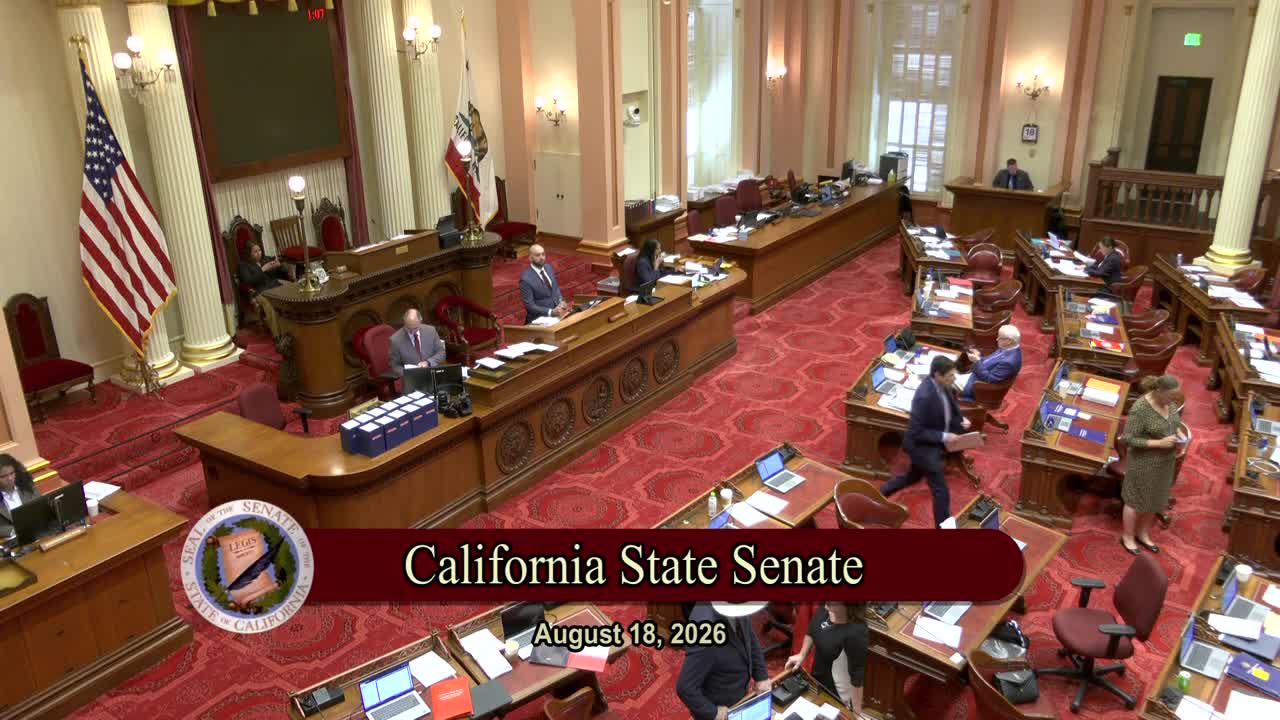
| Aug 18, 2026 | Read third time. Passed. Ordered to the Assembly. (Ayes 37. Noes 0.). |
| Aug 18, 2026 | Read third time. Passed. Ordered to the Assembly. (Ayes 37. Noes 0. Page 5520.). |
| Jun 11, 2026 | Read second time. Ordered to third reading. |
| Jun 10, 2026 | From committee: Do pass. (Ayes 5. Noes 0.) (June 10). |
| May 27, 2026 | Referred to Com. on L., P.E. & R. |
| May 14, 2026 | In Senate. Read first time. To Com. on RLS. for assignment. |
| May 14, 2026 | Read third time. Passed. Ordered to the Senate. (Ayes 77. Noes 0. Page 5055.) |
| May 14, 2026 | Read third time. Passed. Ordered to the Senate. (Ayes 77. Noes 0.) |
| May 7, 2026 | Read second time. Ordered to Consent Calendar. |
| May 6, 2026 | From committee: Do pass. To Consent Calendar. (Ayes 14. Noes 0.) (May 6). |
| Apr 22, 2026 | From committee: Do pass and re-refer to Com. on APPR. with recommendation: To Consent Calendar. (Ayes 16. Noes 0.) (April 22). Re-referred to Com. on APPR. |
| Apr 20, 2026 | Re-referred to Com. on INS. |
| Apr 16, 2026 | From committee chair, with author's amendments: Amend, and re-refer to Com. on INS. Read second time and amended. |
| Mar 17, 2026 | Re-referred to Com. on INS. |
| Mar 16, 2026 | Referred to Com. on INS. |
| Mar 16, 2026 | From committee chair, with author's amendments: Amend, and re-refer to Com. on INS. Read second time and amended. |
| Feb 20, 2026 | From printer. May be heard in committee March 22. |
| Feb 19, 2026 | Read first time. To print. |
|
Date
|
Description
|
Location
|
Votes
|
|
|---|---|---|---|---|
| Aug 18, 2026 | Assembly 3rd Reading AB2292 Ward By Smallwood-Cuevas | Senate Floor |
Passed |
|
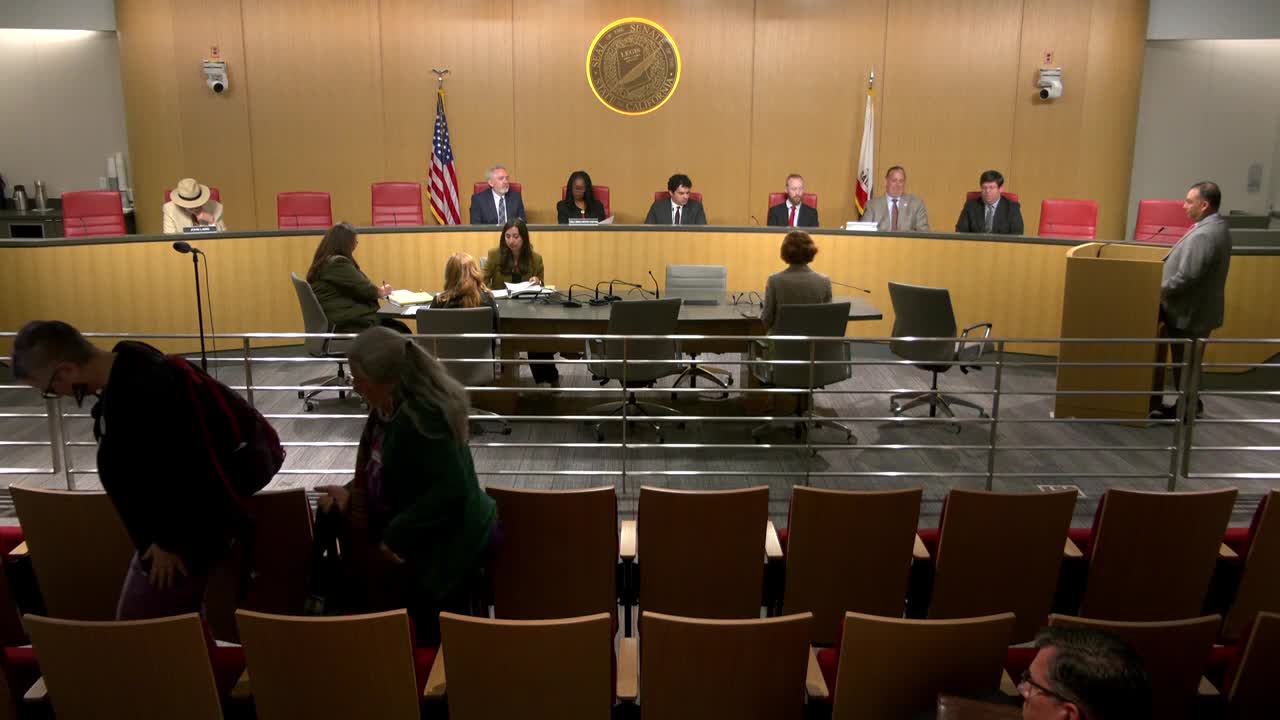
| Jun 10, 2026 | Do pass | Senate Standing Committee on Labor, Public Employment and Retirement |
Passed |
|
| May 14, 2026 | AB 2292 Ward Consent Calendar Second Day Regular Session | Assembly Floor |
Passed |
|
| May 6, 2026 | Do pass. To Consent Calendar. | Assembly Standing Committee on Appropriations |
Passed |
|
| Apr 22, 2026 | Do pass and be re-referred to the Committee on [Appropriations] with recommendation: To Consent Calendar | Assembly Standing Committee on Insurance |
Passed |
This list shows positions taken on this bill by organizations on the date displayed, which is linked to the original source.
Positions by individuals are not included.
|
Organization
|
Position
|
Date
|
|---|---|---|
| California Orthopedic Association | ** Against | |
| California Podiatric Medical Association | ** Against |
SENATE RULES COMMITTEE Office of Senate Floor Analyses (916) 651-4171 | AB 2292 |
THIRD READING
Bill No: AB 2292
Author: Ward (D)
Amended: 4/16/26 in Assembly
Vote: 21
SENATE LABOR, PUB. EMP. & RET. COMMITTEE: 5-0, 6/10/26
AYES: Smallwood-Cuevas, Strickland, Cortese, Durazo, Laird
ASSEMBLY FLOOR: 77-0, 5/14/26 (Consent) - See last page for vote
SUBJECT: Disability benefits: certificates
SOURCE: Author
DIGEST:
This bill prohibits a physician or practitioner from charging an administrative fee to complete forms required to certify eligibility for paid family or medical leave, but specifies that this does not prohibit a physician or practitioner from billing for medical services provided in connection with an examination or collecting an applicable copayment or deductible, as specified.
ANALYSIS:
Existing law:
- Establishes the State Disability Insurance (SDI) program, funded entirely by employees through a mandatory state payroll tax, to provide short-term wage replacement benefits to eligible workers who are unable to work due to a non-work-related illness or injury for a maximum of 52 weeks. SDI benefits can be used for an illness or injury, either physical or mental, which prevents an employee from performing their regular and customary work and includes elective surgery, pregnancy, childbirth, or other medical conditions. (Unemployment Insurance Code §2601-3308)
- Provides that a disabled individual is eligible to receive SDI benefits for each full day during which the individual is unemployed due to a disability only if:
- The individual has made a claim for disability benefits as required by regulations.
- The individual has been unemployed and disabled for a waiting period of seven consecutive days during each disability benefit period, with respect to which waiting period no disability benefits are payable.
- The individual has submitted to reasonable examinations as the director may require for the purpose of determining their disability.
- The individual has filed a certificate of a treating physician or practitioner that establishes the sickness, injury, or pregnancy of the employee or their family member, as specified, establishing medical eligibility for SDI benefits.
(Unemployment Insurance Code §2627 & §2708)
- Provides, through the Paid Family Leave (PFL) program, a component of SDI, eligible employees up to eight weeks of wage replacement benefits within a 12-month period to workers who need to take time off work to care for a seriously ill child, spouse, parent, grandparent, grandchild, sibling, or domestic partner; to bond with a minor child within one year of the birth or placement of the child in connection with foster care or adoption; or to participate in a qualifying event because of a family member’s military deployment. (Unemployment Insurance Code §3301)
- Pursuant to the SDI or PFL program, provides a weekly benefit amount based on the individual’s wages, with a minimum weekly benefit amount of $50 and a maximum weekly benefit amount of $1,765. (Unemployment Insurance Code §2655(f) & §3301)
- Provides that, except as specified, an individual is not eligible for SDI benefits for any day of unemployment and disability for which the individual has received or is entitled to receive “other benefits” in the form of cash payments, including temporary disability indemnity under any workers’ compensation law, temporary disability benefits under any employer’s liability law, and permanent disability benefits for the same injury or illness under any workers’ compensation law. (Unemployment Insurance Code §2629)
- Prohibits a health care provider from charging a fee to a patient for filling out forms or providing information responsive to forms that support a claim or appeal regarding eligibility for a public benefit program, as specified. (Health and Safety Code §123114)
This bill:
- Prohibits a physician or practitioner from charging a person an administrative fee to complete a form for a certificate to establish medical eligibility for SDI or PFL benefits.
- Prohibits a physician or practitioner from charging an administrative fee for a subsequent recertification examination or for completing a form required to maintain continued eligibility for disability benefits.
- Clarifies that these provisions do not prohibit a physician or practitioner from billing for medical services provided in connection with an examination, or from collecting any applicable copayment, coinsurance, or deductible, if those charges are consistent with charges for a comparable medical examination or service and are not imposed solely for the completion of a certificate or form required to receive SDI or PFL benefits.
Background
The State Disability Insurance program, administered by the Employment Development Department (EDD), was created in 1946 to provide monetary benefits to workers unable to work due to non-work-related illness, injury, or pregnancy. The SDI program is financed solely by worker contributions and covers approximately 18 million individuals across the state. The payroll deduction and maximum benefit amount are determined annually by EDD. As of January 1, 2026, the employee payroll deduction is set at 1.3% of the employee’s wages.
In 2004, California was the first state in the nation to implement a Paid Family Leave program (administered as part of SDI) that provides benefits to workers who need to take time off to care for a seriously ill family member, or to bond with a new child either from birth, adoption, or foster care placement. Effective January 1, 2021, the PFL scope was expanded to include employees taking time off work to assist a military family member under covered active duty or call to covered active duty. PFL provides up to eight weeks of wage replacement benefits.
In 2022, SB 951 (Durazo, Chapter 878, Statutes of 2022) was adopted to, among other things, for claims commencing on or after January 1, 2025, revise the formula for determining benefits under both the SDI and PFL programs to provide an increased wage replacement rate ranging from 70-90% based on the individual’s wages.
In Fiscal Year 2024-25, SDI paid out over 725,000 claims, a totaling over $11 billion in benefits paid. These claims had an average weekly benefit amount of $879, and an average claim duration of 17.78 weeks.[1] Depending on the claimant’s typical wages, SDI can entitle the claimant to anywhere from $50 to $1,765 per week.
In Fiscal Year 2024-25, California paid out over 300,000 PFL claims, totaling over $2 billion in benefits paid. These claims had an average weekly benefit amount of $996, and an average claim duration of 7.1 weeks. Roughly 15% of PFL claims in FY 2024-25 were for caring for a seriously ill or disabled loved one.[2]
Establishing SDI/PFL Eligibility: Applying for SDI or PFL benefits requires the applicant to submit a claim with the EDD, either online or on paper, and file a medical certificate from a treating physician or practitioner that establishes the sickness, injury, or pregnancy of the employee or their family member, demonstrating medical eligibility. This may mean that the individual must undergo reasonable examinations by a physician or practitioner to establish such eligibility and get the required paperwork completed by the physician or practitioner.
According to EDD, existing law does not currently prohibit a physician or practitioner from charging a fee to complete an SDI form. Additionally, a nurse practitioner or physician assistant can certify a claimant for any medical conditions within their scope of practice. However, to certify a disability other than normal pregnancy and childbirth, the nurse practitioner or physician assistant must perform a physical examination and collaborate with a physician or surgeon.
According to information provided by the author, some SDI claimants report fees of up to $300 for their providers to complete required claim forms, and some providers do not certify claims for extended durations, instead requiring claimants to obtain medical certifications through recurring appointments. As a result, some patients—particularly those already facing financial hardship due to temporary disability—are required to pay out-of-pocket fees simply to access benefits they are otherwise entitled to receive and for which they have already been taxed. These fees can create a financial barrier to accessing or maintaining disability benefits, reduce overall benefits, and exacerbate economic insecurity for vulnerable workers.
This bill seeks to prohibit the practice of charging fees for the completion of SDI and PFL eligibility certificates necessary to establish a claim, in order to mitigate the hardship endured by those who cannot work due to disability or caretaking responsibilities.
Existing Prohibition on Administrative Fees for Public Benefit Programs: In 2020, the California Legislature passed AB 2520 (Chiu, Chapter 101, Statutes of 2020), which, among other things, added Section 123114 to the Health & Safety Code prohibiting a health care provider from charging a fee to a patient for filling out forms or providing information responsive to forms that support a claim or appeal regarding eligibility for a public benefit program. This code section additionally requires a health care provider to provide information responsive to those portions of the form for which the health care provider has the information necessary to provide a medical opinion. If the health care provider does not have the information necessary to provide a medical opinion, the health care provider may inform the patient if an examination is necessary to obtain the information.
For purposes of this prohibition, Health & Safety Code Section 123114(d) defines a public benefit program to include the Medi-Cal program, the In-Home Supportive Services Program (IHSS), the CalWORKs program, Social Security Disability Insurance benefits (SSDI), Supplemental Security Income/State Supplementary Program for the Aged, Blind and Disabled (SSI/SSP) benefits, federal veterans service-connected compensation and nonservice connected pension disability benefits, discharge of a federal student loan based on total and permanent disability, CalFresh, the Cash Assistance Program for Aged, Blind, and Disabled Legal Immigrants (CAPI), and a government-funded housing subsidy or tenant-based housing assistance program.
It is unclear whether this code section could apply to certificates and forms necessary for SDI and PFL claims since those programs are not specifically listed but the use of the term “includes” could suggest that the list is not exhaustive. However, EDD’s website specifically says that current law does not prohibit a physician or practitioner from charging a fee to complete an SDI form.
This bill would align the SDI and PFL medical claim certificates provisions with that of public benefit programs where health care providers are prohibited from charging a fee for completing these forms.
Need for this bill?. According to the author:
“Administrative fees can create a barrier for SDI claimants who file a claim. If an SDI claimant is unable to pay the fee to complete their claim form, this can result in a delay in filing or continuing their claim until the fee is paid. These fees also reduce the total amount of money available to claimants during their leave. There are currently no statutes or regulations requiring or prohibiting providers from charging an administrative fee for SDI claim forms. AB 2292 addresses this deficiency by explicitly prohibiting providers from charging administrative fees for completing initial certification forms, recertifications, or any documentation required to maintain eligibility for disability benefits. This ensures equitable access to benefits and removes unnecessary financial barriers during periods of medical hardship.”
Related/Prior Legislation
AB 2054 (Gipson, 2026) would expand the definition of “covered active duty” for purposes of eligibility for PFL benefits to include duty during training, domestic deployments, and, for reservists and members of the National Guard, calls to state active duty.
SB 1090 (Durazo, Chapter 876, Statutes of 2024) authorized workers to file a claim for SDI or PFL benefits up to 30 days in advance of the first compensable day of disability and requires EDD to issue payment on those claims within 14 days of receipt or as soon as eligibility begins for the claimant, whichever is later. This change becomes operative when they are incorporated in EDD’s integrated claims management system as part of the EDDNext Project.
SB 951 (Durazo, Chapter 878, Statutes of 2022), revised the formula for the computation of SDI and PFL benefits to increase the wage replacement available to claimants.
SB 1058 (Durazo, Chapter 317, Statutes of 2022), required EDD to collect demographic data, including race and ethnicity data and sexual orientation and gender identity data, for individuals who claim disability benefits under the SDI and PFL programs.
AB 2520 (Chiu, Chapter 101, Statutes of 2020) expands the ability of a patient or a patient’s representative to a obtain a copy, at no charge, of the relevant portion of the patient’s medical records that are needed to support a claim or appeal regarding eligibility for certain benefit programs, as specified, and prohibits a health care provider from charging a fee to a patient for filling out forms or providing information responsive to forms that support a claim or appeal for a public benefit program.
FISCAL EFFECT: Appropriation: No Fiscal Com.: No Local: No
SUPPORT: (Verified 6/10/26)
None received
OPPOSITION: (Verified 6/10/26)
California Orthopedic Association
California Podiatric Medical Association
ARGUMENTS IN OPPOSITION: The California Orthopedic Association and the California Podiatric Medical Association are opposed to the measure unless it is amended to cap at between $25 or $50, rather than eliminate, the administrative fee physicians, podiatrists, and other health care providers may charge for completing disability certification and recertification forms. They write that this bill:
“fails to recognize that completing disability certification paperwork requires physician and staff time, review of medical records, professional judgment, and administrative resources. These forms are not simply clerical documents. Physicians must ensure that the information submitted is accurate, medically supported, and consistent with the patient’s condition, functional limitations, and expected duration of disability. That work takes time away from patient care and imposes real costs on medical practices.
If physicians are prohibited from charging any administrative fee, practices will be forced either to absorb those costs without compensation or decline to complete the forms altogether. Neither outcome serves patients. Patients seeking disability benefits need timely access to treating physicians who are willing and able to complete the required documentation. Eliminating any ability to recover the administrative cost of that work could make it more difficult for patients to obtain the certifications necessary to access benefits.
A more balanced approach would be to allow a modest administrative fee, as low as a modest $25. This would protect patients from excessive charges while recognizing the time and resources required to complete disability-related forms. A reasonable fee ceiling provides a fair compromise: it preserves patient access, prevents abuse, and avoids imposing an uncompensated mandate on physician practices.”
ASSEMBLY FLOOR: 77-0, 5/14/26
AYES: Addis, Aguiar-Curry, Ahrens, Alanis, Alvarez, Ávila Farías, Bains, Bauer-Kahan, Bennett, Berman, Boerner, Bonta, Bryan, Calderon, Caloza, Carrillo, Castillo, Chen, Connolly, Davies, DeMaio, Dixon, Elhawary, Ellis, Fong, Gabriel, Gallagher, Garcia, Gipson, Jeff Gonzalez, Mark González, Hadwick, Haney, Harabedian, Hart, Hoover, Irwin, Jackson, Johnson, Kalra, Krell, Lackey, Lee, Lowenthal, Macedo, McKinnor, Muratsuchi, Nguyen, Ortega, Pacheco, Papan, Patel, Patterson, Pellerin, Petrie-Norris, Quirk-Silva, Ramos, Ransom, Michelle Rodriguez, Rogers, Blanca Rubio, Sanchez, Schiavo, Schultz, Sharp-Collins, Solache, Soria, Stefani, Ta, Tangipa, Valencia, Wallis, Ward, Wicks, Wilson, Zbur, Rivas
NO VOTE RECORDED: Arambula, Flora, Celeste Rodriguez
Prepared by: Alma Perez-Schwab / L., P.E. & R. / (916) 651-1556
6/12/26 12:50:10
**** END ****
State Disability Insurance Program Statistics, California Employment Development Department, 2026. https://edd.ca.gov/en/about_edd/quick_statistics/ ↑
Paid Family Leave Program Statistics, California Employment Development Department, 2026.
https://edd.ca.gov/siteassets/files/about_edd/quick-stats/qspfl_pfl_program_statistics.pdf ↑
SENATE COMMITTEE ON LABOR, PUBLIC EMPLOYMENT AND RETIREMENT
Senator Lola Smallwood-Cuevas, Chair
2025 - 2026 Regular
Bill No: AB 2292 Hearing Date: June 10, 2026
Author: | Ward | ||
Version: | April 16, 2026 | ||
Urgency: | No | Fiscal: | No |
Consultant: | Alma Perez-Schwab | ||
SUBJECT: Disability benefits: certificates
KEY ISSUE
This bill prohibits a physician or practitioner from charging an administrative fee to complete forms required to certify eligibility for paid family or medical leave, but specifies that this does not prohibit a physician or practitioner from billing for medical services provided in connection with an examination or collecting an applicable copayment or deductible, as specified.
ANALYSIS
Existing law:
- Establishes the State Disability Insurance (SDI) program, funded entirely by employees through a mandatory state payroll tax, to provide short-term wage replacement benefits to eligible workers who are unable to work due to a non-work-related illness or injury for a maximum of 52 weeks. SDI benefits can be used for an illness or injury, either physical or mental, which prevents an employee from performing their regular and customary work and includes elective surgery, pregnancy, childbirth, or other medical conditions. (Unemployment Insurance Code §2601-3308)
- Provides that a disabled individual is eligible to receive SDI benefits for each full day during which the individual is unemployed due to a disability only if:
- The individual has made a claim for disability benefits as required by regulations.
- The individual has been unemployed and disabled for a waiting period of seven consecutive days during each disability benefit period, with respect to which waiting period no disability benefits are payable.
- The individual has submitted to reasonable examinations as the director may require for the purpose of determining their disability.
- The individual has filed a certificate of a treating physician or practitioner that establishes the sickness, injury, or pregnancy of the employee or their family member, as specified, establishing medical eligibility for SDI benefits.
(Unemployment Insurance Code §2627 & §2708)
- Provides, through the Paid Family Leave (PFL) program, a component of SDI, eligible employees up to eight weeks of wage replacement benefits within a 12-month period to workers who need to take time off work to care for a seriously ill child, spouse, parent, grandparent, grandchild, sibling, or domestic partner; to bond with a minor child within one year of the birth or placement of the child in connection with foster care or adoption; or to participate in a qualifying event because of a family member’s military deployment. (Unemployment Insurance Code §3301)
- Pursuant to the SDI or PFL program, provides a weekly benefit amount based on the individual’s wages, with a minimum weekly benefit amount of $50 and a maximum weekly benefit amount of $1,765. (Unemployment Insurance Code §2655(f) & §3301)
- Provides that, except as specified, an individual is not eligible for SDI benefits for any day of unemployment and disability for which the individual has received or is entitled to receive “other benefits” in the form of cash payments, including temporary disability indemnity under any workers’ compensation law, temporary disability benefits under any employer’s liability law, and permanent disability benefits for the same injury or illness under any workers’ compensation law. (Unemployment Insurance Code §2629)
- Prohibits a health care provider from charging a fee to a patient for filling out forms or providing information responsive to forms that support a claim or appeal regarding eligibility for a public benefit program, as specified. (Health and Safety Code §123114)
This bill:
- Prohibits a physician or practitioner from charging a person an administrative fee to complete a form for a certificate to establish medical eligibility for SDI or PFL benefits.
- Prohibits a physician or practitioner from charging an administrative fee for a subsequent recertification examination or for completing a form required to maintain continued eligibility for disability benefits.
- Clarifies that these provisions do not prohibit a physician or practitioner from billing for medical services provided in connection with an examination, or from collecting any applicable copayment, coinsurance, or deductible, if those charges are consistent with charges for a comparable medical examination or service and are not imposed solely for the completion of a certificate or form required to receive SDI or PFL benefits.
COMMENTS
State Disability Insurance and the Paid Family Leave Program
The State Disability Insurance program, administered by the Employment Development Department (EDD), was created in 1946 to provide monetary benefits to workers unable to work due to non-work-related illness, injury, or pregnancy. The SDI program is financed solely by worker contributions and covers approximately 18 million individuals across the state. The payroll deduction and maximum benefit amount are determined annually by EDD. As of January 1, 2026, the employee payroll deduction is set at 1.3% of the employee’s wages.
In 2004, California was the first state in the nation to implement a Paid Family Leave program (administered as part of SDI) that provides benefits to workers who need to take time off to care for a seriously ill family member, or to bond with a new child either from birth, adoption, or foster care placement. Effective January 1, 2021, the PFL scope was expanded to include employees taking time off work to assist a military family member under covered active duty or call to covered active duty. PFL provides up to eight weeks of wage replacement benefits.
In 2022, SB 951 (Durazo, Chapter 878, Statutes of 2022) was adopted to, among other things, for claims commencing on or after January 1, 2025, revise the formula for determining benefits under both the SDI and PFL programs to provide an increased wage replacement rate ranging from 70-90 percent based on the individual’s wages.
In Fiscal Year 2024-25, SDI paid out over 725,000 claims, a totaling over $11 billion in benefits paid. These claims had an average weekly benefit amount of $879, and an average claim duration of 17.78 weeks.[1] Depending on the claimant’s typical wages, SDI can entitle the claimant to anywhere from $50 to $1,765 per week.
In Fiscal Year 2024-25, California paid out over 300,000 PFL claims, totaling over $2 billion in benefits paid. These claims had an average weekly benefit amount of $996, and an average claim duration of 7.1 weeks. Roughly 15% of PFL claims in FY 2024-25 were for caring for a seriously ill or disabled loved one.[2]
Establishing SDI/PFL Eligibility
Applying for SDI or PFL benefits requires the applicant to submit a claim with the EDD, either online or on paper, and file a medical certificate from a treating physician or practitioner that establishes the sickness, injury, or pregnancy of the employee or their family member, demonstrating medical eligibility. This may mean that the individual must undergo reasonable examinations by a physician or practitioner to establish such eligibility and get the required paperwork completed by the physician or practitioner.
According to EDD, existing law does not currently prohibit a physician or practitioner from charging a fee to complete an SDI form. Additionally, a nurse practitioner or physician assistant can certify an claimant for any medical conditions within their scope of practice. However, to certify a disability other than normal pregnancy and childbirth, the nurse practitioner or physician assistant must perform a physical examination and collaborate with a physician or surgeon.
According to information provided by the author, some SDI claimants report fees of up to $300 for their providers to complete required claim forms, and some providers do not certify claims for extended durations, instead requiring claimants to obtain medical certifications through recurring appointments. As a result, some patients—particularly those already facing financial hardship due to temporary disability—are required to pay out-of-pocket fees simply to access benefits they are otherwise entitled to receive and for which they have already been taxed. These fees can create a financial barrier to accessing or maintaining disability benefits, reduce overall benefits, and exacerbate economic insecurity for vulnerable workers.
This bill seeks to prohibit the practice of charging fees for the completion of SDI and PFL eligibility certificates necessary to establish a claim, in order to mitigate the hardship endured by those who cannot work due to disability or caretaking responsibilities.
Existing Prohibitions on Administrative Fees for Public Benefit Programs
In 2020, the California Legislature passed AB 2520 (Chiu, Chapter 101, Statutes of 2020), which, among other things, added Section 123114 to the Health & Safety Code prohibiting a health care provider from charging a fee to a patient for filling out forms or providing information responsive to forms that support a claim or appeal regarding eligibility for a public benefit program. This code section additionally requires a health care provider to provide information responsive to those portions of the form for which the health care provider has the information necessary to provide a medical opinion. If the health care provider does not have the information necessary to provide a medical opinion, the health care provider may inform the patient if an examination is necessary to obtain the information.
For purposes of this prohibition, Health & Safety Code Section 123114(d) defines a public benefit program to include the Medi-Cal program, the In-Home Supportive Services Program (IHSS), the CalWORKs program, Social Security Disability Insurance benefits (SSDI), Supplemental Security Income/State Supplementary Program for the Aged, Blind and Disabled (SSI/SSP) benefits, federal veterans service-connected compensation and nonservice connected pension disability benefits, discharge of a federal student loan based on total and permanent disability, CalFresh, the Cash Assistance Program for Aged, Blind, and Disabled Legal Immigrants (CAPI), and a government-funded housing subsidy or tenant-based housing assistance program.
It is unclear whether this code section could apply to certificates and forms necessary for SDI and PFL claims since those programs are not specifically listed but the use of the term “includes” could suggest that the list is not exhaustive. However, EDD’s website specifically says that current law does not prohibit a physician or practitioner from charging a fee to complete an SDI form.
This bill would align the SDI and PFL medical claim certificates provisions with that of public benefit programs where health care providers are prohibited from charging a fee for completing these forms.
2. Need for this bill?
According to the author:
“Administrative fees can create a barrier for SDI claimants who file a claim. If an SDI claimant is unable to pay the fee to complete their claim form, this can result in a delay in filing or continuing their claim until the fee is paid. These fees also reduce the total amount of money available to claimants during their leave. There are currently no statutes or regulations requiring or prohibiting providers from charging an administrative fee for SDI claim forms. AB 2292 addresses this deficiency by explicitly prohibiting providers from charging administrative fees for completing initial certification forms, recertifications, or any documentation required to maintain eligibility for disability benefits. This ensures equitable access to benefits and removes unnecessary financial barriers during periods of medical hardship.”
3. Proponent Arguments:
None received.
4. Opponent Arguments:
The California Orthopaedic Association and the California Podiatric Medical Association are opposed to the measure unless it is amended to cap at between $25 or $50, rather than eliminate, the administrative fee physicians, podiatrists, and other health care providers may charge for completing disability certification and recertification forms. They write that this bill:
“fails to recognize that completing disability certification paperwork requires physician and staff time, review of medical records, professional judgment, and administrative resources.
These forms are not simply clerical documents. Physicians must ensure that the information submitted is accurate, medically supported, and consistent with the patient’s condition, functional limitations, and expected duration of disability. That work takes time away from patient care and imposes real costs on medical practices.
If physicians are prohibited from charging any administrative fee, practices will be forced either to absorb those costs without compensation or decline to complete the forms altogether. Neither outcome serves patients. Patients seeking disability benefits need timely access to treating physicians who are willing and able to complete the required documentation. Eliminating any ability to recover the administrative cost of that work could make it more difficult for patients to obtain the certifications necessary to access benefits.
A more balanced approach would be to allow a modest administrative fee, as low as a modest $25. This would protect patients from excessive charges while recognizing the time and resources required to complete disability-related forms. A reasonable fee ceiling provides a fair compromise: it preserves patient access, prevents abuse, and avoids imposing an uncompensated mandate on physician practices.”
5. Prior/Related Legislation:
AB 2054 (Gipson, 2026) would expand the definition of “covered active duty” for purposes of eligibility for PFL benefits to include duty during training, domestic deployments, and, for reservists and members of the National Guard, calls to state active duty. This bill is pending hearing before this Committee.
AB 2520 (Chiu, Chapter 101, Statutes of 2020) expands the ability of a patient or a patient’s representative to a obtain a copy, at no charge, of the relevant portion of the patient’s medical records that are needed to support a claim or appeal regarding eligibility for certain benefit programs, as specified, and prohibiting a health care provider from charging a fee to a patient for filling out forms or providing information responsive to forms that support a claim or appeal for a public benefit program.
SB 1090 (Durazo, Chapter 876, Statutes of 2024) authorized workers to file a claim for SDI or PFL benefits up to 30 days in advance of the first compensable day of disability and requires EDD to issue payment on those claims within 14 days of receipt or as soon as eligibility begins for the claimant, whichever is later. This change becomes operative when they are incorporated in EDD’s integrated claims management system as part of the EDDNext Project.
SB 951 (Durazo, Chapter 878, Statutes of 2022), revised the formula for the computation of SDI and PFL benefits to increase the wage replacement available to claimants.
SB 1058 (Durazo, Chapter 317, Statutes of 2022), required EDD to collect demographic data, including race and ethnicity data and sexual orientation and gender identity data, for individuals who claim disability benefits under the SDI and PFL programs.
SUPPORT
None received
OPPOSITION
California Orthopaedic Association
California Podiatric Medical Association
-- END --
State Disability Insurance Program Statistics, California Employment Development Department, 2026. https://edd.ca.gov/en/about_edd/quick_statistics/ ↑
Paid Family Leave Program Statistics, California Employment Development Department, 2026.
https://edd.ca.gov/siteassets/files/about_edd/quick-stats/qspfl_pfl_program_statistics.pdf ↑
Date of Hearing: May 6, 2026
ASSEMBLY COMMITTEE ON APPROPRIATIONS
Buffy Wicks, Chair
ABPCA Bill Id:AB 2292
Author:(Ward) – As Amended Ver:April 16, 2026
Policy Committee: | Insurance | Vote: | 16 - 0 |
|
| ||
|
|
Urgency: No State Mandated Local Program: No Reimbursable: No
SUMMARY:
This bill prohibits a physician or other licensed practitioner from charging an administrative fee to complete a certificate or form pertaining to eligibility or recertification for paid family or medical leave.
This bill maintains that a physician or practitioner may bill for medical services provided in connection with an exam, if such charges are not imposed solely for the completion of a certificate or form.
FISCAL EFFECT:
Minor and absorbable costs to applicable healing arts licensing boards under the Department of Consumer Affairs to receive and investigate related consumer complaints.
COMMENTS:
- Purpose. According to the author:
Californians who are temporarily unable to work due to illness, injury, pregnancy, or family leave should not face additional financial barriers when accessing [State Disability Insurance (SDI)] benefits they have contributed to. Unfortunately, some providers charge excessive administrative fees simply to complete the paperwork required to access these benefits. AB 2292 ensures that patients are not charged by their providers or practitioners for completing required SDI forms, removing an unnecessary burden during times of financial and medical hardship.
- SDI. The SDI program provides partial wage replacement for a worker unable to work due to an injury that was not occupational in origin. Paid Family Leave (PFL) was enacted in 2002 as an expansion of the SDI program, extending disability compensation to individuals who take time off work to care for a seriously ill child, spouse, parent, or domestic partner, or to bond with a new minor child. SDI and PFL are financed solely by worker contributions through an employee payroll deduction, with the deduction and maximum benefit amount determined annually by the Employment Development Department (EDD). In order to qualify for SDI or PFL, an individual must submit a claim to EDD and undergo reasonable exams to demonstrate disability. The claimant must file a certificate from the treating physician or practitioner that establishes the sickness, injury, or pregnancy of the employee or their family member demonstrating medical eligibility.
AB 2520 (Chiu), Chapter 101, Statutes of 2020, prohibits a health care provider from charging a fee to a patient for filling out forms or providing information responsive to forms supporting a claim or appeal regarding eligibility for a public benefit program. As noted in the Assembly Insurance Committee’s analysis of this bill, it is unclear whether AB 2520 already applies to certificates and forms supporting a claim for SDI or PFL:
While SDI and PFL are not specifically listed among the many public benefit programs in the operative definition for “public benefit program,” the definition indicates that “public benefit program includes” the listed programs. This suggests that the list is not exhaustive.
This bill explicitly prohibits a physician or practitioner from charging an administrative fee to complete a certificate or form pertaining to eligibility or recertification for SDI or PFL.
Analysis Prepared by: Irene Ho / APPR. / (916) 319-2081
Date of Hearing: April 22, 2026
ASSEMBLY COMMITTEE ON INSURANCE
Lisa Calderon, Chair
ABPCA Bill Id:AB 2292 (
Author:Ward) – As Amended Ver:April 16, 2026
SUBJECT: Disability benefits: certificates
SUMMARY: Prohibits physicians and other licensed practitioners from charging administrative fees to complete forms pertaining to eligibility for paid family or medical leave. Specifically, this bill:
- Prohibits a physician or practitioner from charging a person an administrative fee to complete a form for a certificate to establish medical eligibility for state disability insurance (SDI) benefits.
- Prohibits a physician or practitioner from charging an administrative fee for a subsequent recertification examination or for completing a form required to maintain continued eligibility for SDI benefits.
- Clarifies that the bill does not prohibit a physician or practitioner from billing for medical services provided in connection with an examination, or from collecting any applicable copayment, coinsurance, or deductible, if those charges are consistent with charges for a comparable medical examination or service and are not imposed solely for the completion of a certificate or form required to receive SDI benefits.
EXISTING LAW:
- Establishes a SDI program administered by the Employment Development Department (EDD) for the purpose compensating for the wage loss sustained by any individual who is unable to work due to the employee’s non-work-related sickness or injury, the sickness or injury of a family member, or the birth, adoption, or foster care placement of a new child, and to reduce to a minimum the suffering caused by unemployment resulting therefrom. (Unemployment Insurance (UI) Code Section 2601, et seq.)
- Establishes the Disability Insurance (DI) Fund as a special fund in the State Treasury, separate and apart from all other public money or funds of the state, to be administered under the direction of the director of EDD exclusively for the purpose specified in 1), except as specified, and provides that SDI benefits are payable from the Disability Fund to eligible individuals. (UI Code Secs. 3001(a) & 2625)
- Specifies that an individual shall be deemed disabled on any day in which, because of their physical or mental condition, the individual is unable to perform their regular or customary work. (UI Code Sec. 2626(a))
- Provides that a disabled individual is eligible to receive disability benefits for each full day during which the individual is unemployed due to a disability only if:
- The individual has made a claim for disability benefits as required by regulations.
- The individual has been unemployed and disabled for a waiting period of seven consecutive days during each disability benefit period, with respect to which waiting period no disability benefits are payable.
- The individual has submitted to reasonable examinations as the director may require for the purpose of determining their disability.
- The individual has filed a certificate of a treating physician or practitioner that establishes the sickness, injury, or pregnancy of the employee or their family member, as specified, establishing medical eligibility for SDI benefits. (UI Code Secs. 2627 & 2708)
- Provides that statute pertaining to the SDI program shall be construed liberally in aid of its declared purpose to mitigate the evils and burdens that fall on the unemployed worker and their family. (UI Code Sec. 2601)
- Establishes, within the SDI program, a family temporary disability insurance program (i.e. Paid Family Leave, or PFL), which provides up to eight weeks of wage replacement benefits to workers who take time off work to care for a seriously ill family member or other designated person with a comparable relationship, to bond with a minor child within one year of the birth or placement of the child in connection with foster care or adoption, or to participate in a qualifying exigency related to the covered active duty or call to covered active duty of the individual’s spouse, domestic partner, child, or parent in the Armed Forces of the United States. (UI Code Sec. 3301(a)(1))
- Pursuant to the SDI or PFL program, provides a weekly benefit amount based on the individual’s wages, with a minimum weekly benefit amount of $50 and a maximum weekly benefit amount of $1,765. (UI Code Sec. 2655(f) & 3301)
- Provides that, except as specified, an individual is not eligible for SDI benefits for any day of unemployment and disability for which the individual has received or is entitled to receive “other benefits” in the form of cash payments, including temporary disability indemnity under any workers’ compensation law, temporary disability benefits under any employer’s liability law, and permanent disability benefits for the same injury or illness under any workers’ compensation law. (UI Code Sec. 2629)
- Prohibits a health care provider from charging a fee to a patient for filling out forms or providing information responsive to forms that support a claim or appeal regarding eligibility for a public benefit program, as specified. (Health & Safety Code Sec. 123114(a) & (d))
FISCAL EFFECT: This bill has been keyed non-fiscal by Legislative Counsel.
COMMENTS:
- Purpose. According to the author:
Californians who are temporarily unable to work due to illness, injury, pregnancy, or family leave should not face additional financial barriers when accessing SDI benefits they have contributed to. Unfortunately, some providers charge excessive administrative fees simply to complete the paperwork required to access these benefits. AB 2292 ensures that patients are not charged by their providers or practitioners for completing required SDI forms, removing an unnecessary burden during times of financial and medical hardship. This bill is about fairness, access, and protecting workers when they need support the most.
This bill is author-sponsored.
- State Disability Insurance. If a California worker is injured on the job and unable to work, the employer is required to pay temporary total disability indemnity to compensate for lost wages. If a worker is unable to work due to an injury that was not occupational in origin, the SDI program provides partial wage replacement during that time.
The SDI program is funded by the proceeds of an employee payroll deduction deposited into the DI Fund. The payroll deduction and maximum benefit amount are determined annually by EDD. As of January 1, 2026, the employee payroll deduction is set at 1.3% of the employee’s wages. In 2024, California removed the cap on taxable wages for SDI, meaning the 1.3% deduction is applicable to the entirety of the individual’s wages.
For 2026, EDD set the maximum weekly benefit amount at $1,765 per week. This means, depending on the claimant’s typical wages, SDI can entitle the claimant to anywhere from $50 to $1,765 per week. In Fiscal Year (FY) 2024-25, SDI paid out over 725,000 claims, a totaling over $11 billion in benefits paid. These claims had an average weekly benefit amount of $879, and an average claim duration of 17.78 weeks.
In 2002, California passed SB 1661 (Kuehl, Ch. 901, Stats. 2002), which made California the first state to establish a PFL program. California’s PFL program is housed within the state’s SDI program, is also paid out of the DI Fund, and extends disability compensation to individuals who take time off of work to care for a seriously ill child, spouse, parent, domestic partner, or designated person, or to bond with a new minor child. In FY 2024-25, California paid out over 300,000 PFL claims, totaling over $2 billion in benefits paid. These claims had an average weekly benefit amount of $996, and an average claim duration of 7.1 weeks. Roughly 15% of PFL claims in FY 2024-25 were for caring for a seriously ill or disabled loved one.
In order to qualify for SDI, an individual must submit a claim to EDD, and the injured individual must undergo reasonable examinations to demonstrate disability. The individual seeking benefits must also file a certificate from a treating physician or practitioner that establishes the sickness, injury, or pregnancy of the employee or their family member, demonstrating medical eligibility.
According to the author, some SDI claimants report fees of up to $300 for their providers to complete required claim forms, and some providers do not certify claims for extended durations, instead requiring claimants to obtain medical certifications through recurring appointments. This can result in the need to recertify SDI eligibility monthly, significantly increasing the cost of the claims process by compounding administrative fees. Generally speaking, claims forms and certificates are relatively routine for physicians and other practitioners to complete, and arguably do not warrant such exorbitant fees.
This bill seeks to prohibit the practice of charging fees for the completion of SDI claim forms and eligibility certificates, in order to mitigate the hardship endured by those who cannot work due to disability or caretaking responsibilities.
- Prohibitions on administrative fees for benefit eligibility. Several other states have already adopted prohibitions on administrative fees for completing certification forms indicating a serious health condition for paid medical and family leave eligibility, including Connecticut (Title 31, Ch. 557, Sec. 31-49r(e)), Washington (RCW 70.02.370), and New Jersey (NJ Admin. Code 12:18-1.6).
In 2020, the California Legislature passed AB 2520 (Chiu, Ch. 101, Stats. 2020), which, among other things, added Section 123114 to the Health & Safety Code (HSC). Section 123114(a) prohibits a health care provider from charging a fee to a patient for filling out forms or providing information responsive to forms that support a claim or appeal regarding eligibility for a public benefit program. For purposes of this prohibition, Section 123114(d) defines a public benefit program to include the Medi-Cal program, the In-Home Supportive Services Program (IHSS), the CalWORKs program, Social Security Disability Insurance benefits (SSDI), Supplemental Security Income/State Supplementary Program for the Aged, Blind and Disabled (SSI/SSP) benefits, federal veterans service-connected compensation and nonservice connected pension disability benefits, discharge of a federal student loan based on total and permanent disability, CalFresh, the Cash Assistance Program for Aged, Blind, and Disabled Legal Immigrants (CAPI), and a government-funded housing subsidy or tenant-based housing assistance program.
It is unclear whether Section 123114 would already apply to certificates and forms supporting a claim for SDI or PFL. While SDI and PFL are not specifically listed among the many benefit programs in the operative definition for “public benefit program”, the definition indicates that “public benefit program includes” the listed programs. This suggests that the list is not exhaustive.
Prior to the passage of AB 2520, existing law entitled a patient to the relevant portion of the patient’s records at no charge, upon presenting proof to the provider that the records are needed to support a claim or appeal for eligibility for a public benefit program. (HSC Sec. 123110(d)) Before amendment pursuant to AB 2520, that section defined “public benefit program” to include Medi-Cal, IHSS, CalWORKs, SSDI, SSI/SSP, federal veterans service-connected compensation and nonservice connected pension disability benefits, and CalFresh. AB 2520 expanded this list to include CAPI and government-funded housing subsidy or tenant-based housing assistance programs. Notably, this expansion of enumerated benefit programs did not include the state’s paid family and medical leave programs (i.e. SDI and PFL).
There does not seem to be a particular policy justification for excluding SDI and PFL from the fee prohibition in Section 123114, if that is indeed the case. Assuming the fee prohibition in Section 123114 is not intended to apply to SDI and PFL, this bill would expand the prohibition to include those programs, and place that prohibition within the UI Code, where most provisions pertaining to programs administered by EDD are located. If the fee prohibition in Section 123114 is actually intended to include SDI and PFL eligibility forms, this bill nonetheless arguably provides necessary clarification to ensure that those seeking state assistance during times of financial vulnerability are not subject to additional financial burdens.
- Pending and prior legislation.
AB 2054 (Gipson, 2026) would expand the definition of “covered active duty” for purposes of eligibility for PFL benefits to include duty during training, domestic deployments, and, for reservists and members of the National Guard, calls to state active duty. This bill is pending hearing in the Assembly Insurance Committee.
AB 2520 (Chiu, Ch. 101, Stats. 2020) see Comment 3.
SB 1661 (Kuehl, Ch. 901, Stats. 2002) see Comment 2.
REGISTERED SUPPORT / OPPOSITION:
Support
None on file.
Opposition
None on file.
Analysis Prepared by: Landon Klein / INS. / (916) 319-2086
Discussed in Hearing
 2MIN
Senate Floor
 5MIN
Senate Standing Committee on Labor, Public Employment and Retirement
Bill Author

Bill Co-Author(s):